Boeing ordena retorno laboral

AW | 2022 06 27 17:44 | INDUSTRY

Solicita trabajadores oficina retornen presencial 07/2022

Boeing_Isologotype

The Boeing Company ha ordenado que parte de su fuerza laboral remota regrese a la compañía para ayudar a restablecer el aumento de la producción y solucionar los problemas de la cadena de suministro. Pero al igual que muchos empleadores que navegan por la pandemia a medida que termina, el gigante aeroespacial está recibiendo el rechazo de los trabajadores que resienten renunciar a sus oficinas en casa cuando otros colegas no tienen que hacerlo.

Los empleados en las operaciones de adquisición de piezas de Boeing que todavía están trabajando total o parcialmente de forma remota se enteraron el Lunes 27/06 de que la mayoría deberá estar en la oficina a tiempo completo a partir de Julio 2022, confirmó Boeing el Sábado 25/06. La compañía no ha informado cuántos trabajadores se ven afectados por la directiva, que fue anunciada internamente el Lunes 27/06 por Brian Baird, Vicepresidente de cadena de suministro. La medida de regreso a la oficina, que se produce después de más de dos años de trabajo remoto para miles de trabajadores de Boeing, es necesaria para apoyar la intensificación de la producción en un momento en que Boeing enfrenta retrasos relacionados con las piezas, dijeron funcionarios de la compañía.

«A medida que hemos aumentado, aprendimos que la necesidad de volver a la oficina para apoyar al avión se está volviendo cada vez más importante. Los minutos y segundos cuentan en el tiempo de respuesta para ayudar a satisfacer a nuestros clientes en los problemas que se interponen en el camino de la entrega», dijo Stan Deal, Vicepresidente Ejecutivo de Boeing y Jefe de Operaciones de Aviones Comerciales, a los empleados de la compañía.

Boeing no dijo cuándo o si otras áreas de la compañía requerirán que los trabajadores remotos o híbridos pasen más tiempo en la oficina. En un comunicado el Sábado 25/06, la compañía con sede en Arlington (VA) dijo que las decisiones de regreso a la oficina se dejan a las unidades de negocio individuales. Pero la declaración enfatizó que Boeing valora la colaboración cara a cara y dijo que el impulso para un mayor trabajo en persona continuará. «A medida que aumentamos las tasas de producción, contratamos a miles de nuevos empleados y continuamos con nuestro trabajo de desarrollo de aviones, es beneficioso tener equipos en la oficina con más frecuencia para respaldar los compromisos de nuestros clientes y colaborar en persona, incluido el intercambio de mejores prácticas y responder rápidamente a las necesidades emergentes», dijo el comunicado. Boeing tampoco dijo qué fracción de su fuerza laboral en el área de Puget Sound, que era de casi 56.000 a partir del 1 de Enero de 2022, actualmente trabaja de forma remota o parcialmente remota. Un poco menos de la mitad de esos empleados han estado trabajando en persona en las instalaciones de fabricación de Boeing durante la mayor parte de la pandemia, según el sindicato de trabajadores, la Asociación Internacional de Maquinistas y Trabajadores Aeroespaciales, que actualmente cuenta con aproximadamente 26.000 miembros. Pero alrededor de la mitad de los 14.500 ingenieros y trabajadores tecnológicos de Boeing siguen trabajando de forma remota la mayor parte del tiempo, dijo Bill Dugovich, Portavoz del sindicato Sociedad de Empleados Profesionales de Ingeniería Aeroespacial. Aunque Bill Dugovich ha escuchado que algunos ingenieros están siendo llamados de nuevo, dijo que aún no ha habido un amplio impulso de regreso a la oficina. «Se ha hablado mucho sobre la gente que regresa al lugar de trabajo, pero hasta ahora, no parece haberse materializado», dijo Bill Dugovich.

Algunos trabajadores en operaciones de adquisiciones dijeron que la directiva de regreso a la oficina del Lunes 27/06 fue una sorpresa no deseada. Uno indicó que ellos y muchos de sus colegas seguían trabajando en casa dos o tres días a la semana y se oponían a estar de vuelta en la oficina a tiempo completo. Otro predijo que la política de regreso a la oficina los llevaría a ellos y a sus colegas a considerar irse a otras compañías más flexibles o incluso retirarse temprano. «Estaría buscando otros trabajos en otro lugar», dijo un empleado de las operaciones de adquisición de Everett (WA) de la compañía que ahora trabaja principalmente desde casa. El empleado, que pidió no ser identificado para proteger su trabajo, también dijo que la directiva de regreso a la oficina de Brian Baird chocaba con el mensaje de flexibilidad en el lugar de trabajo que otros ejecutivos de Boeing han impulsado en las últimas semanas.

Durante una reunión el 14 de Junio de 2022, el CEO David Calhoun habló sobre los beneficios masivos del trabajo en persona, pero también enfatizó que dar a los empleados cierta flexibilidad en el lugar de trabajo equivalía a un «gran beneficio, desearía tener esa vida cuando estaba llegando. No quiero quitárselo». El CEO de Boeing reconoció que la pandemia «nos ha enseñado a todos, especialmente a nosotros los veteranos, que las personas pueden trabajar virtualmente, pueden ser notablemente productivas […] de alguna manera más productivo que venir a la oficina». En total, la política de trabajo virtual de la compañía parece muy conflictiva, dijo un empleado de adquisiciones, y agregó que esperaban que los comentarios negativos de los empleados pudieran llevar a la compañía a retirar la nueva directiva en la oficina. Es difícil discernir si tales sentimientos están generalizados. Un empleado de Boeing del área de Seattle desde hace mucho tiempo al que todavía se le permite trabajar desde casa varios días a la semana dijo que perder esa flexibilidad sería difícil. Después de más de dos años, muchos ven incluso el trabajo remoto a tiempo parcial como un beneficio laboral importante, «especialmente por aquí con la forma en que son los desplazamientos», dijo el trabajador.

Boeing parece consciente de que sus políticas de trabajo remoto podrían crear tensiones justo cuando la compañía está luchando por reforzar sus filas. En la misma reunión del 14/06, David Calhoun reconoció que un desafío clave en la competencia por el talento era si «algunos de nuestros competidores [son] más acomodaticios que otros en el trabajo virtual. Abrazar el trabajo virtual es una oportunidad para que la compañía Boeing haga esto bien».

Boeing no es la única compañía que intenta hacer bien su política de trabajo virtual. Esta semana, Microsoft, con sede en Redmond (CA), que probablemente ha estudiado el desafío del regreso a la oficina tan cuidadosamente como cualquier organización, reconoció que podría no alcanzar su propio objetivo del 50% de trabajo en la oficina hasta principios del próximo año 2023.

Boeing orders return to work

Request office workers to return in person 07/2022

Boeing Isotype-002

The Boeing Company has ordered some of its remote workforce to return to the company to help restore production ramp-up and fix supply chain issues. But like many employers navigating the pandemic as it ends, the aerospace giant is receiving pushback from workers who resent giving up their home offices when other colleagues don’t have to.

Employees in Boeing’s parts procurement operations who are still working fully or partially remotely learned Monday 06/27 that most will need to be in the office full-time starting in July 2022, Boeing confirmed Saturday. 06/25. The company has not reported how many workers are affected by the directive, which was announced internally on Monday 06/27 by Brian Baird, Vice President of supply chain. The return-to-office move, which comes after more than two years of remote work for thousands of Boeing workers, is necessary to support ramping up production at a time when Boeing faces parts-related delays, they said. company officials.

«As we’ve grown, we’ve learned that the need to return to the office to support the aircraft is becoming more and more important. Minutes and seconds count in response time to help satisfy our customers on issues that arise stand in the way of delivery», Stan Deal, Boeing executive vice president and chief of commercial aircraft operations, told company employees.

Boeing did not say when or if other areas of the company will require remote or hybrid workers to spend more time in the office. In a statement on Saturday 06/25, the Arlington (VA)-based company said that decisions to return to the office are left to individual business units. But the statement emphasized that Boeing values ​​face-to-face collaboration and said the push for more in-person work will continue. «As we ramp up production rates, hire thousands of new employees and continue our aircraft development work, it’s beneficial to have teams in the office more often to support our customer engagements and collaborate in person, including exchange best practices and respond quickly to emerging needs», the statement said. Boeing also did not say what fraction of its workforce in the Puget Sound area, which was nearly 56,000 as of Jan. 1, 2022, currently works remotely or partially remotely. Just under half of those employees have been working in person at Boeing manufacturing facilities during most of the pandemic, according to the labor union, the International Association of Machinists and Aerospace Workers, which currently has about 26,000 employees. members. But about half of Boeing’s 14,500 engineering and technology workers are still working remotely most of the time, said Bill Dugovich, spokesman for the union Society of Professional Aerospace Engineering Employees. Although Bill Dugovich has heard that some engineers are being called back, he said there hasn’t been a broad push back to the office yet. «There’s been a lot of talk about people going back into the workplace, but so far, it doesn’t seem to have materialized», said Bill Dugovich.

Some workers in procurement operations said Monday’s 6/27 return-to-office directive was an unwelcome surprise. One indicated that they and many of their colleagues were still working from home two or three days a week and objected to being back in the office full time. Another predicted that the back-to-office policy would lead them and their colleagues to consider leaving for other, more flexible companies or even retiring early. «I’d be looking for other jobs somewhere else», said an employee at the company’s Everett (WA) procurement operations who now works mostly from home. The employee, who asked not to be identified to protect his job, also said Brian Baird’s return-to-office directive clashed with the message of workplace flexibility that other Boeing executives have pushed in recent weeks.

During a meeting on June 14, 2022, CEO David Calhoun spoke about the massive benefits of working in person, but also emphasized that giving employees some flexibility in the workplace equated to a «huge benefit, I wish I had that life when it was coming in. I don’t want to take it off». The CEO of Boeing acknowledged that the pandemic «has taught us all, especially us veterans, that people can work virtually, they can be remarkably productive […] in some ways more productive than coming to the office». All told, the company’s virtual work policy appears highly contentious, a procurement official said, adding that they hoped negative feedback from employees might lead the company to withdraw the new directive in the office. It is difficult to discern whether such sentiments are widespread. A longtime Seattle-area Boeing employee who is still allowed to work from home several days a week said losing that flexibility would be difficult. After more than two years, many see even part-time remote work as an important job benefit, «especially around here with the way commuting is», the worker said.

Boeing seems aware that its remote work policies could create tensions just as the company is struggling to bolster its ranks. In the same meeting on 06/14, David Calhoun acknowledged that a key challenge in the competition for talent was whether «some of our competitors [are] more accommodating than others to virtual work. Embracing virtual work is an opportunity for The Boeing Company does this right».

Boeing isn’t the only company trying to get its virtual work policy right. This week, Redmond-based (CA) Microsoft, which has probably studied the back-to-office challenge as carefully as any organization, acknowledged it may not hit its own goal of 50% office work until early next year in 2023.

PUBLISHER: Airgways.com
DBk: Boeing.com / Goiam.org / Reuters.com/Lindsey Wasson / Airgways.com
AW-POST: 202206271744AR
OWNERSHIP: Airgways Inc.
A\W A I R G W A Y S ®

Jet Airways estudia A320NEO/A220

AW | 2022 06 27 17:08 | AIRLINES / INDUSTRY

Aerolínea india analiza incorporar avión regional europeo
Low cost cambiaría de filosofía de flota aerocomercial

Jet_Airways_logo_logotype_symbol

Jet Airways ha estado avanzando con un acuerdo para la incorporación de aeronaves regionales Airbus A320NEO/A220. El fabricante europeo de aviones Airbus Group parece haber alcanzado un entendimiento valorado en US$ 5.500 millones de Dólares para el próximo desarrollo de la flota de la compañía low cost india. «Estamos en negociaciones finales con arrendadores y OEM para aeronaves, y anunciaremos nuestra elección de aeronaves y el plan de flota una vez que hayamos tomado una decisión. Estamos estudiando todas las posibilidades para encontrar la que funcione mejor para nosotros», dijo un portavoz de la aerolínea Jet Airways.

La aerolínea de presupuesto Jet Airways espera reactivar sus servicios a partir del 4Q2022, buscando expandir su flota. La aerolínea india está lista para dar luz verde a un pedido de aviones cuando podría cambiar de filosofía en el sector de las aeronaves narrowbodies, quedando Boeing relegada de la cartera de pedidos de aeronaves Boeing 737 MAX. También, se han acercado conversaciones con Boeing para el modelo 737 MAX y con Embraer para el E2-Jet, aunque Airbus aparece ser el candidato para el acuerdo valorado en un precio de lista de US$ 5.5 mil millones.

La semana pasada, la aerolínea realizaba una encuesta preguntando qué avión debería ser el próximo en unirse a su flota. La familia Airbus A320NEO obtuvo el 47% de los votos, con la serie 737 MAX rezagada en poco más del 32%. Las ofertas de fuselaje estrecho de Airbus han demostrado ser una opción firme para las aerolíneas indias, en particular la aerolínea de bajo costo IndiGo, que opera la flota más grande del mundo de aviones de la familia A320neo. Casi 200 de este tipo están actualmente en operación con la aerolínea, con 538 pedidos aún pendientes. Una gama de A320 y A321 también sirven en las flotas de Go First, Vistara y la aerolínea de bandera Air India. Actualmente, la aerolínea tiene seis aviones en su inventario: dos Airbus A330-200 (2), tres Boeing 737-800 (3) y un 737-900 (1), con una edad promedio de la flota de dieciséis años.

Perspectivas Jet Airways

El Presidente Ejecutivo Sanjiv Kapoor ha expresado que las perspectivas a largo plazo sobre la disponibilidad a corto plazo impulsarían su elección final para los aviones, mostrando un firme compromiso con el futuro de la aerolínea. La aerolínea está lista para renovar su modelo de negocio, pasando a una estrategia de aerolínea de estilo híbrido para mantenerla competitiva con las aerolíneas regionales de bajo costo IndiGo y SpiceJet, al tiempo que conserva sus operaciones de servicio completo a través de una oferta de dos clases. El desarrollo de la flota de Jet Airways no está siendo tomado a la ligera por las demás aerolíneas del mercado de la India. «Es muy difícil en el mercado interno de la India asumir el costo de la comida y todo lo demás en clase económica, donde el cliente en la India elige principalmente sobre la base de las tarifas. Aceptemos eso y no nos carguemos con un costo adicional«, expresó Sannjiv Kapoor al diario The India Times en Abril 2022. La aerolínea india Jet Airways espera restablecer sus operaciones hacia finales de 2022, restableciéndose en un mercado muy competitivo con nuevos operadores aéreos en acción.

Jet Airways studies A320NEO/A220

Indian airline analyzes incorporating European regional plane
Low cost would change the philosophy of the commercial air fleet

AW-A220-Icon

Jet Airways has been moving forward with an agreement for the incorporation of regional aircraft Airbus A320NEO/A220. The European aircraft manufacturer Airbus Group seems to have reached an understanding valued at US$ 5,500 million for the next development of the Indian low-cost company’s fleet. «We are in final negotiations with lessors and OEMs for aircraft and will announce our choice of aircraft and fleet plan once we have made a decision. We are looking at all possibilities to find what works best for us», said a spokesperson for the airline Jet Airways.

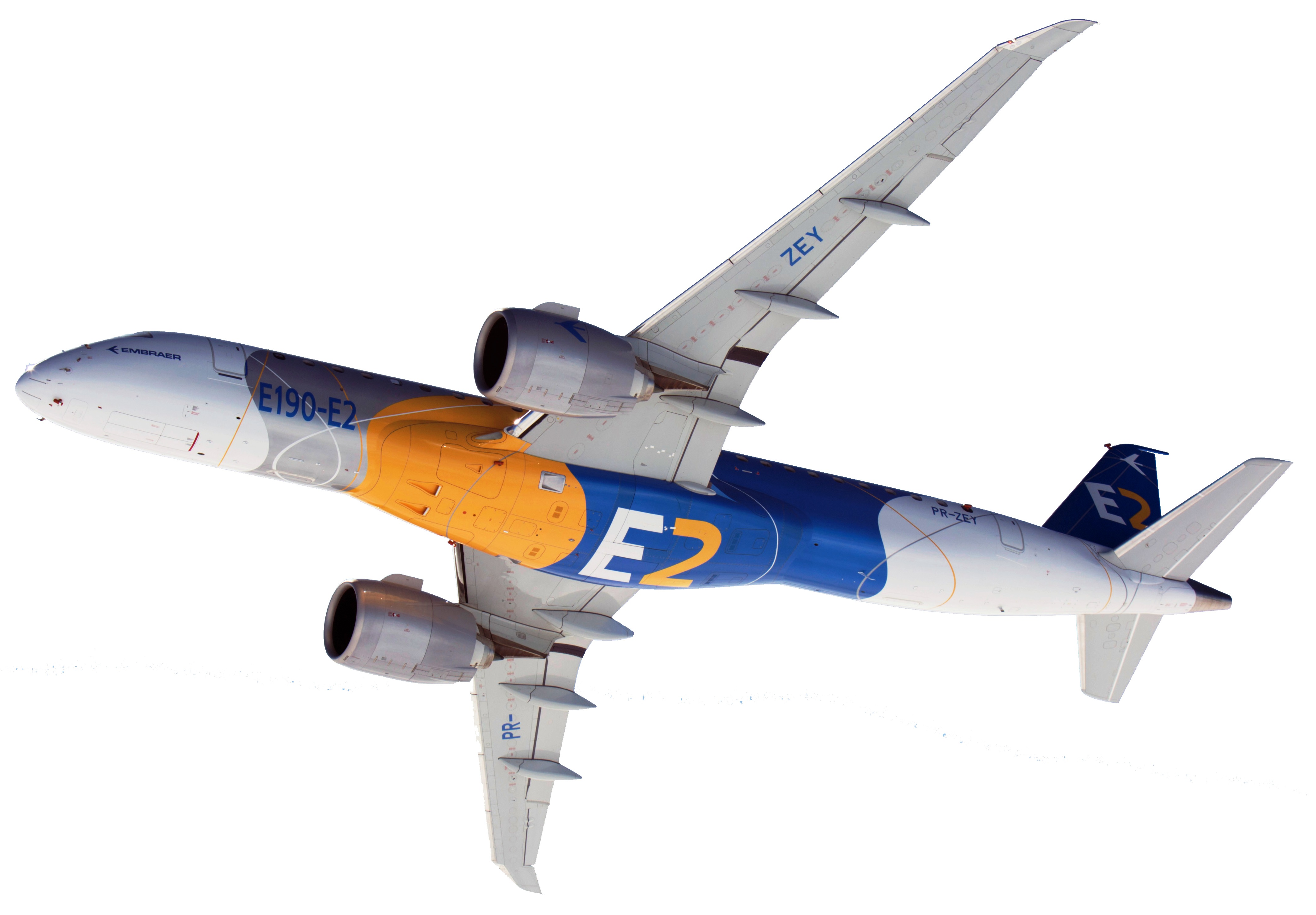
Budget airline Jet Airways expects to reactivate its services from 4Q2022, looking to expand its fleet. The Indian airline is ready to green light an aircraft order when it could change its philosophy in the narrowbodies sector, leaving Boeing relegated from the Boeing 737 MAX aircraft order book. Also, talks with Boeing for the 737 MAX model and with Embraer for the E2-Jet have moved closer, although Airbus appears to be the candidate for the deal valued at a list price of US$5.5 billion.

Last week, the airline conducted a survey asking which aircraft should be the next to join its fleet. The Airbus A320NEO family garnered 47% of the vote, with the 737 MAX series lagging behind by just over 32%. Airbus’ narrow-body offerings have proven to be a strong option for Indian airlines, particularly low-cost airline IndiGo, which operates the world’s largest fleet of A320neo family aircraft. Almost 200 of this type are currently in operation with the airline, with 538 orders still pending. A range of A320s and A321s also serve in the fleets of Go First, Vistara and flag carrier Air India. The airline currently has six aircraft in its inventory: two Airbus A330-200s (2), three Boeing 737-800s (3) and one 737-900 (1), with an average fleet age of sixteen years.

Jet Airways outlook

Chief Executive Sanjiv Kapoor has expressed that long-term prospects for near-term availability would drive his final choice for the aircraft, showing a strong commitment to the airline’s future. The airline is poised to revamp its business model, moving to a hybrid-style airline strategy to keep it competitive with low-cost regional carriers IndiGo and SpiceJet, while retaining its full-service operations through a two-tier offering. lessons. Jet Airways’ fleet development is not being taken lightly by other airlines in the Indian market. «It is very difficult in the domestic market of India to bear the cost of food and everything else in economy class, where the customer in India chooses mainly on the basis of fares. Let us accept that and not burden ourselves with additional cost. Sannjiv Kapoor told The India Times in April 2022. The Indian airline Jet Airways expects to resume operations by the end of 2022, reestablishing itself in a very competitive market with new air operators in action.

जेट एयरवेज A320NEO/A220 का अध्ययन करता है

भारतीय एयरलाइन ने यूरोपीय क्षेत्रीय विमान को शामिल करने का विश्लेषण किया
कम लागत वाणिज्यिक हवाई बेड़े के दर्शन को बदल देगी

AW-A320NEO_Isologotype_001

Jet_Airways_Isologotype

जेट एयरवेज क्षेत्रीय विमान एयरबस A320NEO/A220 को शामिल करने के लिए एक समझौते के साथ आगे बढ़ रहा है। ऐसा लगता है कि यूरोपीय विमान निर्माता एयरबस समूह भारतीय कम लागत वाली कंपनी के बेड़े के अगले विकास के लिए 5,500 मिलियन अमेरिकी डॉलर मूल्य के समझौते पर पहुंच गया है। एक प्रवक्ता ने कहा, «हम विमान के लिए पट्टेदारों और ओईएम के साथ अंतिम बातचीत कर रहे हैं, और एक बार निर्णय लेने के बाद हम विमान और बेड़े की योजना की अपनी पसंद की घोषणा करेंगे। हम अपने लिए सबसे अच्छा काम करने वाले को खोजने के लिए सभी संभावनाओं को देख रहे हैं।» एयरलाइन जेट एयरवेज के लिए।

बजट एयरलाइन जेट एयरवेज को अपने बेड़े का विस्तार करने की तलाश में, 4Q2022 से अपनी सेवाओं को फिर से सक्रिय करने की उम्मीद है। भारतीय एयरलाइन एक एयरक्राफ्ट ऑर्डर को हरी झंडी देने के लिए तैयार है, जब वह नैरोबॉडी सेक्टर में अपने दर्शन को बदल सकता है, बोइंग को बोइंग 737 मैक्स एयरक्राफ्ट ऑर्डर बुक से हटा दिया गया है। इसके अलावा, 737 मैक्स मॉडल के लिए बोइंग के साथ और ई2-जेट के लिए एम्ब्रेयर के साथ बातचीत करीब आ गई है, हालांकि एयरबस 5.5 बिलियन अमेरिकी डॉलर की सूची मूल्य पर सौदे के लिए उम्मीदवार प्रतीत होता है।

पिछले हफ्ते, एयरलाइन ने एक सर्वेक्षण किया जिसमें पूछा गया कि उसके बेड़े में शामिल होने के लिए अगला विमान कौन सा होना चाहिए। एयरबस A320NEO परिवार को 47% वोट मिले, जिसमें 737 MAX सीरीज़ केवल 32% से अधिक पीछे रही। एयरबस की नैरो-बॉडी पेशकश भारतीय एयरलाइनों, विशेष रूप से कम लागत वाली एयरलाइन इंडिगो के लिए एक मजबूत विकल्प साबित हुई है, जो ए320नियो परिवार के विमानों के दुनिया के सबसे बड़े बेड़े का संचालन करती है। इस प्रकार के लगभग 200 वर्तमान में एयरलाइन के साथ परिचालन में हैं, जिनमें से 538 ऑर्डर अभी भी लंबित हैं। ए 320 और ए 321 की एक श्रृंखला गो फर्स्ट, विस्तारा और फ्लैग कैरियर एयर इंडिया के बेड़े में भी काम करती है। एयरलाइन के पास वर्तमान में इसकी सूची में छह विमान हैं: दो एयरबस A330-200s (2), तीन बोइंग 737-800s (3) और एक 737-900 (1), जिनकी औसत बेड़े की आयु सोलह वर्ष है।

जेट एयरवेज आउटलुक

मुख्य कार्यकारी संजीव कपूर ने व्यक्त किया है कि निकट अवधि की उपलब्धता के लिए दीर्घकालिक संभावनाएं विमान के लिए उनकी अंतिम पसंद को आगे बढ़ाएगी, जो एयरलाइन के भविष्य के लिए एक मजबूत प्रतिबद्धता दर्शाती है। एयरलाइन अपने बिजनेस मॉडल में सुधार करने के लिए तैयार है, एक हाइब्रिड-स्टाइल एयरलाइन रणनीति की ओर बढ़ रही है ताकि इसे कम लागत वाली क्षेत्रीय वाहक इंडिगो और स्पाइसजेट के साथ प्रतिस्पर्धी बनाए रखा जा सके, जबकि दो-स्तरीय पेशकश के माध्यम से अपने पूर्ण-सेवा संचालन को बनाए रखा जा सके। जेट एयरवेज के बेड़े के विकास को भारतीय बाजार में अन्य एयरलाइनों द्वारा हल्के में नहीं लिया जा रहा है। «भारत के घरेलू बाजार में इकोनॉमी क्लास में भोजन और बाकी सभी चीजों की लागत वहन करना बहुत मुश्किल है, जहां भारत में ग्राहक मुख्य रूप से किराए के आधार पर चुनते हैं। आइए हम इसे स्वीकार करें और अतिरिक्त लागत के साथ खुद पर बोझ न डालें।» संजीव कपूर ने अप्रैल 2022 में द इंडिया टाइम्स को बताया। भारतीय एयरलाइन जेट एयरवेज को 2022 के अंत तक परिचालन फिर से शुरू करने की उम्मीद है, नए एयर ऑपरेटरों के साथ एक बहुत ही प्रतिस्पर्धी बाजार में खुद को फिर से स्थापित करना।

PUBLISHER: Airgways.com
DBk: Jetaiways.com / Airbus.com / Boeing.com / Embraer.com / Airgways.com
AW-POST: 202206271708AR
OWNERSHIP: Airgways Inc.
A\W A I R G W A Y S ®

Lufthansa retorna Airbus A380

AW | 2022 06 27 16:56 | AIRLINES

Superjumbo entra en escena nuevamente

AW-Lufthansa German Airlines_Isologotype

La aerolínea alemana Lufthansa German Airlines ha anunciado el Lunes 27/06 que reactivará algunos de sus aviones Superjumbos Airbus A380-800 que se suspendieron durante la pandemia global debido al reciente aumento de la demanda de viajes y el retraso en la entrega de aviones pedidos, como los Boeing 787 y 777-9. Lufthansa es la última aerolínea internacional en reintroducir los A380.

La aerolínea de bandera alemana dijo que espera usar el avión de larga distancia a partir de la temporada de viajes de verano septentrional de 2023. La compañía está evaluando cuántos A380 traer de vuelta y a que destinos volará el A380. Lufthansa tiene catorce (14) de los aviones Superjumbos, que actualmente se almacenan en España y Francia. Seis de los aviones han sido vendidos y ocho siguen siendo parte de la flota de Lufthansa.

El Airbus A380-800 es el avión de pasajeros más grande del mundo con 239.5 pies de largo y 79 pies de alto. La configuración de Lufthansa tiene capacidad para 509 pasajeros. Los gigantescos transportistas nunca se dieron cuenta del público que vuela y las aerolíneas, lo que llevó a Airbus a finalizar la producción en 2021 después de producir 251 aviones para catorce clientes. Los aviones fueron diseñados como una forma para que las aerolíneas ofrecieran más capacidad en centros aéreos de alta densidad con limitaciones de frecuencia. Pero vender un avión de cuatro motores tan grande resultó difícil con el advenimiento de aviones bimotores más eficientes y de largo alcance como el Boeing 787, Boeing 777-X y el Airbus A350-900/1000, junto con el interés de los consumidores en vuelos más directos. El tamaño de los aviones limitó la flexibilidad de las aerolíneas para moverlos a diferentes rutas a medida que cambiaban las condiciones del mercado. Con la escasez de mano de obra en la tripulación y el aeropuerto y la enorme demanda reprimida para volar, las aerolíneas ven una razón para el A380.

Restableciendo Superjumbo

All Nippon Airways está utilizando temporalmente tres A380 (3) en la ruta de Tokio a Honolulu. British Airways está utilizando más A380 que en 2019, en parte porque retiró su flota de Boeing 747 en 2020 y opera desde el congestionado Aeropuerto Londres/Heathrow. Qantas Airways tiene tres A380 (3) en servicio, y se espera que dos más completen la renovación, y los está utilizando en rutas desde Australia a Los Ángeles y Londres. Singapore Airlines está volando diez aeronaves A380 (10) nuevamente. Emirates Airline, el mayor operador de A380 con 116 aviones, ha redesplegado el 60% de su flota, aunque aún no a plena frecuencia. La consultora de aviación IBA, en un seminario web en Mayo 2022 dijo que aproximadamente la mitad de la flota de A380 ha vuelto al servicio en los últimos meses.

La reactivación de aviones inactivos estacionados en almacenamiento a largo plazo es un proceso extenso. Los técnicos reinician y prueban los sistemas y lubrican los engranajes y componentes antes de que las aeronaves se sometan a un vuelo de prueba. Luego, los aviones deben recibir una revisión de mantenimiento completa.

En Abril 2022, Boeing retrasó la entrega esperada del 777 de fuselaje ancho de próxima generación, el 777-9, hasta 2025, y detuvo la producción hasta finales de este año después de reevaluar cuánto tiempo llevará cumplir con los requisitos de certificación. Los problemas de control de calidad han obligado a Boeing a suspender las entregas del 787 Dreamliner durante los últimos veinte meses. Airbus también tiene una gran cartera de pedidos para su avión de pasajeros A350.

A pesar de su tamaño, el A380 nunca fue ideal para la carga. Dependiendo de la configuración específica, tenía el mismo o menos espacio general en el vientre que los aviones con muchos menos asientos. Un vuelo completo con mucha gente y equipaje puede desplazar rápidamente a la mayoría de la carga, debido a las restricciones de espacio y peso. Los operadores del A380 suelen adaptarse mediante el uso de contenedores pequeños.

Lufthansa returns Airbus A380

Superjumbo enters the scene again

AW-Lufthansa__A3808006

The German airline Lufthansa German Airlines announced on Monday 06/27 that it will reactivate some of its Airbus A380-800 Superjumbos aircraft that were suspended during the global pandemic due to the recent increase in travel demand and the delay in the delivery of ordered aircraft, like the Boeing 787 and 777-9. Lufthansa is the latest international airline to reintroduce the A380.

The German flag carrier said it expects to use the long-haul aircraft from the 2023 northern summer travel season. The company is evaluating how many A380s to bring back and to which destinations the A380s will fly. Lufthansa has fourteen (14) of the Superjumbos, which are currently stored in Spain and France. Six of the planes have been sold and eight remain in the Lufthansa fleet.

The Airbus A380-800 is the world’s largest passenger aircraft at 239.5 feet long and 79 feet tall. The Lufthansa configuration seats 509 passengers. The giant carriers never caught on with the flying public and the airlines, prompting Airbus to end production in 2021 after producing 251 planes for fourteen customers. The planes were designed as a way for airlines to offer more capacity at high-density air hubs with frequency limitations. But selling such a large four-engine aircraft proved difficult with the advent of more efficient, long-range twin-engine aircraft such as the Boeing 787, Boeing 777-X and the Airbus A350-900/1000, along with consumer interest in flying. more direct. The size of the planes limited airlines’ flexibility to move them to different routes as market conditions changed. With crew and airport labor shortages and huge pent-up demand to fly, airlines see a reason for the A380.

Restoring Superjumbo

All Nippon Airways is temporarily using three A380s (3) on the Tokyo to Honolulu route. British Airways is using more A380s than in 2019, in part because it retired its fleet of Boeing 747s in 2020 and operates from congested London/Heathrow Airport. Qantas Airways has three A380s (3) in service, with two more expected to complete refurbishment, and is using them on routes from Australia to Los Angeles and London. Singapore Airlines is flying ten A380 aircraft (10) again. Emirates Airline, the largest A380 operator with 116 aircraft, has redeployed 60% of its fleet, although not yet at full frequency. Aviation consultancy IBA, in a webinar in May 2022 said that about half of the A380 fleet has returned to service in recent months.

Reactivating idle aircraft parked in long-term storage is an extensive process. Technicians reset and test systems and lubricate gears and components before aircraft undergo a test flight. The planes must then receive a full maintenance check.

In April 2022, Boeing delayed the expected delivery of the next-generation widebody 777, the 777-9, to 2025, halting production until later this year after re-evaluating how long it will take to meet certification requirements. Quality control problems have forced Boeing to suspend deliveries of the 787 Dreamliner for the past twenty months. Airbus also has a large order book for its A350 airliner.

Despite its size, the A380 was never ideal for cargo. Depending on the specific configuration, it had the same or less overall belly space as aircraft with far fewer seats. A full flight with lots of people and luggage can quickly displace most of the cargo due to space and weight restrictions. A380 operators often adapt by using small containers.

PUBLISHER: Airgways.com
DBk: Lufthansa.com / Airgways.com
AW-POST: 202206271656AR
OWNERSHIP: Airgways Inc.
A\W A I R G W A Y S ®
Air Europa más puntual europea

AW | 2022 06 27 16:06 | AIRLINES / AWARDS

Air Europa considerada aerolínea más puntual de Europa

Air Europa_Isologotype

Air Europa ha sido considerada en Mayo 2022 como la aerolínea más puntual de Europa, de acuerdo con los datos del informe mensual On-Time Performance publicado por el sitio web Cirium, principal proveedor internacional de datos estadísticos del sector de la aviación. De esta forma, la aerolínea demuestra una vez más su compromiso con ofrecer a sus pasajeros la máxima calidad en el servicio. El índice de puntualidad On-time Arrival (OTA) de la compañía fue del 87,67%, mejorando aún más las cifras registradas en los meses precedentes, en los que se había situado entre las empresas más destacadas del continente.

Air Europa ha sido capaz de mantener sus estándares de calidad incluso ante el incremento notable de los vuelos registrados. Estos resultados son posibles gracias al importante esfuerzo realizado por la totalidad de la plantilla y una directa y total coordinación entre los departamentos de la aerolínea con el objetivo de proporcionar el mejor servicio al cliente. Todo ello evidencia la excelencia operativa de los procesos que se llevan a cabo. La aerolínea se situó igualmente en sus operaciones de red con un índice del 90,17%.

Air Europa mantiene entre sus prioridades el cumplimiento de los horarios en todos los vuelos. De hecho, dispone de un “Área de Puntualidad”, desde donde se trabaja en absoluta coordinación con el resto de departamentos para agilizar los procedimientos y garantizar los ratios de calidad más elevados. Los clientes de Air Europa reconocen la puntualidad como uno de los principales motivos por los que eligen volar con la compañía.

Air Europa es miembro de la alianza SkyTeam, formada por diecinueve aerolíneas que, desde hace diecinueve años, trabajan unidas como una gran red global prestando servicios a más de 630 millones de pasajeros al año. La flota de Air Europa es una de las más modernas del continente. Está compuesta por 38 aeronaves, cuya media de edad no supera los cuatro años. La compañía es líder en procesos de conservación medioambiental. En 2018, la organización medioambiental alemana Atmosfair calificó a Air Europa como la aerolínea europea de red más eficiente.

Air Europa most punctual European

Air Europa considered the most punctual airline in Europe

AW-78800778090

Air Europa has been considered in May 2022 as the most punctual airline in Europe, according to data from the monthly On-Time Performance report published by the Cirium website, the main international provider of statistical data in the aviation sector. In this way, the airline once again demonstrates its commitment to offering its passengers the highest quality of service. The company’s On-time Arrival (OTA) punctuality index was 87.67%, further improving the figures recorded in previous months, in which it had ranked among the leading companies on the continent.

Air Europa has been able to maintain its quality standards even in the face of the notable increase in registered flights. These results are possible thanks to the significant effort made by the entire workforce and direct and total coordination between the airline’s departments with the aim of providing the best customer service. All this demonstrates the operational excellence of the processes carried out. The airline also ranked in its network operations with an index of 90.17%.

Air Europa maintains compliance with schedules on all flights among its priorities. In fact, it has a «Punctuality Area», from where it works in absolute coordination with the rest of the departments to streamline procedures and guarantee the highest quality ratios. Air Europa customers recognize punctuality as one of the main reasons why they choose to fly with the company.

Air Europa is a member of the SkyTeam alliance, made up of nineteen airlines that, for nineteen years, have worked together as a large global network providing services to more than 630 million passengers a year. Air Europa’s fleet is one of the most modern on the continent. It is made up of 38 aircraft, whose average age does not exceed four years. The company is a leader in environmental conservation processes. In 2018, the German environmental organization Atmosfair rated Air Europa as the most efficient European network airline.

PUBLISHER: Airgways.com
DBk: Aireuropa.com / Cirium.com / Airgways.com
AW-POST: 202206271606AR
OWNERSHIP: Airgways Inc.
A\W A I R G W A Y S ®

DOT alianza provisional Delta-LATAM

AW | 2022 06 27 15:45 | AIRLINES ALLIANCE / AVIATION ORGANISMS

Departamento Transporte EEUU autoriza JBA provisionalmente

DeltaLATAM_Isoglotype

Tras casi tres años del anuncio de una alianza entre Delta Air Lines y LATAM Airlines reciben la aprobación del Departamento de Transporte de los Estados Unidos (DOT) para su Acuerdo de Negocio Conjunto (JBA). Se trata de una autorización provisoria, pues se encuentra sujeto a ciertas condiciones. No obstante, existe confianza en que será visado de manera permanente, tal como el propio organismo indica. Aunque es una aprobación tentativa, las dos líneas aéreas reciben con beneplácito la decisión que constituye una positiva antesala para la pronta implementación que permitirá integrar las redes de rutas y ofrecer a los viajeros más alternativas de viaje en las Américas.

El JBA se encuentra aprobado en Brasil, Chile, Colombia y Uruguay. La aprobación provisional DOT determina que hay ciertas condiciones críticas que deben revisarse como son: acuerdos interlineales con terceros, eliminaciones de disposiciones de exclusividad que podrían prohibir o limitar relaciones comerciales con otros transportistas, un requisito de caducidad y reevaluación a diez años, y la eliminación de la cláusula de limitación de capacidad por considerar que limita el crecimiento en las fases iniciales. Según el DOT, el JBA como está planteado actualmente podría restringir la competencia y no ser de interés público. De atender las condiciones presentadas determina que la asociación de Delta Air Lines y LATAM Airlines generará beneficios teniendo presente que el mercado entre los Estados Unidos y Sudamérica seguiría estando lo suficientemente abierto a la competencia existente y futuras alianzas.

Delta y LATAM tienen catorce días para responder. En la declaración del organismo gubernamental estadounidense existe un reconocimiento explícito a la incorporación de nuevos actores al mercado aéreo entre los Estados Unidos y América Latina. La llegada de las líneas aéreas de bajo costo y tarifas bajas (LCC) desde Colombia, Perú y, a partir de mediados de década supuestamente también desde Chile, son el ejemplo de cómo pequeños operadores pueden participar. “Una vez que el DOT confirme su decisión, las aerolíneas trabajarán para profundizar su alianza estratégica, permitiéndoles ofrecer beneficios al consumidor, incluida mayor disponibilidad de vuelos, más rutas entre Estados Unidos, Canadá y América del Sur, mejores beneficios para viajeros frecuentes, además del acceso a instalaciones y servicios compartidos en los aeropuertos donde las aerolíneas operan”, señalan Delta Air Lines y LATAM Airlines.

DOT provisionally authorizes Delta-LATAM

US Department of Transportation provisionally authorizes JBA

Almost three years after the announcement of an alliance between Delta Air Lines and LATAM Airlines, they receive approval from the United States Department of Transportation (DOT) for their Joint Business Agreement (JBA). This is a provisional authorization, as it is subject to certain conditions. However, there is confidence that it will be permanently visaed, as the agency itself indicates. Although it is a tentative approval, the two airlines welcome the decision that constitutes a positive prelude to the prompt implementation that will allow the integration of route networks and offer travelers more travel alternatives in the Americas.

The JBA is approved in Brazil, Chile, Colombia and Uruguay. The DOT provisional approval determines that there are certain critical conditions that must be reviewed, such as: interline agreements with third parties, elimination of exclusivity provisions that could prohibit or limit commercial relationships with other carriers, a ten-year expiration and reassessment requirement, and the elimination of the capacity limitation clause, considering that it limits growth in the initial phases. According to the DOT, the JBA as it currently stands could restrict competition and not be in the public interest. If the conditions presented are met, it determines that the association of Delta Air Lines and LATAM Airlines will generate benefits, bearing in mind that the market between the United States and South America would continue to be sufficiently open to existing competition and future alliances.

Delta and LATAM have fourteen days to respond. In the declaration of the US government agency there is an explicit recognition of the incorporation of new actors to the air market between the United States and Latin America. The arrival of low-cost, low-fare airlines (LCC) from Colombia, Peru and, from the middle of the decade supposedly also from Chile, are the example of how small operators can participate. “Once the DOT confirms its decision, the airlines will work to deepen their strategic alliance, allowing them to offer consumer benefits, including greater flight availability, more routes between the United States, Canada and South America, better benefits for frequent flyers, in addition to of access to shared facilities and services at the airports where the airlines operate”, point out Delta Air Lines and LATAM Airlines.

PUBLISHER: Airgways.com
DBk: Emirates.com / Transportation.gov / Airgways.com
AW-POST: 202206271545AR
OWNERSHIP: Airgways Inc.
A\W A I R G W A Y S ®
Emirates cambiaría al A350

AW | 2022 06 27 15:44 | AIRLINES / INDUSTRY

Emirates sopesa cambiar Boeing 787 por Airbus A350
Mejor cliente de Boeing molestado por demoras entregas

Emirates Airline_Isologotype

AW-Boeing787_007

Los constantes retrasos de The Boeing Company en las entregas de aeronaves han alterado la paciencia de la aerolínea Emirates Airline. La aerolínea de los Emiratos Árabes Unidos (EAU) se encuentra analizando rechazar los pedidos pendientes de Boeing 787 Dreamliner ante las sospechas de demoras de más de un año adicional al pedido de aeronaves Dreamliners.

Según el Presidente, Tim Clark, el fabricante les ha comunicado que la llegada de estas aeronaves podría demorarse hasta 2025 o 2026, cuando estaba previsto que su entrega se produjese inicialmente en 2023. La aerolínea árabe teme que se reproduzca el mismo caso de demoras en las entregas de los Boeing 777X, que acumulan alrededor de cinco años de retraso. Ante esta situación, ha llevado a Emirates Airline a plantearse el cambio de aeronaves incrementando su pedido por aviones Airbus A350 XWB del constructor europeo. Un hecho que les permitiría cumplir con su hoja de ruta para 2024-2027, aunque también con algunos riesgos. Actualmente, tiene un pedido de 50 unidades que esperan a partir de Agosto de 2024, pero que también están retrasados por la pandemia. Si la aerolínea emiratí toma la decisión de cambiarse hacia Airbus, exigiría acortar el plazo de tres años y medio a dos años. En sus órdenes tentativas se encuentran las opciones por los A350-1000, pero se encuentra a la espera de solucionar problemas relacionados con su planta motriz Rolls-Royce Trent XWB-97. Si la industria consiguen solucionar los inconvenientes, sería una alternativa próxima a incorporar.

Emirates would change to the A350

Emirates considers swapping Boeing 787 for Airbus A350
Boeing’s top customer upset over delivery delays

Dreamliner_Isologotype

The Boeing Company‘s constant delays in aircraft deliveries have strained Emirates Airline‘s patience. The airline of the United Arab Emirates (UAE) is analyzing rejecting the pending orders of Boeing 787 Dreamliner due to suspicions of delays of more than an additional year to the order of Dreamliners aircraft.

According to the President, Tim Clark, the manufacturer has informed them that the arrival of these aircraft could be delayed until 2025 or 2026, when their delivery was initially scheduled to take place in 2023. The Arab airline fears that the same case of delays in deliveries of the Boeing 777X, which accumulate about five years behind schedule. Given this situation, it has led Emirates Airline to consider changing aircraft by increasing its order for Airbus A350 XWB aircraft from the European manufacturer. A fact that would allow them to comply with their roadmap for 2024-2027, although also with some risks. Currently, it has an order for 50 units that are expected from August 2024, but that are also delayed by the pandemic. If the Emirati airline makes the decision to switch to Airbus, it would require shortening the term from three and a half years to two years. Options for the A350-1000 are in its tentative orders, but it is waiting to solve problems related to its Rolls-Royce Trent XWB-97 powerplant. If the industry manages to solve the drawbacks, it would be an alternative to incorporate soon.

PUBLISHER: Airgways.com
DBk: Emirates.com / Airgways.com
AW-POST: 202206271544AR
OWNERSHIP: Airgways Inc.
A\W A I R G W A Y S ®

Alianza Aviación de Cero Emisiones

AW | 2022 06 27 15:20 | AIRLINES ALLIANCE / AVIATION TECHNOLOGY

Comisión Europea crea alianza aviación de Cero Emisiones

AW-EU__Horizonte Europa

La Comisión Europea (CE) ha puesto en marcha oficialmente el Viernes 24/06 la Alianza de Aviación de Cero Emisiones. La alianza tiene por objeto preparar el ecosistema de la aviación para la puesta en servicio de aeronaves eléctricas y propulsadas por hidrógeno, a fin de garantizar que el transporte aéreo en Europa contribuya a alcanzar los objetivos climáticos de Europa hacia 2050. Esta Alianza reunirá a representantes de fabricantes de aeronaves, compañías aéreas, aeropuertos, compañías energéticas y proveedores de combustible, agencias de normalización y certificación, grupos de interés para pasajeros y para el medio ambiente y reguladores. Estos agentes colaborarán para detectar todos los obstáculos que dificulten la puesta en servicio comercial de estas aeronaves, establecer una hoja de ruta para abordar estos obstáculos, promover proyectos de inversión y crear sinergias y una dinámica positiva entre los miembros. Los miembros estudiarán cuestiones como los requisitos de combustible e infraestructura necesaria en los aeropuertos para acoger aeronaves eléctricas y propulsadas por hidrógeno, la normalización y la certificación, así como las implicaciones para las líneas aéreas y la gestión del tráfico aéreo.

La Alianza cumplirá el compromiso de alinear el sector con la ambición climática, los objetivos y otras políticas relacionadas de la Unión Europea. Otro elemento de importancia es la dimensión internacional que debe tener el sector, visto que la lucha contra el cambio climático requiere esfuerzos a nivel mundial.

Margrethe Vestager, Vicepresidenta Ejecutiva para la Era Digital, ha declarado que “con la llegada de las aeronaves sin emisiones, Europa escribirá el siguiente capítulo en el mundo de la aviación. La neutralidad climática es el pasaporte hacia el crecimiento y la Alianza para una Aviación de Cero Emisiones ayudará a la industria aeronáutica europea a preparar el terreno para una aviación competitiva y limpia”.

El comisario de Mercado Interior, Thierry Breton, ha manifestado que “la industria aeronáutica europea es la más innovadora del mundo. Y es realmente alentador ver el entusiasmo que muestra todo el sector para liderar el camino hacia las aeronaves de propulsión eléctrica y por hidrógeno, desde los grandes fabricantes hasta los proveedores de equipos y las pequeñas empresas y las empresas emergentes. Pero también es necesario que esté preparado todo el ecosistema de la aviación, por ejemplo, los proveedores de combustible, los operadores aeroportuarios y los reguladores. La Alianza para una Aviación de Cero Emisiones ayudará a coordinar los esfuerzos de las empresas y organizaciones para mantener un sector de la aviación competitiva y sostenible”.

La comisaria de Innovación, Investigación, Cultura, Educación y Juventud, Mariya Gabriel, ha declarado que “celebro la puesta en marcha de la Alianza para una Aviación de Cero Emisiones, que constituye un paso importante para garantizar que podamos llevar a cabo al mercado nuestras actividades europeas de investigación e innovación en el ámbito de la aviación limpia. Las actividades de la Alianza mostrarán las condiciones marco necesarias para el éxito del futuro uso de las aeronaves sin emisiones en Europa”.

La industria aeronáutica europea, junto con agentes europeos del sector de la aviación, se ha reforzado firmemente a otros seguros de que el transporte aéreo en Europa sea conforme con los objetivos climáticos de Europa 2050. La Comisión Europea apoya este propósito mediante acciones concretas, como el programa Aviación Limpia en el marco de Horizonte Europa, los mecanismos de fijación de precios del carbono (RCDE/UE) y el Fondo de Innovación. Son iniciativas que fomentan el desarrollo de aeronaves emisiones sin basarse en nuevas tecnologías de propulsión como por ejemplo, eléctrica o por hidrógeno. Estas aeronaves, respetuosas con el medio ambiente, tienen un enorme potencial de mercado y pueden contribuir en gran medida a la competitividad futura de la industria en todos los segmentos del mercado.

En el marco de Horizonte Europa, el Programa Marco de Investigación e Innovación de la UE, la Comisión y la industria invierten actualmente € 1.700 millones de Euros en conjunto para financiar actividades de investigación e innovación, con miras a lograr una aviación climáticamente neutra en el Contexto de la Asociación para la Aviación Limpia.

Sobre la base de anteriores asociaciones de la UE para la investigación y la innovación, la Asociación para la Aviación Limpia tiene por objeto que las tecnologías sin emisiones están listas entre 2027 y 2029 a fin de que las aeronaves sin emisiones pueden ponerse en servicio para 2035. Se espera que las nuevas tecnologías disruptivas que se desarrollan actualmente en el marco de la Asociación mencionada contribuyan a reducir las emisiones de gases de efecto invernadero entre un 30% y un 50% en comparación con 2020; por eso, el papel de estas tecnologías resulta crucial a la hora de implementar el Pacto Verde Europeo.

Los Estados miembros de la Unión Europea (UE), varios estados miembros de la Conferencia Europea de Aviación Civil y la Comisión, así como empresas y partes interesadas de los sectores del transporte aéreo y la energía, aprobaron el 4 de Febrero de 2022 la Declaración de Toulouse, sobre la sostenibilidad y la descarbonización futura de la aviación.

Las tecnologías de propulsión con cero emisiones son fundamentales para mitigar las emisiones de CO2 en la aviación, un sector que es responsable de, al menos, el 3% del calentamiento global. Esto no incluye el impacto de las distintas emisiones del CO2, que corresponden a dos tercios del impacto climático del sector. Introducir la propulsión por batería eléctrica y por hidrógeno conllevará cambios significativos en el sistema de transporte aéreo. Son tecnologías que, además de acompañar a una nueva generación de aeronaves, requieren una transformación importante de la infraestructura en los aeropuertos, las compañías aéreas, la gestión del tráfico aéreo y las redes energéticas. La Alianza Cero Emisiones trabajará en plena complementariedad con la Alianza Industrial de la Cadena de Valor de Combustibles Renovables e Hipocarbónicos y la Alianza Europea por un Hidrógeno Limpio.

Perspectivas Alianza Cero Emisiones

Las estimaciones para las próximas dos décadas se introducirán en el mercado más de 44.000 nuevas aeronaves, estimando que para 2050 el volumen potencial del mercado de las aeronaves sin emisiones crecerá a 26.000 unidades, con un valor total de cinco billones de Euros. La nueva organización invita a las entidades públicas y privadas de la comunidad de la aviación que están comprometidas a apoyar la puesta en servicio de las aeronaves sin emisiones a adherirse, a través del formulario online, a la Alianza para una Aviación de Cero Emisiones. La asamblea general se reunirá por primera vez hacia el 3Q2022.

Alliance of Zero Emissions Aviation

European Commission creates Zero Emissions aviation alliance

AW-Horizon Europe

The European Commission (EC) has officially launched on Friday 06/24 the Zero Emissions Aviation Alliance. The alliance aims to prepare the aviation ecosystem for the commissioning of electric and hydrogen-powered aircraft, in order to ensure that air transport in Europe contributes to achieving Europe’s climate objectives by 2050. This Alliance will bring together representatives from aircraft manufacturers, airlines, airports, energy companies and fuel suppliers, standards and certification agencies, passenger and environmental interest groups, and regulators. These agents will collaborate to detect all the obstacles that hinder the commercial commissioning of these aircraft, establish a roadmap to address these obstacles, promote investment projects and create synergies and a positive dynamic between the members. Members will study issues such as fuel and infrastructure requirements at airports to accommodate electric and hydrogen-powered aircraft, standardization and certification, as well as implications for airlines and air traffic management.

The Alliance will fulfill the commitment to align the sector with the climate ambition, goals and other related policies of the European Union. Another important element is the international dimension that the sector must have, given that the fight against climate change requires efforts at a global level.

Margrethe Vestager, Executive Vice President for the Digital Age, said: “With the advent of zero emission aircraft, Europe will write the next chapter in the world of aviation. Climate neutrality is the passport to growth and the Alliance for Zero Emissions Aviation will help the European aviation industry pave the way for competitive and clean aviation”.

The Commissioner for the Internal Market, Thierry Breton, has stated that “the European aeronautical industry is the most innovative in the world. And it’s really encouraging to see the enthusiasm shown across the industry to lead the way to electric and hydrogen powered aircraft, from the big manufacturers to the equipment suppliers and the small businesses and start-ups. But the entire aviation ecosystem, for example fuel suppliers, airport operators and regulators, also needs to be prepared. The Alliance for Zero Emissions Aviation will help coordinate the efforts of companies and organizations to maintain a competitive and sustainable aviation sector”.

The Commissioner for Innovation, Research, Culture, Education and Youth, Mariya Gabriel, stated that «I welcome the launch of the Alliance for Zero Emissions Aviation, which is an important step in ensuring that we can bring to market our European research and innovation activities in the field of clean aviation. The activities of the Alliance will show the necessary framework conditions for the successful future use of emission-free aircraft in Europe”.

The European aviation industry, together with European actors in the aviation sector, has strongly strengthened other assurances that air transport in Europe is in line with the Europe 2050 climate goals. The European Commission supports this aim through concrete actions, such as the Clean Aviation program under Horizon Europe, the carbon pricing mechanisms (ETS/EU) and the Innovation Fund. These are initiatives that promote the development of emission aircraft without relying on new propulsion technologies such as electric or hydrogen. These environmentally friendly aircraft have huge market potential and can greatly contribute to the future competitiveness of the industry in all market segments.

Under Horizon Europe, the EU Research and Innovation Framework Programme, the Commission and industry are currently investing € 1.7 billion together to fund research and innovation activities, with a view to achieving climate-neutral aviation in the world. Context of the Partnership for Clean Aviation.

Building on previous EU partnerships for research and innovation, the Clean Aviation Partnership aims to have zero-emission technologies ready between 2027 and 2029 so that zero-emission aircraft can be put into service by 2035. The new disruptive technologies currently being developed within the framework of the aforementioned Association are expected to contribute to reducing greenhouse gas emissions by between 30% and 50% compared to 2020; therefore, the role of these technologies is crucial when implementing the European Green Deal.

The Member States of the European Union (EU), several member states of the European Civil Aviation Conference and the Commission, as well as companies and stakeholders from the air transport and energy sectors, approved on February 4, 2022 the Declaration of Toulouse, on the sustainability and future decarbonisation of aviation.

Zero emission propulsion technologies are essential to mitigate CO2 emissions in aviation, a sector that is responsible for at least 3% of global warming. This does not include the impact of the different CO2 emissions, which correspond to two thirds of the climate impact of the sector. Introducing battery electric and hydrogen propulsion will bring significant changes to the air transport system. These are technologies that, in addition to accompanying a new generation of aircraft, require a major transformation of the infrastructure at airports, airlines, air traffic management and energy networks. The Zero Emissions Alliance will work in full complementarity with the Industrial Alliance for the Value Chain of Renewable and Low Carbon Fuels and the European Alliance for Clean Hydrogen.

Zero Emissions Alliance Perspectives

Estimates for the next two decades will introduce more than 44,000 new aircraft to the market, estimating that by 2050 the potential volume of the zero-emission aircraft market will grow to 26,000 units, with a total value of five billion Euros. The new organization invites public and private entities from the aviation community that are committed to supporting the commissioning of emission-free aircraft to join the Alliance for Zero Emissions Aviation through the online form. The general assembly will meet for the first time around 3Q2022.

PUBLISHER: Airgways.com
DBk: Ec.europa.eu / Airgways.com
AW-POST: 202206271520AR
OWNERSHIP: Airgways Inc.
A\W A I R G W A Y S ®
Caos generalizado aeropuertos Europa

AW | 2022 06 27 09:01 | AIR TRAFFIC / AIRLINES / AIRPORTS

Faltante de plantilla empleados por exceso demanda viajes
Vulnerabilidad en sistemas de seguridad

El faltante de trabajadores generalizados en la mayoría de los aeropuertos de Europa ante la fuerte demanda de viajes aéreos ha traído aparejado demoras en las ampliaciones de vuelos y la vulnerabilidad en el control de seguridad en muchos aeropuertos. Las aerolíneas Ryanair, Easyjet, British Airways, Aeroports de París, Brussels Airlines continúan manifestando huelgas en diferentes aeropuertos de Europa. Las cancelaciones y los retrasos son una modalidad en el viejo continente.

La alta demanda de pasajeros ha colapsado la infraestructura aeroportuaria europea pasando de estar operando en modo de restricciones sanitarias a alcanzar máximos fuera de lo común, generando una situación tensa con largas colas en los bares y restaurantes y en la zona de check-in. Este aumento de viajeros es dramático especialmente en algunos aeropuertos alemanes o británicos. Además, la falta de plantilla de trabajadores en todos lados ha puesto en jaque el control de seguridad en muchos aeropuertos. También falta personal en handling; faltan tripulantes de cabina. En España, el Ministerio del Interior contribuye al caos obligando a los turistas británicos a estar hasta hora y media en una cola esperando a que le sellen el pasaporte. En determinados países en los que algunos prestatarios de servicios a la aviación dicen que están registrando aumento de casos de Covid, lo que les obliga a revisar sus servicios. Las huelgas de varias aerolíneas como Brussels Airlines, British Airways, Easyjet, Ryanair, y una huelga de Aeroports de París han estado o aún están en huelga, provocando efecto dominó sobre muchos servicios.

Todas estas variables está generando un verdadero caos en el sistema de tráfico aéreo europeo, mientras muchos estiman que se prolongará por varias semanas.

Widespread chaos at European airports

Lack of staff due to excess travel demand
Vulnerability in security systems

The widespread shortage of workers at most airports in Europe in the face of strong demand for air travel has led to delays in flight extensions and vulnerability in security control at many airports. The airlines Ryanair, Easyjet, British Airways, Aeroports de Paris, Brussels Airlines continue to demonstrate strikes at different airports in Europe. Cancellations and delays are a modality in the old continent.

The high demand for passengers has collapsed the European airport infrastructure, going from operating in sanitary restriction mode to reaching unusual maximums, generating a tense situation with long queues in bars and restaurants and in the check-in area. This increase in travelers is dramatic especially in some German or British airports. In addition, the lack of workers everywhere has put security control at many airports in check. There is also a lack of personnel in handling; cabin crew are missing. In Spain, the Ministry of the Interior contributes to the chaos by forcing British tourists to stand in line for up to an hour and a half waiting for their passports to be stamped. In certain countries where some aviation service providers say they are experiencing an increase in Covid cases, forcing them to review their services. Strikes by various airlines such as Brussels Airlines, British Airways, Easyjet, Ryanair, and a strike by Aeroports de Paris have been or are still on strike, causing a domino effect on many services.

All these variables are generating real chaos in the European air traffic system, while many estimate that it will last for several weeks.

PUBLISHER: Airgways.com
DBk: Ryanair.com / Easyjet.com Britishairways.com / Parisaeroport.fr / Brusselsairlines.com / Airgways.com
AW-POST: 202206270901AR
OWNERSHIP: Airgways Inc.
A\W A I R G W A Y S ®

FAA fiscalizará línea 737 MAX

AW | 2022 06 26 22:53 | AIR INVESTIGATION / AVIATION SAFETY / AVIATION ORGANISMS

Emergencias en el aire del Boeing 737 MAX reveladas
Agencia prepara para investigar problemas producción

FAA-Isologotype

Boeing 737 MAX_Isologotype

Los problemáticos aviones Boeing 737 MAX que se han sufrido dos accidentes aéreos matando a 346 personas, han experimentado al menos seis emergencias en el aire y docenas de aterrizajes en 2022 después de que una extensa investigación los autorizó a volar. Boeing ensambla los aviones 737 MAX en su fábrica en el suburbio de Renton en Seattle, Washington (WA), Estados Unidos.

Los incidentes, extraídos de las bases de datos de seguridad aérea del Gobierno de los Estados Unidos, se encuentran entre los más de sesenta problemas en pleno vuelo reportados por los pilotos en los doce meses posteriores a que la Administración Federal de Aviación de los Estados Unidos (FAA) recertificó la aeronavegabilidad del avión a fines de 2020. Los ex-empleados de The Boeing Company y la FAA caracterizaron los informes, que incluían paradas de motores y pilotos que perdían el control parcial del avión, como graves y con el potencial de terminar en tragedia.

El investigador de seguridad aérea de Estados Unidos, la Junta Nacional de Seguridad en el Transporte (NTSB), dijo que la oficina del Inspector General del Departamento de Transporte de Estados Unidos (DOT) llevaría a cabo lo que describió como un trabajo de vital importancia: «La oficina del Inspector General del DOT [ha] confirmado […] que el Congreso solicitó una auditoría de la supervisión de la producción de Boeing y que la revisión de la producción del 737 MAX será parte de esta auditoría», dijo en un correo electrónico de la NTSB.

MAX accidentados

Las aeronaves Boeing 737-8 MAX accidentadas tenían menos de cuatro meses de antigüedad, salidos de la factoría de Boeing en Seattle (WA). El primer accidente fue el vuelo JT-610 de Lion Air que se hundió en el Mar de Java en Indonesia el 29 de Octubre de 2018. El 10 de Marzo de 2019, otro avión 737-8 MAX operado por Ethiopian Airlines se estrelló seis minutos después de despegar de la capital, Addis Abeba. Los informes de los investigadores de ambos accidentes aéreos apuntaron a un mal funcionamiento causado por el sistema de software de control de vuelo conocido como Sistema de Aumento de Características de Maniobra (MCAS). Los empleados de Boeing fueron acusados por el Departamento de Justicia de los Estados Unidos y la compañía pagó US$ 3.500 millones de Dólares en multas e indemnizaciones después de que se descubrió que había engañado a las autoridades sobre las complejidades del sistema y eliminado las referencias al MCAS de su manual de entrenamiento de pilotos.

Todos los aviones 737 MAX en todo el mundo quedaron en tierra después del segundo accidente cuando se llevó a cabo una revisión de seguridad de veinte meses. Pero en Abril 2021, cinco meses después de que se les autorizara a volar de nuevo, cien aviones Boeing 737 MAX fueron retirados nuevamente del servicio después del descubrimiento de una falla eléctrica en la cabina que podría resultar en la pérdida de funciones críticas de vuelo. Boeing dijo que rastreó el problema hasta un cambio en los procesos de producción en su fábrica en el Estado de Utah (UT).

Reincidencias aéreas

Actualmente, una investigación del diario ABC de Australia ha desenterrado docenas de otros incidentes en pleno vuelo en aviones Boeing 737 MAX durante el primer año de regreso a la aeronave en servicio entre los años 2020-2021. Los datos del informe de seguridad se extrajeron del Sistema de Informes de Dificultad de Servicio de la FAA, así como de informes anónimos presentados al Sistema de Informes de Seguridad de la Aviación de la NASA.

Los pilotos de líneas aéreas reportaron declarar emergencias en el aire al menos seis veces en 2021, incluido un vuelo de United Airlines en ruta a Houston, Texas, en Octubre 2021, que no estaba en la base de datos. Otro incidente en Diciembre de 2021, un piloto de United Airlines declaró un mayday después de que el sistema que controlaba el cabeceo (MCAS) y la altitud del avión comenzara a funcionar mal. Una investigación puede revelar que el Gobierno de Estados Unidos anunciará una nueva auditoría que examinará la supervisión de la producción de Boeing de los aviones 737 MAX. Virgin Australia Airlines, que se negó a comentar sobre los nuevos datos, ha ordenado cuatro del mismo modelo MAX 8 (4) y veinticinco del modelo MAX 10 (25) más nuevo, que aún no ha sido certificado. Se espera que Virgin Australia reciba sus aviones en 2023.

El Sistema de Control de Vuelo del Boeing 737 MAX también falló en veintidós vuelos separados, un problema que se convirtió en el foco principal del esfuerzo de recertificación de veinte meses de la FAA después de los dos accidentes fatales. Más de cuarenta y dos incidentes involucraron fallas en el equipo, y en más de cuarenta ocasiones, las tripulaciones de vuelo optaron por dejar en tierra la aeronave afectada mientras se solucionaban los problemas.

En un incidente en un vuelo de American Airlines en Abril 2021, varios sistemas, incluidas ambas funciones de piloto automático, dejaron de funcionar poco después del despegue. Al aterrizar, la tripulación descubrió que la unidad de energía de respaldo, considerada vital para un vuelo seguro, había fallado y emitía un fuerte olor eléctrico. Otro informe del sistema de la NASA detalló cómo en Diciembre 2021 un avión tuvo múltiples fallas en el sistema y de repente perdió altitud cuando la nariz de la aeronave se inclinó hacia abajo y su velocidad cambió rápidamente. La tripulación no pudo dar una explicación. Algunos aviones también tuvieron una multitud de problemas. Un MAX 9 de Alaska Airlines fue puesto en tierra siete veces durante cinco meses debido a fallas en su equipo de navegación o comunicación.

Una portavoz de Boeing dijo a ABC que «ninguno de los informes indica una tendencia. De hecho, la confiabilidad en servicio del 737 MAX es consistente con otros modelos de aviones comerciales. Desde Noviembre de 2020, el 737 MAX ha volado más de 1,5 millones de horas de vuelo en más de 580.000 vuelos de ingresos. La abrumadora mayoría de estos vuelos se han realizado sin ningún incidente», dijo la portavoz de la compañía americana.

La Autoridad de Seguridad de la Aviación Civil de Australia (CASA) dijo a ABC en un comunicado que no podía responder a los incidentes reportados a la FAA porque caían dentro de la jurisdicción de la FAA, a menos que los incidentes involucraran a un avión o piloto australiano. «La FAA aborda las condiciones inseguras en los aviones diseñados por Estados Unidos mediante la emisión de Directivas de Aeronavegabilidad que son obligatorias para aquellas aeronaves que operan en Australia. Cualquier nuevo tipo y modelo de aeronave debe recibir un certificado de aceptación de tipo por parte de CASA antes de que pueda operar en Australia. Los titulares de certificados de tipo proporcionan documentación de aeronavegabilidad y seguridad como parte de este proceso», dijo CASA en su comunicado.

Entrañas de Boeing

El ex-Gerente Senior de Boeing, Ed Pierson, quien trabajó en la fábrica de la línea 737 MAX en Seattle entre 2015 y 2018, dijo que muchos de los incidentes en los 28 aviones identificados en el conjunto de datos fueron «graves en las circunstancias adecuadas y podrían conducir a una tragedia. Hay muchas similitudes entre lo que estamos viendo en algunos de los informes con lo que sucedió durante estos dos accidentes», dijo Ed Pierson. Testificó en 2019 ante el Congreso de los Estados Unidos sobre las presiones increíbles que enfrentan los trabajadores para cumplir con las demandas en la planta de Boeing y se ha presentado nuevamente porque teme que la historia se repita. Mientras trabajaba para la compañía aeroespacial, Ed Pierson instó a la compañía a cerrar la línea de producción del MAX.

El ex-Gerente de línea 737 MAX, Ed Pierson ha estado trabajando con las familias de las víctimas del accidente para pedir una investigación más exhaustiva sobre el problemático historial de producción de Boeing y sus prácticas engañosas sobre su cumplimiento de seguridad.

Ed Pierson, un capitán de la marina con treinta años de experiencia y oficial de vuelo retirado, dijo que muchos de los problemas probablemente estaban relacionados con problemas de calidad de producción que presenció en la fábrica. Primero planteó temores a la alta gerencia de que los aviones se estaban construyendo con defectos incrustados antes del primer accidente. Sus súplicas para cerrar la fábrica fueron ignoradas. «Estos son aviones nuevos, no se puede explicar más que los problemas de calidad de la producción. Cada una de nuestras métricas de salud de fábrica estaba alcanzando el peor récord […] y estaba tendiendo en la dirección equivocada», explica Ed Pierson.

El Diario Abc ha hablado con otros dos ex empleados de Boeing involucrados en la producción del avión 737 MAX. Plantearon preocupaciones significativas sobre la garantía de calidad de la aeronave, pero desearon permanecer en el anonimato, citando temores de represalias de Boeing. Un mecánico dijo que observaron una fabricación y pruebas deficientes de los aviones, lo que resultó en cables expuestos y escombros como basura, astillas de metal y arandelas que se alojan dentro de varias partes del avión, lo que podría provocar cortocircuitos eléctricos o incendios.

Informes independientes

El ABC buscó un análisis independiente de los informes de seguridad de ex pilotos e investigadores de accidentes. Advirtieron que los datos se referían solo a incidentes estadounidenses y que es posible que no indiquen problemas en toda la flota.

El Profesor asistente de aviación en la Universidad de Dakota del Norte y ex investigador de accidentes aéreos, Kwasi Adjekum, identificó siete de las emergencias en el aire como muy graves y dijo que Boeing había cortado esquinas con el diseño del MAX y sufrió problemas de fabricación persistentes. Pero dijo que el alto número de fallas eléctricas reportadas en los aviones MAX podría explicarse por la degradación del cableado y los componentes mientras la aeronave permaneció almacenada durante veinte meses. «Puede ser muy difícil concluir que hay fallas graves en el sistema en un tipo de aeronave que se remonta a un fabricante de equipos originales utilizando datos localizados o limitados como estos. También podría ser un problema con las prácticas/procedimientos de mantenimiento del operador», dijo Kwasi Adjekum.

Guido Carim Jr., Profesor titular de aviación en la Universidad de Griffith, dijo que algunos de los incidentes en el conjunto de datos no eran infrecuentes, como errores que involucran equipos de comunicación y válvulas antihielo, y los pilotos fueron entrenados para lidiar con ellos a medida que surgían. «Esos incidentes pueden convertirse en un problema, pero el mal funcionamiento de esos equipos no es una preocupación para mí porque todos tienen redundancias. Los incidentes relacionados con el control de vuelo y los ajustes estabilizadores, que ayudan a controlar la rotación del avión, eran muy, muy graves».

Dijo que algunos otros informes planteados por la ABC eran extraños, como un incidente que involucró a un vuelo de United Airlines en agosto pasado donde se encontró combustible filtrándose en un compartimiento superior de pasajeros. Las reservas de combustible se encuentran en las alas. «Nunca había visto eso antes», dijo el Dr. Carim Jr.

Familiares

La hija de Nadia Milleron y Michael Stumo, Samya Stumo (24) se dirigía a Uganda para trabajar en salud pública cuando murió en el accidente de Ethiopian Airlines. La pareja ha hecho campaña para dejar en tierra los aviones, creyendo que las autoridades no examinaron exhaustivamente todas las causas de los dos accidentes. «Ha habido numerosas emergencias en el aire que están documentadas en los Estados Unidos […] y ni siquiera sabemos los que están en el ámbito internacional. Es totalmente posible, según los informes de los pilotos, que podría ocurrir otro accidente y eso sería aún más devastador para nosotros», dijo Nadia Milleron.

Un ingeniero que trabajaba con el equipo de vuelo de prueba a expresado que la tripulación no tenía suficiente equipo para todas las aeronaves que estaba manejando y enfrentó presiones de programación para certificar la aeronavegabilidad de los aviones más rápido. La portavoz de Boeing dijo que alentó a los empleados a plantear problemas de seguridad y que tenía controles internos bien establecidos para eliminar los escombros en los tanques de combustibles de sus aviones antes de la entrega. En respuesta a las afirmaciones de un ingeniero sobre la presión del cronograma, la portavoz de Boeing dijo: «Recopilamos y analizamos todos los datos requeridos para cumplir con los requisitos antes de la certificación de un nuevo avión».

Avión de «grado D»

AW-Boeing 737 MAX_png (43)

Joe Jacobsen, quien tiene 37 años de experiencia como Ingeniero Aeroespacial con la Administración Federal de Aviación y Boeing y que también ha trabajado en investigaciones de accidentes aéreos, encontró los incidentes desconcertantes. Estaba más preocupado por los incidentes reportados que involucran ajustes estabilizadores, que ayudan con la rotación direccional de un avión, incluso durante el despegue y el aterrizaje. «Es un avión de grado D. Un diseño deficiente combinado con defectos de fabricación es una receta para el desastre. Las fallas típicas en este avión son más preocupantes que las fallas típicas en algunos aviones de mayor grado [porque] es menos resistente a estas fallas de tipo típicas. Las anomalías de la velocidad aérea pueden causar accidentes, el mal funcionamiento del estabilizador horizontal puede causar accidentes, las alertas de la tripulación de vuelo que no notifican a los pilotos a tiempo causan accidentes», dijo Joe Jacobsen.

El Dr. Carim Jr. de la Universidad de Griffith revisó varios incidentes del año pasado que involucraron fallas en el ajuste estabilizador del MAX y dijo que las fallas que involucran el componente eran «bastante preocupantes. Este sistema es fundamental para mantener la aeronave volando. Las consecuencias podrían ser desastrosas si el componente falla».

BOEING 737 MAX PRODUCTION ASSEMBLY LINE IN RENTON, WASHINGTON (WA), UNITED STATES

Mientras supervisaba la certificación de seguridad del avión MAX para la FAA hasta Abril de 2021, Joe Jacobsen cuestionó las garantías de Boeing sobre la aeronavegabilidad del avión. Estaba alarmado por la cantidad de fallas graves que aún experimentaban los aviones, particularmente dado el escrutinio que enfrentaban antes de que se les permitiera despegar nuevamente. En las últimas dos décadas, Joe Jacobsen observó cómo el regulador delegaba gradualmente grandes porciones de su supervisión independiente de la certificación de seguridad a fabricantes de aerolíneas como Boeing.

En 2018, según datos de la FAA, el 94 por ciento de las actividades de certificación para determinar el cumplimiento de cuatro fabricantes de aviones estadounidenses, siendo Boeing el más grande, fueron realizadas por divisiones internas dentro de las compañías en lugar de ser fiscalizadas por el regulador de seguridad de aviación. «Da miedo tener aviones con defectos volando, da miedo tener un diseño que no es lo que podría ser», expreso Joe Jacobsen.

La FAA dijo en un comunicado que cuando volvió a poner los aviones en servicio en Noviembre de 2020, informó que el avión experimentaría «problemas de rutina en vuelo». Ella describe la investigación de la NTSB como una «parodia» porque la agencia no incluyó problemas de producción en su investigación. «Lo que estamos viendo es que los burócratas marquen las casillas, se cubran el trasero y no hagan realmente su trabajo, que es proteger al público en el futuro. Este es otro momento en el que deberíamos agitar las manos y decir que no se debe permitir aumentar la producción. Seguiremos haciéndolo, si evita otro accidente«, dijo Nadia Milleron.

Fiscalización NTSB

Ed Pierson dijo que el investigador independiente de accidentes de Estados Unidos, la Junta Nacional de Seguridad en el Transporte (NTSB), debería haber examinado las prácticas de producción en la fábrica 737 de Boeing como parte de su papel en ayudar a las investigaciones internacionales de los accidentes de Lion Air y Ethiopian Airlines. En Mayo 2022, la agencia le confirmó que nunca lo hizo. «La NTSB violó completamente el principio más fundamental de la investigación y es seguir la evidencia», dijo Ed Pierson.

JT-610 Lion Air

Las investigaciones del accidente del vuelo JT-610 de Lion Air citaron un entrenamiento deficiente de los pilotos y fallas de diseño, pero encontraron que el factor clave fue un problema con el MCAS del MAX, que empujó la nariz del avión hacia abajo, dejando a los pilotos incapaces de recuperar el control. La sonda del vuelo fatídico descubrió que un sensor crucial se instaló incorrectamente el día antes del accidente y fue responsable de desencadenar el mal funcionamiento del MCAS. El sensor original del avión, que se instaló en la fábrica de Seattle, fue reemplazado porque estaba entregando lecturas defectuosas a las tripulaciones de vuelo. Las pruebas de la pieza ocho meses después del accidente mostraron que estaba defectuosa. Ed Pierson dijo que la NTSB nunca investigó por qué falló el sensor original del avión de Lion Air ni examinó si la pieza defectuosa era un problema de toda la flota.

Boeing dijo que los investigadores de los dos accidentes fatales no encontraron que las condiciones de producción en la fábrica de Seattle contribuyeran a las tragedias. «Los accidentes de Lion Air y Ethiopian Airlines han sido revisados por numerosas entidades gubernamentales y reguladoras, y ninguna de esas revisiones ha encontrado que las condiciones de producción en la fábrica contribuyeron a los accidentes», dijo una portavoz de Boeing. La portavoz dijo que después de los accidentes, la compañía había implementado «iniciativas integrales de calidad y productividad y estaba fortaleciendo la revisión de su cadena de suministro. La seguridad y la calidad son las máximas prioridades de Boeing. Realizamos auditorías periódicas internamente con los proveedores […] mantenemos a la FAA plenamente consciente de nuestros esfuerzos de manera proactiva y transparente».

ET-320 Ethiopian Airlines

Un informe provisional sobre el accidente de Etiopía el 10 de Marzo de 2019 encontró que el avión no tenía problemas técnicos conocidos antes del despegue, pero que el mismo sensor que funcionó mal en el primer accidente también falló, dejando a los pilotos incapaces de controlar el avión. Apenas unas semanas antes de la tragedia de Lion Air, la aerolínea estadounidense Southwest Airlines reemplazó dos de los mismos sensores porque estaban funcionando mal. «No creo que el accidente del vuelo ET-302 de Ethiopian Airlines hubiera ocurrido si la NTSB hubiera buscado la evidencia que estaba frente a ellos», dijo Ed Pierson.

Una portavoz de la NTSB dijo que si bien la agencia dio varias recomendaciones de seguridad sobre los aviones Boeing 737 MAX a la FAA, concluyó que el sensor defectuoso original no era material para los hechos del accidente de Lion Air. «La NTSB revisó a fondo la información de los denunciantes con respecto a la instalación de producción y determinó que el Inspector General del Departamento de Transporte [DOT] era la mejor oficina para revisar», dijo la agencia NTSB.

Perspectivas 737 MAX

Se han realizado cambios de diseño en el 737 MAX, se ha reforzado la capacitación de las tripulaciones de vuelo y Boeing se ha visto obligado a pagar miles de millones en daños. Nadia Milleron cree que su hija Samya todavía estaría viva si Boeing hubiera respondido después del primer accidente cinco meses antes. Una lección que el constructor americano continúa aprendiendo después que las prácticas de gerenciamiento afectan a toda su industria aeronáutica y la confianza perdida tras más de cien años de historia de aviación.

FAA will supervise the 737 MAX line

Boeing 737 MAX mid-air emergencies revealed
Agency prepares to investigate production problems

Logo_of_the_Federal_Aviation_Administration.svg

Troubled Boeing 737 MAX planes, which have been in two plane crashes killing 346 people, have experienced at least six mid-air emergencies and dozens of landings in 2022 after an extensive investigation cleared them to fly. Boeing assembles 737 MAX aircraft at its factory in the Seattle, Washington (WA) suburb of Renton.

The incidents, drawn from US government aviation safety databases, are among more than sixty mid-flight problems reported by pilots in the twelve months after the US Federal Aviation Administration The FAA recertified the plane as airworthy in late 2020. Former employees of The Boeing Company and the FAA characterized the reports, which included engine stalls and pilots losing partial control of the plane, as serious and potentially fatal. end in tragedy.

The US aviation safety investigator, the National Transportation Safety Board (NTSB), said the US Department of Transportation’s (DOT) Inspector General’s office would carry out what it described as vitally important work: «The DOT Inspector General’s office [has] confirmed […] that Congress requested an audit of Boeing’s production oversight and that the 737 MAX production review will be part of this audit», he said in an email from the NTSB.

Crashed MAX

The injured Boeing 737-8 MAX aircraft were less than four months old, leaving the Boeing factory in Seattle (WA). The first accident was Lion Air flight JT-610 which plunged into the Java Sea in Indonesia on October 29, 2018. On March 10, 2019, another 737-8 MAX aircraft operated by Ethiopian Airlines crashed six minutes after taking off from the capital, Addis Ababa. Investigators’ reports from both plane crashes pointed to a malfunction caused by the flight control software system known as the Maneuvering Characteristics Augmentation System (MCAS). Boeing employees were indicted by the United States Department of Justice and the company paid US$ 3.5 billion in fines and damages after it was found to have misled authorities about the intricacies of the system and removed references to the system MCAS from your pilot training manual.

All 737 MAX aircraft worldwide were grounded after the second accident when a twenty-month safety review was carried out. But in April 2021, five months after they were cleared to fly again, 100 Boeing 737 MAX planes were again withdrawn from service after the discovery of a cabin electrical fault that could result in the loss of critical flight functions. Boeing said it traced the problem to a change in production processes at its factory in the State of Utah (UT).

Air recurrences

Currently, an investigation by Australia’s ABC newspaper has unearthed dozens of other mid-flight incidents on Boeing 737 MAX aircraft during the aircraft’s first year back in service between the years 2020-2021. Safety report data was pulled from the FAA Service Difficulty Reporting System, as well as anonymous reports submitted to NASA’s Aviation Safety Reporting System.

Airline pilots reported declaring emergencies in the air at least six times in 2021, including a United Airlines flight en route to Houston, Texas, in October 2021, which was not in the database. In another incident in December 2021, a United Airlines pilot declared a mayday after the aircraft’s pitch and altitude control system (MCAS) began to malfunction. An investigation may reveal that the US government will announce a new audit that will examine Boeing’s oversight of production of the 737 MAX aircraft. Virgin Australia Airlines, which declined to comment on the new data, has ordered four of the same MAX 8 model (4) and twenty-five of the newer MAX 10 model (25), which has not yet been certified. Virgin Australia is expected to take delivery of its planes in 2023.

FAA HAS CONFIRMED THAT IT HAS NOT INVESTIGATED ALLEGED PRODUCTION PROBLEMS AFTER THE 737 MAX ACCIDENTS

The Boeing 737 MAX’s Flight Control System also failed on twenty-two separate flights, a problem that became the main focus of the FAA’s twenty-month recertification effort after the two fatal accidents. More than forty-two incidents involved equipment failure, and on more than forty occasions, flight crews chose to ground the affected aircraft while problems were resolved.

In an incident on an American Airlines flight in April 2021, several systems, including both autopilot functions, stopped working shortly after takeoff. Upon landing, the crew discovered that the backup power unit, considered vital for safe flight, had failed and was emitting a strong electrical odor. Another NASA system report detailed how in December 2021 an aircraft had multiple system failures and suddenly lost altitude as the aircraft’s nose pitched down and its speed changed rapidly. The crew was unable to provide an explanation. Some planes also had a multitude of problems. An Alaska Airlines MAX 9 was grounded seven times over five months due to failures in its navigation or communication equipment.

A Boeing spokeswoman told ABC that «none of the reports indicate a trend. In fact, the 737 MAX’s in-service reliability is consistent with other commercial aircraft models. Since November 2020, the 737 MAX has flown more than 1, 5 million flight hours on more than 580,000 revenue flights. The overwhelming majority of these flights have been without incident», said the spokeswoman for the American company.

Australia’s Civil Aviation Safety Authority (CASA) told ABC in a statement that it could not respond to incidents reported to the FAA because they fell within FAA jurisdiction, unless the incidents involved an aircraft or Australian pilot. «The FAA addresses unsafe conditions on aircraft designed by the United States by issuing Airworthiness Directives that are mandatory for those aircraft operating in Australia. Any new type and model of aircraft must receive a type acceptance certificate from the CASA before it can operate in Australia. Type certificate holders provide airworthiness and safety documentation as part of this process» ,CASA said in its statement.

Entrails of Boeing

Former Boeing Senior Manager Ed Pierson, who worked at the 737 MAX line factory in Seattle between 2015 and 2018, said many of the incidents on the 28 planes identified in the data set were «serious under the circumstances and could lead to tragedy. There are a lot of similarities between what we’re seeing in some of the reports with what happened during these two accidents», said Ed Pierson. He testified in 2019 before the United States Congress about the incredible pressures workers face to meet demands at the Boeing plant and has come forward again because he fears history will repeat itself. While working for the aerospace company, Ed Pierson urged the company to shut down the MAX production line.

Former 737 MAX Line Manager Ed Pierson has been working with the families of crash victims to call for a more thorough investigation into Boeing’s troubled production history and misleading safety compliance practices.

Ed Pierson, a 30-year veteran Navy captain and retired flight officer, said many of the problems were likely related to production quality issues he witnessed at the factory. He first raised fears with senior management that planes were being built with embedded defects before the first accident. His pleas to close the factory were ignored. «These are new planes, you can’t explain more than production quality issues. Every one of our factory health metrics was hitting record lows […] and trending in the wrong direction», explains Ed Pierson.

El Diario Abc has spoken with two other former Boeing employees involved in the production of the 737 MAX aircraft. They raised significant concerns about the aircraft’s quality assurance but wished to remain anonymous, citing fears of retaliation from Boeing. A mechanic said they observed poor manufacturing and testing of the planes, resulting in exposed wires and debris such as trash, metal splinters and washers becoming lodged inside various parts of the plane, which could lead to electrical shorts or fires.

Independent reports

The ABC sought independent analysis of safety reports from former pilots and accident investigators. They cautioned that the data was for US incidents only and may not indicate fleet-wide problems.

Assistant Professor of Aviation at the University of North Dakota and former plane crash investigator Kwasi Adjekum identified seven of the airborne emergencies as very serious and said Boeing had cut corners with the MAX design and suffered from manufacturing problems. persistent. But he said the high number of reported electrical failures on MAX planes could be explained by the degradation of wiring and components while the plane was in storage for 20 months. «It can be very difficult to conclude that there are serious system failures in an aircraft type going back to an original equipment manufacturer using localized or limited data like this. It could also be an issue with the operator’s maintenance practices/procedures», Kwasi Adjekum said.

Guido Carim Jr., Senior Lecturer in Aviation at Griffith University, said some of the incidents in the dataset were not uncommon, such as errors involving communication equipment and anti-icing valves, and pilots were trained to deal with them. as they arose. «Those incidents can become a problem, but malfunctioning of those pieces of equipment is not a concern for me because they all have redundancies. The incidents related to flight control and stabilizer adjustments, which help control the rotation of the plane, they were very, very serious».

He said some other reports raised by ABC were bizarre, such as an incident involving a United Airlines flight last August where fuel was found leaking into an overhead passenger compartment. Fuel reserves are located in the wings. «I’ve never seen that before», said Dr. Carim Jr.

Relatives

Nadia Milleron and Michael Stumo’s daughter, Samya Stumo (24), was on her way to Uganda to work in public health when she died in the Ethiopian Airlines crash. The couple have campaigned to ground the planes, believing that authorities did not fully examine all the causes of the two crashes. «There have been numerous airborne emergencies that are documented in the United States […] and we don’t even know the ones that are in the international arena. It’s entirely possible, based on pilot reports, that another accident could happen and that it would be even more devastating for us», said Nadia Milleron.

An engineer working with the test flight team expressed that the crew did not have enough equipment for all the aircraft they were flying and faced scheduling pressures to certify aircraft airworthiness faster. The Boeing spokeswoman said she encouraged employees to raise safety issues and that she had well-established internal controls to remove debris from her planes’ fuel tanks before delivery. In response to an engineer’s claims about schedule pressure, a Boeing spokeswoman said: «We collect and analyze all data required to meet requirements prior to certification of a new aircraft».

«Grade D» aircraft

Joe Jacobsen, who has 37 years of experience as an Aerospace Engineer with the Federal Aviation Administration and Boeing and has also worked on plane crash investigations, found the incidents puzzling. He was more concerned about reported incidents involving stabilizer adjustments, which help with the directional rotation of an aircraft, including during takeoff and landing. «It’s a grade D aircraft. Deficient design combined with manufacturing defects is a recipe for disaster. Typical failures in this aircraft are more of a concern than typical failures in some higher-grade aircraft [because] it is less resistant to these typical type failures. Airspeed anomalies can cause accidents, horizontal stabilizer malfunctions can cause accidents, flight crew alerts not notifying pilots in time cause accidents», said Joe Jacobsen.

Dr. Carim Jr. of Griffith University reviewed several incidents from the past year involving MAX stabilizer adjustment failures and said failures involving the component were «quite concerning. This system is critical to keeping the aircraft flying.» The consequences could be disastrous if the component fails».

While overseeing the safety certification of the MAX aircraft for the FAA through April 2021, Joe Jacobsen questioned Boeing’s assurances about the aircraft’s airworthiness. He was alarmed at the number of serious failures the planes were still experiencing, particularly given the scrutiny they faced before they were allowed to take off again. Over the past two decades, Joe Jacobsen has watched the regulator gradually delegate large portions of its independent oversight of safety certification to airline manufacturers like Boeing.

In 2018, according to FAA data, 94 percent of certification activities to determine compliance by four US aircraft manufacturers, Boeing being the largest, were performed by internal divisions within the companies rather than being overseen by the aviation safety regulator. «It’s scary to have flawed planes flying, it’s scary to have a design that isn’t what it could be», Joe Jacobsen said.

The FAA said in a statement that when it returned the planes to service in November 2020, it said the plane would experience «routine in-flight problems». She describes the NTSB investigation as a «parody» because the agency did not include production issues in its investigation. «What we’re seeing is bureaucrats checking the boxes, covering their asses, and not really doing their job, which is to protect the public in the future. This is another time we should be waving our hands and saying no allow production to increase. We will continue to do so, if it prevents another accident», said Nadia Milleron.

NTSB oversight

AW-7378000888

Ed Pierson said the United States’ independent accident investigator, the National Transportation Safety Board (NTSB), should have examined production practices at Boeing’s 737 factory as part of its role in assisting international accident investigations. the Lion Air and Ethiopian Airlines accidents. In May 2022, the agency confirmed that he never did. «The NTSB completely violated the most fundamental principle of the investigation and that is to follow the evidence», said Ed Pierson.

JT-610 Lion Air

Investigations into the crash of Lion Air flight JT-610 cited poor pilot training and design flaws, but found the key factor was a problem with the MAX’s MCAS, which pushed the plane’s nose down, leaving pilots unable to regain control. The probe from the fateful flight discovered that a crucial sensor was improperly installed the day before the crash and was responsible for triggering the MCAS malfunction. The plane’s original sensor, which was installed at the Seattle factory, was replaced because it was giving faulty readings to flight crews. Tests on the part eight months after the accident showed that it was defective. Ed Pierson said the NTSB never investigated why the original sensor on the Lion Air plane failed or examined whether the failing part was a fleet-wide problem.

Boeing said investigators of the two fatal accidents did not find that production conditions at the Seattle factory contributed to the tragedies. «The Lion Air and Ethiopian Airlines accidents have been reviewed by numerous government and regulatory entities, and none of those reviews have found that production conditions at the factory contributed to the accidents», a Boeing spokeswoman said. The spokeswoman said that after the accidents, the company had implemented «comprehensive quality and productivity initiatives» and was strengthening its supply chain review. Safety and quality are Boeing’s top priorities. «We conduct regular audits internally with vendors […] we keep the FAA fully aware of our efforts in a proactive and transparent manner».

ET-320 Ethiopian Airlines

An interim report on the Ethiopian crash on March 10, 2019 found that the plane had no known technical problems before takeoff, but that the same sensor that malfunctioned in the first crash also failed, leaving pilots unable to control the aircraft. airplane. Just weeks before the Lion Air tragedy, US carrier Southwest Airlines replaced two of the same sensors because they were malfunctioning. «I don’t think the crash of Ethiopian Airlines Flight ET-302 would have happened if the NTSB had gone after the evidence that was in front of them», Ed Pierson said.

An NTSB spokeswoman said that while the agency made several safety recommendations about Boeing 737 MAX aircraft to the FAA, it concluded that the original faulty sensor was not material to the facts of the Lion Air accident. «The NTSB thoroughly reviewed the complainants’ information regarding the production facility and determined that the Department of Transportation [DOT] Inspector General was the best office to review», the NTSB agency said.

Perspectives 737 MAX

Design changes have been made to the 737 MAX, flight crew training has been beefed up, and Boeing has been forced to pay billions in damages. Nadia Milleron believes her daughter Samya would still be alive if Boeing had responded after the first accident five months earlier. A lesson that the American manufacturer continues to learn after management practices affect the entire aeronautical industry and the confidence lost after more than one hundred years of aviation history.

PUBLISHER: Airgways.com
DBk: Faa.gov / Ntsb.gov / Transportation.gov / Casa.gov.au / Und.edu / Griffith.edu.au / Abc.net.au / Gettyimages.com / Airgways.com
AW-POST: 202206262253AR
OWNERSHIP: Airgways Inc.
A\W A I R G W A Y S ®

Flybondi estrena Puerto Madryn

AW | 2022 06 26 13:10 | AIRLINES ROUTES

Inaugura ruta Buenos Aires—Puerto Madryn
Incorpora decimoquinta ruta doméstica

AW-Flybondi_B-Isologotype

La aerolínea argentina low cost Flybondi Líneas Aéreas inauguró sus vuelos a la ciudad de Puerto Madryn, Provincia de Chubut. La nueva ruta de la aerolínea de presupuesto tendrá tres frecuencias semanales (3Frq/S) los días Martes, Jueves y Domingos. De esta manera, la compañía suma su decimoquinto destino nacional y afianza su presencia en las rutas de cabotaje.

El primer vuelo al Aeropuerto Puerto Madryn/El Tehuelche/PMY despegó el Viernes 24/06 a las 11:40 hs desde el Aeropuerto Jorge Newbery/AEP y aterrizó a las 13:31 hs. El retorno se realizó a las 14:36 hs arribando a las 16:25 horas. Al arribo del Boeing 737-800 se realizó el bautismo del avión que aterrizó por primera vez en el Aeropuerto de Puerto Madryn: “Hoy es un día muy especial para nosotros, llegamos a Puerto Madryn, un destino que hacía tiempo que queríamos incorporar a nuestra red de conectividad. Cada nueva ruta que se inaugura se vive con mucha alegría, porque nos llena de orgullo poder seguir sumando vuelos. Y también es una muy buena noticia para la provincia de Chubut, que a partir de hoy comienza a tener una alternativa más de conexión con tarifas bajas a Buenos Aires. Queremos seguir conectando el país y gracias a nuestro Plan 2X vamos por buen camino”, afirmó Mauricio Sana, CEO de Flybondi.

Flybondi opens Puerto Madryn

Inauguration of the Buenos Aires-Puerto Madryn route
Incorporates fifteenth domestic route

The Argentine low cost airline Flybondi Líneas Aéreas inaugurated its flights to the city of Puerto Madryn, Province of Chubut. The budget airline’s new route will have three weekly frequencies (3Frq/S) on Tuesdays, Thursdays and Sundays. In this way, the company adds its fifteenth national destination and strengthens its presence on cabotage routes.

The first flight to Puerto Madryn/El Tehuelche/PMY Airport took off on Friday 06/24 at 11:40 a.m. from Jorge Newbery/AEP Airport and landed at 1:31 p.m. The return was made at 2:36 p.m., arriving at 4:25 p.m. Upon the arrival of the Boeing 737-800, the baptism of the plane that landed for the first time at the Puerto Madryn Airport was carried out: “Today is a very special day for us, we arrived in Puerto Madryn, a destination that we had long wanted to incorporate into our connectivity network. Each new route that is inaugurated is lived with great joy, because it fills us with pride to be able to continue adding flights. And it is also very good news for the province of Chubut, which as of today begins to have one more connection alternative with low rates to Buenos Aires. We want to continue connecting the country and thanks to our 2X Plan we are on the right track”, said Mauricio Sana, CEO of Flybondi.

PUBLISHER: Airgways.com
DBk: Flybondi.com / Airgways.com
AW-POST: 202206261310AR
OWNERSHIP: Airgways Inc.
A\W A I R G W A Y S ®