American Airlines celebra 80 aniversarios en México
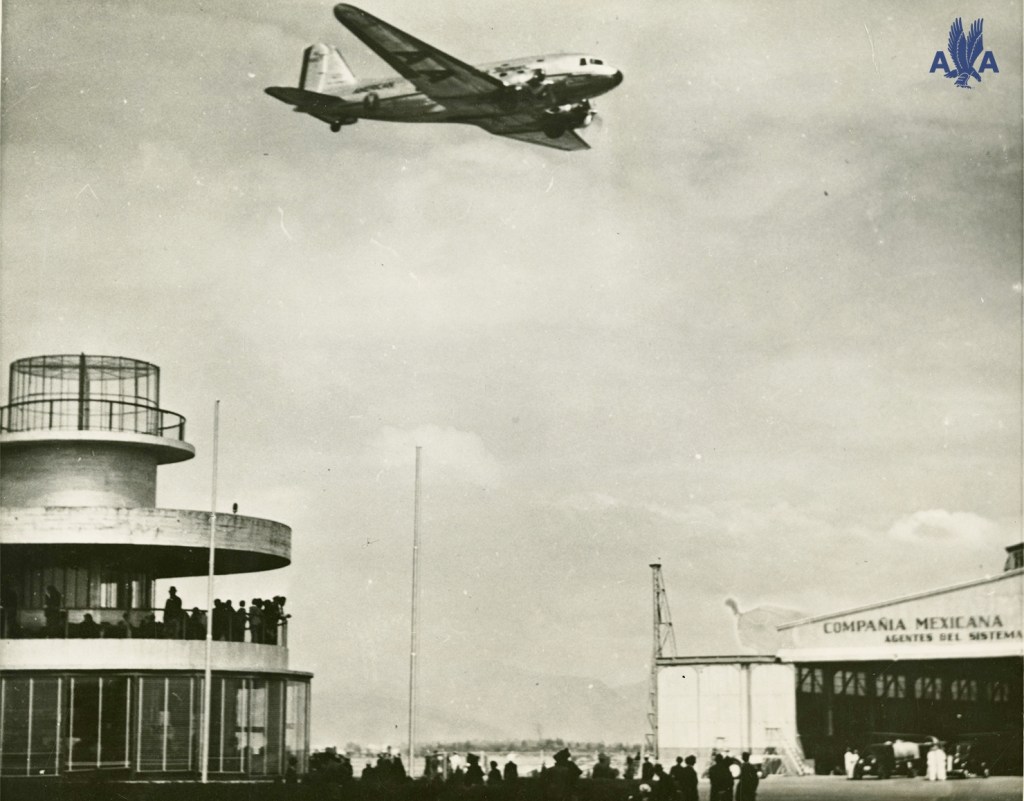
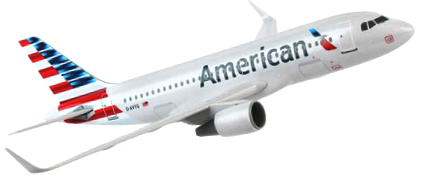
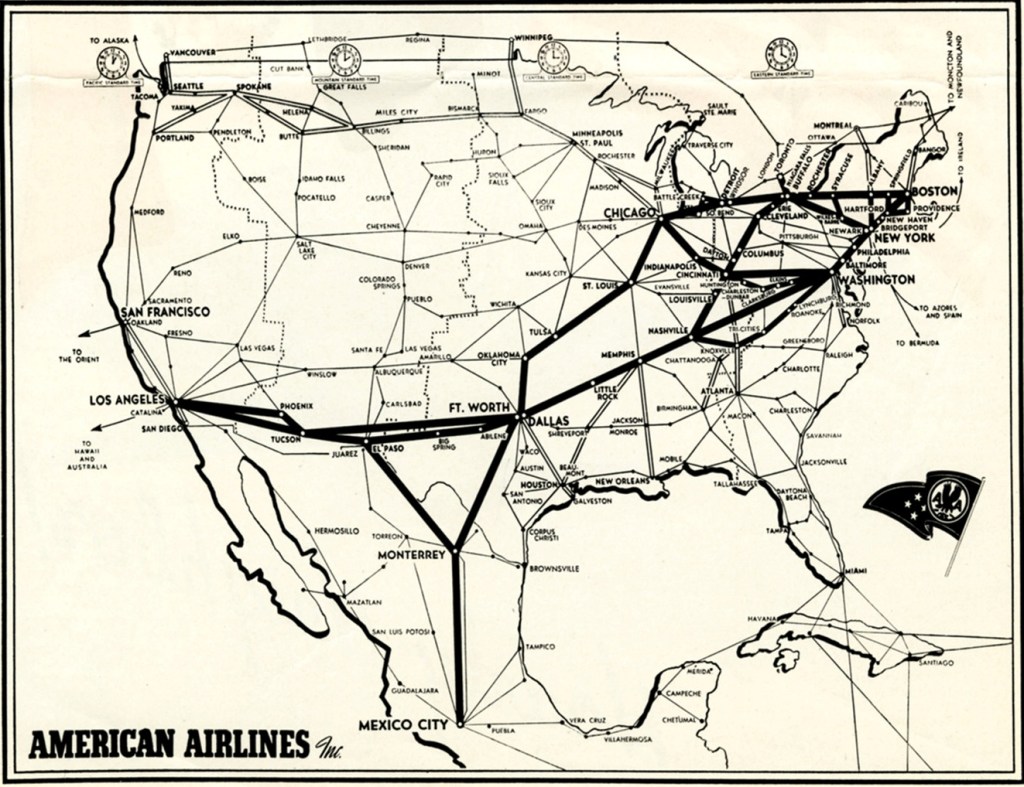
American Airlines celebra en Septiembre 2022 sus ochenta años de servicio a México. En 1942, la aerolínea lanzó el servicio de Dallas a la Ciudad de México con un avión Douglas DC-3, primero parando en Monterrey para repostar. Con este vuelo, México se convirtió en el segundo destino internacional de la aerolínea, tras el lanzamiento de Toronto, Canadá, en 1941.
«Como la aerolínea líder de Estados Unidos en México, estamos orgullosos de celebrar 80 años de conectar nuestros dos países, ofreciendo a nuestros clientes una red inmejorable y el más alto nivel de servicio. Es importante que reconozcamos y agradezcamos a los miembros de nuestro equipo con sede en México por su excelente trabajo liderando la operación internacional más grande de Estados Unidos durante un año de crecimiento récord para nosotros en el país», dijo José A. Freig, Vicepresidente Internacional de Operaciones de American Airlines.
Presencia en México
México es el destino internacional más grande de Estados Unidos, donde la aerolínea opera más de quinientos vuelos semanales a veintisiete ciudades: Acapulco, Aguascalientes, Cancún, Chihuahua, Ciudad de México, Cozumel, Culiacán, Durango, Guadalajara, Hermosillo, Huatulco, La Paz, León, Loreto, Mazatlán, Mérida, Monterrey, Morelia, Oaxaca, Puerto Vallarta, Querétaro, San José del Cabo, San Luis Potosí, Torreón, Zacatecas, así como servicio estacional a Zihuatanejo y Manzanillo.
American tiene más de 1.100 miembros del equipo con sede en México, el mayor número de empleados fuera de los Estados Unidos. La operación incluye dos oficinas de Reservaciones en la Ciudad de México y Monterrey, cuatro Centros de Venta de Boletos en la Ciudad de México, Monterrey, Guadalajara y León, y un Club de Almirantes en el Aeropuerto Internacional Benito Juárez en la Ciudad de México.
En 2022, American ha tenido un crecimiento récord en México con un aumento de más del 40% en la capacidad en comparación con 2019. Además de operar rutas más estratégicas con aviones más grandes, la aerolínea también ha lanzado nuevos vuelos, como Austin a Cozumel, y, a partir de Noviembre 2022, un nuevo servicio desde la Ciudad de México y Monterrey a Nueva York.
American 80 years in Mexico
American Airlines celebrates 80 years in Mexico
American Airlines celebrates its 80 years of service to Mexico in September 2022. In 1942, the airline launched service from Dallas to Mexico City with a Douglas DC-3 aircraft, first stopping in Monterrey to refuel. With this flight, Mexico became the second international destination of the airline, after the launch of Toronto, Canada, in 1941.
«As the leading United States airline in Mexico, we are proud to celebrate 80 years of connecting our two countries, offering our customers an unbeatable network and the highest level of service. It is important that we recognize and thank the members of our team based in Mexico for his excellent work leading the largest international operation in the United States during a year of record growth for us in the country», said José A. Freig, Vice President of International Operations for American Airlines.
Presence in Mexico
Mexico is the largest international destination in the United States, where the airline operates more than five hundred weekly flights to twenty-seven cities: Acapulco, Aguascalientes, Cancun, Chihuahua, Mexico City, Cozumel, Culiacán, Durango, Guadalajara, Hermosillo, Huatulco, La Paz, León, Loreto, Mazatlán, Mérida, Monterrey, Morelia, Oaxaca, Puerto Vallarta, Querétaro, San José del Cabo, San Luis Potosí, Torreón, Zacatecas, as well as seasonal service to Zihuatanejo and Manzanillo.
American has more than 1,100 team members based in Mexico, the largest number of employees outside of the United States. The operation includes two Reservations offices in Mexico City and Monterrey, four Ticket Sales Centers in Mexico City, Monterrey, Guadalajara and León, and an Admirals Club at the Benito Juárez International Airport in Mexico City.
In 2022, American has seen record growth in Mexico with an increase of more than 40% in capacity compared to 2019. In addition to operating more strategic routes with larger aircraft, the airline has also launched new flights, such as Austin to Cozumel, and, starting in November 2022, a new service from Mexico City and Monterrey to New York.
PUBLISHER: Airgways.com DBk: Aa.com / Airgways.com AW-POST: 202209121933AR OWNERSHIP: Airgways Inc. A\W A I R G W A Y S ®
Contrato Dry-lease largo plazo para tres Boeing 767F
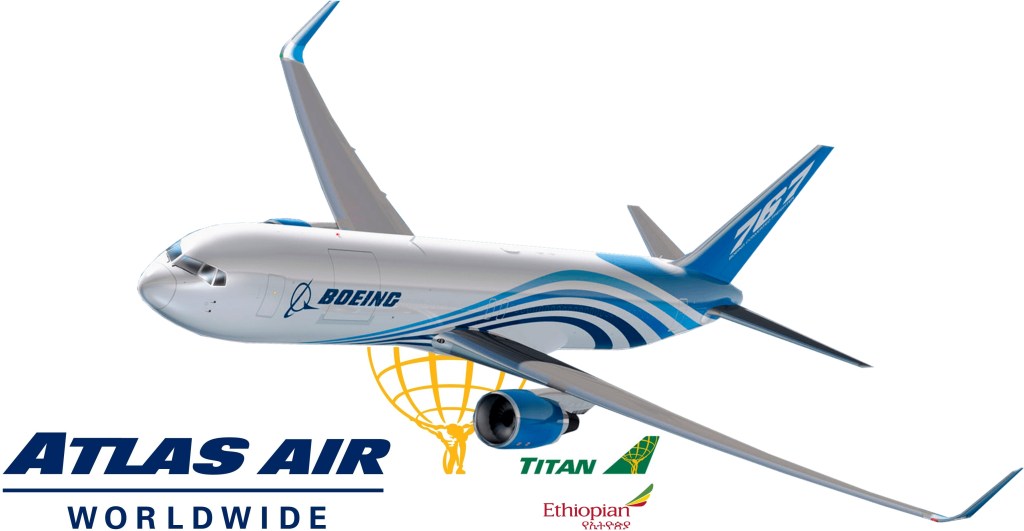
Titan Aircraft Investments, la empresa conjunta entre Titan Aviation Holdings, Inc. y Bain Capital Credit, anunció el 12 de Septiembre de 2022 la colocación de tres cargueros convertidos Boeing 767-300ER en arrendamientos secos a largo plazo con Ethiopian Airlines Group.
«Estamos encantados de dar la bienvenida a Ethiopian Airlines como cliente estratégico y apoyar a su creciente flota de cargueros. Nos sentimos honrados de que Ethiopian Airlines reconozca nuestra experiencia técnica y de la industria y haya depositado su confianza en Titan», dijo Michael Steen, Presidente y Director Ejecutivo de Titan Aviation Holdings y Director Comercial de Atlas Air Worldwide.
Se espera que Ethiopian Airlines reciba el primero de estos aviones a finales de este mes, con la segunda entrega prevista para finales de este año, y el tercer avión planeado para 2023. La adición de estos tres aviones eleva la flota de cargueros de Titan Aircraft Investments a 10 aviones, cinco de los cuales son cargueros convertidos Boeing 767.
El CEO de Ethiopian Airlines Group, Mesfin Tasew, dijo: «Este acuerdo de arrendamiento en seco será fundamental para nuestra operación de carga de rápido crecimiento, ya que Ethiopian es un jugador global clave en el negocio de carga aérea. Estamos contentos con la asociación con Titan Aircraft Investments para mejorar nuestra capacidad con tres aviones convertidos en B767 más, además de los nueve cargueros de fuselaje ancho existentes y cuatro aviones convertidos en Boeing 737».
Titan-Ethiopian announce lease agreement
Long-term Dry-lease contract for three Boeing 767F
Titan Aircraft Investments, the joint venture between Titan Aviation Holdings, Inc. and Bain Capital Credit, announced on September 12, 2022 the placement of three converted Boeing 767-300ER freighters on long-term dry leases with Ethiopian Airlines Group.
«We are delighted to welcome Ethiopian Airlines as a strategic customer and support their growing freighter fleet. We are honored that Ethiopian Airlines recognizes our industry and technical expertise and has placed their trust in Titan», said Michael Steen, President and CEO of Titan Aviation Holdings and Chief Commercial Officer of Atlas Air Worldwide.
Ethiopian Airlines is expected to take delivery of the first of these aircraft later this month, with the second delivery expected later this year, and the third aircraft planned for 2023. The addition of these three aircraft lifts Titan Aircraft’s fleet of freighters. Investments to 10 aircraft, five of which are converted Boeing 767 freighters.
Ethiopian Airlines Group CEO Mesfin Tasew said: «This dry lease agreement will be critical to our fast-growing cargo operation as Ethiopian is a key global player in the air cargo business. We are pleased with the partnership. with Titan Aircraft Investments to enhance our capacity with three more aircraft converted to B767s, in addition to the existing nine wide-body freighters and four aircraft converted to Boeing 737s».
PUBLISHER: Airgways.com DBk: Atlasairworldwide.com / Ethiopianairlines.com / Airgways.com AW-POST: 202209121914AR OWNERSHIP: Airgways Inc. A\W A I R G W A Y S ®
Aerolíneas Argentinas ha anunciado el incremento de las frecuencias semanales Buenos Aires/AEP—Montevideo/MVD pasando de 19 a 24 frecuencias semanales (24Frq/S), un incremento de cinco vuelos entre las capitales de Uruguay y Argentina. Esta ampliación permitirá conectar con nueve nuevos destinos dentro de la Argentina: Ushuaia, El Calafate, Jujuy, Mar del Plata, Santiago del Estero, Santa Fe, La Rioja, Formosa y Trelew, que se suman a una oferta total de veintiséis destinos que conectan todo el país con Montevideo y con tiempos mínimos de espera. Además de las conexiones domésticas, desde el Aeroparque Jorge Newbery los pasajeros provenientes de Montevideo podrán enlazar con Santiago de Chile, Bogotá, Lima, San Pablo, Porto Alegre y Salvador de Bahía.
“Esta ampliación forma parte del trabajo que estamos llevando adelante en los mercados de la región. Una oferta robusta y variada en cuanto a frecuencias, horarios y posibilidades de conexión es clave para seguir potenciando el turismo receptivo”, explicó Pablo Ceriani, Presidente de Aerolíneas Argentinas. Además de las frecuencias entre Montevideo y Buenos Aires, se opera actualmente todos los domingos, lunes, jueves y viernes a Punta del Este. En la misma línea de anuncios para su red de vuelos en Latinoamérica, hace dos semanas, se confirmó que se continuará operando San Pablo—Bariloche, Sao Paulo—Córdoba—El Calafate y Sao Paulo— Salta—Tucumán, más allá de la alta temporada de invierno.
Aerolíneas increases Frq Montevideo
Aerolíneas Argentinas 24Frq/S AEP—MVD
Aerolíneas Argentinas has announced the increase in the weekly Buenos Aires/AEP—Montevideo/MVD frequencies from 19 to 24 weekly frequencies (24Frq/S), an increase of five flights between the capitals of Uruguay and Argentina. This expansion will allow connecting with nine new destinations within Argentina: Ushuaia, El Calafate, Jujuy, Mar del Plata, Santiago del Estero, Santa Fe, La Rioja, Formosa and Trelew, which are added to a total offer of twenty-six destinations that connect the whole country with Montevideo and with minimum waiting times. In addition to domestic connections, from the Jorge Newbery Airport, passengers from Montevideo will be able to connect with Santiago de Chile, Bogotá, Lima, São Paulo, Porto Alegre and Salvador de Bahía.
“This expansion is part of the work we are carrying out in the region’s markets. A robust and varied offer in terms of frequencies, schedules and connection possibilities is key to continue promoting receptive tourism”, explained Pablo Ceriani, President of Aerolineas Argentinas. In addition to the frequencies between Montevideo and Buenos Aires, it currently operates every Sunday, Monday, Thursday and Friday to Punta del Este. In the same line of announcements for its flight network in Latin America, two weeks ago, it was confirmed that San Pablo-Bariloche, Sao Paulo-Córdoba-El Calafate and Sao Paulo-Salta-Tucumán will continue to operate beyond the high season of winter.
PUBLISHER: Airgways.com DBk: Aerolineas.com / Airgways.com AW-POST: 202209120823AR OWNERSHIP: Airgways Inc. A\W A I R G W A Y S ®
AW | 2022 09 10 23:50 | INDUSTRY / AVIATION SAFETY / AVIATION ORGANISMS
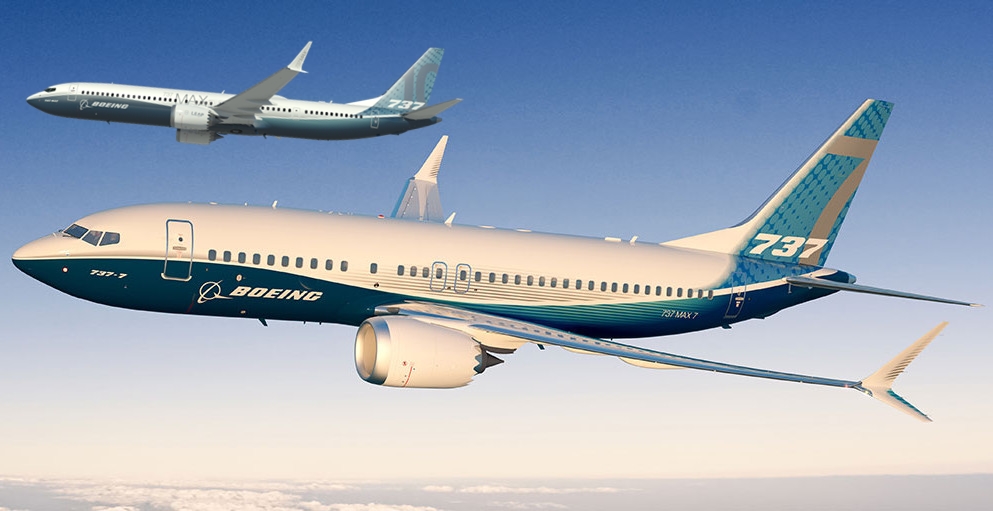
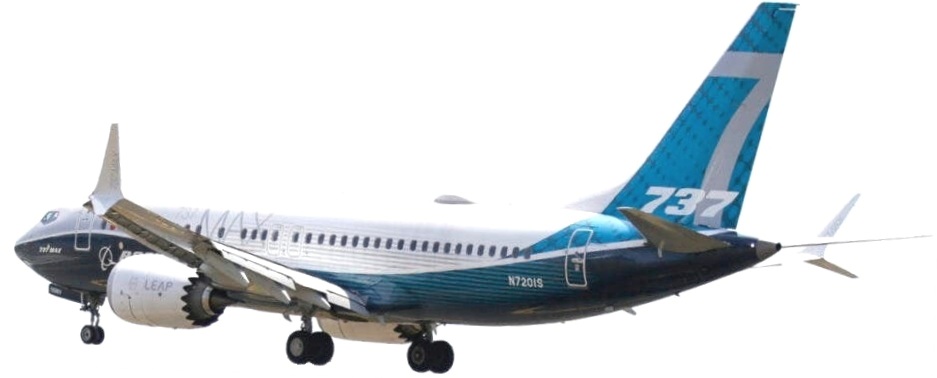
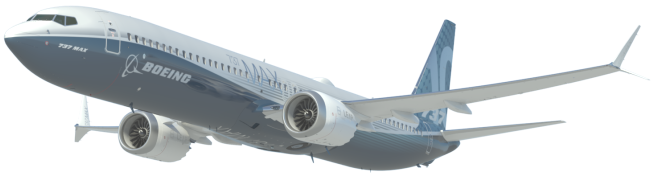
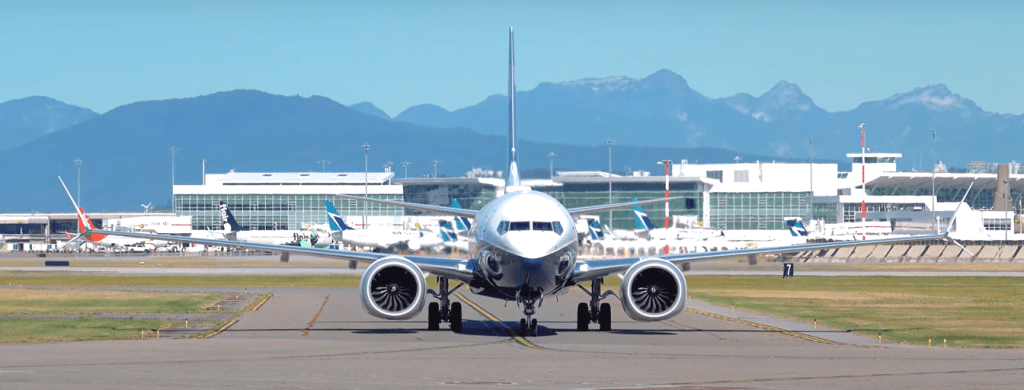
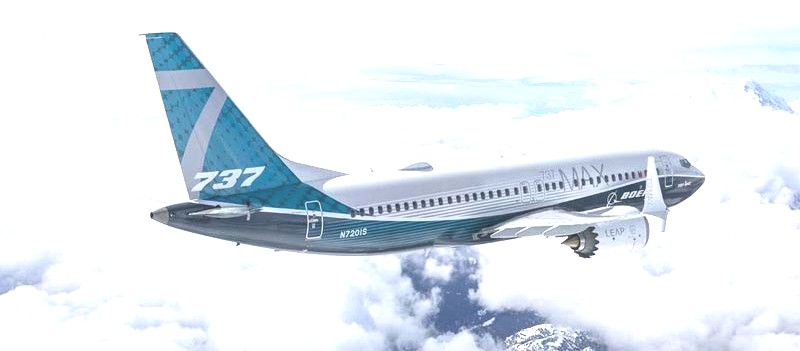
FAA refuerza supervisión diseño 737 MAX
La Administración Federal de Aviación (FAA) finaliza el cambio de reglas de seguridad buscado después de que los accidentes aéreos que involucraron a aeronaves Boeing 737 MAX. Empleados en The Boeing Company y otros fabricantes recibirán nuevas protecciones contra la interferencia de la compañía a medida que los reguladores federales continúen reforzando la supervisión del desarrollo de aeronaves. Las últimas reglas se aplican a los ingenieros que son delegados por la Administración Federal de Aviación para revisar la seguridad de los diseños de aeronaves. Cualquier preocupación que planteen sobre una posible interferencia debe ser investigada e informada a la agencia bajo una orden establecida el Miércoles 07/09. Esos empleados también podrán comunicarse directamente con la FAA en cualquier momento.
La nueva medida es el último paso de la agencia de la FAA para controlar a los fabricantes después de que los accidentes aéreos en 2018 y 2019 de los vuelos JT-610 de Lion Air y ET-302 de Ethiopian Airlines que pusieron de relieve la práctica de larga data de permitir que los fabricantes de aviones utilicen a sus propios empleados para actuar en nombre del Gobierno para supervisar el desarrollo de aviones.
La FAA no tiene suficiente personal para supervisar el complejo diseño de las aeronaves modernas, por lo que se basa en un programa llamado Autorización de Designación de Organización (AOD) para complementar sus recursos. Las empresas que participan en el programa luego designan a sus propios empleados para llevar a cabo el trabajo en nombre del Gobierno. El acuerdo aumenta la experiencia técnica del gobierno, pero crea el riesgo de que los empleados sean presionados para servir a los intereses de la compañía en lugar de los del público. Algunos trabajadores de Boeing habían recibido una presión indebida, aunque la compañía dice que está mejorando. Como parte de las mejoras se requerirán prácticas de encuestas anónimas para detectar conflictos de intereses y que los empleados de la compañía y los funcionarios del gobierno sean libres de comunicarse directamente. La FAA también está estableciendo un panel para revisar las prácticas de seguridad en las empresas con programas de AOD, dijo la agencia. El panel, requerido por el Congreso estadounidense, estará compuesto por expertos de NASA, FAA, sindicatos, expertos independientes en ingeniería y otros.
«Boeing apoya plenamente los esfuerzos para mejorar la transparencia y la independencia en el programa de AOD. Hemos trabajado y continuaremos trabajando con la FAA para garantizar que los miembros de nuestra unidad de AOD puedan desempeñar sus funciones vitales sin interferencias a través de una comunicación abierta y un entorno de apoyo», dijo la compañía en un comunicado.
Pedido de cambios
Robert A. Clifford, el abogado principal en un caso de la corte federal contra Boeing que representa a las familias de las víctimas del segundo accidente del MAX, dijo que los miembros de la familia habían pedido durante mucho tiempo tales cambios. «Promueve la seguridad de la aviación, por lo que debemos abrazar y aplaudir este paso tan esperado por la FAA», dijo Robert Clifford. El sistema había cambiado durante muchos años y una revisión del Comité de Transporte de la Cámara de Representantes de los accidentes concluyó que una «disminución en la calidad del producto y la cultura de seguridad en Boeing descrita anteriormente coincidió con la evolución en la estructura de supervisión de la FAA de la industria de la aviación».
A fines de 2020, cuando el Boeing 737 MAX estaba siendo reintroducido en las flotas de aerolíneas globales después de cambios de diseño y otra revisión de seguridad por parte de la FAA, el Congreso aprobó una revisión de las leyes de seguridad de los aviones que requieren una supervisión más fuerte por parte del gobierno. El organismo de control interno del Departamento de Transporte (DOT) también recomendó cambios. En los años transcurridos desde entonces, la agencia ha realizado cambios que incluyen la aprobación de empleados individuales asignados a las unidades de seguridad de las empresas. La FAA también ha asumido la responsabilidad más directa de revisar los aviones fabricados por Boeing, incluido el 787 Dreamliner, que ha estado plagado de problemas de control de calidad.
Las denuncias de injerencia han seguido apareciendo. En Agosto de 2021, la FAA dijo que estaba abriendo una revisión en Boeing después de que los empleados describieran haber enfrentado conflictos de intereses.
Perspectivas
El nuevo conjunto de reglas está diseñado para garantizar la independencia de los empleados corporativos asignados a trabajar en nombre del Gobierno. Las reglas consagran un cambio en la relación entre Boeing y los reguladores, que el Congreso y expertos independientes pidieron después de los accidentes del 737 MAX en 2018 y 2019. Las reglas en una nueva orden tienen como objetivo garantizar que las empresas no ejerzan tal presión y que se investiguen los casos sospechosos de interferencia. «Garantizar un entorno libre de interferencias es fundamental para la confianza que la FAA deposita en cada titular de AOD», dice la orden. Mucho antes de los desastres del 737 MAX, Boeing tenía un historial de no solucionar los problemas de seguridad aeronáutica.
El sistema OAD fue objeto de escrutinio después de los accidentes del 737 MAX, donde fallecieron a 346 personas y sacudieron la confianza tanto en la FAA como del constructor aeronáutico americano Boeing. Las investigaciones encontraron que en ambos casos, una falla en un sistema automatizado fue una razón clave para que los aviones se hundieran en inmersiones fatales, y que la falla no había sido detectada por las revisiones de seguridad cuando se diseñaron los aviones. Las reglas emitidas el Miércoles 07/09 detallan que la interferencia puede incluir represalias obvias por informar sobre problemas de seguridad, pero también dar a los empleados responsabilidades adicionales que se interponen en el camino del trabajo en nombre del público.
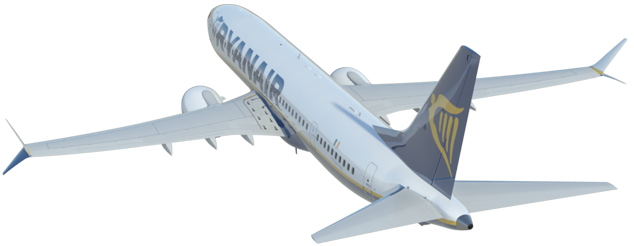
Ryanair dudas 737 MAX
El CEO Michael O’Leary de la aerolínea Ryanair planteó más dudas el Miércoles 07/09 sobre las capacidades del constructor Boeing para cumplir con un pedido de sus aviones 737 MAX a tiempo y se reunirá con el fabricante de aviones en Seattle (WA) este mes para discutir problemas de línea de producción. Ryanair, un importante cliente de Boeing, ha pedido 210 del modelo más eficiente en combustible y había recibido 73 en Junio 2022. Michel O’Leary dijo que otros 51 de los aviones Boeing 737-8 MAX configurados para 197 asientos debían presentarse a fines de Abril 2022, incluidos 21 a fines de este año.
«Nos preocupa que Boeing no cumpla con esas entregas. Están llegando tarde en este momento, hay problemas con la producción en Seattle y queremos entender esos problemas. Dicen que pueden. Dudamos de su capacidad de cumplimiento. Se suponía que íbamos a conseguir 21 aviones este lado de la Navidad. Ahora están murmurando que podría ser 17, podría ser 15. Es difícil obtener detalles de Boeing», expresó el directivo de una de las más importante aerolíneas low cost de Europa.
Un portavoz de Boeing dijo que el fabricante de aviones valoró su asociación con Ryanair y está comprometido a apoyar a la aerolínea a pesar de la falta de compromiso del fabricante de aviones comerciales. Michael O’Leary dijo que Ryanair había acordado durante las conversaciones con Boeing la semana pasada ir a Seattle para establecer cuándo recibiría los 51 aviones, que dijo que eran necesarios para garantizar un crecimiento continuo el próximo año. La aerolínea irlandesa voló un número récord de pasajeros por cuarto mes consecutivo en Agosto 2022, mientras consolidó su posición como la aerolínea más grande de Europa por número de pasajeros transportados.
Certificación MAX 7
The Boeing Company continúa trabajando de manera transparente con la FAA para proporcionar la información que necesitan sobre el programa MAX 10, enfatiza la compañía americana, mientras espera que el programa Boeing 737-7 MAX sea certificado antes que el 737-10 MAX. La certificación del programa del avión de fuselaje estrecho más grande podría arrastrarse hasta la primera mitad de 2023, esto está generando preguntas sobre la fecha límite de 2022 ordenada por el Congreso de los Estados Unidos.
A principios de Septiembre 2022, el especialista en Marketing de Productos de Boeing Commercial Airplanes, John Dyson, dijo a los periodistas que el MAX 7 sería el primer programa en ser certificado. Estos comentarios se alinean con lo que la compañía ve que el MAX 7 tubo su primer vuelo en 2018 y completó su programa de pruebas de vuelo en 2021, mientras que el primer vuelo para el programa MAX 10 tuvo lugar en Junio 2021, por eso naturalmente el MAX 7 debe certificarse primero.
Boeing continúa trabajando con la Administración Federal de Aviación para cumplir con todos los requisitos reglamentarios para la certificación de tipo antes de su entrada en servicio programada en 2023.
El 737-7 MAX, el miembro más pequeño de la familia 737 MAX ha recibido 286 pedidos en todo el mundo. Southwest Airlines es el cliente más grande con más de 230 pedidos. Otras aerolínea como la canadiense WestJet y más recientemente Allegiant Air han colocado órdenes por el MAX 7.
Programa MAX 10
La certificación del Boeing 737-10 MAX se ha convertido en un verdadero escollo para el fabricante de aviones estadounidense que se enfrenta a una fecha límite en Diciembre 2022 para obtener la aprobación. La falta de cumplimiento en los plazos establecidos obligaría a Boeing a rediseñar al MAX 10 con nuevos requisitos de alerta de cabina. Esto se debe a una ley de 2020 introducida como parte de un conjunto regulatorio más amplio de reformas en la FAA después de los accidentes del MAX en 2018 y 2019. En Julio 2022, el CEO de Boeing, Dave Calhoun, dijo que estos problemas regulatorios podrían obligar a la compañía a cancelar el MAX 10 si el Gobierno de Estados Unidos no extiende el plazo. Boeing continúa trabajando de manera transparente con la FAA para proporcionar la información que necesitan, comprometidos a cumplir con sus expectativas y las de nuestros clientes para certificar y entregar el 737-10 MAX.
El programa MAX 10 cuenta con una cartera de pedidos de 850 órdenes en todo el mundo, pero se dudaría que el constructor americano pudiera cancelar el programa, mientras que el Congreso podría aprobar una extensión de ese proceso de certificación porque no tiene sentido pedir a una compañía como Boeing que rediseñe la cabina o rediseñe los sistemas de seguridad en una familia homogénea de aviones de cuarta generación 737 MAX.
Perspectives development 737 MAX
FAA tightens 737 MAX design oversight
The Federal Aviation Administration (FAA) finalizes the change in safety rules sought after the plane crashes involving Boeing 737 MAX aircraft. Employees at The Boeing Company and other manufacturers will receive new protections against company interference as federal regulators continue to tighten oversight of aircraft development. The latest rules apply to engineers who are delegated by the Federal Aviation Administration to review the safety of aircraft designs. Any concerns raised about possible interference must be investigated and reported to the agency under an order established on Wednesday 07/09. Those employees will also be able to contact the FAA directly at any time.
The new move is the latest step by the FAA agency to rein in manufacturers after plane crashes in 2018 and 2019 involving Lion Air’s JT-610 and Ethiopian Airlines ET-302 flights that highlighted the practice. of allowing aircraft manufacturers to use their own employees to act on behalf of the Government to oversee aircraft development.
The FAA doesn’t have enough staff to oversee the complex design of modern aircraft, so it relies on a program called Authorizing Organization Designation (AOD) to supplement its resources. Companies participating in the program then appoint their own employees to carry out the work on behalf of the Government. The deal increases the government’s technical expertise but creates the risk that employees will be pressured to serve the company’s interests rather than those of the public. Some Boeing workers had been under undue pressure, though the company says it is improving. As part of the improvements, anonymous survey practices will be required to detect conflicts of interest and that company employees and government officials be free to communicate directly. The FAA is also establishing a panel to review security practices at companies with AOD programs, the agency said. The panel, mandated by the US Congress, will be comprised of experts from NASA, the FAA, labor unions, independent engineering experts and others.
«Boeing fully supports efforts to improve transparency and independence in the AOD program. We have and will continue to work with the FAA to ensure that members of our AOD unit are able to perform their vital roles without interference through open communication and a supportive environment», the company said in a statement.
Change request
Robert A. Clifford, the lead attorney in a federal court case against Boeing representing families of victims of the second MAX crash, said family members had long called for such changes. «It promotes aviation safety, which is why we should embrace and applaud this long-awaited step by the FAA», said Robert Clifford. The system had been in flux for many years, and a House Transportation Committee review of the accidents concluded that a «decline in product quality and safety culture at Boeing described above coincided with the evolution in the supervisory structure», of the FAA from the aviation industry.
In late 2020, as the Boeing 737 MAX was being reintroduced to global airline fleets after design changes and another safety review by the FAA, Congress passed a review of aircraft safety laws requiring stronger supervision by the government. The Department of Transportation’s (DOT) internal watchdog also recommended changes. In the years since then, the agency has made changes that include approving individual employees assigned to companies’ security units. The FAA has also taken more direct responsibility for reviewing planes made by Boeing, including the 787 Dreamliner, which has been plagued by quality control problems.
The complaints of interference have continued to appear. In August 2021, the FAA said it was opening a review at Boeing after employees described facing conflicts of interest.
Perspectives
The new set of rules is designed to ensure the independence of corporate employees assigned to work on behalf of the Government. The rules enshrine a change in the relationship between Boeing and regulators, which Congress and independent experts called for after the 737 MAX accidents in 2018 and 2019. The rules in a new order aim to ensure that companies do not exert such pressure. and that suspected cases of interference be investigated. «Ensuring an environment free from interference is critical to the trust the FAA places in each AOD holder», the order says. Long before the 737 MAX disasters, Boeing had a history of failing to fix aviation safety issues.
The OAD system came under scrutiny after the 737 MAX crashes, which killed 346 people and shook confidence in both the FAA and American aircraft builder Boeing. The investigations found that in both cases, a failure in an automated system was a key reason the planes plunged into fatal dives, and that the failure had gone undetected by safety reviews when the planes were designed. The rules issued on Wednesday 09/07 detail that interference can include obvious retaliation for reporting safety issues, but also giving employees additional responsibilities that get in the way of working on behalf of the public.
Ryanair doubts 737 MAX
The CEO Michael O’Leary of the airline Ryanair raised more doubts on Wednesday 07/09 about the capabilities of the manufacturer Boeing to fulfill an order for its 737 MAX aircraft on time and will meet with the aircraft manufacturer in Seattle (WA) this month to discuss production line problems. Ryanair, a major Boeing customer, has ordered 210 of the more fuel-efficient model and had received 73 by June 2022. Michel O’Leary said a further 51 of the 197-seat configured Boeing 737-8 MAX jets were due by the end of April 2022, including 21 at the end of this year.
«We are concerned that Boeing will not meet those deliveries. They are running late right now, there are issues with production in Seattle and we want to understand those issues. They say they can. We doubt their ability to meet. We were supposed to get 21 planes this side of Christmas. Now they are whispering that it could be 17, it could be 15. It’s hard to get details from Boeing», said the manager of one of Europe’s largest low-cost airlines.
A Boeing spokesman said the planemaker valued its partnership with Ryanair and is committed to supporting the airline despite the commercial planemaker’s lack of commitment. Michael O’Leary said Ryanair had agreed during talks with Boeing last week to go to Seattle to establish when it would take delivery of the 51 planes, which he said were needed to ensure continued growth next year. The Irish airline flew a record number of passengers for the fourth consecutive month in August 2022, while consolidating its position as the largest airline in Europe by number of passengers carried.
MAX 7 certification
The Boeing Company continues to work transparently with the FAA to provide the information they need about the MAX 10 program, the American company emphasizes, while waiting for the Boeing 737-7 MAX program to be certified before the 737-10 MAX. Certification of the largest narrow-body aircraft program could drag into the first half of 2023, raising questions about the 2022 deadline mandated by the US Congress.
In early September 2022, Boeing Commercial Airplanes Product Marketing Specialist John Dyson told reporters that the MAX 7 would be the first program to be certified. These comments align with what the company sees as the MAX 7 having its maiden flight in 2018 and completing its flight test program in 2021, while the maiden flight for the MAX 10 program took place in June 2021, so naturally the MAX 7 must be certified first.
Boeing continues to work with the Federal Aviation Administration to meet all regulatory requirements for type certification in advance of its scheduled entry into service in 2023.
The 737-7 MAX, the smallest member of the 737 MAX family, has received 286 orders worldwide. Southwest Airlines is the largest customer with more than 230 orders. Other airlines such as Canada’s WestJet and more recently Allegiant Air have placed orders for the MAX 7.
MAX 10 program
The certification of the Boeing 737-10 MAX has become a real stumbling block for the US aircraft manufacturer, which faces a deadline of December 2022 to obtain approval. Failure to meet the established deadlines would force Boeing to redesign the MAX 10 with new cockpit alert requirements. This is due to a 2020 law introduced as part of a broader regulatory set of reforms at the FAA after the MAX accidents in 2018 and 2019. In July 2022, Boeing CEO Dave Calhoun said that these regulatory issues could force the company to cancel the MAX 10 if the United States Government does not extend the deadline. Boeing continues to work transparently with the FAA to provide the information they need, committed to meeting their expectations and those of our customers to certify and deliver the 737-10 MAX.
The MAX 10 program has an order book of 850 orders worldwide, but it would be doubtful that the American manufacturer could cancel the program, while Congress could approve an extension of that certification process because it makes no sense to ask a company like Boeing to redesign the cabin or redesign the safety systems on a homogeneous family of fourth-generation 737 MAX planes.
PUBLISHER: Airgways.com DBk: Boeing.com / Faa.gov / Ryanair.com / Airgways.com AW-POST: 202209102350AR OWNERSHIP: Airgways Inc. A\W A I R G W A Y S ®
Airgways® es una publicación de la industria de la aviación comercial, turismo y afines con el objetivo de fortalecer los lazos de los pueblos con el conocimiento, las habilidades, las capacidades para el desarrollo y progreso de la fascinante vida de la aviación. Nuestro compromiso basado en sólidos conceptos de ética de la información y valores son los pilares para lograr cumplir con los objetivos de continuar volando junto a usted.
El equipo de Airgways estará muy complacido por entrar en contacto con usted. Deseamos poder recibir sus consultas, sugerencias, elogios o más información sobre cualquier aspecto de nuestro website. El Departamento de Relaciones Públicas de Airgways favorece la comunicación y el diálogo constructivo con la finalidad de engrandecer la aviación mundial. Póngase en comunicación con nuestra redacción. Airgways® estimula a nuestros entusiastas lectores a continuar participando con sus comentarios. Estamos complacidos por continuar volando junto a nosotros. ¡Bienvenidos a bordo, siempre!
Airgways® is a publication of the commercial aviation, tourism and related industries with the objective of strengthening the ties of peoples with the knowledge, skills, capacities for the development and progress of the fascinating life of aviation. Our commitment based on solid concepts of information ethics and values are the pillars to achieve the objectives of continuing to fly with you.
The Airgways team will be very pleased to get in touch with you. We want to be able to receive your questions, suggestions, compliments or more information about any aspect of our website. The Airgways Public Relations Department fosters communication and constructive dialogue in order to enhance global aviation. Get in touch with our newsroom. Airgways® encourages our enthusiastic readers to continue to participate with their comment. We are pleased to continue flying alongside us. Welcome aboard, always!
A/I/R/G/W/A/Y/S ® “We love to fly, always” Airgways.com AW / PUBLIC RELATIONS
S O C I A L M E D I A Airgways@airgways.com Facebook.com/airgways Twitter.com/airgways AW-202005291901AR A\W A I R G W A Y S ®
PUBLISHER: Airgways.com DBk: Airgways.com AW-POST: 202209101600AR OWNERSHIP: Airgways Inc. A\W A I R G W A Y S ®
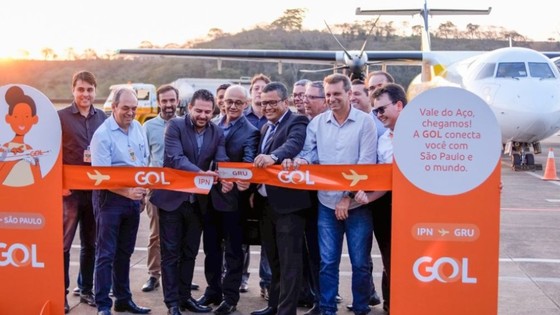
GOL realiza vuelo inaugural entre Vale do Aço—São Paulo/Guarulhos
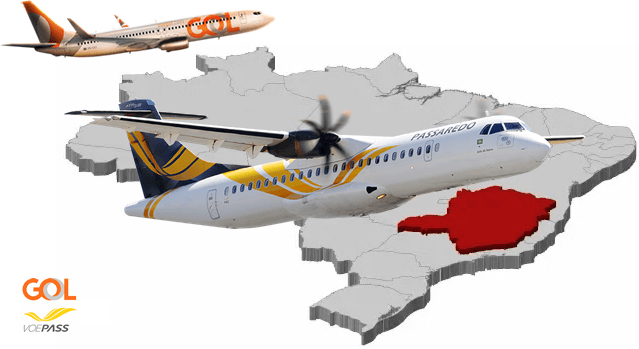
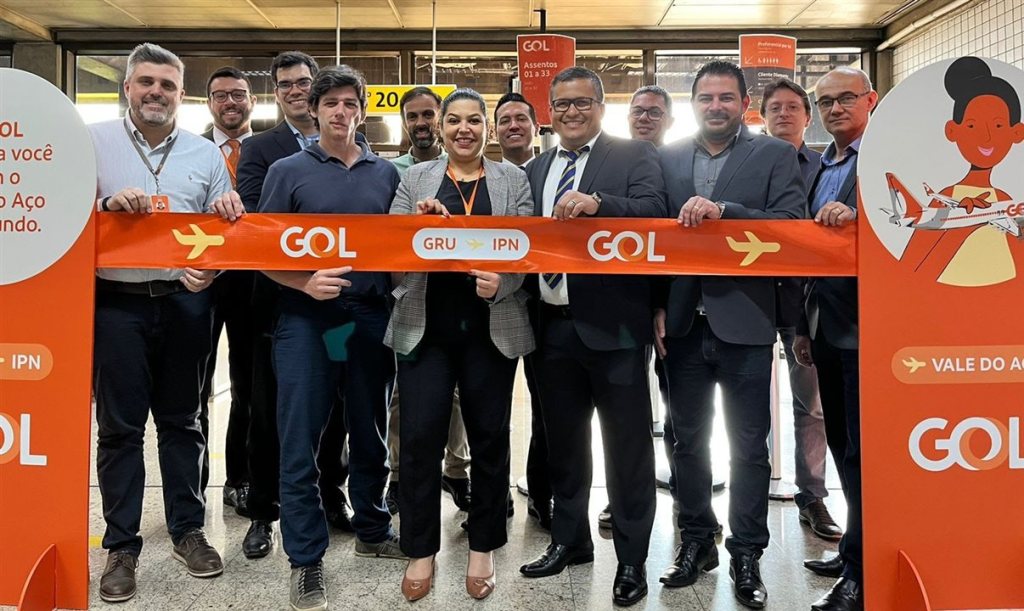
GOL Linhas Aéreas ha anunciado el Viernes 09/09 su vuelo inaugural que conecta São Paulo/Guarulhos/GRU con el Aeropuerto Usiminas/IPN, que sirve a Ipaninga, en el Vale do Aço, el nuevo destino de la compañía en el Estado de Minas Gerais (MG). El vuelo G3-8010, operado por Voepass Linhas Aéreas al servicio de GOL, despegó de São Paulo/Guarulhos a las 03:15 p.m. y aterrizó a las 05:20 p.m. en la ciudad de Usiminas, retornando IPN—GRU con el G3-8011.
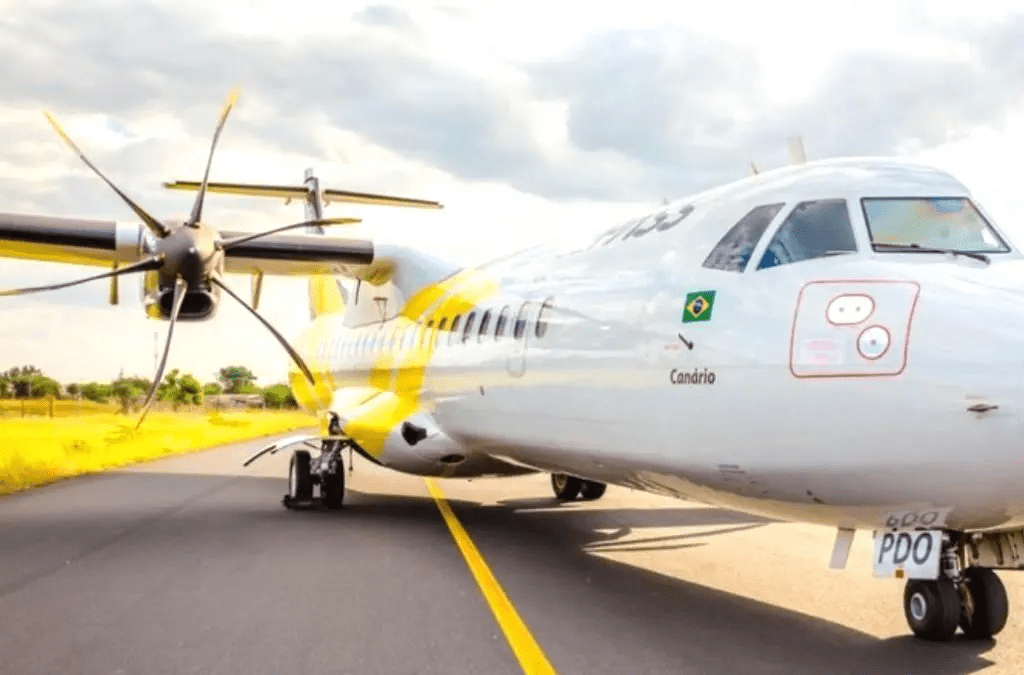
Los pasajes aéreos son vendidos exclusivamente por GOL Linhas Aéreas en vuelos operados por Voepass Linhas Aéreas con aeronaves ATR 72, que tiene una capacidad de 68 pasajeros. La ruta tendrá cuatro frecuencias semanales (4Frq/S) disponibles los días Lunes, Miércoles, Viernes y Domingos.
El Aeropuerto Vale do Aço/IPN se encuentra localizado en Santana do Paraíso El Aeropuerto Regional de Vale do Aço, anteriormente conocido como Aeropuerto de Usiminas, es el aeropuerto que sirve a Ipatinga, Brasil, ubicado en el municipio colindante de Santana do Paraíso, bajo la gestión por contrato por Infraero.
«La inauguración de esta ruta entre Guarulhos y Vale do Aço valora el compromiso de la compañía con la expansión regional como una forma de promover el desarrollo y contribuir a la generación de riqueza. Las proyecciones para este nuevo destino prometen servir a una de las regiones más prósperas de Minas Gerais con vuelos directos a São Paulo», dijo el Gerente de Relaciones Gubernamentales de la compañía, Ciro Camargo, quien recibió a los pasajeros del vuelo inaugural al aterrizar en el Aeropuerto Regional vale do Aço, el destino número 68 de GOL Linhas Aéreas en Brasil.
VoePass inaugural flight to Vale do Aço
GOL inaugural flight between Vale do Aço—São Paulo/Guarulhos
GOL Linhas Aéreas announced on Friday 09/09 its inaugural flight connecting São Paulo/Guarulhos/GRU with Usiminas/IPN Airport, which serves Ipaninga, in the Vale do Aço, the company’s new destination in the State of Minas Gerais (MG). Flight G3-8010, operated by Voepass Linhas Aéreas serving GOL, took off from São Paulo/Guarulhos at 03:15 p.m. and landed at 05:20 p.m. in the city of Usiminas, returning IPN-GRU with the G3-8011.
Air tickets are sold exclusively by GOL Linhas Aéreas on flights operated by Voepass Linhas Aéreas with ATR 72 aircraft, which has a capacity of 68 passengers. The route will have four weekly frequencies (4Frq/S) available on Monday, Wednesday, Friday and Sunday.
Vale do Aço/IPN Airport is located in Santana do Paraíso Vale do Aço Regional Airport, formerly known as Usiminas Airport, is the airport that serves Ipatinga, Brazil, located in the adjoining municipality of Santana do Paraíso, under contract management by Infraero.
«The inauguration of this route between Guarulhos and Vale do Aço values the company’s commitment to regional expansion as a way to promote development and contribute to the generation of wealth. The projections for this new destination promise to serve one of the regions prosperous cities in Minas Gerais with direct flights to São Paulo», said the company’s Government Relations Manager, Ciro Camargo, who received the passengers of the inaugural flight upon landing at Vale do Aço Regional Airport, GOL’s 68th destination. Airlines in Brazil.
VoePass vôo inaugural Vale do Aço
GOL faz vôo inaugural entre Vale do Aço—São Paulo/Guarulhos
A GOL Linhas Aéreas anunciou nesta Sexta-feira 09/09 seu vôo inaugural ligando São Paulo/Guarulhos/GRU ao Aeroporto Usiminas/IPN, que serve Ipaninga, no Vale do Aço, novo destino da empresa no Estado de Minas Gerais (MG). O vôo G3-8010, operado pela Voepass Linhas Aéreas da GOL, decolou de São Paulo/Guarulhos às 15h15 e desembarcou às 17h20 na cidade de Usiminas, retornando o IPN—GRU com o G3-8011.
As passagens aéreas são vendidas exclusivamente pela GOL Linhas Aéreas em vôos operados pela Voepass Linhas Aéreas com aeronaves ATR 72, que tem capacidade para 68 passageiros. A rota terá quatro frequências semanais (4Frq/S) disponíveis às Segundas, Quartas, Sextas e Domingos.
O Aeroporto do Vale do Aço/IPN está localizado em Santana do Paraíso O Aeroporto Regional do Vale do Aço, anteriormente conhecido como Aeroporto Usiminas, é o aeroporto que serve Ipatinga, Brasil, localizado no município vizinho de Santana do Paraíso, sob gestão contratual da Infraero.
“A inauguração desta rota entre Guarulhos e Vale do Aço valoriza o compromisso da empresa com a expansão regional como forma de promover o desenvolvimento e contribuir para a geração de riqueza. As projeções para este novo destino prometem atender uma das cidades prósperas da região em Minas Gerais com voos diretos para São Paulo», disse o gerente de Relações Governamentais da empresa, Ciro Camargo, que recebeu os passageiros do voo inaugural no desembarque no Aeroporto Regional do Vale do Aço, destino número 68 da companhia GOL Linhas Aéreas no Brasil.
PUBLISHER: Airgways.com DBk: Voegol.com.br / Voepass.com.br / Airgways.com AW-POST: 202209101518AR OWNERSHIP: Airgways Inc. A\W A I R G W A Y S ®
Incorpora tres frecuencias diarias a Florianópolis
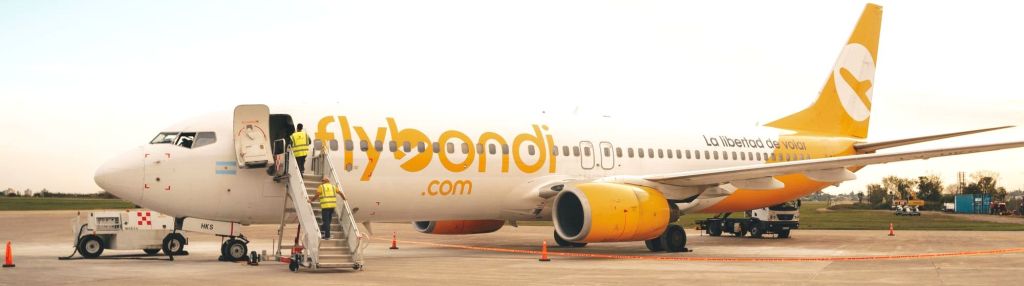
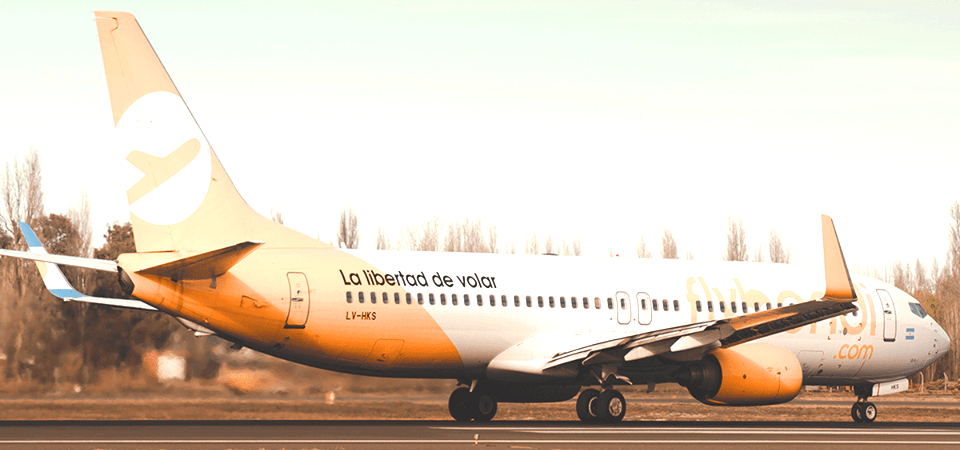
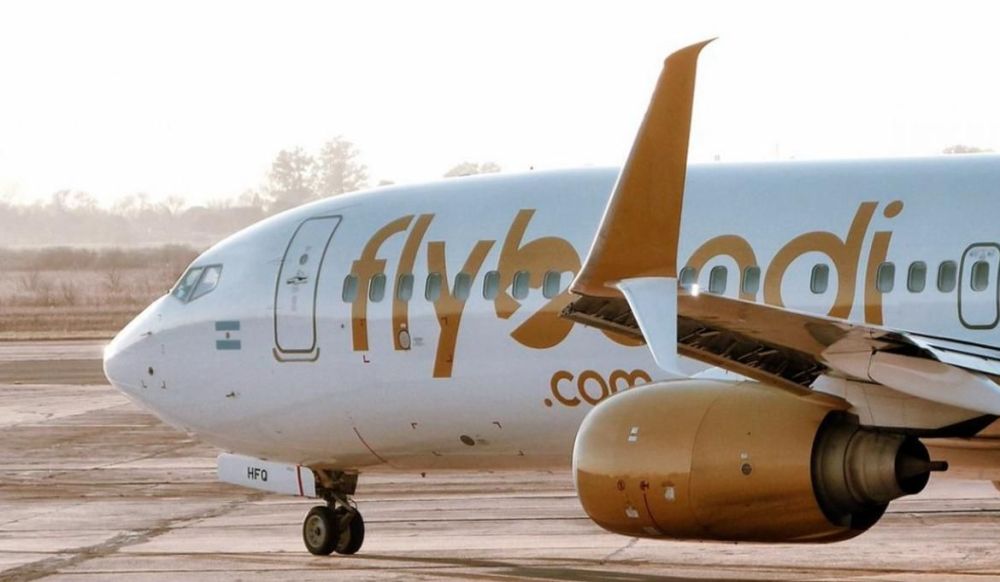
La aerolínea low cost argentina Flybondi Líneas Aéreas ha anunciado el incremento de la ruta Buenos Aires/AEP—Florianópolis/FLN desde el 1 de Diciembre de 2022 con una frecuencia diaria (1Frq/D). A partir de Enero y Febrero 2023 incrementa las frecuencias a dos vuelos diarios (2Frq/D) los días Lunes y Viernes. Actualmente, la aerolínea de presupuesto cuenta en el mercado brasileño con dos vuelos diarios (2Frq/D) a Río de Janeiro/GIG y una frecuencia diaria (1Frq/D) a São Paulo/GRU.
“Brasil es un mercado clave para nosotros: desde que retomamos los vuelos internacionales a finales del 2021 fuimos aumentando las frecuencias por la alta demanda de las rutas. Hoy San Pablo y Río de Janeiro son dos destinos muy importantes para Flybondi y sabemos que Florianópolis será también una gran alternativa para el verano. Nuestro plan de inversión y crecimiento contempla aumentar la conectividad con Brasil también en 2023, para que más personas se sumen a la libertad de volar con las mejores tarifas del mercado”, dijo Federico Pastori, Chief Commercial Officer.
Flybondi increases Frq to Florianopolis
Incorporates three daily frequencies to Florianopolis
The Argentine low cost airline Flybondi Líneas Aéreas has announced the increase of the Buenos Aires/AEP—Florianópolis/FLN route from December 1, 2022 with a daily frequency (1Frq/D). As of January and February 2023, it increases the frequencies to two daily flights (2Frq/D) on Mondays and Fridays. Currently, the budget airline has two daily flights (2Frq/D) to Rio de Janeiro/GIG and one daily frequency (1Frq/D) to São Paulo/GRU in the Brazilian market.
“Brazil is a key market for us: since we resumed international flights at the end of 2021, we have been increasing frequencies due to the high demand for the routes. Today São Paulo and Rio de Janeiro are two very important destinations for Flybondi and we know that Florianopolis will also be a great alternative for the summer. Our investment and growth plan contemplates increasing connectivity with Brazil also in 2023, so that more people join the freedom of flying with the best rates in the market”, said Federico Pastori, Chief Commercial Officer.
Flybondi aumenta Frq para Florianópolis
Incorpora três frequências diárias para Florianópolis
A companhia aérea argentina de baixo custo Flybondi Líneas Aéreas anunciou o aumento da rota Buenos Aires/AEP—Florianópolis/FLN a partir de 1 de Dezembro de 2022 com frequência diária (1Frq/D). A partir de Janeiro e Fevereiro de 2023, aumenta as frequências para dois vôos diários (2Frq/D) às Segundas e Sextas-feiras. Atualmente, a companhia aérea de baixo custo possui dois vôos diários (2Frq/D) para Rio de Janeiro/GIG e uma frequência diária (1Frq/D) para São Paulo/GRU no mercado brasileiro.
“O Brasil é um mercado chave para nós: desde que retomamos os vôos internacionais no final de 2021, estamos aumentando as frequências devido à alta demanda pelas rotas. Hoje São Paulo e Rio de Janeiro são dois destinos muito importantes para a Flybondi e sabemos que Florianópolis também será uma ótima alternativa para o verão. Nosso plano de investimento e crescimento contempla o aumento da conectividade com o Brasil também em 2023, para que mais pessoas participem da liberdade de voar com as melhores tarifas do mercado”, afirma Federico Pastori, Diretor Comercial.
PUBLISHER: Airgways.com DBk: Flybondi.com / Airgways.com AW-POST: 202209101447AR OWNERSHIP: Airgways Inc. A\W A I R G W A Y S ®
AW | 2022 09 10 14:46 | AIRLINES ROUTES / GOVERNMENT
Reanudación vuelos a partir del 26/09
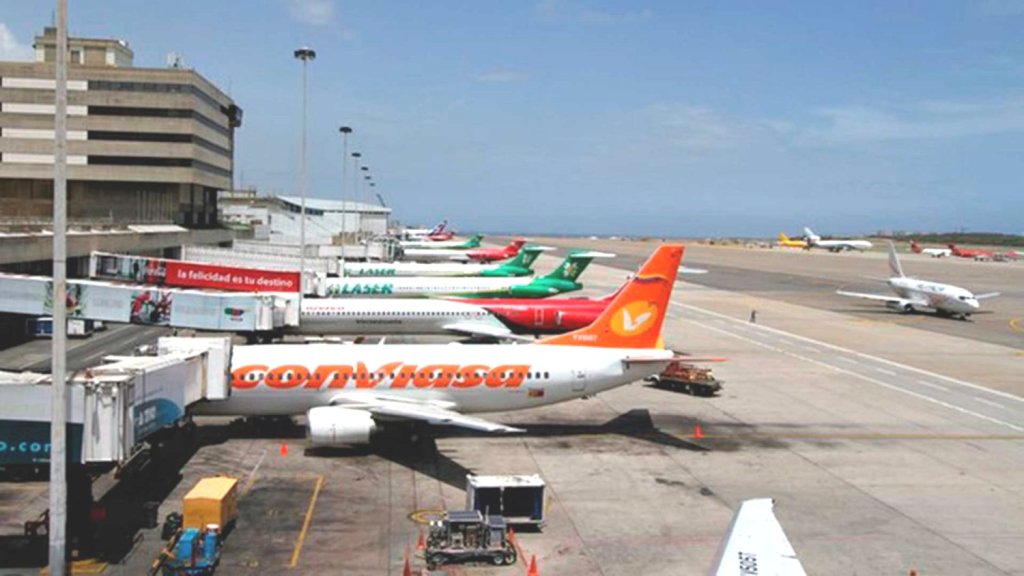
Los gobiernos de Colombia y Venezuela, luego de retomar diálogos tras la posesión de Gustavo Petro como nuevo Presidente colombiano, anunciaron el Viernes 09/09 que desde el próximo 26 de Septiembre de 2022 se reanudarán los vuelos comerciales entre ambos países. Así lo confirmó el Presidente Nicolás Maduro en su cuenta de Twitter y lo propio hizo el embajador colombiano Armando Benedetti.
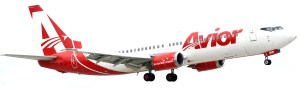
La reanudación de las relaciones colombo-venezolano traerá consigo la apertura de las fronteras aéreas. Las agencias aeronáuticas de los respectivos países han revelado el listado de las aerolíneas que cubrirán la ruta entre Bogotá y Caracas entre otras rutas. Cinco aerolíneas cubrirán la ruta Bogotá—Caracas o Caracas—Bogotá desde el 26/09: Wingo Air, Avianca Airlines, Latam Airlines, Ultra y Avior Airlines.
Venezuela-Colombia establish Ops
Resumption of flights from 09/26
The governments of Colombia and Venezuela, after resuming talks after the inauguration of Gustavo Petro as the new Colombian President, announced on Friday 09/09 that from next September 26, 2022, commercial flights between both countries will resume. This was confirmed by President Nicolás Maduro on his Twitter account and the Colombian ambassador Armando Benedetti did the same.
The resumption of Colombian-Venezuelan relations will bring with it the opening of air borders. The aeronautical agencies of the respective countries have revealed the list of airlines that will cover the route between Bogotá and Caracas, among other routes. Five airlines will cover the Bogotá-Caracas or Caracas-Bogotá route from 09/26: Wingo Air, Avianca Airlines, Latam Airlines, Ultra and Avior Airlines.
PUBLISHER: Airgways.com DBk: Gob.co / Presidencia.gob.ve / Airgways.com AW-POST: 202209101446AR OWNERSHIP: Airgways Inc. A\W A I R G W A Y S ®
AW | 2022 09 10 13:40 | TOURISM / AIRLINES / GOVERNMENT
Fuerte aumento +150.000 reservas PreViaje 3
La campaña del sistema de PreViaje emitido por el Gobierno de Argentina para viajes domésticos continúa generando fuertes expectativas a medida que se acerca la temporada estival. Alrededor de más de 150.000 solicitudes han sido emitidas para viajes en el país, de los cuales unas 100.000 reservas de pasajes se han realizado por Aerolíneas Argentinas. El Ministerio de Turismo y Deporte ha expresado que estas cifras se han alcanzado el Viernes 09/09. El responsable de la cartera, Matías Lammens, ha ponderado el éxito de las dos ediciones anteriores que han estimulado el turismo interno en medio de las restricciones y salida de la pandemia, «demostró que el Estado también puede ser eficiente».
La tercer edición denominada PreViaje 3 posee más beneficios después de las restricciones de la crisis sanitaria. «Es una edición diferente, porque en su momento, este programa fue para sostener una industria que estaba en facturación cero, pero que ahora está muy recuperada y creciendo con mucho vigor», sostiene el Ministro de Turismo.
La modalidad del programa PreViaje es el reintegro hasta el 50% de los gastos emitidos por el paquete de viajes en Argentina para ser utilizado como parte de gastos en la estadía. La demanda continúa en aumento desde los meses de septiembre, Octubre y Noviembre 2022, que representas meses de periodos de baja temporada, mientras los índices marcan una suba sustancial de los valores de ventas en transporte, alquileres y reservas de hoteles. En los últimos meses, el ranking de recuperación de empleo se viene estableciendo en el orden del 2,2% generado por las estimulaciones a la industria turística con el programa de PreViaje.
Los destinos favoritos fueron Puerto Iguazú, Mendoza, Ushuaia, Córdoba, El Calafate, Bariloche, Salta, Tucumán y Trelew. A dos días del inicio de la tercera edición del PreViaje se hicieron más de 100.000 reservas de pasajes en Aerolíneas Argentinas. «La puesta en marcha del programa PreViaje 3 generó una fluida venta de pasajes en Aerolíneas Argentinas, ya que fueron 68 mil el martes y 51.000 el Miércoles 07/09 y en estos dos primeros días Puerto Iguazú, Mendoza, Ushuaia, Córdoba, El Calafate, Bariloche, Salta, Tucumán y Trelew, se ubicaron como los destinos más requeridos”, detalló el Director Comercial, Planeamiento y Gestion de Rutas CCO Chief Commercial Officer, Fabián Lombardo. El directivo precisó que el Martes 06/09, al abrirse la instancia de compra de tickets en el PreViaje 3, “se concretaron 68.000 reservas, un incremento del 130% en la comparación con el mismo día de las últimas tres semanas. El Miércoles fueron 51.000 las reservas, un alto nivel si se observase que el promedio de venta de pasajes de martes y miércoles venía siendo de entre 28.000 y 30.0000 entre los nueve destinos con registro de más venta de boletos, Iguazú figura con 10 mil, Mendoza 9 mil y Ushuaia 8 mil”, sostuvo el Director Comercial.
Especificó que “el promedio de estadía en los destinos, arroja que la gente compra con estadía mayor en Bariloche donde permanecen siete días, Ushuaia seis días, El Calafate y Salta cinco, e Iguazú y Mendoza cuatro. El programa ha tenido un lindo lanzamiento. Aerolíneas Argentinas acompaña con una promoción que permite adquirir boletos con todas las tarjetas en tres o seis cuotas sin interés. Se trata de una política de Estado sumamente importante para desarrollar el turismo doméstico”, subrayó Fabián Lombardo.
Argentina Pre-Travel increase
Strong increase +150.000 reservations PreViaje 3
The campaign of the PreViaje system issued by the Government of Argentina for domestic trips continues to generate strong expectations as the summer season approaches. Around more than 150,000 requests have been issued for trips in the country, of which some 100,000 ticket reservations have been made by Aerolineas Argentinas. The Ministry of Tourism and Sports has stated that these figures have been reached on Friday 09/09. The head of the portfolio, Matías Lammens, has praised the success of the two previous editions that have stimulated domestic tourism amid the restrictions and exit from the pandemic, «demonstrated that the State can also be efficient».
The third edition called PreViaje 3 has more benefits after the restrictions of the health crisis. «It is a different edition, because at the time, this program was to support an industry that was in zero turnover, but now it is very recovered and growing with great vigor», says the Minister of Tourism.
The modality of the Pre-Travel program is the reimbursement of up to 50% of the expenses issued by the travel package in Argentina to be used as part of expenses during the stay. The demand continues to increase from the months of September, October and November 2022, which represent months of low season periods, while the indices mark a substantial rise in the values of sales in transportation, rentals and hotel reservations. In recent months, the employment recovery ranking has been established in the order of 2.2% generated by the stimulation of the tourism industry with the Pre-Trip program.
The favorite destinations were Puerto Iguazú, Mendoza, Ushuaia, Córdoba, El Calafate, Bariloche, Salta, Tucumán and Trelew. Two days before the start of the third edition of the Pre-Trip, more than 100,000 ticket reservations were made at Aerolíneas Argentinas. «The implementation of the PreViaje 3 program generated a smooth sale of tickets in Aerolineas Argentinas, since there were 68,000 on Tuesday and 51,000 on Wednesday 07/09 and in these first two days Puerto Iguazú, Mendoza, Ushuaia, Córdoba, El Calafate, Bariloche, Salta, Tucumán and Trelew, were ranked as the most requested destinations», detailed the Commercial Director, Planning and Route Management CCO Chief Commercial Officer, Fabián Lombardo. The manager specified that on Tuesday 09/06, when the instance was opened purchase of tickets in Pre-Viaje 3, «68,000 reservations were made, an increase of 130% compared to the same day of the last three weeks. On Wednesday there were 51,000 reservations, a high level if it were observed that the average number of Tuesday and Wednesday ticket sales had been between 28,000 and 30,000 among the nine destinations with the highest ticket sales record, Iguazú with 10,000, Mendoza with 9,000 and Ushuaia with 8,000”, said the Commercial Director.
He specified that “the average stay in the destinations shows that people buy with a longer stay in Bariloche where they stay seven days, Ushuaia six days, El Calafate and Salta five, and Iguazú and Mendoza four. The program has had a nice launch. Aerolíneas Argentinas accompanies with a promotion that allows you to purchase tickets with all cards in three or six interest-free installments. This is an extremely important State policy to develop domestic tourism”, Fabián Lombardo stressed.
PUBLISHER: Airgways.com DBk: Previaje.gob.ar / Aerolineas.com AW-POST: 202209101340AR OWNERSHIP: Airgways Inc. A\W A I R G W A Y S ®
Sinergia de la política de la industria aeroespacial indonesia Firma MoU Indonesian Aerospace—Airbus Group
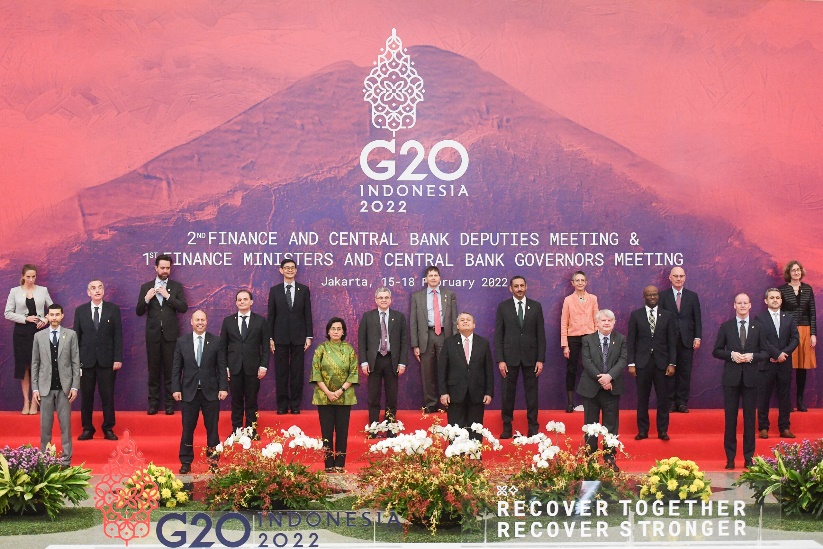
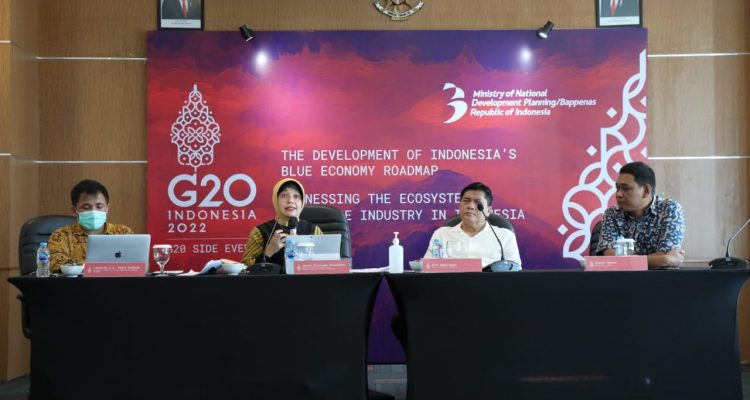
El Ministerio de Planificación Nacional del Desarrollo/Bappenas junto con Indonesian Aerospace (PT Dirgantara Indonesia) celebraron un evento paralelo de la Reunión Ministerial de Desarrollo del G20 con el tema «Aprovechar el ecosistema de la industria aeroespacial en Indonesia» los días 7 y 8 de Septiembre de 2022 en Belitung, Indonesia. Esta agenda tiene como objetivo proporcionar espacio para que los responsables de la formulación de políticas, los actores del desarrollo y los socios internacionales muestren buenas prácticas, desafíos y aprendizajes y experiencias en la industria aeroespacial que sean relevantes para el contexto indonesio, así como para aumentar la colaboración entre los países del G20, dijo la Diputada de Asuntos Económicos del Ministerio de Planificación Nacional del Desarrollo/Bappenas, Amalia Adininggar Widyasanti, el Martes 06/09.
Indonesian-Airbus
Al margen del evento paralelo que consiste en un panel de alto nivel el 7 de Septiembre de 2022 y un Seminario Internacional el 8 de Septiembre de 2022, se firmará un Memorando de Entendimiento (MoU) entre PT Dirgantara Indonesia y Airbus Group para apoyar el crecimiento y el fortalecimiento del ecosistema aeroespacial nacional. El Gobierno indonesio cree que el potencial tecnológico en la industria aeroespacial es un activo extraordinario que necesita ser administrado, mejorado y aumentado su capacidad y capacidad para fortalecer y apoyar la economía, la seguridad y la defensa del país, agregó nuevamente la diputada Amalia Adininggar Widyasanti.
Uno de los focos de la discusión en el Evento Paralelo es un esquema de cooperación que puede garantizar el logro del objetivo de independencia a largo plazo, así como invitar a nuevos avances que puedan ser transmitidos por posibles socios estratégicos. El Gobierno de Indonesia considera que la sinergia de políticas es muy importante para acelerar el aumento de la independencia industrial y la competitividad, especialmente la industria de defensa y la industria aeroespacial nacional.
Los resultados de este evento paralelo, son recomendaciones de políticas para el desarrollo de la industria aeroespacial en Indonesia, se convierten en insumos para el Ministerio de Planificación Nacional del Desarrollo/Bappenas en la identificación de oportunidades para aumentar la cooperación con la industria o las empresas globales que pueden fortalecer la industria aeroespacial nacional y acelerar la realización de la Hoja de Ruta de Desarrollo del Ecosistema de la Industria Aeroespacial 2020—2045.
Al evento paralelo de la Reunión Ministerial de Desarrollo del G20 «Aprovechando el ecosistema de la industria aeroespacial en Indonesia» también asistieron responsables políticos en Indonesia, representantes de la industria aeroespacial en Indonesia, empresas estatales y privadas, varios representantes de la industria manufacturera, así como Mantenimiento, Reparación y Revisión (MRO) y la industria de la aviación.
El Gobierno de la República de Indonesia prioriza la industria aeroespacial como uno de los enfoques en la Presidencia del G20 de Indonesia 2022, una de las cuales se realiza a través de un evento paralelo que presenta representantes de industrias clave de los países del G20, donde es muy importante comprender cómo se está desarrollando la industria aeroespacial en otros países, dijo la diputada Amalia Adininggar Widyasanti.
Development G20 & Indonesia Aerospace
Indonesian Aerospace industry policy synergy Signature MoU Indonesian Aerospace—Airbus Group
The Ministry of National Development Planning/Bappenas together with Indonesian Aerospace (PT Dirgantara Indonesia) held a side event of the G20 Development Ministerial Meeting with the theme «Harnessing the Indonesian Aerospace Industry Ecosystem» on September 7-8, 2022 at Belitung, Indonesia. This agenda aims to provide space for policymakers, development actors, and international partners to showcase good practices, challenges, and learnings and experiences in the aerospace industry that are relevant to the Indonesian context, as well as to increase collaboration between the G20 countries, said the Deputy for Economic Affairs of the Ministry of National Development Planning/Bappenas, Amalia Adininggar Widyasanti, on Tuesday 09/06.
Indonesian-Airbus
On the sidelines of the side event consisting of a high-level panel on September 7, 2022 and an International Seminar on September 8, 2022, a Memorandum of Understanding (MoU) will be signed between PT Dirgantara Indonesia and Airbus to support the growth and the strengthening of the national aerospace ecosystem. The Indonesian Government believes that the technological potential in the aerospace industry is an extraordinary asset that needs to be managed, improved and increased in capacity and capacity to strengthen and support the country’s economy, security and defense, added again MP Amalia Adininggar Widyasanti.
One of the focuses of the discussion in the Parallel Event is a cooperation scheme that can guarantee the achievement of the goal of independence in the long term, as well as invite new advances that can be transmitted by possible strategic partners. The Government of Indonesia believes that policy synergy is very important to accelerate the growth of industrial independence and competitiveness, especially the national aerospace and defense industry.
The results of this side event, are policy recommendations for the development of the aerospace industry in Indonesia, become inputs for the Ministry of National Development Planning/Bappenas in identifying opportunities to increase cooperation with industry or companies that can strengthen the national aerospace industry and accelerate the completion of the Aerospace Industry Ecosystem Development Roadmap 2020—2045.
The side event of the G20 Development Ministerial Meeting «Harnessing the Indonesian Aerospace Industry Ecosystem» was also attended by Indonesian policymakers, representatives of the Indonesian aerospace industry, state-owned and private companies, various representatives of the manufacturing industry, as well as such as Maintenance, Repair and Overhaul (MRO) and the aviation industry.
The Government of the Republic of Indonesia prioritizes the aerospace industry as one of the focuses in the 2022 Indonesian G20 Presidency, one of which is through a side event featuring key industry representatives from G20 countries, where it is very important to understand how the aerospace industry is developing in other countries, said MP Amalia Adininggar Widyasanti.
Pengembangan G20 & Dirgantara Indonesia
Sinergi Kebijakan Industri Dirgantara Indonesia Penandatanganan MoU Dirgantara Indonesia—Airbus Group
Kementerian PPN/Bappenas bersama Indonesian Aerospace (PT Dirgantara Indonesia) menggelar side event Pertemuan Tingkat Menteri Pembangunan G20 dengan tema “Memanfaatkan Ekosistem Industri Dirgantara Indonesia” pada 7-8 September 2022 di Belitung, Indonesia. Agenda ini bertujuan untuk memberikan ruang bagi pembuat kebijakan, pelaku pembangunan, dan mitra internasional untuk menampilkan praktik yang baik, tantangan, serta pembelajaran dan pengalaman di industri kedirgantaraan yang relevan dengan konteks Indonesia, serta untuk meningkatkan kolaborasi antara negara-negara G20, kata Deputi Bidang Perekonomian Kementerian PPN/Bappenas, Amalia Adininggar Widyasanti, Selasa 09/06.
Indonesian-Airbus
Di sela-sela acara sampingan yang terdiri dari panel tingkat tinggi pada 7 September 2022 dan Seminar Internasional pada 8 September 2022, akan ditandatangani Memorandum of Understanding (MoU) antara PT Dirgantara Indonesia dan Airbus untuk mendukung pertumbuhan dan penguatan ekosistem kedirgantaraan nasional. Pemerintah Indonesia meyakini bahwa potensi teknologi di industri kedirgantaraan merupakan aset luar biasa yang perlu dikelola, ditingkatkan dan ditingkatkan kapasitas dan kapasitasnya untuk memperkuat dan mendukung perekonomian, keamanan dan pertahanan negara, tambah lagi MP Amalia Adininggar Widyasanti.
Salah satu fokus pembahasan dalam Parallel Event adalah skema kerjasama yang dapat menjamin tercapainya tujuan kemandirian dalam jangka panjang, serta mengundang kemajuan-kemajuan baru yang dapat ditransmisikan oleh calon mitra strategis. Pemerintah Indonesia meyakini sinergi kebijakan sangat penting untuk mempercepat pertumbuhan kemandirian dan daya saing industri, khususnya industri kedirgantaraan dan pertahanan nasional.
Hasil dari side event ini adalah rekomendasi kebijakan untuk pengembangan industri kedirgantaraan di Indonesia, menjadi masukan bagi Kementerian PPN/Bappenas dalam mengidentifikasi peluang untuk meningkatkan kerjasama dengan industri atau perusahaan yang dapat memperkuat industri dirgantara nasional dan mempercepat selesainya Roadmap Pengembangan Ekosistem Industri Dirgantara 2020—2045.
Acara sampingan Pertemuan Tingkat Menteri Pembangunan G20 “Memanfaatkan Ekosistem Industri Dirgantara Indonesia” juga dihadiri oleh para pembuat kebijakan Indonesia, perwakilan industri kedirgantaraan Indonesia, perusahaan BUMN dan swasta, berbagai perwakilan industri manufaktur, serta seperti Maintenance, Repair and Overhaul (MRO) dan industri penerbangan.
Pemerintah Republik Indonesia memprioritaskan industri kedirgantaraan sebagai salah satu fokus dalam Kepresidenan G20 Indonesia 2022, salah satunya melalui acara sampingan yang menampilkan perwakilan industri utama dari negara-negara G20, di mana sangat penting untuk memahami bagaimana industri kedirgantaraan sedang berkembang di negara lain, kata MP Amalia Adininggar Widyasanti.
PUBLISHER: Airgways.com DBk: Bappenas.go.id / G20.org / Indonesian-aerospace.com / Airbus.com / Airgways.com AW-POST: 202209091133AR OWNERSHIP: Airgways Inc. A\W A I R G W A Y S ®