Pérdidas gigantes del turismo mundial

AW | 2021 03 26 10:30 | TOURISM

Turismo mundial pierde US$ 4,5 billones y +62 millones empleos 2020

WTTC_Isologotype

El Consejo Mundial de Viajes y Turismo (WTTC) reveló el devastador impacto que ha generado la pandemia de Coronavirus (Covid-19) en el sector mundial de los viajes y el turismo en 2020, con una pérdida astronómica de casi US$ 4,5 billones de Dólares. En su Informe Anual de Impacto Económico (EIR), que representa al sector de los viajes privados y el turismo, el WTTC mostró que la contribución del sector al PIB cayó un 49,1%, en comparación con la economía mundial global, que cayó sólo un 3,7%. En total, la contribución del sector al PIB mundial se desplomó a US$ 4,7 billones de Dólares en 2020 (5,5% de la economía mundial), desde casi US$ 9,2 billones de Dólares un año antes (10,4%). El informe también revela una gran pérdida en el gasto en viajes internacionales, que cayó un 69,4% interanual. El gasto en viajes nacionales cayó un 45%, una disminución menor debido a algunos viajes nacionales en varios países.

En 2019, cuando los viajes y el turismo mundiales estaban prosperando y generando uno de cada cuatro nuevos puestos de trabajo en todo el mundo, la industria aportó un 10,6% (334 millones) de empleos en todo el mundo. Sin embargo, el año pasado, cuando la pandemia golpeó el centro de viajes y turismo, se perdieron más de 62 millones de puestos de trabajo, lo que representa una caída del 18,5%, dejando sólo 272 millones de empleados en toda la industria a nivel mundial. En 2020, cuando la pandemia golpeó los viajes y el turismo se perdieron más de 62 millones de puestos de trabajo, lo que representa una caída del 18,5%, dejando sólo 272 millones de empleados en toda la industria a nivel mundial. Sin embargo, la amenaza persiste, ya que muchos de estos puestos de trabajo están actualmente respaldados por políticas gubernamentales momentáneas y cargas de trabajo reducidas, que sin una recuperación completa del sector podrían perderse. «Debemos elogiar la acción inmediata de los gobiernos de todo el mundo por salvar tantos empleos y medios de vida en riesgo, gracias a varias decisiones, sin las cuales las cifras actuales serían mucho peores. Sin embargo, el Informe anual de Impacto Económico del WTTC muestra el alcance total del dolor que nuestra industria ha tenido que soportar en los últimos 12 meses, que ha devastado tantas vidas y negocios, grandes y pequeños», dijo Gloria Guevara, Directora Ejecutiva del WTTC.

Si bien 2020 y el invierno boreal de 2021 fueron desastrosos para los viajes y el turismo, la encuesta del WTTC muestra que si la movilidad y los viajes internacionales se reanudan para junio de este año, el PIB mundial y nacional, y los empleos, aumentarán significativamente. Según la encuesta, la contribución del sector al PIB mundial puede aumentar drásticamente este año, hasta un 48,5% interanual. La encuesta también muestra que su contribución podría alcanzar casi los mismos niveles de 2019 en 2022, con un nuevo incremento interanual del 25,3%. Si el lanzamiento mundial de la vacuna continúa a un ritmo acelerado y las restricciones de viaje se relajan justo antes de la temporada de verano, los 62 millones de puestos de trabajo perdidos en 2020 podrían regresar en 2022.

El WTTC aboga firmemente por la reanudación de los viajes internacionales seguros hacia Junio 2021 si los gobiernos siguen sus cuatro principios de recuperación, que incluyen un régimen de pruebas internacionales coordinado integral en la salida para todos los viajeros no vacunados, para eliminar la cuarentena. También incluye protocolos mejorados de salud e higiene y el uso obligatorio de máscaras; pasar a evaluaciones de riesgos de viajeros individuales en lugar de evaluaciones de riesgos en el país; y el apoyo continuo al sector, incluidos los impuestos, la liquidez y la protección de los trabajadores. El WTTC dice que la introducción de pases de salud digital, como el recientemente anunciado «Certificado Verde Digital», salvará la recuperación de la industria.

Giant losses from world tourism

World tourism loses US$ 4.5 trillion and +62 million jobs 2020

The World Travel and Tourism Council (WTTC) revealed the devastating impact that the Coronavirus (Covid-19) pandemic has had on the global travel and tourism sector in 2020, with an astronomical loss of almost US$ 4.5 billions of dollars. In its Annual Economic Impact Report (EIR), which represents the private travel and tourism sector, the WTTC showed that the sector’s contribution to GDP fell by 49.1%, compared to the global world economy, which fell only 3.7%. In total, the sector’s contribution to world GDP plummeted to US$ 4.7 trillion in 2020 (5.5% of the world economy), from almost US$ 9.2 trillion a year earlier (10,4%). The report also reveals a large loss in spending on international travel, which fell 69.4% year-on-year. Spending on domestic travel fell 45%, a minor decrease due to some domestic travel in various countries.

In 2019, when global travel and tourism was thriving and creating one in four new jobs worldwide, the industry contributed 10.6% (334 million) of jobs worldwide. However, last year when the pandemic hit the travel and tourism hub, more than 62 million jobs were lost, representing a drop of 18.5%, leaving only 272 million employees in the entire industry. Worldwide. In 2020, when the pandemic hit travel and tourism, more than 62 million jobs were lost, representing a drop of 18.5%, leaving only 272 million employees in the entire industry globally. However, the threat remains, as many of these jobs are currently supported by momentary government policies and reduced workloads, which without a full recovery of the sector could be lost. «We must commend the immediate action by governments around the world to save so many jobs and livelihoods at risk, thanks to various decisions, without which the current figures would be much worse. However, the WTTC Annual Economic Impact Report It shows the full extent of the pain our industry has endured in the last 12 months, which has devastated so many lives and businesses, large and small», said Gloria Guevara, Executive Director of the WTTC.

While 2020 and the boreal winter of 2021 were disastrous for travel and tourism, the WTTC survey shows that if international travel and mobility resumes by June this year, global and national GDP and jobs will increase. significantly. According to the survey, the sector’s contribution to world GDP may increase dramatically this year, up to 48.5% year-on-year. The survey also shows that their contribution could reach almost the same levels of 2019 in 2022, with a new year-on-year increase of 25.3%. If the global launch of the vaccine continues at an accelerated pace and travel restrictions are relaxed just before the summer season, the 62 million jobs lost in 2020 could return in 2022.

The WTTC strongly advocates the resumption of safe international travel by June 2021 if governments follow its four recovery principles, which include a comprehensive coordinated international testing regime on departure for all unvaccinated travelers, to eliminate quarantine. It also includes improved health and hygiene protocols and the mandatory use of masks; move to individual traveler risk assessments instead of in-country risk assessments; and continued support to the sector, including taxes, liquidity, and worker protection. The WTTC says the introduction of digital health passes, such as the recently announced «Digital Green Certificate», will save the industry’s recovery.


PUBLISHER: Airgways.com
DBk: Wttc.org / Airgways.com
AW-POST: 202103261030AR

A\W   A I R G W A Y S ®
50º aniversario helicóptero Lynx

AW | 2021 03 26 10:00 | INDUSTRY

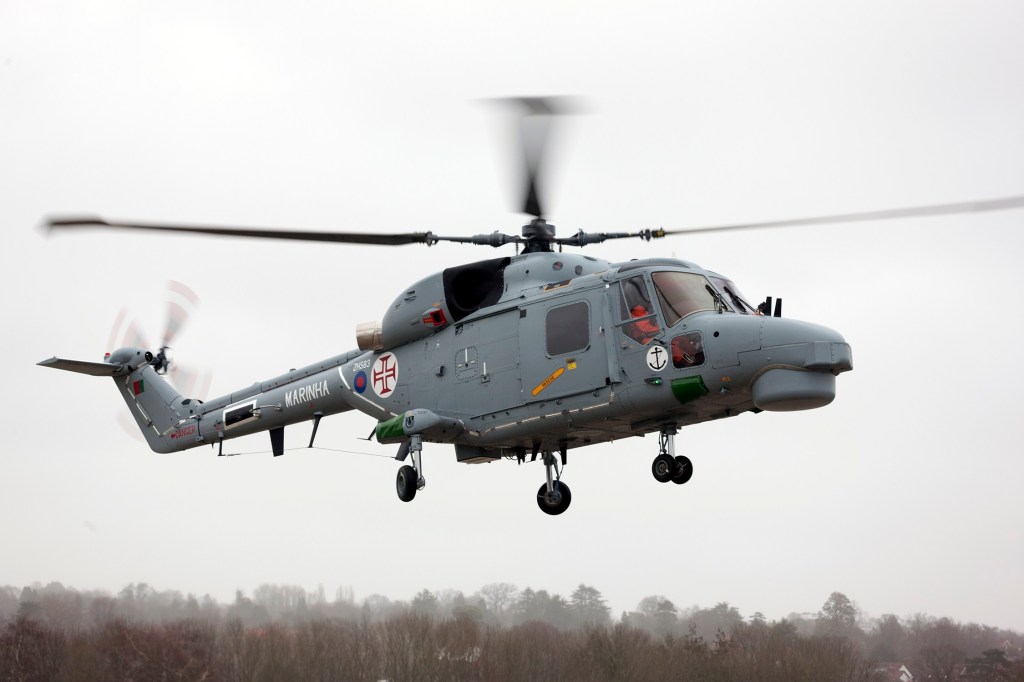
Helicóptero Lynx de Leonardo cumple 50 años de su primer vuelo

El helicóptero Lynx, de Leonardo, voló por primera vez el 21 de Marzo de 1971 desde la ubicación de la compañía en Yeovil, Reino Unido. El evento destaca a la compañía como líder en el mercado mundial de helicópteros navales y resalta el papel clave de Leonardo en la defensa del Reino Unido contra las amenazas sobre el mar y el continente. G-Lynx mantiene el récord mundial del helicóptero más rápido. Actualmente, nueve países vuelan el helicóptero.

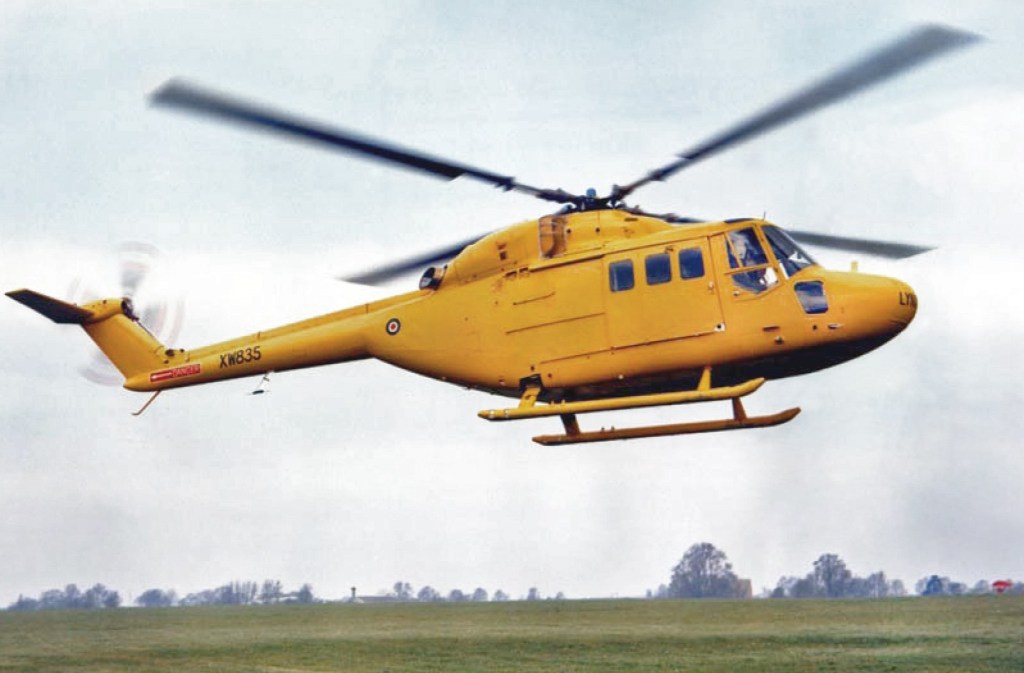
Cincuenta años atrás, el 21 de Marzo de 1971, un prototipo Lynx amarillo brillante con registro XW835 despegó de Yeovil, en el distrito de South Somerset, Inglaterra. El ahora icónico helicóptero piloteado por Ron Gellatly, completó dos vuelos cortos de diez minutos y 20 minutos respectivamente. Además del Jefe de los pilotos de pruebas, su adjunto Roy Moxam ocupó el asiento de copiloto y Dave Gibbings, voló como ingeniero de pruebas de vuelo a cargo de la gestión de la instrumentación, el monitoreo de los datos de estrés y las observaciones de respaldo. Este hito marca el 50º aniversario del liderazgo de Leonardo en esta categoría de tamaño/peso en el mercado de helicópteros. El diseño y posterior desarrollo de Lynx han satisfecho las demandas de los operadores y los requisitos cambiantes en tierra y en mar, lo que ha llevado a la introducción de variantes, en consonancia con las tecnologías emergentes. El legado de Lynx también contribuye, en gran medida, a la protección del continente y las aguas circundantes en el Reino Unido, listo para contrarrestar cualquier amenaza potencial en el entorno marítimo, además de desempeñar un papel de helicóptero de combate, entre otros.

Se han construido más de 500 helicópteros de esta clase, que prestan servicio a operadores de todo el mundo. Hay nueve clientes que actualmente, todavía lo utilizan para misiones tales como guerra antisuperficie, guerra antisubmarina, campo de batalla, búsqueda y rescate, protección costera, entre muchas otras. Los operadores actuales de las variantes de Lynx incluyen a la Armada de Brasil, la Real Armada de Malasia y la Fuerza de Defensa de Sudáfrica. La Armada de Brasil ha estado operando helicópteros Lynx durante más de cuatro décadas. A fines del año pasado en el Reino Unido, la Armada de Brasil y Leonardo completaron la Prueba de aceptación de fábrica para el cuarto de los ocho helicópteros Super Lynx Mk21B mejorados. Leonardo continúa apoyando a su base de clientes globales que aún opera Lynx. Desde Yeovil, Leonardo está actualizando cinco helicópteros Lynx MK95A para la Armada portuguesa. El trabajo de modernización incluye nuevos motores y una nueva cabina de vidrio con unidades de visualización integradas, entre muchas otras tecnologías.

Los orígenes del desarrollo de Lynx comenzaron como parte de un programa de tres aeronaves anglo-francés. El desarrollo básico de Lynx se llevó a cabo utilizando cinco helicópteros prototipo, cada uno de los cuales estaba pintado de un color diferente: amarillo (XW835), gris (XW836), rojo (XW837), azul (XW838) y naranja (XW839). El programa de pruebas de vuelo temprano involucró a 13 aeronaves.

En Marzo de 1972, el cuarto helicóptero Basic voló por primera vez e incluía la primera cabeza de rotor Monobloc, este fue el estándar elegido para la producción. La producción de la cabeza del rotor presentaría un buje central con cuatro elementos de aletas integrales forjados a partir de un solo bloque de titanio, conocido como la cabeza Monobloc. La primera producción Naval Lynx (XZ227) voló por primera vez el 10 de Febrero de 1976, y la primera entrega a la Royal Navy se realizó el 8 de Julio de 1976.

La Marina Real de los Países Bajos (RNN) ordenó el Lynx antes de que se completaran las pruebas en el Reino Unido y el primer Lynx Mk 25 voló en Septiembre de 1976. El helicóptero a la RNN se entregó en paralelo con la aeronave de la Royal Navy y el Lynx entró en servicio el 26 de Octubre de 1978. El Cuerpo Aéreo del Ejército Británico comenzó a recibir entregas en junio siguiente y, a finales de año, el Lynx se desplegó también en Alemania.

En ese entonces, el Lynx presentaba nuevas tecnologías, incluidas las British Experimental Rotor Programme (BERP), capaces de aumentar la velocidad máxima y las capacidades de elevación, que luego se adoptaron también para todas las variantes Lynx/Super Lynx y para el AW101. El icónico helicóptero rompió el récord mundial de velocidad hace 35 años atrás, el 11 de Agosto, cuando el llamado G-Lynx alcanzó velocidades de 249 mph/216 nudos/400 km/h sobre el horizonte de Somerset.

Continuando con su liderazgo, el AW159 es el helicóptero de mayor capacidad, más reciente, ofrecida por Leonardo en este segmento de mercado. Con su conjunto de aviónica y misión totalmente integrado, junto con un procesador táctico y una interfaz hombre-máquina derivada de las fuerzas armadas, el AW159 ofrece un conocimiento avanzado de la situación tanto en el entorno marítimo como en el terrestre. Está diseñado para operar de manera segura desde las cubiertas de los barcos más pequeños en condiciones climáticas adversas y diferentes estados de alta mar, al tiempo que ofrece una alta disponibilidad para misiones de persecución inmediata. El AW159 no solo es clave para la protección de la flota de buques de la Armada Real del Reino Unido de hoy y de mañana, sino que también está en servicio con clientes de exportación que brindan capacidad de múltiples funciones para operaciones de superficie y subterráneas. Para el Ejército del Reino Unido, es una parte integral de la 1ra Brigada de Aviación en el rol de Coordinación y Reconocimiento de Ataques con utilidad en todo el espectro de operaciones.

Lynx helicopter 50th anniversary

Leonardo’s Lynx helicopter celebrates 50 years of its first flight

Leonardo’s Lynx helicopter first flew on March 21, 1971 from the company’s location in Yeovil, UK. The event highlights the company as a leader in the global naval helicopter market and highlights Leonardo’s key role in defending the UK against threats over the sea and on the continent. G-Lynx holds the world record for the fastest helicopter. Currently, nine countries fly the helicopter.

Fifty years ago, on March 21, 1971, a bright yellow Lynx prototype with registration XW835 took off from Yeovil, in the district of South Somerset, England. The now iconic helicopter piloted by Ron Gellatly, completed two short flights of ten minutes and 20 minutes respectively. In addition to the Chief Test Pilot, his deputy Roy Moxam took the co-pilot seat and Dave Gibbings flew as a flight test engineer in charge of instrumentation management, stress data monitoring and observations. backup. This milestone marks the 50th anniversary of Leonardo’s leadership in this size/weight category in the helicopter market. The design and further development of Lynx have met the demands of operators and changing requirements on land and at sea, leading to the introduction of variants, in line with emerging technologies. The Lynx legacy also contributes greatly to the protection of the continent and the surrounding waters in the UK, ready to counter any potential threats in the maritime environment, as well as playing a role as a combat helicopter among others.

More than 500 helicopters of this class have been built, serving operators around the world. There are nine clients that are still using it today for missions such as anti-surface warfare, anti-submarine warfare, battlefield, search and rescue, coastal protection, among many others. Current operators of the Lynx variants include the Brazilian Navy, the Royal Malaysian Navy, and the South African Defense Force. The Brazilian Navy has been operating Lynx helicopters for more than four decades. Late last year in the UK, the Brazilian Navy and Leonardo completed the Factory Acceptance Test for the fourth of eight upgraded Super Lynx Mk21B helicopters. Leonardo continues to support its global customer base that Lynx still operates. From Yeovil, Leonardo is upgrading five Lynx MK95A helicopters for the Portuguese Navy. Modernization work includes new engines and a new glass cockpit with integrated display units, among many other technologies.

The origins of the Lynx development began as part of an Anglo-French three-aircraft program. The basic development of Lynx was carried out using five prototype helicopters, each of which was painted a different color: yellow (XW835), gray (XW836), red (XW837), blue (XW838) and orange (XW839). The early flight test program involved 13 aircraft.

In March 1972, the fourth Basic helicopter flew for the first time and included the first Monobloc rotor head, this was the standard chosen for production. The rotor head production would feature a center hub with four integral fin elements forged from a single block of titanium, known as the Monobloc head. The first production Naval Lynx (XZ227) first flew on February 10, 1976, and the first delivery to the Royal Navy was made on July 8, 1976.

The Royal Netherlands Navy (RNN) ordered the Lynx before testing was completed in the UK and the first Lynx Mk 25 flew in September 1976. The helicopter to the RNN was delivered in parallel with the aircraft of the RNN. The Royal Navy and the Lynx entered service on October 26, 1978. The British Army Air Corps began receiving deliveries the following June and, by the end of the year, the Lynx was also deployed in Germany.

At the time, the Lynx featured new technologies, including the British Experimental Rotor Program (BERP), capable of increasing top speed and lifting capacities, which were later adopted for all Lynx/Super Lynx variants and for the AW101 as well. The iconic helicopter broke the world speed record 35 years ago, on August 11, when the so-called G-Lynx reached speeds of 249 mph/216 knots/400 km/h above the Somerset horizon.

Continuing its leadership, the AW159 is the latest, most capable helicopter offered by Leonardo in this market segment. With its fully integrated avionics and mission suite, coupled with a military-derived tactical processor and human-machine interface, the AW159 offers advanced situational awareness in both maritime and land-based environments. It is designed to operate safely from the decks of the smallest ships in adverse weather conditions and different states of the high seas, while offering high availability for immediate pursuit missions. Not only is the AW159 key to protecting the Royal UK Navy’s fleet of ships today and tomorrow, it is also in service with export customers providing multi-function capability for surface and underground operations. For the UK Army, it is an integral part of the 1st Aviation Brigade in the Strike Reconnaissance and Coordination role with utility across the spectrum of operations.


PUBLISHER: Airgways.com
DBk: Leonardocompany.com / Airgways.com
AW-POST: 202103261000AR

A\W   A I R G W A Y S ®
Retraso certificación 737-8 200 MAX

AW | 2021 03 26 00:52 | AIRLINES / INDUSTRY

Ryanair afrontará retraso cliente lanzamiento Boeing 737-8 200 MAX

Ryanair_Isotype

Boeing 737 MAX_Isologotype

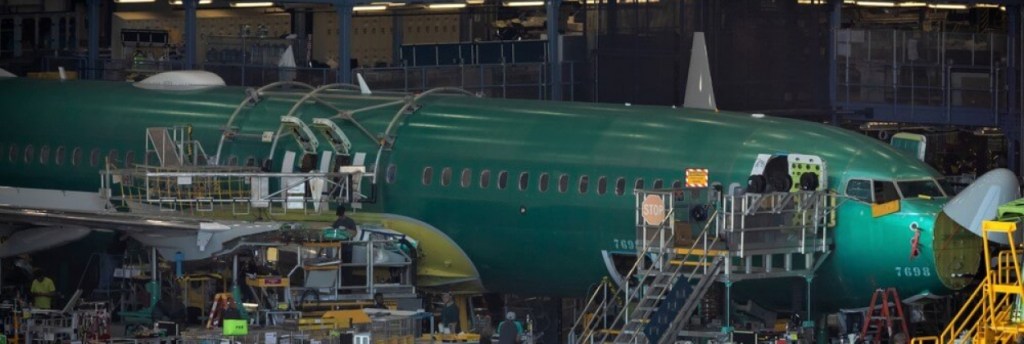
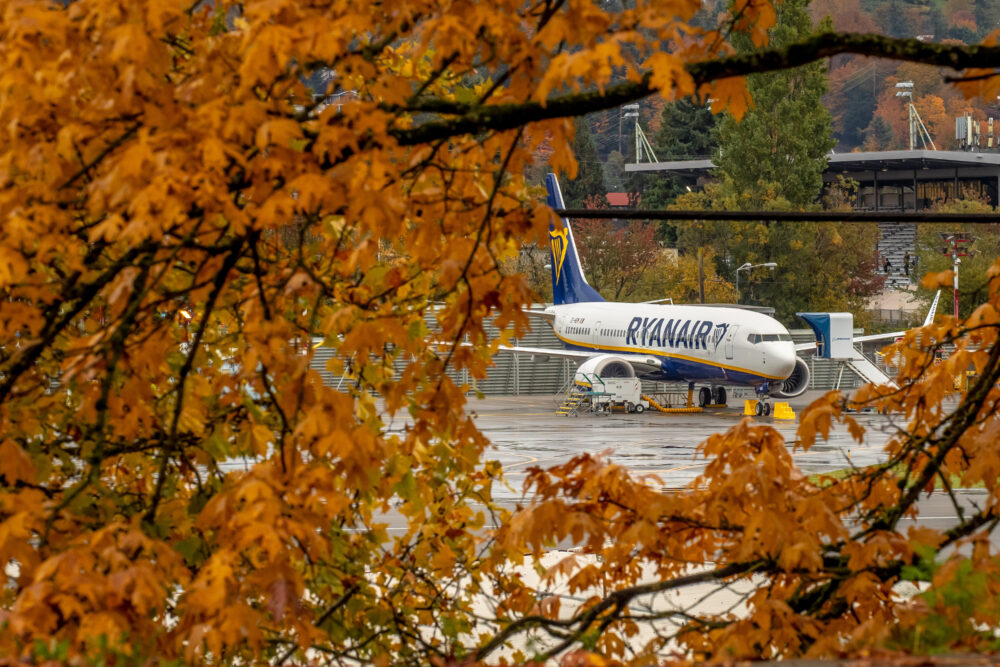
El Director Ejecutivo de la aerolínea irlandesa de bajo coste Ryanair, Michael O’Leary, dijo que la aerolínea esperaba recibir el primer avión Boeing 737-8 200 MAX muy esperado tan pronto como en Abril de 2021. Los retrasos por parte de las agencias de aviación de la Administración Federal de Aviación (FAA) de Estados Unidos ni la Agencia de Seguridad Aérea de la Unión Europea (EASA) han certificado el avión MAX 200 todavía. Inicialmente, Ryanair esperaba recibir la primera variante especial del avión MAX en Marzo de 2021. La aerolínea de presupuesto esperaba tomar hasta ocho aviones en 04/2021 y ocho en 05/2021. «Esperábamos tomar nuestra primera entrega MAX a finales de marzo. Creemos que eso es ahora poco probable, todavía no ha sido certificado. Esperamos que el 737-8 200 MAX sea certificado por la FAA en algún momento de esta semana y luego por EASA ya sea a finales de esta semana o principios de la próxima semana. En esas circunstancias, esperaríamos tomar probablemente nuestra primera entrega MAX, el avión cambiador de juego en Abril», dijo Michael O’Leary durante su intervención en la conferencia de prensa del 24 de Marzo de 2021.

En un pedido innovador, Ryanair se convirtió en el primer cliente en realizar un pedido significativo para el Boeing 737 MAX desde su puesta en tierra en Marzo de 2019. Para la temporada de verano boreal de 2021, la aerolínea espera tener 16 aviones Boeing 737-8 200 MAX 8- 200 hacia finales de Mayo 2021. «Estamos ansiosos por recibir el avión para que podamos empezar a entrenar pilotos, la tripulación de cabina pueda familiarizarse con ellos y los clientes puedan disfrutar volando con ellos», dijo el ceo de Ryanair.

La variante especial 737-8 200 MAX se basa en el 737-8 MAX. The Boeing Company lo ha desarrollado en respuesta a las previsiones previas del rápido crecimiento del sector de bajo costo. En 2014, Ryanair se comprometió a comprar 100 aviones de este tipo. Sin embargo, después de que el Boeing 737 MAX fuera aterrizado en todo el mundo tras dos accidentes mortales, las entregas de Ryanair fueron pospuestas varias veces. Actualmente, Ryanair ya tiene 135 de los 197 asientos MAX 200 en orden y espera recibir su avión final a finales de 2024. Según la lista de pedidos de Boeing 737 MAX, la aerolínea tiene ahora un total de 210 aviones en servicio.

Boeing 737-8 200 MAX certification delay

Ryanair to face customer delay for Boeing 737-8 200 MAX launch

The CEO of Irish low-cost airline Ryanair, Michael O’Leary, said the airline expected to receive the highly anticipated first Boeing 737-8 200 MAX aircraft as early as April 2021. Delays by travel agencies aviation from the United States Federal Aviation Administration (FAA) nor the European Union Aviation Safety Agency (EASA) have yet certified the MAX 200 aircraft. Initially, Ryanair expected to receive the first special variant of the MAX aircraft in March 2021. The budget airline expected to take up to eight aircraft in 04/2021 and eight in 05/2021. «We were hoping to take our first MAX delivery in late March. We think that’s unlikely now, it hasn’t been certified yet. We expect the 737-8 200 MAX to be certified by the FAA sometime this week and then by EASA already. be it late this week or early next week. Under those circumstances, we would expect to take probably our first MAX installment, the game-changing plane in April», said Michael O’Leary during his speech at the press conference on 24 May. March 2021.

In a groundbreaking order, Ryanair became the first customer to place a significant order for the Boeing 737 MAX since it was grounded in March 2019. By the 2021 summer season, the airline expects to have 16 Boeing 737- 8 200 MAX 8- 200 towards the end of May 2021. «We are looking forward to receiving the aircraft so that we can start training pilots, the cabin crew can become familiar with them and customers can enjoy flying with them», said Ryanair’s CEO.

The 737-8 200 MAX special variant is based on the 737-8 MAX. Boeing has developed it in response to previous forecasts of the rapid growth of the low-cost sector. In 2014, Ryanair committed to purchase 100 of this type of aircraft. However, after the Boeing 737 MAX was landed around the world after two fatal accidents, Ryanair deliveries were postponed several times. Currently, Ryanair already has 135 of the 197 MAX 200 seats on order and expects to receive its final aircraft by the end of 2024. According to the Boeing 737 MAX order list, the airline now has a total of 210 aircraft in service.


PUBLISHER: Airgways.com
DBk: Boeing.com / Ryanair.com / Shutterstock.com / Gettyimages.com/Gary He / Airgways.com
AW-POST: 202103260052AR

A\W   A I R G W A Y S ®
Boeing prepara entregas 787

AW | 2021 03 25 18:00 | INDUSTRY / AVIATION SAFETY

Boeing prepara para entregar 787 tras cinco meses interrupciones

Boeing_Isologotype

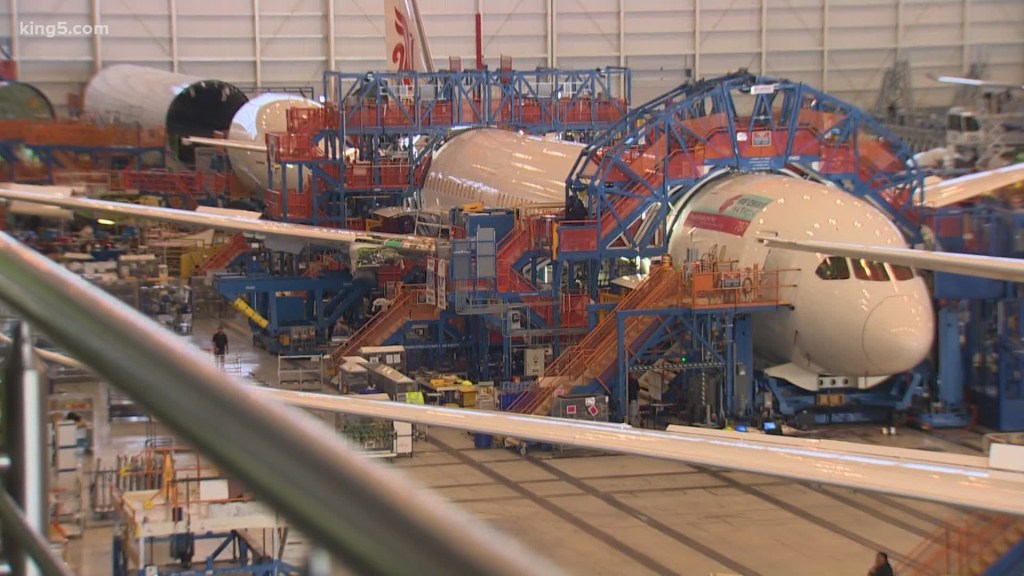
The Boeing Company se encuentra en tiempo de reanudar las entregas de la línea Boeing 787 Dreamliner esta semana, después de un largo período de cinco meses mientras el Departamento de Ingeniería buscaban pequeños defectos estructurales en los aviones de fibra de carbono. La entrega inicial se espera tan pronto como el Viernes 26/03, iniciando la entrega de los primeros dos o tres aviones de cuerpo ancho este mes.

El restablecimiento de la línea Dreamliner aliviarán las incertidumbres en torno a las aeronaves widebories más modernas del fabricante. La sequía de entregas acopló a las presiones de efectivo de la compañía, con más de 80 Dreamliners no entregados estacionados alrededor de las fábricas de la compañía en Everett (WA) y en un lote de almacenamiento en el desierto en el Aeropuerto Victorville, California. «Seguimos esperando reanudar la entrega de 787 para finales de marzo. Sin embargo, seguiremos tomando el tiempo necesario y ajustaremos cualquier plan de entrega según sea necesario. Mantenemos una comunicación constante y transparente con nuestros clientes y reguladores», dijo la compañía Boeing en un comunicado.

Air Lease Corp., que había llamado la atención sobre las inspecciones realizadas a la línea 787, espera tomar la entrega de un Dreamliner la semana del 29 de Marzo de 2021, dijo el Jueves 25/03 Steven Udvar-Hazy, fundador y rPesidente de la compañía de arrendamiento. United Airlines Holdings Inc., también está al frente de la línea y podría recibir uno o más modelos Boeing 787-9 tan pronto como el Viernes 26/03 una vez que los reguladores estadounidenses aprueben las reparaciones hechas por los mecánicos e ingenieros de Boeing, dijeron dos de las personas. La aerolínea con sede en Chicago necesita los nuevos 787 de largo alcance para ayudar con la pérdida de su antigua flota de Boeing 777-200, que ha sido marginada para inspecciones de motores después de que un turbofan explotó el mes pasado durante una salida de Denver.

Los ejecutivos de Boeing se habían comprometido a reiniciar las entregas este trimestre (1Q2021) a medida que la compañía se recupera de uno de los años más duros de su historia de un siglo y de la compañía. Después de quemar US$ 20.000 millones de Dólares el año pasado, el camino del fabricante de aviones para generar efectivo en los próximos dos años depende de su capacidad para relajar más de 500 aviones, principalmente Dreamliners y el 737 MAX, que se han acumulado.

Reparando errores 787

AW-Boeing787_004

Las diminutas arrugas surgió por primera vez como un problema el año pasado cuando Boeing aterrizó ocho Dreamliners recientemente entregados para reparaciones de emergencia. Al revisar los datos de la fábrica, descubrió que los rellenos generados por computadora conocidos como «shims» no cerraba completamente los huecos en un revestimiento interno donde dos segmentos de fibra de carbono se unieron para formar la parte trasera del fuselaje del 787. Durante los meses siguientes, los diminutos hoyuelos fueron encontrados en el estabilizador horizontal, la unión del fuselaje delantero y la puerta de carga hacia adelante, escribió Douglas Harned, Analista de Bernstein, en un informe del 17 de Marzo de 2021. Boeing también descubrió un problema no relacionado que requería pruebas adicionales: un proveedor había cambiado el proceso de fabricación de las ventanas de la cubierta de vuelo.

Dado que Boeing había señalado que probablemente se reiniciarían las entregas de la línea 787 para este mes de Marzo 2021, la principal preocupación en el futuro es limpiar sus lotes de almacenamiento. «Consideramos que el punto importante es principalmente la tasa en el transcurso de este año, en lugar del momento de la primera entrega», dijo Douglas Harned.

La Administración Federal de Aviación (FAA) de Estados Unidos dijo a Boeing en una carta del 11 de Enero de 2021 que sus inspectores llevarían a cabo la firma final de cuatro 787, y potencialmente más como una acción correctiva para abordar los problemas de producción. La agencia normalmente destina a los empleados de Boeing para llevar a cabo lo que llama Certificados de Inspecciones de Aeronavegabilidad. Mientras tanto, la agencia de la FAA expresó: «No comentamos sobre las actividades de certificación en curso».

Boeing prepares 787 deliveries

Boeing prepares to deliver 787 after 5-month outages

Boeing Isotype-002

The Boeing Company is in time to resume deliveries of the Boeing 787 Dreamliner line this week, after a lengthy five-month period as the Department of Engineering searched for minor structural defects in the carbon fiber planes. Initial delivery is expected as early as Friday 03/26, with delivery of the first two or three widebody aircraft starting this month.

The reestablishment of the Dreamliner line will alleviate uncertainties surrounding the manufacturer’s latest widebories aircraft. The delivery drought coupled with the company’s cash pressures, with more than 80 undelivered Dreamliners parked around the company’s Everett (WA) factories and in a desert storage lot at Victorville Airport, California. «We continue to expect to resume delivery of 787s by the end of March. However, we will continue to take the necessary time and adjust any delivery plans as necessary. We maintain constant and transparent communication with our customers and regulators,» the Boeing company said in a statement. release.

Air Lease Corp., which had drawn attention to the inspections carried out on line 787, expects to take delivery of a Dreamliner the week of March 29, 2021, said on Thursday 03/25 Steven Udvar-Hazy, founder and President of the leasing company. United Airlines Holdings Inc., is also at the forefront of the line and could receive one or more Boeing 787-9 models as soon as Friday 03/26 once US regulators approve the repairs made by Boeing mechanics and engineers, two of the people said. The Chicago-based airline needs the new long-range 787s to help with the loss of its old fleet of Boeing 777-200s, which has been sidelined for engine inspections after a turbofan exploded last month during an outing from Denver.

Boeing executives had pledged to restart deliveries this quarter (1Q2021) as the company recovers from one of the toughest years in its century-long history and for the company. After burning US$ 20 billion last year, the aircraft manufacturer’s path to generating cash in the next two years hinges on its ability to relax more than 500 planes, mainly Dreamliners and the 737 MAX, that have accumulated.

Fixing errors 787

The tiny wrinkles first emerged as a problem last year when Boeing landed eight Dreamliners recently delivered for emergency repairs. In reviewing the factory data, he discovered that the computer generated fillers known as «shims» did not completely close the gaps in an internal cladding where two carbon fiber segments joined to form the rear of the 787’s fuselage. During the years Following months, tiny dimples were found in the horizontal stabilizer, the forward fuselage junction and the forward cargo door, wrote Douglas Harned, an analyst at Bernstein, in a report dated March 17, 2021. Boeing also discovered a problem not Related that required additional testing: A supplier had changed the manufacturing process for the flight deck windows.

Given that Boeing had signaled that deliveries of the 787 line would likely resume this March 2021, the main concern going forward is cleaning up its storage lots. «We consider that the important point is mainly the rate in the course of this year, rather than the time of the first delivery», Douglas Harned said.

The US Federal Aviation Administration (FAA) told Boeing in a January 11, 2021 letter that its inspectors would carry out the final signing of four 787s, and potentially more as corrective action to address production problems. The agency typically assigns Boeing employees to carry out what it calls Certificates of Airworthiness Inspections. Meanwhile, the FAA agency said: «We do not comment on ongoing certification activities».


PUBLISHER: Airgways.com
DBk: Boeing.com / Airgways.com
AW-POST: 202103251800AR

A\W   A I R G W A Y S ®
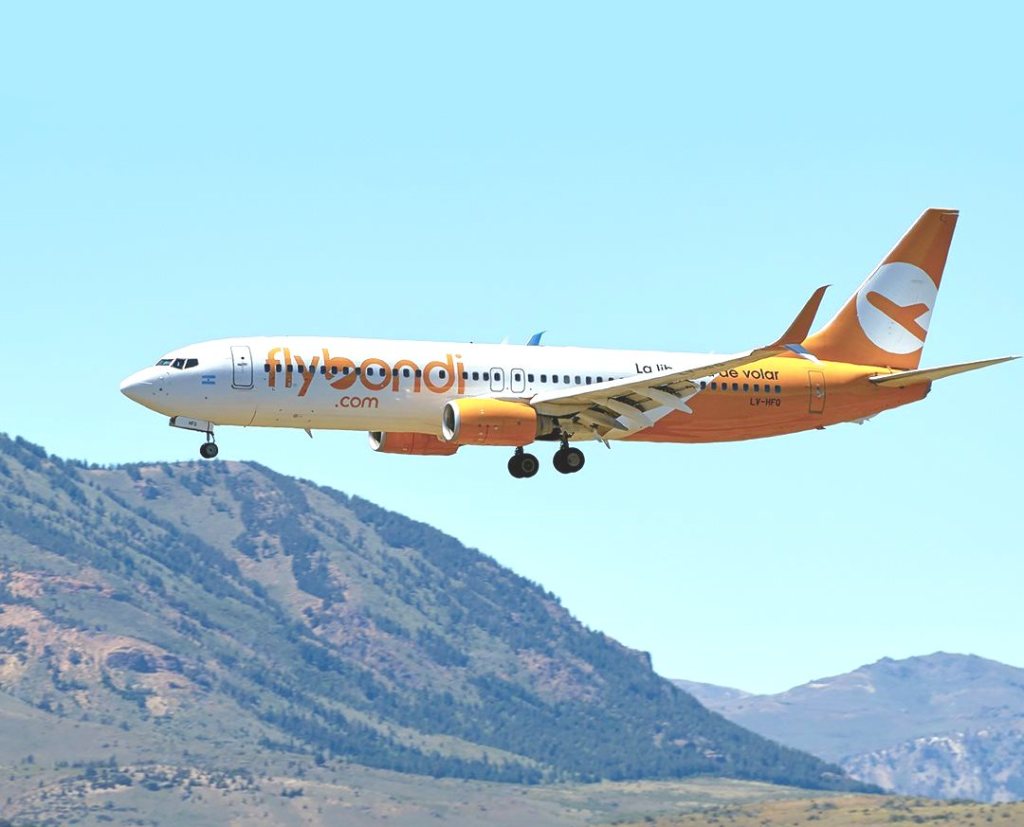
Flybondi aproximación Aeroparque

AW | 2021 03 25 16:16 | AIRLINES

Flybondi desembarca en el Aeropuerto Jorge Newbery

AW-Flybondi_B-Isologotype

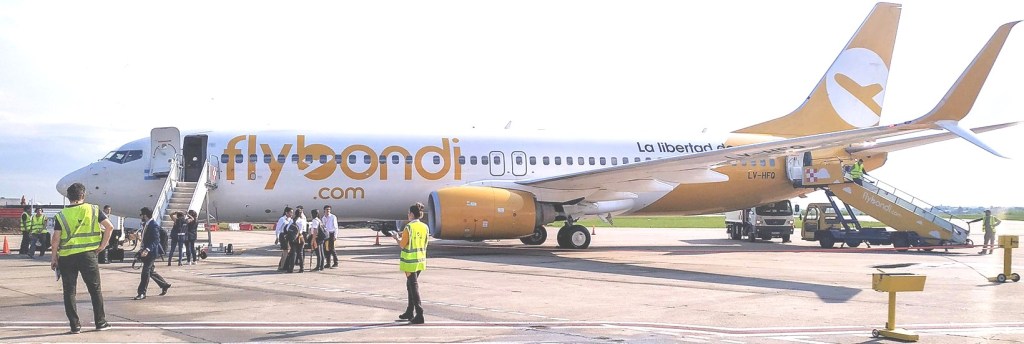
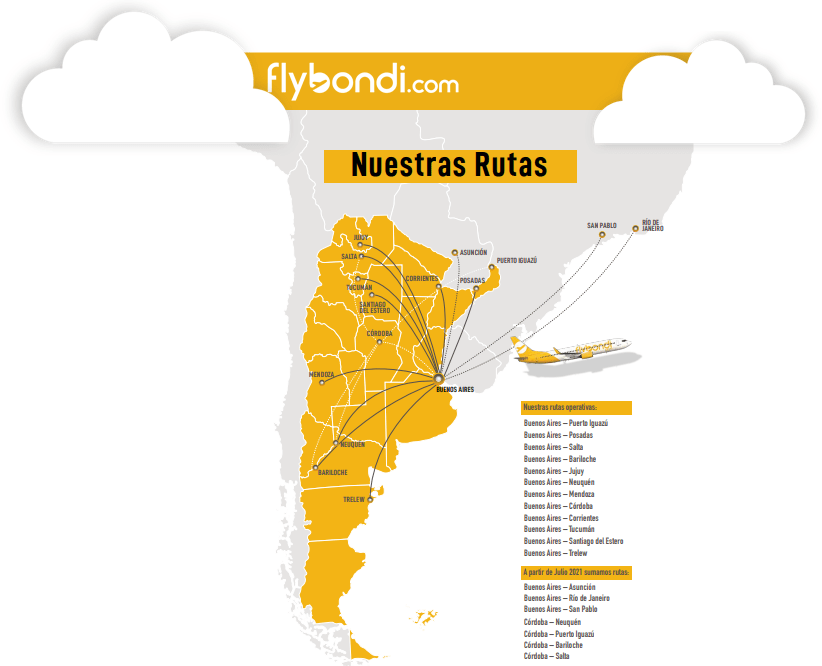
Flybondi Líneas Aéreas continúa avanzado con la inauguración de los vuelos domésticos desde el Aeropuerto Jorge Newbery SABE/AEP a partir de Abril 2021. Tras la reapertura de los vuelos de cabotaje por parte de la aerolínea a partir del 12 de Diciembre de 2020, la compañía low cost ha restablecido sus operaciones desde el Aeropuerto Internacional Ezeiza con Iguazú, Bariloche y Tucumán, sumando doce destinos adicionales a Córdoba, Corrientes, Jujuy, Mendoza, Neuquén, Posadas, Puerto Iguazú, Salta, San Carlos de Bariloche, Santiago del Estero, Trelew y Tucumán. A raíz de lo dispuesto por los organismos aeronáuticos y dado que los itinerarios presentados para volver a operar en el Aeropuerto Internacional El Palomar no recibieron aprobación, la compañía solicitó la autorización para volar en forma temporal desde el Aeropuerto de Ezeiza lo que fue confirmado por la Administración Nacional de Aviación Civil (ANAC).

La imagen tiene un atributo ALT vacío; su nombre de archivo es aw-flybondi.com_new-routes.png

Aterrizando en Aeroparque

Flybondi Líneas Aéreas comenzará a operar a partir del 1 de Abril de 2021 el tramo con su vuelo inaugural Buenos Aires—Neuquén conectando a la provincia con el Aeroparque. Flybondi había informado oportunamente mediante un comunicado el motivo de la postergación de la fecha de inicio de las operaciones en Aeroparque se debe a que todavía no existían en Aeroparque espacio necesario para que la aerolínea pueda tener estacionados el total de sus aviones, ya que aún no se pudieron habilitar los espacios en la plataforma que le fueron asignados. A raíz de este inconveniente, Flybondi pospuso su inicio de operación en Aeroparque para el 01/04 con el fin de no duplicar las operaciones Ezeiza/Aeroparque con el consiguiente incremento de los costos operativos.

Flybondi ha estado diagramando el nuevo enfoque que desarrollará desde el Aeropuerto Jorge Newbery que permitirá a la aerolínea ser verdaderamente competitiva frente a un mercado aéreo con mayor concentración de operadores, pero con una perspectiva de ampliar considerablemente sus proyecciones de rutas y servicios desde la proximidad del aeropuerto con mayor tráfico doméstico de Argentina.

Flybondi approach Aeroparque

Flybondi disembarks at Jorge Newbery Airport

Flybondi Líneas Aéreas continues to make progress with the opening of domestic flights from the Jorge Newbery SABE/AEP Airport as of April 2021. After the reopening of domestic flights by the company as of December 12, 2020, the Low cost company has reestablished its operations from the Ezeiza International Airport with Iguazú, Bariloche and Tucumán, adding twelve additional destinations to Córdoba, Corrientes, Jujuy, Mendoza, Neuquén, Posadas, Puerto Iguazú, Salta, San Carlos de Bariloche, Santiago del Estero, Trelew and Tucumán. As a result of the provisions of the aeronautical organizations and given that the itineraries presented to operate again at the El Palomar International Airport did not receive approval, the company requested authorization to fly temporarily from the Ezeiza Airport, which was confirmed by the National Civil Aviation Administration (ANAC).

Landing at Aeroparque

Flybondi Líneas Aéreas will begin operating on April 1, 2021, the section with its inaugural Buenos Aires-Neuquén flight connecting the province with the Aeroparque. Flybondi had timely informed through a statement the reason for the postponement of the start date of operations at Aeroparque is due to the fact that there was still no space at Aeroparque so that the airline could have all of its planes parked, since there was not yet the spaces assigned to it on the platform could be enabled. As a result of this inconvenience, Flybondi postponed its start of operations at Aeroparque to 04/01 in order not to duplicate Ezeiza/Aeroparque operations with the consequent increase in operating costs.

Flybondi has been diagramming the new approach that it will develop from the Jorge Newbery Airport that will allow the airline to be truly competitive in the face of an air market with a greater concentration of operators, but with a perspective of considerably expanding its route and service projections from the proximity of the airport with the highest domestic traffic in Argentina.


PUBLISHER: Airgways.com
DBk: Flybondi.com / Airgways.com
AW-POST: 202103251616AR

A\W   A I R G W A Y S ®

Paranair restablece vuelos Aeroparque

AW | 2021 03 25 15:44 | AIRLINES ROUTES

Paranair retorna conexión a Buenos Aires/AEP

Paranair_isologotype

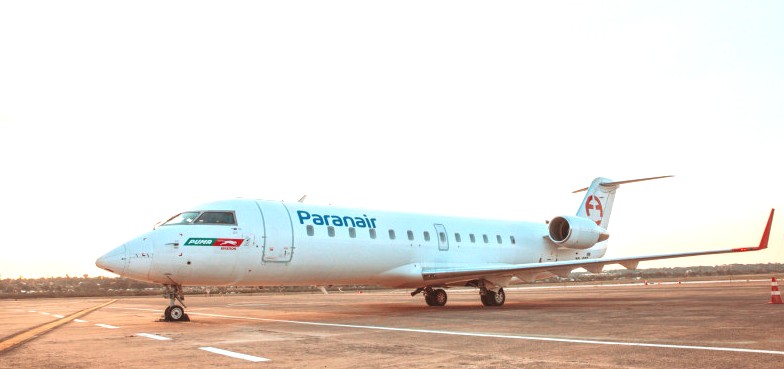
Paranair, la línea aéreas regional paraguaya ha anunciado que a partir de este Sábado 27/03 retornará sus operaciones regulares entre Asunción del Paraguay y Buenos Aires. Paranair ha estado utilizando el Aeropuerto Internacional Ezeiza tras el cierre de Aeroparque por refacciones, hasta la reapertura del Aeropuerto Jorge Newbery en la Ciudad de Buenos Aires.

A partir del Sábado 26 de Marzo de 2021, la compañía paraguaya anuncia cuatro frecuencias semanales (4Frq/S) entre los aeropuertos Silvio Pettirossi y Jorge Newbery, los Lunes, Viernes, Sábados y Domingos, mientras que los Lunes, Miércoles, Viernes y Domingos, la firma continuará aterrizando en el Aeropuerto Ezeiza. Actualmente, los nuevos vuelos aún no se encuentran cargados en el sistema de reservas, razón por la que la aerolínea no expone aún los horarios. La aerolínea continuará empleando la ruta Asunción-Buenos Aires, con aeronaves Bombardier CRJ-200 con capacidad para 50 pasajeros.

Mercado Asunción/Aeroparque

Paranair restablecerá el código compartido con Latam Airlines Group hacia Aeroparque luego de la reapertura de la Terminal aérea el pasado 15/03 para vuelos domésticos y regionales. Actualmente, la ruta también es cubierta por Aerolíneas Argentinas con Embraer E190-100AR y Boeing 737 Netx Generation. Mientras tanto, la vuelta de Flybondi al mercado paraguayo se encuentra demorada, con proyecciones hacia el segundo semestre 2021, dependiendo de los pronósticos sanitarios en la región.

Paranair restores Aeroparque flights

Paranair returns connection to Buenos Aires/AEP

Paranair, the Paraguayan regional airline has announced that as of this Saturday 03/27 it will return its regular operations between Asunción del Paraguay and Buenos Aires. Paranair has been using the Ezeiza International Airport after the closure of Aeroparque for spare parts, until the reopening of the Jorge Newbery Airport in the City of Buenos Aires.

Starting on Saturday, March 26, 2021, the Paraguayan company announces four weekly frequencies (4Frq/S) between Silvio Pettirossi and Jorge Newbery airports, on Mondays, Fridays, Saturdays and Sundays, while on Mondays, Wednesdays, Fridays and Sundays, the firm will continue to land at Ezeiza Airport. Currently, the new flights are not yet loaded into the reservation system, which is why the airline has not yet exposed the schedules. The airline will continue to use the Asunción-Buenos Aires route, with Bombardier CRJ-200 aircraft with capacity for 50 passengers.

Asunción Market/Aeroparque

Paranair will restore the codeshare with Latam Airlines Group to Aeroparque after the reopening of the Air Terminal on 03/15 for domestic and regional flights. Currently, the route is also covered by Aerolíneas Argentinas with Embraer E190-100AR and Boeing 737 Netx Generation. Meanwhile, Flybondi’s return to the Paraguayan market is delayed, with projections for the second half of 2021, depending on health forecasts in the region.


PUBLISHER: Airgways.com
DBk: Paranair.com / Airgways.com
AW-POST: 202103251544AR

A\W   A I R G W A Y S ®

Austrian nuevas reestructuraciones

AW | 2021 03 25 15:20 | AIRLINES

Austrian Airlines recorta previsión recuperación

Austrian_Airlines'_logo_(2018)

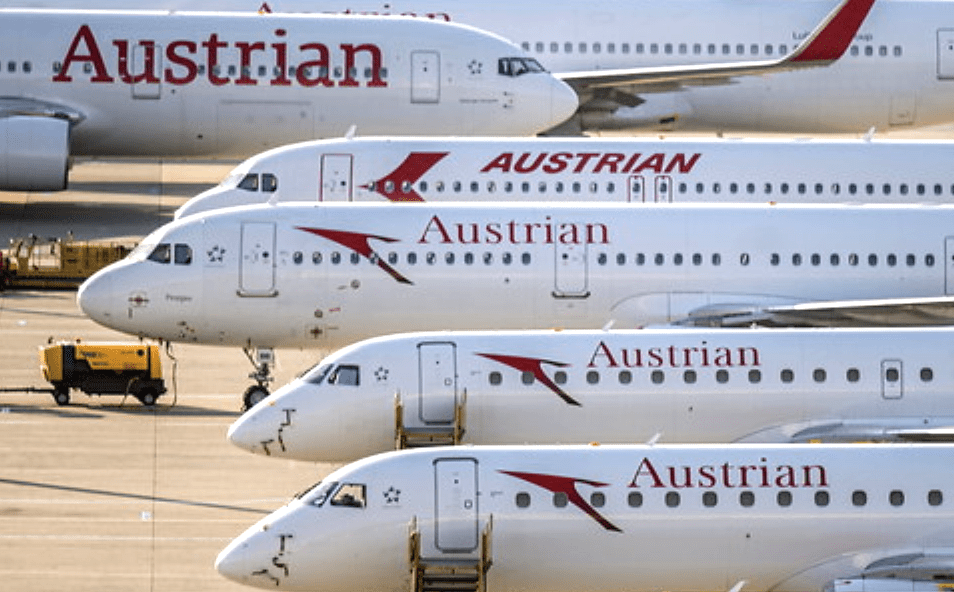
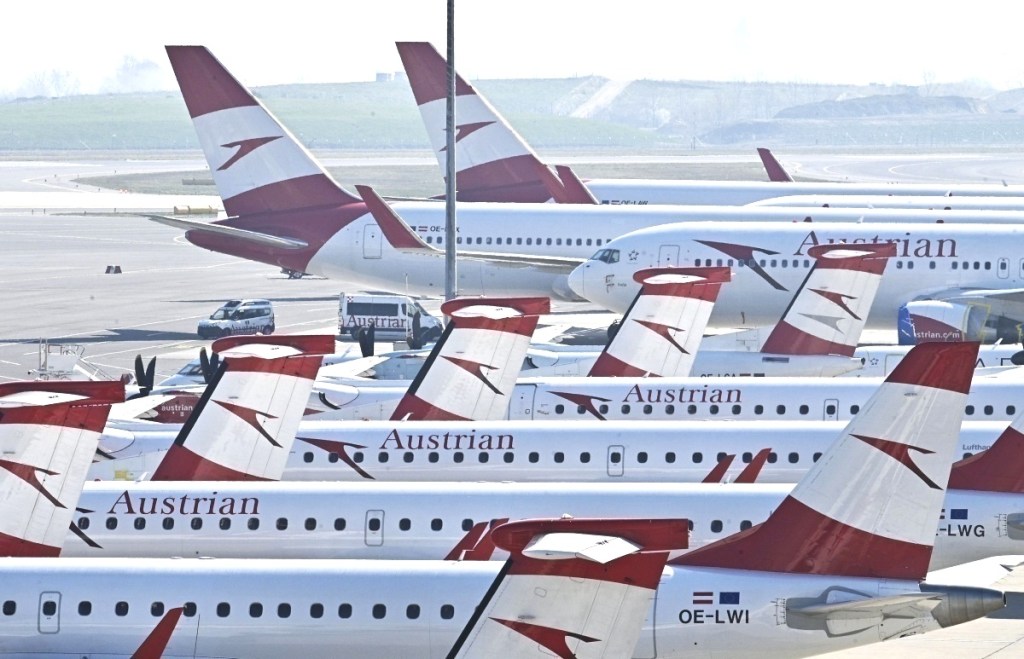
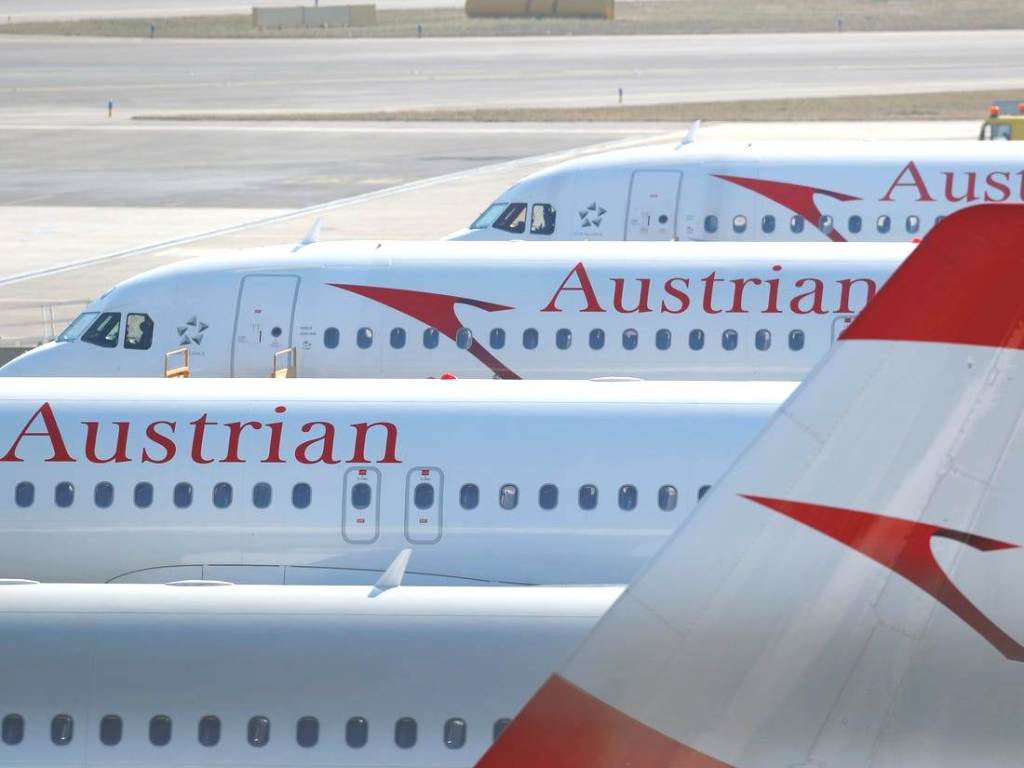
Austrian Airlines ha anunciado que se encuentra reestructurando sus unidades en medio de otra ola de brotes de Coronavirus en toda Europa en las últimas semanas. Las expectativas económicas han sido postergadas junto con la reestructuración del pedido de aeronaves comerciales hacia el futuro.

La filial del gigante aéreo Lufthansa AG, anunció este Jueves 25/03 una nueva reestructuración ante el impacto de la pandemia Covid-19. Para evitar la bancarrota, la aerolínea había recibido importantes ayudas públicas el verano pasado, como su matriz Lufthansa, que fue rescatada hace unos meses por el contribuyente alemán y que registró una pérdida récord en 2020.

Nuevas reestructuraciones

AW-Austrian_B737NG

Austrian Airlines había comenzado a implementar políticas de austeridad con la reducción de costes antes de la pandemia en medio de una dura competencia, pero se ha visto obligado a continuar este proceso.

Recortará 650 puestos de trabajo adicionales para 2023 e inmovilizará dos aviones adicionales. La compañía austriaca ya ha reducido su plantilla en 650 puestos desde el inicio de la crisis actual, a través de salidas naturales, y se separará del mismo número de empleados en los próximos dos años. Actualmente, poco más de 6.300 personas trabajan para la empresa, que promete despedir al menor número posible de empleados y utilizar modelos a tiempo parcial, según un comunicado emitido por la aerolínea.

La aerolínea ha estado utilizando el período de recesión para prepararse para su futuro, centralizando el tráfico de vuelos en Viena, lo que, a su vez, ha obligado a la terminación de toda la tripulación y las bases técnicas en las demás provincias austríacas. Además ha desinvertido en aviones más pequeños como el De Havilland DHC-8 y el Airbus A319. Actualmente, la flota de ochenta aviones se irá reduciendo a 58 hacia el 2024/25.

La aerolínea ha comunicado un acuerdo de paquetes multianales contra la crisis basados en acuerdos alcanzados con su personal junto con proveedores y socios del sistema con el fin de ayudar a ofrecer un crecimiento favorable de los ingresos a largo plazo y la capacidad de pago de préstamos. Otras medidas que se encuentran implementando es la reducción de la infraestructura de oficinas, donde cuatro de los ocho pisos de sus oficinas centrales están siendo devueltos a la compañía operadora del Aeropuerto de Viena, Flughafen Wien AG.

Perspectivas Austrian

Austrian Airlines espera recuperar el mercado en verano gracias al factor de vacunación e inmunidad de la población, mientras que la industria aérea apuesta por la introducción de pasaportes sanitarios para facilitar los viajes dentro de la UE. El Director Ejecutivo de la aerolínea, Alexis von Hoensbroech, ha expresado en un comunicado: «La pandemia está pasando mucho más de lo esperado, y sus efectos se sentirán durante varios años. Austrian Airlines será completamente diferente después de la crisis».

New Austrian restructurings

Austrian Airlines cuts recovery forecast

Austrian Airlines has announced that it is restructuring its units amid another wave of Coronavirus outbreaks across Europe in recent weeks. Economic expectations have been deferred along with the restructuring of the commercial aircraft order into the future.

AW-Austrian_E190

The subsidiary of the airline giant Lufthansa AG, announced this Thursday 03/25 a new restructuring due to the impact of the Covid-19 pandemic. To avoid bankruptcy, the airline had received significant public aid last summer, such as its parent company Lufthansa, which was bailed out a few months ago by the German taxpayer and which posted a record loss in 2020.

New restructurings

Austrian Airlines had started implementing cost-cutting austerity policies before the pandemic amid stiff competition, but has been forced to continue this process.

It will cut an additional 650 jobs by 2023 and immobilize two additional aircraft. The Austrian company has already reduced its workforce by 650 positions since the start of the current crisis, through natural exits, and will be separated from the same number of employees in the next two years. Currently, just over 6,300 people work for the company, which promises to lay off as few employees as possible and use part-time models, according to a statement issued by the airline.

The airline has been using the recessionary period to prepare for its future, centralizing flight traffic in Vienna, which, in turn, has forced the termination of all crew and technical bases in the other Austrian provinces. It has also divested from smaller aircraft such as the de Havilland DHC-8 and the Airbus A319. Currently, the fleet of eighty aircraft will be reduced to 58 by 2024/25.

The airline has communicated a multi-channel anti-crisis package deal based on agreements reached with its staff together with suppliers and system partners to help deliver favorable long-term revenue growth and loan repayment capacity. Other measures that are being implemented is the reduction of the office infrastructure, where four of the eight floors of its headquarters are being returned to the operating company of Vienna Airport, Flughafen Wien AG.

Austrian perspectives

Austrian Airlines hopes to recover the market in summer thanks to the factor of vaccination and immunity of the population, while the airline industry is committed to the introduction of health passports to facilitate travel within the EU. The CEO of the airline, Alexis von Hoensbroech, has expressed in a statement: «The pandemic is happening much more than expected, and its effects will be felt for several years. Austrian Airlines will be completely different after the crisis».

Neue österreichische Umstrukturierungen

Austrian Airlines senkt Erholungsprognose

Austrian_Airlines'_logo_(2018)

Austrian Airlines hat angekündigt, seine Einheiten in den letzten Wochen in einer weiteren Welle von Coronavirus-Ausbrüchen in ganz Europa umzustrukturieren. Die wirtschaftlichen Erwartungen wurden zusammen mit der Umstrukturierung des Auftrags für Verkehrsflugzeuge in die Zukunft verschoben.

Die Tochtergesellschaft des Fluggiganten Lufthansa AG kündigte am Donnerstag, den 25. März eine neue Umstrukturierung aufgrund der Auswirkungen der Covid-19-Pandemie an. Um eine Insolvenz zu vermeiden, hatte die Fluggesellschaft im vergangenen Sommer erhebliche öffentliche Beihilfen erhalten, wie beispielsweise die Muttergesellschaft Lufthansa, die vor einigen Monaten vom deutschen Steuerzahler gerettet wurde und im Jahr 2020 einen Rekordverlust verzeichnete.

Neue Umstrukturierungen

Austrian Airlines hatte vor der Pandemie im harten Wettbewerb mit der Umsetzung von Sparmaßnahmen zur Kostensenkung begonnen, war jedoch gezwungen, diesen Prozess fortzusetzen.

Bis 2023 werden weitere 650 Arbeitsplätze abgebaut und zwei weitere Flugzeuge stillgelegt. Das österreichische Unternehmen hat seine Belegschaft seit Beginn der aktuellen Krise bereits durch natürliche Ausgänge um 650 Stellen reduziert und wird in den nächsten zwei Jahren von der gleichen Anzahl von Mitarbeitern getrennt. Derzeit arbeiten etwas mehr als 6.300 Mitarbeiter für das Unternehmen, das laut einer Erklärung der Fluggesellschaft verspricht, möglichst wenige Mitarbeiter zu entlassen und Teilzeitmodelle zu verwenden.

Die Fluggesellschaft hat die Rezessionsphase genutzt, um sich auf ihre Zukunft vorzubereiten und den Flugverkehr in Wien zu zentralisieren, was wiederum die Beendigung aller Besatzungs- und technischen Stützpunkte in den anderen österreichischen Bundesländern erzwungen hat. Es hat sich auch von kleineren Flugzeugen wie dem de Havilland DHC-8 und dem Airbus A319 getrennt. Derzeit wird die Flotte von achtzig Flugzeugen bis 2024/25 auf 58 reduziert.

Die Fluggesellschaft hat auf der Grundlage von Vereinbarungen, die mit ihren Mitarbeitern zusammen mit Lieferanten und Systempartnern getroffen wurden, ein Multi-Channel-Paket zur Bekämpfung der Krise kommuniziert, um ein günstiges langfristiges Umsatzwachstum und eine günstige Rückzahlungskapazität für Kredite zu gewährleisten. Weitere Maßnahmen, die umgesetzt werden, sind der Abbau der Büroinfrastruktur, bei der vier der acht Stockwerke des Hauptsitzes an die Betreibergesellschaft des Flughafens Wien, Flughafen Wien AG, zurückgegeben werden.

Österreichische Perspektiven

Austrian Airlines hofft, den Markt im Sommer dank des Impfstoffs und der Immunität der Bevölkerung wieder zu erholen, während sich die Luftfahrtindustrie für die Einführung von Gesundheitspässen einsetzt, um das Reisen innerhalb der EU zu erleichtern. Der CEO der Fluggesellschaft, Alexis von Hoensbroech, hat in einer Erklärung erklärt: ,,Die Pandemie ereignet sich viel mehr als erwartet und ihre Auswirkungen werden mehrere Jahre lang spürbar sein. Austrian Airlines wird nach der Krise völlig anders sein».


PUBLISHER: Airgways.com
DBk: Austrian.com / Keystone/EPA Christian Bruna / Gettyimages.com / Airgways.com
AW-POST: 202103251520AR

A\W   A I R G W A Y S ®
Southwest retorna embarque pre-Covid

AW | 2021 03 25 14:37 | AIRLINES

Southwest Airlines vuelve política embarque previo a la pandemia

Southwest-Airlines_Isologotype_PNG-Transparent

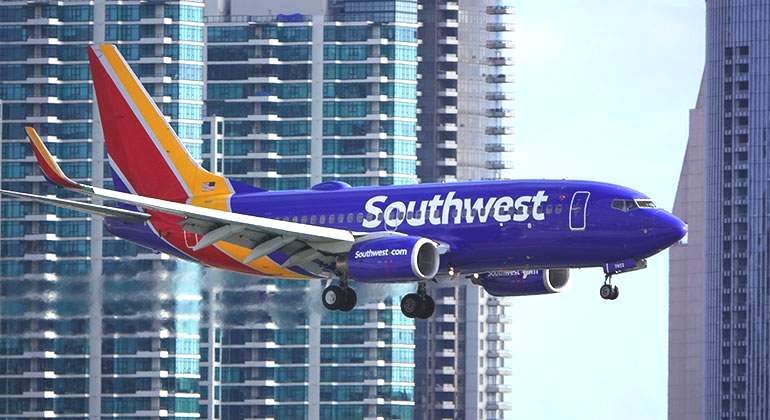
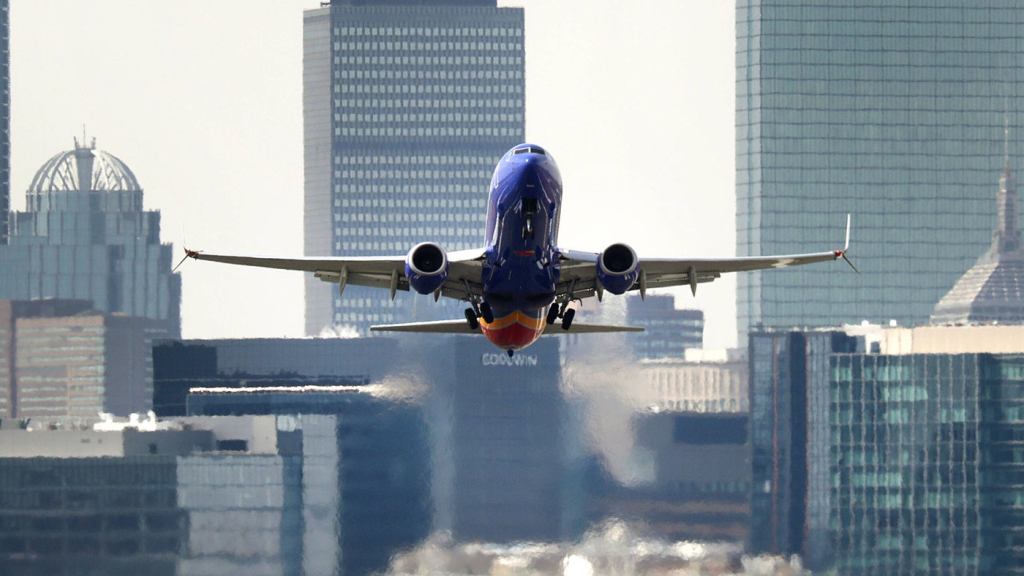
Southwest Airlines confirmó que ha reanudado su tradicional proceso de embarque tradicional. Durante la pandemia, la aerolínea que no asigna asientos, ha utilizado un sistema de embarque donde los pasajeros abordaban en grupos reducidos de diez pasajeros, pero las políticas de la aerolínea de presupuesto estadounidense ha cambiado su procedimiento de embarque en grupos de treinta personas.

La aerolínea ha ajustado sus políticas de embarque, todavía está siguiendo otras prácticas de la era pandémica, como recordar a los pasajeros a la distancia social cuando sea posible, y adherirse al mandato Federal del uso obligatorio de máscaras faciales. «Southwest está operando con nuestro proceso de embarque tradicional. Muchos clientes están familiarizados con el estilo de embarque estándar de Southwest, y la expectativa para el proceso de embarque normal se estaba volviendo cada vez más importante a medida que los clientes adicionales regresan para viajar con nosotros. El cambio surtió efecto el 15 de Marzo [de 2021]. Por supuesto, Southwest Airlines mantiene recordatorios de distanciamiento físico en las áreas aeroportuarias y fomenta el distanciamiento social. Además, la política de Southwest y el mandato federal de máscara requieren que los clientes y empleados usen máscaras faciales en todo momento en todo el aeropuerto, mientras abordan y desembarcan, y a bordo del avión», dijo el Portavoz de Southwest Airlines, Dan Landson, en un comunicado.

Servicios a bordo

Boeing-737-800-1

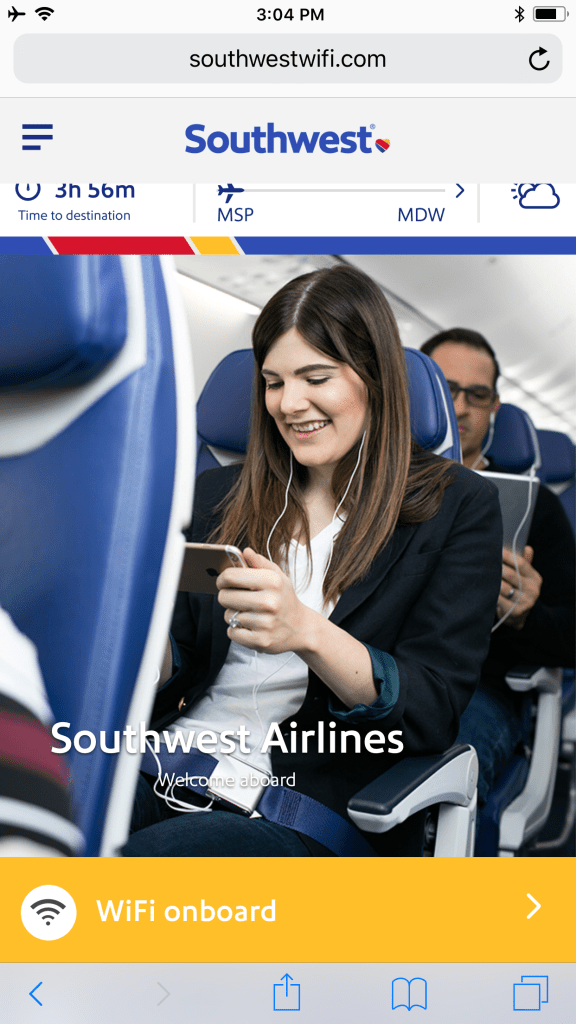
La compañía también a anunciado que a partir de Marzo 2021, los pasajeros en vuelos de más de 250 millas podrán disponer de un servicio de bebidas, además de agua, que está disponible en todos los vuelos. La curiosidad del nuevo servicio es cómo la aerolínea está pidiendo a los clientes que realicen su pedido. En lugar del habitual intercambio hablado entre pasajeros y tripulación, la aerolínea está alentando a los viajeros a utilizar pedidos en el portal a bordo a través de southwestwifi.com, y simplemente acercarse a la imagen de la bebida de elección. Alternativamente, las azafatas pueden sostener un menú con cuatro opciones numeradas. «Los clientes están expresando una preferencia por opciones adicionales de bebidas, por lo que esta es una pequeña manera en que podemos satisfacer las solicitudes de los clientes, al tiempo que limitamos las selecciones para apoyar el bienestar y la comodidad de nuestros clientes y empleados», dijo un portavoz de Southwest.

La Dra. Elaine Hanh Le, Directora Médica de Healthline ha expresado respecto al nuevo método de servicio empleado por Southwest Airlines: «En muchos sentidos, esta nueva estrategia de mostrar a las personas una foto de las opciones con errores numéricos y hacer que la persona indique la selección a través de señales manuales es genial, no sólo para prevenir la propagación de COVID o cualquier enfermedad que pudiera transmitirse a través de gotas de aire. También es potencialmente genial para las personas que no hablan el idioma nativo o que tienen dificultades auditivas. La presentación de opciones de bebidas en una tarjeta numerada permite a los hablantes que no hablan inglés realizar su pedido. Para esos viajeros, algunos podrían terminar saltándose el servicio de bebidas por completo debido a la incapacidad de comunicarse con la tripulación. Aún así, ordenar no verbalmente no será una opción para todos. Siempre habrá personas que necesitan que se les hable de las opciones y que necesitarán que se les hable de la opción, incluidas las personas con dificultades de visión».

Southwest returns pre-pandemic shipment

Southwest Airlines returns pre-pandemic boarding policy

Southwest Airlines confirmed that it has resumed its traditional boarding process. During the pandemic, the airline that does not assign seats, has used a boarding system where passengers board in small groups of ten passengers, but the policies of the US budget airline have changed its boarding procedure in groups of thirty people.

The airline has adjusted its boarding policies, is still following other practices of the pandemic era, such as reminding passengers to social distance when possible, and adhering to the Federal mandate of mandatory use of face masks. «Southwest is operating with our traditional boarding process. Many customers are familiar with Southwest’s standard boarding style, and the expectation for the normal boarding process was becoming increasingly important as additional customers returned to travel with The change took effect on March 15 [2021]. Of course, Southwest Airlines maintains physical distancing reminders in airport areas and encourages social distancing. Additionally, Southwest policy and the federal mask mandate require customers and employees wear face masks at all times throughout the airport, while boarding and disembarking, and on board the aircraft», Southwest Airlines spokesman Dan Landson said in a statement.

Onboard services

The company has also announced that as of March 2021, passengers on flights of more than 250 miles will be able to have a beverage service, in addition to water, which is available on all flights. The curiosity of the new service is how the airline is asking customers to place their order. Instead of the usual spoken exchange between passengers and crew, the airline is encouraging travelers to use inflight portal ordering via southwestwifi.com, and simply zoom in on the image of the beverage of choice. Alternatively, hostesses can hold a menu with four numbered options. «Customers are expressing a preference for additional beverage options, so this is a small way that we can satisfy customer requests, while limiting selections to support the well-being and comfort of our customers and employees», a Southwest spokesperson said.

Dr. Elaine Hanh Le, Medical Director of Healthline has expressed regarding the new method of service used by Southwest Airlines: «In many ways, this new strategy of showing people a photo of the options with numerical errors and making the person indicate selection through hand signals is great, not only for preventing the spread of COVID or any disease that could be transmitted through air droplets. It is also potentially great for people who do not speak the native language or have hearing difficulties. Presenting beverage options on a numbered card allows non-English speakers to place their order. For those travelers, some might end up skipping beverage service entirely due to inability to communicate with the crew. Still, Ordering non-verbally will not be an option for everyone. There will always be people who need to be told about the options and what they need They will be told about the option, including people with vision difficulties».


PUBLISHER: Airgways.com
DBk: Southwest.com / Airgways.com
AW-POST: 202103251437AR

A\W   A I R G W A Y S ®

United incorpora más vuelos

AW | 2021 03 25 14:04 | AIRLINES ROUTES

United Airlines añadirá docenas vuelos adicionales

United Airlines_Isologotype_001

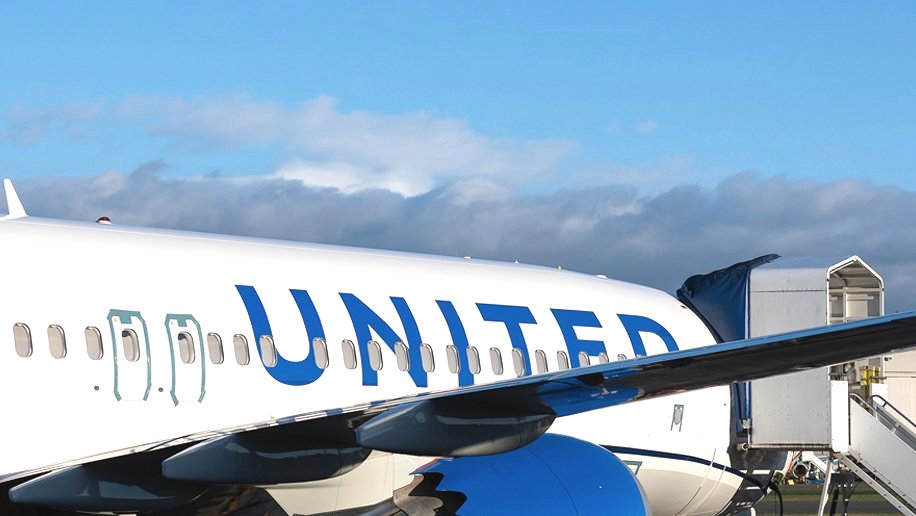
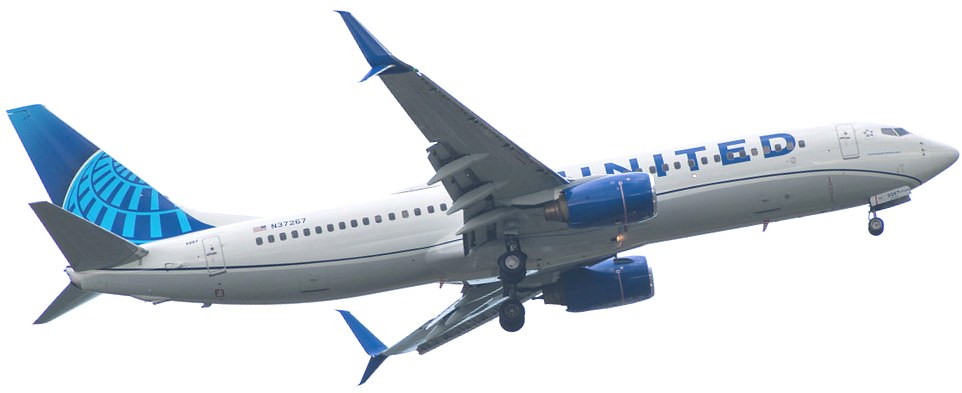
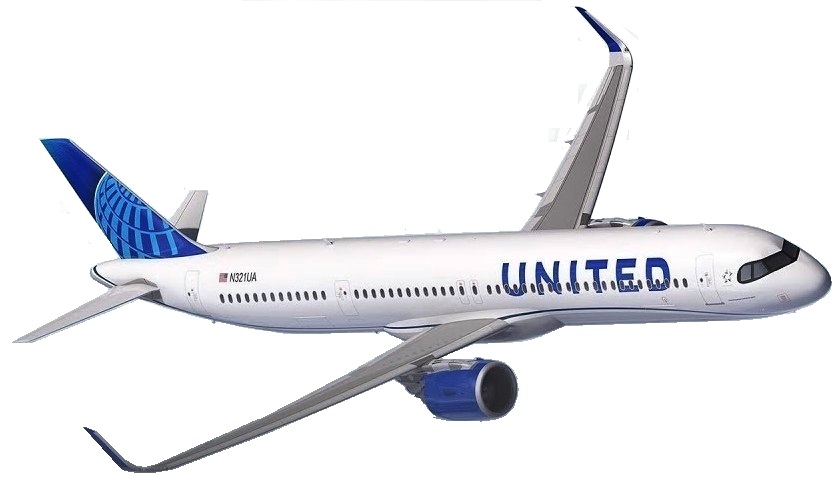
United Airlines planea agregar más de dos docenas de nuevos vuelos a partir del fin de semana del Día de los Caídos, la última señal de que la demanda de viajes de ocio está repuntando a medida que la tasa nacional de vacunación aumenta. La mayoría de los nuevos vuelos conectarán ciudades del Medio Oeste con destinos turísticos, como Charleston, Hilton Head y Myrtle Beach (Carolina del Sur), Portland, (Maine), Savannah (Georgia); y Pensacola (Florida). La aerolínea también dijo que planeaba ofrecer más vuelos a México, el Caribe, Centroamérica y Sudamérica en perspectivas hacia Mayo 2021. La mayoría de los nuevos vuelos de United Airlines se ofrecerán entre el fin de semana del Día de los Caídos y el fin de semana del Día del Trabajo a bordo de los aviones regionales de la aerolínea, que tienen 50 asientos. La aerolínea dijo que también agregaría nuevos vuelos entre Houston (Texas) y Kalispell (Montana), Washington y Bozeman (Montana), Chicago y Nantucket (Massachusetts), y Orange (California) y Honolulu (Hawaii).

United Airlines dijo que planeaba operar alrededor de 58 por ciento tantos vuelos nacionales este mayo como lo hizo en mayo de 2019 y 46 por ciento tantos vuelos internacionales. La mayor parte de la demanda de viajes internacionales se ha centrado en destinos de playa cálidos que tienen restricciones de viaje menos estrictas. United Airlines ha visto aumentar la venta de billetes en las últimas semanas, según Ankit Gupta, Vicepresidente de Planificación y Programación de Redes Nacionales de la compañía. Los clientes también están reservando boletos más lejos, lo que sugiere una creciente confianza en los viajes.

Los aeropuertos han estado constantemente más ocupados en las últimas semanas que en cualquier otro momento desde que la pandemia de coronavirus paralizó los viajes hace un año. Más de un millón de personas fueron examinadas en los puestos de control de seguridad de los aeropuertos cada día en las últimas dos semanas, según la Administración de Seguridad en el Transporte, aunque el número de exámenes ha bajado más de un 40 por ciento en comparación con el mismo período de 2019.

A nivel internacional, en Mayo 2021 United Airlines volará más del 100% de su agenda prepandémica a América Latina en comparación con lo que operó en 2019, incluyendo más vuelos a México, el Caribe, Centroamérica y Sudamérica. La aerolínea también planea reanudar los vuelos entre Chicago y Tokio/Haneda, reanudar los vuelos de pasajeros entre Nueva York/Newark y Milán y Roma, y reiniciar el servicio entre Chicago y Ámsterdam. En total, United planea operar el 52% de su calendario general en comparación con Mayo de 2019, mientras que en mayo de 2020 United operó el 14% de su calendario general en comparación con Mayo de 2019.

«En las últimas semanas, hemos visto las reservas de vuelos más fuertes desde el inicio de la pandemia. A medida que reconstruimos nuestro horario para satisfacer esa demanda, agregar en vuelo punto a punto estacional es sólo una de las maneras en que estamos encontrando oportunidades para agregar un servicio nuevo y emocionante. Y como hemos hecho a lo largo de toda la pandemia, seguiremos siendo ágiles y estratégicos con nuestra red para añadir el servicio adecuado a los destinos que nuestros clientes quieren visitar», dijo Ankit Gupta.

United adds more flights

United Airlines will add dozens more flights

United Airlines plans to add more than two dozen new flights beginning Memorial Day weekend, the latest sign that demand for leisure travel is picking up as the national vaccination rate rises. Most of the new flights will connect Midwestern cities with tourist destinations, such as Charleston, Hilton Head and Myrtle Beach (South Carolina), Portland, (Maine), Savannah (Georgia); and Pensacola (Florida). The airline also said it planned to offer more flights to Mexico, the Caribbean, Central and South America in prospects for May 2021. Most of the new United Airlines flights will be offered between Memorial Day weekend and the weekend. Labor Day on board the airline’s regional jets, which have 50 seats. The airline said it would also add new flights between Houston (Texas) and Kalispell (Montana), Washington and Bozeman (Montana), Chicago and Nantucket (Massachusetts), and Orange (California) and Honolulu (Hawaii).

AW-United A321XLR_705

United Airlines said it planned to operate about 58 percent as many domestic flights this May as it did in May 2019 and 46 percent as many international flights. Most of the demand for international travel has focused on warm beach destinations that have less stringent travel restrictions. United Airlines has seen ticket sales increase in recent weeks, according to Ankit Gupta, the company’s Vice President of National Network Planning and Programming. Customers are also booking tickets further afield, suggesting a growing confidence in travel.

Airports have been consistently busier in recent weeks than at any time since the coronavirus pandemic paralyzed travel a year ago. More than a million people were screened at airport security checkpoints each day in the past two weeks, according to the Transportation Security Administration, although the number of screenings is down more than 40 percent compared with the same period of 2019.

Internationally, in May 2021 United Airlines will fly more than 100% of its pre-pandemic schedule to Latin America compared to what it operated in 2019, including more flights to Mexico, the Caribbean, Central and South America. The airline also plans to resume flights between Chicago and Tokyo/Haneda, resume passenger flights between New York/Newark and Milan and Rome, and restart service between Chicago and Amsterdam. In total, United plans to operate 52% of its overall schedule compared to May 2019, while in May 2020 United operated 14% of its overall schedule compared to May 2019.

«In recent weeks, we have seen the strongest flight bookings since the onset of the pandemic. As we rebuild our schedule to meet that demand, adding seasonal point-to-point flight is just one of the ways we are finding opportunities. to add an exciting new service. And as we have done throughout the pandemic, we will continue to be agile and strategic with our network to add the right service to the destinations our customers want to visit», said Ankit Gupta.


PUBLISHER: Airgways.com
DBk: United.com / Airgways.com
AW-POST: 202103251404AR

A\W   A I R G W A Y S ®

Resiliencia aviación post-pandemia

AW | 2021 03 25 12:15 | AIRLINES MARKET

Fusiones, adquisiciones, startups como nuevo escenario aviación

La crisis sanitaria del Coronavirus ingresando el año 2020 ha marcado un giro trascendental en la aviación comercial mundial con profundas consecuencias en todos los orbes de las sociedades, pero hay esperanzas después de alcanzar los más bajos índices de estancamiento después de la Segunda Guerra Mundial. Los profesionales de la aviación pueden tener consuelo en el rendimiento pasado de la industria de la aviación y el cambio esperado que inevitablemente ocurrirá en el mercado. Después de una fuerte disminución de los cierres relacionados con la pandemia de Marzo de 2020, la industria de la aviación comenzó la lenta escalada a la normalidad en Mayo 2020. Si bien sigue habiendo un potencial significativo de crecimiento para alcanzar la demanda de tráfico aéreo pasado, los viajes aéreos han repuntado desde los mínimos de Abril 2020 y han mostrado una mejora constante, como se ilustra en el gráfico siguiente. El camino por delante no será fácil a corto plazo. La intervención gubernamental y la creciente lista de vacunas aprobadas han ofrecido un rayo de sol a lo largo del viaje y han ceñido a la industria de la aviación para el crecimiento futuro.

El rendimiento de los viajeros en los Estados Unidos medido por la Administración de Seguridad en el Transporte (TSA) desde Marzo de 2020. Aunque hubo un repunte significativo de los mínimos inmediatamente después de los estrictos bloqueos, el rendimiento de los viajes se mantiene fuera del 60-70 por ciento con respecto a los niveles de 2019. El camino hacia la recuperación ha comenzado, pero se ha estancado en niveles significativamente por debajo del rendimiento pasado. En los próximos meses, el sector aeronáutico tiene que atraer miles de millones de pasajeros para volver a los niveles previos al Covid-19.

Impulso aéreo

AW-Jet_Pull-up

A finales del cuarto trimestre de 2020, llegamos a un punto de inflexión por el cual el apalancamiento ha cambiado y la industria de la aviación recibió un gran impulso del anuncio de que Moderna y Pfizer recibieron la aprobación de la FDA. En los Estados Unidos, según los Centros para el Control y la Prevención de Enfermedades (CDC), se han administrado más de 66,5 millones de dosis y 19,4 millones de estadounidenses han recibido dos dosis hasta el 25 de Febrero de 2021. La producción y el despliegue de vacunas están impulsando un mayor optimismo.

En noviembre, cuando circuló la noticia de que las vacunas Pfizer y Moderna estaban cerca de recibir la aprobación de la FDA, el mercado público se dio cuenta del potencial cambiante de estas vacunas. El rendimiento de los precios de las acciones de las compañías aeroespaciales aumentó significativamente en el cuarto trimestre. Según el gráfico anterior, el compuesto aeroespacial aumentó 38 por ciento en el cuarto trimestre. Los inversores compraron acciones antes de las aprobaciones reales de la FDA de las vacunas que se otorgaron el 11 de Diciembre de 2020.

El crecimiento del tráfico aéreo se acelera durante una recuperación económica. El tráfico de pasajeros aéreos repunta rápidamente después de los impactos económicos con las mayores ganancias porcentuales de crecimiento experimentadas tras las grandes caídas. Sin embargo, dada la magnitud y la naturaleza del último evento de crisis sanitaria, no hay predictores fáciles basados en ocurrencias pasadas. Los datos de los últimos veinte años indican que existe una correlación moderada a fuerte entre el PIB y el crecimiento de los pasajeros aéreos. Durante el 2000, la economía y los viajes aéreos tuvieron que hacer frente a los desafíos causados por cinco factores principales: La recesión estadounidense de 2001, el ataque terrorista del 11-S, el conflicto de Afganistán, la invasión iraquí, la epidemia del SARS.

El crecimiento de los pasajeros aéreos disminuyó en 2001 y 2002, al tiempo que experimentó un crecimiento modesto en 2003. Estos cinco factores pesaron mucho en el mercado de la aviación comercial, afectando los problemas de salud y seguridad de los pasajeros y obstaculizando el crecimiento de los pasajeros.

La demanda latente coincidiendo con la relativa paz y prosperidad comenzó a producir un crecimiento sin precedentes en 2004, e impulsaría la industria durante los próximos años. Con la desaparición del SARS y la estabilidad medida en Afganistán e Irak, los viajeros saltaron a la relativa calma con un crecimiento global de pasajeros aéreos del 13,5 por ciento junto con un crecimiento del PIB mundial del 4,4 por ciento. La demanda de pasajeros de tráfico aéreo aumentó en promedio 5.4 por ciento durante los próximos tres años.

Luego, la crisis financiera mundial golpeó y reverberó en todo el mundo, con el PIB estadounidense disminuyendo -0.1 por ciento en 2008 y -2.5 por ciento en 2009 y el PIB global cayendo -1.7 por ciento en 2009. La recuperación comenzó en 2010 con el PIB estadounidense aumentando 2.6 por ciento y el PIB global aumentando 4.3 por ciento. En 2010, el crecimiento de los pasajeros aéreos fue del 16,8 por ciento y marcó el inicio de casi una década de crecimiento de pasajeros aéreos por encima de la media antes de que la pandemia covid-19 causara un cierre global en Marzo de 2020. Como ilustra el pico de 2010, la demanda acumulada dio lugar a un crecimiento significativo inmediatamente después de la crisis.

La demanda latente existe ahora como casi siempre lo hace durante períodos económicos sombríos. Como anécdota, he tenido conversaciones con amigos que están planeando con nostalgia sus próximas vacaciones a una isla caribeña para perderse y regocijarse en la contención de COVID-19. También he participado en muchas discusiones con viajeros de negocios que normalmente acumulan millas de vuelo reuniéndose con clientes, prospectos y colegas para perseguir sus objetivos comerciales. Sin duda, el sector experimentará otro aumento del tráfico aéreo debido al impacto temprano de la demanda latente que realmente se está materializando. En el pasado, este crecimiento ha sido importante y ha contribuido significativamente a las ganancias obtenidas después de la recesión. La mitad de las transacciones para 2020 se produjeron en el primer trimestre. Después del cierre de COVID-19 y las restricciones de viaje, el mercado comercial aeroespacial de fusiones y adquisiciones se retiró con sólo la aventura más decidida en el teatro.

Sobre la base de los puntos de datos actuales, el rango de valoraciones reflejará la salud, estabilidad y crecimiento de los vendedores. Aunque el sector industrial ha experimentado pocas quiebras o disoluciones, las empresas están bien posicionadas con fuertes flujos de efectivo y la capacidad de cosechar los beneficios de un repunte en las valoraciones de primas de comando de demanda durante la mayoría de los eventos económicos. Por otro lado, las condiciones actuales han dificultado a las empresas compartir sus historias y presentar los mensajes de crecimiento y prosperidad que se han disfrutado durante mucho tiempo.

Aviación, resiliencia

El aumento de la actividad de fusiones, adquisiciones y nuevas aerolíneas permite observar un preludio de una recuperación más fuerte. A medida que se hizo evidente que se avecinaban mejores días para la industria de la aviación comercial, los compradores decididos actuaron en el cuarto trimestre. El número de transacciones aumentó un 70% trimestre a trimestre. El sector de la aviación ha mostrado resiliencia en los últimos 25 años después de cada crisis financiera, económica y sanitaria. Aunque el futuro aún no ha sido escrito, hay que creer que se avecinan resultados comparables de resiliencia y crecimiento.

Post-pandemic aviation resilience

Mergers, acquisitions, startups as a new aviation scenario

The Coronavirus health crisis entering the year 2020 has marked a momentous turn in global commercial aviation with profound consequences on all orbs of societies, but there is hope after reaching the lowest rates of stagnation after World War II. Aviation professionals can take comfort in the past performance of the aviation industry and the expected change that will inevitably occur in the marketplace. After a sharp decline in pandemic-related closures in March 2020, the aviation industry began the slow climb to normal in May 2020. While significant growth potential remains to meet past air traffic demand , air travel has rebounded from the April 2020 lows and has shown steady improvement, as illustrated in the graph below. The road ahead will not be easy in the short term. Government intervention and the growing list of approved vaccines have offered a ray of sunshine along the journey and have belted the aviation industry for future growth.

The performance of travelers in the United States as measured by the Transportation Security Administration (TSA) since March 2020. Although there was a significant rebound from lows immediately after the strict lockdowns, travel performance remains outside the 60-70 percent from 2019 levels. The road to recovery has begun, but has stalled at levels significantly below past performance. In the coming months, the aeronautical sector has to attract billions of passengers to return to pre-Covid-19 levels.

Air boost

At the end of the fourth quarter of 2020, we reached a tipping point whereby leverage has shifted and the aviation industry received a big boost from the announcement that Moderna and Pfizer received FDA approval. In the United States, according to the Centers for Disease Control and Prevention (CDC), more than 66.5 million doses have been administered and 19.4 million Americans have received two doses as of February 25, 2021. Vaccine production and deployment are driving further optimism.

In November, when news circulated that the Pfizer and Moderna vaccines were close to receiving FDA approval, the public market became aware of the changing potential of these vaccines. The performance of aerospace companies’ stock prices increased significantly in the fourth quarter. Based on the graph above, aerospace composite increased 38 percent in the fourth quarter. Investors bought shares before the actual FDA approvals of the vaccines that were granted on December 11, 2020.

Air traffic growth accelerates during an economic recovery. Air passenger traffic rebounds rapidly after economic shocks with the largest growth percentage gains experienced after large drops. However, given the magnitude and nature of the latest health crisis event, there are no easy predictors based on past occurrences. Data from the last twenty years indicate that there is a moderate to strong correlation between GDP and air passenger growth. During 2000, the economy and air travel faced challenges caused by five main factors: The 2001 US recession, the 9/11 terrorist attack, the Afghanistan conflict, the Iraqi invasion, the SARS epidemic.

Air passenger growth slowed in 2001 and 2002, while experiencing modest growth in 2003. These five factors weighed heavily on the commercial aviation market, affecting passenger health and safety concerns and hampering the growth of the passengers.

Latent demand coinciding with relative peace and prosperity began to produce unprecedented growth in 2004, and would drive the industry for years to come. With the disappearance of SARS and the stability measured in Afghanistan and Iraq, travelers jumped into relative calm with global air passenger growth of 13.5 percent alongside global GDP growth of 4.4 percent. Air traffic passenger demand increased an average of 5.4 percent over the next three years.

Then the global financial crisis hit and reverberated around the world, with US GDP declining -0.1 percent in 2008 and -2.5 percent in 2009 and global GDP falling -1.7 percent in 2009. The recovery began in 2010 with US GDP increasing 2.6 percent and global GDP increasing 4.3 percent. In 2010, air passenger growth was 16.8 percent, marking the start of nearly a decade of above-average air passenger growth before the COVID-19 pandemic caused a global shutdown in March 2020. As the 2010 peak illustrates, pent-up demand led to significant growth in the immediate aftermath of the crisis.

Latent demand exists now as it almost always does during gloomy economic periods. As an anecdote, I have had conversations with friends who are nostalgically planning their next vacation to a Caribbean island to get lost and rejoice in containing COVID-19. I have also participated in many discussions with business travelers who typically accumulate flight miles by meeting with clients, prospects, and colleagues to pursue their business goals. The sector will undoubtedly experience another increase in air traffic due to the early impact of latent demand that is actually materializing. In the past, this growth has been significant and has contributed significantly to post-recession gains. Half of the transactions for 2020 occurred in the first quarter. After the COVID-19 shutdown and travel restrictions, the commercial aerospace M&A market retreated with only the most determined adventure in the theater.

Based on current data points, the rating range will reflect the health, stability, and growth of sellers. Although the industrial sector has experienced few bankruptcies or dissolutions, companies are well positioned with strong cash flows and the ability to reap the benefits of a spike in demand command premium valuations during most economic events. On the other hand, current conditions have made it difficult for companies to share their stories and present the messages of growth and prosperity that have long been enjoyed.

Aviation, resilience

Increased activity from mergers, acquisitions and new airlines shows a prelude to a stronger recovery. As it became clear that better days were ahead for the commercial aviation industry, determined buyers acted in the fourth quarter. The number of transactions increased 70% quarter over quarter. The aviation sector has shown resilience in the last 25 years after every financial, economic and health crisis. Although the future has yet to be written, you have to believe that comparable results of resilience and growth are ahead.


PUBLISHER: Airgways.com
DBk: Aviationpros.com / Airgways.com
AW-POST: 202103251215AR

A\W   A I R G W A Y S ®