AW | 2020 11 05 18:53 | AIR TRAFFIC / AVIATION SAFETY
Reprogramación vuelos de aerolíneas por Tifón Goni
El Super Tifón Goni tocó tierra en las Islas Filipinas a principios del Domingo 01/11, donde ha traído inundaciones y deslizamientos de lodo, así como vientos destructivos. Goni tenía vientos máximos sostenidos de 195 mph cuando rugió en el este de Filipinas. Eso convirtió a Goni en el ciclón tropical más fuerte en tocar tierra en cualquier parte de la tierra desde el Supertifón Haiyan de 2013, que también tocó tierra en Filipinas.
El Super Typhoon Goni, la tormenta más fuerte del mundo este año, mató al menos a 20 personas, dejó a miles de personas sin hogar y ha causado daños por valor de US$141 millones en infraestructura y agricultura, según la agencia de monitoreo de riesgos de desastres de Filipinas. Un promedio de 20 ciclones pasan por Filipinas propensas a desastres cada año, lo que probablemente complicará la lucha del país contra el coronavirus a medida que miles de personas permanezcan en sitios de evacuación estrecha. En 2013, Haiyan mató a más de 6.300 personas.
Reprogramación vuelos
Las líneas aéreas del Sudeste asiático se encuentran reajustando los horarios de vuelos debido a la proximidad de impacto del Tifón Goni sobre el Sudeste asiático, tras el paso e impacto en las Islas Filipinas. La reprogramación de la red de servicios estará ajustada a las inclemencias de la trayectoria de Tifón Goni y el desarrollo de la Tormenta Atsani.
Tormenta Atsani
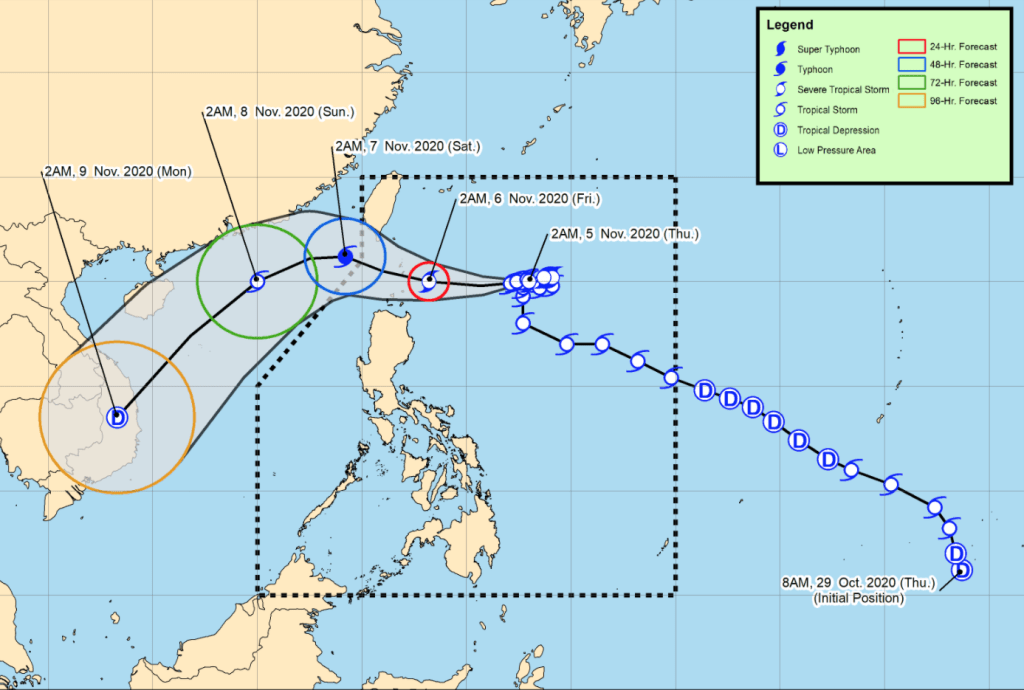
Filipinas se prepara para una fuerte tormenta tropical que se espera que golpee su extremo norte días después de que el Supertifón Goni se fuera. La Tormenta Atsani probablemente se fortalecerá hasta convertirse en un tifón con una intensidad máxima de 120 kilómetros por hora a medida que pasa por las cercanías de la provincia de Batanes o las islas Babuyan a principios del viernes, dijo la oficina meteorológica filipina. Se prevé acelerar sobre el Mar de China Meridional y dirigirse a Vietnam el sábado.
Aerolíneas región
La Vietnam Airlines Group, incluidas las aerolíneas Vietnam Airlines, Pacific Airlines y la compañía Vasco Servicios Aéreos, decidieron reajustar el plan de operación de los vuelos nacionales debido a los impactos del Tifón Goni, el décimo que entra en el Mar del Este esta temporada. De acuerdo con fuentes oficiales, Vietnam Airlines suspenderá seis vuelos desde y hacia Quy Nho, Chu Lai: VN1624, VN1625, VN1396, VN1397, VN1464, VN1465, y adelantará el horario de despegue de una a siete horas en comparación con el plan original para la ruta entre Hanoi y Tuy Hoa (VN1650, VN1651) y Quy Nhon (VN1622); Ciudad Ho Chi Minh y Chu Lai (VN1462, VN1463) y Quy Nhon (VN1394, VN1395). A su vez, Pacific Airlines y Vasco seguirán de cerca la situación para adoptar los cambios necesarios. El Grupo Vietnam Airlines aconsejó a los pasajeros actualizar de forma constante la evolución del tiempo y las informaciones de las líneas aéreas.
Typhoon Goni hits Southeast Asia
Rescheduling airline flights due to Typhoon Goni
Super Typhoon Goni made landfall in the Philippine Islands early Sunday 01/11, where it has brought flooding and mudslides, as well as destructive winds. Goni had maximum sustained winds of 195 mph when it roared in the eastern Philippines. That made Goni the strongest tropical cyclone to make landfall anywhere on earth since Supertyphoon Haiyan in 2013, which also made landfall in the Philippines.
Super Typhoon Goni, the world’s strongest storm this year, killed at least 20 people, left thousands homeless and has caused US$ 141 million worth of damage to infrastructure and agriculture, according to the risk monitoring agency. disaster agency. An average of 20 cyclones pass through disaster-prone Philippines each year, likely to complicate the country’s fight against coronavirus as thousands of people remain in tight evacuation sites. In 2013, Haiyan killed more than 6,300 people.
Rescheduling flights
Southeast Asian airlines are adjusting flight schedules due to the proximity of Typhoon Goni impact on Southeast Asia, after the passage and impact in the Philippine Islands. The reprogramming of the service network will be adjusted to the inclemency of the Typhoon Goni trajectory and the development of the Atsani Storm.
Atsani Storm
The Philippines is bracing for a strong tropical storm that is expected to hit its northern tip days after Supertiphon Goni left. Storm Atsani is likely to strengthen into a typhoon with a maximum intensity of 120 kilometers per hour as it passes through the vicinity of Batanes province or the Babuyan Islands early Friday, the Philippine meteorological office said. It is planned to accelerate over the South China Sea and head to Vietnam on Saturday.
Region airlines
The Vietnam Airlines Group, including the airlines Vietnam Airlines, Pacific Airlines and the company Vasco Servicios Aéreos, decided to readjust the operation plan for domestic flights due to the impacts of Typhoon Goni, the tenth to enter the East Sea this season. According to official sources, Vietnam Airlines will suspend six flights to and from Quy Nho, Chu Lai: VN1624, VN1625, VN1396, VN1397, VN1464, VN1465, and advance the take-off time from one to seven hours compared to the original plan the route between Hanoi and Tuy Hoa (VN1650, VN1651) and Quy Nhon (VN1622); Ho Chi Minh City and Chu Lai (VN1462, VN1463) and Quy Nhon (VN1394, VN1395). In turn, Pacific Airlines and Vasco will closely monitor the situation to adopt the necessary changes. The Vietnam Airlines Group advised passengers to constantly update the weather and airline information.
La Asociación Latinoamericana y del Caribe de Transporte Aéreo (ALTA) ha incorporado entre sus aerolíneas miembro a Voepass Linhas Aéreas. ALTA celebra la adhesión de la nueva aerolínea regional entre sus más de cien miembros que incluyen también a organizaciones y compañías proveedoras de la industria de la aviación.
“Me siento muy contento de dar la bienvenida a Voepass. Una aerolínea que consistentemente ha venido creciendo en Brasil, uniendo al país en todos sus extremos y llevando los beneficios de la aviación a más lugares. La conectividad genera desarrollo y por esto la aviación regional juega un papel fundamental en el bienestar socioeconómico de la población. La llegada de Voepass a ALTA suma fuerzas al trabajo que viene desarrollando la región para desarrollar su capilaridad y fortalecer el crecimiento de tantos sectores económicos”, comenta José Ricardo Botelho, Director Ejecutivo & CEO de ALTA.
“Convertirse en miembro de ALTA es un motivo de gran orgullo para Voepass. La asociación, que tiene un papel importante en el sector de la aviación, comparte con nosotros los mismos objetivos, como garantizar un transporte aéreo seguro en todos sus aspectos, eficiente y responsable, incluso en el tema medioambiental. Estamos seguros que será una alianza exitosa y una contribución fuerte al desarrollo de la aviación sudamericana, apoyando nuevos proyectos para ampliar la red aérea, la conectividad y fortalecer el sector”, comenta Eduardo Busch, CEO de Voepass Linhas Aéreas.
Acerca Voepass
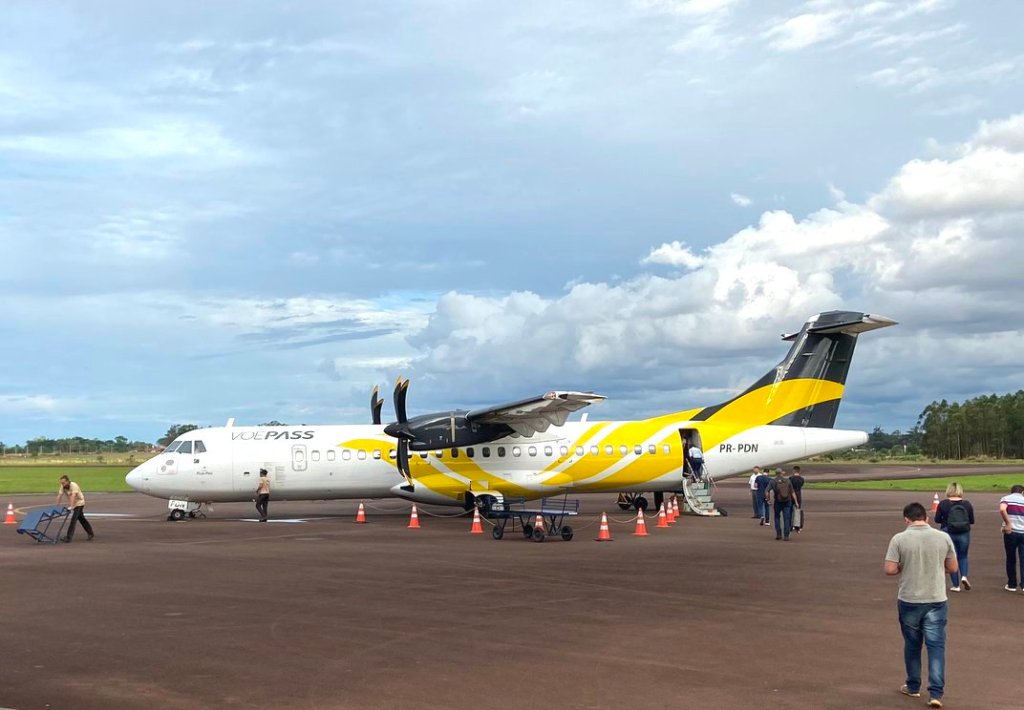
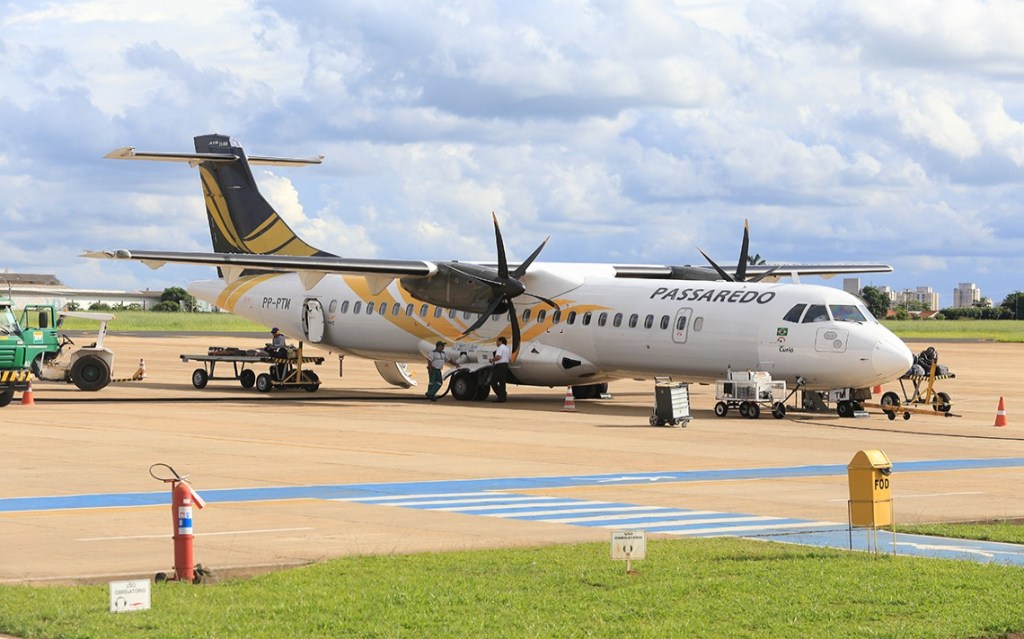
Voepass Linhas Aéreas es una empresa brasilera de transporte aéreo de pasajeros y carga que opera en el segmento regional con una flota de 13 aeronaves ATR 72 / ATR 42. Actualmente es la compañía aérea de Brasil más antigua en operación, residual de Passaredo Linhas Aéreas, con 25 años de actividades y con 33 servicios de conexiones a ciudades en todas las regiones de Brasil, incluidos 8 destinos en la Región Amazónica, que incluyen destinos en el Aeroporto de São Paulo/Congonhas
Voepass Linhas Aéreas es responsable del mantenimiento integral de su flota con certificación RBAC 145 de la Agencia Nacional de Aviación Civil de Brasil (ANAC) y certificación de la Agencia Europea de Seguridad Aérea (EASA). En Ribeirão Preto, Brasil, cuenta con una estructura de hangares donde realiza servicios de mantenimiento, despacho y coordinación operativa de vuelos, además de cursos y capacitaciones para todos sus empleados.
Voepass Linhas Aéreas opera con certificación IOSA y en codeshare e interline con Latam Airlines y GOL Linhas Aéreas Inteligentes, que también son miembros de la Aesociación ALTA.
Voepass enters ALTA
Voepass Linhas Aéreas joins ALTA
The Latin American and Caribbean Air Transport Association (ALTA) has incorporated Voepass Linhas Aéreas among its member airlines. ALTA celebrates the accession of the new regional airline among its more than one hundred members, which also include organizations and companies that supply the aviation industry.
“I am very happy to welcome Voepass. An airline that has consistently been growing in Brazil, uniting the country at all its extremes and taking the benefits of aviation to more places. Connectivity generates development and for this reason regional aviation plays a fundamental role in the socioeconomic well-being of the population. The arrival of Voepass to ALTA adds strength to the work that the region has been developing to develop its capillarity and strengthen the growth of so many economic sectors”, comments José Ricardo Botelho, Executive Director & CEO of ALTA.
“Becoming a member of ALTA is a source of great pride for Voepass. The association, which plays an important role in the aviation sector, shares the same objectives with us, such as guaranteeing safe air transport in all its aspects, efficient and responsible, including environmental issues. We are sure that it will be a successful alliance and a strong contribution to the development of South American aviation, supporting new projects to expand the air network, connectivity and strengthen the sector”, comments Eduardo Busch, CEO of Voepass Linhas Aéreas.
About Voepass
Voepass Linhas Aéreas is a Brazilian passenger and cargo air transport company that operates in the regional segment with a fleet of 13 ATR 72 / ATR 42 aircraft. Currently it is the oldest Brazilian airline in operation, a residual of Passaredo Linhas Aéreas, with 25 years of activities and 33 connection services to cities in all regions of Brazil, including 8 destinations in the Amazon Region, which include destinations in the São Paulo/ Congonhas Airport.
Voepass Linhas Aéreas is responsible for the integral maintenance of its fleet with RBAC 145 certification from the National Civil Aviation Agency of Brazil (ANAC) and certification from the European Aviation Safety Agency (EASA). In Ribeirão Preto, Brazil, it has a hangar structure where it performs maintenance, dispatch and operational flight coordination services, as well as courses and training for all its employees.
Voepass Linhas Aéreas operates with IOSA certification and in codeshare and interline with Latam Airlines and GOL Linhas Aéreas Inteligentes, which are also members of the ALTA Association.
Voepass entra na ALTA
Voepass Linhas Aéreas ingressa na ALTA
A Associação Latino-Americana e do Caribe de Transporte Aéreo (ALTA) incorporou a Voepass Linhas Aéreas entre suas companhias aéreas associadas. ALTA comemora a adesão da nova companhia aérea regional entre seus mais de cem membros, que também incluem organizações e empresas que fornecem para a indústria da aviação.
“Estou muito feliz em receber o Voepass. Uma companhia aérea que tem crescido de maneira consistente no Brasil, unindo o país em todos os seus extremos e levando os benefícios da aviação a mais lugares. Conectividade gera desenvolvimento e por isso a aviação regional desempenha um papel fundamental no bem-estar socioeconômico da população. A chegada da Voepass à ALTA reforça o trabalho que a região vem desenvolvendo para desenvolver sua capilaridade e fortalecer o crescimento de tantos setores da economia”, comenta José Ricardo Botelho, Diretor Executivo e CEO da ALTA.
“Tornar-se membro da ALTA é um grande orgulho para o Voepass. A associação, que desempenha um papel importante no sector da aviação, partilha connosco os mesmos objectivos, como garantir um transporte aéreo seguro em todas as suas vertentes, eficiente e responsável, incluindo as questões ambientais. Temos certeza de que será uma aliança de sucesso e uma forte contribuição para o desenvolvimento da aviação sul-americana, apoiando novos projetos de expansão da malha aérea, conectividade e fortalecimento do setor”, comenta Eduardo Busch, CEO da Voepass Linhas Aéreas.
Sobre Voepass
A Voepass Linhas Aéreas é uma empresa brasileira de transporte aéreo de passageiros e carga que atua no segmento regional com uma frota de 13 aeronaves ATR 72 / ATR 42. Atualmente é a mais antiga companhia aérea brasileira em operação, resíduo da Passaredo Linhas Aéreas, com 25 anos de atividades e 33 serviços de conexão para cidades em todas as regiões do Brasil, incluindo 8 destinos na Região Amazônica, que inclui destinos no interior de São Paulo/Aeroporto de Congonhas.
A Voepass Linhas Aéreas é responsável pela manutenção integral de sua frota com certificação RBAC 145 da Agência Nacional de Aviação Civil do Brasil (ANAC) e certificação da Agência Europeia de Segurança da Aviação (EASA). Em Ribeirão Preto, RS, possui estrutura de hangar onde realiza serviços de manutenção, despacho e coordenação operacional de voos, além de cursos e treinamentos para todos os seus colaboradores.
A Voepass Linhas Aéreas atua com certificação IOSA e em codeshare e interline com a Latam Airlines e GOL Linhas Aéreas Inteligentes, também integrantes da Associação ALTA.
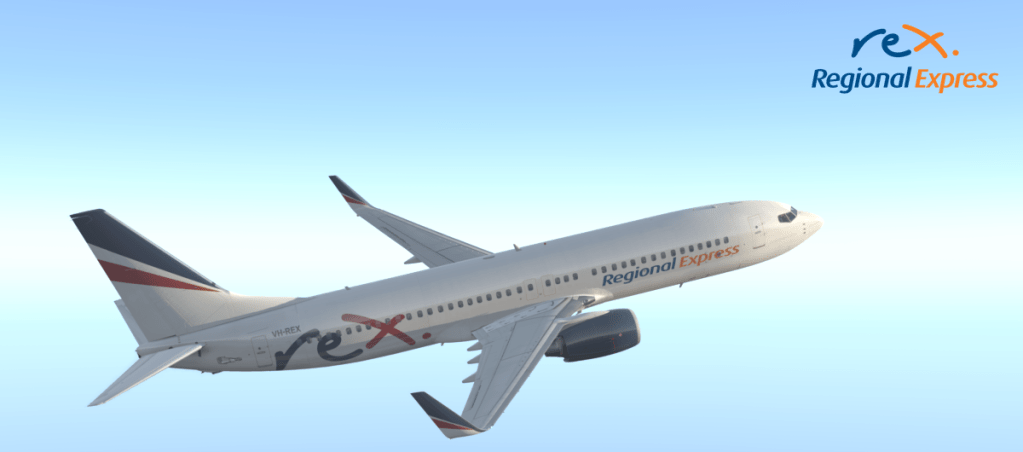
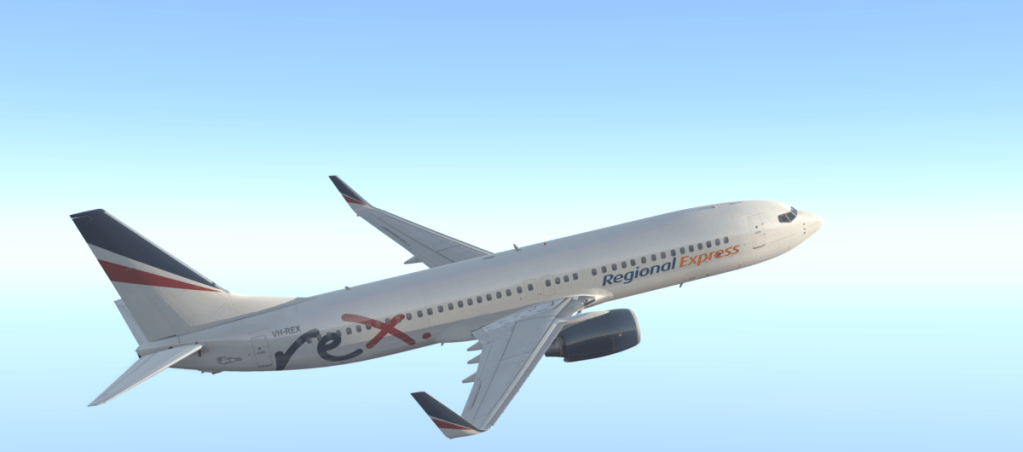
Regional Express Airlines ha dado un gran salto hacia el lanzamiento de sus operaciones domésticas con la entrega de su primer Boeing 737-800 Next Generation, ingresando almercado de aeronaves nerrowbodies. El nuevo avión ha arribado a Sydney en la tarde de este 5 Noviembre de 2020 en Australia. Es el primero de los seis 737-800 arrendados por REX Airlines y se utilizará para actividades de entrenamiento antes del vuelo de prueba para la Autoridad de Aviación Civil y Seguridad (CASA).
El Vicepresidente de Rex, el Hon John Sharp AM, dijo: «Rex tiene una trayectoria de dieciocho años de rendimiento a tiempo líder y tarifas asequibles en sus servicios regionales y por primera vez el mercado nacional puede esperar un servicio aéreo seguro y confiable que sea asequible. Si nuestros servicios resultan exitosos, inyectaremos hasta 10 aviones en el mercado nacional a finales de 2021. A partir de ahí, tenemos la intención de desarrollar una red de aerolíneas nacionales completa, que vincule todas las capitales a lo largo del tiempo».
REX Airlines comenzará a volar los nuevos servicios Melbourne-Sydney el 1 de Marzo 2021, como así también la ruta Brisbane-Isla de Pascua (Chile). La librea de la flota de Rex Airlines será anunciada a finales de Noviembre 2020. Los pasajes aéreos para los servicios Melbourne-Sydney estarán disponibles para principios de 12/2020, en la web www.rex.com.au.
Rex es la aerolínea regional independiente más grande de Australia que opera una flota de 60 aviones Saab 340 (pre-COVID) en unos 1.500 vuelos semanales a 59 destinos en todos los estados de Australia. Además de la aerolínea regional Rex, el Grupo Rex está compuesto por las filiales Pel-Air Aviation (operador de carga aérea, aeromédica y chárter) y las dos academias piloto Australian Airline Pilot Academy en Wagga Wagga y Ballarat. Rex se mudará al mercado nacional a partir de marzo de 2021, volando 737-800 NGs entre Melbourne-Sydney- Brisbane.
REX receives first Boeing 737
REX Airlines receives first Boeing 737-800 delivery
Regional Express Airlines has taken a big leap towards launching its domestic operations with the delivery of its first Boeing 737-800 Next Generation, entering the market for nerrowbodies aircraft. The new plane has arrived in Sydney on the afternoon of this November 5, 2020 in Australia. It is the first of six 737-800s leased by REX Airlines and will be used for pre-flight test training activities for the Civil Aviation and Safety Authority (CASA).
Rex Vice President the Hon John Sharp AM said: «Rex has an eighteen-year track record of leading on-time performance and affordable rates in its regional services and for the first time the domestic market can expect safe and reliable air service that is affordable. If our services are successful, we will inject up to 10 aircraft into the national market by the end of 2021. From there, we intend to develop a complete national airline network, linking all capitals over time».
REX Airlines will begin to fly the new Melbourne-Sydney services on March 1, 2021, as well as the Brisbane-Easter Island route (Chile). The livery of the Rex Airlines fleet will be announced at the end of November 2020. Airfare for Melbourne-Sydney services will be available by the beginning of 12/2020, on the website www.rex.com.au.
Rex is Australia’s largest independent regional airline operating a fleet of 60 Saab 340 (pre-COVID) aircraft on some 1,500 weekly flights to 59 destinations in all Australian states. In addition to the regional airline Rex, the Rex Group is made up of the subsidiaries Pel-Air Aviation (air cargo operator, aeromedical and charter) and the two Australian Airline Pilot Academy in Wagga Wagga and Ballarat. Rex will move to the domestic market from March 2021, flying 737-800 NGs between Melbourne-Sydney-Brisbane.
Aeropuerto Rupsi de Assam de india iniciará operaciones comerciales
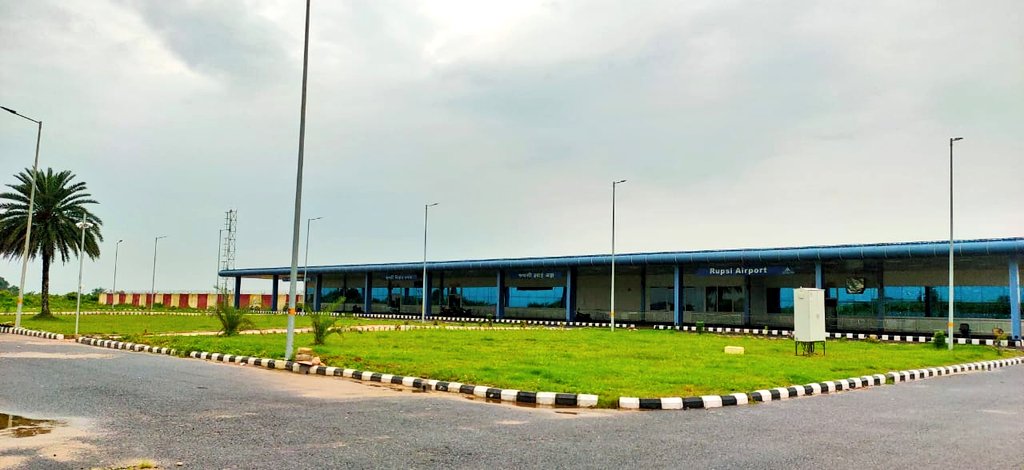
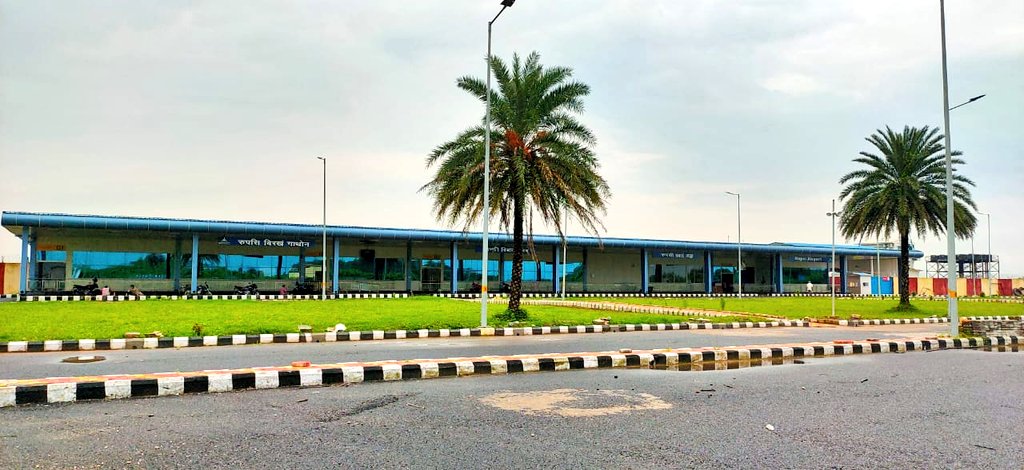
La Autoridad Aeroportuaria del Aeropuerto Rupsi de la India iniciará operaciones aerocomerciales después de recibir una licencia de la Dirección General de Aviación Civil (DGCA). La adición más reciente en la ruta del Esquema de Conectividad Regional (RCS), se espera que este aeropuerto fortalezca la conectividad aérea en la región noreste de la India.
El Aeropuerto de Rupsi está conectado directamente con Guwahati y Calcuta. Ha sido reurbanizada a un costo de ₹ 69 Crores. Distribuido en 337 acres, el nuevo aeropuerto tiene un edificio terminal de 3.500 metros cuadrados. Hay diez mostradores de facturación y la terminal está equipada para gestionar unos 200 pasajeros durante las horas punta. El trabajo del proyecto incluye la construcción de una torre ATC, cabaña de seguridad e instalaciones aéreas como el fortalecimiento y la recarpetización de la pista, la pista de rodaje y el umbral. La pista de nueva construcción será adecuada para aterrizar aviones tipo turboprop ATR 72. El aeropuerto tiene una capacidad de aparcamiento de 100 automóviles. Se implementarán características sostenibles como la recolección de agua de lluvia y un sistema de gestión de residuos sólidos.
Rupsi Airport will start operations
India’s Assam Rupsi airport to start commercial operations
India’s Rupsi Airport Airport Authority will start commercial air operations after receiving a license from the Directorate General of Civil Aviation (DGCA). The most recent addition to the Regional Connectivity Scheme (RCS) route, this airport is expected to strengthen air connectivity in the Northeast region of India.
Rupsi Airport is directly connected to Guwahati and Kolkata. It has been redeveloped at a cost of ₹ 69 Crores. Spread over 337 acres, the new airport has a 3,500-square-meter terminal building. There are ten check-in counters and the terminal is equipped to handle around 200 passengers during peak hours. Project work includes the construction of an ATC tower, safety hut, and aerial facilities such as strengthening and re-peting of the runway, taxiway, and apron. The newly built runway will be suitable for landing ATR 72 turboprop aircraft. The airport has a parking capacity of 100 cars. Sustainable features such as rainwater harvesting and a solid waste management system will be implemented.
रूपसी एयरपोर्ट परिचालन शुरू करेगा
वाणिज्यिक परिचालन शुरू करने के लिए भारत का असम रूपसी हवाई अड्डा
भारत कारूपसी हवाई अड्डा हवाई अड्डा प्राधिकरण नागरिक उड्डयन महानिदेशालय (DGCA) से लाइसेंस प्राप्त करने के बाद वाणिज्यिक हवाई परिचालन शुरू करेगा। रीजनल कनेक्टिविटी स्कीम (आरसीएस) मार्ग के सबसे हाल के अलावा, इस हवाई अड्डे से भारत के पूर्वोत्तर क्षेत्र में हवाई संपर्क को मजबूत करने की उम्मीद है।
रूपसी हवाई अड्डा गुवाहाटी और कोलकाता से सीधे जुड़ा हुआ है। इसे। 69 करोड़ की लागत से पुनर्विकास किया गया है। 337 एकड़ में फैले इस नए हवाई अड्डे में 3,500 वर्ग मीटर का एक टर्मिनल भवन है। दस चेक-इन काउंटर हैं और पीक आवर्स के दौरान लगभग 200 यात्रियों को संभालने के लिए टर्मिनल सुसज्जित है। प्रोजेक्ट वर्क में एटीसी टॉवर, सेफ्टी हट, और रनवे, टैक्सीवे और एप्रन की मजबूती और री-पेटिंग जैसी हवाई सुविधाएं शामिल हैं। नव निर्मित रनवे एटीआर 72 टर्बोप्रॉप विमान के उतरने के लिए उपयुक्त होगा। एयरपोर्ट में 100 कारों की पार्किंग क्षमता है। वर्षा जल संचयन और एक ठोस अपशिष्ट प्रबंधन प्रणाली जैसी स्थायी सुविधाओं को लागू किया जाएगा।
ACI World publica nuevo Manual Seguridad Aeroportuaria
Airports Council International (ACI World) ha publicado el nuevo Airport Security Risk Assessment Handbook (ASRAH), Manual de Evaluación de Riesgos de Seguridad Aeroportuaria. El nuevo manual promueve una mejor comprensión de cómo priorizar los riesgos de seguridad.
ACI World ha publicado este 05/11 el Airport Security Risk Assessment Handbook, que, según se dice, ayuda a los aeropuertos a comprender las amenazas, evaluar los riesgos asociados y asignar recursos donde más se necesitan. A pesar de que el mundo se centra en abordar el COVID-19,la seguridad sigue siendo una prioridad. Los aeropuertos deben permanecer vigilantes, cumplir con los estándares de seguridad y ser capaces de gestionar eficazmente la seguridad durante este tiempo de recursos limitados que podrían incluir financiación, niveles de personal y tiempo. ACI identificó que la evaluación de riesgos a menudo puede ser demasiado complicada, con suposiciones poco realistas sobre posibles vulnerabilidades. El manual proporciona un desglose paso a paso de un proceso de evaluación de riesgos y se ha desarrollado en respuesta a las solicitudes de orientación actualizadas de la industria.
El nuevo manual cubre: 1 · Orientación sobre las mejores prácticas y metodologías que se pueden aplicar a la evaluación de riesgos de seguridad para ayudar a los aeropuertos a priorizar y gestionar los riesgos 2 · Un estudio de caso sobre la amenaza de información privilegiada y ejemplos de los aeropuertos sobre cómo se llevan a cabo las evaluaciones de riesgos 3 · Mejores prácticas globales y experiencia en la vida real de los aeropuertos y expertos miembros de ACI en el campo.
«Nuestros miembros nos han dicho que la evaluación de riesgos es un área donde se necesita más orientación y capacitación. Este manual reúne las mejores prácticas y metodologías que se pueden aplicar a la evaluación de riesgos de seguridad que ayudan a los aeropuertos a identificar sus principales prioridades. A medida que la industria se enfrenta a los impactos y efectos de la pandemia, no han perdido de vista las prioridades primordiales de las operaciones seguras, incluida la seguridad. Este manual ayudará a los aeropuertos a garantizar operaciones seguras, incluso cuando tratan de reiniciar y sentar las bases para una recuperación a largo plazo para COVID-19», expresó el Director General de ACI, Luis Felipe de Oliveira.
El manual incluye orientación sobre el reconocimiento de escenarios de amenazas plausibles, para evaluar la probabilidad y el impacto de un ataque que se produce, considerar las medidas ya existentes para abordar el riesgo y las posibles soluciones para abordar la preocupación. El manual ayuda a los aeropuertos a adaptar su propia evaluación de riesgos, teniendo en cuenta su funcionamiento y su panorama nacional de amenazas y riesgos. «Al implementar un proceso claro y sistemático, la dirección aeroportuaria podrá identificar claramente sus prioridades y comunicarlas con todas las partes interesadas, incluido el personal, los reguladores y los clientes», agregó Luis Felipe de Oliveira. El manual incluye contribuciones del Comité Permanente de Seguridad Mundial de ACI y de los Socios Comerciales Mundiales de ACI.
ACI publishes new ASRAH manual
ACI World publishes Airport Security Risk Assessment Manual
Airports Council International (ACI World) has published the new Airport Security Risk Assessment Handbook (ASRAH), Airport Security Risk Assessment Manual. The new manual promotes a better understanding of how to prioritize security risks.
ACI World released the Airport Security Risk Assessment Handbook on 11/05, which is said to help airports understand threats, assess associated risks and allocate resources where they are most needed. Even as the world focuses on addressing COVID-19, safety remains a priority. Airports must remain vigilant, comply with security standards, and be able to effectively manage security during this time of limited resources that could include funding, staffing levels and time. ACI identified that risk assessment can often be overly complicated, with unrealistic assumptions about potential vulnerabilities. The manual provides a step-by-step breakdown of a risk assessment process and has been developed in response to updated requests for guidance from the industry.
The new manual covers: 1 · Guidance on best practices and methodologies that can be applied to security risk assessment to help airports prioritize and manage risks 2 · A case study on the insider trading threat and examples from airports of how risk assessments are carried out 3 · Global best practices and real life experience from airports and ACI member experts in the field.
«Our members have told us that risk assessment is an area where further guidance and training is needed. This manual brings together best practices and methodologies that can be applied to assessing security risks that help airports identify their main priorities. As the industry grapples with the impacts and effects of the pandemic, they have not lost sight of the overriding priorities of safe operations, including safety. This manual will help airports ensure safe operations, including when trying to restart and lay the foundations for a long-term recovery for COVID-19», said ACI Director General Luis Felipe de Oliveira.
The manual includes guidance on recognizing plausible threat scenarios, assessing the likelihood and impact of an attack occurring, considering measures already in place to address the risk, and possible solutions to address the concern. The manual helps airports to tailor their own risk assessment, taking into account their operation and their national threat and risk landscape. «By implementing a clear and systematic process, the airport management will be able to clearly identify its priorities and communicate them with all interested parties, including staff, regulators and customers», added Luis Felipe de Oliveira. The manual includes contributions from the ACI Global Security Standing Committee and ACI Global Business Partners.
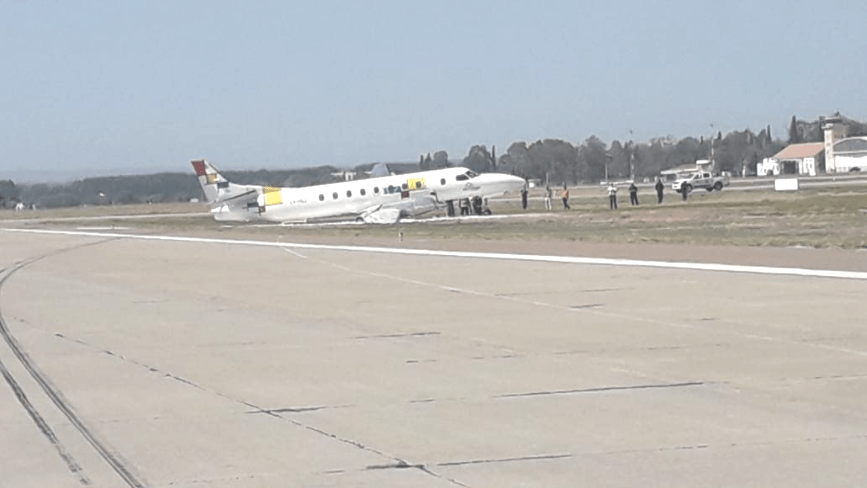
Accidente de Metro III en Aeropuerto Mendoza, Argentina
Una aeronave Swearingen Metro III de una empresa privada realizó un aterrizaje forzoso en el Aeropuerto Internacional Mendoza, Argentina este 05/11, que realizaba un vuelo procedente de San Juan. La aeronave se despistó al momento de aterrizar en el Aeropuerto Internacional Mendoza/El Plumerillo y debieron intervenir los bomberos. A bordo iban diez pasajeros más la tripulación de dos pilotos, resultando todos lesos. A las 10:15 hs. de este 05/11, un Fairchild Swearingen Metro III se despistó en el aeropuerto de Mendoza. Así lo comunicaba la Junta de Seguridad en el Transporte (JST) a través de Twitter.com. Por el despiste y el trabajo de los bomberos, la actividad aérea del aeropuerto ha sido cerrada alas operaciones aéreas por el espacio aproximado de cinco horas.
Tras el accidente aéreo sin consecuencias para las personas a bordo de este pequeño avión de transporte regional, hizo posponer las operaciones aéreas programadas, con un vuelo de Aerolíneas Argentinas a punto de realizar operaciones con pasajeros a bordo para taxear hacia la pista y despegar, pero debieron esperar todos los pasajeros en la aeroestación hasta culminar la asistencia al accidente y despiste del avión Metro III, que posee una capacidad para transportar hasta 19 pasajeros.
Un pasajero de Aerolíneas Argentinas del vuelo Mendoza-Buenos Aires comentó: «Eran las 09:40 hs cuando nuestro avión estaba maniobrando para acomodarse y empezar a carretear. De repente se frenó y permaneció unos minutos detenido, hasta que el piloto nos avisó que íbamos a esperar porque se había despistado un avión. El avión estaba en el medio del pasto, mientras llegaron a toda velocidad los camiones de bomberos y comenzaron a tirarle agua [espuma]», relató el pasajero. Los pasajeros del vuelo AR1401 de Aerolíneas Argentinas con programación para despegar a las 09:00 hs. desde Mendoza tuvieron que desembarcar y esperar en la Sala de Preembarque. El comunicado de Aerolíneas ha información la reprogramación del vuelo.
Las causas del siniestro de la incursión de la aeronave Fairchild Swearingen Metro III estará a cargo de las investigaciones de la Junta de Investigación de Accidentes de Aviación Civil (JIAAC) de Argentina.
Misunderstanding Metro III at Mendoza Airport
Metro III accident at Mendoza Airport, Argentina
A Swearingen Metro III aircraft from a private company made a forced landing at Mendoza International Airport, Argentina on 11/05, on a flight from San Juan. The aircraft got lost when landing at the Mendoza/El Plumerillo International Airport and the firefighters had to intervene. On board were ten passengers plus the crew of two pilots, all resulting in injuries. At 10:15 a.m. of this 05/11, a Fairchild Swearingen Metro III got lost at the Mendoza airport. This was communicated by the Transportation Safety Board (JST) through Twitter.com. Due to the lack of attention and the work of the firefighters, the airport’s air activity has been closed to air operations for approximately five hours.
After the plane crash without consequences for the people on board this small regional transport plane, he postponed scheduled air operations, with an Aerolineas Argentinas flight about to carry out operations with passengers on board to taxi to the runway and take off, but All the passengers had to wait at the air station until assistance to the accident and dismissal of the Metro III plane, which has a capacity to transport up to 19 passengers, was completed.
A passenger from Aerolíneas Argnetinas on the Mendoza-Buenos Aires flight commented: «It was 09:40 am when our plane was maneuvering to get comfortable and start taxiing. Suddenly it stopped and remained stopped for a few minutes, until the pilot told us that we were going to wait because a plane had gotten lost. The plane was in the middle of the grass, while the fire trucks came at full speed and began to throw water at it [foam]», said the passenger. Passengers on Aerolíneas Argentinas flight AR1401 scheduled to take off at 09:00 am. from Mendoza they had to disembark and wait in the Pre-Boarding Room. The Aerolíneas statement has reported the rescheduling of the flight.
The causes of the accident involving the Fairchild Swearingen Metro III aircraft will be in charge of the investigations of the Argentine Civil Aviation Accident Investigation Board (JIAAC).
Acciona Airport Services abandona operaciones en el país
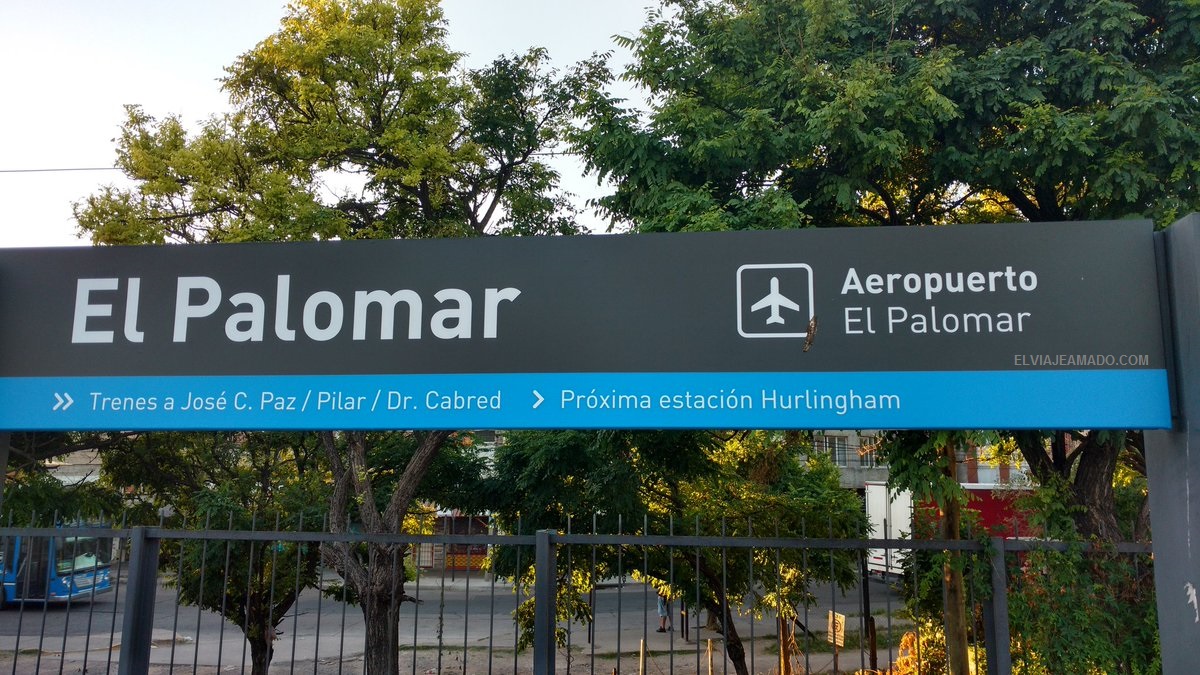
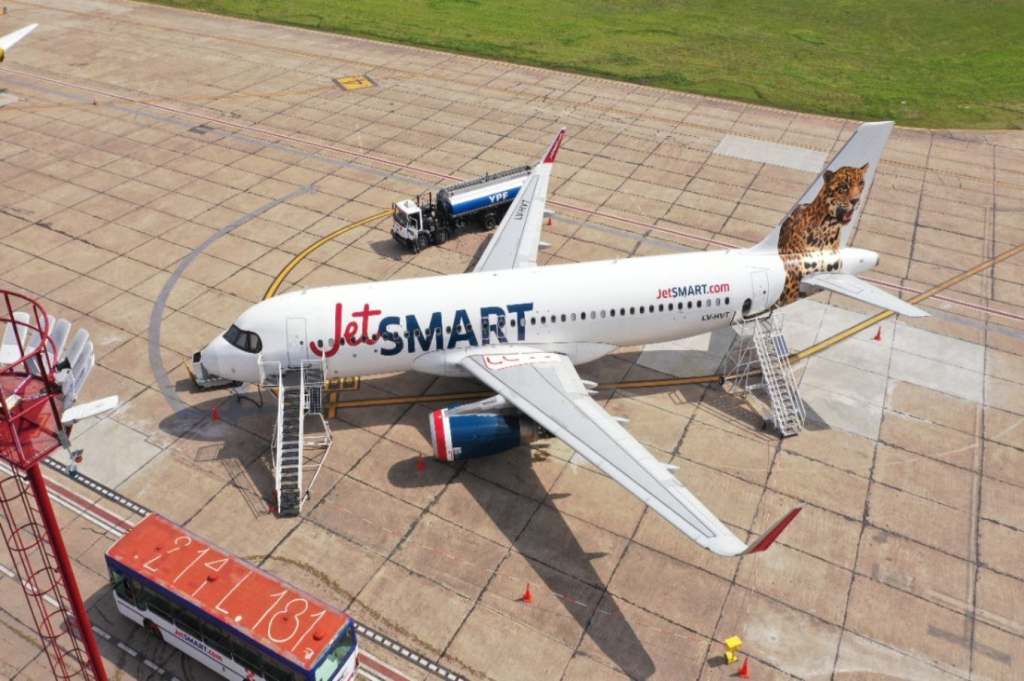
La empresa Acciona Airport Services S.A. que prestaba servicios de handling en el Aeropuerto El Palomar para la aerolínea JetSmart Airlines Argentina, ha anunciado que abandona las operaciones de handling. La firma de logística aeroportuaria había llegado al país a comienzos de 2019 y empleaba a unas cincuenta personas.
Acciona le prestaba a la aerolínea servicios de atención al cliente en el aeropuerto, tales como, facturación, embarque, venta de pasajes y atención a pasajeros, operaciones y despacho de vuelo. Cuando anunció su desembarco en la Argentina, planteó que Chile era un mercado estratégico para el crecimiento de sus negocios en América Latina y que, después de un año de consolidación allí, expandía sus operaciones a la Argentina. «Este año la industria aeroportuaria, a escala global, ha sufrido uno de los más profundos impactos en su historia, producto de la pandemia mundial Covid-19. Las restricciones producto de la pandemia han generado un nuevo contexto que ha obligado a Acciona a tomar la dura decisión de cerrar sus operaciones de handling de pasajeros en la Argentina, finalizando el contrato que la compañía mantenía con su único cliente, JetSmart. Acciona seguirá dispuesta a colaborar y atenta a las oportunidades futuras donde pueda aportar valor a sus clientes y a la industria aeronáutica prestando servicios de handling», dijeron desde la compañía de aerohandling.
La empresa suma más de 20 años de experiencia en servicios de handling a terceros y su cartera de clientes supera las 100 compañías aéreas. Comenzó en el rubro aeronáutico en el Aeropuerto de Santiago de Chile en Diciembre de 2016. En 2017, de la mano de la empresa JetSmart Airlines, que eligió a la compañía para ser su operador exclusivo en Chile, amplió sus servicios de logística en trece aeropuertos en el país. Además, adquirió en 2017 de Latam Airlines Group las actividades de servicios de rampa, asistencia de aeronaves, en el Aeropuerto de Santiago de Chile.
El cierre operativo del Aeropuerto El Palomar para vuelos comerciales ha obligado al personal a reclamar la conservación de sus puestos laborales, concentrando una movilización el Viernes 13/11 impulsada por la Asociación de Comerciantes y la Cámara de Industria y Comercio para defender los puestos de trabajo, el comercio y las fuentes de ingreso de las familias afectadas.
Operadora Acciona leaves Argentina
Acciona Airport Services abandons operations in the country
The company Acciona Airport Services S.A. which provided handling services at El Palomar Airport for JetSmart Airlines Argentina, has announced that it is abandoning handling operations. The airport logistics firm had arrived in the country in early 2019 and employed about fifty people.
Acciona provided the airline with customer service services at the airport, such as check-in, boarding, ticket sales and passenger care, operations and flight dispatch. When he announced his landing in Argentina, he stated that Chile was a strategic market for the growth of his business in Latin America and that, after a year of consolidation there, he was expanding his operations to Argentina. «This year the airport industry, on a global scale, has suffered one of the most profound impacts in its history, as a result of the global Covid-19 pandemic. The restrictions resulting from the pandemic have generated a new context that has forced Acciona to take the tough decision to close its passenger handling operations in Argentina, ending the contract that the company had with its only client, JetSmart. Acciona will continue to be willing to collaborate and attentive to future opportunities where it can add value to its customers and the industry aeronautics providing handling services», they said from the aerohandling company.
The company has more than 20 years of experience in handling services to third parties and its client portfolio exceeds 100 airlines. It began in the aeronautical sector at the Santiago de Chile Airport in December 2016. In 2017, with the help of the company JetSmart Airlines, which chose the company to be its exclusive operator in Chile, it expanded its logistics services in thirteen airports in the country. In addition, it acquired in 2017 from Latam Airlines Group the activities of ramp services, aircraft assistance, at the Santiago de Chile Airport.
The operational closure of the El Palomar Airport for commercial flights has forced staff to demand the preservation of their jobs, concentrating a mobilization on Friday 11/13 promoted by the Merchants Association and the Chamber of Industry and Commerce to defend jobs , commerce and the sources of income of the affected families.
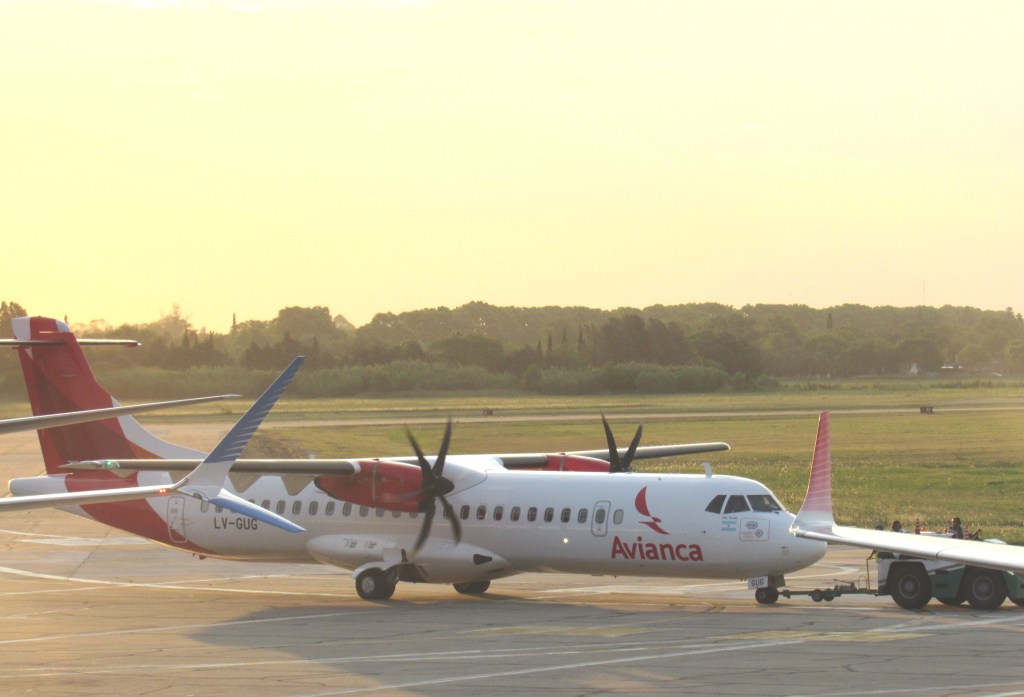
Avianca Argentina presenta telegramas despidos a todo su staff
Avian Líneas Aéreas, bajo la denominación de fantasía Avianca Argentina ha solicitado el proceso de liquidación, enviando los telegramas de despido a su personal, después de diecinueve meses sin pagar sueldos, aportes, contribuciones ni cobertura médica. Los trabajadores denuncian la situación a través de las redes sociales.
La aerolínea Avian Líneas Aéreas presentó el Concurso de Acreedores en Julio 2019, un mes después de dejar de volar. El proceso lento de disolución de Avianca Argentina comienza, tras los serios problemas económicos que atraviesa Argentina, tiempo después de presentar el Concurso de Acreedores en Julio de 2019, finalizando las operaciones aerocomerciales en Agosto 2019, prometiendo un plazo de ajuste y reestructuración de deuda para volver a iniciar vuelos hacia 10/2020, pero la aerolínea continuó estancada hasta la llegada de la pandemia, prolongando la agonía de todo su staff. Desde iniciada la pandemia por Decreto presidencial se prohíben los despidos, lo que en la práctica no se ha cumplido, con más de veinte empleados de Avianca Argentina que recibieron sus telegramas de despido durante este Miércoles 04/11, tras diecinueve meses sin cobrar sueldos ni ayudas por parte del Gobierno Nacional.
Cumbres borrascosas
La historia de Avianca Argentina comenzó iniciada la etapa de la Revolución de los Aviones del anterior Gobierno, pero la aerolínea no ingresó de la mejor manera, pues antes del comienzo de las operaciones aéreas comenzaron a surgir problemas de causas judiciales que involucraron a directivos y políticos. Tras la activación de sus vuelos regionales domésticos en Argentina empleando modernas aeronaves turboprop ATR 72-600, empezaron a unir puntos de la Región Litoral, pero debido a la profunda crisis económica, la desvinculación con Avianca Holdings respecto al uso de la marca, comenzaron a profundizar el pasivo financiero, eliminando rutas y aeronaves.
Reclamo sindical
La Asociación del Personal Aeronáutico (APA) ha solicitado con carácter de suma urgencia una reunión con el Ministerio de Trabajo de Argentina para convocar a la empresa y a la sindicatura tras la decisión de la compañía de despedir al personal. La APA, sindicato liderado por Edgardo Llano emitió un comunicado en donde pide con urgencia una reunión con Ministro de Trabajo, Claudio Moroni para que se convoque a la empresa y a la Sindicatura a una audiencia de manera perentoria. En esa misma línea APLA, liderada por Pablo Biró, hace un enérgico llamado a los Ministros, Moroni y Meoni, de trabajo y transporte respectivamente para que abandonen la pasividad e intervengan en el conflicto, ante el incumplimiento de la empresa.
Perspectivas Avianca
Aunque la aerolínea ha anunciado este 04/11 el despido de los empleados, desde el fuerte reclamo sindical ante el Ministerio de Trabajo denunciaron el accionar que contraviene el Decreto Nacional anunciado por Presidencia que prohíbe los despidos hasta fin 2020. Actualmente, el CEO de Avian Líneas Aéreas, Carlos Colunga, había confirmado los despidos, ratificando nuevamente que continúan con los planes en continuar las operaciones. «Esperemos que el Covid y la situación económica nos lo permita. Somos optimistas», expresó el titular de la aerolínea regional.
Avianca Argentina dismisses staff
Avianca Argentina presents dismissal telegrams to all its staff
Avian Líneas Aéreas, under the fancy name Avianca Argentina has requested the liquidation process, sending the dismissal telegrams to its staff, after nineteen months without paying salaries, contributions, contributions or medical coverage. The workers report the situation through social networks.
The airline Avian Líneas Aéreas presented the Bankruptcy in July 2019, one month after stopping flying. The slow process of dissolution of Avianca Argentina begins, after the serious economic problems that Argentina is going through, some time after presenting the Bankruptcy in July 2019, ending the commercial air operations in August 2019, promising a period of adjustment and debt restructuring for to start flights again around 10/2020, but the airline continued to stagnate until the arrival of the pandemic, prolonging the agony of all its staff. Since the pandemic began by presidential decree, dismissals have been prohibited, which in practice has not been fulfilled, with more than twenty Avianca Argentina employees who received their dismissal telegrams during this Wednesday 04/11, after nineteen months without receiving salaries or aid from the National Government.
Wuthering Heights
The history of Avianca Argentina began at the beginning of the stage of the Revolution of the Aircraft of the previous Government, but the airline did not enter in the best way, because before the beginning of the air operations, problems of legal cases began to arise that involved managers and politicians. After the activation of their domestic regional flights in Argentina using modern ATR 72-600 turboprop aircraft, they began to connect points in the Litoral Region, but due to the deep economic crisis, the separation with Avianca Holdings regarding the use of the brand, began to deepen financial liabilities, eliminating routes and aircraft.
Union claim
The Aeronautical Personnel Association (APA) has urgently requested a meeting with the Argantina Ministry of Labor to convene the company and the receivership after the company’s decision to dismiss the personnel. The APA, a union led by Edgardo Llano, issued a statement urgently calling for a meeting with the Minister of Labor, Claudio Moroni, so that the company and the Sindicatura be summoned to a peremptory hearing. Along the same lines, APLA, led by Pablo Biró, makes an energetic call to the Ministers, Moroni and Meoni, of work and transport respectively, to abandon their passivity and intervene in the conflict, in the face of the company’s breach.
Avianca perspective
Although the airline has announced on 11/04 the dismissal of employees, from the strong union complaint before the Ministry of Labor they denounced the action that contravenes the National Decree announced by the Presidency that prohibits dismissals until the end of 2020. Currently, the CEO of Avian Líneas Aéreas, Carlos Colunga, had confirmed the dismissals, reaffirming again that they continue with the plans to continue operations. «Let’s hope that the Covid and the economic situation allow it. We are optimistic», said the head of the regional airline.
Flybondi multada por publicidad fuera de normativa
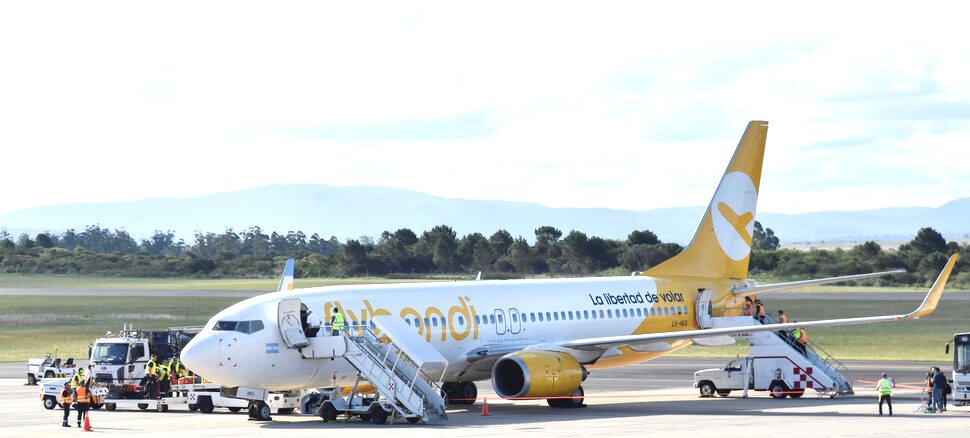
La Cámara de Apelaciones en lo Contencioso Administrativo, Tributario y de Relaciones de Consumo de la Sala 1 ha ratificado una multa contra la aerolínea Flybondi Líneas Aéreas, aplicada por el área de Protección al Consumidor del Gobierno de Buenos Aires, por una publicidad que no cumplía con la normativa vigente. La sanción aplicada a la empresa Flybondi, consistente en una multa de AR$ 500.000 Pesos, fue confirmada por los jueces Carlos Balbín, Mariana Díaz y Fabiana Schafrik, de la Sala 1. El fallo dispuso rechazar el recurso directo interpuesto por la compañía contra lo resuelto por el área de Protección al Consumidor del Gobierno de la Ciudad de Buenos Aires.
El Gobierno de la Ciudad Autónoma de Buenos Aires ha sancionado a Flybondi con una multa de AR$ 500.000 Pesos por transgredir lo establecido en las normas, al explicar que «la publicidad de un precio al que se le debe adicionar una suma de dinero en concepto de tasas y cargos, que no está determinada expresamente en el anuncio’ provocaba que los potenciales clientes interesados en la oferta realizada no [cuenten] con información cierta, veraz y detallada acerca del precio total y final que [deben] abonar».
El acta de infracción fue labrada el 10 de Diciembre de 2018 por el Área Operativa de Contralor Comercial de la Dirección General de Defensa y Protección al Consumidor del GCBA. La resolución explicó que en un control realizado en la página web de FB Líneas Aéreas SA se detectó una publicidad que ofrecía pasajes aéreos «desde AR$ 9 + tasas y cargos», lo que constituiría una presunta infracción a lo normado en las leyes de protección del consumidor. La empresa explicó que «la situación verificada no encuadra en la tipificación precisa de la normativa represiva y apuntó que, en todo caso, lo ocurrido se habría debido a un error involuntario e intrascendente». También se ha comprobado en el fallo que «de la publicidad efectuada por la sumariada surge claramente que se omitió […] fecha precisa de comienzo y finalización de la oferta, así como no se indicarían las modalidades, condiciones o limitaciones de la misma». Se detalló además que «en el aviso publicitario de la empresa no se exhibía el precio final a abonar por los vuelos ofrecidos, pues se indicaba que cada uno costaba AR$ 9,00 más tasas y cargos, sin expresar el monto a pagar por esos ítems o la suma total que aquello representaba».
Justice fines Flybondi for advertising
Flybondi fined for advertising outside the regulations
The Chamber of Appeals in Contentious Administrative, Tax and Consumer Relations of Chamber 1 has ratified a fine against the airline Flybondi Líneas Aéreas, applied by the Consumer Protection area of the Government of Buenos Aires, for an advertisement that did not comply with current regulations. The sanction applied to the Flybondi company, consisting of a fine of AR$ 500,000 pesos, was confirmed by judges Carlos Balbín, Mariana Díaz and Fabiana Schafrik, of Chamber 1. The ruling ordered to reject the direct appeal filed by the company against the resolved by the Consumer Protection area of the Government of the City of Buenos Aires.
The Government of the Autonomous City of Buenos Aires has sanctioned Flybondi with a fine of AR$ 500,000 pesos for transgressing the provisions of the regulations, explaining that «the advertising of a price to which a sum of money must be added in concept of rates and charges, which is not expressly determined in the advertisement ‘caused potential customers interested in the offer made not [to have] true, truthful and detailed information about the total and final price that [must] pay».
The infraction act was drawn up on December 10, 2018 by the Commercial Controller Operational Area of the General Directorate of Defense and Consumer Protection of the GCBA. The resolution explained that in a control carried out on the website of FB Lineas Aereas SA, an advertisement was detected that offered air tickets «from AR$ 9 + fees and charges», which would constitute a presumed violation of the provisions of the protection laws consumer. The company explained that «the verified situation does not fit into the precise classification of the repressive regulations and pointed out that, in any case, what happened was due to an involuntary and inconsequential error». It has also been verified in the ruling that «from the publicity made by the accused it appears clearly that the precise […] start and end date of the offer was omitted, as well as the modalities, conditions or limitations of the same would not be indicated». It was also detailed that «in the advertising notice of the company the final price to be paid for the flights offered was not displayed, since it was indicated that each cost AR$ 9.00 plus taxes and charges, without expressing the amount to be paid for those flights. items or the sum total that it represented».
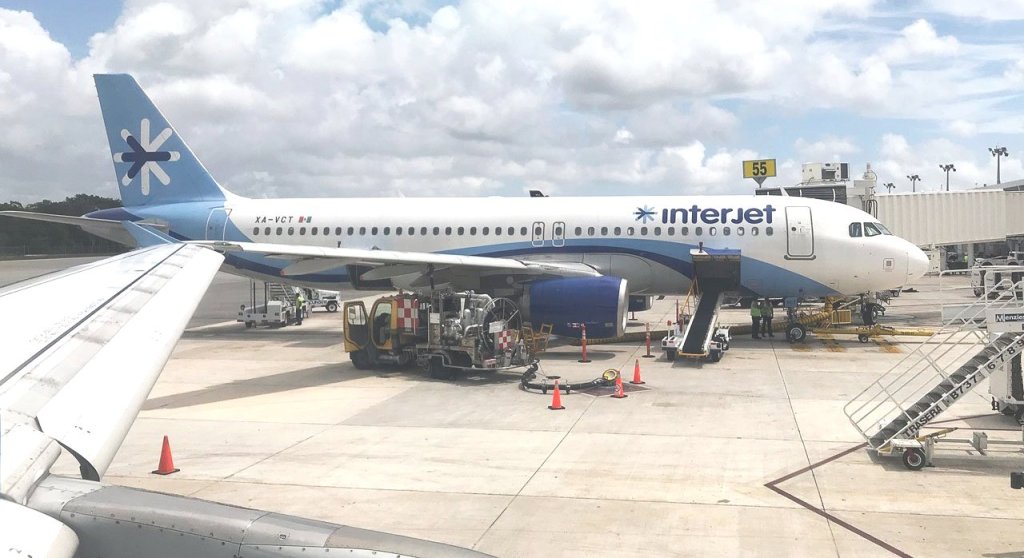
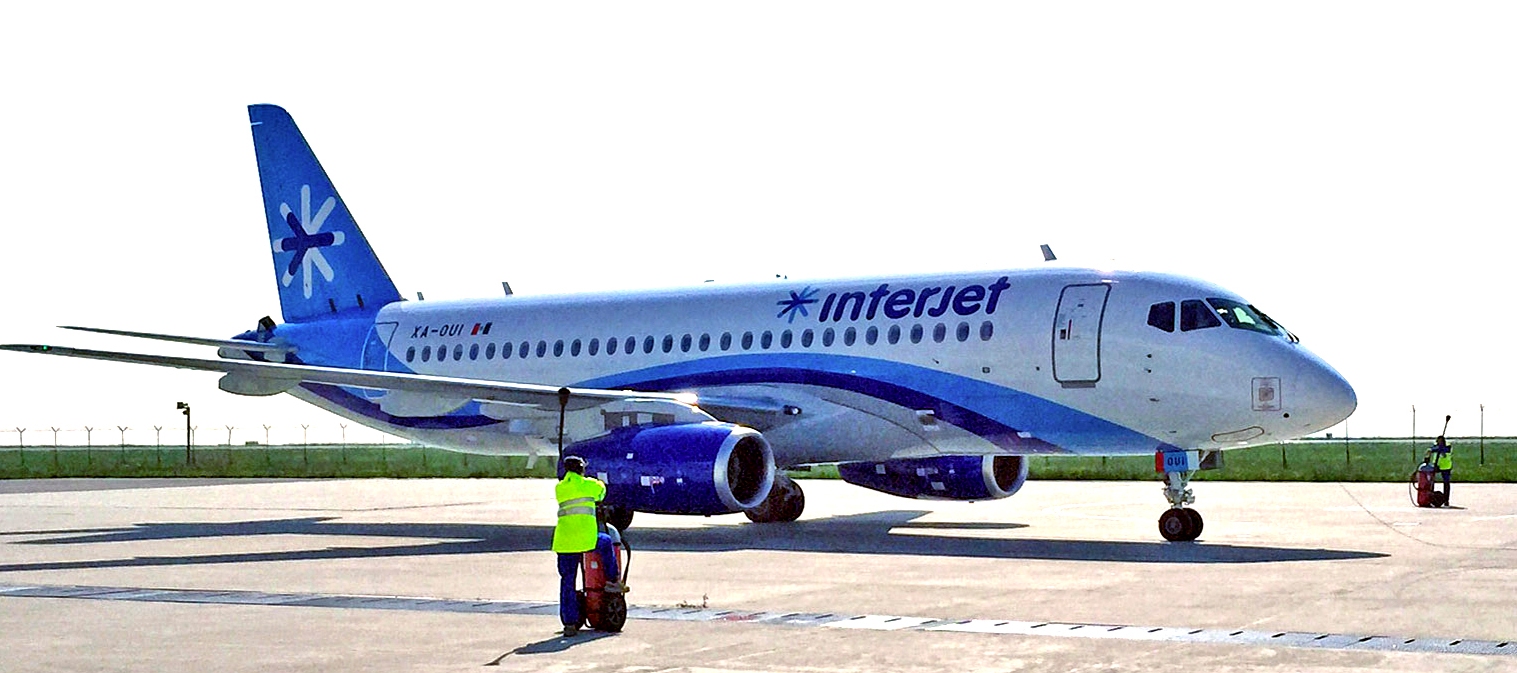
Interjet, una aerolínea de bajo costo con sede en México, ha cancelado todos sus vuelos dominicales y descaró a miles de pasajeros a medida que surgieron informes de que no había pagado el combustible para aviones. La Fiscalía Federal del Consumidor de México (Profeco) ha aconsejado no reservar vuelos con la aerolínea. «Interjet ha estado enfrentando diversos problemas en su operación comercial durante varios meses, entre ellos, la suspensión de varias rutas internacionales, la falta de pago a su personal, la suspensión de la licencia para operar el servicio aéreo internacional a Canadá y el embargo de cuentas bancarias, bienes y marcas», expresa el aviso de Profeco.
La agencia gubernamental dice que unos 3.000 pasajeros quedaron varados debido a las cancelaciones del 31/10, el 01/11 y el 2/11. «En las condiciones actuales, Interjet no proporciona certidumbre, equidad o seguridad jurídica a los consumidores en su relación comercial, con medidas que garanticen la eficacia y el cumplimiento de sus obligaciones», continuó Profeco.
Comunicado Interjet
Interjet ha estado plagado de problemas este año mientras las aerolíneas de todo el mundo luchan por mantenerse a flote en medio de la pandemia de coronavirus y la consiguiente disminución de la demanda de viajes aéreos.
En un comunicado emitido el 1 de Noviembre de 2020, Interjet había informado que las operaciones regulares se reanudarían el Martes 03/11. «Las aerolíneas se han visto más afectadas por las condiciones negativas provocadas por la pandemia COVID-19», dijo Interjet. La aerolínea espera pagar a sus empleados esta semana, pero admite que no posee liquidez para abonar los sueldos. Sin embargo, no han emitido ninguna comunicación posterior, y el sitio web de la aerolínea está actualmente inoperable. Actualmente algunos de sus aviones también continúan en mantenimiento y solamente dos vuelos fueron programados esta semana.
Antes de la pandemia, Interjet volaba regularmente entre Costa Rica y México. Sin embargo, el Aeropuerto Internacional Juan Santamaría (SJO) dice que aún está a la espera de información de la aerolínea sobre cuándo Interjet reanudará el servicio.
Reclamos trabajadores
Después de una protesta de trabajadores que dicen que no les han abonando los salarios desde Septiembre 2020, la aerolínea de presupuesto Interjet se comprometió el Martes 03/11 a transferir un los pagos de salario quincenal a los empleados esta semana. Pero su capacidad para hacerlo está en duda: uno de los propietarios de Interjet reconoció que la aerolínea no tiene dinero. El Ministerio Federal del Interior dijo que organizó una reunión el Martes 03/11 por la noche entre Interjet, sus trabajadores y representantes de su sindicato donde la aerolínea acordó pagar un pago quincenal a los trabajadores esta semana.
El Presidente Ejecutivo de Interjet, Alejandro Del Valle, uno de los nuevos propietarios de la compañía, dijo a los trabajadores antes de la reunión que la aerolínea esperaba hacer un pago de salario el Martes o Miércoles. En declaraciones a los trabajadores que protestan afuera de las oficinas de Interjet en el aeropuerto de la Ciudad de México, Del Valle dijo que la aerolínea realmente espera pagar al final de la semana, pero también reconoció que no tiene fondos. La situación es complicada para la aerolínea debido a su falta de flujo de caja y compromisos fiscales impagados. Interjet canceló todos sus vuelos tanto el domingo como el lunes, aparentemente porque no podía pagar el combustible. A pesar de su falta de efectivo y problemas fiscales, Interjet tiene como objetivo añadir 16 aviones a su flota y aumentar su capacidad para atraer a más pasajeros, dijo Alejandro Del Valle. «Una empresa con 5.000 empleados no puede operar [de manera rentable] con cuatro aviones. Pedimos 16 aviones; no podemos traerlos [a todos] debido a la falta de flujo de efectivo [pero] existe la posibilidad de que traigamos a los tres primeros», dijo Alejandro Del Valle a los trabajadores que protestaban.
Los empleados descontentos bloquearon la Autopista Circuito Interior fuera de las oficinas del aeropuerto de Interjet durante varias horas el martes para exigir el pago de salarios y beneficios. Un trabajador de mantenimiento le dijo que los empleados no han recibido sus últimos cuatro pagos de salario. «No nos han pagado desde septiembre», dijo el empleado que pidió permanecer en el anonimato. El trabajador dijo que algunos beneficios, incluyendo subsidios uniformes, créditos de vivienda y pagos de seguro de salud, no se han pagado desde Marzo 2020.
La agencia federal de impuestos SAT impuso un embargo a los bienes pertenecientes al padre del Presidente de Interjet, Miguel Alemán Magnani, debido a las facturas de impuestos impagadas de la aerolínea, 25 de sus aeronaves arrendadas fueron embargadas, la ciudad de Chicago lanzó acciones legales contra ella por no pagar impuestos y tasas adeudados al Aeropuerto Internacional O’Hare, los clientes están preparando una demanda colectiva en su contra por la cancelación constante de vuelos y sus prácticas de reembolso y la Agencia Canadiense de Transporte suspendió su licencia para operar en Canadá por no tener cobertura de seguro de responsabilidad civil.
Cancelaciones vuelos
La aerolínea de presupuesto mexicana ha atravesado cancelaciones de sus vuelos del Domingo 01/11 y Lunes 02/11 que han afectado a 2.690 pasajeros, pero la agencia de protección de los consumidores Profeco impugnó esa cifra, diciendo que más de 3.000 personas quedaron varadas. Profeco emitió un comunicado el Martes 03/11, advirtiendo a la gente de los riesgos de comprar vuelos con Interjet debido a las repetidas cancelaciones de la aerolínea. Dijo que ha recibido 1.542 quejas de clientes insatisfechos de Interjet este año.
«Interjet no proporciona certidumbre, equidad o seguridad jurídica a los consumidores. Profeco informa y alerta a [clientes potenciales] sobre el riesgo de establecer relaciones comerciales con Interjet», expresó el comunicado de Profeco. Cuando se cancela un vuelo, las aerolíneas bajo la ley mexicana están obligadas a reembolsar a los pasajeros el costo de su boleto o ponerlos en otro vuelo sin cargo adicional. Además, deben pagar el 25% del valor del billete en compensación. Sin embargo, hay pruebas de que Interjet no ha estado cumpliendo con la ley.
Los pasajeros que han indicado que demandarán a la aerolínea dicen que Interjet es culpable de prácticas que han hecho que los clientes pierdan cantidades significativas de dinero. Según Pablo Martínez Castro, el moderador de un grupo de Facebook llamado Colectiva Queja a Interjet, una práctica ilegal es que cuando un vuelo es cancelado, Interjet emite a los clientes vales por montos inferiores a lo que pagaron por sus billetes. Como resultado, se ven obligados a pagar más al volver a reservar un vuelo en la misma ruta. También hay evidencia de que Interjet no está pagando la compensación del 25% dentro de los 10 días según sea necesario. Una pasajera afectada por la cancelación de un vuelo esta semana dijo que también estaba varada por una cancelación en Marzo 2020. Desde hace ocho meses algunos usuarios todavía no han recibido ninguna compensación financiera.
Inversiones en interjet
En 2019 Interjet rechazó un intento de las autoridades de tomar el control de las cuentas bancarias de la empresa en un esfuerzo por recaudar casi MX$ 550 millones de Pesos en impuestos no pagados. La factura puede llegar al orden cercano a valores de US$ 143 millones de Dólares, según un informe de Febrero 2020 del grupo Mexicanos Contra la Corrupción, que había detallado documentos relacionados con el caso. Al arribo de la pandemia, las aerolíneas del mundo debieron poner en tierra la flota de aeronaves. Tras el reinicio de operaciones aéreas en México, la compañía aérea canceló abruptamente sus servicios el Domingo 01/11, diciendo que las interrupciones se debieron al mantenimiento de las aeronaves y la pandemia. Los vuelos se reanudaron el Martes 03/11.
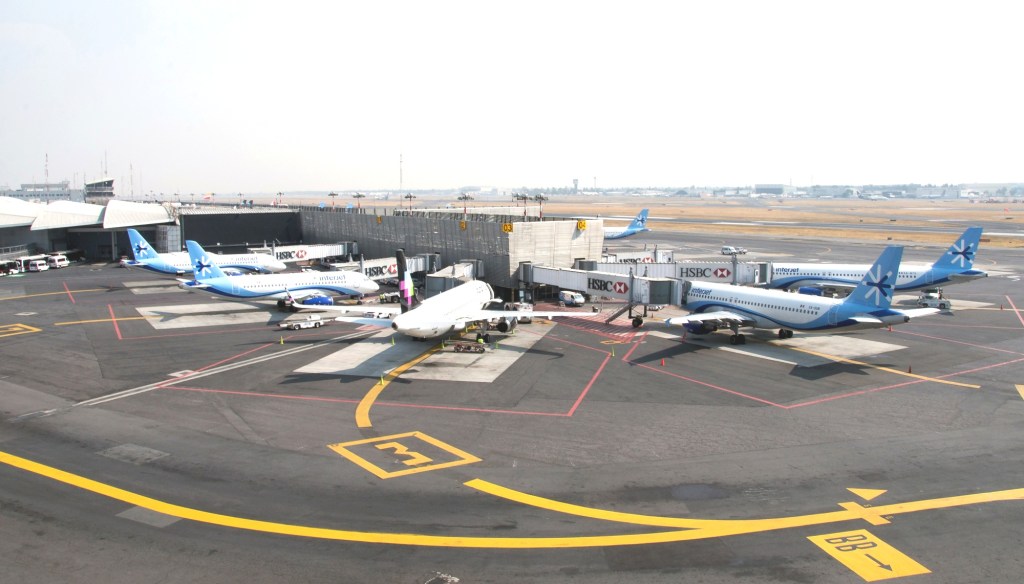
Inversionistas del sector de la aviación han pactado adquirir 90% de acciones de Interjet (ABC Aerolíneas S.A.), pero la deuda de impuestos es un obstáculo para avanzar en las negociaciones. Un grupo liderado por Carlos Cabal Peniche y Alejandro del Valle tomaría el 90 por ciento de Interjet bajo un acuerdo anunciado en Julio 2020 por un valor de US$ 150 millones de Dólares, pero temen que el Gobierno de México continúe con los reclamos de deuda fiscal. El acuerdo de capitalización por una gran participación en la aerolínea mexicana Interjet está en suspenso debido a los problemas fiscales de la aerolínea. Los nuevos inversionistas aún no han inyectado los fondos por temor a que el Gobierno tome parte del dinero para cubrir los impuestos no pagados. El retraso de la inversión supone un revés para los esfuerzos de reestructuración de Interjet, mientras la aerolínea lidia con la pandemia de coronavirus y los problemas financieros que preceden al COVID-19. Los fundadores de la empresa, Miguel Alemán Velasco y su hijo Miguel Alemán Magnani, mantendrían sus roles luego de la inversión liderada por Cabal Peniche y Del Valle, expresó en un comunicado la aerolínea Interjet en Julio 2020. La flota de la aerolínea se ha reducido a seis Sukhoi Superjets SSJ-100. La mayoría de los aviones de Airbus A320CEO/NEO de la aerolínea fueron embargados por sus arrendadores a principios de este año 2020.
Interjet, a Mexico-based low-cost airline, has canceled all of its Sunday flights and unloaded thousands of passengers as reports emerged that it had not paid for jet fuel. The Federal Consumer Prosecutor’s Office of Mexico (Profeco) has advised not to book flights with the airline. «Interjet has been facing various problems in its commercial operation for several months, among them, the suspension of several international routes, the lack of payment to its personnel, the suspension of the license to operate the international air service to Canada and the embargo of bank accounts, goods and brands», states the Profeco notice.
The government agency says some 3,000 passengers were stranded due to cancellations on 10/31, 11/01 and 11/2. «Under current conditions, Interjet does not provide certainty, equity or legal security to consumers in their commercial relationship, with measures that guarantee the efficiency and fulfillment of their obligations», continued Profeco.
Interjet statement
Interjet has been plagued with problems this year as airlines around the world struggle to stay afloat amid the coronavirus pandemic and the consequent decline in demand for air travel.
In a statement issued on November 1, 2020, Interjet had informed that regular operations would resume on Tuesday 11/03. «Airlines have been more affected by the negative conditions caused by the COVID-19 pandemic», said Interjet. Interjet expects to pay its employees this week, but admits it does not have liquidity to pay their salaries. However, they have not issued any further communication, and the airline’s website is currently inoperable. Currently some of its aircraft are also under maintenance and only two flights were scheduled this week.
Before the pandemic, Interjet regularly flew between Costa Rica and Mexico. However, Juan Santamaría International Airport (SJO) says that it is still awaiting information from the airline on when Interjet will resume service.
Workers claims
After a protest from workers who say they have not been paid wages since September 2020, budget airline Interjet pledged on Tuesday 11/03 to transfer a biweekly salary payments to employees this week. But its ability to do so is in doubt: one of Interjet’s owners acknowledged that the airline has no money. The Federal Interior Ministry said it organized a meeting on Tuesday 11/03 evening between Interjet, its workers and representatives of its union where the airline agreed to pay a fortnight, or biweekly payment, to workers this week.
Interjet CEO Alejandro Del Valle, one of the company’s new owners, told workers before the meeting that the airline expected to make a salary payment on Tuesday or Wednesday. Speaking to workers protesting outside Interjet’s offices at the Mexico City airport, Del Valle said the airline actually expects to pay by the end of the week, but also acknowledged that it has no funds. The situation is difficult for the airline due to its lack of cash flow and unpaid tax commitments. Interjet canceled all its flights on both Sunday and Monday, apparently because it could not pay for fuel. Despite its lack of cash and fiscal problems, Interjet aims to add 16 aircraft to its fleet and increase its capacity to attract more passengers, said Alejendro Del Valle. «A company with 5,000 employees cannot operate [profitably] with four airplanes. We ordered 16 airplanes, we cannot bring [all of them] due to lack of cash flow [but] there is a possibility that we will bring the first three», Alejandro Del Valle told the protesting workers.
Disgruntled employees blocked the Inner Circuit Highway outside the Interjet airport offices for several hours Tuesday to demand payment of wages and benefits. A maintenance worker told him that the employees have not received their last four salary payments. «We have not been paid since September», said the employee who asked to remain anonymous. The worker said some benefits, including uniform subsidies, home loans and health insurance payments, have not been paid since March 2020.
The federal tax agency SAT imposed an embargo on the assets belonging to the father of the President of Interjet, Miguel Alemán Magnani, due to unpaid tax bills from the airline, 25 of its leased aircraft were seized, the city of Chicago launched legal action against her for failing to pay taxes and fees owed to O’Hare International Airport, customers are preparing a class action lawsuit against her for the constant cancellation of flights and its refund practices and the Canadian Transportation Agency suspended her license to operate in Canada for not having liability insurance coverage.
Flight cancellations
The Mexican budget airline has undergone cancellations of its flights on Sunday 11/01 and Monday 11/02 that have affected 2,690 passengers, but the consumer protection agency Profeco contested that figure, saying that more than 3,000 people were stranded. Profeco issued a statement on Tuesday 11/03, warning people of the risks of buying flights with Interjet due to repeated cancellations by the airline. It said it has received 1,542 complaints from dissatisfied Interjet customers this year.
«Interjet does not provide certainty, fairness or legal security to consumers. Profeco informs and alerts [potential clients] about the risk of establishing commercial relationships with Interjet», the Profeco statement said. When a flight is canceled, airlines under Mexican law are required to reimburse passengers for the cost of their ticket or put them on another flight at no additional charge. In addition, they must pay 25% of the value of the ticket in compensation. However, there is evidence that Interjet has not been complying with the law.
Passengers who have indicated they will sue the airline say Interjet is guilty of practices that have caused customers to lose significant amounts of money. According to Pablo Martínez Castro, the moderator of a Facebook group called Colectiva Queja a Interjet, an illegal practice is that when a flight is canceled, Interjet issues customers vouchers for amounts less than what they paid for their tickets. As a result, they are forced to pay more when rebooking a flight on the same route. There is also evidence that Interjet is not paying the 25% offset within 10 days as needed. A passenger affected by the cancellation of a flight this week said she was also stranded by a cancellation in March 2020. For eight months some users have still not received any financial compensation.
Investments in interjet
In 2019 Interjet rejected an attempt by the authorities to take control of the company’s bank accounts in an effort to collect almost MX$ 550 million Pesos in unpaid taxes. The invoice can reach the order close to values of US$ 143 million dollars, according to a February 2020 report from the group Mexicanos Contra la Corrupción, which had detailed documents related to the case. Upon the arrival of the pandemic, the world’s airlines had to ground their aircraft fleet. Following the restart of air operations in Mexico, the airline abruptly canceled its services on Sunday 11/01, saying that the interruptions were due to aircraft maintenance and the pandemic. Flights resumed on Tuesday 03/11.
Investors in the aviation sector have agreed to acquire 90% of Interjet (ABC Aerolineas S.A.) shares, but the tax debt is an obstacle to advancing the negotiations. A group led by Carlos Cabal Peniche and Alejandro del Valle would take 90 percent of Interjet under an agreement announced in July 2020 for a value of US$ 150 million dollars, but they fear that the Government of Mexico will continue with the tax debt claims. The capitalization agreement for a large stake in the Mexican airline Interjet is on hold due to the airline’s tax problems. The new investors have not yet injected the funds for fear that the government will take part of the money to cover unpaid taxes. The investment delay marks a setback for Interjet’s restructuring efforts as the airline grapples with the coronavirus pandemic and financial woes that precede COVID-19. The founders of the company, Miguel Alemán Velasco and his son Miguel Alemán Magnani, would maintain their roles after the investment led by Cabal Peniche and Del Valle, the Interjet airline said in a statement in July 2020. The airline’s fleet has been reduced to six Sukhoi SSJ-100 Superjets. Most of the airline’s Airbus A320CEO/NEO jets were seized by their lessors early this year 2020.