Aéreas EEUU avanzan planes sanitarios

AW | 2020 08 31 11:00 | GOVERNMENT / AVIATION SAFETY / AIRLINES

Aerolíneas avanzan con los planes de anti-Covid para reducir riesgos

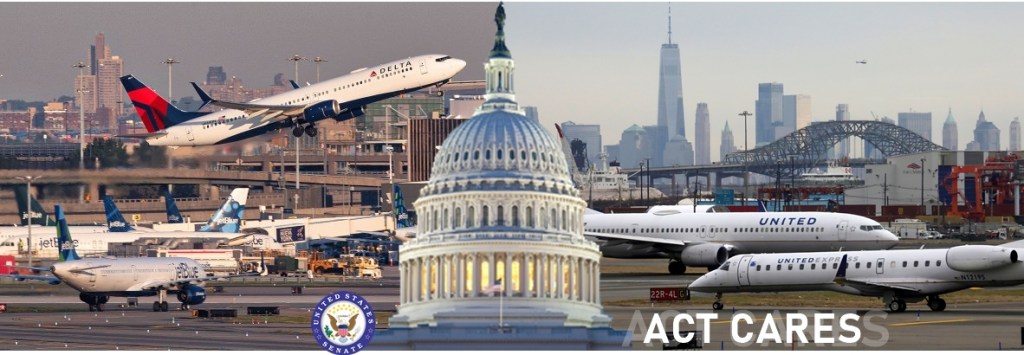
Las aerolíneas United Airlines y Delta Air Lines han comenzado recientemente prácticas sanitarias para minimizar los riesgos sanitarios a abordar pasajeros en los vuelos en la formación de atrás hacia adelante en un intento por minimizar los contactos estrechos entre pasajeros que podrían propagar el Covid-19. El procedimiento de embarque es solo un ejemplo de cómo las aerolíneas luchan por hacer que volar sea seguro durante la pandemia y atraer a los pasajeros de regreso. Pero los científicos de Estados Unidos han descubierto que abordar aviones que comienzan en las filas traseras aumenta el tiempo que las personas se agrupan en los pasillos para cargar bolsas en los compartimentos superiores antes de tomar sus asientos.

Los transportistas también están instituyendo políticas inconsistentes sobre dejar vacantes los asientos del medio que no están respaldados por la ciencia. Hay enormes lagunas en los datos y la investigación, y la Administración Trump se ha negado a establecer reglas relacionadas con la salud para las aerolíneas. «Hay una gran cantidad de opiniones de expertos y una escasez de buenos datos», dijo Byron Jones, Profesor de Ingeniería en la Universidad Estatal de Kansas, uno de los pequeños grupos de investigadores que se especializan en seguridad aérea en cabina.

Las aerolíneas estadounidenses dicen que han estado consultando con especialistas en enfermedades mientras se apresuraban a responder a un brote que generó miles de millones de Dólares en pérdidas. Han agregado protecciones cada vez más estrictas en los últimos meses, desde extensos programas de desinfección hasta una aplicación más estricta de los requisitos ahora universales de mascarillas faciales. Los jefes de aerolíneas han expresado amplias garantías al público, buscando que la gente vuelva a volar.

El Departamento de Transporte de Estados Unidos y otras agencias publicaron en Julio 2020 pautas para reducir los riesgos, llamadas Runway to Recovery. Sin embargo, los recuentos de pasajeros han aumentado lentamente a medida que las tasas de infección por Covid-19 se disparan en algunas regiones incluso cuando disminuyen en otras, y las noticias documentaron a los pasajeros ocasionales que se niegan a cubrirse la cara. Los aviones transportaron alrededor del 30% de las cargas del año pasado en los Estados Unidos. La semana pasada, según muestran los datos de la Administración de Seguridad del Transporte.

Estudios científicos

El Gobierno de Estados Unidos no ha desarrollado planes de preparación de la aviación para enfermedades transmisibles requeridos por un tratado internacional. El resultado es que las opciones para muchas personas que contemplan volar durante la pandemia de Covid-19 no son simples ni obvias.

Varios estudios científicos se han elaborado para determinar el potencial de infección en un avión de pasajeros, y las revisiones de las políticas de las aerolíneas. Varios estudios han presentado evidencia de que se sabe que el nuevo Coronavirus se propagó inicialmente por medio del transporte aéreo. Tras la liberación de vuelos en tiempos de pandemia, estos casos han sido pocos y reflejan casos en los que no se usaron o se quitaron las máscaras. Las estimaciones de los riesgos de infección por volar varían, y los investigadores dicen que es difícil sacar conclusiones con confianza sobre una enfermedad recién descubierta y las prácticas cambiantes de seguridad.

Asientos intermedios

Adopte políticas para dejar los asientos del medio abiertos en los aviones. La investigación ha demostrado que espaciar a los pasajeros reduce los contactos cercanos que podrían propagar el virus, pero no hay datos sobre cómo tales políticas impactan el riesgo real, especialmente cuando se usan máscaras. Delta Air Lines se ha comprometido a no reservar pasajeros en asientos intermedios al menos durante este año. Southwest Airlines está limitando los asientos que vende hasta el 31 Octubre 2020. American Airlines reanudó la venta de pasajes a plena capacidad a principios de este verano boreal, y United Airlines nunca se comprometió a mantener los asientos abiertos. American ha dicho que es imposible distanciarse socialmente en un vuelo y que los pasajeros están protegidos con máscaras y medidas sanitarias.

Sistema ventilación aeronaves

Los sistemas de filtración de aire en aviones de pasajeros son igualmente confusos. El aire que ingresa a la cabina del avión ha pasado a través de filtros que son equivalentes a los del interior de los quirófanos de los hospitales, por lo que parece haber poco peligro de infección por el aire recirculado, dijo Qingyan Chen, Profesor de Ingeniería en la Universidad Purdue en Indiana que ha escrito extensamente sobre transmisión de enfermedades en aviones. Pero esa no es toda la historia para alguien que viaja en los estrechos confines de un vuelo comercial, donde es imposible mantenerse socialmente distanciado y el contacto ocurre durante horas seguidas. «El riesgo está en la cabina antes de que el aire se recircule. Cuando hablas y toses, liberas estas gotitas. Irá al pasajero sentado a tu lado antes de que sea filtrado por el sistema de aire acondicionado», expresó el profesor.

Profilaxis en vuelo

Un estudio publicado en 2012 financiado por el Gobierno de Estados Unidos, Qingyan Chen, Jones y otros, concluyeron que de tres a 20 pasajeros en un período de cuatro horas en un vuelo sentado más cerca de una persona con la gripe era probable que se infectaran. En la actualidad, las probabilidades de infección se redujeron a casi cero si todos usaran máscaras N95, los modelos de alto rendimiento que usan los trabajadores médicos en los entornos más peligrosos. Sin embargo, las máscaras N95 no están ampliamente disponibles para el público, y el estudio no evaluó qué sucedería con las máscaras de tela menos efectivas que se usan más ampliamente.

Un estudio de 2018 publicado por la Academia Nacional de Ciencias encontró una alta probabilidad de que las personas sentadas dentro de una fila de un pasajero con influenza se infecten en un vuelo transcontinental. Las posibilidades de transmisión a otras personas en el avión eran muy bajas, pero aún posibles. Ese estudio tampoco analizó cómo el uso de máscaras podría proteger a las personas, por lo que es difícil extrapolar los resultados al brote actual, dijo Howie Weiss, coautor y Profesor de Biología y Matemáticas en la Universidad Estatal de Pensilvania.

El grupo comercial de las principales aerolíneas, Airlines for America (A4A), dijo que no había habido casos conocidos de infección a bordo de vuelos estadounidenses y que la industria de la aviación ha seguido los consejos de los Centros para el Control y la Prevención de Enfermedades. “Las aerolíneas estadounidenses están reaccionando ágilmente a lo que sigue siendo una situación que evoluciona rápidamente y están trabajando en colaboración con expertos médicos para asesorar decisiones sobre procedimientos operativos y de limpieza”, dijo el grupo en un comunicado. Las acciones también incluyen el check-in sin contacto y requieren que los pasajeros den fe de que están saludables antes de volar, dijo el grupo.

AEROPUERTO WUHAN, CHINA, CRÍTICO PUNTO DE DISTRIBUCIÓN DE PROPAGACIÓN DEL VIRUS CORONAVIRUS (COVID-19)

Desconcertado por el embarque

En lugar de sentar a sus mejores clientes primero, cerca de la parte delantera del avión, seguidos de varios grupos que se sientan más atrás, United y Delta están llenando sus aviones de atrás hacia adelante, dijeron en sus sitios web. Pero en lugar de reducir los contactos, eso en realidad los aumenta, según un equipo que estudió el problema a raíz del brote de Ébola en África occidental que comenzó en 2014. El grupo actualizó el trabajo este año a medida que se propagaba Covid-19.

Si bien abordar de atrás hacia adelante disminuye el tiempo que las personas en los pasillos pasan cerca de las que ya están sentadas, aumenta los contactos en general, ya que las personas se detienen para cargar maletas en los compartimentos superiores antes de tomar sus asientos, dijo Ashok Srinivasan, Profesor de informática en la Universidad de West Florida, coautor de los artículos.

El abordaje trasero aumenta la exposición de los pasajeros en un 50% en comparación con el abordaje por zonas, encontraron los investigadores. El abordaje aleatorio, independientemente de dónde se sienten las personas, lo que naturalmente las distribuye, es aún mejor.

Delta Air Lines ha desarrollado su sistema de embarque, que también alienta a los pasajeros a permanecer bien espaciados, con la ayuda de expertos de Mayo Clinic y los CDC, dijo Bill Lentsch, Director de experiencia del cliente de la compañía. “Creen que hemos diseñado un proceso extremadamente seguro y nos animan a continuar con el abordaje de atrás hacia adelante”, dijo Lentsch. La compañía reconoce que ninguna acción puede eliminar por completo los riesgos relacionados con el virus, por lo que ha tomado muchos otros pasos y continúa mejorando.

Respuesta gubernamental

Mientras tanto, las agencias gubernamentales no han estado dispuestas a elaborar un plan formal sobre cómo el sector de la aviación debe responder a una pandemia, dijo la Oficina de Responsabilidad del Gobierno al Congreso en Junio 2020. La GAO ha estado pidiendo un plan de este tipo, que es requerido por un tratado internacional, desde 2015.

El Departamento de Transporte (DOT) ha dicho que otras agencias que supervisan la salud y la seguridad nacional deberían ser responsables. La Secretaria de Transporte, Elaine Chao, dijo que las sugerencias de la agencia, publicadas el 2 Julio 2020, reducirían los riesgos y permitirían un aumento en el volumen de pasajeros.

Los riesgos para la salud en los aviones, que durante décadas han sido transportadores de diferentes virus, han sido estudiados, y el tema exige más investigación. Desinfectar aviones, hacer cumplir los requisitos de máscaras y otras protecciones tiene sentido, pero no hay evidencia que demuestre que puedan superar los riesgos creados en los estrechos límites de la cabina de un jet comercial. «Esa es la única pregunta que realmente, realmente no sabemos todavía. Ese es el desafío aquí. Estás trabajando en el vacío», expresó Byron Jones, Profesor de Ingeniería en la Universidad Estatal de Kansas.

US airlines advance health plans

Airlines advance anti-Covid plans to reduce risks

The airlines United Airlines and Delta Air Lines have recently begun sanitary practices to minimize the sanitary risks of boarding passengers on flights in back-to-front formation in an attempt to minimize the close contacts between passengers that could spread Covid-19. The boarding procedure is just one example of how airlines struggle to make flying safe during the pandemic and attract return passengers. But scientists in the United States have found that boarding planes that start in the back rows increases the time people crowd in aisles to load bags into overhead bins before taking their seats.

Carriers are also instituting inconsistent policies about vacating middle seats that are not backed by science. There are huge gaps in data and research, and the Trump Administration has refused to set health-related rules for airlines. «There is a lot of expert opinion and a paucity of good data», said Byron Jones, Professor of Engineering at Kansas State University, one of the small groups of researchers who specialize in cabin aviation security.

US airlines say they have been consulting with disease specialists as they scrambled to respond to an outbreak that generated billions of dollars in losses. They have added increasingly stringent protections in recent months, from extensive disinfection programs to stricter enforcement of the now-universal face mask requirements. Airline bosses have expressed broad assurances to the public, seeking to get people to fly again.

The United States Department of Transportation and other agencies published guidelines to reduce the risks, called Runway to Recovery, in July 2020. However, passenger counts have slowly risen as Covid-19 infection rates skyrocket in some regions even as they decline in others, and the news documented occasional passengers refusing to cover their faces. Airplanes carried about 30% of last year’s cargo in the United States. Last week, data from the Transportation Security Administration shows.

Scientific studies

The United States Government has not developed aviation preparedness plans for communicable diseases required by an international treaty. The result is that the options for many people contemplating flying during the Covid-19 pandemic are not simple or obvious.

Several scientific studies have been prepared to determine the potential for infection in an airliner, and reviews of airline policies. Several studies have presented evidence that the novel Coronavirus is known to initially spread via air travel. After the release of flights in times of pandemic, these cases have been few and reflect cases in which the masks were not used or removed. Estimates of infection risks from flying vary, and researchers say it’s difficult to confidently draw conclusions about a newly discovered disease and changing safety practices.

Intermediate seats

Adopt policies to leave middle seats open on airplanes. Research has shown that spacing passengers reduces close contacts that could spread the virus, but there is no data on how such policies impact actual risk, especially when wearing masks. Delta Air Lines has committed to not reserving intermediate seat passengers for at least this year. Southwest Airlines is limiting the seats it sells through October 31, 2020. American Airlines resumed selling tickets at full capacity earlier this summer, and United Airlines has never promised to keep seats open. American has said that it is impossible to socially distance oneself on a flight and that passengers are protected with masks and sanitary measures.

Aircraft ventilation system

Air filtration systems in airliners are just as confusing. Air entering the aircraft cabin has passed through filters that are equivalent to those inside hospital operating rooms, so there appears to be little danger of infection from recirculated air, said Qingyan Chen, Professor of Engineering. at Purdue University in Indiana who has written extensively on disease transmission in airplanes. But that’s not the whole story for someone traveling in the narrow confines of a commercial flight, where it is impossible to stay socially detached and contact happens for hours at a time. «The risk is in the cabin before the air is recirculated. When you speak and cough, you release these droplets. It will go to the passenger sitting next to you before it is filtered by the air conditioning system», said the professor.

In-flight prophylaxis

A study published in 2012 funded by the United States Government, Qingyan Chen, Jones and others concluded that three to 20 passengers in a four-hour period on a flight seated closer to a person with the flu were likely to become infected. Today, the chances of infection dropped to almost zero if everyone wore N95 masks, the high-performance models used by medical workers in the most dangerous environments. However, N95 masks are not widely available to the public, and the study did not assess what would happen to the less effective fabric masks that are used more widely.

A 2018 study published by the National Academy of Sciences found a high probability that people sitting inside a passenger row with influenza will become infected on a transcontinental flight. The chances of transmission to other people on the plane were very low, but still possible. That study also didn’t look at how wearing masks could protect people, so it’s difficult to extrapolate the results to the current outbreak, said Howie Weiss, co-author and Professor of Biology and Mathematics at Pennsylvania State University.

The trade group of major airlines, Airlines for America (A4A), said there had been no known cases of infection aboard U.S. flights and that the aviation industry has followed the advice of the Centers for Disease Control and Prevention. Diseases. «US airlines are reacting swiftly to what remains a rapidly evolving situation and are working in collaboration with medical experts to advise decisions on cleanup and operational procedures», the group said in a statement. The actions also include contactless check-in and require passengers to attest that they are healthy before flying, the group said.

Baffled by boarding

Rather than seating its best customers first, near the front of the plane, followed by several groups sitting further back, United and Delta are filling their planes from back to front, they said on their websites. But rather than reducing contacts, that actually increases them, according to a team that studied the problem in the wake of the Ebola outbreak in West Africa that began in 2014. The group updated the work this year as Covid-19 spread.

While boarding from back to front decreases the time people in the aisles spend near those already seated, it increases overall contacts, as people stop to load suitcases into overhead bins before taking their seats. said Ashok Srinivasan, a professor of computer science at the University of West Florida, a co-author of the papers.

Rear boarding increases passenger exposure by 50% compared to zone boarding, the researchers found. The random approach, regardless of where people sit, which naturally distributes them, is even better.

Delta Air Lines has developed its boarding system, which also encourages passengers to stay well-spaced, with the help of experts from Mayo Clinic and the CDC, said Bill Lentsch, the company’s director of customer experience. “They believe that we have designed an extremely safe process and they encourage us to continue with the back-to-front approach”, Lentsch said. The company recognizes that no action can completely eliminate risks related to the virus, so it has taken many other steps and continues to improve.

Government response

Meanwhile, government agencies have not been willing to come up with a formal plan on how the aviation sector should respond to a pandemic, the Government Accountability Office told Congress in June 2020. The GAO has been calling for such a plan. type, which is required by an international treaty, since 2015.

The Department of Transportation (DOT) has said that other agencies that oversee national health and security should be held accountable. Transportation Secretary Elaine Chao said the agency’s suggestions, published on July 2, 2020, would reduce risks and allow for an increase in passenger volume.

The health risks in airplanes, which for decades have been carriers of different viruses, have been studied, and the issue requires further investigation. Sanitizing airplanes, enforcing mask requirements and other protections makes sense, but there is no evidence to show that they can overcome the hazards created in the narrow confines of a commercial jet cabin. «That’s the one question that we really, really don’t know yet. That’s the challenge here. You’re working in a vacuum», said Byron Jones, Professor of Engineering at Kansas State University.

Ξ A I R G W A Y S Ξ
PUBLISHER: Airgways.com
DBk: Transportation.gov / Bloomberg.com / Gao.gov / Airgways.com / Fortune.com / Gettyimages.com
AW-POST: 202008311100AR

A\W   A I R G W A Y S ®

A 21 años tragedia vuelo MJ3142 LAPA

Ξ 20º Aniversarios tragedia de LAPA Ξ |

AW | 2020 08 31 09:55 | AVIATION SAFETY

21 años accidente aéreo del vuelo LAPA Líneas Aéreas

El 31 Agosto 2020 se cumplen 21 años del accidente aéreo del vuelo MJ-3142 de LAPA Líneas Aéreas. El accidente del vuelo 3142 de LAPA se cuenta entre uno de los cuatro más graves de la historia de la aviación argentina.

El vuelo MJ-3142 de LAPA se preparaba para el despegue del Aeropuerto Jorge Newbery, en una noche con buen clima y cielo despejado, siendo las 20:49 hs del 31 Agosto 1999. El vuelo no pudo despegar y fallecieron 65 personas. A bordo del vuelo, que se dirigía hacia Córdoba, había 103 personas (98 pasajeros y 5 miembros de la tripulación). Al mando del avión se encontraba el piloto Gustavo Weigel, quien estaba acompañado por el copiloto Luis Etcheverry. En la caja negra quedó registrado todo el momento previo al accidente, en el cual se mezclan conversaciones íntimas con la lectura de datos clave para el despegue. La carrera de despegue comenzó por la Pista 13 de Aeroparque a las 20:53 hs. La alarma de los flaps continúa encendida durante 52 segundos mientras que el piloto confiesa que no entiende qué está sucediendo ya que sus lecturas indican que “está todo bien”. Sus palabras son lo último que se escucha antes que la aeronave continúe la carrera sin lograr el despegue. El avión Boeing 737-200ADV de LAPA continuó avanzando, atravesó la Avenida Costanera Norte, impactó con un auto, máquinas viales, un terraplén y una planta reguladora de gas. El choque con esta última provocó que, por el escape del combustible y el gas, se genere un incendio que causó la muerte de quienes habían sobrevivido al accidente inicial. La trágica noche terminó con la vida de 65 personas.

La mayoría de los acusados por la tragedia fueron absueltos. Solamente el Gerente de Operaciones, Valerio Francisco Diehl, y el Jefe de Línea de Boeing 737-200, Gabriel María Borsani, fueron condenados a tres años de prisión en el año 2010, pero sus sentencias fueron anuladas por la demora de los jueces. Cuatro años después de la tragedia, el 20 Abril 2003, LAPA quebró y cesó su actividad.

Revista La Ciudad | A 20 años de la tragedia de Lapa, reconstruyen los  últimos minutos del avión

A 21-year tragedy flight MJ3142 LAPA

21 years LAPA Airline flight accident

August 31, 2020 marks the 21st anniversary of the plane crash of LAPA Líneas Aéreas flight MJ-3142. The accident of LAPA flight 3142 is one of the four most serious in the history of Argentine aviation.

LAPA flight MJ-3142 was preparing to take off from Jorge Newbery Airport, on a night with good weather and clear skies, at 8:49 pm on August 31, 1999. The flight could not take off and 65 people died. On board the flight, which was heading towards Córdoba, there were 103 people (98 passengers and 5 crew members). In command of the plane was the pilot Gustavo Weigel, who was accompanied by the co-pilot Luis Etcheverry. The black box recorded the entire moment prior to the accident, in which intimate conversations are mixed with the reading of key data for takeoff. The take-off race began on Runway 13 of Aeroparque at 8:53 p.m. The flap alarm continues on for 52 seconds while the pilot confesses that he does not understand what is happening since his readings indicate that “everything is fine”. His words are the last thing heard before the aircraft continues the race without achieving takeoff. LAPA’s Boeing 737-200ADV aircraft continued to advance, crossing Costanera Norte Avenue, hitting a car, road machines, an embankment and a gas regulation plant. The collision with the latter caused a fire to be generated due to the escape of fuel and gas that caused the death of those who had survived the initial accident. The tragic night ended the lives of 65 people.

Most of those accused of the tragedy were acquitted. Only the Operations Manager, Valerio Francisco Diehl, and the Boeing 737-200 Line Manager, Gabriel María Borsani, were sentenced to three years in prison in 2010, but their sentences were overturned due to the delay of the judges. Four years after the tragedy, on April 20, 2003, LAPA went bankrupt and ceased its activity.

Ξ A I R G W A Y S Ξ
PUBLISHER: Airgways.com
DBk: Airgways.com / Jiaac.gob.ar
AW-POST: 202008310955AR

A\W   A I R G W A Y S ®

Israel 1er vuelo a Emiratos Árabes

Israeli, U.S. officials on historic flight to UAE to formalise  normalisation deal

AW | 2020 08 31 09:27 | AIRLINES / GOVERNMENT

Israel primer vuelo comercial a Emiratos tras acuerdo diplomático

Después de firmar un acuerdo entre Israel y los Emiratos Árabes Unidos para normalizar las relaciones diplomáticas, este Lunes 31 Agosto 2020se oficializa el primer vuelo comercial entre Israel y los Emiratos Árabes Unidos (EAU) despegando del Aeropuerto Ben Gurion de Tel Aviv. A bordo se encontraban miembros del Gobierno israelí y estadounidense que negociaron las partes para abrir las economías en la región. Según el yerno de Donald Trump y asesor principal en asuntos internacionales, Jared Kushner, este es un «viaje histórico» a Oriente Medio.

El comandante de vuelo Tal Becker recordó que «esta será la primera vez que una aeronave matriculada en Israel sobrevolará Arabia Saudita y que todos estamos ilusionados y esperamos que más vuelos históricos nos lleven a otras capitales de la región, haciéndonos hacer avanzar a todos hacia un futuro más próspero». El avión, un Boeing 737-800 de la aerolínea El Al Airlines, tenía un diseño especial para el viaje, con la palabra «Paz» escrita en tres idiomas.

Israel makes 1st flight to United Arab Emirates

Israel makes first commercial flight to United Arab Emirates

After signing an agreement between Israel and the United Arab Emirates to normalize diplomatic relations, this Monday, August 31, 2020, the first commercial flight between Israel and the United Arab Emirates (UAE) taking off from Tel Aviv’s Ben Gurion Airport is made official. On board were members of the Israeli and American governments who negotiated the parties to open the economies in the region. According to Donald Trump’s son-in-law and senior adviser on international affairs, Jared Kushner, this is a «historic trip» to the Middle East.

Flight Commander Tal Becker recalled that «this will be the first time that an aircraft registered in Israel will fly over Saudi Arabia and that we are all excited and we hope that more historic flights will take us to other capitals in the region, making us move towards a more prosperous future». The plane, a Boeing 737-800 from El Al Airlines, had a special design for the trip, with the word «Peace» written in three languages.

First direct Israel-UAE flight enters Saudi airspace | Times Colonist

ישראל עושה טיסה ראשונה לאיחוד האמירויות הערביות

ישראל טיסה מסחרית ראשונה לאיחוד האמירויות לאחר הסכם דיפלומטי

לאחר חתימה על הסכם בין ישראל לאיחוד האמירויות הערביות לנורמליזציה של היחסים הדיפלומטיים, ביום שני הקרוב, 31 באוגוסט 2020, הטיסה המסחרית הראשונה בין ישראל לאיחוד האמירויות הערביות (איחוד האמירויות הערביות) הממריאה מנמל התעופה בן גוריון בתל אביב הופכת לרשמית. על סיפונה היו חברים בממשלות ישראל ואמריקה שניהלו משא ומתן עם הצדדים לפתיחת הכלכלות באזור. על פי חתנו של דונלד טראמפ ויועצו הבכיר לעניינים בינלאומיים, ג’ארד קושנר, זהו «טיול היסטורי» למזרח התיכון.

מפקד טיסה, טל בקר, נזכר כי «זו תהיה הפעם הראשונה שמטוס שנרשם בישראל יטוס מעל סעודיה וכולנו נרגשים ואנחנו מקווים שטיסות היסטוריות נוספות יעבירו אותנו לבירות אחרות באזור ויביאו אותנו לעבר עתיד משגשג יותר «. המטוס, מטוס בואינג 737-800 מבית אל על איירליינס, עיצב במיוחד לטיול, כשהמילה «שלום» נכתבה בשלוש שפות.

First direct flight between Israel, UAE takes off, to cross through Saudi  airspace | World News,The Indian Express

إسرائيل تقوم بأول رحلة إلى الإمارات العربية المتحدة

تقوم إسرائيل بأول رحلة تجارية إلى الإمارات العربية المتحدة بعد اتفاق دبلوماسي

بعد توقيع اتفاق بين إسرائيل والإمارات العربية المتحدة لتطبيع العلاقات الدبلوماسية ، تم الإعلان رسميًا عن أول رحلة تجارية بين إسرائيل والإمارات العربية المتحدة من مطار بن غوريون في تل أبيب يوم الاثنين ، 31 أغسطس 2020. وكان على متن الطائرة أعضاء من الحكومتين الإسرائيلية والأمريكية الذين تفاوضوا مع الأطراف لفتح اقتصادات المنطقة. وفقًا لصهر دونالد ترامب وكبير مستشاريه للشؤون الدولية ، جاريد كوشنر ، فإن هذه «رحلة تاريخية» إلى الشرق الأوسط.

وأشار قائد الرحلة تال بيكر إلى أن «هذه ستكون المرة الأولى التي تحلق فيها طائرة مسجلة في إسرائيل فوق المملكة العربية السعودية وأننا جميعًا متحمسون ونأمل أن تأخذنا المزيد من الرحلات الجوية التاريخية إلى عواصم أخرى في المنطقة ، مما يجعلنا نتحرك نحو مستقبل أكثر ازدهارًا «. الطائرة من طراز بوينج 737-800 من شركة العال للطيران ، كان لها تصميم خاص للرحلة ، وكلمة «السلام» مكتوبة بثلاث لغات.

Ξ A I R G W A Y S Ξ
PUBLISHER: Airgways.com
DBk: Gov.il / Airgways.com / Yahoo.com
AW-POST: 202008310927AR

A\W   A I R G W A Y S ®

Lanzamiento SAOCOM 1B Argentina

Lanzamiento del satlélite argentino SAOCOM 1B desde Florida - Mendoza Post

AW | 2020 08 30 20:47 | AEROSPACE

Lanzamiento satélite argentino desde Cabo Cañaveral

Weather Scrubs Starlink, SpaceX Looks To SAOCOM-1B Launch Tonight «  AmericaSpace

Este Domingo 30 Agosto 2020 a las 20:18 hs [hora local argentina], luego de varias postergaciones, se realizó el lanzamiento del SAOCOM 1B, el satélite más avanzado diseñado en Argentina, que despegó a abordo del cohete Falcon 9, de Space X, desde el Centro Espacial Kennedy, ubicado en Cabo Cañaveral, Estado de Florida, Estados Unidos. El Saocom 1B, hermano gemelo del lanzado en 2018, integrará la constelación Siasge con los cuatro Cosmo Skymed de la Agencia Espacial Italiana y entre sus objetivos está medir “la humedad del suelo y aplicaciones en emergencias como la detección de derrame de hidrocarburos en el mar y seguimiento de la cobertura de agua durante inundaciones”.

La Fuerza Aérea de los Estados Unidos, responsable de la base de Cabo Cañaveral, autorizó el lanzamiento del Satélite Argentino de Observación Con Microondas (Saocom) 1B después de hacer «un nuevo análisis de factibilidad sobre las condiciones de oportunidad de lanzamiento». El lanzamiento estaba previsto originalmente para Marzo 2020, pero se pospuso por la pandemia de Coronavirus para finales de Julio, cuando la CONAE informó que por decisión de la Fuerza Aérea de Estados Unidos la puesta en órbita del Saocom 1B había sido reprogramada para fines de Agosto 2020.

Un equipo de 18 ingenieros aeroespaciales argentinos se encuentra en Cabo Cañaveral, mientras que otros equipos harán el seguimiento desde Córdoba, Buenos Aires y Bariloche, de acuerdo con el protocolo que debió diseñarse especialmente por la pandemia. La misión en Estados Unidos está integrada por el director ejecutivo y técnico de la Conae, Raúl Kulichevsky, y cinco profesionales del organismo junto al representante de la gerencia general del Invap, Guillermo Benito, y 11 profesionales de dicha empresa. El proyecto fue pensado para ofrecer soluciones a problemáticas locales no satisfechas con información de otros satélites, a partir de requerimientos hechos por el Instituto Nacional de Tecnología Agropecuaria (INTA) y el Instituto Nacional del Agua (INA) con el objetivo de atender necesidades de los sectores productivos y la gestión de emergencias naturales y catástrofes. Kulichevsky señaló que «existen muy pocos satélites con una antena radar en Banda L, y la Banda está asociada al tamaño, quiere decir que hay muy pocos satélites con una antena del tamaño de la de los Saocom», compuesta por siete paneles que están formados por un conjunto de 20 miniantenas. El ingeniero explicó que con el Saocom «no sólo podemos tener imágenes de la superficie, sino de lo que está por debajo hasta dos metros de profundidad de acuerdo a las condiciones del suelo». Las imágenes de ambos satélites brindarán información sobre los niveles de agua del suelo y permitirán obtener datos sobre la presencia de buques en zonas de jurisdicción argentina o detección de derrame de hidrocarburos en el mar.

Lanzan satélite argentino Saocom 1B: ¿A qué hora y cómo mirarlo? - Vox -  Portal de noticias de la provincia de Mendoza

Posición en órbita

En su posición final, el satélite se encontrará a unos 600 km de altura y a 180 grados de distancia del Saocom 1A, lo que permitirá una mayor frecuencia de revisita. Recorrerá cada órbita en 88 minutos, tomará 225 imágenes diarias pasando sobre ambos polos terrestres. Tanto el Saocom 1B y el 1A son el quinto y el sexto, respectivamente, satélite de observación de la tierra de la CONAE. Ambos fueron desarrollados y fabricados por esta Comisión en conjunto con las empresas VENG e INVAP, la Comisión Nacional de Energía Atómica (CNEA), el laboratorio GEMA de la Universidad Nacional de La Plata (UNLP) y unas 80 empresas del sector espacial nacional.

El Jefe de Gabinete Santiago Cafiero celebró el lanzamiento a través de su cuenta de Twitter. “¡Todo listo para despegar! A las 20:18 lanzamos el satélite Saocom 1B desde Cabo Cañaveral. Nos va a permitir obtener datos para la producción agropecuaria, la navegación y la gestión del clima. Argentina mira hacia el futuro», escribió el jefe de los ministros.

“Como grupo de operaciones, desde Córdoba ya vivimos el lanzamiento del Saocom1A y fue una experiencia increíble. Pertenecer a esta misión, en este momento que tendremos dos satélites argentinos operativos, de estas características, es un orgullo”, consideró Florencia Bene, coordinadora de Operación de la Misión Saocom. Por su parte, Adrián Orellano, responsable del Instrumento Radar de Apertura Sintética (SAR por sus siglas en inglés) de la Misión Saocom afirmó que “estos días se viven con muchísima emoción, mucha adrenalina. A pesar de que hay una sensación de finalización o desenlace de tantos años de trabajo, es también el nacimiento del SAOCOM 1B. Eso representa nuevos desafíos”.

Adrián Orellano, ingeniero de la Comisión Nacional de Actividades Espaciales (CNAE) sostuvo que «el satélite ya está dentro del cohete que es la cápsula que lo envuelve y tenemos la autorización para el lanzamiento». Orellano es el responsable del Instrumento SAR en el Segmento de Vuelo y Coordinador de Sala de Soporte en Buenos Aires para el lanzamiento del satélite Saocom 1B. El especialista indicó que este nuevo lanzamiento es «histórico». “Después de 60 años el despegue será hacia una órbita polar que pasará por arriba de Cuba”. Sobre la tecnología del Saocom 1b y 1a, Orellano afirmó que “tienen tecnología de apertura sintética que es muy difícil de lograr. Argentina es uno de las pocos países en el mundo que desarrollan esa tecnología».

Así fue el exitoso lanzamiento del satélite argentino Saocom 1B a la órbita  terrestre

Launch of SAOCOM 1B Argentina

Argentine satellite launch from Cape Canaveral

This Sunday, 30 Agugust 2020 at 8:18 pm [Argentine local time], after several postponements, the SAOCOM 1B was launched, the most advanced satellite designed in Argentina, which took off aboard the Falcon 9 rocket, from Space X, from the Kennedy Space Center, located in Cape Canaveral, State of Florida, United States. The Saocom 1B, twin brother of the one launched in 2018, will integrate the Siasge constellation with the four Cosmo Skymeds of the Italian Space Agency and among its objectives is to measure “soil moisture and applications in emergencies such as the detection of hydrocarbon spills in the sea. and monitoring of water coverage during floods”.

The United States Air Force, responsible for the Cape Canaveral base, authorized the launch of the Argentine Microwave Observation Satellite (Saocom) 1B after conducting «a new feasibility analysis on launch opportunity conditions». The launch was originally scheduled for March 2020, but was postponed due to the Coronavirus pandemic to the end of July, when CONAE reported that by decision of the United States Air Force, the launch of the Saocom 1B into orbit had been rescheduled for the end of August. 2020.

A team of 18 Argentine aerospace engineers is in Cape Canaveral, while other teams will follow up from Córdoba, Buenos Aires and Bariloche, in accordance with the protocol that should have been specially designed for the pandemic. The mission in the United States is made up of the executive and technical director of Conae, Raúl Kulichevsky, and five professionals from the organization together with the representative of the general management of Invap, Guillermo Benito, and 11 professionals from said company. The project was designed to offer solutions to local problems not satisfied with information from other satellites, based on requirements made by the National Institute of Agricultural Technology (INTA) and the National Water Institute (INA) in order to meet the needs of the productive sectors and the management of natural emergencies and catastrophes. Kulichevsky pointed out that «there are very few satellites with an L-Band radar antenna, and the Band is associated with size, it means that there are very few satellites with an antenna the size of the Saocom», composed of seven panels that are formed for a set of 20 mini antennas. The engineer explained that with Saocom «we can not only have images of the surface, but of what is below up to two meters deep according to the soil conditions». The images from both satellites will provide information on ground water levels and will allow obtaining data on the presence of vessels in areas of Argentine jurisdiction or detection of oil spills at sea.

Position in orbit

In its final position, the satellite will be about 600 km high and 180 degrees away from Saocom 1A, which will allow a higher revisit frequency. It will travel each orbit in 88 minutes, taking 225 images per day passing over both Earth’s poles. Both Saocom 1B and 1A are CONAE’s fifth and sixth earth observation satellite, respectively. Both were developed and manufactured by this Commission in conjunction with the companies VENG and Invap, the National Atomic Energy Commission (CNEA), the GEMA laboratory of the National University of La Plata (UNLP) and some 80 companies from the national space sector.

Chief of Staff Santiago Cafiero celebrated the launch through his Twitter account. “All ready to take off! At 8:18 p.m. we launched the Saocom1B satellite from Cape Canaveral. It will allow us to obtain data for agricultural production, navigation and climate management. Argentina looks to the future», wrote the chief minister.

“As an operations group, from Córdoba we have already experienced the launch of the Saocom1A and it was an incredible experience. Belonging to this mission, at this moment we will have two operational Argentine satellites, of these characteristics, is a pride”, said Florencia Bene, Operation Coordinator of the Saocom Mission. For her part, Adrián Orellano, head of the Synthetic Aperture Radar Instrument (SAR) for the Saocom Mission, stated that “these days are lived with a lot of emotion, a lot of adrenaline. Although there is a sense of completion or denouement of so many years of work, it is also the birth of SAOCOM 1B. That represents new challenges”.

Adrián Orellano, engineer of the National Commission for Space Activities (CNAE) said that «the satellite is already inside the rocket, which is the capsule that surrounds it and we have the authorization for the launch». Orellano is responsible for the SAR Instrument in the Flight Segment and Coordinator of the Support Room in Buenos Aires for the launch of the Saocom 1B satellite. The specialist indicated that this new launch is «historical». «After 60 years, the takeoff will be towards a polar orbit that will pass over Cuba». Regarding the technology of the Saocom 1b and 1a, Orellano stated that “they have synthetic opening technology that is very difficult to achieve. Argentina is one of the few countries in the world that develops this technology».

Ξ A I R G W A Y S Ξ
PUBLISHER: Airgways.com
DBk: Argentina.gob.ar/conae / Argentina.gob.ar/cnea / Invap.com.ar / Airgways.com
AW-POST: 202008302047AR

A\W   A I R G W A Y S ®

Flybig iniciará ops en Octubre 2020

ATR Aircraft

AW | 2020 08 30 16:41 | AIRLINES

Aerolínea Flybig de la India iniciará operaciones en 10/2020

El plan original era que la aerolínea regional comenzara a operar en Abril 2020, se retrasó debido a la interrupción de la pandemia mundial y el consiguiente bloqueo aéreo. La nueva fecha de lanzamiento planificada es para Octubre 2020. «El proceso para obtener el Certificado de Operador Aéreo (AOC), se encuentra en la etapa final del documento. La DGCA, el regulador de aviación y el Ministerio de Aviación Civil han sido de gran ayuda. Esperamos comenzar a operar en Octubre», dijo el Director General de Flybig, Srinivas Rao.

El primer avión de la aerolínea, un ATR 72-600, está actualmente estacionado en Australia y volará a India en Septiembre 2020. Un avión más está en proceso. «Planeamos comenzar operaciones con dos aviones y eventualmente expandirlo a una flota de alrededor de 20 aviones. Tendremos sede en Indore», dijo Srinivas Rao, un ex-piloto que también fue parte de la alta gerencia de Kingfisher Airlines. Posteriormente trabajó en Eithad Airline, donde fue el último Instructor Trainer.

Flybig es una parte fundamental en sus ambiciones de aviación. La otra parte es la de Jet Airways, que se encuentra en proceso de insolvencia. Las dos empresas de Mandavia, Flight Simulation Technique Center (FSTC) y Big Charter, se han unido con el proveedor de banca de inversión y gestión patrimonial con sede en Dubai Imperial Capital Investments, para ofertar por Jet Airways. En la actualidad, los banqueros de Jet Airways están evaluando las ofertas presentadas por el consorcio y la otra parte en la carrera, un equipo formado por Kalrock Capital Partners, una empresa de servicios financieros con sede en el Reino Unido, y el empresario Murari Lal Jalan. El plan de Mandavia es servir las rutas de metro con Jet Airways, que serán alimentadas por los vuelos regionales operados por Flybig.

Plan para Flybig

El plan de negocios de Flybig se centra en el esquema UDAN del Gobierno de la India, que fomenta el establecimiento de conectividad aérea. La experiencia pasada de las aerolíneas, pero apuesta por la combinación de la propuesta comercial de Flybig y los cambios en la dinámica de la industria, posteriores al COVID-19, para trabajar a favor de la nueva aerolínea.

Un motivo de el resurguimiento de nuevas startup son los nuevos bajos costos. «La base de costos ha bajado mucho ahora», dice Srinivas Rao. Los alquileres de arrendamiento se han reducido hasta en un 15 por ciento, gracias a un exceso de oferta de aviones en la industria nacional y mundial. Fuentes de la industria agregaron que Flybig también está en conversaciones con HAL para comprar cuatro aviones Dornier que se pueden convertir rápidamente en un transportista de carga o una ambulancia aérea, según las necesidades. El talento también está fácilmente disponible. Si bien IndiGo, la aerolínea nacional más grande, ha despedido al 10 por ciento de su fuerza laboral, todas las aerolíneas han enviado una parte considerable de su mano de obra con licencia sin goce de sueldo. No es de extrañar que el salario promedio también se haya desplomado a medida que se redujeron los salarios en toda la industria. Flybig, que tiene alrededor de 70 empleados, planea aumentar su fuerza laboral a alrededor de 100 para cuando lance sus operaciones. Otro factor que ayudará a la aerolínea novato son los bajos costos de combustible. A pesar de las recientes alzas, las tasas de ATF son más bajas que sus niveles de hace un año.

Red de servicios

Desde su sede en Indore, la aerolínea conectará con ciudades como Jabalpur, Bhopal y Raipur. Posteriormente se expandirá a otros destinos como Ahmedabad y Nagpur. En la segunda fase, destinos como Rourkela, Lanjigarh, Ujjain y Chhindwara están en la mesa de dibujo.

En la actualidad, la aerolínea está utilizando fondos internos para iniciar operaciones y buscará recaudar dinero más adelante, dice el CEO de Flybig. La empresa debe tener cuidado con la dinámica cambiante de la industria. «No podemos descansar. Deberíamos estar preparados para cualquier cambio durante COVID-19 y publicarlo», expresa Srinivas Rao. Esa ha sido la pieza clave del rompecabezas que le faltaba a muchas aerolíneas en el pasado.

Flybig will start ops in October 2020

India’s Flybig Airline to Start Operations 10/2020

The original plan was for the regional airline to start operating in April 2020, it was delayed due to the interruption of the global pandemic and the consequent air blockade. The new planned launch date is for October 2020. «The process to obtain the Air Operator Certificate (AOC) is in the final stage of the document. The DGCA, the aviation regulator and the Ministry of Civil Aviation have been great help. We look forward to starting operations in October», said Flybig CEO Srinivas Rao.

The airline’s first aircraft, an ATR 72-600, is currently stationed in Australia and will fly to India in September 2020. One more aircraft is in the works. «We plan to start operations with two aircraft and eventually expand it to a fleet of around 20 aircraft. We will be based in Indore», said Srinivas Rao, a former pilot who was also part of the senior management of Kingfisher Airlines. He subsequently worked at Eithad Airline, where he was the last Instructor Trainer.

Flybig is a critical part of your aviation ambitions. The other party is Jet Airways, which is in the process of insolvency. Mandavia’s two companies, Flight Simulation Technique Center (FSTC) and Big Charter, have teamed up with Dubai-based investment banking and wealth management provider Imperial Capital Investments, to bid for Jet Airways. Currently, Jet Airways bankers are evaluating the offers submitted by the consortium and the other party in the race, a team made up of Kalrock Capital Partners, a UK-based financial services company, and businessman Murari Lal. They pull. Mandavia’s plan is to serve the metro routes with Jet Airways, which will be served by regional flights operated by Flybig.

Plan for Flybig

Flybig’s business plan focuses on the Government of India’s UDAN scheme, which encourages the establishment of air connectivity. The past experience of the airlines, but bets on the combination of Flybig’s commercial proposition and the changes in the dynamics of the industry, after COVID-19, to work in favor of the new airline.

One reason for the resurgence of new startups is the new low costs. «The cost base has dropped a lot now», says Srinivas Rao. Lease rentals have fallen by as much as 15 percent, thanks to an oversupply of aircraft in the domestic and global industry. Industry sources added that Flybig is also in talks with HAL to purchase four Dornier jets that can quickly be converted to a cargo carrier or air ambulance, depending on need. Talent is also readily available. While IndiGo, the largest national airline, has laid off 10 percent of its workforce, all airlines have shipped a sizable portion of their workforce on leave without pay. Not surprisingly, the median wage has also plummeted as wages have been cut across the industry. Flybig, which has about 70 employees, plans to increase its workforce to around 100 by the time it launches its operations. Another factor that will help the novice airline is low fuel costs. Despite recent hikes, ATF rates are lower than their levels a year ago.

Network services

From its headquarters in Indore, the airline will connect with cities such as Jabalpur, Bhopal and Raipur. Later it will expand to other destinations such as Ahmedabad and Nagpur. In the second phase, destinations like Rourkela, Lanjigarh, Ujjain and Chhindwara are on the drawing board.

The airline is currently using internal funds to start operations and will look to raise money later, says Flybig’s CEO. The company must be careful with the changing dynamics of the industry. «We cannot rest. We should be prepared for any change during COVID-19 and publish it», says Srinivas Rao. That has been the key piece of the puzzle that many airlines were missing in the past.

India's FlyBig progresses with launch plans - ch-aviation

फ्लाइबिग अक्टूबर 2020 में ऑप्स शुरू करेगा

परिचालन 10/2020 शुरू करने के लिए भारत का फ्लाईबिग एयरलाइन

मूल योजना अप्रैल 2020 में परिचालन शुरू करने के लिए क्षेत्रीय एयरलाइन के लिए थी, यह वैश्विक महामारी और परिणामस्वरूप हवा नाकाबंदी के व्यवधान के कारण देरी हुई थी। नई नियोजित लॉन्च की तारीख अक्टूबर 2020 के लिए है। «एयर ऑपरेटर सर्टिफिकेट (AOC) प्राप्त करने की प्रक्रिया दस्तावेज के अंतिम चरण में है। DGCA, विमानन नियामक और नागरिक उड्डयन मंत्रालय रहे हैं। फ्लाईबिग के सीईओ श्रीनिवास राव ने कहा, हम अक्टूबर में परिचालन शुरू करने का इंतजार कर रहे हैं।

एयरलाइन का पहला विमान, ATR 72-600, वर्तमान में ऑस्ट्रेलिया में तैनात है और सितंबर 2020 में भारत के लिए उड़ान भरेगा। एक और विमान काम करता है। «हम दो विमानों के साथ परिचालन शुरू करने और अंततः इसे लगभग 20 विमानों के बेड़े में विस्तारित करने की योजना बना रहे हैं। हम इंदौर में आधारित होंगे», एक पूर्व पायलट श्रीनिवास राव ने कहा, जो किंगफिशर एयरलाइंस के वरिष्ठ प्रबंधन का भी हिस्सा थे। बाद में उन्होंने एतिहाद एयरलाइन में काम किया, जहां वे अंतिम प्रशिक्षक प्रशिक्षक थे।

फ्लाईबिग आपकी विमानन महत्वाकांक्षाओं का एक महत्वपूर्ण हिस्सा है। दूसरी पार्टी जेट एयरवेज है, जो दिवालिया होने की प्रक्रिया में है। जेट एयरवेज की बोली लगाने के लिए मंडाविया की दो कंपनियों, फ्लाइट सिमुलेशन तकनीक सेंटर (FSTC) और बिग चार्टर ने दुबई स्थित निवेश बैंकिंग और धन प्रबंधन प्रदाता इंपीरियल कैपिटल इन्वेस्टमेंट्स के साथ मिलकर काम किया है। वर्तमान में, जेट एयरवेज बैंकर कंसोर्टियम और दौड़ में दूसरे पक्ष द्वारा प्रस्तुत प्रस्तावों का मूल्यांकन कर रहे हैं, एक टीम, जो कि कलॉक कैपिटल पार्टनर्स, यूके स्थित वित्तीय सेवा कंपनी और व्यवसायी मुरारी लाल से बना है। वे खींचते हैं। मंडाविया की योजना जेट एयरवेज के साथ मेट्रो मार्गों की सेवा करने की है, जो कि फ्लाईबिग द्वारा संचालित क्षेत्रीय उड़ानों द्वारा सेवा प्रदान की जाएगी।

फ्लाईबीग के लिए योजना

फ्लाईबिग की व्यावसायिक योजना भारत सरकार की UDAN योजना पर केंद्रित है, जो हवाई संपर्क की स्थापना को प्रोत्साहित करती है। एयरलाइंस का पिछला अनुभव, लेकिन फ्लाईविग के व्यावसायिक प्रस्ताव के संयोजन और उद्योग की गतिशीलता में बदलाव, COVID-19 के बाद, नई एयरलाइन के पक्ष में काम करने के लिए दांव लगाता है।

नए स्टार्टअप के पुनरुत्थान का एक कारण नई कम लागत है। श्रीनिवास राव कहते हैं, «लागत आधार अब बहुत नीचे आ गया है।» घरेलू और वैश्विक उद्योग में विमान के ओवरसुप्ली के कारण पट्टे के किराए में 15 प्रतिशत तक की गिरावट आई है। उद्योग के सूत्रों ने कहा कि फ्लिबिग चार डोर्नियर जेट खरीदने के लिए एचएएल के साथ बातचीत कर रहा है जो कि जरूरत के आधार पर जल्दी से कार्गो कैरियर या एयर एम्बुलेंस में परिवर्तित हो सकते हैं। प्रतिभा भी आसानी से उपलब्ध है। जबकि सबसे बड़ी राष्ट्रीय एयरलाइन इंडिगो ने अपने कर्मचारियों की संख्या में 10 प्रतिशत की कमी की है, सभी एयरलाइनों ने बिना वेतन के अपने कार्यबल के बड़े हिस्से को छुट्टी पर भेज दिया है। आश्चर्य की बात नहीं है कि औसत वेतन भी कम हो गया है क्योंकि उद्योग में मजदूरी में कटौती हुई है। फ्लाईबिग, जिसमें लगभग 70 कर्मचारी हैं, तब तक अपने कार्यबल को बढ़ाने की योजना बना रही है, जब तक कि वह अपना परिचालन शुरू नहीं कर देता। एक अन्य कारक जो नौसिखिए एयरलाइन की मदद करेगा, वह कम ईंधन लागत है। हाल की बढ़ोतरी के बावजूद, एक साल पहले एटीएफ की दर उनके स्तर से कम है।

नेटवर्क सेवाएं

इंदौर में अपने मुख्यालय से, एयरलाइन जबलपुर, भोपाल और रायपुर जैसे शहरों से जुड़ेगी। बाद में इसका विस्तार अहमदाबाद और नागपुर जैसे अन्य स्थलों तक होगा। दूसरे चरण में, राउरकेला, लांजीगढ़, उज्जैन और छिंदवाड़ा जैसे गंतव्य ड्राइंग बोर्ड पर हैं।

फ्लाईबिग के सीईओ का कहना है कि एयरलाइन इस समय परिचालन शुरू करने के लिए आंतरिक फंड का इस्तेमाल कर रही है और बाद में पैसा जुटाएगी। कंपनी को उद्योग की बदलती गतिशीलता से सावधान रहना चाहिए। श्रीनिवास राव कहते हैं, «हम आराम नहीं कर सकते। हमें COVID-19 के दौरान किसी भी बदलाव के लिए तैयार रहना चाहिए और इसे प्रकाशित करना चाहिए।» यह उस पहेली का महत्वपूर्ण हिस्सा है जो अतीत में कई एयरलाइनों को याद कर रही थी।

Ξ A I R G W A Y S Ξ
PUBLISHER: Airgways.com
DBk: Flybig.in / Airgways.com
AW-POST: 202008301644AR

A\W   A I R G W A Y S ®
CE al rescate aerolíneas europeas

AW | 2020 08 30 13:13 | GOVERNMENT / AIRLINES

Bruselas ha autorizado rescate de aerolíneas

La Comisión Europea (CE) está aprobando la mayoría de las ayudas que los Estados conceden a las aerolíneas. Los Estados europeos han salido en masa al rescate de las aerolíneas, uno de los negocios más afectados por la Covid-19. Las empresas redujeron sus costes nada más comenzar la crisis sanitaria para preservar la liquidez, pero la lenta recuperación de la demanda y la rápida quema de efectivo ha llevado a los Gobiernos a aportar un apoyo financiero extra. Bruselas está dando luz verde a la mayoría de estas ayudas, aprobando las resoluciones para rescates.

La Comisión Europea ha aprobado ya al menos una decena de rescates en el sector aéreo en los cinco primeros meses de pandemia. La mayoría se han materializado en forma de garantías y préstamos que las compañías deberán devolver más adelante, con algunas excepciones como Lufthansa o Alitalia, en las que Alemania e Italia, respectivamente, han inyectado capital a cambio de acciones.

La ayuda del Gobierno de Alemania al grupo de aerolíneas Lufthansa es una de los más cuantiosas: € 9.000 millones de Euros en forma de medidas de estabilización y créditos, dando a cambio una participación en la compañía del 20% al Ejecutivo alemán mediante la suscripción de acciones en una ampliación de capital.

«Esta ayuda llega con condiciones, incluido asegurar que el Estado será remunerado, y otras medidas para limitar las distorsiones en el mercado», aseguró la Vicepresidenta del Ejecutivo comunitario responsable de Competencia, Margrethe Vestager, tras defender en un comunicado que este apoyo permitirá a la compañía superar las dificultades durante la crisis del Coronavirus. La Comisión Europea también ha dado su bendición al rescate de Condor, filial del grupo turístico británico Thomas Cook, por parte de Alemania a través de un préstamo temporal que asciende a 550 millones de euros. Bruselas entiende que la medida «está en línea con las normas de ayuda estatal de la UE».

El conglomerado Air France-KLM ya cuenta con el respaldo de Bruselas para recibir un préstamo del Gobierno galo, dueño del 14% de la aerolínea, por € 7.000 millones de Euros, de los que € 4.000 serán préstamos garantizados por el Estado pero aportados por un consorcio de bancos franceses e internacionales, y los otros € 3.000 un préstamo estatal directo. Esta ayuda se ha visto reforzada con un paquete de € 3.400 millones de Euros adicionales proveniente del Ejecutivo holandés, dueño de otro 14% del capital. De la misma forma, € 2.400 millones corresponden a un esquema de avales públicos para préstamos concedidos por los bancos y el resto es un préstamo subordinado que recibirá directamente del Estado. La Comisión Europea justifica estas ayudas en que «KLM juega un papel clave en la economía holandesa en términos de empleo y conectividad aérea», y Air France «exploró y agotó» todas las posibilidades de obtener liquidez en los mercados antes de lanzar este plan de ayuda pública.

Bruselas también ha dado el visto bueno a un préstamo de rescate de € 1.200 millones de Euros a favor de Transportes Aéreos Portugueses (TAP) y una inyección de 133 millones para la aerolínea lusa SATA. Una vez más, la CE consideró que estas ayudas reducirán la distorsión de la competencia, por lo que concluyó que son compatibles con las normas comunitarias.

El Ejecutivo comunitario ha aprobado las ayudas financieras de Dinamarca y Suecia a Scandinavian Airlines Services (SAS) por aproximadamente € 1.000 millones de Euros; de Bruselas a Brussels Airlines por € 290 millones de Euros; de Austria a Austrian Airlines por € 150 millones; y de Finlandia a Finnair, de su propiedad en un 55,8%, por € 286 millones.

La factura del rescate a las aerolíneas en Europa alcanza ya los € 26.500 millones de Euros. La Asociación de Transporte Aéreo Internacional (IATA) advertía hace semanas que si bien estas ayudas están permitiendo mantener la industria a flote, el próximo desafío será evitar que las aerolíneas se hundan bajo la carga de la deuda que las ayudas están creando. El futuro no se presenta alentador. La patronal no espera que se recuperen los niveles de tráfico aéreo previos a la Covid-19 hasta al menos 2024 y estima que la deuda global de la industria aérea podría aumentar un 28%, hasta los € 499.600 millones de Euros, a finales de año.

CE to the rescue European airlines

Brussels has authorized rescue of airlines

The European Commission (EC) is approving most of the aid that states grant to airlines. European states have come out en masse to the rescue of airlines, one of the businesses most affected by Covid-19. Companies cut costs as soon as the health crisis began to preserve liquidity, but the slow recovery in demand and the rapid burning of cash has led governments to provide extra financial support. Brussels is giving the green light to most of this aid, passing resolutions for bailouts.

The European Commission has already approved at least a dozen rescues in the air sector in the first five months of the pandemic. Most have materialized in the form of guarantees and loans that companies will have to repay later, with some exceptions such as Lufthansa or Alitalia, in which Germany and Italy, respectively, have injected capital in exchange for shares.

The aid of the Government of Germany to the Lufthansa airline group is one of the largest: € 9,000 million euros in the form of stabilization measures and credits, giving in exchange a 20% stake in the company to the German Executive through the subscription of shares in a capital increase.

«This aid comes with conditions, including ensuring that the State will be remunerated, and other measures to limit distortions in the market», said the Vice President of the Community Executive responsible for Competition, Margrethe Vestager, after defending in a statement that this support will allow the company overcome difficulties during the Coronavirus crisis. The European Commission has also given its blessing to the rescue of Condor, a subsidiary of the British tourist group Thomas Cook, by Germany through a temporary loan amounting to 550 million euros. Brussels understands that the measure «is in line with EU state aid rules».

The conglomerate Air France-KLM already has the backing of Brussels to receive a loan from the French Government, owner of 14% of the airline, for € 7,000 million Euros, of which € 4,000 will be loans guaranteed by the State but contributed by a consortium of French and international banks, and the other € 3,000 a direct state loan. This aid has been reinforced with a package of € 3,400 million additional Euros from the Dutch Executive, owner of another 14% of the capital. Similarly, € 2,400 million correspond to a public guarantee scheme for loans granted by banks and the rest is a subordinated loan that you will receive directly from the State. The European Commission justifies this aid in that «KLM plays a key role in the Dutch economy in terms of employment and air connectivity», and Air France «explored and exhausted» all the possibilities of obtaining liquidity in the markets before launching this plan of public aid.

Brussels has also approved a rescue loan of € 1.2 billion in favor of Transportes Aéreos Portugueses (TAP) and an injection of 133 million for the Portuguese airline SATA. Once again, the EC considered that this aid will reduce the distortion of competition and therefore concluded that it is compatible with Community rules.

The Community Executive has approved financial aid from Denmark and Sweden to Scandinavian Airlines Services (SAS) for approximately € 1,000 million Euros; from Brussels to Brussels Airlines for € 290 million Euros; from Austria to Austrian Airlines for € 150 million; and from Finland to Finnair, 55.8% owned, for € 286 million.

The bailout bill for airlines in Europe has now reached € 26,500 million. The International Air Transport Association (IATA) warned weeks ago that while these aid are helping to keep the industry afloat, the next challenge will be to prevent airlines from sinking under the burden of debt that the aid is creating. The future does not look promising. The employer does not expect the pre-COVID-19 air traffic levels to recover until at least 2024 and estimates that the global debt of the airline industry could increase by 28%, to 499.6 billion euros, by the end of the year.

Ξ A I R G W A Y S Ξ
PUBLISHER: Airgways.com
DBk: Ec.europa.eu / Airgways.com / Gettyimages.com
AW-POST: 202008301313AR

A\W   A I R G W A Y S ®

Jet Airways sigue Comité Acreedores

AW | 2020 08 30 11:23 | AIRLINES / GOVERNMENT

Continúa proceso Resolución insolvencia de compañía

La aerolínea privada Jet Airways continuó siendo testigo de una ola de compras en los intercambios, ya que el Comité de Acreedores (COC) se ha reunido este mes de Agosto 2020. Muchos están considerando la extensión del plazo para el proceso de resolución de insolvencia debido a la pandemia de Covid-19. Jet Airways había extendido anteriormente el plazo para la finalización del proceso de insolvencia hasta el 21 Agosto 2020. Sin embargo, la pandemia que resultó en un bloqueo en todo el país ha retrasado el proceso.

Jet Airways, que fue castigado el año pasado Abril 2019, recibió un código de insolvencia y quiebra (IBC) después de incumplir con un consorcio de prestamistas liderado por el State Bank of India (SBI). Aunque los acreedores de la aerolínea no han dado ningún plazo nuevo, sin embargo, los informes de los medios afirmaron que la extensión del plazo es posible en el futuro. En la última reunión de acreedores, Jet Airways anunció el pago de US$ 13 millones de Dólares a los arrendadores por la adquisición de seis aviones que involucran a aeronaves Boeing 737 NG junto con motores. Esta fue una buena noticia para la aerolínea cuyo avión ha estado en tierra desde el año pasado en abril debido a la creciente deuda. Asimismo, la aerolínea ya había insinuado intercambios a principios de Julio 2020 de que, de acuerdo con la invitación de expresión de interés (EoI) y planes de resolución. El Profesional de Resolución ha recibido planes de resolución para la aerolínea de dos posibles solicitantes de resolución, los cuales serán presentados ante el Comité de Acreedores. para su consideración.

Jet adquire Boeings

En un movimiento sorpresa, Jet Airways ha vuelto a adquirir seis de sus Boeing 777-300ER del arrendador Fleet Ireland. La aerolínea pagó US$ 13 millones para tomar posesión de las seis aeronaves, que fueron incautadas debido a tarifas impagas. Con el proceso de licitación retrasado, no está claro qué hará Jet con estos aviones.

Inmediatamente después de la puesta a tierra de Jet Airways, los arrendadores de todo el mundo se movieron rápidamente para recuperar sus aviones. Sin embargo, una pequeña cantidad de aviones todavía eran propiedad de Jet Airways o estaban en arrendamiento financiero, en el que la aerolínea toma posesión del avión una vez que se realizan los pagos. A fines de Julio 2020, Jet Airways finalmente logró recaudar fondos suficientes para tomar posesión de aviones arrendados financieramente. La aerolínea vendió recientemente varios de sus activos, como su oficina en Mumbai, para recaudar fondos. La aerolínea de presupuesto ha utilizado estos fondos para volver a adquirir los seis aviones.

Jet Airways ha mostrado una señal positiva con la recuperación de las aeronaves.Todos los aviones restantes de la aerolínea han estado en tierra durante más de un año, posiblemente con poco mantenimiento. Esto significa que podría costar millones hacer que las aeronaves vuelvan a estar en condiciones operativas para volar.

Proceso licitación se atasca

Jet Airways tiene como objetivo recuperar el proceso de licitación para la venta de la aerolínea siempre ha sido encontrar un comprador para la aerolínea. La aerolínea ha recibido dos ofertas vinculantes y estaba previsto que el proceso concluyera en Agosto 2020. Sin embargo, los acreedores ahora han dicho que no hay una fecha límite firme para cuando finalice el proceso debido a la crisis actual. El Proceso de Resolución se ha ampliado una vez más, esta vez sin una fecha de finalización firme.

El futuro de Jet Airways continúa oscilante. Liquidar la aerolínea tendría costos elevados a los acreedores, lo que explica su repetido esfuerzo por encontrar un comprador. Jet Airways continuará forzando su futuro para poder volver a despegar a pesar su presente turbulento.

Jet Airways continues Creditors Committee

Company insolvency resolution process continues

The private airline Jet Airways continued to witness a wave of purchases on exchanges, as the Committee of Creditors (COC) has met this August 2020. Many are considering extending the deadline for the insolvency resolution process due to the Covid-19 pandemic. Jet Airways had previously extended the deadline for the completion of the insolvency process to August 21, 2020. However, the pandemic that resulted in a nationwide lockdown has delayed the process.

Jet Airways, which was punished last year April 2019, received an insolvency and bankruptcy code (IBC) after defaulting on a consortium of lenders led by the State Bank of India (SBI). Although the airline’s creditors have not given any new deadlines, however, media reports claimed that the extension of the deadline is possible in the future. At the last meeting of creditors, Jet Airways announced the payment of US$ 13 million to the lessors for the acquisition of six aircraft involving Boeing 737 NG aircraft together with engines. This was good news for the airline whose plane has been on the ground since last year in April due to mounting debt. Also, the airline had already hinted at exchanges in early July 2020 that, in accordance with the invitation for expression of interest (EoI) and resolution plans. The Resolution Professional has received resolution plans for the airline from two potential resolution applicants, which will be presented to the Creditors Committee for your consideration.

Jet acquires Boeings

In a surprise move, Jet Airways has reacquired six of its Boeing 777-300ERs from lessor Fleet Ireland. The airline paid $ 13 million to take possession of the six aircraft, which were seized due to unpaid fees. With the bidding process delayed, it is unclear what Jet will do with these planes.

In the immediate aftermath of the Jet Airways grounding, lessors around the world moved quickly to retrieve their aircraft. However, a small number of planes were still owned by Jet Airways or under a finance lease, in which the airline takes possession of the plane after payments are made. At the end of July 2020, Jet Airways finally managed to raise enough funds to take possession of financially leased aircraft. The airline recently sold several of its assets, such as its Mumbai office, to raise funds. The budget airline has used these funds to repurchase all six aircraft.

Jet Airways has shown a positive sign with the aircraft recovery. All of the airline’s remaining aircraft have been on the ground for over a year, possibly with little maintenance. This means that it could cost millions to get the aircraft back in operational condition to fly.

Bidding process gets stuck

Jet Airways aims to recover the bidding process for the sale of the airline has always been to find a buyer for the airline. The airline has received two binding offers and the process was scheduled to conclude in August 2020. However, creditors have now said that there is no firm deadline for when the process ends due to the current crisis. The Resolution Process has been expanded once again, this time without a firm end date.

The future of Jet Airways continues to rock. Liquidating the airline would have high costs to creditors, which explains its repeated effort to find a buyer. Jet Airways will continue to push its future in order to take off again despite its turbulent present.

Jet acquires Boeings

In a surprise move, Jet Airways has reacquired six of its Boeing 777-300ERs from lessor Fleet Ireland. The airline paid US$ 13 million to take possession of the six aircraft, which were seized due to unpaid fees. With the bidding process delayed, it is unclear what Jet will do with these planes.

In the immediate aftermath of the Jet Airways grounding, lessors around the world moved quickly to retrieve their aircraft. However, a small number of planes were still owned by Jet Airways or under a finance lease, in which the airline takes possession of the plane after payments are made. At the end of July 2020, Jet Airways finally managed to raise enough funds to take possession of financially leased aircraft. The airline recently sold several of its assets, such as its Mumbai office, to raise funds. The budget airline has used these funds to repurchase all six aircraft.

Jet Airways has shown a positive sign with the aircraft recovery. All of the airline’s remaining aircraft have been on the ground for over a year, possibly with little maintenance. This means that it could cost millions to get the aircraft back in operational condition to fly.

Bidding process gets stuck

Jet Airways aims to recover the bidding process for the sale of the airline has always been to find a buyer for the airline. The airline has received two binding offers and the process was scheduled to conclude in August 2020. However, creditors have now said that there is no firm deadline for when the process ends due to the current crisis. The Resolution Process has been expanded once again, this time without a firm end date.

The future of Jet Airways continues to rock. Liquidating the airline would have high costs to creditors, which explains its repeated effort to find a buyer. Jet Airways will continue to push its future in order to take off again despite its turbulent present.

जेट एयरवेज ने लेनदारों की समिति जारी रखी

कंपनी की दिवाला संकल्प प्रक्रिया जारी है

निजी एयरलाइन जेट एयरवेज ने एक्सचेंजों पर खरीद की एक लहर को देखना जारी रखा, क्योंकि लेनदारों की समिति (सीओसी) ने इस अगस्त 2020 को मुलाकात की। कई लोग इनसॉल्वेंसी रिज़ॉल्यूशन प्रक्रिया के लिए समय सीमा बढ़ाने पर विचार कर रहे हैं कोविद -19 महामारी के लिए। जेट एयरवेज ने पहले इन्सॉल्वेंसी प्रक्रिया को पूरा करने की समय सीमा 21 अगस्त, 2020 तक के लिए बढ़ा दी थी। हालांकि, देशव्यापी तालाबंदी के परिणामस्वरूप होने वाली महामारी ने इस प्रक्रिया में देरी की है।

जेट एयरवेज, जिसे पिछले साल अप्रैल 2019 में दंडित किया गया था, भारतीय स्टेट बैंक (एसबीआई) के नेतृत्व वाले ऋणदाताओं के एक संघ पर चूक के बाद एक दिवाला और दिवालियापन संहिता (IBC) प्राप्त किया। हालांकि एयरलाइन के लेनदारों ने कोई नई समय सीमा नहीं दी है, हालांकि, मीडिया रिपोर्टों ने दावा किया कि भविष्य में समय सीमा का विस्तार संभव है। लेनदारों की आखिरी बैठक में, जेट एयरवेज ने बोइंग 737 एनजी विमानों को शामिल करते हुए इंजनों के साथ छह विमानों के अधिग्रहण के लिए पट्टों को 13 मिलियन अमेरिकी डॉलर का भुगतान करने की घोषणा की। यह एयरलाइन के लिए अच्छी खबर थी, जिसका विमान बढ़ते कर्ज के कारण पिछले साल अप्रैल से जमीन पर है। इसी तरह, एयरलाइन ने पहले ही जुलाई 2020 में एक्सचेंजों पर संकेत दिया था, जो अभिव्यक्ति की रुचि (ईओआई) और रिज़ॉल्यूशन योजनाओं के लिए निमंत्रण के अनुसार था। रिज़ॉल्यूशन प्रोफेशनल ने दो संभावित रिज़ॉल्यूशन आवेदकों से एयरलाइन के लिए रिज़ॉल्यूशन प्लान प्राप्त किए हैं, जिन्हें लेनदारों की समिति के सामने पेश किया जाएगा। आपके विचार के लिए।

जेट बोइंग का अधिग्रहण करता है

एक आश्चर्यजनक कदम में, जेट एयरवेज ने अपने बोइंग 777-300ERs में से छह को फ्लीट आयरलैंड से पुन: प्राप्त किया। एयरलाइन ने छह विमानों को कब्जे में लेने के लिए $ 13 मिलियन का भुगतान किया, जो कि अवैतनिक शुल्क के कारण जब्त किए गए थे। बोली प्रक्रिया में देरी के साथ, यह स्पष्ट नहीं है कि जेट इन विमानों के साथ क्या करेगा।

जेट एयरवेज ग्राउंडिंग के तत्काल बाद, दुनिया भर में कम अपने विमानों को पुनः प्राप्त करने के लिए जल्दी से चले गए। हालांकि, जेट एयरवेज या एक वित्त पट्टे के तहत विमानों की एक छोटी संख्या अभी भी स्वामित्व में थी, जिसमें भुगतान किए जाने के बाद एयरलाइन विमान को अपने कब्जे में ले लेती है। जुलाई 2020 के अंत में, जेट एयरवेज ने अंततः आर्थिक रूप से पट्टे पर दिए गए विमानों को कब्जे में लेने के लिए पर्याप्त धन जुटाने में कामयाबी हासिल की। एयरलाइन ने हाल ही में धन जुटाने के लिए अपनी कई संपत्तियां बेचीं, जैसे कि मुंबई कार्यालय। बजट एयरलाइन ने सभी छह विमानों को पुनर्खरीद करने के लिए इन फंडों का उपयोग किया है।

जेट एयरवेज ने विमान की वसूली के साथ एक सकारात्मक संकेत दिखाया है। एयरलाइन के शेष सभी विमान एक साल से अधिक समय से जमी हैं, संभवतः छोटे रखरखाव के लिए। इसका मतलब यह है कि उड़ान भरने के लिए विमान को वापस चालू हालत में लाने के लिए लाखों की लागत आ सकती है।

बोली प्रक्रिया अटक जाती है

जेट एयरवेज का उद्देश्य एयरलाइन की बिक्री के लिए बोली लगाने की प्रक्रिया को पुनर्प्राप्त करना है जो हमेशा एयरलाइन के लिए एक खरीदार खोजने के लिए किया गया है। एयरलाइन को दो बाध्यकारी प्रस्ताव मिले हैं और यह प्रक्रिया अगस्त 2020 में समाप्त होने वाली थी। हालांकि, लेनदारों ने अब कहा है कि मौजूदा संकट के कारण प्रक्रिया समाप्त होने की कोई समय सीमा तय नहीं है। रिज़ॉल्यूशन प्रक्रिया को एक बार फिर से विस्तारित किया गया है, इस बार बिना किसी अंतिम तिथि के।

जेट एयरवेज का भविष्य अभी भी चरमरा रहा है। एयरलाइन को तरल करने से लेनदारों को उच्च लागत होगी, जो एक खरीदार को खोजने के अपने दोहराया प्रयास की व्याख्या करता है। जेट एयरवेज अपने अशांत वर्तमान के बावजूद फिर से उतारने के लिए अपने भविष्य को आगे बढ़ाएगा।

Ξ A I R G W A Y S Ξ
PUBLISHER: Airgways.com
DBk: Airgways.com / Jetairways.com
AW-POST: 202008301123AR

A\W   A I R G W A Y S ®
China recupera mercado aéreo

AW | 2020 08 29 15:22 | AIRLINES MARKET

Aerolíneas chinas recuperan tráfico post-pandemia

Las aerolíneas más grandes de la República Popular de China se encuentan reactivando su economía lentamente a medida que el tráfico de pasajeros aumenta en la nación del sol naciente. La reactivación de los vuelos continúa estimulando al sector de la industria de la aviación, cuando informen ganancias a finales de esta semana.

Aunte todavía la nación continúa con algunas restricciones por rebrotes de Coronavirus, las aerolíneas como Air China, China Eastern Airlines y China Southern Airlines con pérdidas proyectadas para el último trimestre (3Q2020) en sus estados financieros, pueden apuntalar las economías de cara a una recuperación incipiente en los viajes aéreos gracias a la gran demanda en el mercado interno.

Las cifras de tráfico de Julio 2020 fueron prometedoras, y el número de pasajeros de las tres aerolíneas aumentó aproximadamente un 25% desde Junio 2020 a medida que aumentaron los viajes dentro de China. El trío transportó un total de 22 millones de pasajeros a nivel nacional el mes pasado, más de 500 veces más que los transportados por Cathay Pacific Airways Ltd, con sede en Hong Kong, que no tiene un mercado interno al que recurrir. Los ingresos-pasajeros-kilómetros también aumentaron, aunque las cifras se mantienen muy por debajo de hace un año, antes de la pandemia. Después de ser el primer golpe de la pandemia, que estalló en Wuhan en Enero 2020, China está saliendo de la crisis; es la única gran economía en camino de expandirse este año. Los negocios han reabierto y la gente está viajando nuevamente después de que el Gobierno alivió las restricciones de movimiento, incluso para viajes grupales interprovinciales.

Los destinos chinos populares incluyen Jiuzhaigou, famoso por sus coloridos lagos, y Yangshuo y ciudades como Chengdu, Shanghai y Beijing. Algunos lugares están recibiendo casi tres veces la cantidad de visitantes que el trimestre pasado, escribieron analistas de HSBC Holdings plc liderados por Parash Jain en una nota fechada el 17 Agosto 2020, citando datos de Trip.com. Los hoteles también se han vuelto más concurridos después de que se levantaron los bordillos. Las tasas de ocupación en Shanghai alcanzaron el 65,8% en la semana del 9 al 15 de agosto en comparación con solo el 6% en febrero, informó el lunes el diario estatal China Daily, citando al gobierno local. «Esto debería impulsar aún más los factores de ocupación y permitir que las aerolíneas mejoren los rendimientos, un factor clave de ganancias. El tráfico nacional ha mostrado constantemente signos de recuperación, mientras que el tráfico internacional aún tiene que despegar de manera significativa debido a los obstáculos de las restricciones de viaje y los requisitos de cuarentena», dijo Parash Jain. Las aerolíneas chinas generan la mayor parte de las ganancias en las rutas nacionales.

Algunas aerolíneas, incluida China Eastern Airlines, han ofrecido ofertas de boletos que permiten vuelos ilimitados, sacrificando parte de sus resultados para atraer a los clientes. OAG Aviation Worldwide dijo que la capacidad programada en la mayor economía de Asia alcanzó los 15,6 millones de asientos esta semana, solo alrededor de un 8% menos que a fines de enero cuando comenzó el brote. Por el contrario, la capacidad estadounidense sigue bajando un 43,1% desde enero a 11,8 millones de asientos. Parash Jain dijo que la capacidad de pasajeros podría crecer este mes en comparación con agosto del año pasado, un cambio sorprendente dado lo duro que golpeó el virus. El daño ha sido tan grave que la Asociación de Transporte Aéreo Internacional no espera que las aerolíneas del mundo se recuperen a niveles prepandémicos antes de 2024.

Si bien los informes de tráfico de Julio 2020 de los tres grandes transportistas mostraron una mejora en el país, su tráfico internacional de pasajeros todavía se redujo un 96% o más con respecto al año anterior. Los transportistas también recibieron un fuerte déficit en el primer trimestre (1Q2020) con una pérdida combinada de ¥ 14.000 millones de Yuanes y, según Parash Jain, se encaminan a una pérdida anual de ¥ 24.200 millones de Yuanes.

Aerocombustible, disminuye precio

Los precios más bajos del petróleo podrían ayudar a aliviar parte del dolor de cabeza de las líneas aéreas. El combustible para aviones cayó a menos de US$ 20 Dólares el barril en Mayo 2020 y es probable que promedie los US$ 45 Dólares en 2020, según Paul Yong, Analista de Aviación con sede en Singapur de DBS Group Holdings Ltd. «Con los ingresos de las rutas nacionales que representan alrededor de dos tercios de los ingresos totales de las Tres Grandes de China y los precios del combustible para aviones relativamente bajos, esto debería ayudarlos a superar a sus pares asiáticos que tienen una mayor exposición a rutas internacionales», dijo Paul Yong.

Paul Yong posee calificaciones de compra en las acciones que cotizan en Hong Kong de las tres aerolíneas, así como en las acciones de Air China y China Eastern Airlines que cotizan en China continental. Tiene una recomendación de mantener sobre las acciones de China Southern Airlines que cotizan en Shanghai. Los tres grandes transportadores son calificados abrumadoramente para estimular compra de acciones en el mercado bursátil.

Spring Airlines Co, con sede en Shanghai, también ha tenido una fuerte carrera en el mercado de valores, superando a todos los demás en un indicador de aerolíneas en la región de Asia-Pacífico con una ganancia del 20% en lo que va del trimestre. La aerolínea económica también debe informar sus ganancias al final de esta semana.

China recovers air market

Chinese airlines recover post-pandemic traffic

The largest airlines in the People’s Republic of China find themselves slowly reviving their economy as passenger traffic increases in the nation of the rising sun. The reactivation of flights continues to stimulate the aviation industry sector, when they report earnings later this week.

Although the nation still continues with some restrictions due to outbreaks of Coronavirus, airlines such as Air China, China Eastern Airlines and China Southern Airlines with losses projected for the last quarter (3Q2020) in their financial statements, can prop up the economies in the face of a recovery incipient in air travel thanks to the great demand in the domestic market.

The July 2020 traffic figures were promising, with passenger numbers for the three airlines increasing by roughly 25% from June 2020 as travel within China increased. The trio carried a total of 22 million passengers domestically last month, more than 500 times more than those carried by Hong Kong-based Cathay Pacific Airways Ltd, which has no domestic market to tap into. Revenue-passenger-kilometers also increased, although the numbers remain well below a year ago, before the pandemic. After being the first blow of the pandemic, which broke out in Wuhan in January 2020, China is emerging from the crisis; it is the only major economy on track to expand this year. Businesses have reopened and people are traveling again after the government eased movement restrictions, including for interprovincial group trips.

Popular Chinese destinations include Jiuzhaigou, famous for its colorful lakes, and Yangshuo and cities like Chengdu, Shanghai, and Beijing. Some venues are receiving nearly three times as many visitors as last quarter, HSBC Holdings plc analysts led by Parash Jain wrote in a note dated August 17, 2020, citing data from Trip.com. Hotels have also gotten busier after the curbs were lifted. Occupancy rates in Shanghai reached 65.8% in the week of August 9-15 compared to just 6% in February, the state-run China Daily reported on Monday, citing the local government. «This should further boost load factors and allow airlines to improve yields, a key profit driver. Domestic traffic has consistently shown signs of recovery, while international traffic has yet to take off significantly due to the obstacles from travel restrictions and quarantine requirements», said Parash Jain. Chinese airlines generate most of the profits on domestic routes.

Some airlines, including China Eastern Airlines, have offered ticket deals that allow unlimited flights, sacrificing some of their results to attract customers. OAG Aviation Worldwide said that scheduled capacity in Asia’s largest economy reached 15.6 million seats this week, just about 8% less than in late January when the outbreak began. By contrast, US capacity continues to decline 43.1% from January to 11.8 million seats. Parash Jain said passenger capacity could grow this month compared to August last year, a surprising change given how hard the virus hit. The damage has been so severe that the International Air Transport Association does not expect the world’s airlines to recover to pre-pandemic levels before 2024.

While the July 2020 traffic reports from the big three carriers showed an improvement in the country, their international passenger traffic was still down 96% or more from the previous year. Carriers also received a strong deficit in the first quarter (1Q2020) with a combined loss of ¥ 14 billion Yuan and, according to Parash Jain, they are heading for an annual loss of ¥ 24.2 billion Yuan.

Aero fuel, lower price

Lower oil prices could help ease some of the airline headache. Jet fuel fell to less than US$ 20 a barrel in May 2020 and is likely to average US$ 45 in 2020, according to Paul Yong, Singapore-based Aviation Analyst at DBS Group Holdings Ltd. «Revenue from domestic routes accounting for about two-thirds of China’s Big Three’s total revenue and relatively low jet fuel prices, this should help them outperform their Asian peers who have greater exposure to international routes», Paul Yong said.

Paul Yong has buy ratings on the Hong Kong-listed shares of the three airlines, as well as the mainland China-listed shares of Air China and China Eastern Airlines. It has a hold recommendation on the Shanghai-listed China Southern Airlines shares. The big three carriers are overwhelmingly rated to stimulate buying of stocks in the stock market.

Shanghai-based Spring Airlines Co has also had a strong run in the stock market, outperforming all others on an airline gauge in the Asia-Pacific region with a 20% gain so far this quarter. The budget airline must also report its earnings at the end of this week.

中國恢復市場

中國航空公司恢復了大流行後的客流量

隨著朝陽國家的客運量增加,中國最大的航空公司發現自己在緩慢恢復經濟。重新啟用航班繼續刺激航空業,本週晚些時候他們報告了收益。

儘管由于冠狀病毒的爆發,美國仍然受到一定的限制,但國航,中國東方航空和中國南方航空等航空公司在財務報表中預計上一季度(2020年第三季度)出現虧損,可以在經濟復甦的情況下支撐經濟由於國內市場的巨大需求,航空旅行的開始。

2020年7月的客運量數據令人鼓舞,隨著中國國內航班的增加,這三家航空公司的客運量比2020年6月增加了約25%。上個月,三人組合在國內運送的旅客總數為2200萬,比沒有國內市場可利用的香港國泰航空有限公司的運送量多500倍。收入客公里也有所增加,儘管這一數字仍大大低於大流行之前的一年前。自2020年1月在武漢爆發大流行以來,中國已擺脫危機。它是今年唯一有望擴張的主要經濟體。在政府放鬆行動限制之後,包括省際團體旅行,企業重新營業,人們又在旅行。

中國最受歡迎的目的地包括以五彩繽紛的湖泊而聞名的九寨溝,陽朔以及成都,上海和北京等城市。由Parash Jain領導的匯豐控股有限公司的分析師在2020年8月17日的一份報告中援引Trip.com的數據寫道,一些場館的遊客數量是上一季度的近三倍。取消限制後,酒店也變得更加繁忙。國家官方《中國日報》週一援引當地政府的話說,8月9日至15日當週,上海的入住率達到了65.8%,而2月份僅為6%。 “這將進一步提高載客率,並使航空公司提高收益,這是一個主要的利潤驅動因素。國內運輸一直顯示出複甦的跡象,而國際運輸由於航空運輸業的發展尚未顯著起飛。行程限制和檢疫要求的障礙”, 帕拉什·Ja那說。中國的航空公司在國內航線上產生了大部分利潤。

包括中國東方航空在內的一些航空公司提供了允許無限航班飛行的機票優惠,從而犧牲了部分結果來吸引客戶。 OAG Aviation Worldwide表示,本周亞洲最大經濟體的定期航班容納量達到1560萬個座位,僅比1月底爆發爆發時減少了8%。相比之下,美國的運力從1月份繼續下降43.1%,至1,180萬個座位。帕拉什·賈恩Parash Jain表示,與去年8月相比,本月的載客量可能會增加,鑑於該病毒的打擊程度,這一變化令人驚訝。損害是如此嚴重,以致國際航空運輸協會不希望世界上的航空公司在2024年之前恢復到大流行前的水平。

儘管三大航空公司的2020年7月交通報告顯示該國情況有所改善,但其國際客運量仍比上一年下降了96%或更多。航空公司在第一季度(2020年第一季度)也出現了嚴重虧損,合併虧損為140億日元,據Parash Jain稱,他們的年度虧損為242億日元。

航空燃油,價格更低

較低的油價可能有助於減輕一些航空公司的頭痛。據星展集團(DBS Group Holdings Ltd.)駐新加坡航空分析師保羅·勇(Paul Yong)稱,噴氣燃料在2020年5月跌至每桶不到20美元,到2020年可能平均達到45美元。國內航線的收入約佔中國三巨頭總收入的三分之二,而且航空燃油價格相對較低,這將有助於它們超越在國際航線中佔有更大份額的亞洲同行。”保羅·永說。

Paul Yong對該三家航空公司在香港上市的股票以及國航和中國東方航空在中國大陸上市的股票進行了評級。該股對在上海上市的南方航空股票持有建議。三大運營商被壓倒性地刺激了股市中的股票購買。

總部位於上海的春秋航空(Spring Airlines Co)在股市中也表現出色,在亞太地區的航空業者中表現優於其他所有航空公司,本季度迄今增長了20%。廉價航空公司還必須在本週末報告其收入。

Ξ A I R G W A Y S Ξ
PUBLISHER: Airgways.com
DBk: Airgways.com / Scmp.com / Topchinatravel.com / Businesstime.com.sg
AW-POST: 202008291522AR

A\W   A I R G W A Y S ®
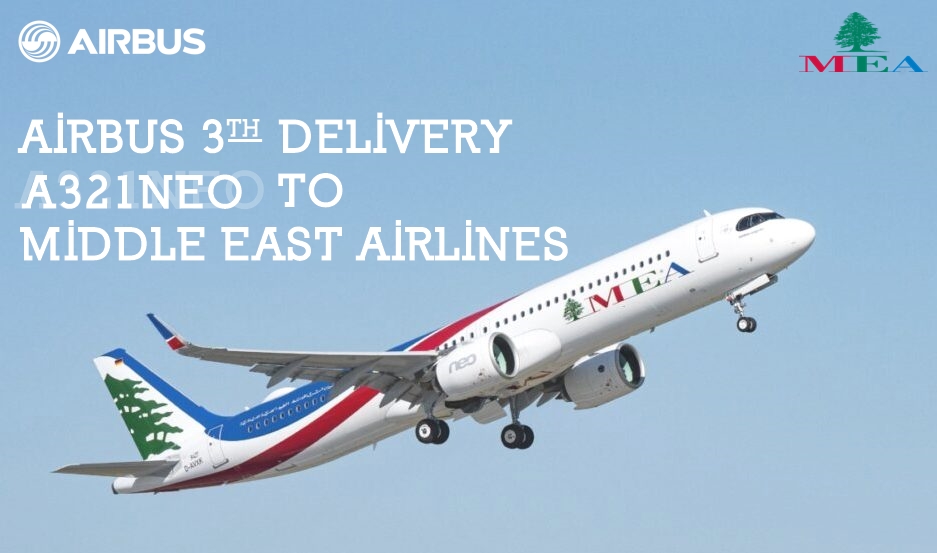
Tonga continúa sin servicio aéreo

Alianza entre Real Tonga y Nauru |

AW | 2020 08 29 12:35 | AIRLINES / GOVERNMENT

República Tonga aislada por cuatro meses de pandemia

La República de Tonga, ubicada en el Océano Pacífico, ha estado sin servicio aéreo nacional durante cuatro meses. Así que actualmente Tonga tiene dos líneas aéreas nacionales y ningún servicio. Si bien el propietario de la aerolínea privada Real Tonga Airline dijo que quería encontrar una manera de asociarse con el Gobierno, todo su personal abandonó la aerolínea y se unió a una nueva empresa estatal, Lulutai Airline Ltd., que está lista para lanzar un nuevo servicio doméstico en Septiembre 2020.

Real Tonga Airline había operado como la única aerolínea nacional de Tonga desde 2013 y, a lo largo de los años, extendió su servicio internacionalmente a Fiji y Samoa. Tevita Palu, propietario y Gerente de Real Tonga Airline, ha dicho que todo su personal estaba migrando hacia Lulutai Airline. Sin embargo, Tevita Palu dijo que desde Diciembre 2019 tuvo problemas para mantener en funcionamiento el servicio aéreo debido a problemas financieros. La situación continuó deteriorándose a principios de este año con la propagación mundial de la pandemia, deteriorándose las ventas debido al aislamiento, con los consecuentes despidos de parte del personal.

La aerolínea había tenido reunión con el Gobierno para realizar una ampliación de capital como aerolínea mixta, pero las negociaciones fracasaron. A principios de 2020, Real Tonga Airline tenía dos aeronaves en funcionamiento, un SAAB 340 alquilado a una empresa australiana y un Harbin Y12 de 12 pasajeros alquilado al Gobierno de Tonga. El Y12 fue un regalo a Tonga de la República Popular China. El contrato de arrendamiento del avión por parte de Real Tonga venció y no se renovó. Real Tonga también había alquilado del Gobierno de Tonga un avión AVIC Xian MA60 de 56 plazas, que también fue un regalo de la República Popular China a Tonga, pero había estado fuera de servicio durante un tiempo y el arrendamiento había sido rescindido. Esto dejó al Real Tonga con un solo avión en funcionamiento. La situación fue de mal en peor para el Real Tonga Airline en Mayo 2020, cuando su SAAB 340 quedó fuera de servicio por un impacto de un pájaro en su ala después de que despegó del Aeropuerto de Lupepau’u, Vava’u.

Para arreglar el avión, la aerolínea tenía que pedir un préstamo por valor de US$ 500.000 Dólares al banco. El SAAB 340 se había reparado, pero la compañía australiana había cancelado el arrendamiento del SAAB 340 con la aerolínea Real Tonga Airline. Ahora el avión ha sido arrendado a Lulutai Airlines Ltd.

El servicio de la aerolínea nacional de Tonga en este momento se encuentra en una situación inusual, porque todo el personal y los dos aviones, el SAAB 340 y el Y12 que Real Tonga había estado volando, se han pasado a Lulutai Airlines Ltd. Mientras tanto, Tevita Palu dijo que Real Tonga Airline tiene las licencias emitidas por la Oficina de Seguridad Aérea del Pacífico (PASO) para que los aviones vuelen. Real Tonga también tiene una licencia para proporcionar un servicio de mantenimiento de ingeniería de aeronaves. Pero los ingenieros dejaron Real Tonga y se unieron a Lulutai Airlines Ltd, que anuncia el lanzamiento de un servicio doméstico el 19 Septiembre 2020.

El CEO de Real Tonga Airline expresó una propuesta al Primer Ministro varias veces sobre cómo podrían trabajar juntos Real Tonga Airline y Lulutai Airline Ltd., pero no hubo respuesta.

Real Tonga Airlines vuela a Samoa |

Tonga continues without air service

Republic of Tonga isolated for four months of pandemic

The Republic of Tonga, located in the Pacific Ocean, has been without national air service for four months. So currently Tonga has two domestic airlines and no service. While the owner of the private airline Real Tonga Airline said he wanted to find a way to partner with the government, his entire staff left the airline and joined a new state-owned company, Lulutai Airline Ltd., which is set to launch a new one. domestic service in September 2020.

Real Tonga Airline had operated as Tonga’s only domestic airline since 2013 and over the years extended its service internationally to Fiji and Samoa. Tevita Palu, owner and manager of Real Tonga Airline, has said that her entire staff was migrating to Lulutai Airline. However, Tevita Palu said that since December 2019 it had problems keeping the air service in operation due to financial problems. The situation continued to deteriorate earlier this year with the worldwide spread of the pandemic, with sales deteriorating due to isolation, with the consequent layoffs of part of the staff.

The airline had had a meeting with the Government to carry out a capital increase as a mixed airline, but the negotiations failed. At the beginning of 2020, Real Tonga Airline had two aircraft in operation, a SAAB 340 leased from an Australian company and a 12-passenger Harbin Y12 leased from the Government of Tonga. The Y12 was a gift to Tonga from the People’s Republic of China. Real Tonga’s lease for the aircraft expired and was not renewed. Royal Tonga had also leased from the Government of Tonga a 56 seater AVIC Xian MA60 aircraft, which was also a gift from the People’s Republic of China to Tonga, but had been out of service for a while and the lease had been terminated. This left Royal Tonga with only one aircraft in operation. The situation turned from bad to worse for Real Tonga Airline in May 2020, when its SAAB 340 was taken out of service by a bird hit on its wing after it took off from Lupepau’u Airport, Vava’u.

To fix the plane, the airline had to ask for a loan of US$ 500,000 from the bank. The SAAB 340 had been repaired, but the Australian company had canceled the SAAB 340’s lease with Real Tonga Airline. Now the plane has been leased to Lulutai Airlines Ltd.

Tonga’s national airline service at the moment is in an unusual situation, because all the personnel and the two aircraft, the SAAB 340 and the Y12 that Real Tonga had been flying, have been transferred to Lulutai Airlines Ltd. Meanwhile, Tevita Palu said that Real Tonga Airline has the licenses issued by the Pacific Air Safety Office (PASO) for the planes to fly. Royal Tonga is also licensed to provide an aircraft engineering maintenance service. But the engineers left Real Tonga and joined Lulutai Airlines Ltd, which announces the launch of a domestic service on 19 September 2020.

The CEO of Real Tonga Airline made a proposal to the Prime Minister several times on how Real Tonga Airline and Lulutai Airline Ltd. could work together, but there was no response.

Ξ A I R G W A Y S Ξ
PUBLISHER: Airgways.com
DBk: Airgways.com / Realtonga.to / Matangitonga.to
AW-POST: 202008291235AR

A\W   A I R G W A Y S ®

Disputa político-sindical Aerolíneas

AW | 2020 08 29 11:31 | AIRLINES / GOVERNMENT

Disputa entre La Cámpora y gremio de pilotos aeronáuticos

La conducción de la línea aérea, que responde en el área política al Senador Mariano Recalde por el actual Gobierno Nacional, ha establecido reabrir el convenio colectivo de trabajo y subir la edad jubilatoria. Ante esta posibilidad, el Gremio de la Asociación de Pilotos de Lineas Aéreas (APLA) que nuclea a los pilotos de Aerolíneas Argentinas ha comunicado que rechaza la propuesta.

Las dos principales fuerzas políticas que hoy dominan el mercado aerocomercial, la agrupación La Cámpora y el sindicato APLA, están en medio de una fuerte pulseada para determinar el futuro de Aerolíneas Argentinas. La conducción de la línea aérea estatal, encabezada por el CEO Pablo Ceriani, exigió al gremio que encabeza Pablo Biró que deben reabrir su convenio colectivo de trabajo como condición para que la empresa pueda volver a volar, tanto en el mercado de cabotaje como en el internacional, una vez que finalice la cuarentena. Fuentes de la compañía admitieron las conversaciones con los pilotos APLA y la Asociación de Aeronavegantes (AAA) el Jueves 27/08.

La aerolínea expresó la necesidad de buscar la performance post-pandemia, abriendo de manera indirecta la posibilidad de reducción de personal. «Para desarrollar un plan de negocios que incluya a los trabajadores que hoy integran la empresa, necesitamos adoptar los estándares internacionales de la industria, mejorar la productividad y lograr el mayor rendimiento posible de la inversión que el Estado hace en la compañía. El objetivo es evitar el achicamiento, camino el que tuvieron que transitar muchas aerolíneas del mundo». Los directivos habían expresado que la compañía no reduciría personal con el programa establecido de fusión Aerolíneas-Austral, pero la alternativa sería un fuerte achicamiento de la empresa y de puestos de trabajo.

Escenario flexibilización

El reclamo de el CEO de Aerolíneas Argentinas, quien políticamente responde al Senador camporista Mariano Recalde, avanza sobre casi medio centenar de las cláusulas del Convenio Colectivo de Trabajo de los pilotos. Pero hay una en particular que puede generar un fuerte conflicto, el planteamiento que los pilotos deben subir su edad jubilatoria a 70 años. Dentro del gremio, esa exigencia en particular fue tomada casi como una afrenta, ya que aseguran significaría retrasar ascensos y los movimientos de una flota a otra. La reunión efectuada el Viernes 21/08, en el edificio de Aerolíneas, con la presencia del titular del Gremio APLA, Pablo Biró juntoa su comisión directiva y delegados. Según informó el gremio luego, en una comunicación interna, Pablo Ceriani les planteó un escenario de flexibilización.

«La empresa manifestó que enfrentamos un momento sumamente crítico y que es imprescindible readecuar algunas cuestiones laborales para la viabilidad de Aerolíneas Argentinas. Bajo ese contexto propone renegociar algunos puntos de nuestro convenio colectivo de trabajo. Nos comunicó también que debido a la baja en la cantidad de operaciones de vuelo previstas para los últimos meses de este año como así también para el año 2021 como consecuencia de la Pandemia Covid-19, tiene la intención de suspender pilotos a partir de Octubre 2020 por períodos más extensos, con reducción salarial y por orden escalafonario inverso por flota y función», expresó el gremimalista de APLA.

Pero el detalle que actualmente tiene en pie de guerra a los pilotos no son las suspensiones y ni siquiera la pretensión empresaria de pagar menos, hoy las suspensiones equivalen a 100% del salario en mano. Figura en apenas dos líneas de ese comunicado interno. Otro punto importante que estaría en vías de modificación sería el incremento de la edad jubilatoria para los Pilotos de Línea Aérea.

El gremio de pilotos de APLA rechazó el planteo, aunque dejó abierta una vía de negociación. «En virtud de la magnitud y amplitud de los puntos convencionales alcanzados y el impacto de los mismos esta propuesta es rechazada y será necesario continuar con las negociaciones a través de la Comisión Paritaria», señalaron.

Según señalaron los pilotos, los dirigentes de Aerolíneas «nos informaron además que la Administración Nacional de Aviación Civil (ANAC) pretende modificar y de manera inminente el Decreto Nº 671/2000; para ello convocaría a todos los actores de la industria para participar en la elaboración de dichos cambios». Ese decreto, que era de 1994 y tuvo su versión definitiva durante el Gobierno de De la Rúa, regula los tiempos máximos de servicio, vuelo y mínimo de descanso de las tripulaciones.

Desde que Aerolíneas fue estatizada por Cristina Kirchner en Julio 2008, el gremio de los pilotos tuvo una relación de ida y vuelta con La Cámpora. Estuvieron muy enfrentados a Recalde hacia 2011, época en que hubo varios paros encubiertos, hasta que el Gobierno de turno había salido a respaldar al dirigente de La Cámpora. A partir de entonces comenzó un período de paz social, a cambio de la cual los gremios aeronáuticos obtuvieron prácticamente todos sus reclamos. Pero con la llegada delnuevo Gobierno de Alberto Fernández, Pablo Biró ha marcado posición en el momento menos esperado en Agosto 2019 anunciando un paro de pilotos en Aerolíneas. La designación de Pablo Ceriani como presidente de Aerolíneas, ex número dos de Mariano Recalde en la gestión anterior de la compañía, fue saludada por parte de APLA y el resto de los gremios aeronáuticos como la de un funcionario de la tropa propia. Pero con la pandemia, los planes iniciales de expansión de la línea aérea viraron hacia un ajuste.

El CEO de Aerolíneas Argentinas, quien había reclamado a comienzos de 2020 subsidios por US$ 700 millones de Dólares, avanzó con la fusión entre Aerolíneas y Austral Líneas Aéreas, un paso que Pablo Biró, históricamente enfrentado con el gremio UALA de Austral, avaló de manera tácita. El paso siguiente fue desdoblar el pago de salarios, la suspensión de 4.000 de los 12.000 empleados de Aerolíneas y, ahora, el reclamo de avanzar con el convenio colectivo de trabajo.

Political-union dispute Aerolíneas Argentinas

Dispute between the La Cámpora and the aeronautical pilots union

The leadership of the airline, which responds in the political area to Senator Mariano Recalde for the current National Government, has established to reopen the collective bargaining agreement and raise the retirement age. Given this possibility, the Union of the Airline Pilots Association (APLA), which brings together the pilots of Aerolíneas Argentinas, has communicated that it rejects the proposal.

The two main political forces that today dominate the commercial aviation market, the La Cámpora group and the APLA union, are in the midst of a strong fight to determine the future of Aerolíneas Argentinas. The management of the state airline, headed by CEO Pablo Ceriani, demanded from the union headed by Pablo Biró that they must reopen their collective bargaining agreement as a condition for the company to be able to fly again, both in the domestic and domestic markets. international, once the quarantine ends. Company sources admitted the conversations with the APLA pilots and the Airmen’s Association (AAA) on Thursday 27/08.

The airline expressed the need to seek post-pandemic performance, indirectly opening up the possibility of personnel reduction. «To develop a business plan that includes the workers that today make up the company, we need to adopt international industry standards, improve productivity and achieve the highest possible return on the investment that the State makes in the company. The objective is avoid shrinking, the path that many airlines in the world had to travel». The executives had stated that the company would not reduce personnel with the established Aerolíneas-Austral merger program, but the alternative would be a strong downsizing of the company and jobs.

Flexibility scenario

The claim of the CEO of Aerolíneas Argentinas, who politically responds to the Camper Senator Mariano Recalde, advances over almost fifty of the clauses of the Pilots’ Collective Labor Agreement. But there is one in particular that can generate a strong conflict, the approach that pilots should raise their retirement age to 70 years. Within the guild, that particular demand was taken almost as an affront, since they say it would mean delaying promotions and movements from one fleet to another. The meeting held on Friday 08/21, in the Aerolíneas building, with the presence of the head of the APLA Union, Pablo Biró, together with his board of directors and delegates. As reported by the union later, in an internal communication, Pablo Ceriani raised a scenario of flexibility.

«The company stated that we are facing an extremely critical moment and that it is essential to readjust some labor issues for the viability of Aerolíneas Argentinas. In this context it proposes to renegotiate some points of our collective bargaining agreement. It also communicated that due to the decrease in the amount of flight operations scheduled for the last months of this year as well as for the year 2021 as a result of the Covid-19 Pandemic, it intends to suspend pilots as of October 2020 for longer periods, with salary reduction and in order reverse ladder by fleet and function», said the APLA union.

But the detail that currently has the pilots on the warpath are not the suspensions and not even the business claim to pay less, today the suspensions are equivalent to 100% of the salary in hand. It appears in just two lines of that internal communication. Another important point that would be in the process of modification would be the increase of the retirement age for Airline Pilots.

The APLA pilots union rejected the proposal, although it left open a way for negotiation. «By virtue of the magnitude and breadth of the conventional points reached and their impact, this proposal is rejected and it will be necessary to continue negotiations through the Joint Commission», they noted.

According to the pilots, the Aerolíneas leaders «also informed us that the National Civil Aviation Administration (ANAC) intends to modify Decree No. 671/2000 in an imminent manner; for this it would summon all the industry actors to participate in the making such changes». That decree, which was from 1994 and had its final version during the De la Rúa government, regulates the maximum service, flight and minimum rest times of the crews.

Since Aerolíneas was nationalized by Cristina Kirchner in July 2008, the pilots’ union had a two-way relationship with La Cámpora. They were very much at odds with Recalde around 2011, a time when there were several covert work stoppages, until the current government had come out to support the leader of La Cámpora. From then on, a period of social peace began, in exchange for which the aeronautical guilds obtained practically all their claims. But with the arrival of the new Government of Alberto Fernández, Pablo Biró has marked a position at the least expected moment in August 2019 by announcing a strike of pilots in Aerolíneas. The appointment of Pablo Ceriani as President of Aerolíneas, former number two of Mariano Recalde in the previous management of the company, was greeted by APLA and the rest of the aeronautical unions as that of an official of the own troop. But with the pandemic, the airline’s initial expansion plans veered toward adjustment.

The CEO of Aerolíneas Argentinas, who had claimed subsidies for US$ 700 million at the beginning of 2020, advanced with the merger between Aerolíneas and Austral Líneas Aéreas, a step that Pablo Biró, historically faced with the UALA union of Austral, endorsed of unspoken way. The next step was to double the payment of salaries, the suspension of 4,000 of the 12,000 employees of Aerolíneas and, now, the claim to advance with the collective bargaining agreement.

Ξ A I R G W A Y S Ξ
PUBLISHER: Airgways.com
DBk: Airgways.com / Apla.org / Diariopinion.com.ar / Van Norden
AW-POST: 202008291131AR

A\W   A I R G W A Y S ®