AW | 2021 09 03 12:18 | AIR TRAFFIC / AIRLINES MARKET
Aerolíneas mexicanas disminuyen frecuencias a Estados Unidos
La degradación de la Categoría 1 a Categoría 2 de la aviación mexicana por parte del a Federal Aviation Administration (FAA) en Mayo 2021, tras una auditoría a la Agencia Federal de Aviación Civil (AFAC) en la que detectó incumplimientos en la materia, como falta de personal capacitado, ha impactado en el tráfico de pasajeros entre México y Estados Unidos. Con la rebaja en la calificación por parte de la FAA, las líneas aéreas mexicanas no pueden abrir nuevas rutas, aunque sí tendrán la posibilidad de reactivar las que hubieran operado en los 18 meses previos a la degradación.
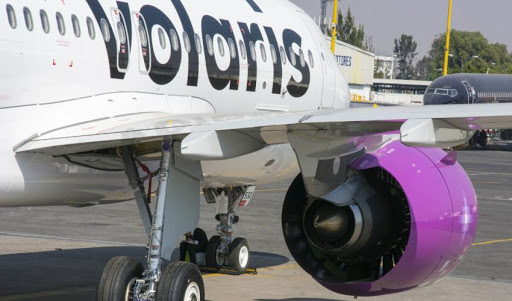
A dos meses de la degradación en seguridad aérea del país, las aerolíneas mexicanas han perdido terreno en el mercado de tráfico aéreo entre México y Estados Unidos. En Julio 2021 viajaron entre ambos países 3.330.000 pasajeros, 8,8% más que en igual mes de 2019, previo a la pandemia de Covid-19, de acuerdo con cifras de la AFAC. Sin embargo, Volaris y Viva Aerobus han perdido espacio aéreo en las rutas hacia Estados Unidos. La nueva calificación a CAT 2 de México ha obligado a aerolíneas como Volaris Airlines a redireccionar una participación de mercado del 13.7 por ciento en Mayo 2021 a una del 12.6 por ciento en Julio 2021, una reducción de 1,1%. En el caso de Viva Aerobus, la pérdida fue 1,8% al pasar de 7,6 por ciento a 5,8 por ciento, permitiendo observar que las aerolíneas low cost no están logrando captar parte del total de pasajeros que están demandando viajes de avión entre ambos países. En contraste, Aeroméxico logró un incremento en su participación de mercado de 7 por ciento a 8,4 por ciento, pero este aumento obedece a la alianza que tiene con la estadounidense Delta Air Lines que le permiten mantener una oferta en mercados cautivos, además, tiene más aviones a disponibilidad para atender las rutas sin ofertas de otras líneas aéreas. Aeroméxico también ha reactivado las rutas de Ciudad de México a Austin y Dallas, en el Estado de Texas (TX).
La reducción en la participación de mercado era previsible ante la restricción de abrir nuevas rutas impuesta a las aerolíneas y el incremento de capacidad que han tenido las estadounidenses. Esta semana, México buscará recuperar la Categoría 1 en seguridad aérea hacia 2022, y no es de esperar en este 2021 como habían estimado la AFAC y la Secretaría de Comunicaciones y Transportes (SCT).
Mexico decreases US presence
Mexican airlines decrease frequencies to the United States
The downgrade from Category 1 to Category 2 of Mexican aviation by the Federal Aviation Administration (FAA) in May 2021, after an audit of the Federal Civil Aviation Agency (AFAC) in which it detected non-compliance in the matter, such as Lack of trained personnel has impacted on passenger traffic between Mexico and the United States. With the reduction in the rating by the FAA, Mexican airlines cannot open new routes, although they will have the possibility to reactivate those that would have operated in the 18 months prior to the degradation.
Two months after the degradation in aviation security in the country, Mexican airlines have lost ground in the air traffic market between Mexico and the United States. In July 2021, 3,330,000 passengers traveled between the two countries, 8.8% more than in the same month of 2019, prior to the Covid-19 pandemic, according to AFAC figures. However, Volaris and Viva Aerobus have lost airspace on routes to the United States. Mexico’s new CAT 2 rating has forced airlines such as Volaris Airlines to redirect a market share from 13.7 percent in May 2021 to 12.6 percent in July 2021, a reduction of 1.1%. In the case of Viva Aerobus, the loss was 1.8%, going from 7.6 percent to 5.8 percent, allowing us to observe that low cost airlines are not managing to capture part of the total number of passengers who are demanding trips from plane between both countries. In contrast, Aeroméxico achieved an increase in its market share from 7 percent to 8.4 percent, but this increase is due to the alliance it has with the American Delta Air Lines that allow it to maintain an offer in captive markets, in addition, It has more aircraft available to serve routes without offers from other airlines. Aeroméxico has also reactivated the routes from Mexico City to Austin and Dallas, in the State of Texas (TX).
The reduction in market share was foreseeable given the restriction of opening new routes imposed on airlines and the increase in capacity that the United States have had. This week, Mexico will seek to recover Category 1 in air safety by 2022, and it is not to be expected in this 2021 as the AFAC and the Ministry of Communications and Transport (SCT) had estimated.
Vueling, líder indiscutible en tráfico aéreo en España
Vueling, con 580 vuelos en la última semana, es la aerolínea líder en España, seguida por Volotea e Iberia. El tráfico de la semana tregísimo cuarta de 2021 en Europa ha mostrado un aumento continuo de 25.055 vuelos diarios, más del 70 por ciento del nivel de 2019. Vueling es con diferencia la aerolínea con más tráfico aéreo en estos momentos. En total, la low cost española registró 2.318 vuelos en promedio diarios. En la semana del 23 al 29 de Agosto se han registrado en Europa 175.384 vuelos frente a los 72.424 del mismo período de 2019.
Las aerolíneas españolas, la que ha registrado más movimientos ha sido Vueling 580, seguida por Volotea, con 305 vuelos, frente a los 286 de Iberia. En el plano de líneas aéreas extranjeras, Ryanair es la líder indiscutible seguida por Turkish Airlines (1.322), Easyjet (1.186), Air France (899) y Lufthansa (812). La aerolínea irlandesa prácticamente duplica a la segunda compañía con más movimientos.
Vueling leads traffic in Spain
Vueling, the undisputed leader in air traffic in Spain
Vueling, with 580 flights in the last week, is the leading airline in Spain, followed by Volotea and Iberia. The traffic of the thirty-fourth week of 2021 in Europe has shown a continuous increase of 25,055 daily flights, more than 70 percent of the level of 2019. Vueling is by far the airline with the most air traffic at the moment. In total, the Spanish low cost registered 2,318 flights on average daily. In the week of August 23 to 29, 175,384 flights have been registered in Europe compared to 72,424 in the same period of 2019.
The Spanish airlines, the one that has registered the most movements has been Vueling 580, followed by Volotea, with 305 flights, compared to 286 for Iberia. In terms of foreign airlines, Ryanair is the undisputed leader followed by Turkish Airlines (1,322), Easyjet (1,186), Air France (899) and Lufthansa (812). The Irish airline practically doubles the second largest company.
AW | 2021 08 30 06:39 | AIRLINES MARKET / AIR TRAFFIC / AIRPORTS
Aeropuertos y aerolíneas se preparan para reiniciar operaciones
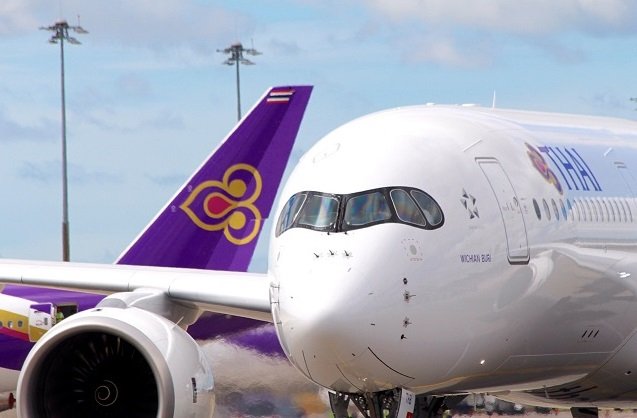
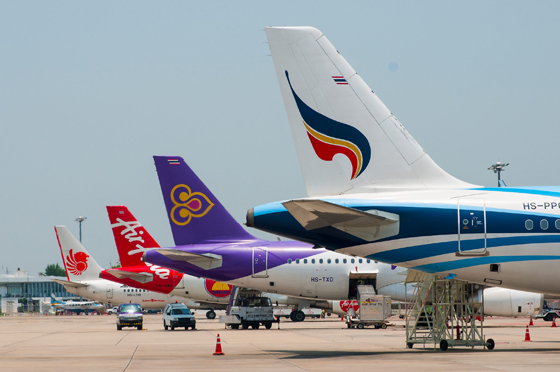
Las aerolíneas nacionales de Tailandia están tratando de reanudar los servicios a partir del 1 de Septiembre de 2021, pero los pasajeros deben tener cuidado de que pueden enfrentar estrictas reglas de cuarentena en sus destinos. Las seis aerolíneas nacionales que operan en Tailandia han indicado que reanudarán algunos servicios desde Bangkok a partir de esta semana, pero los detalles de las rutas son incompletos, y las aerolíneas apuntan a sus políticas de reembolso y cambio de reserva que intensificarán las preocupaciones de los pasajeros de que los horarios de los vuelos podrían ser erráticos. Después de que la CCSA anunciara la flexibilización de las medidas de confinamiento que permiten viajar entre provincias, seis aerolíneas que comprenden ThaiSmile, NokAir, Air Asia, Thai Lion Air, Thai Viet Jet y Bangkok Airways, han indicado que están listas para volar el 1 de septiembre. Los clientes pueden consultar los sitios web de las aerolíneas para conocer los horarios de los vuelos.
El Presidente de Aeropuertos de Tailandia (AOT), Nitinai Sirismatthakarn, comentó que los seis aeropuertos bajo la supervisión de AOT: Suvarnabhumi, Don Mueang, Hat Yai, Chiang Mai, Mae Fah Luang Chiang Rai y Phuket, siempre están listos para servir. Sin embargo, hay preocupaciones sobre las aerolíneas que se han visto gravemente afectadas por la pandemia de Covid-19, especialmente la cargafinanciera resultante. Nitinai dijo que AOT está listo para apoyar aspectos del servicio, como los servicios terrestres que serán administrados por compañías subcontratistas de AOT.
Bangkok Airways
Bangkok Airways ofreció los indicadores más precisos al confirmar los destinos exactos que pretende restablecer el fin de semana. Identificó cinco rutas. Son Bangkok–Samui, Bangkok–Chiang Mai, Bangkok–Phuket, Bangkok–Sukhothai y Bangkok–Lampang. Los horarios de vuelo iniciales para las cinco rutas son: Bangkok–Samui tres vuelos diarios; Bangkok–Chiang Mai cinco vuelos por semana (Lunes, Miércoles, Viernes, Sábado y Domingo); Bangkok–Phuket cinco vuelos por semana (Lunes, Miércoles, Viernes, Sábado y Domingo); Bangkok–Lampang cuatro vuelos por semana (Lunes, Jueves, Viernes y Domingo), a partir del 9 de Septiembre de 2021; Bangkok–Sukhothai tres vuelos por semana (Lunes, Miércoles y Viernes), a partir del 16 de Septiembre de 2021 en adelante.
Thai Smiles
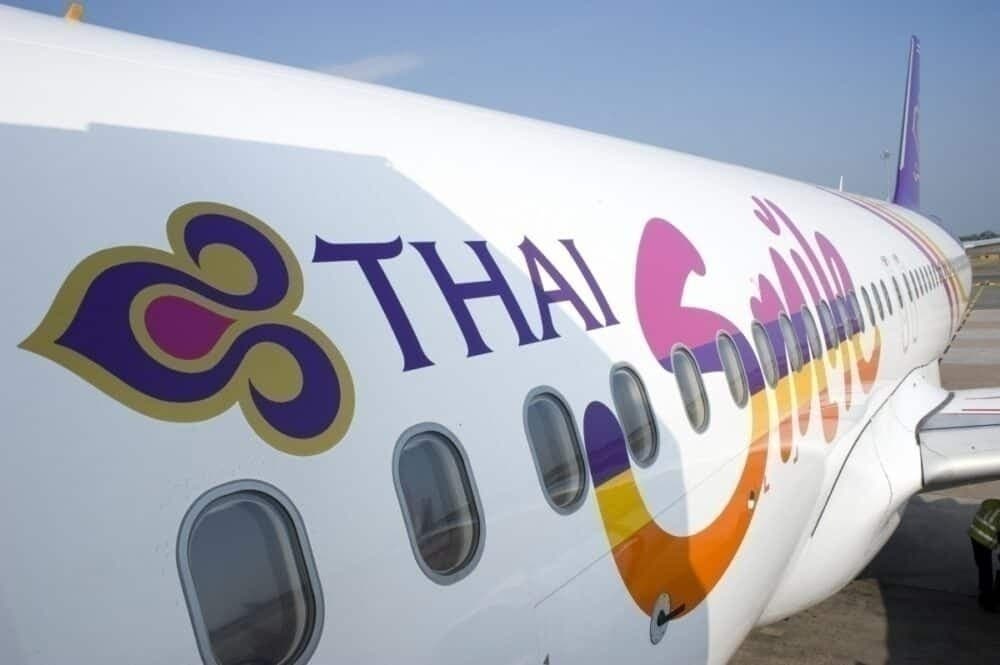
Thai Smiles Airways anunció en su página de Facebook el fin de semana que reintroducirá algunos vuelos nacionales desde Bangkok y planea volver a los servicios normales nuevamente el 1 de Septiembre de 2021, pero bajo estrictas medidas de control epidémico, estableciendo servicios poco normales. También subraya sus políticas de cancelación de vuelos con respecto al cambio de fecha de vuelo de las reglas de ruta, lo que no es muy tranquilizador para los pasajeros. Muchos de ellos ya están de su bolsillo por no asegurar los reembolsos de la aerolínea nacional del país desde que la pandemia de Covid-19 golpeó en Marzo de 2020.
Vietjet
Vietjet confirmó en su página de Facebook la semana pasada una promoción especial con tarifas de ida tan bajas como TH499 en rutas a campo traviesa que se reanudarán en Septiembre y Octubre. Las rutas a través del país comenzarán pronto: Phuket–Chiang Rai/ Chiang Mai–Udon Thani y Hat Yai–Chiang Rai. Los vuelos directos desde el Aeropuerto Suvarnabhumi de Bangkok se lanzarán en Septiembre u Octubre a Chiang Mai, Chiang Rai, Phuket, Krabi, Hat, Yai, Nakhon Si Thammarat, Surat Thani, Udon Thani, KhonKaen, Ubon Ratchathani. Para la ruta Phuket–Chiang Mai, los vuelos deben comenzar a partir del 15/09 y en la ruta Phuket a Udon Thani a partir del 10/11. De Phuket a Chiang Rai y de Chiang Rai a Hat Yai, los vuelos deberían reanudarse el 01/10. Además, Vietjet está anunciando la reanudación de algunas rutas internacionales como Bangkok–Taipei a partir del 20/10; Bangkok–Singapur y Phuket–Singapur a partir del 21 de Octubre de 2021.
Nok Air
Nok Air promete, según sus publicaciones de Facebook, regresar a su base de operaciones de Bangkok en el aeropuerto Don Mueang el 1 de Septiembre de 2021, ofreciendo vuelos desde la capital tailandesa a destinos específicos, además de los servicios enrutados a través de su centro de vuelo temporal en U-Tapao en la costa este, justo al sur de Pattaya.Pero una vez más, sus actualizaciones de Facebook y del sitio web no identifican los destinos nacionales que servirá desde Bangkok. Sin embargo, está muy claro lo que los pasajeros pueden esperar con respecto a la nueva reserva y los reembolsos si el vuelo no se materializa. El Domingo 29/08 por la noche, la aerolínea publicó una actualización en su página de Facebook que indica que reanudaría los servicios a Chiang Mai, Chiang Rai, Lampang, Nan, Udon Thani, Ubon Ratchathani, Loei, Buriram, Sakon Nakhon, Phitsanulok, Mae Sot, Ranong, Chumphon, Phuket, Surat Thani, Nakhon Si Thammarat y Hat Yai. La lista parecía ser toda su red de destinos cuando la aerolínea operaba los máximos servicios domésticos en 2019.
AirAsia
Air Asia Thailand regresará a los cielos, comenzando con vuelos nacionales el 3 de septiembre de 2021. El restablecimiento de los vuelos de AirAsia Tailandia comenzará con once rutas nacionales desde el aeropuerto Don Mueang a Chiang Mai, Phuket, Hat Yai, Nakhon Si Thammarat, Chiang Rai, KhonKaen, Udon Thani, Ubon Ratchathani, Nakhon Panom, Roi Et y Narathiwat. La aerolínea está ofreciendo un descuento del 30% en todos los asientos para todos los vuelos, incluidos los fines de semana y días festivos, para celebrar el reinicio. La ventana de reserva se cierra el 5 de septiembre para viajar del 3 de Septiembre al 31 de Diciembre de 2021.
Consulta reglas de viaje
Todas las aerolíneas que vuelan rutas nacionales deben cumplir con las condiciones de la Autoridad de Aviación Civil de Tailandia y las medidas de viaje especificadas en las provincias de destino. Podría requerir que los pasajeros presenten documentos para demostrar que están completamente vacunados y que tengan documentos que muestren un resultado negativo de la prueba RT-PCR de Covid-19 o un resultado negativo del Kit de prueba de antígenos (ATK). Algunas provincias aceptan un documento que certifique que un pasajero se ha recuperado naturalmente de la infección en los últimos 90 días. La cuarentena o el autoaislamiento también pueden aplicarse en el destino.
Thai airlines restore flights
Airports and airlines prepare to restart operations
Thailand’s domestic airlines are trying to resume services from September 1, 2021, but passengers should be careful that they may face strict quarantine rules at their destinations. All six domestic airlines operating in Thailand have indicated that they will resume some services from Bangkok starting this week, but details of the routes are incomplete, and the airlines point to their refund and change-booking policies that will intensify the concerns of travelers. passengers that flight times could be erratic. After the CCSA announced the relaxation of confinement measures that allow travel between provinces, six airlines comprising ThaiSmile, NokAir, Air Asia, Thai Lion Air, Thai Viet Jet and Bangkok Airways, have indicated that they are ready to fly on 1 of September. Customers can check airline websites for flight schedules.
The President of Airports of Thailand (AOT), Nitinai Sirismatthakarn, commented that the six airports under the supervision of AOT: Suvarnabhumi, Don Mueang, Hat Yai, Chiang Mai, Mae Fah Luang Chiang Rai and Phuket, are always ready to serve. However, there are concerns about airlines that have been severely affected by the Covid-19 pandemic, especially the resulting financial burden. Nitinai said that AOT is ready to support aspects of the service, such as ground services that will be managed by AOT subcontractor companies.
Bangkok Airways
Bangkok Airways offered the most accurate indicators when confirming the exact destinations it intends to reset over the weekend. He identified five routes. They are Bangkok–Samui, Bangkok–Chiang Mai, Bangkok–Phuket, Bangkok–Sukhothai, and Bangkok–Lampang. The initial flight times for the five routes are: Bangkok–Samui three daily flights; Bangkok–Chiang Mai five flights per week (Monday, Wednesday, Friday, Saturday and Sunday); Bangkok–Phuket five flights per week (Monday, Wednesday, Friday, Saturday and Sunday); Bangkok–Lampang four flights per week (Monday, Thursday, Friday and Sunday), starting from September 9, 2021; Bangkok–Sukhothai three flights per week (Monday, Wednesday and Friday), from September 16, 2021 onwards.
Thai Smiles
Thai Smiles Airways announced on its Facebook page over the weekend that it will reintroduce some domestic flights from Bangkok and plans to return to normal services again on September 1, 2021, but under strict epidemic control measures, establishing unusual services. It also underlines its flight cancellation policies regarding the change of flight date of the route rules, which is not very reassuring for passengers. Many of them are already out of pocket for not securing refunds from the country’s national airline since the Covid-19 pandemic struck in March 2020.
Vietjet
Vietjet confirmed on its Facebook page last week a special promotion with one-way fares as low as TH499 on cross-country routes that will resume in September and October. Cross-country routes will start soon: Phuket–Chiang Rai/Chiang Mai–Udon Thani and Hat Yai–Chiang Rai. Direct flights from Bangkok Suvarnabhumi Airport will launch in September or October to Chiang Mai, Chiang Rai, Phuket, Krabi, Hat, Yai, Nakhon Si Thammarat, Surat Thani, Udon Thani, KhonKaen, Ubon Ratchathani. For the Phuket–Chiang Mai route, flights must start from 09/15 and on the Phuket to Udon Thani route from 11/10. From Phuket to Chiang Rai and from Chiang Rai to Hat Yai, flights should resume on 10/01. In addition, Vietjet is announcing the resumption of some international routes such as Bangkok–Taipei from 10/20; Bangkok–Singapore and Phuket–Singapore from October 21, 2021.
Nok Air
Nok Air promises, according to its Facebook posts, to return to its Bangkok base of operations at Don Mueang Airport on September 1, 2021, offering flights from the Thai capital to specific destinations, in addition to services routed through its hub. temporary flight at U-Tapao on the east coast, just south of Pattaya. But again, its Facebook and website updates do not identify the domestic destinations it will serve from Bangkok. However, it is very clear what passengers can expect regarding the new booking and refunds if the flight does not materialize. On Sunday night 08/29, the airline posted an update on its Facebook page stating that it would resume services to Chiang Mai, Chiang Rai, Lampang, Nan, Udon Thani, Ubon Ratchathani, Loei, Buriram, Sakon Nakhon, Phitsanulok, Mae Sot, Ranong, Chumphon, Phuket, Surat Thani, Nakhon Si Thammarat and Hat Yai. The list appeared to be their entire network of destinations when the airline was operating top domestic services in 2019.
AirAsia
Air Asia Thailand will return to the skies, beginning with domestic flights on September 3, 2021. AirAsia Thailand’s flight reestablishment will begin with eleven domestic routes from Don Mueang Airport to Chiang Mai, Phuket, Hat Yai, Nakhon Si Thammarat, Chiang Rai, KhonKaen, Udon Thani, Ubon Ratchathani, Nakhon Panom, Roi Et, and Narathiwat. The airline is offering a 30% discount on all seats for all flights, including weekends and holidays, to celebrate the restart. The reservation window closes on September 5 for travel from September 3 to December 31, 2021.
Check travel rules
All airlines flying domestic routes must comply with the conditions of the Civil Aviation Authority of Thailand and the travel measures specified in the destination provinces. It could require passengers to present documents to show they are fully vaccinated and have documents showing a negative Covid-19 RT-PCR test result or a negative Antigen Test Kit (ATK) result. Some provinces accept a document certifying that a passenger has recovered naturally from the infection in the last 90 days. Quarantine or self-isolation can also be applied at the destination.
World Routes: centenares aéreas reconstruirán conectividad global
En menos de ocho semanas, la comunidad mundial de la aviación se reunirá en World Routes en Milán del 10 al 12 de Octubre de 2021. Se espera que más de 185 aerolíneas asistan al evento y participen en conversaciones con aeropuertos y destinos durante reuniones presenciales y virtuales, lo que apoyará la recuperación de la conectividad aérea global. Con millones de empleos que dependen de un fuerte reinicio de la industria de viajes, el evento unirá a los tomadores de decisiones de aerolíneas, aeropuertos y destinos para definir estrategias de recuperación.
«Nuestra capacidad para unir consistentemente a los tomadores de decisiones de la comunidad de desarrollo de rutas, significa que Routes continúa influyendo en los servicios aéreos del mundo; con más de 3.500 nuevos servicios aéreos conectados a reuniones en eventos de Routes solo en los últimos tres años. El número de aerolíneas y la antigüedad de los delegados de aerolíneas confirmados para asistir a World Routes en Milán demuestran la importancia de las reuniones en persona para ayudar a superar el impacto de esta pandemia», dice Steven Small, Director de Marca de World Routes.
Airlines will rebuild air connectivity
World Routes: hundreds of airlines to rebuild global air connectivity
In less than eight weeks, the global aviation community will meet at World Routes in Milan from October 10-12, 2021. More than 185 airlines are expected to attend the event and engage in conversations with airports and destinations during face-to-face meetings and virtual, which will support the recovery of global air connectivity. With millions of jobs dependent on a strong reboot in the travel industry, the event will bring together decision makers from airlines, airports and destinations to define recovery strategies.
«Our ability to consistently unite decision makers from the route development community means that Routes continues to influence the world’s air services; with more than 3,500 new air services connected to meetings at Routes events in the last three alone. years. The number of airlines and the seniority of airline delegates confirmed to attend World Routes in Milan demonstrate the importance of face-to-face meetings to help overcome the impact of this pandemic», says Steven Small, World Brand Director Routes.
Perspectivas organismo aviación frente a crisis sanitaria
El Presidente de la Asociación de Líneas Aéreas en Venezuela (ALAV), Humberto Figuera, ha manifestado este Jueves 26/08 la preocupación acerca de mantener las rutas aéreas de Venezuela con los diferentes países de la región, después de las diferencias con México referentes a los problemas sanitarios reflejados por la crisis de la pandemia de Coronavirus.
Humberto Figueroa había expresado que cinco líneas aéreas aparte de Conviasa, volaban hacia Cancún, apenas se abrieron los vuelos en medio de la pandemia. México había suspendido sus vuelos, con excepción de los de Láser, pero la aerolínea recibió un comunicado en el que también está afectada. El organismo cree que la suspensión de los vuelos de diferentes aerolíneas venezolanas hacia México tiene que ver con temas migratorios, aunque la autoridad aeronáutica mexicana está en todo su derecho de aceptar o no vuelos no regulares. Manifestó que se estaban haciendo más vuelos especiales.
En cuanto al cese de operaciones de las líneas aéreas en el país, en el 2003 eran 33 líneas aéreas que volaban desde Venezuela y hoy en día apenas una y las demás todas son venezolanas. “Muchas líneas aéreas se retiraron por no poder acceder al dinero que tenían represado en Venezuela. Tenemos esperanza de que las líneas aéreas regresen a Venezuela porque seguimos siendo un excelente mercado aéreo“, precisó Humberto Figueroa.
ALAV claims market for Venezuela
Perspectives aviation organization in the face of the health crisis
The President of the Association of Airlines in Venezuela (ALAV), Humberto Figuera, has expressed this Thursday, 08/26 the concern about maintaining the air routes of Venezuela with the different countries of the region, after the differences with Mexico regarding the health problems reflected by the crisis of the Coronavirus pandemic.
Humberto Figueroa had expressed that five airlines apart from Conviasa, were flying to Cancun, as soon as the flights were opened in the midst of the pandemic. Mexico had suspended its flights, with the exception of those of Laser, but the airline received a statement in which it is also affected. The agency believes that the suspension of the flights of different Venezuelan airlines to Mexico has to do with immigration issues, although the Mexican aeronautical authority has every right to accept or not non-scheduled flights. He stated that more special flights were being made.
Regarding the cessation of operations of the airlines in the country, in 2003 there were 33 airlines that flew from Venezuela and today only one and the rest are all Venezuelan. “Many airlines withdrew due to not being able to access the money that they had dammed in Venezuela. We are hopeful that the airlines will return to Venezuela because we continue to be an excellent air market», said Humberto Figueroa.
Compañías aéreas solicitan mayor previsibilidad para operar
Las aerolíneas internacionales que operan en la República Argentina, continúan reclamando mayor previsibilidad para las aprobaciones de las programaciones de vuelos internacionales, pues la demora en la autorización incrementa los riesgos de dejar pasajeros varados. “Es necesario tener las aprobaciones mucho antes que con una semana de anticipación si no se hace muy difícil para las aerolíneas operar de una forma más o menos normal”, señaló Felipe Baravalle, Director de la Cámara de Compañías Aéreas en Argentina (JURCA).
Los pedidos de previsibilidad no son ninguna novedad, hace meses que las empresas aéreas que vuelan en el país le piden al Gobierno una mayor anticipación en las habilitaciones de los vuelos. Recién el Miércoles 25/08 algunas aerolíneas pudieron confirmar cuál será el cronograma de sus vuelos a partir de Septiembre 2021. La incertidumbre venía generando constantes consultas por parte de las casas matrices de las compañías aéreas, explicó Felipe Baravalle. “Para las empresas es necesario tener esta certeza mucho antes porque de lo contrario, si se acerca la fecha de unvuelo que tienen vendido pero que no saben si van a poder operar, prefieren cancelarlo. Si no lo hacen, corren el riesgo de dejar pasajeros en los aeropuertos, que es la peor situación”, dijo el directivo que representa a las aerolíneas internacionales nucleadas en el país. Otro problema para las aerolíneas es el armado de las tripulaciones. “Si una compañía tiene un avión previsto para el 1º de septiembre, hoy ya tiene una tripulación agendada para ese vuelo. Si cuando llegan las aprobaciones ese vuelo no está, ¿qué hace? Ahí tiene un problema, porque tiene empleados que quedan en tierra, esto le significa una pérdida económica a la empresa”, agregó Felipe Baravalle.
Las dificultades para volar en el país han hecho que nueve compañías aéreas decidan suspender sus operaciones con Argentina. Algunas lo hicieron de forma temporal, como Emirates, Ethiopian Airlines, Alitalia, Gol Linhas Aéreas, Azul Linhas Aéreas y Air Canada. Mientras que Latam Airlines, Qatar Airways y Air New Zealand se fueron definitivamente del país. Para Felipe Baravalle, “de seguir así la situación habrá más aerolíneas que decidan irse o suspender sus actividades”.
Varados
JURCA no tiene cifras exactas acerca de cuántos argentinos hay en el exterior: “Continuamos recibiendo preguntas de parte de personas varadas que quieren saber si tenemos alguna novedad sobre el futuro, esto nunca cesó. Si bien es verdad que con las últimas flexibilizaciones se redujo la cantidad de argentinos varados, continúa habiendo gente en situaciones muy delicadas. El PCR obligatorio para poder abordar el avión es un problema, porque es costoso y si una persona lo realiza y después no puede subir al avión, está perdiendo dinero con el cual podría comer una semana”, denunció Felipe Baravalle.
Perspectivas aéreas
La situación de la crisis sanitaria afecta a todo el mundo y la aviación comercial ha sido uno de los rubros más directamente afectados, mientras tanto, el Gobierno mediante el organismo de la ANAC no puede estar habilitando programaciones de vuelos con tan poco tiempo de implementación, por más razones de peso que existan, siempre debe hacerse con mucha antelación. Los reclamos de los organismos internacionales y de Estados Unidos han denunciado este hecho de irregularidad impresentable.
Airlines demand predictability in Argentina
Airline companies request greater predictability to operate
The international airlines that operate in the Argentine Republic continue to demand greater predictability for the approval of international flight schedules, since the delay in authorization increases the risks of leaving passengers stranded. «It is necessary to have approvals much earlier than a week in advance if it is not very difficult for airlines to operate in a more or less normal way», said Felipe Baravalle, Director of the Chamber of Air Companies in Argentina (JURCA).
The predictability requests are nothing new, for months the airlines that fly in the country have asked the Government for greater anticipation in the qualifications of the flights. Just on Wednesday 08/25 some airlines were able to confirm what the schedule of their flights will be as of September 2021. The uncertainty had been generating constant inquiries by the headquarters of the airlines, explained Felipe Baravalle. “For companies it is necessary to have this certainty much earlier because otherwise, if the date of a flight that they have sold approaches but they do not know if they will be able to operate, they prefer to cancel it. If they don’t, they run the risk of leaving passengers at airports, which is the worst situation», said the manager who represents the international airlines based in the country. Another problem for airlines is the assembly of crews. “If a company has a plane scheduled for September 1, today it already has a crew scheduled for that flight. If when the approvals arrive, that flight is not there, what do you do? There he has a problem, because he has employees left on the ground, this means an economic loss for the company», added Felipe Baravalle.
The difficulties in flying in the country have made nine airlines decide to suspend their operations with Argentina. Some did so temporarily, such as Emirates, Ethiopian Airlines, Alitalia, Gol Linhas Aéreas, Azul Linhas Aéreas and Air Canada. While Latam Airlines, Qatar Airways and Air New Zealand definitely left the country. For Felipe Baravalle, «if the situation continues like this, there will be more airlines that decide to leave or suspend their activities».
Stranded
JURCA does not have exact figures about how many Argentines there are abroad: “We continue to receive questions from stranded people who want to know if we have any news about the future, this never stopped. Although it is true that with the latest flexibilizations the number of Argentines stranded has been reduced, there are still people in very delicate situations. The mandatory PCR to be able to board the plane is a problem, because it is expensive and if a person does it and then cannot get on the plane, he is losing money with which he could eat for a week”, denounced Felipe Baravalle.
Aerial perspectives
The situation of the health crisis affects the whole world and commercial aviation has been one of the most directly affected areas, meanwhile, the Government through the ANAC body cannot be enabling flight schedules with such a short time to implement it, For whatever compelling reasons there are, it should always be done well in advance. The claims of international organizations and the United States have denounced this fact of unpresentable irregularity.
Presión por control mercado brasileño Congreso de Brasil analiza posible compra de Latam
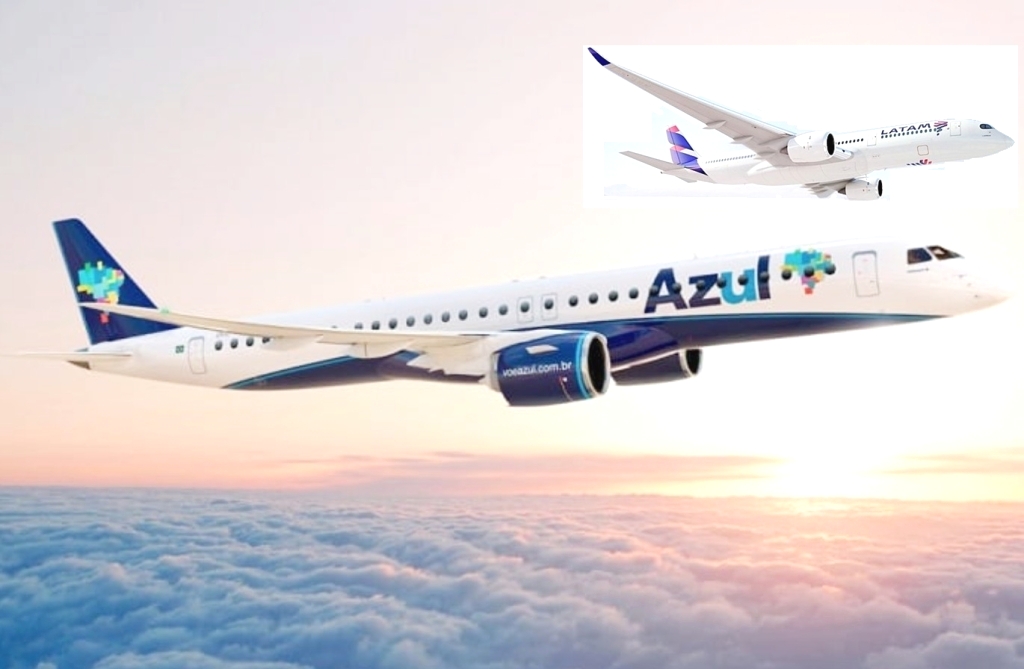
Azul Linhas Aéreas estaría dispuesta a comprar la totalidad de Latam Airlines Group y vender luego sus operaciones en otros países. Con los anuncios reiterados las acciones de Azul Airlines están en ascenso luego de Wall Street Journal citara fuentes que aseguran que la aerolínea está hablando con acreedores de Latam Airlines para comprar las operaciones de su rival en Brasil. Según la publicación, Azul estaría abierta a comprar toda la empresa y luego vender las operaciones en otros países, como así también estaría dispuesta a un Joint Venture con Latam para complementar su actual negocio en Brasil.
Las empresas hablaron de un posible acuerdo al inicio del proceso de quiebra, pero Latam Airlines interrumpió las negociaciones porque los dueños de la empresa chilena no querían ceder el control del grupo. El mayor grupo aéreo de la región ha dicho que no tiene intenciones de vender su operación brasileña y que espera presentar su plan de reorganización este año. Azul Airlines, por su parte, está en una buena posición para expandirse, registrando actualmente el mayor nivel de caja de su historia y aprovechando el repunte de la demanda a medida que se levantan los cierres decretados por la pandemia.
Congreso Nacional
El Director Ejecutivo de Azul Linhas Aéreas, John Rodgerson, envió un mensaje a los Diputados brasileños que están analizando la posible operación de compra para convalidad las aprobaciones referentes a la existencia de posición dominante de mercado monopólico en Brasil. El ejecutivo destacó el desarrollo de la industria aérea nacional, parte de la cual fue estimulada por las inversiones de Azul en los últimos años. “Los diputados deberían mirar esto [la adquisición de Latam por parte de Azul] en este contexto. Si nos fijamos en otros países del mundo, Air Canada tiene 70% del mercado aéreo canadiense, Avianca tiene 70% del mercado colombiano, LAN tiene 85% del mercado chileno. No se debe pensar en esto como algo perjudicial y mirar las oportunidades”, dijo el CEO de Azul Airlines.
La Comisión de Turismo de la Cámara de Diputados se adelantó a una jugada del operador aéreo y el Viernes 20/08 celebró una audiencia pública para discutir los alcances de un eventual acuerdo. La solicitud fue presentada por el Diputado Eduardo Bismarck, quien está preocupado por el impacto que la menor competencia en el sector tendría sobre los consumidores brasileños. «Es probable que los precios suban debido a la falta de competidores. Cabe recordar que hoy los precios están por debajo de los de los últimos años, sobre todo por la crisis del sector», puntualizó Eduardo Bismarck.
ANAC Brasil
Por su parte, la autoridad del sector ya está fijando su posición en la polémica. «No tenemos miedo de un eventual proceso de fusión y adquisición en este mercado. Por supuesto, esto va en contra de nuestra agenda de promover una mayor competencia, pero entendemos que esta es una solución que tiene que dar el mercado», señaló Ronei Glanzmann, Director de la Secretaría Nacional de Aviación Civil de Brasil (ANAC). «Seguimos este proceso, pero es eminentemente privado y el gobierno no puede interferir por respeto a los principios constitucionales de libertad económica», expresó Ronei Glanzmann.
Latam Group
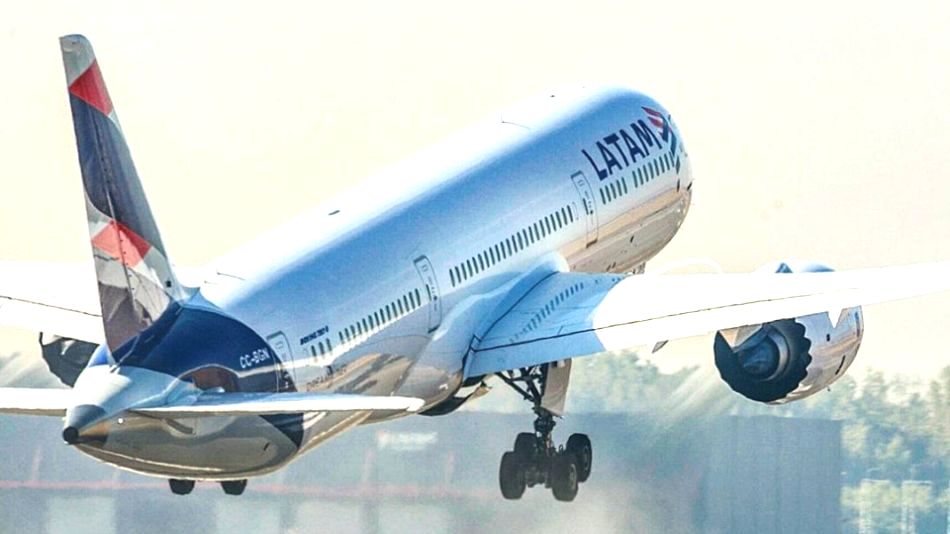
Latam Airlines Group ha expresado negar cualquier intento hostil de apoderarse de sus operaciones en Brasil. La compañía ha emitido una declaración en la que indicó que actualmente se está preparando para entregar su plan de reestructuración en el marco del Capítulo 11 de la Ley de Quiebras para ser presentado ante el Poder Judicial del Distrito Sur de Nueva York para Septiembre 2021, con una salida del concurso hacia finales del 4Q2021. Latam Airlines Brasil, en tanto, continúa su plan de recuperación con nuevas rutas, nuevas bases y contratos. La aerolínea ratifica que no tiene la intención de deshacerse de sus operaciones en Brasil, negando rotundamente este Lunes 23/08 que tenga intenciones de deshacerse de sus operaciones en Brasil, dado el interés de su principal competidora, Azul Airlines indicando que había conversaciones en curso con acreedores de Latam Airlines para comprar su filial brasileña.
Azul Airlines ha estado buscando desde hace meses el interés en adquirir el grupo Latam o su filial en Brasil, pero hasta el momento no ha surgido ninguna confirmación, mientras que Azul continúa forzando la situación para hacerse del control de la aerolínea concursada buscando maneras de presionar a los acreedores para convertirse en una futura mega-compañía en la región, pero los intentos por lograrlo pueden ser escasos.
Air bid between Azul-Latam
Pressure for control of the Brazilian market Brazilian Congress analyzes possible purchase of Latam
Azul Linhas Aéreas would be willing to buy the entire Latam Airlines Group and then sell its operations in other countries. With the repeated announcements, Azul Airlines shares are on the rise after the Wall Street Journal cited sources who say that the airline is talking with creditors of Latam Airlines to buy the operations of its rival in Brazil. According to the publication, Azul would be open to buying the entire company and then selling operations in other countries, as well as being willing to enter into a Joint Venture with Latam to complement its current business in Brazil.
The companies spoke of a possible agreement at the beginning of the bankruptcy process, but Latam Airlines interrupted the negotiations because the owners of the Chilean company did not want to give up control of the group. The region’s largest airline group has said it has no intention of selling its Brazilian operation and expects to present its reorganization plan this year. Azul Airlines, for its part, is in a good position to expand, currently registering the highest level of cash in its history and taking advantage of the rebound in demand as the closures decreed by the pandemic are lifted.
National Congress
The Executive Director of Azul Linhas Aéreas, John Rodgerson, sent a message to the Brazilian Deputies who are analyzing the possible purchase operation to validate the approvals regarding the existence of a dominant position in the monopoly market in Brazil. The executive highlighted the development of the national airline industry, part of which was stimulated by Azul’s investments in recent years. “Deputies should look at this [Azul’s acquisition of Latam] in this context. If we look at other countries in the world, Air Canada has 70% of the Canadian air market, Avianca has 70% of the Colombian market, LAN has 85% of the Chilean market. You should not think of this as something harmful and look at the opportunities”, said the CEO of Azul Airlines.
The Tourism Commission of the Chamber of Deputies anticipated a move by the air operator and on Friday 08/20 held a public hearing to discuss the scope of an eventual agreement. The request was presented by Congressman Eduardo Bismarck, who is concerned about the impact that less competition in the sector would have on Brazilian consumers. «It is probable that prices will rise due to the lack of competitors. It should be remembered that prices today are below those of recent years, especially due to the crisis in the sector», said Eduardo Bismarck.
ANAC Brazil
For its part, the sector authority is already setting its position in the controversy. «We are not afraid of an eventual M&A process in this market. Of course, this goes against our agenda of promoting greater competition, but we understand that this is a solution that the market has to provide», said Ronei Glanzmann, Director of the National Secretariat of Civil Aviation of Brazil (ANAC). «We follow this process, but it is eminently private and the government cannot interfere out of respect for the constitutional principles of economic freedom», said Ronei Glanzmann.
Latam Group
Latam airlines Group has expressed denying any hostile attempt to seize its operations in Brazil. The company has issued a statement in which it indicated that it is currently preparing to deliver its restructuring plan under Chapter 11 of the Bankruptcy Law to be presented before the Judicial Branch of the Southern District of New York by September 2021, with an exit from the competition towards the end of 4Q2021. Latam Airlines Brasil, meanwhile, continues its recovery plan with new routes, new bases and contracts. The airline confirms that it does not intend to dispose of its operations in Brazil, flatly denying this January 23/08 that it intends to dispose of its operations in Brazil, given the interest of its main competitor, Azul Airlines, indicating that there were ongoing talks with creditors of Latam Airlines to buy its Brazilian subsidiary.
Azul Airlines has been seeking interest in acquiring the Latam group or its subsidiary in Brazil for months, but so far no confirmation has emerged, while Azul continues to force the situation to take control of the bankrupt airline looking for ways to pressure to creditors to become a future mega-company in the region, but attempts to do so may be limited.
Pressão aérea entre Azul-Latam
Pressão pelo controle do mercado brasileiro Congresso brasileiro analisa possível compra de Latam
A Azul Linhas Aéreas estaria disposta a comprar todo o Grupo Latam Airlines e depois vender suas operações em outros países. Com os repetidos anúncios, as ações da Azul Airlines estão subindo depois que o Wall Street Journal citou fontes que afirmam que a companhia aérea está conversando com credores da Latam Airlines para comprar as operações de sua rival no Brasil. Segundo a publicação, a Azul estaria aberta a comprar a empresa inteira e depois vender as operações em outros países, além de estar disposta a fazer uma Joint Venture com a Latam para complementar seus atuais negócios no Brasil.
As empresas falavam de um possível acordo no início do processo de falência, mas a Latam Airlines interrompeu as negociações porque os donos da empresa chilena não queriam abrir mão do controle do grupo. O maior grupo de companhias aéreas da região disse que não tem intenção de vender sua operação brasileira e espera apresentar seu plano de reorganização ainda este ano. A Azul Airlines, por sua vez, está em boa posição para se expandir, registrando atualmente o maior nível de caixa de sua história e aproveitando a recuperação da demanda à medida que os fechamentos decretados pela pandemia são suspensos.
Congresso Nacional
O diretor executivo da Azul Linhas Aéreas, John Rodgerson, enviou mensagem aos deputados brasileiros que estão analisando a possível operação de compra para validar as aprovações quanto à existência de posição dominante no mercado de monopólio no Brasil. O executivo destacou o desenvolvimento do setor aéreo nacional, parte do qual foi impulsionado pelos investimentos da Azul nos últimos anos. “Os parlamentares deveriam olhar para isso [a aquisição da Latam pela Azul] nesse contexto. Se olharmos para outros países do mundo, a Air Canada detém 70% do mercado aéreo canadense, a Avianca detém 70% do mercado colombiano, a LAN detém 85% do mercado chileno. Você não deve pensar nisso como algo prejudicial e olhar para as oportunidades”, disse o CEO da Azul Airlines.
A Comissão de Turismo da Câmara dos Deputados antecipou movimentação da operadora aérea e na sexta-feira, 20/08, realizou audiência pública para discutir o alcance de um eventual acordo. O pedido foi apresentado pelo deputado federal Eduardo Bismarck, que está preocupado com o impacto que a menor concorrência do setor teria para o consumidor brasileiro. “É provável que os preços subam por falta de concorrentes. Vale lembrar que hoje os preços estão abaixo dos dos últimos anos, principalmente por conta da crise do setor”, disse Eduardo Bismarck.
ANAC Brasil
Por sua vez, a autoridade do setor já está se posicionando na polêmica. “Não temos medo de um eventual processo de M&A neste mercado. Claro, isso vai contra a nossa agenda de promover maior competição, mas entendemos que essa é uma solução que o mercado tem a oferecer”, disse Ronei Glanzmann, Diretor da Secretaria Nacional de Aviação Civil do Brasil (ANAC). “Acompanhamos esse processo, mas é eminentemente privado e o governo não pode interferir por respeito aos princípios constitucionais da liberdade econômica”, disse Ronei Glanzmann.
Grupo Latam
O Latam Airlines Group expressou negar qualquer tentativa hostil de confiscar suas operações no Brasil. A empresa emitiu um comunicado no qual indica que está atualmente «preparando-se para entregar seu plano de reestruturação nos termos do Capítulo 11 da Lei de Falências a ser apresentado ao Poder Judiciário do Distrito Sul de Nova York até setembro de 2021, com uma saída de competição no final do 4T2021. A Latam Airlines Brasil, por sua vez, continua seu plano de recuperação com novas rotas, novas bases e contratos». A companhia aérea confirma que não pretende se desfazer de suas operações no Brasil, negando veementemente neste dia 23 de Janeiro de 2008 que pretende se desfazer de suas operações no Brasil, dado o interesse de sua principal concorrente, a Azul Linhas Aéreas, indicando que existiam negocia com credores da Latam Airlines para comprar sua subsidiária brasileira.
A Azul Airlines vem buscando interesse em adquirir o grupo Latam ou sua subsidiária no Brasil há meses, mas até agora nenhuma confirmação surgiu, enquanto a Azul continua a forçar a situação a assumir o controle da companhia aérea falida em busca de formas de pressionar os credores a se tornarem uma futura megaempresa na região, mas as tentativas de fazê-lo podem ser limitadas.
América Central liderando recuperación aérea mundial
América Central continúa liderando los índices de la recuperación de la capacidad aérea en el mundo luego de la persistencia de la crisis sanitaria mundial. La región de América Central y México lideran la oferta en número de asientos, de acuerdo con datos de la consultora británica OAG.
Los índices para la semana del 23/08 marcan que la región está a sólo 7,7% de la capacidad que se ofertaba en ese mismo periodo interanual de 2019, indicó la consultora aeronáutica. En tanto México lidera la recuperación dentro de la región, encontrándose a 3.3% de los niveles que ofertaba antes de la pandemia, con lo que se mantiene con la tercera mejor escalada a nivel mundial, sólo por detrás de Rusia (+1.8%) y Grecia (+0.3%). Esta cifra contrasta con la caída del 79.4% que todavía se registra en la región del sudeste asiático, o el -34.1% que se promedia mundialmente, según la OAG. La región de América Central es la única que se encuentra en los porcentajes de un sólo dígito, aproximándose a la recuperación total. En el listado le sigue la región de Asia Central a sólo 11.2% de retomar sus niveles pre-pandemia, África Central/Occidental a -14.9%, mientras que Norteamérica se encuentra a -16%.
La recuperación a nivel mundial se ha visto impactada continuamente por las nuevas oleadas de infección de covid-19. Por ejemplo, esta semana las aerolíneas en el sudeste asiático y el sudeste del Pacífico recortaron su número de asientos en un 17.6% en comparación con la semana previa. China, que durante meses lideró la recuperación de la industria aérea y se llegó a colocar como el mercado más grande de aviación a nivel mundial, actualmente se encuentra a 12.3% de sus niveles pre-pandemia, luego de que reimpusiera diversas medidas de control social al registrarse nuevos casos de Covid-19, particularmente de la variante Delta.
Central America leads recovery
Central America leading global air recovery
Central America continues to lead the rates of the recovery of air capacity in the world after the persistence of the global health crisis. The Americas region Cemtral and Mexico lead the offer in number of seats, according to data from the British consulting firm OAG.
The indices for the week of 08/23 show that the region is only 7.7% of the capacity that was offered in the same year-on-year period of 2019, indicated the aeronautical consultancy. While Mexico leads the recovery within the region, finding itself at 3.3% of the levels it offered before the pandemic, thus maintaining the third best escalation in the world, only behind Russia (+1.8%) and Greece (+0.3%). This figure contrasts with the drop of 79.4% that is still registered in the Southeast Asia region, or the -34.1% that is averaged worldwide, according to the OAG. The Central American region is the only region in the single-digit percentages, approaching full recovery. The list is followed by the Central Asia region, only 11.2% from resuming its pre-pandemic levels, Central/West Africa at -14.9%, while North America is at -16%.
The global recovery has been continually impacted by new waves of covid-19 infection. For example, this week airlines in Southeast Asia and the Southeast Pacific cut their number of seats by 17.6% compared to the previous week. China, which for months led the recovery of the airline industry and became the largest aviation market in the world, is currently at 12.3% of its pre-ndemic levels, after reimposing various social control measures when registering new cases of Covid-19, particularly of the Delta variant.
AW | 2021 08 21 16:52 | GOVERNMENT / AIRLINES MARKET
Gobierno analiza bonificar 100% 100.000 pasajes turistas extranjeros
El Gobierno de Argentina adquiriría a través del Ministerio de Turismo y Deportes e Inprotur alrededor de 1000.000 pasajes aéreos en una campaña agresiva para atraer turistas extranjeros de Brasil, Chile y Uruguay y para aquellos que acrediten una estadía de acuerdo a requisitos que el Gobierno se encuentra desarrollando.
El Gobierno avanza en una agresiva campaña oficial con el objetivo de incentivar el turismo receptivo a la Argentina sobre todo el regional, que implica la posibilidad de bonificar hasta el 100% el pasaje por Aerolíneas Argentinas a turistas del exterior desde octubre próximo. La propuesta, todavía en estado de borrador y estudio, es impulsada por el ministro de Turismo y Deportes, Matías Lammens, y en un primer momento incluye una tanda de 100.000 pasajes, aunque fuentes de esa cartera explicaron que se trata de un programa que es escalable.
En el Ministerio creen que en los próximos meses se registrará una explosión de turismo reprimido a nivel global y que la Argentina deberá competir en un contexto duro con otros países. “En vez de hacer la habitual promoción turística estamos viendo de ser más agresivos”, expresaron fuentes de esa cartera, donde además apuestan a revitalizar el sector y los rubros de gastronomía y hotelería, los más fuertemente golpeados por la pandemia.
La idea oficial, surgida del mismo equipo que elaboró el Previaje y que buscará elevar el proyecto para emplear parte de los AR$ 1.400 millones de presupuesto que tiene el Instituto Nacional de Promoción Turística (Inprotur) para impulsar el turismo en la compra de pasajes de Aerolíneas Argentinas. Esos tickets serán bonificados hasta el 100% y entregados a turistas extranjeros que acrediten, por lo menos, cuatro días de estadía en el país, por lo que la ecuación representaría por cada Dólar se abonaría AR$ 34 Pesos, calculan en el Ministerio de Turismo. “Es un estímulo para los extranjeros, financia el déficit de Aerolíneas Argentinas, atrae divisas al país y ayuda a los sectores golpeados, como los de gastronomía y hotelería”, justificaron, y agregaron que hay dos o tres ideas más en análisis, como bonificaciones en hoteles.
“Estamos pensando en un plan donde podamos dar algún estímulo para el turismo regional. El 65% del total de los turistas extranjeros vienen de países limítrofes. Los países tienen diferentes estímulos para intentar que lleguen más turistas a sus destinos. Uruguay, por ejemplo, devuelve el IVA (Impuesto al Valor Agregado). Tiene que haber estímulos materiales para que los turistas elijan un destino», declaró Matías Lammens semanas atrás.
Actualmente, rige una prohibición para el ingreso de turistas extranjeros, pero con restricciones los argentinos y extranjeros residentes pueden ingresar al país. Según fuentes oficiales, el cupo de pasajeros en avión que llegan al país es de 1.700 diarios.
El plan de estímulo al turismo se estaría lanzando hacia Octubre 2021, mientras estipulan en el Gobierno que las fronteras para el turismo receptivo podrían reabrirse, aunque todavía no es una certeza y dependerá del índice de contagiosidad. La idea es que a esa altura no haya cuarentena al ingreso.
Reclamos variados
Cuando se iniciaron las tratativas para ayudar al turismo receptivo internacional, arribaba la fuerte crítica desde diferentes sectores sobre los varados que aún quedan en el exterior por la decisión de reducir los ingresos drásticamente que tomó el Gobierno el 25 de Junio de 2021 y que dejó a miles de argentinos sin retorno al país. En Cancillería afirmaron que no hay un dato oficial sobre la cantidad de personas que no pueden volver desde que el Gobierno ajustó el límite. Se estima que existen hace tres semanas atrás alrededor de 40.000 argentinos, entre los que no puede retornar por el cupo y quienes se fueron después de las nuevas restricciones.
La Cámara de Compañías Aéreas en Argentina (JURCA) cuestionaron la falta de previsión oficial. “Todavía no hay vuelos aprobados para Septiembre”, indicó uno de sus directivos.
Otro de los cuestionamientos públicos estaba vinculado al déficit que tiene Aerolíneas Argentinas para “regalar” pasajes. Sin embargo, los pasajes se compran a la aerolínea de bandera con el presupuesto del Inprotur, con fondos de Turismo y se usan como promoción, lo que representaría un intercambio público, que no ahondan el déficit y ayudan a sumar divisas, explicaron fuentes cercanas al Ministerio de Turismo. Según las Estadísticas de turismo internacional en el marco de la Covid-19 publicadas por el INDEC, en el primer semestre del año, la caída interanual del turismo receptivo fue de 88,7%.
Los quince sectores relevados por el Estimador Mensual de la Actividad Económica (EMAE), el que mostró un nivel más bajo en 06/2021 fue Hoteles y restaurantes. En ese sentido, la actividad mostró en Junio 2021 un nivel 64,1% menor al que mostraba en el mismo mes de Junio 2019, un año marcado por la recesión y la volatilidad cambiaria.
Argentina 100%-off foreign tickets
Government analyzes 100% reimbursement foreign tourist tickets
The Government of Argentina would acquire through the Ministry of Tourism and Sports and Inprotur around 1,000,000 air tickets in an aggressive campaign to attract foreign tourists from Brazil, Chile and Uruguay and for those who prove a stay according to requirements that the Government meets. developing.
The Government is advancing in an aggressive official campaign with the aim of encouraging receptive tourism to Argentina, especially the regional one, which implies the possibility of discounting up to 100% the passage through Aerolíneas Argentinas to foreign tourists from next October. The proposal, still in a draft and study stage, is promoted by the Minister of Tourism and Sports, Matías Lammens, and initially includes a batch of 100,000 tickets, although sources from that portfolio explained that it is a program that is scalable.
The Ministry believes that in the coming months there will be an explosion of repressed tourism globally and that Argentina will have to compete in a harsh context with other countries. «Instead of doing the usual tourist promotion, we are seeing to be more aggressive», said sources from that portfolio, where they also bet to revitalize the sector and the gastronomy and hotel sectors, the most heavily hit by the pandemic.
The official idea, arising from the same team that prepared the Pre-trip and that will seek to increase the project to use part of the AR$ 1,400 million budget that the National Institute for Tourism Promotion (Inprotur) has to promote tourism in the purchase of tickets for Argentinian airlines. These tickets will be rewarded up to 100% and delivered to foreign tourists who prove, at least, four days of stay in the country, so the equation would represent AR$ 34 pesos for each dollar, calculated in the Ministry of Tourism. «It is a stimulus for foreigners, it finances the deficit of Aerolineas Argentinas, attracts foreign currency to the country and helps the hit sectors, such as gastronomy and hotels», they justified, adding that there are two or three more ideas under analysis, such as bonuses. in hotels.
“We are thinking of a plan where we can give some stimulus to regional tourism. 65% of all foreign tourists come from neighboring countries. Countries have different incentives to try to get more tourists to their destinations. Uruguay, for example, returns VAT (Value Added Tax). There must be material incentives for tourists to choose a destination», Matías Lammens declared weeks ago.
Currently, there is a prohibition for the entry of foreign tourists, but with restrictions, Argentines and resident foreigners can enter the country. According to official sources, the quota of passengers by plane arriving in the country is 1,700 a day.
The tourism stimulus plan would be launched by October 2021, while the Government stipulates that the borders for inbound tourism could be reopened, although it is still not a certainty and will depend on the contagion index. The idea is that at that point there is no quarantine upon admission.
Mixed claims
When negotiations began to help international inbound tourism, strong criticism came from different sectors about the stranded that still remain abroad due to the decision to drastically reduce income that the Government took on June 25, 2021 and that left thousands of Argentines without return to the country. The Foreign Ministry stated that there is no official data on the number of people who cannot return since the Government adjusted the limit. It is estimated that there have been around 40,000 Argentines three weeks ago, among those who cannot return due to the quota and who left after the new restrictions.
The Chamber of Air Companies in Argentina (JURCA) questioned the lack of official foresight. «There are still no flights approved for September», said one of its directors.
Another of the public questions was linked to the deficit that Aerolíneas Argentinas has to «give away» tickets. However, the tickets are bought from the flag airline with the Inprotur budget, with Tourism funds and used as a promotion, which would represent a public exchange, which does not deepen the deficit and help to add foreign currency, explained sources close to the Ministry of Tourism. According to the International Tourism Statistics in the framework of the Covid-19 published by the Indec, in the first half of the year, the interannual fall of inbound tourism was 88.7%.
The fifteen sectors surveyed by the Monthly Estimator of Economic Activity (EMAE), the one that showed a lower level in 06/2021 was Hotels and restaurants. In this sense, the activity in June 2021 showed a level 64.1% lower than that shown in the same month of June 2019, a year marked by recession and exchange rate volatility.
AW | 2021 08 20 15:52 | AIRLINES MARKET / GOVERNMENT / AIRPORTS
Gobierno Argentina demora permiso a JetSmart ampliar capacidades
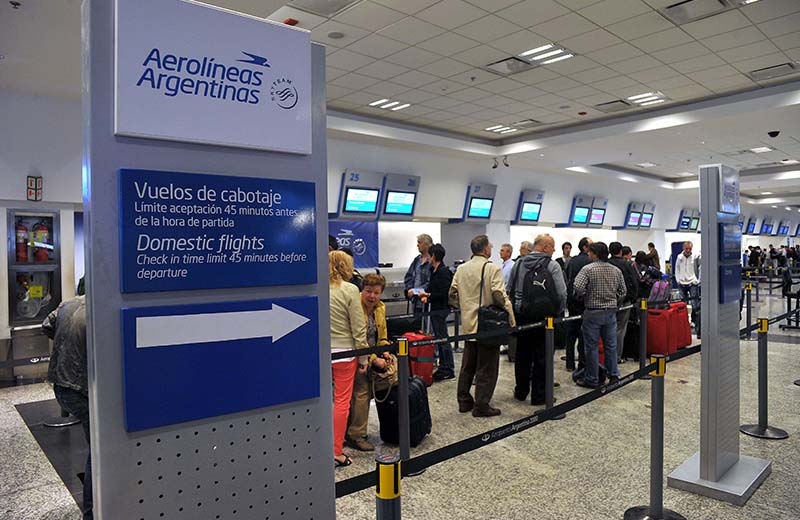
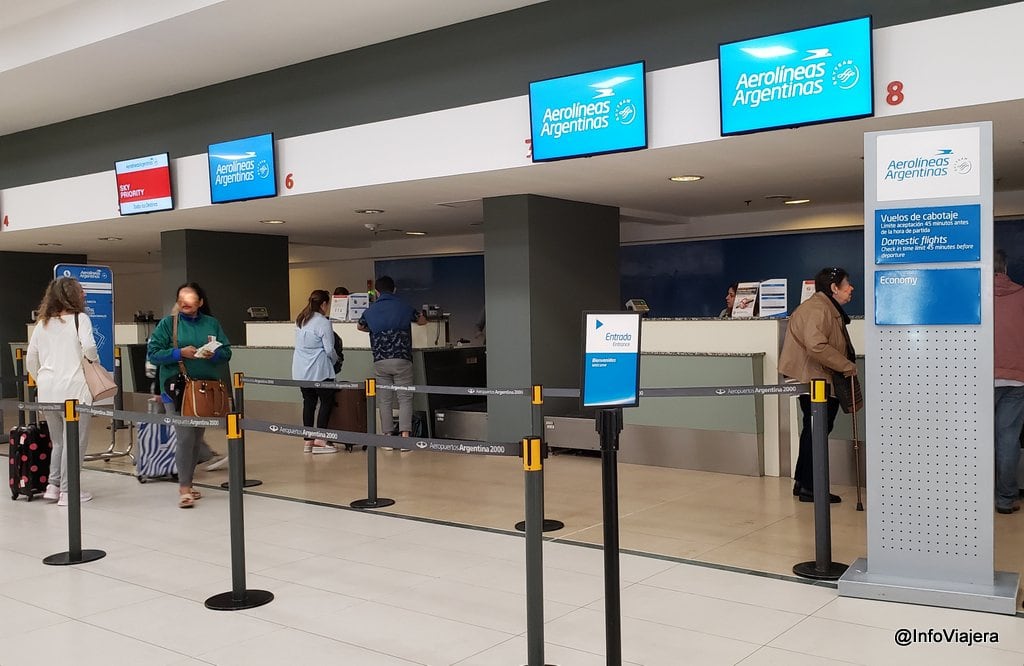
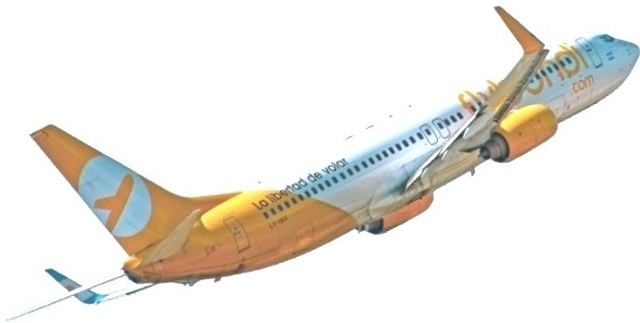
Un nuevo capítulo se agrega al conflictivo Gobierno kirchnerista de Argentina respecto a las libertades de la aviación. Anteriormente el Aeropuerto Internacional El Palomar/EPA había sido escenario de la marcada negación por parte del Gobierno a la reapertura de la aviación comercial es esta aeroestación. Ahora, tras la mudanza de las líneas aéreas JetSmart Airlines Argentina y Flybondi Líneas Aéreas hacia el Aeropuerto Jorge Newbery/AEP, el Gobierno está demorando permisos para ampliar las capacidades de las aerolíneas en Aeroparque.
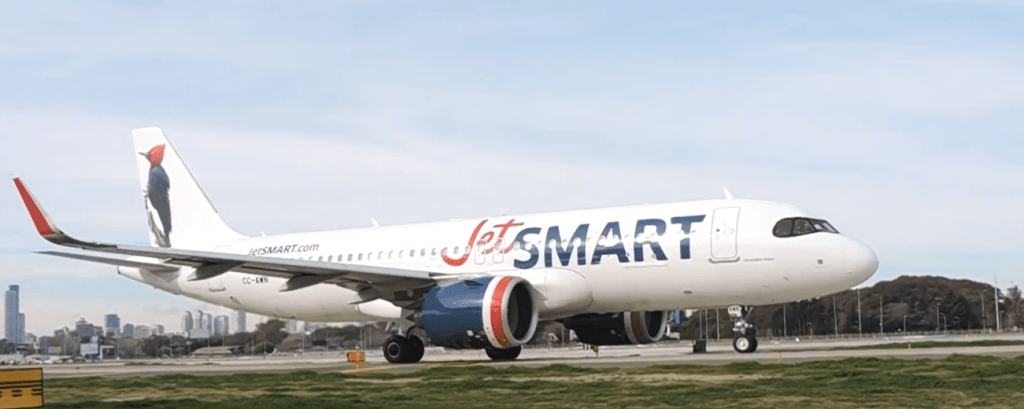
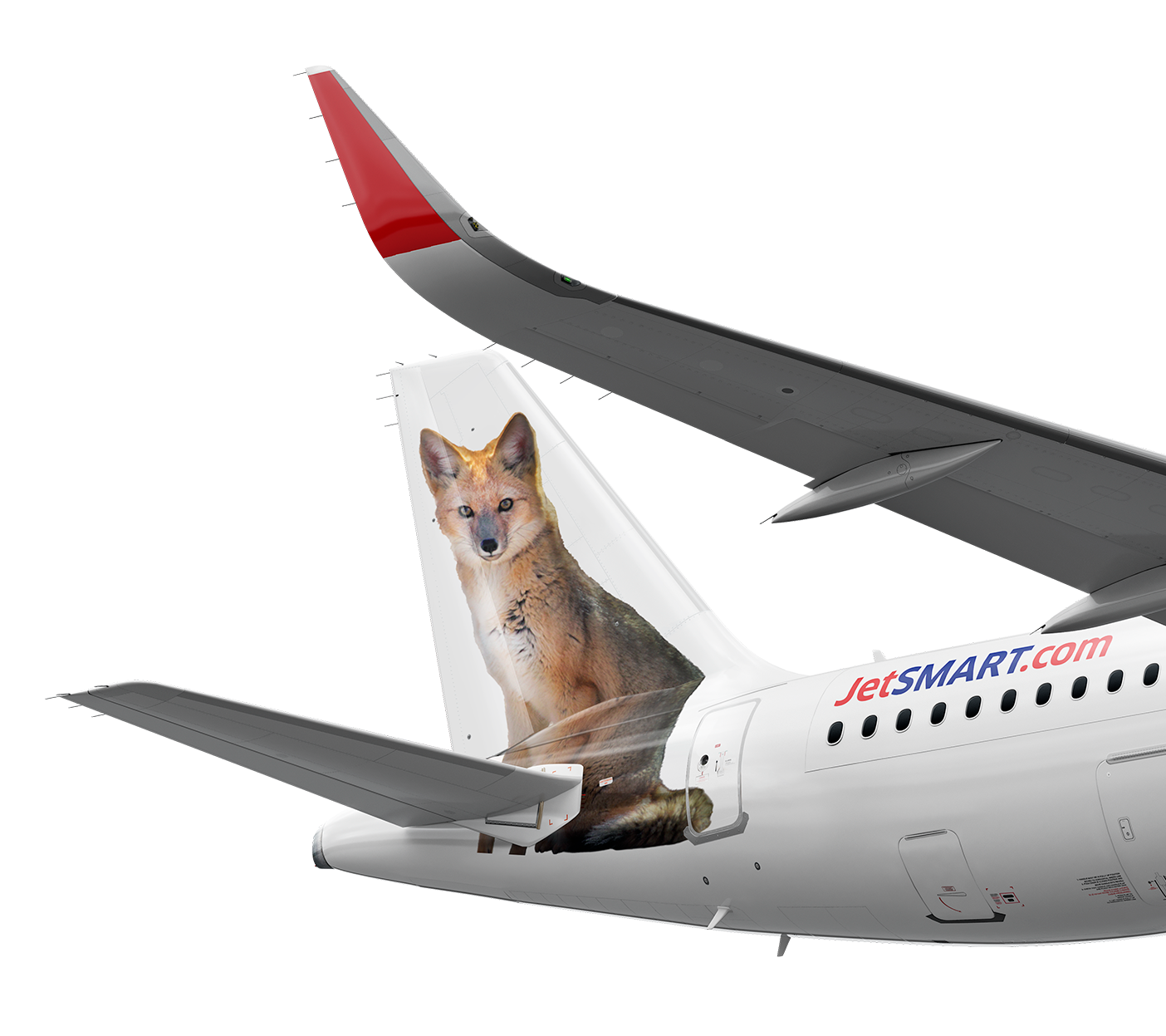
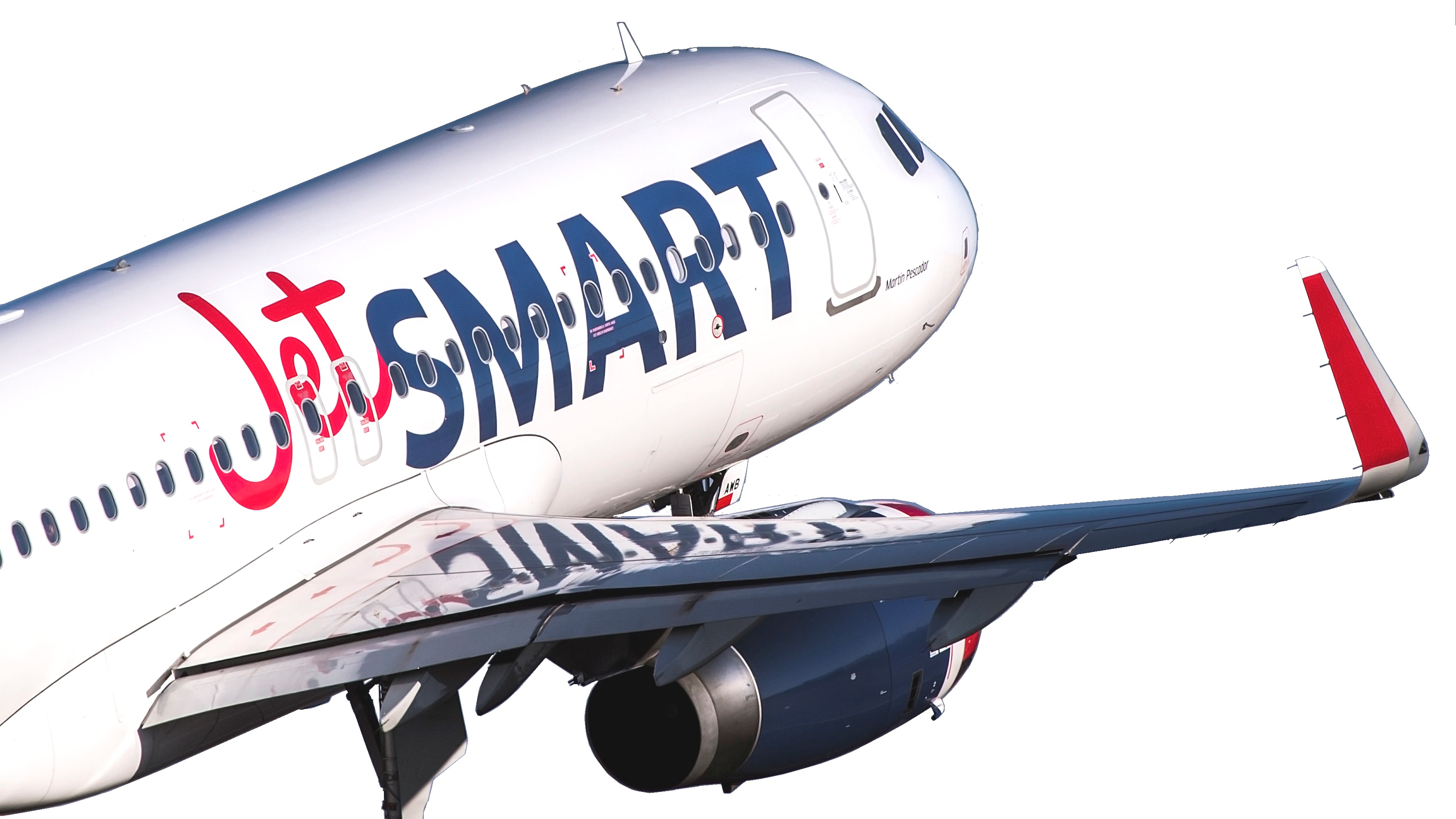
JetSmart Airlines Argentina ha anunciado que incorporará a su flota de aeronaves un quinto Airbus A320-200CEO, incorporando contratación de personal adicional de tripulación, pilotos, asistentes de vuelos, entre otros ítems. La nueva aeronave arribará a Argentina entre Septiembre y Octubre 2021 como parte de la expansión de la aerolínea en el país, pero hasta el momento han sido infructuosas las gestiones con el Gobierno de Argentina para conseguir los permisos de frecuencias (slots) en su nueva base principal el Aeropuerto Jorge Newbery.
El Gobierno de Argentina había establecido inversiones de AR$ 5.500 millones de Pesos en la remodelación de Aeroparque con el propósito de su nueva política de reducción de aeroestaciones innecesarias para el área metropolitana de Buenos Aires. Las obras de trabajo de la remodelación del Aeropuerto Jorge Newbery estuvo centrado en la ampliación de la pista de aterrizaje, mientras que las demás obras de plataforma no han sido ampliadas en la primer etapa de remodelaciones. Las intenciones del Gobierno eran que las aerolíneas low cost que operaban en el Aeropuerto El Palomar lo realizaran desde Aeroparque. Ahora, las líneas aéreas low cost han solicitado ampliar sus operaciones mientras que desde el Gobierno, nuevamente continúan manifestando una actitud desinteresada para aprobar más permisos de amarres. La millonaria remodelación de Aeroparque no contempló la ampliación o puesta a punto de la zona de amarres.
El Gerente General de JetSmart Airlines Argentina, Gonzalo Pérez Corral, ha expresado que la respuesta desde la Administración Nacional de Aviación Civil (ANAC) no ha sido favorable, pero que apuestan al diálogo para lograr una solución. “Operar desde otro lugar que no sea Aeroparque nos resulta más costoso. En el caso del Palomar no hay miras de que se reabra, Ezeiza no tiene facilidades de medios de transporte ni para el pasajero ni para los empleados”, detalló el CEO de la aerolínea de presupuesto argentina.
JetSmart Argentina maneja varias alternativas en caso de no prosperar la ampliación de las operaciones en Aeroparque; mudar algunas operaciones al Aeropuerto Internacional Ezeiza/EZE dando prioridad a vuelos regionales y no domésticos, con la consiguiente reducción de las frecuencias de cabotaje, mientras que los pasajes aéreos tendría un incremento de su valor. Otra de las opciones es realizar vuelos nocturnos. La tercer opción es hacer base en Bariloche. En este caso, el costo treparía mucho ya que se debería trasladar a cuarenta personas a esta provincia. Además, el combustible es más caro, deberían armar una base de mantenimiento y tener en cuenta condiciones particulares de la región como es el deshielo de los aviones entre otros asuntos de logística.
Crecer a contramano
JetSmart Argentina ha invertido en su quinto avión a partir del 19/08 la contratación de 28 tripulantes de cabina. Algunos de ellos sin experiencia, y otros, que trabajaron antes en Norwegian. “Lo que se ha hecho este tiempo desde la empresa es ir absorbiendo a toda esa gente que quedó desempleada cuando se vendió la flota a JetSmart”, explicó un empleado. También se incorporaron 8 pilotos que están capacitándose hace un mes y medio en Estados Unidos.
El actual Gobierno había establecido dar la prioridad a Aeroparque para que las líneas aéreas confluyan en esta aeroestación para volar rutas de cabotaje, pero ahora el Estado demora los permisos mostrando la falta de criterio para permitir más ampliaciones de las operaciones aéreas. El CEO de JetSmart Argentina expresó al respecto: “Lo lógico sería que el Airbus A320 pare con las aeronaves que ya tenemos en la base de Aeroparque. Apostamos a Argentina como mercado y si en Chile tenemos 10 aviones funcionando, acá podrían ser más. Pero todo depende de las condiciones que nos den y de la disponibilidad de espacio”.
El crecimiento de la aerolínea de bajo costo es notable. Recientemente comenzaron a volar hacia Corrientes y hacia Posadas. Además, confirmaron el inicio de dos nuevas rutas, Jujuy y Comodoro Rivadavia, a partir del 14 y 20 de Octubre de 2021 respectivamente. JetSmart Argentina llegará a diecisiete rutas en Argentina, permitiendo observar el buen desempeño pese a los problemas de crisis sanitaria vigente por la pandemia. La compañía ha establecido un acuerdo de alianza y ampliación accionaria por parte de American Airlines lo que permitirá una mayor expansión y respaldo en la región.
Ramiro Arias, ex-piloto de Latam Airlines Argentina y actualmente piloto en JetSmart Argentina, remarcó la importancia de nuevas rutas donde sólo operaba Aerolíneas Argentinas. “En Comodoro Rivadavia como había una única opción, hasta hace dos semanas el pasaje estaba en AR$ 50.000 Pesos; con nuestra llegada, bajó a AR$ 8.000 Pesos. Cuando el monopolio lo tiene uno solo somos todos rehenes. Lo único que queremos es trato igualitario, que nos dejen trabajar tranquilos. La competencia es sana y baja los precios”, expresó el piloto de JetSmart Argentina.
Aviación vs libertad
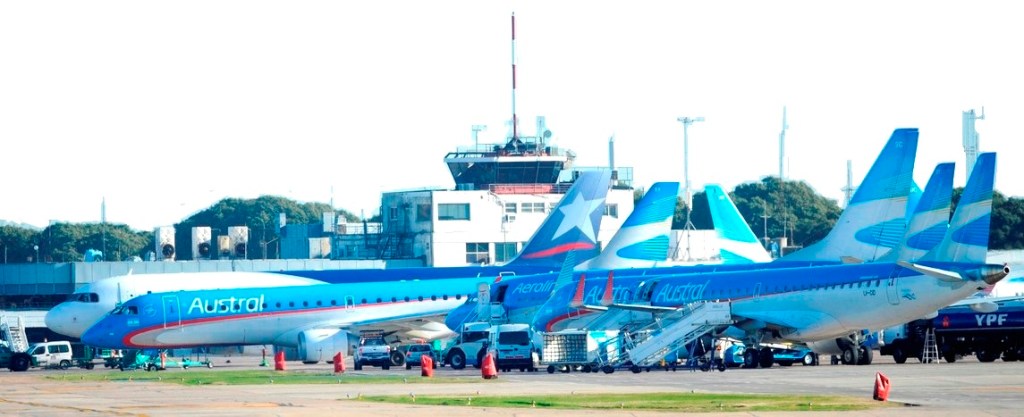
La aviación en Argentina se encuentra subordinada al accionar caprichoso del actual Gobierno, donde la normativa es hacer crecer a Aerolíneas Argentinas en detrimento de las libertades aerocomerciales. Las acciones monopólicas que continúa imponiendo el Estado son hechos corroborables a través dela historia de la aviación comercial en el país. La eterna disputa con Latam Airlines Argentina, compañía que se retiró del mercado local, parece reactivarse. El aviador de Latam Argentina recuerda las trabas que el Gobierno impuso a la compañía en la que trabajaba: “Pretendemos tener el mismo trato que el que tiene cualquier otro operador como fue el caso de Austral, como es con Aerolíneas Argentinas. Esto es lo preocupante. No queremos caer en la misma que sufrió LAN en su momento. Hoy, operamos en posición remota, es decir, no se nos asignan mangas. Quieren hacer la experiencia lo más incómoda posible al pasajero. Sabemos con qué bueyes aramos”, manifestó Ramiro Arias.
El CEO de JetSmart Airlines Argentina se ha manifestado respecto a la actual situación de dominio monopólico de Aerolíneas Argentinas en Aeroparque: “En ciertas cosas si hay vestigios del pasado. El tema de las mangas está en conversaciones y le elevamos un reclamo al concesionario de aeropuertos. Vemos que hay espacio disponible y las mangas se pueden operar de manera eficiente sin que sean exclusivas de la aerolínea de bandera. Contrariamente a lo que pasaba antes, cuando salís de Buenos Aires, si te dan manga. En su momento trabajé en Latam y recuerdo que había resolución que daba la exclusividad a Aerolíneas Argentinas. Hoy quedaron seteadas esas condiciones sólo en Aeroparque. El concesionario se está dando cuenta de que la mala utilización de recursos en el aeropuerto redunda en pasajeros menos contentos”, expresó Gonzalo Pérez Corral.
El Gobierno de Argentina no se ha pronunciado al respecto, pero las acciones de no responder a las solicitudes de las líneas aéreas para ampliar sus operaciones continúa demostrando la falta de criterio y buena voluntad para desarrollar una aviación comercial próspera en un país donde se quiere predicar con la palabra pluralidad, mientras que con el ejemplo se decide un futuro difícil para el mercado aéreo de Argentina, una asignación pendiente donde el Estado no ha cumplido con su palabra.
Conflict Aeroparque
Government delays permit for JetSmart to expand capabilities
A new chapter is added to the conflictive Kirchner Government of Argentina regarding aviation freedoms. Previously, El Palomar/EPA International Airport had been the scene of a marked refusal by the Government to reopen commercial aviation in this airstation. Now, after the move of the airlines JetSmart Airlines Argentina and Flybondi Líneas Aéreas to the Jorge Newbery/AEP Airport, the Government is delaying permits to expand the airlines’ capacities at Aeroparque.
JetSmart Airlines Argentina has announced that it will incorporate a fifth Airbus A320-200CEO to its aircraft fleet, incorporating the hiring of additional crew personnel, pilots, flight attendants, among other items. The new aircraft will arrive in Argentina between September and October 2021 as part of the expansion of the airline in the country, but so far the negotiations with the Government of Argentina to obtain the frequency permits (slots) in its new base have been unsuccessful. Jorge Newbery Airport is the main one.
The Government of Argentina had established investments of AR$ 5.5 billion pesos in the remodeling of Aeroparque with the purpose of its new policy of reducing unnecessary air stations for the metropolitan area of Buenos Aires. The work of the remodeling of the Jorge Newbery Airport was focused on the expansion of the runway, while the other works of the platform have not been expanded in the first stage of remodeling. The Government’s intentions were for the low cost airlines that operated at El Palomar Airport to do so from Aeroparque. Now, the low cost airlines have requested to expand their operations while the Government again continues to show a disinterested attitude to approve more mooring permits. The million-dollar remodeling of Aeroparque did not contemplate the expansion or fine-tuning of the mooring area.
The General Manager of JetSmart Airlines Argentina, Gonzalo Pérez Corral, has expressed that the response from the National Civil Aviation Administration (ANAC) has not been favorable, but that they are committed to dialogue to achieve a solution. “Operating from a place other than Aeroparque is more expensive for us. In the case of the Palomar, there are no plans to reopen, Ezeiza does not have transportation facilities for either the passenger or the employees”, explained the CEO of the Argentine budget airline.
JetSmart Argentina manages several alternatives in case the expansion of operations at Aeroparque does not prosper; Mudr some operations to the Ezeiza/EZE International Airport, giving priority to regional and non-domestic flights, with the consequent reduction in cabotage frequencies, while air tickets would have an increase in value. Another option is to make night flights. The third option is to base yourself in Bariloche. In this case, the cost would rise a lot since forty people would have to be transferred to this province. In addition, fuel is more expensive, they should set up a maintenance base and take into account particular conditions in the region such as the de-icing of airplanes among other logistics issues.
Grow against hand
JetSmart Argentina has invested in its fifth aircraft as of 08/19 the hiring of 28 cabin crew. Some of them inexperienced, and others, who previously worked at Norwegian. «What has been done this time since the company is to absorb all those people who became unemployed when the fleet was sold to JetSmart», explained an employee. Eight pilots who have been training for a month and a half in the United States also joined.
The current Government had established to give priority to Aeroparque so that the airlines converge in this airstation to fly cabotage routes, but now the State is delaying the permits, showing the lack of criteria to allow further expansion of air operations. The CEO of JetSmart Argentina expressed in this regard: “The logical thing would be for the Airbus A320 to stop with the aircraft that we already have at the Aeroparque base. We bet on Argentina as a market and if in Chile we have 10 working planes, here there could be more. But it all depends on the conditions they give us and the availability of space”.
The growth of the low-cost airline is remarkable. They recently began to fly towards Corrientes and towards Posadas. In addition, they confirmed the start of two new routes, Jujuy and Comodoro Rivadavia, from October 14 and 20, 2021 respectively. JetSmart Argentina will reach seventeen routes in Argentina, allowing us to observe the good performance despite the current health crisis problems due to the pandemic. The company has established an alliance agreement and shareholding expansion by American Airlines, which will allow further expansion and support in the region.
Ramiro Arias, former pilot of Latam Airlines Argentina and currently a pilot at JetSmart Argentina, stressed the importance of new routes where only Aerolíneas Argentinas operated. “In Comodoro Rivadavia, as there was only one option, until two weeks ago the ticket was at AR$ 50,000 Pesos; with our arrival, it dropped to AR$ 8,000 Pesos. When the monopoly is owned by only one, we are all hostages. All we want is equal treatment, that they let us work in peace. The competition is healthy and prices lower”, said the JetSmart Argentina pilot.
Aviation vs freedom
Aviation in Argentina is subordinate to the capricious actions of the current Government, where the regulation is to make Aerolíneas Argentinas grow to the detriment of commercial freedoms. The monopolistic actions that the State continues to impose are corroborable facts throughout the history of commercial aviation in the country. The eternal dispute with Latam Airlines Argentina, a company that withdrew from the local market, seems to be reactivated. The aviator from Latam Argentina recalls the obstacles that the Government imposed on the company in which he worked: “We intend to have the same treatment as any other operator, as was the case with Austral, as it is with Aerolíneas Argentinas. This is the worrying thing. We do not want to fall into the same one that LAN suffered at the time. Today, we operate remotely, that is, we are not assigned sleeves. They want to make the experience as uncomfortable as possible for the passenger. We know with which oxen we plow”, said Ramiro Arias.
The CEO of JetSmart Airlines Argentina has stated regarding the current situation of monopoly dominance of Aerolineas Argentinas in Aeroparque: “In certain things there are vestiges of the past. The issue of sleeves is under discussion and we filed a claim with the airport concessionaire. We see that there is space available and the sleeves can be operated efficiently without being exclusive to the flag carrier. Contrary to what happened before, when you leave Buenos Aires, if they give you manga. At the time I worked in Latam and I remember that there was a resolution that gave exclusivity to Aerolíneas Argentinas. Today those conditions were set only in Aeroparque. The concessionaire is realizing that the misuse of resources at the airport results in less happy passengers”, said Gonzalo Pérez Corral.
The Government of Argentina has not ruled on the matter, but the actions of not responding to the requests of the airlines to expand their operations continue to demonstrate the lack of criteria and good will to develop a prosperous commercial aviation in a country where they want to preach. with the word plurality, while with the example a difficult future is decided for the Argentine air market, a pending assignment where the State has not kept its word.