Endurecimiento franjas horarias provoca represalias de Asia
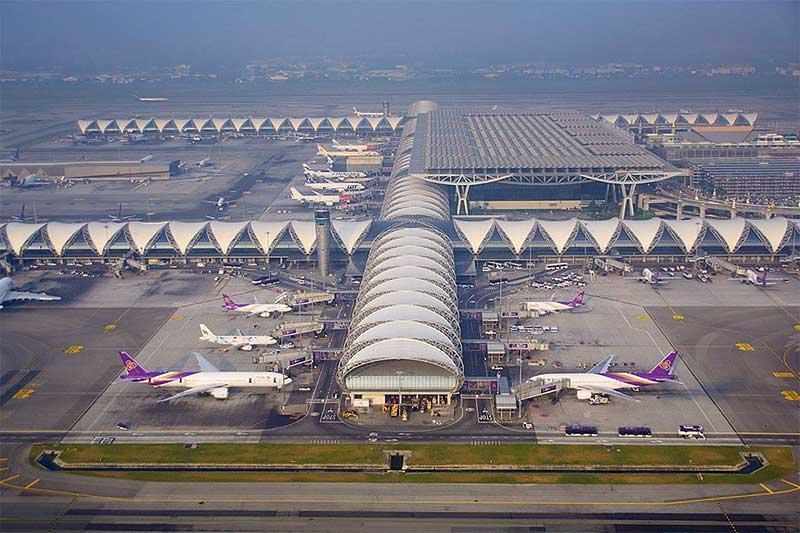
Los reguladores de centros asiáticos de transportes aéreos como Singapur y Hong Kong han amenazado con tomar represalias contra los planes de la Unión Europea de obligar a las compañías aéreas a empezar a utilizar las franjas horarias de despegue y aterrizaje congeladas durante la pandemia de Coronavirus, una medida que podría obligar a las compañías aéreas europeas a volar con asientos vacíos durante miles de kilómetros, generando pérdidas, o el abandono de las franjas horarias.
Las autoridades que controlan las franjas horarias en los principales aeropuertos asiáticos están dispuestas a imponer condiciones similares de uso o pérdida a las compañías aéreas europeas que vuelan a las ciudades de Asia, lo que aumenta la posibilidad de una guerra comercial en el sector por el impacto desigual del COVID-19. Después de una unidad poco común durante la pandemia, cuando los transportistas estaban siendo rescatados o tratando de mantenerse a flote, los líderes de la industria dicen que la disputa ha reavivado las diferencias fundamentales en un sector fragmentado mientras el mundo se recupera a diferentes velocidades.
Las tensiones han aumentado desde Julio 2021, cuando la Unión Europea (UE) anunció planes para obligar a las aerolíneas a utilizar el 50% de sus derechos o perderlos a favor de sus rivales a partir del próximo mes. Esa medida reinstauró parcialmente las normas de competencia que se habían dejado de aplicar mientras las aerolíneas luchaban por sobrevivir a la pandemia. Pero mientras la decisión de la UE refleja una recuperación del tráfico que ya está en marcha en el mercado europeo, principalmente de corta distancia, las compañías asiáticas protestan porque serán penalizadas injustamente porque sus redes de larga distancia tardarán mucho más en recuperarse. Algunos reguladores asiáticos ya han avisado a las aerolíneas europeas de que tendrán que volar al menos el 50% del tiempo, según fuentes del sector, lo que supone un riesgo de peleas políticas sobre el futuro de unos enlaces de transporte que son importantes para el comercio mundial.
Singapur, una de las diversas jurisdicciones asiáticas que han establecido normas de reciprocidad no comunicadas anteriormente, ha incluido las disposiciones para garantizar un trato justo. En Asia, las cuarentenas prolongadas siguen siendo la norma para los viajeros y las aerolíneas operaron sólo al 14% de su capacidad internacional de 2019 en julio, muy por debajo de los niveles del 46% de 2019 vistos en Europa y del 48% en América del Norte, según los datos de la Asociación Internacional de Transporte Aéreo (IATA).
En Europa, Lufthansa German Airlines, la aerolínea de la UE con más vuelos a Asia, dijo que las duras normas de la UE podrían perjudicar en última instancia al clima y a las aerolíneas, si se ven obligadas a volar con aviones vacíos para mantener las franjas horarias. Air France y KLM dijeron que sus decisiones de volar no se basaban en las franjas horarias de los aeropuertos.
La UE rompió con una recomendación del sector a nivel mundial y endureció las normas para la temporada de horarios de invierno, que va de octubre a marzo, tras la fuerte presión ejercida por compañías de bajo coste como Ryanair, con grandes redes de corto recorrido, y por los aeropuertos europeos, muchos de los cuales están privatizados y tratan de producir beneficios. «Ya no estamos en la fase de crisis inmediata. Ahora estamos en una situación en la que el mercado es estable, con niveles mucho más bajos de los que había en 2019, pero es estable», dijo Aidan Flanagan, Director de Seguridad y Capacidad del Consejo Internacional de Aeropuertos de Europa.
La Comisión Europea (CE) dijo en Julio 2021 que la tasa de uso del 50%, por debajo del 80% en tiempos normales, se eligió para garantizar un buen uso de la capacidad aeroportuaria y beneficiar a los consumidores. También concedió excepciones para que las aerolíneas no tengan que alcanzar el 50% mientras se mantengan medidas estrictas como la cuarentena que dificulta los viajes. La Comisión no respondió inmediatamente a una solicitud de comentarios.
Una vez que se levanten las restricciones a los viajes, las compañías aéreas asiáticas tendrán que impulsar los vuelos a la Unión Europea en un plazo de seis semanas o se arriesgarán a perder las franjas horarias, aunque la demanda tarde en volver. «Cuando la demanda no está ahí, no es razonable esperar que la gente opere. Es una ventana realmente corta la que tienen una vez que se eliminan las restricciones para volver a calibrar toda esa operación», dijo Lara Maughan, Jefa de la División de Franjas Horarias de la IATA.
Singapur, Hong Kong y Corea del Sur son algunos de los países que están adoptando una línea más dura contra las compañías europeas, dijo una fuente del sector que no estaba autorizada a comentar públicamente el asunto. Las autoridades de Singapur y Hong Kong confirmaron que existen disposiciones de reciprocidad, pero declinaron comentar casos concretos. Mientras tanto, a pesar de la posibilidad de conflicto entre Asia y Europa, Estados Unidos anunció el jueves unas normas de temporada de invierno más permisivas para las compañías aéreas internacionales que la Unión Europea.
Slot restrictions in Europe-Asia
Tightening slots triggers retaliation from Asia
Regulators at Asian air transport hubs such as Singapore and Hong Kong have threatened to retaliate against plans by the European Union to force airlines to start using frozen take-off and landing slots during the Coronavirus pandemic, a measure that could force European airlines to fly with empty seats for thousands of kilometers, generating losses, or the abandonment of slots.
The authorities that control the slots in the main Asian airports are prepared to impose similar conditions of use or loss to the European airlines that fly to the cities of Asia, increasing the possibility of a trade war in the sector due to the impact. unequal of COVID-19. After a rare drive during the pandemic, when carriers were being rescued or trying to stay afloat, industry leaders say the dispute has rekindled fundamental differences in a fragmented sector as the world recovers at different speeds.
Tensions have risen since July 2021, when the European Union (EU) announced plans to force airlines to use 50% of their rights or lose them to rivals starting next month. That measure partially reinstated competition rules that had been discontinued as airlines struggled to survive the pandemic. But while the EU decision reflects a recovery of traffic already underway in the European market, mainly short-distance, Asian companies are protesting that they will be unfairly penalized because their long-distance networks will take much longer to recover. Some Asian regulators have already warned European airlines that they will have to fly at least 50% of the time, according to industry sources, posing a risk of political fights over the future of transport links that are important for trade. world.
Singapore, one of several Asian jurisdictions that have established previously unreported reciprocity rules, has included provisions to ensure fair treatment. In Asia, long quarantines remain the norm for travelers, with airlines operating at just 14% of their 2019 international capacity in July, well below the 46% 2019 levels seen in Europe and 48% in the Americas. del Norte, according to data from the International Air Transport Association (IATA).
In Europe, Lufthansa German Airlines, the EU airline with the most flights to Asia, said tough EU rules could ultimately hurt the weather and airlines, if they are forced to fly empty planes to maintain the stripes. hours. Air France and KLM said their decisions to fly were not based on airport slots.
The EU broke with a recommendation from the sector worldwide and tightened the rules for the winter time season, which runs from October to March, after strong pressure exerted by low-cost companies such as Ryanair, with large short-haul networks, and by European airports, many of which are privatized and trying to make a profit. «We are no longer in the immediate crisis phase. We are now in a situation where the market is stable, with levels much lower than there were in 2019, but it is stable», said Aidan Flanagan, Director of Security and Capacity of the International Council of Airports of Europe.
The European Commission (EC) said in July 2021 that the 50% usage rate, below 80% in normal times, was chosen to ensure good use of airport capacity and benefit consumers. He also granted exceptions so that airlines do not have to reach 50% while strict measures such as quarantine that make travel difficult are maintained. The Commission did not immediately respond to a request for comment.
Once travel restrictions are lifted, Asian airlines will have to boost flights to the European Union within six weeks or risk losing slots, even if demand is late to return. «When the demand is not there, it is not reasonable to expect people to trade. It is a really short window that they have once the restrictions are removed to recalibrate that whole operation», said Lara Maughan, Chief of the Division of IATA Time Slots.
Singapore, Hong Kong and South Korea are some of the countries that are taking a tougher line against European companies, said an industry source who was not authorized to comment publicly on the matter. The Singapore and Hong Kong authorities confirmed that reciprocity provisions exist, but declined to comment on specific cases. Meanwhile, despite the potential for conflict between Asia and Europe, the United States on Thursday announced more lenient winter season rules for international airlines than the European Union.
Escenario de alianzas en la región de América Latina
Las aerolíneas latinoamericanas muestran un escenario hacia una posible consolidación del mercado aéreo y mayor competencia post-pandemia donde continúan las negociaciones acerca de alianzas, sinergias, MoU, compras, etcétera, permitiendo establecer un fortalecimiento del sector de la aviación comercial.
El fondo Caoba, accionista de Volaris Airlines ha acercado su posición en la aerolínea chilena Sky Airline, mientras que Azul Linhas Aéreas continúa forjando su interés por adquirir Latam Airlines Brasil pese a las resistencias del grupo chileno-brasileño de continuar con su reestructuración de quiebra, en un contexto en que el Aeroméxico y Avianca Airlines son controladas por fondos estadounidenses, en medio de una competencia mordaz por parte de las líneas aéreas con mejor posición económico-financiera como Viva y Volaris Airlines.
Sky Airline recibió una inversión del banco centroamericano Caoba Capital, el cual compró el 40%, mientras la familia Paulmann Mast se quedó con el 60%. Para la chilena este sería así el acercamiento con Volaris Airlines, aerolínea fundada por Roberto Kriete y actual Presidente de la Junta Directiva de Avianca, nombrado por United Airlines junto a José Guardián y Rodrigo Salcedo de Caoba Capital en la Junta Directiva de Avianca, además de ser accionistas de Volaris Airlines. Estos vínculos podrían llevar a que Sky Airline estuviera interesada especialmente en vincularse a Volaris por su vocación de bajo costo. Con Avianca sería diferente por su vínculo con Star Alliance, su modelo de negocio, sumado a que está direccionada por United Airlines, pero serán los fondos de Estados Unidos como acreedores los que acabarán quedándose con una importante parte de su capital accionario.
Azul Linhas Aéreas de Brasil, de su lado, ha manifestado su interés en Latam Airlines. Sin embargo, Latam Brasil lucha para evitar que Azul alcance un acuerdo con los acreedores para ingresar como principal accionista, mientras que tendría que lidiar con las leyes antimonopoloa de Brasil. “Durante la llamada conferencia sobre los números del segundo trimestre consultamos a Azul si estaba interesada en adquirir Latam y el CEO dijo que sí, que habían hablado con algunos de los acreedores de la aerolínea, pero necesitan primero que la compañía presente su plan de reestructuración”, señaló en su momento Victor Mizusaki, Lead Analyst en Bradesco.
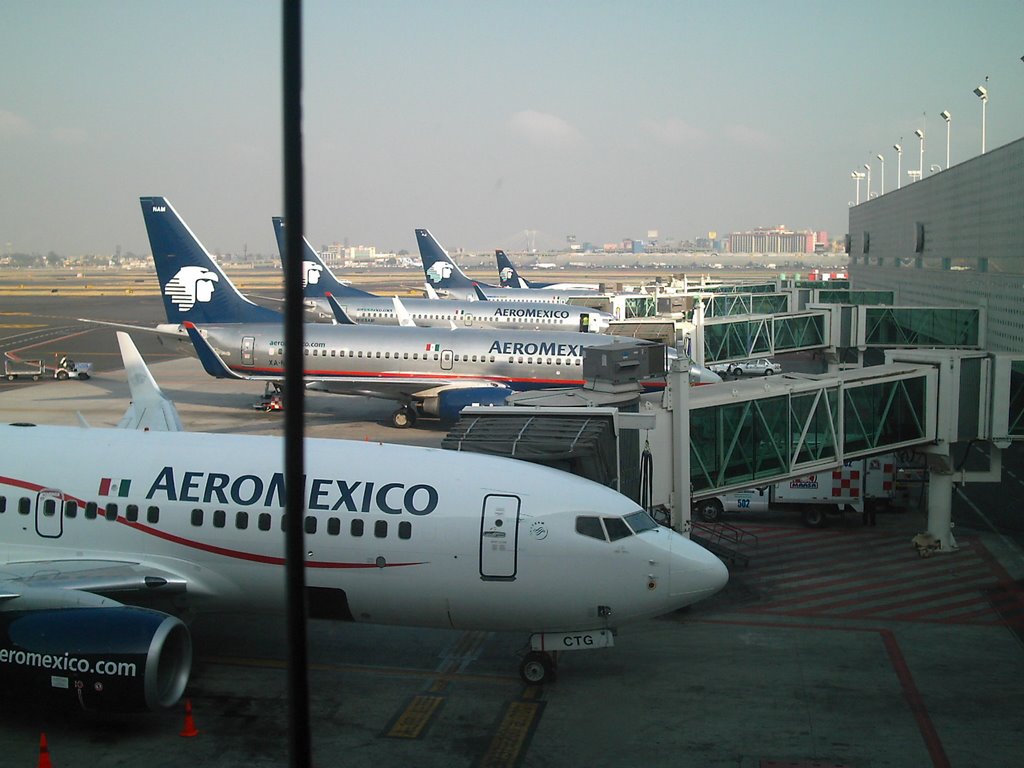
En Mexico, Interjet espera reflotar con quitas entre el 70% y 80 % de sus deudas que alcanzan los US$ 1.250 millones de Dólares, mientras Aeroméxico, con la reestructuración del Capítulo 11 y siguiendo con los recortes en el personal, tendrá que decidir con cuál de los tres fondos y bancos de Estados Unidos que están pugnando por financiar su rescate se quedará. Además, el proyecto de la nueva aerolínea del Gobierno mexicano tendrá el objetivo de rescatar la aviación en México post-pandemia.
En medio de este escenario de posible consolidación y de dominio de mercado estadounidense en el capital de las aerolíneas latinoamericanas Viva se convierte en un creciente competidor de las grandes marcas, gestionando su entrada al mercado chileno con rápido crecimiento con el respaldo de Cartesian Capital e Irelandia.
Air consolidation Latin America
Partnership scenario in the Latin American region
Latin American airlines show a scenario towards a possible consolidation of the air market and greater post-pandemic competition where negotiations continue on alliances, synergies, MoU, purchases, etc., allowing to establish a strengthening of the commercial aviation sector.
The Caoba fund, a Volaris Airlines shareholder, has moved closer to its position in the Chilean airline Sky Airline, while Azul Linhas Aéreas continues to forge its interest in acquiring Latam Airlines Brasil despite the resistance of the Chilean-Brazilian group to continue with its bankruptcy restructuring. in a context in which Aeroméxico and Avianca Airlines are controlled by US funds, in the midst of scathing competition from airlines with a better economic and financial position such as Viva and Volaris Airlines.
Sky Airline received an investment from the Central American bank Caoba Capital, which bought 40%, while the Paulmann Mast family kept 60%. For the Chilean, this would be the approach with Volaris Airlines, an airline founded by Roberto Kriete and current President of the Board of Directors of Avianca, appointed by United Airlines together with José Guardián and Rodrigo Salcedo of Caoba Capital in the Board of Directors of Avianca, in addition to be shareholders of Volaris Airlines. These links could lead Sky Airline to be especially interested in joining Volaris for its low-cost vocation. With Avianca it would be different due to its link with Star Alliance, its business model, added to the fact that it is directed by United Airlines, but it will be the funds of the United States as creditors that will end up keeping a significant part of its share capital.
Azul Linhas Aéreas de Brasil, on its side, has expressed its interest in Latam Airlines. However, Latam Brasil struggles to prevent Azul from reaching an agreement with creditors to enter as the main shareholder, while it would have to deal with Brazil’s antitrust laws. “During the conference call on the second quarter numbers we asked Azul if it was interested in acquiring Latam and the CEO said that yes, they had spoken with some of the airline’s creditors, but they first need the company to present its restructuring plan», said Victor Mizusaki, Lead Analyst at Bradesco.
In Mexico, Interjet hopes to refloat with reductions between 70% and 80% of its debts that reach US$ 1.25 billion, while Aeroméxico, with the restructuring of Chapter 11 and continuing with the cuts in personnel, will have to decide with which of the three US funds and banks that are fighting to finance his rescue will stay. In addition, the project of the new Mexican government airline will have the objective of rescuing aviation in post-pandemic Mexico.
In the midst of this scenario of possible consolidation and dominance of the US market in the capital of Latin American airlines, Viva becomes a growing competitor of large brands, managing its entry into the rapidly growing Chilean market with the support of Cartesian Capital and Irelandia.
AW | 2021 09 12 15:35 | AIRLINES MARKET / GOVERNMENT
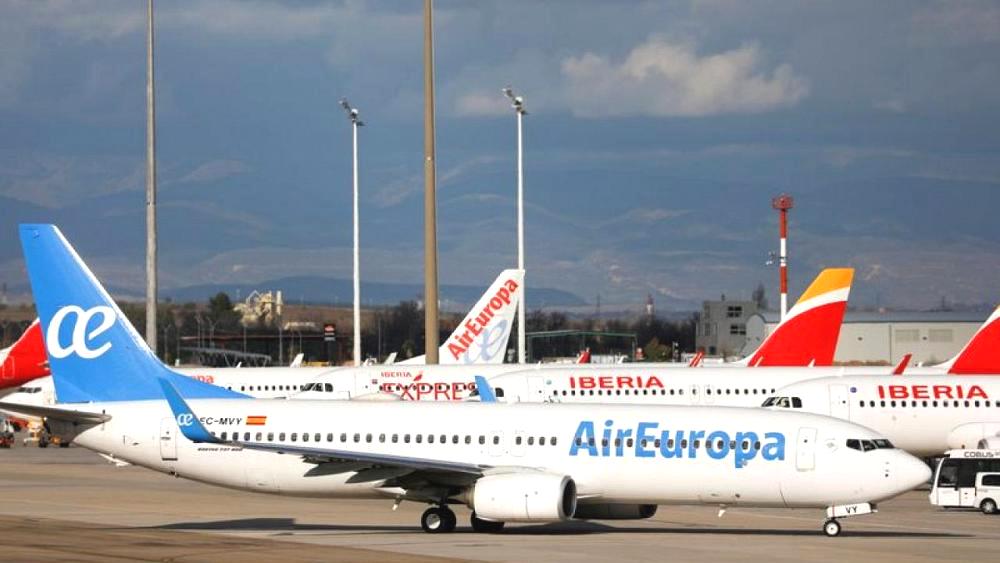
Lufthansa y Air France dificultan transacción Iberia-Air Europa
Las aerolíneas Lufthansa German Airlines y Air France dificultarían la transacción de compra de Air Europa por parte de Iberia Líneas Aéreas debido a la decisión de Bruselas, que se espera para final de año 2021, será determinante para la negociación. La Unión Europea (UE), que está dominada por Alemania y Francia, países que han rescatado a sus aerolíneas y por ende se han convertido en accionistas. La cuestión se enfoca en el proceso de unión de Iberia con Air Europa referente a la dominación el mercado en Latinoamérica, pues que es del interés de estos dos países referentes, pues pretenden fortalecer sus hubs de Frankfurt y París/Charles de Gaulle.
El negocio de Iberia con Air Europa estaría basado precisamente en el aumento de conexiones que alcanzaría con Latinoamérica y el resto del mundo. En ese caso Iberia se convertiría en un jugador dominante en ese mercado. Si Bruselas define las condiciones de competencia en este sentido, sería muy desfavorable para Iberia. Hasta el momento el proceso con Bruselas ha ido lento y con muchas dificultades. El futuro de Air Europa está en medio de una negociación política de máximo nivel.
Air Europa afronta varios retos para asegurar su supervivencia. El primero de ellos es revertir las abultadas pérdidas de este último año y medio. Además, debe contemplar pedir un segundo rescate público; como así también el proceso de venta a Iberia depende de que la Comisión Europea (CE) la apruebe. Finalmente, necesita paz interna, ante el control que el Estado español actualmente ostenta y la opción de que acabe siendo nacionalizada.
Iberia-Air Europa air barriers
Lufthansa and Air France hinder Iberia-Air Europa transaction
The airlines Lufthansa German Airlines and Air France would make it difficult for Iberia Líneas Aéreas to purchase Air Europa due to the decision of Brussels, which is expected by the end of the year 2021, which will be decisive for the negotiation. The European Union (EU), which is dominated by Germany and France, countries that have bailed out their airlines and thus have become shareholders. The question focuses on the process of joining Iberia with Air Europa regarding the dominance of the market in Latin America, since it is in the interest of these two reference countries, as they intend to strengthen their hubs in Frankfurt and Paris/Charles de Gaulle.
Iberia’s business with Air Europa would be based precisely on the increase in connections it would reach with Latin America and the rest of the world. In that case Iberia would become a dominant player in that market. If Brussels defines the conditions of competition in this sense, it would be very unfavorable for Iberia. So far the process with Brussels has been slow and with many difficulties. The future of Air Europa is in the middle of a top-level political negotiation.
Air Europa faces several challenges to ensure its survival. The first of these is to reverse the heavy losses of the past year and a half. In addition, you should consider asking for a second public ransom; as well as the sale process to Iberia depends on the approval of the European Commission (EC). Finally, it needs internal peace, given the control that the Spanish State currently holds and the option that it ends up being nationalized.
Variantes Coronavirus prolongan las expectativas mercado
La variante del Coronavirus denominada Delta lleva a aerolíneas de Estados Unidos a bajar sus expectativas económicas y las proyecciones de mercado aéreo. Las grandes aerolíneas estadounidenses indicaron el jueves que revisan a la baja sus previsiones de resultados debido a la variante delta de Coronavirus y la disparada de casos de COVID-19, que afectan duramente la demanda. «Antes de la más reciente alza del número de casos, los resultados de la empresa estaban bien orientados para alcanzar las previsiones del tercer trimestre de 2021. Sin embargo, como en anteriores aumentos de casos de Coronavirus, las reservas y las ganancias cayeron, y por ende, la empresa espera que su facturación en el tercer trimestre de 2021 baje alrededor de 33% con relación a igual trimestre de 2019», aseguró United Airlines.
Estados Unidos es el país más golpeado en términos absolutos por la pandemia en número de muertos, con 652.675 muertos en unos 40,5 millones de casos, según la universidad Johns Hopkins. El Miércoles 08/09, fallecieron 2.084 estadounidenses por el COVID-19.
Delta Air Lines, American Airlines, JetBlue Airways y Southwest Airlines, hicieron pronósticos similares a los de United Airlines este Jueves 09/09. Jetblue Airways redujo sus estimaciones de ganancia trimestral antes de intereses, impuestos, depreciación y amortización (Ebitda), de US$ 175 millones a 125 millones de Dólares. A pesar de todo, American Airlines estima que tendrá el mejor trimestre desde el inicio de la pandemia.
US airlines lower expectations
Coronavirus variants prolong market expectations
The variant of the Coronavirus called Delta leads US airlines to lower their economic expectations and air market projections. The large US airlines indicated on Thursday that they are revising their forecast results downwards due to the delta variant of coronavirus and the skyrocketing number of COVID-19 cases, which severely affects demand. «Prior to the most recent spike in the number of cases, the company’s results were well on track to meet the forecast for the third quarter of 2021. However, as in previous increases in Coronavirus cases, reserves and profits fell, and therefore, the company expects its turnover in the third quarter of 2021 to drop around 33% compared to the same quarter of 2019», United Airlines assured.
The United States is the country hardest hit in absolute terms by the pandemic in terms of death toll, with 652,675 deaths in about 40.5 million cases, according to Johns Hopkins University. On Wednesday, 08/09, 2,084 Americans died from COVID-19.
Delta Air Lines, American Airlines, JetBlue Airways and Southwest Airlines, made forecasts similar to those of United Airlines this Thursday 09/09. Jetblue Airways lowered its estimates of quarterly earnings before interest, taxes, depreciation and amortization (Ebitda), from US$ 175 million to 125 million Dollars. Despite everything, American Airlines estimates that it will have the best quarter since the start of the pandemic.
Maniobra poco amistosa para liderar mercado brasileño
La aerolínea Azul Linhas Aéreas busca ha mostrado seducir a Latam Airlines Group para adquirir la filial brasileña Latam Airlines Brasil con el objetivo consolidar y liderar su posición en el enorme mercado doméstico. Se trata de una jugada viable, pero de alta complejidad, que mantiene a algunos analistas escépticos y que para Latam Airlines Group solo pretende retrasar su salida del Capítulo 11 de la Ley de Bancarrota de Estados Unidos. Los plazos vuelan y ambas líneas aéreas mueven sus posiciones para continuar liderando el mercado aéreo de Brasil.
Fugaz amistad
Poco más de un año después del anuncio de la puesta en marcha de un código compartido por la aerolínea brasileña Azul Linhas Aéreas Brasileiras y Latam Airlines Brasil, ambas compañías daban a conocer en respectivos comunicados que ponían fin a esta alianza, que incluía cincuenta rutas nacionales y un acuerdo de viajero frecuente. El motivo de la ruptura, según Latam Brasil, era que la compañía estaba ya en posición de fortaleza para liderar un proceso de consolidación en la industria brasileña, sin especificar cuál, mientras que Azul aseguraba que el código con Latam fue una solución única en su respuesta a la pandemia y que su fin era una reacción al proceso de consolidación a nivel local. Lo cierto es que la relación entre las dos aerolíneas podría producir más novedades. Desde 2020 se habla de una potencial adquisición de Latam Airlines por parte de Azul Linhas Aéreas, una maniobra que volvió recientemente a la esfera mediática, tras una nueva publicación del diario The Wall Street Journal al respecto. La aerolínea de capitales chileno-brasileño ha manifestado que no tiene interés de vender su operación en Brasil, mientras que algunos analistas de la industria aérea continúan viendo factible la transacción. “Durante la llamada conferencia sobre los números del segundo trimestre consultamos a Azul si estaba interesada en adquirir Latam y el CEO dijo que sí, que habían hablado con algunos de los acreedores de la aerolínea, pero necesitan primero que la compañía presente su plan de reestructuración”, explica Víctor Mizusaki, Lead Analyst en Bradesco, banco que justamente fue el primero en asegurar que la adquisición era probable en 2020. El analista se refiere a la viral declaración de John Rodgerson, CEO de Azul, que deja ver el alcance de su interés por las operaciones de su rival: “No nos hemos rendido y estamos entusiasmados con las oportunidades que existen”, expresó con énfasis.
Latam Airlines Group, que debido al duro golpe en sus finanzas producto de la pandemia tuvo que acogerse al Capítulo 11 de la Ley de Quiebras de Estados Unidos, tiene ante sí un retador panorama en el corto plazo. La compañía tiene fijada para el 23 de Septiembre de 2021 su audiencia en el Tribunal de Justicia de Nueva York/Distrito Sur para presentar el plan de reestructuración, aunque no es una fecha definitiva puesto que todavía puede pedir una nueva extensión del plazo, mientras que la fecha del 26 de Noviembre de 2021 representa inamovible cuando se cumplen 18 meses dentro del Capítulo 11 y expira el período de exclusividad para presentar su propuesta. Por lo pronto, Latam Airlines sigue trabajando en las negociaciones de los términos del plan con grupos de inversionistas, según declaró Roberto Alvo, CEO del grupo Latam donde sostuvo que en las próximas semanas se hará público el acuerdo, además de dejar claro que no cederá ante la presión de Azul: “Latam no tiene ninguna intención de vender ninguna de sus unidades de negocios”, afirmó Roberto Alvo.
Mientras tanto, Azul Linhas Aéreas espera paciente su oportunidad para dar el paso con los acreedores de la aerolínea chilena, con quienes ha venido hablando en los últimos meses. La dinámica, según explica Víctor Mizusaki, parte con una primera propuesta presentada por Latam Airlines, que debe ser sometida a votación y rechazada por los acreedores; solo entonces Azul puede entrar en el juego y hacer su propuesta. Pero como Latam Airlines Group está en el Capítulo 11 y la operación requeriría de la aprobación del regulador antimonopolio, el Consejo Administrativo de Defensa Económica (CADE) de Brasil, la espera sería larga. “Por eso, Azul tiene que presentarse con una mejor propuesta, les puede decir que transformarán la mayor parte de la deuda en capital, que pueden darle efectivo o, si lo prefieren, recibir acciones; pero sobre todo la propuesta tiene que tener sentido para que estos acreedores quieran esperar”, dice el analista. Se trata sin duda de una operación compleja, pero posible a juicio de Víctor Mizusaki, quien dice haber conversado con abogados expertos en el Capítulo 11 y le aseguran que es factible y ha sucedido en otros casos, por lo que sostiene que no es tan disparatado lo que intenta hacer Azul Linhas Aéreas.
Más allá de la negativa de Latam de vender sus operaciones en Brasil, es la complejidad que ha descrito el analista de Bradesco, la razón por la cual desde el grupo chileno la consideran una operación improbable. Jerome Cadier, CEO de Latam Airlines Brasil, afirma que una propuesta como la de Azul Linhas Aéreas no encaja en el cronograma de salida del Capítulo 11 y, además, debe pasar no solo por el regulador brasileño, sino también por el Departamento de Comercio de Estados Unidos y la Fiscalía Nacional Económica en Chile. “En el mejor de los casos, este proceso tomaría un año en Brasil”.
Para René Armas Maes, Vicepresidente Comercial de Jet Link International LLC y Consultor Aeronáutico, el tema regulatorio sería un gran obstáculo en los planes de Azul Linhas Aéreas, por la concentración que recaería en una sola aerolínea. “El mercado brasileño es bastante regulado y solamente Latam promedió una participación del 35% entre 2019 y 2020 en el mercado doméstico”, expresa. De tal manera que una consolidación entre ambas líneas aéreas implicaría una concentración por parte de Azul de más del 60%. “En mi opinión, no creo que esto llegue a ocurrir”, comenta René Armas Maes.
Pero John Rodgerson ha defendido en reiteradas ocasiones la viabilidad de ese nivel de participación, citando como ejemplo los casos de Avianca, Air Canadá y la misma Latam Airlines, que en sus países de origen Colombia, Canadá y Chile, respectivamente, concentran cada una más del 70% del mercado local. “Las sinergias de consolidación doméstica en Brasil son muy amplias y beneficiarán a todos. Esto beneficiará a los pilotos, proveedores, aeropuertos y toda la industria”, aseguró el CEO de Azul Linhas Aéreas en el último conference call.
Por eso Víctor Mizusaki, de Bradesco, afirma que esta consolidación podría ser aprobada por el regulador antimonopolio de Brasil: “Ya se ha hablado de la concentración de mercado. Incluso, el nuevo Presidente del CADE, Alexandre Cordero, dijo estar al tanto de la discusión sobre la potencial fusión y que al tratarse de un mercado con dos o tres aerolíneas, puede ser aprobado”, señala.
Patricio Sepúlveda, ex-CEO de LanChile explica que sería un error muy grande para la aerolínea chilena deshacerse de un mercado como el de Brasil. “Más bien, Latam mira y debe mirar a Brasil como una posición estratégica”, sostiene el experto, para quien las probabilidades de que esa consolidación ocurra, son muy pocas. “En el capital accionario de Latam hay empresas muy fuertes como Delta Air Lines y Qatar Airways, y no van a dejar que pase”, insiste.
Una posición que también comparte Armas Maes, quien no ve una necesidad real desde Latam Airlines Group para salir del mercado aéreo más importante de América Latina. “Latam no necesita vender su operación en Brasil para aumentar su liquidez porque cuenta con fuentes adicionales de financiamiento para sostenerse, argumenta el consultor«. En cambio, para Víctor Mizusaki, esta sería la mejor alternativa para el grupo chileno. “Latam entró al Capítulo 11, está tratando de armar una reestructuración, y algunas fuentes han hablado de que su plan de salida podría demandar US$ 4.000 millones. Por eso, la mejor alternativa, lo mejor aquí, es intentar vender sus operaciones en Brasil a Azul”, reitera el analista de Bradesco.
Competencia por el gigante
El peso que tiene el mercado aéreo de Brasil es tan gigante como su extensión territorial y su economía, y es junto al de México, el más importante en Latinoamérica, de ahí que liderar las operaciones en ese país resulte tan ambicioso. Según detalla Armas Maes, el mercado brasileño ofertaba un promedio de 2,5 millones de asientos por semana antes de la pandemia y actualmente se oferta poco menos de un tercio, lo que implica un potencial importante de crecimiento. “La recuperación de la demanda, el crecimiento y potencial de estimulación del tráfico en Brasil representa una oportunidad única para posicionar y rentabilizar la operación para cualquiera de las aerolíneas”, explica Armas Maes. En medio de esta oportunidad, el consultor aeronáutico destaca un dato clave para entender el creciente interés de Azul Linhas Aéreas por quedarse con toda o parte de las operaciones de su principal rival: en 2019, el tráfico de pasajeros para Latam Airlines Brasil representó el 54% del total del mercado nacional y en 2020 continuó siendo su mercado líder.
Por eso, Patricio Sepúlveda, quien también es ex-Vicepresidente para América Latina de la Asociación de Transporte Aéreo Internacional (IATA), considera lógico el paso que intenta dar Azul. “En medio de la crisis que generó la pandemia, las aerolíneas han tenido que apretarse el cinturón, pero eso no va a durar mucho. También tienen que pensar en crecer y para que una aerolínea crezca muchas veces es más fácil hacerlo adquiriendo otra compañía”, comenta, mientras se suma la estrategia del propietario de Azul, David Neeleman, que ha venido invirtiendo recientemente en compañías aéreas, como TAP en Portugal o Breeze Airways en Estados Unidos. “Tomar la posición de Latam Airlines Brasil lo colocaría en una condición de mayor envergadura”, dice Patricio Sepúlveda.
Sin embargo, la opinión que tienen desde Latam Airlines acerca del interés de Azul, se enfoca más en un presunto intento por demorar su salida del Capítulo 11. De hecho el Jefe de su filial brasileña, Jerôme Cadier, asegura en una entrevista con el medio Estadao que Azul está aterrorizada por la competencia y por eso estaría dificultando que Latam abandone el Capítulo 11, lo que conduciría a un proceso más complejo y costoso. En la misma declaración, Jerôme Cadier reitera que están dejando el Capítulo 11 “más competitivos de lo que jamás hemos estado en la historia del grupo». El consultor Armas Maes concuerda con esta proyección: “la reestructuración ayudará a Latam a reducir el costo por asiento-kilómetro (CASK) entre 33% y 45%, lo que la colocaría en una posición de costos más competitiva con respecto a Azul”, explica.
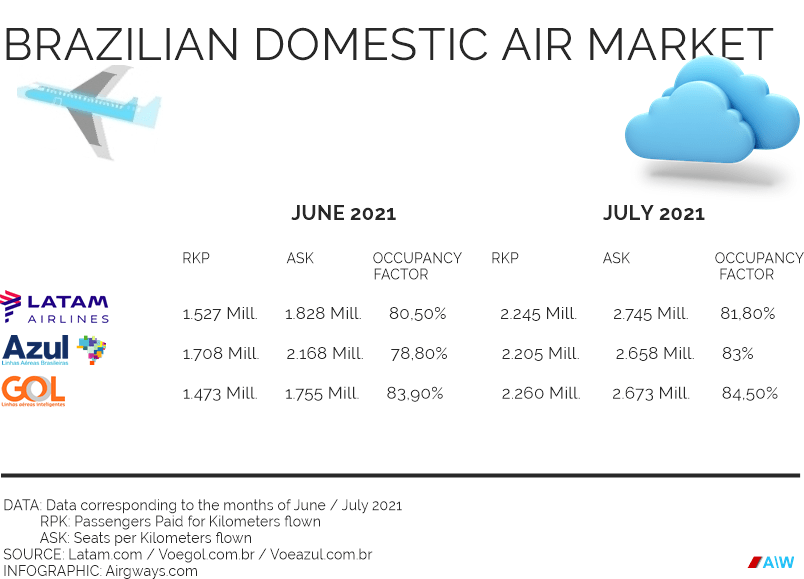
Para entender mejor la pulseada aérea vale mirar los números del más reciente reporte de las operaciones de ambas compañías aéreas, correspondiente al mes de Julio 2021, que dan cuenta de la rivalidad que hay entre las tres aerolíneas que dominan en el país: Azul Linhas Aéreas, Latam Airlines Brasil y GOL Linhas Aéreas tanto por el mercado doméstico, como por la recuperación de la ocupación y por liderar los factores de la oferta y demanda en el mejor mercado de aviación en América Latina.
En el factor ocupación, Azul tiene una ligera ventaja tras pasar del 78,8% en junio al 83,0% en Julio; mientras que Latam subió a 81,8% en el séptimo mes después del 80,5% registrado en Junio. Mientras que en la demanda, medida en ingresos de pasajeros por kilómetros recorridos (RPK), la filial de la chilena obtuvo un avance de 47% respecto a Junio con un total de 2.245 millones de RPK, un resultado que le permitió mantener la segunda posición, superada por GOL que se ubicó primero en este factor con 2.260 millones, luego de destronar el liderato que ostentó Azul en Junio. Esta vez, la compañía de David Neeleman fue tercero con 2.205 millones de RPK.
En cuanto a la oferta de asientos por kilómetros recorridos (ASK) en rutas domésticas, Azul totalizó 2.658 millones en Julio, un crecimiento del 29,1% en comparación con Junio y un alza de 3,7% respecto al mismo mes de 2019, lo que significa que ya ofrece más asientos por kilómetros que antes de la crisis pandémica. Aún así el valor de LATAM fue mayor con 2.745 millones en Julio, un aumento del 44,6% frente al mes anterior, pero sigue sin recuperar sus niveles de 2019, cuando registró 3.602 millones de ASK, al igual que GOL que está un 37,1% por debajo de Julio de 2019.
Blue on the prowl from Latam Airlines
Unfriendly maneuver to lead the Brazilian market
The Azul Linhas Aéreas airline seeks to seduce Latam Airlines Group to acquire the Brazilian subsidiary Latam Airlines Brasil in order to consolidate and lead its position in the huge domestic market. It is a viable, but highly complex move that has some analysts skeptical and that for Latam Airlines Group only intends to delay its exit from Chapter 11 of the United States Bankruptcy Law. The deadlines fly and both airlines move their positions to continue leading the Brazilian air market.
Fleeting friendship
Just over a year after the announcement of the launch of a code shared by the Brazilian airline Azul Linhas Aéreas Brasileiras and Latam Airlines Brasil, both companies announced in their respective statements that they put an end to this alliance, which included fifty national routes. and a frequent flyer agreement. The reason for the break, according to Latam Brazil, was that the company was already in a position of strength to lead a consolidation process in the Brazilian industry, without specifying which one, while Azul assured that the code with Latam was a unique solution in its response to the pandemic and that its end was a reaction to the consolidation process at the local level. The truth is that the relationship between the two airlines could produce more news. Since 2020 there has been talk of a potential acquisition of Latam Airlines by Azul Linhas Aéreas, a maneuver that recently returned to the media sphere, after a new publication in The Wall Street Journal on the matter. The Chilean-Brazilian capital airline has stated that it has no interest in selling its operation in Brazil, while some analysts in the airline industry continue to see the transaction feasible. “During the conference call on the second quarter numbers we asked Azul if it was interested in acquiring Latam and the CEO said that yes, they had spoken with some of the airline’s creditors, but they first need the company to present its restructuring plan”, Explains Víctor Mizusaki, Lead Analyst at Bradesco, a bank that was precisely the first to ensure that the acquisition was likely in 2020. The analyst refers to the viral statement by John Rodgerson, CEO of Azul, which reveals the scope of his Interest in the operations of his rival: «We have not given up and are excited about the opportunities that exist», he emphatically expressed.
Latam Airlines Group, which due to the severe blow to its finances as a result of the pandemic had to file for Chapter 11 of the United States Bankruptcy Law, faces a challenging outlook in the short term. The company has its hearing in the Court of Justice of Nueva York/Southern District set for September 23, 2021 to present the restructuring plan, although it is not a definitive date since it can still request a new extension of the term, while the The date of November 26, 2021 represents non-removable when 18 months are completed within Chapter 11 and the exclusivity period to present your proposal expires. For now, Latam Airlines continues to work on the negotiations of the terms of the plan with investor groups, according to Roberto Alvo, CEO of the Latam group, where he said that the agreement will be made public in the coming weeks, in addition to making it clear that he will not yield. under pressure from Azul: «Latam has no intention of selling any of its business units», said Roberto Alvo.
Meanwhile, Azul Linhas Aéreas patiently awaits its opportunity to take a step with the creditors of the Chilean airline, with whom it has been speaking in recent months. The dynamics, according to Víctor Mizusaki, starts with a first proposal presented by Latam Airlines, which must be submitted to a vote and rejected by the creditors; only then can Blue enter the game and make his proposal. But since Latam Airlines Group is in Chapter 11 and the operation would require the approval of the antitrust regulator, the Administrative Council of Economic Defense (CADE) of Brazil, the wait would be long. “For this reason, Azul has to come up with a better proposal. It can tell them that they will transform most of the debt into equity, that they can give them cash or, if they prefer, receive shares; but above all, the proposal has to make sense so that these creditors want to wait”, says the analyst. It is undoubtedly a complex operation, but possible in the opinion of Víctor Mizusaki, who says he has spoken with expert lawyers in Chapter 11 and they assure him that it is feasible and has happened in other cases, which is why he maintains that it is not so crazy what Azul Linhas Aéreas tries to do.
Beyond Latam’s refusal to sell its operations in Brazil, it is the complexity described by the Bradesco analyst, the reason why the Chilean group considers it an unlikely operation. Jerome Cadier, CEO of Latam Airlines Brasil, affirms that a proposal such as that of Azul Linhas Aéreas does not fit into the Chapter 11 exit schedule and, in addition, must pass not only through the Brazilian regulator, but also through the Department of Commerce of United States and the National Economic Prosecutor’s Office in Chile. «At best, this process would take a year in Brazil».
For René Armas Maes, Commercial Vice President of Jet Link International LLC and aeronautical consultant, the regulatory issue would be a major obstacle in Azul Linhas Aéreas’s plans, due to the concentration that would fall on a single airline. «The Brazilian market is quite regulated and only Latam averaged a 35% share between 2019 and 2020 in the domestic market», he says. In such a way that a consolidation between both airlines would imply a concentration by Azul of more than 60%. «In my opinion, I don’t think this will happen», says René Armas Maes.
But John Rodgerson has repeatedly defended the viability of this level of participation, citing as an example the cases of Avianca, Air Canada and Latam Airlines itself, which in their countries of origin Colombia, Canada and Chile, respectively, each concentrate more 70% of the local market. “The domestic consolidation synergies in Brazil are very broad and will benefit everyone. This will benefit pilots, suppliers, airports and the entire industry”, assured the CEO of Azul Linhas Aéreas in the last conference call.
That is why Víctor Mizusaki, from Bradesco, affirms that this consolidation could be approved by Brazil’s antitrust regulator: “Market concentration has already been discussed. Even the new CADE President, Alexandre Cordero, said he was aware of the discussion about the potential merger and that since it is a market with two or three airlines, it can be approved”, he points out.
Patricio Sepúlveda, ex-CEO of LanChile explains that it would be a very big mistake for the Chilean airline to get rid of a market like Brazil. «Rather, Latam looks at and should look at Brazil as a strategic position», says the expert, for whom the chances of this consolidation happening are very low. «In Latam’s share capital there are very strong companies such as Delta Air Lines and Qatar Airways, and they are not going to let it happen», he insists.
A position also shared by Armas Maes, who does not see a real need from Latam Airlines Group to exit the most important air market in Latin America. «Latam does not need to sell its operation in Brazil to increase its liquidity because it has additional sources of financing to sustain itself,», argues the consultant. On the other hand, for Víctor Mizusaki, this would be the best alternative for the Chilean group. «Latam entered Chapter 11, is trying to put together a restructuring, and some sources have spoken that its exit plan could demand US$ 4 billion. Therefore, the best alternative, the best here, is to try to sell its operations in Brazil to Azul”, reiterates the Bradesco analyst.
Competition for the giant
The weight of the Brazilian air market is as gigantic as its territorial extension and its economy, and it is together with that of Mexico, the most important in Latin America, hence leading operations in that country is so ambitious. According to Armas Maes, the Brazilian market offered an average of 2.5 million seats per week before the pandemic and currently just under a third is offered, which implies significant growth potential. «The recovery of demand, growth and the potential to stimulate traffic in Brazil represents a unique opportunity to position and make the operation profitable for any of the airlines», explains Armas Maes. In the midst of this opportunity, the aeronautical consultant highlights a key piece of information to understand the growing interest of Azul Linhas Aéreas to take over all or part of the operations of its main rival: in 2019, passenger traffic for Latam Airlines Brazil accounted for 54 % of the total national market and in 2020 it continued to be its leading market.
For this reason, Patricio Sepúlveda, who is also the former Vice President for Latin America of the International Air Transport Association (IATA), considers the step that Azul is trying to take logical. “In the midst of the crisis that the pandemic generated, airlines have had to tighten their belts, but that is not going to last long. They also have to think about growing and for an airline to grow many times it is easier to do so by acquiring another company», he says, while adding the strategy of Azul owner David Neeleman, who has recently been investing in airlines, such as TAP in Portugal or Breeze Airways in the United States. «Taking the position of Latam Airlines Brasil would place it in a greater position», says Patricio Sepúlveda.
However, the opinion they have from Latam Airlines about Azul’s interest focuses more on an alleged attempt to delay his exit from Chapter 11. In fact, the Head of its Brazilian subsidiary, Jerôme Cadier, assures in an interview with the media I state that Azul is terrified of competition and that is why it would be making it difficult for Latam to abandon Chapter 11, which would lead to a more complex and expensive process. In the same statement, Jerôme Cadier reiterates that they are leaving Chapter 11 “more competitive than we have ever been in the group’s history”. The consultant Armas Maes agrees with this projection: “the restructuring will help Latam reduce the cost per seat-kilometer (CASK) between 33% and 45%, which would place it in a more competitive cost position with respect to Azul”, he explains.
To better understand the air pulse, it is worth looking at the numbers of the most recent report on the operations of both airlines, corresponding to July 2021, which account for the rivalry between the three airlines that dominate in the country: Azul Linhas Aéreas, Latam Airlines Brasil and GOL Linhas Aéreas both for the domestic market, for the recovery of occupancy and for leading the supply and demand factors in the best aviation market in Latin America.
In the load factor, Azul has a slight advantage after going from 78.8% in June to 83.0% in July; while Latam rose to 81.8% in the seventh month after the 80.5% registered in June. While in demand, measured in passenger revenue per kilometers traveled (RPK), the Chilean subsidiary obtained an advance of 47% compared to June with a total of 2,245 million RPK, a result that allowed it to maintain the second position , surpassed by GOL, which ranked first in this factor with 2,260 million, after dethroning the leadership held by Azul in June. This time, David Neeleman’s company was third with 2.205 million RPK.
Regarding the offer of seats per kilometers traveled (ASK) on domestic routes, Azul totaled 2,658 million in July, a growth of 29.1% compared to June and an increase of 3.7% compared to the same month of 2019, which means that it already offers more seats per kilometer than before the pandemic crisis. Even so, the value of LATAM was higher with 2,745 million in July, an increase of 44.6% compared to the previous month, but it still does not recover its levels of 2019, when it registered 3,602 million ASK, as well as GOL, which is 37 , 1% below July 2019.
Azul à espreita da Latam Airlines
Manobra hostil para liderar o mercado brasileiro
A companhia aérea Azul Linhas Aéreas busca seduzir o Latam Airlines Group para a aquisição da subsidiária brasileira Latam Airlines Brasil com o objetivo de consolidar e liderar sua posição no grande mercado nacional. É um movimento viável, mas altamente complexo, que mantém alguns analistas céticos e que, para o Latam Airlines Group, pretende apenas adiar a sua saída do Capítulo 11 da Lei de Falências dos Estados Unidos. Os prazos voam e as duas empresas mudam de posição para continuar liderando o mercado aéreo brasileiro.
Amizade fugaz
Pouco mais de um ano após o anúncio do lançamento de um código compartilhado pelas companhias aéreas brasileiras Azul Linhas Aéreas Brasileiras e Latam Airlines Brasil, ambas as companhias anunciaram em seus respectivos comunicados que põem fim a esta aliança, que incluía cinquenta rotas nacionais. E um acordo de passageiro frequente. O motivo do rompimento, segundo a Latam Brasil, foi que a empresa já estava em posição de força para liderar um processo de consolidação na indústria brasileira, sem especificar qual, enquanto a Azul garantiu que o código com a Latam era uma solução única no Brasil. Sua resposta à pandemia e que seu fim foi uma reação ao processo de consolidação em nível local. A verdade é que a relação entre as duas companhias aéreas pode trazer mais notícias. Desde 2020 se fala em potencial aquisição da Latam Airlines pela Azul Linhas Aéreas, manobra que recentemente voltou à esfera da mídia, após nova publicação no The Wall Street Journal sobre o assunto. A companhia aérea de capital chileno-brasileira afirmou que não tem interesse em vender sua operação no Brasil, enquanto alguns analistas do setor de aviação civil continuam vendo a transação viável. “Durante a teleconferência sobre os números do segundo trimestre, perguntamos à Azul se ela estava interessada em adquirir a Latam e o CEO disse que sim, eles falaram com alguns dos credores da companhia aérea, mas primeiro precisam que a empresa apresente seu plano de reestruturação”, explice Víctor Mizusaki, Analista Líder do Bradesco, banco que foi justamente o primeiro a garantir que a aquisição era provável em 2020. O analista se refere ao comunicado viral de John Rodgerson, CEO da Azul, que revela a abrangência de seu interesse na operações de seu rival: «Não desistimos e estamos entusiasmados com as oportunidades que existem», expressou enfaticamente.
O Latam Airlines Group, que devido ao severo golpe em suas finanças como resultado da pandemia teve que entrar com o Capítulo 11 da Lei de Falências dos Estados Unidos, enfrenta um panorama desafiador no curto prazo. A empresa tem audiência no Tribunal de Justiça de Nueva York/Distrito Sul marcada para 23 de Setembro de 2021 para apresentar o plano de reestruturação, embora não seja uma data definitiva visto que ainda pode requerer nova prorrogação do prazo, enquanto o data de 26 de Novembro de 2021 representa não removível quando 18 meses são concluídos no Capítulo 11 e o período de exclusividade para apresentar sua proposta expira. Por enquanto, a Latam Airlines continua trabalhando na negociação dos termos do plano com grupos investidores, segundo Roberto Alvo, CEO do grupo Latam, onde disse que o acordo será divulgado nas próximas semanas, além de divulgá-lo claro que não cederá. sob pressão da Azul: «A Latam não tem intenção de vender nenhuma de suas unidades de negócios», disse Roberto Alvo.
Enquanto isso, a Azul Linhas Aéreas aguarda pacientemente a oportunidade de dar um passo junto aos credores da companhia aérea chilena, com quem tem falado nos últimos meses. A dinâmica, segundo Víctor Mizusaki, começa com uma primeira proposta apresentada pela Latam Airlines, que deve ser submetida a votação e rejeitada pelos credores; só então Azul pode entrar no jogo e fazer sua proposta. Mas como o Latam Airlines Group está no Capítulo 11 e a operação exigiria a aprovação do órgão regulador antitruste, o Conselho Administrativo de Defesa Econômica (CADE) do Brasil, a espera seria longa. “Por isso, a Azul tem que fazer uma proposta melhor, pode dizer que vai transformar a maior parte da dívida em capital, que pode dar dinheiro ou, se preferir, receber ações; mas acima de tudo, a proposta tem que fazer sentido para que esses credores queiram esperar”, diz o analista. É, sem dúvida, uma operação complexa, mas possível na opinião de Víctor Mizusaki, que diz ter falado com advogados especialistas no Capítulo 11 e eles lhe asseguram que é factível e já aconteceu em outros casos, razão pela qual afirma que é não tão louco o que a Azul Linhas Aéreas tenta fazer.
Além da recusa da Latam em vender suas operações no Brasil, é a complexidade descrita pelo analista do Bradesco, motivo pelo qual o grupo chileno a considera uma operação improvável. Jerôme Cadier, CEO da Latam Airlines Brasil, afirma que uma proposta como a da Azul Linhas Aéreas não se enquadra no cronograma de saída do Capítulo 11 e, além disso, deve passar não só pelo regulador brasileiro, mas também pelo Departamento de Comércio dos Estados Unidos e do Ministério Público Econômico do Chile. «Na melhor das hipóteses, esse processo levaria um ano no Brasil».
Para René Armas Maes, vice-presidente comercial da Jet Link International LLC e consultor aeronáutico, a questão regulatória seria um grande obstáculo nos planos da Azul Linhas Aéreas, devido à concentração que cairia em uma única companhia aérea. “O mercado brasileiro é bastante regulado e apenas a América Latina teve uma participação média de 35% entre 2019 e 2020 no mercado interno”, afirma. De forma que uma consolidação entre as duas companhias aéreas implicaria em uma concentração da Azul de mais de 60%. “Na minha opinião, não acho que isso vá acontecer”, diz René Armas Maes.
Mas John Rodgerson tem defendido reiteradamente a viabilidade desse nível de participação, citando como exemplo os casos da Avianca, Air Canada e da própria Latam Airlines, que em seus países de origem Colômbia, Canadá e Chile, respectivamente, concentram cada um mais 70% de mercado local. “As sinergias de consolidação doméstica no Brasil são muito amplas e vão beneficiar a todos. Isso vai beneficiar pilotos, fornecedores, aeroportos e toda a indústria”, garantiu o presidente da Azul Linhas Aéreas na última teleconferência.
É por isso que Víctor Mizusaki, do Bradesco, afirma que essa consolidação poderia ser aprovada pelo órgão regulador de defesa da concorrência do Brasil: “Já foi discutida a concentração de mercado. Até o novo presidente do CADE, Alexandre Cordero, disse estar ciente da discussão sobre a potencial fusão e que, por se tratar de um mercado com duas ou três companhias aéreas, ela pode ser aprovada”, afirma.
Patricio Sepúlveda, ex-CEO da LanChile, explica que seria um grande erro da companhia aérea chilena se livrar de um mercado como o Brasil. “Pelo contrário, a Latam olha e deve olhar o Brasil como uma posição estratégica”, diz o especialista, para quem as chances de essa consolidação acontecer são muito baixas. “No capital acionário da Latam há empresas muito fortes, como a Delta Air Lines e a Qatar Airways, e elas não vão deixar isso acontecer”, insiste.
Posição também compartilhada por Armas Maes, que não vê uma necessidade real da Latam Airlines Group de sair do mercado aéreo mais importante da América Latina. “A Latam não precisa vender sua operação no Brasil para aumentar sua liquidez porque tem fontes adicionais de financiamento para se sustentar”, argumenta o consultor. Por outro lado, para Víctor Mizusaki, essa seria a melhor alternativa para o grupo chileno. “A Latam entrou no Capítulo 11, está tentando fazer uma reestruturação, e algumas fontes disseram que seu plano de saída poderia demandar US$ 4 bilhões. Portanto, a melhor alternativa, a melhor aqui, é tentar vender suas operações no Brasil para a Azul”, reitera o analista do Bradesco.
Competição para o gigante
O peso do mercado aéreo brasileiro é tão gigantesco quanto sua extensão territorial e sua economia, e ele é, junto com o do México, o mais importante da América Latina, portanto liderar operações naquele país é tão ambicioso. Segundo Armas Maes, o mercado brasileiro oferecia em média 2,5 milhões de vagas por semana antes da pandemia e atualmente é oferecido pouco menos de um terço, o que implica em grande potencial de crescimento. “A recuperação da demanda, o crescimento e o potencial de estimular o tráfego no Brasil representam uma oportunidade única de posicionar e tornar a operação rentável para qualquer uma das companhias aéreas”, explica Armas Maes. Em meio a essa oportunidade, o consultor aeronáutico destaca uma informação fundamental para entender o crescente interesse da Azul Linhas Aéreas em assumir a totalidade ou parte das operações de seu principal rival: em 2019, o tráfego de passageiros da Latam Airlines Brasil representou 54% do mercado nacional total e em 2020 continuou a ser o seu mercado líder.
Por isso, Patricio Sepúlveda, que também é o ex-Vice-presidente para a América Latina da International Air Transport Association (IATA), considera lógico o passo que a Azul está tentando dar. “Em meio à crise que a pandemia gerou, as companhias aéreas tiveram que apertar o cinto, mas isso não vai durar muito. Também é preciso pensar em crescer e para uma companhia aérea crescer muitas vezes é mais fácil adquirir outra empresa”, afirma, ao acrescentar a estratégia do proprietário da Azul David Neeleman, que recentemente vem investindo em companhias aéreas, como TAP em Portugal ou Breeze Airways nos Estados Unidos. “Assumir a posição da Latam Airlines Brasil a colocaria em uma posição superior”, diz Patricio Sepúlveda.
No entanto, a opinião que eles têm da Latam Airlines sobre o interesse da Azul se concentra mais em uma suposta tentativa de adiar sua saída do Capítulo 11. Na verdade, o chefe de sua subsidiária brasileira, Jerôme Cadier, garante em entrevista à mídia que afirmo que a Azul tem pavor da concorrência e é por isso que dificultaria o abandono do Capítulo 11 para a Latam, o que levaria a um processo mais complexo e caro. No mesmo comunicado, Jerôme Cadier reitera que estão saindo do Capítulo 11 “mais competitivos do que jamais estivemos na história do grupo”. A consultora Armas Maes concorda com essa projeção: “a reestruturação ajudará a Latam a reduzir o custo por assento-quilômetro (CASK) entre 33% e 45%, o que a colocaria em uma posição de custo mais competitiva em relação à Azul”, explica.
Para entender melhor o pulso de ar, vale a pena olhar os números do relatório mais recente das operações das duas companhias aéreas, correspondente ao mês de Julho de 2021, que respondem pela rivalidade entre as três companhias aéreas que dominam o país: Azul Linhas Aéreas, Latam Airlines Brasil e GOL Linhas Aéreas tanto para o mercado interno, para a recuperação da ocupação quanto para liderar os fatores de oferta e demanda no melhor mercado de aviação da América Latina.
Na taxa de ocupação, a Azul leva uma ligeira vantagem ao passar de 78,8% em Junho para 83,0% em Julho; enquanto a Latam subiu para 81,8% no sétimo mês, após 80,5% registrados em Junho. Em demanda, medida em receita de passageiros por quilômetro rodado (RPK), a subsidiária chilena obteve um avanço de 47% em relação a Junho com um total de 2.245 milhões de RPK, resultado que lhe permitiu manter a segunda posição, superada pela GOL, que ficou em primeiro lugar neste fator com 2.260 milhões, após destronar a liderança detida pela Azul em Junho. Desta vez, a empresa de David Neeleman ficou em terceiro com 2,205 milhões de RPK.
Em relação à oferta de assentos por quilômetro rodado (ASK) em rotas nacionais, a Azul somou 2.658 milhões em Julho, um crescimento de 29,1% em relação a Junho e um aumento de 3,7% em relação ao mesmo mês de 2019, o que significa que já oferece mais assentos por quilômetro do que antes da crise pandêmica. Mesmo assim, o valor da Latam foi superior, com 2.745 milhões em Julho, um aumento de 44,6% em relação ao mês anterior, mas ainda não recuperou os níveis de 2019, quando registrou 3.602 milhões de ASK, assim como a GOL, que é 37, 1% abaixo de julho de 2019.
Afirmaciones del Vicepresidente para América de IATA
El Vicepresidente para Las Américas de la Asociación Internacional de Transporte Aéreo (IATA), Peter Cerdá sostuvo que Argentina tenía en el mes de Julio del 2019 238 conexiones con el resto del mundo y que actualmente las conexiones solamente alcanzan a 89, lo que refleja la pérdida de conectividad que ha registrado el país, como consecuencia de medidas no del todo acertadas en lo que hace a la actividad aérea, frente a la pandemia.
El Director de IATA ha expresado que desde el Gobierno de Argentina «se escuchan muchos anuncios por parte de los ministros, pero después no se concretan, tampoco tenemos precisiones para el futuro. Lo que hemos tenido con este Gobierno, y con algunos otros a nivel regional, es la falta de colaboración. El ministro de Turismo habla de una posible conectividad con Chile como apertura de un corredor, pero en estos momentos el argentino no puede viajar a Chile porque la frontera está cerrada y al chileno que va a Argentina le toca 7 días de cuarentena, si está vacunado, de lo contrario ni siquiera tiene permiso para ingresar. Ha faltado, a nivel global, colaboración con los gobiernos, no hay nada confirmado, sólo sabemos que para el mes de septiembre no va a haber cambios importantes. Y en este mes, con excepción de Argentina y Chile, el resto de los países de la región están prácticamente abiertos. Uruguay irá abriendo en el transcurso del mes. En Brasil se puede viajar, el problema que tienen allí es que, si bien el país está abierto, a los brasileños no les permiten el ingreso al 80 por ciento de los países a nivel mundial”, expresó Peter Cerdá.
Síntomas de recuperación
“México, por ejemplo, a nivel doméstico, ya está por encima de lo que era en el 2019, Colombia ya lleva varios meses que tienen las fronteras y los vuelos internos operando al cien por cien, Ecuador lo mismo, por lo que la región paulatinamente se ha ido abriendo. A nivel global regional se está moviendo de una manera muy rápida. Los países enfrentan variantes, como el Delta, pero sobre todo en Europa y Norteamérica, no se están tomando medidas agresivas sobre ello. Hay medidas de bioseguridad, con protocolos que se van manteniendo y se van a mantener y esperemos que Argentina y Chile sigan por ese camino”, remarcó el Vicepresidente de IATA para Las Américas.
Chile asoma con optimismo. “En cuanto a que Chile, va a abrir en el próximo mes, vamos a ver un protocolo que se va a ir implementando. La diferencia entre Chile y Argentina, es que con Argentina no hay ningún diálogo y con Chile mucho diálogo, incluso hace dos días nos reunimos con los tres CEO de las compañías chilenas y la ministra de Transporte y ahora tenemos una reunión con el Ministerio de Salud, algo que nunca ha ocurrido con Argentina. “Son dos situaciones muy distintas en la manera en que se están llevando a cabo, no solo en la colaboración, sino en la transparencia de las actitudes y la comunicación, en una es total y en la otra ninguna. Con implementar un sistema de cuarentena ya es un limitante muy grande porque a una gran parte de la población se le está impidiendo viajar. La diferencia en el caso chileno, es que no hay limitantes, no hay ninguna restricción de vuelos, pueden operar todos los vuelos que se disponga, no hay separación entre vuelos de una hora y media, como en Argentina, no hay condicionantes y se opera de manera coordinada. En Argentina hay una limitación de pasajeros, hay una separación de vuelos y está desorganizado, pero al final del día, tanto en Chile como en Argentina la recepción de viajeros no ayuda a la recuperación, no abren fronteras, limitan el transporte de personas para comunicarse entre un país y otro. Por eso hemos estado tan en contra, sobre todo porque hay medidas que van a salvaguardar la seguridad de los pasajeros de manera responsable. En el caso chileno hay más del 80 por ciento de la población que ya está vacunada con dos dosis y en Argentina el 32 por ciento tiene las dos vacunas y el 60 por ciento una. No hay un plan de acción de parte del gobierno argentino para, en coordinación con el sector, con el Ministerio de Salud y la Jefatura de Gabinete, elaborar una acción que establezca una previsión respecto al futuro”, afirmó Peter Cerdá, Vicepresidente para Las Américas de la IATA.
Caso Argentina
Peter Cerdá anticipó que “en la Argentina va a ser muy complicado recuperar el sector, porque se ha perdido conectividad y cuando una ruta se levanta, es muy difícil volver a operarla. No es bueno para el mercado, no es bueno para Aerolíneas, no tener competencia, es necesario contar con alternativas para que así crezca la industria. La competencia es lo que obliga a mejorar y eso redunda en beneficio del pasajero. Necesitamos tener previsibilidad, saber cómo podemos programar el futuro, saber sobre qué bases nos tenemos que apoyar para planificar. Una compañía aérea necesita previsibilidad para funcionar”.
Finalmente reflexionó que “vamos a tener que convivir con el Covid y las variantes que vienen. No se va a ir, por lo que es necesario actuar de manera responsable y razonable para sostener el funcionamiento de la industria. Que dejen viajar a los pasajeros que están vacunados. Los países van a ir abriendo las fronteras a medida que vayan vacunando a su población. En todos los países de la región se va incrementando paulatinamente la conectividad, pero Argentina la va reduciendo”, concluyó Peter Cerdá.
La pérdida del 2020 de las compañías latinoamericanas y del Caribe, acumularon US$ 5 mil millones de Dólares, este año 2021 se proyecta cierta recuperación, por lo que las pérdidas estarán en los órdenes de los US$ 4 mil millones de Dólares.
IATA: «Argentina lost connectivity»
It was affirmed by the Vice-president for America of IATA
The Vice President for the Americas of the International Air Transport Association (IATA), Peter Cerdá said that Argentina had in July 2019 238 connections with the rest of the world and that currently the connections only reach 89, which reflects the loss of connectivity that the country has registered, as a consequence of measures that are not entirely correct in terms of air activity, in the face of the pandemic.
The Director of IATA has expressed that from the Government of Argentina «many announcements are heard by the ministers, but later they are not specified, nor do we have any details for the future. What we have had with this Government, and with some others at the level regional, is the lack of collaboration. The Minister of Tourism speaks of a possible connectivity with Chile as the opening of a corridor, but at the moment the Argentine cannot travel to Chile because the border is closed and the Chilean who goes to Argentina has to 7 days of quarantine, if you are vaccinated, otherwise you do not even have permission to enter. Globally, there has been a lack of collaboration with governments, there is nothing confirmed, we only know that for the month of September there will be no major changes And this month, with the exception of Argentina and Chile, the rest of the countries in the region are practically open. Uruguay will open during the month. In Brazil you can travel, the problem that they have there is that, although the country is open, Brazilians are not allowed to enter 80 percent of the countries worldwide», said Peter Cerdá.
Recovery symptoms
“Mexico, for example, at the domestic level, is already above what it was in 2019, Colombia has already had the borders and internal flights operating one hundred percent for several months, Ecuador the same, so the region it has gradually opened up. At the global regional level it is moving very fast. Countries face variants, such as the Delta, but especially in Europe and North America, aggressive measures are not being taken on it. There are biosafety measures, with protocols that are being maintained and will be maintained and we hope that Argentina and Chile will continue on that path”, remarked the IATA Vice President for the Americas.
Chile appears optimistically. “As for Chile, it is going to open in the next month, we are going to see a protocol that is going to be implemented. The difference between Chile and Argentina is that with Argentina there is no dialogue and with Chile a lot of dialogue, even two days ago we met with the three CEOs of the Chilean companies and the Minister of Transport and now we have a meeting with the Ministry of Health , something that has never happened with Argentina. “They are two very different situations in the way they are being carried out, not only in collaboration, but also in the transparency of attitudes and communication, in one it is total and in the other none. Implementing a quarantine system is already a very big limitation because a large part of the population is being prevented from traveling. The difference in the Chilean case is that there are no limitations, there are no flight restrictions, all available flights can operate, there is no separation between flights of an hour and a half, as in Argentina, there are no conditions and it is operated in a coordinated manner. In Argentina there is a limitation of passengers, there is a separation of flights and it is disorganized, but at the end of the day, both in Chile and in Argentina the reception of travelers does not help recovery, they do not open borders, they limit the transport of people to communicate between one country and another. That is why we have been so against it, especially because there are measures that will safeguard the safety of passengers in a responsible way. In the Chilean case, there are more than 80 percent of the population that is already vaccinated with two doses and in Argentina 32 percent have both vaccines and 60 percent one. There is no action plan on the part of the Argentine government to, in coordination with the sector, with the Ministry of Health and the Chief of Cabinet, develop an action that establishes a forecast for the future”, stated Peter Cerdá, Vice President for the Americas IATA.
Argentina case
Peter Cerdá anticipated that “in Argentina it will be very difficult to recover the sector, because connectivity has been lost and when a route is raised, it is very difficult to operate it again. It is not good for the market, it is not good for Airlines, not having competition, it is necessary to have alternatives in order for the industry to grow. Competition is what forces us to improve and that benefits the passenger. We need to have predictability, to know how we can program the future, to know on what bases we have to support each other to plan. An airline needs predictability to function”.
He finally reflected that “we are going to have to live with the Covid and the variants that come. It is not going away, so it is necessary to act responsibly and reasonably to sustain the operation of the industry. Let passengers who are vaccinated travel. Countries are going to open their borders as they vaccinate their population. In all the countries of the region, connectivity is gradually increasing, but Argentina is reducing it”, concluded Peter Cerdá.
The loss of 2020 of the Latin American and Caribbean companies, accumulated US$ 5 billion Dollars, this year 2021 a certain recovery is projected, so the losses will be in the order of US$ 4 billion Dollars.
CEO Aerolíneas desregulación salvaje lleva a resultados catastróficos
El Presidente de Aerolíneas Argentinas, Pablo Ceriani, dijo este Domingo 05/09 que el Gobierno de Mauricio Macri hizo que el mercado aerocomercial quede prácticamente en quiebra, con empresas que se fueron del país, y aseguró que ha enseñado que «la desregulación indiscriminada y salvaje solo conduce a resultados catastróficos. Una de las cosas que el Gobierno anterior dejó es una enseñanza de lo que no hay que hacer y de cosas que se hacen que terminan mal. El mercado aerocomercial fue una de las cosas que terminó mal, terminó con todas las empresas prácticamente en situación de quiebra, con Latam yéndose del país, con Norwegian yéndose del país, entonces realmente fue un modelo insustentable. Confío en que la sociedad y que todos los participantes de la comunidad aeronáutica aprendieron que el camino de la desregulación indiscriminada y salvaje no tiene ningún sentido y que conduce a resultados catastróficos. Creo que eso está a flor de piel en el sector aerocomercial porque fue realmente lo que ocurrió», dijo Pablo Ceriani.
En el caso de Aerolíneas Argentinas, el CEO afirmó que «quedó claro el rol que tiene y la necesidad que tenemos de tener este servicio público que hace falta tanto para la cuestión sanitaria, como conectar personas, como tener acceso al mundo, tener acceso al comercio. Son enseñanzas que, soy optimista, la sociedad los ha adquirido. La pandemia lo que dejó demostrado fue la importancia del Estado y que el mercado no está cuando la gente lo necesita». Por eso el Estado necesita tener recursos para atender las necesidades sociales que tiene y que no siempre se miden en plata. Es un servicio público esencial y que el Estado necesita mantenerlo para el bienestar de la sociedad, porque son fundamentales para el desarrollo, para la vida y para la supervivencia de una sociedad. Aerolíneas tiene esa función, siempre la tuvo, que es conectar al territorio tan grande que tenemos y tan basto y que muchas veces tiene densidades de población que no son muy altos y no justifican desde el punto de vista de la rentabilidad privada un vuelo con un avión que transporta 150 personas, entonces viene el Estado para garantizar esa conectividad y ese servicio público. Es rentable desde el punto de vista social, no es rentable desde el punto de vista económico y eso es lo que el Estado tiene que garantizar, que esa rentabilidad social no se pierda. El objetivo en el corto plazo es volver a la operación».
Con respecto a los niveles de actividad de la empresa de bandera, aseveró: «Hay un comportamiento del público muy entusiasta en ese sentido, están aumentando mucho las reservas, desde un nivel muy bajo. Estábamos operando recién al 30, 35% y esperamos cerrar el año operando a un 55,60% lo que es cabotaje respecto lo que fue el año 2019. Hay una recuperación importante todavía desde niveles muy bajos pero en estas últimas semanas y meses se está notando mucho que estamos saliendo y eso se nota en el comportamiento de la gente y se transmite en una mayor demanda de viajes».
Sobre los protocolos que se están implementando el funcionario explicó: «En la medida en que la población está más vacunada, van siendo más sencillos que al principio. Tenemos menos restricciones en lo que tiene que ver con cuarentenas y la gente está adaptada y sabe cómo tiene que informarse y llevarlo adelante. Dentro de esta nueva normalidad va yendo por un carril más o menos fluido».
La función de la empresa en el traslado de vacunas dijo que «al principio el desafío logístico era muy fuerte porque era algo sin precedentes a nivel mundial, pero eso fue evolucionado y va a seguir durante un poco más porque tiene que estar toda la población mundial vacunada. Vamos a contribuir desde nuestro lugar en todo lo que sea necesario. Ahora estamos fundamentalmente yendo a Rusia. Hay algunas restricciones en China que nos están impidiendo acceder a los servicios de rampa por una cuestión sanitaria; cuando se resuelva volveremos a estar trayendo dos o tres vuelos por semana. A Rusia estamos yendo cuando aparecen lotes en forma espontánea».
Aerolíneas vs wild deregulation
CEO Aerolíneas wild deregulation leads to catastrophic results
The President of Aerolíneas Argentinas, Pablo Ceriani, said this Sunday 05/09 that the Government of Mauricio Macri made the aerocomercial market becomes practically bankrupt, with companies that left the country, and assured that it has taught that «indiscriminate deregulation and Wild only leads to catastrophic results. One of the things that the previous government left is a teaching of what we do not have to do and of things that are done to end. The Aerocomercial Market was one of the things that ended badly, ended up with All companies practically in bankruptcy, with Latam, taking over the country, with Norwegian, coming from the country, then it really was an unsustainable model. I trust that society and that all the participants of the aeronautical community learned that the path of indiscriminate deregulation And wild does not make any sense and that leads to catastrophic results. I think that is at the leather flower in the aerocomercial sector because it was real What happened», said Pablo Ceriani.
In the case of Argentine airlines, the CEO affirmed that «the role that has and the need we have to have this public service needed both for the health issue, such as connecting people, such as having access to the world, having access to the world, having access to the Trade. They are teachings that, I am optimistic, society has acquired them. The pandemic what he left was the importance of the State and that the market is not when people need it. That is why the State needs to have resources to meet the social needs and that they are not always measured in silver. It is an essential public service and that the State needs to maintain it for the well-being of society, because they are fundamental for development, for life and for the survival of a society. Aerolíneas has that function, always had it, which is to connect the territory so great that we have and so much and that many times it has population densities that are not very high and do not justify from the point of view of private profitability a flight with a Airplane that transports 150 people, then comes the state to guarantee that connectivity and that public service. It is profitable from the social point of view, it is not profitable from the economic point of view and that is what the State has to guarantee, that this social profitability is not lost. The objective in the short term is to return to the operation».
With respect to the activity levels of the flag company, he asserted: «There is a very enthusiastic public behavior in that sense, reserves are greatly increasing, from a very low level. We were just 30, 35% and we hope to close The year operating at 55.60% what is Cabotage regarding what was 2019. There is still an important recovery from very low levels but in these last weeks and months you are noticing that we are going out and that is noticeable in the Behavior of the people and is transmitted in a greater demand for travel».
On the protocols that the official is being implemented, he explained: «To the extent that the population is more vaccinated, they are simpler than at the beginning. We have fewer restrictions on what has to do with quarantines and people are adapted and knows how It has to be informed and carrying it forward. Within this new normality goes by a more or less fluid lane».
The role of the company in the transfer of vaccines said that «At first the logistical challenge was very strong because it was something unprecedented worldwide, but that was evolved and will continue for a little more because it has to be the whole world population Vaccinated. We are going to contribute from our place in everything that is necessary. Now we are fundamentally going to Russia. There are some restrictions in China that are preventing us from accessing ramp services for a health issue; when resolving we will be bringing two or three flights per week. Russia we are going when lots appear spontaneously».
AW | 2021 09 04 00:22 | GOVERNMENT / TOURISM / AIRLINES MARKET
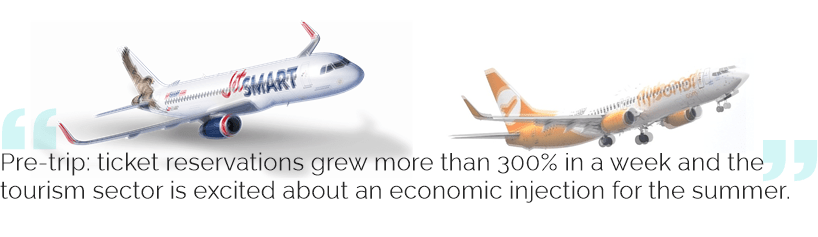
Aumento reservas tickets +300% en una semana
El relanzamiento del Programa Pre-viaje en Argentina ha alcanzado un incremento de más del 300% en un paríodo de una semana. El sistema de Pre-viaje funciona como compra anticipada de viajes que permite al usuario del transporte aéreo obtener el reembolso del 50% de los gastos a utilizar en la cadena turística argentina. Este programa de incentivo al turismo y el transporte aéreo volvió a impulsar con fuerza la demanda del sector. En la última semana, combinado con la venta de viajes, la reserva de boletos se cuadruplicó y en el Gobierno confían en superar el millón de turistas que recorren el país. «Estamos muy contentos con el inicio del Pre-Trip y con enormes expectativas. La primera etapa fue muy exitosa, y en esta segunda esperamos duplicar esos números, lo que significaría más de un millón de turistas viajando por el país y una enorme inyección de liquidez para este sector estratégico de la economía nacional», dijo el Ministro de Turismo, Matías Lammens.
Las cifras oficiales en la última semana informan que el Pre-viaje aprovechó el crecimiento en la entrada de reservas para volar a partir de Noviembre 2021 con una demanda que cuadruplicó el promedio de las últimas seis semanas sin el programa activo. Los primeros resultados muestran que se reservaron 75.000 pasajes aéreos mientras que antes del relanzamiento, el promedio semanal era de 18.000, mostrando un incremento del 317%. Además, en apenas dos semanas ya se inscribieron 10.000 proveedores, frente a los 13.000 que participaron en los tres meses del plan durante 2020. En el caso de los turistas, el objetivo es superar el millón frente a los 600.000 que se movilizaron hace un año. Los buenos resultados llevaron al Gobierno de Argentina a decidir la prórroga de la vigencia del programa hasta el 15 de Septiembre de 2021, fecha límite en la que se podrán adquirir los viajes a realizar durante Noviembre de 2021. Además, los vales se podrán subir en el portal Pre-viaje hasta el 20/09.
El Ministerio de Turismo de Argentina realizó una encuesta sobre las operaciones realizadas por las agencias de turismo desde el relanzamiento de PreViaje y los resultados son los que entusiasman al Gobierno. Agencias de turismo consultadas confirmaron que son muchos los viajes que están condicionados a la posibilidad de acceder al programa y que casi todo lo que se vende para destinos en Argentina son operaciones realizadas en ese marco.
Avantrip informó que casi todo lo que se está vendiendo en Argentina es con PreTravel. Un 84% de sus ventas de boletos están asociadas a este programa (con un 60% de aire con destino nacional) y eso en paquetes alcanza el 100%. En el caso de la facturación el incremento es del 40% con respecto a la semana anterior a la Venta de Viajes. Almundo informó que en la última semana se quintuplicó la facturación con respecto a la primera semana de Pre-Trip 2020 y que se multiplicó por 2,4 la venta de vuelos domésticos. El 60% del incremento se registró en viajes a partir de noviembre, cuando se aplica la devolución del 50% del programa. Despegar.com ha desarrollado un incremento de las ventas del 142% en paquetes; del 45% en alojamientos y del 32% en vuelos, respecto a los niveles previos al relanzamiento del programa. TurismoCity incrementó en un 50% su facturación y Flybondi registró un incremento acumulado del 32% en las ventas. La aerolínea informó que crecieron un 20% en la primera semana y un 12% más en la segunda. Además, dijo que la demanda de vuelos aumentó para los viajes de Noviembre, Diciembre 2021 y Enero 2022 y que los destinos preferidos son Bariloche, Iguazú, Salta, Mendoza y Jujuy.
Argentina Pre-trip with good signs
Increase ticket reservations +300% in a week
The relaunch of the Pre-trip Program in Argentina has reached an increase of more than 300% in a period of one week. The Pre-trip system works as an advance purchase of trips that allows the user of air transport to obtain a refund of 50% of the expenses to be used in the Argentine tourist chain. This incentive program for tourism and air transport once again boosted demand in the sector. In the last week, combined with the sale of trips, the reservation of tickets quadrupled and the Government is confident of exceeding the one million tourists who travel the country. «We are very happy with the start of the Pre-Trip and with enormous expectations. The first stage was very successful, and in this second we hope to double those numbers, which would mean more than a million tourists traveling through the country and a huge injection of liquidity for this strategic sector of the national economy», said the Minister of Tourism, Matías Lammens.
The official figures in the last week report that the Pre-trip took advantage of the growth in the inflow of reservations to fly from November 2021 with a demand that quadrupled the average of the last six weeks without the active program. The first results show that 75,000 air tickets were booked while before the relaunch, the weekly average was 18,000, showing an increase of 317%. In addition, in just two weeks, 10,000 suppliers have already registered, compared to the 13,000 who participated in the three months of the plan during 2020. In the case of tourists, the goal is to exceed one million compared to the 600,000 who mobilized a year ago. The good results led the Government of Argentina to decide to extend the validity of the program until September 15, 2021, the deadline for purchasing the trips to be made during November 2021. In addition, the vouchers can be uploaded in the Pre-trip portal until 09/20.
The Ministry of Tourism of Argentina conducted a survey on the operations carried out by tourism agencies since the relaunch of PreViaje and the results are those that excite the Government. Tourism agencies consulted confirmed that there are many trips that are conditioned to the possibility of accessing the program and that almost everything that is sold for destinations in Argentina are operations carried out within that framework.
Avantrip reported that almost everything that is being sold in Argentina is with PreTravel. 84% of its ticket sales are associated with this program (with 60% air to national destination) and that in packages reaches 100%. In the case of billing, the increase is 40% compared to the week prior to the Sale of Trips. Almundo reported that in the last week, billing increased fivefold compared to the first week of Pre-Trip 2020 and that the sale of domestic flights multiplied by 2.4. 60% of the increase was registered in trips from November, when the 50% refund of the program is applied. Despegar.com has developed a 142% sales increase in packages; 45% in accommodation and 32% in flights, compared to the levels prior to the relaunch of the program. TurismoCity increased its turnover by 50% and Flybondi registered a cumulative increase of 32% in sales. The airline reported that they grew 20% in the first week and 12% more in the second. In addition, he said that the demand for flights increased for the trips of November, December 2021 and January 2022 and that the preferred destinations are Bariloche, Iguazú, Salta, Mendoza and Jujuy.
PUBLISHER: Airgways.com DBk: Argentina.gob.ar / Previaje.gob.ar / M. R. González Photography / Airgways.com AW-POST: 202109040022AR
Baja precios pasajes por finalización temporada estival
La temporada de viajes de verano en Estados Unidos está por terminar, haciendo que los precios de los billetes de avión disminuyan, sin embargo, aún se desconoce cómo se comportará la demanda durante las próximas semanas, cuando los viajes de negocios estén de regreso.
Las tarifas aéreas en la mayoría de las aerolíneas de Estados Unidos disminuyeron durante la semana que terminó el 27 de Agosto de 2021 de acuerdo a un reporte del Deutsche Bank. Las tarifas que fueron adquiridas con hasta veintiún días de antelación bajaron un promedio de más de un 30%. En la aerolínea de presupuesto Spirit Airlines cayeron a US$ 51 Dólares y en JetBlue Airways hasta US$ 183 Dólares. En American Airlines disminuyeron en un 23% que equivale hasta unos US$ 153 Dólares en promedio, en Delta Air Lines un 20%, unos US$ 150 Dólares y United Airlines un 25%, hasta US$ 199 Dólares.
La Administración de Seguridad en el Transporte (TSA) ha informado que realizó un conteo el pasado Martes 31/08 y contabilizó casi 1.35 millones de personas, el menor número de viajeros desde el 11 de Mayo de 2021. La demanda de viajes suele descender a finales del verano con el regreso a la escuela, pero los directivos de las aerolíneas Frontier Airlines, Southwest Airlines, American Airlines y Spirit Airlines advirtieron el mes pasado que no cumplirían sus previsiones de ingresos debido a la caída en las reservaciones, una tendencia que estuvo marcada por el aumento de los casos de la variante Delta del Coronavirus.
Perspectivas tráfico
United Airlines dijo el Miércoles 01/09 que espera volar a 2 millones de pasajeros entre el 2 y el 7 de Septiembre de 2021, que incluye el fin de semana del Día del Trabajo, aproximadamente tres veces más que el año pasado, pero por debajo de los 2,6 millones de personas que transportó durante el fin de semana festivo en 2019. La Directora de los Centros para el Control y la Prevención de Enfermedades, la Doctora Rochelle Walensky, aconsejó el Martes 31/08 a las personas no vacunadas que no viajen durante el fin de semana del Día del Trabajo.
US ticket prices decrease
Low ticket prices for the end of the summer season
The summer travel season in the United States is about to end, causing airline ticket prices to decline, however, it is still unknown how demand will behave during the next few weeks, when business travel is back. Airfares on most U.S. airlines decreased during the week ending August 27, 2021 according to a report from Deutsche Bank. Rates that were purchased up to twenty-one days in advance dropped an average of more than 30%. At the budget airline Spirit Airlines they fell to US$ 51 and at JetBlue Airways to US$ 183. In American Airlines they decreased by 23%, which is equivalent to about US$ 153 Dollars on average, in Delta Air Lines a 20%, about US$ 150 Dollars and United Airlines 25%, up to US$ 199 Dollars.
The Transportation Security Administration (TSA) has reported that it carried out a count last Tuesday 08/31 and counted almost 1.35 million people, the lowest number of travelers since May 11, 2021. The demand for travel usually drops to late summer with the return to school, but officials at Frontier Airlines, Southwest Airlines, American Airlines and Spirit Airlines warned last month that they would not meet their revenue forecasts due to falling bookings, a trend that was long overdue. marked by the increase in cases of the Delta variant of the Coronavirus.
Traffic prospects
United Airlines said on Wednesday 01/09 that it expects to fly 2 million passengers between September 2 and 7, 2021, which includes Labor Day weekend, approximately three times more than last year, but below of the 2.6 million people who transported during the holiday weekend in 2019. The Director of the Centers for Disease Control and Prevention, Dr. Rochelle Walensky, advised unvaccinated people on Tuesday 31/08 to do not travel on Labor Day weekend.
AW | 2021 09 03 12:47 | AIRLINES MARKET / GOVERNMENT
Gobierno busca estimular el tráfico aéreo
El Gobierno de Ecuador ha anunciado la eliminación del Impuesto de Salida de Divisas (ISD) para aerolíneas que operan en el país, en busca de mejorar la competitividad de mercado. El Ministerio de Economía y Finanzas de Ecuador anunció que se elimina el Impuesto a la Renta para las aerolíneas extranjeras que operan en Ecuador. Este cambio en las tributaciones permitirá mejorar los índices de tráfico, anticipando un acuerdo de Cielos Abiertos con Estados Unidos. Con estas medidas, Ecuador establece estímulos para el desarrollo de la aviación comercial post-pandemia, que han sido alentadas por Estados Unidos para avanzar en el proceso de firma de un acuerdo de Cielos Abiertos, lo que permitirá aumentar el máximo de frecuencias asignadas por país, aerolíneas, destinos.
La eliminación del Impuesto de Salida de Divisas a las aerolíneas permitirá traer múltiples beneficios para Ecuador: ser más competitivo y atractivo en el mercado Sudamericano, así como también, permitirá a las líneas aéreas ajustar sus costos operativos, permitiendo obtener un mejoramiento de las tarifas aéreas. También traerá beneficios en la compra de partes y repuestos que las aerolíneas realizan en el exterior, enviar tripulaciones a entrenamiento a otros países, costos operativos, tasas que se paguen en destinos en el exterior, entre otros detalles. El principal beneficio será para el usuario, que permitirá optar por más aerolíneas en el mercado, incrementos de frecuencias en Ecuador, lo que generará más oferta en el mercado y tarifas aéreas más competitivas.
El Decreto Presidencial Nº182 emitido el 2 de Septiembre de 2021 con vigencia a la fecha de la publicación especifica: «Establecer una tarifa de cero por ciento (0%) del Impuesto a la Salida de Divisas a las transferencias, envíos o traslados de divisas que realicen las aerolíneas extranjeras autorizadas a operar en el país que cuenten con el documento que acredite que han sido designadas por su autoridad aeronáutica para explotar un servicio internacional, sea este de pasajeros, carga y correo en forma combinada, o de carga exclusiva en Ecuador. El SRI tendrá 15 días para la modificación de las resoluciones respectivas que permitan la suspensión del cobro del ISD».
Ecuador continuará avanzando hacia un mejoramiento del campo de la aviación comercial, aplicando medidas de estímulo para generar más competitividad y un mejoramiento del servicio de transporte aéreo con Estados Unidos y el resto de la región.
Ecuador eliminates ISD for airlines
Government seeks to stimulate air traffic
The Government of Ecuador has announced the elimination of the Foreign Currency Exit Tax (ISD) for airlines operating in the country, seeking to improve market competitiveness. The Ministry of Economy and Finance of Ecuador announced that the Income Tax is eliminated for foreign airlines operating in Ecuador. This change in taxation will improve traffic rates, anticipating an Open Skies agreement with the United States. With these measures, Ecuador establishes stimuli for the development of post-pandemic commercial aviation, which have been encouraged by the United States to advance in the process of signing an Open Skies agreement, which will allow increasing the maximum frequencies assigned by country, airlines, destinations.
The elimination of the Foreign Currency Exit Tax to the airlines will allow to bring multiple benefits to Ecuador: being more competitive and attractive in the South American market, as well as, it will allow the airlines to adjust their operating costs, allowing them to obtain an improvement in airfares. It will also bring benefits in the purchase of parts and spare parts that airlines carry out abroad, send crews to training in other countries, operating costs, fees paid in foreign destinations, among other details. The main benefit will be for the user, which will allow them to choose more airlines in the market, increases in frequencies in Ecuador, which will generate more supply in the market and more competitive airfares.
Presidential Decree No. 182 issued on September 2, 2021 effective on the date of publication specifies: «Establish a rate of zero percent (0%) of the Tax on the Outflow of Foreign Currency for transfers, shipments or transfers of foreign currency that carried out by foreign airlines authorized to operate in the country that have the document that proves that they have been designated by their aeronautical authority to operate an international service, be it passengers, cargo and mail in a combined way, or exclusive cargo in Ecuador. The SRI will have 15 days to modify the respective resolutions that allow the suspension of the ISD collection».
Ecuador will continue to advance towards an improvement in the field of commercial aviation, applying stimulus measures to generate more competitiveness and an improvement in the air transport service with the United States and the rest of the region.