Europa vs consolidación aérea

AW-Economic_and_Social_Committee_001AW | 2020 04 14 17:17 | GOVERNMENT / AIRLINES MARKET

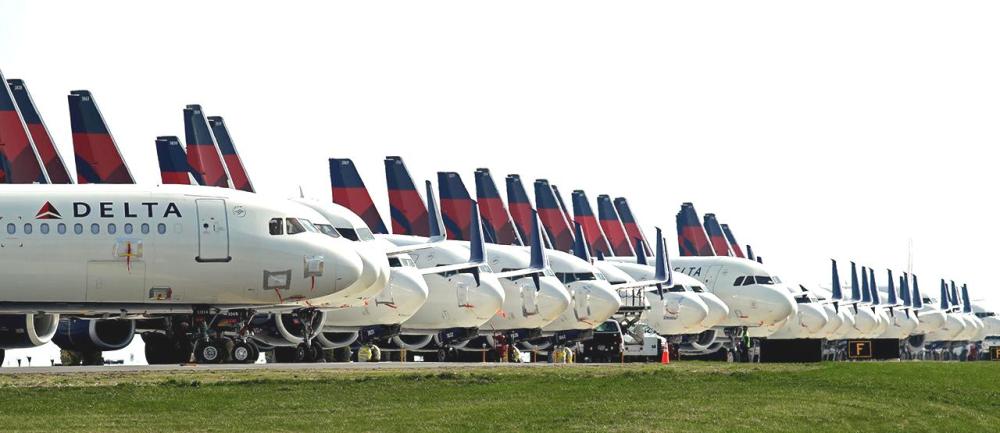
Gobiernos europeos estudia repcuperación de aerolíneas frente a una posible consolidación del sertor de la aviación

Muchas aerolíneas europeas pasaron gran parte de las últimas dos décadas pidiendo a los gobiernos que abandonen la industria de las aerolíneas en una tendencia hacia las privatizaciones. Ahora, muchos están pidiendo ayuda estatales, analizando las asistencias donde no todas las compañías podrán participar.

El mercado en los Estados Unidos es un tanto diferente. El Gobierno de los Estados Unidos está rescatando a las aerolíneas porque el país necesita una red de transporte sólida bajo una soberanía extensa, pero si una aerolínea no logra sobrevivir, el mercado cubriría la ausencia.

En Europa, la discusión de rescate es más tensa. En la crisis de la pandemia del Coronavirus, los gobiernos europeos no siempre están pensando en cuánta capacidad necesitan los mercados, sino en el orgullo nacional. Independientemente de las condiciones del mercado, es posible que los legisladores no quieran ver que las aerolíneas nacionales se quiebren, por razones políticas, nostalgia e incluso seguridad nacional. En las próximas semanas, los políticos aprovecharán las normas de ayuda estatal que les permiten ayudar a los transportistas nacionales en una crisis. Algunas aerolíneas obtendrán préstamos, mientras que otras obtendrán el máximo ahorro: la renacionalización.

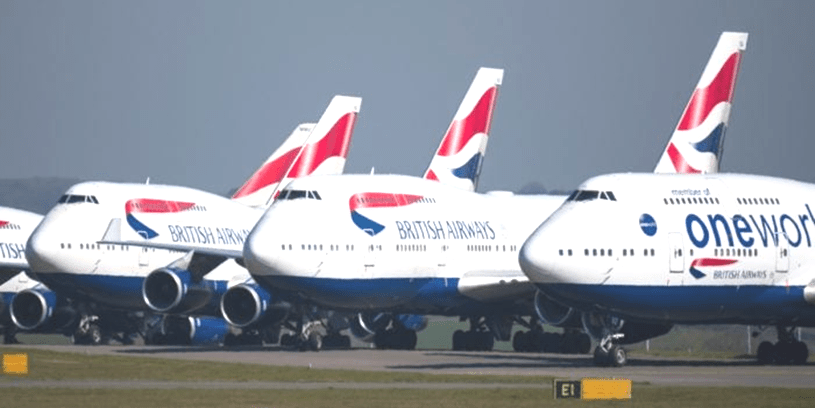
649-6498164_boeing-787-8-dreamliner-british-airways-rigged-royaltyAl igual que en los Estados Unidos, muchos grupos de aerolíneas más grandes merecen ayuda. En los últimos años, International Airlines Group (IAG), propietario de British Airways, y Lufthansa Group han eliminado pasados ​​inflados, incluso si todavía pudieran operar más marcas de las necesarias. Air France-KLM Group está detrás, pero está mejorando y merece ayuda, al igual que Ryanair y EasyJet, dos gigantes de la Europa anterior a Covid 19 que establecen estándares para las aerolíneas de bajo costo en todas partes.

En medio del caos, algunos países europeos pueden estudiar los casos donde exista redundancias de aerolíneas. La Unión Europea es un mercado único, y una aerolínea de un estado miembro puede volar cualquier ruta desde o dentro de otro. Si los formuladores de políticas buscan el servicio aéreo, pueden atraer a cualquier aerolínea con bandera de la UE para que vuele. Sin embargo, eso puede no importar ahora, con muchos gobiernos preparados para rescatar a las aerolíneas que enarbolan sus banderas.

«Va a ver una participación significativa del estado. Es menos probable que se parezca a los transportistas nacionales de la era previa a la privatización. Pero tendrá muchos de los mismos efectos. Los gobiernos pueden estar enganchados por sus deudas, o pueden justificar un nivel de servicio», dijo Samuel Engel, Vicepresidente Senior y Jefe del grupo de aviación en ICF, una firma consultora. Es un revés interesante de las tendencias recientes, dijo Engel, quien ha asesorado a las aerolíneas sobre cómo privatizar para alejarse de la interferencia del gobierno. «Estamos en una situación extraordinaria, ¿no? No creo que nadie pensara que los gobiernos tendrían que regresar».

Estatización vs consolidación

Con cinco grupos de aerolíneas fuertes, Europa probablemente se parecería a los Estados Unidos, donde seis aerolíneas controlan la gran mayoría de la participación en el mercado. Los viajeros se quejan de la falta de competencia, pero sirvió a los consumidores durante gran parte de la última década.

Buy Herpa Wings 530118 Alitalia Boeing 777-200 New Colors 'I-DISU ...El caso de la aerolínea italiana Alitalia ha transcurrido durante años con pérdidas que continúan acumulando deudas, donde el gobierno socorre cuando la compañía está al borde de la liquidación. La Unión Europea limita la cantidad de ayuda estatal que pueden recibir las aerolíneas, por lo que en estas presentes circunstancias el Gobierno de Italia asumiría la mayor responsabilidad en materia financiera. Pero el gobierno italiano decidió no dejar que se desperdicie una buena crisis, por lo que renacionalizó Alitalia. «Lo curioso es que antes de la crisis hubo muchas insolvencias en Europa y desde la crisis no hay insolvencia», dijo Martin Gauss, CEO de Air Baltic, una aerolínea estatal de Lituania.

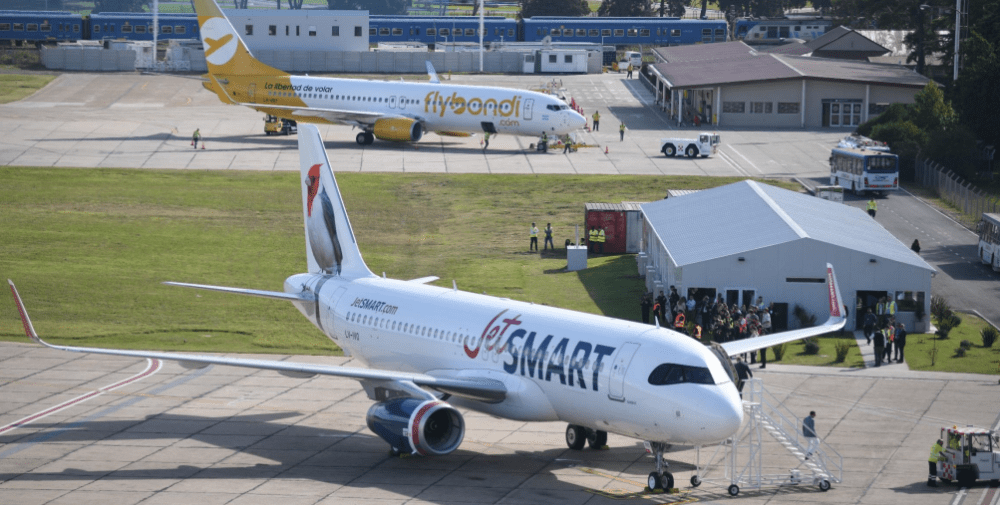
Otras aerolíneas europeas tienen situaciones similares de problemas financieros. Norwegian Air Shuttle ASA enfrentaba problemas antes de la nueva pandemia de Coronavirus. Al borde la la quiebra tuvo que activar un plan de rescata y reestructuración de su red de servicios. La filial de Argentina ha sido vendida al grupo Indogo Partners al ser abservida por las operaciones de JetSmart Airlines Argentina. Ahora, la aerolínea apeló al Gobierno de Noruega aceptando cerca de US$ 290 millones en garantías el mes pasado, aunque dijo que necesita mucho más de los mercados privados. Después de que el Gobierno de Noruega vendió sus acciones en su aerolínea nacional Scandinavian Air System; el CEO de Norwegian Air Shuttle, Bjorn Kjos, dijo que el gobierno tomó la decisión correcta. «Algunos países han vuelto a sus cabales y están tratando de salir de estas aerolíneas heredadas. No lo necesitas. Es solo un desperdicio. Deberías concentrarte en cosas totalmente diferentes», dijo Kjos, quien se retiró el año pasado. Es una yuxtaposición interesante para una aerolínea que hace dos años argumentó en contra de la interferencia del gobierno y ahora busca el auxilio del estado.

Scandinavian Airlines (SAS), no está en mejor forma. Actualmente ha introducido un renovado cambio de librea corporativa, ha reducido su capacidad operativa en los tres países representativos Noruega, Suecia y Dinamarca, sus recursos limitados se han extendido a través de tres centros, en lugar de uno hub central. SAS Airlines también carece de un sólido socio transatlántico, por lo que tiene un rendimiento inferior en las rutas hacia Estados Unidos. «No inventarías una aerolínea propiedad de un gobierno, sin importar dos o tres gobiernos», dijo John Strickland, un consultor de aerolíneas con sede en el Reino Unido.

TAP Portugal ha creado una franquicia decente con vuelos a los Estados Unidos y Brasil, pero carece de la amplitud de grupos más grandes. El Gobierno de Portugal posee la mitad del paquete accionatio de TAP, pero podría tener que proporcionar más asistencia.

En el peor de los escenarios es posible que más gobiernos estén de acuerdo con la administración de una aerolínea entre ellos Polonia, Rumania, Finlandia y Letonia ya que poseen un control sobre las aerolíneas nacionales, pero otros pueden considerar que es demasiado, teniendo presente cuántos otros elementos de sus economías pueden necesitar asistencia prioritaria, pues los países nunca se han enfrentado a una pandemia de estas dimensiones en ka historia de la humanidad. Europa podría enfrentarse a una clara consolidación del mercado aéreo si muchas de las líneas aéreas independientes fracasan en su intento por sobrevivir.

Los grupos de aviación

En términos generales, los cinco principales grupos europeos tienen grandes ventajas sobre las aerolíneas independientes. Pero algunos grupos también presentan problemas económicos. Dentro de la primera línea se encuentra Air France-KLM Group, que se encontraba en una situación con ciertos problemas logísticos del grupo, pero con mayor énfasis en la situación financiera de Air France, con el CEO Ben Smith luchando sobre cómo competir en rutas de corta distancia con aerolíneas de bajo costo y rutas nacionales con trenes de alta velocidad. La importancia de la compañía para Francia y los Países Bajos, donde ambas naciones poseen parte de las acciones de Air France-KLM Group, es muy importante para los intereses de ambos países donde el costo para mantener al grupo podría significar grandes desembolsos de efectivo. «Ahora es más claro que nunca que se necesita el apoyo de nuestros gobiernos holandés y francés para cumplir con nuestros requisitos de efectivo y permitirnos continuar nuestras operaciones una vez que la crisis haya terminado», dijo Ben Smith la semana pasada.

El Lufthansa Group se ha posicionado fuerte en Europa con la adquisiciones de varias empresas intro-europeas. En el grupo sobrevuela la hipótesis acerca de cuántas marcas del grupo alemán son realmente necesarias. Lufthansa German Airlines es probablemente la aerolínea más exitosa de Europa continental, y su gobierno lo hará lo necesario para auxiliarla si fuera necesario. Swiss International Air Lines, una aerolínea del Grupo Lufthansa, también es una aerolínea robusta con un exitoso centro en Zurich, Suiza.

Lufthansa Group Airlines: 145 million passengers in 2019

Pero el Grupo Lufthansa también posee Brussels Airlines y Austrian Airlines, y cada una presenta síntomas de debilitamiento económico. La compañía no ha dicho nada sobre la cantidad de apoyo estatal que ha recibido de Bruselas, Berlín, Viena y Berna. Pero según fuentes sindicales, la aerolínea está recibiendo asistencia por un monto de cientos de millones de euros por mes. Para el pueblo y los políticos austríacos, la aerolínea Austrian Airlines sigue siendo un símbolo patriótico que lleva la bandera de la nación en todo el mundo y proporciona enlaces aéreos vitales. Pero Austrian Airlines, fundada en 1957, es una aerolínea virtualmente alemana, donde los austríacos les costaría mucho asumir el compromiso de salvataje, pero podría sortear las dificultades con una fuerte reestructuración.

Brussels Airlines ha tenido un bajo desempeño para el Grupo Lufthansa y probablemente podría desaparecer sin perjudicar a los consumidores. Presumiblemente, Lufthansa podría hacerse cargo de las rutas más rentables de la aerolínea. Pero el gobierno belga puede proporcionar asistencia financiera.

Eurowings_Logo.svgLa subsidiaria Germanwings está cerrando operaciones por completo, eliminando 1.400 empleos y aterrizando 30 aviones. Durante 18 años, la aerolínea fue la aerolínea de presupuesto más importante de Lufthansa. Durante los últimos cuatro años, ya no era una aerolínea independiente, sino que se fue integrando gradualmente en la filial de Lufthansa, Eurowings. Germanwings voló las rutas nacionales para Eurowings. El plan ahora es integrar todas las aerolíneas asociadas de Eurowings bajo el paraguas de Eurowings. Esto se debe al hecho de que en Eurowings, con sede en Austria, los salarios y los beneficios laborales son mucho más bajos que los de Lufthansa e incluso Germanwings.

El sindicato de la Organización Independiente de Auxiliares de Vuelo (UFO), junto con el Sindicato de Servicios Verdi, acordaron un contrato para los empleados de Eurowings con sede en Alemania en 2019 que permite que los turnos duren hasta 14 horas. Los empleados se enfrentan a recortes salariales si se enferman, porque las regulaciones contractuales de Austria se aplican a su acuerdo. La ronda actual de ataques a miles de empleos es solo el comienzo, y el directorio de Lufthansa declara que este es un primer paquete de reestructuración. Esto sugiere que habrá más ataques por venir.

El Sindicato Cockpit Association (VC) y el UFO señalaron los procedimientos indecentes en Germanwings en un comunicado de prensa la semana pasada. Sabían lo que venía, porque Lufthansa se había negado a firmar contratos que ya habían sido distribuidos para trabajos a corto plazo, que incluían una garantía de trabajo. Lufthansa evitó deliberadamente solicitar un trabajo de corta duración en Germanwings y continuó pagando los salarios en su totalidad para poder evadir el requisito de protección laboral. Al día siguiente, se hizo el anuncio de los recortes de empleos y la liquidación de Germanwings.

Lufthansa anunció el Martes 07/04 que buscaría ofrecer «más empleo dentro del Grupo Lufthansa para la mayor cantidad posible», es decir, no para todos. Los sindicatos lanzaron una protesta sin dientes con una petición en línea a la junta. El Presidente de VC, Markus Wahl, acusó al Presidente Ejecutivo de Lufthansa, Karsten Spohr, de aprovechar una situación favorable para avanzar con la reestructuración de la compañía a expensas de la fuerza laboral. La aerolínea más grande de Europa anunció cómo tiene la intención de resolver esos problemas especiales: con un rescate multimillonario del gobierno y miles de millones más en ahorros mediante la eliminación de hasta 18.000 empleos.

El PGL polaco, la compañía matriz de la aerolínea LOT, canceló la adquisición de Condor Airlines en referencia a los trastornos masivos causados ​​por la crisis de la corona. El Germany´s Christmas Markets - Condorplan de reestructuración original, que todos los acreedores tuvieron que aceptar para poner fin al llamado procedimiento de protección, ya no es válido y ahora se necesita un plan B. La industria dice que el Gobierno Federal de Alemania podría proporcionar detalles sobre el futuro de Condor el Miércoles 15/04. Es probable que el estado alemán esté involucrado, dispuesto a ayudar hace algún tiempo, en caso de que la venta a PGL no se produzca. Una alternativa podría ser agregar un nuevo propietario al plan de escudo protector original, por ejemplo, un administrador nombrado por el estado. Luego, Condor podría dejar el proceso como estaba previsto y se convertiría temporalmente en una empresa estatal. El Ministro Federal de Economía, Peter Altmaier (CDU), había declarado en varias ocasiones que el gobierno también podía participar temporal o indirectamente en compañías para asegurarlas en la crisis actual. Condor huyó bajo el llamado escudo protector el año pasado después de la quiebra de su empresa matriz Thomas Cook Group Plc.

Ryanair (Irlanda) y Wizzair (Hungría) han hecho una fortuna llenando los vacíos en las rutas de corta distancia, y algún día, las personas en Austria podrían acostumbrarse a volar con Lufthansa a Nueva York o Los Ángeles en lugar de la aerolínea nacional.

Perspectivas europeas

Pero incluso en 2020, quedan algunos argumentos sobre por qué un país necesita un transportista de bandera. Durante el mes pasado, muchas aerolíneas de bandera han sido reutilizadas por los gobiernos, volando carga médica y vuelos de repatriación en el caso de la quebrada aerolínea británica Thomas Cook. Los gobiernos podrían contratar ese vuelo a entidades externas, pero quizás haya algo reconfortante en enviar la aerolínea nacional al extranjero.

Thomas Cook alianza con LIAT y airBaltic |Las aerolíneas nacionales también pueden ayudar en la recuperación. Eventualmente, el clima económico y de salud pública mejorará y las aerolíneas se beneficiarán. Pero a corto plazo, los gobiernos pueden necesitar que las aerolíneas vuelen rutas que pierden dinero para llevar a las personas a donde necesitan ir. Hay otras formas de hacer esto: el gobierno italiano podría ofrecer subsidios a una aerolínea externa como Ryanair, pero apoyar políticamente a la aerolínea local puede ser un mejor movimiento. Aún así, Martin Gauss de Air Baltic dijo que espera que no todas las compañías de bandera lo logren. Dijo que su aerolínea funciona como una empresa propiedad del gobierno porque Letonia tiene conexiones limitadas con el resto de Europa. Pero otros países no tienen estas limitaciones. «Puede haber algunos estados como Italia que digan, OK, ahora definitivamente necesitamos una aerolínea controlada por el estado, pero los otros países pueden estar bien con su infraestructura aérea siendo atendida por otras aerolíneas. No creo que veamos que regrese donde cada país tiene su propia aerolínea», dijo Gauss.

Adquiriendo las experiencias de los CEO’s de muchas aerolíneas europeas, es muy interesante notar que algunos escollos necesitarán ser afrontados por las aerolíneas pero otros mayores estarán a cargo de los respectivos países, donde tendrán que decidir si continúa o no la consolidación del mercado aéreo en Europa, donde muchas aerolíneas emblemáticas podrían ser parte del recuerdo y la nostalgia de los pueblos europeos. AW-Icon Paragraph-01

yogaEurope vs air consolidation

European governments study recovery of airlines against a possible consolidation of the aviation sertor

Many European airlines have spent much of the past two decades calling on governments to abandon the airline industry in a trend toward privatization. Now, many are asking for state aid, analyzing assistance where not all companies will be able to participate.

The market in the United States is somewhat different. The United States Government is bailing out the airlines because the country needs a solid transportation network under extensive sovereignty, but if an airline fails to survive, the market would cover the absence.

In Europe, the bailout discussion is more tense. In the Coronavirus pandemic crisis, European governments are not always thinking about how much capacity the markets need, but about national pride. Regardless of market conditions, lawmakers may not want to see national airlines go bankrupt, for political reasons, nostalgia, and even national security. In the coming weeks, politicians will take advantage of state aid rules that allow them to help national carriers in a crisis. Some airlines will get loans, while others will get the maximum savings: renationalisation.

Just like in the United States, many larger airline groups deserve help. In recent years, the International Airlines Group (IAG), owner of British Airways, and Lufthansa Group have eliminated inflated pasts, even if they could still operate more brands than necessary. Air France-KLM Group is behind, but it is improving and deserves help, as are Ryanair and EasyJet, two giants from pre-Covid 19 Europe that set standards for low-cost airlines everywhere.

Amid the chaos, some European countries may study cases where airline redundancies exist. The European Union is a single market, and an airline in one member state can fly any route from or within another. If policymakers look for air service, they can entice any EU-flagged airline to fly. However, that may not matter now, with many governments poised to rescue airlines flying their flags.

«You are going to see significant state involvement. It is less likely to resemble national carriers from the pre-privatization era. But it will have many of the same effects. Governments may be hooked on their debts, or they may justify a level on duty», said Samuel Engel, Senior Vice President and Head of the aviation group at ICF, a consulting firm. It is an interesting reversal of recent trends, said Engel, who has advised airlines on how to privatize to stay away from government interference. “We are in an extraordinary situation, right? I don’t think anyone thought that governments would have to return”.

Nationalization vs consolidation

With five strong airline groups, Europe would likely resemble the United States, where six airlines control the vast majority of market share. Travelers complain about the lack of competition, but it served consumers for much of the past decade.

The case of the Italian airline Alitalia has passed for years with losses that continue to accumulate debts, where the government helps when the company is on the verge of liquidation. The European Union limits the amount of state aid that airlines can receive, so in these present circumstances the Italian Government would assume the greatest financial responsibility. But the Italian government decided not to let a good crisis go to waste, so Alitalia was renationalized. «The funny thing is that before the crisis there were many insolvencies in Europe and since the crisis there has been no insolvency», said Martin Gauss, CEO of Air Baltic, a Lithuanian state airline.

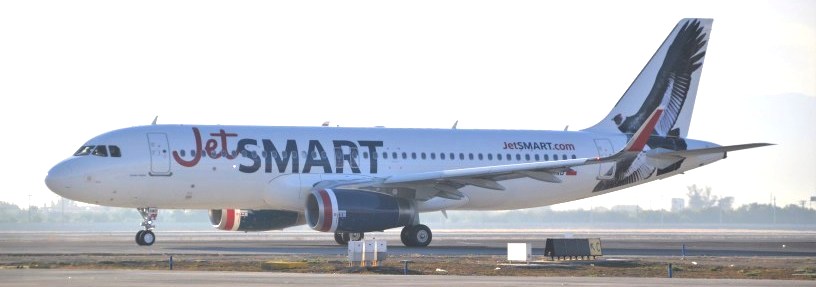
rotate14Other European airlines have similar situations of financial problems. Norwegian Air Shuttle ASA was facing problems before the new Coronavirus pandemic. On the brink of bankruptcy, he had to activate a rescue and restructuring plan for his service network. The Argentine subsidiary has been sold to the Indogo Partners group as it has been withdrawn by the operations of JetSmart Airlines Argentina. Now the airline has appealed to the Norwegian government accepting about US$ 290 million in guarantees last month, although it said it needs much more from private markets. After the Norwegian Government sold its shares in its national airline Scandinavian Air System; Norwegian Air Shuttle CEO Bjorn Kjos said the government made the right decision. «Some countries have gone back to their senses and are trying to get out of these legacy airlines. You don’t need it. It’s just a waste. You should focus on totally different things», said Kjos, who retired last year. It is an interesting juxtaposition for an airline that two years ago argued against government interference and is now seeking state aid.

AW-SAS_7003

Scandinavian Airlines (SAS) is not in better shape. Currently it has introduced a renewed corporate livery change, has reduced its operational capacity in the three representative countries Norway, Sweden, and Denmark, its limited resources have been extended through three centers, instead of one central hub. SAS Airlines also lacks a strong transatlantic partner, thus underperforming on routes to the United States. «You wouldn’t invent a government-owned airline, regardless of two or three governments», said John Strickland, a UK-based airline consultant.

AW-Tap_E190TAP Portugal has created a decent franchise with flights to the United States and Brazil, but it lacks the breadth of larger groups. The Portuguese Government owns half of the TAP share package, but may have to provide further assistance.

In the worst case scenario, more governments may agree to an airline’s management including Poland, Romania, Finland and Latvia as they have control over national airlines, but others may consider it too much, bearing in mind how many Other elements of their economies may need priority assistance, since countries have never faced a pandemic of these dimensions in human history. Europe could face a clear consolidation of the air market if many of the independent airlines fail in their attempt to survive.

Aviation groups

W-Air_France_007In general terms, the five main European groups have great advantages over independent airlines. But some groups also have financial problems. Within the first line is Air France-KLM Group, which was in a situation with certain logistical problems for the group, but with greater emphasis on Air France‘s financial situation, with CEO Ben Smith fighting over how to compete on routes of short distance with low-cost airlines and national routes with high-speed trains. The importance of the company to France and the Netherlands, where both nations own part of the shares of Air France-KLM Group, is very important to the interests of both countries where the cost of maintaining the group could mean large cash outlays. «It is now clearer than ever that the support of our Dutch and French governments is needed to meet our cash requirements and allow us to continue our operations once the crisis is over», Ben Smith said last week.

The Lufthansa Group has positioned itself strongly in Europe with the acquisitions of SWI012539I_16-9several intro-European companies. The hypothesis about how many marks from the German group are really necessary is hovered in the group. Lufthansa German Airlines is probably the most successful airline in continental Europe, and its government will do whatever it takes to assist it if swi012031inecessary. Swiss International Air Lines, a Lufthansa Group airline, is also a robust airline with a successful hub in Zurich, Switzerland.

But the Lufthansa Group also owns Brussels Airlines and Austrian Airlines, each presenting symptoms of economic weakness. The company has said nothing about the AW-Austrian_70223amount of state support it has received from Brussels, Berlin, Vienna, and Bern. But according to union sources, the airline is receiving assistance in the amount of hundreds of millions of euros per month. For the Austrian people and politicians, the Austrian Airlines remains a patriotic symbol that carries the nation’s flag around the world and provides vital air links. But Austrian Airlines, founded in 1957, is a virtually German airline, where Austrians would have a hard time taking on the salvage pledge, but it could overcome the difficulties with heavy restructuring.

AW-Brussels_AirlinesBrussels Airlines has underperformed the Lufthansa Group and could probably go away without hurting consumers. Lufthansa could presumably take over the airline’s most profitable routes. But the Belgian government can provide financial assistance.

Авиакомпания GermanwingsThe Germanwings subsidiary is closing operations entirely, cutting 1,400 jobs and landing 30 planes. For 18 years, the airline was Lufthansa’s largest budget airline. Over the past four years, it was no longer an independent airline, but was gradually 153963_0integrated into Lufthansa’s subsidiary, Eurowings. Germanwings flew national routes for Eurowings. The plan now is to integrate all Eurowings partner airlines under the Eurowings umbrella. This is due to the fact that in Austria-based Eurowings, wages and job benefits are much lower than those of Lufthansa and even Germanwings.

The Independent Organization of Flight Attendants (UFO) union, along with the Verdi Services Union, agreed on a contract for employees of Germany-based Eurowings in 2019 that allows shifts to last up to 14 hours. Employees face pay cuts if they get sick, because Austrian contractual regulations apply to their deal. The current round of attacks on thousands of jobs is just the beginning, and the Lufthansa board declares this to be a «first restructuring package.» This suggests that there will be more attacks to come.

The Cockpit Association (VC) and the UFO noted the indecent procedures at Germanwings in a press release last week. They knew what was coming because Lufthansa had refused to sign contracts that had already been distributed for short-term jobs, which included a job guarantee. Lufthansa deliberately avoided applying for a short-term job at GermanWings and continued to pay wages in full in order to evade the job protection requirement. The next day, the job cuts and liquidation of GermanWings were announced.

Lufthansa announced on Tuesday 07/04 that it would seek to offer «more employment within the Lufthansa Group for as many as possible», that is, not for everyone. Unions launched a toothless protest with an online petition to the board. VC President Markus Wahl accused Lufthansa CEO Karsten Spohr of taking advantage of a favorable situation to move forward with restructuring the company at the expense of the workforce. Europe’s largest airline announced how it intends to solve those special problems with a multi-million dollar government bailout and billions more in savings by cutting up to 18,000 jobs.

The Polish PGL, the parent company of the airline LOT, canceled the acquisition of Condor Airlines in reference to the massive disruptions caused by the crown crisis. The original restructuring plan, which all creditors had to accept to end the so-called protection procedure, is no longer valid and a plan B is now needed. Industry says the German Federal Government could provide details on the future of Condor on Wednesday 04/15. The German state is likely to be involved, ready to help some time ago, in case the sale to PGL does not occur. An alternative might be to add a new owner to the original protective shield plan, for example, a state-appointed administrator. Then Condor could drop the process as planned and temporarily become a state company. The Federal Minister for the Economy, Peter Altmaier (CDU), had stated on several occasions that the government could also temporarily or indirectly participate in companies to insure them in the current crisis. Condor fled under the so-called protective shield last year after the bankruptcy of its parent company Thomas Cook Group Plc.

AW-7000212Ryanair (Ireland) and Wizzair (Hungary) have made a fortune filling the gaps on short-haul routes, and someday, people in Austria might get used to flying Lufthansa to New York or Los Angeles instead of the national airline.

European perspectives

But even in 2020, some arguments remain as to why a country needs a flag carrier. Over the past month, many flag carriers have been reused by governments, flying medical cargo and repatriation flights in the case of the broken British airline Thomas Cook. Governments could hire that flight from outside entities, but perhaps there is something comforting in sending the domestic airline abroad.

Domestic airlines can also aid in recovery. Eventually, the economic and public health climate will improve and airlines will benefit. But in the short term, governments may need airlines to fly money-losing routes to get people where they need to go. There are other ways to do this: The Italian government could offer subsidies to an outside airline like Ryanair, but politically supporting the local airline may be a better move. Still, Martin Gauss of Air Baltic said he hopes not all flag carriers will make it. He said his airline operates as a government-owned company because Latvia has limited connections to the rest of Europe. But other countries do not have these limitations. «There may be some states like Italy that say, OK, now we definitely need a state controlled airline, but the other countries may be fine with their air infrastructure being serviced by other airlines. I don’t think we will see it return where each country has its own airline», said Gauss.

Acquiring the experiences of the CEOs of many European airlines, it is very interesting to note that some obstacles will need to be faced by the airlines, but other major obstacles will be in charge of the respective countries, where they will have to decide whether or not to continue consolidating the air market in Europe, where many emblematic airlines could be part of the memory and nostalgia of the European peoples. AW-Icon Paragraph-02


Ξ A I R G W A Y S Ξ
SOURCE: Airgways.com
DBk: Europa.eu / Lufthansa.com / Wsws.org / Handelsblatt.com / Airgways.com
AW-POST: 202004141717AR

A\W   A I R G W A Y S ®

IATA pérdidas millonarias en aviación

AW-IATA-700576AW | 2020 04 14 11:13 | AVIATION MARKET / AVIATION ORGANISMS

IATA_Logo.svgLas pérdidas estimadas de las aerolíneas globales por los efectos de la pandemia aumentan a US$ 314 mil millones

El pronóstico emitido el 24/03 por parte de la Asociación Internacional de Transporte Aéreo (IATA) es superior a la cifra de US$ 252 mil millones y ha representado una caída del 55% en los ingresos de pasajeros de 2020 en comparación con el año pasado. Las pérdidas mundiales estimadas de aerolíneas por la pandemia de coronavirus han aumentado a US$ 314 mil millones, un 25% más de lo previsto anteriormente, debido a la gravedad de la recesión económica y una reapertura de las rutas internacionales más lenta de lo esperado.

La pandemia ha paralizado los viajes aéreos, con muchas flotas de aerolíneas en tierra y sin visibilidad sobre cuándo se reducirán las restricciones de viaje. La IATA ha instado a los gobiernos a proporcionar a las aerolíneas liquidez con urgencia para ayudarlas a sobrevivir a la crisis, advirtiendo que muchos se quebrarán en unas semanas a menos que reciban ayuda. El organismo comercial, que representa a aerolíneas como Lufthansa y el propietario de British Airways, IAG, dijo que espera que los mercados nacionales sean los primeros en reabrir, como ha sucedido en China, y que las rutas internacionales sigan gradualmente.

Perspectivas

Se pronostica que el tráfico medido en kilómetros de pasajeros de ingresos disminuirá un 48% este año, en comparación con la disminución prevista anteriormente del 38%, dijo el Martes 14/04 el organismo de la industria IATA en una conferencia de prensa semanal en línea. Un retorno gradual de los vuelos internacionales aún sería problemático para las finanzas de las aerolíneas porque la mayoría de las aerolíneas obtienen la mayor parte de sus ingresos de las rutas internacionales, dijo IATA. AW-Icon Paragraph-01

IATA - International Air Transport Association – Partnership on ...IATA millionaire losses in aviation

Global airlines’ estimated losses from the effects of the pandemic increase to US$ 314 billion

The forecast issued on 03/24 by the International Air Transport Association (IATA) is higher than the figure of US$ 252 billion and has represented a 55% drop in passenger revenue for 2020 compared to the year past. Estimated global airline losses from the coronavirus pandemic have increased to US$ 314 billion, 25% more than previously anticipated, due to the severity of the economic downturn and a slower-than-expected reopening of international routes.

The pandemic has paralyzed air travel, with many airline fleets on the ground and no visibility on when travel restrictions will be reduced. IATA has urged governments to urgently provide airlines with liquidity to help them survive the crisis, warning that many will go bankrupt in a few weeks unless they receive aid. The trade body, which represents airlines like Lufthansa and the owner of British Airways, IAG, said it expects domestic markets to be the first to reopen, as has happened in China, and that international routes continue gradually.

Perspective

Traffic measured in revenue kilometers of passenger traffic is forecast to decrease 48% this year, compared to the previously forecast decrease of 38%, industry body IATA said Tuesday in a weekly online news conference. A gradual return of international flights would still be problematic for airline finances because most airlines derive most of their revenue from international routes, IATA said. AW-Icon Paragraph-02


Ξ A I R G W A Y S Ξ
SOURCE: Airgways.com
DBk: Iata.org / Airgways.com
AW-POST: 202004141113AR

A\W   A I R G W A Y S ®

Disminución tráfico aviación Argentina

AW-77004-ClarinAW | 2020 04 12 14:20 | AIRLINES MARKET

Argentina enfrenta fuerte disminución tráfico aéreo

La República Argentina ha cancelado desde el 20 Marzo 2020 los vuelos domésticos en el país a raíz de la pandemia del Coronavirus, enfrentando una de las peores caídas de tráficos de pasajeros de la historia en la aviación Argentina.

Las estadísticas provistas por la Agencia Nacional de Aviación Civil (ANAC) de Argentina ha explicado que en Febrero 2020 las aerolíneas han transportado a 1.262.000 personas en vuelos de cabotaje, pero a raíz de las medidas cerrojo, en Marzo 2020 el tráfico doméstico disminuyó un 49,4%, lo que representa unos 681.000 pasajeros. En el plano del tráfico internacional en la Argentina en Febrero hubo un trábico de 1.116.000 usuarios y en Marzo registró una caída de 52,5%, a 631.000 pasajeros.

Los aeropuertos con mayor tráfico de pasajeros han sufrido las peores caídas de tráfico en su historia. Por ejemplo Aeroparque (53%), Córdoba 56%, Bariloche (34%) y Mendoza (52%).

El tráfico en la aviación argentina había comenzado a sentir sus efectos a principios de Marzo 2020. La semana antes de comenzar la cuarentena, ya se podían ver algunos Boeing 737, Airbus A320 o Embraer 190 con una disminución en el número de asientos.

Los factores de ocupación de las aerolíneas en Febrero 2020 que operan el mercado doméstico estuvieron entre 80% y 85%, en Marzo 2020 ese factor cayó a entre 62% y 74%, según los datos de la ANAC.

Aerolíneas Argentinas/Austral pasó de 881.243 pasajeros en 03/2019 a 424.947 en 04/2020. Latam Airlines Argentina registró apenas 111.375 viajeros, en comparación con los 190.518 pasajeros que transportó en 03/2019. Flybondi Líneas Aéreas cayó de 112.409 clientes transportados en el tercer mes de 2019 a 61.237 el mes pasado. En tanto, Norwegian Air Argentina bajó de 98.323 en 03/2019 a 46.475 en el mismo mes de 03/2020, hasta la compra por parte de JetSmart Argentina. Andes Líneas Aéreas pasó de 48.026 a 3.586, aunque la compañía ha suprimido varias rutas hasta la fecha actual. JetSmart Airlines Argentina transportó a 30.546 pasajeros en 03/2020 y en 03/2019 aún no había ingresado al mercado de Argentina.

Abril mostrará índices más bajos y la reactivación eventual en Mayo y Junio 2020 será muy lenta. El Gobierno de Argentina está estudiando medidas de asistencia al sector en el «Grupo de trabajo de evaluación de las consecuencias económicas del Covid-19» o Geocovid, que coordina la ANAC junto a las aerolíneas y otros organismos que administran o regulan el sector. Este comité se creó el 3 de abril por la resolución 109/2020 de la ANAC.

Para todos los actores de la actividad aercomercial, el golpe de Marzo es apenas el comienzo, comparado con los récords de caída que se batirán en abril. Salvo Aerolíneas Argentinas/Austral, que realizó vuelos de emergencia para devolver a turistas a sus hogares, Latam, Flybondi, Norwegian, JetSmart o Andes prácticamente no movieron sus aeronaves en lo que va del mes.

Hay que tener en cuenta que aún cuando se permita volver a volar a las compañías a partir de Mayo, costará mucho tiempo volver a recuperar el nivel de tráfico, coinciden expertos en transporte aéreo y turismo. «Las ventas cayeron más de 70% para los próximos dos meses, Mayo y Junio, el nivel de ocupación va a ser muy bajo cuando se levante la cuarentena», explicaron en Flybondi.

Perspectivas mercado

Esta semana la Asociación de Transporte Aéreo Internacional (IATA), estimó que las aerolíneas locales perderán ingresos por US$ 2.431 millones este año. «Sin ayuda inmediata del Gobierno, las aerolíneas que operan en la Argentina no van a estar en condiciones de continuar sus operaciones a los niveles anteriores a esta crisis y, en el peor de los casos, podrían dejar de existir», alertó el martes Peter Cerdá en una conferencia telefónica con periodistas.

Sin embargo, ayer ejecutivos de Flybondi y JetSmart, las dos principáles low cost locales, dijeron a este medio que están más preparadas para resistir estas semanas sin vuelos debido a su flexibilidad para reducir algunos costos en partes variables del salario atados a la cantidad de vuelo que realiza cada piloto o tripulante y otros gastos. Las low cost tienen convenios colectivos más flexibles que Aerolíneas Argentinas/Austral y Latam, las únicas dos empresas que operaron el cabotaje hasta su llegada.

El otro ahorro lógico de las aerolíneas en estas semanas de parate total es el combustible, que suele ser el primero o segundo costo de las aerolíneas, dependiendo del precio internacional del barril de petróleo. El otro costo significativo es la masa salarial.

Aeropuertos vacíos

El impacto del parate en la actividad aérea no afecta solo a las aerolíneas, sino también a los aeropuertos, con una pérdida de ingreso fuerte para los concesionarios como Aeropuertos Argentina 2000 o London Supply. Cada pasajero que aterriza o despega paga una tasa aeroportuaria de AR$ 195 en el caso del cabotaje y US$ 51 por pasajero internacional. Pero además de dejar de percibir las tasas aeroportuarias, con las terminales vacías hay una gran pérdida de ingresos para los concesionarios de servicios gastronómicos, tiendas de regalos, alquiler de autos o servicios como estacionamientos, taxis, remises o transfer.

Capacidades operativas

Las compañías aéreas enfrentar las propias dificultades de cada una en el arrastre del efecto pandemia en la Argentina.

En el caso de Aerolíneas Argentinas/Austral Líneas Aéreas posee fondos que le transfiere el Gobierno Nacional, por lo que se encuentra en una situación favorecida.

Latam Airlines Argentina que ya recortó los sueldos a un 50% deberá recurrir a sus accionistas para soportar este momento, aunque podría contar con alguna ayuda de los gobiernos.

El caso de Andes Líneas Aéreas su situación anterior a la pandemia era dificultosa con una reducción de sus operaciones de manera significativa. En los últimos cinco meses, Andes cortó dos veces sus operaciones por falta de recursos, incluso cuando las reinició en la segunda mitad de febrero no había podido pagar todos los sueldos atrasados. Tiene 250 empleados y le quedaron solo dos aviones de los nueve que llegó a tener en su flota. En las presentes circunstancias, es todavía más difícil soportar la situación encontrando al Estado la necesidad de brindar asistencia financiera para que sobreviva.

La aerolínea low cost Flybondi Líneas Aéreas propiedad del fondo de inversión Cartesian Capital Group ha expresado que tiene una capacidad para continuar volando hasta tres meses consecutivos. Sebastián Pereira, el CEO de Flybondi, ratifica que todas las firmas aéreas del mundo atraviesan una situación sin precedente. A nivel local, enfatiza, el escenario será crítico, porque ya se registra una caída de más del 70% de las ventas para los próximos meses y porque «toda la cadena de valor está afectada». En ese contexto, dice que se busca asegurar la sustentabilidad de la compañía y mantener los puestos de trabajo.

JetSmart Airlines Argentina propiedad del fondo Indigo Partners Group dependerá del impacto que tenga en ellos la crisis internacional. Desde JetSmart indicaron que, al tratarse de una empresa con una estructura de costos ultrabajos, expresan que la situación se está manejando con responsabilidad. Por ejemplo, ha habido ofrecimiento de adelantos de vacaciones.

Para el experto en el sector aéreo Franco Rinaldi, las empresas que operan en el país, con la excepción de Aerolíneas/Austral estarán muy complicadas y necesitarán de alguna colaboración por parte del Estado, sin descartar la necesidad de subsidios directos. AW-Icon Paragraph-01

AW-Lavoz_com_ar_7008Decrease in Argentine aviation traffic

Argentina faces strong decrease in air traffic

The Argentine Republic has canceled since March 20, 2020, domestic flights in the country due to the Coronavirus pandemic, facing one of the worst drops in passenger traffic in history in Argentine aviation.

Statistics provided by the National Civil Aviation Agency (ANAC) of Argentina have explained that in February 2020 the airlines have transported 1,262,000 people on domestic flights, but as a result of the bolt action, in March 2020 domestic traffic decreased 49.4%, which represents some 681,000 passengers. In terms of international traffic in Argentina in February there was a traffic of 1,116,000 users and in March it registered a drop of 52.5%, to 631,000 passengers.

The airports with the highest passenger traffic have suffered the worst traffic drops in their history. For example, Aeroparque (53%), Córdoba 56%, Bariloche (34%) and Mendoza (52%).

Traffic in Argentine aviation had begun to feel its effects in early March 2020. The week before the quarantine began, some Boeing 737s, Airbus A320s or Embraer 190s could already be seen with a decrease in the number of seats.

The load factors of the airlines in February 2020 that operate the domestic market were between 80% and 85%, in March 2020 that factor fell to between 62% and 74%, according to ANAC data.

Aerolíneas Argentinas/Austral went from 881,243 passengers in 03/2019 to 424,947 in 04/2020. Latam Airlines Argentina registered just 111,375 travelers, compared to the 190,518 passengers it carried in 03/2019. Flybondi Lineas Aereas fell from 112,409 customers transported in the third month of 2019 to 61,237 last month. Meanwhile, Norwegian Air Argentina dropped from 98,323 in 03/2019 to 46,475 in the same month of 03/2020, until the purchase by JetSmart Argentina. Andes Líneas Aéreas went from 48,026 to 3,586, although the company has cut several routes to date. JetSmart Airlines Argentina carried 30,546 passengers in 03/2020 and in 03/2019 it had not yet entered the Argentine market.

April will show lower rates and the eventual reactivation in May and June 2020 will be very slow. The Government of Argentina is studying measures to assist the sector in the «Covid-19 Economic Consequences Assessment Working Group» or Geocovid, which coordinates ANAC together with the airlines and other organizations that administer or regulate the sector. This committee was created on April 3 by ANAC Resolution 109/2020.

For all the actors in the commercial activity, the March hit is just the beginning, compared to the drop records that will be broken in April. Except for Aerolineas Argentinas/Austral, which made emergency flights to return tourists to their homes, Latam, Flybondi, Norwegian, JetSmart or Andes practically did not move their aircraft so far this month.

Keep in mind that even when companies are allowed to fly again from May, it will take a long time to regain the level of traffic, experts in air transport and tourism agree. «Sales fell more than 70% for the next two months, May and June, the level of occupancy will be very low when the quarantine is lifted», explained Flybondi.

Market perspective

This week the International Air Transport Association (IATA) estimated that local airlines will lose revenues of US$ 2,431 million this year. «Without immediate help from the government, airlines operating in Argentina will not be in a position to continue operating at levels prior to this crisis and, in the worst case, they could cease to exist», Peter said Tuesday. Cerdá in a conference call with journalists.

However, yesterday executives of Flybondi and JetSmart, the two local low-cost principals, told this newspaper that they are more prepared to resist these weeks without flights due to their flexibility to reduce some costs in variable parts of the salary tied to the amount of flight. that each pilot or crew member makes and other expenses. Low-cost airlines have more flexible collective agreements than Aerolíneas Argentinas/Austral and Latam, the only two companies that operated cabotage until their arrival.

The other logical savings of the airlines in these weeks of total stoppage is fuel, which is usually the first or second cost of the airlines, depending on the international price of a barrel of oil. The other significant cost is the wage bill.

Empty airports

The impact of the stop on air activity affects not only airlines, but also airports, with a strong loss of income for concessionaires such as Aeropuertos Argentina 2000 or London Supply. Each passenger who lands or takes off pays an airport tax of AR$ 195 for cabotage and US$ 51 per international passenger. But in addition to not receiving airport charges, with empty terminals there is a great loss of income for gastronomic service concessionaires, gift shops, car rentals or services such as parking lots, taxis, remises or transfers.

Operational capabilities

Airlines face each other’s own difficulties in dragging the pandemic effect in Argentina.

In the case of Aerolineas Argentinas/Austral Líneas Aéreas it has funds transferred to it by the National Government, so it is in a favored situation.

Latam Airlines Argentina, which has already cut wages to 50%, will have to turn to its shareholders to endure this moment, although it could count on some help from governments.

In the case of Andes Lineas Aereas, its pre-pandemic situation was difficult, with a significant reduction in its operations. In the last five months, Andes cut its operations twice due to lack of resources, even when it restarted in the second half of February, it had not been able to pay all the back wages. It has 250 employees and it only had two planes left of the nine it had in its fleet. In the present circumstances, it is even more difficult to bear the situation finding the State the need to provide financial assistance to survive.

The low-cost airline Flybondi Líneas Aéreas, owned by the investment fund Cartesian Capital Group, has expressed that it has the capacity to continue flying for up to three consecutive months. Sebastián Pereira, the CEO of Flybondi, confirms that all the airlines in the world are going through an unprecedented situation. At the local level, he emphasizes, the scenario will be critical, because there is already a drop of more than 70% in sales for the coming months and because «the entire value chain is affected». In this context, he says that it seeks to ensure the sustainability of the company and keep the jobs.

JetSmart Airlines Argentina owned by the Indigo Partners Group fund will depend on the impact the international crisis has on them. From JetSmart they indicated that, since it is a company with an ultra-low-cost structure, they express that the situation is being handled responsibly. For example, there have been offers of vacation advances.

For the airline industry expert Franco Rinaldi, companies operating in the country, with the exception of Aerolíneas/Austral, will be very complicated and will need some collaboration from the State, without ruling out the need for direct subsidies. AW-Icon Paragraph-02


Ξ A I R G W A Y S Ξ
SOURCE: Airgways.com
DBk: Anac.gov.ar / Lanacion.com.ar / Airgways.com
AW-POST: 202004121420AR

A\W   A I R G W A Y S ®

EEUU declara rescatar sus aerolíneas

AW-Americam_70066AW | 2020 04 10 18:00 | AIRLINES MARKET / GOVERNMENT
La Administración Trump apoya compromiso de rescate de aerolíneas de Estados Unidos

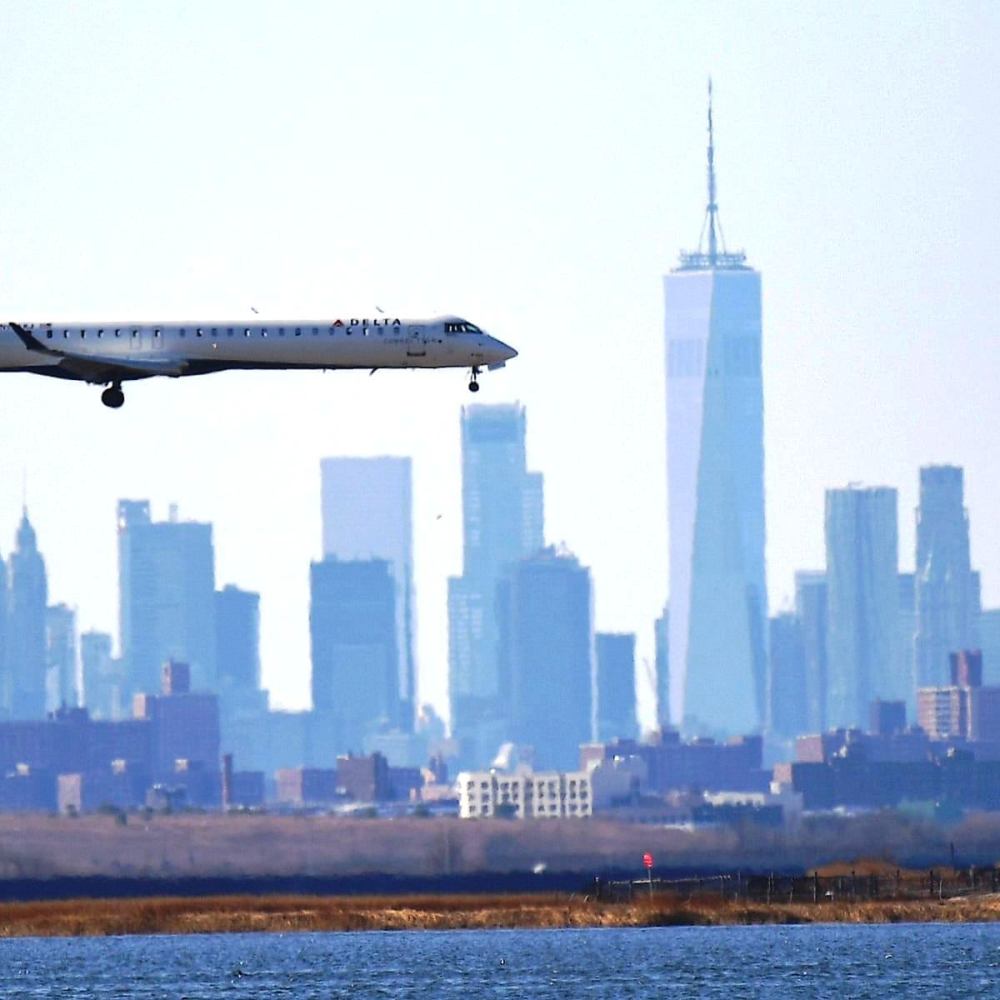
El Presidente de Estados Unidos, Donald Trump, ha expresado el Viernes 10/04 por medio de Twitter que se deben salvar las aerolíneas del país, mientras su gobierno se prepara para informar al sector este fin de semana sobre los términos de una ayuda por un monto de US$ 32.000 millones de dólares para compensar el impacto de la pandemia del Coronavirus.

El Presidente Donald Trump en un retuit de un artículo de un comentarista de Fox News Channel sobre el rescate a las aerolíneas, escribió: «No es bueno (…), pero es lo que es. ¡Hay que salvar las aerolíneas!». El fuerte compromiso de la actual Administración permitirá palear la situación del sector del mercado aéreo en Estados Unidos. Las perspectivas de las compañías con respecto a las ayudas bajo el paraguas de la Ley CARES permitirá atender las urgencias de pagos a empleados y compromisos a corto plazo; permitiendo observarse a futuro una fuerte restructuración después de las inyecciones de capital por parte del Estado. AW-Icon AW001

AW-Theguardian_7006The US declares to rescue its airlines

Trump Administration Supports U.S. Airline Rescue Commitment

The President of the United States, Donald Trump, expressed on Friday 10/04 through Twitter that the country’s airlines must be saved, while his government prepares to inform the sector this weekend about the terms of aid for amount of US $ 32,000 million to offset the impact of the Coronavirus pandemic.

President Donald Trump, in a retweet of an article by a Fox News Channel commentator on the airline bailout, wrote: «It is not good (…), but it is what it is. Airlines must be saved!». The strong commitment of the current Administration will enable the situation of the aviation market sector in the United States to be overcome. The companies’ perspectives regarding aid under the umbrella of the CARES Law will allow to attend to urgent payments to employees and short-term commitments; allowing a strong restructuring to be observed in the future after capital injections by the State. AW-Icon AW002


Ξ A I R G W A Y S Ξ
SOURCE: Airgways.com
DBk: Usa.gov / Airgways.com
AW-POST: 202004101800AR

A\W   A I R G W A Y S ®

Low cost Argentina sobrevuelan crisis

Aeropuerto El PalomarAW | 2020 04 09 16:16 | AIRLINES MARKET

Las low cost de Argentina pilotean mejor la crisis sanitaria mundial

La aviación es una de las industrias más perjudicadas por las restricciones gubernamentales para combatir la pandemia del Coronavirus. Desde la Asociación de Transporte Aéreo Internacional (IATA), el organismo que agrupa a las aerolíneas a nivel mundial, estiman que las pérdidas en el sector a nivel global alcanzarán los 252 mil millones de dólares y llegarán a 2431 millones de dólares puntualmente en la Argentina, donde están en riesgo 15 mil puestos de trabajo directos. El organismo, por intermedio de Peter Cerdá, Vicepresidente para las Américas, advirtió que «algunas aerolíneas locales podrían dejar de existir».

Teniendo este panorama sombrío sobre la Región Latinoamérica las jóvenes aerolíneas low cost de argentina como JetSmart Airlines Argentina y Flybondi Líneas Aéreas, que se incorporaron al mercado aerocomercial argentino en el últimos años, aseguran que tienen más capacidad, adaptación y rapidez de reacción para sobrevivir a las crisis. Con reducciones de sueldo al personal, estrictos controles de gastos y negociaciones con los lessors, las empresas que les alquilan los aviones, y con otros otros proveedores intentan reducir al mínimo los gastos hasta que puedan volver a volar.

«Las aerolíneas low cost somos más resilientes a las crisis. En JetSmart tenemos una estructura de costos muy eficiente, con poco personal administrativo, con lugares de trabajo accesibles y sueldos con un porcentaje variable. Las aerolíneas más tradicionales tienen más gente, más estructuras, más costos fijos y seguramente se les complica más», explica Gonzalo Pérez Corral, gerente general de JetSmart, sobre como la aerolínea low cost que opera en el mercado argentino y ofrece vuelos domésticos y regionales desde hace poco más de un año, sobrelleva la crisis desatada por el coronavirus, que dejó a todos los aviones en tierra dentro de la Argentina y paralizó por completo los ingresos.

Flybondi Líneas Aéreas, que desde hace poco más de dos años opera en el mercado doméstico nacional también la beneficia tener una estructura chica: «Si bien el impacto de las crisis afecta a todas las aerolíneas por igual porque los ingresos se redujeron a cero, las low cost tienen más cintura para afrontar las crisis, porque son más eficientes en términos de personal y de costos de la operación. Es más fácil recuperarse y rediseñar itinerarios, porque es una estructura más chica, y es más sencillo reaccionar», asegura Mauricio Sana, Chief Commercial Officer (CCO) de Flybondi.

Low cost junto al personal

AW-Jetsmart_AirlinesEn JetSmart Argentina aseguraron que no habrá despidos de personal, pero sí reducción de sueldos en un promedio de un 30%. «Nunca se vio que las compañías paren sus aviones al ciento por ciento. Estamos haciendo números para ver que implica esta situación. El no recibir ingresos hace que la ecuación se complique, pero somos una compañía que nacimos hace poco con una estructura de costos muy eficiente en donde somos muy racionales en el uso de los recursos y tenemos una parte importante de la paga que es variable. Nuestra intención es no hacer despidos, pero el impacto en el sueldo de bolsillo va a ser considerable, porque al no volar no se pagan los conceptos variables. La gente lo entiende, prefiere que no haya despidos por más que el sueldo se vea reducido», admite Pérez Corral.

El sueldo de los empleados tiene un componente variable que está asociado a los vuelos que realizan. Como no vuelan y no hay operaciones, ese casi tercio de sueldo no se los pagan a pilotos, tripulantes y operarios de rampa. Para los administrativos se decidió postergar el aumento previsto por inflación que estaba estipulado en abril y pagar más adelante los bonos, quizás en septiembre. «Tenemos que realizar un sacrificio para mantener todos los puestos de trabajo y esperar volver a operar, nosotros estamos listos para volar apenas se restablezca el servicio y tengamos la autorización», dice Pérez Corral. A diferencia de otras aerolíneas que ya anunciaron que no van a volar hasta el 30 Abril, como Latam y Flybondi; Jetsmart quiere despegar cuanto antes.

AW-700FlybondiFlybondi tampoco hará despidos de empleados porque necesitan el mismo equipo cuando se restablezca el servicio, pero también le redujo el sueldo a su plantilla, según la escala salarial. Para el CEO y los ejecutivos, una baja del 50% del sueldo durante los próximos 3 meses. El resto de los empleados, una reducción de entre 12% y 40% según escalas salariales con el concepto de que el que menos gana, tenga la menor afectación. «En tiempos de una crisis sin precedentes a nivel mundial, consideramos que la mejor estrategia es aquella en la que el esfuerzo de todos también sea para beneficio de todos.Definimos junto con los empleados y el gremio una reducción salarial durante los meses en los que la compañía no tendrá ningún tipo de ingreso. Es muy valioso y habla del nivel de compromiso de cada una de las 570 personas que trabajan en Flybondi», dice Esteban Tossutti, Presidente de la compañía.
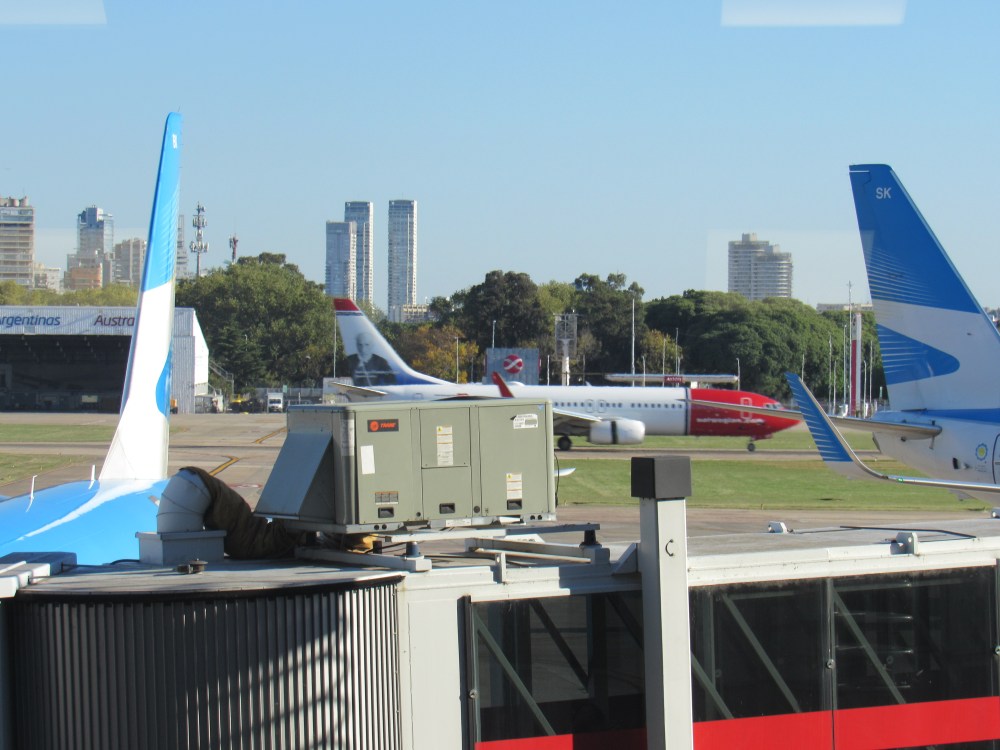
En el caso de Flybondi, ya comunicó que no operará hasta el 30 de abril, en principio, según lo disponga el Gobierno, porque aseguran que cuando tengan la autorización para retomar las operaciones necesitan una ventana de tiempo para poner todo a punto y vender los pasajes.

Bajar los gastos

Además de reducción de sueldos, mientras no vuelvan a volar las dos low cost argentinas están abocados a racionalizar los gastos para hacer las menores erogaciones posibles.También están en negociaciones con las empresas que les alquilan los aviones y otros proveedores para solicitar reducción o postergación de pagos.

«En el peor de los escenarios, si estamos dos meses parados estamos bien para seguir con la operación. En la Argentina es una operación de largo plazo y no se han modificado nuestros planes estratégicos para seguir volando en el país. JetSmart tiene la caja suficiente y el respaldo suficiente para poder restablecer la operación y seguir volando en la Argentina que es lo que queremos hacer», agrega Pérez Corral. Aunque cuando se restablezca el servicio, no descartan cambios y alternaciones en las rutas que ya operaban, en muchos casos porque dependerá si todas las provincias abren sus aeropuertos.

En Flybondi comentan que los accionistas están comprometidos con la empresa y la prioridad es resguardar el negocio y la fuente de trabajo, por eso están renegociando con proveedores todas las opciones posibles para mantener la empresa a salvo. «Nos preocupa pero somos optimistas, sabemos que un modelo de negocio eficiente nos da en este contexto mayor agilidad para sobrellevar esta situación y mantenernos sólidos y fuertes para cuando podamos volver a volar», agrega Tossutti.

También como todo el sector aerocomercial y vinculado al turismo, las empresas reclaman ayuda estatal. Junto con otras aerolíneas solicitaron al gobierno mediante cartas exenciones impositivas, crédito fiscal para pago de impuestos, líneas de crédito, entre otras prerrogativas para sortear la crisis, como está sucediendo en otros países.

Disputa Aeroparque de JetSmart

La crisis por el coronavirus se suma a otros problemas operativos que enfrenta Jetsmart. Hace unos meses compró la filial argentina de Norwegian Air Argentina para expandirse y poder operar desde Aeroparque y El Palomar. Pero por ahora no tienen la autorización de la ANAC para operar en Aeroparque las antiguas rutas de Norwegian con los aviones Airbus A320CEO de JetSmart Argentina. La intención de la empresa es operar con dos bases: Jorge Newbery (Aeroparque) y El Palomar, que los consideran complementarios. «Nosotros firmamos un acuerdo de consolidación con Norwegian para usar los aviones de JetSmart en Aeroparque y hasta ahora no nos han permitido realizar el cambio de aeronave, con lo cual eso también nos tiene en jaque y habría rutas que podrían sufrir bajas si es que no se nos autoriza esa posibilidad. Así que a los dos problemas que teníamos se sumó uno mayor que tapa todo el resto, pero en la medida que vaya pasando la crisis en algún momento y se restablezcan los vuelos van a surgir estos dos problemas que siguen latentes», explica Pérez Corral. En otro frente de reclamos, también batallan contra la prohibición de operar de noche en el Aeropuerto El Palomar. AW-Icon AW001

AW-7001311 (18)Low cost Argentina fly over crisis

The low cost of Argentina better pilot the world health crisis

Aviation is one of the industries hardest hit by government restrictions to combat the Coronavirus pandemic. From the International Air Transport Association (IATA), the body that brings together airlines worldwide, they estimate that losses in the sector globally will reach 252 billion dollars and will reach 2,431 million dollars punctually in Argentina, where 15 thousand direct jobs are at risk. The agency, through Peter Cerdá, Vice President for the Americas, warned that «some local airlines may cease to exist».

Having this gloomy outlook over the Latin American Region, young Argentine low-cost airlines such as JetSmart Airlines Argentina and Flybondi Líneas Aéreas, which have entered the Argentine aviation market in recent years, ensure that they have more capacity, adaptation and quick reaction to survive the crises. With staff pay cuts, tight spending controls, and negotiations with the lessors, the companies that rent the planes to them, and with other providers try to minimize expenses until they can fly again.

«Low-cost airlines are more resilient to crises. At JetSmart we have a very efficient cost structure, with few administrative personnel, with accessible workplaces and salaries with a variable percentage. More traditional airlines have more people, more structures, more fixed costs and surely more complicated for them», explains Gonzalo Pérez Corral, general manager of JetSmart, about how the low-cost airline that operates in the Argentine market and offers domestic and regional flights for just over a year, has been dealing with the crisis unleashed by the coronavirus, which left all aircraft on the ground within Argentina and completely paralyzed income.

Flybondi Líneas Aéreas, which has been operating in the domestic market for just over two years, also benefits from having a small structure: «Although the impact of the crises affects all airlines equally because revenues were reduced to zero, the low cost have more waist to face the crises, because they are more efficient in terms of personnel and operating costs. It is easier to recover and redesign itineraries, because it is a smaller structure, and it is easier to react», says Mauricio Sana, Chief Commercial Officer (CCO) of Flybondi.

Low cost with staff

At JetSmart Argentina they assured that there will be no layoffs, but there will be an average salary reduction of 30%. «Companies have never been seen to stop their planes 100 percent. We are making numbers to see what this situation implies. Not receiving income makes the equation complicated, but we are a company that was born recently with a very cost structure efficient where we are very rational in the use of resources and we have an important part of the pay that is variable. Our intention is not to make layoffs, but the impact on the pocket salary is going to be considerable, because by not flying you will not variable concepts pay. People understand it, prefer that there be no layoffs, even if the salary is reduced», admits Pérez Corral.

AW-7000023Employee salary has a variable component that is associated with the flights they take. As they do not fly and there are no operations, that almost third of salary is not paid to pilots, crew and ramp operators. For the administrators, it was decided to postpone the expected inflation increase that was stipulated in April and pay the bonds later, perhaps in September. «We have to make a sacrifice to keep all the jobs and hope to return to operate, we are ready to fly as soon as service is restored and we have authorization», says Pérez Corral. Unlike other airlines that have already announced that they will not fly until April 30, such as Latam and Flybondi; Jetsmart wants to take off as soon as possible.
Flybondi will also not lay off employees because they need the same equipment when service is restored, but it also reduced the pay for its staff, based on the salary scale. For the CEO and executives, a 50% drop in salary for the next 3 months. The rest of the employees, a reduction of between 12% and 40% according to salary scales with the concept that the one who earns the least, has the least impact. «In times of an unprecedented crisis worldwide, we consider that the best strategy is one in which everyone’s effort is also for the benefit of all. Together with employees and the union, we define a salary reduction during the months in which the company will not have any kind of income. It is very valuable and speaks to the level of commitment of each of the 570 people who work at Flybondi», says Esteban Tossutti, President of the company.

In the case of Flybondi, it has already communicated that it will not operate until April 30, in principle, as the Government provides, because they assure that when they have the authorization to resume operations they need a time window to set everything up and sell the tickets.

Lower expenses

In addition to reducing wages, as long as the two Argentine low-cost airlines do not fly again, they are bound to rationalize expenses to make the least possible expenses. They are also in negotiations with the companies that rent the planes and other providers to request a reduction or postponement of payments.

AW-Jetsmart_0034577

«In the worst-case scenario, if we are standing for two months we are fine to continue with the operation. In Argentina, it is a long-term operation and our strategic plans to continue flying in the country have not been modified. JetSmart has enough cash and sufficient support to be able to reestablish the operation and continue flying in Argentina, which is what we want to do», adds Pérez Corral. Although when the service is restored, they do not rule out changes and alternations in the routes that were already operating, in many cases because it will depend on whether all the provinces open their airports.

In Flybondi they comment that the shareholders are committed to the company and the priority is to safeguard the business and the source of work, so they are renegotiating with suppliers all possible options to keep the company safe. «We are concerned but we are optimistic, we know that an efficient business model gives us in this context greater agility to cope with this situation and stay solid and strong for when we can fly again», adds Tossutti.

Also like the entire aero-commercial sector and linked to tourism, companies claim state aid. Along with other airlines, they asked the government by means of tax exemptions, tax credit for payment of taxes, lines of credit, among other prerogatives to avoid the crisis, as is happening in other countries.

Jetsmart discusses Aeroparque

The coronavirus crisis adds to other operational problems facing JetSmart. A few months ago, it bought the Argentine subsidiary of Norwegian Air Argentina to expand and operate from Aeroparque and El Palomar. But for now, they do not have the authorization of ANAC to operate Norwegian’s old routes in Aeroparque with JetSmart Argentina Airbus A320CEO aircraft. The company’s intention is to operate with two bases: Jorge Newbery (Aeroparque) and El Palomar, which consider them complementary. «We signed a consolidation agreement with Norwegian to use JetSmart planes in Aeroparque and until now they have not allowed us to make the change of aircraft, which also has us in check and there would be routes that could suffer losses if not We are authorized that possibility. So to the two problems that we had, a greater one was added that covers all the rest, but as the crisis passes at some point and the flights are restored, these two problems that are still latent will arise», explains Pérez Corral. On another claims front, they are also battling the ban on operating at night at the El Palomar Airport. AW-Icon AW002


Ξ A I R G W A Y S Ξ
SOURCE: Airgways.com
DBk: Jetsmart.com / Flybondi.com / Baenegocios.com / Airgways.com
AW-POST: 202004091616AR

A\W   A I R G W A Y S ®

Aerolíneas chinas adaptan a mercados

AW-APnews_7005AW | 2020 04 08 12:38 | AIRLINES MARKET

Aerolíneas Chinas adaptan aviones para trasladar carga

Aerolíneas de la República de China se adaptan ante los comabios de mercado por los efectos de la pandemia del Coronavirus. Luego de un lento proceso de retorno a los vuelos, las líneas aéreas han reportado que para solventar las pérdidas debido a las restricciones de viajes en el marco de la emergencia sanitario, han adaptado sus aeronaves de pasajeros para transportar cargamento.

Ante la depresión que sufrió el sector aéreo, al menos diez aerolíneas imitaron estas acciones. China Eastern Airlines ha modificado algunas aeronaves en su estructura interna para poder transportar cargamento electrónico de la compañía Tesla, autopartes, y otro tipo de equipos. No obstante, los vuelos comerciales ya enviaban cerca de la mitad de cualquier tipo de cargamento antes de la pandemia ocasionada por el Coronavirus. Sin embargo, algunas empresas que no estaban asociadas con esta actividad tuvieron que apostar por la exportación para evitar la bancarrota en el gigante asiático.

Por otra parte, la Asociación y Administración Civil de China (CAAC), informó que el envío de bienes a diferentes partes del mundo, principalmente medicinas y equipamiento de emergencia, fueron regulados para no saturar los aviones que originalmente estaban destinados solo a pasajeros. Estas acciones llevadas a cabo por las aerolíneas nacionales, podrían reducir los costos de transporte en tiempos de emergencia. Debido a ello, apuntaron expertos, la economía en aeroportuaria podría reactivarse. AW-Icon AW001

AW-Flickr_7004Chinese airlines adapt to markets

Chinese airlines adapt planes to move cargo

Republic of China airlines are adjusting to market swings due to the effects of the Coronavirus pandemic. After a slow process of returning to flights, the airlines have reported that to cover losses due to travel restrictions in the context of the health emergency, they have adapted their passenger aircraft to transport cargo.

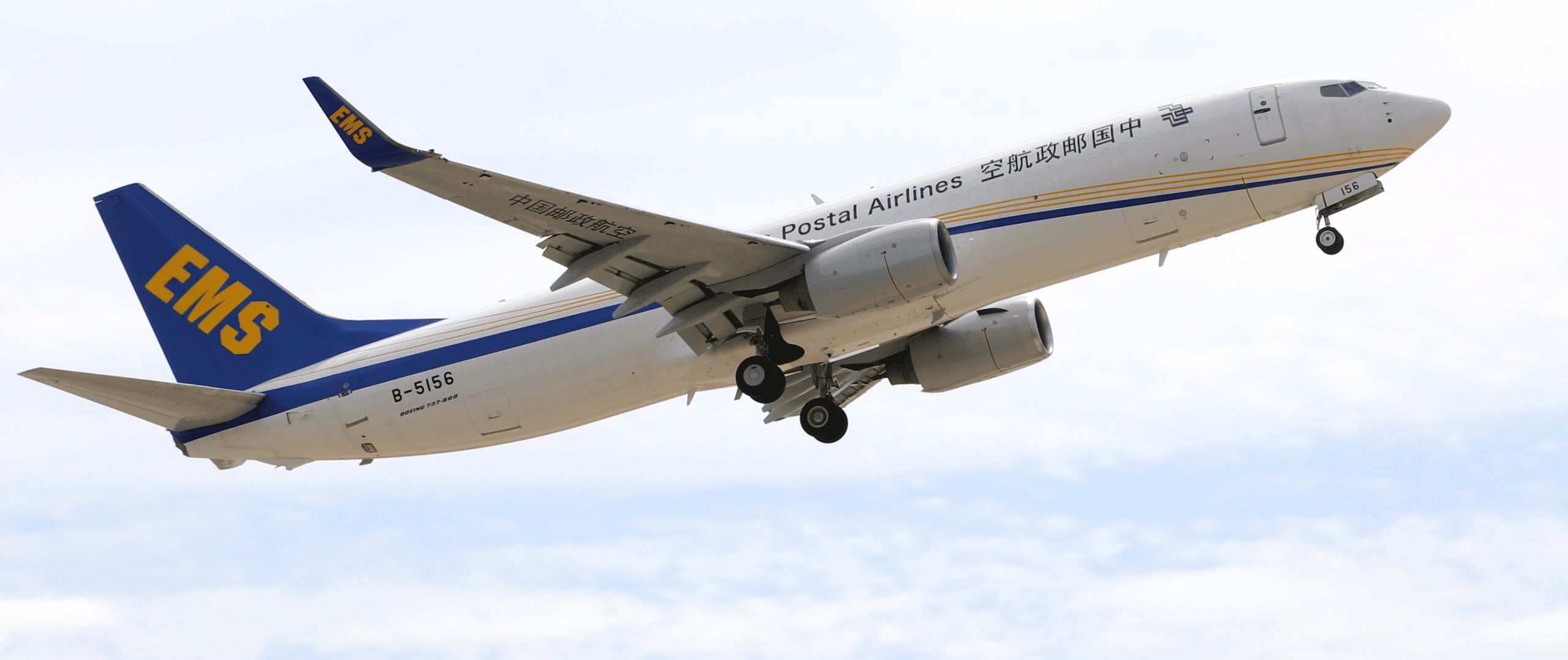
Given the depression suffered by the airline sector, at least ten airlines imitated these actions. China Eastern Airlines has modified some aircraft in its internal structure to be able to transport Tesla company electronic cargo, auto parts, and other types of equipment. However, commercial flights already shipped nearly half of any type of cargo before the Coronavirus pandemic. However, some companies that were not associated with this activity had to bet on exports to avoid bankruptcy in the Asian giant.

On the other hand, the Association and Civil Administration of China (CAAC), reported that the shipment of goods to different parts of the world, mainly medicines and emergency equipment, were regulated so as not to saturate the planes that were originally intended only for passengers. These actions, carried out by national airlines, could reduce transportation costs in times of emergency. Due to this, experts pointed out, the airport economy could revive. AW-Icon AW002

China Postal fleet renewal accelerates with redelivery of second ...中國航空公司適應市場

中國航空公司調整飛機運輸貨物

由于冠狀病毒大流行的影響,中華民國航空公司正在適應市場變化。航空公司在返回航班的過程很慢之後,報告說,為了彌補由於緊急醫療情況而因旅行限製而造成的損失,他們已經調整了客機來運輸貨物。

考慮到航空業遭受的蕭條,至少有十家航空公司模仿了這些行動。中國東方航空已經對其內部結構進行了一些改裝,以便能夠運輸特斯拉公司的電子貨物,汽車零件和其他類型的設備。但是,在冠狀病毒大流行之前,商業航班已經運送了幾乎所有類型貨物的一半。但是,一些與此活動無關的公司必須押注出口以避免亞洲巨頭破產。

另一方面,中國協會和民政總署(CAAC)報告說,對向世界不同地區運送貨物(主要是藥品和緊急設備)進行了管制,以免使原本只供旅客使用的飛機飽和。國家航空公司採取的這些措施可以在緊急情況下降低運輸成本。因此,專家指出,機場經濟可能會復蘇。AW-Icon AW002


Ξ A I R G W A Y S Ξ
SOURCE: Airgways.com
DBk: Caac.gov.cn / Airgways.com / Flickr.com / Cargofacts.com
AW-POST: 202004081238AR

A\W   A I R G W A Y S ®

IATA presagio pérdidas Latinoamérica

AW-SitiosargentinosAW | 2020 04 07 21:36 | AIRLINES MARKET / AVIATION ORGANISMS

IATA_Logo.svgIATA predice pérdidas por US$ 15 mil millones pérdidas en la Región Latinoamérica

La organización internacional estima que por la paralización del sector generada por la pandemia de coronavirus, las aerolíneas que operan en el país resignarán este año ingresos por US$ 2.400 millones en comparación con 2019 y se pondrán en riesgo 15.000 empleos directos. Por ese motivo, presentó una serie de pedidos a la administración de Alberto Fernández, que incluye desde la eliminación del impuesto PAIS al diferimiento de las obligaciones tributarias para las empresas del sector.

«Sin ayuda inmediata del Gobierno, las aerolíneas que operan en la Argentina no van a estar en condiciones de continuar sus operaciones a los niveles anteriores a esta crisis y, en el peor de los casos, podrían dejar de existir», alertó Peter Cerdá, Vicepresidente para las Américas de la Asociación Internacional de Transporte Aéreo (IATA).

El ejecutivo de IATA resaltó la actitud de algunos gobiernos como los de Brasil, Colombia, Estados Unidos, Singapur y Noruega, que definieron eliminar o diferir cargos y liberaron millones de dólares en ayuda para el sector, y pidió a la Argentina que tome la misma actitud. Entre las medidas listadas se solicitan líneas de créditos blandos y paquetes de ayuda directos, aplazamiento de las obligaciones tributarias e impuestos sobre la renta, reducción de las tasas y costos operativos y eliminación del impuesto del 30% sobre la compra de pasajes internacionales. Según los registros de la organización, que tiene 290 miembros alrededor del mundo, el sector aerocomercial genera 71.000 empleos directos en el país y contribuye en US$ 12.000 millones al PBI de manera directa e indirecta. «El Gobierno de Argentina tiene que decidir si quiere que el transporte aéreo sea un socio económico importante para restablecer el bienestar del país», apuntó Peter Cerdá.

Entre las medidas listadas se solicitan líneas de créditos blandos y paquetes de ayuda directos, aplazamiento de las obligaciones tributarias e impuestos sobre la renta, reducción de las tasas y costos operativos y eliminación del impuesto del 30% sobre la compra de pasajes internacionales. También consideraron que ayudaría a las empresas del sector «flexibilizar la aplicación de las normas de protección al usuario» que rigen para las compensaciones y multas generadas por posibles demoras o cancelaciones de vuelos. Peter Cerdá argumentó que los problemas sufridos por los pasajeros no pueden atribuirse a las aerolíneas sino a las restricciones y los cierres de frontera impuestos por los gobiernos. «Las aerolíneas intentaron hacer todo lo posible para mantener los vuelos regulares», aseguró.

Respecto de la iniciativa reciente del Gobierno de Argentina de conformar un grupo de trabajo de «Evaluación de Consecuencias Económicas del COVID-19 en el Transporte Aéreo» conformados por organismos del Estado y representantes del sector, Peter Cerdá dijo que existen evidencia de buenas intenciones, pero un retraso en la respuesta. «Este grupo va a tener que ejecutar decisiones muy rápido, porque ya llegamos tarde. IATA envió la primera carta solicitando ayuda al Gobierno el 12 de marzo», señaló.

«Vamos a tener líneas aéreas que no van a estar en posición de reabrir en un futuro, que estarán en quiebra. Vamos a depender mucho de las medidas que impongan los gobiernos, pero sin el aporte económico es sumamente complejo que algunas líneas aéreas que tenemos hoy puedan reiniciar algunas operaciones cuando se reactive», presagió Peter Cerdá, quien pidió a los gobiernos medidas de estímulo y paquetes financieros para ayudar a las aerolíneas. AW-Icon AW001

AW-IATA-700576IATA foreshadowed Latin American losses

IATA predicts losses of US$ 15 billion losses in the Latin American Region

The international organization estimates that due to the paralysis of the sector caused by the coronavirus pandemic, airlines operating in the country will resign this year revenues of US$ 2.4 billion compared to 2019 and will put 15,000 direct jobs at risk. For this reason, he presented a series of requests to the Alberto Fernández administration, which includes from the elimination of the PAIS tax to the deferral of tax obligations for companies in the sector.

«Without immediate help from the Government, the airlines that operate in Argentina will not be in a position to continue operating at the levels prior to this crisis and, in the worst case, they could cease to exist», Peter Cerdá warned, Vice President for the Americas of the International Air Transport Association (IATA).

The IATA executive highlighted the attitude of some governments such as those of Brazil, Colombia, the United States, Singapore, and Norway, which defined to eliminate or defer charges and released millions of dollars in aid for the sector, and asked Argentina to take the same attitude. Among the measures listed are requests for soft lines of credit and direct aid packages, deferment of tax obligations and income taxes, reduction of rates and operating costs and elimination of the 30% tax on the purchase of international tickets. According to the records of the organization, which has 290 members around the world, the aero-commercial sector generates 71,000 direct jobs in the country and contributes US$ 12,000 million to GDP directly and indirectly. «The Argentine government has to decide if it wants air transport to be an important economic partner to restore the country’s well-being», said Peter Cerdá.

Among the measures listed are requests for soft lines of credit and direct aid packages, deferment of tax obligations and income taxes, reduction of rates and operating costs and elimination of the 30% tax on the purchase of international tickets. They also considered that it would help companies in the sector «to make the application of user protection rules more flexible» that apply to compensations and fines generated by possible flight delays or cancellations. Peter Cerdá argued that the problems suffered by passengers cannot be attributed to the airlines but to the restrictions and border closures imposed by governments. «The airlines tried to do everything possible to maintain regular flights», he said.

Regarding the recent initiative of the Government of Argentina to form a working group of «Evaluation of the Economic Consequences of COVID-19 in Air Transport» made up of State agencies and representatives of the sector, Peter Cerdá said that there is evidence of good intentions, but a delay in response. «This group is going to have to execute decisions very quickly, because we are already late. IATA sent the first letter requesting help from the government on March 12», he said.

«We are going to have airlines that are not going to be in a position to reopen in the future, that will be bankrupt. We are going to depend a lot on the measures imposed by the governments, but without the economic contribution it is extremely complex that some airlines that we have today they can restart some operations when it is reactivated», predicted Peter Cerdá, who asked governments for stimulus measures and financial packages to help airlines. AW-Icon AW002


Ξ A I R G W A Y S Ξ
SOURCE: Airgways.com
DBk: Iata.org / Airgways.com
AW-POST: 202004072136AR

A\W   A I R G W A Y S ®

Perspectivas mercado en la India

La imagen puede contener: 3 personas, exterior, texto que dice "PROFIT HUNTER E195 E2"AW | 2020 04 06 14:50 | AIRLINES MARKET / INDUSTRY
India y los efectos de la pandemia COVID-19

El sector de la aviación comercial ha impactado en el mundo entero, y el gran mercado de la India es probable que los malos tiempos continúen mucho después de la extensión de la cuarentena nacional. La Dirección General de Aviación Civil (DGCA), el regulador de la aviación comercial de la India ha prohibido el 27/03 todos los vuelos nacionales de pasajeros en el país hasta el 14 Abril 2020, cuando finaliza el cierre. Las operaciones internacionales también se han estancado debido a las prohibiciones de vuelo impuestas por muchos países. Para un sector ya enfermo, la pandemia ha sido un duro golpe a las economías globales.

Las aerolíneas indias están tomando reservas nacionales para el 15 Abril 2020, desde el Ministerio de Aviación Civil de India no ha confirmado si las operaciones se reanudarán a partir de esa fecha. Los frenos y la incertidumbre han paralizado el sector y están destinados a causar una agitación sin precedentes. “El período de Abril-Junio, tradicionalmente uno de los trimestres más fuertes para las aerolíneas indias, parece cada vez más como un desastre. Esto tendrá implicaciones para Julio-Septiembre (generalmente el trimestre más débil) y para el resto del año fiscal 2021″, dijo la agencia CAPA de aviación.

Aerolíneas indias

Los dos operadores de la India, IndiGo y SpiceJet, podrían reportar pérdidas combinadas de hasta US$ 1.5 mil millones en los trimestres de Enero-Marzo y Abril-Junio. Las reservas de efectivo hasta ahora envidiables de IndiGo casi pueden desaparecer.

La industria de la aviación podría soportar pérdidas de hasta US$ 3.6 mil millones en el período de Abril a Septiembre, basándose en el supuesto de que las operaciones nacionales e internacionales permanecerán en tierra hasta el 30 Junio 2020.

Decrecimiento del tráfico de pasajeros

Incluso antes de la interrupción relacionada con el coronavirus, la aviación india se tambaleaba por una desaceleración económica que había llevado el tráfico de pasajeros a un solo dígito bajo. «El crecimiento de pasajeros de las aerolíneas es registrar un crecimiento negativo del 20-25% en el año financiero 2021. Incluso publicar el cierre nacional, las tarifas de los operadores de aerolíneas pueden permanecer bajo teniendo en cuenta la falta de demanda de viajes aéreos», pronosticó la agencia de crédito con sede en Mumbai, Care Ratings en un informe el 25 Marzo 2020.

La baja demanda puede obligar a los transportistas a posponer sus planes de expansión. “Existe una gran probabilidad de que los pedidos de aeronaves sean diferidos o incluso cancelados. Algunos equipos arrendados, particularmente aquellos aviones que se acercan al final de sus términos de arrendamiento, pueden devolverse antes a los arrendadores”, señaló CAPA en su informe.

La aerolínea regional Air Deccan dijo que iba a suspender todas las operaciones hasta nuevo aviso y que todos sus empleados están siendo puestos en sabático sin paga. La aerolínea de dos años tiene una flota de tres aviones y se centra principalmente en Gujarat. «En vista de los recientes problemas mundiales y nacionales y la directiva posterior del regulador indio, Air Deccan no tiene más remedio que cesar las operaciones hasta nuevo aviso», escribió el CEO Arun Kumar Singh en una carta al personal de la aerolínea, informó la agencia de noticias PTI.

AW-Spicejet_7005

SpiceJet ha comunicado: “SpiceJet anunció un recorte salarial en toda la empresa para sus empleados en el mes de marzo de 2020 para superar la crisis sin precedentes que se produjo por la pandemia de Covid-19. La aerolínea ha implementado un recorte salarial del 10-30% para todos sus empleados en los niveles superior y medio», dijo la aerolínea en un comunicado de prensa el 31 Marzo 2020. Sin embargo, algunos de los empleados de SpiceJet alegaron que la compañía ha deducido más del 70% de sus salarios.

Vistara Airlines, una empresa conjunta entre Tata Sons y Singapore Airlines, anunció el 27 Marzo 2020 una medida similar diciendo que el 30% de sus 4.000 empleados se irán de vacaciones obligatorias sin pago entre el 1 y el 14 Abril para reducir los costos.

GoAir también ha anunciado un recorte salarial en toda la empresa. El 17 de marzo, el transportista suspendió todas las operaciones internacionales y solicitó al personal que optara por un permiso obligatorio sin pago.

La estatal Air India, que ha estado a la vanguardia de la evacuación de indios varados en el extranjero , anunció el 20 Marzo 2020 que implementará un recorte del 10% en el pago de los empleados durante los próximos tres meses.

La gravedad de la crisis actual ha sorprendido a los veteranos de la industria. “Había visto una aerolínea en un momento en que los ingresos se agotaron en un 90% debido a una prohibición de reserva anticipada. Entonces , los precios del petróleo estaban en $ 100. Fue increíblemente duro. Pero los tiempos actuales son aún más difíciles. No hay demanda, todo está conectado a tierra y cero ingresos. NO es lo de siempre», escribió Sanjiv Kapoor, asesor del operador de bajo costo GoAir de la India en Twitter.

ACI

El 31 Marzo 2020, el Consejo Internacional de Aeropuertos (ACI), que representa a las autoridades aeroportuarias del mundo, instó al Gobierno de la India a diferir los impuestos específicos de la aviación hasta el 31 Diciembre 2020 para salvaguardar la continuidad operativa y comercial de los aeropuertos. “Los aeropuertos son motores de la economía nacional en términos de empleos creados y crecimiento del PIB. La industria aeroportuaria en Asia-Pacífico emplea más del 63% de los empleos de la industria de la aviación, brindando una variedad de servicios. Este recurso único para la sociedad y la economía debe ser completamente preservado y apoyado para prepararse para su reactivación, tan pronto como los efectos negativos de Covid-19 comiencen a disminuir», dijo la Directora General de ACI, Angela Gittens, en la carta fechada el 31 Marzo 2020.

Las compañías nacionales han solicitado al centro un paquete de ayuda para hacer frente a la crisis. El gobierno les aseguró ayuda, sin proporcionar ningún detalle. Además, dijo que el gobierno debe cumplir con la demanda largamente pendiente de incluir el combustible de turbina de aviación (ATF) bajo el impuesto a los bienes y servicios (GST). También sugirió asegurar líneas de crédito apropiadas de los bancos para apoyar la reactivación del sector.

A pesar de ser vulnerables, las aerolíneas indias están en una mejor posición, en comparación con sus contrapartes globales. «Dado que ellos (los transportistas nacionales) han estado ayudando al gobierno con la logística de todas las medidas de control de Covid-19, parecen estar mejor ubicados», dijo a Quartz el Analista Ashish Nainan, con sede en Bombay.

La mayoría de las aerolíneas indias están ayudando al gobierno con la operación logística y han ofrecido aumentar los movimientos de carga en medio de la pandemia. IndiGo, SpiceJet junto con Air India y Blue Dart han contribuido a los esfuerzos del gobierno para suministrar productos médicos esenciales a los lugares necesitados. Tanto SpiceJet como IndiGo han operado hasta ahora dos y seis vuelos respectivamente.

Wings India 2020

El desarrollo de la feria Wings India 2020 desarrollado entre 12-15 Marzo 2020 fue uno de los pocos eventos que desafió el brote de Coronavirus que ha alterado los calendarios sociales, políticos, deportivos y de negocios en todo el mundo. La feria aeronáutica bienal ha visto llevar a los fabricantes sus últimas ofertas a uno de los mercados de aviación de más rápido crecimiento en el mundo.

El ejemplo de la aeronáutica Embraer ha tenido presencia con su avión más nuevo el E195-E2, bautizado «Profit Hunter». Embraer ve al avión jet regional como una herramienta poderosa para el mercado en la India.

Boeing y Airbus tienen pedidos por valor de miles de millones de dólares de los transportistas indios, pero son para aviones de porte mediano y largo alcance. Pero en el sector de la aviación regional o de corto recorrido tiene un mercado dominado por ATR Aircraft franco-italiano y la canadiense Bombardier que lideran el segmento con sus aviones turbopropulsores.

Embraer incursiona en India

Embraer, que es el tercer mayor productor de aviones comerciales después de Boeing y Airbus, está inmerso en la búsqueda de nuevos horizontes. El E195-E2 es el avión comercial más grande construido por la factoría brasileña Embraer, que trae mejoras en los conceptos básicos del E195-E1 con una importante actualización de rendimiento con un 25% de ahorro en el consumo de combustible que la generación anterior E1 y es más fácil de mantener. La compañía afirma que es el avión de pasillo único más eficiente del mundo y seis aerolíneas actualmente operan la aeronave. El avión puede acomodar de 100 a 130 pasajeros, dependiendo de la configuración de la clase. A diferencia del A320 y el Boeing 737, tiene un asiento de 2×2, eliminando el incómodo asiento del medio. El diseño 2×2 se lleva a la perfección a la clase ejecutiva, y ambos pasajeros tienen acceso al pasillo. Las ventanas son significativamente grandes para un jet regional, generalmente visto en un jet de cuerpo largo como el A350. Los índices sonoros de cabina es el mejor en su clase y los compartimientos superiores que han sido mejorados con respecto a la versión anterior E1, son lo suficientemente grandes como para contener un bolso de mano que cualquier otro avión más grande puede. En comparación con un turbopropulsor, el E2 es dos veces más rápido debido a los motores a reacción. Esto significa más vuelos por día y tal vez incluso más rutas.

Embraer vs Airbus

La comparación del E195-E2 con el A220, ambos aviones operan con el mismo motor a reacción que el PW1500G. Cesar Pereira, Vicepresidente Asia-Pacífico de Embraer, hace referencia que la aeronave brasileña posee un consumo menor del 10% que la aeronave regional A220, e insistió en que E2 es el avión de pasillo único más eficiente en combustible del mercado.

El equipo crucial como el tren de aterrizaje fue diseñado para tomar un tiempo mínimo de reemplazo y el E2 tuvo un intervalo de mantenimiento más largo, dijo. Embraer insiste en que el avión tiene un menor índice de mantenimiento. El tren de aterrizaje está personalizado y se puede cambiar en cuestión de horas, en lugar de días. Está diseñado para volar 10.000 horas sin ningún mantenimiento pesado. Se ha prestado especial atención al diseño y la ingeniería para mejorar la eficiencia. Un ejemplo es la elección del ala cónica sobre los wingstips convencionales. Las alas cónicas se consideran mejor estructural y aerodinámicamente. Mejoran la velocidad y la maniobrabilidad.

AW-Ft_70032

Al establecer paralelismos entre los mercados indio y brasileño, dijo que ambos estaban luchando con una infraestructura inadecuada y la dependencia de una red central de aeropuertos de Nivel 1 es el gran desafío. Las operaciones de Embraer E195-E2 podrían desarrollarse en India con éxito.

El E195-E2 puede brindar una mayor capacidad, ofrecer flexibilidad en la planificación de la red y cerrar la brecha entre un pequeño ATR y el A320 o Boeing 737 más grande. «No crece el mercado poniendo más asientos. Lo haces poniendo más vuelos», dijo Cesar Pereira.

La compañía también dice que si una aerolínea india ordenara un avión hoy, se entregará dentro de un año o dos. Después del traspaso, la aerolínea puede operarlo durante tres o cuatro años antes de que se requiera una verificación de mantenimiento, lo que le dará a la compañía cinco años para establecer el servicio de mantenimiento local. Pero no es tan simple y directo. Las afirmaciones de la compañía no se pueden poner a prueba, todavía no, ya que solo unos pocos aviones están volando en este momento. Azul recibió su primer avión en septiembre de 2019.

El E195-E2 tiene un precio de lista de US$ 60 millones. Un nuevo ATR 72-600 cuesta un poco más de US$ 25 millones. Este es el precio indicado por los fabricantes y el precio de venta varía según múltiples factores. No es raro que el precio de venta sea entre un 25% y un 45% más bajo que el precio indicado.

Las aerolíneas

Actualmente, Star Air es la única aerolínea que opera un avión Embraer en India con una flota de ERJ-145LR (3) para 50 pasajeros. La aerolínea más grande de India, IndiGo, tiene una flota de 25 ATR-72 y SpiceJet tiene más de 30 Bombardier Q400 y ha solicitado otros 40 Bombardier Q400 Next Gen, variente para acomodar entre 70-80 pasajeros. IndiGo y SpiceJet siguen el modelo de bajo costo y siempre están buscando formas de reducir los costos operativos. Estos aviones normalmente dan servicio al noreste y sur de la India.

Como la demanda sigue siendo baja, las aerolíneas no pueden desplegar aviones más grandes. El E2 puede cerrar esta brecha, por ahora, pero es caro y será insuficiente una vez que aumente la carga de pasajeros. El mercado indio está buscando una mayor capacidad adicional pero a tasas lucrativas. Estas aerolíneas simplemente reemplazarán un turbopropulsor con el avión más grande que han estado utilizando, no hay término medio para un jet regional. Desde un punto de vista operativo, agregar un avión de un fabricante completamente diferente irá en contra del principio básico de una aerolínea de bajo costo: mantener una flota racionalizada.

Perspectivas mercado

El Embraer E195-E2 es simplemente demasiado lujoso para la India para la actualidad. Los transportistas como IndiGo han sido frugales e incluso han eliminado las cortinas de sus aviones porque aumentaban los costos. Su A320NEO no tiene iluminación ambiental. La industria está buscando aviones sin lujos que puedan volar de manera eficiente. En un mercado donde una diferencia de 100 rupias es suficiente para que un cliente cambie las decisiones sobre un boleto, hay poco espacio para mayor comodidad.

Embraer ha creado un avión que ofrece el máximo rendimiento y tiene en cuenta la comodidad del pasajero. Sin embargo, India pareciera ser un mercado que no estaría comprometido con una aeronave intermedia entre un turbopropulsor y un narrowbody. Ante una crisis existencial debido al brote de Coronavirus, los transportistas indios no podrían permitirse comprar un avión de un segmento completamente diferente, pero en definitiva, podremos observar a futuro cómo se desarrollan los parámetros de mercado, donde nada está escrito. AW-Icon AW001

Make In India India To Become 3rd Largest Aviation Market In World ...Market perspective in India

India and the effects of the COVID-19 pandemic

The commercial aviation sector has impacted the world over, and India’s large market is likely to continue bad times long after the extension of the national quarantine. The General Directorate of Civil Aviation (DGCA), the commercial aviation regulator of India, has banned on March 27 all domestic passenger flights in the country until April 14, 2020, when the closure ends. International operations have also stalled due to flight bans imposed by many countries. For an already ill sector, the pandemic has been a severe blow to global economies.

Indian airlines are taking national reservations for April 15, 2020, since the Indian Ministry of Civil Aviation has not confirmed whether operations will resume from that date. Brakes and uncertainty have paralyzed the sector and are bound to cause unprecedented turmoil. “The April-June period, traditionally one of the strongest quarters for Indian airlines, seems increasingly like a disaster. This will have implications for July-September (generally the weakest quarter) and for the rest of the fiscal year 2021″, said the CAPA aviation agency.

Indian airlines

India’s two operators, IndiGo and SpiceJet, could report combined losses of up to US$ 1.5 billion in the January-March and April-June quarters. IndiGo’s hitherto enviable cash reserves can almost disappear.

The aviation industry could withstand losses of up to US$ 3.6 billion in the April-September period, based on the assumption that national and international operations will remain on the ground until June 30, 2020.

The decrease in passenger traffic

Even before the coronavirus-related outage, Indian aviation was reeling from an economic slowdown that had pushed passenger traffic to low single digits. «The growth of airline passengers is to register a negative growth of 20-25% in the financial year 2021. Even publishing the national closure, the fares of airline operators may remain low considering the lack of demand for air travel» Mumbai-based credit agency Care Ratings predicted in a report on March 25, 2020.

Low demand may compel carriers to postpone their expansion plans. «There is a high probability that aircraft orders will be deferred or even canceled. Some leased equipment, particularly those aircraft approaching the end of their lease terms, may be returned to lessors earlier, ”CAPA noted in its report.

AW-Air_Deccan_700034Regional airline Air Deccan said it was suspending all operations until further notice and that all of its employees are being put on sabbatical without pay. The two-year-old airline has a fleet of three planes and is primarily focused on Gujarat. «In light of recent global and national problems and the subsequent directive of the Indian regulator, Air Deccan has no choice but to cease operations until further notice», CEO Arun Kumar Singh wrote in a letter to airline staff, the report said. PTI news agency.

SpiceJet reported: “SpiceJet announced a company-wide pay cut for its employees in March 2020 to overcome the unprecedented crisis that occurred from the Covid-19 pandemic. The airline has implemented a 10-30% pay cut for all its employees at the upper and middle levels», the airline said in a press release on March 31, 2020. However, some of the SpiceJet employees alleged that the company He has deducted more than 70% of his wages.

Vistara Airlines, a joint venture between Tata Sons and Singapore Airlines, announced a similar measure on March 27, 2020, saying that 30% of its 4,000 employees will go on compulsory vacation without pay between April 1 and 14 to reduce costs.

GoAir has also announced a company-wide pay cut. On March 17, the carrier suspended all international operations and asked staff to opt for a mandatory permit without payment.

State-run Air India, which has been at the forefront of evacuating stranded Indians abroad, announced on March 20, 2020, that it will implement a 10% cut in employee pay over the next three months.

The severity of the current crisis has surprised industry veterans. «I had seen an airline at a time when revenue was 90% depleted due to an early booking ban. So, oil prices were at $ 100. It was incredibly tough. But today’s times are even more difficult. There is no demand, everything is grounded and zero income. It’s NOT the usual thing», wrote Sanjiv Kapoor, advisor to India’s low-cost operator GoAir on Twitter.

ACI

On March 31, 2020, the International Airports Council (ACI), which represents the world’s airport authorities, urged the Government of India to defer specific aviation taxes until December 31, 2020, to safeguard the operational and commercial continuity of The airports. “Airports are engines of the national economy in terms of jobs created and GDP growth. The airport industry in Asia-Pacific employs more than 63% of the jobs in the aviation industry, providing a variety of services. This unique resource for society and the economy must be fully preserved and supported to prepare for its revival, as soon as the negative effects of COVID-19 begin to diminish», said ICA Director General Angela Gittens in the dated letter. on March 31, 2020.

National companies have asked the center for a package of aid to deal with the crisis. The government assured them of help, without providing any details. In addition, he said that the government must comply with the long-standing demand to include aviation turbine fuel (ATF) under the goods and services tax (GST). He also suggested securing appropriate lines of credit from banks to support the revival of the sector.

Despite being vulnerable, Indian airlines are in a better position compared to their global counterparts. «Since they (domestic carriers) have been assisting the government with the logistics of all COVID-19 control measures, they appear to be better placed», Bombay-based Analyst Ashish Nainan told Quartz.

Most Indian airlines are assisting the government with the logistics operation and have offered to increase cargo movements amid the pandemic. IndiGo, SpiceJet together with Air India and Blue Dart, has contributed to the government’s efforts to supply essential medical products to places in need. Both SpiceJet and IndiGo have so far operated two and six flights respectively.

Wings India 2020

wings-india-2020-logoThe development of the Wings India 2020 fair developed between 12-15 March 2020 was one of the few events that challenged the Coronavirus outbreak that has altered social, political, sports and business calendars worldwide. The biennial aviation show has seen manufacturers bring their latest offerings to one of the fastest-growing aviation markets in the world.

The example of aeronautics Embraer has had a presence with its newest aircraft, the E195-E2, named «Profit Hunter». Embraer sees the regional jet plane as a powerful tool for the market in India.

Boeing and Airbus have orders worth billions of dollars from Indian carriers, but they are for medium and long-range aircraft. But in the regional or short-haul aviation sector, it has a market dominated by Franco-Italian ATR Aircraft and Canada’s Bombardier, which are leading the segment with their turboprop aircraft.

Air shows and new jets enthral visitors- The New Indian ExpressEmbraer ventures into India

Embraer, which is the third-largest producer of commercial aircraft after Boeing and Airbus, is in the search of new horizons. The E195-E2 is the largest commercial aircraft built by the Brazilian factory Embraer, bringing improvements in the basic concepts of the E195-E1 with a significant performance upgrade with 25% savings in fuel consumption than the previous generation E1 and it is easier to maintain. The company claims that it is the most efficient single-aisle aircraft in the world and six airlines currently operate the aircraft. The aircraft can accommodate 100 to 130 passengers, depending on the class configuration. Unlike the A320 and Boeing 737, it has a 2×2 seat, removing the awkward middle seat. The 2×2 design is seamlessly brought into business class, and both passengers have access to the aisle. The windows are significantly large for a regional jet, generally seen on a long-bodied jet like the A350. The cabin sound indexes are best in class, and the upper compartments, which have been upgraded from the previous E1 version, are large enough to hold a carry-on bag that any other larger aircraft can. Compared to a turboprop, the E2 is twice as fast due to jet engines. This means more flights per day and perhaps even more routes.

Embraer vs Airbus

Comparing the E195-E2 with the A220, both planes operate on the same jet engine as the PW1500G. Cesar Pereira, Embraer’s Asia-Pacific Vice President, points out that the Brazilian aircraft has less than 10% consumption than the regional A220 aircraft, and insisted that E2 is the most fuel-efficient single-aisle aircraft on the market.

Crucial equipment like the landing gear was designed to take minimal replacement time and the E2 had a longer maintenance interval, he said. Embraer insists that the plane has a lower maintenance rate. The landing gear is customized and can be changed in hours, rather than days. It is designed to fly 10,000 hours without any heavy maintenance. Special attention has been paid to design and engineering to improve efficiency. An example is the choice of the conical wing over conventional wingtips. Tapered wings are considered better structurally and aerodynamically. They improve speed and maneuverability.

Drawing parallels between the Indian and Brazilian markets, he said they were both struggling with inadequate infrastructure, and reliance on a central Tier 1 airport network is the big challenge. Embraer E195-E2 operations could be successfully developed in India.

The E195-E2 can provide increased capacity, offer flexibility in network planning, and bridge the gap between a small ATR and the larger A320 or Boeing 737. «The market does not grow by putting more seats. You do it by putting more flights», said Cesar Pereira.

The company also says that if an Indian airline ordered a plane today, it will be delivered within a year or two. After the handover, the airline can operate it for three to four years before a maintenance check is required, which will give the company five years to establish a local maintenance service. But it is not so simple and direct. The company’s claims cannot be tested, not yet, as only a few planes are flying at the moment. Azul received its first plane in September 2019.

The E195-E2 has a list price of US$ 60 million. A new ATR 72-600 costs just over US$ 25 million. This is the price indicated by the manufacturers and the sale price varies according to multiple factors. It is not uncommon for the sale price to be between 25% and 45% lower than the indicated price.

Airlines

Star Air is currently the only airline operating an Embraer aircraft in India with a 50-passenger ERJ-145LR (3) fleet. India’s largest airline, IndiGo, has a fleet of 25 ATR-72s and SpiceJet has more than 30 Bombardier Q400s and has requested another 40 Bombardier Q400 Next Gens, variant to accommodate between 70-80 passengers. IndiGo and SpiceJet follow the low-cost model and are always looking for ways to reduce operating costs. These planes normally serve Northeast and South India.

As demand remains low, airlines cannot deploy larger planes. E2 may close this gap, for now, but it is expensive and will be insufficient once the passenger load increases. The Indian market is looking for more additional capacity but at lucrative rates. These airlines will simply replace a turboprop with the largest aircraft they have been using, there is no middle ground for a regional jet. From an operational standpoint, adding an aircraft from a completely different manufacturer will run counter to the basic principle of a low-cost airline: maintaining a streamlined fleet.

Market outlook

The Embraer E195-E2 is simply too luxurious for India for today. Carriers like IndiGo have been frugal and have even removed curtains from their planes because they increased costs. Your A320NEO has no ambient lighting. The industry is looking for no-frills planes that can fly efficiently. In a market where a difference of 100 rupees is enough for a customer to change the decisions on a ticket, there is little room for more comfort.

Embraer has created an aircraft that offers maximum performance and takes passenger comfort into account. However, India appears to be a market that would not be compromised with an intermediate aircraft between a turboprop and a narrowbody. In the face of an existential crisis due to the Coronavirus outbreak, Indian carriers could not afford to buy a plane from a completely different segment, but ultimately, we will be able to observe in the future how to market parameters develop, where nothing is written. AW-Icon AW002

Embraer eyeing Indian skies with new E2 but will it work ...भारत में बाजार का दृष्टिकोण

भारत और COVID-19 महामारी के प्रभाव

वाणिज्यिक विमानन क्षेत्र ने दुनिया भर में प्रभाव डाला है, और भारत का बड़ा बाजार राष्ट्रीय संगरोध के विस्तार के बाद लंबे समय तक खराब रहने की संभावना है। नागरिक उड्डयन महानिदेशालय (DGCA), भारत में वाणिज्यिक विमानन के नियामक, ने 27 मार्च को देश के सभी घरेलू यात्री उड़ानों पर प्रतिबंध 14 अप्रैल, 2020 तक बंद कर दिया है। कई देशों द्वारा लगाए गए फ्लाइट बैन के कारण अंतर्राष्ट्रीय परिचालन भी ठप हो गया है। पहले से ही बीमार क्षेत्र के लिए, महामारी वैश्विक अर्थव्यवस्थाओं के लिए एक गंभीर झटका रही है।

भारतीय एयरलाइंस 15 अप्रैल, 2020 के लिए राष्ट्रीय आरक्षण ले रही है, क्योंकि भारतीय नागरिक उड्डयन मंत्रालय ने पुष्टि नहीं की है कि परिचालन उस तारीख से फिर से शुरू होगा या नहीं। ब्रेक और अनिश्चितता ने क्षेत्र को पंगु बना दिया है और अभूतपूर्व उथल-पुथल का कारण बन रहे हैं। “अप्रैल-जून की अवधि, परंपरागत रूप से भारतीय एयरलाइनों के लिए सबसे मजबूत तिमाहियों में से एक है, एक आपदा की तरह तेजी से लगता है। सीएपीए विमानन एजेंसी ने कहा, इसका जुलाई-सितंबर (आमतौर पर सबसे कमजोर तिमाही) और वित्त वर्ष 2021 के बाकी हिस्सों के लिए निहितार्थ होगा।

भारतीय एयरलाइंस

भारत के दो ऑपरेटरों, IndiGo और SpiceJet, जनवरी-मार्च और अप्रैल-जून तिमाही में $ 1.5 बिलियन तक के संयुक्त नुकसान की रिपोर्ट कर सकते हैं। इंडिगो के hitherto enviable नकदी भंडार लगभग गायब हो सकते हैं।

अप्रैल-सितंबर की अवधि में विमानन उद्योग 3.6 अरब डॉलर तक के नुकसान का सामना कर सकता है, इस धारणा के आधार पर कि राष्ट्रीय और अंतर्राष्ट्रीय संचालन 30 जून, 2020 तक आधारित रहेंगे।

यात्री यातायात में कमी

कोरोनावायरस-संबंधी आउटेज से पहले भी, भारतीय विमानन एक आर्थिक मंदी से उबर रहा था, जिसने यात्री यातायात को कम अंकों में धकेल दिया था। «एयरलाइन यात्रियों की वृद्धि वित्तीय वर्ष 2021 में 20-25% की नकारात्मक वृद्धि दर्ज करना है। यहां तक ​​कि राष्ट्रीय बंद को प्रकाशित करना, हवाई यात्रा की मांग में कमी को देखते हुए एयरलाइन ऑपरेटरों का किराया कम रह सकता है। «मुंबई स्थित क्रेडिट एजेंसी केयर रेटिंग्स ने 25 मार्च, 2020 को एक रिपोर्ट में भविष्यवाणी की थी।

कम मांग वाहक को अपनी विस्तार योजनाओं को स्थगित करने के लिए मजबूर कर सकती है। «इस बात की बहुत अधिक संभावना है कि विमान के आदेशों को स्थगित या रद्द कर दिया जाएगा। कुछ पट्टे पर उपकरण, विशेष रूप से वे विमान जो अपने पट्टे की शर्तों के अंत में आ रहे हैं, उन्हें पहले ही कम लौटाया जा सकता है”, CAPA ने अपनी रिपोर्ट में उल्लेख किया है।

क्षेत्रीय एयरलाइन एयर डेक्कन ने कहा कि यह अगली सूचना तक सभी परिचालन को निलंबित कर रही है और इसके सभी कर्मचारियों को बिना वेतन के सब्बेटिकल में रखा जा रहा है। दो साल पुरानी एयरलाइन में तीन विमानों का बेड़ा है और मुख्य रूप से गुजरात पर केंद्रित है। सीईओ अरुण कुमार सिंह ने एयरलाइन कर्मचारियों को लिखे पत्र में कहा, «हाल की वैश्विक और राष्ट्रीय समस्याओं और भारतीय नियामक के बाद के निर्देश के मद्देनजर, एयर डेक्कन के पास परिचालन को रोकने के अलावा कोई विकल्प नहीं है।» पीटीआई समाचार एजेंसी।

स्पाइसजेट ने बताया: »स्पाइसजेट ने अपने कर्मचारियों के लिए मार्च 2020 में कोविद-19 महामारी से उत्पन्न अभूतपूर्व संकट को दूर करने के लिए कंपनी-व्यापी वेतन कटौती की घोषणा की। एयरलाइन ने ऊपरी और मध्यम स्तर पर अपने सभी कर्मचारियों के लिए 10-30% वेतन कटौती लागू की है», एयरलाइन ने 31 मार्च, 2020 को एक प्रेस विज्ञप्ति में कहा। हालांकि, स्पाइसजेट के कुछ कर्मचारियों ने आरोप लगाया कि कंपनी उन्होंने अपने वेतन का 70% से अधिक काटा है।

टाटा संस और सिंगापुर एयरलाइंस के संयुक्त उपक्रम विस्तारा एयरलाइंस ने 27 मार्च, 2020 को एक समान उपाय की घोषणा करते हुए कहा कि उसके 4,000 कर्मचारियों में से 30% लागत को कम करने के लिए 1 से 14 अप्रैल के बीच अनिवार्य छुट्टी पर जाएंगे।

गोएयर ने कंपनी-व्यापी वेतन कटौती की भी घोषणा की है। 17 मार्च को, वाहक ने सभी अंतर्राष्ट्रीय परिचालन को निलंबित कर दिया और कर्मचारियों को भुगतान के बिना अनिवार्य परमिट का विकल्प चुनने के लिए कहा।

विदेश में फंसे भारतीयों को निकालने में सबसे आगे रहने वाले राज्य एयर इंडिया ने 20 मार्च, 2020 को घोषणा की कि वह अगले तीन महीनों में कर्मचारी वेतन में 10% कटौती लागू करेगा।

मौजूदा संकट की गंभीरता ने उद्योग के दिग्गजों को चौंका दिया है। “मैंने ऐसे समय में एक एयरलाइन देखी थी जब शुरुआती बुकिंग प्रतिबंध के कारण राजस्व 90% कम हो गया था। इसलिए, तेल की कीमतें $ 100 पर थीं। यह अविश्वसनीय रूप से कठिन था। लेकिन आज का समय और भी मुश्किल है। कोई मांग नहीं है, सब कुछ जमीनी और शून्य आय है। यह सामान्य बात नहीं है, ”ट्विटर पर भारत के कम लागत वाले ऑपरेटर गोएयर के सलाहकार संजीव कपूर ने लिखा।

ACI

31 मार्च, 2020 को, अंतर्राष्ट्रीय हवाई अड्डा परिषद (ACI), जो दुनिया के हवाई अड्डे के अधिकारियों का प्रतिनिधित्व करता है, ने भारत सरकार से परिचालन और वाणिज्यिक निरंतरता की सुरक्षा के लिए 31 दिसंबर, 2020 तक विशिष्ट विमानन करों को स्थगित करने का आग्रह किया। हवाई अड्डों। “हवाई अड्डे राष्ट्रीय अर्थव्यवस्था के इंजन हैं जो नौकरियों के सृजन और सकल घरेलू उत्पाद के विकास के संदर्भ में हैं। एशिया-प्रशांत में हवाई अड्डे का उद्योग विमानन उद्योग में 63% से अधिक रोजगार प्रदान करता है, जो विभिन्न प्रकार की सेवाएं प्रदान करता है। ACI के महानिदेशक एंजेला गितेंस ने दिनांकित पत्र में कहा कि समाज और अर्थव्यवस्था के लिए इस अनूठे संसाधन को पूरी तरह से संरक्षित किया जाना चाहिए और इसके पुनरुद्धार की तैयारी के लिए, जैसे ही कोविद -19 के नकारात्मक प्रभाव कम होने लगेंगे। 31 मार्च, 2020 को।

राष्ट्रीय कंपनियों ने संकट से निपटने के लिए केंद्र से सहायता का पैकेज मांगा है। सरकार ने उन्हें बिना किसी विवरण के मदद करने का आश्वासन दिया। इसके अलावा, उन्होंने कहा कि सरकार को माल और सेवा कर (जीएसटी) के तहत विमानन टरबाइन ईंधन (एटीएफ) को शामिल करने की लंबे समय से लंबित मांग का अनुपालन करना चाहिए। उन्होंने सेक्टर के पुनरुद्धार में सहायता के लिए बैंकों से ऋण की उपयुक्त लाइनों को हासिल करने का सुझाव दिया।

असुरक्षित होने के बावजूद, भारतीय एयरलाइंस अपने वैश्विक समकक्षों की तुलना में बेहतर स्थिति में हैं। बॉम्बे स्थित विश्लेषक आशीष नैनन ने क्वार्ट्ज को बताया, «चूंकि वे (घरेलू वाहक) सभी कोविद -19 नियंत्रण उपायों के रसद के साथ सरकार की सहायता कर रहे हैं», वे बेहतर स्थिति में हैं।

ज्यादातर भारतीय एयरलाइंस लॉजिस्टिक्स ऑपरेशन के लिए सरकार की सहायता कर रही हैं और महामारी के बीच कार्गो आंदोलनों को बढ़ाने की पेशकश की है। इंडिगो, स्पाइसजेट ने एयर इंडिया और ब्लू डार्ट के साथ मिलकर जरूरतमंद स्थानों पर आवश्यक चिकित्सा उत्पादों की आपूर्ति के लिए सरकार के प्रयासों में योगदान दिया है। स्पाइसजेट और इंडिगो दोनों ने अब तक क्रमशः दो और छह उड़ानें संचालित की हैं।

विंग्स इंडिया 2020

12-15 मार्च 2020 के बीच विकसित विंग्स इंडिया 2020 मेले का विकास उन कुछ घटनाओं में से एक था, जिसने दुनिया भर में सामाजिक, राजनीतिक, खेल और व्यावसायिक कैलेंडर को बदल दिया है। द्विवार्षिक विमानन शो ने देखा है कि निर्माता दुनिया के सबसे तेजी से बढ़ते विमानन बाजारों में से एक के लिए अपने नवीनतम प्रसाद को लाते हैं।

एयरोनॉटिक्स एम्ब्रेयर के उदाहरण में अपने सबसे आधुनिक विमान, E195-E2 की उपस्थिति रही है, जिसका नाम «प्रोफ़ेशनल हंटर» है। एम्ब्रेयर भारत में क्षेत्रीय जेट विमान को बाजार के लिए एक शक्तिशाली उपकरण के रूप में देखता है।

बोइंग और एयरबस के पास भारतीय वाहक से अरबों डॉलर के ऑर्डर हैं, लेकिन वे मध्यम और लंबी दूरी के विमानों के लिए हैं। लेकिन क्षेत्रीय या लघु-विमानन विमानन क्षेत्र में, यह फ्रेंको-इटैलियन एटीआर एयरक्राफ्ट और कनाडा के बॉम्बार्डियर के प्रभुत्व वाला एक बाजार है, जो अपने टर्बोप्रॉप विमानों के साथ इस क्षेत्र का नेतृत्व कर रहे हैं।

भारत में एम्ब्रेयर उद्यम

एम्ब्रेयर, जो बोइंग और एयरबस के बाद वाणिज्यिक विमानों का तीसरा सबसे बड़ा उत्पादक है, नए क्षितिज की खोज कर रहा है। E195-E2 ब्राजील के कारखाने एम्ब्रेयर द्वारा निर्मित सबसे बड़ा वाणिज्यिक विमान है, जो पिछली पीढ़ी के E1 की तुलना में ईंधन की खपत में 25% की बचत के साथ एक महत्वपूर्ण प्रदर्शन उन्नयन के साथ E195-E1 की बुनियादी अवधारणाओं में सुधार लाता है। और इसे बनाए रखना आसान है। कंपनी का दावा है कि यह दुनिया में सबसे कुशल एकल-विमान है और वर्तमान में छह एयरलाइन विमान संचालित करती हैं। विमान श्रेणी विन्यास के आधार पर 100 से 130 यात्रियों को समायोजित कर सकता है। A320 और बोइंग 737 के विपरीत, इसमें 2×2 सीट है, जो अजीब मध्य सीट को हटाती है। 2×2 डिजाइन को मूल रूप से बिजनेस क्लास में लाया जाता है, और दोनों यात्रियों के लिए गलियारे तक पहुंच होती है। क्षेत्रीय जेट के लिए खिड़कियां काफी बड़ी होती हैं, जिन्हें आमतौर पर A350 जैसे लंबे-चौड़े जेट पर देखा जाता है। केबिन साउंड इंडेक्स कक्षा में सर्वश्रेष्ठ हैं, और ऊपरी डिब्बे, जिन्हें पिछले ई 1 संस्करण से अपग्रेड किया गया है, वे कैरी-ऑन बैग को धारण करने के लिए पर्याप्त हैं जो किसी भी अन्य बड़े विमान में हो सकते हैं। एक टर्बोप्रॉप की तुलना में, जेट इंजनों के कारण E2 दोगुना तेज है। इसका मतलब है प्रति दिन अधिक उड़ानें और शायद और भी अधिक मार्ग।

एम्ब्रेयर बनाम एयरबस

A220 के साथ E195-E2 की तुलना में, दोनों विमान PW1500G के समान जेट इंजन पर काम करते हैं। एम्ब्रेयर के एशिया-पैसिफिक के उपाध्यक्ष सेसर परेरा बताते हैं कि ब्राज़ीलियाई विमानों के पास क्षेत्रीय A220 विमानों की तुलना में 10% से कम खपत है, और जोर देकर कहा कि E2 बाजार पर सबसे अधिक ईंधन कुशल एकल-गलियारा विमान है।

लैंडिंग गियर जैसे महत्वपूर्ण उपकरण को कम से कम प्रतिस्थापन समय लेने के लिए डिज़ाइन किया गया था और ई 2 में लंबे समय तक रखरखाव अंतराल था, उन्होंने कहा। एम्ब्रेयर जोर देकर कहते हैं कि विमान की रखरखाव दर कम है। लैंडिंग गियर को अनुकूलित किया जाता है और इसे दिनों के बजाय घंटों में बदला जा सकता है। यह बिना किसी भारी रखरखाव के 10,000 घंटे उड़ान भरने के लिए डिज़ाइन किया गया है। दक्षता में सुधार के लिए डिजाइन और इंजीनियरिंग पर विशेष ध्यान दिया गया है। एक उदाहरण पारंपरिक विंगस्टिप्स पर शंक्वाकार विंग की पसंद है। पतला पंख बेहतर संरचनात्मक और वायुगतिकीय माना जाता है। वे गति और गतिशीलता में सुधार करते हैं।

भारतीय और ब्राजील के बाजारों के बीच समानताएं खींचते हुए उन्होंने कहा कि वे दोनों अपर्याप्त बुनियादी ढांचे से जूझ रहे थे, और एक केंद्रीय टियर 1 हवाई अड्डे के नेटवर्क पर निर्भरता बड़ी चुनौती है। Embraer E195-E2 संचालन भारत में सफलतापूर्वक विकसित किया जा सकता है।

E195-E2 बढ़ी हुई क्षमता प्रदान कर सकता है, नेटवर्क योजना में लचीलापन प्रदान कर सकता है, और एक छोटे एटीआर और बड़े ए 320 या बोइंग 737 के बीच की खाई को पाट सकता है। सेसर परेरा ने कहा, «अधिक सीटें लगाने से बाजार नहीं बढ़ता है। आप इसे और अधिक उड़ानें डालकर करते हैं»

कंपनी का यह भी कहना है कि अगर किसी भारतीय एयरलाइन ने आज प्लेन का ऑर्डर दिया तो उसे एक या दो साल में डिलीवर कर दिया जाएगा। हैंडओवर के बाद, एयरलाइन रखरखाव रखरखाव की आवश्यकता से पहले तीन से चार साल तक इसे संचालित कर सकती है, जिससे कंपनी को स्थानीय रखरखाव सेवा स्थापित करने के लिए पांच साल का समय मिल जाता है। लेकिन यह इतना सरल और प्रत्यक्ष नहीं है। कंपनी के दावों का परीक्षण नहीं किया जा सकता है, अभी तक नहीं, क्योंकि फिलहाल कुछ ही विमान उड़ान भर रहे हैं। सितंबर 2019 में अज़ुल को अपना पहला विमान मिला।

E195-E2 की सूची मूल्य $ 60 मिलियन है। एक नया ATR 72-600 की लागत $ 25 मिलियन से अधिक है। यह निर्माताओं द्वारा इंगित मूल्य है और बिक्री मूल्य कई कारकों के अनुसार भिन्न होता है। संकेत मूल्य से बिक्री मूल्य 25% से 45% कम होना असामान्य नहीं है।

Bombardier entrega 1er Q-400 90-PAX |विमान सेवाओं

स्टार एयर वर्तमान में भारत में 50-यात्री ERJ-145LR (3) बेड़े के साथ एक एम्ब्रेयर विमान संचालित करने वाली एकमात्र एयरलाइन है। भारत की सबसे बड़ी एयरलाइन, इंडिगो, के पास 25 एटीआर-72 का बेड़ा है और स्पाइसजेट के पास 30 से अधिक बॉम्बार्डियर Q400 हैं और उन्होंने 70-80 यात्रियों के बीच समायोजित करने के लिए एक और 40 बॉम्बार्डियर Q400 नेक्स्ट गेन्स का रूपांतर करने का अनुरोध किया है। इंडिगो और स्पाइसजेट कम लागत वाले मॉडल का पालन करते हैं और हमेशा परिचालन लागत को कम करने के तरीकों की तलाश में रहते हैं। ये विमान सामान्य रूप से पूर्वोत्तर और दक्षिण भारत की सेवा करते हैं।

मांग कम रहने के कारण एयरलाइंस बड़े विमानों की तैनाती नहीं कर सकती हैं। E2 इस अंतराल को बंद कर सकता है, अभी के लिए, लेकिन यह महंगा है और यात्री भार बढ़ने के बाद अपर्याप्त होगा। भारतीय बाजार अधिक अतिरिक्त क्षमता की तलाश कर रहा है लेकिन आकर्षक दरों पर। ये एयरलाइंस केवल एक टर्बोप्रॉप को बदल देंगी जिसका उपयोग वे सबसे बड़े विमान के साथ कर रहे हैं, क्षेत्रीय जेट के लिए कोई मध्य मैदान नहीं है। एक परिचालन दृष्टिकोण से, एक पूरी तरह से अलग निर्माता से एक विमान को जोड़ने से कम लागत वाली एयरलाइन के मूल सिद्धांत पर काउंटर चलेगा: एक सुव्यवस्थित बेड़े को बनाए रखना।

बाजार का दृष्टिकोण

एम्ब्रेयर E195-E2 आज के लिए भारत के लिए बहुत ही शानदार है। इंडिगो जैसे वाहक मितव्ययी रहे हैं और उन्होंने अपने विमानों से पर्दे भी हटा दिए हैं क्योंकि उन्होंने लागत में वृद्धि की है। आपके A320NEO में कोई परिवेश प्रकाश नहीं है। उद्योग नो-फ्रिल विमानों की तलाश कर रहा है जो कुशलता से उड़ान भर सकें। एक बाजार में जहां एक ग्राहक के लिए टिकट पर निर्णय बदलने के लिए 100 रुपये का अंतर पर्याप्त होता है, अधिक आराम के लिए बहुत कम जगह होती है।

एम्ब्रेयर ने एक विमान बनाया है जो अधिकतम प्रदर्शन प्रदान करता है और यात्री आराम को ध्यान में रखता है। हालांकि, भारत एक ऐसा बाजार प्रतीत होता है जो एक टर्बोप्रॉप और संकीर्णता के बीच एक मध्यवर्ती विमान के साथ समझौता नहीं करेगा। कोरोनावायरस के प्रकोप के कारण एक अस्तित्वगत संकट के सामने, भारतीय वाहक पूरी तरह से अलग खंड से एक विमान खरीदने का जोखिम नहीं उठा सकते थे, लेकिन आखिरकार, हम भविष्य में देख पाएंगे कि बाजार के मापदंडों का विकास कैसे होता है, जहां कुछ भी नहीं लिखा जाता है। AW-Icon AW002


Ξ A I R G W A Y S Ξ
SOURCE: Airgways.com
DBk: Embraer.com / Airgways.com / Qz.com / Moneycontrol.com / Ft.com / Businessworld.in
AW-POST: 202004061450AR

A\W   A I R G W A Y S ®

RavnAir reduce servicios en Alaska

RavnAir | Regional Alaska AirlineAW | 2020 04 05 09:19 | AIRLINES / AIRLINES MARKET

Aerolíneas ocupan mercado de RavnAir tras interrupción de algunos servicios aéreos

La interrupción repentina de la mayoría de los vuelos de la línea aérea regional RavnAir a las comunidades rurales de todo el Estado de Alaska, dejó a los empleados sin trabajo y a las aldeas sin servicio de pasajeros y correo. Ante la falta de conexión, otras aerolíneas regionales están interviniendo para cerrar las brechas que dejó RavnAir. Tres aerolíneas están expandiendo sus rutas en el Delta Yukon-Kuskokwim, y algunas incluso están contratando personal.

El Gerente General de Grant Aviation, Dan Knesek, dijo que pasó el día del anuncio en conferencias telefónicas consecutivas con el Servicio Postal de los Estados Unidos, la Corporación de Salud Yukon-Kuskokwim y otras compañías aéreas. «Vamos a hacer todo lo que podamos para llenar los vacíos y asegurar que se atiendan las necesidades de emergencia», expresó el Gerente. Eso incluye agregar servicio de pasajeros a las comunidades que quedan sin forma de volar después de que RavnAir la interrumpido sus servicios. Grant Aviation está agregando rutas a St. Mary’s y Mountain Village en la parte baja del Río Yukón.

RavnAir todavía sirve a St. Mary’s de Anchorage, pero Grant ahora conectará St. Mary’s con Bethel. Grant también está reemplazando la ruta hacia la comunidad de Mekoryuk en la Isla Nunivak. El CEO de Grant Aviation dice que la línea aérea absorberá la mayor cantidad posible de carga y envíos de correo de RavnAir, pero su capacidad está limitada por el tamaño de su flota. «Antes teníamos la mitad del correo y la mitad de los pasajeros. Eso cambió a donde ahora tenemos la mayor parte del correo y la mayoría de los pasajeros. Nuestra infraestructura no fue construida para eso». Sin embargo, esa infraestructura se está expandiendo. Dan Knesek dice que está trabajando con la Administración Federal de Aviación (FAA) para aumentar la flota de Grant Aviation. Esa expansión fue planeada para satisfacer la creciente demanda incluso antes de la pandemia de Coronavirus y la partida de RavnAir ha acelerado el proceso. Dan Knesek dice que lleva un mes agregar un Cessna 208 en circunstancias normales, y no tiene idea de cuánto tiempo tomará durante esta pandemia. Con Grant Aviation creciendo, está buscando trabajadores. «Una de mis primeras llamadas el Jueves 2 Abril 2020, el día de la reducción de los servicios de RavnAir fue cuando el gerente de mi estación le dijo que abriera los brazos a los trabajadores de RavnAir que perdieron sus empleos», dijo Dan Knesek.

Grant Aviation necesita rampas para cargar y descargar su aumento sustancial de carga. Grant Aviation es financieramente sólido. No ha hecho ningún despido, y el aumento en las entregas de correo y carga ayudará a disuadir los costos mientras que el número de pasajeros sigue siendo bajo. «El correo no puede cubrir todos los costos operativos, pero ayudará. Definitivamente queremos y necesitamos a los pasajeros de regreso, pero no los queremos ahora hasta que pase el virus», expresa Dan Knesek.

Yute Commuter Service es otra aerolínea regional que presta servicios en el Delta Yukon-Kuskokwim. También está tomando el correo y la carga de RavnAir, y agregando el servicio aéreo de pasajeros a una comunidad que la aerolínea regional ha dejado de operar. El Gerente de la estación, Andrew Flagg, dice que Yute Commuter Service comenzará a servir a Marshall, en el bajo Río Yukón, una vez que se haya firmado toda la documentación requerida.

En la parte superior del Río Kuskokwim, la partida de RavnAir dejó a la comunidad de Stony River sin correo ni envío de carga, pero otro transportista está interviniendo allí. El presidente de Ryan Air, Lee Ryan, dice que su compañía comenzará a prestar servicios el 6 Abril 2020 y entregará tres veces por semana (3Frq/S). Ryan Air está agregando Stony River a su ruta Upper Kuskokwim que sirve a Chuathbaulk, Crooked Creek, Red Devil y Sleetmute los Lunes, Miércoles y Viernes. Ryan Air también está absorbiendo porciones de la carga y el correo de RavnAir en todo el Delta Yukon-Kuskokwim.

Ryan Air también se está expandiendo para ofrecer servicio de pasajeros a las comunidades de North Slope que se quedaron sin un transportista cuando Ravn se retiró. Ryan dice que su compañía tiene vacantes de empleo y le pide a la gente que presente su solicitud en línea. El 23 Marzo 2020, Ryanair otorgó a los trabajadores de primera línea un aumento salarial del 8%. “Creo que otras personas lo considerarían un riesgo de pago. Lo considero, ustedes son geniales, gracias por alimentar el pago de su comunidad”, dijo Ryan.

Grant Aviation y Yute Air, sin embargo, están intensificando para llenar el vacío de muchas comunidades a las que anteriormente servía RavnAir, tomando los contratos por correo del Servicio Postal de los Estados Unidos. La situación está cambiando a medida que las empresas buscan oportunidades, pero luchan con las pequeñas flotas que operan.

Yute Air dijo: “Con todo lo que está sucediendo, queríamos asegurarnos de que supieras que todavía estamos aquí y volando fuerte. Con la salida abrupta de Ravn, intentaremos satisfacer cualquier necesidad que pueda surgir. Hasta que esto termine, Yute está aquí con ustedes”.

Grant Aviation declaró que su compañía hará todo lo posible para asegurarse de que se entregue el correo y se atiendan las necesidades de emergencia.

Ryan Air, que está saltando para llenar el vacío dejado por RavnAir. La compañía agregará Stony River a su ruta de correo y carga Upper Kuskokwim que incluye Chuathbaulk, Crooked Creek, Red Devil y Sleetmute tres veces por semana.

Photo Gallery - RavnAir Alaska®BOMBARDIER DASH 8 DE RAVNAIR OPERANDO EN EL ESTADO DE ALASKA

RavnAir continúa volando

La compañía RavnAir Group ha comunicado que continuará con sus servicios aéreos pero de manera reducida. Actualmente ha suspendido los vuelos a la mayor parte del oeste rural de Alaska esta semana, la compañía dijo que continuará volando a Unalaska, una de sus rutas principales.

La compañía, que finalizó el servicio a la mayoría de las casi 140 comunidades rurales a las que sirve, realizará cuatro vuelos semanales a Unalaska y proporcionará vuelos charter según sea necesario al que es el principal puerto pesquero de los Estados Unidos. La semana pasada, la compañía anunció que finalizaría el servicio a casi todas las comunidades rurales y detendría el 90% de sus vuelos.

Perspectivas

La situación con los transportistas aéreos en las comunidades rurales occidentales es dinámica y ninguno de los tres transportistas que quedan para servir a las pequeñas aldeas tiene la cantidad de aviones necesarios para llenar el vacío. Pero por ahora, muchas comunidades que de repente no tenían carga ni correo tienen una opción emergente, y la reorganización tuvo lugar dentro de las 72 horas de que RavnAir anunciara su decisión de aterrizar su flota por ahora.

Para RavnAir, la pregunta es más difícil ya que han incumplido el contrato con la oficina de correos. Los contratos por correo no se presentan con mucha frecuencia. Esto podría dañar permanentemente la capacidad de RavnAir de recuperarse financieramente en las zonas rurales de Alaska porque el desvío de correo es una fuente importante de ingresos. Pocas compañías aéreas han tenido éxito en Alaska rural sin que sus ingresos se complementen con los contratos por correo, que pueden representar hasta la mitad de sus ingresos. La comunidad de aviación que atiende a comunidades más pequeñas en Alaska es unida y los contratos de desvío de correo son una parte clave de su modelo comercial. AW-Icon AW001

Cyberattack forces airline to cancel flights in AlaskaRavnAir reduces services in Alaska

Airlines occupy RavnAir market after interruption of some air services

The sudden disruption of most RavnAir regional airline flights to rural communities across the State of Alaska left employees out of work and villages without passenger and mail service. In the absence of a connection, other regional airlines are intervening to close the gaps that RavnAir left. Three airlines are expanding their routes in the Delta Yukon-Kuskokwim, and some are even hiring staff.

Grant Aviation General Manager Dan Knesek said he spent the day of the announcement in consecutive conference calls with the United States Postal Service, the Yukon-Kuskokwim Health Corporation and other airlines. «We will do everything we can to fill the gaps and ensure emergency needs are met», said the manager. That includes adding passenger service to communities that are left with no way to fly after RavnAir discontinued their services. Grant Aviation is adding routes to St. Mary’s and Mountain Village in the lower Yukon River.

RavnAir still serves St. Mary’s of Anchorage, but Grant will now connect St. Mary’s with Bethel. Grant is also replacing the route to the Mekoryuk community on Nunivak Island. The Grant Aviation CEO says the airline will absorb as much of RavnAir’s cargo and mail as possible, but its capacity is limited by the size of its fleet. «Before we had half the mail and half the passengers. That changed to where we now have most of the mail and most of the passengers. Our infrastructure was not built for that». However, that infrastructure is expanding. Dan Knesek says he is working with the Federal Aviation Administration (FAA) to increase Grant Aviation’s fleet. That expansion was planned to meet growing demand even before the Coronavirus pandemic, and the departure of RavnAir has accelerated the process. Dan Knesek says it takes a month to add a Cessna 208 under normal circumstances, and he has no idea how long it will take during this pandemic. With Grant Aviation growing, he is looking for workers. «One of my first calls on Thursday, April 2, 2020, the day of the RavnAir service cut, was when my station manager told him to open his arms to RavnAir workers who lost their jobs», said Dan Knesek.

Grant Aviation needs ramps to load and unload its substantial increase in cargo. Grant Aviation is financially sound. It has not made any layoffs, and the increase in mail and freight deliveries will help deter costs while the number of passengers remains low. «The mail may not cover all operating costs, but it will help. We definitely want and need the return passengers, but we don’t want them now until the virus passes», says Dan Knesek.

Jute Commuter Service is another regional airline serving the Delta Yukon-Kuskokwim. It is also taking mail and freight from RavnAir, and adding passenger air service to a community that the regional airline has ceased to operate. Station Manager Andrew Flagg says the Jute Commuter Service will begin serving Marshall, on the lower Yukon River, once all required documentation has been signed.

At the top of the Kuskokwim River, the departure of RavnAir left the Stony River community without mail or cargo shipping, but another carrier is intervening there. Ryan Air President Lee Ryan says his company will begin servicing on April 6, 2020, and will deliver three times a week (3Frq/S). Ryan Air is adding Stony River to its Upper Kuskokwim route that serves Chuathbaulk, Crooked Creek, Red Devil, and Sleetmute on Monday, Wednesday, and Friday. Ryan Air is also absorbing portions of RavnAir’s cargo and mail throughout the Delta Yukon-Kuskokwim.

Ryan Air is also expanding to offer passenger service to North Slope communities that were left without a carrier when Ravn retired. Ryan says his company has job openings and asks people to apply online. On March 23, 2020, Ryanair awarded frontline workers an 8% pay increase. «I think other people would consider it a payment risk. I consider it, you guys are great, thanks for feeding your community payment”, said Ryan.

Grant Aviation and Yute Air, however, are stepping up to fill the void in many communities previously served by RavnAir, taking contracts by mail from the United States Postal Service. The situation is changing as companies search for opportunities, but struggle with the small fleets that operate.

Jute Air said: “With everything that is happening, we wanted to make sure you knew that we are still here and flying strong. With Ravn’s abrupt departure, we will try to satisfy any need that may arise. Until this is over, Jute is here with you».

Grant Aviation stated that its company will do everything possible to ensure that mail is delivered and emergency needs are met.

Ryan Air, who is jumping to fill the void left by RavnAir. The company will add Stony River to its Upper Kuskokwim mail and cargo route that includes Chuathbaulk, Crooked Creek, Red Devil, and Sleetmute three times a week.

Ravn_route_map

RavnAir continues to fly

The RavnAir Group company has announced that it will continue with its air services but in a reduced way. With flights to most of rural western Alaska suspended this week, the company said it will continue to fly to Unalaska, one of its main routes.

The company, which has terminated service to most of the nearly 140 rural communities it serves, will make four weekly flights to Unalaska and provide charter flights as needed to what is the largest fishing port in the United States. Last week, the company announced that it would end service to almost all rural communities and stop 90% of its flights.

Perspective

The situation with air carriers in western rural communities is dynamic, and none of the three remaining carriers to serve small villages have the number of planes needed to fill the gap. But for now, many communities that suddenly had no cargo or mail have a pop-up option, and the reorganization took place within 72 hours of RavnAir announcing its decision to land its fleet for now.

For RavnAir, the question is more difficult since they have breached the contract with the post office. Contracts by mail are not presented very often. This could permanently damage RavnAir’s ability to recover financially in rural Alaska because mail diversion is a major source of revenue. Few airlines have been successful in rural Alaska without their earnings being supplemented by mail order contracts, which can represent up to half of their earnings. The aviation community serving smaller communities in Alaska is united and mail diversion contracts are a key part of its business model. AW-Icon AW002


Ξ A I R G W A Y S Ξ
SOURCE: Airgways.com
DBk: Flyravn.com / Airgways.com / Alaskapublic.org / Nypost.com / Alaska.org
AW-POST: 202004050919AR

A\W   A I R G W A Y S ®

Las víctimas aviación post-COVID-19

In pictures: Grounded aircraft around the worldAW | 2020 04 04 15:13 | AIRLINES MARKET / INDUSTRY
Los efectos de la pandemia en las aerolíneas y aeronaves

La pandemia del Coronavirus ha resultado en una crisis de alcance mundial sin precedentes en la historia de la aviación comercial. Esta industria conecta los rincones más remotos del mundo, donde la industria de la aviación, las aerolíneas y el turismo han estado en la primer fila de batalla al sufrir el impacto del brusco descenso del tráfico aéreo y la puesta en tierra de muchas aeronaves.

Las aerolíneas

Debido a la fuerte caída de la demanda y las restricciones temporales de viaje, las compañías aéreas ven que sus reservas de efectivo se licúan rápidamente, a pesar de sus mejores esfuerzos para reducir costos. La Asociación Internacional de Transporte Aéreo (IATA) destacó que, en promedio, los costos operativos de las aerolíneas son 51% variables y 49% fijos y semi fijos. Si bien las variables, como el combustible, que está a un precio muy bajo en este momento, y los costos para operar los vuelos podrían reducirse al mínimo al poner a tierra la flota y reducir el número de vuelos. En cuanto a los costos fijos son invariables: La depreciación, el seguro, los arrendamientos de aeronaves y otros activos tangibles son costos difíciles de anular.

Klta_com_7006Las aeronaves

El pronóstico para la industria de la aviación en los próximos años es una contracción del mercado con una caída del 40% en la demanda de pasajeros en 2020, y una recuperación del 19% en 2021 y del 10% en 2022, las aerolíneas necesitarían 2.000 aviones menos de lo estimado previamente, según una investigación realizada por Vertical Research Partners.

Debido al fuerte impacto de la pandemia, las aerolíneas están reduciendo la cantidad de aviones que tienen en sus flotas y las futuras órdenes pendientes. Al igual que el impacto de los ataques terroristas del 11 Septiembre 2001 (11-S), las compañías aéreas en el mundo están desprogramando los aviones más antiguos y costosos de sus flotas por la falta de demanda a futuro, aunque el precio del combustible continúa con índices bajos.

Varias líneas aéreas están desprogramando a la principal víctima de las aeronaves comerciales el Boeing 747. Empresas como KLM Royal Dutch Airlines, British Airways y Qantas Airways están dando de baja al Jumbo Jet para ir a morir a los cementerios de aeronaves. Las aerolíneas estadounidenses Delta Air Lines y United Airlines retiraron sus flotas Boeing 747 en los últimos tres años.

American Airlines está desprogramando la línea Boeing 757 y acelerará el retiro de su avión Boeing 757-200 de cuerpo estrecho poco después de la temporada de verano boreal de 2021. La flota actualizada de aeronaves Boeing 757 son de 34 unidades, de los cuales el más viejo tiene una antigüedad de casi 27 años. El Boeing 757 será reemplazado por su competidor directo el Airbus A321NEO XLR (eXtra Long Range) que poseerá una capacidad y alcance similares al Boeing 757. El montaje final del primer A321NEO XLR está previsto para 2021, con la entrada de la aeronave en el servicio de las aerolíneas dirigida en 2023. La versión actual A321NEO opera los servicios transcontinentales emblemáticos de American entre Nueva York y Los Ángeles y San Francisco.

El Boeing 767 también se está convirtiendo a ser sustituido por aeronaves más modernas. American Airlines también acelerará el retiro de su viejo avión Boeing 767-300ER de fuselaje ancho. Con solo 16 en su flota, el Boeing 767 será retirado a fines de Mayo 2020. El sustituto para esta línea es el Boeing 787 Dreamliner.

El Airbus A340 y el superjumbo A380 continúan también en la lista de aeronaves para abandonar las líneas aéreas del mundo. Virgin Atlantic Airways retiró su avión Airbus A340-600 con anticipación a principios de esta semana, mientras que el Airbus A380 continua saliendo de las flotas de aerolíneas globales a favor de los aviones bimotores. AW-Icon AW001

AW-Foxbusiness_700877Post-COVID-19 aviation victims

The effects of the pandemic on airlines and aircraft

The Coronavirus pandemic has resulted in a worldwide crisis unprecedented in the history of commercial aviation. This industry connects the most remote corners of the world, where the aviation industry, airlines, and tourism have been at the forefront of the battle, suffering the impact of the sudden drop in air traffic and the grounding of many aircraft.

Airlines

Due to the sharp drop in demand and temporary travel restrictions, airlines see their cash reserves liquefy rapidly, despite their best efforts to reduce costs. The International Air Transport Association (IATA) highlighted that, on average, airlines’ operating costs are 51% variable and 49% fixed and semi-fixed. While variables, such as fuel, are priced very low right now, and costs to operate flights could be minimized by grounding the fleet and reducing the number of flights. Regarding fixed costs, they are invariable: Depreciation, insurance, aircraft leases, and other tangible assets are difficult costs to cancel.

AW-Gettyimages_707Aircraft

The forecast for the aviation industry in the coming years is a market contraction with a 40% drop in passenger demand in 2020, and a recovery of 19% in 2021 and 10% in 2022, airlines would need 2,000 aircraft less than previously estimated, according to research by Vertical Research Partners.

Due to the strong impact of the pandemic, airlines are reducing the number of planes they have in their fleets and future pending orders. Like the impact of the terrorist attacks of September 11, 2001 (9/11), airlines around the world are deprogramming the oldest and most expensive aircraft in their fleets due to lack of future demand, although the price of fuel continues with low rates.

Several airlines are deprogramming the main victim of commercial aircraft, the Boeing 747. Companies such as KLM Royal Dutch Airlines, British Airways, and Qantas Airways are leaving the Jumbo Jet to die in the aircraft cemeteries. US airlines Delta Air Lines and United Airlines have withdrawn their Boeing 747 fleets in the past three years.

American Airlines is deprogramming the Boeing 757 line and will accelerate the withdrawal of its narrow-body Boeing 757-200 aircraft shortly after the boreal summer season of 2021. The updated fleet of Boeing 757 aircraft is 34 units, of which the most old is almost 27 years old. The Boeing 757 will be replaced by its direct competitor the Airbus A321NEO XLR (eXtra Long Range), which will have a similar capacity and range to the Boeing 757. The final assembly of the first A321NEO XLR is scheduled for 2021, with the aircraft entering service. of airlines operated in 2023. The current version A321NEO operates American’s iconic transcontinental services between New York and Los Angeles and San Francisco.

The Boeing 767 is also being converted to be replaced by more modern aircraft. American Airlines will also expedite the retirement of its old wide-body Boeing 767-300ER aircraft. With only 16 in its fleet, the Boeing 767 will be retired at the end of May 2020. The substitute for this line is the Boeing 787 Dreamliner.

The Airbus A340 and the superjumbo A380 also continue on the list of aircraft to leave the world’s airlines. Virgin Atlantic Airways retired its Airbus A340-600 aircraft earlier this week, while the Airbus A380 continues to roll out of global airline fleets in favor of twin-engine aircraft. AW-Icon AW002


Ξ A I R G W A Y S Ξ
SOURCE: Airgways.com
DBk: Airgways.com / Thepointsguy.com / Klta.com / Foxbusiness.com / Gettyimages.com
AW-POST: 202004041513AR

A\W   A I R G W A Y S ®