 AW | 2020 04 14 17:17 | GOVERNMENT / AIRLINES MARKET
Gobiernos europeos estudia repcuperación de aerolíneas frente a una posible consolidación del sertor de la aviación
Muchas aerolíneas europeas pasaron gran parte de las últimas dos décadas pidiendo a los gobiernos que abandonen la industria de las aerolíneas en una tendencia hacia las privatizaciones. Ahora, muchos están pidiendo ayuda estatales, analizando las asistencias donde no todas las compañías podrán participar.
El mercado en los Estados Unidos es un tanto diferente. El Gobierno de los Estados Unidos está rescatando a las aerolíneas porque el país necesita una red de transporte sólida bajo una soberanía extensa, pero si una aerolínea no logra sobrevivir, el mercado cubriría la ausencia.
En Europa, la discusión de rescate es más tensa. En la crisis de la pandemia del Coronavirus, los gobiernos europeos no siempre están pensando en cuánta capacidad necesitan los mercados, sino en el orgullo nacional. Independientemente de las condiciones del mercado, es posible que los legisladores no quieran ver que las aerolíneas nacionales se quiebren, por razones políticas, nostalgia e incluso seguridad nacional. En las próximas semanas, los políticos aprovecharán las normas de ayuda estatal que les permiten ayudar a los transportistas nacionales en una crisis. Algunas aerolíneas obtendrán préstamos, mientras que otras obtendrán el máximo ahorro: la renacionalización.
 Al igual que en los Estados Unidos, muchos grupos de aerolíneas más grandes merecen ayuda. En los últimos años, International Airlines Group (IAG), propietario de British Airways, y Lufthansa Group han eliminado pasados inflados, incluso si todavía pudieran operar más marcas de las necesarias. Air France-KLM Group está detrás, pero está mejorando y merece ayuda, al igual que Ryanair y EasyJet, dos gigantes de la Europa anterior a Covid 19 que establecen estándares para las aerolíneas de bajo costo en todas partes.
En medio del caos, algunos países europeos pueden estudiar los casos donde exista redundancias de aerolíneas. La Unión Europea es un mercado único, y una aerolínea de un estado miembro puede volar cualquier ruta desde o dentro de otro. Si los formuladores de políticas buscan el servicio aéreo, pueden atraer a cualquier aerolínea con bandera de la UE para que vuele. Sin embargo, eso puede no importar ahora, con muchos gobiernos preparados para rescatar a las aerolíneas que enarbolan sus banderas.
«Va a ver una participación significativa del estado. Es menos probable que se parezca a los transportistas nacionales de la era previa a la privatización. Pero tendrá muchos de los mismos efectos. Los gobiernos pueden estar enganchados por sus deudas, o pueden justificar un nivel de servicio», dijo Samuel Engel, Vicepresidente Senior y Jefe del grupo de aviación en ICF, una firma consultora. Es un revés interesante de las tendencias recientes, dijo Engel, quien ha asesorado a las aerolíneas sobre cómo privatizar para alejarse de la interferencia del gobierno. «Estamos en una situación extraordinaria, ¿no? No creo que nadie pensara que los gobiernos tendrían que regresar».
Estatización vs consolidación
Con cinco grupos de aerolíneas fuertes, Europa probablemente se parecería a los Estados Unidos, donde seis aerolíneas controlan la gran mayoría de la participación en el mercado. Los viajeros se quejan de la falta de competencia, pero sirvió a los consumidores durante gran parte de la última década.
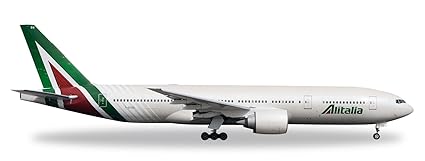 El caso de la aerolínea italiana Alitalia ha transcurrido durante años con pérdidas que continúan acumulando deudas, donde el gobierno socorre cuando la compañía está al borde de la liquidación. La Unión Europea limita la cantidad de ayuda estatal que pueden recibir las aerolíneas, por lo que en estas presentes circunstancias el Gobierno de Italia asumiría la mayor responsabilidad en materia financiera. Pero el gobierno italiano decidió no dejar que se desperdicie una buena crisis, por lo que renacionalizó Alitalia. «Lo curioso es que antes de la crisis hubo muchas insolvencias en Europa y desde la crisis no hay insolvencia», dijo Martin Gauss, CEO de Air Baltic, una aerolínea estatal de Lituania.
Otras aerolíneas europeas tienen situaciones similares de problemas financieros. Norwegian Air Shuttle ASA enfrentaba problemas antes de la nueva pandemia de Coronavirus. Al borde la la quiebra tuvo que activar un plan de rescata y reestructuración de su red de servicios. La filial de Argentina ha sido vendida al grupo Indogo Partners al ser abservida por las operaciones de JetSmart Airlines Argentina. Ahora, la aerolínea apeló al Gobierno de Noruega aceptando cerca de US$ 290 millones en garantías el mes pasado, aunque dijo que necesita mucho más de los mercados privados. Después de que el Gobierno de Noruega vendió sus acciones en su aerolínea nacional Scandinavian Air System; el CEO de Norwegian Air Shuttle, Bjorn Kjos, dijo que el gobierno tomó la decisión correcta. «Algunos países han vuelto a sus cabales y están tratando de salir de estas aerolíneas heredadas. No lo necesitas. Es solo un desperdicio. Deberías concentrarte en cosas totalmente diferentes», dijo Kjos, quien se retiró el año pasado. Es una yuxtaposición interesante para una aerolínea que hace dos años argumentó en contra de la interferencia del gobierno y ahora busca el auxilio del estado.
Scandinavian Airlines (SAS), no está en mejor forma. Actualmente ha introducido un renovado cambio de librea corporativa, ha reducido su capacidad operativa en los tres países representativos Noruega, Suecia y Dinamarca, sus recursos limitados se han extendido a través de tres centros, en lugar de uno hub central. SAS Airlines también carece de un sólido socio transatlántico, por lo que tiene un rendimiento inferior en las rutas hacia Estados Unidos. «No inventarías una aerolínea propiedad de un gobierno, sin importar dos o tres gobiernos», dijo John Strickland, un consultor de aerolíneas con sede en el Reino Unido.
TAP Portugal ha creado una franquicia decente con vuelos a los Estados Unidos y Brasil, pero carece de la amplitud de grupos más grandes. El Gobierno de Portugal posee la mitad del paquete accionatio de TAP, pero podría tener que proporcionar más asistencia.
En el peor de los escenarios es posible que más gobiernos estén de acuerdo con la administración de una aerolínea entre ellos Polonia, Rumania, Finlandia y Letonia ya que poseen un control sobre las aerolíneas nacionales, pero otros pueden considerar que es demasiado, teniendo presente cuántos otros elementos de sus economías pueden necesitar asistencia prioritaria, pues los países nunca se han enfrentado a una pandemia de estas dimensiones en ka historia de la humanidad. Europa podría enfrentarse a una clara consolidación del mercado aéreo si muchas de las líneas aéreas independientes fracasan en su intento por sobrevivir.
Los grupos de aviación
En términos generales, los cinco principales grupos europeos tienen grandes ventajas sobre las aerolíneas independientes. Pero algunos grupos también presentan problemas económicos. Dentro de la primera línea se encuentra Air France-KLM Group, que se encontraba en una situación con ciertos problemas logísticos del grupo, pero con mayor énfasis en la situación financiera de Air France, con el CEO Ben Smith luchando sobre cómo competir en rutas de corta distancia con aerolíneas de bajo costo y rutas nacionales con trenes de alta velocidad. La importancia de la compañía para Francia y los Países Bajos, donde ambas naciones poseen parte de las acciones de Air France-KLM Group, es muy importante para los intereses de ambos países donde el costo para mantener al grupo podría significar grandes desembolsos de efectivo. «Ahora es más claro que nunca que se necesita el apoyo de nuestros gobiernos holandés y francés para cumplir con nuestros requisitos de efectivo y permitirnos continuar nuestras operaciones una vez que la crisis haya terminado», dijo Ben Smith la semana pasada.
El Lufthansa Group se ha posicionado fuerte en Europa con la adquisiciones de varias empresas intro-europeas. En el grupo sobrevuela la hipótesis acerca de cuántas marcas del grupo alemán son realmente necesarias. Lufthansa German Airlines es probablemente la aerolínea más exitosa de Europa continental, y su gobierno lo hará lo necesario para auxiliarla si fuera necesario. Swiss International Air Lines, una aerolínea del Grupo Lufthansa, también es una aerolínea robusta con un exitoso centro en Zurich, Suiza.

Pero el Grupo Lufthansa también posee Brussels Airlines y Austrian Airlines, y cada una presenta síntomas de debilitamiento económico. La compañía no ha dicho nada sobre la cantidad de apoyo estatal que ha recibido de Bruselas, Berlín, Viena y Berna. Pero según fuentes sindicales, la aerolínea está recibiendo asistencia por un monto de cientos de millones de euros por mes. Para el pueblo y los políticos austríacos, la aerolínea Austrian Airlines sigue siendo un símbolo patriótico que lleva la bandera de la nación en todo el mundo y proporciona enlaces aéreos vitales. Pero Austrian Airlines, fundada en 1957, es una aerolínea virtualmente alemana, donde los austríacos les costaría mucho asumir el compromiso de salvataje, pero podría sortear las dificultades con una fuerte reestructuración.
Brussels Airlines ha tenido un bajo desempeño para el Grupo Lufthansa y probablemente podría desaparecer sin perjudicar a los consumidores. Presumiblemente, Lufthansa podría hacerse cargo de las rutas más rentables de la aerolínea. Pero el gobierno belga puede proporcionar asistencia financiera.
 La subsidiaria Germanwings está cerrando operaciones por completo, eliminando 1.400 empleos y aterrizando 30 aviones. Durante 18 años, la aerolínea fue la aerolínea de presupuesto más importante de Lufthansa. Durante los últimos cuatro años, ya no era una aerolínea independiente, sino que se fue integrando gradualmente en la filial de Lufthansa, Eurowings. Germanwings voló las rutas nacionales para Eurowings. El plan ahora es integrar todas las aerolíneas asociadas de Eurowings bajo el paraguas de Eurowings. Esto se debe al hecho de que en Eurowings, con sede en Austria, los salarios y los beneficios laborales son mucho más bajos que los de Lufthansa e incluso Germanwings.
El sindicato de la Organización Independiente de Auxiliares de Vuelo (UFO), junto con el Sindicato de Servicios Verdi, acordaron un contrato para los empleados de Eurowings con sede en Alemania en 2019 que permite que los turnos duren hasta 14 horas. Los empleados se enfrentan a recortes salariales si se enferman, porque las regulaciones contractuales de Austria se aplican a su acuerdo. La ronda actual de ataques a miles de empleos es solo el comienzo, y el directorio de Lufthansa declara que este es un primer paquete de reestructuración. Esto sugiere que habrá más ataques por venir.
El Sindicato Cockpit Association (VC) y el UFO señalaron los procedimientos indecentes en Germanwings en un comunicado de prensa la semana pasada. Sabían lo que venía, porque Lufthansa se había negado a firmar contratos que ya habían sido distribuidos para trabajos a corto plazo, que incluían una garantía de trabajo. Lufthansa evitó deliberadamente solicitar un trabajo de corta duración en Germanwings y continuó pagando los salarios en su totalidad para poder evadir el requisito de protección laboral. Al día siguiente, se hizo el anuncio de los recortes de empleos y la liquidación de Germanwings.
Lufthansa anunció el Martes 07/04 que buscaría ofrecer «más empleo dentro del Grupo Lufthansa para la mayor cantidad posible», es decir, no para todos. Los sindicatos lanzaron una protesta sin dientes con una petición en línea a la junta. El Presidente de VC, Markus Wahl, acusó al Presidente Ejecutivo de Lufthansa, Karsten Spohr, de aprovechar una situación favorable para avanzar con la reestructuración de la compañía a expensas de la fuerza laboral. La aerolínea más grande de Europa anunció cómo tiene la intención de resolver esos problemas especiales: con un rescate multimillonario del gobierno y miles de millones más en ahorros mediante la eliminación de hasta 18.000 empleos.
El PGL polaco, la compañía matriz de la aerolínea LOT, canceló la adquisición de Condor Airlines en referencia a los trastornos masivos causados por la crisis de la corona. El  plan de reestructuración original, que todos los acreedores tuvieron que aceptar para poner fin al llamado procedimiento de protección, ya no es válido y ahora se necesita un plan B. La industria dice que el Gobierno Federal de Alemania podría proporcionar detalles sobre el futuro de Condor el Miércoles 15/04. Es probable que el estado alemán esté involucrado, dispuesto a ayudar hace algún tiempo, en caso de que la venta a PGL no se produzca. Una alternativa podría ser agregar un nuevo propietario al plan de escudo protector original, por ejemplo, un administrador nombrado por el estado. Luego, Condor podría dejar el proceso como estaba previsto y se convertiría temporalmente en una empresa estatal. El Ministro Federal de Economía, Peter Altmaier (CDU), había declarado en varias ocasiones que el gobierno también podía participar temporal o indirectamente en compañías para asegurarlas en la crisis actual. Condor huyó bajo el llamado escudo protector el año pasado después de la quiebra de su empresa matriz Thomas Cook Group Plc.
Ryanair (Irlanda) y Wizzair (Hungría) han hecho una fortuna llenando los vacíos en las rutas de corta distancia, y algún día, las personas en Austria podrían acostumbrarse a volar con Lufthansa a Nueva York o Los Ángeles en lugar de la aerolínea nacional.
Perspectivas europeas
Pero incluso en 2020, quedan algunos argumentos sobre por qué un país necesita un transportista de bandera. Durante el mes pasado, muchas aerolíneas de bandera han sido reutilizadas por los gobiernos, volando carga médica y vuelos de repatriación en el caso de la quebrada aerolínea británica Thomas Cook. Los gobiernos podrían contratar ese vuelo a entidades externas, pero quizás haya algo reconfortante en enviar la aerolínea nacional al extranjero.
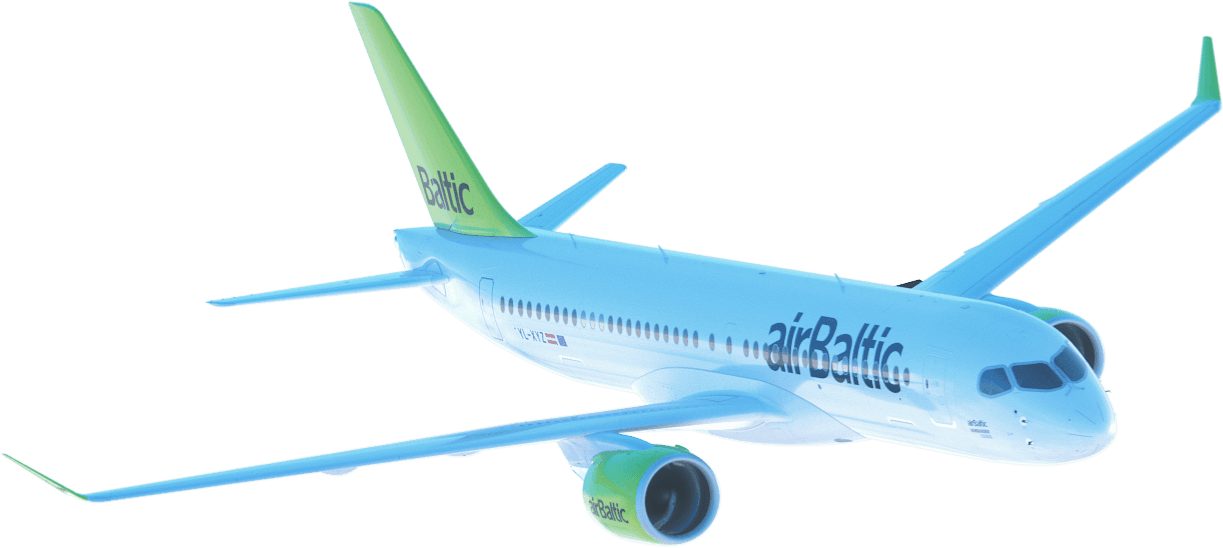 Las aerolíneas nacionales también pueden ayudar en la recuperación. Eventualmente, el clima económico y de salud pública mejorará y las aerolíneas se beneficiarán. Pero a corto plazo, los gobiernos pueden necesitar que las aerolíneas vuelen rutas que pierden dinero para llevar a las personas a donde necesitan ir. Hay otras formas de hacer esto: el gobierno italiano podría ofrecer subsidios a una aerolínea externa como Ryanair, pero apoyar políticamente a la aerolínea local puede ser un mejor movimiento. Aún así, Martin Gauss de Air Baltic dijo que espera que no todas las compañías de bandera lo logren. Dijo que su aerolínea funciona como una empresa propiedad del gobierno porque Letonia tiene conexiones limitadas con el resto de Europa. Pero otros países no tienen estas limitaciones. «Puede haber algunos estados como Italia que digan, OK, ahora definitivamente necesitamos una aerolínea controlada por el estado, pero los otros países pueden estar bien con su infraestructura aérea siendo atendida por otras aerolíneas. No creo que veamos que regrese donde cada país tiene su propia aerolínea», dijo Gauss.
Adquiriendo las experiencias de los CEO’s de muchas aerolíneas europeas, es muy interesante notar que algunos escollos necesitarán ser afrontados por las aerolíneas pero otros mayores estarán a cargo de los respectivos países, donde tendrán que decidir si continúa o no la consolidación del mercado aéreo en Europa, donde muchas aerolíneas emblemáticas podrían ser parte del recuerdo y la nostalgia de los pueblos europeos. 
 Europe vs air consolidation
European governments study recovery of airlines against a possible consolidation of the aviation sertor
Many European airlines have spent much of the past two decades calling on governments to abandon the airline industry in a trend toward privatization. Now, many are asking for state aid, analyzing assistance where not all companies will be able to participate.
The market in the United States is somewhat different. The United States Government is bailing out the airlines because the country needs a solid transportation network under extensive sovereignty, but if an airline fails to survive, the market would cover the absence.
In Europe, the bailout discussion is more tense. In the Coronavirus pandemic crisis, European governments are not always thinking about how much capacity the markets need, but about national pride. Regardless of market conditions, lawmakers may not want to see national airlines go bankrupt, for political reasons, nostalgia, and even national security. In the coming weeks, politicians will take advantage of state aid rules that allow them to help national carriers in a crisis. Some airlines will get loans, while others will get the maximum savings: renationalisation.
Just like in the United States, many larger airline groups deserve help. In recent years, the International Airlines Group (IAG), owner of British Airways, and Lufthansa Group have eliminated inflated pasts, even if they could still operate more brands than necessary. Air France-KLM Group is behind, but it is improving and deserves help, as are Ryanair and EasyJet, two giants from pre-Covid 19 Europe that set standards for low-cost airlines everywhere.
Amid the chaos, some European countries may study cases where airline redundancies exist. The European Union is a single market, and an airline in one member state can fly any route from or within another. If policymakers look for air service, they can entice any EU-flagged airline to fly. However, that may not matter now, with many governments poised to rescue airlines flying their flags.
«You are going to see significant state involvement. It is less likely to resemble national carriers from the pre-privatization era. But it will have many of the same effects. Governments may be hooked on their debts, or they may justify a level on duty», said Samuel Engel, Senior Vice President and Head of the aviation group at ICF, a consulting firm. It is an interesting reversal of recent trends, said Engel, who has advised airlines on how to privatize to stay away from government interference. “We are in an extraordinary situation, right? I don’t think anyone thought that governments would have to return”.
Nationalization vs consolidation
With five strong airline groups, Europe would likely resemble the United States, where six airlines control the vast majority of market share. Travelers complain about the lack of competition, but it served consumers for much of the past decade.
The case of the Italian airline Alitalia has passed for years with losses that continue to accumulate debts, where the government helps when the company is on the verge of liquidation. The European Union limits the amount of state aid that airlines can receive, so in these present circumstances the Italian Government would assume the greatest financial responsibility. But the Italian government decided not to let a good crisis go to waste, so Alitalia was renationalized. «The funny thing is that before the crisis there were many insolvencies in Europe and since the crisis there has been no insolvency», said Martin Gauss, CEO of Air Baltic, a Lithuanian state airline.
 Other European airlines have similar situations of financial problems. Norwegian Air Shuttle ASA was facing problems before the new Coronavirus pandemic. On the brink of bankruptcy, he had to activate a rescue and restructuring plan for his service network. The Argentine subsidiary has been sold to the Indogo Partners group as it has been withdrawn by the operations of JetSmart Airlines Argentina. Now the airline has appealed to the Norwegian government accepting about US$ 290 million in guarantees last month, although it said it needs much more from private markets. After the Norwegian Government sold its shares in its national airline Scandinavian Air System; Norwegian Air Shuttle CEO Bjorn Kjos said the government made the right decision. «Some countries have gone back to their senses and are trying to get out of these legacy airlines. You don’t need it. It’s just a waste. You should focus on totally different things», said Kjos, who retired last year. It is an interesting juxtaposition for an airline that two years ago argued against government interference and is now seeking state aid.

Scandinavian Airlines (SAS) is not in better shape. Currently it has introduced a renewed corporate livery change, has reduced its operational capacity in the three representative countries Norway, Sweden, and Denmark, its limited resources have been extended through three centers, instead of one central hub. SAS Airlines also lacks a strong transatlantic partner, thus underperforming on routes to the United States. «You wouldn’t invent a government-owned airline, regardless of two or three governments», said John Strickland, a UK-based airline consultant.
 TAP Portugal has created a decent franchise with flights to the United States and Brazil, but it lacks the breadth of larger groups. The Portuguese Government owns half of the TAP share package, but may have to provide further assistance.
In the worst case scenario, more governments may agree to an airline’s management including Poland, Romania, Finland and Latvia as they have control over national airlines, but others may consider it too much, bearing in mind how many Other elements of their economies may need priority assistance, since countries have never faced a pandemic of these dimensions in human history. Europe could face a clear consolidation of the air market if many of the independent airlines fail in their attempt to survive.
Aviation groups
 In general terms, the five main European groups have great advantages over independent airlines. But some groups also have financial problems. Within the first line is Air France-KLM Group, which was in a situation with certain logistical problems for the group, but with greater emphasis on Air France‘s financial situation, with CEO Ben Smith fighting over how to compete on routes of short distance with low-cost airlines and national routes with high-speed trains. The importance of the company to France and the Netherlands, where both nations own part of the shares of Air France-KLM Group, is very important to the interests of both countries where the cost of maintaining the group could mean large cash outlays. «It is now clearer than ever that the support of our Dutch and French governments is needed to meet our cash requirements and allow us to continue our operations once the crisis is over», Ben Smith said last week.
The Lufthansa Group has positioned itself strongly in Europe with the acquisitions of  several intro-European companies. The hypothesis about how many marks from the German group are really necessary is hovered in the group. Lufthansa German Airlines is probably the most successful airline in continental Europe, and its government will do whatever it takes to assist it if
  necessary. Swiss International Air Lines, a Lufthansa Group airline, is also a robust airline with a successful hub in Zurich, Switzerland.
But the Lufthansa Group also owns Brussels Airlines and Austrian Airlines, each presenting symptoms of economic weakness. The company has said nothing about the  amount of state support it has received from Brussels, Berlin, Vienna, and Bern. But according to union sources, the airline is receiving assistance in the amount of hundreds of millions of euros per month. For the Austrian people and politicians, the Austrian Airlines remains a patriotic symbol that carries the nation’s flag around the world and provides vital air links. But Austrian Airlines, founded in 1957, is a virtually German airline, where Austrians would have a hard time taking on the salvage pledge, but it could overcome the difficulties with heavy restructuring.
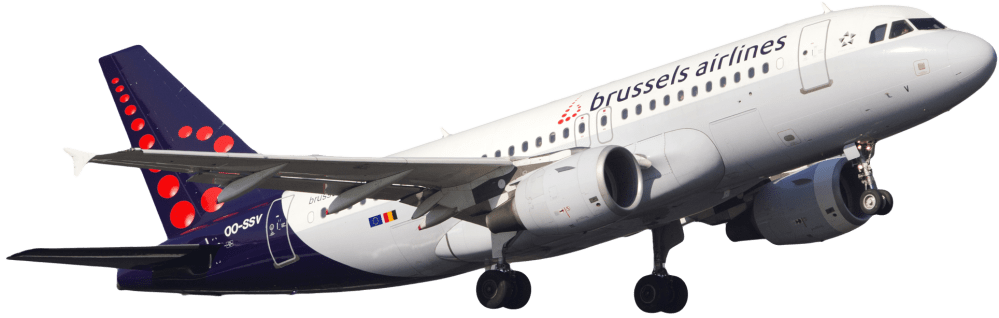 Brussels Airlines has underperformed the Lufthansa Group and could probably go away without hurting consumers. Lufthansa could presumably take over the airline’s most profitable routes. But the Belgian government can provide financial assistance.
 The Germanwings subsidiary is closing operations entirely, cutting 1,400 jobs and landing 30 planes. For 18 years, the airline was Lufthansa’s largest budget airline. Over the past four years, it was no longer an independent airline, but was gradually
  integrated into Lufthansa’s subsidiary, Eurowings. Germanwings flew national routes for Eurowings. The plan now is to integrate all Eurowings partner airlines under the Eurowings umbrella. This is due to the fact that in Austria-based Eurowings, wages and job benefits are much lower than those of Lufthansa and even Germanwings.
The Independent Organization of Flight Attendants (UFO) union, along with the Verdi Services Union, agreed on a contract for employees of Germany-based Eurowings in 2019 that allows shifts to last up to 14 hours. Employees face pay cuts if they get sick, because Austrian contractual regulations apply to their deal. The current round of attacks on thousands of jobs is just the beginning, and the Lufthansa board declares this to be a «first restructuring package.» This suggests that there will be more attacks to come.
The Cockpit Association (VC) and the UFO noted the indecent procedures at Germanwings in a press release last week. They knew what was coming because Lufthansa had refused to sign contracts that had already been distributed for short-term jobs, which included a job guarantee. Lufthansa deliberately avoided applying for a short-term job at GermanWings and continued to pay wages in full in order to evade the job protection requirement. The next day, the job cuts and liquidation of GermanWings were announced.
Lufthansa announced on Tuesday 07/04 that it would seek to offer «more employment within the Lufthansa Group for as many as possible», that is, not for everyone. Unions launched a toothless protest with an online petition to the board. VC President Markus Wahl accused Lufthansa CEO Karsten Spohr of taking advantage of a favorable situation to move forward with restructuring the company at the expense of the workforce. Europe’s largest airline announced how it intends to solve those special problems with a multi-million dollar government bailout and billions more in savings by cutting up to 18,000 jobs.
The Polish PGL, the parent company of the airline LOT, canceled the acquisition of Condor Airlines in reference to the massive disruptions caused by the crown crisis. The original restructuring plan, which all creditors had to accept to end the so-called protection procedure, is no longer valid and a plan B is now needed. Industry says the German Federal Government could provide details on the future of Condor on Wednesday 04/15. The German state is likely to be involved, ready to help some time ago, in case the sale to PGL does not occur. An alternative might be to add a new owner to the original protective shield plan, for example, a state-appointed administrator. Then Condor could drop the process as planned and temporarily become a state company. The Federal Minister for the Economy, Peter Altmaier (CDU), had stated on several occasions that the government could also temporarily or indirectly participate in companies to insure them in the current crisis. Condor fled under the so-called protective shield last year after the bankruptcy of its parent company Thomas Cook Group Plc.
 Ryanair (Ireland) and Wizzair (Hungary) have made a fortune filling the gaps on short-haul routes, and someday, people in Austria might get used to flying Lufthansa to New York or Los Angeles instead of the national airline.
European perspectives
But even in 2020, some arguments remain as to why a country needs a flag carrier. Over the past month, many flag carriers have been reused by governments, flying medical cargo and repatriation flights in the case of the broken British airline Thomas Cook. Governments could hire that flight from outside entities, but perhaps there is something comforting in sending the domestic airline abroad.
Domestic airlines can also aid in recovery. Eventually, the economic and public health climate will improve and airlines will benefit. But in the short term, governments may need airlines to fly money-losing routes to get people where they need to go. There are other ways to do this: The Italian government could offer subsidies to an outside airline like Ryanair, but politically supporting the local airline may be a better move. Still, Martin Gauss of Air Baltic said he hopes not all flag carriers will make it. He said his airline operates as a government-owned company because Latvia has limited connections to the rest of Europe. But other countries do not have these limitations. «There may be some states like Italy that say, OK, now we definitely need a state controlled airline, but the other countries may be fine with their air infrastructure being serviced by other airlines. I don’t think we will see it return where each country has its own airline», said Gauss.
Acquiring the experiences of the CEOs of many European airlines, it is very interesting to note that some obstacles will need to be faced by the airlines, but other major obstacles will be in charge of the respective countries, where they will have to decide whether or not to continue consolidating the air market in Europe, where many emblematic airlines could be part of the memory and nostalgia of the European peoples. 
Ξ A I R G W A Y S Ξ
SOURCE: Airgways.com
DBk: Europa.eu / Lufthansa.com / Wsws.org / Handelsblatt.com / Airgways.com
AW-POST: 202004141717AR
A\W A I R G W A Y S ®
 AW | 2020 04 30 14:16 | AVIATION ORGANISMS / AIRLINES MARKET
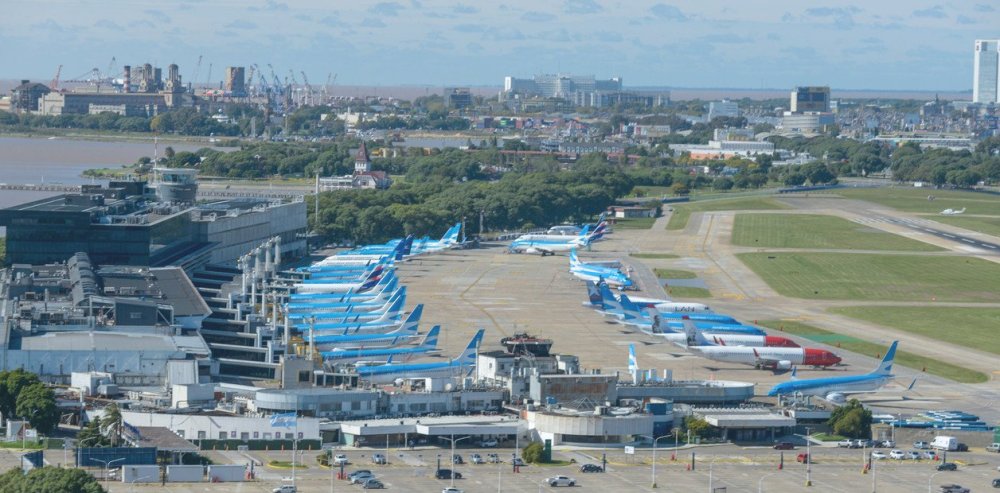
 El organismo internacional de la Asociación de Transporte Aéreo Internacional (IATA) ha señalado que la República Argentina es el único país del mundo que ha decidido prohibir los vuelos hasta Septiembre 2020. En el mundo, 180 países tomaron medidas concretas y cerraron total o parcialmente sus fronteras, por lo cual nada menos que el 87% de las operaciones regulares de línea aéreas nivel mundial está afectada, y la mayor parte del movimiento aéreo hoy es de carga. Entre estos 180 países hay distintos casos, pero hay uno que tomó una medida inédita y sin fundamentos claros: la Argentina. “Ningún país en el mundo tomó la decisión de tener a los aviones en tierra hasta septiembre”, declaró Peter Cerdá, vicepresidente para las Américas de la IATA. Esto implica no solo muchos meses sin operar, sino que además solo pueden vender pasajes recién para volar a partir de Septiembre 2020, algo que complica el sistema económico-financiero de las aerolíneas.
 El directivo de IATA destacó que en América latina, donde el sector aéreo es fundamental porque no hay buena infraestructura de trenes ni rutas, la mayoría de los países aplican cierres de fronteras cada 15 o 20 días, según la evolución de la situación. Varios países de Europa ya están abriendo parcialmente las restricciones, en tanto en nuestra región, la mayoría las continuará hasta el 15 o el 30 Mayo 2020; aunque hay que
  tener en cuenta el inicio de la pandemia y la evolución de la misma. Pero “lo que ha hecho la Argentina de ampliar la cuarentena hasta el 10 Mayo, pero al transporte aéreo restringirlo hasta el 1 Septiembre sin poder vender billetes, no concuerda con lo que hacen otros países a nivel global. No tenemos una explicación de por qué a todos les da una fecha (de salida de la cuarentena) de mediados de Mayo y al sector se le dice que será en Septiembre 2020. En otros países la industria se adaptó a las medidas de restricción que han tomado los gobiernos. Todos los países empezaron con una fecha y la han pospuesto, pero nadie hasta Septiembre. En todos los casos, las fechas están alineadas, en el caso de Argentina, no”, explicó.
 El 12 Marzo 2020 la entidad le envió una carta al Ministro de Transporte argentino “solicitando un rol de liderazgo, como han hecho otros gobiernos”. El 26 Marzo 2020, el Director General de IATA le escribió al Presidente Alberto Fernández. Entonces se estableció un grupo con distintos actores del sector para intentar alinear posiciones y hubo una reunión, pero no fue próspera. “Se compartió algo de información, pero no fue una reunión estratégica como otras que hemos tenido en otros países”, indicó.
 Luis Felipe de Oliveira, Director Ejecutivo & CEO de la Asociación Latinoamericana de Transporte Aéreo (ALTA), coincidió en lamentar la decisión del gobierno de dejar los aviones en tierra hasta septiembre. “Hasta el momento se puede pensar que a fines de Mayo y principios de Junio se iniciarán operaciones domésticas en la región con un 15%-20% de la capacidad, a excepción de Argentina, que desafortunadamente estipuló como fecha de arranque el 1 Septiembre”, destacó. E indicó que, de mantenerse estas perspectivas, podría haber en Latinoamérica unos 25.000 vuelos mensuales en octubre, con algunos internacionales. Sin embargo, destacó que “sigue habiendo mucha incertidumbre sobre el alcance de la crisis para las compañías del sector, así como las restricciones de los gobiernos”. Ha sido contundente respecto de la recuperación: “Para retomar los niveles (cantidad de vuelos) de diciembre de 2019, tendríamos que esperar hasta principios de 2022”. El directivo destacó que la semana del 20 al 26 Abril 2020 se operaron desde y hacia América Latina 5.800 vuelos (muchos de ellos de carga), mientras que la misma semana de 2019 habían sido 74.000, una reducción de más del 92% en un año. Señaló que a nivel mundial, más del 95% de la capacidad original planeada está paralizada. Solo están operando (a una capacidad muy reducida) vuelos domésticos en México, Brasil y Chile y algunos internacionales entre México y Estados Unidos y entre EE.UU. y países del Caribe, como República Dominicana. También algunos entre Brasil y Europa, como San Pablo-París, tres veces por semana, operado por Air France.
 IATA warns Argentina
 The international body of the International Air Transport Association (IATA) has indicated that the Argentine Republic is the only country in the world that has decided to ban flights until September 2020. In the world, 180 countries have taken concrete measures and have closed all or part of their borders, whereby no less than 87% of the world’s regular airline operations are affected, and most of the air movement today is cargo. Among these 180 countries there are different cases, but there is one that took an unprecedented measure without clear foundations: Argentina. «No country in the world made the decision to have the planes on the ground until September», said Peter Cerdá, IATA Vice President for the Americas. This implies not only many months without operating, but also they can only sell tickets just to fly from September 2020, something that complicates the economic-financial system of the airlines.
 Luis Felipe de Oliveira, Executive Director & CEO of the Latin American Air Transport Association (ALTA), agreed to regret the government’s decision to leave the planes on the ground until September. «Up to now, it can be thought that at the end of May and the beginning of June, domestic operations will begin in the region with 15% -20% of capacity, with the exception of Argentina, which unfortunately stipulated a start date of September 1», he stressed. And he indicated that, if these perspectives are maintained, there could be some 25,000 monthly flights in Latin America in October, with some international ones. However, he stressed that «there is still a lot of uncertainty about the extent of the crisis for companies in the sector, as well as government restrictions». It has been forceful regarding the recovery: «To resume the levels (number of flights) of December 2019, we would have to wait until early 2022». The executive highlighted that the week of April 20-26, 2020, 5,800 flights (many of them cargo) were operated from and to Latin America, while the same week of 2019 had been 74,000, a reduction of more than 92% in one year. He noted that globally, more than 95% of the planned original capacity is paralyzed. Only domestic flights in Mexico, Brazil, and Chile and some international flights between Mexico and the United States and between the US are operating (at a very reduced capacity). and Caribbean countries, such as the Dominican Republic. Also some between Brazil and Europe, such as Saint Paul-Paris, three times a week, operated by Air France.
 AW | 2020 04 27 11:43 | AIRLINES MARKET / GOVERNMENT
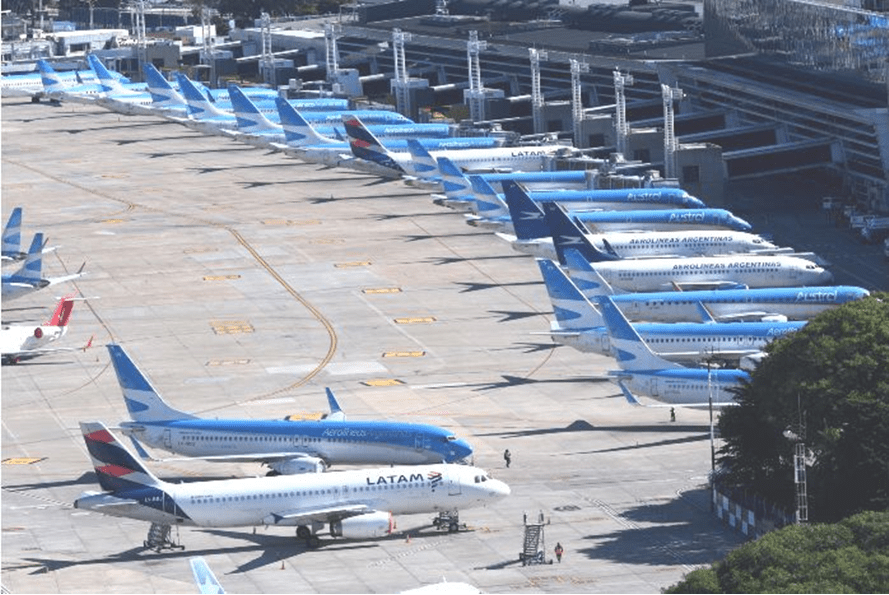
 Argentina prohibits ticket sales until 09/2020
 The security proclaimed by the Government of Argentina regarding the security of returnees and the sustainability of the system for health reasons is understandable; But at the same time, it is important to establish serious criteria to evaluate the liberalization of the air mesh in the short term to give oxygen to the airline economy. The sustainability of the airline industry cannot survive in these conditions, shattering the hopes of many airlines in the local market. The situation of Andes Líneas Aéreas is in a vegetative situation, Latam Airlines Argentina has insinuated to launch operations in the country, low cost establishes economic autonomy until average half of the year.
 AW | 2020 04 20 10:42 | AIRLINES MARKET
 Porter Airlines
 Canada reduces pandemic flights
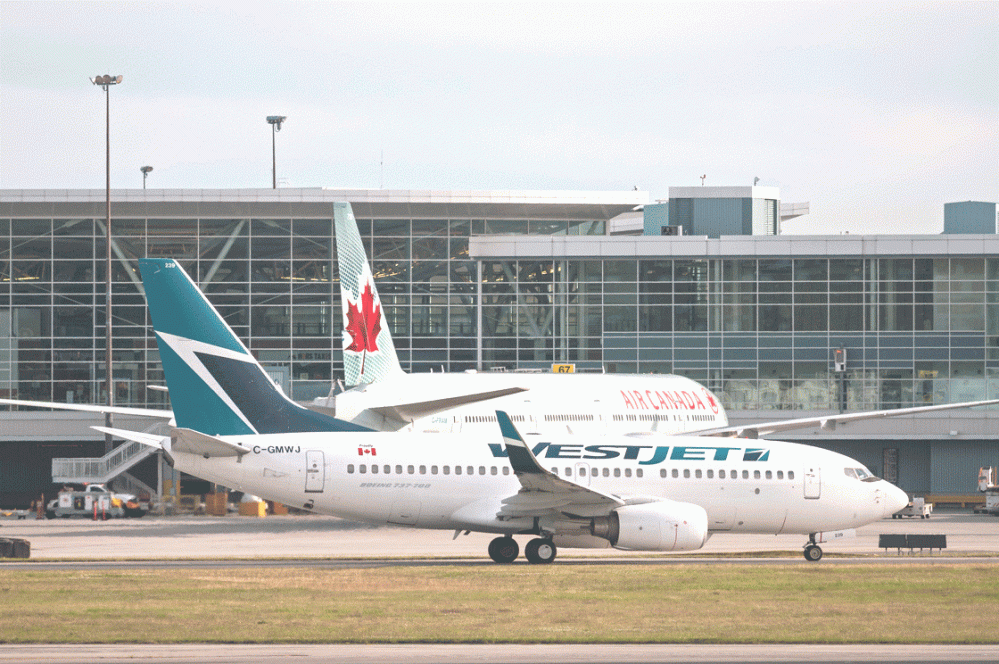
 Recently, the airline Air Canada announced that it would extend the suspension of international flights, as well as the reduction of domestic flights, until May 31, 2020. The airline has reduced its international network of 101 airports to just six, flying only to the cities of London, Paris, Frankfurt, Delhi, Tokyo and Hong Kong. Air Canada has also reduced its cross-border network from 53 airports to 13. The only cities in the United States. The carrier is now serving New York (LGA/EWR), Boston, Washington, DC (IAD/DCA), Chicago, Houston, Seattle, San Francisco, Los Angeles, Denver, Orlando, and Fort Lauderdale.
 West Jet
 Porter Airlines has suspended all flights until June 1, 2020, and the website is currently taking reservations for flights beginning on or after 06/01. To encourage reservations, the airline also does not offer exchange or cancellation fees if the flight is purchased before April 30, 2020. More details are available on the website here and here.
 Sunwing Airlines also extended its flight suspensions from April 30 to May 31, 2020. The website states that “Customers with departure dates for flights or vacation packages between March 17 and May 31 are eligible to receive a travel credit. future for the value of the original amount paid. No action is needed. Your original reservation number will be the code for your future travel credit. This credit may be redeemed for future travel for departures until June 20, 2022, wherever Sunwing Airlines operates”.
 Flair Airlines has made numerous changes to its domestic flight schedule. All changes can be seen here. Passengers can cancel a reservation and receive a travel voucher for the total value of the original reservation valid until March 31, 2021 (to do so, you must contact flightchanges@flyflair.com and include your 6-digit reservation number). You can also choose to re-book a flight and the airline will waive the normal booking fee of C$ 125; however, customers must pay the difference in rate.
 Swoop airlines
 AW | 2020 04 17 11:22 | AIRLINES MARKET
 Las aerolíneas como Frontier han corrido para reducir costos, recortando el servicio en más del 60% y estacionando cientos de aviones. También han recurrido a facilidades de crédito para acumular efectivo después de que las cancelaciones de vuelos superaran las nuevas reservas. Franke dijo que se está preparando para lo peor. No cancelará los cientos de aviones Airbus de pasillo único que ordenó para las aerolíneas de descuento en su cartera, pero está en conversaciones con Airbus sobre el momento de las entregas, que comenzarán el próximo año 2021.
 Future commercial aviation
 Federal aid
 AW | 2020 04 16 12:09 | AIRLINES MARKET
 precedentes y necesitamos el apoyo financiero de los Estados. No hablamos de préstamos a coste cero, sino con tasas de mercado. Lo puesto hasta ahora por las autoridades de varios países del área no es suficiente”, expresa el Director Ejecutivo para las aerolíneas de la región (ALTA), Luis Felipe de Oliveira.
 El Director de ALTA, expresa que será una auténtica batalla por la supervivencia. “Va a depender mucho del tiempo que dure la situación. No creo que las grandes tengan que cerrar sus operaciones del todo, pero sí que van a volver con menos aviones, menos vuelos: ninguna aerolínea puede decir que superará intacta la crisis”. Además, añade Oliveira, en el caso de las compañías latinoamericanas se suma “una debilidad financiera por los resultados de los últimos años, que no han sido tan positivos como en otras regiones”.
 Los gobiernos en Latinoamérica deberían intervenir en la situación de cada compañía para brindar asistencia. Necesitan apoyar a la aviación comercial en este momento crítico para conservar empleos y retorno de pagos en impuestos. Debería existir una concientización al respecto, considerando que las líneas aéreas de la región soportan altos costos operativos en materia de aeropuertos y logística.
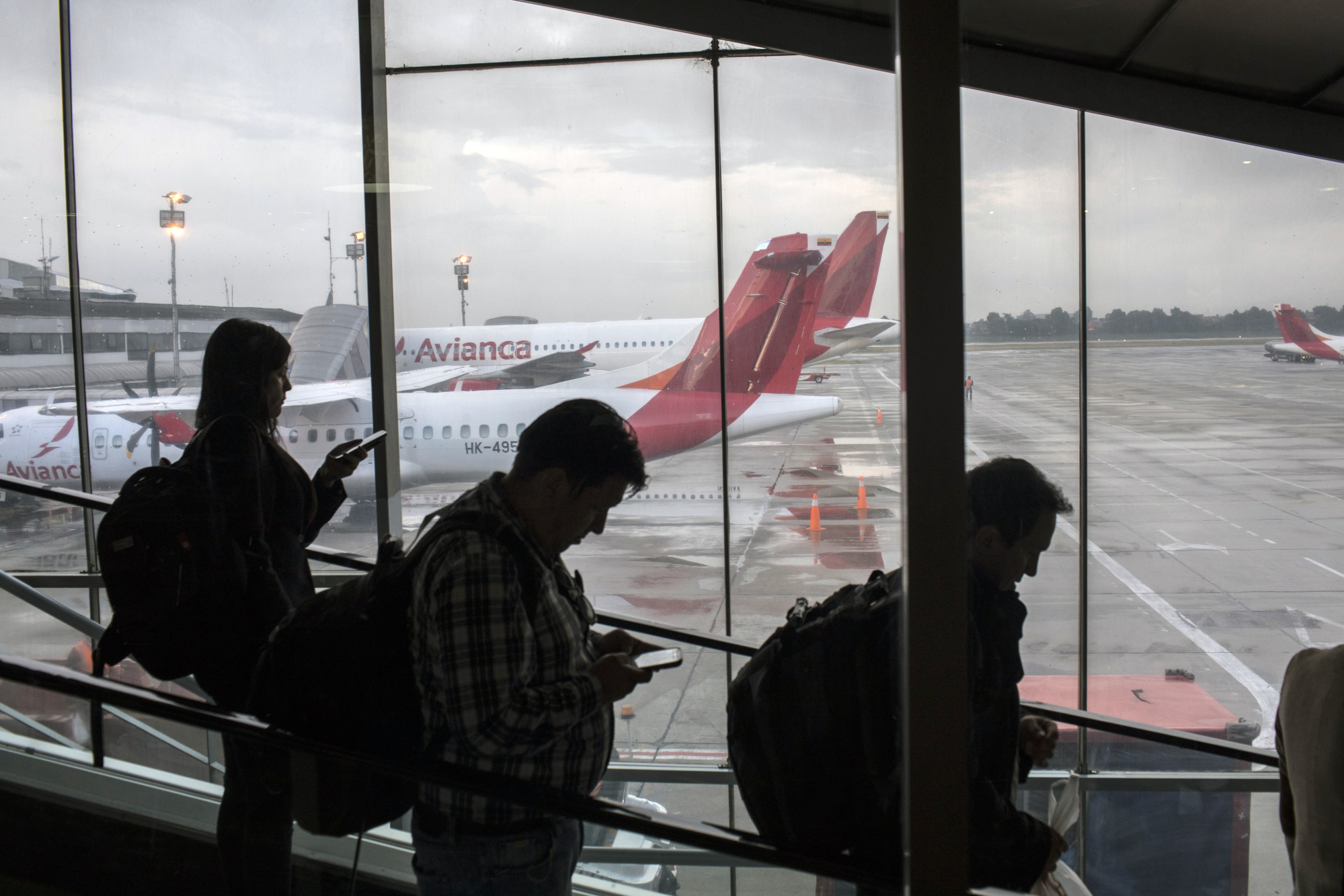 Latin American airlines will go through great difficulties
 Latin American airlines will endure critical situation without State aid
 Latin American airlines have decreased 91% of routes, and financial projections are at the limit of their capacities, cash tensions are beginning to impact strongly. “We are in a critical situation that changes every day: two weeks ago we calculated losses for airlines in the region of 15,000 million dollars [about 13,800 million euros] and today we are already at 18,000 million. Every day that passes with the skies closed is one more day without any income. It is an unprecedented situation and we need the financial support of the States. We are not talking about loans at zero cost, but with market rates. What has been put up to now by the authorities of several countries in the area is not enough”, says the Executive Director for the region’s airlines (ALTA), Luis Felipe de Oliveira.
 AW | 2020 04 14 17:55 | GOVERNMENT / AIRLINES MARKET
 GOBIERNO ESTADOS UNIDOS APOYA A LAS AEROLÍNEAS PARA SU SOBREVIVENCIA
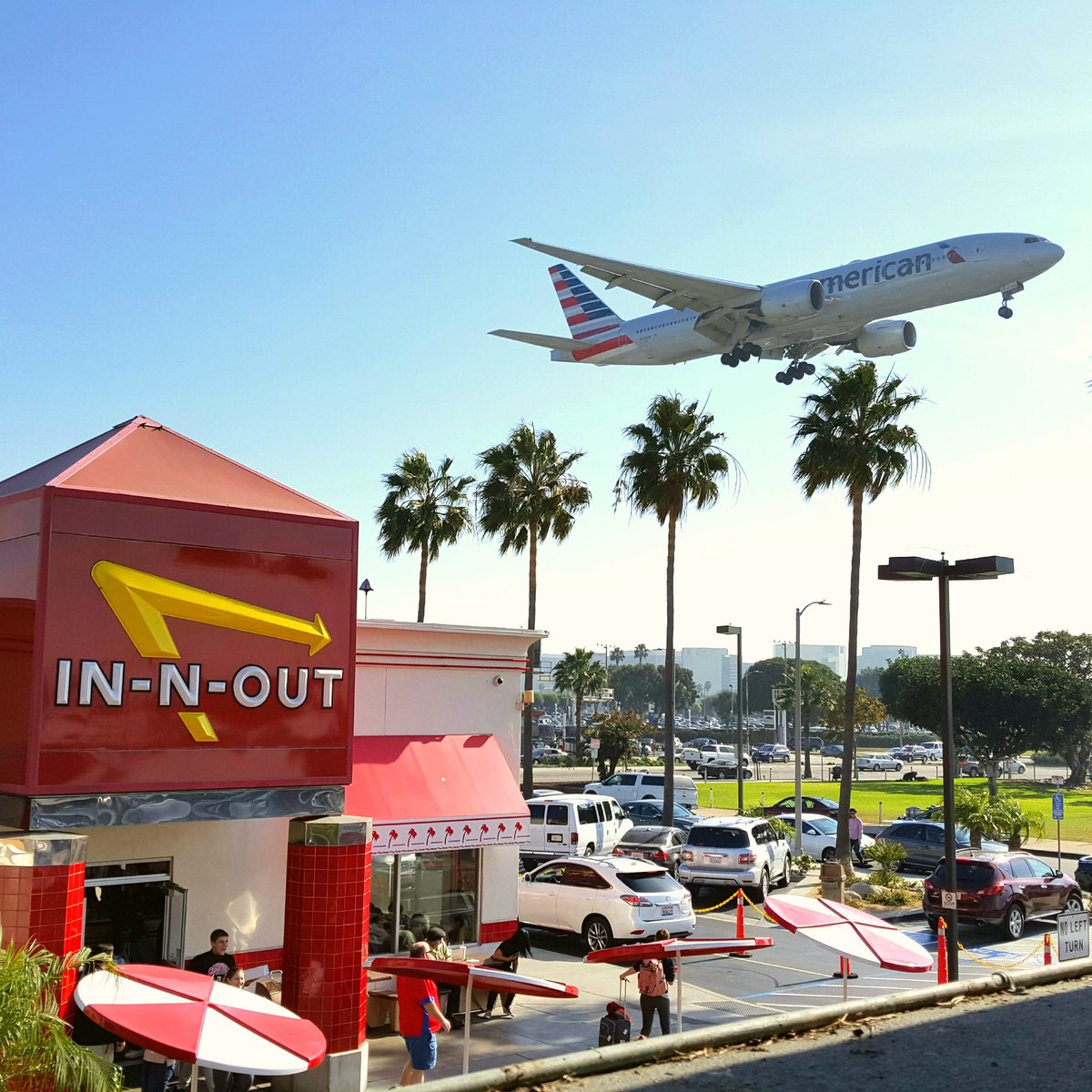 US airlines and the aid plan
 US passenger airlines, suffering from an unprecedented drop in demand due to the Coronavirus, are also eligible for a separate loan package of US$ 25 billion under the CARES Act. They had lobbied for the grant portion to be free cash for employee payrolls to avoid layoffs until September 30, 2020, helping to ensure trained personnel are available for flights to resume and support a financial rebound once that consumer sentiment recovers.
 AW | 2020 04 14 11:13 | AVIATION MARKET / AVIATION ORGANISMS
 Las pérdidas estimadas de las aerolíneas globales por los efectos de la pandemia aumentan a US$ 314 mil millones
 IATA millionaire losses in aviation
 AW | 2020 04 12 14:20 | AIRLINES MARKET
 Decrease in Argentine aviation traffic
 AW | 2020 04 10 18:00 | AIRLINES MARKET / GOVERNMENT
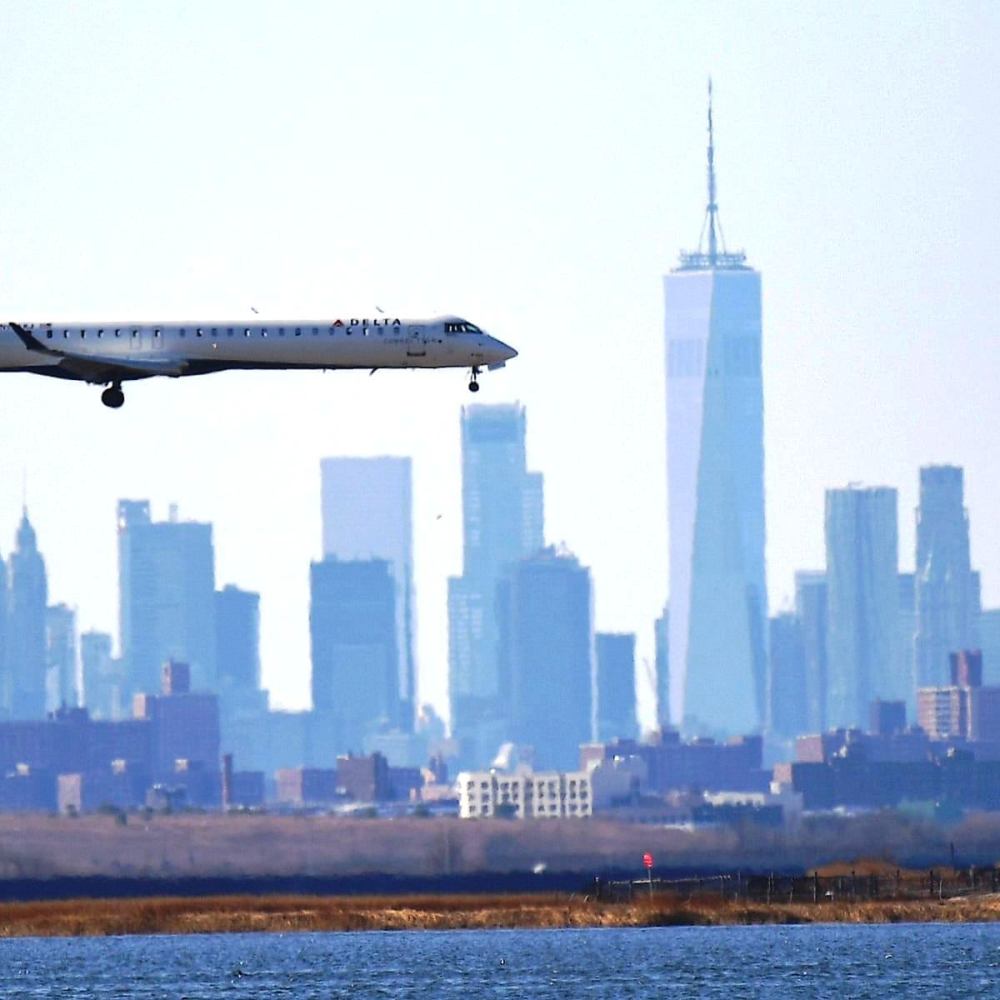 The US declares to rescue its airlines
 airgways.com