Aerolíneas EEUU recortan vuelos a China

Resultado de imagen para hawaiian airlines

AW | 2018 08 24 15:48 | AIRLINES MARKET

Las aerolíneas anunciaron recortes en las rutas a China debido a la baja rentabilidad

Las decisiones reflejan la creciente competencia de los transportistas chinos y el aumento de los precios del combustible que han hecho que las rutas que antes eran marginales no sean rentables.

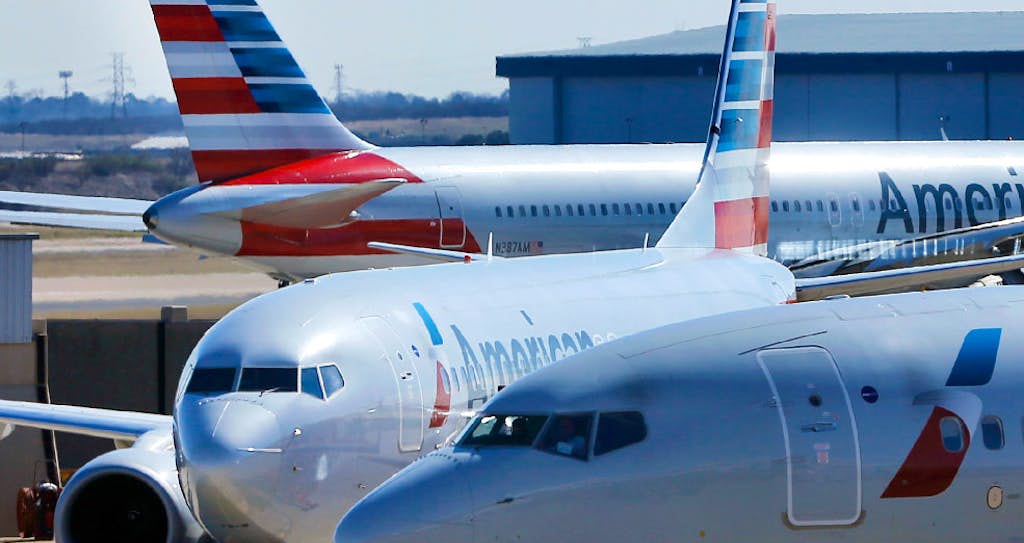
American Airlines con sede en Dallas-Forth Worth, la aerolínea más grande del mundo, eliminará los servicios Chicago-Shanghai y Chicago-Beijing en Octubre 2018. American vuela a Shanghai y Beijing desde Los Ángeles y Dallas-Fort Worth. Reveló el último retroceso desde China y redujo los vuelos entre Chicago y Tokio, ya que anunció vuelos adicionales a Europa, la mayoría de ellos limitados a la temporada alta de viajes de verano. Para complementar el espacio dejado la aerolínea incorporará a Dubrovnik (Croacia), Berlín (Alemania) y Bolonia (Italia) en medio de una reorganización internacional.

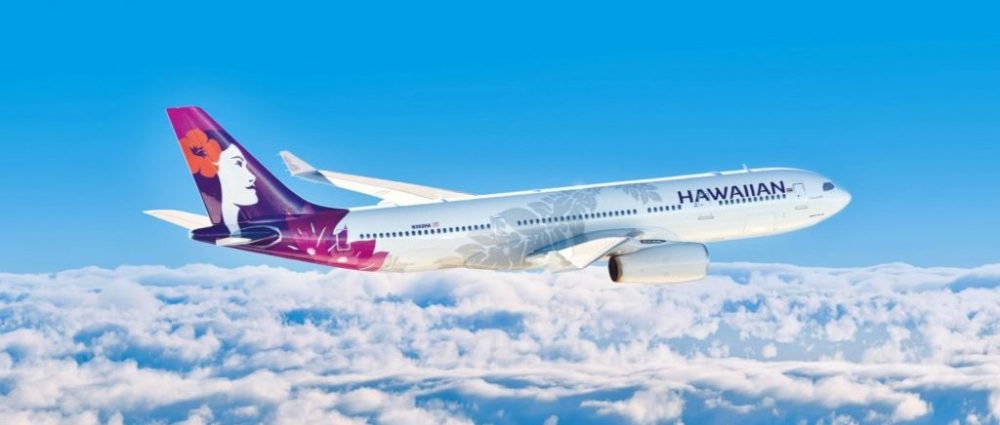
Hawaiian Airlines suspenderá su única ruta a China debido a la baja demanda. Hawaiian Airlines ha comunicado que suspenderá sus tres vuelos semanales entre Honolulu y Beijing en octubre. El transportista comenzó la ruta en 2014 y ya lo había degradado del servicio diario. Hawaiian dijo que cambiará los aviones a otras rutas que se ajusten a sus planes de expansión. El CEO de Hawaiian Airlines, Peter Ingram, dijo que su compañía aún cree «en el futuro de China como un mercado robusto para la experiencia vacacional de Hawaii».

Ambas aerolíneas dijeron que mantendrían viva la posibilidad de reanudar los vuelos en el futuro. Las aerolíneas chinas han agregado vuelos y destinos en los últimos años, a veces menospreciando a los rivales de los EEUU por los precios establecidos.  AIRWAYS® AW-Icon TXT

Resultado de imagen para american airlines china

US airlines cut off flights to China

Airlines announced cuts in routes to China due to low profitability

The decisions reflect the growing competition from Chinese carriers and the increase in fuel prices that have made previously marginal routes unprofitable.

American Airlines based in Dallas-Forth Worth, the world’s largest airline, will eliminate Chicago-Shanghai and Chicago-Beijing services in October 2018. American flies to Shanghai and Beijing from Los Angeles and Dallas-Fort Worth. It revealed the latest setback from China and reduced flights between Chicago and Tokyo, as it announced additional flights to Europe, most of them limited to the peak summer travel season. To complement the space left the airline will incorporate Dubrovnik (Croatia), Berlin (Germany) and Bologna (Italy) in the middle of an international reorganization.

Hawaiian Airlines will suspend its only route to China due to low demand. Hawaiian Airlines has announced that it will suspend its three weekly flights between Honolulu and Beijing in October. The carrier started the route in 2014 and had already degraded it from the daily service. Hawaiian said it will change planes to other routes that fit its expansion plans. Hawaiian Airlines CEO Peter Ingram said his company still believes «in the future of China as a robust market for the Hawaii vacation experience.»

Both airlines said they would keep alive the possibility of resuming flights in the future. Chinese airlines have added flights and destinations in recent years, sometimes belittling US rivals for established prices. A \ W


Ξ A I R G W A Y S Ξ
SOURCE:  Airgways.com
DBk: Dallasnuews.com / Aa.com / Hawaiianairlines.com
AW-POST: 201808241548AR

A\W   A I R G W A Y S ®

ALAV desmiente venta tickets en dólares

AW-70000545.jpg

AW | 2018 08 22 20:18 | AIRLINES MARKET

Las líneas aéreas en Venezuela no pueden cobrar los boletos en dólares sino en bolívares

El Presidente de la Asociación de Líneas Aéreas en Venezuela (ALAV), Humberto Figuera, explicó que los boletos nacionales solo pueden venderse en bolívares. El Instituto Nacional de Aeronáutica Civil Venezuela (INAC) buscaría una solución efectiva al problema al tema. El presidente del INAC durante una reunión aseguró que si se le presenta una denuncia sobre la venta de boletos nacionales en dólares llegará hasta la última instancia para solventar el asunto.

El Presidente ejecutivo de la Asociación de Líneas Aéreas en Venezuela, Humberto Figuera, informó que «se han perdido 70% de los vuelos nacionales y más del 60% de los internacionales. Antes eran 26 líneas aéreas y ahora solo hay 13 operando en Venezuela”.

El Presidente de ALAV indicó que, en cuanto a la regulación, las tarifas para los boletos aéreos “legalmente no pueden usar sino la referencia del dólar Dicom”, por lo que explicó que el costo se establece “teniendo en cuenta un parámetro, que es el dólar Dicom, sin embargo, el dólar Dicom no existe para las líneas aéreas, así como no existe para el común de los venezolanos, de manera tal que cuando las líneas áreas tienen que poner en blanco y negro sus costos, ellos no pueden poner el real costo de un dólar que adquieren para poder mantener eso operando”. De igual forma expresó que durante una reunión, el Presidente del INAC, Jorge Montenegro, aseguró que si se le presenta una denuncia sobre la venta de boletos nacionales en dólares tratará el asunto.

Medidas económicas en Venezuela

Tras las medidas económicas anunciadas recientemente por el Presidente Nicolás Maduro, el Presidente de ALAV manifestó que con el reciente incremento salarial las aerolíneas nacionales e internacionales que operan en el país están a la espera de que se publique en la Gaceta Oficial para determinar en cuánto se incrementará el pasaje.

La líneas aéreas internacionales desde 2014 no están vendiendo boletos en Venezuela, sino que venden a través de agencias de viajes que tienen sucursales afuera. Asimismo, confían plenamente en las aerolíneas, porque a su juicio, el 95 % de estas son empresas que se han catalogo ser responsables y serias en la venta de pasajes aéreos. AIRWAYS® AW-Icon TXT

ALAV denies sale tickets in dollars

Airlines in Venezuela can not collect tickets in dollars but in bolivars

The President of the Association of Airlines in Venezuela (ALAV), Humberto Figuera, explained that national tickets can only be sold in bolivars. The National Institute of Civil Aeronautics Venezuela (INAC) would seek an effective solution to the problem. The president of the INAC during a meeting said that if he is presented with a complaint about the sale of national tickets in dollars he will come to the last instance to resolve the matter.

The Executive President of the Association of Airlines in Venezuela, Humberto Figuera, reported that «70% of domestic flights and more than 60% of international flights have been lost, before there were 26 airlines and now there are only 13 operating in Venezuela».

The President of ALAV indicated that, regarding the regulation, the tariffs for air tickets «can legally use only the Dicom dollar reference», so he explained that the cost is established «taking into account a parameter, which is the Dicom dollar, however, the Dicom dollar does not exist for the airlines, just as it does not exist for the common Venezuelans, so that when the lines areas have to put their costs in black and white, they can not put the real cost of a dollar that they acquire to be able to maintain that operating». Similarly, he said that during a meeting, the President of INAC, Jorge Montenegro, assured that if a complaint is filed about the sale of national tickets in dollars, he will discuss the matter.

Economic measures in Venezuela

After the economic measures announced recently by President Nicolás Maduro, the President of ALAV said that with the recent salary increase the national and international airlines that operate in the country are waiting for it to be published in the Official Gazette to determine how much will increase the passage.

The international airlines since 2014 are not selling tickets in Venezuela, but they sell through travel agencies that have branches outside. Likewise, they trust fully in the airlines, because in their opinion, 95% of these are companies that have been cataloged to be responsible and serious in the sale of air tickets. A \ W


Ξ A I R G W A Y S Ξ
SOURCE:  Airgways.com
DBk: Alav.org.ve / Inac.gob.ve
AW-POST: 201808222018AR

A\W   A I R G W A Y S ®

IATA resultados financieros 2Q2018

ahm-igom-750x420

AW | 2018 08 20 16:50 | AIRLINES MARKET

Resultado de imagen para iata.orgIATA muestran una moderada rentabilidad de las aerolíneas a nivel global

Los datos impartidos por la International Air Transport Association (IATA) para el 2Q2018 informan una reducción moderada de la rentabilidad de las aerolíneas en comparación con el mismo trimestre del 2017.

Datos positivos para el 2018 es que la generación de flujo de efectivo en toda la industria ha aumentado en comparación con el 2Q2017. Los precios de las acciones de las aerolíneas mundiales subieron por primera vez desde Enero 2018 y superaron a los desarrollos en el índice global de acciones globales, aunque las acciones de las aerolíneas siguen siendo un 10% más bajas que a comienzos de 2018. La mejora en el índice de precios de las acciones de las aerolíneas tuvieron un buen síntoma en América del Norte y con ganancias más modestas en Europa y Asia-Pacífico.

Aunque los precios del petróleo han decrecido ligeramente en Julio 2018, la tendencia alcista sigue vigente. Los precios de los combustibles a reacción bajaron por debajo de US$ 90,00 por barril durante Agosto 2018, pero se mantienen casi un 40% más altos que hace un año.

A pesar de los crecientes costos de los insumos, hay indicios de una nueva presión a la baja sobre los rendimientos de los pasajeros. En general, los rendimientos en la cabina de clase premium, menos sensible a los precios, han demostrado ser más resistentes que la cabina económica, a pesar de los signos de debilidad en Mayo 2018. La demanda de pasajeros tuvo un impulso sólido en el período estival pico del hemisferio norte, pero la demanda de fletes muestra signos de cierta moderación.

Los pasajeros de clase premium representaron el 5,4% del tráfico aéreo internacional de origen y destino en los primeros cinco meses de 2018, sin cambios desde la participación observada en el mismo período de 2017.

El crecimiento de los pasajeros de primera calidad ha seguido moderadamente a la zaga de su contraparte de la economía en los dos principales mercados de primas en términos de ingresos: el Atlántico Norte y Europa y Asia. El bajo rendimiento de la cabina premium ha sido más marcado en las rutas hacia/desde Sudamérica, así como entre Europa y Medio Oriente. AIRWAYS® AW-Icon TXT


IATA reports financial results 2Q2018

IATA HeadquartersIATA show a moderate profitability of airlines globally

Data provided by the International Air Transport Association (IATA) for 2Q2018 report a moderate reduction in airline profitability compared to the same quarter of 2017.

Positive data for 2018 is that the generation of cash flow throughout the industry has increased compared to 2Q2017. Global airline stock prices rose for the first time since January 2018 and outperformed developments in the global global equities index, although airline shares are still 10% lower than at the beginning of 2018. The improvement in the airline stock price index they had a good sign in North America and with more modest gains in Europe and Asia-Pacific.

Although oil prices have decreased slightly in July 2018, the upward trend continues. The prices of jet fuels fell below US $ 90.00 per barrel during August 2018, but they remain almost 40% higher than a year ago.

Despite the rising costs of inputs, there are signs of further downward pressure on passenger returns. In general, the returns in the premium class cabin, less sensitive to prices, have proved to be more resistant than the economic cabin, despite signs of weakness in May 2018. Passenger demand had a solid momentum in the period summer peak of the northern hemisphere, but the demand for freight shows signs of some moderation.

Premium class passengers represented 5.4% of the international air traffic of origin and destination in the first five months of 2018, without changes since the participation observed in the same period of 2017.

The growth of premium passengers has moderately followed behind their counterparts in the economy in the two main premium markets in terms of income: the North Atlantic and Europe and Asia. The low performance of the premium cabin has been more marked in the routes to / from South America, as well as between Europe and the Middle East. A \ W


Ξ A I R G W A Y S Ξ
SOURCE:  Airgways.com
DBk: Iata.org / Airgways.com
AW-POST: 201808201650AR

A\W   A I R G W A Y S ®

Ranking servicio aéreo en Argentina


AW-70001091

AW | 2018 08 16 15:58 | AIRLINES MARKET

Los datos de calidad de servicio aéreo según datos de la ANAC Argentina

La ANAC Argentina ha informado estadísticas oficiales del ranking de calidad de servicios aéreos según el Sistema de Reclamos de Usuarios, correspondientes desde Agosto 2017-Agosto 2018. Los reclamos fueron generados por unos 2.204 personas que, desde agosto del año pasado, reclamaron ante la ANAC (Administración Nacional de Aviación Civil) por vuelos de 29 compañías aéreas.

Aerolíneas Argentinas registró un 5,9% de reclamos de sus pasajeros. La low cost Flybondi Líneas Aéreas con un 6%, iniciando sus operaciones a principio de año. Latam Airlines Argentina, 16%, rankea el tope de los reclamos, mientras que su socia Latam Airlines obtuvo unos 329 reclamos. Andes Líneas Aéreas tuvo 247 y United Airlines, 194 reclamos.

La estadística, que abarca desde el 1 de agosto de 2017 cuando comenzó a funcionar el Sistema de Reclamos de Usuarios, fue detallada por el Jefe de Gabinete, Marcos Peña. AIRWAYS® AW-Icon TXT

Air service ranking in Argentina

The air service quality data according to the ANAC Argentina

The ANAC Argentina has reported official statistics of the quality of air services ranking according to the User Claims System, corresponding from August 2017 to August 2018. The claims were generated by about 2,204 people who, since August of last year, claimed before the ANAC (National Civil Aviation Administration) for flights of 29 airlines.

AerolÍneas Argentinas registered 5.9% of claims from its passengers. The low cost Flybondi Líneas Aéreas with 6%, starting operations at the beginning of the year. Latam Airlines Argentina, 16%, ranks the top of the claims, while its partner Latam Airlines obtained about 329 claims. Andes Líneas Aéreas had 247 and United Airlines, 194 claims.

The statistics, which began on August 1, 2017 when the User Claims System began to operate, were detailed by the Chief of Staff, Marcos Peña. A \ W


Ξ A I R G W A Y S Ξ
SOURCE:  Airgways.com
DBk: Anac.gov.ar / Airgways.com
AW-POST: 201808161558AR

A\W   A I R G W A Y S ®

Mercado aéreo emergente en Argentina

AW-70001091.JPG

AW | 2018 08 10 14:58 | AIRLINES MARKET

La Revolución de los Aviones ha iniciado una nueva etapa de tarifas sin techo

La llegada de nuevos competidores al mercado aéreo de cabotaje de Argentina ha permitido flexibilizar las tarifas aéreas con la nueva modalidad de precios sin techo o valor mínimo. Las compañías más beneficiadas por esta nueva modalidad son las líneas aéreas de low cost/low fare, hacen que esté cambiando la forma de viajar de los argentinos.

AU E190-100AR.jpgLa Empresa Argentina de Navegación Aérea (EANA), ha comunicado que en Julio 2018 el mercado de cabotaje en Argentina creció un 14% en comparación con Julio 2017. Las aerolíneas tradicionales como Aerolíneas Argentinas/Austral Líneas Aéreas y Latam Argentina, transportaron la misma cantidad de pasajeros interanual. Aunque se mantienen en cantidad de tráfico, han caído en porcentaje de participación de mercado.

Promoción tarifas bajas

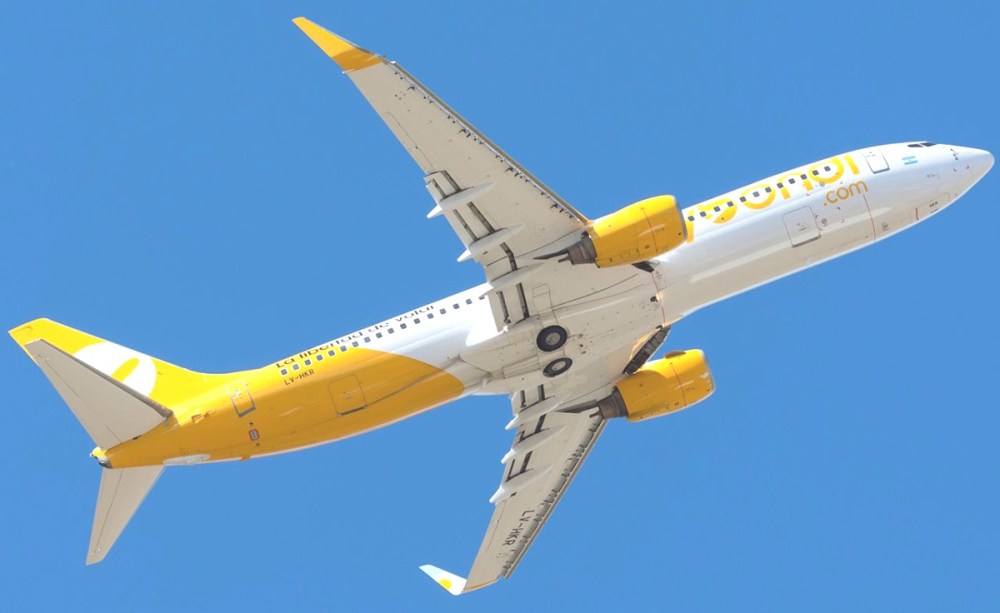
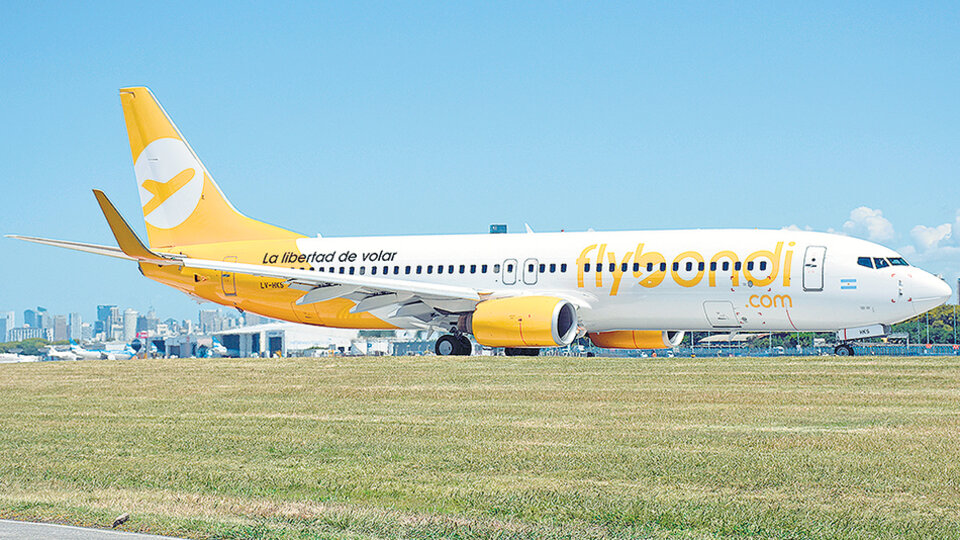
Resultado de imagen para norwegian argentina pngEl ingreso al mercado de compañías low cost como Flybondi Líneas Aéreas, Norwegian Air Argentina permitirán incrementar exponencialmente la cantidad de pasajeros transportados, aumentando los destinos domésticos. Aerolíneas Argentinas se mantuvo en 885.000 pasajeros transportados, y Latam Airlines Argentina en 233.000. Con esas cifras, la línea aérea de bandera perdió 9% de participación de mercado, del 74% que tenía en Julio 2017 al 65% de Julio 2018, en tanto Latam bajó casi 3%. Andes Líneas Aéreas, que sumó casi 3% de mercado en el último año, hasta captar el 8% actualmente ha sido la mejor posicionada. Flybondi llegó a captar el 8% del mercado y Avianca el 2% en Julio 2018.

Aumento vuelos Non-Ezeiza al exterior

La cantidad de tráfico al exterior desde aeropuertos del interior de Argentina se ha incrementado en un 32%. El mercado aéreo ha manifestado cambios en la manera de viajar eligiendo aerolíneas alternativas, observando una tendencia de profundización con el arribo de nuevos competidores al mercado local, como Norwegian Air Argentina y JetSmart Argentina, que pertenece a Indigo Group de Estados Unidos.

El factor ocupación

El índice de ocupación de los aviones en Julio 2018 corresponde para AerolíneasAndes-foto.png Argentinas un 77% (80% Julio 2017); Latam Argentina un 82% (78% Julio 2017); Andes Líneas Aéreas 79% (75% Julio 2017); Flybondi Líneas Aéreas 69% y Avianca Argentina 72%.

En cuanto al mercado aéreo internacional, Latam Argentina ostenta mayor tráfico al exterior con 28%, Aerolíneas Argentinas/Austral con 21%, Gol Linhas Aéreas y Copa Airlines un 7% respectivamentes. Detrás se ubicaron American Airlines (Estados Unidos) e Iberia (España) con 4% cada una de cuota de participación, y luego Sky Airline (Chile) y Avianca (Colombia) con 3% de participación cada una. El restante 26% se repartió entre el resto de las compañías que operan vuelos internacionales en Argentina.

El mercado aéreo irá expandiéndose cada vez más rápido persiguiendo promociones aéreas en un futuro para vuelos internacionales. Como ocurre en diferentes países donde la industria aerocomercial a abierto sus alas, permitirán a todos más oportunidades de volar. La industria irá madurando y Argentina no es la excepción. AIRWAYS® AW-Icon TXT

flybondi-lv-hkr.jpg

Argentine emerging air market

The Aircraft Revolution has started a new phase of homeless rates

The arrival of new competitors to the Argentine cabotage air market has made it possible to make air fares more flexible with the new price modality without a ceiling or minimum value. The companies most benefited by this new modality are low cost / low fare airlines, which is changing the way of traveling of Argentines.

38018483034_85662cbe18_b.jpgThe Argentine Air Navigation Company (EANA), has reported that in July 2018 the cabotage market in Argentina grew by 14% compared to July 2017. Traditional airlines such as Aerolíneas Argentinas / Austral Líneas Aéreas and Latam Argentina, transported the same amount of passengers interannual. Although they remain in amount of traffic, they have fallen in percentage of market share.

Promotion low rates

The entry into the market of low cost companies such as Flybondi Líneas Aéreas, Resultado de imagen para Flybondi pngNorwegian Air Argentina will exponentially increase the number of passengers transported, increasing domestic destinations. Aerolíneas Argentinas remained at 885,000 passengers transported, and Latam Airlines Argentina at 233,000. With these figures, the flag airline lost 9% market share, from 74% in July 2017 to 65% in July 2018, while Latam fell almost 3%. Andes Líneas Aéreas, which added almost 3% of the market in the last year, up to 8%, has currently been the best positioned. Flybondi managed to capture 8% of the market and Avianca 2% in July 2018.

Increase non-Ezeiza flights abroad

The amount of traffic abroad from airports in the interior of Argentina has increased by 32%. The airline market has shown changes in the way of traveling by choosing alternative airlines, observing a deepening trend with the arrival of new competitors to the local market, such as Norwegian Air Argentina and JetSmart Argentina, which belongs to the Indigo Group of the United States.

The occupation factor

The aircraft occupancy rate in July 2018 corresponds to Aerolíneas Argentinas 77% (80% July 2017); Latam Argentina 82% (78% July 2017); Andes Líneas Aéreas 79% (75% July 2017); Flybondi Airlines 69% and Avianca Argentina 72%.

As for the international air market, Latam Argentina has more traffic abroad with 28%, Aerolíneas Argentinas/Austral with 21%, Gol Linhas Aéreas and Copa Airlines 7% respectively. Behind were American Airlines (United States) and Iberia (Spain) with 4% each participation fee, and then Sky Airline (Chile) and Avianca (Colombia) with 3% participation each. The remaining 26% was distributed among the rest of the companies that operate international flights in Argentina.

The air market will be expanding more and more rapidly, pursuing air promotions in the future for international flights. As it happens in different countries where the commercial airline industry has opened its wings, they will allow everyone more opportunities to fly. The industry will be maturing and Argentina is not the exception. A\W


Ξ A I R G W A Y S Ξ
SOURCE:  Airgways.com
DBk: Eana.com.ar / Airgways.com / Simon Yalis
AW-POST: 201808101458AR

A\W   A I R G W A Y S ®

Fuerte impulso vuelos transatlánticos

AW-7000645366.jpg

AW | 2018 08 03 20:36 | AIRLINES MARKET

El fuerte crecimiento económico en los Estados Unidos impulsa vuelos transatlánticos

La economía de Estados Unidos está teniendo un fuerte crecimiento y las economías de rebote en Europa están ayudando a las aerolíneas a aumentar los vuelos transatlánticos en el hemisferio norte. Las aerolíneas han agregado rápidamente asientos para satisfacer este auge de la demanda.

A pesar que las aerolíneas están siendo impactadas por los mayores costos de combustible, las compañías aéreas están encontrando un lugar donde encontrar generar ganancias extras. Varias líneas aéreas están ganando protagonismo para aprovechar la bonanza de los viajes sobre el Atlántico Norte.

British Airways, del Grupo IAG, registró un aumento en las ganancias en el 2Q2018. Las ventas en sus rutas transatlánticas ayudaron a compensar los costos derivados de los mayores precios del combustible y las interrupciones en el control del tráfico aéreo que afectaron duramente a Europa en 2018. La demanda fue fuerte en todas las clases de cabina y las reservas se mantienen sólidas este trimestre. British Airways comenzó a volar directamente en mayo a Nashville desde Londres. El apetito por esos asientos sorprendió a la aerolínea. «El rendimiento transatlántico es muy bueno. La demanda fue fuerte en todas las clases de cabina y las reservas se mantienen sólidas este trimestre», dijo el viernes el presidente ejecutivo de IAG, Willie Walsh.

Iberia, Aer Lingus y Level, miembros del IAG Group, vuelan entre Europa y América, comunicaron que los asientos para la venta ganaron un 10% en el segundo trimestre. Aproximadamente la mitad de esa capacidad estaba en nuevas rutas. El desempeño financiero de todas las nuevas rutas superó las expectativas.

IAG continúa expandiéndose en las rutas entre Europa y América. El operador de larga distancia de bajo costo Level comenzó vuelos en julio desde París, su segunda base después de Barcelona, ​​a Montreal y la isla francesa de Guadalupe en el Caribe.

Deutsche Lufthansa AG y Air France-KLM tambiéninformaron que las ganancias se vieron reforzadas por la demanda de viajes a través del Atlántico, lo que ayudó a que sus precios recuperaran parte de las pérdidas sufridas en 2018.

En tanto Norwegian Air Shuttle ASA ha transcurrido un año desde el lanzamiento de sus vuelos transatlánticos desde Belfast hacia América del Norte. La aerolínea emplea aeronaves Boeing 787 para vuelos de mayor demanda, pero al mismo tiempo emplea aviones narrowbodies Boeing 737-8 MAX con 189 pax para efectuar vuelos costa a costa del Atlántico Norte. La fuerte competencia ha permitido observar que tiene una de las tarifas más bajas del mercado.

El rápido crecimiento ha tenido un costo, la rentabilidad de los vuelos a América del Norte en el 2Q2018 fue más débil de lo esperado. Los ingresos por unidad de asiento disminuyeron levemente en comparación con el año anterior, pero muchas aerolíneas están dispuesta a presentar batalla para ganar mercado.  AIRWAYS® AW-Icon TXTAW-70447774.png

Strong impulse transatlantic flights

The strong economic growth in the United States promotes transatlantic flights

The US economy is experiencing strong growth and bouncing economies in Europe are helping airlines increase transatlantic flights in the northern hemisphere. Airlines have quickly added seats to meet this demand boom.

Although airlines are being impacted by higher fuel costs, airlines are finding a place to find extra profits. Several airlines are gaining prominence to take advantage of the bonanza of travel over the North Atlantic.

British Airways, of the IAG Group, registered an increase in profits in 2Q2018. Sales on its transatlantic routes helped offset the costs of higher fuel prices and disruptions in air traffic control that hit Europe hard in 2018. Demand was strong in all cabin classes and reserves were maintained solid this quarter. British Airways started flying directly in May to Nashville from London. The appetite for those seats surprised the airline. «The transatlantic performance is very good, demand was strong in all cabin classes and reserves remain strong this quarter», IAG Chief Executive Willie Walsh said on Friday.

Iberia, Aer Lingus and Level, members of the IAG Group, fly between Europe and America, reported that the seats for sale gained 10% in the second quarter. Approximately half of that capacity was in new routes. The financial performance of all new routes exceeded expectations.

IAG continues to expand on the routes between Europe and America. Low-cost long distance operator Level started flights in July from Paris, its second base after Barcelona, ​​to Montreal and the French island of Guadeloupe in the Caribbean.

Deutsche Lufthansa AG and Air France-KLM also reported that earnings were reinforced by demand for travel across the Atlantic, which helped their prices recover part of the losses suffered in 2018.

Meanwhile Norwegian Air Shuttle ASA has been a year since the launch of its transatlantic flights from Belfast to North America. The airline uses Boeing 787 aircraft for high-demand flights, but at the same time it uses Boeing 737-8 MAX narrowbodies with 189 pax to make flights from coast to coast of the North Atlantic. The strong competition has allowed us to observe that it has one of the lowest rates in the market.

The rapid growth has had a cost, the profitability of flights to North America in 2Q2018 was weaker than expected. Revenue per seat unit decreased slightly compared to the previous year, but many airlines are willing to present battle to win market. A \ W


Ξ A I R G W A Y S Ξ
SOURCE:  Airgways.com
DBk: Wsj.com / Pressassociation.com (Ringo H.W. Chiu) / E24.no
AW-POST: 201808032035AR

A\W   A I R G W A Y S ®

Incremento mercado aéreo de la India

AW70000081.jpg

AW | 2018 08 03 16:07 | AIRLINES MARKET

Las aerolíneas de la India han incrementado el número de pasajeros

Las aerolíneas de la India están atravesando un período de auge en el incremento de pasajeros en vuelos domésticos pero al mismo tiempo están luchando para obtener ganancias debido a la mayor competitividad en el mercado aéreo.

Unos 68 millones de pasajeros volaron dentro de India en el período de los primeros seis meses de 2018, según datos oficiales, un aumento del 22% con respecto al mismo período del año 2017. Las últimas cifras disponibles de la Asociación Internacional de Transporte Aéreo (IATA) muestran que el tráfico nacional de pasajeros de la India creció casi un 17% en el mes Mayo 2018 en comparación con el mismo mes del año pasado. En comparación con otros países, la India ha logrado uno de los mayores incrementos de tráfico de pasajeros en el mundo. China creció casi 12% en el mismo período, mientras que Estados Unidos mostró un crecimiento de 5,5%.

Millones indúes vuelan más

El sector de la aviación de la India ahora ha tenido un crecimiento durante 45 meses consecutivos. Pero además, con varias aerolíneas compitiendo para ofrecer a los indúes formas más baratas de viajar, la presión constante sobre las tarifas ha dificultado la obtención de dinero. Un aumento en los precios del petróleo, combinado con una caída en la moneda de la India, la rupia, está exprimiendo las finanzas en toda la industria. La industria de la aviación está atravesando una fase difícil debido a la depreciación de la rupia y la falta de correspondencia entre los altos precios del combustible y las tarifas bajas.

La aerolínea Jet Airways ha ordenado incorporar más aeronaves por motivo del aumento de demanda. Planea agregar 225 Boeing 737 MAX durante la próxima década, de los cuales 75, con un valor de casi US$ 9 mil millones a precios de lista, fueron comprados hace menos de tres semanas.

IndiGo que es líder en el mercado indú, está atravesando una fuerte caída de las ganancias que rondan los 97% en el trimestre finalizado en Junio 2018, en comparación con el mismo período del año pasado. El CEO Rahul Bhatia culpó a la caída de la rupia y al aumento de los costos del combustible.

La aerolínea nacional Air India está siendo apuntalada por las fuertes pérdidas que está afrontando desde hace tiempo. Desde el fracaso en vender una participación del 76% de Air India a inversionistas privados a principios de 2018, el gobierno se ha visto obligado a invertir cientos de millones de dólares de los contribuyentes en la aerolínea para mantenerla en vuelo.

Así el mercado aéreo de la India mientras se está expandiendo, las aerolíneas ven limitados sus esfuerzos para compensar las pérdidas acarreadas por los efectos del aumento del petróleo y la depreciación de la caída de la moneda nacional. AIRWAYS® AW-Icon TXT

Imagen relacionada

Increase Indian air market

Indian airlines have increased the number of passengers

Indian airlines are going through a period of boom in the increase of passengers on domestic flights but at the same time they are struggling to make a profit due to the greater competitiveness in the air market.

Some 68 million passengers flew inside India in the first six months of 2018, according to official data, an increase of 22% over the same period of 2017. The latest figures available from the International Air Transport Association ( IATA) show that the national passenger traffic of India grew by almost 17% in the month May 2018 compared to the same month last year. Compared to other countries, India has achieved one of the largest increases in passenger traffic in the world. China grew almost 12% in the same period, while the United States showed a growth of 5.5%.

Millions of Indians fly more

The aviation sector in India has now grown for 45 consecutive months. But in addition, with several airlines competing to offer Indians cheaper ways to travel, the constant pressure on fares has made it harder to get money. An increase in oil prices, combined with a fall in India’s currency, the rupee, is squeezing finance throughout the industry. The aviation industry is going through a difficult phase due to the depreciation of the rupee and the lack of correspondence between high fuel prices and low fares.

The airline Jet Airways has ordered to incorporate more aircraft due to the increase in demand. It plans to add 225 Boeing 737 MAX over the next decade, of which 75, worth almost $ 9 billion at list prices, were purchased less than three weeks ago.

IndiGo, which is a leader in the Indian market, is experiencing a sharp drop in profits of around 97% in the quarter ended in June 2018, compared to the same period last year. CEO Rahul Bhatia blamed the rupee’s fall and rising fuel costs.

The national airline Air India is being propped up by the heavy losses it has been facing for some time. Since the failure to sell a 76% stake of Air India to private investors in early 2018, the government has been forced to invest hundreds of millions of taxpayer dollars on the airline to keep it in flight.

Thus the Indian air market while it is expanding, airlines are limited their efforts to compensate for the losses caused by the effects of the increase in oil and the depreciation of the fall of the national currency. A \ W


भारतीय वायु बाजार में वृद्धि

भारतीय एयरलाइंस ने यात्रियों की संख्या में वृद्धि की है

Resultado de imagen para India  map pngभारतीय एयरलाइंस घरेलू उड़ानों पर यात्रियों की वृद्धि में तेजी से बढ़ रही है, लेकिन साथ ही वे हवाई बाजार में अधिक प्रतिस्पर्धात्मकता के कारण लाभ अर्जित करने के लिए संघर्ष कर रहे हैं।

आधिकारिक आंकड़ों के मुताबिक 2018 के पहले छह महीनों में भारत के अंदर 68 मिलियन यात्रियों ने भारत के अंदर उड़ान भरने के लिए 2017 की इसी अवधि के मुकाबले 22% की वृद्धि दर्ज की। अंतरराष्ट्रीय वायु परिवहन संघ (आईएटीए) से उपलब्ध नवीनतम आंकड़े बताते हैं कि राष्ट्रीय यात्री पिछले साल की समान अवधि की तुलना में मई 2018 के महीने में भारत का यातायात लगभग 17% बढ़ गया। अन्य देशों की तुलना में, भारत ने दुनिया में यात्री यातायात में सबसे बड़ी वृद्धि हासिल की है। इसी अवधि में चीन में लगभग 12% की वृद्धि हुई, जबकि संयुक्त राज्य अमेरिका में 5.5% की वृद्धि हुई।

लाखों भारतीय उड़ते हैं

भारत में विमानन क्षेत्र अब लगातार 45 महीने तक बढ़ गया है। लेकिन इसके अलावा, कई एयरलाइंस यात्रा करने के लिए भारतीयों को सस्ता तरीके प्रदान करने के लिए प्रतिस्पर्धा कर रही हैं, किराए पर लगातार दबाव ने पैसे कमाने में कठिनाई की है। तेल की कीमतों में वृद्धि, भारत की मुद्रा में गिरावट के साथ, रुपये, पूरे उद्योग में वित्त निचोड़ रहा है। विमानन उद्योग रुपये के मूल्यह्रास और उच्च ईंधन की कीमतों और कम किराए के बीच पत्राचार की कमी के कारण एक कठिन दौर से गुजर रहा है।

एयरलाइन जेट एयरवेज ने मांग में वृद्धि के कारण अधिक विमान शामिल करने का आदेश दिया है। अगले दशक में 225 बोइंग 737 मैक्स जोड़ने की योजना है, जिनमें से 75, सूची मूल्यों पर लगभग $ 9 बिलियन के लायक हैं, तीन हफ्ते पहले कम खरीदे गए थे।

भारतीय बाजार में अग्रणी नेता इंडिगो जून 2018 में समाप्त तिमाही में 97% की मुनाफे में तेज गिरावट का सामना कर रहा है, जो पिछले साल की इसी अवधि की तुलना में था। सीईओ राहुल भाटिया ने रुपये के पतन और बढ़ती ईंधन लागत को दोषी ठहराया।

राष्ट्रीय एयरलाइन एयर इंडिया को भारी नुकसान से कुछ समय तक सामना करना पड़ रहा है। 2018 की शुरुआत में निजी निवेशकों को एयर इंडिया की 76% हिस्सेदारी बेचने में विफल होने के कारण, सरकार को इसे उड़ान में रखने के लिए एयरलाइन पर लाखों करदाता डॉलर निवेश करने के लिए मजबूर होना पड़ा है।

इस प्रकार भारतीय वायु बाजार में विस्तार होने के दौरान, एयरलाइंस तेल में वृद्धि के प्रभाव और राष्ट्रीय मुद्रा के पतन के मूल्यह्रास के कारण होने वाले नुकसान की भरपाई करने के अपने प्रयासों को सीमित कर रही हैं। A \ W


Ξ A I R G W A Y S Ξ
SOURCE:  Airgways.com
DBk: Civilaviation.gov.in / Airgways.com  / Businessworld.in
AW-POST: 201808031607AR

A\W   A I R G W A Y S ®

Revolución tarifas aéreas en Argentina

Resultado de imagen para Aeroparque Flybondi

AW | 2018 07 31 18:52 | AIRLINES MARKET

Comienza la revolución de las tarifas aéreas en Argentina

La nueva Resolución Nº 656 del Ministerio de Transporte de Argentina quedó formalizada hoy a través de su publicación en el Boletín Oficial la nueva regulación de tarifas aéreas eliminando el piso del valor de los tickets aéreos en Argentina.

A partir de mañana 1 Julio 2018 las aerolíneas low-cost no tendrán piso para las tarifas aéreas. Las aerolíneas low cost como así las tradicionales podrán vender pasajes de cabotaje a precios por debajo de la establecida. Las aerolíneas ya no tendrán un precio mínimo de referencia para los pasajes de cabotaje, una medida clave para el mercado de las low cost.

El Ministerio de Transporte de Argentina ha eliminado el piso tarifario que regía para las compañía aéreas, una medida que tenía como principal propósito resguardar al mercado de los micros de larga distancia. Sin embargo, esto restringía a las nuevas aerolíneas low cost que prevén vender pasajes por debajo de ese tope mínimo. «Autorízase a los explotadores de servicios regulares de transporte aéreo interno de pasajeros, a partir de las cero (0) hora del día siguiente a la publicación de la presente resolución en el Boletín Oficial de la República Argentina, a aplicar tarifas inferiores a las tarifas de referencia vigentes para las ventas de pasajes aéreos de ida y vuelta que se realicen con más de Treinta (30) días de anticipación», informa el único artículo de la resolución.

Pasajes «low-fare»

En el mundo del mercado de la liberalización del techo tarifario promovido o impulsado por las aerolíneas low-cost, permite acercarnos con una mirada más optimista en los cambios profundos del mercado aerocomercial que está atravesando la industria aerocomercial en Argentina.

A partir de Agosto 2018, las líneas aéreas podrán iniciar ofreciendo pasajes por debajo de la tarifa mínima de referencia, que en los hechos se traducirá en pasajes mucho más baratos, según el tramo y la demanda estacional. La nueva reglamentación del cuadro tarifario por debajo de los precios mínimos que operaban las compañías aéreas están sujetas a variables como: rutas, tramos, demanda y tiempo de las promociones, por lo que una misma tarifa de bajo precio (low-fare) se pudiera ofrecer en forma limitada y estableciendo un período reducido. Por ejemplo, una aerolínea pudiera ofrecer en determinada ruta un pasaje a un valor ilógico de AR$ 1,00 estableciendo las variables antes enunciadas. En muchos casos las ofertas de los pasajes deberán adquirirse con 30 días de anticipación.

Mercado más competitivo

El Ministerio de Transporte de Argentina argumentó que el Estado «debe procurar el fortalecimiento y desarrollo en el sector aeronáutico, permitiendo la incorporación de nuevas empresas en el mercado, la conservación y creación de fuentes de empleo directo e indirecto a consecuencia del desarrollo de la actividad en el marco de la política aerocomercial vigente. En virtud de la naturaleza de transporte público y a los fines del cumplimiento de los objetivos en materia aeronáutica es preciso fijar las pautas necesarias que alienten la accesibilidad de mayor cantidad de usuarios y nuevos transportistas. De esta manera se propicia fomentar la actividad aerocomercial a través de un modo más dinámico de fijación de las tarifas a percibir por el servicio de transporte aéreo que tienda a evitar dificultades en el desarrollo de la actividad aerocomercial. Esta medida produce reducción de precios para que más argentinos puedan volar en el país. Los pasajeros encontrarán más ofertas con mejores precios y aumentarán las promociones en momentos de temporada y en vuelos con baja ocupación», consideró el Ministro de Transporte, Guillermo Dietrich.

Más actividad aerocomercial

En Diciembre 2015, sólo 10 millones de personas podían acceder a viajar en avión dentro del país debido a que había pocas aerolíneas, tarifas que se encontraban entre las más caras de la región y del mundo, con poca flexibilidad para incentivar promociones y una infraestructura deficiente.

El Ministerio de Transporte informó que desde 2015 en adelante se sumaron 59 nuevas rutas aéreas domésticas, de las cuales 33 no pasan por Buenos Aires. Este crecimiento generó un incremento del 36% de pasajeros de cabotaje en comparación a 2015 y, para cubrir las nuevas rutas, se han incorporado más aviones, que significará un crecimiento del 55% de la flota en el mercado a 2019, estimó el Ministerio. Además, indicó que en el último año han aumentado los asientos ofrecidos en un 12 % y subrayó que ésto representa un desafío para aumentar los niveles de ocupación hoy cercanos al 77% y la flexibilización de la tarifa de referencia se presenta como una oportunidad para seguir creciendo.

Inversiones en aviación

El Ministerio de Transporte enfatizó que en el período 2016-2019 se invertirán US$ 1.400 millones de dólares en aeropuertos y 175 millones de dólares en tecnología para la navegación aérea. Según los datos estadísticos elaborados por la Empresa Argentina de Navegación Aérea (EANA) a partir del Sistema Integrado de Aviación (SIAC), en lo que va del año los vuelos de cabotaje acumulan un crecimiento del 37% al comparar contra el mismo período de 2015, pasando de 4,78 a 6,56 millones de pasajeros. En cuanto a los vuelos al exterior, en la comparación contra el mismo período del 2015, cuando habían volado un total de 5,76 millones de personas, esta suba es del 37%. En el plano internacional, en lo que va del año un total de 1,27 millón de personas conectaron desde el interior con aeropuertos internacionales, cifra 170% superior a los 472 mil que lo hicieron en el 2015, de acuerdo con las estadísticas oficiales.
AW-70001090.JPG

Aerolíneas se ajusta a la baja

Aerolíneas Argentinas ha comenzado a anunciar una agresiva campaña para atraer más usuarios a su red de vuelos reduciendo en un 50% sus tarifas más económicas para vuelos en toda Argentina. La aerolínea se adecuó a la decisión del Gobierno para la liberalización de las tarifas aéreas iniciando así un proceso de mayor competitividad en las rutas domésticas.

El Grupo Aerolíneas ha comenzado con el proceso de adecuación al nuevo régimen tarifario lanzando una promoción muy tentadora: por solo AR$499 de precio final por todo concepto se podrá volar a los principales puntos del país, aplicable a los vuelos que se compren con 30 días de anticipación, es decir que está vigente para vuelos en septiembre y octubre. Aerolíneas aplicará una promoción para adquirir pasajes que durará del 1-8 Agosto, lo que implica que podrán utilizarse desde el 1 Septiembre 2018. El precio promedio por tramo será de AR$ 499, aunque en varios casos será incluso inferior, como en el caso de Buenos Aires-Rosario, a AR$ 341 pesos. En todos los casos, la rebaja rondará el 50% del valor actual de los pasajes.Se trata de precios por tramo que, además, tendrán la ventaja de contar con financiación y a los que se podrá acceder a través del sitio web de Aerolíneas Argentinas y Austral Líneas Aéreas y por agencias de viajes. «Estamos dando inicio a un nuevo paradigma en el mercado aerocomercial de cabotaje, con una propuesta muy atractiva y completa, que abarca a todo el país», apuntó Alejandro Castignani, gerente de Distribución y Revenue Management de Aerolíneas.

El servicio Buenos Aires-Córdoba, que ahora cuesta AR$ 1.225, tendrá una reducción del 57 por ciento. En el caso de Buenos Aires-Bariloche, una frecuencia de alta demanda y, por lo tanto, costosa, tendrá una rebaja del 49%, de los actuales AR$ 1.811 a AR$ 929. Puntualmente, la tarifa de AR$ 499 o inferior estará disponible para los siguientes destinos (viceversa): Buenos Aires/Córdoba; Buenos Aires/Paraná; Mendoza/Córdoba; Bahía Blanca/Buenos Aires; Buenos Aires/Rosario; Buenos Aires/Santa Fe; Buenos Aires/Mar del Plata. De esta manera, Aerolíneas Argentinas se beneficia de las herramientas de las low cost, al permitir abordar con equipaje de mano de hasta 8 kilos, mientras que de haber equipaje extra se deberá despachar por bodega y tarifar aparte. En ese último caso, el costo de enviar equipaje por bodega será de AR$ 399 por tramo si la compra del pasaje es por el sitio web de Aerolíneas o de AR$ 650 en mostrador. Aerolíneas indicó que estos precios promocionales podrán ser abonados hasta en 12 cuotas a través de más de 30 bancos. A la vez, los socios de Aerolíneas Plus van a poder acceder a estas ofertas mediante el canje de millas o millas más pesos. Desde la compañía detallaron que estos valores incluyen selección de asiento, catering a bordo (en vuelos superiores a dos horas), y la posibilidad de llevar un bolso de mano de hasta ocho kilos en la cabina. El despacho de equipaje en bodega será facturado aparte, y con un descuento de 60% si se hace a través de la web.

“Estas ofertas van a marcar un antes y un después, ya que muchas personas que no viajaban van a poder elegir hacerlo con un servicio de calidad”, explicó Constanza Correa, gerente de Marketing y Producto de la compañía aérea. La promoción será aplicable a 60 destinos de cabotaje de todo el país, siempre al adquirir pasaje de ida y vuelta, tanto de Aerolíneas como Austral, con un cupo limitado de asientos por avión, aunque suficientemente amplio como para satisfacer la nueva demanda.

La compañía aérea confía en duplicar o triplicar la demanda para este segmento, frente a la competencia de las low cost, con el objetivo de incorporar nuevos usuarios, que hoy optan por otros medios de transporte, antes que quitarle participación a las competidoras, habida cuenta de que Aerolíneas concentra más del 70% del mercado aerocomercial doméstico.

Las aerolíneas se alínean

El resto de las líneas aéreas en Argentina como Flybondi Líneas Aéreas, Andes Líneas Aéreas o Norwegian Air Argentina, aún no han publicado ofertas de este tipo en sus redes.

Desde Agosto 2018 nace una nueva forma de viajar en Argentina, un mercado que estuvo muy relegado y alejado por proteccionismos que no permitían ofrecer más posibilidades de volar con tarifas más conveniente.

Brasil inició un proceso de liberalización de las tarifas aéreas en el año 2001. La aerolínea Gol Linhas Aéreas se estableció en 2000 y comenzó a operar el 15 Enero de 2001 iniciando un proceso de transformación del transporte aéreo en el país sudamericano.

Argentina se introduce en una nueva etapa que permitirá fortalecer el transporte aéreo pero que deberá cumplimentarlo con reglas claras para beneficios de todos los pasajeros que deseen disfrutar del placer de volar.  AIRWAYS® AW-Icon TXT

AW-70001128.JPG

Revolution air fares in Argentina

The revolution of air fares begins in Argentina

The new Resolution No. 656 of the Ministry of Transport of Argentina was formalized today through its publication in the Official Gazette the new regulation of air fares eliminating the floor of the value of air tickets in Argentina.

Starting tomorrow, July 1, 2018, low-cost airlines will not have a flat for air fares. Low cost airlines, as well as traditional ones, will be able to sell cabotage tickets at prices below the established one. Airlines will no longer have a minimum reference price for cabotage tickets, a key measure for the low cost market.

The Ministry of Transportation of Argentina has eliminated the tariff floor that governed the airlines, a measure that had as its main purpose to protect the market of long distance buses. However, this restricted the new low cost airlines that foresee selling tickets below that minimum cap. «Operators of regular services of internal air transport of passengers are authorized, starting at zero (0) hour of the day following the publication of this resolution in the Official Gazette of the Argentine Republic, to apply rates lower than the rates of valid reference for sales of round-trip air tickets that are made more than thirty (30) days in advance», reports the only article of the resolution.

Resultado de imagen para Andes Lineas Aéreas

Passages «low-fare»

In the market world of the liberalization of the tariff ceiling promoted or promoted by low-cost airlines, it allows us to approach with a more optimistic look at the deep changes of the commercial market that the commercial airline industry is going through in Argentina.

As of August 2018, airlines can start offering tickets below the minimum reference rate, which in fact will result in much cheaper tickets, depending on the section and seasonal demand. The new regulation of the rate chart below the minimum prices operated by the airlines are subject to variables such as: routes, stretches, demand and time of the promotions, so that the same low-fare rate could be offer in limited form and establishing a reduced period. For example, an airline could offer a certain route a passage to an illogical value of AR$ 1.00, establishing the variables mentioned above. In many cases offers of ticket offers must be purchased 30 days in advance.

Most competitive market

The Ministry of Transport of Argentina argued that the State «should seek strengthening and development in the aeronautical sector, allowing the incorporation of new companies in the market, conservation and creation of direct and indirect employment sources as a result of the development of the activity In the framework of current commercial air traffic policy, it is necessary to establish the necessary guidelines to encourage the accessibility of a greater number of users and new transporters, in view of the nature of public transport and the fulfillment of aeronautical objectives. It encourages the commercial activity through a more dynamic way of fixing the tariffs to be charged for the air transport service that aims to avoid difficulties in the development of the commercial activity, which reduces prices so that more Argentines can fly in the country, passengers will find more ertas with better prices and will increase the promotions in moments of season and in flights with low occupation», considered the Minister of Transport, Guillermo Dietrich.

More air-commercial activity

In December 2015, only 10 million people could access air travel within the country because there were few airlines, rates that were among the most expensive in the region and the world, with little flexibility to encourage promotions and poor infrastructure.

The Ministry of Transportation reported that from 2015 onwards 59 new domestic air routes were added, of which 33 do not pass through Buenos Aires. This growth generated a 36% increase in cabotage passengers compared to 2015 and, to cover the new routes, more aircraft have been added, which will mean a 55% growth of the fleet in the market by 2019, the Ministry estimated. In addition, he indicated that in the last year have increased the seats offered by 12% and stressed that this represents a challenge to increase occupancy levels today close to 77% and the flexibilization of the reference rate is presented as an opportunity to continue growing.

Investments in aviation

The Ministry of Transportation emphasized that in the 2016-2019 period, US$ 1,400 million will be invested in airports and $ 175 million in technology for air navigation. According to statistical data prepared by the Argentine Air Navigation Company (EANA) from the Integrated Aviation System (SIAC), so far this year cabotage flights accumulate a growth of 37% compared to the same period of 2015 , going from 4.78 to 6.56 million passengers. As for the flights abroad, in the comparison against the same period of 2015, when they had flown a total of 5.76 million people, this rise is 37%. At the international level, so far this year a total of 1.27 million people connected from the interior with international airports, 170% higher than the 472 thousand who did in 2015, according to official statistics.

Aerolíneas adjusts to the low

Aerolíneas Argentinas has begun to announce an aggressive campaign to attract more users to its flight network by reducing its cheapest fares by 50% for flights throughout Argentina. The airline was adapted to the Government’s decision to liberalize air fares, thus initiating a process of greater competitiveness in domestic routes.

The Aerolíneas Group has started with the process of adapting to the new tariff regime by launching a very attractive promotion: for only AR$ 499 of the final price for any concept it will be possible to fly to the main points of the country, applicable to flights that are bought with 30 days of anticipation, that is to say that it is valid for flights in September and October. Aerolíneas will apply a promotion to purchase tickets that will last from 1-8 August, which means that they can be used from September 1, 2018. The average price per section will be AR$ 499, although in several cases it will be even lower, as in the case from Buenos Aires-Rosario, to AR$ 341 pesos. In all cases, the discount will be around 50% of the current value of the tickets. These are prices per section that, in addition, will have the advantage of having financing and which can be accessed through the Aerolíneas Argentinas website and Austral Líneas Aéreas and by travel agencies.

«We are starting a new paradigm in the commercial aviation market, with a very attractive and comprehensive proposal, which covers the entire country», said Alejandro Castignani, manager of Distribution and Revenue Management of Airlines.

The Buenos Aires-Córdoba service, which now costs AR$ 1,225, will have a reduction of 57 percent. In the case of Buenos Aires-Bariloche, a frequency of high demand and, therefore, expensive, will have a reduction of 49%, from the current AR$ 1,811 to AR$ 929. Punctually, the rate of AR$ 499 or less will be available for the following destinations (vice versa): Buenos Aires/Córdoba; Buenos Aires/Paraná; Mendoza/Córdoba; Bahía Blanca/Buenos Aires; Buenos Aires/Rosario; Buenos Aires/Santa Fe; Buenos Aires/Mar del Plata In this way, Aerolíneas Argentinas benefits from the low cost tools, allowing boarding with hand luggage of up to 8 kilos, while having extra baggage must be dispatched by winery and separately priced. In the latter case, the cost of sending baggage per hold will be AR$ 399 per section if the purchase of the ticket is through the Airlines website or AR$ 650 at the counter. Airlines indicated that these promotional prices may be paid in up to 12 installments through more than 30 banks. At the same time, Aerolíneas Plus partners will be able to access these offers by exchanging miles or miles plus pesos. From the company detailed that these values ​​include seat selection, catering on board (on flights over two hours), and the possibility of carrying a hand bag of up to eight kilos in the cabin. The baggage hold in the warehouse will be invoiced separately, and with a discount of 60% if it is done through the web.

«These offers are going to mark a before and after, since many people who did not travel will be able to choose to do so with quality service», explained Constanza Correa, Marketing and Product Manager of the airline. The promotion will be applicable to 60 cabotage destinations throughout the country, always by acquiring round-trip tickets, both from Aerolíneas and Austral, with a limited number of seats per plane, although large enough to satisfy the new demand.

The airline expects to double or triple the demand for this segment, in the face of low-cost competition, with the aim of incorporating new users, who now opt for other means of transport, rather than taking away participation from competitors, taking into account that Airlines concentrates more than 70% of the domestic aviation market.

Airlines align

The rest of the airlines in Argentina such as Flybondi Líneas Aéreas, Andes Líneas Aéreas or Norwegian Air Argentina, have not yet published offers of this type in their networks.

Since August 2018 a new way of traveling has been born in Argentina, a market that was very relegated and removed by protectionism that did not allow to offer more possibilities to fly with more convenient rates.

Brazil initiated a process of liberalization of air fares in 2001. The airline Gol Linhas Aéreas was established in 2000 and began operations on January 15, 2001, initiating a process of transformation of air transport in the South American country.

Argentina is entering a new stage that will strengthen air transport but must comply with clear rules for the benefits of all passengers who wish to enjoy the pleasure of flying. A \ W


Ξ A I R G W A Y S Ξ
SOURCE:  Airgways.com
DBk: Argentina.gob.ar/transporte / Airgways.com / Elfueguino.com.ar
AW-POST: 201807311852AR

A\W   A I R G W A Y S ®
Aerolíneas se enfrentan dificultades por costo combustible

Resultado de imagen para airport US

AW | 2018 07 30 15:40 | AIRLINES MARKET / GOVERNMENT

Las aerolíneas del mundo podrían atravesar dificultades por el alza de precios del combustible

Las aerolíneas de Estados Unidos podrían atravesar dificultades por los precios más altos de los combustibles que se combinan con las propuestas de políticas gubernamentales que amenazan con socavar la rentabilidad de la industria después de años de lucha.

El aumento en los costos de combustible está obligando a los ejecutivos a considerar aumentar las tarifas para compensar el mayor costo por el combustible. Las divisiones dentro de la industria aerocomercial, el impacto sobre los usuarios y las polémicas políticas del presidente Trump, hacen minar el sector de la aviación para convertirlo en un polvorín.

«No tenemos ningún deseo de asociarnos con la separación de familias o, lo que es peor, de sacar provecho de ello», dijo en un comunicado Forth Worth, una empresa con sede en Texas. El Departamento de Seguridad Nacional calificó la decisión de desafortunada y arremetió contra las compañías por negarse a proteger al público viajero y ayudar al gobierno.

Según la Asociación Internacional de Transporte Aéreo el aumento del combustible fue del onrden del 51% en los precios del combustible para aviones, que llegó a US$ 95.50 por barril a principios de Julio 2018.

Mercado competitivo

El surgimiento de aerolíneas de bajo costo como Southwest Airlines obligó a las aerolíneas más grandes, como Delta y American, a comenzar a ofrecer asientos más baratos y a cobrar tarifas adicionales por actualizarlas o facturar equipaje. Algunos legisladores están buscando insertar en una medida de financiamiento de la Administración Federal de Aviación (FAA) una provisión para limitar los cargos, mientras que la industria dice que son necesarios para seguir volando a precios asequibles para una amplia gama de pasajeros. «Es uno de los mayores desafíos que enfrentamos en Washington en este momento, ya que amenaza con hacer retroceder 40 años de progreso, innovación y asequibilidad para los consumidores. Sería un obstáculo total y alteraría el trabajo que nos permitió finalmente ser rentables de manera sostenible», Sean Kennedy, vicepresidente senior de asuntos gubernamentales globales de Airlines for America, dijo en una entrevista reciente.

Gobierno y aviación

Las empresas temen que una mayor intromisión del gobierno federal pueda empujar a la industria más cerca de los días en que todos los precios estaban fuertemente regulados. La administración de Trump, que ha elogiado sus logros en la reducción de la regulación que considera innecesaria, parece estar de acuerdo. El Departamento de Transporte a principios de este año instó al Senado a abordar esa disposición a medida que elabora el proyecto de ley de contrapartida a la medida aprobada por la Cámara para reautorizar los fondos para la FAA. AIRWAYS® AW-Icon TXT

 Resultado de imagen para airport US

Airlines face difficulties due to fuel cost

The world’s airlines could face difficulties due to rising fuel prices

US airlines may face difficulties due to higher fuel prices combined with government policy proposals that threaten to undermine the profitability of the industry after years of struggle.

The increase in fuel costs is forcing executives to consider increasing rates to offset the higher cost of fuel. The divisions within the aviation industry, the impact on users and the political polemics of President Trump, undermine the aviation sector to turn it into a powder keg.

«We have no desire to associate with the separation of families or, what is worse, to take advantage of it», Texas-based Forth Worth said in a statement. The Department of Homeland Security called the decision unfortunate and lashed out at companies for refusing to protect the traveling public and help the government.

According to the International Air Transport Association, the increase in fuel was 51% in air fuel prices, which reached US$ 95.50 per barrel at the beginning of July 2018.

Competitive market

The emergence of low-cost airlines such as Southwest Airlines forced larger airlines, such as Delta and American, to start offering cheaper seats and charging additional fees for updating or billing luggage. Some lawmakers are seeking to insert a provision to limit charges, while the industry says they are needed to keep flying at affordable prices for a wide range of passengers. «This is one of the biggest challenges we face in Washington at this time, as it threatens to push back 40 years of progress, innovation and affordability for consumers, it would be a total obstacle and alter the work that finally allowed us to be profitable in a sustainable way», Sean Kennedy, senior vice president of global governmental affairs for Airlines for America, said in a recent interview.

Government and aviation

The companies fear that greater interference by the federal government could push the industry closer to the days when all prices were heavily regulated. The Trump administration, which has praised its achievements in reducing the regulation it considers unnecessary, seems to agree. The Department of Transportation earlier this year urged the Senate to address that provision as it draws up the counterpart bill to the bill passed by the House to reauthorize funds for the FAA. A \ W


Ξ A I R G W A Y S Ξ
SOURCE:  Airgways.com
DBk: Washingtonexaminer.com / News1130.com
AW-POST: 201807301540AR

A\W   A I R G W A Y S ®

Alas del Sur cambia a JetSmart Argentina

jetsmart-e1507284329504.jpg

AW | 2018 07 24 15:15 | AIRLINES / AIRLINES MARKET

Imagen relacionadaLa aerolínea de capitales americanos JetSmart Airlines cambia denominación social a Alas del Sur

Alas del Sur Líneas Aéreas ha pasado a denominarse JetSmart Argentina después de la adquisición por parte del grupo estadounidense Indigo Partners LLC. La toma de accionario de Alas del Sur permitirá desembarcar a JetSmart Airlines S.A. en el mercado aéreo de Argentina.

El Martes, 23 Julio 2018 fue publicado en el Boletín Oficial de Argentina que la empresa JetSmart Airlines fue autorizada para volar en Argentina y llevará el nombre de la línea aérea chilena. El cambio de razón social de Alas del Sur se aprobó en la Asamblea Extraordinaria de Accionistas de JetSmart celebrada el 18 Julio 2018 y consta en la publicación del boletín oficial.

Nuevo competidor en Argentina

JetSmart Airlines se ha introducido en el mercado aéreo argentino con la incorporación de la aerolínea Alas del Sur obteniendo los derechos de las 21 rutas y 36 destinos de cabotaje y 13 destinos en el exterior que le habían sido otorgadas en su momento a la empresa Alas del Sur por la Administración Nacional de Aviación Civil (ANAC). JetSmart solicitó “la facultad para alterar u omitir escalas” respecto de las citadas en los planes originales. El Gobierno de Argentina puso un límite a los derechos de rutas, especificando que en doce de esas rutas no se puede omitir o alterar el punto Córdoba.

Indigo Partners es un fondo que agrupa también a otras low cost, Volaris (México), Frontier Airlines (Estados Unidos) y Wizz Air (Hungría). JetSmart empezó a volar en Chile hace un año, y ha capturado más del 10% del mercado de Chile.

SmartJet Airlines se ha sumado a la «Revolución de los Aviones» en Argentina, permitiendo entrar un nuevo jugador en el mercado de las low cost, que competirá más directamente con las aerolíneas de bajo costo Flybondi Líneas Aéreas (en operaciones) y Norwegian Air Argentina. De esta manera, Argentina, continúa con su proceso de transformación del mercado aéreo, diversificando la oferta cada vez más competitiva. AIRWAYS® AW-Icon TXT

A320 JETSMART CC-AWA.jpg

Alas del Sur changes to JetSmart Argentina

The American capital airline JetSmart Airlines changes its name to Alas del Sur

Alas del Sur Líneas Aéreas has been renamed JetSmart Argentina after the acquisition by the American group Indigo Partners LLC. The shareholding of Alas del Sur will allow JetSmart Airlines S.A. to disembark. in the air market of Argentina.

On Tuesday, July 23, 2018, it was published in the Official Gazette of Argentina that the JetSmart Airlines company was authorized to fly in Argentina and will carry the name of the Chilean airline. The change of corporate name of Alas del Sur was approved at the Extraordinary Assembly of Shareholders of JetSmart held on July 18, 2018 and is included in the publication of the official bulletin.

New competitor in Argentina

JetSmart Airlines has entered the Argentine air market with the incorporation of the Alas del Sur airline, obtaining the rights to the 21 routes and 36 cabotage destinations and 13 destinations abroad that had been granted to the company Alas del Sur at the time. South by the National Civil Aviation Administration (ANAC). JetSmart requested «the ability to alter or omit scales» with respect to those cited in the original plans. The Government of Argentina put a limit to the rights of routes, specifying that in twelve of those routes the point Córdoba can not be omitted or altered.

Indigo Partners is a fund that also groups other low cost, Volaris (Mexico), Frontier Airlines (United States) and Wizz Air (Hungary). JetSmart started flying in Chile a year ago, and has captured more than 10% of the Chilean market.

SmartJet Airlines has joined the «Aircraft Revolution» in Argentina, allowing a new player to enter the low cost market, which will compete more directly with the low cost airlines Flybondi Líneas Aéreas (in operations) and Norwegian Air Argentina . In this way, Argentina continues with its process of transformation of the air market, diversifying the increasingly compatible offer. A \ W


Ξ A I R G W A Y S Ξ
SOURCE:  Airgways.com
DBk: Argentina/transporte.gov.ar / Jetsmart.com / Anac.gov.ar / Vicente Valdebenito
AW-POST: 201807241515AR

A\W   A I R G W A Y S ®