Aeroméxico vs prórroga del CBA

AW | 2021 01 12 16:02 | AIRLINES / AVIATION ORGANISMS

Aeroméxico solicita prórroga de convenios colectivos de trabajo

Aeroméxico_Isologotype

Grupo Aeroméxico S.A.B. de C.V. ha anunciado que, como seguimiento de sus anteriores acontecimientos pertinentes de fecha 29 y 31 de Diciembre de 2020 y 8 de Enero de 2021, aún no ha sido posible concluir satisfactoriamente las negociaciones de los Convenios Colectivos de Negociación (CBA) con la Asociación de Pilotos Aviadores de México (ASPA) y la Asociación Sindical de Sobrecargos de Aviación de México (ASSA). La aceptación, por parte de dichos sindicatos, de los ajustes presentados por la Compañía a la CBA es esencial para enfrentar los efectos financieros, operativos y estructurales adversos causados a nivel mundial a la industria aérea por la pandemia COVID-19, cumplir con los compromisos y objetivos requeridos por los prestamistas DIP bajo el Fondo de Crédito del Deudor Senior en Posesión (Financiación DIP), obtenido dentro del proceso financiero de reestructuración voluntaria de la Compañía, de acuerdo con el Capítulo 11 del Código de Quiebras de los Estados Unidos de América, y cumplir con las condiciones necesarias para tener acceso al próximo desembolso bajo el Tranche 2 del DIP Financing, recursos que son esenciales no sólo para preservar el curso ordinario de los negocios, sino para evitar impagos generalizados en las obligaciones de Aeroméxico con los acreedores financieros bajo el Financiamiento DIP.

Aeroméxico pudo obtener una prórroga del plazo previsto en el acuerdo de crédito correspondiente, con el fin de cumplir con las condiciones y obligaciones de DIP Financing. El nuevo plazo expira el 27 de Enero de 2021. Sin embargo, la grave situación de la pandemia y la consiguiente continuación de las restricciones derivadas de la declaración de fuerza mayor emitida por las autoridades gubernamentales, en México y en el extranjero, continúan reduciendo la demanda de vuelos y socavando las finanzas de la compañía.

Aeroméxico requiere el acceso continuo de manera rápida y oportuna a los fondos de DIP Financing para cumplir con sus pagos y compromisos en el curso ordinario de los negocios con proveedores, autoridades y contribuyentes clave. En consecuencia, la aerolínea ha decidido solicitar la rescisión del actual CBA con los sindicatos ASPA y ASSA, debido al hecho de fuerza mayor que sin duda afecta a Aeroméxico, que ha sido debidamente sometido en esta fecha a las autoridades laborales competentes en pleno cumplimiento de las disposiciones aplicables de la Ley Federal de Trabajo. Sobre la base de la situación de fuerza mayor en la que se encuentra Aeroméxico, ha solicitado la terminación de la relación de negociación colectiva, así como los acuerdos individuales con un cierto número de pilotos y asistentes de vuelo con el fin de reflejar la nueva realidad operativa de la compañía.

Esta situación de fuerza mayor ha obligado a Aeroméxico a llevar a cabo una reducción de la fuerza laboral como consecuencia de la disminución de sus actividades ordinarias. Esta decisión busca garantizar la continuidad de nuestras operaciones para seguir ofreciendo el mejor servicio posible a los clientes, sin afectar a sus derechos. Aeroméxico reitera que está en la mejor posición continuar las conversaciones tanto con ASPA como con ASSA, dentro del plazo indicado anteriormente, buscando encontrar esquemas que cumplan con las condiciones necesarias para seguir accediendo a los recursos disponibles. Agradecemos todo el apoyo recibido por nuestros colaboradores y autoridades reguladoras durante nuestro proceso de reestructuración.

Aeroméxico continuará, de manera ordenada, el proceso voluntario de su reestructuración financiera bajo el proceso del Capítulo 11, mientras continúa operando y ofreciendo servicios a sus clientes y contratando de sus proveedores los bienes y servicios requeridos para las operaciones. Asimismo, seguirá utilizando todos los instrumentos disponibles a su alcance para evitar pasar de la situación actual de reestructuración financiera a una situación de liquidación, con la consiguiente pérdida de la fuente de empleo que afecta a miles de puestos de trabajo directos e indirectos.

Acerca de Grupo Aeroméxico Grupo Aeroméxico, S.A.B. de C.V. es un holding cuyas subsidiarias se dedican a la aviación comercial en México y la promoción de programas de fidelización de pasajeros. Aeroméxico, la aerolínea global de México, tiene su principal centro de operaciones en la Terminal 2 del Aeropuerto Internacional de la Ciudad de México. Su red de destinos tiene alcance en México, Estados Unidos, Canadá, Centroamérica, Sudamérica, Asia y Europa. La flota operativa actual del Grupo incluye aviones Boeing 787 y 737, así como la última generación de Embraer 190. Aeroméxico es socio fundador de SkyTeam, una alianza que celebra veinte años y ofrece conectividad en más de 170 países, a través de las 19 aerolíneas asociadas. Aeroméxico creó e implementó un Sistema de Gestión de Salud e Higiene (SGSH) para proteger a sus clientes y colaboradores en todas las etapas de su operación.

Aeromexico vs CBA extension

Aeromexico requests extension of collective bargaining agreements

AW-7008787

Grupo Aeroméxico S.A.B. de C.V. has announced that, as a follow-up to its previous pertinent events of December 29 and 31, 2020 and January 8, 2021, it has not yet been possible to satisfactorily conclude the negotiations of the Collective Bargaining Agreements (CBA) with the Pilots Association Aviadores de México (ASPA) and the Asociación Sindical de Aviación Sobrecargos de México (ASSA). The acceptance, by said unions, of the adjustments presented by the Company to the CBA is essential to face the adverse financial, operational and structural effects caused worldwide to the airline industry by the COVID-19 pandemic, to comply with the commitments and objectives required by DIP lenders under the Credit Fund of the Senior Debtor in Possession (DIP Financing), obtained within the financial process of voluntary restructuring of the Company, in accordance with Chapter 11 of the Bankruptcy Code of the United States of America, and meet the necessary conditions to have access to the next disbursement under Tranche 2 of the DIP Financing, resources that are essential not only to preserve the ordinary course of business, but to avoid generalized defaults on Aeroméxico‘s obligations with financial creditors. under DIP Financing.

Aeroméxico was able to obtain an extension of the term established in the corresponding credit agreement, in order to comply with the conditions and obligations of DIP Financing. The new term expires on January 27, 2021. However, the serious situation of the pandemic and the consequent continuation of the restrictions derived from the declaration of force majeure issued by government authorities, in Mexico and abroad, continue to reduce the demand for flights and undermining the company’s finances.

Aeroméxico requires continuous access in a fast and timely manner to DIP Financing funds to meet its payments and commitments in the ordinary course of business with key suppliers, authorities and taxpayers. Consequently, the airline has decided to request the termination of the current CBA with the ASPA and ASSA unions, due to the fact of force majeure that undoubtedly affects Aeroméxico, which has been duly submitted on this date to the competent labor authorities in full compliance with the applicable provisions of the Federal Labor Law. Based on the force majeure situation in which Aeroméxico finds itself, it has requested the termination of the collective bargaining relationship, as well as individual agreements with a certain number of pilots and flight attendants in order to reflect the new reality. operating company.

This force majeure situation has forced Aeroméxico to carry out a reduction of the workforce as a consequence of the reduction of its ordinary activities. This decision seeks to guarantee the continuity of our operations to continue offering the best possible service to customers, without affecting their rights. Aeromexico reiterates that it is in the best position to continue conversations with both ASPA and ASSA, within the period indicated above, seeking to find schemes that meet the necessary conditions to continue accessing the available resources. We appreciate all the support received by our collaborators and regulatory authorities during our restructuring process.

Aeroméxico will continue, in an orderly manner, the voluntary process of its financial restructuring under the Chapter 11 process, while continuing to operate and offer services to its clients and to contract from its suppliers the goods and services required for operations. Likewise, it will continue to use all the instruments available at its disposal to avoid going from the current situation of financial restructuring to a situation of liquidation, with the consequent loss of the source of employment that affects thousands of direct and indirect jobs.

About Grupo Aeroméxico Grupo Aeroméxico, S.A.B. de C.V. is a holding company whose subsidiaries are dedicated to commercial aviation in Mexico and the promotion of passenger loyalty programs. Aeroméxico, Mexico’s global airline, has its main hub in Terminal 2 of the Mexico City International Airport. Its network of destinations covers Mexico, the United States, Canada, Central America, South America, Asia and Europe. The Group’s current operating fleet includes Boeing 787 and 737 aircraft, as well as the latest generation of Embraer 190. Aeroméxico is a founding partner of SkyTeam, an alliance that celebrates twenty years and offers connectivity in more than 170 countries, through the 19 airlines associated. Aeroméxico created and implemented a Health and Hygiene Management System (SGSH) to protect its customers and collaborators at all stages of its operation.


PUBLISHER: Airgways.com
DBk: Aeromexico.com / Aspa.org.mx / Assa.org.mx / Airgways.com
AW-POST: 202101121602AR

A\W   A I R G W A Y S ®

Turkmenistan acuerda adquirir A330P2F

AW | 2021 01 12 11:55 | AIRLINES / INDUSTRY

Turkmenistan firmará acuerdo histórico con Airbus Group

Turkmenistan Airlines_Isologotype

Turkmenistan Airlines tiene previsto comprar el Airbus A330-200P2F (Pasajero a Carguero) como parte de los planes para modernizar la infraestructura aérea existente y ampliar la presencia del país en el extranjero. La semana pasada, el Presidente de la aerolínea, Gurbanguly Berdimuhamedow, ha formalizado la firma de su primer acuerdo con Airbus Group SE, con sede en Leiden, Países Bajos, en virtud de la cual Turkmenistan Airlines comprará dos aviones de convertibles pasajeros/carga Airbus A330-200P2F. Según el gobierno del país, la iniciativa forma parte de la estrategia nacional destinada al desarrollo de la aviación civil de la República de Turkmenistán y que abarca el período 2012-2030.

Antes del acuerdo, Turkmenistan Airlines había operado casi exclusivamente aviones Boeing, a excepción de un Bombardier CRJ-700 y una flota de carga de ocho Boeing 777F. El Gobierno de Turkmenistán anunció su intención de comprar un Boeing 777-200F, un carguero eficiente, de largo alcance y de alta capacidad que debutó en 2009.

La fecha de entrega y el valor de la transacción de las nuevas aeronaves Airbus A330-200P2F aún no se han divulgado. Según los datos proporcionados por aircraftcompare.com, una aeronave puede costar a Turkmenistán unos US$ 219,1 millones de Dólares.

En 2012, Airbus, ST Aerospace y EADS EFW firmaron un acuerdo de asociación estratégica para desarrollar el programa de conversión A330 Passenger-to-Freighter (P2F). El programa ofrece una oportunidad de conversión de pasajeros a cargueros para A330 que han completado su útil servicio operativo como aviones comerciales e incluye dos versiones. El A330-200P2F está optimizado para cargas de mayor densidad y un rendimiento de mayor alcance y el A330-300P2F más grande es adecuado para integradores y transportistas exprés gracias a su alta capacidad de carga útil volumétrica con carga de menor densidad. Ambas modificaciones ofrecerán una carga útil similar de aproximadamente 60 toneladas, con la capacidad de alcance cubriendo rutas de hasta 7.400 km.

Turkmenistan Airlines es la aerolínea de bandera de Turkmenistán que opera servicios nacionales e internacionales de pasajeros y carga principalmente desde su centro de operaciones en el Aeropuerto Internacional de Ashgabat. En Febrero de 2019, los vuelos a Europa operados por Turkmenistán Airlines fueron suspendidos debido a problemas internacionales de seguridad aérea. Los funcionarios de Ashgabat han pasado meses mejorando la seguridad, junto con Lufthansa Consulting, una consultoría de aviación internacional para aerolíneas, aeropuertos e industrias relacionadas. El año pasado, se levantaron las restricciones después de que Turkmenistán Airlines confirmara el cumplimiento de los requisitos técnicos relacionados con las operaciones aéreas en el territorio de la UE.

A partir del 10 de Octubre de 2019, Turkmenistán Airlines poseía y operó 19 aviones, incluyendo Boeing 737-700 (4), 737-800 (8), 757-200 (3), 777-200 (3), Bombardier CRJ-700 (1) y una flota de Ilyushin IL-76 (8). La aerolínea de bandera de Turkmenistán suspendió todos los vuelos internacionales de pasajeros en Marzo de 2020 debido a la pandemia mundial de coronavirus, y extendió la suspensión varias veces. La última suspensión se prorrogó hasta el 31 de Diciembre de 2020.

Turkmenistan agrees to acquire A330P2F

Turkmenistan to sign historic agreement with Airbus Group

Turkmenistan Airlines plans to purchase the Airbus A330-200P2F (Passenger to Freighter) as part of plans to modernize existing air infrastructure and expand the country’s presence abroad. Last week, the President of the airline, Gurbanguly Berdimuhamedow, formalized the signing of his first agreement with Airbus Group SE, based in Leiden, Netherlands, under which Turkmenistan Airlines will buy two Airbus passenger/cargo convertible aircraft A330-200P2F. According to the government of the country, the initiative is part of the national strategy for the development of civil aviation in the Republic of Turkmenistan, covering the period 2012-2030.

Prior to the deal, Turkmenistan Airlines had operated Boeing aircraft almost exclusively, except for a Bombardier CRJ-700 and a cargo fleet of eight Boeing 777Fs. The Government of Turkmenistan announced its intention to purchase a Boeing 777-200F, an efficient, long-range and high-capacity freighter that debuted in 2009.

The delivery date and transaction value of the new Airbus A330-200P2F aircraft have not yet been disclosed. According to the data provided by aircraftcompare.com, an aircraft can cost Turkmenistan about US$ 219.1 million.

In 2012, Airbus, ST Aerospace and EADS EFW signed a strategic partnership agreement to develop the A330 Passenger-to-Freighter (P2F) conversion program. The program offers a passenger-to-freighter conversion opportunity for A330s that have completed their useful operational service as commercial aircraft and includes two versions. The A330-200P2F is optimized for higher density cargo and longer range performance and the larger A330-300P2F is suitable for integrators and express carriers thanks to its high volumetric payload capacity with lower density cargo. Both modifications will offer a similar payload of approximately 60 tons, with the range capacity covering routes of up to 7,400 km.

Turkmenistan Airlines is the flag carrier of Turkmenistan that operates domestic and international passenger and cargo services primarily from its hub at Ashgabat International Airport. In February 2019, flights to Europe operated by Turkmenistan Airlines were suspended due to international aviation safety issues. Ashgabat officials have spent months improving security, together with Lufthansa Consulting, an international aviation consultancy for airlines, airports and related industries. Last year, the restrictions were lifted after Turkmenistan Airlines confirmed compliance with technical requirements related to air operations on EU territory.

As of October 10, 2019, Turkmenistan Airlines owned and operated 19 aircraft, including Boeing 737-700 (4), 737-800 (8), 757-200 (3), 777-200 (3), Bombardier CRJ- 700 (1) and a fleet of Ilyushin IL-76 (8). Turkmenistan’s flag carrier suspended all international passenger flights in March 2020 due to the global coronavirus pandemic, and extended the suspension several times. The last suspension was extended until December 31, 2020.

Türkmenistan A330P2F satyn almaga razy boldy

Airbus Group bilen taryhy şertnama gol çekmek üçin Türkmenistan

Türkmenistan Howaýollary bar bolan howa infrastrukturasyny döwrebaplaşdyrmak we ýurduň daşary ýurtlardaky gatnaşygyny giňeltmek meýilnamalarynyň bir bölegi hökmünde Airbus A330-200P2F (ighterük daşaýan ýolagçy) satyn almagy meýilleşdirýär. Geçen hepde awiakompaniýanyň prezidenti Gurbanguly Berdimuhamedow, Gollandiýanyň Leýden şäherinde ýerleşýän Airbus Group SE bilen ilkinji şertnamasyna gol çekişmegi resmi taýdan tassyklady, bu şertnama Türkmenistan howa ýollary iki sany Airbus ýolagçy / ýük öwrüliýän uçar satyn alar. A330-200P2F. Governmenturduň hökümetiniň pikiriçe, bu başlangyç 2012-2030-njy ýyllary öz içine alýan Türkmenistan Respublikasynda raýat awiasiýasyny ösdürmek boýunça milli strategiýanyň bir bölegidir.

Ylalaşykdan ozal Türkmenistan Howaýollary Bombardier CRJ-700 we sekiz sany Boeing 777F kysymly ýük flotundan başga Boeing uçarlaryny diňe diýen ýaly dolandyrýardy. Türkmenistan hökümeti 2009-njy ýylda ilkinji gezek öndümli, uzak aralyga we ýokary kuwwatly ýük göteriji Boeing 777-200F satyn almak isleýändigini mälim etdi.

Täze Airbus A330-200P2F uçarynyň gowşurylyş senesi we geleşik gymmaty entek aýan edilmedi. Aircompare.com tarapyndan berlen maglumatlara görä, bir uçar Türkmenistana takmynan 219,1 million dollar töläp biler.

2012-nji ýylda Airbus, ST Aerospace we EADS EFW A330 engerolagçy-ýük daşaýjy (P2F) öwrüliş programmasyny ösdürmek üçin strategiki hyzmatdaşlyk şertnamasyna gol çekdi. Bu maksatnama, täjirçilik uçary hökmünde peýdaly amaly hyzmatyny tamamlan we iki görnüşini öz içine alýan A330 uçarlary üçin ýolagçy-ýük daşamak mümkinçiligini hödürleýär. A330-200P2F has dykyzlykly ýükler we has uzak aralyk öndürijiligi üçin optimallaşdyrylýar we has uly A330-300P2F pes dykyzlykly ýükli ýokary göwrümli ýük göterijiligi sebäpli integratorlar we ekspress göterijiler üçin amatlydyr. Iki üýtgetme hem takmynan 60 tonna meňzeş ýük göterijisini hödürlär we aralyk kuwwaty 7,400 km çenli bolar.

Türkmenistan Howaýollary, esasan, Aşgabat halkara howa menzilindäki merkezinden içerki we halkara ýolagçy we ýük hyzmatlaryny amala aşyrýan Türkmenistanyň baýdak göterijisidir. 2019-njy ýylyň fewral aýynda Türkmenistan howa ýollary tarapyndan dolandyrylýan Europeewropa gatnawlary halkara awiasiýa howpsuzlygy sebäpli togtadyldy. Aşgabatyň işgärleri awiakompaniýalar, howa menzilleri we degişli pudaklar üçin halkara awiasiýa geňeşçisi Lufthansa Consulting bilen bilelikde howpsuzlygy ýokarlandyrmak üçin birnäçe aý sarp etdiler. Geçen ýyl, Türkmenistan howa ýollary EUB-niň çägindäki howa operasiýalary bilen baglanyşykly tehniki talaplaryň berjaý edilendigini tassyklandan soň çäklendirmeler ýatyryldy.

2019-njy ýylyň 10-njy oktýabryna çenli Türkmenistan howa ýollary Boeing 737-700 (4), 737-800 (8), 757-200 (3), 777-200 (3), Bombardier CRJ- ýaly 19 uçara eýeçilik etdi we işledi. 700 (1) we Ilýuşin IL-76 (8) floty. Türkmenistanyň baýdak göterijisi global koronawirus pandemiýasy sebäpli 2020-nji ýylyň mart aýynda ähli halkara ýolagçy gatnawlaryny togtatdy we togtadyşy birnäçe gezek uzaltdy. Iň soňky togtadyş 2020-nji ýylyň 31-nji dekabryna çenli uzaldyldy.


PUBLISHER: Airgways.com
DBk: Turkmenistanairlines.tm / Airbus.com / Airgways.com
AW-POST: 202101121155AR

A\W   A I R G W A Y S ®

Volotea finaliza ops con Boeing 717

AW | 2021 01 12 10:18 | AIRLINES

Volotea culmina operaciones con línea Boeing 717

Volotea_Isologotype

AW-7004333

La compañía aérea española de presupuesto Volotea ha finalizado el 10 de Enero de 2021 sus operaciones con la línea Boeing 717 realizando últimos vuelos entre España e Italia. La culminación de los vuelos en Volotea marca la finalización de las operaciones este Domingo 10/01 en España como en toda Europa. El transportista ha eliminado el modelo a favor del Airbus A319, lo que permitirá estandarizar la flota y reducir los costos operativos.

Los vuelos finales del Volotea con el Boeing 717 del Domingo 10/01 incluyeron escalas en Cagliari (CAG), Catania (CAT), Génova (GOA), Nápoles (NAP), Palermo (PMO), Turín (TRN) y Verona (VRN). La compañía ha reclutado sus aeronaves en Venecia (VCE) para ser trasladadas al cementerio de aeronaves en Victorville, California, Estados Unidos, culminando una era con el tipo de aeronaves 717.

Volotea ha operado un total de veintiún aeronaves Boeing 717 a lo largo de los años, de los cuales nueve habían sido almacenados y otros ocho aviones continuaban activos en la flota. Actualmente, la aerolínea con sede en Barcelona, España, posee una flota de Airbus A319CEO (20), lo que le permitirá reducir los costos en la aerolínea al estandarizar su flota.

Boeing 717 en el mundo

Boeing.com_Timeline-717

La compañía española Volotea fue la última aerolínea europea en operar el Boeing 717. Todas las demás líneas aéreas que volaron el tipo en el continente han cesado sus operaciones por completo o han sido reiniciados en un formato diferente. La empresa finlandesa Blue1, filial del Grupo SAS, operó nueve 717 entre 2010 y 2015, cinco de ellos procedían del español Quantum Air, anteriormente Aerolíneas de Baleares, que quebró en 2010. Olympic Aviation, filial de Olympic Airlines operó tres 717 con nombres míticos. A su vez, tres de ellos provenían de la antigua aerolínea de bandera griega Olympic Airlines, que operó el tipo entre 1999 y 2007. Spanair, operó un total de cuatro entre 2007 y 2011. Muchos de los antiguos Boeing 717 europeos han terminado con Qantas Airways bajo la marca regional de la aerolínea QantasLink.

Actualmente el Boeing 717 posee sólo tres operadores restantes en todo el mundo: QantasLink (20), Delta Air Lines (85), cerca de la mitad de los cuales están estacionados. Hawaiian Airlines (19), trece de los cuales están actualmente en servicio. Sin embargo, tanto Delta Air Lines como Hawaiian Airlines han establecido planes para retirar sus Boeing 717 a mediados de la década.

El pequeño de la compañía Boeing, fruto de la heredada fusión con McDonnell Douglas ha estado volando en varias compañía con un muy buen registro de seguridad y fiabilidad, pero tras el impacto de la pandemia las aerolíneas del mundo continúan poniendo en tierra las flotas de aeronaves residuales con el propósito de reducir los costos y poder sobrevivir.

Volotea ends ops with Boeing 717

Volotea completes operations with Boeing 717 line

AW-7000878

The Spanish budget airline Volotea has ended its operations with the Boeing 717 line on January 10, 2021, making last flights between Spain and Italy. The culmination of the Volotea flights marks the end of operations this Sunday 10/01 in Spain as in all of Europe. The carrier has eliminated the model in favor of the Airbus A319, which will allow to standardize the fleet and reduce operating costs.

Volotea’s final flights with the Boeing 717 on Sunday 10/01 included stopovers in Cagliari (CAG), Catania (CAT), Genoa (GOA), Naples (NAP), Palermo (PMO), Turin (TRN) and Verona (VRN ). The company has recruited its aircraft in Venice (VCE) to be transferred to the aircraft cemetery in Victorville, California, United States, culminating an era with the 717 aircraft type.

Volotea has operated a total of twenty-one Boeing 717 aircraft over the years, of which nine had been in storage and another eight aircraft were still active in the fleet. Currently, the Barcelona, ​​Spain-based airline has a fleet of Airbus A319CEOs (20), which will allow it to reduce costs at the airline by standardizing its fleet.

Boeing 717 in the world

The Spanish company Volotea was the last European airline to operate the Boeing 717. All other airlines that flew the type on the continent have either ceased operations entirely or have been restarted in a different format. The Finnish company Blue1, a subsidiary of the SAS Group, operated nine 717 between 2010 and 2015, five of them came from the Spanish Quantum Air, previously Aerolineas de Baleares, which went bankrupt in 2010. Olympic Aviation, a subsidiary of Olympic Airlines, operated three 717 with mythical names . In turn, three of them came from the former Greek flag carrier Olympic Airlines, which operated the type between 1999 and 2007. Spanair, operated a total of four between 2007 and 2011. Many of the old European Boeing 717s have ended up with Qantas Airways under the regional brand of airline QantasLink.

Currently the Boeing 717 has only three remaining operators worldwide: QantasLink (20), Delta Air Lines (85), about half of which are parked. Hawaiian Airlines (19), thirteen of which are currently in service. However, both Delta Air Lines and Hawaiian Airlines have established plans to retire their Boeing 717s by the middle of the decade.

The little one from the Boeing company, the result of the hereditary merger with McDonnell Douglas, has been flying in several companies with a very good safety and reliability record, but after the impact of the pandemic, the world’s airlines continue to ground the aircraft fleets residuals in order to reduce costs and to survive.


PUBLISHER: Airgways.com
DBk: Volotea.com / Boeing.com / José Acampelo / Airgways.com
AW-POST: 202101121018AR

A\W   A I R G W A Y S ®

Incertidumbres por situación de Intejet

AW | 2021 01 10 11:37 | AIRLINES

Empeora la situación de los trabajadores tras última huelga

Interjet_Isologotype.svg

Tras la huelga el pasado Viernes 08/01 en la aerolínea Intejet, la situación es más difícil y angustiante para los trabajadores de la compañía aérea en medio de incertidumbres por su continuidad. Actualmente la aerolínea adeuda al Servicio de Administración Tributaria (SAT) MX$ 7 mil millones de Pesos Mexicanos en impuestos, además de tener pasivos por otros MX$ 2 mil millones con Aeropuertos y Servicios Auxiliares (AYSA) por el pago de turbosina (combustible).

Bajo la denominación legal como ABC Aerolíneas, razón social bajo la cual está registrada la aerolínea Interjet ante la Secretaría de Hacienda, fue fundada en 2005 por la familia Alemán, encabezada por Miguel Alemán Velasco y Miguel Alemán Magnani, este último como su presidente. La pandemia llegó en un momento en el que la firma ya arrastraba problemas financieros importantes, producto de diferentes situaciones económicas, problemas asumidos con la línea de aeronaves Sukhoi SSJ-100, entre otras dificultades. En Noviembre 2020 se anunció que un grupo de inversionistas encabezados por Alejandro del Valle y Carlos Cabal Peniche serían propietarios de 90 por ciento de la aerolínea. Pocos días después Cabal decidió salir la negociación y dejó solo a Del Valle, quien anunció una inversión por US$ 150 millones de Dólares, recursos que a la fecha no se han confirmado. Desde mediados de Diciembre 2020 la aerolínea suspendió sus vuelos por falta de recursos para combustible.

Del Valle, Presidente del Consejo de administración de Interjet (en sustitución de Alemán Magnani), es Presidente de HBC International, una empresa creada en el Estado de México en 2014, dedicada a actividades comerciales e industriales, misma que notificó a la Comisión Federal de Competencia Económica de una fusión o asociación con ABC Aerolíneas. De acuerdo con datos de la Agencia Federal de Aviación Civil de México (SCT), hasta Noviembre de 2019 Interjet tenía una flota de 66 aviones Airbus, de los cuales 59 ya no están a su servicio, además de tener más de cinco mil empleados.

Uncertainties due to Intejet situation

The situation of workers worsens after the last strike

After the strike last Friday 08/01 at the Intejet airline, the situation is more difficult and distressing for the workers of the airline amid uncertainties due to its continuity. Currently, the airline owes the Tax Administration Service (SAT) MX$ 7 billion of Mexican Pesos in taxes, in addition to having liabilities for another MX$ 2 billion with Airports and Auxiliary Services (AYSA) for the payment of jet fuel.

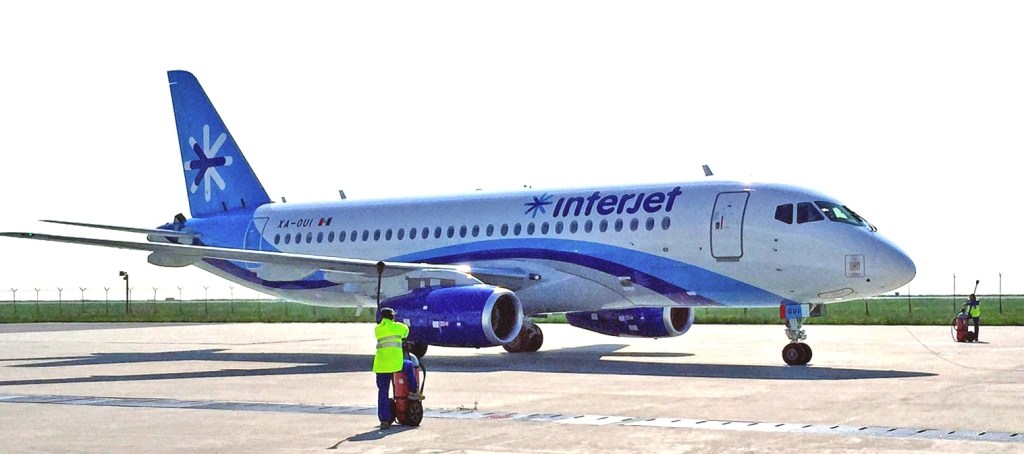
Interjet_SSJ-100

Under the legal name as ABC Aerolíneas, the company name under which the Interjet airline is registered with the Ministry of Finance, it was founded in 2005 by the Alemán family, headed by Miguel Alemán Velasco and Miguel Alemán Magnani, the latter as its president. The pandemic came at a time when the firm was already dragging significant financial problems, as a result of different economic situations, problems assumed with the Sukhoi SSJ-100 aircraft line, among other difficulties. In November 2020 it was announced that a group of investors led by Alejandro del Valle and Carlos Cabal Peniche would own 90 percent of the airline. A few days later Cabal decided to exit the negotiation and left Del Valle alone, who announced an investment of US$ 150 million, resources that to date have not been confirmed. Since mid-December 2020 the airline suspended its flights due to lack of fuel resources.

Del Valle, Chairman of the Board of Directors of Interjet (replacing Alemán Magnani), is Chairman of HBC International, a company created in the State of Mexico in 2014, dedicated to commercial and industrial activities, which notified the Federal Commission of Economic Competition of a merger or association with ABC Aerolíneas. According to data from the Federal Civil Aviation Agency of Mexico (SCT), until November 2019 Interjet had a fleet of 66 Airbus aircraft, of which 59 are no longer in service, in addition to having more than 5,000 employees.


PUBLISHER: Airgways.com
DBk: Sct.gob.mx / Interjet.com / Reuters.com / Airgways.com
AW-POST: 202101101137AR

A\W   A I R G W A Y S ®
BoA Aviación retorna operaciones

AW | 2021 01 10 11:14 | AIRLINES / GOVERNMENT

BoA recupera dos aeronaves para reestablecer operaciones

BoA_Isologotype

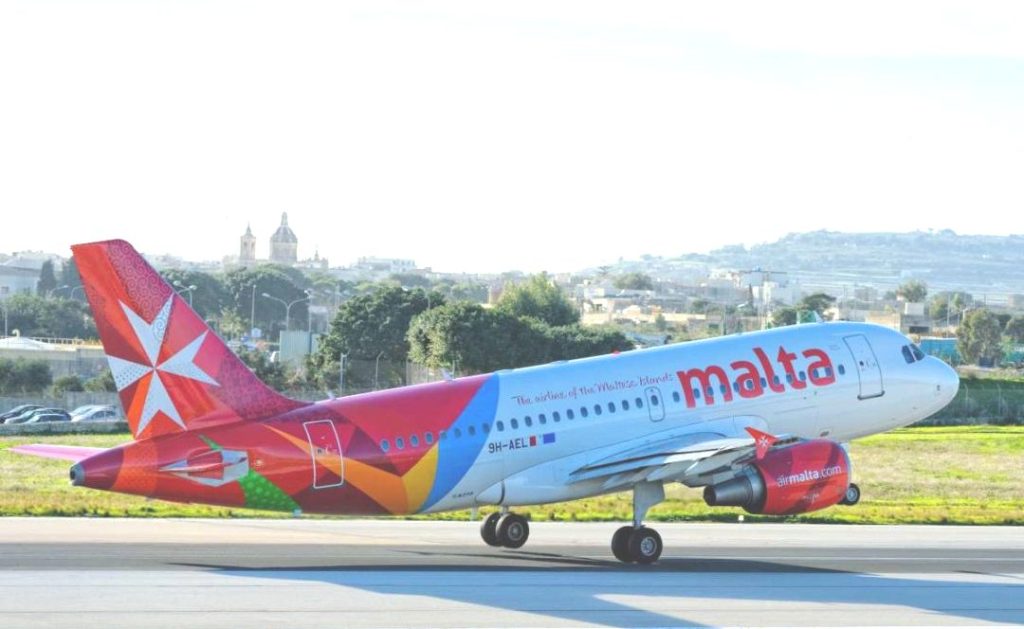
Boliviana de Aviación (BoA) ha anunciado la reprogramación de sus operaciones aerocomerciales después de que el Gobierno de Bolivia autorizara, mediante el Decreto Supremo Nº 4429, un aporte de capital de más de Bs 37,4 millones bolivianos a Boliviana de Aviación. El Gerente General de la compañía estatal Ronald Casso, ha informado de que con esos recursos se procederá a restablecer la capacidad operativa de la aerolínea. La recuperación de dos aviones de la flota fueron sometidos a mantenimiento y habilitados para operar, para reforzar la capacidad de servicio de transporte de pasajeros y retomar gradualmente de 120 a 130 vuelos diarios que incluía el itinerario de la aerolínea antes de ser administrada por el Gobierno de transición. Según el máximo ejecutivo de la compañía, hasta 2019 la línea aérea estatal disponía de una flota de 22 aviones, cuya capacidad operativa se redujo en el régimen transitorio. Hizo notar, que con los dos aviones liberados de mantenimiento mayor ahora BoA dispone de 14 naves en vuelo. “Aún con la capacidad operativa reducida en los primeros días del presente mes conseguimos llegar a 80 vuelos y en estos últimos días superamos los 90”, puntualizó Ronald Casso.

La semana pasada, el Gobierno boliviano autorizó, mediante Decreto Supremo Nº 4429, un aporte de capital de Bs 37,4 millones a BoA Aviación. El parágrafo I de dicha disposición autoriza al Ministerio de Economía y Finanzas Públicas a realizar el aporte con recursos provenientes del Tesoro General de la Nación.

Reestructuración en BoA

Ronald Casso ha expresado que han establecido un completo análisis de la situación financiera y operativa para planificar una recuperación de la aerolínea, insertándola nuevamente en el escenario post-pandemia. “En la primera parte, inicialmente, nos abocamos a la capacidad operativa para asegurar los vuelos. Ahora estamos trabajando en la gestión de reprogramación de los pasivos para poder ingresar en un ritmo de pago que sea sostenible e internamente iniciamos un proceso de restructuración y reingeniería general de la compañía para hacerla más liviana y más eficiente”, expresó Ronald Casso. Actualmente el pasivo de la compañía está establecido en Bs 43 millones de bolivianos. BoA Aviación estará inmerso en recuperar la rentabilidad. La aerolínea hasta Octubre de 2019 ha abonado de forma puntual y efectiva más de Bs 750 millones de bolivianos en impuestos; sin embargo, actualmente, arrastra una deuda de Bs 50 millones. La aerolínea afronta escasos recursos con los que tendrá que continuar para reiniciar operaciones. Actualmente BoA tiene varios aviones alquilados, lo que implica costos operativos en tierra que han arrastrado deudas con un impacto muy fuerte. El Gobierno de Bolivia ha establecido un plan de reestatización de la economía de BoA Aviación en medio de la mayor crisis mundial de la aviación comercial.

BoA Aviation returns operations

BoA recovers two aircraft to re-establish operations

Boliviana de Aviación (BoA) has announced the rescheduling of its commercial air operations after the Government of Bolivia authorized, through Supreme Decree No. 4429, a capital contribution of more than Bs 37.4 million Bolivianos to Boliviana de Aviación. The General Manager of the state company Ronald Casso, has reported that with these resources the operational capacity of the airline will be restored. The recovery of two aircraft in the fleet were subjected to maintenance and enabled to operate, to reinforce the passenger transport service capacity and gradually resume 120 to 130 daily flights that included the airline’s itinerary before being administered by the Government of Transition. According to the company’s top executive, until 2019 the state airline had a fleet of 22 aircraft, whose operating capacity was reduced in the transitional regime. He noted that with the two planes released from major maintenance BoA now has 14 aircraft in flight. «Even with the reduced operating capacity in the first days of this month, we managed to reach 80 flights and in these last days we exceeded 90», said Ronald Casso.

Last week, the Bolivian Government authorized, through Supreme Decree No. 4429, a capital contribution of Bs 37.4 million to BoA Aviación. Paragraph I of said provision authorizes the Ministry of Economy and Public Finance to make the contribution with resources from the General Treasury of the Nation.

Restructuring in BoA

Ronald Casso has expressed that they have established a complete analysis of the financial and operational situation to plan a recovery of the airline, inserting it again in the post-pandemic scenario. “In the first part, initially, we focused on operational capacity to secure flights. Now we are working on the management of rescheduling of liabilities to be able to enter into a payment rhythm that is sustainable and internally we are initiating a process of restructuring and general reengineering of the company to make it lighter and more efficient”, said Ronald Casso. Currently the company’s liabilities are established at Bs 43 million bolivianos. BoA Aviation will be immersed in recovering profitability. Until October 2019, the airline has paid in a timely and effective manner more than Bs 750 million bolivianos in taxes; however, it currently has a debt of Bs 50 million. The airline faces scarce resources with which it will have to continue to restart operations. Currently BoA has several leased aircraft, which implies operating costs on the ground that have dragged debts with a very strong impact. The Bolivian Government has established a plan to re-nationalize BoA Aviación’s economy in the midst of the world’s greatest commercial aviation crisis.


PUBLISHER: Airgways.com
DBk: Boa.bo / Mingobierno.gob.bo / Airgways.com
AW-POST: 202101101114AR

A\W   A I R G W A Y S ®
Limitaciones operativas en Ezeiza

AW | 2021 01 11 10:04 | AIRLINES / GOVERNMENT / AIR TRAFFIC

Aeropuerto Ezeiza restricciones vuelos internacionales por rebrotes

El Gobierno de Argentina ha anunciado las nuevas medidas respecto a las restricciones para los vuelos internacionales, tanto los que salen como los que arriban al país, como consecuencia del aumento de casos de Coronavirus. El objetivo de la disminución correspondiente al 30% en las frecuencias es lograr un mayor control respecto de la posible llegada de la nueva cepa al país, maximizando la prevención en el principal ingreso de pasajeros del Aeropuerto Internacional de Ezeiza. Continuarán interrumpidos los vuelos provenientes de Reino Unido, Dinamarca, Países Bajos y Australia al alertar de casos de rebrotes por la nueva cepa circulante.

Desde la sede del Gobierno nacional expresaron: “No se va a cerrar el aeropuerto, sino que se establecerá una reducción de 30% de las frecuencias semanales que llegan al aeropuerto de Ezeiza. Si hasta ahora tenías diez vuelos por semana, ahora habrá siete”, señalaron desde la Casa Rosada.

Las compañías aéreas se encuentran notificadas se les ha solicitado que presenten una nueva programación de reducción de 30% de las frecuencias. La medida afecta a todas las aerolíneas nacionales y extranjeras que operan en el país. Aerolíneas Argentinas tiene programadas 60 frecuencias internacionales para Enero 2021 que deberán ser modificadas.

Operational limitations in Ezeiza

Ezeiza Airport restrictions on international flights due to outbreaks

The Government of Argentina has announced the new measures regarding the restrictions for international flights, both those that leave and those that arrive in the country, as a result of the increase in cases of Coronavirus. The objective of the reduction corresponding to 30% in frequencies is to achieve greater control regarding the possible arrival of the new strain to the country, maximizing prevention in the main entry of passengers from the Ezeiza International Airport. Flights from the United Kingdom, Denmark, the Netherlands and Australia will continue to be interrupted by warning of cases of outbreaks due to the new circulating strain.

From the headquarters of the national government they expressed: “The airport will not be closed, but a reduction of 30% of the weekly frequencies that arrive at the Ezeiza airport will be established. If until now you had ten flights a week, now there will be seven”, they pointed out from the Casa Rosada.

The airlines have been notified and have been asked to present a new 30% frequency reduction schedule. The measure affects all national and foreign airlines that operate in the country. Aerolíneas Argentinas has 60 international frequencies scheduled for January 2021 that must be modified.


PUBLISHER: Airgways.com
DBk: Argentina.gob.ar / Aa2000.com.ar / Airgways.com
AW-POST: 2021011004AR

A\W   A I R G W A Y S ®

EGO Airways inicia comercialización

AW | 2021 01 10 14:51 | AIRLINES

Nueva aerolínea regional italiana comienza venta de pasajes aéreos

Ego_Airways_Logomark

EGO Airways, la nueva aerolínea italiana ha iniciado sus procesos de apertura de ventas de tickets aéreos a partir del 7 de Enero de 2021, inicia las ventas con salida desde el Aeropuerto de Bari. La aerolínea con sede en la Región de Puglia iniciará los vuelos a partir de Marzo de 2021. EGO Airways ha sido creada por un grupo de empresarios italianos con muchos años de experiencia en el sector aeronáutico para operar desde su base en Milan/Malpensa, Italia. En línea con el plan presentado al mercado a principios del pasado mes de Diciembre 2020 contempla los distintos destinos desde su base desde el Aeropuerto Milan/Malpensa hacia Forlá, Florencia, Catania, Parma y Lamezia Terme a partir del 8 Marzo 2021. A partir del 4 de Junio de 2021, Cagliari, Bérgamo y Roma se añadirán a estos aeropuertos.

Para el Presidente de Aeroporti di Puglia, Tiziano Onesti: «El anuncio del próximo inicio de las operaciones de Ego Airways desde el aeropuerto de Bari es una señal más que positiva, en este momento difícil de la industria turística nacional e internacional. Las conexiones con Florencia, Parma y Forlá, estas dos últimas innovaciones absolutas para el aeropuerto de la capital de Apulia, no sólo amplían la red de conexiones nacionales ofrecidas por Aeroporti di Puglia, sino que sobre todo dan un significado concreto al deseo de volver a volar que representa el objetivo del año que acaba de comenzar. La esperanza, compartida con la compañía es que tan pronto como sea posible se puedan añadir más a los vuelos anunciados, y no sólo de Bari. Aeroporti di Puglia, en línea con la región de Apulia, ha trabajado en este largo período para remodular sus estrategias de desarrollo y volver a los niveles de tráfico más en consonancia con el potencial y la sostenibilidad de la red aeroportuaria«. Tiziano Onesti también recuerda que el Aeropuerto de Bari (Apulia) fue uno de los primeros en ser incluido en la red de lanzamiento de la aerolínea.

Marilena Bisio, Gerente Comercial de EGO Airways ha expresado: «Con gran satisfacción, en un momento que esperamos dé una visión de un reinicio para todo el sector de los viaje. comenzamos las ventas manteniendo lo que se ha anunciado. Era importante presentarnos a tiempo en este plazo y, a pesar de la complejidad del período, hemos hecho todo lo posible para cumplirlo. Los comentarios recogidos desde el día de la presentación oficial de la empresa son muy positivos, tanto de la red de agencias como de los operadores. Las asociaciones con los aeropuertos de referencia son muy sólidas y en nombre de la máxima colaboración, en una perspectiva prometedora para ganar. Mirando con confianza al futuro, estamos dispuestos a interactuar con todos los segmentos del mercado, fuertes en la certeza de ofrecer un servicio que será capaz de declinar lo mejor de Made in Italy, en perfecto estado de seguridad y en nombre de la personalización de la experiencia».

Startup Ego Airways

El plan de la aerolínea es inicialmente la incorporación a la red de servicios de dos aviones Embraer E190-E1, incluye rutas con diferente destinos en toda la República de Italia y un servicio internacional.

DESTINOS NACIONALES
Milán/ Aeropuerto de Milán Malpensa (Lombardía) [Hub]
Bari/Aeropuerto Bari Karol Wojtyla (Apulia)
Bérgamo/Aeropuerto Internacional de Orio al Serio (Lombardía)
Cagliari/Aeropuerto de Cagliari Elmas (Cerdeña)
Catania/Aeropuerto de Catania-Fontanarossa (Sicilia)
Florencia/Aeropuerto de Florencia (Toscana) [Ciudad de enfoque]
Forlì/Aeropuerto de Forlá (Emilia-Romaña) [Ciudad de enfoque]
Lamezia Terme/Aeropuerto Internacional de Lamezia Terme (Calabria)
Parma/ Aeropuerto de Parma (Emilia-Romaña) [Ciudad de enfoque]
Pisa/Aeropuerto Internacional de Pisa (Toscana)
Pescara/Aeropuerto de Abruzzo (Abruzzo)
Venecia/Aeropuerto Marco Polo de Venecia (Véneto)
Verona/Aeropuerto de Verona Villafranca (Véneto)

DESTINOS INTERNACINALES
Ljubljana/Aeropuerto de Liubliana-José Pusnik (República de Eslovenia)

«Nuestro equipo de ventas estará activo inmediatamente para dar la oportunidad a todas las partes interesadas de centrarse en las ventajas y oportunidades que EGO Airways está listo para ofrecer al panorama nacional B2B, con el fin de rechazar nuestra filosofía de máxima personalización de la experiencia también en interacciones con ADVs, operadores turísticos y empresas. Con el deseo de ser un socio flexible y fiable y con la ambición de contribuir a la reconstrucción del tejido turístico de nuestropaís», dijo Marilena Bisio.

Ego Airways es una compañía fundada el 29 de Julio de 2019, fundada por un grupo de expertos con muchos años de experiencia en el sector aeronáutico. La flota se compone actualmente de Embraer E190-100. Contará con dos clases de vuelo: JUST GO y PRIVATE, con experiencias de vuelo personalizables. Entre los valores que guían a la aerolínea: ecocompatibilidad, atención a las necesidades del cliente individual, mejora del territorio italiano, inclusión.

EGO Airways begins commercialization process

New Italian regional airline begins airfare sales

EGO Airways, the new Italian airline, has started its air ticket sales opening processes as of January 7, 2021, starting sales departing from Bari Airport. The airline based in the Puglia Region will start flights from March 2021. EGO Airways has been created by a group of Italian entrepreneurs with many years of experience in the aeronautical sector to operate from its base in Bari, Italy. In line with the plan presented to the market at the beginning of last December 2020, it contemplates the different destinations from its base from Milan/ Malpensa Airport to Forlá, Florence, Catania, Parma and Lamezia Terme as of March 8, 2021. Starting from June 4, 2021, Cagliari, Bergamo and Rome will be added to these airports.

For the President of Aeroporti di Puglia, Tiziano Onesti: «The announcement of the forthcoming start of Ego Airways operations from Bari airport is a more than positive sign, at this difficult time for the national and international tourism industry. The connections with Florence, Parma and Forlá, these last two absolute innovations for the airport of the capital of Apulia, not only expand the network of national connections offered by Aeroporti di Puglia, but above all give a concrete meaning to the desire to return to fly, which represents the goal of the year that has just begun. The hope, shared with the company, is that as soon as possible more will be added to the announced flights, and not only from Bari. Aeroporti di Puglia, In line with the Apulia region, it has worked over this long period to remodulate its development strategies and return to traffic levels more in line with the potential and sustainability of the airport network». Tiziano Onesti also recalls that Bari Airport (Apulia) was one of the first to be included in the airline’s launch network.

Marilena Bisio, Commercial Manager of EGO Airways has expressed: «With great satisfaction, at a time that we hope will give a vision of a restart for the entire travel sector. We started sales maintaining what has been announced. It was important to present ourselves on time. In this period, and despite the complexity of the period, we have done everything possible to comply with it. The comments collected since the day of the official presentation of the company are very positive, both from the agency network and from the operators. Partnerships with reference airports are very solid and in the name of maximum collaboration, in a promising perspective to win. Looking confidently to the future, we are ready to interact with all market segments, strong in the certainty of offering a service that will be able to offer the best of Made in Italy, in perfect safety and in the name of personalizing the experience».

Startup Ego Airways

The airline’s plan is initially to incorporate two Embraer E190-E1 aircraft into the service network, including routes with different destinations throughout the Republic of Italy and an international service.

NATIONAL DESTINATIONS
Milan / Milan Malpensa Airport (Lombardy) [Hub]
Bari / Bari Karol Wojtyla Airport (Apulia)
Bergamo / Orio al Serio International Airport (Lombardy)
Cagliari / Cagliari Elmas Airport (Sardinia)
Catania / Catania-Fontanarossa Airport (Sicily)
Florence / Florence Airport (Tuscany) [Focus city]
Forlì / Forlá Airport (Emilia-Romagna) [Focus city]
Lamezia Terme / Lamezia Terme International Airport (Calabria)
Parma / Parma Airport (Emilia-Romagna) [Focus city]
Pisa / Pisa International Airport (Tuscany)
Pescara / Abruzzo Airport (Abruzzo)
Venice / Venice Marco Polo Airport (Veneto)
Verona / Verona Villafranca Airport (Veneto)

INTERNATIONAL DESTINATIONS
Ljubljana / Ljubljana-José Pusnik Airport (Republic of Slovenia)

«Our sales team will be active immediately to give all interested parties the opportunity to focus on the advantages and opportunities that EGO Airways is ready to offer to the national B2B landscape, in order to reject our philosophy of maximum personalization of the experience as well. in interactions with ADVs, tour operators and companies. With the desire to be a flexible and reliable partner and with the ambition to contribute to the reconstruction of the tourism fabric of our country», said Marilena Bisio.

Ego Airways is a company founded on July 29, 2019, founded by a group of experts with many years of experience in the aeronautical sector. The fleet currently consists of Embraer E190-100. It will have two flight classes: JUST GO and PRIVATE, with customizable flight experiences. Among the values ​​that guide the airline: ecocompatibility, attention to the needs of the individual customer, improvement of the Italian territory, inclusion.

EGO Airways avvia processo commercializzazione

La nuova compagnia aerea regionale italiana inizia le vendite dei biglietti aerei

Ego_Airways_Isologotype

EGO Airways, la nuova compagnia aerea italiana, ha avviato i processi di apertura delle vendite dei biglietti aerei a partire dal 7 Gennaio 2021, avviando le vendite in partenza dall’aeroporto di Bari. La compagnia con sede nella Regione Puglia inizierà i voli a partire da Marzo 2021. EGO Airways è stata creata da un gruppo di imprenditori italiani con molti anni di esperienza nel settore aeronautico per operare dalla sua base a Milan/Malpensa, in Italia. In linea con il piano presentato al mercato all’inizio dello scorso Dicembre 2020, contempla le diverse destinazioni dalla sua base dall’Aeroporto di Milano/Malpensa a Forlá, Firenze, Catania, Parma e Lamezia Terme a partire dall’8 Marzo 2021. A partire da A questi aeroporti si aggiungeranno il 4 Giugno 2021 Cagliari, Bergamo e Roma.

Per il presidente di Aeroporti di Puglia, Tiziano Onesti: «L’annuncio dell’imminente avvio delle operazioni di Ego Airways dall’aeroporto di Bari è un segnale più che positivo, in questo momento difficile per l’industria del turismo nazionale e internazionale. I collegamenti con Firenze, Parma e Forlá, queste ultime due novità assolute per l’aeroporto del capoluogo pugliese, non solo ampliano la rete di collegamenti nazionali offerta da Aeroporti di Puglia, ma soprattutto danno un significato concreto alla voglia di tornare. volare, che rappresenta il traguardo dell’anno appena iniziato. L’auspicio, condiviso con la compagnia, è che al più presto si aggiungano altri ai voli annunciati, e non solo da Bari. Aeroporti di Puglia, In linea con la regione Puglia, ha lavorato in questo lungo periodo per rimodulare le proprie strategie di sviluppo e tornare a livelli di traffico più in linea con le potenzialità e la sostenibilità della rete aeroportuale«. Tiziano Onesti ricorda inoltre che l’Aeroporto di Bari (Puglia) è stato uno dei primi ad essere inserito nella rete di lancio della compagnia aerea.

Marilena Bisio, Responsabile Commerciale di EGO Airways ha espresso: «Con grande soddisfazione, in un momento che speriamo possa dare una visione di ripartenza per tutto il settore dei viaggi. Abbiamo avviato le vendite mantenendo quanto annunciato. Era importante presentarci per tempo. In questo periodo, e nonostante la complessità del periodo, abbiamo fatto tutto il possibile per rispettarlo I commenti raccolti sin dal giorno della presentazione ufficiale dell’azienda sono molto positivi, sia da parte della rete agenziale che da parte degli operatori. Le partnership con gli aeroporti di riferimento sono molto solide e all’insegna della massima collaborazione, in una prospettiva promettente per vincere. Guardando con fiducia al futuro, siamo pronti ad interagire con tutti i segmenti di mercato, forti nella certezza di offrire un servizio che saprà offrire il meglio del Made in Italy, in perfetta sicurezza e all’insegna della personalizzazione dell’esperienza».

Avvio Ego Airways

Il piano della compagnia aerea è inizialmente quello di incorporare due aeromobili Embraer E190-E1 nella rete di servizi, comprese rotte con diverse destinazioni in tutta la Repubblica italiana e un servizio internazionale.

DESTINAZIONI NAZIONALI
Milano/Aeroporto di Milano Malpensa (Lombardia) [Hub]
Bari/Aeroporto di Bari Karol Wojtyla (Puglia)
Aeroporto Internazionale di Bergamo/Orio al Serio (Lombardia)
Cagliari/Cagliari Elmas Airport (Sardegna)
Catania/Aeroporto di Catania-Fontanarossa (Sicilia)
Firenze/Aeroporto di Firenze (Toscana) [Focus city]
Forlì/Forlá Airport (Emilia-Romagna) [Focus city]
Lamezia Terme/Aeroporto Internazionale di Lamezia Terme (Calabria)
Aeroporto di Parma/Parma (Emilia-Romagna) [Focus city]
Pisa/Aeroporto Internazionale di Pisa (Toscana)
Aeroporto di Pescara/Abruzzo (Abruzzo)
Venezia/Aeroporto Marco Polo di Venezia (Veneto)
Verona/Aeroporto Verona Villafranca (Veneto)

DESTINAZIONI INTERNAZIONALI
Aeroporto di Lubiana/Lubiana-José Pusnik (Repubblica di Slovenia

«Il nostro team commerciale sarà subito attivo per dare a tutte le parti interessate l’opportunità di concentrarsi sui vantaggi e le opportunità che EGO Airways è pronta ad offrire al panorama B2B nazionale, al fine di rifiutare anche la nostra filosofia di massima personalizzazione dell’esperienza. nelle interazioni con ADV, tour operator e aziende. Con la volontà di essere un partner flessibile e affidabile e con l’ambizione di contribuire alla ricostruzione del tessuto turistico del nostro paese», ha affermato Marilena Bisio.

Ego Airways è una compagnia fondata il 29 Luglio 2019, fondata da un gruppo di esperti con pluriennale esperienza nel settore aeronautico. La flotta attualmente è composta da Embraer E190-100. Avrà due classi di volo: JUST GO e PRIVATE, con esperienze di volo personalizzabili. Tra i valori che guidano la compagnia aerea: ecocompatibilità, attenzione alle esigenze del singolo cliente, miglioramento del territorio italiano, inclusione.


PUBLISHER: Airgways.com
DBk: Egoairways.com / Airgways.com
AW-POST: 202101101451AR

A\W   A I R G W A Y S ®
JetSmart incorpora nueva Gerente RRHH

AW | 2021 01 09 12:15 | AIRLINES

JetSmart designa nueva Gerente de Recursos Humanos en Argentina

Jetsmart_Isologotype

JetSmart Airlines Argentina ha nombrado a Mariana Denenne en el Área de Recursos Humanos, siendo responsable de ese sector en la aerolínea. La nueva Gerente de Recursos Humanos de la compañía en Argentina se incorpora en reemplazo de Paula Clivaggio, quién asumirá nuevos desafíos profesionales en JetSmart Airlines Chile desde Santiago de Chile.

Mariana Denenne es Licenciada en Administración de Empresas de la Universidad de Buenos Aires y cuenta con más de diez años de experiencia en el sector de Recursos Humanos. Trabajó como Analista de Recursos Humanos y llegó a ocupar posiciones gerenciales en Cervecería y Maltería Quilmes, compañía parte del grupo Anheuser-Busch InBev, una empresa multinacional con sede en Bélgica, donde desarrolló sus habilidades dentro del sector. En JetSmart, Mariana Denenne reportará a Gonzalo Pérez Corral, Gerente General de JetSmart en Argentina, y a Ximena Rojas Olmedo, Directora de Recursos Humanos de la línea aérea en Chile.

JetSmart incorporates a new HR Manager

JetSmart appoints a new Human Resources Manager in Argentina

JetSmart Airlines Argentina has appointed Mariana Denenne in the Human Resources Area, being she responsible for that sector in the airline. The new Human Resources Manager of the company in Argentina joins to replace Paula Clivaggio, who will take on new professional challenges at JetSmart Airlines Chile from Santiago de Chile.

Mariana Denenne has a degree in Business Administration from the University of Buenos Aires and has more than ten years of experience in the Human Resources sector. She worked as a Human Resources Analyst and came to hold managerial positions at Cervecería y Maltería Quilmes, a company part of the Anheuser-Busch InBev group, a multinational company based in Belgium, where she developed her skills within the sector. At JetSmart, Mariana Denenne will report to Gonzalo Pérez Corral, General Manager of JetSmart in Argentina, and Ximena Rojas Olmedo, Director of Human Resources of the airline in Chile.


PUBLISHER: Airgways.com
DBk: Jetsmart.com / Airgways.com
AW-POST: 202101091215AR

A\W   A I R G W A Y S ®

Flybondi incorpora head Marketing

AW | 2021 01 09 12:04 | AIRLINES

Flybondi incorpora a Federico Pastori en el área de Marketing

AW-Flybondi_B-Isologotype

La aerolínea low cost Flybondi Líneas Aéreas ha designado a Federico Pastori a cargo el área de Marketing y Ventas, liderando la estrategia y planeamiento comercial de la compañía. El nuevo integrante del área de mercadeo cuenta con una amplia experiencia en áreas comerciales y desarrollo de estrategias de marketing, con más de veinte años de trayectoria en distintas industrias como Turismo, Tecnología y Medios de Comunicación, se desempeñó como Ad Sales Manager en La Nación y estuvo al frente del Desarrollo Comercial de Club La Nación. Luego, fue Gerente de Club Almundo, siendo parte del proyecto desde sus inicios, y en el último tiempo hizo su paso por empresas de tecnología liderando la gestión.

Federico es Licenciado en Administración de Empresas de la Universidad de Ciencias Empresariales y Sociales (UCES), y posee una especialización en Marketing Estratégico de IAE Business School. “Para mi, Flybondi representa comenzar a ser parte y testigo de que cada vez más argentinos puedan disfrutar de La Libertad de Volar. Además, me llena de emoción empezar a contribuir e impactar en la democratización del avión como medio de transporte”, expresó el nuevo Gerente de Marketing de Flybondi.

Flybondi incorporates new head Marketing

Flybondi incorporates Federico Pastori in the Marketing area

The low cost airline Flybondi Líneas Aéreas has appointed Federico Pastori in charge of the Marketing and Sales area, leading the company’s strategy and commercial planning. The new member of the marketing area has extensive experience in commercial areas and development of marketing strategies, with more than twenty years of experience in different industries such as Tourism, Technology and Media, he served as Ad Sales Manager at La Nación and he was in charge of the Commercial Development of Club La Nación. Later, he was Manager of Club Almundo, being part of the project since its inception, and in the last time he made his way through technology companies leading the management.

Federico has a degree in Business Administration from the University of Business and Social Sciences (UCES), and has a specialization in Strategic Marketing from IAE Business School. “For me, Flybondi represents starting to be a part and witness that more and more Argentines can enjoy La Libertad de Volar. Furthermore, it fills me with excitement to start contributing and impacting the democratization of the airplane as a means of transport”, expressed the new Flybondi Marketing Manager.


PUBLISHER: Airgways.com
DBk: Flybondi.com / Airgways.com
AW-POST: 202101001204AR

A\W   A I R G W A Y S ®

Tata Group estrategias de expansión

AW | 2021 01 08 14:35 | AIRLINES

Conglomerado proyecta reestructuraciones en la aviación

El conglomerado multinacional indio Tata Group ha creado un equipo de estrategia liderado por Saurabh Agarwal, CFO, Tata Sons Pvt. Ltd., para explorar opciones como fusiones, alianzas y rebranding de sus esfuerzos aéreos. La compañía había anunciado recientemente adquirir una participación del 84% en AirAsia India mediante la compra de acciones de su AirAsia Bhd, socio de Tata Group en Malasia. Es probable que los procedimientos con AirAsia India concluyan antes del final de marzo, que también está sujeto a la oferta de Tata por Air India, han confirmado fuentes confirmadas. Fuentes de confianza citaron que una fusión entre AirAsia y Vistara Airlines también está siendo considerada por el Tata Group en su búsqueda de ampliar su presencia en la industria de la aviación.

El Tata Group tiene actualmente una participación del 51% en Vistara, y el 49% está bajo Singapore Airlines (SIA). En este contexto, Tata Sons tiene la opción de comprar el 100% de AirAsia India en virtud del acuerdo de compra de acciones con AirAsia Bhd. Si Tata Sons no cierra el acuerdo para comprar primero la participación adicional del 32,67% en AirAsia India pronto, es probable que el pacto se ponga fin y las posibilidades de fusión AirAsia-Vistara disminuirían, afirmando fuentes familiarizadas con el asunto. Un portavoz de Tata Group ha informado que la compañía también está evaluando la opción de fusionar AirAsia India, Air India, Vistara Airlines, si gana la oferta para la aerolínea nacional, y cambiar su marca bajo un nuevo nombre con el consentimiento de la SIA. Otro portavoz mencionó que si las compañías aéreas no se fusionan, el conglomerado de sal a blanda puede seguir adelante con el funcionamiento de Air India discretamente o fusionarlo con AsiaAsia India. También puede fusionar Vistara y AirAsia y continuar ejecutando Air India por separado. De esta manera, un período post-pandemia está destinado a tener lugar una consolidación estratégica entre las compañías aéreas indias y podría reducirse sustancialmente el número de ellas.

Tata Group expansion strategies

Conglomerate plans aviation restructuring

Indian multinational conglomerate Tata Group has created a strategy team led by Saurabh Agarwal, CFO, Tata Sons Pvt. Ltd., to explore options such as mergers, alliances and rebranding of its aerial efforts. The company had recently announced that it would acquire an 84% stake in AirAsia India by purchasing shares in its AirAsia Bhd, a partner of the Tata Group in Malaysia. Procedures with AirAsia India are likely to be concluded before the end of March, which is also subject to Tata’s bid for Air India, confirmed sources have confirmed. Trusted sources cited that a merger between AirAsia and Vistara Airlines is also being considered by the Tata Group in its quest to expand its presence in the aviation industry.

The Tata Group currently has a 51% stake in Vistara, and 49% is under Singapore Airlines (SIA). In this context, Tata Sons has the option to purchase 100% of AirAsia India under the share purchase agreement with AirAsia Bhd. If Tata Sons does not close the deal to first buy the additional 32.67% stake in AirAsia India soon, the deal is likely to be terminated and the chances of an AirAsia-Vistara merger would diminish, sources familiar with the matter say. A Tata Group spokesperson has reported that the company is also evaluating the option of merging AirAsia India, Air India, Vistara Airlines, if it wins the bid for the national airline, and rebranding under a new name with the consent of the SIA. Another spokesperson mentioned that if the airlines do not merge, the salt-to-soft conglomerate can either go ahead with the operation of Air India quietly or merge it with AsiaAsia India. You can also merge Vistara and AirAsia and continue to run Air India separately. In this way, a post-pandemic period is destined to take place a strategic consolidation among the Indian airlines and the number of them could be reduced substantially.

टाटा समूह विस्तार की रणनीति

कांग्लोमरेट विमानन पुनर्गठन की योजना बनाता है

भारतीय बहुराष्ट्रीय समूह टाटा समूह ने विलय, गठजोड़ और इसके हवाई प्रयासों के पुन: संचालन जैसे विकल्पों का पता लगाने के लिए सौरभ अग्रवाल, सीएफओ, टाटा संस प्राइवेट लिमिटेड के नेतृत्व में एक रणनीति टीम बनाई है। कंपनी ने हाल ही में घोषणा की थी कि वह एयरएशिया इंडिया में 84% हिस्सेदारी का अधिग्रहण करेगी, जो मलेशिया में टाटा समूह के एक पार्टनर एयरएशिया Bhd में शेयरों की खरीद के माध्यम से करेगी। एयरएशिया इंडिया के साथ प्रक्रिया मार्च के अंत से पहले संपन्न होने की संभावना है, जो कि एयर इंडिया के लिए टाटा की बोली के अधीन भी है, पुष्टि सूत्रों ने पुष्टि की है। विश्वस्त सूत्रों ने हवाला दिया कि विमानन उद्योग में अपनी उपस्थिति का विस्तार करने के लिए एयर ग्रुप और विस्तारा एयरलाइंस के बीच विलय को भी टाटा ग्रुप द्वारा अपनी खोज में माना जा रहा है।

टाटा समूह की वर्तमान में विस्तारा में 51% हिस्सेदारी है, और 49% सिंगापुर एयरलाइंस (SIA) के अधीन है। इस संदर्भ में, Tata Sons के पास AirAsia Bhd के साथ शेयर खरीद समझौते के तहत AirAsia India का 100% खरीदने का विकल्प है। अगर टाटा संस एयरएशिया इंडिया में अतिरिक्त 32.67% हिस्सेदारी खरीदने के लिए सौदे को जल्द ही बंद नहीं करती है, तो सौदा समाप्त होने की संभावना है और एयरएशिया-विस्तारा के विलय की संभावना कम हो जाएगी, सूत्रों का कहना है कि इस मामले से परिचित हैं। टाटा समूह के प्रवक्ता ने बताया है कि कंपनी एयरएशिया इंडिया, एयर इंडिया, विस्तारा एयरलाइंस के विलय के विकल्प का भी मूल्यांकन कर रही है, अगर वह राष्ट्रीय एयरलाइन के लिए बोली जीतती है, और SIA की सहमति से एक नए नाम के तहत रीब्रांडिंग करती है। एक अन्य प्रवक्ता ने उल्लेख किया कि यदि एयरलाइंस विलय नहीं करती हैं, तो नमक-से-नरम समूह या तो एयर इंडिया के संचालन को चुपचाप आगे बढ़ा सकते हैं या इसे एशियाएशिया इंडिया के साथ विलय कर सकते हैं। आप विस्तारा और एयरएशिया का विलय भी कर सकते हैं और एयर इंडिया को अलग से चलाना जारी रख सकते हैं। इस तरह, भारतीय एयरलाइनों के बीच एक रणनीतिक समेकन करने के लिए एक महामारी के बाद की अवधि निर्धारित की जाती है और उनमें से संख्या को काफी कम किया जा सकता है।


PUBLISHER: Airgways.com
DBk: Tata.com / Airvistara.com / Airasia.com / Airgways.com
AW-POST: 202101081435AR

A\W   A I R G W A Y S ®