Gobierno nacional compra terrenos y revela ubicación
El Gobierno de México ha anunciado la compra y ubicación de los terrenos donde se construirá un nuevo aeropuerto localizado en Tulum. El acuerdo de compra contempla 200 hectáreas del sector de Felipe Carrillo Puerto. “Ya se llegó a un acuerdo con los ejidatarios de Felipe Carrillo Puerto para la construcción del nuevo aeropuerto de Tulum. Aunque el aeropuerto es de Tulum, la verdad es que las tierras están en Felipe Carrillo Puerto, muy cerca de Tulum”, dijo el Presidente de México López Obrador.
La puesta en marcha del Aeropuerto Tulum está creando una empresa que controlará el nuevo aeropuerto y será administrada por el ejército, la cual operará la terminal de Tulum, la de Santa Lucía y el Tren Maya. El futuro del Aeropuerto de Tulum tendrá una nueva ciudad para militares, sin embargo, esta terminal será civil-militar, es decir, servirá también para el transporte de pasajeros, atendiendo la demanda de viajes en la Riviera Maya. El aeropuerto contempla la construcción de un edificio para la terminal de pasajeros, salas de abordaje, torre de control, estacionamiento y vialidades, además de la planeación urbana de una ciudad militar, edificios principales de soporte y para servicio del aeropuerto civil. Se prevé estará listo en un año.
Mexico bets on Tulum Airport
National Government buys land and reveals location
The Government of Mexico has announced the purchase and location of the land where a new airport located in Tulum will be built. The purchase agreement includes 200 hectares of the Felipe Carrillo Puerto sector. “An agreement has already been reached with the ejidatarios of Felipe Carrillo Puerto for the construction of the new Tulum airport. Although the airport is in Tulum, the truth is that the land is in Felipe Carrillo Puerto, very close to Tulum”, said the President of Mexico López Obrador.
The start-up of the Tulum Airport is creating a company that will control the new airport and will be administered by the army, which will operate the Tulum terminal, the Santa Lucia terminal and the Mayan Train. The future of the Tulum Airport will have a new city for the military, however, this terminal will be civil-military, that is, it will also serve for the transport of passengers, meeting the demand for travel in the Riviera Maya. The airport includes the construction of a building for the passenger terminal, boarding lounges, control tower, parking lot and roads, as well as urban planning for a military city, main support and service buildings for the civil airport. It is expected to be ready in a year.
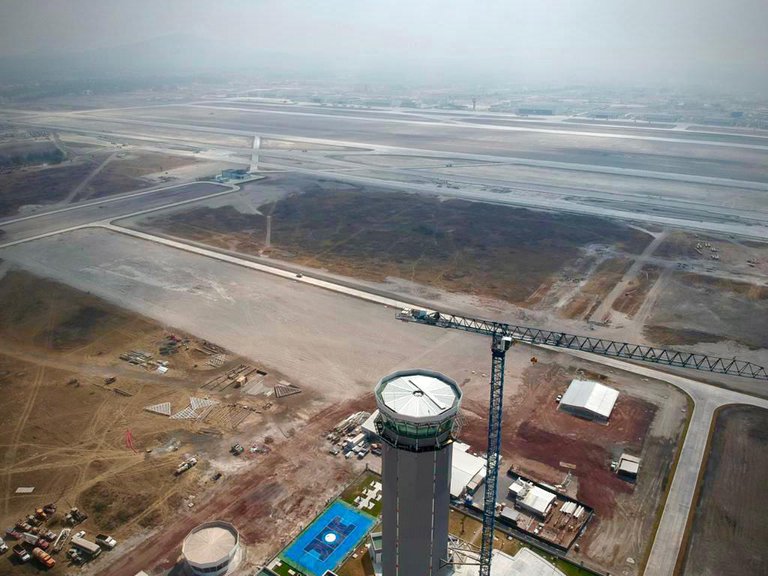
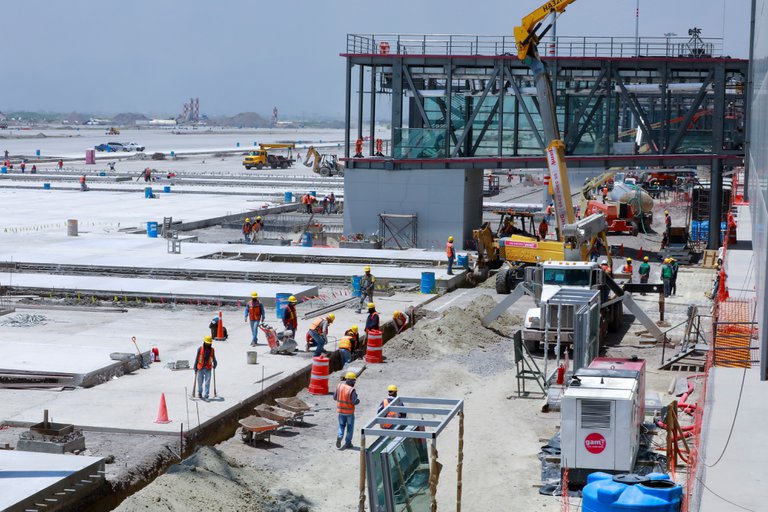
La remodelación del Aeropuerto Felipa Ángeles/AIFA está a poco más de 200 días de estar finalizado para el 21 de Marzo de 2022 la edificación de la obra en tiempo récord. La construcción del Aeropuerto Internacional Felipe Ángeles (AIFA) registra un avance en la estructura del desarrollo en un 65%. A pesar de la crisis sanitarias y contratiempos, la nueva aeroestación asignada para vuelos comerciales tiene previsto inaugurarse hacia el 1Q2022. La remodelación y construcción del AIFA continúa demandando más de 107.000 empleos civiles. Los trabajos de las instalaciones de la Base Militar Santa Lucía se iniciaron el 17 de Octubre del 2019. «Actualmente vamos en un avance del 65 por ciento conforme a los programas que se tienen tanto de obra física como financiero», dijo el ingeniero Raúl Miranda, ayudante de obra de la terminal de pasajeros.
Tras ganar las elecciones de 2018, López Obrador convocó una consulta popular informal para cancelar la construcción del Nuevo Aeropuerto Internacional de México (NAIM), la gran mega-obra de su antecesor, Enrique Peña Nieto, que iba a sustituir al saturado Aeropuerto Benito Juárez de México D.F. El proyecto del NAIM, diseñado por Norman Foster y construido en Texcoco, era un centro de corrupción y una amenaza para el medio ambiente, según López Obrador. Pero la saturación del actual aeropuerto, con picos de 50 millones de pasajeros anuales, seguía siendo un asunto pendiente, por lo que el 17 de Octubre de 2019 comenzaron las obras para convertir la Base Militar de Santa Lucía en un aeropuerto civil.
El futuro Aeropuerto Felipe Ángeles contará en su primera etapa con dos pistas y una capacidad para 19.5 millones de pasajeros al año, pero se contemplan dos fases más para ampliarlo hasta los 85 millones de pasajeros. A diferencia del proyecto del NAIM que contemplaba el cierre del actual Aeropuerto México/Benito Juárez; la nueva terminal AIFA operará a la vez con el aeropuerto de México D.F. y con el Aeropuerto Toluca. Esto obligó a rediseñar por completo el espacio aéreo del Valle de México. Por otra parte, la Secretaría de la Defensa Nacional (SEDENA) informó que el Agrupamiento de Ingenieros Militares Felipe Ángeles construye una central eléctrica de cogeneración a gas natural y diésel que producirá la electricidad demandada para la operación del Aeropuerto Internacional de Santa Lucía/Felipe Ángeles (AISL/AIFA).
Advanced works at Santa Lucía Airport
Completion of works in record time in 200 days
The remodeling of the Felipe Ángeles Airport/AIFA is just over 200 days before the construction of the work is completed by March 21, 2022 in record time. The construction of the Felipe Ángeles International Airport (AIFA) records an advance in the development structure of 65%. Despite the health crisis and setbacks, the new airstation assigned for commercial flights is scheduled to open around 1Q2022. The remodeling and construction of AIFA continues to demand more than 107,000 civilian jobs. Work on the facilities of the Santa Lucía Military Base began on October 17, 2019. «Currently we are progressing 65 percent according to the programs that are in place for both physical and financial work», said engineer Raúl Miranda, construction assistant of the passenger terminal.
After winning the 2018 elections, López Obrador called an informal popular consultation to cancel the construction of the New Mexico International Airport (NAIM), the great mega-project of his predecessor, Enrique Peña Nieto, which was to replace the saturated Benito Juárez Airport from Mexico, DF The NAIM project, designed by Norman Foster and built in Texcoco, was a center of corruption and a threat to the environment, according to López Obrador. But the saturation of the current airport, with peaks of 50 million passengers per year, remained a pending issue, so on October 17, 2019, the works began to convert the Santa Lucia military base into a civil airport.
In its first stage, the future Felipe Ángeles Airport will have two runways and a capacity for 19.5 million passengers per year, but two more phases are planned to expand it to 85 million passengers. Unlike the NAIM project that contemplated the closure of the current Mexico/Benito Juárez Airport; The new AIFA terminal will operate at the same time with the Mexico D.F. and with the Toluca Airport. This forced a complete redesign of the airspace of the Valley of Mexico. On the other hand, the Secretariat of National Defense (SEDENA) reported that the Felipe Ángeles Military Engineers Group is building a natural gas and diesel cogeneration power plant that will produce the electricity required for the operation of the Santa Lucía/Felipe Ángeles International Airport. (AISL/AIFA).
AW | 2021 08 20 15:52 | AIRLINES MARKET / GOVERNMENT / AIRPORTS
Gobierno Argentina demora permiso a JetSmart ampliar capacidades
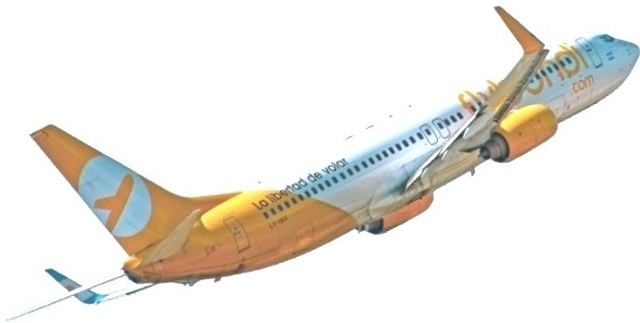
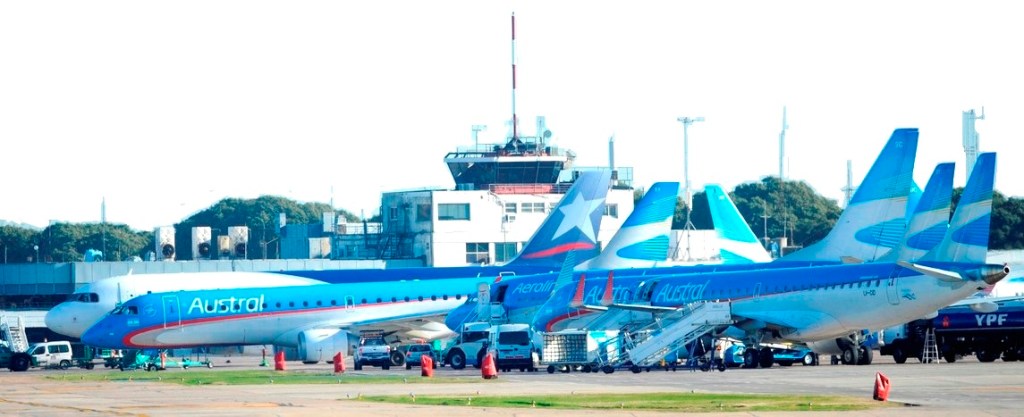
Un nuevo capítulo se agrega al conflictivo Gobierno kirchnerista de Argentina respecto a las libertades de la aviación. Anteriormente el Aeropuerto Internacional El Palomar/EPA había sido escenario de la marcada negación por parte del Gobierno a la reapertura de la aviación comercial es esta aeroestación. Ahora, tras la mudanza de las líneas aéreas JetSmart Airlines Argentina y Flybondi Líneas Aéreas hacia el Aeropuerto Jorge Newbery/AEP, el Gobierno está demorando permisos para ampliar las capacidades de las aerolíneas en Aeroparque.
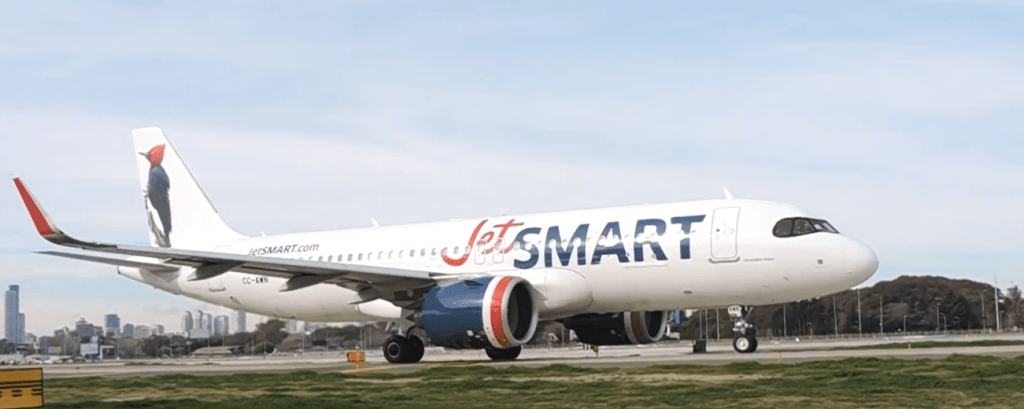
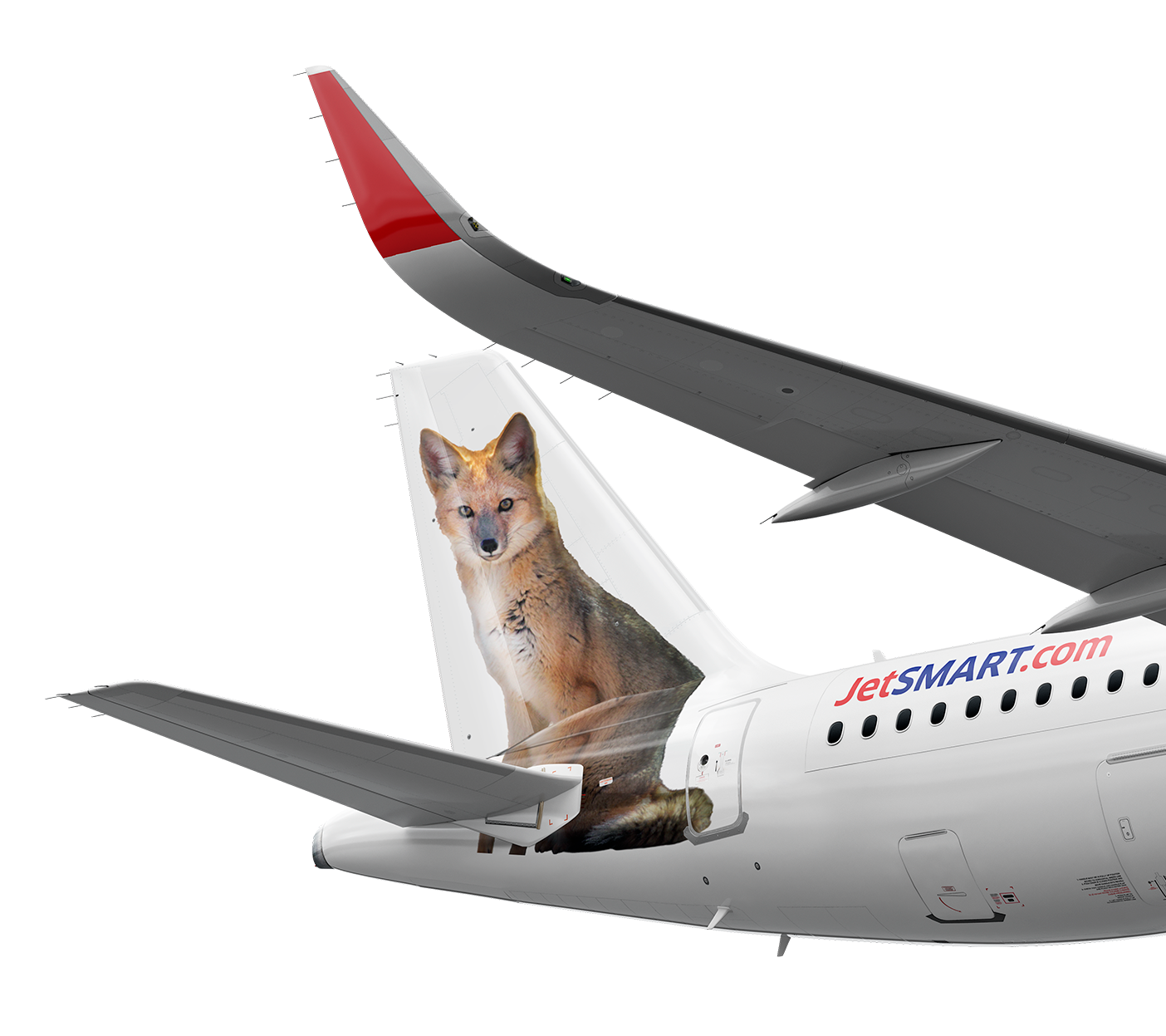
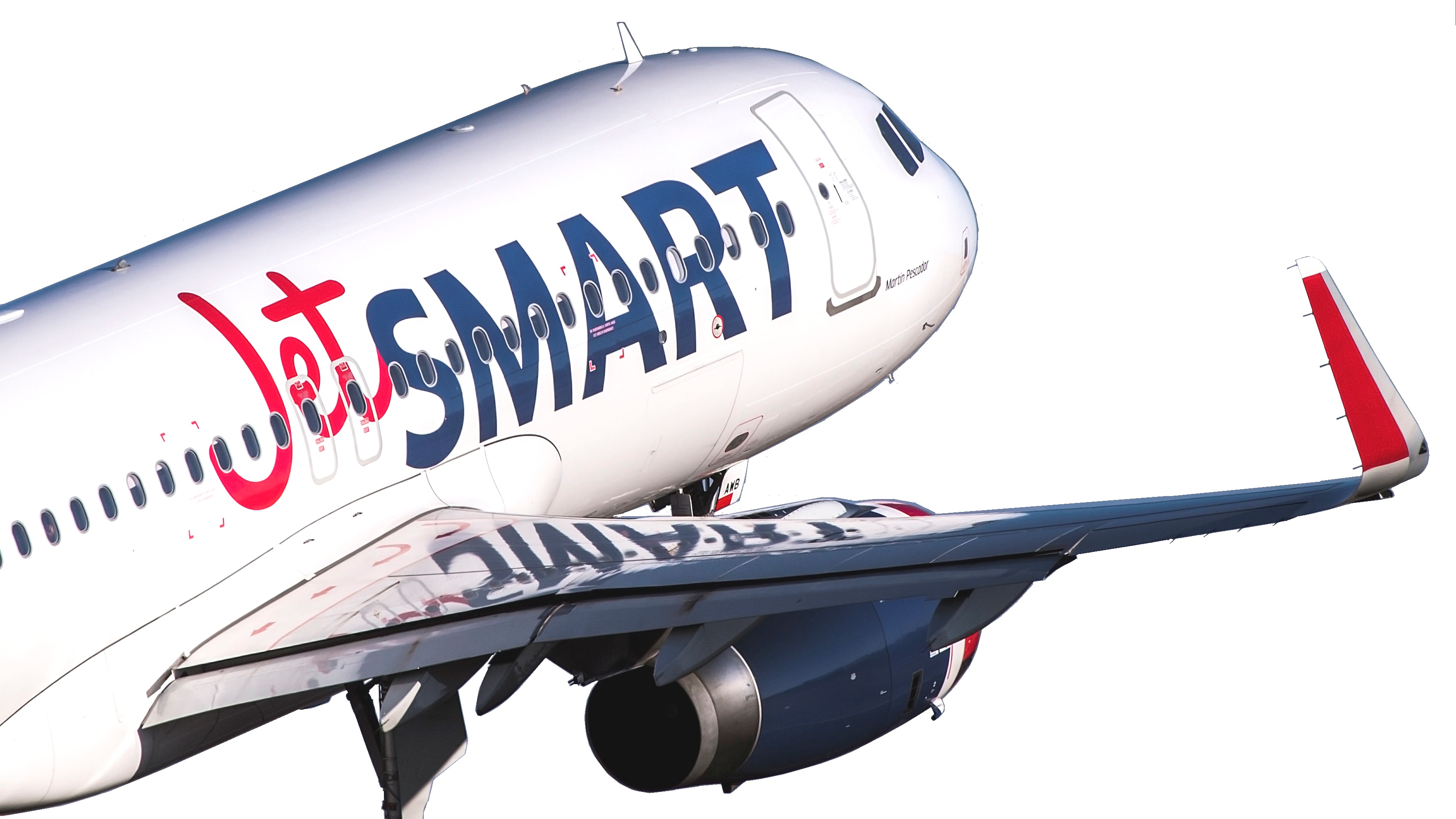
JetSmart Airlines Argentina ha anunciado que incorporará a su flota de aeronaves un quinto Airbus A320-200CEO, incorporando contratación de personal adicional de tripulación, pilotos, asistentes de vuelos, entre otros ítems. La nueva aeronave arribará a Argentina entre Septiembre y Octubre 2021 como parte de la expansión de la aerolínea en el país, pero hasta el momento han sido infructuosas las gestiones con el Gobierno de Argentina para conseguir los permisos de frecuencias (slots) en su nueva base principal el Aeropuerto Jorge Newbery.
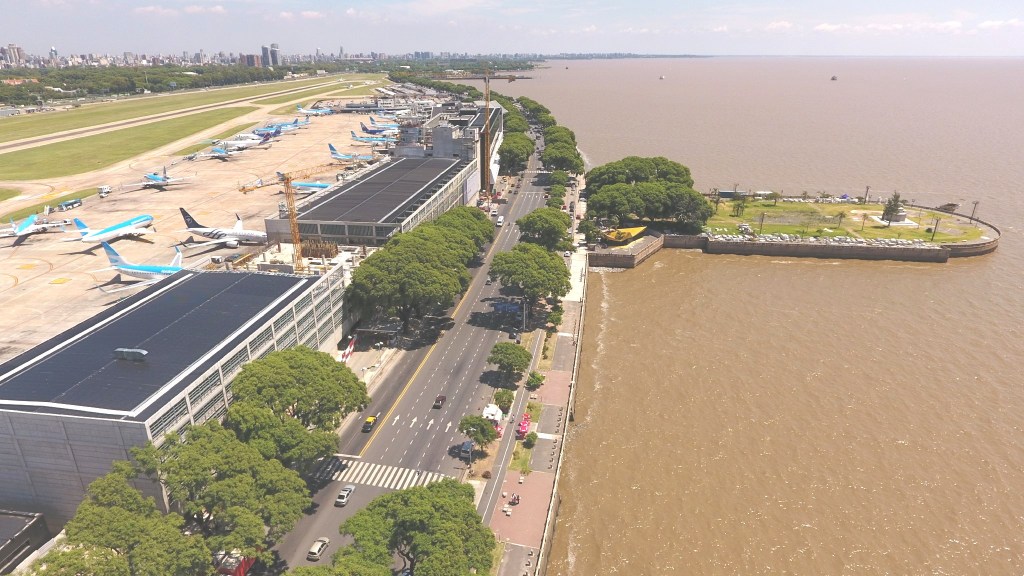
El Gobierno de Argentina había establecido inversiones de AR$ 5.500 millones de Pesos en la remodelación de Aeroparque con el propósito de su nueva política de reducción de aeroestaciones innecesarias para el área metropolitana de Buenos Aires. Las obras de trabajo de la remodelación del Aeropuerto Jorge Newbery estuvo centrado en la ampliación de la pista de aterrizaje, mientras que las demás obras de plataforma no han sido ampliadas en la primer etapa de remodelaciones. Las intenciones del Gobierno eran que las aerolíneas low cost que operaban en el Aeropuerto El Palomar lo realizaran desde Aeroparque. Ahora, las líneas aéreas low cost han solicitado ampliar sus operaciones mientras que desde el Gobierno, nuevamente continúan manifestando una actitud desinteresada para aprobar más permisos de amarres. La millonaria remodelación de Aeroparque no contempló la ampliación o puesta a punto de la zona de amarres.
El Gerente General de JetSmart Airlines Argentina, Gonzalo Pérez Corral, ha expresado que la respuesta desde la Administración Nacional de Aviación Civil (ANAC) no ha sido favorable, pero que apuestan al diálogo para lograr una solución. “Operar desde otro lugar que no sea Aeroparque nos resulta más costoso. En el caso del Palomar no hay miras de que se reabra, Ezeiza no tiene facilidades de medios de transporte ni para el pasajero ni para los empleados”, detalló el CEO de la aerolínea de presupuesto argentina.
JetSmart Argentina maneja varias alternativas en caso de no prosperar la ampliación de las operaciones en Aeroparque; mudar algunas operaciones al Aeropuerto Internacional Ezeiza/EZE dando prioridad a vuelos regionales y no domésticos, con la consiguiente reducción de las frecuencias de cabotaje, mientras que los pasajes aéreos tendría un incremento de su valor. Otra de las opciones es realizar vuelos nocturnos. La tercer opción es hacer base en Bariloche. En este caso, el costo treparía mucho ya que se debería trasladar a cuarenta personas a esta provincia. Además, el combustible es más caro, deberían armar una base de mantenimiento y tener en cuenta condiciones particulares de la región como es el deshielo de los aviones entre otros asuntos de logística.
Crecer a contramano
JetSmart Argentina ha invertido en su quinto avión a partir del 19/08 la contratación de 28 tripulantes de cabina. Algunos de ellos sin experiencia, y otros, que trabajaron antes en Norwegian. “Lo que se ha hecho este tiempo desde la empresa es ir absorbiendo a toda esa gente que quedó desempleada cuando se vendió la flota a JetSmart”, explicó un empleado. También se incorporaron 8 pilotos que están capacitándose hace un mes y medio en Estados Unidos.
El actual Gobierno había establecido dar la prioridad a Aeroparque para que las líneas aéreas confluyan en esta aeroestación para volar rutas de cabotaje, pero ahora el Estado demora los permisos mostrando la falta de criterio para permitir más ampliaciones de las operaciones aéreas. El CEO de JetSmart Argentina expresó al respecto: “Lo lógico sería que el Airbus A320 pare con las aeronaves que ya tenemos en la base de Aeroparque. Apostamos a Argentina como mercado y si en Chile tenemos 10 aviones funcionando, acá podrían ser más. Pero todo depende de las condiciones que nos den y de la disponibilidad de espacio”.
El crecimiento de la aerolínea de bajo costo es notable. Recientemente comenzaron a volar hacia Corrientes y hacia Posadas. Además, confirmaron el inicio de dos nuevas rutas, Jujuy y Comodoro Rivadavia, a partir del 14 y 20 de Octubre de 2021 respectivamente. JetSmart Argentina llegará a diecisiete rutas en Argentina, permitiendo observar el buen desempeño pese a los problemas de crisis sanitaria vigente por la pandemia. La compañía ha establecido un acuerdo de alianza y ampliación accionaria por parte de American Airlines lo que permitirá una mayor expansión y respaldo en la región.
Ramiro Arias, ex-piloto de Latam Airlines Argentina y actualmente piloto en JetSmart Argentina, remarcó la importancia de nuevas rutas donde sólo operaba Aerolíneas Argentinas. “En Comodoro Rivadavia como había una única opción, hasta hace dos semanas el pasaje estaba en AR$ 50.000 Pesos; con nuestra llegada, bajó a AR$ 8.000 Pesos. Cuando el monopolio lo tiene uno solo somos todos rehenes. Lo único que queremos es trato igualitario, que nos dejen trabajar tranquilos. La competencia es sana y baja los precios”, expresó el piloto de JetSmart Argentina.
Aviación vs libertad
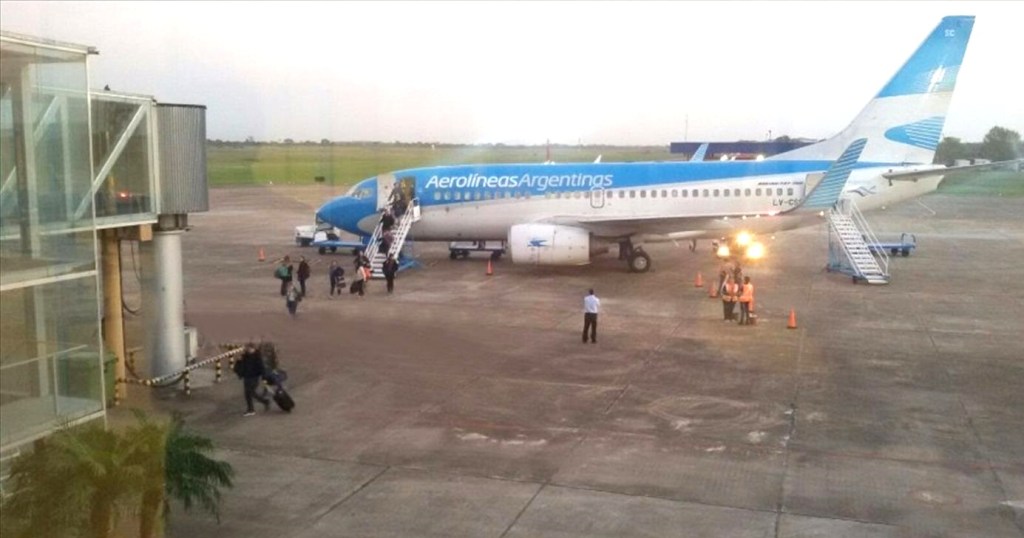
La aviación en Argentina se encuentra subordinada al accionar caprichoso del actual Gobierno, donde la normativa es hacer crecer a Aerolíneas Argentinas en detrimento de las libertades aerocomerciales. Las acciones monopólicas que continúa imponiendo el Estado son hechos corroborables a través dela historia de la aviación comercial en el país. La eterna disputa con Latam Airlines Argentina, compañía que se retiró del mercado local, parece reactivarse. El aviador de Latam Argentina recuerda las trabas que el Gobierno impuso a la compañía en la que trabajaba: “Pretendemos tener el mismo trato que el que tiene cualquier otro operador como fue el caso de Austral, como es con Aerolíneas Argentinas. Esto es lo preocupante. No queremos caer en la misma que sufrió LAN en su momento. Hoy, operamos en posición remota, es decir, no se nos asignan mangas. Quieren hacer la experiencia lo más incómoda posible al pasajero. Sabemos con qué bueyes aramos”, manifestó Ramiro Arias.
El CEO de JetSmart Airlines Argentina se ha manifestado respecto a la actual situación de dominio monopólico de Aerolíneas Argentinas en Aeroparque: “En ciertas cosas si hay vestigios del pasado. El tema de las mangas está en conversaciones y le elevamos un reclamo al concesionario de aeropuertos. Vemos que hay espacio disponible y las mangas se pueden operar de manera eficiente sin que sean exclusivas de la aerolínea de bandera. Contrariamente a lo que pasaba antes, cuando salís de Buenos Aires, si te dan manga. En su momento trabajé en Latam y recuerdo que había resolución que daba la exclusividad a Aerolíneas Argentinas. Hoy quedaron seteadas esas condiciones sólo en Aeroparque. El concesionario se está dando cuenta de que la mala utilización de recursos en el aeropuerto redunda en pasajeros menos contentos”, expresó Gonzalo Pérez Corral.
El Gobierno de Argentina no se ha pronunciado al respecto, pero las acciones de no responder a las solicitudes de las líneas aéreas para ampliar sus operaciones continúa demostrando la falta de criterio y buena voluntad para desarrollar una aviación comercial próspera en un país donde se quiere predicar con la palabra pluralidad, mientras que con el ejemplo se decide un futuro difícil para el mercado aéreo de Argentina, una asignación pendiente donde el Estado no ha cumplido con su palabra.
Conflict Aeroparque
Government delays permit for JetSmart to expand capabilities
A new chapter is added to the conflictive Kirchner Government of Argentina regarding aviation freedoms. Previously, El Palomar/EPA International Airport had been the scene of a marked refusal by the Government to reopen commercial aviation in this airstation. Now, after the move of the airlines JetSmart Airlines Argentina and Flybondi Líneas Aéreas to the Jorge Newbery/AEP Airport, the Government is delaying permits to expand the airlines’ capacities at Aeroparque.
JetSmart Airlines Argentina has announced that it will incorporate a fifth Airbus A320-200CEO to its aircraft fleet, incorporating the hiring of additional crew personnel, pilots, flight attendants, among other items. The new aircraft will arrive in Argentina between September and October 2021 as part of the expansion of the airline in the country, but so far the negotiations with the Government of Argentina to obtain the frequency permits (slots) in its new base have been unsuccessful. Jorge Newbery Airport is the main one.
The Government of Argentina had established investments of AR$ 5.5 billion pesos in the remodeling of Aeroparque with the purpose of its new policy of reducing unnecessary air stations for the metropolitan area of Buenos Aires. The work of the remodeling of the Jorge Newbery Airport was focused on the expansion of the runway, while the other works of the platform have not been expanded in the first stage of remodeling. The Government’s intentions were for the low cost airlines that operated at El Palomar Airport to do so from Aeroparque. Now, the low cost airlines have requested to expand their operations while the Government again continues to show a disinterested attitude to approve more mooring permits. The million-dollar remodeling of Aeroparque did not contemplate the expansion or fine-tuning of the mooring area.
The General Manager of JetSmart Airlines Argentina, Gonzalo Pérez Corral, has expressed that the response from the National Civil Aviation Administration (ANAC) has not been favorable, but that they are committed to dialogue to achieve a solution. “Operating from a place other than Aeroparque is more expensive for us. In the case of the Palomar, there are no plans to reopen, Ezeiza does not have transportation facilities for either the passenger or the employees”, explained the CEO of the Argentine budget airline.
JetSmart Argentina manages several alternatives in case the expansion of operations at Aeroparque does not prosper; Mudr some operations to the Ezeiza/EZE International Airport, giving priority to regional and non-domestic flights, with the consequent reduction in cabotage frequencies, while air tickets would have an increase in value. Another option is to make night flights. The third option is to base yourself in Bariloche. In this case, the cost would rise a lot since forty people would have to be transferred to this province. In addition, fuel is more expensive, they should set up a maintenance base and take into account particular conditions in the region such as the de-icing of airplanes among other logistics issues.
Grow against hand
JetSmart Argentina has invested in its fifth aircraft as of 08/19 the hiring of 28 cabin crew. Some of them inexperienced, and others, who previously worked at Norwegian. «What has been done this time since the company is to absorb all those people who became unemployed when the fleet was sold to JetSmart», explained an employee. Eight pilots who have been training for a month and a half in the United States also joined.
The current Government had established to give priority to Aeroparque so that the airlines converge in this airstation to fly cabotage routes, but now the State is delaying the permits, showing the lack of criteria to allow further expansion of air operations. The CEO of JetSmart Argentina expressed in this regard: “The logical thing would be for the Airbus A320 to stop with the aircraft that we already have at the Aeroparque base. We bet on Argentina as a market and if in Chile we have 10 working planes, here there could be more. But it all depends on the conditions they give us and the availability of space”.
The growth of the low-cost airline is remarkable. They recently began to fly towards Corrientes and towards Posadas. In addition, they confirmed the start of two new routes, Jujuy and Comodoro Rivadavia, from October 14 and 20, 2021 respectively. JetSmart Argentina will reach seventeen routes in Argentina, allowing us to observe the good performance despite the current health crisis problems due to the pandemic. The company has established an alliance agreement and shareholding expansion by American Airlines, which will allow further expansion and support in the region.
Ramiro Arias, former pilot of Latam Airlines Argentina and currently a pilot at JetSmart Argentina, stressed the importance of new routes where only Aerolíneas Argentinas operated. “In Comodoro Rivadavia, as there was only one option, until two weeks ago the ticket was at AR$ 50,000 Pesos; with our arrival, it dropped to AR$ 8,000 Pesos. When the monopoly is owned by only one, we are all hostages. All we want is equal treatment, that they let us work in peace. The competition is healthy and prices lower”, said the JetSmart Argentina pilot.
Aviation vs freedom
Aviation in Argentina is subordinate to the capricious actions of the current Government, where the regulation is to make Aerolíneas Argentinas grow to the detriment of commercial freedoms. The monopolistic actions that the State continues to impose are corroborable facts throughout the history of commercial aviation in the country. The eternal dispute with Latam Airlines Argentina, a company that withdrew from the local market, seems to be reactivated. The aviator from Latam Argentina recalls the obstacles that the Government imposed on the company in which he worked: “We intend to have the same treatment as any other operator, as was the case with Austral, as it is with Aerolíneas Argentinas. This is the worrying thing. We do not want to fall into the same one that LAN suffered at the time. Today, we operate remotely, that is, we are not assigned sleeves. They want to make the experience as uncomfortable as possible for the passenger. We know with which oxen we plow”, said Ramiro Arias.
The CEO of JetSmart Airlines Argentina has stated regarding the current situation of monopoly dominance of Aerolineas Argentinas in Aeroparque: “In certain things there are vestiges of the past. The issue of sleeves is under discussion and we filed a claim with the airport concessionaire. We see that there is space available and the sleeves can be operated efficiently without being exclusive to the flag carrier. Contrary to what happened before, when you leave Buenos Aires, if they give you manga. At the time I worked in Latam and I remember that there was a resolution that gave exclusivity to Aerolíneas Argentinas. Today those conditions were set only in Aeroparque. The concessionaire is realizing that the misuse of resources at the airport results in less happy passengers”, said Gonzalo Pérez Corral.
The Government of Argentina has not ruled on the matter, but the actions of not responding to the requests of the airlines to expand their operations continue to demonstrate the lack of criteria and good will to develop a prosperous commercial aviation in a country where they want to preach. with the word plurality, while with the example a difficult future is decided for the Argentine air market, a pending assignment where the State has not kept its word.
El Aeropuerto Internacional Quito (Ecuador) ha sido designado el mejor aeropuerto de Suramérica, según Skytrax World Airport Awards. El Aeropuerto Internacional Quito/Mariscal Sucre fue elegido como el mejor de Suramérica, según Skytrax, la principal organización que evalúa el servicio aeroportuario y de aerolíneas en todo el mundo.
Así lo informó este Jueves 12/08 la corporación que gestiona el aeropuerto, Quiport, en un comunicado en el que recoge que la terminal aérea ecuatoriana subió seis puestos en el ranking respecto a 2020, y se coloca en la posición número 40 a nivel mundial.
Quito best airport by Skytrax
Quito awarded best airport in South America
Quito International Airport (Ecuador) has been designated the best airport in South America, according to the Skytrax World Airport Awards. International Airport Quito/Mariscal Sucre was chosen as the best in South America, according to Skytrax, the main organization that evaluates airport and airline service worldwide.
This was reported this Thursday 12/08 by the corporation that manages the airport, Quiport, in a statement in which it states that the Ecuadorian air terminal rose six places in the ranking compared to 2020, and is placed in the 40th position worldwide.
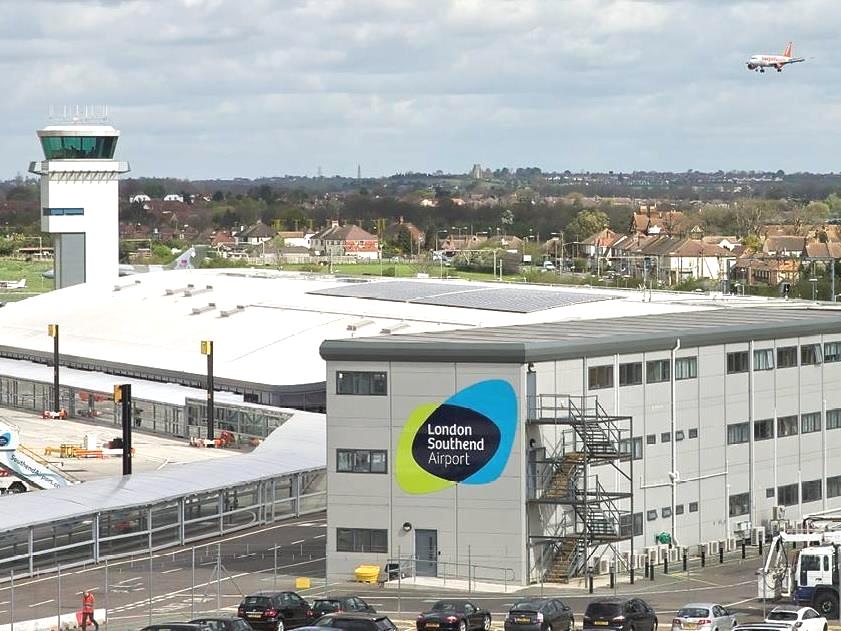
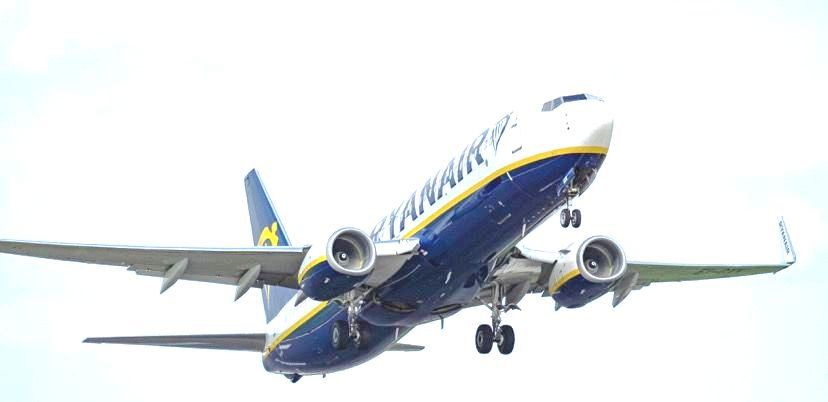
Ryanair finalizará sus operaciones en el aeropuerto de Southend
La aerolínea irlandesa Ryanair ha anunciado que a partir del 1 de Noviembre de 2021 cancela las operaciones al Aeropuerto London/Southend/SEN debido a la disminución del número de pasajeros causada por la crisis sanitaria. La aerolínea de presupuesto tenía tres aviones Boeing 737-800 con base en London/Southend desde 2019, pero suprimía una aeronave a partir del 2020 debido a los cambios producidos por la pandemia.
La salida de Ryanair no ha sido una sorpresa completa debido a que las aerolíneas británicas y europeas sufrieron un duro golpe económico, mientras que han estado consolidando operaciones en menos aeropuertos alrededor de la Ciudad de Londres. En 2020, la low cost líder de Gran Bretaña, EasyJet, abandonaba las operaciones comerciales en la aeroestación localizada al oeste a las afueras de la capital británica.
Aeropuerto Southend
Después de varios años de rápido crecimiento, el Aeropuerto London/Southend confirma otro gran golpe para el sexto aeropuerto del área de Londres. Anteriormente ofrecía acceso a muchos destinos con precios atractivos, ha continuado su declive ante los problemas que ha causado el Coronavirus que impactaron fuertemente a la industria de los viajes. Tras la próxima salida de Ryanair, deja a Southend relativamente vacío, con un servicio regular de pasajeros actualmente solo programado para la aerolínea húngara Wizz Air, que relanzará su ruta de Bucarest—Londres a partir del 1 de Noviembre de 2021. A pesar de la recesión impactada en 2020 el aeropuerto alcanzó los 2 millones de pasajeros anuales en 2019 con Amsterdam (AMS), Alicante (ALC) y Málaga (AGP) como principales destinos.
Con Ryanair desaparecida, solo un puñado de vuelos todavía operan desde Southend. Pero más rutas desde Southend pronto podrían estar en el horizonte con el lanzamiento prometido de Atmosphere Airlines. Además, se dice que la administración del aeropuerto está en conversaciones con una serie de aerolíneas de bajo costo para ver si las rutas anteriormente rentables se pueden volar en el futuro una vez más.
Ryanair completes Ops Shouthend Airport
Ryanair to end operations at Southend airport
The Irish airline Ryanair has announced that as of November 1, 2021 it is canceling operations at London/Southend/SEN Airport due to the decrease in passenger numbers caused by the health crisis. The budget airline had three London/Southend-based Boeing 737-800 jets since 2019, but was phasing out one aircraft as of 2020 due to changes brought about by the pandemic.
Ryanair’s departure has not been a complete surprise as British and European airlines suffered a severe economic hit, while they have been consolidating operations at fewer airports around the City of London. In 2020, Britain’s leading low cost EasyJet was abandoning commercial operations at the air station located to the west on the outskirts of the British capital.
Southend Airport
After several years of rapid growth, London/Southend Airport confirms another major blow for the sixth London area airport. Previously it offered access to many destinations with attractive prices, it has continued its decline in the face of the problems caused by the Coronavirus that strongly impacted the travel industry. Following Ryanair’s next departure, it leaves Southend relatively empty, with a regular passenger service currently only scheduled for Hungarian airline Wizza Air, which will relaunch its Bucharest—London route from November 1, 2021. Despite the recession impacted in 2020, the airport reached 2 million annual passengers in 2019 with Amsterdam (AMS), Alicante (ALC) and Malaga (AGP) as the main destinations.
With Ryanair gone, only a handful of flights still operate from Southend. But more routes from Southend could soon be on the horizon with the promised launch of Atmosphere Airlines. Additionally, the airport management is said to be in talks with a number of low-cost airlines to see if previously profitable routes can be flown in the future once again.
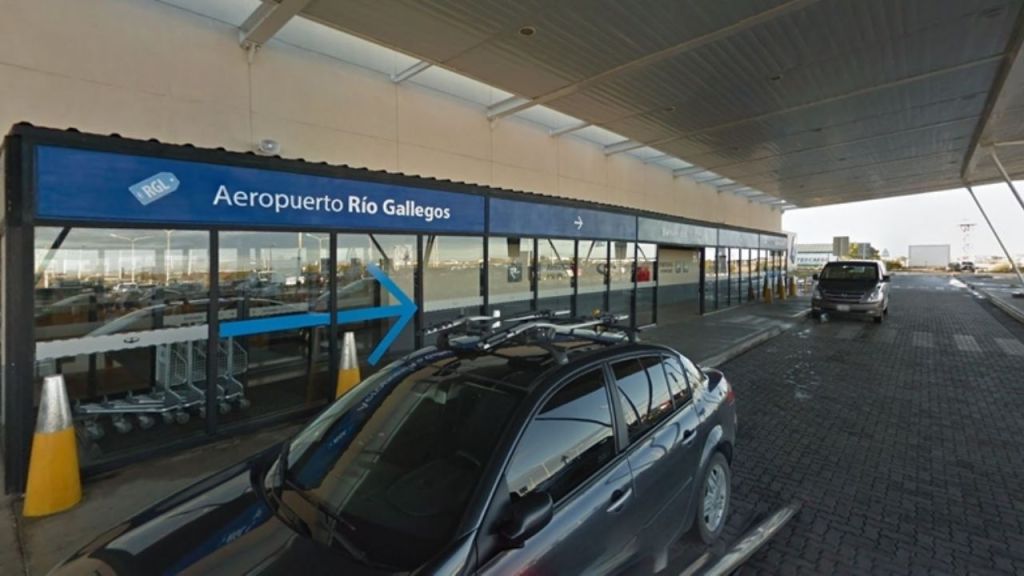
EANA inauguró nuevos espacios lactancia en Goya y Río Gallegos
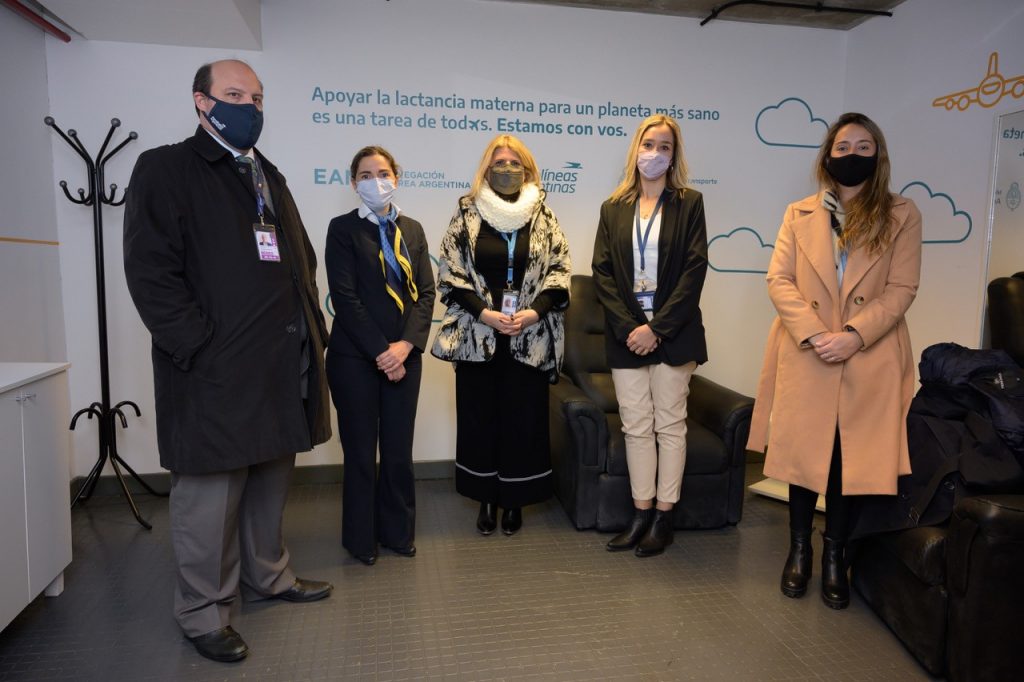
En el marco de la Semana Mundial de la Lactancia Materna, la Empresa Argentina de Navegación Aérea Sociedad del Estado (EANA), del Ministerio de Transporte de la República Argentina, inauguró dos nuevos espacios de lactancia para sus trabajadoras del Aeródromo de Goya (Corrientes) y del Aeropuerto de Río Gallegos (Santa Cruz). La inauguración de las instalaciones se realizó en forma virtual y simultánea. Estuvo a cargo de Gabriela Logatto, Presidenta y Gerenta General de EANA, y Diego Segovia, Jefe de Gabinete. Acompañaron el acto, representantes de las gerencias de Operaciones, Seguridad Operacional e Igualdad de Oportunidades y Género, así como Florencia Esperón, Directora de Políticas de Género del Ministerio de Transporte, y representantes de los aeropuertos, jefaturas y trabajadoras de los servicios de navegación aérea.
En alusión a la importancia del acontecimiento, Gabriela Logatto destacó que “estas inauguraciones para nosotros son una política institucional que hemos tomado desde el primer día. Significa darle más derechos a las trabajadoras y trabajadores, y los espacios de lactancia tienen que ver con eso. Espacios que sean confortables, que sean dignos, que tengan privacidad, donde las trabajadoras puedan sentirse cómodas. Por eso es tan importante que en cada aeropuerto en donde EANA esté presente existan espacios de lactancia, ya sean propios o compartidos con otras instituciones”.
Por su parte, Florencia Esperón manifestó que “estos espacios se suman a más de 20 espacios de lactancia que hemos inaugurado desde el inicio de nuestra gestión. Cuando hay decisión, hay derechos y eso es lo que venimos a hacer, a ampliar derechos e igualdad de oportunidades para todas y todos. A dejar de hacernos los sordos cuando escuchamos que una persona lactante tiene dificultades para sostener, con la comodidad e higiene que necesita, su decisión de amamantar en su lugar de trabajo. Realmente, estas conquistas de derechos no dejan de emocionar”.
Las trabajadoras de EANA que actualmente estén en período de lactancia cuentan ahora con sitios optimizados para su extracción de leche materna durante su jornada de trabajo en condiciones higiénicas y dignas, que les garantizan tranquilidad, intimidad y cuidado. El espacio de Goya se encuentra en el segundo piso de la torre de control, mientras que el de Río Gallegos se halla en la planta baja de la torre de control respectiva. Estos espacios expresan su derecho a amamantar y forman parte de las medidas establecidas en materia de conciliación en el Plan de Igualdad EANA 2030, que prevé contar con comodidades similares en todos los aeropuertos del país. EANA sigue trabajando en pos de asegurar que allí donde una de sus trabajadoras se encuentre en período de lactancia exista un espacio digno que acompañe su decisión y garantice su derecho.
EANA opens more airport breastfeeding spaces
EANA inaugurated new lactation spaces in Goya and Río Gallegos
Within the framework of World Breastfeeding Week, the Argentine Air Navigation Company Sociedad del Estado (EANA), of the Ministry of Transport of the Argentine Republic, inaugurated two new breastfeeding spaces for its workers at the Goya Aerodrome (Corrientes) and the Río Gallegos Airport (Santa Cruz). The inauguration of the facilities took place virtually and simultaneously. It was led by Gabriela Logatto, President and General Manager of EANA, and Diego Segovia, Chief of Cabinet. The event was accompanied by representatives of the Operations, Operational Safety and Equal Opportunities and Gender managements, as well as Florencia Esperón, Director of Gender Policies of the Ministry of Transport, and representatives of the airports, headquarters and workers of the air navigation services .
Alluding to the importance of the event, Gabriela Logatto stressed that “these inaugurations for us are an institutional policy that we have taken from day one. It means giving workers more rights, and breastfeeding spaces have to do with that. Spaces that are comfortable, that are dignified, that have privacy, where the workers can feel comfortable. That is why it is so important that in each airport where EANA is present there are breastfeeding spaces, whether they are their own or shared with other institutions”.
For her part, Florencia Esperón stated that “these spaces are added to more than 20 breastfeeding spaces that we have inaugurated since the beginning of our administration. When there is a decision, there are rights and that is what we come to do, to expand rights and equal opportunities for all. To stop playing deaf when we hear that a nursing person is having difficulty sustaining, with the comfort and hygiene that he needs, his decision to breastfeed in her workplace. Really, these conquests of rights do not stop moving”.
EANA workers who are currently breastfeeding now have optimized sites for expressing breast milk during their workday in hygienic and dignified conditions, which guarantee them peace of mind, privacy and care. Goya’s space is located on the second floor of the control tower, while that of Río Gallegos is located on the ground floor of the respective control tower. These spaces express their right to breastfeed and are part of the conciliation measures established in the EANA 2030 Equality Plan, which provides for similar facilities at all airports in the country. EANA continues to work towards ensuring that wherever one of its workers is breastfeeding, there is a dignified space that accompanies her decision and guarantees her right.
Aeropuerto elevará Categoría II con nuevo sistema de aterrizaje
El Aeropuerto Corrientes de la República Argentina estará concluyendo en dos semanas el nuevo sistema de Aterrizaje por Instrumentos (ILS), junto con un progresivo aumento en la frecuencia de los vuelos. La modernización está acompañada por los aeropuertos de Resistencia, Provincia de Chaco y Posadas, Provincia de Misiones. La Empresa Argentina de Navegación Aérea (EANA) anunció la próxima finalización de los trabajos de instalación de un nuevo ILS en el Aeropuerto Corrientes/Fernando Piragine Niveyro.
Los trabajos se enmarcan en la modernización de la infraestructura tecnológica en todo el país, que tuvo innovaciones similares en Resistencia así como en Posadas. De este modo, el aeropuerto capitalino será elevado a la Categoría II, al igual que en las otras dos capitales de provincia. Los trabajos concluirán en aproximadamente dos semanas, según el responsable de la aeroestación correntina Martín Romero. “El 90% ya está listo, está faltando la conectividad para que el nuevo sistema de radioayuda reduzca el techo de nubes de 1.200 a 800 metros, y que el sistema de fuerza aérea con un avión verificador haga las pruebas pertinentes”, explicó Martín Romero.
El nuevo sistema ILS permitirá que las aeronaves puedan aproximarse a la pista de manera segura aún en condiciones de poca visibilidad, indicó la EANA. Además de las innovaciones en la infraestructura aérea, se espera un progresivo aumento de las frecuencias de vuelos baratos con destino a Buenos Aires durante este mes. Esta instalación, enmarcada en el Plan de Modernización del Transporte Aéreo, significa un avance tecnológico con el cual se ha buscado previsibilidad en la operación asegurando índices de disponibilidad mayores a los actuales, además de garantizar la continuidad del servicio, dado que su antecesor carecía de repuestos en el mercado. “El anterior funcionó por más 20 años, tenía conexión desde Paso de los Libres hasta el aeropuerto capitalino. El sistema de radioayuda estaba operativo 100%, pero necesitamos modernizar”, señaló Martín Romero.
Las inversiones realizadas en el Aeropuerto Corrientes alcanza una inversión de US$ 2 millones de Dólares, lo que permitirá elevar la categoría del aeropuerto. El nuevo ILS también incorpora un transmisor de señales DME gracias al que las tripulaciones pueden conocer con exactitud su distancia al aeropuerto. Un sistema ILS consiste en un conjunto de transmisores terrestres que emiten señales para guiar a las aeronaves en su descenso hacia la pista de aterrizaje, siendo de gran utilidad por su precisión y seguridad.
New ILS Corrientes Airport
Airport will raise Category II by incorporating new landing system
The Corrientes Airport of the Argentine Republic will be completing the new Instrument Landing system (ILS) in two weeks, together with a progressive increase in the frequency of flights. The modernization is accompanied by the airports of Resistencia, Province of Chaco and Posadas, Province of Misiones. The Argentine Air Navigation Company (EANA) announced the upcoming completion of the installation work for a new ILS at the Corrientes/Fernando Piragine Niveyro Airport.
The works are part of the modernization of the technological infrastructure throughout the country, which had similar innovations in Resistencia as well as in Posadas. In this way, the capital airport will be upgraded to Category II, as in the other two provincial capitals. The works will conclude in approximately two weeks, according to the person in charge of the Corrientes air station Martín Romero. «The 90% are already ready, connectivity is lacking so that the new radio aid system reduces the ceiling of clouds from 1,200 to 800 meters, and that the air force system with a verification plane does the pertinent tests», explained Martín Romero.
The new ILS system will allow aircraft to approach the runway safely even in poor visibility conditions, EANA said. In addition to the innovations in the air infrastructure, a progressive increase in the frequencies of cheap flights to Buenos Aires is expected during this month. This facility, framed in the Air Transport Modernization Plan, signifies a technological advance with which predictability has been sought in the operation, ensuring availability rates higher than the current ones, in addition to guaranteeing the continuity of the service, given that its predecessor lacked spare parts on the market. “The previous one worked for more than 20 years, it had a connection from Paso de los Libres to the capital airport. The radio aid system was 100% operational, but we need to modernize», said Martín Romero.
The investments made at the Corrientes Airport amount to an investment of US$ 2 million, which will allow the airport to be upgraded. The new ILS also incorporates a DME signal transmitter thanks to which crews can know exactly their distance to the airport. An ILS system consists of a set of ground transmitters that emit signals to guide the aircraft on their descent towards the runway, being very useful for their precision and safety.
Acuerdo para polémica ampliación Aeropuerto Barcelona
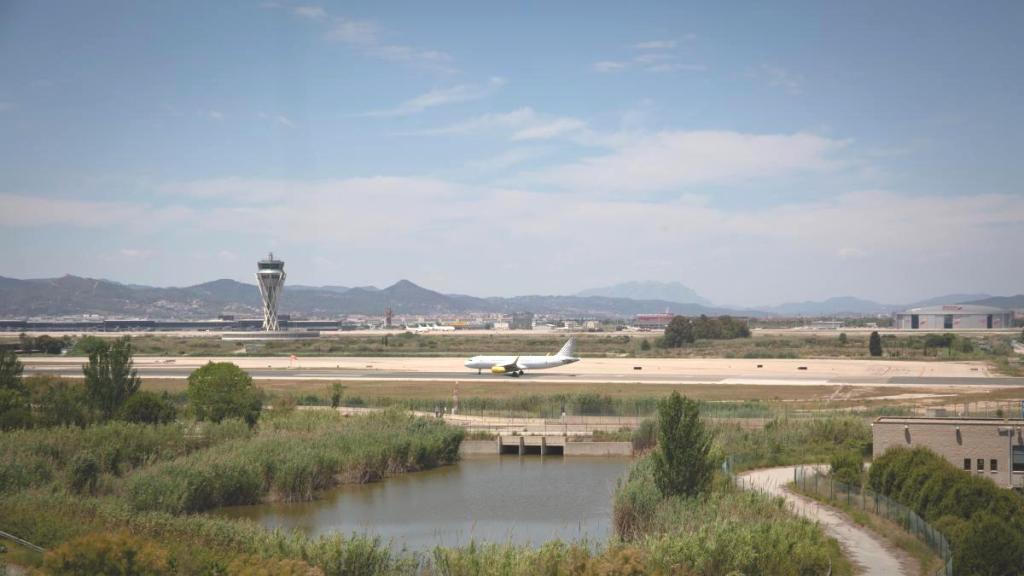
El Gobierno de España ha arribado a un acuerdo con las autoridades locales aeroportuarias para invertir € 1.700 millones de Euros en la ampliación del Aeropuerto de Barcelona/El Prat y convertirlo así en un punto de conexión intercontinental, un polémico proyecto al que se oponen frontalmente los ecologistas. El plan de remodelación del segundo aeropuerto de España, por el que pasaron 52,7 millones de pasajeros en 2019, ha despertado mucha controversia por su proximidad a un espacio protegido en los humedales del Delta del Llobregat, localizado en el suroeste de Barcelona.
Las obras implicarían la construcción de una nueva terminal satélite y la ampliación de una de las tres pistas del aeropuerto de El Prat para reforzar las conexiones con el continente americano y asiático. «Es una muy buena noticia para Cataluña y diría también para el conjunto del país», valoró este martes el Presidente del Gobierno español, Pedro Sánchez.
Antes, el Jefe del Ejecutivo regional catalán, Pere Aragonès, había asegurado que el proyecto respetará todas las exigencias ambientales de la Comisión Europea sin trampas, pero no precisó cómo podría evitarse dañar el preciado ecosistema de la zona. «Ambos Gobiernos saben que están aprobando un ataque medioambiental. Por eso insisten en resaltar las medidas de compensación», criticó de su lado Adrián Fernández, de Greenpeace España. La ampliación, que debe superar todavía numerosas etapas, incluida la europea, debería estar lista en 2030, según estimaciones del ejecutivo central, que anunció también otra inversión de € 1.600 millones de Euros en el Aeropuerto de Madrid-Barajas.
La ampliación del Aeropuerto Barcelona/El Prat supondría la creación de 83.000 empleos directos y 365.000 en total en esta región de 7,8 millones de habitantes y de fuerte actividad turística, de acuerdo a datos del gobierno español. El primer adelanto sobre el acuerdo lo dio la víspera la ministra de Política Territorial, Isabel Rodríguez, tras el encuentro de la comisión bilateral con el gobierno catalán, que volvía a reunirse después de tres años para tratar asuntos de gestión. Esta reunión se ha considerado la antesala de la mesa de diálogo que retomarán el gobierno español y catalán en septiembre para tratar de resolver la mayor crisis vivida en el país en décadas, que alcanzó su clímax con la fallida declaración de independencia en 2017.
Barcelona/El Prat extensions are approved
Agreement for controversial Barcelona Airport expansion
The Government of Spain has reached an agreement with the local airport authorities to invest € 1,700 million Euros in the expansion of the Barcelona/El Prat Airport and thus turn it into an intercontinental connection point, a controversial project to which the environmentalists. The remodeling plan for the second airport in Spain, through which 52.7 million passengers passed in 2019, has aroused much controversy due to its proximity to a protected area in the wetlands of the Delta del Llobregat, located in the southwest of Barcelona.
The works would involve the construction of a new satellite terminal and the expansion of one of the three runways at El Prat airport to reinforce connections with the American and Asian continents. «It is very good news for Catalonia and I would also say for the whole of the country», said the President of the Spanish Government, Pedro Sánchez, on Tuesday.
Earlier, the Head of the Catalan regional executive, Pere Aragonès, had assured that the project will respect all the environmental requirements of the European Commission without cheating, but did not specify how it could avoid damaging the precious ecosystem of the area. «Both governments know that they are approving an environmental attack. That is why they insist on highlighting the compensation measures», criticized Adrián Fernández, from Greenpeace Spain. The expansion, which still has to overcome numerous stages, including the European one, should be ready in 2030, according to estimates by the central executive, which also announced another investment of € 1.6 billion in the Madrid-Barajas Airport.
The expansion of the Barcelona/El Prat Airport would mean the creation of 83,000 direct jobs and 365,000 in total in this region of 7.8 million inhabitants and strong tourist activity, according to data from the Spanish government. The first advance on the agreement was given the day before by the Minister of Territorial Policy, Isabel Rodríguez, after the meeting of the bilateral commission with the Catalan government, which was meeting again after three years to discuss management issues. This meeting has been considered the prelude to the dialogue table that the Spanish and Catalan governments will take up again in September to try to resolve the greatest crisis experienced in the country in decades, which reached its climax with the failed declaration of independence in 2017.
EANA Aerolíneas inauguran nuevo espacio de lactancia en Ezeiza
La Empresa Argentina de Navegación Aérea (EANA) avanza con su plan de creación de espacios de lactancia, tras firmar un acuerdo de colaboración con Aerolíneas Argentinas. En virtud de lo acordado, trabajadoras de ambas empresas del Ministerio de Transporte podrán gozar de las ventajas de un espacio de lactancia común en el Aeropuerto Internacional de Ezeiza/Ministro Pistarini. La iniciativa en conjunto se da en el marco del Plan Igualdad EANA 2030 y beneficia a trabajadoras de ambas empresas.
El convenio lleva la firma de la Presidenta y Gerenta General de EANA, Gabriela Logatto, y del Presidente de Aerolíneas Argentinas, Pablo Ceriani. En la inauguración también estuvieron presentes autoridades de ambas empresas, como el jefe de gabinete de EANA, Diego Segovia, y las responsables de las áreas de género junto a trabajadoras de EANA y Aerolíneas Argentinas. Resaltando la trascendencia del convenio, Gabriela Logatto sostuvo que este “es el primer espacio de lactancia inaugurado de manera conjunta y será el primero de varios que garantizarán el derecho de las trabajadoras en período de lactancia. Es un hermoso proyecto y un orgullo hacerlo junto a nuestra aerolínea de bandera”. Así mismo, Pablo Ceriani afirmó estar “muy contento por este convenio de colaboración con EANA y poder compartir este espacio de lactancia. Es una medida muy importante, una política del Gobierno Nacional en la que trabajamos colaborando entre organismos. Nos enorgullece y nos pone felices porque es algo demandado, una necesidad para tener mejores condiciones de trabajo y generar igualdad de derechos”.
El nuevo espacio de lactancia, que está ubicado en la Terminal C del Aeropuerto de Ezeiza, es el séptimo inaugurado por EANA como parte de su política de inclusión y equidad. Ambas empresas, en conjunto, impulsarán la creación de más espacios de lactancia que permitan garantizar el derecho a amamantar de las madres trabajadoras en los distintos aeropuertos del país. Los espacios de lactancia favorecen la permanencia laboral de trabajadoras que se encuentren en el período de amamantamiento, al facilitarles un ambiente exclusivo, higiénico y digno para la extracción de leche materna durante sus jornadas de trabajo. Resulta además fundamental para la promoción de la prolongación del amamantamiento. La Organización Mundial de la Salud recomienda que este período se extienda hasta los primeros dos años de vida.
Breastfeeding space at Ezeiza Airport
EANA and Aerolíneas inaugurate a new breastfeeding space in Ezeiza
The Argentine Air Navigation Company (EANA) advances with its plan to create breastfeeding spaces, after signing a collaboration agreement with Aerolíneas Argentinas. By virtue of the agreement, workers from both companies of the Ministry of Transportation will be able to enjoy the advantages of a common breastfeeding space at the Ezeiza/ Ministro Pistarini International Airport. The joint initiative takes place within the framework of the EANA 2030 Equality Plan and benefits workers from both companies.
The agreement is signed by the President and General Manager of EANA, Gabriela Logatto, and the President of Aerolíneas Argentinas, Pablo Ceriani. Authorities from both companies were also present at the inauguration, such as EANA’s chief of staff, Diego Segovia, and those responsible for the gender areas, along with workers from EANA and Aerolíneas Argentinas. Highlighting the significance of the agreement, Gabriela Logatto said that this “is the first breastfeeding space to be opened jointly and it will be the first of several that will guarantee the right of breastfeeding workers. It is a beautiful project and a pride to do it together with our flag airline”. Likewise, Pablo Ceriani said he was “very happy for this collaboration agreement with EANA and to be able to share this breastfeeding space. It is a very important measure, a policy of the National Government in which we work collaborating between organizations. It makes us proud and makes us happy because it is something in demand, a necessity to have better working conditions and generate equal rights”.
The new lactation space, which is located in Terminal C of the Ezeiza Airport, is the seventh inaugurated by EANA as part of its inclusion and equity policy. Both companies, together, will promote the creation of more breastfeeding spaces that guarantee the right to breastfeed of working mothers at the different airports in the country. The lactation spaces favor the work permanence of workers who are in the breastfeeding period, by providing them with an exclusive, hygienic and dignified environment for the extraction of breast milk during their working hours. It is also essential for promoting prolonged breastfeeding. The World Health Organization recommends that this period be extended to the first two years of life.
AW | 2021 08 01 14:47 | GOVERNMENT / AIRLINES MARKET / AIRPORTS
Escenario de competitividad aeroportuaria en Región Golfo Pérsico
Arabia Saudita ha anunciado la creación de una nueva aerolínea, en un intento de arrebatarle a los Emiratos Árabes Unidos el puesto como hub del transporte aéreo de la región. Pero la rivalidad está empezando a ir más allá de las fronteras de los dominios del Golfo Pérsico.
El príncipe heredero y rostro de la monarquía saudí, Mohamed bin Salman, anunció a finales de Julio 2021 sus planes para la creación de una nueva aerolínea bandera nacional saudí, como parte del esfuerzo del reino en convertirse en un ‘hub’ de transporte internacional y logístico, así como para diversificar su economía y reducir su dependencia de los ingresos del petróleo. La nueva aerolínea, con fuerte apoyo estatal y presumiblemente jugosas subvenciones, se enfocará en el público internacional con el objetivo de llegar a 250 destinos internacionales y doblar la capacidad de transporte de carga del Reino. También se construirá un nuevo aeropuerto en Riyad, capital del Reino de Arabia Saudita, desde donde este ambicioso plan empezará a tomar forma.
Arabia Saudí quiere disputar el pastel a su vecino y hermano, Emiratos Árabes Unidos (EAU), el auténtico ‘hub’ del transporte internacional no solo en la región, sino a nivel mundial. Una rivalidad que se está extendiendo más allá de los aeropuertos, en medio de intereses como el petróleo, eje geopolítico, entre otros.
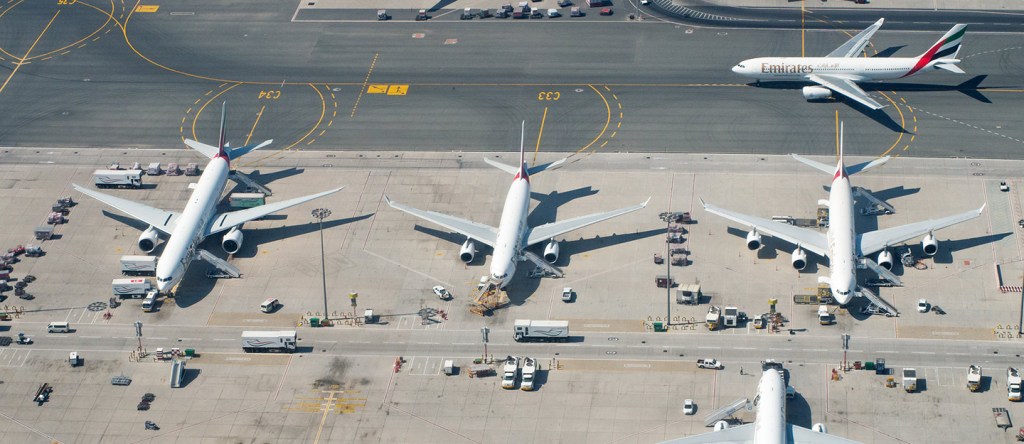
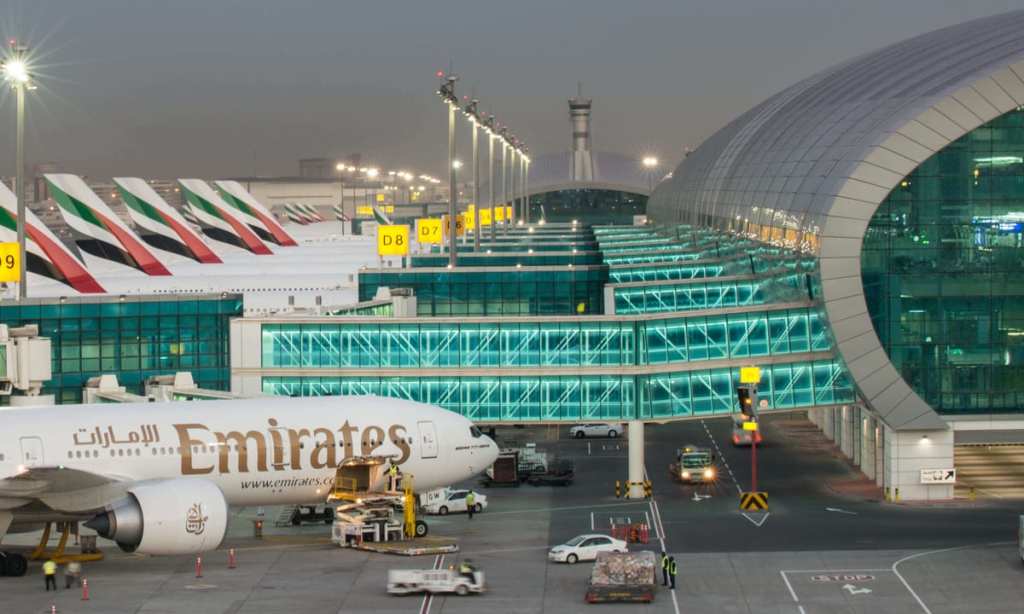
Tras setenta años, Dubái, uno de los principales siete emiratos que forman EAU, era apenas una parada de camelleros y pescadores, con unos 20.000 habitantes y un único hotel. En 1960 se construyó el primer aeropuerto y, siguiendo el sueño del emir, la ciudad creció con él. Ahora, Dubai es una brillante metrópolis de más de tres millones de residentes y probablemente la mayor tasa per cápita de rascacielos, se ha convertido en centro neurálgico del transporte aéreo internacional con uno de los aeropuertos con mayor tráfico del mundo y un rico tejido empresarial de compañías extranjeras. Gran parte del ascenso de Dubái se debe a la aerolínea bandera Emirates Airline, fundada en 1985. «La aerolínea es el eje del éxito de Dubai. Los viajes aéreos pueden hacer o destruir Dubái, su economía depende totalmente de ello», escribe Jim Krane, autor del libro ‘Ciudad de oro: Dubái y el sueño del capitalismo’.
La localización geográfica, a medio camino entre Oriente y Occidente, perfecto para una escala en los trayectos de larga distancia, es una de las razones del éxito de Emirates. Pero también su cercanía con el poder y las ventajas que trae consigo: el CEO de la aerolínea es Ahmed bin Saeed Al Maktoum, tío del actual rey de Dubái y también Director de la Gestión de Aeropuertos, Presidente de la Autoridad de Aviación Civil, incluso de uno de los principales bancos de la ciudad, solo por si acaso Emirates Airline necesitara un préstamo.
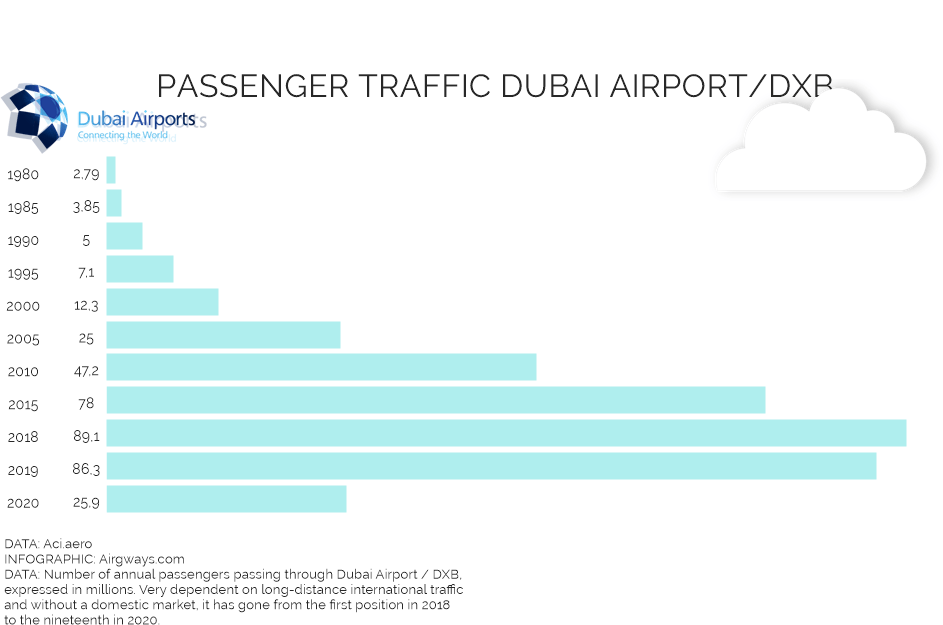
Arabia Saudí, en cambio, no ha conseguido rentabilizar su aerolínea bandera, Saudi Arabian Airlines, en parte porque, en su papel de estatal, se ve atada a tener que dar servicio a ciudades cuasi remotas del país, en rutas no tan lucrativas. Al igual que otros países tras los estragos de la pandemia de coronavirus, el gobierno de Emirates ha tenido que otorgar subvenciones para salvar el abismo económico que ha sufrido la aerolínea en un año de supresiones de servicios aéreos prácticamente en absoluto. El Aeropuerto Riyad obstentaba ser el aeropuerto con mayor tráfico de pasajeros del mundo en 2018 y 2019, por encima de aeropuertos como Pekín, en 2020 cayó hasta la decimonovena posición, con 60 millones de pasajeros menos. En total, la prensa económica recoge al menos US$ 3.100 millones de Dólares en inyecciones gubernamentales en estos dos últimos años.
Emirates Airline y otras aerolíneas bandera del Golfo han sido acusadas, especialmente en Estados Unidos, de competencia desleal y distorsión del mercado en años anteriores, precisamente por esa cercanía al poder, tanto de facilidades económicas como de presión política. En 2010, Canadá denegó mayores permisos de aterrizaje en el Aeropuerto de Toronto y los Emiratos Árabes Unidos reaccionó cerrando el espacio aéreo para un vuelo del ministro de Defensa canadiense, que tuvo que redirigir a medio camino, expulsó de su base en Dubai a las tropas canadienses que operaban en Afganistán y multiplicó las tasas de visados. En este caso las reacciones diplomáticas no funcionaron, pero es un ejemplo de la cercanía política de Saeed Al Maktoum al Gobierno de Emiratos Árabes Unidos.
Rivalidad con Arabia Saudí
Dicen que las peores rivalidades son entre hermanos, y la envolvente de Arabia Saudí en su creciente tensión bajo cuerda con Emiratos no se limita solo a detentar parte del mercado en el tráfico de pasajeros internacional. «Hay opciones para una mayor inversión en infraestructura de transportes del Reino […] Pero competir con Dubái como centro logístico de la región llevará tiempo, los volúmenes de tráfico de carga aérea de EAU son catorce veces superiores a los de Arabia Saudí y, en cualquier caso, podemos decir que Dubái tiene la ventaja de haber sido el primero en moverse [hacia ese tipo de economía]», escribe por su parte James Swanston, Economista para Oriente Medio y Norte de África de Capital Economics. La clave es diversificar la economía y superar la dependencia de los ingresos del petróleo. Un proceso en el que Emiratos Árabes Unidos lleva la delantera, consciente de tener menos reservas que los profundos pozos saudíes y potencial turístico y empresarial. Aunque Arabia Saudí, de la mano de Bin Salman, ha avanzado ya en esa visión 2030, EAU le lleva años de ventaja. «La competencia comercial en la industria de la aviación ha sido siempre feroz, y la competencia regional se está calentando. Hay turbulencias en el horizonte de las relaciones regionales», afirmaba Robert Mogielnicki, investigador del Arab Gulf States Institute. En la economía post-petrolera, no hay suficiente espacio para tanto hub en el Golfo Pérsico Arabia Saudí y Emiratos han sido siempre cercanos aliados, pero Abu Dhabi está intentando construir una política exterior independiente de vecino, incluso en el escenario geopolítico. Aunque Emiratos participó en la ofensiva de Arabia Saudí en Yemen, en 2019 decidió salirse de la coalición. Mucho más pequeño que su hermano Arabia Saudí y con limitada influencia, Emiratos trata de encontrar su propio ritmo en el difícil tablero regional. En 2020, Emiratos fue el primer país árabe en apuntarse a los Acuerdos de Abraham para normalizar relaciones con Israel. Su posición con la Turquía de Recep Tayyip Erdogan, con quien Arabia Saudí mantiene una tensa rivalidad en la zona, también empieza a divergir. Pero la rivalidad también es económica. Su roce más sonado ha sido la OPEP+, cuando Arabia Saudí y Emiratos protagonizaron un fuerte encontronazo sobre las cuotas de producción de petróleo. Arabia Saudí, conservadora, quería mantenerlas. Emiratos, a la luz de los últimos vaivenes del precio del petróleo, quería aumentarla y vender rápidamente, antes de que el crudo termine desbancado por el empujón de las renovables.
En Febrero 2021, Arabia Saudí anunció que a partir de 2024 dejará de dar contratos a empresas extranjeras cuyas sedes regionales no estén localizadas en la propia Arabia Saudí. Un ultimátum especialmente doloroso para Emiratos Árabes Unidos, cuyo crecimiento económico ha dependido en gran medida por sus políticas de free-zones y otras facilidades a empresas extranjeras que se instalaran en el país. Este último mes, también ha modificado sus normas de importación de bienes de otros países del Consejo de Cooperación del Golfo (CCG) para excluir del acuerdo arancelario los productos fabricados por empresas con una plantilla de menos de un 25% de población local o los fabricados en zonas francas de los países del CCG, que no se considerarán de producción local. La norma está públicamente pensada para excluir a los productos fabricados en zonas francas (de Emiratos) que utilizan insumos israelíes, pero ha sido leída sobre todo como un desafío a EAU. Las zonas francas, áreas en las que las empresas extranjeras pueden operar bajo poquísima regulación, es uno de los principales impulsores de la economía de Emiratos, y más aún después de la firma de los Acuerdos de Abraham, que recogía un importante capítulo empresarial entre EAU e Israel.
Perspectivas en el Golfo
En un mundo sacudido por la pandemia de Coronavirus donde la pregunta de cómo viajaremos en el futuro todavía está en el aire, ¿conseguirá Arabia Saudí emular el modelo de negocio de sus vecinos del Golfo, peleando por el mismo pastel? Desde luego, tiene el dinero para ese empujón inicial gracias a las reservas de petróleo. Pero, en unos cielos tan atiborrados y con la competencia al máximo, no se puede simplemente copiar, sino buscar algo original. El riesgo es que Arabia Saudí y Emiratos Árabes Unidos compitan entre sí por las mismas industrias y proyectos de desarrollo. En la economía post-petrolera, no hay suficiente espacio para tanto ‘hub’ en el Golfo Pérsico.
Gulf airports war
Airport competitiveness scenario in the Persian Gulf Region
Saudi Arabia has announced the creation of a new airline, in an attempt to wrest the position of the region’s air transport hub from the United Arab Emirates. But the rivalry is beginning to spread beyond the borders of the Persian Gulf dominions.
The crown prince and face of the Saudi monarchy, Mohamed bin Salman, announced at the end of July 2021 his plans for the creation of a new Saudi national flag airline, as part of the kingdom’s effort to become an international transport hub and logistics, as well as to diversify its economy and reduce its dependence on oil revenues. The new airline, with strong state support and presumably hefty subsidies, will target international audiences with the goal of reaching 250 international destinations and doubling the Kingdom’s cargo carrying capacity. A new airport will also be built in Riyad, capital of the Kingdom of Saudi Arabia, from where this ambitious plan will begin to take shape.
Saudi Arabia wants to dispute the cake with its neighbor and brother, the United Arab Emirates (UAE), the true ‘hub’ of international transport not only in the region, but globally. A rivalry that is spreading beyond the airports, amid interests such as oil, a geopolitical axis, among others.
After seventy years, Dubai, one of the main seven emirates that make up the UAE, was just a stop for camel drivers and fishermen, with about 20,000 inhabitants and a single hotel. In 1960 the first airport was built and, following the emir’s dream, the city grew with him. Now, Dubai is a glittering metropolis of more than three million residents and probably the highest per capita rate of skyscrapers, it has become a hub of international air transport with one of the busiest airports in the world and a rich business fabric of foreign companies. Much of Dubai’s rise is due to the flag carrier Emirates Airline, founded in 1985. «The airline is the linchpin of Dubai’s success. Air travel can make or break Dubai, its economy is totally dependent on it», writes Jim Krane, author of the book ‘City of Gold: Dubai and the dream of capitalism’.
The geographical location, halfway between East and West, perfect for a stopover on long-haul journeys, is one of the reasons for Emirates’ success. But also its closeness to power and the advantages it brings: the CEO of the airline is Ahmed bin Saeed Al Maktoum, uncle of the current King of Dubai and also Director of Airport Management, President of the Civil Aviation Authority, including from one of the city’s major banks, just in case Emirates Airline needed a loan.
Saudi Arabia, on the other hand, has not been able to make profitable its flagship airline, Saudi Arabian Airlines, in part because, in its state role, it is tied to having to serve quasi-remote cities in the country, on not so lucrative routes. Like other countries after the ravages of the coronavirus pandemic, the Emirates government has had to provide subsidies to bridge the economic gulf that the airline has suffered in a year of almost no air service suppressions. Riyad Airport claimed to be the airport with the highest passenger traffic in the world in 2018 and 2019, above airports such as Beijing, in 2020 it fell to the nineteenth position, with 60 million fewer passengers. In total, the economic press has collected at least US$ 3.1 billion in government injections in the last two years.
Emirates Airline and other Gulf flag airlines have been accused, especially in the United States, of unfair competition and market distortion in previous years, precisely because of their proximity to power, both in terms of economic facilities and political pressure. In 2010, Canada denied increased landing permits at Toronto Airport and the United Arab Emirates reacted by closing the airspace for a Canadian Defense Minister flight, which it had to redirect midway, expelled Canadian troops operating in Afghanistan from its base in Dubai and multiplied the visa fees. In this case the diplomatic reactions did not work, but it is an example of the political closeness of Saeed Al Maktoum to the Government of the United Arab Emirates.
Rivalry with Saudi Arabia
They say the worst rivalries are between siblings, and Saudi Arabia’s involvement in its growing underhand tension with the Emirates is not limited to just holding market share in international passenger traffic. «There are options for further investment in the Kingdom’s transport infrastructure […] but competing with Dubai as the region’s logistics hub will take time, the UAE’s air cargo traffic volumes are fourteen times those of Saudi Arabia and In any case, we can say that Dubai has the advantage of having been the first to move [towards this type of economy]», writes James Swanston, Middle East and North Africa Economist at Capital Economics. The key is to diversify the economy and overcome dependence on oil revenues. A process in which the United Arab Emirates is leading, aware of having fewer reserves than the deep Saudi wells and tourism and business potential. Although Saudi Arabia, led by Bin Salman, has already advanced in that 2030 vision, the UAE is years ahead of it. «Business competition in the aviation industry has always been fierce, and regional competition is heating up. There is turmoil on the horizon for regional relations», said Robert Mogielnicki, a researcher at the Arab Gulf States Institute. In the post-oil economy, there is not enough space for both hubs in the Persian Gulf. Saudi Arabia and the Emirates have always been close allies, but Abu Dhabi is trying to build a neighbor-independent foreign policy, even on the geopolitical stage. Although the Emirates participated in Saudi Arabia’s offensive in Yemen, in 2019 it decided to leave the coalition. Much smaller than its brother Saudi Arabia and with limited influence, Emirates tries to find its own rhythm on the difficult regional board. In 2020, the Emirates was the first Arab country to sign up to the Abraham Accords to normalize relations with Israel. His position with Recep Tayyip Erdogan’s Turkey, with whom Saudi Arabia maintains a tense rivalry in the area, is also beginning to diverge. But rivalry is also economic. Its most notorious friction has been OPEC+, when Saudi Arabia and the Emirates staged a strong clash over oil production quotas. Conservative Saudi Arabia wanted to keep them. Emirates, in light of the latest swings in the price of oil, wanted to increase it and sell quickly, before crude ends up being ousted by the push from renewables.
In February 2021, Saudi Arabia announced that as of 2024 it will stop giving contracts to foreign companies whose regional headquarters are not located in Saudi Arabia itself. An especially painful ultimatum for the United Arab Emirates, whose economic growth has largely depended on its free-zone policies and other facilities to foreign companies that will settle in the country. This last month, it has also modified its rules for importing goods from other countries of the Gulf Cooperation Council (GCC) to exclude from the tariff agreement products manufactured by companies with a workforce of less than 25% of the local population or those manufactured in free zones of the GCC countries, which will not be considered locally produced. The rule is publicly intended to exclude products made in (Emirates) free zones that use Israeli inputs, but has been read mostly as a challenge to the UAE. Free zones, areas in which foreign companies can operate under very little regulation, is one of the main drivers of the Emirates economy, and even more so after the signing of the Abraham Agreements, which included an important business chapter between the UAE. and Israel.
Prospects in the Gulf
In a world shaken by the Coronavirus pandemic where the question of how we will travel in the future is still in the air, will Saudi Arabia manage to emulate the business model of its Gulf neighbors, fighting for the same cake? You certainly have the money for that initial push thanks to oil reserves. But, in such crowded skies and with the competition to the maximum, it is not possible to simply copy, but to look for something original. The risk is that Saudi Arabia and the United Arab Emirates will compete with each other for the same industries and development projects. In the post-oil economy, there is not enough room for so much ‘hub’ in the Persian Gulf.




















 airgways.com