El Gobierno de Argentina a través de la agencia de aviación de la Administración Nacional de Aviación Civil (ANAC) ha expresado que está analizando incorporar al Aeropuerto Internacional Mendoza/El Plumerillo para la reapertura de vuelos internacionales. En principio, será para aumentar el cupo de repatriados diarios. En los próximos días se habilitaría el aeropuerto de la Provincia de Mendoza para recibir vuelos del extranjero. De esta manera, el Aeropuerto El Plumerillo sería habilitado como corredor seguro aéreo, además de Ezeiza. Se trata de una medida que toma el Gobierno nacional y que permitirá aumentar de los actuales 1.700 a 2.300 pasajeros internacionales el cupo de ingreso diario al país.
La implementación del aeropuerto de Mendoza como corredor seguro aéreo saldría publicada en el Boletín Oficial esta semana y supondrá una suba de los actuales 1.700 pasajeros diarios a 2.300, tal como estipulaba la Decisión Administrativa Nº 793/2021, del 06/08.
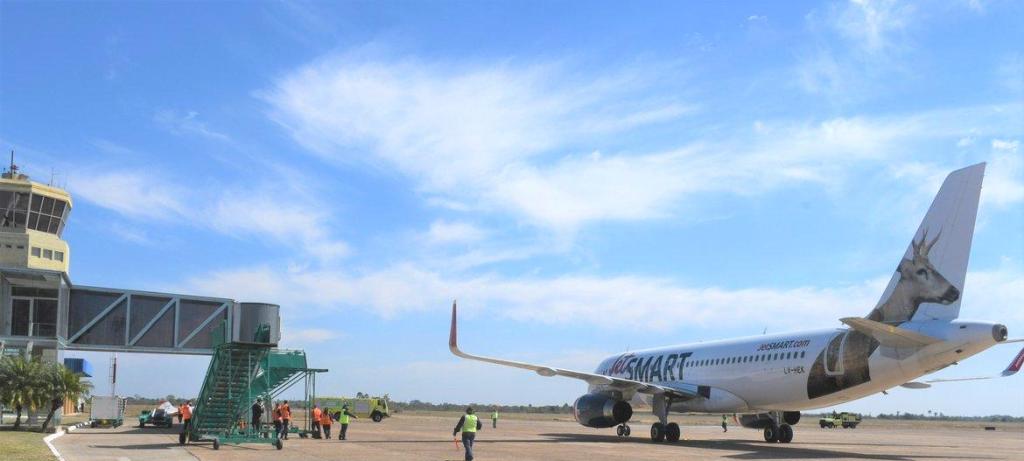
Desde el Ministerio de Turismo de Mendoza, a cargo de Mariana Juri, informaron que hace diez días, desde el Ministerio de Salud de la Nación a cargo de Carla Vizzotti les pidieron cambios en el protocolo que habían presentado, y ya enviaron las modificaciones. En tanto, el Presidente de Jurca, Felipe Baravalle, confirmó que les comunicaron la noticia y se mostró conforme con el avance. Con la reapertura del Aeropuerto Internacional Mendoza, podrían retomar las operaciones directas aerolíneas como Sky Airline, Copa Airlines y Latam Airlines Chile.
Mendoza would relaunch foreign flights
Imminent authorization of Mendoza Airport for international flights
The Government of Argentina, through the aviation agency of the National Civil Aviation Administration (ANAC), has expressed that it is analyzing incorporating the Mendoza International Airport/El Plumerillo for the reopening of international flights. In principle, it will be to increase the quota of daily returnees. In the coming days, the Mendoza Province airport would be enabled to receive flights from abroad. In this way, El Plumerillo Airport would be enabled as a safe air corridor, in addition to Ezeiza. This is a measure taken by the national government and that will increase the daily entry quota to the country from the current 1,700 to 2,300 international passengers.
The implementation of Mendoza airport as a safe air corridor would be published in the Official Gazette this week and will mean a rise from the current 1,700 daily passengers to 2,300, as stipulated in Administrative Decision No. 793/2021, of 08/06.
From the Ministry of Tourism of Mendoza, in charge of Mariana Juri, they reported that ten days ago, from the Ministry of Health of the Nation in charge of Carla Vizzotti they asked for changes in the protocol they had presented, and they have already sent the modifications. Meanwhile, the President of Jurca, Felipe Baravalle, confirmed that they communicated the news and was satisfied with the progress. With the reopening of Mendoza International Airport, airlines such as Sky Airline, Copa Airlines and Latam Airlines Chile could resume direct operations.
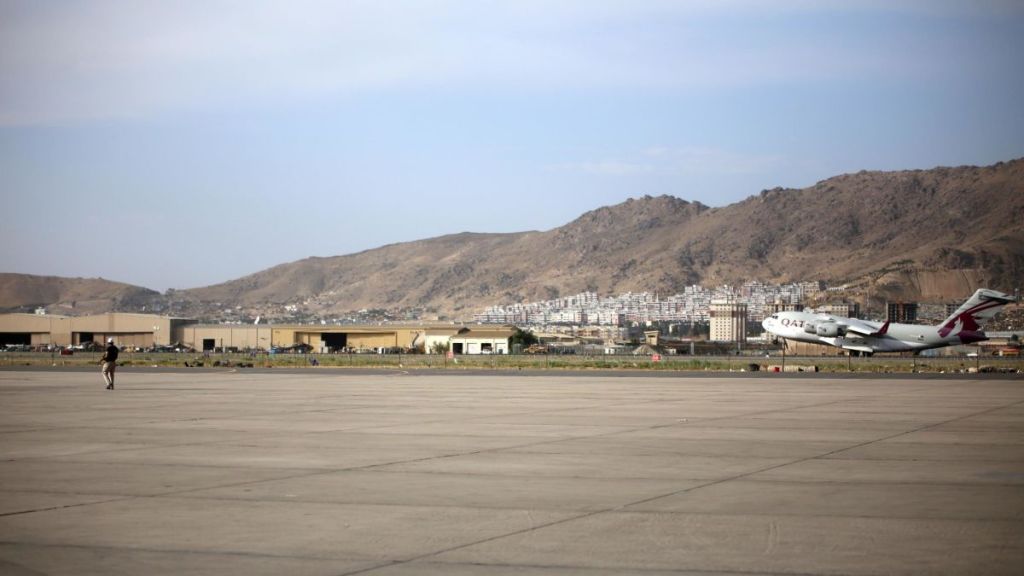
Los talibanes reanudaron los vuelos nacionales desde el Aeropuerto de Kabul aún cuando no funcionan los radares. El grupo busca con esta maniobra afianzar su control civil del país pero es poco probable que las aerolíneas comerciales internacionales vuelvan a operar hasta que los sistemas de navegación estén plenamente operativos. El Aeropuerto de Kabul reabrió con vuelos nacionales que despegaron el Sábado 04/07 después de que un equipo de ingenieros de Qatar repararan partes del Sistema de Control del Tráfico Aéreo del Aeropuerto de Kabul la semana pasada, según Muhammad Salim Saad, el Comandante talibán a cargo de la seguridad del aeropuerto.
Tras la reapertura, el aeropuerto sigue funcionando sin radar ni sistemas de navegación, lo que dificulta la reanudación de los vuelos civiles internacionales, un paso clave para permitir la salida de los refugiados. Sin embargo, el Ministerio de Asuntos Exteriores de Qatar dijo que los funcionarios técnicos de ese país habían preparado el aeropuerto para los vuelos humanitarios internacionales. Con la reanudación de los vuelos nacionales, los talibanes afianzan su control civil del país, mientras se enfrentan a un sinfín de retos, como el escepticismo internacional, la congelación de las reservas del gobierno y su necesidad de satisfacer las expectativas de los combatientes que lucharon durante dos décadas por la victoria. Se espera que los talibanes anuncien un Gobierno desde hace varios días.
Kabul Airport Resumption
New government reopens airports in Afghanistan
The Taliban resumed domestic flights from Kabul Airport even though the radars are not working. The group seeks with this maneuver to strengthen its civilian control of the country but it is unlikely that international commercial airlines will operate again until the navigation systems are fully operational. Kabul Airport reopened with domestic flights taking off on Saturday 04/07 after a team of Qatari engineers repaired parts of the Kabul Airport Air Traffic Control System last week, according to Muhammad Salim Saad, the Taliban Commander at charge of airport security.
After reopening, the airport continues to operate without radar or navigation systems, making it difficult to resume international civil flights, a key step in allowing refugees to leave. However, the Qatari Foreign Ministry said that Qatari technical officials had prepared the airport for international humanitarian flights. With the resumption of domestic flights, the Taliban secure their civilian control of the country, while facing a myriad of challenges, such as international skepticism, the freezing of government reserves and their need to meet the expectations of the fighters who fought. for two decades for victory. The Taliban are expected to announce a government for several days.
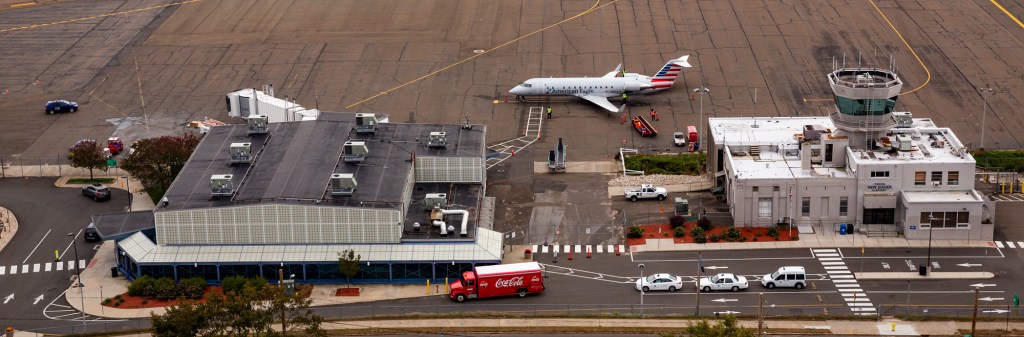
Los funcionarios de la Federal Aviation Administration (FAA) aprobaron el plan para una gran expansión en el Aeropuerto Regional Tweed/New Haven, eliminando otro obstáculo en el largo proceso de aprobación del proyecto de un valor de US$ 70 millones. Un administrador de la FAA ha afirmado este Miércoles 01/09 que los componentes clave del nuevo plan maestro de Tweed, que exige que el aeropuerto crezca alargando una pista existente a 6.635 pies y construyendo una nueva terminal en el lado de East Haven de la propiedad. La decisión acerca a la autoridad aeroportuaria un paso más al lanzamiento del proyecto, lo que ha provocado una feroz oposición de algunos vecinos y un fuerte apoyo de los funcionarios de la ciudad en New Haven y los patrocinadores de la comunidad empresarial. La revisión de la FAA se centró en gran medida en la seguridad, y su decisión indica que la agencia aprueba la ubicación general de las instalaciones planificadas para el aeropuerto, incluida la nueva terminal, según los registros federales. La FAA aún debe revisar otros aspectos de la propuesta, incluida una próxima evaluación ambiental, que ahora está en marcha.
A pesar de esas advertencias, la decisión de la FAA marca un logro significativo para el aeropuerto y señala que las autoridades federales están a bordo con la expansión, dijo el Analista de la industria de viajes Henry Harteveldt: «Lo que significa la aprobación de la FAA es que la agencia ha revisado el plan maestro y ha concluido que los cambios solicitados son lógicos, que cumplen o exceden los estándares de la FAA en términos de seguridad y que conducirían a un mejor aeropuerto operativo como resultado».
El Lunes 30/08, los miembros del Comité de Finanzas de la Junta de Alders de New Haven también respaldaron el proyecto, enviando un acuerdo de arrendamiento a largo plazo propuesto entre la ciudad y la autoridad del aeropuerto a la junta completa para su aprobación. El proyecto, anunciado en mayo, promete revitalizar el aeropuerto en dificultades, que depende de subsidios por valor de varios millones de dólares al año de los contribuyentes de Connecticut y la ciudad de New Haven.
American Airlines, que actualmente opera los únicos vuelos comerciales desde Tweed, está programado para finalizar el servicio en su ruta de New Haven a Filadelfia después del 30 de Septiembre de 2021. La aerolínea suspendió previamente los vuelos desde Tweed el año pasado en medio de una caída en los viajes aéreos, pero lanzó su ruta a Filadelfia después de recibir dinero de ayuda de emergencia para la pandemia del Gobierno Federal. Sean Scanlon, Director Ejecutivo del aeropuerto, dijo el mes pasado que el número de pasajeros ha aumentado constantemente este verano, pasando de alrededor del 42% de todos los asientos de avión disponibles ocupados en abril al 74% en Julio de 2021. «Obviamente […] a medida que aumenta el número de personas vacunadas, a medida que las personas se sienten más cómodas con los viajes aéreos, nuestros números suban y suban cada mes, lo que nos hace sentir muy bien. Y francamente, sucedió mucho más rápido de lo que pensábamos, dado dónde estaban las predicciones en la industria incluso hace unos meses», dijo Sean Scanlon a los miembros de la junta en ese momento. Un portavoz de American Airlines no dio detalles sobre las razones detrás de la posible retirada de la aerolínea de New Haven este mes. «No tenemos ningún plan inmediato para reanudar el servicio en New Haven, pero siempre estamos evaluando nuestra red», escribió el portavoz, Brian Metham, en un correo electrónico el Martes 31/08.
Aún así, los funcionarios del aeropuerto tienen razones para ser optimistas sobre el futuro de Tweed. Avelo Airlines, una nueva aerolínea de bajo costo que atiende a viajeros de placer, lanzará cuatro nuevas rutas entre New Haven y destinos en Florida a principios de Noviembre 2021. Avelo proporcionará US$ 1.2 millones para ayudar a renovar la terminal del aeropuerto existente para apoyar sus operaciones.
Avports, la compañía privada que administra el aeropuerto, proporcionará US$ 4 millones adicionales para el proyecto en forma de un préstamo perdonable. La comisión del plan de la ciudad de New Haven ad firmó las renovaciones de la terminal el mes pasado. Por separado, Avports propone invertir hasta US$ 70 millones en un importante rediseño del aeropuerto, incluida la construcción de la nueva terminal y una extensión de la pista existente. A cambio, la compañía está buscando un acuerdo de arrendamiento de 43 años con la autoridad aeroportuaria, lo que le daría más libertad para administrar la instalación de propiedad pública. Los patrocinadores dicen que el proyecto traería más vuelos comerciales a Tweed, crearía miles de empleos de construcción y servicios y eliminaría la necesidad de que los contribuyentes respalden el aeropuerto con dinero público. Pero un contingente vocal de residentes ha planteado objeciones, argumentando que el proyecto también traería más ruido y contaminación. La expansión del aeropuerto también es miope porque Tweed se encuentra en una zona de inundación y es probable que vea tormentas más dañinas en el futuro a través de los efectos del cambio climático, sostienen. Los residentes también han presionado a los funcionarios públicos para que divulguen más información sobre la asociación público-privada, incluidos detalles sobre un paquete de beneficios comunitarios de US$ 5 millones prometido por los funcionarios del aeropuerto.
El contrato de arrendamiento propuesto por New Haven con la autoridad aeroportuaria incluye pautas generales para el dinero, pero no delinea cómo se gastaría o cuánto recibirían las dos comunidades vecinas al aeropuerto. Sean Scanlon, Director Ejecutivo del aeropuerto, se comprometió durante una reunión el lunes a proporcionar esos detalles antes de que los alisos den su bendición final al acuerdo de arrendamiento.
Los opositores también han planteado preguntas sobre quién se beneficiará del nuevo acuerdo, que acercaría el aeropuerto a un modelo privatizado. Avports, que ha administrado Tweed desde 1998, es una subsidiaria de un fondo de cobertura controlado por el gigante bancario Goldman Sachs. Los residentes dicen que les preocupa que la compañía tenga motivos ocultos para proponer el acuerdo, como la expansión de las operaciones de carga, lo que podría traer más tráfico aéreo temprano y tarde en la noche a la ciudad.
Tanto el alcalde de New Haven como el director ejecutivo de la autoridad aeroportuaria han dicho en reuniones públicas que no tienen indicios de que Avports se mueva en esa dirección. Pero los términos de la propuesta de la compañía siguen sin estar claros. Partes de la hoja de términos también contienen secretos comerciales o información comercial o financiera dada de forma confidencial y tendrían que ser redactadas, según la autoridad. El documento detalla a grandes rasgos los componentes de un futuro arrendamiento de instalaciones entre Avports y la autoridad aeroportuaria. Bajo una carta de intención del 6 de Mayo de 2021 firmada por las dos partes, la autoridad aeroportuaria debe notificar a Avports de cualquier solicitud de FOIA que reciba buscando registros considerados confidenciales por la compañía y darle a Avports la oportunidad de bloquear la divulgación de dicho material en la corte, a menos que Avports consienta en su liberación o los abogados de la autoridad determinen que debe ser divulgado.
La autoridad aeroportuaria también acordó presumir que toda la información que recibe directamente de Avports relacionada con la transacción está exenta de las leyes de divulgación pública del estado, con la excepción de la información que ya está disponible públicamente y la información que la compañía ya estaba obligada a divulgar en virtud de su acuerdo operativo existente. La autoridad también acordó preparar conjuntamente todas las comunicaciones públicas relacionadas con el proyecto con Avports por un período que se extiende un año después de que expire la carta de intención.
Otros registros publicados por la autoridad incluyen redacciones significativas. Por ejemplo, páginas enteras de una presentación de diapositivas mostrada a los directores del aeropuerto a principios de este año que describen la futura estructura de arrendamiento y gobierno del aeropuerto fueron oscurecidas. Tampoco está claro qué papel desempeñarían la autoridad aeroportuaria y su Director Ejecutivo en el futuro. El lenguaje en el contrato de arrendamiento propuesto entre New Haven y la autoridad aeroportuaria alude a cambios en las responsabilidades de administración de la autoridad, aunque los funcionarios del aeropuerto dicen que esos cambios aún no se han negociado con Avports. También es probable que cambie la composición de la Junta Directiva del aeropuerto. Durante una entrevista en agosto, el Alcalde de New Haven, Justin Elicker, dijo que su entendimiento es que East Haven tendrá una mayor representación en la Junta de 15 miembros en el futuro, en reconocimiento del impacto que la nueva terminal tendría en esa comunidad. Sin embargo, New Haven mantendría una participación mayoritaria en el organismo, que pasaría de tener ocho miembros nombrados por el alcalde de New Haven, cinco por el alcalde de East Haven y dos por el Consejo de Gobiernos del Sureste de Connecticut a ocho designados por New Haven y siete designados por East Haven, dijo Justin Elicker. Los términos de tales cambios se negociarán en el futuro. Se espera que la Junta de Alders de New Haven discuta el acuerdo de arrendamiento el próximo 23 de Septiembre de 2021.
Tweed/New Haven Airport expansion plan
FAA approves plan for Tweed Airport expansion
Federal Aviation Administration (FAA) officials approved the plan for a major expansion at Tweed/New Haven Regional Airport, removing another hurdle in the lengthy approval process of the US$ 70 million project. An FAA administrator stated this Wednesday 09/01 that key components of Tweed’s new master plan, which calls for the airport to grow by lengthening an existing runway to 6,635 feet and building a new terminal on the East Haven side of the property . The decision brings the airport authority one step closer to launching the project, prompting fierce opposition from some neighbors and strong support from city officials in New Haven and sponsors from the business community. The FAA’s review focused largely on security, and its decision indicates that the agency approves the general location of the planned facilities for the airport, including the new terminal, according to federal records. The FAA has yet to review other aspects of the proposal, including an upcoming environmental assessment, which is now underway.
Despite those warnings, the FAA decision marks a significant achievement for the airport and signals that federal authorities are on board with the expansion, Travel Industry Analyst Henry Harteveldt said: «What the approval of the FAA is that the agency has reviewed the master plan and concluded that the requested changes are logical, meet or exceed FAA standards in terms of safety, and would lead to a better operating airport as a result».
On Monday 08/30, members of the New Haven Alders Board Finance Committee also endorsed the project, submitting a proposed long-term lease agreement between the city and the airport authority to the full board for approval. The project, announced in May, promises to revitalize the struggling airport, which relies on multi-million dollar grants a year from Connecticut taxpayers and the city of New Haven.
American Airlines, which currently operates the only commercial flights out of Tweed, is scheduled to end service on its New Haven to Philadelphia route after September 30, 2021. The airline previously suspended flights from Tweed last year amidst a drop in air travel, but launched its route to Philadelphia after receiving emergency aid money for the pandemic from the Federal Government. Sean Scanlon, the airport’s CEO, said last month that passenger numbers have risen steadily this summer, from about 42% of all available airplane seats occupied in April to 74% in July 2021. «Obviously [ …] as the number of people vaccinated increases, as people become more comfortable with air travel, ournumbers go up and up every month, which makes us feel great. And frankly, a lot more happened quicker than we thought given where the predictions were in the industry even a few months ago», Sean Scanlon told board members at the time. An American Airlines spokesperson did not elaborate on the reasons behind the airline’s possible withdrawal from New Haven this month. «We do not have any immediate plans to resume service in New Haven, but we are always evaluating our network», spokesman Brian Metham wrote in an email on Tuesday 08/31.
Still, airport officials have reason to be optimistic about Tweed’s future. Avelo Airlines, a new low-cost airline serving leisure travelers, will launch four new routes between New Haven and destinations in Florida in early November 2021. Avelo will provide US $ 1.2 million to help renovate the existing airport terminal to support your operations.
Avports, the private company that manages the airport, will provide an additional $ 4 million for the project in the form of a forgivable loan. The New Haven city plan commission ad signed the terminal renovations last month. Separately, Avports proposes to invest up to US$ 70 million in a major redesign of the airport, including the construction of the new terminal and an extension of the existing runway. In return, the company is seeking a 43-year lease agreement with the airport authority, which would give it more freedom to manage the publicly owned facility. Sponsors say the project would bring more commercial flights to Tweed, create thousands of construction and service jobs, and eliminate the need for taxpayers to back the airport with public money. But a vocal contingent of residents has raised objections, arguing that the project would also bring more noise and pollution. The airport expansion is also shortsighted because Tweed is in a flood zone and is likely to see more damaging storms in the future through the effects of climate change, they argue. Residents have also lobbied public officials to release more information about the public-private partnership, including details about a US$ 5 million community benefits package promised by airport officials.
New Haven’s proposed lease with the airport authority includes general guidelines for the money, but does not outline how it would be spent or how much the two communities neighboring the airport would receive. Sean Scanlon, the airport’s CEO, pledged during a meeting Monday to provide those details before the alders give their final blessing to the lease deal.
Opponents have also raised questions about who will benefit from the new deal, which would bring the airport closer to a privatized model. Avports, which has run Tweed since 1998, is a subsidiary of a hedge fund controlled by banking giant Goldman Sachs. Residents say they are concerned that the company has ulterior motives for proposing the deal, such as expanding cargo operations, which could bring more early and late-night air traffic to the city.
Both the mayor of New Haven and the executive director of the airport authority have said in public meetings that they have no indication that Avports is moving in that direction. But the terms of the company’s proposal remain unclear. Parts of the term sheet also contain trade secrets or business or financial information given confidentially and would have to be redacted, depending on the authority. The document outlines the components of a future facility lease between Avports and the airport authority. Under a letter of intent of May 6, 2021 signed by the two parties, the airport authority must notify Avports of any FOIA requests it receives seeking records considered confidential by the company and give Avports the opportunity to block the disclosure of said. material in court, unless Avports consents to its release or the authority’s attorneys determine that it should be disclosed.
The airport authority also agreed to presume that all information it receives directly from Avports related to the transaction is exempt from the state’s public disclosure laws, with the exception of information that is already publicly available and information that the company was already required to do to be disclosed under your existing operating agreement. The authority also agreed to jointly prepare all public communications related to the project with Avports for a period that extends one year after the letter of intent expires.
Other records published by the authority include significant redactions. For example, entire pages of a slide show shown to airport managers earlier this year describing the future leasing and governance structure of the airport were obscured. It is also unclear what role the airport authority and its chief executive would play in the future. The language in the proposed lease between New Haven and the airport authority alludes to changes to the authority’s management responsibilities, although airport officials say those changes have yet to be negotiated with Avports. The composition of the airport’s board of directors is also likely to change. During an interview in August, New Haven Mayor Justin Elicker said his understanding is that East Haven will have greater representation on the 15-member board in the future, in recognition of the impact the new terminal would have on that community. However, New Haven would maintain a majority stake in the body, which would go from having eight members appointed by the mayor of New Haven, five by the mayor of East Haven and two by the Southeastern Connecticut Council of Governments to eight appointed by New Haven and seven East Haven appointees, Justin Elicker said. The terms of such changes will be negotiated in the future. The New Haven Alders Board is expected to discuss the lease agreement on September 23, 2021.
Aeropuerto Kabul reabre para ayuda y vuelos domésticos
El Embajador de la República de Qatar en Afganistán dijo que un equipo técnico pudo reabrir el Aeropuerto de Kabul para recibir ayuda y la reapertura de los vuelos nacionales. La pista del aeropuerto ha sido reparada en cooperación con las autoridades de Afganistán. Las primeras operaciones fueron dos vuelos domésticos desde Kabul a las ciudades de Mazar-i-Sharif y Kandahar.
El Ministro de Relaciones Exteriores de Qatar, Sheikh Mohammed bin Abdulrahman Al-Thani, hablando en una conferencia de prensa conjunta con el Secretario de Relaciones Exteriores de Gran Bretaña, Dominic Raab, en Doha el Jueves 02/09, dijo que el estado del Golfo estaba hablando con los talibanes y trabajando con Turquía para obtener un posible apoyo técnico para reiniciar las operaciones en el Aeropuerto de Kabul.
El Aeropuerto de Kabul había estado cerrado desde el final del masivo puente aéreo liderado por Estados Unidos. El final de esa operación marcó la retirada de las últimas fuerzas estadounidenses de Afganistán después de veinte años de presencia en el país. La evacuación de decenas de miles de personas se produjo en medio de la rápida toma de Afganistán por el grupo militante islamista talibán, el adversario de Occidente en la guerra de dos décadas que siguió a los ataques del 11 de Septiembre de 2001 contra Estados Unidos. Miles de personas que querían abandonar Afganistán, temerosas de la vida bajo el dominio talibán, se quedaron atrás cuando la operación de evacuación terminó a fines de agosto. Los talibanes han prometido un paso seguro para aquellos que quieran irse.
Kabul Airport reopening
Kabul Airport reopens for aid and domestic flights
The Ambassador of the Republic of Qatar in Afghanistan said that a technical team was able to reopen Kabul Airport to receive assistance and the reopening of domestic flights. The airport runway has been repaired in cooperation with the Afghan authorities. The first operations were two domestic flights from Kabul to the cities of Mazar-i-Sharif and Kandahar.
Qatari Foreign Minister Sheikh Mohammed bin Abdulrahman Al-Thani speaking at a joint press conference with Britain’s Foreign Secretary Dominic Raab in Doha on Thursday 02/09, said the Gulf state He was talking to the Taliban and working with Turkey to obtain possible technical support to restart operations at the Kabul airport.
Kabul Airport had been closed since the end of the massive US-led airlift. The end of that operation marked the withdrawal of the last American forces from Afghanistan after twenty years of presence in the country. The evacuation of tens of thousands of people came amid the swift takeover of Afghanistan by the militant Islamist group Taliban, the West’s adversary in the two-decade war that followed the September 11, 2001 attacks on the United States. Thousands of people who wanted to leave Afghanistan, fearful of life under Taliban rule, were left behind when the evacuation operation ended in late August. The Taliban have promised safe passage for those who want to leave.
Evacuaron un sector de Aeroparque por dos bolsas sospechosas
Un sector del Aeropuerto Jorge Newbery debió haber sido desalojado y quedó inactivo este Viernes 02/09, mientras que el Grupo Especial para el Control de Explosivos y Armas Especiales (GEDEX) de la Policía de Seguridad Aeroportuaria (PSA) trabajó en el sitio para determinar si dos maletas abandonadas contenían explosivos. El equipaje fue dejado frente al mostrador 38, informó el periodista Norberto Dupesso en TN. Los oficiales de GEDEX revisaron las bolsas y después del procedimiento descartaron que contuvieran elementos peligrosos. «No hubo amenaza de bomba. Dos maletas fueron olvidadas. Cuando eso sucede, el PSA activa automáticamente el protocolo a través del grupo Gedex para aislar las bolsas. Se evacua la zona, se despeja y se comprueba que no hay peligro», informaron Tn.com.ar desde Aeroparque. Un destacamento de bomberos también trabajó preventivamente en el sitio. En el equipaje, los oficiales de PSA solo encontraron ropa y artículos personales de personas que olvidaron sus maletas. Después del procedimiento GEDEX, las operaciones en el aeropuerto volvieron a la normalidad.
El Grupo Especial para el Control de Explosivos y Armas Especiales (GEDEX) es el grupo responsable de actos de agresión, ataques o detonaciones imprevistas con explosivos, mercancías peligrosas, armas químicas, biológicas o nucleares. Del mismo modo, realiza tareas de inspección y registro a las llegadas y salidas, encaminadas a detectar cualquier tipo de amenaza. Para ello, el GEDEX cuenta con herramientas como detectores de explosivos, contenedores para su mitigación, robots y trajes antiexposición.
Aeroparque threatens bags suspicions
They evacuated a sector of Aeroparque for two suspicious bags
A sector of the Jorge Newbery Airport should have been evicted and remained inactive this Friday 02/09, while the Special Group for the Control of Explosives and Special Weapons (GEDEX) of the Airport Security Police (PSA) worked on the site to determine if two abandoned suitcases contained explosives. The luggage was left in front of counter 38, reported journalist Norberto Dupesso in TN. GEDEX officers checked the bags and after the procedure ruled out that they contained dangerous elements. «There was no bomb threat. Two suitcases were forgotten. When that happens, the PSA automatically activates the protocol through the Gedex group to isolate the bags. The area is evacuated, it is cleared and it is verified that there is no danger», reported Tn .com.ar from Aeroparque. A fire department also worked preventively at the site. In the luggage, PSA officers only found clothing and personal items of people who forgot their bags. After the GEDEX procedure, operations at the airport returned to normal.
The Special Group for the Control of Explosives and Special Weapons (GEDEx) is the group responsible for acts of aggression, attacks or unforeseen detonations with explosives, dangerous goods, chemical, biological or nuclear weapons. In the same way, it performs inspection and registration tasks at arrivals and departures, aimed at detecting any type of threat. For this, the GEDEX has tools such as explosives detectors, containers for their mitigation, robots and anti-exposure suits.
La expansión de The Boeing Company en el Aeropuerto MidAmerica St. Louis/BLV en el Condado de St. Clair ha dado un paso adelante, permitiendo al gigante aeroespacial firmar un contrato de arrendamiento con el Gobierno propietario de la instalación. MidAmerica espera más momentos históricos después del avance de la aviación en el aeropuerto del Estado de Illinois (IL).
El desarrollo propuesto de Boeing tiene varias etapas en el Aeropuerto MidAmerica St. Louis. Actualmente, comienza la segunda fase del proyecto de expansión de la terminal de US$ 30 millones del Aeropuerto MidAmerica. Una expansión planificada de las operaciones de defensa de Boeing en el Aeropuerto MidAmerica St. Louis dio otro paso adelante con un nuevo contrato de arrendamiento a largo plazo aprobado esta semana, pero los detalles sobre el proyecto aún no están claros.
El acuerdo de arrendamiento de 20 años entre Midamerica Airport y Boeing fue aprobado por unanimidad por la Comisión de Construcción Pública del Condado de St. Clair, que supervisa el aeropuerto propiedad del condado, el Martes 31/08. Incluye tres opciones de renovación de veinte años que, si se ejercen, convertirían al contratista de defensa en un inquilino en MidAmerica durante ochenta años.
El sitio de 34 acres se desarrollará para varios usos, según documentos de la comisión. Eso incluye el diseño aeroespacial, el desarrollo, la producción, el montaje, el mantenimiento y algunos estacionamientos y almacenamiento de vehículos. Su promesa incluye creación significativa de empleos, desarrollo económico para la región e ingresos significativos para el condado, según una sinopsis de una página del proyecto proporcionada a la comisión de construcción. Pero Boeing ha sido hermético sobre el proyecto desde que se alcanzó un acuerdo previo al desarrollo en diciembre, reconociendo solo que se está trabajando en una expansión de sus operaciones en el aeropuerto. «Hemos firmado un contrato de arrendamiento en el aeropuerto MidAmerica St. Louis, que es una continuación del acuerdo previo al desarrollo de Boeing y el aeropuerto firmado en diciembre de 2020 relacionado con la posible expansión de las operaciones existentes de Boeing. Esas operaciones actualmente incluyen actividades de producción y pruebas de vuelo para programas relacionados con la defensa. No estamos publicando detalles adicionales esta vez», dijo Kurt LaBelle, representante de Boeing, en un comunicado.
Además de los nuevos ingresos para el aeropuerto, el desarrollo promete aumentar sus operaciones y reforzar la relación del aeropuerto con Boeing, según la sinopsis. Los miembros de la comisión de construcción del condado han remitido preguntas adicionales sobre el desarrollo a Boeing. El desarrollo estará ubicado cerca de la Ruta 4 de Illinois, justo al sur de la entrada a MidAmerica. El Director del aeropuerto, Bryan Johnson, dijo que Boeing pagará 65.000 dólares en alquiler en su primer año como inquilino. Después del primer año del contrato de arrendamiento, el alquiler aumentará a aproximadamente US$ 450.000 al año. Dijo que todos los ingresos del alquiler se reinvertirán en el aeropuerto. «Todos los ingresos del contrato de arrendamiento volverán al aeropuerto en proyectos de capital u operaciones y mantenimiento», dijo Bryan Johnson.
Dos parcelas adicionales de tierra podrían estar disponibles para una mayor expansión en el futuro, dijo Bryan Johnson, que ha estimado previamente que el proyecto tardaría de tres a cuatro años en completarse. El martes, dijo que el desarrollo había comenzado, pero no podía ser más específico.
Boeing no hizo comentarios sobre su cronograma esperado del proyecto propuesto. El nuevo desarrollo es uno de los proyectos en curso en el aeropuerto, que en Septiembre 2021 recibió una subvención federal de US$ 6.5 millones del Departamento de Transporte de los Estados Unidos para expandir su terminal en más de 41.000 pies cuadrados.
La semana pasada, Boeing presentó su nuevo avión de combate F-15QA en su St. Louis. El contrato incluye logística, soporte de mantenimiento y capacitación de pilotos, que ha estado en marcha en la Base de la Fuerza Aérea Scott y MidAmerica desde Febrero 2021. También se está trabajando en una extensión de MetroLink desde la estación Shiloh-Scott hasta MidAmerica, financiada por el plan de infraestructura Rebuild Illinois del gobernador J.B. Pritzker. Se han reservado aproximadamente 96 millones de dólares para el proyecto.
Boeing expansion in MidAmerica
Boeing Expansion at MidAmerica Airport
The Boeing Company‘s expansion at MidAmerica St. Louis Airport/BLV in St. Clair County has taken a step forward, allowing the aerospace giant to sign a lease with the government that owns the facility. MidAmerica looks forward to more historic moments after the advancement of aviation at the Illinois State (IL) airport.
Boeing’s proposed development has multiple stages at MidAmerica St. Louis Airport. Currently, the second phase of the expansion project of the US$ 30 million terminal at MidAmerica Airport is beginning. A planned expansion of Boeing’s defense operations at MidAmerica St. Louis Airport took another step forward with a new long-term lease approved this week, but details about the project are still unclear.
The 20-year lease agreement between Midamerica Airport and Boeing was unanimously approved by the St. Clair County Public Construction Commission, which oversees the county-owned airport, on Tuesday 08/31. It includes three twenty-year renewal options that, if exercised, would make the defense contractor a tenant in MidAmerica for eighty years.
The 34-acre site will be developed for multiple uses, according to commission documents. That includes aerospace design, development, production, assembly, maintenance, and some vehicle parking and storage. His promise includes significant job creation, economic development for the region and significant revenue for the county, according to a one-page synopsis of the project provided to the construction commission. But Boeing has been secretive about the project since a pre-development agreement was reached in December, acknowledging only that it is working on an expansion of its operations at the airport. «We have entered into a lease agreement at MidAmerica St. Louis Airport, which is a continuation of Boeing’s pre-development agreement and the airport signed in December 2020 related to the possible expansion of Boeing’s existing operations. Those operations currently include production activities and flight testing for defense-related programs. We are not releasing additional details this time», said Kurt LaBelle, a Boeing representative, in a statement.
In addition to new revenue for the airport, the development promises to increase its operations and strengthen the airport’s relationship with Boeing, according to the synopsis. Members of the county’s building commission have referred additional questions about the development to Boeing. The development will be located near Illinois Route 4, just south of the entrance to MidAmerica. Airport Director Bryan Johnson said Boeing will pay US$ 65,000 in rent in its first year as a tenant. After the first year of the lease, the rent will increase to approximately US$ 450,000 per year. He said that all income from the rental will be reinvested at the airport. «All proceeds from the lease will go back to the airport in capital projects or operations and maintenance», Bryan Johnson said.
Two additional parcels of land could be available for further expansion in the future, said Bryan Johnson, who has previously estimated the project would take three to four years to complete. On Tuesday, he said development had started, but couldn’t be more specific.
Boeing did not comment on its expected timeline for the proposed project. The new development is one of the ongoing projects at the airport, which in September received a US$ 6.5 million federal grant from the US Department of Transportation to expand its terminal by more than 41,000 square feet.
Last week, Boeing unveiled its new F-15QA fighter jet in its St. Louis. The contract includes logistics, maintenance support and pilot training, which has been underway at Scott Air Force Base and MidAmerica since February 2021. Work is also underway on a MetroLink extension from Shiloh-Scott station to MidAmerica, funded by Governor JB’s Rebuild Illinois infrastructure plan Pritzker. Approximately US$ 96 million has been set aside for the project.
AW | 2021 08 30 06:39 | AIRLINES MARKET / AIR TRAFFIC / AIRPORTS
Aeropuertos y aerolíneas se preparan para reiniciar operaciones
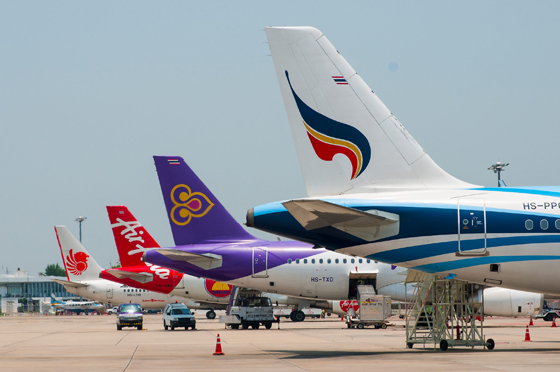
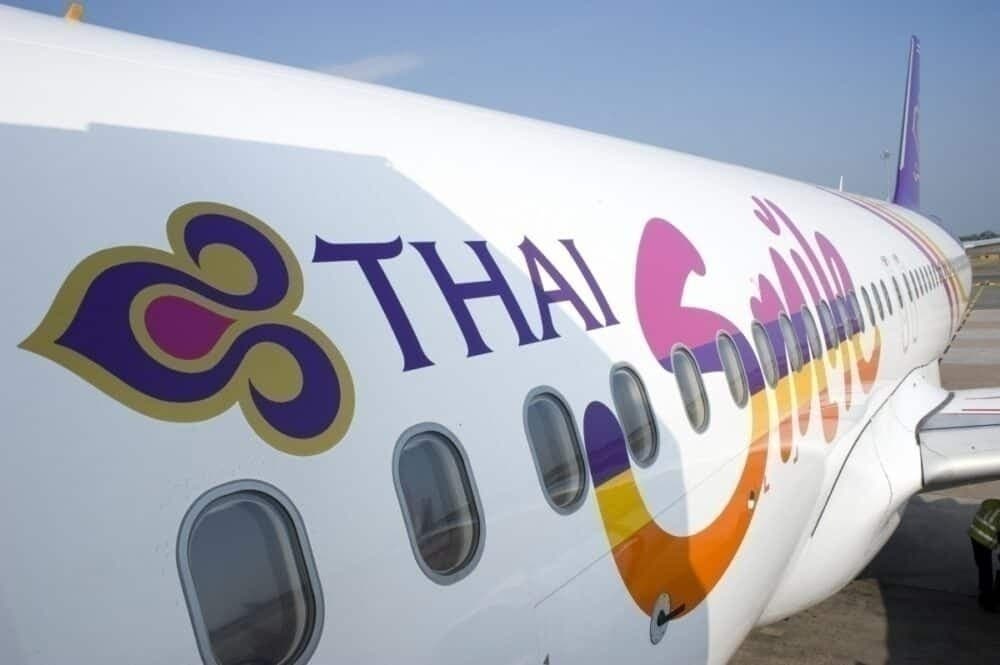
Las aerolíneas nacionales de Tailandia están tratando de reanudar los servicios a partir del 1 de Septiembre de 2021, pero los pasajeros deben tener cuidado de que pueden enfrentar estrictas reglas de cuarentena en sus destinos. Las seis aerolíneas nacionales que operan en Tailandia han indicado que reanudarán algunos servicios desde Bangkok a partir de esta semana, pero los detalles de las rutas son incompletos, y las aerolíneas apuntan a sus políticas de reembolso y cambio de reserva que intensificarán las preocupaciones de los pasajeros de que los horarios de los vuelos podrían ser erráticos. Después de que la CCSA anunciara la flexibilización de las medidas de confinamiento que permiten viajar entre provincias, seis aerolíneas que comprenden ThaiSmile, NokAir, Air Asia, Thai Lion Air, Thai Viet Jet y Bangkok Airways, han indicado que están listas para volar el 1 de septiembre. Los clientes pueden consultar los sitios web de las aerolíneas para conocer los horarios de los vuelos.
El Presidente de Aeropuertos de Tailandia (AOT), Nitinai Sirismatthakarn, comentó que los seis aeropuertos bajo la supervisión de AOT: Suvarnabhumi, Don Mueang, Hat Yai, Chiang Mai, Mae Fah Luang Chiang Rai y Phuket, siempre están listos para servir. Sin embargo, hay preocupaciones sobre las aerolíneas que se han visto gravemente afectadas por la pandemia de Covid-19, especialmente la cargafinanciera resultante. Nitinai dijo que AOT está listo para apoyar aspectos del servicio, como los servicios terrestres que serán administrados por compañías subcontratistas de AOT.
Bangkok Airways
Bangkok Airways ofreció los indicadores más precisos al confirmar los destinos exactos que pretende restablecer el fin de semana. Identificó cinco rutas. Son Bangkok–Samui, Bangkok–Chiang Mai, Bangkok–Phuket, Bangkok–Sukhothai y Bangkok–Lampang. Los horarios de vuelo iniciales para las cinco rutas son: Bangkok–Samui tres vuelos diarios; Bangkok–Chiang Mai cinco vuelos por semana (Lunes, Miércoles, Viernes, Sábado y Domingo); Bangkok–Phuket cinco vuelos por semana (Lunes, Miércoles, Viernes, Sábado y Domingo); Bangkok–Lampang cuatro vuelos por semana (Lunes, Jueves, Viernes y Domingo), a partir del 9 de Septiembre de 2021; Bangkok–Sukhothai tres vuelos por semana (Lunes, Miércoles y Viernes), a partir del 16 de Septiembre de 2021 en adelante.
Thai Smiles
Thai Smiles Airways anunció en su página de Facebook el fin de semana que reintroducirá algunos vuelos nacionales desde Bangkok y planea volver a los servicios normales nuevamente el 1 de Septiembre de 2021, pero bajo estrictas medidas de control epidémico, estableciendo servicios poco normales. También subraya sus políticas de cancelación de vuelos con respecto al cambio de fecha de vuelo de las reglas de ruta, lo que no es muy tranquilizador para los pasajeros. Muchos de ellos ya están de su bolsillo por no asegurar los reembolsos de la aerolínea nacional del país desde que la pandemia de Covid-19 golpeó en Marzo de 2020.
Vietjet
Vietjet confirmó en su página de Facebook la semana pasada una promoción especial con tarifas de ida tan bajas como TH499 en rutas a campo traviesa que se reanudarán en Septiembre y Octubre. Las rutas a través del país comenzarán pronto: Phuket–Chiang Rai/ Chiang Mai–Udon Thani y Hat Yai–Chiang Rai. Los vuelos directos desde el Aeropuerto Suvarnabhumi de Bangkok se lanzarán en Septiembre u Octubre a Chiang Mai, Chiang Rai, Phuket, Krabi, Hat, Yai, Nakhon Si Thammarat, Surat Thani, Udon Thani, KhonKaen, Ubon Ratchathani. Para la ruta Phuket–Chiang Mai, los vuelos deben comenzar a partir del 15/09 y en la ruta Phuket a Udon Thani a partir del 10/11. De Phuket a Chiang Rai y de Chiang Rai a Hat Yai, los vuelos deberían reanudarse el 01/10. Además, Vietjet está anunciando la reanudación de algunas rutas internacionales como Bangkok–Taipei a partir del 20/10; Bangkok–Singapur y Phuket–Singapur a partir del 21 de Octubre de 2021.
Nok Air
Nok Air promete, según sus publicaciones de Facebook, regresar a su base de operaciones de Bangkok en el aeropuerto Don Mueang el 1 de Septiembre de 2021, ofreciendo vuelos desde la capital tailandesa a destinos específicos, además de los servicios enrutados a través de su centro de vuelo temporal en U-Tapao en la costa este, justo al sur de Pattaya.Pero una vez más, sus actualizaciones de Facebook y del sitio web no identifican los destinos nacionales que servirá desde Bangkok. Sin embargo, está muy claro lo que los pasajeros pueden esperar con respecto a la nueva reserva y los reembolsos si el vuelo no se materializa. El Domingo 29/08 por la noche, la aerolínea publicó una actualización en su página de Facebook que indica que reanudaría los servicios a Chiang Mai, Chiang Rai, Lampang, Nan, Udon Thani, Ubon Ratchathani, Loei, Buriram, Sakon Nakhon, Phitsanulok, Mae Sot, Ranong, Chumphon, Phuket, Surat Thani, Nakhon Si Thammarat y Hat Yai. La lista parecía ser toda su red de destinos cuando la aerolínea operaba los máximos servicios domésticos en 2019.
AirAsia
Air Asia Thailand regresará a los cielos, comenzando con vuelos nacionales el 3 de septiembre de 2021. El restablecimiento de los vuelos de AirAsia Tailandia comenzará con once rutas nacionales desde el aeropuerto Don Mueang a Chiang Mai, Phuket, Hat Yai, Nakhon Si Thammarat, Chiang Rai, KhonKaen, Udon Thani, Ubon Ratchathani, Nakhon Panom, Roi Et y Narathiwat. La aerolínea está ofreciendo un descuento del 30% en todos los asientos para todos los vuelos, incluidos los fines de semana y días festivos, para celebrar el reinicio. La ventana de reserva se cierra el 5 de septiembre para viajar del 3 de Septiembre al 31 de Diciembre de 2021.
Consulta reglas de viaje
Todas las aerolíneas que vuelan rutas nacionales deben cumplir con las condiciones de la Autoridad de Aviación Civil de Tailandia y las medidas de viaje especificadas en las provincias de destino. Podría requerir que los pasajeros presenten documentos para demostrar que están completamente vacunados y que tengan documentos que muestren un resultado negativo de la prueba RT-PCR de Covid-19 o un resultado negativo del Kit de prueba de antígenos (ATK). Algunas provincias aceptan un documento que certifique que un pasajero se ha recuperado naturalmente de la infección en los últimos 90 días. La cuarentena o el autoaislamiento también pueden aplicarse en el destino.
Thai airlines restore flights
Airports and airlines prepare to restart operations
Thailand’s domestic airlines are trying to resume services from September 1, 2021, but passengers should be careful that they may face strict quarantine rules at their destinations. All six domestic airlines operating in Thailand have indicated that they will resume some services from Bangkok starting this week, but details of the routes are incomplete, and the airlines point to their refund and change-booking policies that will intensify the concerns of travelers. passengers that flight times could be erratic. After the CCSA announced the relaxation of confinement measures that allow travel between provinces, six airlines comprising ThaiSmile, NokAir, Air Asia, Thai Lion Air, Thai Viet Jet and Bangkok Airways, have indicated that they are ready to fly on 1 of September. Customers can check airline websites for flight schedules.
The President of Airports of Thailand (AOT), Nitinai Sirismatthakarn, commented that the six airports under the supervision of AOT: Suvarnabhumi, Don Mueang, Hat Yai, Chiang Mai, Mae Fah Luang Chiang Rai and Phuket, are always ready to serve. However, there are concerns about airlines that have been severely affected by the Covid-19 pandemic, especially the resulting financial burden. Nitinai said that AOT is ready to support aspects of the service, such as ground services that will be managed by AOT subcontractor companies.
Bangkok Airways
Bangkok Airways offered the most accurate indicators when confirming the exact destinations it intends to reset over the weekend. He identified five routes. They are Bangkok–Samui, Bangkok–Chiang Mai, Bangkok–Phuket, Bangkok–Sukhothai, and Bangkok–Lampang. The initial flight times for the five routes are: Bangkok–Samui three daily flights; Bangkok–Chiang Mai five flights per week (Monday, Wednesday, Friday, Saturday and Sunday); Bangkok–Phuket five flights per week (Monday, Wednesday, Friday, Saturday and Sunday); Bangkok–Lampang four flights per week (Monday, Thursday, Friday and Sunday), starting from September 9, 2021; Bangkok–Sukhothai three flights per week (Monday, Wednesday and Friday), from September 16, 2021 onwards.
Thai Smiles
Thai Smiles Airways announced on its Facebook page over the weekend that it will reintroduce some domestic flights from Bangkok and plans to return to normal services again on September 1, 2021, but under strict epidemic control measures, establishing unusual services. It also underlines its flight cancellation policies regarding the change of flight date of the route rules, which is not very reassuring for passengers. Many of them are already out of pocket for not securing refunds from the country’s national airline since the Covid-19 pandemic struck in March 2020.
Vietjet
Vietjet confirmed on its Facebook page last week a special promotion with one-way fares as low as TH499 on cross-country routes that will resume in September and October. Cross-country routes will start soon: Phuket–Chiang Rai/Chiang Mai–Udon Thani and Hat Yai–Chiang Rai. Direct flights from Bangkok Suvarnabhumi Airport will launch in September or October to Chiang Mai, Chiang Rai, Phuket, Krabi, Hat, Yai, Nakhon Si Thammarat, Surat Thani, Udon Thani, KhonKaen, Ubon Ratchathani. For the Phuket–Chiang Mai route, flights must start from 09/15 and on the Phuket to Udon Thani route from 11/10. From Phuket to Chiang Rai and from Chiang Rai to Hat Yai, flights should resume on 10/01. In addition, Vietjet is announcing the resumption of some international routes such as Bangkok–Taipei from 10/20; Bangkok–Singapore and Phuket–Singapore from October 21, 2021.
Nok Air
Nok Air promises, according to its Facebook posts, to return to its Bangkok base of operations at Don Mueang Airport on September 1, 2021, offering flights from the Thai capital to specific destinations, in addition to services routed through its hub. temporary flight at U-Tapao on the east coast, just south of Pattaya. But again, its Facebook and website updates do not identify the domestic destinations it will serve from Bangkok. However, it is very clear what passengers can expect regarding the new booking and refunds if the flight does not materialize. On Sunday night 08/29, the airline posted an update on its Facebook page stating that it would resume services to Chiang Mai, Chiang Rai, Lampang, Nan, Udon Thani, Ubon Ratchathani, Loei, Buriram, Sakon Nakhon, Phitsanulok, Mae Sot, Ranong, Chumphon, Phuket, Surat Thani, Nakhon Si Thammarat and Hat Yai. The list appeared to be their entire network of destinations when the airline was operating top domestic services in 2019.
AirAsia
Air Asia Thailand will return to the skies, beginning with domestic flights on September 3, 2021. AirAsia Thailand’s flight reestablishment will begin with eleven domestic routes from Don Mueang Airport to Chiang Mai, Phuket, Hat Yai, Nakhon Si Thammarat, Chiang Rai, KhonKaen, Udon Thani, Ubon Ratchathani, Nakhon Panom, Roi Et, and Narathiwat. The airline is offering a 30% discount on all seats for all flights, including weekends and holidays, to celebrate the restart. The reservation window closes on September 5 for travel from September 3 to December 31, 2021.
Check travel rules
All airlines flying domestic routes must comply with the conditions of the Civil Aviation Authority of Thailand and the travel measures specified in the destination provinces. It could require passengers to present documents to show they are fully vaccinated and have documents showing a negative Covid-19 RT-PCR test result or a negative Antigen Test Kit (ATK) result. Some provinces accept a document certifying that a passenger has recovered naturally from the infection in the last 90 days. Quarantine or self-isolation can also be applied at the destination.
La Empresa Argentina de Navegación Aérea S.E. (EANA) en el marco del Plan de Modernización del Transporte Aéreo que lleva adelante el Ministerio de Transporte de Argentina ha instalado un nuevo Sistema de Aterrizaje por Instrumentos (ILS) en el Aeropuerto Internacional Corrientes/Piragine Niveyro, de la ciudad de Corrientes, para las aproximaciones a su cabecera de Pista 20, significando un importante avance tecnológico que eleva la previsibilidad de las operaciones y asegura un mayor grado de disponibilidad de servicio. Un sistema ILS consiste en un conjunto de transmisores terrestres que emiten señales que guían a las aeronaves en su descenso hacia la pista de aterrizaje, siendo de gran utilidad por su precisión y seguridad, sobre todo en escenarios de visibilidad reducida.
La instalación del nuevo equipo incluyó el cambio de todas las antenas, la construcción de nuevas bases de hormigón y la sustitución de las casetas protectoras. El nuevo sistema incorpora además un transmisor de señales DME, gracias al cual las tripulaciones que se dirigen hacia o parten desde el aeropuerto, pueden conocer con exactitud su distancia al aeródromo. Asimismo, se instaló fibra óptica y antenas de radioenlace entre los equipos y la torre de control, lo que otorga robustez y duplicidad al sistema de comunicaciones. Esto permite al personal de control de tránsito aéreo y de servicio técnico llevar un chequeo continuo del funcionamiento del sistema.
La puesta a punto del nuevo sistema ha permitido comprobar el funcionamiento de los transmisores y las antenas del nuevo ILS, se procedió a la verificación en la que aviones dotados de equipos especiales de medición realizaron una serie de aproximaciones a la pista para verificar la estabilidad, precisión y calidad de las señales radioeléctricas con las que el sistema guía a las aeronaves. Luego, se realizaron los ajustes necesarios para asegurar la máxima confiabilidad de las señales y dejarlos en servicio.
El Ministro de Transporte Alexis Guerrera sostuvo que “esta obra es parte de nuestro Plan de Modernización del Transporte, con el que estamos invirtiendo en más y mejor tecnología para nuestros aeropuertos. Con estos equipos podemos hacer que los vuelos continúen operando de forma segura, aún en condiciones adversas, evitamos cancelaciones y ganamos previsibilidad en el sistema. Eso es mayor calidad de vida para las y los argentinos y es más desarrollo para las provincias”.
New Corrientes Airport ILS
Corrientes Airport launches new ILS system
The Argentine Air Navigation Company S.E. (EANA) within the framework of the Air Transport Modernization Plan carried out by the Ministry of Transport of Argentina has installed a new Instrument Landing System (ILS) at the Corrientes International Airport/Piragine Niveyro, in the city of Corrientes, to the approaches to its head of Runway 20, signifying an important technological advance that increases the predictability of operations and ensures a greater degree of service availability. An ILS system consists of a set of ground transmitters that emit signals that guide the aircraft on their descent towards the runway, being very useful for its precision and safety, especially in scenarios of reduced visibility.
The installation of the new equipment included the change of all the antennas, the construction of new concrete bases and the replacement of the protective sheds. The new system also incorporates a DME signal transmitter, thanks to which the crews heading to or departing from the airport can know exactly their distance from the aerodrome. Likewise, fiber optics and radio link antennas were installed between the equipment and the control tower, which gives the communications system robustness and duplication. This allows air traffic control and technical service personnel to keep a continuous check on the operation of the system.
The fine-tuning of the new system has made it possible to check the operation of the transmitters and antennas of the new ILS, a verification was carried out in which airplanes equipped with special measurement equipment made a series of approaches to the runway to verify stability, precision and quality of the radio signals with which the system guides the aircraft. Then, the necessary adjustments were made to ensure maximum reliability of the signals and leave them in service.
The Minister of Transportation Alexis Guerrera stated that “this work is part of our Transportation Modernization Plan, with which we are investing in more and better technology for our airports. With these equipments we can ensure that flights continue to operate safely, even in adverse conditions, we avoid cancellations and we gain predictability in the system. That is a better quality of life for the Argentines and it is more development for the provinces”.
Reino Unido y EEEUU alertan ataques fundamentalistas
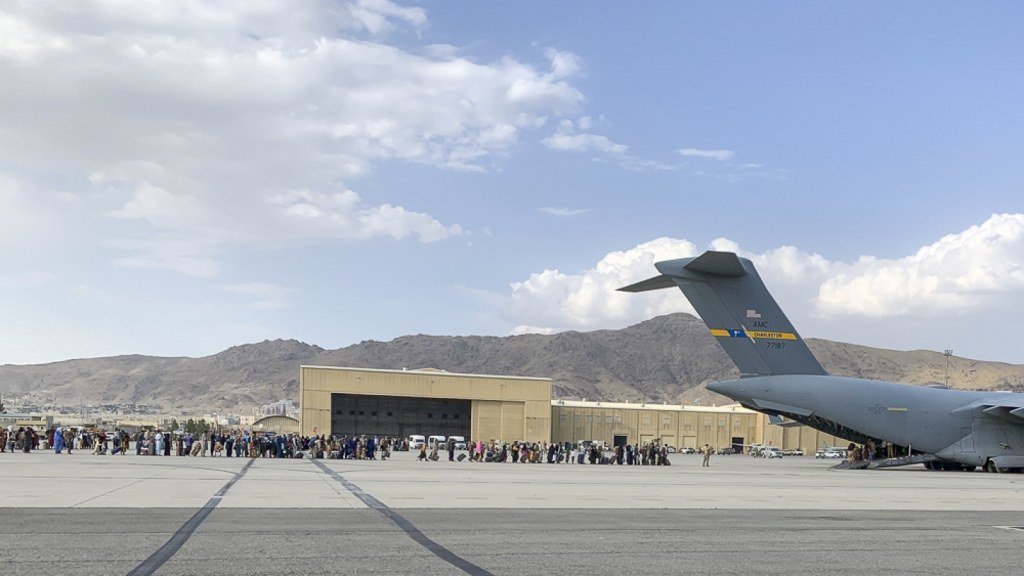
Reino Unido y Estados Unidos han informado sobre una alta amenaza de ataque terrorista en el Aeropuerto de Kabul. Estados Unidos insta a la gente a mantenerse alejada para no ser blanco de las posibles incursiones de los fundamentalista. La alerta máxima se produce cuando un esfuerzo de evacuación masiva entra en sus etapas finales, con países que luchan por sacar a la gente del territorio de Afganistán controlado por los talibanes antes de la fecha límite del 31 de Agosto de 2021 establecida por el Presidente Joe Biden. Algunos países europeos ya han comenzado a detener los vuelos desde el Aeropuerto Internacional Kabul/Hamid Karzai ante posibles amenazas a la seguridad aérea.
Estados Unidos y otros países occidentales involucrados en la evacuación han instado a las personas a mantenerse alejadas del aeropuerto en medio de las crecientes preocupaciones sobre una posible actividad terrorista. El ministro de las Fuerzas Armadas del Reino Unido, James Heappey, dijo este Jueves 26/08 que un ataque inminente y letal podría estar a punto de tener lugar en el Aeropuerto de Kabul. «La inteligencia en el transcurso de la semana se ha hecho cada vez más segura en torno al ataque altamente creíble, inminente y letal contra el aeropuerto o los centros de manejo utilizados por las fuerzas occidentales», dijo James Heappey. La Oficina de Relaciones Exteriores, Commonwealth y Desarrollo del Reino Unido, por su parte, emitió nuevas directrices para advertir de «una amenaza continua y alta de ataque terrorista». Instó a las personas a no viajar al aeropuerto y trasladarse a un lugar seguro para esperar más consejos.
A última hora del Miércoles 25/08, la embajada de Estados Unidos en Kabul instó a los ciudadanos estadounidenses en Afganistán a evitar viajar al aeropuerto de la capital, citando una amenaza de seguridad no especificada fuera del ingreso al aeropuerto internacional. «Debido a las amenazas de seguridad fuera de las puertas del aeropuerto de Kabul, estamos aconsejando a los ciudadanos estadounidenses que eviten viajar al aeropuerto y que eviten las puertas del aeropuerto en este momento a menos que reciba instrucciones individuales de un representante del gobierno de Estados Unidos para hacerlo. Los ciudadanos estadounidenses que están en Abbey Gate, East Gate, o North Gate ahora deben irse de inmediato», dijo la alerta de seguridad. La embajada de Estados Unidos en Kabul aconsejó a los estadounidenses estar al tanto de su entorno en todo momento, seguir las instrucciones de las autoridades locales, tener un plan de contingencia para emergencias y monitorear los medios de comunicación locales y el Departamento de Estado para los acontecimientos.
Evacuaciones, etapa final
La Administración estadounidense no ha compartido el número total de estadounidenses y ciudadanos afganos que pretende evacuar antes de que las tropas partan a finales de mes. Los aliados de la OTAN y los miembros del propio partido del presidente han presionado para que se amplíe el plazo de retirada, expresando dudas de que la coalición pueda evacuar a todos los afganos que son elegibles para irse en un período de tiempo tan corto. Sin embargo, Joe Biden reiteró el Martes 24/08 a los líderes del G-7, la OTAN, las Naciones Unidas y la Unión Europea que Estados Unidos retirará su ejército de Afganistán a finales de mes.
Dinamarca dijo que su último vuelo desde la capital afgana partió el Jueves 26/08, y el Ministro de Defensa, Trine Bramsen, habría advirtiendo: «Ya no es seguro volar dentro o fuera de Kabul». El Gobierno holandés también espera llevar a cabo su último vuelo de evacuación el Jueves 26/08 debido al deterioro de la situación de seguridad. Describió la decisión como un momento doloroso porque las personas que son elegibles para la evacuación al país ahora se quedarán atrás. El Primer Ministro francés, Jean Castex, dijo el 26/08 que el país ya no podría evacuar a las personas a partir del Viernes 27/08 por la noche como resultado de la retirada estadounidense.
Kabul Airport possible attacks alarm
UK and US warn fundamentalist attacks
The United Kingdom and the United States have reported a high threat of terrorist attack at Kabul Airport. The United States urges people to stay away so as not to be targeted by possible forays by fundamentalists. The high alert comes as a mass evacuation effort enters its final stages, with countries scrambling to get people out of the Taliban-controlled territory of Afghanistan before the August 31, 2021 deadline set by President Joe. Biden. Some European countries have already started stopping flights from Kabul/Hamid Karzai International Airport in the face of possible threats to air safety.
The United States and other Western countries involved in the evacuation have urged people to stay away from the airport amid mounting concerns about possible terrorist activity. The UK Armed Forces Minister James Heappey said on Thursday 08/26 that an imminent and lethal attack could be about to take place at Kabul Airport. «Intelligence over the course of the week has become increasingly secure around the highly credible, imminent and lethal attack on the airport or handling centers used by Western forces», said James Heappey. The UK’s Foreign, Commonwealth and Development Office, for its part, issued new guidelines to warn of «a continuing and high threat of terrorist attack». He urged people not to travel to the airport and move to a safe place to wait for more advice.
Late on Wednesday 08/25, the US embassy in Kabul urged US citizens in Afghanistan to avoid traveling to the capital’s airport, citing an unspecified security threat outside the international airport entrance. «Due to security threats outside the Kabul airport gates, we are advising American citizens to avoid traveling to the airport and to avoid the airport gates at this time unless they receive individual instructions from a representative of the United States government. United to do so. American citizens who are at the Abbey Gate, East Gate, or North Gate must now leave immediately», the security alert said. The U.S. Embassy in Kabul advised Americans to be aware of their surroundings at all times, follow instructions from local authorities, have a contingency plan for emergencies, and monitor local media and the State Department for events.
Evacuations, final stage
The US Administration has not shared the total number of Americans and Afghan citizens it intends to evacuate before troops leave at the end of the month. NATO allies and members of the president’s own party have lobbied for an extension of the withdrawal period, expressing doubts that the coalition will be able to evacuate all Afghans who are eligible to leave in such a short period of time. However, Joe Biden reiterated on Tuesday 24/08 to the leaders of the G-7, NATO, the United Nations and the European Union that the United States will withdraw its army from Afghanistan at the end of the month.
Denmark said its last flight from the Afghan capital departed on Thursday 08/26, and Defense Minister Trine Bramsen reportedly warned: «It is no longer safe to fly into or out of Kabul». The Dutch Government also expects to carry out its last evacuation flight on Thursday 08/26 due to the deteriorating security situation. He described the decision as a painful moment because people who are eligible for evacuation to the country will now be left behind. French Prime Minister Jean Castex said on 08/26 that the country would no longer be able to evacuate people as of Friday 08/27 evening as a result of the American withdrawal.
Gobierno nacional compra terrenos y revela ubicación
El Gobierno de México ha anunciado la compra y ubicación de los terrenos donde se construirá un nuevo aeropuerto localizado en Tulum. El acuerdo de compra contempla 200 hectáreas del sector de Felipe Carrillo Puerto. “Ya se llegó a un acuerdo con los ejidatarios de Felipe Carrillo Puerto para la construcción del nuevo aeropuerto de Tulum. Aunque el aeropuerto es de Tulum, la verdad es que las tierras están en Felipe Carrillo Puerto, muy cerca de Tulum”, dijo el Presidente de México López Obrador.
La puesta en marcha del Aeropuerto Tulum está creando una empresa que controlará el nuevo aeropuerto y será administrada por el ejército, la cual operará la terminal de Tulum, la de Santa Lucía y el Tren Maya. El futuro del Aeropuerto de Tulum tendrá una nueva ciudad para militares, sin embargo, esta terminal será civil-militar, es decir, servirá también para el transporte de pasajeros, atendiendo la demanda de viajes en la Riviera Maya. El aeropuerto contempla la construcción de un edificio para la terminal de pasajeros, salas de abordaje, torre de control, estacionamiento y vialidades, además de la planeación urbana de una ciudad militar, edificios principales de soporte y para servicio del aeropuerto civil. Se prevé estará listo en un año.
Mexico bets on Tulum Airport
National Government buys land and reveals location
The Government of Mexico has announced the purchase and location of the land where a new airport located in Tulum will be built. The purchase agreement includes 200 hectares of the Felipe Carrillo Puerto sector. “An agreement has already been reached with the ejidatarios of Felipe Carrillo Puerto for the construction of the new Tulum airport. Although the airport is in Tulum, the truth is that the land is in Felipe Carrillo Puerto, very close to Tulum”, said the President of Mexico López Obrador.
The start-up of the Tulum Airport is creating a company that will control the new airport and will be administered by the army, which will operate the Tulum terminal, the Santa Lucia terminal and the Mayan Train. The future of the Tulum Airport will have a new city for the military, however, this terminal will be civil-military, that is, it will also serve for the transport of passengers, meeting the demand for travel in the Riviera Maya. The airport includes the construction of a building for the passenger terminal, boarding lounges, control tower, parking lot and roads, as well as urban planning for a military city, main support and service buildings for the civil airport. It is expected to be ready in a year.