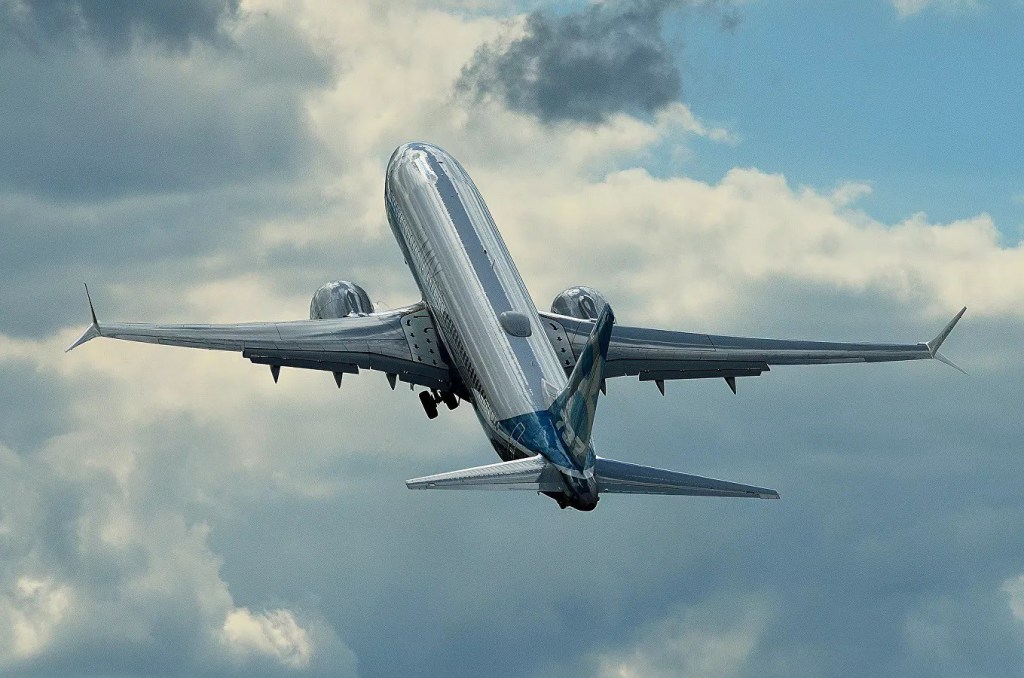
El 2 de Abril de 2021, la Administración Federal de Aviación (FAA) de los Estados Unidos ha producido una nueva Directiva de Aeronavegabilidad (AD) con respecto a la unidad de procesador de cantidad de combustible del Boeing 737 MAX. Este AD no sería un requisito general para toda la serie MAX, sólo afectará a los modelos MAX 8 y MAX 9. La FAA ha detallado en un comunicado: «Esta propuesta de AD fue motivada por un informe de que, durante el reabastecimiento de combustible del tanque principal adecuado, si hay un fallo del sistema de cierre automático, el panel de reabastecimiento de combustible no proporciona la indicación necesaria de que el cierre automático ha fallado. Este AD propuesto requeriría instalar una nueva Unidad de Procesador de Cantidad de Combustible (FQPU) y hacer una comprobación de Software FQPU».
Por ahora, esta propuesta de AD está al comienzo de un período de comentarios de 45 días que termina el 17 de Mayo de 2021. Durante este tiempo, la FAA está abierta a recibir «datos relevantes escritos, opiniones o argumentos sobre esta propuesta».
FAA new directive for 737 MAX
FAA Launches AD for Boeing 737 MAX FQPU Software
On April 2, 2021, the United States Federal Aviation Administration (FAA) has produced a new Airworthiness Directive (AD) regarding the fuel quantity processor unit of the Boeing 737 MAX. This AD would not be a general requirement for the entire MAX series, it will only affect the MAX 8 and MAX 9 models. The FAA has detailed in a statement: «This AD proposal was motivated by a report that, during refueling from the proper main tank, if there is a failure of the automatic shut-off system, the refueling panel does not provide the necessary indication that the automatic shut-off has failed. This proposed AD would require installing a new Fuel Quantity Processor Unit (FQPU) and do a Software FQPU check».
For now, this AD proposal is at the beginning of a 45-day comment period ending May 17, 2021. During this time, the FAA is open to receiving «relevant written data, opinions or arguments on this proposal».
Willie Walsh ha asumido este 1 de Abril de 2021 la Presidencia como Director General de la Asociación de Transporte Aéreo Internacional (IATA) en reemplazo de Alexandre de Juniac. El nuevo directivo posee una experiencia de cuarenta años en la industria de la aviación,siendo un referente de la línea aérea British Airways. “Me apasiona nuestra industria y el papel crítico que la IATA desempeña en nombre de sus miembros y que, durante la crisis del COVID-19, se ha hecho más relevante que nunca. La asociación se ha colocado en primera línea para luchar por la recuperación de la conectividad global, liderando iniciativas como la aplicación Travel Pass. Y aunque menos visibles, pero igual de relevantes, las aerolíneas siguen confiando en los sistemas de liquidación financiera de IATA, Timatic y otros servicios vitales que respaldan sus operaciones diarias”, comentó el nuevo representante de IATA.
La carrera profesional comenzó en 1979 como piloto cadete. Fue consejero delegado en British Airways (2005-2011) y Aer Lingus 2001-2005). En Septiembre del 2020, Willie Walsh dejó el cargo de consejero delegado de International Airlines Group (IAG), donde dirigió desde el 2011.
En sus primeras declaraciones como Director General, dijo: «En tiempos normales, más de cuatro mil millones de viajeros dependen de la aviación cada año, a lo que se suma el valor que ha ganado el transporte aéreo de carga con la distribución de las vacunas. La industria de las aerolíneas está comprometida con la seguridad, la eficiencia y la sostenibilidad de sus operaciones. Mi objetivo es mantener la voz vigorosa de la IATA en su lucha por el éxito del transporte aéreo mundial». También agradeció a Alexandre de Juniac la organización sólida y el equipo motivado que le dejó. La asociación tiene afiliadas a 293 líneas aéreas, las cuales representan el 82% del tráfico aéreo global.
New Director of IATA
Willie Walsh assumes IATA aviation partnership
Willie Walsh has assumed this April 1, 2021 the Presidency as General Director of the International Air Transport Association (IATA) in replacement of Alexandre de Juniac. The new manager has 40 years of experience in the aviation industry, being a benchmark for British Airways. “I am passionate about our industry and the critical role that IATA plays on behalf of its members and that, during the COVID-19 crisis, has become more relevant than ever. The association has been placed in the front line to fight for the recovery of global connectivity, leading initiatives such as the Travel Pass application. And while less visible, but just as relevant, airlines continue to rely on the financial settlement systems of IATA, Timatic and other vital services that support their day-to-day operations”, commented the new IATA representative.
His professional career began in 1979 as a cadet pilot. He was CEO of British Airways (2005-2011) and Aer Lingus 2001-2005). In September 2020, Willie Walsh stepped down as CEO of International Airlines Group (IAG), where he has led since 2011.
In his first statements as Director General, he said: «In normal times, more than four billion travelers depend on aviation each year, to which is added the value that air freight transport has gained with the distribution of the vaccines. The airline industry is committed to the safety, efficiency and sustainability of its operations. My goal is to maintain the vigorous voice of IATA in its fight for the success of global air transport». He also thanked Alexandre de Juniac for the solid organization and motivated team that he left him. The association has 293 airlines affiliated, which represent 82% of global air traffic .
OACI designa nuevo representante Oficina Regional Sudamericana
La Organización de Aviación Civil Internacional (OACI) designa por primera vez a un argentino para el cargo de experto en investigación de accidentes en la Oficina Regional Sudamericana. El Lic. Daniel Barafani fue aceptado para el cargo de Experto en Investigación de Accidentes e Incidentes (AIG), P-4, en la Oficina Regional Sudamericana (SAM) de la Organización de Aviación Civil Internacional (OACI), en Lima, Perú. La postulación de Daniel Barafani había sido enviada por el Presidente de la JST, Julián Obaid, el 5 de Noviembre de 2020, y fue aceptada el 11 de Noviembre de 2020 a través de una carta enviada por la Secretaria General de la OACI, la Dra. Fang Liu. Finalmente, el Memorándum de Entendimiento (MOU) entre OACI y el Gobierno Argentino fue firmado el 26 de Marzo de 2021. En él se señala que Barafani comenzará sus funciones en el cargo a partir del 1 de Abril de 2020.
Daniel Barafani cuenta con una larga trayectoria en la industria aeronáutica, con más de 35 años en el sector y doce años en el área de investigación de accidentes de aviación. Actualmente es Asesor de la JST en Investigación de Accidentes y Seguridad Operacional. El área que integrará tiene como tarea asistir y acompañar a los organismos de investigación de Sudamérica en la adopción e implementación de los estándares (SARPs) establecidos en el Anexo 13 y documentos conexos relacionados con la investigación de accidentes e incidentes de aviación. “Agradecemos el apoyo de OACI por haber designado al Licenciado Daniel Barafani. Es un orgullo que el organismo que regula la aviación mundial sume a su equipo a un investigador tan prestigioso de la JST. Consideramos que por su trayectoria y experiencia será de gran aporte para la Oficina Regional Sudamericana, ya que brindará su profesionalismo a la región en materia de seguridad en el transporte. Como referentes en la investigación multimodal, desde la JST seguiremos contribuyendo a la seguridad en el transporte compartiendo las lecciones aprendidas de los otros modos de transporte”, expresó Julián Obaid.
Trayectoria
El Lic. Daniel Barafani tiene 56 años y nació en Mendoza, Argentina. Es investigador de accidentes e incidentes de aviación y cuenta con 35 años de trayectoria en la industria aeronáutica, que incluye 12 años de experiencia en investigación de accidentes de aviación general. En el área relacionada a la investigación de accidentes, ha trabajado a nivel nacional en el desarrollo organizativo de la investigación y la articulación con la Autoridad Civil de Aviación y con organizaciones de la aviación comercial y general. Además, ha trabajado en el proyecto de creación del Mecanismo de Cooperación Regional (ARCM) de Sudamérica, con un armónico trabajo con la Oficina Regional desde el 2014. También participa como experto en el Panel AIG de la OACI desde 2016. El investigador estudió en la Escuela de Aviación Militar de la Fuerza Aérea Argentina (FAA), donde alcanzó el título de Oficial. Luego estudió en el Instituto Universitario Aeronáutico, donde se recibió de Licenciado en Sistemas Aeronáuticos y Aeroespaciales. También se especializó en la FAA como Aviador Militar, y en el CIPE se formó como Investigador de Accidentes de Aviación. Desde 1984 hasta 1998, Daniel Barafani se desempeñó como piloto activo de la Fuerza Aérea Argentina (FAA), donde además ejerció los cargos de Jefe de Servicios Generales, Jefe de Planificación de Vuelos Fotográficos, Jefe de Servicio de Mantenimiento LR-35A, Jefe de la División Economía y Oficial de PREVAC del Grupo Aerofotográfico. En 1998 comenzó a trabajar en la línea aérea Southern Winds, donde se mantuvo hasta julio de 2006. Allí fue Piloto Comandante CRJ, B732, Profesor de las materias Procedimientos de emergencias, Mercancías peligrosas y Equipamiento de emergencias para las TCPS de la empresa. Además, formó parte del Consejo de Seguridad y participó en la confección del Manual de Seguridad y el Manual de Respuesta ante Emergencias y Situaciones de Crisis. Desde 2006 a 2008 trabajó en la línea aérea Silver Sky, donde fue parte del equipo startup. Luego desempeñó los cargos de Jefe de Planificación y Control de Vuelos Gerencia de Operaciones, Piloto Comandante Boeing 737-200. También realizó la confección de Manuales de Operación (MOE), Procedimientos Standard para B-732, documentación de personal operativo; planificación de cursos, planificación y control de vuelos, armado de la base de operaciones en el Aeropuerto Córdoba y la escala de Mendoza y estudio, y cálculo de costos operativos y de vuelos.
En 2009 inició su trabajo en Líneas Aéreas del Sur S.A (LADSSA), donde permaneció hasta 2014. Allí fue miembro del equipo starup de la compañía, y se desempeñó como Jefe de Área de Instrucción, Gerente de Seguridad Operacional, Piloto Comandante, Instructor de vuelo e Instructor de Simulador B-732. Entre los trabajos que realizó en la empresa, se destacan también la confección de Manuales de Operación (MOE), procedimientos Standard para B-732, documentación de personal operativo, planificación de cursos para pilotos, TCP, despachantes y mecánicos de aeronave (teóricos y prácticos); el armado de la base de operaciones en Aeropuerto Córdoba y la confección del Manual de SMS e implementación del SMS en la empresa. En 2008 Daniel Barafani ingresó a la Junta de Investigación de Accidentes de Aviación Civil (JIAAC), donde se desempeñó como Investigador especialista en operaciones. Luego trabajó como Asesor en Seguridad Operacional; jefe delegación de Córdoba; jefe del Departamento de Investigación Operativa; miembro del Comité Técnico del ARCM; miembro del Comité de Validación de las Investigaciones y miembro del AIG Panel de la OACI como experto en investigación de accidentes. En 2016 fue designado como Director Nacional de Investigaciones. Desde de 2020, cuando la JST absorbió a la JIAAC, se desempeña como Asesor en Investigación de Accidentes y Seguridad Operacional.
ICAO designates Argentine Latin America Office
ICAO appoints new representative South American Regional Office
The International Civil Aviation Organization (ICAO) aviation body appoints for the first time an Argentine to the position of accident investigation expert at the South American Regional Office. Mr. Daniel Barafani was accepted for the position of Accident and Incident Investigation Expert (AIG), P-4, at the South American Regional Office (SAM) of the International Civil Aviation Organization (ICAO), in Lima, Perú. Daniel Barafani’s application had been sent by the President of the JST, Julián Obaid, on November 5, 2020, and was accepted on November 11, 2020 through a letter sent by the ICAO Secretary General, Dr. Fang Liu. Finally, the Memorandum of Understanding (MOU) between ICAO and the Argentine Government was signed on March 26, 2021. It states that Barafani will begin his duties in office as of April 1, 2020.
Daniel Barafani has a long history in the aeronautical industry, with more than 35 years in the sector and twelve years in the aviation accident investigation area. He is currently an Advisor to the JST on Accident Investigation and Operational Safety. The area that he will integrate has the task of assisting and accompanying the investigation organizations of South America in the adoption and implementation of the standards (SARPs) established in Annex 13 and related documents related to the investigation of aviation accidents and incidents. “We are grateful for the support of ICAO for having appointed Mr. Daniel Barafani. It is a pride that the body that regulates world aviation adds such a prestigious investigator from the JST to its team. We believe that due to his trajectory and experience, he will be of great contribution to the South American Regional Office, since he will provide his professionalism to the region in terms of transportation security. As benchmarks in multimodal research, from the JST we will continue to contribute to transport safety by sharing the lessons learned from other modes of transport”, said Julián Obaid.
Trajectory
Lic. Daniel Barafani is 56 years old and was born in Mendoza, Argentina. He is an aviation accident and incident investigator with a 35-year track record in the aviation industry, including 12 years of general aviation accident investigation experience. In the area related to accident investigation, he has worked at the national level in the organizational development of the investigation and the articulation with the Civil Aviation Authority and with commercial and general aviation organizations. In addition, he has worked in the project to create the South American Regional Cooperation Mechanism (ARCM), with a harmonious work with the Regional Office since 2014. He also participates as an expert in the ICAO AIG Panel since 2016. The researcher studied in the Military Aviation School of the Argentine Air Force (FAA), where he achieved the title of Officer. He then he studied at the Aeronautical University Institute, where he received a Bachelor’s Degree in Aeronautical and Aerospace Systems. He also specialized in the FAA as a Military Aviator, and at CIPE he trained as an Aviation Accident Investigator. From 1984 to 1998, Daniel Barafani served as an active pilot in the Argentine Air Force (FAA), where he also held the positions of Chief of General Services, Chief of Photographic Flight Planning, Chief of LR-35A Maintenance Service, Chief of the Economy Division and PREVAC Officer of the Aerofotográfico Group. In 1998 he began working for the Southern Winds airline, where he remained until July 2006. There he was Pilot Commander CRJ, B732, Professor of the subjects Emergency Procedures, Dangerous Goods and Emergency Equipment for the TCPS of the company. In addition, he was part of the Security Council and participated in the preparation of the Security Manual and the Manual for Response to Emergencies and Crisis Situations. From 2006 to 2008 he worked for the Silver Sky airline, where he was part of the startup team. He then he carried out the positions of Chief of Flight Planning and Control Operations Management, Pilot Commander Boeing 737-200. He also made the preparation of Operation Manuals (MOE), Standard Procedures for B-732, documentation of operational personnel; course planning, flight planning and control, assembly of the operations base at Córdoba Airport and the Mendoza stopover and study, and calculation of operating and flight costs.
In 2009, he began his work at Líneas Aéreas del Sur SA (LADSSA), where he remained until 2014. There he was a member of the company’s starup team, and served as Head of the Training Area, Operational Safety Manager, Pilot Commander, Instructor of Flight and Instructor of Simulator B-732. Among the work carried out in the company, the preparation of Operation Manuals (MOE), Standard procedures for B-732, documentation of operational personnel, planning of courses for pilots, TCP, dispatchers and aircraft mechanics (theoretical and practical); the assembly of the operations base at Córdoba Airport and the preparation of the SMS Manual and implementation of the SMS in the company. In 2008 Daniel Barafani joined the Civil Aviation Accident Investigation Board (JIAAC), where he served as a specialist Investigator in operations. He then he worked as an Operational Safety Advisor; head of the Córdoba delegation; Head of the Operations Research Department; member of the ARCM Technical Committee; member of the Investigations Validation Committee and member of the ICAO AIG Panel as an accident investigation expert. In 2016 he was appointed as the National Director of Investigations. Since 2020, when the JST absorbed the JIAAC, he has served as Advisor on Accident Investigation and Operational Safety.
La Asociación Internacional de Transporte Aéreo (IATA) ha anunciado la publicación del Informe de Seguridad de 2020 y datos para el desempeño de seguridad de la industria aérea comercial en 2020. El número total de accidentes disminuyó de 52 en 2019 a 38 en 2020. El número total de accidentes mortales disminuyó de 8 en 2019 a 5 en 2020. La tasa total de accidentes fue de 1,71 accidentes por millón de vuelos. Esta tasa media es superior a la tasa media de 5 años (2016-2020), que es de 1,38 accidentes por millón de vuelos. La siniestralidad de las aerolíneas miembro de la IATA fue de 0,83 por millón de vuelos, lo que su supone una mejora con respecto a la tasa media a 5 años de 0,96.
Las operaciones totales de vuelo se redujeron en un 53% a 22 millones en 2020. El riesgo de mortalidad se mantuvo sin cambios en comparación con la media de cinco años en 0,13. Con un riesgo de muerte de 0,13 para los viajes aéreos, en promedio, una persona tendría que viajar por aire todos los días durante 461 años antes de experimentar un accidente con al menos una víctima mortal. En promedio, una persona tendría que viajar todos los días durante 20.932 años para experimentar un accidente 100% fatal.
«Volar es seguro, aunque la industria dio un paso atrás en el rendimiento en 2020. La severa reducción en el número de vuelos aumentó el impacto de cada accidente cuando calculamos las tarifas. Pero los números no mienten, y no permitiremos que esto se convierta en una tendencia. Tendremos un enfoque aún más nítido en la seguridad durante este período de operaciones reducidas y a medida que se reconstruyan los horarios de vuelo cuando el mundo reabra», dijo Alexandre de Juniac, Director General y CEO de la IATA.
Por primera vez en más de 15 años no hubo accidentes a bordo de pérdida de control (LOC-I), que han contabilizado la mayor proporción de víctimas mortales desde 2016. «La falta de tales eventos en 2020 fue una evolución positiva. Sin embargo, sobre la base de los informes iniciales de la investigación sobre la trágica pérdida de Sriwijaya Air SJ-182 a principios de 2021, debemos seguir aprendiendo y mejorando», dijo Alexandre De Juniac.
IATA security report 2020
IATA publishes 2020 safety report
The International Air Transport Association (IATA) has announced the release of the 2020 Safety Report and data for the safety performance of the commercial airline industry in 2020. The total number of accidents decreased from 52 in 2019 to 38 in 2020. The total number of fatal accidents decreased from 8 in 2019 to 5 in 2020. The total accident rate was 1.71 accidents per million flights. This average rate is higher than the 5-year average rate (2016-2020), which is 1.38 accidents per million flights. The loss ratio of IATA member airlines was 0.83 per million flights, which is an improvement over the 5-year average rate of 0.96.
Total flight operations were reduced by 53% to 22 million in 2020. Mortality risk was unchanged compared to the five-year average at 0.13. With a risk of death of 0.13 for air travel, on average, a person would have to travel by air every day for 461 years before experiencing an accident with at least one fatality. On average, a person would have to travel every day for 20,932 years to experience a 100% fatal accident.
«Flying is safe, although the industry took a step back in performance in 2020. The severe reduction in the number of flights increased the impact of each accident when we calculated fares. But the numbers do not lie, and we will not allow this to become in a trend. We will have an even sharper focus on safety during this period of reduced operations and as flight schedules rebuild when the world reopens», said Alexandre de Juniac, IATA Director General and CEO.
For the first time in more than 15 years there were no Loss of Control (LOC-I) onboard accidents, accounting for the highest proportion of fatalities since 2016. «The lack of such events in 2020 was a positive development. However , based on initial reports from the investigation into the tragic loss of Sriwijaya Air SJ-182 in early 2021, we must continue to learn and improve», said Alexandre De Juniac.
AW | 2021 03 25 11:18 | AVIATION ORGANISMS / GOVERNMENT
TSA de Estados Unidos añade nuevas aerolíneas al programa
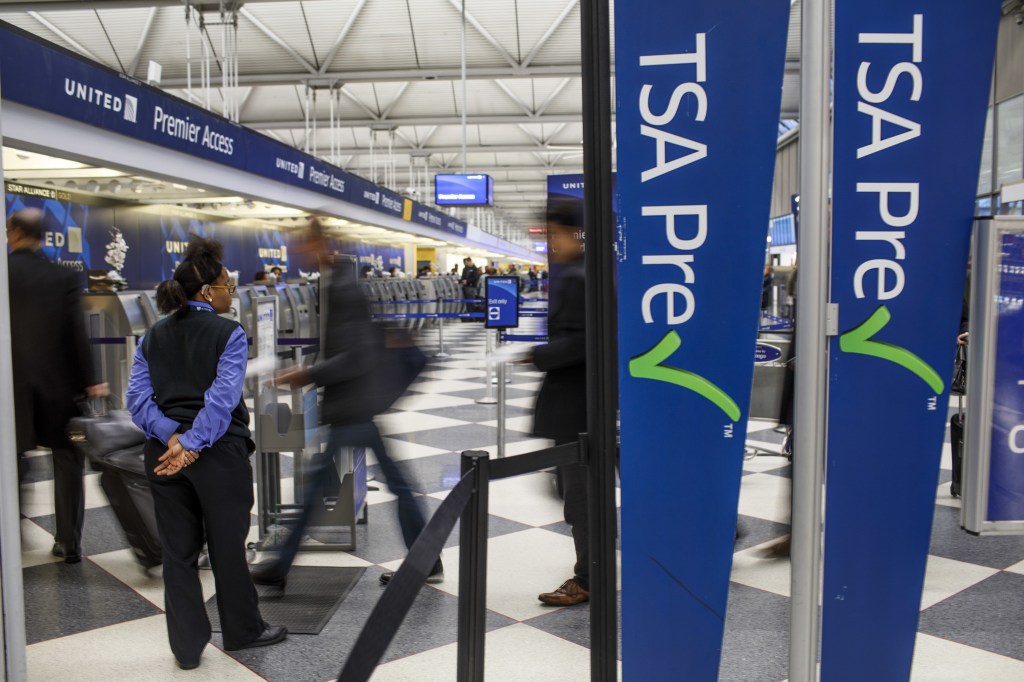
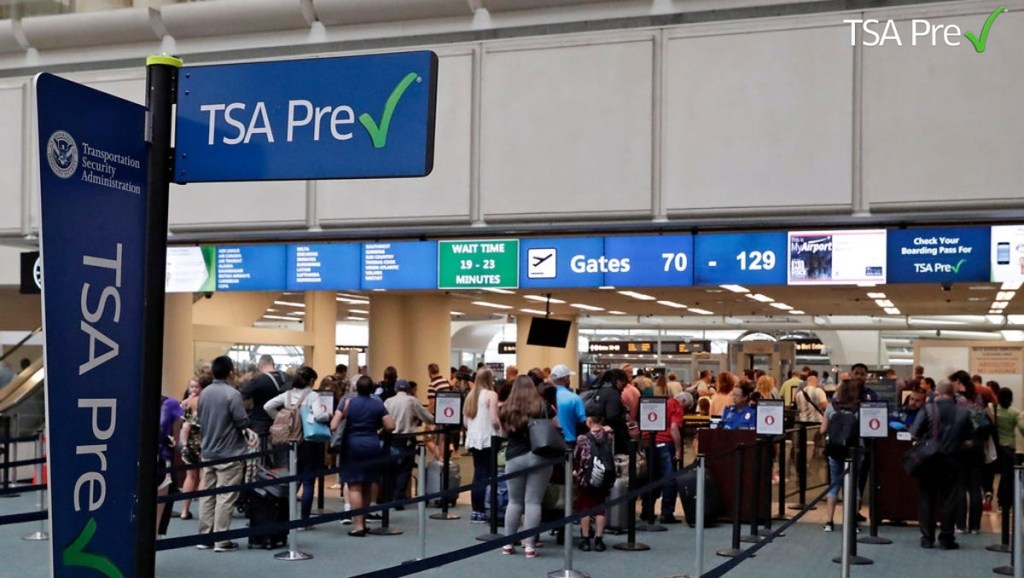
La Administración de Seguridad en el Transporte (TSA) de Estados Unidos ha añadido cinco nuevas aerolíneas a su programa de detección acelerada PreCheck. Las nuevas incorporaciones son las aerolíneas internacionales Latam Airlines Group, LAN Perú y Aerolane (Líneas Aéreas Nacionales del Ecuador), que ofrecen servicio a destinos en Sudamérica. La aerolínea estadounidense Air Choice One también fue añadida al programa. Con las últimas incorporaciones, el número total de transportistas nacionales e internacionales que participan en el PreCheck de la TSA alcanza las 82 aerolíneas.
TSA PreCheck ofrece a los viajeros de bajo riesgo una experiencia de detección perfecta en más de 200 aeropuertos estadounidenses. Los pasajeros elegibles para TSA PreCheck incluyen miembros de los tres programas de viajero de confianza de la Aduana y la Protección Fronteriza de los Estados Unidos: Global Entry, NEXUS y SENTRI. Los viajeros que se inscriban en el programa reciben un «Número de Viajero Conocido» (KTN) único una vez aprobado. Pueden comenzar a usar los carriles TSA PreCheck en los puestos de control de seguridad en todo el país cuando viajan en cualquier aerolínea participante añadiendo el KTN a una reserva de aerolínea. Los pasajeros pueden evitar quitar zapatos, cinturones, líquidos, alimentos, computadoras portátiles y chaquetas ligeras durante la detección. Los pasajeros elegibles pueden aprovechar el servicio al salir de un aeropuerto estadounidense o conectarse en vuelos nacionales en el país.
La TSA señaló que una membresía de cinco años de PreCheck está disponible para ciudadanos estadounidenses, nacionales y residentes permanentes legales por un costo de US$ 85. El mes pasado, el 100% de los pasajeros que usaban los carriles TSA PreCheck esperaron menos de cinco minutos durante el proceso de detección.
TSA USA adds airlines to PreCheck
US TSA adds new airlines to program
The US Transportation Security Administration (TSA) has added five new airlines to its PreCheck accelerated screening program. The new additions are the international airlines Latam Airlines Group, LAN Peru and Aerolane (National Air Lines of Ecuador), which offer service to destinations in South America. The US airline Air Choice One was also added to the program. With the latest additions, the total number of national and international carriers participating in TSA PreCheck reaches 82 airlines.
TSA PreCheck offers low-risk travelers a seamless screening experience at more than 200 US airports. Eligible passengers for TSA PreCheck include members of the three United States Customs and Border Protection trusted traveler programs: Global Entry, NEXUS and SENTRI. Travelers who enroll in the program receive a unique «Known Traveler Number» (KTN) once approved. They can begin using TSA PreCheck lanes at security checkpoints across the country when traveling on any participating airline by adding the KTN to an airline reservation. Passengers can avoid removing shoes, belts, liquids, food, laptops, and light jackets during detection. Eligible passengers can take advantage of the service by departing from a US airport or connecting on domestic flights within the country.
The TSA noted that a five-year PreCheck membership is available to US citizens, nationals, and lawful permanent residents for a cost of US$ 85. Last month, 100% of passengers using TSA PreCheck lanes waited less than five minutes during the detection process.
La Asociación de Transporte Aéreo Internacional (IATA) a anunciado que ha pospuesto la cumbre mundial del transporte aéreo, que debía celebrarse del 27 al 29 de Junio de 2021 en Boston, Estados Unidos, por razones de la situación de la pandemia. El evento de líderes aeronáuticos a líderes mundiales de la aviación, se pospone hacia la próxima fecha 3 al 5 de Octubre de 2021. El Director Deneral y CEO de IATA, Alexandre de Juniac ha expresado: “creemos que es vital hacer todo lo posible para reunirnos como industria cara a cara. Lograrlo servirá para mostrar que las aerolíneas pueden conectar el mundo de manera segura, demostrar la capacidad de recuperación de nuestra industria y confirmar el valor inestimable de las reuniones en persona, facilitadas por la aviación”.
IATA postpones transport summit
IATA postpones world air transport summit
The International Air Transport Association (IATA) has announced that it has postponed the world air transport summit, which was to be held from June 27 to 29, 2021 in Boston, United States, due to the situation of the pandemic. The event from aeronautical leaders to world leaders in aviation, is postponed until the next date October 3 to 5, 2021. IATA General Director and CEO, Alexandre de Juniac said: “We believe that it is vital to do everything possible to meet as an industry face-to-face. Achieving this will serve to show that airlines can connect the world safely, demonstrate the resilience of our industry and confirm the invaluable value of face-to-face meetings, facilitated by aviation”.
AW | 2021 03 18 16:05 | AVIATION SAFETY / AVIATION ORGANISMS / INDUSTRY
FAA inspeccionará personalmente 787 problemas producción
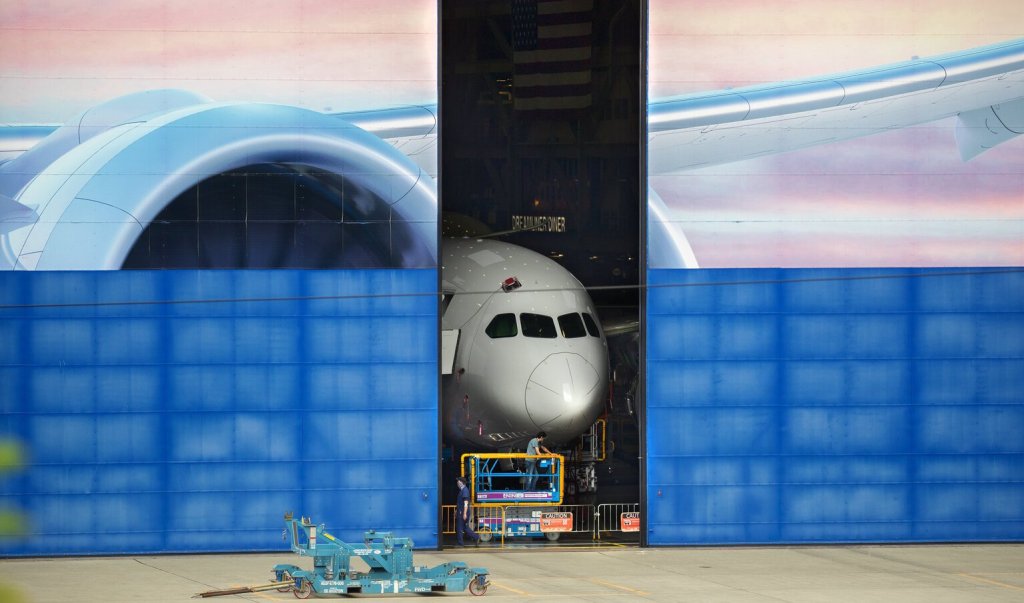
La Administración Federal de Aviación (FAA) dijo el Miércoles 17/03 que inspeccionará cuatro de los Boeing 787 Dreamliner en lugar de delegar ese trabajo a la propia compañía The Boeing Company, después de que surgieron problemas de producción en 2020. «La FAA está tomando una serie de medidas correctivas para abordar los problemas de producción de Boeing 787. Una de las acciones es mantener la autoridad para emitir certificados de aeronavegabilidad para cuatro aviones 787. La FAA puede retener la autoridad para emitir certificados de aeronavegabilidad para aviones adicionales 787 si vemos la necesidad», dijo la agencia en un comunicado. Boeing reveló problemas con algunas costuras en el avión en Septiembre 2020. La FAA le dijo a Boeing en Enero 2021 que daría la firma final de aprobaciones de los rollout de las aeronaves comerciales. Si bien estos controles más recientes de lalínea Dreamliner se produjeron en respuesta a problemas de producción, la FAA dijo que ha realizado controles finales de aeronavegabilidad en unos 787 en los últimos años «para que los inspectores de la FAA puedan cumplir con sus requisitos de aeronaves de inspección».
Boeing dijo que todavía espera reanudar las entregas de los aviones 787 a finales de este mes de Marzo 2021. » Estamos alentados por el progreso que nuestro equipo está haciendo en el regreso a las actividades de entrega para el programa 787. Hemos contratado a la FAA a lo largo de este esfuerzo e implementaremos su dirección para la aprobación de la certificación de aeronavegabilidad de los aviones iniciales como lo han hecho en el pasado», ha expresado The Boeing Company.
El mayor escrutinio de los Dreamliners se produce cuatro meses después de que la FAA levantara una prohibición de vuelo de veinte meses de la línea Boeing 737 MAX, que el regulador puso en tierra en Marzo 2019 después de dos accidentes aéreos en el lapso de cinco meses. La FAA también conservó su autoridad para firmar las aprobaciones a los aviones 737 MAX que produjo la compañía aeroespacial americana desde la puesta en tierra.
Boeing había sido responsable de los controles finales básicos de seguridad necesarios para emitir un certificado de aeronavegabilidad antes de la entrega. Pero la FAA dijo que ahora sería responsable de los controles de cuatro 787 Dreamlines y la la flota residual de 737 MAX que se encuentra estacionada, mientras Boeing lidia con problemas de producción.
FAA to inspect Boeing 787
FAA will personally inspect 787 production problems
The Federal Aviation Administration (FAA) said Wednesday 03/17 that it will inspect four of the Boeing 787 Dreamliners instead of delegating that work to The Boeing Company itself, after production problems arose in 2020. «The FAA is standing by. taking a series of corrective actions to address Boeing 787 production issues. One of the actions is to maintain the authority to issue certificates of airworthiness for four 787 aircraft. The FAA may retain the authority to issue certificates of airworthiness for additional 787 aircraft if we see the need», the agency said in a statement. Boeing disclosed problems with some seams on the aircraft in September 2020. The FAA told Boeing in January 2021 that it would give final signature approvals for rollout for commercial aircraft. While these most recent checks of the Dreamliner line were produced in response to production issues, the FAA said it has performed final airworthiness checks on about 787s in recent years «so that FAA inspectors can meet their aircraft requirements. of Inspection».
Boeing said it still expects to resume deliveries of the 787 aircraft later this month in March 2021. «We are encouraged by the progress our team is making in returning to delivery activities for the 787 program. We have contracted with the FAA. throughout this effort and we will implement your direction for the approval of the airworthiness certification of the initial aircraft as they have done in the past», said The Boeing Company.
The heightened scrutiny of the Dreamliners comes four months after the FAA lifted a twenty-month flight ban on the Boeing 737 MAX line, which the regulator grounded in March 2019 after two plane crashes in the span of five months. The FAA also retained its authority to sign approvals for the 737 MAX aircraft produced by the American aerospace company since grounding.
Boeing had been responsible for the basic final safety checks necessary to issue a certificate of airworthiness prior to delivery. But the FAA said it would now be responsible for checks on four 787 Dreamlines and the remaining fleet of 737 MAXs that are parked, while Boeing grapples with production problems.
Cero Tolerancia sobre incumplimientos de pasajeros
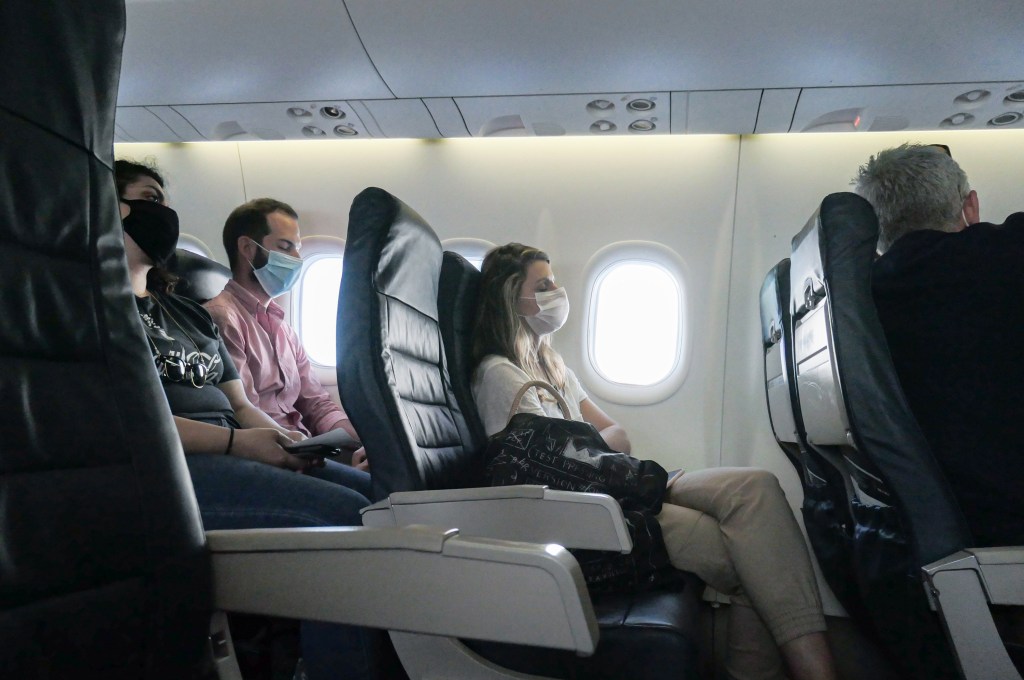
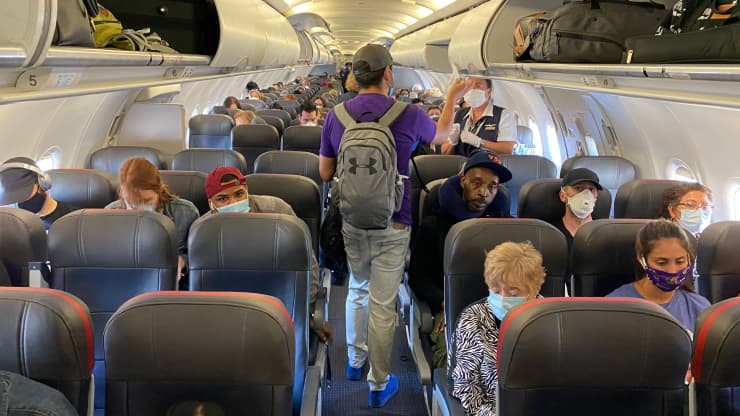
Ante los crecientes casos de indisciplina de los usuarios del transporte aéreo por las nuevas medidas de bioseguridad entre otras pautas, la Federal Aviation Administration (FAA) ha ordenado extender Cero Tolerancia por un plazo indefinido a reiterados casos de abusos a los requerimientos de las aerolíneas y aeropuertos en Estados Unidos, debido al fuerte incremento de los casos de violencia a bordo de las aeronaves en vuelos en Estados Unidos. Los pasajeros que se nieguen a cumplir con las normas establecidas para viajar en aviones al desobedecer las reglas de los Asistentes de Vuelo, incluyendo el uso de mascarilla, retar a pelear a otro pasajero, entre otras muchas indisciplinas, la FAA ha ordenado por la extensión indefinida de la política de Cero Tolerancia, que la Administración Federal de Aviación de Estados Unidos había puesto en vigor el 13 de Enero de 2021 y que terminaría el 30 de Marzo de 2021.
«He decidido extender la política de tolerancia cero de pasajeros rebeldes de la FAA mientras seguimos haciendo todo lo posible para enfrentar la pandemia. La política ordena a nuestros inspectores de seguridad y abogados que tomen medidas enérgicas contra cualquier pasajero que interrumpa o amenace la seguridad de un vuelo, con sanciones que van desde multas hasta penas de cárcel. El número de casos que estamos viendo sigue siendo demasiado alto, y nos dice que se siguen exigiendo medidas urgentes», expresa el comunicado de Steve Dickson, Administrador de la FAA.
Con los incidentes frecuentes de pasajeros de indisciplina en los vuelos, especialmente quienes están en contra del uso de mascarilla durante todo el tiempo de vuelo, son muchos los viajeros que además de sentirse preocupados por un posible contagio del Coronavirus mientras viajan, también temen que se forme en el vuelo altercados y peleas poniendo en riesgo la seguridad de los pasajeros.
Esto no es solo una impresión de los viajeros o de la tripulación de las aerolíneas comerciales de Estados Unidos. Según destacó en un nuevo comunicado Steve Dickson, Administrador de la FAA, desde finales de Diciembre 2020 hasta esta fecha, se han visto más de 500 incidentes aproximadamente, un incremento notable en este tipo de eventos. Steve Dickson dijo que el mal comportamiento de pasajeros no es nuevo en los aviones, pero no era frecuente, por lo que antes se orientaba a los pasajeros o se les podía dar avisos (warnings), en casos menos graves. Pero ante el aumento y la severidad de los casos, luego de consultar con los abogados y expertos de la agencia que dirige, emitieron en Enero 2021 de manera urgente esa política más estricta de “Cero Tolerancia” y destacaron que ese comportamiento conllevaría arrestos. Ahora esta medida está extendida por tiempo indefinido o al menos hasta que se elimine la regla de uso de mascarilla, que aunque las aerolíneas implementaron temprano tras reiniciar vuelos en el 2020, es obligatoria a partir de Enero 2021. La FAA requiere en todos los vuelos de Estados Unidos que se utilicen, al igual que en todos los medios de transporte y sigue los lineamientos establecidos por los Centros de Prevención y Control de Enfermedades (CDC), apoyados por una Orden Ejecutiva firmada por el Presidente Joe Biden.
“Esto es un asunto de seguridad. Los viajes aéreos en Estados Unidos son la manera más segura de viajar, y queremos que sigan siendo así”, aseguró el Steve Dickson. Para demostrar la firmeza de esta medida, de los más de 500 casos informados desde 12/2020, unos veinte pasajeros han sido procesados y más de 450 están en evaluación. En el caso más reciente, esta agencia está pidiendo multas del orden de los US$ 14.500 para un pasajero de un vuelo de JetBlue Airways que se negó a usar la mascarilla en un vuelo den Diciembre 2020 entre Nueva York y República Dominicana, en un incidente que como otros, ha hecho que en la aeronave se declare una emergencia y tenga que regresar a su punto de origen, interrumpiendo el viaje, con los costos implicados.
Caso JetBlue Airways
La Administración Federal de Aviación (FAA) del Departamento de Transporte de Estados Unidos (DOT) propone una multa civil de US$ 14.500 Dólares contra un pasajero de una aerolínea por supuestamente interferir con las azafatas que le ordenaron usar una máscara facial y dejar de consumir alcohol que había traído a bordo del avión. En un vuelo de JetBlue Airlines del 23 de Diciembre de 2020 desde el Aeropuerto Internacional John F. Kennedy/JFK en Nueva York a la República Dominicana, el pasajero abarrotó al viajero sentado a su lado, habló en voz alta y se negó a usar su máscara facial, alega la FAA. Las azafatas trasladaron al otro pasajero a un asiento diferente después de que se quejaron del comportamiento del hombre.
Una azafata advirtió al hombre que las políticas de JetBlue Airways le exigían usar una máscara facial, y le advirtió dos veces que las regulaciones de la FAA prohíben a los pasajeros beber alcohol que traen a bordo de un avión. A pesar de estas advertencias, el pasajero continuó quitándose la máscara facial y bebiendo su propio alcohol, alega la FAA. La azafata emitió al pasajero un «Aviso para cesar el comportamiento ilegal y objetable», y la tripulación de cabina notificó al Capitán sobre sus acciones dos veces separadas. Como resultado de las acciones del pasajero, el Capitán declaró una emergencia y regresó a JFK, donde el avión aterrizó 4.000 libras de sobrepeso debido a la cantidad de combustible a bordo. El pasajero tiene 30 días después de recibir la carta de cumplimiento de la FAA para responder a la Agencia.
Penalidades y suspensión
La normativa de la FAA de Cero Tolerancia ha expresado que los incumplimientos pueden incurrir en multas de hasta US$ 35.000 o arrestos por no cumplir con esta regla federal. Los viajeros se arriesgan a que se les prohíba viajar en las aerolíneas donde tengan el incidente, o donde se nieguen a usar la mascarilla. Delta Air Lines, United Airlines y Alaska Airlines, entre otras, han prohibido a centenares de viajeros que vuelvan a usar sus servicios, aunque no se ha dicho si esta prohibición es permanente. Aunque esta regla puede tener sus excepciones por condiciones de salud, es importante que antes de viajar el usuario de transporte aéreo deberá asesorarse sobre los requisitos en cada aerolínea.
FAA extends Zero Tolerance
Zero Tolerance on passenger defaults
Faced with the growing cases of indiscipline of air transport users due to the new biosafety measures, among other guidelines, the Federal Aviation Administration (FAA) has ordered the extension of Zero Tolerance for an indefinite period of time to repeated cases of abuse of airline requirements and airports in the United States, due to the sharp increase in cases of violence on board aircraft for flights in the United States. Passengers who refuse to comply with the rules established for traveling on airplanes by disobeying the rules of Flight Attendants, including the use of a mask, challenging another passenger to fight, among many other indiscipline, the FAA has ordered by the extension of the Zero Tolerance policy, which the Federal Aviation Administration of the United States there was put into effect on January 13, 2021 and which would end on March 30, 2021.
«I have decided to extend the FAA’s zero tolerance policy for unruly passengers while we continue to do everything we can to deal with the pandemic. The policy directs our security inspectors and attorneys to crack down on any passenger who disrupts or threatens the safety of a flight, with penalties ranging from fines to jail time. The number of cases we are seeing is still too high, and it tells us that urgent action is still required», says the statement from Steve Dickson, Administrator of the FAA.
With the frequent incidents of indiscipline passengers on flights, especially those who are against the use of a mask during the entire flight time, there are many travelers who, in addition to feeling worried about a possible contagion of the Coronavirus while traveling, also fear that they will form altercations and fights on the flight putting the safety of passengers at risk.
This is not just an impression from travelers or the crew of America’s commercial airlines. As highlighted in a new statement by Steve Dickson, Administrator of the FAA, from the end of December 2020 to this date, more than 500 incidents have been seen approximately, a notable increase in this type of event. Steve Dickson said passenger misbehavior is not new on airplanes, but it was rare, so passengers were previously targeted or warned, in less serious cases. But given the increase and severity of the cases, after consulting with the lawyers and experts of the agency that he directs, in January 2021 they urgently issued that stricter policy of “Zero Tolerance” and stressed that such behavior would lead to arrests. Now this measure is extended indefinitely or at least until the mask use rule is eliminated, which although airlines implemented early after restarting flights in 2020, is mandatory as of January 2021. The FAA requires on all flights used, as in all modes of transportation and follows the guidelines established by the Centers for Disease Control and Prevention (CDC), supported by an Executive Order signed by President Joe Biden.
“This is a security matter. Air travel in the United States is the safest way to travel, and we want to keep it that way”, said Steve Dickson. To demonstrate the strength of this measure, of the more than 500 cases reported since 12/2020, about twenty passengers have been processed and more than 450 are under evaluation. In the most recent case, this agency is requesting fines in the order of US$ 14,500 for a passenger on a JetBlue Airways flight who refused to use the mask on a December 2020 flight between New York and the Dominican Republic, in an incident Like others, it has caused an emergency to be declared in the aircraft and it has to return to its point of origin, interrupting the trip, with the costs involved.
JetBlue Airways case
The Federal Aviation Administration (FAA) of the United States Department of Transportation (DOT) proposes a civil fine of US$ 14,500 against an airline passenger for allegedly interfering with the flight attendants who ordered him to wear a face mask and stop using alcohol that he had brought aboard the plane. On a JetBlue Airlines flight on December 23, 2020 from John F. Kennedy/JFK International Airport in New York to the Dominican Republic, the passenger crammed the traveler sitting next to him, spoke loudly and refused to use his face mask, the FAA alleges. The flight attendants moved the other passenger to a different seat after they complained about the man’s behavior.
A flight attendant warned the man that JetBlue Airways policies required him to wear a face mask, and she warned him twice that FAA regulations prohibit passengers from drinking alcohol that they bring on board an airplane. Despite these warnings, the passenger continued to remove his face mask and drink his own alcohol, the FAA alleges. The flight attendant issued the passenger a «Notice to Cease Illegal and Objectionable Behavior», and the cabin crew notified the Captain of his actions two separate times. As a result of the passenger’s actions, the Captain declared an emergency and returned to JFK, where the plane landed 4,000 pounds overweight due to the amount of fuel on board. The passenger has 30 days after receiving the FAA compliance letter to respond to the Agency.
Penalties and suspension
The FAA’s Zero Tolerance regulation has stated that noncompliance can incur fines of up to US$ 35,000 or arrests for not complying with this federal rule. Travelers risk being banned from flying on the airlines where they have the incident, or where they refuse to wear the mask. Delta Air Lines, United Airlines and Alaska Airlines, among others, have banned hundreds of travelers from using their services again, although it has not been said whether this ban is permanent. Although this rule may have its exceptions due to health conditions, it is important that before traveling the air transport user should be advised on the requirements in each airline.
AW | 2021 03 16 12:17 | GOVERNMENT / AVIATION / AVIATION ORGANISMS
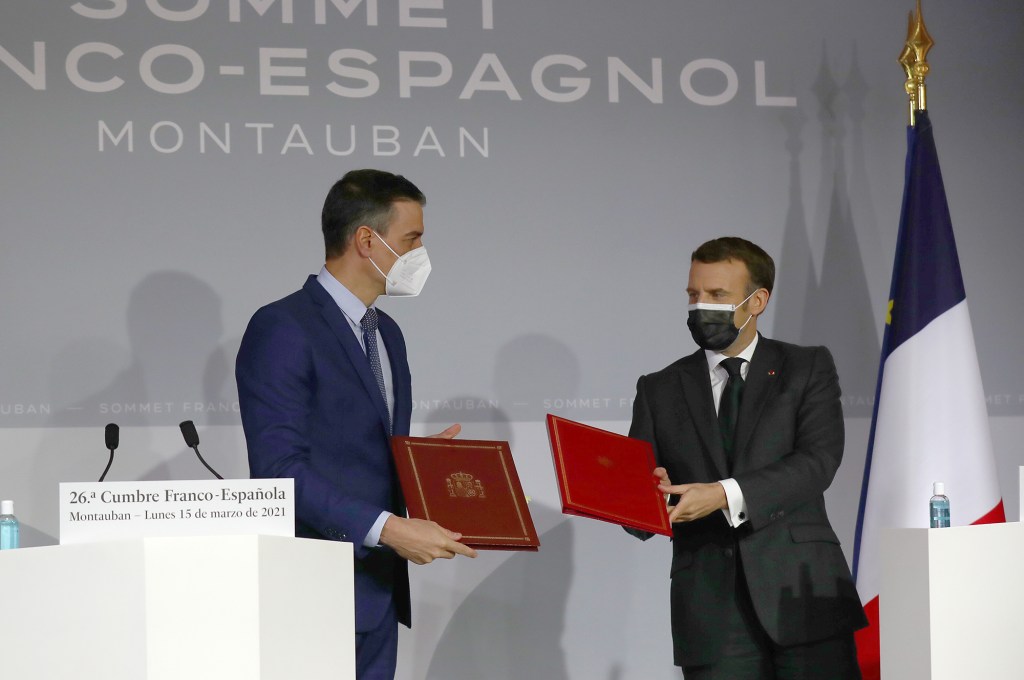
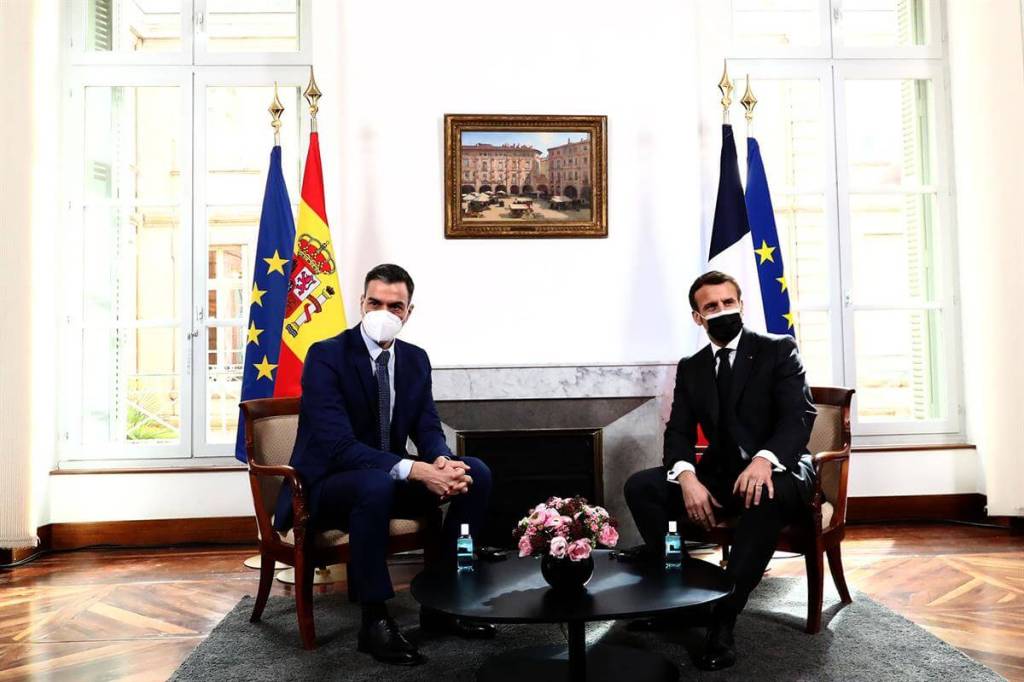
Francia y España firman acuerdo combustibles sostenibles aviación
En el marco de la XXVI Cumbre Bilateral entre Francia y España, las ministras de Transición Ecológica, Bárbara Pompili y Teresa Ribera, han firmado un Memorándum de Entendimiento (MoU) sobre combustibles sostenibles en el sector de la aviación y han acordado acelerar la cooperación en materia de interconexiones eléctricas. Entre esos combustibles alternativos se encuentran los biocarburantes. La Asociación de Líneas Aéreas (ALA) de España ha apoyado el memorándum para acelerar el camino hacia la descarbonización del sector aéreo.
Hace años que la industria de la aviación decidió llamarlos combustibles sostenibles para la aviación, en general, pero a día de hoy los biocarburantes son los únicos totalmente disponibles para sustituir a los combustibles fósiles en el transporte aéreo. Por el contrario, la ambigüedad del término permite que en algunos documentos de la Organización de las Naciones Unidos para la Aviación Civil Internacional (OACI) se incluyan «combustibles de aviación de bajo carbono basados en fósiles”.
El Memorándum de Entendimiento sobre combustibles sostenibles en el sector de la aviación entre Francia y España ha sido firmado también por el Ministerio de Transportes, Movilidad y Agenda Urbana (Mitma). Según la nota de prensa del Ministerio para la Transición Ecológica y el Reto Demográfico (Miteco): ”el objetivo último es facilitar el impulso de iniciativas y consorcios industriales para el abastecimiento conjunto de combustibles sostenibles para aviación en ambos países y de otros mercados de la Unión Europea”. La manera de alcanzar dicho objetivo se basa en “el fortalecimiento de asociaciones con el sector privado, entidades de investigación académica y la promoción de iniciativas de coordinación, incluida la facilitación y apoyo para el intercambio de acciones y buenas prácticas entre la Hoja de Ruta para Biocombustibles Aeronáuticos Sostenibles en el Transporte Aéreo Francés y la estrategia de movilidad segura, sostenible y conectada en España”.
Papel preponderante para biocarburantes, combustibles sintéticos, hidrógeno y biogás. En dicha estrategia, elaborada por el Mitma, sí se habla expresamente de biocarburantes (no en la europea), al igual que en la hoja de ruta francesa. En concreto se dice que “a corto y medio plazo los biocarburantes sostenibles, los combustibles sintéticos avanzados, el hidrógeno limpio –producido con energías renovables–y el gas natural, en particular el biogás, deberán tener un papel preponderante en la transición energética”.
La estrategia habla de que, al igual que en el transporte por carretera, se deben establecer “obligaciones de suministro de biocarburantes y otros combustibles renovables de origen no biológico en los transportes ferroviario, aéreo y marítimo, lo que debe ir acompañado de un sistema de certificación de su sostenibilidad y un programa de incentivos”. La futura ley de cambio climático y transición energética prevé establecer dichos objetivos objetivos anuales de suministro en el transporte aéreo, con especial énfasis en los avanzados.
Sobre los combustibles que no impacten sobre la biodiversidad y acentúen la deforestación, el Memorándum firmado entre Francia y España pone especial énfasis en la importancia de “alcanzar los objetivos de energías renovables y velar por la sostenibilidad en la producción de los combustibles, para que no conlleven un impacto sobre la biodiversidad, no acentúen los riesgos de deforestación ni de competencia con cultivos dedicados a la alimentación y no comprometan los objetivos europeos en materia de reciclaje y preparación para la reutilización”.
La Asociación de Líneas Aéreas (ALA) ha emitido un comunicado dando el apoyo al Memorándum. Su presidente, Javier Gándara, afirma que “supone un paso adelante en el desarrollo de los combustibles de aviación sostenible, y en la creación de un mercado” que espera que facilite su implementación y uso por las compañías aéreas y “acelerar así el camino hacia la descarbonización del sector aéreo”.
En los esfuerzos por reducir las emisiones de la aviación, Javier Gándara añade que “las compañías aéreas llevamos años explorando las oportunidades que ofrecen estos combustibles y otras tecnologías para reducir la huella de carbono de la aviación, pero es imprescindible el apoyo de los gobiernos para favorecer esa transición”. A pesar de todo, hace dos años la Agencia Europea de Seguridad Aérea (AESA) emitió un informe en el que afirmaba que no se cumplirá con el pronóstico de la plataforma European Advanced Biofuels Flightpath de llegar a 2020 con dos millones de toneladas de biocarburantes, esencialmente avanzados, en los aviones.
El comunicado de ALA afirma que “en la actualidad el sector aéreo está explorando otras opciones más allá de los combustibles sostenibles que posibiliten reducir su huella de carbono, como los proyectos de compensación de carbono, el uso del hidrógeno en la aviación, el avión eléctrico o híbrido, además de medidas económicas como el comercio de derechos de emisión”. Desde ONG ecologistas se pide que además de las referidas se introduzca otra imprescindible: la drástica reducción del número de vuelos.
El mermorándum forma parte de la declaración conjunta salida de la cumbre entre Francia y España por la que se comprometen “a cooperar para reafirmar el liderazgo climático de la Unión Europea, avanzar hacia la neutralidad climática en 2050, impulsar una transición energética verde, equitativa y ambiciosa y renovar la ambición internacional en favor de la biodiversidad, la prevención de la desertificación y la conservación de los océanos”.
Ambos países manifiestan su “apoyo a la rápida implementación de todas las disposiciones del Acuerdo de París y dan la bienvenida al regreso de Estados Unidos para fortalecer la respuesta global a la amenaza del cambio climático y continuar los esfuerzos para limitar el aumento de la temperatura media a 1,5 grados centígrados con respecto a los niveles preindustriales, como recomienda la ciencia”.
En el ámbito energético las ministras Teresa Ribera y Bárbara Pompili han abordado “el compromiso alcanzado recientemente por los operadores del sistema eléctrico en España y Francia (REE y RTE) para acelerar la cooperación en materia de interconexiones, de forma que se impulse la construcción del nuevo enlace submarino por el Golfo de Vizcaya y se produzca el avance objetivo de los proyectos de las interconexiones transpirenaicas para alcanzar, al menos, 8.000 megavatios de capacidad de intercambio de la península ibérica con Centroeuropa”.
France-Spain fuel agreement
France and Spain sign aviation sustainable fuels agreement
Within the framework of the XXVI Bilateral Summit between France and Spain, the Ministers of Ecological Transition, Bárbara Pompili and Teresa Ribera, have signed a Memorandum of Understanding (MoU) on sustainable fuels in the aviation sector and have agreed to accelerate cooperation in matter of electrical interconnections. Among these alternative fuels are biofuels. The Spanish Airline Association (ALA) has supported the memorandum to accelerate the path towards decarbonization of the airline sector.
Years ago the aviation industry decided to call them sustainable aviation fuels, in general, but today biofuels are the only fully available to replace fossil fuels in air transport. On the contrary, the ambiguity of the term allows some documents of the United Nations International Civil Aviation Organization (ICAO) to include «low-carbon fossil-based aviation fuels».
The Memorandum of Understanding on sustainable fuels in the aviation sector between France and Spain has also been signed by the Ministry of Transport, Mobility and Urban Agenda (Mitma). According to the press release of the Ministry for the Ecological Transition and the Demographic Challenge (Miteco): «the ultimate objective is to facilitate the promotion of initiatives and industrial consortia for the joint supply of sustainable fuels for aviation in both countries and other markets of the European Union». The way to achieve this objective is based on “the strengthening of partnerships with the private sector, academic research entities and the promotion of coordination initiatives, including facilitation and support for the exchange of actions and good practices between the Roadmap for Sustainable Aeronautical Biofuels in French Air Transport and the strategy of safe, sustainable and connected mobility in Spain”.
«Prevailing role» for biofuels, synthetic fuels, hydrogen and biogas. In this strategy, drawn up by Mitma, it does expressly speak of biofuels (not in the European one), as in the French roadmap. Specifically, it is said that «in the short and medium term, sustainable biofuels, advanced synthetic fuels, clean hydrogen -produced with renewable energies- and natural gas, particularly biogas, should play a leading role in the energy transition».
The strategy speaks of the fact that, as in road transport, “obligations to supply biofuels and other renewable fuels of non-biological origin in rail, air and maritime transport must be established, which must be accompanied by a system of certification of its sustainability and an incentive program”. The future law on climate change and energy transition plans to establish such annual supply objectives in air transport, with special emphasis on advanced ones.
Regarding fuels that do not impact on biodiversity and accentuate deforestation, the Memorandum signed between France and Spain places special emphasis on the importance of “achieving renewable energy objectives and ensuring sustainability in the production of fuels, so that no have an impact on biodiversity, do not increase the risks of deforestation or competition with crops dedicated to food and do not compromise European objectives in terms of recycling and preparation for reuse”.
The Air Lines Association (ALA) has issued a statement supporting the Memorandum. Its president, Javier Gándara, affirms that “it represents a step forward in the development of sustainable aviation fuels, and in the creation of a market” that he hopes will facilitate their implementation and use by airlines and “thus accelerate the path towards the decarbonisation of the airline sector”.
In efforts to reduce aviation emissions, Javier Gándara adds that “the airlines have spent years exploring the opportunities offered by these fuels and other technologies to reduce the carbon footprint of aviation, but the support of governments is essential to favor that transition”. Despite everything, two years ago the European Aviation Safety Agency (EASA) issued a report stating that the forecast of the European Advanced Biofuels Flightpath platform of reaching 2020 with two million tons of biofuels will not be met, essentially advanced, on airplanes.
The ALA statement affirms that “currently the aviation sector is exploring other options beyond sustainable fuels that make it possible to reduce its carbon footprint, such as carbon offset projects, the use of hydrogen in aviation, electric aircraft or hybrid, in addition to economic measures such as emission rights trading”. From environmental NGOs, it is requested that in addition to those referred to, another essential is introduced: the drastic reduction in the number of flights.
The mermorandum is part of the joint declaration out of the summit between France and Spain by which they commit “to cooperate to reaffirm the climate leadership of the European Union, move towards climate neutrality in 2050, promote a green, equitable and sustainable energy transition. ambitious and renew international ambition in favor of biodiversity, the prevention of desertification and the conservation of the oceans”.
Both countries express their “support for the rapid implementation of all provisions of the Paris Agreement and welcome the return of the United States to strengthen the global response to the threat of climate change and continue efforts to limit the increase in average temperature. to 1.5 degrees centigrade with respect to the pre-industrial levels, as recommended by science”.
In the energy field, the ministers Teresa Ribera and Bárbara Pompili have addressed “the commitment recently reached by the operators of the electricity system in Spain and France (REE and RTE) to accelerate cooperation on interconnections, so as to promote the construction of the new submarine link through the Bay of Biscay and the objective progress of the trans-Pyrenean interconnections projects to reach, at least, 8,000 megawatts of exchange capacity of the Iberian Peninsula with Central Europe”.
Regulador aéreo aplica suspensiones por incidentes
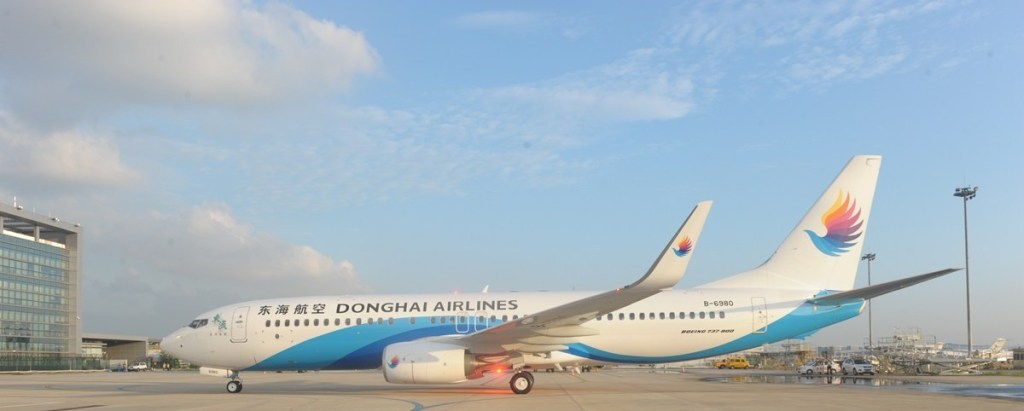
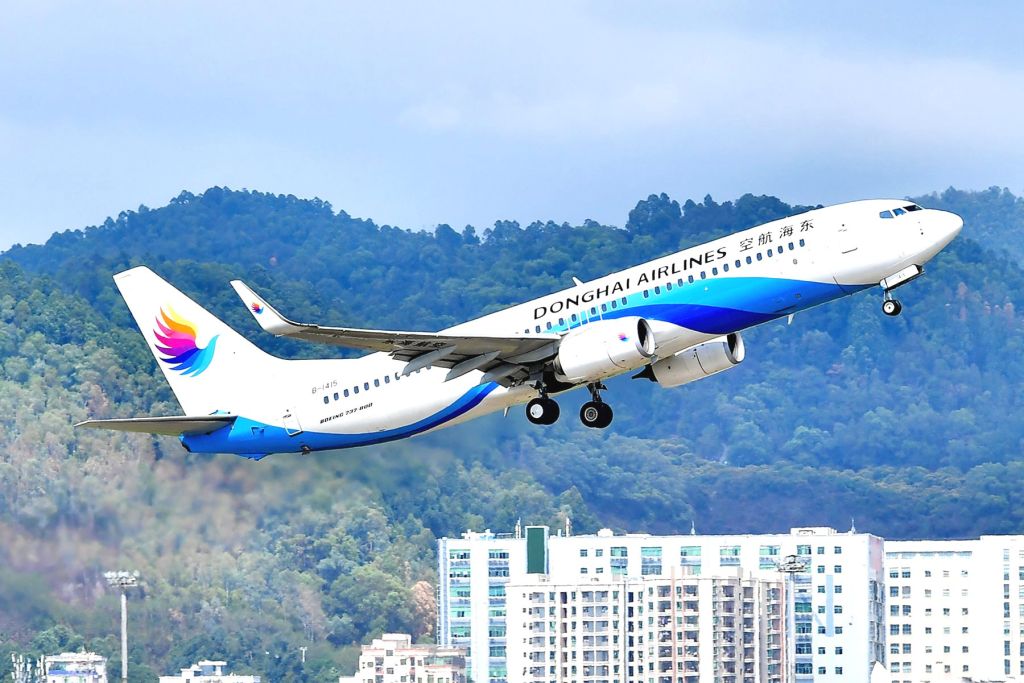
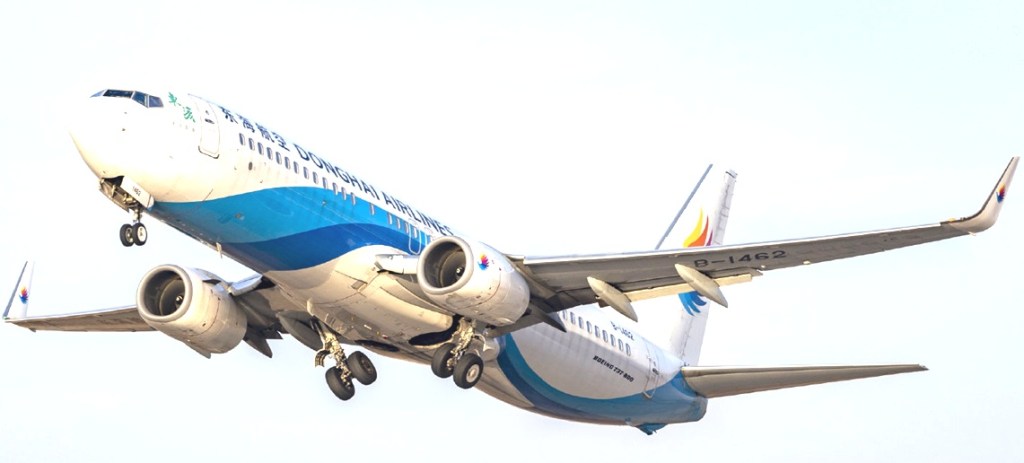
El regulador de aviación de China, la Administración de Aviación Civil de China (CAAC) ha informado este Lunes 15/03 que suspende a Donghai Airlines de agregar nuevas rutas, vuelos y capacidad después de concluir una investigación sobre una disputa en el aire entre los miembros de la tripulación en un vuelo nacional reciente.
Las investigaciones sobre las discusiones en un vuelo de la aerolínea han detallado que un piloto culpó a la azafata principal de no despejar su camino al baño, tendrá su licencia revocada, dijo Wu Shijie, Subdirector de la Oficina de Seguridad Aérea de la CAAC, en una reunión informativa mensual. La azafata también recibirá el castigo administrativo correspondiente. El Subdirector de Seguridad no especificó cuánto durarían las restricciones a las rutas, vuelos y capacidad. Tampoco ofreció los detalles sobre la pelea en el aire. Los informes de los medios de comunicación, citando un relato dijeron que la pelea entre los dos hombres había estallado 50 minutos antes de que el vuelo aterrizara y ambos hombres resultaran heridos.
Un caso en 2018 donde la CAAC había reducido los vuelos de Air China en un 10% y cancelado las licencias del piloto y copiloto de un vuelo después de que se encontró con que el copiloto estaba fumando un cigarrillo electrónico, lo que llevó a un aterrizaje de emergencia.
La República Popular de China representa un país con grandes índices de seguridad en la aviación, después de mantener un sólido historial de seguridad durante más de una década.
CAAC China sanctions Donghai Airlines
Air regulator applies suspension for incidents
China’s aviation regulator, the Civil Aviation Administration of China (CAAC) reported this Monday 03/15 that it is suspending Donghai Airlines from adding new routes, flights and capacity after concluding an investigation into an air dispute between the crew members on a recent domestic flight.
Investigations into the discussions on an airline flight have detailed that a pilot blamed the main flight attendant for not clearing his way to the bathroom, will have his license revoked, said Wu Shijie, deputy director of the CAAC Air Safety Office, in a monthly informational meeting. The hostess will also receive the corresponding administrative punishment. The Deputy Director of Security did not specify how long the restrictions on routes, flights and capacity would last. He also did not offer the details about the fight in the air. Media reports, citing one account, said that the fight between the two men had broken out 50 minutes before the flight landed and both men were injured.
A case in 2018 where the CAAC had reduced Air China flights by 10% and canceled the pilot and co-pilot licenses of a flight after it found that the co-pilot was smoking an e-cigarette, leading to a landing of emergency.
The People’s Republic of China represents a country with high aviation safety ratings, having maintained a strong safety record for more than a decade.
























 airgways.com