Aerolínes oriente en riesgo

AW | 2021 04 09 16:50 | AIRLINES MARKET / AVIATION ORGANISMS

Más aerolíneas enfrentan riesgos de bancarrota ante incertidumbre

Las aerolíneas de Medio Oriente se enfrentan a desafíos adicionales a medida que se prolonga la incertidumbre de posponer el restablecimiento de los vuelos en la región, lo que llevaría a enfrentar un mayor riesgo de bancarrota, a pesar de que la industria recibió US$ 4.800 millones de Dólares en ayuda gubernamental en 2020. La mayor parte de esta ayuda US$ 4.100 millones de Dólares se distribuyó a través de inyecciones directas de efectivo. «El alivio gubernamental para las aerolíneas evitó fallos masivos que pondrían en peligro un reinicio. Pero sin un cronograma claro para la recuperación, la situación está lejos de resolverse. Los gobiernos que han proporcionado alivio tendrán que estar preparados para más, y los gobiernos que aún no han dado un paso adelante deben reconocer los crecientes riesgos a medida que la crisis se prolonga», dijo Kamil Al Awadhi, Vicepresidente Regional de la IATA para África y Oriente Medio.

Las aerolíneas de Oriente Medio registraron pérdidas de US$ 7.100 millones de Dólares en 2020, o US$ 68,47 dólares por cada pasajero que ha viajado. Con el tráfico en menos del 20% de los niveles de 2019, la quema de efectivo ha continuado incluso con una severa reducción de costos. Por su parte, el tráfico de pasajeros en la región bajó un 82,3% en enero respecto al mismo periodo de 2019. «Los gobiernos han establecido durante mucho tiempo las mejores prácticas mundiales para trabajar juntos con la industria y entre sí, este mismo enfoque ayudará al re-comienzo. Hay dos extremos para cada ruta. Ambos deben estar preparados o el reinicio no puede ocurrir», dijo Kamil Al Awadhi.

A las preocupaciones de las aerolíneas se suma el aumento de los precios del crudo. El Brent ha subido más de un 25% este año a medida que las perspectivas de una recuperación económica global se vuelven más claras. «El precio promedio del petróleo y el combustible para aviones se fortaleció aún más en marzo y se mantuvo cerca de los niveles previos a la pandemia por segundo mes consecutivo. El aumento resultante de los costos del combustible para aviones ejercerá una mayor presión sobre los resultados de las aerolíneas y se sumará al desafío de hacer positivo el reinicio del efectivo de los viajes aéreos», dijo la IATA en un informe.

A pesar de la penumbra y la fatalidad, parece que los inversores vuelven a apostar por las acciones de las aerolíneas. Según el reciente análisis de la IATA, las acciones de las aerolíneas subieron un 21% en febrero a medida que los esfuerzos de vacunación ganaron impulso, los casos de COVID-19 comenzaron a caer y los inversores se mostraron cada vez más optimistas sobre la recuperación de los viajes de ocio en el verano boreal. Las acciones de las aerolíneas norteamericanas mostraron el mayor aumento de valor, seguidas de Europa. Sin embargo, «los datos diarios de marzo muestran un nuevo deterioro de los precios, ya que la nueva ola Covid-19 en Europa afecta negativamente las perspectivas sobre los viajes de verano», dijo la IATA.

Eastern airlines at risk

More airlines face bankruptcy risks amid uncertainty

Middle Eastern airlines face additional challenges as the uncertainty of postponing the reestablishment of flights in the region lingers, leading to increased risk of bankruptcy, despite the industry receiving US$ 4.8 billion from Dollars in government aid in 2020. Most of this US$ 4.1 billion aid was distributed through direct cash injections. «Government relief for airlines prevented massive failures that would jeopardize a restart. But without a clear timetable for recovery, the situation is far from resolved. Governments that have provided relief will have to be prepared for more, and governments that They have not yet stepped forward and must recognize the growing risks as the crisis drags on», said Kamil Al Awadhi, IATA Regional Vice President for Africa and the Middle East.

Airlines in the Middle East reported losses of US$ 7.1 billion in 2020, or US$ 68.47 for each passenger who traveled. With traffic at less than 20% of 2019 levels, the cash burn has continued even with a severe cost cut. For its part, passenger traffic in the region fell by 82.3% in January compared to the same period in 2019. «Governments have long established the best global practices to work together with the industry and with each other, this very approach will help the restart. There are two extremes to each route. Both must be prepared or the restart cannot happen», said Kamil Al Awadhi.

Added to the concerns of the airlines is the rise in crude prices. Brent is up more than 25% this year as the prospects for a global economic recovery become clearer. «Average price of oil and jet fuel further strengthened in March and remained near pre-pandemic levels for the second month in a row. The resulting increase in jet fuel costs will put further pressure on results. of airlines and will join the challenge of making the air travel cash reset positive», IATA said in a report.

Despite the gloom and doom, it seems investors are back on airline stocks. According to recent IATA analysis, airline stocks rose 21% in February as vaccination efforts gained momentum, COVID-19 cases began to decline, and investors became increasingly optimistic about the recovery. of leisure travel in the boreal summer. North American airline stocks showed the largest increase in value, followed by Europe. However, «the daily data for March shows a further deterioration in prices, as the new Covid-19 wave in Europe negatively affects the outlook for summer travel», IATA said.


PUBLISHER: Airgways.com
DBk: Iata.org / Airgways
AW-POST: 202104091650AR

A\W   A I R G W A Y S ®

NTSB recomendación video en cabina

AW | 2021 04 08 14:40 | AVIATION ORGANISMS / AVIATION SAFETY

NTSB vuelve a llamar a grabadoras de vídeo de cabina

NTSB_Isologotype

La Junta Nacional de Seguridad en el Transporte (NTSB) de Estados Unidos ha lanzado una recomendación a las líneas aéreas para la instalación de cámaras de video en las cabinas de las aeronaves, sugiriendo nuevamente que los reguladores de aviación requieran las grabadoras como normativa para la seguridad en la aviación.

La agencia de investigación de seguridad de la NTSB hizo la recomendación en su lista 2021-2022 de mejoras requeridas en materia de seguridad en el transporte que han sido publicadas este 06/04, recomendando a la Administración Federal de Aviación (FAA) que exija que los aviones comerciales nuevos y en servicio estén equipados con un sistema de grabación de imágenes de cabina protegido contra fallos. Las regulaciones estadounidenses requieren que los aviones tengan datos de vuelo y grabadoras de voz de cabina, pero no dispositivos de captura de imágenes o video.

La NTSB lleva más de una década instando a la FAA a hacer obligatorias las grabadoras de imágenes. «Este tipo de video habría sido extremadamente útil para determinar las acciones de la tripulación de vuelo en accidentes recientes en Texas, Indonesia y Etiopía», dice la NTSB. Las recomendaciones de la NTSB también incluyen un llamamiento para que los reguladores exijan que los helicópteros propulsados por turbinas estén equipados con grabadoras de vuelo que recojan audio e imágenes. Además, la FAA debería exigir a todos los operadores de aeronaves de transporte de pasajeros de ingresos que cuenten con Sistemas de Gestión de Meguridad (SMS), que son estructuras de seguridad en toda la organización. La FAA ha exigido a las aerolíneas que tengan SMS desde 2015.

Oposición sindical

Los sindicatos de pilotos se han opuesto durante mucho tiempo a los llamamientos a las grabadoras de vídeo de cabina, entre ellas la Asociación de Pilotos de Líneas Aéreas, Internacional (ALPA). Aunque ALPA no proporcionó inmediatamente un comentario, el sindicato ha descrito previamente las grabadoras de video de la cabina como una invasión de la privacidad. ALPA ha dicho que las imágenes y el video proporcionan información imprecisa, y ha insistido en que los investigadores ya tienen herramientas necesarias para determinar las causas del accidente.

Postura FAA

La FAA ha expresado que «las grabadoras de imágenes de video en cabinas plantean preocupaciones significativas de privacidad y seguridad que hasta la fecha no se han abordado adecuadamente. Mientras que la FAA fomenta el uso voluntario de estos dispositivos no creemos que sea apropiado ordenar sistemas de grabación de imágenes hasta que se aborden más completamente los problemas de privacidad y seguridad».

Sin embargo, la FAA está involucrada a nivel internacional en el trabajo para definir otros tipos de grabadoras de imágenes. Estos dispositivos podrían capturar imágenes de pantallas de cabina o mostrar la posición y selección de botones, perillas e interruptores. «La FAA tiene una estrecha relación de trabajo con la NTSB, y las dos agencias comparten un objetivo común de promover la seguridad de la aviación y prevenir accidentes aéreos. La FAA se toma muy en serio las recomendaciones de la NTSB, y las agencias están de acuerdo en un curso de acción alrededor del 80% del tiempo», dice el regulador de la FAA.

NTSB in-cab video recommendation

NTSB recalls cockpit video recorders

The National Transportation Safety Board (NTSB) of the United States has issued a recommendation to airlines for the installation of video cameras in aircraft cabins, again suggesting that aviation regulators require recorders as regulations for the aviation security.

The NTSB’s safety research agency made the recommendation in its 2021-2022 list of required improvements in transportation safety that have been published this 04/06, recommending that the Federal Aviation Administration (FAA) require that new and in-service commercial aircraft are equipped with a fail-safe cockpit imaging system. US regulations require aircraft to have flight data and cockpit voice recorders, but not image or video capture devices.

The NTSB has been urging the FAA to make image recorders mandatory for more than a decade. «This type of video would have been extremely helpful in determining the actions of the flight crew in recent accidents in Texas, Indonesia and Ethiopia», says the NTSB. The NTSB recommendations also include a call for regulators to require that turbine-powered helicopters be equipped with flight recorders that collect audio and images. Additionally, the FAA should require all revenue passenger aircraft operators to have Safety Management Systems (SMS) in place, which are organization-wide safety structures. The FAA has required airlines to have SMS since 2015.

Unions opposition

Pilot unions have long opposed calls for cockpit video recorders, including the Airline Pilots Association, International (ALPA). Although ALPA did not immediately provide comment, the union has previously described the cockpit video recorders as an invasion of privacy. ALPA has said that the images and video provide inaccurate information, and has insisted that investigators already have the necessary tools to determine the causes of the accident.

FAA position

The FAA has stated that «cabin video recorders raise significant privacy and security concerns that to date have not been adequately addressed. While the FAA encourages the voluntary use of these devices we do not believe it is appropriate to order video systems. recording of images until privacy and security concerns are more fully addressed».

However, the FAA is involved internationally in work to define other types of image recorders. These devices could capture images of cockpit screens or show the position and selection of buttons, knobs and switches. «The FAA has a close working relationship with the NTSB, and the two agencies share a common goal of promoting aviation safety and preventing air accidents. The FAA takes the NTSB’s recommendations very seriously, and the agencies are agree on a course of action about 80% of the time», says the FAA regulator.


PUBLISHER: Airgways.com
DBk: Ntsb.gov / Faa.gov / Alpa.org / Airgways.com
AW-POST: 202104081440AR

A\W   A I R G W A Y S ®

FTA inspecciona aerolíneas EEUU

AW | 2021 04 08 11:15 | AVIATION SAFETY / AVIATION ORGANISMS

Inspectores y técnicos FTA inspeccionan aerolíneas

Una comisión de técnicos de la Administración Federal de Transporte (FTA) de Estados Unidos inspecciona desde principio de semana las líneas aéreas que operan vuelos regulares desde el país hacia diferentes ciudades de Estados Unidos, para garantizar que éstas cumplan a cabalidad con las medidas preventivas de seguridad recomendadas por esa agencia internacional. Los inspectores y técnicos de la agencia llegaron al país el pasado lunes y permanecerán hasta el fin de semana en labores de inspección no solo de las líneas aéreas estadounidenses sino también de los aeropuertos nacionales y del sistema de seguridad que opera en los aeropuertos dominicanos. También están revisando los niveles y estándares de seguridad establecidos en las terminales por el Cuerpo Especializado de Seguridad Aeroportuaria y de la Aviación Civil (CESAC).

En el caso de las líneas aéreas, los supervisores y técnicos del organismo internacional se reunirán con los representantes en los aeropuertos y de cada una de las aerolíneas de manera individual. Este Miércoles 07/04 la comisión trabajaba con el personal responsable de la seguridad y del control de pasajeros y de equipajes de la línea aérea United Airlines, que realiza desde el país vuelos directos Newark, New Jersey, Estados Unidos.

En su última visita de inspección a la República Dominicana realizada en Marzo de 2020, los técnicos hallaron deficiencias en los puntos de controles de inspección de responsabilidad de las líneas aéreas, por los que fueron penalizadas con multas por las alegadas fallas de éstas en los puntos de accesos de pasajeros que salen hacia territorio norteamericano por el Aeropuerto Internacional de Las Américas, José Francisco Peña Gómez. De acuerdo con los detalles, durante su permanencia en el país éstos conocerán más de cerca sobre su colaboración con las instituciones del gobierno que trabajan en la prevención del coronavirus en las terminales aeroportuarias.

Las reuniones de los técnicos de la FTA con los ejecutivos de las líneas aéreas, según se indicó, se hará énfasis en la necesidad de que el personal de éstas cumpla a cabalidad con las medidas recomendadas por la Organización Mundial de la Salud (OMS), como colaborar con los pasajeros sobre su procedencia y reportar cualquier síntoma gripal que los mismos pudieran presentar a su arribo a las terminales. Se destaca que el equipo de técnicos de la FTA está conformada por unas cuatro personas, algunos de ellos de origen latinoamericana. La Organización Mundial de la Salud OMS y el ministerio de Salud Pública, en coordinación con las líneas aéreas e inspectores de la Dirección General de Migración mantienen un estricto control protocolar de los viajeros que entran al país, de naciones donde se ha propagado el coronavirus (COVID-19), cada pasajero que viene al país en los vuelos donde se han comprobado la expansión del virus es sometido a un cuestionario de parte del personal de las líneas aéreas y del personal de migración para establecer cualquier situación de riesgo en su salud.

En el transcurso de esta semana el personal de la FTA se reunirá con los gerentes y el personal técnicos de las demás líneas aéreas, estadounidenses, así como funcionarios del CESAC.

FTA inspects US airlines

La imagen tiene un atributo ALT vacío; su nombre de archivo es aw-700887.jpg

FTA inspectors and technicians inspect airlines

Since the beginning of the week, a commission of technicians from the Federal Transportation Administration (FTA) of the United States inspects the airlines that operate regular flights from the country to different cities in the United States, to ensure that they fully comply with the preventive measures of recommended by that international agency. The agency’s inspectors and technicians arrived in the country last Monday and will remain until the weekend to inspect not only US airlines but also national airports and the security system that operates in Dominican airports. They are also reviewing the security levels and standards established in the terminals by the Specialized Corps for Airport Security and Civil Aviation (CESAC).

In the case of airlines, the supervisors and technicians of the international organization will meet with the representatives at the airports and from each of the airlines individually. This Wednesday 04/07 the committee worked with the personnel responsible for the security and control of passengers and baggage of the United Airlines airline, which carries out direct flights from Newark, New Jersey, United States from the country.

In their last inspection visit to the Dominican Republic in March 2020, the technicians found deficiencies in the inspection control points of responsibility of the airlines, for which they were penalized with fines for their alleged failures in the points of passenger accesses leaving for North American territory through the International Airport of Las Américas, José Francisco Peña Gómez. According to the details, during their stay in the country they will learn more about their collaboration with government institutions that work to prevent coronavirus at airport terminals.

The meetings of FTA technicians with airline executives, as indicated, will emphasize the need for their personnel to fully comply with the measures recommended by the World Health Organization (WHO), how to collaborate with passengers about their origin and report any flu symptoms that they may present upon arrival at the terminals. It should be noted that the FTA team of technicians is made up of about four people, some of them of Latin American origin. The World Health Organization WHO and the Ministry of Public Health, in coordination with the airlines and inspectors of the General Directorate of Migration maintain a strict protocol control of travelers entering the country, from nations where the coronavirus has spread (COVID-19), each passenger who comes to the country on flights where the spread of the virus has been verified is subjected to a questionnaire by airline personnel and migration personnel to establish any risk situation for their health.

During this week, the FTA staff will meet with the managers and technical personnel of the other US airlines, as well as CESAC officials.


PUBLISHER: Airgways.com
DBk: Transit.dot.gov / Airgways.com
AW-POST: 202104081115AR

A\W   A I R G W A Y S ®

Vietnam aprueba Boeing 737 MAX

AW | 2021 04 07 14:57 | GOVERNMENT / AVIATION ORGANISMS

Vietnam aprobaciones parciales línea Boeing 737 MAX

Boeing 737 MAX_Isologotype

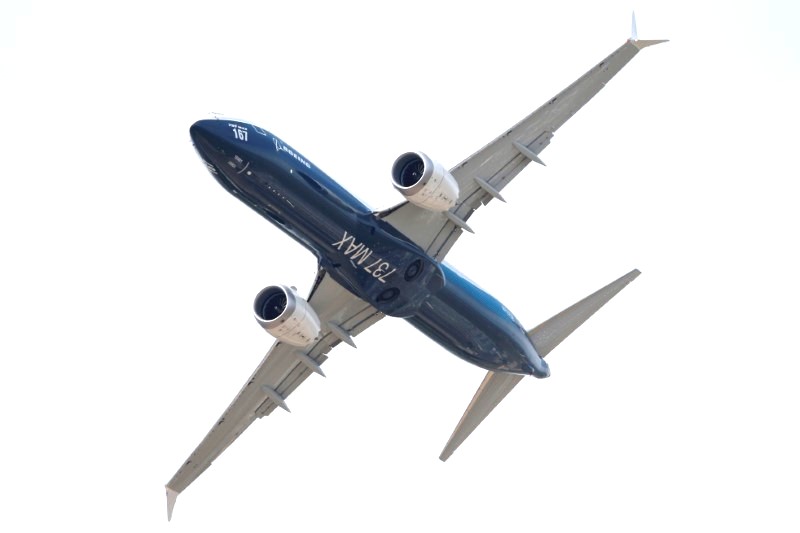
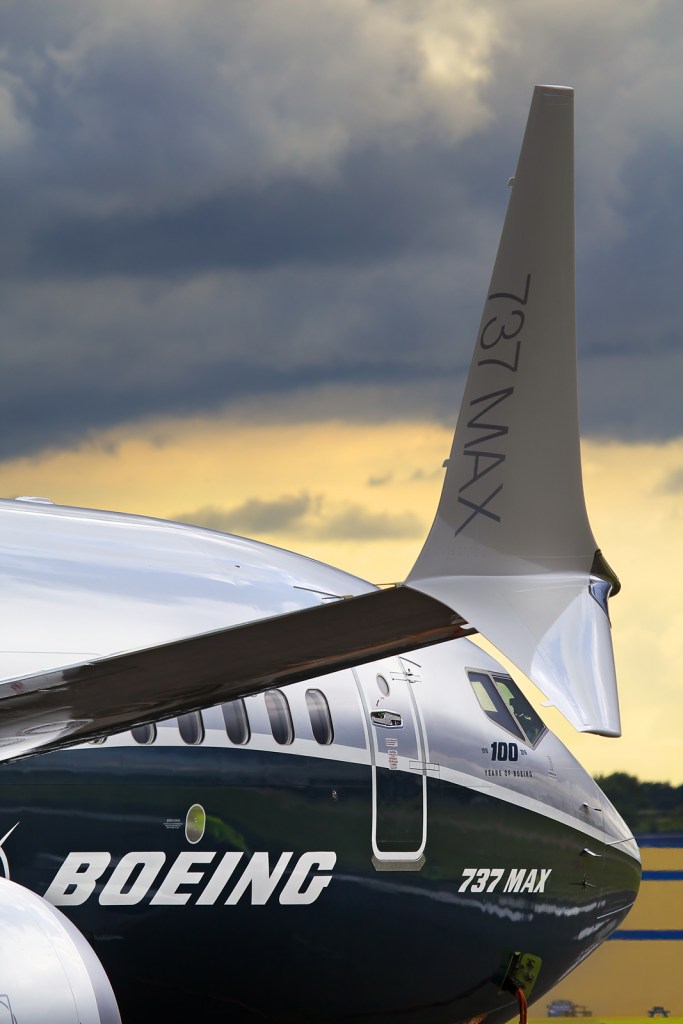
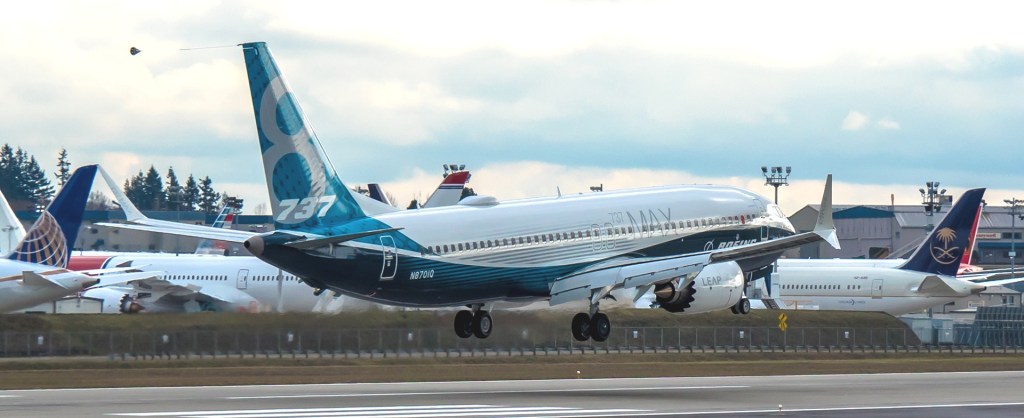
El Ministerio de Transporte de la República de Vietnam ha aprobado los vuelos en el país de la línea Boeing 737 MAX. Según los informes del Ministerio, ha anunciado su decisión de levantar parcialmente la prohibición de vuelo existente en los aviones Boeing 737 MAX. La aprobación para permitir que el avión viaje a través del espacio aéreo vietnamita sigue a una propuesta hecha por la Autoridad de Aviación Civil de Vietnam (CAAV) el mes de Marzo 2021. La CAAV hizo su propuesta después de supervisar de cerca los esfuerzos de Boeing para mejorar la aeronave y la evaluación por parte de las principales autoridades de aviación, incluida la Administración Federal de Aviación de los Estados Unidos (FAA) y la Agencia de Seguridad Aérea de la Unión Europea (EASA).

La prohibición de las operaciones de vuelo del Boeing 737 MAX en el espacio aéreo del país se impuso hace dos años. La autoridad suspendió la expedición de nuevas licencias para el avión e invalidó las existentes en Marzo 2019, tras dos accidentes mortales que mataron a 346 personas en Etiopía e Indonesia. Se ha aconsejado a CAAV que continúe monitoreando la situación y actualizándose. El Ministerio de Transporte levantará por completo la prohibición de los aviones sólo después de que los países mencionados retiren sus órdenes de suspensión y satisfagan las regulaciones vietnamitas.

Mientras tanto, China, Australia, Rusia y otros países del sudeste asiático aún no han abierto su espacio aéreo para este modelo de avión. Otros reguladores de Japón, Europa, Reino Unido, Canadá, Brasil, Emiratos Árabes Unidos y Australia permitieron el funcionamiento de las siguientes modificaciones técnicas del avión y la capacitación adicional de los pilotos.

Vietnam approves Boeing 737 MAX

Vietnam partial approvals Boeing 737 MAX line

The Ministry of Transport of the Republic of Vietnam has approved the flights in the country of the Boeing 737 MAX line. According to reports from the Ministry, it has announced its decision to partially lift the existing flight ban on Boeing 737 MAX aircraft. The approval to allow the aircraft to travel through Vietnamese airspace follows a proposal made by the Civil Aviation Authority of Vietnam (CAAV) in March 2021. The CAAV made its proposal after closely monitoring Boeing’s efforts. to improve the aircraft and assessment by leading aviation authorities, including the United States Federal Aviation Administration (FAA) and the European Union Aviation Safety Agency (EASA).

The ban on the flight operations of the Boeing 737 MAX in the country’s airspace was imposed two years ago. The authority suspended the issuance of new licenses for the plane and invalidated existing ones in March 2019, following two fatal accidents that killed 346 people in Ethiopia and Indonesia. CAAV has been advised to continue to monitor the situation and update itself. The Transport Ministry will fully lift the ban on airplanes only after the aforementioned countries withdraw their suspension orders and meet Vietnamese regulations.

Meanwhile, China, Australia, Russia, and other Southeast Asian countries have yet to open their airspace for this model aircraft. Other regulators in Japan, Europe, the United Kingdom, Canada, Brazil, the United Arab Emirates, and Australia allowed the following technical modifications to the aircraft and additional pilot training to operate.

Việt Nam phê duyệt Boeing 737 MAX

Việt Nam phê duyệt một phần dòng Boeing 737 MAX

Bộ Giao thông Vận tải Việt Nam Cộng hòa đã phê duyệt các chuyến bay trong nước của dòng Boeing 737 MAX. Theo báo cáo từ Bộ, họ đã công bố quyết định dỡ bỏ một phần lệnh cấm bay hiện hành đối với máy bay Boeing 737 MAX. Việc chấp thuận cho phép máy bay đi qua vùng trời Việt Nam theo đề xuất của Cục Hàng không Việt Nam (Cục HKVN) vào tháng 3 năm 2021. Cục HKVN đưa ra đề xuất sau khi giám sát chặt chẽ nỗ lực của Boeing trong việc cải tiến máy bay và đánh giá của các nhà chức trách hàng không hàng đầu, bao gồm Cục Hàng không Liên bang Hoa Kỳ (FAA) và Cơ quan An toàn Hàng không Liên minh Châu Âu (EASA).

Lệnh cấm đối với hoạt động bay của Boeing 737 MAX trong không phận nước này đã được áp dụng cách đây hai năm. Cơ quan chức năng đã đình chỉ việc cấp giấy phép mới cho máy bay và hủy bỏ hiệu lực các giấy phép hiện có vào tháng 3 năm 2019, sau hai vụ tai nạn chết người khiến 346 người thiệt mạng ở Ethiopia và Indonesia. Cục HKVN được khuyến cáo tiếp tục theo dõi tình hình và tự cập nhật. Bộ Giao thông Vận tải sẽ dỡ bỏ hoàn toàn lệnh cấm tàu ​​bay chỉ sau khi các quốc gia nói trên rút lệnh tạm dừng hoạt động và tuân thủ các quy định của Việt Nam.

Trong khi đó, Trung Quốc, Australia, Nga và các quốc gia Đông Nam Á khác vẫn chưa mở cửa vùng trời cho mẫu máy bay này. Các cơ quan quản lý khác ở Nhật Bản, Châu Âu, Vương quốc Anh, Canada, Brazil, Các Tiểu vương quốc Ả Rập Thống nhất và Úc đã cho phép các sửa đổi kỹ thuật sau đây đối với máy bay và đào tạo thêm phi công để vận hành.


PUBLISHER: Airgways.com
DBk: Mt.gov.vn / Airgways.com
AW-POST: 202104071457AR

A\W   A I R G W A Y S ®

EASA certifica Boeing 737-8 200 MAX

AW | 2021 04 06 20:30 | AVIATION ORGANISMS / INDUSTRY

EASA certificación Boeing 737 MAX de alta densidad

EASA_Isologotype

La European Union Aviation Safety Agency (EASA) ha anunciado la Certificación Tipo del Boeing 737-8 200 MAX, la variante MAX 8 de alta densidad. Tras la aprobación de la agencia americana de la FAA el 31 de Marzo de 2021, la agencia europea EASA también ha aprobado el Boeing 737-8 200 MAX este Martes 6 de Abril de 2021.

El Boeing 737-8 200 MAX es un derivado del 737-8 MAX con unas dimensiones exteriores idénticas, pero con modificaciones en su performance y prestaciones. La versión standard acomoda 189 asientos, mientras la variante de alta densidad se configura con una capacidad para 197-202 pasajeros, contando con dos salidas de emergencia adicionales que cumplen con los requisitos técnicos/operativos para evacuación. Conservan el mismo peso máximo de despegue con 82,2 toneladas. Los nuevos modelos poseen el diseño Sky Interior para continuar con la filosofía de desarrollar un ambiente espacioso y dinámico. De acuerdo con las regulaciones de la EASA, la agencia europea ha aprobado al MAX 8 200 se permite un máximo de 202 pasajeros y 5 tripulantes de cabina.

Ryanair, cliente lanzamiento

La aerolínea irlandesa de bajo coste Ryanair es el cliente de lanzamiento del avión y ha aumentado su pedido de 135 a 210 del tipo en Diciembre 2020. Las entregas de los primeros 16 aviones a Ryanair extendiéndose a lo largo del 2021. Actualmente, la versión MAX 8 de alta densidad posee dos clientes en su cartera de pedidos que corresponden a Ryanair y su filial, Malta Air. Mientras continúa el proceso de aprobación a través del mundo, más aerolíneas observarán esta versión orientada a las aerolíneas de presupuesto orientada a un mercado muy competitivo y de alta demanda como Europa, China, India, entre otros.

EASA certifies Boeing 737-8 200 MAX

EASA high-density Boeing 737 MAX certification

AW-7378200

The European Union Aviation Safety Agency (EASA) has announced Type Certification for the Boeing 737-8 200 MAX, the high-density MAX 8 variant. Following the approval of the American FAA agency on March 31, 2021, the European agency EASA has also approved the Boeing 737-8 200 MAX this Tuesday, April 6, 2021. The Boeing 737-8 200 MAX is a derivative of the 737-8 MAX with identical exterior dimensions, but with modifications in its performance and perstations. The standard version accommodates 189 seats, while the high-density variant is configured with a capacity for 197-202 passengers, with two additional emergency exits that meet the technical/operational requirements for evacuation. They retain the same maximum takeoff weight at 82.2 tons. The new models have the Sky Interior design to continue the philosophy of developing a spacious and dynamic environment. In accordance with EASA regulations, the European agency has approved the MAX 8 200, a maximum of 202 passengers and 5 cabin crew are allowed.

Ryanair, launch customer

Irish low-cost carrier Ryanair is the launch customer for the aircraft and has increased its order from 135 to 210 of the type in December 2020. Deliveries of the first sixteen aircraft to Ryanair extending through 2021. Currently, the high-density MAX 8 version has two customers in its order book corresponding to Ryanair and its subsidiary, Malta Air. As the approval process continues throughout the world, more airlines will see this version targeting budget airlines targeting a highly competitive and high-demand market such as Europe, China, India, among others.

La imagen tiene un atributo ALT vacío; su nombre de archivo es aw-boeing_737_max-8-200_seatmap.jpg

European Union Aviation Safety Agency/EASA

No. EASA.IM.A.120

Appendix D (europa.eu)


PUBLISHER: Airgways.com
DBk: Easa.europa.eu / Boeing.com / Airgways.com
AW-POST: 202104062030AR

A\W   A I R G W A Y S ®

FAA emite AD Embraer ERJ135/ERJ145

AW | 2021 04 06 14:57 | AVIATION SAFETY / AVIATION ORGANISMS / INDUSTRY

FAA emite AD sobre inspecciones de engranajes

FAA-Isologotype

La Administración Federal de Aviación de los Estados Unidos (FAA) ha presentado una nueva Directiva de Aeronavegabilidad (AD) No. FAA-2021-0253 este 05/04 que afectan a los aviones regionales Embraer ERJ135 y ERJ145. El nuevo AD exige inspecciones visuales generales adicionales del tren de aterrizaje principal. Este anuncio se produce después de que Brasil emitiera una directiva para los modelos de aeronaves regionales. El nuevo AD requiere que las aerolíneas realicen una inspección visual general del tren de aterrizaje principal derecho e izquierdo (MLG). Si se encuentra una condición adversa, las compañías aéreas deben rectificar ese problema antes de volver a poner la aeronave en servicio comercial de pasajeros.

Embraer E145-0001

La Agencia Nacional de Aviación Civil (ANAC) de Brasil emitió un AD en Febrero 2021 sobre los modelos de aviones Embraer E135/145. El Brasil emitió el AD después de un informe que implicaba la desconexión de un puntal del brazo lateral del MLG derecho. Otra investigación encontró que el rodamiento inferior del puntal del brazo lateral se instaló invertido en la aeronave. Si bien una instancia puede no exigir un AD específico, otras inspecciones en otras aeronaves encontraron casos adicionales de instalaciones invertidas. Se descubrieron otras instalaciones inadecuadas, como sellador dañado o faltante o accesorios de grasa instalados incorrectamente. A la luz de esto, la FAA se unió a Brasil en la emisión de un AD que abordaba la desconexión del puntal del brazo lateral MLG. La FAA afirma que una desconexión podría evitar que el MLG quedara bloqueado en la posición descendente, lo que conduciría a una pérdida de control del avión durante el despegue y el aterrizaje. El AD emitido por la ANAC Brasil aplica todas las variantes Embraer ERJ135 y ERJ145 en todo el mundo, esto incluye aviones como el ERJ-135LR, ERJ145ER, ERJ145LR y ERJ145XR, entre otros.

Revisiones en EEUU

En Estados Unidos, la FAA prevé actualmente que el AD afectará a 304 aviones del registro estadounidense. El AD cubre aviones jet regionales ERJ135 y ERJ145. Estos son algunos de los aviones regionales que vuelan comercialmente en los Estados Unidos y cumplen con los roles necesarios. Según cálculos desarrollados por la FAA, se estima que la inspección en sí toma una hora de trabajo a un costo por hora de trabajo de US$ 85 para una aerolínea, se espera que el costo total de 304 aviones en los Estados Unidos sea de US$ 25.840. Si se encuentra una condición adversa que requeriría una reparación, que es un número indeterminado de aviones, la FAA anticipa que el costo estimado de las piezas en sí está por encima de US$ 14.500 por avión y requeriría mano de obra por valor de seis horas de trabajo. A US$ 85 por hora por trabajo, esto lleva el costo total de la pieza y la mano de obra a poco más de US$ 15.000 por avión.

El AD emitido por la FAA entra en vigor el 20 de Abril de 2021, por lo que las aerolíneas estadounidenses tienen algún tiempo para programar inspecciones adicionales de aeronaves. Con un poco de ventaja, las aerolíneas pueden empezar a mirar sus horarios y encontrar tiempo de inactividad para comenzar a realizar inspecciones de la aeronave para asegurarse de que no contienen condiciones adversas. Actualmente, el mercado de aeronaves E135/E145 se encuentra ampliamente desarrollada en el mercado de tercer nivel, que sirven en aerolíneas como aviones alimentadores regionales que vuelan a destinos más pequeños desde los centros de línea principal. El operador ERJ145 más grande del mundo es CommutAir que vuela en nombre de United Airlines bajo el estandarte de United Express. Otros operadores incluyen Envoy Air y Piedmont Airlines, que vuelan ERJ145 en nombre de American Airlines bajo el la firma de American Eagle.

FAA issues AD Embraer ERJ135 / ERJ145

FAA issues AD on gear inspections

The United States Federal Aviation Administration (FAA) has introduced a new Airworthiness Directive (AD) No. FAA-2021-0253 in 05/04 affecting regional Embraer ERJ135 and ERJ145 aircraft. The new AD requires additional general visual inspections of the main landing gear. This announcement comes after Brazil issued a directive for regional aircraft models. The new AD requires airlines to perform a general visual inspection of the left and right main landing gear (MLG). If an adverse condition is found, airlines must rectify that problem before returning the aircraft to commercial passenger service.

The National Civil Aviation Agency (ANAC) of Brazil issued an AD in February 2021 on the Embraer E135/145 aircraft models. Brazil issued the AD following a report involving the disconnection of a strut from the right MLG side arm. Another investigation found that the lower bearing of the lateral arm strut was installed inverted on the aircraft. While one instance may not require a specific AD, other inspections on other aircraft found additional instances of inverted installations. Other improper installations were discovered, such as damaged or missing sealant or improperly installed grease fittings. In light of this, the FAA joined Brazil in issuing an AD addressing the disconnection of the MLG lateral arm strut. The FAA claims that a disconnect could prevent the MLG from being locked in the down position, leading to a loss of control of the aircraft during takeoff and landing. The AD issued by ANAC Brazil applies all Embraer ERJ135 and ERJ145 variants worldwide, this includes aircraft such as ERJ-135LR, ERJ145ER, ERJ145LR and ERJ145XR, among others.

Reviews in the USA

In the United States, the FAA currently anticipates that the AD will affect 304 aircraft on the US registry. The AD covers ERJ135 and ERJ145 regional jet aircraft. These are some of the regional jets that fly commercially in the United States and fill the necessary roles. According to calculations developed by the FAA, it is estimated that the inspection itself takes one hour of work at a cost per hour of work of US$ 85 for an airline, the total cost of 304 aircraft in the United States is expected to be US$ 25,840. If an adverse condition is found that would require repair, which is an undetermined number of aircraft, the FAA anticipates that the estimated cost of the parts themselves is above US$ 14,500 per aircraft and would require six hours’ worth of labor. of work. At US$ 85 per hour per job, this brings total part and labor cost to just over US$ 15,000 per plane.

The AD issued by the FAA goes into effect on April 20, 2021, so US airlines have some time to schedule additional inspections of aircraft. With a little head start, airlines can start looking at their schedules and find downtime to begin conducting inspections of the aircraft to make sure they do not contain adverse conditions. Currently, the market for E135/E145 aircraft is widely developed in the third tier market, serving airlines as regional feeder aircraft flying to smaller destinations from mainline hubs. The world’s largest ERJ145 operator is CommutAir which flies on behalf of United Airlines under the United Express banner. Other carriers include Envoy Air and Piedmont Airlines, which fly ERJ145 on behalf of American Airlines under the American Eagle signature.

FEDERAL AVIATION ADMINISTRATION

14 CFR Part 39, Docket No. FAA-2021-0253; Project Identifier MCAI-2021-00220-T; Amendment 39-21491; AD 2021-07-14 RIN 2120-AA64

2021-07-14.pdf (faa.gov)

ANAC BRAZIL

AD No. 2021-02-02 YABORÃ/39-1478

processo-00066023772202015 (osac.aero)


PUBLISHER: Airgways.com
DBk: Faa.gov / Anac.gov.br / Embraer.com / Airgways.com
AW-POST: 202104061457AR

A\W   A I R G W A Y S ®

FAA nueva directiva para 737 MAX

AW | 2021 04 04 17:40 | AVIATION ORGANISMS / AVIATION SAFETY

FAA lanza AD para Software FQPU Boeing 737 MAX

FAA-Isologotype

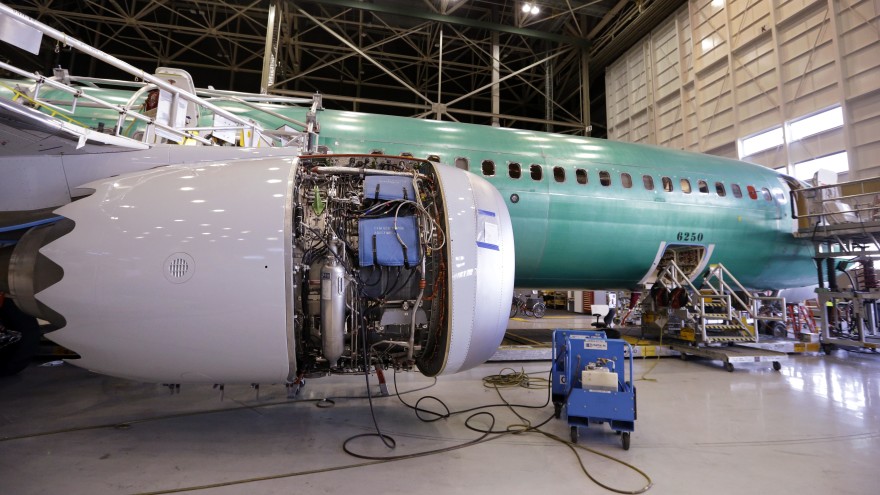
El 2 de Abril de 2021, la Administración Federal de Aviación (FAA) de los Estados Unidos ha producido una nueva Directiva de Aeronavegabilidad (AD) con respecto a la unidad de procesador de cantidad de combustible del Boeing 737 MAX. Este AD no sería un requisito general para toda la serie MAX, sólo afectará a los modelos MAX 8 y MAX 9. La FAA ha detallado en un comunicado: «Esta propuesta de AD fue motivada por un informe de que, durante el reabastecimiento de combustible del tanque principal adecuado, si hay un fallo del sistema de cierre automático, el panel de reabastecimiento de combustible no proporciona la indicación necesaria de que el cierre automático ha fallado. Este AD propuesto requeriría instalar una nueva Unidad de Procesador de Cantidad de Combustible (FQPU) y hacer una comprobación de Software FQPU».

Por ahora, esta propuesta de AD está al comienzo de un período de comentarios de 45 días que termina el 17 de Mayo de 2021. Durante este tiempo, la FAA está abierta a recibir «datos relevantes escritos, opiniones o argumentos sobre esta propuesta».

FAA new directive for 737 MAX

FAA Launches AD for Boeing 737 MAX FQPU Software

On April 2, 2021, the United States Federal Aviation Administration (FAA) has produced a new Airworthiness Directive (AD) regarding the fuel quantity processor unit of the Boeing 737 MAX. This AD would not be a general requirement for the entire MAX series, it will only affect the MAX 8 and MAX 9 models. The FAA has detailed in a statement: «This AD proposal was motivated by a report that, during refueling from the proper main tank, if there is a failure of the automatic shut-off system, the refueling panel does not provide the necessary indication that the automatic shut-off has failed. This proposed AD would require installing a new Fuel Quantity Processor Unit (FQPU) and do a Software FQPU check».

For now, this AD proposal is at the beginning of a 45-day comment period ending May 17, 2021. During this time, the FAA is open to receiving «relevant written data, opinions or arguments on this proposal».


PUBLISHER: Airgways.com
DBk: Faa.gov / Boeing.com / Gettyimages.com / Airgways.com
AW-POST: 202104041740AR

A\W   A I R G W A Y S ®

Nuevo Director de IATA

AW | 2021 04 02 12:40 | AVIATION ORGANISMS

Willie Walsh asume asociación aviación IATA

IATA_Logo.svg

Willie Walsh ha asumido este 1 de Abril de 2021 la Presidencia como Director General de la Asociación de Transporte Aéreo Internacional (IATA) en reemplazo de Alexandre de Juniac. El nuevo directivo posee una experiencia de cuarenta años en la industria de la aviación,siendo un referente de la línea aérea British Airways. “Me apasiona nuestra industria y el papel crítico que la IATA desempeña en nombre de sus miembros y que, durante la crisis del COVID-19, se ha hecho más relevante que nunca. La asociación se ha colocado en primera línea para luchar por la recuperación de la conectividad global, liderando iniciativas como la aplicación Travel Pass. Y aunque menos visibles, pero igual de relevantes, las aerolíneas siguen confiando en los sistemas de liquidación financiera de IATA, Timatic y otros servicios vitales que respaldan sus operaciones diarias”, comentó el nuevo representante de IATA.

La carrera profesional comenzó en 1979 como piloto cadete. Fue consejero delegado en British Airways (2005-2011) y Aer Lingus 2001-2005). En Septiembre del 2020, Willie Walsh dejó el cargo de consejero delegado de International Airlines Group (IAG), donde dirigió desde el 2011.

En sus primeras declaraciones como Director General, dijo: «En tiempos normales, más de cuatro mil millones de viajeros dependen de la aviación cada año, a lo que se suma el valor que ha ganado el transporte aéreo de carga con la distribución de las vacunas. La industria de las aerolíneas está comprometida con la seguridad, la eficiencia y la sostenibilidad de sus operaciones. Mi objetivo es mantener la voz vigorosa de la IATA en su lucha por el éxito del transporte aéreo mundial». También agradeció a Alexandre de Juniac la organización sólida y el equipo motivado que le dejó. La asociación tiene afiliadas a 293 líneas aéreas, las cuales representan el 82% del tráfico aéreo global.

New Director of IATA

Willie Walsh assumes IATA aviation partnership

Willie Walsh has assumed this April 1, 2021 the Presidency as General Director of the International Air Transport Association (IATA) in replacement of Alexandre de Juniac. The new manager has 40 years of experience in the aviation industry, being a benchmark for British Airways. “I am passionate about our industry and the critical role that IATA plays on behalf of its members and that, during the COVID-19 crisis, has become more relevant than ever. The association has been placed in the front line to fight for the recovery of global connectivity, leading initiatives such as the Travel Pass application. And while less visible, but just as relevant, airlines continue to rely on the financial settlement systems of IATA, Timatic and other vital services that support their day-to-day operations”, commented the new IATA representative.

His professional career began in 1979 as a cadet pilot. He was CEO of British Airways (2005-2011) and Aer Lingus 2001-2005). In September 2020, Willie Walsh stepped down as CEO of International Airlines Group (IAG), where he has led since 2011.

In his first statements as Director General, he said: «In normal times, more than four billion travelers depend on aviation each year, to which is added the value that air freight transport has gained with the distribution of the vaccines. The airline industry is committed to the safety, efficiency and sustainability of its operations. My goal is to maintain the vigorous voice of IATA in its fight for the success of global air transport». He also thanked Alexandre de Juniac for the solid organization and motivated team that he left him. The association has 293 airlines affiliated, which represent 82% of global air traffic .


PUBLISHER: Airgways.com
DBk: Iata.org / Airgways.com
AW-POST: 202104021240AR

A\W   A I R G W A Y S ®

OACI argentino Oficina Latinoamérica

AW | 2021 03 31 12:07 | AVIATION ORGANISMS

OACI designa nuevo representante Oficina Regional Sudamericana

La Organización de Aviación Civil Internacional (OACI) designa por primera vez a un argentino para el cargo de experto en investigación de accidentes en la Oficina Regional Sudamericana. El Lic. Daniel Barafani fue aceptado para el cargo de Experto en Investigación de Accidentes e Incidentes (AIG), P-4, en la Oficina Regional Sudamericana (SAM) de la Organización de Aviación Civil Internacional (OACI), en Lima, Perú. La postulación de Daniel Barafani había sido enviada por el Presidente de la JST, Julián Obaid, el 5 de Noviembre de 2020, y fue aceptada el 11 de Noviembre de 2020 a través de una carta enviada por la Secretaria General de la OACI, la Dra. Fang Liu. Finalmente, el Memorándum de Entendimiento (MOU) entre OACI y el Gobierno Argentino fue firmado el 26 de Marzo de 2021. En él se señala que Barafani comenzará sus funciones en el cargo a partir del 1 de Abril de 2020.

Daniel Barafani cuenta con una larga trayectoria en la industria aeronáutica, con más de 35 años en el sector y doce años en el área de investigación de accidentes de aviación. Actualmente es Asesor de la JST en Investigación de Accidentes y Seguridad Operacional. El área que integrará tiene como tarea asistir y acompañar a los organismos de investigación de Sudamérica en la adopción e implementación de los estándares (SARPs) establecidos en el Anexo 13 y documentos conexos relacionados con la investigación de accidentes e incidentes de aviación. “Agradecemos el apoyo de OACI por haber designado al Licenciado Daniel Barafani. Es un orgullo que el organismo que regula la aviación mundial sume a su equipo a un investigador tan prestigioso de la JST. Consideramos que por su trayectoria y experiencia será de gran aporte para la Oficina Regional Sudamericana, ya que brindará su profesionalismo a la región en materia de seguridad en el transporte. Como referentes en la investigación multimodal, desde la JST seguiremos contribuyendo a la seguridad en el transporte compartiendo las lecciones aprendidas de los otros modos de transporte”, expresó Julián Obaid.

Trayectoria

El Lic. Daniel Barafani tiene 56 años y nació en Mendoza, Argentina. Es investigador de accidentes e incidentes de aviación y cuenta con 35 años de trayectoria en la industria aeronáutica, que incluye 12 años de experiencia en investigación de accidentes de aviación general. En el área relacionada a la investigación de accidentes, ha trabajado a nivel nacional en el desarrollo organizativo de la investigación y la articulación con la Autoridad Civil de Aviación y con organizaciones de la aviación comercial y general. Además, ha trabajado en el proyecto de creación del Mecanismo de Cooperación Regional (ARCM) de Sudamérica, con un armónico trabajo con la Oficina Regional desde el 2014. También participa como experto en el Panel AIG de la OACI desde 2016. El investigador estudió en la Escuela de Aviación Militar de la Fuerza Aérea Argentina (FAA), donde alcanzó el título de Oficial. Luego estudió en el Instituto Universitario Aeronáutico, donde se recibió de Licenciado en Sistemas Aeronáuticos y Aeroespaciales. También se especializó en la FAA como Aviador Militar, y en el CIPE se formó como Investigador de Accidentes de Aviación. Desde 1984 hasta 1998, Daniel Barafani se desempeñó como piloto activo de la Fuerza Aérea Argentina (FAA), donde además ejerció los cargos de Jefe de Servicios Generales, Jefe de Planificación de Vuelos Fotográficos, Jefe de Servicio de Mantenimiento LR-35A, Jefe de la División Economía y Oficial de PREVAC del Grupo Aerofotográfico. En 1998 comenzó a trabajar en la línea aérea Southern Winds, donde se mantuvo hasta julio de 2006. Allí fue Piloto Comandante CRJ, B732, Profesor de las materias Procedimientos de emergencias, Mercancías peligrosas y Equipamiento de emergencias para las TCPS de la empresa. Además, formó parte del Consejo de Seguridad y participó en la confección del Manual de Seguridad y el Manual de Respuesta ante Emergencias y Situaciones de Crisis. Desde 2006 a 2008 trabajó en la línea aérea Silver Sky, donde fue parte del equipo startup. Luego desempeñó los cargos de Jefe de Planificación y Control de Vuelos Gerencia de Operaciones, Piloto Comandante Boeing 737-200. También realizó la confección de Manuales de Operación (MOE), Procedimientos Standard para B-732, documentación de personal operativo; planificación de cursos, planificación y control de vuelos, armado de la base de operaciones en el Aeropuerto Córdoba y la escala de Mendoza y estudio, y cálculo de costos operativos y de vuelos.

En 2009 inició su trabajo en Líneas Aéreas del Sur S.A (LADSSA), donde permaneció hasta 2014. Allí fue miembro del equipo starup de la compañía, y se desempeñó como Jefe de Área de Instrucción, Gerente de Seguridad Operacional, Piloto Comandante, Instructor de vuelo e Instructor de Simulador B-732. Entre los trabajos que realizó en la empresa, se destacan también la confección de Manuales de Operación (MOE), procedimientos Standard para B-732, documentación de personal operativo, planificación de cursos para pilotos, TCP, despachantes y mecánicos de aeronave (teóricos y prácticos); el armado de la base de operaciones en Aeropuerto Córdoba y la confección del Manual de SMS e implementación del SMS en la empresa. En 2008 Daniel Barafani ingresó a la Junta de Investigación de Accidentes de Aviación Civil (JIAAC), donde se desempeñó como Investigador especialista en operaciones. Luego trabajó como Asesor en Seguridad Operacional; jefe delegación de Córdoba; jefe del Departamento de Investigación Operativa; miembro del Comité Técnico del ARCM; miembro del Comité de Validación de las Investigaciones y miembro del AIG Panel de la OACI como experto en investigación de accidentes. En 2016 fue designado como Director Nacional de Investigaciones. Desde de 2020, cuando la JST absorbió a la JIAAC, se desempeña como Asesor en Investigación de Accidentes y Seguridad Operacional.

ICAO designates Argentine Latin America Office

ICAO appoints new representative South American Regional Office

The International Civil Aviation Organization  (ICAO) aviation body appoints for the first time an Argentine to the position of accident investigation expert at the South American Regional Office. Mr. Daniel Barafani was accepted for the position of Accident and Incident Investigation Expert (AIG), P-4, at the South American Regional Office (SAM) of the International Civil Aviation Organization (ICAO), in Lima, Perú. Daniel Barafani’s application had been sent by the President of the JST, Julián Obaid, on November 5, 2020, and was accepted on November 11, 2020 through a letter sent by the ICAO Secretary General, Dr. Fang Liu. Finally, the Memorandum of Understanding (MOU) between ICAO and the Argentine Government was signed on March 26, 2021. It states that Barafani will begin his duties in office as of April 1, 2020.

Daniel Barafani has a long history in the aeronautical industry, with more than 35 years in the sector and twelve years in the aviation accident investigation area. He is currently an Advisor to the JST on Accident Investigation and Operational Safety. The area that he will integrate has the task of assisting and accompanying the investigation organizations of South America in the adoption and implementation of the standards (SARPs) established in Annex 13 and related documents related to the investigation of aviation accidents and incidents. “We are grateful for the support of ICAO for having appointed Mr. Daniel Barafani. It is a pride that the body that regulates world aviation adds such a prestigious investigator from the JST to its team. We believe that due to his trajectory and experience, he will be of great contribution to the South American Regional Office, since he will provide his professionalism to the region in terms of transportation security. As benchmarks in multimodal research, from the JST we will continue to contribute to transport safety by sharing the lessons learned from other modes of transport”, said Julián Obaid.

Trajectory

Lic. Daniel Barafani is 56 years old and was born in Mendoza, Argentina. He is an aviation accident and incident investigator with a 35-year track record in the aviation industry, including 12 years of general aviation accident investigation experience. In the area related to accident investigation, he has worked at the national level in the organizational development of the investigation and the articulation with the Civil Aviation Authority and with commercial and general aviation organizations. In addition, he has worked in the project to create the South American Regional Cooperation Mechanism (ARCM), with a harmonious work with the Regional Office since 2014. He also participates as an expert in the ICAO AIG Panel since 2016. The researcher studied in the Military Aviation School of the Argentine Air Force (FAA), where he achieved the title of Officer. He then he studied at the Aeronautical University Institute, where he received a Bachelor’s Degree in Aeronautical and Aerospace Systems. He also specialized in the FAA as a Military Aviator, and at CIPE he trained as an Aviation Accident Investigator. From 1984 to 1998, Daniel Barafani served as an active pilot in the Argentine Air Force (FAA), where he also held the positions of Chief of General Services, Chief of Photographic Flight Planning, Chief of LR-35A Maintenance Service, Chief of the Economy Division and PREVAC Officer of the Aerofotográfico Group. In 1998 he began working for the Southern Winds airline, where he remained until July 2006. There he was Pilot Commander CRJ, B732, Professor of the subjects Emergency Procedures, Dangerous Goods and Emergency Equipment for the TCPS of the company. In addition, he was part of the Security Council and participated in the preparation of the Security Manual and the Manual for Response to Emergencies and Crisis Situations. From 2006 to 2008 he worked for the Silver Sky airline, where he was part of the startup team. He then he carried out the positions of Chief of Flight Planning and Control Operations Management, Pilot Commander Boeing 737-200. He also made the preparation of Operation Manuals (MOE), Standard Procedures for B-732, documentation of operational personnel; course planning, flight planning and control, assembly of the operations base at Córdoba Airport and the Mendoza stopover and study, and calculation of operating and flight costs.

In 2009, he began his work at Líneas Aéreas del Sur SA (LADSSA), where he remained until 2014. There he was a member of the company’s starup team, and served as Head of the Training Area, Operational Safety Manager, Pilot Commander, Instructor of Flight and Instructor of Simulator B-732. Among the work carried out in the company, the preparation of Operation Manuals (MOE), Standard procedures for B-732, documentation of operational personnel, planning of courses for pilots, TCP, dispatchers and aircraft mechanics (theoretical and practical); the assembly of the operations base at Córdoba Airport and the preparation of the SMS Manual and implementation of the SMS in the company. In 2008 Daniel Barafani joined the Civil Aviation Accident Investigation Board (JIAAC), where he served as a specialist Investigator in operations. He then he worked as an Operational Safety Advisor; head of the Córdoba delegation; Head of the Operations Research Department; member of the ARCM Technical Committee; member of the Investigations Validation Committee and member of the ICAO AIG Panel as an accident investigation expert. In 2016 he was appointed as the National Director of Investigations. Since 2020, when the JST absorbed the JIAAC, he has served as Advisor on Accident Investigation and Operational Safety.


PUBLISHER: Airgways.com
DBk: Argentina.gob.ar / Airgways.com
AW-POST: 202103311207AR

A\W   A I R G W A Y S ®

IATA informe seguridad 2020

AW | 2021 03 26 13:13 | AVIATION ORGANISMS

IATA publica informe de seguridad de 2020

La Asociación Internacional de Transporte Aéreo (IATA) ha anunciado la publicación del Informe de Seguridad de 2020 y datos para el desempeño de seguridad de la industria aérea comercial en 2020. El número total de accidentes disminuyó de 52 en 2019 a 38 en 2020. El número total de accidentes mortales disminuyó de 8 en 2019 a 5 en 2020. La tasa total de accidentes fue de 1,71 accidentes por millón de vuelos. Esta tasa media es superior a la tasa media de 5 años (2016-2020), que es de 1,38 accidentes por millón de vuelos. La siniestralidad de las aerolíneas miembro de la IATA fue de 0,83 por millón de vuelos, lo que su supone una mejora con respecto a la tasa media a 5 años de 0,96.

Las operaciones totales de vuelo se redujeron en un 53% a 22 millones en 2020. El riesgo de mortalidad se mantuvo sin cambios en comparación con la media de cinco años en 0,13. Con un riesgo de muerte de 0,13 para los viajes aéreos, en promedio, una persona tendría que viajar por aire todos los días durante 461 años antes de experimentar un accidente con al menos una víctima mortal. En promedio, una persona tendría que viajar todos los días durante 20.932 años para experimentar un accidente 100% fatal.

«Volar es seguro, aunque la industria dio un paso atrás en el rendimiento en 2020. La severa reducción en el número de vuelos aumentó el impacto de cada accidente cuando calculamos las tarifas. Pero los números no mienten, y no permitiremos que esto se convierta en una tendencia. Tendremos un enfoque aún más nítido en la seguridad durante este período de operaciones reducidas y a medida que se reconstruyan los horarios de vuelo cuando el mundo reabra», dijo Alexandre de Juniac, Director General y CEO de la IATA.

Por primera vez en más de 15 años no hubo accidentes a bordo de pérdida de control (LOC-I), que han contabilizado la mayor proporción de víctimas mortales desde 2016. «La falta de tales eventos en 2020 fue una evolución positiva. Sin embargo, sobre la base de los informes iniciales de la investigación sobre la trágica pérdida de Sriwijaya Air SJ-182 a principios de 2021, debemos seguir aprendiendo y mejorando», dijo Alexandre De Juniac.

IATA security report 2020

IATA publishes 2020 safety report

The International Air Transport Association (IATA) has announced the release of the 2020 Safety Report and data for the safety performance of the commercial airline industry in 2020. The total number of accidents decreased from 52 in 2019 to 38 in 2020. The total number of fatal accidents decreased from 8 in 2019 to 5 in 2020. The total accident rate was 1.71 accidents per million flights. This average rate is higher than the 5-year average rate (2016-2020), which is 1.38 accidents per million flights. The loss ratio of IATA member airlines was 0.83 per million flights, which is an improvement over the 5-year average rate of 0.96.

Total flight operations were reduced by 53% to 22 million in 2020. Mortality risk was unchanged compared to the five-year average at 0.13. With a risk of death of 0.13 for air travel, on average, a person would have to travel by air every day for 461 years before experiencing an accident with at least one fatality. On average, a person would have to travel every day for 20,932 years to experience a 100% fatal accident.

«Flying is safe, although the industry took a step back in performance in 2020. The severe reduction in the number of flights increased the impact of each accident when we calculated fares. But the numbers do not lie, and we will not allow this to become in a trend. We will have an even sharper focus on safety during this period of reduced operations and as flight schedules rebuild when the world reopens», said Alexandre de Juniac, IATA Director General and CEO.

For the first time in more than 15 years there were no Loss of Control (LOC-I) onboard accidents, accounting for the highest proportion of fatalities since 2016. «The lack of such events in 2020 was a positive development. However , based on initial reports from the investigation into the tragic loss of Sriwijaya Air SJ-182 in early 2021, we must continue to learn and improve», said Alexandre De Juniac.


PUBLISHER: Airgways.com
DBk: Iata.org / Airgways.com
AW-POST: 202103261713AR

A\W   A I R G W A Y S ®