Volcán Kilauea activo en Hawaii

Resultado de imagen para Volcan Kilauea

AW | 2018 05 05 05:18 | AVIATION SAFETY

Resultado de imagen para Hawaii islands map pngVolcán Kilauea entra en erupción mantiene alerta naranja

Luego de una serie de terremotos que afectaron a la gran isla de Hawaii esta semana, el volcán Kilauea de la isla entró en erupción el jueves, liberando lava en una zona residencial cercana. La erupción ha llevado a la evacuación obligatoria de viviendas en el área.

Hasta el momento, la mayoría de las aerolíneas que viajan a Hawaii, incluidas American Airlines, United Airlines y Alaska Airlines, no han anunciado ningún cambio o cancelación como resultado de la erupción del volcán. La única excepción hasta ahora es Hawaiian Airlines, que compartió una actualización de viaje en Twitter anunciando un «cambio de reserva de una sola vez con la exención de la tarifa de cambio» para los viajeros que vuelan hacia, desde o a través de los aeropuertos de Hilo o Kona en la gran isla.

Según la agencia de monitoreo de volcanes en Estados Unidos informa que la erupción de lava en la subdivisión Leilani Estates en la Zona del Rift Este inferior del volcán Kilauea continúa. Varias fisuras o conductos eruptivos adicionales, cada uno de varios cientos de metros de largo, se han abierto durante el último día. No se han formado flujos de lava significativos. La salpicadura y la lava se acumulan principalmente a unas pocas decenas de metros del respiradero.

La sexta y más reciente fisura está en el borde este de la subdivisión. No todos los respiraderos de fisura permanecen activos y no se han formado flujos de lava muy lejanos.

Geólogos de HVO estarán en la zona de la noche a la mañana para rastrear actividades adicionales que puedan ocurrir, y otros científicos están siguiendo de cerca la actividad general del volcán usando varios flujos de datos de monitoreo.

La sismicidad y la deformación son consistentes con la acumulación continua de magma dentro de la zona de ruptura. Se esperan brotes adicionales de lava. Los residentes deben permanecer informados y prestar atención a los mensajes de la Defensa Civil del Condado de Hawaii.AIRWAYS® AW-Icon TXT

Resultado de imagen para Volcan Kilauea map

Active Kilauea volcano in Hawaii

Kilauea volcano erupts keeps orange alert

After a series of earthquakes that hit the great island of Hawaii this week, the island’s Kilauea volcano erupted on Thursday, releasing lava into a nearby residential area. The eruption has led to the mandatory evacuation of homes in the area.

So far, most airlines traveling to Hawaii, including American Airlines, United Airlines and Alaska Airlines, have not announced any changes or cancellations as a result of the eruption of the volcano. The only exception so far is Hawaiian Airlines, which shared a travel update on Twitter announcing a «one-time reservation change with exemption from the exchange rate» for travelers flying to, from or through the airports of Hilo or Kona on the big island.

Resultado de imagen para Volcan Kilauea mapSQUARE OF MAGNITUDE 6,9 SACUDE ISLA DE KILAUEA, HAWAII

According to the volcano monitoring agency in the United States, it reports that the lava eruption in the Leilani Estates subdivision in the lower East Rift Zone of the Kilauea volcano continues. Several fissures or additional eruptive canals, each several hundred meters long, have been opened during the last day. No significant lava flows have formed. The splash and the lava accumulate mainly to a few tens of meters of the vent.

The sixth and most recent fissure is on the eastern edge of the subdivision. Not all fissure vents remain active and no very distant lava flows have formed.

HVO geologists will be in the area overnight to track additional activities that may occur, and other scientists are closely monitoring the general activity of the volcano using several streams of monitoring data.

Seismicity and deformation are consistent with the continuous accumulation of magma within the rupture zone. Additional lava shoots are expected. Residents must stay informed and pay attention to messages from the Hawaii County Civil Defense. A \ W


Ξ A I R G W A Y S Ξ
SOURCE:  Airgways.com
DBk: Volcanoes.usgs.gov
AW-POST: 20180505051811550AR

A\W   A I R G W A Y S ®

Informe Final LMI2933 LaMia Airlines

Resultado de imagen para LaMia AVRO RJ85

AW | 2018 04 28 08:35 | AIR INVESTIGATION / AVIATION SAFETY

Informe final sobre el accidente del vuelo LMI 2933 de LaMia confirma la falta de combustible de la aeronave AVRO RJ-85 como causa de la tragedia

Según Aeronáutica Civil de Colombia, la aeronave «tenía un déficit de 2,303 kilogramos de combustible, ya que para recorrer la ruta Santa Cruz-Rionegro las disposiciones del sector exigían una cantidad mínima de combustible de 11,603 kilogramos y esta aeronave solo contaba con 9,300 kgs».

La falta de combustible y la mala gestión de riesgo fue la causa del accidente del avión de la empresa boliviana LaMia que cobró 71 vidas, según el informe final de Aeronáutica Civil de Colombia dado a conocer este viernes.

Resultado de imagen para LaMia AVRO RJ85

Según destaca el reporte, la empresa LaMia planeó sin escalas el vuelo charter donde iba en su mayoría el club brasileño de fútbol Chapecoense que cubría la ruta Santa Cruz y Rionegro en el cual «no cumplió con los requisitos de cantidad mínima de combustible exigidos en las normas internacionales, pues no tuvo en cuenta el combustible requerido para volar a un aeropuerto alterno, el de contingencia, el de reserva ni el combustible mínimo de aterrizaje», dice el comunicado escrito.

Según reza el reporte, la aeronave «tenía un déficit de 2,303 kilogramos de combustible, ya que para recorrer la ruta Santa Cruz-Rionegro las disposiciones del sector exigían una cantidad mínima de combustible de 11,603 kilogramos y esta aeronave solo contaba con 9,300 kgs».

El factor humano fue determinante en todos los procedimientos que llevaron a uno de los peores accidentes aéreos de la historia de Colombia básicamente porque la tripulación tomó malas decisiones al no hacer una escala para recargar combustible ni alertar a tiempo a la torre de control en Rionegro de su estado de emergencia.

Solo seis personas lograron sobrevivir al accidente. El plan original del Chapecoense era volar directamente desde Brasil a Colombia en un vuelo fletado. La Agencia Nacional de Aviación Civil (ANAC) de Brasil no lo autorizó. El Chapecoense cambió sus planes y voló hasta Santa Cruz de la Sierra, donde tomó el vuelo de LaMia.

Una de las conclusiones más impactantes del informe final de Aeronáutica Civil es que «ni la empresa ni la tripulación, aunque eran conscientes de la escasa cantidad de gasolina para terminar el vuelo en Rionegro, tomaron la decisión de no aterrizar en otro aeropuerto en ruta para reabastecer y completar así la cantidad mínima de combustible para proceder con seguridad a su destino final. La tripulación descartó un aterrizaje en Bogotá, u otro aeropuerto, para reabastecer».

Con respecto a la mala gestión, el informe establece que LaMia tenía deficiencias organizacionales, una difícil situación económica, inconvenientes en la dotación de cargos y problemas en su sistema de gestión de seguridad operacional y en el cumplimiento de las políticas de combustibles: «Pese a que estaban establecidas en los manuales, no se cumplían en la práctica».

Unos 22 técnicos participaron en la investigación que determinó que la aeronave estaba en buenas condiciones, tenía el mantenimiento actualizado y que además contaba con una tribulación experimentada.

La Aeronáutica Civil de Colombia enfatizó en que los operadores aéreos deben cumplir las normas establecidas en todo sentido, «sobre todo en este caso que tiene que ver con las cantidades mínimas de combustible. Esta es una norma que no se puede incumplir», remarcó.

Asimismo, la OACI recibió la recomendación de revisar la normatividad acerca de los vuelos chárter para que oriente «cómo se puede mejorar esa exigencia de requisitos que pueden ser poco permisivos».

El 27 de abril de 2018, el GRIAA de Colombia dio a conocer su informe final y concluyó que las causas probables del accidente fueron:

Inadecuada planificación y ejecución del vuelo con una cantidad de combustible que no incluía combustible para el desvío del destino a un aeropuerto alternativo, cualquier contingencia, cualquier reserva, el combustible mínimo requerido después del aterrizaje como lo hubieran requerido las regulaciones para el tipo de vuelo internacional realizado por CP-2933.

Los cuatro motores se apagaron en secuencia mientras la aeronave descendía hacia el patrón de espera en GEMLI como resultado del agotamiento del combustible.

La toma de decisiones inadecuadas dentro de la administración del operador resulta en la falta de seguridad operacional.

Pérdida del conocimiento situacional y toma de decisiones inadecuada por parte de la tripulación, que mantuvo su fijación para completar el vuelo con una cantidad extremadamente limitada de combustible. La tripulación era consciente del bajo nivel de combustible restante, sin embargo, no tomó las medidas correctivas necesarias, por ejemplo, para aterrizar en un aeródromo y reponer el combustible.

Los factores que contribuyeron fueron:

configuración prematura de la aeronave para el aterrizaje durante el descenso hacia el patrón de espera en GEMLI. Considerando la ausencia de empuje, esta configuración afectó la distancia de vuelo a la pista del aeropuerto de Rionegro.

Deficiencias latentes en la planificación y ejecución de vuelos de transporte no regulares por el operador, en particular suministro insuficiente de combustible.

Deficiencias específicas en la planificación del vuelo del accidente por parte del operador de la aeronave.

Falta de supervisión y control operacional del vuelo por parte del operador que no supervisó la planificación del vuelo ni su ejecución y no siguió el vuelo para ayudar a la tripulación en la toma de decisiones.

Ausencia de llamadas oportunas que solicitan urgencia o declaración de emergencia (o similar) por la tripulación del avión durante el vuelo, especialmente cuando el agotamiento del combustible ya era inminente durante el descenso, lo que podría haber alertado al control del tráfico aéreo para proporcionar el apoyo necesario.

Desviación organizativa y operativa de los procedimientos de gestión de combustible por parte del operador, que en la práctica no cumplió con la aprobación de la DGCA de Bolivia durante la certificación de la empresa.

Retraso durante el acercamiento de la aeronave a la pista de Rionegro debido a su solicitud de prioridad tardía y la solicitud de emergencia tardía para el combustible agregado a la densidad de tráfico en el patrón de espera VOR RNG.

El GRIAA informó en 2015 que una inspección reveló deficiencias operacionales dentro del operador, en particular debido a la administración inadecuada de combustible. En 2016, el operador realizó tres vuelos desde Río Negro a Cobija (como destino declarado del vuelo), pero continuó hacia Viru Viru (que fue declarado aeródromo alternativo pero era el destino real), por lo que era probable que el operador no cumpliera con los requisitos mínimos de combustible.

El CP-2933 fue originalmente creado para realizar dos vuelos, uno desde Sao Paulo hasta Río Negro y luego desde Río Negro hasta Chapeco. Las Autoridades de Brasil denegaron la autorización para el vuelo en base a sus reglamentaciones impidiendo vuelos desde Brasil a un tercer país (Brasil como punto de origen, Bolivia para el operador y Colombia como destino). Por lo tanto, otra compañía realizó el vuelo Sao Paulo-Santa Cruz y el CP-2933 debía volar desde Santa Cruz a Río Negro con un equipo diferente al originalmente programado para realizar los vuelos.

El operador logró obtener la solicitud del vuelo no rechazado por la Autoridad Aeronáutica Colombiana que no tenía una Secretaría de Seguridad Aérea ni hizo un estudio del seguro actual que excluyó la operación del avión en Colombia.

La oficina de ARO / AIS notó que el plan de vuelo presentado por el operador mostraba un tiempo de ruta estimado (EET) similar a la resistencia de la aeronave. Esta observación no fue considerada por el operador y el plan de vuelo fue archivado.

El avión partió de Santa Cruz con un total de 9,073 kg de combustible. El combustible mínimo requerido para realizar el vuelo a Río Negro de acuerdo con las regulaciones fue de 12,052 kg, sin embargo, por encima de la capacidad del tanque de combustible de la aeronave. El avión partió de Santa Cruz con un peso calculado de despegue de 42.148 kh, 348 kg por encima del peso máximo de despegue. No hubo evidencia de una hoja de carga en la oficina del operador en Santa Cruz.

De acuerdo con el CVR, la tripulación discutió repetidamente la situación del combustible y la optimización de los cruceros y los descensos, incluida una posible desviación a Bogotá para reabastecerse de combustible.

El ATC de Colombia había despejado el vuelo para la ruta más directa desde el punto de entrada al espacio aéreo colombiano hasta Río Negro. Una autorización del Centro de Control del Área de Bogotá para proceder directamente a NIRSO, cerca del aeropuerto de destino, motivó a la tripulación a descartar definitivamente una desviación a Bogotá. La grabación del CVR terminó prematuramente a 550 nm de Río Negro, 100 minutos antes del accidente. La investigación no pudo determinar por qué el CVR detuvo eso temprano. Las grabaciones de datos de vuelo cesaron a aproximadamente 180 nm de VOR RNG. Aproximadamente 40 minutos antes de la última grabación de FDR, se había producido una advertencia de bajo nivel de combustible.En ese punto, el avión estaba a 77 nm de Bogotá y a 135 nm de Cali. Sin embargo, la tripulación no informó al ATC sobre la situación del combustible.

Mientras tanto, ATC se ocupó de una aeronave que sospechaba una fuga de combustible al acercarse a Río Negro, lo que retrasó el CP-2933 (ya que la situación del combustible era desconocida para ATC) y otros tres aviones. 68nm de VOR RNG ATC dio instrucciones a la tripulación para que ingrese a la bodega de RNG sin proporcionar una estimación del tiempo previsto de aproximación. De nuevo, la tripulación no informó sobre la situación crítica del combustible.

A 24nm del RNG VOR, la tripulación solicitó y se aprobó su mantenimiento en GEMLI, nuevamente sin informar sobre la baja cantidad de combustible restante. El avión completó una ronda en la explotación, antes de comenzar el segundo circuito, la tripulación pidió prioridad debido a problemas de combustible. ATC informó que serían transferidos al localizador en 7 minutos. La tripulación aceptó nuevamente sin declarar emergencia.

Unos 71 segundos después de que CP-2933 había solicitado prioridad, ATC despejó el otro avión que llegaba con una presunta fuga de combustible para el acercamiento a Río Negro.

Durante el segundo circuito en la bodega, 195 segundos después de que la tripulación pidió prioridad, la tripulación declaró Mayday, giró inmediatamente a la izquierda fuera del patrón de espera y salió de FL210. ATC canceló la autorización de aproximación para la otra aeronave y ordenó a otras aeronaves en la bodega de RNG que vuelen hacia el oeste para salir del camino.

Al salir de FL210, la tripulación desplegó los frenos de velocidad, extendió el tren de aterrizaje en FL205 y en FL180 comenzó a extender las aletas llegando a 24 grados de flaps. ATC aprobó el CP-2933 para el acercamiento, proporcionó información de tráfico sobre el otro avión en el área y avisó que la pista estaba mojada. En el motor FL196 n. ° 3 apagado, a 18,876 pies el motor n. ° 4 se apagó, a 17,946 pies las compuertas se ajustaron a lleno, a 17,290 pies se paró el motor n. ° 2 y a 15942 pies se paró el motor n. ° 1. Siete segundos después del apagado del último motor, el FDR dejó de registrar 15.5nm antes del umbral de la pista 01 en un CAS de 115 KIAS, 142 nudos sobre el suelo y una altitud de 15,943 pies. La tripulación informó una falla eléctrica total y solicitó vectores repetidamente. Después de que el último motor se apagó, el avión se deslizó otros 5.5nm hasta el impacto. 71 personas murieron en el accidente. AIRWAYS® AW-Icon TXT

Al menos 76 muertos al estrellarse un avión en Colombia en el que...

Final Report LMI2933 LaMia Airlines

Final report on the accident of flight LMI 2933 of LaMia confirms the lack of fuel of the aircraft AVRO RJ-85 as cause of the tragedy

According to Civil Aeronautics of Colombia, the aircraft «had a deficit of 2,303 kilograms of fuel, since to travel the route Santa Cruz-Rionegro the provisions of the sector required a minimum amount of fuel of 11,603 kilograms and this aircraft only had 9,300 kgs».

The lack of fuel and poor risk management was the cause of the plane crash of the Bolivian company LaMia that claimed 71 lives, according to the final report of Colombia’s Civil Aeronautics released on Friday.

According to the report, the company LaMia planned without stopovers the charter flight where most of the Brazilian soccer club Chapecoense covered the route Santa Cruz and Rionegro in which «it did not meet the requirements of minimum amount of fuel required in the international standards, because it did not take into account the fuel required to fly to an alternate airport, the contingency airport, the reserve airport or the minimum landing fuel», the written statement said.

According to the report, the aircraft «had a deficit of 2,303 kilograms of fuel, since to travel the route Santa Cruz-Rionegro the provisions of the sector required a minimum amount of fuel of 11,603 kilograms and this aircraft only had 9,300 kgs».

The human factor was decisive in all the procedures that led to one of the worst air accidents in the history of Colomnia basically because the crew made bad decisions by not making a stop to refuel or alert the control to Rionegro in time. your state of emergency.

Only six people survived the accident. The original Chapecoense plan was to fly directly from Brazil to Colombia on a chartered flight. The National Agency of Civil Aviation (ANAC) of Brazil did not authorize it. The Chapecoense changed his plans and flew to Santa Cruz de la Sierra, where he took the LaMia flight.

One of the most striking conclusions of the final report of Civil Aeronautics is that «neither the company nor the crew, although they were aware of the small amount of gasoline to finish the flight in Rionegro, made the decision not to land at another airport en route to replenish and complete the minimum amount of fuel to proceed safely to its final destination.The crew ruled out a landing in Bogota, or another airport, to replenish».

With regard to mismanagement, the report states that LaMia had organizational deficiencies, a difficult economic situation, inconveniences in the allocation of positions and problems in its safety management system and compliance with fuel policies: «Despite that were established in the manuals, were not met in practice».

Some 22 technicians participated in the investigation that determined that the aircraft was in good condition, had maintenance updated and also had an experienced tribulation.

The Civil Aeronautics of Colombia emphasized that air operators must comply with the rules established in every sense, «especially in this case that has to do with the minimum amounts of fuel. This is a rule that can not be breached», he said.


In addition, ICAO received the recommendation to revise the regulations on charter flights so that it can guide «how to improve that requirement of requirements that may be less permissive».

On Apr 27th 2018 Colombia’s GRIAA released their final report concluding the probable causes of the crash were:

Inappropriate planning and execution of the flight with an amount of fuel that did not include any fuel for a diversion from destination to an alternate airport, any contingency, any reserve, the required minimum fuel after landing as would have been required by regulations for the type of international flight performed by CP-2933.

The four engines shut down in sequence while the aircraft descended towards the holding pattern at GEMLI as result of depletion of fuel.

Inadequate decision making within the operator’s management resulting in lack of assurance of operational safety.

Loss of situational awareness and inadequate decision making by the crew which maintained their fixation to complete the flight with an extremely limited amount of fuel. The crew was aware of the low level of remaining fuel, however, did not take corrective actions required, e.g. to land at an aerodrome and replenish the fuel.

Contributing factors were:

Premature configuration of the aircraft for landing during the descent towards the holding pattern at GEMLI. Considering the absence of thrust this configuration affected the gliding distance to Rionegro Airport’s runway.

Latent deficiencies in the planning and execution of non-regular transportation flights by the operator, in particular insufficient supply of fuel.

Specific deficiencies in the planning of the accident flight by the operator of the aircraft.

Lack of supervision and operational control of the flight by the operator who did not supervise the planning of the flight nor its execution and did not follow up on the flight to assist the crew in decision making.

Absence of timely calls requesting urgency or declaring emergency (or similiar) by the crew of the aircraft during the flight, especially when fuel depletion was already imminent during the descent, which could have alerted air traffic control to provide the support needed.

Organizational and operational deviation from fuel management procedures by the operator, who in practise did not comply with the approval by Bolivia’s DGCA during certification of the company.

Delay during the approach of the aircraft to Rionegro runway due to its late priority request and late emergency call for fuel added to the traffic density in the VOR RNG holding pattern.

The GRIAA reported in 2015 an inspection revealed operational deficiencies within the operator, in particular due to inadequate fuel management. In 2016 the operator performed three flights from Rio Negro to Cobija (as declared destination of the flight), however continued to Viru Viru (which was declared alternate aerodrome but was the real destination), as such it was likely the operator did not comply with the minimum fuel requirements.

CP-2933 was originally chartered to perform two flights, one from Sao Paulo to Rio Negro and then from Rio Negro to Chapeco. Brazil’s Authorities had denied authorization for the flight based on their regulations preventing flights from Brazil to a third country (Brazil as point of origin, Bolivia for the operator and Colombia as destination). Therefore another company performed the flight Sao Paulo-Santa Cruz and CP-2933 was to fly from Santa Cruz to Rio Negro with a crew different from the one that had originally been scheduled to perform the flights.

The operator managed to get the request for the flight not rejected by Colombian Aeronautical Authority who did not have an Air Safety Secretariat nor made a study of the current insurance which excluded operation of the aircraft in Colombia.

The ARO/AIS office noticed, that the flight plan presented by the operator showed an estimated enroute time (EET) similiar to the endurance of the aircraft. This observation was not considered by the operator and the flight plan was filed.

The aircraft departed Santa Cruz with a total of 9,073 kg of fuel. The minimum fuel required to perform the flight to Rio Negro in accordance with regulations was 12,052kg however, above the aircraft’s fuel tank capacity. The aircraft departed Santa Cruz with a computed takeoff weight of 42,148 kh, 348kg above maximum takeoff weight. There was no evidence of a load sheet at the operator’s office in Santa Cruz.

According to the CVR the crew repeatedly discussed the fuel situation and optimization of cruise and descent, including a possible diversion to Bogota for refueling.

Colombia’s ATC had cleared the flight for the most direct route from point of entry into Colombian Airspace to Rio Negro. A clearance by Bogota Area Control Center to proceed direct to NIRSO, near the destination airport, motivated the crew to definitely rule out a diversion to Bogota. The CVR recording ended prematurely about 550nm from Rio Negro, 100 minutes prior to the accident. The investigation was unable to determine why the CVR stopped that early. The flight data recordings ceased about 180nm from VOR RNG. About 40 minutes prior to the last FDR recording a low fuel level warning had occurred. At that point the aircraft was 77nm from Bogota and 135nm from Cali. However, the crew did not inform ATC about the fuel situation.

In the meantime ATC dealt with an aircraft suspecting a fuel leak on approach to Rio Negro, which delayed CP-2933 (as the fuel situation was unknown to ATC) and three other aircraft. 68nm from VOR RNG ATC instructed the crew to enter the hold of RNG without providing an estimate for the anticipated time of approach. Again, the crew did not advise of the critical fuel situation.

24nm from RNG VOR the crew requested and was approved to hold at GEMLI, again without advising of the low fuel quantity remaining. The aircraft completed one round in the holding, before starting the second circuit the crew requested priority due to fuel problems. ATC advised they would be vectored onto the localizer in 7 minutes. The crew accepted again without declaring emergency.

71 seconds after CP-2933 had requested priority ATC cleared the other aircraft arriving with a suspected fuel leak for the approach to Rio Negro.

During the second circuit in the hold, 195 seconds after the crew requested priority, the crew declared Mayday, immediately veered left out of the holding pattern and left FL210. ATC cancelled the approach clearance for the other aircraft and instructed other aircraft in the hold of RNG to fly towards the west to get out of the way.

When leaving FL210 the crew deployed the speed brakes, extended the landing gear at FL205 and at FL180 began to extend the flaps reaching 24 degrees of flaps. ATC cleared CP-2933 for the approach, provided traffic information about the other aircraft in the area and advised the runway was wet. At FL196 engine #3 shut down, at 18,876 feet engine #4 shut down, at 17,946 feet the flaps were set to full, at 17,290 feet engine #2 shut down and at 15942 feet engine #1 shut down. Seven seconds after the last engine shut down the FDR ceased recording 15.5nm before the runway 01 threshold at an CAS of 115 KIAS, 142 knots over ground and an altitude of 15,943 feet. The crew reported a total electrical failure and requested vectors repeatedly. After the last engine shut down the aircraft glided a further 5.5nm until impact. 71 people perished in the crash, 6 people survived. A \ W


INFORME FINAL VUELO LMI2933
FINAL REPORT FLIGHT LMI2933

377593630-Aerocivil-Col-Informe-final-sobre-el-accidente-de-la-empresa-LaMia


Ξ A I R G W A Y S Ξ
SOURCE:  Airgways.com
DBk: Aerocivil.gov.co / Icao.int / Getty Images
AW-POST: 201804280835AR

A\W   A I R G W A Y S ®

NTSB organiza foro seguridad

MG_0945 (1).jpg

AW | 2018 04 24 18:00 | AVIATION SAFETY

Resultado de imagen para NTSBNTSB continúa enfocándose en la pérdida de control

La reunión que alcanzó a miembros de la NTSB, FAA, NASA, asociaciones de aviación, universidades y compañías aéreas han involucrado sus experiencias para seguir recomendando normas de seguridad en la aviación comercial.

La Junta Nacional de Seguridad en el Transporte (NTSB) continúa su atención sobre la pérdida de control de accidentes en vuelo presentando otro evento para profundizar en los problemas que rodean a la pérdida de control en vuelo (LOC-I) y medidas preventivas a través de capacitación y tecnología.

La sesión se abrió con el comandante de transbordadores de la NASA y Orbital ATK Flight Systems vp y el gerente general Charlie Precourt discutiendo la importancia de crear una cultura de aprendizaje en la aviación general. Algunas experiencias de entrenamiento inicial no son agradables, dijo, y crea temor a la educación continua. En la NASA, dijo: «Nos enseñamos unos a otros a no temer la vergüenza, porque la vergüenza es lo que viene con el aprendizaje. Refuerza; a veces es más fácil aprender de tus errores que de tus éxitos».

El Presidente de la NTSB, Robert Sumwalt, es la última de una serie de esfuerzos que la Junta de Seguridad ha tomado para abordar la principal causa de accidentes automovilísticos de la aviación general. La NTSB previamente ha organizado un simposio, emitido alertas de seguridad, realizado sesiones regionales y resaltado LOC-I en su lista más buscada de mejoras en la seguridad del transporte.

«La pérdida de control en vuelo mata a pilotos y pasajeros de la aviación más generales que cualquier otro factor. La pérdida de control durante el vuelo reclama demasiadas vidas. Pongámonos a trabajar», dijo Sumwalt a los participantes de la mesa redonda, diciendo que el objetivo es desarrollar acciones claras para abordar el problema. Una serie de factores que podrían desempeñar un papel en las medidas preventivas, incluido el profesionalismo, tutoría piloto, nuevas tecnologías como el monitoreo de datos de vuelo, soluciones de simulación, intercambio de información, errores piloto comunes y sistemas de gestión.

«Existe una falta de habilidades en el timón y una falta de comprensión de la aerodinámica detrás de algunas de estas maniobras», expresó Carolina Anderson, Profesora asociada de aeronáutica en la Universidad Aeronáutica Embry-Riddle, quien señaló que los estudiantes necesitan más entrenamiento sobre velocidades de pérdida. También dijo que cree que el entrenamiento de planeadores a menudo ayuda con las habilidades del timón porque se prepara para la planificación del manejo de emergencias.

Las primeras mesas redondas también se centraron en el uso ampliado de simuladores, incluidos los sistemas de escritorio y basados ​​en el hogar, y la preocupación de que podría interferir con la obtención del tiempo de vuelo.

En los últimos 10 años, 978 pilotos perdieron el control de sus aviones, resultando en 1.672 muertes. «Eso es suficiente para llenar esta sala de conferencias seis veces. La pérdida de control es un problema real», dijo John Delisi, NTSB, director de la Oficina de Seguridad Aérea.

Dave Sizoo de la División de Small Airplane Standards de la FAA debatió sobre la necesidad de que los pilotos permanezcan conectados con la aeronave, diciendo que una debilidad en la atención generalizada contribuye a la pérdida de conciencia situacional. «Los pilotos necesitan estar conectados con el avión y entender cuándo el avión está hablando con ellos», dijo Sizoo.  AIRWAYS® AW-Icon TXT

NTSB organizes security forum

NTSB continues to focus on loss of control

The meeting that reached members of the NTSB, FAA, NASA, aviation associations, universities and airlines have involved their experiences to continue recommending safety standards in commercial aviation.

The National Transportation Safety Board (NTSB) continues its attention on the loss of control of accidents in flight presenting another event to deepen the problems surrounding the loss of control in flight (LOC-I) and preventive measures through of training and technology.

The session opened with the shuttle commander of NASA and Orbital ATK Flight Systems vp and general manager Charlie Precourt discussing the importance of creating a learning culture in general aviation. Some initial training experiences are not pleasant, he said, and create fear of continuing education. At NASA, he said: «We teach each other not to fear shame, because shame is what comes with learning, it reinforces, sometimes it’s easier to learn from your mistakes than from your successes».

The President of the NTSB, Robert Sumwalt, is the latest in a series of efforts that the Board of Security has taken to address the main cause of general aviation auto accidents. The NTSB has previously organized a symposium, issued security alerts, held regional sessions and highlighted LOC-I on its most sought-after list of transportation safety improvements.

«Loss of control in flight kills pilots and aviation passengers more than any other factor». The loss of control during the flight demands too many lives, let’s get to work, Sumwalt told the round table participants, saying that The objective is to develop clear actions to address the problem. A series of factors that could play a role in preventive measures, including professionalism, pilot tutoring, new technologies such as flight data monitoring, simulation solutions, information exchange, common pilot errors and management systems.

«There is a lack of skills at the helm and a lack of understanding of the aerodynamics behind some of these maneuvers», said Carolina Anderson, Associate Professor of Aeronautics at the Aeronautical University Embry-Riddle, who noted that students need more training on speed. He also said that he believes that glider training often helps with rudder skills because he prepares for emergency management planning.

The first round tables also focused on the expanded use of simulators, including desktop and home-based systems, and concerns that could interfere with obtaining flight time.

In the last 10 years, 978 pilots lost control of their aircraft, resulting in 1,672 deaths. «That’s enough to fill this conference room six times … Loss of control is a real problem», said John Delisi, NTSB, director of the Office of Air Safety.

Dave Sizoo of the Small Airplane Standards Division of the FAA discussed the need for pilots to remain connected to the aircraft, saying that a weakness in widespread attention contributes to the loss of situational awareness. «The pilots need to be connected to the plane and understand when the plane is talking to them», Sizoo said. A\W


Ξ A I R G W A Y S Ξ
SOURCE:  Airgways.com
DBk: Ntsb.gov / Gettoife.com
AW-POST: 201804241800AR

A\W   A I R G W A Y S ®

DNR entrega a Holanda restos del MH17

Resultado de imagen para donetsk MH17

AW | 2018 04 23 05:23 | AIR INVESTIGATION / AVIATION SAFETY

La República Popular de Donetsk entrega a los Países Bajos restos del MH-017

La Oficina del Fiscal General de la autoproclamada República Popular de Donetsk (DNR) ha entregado a los Países Bajos algunos de los restos del accidente del vuelo MH-017 del avión derribado Boeing 777-200ER de Malaysia Airlines.

La catástrofe tuvo lugar el 17 Julio 2014 en el área de conflicto militar entre representantes de las repúblicas de Lugansk y Donetsk no reconocidas y las tropas del gobierno ucraniano.

El Boeing 777-200ER, fue derribado en el espacio aéreo sobre el Donbass. El jefe del Ministerio de Asuntos Exteriores de Rusia, Sergey Lavrov, antes de eso anunció que la Federación de Rusia está ayudando a estudiar las circunstancias del accidente del vuelo MH-017. A bordo había 298 personas, incluidas mujeres y niños. La Comisión Internacional de Estudios cree que el avión fue derribado desde el territorio controlado por la milicia, con la ayuda del sistema de defensa aérea Buk-M1, que llegó al Donbass desde la Federación Rusa. AIRWAYS® AW-Icon TXT


DNR delivers to the Netherlands remains accident of the MH17

The People’s Republic of Donetsk delivers to the Netherlands remains of the MH-017

The Office of the General Prosecutor of the self-proclaimed Donetsk People’s Republic (DNR) has delivered to the Netherlands some of the wreckage of Flight MH-017 of Malaysia Airlines’ Boeing 777-200ER plane downed.

The catastrophe took place on July 17, 2014 in the area of ​​military conflict between representatives of the unrecognized Lugansk and Donetsk republics and the Ukrainian government troops.

The Boeing 777-200ER, was shot down in the airspace over the Donbass. The head of the Ministry of Foreign Affairs of Russia Sergey Lavrov, before that announced that the Russian Federation is helping to study the circumstances of the accident of flight MH-017. On board there were 298 people, including women and children. The International Commission of Studies believes that the plane was shot down from the territory controlled by the militia, with the help of the air defense system Buk-M1, which arrived in Donbass from the Russian Federation. A \ W


DNR поставляет в Нидерланды, остается несчастным случаем MH17

Народная Республика Донецка доставляет в Нидерланды остатки MH-017

Канцелярия Генерального прокурора самопровозглашенной Донецкой Народной Республики (DNR) доставила в Нидерланды часть обломков самолета MH-017 самолета Boeing 777-200ER авиакомпании «Малайзия».

Катастрофа состоялась 17 июля 2014 года в области военного конфликта между представителями непризнанных Луганской и Донецкой республик и украинских правительственных войск.

Boeing 777-200ER, был сбит в воздушном пространстве над Донбасом. Глава МИД России Сергей Лавров, до этого, объявил, что Российская Федерация помогает изучить обстоятельства аварии полета MH-017. На борту находилось 298 человек, включая женщин и детей. Международная комиссия по исследованиям считает, что самолет был сбит с территории, контролируемой милицией, с помощью системы противовоздушной обороны «Бук-М1», которая прибыла в Донбасс из Российской Федерации. A\W


Ξ A I R G W A Y S Ξ
SOURCE:  Airgways.com
DBk: Navkolo.me
AW-POST: 201804230523AR

A\W   A I R G W A Y S ®

El impacto mundial de revisión CFM56-7B

AW-Quartz.jpg

AW | 2018 04 22 16:35 | AVIATION SAFETY

Seal_of_the_United_States_Federal_Aviation_Administration.svgLos motores de 680 Boeing 737 Next Generation deben pasar rápidamente a controlAW-7000737NG.png

Las autoridades aeronáuticas estadounidense Federal Aviation Administration (FAA) y European Aviation Safety Agency (EASA) han emitido inspecciones de emergencia de Seal_of_the_United_States_National_Transportation_Safety_Board.svglos motores a reacción utilizados en casi 680 Boeing 737 Next Generation. Numerosas aerolíneas emplean el modelo de turbina CFM56-7B en la flota de aviones Boeing 737 Next Generation. Es la situación del Boeing 737, el avión más vendido de todo el mundo.

Alrededor de 680 motores CFM56-7B que propulsan a los Boeing 737-600/700/800/900/900ER incluyendo los modelos Boeing Business Jet BBJ1, BBJ2 serán paralizados en 20 días. En los Estados Unidos afectará las inspecciones a unos 220 motores CFM56-7B.

CFM International

CFM-Logo

La serie CFM International CFM56 (designación militar estadounidense F108) es una familia de motores de turbohélice de puente alto fabricados por CFM International (CFMI), con un rango de empuje de 18,500 a 34,000 libras-fuerza (82 a 150 kilonewtons). CFMI es una empresa de propiedad conjunta 50-50 de Safran Aircraft Engines (anteriormente conocida como Snecma), Francia, y GE Aviation (GE), Estados Unidos. Ambas compañías son responsables de producir los componentes y cada uno tiene su propia línea de ensamblaje final. GE produce el compresor de alta presión, el combustor y la turbina de alta presión, Snecma fabrica el ventilador, la caja de cambios, el escape y la turbina de baja presión, y algunos componentes están fabricados por Avio de Italia. Los motores son ensamblados por GE en Evendale, Ohio, y por Snecma en Villaroche, Francia. Los motores completados son comercializados por CFMI. A pesar de las restricciones iniciales de exportación, es uno de los motores de avión turbofan más comunes en el mundo, en cuatro variantes principales.

El CFM56 se lanzó por primera vez en 1974. En abril de 1979, la empresa conjunta no había recibido una orden única en cinco años y estaba a dos semanas de ser disuelta. El programa se guardó cuando Delta Airlines, United Airlines y Flying Tigers eligieron el CFM56 para reiniciar sus DC-8 y poco después fue elegido para reacondicionar la flota KC-135 Stratotanker de la Fuerza Aérea de los EEUU sigue siendo su mayor cliente. Los primeros motores entraron en servicio en 1982. Varios fallos de la pala del ventilador se experimentaron incidentes durante los primeros servicios del CFM56, incluida una falla que fue la causa del desastre aéreo de Kegworth, y algunas variantes del motor experimentaron problemas causados ​​por el vuelo a través de la lluvia y el granizo. Ambos problemas se resolvieron con modificaciones del motor.

CFM56-7B: el exclusivo motor Boeing 737NG

Seleccionado por Boeing como el motor de una sola fuente para su gama Next Generation 737, el CFM56-7B desarrolla 19,500 a 27,300 libras de empuje. Gracias a las actualizaciones del núcleo y la turbina de baja presión, la última configuración CFM56-7BE ofrece importantes mejoras de rendimiento para los operadores, incluida una reducción del 1% en el consumo de combustible y un 4% de reducción en los costos de mantenimiento, así como una mayor vida útil de las piezas. El CFM56-7BE es totalmente intercambiable con otros motores y módulos CFM56-7B, y los kits de actualización pueden instalarse fácilmente en los modelos CFM56-7B y CFM56-7B/3, proporcionando la máxima flexibilidad para los operadores.

CFM 56-7.jpg

MOTOR CFM56-7B

Para fines de agosto, según CFM, todas las palas de la turbina con 20,000 ciclos también deberían revisarse en el mostrador. Y todas las hojas deben someterse a un chequeo cada 20,000 ciclos cada 3,000 ciclos, que es una vez cada dos años para un uso típico. En total, hay alrededor de 14,000 motores de este tipo en uso.

Análisis motores CFM56-7B

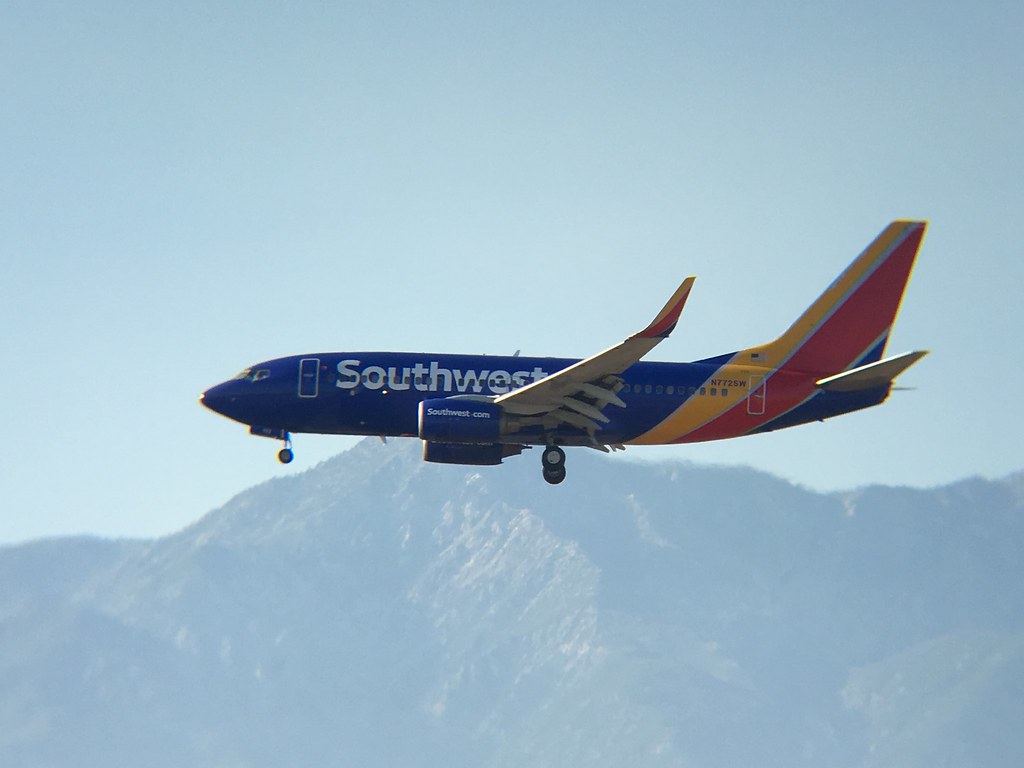
Los primeros análisis apuntan a que se produjo una rotura de la pala del motor por una fatiga del metal. Las inspecciones siguen a un incidente con un Boeing 737-700 de la compañía estadounidense Southwest Airlines el Martes, 17 Abril 2018. Durante el vuelo WN1380, una cuchilla de la turbina se rompió, después de lo cual el metal desprendido causó la muerte de una pasajera al incrustarse sobre la ventana. La Comandante de la aeronave pudo llevar el avión a Filadelfia.

La FAA estadounidense y la EASA europea le han dado a las aerolíneas 20 días para revisar las palas de las turbinas de los motores de los Boeing 737 Next Generation.

Los motores, tipo CFM56-7B, están fabricados por CFM International, una filial conjunta de la americana General Electric y Safran francés. La compañía recomienda realizar inspecciones ultrasónicas en las palas de la turbina que ya han completado más de 30,000 ciclos de uso. Un ciclo incluye un despegue y una acción de aterrizaje.

Vuelo WN1380

Una exploración preliminar sugiere que el hecho ocurrido en el vuelo WN1380 de Southwest Airlines con una aeronave Boeing 737-700 se originó porque se desprendió una hoja de la turbina rotora (álabes) del motor. Aparentemente se había roto, de acuerdo con el presidente de la NTSB, Robert Sumwalt. La parte del motor dañado lo hallaron en la ciudad de Bernville, en el estado de Pensilvania, a 112 kilómetros del campo de aviación de Filadelfia. El Boeing 737-700 de Southwest Airlines había efectuado 40.000 despegues y aterrizajes desde el año 2000. La empresa aérea afirmó que el domingo pasado, dos días antes del incidente, habían inspeccionado el avión.

maxresdefault (2).jpgINCIDENTE GRAVE EN MOTOR CFM56-7B EN VUELO WN1380 DE SOUTHWEST AIRLINES

El incidente se generó 20 minutos después de que el Boeing 737-700 despegara en el campo de aviación de La Guardia, en Nueva York. El avión llevaba 148 personas y se dirigía a Dallas (Texas). A las 11:15 hs, cuando la nave volaba a 30.000 pies de altura (9.000 metros), los pasajeros oyeron una explosión, que ordenó a los pilotos hacer un aterrizaje de emergencia en Filadelfia.

El estallido quebró una ventanilla y una mujer fue succionada por el aire. Aunque la rescataron y trasladaron al hospital, finalmente, murió. La fallecida, que iba en la fila 17A. La identificaron como Jennifer Riordan una ejecutiva bancaria, de 43 años de edad, quien tenía dos hijos. Falta de mantenimiento Una exploración preliminar sugiere que el hecho se originó porque hacía falta una hoja de la turbina del motor. Aparentemente se había roto, de acuerdo con el presidente de la NTSB, Robert Sumwalt. La parte del motor dañado lo hallaron en la ciudad de Bernville, en el estado de Pensilvania, a 112 kilómetros del campo de aviación de Filadelfia. Numerosos aviones usan el modelo de turbina CFM56-7B, implicado en el hecho de Southwest. Es la situación del Boeing 737, el avión más vendido de todo el mundo. El 737 accidentado había efectuado 40.000 despegues y aterrizajes desde el año 2000. La empresa aérea afirmó que el domingo pasado, dos días antes del incidente, habían inspeccionado el avión.

Próximamente, la FAA emitirá una instrucción de aeronavegabilidad que exigirá inspecciones de los motores del modelo CFM56-7B, el mismo que explotó en pleno vuelo. “La directiva solicitará una inspección de las aspas de las turbinas ultrasónicas, cuando alcancen cierto número de despegues y aterrizajes. Algún aspa que falle en la inspección va a tener que ser reemplazada”, enseña la FAA en su sitio web.  AIRWAYS® AW-Icon TXT

8ed9437840ef71879cb1ec231fd492eb.png

The impact review engines CFM56-7B in the world

The 680 Boeing 737 Next Generation engines should quickly move to control

The US Federal Aviation Administration (FAA) and European Aviation Safety Agency (EASA) have issued emergency inspections of jet engines used in nearly 680 Boeing 737 Next Generation. Numerous airlines use the CFM56-7B turbine model in the Boeing 737 Next Generation aircraft fleet. It is the situation of the Boeing 737, the best-selling aircraft in the world.

Around 680 CFM56-7B engines that propel the Boeing 737-600/700/800/900/900ER including the Boeing Business Jet models BBJ1, BBJ2 will be paralyzed in 20 days. In the United States, inspections will affect about 220 CFM56-7B engines. The review process affects many airlines in the world.

CFM International

The CFM International CFM56 series (US military designation F108) is a family of high bridge turboprop engines manufactured by CFM International (CFMI), with a thrust range of 18,500 to 34,000 pounds-force (82 to 150 kilonewtons). CFMI is a 50-50 jointly owned company of Safran Aircraft Engines (formerly known as Snecma), France, and GE Aviation (GE), United States. Both companies are responsible for producing the components and each has its own final assembly line. GE produces the high pressure compressor, the combustor and the high pressure turbine, Snecma manufactures the fan, the gearbox, the exhaust and the low pressure turbine, and some components are manufactured by Avio of Italy. The engines are assembled by GE in Evendale, Ohio, and by Snecma in Villaroche, France. The completed motors are marketed by CFMI. Despite initial export restrictions, it is one of the most common turbofan airplane engines in the world, in four major variants.

CFM56 was launched for the first time in 1974. By April 1979, the joint venture had not received a single order in five years and was two weeks away from being dissolved. The program was saved when Delta Airlines, United Airlines and Flying Tigers chose the CFM56 to restart their DC-8 and shortly thereafter was chosen to overhaul the KC-135 Stratotanker fleet of the US Air Force. UU he is still his biggest client. The first engines entered service in 1982.  Several fan blade failures experienced incidents during the first services of the CFM56, including a fault that was the cause of the Kegworth air disaster, and some engine variants experienced problems caused by the flight through rain and hail. Both problems were solved with engine modifications.

CFM56-7B: the exclusive Boeing 737NG engine

Selected by Boeing as the single-source engine for its Next Generation 737 range, the CFM56-7B develops 19,500 to 27,300 pounds of thrust. Thanks to core and low pressure turbine upgrades, the latest CFM56-7BE configuration offers significant performance improvements for operators, including a 1% reduction in fuel consumption and a 4% reduction in maintenance costs , as well as a longer life of the pieces. The CFM56-7BE is fully interchangeable with other CFM56-7B motors and modules, and upgrade kits can be easily installed on the CFM56-7B and CFM56-7B / 3 models, providing maximum flexibility for operators.

By the end of August, according to CFM, all turbine blades with 20,000 cycles should also be checked at the counter. And all the sheets must undergo a check every 20,000 cycles every 3,000 cycles, which is once every two years for typical use. In total, there are about 14,000 engines of this type in use.

CFM56-7B Engines.png

Archivo: CFM56-7B (4340708318) .jpgMODEL OF MOTOR CMF56-7B

FUNCTIONING OF CFM56-7B

Engine analysis CFM56-7B

The first analyzes indicate that there was a breakage of the motor blade due to metal fatigue. The inspections follow an incident with a Boeing 737-700 from the American company Southwest Airlines on Tuesday, April 17, 2018. During flight WN1380, a blade of the turbine broke, after which the detached metal caused the death of a Passenger to be embedded on the window. The Commander of the aircraft was able to take the plane to Philadelphia.

The US FAA and the European EASA have given the airlines 20 days to check the turbine blades of the Boeing 737 Next Generation engines.

The engines, type CFM56-7B, are manufactured by CFM International, a joint subsidiary of American General Electric and French Safran. The company recommends performing ultrasonic inspections on turbine blades that have already completed more than 30,000 cycles of use. A cycle includes a takeoff and a landing action.

Flight WN1380

A preliminary exploration suggests that the incident occurred on Southwest Airlines flight WN1380 with a Boeing 737-700 aircraft originated because a blade of the turbine rotors (blades) of the engine was detached. Apparently it had been broken, according to NTSB president Robert Sumwalt. The damaged part of the engine was found in the city of Bernville, in the state of Pennsylvania, 112 kilometers from the Philadelphia airfield. The Boeing 737-700 of Southwest Airlines had made 40,000 takeoffs and landings since 2000. The airline said that last Sunday, two days before the incident, they had inspected the plane.

Resultado de imagen para WN1380

The incident was generated 20 minutes after the Boeing 737-700 took off at the La Guardia airfield in New York. The plane was carrying 148 people and was heading to Dallas (Texas). At 11:15 hs, when the ship was flying at 30,000 feet high (9,000 meters) passengers heard an explosion, which ordered the pilots to make an emergency landing in Philadelphia.

The explosion broke a window and a woman was sucked into the air. Although she was rescued and transferred to the hospital, she finally died. The deceased, who was in row 17A. She was identified as Jennifer Riordan, a bank executive, 43 years old, who had two children. Lack of maintenance A preliminary exploration suggests that the fact originated because a blade of the engine turbine was missing. Apparently it had been broken, according to NTSB president Robert Sumwalt. The damaged part of the engine was found in the city of Bernville, in the state of Pennsylvania, 112 kilometers from the Philadelphia airfield. Many aircraft use the turbine model CFM56-7B, implicated in the fact of Southwest. It is the situation of the Boeing 737, the best-selling aircraft in the world. The injured 737 had made 40,000 takeoffs and landings since 2000. The airline said that last Sunday, two days before the incident, they had inspected the plane.

In the near future, the FAA will issue an airworthiness instruction that will require inspections of the CFM56-7B model engines, which exploded in mid-flight. «The directive will request an inspection of the blades of the ultrasonic turbines, when they reach a certain number of takeoffs and landings. Any blade that fails inspection will have to be replaced, «the FAA teaches on its website. A \ W


jon-ostrower.jpgEfecto colateral de la estructura defectuosa del motor CFM56-7B

AW-ReporterLos funcionarios de la industria se preguntan si el diseño de la góndola del motor del Boeing 737 Next Generation constituye un desafío aún mayor que simplemente garantizar que todos los álabes vulnerables del ventilador sean inspeccionados, encontrados y reemplazados.

Dos días después de la investigación del accidente a bordo del Southwest WN1380, la Junta Nacional de Seguridad en el Transporte aumenta su enfoque no solo en el motor CFM56-7B y las aspas del ventilador, sino también en la estructura circundante que causó daños sustanciales y una fatalidad a bordo. el avión

La NTSB aún no ha hecho ninguna recomendación a Boeing ni a la Administración Federal de Aviación con respecto al diseño de la góndola, pero el portavoz de NTSB Keith Holloway dijo que una revisión detallada de la estructura «definitivamente será parte de esta investigación».

Actualmente, hay más de 12,000 estructuras de captación y entrada de motores volando sobre Boeing 737 en todo el mundo, el más numeroso de todos los aviones comerciales.

Con este minucioso análisis, los funcionarios de la industria se preguntan en silencio si el diseño estructural de la góndola del motor del Boeing 737 constituye un desafío aún mayor que simplemente garantizar que todos los álabes vulnerables del ventilador sean inspeccionados, encontrados y reemplazados.

Boeing se negó a comentar

El NTSB dijo el miércoles que piezas de la estructura de entrada se encontraron en Pensilvania, a unas 60 millas de Filadelfia, donde el avión aterrizó de manera segura.

Un segundo incidente

El accidente del martes no fue un hecho aislado. El vuelo WN3472 de Southwest Airlines en Agosto de 2016 se vio obligado a realizar un aterrizaje de emergencia en Pensacola, Florida, luego de una falla similar de uno de sus módulos de motor CFM56-7B.

Al igual que en el caso del vuelo 1380, la falla borró la entrada del motor. En el incidente de 2016, la falla provocó que los desechos volaran hacia el ala, el fuselaje y el borde de ataque del estabilizador horizontal. La extensión del daño a la aeronave fue menos severa que la de 1380, pero el incidente no fue menos grave. Nadie fue herido a bordo de ese vuelo.

En ambos casos, se ha identificado el agrietamiento por fatiga en las paletas del ventilador del motor CFM56-7B como el foco de cada investigación. Southwest está inspeccionando toda su flota en los próximos 30 días y se espera que la Administración Federal de Aviación emita nuevas directivas de inspección a las aerolíneas en los próximos días.

La falla de una paleta del ventilador del motor girando a velocidades supersónicas es la más espectacular de las pruebas requeridas durante el desarrollo de un motor turboventilador. La prueba destruye el motor, pero la ingeniosa ingeniería significa que la fuerza explosiva debe garantizar que «el motor sea capaz de contener el daño sin incendiarse y sin fallar sus accesorios de montaje», según las normas.

Eso es crucial para la seguridad de la aeronave, asegurando que los fragmentos estén contenidos en la carcasa y expulsados ​​de manera segura de la parte trasera del motor. En el caso de los vuelos WN1380 y WN3462 de Southwest Airlines, la hoja de titanio estaba contenida de forma segura, pero la falla desencadenó una reacción en cadena que dañó significativamente ambas aeronaves. Y en el caso del vuelo 1380, causó la primera fatalidad en una aerolínea estadounidense desde 2009.

Actualización: El presidente de NTSB, Robert Sumwalt, dijo que se encontraron pruebas de pintura azul y roja en el borde delantero del ala izquierda del vuelo 1380, una indicación de la trayectoria de los capós tras la falla inicial del motor.

Pero la contención de la cuchilla no es el único aspecto de esa prueba dramática. De acuerdo con las regulaciones federales, las violentas vibraciones y tensiones de la falla no pueden causar una falla en cascada de la estructura que rodea el motor. Un alto funcionario de un fabricante de motores describió el requisito de esta manera:

«La estructura del avión debe ser capaz de soportar la carga transitoria. Entonces, el motor está diseñado y demostrado para contener fragmentos de alta energía. Pero la góndola y, de hecho, toda la estructura del avión tiene sus propios requisitos. Tiene que soportar las cargas transitorias de este evento. Entonces, en pocas palabras, el motor no debe liberar fragmentos de alta energía, y en este caso la góndola debe ser capaz de la carga de desequilibrio (cargas límite)».

En resumen, la estructura alrededor del motor puede deformarse (según las regulaciones federales), pero no puede fallar y representar un peligro para la aeronave. La carga límite se define como la fuerza más punitiva que se esperaría en la operación. La carga máxima se define como el 150% de la carga límite)

Si bien el motor de CFM International cumplió con los requisitos de certificación estipulados en las reglamentaciones federales, ambos incidentes incluyeron un aspecto que no se puede replicar en el terreno.

Los motores que fallaron enfrentaron un «viento de 500 millas por hora sobre todo lo demás» cuando el motor falló, dijo un funcionario de la industria informado sobre la investigación, «solo se puede probar tanto en una celda de prueba».

Precisamente, qué cambios, si los hubiera, podrían ser obligatorios para el diseño de la góndola aún no se ha determinado en esta fase temprana de la investigación. Pero el funcionario de la industria dijo que una parte tan crucial del avión «se remonta al diseño básico del motor y el fuselaje». A \ W


Resultado de imagen para Boeing 737 next generation png

Collateral effect of the defective structure of the engine CFM56-7B

Industry officials are wondering if the design of the Boeing 737 Next Generation engine nacelle is an even greater challenge than simply ensuring that all vulnerable blades of the fan are inspected, found and replaced.

Two days after the investigation of the accident on board the Southwest WN1380, the National Transportation Safety Board increases its focus not only on the CFM56-7B engine and fan blades, but also on the surrounding structure that caused substantial damage and a fatality on board. the plane

The NTSB has yet to make any recommendations to Boeing or the Federal Aviation Administration regarding the design of the nacelle, but NTSB spokesman Keith Holloway said a detailed review of the structure «will definitely be part of this investigation».

Currently, there are more than 12,000 intake and engine intake structures flying over the Boeing 737 worldwide, the largest of all commercial aircraft.

With this detailed analysis, industry officials silently question whether the structural design of the Boeing 737 engine nacelle is an even greater challenge than simply ensuring that all vulnerable blades of the fan are inspected, found and replaced.

Boeing declined to comment

The NTSB said Wednesday that parts of the entrance structure were found in Pennsylvania, about 60 miles from Philadelphia, where the plane landed safely.

A second incident

The accident on Tuesday was not an isolated incident. Flight WN3472 of Southwest Airlines in August 2016 was forced to make an emergency landing in Pensacola, Florida, after a similar failure of one of its engine modules CFM56-7B.

As in the case of flight 1380, the fault cleared the motor input. In the incident of 2016, the fault caused the debris to fly towards the wing, the fuselage and the leading edge of the horizontal stabilizer. The extent of the damage to the aircraft was less severe than that of 1380, but the incident was no less serious. No one was injured on board that flight.

In both cases, fatigue cracking has been identified in the fan blades of the CFM56-7B engine as the focus of each investigation. Southwest is inspecting its entire fleet in the next 30 days and the Federal Aviation Administration is expected to issue new inspection directives to airlines in the coming days.

The failure of a motor fan blade rotating at supersonic speeds is the most spectacular of the tests required during the development of a turbofan engine. The test destroys the engine, but the ingenious engineering means that the explosive force must ensure that «the engine is able to contain the damage without igniting and without failing its mounting accessories», according to the standards.

This is crucial for the safety of the aircraft, ensuring that the fragments are contained in the housing and safely ejected from the rear of the engine. In the case of Southwest Airlines flights WN1380 and WN3462, the titanium blade was contained safely, but the failure triggered a chain reaction that significantly damaged both aircraft. And in the case of flight WN1380, it caused the first fatality on a US airline since 2009.

Update: NTSB President Robert Sumwalt said that blue and red paint were found on the leading edge of the left wing of flight 1380, an indication of the trajectory of the bonnets after the initial engine failure.

But the containment of the blade is not the only aspect of that dramatic test. According to federal regulations, the violent vibrations and stresses of the fault can not cause a cascading failure of the structure surrounding the motor. A senior official of an engine manufacturer described the requirement this way:

«The aircraft structure must be able to withstand the transient load, so the engine is designed and proven to contain high-energy fragments, but the gondola and, in fact, the entire structure of the aircraft has its own requirements. The transient loads of this event, then, in short, the engine must not release high-energy fragments, and in this case the nacelle must be capable of imbalance loading (limit loads)».

In summary, the structure around the engine can be deformed (according to federal regulations), but it can not fail and represent a danger to the aircraft. The limit load is defined as the most punitive force that would be expected in the operation. The maximum load is defined as 150% of the limit load)

While the CFM International engine complied with the certification requirements stipulated in the federal regulations, both incidents included an aspect that can not be replicated in the field.

The engines that failed faced a «wind of 500 miles per hour on everything else» when the engine failed, said an industry official informed of the investigation, «you can only test so much in a test cell».

Precisely, what changes, if any, could be mandatory for the design of the nacelle has yet to be determined at this early stage of the investigation. But the industry official said such a crucial part of the plane «goes back to the basic design of the engine and fuselage». A\W


AW-Airgways-Jet

AW-Airgways Icon-webΞ A I R G W A Y S Ξ
SOURCE:  Airgways.com
DBk: Safran-aircraft-engines.com / Faa.gov / Ntsb.gov / Boeing.com / Jonostrower.com / Airgways.com / Wikimedia.org
AW-POST: 201804221635011550AR

A\W   A I R G W A Y S ®

Frustran atentado en Australia en 2017

Resultado de imagen para Etihad Airways australia

AW | 2018 04 22 13:20 | AVIATION SAFETY / AIR INVESTIGATION

Frustran posible atentado terrorista en vuelo de Etihad Airways en 2017 en Australia

La policía australiana acusó a dos hermanos de un presunto plan de derribar un vuelo de Etihad Airways que viajaba de Sydney a Abu Dhabi 15 de Julio 2017. Las autoridades han dicho que el supuesto plan estaba vinculado al grupo Estado Islámico. En ese momento, la policía australiana dijo que una bomba casera, escondida dentro de un picadora de carne, debía ser transportada a un vuelo el 15 de Julio 2017, pero no pasó de la seguridad después de que el plan fue abortado por un motivo desconocido. La policía dijo que cuando la trama de la bomba falló, los dos sospechosos comenzaron una segunda trama que involucró la creación de un dispositivo químico improvisado diseñado para liberar sulfuro de hidrógeno, o «gas huevo podrido». Los hermanos libaneses y australianos Khaled Khayat, de 49 años, y Mahmoud Khayat, de 32, fueron luego arrestados en Sydney y acusados ​​de «prepararse para un ataque terrorista o planearlo».

En un discurso en Jerusalén el miércoles, el Primer Ministro israelí, Benjamin Netanyahu, atribuyó a las agencias de inteligencia de su país la prevención de «una matanza inimaginable». Israel no reveló qué vuelo estaba en el centro de su advertencia.

El Ministro de Asuntos Interiores de Australia, Peter Dutton, dijo que Israel estaba involucrado «directamente» en descubrir la supuesta conspiración. «El vuelo de Etihad casi desapareció del cielo y habría provocado la muerte de cientos de personas, por lo que estamos muy agradecidos por la asistencia que Israel brindó en ese asunto», dijo Dutton a la estación de radio local 2GB. Líbano ha dicho que también proporcionó información a Australia sobre el caso. El supuesto complot fue uno de los más sofisticados que se haya intentado en Australia, dijo la policía. AIRWAYS® AW-Icon TXT

Frustrated terrorist attack in Australia in 2017

Frustrated possible terrorist attack in flight of Etihad Airways in 2017 in Australia

Australian police accused two brothers of an alleged plan to shoot down an Etihad Airways flight traveling from Sydney to Abu Dhabi July 15, 2017. Authorities have said that the alleged plan was linked to the Islamic State group. At that time, the Australian police said that a homemade bomb, hidden inside a meat grinder, was to be transported to a flight on July 15, 2017, but did not go beyond security after the plan was aborted for an unknown reason . Police said that when the plot of the bomb failed, the two suspects began a second plot that involved the creation of an improvised chemical device designed to release hydrogen sulfide, or «rotten egg gas». The Lebanese and Australian brothers Khaled Khayat, 49, and Mahmoud Khayat, 32, were later arrested in Sydney and accused of «preparing for a terrorist attack or planning it».

In a speech in Jerusalem on Wednesday, Israeli Prime Minister Benjamin Netanyahu attributed the prevention of «unimaginable killing» to his country’s intelligence agencies. Israel did not reveal which flight was at the center of its warning.

Australian Interior Minister Peter Dutton said Israel was «directly» involved in uncovering the alleged conspiracy. «The Etihad flight almost disappeared from the sky and would have killed hundreds of people, so we are very grateful for the assistance that Israel provided in that matter», Dutton told the 2GB local radio station. Lebanon has said that it also provided information to Australia about the case. The alleged plot was one of the most sophisticated in Australia, police said. A \ W


Ξ A I R G W A Y S Ξ
SOURCE:  Airgways.com
DBk: Atsb.gov.au
AW-POST: 201804221320AR

A\W   A I R G W A Y S ®

Inconsistencias BS 211 US-Bangladesh

AW-706665433

AW | 2018 04 22 12:43 | AVIATION SAFETY / AIR INVESTIGATION

us-bangla-airlinesUS-Bangladesh Airlines encuentra inconsistencias en el informe del accidente del Bombardier Q400

Contradicciones en el informe del accidente del vuelo BS211 de la aerolínea US-Bangla Airlines en el Aeropuerto de Katmandú, Nepal, ha llevado a las autoridades de la aerolínea a revisar el informe inicial de la prueba proporcionado por la Autoridad de Aviación Civil de Nepal sobre el accidente de su avión Bombardier 8-Q400 en el Aeropuerto Internacional Tribhuvan de Katmandú el 12 de Marzo 2018.

El Presidente Ejecutivo de la compañía, Asif Kabir, ha emitido un informe sobre el informe en una conferencia de prensa en el Hotel Sonargaon en la ciudad de Katmandú hoy Domingo.

Informe de la Autoridad Aviación Civil Nepal

Las autoridades nepalesas proporcionaron el informe un mes después del trágico accidente aéreo. «En el informe, se afirmó que las autoridades involucradas de Nepal comenzaron a apagar el incendio dos minutos después del accidente del avión, pero después de hablar con los testigos y las víctimas lesionadas, descubrimos que el número de bajas habría sido menor si las autoridades de Nepal hubieran comenzado su trabajo dos minutos del accidente».

Postura de US-Bangla Airlines

El CEO de US-Bangla airlines expresó: «A pesar de nuestra completa fe en todos los involucrados, diremos que el informe no cubre todos los temas que se suponía que debía hacer. No rechazamos el informe, pero hay algunas inconsistencias en el mismo. También dijo en el informe inicial que no pudieron llegar a una conclusión sobre la interrupción en la conversación entre el piloto del avión y la torre de control de tráfico aéreo en el Aeropuerto Internacional Tribhuvan».

Accidente BS211

El 12 de Marzo 2018, el vuelo BS 211 de la aerolínea US-Bangla Airlines salió de Dhaka rumbo a Katmandú con 67 pasajeros y cuatro tripulantes. El avión se estrelló durante el aterrizaje en el aeropuerto de Katmandú, matando a 49 en el acto y dos más después de que fueron trasladados al hospital. Veintisiete de los muertos eran ciudadanos de Bangladesh.

El Bombardier de 76 asientos transportaba 71 personas, incluidos cuatro miembros de la tripulación, a bordo cuando se estrelló en un campo cerca del Aeropuerto Internacional Tribhuvan de Katmandú el 12 de marzo, matando a 50 personas e hiriendo a otras. Entre los fallecidos, 27 son bangladesíes (incluidos los cuatro miembros de la tripulación), 22 nepalíes y uno es ciudadano chino.

Desarrollo de investigaciones

De acuerdo con las reglas de la Organización de Aviación Civil Internacional (OACI), se debe presentar un informe inicial dentro de un mes de cualquier accidente. Una investigación del gobierno de Nepal presentó un informe de cinco páginas sobre el accidente el 9 de Abril 2018. Según el informe, el avión modelo Bombardier 8-Q400 no estaba en ‘comunicación estándar’ con el control del tráfico aéreo antes de estrellarse al costado de la pista. La sonda no llegó a ninguna conclusión sobre por qué las líneas de comunicación entre el piloto y la sala de control de tráfico aéreo se vieron obstaculizadas en ese momento o por qué el avión se estrelló.

Resultado de imagen para BS211 Us-Bangla AirlinesBOMBARDIER 8-Q400 ACCIDENTADO EN EL AEROPUERTO INTERNACIONAL DE KATMANDÚ, NEPAL

El 12 de Abril, el representante de Bangladesh ante la comisión, el consultor de operaciones de vuelo de la Asociación de Aviación Civil de Bangladesh, Salauddin M Rahmatullah, dijo en una conferencia de prensa que el motivo del accidente se determinaría en el informe final de la investigación. Según el informe inicial, la pista Tribhuvan, la calle de rodaje y la pista de aterrizaje fueron preparadas para el modelo de avión involucrado en el choque. El servicio de bomberos y los trabajadores de rescate pudieron comenzar a trabajar en el accidente dentro de los dos minutos establecidos en las regulaciones, dijo.

Las autoridades de US-Bangla Airlines también plantearon una pregunta sobre la transferencia de seis oficiales de tránsito aéreo estacionados en la torre de control de tráfico del Aeropuerto Internacional Tribhuvan después del incidente. Respondiendo a una pregunta, Asif dijo: «Esperamos que el informe final de la prueba sea justo y se sepa con qué motivo se debe el accidente. Por lo que escuchamos de los testigos locales y los pasajeros heridos, creemos que los trabajadores de rescate no llegaron al avión en dos minutos. Si lo hicieran habría habido muchas menos víctimas».

La grabadora de voz y el registrador de datos de vuelo del avión accidentado el Bombardier 8-Q400 se enviaron a Canadá para su análisis de los parámetros y estudio para determinar las causas del accidente del vuelo BS211 en el Aeropuerto de Katmandú. Su investigación está en curso.  AIRWAYS® AW-Icon TXT

Imagen relacionada

Inconsistencies BS 211 US-Bangladesh Airlines

US-Bangladesh Airlines finds inconsistencies in Bombardier Q400 accident report

Contradictions in the report of the BS211 flight accident of the US-Bangla Airlines at the Kathmandu Airport, Nepal, has prompted the airline authorities to review the initial test report provided by the Civil Aviation Authority of Nepal. the crash of his Bombardier Q400 aircraft at the Tribhuvan International Airport in Kathmandu on March 12, 2018.

The Executive President of the company, Asif Kabir, has issued a report on the report at a press conference at the Hotel Sonargaon in the city of Kathmandu today Sunday.

Report of the Civil Aviation Authority Nepal

The Nepalese authorities provided the report a month after the tragic plane crash. «In the report, it was stated that the involved authorities in Nepal began to put out the fire two minutes after the plane crash, but after speaking with the witnesses and the injured victims, we discovered that the number of casualties would have been lower if the authorities from Nepal would have started their work two minutes after the accident».

Posture of US-Bangla Airlines

The CEO of US-Bangla airlines said: «Despite our complete faith in all involved, we will say that the report does not cover all the issues that it was supposed to do, we do not reject the report, but there are some inconsistencies in it. He also said in the initial report that they could not reach a conclusion about the interruption in the conversation between the pilot of the plane and the air traffic control tower at Tribhuvan International Airport».

Accident BS211

On March 12, 2018, the BS 211 flight of the US-Bangla Airlines airline left Dhaka for Kathmandu with 67 passengers and four crew members. The plane crashed during the landing at Kathmandu airport, killing 49 on the spot and two more after they were taken to the hospital. Twenty-seven of the dead were citizens of Bangladesh.

The 76-seat Bombardier was carrying 71 people, including four crew members, on board when it crashed in a field near the Tribhuvan International Airport in Kathmandu on March 12, killing 50 people and wounding others. Among those killed, 27 are Bangladeshi (including the four crew members), 22 are Nepalese and one is a Chinese citizen.

Development of investigations

In accordance with the rules of the International Civil Aviation Organization (ICAO), an initial report must be submitted within one month of any accident. An investigation by the government of Nepal presented a five-page report on the accident on April 9, 2018. According to the report, the model DASH-8 Q400 aircraft was not in ‘standard communication’ with air traffic control before crashing to the side track. The probe did not come to any conclusion as to why the lines of communication between the pilot and the air traffic control room were hampered at that time or why the plane crashed.

On April 12, the Bangladeshi representative to the commission, the flight operations consultant of the Bangladesh Civil Aviation Association, Salauddin M Rahmatullah, told a press conference that the cause of the accident would be determined in the final report of the investigation. According to the initial report, the Tribhuvan runway, the taxiway and the runway were prepared for the aircraft model involved in the crash. The fire service and rescue workers could start working on the accident within the two minutes established in the regulations, he said.

The US-Bangla Airlines authorities also raised a question about the transfer of six air traffic officers stationed in the traffic control tower of Tribhuvan International Airport after the incident. Responding to a question, Asif said: «We hope that the final report of the test is fair and we know for what reason the accident is due. From what we hear from local witnesses and injured passengers, we believe that the rescue workers They arrived at the plane in two minutes, and if they did, there would have been far fewer casualties».

The voice recorder and the flight data recorder of the crash aircraft Bombardier 8-Q400 were sent to Canada for analysis of the parameters and study to determine the causes of the BS211 flight accident at the Kathmandu Airport. Your investigation is ongoing. A\W


Ξ A I R G W A Y S Ξ
SOURCE:  Airgways.com
DBk: Caanepal.org.np/en / Icao.org / Bombardier.com / Us-banglaairlines.com
AW-POST: 201804221243AR

A\W   A I R G W A Y S ®

FAA emite Directiva Aeronavegabilidad de emergencia sobre motores CFM56-7B

GettyImages-910279198.jpg

AW | 2018 04 21 12:58 | AVIATION SAFETY

Sello FAALa FAA ordena inspecciones de motor más cerradas después de la falla de Southwest Airlines.

La Administración Federal de Aviación (FAA) emitió una Directiva de Aeronavegabilidad de Emergencia (EAD) que requiere que los operadores inspeccionen las aspas del ventilador en ciertos motores CFM56-7B dentro de los 20 días.

La directiva se basa en un boletín de servicio internacional de CFM emitido hoy y en la información recopilada de la investigación de la falla del motor Southwest Airlines del martes. El requisito de inspección se aplica a los motores CFM56-7B. Específicamente, los motores con más de 30,000 ciclos totales de nuevos deben completar las inspecciones dentro de los 20 días. El EAD entra en vigencia a partir de la publicación. El fabricante del motor estima que las medidas correctivas actuales afectan a 352 motores en los EEUU y 681 en todo el mundo.

La Administración Federal de Aviación emitió el viernes una orden de emergencia instruyendo a las aerolíneas con el mismo tipo de motor que el que falló catastróficamente el martes en un Boeing 737-700 de Southwest Airlines para inspeccionar más a fondo los álabes de los ventiladores de los motores.

AW-CFM56-7B.jpg

La agencia dijo a las aerolíneas que realicen inspecciones ultrasónicas, que pueden detectar fallas o grietas no visibles a simple vista, dentro de los próximos 20 días en las paletas de los motores con más de 30,000 ciclos. Un ciclo incluye un arranque, despegue, aterrizaje y apagado del motor.

El pedido de la FAA se produjo poco después de que el fabricante de los motores, CFM International, emitiera directrices para las inspecciones ultrasónicas. CFM, una empresa conjunta de General Electric y la compañía francesa Safran Aircraft Engines, fue más allá de la FAA, recomendando que los álabes de ventilador con 20,000 ciclos sean inspeccionados a fines de agosto. También recomendó inspecciones de todas las otras aspas del ventilador cuando alcanzan los 20,000 ciclos, y repitiendo las inspecciones cada 3,000 ciclos, que, dijo, «representa aproximadamente dos años en servicio».

La FAA dijo que estaba actuando porque determinó que el agrietamiento de la pala del ventilador «es probable que exista o se desarrolle en otros productos del mismo tipo de diseño».

La orden de la agencia no aborda los motores menos utilizados, pero dijo que estaba «considerando la elaboración de normas adicionales para abordar estas diferencias». Las aerolíneas no están legalmente obligadas a seguir las pautas de la compañía. Están sujetos a la directiva FAA. AIRWAYS® AW-Icon TXTmaxresdefault.jpg

FAA issues Emergency Airworthiness Directive on engines CFM56-7B

The FAA orders more closed engine inspections after the failure of Southwest Airlines.

CFM-Logo.jpgThe Federal Aviation Administration (FAA) issued an Emergency Airworthiness Directive (EAD) that requires operators to inspect the fan blades on certain CFM56-7B engines within 20 days.

The directive is based on an international CFM service bulletin issued today and on information gathered from Tuesday’s Southwest Airlines engine failure investigation. The inspection requirement applies to the CFM56-7B engines. Specifically, engines with more than 30,000 total new cycles must complete inspections within 20 days. The EAD becomes effective as of publication. The engine manufacturer estimates that current corrective measures affect 352 engines in the US and 681 worldwide.


Resultado de imagen para Boeing 737-700 Southwest WN 1380 CFM56-7B

The Federal Aviation Administration issued an emergency order on Friday instructing airlines with the same type of engine as the one that failed catastrophically on Tuesday on a Southwest Airlines Boeing 737 to inspect more closely the blades of the engine fans.

The agency told the airlines to perform ultrasonic inspections, which can detect faults or cracks not visible to the naked eye, within the next 20 days on the palettes of engines with more than 30,000 cycles. A cycle includes a start, take-off, landing and shutdown of the engine.

The FAA’s request came shortly after the engine manufacturer, CFM International, issued guidelines for ultrasonic inspections. CFM, a joint venture of General Electric and the French company Safran Aircraft Engines, went beyond the FAA, recommending that the fan blades with 20,000 cycles be inspected at the end of August. He also recommended inspections of all other fan blades when they reach 20,000 cycles, and repeating inspections every 3,000 cycles, which, he said, «represents approximately two years in service». The FAA said it was acting because it determined that the cracking of the fan blade «is likely to exist or develop in other products of the same design type».

The agency’s order does not address the least used engines, but said it was «considering the development of additional rules to address these differences». Airlines are not legally Logo_of_the_Federal_Aviation_Administration.svg.pngrequired to follow company guidelines. They are subject to the FAA directive. A \ W

FAA/ EAD: https://www.faa.gov/news/updates/?newsId=90125


Ξ A I R G W A Y S Ξ
SOURCE:  Airgways.com
DBk: Faa.gov / Ntsb.gov / Airgways.com
AW-POST: 201804211258AR

A\W   A I R G W A Y S ®

Despegue frustrado B737-900 de Batik

Resultado de imagen para OD-181 Malindo Air

AW | 2018 04 20 12:26 | AVIATION SAFETY

Un Boeing 737-900 de Batik Airlines derrapó hacia final de pista en Katmandú, Nepal

El vuelo OD-181 de Batik Malaysia Airlines efectuó un despegue frustrado de un Boeing 737-900 con registro 9M-LNJ en el Aeropuerto de Katmandú el 19 de abril de 2018, debido a los resultados de advertencia de configuración de despegue.

Un Boeing 737-900 de Batik Air Malaysia que todavía conserva los colores de Malindo Air, realizando el vuelo OD-181 desde Katmandú (Nepal) a Kuala Lumpur (Malasia) con 132 pasajeros y 7 tripulantes. La aeronave carreteó sobre pista 20, se despejó para el despegue cuando la tripulación rechazó el despegue a alta velocidad (aproximadamente 165 nudos sobre el suelo). El avión se detuvo a unos 75 metros / 250 pies más allá del final de la pista 20 con todo el equipo en tierra firme, la tripulación informó que estaban fuera de la pista y habían rechazado el despegue debido a una advertencia de configuración de despegue que detalla un mal funcionamiento del sistema había causado la advertencia de configuración de despegue. No hubo heridos, el daño a la aeronave se está evaluando pero se cree que es menor.

La pista del Aeropuerto de Katmandú se cerró por más de 12 horas hasta que la aeronave se movió a la plataforma. El único aeropuerto internacional de Nepal volvió a abrir justo antes del mediodía del viernes después de que el avión fue retirado sin ningún daño.

El Boeing 737-900 estaba acelerando en la pista del Aeropuerto Internacional Tribhuvan cuando los pilotos detectaron un problema de configuración para despegues y abortaron el decolaje. El Boeing 737-900 se deslizó sobre la hierba y se detuvo en el barro a unos 30 metros de la pista. Nadie resultó herido en el incidente, pero cientos de pasajeros tuvieron vuelos cancelados y todos los vuelos entrantes fueron desviados después de que el Boeing 737 de Malindo Airlines saliera de la pista la noche del jueves.

Historial Aeropuerto Katmandú

El incidente ocurrió un mes después del accidente de un avión de US-Bangla Airways en el Aeropuerto de Katmandú, que mató a 51 personas. En marzo de 2015, un avión de Turkish Airlines se salió de la pista cuando aterrizó, lo que obligó al aeropuerto de Tribhuvan a cerrar durante cuatro días. La nación del Himalaya tiene algunas de las pistas más remotas y difíciles del mundo, flanqueadas por picos nevados con enfoques que plantean un desafío incluso para los pilotos consumados. Nepal tiene un pobre historial de seguridad aérea. Los accidentes son comunes y las aerolíneas con base en Nepal tienen prohibido volar en el espacio aéreo de la Unión Europea.  AIRWAYS® AW-Icon TXT

Resultado de imagen para OD-181 Malindo Air

Boeing 737-900 of Batik Airlines frustrated takeoff

A Boeing 737-900 of Batik Airlines skidded towards the end of the runway in Kathmandu, Nepal

Batik Malaysia Airlines flight OD-181 made a missed takeoff of a Boeing 737-900 with registration 9M-LNJ at Kathmandu Airport on April 19, 2018, due to the takeoff configuration warning results.

A Boeing 737-900 Batik Air Malaysia that still retains the colors of Malindo Air, making the flight OD-181 from Kathmandu (Nepal) to Kuala Lumpur (Malaysia) with 132 passengers and 7 crew. The aircraft taxi on runway 20, cleared for takeoff when the crew refused high-speed takeoff (approximately 165 knots on the ground). The plane stopped about 75 meters / 250 feet past the end of runway 20 with all the equipment on the mainland, the crew reported that they were off the runway and had refused takeoff due to a takeoff configuration warning that It details a system malfunction had caused the takeoff configuration warning. There were no injuries, the damage to the aircraft is being evaluated but it is believed to be minor.

batik_malaysia_b739_9m-lnj_kathmandu_180419_2.jpgBOEING 737-900 OF BATIK AIRLINES DROPPED AT THE END OF TRACK BY ALARM IN SETTLEMENT OF TAKE OFF

The Kathmandu Airport runway was closed for more than 12 hours until the aircraft moved to the platform. The only international airport in Nepal reopened just before noon on Friday after the plane was removed without any damage.

The Boeing 737-900 was accelerating on the runway at Tribhuvan International Airport when the pilots detected a configuration problem for takeoffs and aborted the trim. The Boeing 737-900 slid on the grass and stopped in the mud about 30 meters from the runway. No one was injured in the incident, but hundreds of passengers had flights canceled and all incoming flights were diverted after the Malindo Airlines Boeing 737 left the runway Thursday night.

History Kathmandu Airport

The incident occurred a month after the crash of a US-Bangla Airways plane at Kathmandu Airport, which killed 51 people. In March 2015, a Turkish Airlines plane left the runway when it landed, forcing the Tribhuvan airport to close for four days. The Himalayan nation has some of the most remote and difficult tracks in the world, flanked by snow-capped peaks with approaches that pose a challenge even to accomplished pilots. Nepal has a poor record of aviation security. Accidents are common and airlines based in Nepal are prohibited from flying in the airspace of the European Union. A \ W


Ξ A I R G W A Y S Ξ
SOURCE:  Airgways.com
DBk: Avherald.com / Afp.com
AW-POST: 201804201226AR

A\W   A I R G W A Y S ®

FAA ordena inspección motor CFM56-7B

Resultado de imagen para Southwest WN1380

AW | 2018 04 19 01:27 | AVIATION SAFETY

La Administración Federal de Aviación de Estados Unidos ha comunicado ordenar la inspección de unos 220 motores CFM56-7B

La reacción después del incidente del vuelo WN1380 de Southwest Airlines de un Boeing 737-700 después que investigadores de la NTSB y la FAA examinaran la explosión de un motor CFM56-7B, dañando seriamente a la aeronave en el borde de ataque del ala izquierda, una ventana rota causando la despresurización de la aeronave y matando a un pasajero.

El requerimiento de la circular requerirá una inspección ultrasónica dentro de los próximos seis meses de las aspas del ventilador en todos los motores CFM56-7B que hayan acumulado una cierta cantidad ciclos de despegues y aterrizajes. El motor CFM56 en el vuelo WN1380 de Southwest Airlines estalló sobre Pennsylvania el martes, unos 20 minutos después de que el vuelo con destino a Dallas saliera del aeropuerto LaGuardia de Nueva York con 149 personas a bordo. La explosión provocó que la metralla se rasgara en el fuselaje del avión Boeing 737-700 y destrozó una ventana.

Resultado de imagen para Southwest WN1380INVESTIGADORES DE LA NTSB DE ESTADOS UNIDOS EXAMINAN EL MOTOR CFM56-7B DEL BOEING 737-700 DE SOUTHWEST AIRLINES EN EL AEROPUERTO DE PHILADELPHIA EL 17 DE ABRIL DE 2018

El impacto del incidente provocó daños a la aeronaves y el fallecimiento de una pasajera de nombre Jennifer Riordan, de 43 años, murió cuando fue parcialmente atravesada por un agujero abierto al lado de su asiento en la fila 14, ya que la cabina sufrió una descompresión rápida. El médico forense de Filadelfia dictaminó que la causa de la muerte fue un traumatismo cerrado en la cabeza, el cuello y el torso, y determinó que la muerte fue un accidente, dijo el vocero Jim Garrow.

La Comandante de la aeronave Tammie Jo Shults y el Primer Oficial Darren Ellisor han informado que estaban enfocados en trabajar con investigadores y que no hablarían con los medios.

Incidente del CFM56-7B

El presidente de la Junta Nacional de Seguridad en el Transporte, Robert Sumwalt, dijo en una conferencia de prensa que el incidente comenzó cuando uno de los 24 álabes del ventilador se desprendió de su cubo. Sumwalt dijo que los investigadores encontraron que la cuchilla había sufrido fatiga de metal en el lugar de la ruptura. Sumwalt dijo que aún no podía decir si el incidente, el primer accidente mortal en una aerolínea en los Estados Unidos desde 2009, apuntaba a un problema de toda la flota en el Boeing 737-700.

«Queremos entender muy cuidadosamente cuál fue el resultado de este problema, y ​​como mencioné hace unos minutos, estoy muy preocupado por este evento en particular. Para poder extrapolar eso a toda la flota, no estoy dispuesto a hacerlo ahora», dijo Sumwalt en la conferencia de prensa en el aeropuerto de Filadelfia.

Los equipos de Southwest estaban inspeccionando motores similares que la aerolínea tenía en servicio, centrándose en los motores CFM56 más antiguos fabricados por la sociedad de las empresas franco-estadounidense Safran y General Electric.

Southwest sufre historial incidente

Southwest Airlines ha tenido un primer incidente sin causas fatales en otro vuelo en 2016. Es segunda vez que el tipo de motor CFM56-7B había fallado en un avión de Southwest en los últimos dos años, lo que provocó que las aerolíneas de todo el mundo intensificaran las inspecciones.

El Vuelo WN1380 de Southwest

El Boeing 737-700 de Southwest Airlines viajaba a 190 millas por hora cuando realizaba un aterrizaje de emergencia en el Aeropuerto Internacional de Filadelfia. Los pasajeros describieron escenas de pánico cuando un trozo de metralla del motor destrozó una ventana de avión, causando la muerte de una pasajera.

El Gobierno Federal de Estados Unidos requerirá pruebas ultrasónicas de las paletas del ventilador del motor, cuando se han volado una cierta cantidad de ciclos, informó la FAA. La Junta Nacional de Seguridad del Transporte dijo que faltaba una aspa del ventilador en el motor involucrado en el incidente del martes.

Un equipo de inspección de la Junta Nacional de Seguridad en el Transporte también estaba revisando el Boeing 737-700 en busca de signos de lo que causó la explosión del motor. Sumwalt dijo que la cuchilla del ventilador, después de sufrir fatiga de metal donde estaba unida al cubo del motor, sufrió una segunda fractura a la mitad de su longitud. Los investigadores descubrieron trozos del avión en zonas rurales de Pensilvania, que los rastrearon por radar. La fatiga del metal no habría sido observable mirando el motor desde el exterior, dijo Sumwalt. Aunque la FAA dijo que la directiva se aplicaría a unos 220 motores, las aerolíneas dijeron que debido a que las aspas del ventilador podrían haber sido reparadas y reubicadas, afectaría a un número mucho mayor. AIRWAYS® AW-Icon TXT

Resultado de imagen para Southwest WN1380

FAA orders engine inspections CFM56-7B

The Federal Aviation Administration of the United States has reported ordering the inspection of about 220 CFM56-7B engines

The reaction after the incident of Southwest Airlines flight WN1380 of a Boeing 737-700 after NTSB and FAA investigators examined the explosion of a CFM56-7B engine, seriously damaging the aircraft at the leading edge of the left wing, a broken window causing depressurization of the aircraft and killing a passenger.

The requirement of the circular will require an ultrasonic inspection within the next six months of the fan blades on all CFM56-7B engines that have accumulated a certain number of takeoff and landing cycles. The CFM56 engine on Southwest Airlines flight WN1380 blew up on Pennsylvania on Tuesday, about 20 minutes after the flight to Dallas left New York’s LaGuardia Airport with 149 people on board. The explosion caused the shrapnel to tear in the fuselage of the Boeing 737-700 aircraft and destroyed a window.

TRAJECTORY OF FLIGHT OF THE SOUTHWEST WN1380

The impact of the incident caused damage to the aircraft and the death of a passenger named Jennifer Riordan, 43, died when she was partially crossed by an open hole next to her seat in row 14, as the cabin suffered a decompression fast The Philadelphia coroner ruled that the cause of death was a blunt trauma to the head, neck and torso, and determined that the death was an accident, said spokesman Jim Garrow.

Commander Tammie Jo Shults and First Officer Darren Ellisor have reported that they were focused on working with investigators and would not talk to the media.

Incident of the CFM56-7B

The chairman of the National Transportation Safety Board, Robert Sumwalt, told a news conference that the incident began when one of the 24 fan blades detached from his bucket. Sumwalt said investigators found that the blade had suffered metal fatigue at the site of the rupture. Sumwalt said he still could not say whether the incident, the first fatal accident on an airline in the United States since 2009, pointed to a problem for the entire fleet on the Boeing 737-700.

«We want to understand very carefully what was the result of this problem, and as I mentioned a few minutes ago, I am very concerned about this particular event, so to be able to extrapolate that to the entire fleet, I am not willing to do it now», Sumwalt said. at the press conference at the Philadelphia airport.

The Southwest teams were inspecting similar engines that the airline had in service, focusing on the older CFM56 engines manufactured by the Franco-American companies Safran and General Electric.

Southwest suffers incident history

Southwest Airlines has had a first incident without fatal causes on another flight in 2016. It is the second time that the CFM56-7B engine type had failed on a Southwest aircraft in the last two years, which caused airlines around the world intensify inspections.

Southwest Flight WN1380

The Boeing 737-700 from Southwest Airlines was traveling at 190 miles per hour when it was making an emergency landing at the Philadelphia International Airport. The passengers described scenes of panic when a piece of shrapnel from the engine destroyed an airplane window, causing the death of a passenger.

The United States Federal Government will require ultrasonic testing of the engine’s fan blades when a certain number of cycles have been flown, the FAA said. The National Transportation Safety Board said there was a missing fan blade on the engine involved in Tuesday’s incident.

An inspection team from the National Transportation Safety Board was also checking the Boeing 737-700 for signs of what caused the engine explosion. Sumwalt said that the fan blade, after suffering from metal fatigue where it was attached to the engine hub, suffered a second fracture at half its length. Researchers discovered pieces of the plane in rural Pennsylvania, which they tracked by radar. The fatigue of the metal would not have been observable by looking at the engine from the outside, Sumwalt said. Although the FAA said the directive would apply to some 220 engines, airlines said that because the fan blades could have been repaired and relocated, it would affect a much larger number. A \ W

video-camera_318-50337


Ξ A I R G W A Y S Ξ
SOURCE:  Airgways.com
DBk: Ntsb.gov / Faa.gov / Nytimes.com / Youtube.com / Airlive.net
AW-POST: 201804190127AR

A\W   A I R G W A Y S ®