
AW | 2018 04 28 08:35 | AIR INVESTIGATION / AVIATION SAFETY
Informe final sobre el accidente del vuelo LMI 2933 de LaMia confirma la falta de combustible de la aeronave AVRO RJ-85 como causa de la tragedia
Según Aeronáutica Civil de Colombia, la aeronave «tenía un déficit de 2,303 kilogramos de combustible, ya que para recorrer la ruta Santa Cruz-Rionegro las disposiciones del sector exigían una cantidad mínima de combustible de 11,603 kilogramos y esta aeronave solo contaba con 9,300 kgs».
La falta de combustible y la mala gestión de riesgo fue la causa del accidente del avión de la empresa boliviana LaMia que cobró 71 vidas, según el informe final de Aeronáutica Civil de Colombia dado a conocer este viernes.

Según destaca el reporte, la empresa LaMia planeó sin escalas el vuelo charter donde iba en su mayoría el club brasileño de fútbol Chapecoense que cubría la ruta Santa Cruz y Rionegro en el cual «no cumplió con los requisitos de cantidad mínima de combustible exigidos en las normas internacionales, pues no tuvo en cuenta el combustible requerido para volar a un aeropuerto alterno, el de contingencia, el de reserva ni el combustible mínimo de aterrizaje», dice el comunicado escrito.
Según reza el reporte, la aeronave «tenía un déficit de 2,303 kilogramos de combustible, ya que para recorrer la ruta Santa Cruz-Rionegro las disposiciones del sector exigían una cantidad mínima de combustible de 11,603 kilogramos y esta aeronave solo contaba con 9,300 kgs».
El factor humano fue determinante en todos los procedimientos que llevaron a uno de los peores accidentes aéreos de la historia de Colombia básicamente porque la tripulación tomó malas decisiones al no hacer una escala para recargar combustible ni alertar a tiempo a la torre de control en Rionegro de su estado de emergencia.
Solo seis personas lograron sobrevivir al accidente. El plan original del Chapecoense era volar directamente desde Brasil a Colombia en un vuelo fletado. La Agencia Nacional de Aviación Civil (ANAC) de Brasil no lo autorizó. El Chapecoense cambió sus planes y voló hasta Santa Cruz de la Sierra, donde tomó el vuelo de LaMia.
Una de las conclusiones más impactantes del informe final de Aeronáutica Civil es que «ni la empresa ni la tripulación, aunque eran conscientes de la escasa cantidad de gasolina para terminar el vuelo en Rionegro, tomaron la decisión de no aterrizar en otro aeropuerto en ruta para reabastecer y completar así la cantidad mínima de combustible para proceder con seguridad a su destino final. La tripulación descartó un aterrizaje en Bogotá, u otro aeropuerto, para reabastecer».
Con respecto a la mala gestión, el informe establece que LaMia tenía deficiencias organizacionales, una difícil situación económica, inconvenientes en la dotación de cargos y problemas en su sistema de gestión de seguridad operacional y en el cumplimiento de las políticas de combustibles: «Pese a que estaban establecidas en los manuales, no se cumplían en la práctica».
Unos 22 técnicos participaron en la investigación que determinó que la aeronave estaba en buenas condiciones, tenía el mantenimiento actualizado y que además contaba con una tribulación experimentada.
La Aeronáutica Civil de Colombia enfatizó en que los operadores aéreos deben cumplir las normas establecidas en todo sentido, «sobre todo en este caso que tiene que ver con las cantidades mínimas de combustible. Esta es una norma que no se puede incumplir», remarcó.
Asimismo, la OACI recibió la recomendación de revisar la normatividad acerca de los vuelos chárter para que oriente «cómo se puede mejorar esa exigencia de requisitos que pueden ser poco permisivos».
El 27 de abril de 2018, el GRIAA de Colombia dio a conocer su informe final y concluyó que las causas probables del accidente fueron:
Inadecuada planificación y ejecución del vuelo con una cantidad de combustible que no incluía combustible para el desvío del destino a un aeropuerto alternativo, cualquier contingencia, cualquier reserva, el combustible mínimo requerido después del aterrizaje como lo hubieran requerido las regulaciones para el tipo de vuelo internacional realizado por CP-2933.
Los cuatro motores se apagaron en secuencia mientras la aeronave descendía hacia el patrón de espera en GEMLI como resultado del agotamiento del combustible.
La toma de decisiones inadecuadas dentro de la administración del operador resulta en la falta de seguridad operacional.
Pérdida del conocimiento situacional y toma de decisiones inadecuada por parte de la tripulación, que mantuvo su fijación para completar el vuelo con una cantidad extremadamente limitada de combustible. La tripulación era consciente del bajo nivel de combustible restante, sin embargo, no tomó las medidas correctivas necesarias, por ejemplo, para aterrizar en un aeródromo y reponer el combustible.
Los factores que contribuyeron fueron:
configuración prematura de la aeronave para el aterrizaje durante el descenso hacia el patrón de espera en GEMLI. Considerando la ausencia de empuje, esta configuración afectó la distancia de vuelo a la pista del aeropuerto de Rionegro.
Deficiencias latentes en la planificación y ejecución de vuelos de transporte no regulares por el operador, en particular suministro insuficiente de combustible.
Deficiencias específicas en la planificación del vuelo del accidente por parte del operador de la aeronave.
Falta de supervisión y control operacional del vuelo por parte del operador que no supervisó la planificación del vuelo ni su ejecución y no siguió el vuelo para ayudar a la tripulación en la toma de decisiones.
Ausencia de llamadas oportunas que solicitan urgencia o declaración de emergencia (o similar) por la tripulación del avión durante el vuelo, especialmente cuando el agotamiento del combustible ya era inminente durante el descenso, lo que podría haber alertado al control del tráfico aéreo para proporcionar el apoyo necesario.
Desviación organizativa y operativa de los procedimientos de gestión de combustible por parte del operador, que en la práctica no cumplió con la aprobación de la DGCA de Bolivia durante la certificación de la empresa.
Retraso durante el acercamiento de la aeronave a la pista de Rionegro debido a su solicitud de prioridad tardía y la solicitud de emergencia tardía para el combustible agregado a la densidad de tráfico en el patrón de espera VOR RNG.
El GRIAA informó en 2015 que una inspección reveló deficiencias operacionales dentro del operador, en particular debido a la administración inadecuada de combustible. En 2016, el operador realizó tres vuelos desde Río Negro a Cobija (como destino declarado del vuelo), pero continuó hacia Viru Viru (que fue declarado aeródromo alternativo pero era el destino real), por lo que era probable que el operador no cumpliera con los requisitos mínimos de combustible.
El CP-2933 fue originalmente creado para realizar dos vuelos, uno desde Sao Paulo hasta Río Negro y luego desde Río Negro hasta Chapeco. Las Autoridades de Brasil denegaron la autorización para el vuelo en base a sus reglamentaciones impidiendo vuelos desde Brasil a un tercer país (Brasil como punto de origen, Bolivia para el operador y Colombia como destino). Por lo tanto, otra compañía realizó el vuelo Sao Paulo-Santa Cruz y el CP-2933 debía volar desde Santa Cruz a Río Negro con un equipo diferente al originalmente programado para realizar los vuelos.
El operador logró obtener la solicitud del vuelo no rechazado por la Autoridad Aeronáutica Colombiana que no tenía una Secretaría de Seguridad Aérea ni hizo un estudio del seguro actual que excluyó la operación del avión en Colombia.
La oficina de ARO / AIS notó que el plan de vuelo presentado por el operador mostraba un tiempo de ruta estimado (EET) similar a la resistencia de la aeronave. Esta observación no fue considerada por el operador y el plan de vuelo fue archivado.
El avión partió de Santa Cruz con un total de 9,073 kg de combustible. El combustible mínimo requerido para realizar el vuelo a Río Negro de acuerdo con las regulaciones fue de 12,052 kg, sin embargo, por encima de la capacidad del tanque de combustible de la aeronave. El avión partió de Santa Cruz con un peso calculado de despegue de 42.148 kh, 348 kg por encima del peso máximo de despegue. No hubo evidencia de una hoja de carga en la oficina del operador en Santa Cruz.
De acuerdo con el CVR, la tripulación discutió repetidamente la situación del combustible y la optimización de los cruceros y los descensos, incluida una posible desviación a Bogotá para reabastecerse de combustible.
El ATC de Colombia había despejado el vuelo para la ruta más directa desde el punto de entrada al espacio aéreo colombiano hasta Río Negro. Una autorización del Centro de Control del Área de Bogotá para proceder directamente a NIRSO, cerca del aeropuerto de destino, motivó a la tripulación a descartar definitivamente una desviación a Bogotá. La grabación del CVR terminó prematuramente a 550 nm de Río Negro, 100 minutos antes del accidente. La investigación no pudo determinar por qué el CVR detuvo eso temprano. Las grabaciones de datos de vuelo cesaron a aproximadamente 180 nm de VOR RNG. Aproximadamente 40 minutos antes de la última grabación de FDR, se había producido una advertencia de bajo nivel de combustible.En ese punto, el avión estaba a 77 nm de Bogotá y a 135 nm de Cali. Sin embargo, la tripulación no informó al ATC sobre la situación del combustible.
Mientras tanto, ATC se ocupó de una aeronave que sospechaba una fuga de combustible al acercarse a Río Negro, lo que retrasó el CP-2933 (ya que la situación del combustible era desconocida para ATC) y otros tres aviones. 68nm de VOR RNG ATC dio instrucciones a la tripulación para que ingrese a la bodega de RNG sin proporcionar una estimación del tiempo previsto de aproximación. De nuevo, la tripulación no informó sobre la situación crítica del combustible.
A 24nm del RNG VOR, la tripulación solicitó y se aprobó su mantenimiento en GEMLI, nuevamente sin informar sobre la baja cantidad de combustible restante. El avión completó una ronda en la explotación, antes de comenzar el segundo circuito, la tripulación pidió prioridad debido a problemas de combustible. ATC informó que serían transferidos al localizador en 7 minutos. La tripulación aceptó nuevamente sin declarar emergencia.
Unos 71 segundos después de que CP-2933 había solicitado prioridad, ATC despejó el otro avión que llegaba con una presunta fuga de combustible para el acercamiento a Río Negro.
Durante el segundo circuito en la bodega, 195 segundos después de que la tripulación pidió prioridad, la tripulación declaró Mayday, giró inmediatamente a la izquierda fuera del patrón de espera y salió de FL210. ATC canceló la autorización de aproximación para la otra aeronave y ordenó a otras aeronaves en la bodega de RNG que vuelen hacia el oeste para salir del camino.
Al salir de FL210, la tripulación desplegó los frenos de velocidad, extendió el tren de aterrizaje en FL205 y en FL180 comenzó a extender las aletas llegando a 24 grados de flaps. ATC aprobó el CP-2933 para el acercamiento, proporcionó información de tráfico sobre el otro avión en el área y avisó que la pista estaba mojada. En el motor FL196 n. ° 3 apagado, a 18,876 pies el motor n. ° 4 se apagó, a 17,946 pies las compuertas se ajustaron a lleno, a 17,290 pies se paró el motor n. ° 2 y a 15942 pies se paró el motor n. ° 1. Siete segundos después del apagado del último motor, el FDR dejó de registrar 15.5nm antes del umbral de la pista 01 en un CAS de 115 KIAS, 142 nudos sobre el suelo y una altitud de 15,943 pies. La tripulación informó una falla eléctrica total y solicitó vectores repetidamente. Después de que el último motor se apagó, el avión se deslizó otros 5.5nm hasta el impacto. 71 personas murieron en el accidente. 

Final Report LMI2933 LaMia Airlines
Final report on the accident of flight LMI 2933 of LaMia confirms the lack of fuel of the aircraft AVRO RJ-85 as cause of the tragedy
According to Civil Aeronautics of Colombia, the aircraft «had a deficit of 2,303 kilograms of fuel, since to travel the route Santa Cruz-Rionegro the provisions of the sector required a minimum amount of fuel of 11,603 kilograms and this aircraft only had 9,300 kgs».
The lack of fuel and poor risk management was the cause of the plane crash of the Bolivian company LaMia that claimed 71 lives, according to the final report of Colombia’s Civil Aeronautics released on Friday.
According to the report, the company LaMia planned without stopovers the charter flight where most of the Brazilian soccer club Chapecoense covered the route Santa Cruz and Rionegro in which «it did not meet the requirements of minimum amount of fuel required in the international standards, because it did not take into account the fuel required to fly to an alternate airport, the contingency airport, the reserve airport or the minimum landing fuel», the written statement said.
According to the report, the aircraft «had a deficit of 2,303 kilograms of fuel, since to travel the route Santa Cruz-Rionegro the provisions of the sector required a minimum amount of fuel of 11,603 kilograms and this aircraft only had 9,300 kgs».
The human factor was decisive in all the procedures that led to one of the worst air accidents in the history of Colomnia basically because the crew made bad decisions by not making a stop to refuel or alert the control to Rionegro in time. your state of emergency.
Only six people survived the accident. The original Chapecoense plan was to fly directly from Brazil to Colombia on a chartered flight. The National Agency of Civil Aviation (ANAC) of Brazil did not authorize it. The Chapecoense changed his plans and flew to Santa Cruz de la Sierra, where he took the LaMia flight.
One of the most striking conclusions of the final report of Civil Aeronautics is that «neither the company nor the crew, although they were aware of the small amount of gasoline to finish the flight in Rionegro, made the decision not to land at another airport en route to replenish and complete the minimum amount of fuel to proceed safely to its final destination.The crew ruled out a landing in Bogota, or another airport, to replenish».
With regard to mismanagement, the report states that LaMia had organizational deficiencies, a difficult economic situation, inconveniences in the allocation of positions and problems in its safety management system and compliance with fuel policies: «Despite that were established in the manuals, were not met in practice».
Some 22 technicians participated in the investigation that determined that the aircraft was in good condition, had maintenance updated and also had an experienced tribulation.
The Civil Aeronautics of Colombia emphasized that air operators must comply with the rules established in every sense, «especially in this case that has to do with the minimum amounts of fuel. This is a rule that can not be breached», he said.
In addition, ICAO received the recommendation to revise the regulations on charter flights so that it can guide «how to improve that requirement of requirements that may be less permissive».
On Apr 27th 2018 Colombia’s GRIAA released their final report concluding the probable causes of the crash were:
Inappropriate planning and execution of the flight with an amount of fuel that did not include any fuel for a diversion from destination to an alternate airport, any contingency, any reserve, the required minimum fuel after landing as would have been required by regulations for the type of international flight performed by CP-2933.
The four engines shut down in sequence while the aircraft descended towards the holding pattern at GEMLI as result of depletion of fuel.
Inadequate decision making within the operator’s management resulting in lack of assurance of operational safety.
Loss of situational awareness and inadequate decision making by the crew which maintained their fixation to complete the flight with an extremely limited amount of fuel. The crew was aware of the low level of remaining fuel, however, did not take corrective actions required, e.g. to land at an aerodrome and replenish the fuel.
Contributing factors were:
Premature configuration of the aircraft for landing during the descent towards the holding pattern at GEMLI. Considering the absence of thrust this configuration affected the gliding distance to Rionegro Airport’s runway.
Latent deficiencies in the planning and execution of non-regular transportation flights by the operator, in particular insufficient supply of fuel.
Specific deficiencies in the planning of the accident flight by the operator of the aircraft.
Lack of supervision and operational control of the flight by the operator who did not supervise the planning of the flight nor its execution and did not follow up on the flight to assist the crew in decision making.
Absence of timely calls requesting urgency or declaring emergency (or similiar) by the crew of the aircraft during the flight, especially when fuel depletion was already imminent during the descent, which could have alerted air traffic control to provide the support needed.
Organizational and operational deviation from fuel management procedures by the operator, who in practise did not comply with the approval by Bolivia’s DGCA during certification of the company.
Delay during the approach of the aircraft to Rionegro runway due to its late priority request and late emergency call for fuel added to the traffic density in the VOR RNG holding pattern.
The GRIAA reported in 2015 an inspection revealed operational deficiencies within the operator, in particular due to inadequate fuel management. In 2016 the operator performed three flights from Rio Negro to Cobija (as declared destination of the flight), however continued to Viru Viru (which was declared alternate aerodrome but was the real destination), as such it was likely the operator did not comply with the minimum fuel requirements.
CP-2933 was originally chartered to perform two flights, one from Sao Paulo to Rio Negro and then from Rio Negro to Chapeco. Brazil’s Authorities had denied authorization for the flight based on their regulations preventing flights from Brazil to a third country (Brazil as point of origin, Bolivia for the operator and Colombia as destination). Therefore another company performed the flight Sao Paulo-Santa Cruz and CP-2933 was to fly from Santa Cruz to Rio Negro with a crew different from the one that had originally been scheduled to perform the flights.
The operator managed to get the request for the flight not rejected by Colombian Aeronautical Authority who did not have an Air Safety Secretariat nor made a study of the current insurance which excluded operation of the aircraft in Colombia.
The ARO/AIS office noticed, that the flight plan presented by the operator showed an estimated enroute time (EET) similiar to the endurance of the aircraft. This observation was not considered by the operator and the flight plan was filed.
The aircraft departed Santa Cruz with a total of 9,073 kg of fuel. The minimum fuel required to perform the flight to Rio Negro in accordance with regulations was 12,052kg however, above the aircraft’s fuel tank capacity. The aircraft departed Santa Cruz with a computed takeoff weight of 42,148 kh, 348kg above maximum takeoff weight. There was no evidence of a load sheet at the operator’s office in Santa Cruz.
According to the CVR the crew repeatedly discussed the fuel situation and optimization of cruise and descent, including a possible diversion to Bogota for refueling.
Colombia’s ATC had cleared the flight for the most direct route from point of entry into Colombian Airspace to Rio Negro. A clearance by Bogota Area Control Center to proceed direct to NIRSO, near the destination airport, motivated the crew to definitely rule out a diversion to Bogota. The CVR recording ended prematurely about 550nm from Rio Negro, 100 minutes prior to the accident. The investigation was unable to determine why the CVR stopped that early. The flight data recordings ceased about 180nm from VOR RNG. About 40 minutes prior to the last FDR recording a low fuel level warning had occurred. At that point the aircraft was 77nm from Bogota and 135nm from Cali. However, the crew did not inform ATC about the fuel situation.
In the meantime ATC dealt with an aircraft suspecting a fuel leak on approach to Rio Negro, which delayed CP-2933 (as the fuel situation was unknown to ATC) and three other aircraft. 68nm from VOR RNG ATC instructed the crew to enter the hold of RNG without providing an estimate for the anticipated time of approach. Again, the crew did not advise of the critical fuel situation.
24nm from RNG VOR the crew requested and was approved to hold at GEMLI, again without advising of the low fuel quantity remaining. The aircraft completed one round in the holding, before starting the second circuit the crew requested priority due to fuel problems. ATC advised they would be vectored onto the localizer in 7 minutes. The crew accepted again without declaring emergency.
71 seconds after CP-2933 had requested priority ATC cleared the other aircraft arriving with a suspected fuel leak for the approach to Rio Negro.
During the second circuit in the hold, 195 seconds after the crew requested priority, the crew declared Mayday, immediately veered left out of the holding pattern and left FL210. ATC cancelled the approach clearance for the other aircraft and instructed other aircraft in the hold of RNG to fly towards the west to get out of the way.
When leaving FL210 the crew deployed the speed brakes, extended the landing gear at FL205 and at FL180 began to extend the flaps reaching 24 degrees of flaps. ATC cleared CP-2933 for the approach, provided traffic information about the other aircraft in the area and advised the runway was wet. At FL196 engine #3 shut down, at 18,876 feet engine #4 shut down, at 17,946 feet the flaps were set to full, at 17,290 feet engine #2 shut down and at 15942 feet engine #1 shut down. Seven seconds after the last engine shut down the FDR ceased recording 15.5nm before the runway 01 threshold at an CAS of 115 KIAS, 142 knots over ground and an altitude of 15,943 feet. The crew reported a total electrical failure and requested vectors repeatedly. After the last engine shut down the aircraft glided a further 5.5nm until impact. 71 people perished in the crash, 6 people survived. A \ W
INFORME FINAL VUELO LMI2933
FINAL REPORT FLIGHT LMI2933
377593630-Aerocivil-Col-Informe-final-sobre-el-accidente-de-la-empresa-LaMia
Ξ A I R G W A Y S Ξ
SOURCE: Airgways.com
DBk: Aerocivil.gov.co / Icao.int / Getty Images
AW-POST: 201804280835AR
A\W A I R G W A Y S ®
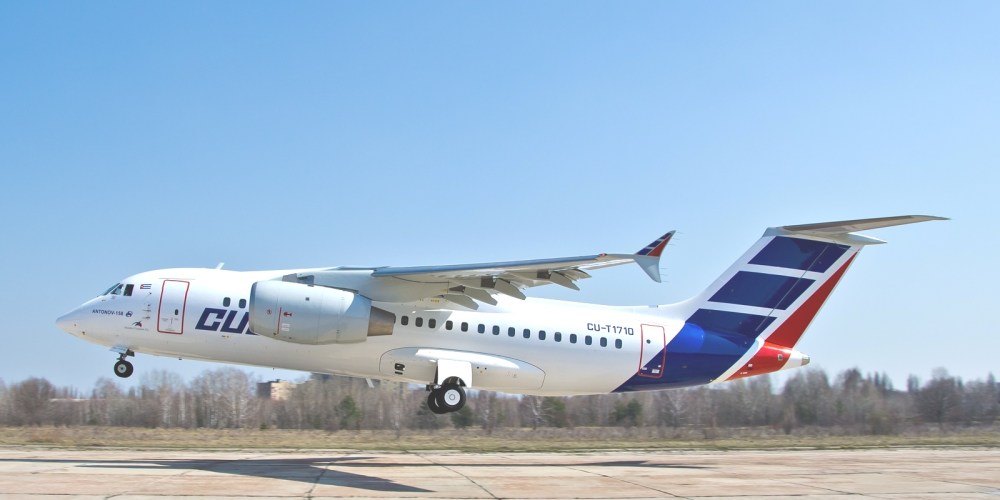
 La flota de aviones Antonov An-158 fue puesta en tierra por problemas técnicos



 La FAA acelera las inspecciones para enfocarse en los motores 737 más antiguos, luego de la falla del motor del vuelo SW1380 Southwest Airlines
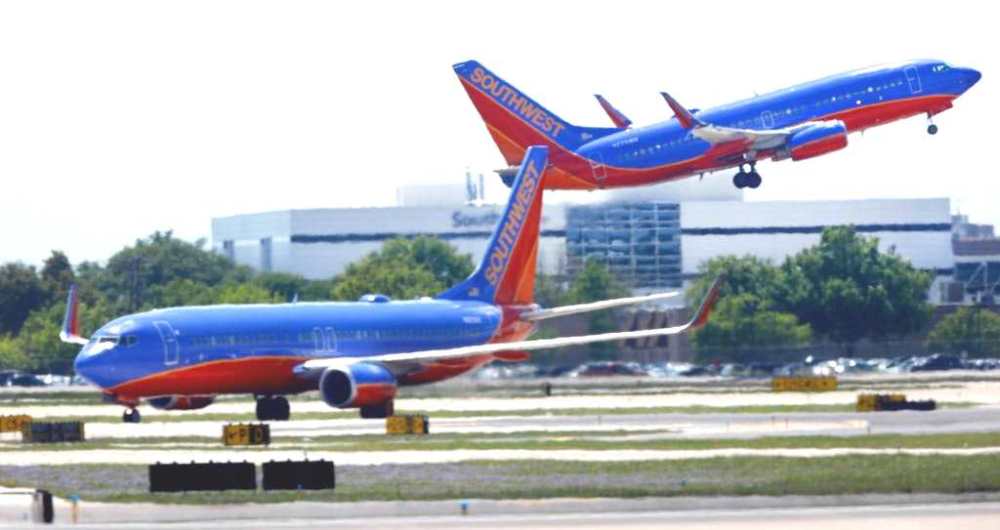

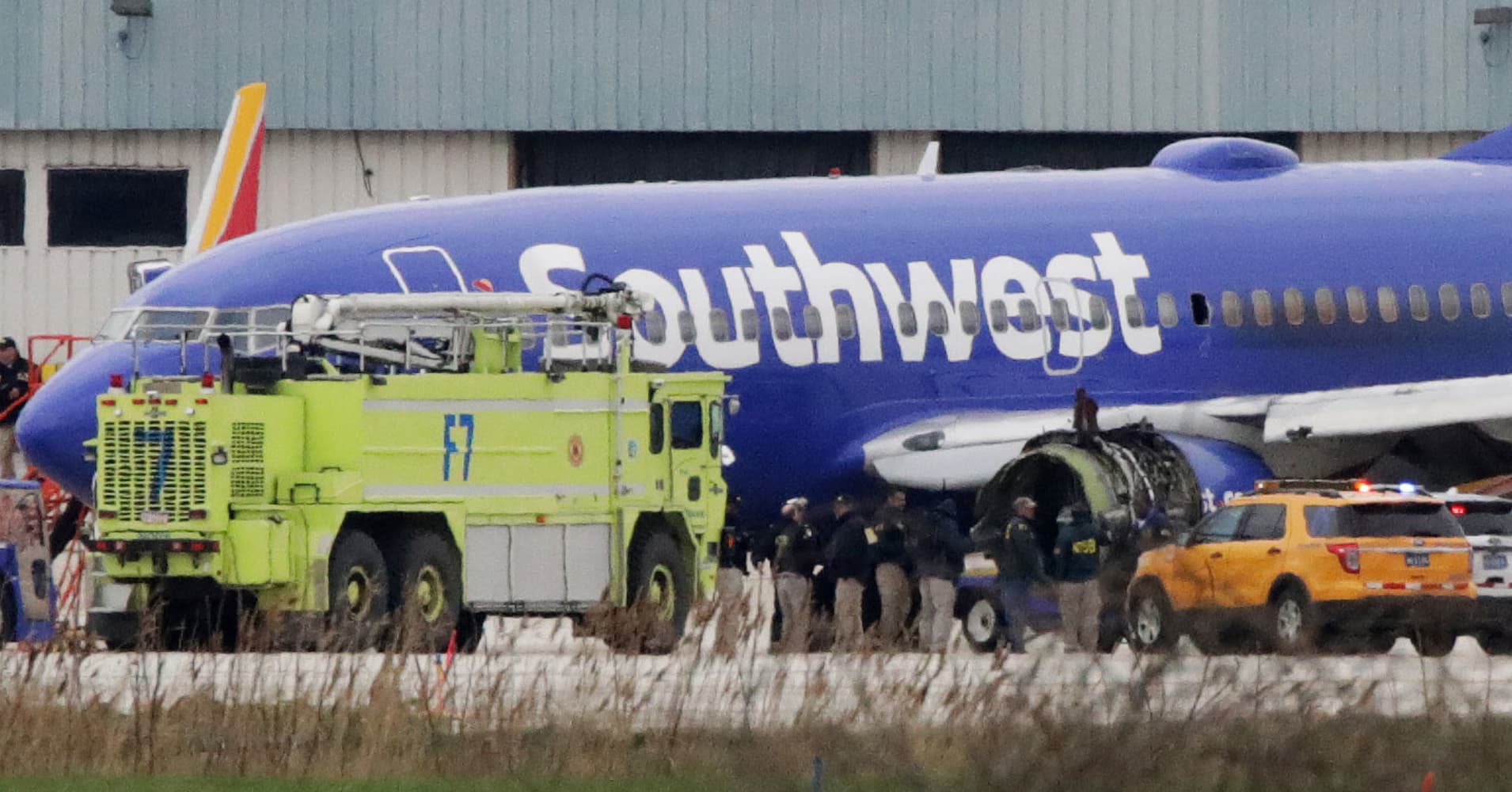
 FAA ORDERS EMERGENCY ENGINE INSPECTIONS FOLLOWING SOUTHWEST INCIDENT
 El avión airbus A319-100 volaba a 32,000 pies cuando su parabrisas delantero derecho se desprendió


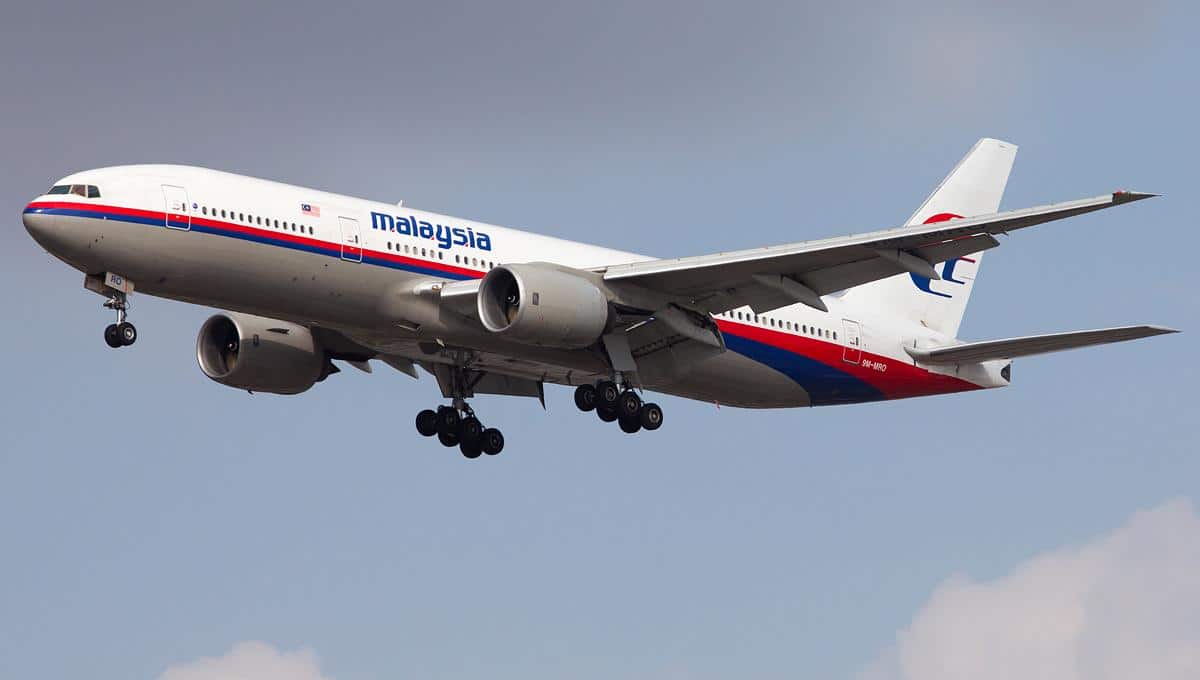
 CONFIRMAN QUE RESTOS ENCONTRADOS SON CONFIRMADOS POR UN ORGANISMO

 El 9 de mayo de 2018, USGS advirtió sobre el potencial de un evento significativo de explosión de vapor en el cráter de Kilauea en el Parque Nacional de los Volcanes de Hawaii. Aunque este volcán hawaiano es efusivo, los científicos advierten sobre el riesgo de explosiones, un fenómeno que ya ocurrió en 1924. La columna magmática podría entrar en contacto con el agua de la capa freática.
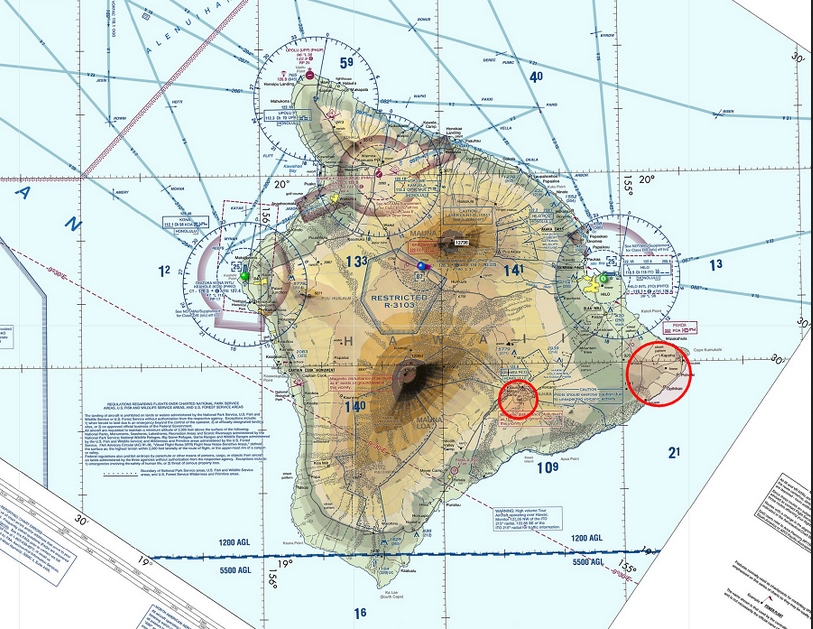 LOS CÍRCULOS ROJOS MUESTRAN ÁREAS DE ESPACIO RESTRINGIDO DEBIDO A LA ACTIVIDAD VOLCÁNICA EN HAWAII. ESTAS ÁREAS PUEDEN EXPANDIRSE SIGNIFICATIVAMENTE SI LAS CENIZAS INGRESAN EN EL ESPACIO AÉREO POR EL CUAL VIAJAN LOS AVIONES COMERCIALES. Imagen: Skyvector.com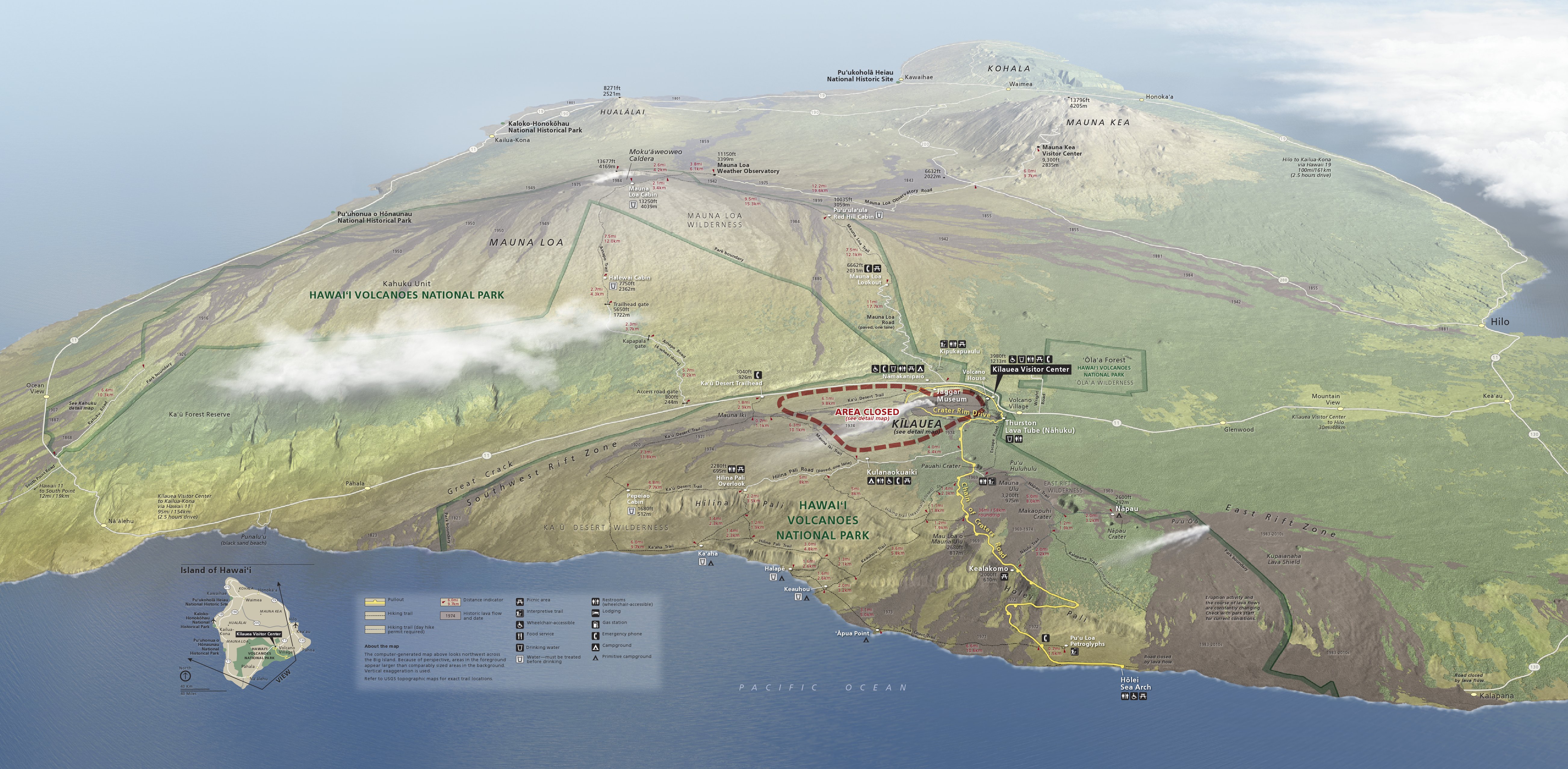
 On May 9, 2018, USGS warned of the potential for a significant vapor explosion event in the Kilauea Crater in the Hawaii Volcanoes National Park. Although this Hawaiian volcano is effusive, scientists warn about the risk of explosions, a phenomenon that already occurred in 1924. The magmatic column could come into contact with water in the water table.
 Departamento de Transporte de Estados Unidos de EEUU examinará a la Administración Federal de Aviación (FAA) y el manejo de la supervisión del mantenimiento de las aerolíneas estadounidenses
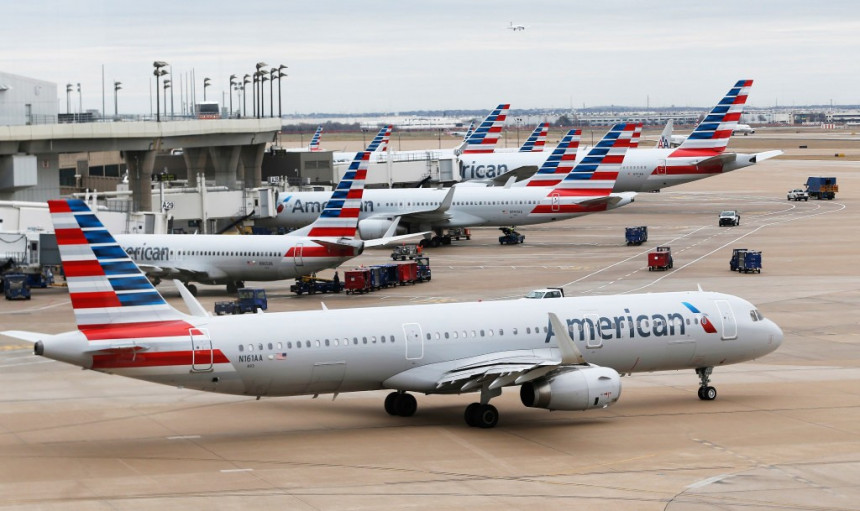 AMERICAN AIRLINES SERÁ SOMETIDA A EXAMEN POR LOS REGULADORES DOT Y FAA
/cdn.vox-cdn.com/uploads/chorus_image/image/55582839/GettyImages_526253160.0.jpg)
 US Department of Transportation US will examine the Federal Aviation Administration (FAA) and the management of maintenance supervision of US airlines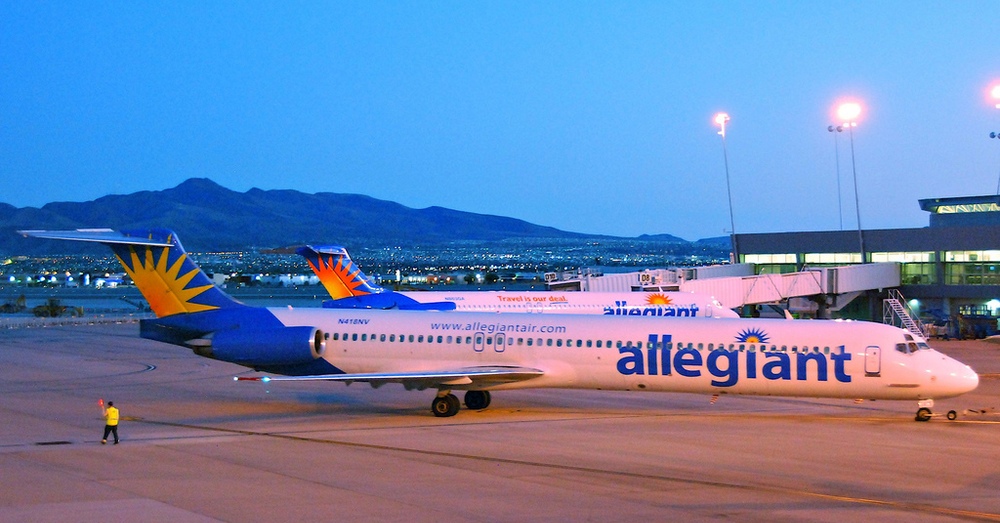

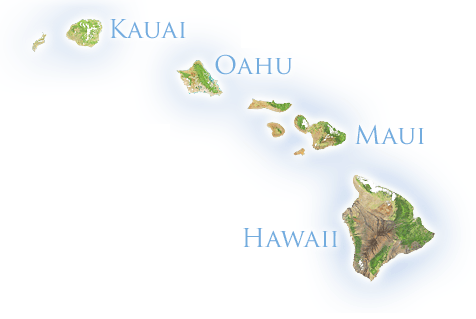 Volcán Kilauea entra en erupción mantiene alerta naranja


 NTSB continúa enfocándose en la pérdida de control


