Aterrizaje emergencia SV3818 Saudia

Resultado de imagen para SV3818 Saudi Arabia Airlines A330

AW | 2018 05 22 19:40 | AVIATION SAFETY

Un Airbus A330-200 de Saudi Arabia Airlines aterriza en emergencia en Aeropuerto Internacional de Yeddah

El vuelo SV3818 de la compañía Saudi Arabia Airlines con 52 pasajeros han sufrido lesiones luego de que un avión Airbus A330-200 realizara un aterrizaje de emergencia en el Aeropuerto Internacional de Yeddah este Martes, 22 Mayo 2018, informa Arabian Business citando al órgano de investigación del país.

El vuelo SV3818 de Saudi Arabia Airlines cubría la ruta de Medina a Daca (Dhaka), la capital de Bangladesh. A bordo del avión viajaban 141 pasajeros y 10 miembros de la tripulación. De acuerdo con los medios locales, Airbus A330-200 fue redirigido a Jeddah debido a un fallo en el funcionamiento del tren de aterrizaje.

En los videos publicados en las redes sociales se ve cómo el avión se arrastra con su morro por la pista de aterrizaje en medio de llamas que surgen de debajo de la aeronave. AIRWAYS® AW-Icon TXT

5b03db7f08f3d9414e8b4567.jpg

Landing emergency SV3818 Saudia Airlines

An Airbus A330-200 of Saudi Arabia Airlines lands in emergency at Yeddah International Airport

The flight SV3818 of the Saudi Arabia Airlines company with 52 passengers suffered injuries after an Airbus A330-200 aircraft made an emergency landing at the Yeddah International Airport this Tuesday, May 22, 2018, reports Arabian Business quoting the investigation body from the country.

The Saudi Arabia Airlines flight SV3818 covered the route from Medina to Dhaka, the capital of Bangladesh. 141 passengers and 10 crew members were on board the plane. According to local media, Airbus A330-200 was redirected to Jeddah due to a failure in the operation of the landing gear.

In the videos published on social networks you can see how the plane crawls with its nose through the runway in the middle of flames that emerge from under the aircraft. A\W


Resultado de imagen para SV3818 Saudi Arabia Airlines

الهبوط في حالات الطوارئ SV3818 الخطوط الجوية السعودية

طائرة إيرباص A330-200 تابعة لشركة الخطوط الجوية العربية السعودية في حالة الطوارئ في مطار جدة الدولي

تحطمت الرحلة رقم SV3818 التابعة لشركة الخطوط الجوية العربية السعودية مع 52 راكبًا بعد أن تسببت طائرة إيرباص A330-200 في هبوط اضطراري في مطار جدة الدولي يوم الثلاثاء الموافق 22 مايو 2018 ، نقلاً عن أريبيان بزنس نقلاً عن هيئة التحقيق البلد

غطت الرحلة الجوية السعودية SV3818 الطريق من المدينة المنورة إلى دكا عاصمة بنجلاديش. وكان 141 راكبا و 10 من افراد الطاقم على متن الطائرة. وفقاً لوسائل الإعلام المحلية ، تم إعادة توجيه طائرة إيرباص A330-200 إلى جدة بسبب فشل في تشغيل معدات الهبوط.

في مقاطع الفيديو المنشورة على شبكات التواصل الاجتماعي ، يمكنك أن ترى كيف تسير الطائرة مع أنفها عبر المدرج في منتصف A\W اللهب الذي يظهر من تحت الطائر


video-camera_318-50337


Ξ A I R G W A Y S Ξ
SOURCE:  Airgways.com
DBk: Rt.com / Airlive.net
AW-POST: 201805221940AR

A\W   A I R G W A Y S ®

Suspenden licencia a Global Air

Resultado de imagen para Global Air logo Damojh

AW | 2018 05 21 21:47 | AIR INVESTIGATION / AVIATION SAFETY

Imagen relacionadaAutoridades mexicanas suspenden la licencia para operar a Global Air, propietaria del avión que se estrelló en La Habana

Las autoridades mexicanas suspendieron este Lunes de forma temporal las operaciones de Global Air, la aerolínea mexicana propietaria del Boeing 737-200 accidentado el pasado viernes en Cuba, provocando la muerte de 110 de sus 113 ocupantes, mientras se realiza una investigación de lo sucedido. «Se está notificando a la empresa la suspensión temporal de actividades en tanto se lleva a cabo la verificación», explicó la Dirección General de Aeronáutica Civil en un comunicado.

Global Air, registrada bajo el nombre de Aerolíneas Damojh, ya había sido suspendida temporalmente de sus actividades en 2010 tras un aterrizaje de emergencia, y en 2013, a raíz de la denuncia de un trabajador. AIRWAYS® AW-Icon TXT

Resultado de imagen para Global Air logo Damojh

Suspend license to Global Air

Mexican authorities suspend the license to operate Global Air, owner of the plane that crashed in Havana

Mexican authorities suspended this Monday temporarily the operations of Global Air, the Mexican airline that owns the Boeing 737-200 accident last Friday in Cuba, causing the death of 110 of its 113 occupants, while conducting an investigation of what happened. «The company is being notified of the temporary suspension of activities while the verification is being carried out», the General Directorate of Civil Aviation explained in a statement.

Global Air, registered under the Damojh Airlines name, had already been temporarily suspended from its activities in 2010 after an emergency landing, and in 2013, following a worker’s complaint. A \ W


Ξ A I R G W A Y S Ξ
SOURCE:  Airgways.com
DBk: Sct.gob.mx/transporte / Matinoticias.com
AW-POST: 201805212147AR

A\W   A I R G W A Y S ®

Accidente aéreo vuelo DMJ-972

Resultado de imagen para Boeing 737-200 air crash global air

AW | 2018 05 21 21:37 | AIR INVESTIGATION / AVIATION SAFETY

Resultado de imagen para Global Air logoInformes del accidente aéreo del vuelo DMJ-972 Cubana de Aviación

La aerolínea Damojh S.A. de C.V. (Global Air) prestaba servicios para la línea aérea Cubana de aviación con un Boeing 737-200 con registro XA-UHZ realizando vuelo DMJ-972 desde La Habana a Holguín (Cuba) con 107 pasajeros y 6 tripulantes, perdieron altura poco después del despegue a las 12:08L (16: 08Z), se puso en contacto con una casa, árboles y una vía férrea cerca de la posición N22.9914 W82.3912 y estalló en llamas.

Las autoridades cubanas confirmaron el accidente cerca del Aeropuerto de La Habana. Se envió una respuesta masiva de los servicios de emergencia. El Ministerio de Transportes de Cuba informó que la aeronave pertenecía a Global Aerolineas Damojh con sede en México. Por la noche, el Ministerio confirmó que XA-UHZ estuvo involucrado en el accidente. El Ministerio de Transportes de México informó que un equipo de especialistas de la DGAC de México participará en la investigación del accidente de XA-UHZ perteneciente a Aerolíneas Damojh y partirá para La Habana el 19 de mayo.

Cubana de Aviación publicó los números de teléfono de los familiares del vuelo DMJ-972 (indicativo que confirma a Global Aerolineas Damojh). Última hora de la tarde (hora Cuba), las autoridades informaron que el avión transportaba 104 pasajeros, un bebé y seis tripulantes. Tres pasajeros fueron rescatados vivos y están siendo tratados por lesiones muy graves.

Los servicios de emergencia han socorrido a tres mujeres pasajeros que fueron llevadas a hospitales en condición crítica, siendo los únicos sobrevivientes de 110 ocupantes fallecidos en el accidente, de 104 pasajeros y 9 miembros de la tripulación. El hospital que atiende a los sobrevivientes informó que los sobrevivientes se han estabilizado, sus fracturas se han fijado y estabilizado, lo que permite un mejor control hemodinámico. Aunque la condición de los sobrevivientes se ha estabilizado, todavía hay peligro para sus vidas.

El 19 Mayo 2018, las autoridades cubanas informaron que la identificación de las víctimas, la mayoría de ellas ciudadanos cubanos, ha comenzado. Dos días de duelo nacional han sido decretados.

Tripulación vuelo DMJ-762

Los dos pilotos del avión, tres auxiliares de vuelo y un técnico de mantenimiento a bordo eran todos mexicanos.

Testimonios

Testigos en el terreno informaron que vieron el avión salir de La Habana, girar bruscamente hacia la derecha y descender. Una gran explosión ocurrió cuando el avión impactó en el suelo, el suelo se sacudió.

El 19 de mayo de 2018 el Ministerio de Transporte de Cuba informó que 110 ocupantes, entre ellos 102 cubanos, seis tripulantes mexicanos, 2 turistas argentinos, un mexicano y dos residentes saharauis de la isla cubana, fueron asesinados. La grabadora de voz de la cabina se recuperó en buenas condiciones, la búsqueda de la grabadora de datos de vuelo continúa.

Boeing 737-200 XA-UHZ

El Boeing 737-200 que se estrelló fue construido en 1979 y había pasado una verificación de seguridad entre noviembre del año pasado.

El 737, registrado XA-UHZ, dejó la fábrica de Boeing hace casi 40 años. Fue entregado a Piedmont Airlines, un operador de Maryland que actualmente vuela bajo la marca American Eagle, en 1979, antes de pasar tiempo en las flotas de US Airways, Royal Airlines (ahora desaparecida), Canadá 3000 (extinta), la Marina de los EE. UU., Magnicharters y Avolar Aerolíneas (ambas con sede en México) y la compañía hondureña EasySky Airlines. Había estado en la flota de Global Air desde 2014 .

Fue alquilado a la aerolínea estatal cubana Cubana de Aviación por Global Air bajo un contrato de arrendamiento wetlease, lo que significa que la empresa mexicana proporcionó el avión, la tripulación, el mantenimiento y el seguro.

Últimos controles del XA-UHZ

El 21 de mayo de 2018, la DGAC de México informó que la línea aérea se había sometido a un control anual en noviembre de 2017 para verificar que la aerolínea mantenía condiciones máximas de seguridad y operación en la prestación de servicios. Se examinaron sus aeronaves y se renovaron sus certificados de aeronavegabilidad en agosto y octubre de 2017. El certificado de aeronavegabilidad se emite únicamente si la aeronave se encuentra en condiciones técnicas satisfactorias para llevar a cabo las operaciones de vuelo. La aerolínea había sido suspendida temporalmente entre el 11 de noviembre y el 18 de diciembre de 2010 después de un colapso en la marcha de la nariz en Puerto Vallarta el 4 de noviembre de 2010, la aerolínea había resuelto los problemas observados. Una queja de un piloto en octubre de 2013 fue seguida por una verificación extraordinaria extraordinaria entre el 4 de noviembre y el 8 de noviembre de 2013, uno de los aviones se suspendió durante ese período de tiempo hasta que se haya proporcionado toda la documentación. La DGAC está realizando otra verificación mayor de la línea aérea luego del accidente en La Habana, la compañía se suspende temporalmente mientras se realiza la verificación.

Pasajeros del vuelo DMJ-972

Listado de pasajeros y tripulantes a bordo del vuelo DMJ-972. La tripulación y 5 pasajeros eran de nacionalidad extranjera, los otros pasajeros eran cubanos. Autoridades cubanas dieron a conocer en la tarde de este sábado la lista oficial de 113 personas registradas (107 pasajeros y seis tripulantes) en el vuelo DMJ 0972, que cubría el avión Boeing 737-200 arrendado por Cubana de Aviación a la empresa mexicana Global Air que se estrelló el viernes tras despegar del Aeropuerto José Martí, en La Habana.

La cifra de fallecidos es de 110, de ellos 104 pasajeros (99 cubanos, dos argentinos, dos saharauis y una mexicana) y seis tripulantes, todos mexicanos.

Tres sobrevivientes se mantienen reportados en estado grave en el Hospital General Calixto García, de la capital cubana. Las mujeres fueron identificadas como: Mailén Díaz Almaguer, holguinera de 19 años de edad, Gretell Landrovell Font, habanera de 23 años de edad, Emiley Sánchez de la O, holguinera de 39 años de edad.

Investigaciones preliminales

De acuerdo con ATDB Global Air (Damojh S.A.) opera tres aviones Boeing 737-200 con registros XA-UHZ, XA-UMQ y un Boeing 737-500 XA-UZK. Ninguno de los aviones apareció en los transpondedores en modo S a lo largo del 18 Mayo 2018 hasta el accidente. Más tarde, el 18 Mayo 2018, los datos del transpondedor que identificaban XA-UMQ mostraron que el avión operaba cerca de la Ciudad de México.

La firma Damojh S.A. de C.V.

Aerolíneas Damojh, empresa irregular para la SCT y el SAT. Cuenta con seis concesiones vigentes; fue denunciada por anomalías de seguridad; tiene dos direcciones, una de ellas en la CDMX.

La aerolínea aparece desde el año 2010 enlistada como operación “no regular” autorizada para volar por parte de los Servicios a la Navegación en el Espacio Aéreo Mexicano (Seneam).

En el expediente 51/10, emitido el 21 de octubre de ese año, un particular solicitó información sobre las empresas que sirven de taxis aéreos y a través de un trámite de transparencia se le respondió que no podían dar una respuesta sobre cuáles prestan ese servicio; a cambio le dieron una lista de 7 mil 466 empresas aeronáuticas irregulares, como Damojh.

La empresa tiene permiso de taxi aéreo, de fletamento de pasajeros nacionales e internacionales (vuelos privados), de taller de ingeniería aeronáutica y hasta de fumigación aérea, pero como ésta, hay muchas otras compañías operando en circunstancias de ambigüedad legal y que sobrevuelan con la concesión del riesgo a la fatalidad.

El presunto dueño inicial es Francisco Pérez Alvarado, después aparece a nombre de Gilberto Sánchez Miranda, esto en una lista de la Dirección General de Aeronáutica Civil, que corresponde a la Subdirección de Ingeniería, y específicamente al Departamento de Talleres Aeronáuticos, con actualizaciones hasta el año 2016.

La empresa involucrada en el accidente tiene sus oficinas en Dr. Atl número 213, colonia Santa María la Rivera, delegación Cuauhtémoc, en la Ciudad de México.

Historial de incidentes

Los problemas técnicos de los aviones de la aerolínea mexicana Global Air no comenzaron con el accidente en La Habana, Cuba, sino desde antes y un ejemplo de ello fue un traslado del 2012, cuando falló una de sus unidades transportando al Cruz Azul.

Marco Aurelio Hernández, ex piloto de la aerolínea reconoció varios capítulos con fallas en las aeronaves, teniendo en mente la sucedida en un viaje de La Máquina cuando regresaba de Paraguay y que tuvo que hacer una parada de emergencia.

“Una vez volamos con el equipo Cruz Azul a bordo, de Paraguay a México, tuve falla del motor izquierdo, los motores ya no tenían aceite, tuvimos que aterrizar en Perú, ahí nos hicieron espacio para el avión. El avión se quedó dos meses ahí para que le cambiaran la turbina y los jugadores de Cruz Azul pagaron de su propio dinero el pasaje para volar de regreso a México», dijo Hernández a El Universal.

El piloto trabajó en la empresa desde el 2005 hasta el 2013 y aseguró que en varias ocasiones comunicó al dueño sobre los problemas técnicos en las unidades.

Apenas el viernes, un avión de la aerolínea Global Air que fue rentado a Cubana de Aviación se cayó al momento de despegar del Aeropuerto Internacional José Martí en La Habana en un accidente que dejó 100 muertos.

Boeing 737, cuarenta años volando

El Boeing 737-200 estrellado en Cuba llevaba 40 años volando, una antigüedad que no le permitiría volar ni en Europa ni en Estados Unidos, según los expertos, que destacan la peligrosidad que acarrean este tipo de aeronaves (Critican que el avión accidentado en Cuba lleve 40 años volando).

Sobre la existencia de una legislación internacional que limite la longevidad de estos aparatos, los expertos explican que aviones como el accidentado en Cuba, “que es una pieza de museo”, no podría volar en Europa “por un problema de ruido”, según una legislación, publica ABC (Tragedia aérea: un expiloto alertó de fallos mecánicos).

Para determinar las causas del accidente se ha abierto una investigación, según anunció el viernes el propio presidente de Cuba, Miguel Díaz-Canel, que se personó inmediatamente al lugar de los hechos. La última compañía ha sido Global Air, operada por la empresa mexicana Aerolineas Damojh, S.A., que adquirió el aparato al parecer en 2010, cuando ya tenía más de 30 años.

En cuanto a cuál pudo ser la causa del accidente, apunta dos como posibles: En un despegue lo que puede fallar son los motores o las estructuras de los flaps, como lo que sucedió con el avión de Spanair en Barajas. Problemas que, en su opinión, pueden ser causados por falta de mantenimiento, algo desmentido por la Dirección General de Aeronáutica Civil de México.

Boeing se une en investigación vuelo DMJ-792

Expertos en aviación de Estados Unidos y México se unen a una investigación sobre el accidente de un vuelo chárter Boeing 737 fuera de La Habana que mató a más de 100 personas, dijeron las autoridades cubanas, ya que surgieron acusaciones de que la aerolínea había sido advertida sobre violaciones de seguridad.

Las autoridades cubanas identificaron los restos de 20 de las 110 víctimas del accidente del viernes, mientras que un equipo de investigadores locales y extranjeros se concentraron en las posibles causas del desastre y las operaciones de la compañía mexicana propietaria del avión, que se estrelló poco después del despegue. vuelo a la ciudad oriental cubana de Holguín.

Los únicos sobrevivientes del accidente del viernes, tres mujeres pasajeros, están en estado crítico en el Hospital Calixto García en el centro de La Habana, mientras que los restos de las primeras víctimas identificadas fueron entregados a familiares en Holguín, dijeron las autoridades.

El Boeing 737-200 se estrelló en un campo y estalló en llamas poco después de despegar del aeropuerto de La Habana el viernes. El ministro cubano de Transporte, Adel Yzquierdo, dijo que 110 de los 113 pasajeros y la tripulación fueron asesinados. Las autoridades dijeron que cinco niños se encontraban entre las víctimas identificadas durante el fin de semana, y que la identificación de los muertos podría tomar días.

Experiencia vuelo Boeing 737 Global Air

Un piloto mexicano que una vez voló el mismo avión Boeing 737-200, dijo el sábado que previamente se había quejado de presuntas prácticas por debajo del estándar por parte del propietario del avión.

Marco Aurelio Hernández le dijo al periódico mexicano Milenio que la firma mexicana de arrendamiento de aviones Global Air realizó un mantenimiento deficiente del avión, le prohibieron volar en Chile y que los vuelos volaron por la noche en Venezuela sin radar. Dijo que durante 2005 y 2013 había volado los tres aviones Boeing propiedad de Global Air (también conocido como Damojh), incluido el de 39 años que cayó el viernes después de despegar del aeropuerto de La Habana.

Durante su tiempo en Global Air, dijo, había presentado una queja por «falta de mantenimiento de los aviones» a pesar de que la compañía tenía mecánicos de aviones «muy hábiles». Una portavoz de Global Air confirmó que Hernández había trabajado en la empresa, pero se negó a comentar sus acusaciones.

Otra ex empleada de Global Air, Ana Marlene Covarrubias, que fue asistente de vuelo de la compañía durante siete años, dijo a los medios mexicanos que nunca había observado anomalías en los aviones de la compañía.

Cuba identifica 20 víctimas

En cuanto a los cinco pasajeros extranjeros, dos argentinos, un mexicano y dos residentes extranjeros en Cuba, Rabel dijo que los funcionarios han estado en contacto con las respectivas embajadas y consulados.

Veinte de las 110 víctimas del accidente aéreo fatal ocurrido el viernes pasado en Cuba han sido identificadas y los cuerpos fueron enviados a sus familias para su entierro, dijo un funcionario. Sergio Rabel, director del Instituto de Medicina Legal de La Habana, dijo a reporteros en una conferencia de prensa el domingo que un gran grupo de expertos trabajaban día y noche para concluir el complejo proceso de identificación de los restos, informó la agencia de noticias Xinhua. «Hasta ahora, hemos podido identificar 20 cadáveres y notificar a sus familiares», dijo Rabel, y agregó que se identificaron cinco nuevas víctimas entre la noche del sábado y la mañana del domingo.

Los equipos de rescate recuperaron 109 cuerpos del lugar del desastre, donde el avión Boeing 737 se estrelló y estalló en llamas poco después del despegue del aeropuerto internacional José Martí de La Habana el viernes. «Anoche terminamos la revisión de los 109 cuerpos junto con las pertenencias que tenían sobre ellos, lo que nos ayudará a identificar a las víctimas más rápido», dijo Rabel. El avión transportaba a un total de 113 personas, incluidos seis tripulantes mexicanos, en un vuelo doméstico de Cubana Airlines entre la capital y la ciudad oriental de Holguín. Casi todos los pasajeros eran ciudadanos cubanos, tres de los cuales sobrevivieron, pero se encuentran en estado grave.

En cuanto a los cinco pasajeros extranjeros, dos argentinos, un mexicano y dos residentes extranjeros en Cuba, Rabel dijo que los funcionarios han estado en contacto con las respectivas embajadas y consulados. El proceso de identificación de las víctimas podría tomar hasta 30 días para concluir debido al estado de los cuerpos, la mayoría con quemaduras y lesiones graves, dijo Rabel. Las autoridades todavía no saben qué causó la desaparición del avión, que se alquiló a la aerolínea mexicana de fletamento Damojh.

Funcionarios cubanos dijeron que encontraron una de las dos cajas negras del avión. La caja negra contiene información clave de vuelo e información sobre lo que le sucedió al avión. El incidente es el peor desastre aéreo de Cuba en décadas, y dos días de duelo nacional comenzaron el sábado.  AIRWAYS® AW-Icon TXT

Resultado de imagen para Boeing 737-200 accidenteEscena en el sitio del accidente (Foto: AFP)Escena en el sitio del accidente (Foto: AFP)Resultado de imagen para Boeing 737-200 air crash global airResultado de imagen para Boeing 737-200 air crash global air

Air crash flight DMJ-972

Reports of the plane crash of the DMJ-972 Cubana de Aviación flight

The airline Damojh S.A. of C.V. (Global Air) provided services for the airline Cubana de Aviación with a Boeing 737-200 with XA-UHZ registration making flight DMJ-972 from Havana to Holguín (Cuba) with 107 passengers and 6 crew, lost height shortly after takeoff at 12: 08L (16: 08Z), he came into contact with a house, trees and a railway near position N22.9914 W82.3912 and burst into flames.

Cuban authorities confirmed the accident near the Havana Airport. A massive response was sent from the emergency services. The Ministry of Transportation of Cuba reported that the aircraft belonged to Global Aerolineas Damojh based in Mexico. At night, the Ministry confirmed that XA-UHZ was involved in the accident. The Ministry of Transportation of Mexico reported that a team of specialists from Mexico’s DGAC will participate in the investigation of the XA-UHZ accident belonging to Aerolineas Damojh and will leave for Havana on May 19.

Cubana de Aviacion published the telephone numbers of the relatives of flight DMJ-972 (indicative that confirms Global Aerolineas Damojh). Late in the afternoon (Cuba time), authorities reported that the plane was carrying 104 passengers, one baby and six crew members. Three passengers were rescued alive and are being treated for very serious injuries.

The emergency services have helped three female passengers who were taken to hospitals in critical condition, being the only survivors of 110 occupants killed in the accident, of 104 passengers and 9 crew members. The hospital that treats the survivors reported that the survivors have stabilized, their fractures have been fixed and stabilized, which allows a better hemodynamic control. Although the condition of the survivors has stabilized, there is still danger to their lives.

On May 19, 2018, Cuban authorities reported that the identification of the victims, most of them Cuban citizens, has begun. Two days of national mourning have been decreed.

Crew flight DMJ-762

The two pilots of the plane, three flight attendants and a maintenance technician on board were all Mexicans.

Testimony

Witnesses on the ground reported that they saw the plane leave Havana, turn sharply to the right and descend. A big explosion happened when the plane hit the ground, the ground shook.

On May 19, 2018, the Ministry of Transportation of Cuba reported that 110 occupants, including 102 Cubans, six Mexican crew members, two Argentine tourists, one Mexican and two Sahrawi residents of the Cuban island, were killed. The cockpit voice recorder recovered in good condition, the search for the flight data recorder continues.

Boeing 737-200 XA-UHZ

The crashed Boeing 737-200 was built in 1979 and had passed a security check between November last year.

The 737, registered XA-UHZ, left the Boeing factory almost 40 years ago. It was delivered to Piedmont Airlines, a Maryland operator that currently flies under the American Eagle brand, in 1979, before spending time on the fleets of US Airways, Royal Airlines (now defunct), Canada 3000 (extinct), the Navy of USA UU., Magnicharters and Avolar Aerolineas (both based in Mexico) and the Honduran company EasySky Airlines. I had been in the Global Air fleet since 2014.

It was rented to the Cuban state airline Cubana de Aviación by Global Air under a wet lease contract, which means that the Mexican company provided the plane, crew, maintenance and insurance.

Last controls of the XA-UHZ

On May 21, 2018, the Mexican DGAC reported that the airline had undergone an annual check in November 2017 to verify that the airline maintained maximum safety and operating conditions in the provision of services. Their aircraft were examined and their airworthiness certificates were renewed in August and October 2017. The certificate of airworthiness is issued only if the aircraft is in satisfactory technical conditions to carry out the flight operations. The airline had been temporarily suspended between November 11 and December 18, 2010 after a collapse in nose gear in Puerto Vallarta on November 4, 2010, the airline had resolved the problems observed. A complaint from a pilot in October 2013 was followed by an extraordinary extraordinary verification between November 4 and November 8, 2013, one of the planes was suspended during that period of time until all the documentation was provided. The DGAC is conducting another major verification of the airline after the accident in Havana, the company is temporarily suspended while the verification is carried out.

Passengers of flight DMJ-972

List of passengers and crew aboard flight DMJ-972. The crew and 5 passengers were of foreign nationality, the other passengers were Cuban. Cuban authorities announced on Saturday afternoon the official list of 113 people registered (107 passengers and six crew members) on flight DMJ 0972, which covered the Boeing 737-200 plane leased by Cubana de Aviación to the Mexican company Global Air that crashed on Friday after taking off from José Martí Airport, in Havana.

The death toll is 110, of them 104 passengers (99 Cubans, two Argentines, two Saharans and one Mexican) and six crew members, all Mexicans.

Three survivors remain in serious condition at the Calixto García General Hospital in the Cuban capital. The women were identified as: Mailén Díaz Almaguer, 19-year-old Holguinera, Gretell Landrovell Font, 23-year-old Havana, Emiley Sánchez de la O, Holguinera, 39 years old.

Preliminary investigations

According to ATDB Global Air (Damojh S.A.) operates three Boeing 737-200 aircraft with XA-UHZ, XA-UMQ and a Boeing 737-500 XA-UZK. None of the planes appeared on the transponders in mode S throughout the 18 May 2018 until the accident. Later, on May 18, 2018, the transponder data that identified XA-UMQ showed that the plane operated near Mexico City.

Damojh S.A. of C.V.

Damojh Airlines, an irregular company for the SCT and the SAT. It has six current concessions; was reported by security anomalies; It has two addresses, one of them in the CDMX.

The airline appears since 2010 listed as a «non-regular» operation authorized to fly by the Navigation Services in the Mexican Air Space (Seneam).

In file 51/10, issued on October 21 of that year, a private individual requested information about the companies that serve as air taxis and through a transparency procedure he was told that they could not give an answer as to which ones provide that service; In exchange, they gave him a list of 7,466 irregular aeronautical companies, such as Damojh.

The company has permission for air taxi, chartering national and international passengers (private flights), aeronautical engineering workshop and even aerial fumigation, but like this, there are many other companies operating in circumstances of legal ambiguity and flying over the granting the risk to fatality.

The presumed initial owner is Francisco Pérez Alvarado, then appears on behalf of Gilberto Sánchez Miranda, this on a list of the Directorate General of Civil Aviation, which corresponds to the Engineering Subdirectorate, and specifically to the Department of Aeronautical Workshops, with updates to the year 2016.

The company involved in the accident has its offices in Dr. Atl number 213, Santa María la Rivera colony, Cuauhtémoc delegation, in Mexico City.

Incident history

The technical problems of the planes of the Mexican airline Global Air did not start with the accident in Havana, Cuba, but from before and an example of this was a transfer of 2012, when one of its units failed to transport the Cruz Azul.

Marco Aurelio Hernández, former pilot of the airline, acknowledged several chapters with flaws in the aircraft, keeping in mind what happened on a trip from La Máquina when he was returning from Paraguay and had to make an emergency stop.

«Once we flew with the Cruz Azul team on board, from Paraguay to Mexico, I had left engine failure, the engines no longer had oil, we had to land in Peru, there they made space for the plane. The plane stayed there for two months so they could change the turbine and the Cruz Azul players paid their own money to fly back to Mexico, «Hernández told El Universal.

The pilot worked in the company from 2005 to 2013 and said that he repeatedly informed the owner about the technical problems in the units.

Just Friday, a plane of the airline Global Air that was rented to Cubana de Aviación fell at the moment of takeoff from the International Airport José Martí in Havana in an accident that left 100 dead.

Boeing 737, forty years flying

The Boeing 737-200 crashed in Cuba had been flying for 40 years, an age that would not allow it to fly either in Europe or in the United States, according to experts, who highlight the dangerous nature of this type of aircraft. (They criticize the plane crashed in Cuba take 40 years flying).

AW-722111100.png

On the existence of an international legislation that limits the longevity of these devices, the experts explain that aircraft such as the accident in Cuba, «which is a museum piece», could not fly in Europe «because of a noise problem», according to a legislation, publishes ABC (Aerial Tragedy: an expilot alerted of mechanical failures).

To determine the causes of the accident, an investigation has been opened, according to what was announced on Friday by the president of Cuba, Miguel Díaz-Canel, who immediately went to the scene. The last company was Global Air, operated by the Mexican company Aerolineas Damojh, S.A., which acquired the device apparently in 2010, when it was more than 30 years old.

As for what could be the cause of the accident, two points as possible: «In a takeoff what can fail are the engines or structures of the flaps, as what happened with the Spanair aircraft in Barajas». Problems that, in his opinion, can be caused by lack of maintenance, something denied by the General Directorate of Civil Aeronautics of Mexico.

Boeing joins in research flight DMJ-792

Aviation experts from the United States and Mexico join an investigation into the crash of a Boeing 737 charter flight outside Havana that killed more than 100 people, Cuban authorities said, as allegations surfaced that the airline had been warned about security breaches.

Cuban authorities identified the remains of 20 of the 110 victims of the accident on Friday, while a team of local and foreign investigators focused on the possible causes of the disaster and the operations of the Mexican company that owns the plane, which crashed shortly after of the takeoff. flight to the Cuban oriental city of Holguín.

The only survivors of Friday’s accident, three women passengers, are in critical condition at the Calixto García Hospital in downtown Havana, while the remains of the first victims identified were handed over to relatives in Holguin, authorities said.

The Boeing 737-200 crashed into a field and burst into flames shortly after taking off from Havana airport on Friday. Cuban Transport Minister Adel Yzquierdo said that 110 of the 113 passengers and crew were killed. Authorities said five children were among the victims identified during the weekend, and that the identification of the dead could take days.

Flight experience Boeing 737 Global Air

A Mexican pilot who once flew the same Boeing 737-200 aircraft said Saturday that he had previously complained about alleged practices below the standard by the owner of the plane.

Marco Aurelio Hernandez told the Mexican newspaper Milenio that the Mexican aircraft leasing company Global Air performed a poor maintenance of the plane, banned him from flying in Chile and that the flights flew at night in Venezuela without radar. He said that during 2005 and 2013 he had flown the three Boeing aircraft owned by Global Air (also known as Damojh), including the 39-year-old plane that fell on Friday after taking off from Havana airport.

During his time at Global Air, he said, he had filed a complaint about lack of aircraft maintenance even though the company had «very skilled» aircraft mechanics. A spokeswoman for Global Air confirmed that Hernandez had worked at the company, but declined to comment on her allegations.

Another former Global Air employee, Ana Marlene Covarrubias, who was the company’s flight attendant for seven years, told Mexican media that she had never noticed anomalies in the company’s planes.

Cuba identifies 20 victims

As for the five foreign passengers, two Argentines, one Mexican and two foreign residents in Cuba, Rabel said the officials have been in contact with the respective embassies and consulates.

Twenty of the 110 victims of the fatal plane crash last Friday in Cuba have been identified and the bodies were sent to their families for burial, an official said. Sergio Rabel, director of the Institute of Legal Medicine in Havana, told reporters at a press conference on Sunday that a large group of experts worked day and night to complete the complex process of identifying the remains, Xinhua news agency reported. «Until now, we have been able to identify 20 bodies and notify their relatives», Rabel said, adding that five new victims were identified between Saturday night and Sunday morning.

Rescuers recovered 109 bodies from the disaster site, where the Boeing 737 plane crashed and burst into flames shortly after takeoff from José Martí International Airport in Havana on Friday. «Last night we finished reviewing the 109 bodies along with the belongings they had over them, which will help us identify the victims faster», said Rabel. The plane was carrying a total of 113 people, including six Mexican crew members, on a Cubana Airlines domestic flight between the capital and the eastern city of Holguín. Almost all the passengers were Cuban citizens, three of whom survived, but are in serious condition.

As for the five foreign passengers, two Argentines, one Mexican and two foreign residents in Cuba, Rabel said the officials have been in contact with the respective embassies and consulates. The process of identifying the victims could take up to 30 days to conclude due to the state of the bodies, most of them with burns and serious injuries, said Rabel. The authorities still do not know what caused the disappearance of the plane, which was rented to the Mexican charter carrier Damojh.

Cuban officials said they found one of the plane’s two black boxes. The black box contains key flight information and information about what happened to the plane. The incident is Cuba’s worst air disaster in decades, and two days of national mourning began on Saturday. A \ W


Ξ A I R G W A Y S Ξ
SOURCE:  Airgways.com
DBk: Ntsb.gov / Faa.gov / Sct.gob.mx/transporte / Avherald.net / Aerotransport.org / Razon.com.mx / Preferente.com / Financialexpress.com / Thequint.com / Wsj.com / Martinoticias.com
AW-POST: 201805212137AR

A\W   A I R G W A Y S ®

Accidente Boeing 737-200 de Cubana

Resultado de imagen para accidente Boeing 737-200 cubana

AW | 2018 05 18 17:13 | AVIATION SAFETY / AIR INVESTIGATION

Un Boeing 737-200 de Cubana de Aviación se estrella en La Habana con 104 pasajeros: hay tres sobrevivientes

La televisión estatal cubana informa que un Boeing 737-200 arrendado por Cubana de Aviación se estrelló cuando despegó del aeropuerto José Martí de La Habana, dice Cuba TV. Tres pasajeros sobrevivieron, están hospitalizados y en estado crítico, informa Granma, el diario oficial. Granma informa que el Boeing 737-200 que se estrelló fue alquilado por Cubana de Aviación (la aerolínea nacional cubana), que tenía una tripulación extranjera y 104 pasajeros a bordo. Se trata del vuelo DMJ 0972.

Un Boeing 737-201 de Aerolíneas Global Damojh (Global Air) en nombre de Cubana de Aviación, con matrícula XA-UHZ efectuaba el vuelo CU-972 desde La Habana a Holguín (Cuba) con 104 pasajeros y 9 tripulantes, perdieron altura poco después del despegue a las 12: 08L (16: 08Z), se puso en contacto con una casa, árboles y una vía férrea cerca de la posición N22.9914 W82.3912 y estalló en llamas. Los servicios de emergencia están respondiendo. Tres pasajeros fueron llevados a hospitales en estado crítico y se cree que son los únicos supervivientes.

2000px-Cuba_location_map.png

Las autoridades cubanas confirmaron un accidente en el aeropuerto de La Habana, hay un intenso incendio. Se envió una respuesta masiva de los servicios de emergencia. Más tarde, las autoridades informaron que 3 pasajeros fueron trasladados a hospitales con heridas graves.

El Ministerio de Transportes de Cuba informó que la aeronave pertenecía a Global Aerolíneas Damojh con sede en México. Por la noche, el Ministerio confirmó que XA-UHZ estuvo involucrado en el accidente. El presidente cubano informó que el avión transportaba 104 pasajeros y 9 tripulantes.

El Ministerio de Transportes de México informó que un equipo de especialistas de la DGAC de México participará en la investigación del accidente de XA-UHZ perteneciente a Aerolíneas Damojh y partirá para La Habana el 19 de mayo.

Cubana de Aviación publicó los números de teléfono de los familiares del vuelo DMJ-972 (indicativo que confirma a Global Aerolíneas Damojh). La tripulación y 5 pasajeros eran de nacionalidad extranjera, los otros pasajeros eran cubanos.

Según ATDB Global Aerolineas, Damojh opera tres Boeing 737: un Boeing 737-200 de registro XA-UHZ, un Boeing 737-200 XA-UMQ y un Boeing 737-500 XA-UZK. Ninguno de los aviones apareció en los transpondedores en modo S a lo largo del día hasta el accidente. Más tarde, el día en que los datos del transpondedor identificaron a XA-UMQ mostraron que el avión operaba cerca de la Ciudad de México.

El vuelo se dirigía a Holguín, un vuelo doméstico, según medios estatales. No está claro si hay víctimas mortales. Inicialmente se reportó que volaba hacia Guyana, esa información fue corregida por los medios estatales. Una gran bola de fuego seguida de una gran columna de humo fue visible cerca del aeropuerto en las afueras de La Habana, según testigos.

Escena en el sitio del accidente (Foto: AFP)RESTOS DEL VUELO MDJ-0972 DEL BOEING 737-201 DE GLOBAL AIR ACCIDENTADO EN LA HABANA

Cubana de Aviación, la aerolínea nacional de Cuba, ha tenido que retirar algunas de sus antiguas aeronaves debido a problemas de seguridad, aunque se desconoce la causa del accidente del viernes.

Holguín, en el oriente de la isla, queda a unos 744 km de La Habana. Granma también informa que el avión se estrelló en el despegue a las 12:08 pm hora local en La Habana.

El presidente de los Consejos de Estado y de Ministros, Miguel Díaz-Canel, se encuentra en el lugar del desastre junto con otras autoridades del país. Según información preliminar, el avión cayó cerca de la Terminal 1, en un área de cultivos agrícolas, en el municipio de Boyeros.

Hay una intensa columna de humo en las cercanías del aeropuerto que sale del avión. En la actualidad hay un gran despliegue de asistencia médica, con el apoyo de las fuerzas de la Policía Nacional Revolucionaria y el Departamento de Bomberos en el área de Rancho Boyeros.

Informaciones preliminares dan a conocer que la aeronave se precipitó entre Boyeros y Santiago de Las Vegas, dice Cuba TV. Durante una llamada telefónica con Cubavisión, Armando Daniel López, presidente de la Autoridad de Aviación Civil de Cuba, describió el accidente como algo desafortunado que sucedió en el Aeropuerto Internacional José Martí en un vuelo hacia la provincia de Holguín. Están investigando las causas del accidente. El accidente no ocurrió en un área residencial y el aeropuerto de La Habana está operando normalmente. AIRWAYS® AW-Icon TXT

Cuban Boeing 737-200 accident

A Boeingf 737-200 of Cubana de Aviación crashes in Havana with 104 passengers: there are three survivors

Cuban state television reports that a Boeing 737-200 leased by Cubana de Aviación crashed when it took off from the José Martí airport in Havana, Cuba TV says. Three passengers survived, are hospitalized and in critical condition, reports Granma, the official newspaper. Granma reports that the Boeing 737-200 that crashed was rented by Cubana de Aviación (the Cuban national airline), which had a foreign crew and 104 passengers on board. It is the flight DMJ 0972.

A Boeing 737-201 of Aerolíneas Global Damojh (Global Air) on behalf of Cubana de Aviación, with registration XA-UHZ made flight CU-972 from Havana to Holguín (Cuba) with 104 passengers and 9 crew members, lost altitude shortly after takeoff at 12: 08L (16: 08Z), contacted a house, trees and a railway near position N22.9914 W82.3912 and burst into flames. The emergency services are responding. Three passengers were taken to hospitals in critical condition and are believed to be the only survivors.

Cuban authorities confirmed an accident at the Havana airport, there is an intense fire. A massive response was sent from the emergency services. Later, authorities reported that 3 passengers were taken to hospitals with serious injuries.

The Ministry of Transportation of Cuba reported that the aircraft belonged to Global Aerolineas Damojh based in Mexico. At night, the Ministry confirmed that XA-UHZ was involved in the accident. The Cuban president reported that the plane was carrying 104 passengers and 9 crew members.

The Ministry of Transportation of Mexico reported that a team of specialists from Mexico’s DGAC will participate in the investigation of the XA-UHZ accident belonging to Aerolíneas Damojh and will leave for Havana on May 19.

Cubana de Aviación published the telephone numbers of the relatives of flight DMJ-972 (indicative that confirms Global Aerolíneas Damojh). The crew and 5 passengers were of foreign nationality, the other passengers were Cuban.

According to ATDB Global Air, operates three Boeing 737s: a Boeing 737-200 registration XA-UHZ, a Boeing 737-200 XA-UMQ and a Boeing 737-500 XA-UZK. None of the planes appeared in the transponders in mode S throughout the day until the accident. Later, the day the transponder data identified XA-UMQ showed that the plane was operating near Mexico City.

The flight was heading to Holguín, a domestic flight, according to state media. It is not clear if there are fatalities. Initially it was reported that it was flying towards Guyana, that information was corrected by state media. A large fireball followed by a large plume of smoke was visible near the airport on the outskirts of Havana, witnesses said.

Cubana de Aviación, the national airline of Cuba, has had to remove some of its old aircraft due to security problems, although the cause of Friday’s accident is unknown.

Holguin, in the east of the island, is about 744 km from Havana. Granma also reports that the plane crashed on take-off at 12:08 pm local time in Havana.

The president of the Councils of State and of Ministers, Miguel Díaz-Canel, is in the place of the disaster along with other authorities of the country. According to preliminary information, the plane fell near Terminal 1, in an area of ​​agricultural crops, in the municipality of Boyeros.

There is an intense column of smoke in the vicinity of the airport that leaves the plane. Currently there is a large deployment of medical assistance, with the support of the National Revolutionary Police and the Fire Department in the area of ​​Rancho Boyeros.

Preliminary information reveals that the aircraft rushed between Boyeros and Santiago de Las Vegas, says Cuba TV. During a telephone call with Cubavisión, Armando Daniel López, president of the Civil Aviation Authority of Cuba, described the accident as something unfortunate that happened at the José Martí International Airport on a flight to the province of Holguin. They are investigating the causes of the accident. The accident did not occur in a residential area and the airport in Havana is operating normally. A \ W


DATA: La información procesada puede actualizarse debido al tipo de datos cambiantes, por lo que le sugerimos consultar periódicamente esta información.

DATA: The processed information can be updated due to the type of changing data, so we suggest you consult this information periodically.


Ξ A I R G W A Y S Ξ
SOURCE:  Airgways.com
DBk: Cnn.com / Granma.cu / Avherald.com
AW-POST: 201805181713AR

A\W   A I R G W A Y S ®

Cubana pone en tierra flota Antonov 158

283371.jpg

AW | 2018 05 17 16:30 | AVIATION SAFETY / INDUSTRY / AIRLINES

Resultado de la imagenLa flota de aviones Antonov An-158 fue puesta en tierra por problemas técnicos

Cubana de Aviación recibió una orden de la Autoridad Nacional de Aviación de Cuba para poner a tierra su flota de aeronaves Antonov An-158 debido a problemas técnicos recurrentes que afectan la seguridad de vuelo.

Cubana de Aviación opera hasta seis de los aviones An-158 de fabricación ucraniana, pero la repetición de problemas de mantenimiento y la falta de disponibilidad de piezas de repuesto obligaron a Cubana de Aviación a poner en tierra la mayor parte de su flota desde hace meses. Solo un An-158 todavía estaba funcionando en Abril 2018.

La Autoridad Nacional de Aviación de Cuba ha emitido una orden oficial con resolución emitida por la autoridad que establece «que se han encontrado fallas múltiples y recurrentes en sistemas complejos, construidos por componentes mecánicos, hidráulicos y eléctricos, así como algoritmos de rendimiento de la computadora, así como evidencia de diseño y fabricación fallas, problemas serios en el sistema de control de vuelo, grietas en la estructura y temperatura del motor aumentan por encima de los parámetros normales».

134.png

De esta manera, el Certificado de Aeronavegabilidad de Antonov 158 ha sido revocado en Cuba, lo que significa que la compañía tendrá que encontrar un reemplazo para el jet regional. Pero la situación económica y financiera del transportista, junto con las sanciones políticas que impiden a Cubana acceder a la tecnología occidental, debilita la posibilidad.

Cubana incorporó dos ATR 72-500 a su flota en 2017, provistos por la arrendataria sudafricana Solenta Aviation, pero no alcanza para compensar la demanda de pasajeros que soportaba un jet como el Antonov An-158, afectando severamente el rendimiento del transportista. Debido a la alta demanda, los pasajeros esperaron hasta 12 horas para un vuelo y terminaron tomando un autobús por el precio del pasaje aéreo. Cubana de Aviación está teniendo una tasa de puntualidad del orden del 50%.

El 11 Febrero 2018, un Antonov An-148 que operaba como el Vuelo 703 de Saratov Airlines, se estrelló cerca de Ramenskoye, en las afueras de Moscú, poco después del despegue. El avión transportaba 65 pasajeros y 6 miembros de la tripulación. No hubo sobrevivientes. Este es el primer accidente comercial fatal para este tipo de avión.

Por el momento, las autoridades cubanas afirman que el constructor ucraniano Antonov está trabajando en la ejecución de mejoras, reparaciones, ajustes y cambios en el proceso de fabricación.  AIRWAYS® AW-Icon TXT

Resultado de imagen para cubana An-158 png

Cubana lands Antonov fleet 158

The Antonov An-158 aircraft fleet was put on the ground due to technical problems

Cubana de Aviación received an order from the National Aviation Authority of Cuba to ground its fleet of Antonov An-158 aircraft due to recurring technical problems that affect flight safety.

Cubana de Aviación operates up to six of the Ukrainian-made An-158 aircraft, but the repetition of maintenance problems and the lack of availability of spare parts forced Cubana de Aviación to put most of its fleet on land for months. . Only an An-158 was still running in April 2018.

The National Aviation Authority of Cuba has issued an official order with a resolution issued by the authority stating «that multiple and recurrent failures have been found in complex systems, built by mechanical, hydraulic and electrical components, as well as computer performance algorithms, as well as evidence of design and manufacturing faults, serious problems in the flight control system, cracks in the structure and temperature of the engine increase above the normal parameters».

In this way, the Antonov 158 Certificate of Airworthiness has been revoked in Cuba, which means that the company will have to find a replacement for the regional jet. But the transporter’s economic and financial situation, together with the political sanctions that prevent Cubana from accessing Western technology, weakens the possibility.

Cubana added two ATR 72-500 to its fleet in 2017, provided by the South African lessee Solenta Aviation, but it is not enough to compensate the demand of passengers who bore a jet like the Antonov An-158, severely affecting the performance of the carrier. Due to the high demand, passengers waited up to 12 hours for a flight and ended up taking a bus for the airfare price. Cubana de Aviación is having a punctuality rate of the order of 50%.

On February 11, 2018, an Antonov An-148 that operated as Flight 703 of Saratov Airlines, crashed near Ramenskoye, just outside Moscow, shortly after takeoff. The plane carried 65 passengers and 6 crew members. There were no survivors. This is the first fatal commercial accident for this type of plane.

For the moment, Cuban authorities claim that the Ukrainian builder Antonov is working on the execution of improvements, repairs, adjustments and changes in the manufacturing process. A \ W


Ξ A I R G W A Y S Ξ
SOURCE:  Airgways.com
DBk: Iacc.gob.cu / Antonov.com / Cubana.cu / Vasily Koba
AW-POST: 201805171630AR

A\W   A I R G W A Y S ®

FAA acelera inspecciones del CFM56-7B

Resultado de imagen para FAA accelerates engine inspections CFM56-7

AW | 2018 05 17 15:07 | AVIATION SAFETY / AIR INVESTIGATION

Resultado de imagen para FAA Aviation logoLa FAA acelera las inspecciones para enfocarse en los motores 737 más antiguos, luego de la falla del motor del vuelo SW1380 Southwest AirlinesResultado de imagen para FAA accelerates engine inspections CFM56-7

La Administración Federal de Aviación (FAA) ordenó este miércoles inspecciones más rápidas para los motores CFM International CFM56-7B de los aviones Boeing 737 Next Generation, para asegurar que las palas de los ventiladores más antiguas en alrededor de 5.400 motores sean inspeccionadas antes del 30 de Junio 2018 como fecha límite. El cambio se ajusta a lo que el fabricante de motores, CFM International, que es propiedad conjunta de GE Aviation y Safran, publicó la semana pasada para acelerar las inspecciones de los motores con más de 20.000 vuelos.

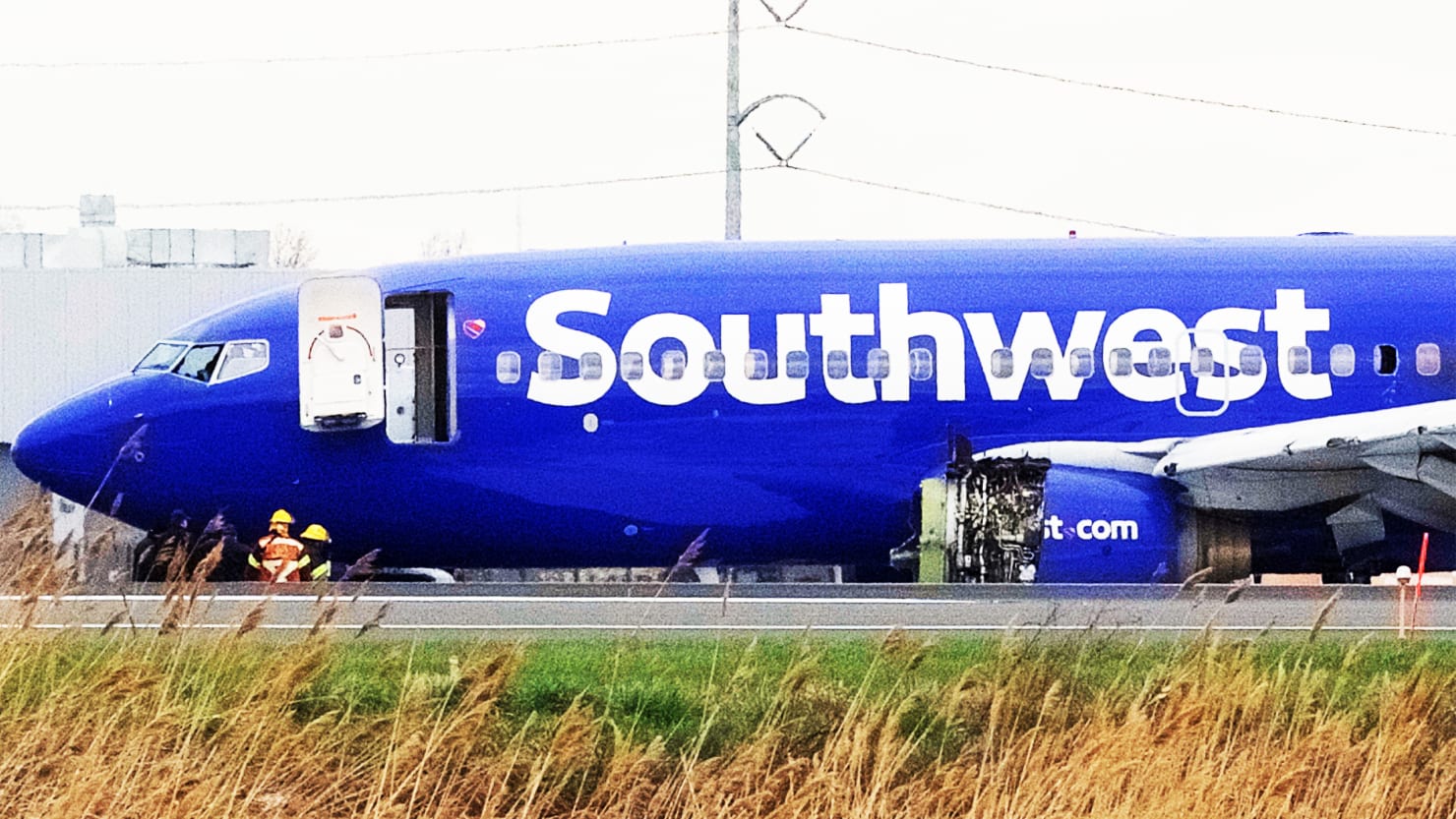
Las aerolíneas están inspeccionando los motores CFM56-7B después de que un motor de un Boeing 737-700 de Southwest Airlines explotara durante el vuelo SW1380 en Abril 2018. La FAA dijo en un comunicado que estaba trabajando con los investigadores federales, el fabricante y los reguladores de seguridad europeos para inspeccionar los motores con el mayor número de vuelos lo antes posible. «La FAA está actuando para garantizar una medida adicional de seguridad para el rendimiento de la pala del ventilador en motores CFM56», dijo la agencia de la FAA en un comunicado.

Más de 77.000 álabes han sido inspeccionados hasta ahora, según ha reportado GE Aviation. Con 24 álabes en cada motor, eso significa que se han inspeccionado alrededor de 3.200 motores o más de 1.600 aviones. La FAA estimó que 3.716 motores tendrían que ser inspeccionados en aviones de EEUU, pero el 737 es uno de los aviones más populares en todo el mundo. En última instancia, se inspeccionarán 330.000 álabes en 13.750 aviones, según el fabricante.

1524604190-NB_23SWjets.jpg

Las inspecciones costarán a las aerolíneas de los Estados Unidos un estimado de US$ 631.720. Si la hoja de un ventilador se encuentra peligrosamente desgastada, reemplazarla costaría aproximadamente US$ 8.585, según la FAA. Hasta la fecha, ninguno de los hallazgos ha cambiado la última guía del fabricante para las inspecciones, según GE Aviation.

Las investigaciones federales descubrieron grietas por el desgaste de la aspa del ventilador que falló en el vuelo de Southwest, lo que aceleró la necesidad de inspecciones. CFM emitió boletines de servicio para inspecciones ultrasónicas de álabes de ventilador, que incluyen:

Inspecciones CFM56-7B
♦ Marzo 2017: inspecciones para motores con 15,000 vuelos desde la visita previa a la tienda.

♦ Junio 2017: inspecciones para palas de ventilador específicas, que podrían combinarse y combinarse entre motores, con al menos 20.000 vuelos.

♦ Abril, 20: inspecciones para motores CFM56-7B con al menos 30.000 vuelos. Las inspecciones de los 650 motores debían estar terminadas para el 10 de mayo. Para finales de agosto, deberían completarse unos 2.500 motores con 20.000 vuelos. Todos los motores deberían inspeccionarse cada 3,000 vuelos en el futuro.

♦ Mayo, 10: inspecciones priorizadas de alrededor de 5.400 motores con al menos 20.000 vuelos antes del 30 de junio. El resto debe completarse antes del 31 de agosto.

El pase de diapositivas requiere JavaScript.

Parte del motivo de preocupación es que dos motores del vuelo SW1380 de Southwest Airlines fallaron de manera similar en dos años, incluido uno en Agosto 2016. Los restos del motor hicieron un agujero de 5 pulgadas por 16 pulgadas en el fuselaje sobre el ala izquierda, pero sin consecuencias para la vida de los pasajeros.

La investigación de la Junta Nacional de Seguridad en el Transporte sobre lo que causó el accidente de Abril 2018 podría tomar otro año para determinar la causa y hacer recomendaciones. Pero el fabricante dijo que los motores han funcionado de manera segura a través de 350 millones de horas de vuelo desde 1997.  AIRWAYS® AW-Icon TXT

Imagen relacionada

FAA accelerates engine inspections CFM56-7B

The FAA accelerates inspections to focus on the older 737 engines, after the failure of the SW1380 Southwest Airlines flight engine

The Federal Aviation Administration (FAA) ordered faster inspections on Wednesday for the CFM International CFM56-7B engines of the Boeing 737 Next Generation aircraft, to ensure that the blades of the oldest fans on around 5,400 engines are inspected before 30 June 2018 as the deadline. The change is in line with what the engine manufacturer, CFM International, which is jointly owned by GE Aviation and Safran, published last week to speed up inspections of engines with more than 20,000 flights.

Airlines are inspecting the CFM56-7B engines after a Boeing 737-700 engine from Southwest Airlines exploded during flight SW1380 in April 2018. The FAA said in a statement it was working with federal investigators, the manufacturer and the European safety regulators to inspect engines with the highest number of flights as soon as possible. «The FAA is acting to ensure an additional measure of safety for the performance of the fan blade on CFM56 engines», the FAA agency said in a statement.

More than 77,000 blades have been inspected so far, according to GE Aviation. With 24 wings on each engine, that means that about 3,200 engines or more than 1,600 aircraft have been inspected. The FAA estimated that 3,716 engines would have to be inspected on US aircraft, but the 737 is one of the most popular aircraft in the world. Ultimately 330,000 blades will be inspected on 13,750 aircraft, according to the manufacturer.

The inspections will cost airlines in the United States an estimated US$ 631,720. If the blade of a fan is dangerously worn, replacing it would cost approximately US$ 8,585, according to the FAA. To date, none of the findings has changed the manufacturer’s latest guidance for inspections, according to GE Aviation.

Resultado de imagen para Southwest FAA inspections CFM56-7FAA ORDERS EMERGENCY ENGINE INSPECTIONS FOLLOWING SOUTHWEST INCIDENT

Federal investigations discovered cracks due to the wear of the fan blade that failed on the Southwest flight, which accelerated the need for inspections. CFM issued service bulletins for ultrasonic inspections of fan blades, which include:

Inspections CFM56-7B
♦ March 2017: inspections for engines with 15,000 flights from the previous visit to the store.

♦ June 2017: inspections for specific fan blades, which could be combined and combined between engines, with at least 20,000 flights.

♦ April, 20: inspections for CFM56-7B engines with at least 30,000 flights. Inspections of the 650 engines had to be completed by May 10. By the end of August, some 2,500 engines with 20,000 flights should be completed. All engines should be inspected every 3,000 flights in the future.

♦ May, 10: prioritized inspections of around 5,400 engines with at least 20,000 flights before June 30. The rest must be completed before August 31.

Part of the concern is that two engines of Southwest Airlines flight SW1380 similarly failed in two years, including one in August 2016. Remains of the engine made a 5-inch by 16-inch hole in the fuselage on the left wing, but without consequences for the life of the passengers.

The investigation by the National Transportation Safety Board into what caused the April 2018 accident could take another year to determine the cause and make recommendations. But the manufacturer said the engines have worked safely through 350 million flight hours since 1997. A \ W


Ξ A I R G W A Y S Ξ
SOURCE:  Airgways.com
DBk: Cfmaeroengines.com / Usatoday.com / Cnbc.com / Wearefinn.com / Dallasnews.com / Mro-network.com / Latestly.com
AW-POST: 201805171507AR

A\W   A I R G W A Y S ®

China investiga incidente A319 Sichuan

Resultado de imagen para A319 Sichuan Airlines

AW | 2018 05 15 09:28 | AIR INVESTIGATION / AVIATION SAFETY

Resultado de imagen para Sichuan Airlines logoEl avión airbus A319-100 volaba a 32,000 pies cuando su parabrisas delantero derecho se desprendió

Las autoridades de aviación de China están investigando cómo el parabrisas de la cabina de un avión de Sichuan Airlines Airbus A319-100 estalló en el aire, poniendo en peligro el avión y los pasajeros a bordo.

El lunes, el avión volaba a 32,000 pies de altura a la capital tibetana Lhasa desde la ciudad occidental de Chongqing cuando su parabrisas delantero derecho se desprendió, exponiendo la cabina a la atmósfera helada y de baja presión en el exterior.

Un Airbus A319-100, registro B-6419 realizando el vuelo 3U-8633 de la compañía Sichuan Airlines desde Chongqing a Lhasa (China), estaba en ruta a 9800 metros (aproximadamente FL321) a unos 60nm al oeste de Chengdu sobre terreno montañoso, cuando el parabrisas derecho estalló por completo, el vidrio golpeando e hiriendo al primer oficial, las máscaras de oxígeno del pasajero se liberaron automáticamente, la unidad de control de vuelo (panel del piloto automático) se dañó. El capitán inició un descenso de emergencia a 7100 metros (aproximadamente FL235 altitud de seguridad mínima debido a las montañas), giró el avión y se desvió a Chengdu descendiendo el avión a 3000 metros tan pronto como fuera de las montañas. El avión aterrizó en la pista 02R de Chengdu unos 35 minutos después de salir de 9800 metros. El primer oficial y un miembro de la tripulación de cabina recibieron heridas.

La CAAC de China informó que el primer oficial recibió un esguince en la cintura y arañazos cuando el parabrisas derecho se rompió y se separó. Un miembro de la tripulación de cabina también recibió heridas. La ocurrencia está siendo investigada.

La aerolínea informó una falla mecánica. El capitán permaneció ileso, el primer oficial recibió abrasiones en la piel, un miembro de la tripulación de cabina sufrió una lesión en la cintura.

La aerolínea citó a la Administración Regional Sudoeste de CAAC posteriormente publicó un boletín de eventos que resume los resultados preliminares de la investigación que sugieren que la aeronave estaba en ruta a 9800 metros a 0.74-0.75 mach cuando el parabrisas derecho presentó grietas, la tripulación recibió un mensaje ECAM con respecto a la calefacción del parabrisas pronto seguido por el estallido del parabrisas. El primer oficial y una azafata recibieron heridas menores (arañazos). La tripulación de vuelo aplicó los procedimientos estándar relacionados (descenso de emergencia), se liberaron las máscaras de oxígeno para pasajeros. La tripulación de vuelo no pudo establecer comunicación con ATC debido al ruido en la cabina y, por lo tanto, señaló la emergencia a través del transpondedor. El parabrisas seguía siendo el original, el avión había acumulado 19,912 horas de vuelo en 12,920 ciclos de vuelo, no hubo problemas pendientes el día de la ocurrencia. El último control C fue el 9 de marzo de 2017, el último control A el 12 de abril de 2018. No se registraron mensajes de falla en el parabrisas durante los últimos 15 días. La investigación continúa.  AIRWAYS® AW-Icon TXT

El parabrisas visto desde la terminalEscena dentro de la cabina

China investigates A319 Sichuan Airlines incident

The A319-100 airbus aircraft was flying at 32,000 feet when its right front windshield fell off

Aviation authorities in China are investigating how the windshield of the cockpit of a Sichuan Airlines Airbus A319-100 plane exploded in the air, endangering the plane and passengers on board.

On Monday, the plane was flying at 32,000 feet to the Tibetan capital Lhasa from the western city of Chongqing when its right front windshield fell off, exposing the cabin to the icy, low-pressure atmosphere outside.

An Airbus A319-100, registration B-6419 making flight 3U-8633 of the Sichuan Airlines company from Chongqing to Lhasa (China), was en route at 9800 meters (approximately FL321) at about 60nm west of Chengdu over mountainous terrain, When the right windshield blew completely, the glass hitting and injuring the first officer, the passenger’s oxygen masks were automatically released, the flight control unit (autopilot panel) was damaged. The captain started an emergency descent at 7100 meters (approximately FL235 minimum safety altitude due to the mountains), turned the plane and diverted to Chengdu descending the plane to 3000 meters as soon as it was out of the mountains. The plane landed on runway 02R of Chengdu about 35 minutes after leaving 9800 meters. The first officer and a member of the cabin crew received injuries.

The CAAC of China reported that the first officer received a sprained waist and scratches when the right windshield broke and separated. A member of the cabin crew also received injuries. The occurrence is being investigated.

The airline reported a mechanical failure. The captain remained unharmed, the first officer received abrasions on the skin, a member of the cabin crew suffered a waist injury.

The airline quoted the CAAC Southwest Regional Administration subsequently published an event bulletin that summarizes the preliminary results of the investigation suggesting that the aircraft was en route to 9800 meters at 0.74-0.75 mach when the right windshield cracked, the crew received an ECAM message regarding the windshield heating soon followed by the windshield blast. The first officer and a stewardess received minor injuries (scratches). The flight crew applied the related standard procedures (emergency descent), passenger oxygen masks were released. The flight crew could not communicate with ATC due to the noise in the cabin and, therefore, signaled the emergency through the transponder. The windshield was still the original, the aircraft had accumulated 19,912 flight hours in 12,920 flight cycles, there were no pending problems on the day of the occurrence. The last C control was on March 9, 2017, the last control A on April 12, 2018. No windshield fault messages were recorded during the last 15 days. The investigation continues. A \ W


Ξ A I R G W A Y S Ξ
SOURCE:  Airgways.com
DBk: Avherald.com / Dbpost.com
AW-POST: 201805150928AR

A\W   A I R G W A Y S ®

Expertos delinean causas desaparición del vuelo Malasia Airlines MH-370

Resultado de imagen para MH370

AW | 2018 05 14 00:50 | AIR INVESTIGATION / AVIATION SAFETY

Los expertos de MH370 están convencidos de que finalmente saben lo que sucedió con el avión desaparecido de Malaysia Airlines

El misterio rodea la causa de la desaparición de MH370, pero un panel de especialistas cree que finalmente pueden tener la respuesta. Los expertos en aviación están seguros de que finalmente pueden explicar el misterio detrás de MH370.

Una investigación de 60 minutos que se transmitió esta noche presenta a un panel de expertos en aviación que trabajan para determinar qué causó la caída del avión. Durante más de cuatro años, el mundo ha lidiado con preguntas sobre cómo el avión Boeing 777-200ER que transportaba a 239 pasajeros y tripulantes desapareció misteriosamente en el aire en su camino a Beijing desde Kuala Lumpur. Ahora los expertos dicen que finalmente tienen las respuestas.

Larry Vance, ex Investigador Senior de la Junta de Seguridad del Transporte de Canadá, le dijo al programa de asuntos actuales de Australia 60 Minutes que confiaba en que sabía lo que le sucedió a la aeronave. «Creo que el público en general puede consolarse con el hecho de que hay un consenso cada vez mayor sobre los momentos finales del avión», dijo. El panel, que también incluye al famoso experto en seguridad aérea Captain John Cox y Martin Dolan, que fue comisionado jefe del Australian Transport Safety Bureau cuando MH370 desapareció, volverá a examinar la evidencia y analizará si el vuelo fantasma fue en realidad un acto deliberado de asesinato llevado a cabo por el capitán Zaharie Amhad Shah. Después de ver la evidencia creen que el Capitán Zaharie fue responsable del misterio.

Todos estuvieron de acuerdo en que el piloto se estaba matando y llevaron el avión al lugar más remoto que pudo para que desapareciera. El piloto e instructor de Boeing 777, Simon Hardy, dijo que el Capitán Zaharie evitó la detección del avión por el radar militar malasio o tailandés volando a lo largo de la frontera, cruzando dentro y fuera del espacio aéreo de cada nación.

 Se ha confirmado que los restos provienen del vuelo MH370 que faltabaCONFIRMAN QUE RESTOS ENCONTRADOS SON CONFIRMADOS POR UN ORGANISMO

El Sr. Hard le dijo al programa: «A medida que el avión atravesaba Tailandia y Malasia, se desplaza hacia la frontera, que se mueve hacia abajo, lo que significa que entra y sale de esos dos países, que es donde están sus jurisdicciones».

John Dawson, un abogado que representó a nueve familias de MH370 y MH17, dijo recientemente a News Corp Australia que la evidencia apuntaba directamente a que uno de los tripulantes era el responsable. En MH370, tienes al piloto volando entre Malasia y Pekín que devuelve el avión. La evidencia está tan fuertemente relacionada con la participación de una de las tripulaciones que derribaron este avión.

Pero a pesar de las observaciones de expertos, el gobierno de Malasia, que ha firmado un acuerdo «sin curación, sin honorarios» con la compañía con sede en Texas Ocean Infinity para reanudar la búsqueda del avión, permanece en silencio sobre la posible participación de Zaharie.

Ocean Infinity comenzó la búsqueda el 22 de enero de este año, luego de una búsqueda fallida de £ 111 millones para el avión. En ese momento, los expertos dijeron que esperaban tener respuestas en cuestión de semanas. La compañía tiene 90 días de búsqueda para buscar el avión, que se ha extendido durante varios meses.

Los funcionarios dijeron que había aproximadamente un 85% de posibilidades de encontrar rastros de los restos en un nuevo área de búsqueda de 15,000 millas cuadradas. Se espera que la investigación finalice a mediados de Junio 2018.  AIRWAYS® AW-Icon TXT

Resultado de imagen para MH370

Experts delineate causes disappearance of the MH-370

The MH370 experts are convinced that they finally know what happened to the missing Malaysia Airlines plane

The mystery surrounds the cause of the demise of MH370, but a panel of specialists believes that they may finally have the answer. The aviation experts are confident that they can finally explain the mystery behind MH370.

A 60-minute investigation that aired this evening presents a panel of aviation experts working to determine what caused the plane’s crash. For more than four years, the world has grappled with questions about how the Boeing 777-200ER plane carrying 239 passengers and crew mysteriously disappeared into the air on its way to Beijing from Kuala Lumpur. Now experts say they finally have the answers.

Larry Vance, a former Senior Investigator with the Transportation Safety Board of Canada, told the current affairs program in Australia 60 Minutes that he was confident he knew what happened to the aircraft. «I think the general public can take comfort in the fact that there is a growing consensus about the final moments of the plane», he said. The panel, which also includes the famous air safety expert Captain John Cox and Martin Dolan, who was commissioned chief of the Australian Transport Safety Bureau when MH370 disappeared, will re-examine the evidence and analyze whether the ghost flight was actually a deliberate act of murder carried out by Captain Zaharie Amhad Shah. After seeing the evidence they believe that Captain Zaharie was responsible for the mystery.

All agreed that the pilot was killing himself and took the plane to the most remote place he could to disappear. Boeing 777 pilot and instructor, Simon Hardy, said that Captain Zaharie avoided detection of the aircraft by Malaysian or Thai military radar flying along the border, crossing in and out of each nation’s airspace.

Mr. Hard told the program: «As the plane crossed Thailand and Malaysia, it moves towards the border, which moves down, which means it enters and leaves those two countries, which is where their jurisdictions are».

John Dawson, a lawyer who represented nine families of MH370 and MH17, recently told News Corp Australia that the evidence pointed directly to the fact that one of the crew was responsible. In MH370, you have the pilot flying between Malaysia and Beijing who returns the plane. The evidence is so strongly related to the participation of one of the crews that shot down this plane.

But despite expert comments, the Malaysian government, which has signed a «no cure, no fee» agreement with Texas-based Ocean Infinity to resume the search for the plane, remains silent about the possible involvement of Zaharie

Ocean Infinity began the search on January 22 this year, after a failed search of £ 111 million for the plane. At that time, experts said they expected answers in a matter of weeks. The company has 90 days of search to find the plane, which has been extended for several months.

Officials said there was an estimated 85% chance of finding traces of the remains in a new search area of ​​15,000 square miles. The investigation is expected to be completed by mid-June 2018. A \ W


Ξ A I R G W A Y S Ξ
SOURCE:  Airgways.com
DBk: Airgways.com
AW-POST: 201805140050AR

A\W   A I R G W A Y S ®

Volcán Kilauea posible erupción

Resultado de imagen para volcano kilauea view aerial

AW | 2018 05 12 12:10 | AVIATION SAFETY

La aviación se prepara para una posible explosión prevista del volcán Kilauea en Hawaii

La amenaza de una posible explosión en el volcán Kilauea de Hawaii ha provocado restricciones adicionales en el espacio aéreo, con más interrupciones en los viajes aéreos si las cenizas irrumpen en la atmósfera por un evento explosivo.

Resultado de la imagen para usgs logoEl 9 de mayo de 2018, USGS advirtió sobre el potencial de un evento significativo de explosión de vapor en el cráter de Kilauea en el Parque Nacional de los Volcanes de Hawaii. Aunque este volcán hawaiano es efusivo, los científicos advierten sobre el riesgo de explosiones, un fenómeno que ya ocurrió en 1924. La columna magmática podría entrar en contacto con el agua de la capa freática.

LOS CÍRCULOS ROJOS MUESTRAN ÁREAS DE ESPACIO RESTRINGIDO DEBIDO A LA ACTIVIDAD VOLCÁNICA EN HAWAII. ESTAS ÁREAS PUEDEN EXPANDIRSE SIGNIFICATIVAMENTE SI LAS CENIZAS INGRESAN EN EL ESPACIO AÉREO POR EL CUAL VIAJAN LOS AVIONES COMERCIALES. Imagen: Skyvector.com

USGS ahora advierte que tal explosión puede ocurrir en cualquier momento a partir de hoy (9 de mayo). Los científicos han señalado dicho aviso después de determinar que el agua podría mezclarse con el magma caliente en el interior de Kilauea, creando una gran explosión de vapor subterránea que explotaría la materia y alejaría una distancia considerable de la Caldera Kilauea.

La erupción de Kilauea, uno de los volcanes más activos del planeta, comenzó el 3 Mayo 2018. El 4 Mayo, se registró un terremoto de 6.9 en la escala de Richter. Una docena de grietas filtran lava apareció. Cerca de 2,000 personas tuvieron que ser evacuadas, principalmente por el riesgo de incendios y emisiones de dióxido de azufre.

Si bien las erupciones explosivas son típicas de los estratovolcanes como el Monte Saint Helens, se asocian con menos frecuencia a los volcanes escudo como Kilauea. Sin embargo, el Observatorio Volcánico de Hawaii (HVO) teme que la erupción de Kilauea se vuelva explosiva en las próximas semanas, por un fenómeno freatomagmático.

Kilauea volcano possible eruption

Aviation prepares for a possible planned explosion of Kilauea volcano in Hawaii

The threat of a possible explosion at the Kilauea volcano in Hawaii has caused additional restrictions in the airspace, with more interruptions in air travel if the ashes burst into the atmosphere due to an explosive event.

Resultado de la imagen para usgs logoOn May 9, 2018, USGS warned of the potential for a significant vapor explosion event in the Kilauea Crater in the Hawaii Volcanoes National Park. Although this Hawaiian volcano is effusive, scientists warn about the risk of explosions, a phenomenon that already occurred in 1924. The magmatic column could come into contact with water in the water table.

USGS now warns that such an explosion may occur at any time as of today (May 9). Scientists have signaled the warning after determining that the water could mix with the hot magma inside Kilauea, creating a huge explosion of subterranean vapor that would explode matter and move a considerable distance away from the Kilauea Caldera.

The eruption of Kilauea, one of the most active volcanoes on the planet, began on May 3, 2018. On May 4, an earthquake of 6.9 on the Richter scale was recorded. A dozen cracks filter lava appeared. Nearly 2,000 people had to be evacuated, mainly because of the risk of fires and sulfur dioxide emissions.

Although explosive eruptions are typical of stratovolcanoes such as Mount Saint Helens, they are less frequently associated with shield volcanoes such as Kilauea. However, the Hawaii Volcanic Observatory (HVO) fears that the Kilauea eruption will become explosive in the coming weeks, due to a phreatomagmatic phenomenon. A \ W

Info_Circle_Symbol_Information_Letter-512
More information, USGS: https://volcanoes.usgs.gov/volcanoes/kilauea/status.html


Ξ A I R G W A Y S Ξ
SOURCE:  Airgways.com
DBk: Qz.com / Usgs.gov / Hvo.wr.usgs.gov / Wikimedia.org [Npmaps.com]
AW-POST: 201805111210AR

A\W   A I R G W A Y S ®

Vigilancia de seguridad de la FAA de aerolíneas estadounidenses

Resultado de imagen para American Airlines

AW | 2018 05 10 13:47 | AVIATION SAFETY

Resultado de imagen para DOT dEPARTMENT TRANSPORT LOGODepartamento de Transporte de Estados Unidos de EEUU examinará a la Administración Federal de Aviación (FAA) y el manejo de la supervisión del mantenimiento de las aerolíneas estadounidenses

Una revisión federal ordenada en junio pasado se centró inicialmente en la supervisión de la Federal Aviation Administration (FAA) del mantenimiento de la compañía aérea, pero los funcionarios del Departamento de Transporte de Estados Unidos (DOT) dijeron que las revisiones iniciales y las solicitudes de los miembros del Congreso los llevaron a «ajustar el alcance de esta auditoría».

Resultado de imagen para FAA LOGOLa revisión del Inspector General del Departamento de Transporte anunciada el miércoles sigue un informe publicado en un programa conocido, «60 Minutes», que cuestionó los estándares de seguridad de Allegiant Airlines y la supervisión de la aerolínea por parte de la FAA. El senador estadounidense Bill Nelson de Florida pidió una investigación después del informe. «El público viajero merece conocer toda la historia cuando se trata de la supervisión de la FAA del mantenimiento de la aerolínea. Espero que el inspector general no deje piedra sin remover», dijo Nelson en un comunicado.

American Airlines también recibió la notificación acerca de los compromisos que recaerá sobe la compañía texana un control más exhaustivo. American por su parte dijo que trabajaría con el inspector general. «American Airlines se sorprendió al enterarse de la revisión de la Oficina del Inspector General y mantenemos nuestro sólido historial de seguridad. Nuestro equipo está trabajando para comprender por qué somos parte de su revisión», dijo el portavoz Ross Feinstein en un comunicado.

Resultado de imagen para American AirlinesAMERICAN AIRLINES SERÁ SOMETIDA A EXAMEN POR LOS REGULADORES DOT Y FAA

Allegiant Air en un comunicado dijo que sigue los mandatos federales de seguridad y celebra la auditoría. «Agradecemos cualquier análisis de nuestra cultura de operación y seguridad, en cualquier momento. Mostrará lo que sabemos que es verdad, que Allegiant opera al más alto nivel de seguridad, en estricto cumplimiento de todas las normas y directrices de la FAA», dijo la portavoz Hilarie Gray.

El Departamento de Transporte dijo en un memorando que había iniciado la auditoría después de descubrir que la FAA había pasado de «enfatizar las medidas de cumplimiento a trabajar con los transportistas para abordar las causas fundamentales del incumplimiento de las normas de seguridad». El DOT dijo que también encontró discrepancias significativas en las relaciones y las prácticas de intercambio de información entre las aerolíneas y sus oficinas de supervisión de la FAA. «Nuestros objetivos ahora son evaluar los procesos de FAA para investigar denuncias de prácticas de mantenimiento incorrectas en dos aerolíneas, Allegiant Airlines y American Airlines», según extracto del memorándum.

La FAA dijo que trabajará con el inspector general. Después del informe del programa «60 Minutes», la FAA dijo: «La FAA tiene tolerancia cero para el comportamiento intencional e imprudente, las violaciones flagrantes o la negativa a cooperar en acciones correctivas por parte de las compañías aéreas. Cuando se justifica, la agencia lleva a cabo acciones legales de cumplimiento rutinario contra los infractores». AIRWAYS® AW-Icon TXT

Resultado de imagen para American Airlines

FAA security surveillance of US airlines

Resultado de imagen para DOT dEPARTMENT TRANSPORT LOGOUS Department of Transportation US will examine the Federal Aviation Administration (FAA) and the management of maintenance supervision of US airlines

A federal review ordered last June focused initially on the Federal Aviation Administration (FAA) oversight of airline maintenance, but officials with the US Department of Transportation (DOT) said that the initial reviews and requests from members of Congress for the led to «adjust the scope of this audit».

The Transportation Department Inspector General’s review announced on Wednesday follows a report published in a well-known program, «60 Minutes», which questioned Allegiant Airlines’ safety standards and the airline’s oversight by the FAA. US Senator Bill Nelson of Florida requested an investigation after the report. «The traveling public deserves to know the whole story when it comes to the FAA’s oversight of the airline’s maintenance, I hope the inspector general does not leave stone unturned», Nelson said in a statement.

American Airlines also received notification about the commitments that will be borne by the Texas company more comprehensive control. American for its part said it would work with the inspector general. «American Airlines was surprised to learn of the Office of the Inspector General’s review and we maintain our strong safety record, and our team is working to understand why we are part of its review», spokesman Ross Feinstein said in a statement.

Aero Icarus.jpg

Allegiant Air said in a statement that it follows federal security mandates and holds the audit. «We appreciate any analysis of our operation and safety culture at any time, it will show what we know to be true, that Allegiant operates at the highest level of safety, in strict compliance with all FAA rules and guidelines», said the spokeswoman Hilarie Gray.

The Department of Transportation said in a memo that it had started the audit after discovering that the FAA had gone from «emphasizing compliance measures to working with carriers to addressing the root causes of non-compliance with safety standards». The DOT said it also found significant discrepancies in relationships and information exchange practices between the airlines and their FAA oversight offices. «Our goals now are to evaluate the FAA processes to investigate allegations of improper maintenance practices on two airlines, Allegiant Airlines and American Airlines», according to the memorandum.

The FAA said it will work with the inspector general. After the «60 Minutes» program report, the FAA said: «The FAA has zero tolerance for intentional and reckless behavior, flagrant violations or refusal to cooperate in corrective actions by airlines. agency carries out legal actions of routine compliance against offenders». A \ W


Ξ A I R G W A Y S Ξ
SOURCE:  Airgways.com
DBk: Transportation.gov / Faa.gov / Aa.com / Allegiantair.com
AW-POST: 201805101347AR

A\W   A I R G W A Y S ®