Flybondi readecúa operaciones

Resultado de imagen para Flybondi FO-5270AW | 2020 02 09 01:50 | AVIATION SAFETY / AIR INVESTIGATION

Flybondi_svgLa low cost Flybondi reprograma operaciones por incidente en Boeing 737-800 el 03/02

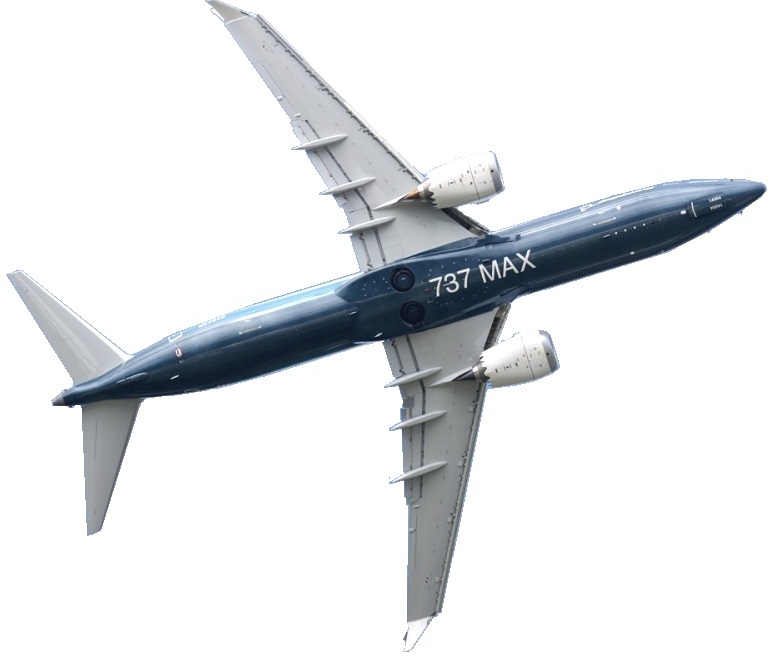
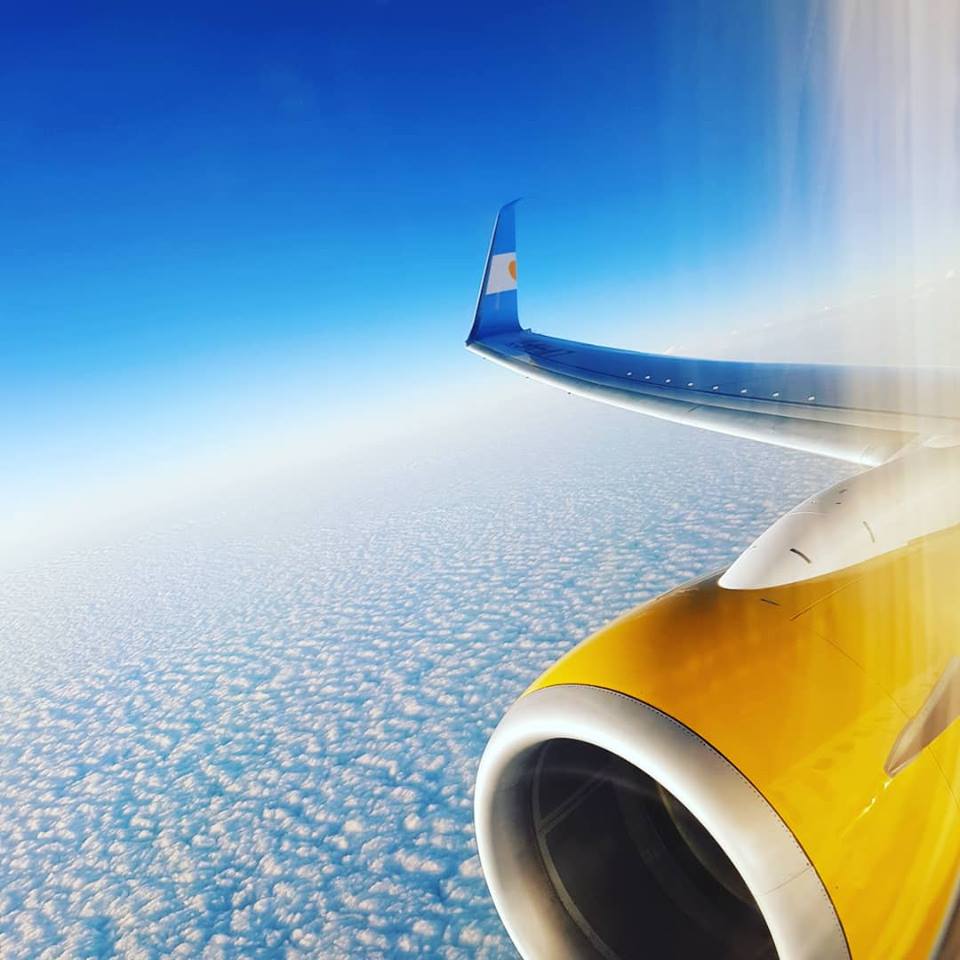
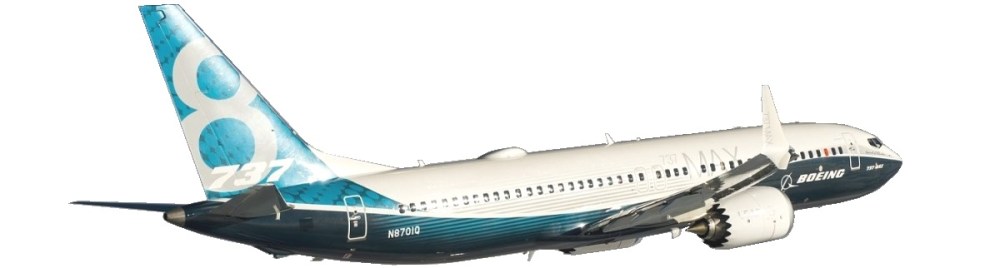
Flybondi Líneas Aéreas ha readecuado sus operaciones de esta semana por observación del Boeing 737-800 LV-HQY por parte de la ANAC Argentina. Luego del aterrizaje de emergencia en el Aeropuerto Ezeiza el pasado Domingo 3 Febrero 2020, la compañía ha comunicado que el incidente en el Sistema Eléctrico del Sensor de Temperatura de uno de los motores del avión 737-800 había provocado la puesta a tierra de la aeronaves por inspección de la ANAC Argentina.

En un comunicado la aerolínea argentina Flybondi expresó este Sábado 08/02 su descontento con las autoridades aeronáuticas de la ANAC Argentina, quienes le impiden hacer uso de uno de los cinco aviones que integran su flota, luego de que la aeronave protagonizara un incidente en el Sistema Eléctrico del Sensor de Temperatura de uno de sus motores el pasado Domingo 03/03 en Ezeiza. Según explicó la empresa a través de un comunicado, «habiéndose realizado la revisión técnica necesaria para que la aeronave pudiera estar operativa cuanto antes, la aerolínea no pudo disponer del avión durante más de cinco días consecutivos». La medida obligó a una readecuación en la programación de los vuelos de esta semana y ocasionó un «impacto negativo» en algunos de sus pasajeros.

Incidente vuelo FO-5270

El incidente del vuelo FO-5270 el Domingo 02/02 que ha provocado el encendido de una alarma en el Sistema Eléctrico del Sensor de Temperatura de uno de los motores del avión 737-800, ha encendido las alarmas de la ANAC Argentina para efectuar las inspecciones pertinentes, por lo que la aeronave ha estado aparcada durante siete días consecutivos. Luego de la intervención de las autoridades aeronáuticas de la ANAC, la compañía se ha visto limitada con una aeronave menos para realizar las operaciones desde y hacia el Aeropuerto El Palomar, por lo que se registraron durante la semana demoras y cancelaciones. A raíz de esta decisión judicial, se inició un proceso de solicitud de información técnica y operativa por parte de los organismos que regulan la industria aeronáutica (JIAAC y ANAC), y con el cual la aerolínea cumplió de manera contundente, y en tiempo y forma con cada uno de los requerimientos, habiéndose realizado la revisión técnica necesaria para que la aeronave pudiera estar operativa cuanto antes, la aerolínea no pudo disponer del avión durante más de cinco días consecutivos.

El día después del incidente, el Lunes 03/02 se llevó adelante una reunión con representantes de ANAC para realizar la auditoría. «Fue una reunión muy productiva y esclarecedora respecto del incidente, donde pudimos compartir mayor información respecto del episodio ocurrido el Domingo cuando una de nuestras aeronaves presentó un problema en el sistema eléctrico del indicador de temperatura del motor. Entendemos que este espacio forma parte de un ejercicio que comenzará a hacerse con todas las aerolíneas, y también en cada situación de similares características. Si bien la aeronave recibió la revisión técnica y ya se encuentra apta para estar en servicio, la compañía aguarda aún que las autoridades la habiliten a estar operativa. Mientras tanto, se debió realizar una readecuación en la programación para esta semana que impactó en algunas rutas y vuelos. En aquellos donde hubo que cancelar el vuelo, la compañía ofreció a los pasajeros la reubicación para el próximo vuelo disponible, cubriendo alojamiento, transporte y comidas para quienes lo requirieron, la posibilidad de dejar el ticket abierto o la devolución del importe abonado”, dijeron los voceros de Flybondi.

Transporte revisará flota

El Ministerio de Transporte ha señalado que revisarán las cinco aeronaves que tiene la compañía, aclarando que no pondrán en tierra o desafectar la totalidad de los aviones sino hay riesgo operacional. “Las low cost tienen las dificultades de bajar costos, la capacidad operacional está en riesgo, en el caso de Flybondi además de antigüedad de aeronaves, la ANAC los ha citado para presentar documentación y controles que se hacen, pero no son suficientes. Esta semana hubo dos incidentes con Flybondi, eso hace que se cancelen los vuelos. El plan aéreo del Gobierno anterior era sólo habilitar dos compañías de bajo costo, y que ahora va a haber más controles”, dijo el Ministro Mario Meoni.

El comunicado de Flybondi

A través de un comunicado, Flybondi explicó lo ocurrido con el Boeing 737-800 que debió aterrizar de emergencia en el Aeropuerto Internacional Ezeiza y sostuvo que «la decisión tomada por la tripulación da cuenta del correcto accionar y de la exhaustiva aplicación del protocolo de seguridad operacional que se activa para estos casos». Además, se quejó por no poder disponer del avión por cinco días consecutivos, aún habiendo cumplimentado con la inspección requerida por las autoridades. También expresó su preocupación por las declaraciones del Ministro de Transporte, Mario Meoni, sobre las que consideraron que muestran un desconocimiento del segmento de las aerolíneas low cost. “Ser low cost no implica bajar costos en cuestiones absolutamente primordiales como lo son la seguridad operacional y el mantenimiento adecuado de las aeronaves. Para Flybondi, la seguridad de sus empleados y de sus pasajeros no es un valor intangible, no es negociable”, indica el manifiesto de la compañía. AW-Icon AW001

40684512_522043701554766_3414041023662260224_nFlybondi reprogram operations

The low cost Flybondi reschedules operations per incident on Boeing 737-800 on 03/02

Flybondi Líneas Aéreas has readjusted its operations this week by observing the Boeing 737-800 by ANAC Argentina. After the emergency landing at Ezeiza Airport last Sunday, February 3, 2020, the company announced that the incident in the Temperature Sensor Electric System of one of the engines of the 737-800 aircraft had caused the aircraft to be grounded. by inspection of the ANAC Argentina.

In a statement the Argentine airline, Flybondi expressed on Saturday 08/02 its dissatisfaction with the aeronautical authorities of the ANAC Argentina, who prevent it from using one of the five aircraft that make up its fleet, after the aircraft starred in an incident in the Electric Temperature Sensor System of one of its engines last Sunday 03/03 in Ezeiza. As the company explained through a statement, «having carried out the necessary technical review so that the aircraft could be operational as soon as possible, the airline could not have the plane for more than five consecutive days». The measure forced a readjustment in the schedule of flights this week and caused a negative impact on some of its passengers.

FO-5270 flight incident

The incident of flight FO-5270 on Sunday 02/02 that caused the alarm to be activated in the Temperature Sensor Electric System of one of the engines of the 737-800 aircraft, has ignited the alarms of the ANAC Argentina to carry out inspections relevant, so the aircraft has been parked for seven consecutive days. After the intervention of the ANAC aeronautical authorities, the company has been limited with one less aircraft to carry out operations to and from El Palomar Airport, so delays and cancellations were recorded during the week. Following this judicial decision, a process for requesting technical and operational information was initiated by the bodies that regulate the aeronautical industry (JIAAC and ANAC), and with which the airline complied forcefully, and in a timely manner With each of the requirements, having carried out the necessary technical review so that the aircraft could be operational as soon as possible, the airline could not have the plane for more than five consecutive days.

The day after the incident, on Monday 03/02 a meeting was held with representatives of ANAC to carry out the audit. «It was a very productive and enlightening meeting regarding the incident, where we were able to share more information regarding the episode that occurred on Sunday when one of our aircraft presented a problem in the electrical system of the engine temperature indicator. We understand that this space is part of an exercise that will begin to be done with all the airlines, and also in each situation of similar characteristics. Although the aircraft received the technical review and is already able to be in service, the company still waits for the authorities to enable it to be operational. In the meantime, it was necessary to carry out a readjustment in the schedule for this week that impacted some routes and flights. In those where the flight had to be canceled, the company offered passengers the relocation for the next available flight, covering accommodation, transportation, and meals for those who required it, the possibility of leaving the open ticket or the refund of the amount paid”, said the spokesmen of Flybondi.

Transportation will review fleet

The Ministry of Transportation has indicated that they will review the five aircraft that the company has, clarifying that they will not land or disinfect all of the planes unless there is operational risk. “The low cost has the difficulties of lowering costs, the operational capacity is at risk, in the case of Flybondi in addition to the age of aircraft, the ANAC has cited them to present documentation and controls that are made, but they are not enough. This week there were two incidents with Flybondi, that causes the flights to be canceled. The previous government’s air plan was only to enable two low-cost companies, and now there will be more controls”, said Minister Mario Meoni.

Flybondi’s statement

Through a statement, Flybondi explained what happened with the Boeing 737-800 that had to land in an emergency at Ezeiza International Airport and said that «the decision made by the crew gives an account of the correct action and the exhaustive application of the safety protocol operational that is activated for these cases». In addition, he complained about not being able to dispose of the plane for five consecutive days, even having completed the inspection required by the authorities. He also expressed concern about the statements of the Minister of Transportation, Mario Meoni, on which they considered to show a lack of knowledge of the low-cost airline segment. “Being low cost does not imply lowering costs in absolutely essential matters such as safety and proper maintenance of aircraft. For Flybondi, the safety of its employees and its passengers is not an intangible value, it is not negotiable”, says the company’s document. AW-Icon AW002


Ξ A I R G W A Y S Ξ
SOURCE: Airgways.com
DBk: Anac.gov.ar / Flybondi.com / Airgways.com
AW-POST: 202002090150AR

A\W   A I R G W A Y S ®

Investigación performance ATR 42-500

Image result for swiftair ATR 42AW | 2020 02 07 00:07 | AIR INVESTIGATION / AVIATION SAFETY

Image result for CIAIAC España logoInvestigación de pérdida de ATR 42 detalla la mala conducción durante un enfoque inestable del vuelo UX4050 de Swiftair

Swiftair-Logo-EPS-vector-image

Vuelo: UX4050
Operador/Propietario: Swiftair, ops para Air Europa
Fecha: 9 SEPTIEMBRE 2017
Hora: 19:26 LT
Aeronave: ATR 72-500 / ATR 72-212A
Registro: EC-KKQ
C/N / MSN: 763
Fatalidades: Muertes: 0 / Ocupantes: 26
Otras muertes: 0 0
Daño de aeronave: Ninguna
Ubicación: Incidente entre Alicante y Madrid, España
Fase Vuelo: crucero
Tipo Vuelo: Doméstico / Nacional
Aeropuerto de salida: Aeropuerto de Alicante (ALC/LEAL)
Aeropuerto de destino: Aeropuerto de Madrid-Barajas (MAD/LEMD)

Descripción delincidente

El vuelo UX4050 de Air Europa, operado por un Swiftair ATR 72-500, estuvo involucrado en un incidente de pérdida de sustentación cuando pasaba por un área con condiciones de hielo mientras subía a FL170. El avión despegó normalmente a plena luz del día a las 19:09 horas, hora local, de la Pista 10 del aeropuerto de Alicante. A bordo viajaban 22 pasajeros y 4 miembros de la tripulación. El vuelo debía llevarse a cabo en FL170 y se esperaban condiciones moderadas de hielo en la subida hasta FL150. El avión hizo la salida de CATON3A e inicialmente fue autorizado a FL170. Diez minutos después del vuelo, con el avión en FL130, la tripulación activó los tres niveles de protección contra el hielo. Siete minutos después, a las 19:26 horas, con el avión subiendo a FL170, el avión entró en un puesto de pérdida. La tripulación se recuperó del puesto y declaró una emergencia. El piloto automático se apagó y el avión experimentó una fuerte caída de altitud y oscilaciones. La tripulación declaró MAYDAY a los servicios de Control de Tráfico Aéreo y se le dio prioridad para aterrizar en Madrid. Durante la aproximación, hubo un problema de bloqueo en el estabilizador vertical que luego se relacionó con un problema de funcionamiento de la TLU (Unidad de Limitación de Desplazamiento). El aterrizaje y el rodaje se llevaron a cabo sin más incidentes. Ninguno de los ocupantes de la aeronave resultó herido.

Investigaciones vuelo UX-4050

Los investigadores españoles han detallado el mal comportamiento de la tripulación de un ATR 72-500 de la aerolínea Swiftair después de un incidente de pérdida de sustentación, ya que procedió a realizar un acercamiento y aterrizaje inestable en Madrid. La autoridad de investigación de la CIAIAC descubrió que el turbopropulsor se detuvo después de que la tripulación empujó el avión más allá de sus límites de escalada en condiciones de hielo, durante un vuelo desde Alicante el 9 Septiembre 2017. Después de que los pilotos se recuperaron de la posición, optaron por ir a Madrid y subir a 15,000 pies, acciones que sugieren que consideraron que el problema de la formación de hielo se había resuelto. Pero a medida que el avión descendía hacia Madrid, la tripulación se dio cuenta de una vibración inexplicable y, a unos 12,000 pies, declaró una emergencia al Control del Tráfico Aéreo (ATC). Las grabaciones de voz de la cabina, que habían estado ausentes durante el puesto, volvieron durante el descenso y revelaron conversaciones que discutían el origen de las vibraciones. La tripulación indicó que pensaban de turbulencia (meteorológica) o un problema de aleta podrían ser responsables. La preocupación por los flaps llevó al Capitán (Cpt), que había reemplazado al Primer Oficial (FO) como copiloto, a decidir realizar un acercamiento y aterrizaje sin flaps. Pero no solicitó la ejecución de ninguna lista de verificación, ni el primer oficial se lo ha recordado. «Como resultado, no se realizaron», dice la investigación. Cuando el primer oficial preguntó acerca de las aletas en caso de una vuelta, el capitán respondió: «Ni se te ocurra dar la vuelta, tenemos que aterrizar».

La CIAIAC dice que la respuesta del Capitán con respecto a una vuelta, y la falta de instrucciones al Primer Oficial, fue «inapropiada» para un vuelo de transporte de pasajeros, y mostró una «obsesión con el aterrizaje a toda costa». Los investigadores hicieron múltiples recomendaciones a Swiftair después del estancamiento y el enfoque inestable. El Capitán también notó algo en la pista pero «rechazó» la oferta del primer oficial de preguntar con el Control de Tráfico Aéreo. Dos vehículos de clasificación que realizaban un control todavía ocupaban la pista de aterrizaje en ese momento. Aunque el Capitán había insistido en evitar una vuelta, había poca evidencia de esfuerzos para estabilizar el enfoque. «Es comprensible centrarse en el aterrizaje en el sentido de no querer prolongar el vuelo, pero es precisamente para lograr el aterrizaje que se debería garantizar un enfoque estable y controlado», dice la investigación. La velocidad de descenso excedió los 1,000 pies/min, la velocidad aérea excedió la velocidad objetivo en más de 20kt, y la ausencia de listas de verificación completadas significó que el capitán tuvo que recordarle al primer oficial que necesitaban recordar bajar el tren de aterrizaje. «No lo olvidemos, ¿de acuerdo?», dijo, según la investigación, que señala que las listas de verificación están destinadas a garantizar que los pilotos no tengan que recurrir a la memoria.

El Capitán instruyó la extensión del tren de aterrizaje a 840 pies y 3 nm de la pista, mientras el avión volaba a 204 kt, a pesar de la advertencia del primer oficial de que la velocidad era demasiado alta para desplegar el tren de aterrizaje (Velocodad de Tren de Aterrizaje). Solo después de las alertas de la cabina y otros recordatorios del Primer Oficial, el Capitán redujo rápidamente la velocidad y el tren de aterrizaje se desplegó a 539 pies. Mientras que el Primer Oficial había monitoreado la configuración del avión, informando al Capitán de su posición con respecto a la pendiente de planeo y particularmente su velocidad aérea, esto no tuvo ningún efecto en el Capitán que ignoró las observaciones del Primer Oficial.

La velocidad de descenso todavía era de 1,000 pies/min a solo 340 pies y el anuncio de la cabina a los pasajeros para que se abrochen los cinturones de seguridad se hizo a 216 pies, solo 23 segundos antes del aterrizaje. El CIAIAC dice que el sistema de advertencia de proximidad al suelo emitió una secuencia de cinco alertas debido a que el ATR 42-500 descendió a una altura baja, sin aletas, mientras volaba a alta velocidad. Estas alertas no desencadenaron ninguna reacción, expresa la consulta.

El avión aterrizó un tercio del camino a lo largo de la Pista 32R en el Aeropuerto de Madrid/Barajas, pero la longitud de la pista significó que el ATR 42-500 pudo desacelerar y detenerse sin problemas. Uno de los 22 pasajeros requirió asistencia médica y el Primer Oficial solicitó una ambulancia cuando la aeronave llegó a su posición de estacionamiento.

Conclusiones

La CIAIAC ha hecho múltiples recomendaciones a Swiftair sobre las deficiencias en la forma en que se gestionaron el vuelo y el puesto. Esto incluye garantizar que las tripulaciones tengan las habilidades y el conocimiento requeridos que cubren varias áreas, entre ellas volar en condiciones de hielo, recuperación de puestos, toma de decisiones, gestión de recursos de la tripulación y cumplimiento de los procedimientos operativos. AW-Icon AW001

AW-Aeroasturias_ATR-42-300F-EC-IVP-SwiftairATR performance research 42-500

ATR 42 loss investigation details poor driving during an unstable approach to Swiftair UX4050 flight

Swiftair-Logo-EPS-vector-image

Flight: UX4050
Operator / Owner: Swiftair, ops for Air Europa
Date: SEPTEMBER 9, 2017
Time: 19:26 LT
Aircraft: ATR 72-500 / ATR 72-212A
Registration: EC-KKQ
C / N / MSN: 763
Fatalities: Deaths: 0 / Occupants: 26
Other deaths: 0 0
Aircraft damage: None
Location: Incident between Alicante and Madrid, Spain
Flight phase: cruise
Flight Type: Domestic / National
Departure airport: Alicante Airport (ALC / LEAL)
Destination airport: Madrid-Barajas Airport (MAD / LEMD)

Description of the incident

Air Europa flight UX4050, operated by a Swiftair ATR 72-500, was involved in a loss of lift incident while passing through an area with ice conditions while boarding FL170. The plane normally took off in broad daylight at 07:09 p.m. local time, from Runway 10 of Alicante airport. Onboard were 22 passengers and 4 crew members. The flight had to be carried out in FL170 and moderate ice conditions were expected on the climb to FL150. The plane made the departure of CATON3A and was initially authorized to FL170. Ten minutes after the flight, with the plane on FL130, the crew activated all three levels of ice protection. Seven minutes later, at 7:26 p.m., with the plane going up to FL170, the plane entered a loss post. The crew recovered from the post and declared an emergency. The autopilot went out and the plane experienced a sharp drop in altitude and oscillations. The crew declared MAYDAY to the Air Traffic Control services and was given priority to land in Madrid. During the approach, there was a blockage problem in the vertical stabilizer that was later related to a TLU (Displacement Limitation Unit) operating problem. The landing and filming took place without further incident. None of the occupants of the aircraft were injured.

Investigations flight UX-4050

The Spanish investigators have detailed the bad behavior of the crew of an ATR 72-500 of the Swiftair airline after an incident of loss of lift, since it proceeded to make an unstable approach and landing in Madrid. The CIAIAC investigation authority discovered that the turboprop was stopped after the crew pushed the plane beyond its ice-climbing climbing limits, during a flight from Alicante on September 9, 2017. After the pilots recovered of the position, they chose to go to Madrid and climb to 15,000 feet, actions that suggest that they considered that the problem of ice formation had been resolved. But as the plane descended to Madrid, the crew noticed an unexplained vibration and, at about 12,000 feet, declared an emergency to Air Traffic Control (ATC). The voice recordings of the cabin, which had been absent during the post, returned during the descent and revealed conversations that discussed the origin of the vibrations. The crew indicated that they thought of turbulence (weather) or a fin problem could be responsible. Concern for the flaps led the Captain (Cpt), who had replaced the First Officer (FO) as co-pilot, to decide to approach and land without flaps. But he did not request the execution of any checklist, nor has the first officer reminded him. «As a result, they were not performed», says the investigation. When the first officer asked about the fins in case of a turn, the captain replied: «Don’t even think about going around, we have to land».

CIAIAC says that the Captain’s response regarding a return, and the lack of instructions to the First Officer, was «inappropriate» for a passenger transport flight, and showed an «obsession with landing at all costs». The researchers made multiple recommendations to Swiftair after the deadlock and the unstable approach. The Captain also noticed something on the runway but «rejected» the first officer’s offer to ask with the Air Traffic Control. Two sorting vehicles that carried out a check still occupied the airstrip at that time. Although the Captain had insisted on avoiding a return, there was little evidence of efforts to stabilize the approach. «It is understandable to focus on the landing in the sense of not wanting to prolong the flight, but it is precisely to achieve the landing that a stable and controlled approach should be guaranteed», says the investigation. The descent speed exceeded 1,000 feet/min, the airspeed exceeded the target speed by more than 20kt, and the absence of completed checklists meant that the captain had to remind the first officer that they needed to remember to lower the landing gear. «Let’s not forget, okay?» He said, according to the investigation, which states that checklists are meant to ensure that pilots don’t have to resort to memory.

The Captain instructed the extension of the landing gear at 840 feet and 3 nm from the runway, while the plane was flying at 204 kt, despite the warning of the first officer that the speed was too high to deploy the landing gear (Velocodad of Landing Train). Only after cabin warnings and other reminders of the First Officer, the Captain quickly reduced speed and the landing gear deployed to 539 feet. While the First Officer had monitored the configuration of the plane, informing the Captain of his position regarding the glide slope and particularly his airspeed, this had no effect on the Captain who ignored the First Officer’s observations.

The descent speed was still 1,000 feet/min at only 340 feet and the announcement of the cabin to passengers to fasten their seat belts was made at 216 feet, only 23 seconds before landing. The CIAIAC says that the ground proximity warning system issued a sequence of five alerts because the ATR 42-500 descended at a low height, without fins, while flying at high speed. These alerts did not trigger any reaction, says the query.

The plane landed a third of the way along Runway 32R at Madrid/Barajas Airport, but the length of the runway meant that the ATR 42-500 could slow down and stop without problems. One of the 22 passengers required medical assistance and the First Officer requested an ambulance when the aircraft reached its parking position.

Conclusions

CIAIAC has made multiple recommendations to Swiftair about the deficiencies in the way the flight and position were managed. This includes ensuring that crews have the required skills and knowledge covering various areas, including flying in ice conditions, job recovery, decision making, crew resource management and compliance with operational procedures. AW-Icon AW002


Ξ A I R G W A Y S Ξ
SOURCE: Airgways.com
DBk: Mitma.gob.es/organos-colegiados/ciaiac / Flightglobal.com / Airgways.com
AW-POST: 202002070007AR

A\W   A I R G W A Y S ®

FAA pronostica retorno Boeing 737 MAX

BOEING-737-MAX-8

AW | 2020 02 06 18:10 | AVIATION SAFETY

Boeing-Company-LogoAW-Icon_Boeing 737 MAXLa FAA informa que el Boeing 737 MAX puede tomar su vuelo de certificación en las próximas semanas

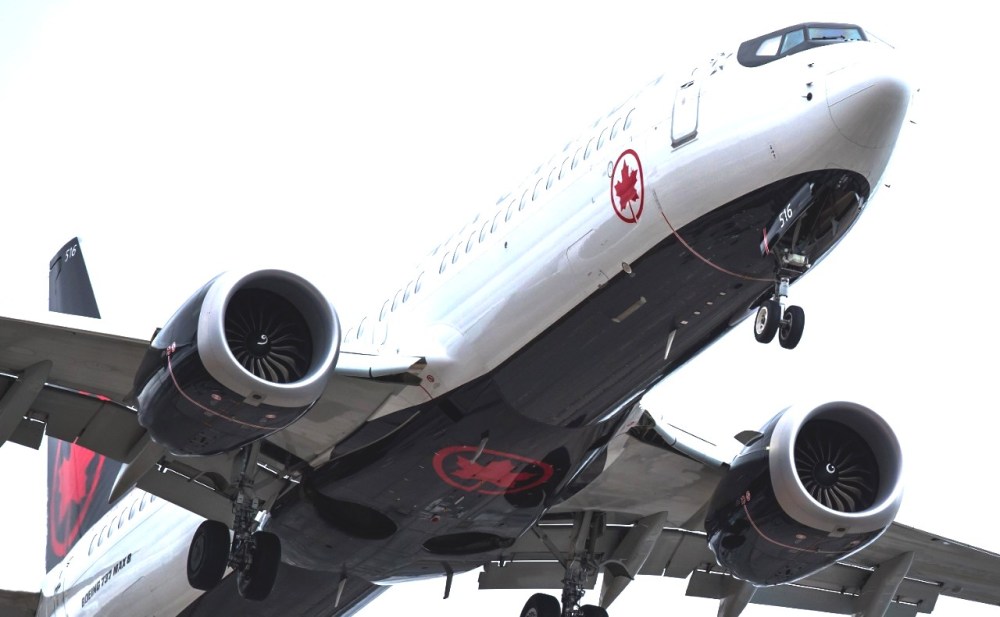
Los vuelos de certificación Boeing 737 MAX comenzarán pronto, pero se encontró un nuevo problema de software. Los vuelos de certificación Boeing 737 MAX 20150215-logo-faa_1comenzarán en las próximas semanas, dijo la Administración Federal de Aviación en un evento de la industria en Londres este Jueves 6 Febrero 2020. El Administración de la Federal Aviation Administration (FAA), Steve Dickson, dijo que los reguladores internacionales de seguridad aérea están cerca de acordar las soluciones finales necesarias antes de que el Boeing 737 MAX pueda regresar al servicio. «En la aprobación del diseño, de todo lo que he visto creo que tendremos una alineación muy sólida», ha expresado Steve Dickson. Los reguladores alrededor del mundo acuerdan qué soluciones son necesarias, sin embargo, señaló que podrían diferir en el retorno operativo al servicio.

100_737MAX8-1Nuevo problema en 737 MAX

Boeing encontró un nuevo problema de software con el 737 MAX. El problema está relacionado con la función de alerta en el Sistema de Compensación, que ayuda a subir y bajar la nariz del avión. El problema debe repararse antes de que el avión con problemas pueda volver al servicio, pero no está claro qué impacto tendrá este nuevo hallazgo. En Enero 2020 se había encontrado un problema de software separado relacionado con una función de encendido que verifica si los datos que recibe de los monitores en el panel del Boeing 737 MAX funcionan correctamente.

Boeing dijo que todavía ve regresar el 737 MAX a mediados de 2020. En 01/2020 el Administrador de la FAA dijo a los ejecutivos de la aerolínea que la FAA podría aprobar el regreso del avión antes de mediados de año. Los principales clientes han cancelado sus vuelos Boeing 737 MAX hasta Junio o durante toda la temporada estival del hemisferio norte.

Reguladores mundiales

Estados Unidos fue uno de los últimos países en poner en tierra el Boeing 737 MAX después del segundo accidente aéreo en Marzo 2019. Eso llevó a preocupaciones de seguridad por parte de los reguladores en el extranjero. Funcionarios en China y Canadá también han dicho que planean revisar el software y los cambios en la capacitación de pilotos independientemente de la FAA antes de permitir que el Boeing 737 MAX regrese al servicio. La Agencia de Seguridad Aérea de la Unión Europea (EASA) envió una lista de requisitos que deben cumplirse antes de que el avión pueda regresar al servicio en Europa. Dickson dijo que la relación de la FAA con EASA todavía era fuerte a pesar de los informes negativos en la prensa. El Administrador ha expresado: «Permítanme decir que nuestra relación laboral sigue siendo sólida. De hecho, creo que entre muchos reguladores de todo el mundo, probablemente tan fuerte como siempre ha sido, en todos los niveles, y estamos de acuerdo mucho más de lo que estamos en desacuerdo mientras trabajamos juntos para devolver el avión al servicio». AW-Icon AW001

Resultado de imagen para Boeing 737 MAXFAA forecasts Boeing 737 MAX return

Boeing-Logo.svgThe FAA reports that the Boeing 737 MAX can take its certification flight in the coming weeks

Boeing 737 MAX certification flights will begin soon, but a new software problem was found. Boeing 737 MAX certification flights will begin in the coming weeks, the Federal Aviation Administration said at an industry event in London this Thursday, February 6, 2020. The Federal Aviation Administration (FAA) Administration, Steve Dickson, said the International air safety regulators are close to agreeing on the final solutions needed before the Boeing 737 MAX can return to service. «In the approval of the design, from everything I’ve seen I think we will have a very solid alignment», said Steve Dickson. Regulators around the world agree on what solutions are necessary, however, he said they could differ in the operational return to service.

A new problem in 737 MAX

Boeing encountered a new software problem with the 737 MAX. The problem is related to the alert function in the Compensation System, which helps raise and lower the nose of the plane. The problem must be repaired before the problem plane can return to service, but it is not clear what impact this new finding will have. In January 2020 a separate software problem related to an ignition function had been found that verifies whether the data it receives from the monitors on the panel of the Boeing 737 MAX works correctly.

Boeing said it still sees the 737 MAX return in mid-2020. On 01/2020 the FAA Administrator told airline executives that the FAA could approve the return of the plane before mid-year. The main customers have canceled their Boeing 737 MAX flights until June or throughout the summer season of the northern hemisphere.

Global regulators

The United States was one of the last countries to land the Boeing 737 MAX after the second plane crash in March 2019. That led to safety concerns from regulators abroad. Officials in China and Canada have also said they plan to review the software and changes in pilot training independently of the FAA before allowing the Boeing 737 MAX to return to service. The European Union Air Safety Agency (EASA) sent a list of requirements that must be met before the plane can return to service in Europe. Dickson said the FAA’s relationship with EASA was still strong despite negative reports in the press. The Administrator has expressed: «Let me say that our employment relationship remains strong. In fact, I believe that among many regulators around the world, probably as strong as it has always been, at all levels, and we agree much more than that we disagree as we work together to return the plane to service». AW-Icon AW002


Ξ A I R G W A Y S Ξ
SOURCE: Airgways.com
DBk: Faa.gov / Boeing.com / Airgways.com
AW-POST: 202002061810AR

A\W   A I R G W A Y S ®

Flybondi recibe inspección ANAC

759043_20180123112740AW | 2020 02 05 15:53 | AVIATION SAFETY / AIRLINES / AVIATION ORGANISMS

Flybondi_svgANAC Argentina realiza inspección a Flybondi por multiplicidad de incidentes

A raíz de reiterados incidentes que han transcurridos en la aerolínea low cost Flybondi Líneas Aéreas, el último incidente protagonizado por un avión wiM3Usd__400x400Boeing 737-800 que se dirigía desde el Aeropuerto El Palomar a Bariloche por un problema de alarma en una de las turbinas, ha activado las alarmas del organismo de control aéreo de Argentina. Flybondi ha recibido una inspección de Administración Nacional de la Aviación Civil (ANAC) y la Justicia ha procedido a secuestrar una aeronave de la compañía.

El Lunes 03/02 la ANAC con la presencia de la Justicia efectivizaron la presencia por la mañana concretando una inspección a fin de conocer el estado de la unidad con inconvenientes técnicos. Un equipo de técnicos de la ANAC ha revisado la aeronave apostada en el Aeropuerto Internacional de Ezeiza donde el avión ha quedado aparcado después del incidente ocurrido. El Boeing 737-800 permanece fuera de servicio por decisión del Juzgado Federal N°2 de Lomas de Zamora.

Intervienen especialistas de la ANAC Argentina y la Junta de Investigación de Accidentes de Aviación Civil (JIACC), que trabajan en la elaboración de un informe preliminar para establecer el detalle de la falla técnica que motivó el aterrizaje de emergencia.

El Domingo 02/02 el Boeing 737-800 con matrícula LV-HQY que debía cubrir la ruta El Palomar-Bariloche con el vuelo FO-5270 aterrizó de emergencia en Ezeiza luego de que una alarma informara exceso de temperatura en uno de los motores. A raíz de esto, la Justicia de Argentina procedió a dar intervención a la Junta de Investigación de Accidentes de Aviación Civil (JIACC), dispuso que se retenga al avión y solicitó un informe del fabricante sobre la aptitud del Boeing 737-800 para determinar las causas de la falla.

Comunicado Flybondi

Según un comunicado oficial de Flybondi, el vuelo FO-5270 ha presentado un desperfecto técnico en vuelo motivo por el cual intervinieron la emergencia para aterrizar en el Aeropuerto de Ezeiza sin presentar inconvenientes para los pasajeros ni la tripulación. La compañía asegura que el inconveniente está en el sistema de alarma en sí mismo y no en el motor.

LA ANAC intenvendrá en la inspección particular de la unidad Boeing 737-800 LV-HQY, porque ha reincidido en problemas técnicos durante el 27 Enero 2020 evidenciando un problema eléctrico que afectó el funcionamiento de sus dos motores. La investigación en marcha permitirá despejar cualquier duda respectiva. AW-Icon AW001


AW-70044334Flybondi receives ANAC inspection

ANAC Argentina inspects Flybondi for multiple incidents

Following repeated incidents that have occurred in the low-cost airline Flybondi Líneas Aéreas, the last incident starring a Boeing 737-800 aircraft that was traveling from El Palomar Airport to Bariloche due to an alarming problem in one of the turbines, has activated the alarms of the air control agency of Argentina. Flybondi has received an inspection from National Civil Aviation Administration (ANAC) and Justice has proceeded to hijack an aircraft of the company.

On Monday 03/02 the ANAC with the presence of the Justice made the presence in the morning by carrying out an inspection in order to know the status of the unit with technical problems. A team of technicians from the ANAC has reviewed the aircraft stationed at the Ezeiza International Airport where the plane has been parked after the incident occurred. Boeing 737-800 remains out of service by the decision of Federal Court No. 2 of Lomas de Zamora.

Specialists from the ANAC Argentina and the Civil Aviation Accident Investigation Board (JIACC) are involved, working on the preparation of a preliminary report to establish the detail of the technical failure that led to the emergency landing.

On Sunday 02/02 the Boeing 737-800 with license plate LV-HQY that had to cover the route El Palomar-Bariloche with the FO-5270 flight landed emergency in Ezeiza after an alarm reported excessive temperature in one of the engines. As a result, the Justice of Argentina proceeded to give intervention to the Civil Aviation Accident Investigation Board (JIACC), ordered that the plane be retained and requested a report from the manufacturer on the suitability of the Boeing 737-800 to determine the Causes of failure.

Flybondi release

According to an official Flybondi statement, flight FO-5270 has presented technical damage in flight reasons why the emergency intervened to land at Ezeiza Airport without presenting inconvenience to passengers or crew. The company ensures that the drawback is in the alarm system itself and not in the engine.

The ANAC will be involved in the particular inspection of the Boeing 737-800 LV-HQY unit, because it has repeated technical problems during January 27, 2020, evidencing an electrical problem that affected the operation of its two engines. The ongoing investigation will clear any respective doubts. AW-Icon AW002


Ξ A I R G W A Y S Ξ
SOURCE: Airgways.com
DBk: Pjn.gov.ar / Jiaac.gob.ar / Anac.gov.ar / Airgways.com
AW-POST: 202002051553AR

A\W   A I R G W A Y S ®

Accidente Pegasus PS-2193 en Turquía

Accidente de Boeing 737 en Estambul, Turquía, impacto en el precio de las accionesAW | 2020 02 05 14:10 | AVIATION SAFETY

Image result for pegasus airlines logo"Boeing 737-800 de Pegasus Airlines sufre accidente aéreo al aterrizar en Estambul

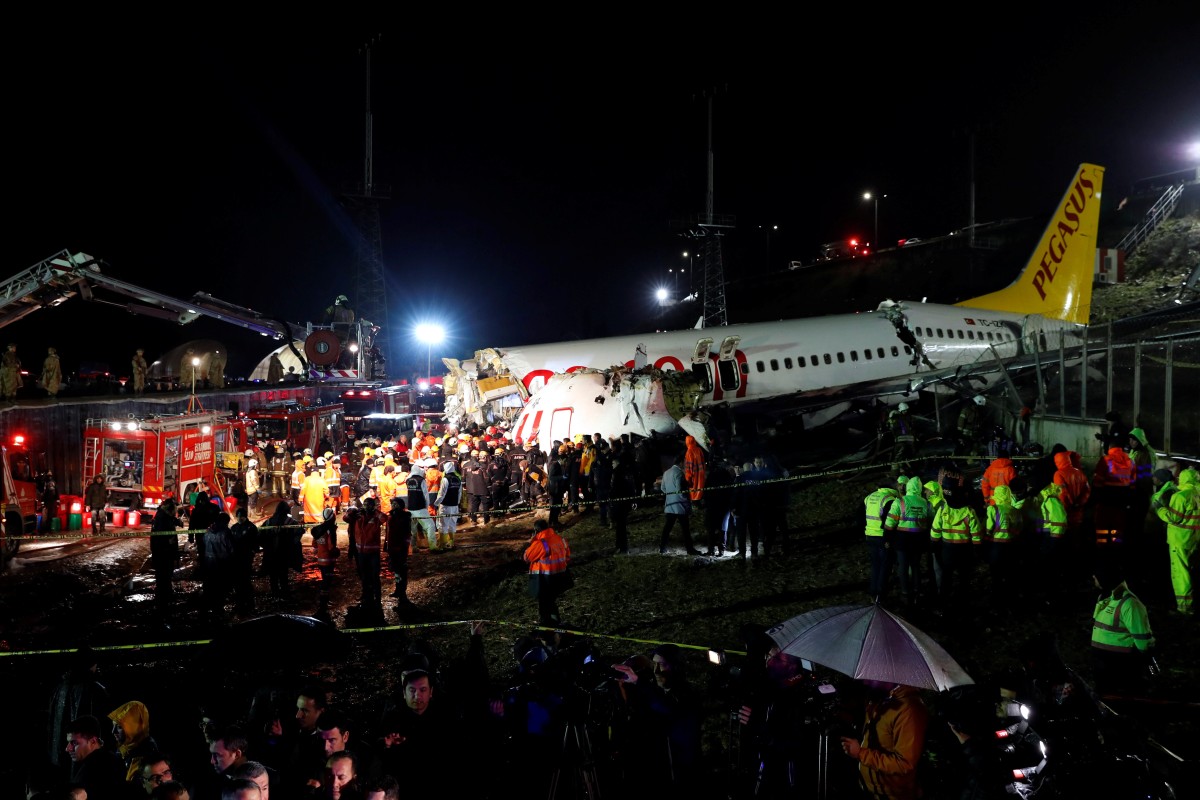
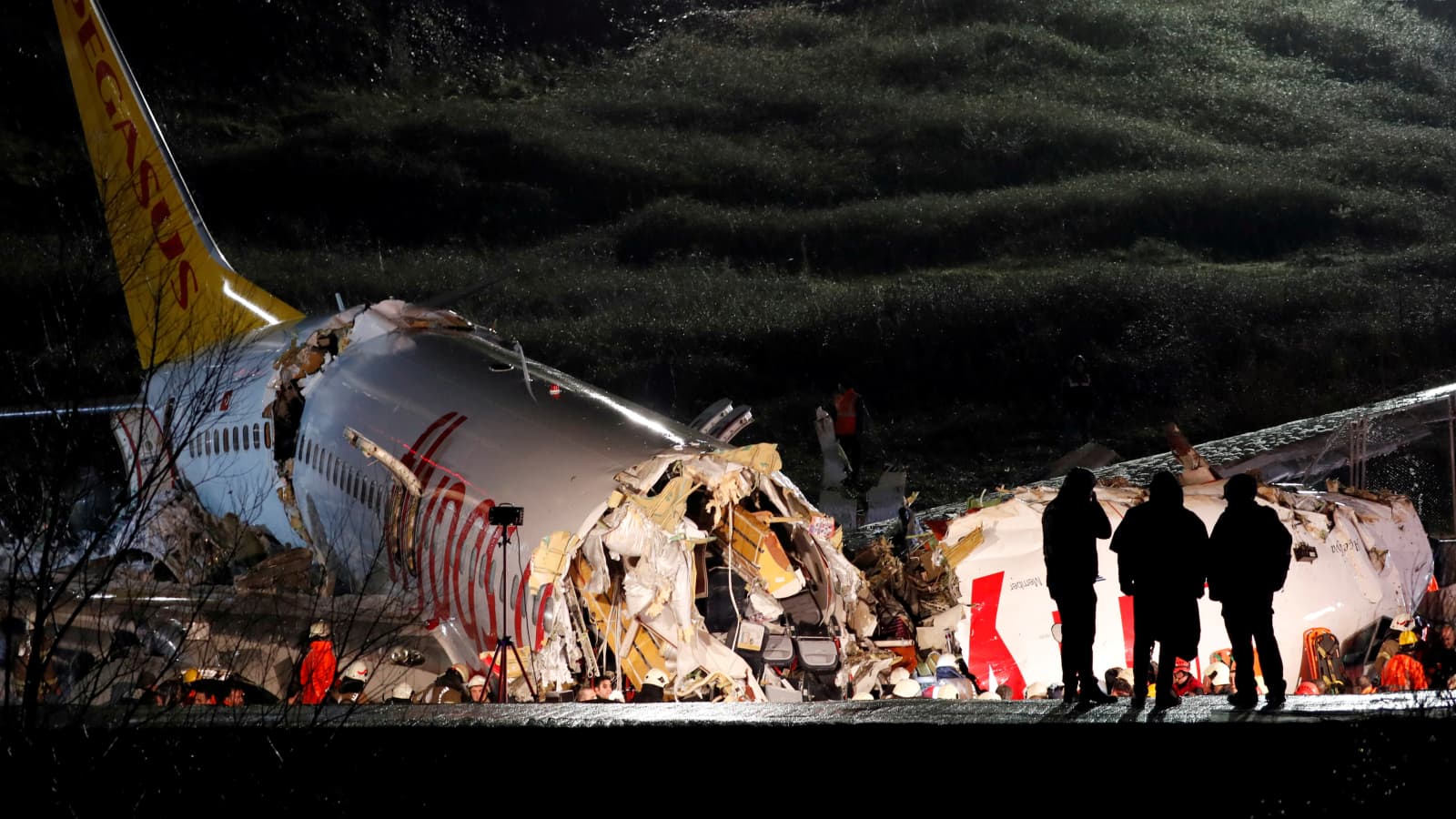
Pegasus Airlines ha sufrido de un accidente aéreo el 5 Febrero 2020 con una aeronave Boeing 737-800 Next Generation, impactando fuertemente en lapista del Aeropuerto internacional de Estambul, Turquía. El Boeing 737-800 de Pegasus, registro TC-IZK que realiza el vuelo PC-2193 de Esmirna a Estambul Sabiha Gokcen (Turquía) con 177 personas a bordo, aterrizó en la Pista 06 a las 18:20L (15:20Z) pero superó el final de la pista, impactando en el muro perimetral del aeropuerto y se ha producido una rotura de la célula en tres partes, separándose un motor de la aeronave.

Image result for Ministry Transport Turkey"Los trabajos actuales de rescate y recuperación están en progreso. El Ministerio de Transporte de Turquía informó que había 177 personas a bordo, no hubo pérdida de vidas. El avión aterrizó con fuerza, salió de la pista y quedó atrapado en tierra. De acuerdo con los datos del Modo S transmitidos por la aeronave, la aeronave sobrevoló el extremo de la pista a unos 63 nudos sobre el suelo girando ligeramente a la izquierda, probablemente golpeó la Pista 06 de la antena del localizador, pasó por una carretera del aeropuerto e impactó el muro perimetral del aeropuerto. Se esperan más detalles acerca del accidente aéreo del vuelo PC-2193 de Pegasus Airlines.

A diferencia de la mayoría de las aerolíneas de bajo costo, Pegasus dirige su propio centro de entrenamiento de tripulación de vuelo y organización de mantenimiento, Pegasus Technic. Ambos centros tienen licencia completa y se utilizan para capacitar a nuevos miembros del personal tanto en tierra como en el aire.

NOTAM

El aeropuerto ha permanecido cerrado y ha emitido un NOTAM (Aviso al aviador) que indica que tanto el ILS (sistema de aterrizaje por instrumentos) como los sistemas de localización para la pista 06 no funcionan después del accidente, lo que indica que la aeronave pasó directamente por el equipo terrestre. Las condiciones climáticas en ese momento indican que el viento soplaba desde 290 grados a 22 nudos, con ráfagas a 37 nudos. Esto crearía un viento de cola de 14 nudos (23 nudos) y un viento cruzado de 17 (28 nudos) mientras aterrizaba en la Pista 06. Tormentas eléctricas también se informó en las proximidades del aeródromo.

Actualización PC-2193

Al menos tres pasajeros murieron y 179 resultaron heridos después de que un Boeing 737-800 de Turkish Pegasus Airlines se estrellara al aterrizar durante una tormenta eléctrica.

Increíblemente, el 737 aterrizó efectuó casi dos tercios del camino por una pista de 3 km y sobrepasó la franja a 116 km/h y chocó contra una pared. Parece que los pilotos aceptaron un viento de cola de hasta 25kts (46 km/h) y eso habría sido un factor importante en el accidente. AW-Icon AW001


Image result for Pegasus Airlines png"

Incidentes y accidentes

El 10 Marzo 2010, el vuelo PC-361 de Pegasus Airlines, un Airbus A319 operado por IZair en un vuelo en ferry, realizó un aterrizaje de emergencia en el aeropuerto de Frankfurt, Alemania , después de un mal funcionamiento en el tren delantero. El vuelo aterrizó de manera segura, pero sopló los dos neumáticos del tren delantero. El aeropuerto cerró la pista 07R/25L durante 3 horas para permitir la recuperación. El engranaje de nariz sufrió el mismo problema que el vuelo B6-292 de JetBlue Airways.
El 7 Febrero 2014, el vuelo PC-751 de Pegasus Airlines, un Boeing 737, fue víctima de un intento de secuestro por parte de un pasajero ucraniano, Artem Kozlov, quien afirmó que tenía una bomba a bordo. El pasajero exigió ser trasladado en avión a Sochi, la ciudad anfitriona de los Juegos Olímpicos de Invierno 2014, donde se celebraba la Ceremonia de Apertura. El avión aterrizó con seguridad en Estambul.
El 13 Enero 2018, el vuelo PC-8622 de Pegasus Airlines desde el aeropuerto internacional de Esenboğa, Ankara al aeropuerto de Trabzon se desvió de la pista helada de Trabzon, se deslizó en el suelo de un acantilado en ángulo agudo y se atascó en el barro, lo que impidió el fuselaje de 41 toneladas de deslizarse hacia el Mar Negro. Las 168 personas a bordo sobrevivieron y no se reportaron heridos. El avión sufrió daños sustanciales.
El 7 Enero 2020, el vuelo PC-747 de Pegasus Airlines, operado por Boeing 737-800 TC-CCK, invadió la pista al aterrizar en el aeropuerto Sabiha Gökçen de Estambul. Todos a bordo evacuados a través de toboganes. No hubo heridos.
El 5 Febrero 2020, el vuelo PC-2193 de Pegasus Airlines, operado por Boeing 737-800 TC-IZK, invadió la pista al aterrizar en el aeropuerto Sabiha Gökçen de Estambul. AW-Icon AW001

Image result for Pegasus Airlines png"

Pegasus PS-2193 accident in Turkey

Pegasus Airlines Boeing 737-800 suffers a plane crash when landing in Istanbul

Pegasus Airlines has suffered from an air accident on February 5, 2020, with a Boeing 737-800 Next-Generation aircraft, impacting heavily on the pencil at the Istanbul International Airport, Turkey. Pegasus Boeing 737-800, a TC-IZK record that takes flight PC-2193 from Izmir to Istanbul Sabiha Gokcen (Turkey) with 177 people on board, landed on Runway 06 at 18: 20L (15:20Z) but it overcame the end of the runway, impacting on the perimeter wall of the airport and there has been a break in the cell in three parts, separating an engine from the aircraft.

Current rescue and recovery work is in progress. The Turkish Ministry of Transport reported that there were 177 people on board, there was no loss of life. The plane landed hard, left the runway and was trapped on the ground. According to the Mode S data transmitted by the aircraft, the aircraft flew over the end of the runway at about 63 knots on the ground turning slightly to the left, probably hitting Runway 06 of the locator’s antenna, passed through a highway from the airport and hit the perimeter wall of the airport. More details are expected about the plane crash of Pegasus Airlines flight PC-2193.

Unlike most low-cost airlines, Pegasus runs its own flight crew training and maintenance organization center, Pegasus Technic. Both centers are fully licensed and used to train new staff members both on land and in the air.

Image result for Boeing 737 PegasusImage result for Boeing 737 PegasusImage result for Boeing 737 PegasusImage result for Boeing 737 Pegasus

NOTAM

The airport has remained closed and has issued a NOTAM (Notice to the Aviator) that indicates that both the ILS (instrument landing system) and the location systems for runway 06 do not work after the accident, indicating that the aircraft passed directly by the ground team. The weather conditions at that time indicate that the wind was blowing from 290 degrees at 22 knots, with gusts at 37 knots. This would create a tailwind of 14 knots (23 knots) and a crosswind of 17 (28 knots) while landing on Runway 06. Thunderstorms were also reported in the vicinity of the airfield.

Update PC-2193

At least three passengers died and 179 were injured after a Turkish Pegasus Airlines Boeing 737-800 crashed on landing during a thunderstorm.

Incredibly, the 737 landed made almost two-thirds of the way down a 3 km track and surpassed the strip at 116 km / h and hit a wall. It seems that the pilots accepted a tailwind of up to 25kts (46 km / h) and that would have been an important factor in the accident. AW-Icon AW002


Image result for Pegasus Airlines png"

Incidents and accidents

On March 10, 2010, Pegasus Airlines flight PC-361, an Airbus A319 operated by IZair on a ferry flight, made an emergency landing at the airport in Frankfurt, Germany, after a malfunction in the front train. The flight landed safely but blew the two tires of the front train. The airport closed runway 07R / 25L for 3 hours to allow recovery. The nose gear suffered the same problem as the JetBlue Airways flight B6-292.
On February 7, 2014, Pegasus Airlines flight PC-751, a Boeing 737, was the victim of an attempted kidnapping by a Ukrainian passenger, Artem Kozlov, who claimed he had a bomb on board. The passenger demanded to be transferred by plane to Sochi, the host city of the 2014 Winter Olympics, where the Opening Ceremony was held. The plane landed safely in Istanbul.
On January 13, 2018, Pegasus Airlines flight PC-8622 from Esenboğa International Airport, Ankara to Trabzon Airport deviated from Trabzon’s icy runway, slipped on the floor of a sharp-angle cliff and got stuck in the mud, which prevented the 41-ton fuselage from sliding into the Black Sea. The 168 people on board survived and no injuries were reported. The plane suffered substantial damage.
On January 7, 2020, Pegasus Airlines flight PC-747, operated by Boeing 737-800 TC-CCK, invaded the runway upon landing at Istanbul’s Sabiha Gökçen airport. All aboard evacuated through slides. There were no injuries.
On February 5, 2020, Pegasus Airlines flight PC-2193, operated by Boeing 737-800 TC-IZK, invaded the runway when landing at Istanbul’s Sabiha Gökçen airport. AW-Icon AW002


AW-Camera (2)


DATA: La información procesada puede actualizarse debido al tipo de datos cambiantes, por lo que le sugerimos consultar periódicamente esta información.

DATA: The processed information can be updated due to the type of changing data, so we suggest you consult this information periodically.


Ξ A I R G W A Y S Ξ
SOURCE: Airgways.com
DBk: Avherald.com / Op.udhb.gov.tr / Airgways.com
AW-POST: 202002051410AR

A\W   A I R G W A Y S ®

Crónica de desastres anunciados

5d64fbfd2e22af0797098116AW | 2020 02 04 23:39 | AVIATION SAFETY

Boeing-Company-LogoAW-Icon_Boeing 737 MAXLecciones aprendidas en torno a las tragedias del Boeing 737 MAX y Lac-Mégantic

Existen algunas similitudes inquietantes entre el escándalo de los accidentes aéreos del Boeing 737 MAX y el desastre ferroviario de Lac-Mégantic en Canadá de Julio 2013. Ambos revelan un patrón de conducta predecible. Según los informes, Canadá todavía permitió que el Boeing 737 MAX volara incluso después de haber estado en tierra hace casi un año. Esta noticia surge a pesar del hecho de que los accidentes que involucraron aeronaves de las aerolíneas Lion Air en Indonesia en Octubre 2018 y, cinco meses después, Ethiopian Airlines en Addis Abeba, en Marzo 2019 involucrando la muerte de 346 personas, incluidos 18 canadienses.

Tragedia de Lac-Mégantic

En Lac-Mégantic, Canadá, un tren desbocado cargado de volátil petróleo de la Bakken Formation ha partido de New Town en Dakota del Norte cuando atravezaba la pequeña comunidad del Estado de Quebec, Le-Mégantic, matando a 47 personas, dejando huérfanos a 26 niños, derramando seis millones de litros de petróleo sin precedentes e incinerando el centro de la ciudad. Fue el peor desastre industrial en suelo canadiense en un siglo.

Resultado de imagen para Lac-Mégantic tragedy"Resultado de imagen para Lac-Mégantic tragedy"

La implementación de un régimen de supervisión de seguridad, llamado Sistemas de Gestión de Seguridad (SMS), selló la transición a la autorregulación de la compañía. Esto sucedió en un momento de peligro inminente que representa el aumento exponencial en el transporte de petróleo por ferrocarril. Hubo múltiples evaluaciones críticas del sistema, incluso por parte del Auditor General de Canadá, quien concluyó en un informe de 2013: «El nivel de supervisión del Departamento no fue suficiente para garantizar que los ferrocarriles federales hayan implementado sistemas de gestión de seguridad adecuados y efectivos». En Lac-Mégantic, a raíz de una laguna en las reglas de operación elaborada por el ferrocarril, Transport Canada otorgó permiso a Montréal Maine & Atlantic, una empresa obsesionada con la reducción de costos con un pobre historial de seguridad que luego se declaró en quiebra, para operar su enorme trenes de petróleo con un solo miembro de la tripulación.

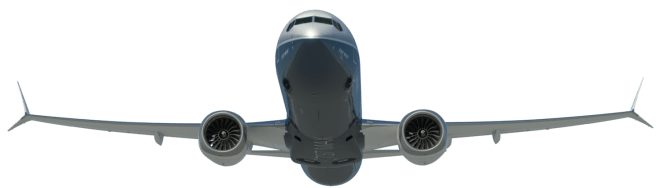
Tragedia del 737 MAX

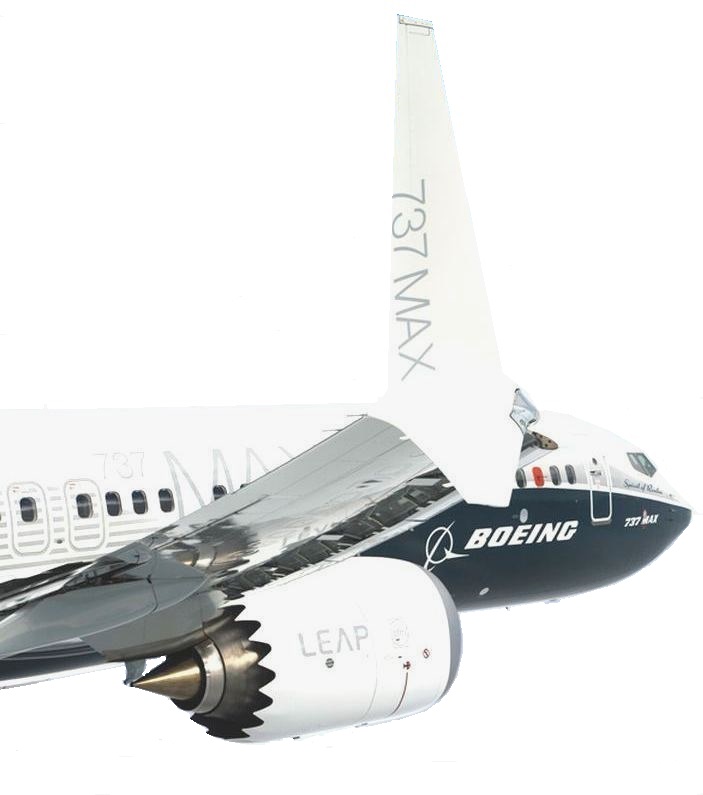
La causa principal de los accidentes aéreos con los Boeing 737 MAX fue un software de prevención de pérdida de vuelo defectuoso (MCAS) y sensores defectuosos. El manual del piloto del Boeing 737-8 MAX no contenía información sobre su nuevo software. Esto se hizo para transmitir a las aerolíneas que no tenían que participar en una costosa capacitación de pilotos para la nueva variante del Boeing 737.

La Administración Federal de Aviación (FAA) también permitió a Boeing autocertificar su avión. Dentro de Boeing, los ingenieros criticaron el software, que fue desarrollado por diseñadores inexpertos y de bajos salarios. En palabras de un ingeniero de Boeing, el 737 MAX fue «diseñado por payasos y supervisado por monos».
B737-8MAXCrónicas tragedias anunciadas

Ambos desastres fueron la consecuencia mortal de una trayectoria de desregulación de décadas en las industrias aeroespacial y ferroviaria. Las precauciones de seguridad se erosionaron sistemáticamente hasta el punto de que la probabilidad de un accidente se convirtió en un juego de ruleta rusa. En ambos casos, las agencias reguladoras fueron cautivas de sus industrias reguladas. Una puerta giratoria de altos funcionarios de la agencia, pasando de la industria al regulador y de vuelta a las lucrativas posiciones de cabildeo de la industria, ayudó e incitó al proceso de desregulación. En ambos casos, el personal regulador de nivel inferior se opuso a las medidas reguladoras de subcontratación, advirtiendo contra «el zorro que vigila el gallinero», que fueron ignorados o reprendidos por hablar.

Tanto en Canadá como en los Estados Unidos, las agencias reguladoras también han experimentado importantes recortes presupuestarios, despidos y un éxodo de personal capacitado, lo que erosiona su capacidad para realizar evaluaciones independientes de las prácticas de la compañía.

Tanto en la industria ferroviaria como en la aeroespacial, la seguridad estaba cada vez más subordinada al valor de los accionistas a medida que los fondos de inversión de Wall Street, centrados en los rendimientos a corto plazo, dominaban la toma de decisiones corporativas. Esto se vio agravado en Boeing por la presión de la competencia de Airbus Group.

Tanto el gobierno canadiense como el estadounidense implementaron políticas regulatorias de reducción de la burocracia, que han obligado a las agencias reguladoras a compensar cada nueva regulación que constituyen un costo para las empresas. Después de los desastres de Boeing 737 MAX y Lac-Mégantic, los ejecutivos de la industria culparon a los pilotos y al ingeniero de locomotoras, respectivamente las catástrofes fueron una conclusión inevitable.

Investigación SEC

Image result for sec us"The Boeing Company confirmó que los reguladores de valores están investigando a la compañía en relación con el 737 MAX. La Comisión de Bolsa y Valores de Estados Unidos (SEC) en una presentación regulatoria el Viernes 31/01 ha proporcionaddo pocos detalles de la investigación más allá de decir que Boeing está cooperando con las investigaciones del Gobierno de Estados Unidos, incluidas las del Departamento de Justicia y la SEC. Boeing dijo que no puede estimar las posibles pérdidas que podrían resultar de demandas e investigaciones.

Boeing dijo que al preparar los estados financieros, hizo suposiciones sobre el resultado de las investigaciones de accidentes y los costos esperados que soportaría en 2020 y 2021 desde la base de del Boeing 737 MAX. No reveló esos supuestos, pero dijo que son «altamente inciertos y afectan significativamente las estimaciones inherentes a nuestros estados financieros».

Boeing ha tardado mucho más de lo que originalmente esperaba para completar las reparaciones del avión, incluido el Software de Control de Vuelo (MCAS) que ha estado implicado enlos dos accidentes aéreos que mataron a 346 personas en Indonesia y Etiopía y llevaron a los reguladores a aterrizar el avión en todo el mundo en Marzo 2019. La semana pasada, Boeing, con sede en Chicago, informó su primera pérdida anual en 20 años, ya que la conexión a tierra causó una fuerte caída en los pedidos y entregas de nuevos aviones. La compañía ha identificado US$ 18.6 mil millones en costos adicionales causados ​​por la crisis.

Boeing cerró la línea de ensamblaje Boeing 737 MAX en Renton, Washington en Enero 2020, aunque funcionarios de la compañía sugirieron que podría reabrir esta primavera. Boeing no espera la aprobación de la Administración Federal de Aviación (FAA) de sus cambios en el avión hasta mediados de 2020.

Investigación Criminal 737 MAX

Canadá y los Estados Unidos fueron los últimos países en poner a tierra el Boeing 737 MAX. En los Estados Unidos, se está llevando a cabo una investigación penal de la aprobación de la FAA. Una investigación del Congreso de los Estados Unidos sobre los accidentes continúa en curso.

A pesar de las súplicas de las familias de las víctimas, Canadá hasta ahora se ha negado a realizar una investigación pública independiente sobre los accidentes de Boeing. Transport Canada estaba obligado a verificar la certificación estadounidense de la aeronave. Las preguntas accerca de por qué no ha ejercido la fiscalización correspondiente Transpor Canada sobre la certificación de la FAA; por qué no se proporcionó información sobre la existencia del sistema de software de prevención de bloqueo en el MAX 8, o por qué no se proporcionó el análisis de riesgos realizado por expertos del Departamento de Transporte de Estados Unidos que determinaron que el 737 MAX tenía una probabilidad mucho mayor de estrellarse que otros aviones, son preguntas que continúan girando a una nebulosa inexplicable.

Familiares merecen respuestas

En respuesta al reciente derribo del avión de Ukraine Airlines en Irán, que cobró la vida de 57 ciudadanos canadienses, el Presidente de Canadá, Justin Trudeau declaró con razón: “Las familias de las víctimas quieren respuestas. Quiero respuestas Eso significa cierre, transparencia, responsabilidad y justicia. No descansaremos hasta que tengamos eso».

Las familias de las víctimas de los accidentes aéreos también merecen justicia. Las familias de las víctimas de Lac-Mégantic todavía esperan justicia, siete años después de la tragedia. Canadian Pacific (CP) todavía está en la corte negándose a reconocer su papel y responsabilidad. Más recientemente CP también se ha negado a investigar su propia supuesta negligencia criminal en el accidente fuera de control en las Montañas Rocosas, que mató a tres trabajadores cumpliéndose su primer aniversario esta semana.

El patrón de negligencia corporativa y falla regulatoria que produjo estos desastres es muy esclarecedor de repetir la promesa hecha por el Ministro de Transporte Marc Garneau: «la seguridad es mi prioridad número uno, no significa mucho a menos que esté acompañada de acciones concretas del gobierno. Si no, más tragedias son toda una certeza».

Justicia esquiva al Boeing 737 MAX

La justicia es esquiva para las 346 víctimas de accidentes de avión de Boeing 737 MAX. Boeing está estudiando cómo manejar el fondo de compensación de US$ 100 millones que estableció para las familias de las víctimas de accidentes. Boeing está haciendo todo lo posible para apaciguar a Wall Street sobre la base de su 737 MAX, pero dice poco sobre el tema de la restitución para las familias de los cientos de personas que murieron debido a una tecnología defectuosa a bordo de su avión insignia.

El año pasado, Boeing causó un gran revuelo cuando anunció que reservaría US$ 100 millones para un fondo de compensación para víctimas. La medida fue una de las primeras de la compañía en obstaculizar la peor crisis de relaciones públicas en sus 103 años de historia. Las tragedias aéreas provocaron una conexión a tierra global del mayor avión para hacer dinero de Boeing, el 737 MAX. Hubo llamadas inmediatas para que el Director Ejecutivo de Boeing, Dennis Muilenburg, renunciara, pero antes de hacerlo, se comprometió públicamente ante una multitud de cientos para contribuir con cantidades sustanciales al fondo de las víctimas del 737 MAX.

En Noviembre 2019, el CEO de Boeing dijo que planeaba donar parte de su propio pago al fondo de compensación de víctimas o una organización benéfica. La compensación, acciones de Boeing, que Muilenburg todavía recibió como parte de su paquete de salida, se otorgará pronto.

La situación actual de los US$ 100 millones que Boeing asignó a las víctimas, la compañía expresó que posteriormente solo la mitad de esa suma se pagaría directamente a las familias. En el mismo anuncio, la compañía dijo que había contratado al abogado de compensación de víctimas Kenneth Feinberg para supervisar esos pagos, que se está dividiendo en partes iguales entre las familias que presentan reclamos. Mike Andrews, abogado de Beasley Allen Law, quien representa una demanda contra Boeing, dice a Boeing: «Tienes US$ 50 millones para cientos de familias, en comparación con el paquete de compensación de US$ 63 millones que recibió Dennis Muilenburg». Según los representantes de la compañía aeroespacial americana, Dennis Muilenburg no recibirá ninguna indemnización y perderá las adjudicaciones de acciones valoradas en US$ 14 millones, según una reciente presentación de la compañía. Pero aún así se fue con otras acciones y premios de pensiones por valor de US$ 62.2 millones. AW-Icon AW001

AW-B737-8MAXChronicle of disasters announced

Lessons learned around the tragedies of the Boeing 737 MAX and Lac-Mégantic

Boeing-Logo.svgThere are some disturbing similarities between the Boeing 737 MAX plane crash scandal and the Lac-Mégantic rail disaster in Canada in July 2013. Both reveal a predictable pattern of behavior. According to reports, Canada still allowed the Boeing 737 MAX to fly even after having been ashore almost a year ago. This news arises despite the fact that the accidents involving aircraft of Lion Air airlines in Indonesia in October 2018 and, five months later, Ethiopian Airlines in Addis Ababa, in March 2019 involving the death of 346 people, including 18 Canadians.

Lac-Mégantic tragedy

In Lac-Mégantic, Canada, a runaway train loaded with volatile oil from the Bakken Formation left New Town in North Dakota as it crossed the small community of the State of Quebec, Le-Mégantic, killing 47 people, leaving 26 orphans children, spilling six million liters of an unprecedented oil and incinerating the city center. It was the worst industrial disaster on Canadian soil in a century.

The implementation of a security supervision regime, called Security Management Systems (SMS), sealed the transition to the company’s self-regulation. This happened at a time of imminent danger that represents the exponential increase in the transport of oil by rail. There were multiple critical evaluations of the system, including by the Auditor General of Canada, who concluded in a 2013 report: «The Department’s level of supervision was not sufficient to ensure that federal railways have implemented adequate and effective safety management systems». In Lac-Mégantic, following a gap in the rules of operation drawn up by the railroad, Transport Canada granted permission to Montreal Maine & Atlantic, a company obsessed with cost reduction with a poor security record that was later declared bankrupt, to operate its huge oil trains with a single crew member.

737 MAX tragedy

The main cause of plane crashes with the Boeing 737 MAX was faulty flight loss prevention software (MCAS) and defective sensors. The pilot manual of the Boeing 737-8 MAX did not contain information about its new software. This was done to convey to airlines that they did not have to participate in expensive pilot training for the new variant of the Boeing 737.

The Federal Aviation Administration (FAA) also allowed Boeing to self-certify its aircraft. Within Boeing, engineers criticized the software, which was developed by inexperienced and low-paid designers. In the words of a Boeing engineer, the 737 MAX was «designed by clowns and supervised by monkeys».
rotate5 (2)Chronicles tragedies announced

Both disasters were the deadly consequence of a decades-long deregulation trajectory in the aerospace and railway industries. Safety precautions were systematically eroded to the point that the probability of an accident became a game of Russian roulette. In both cases, regulatory agencies were captive of their regulated industries. A revolving door of senior agency officials, moving from the industry to the regulator and back to the lucrative lobbying positions of the industry, helped and prompted the deregulation process. In both cases, the lower-level regulatory staff opposed the outsourcing regulatory measures, warning against «the fox that watches over the chicken coop», who were ignored or reprimanded for speaking.

In both Canada and the United States, regulatory agencies have also experienced significant budget cuts, layoffs and an exodus of trained personnel, which erodes their ability to conduct independent evaluations of the company’s practices.

In both the rail and aerospace industry, security was increasingly subordinated to shareholder value as Wall Street investment funds, focused on short-term returns, dominated corporate decision making. This was compounded in Boeing by competitive pressure from Airbus Group.

Both the Canadian and the US government implemented regulatory policies to reduce bureaucracy, which has forced regulatory agencies to compensate for each new regulation that constitutes a cost to businesses. After the disasters of Boeing 737 MAX and Lac-Mégantic, industry executives blamed the pilots and the locomotive engineer, respectively the catastrophes were an inevitable conclusion.

SEC investigation

The Boeing Company confirmed that securities regulators are investigating the company in relation to the 737 MAX. The United States Securities and Exchange Commission (SEC) in a regulatory presentation on Friday 31/01 has provided few details of the investigation beyond saying that Boeing is cooperating with the investigations of the United States Government, including those of the Department of Justice and the SEC. Boeing said it cannot estimate the possible losses that could result from lawsuits and investigations.

Boeing said that in preparing the financial statements, he made assumptions about the outcome of the accident investigations and the expected costs he would bear in 2020 and 2021 from the base of the Boeing 737 MAX. He did not reveal those assumptions, but said they are «highly uncertain and significantly affect the estimates inherent in our financial statements».

Boeing has taken much longer than originally expected to complete aircraft repairs, including Flight Control Software (MCAS) that has been implicated in the two plane crashes that killed 346 people in Indonesia and Ethiopia and took regulators to landed the plane worldwide in March 2019. Last week, Boeing, based in Chicago, reported its first annual loss in 20 years, as the grounding caused a sharp drop in orders and deliveries of new aircraft. The company has identified US$ 18.6 billion in additional costs caused by the crisis.

Boeing closed the Boeing 737 MAX assembly line in Renton, Washington in January 2020, although company officials suggested it could reopen this spring. Boeing does not await the approval of the Federal Aviation Administration (FAA) of its changes in the aircraft until mid-2020.

Criminal Investigation 737 MAX
AW-700737M001Canada and the United States were the last countries to ground the Boeing 737 MAX. In the United States, a criminal investigation of FAA approval is underway. An investigation by the United States Congress about accidents is ongoing.

Despite pleas from victims’ families, Canada has so far refused to conduct an independent public investigation into Boeing accidents. Transport Canada was required to verify the US certification of the aircraft. Questions about why he has not exercised the corresponding Transport Canada audit on FAA certification; why no information was provided on the existence of the blocking prevention software system in the MAX 8, or why the risk analysis conducted by experts from the US Department of Transportation that determined that the 737 MAX had a much greater probability of crashing than other airplanes, are questions that continue to turn into an inexplicable nebula.

Family members deserve answers

In response to the recent demolition of the Ukraine Airlines plane in Iran, which claimed the lives of 57 Canadian citizens, the President of Canada, Justin Trudeau rightly stated: “The families of the victims want answers. I want answers That means closure, transparency, responsibility, and justice. We won’t rest until we have that».

The families of victims of air accidents also deserve justice. The families of the victims of Lac-Mégantic are still waiting for justice, seven years after the tragedy. Canadian Pacific (CP) is still in the court refusing to recognize its role and responsibility. More recently CP has also refused to investigate its own alleged criminal negligence in the out of control accident in the Rocky Mountains, which killed three workers serving their first anniversary this week.

The pattern of corporate negligence and regulatory failure that produced these disasters is very enlightening to repeat the promise made by the Minister of Transportation Marc Garneau: «Safety is my number one priority, it does not mean much unless it is accompanied by concrete actions of the government If not, more tragedies are a certainty».

Justice dodges over Boeing 737 MAX

Justice is elusive for the 346 victims of Boeing 737 MAX plane crashes. Boeing is studying how to manage the US$ 100 million compensation fund that is established for the families of accident victims. Boeing is doing everything possible to appease Wall Street on the basis of its 737 MAX, but says little about the issue of restitution for the families of the hundreds of people who died due to faulty technology aboard its flagship aircraft.

Last year, Boeing caused a stir when it announced that it would reserve US$ 100 million for a compensation fund for victims. The measure was one of the first of the company to hamper the worst public relations crisis in its 103 years of history. The air tragedies caused a global ground connection of the largest plane to make money from Boeing, the 737 MAX. There were immediate calls for Boeing Executive Director Dennis Muilenburg to resign, but before doing so, he made a public commitment to a multitude of hundreds to contribute substantial amounts to the bottom of the 737 MAX victims.

In November 2019, Boeing’s CEO said he planned to donate part of his own payment to the victims’ compensation fund or a charity. The compensation, Boeing shares, which Muilenburg still received as part of its departure package, will be granted soon.

The current situation of the US$ 100 million that Boeing allocated to the victims, the company said that subsequently only half of that amount would be paid directly to families. In the same announcement, the company said it had hired victim compensation attorney Kenneth Feinberg to oversee those payments, which is being split evenly among families filing claims. Mike Andrews, a lawyer for Beasley Allen Law, who represents a lawsuit against Boeing, tells Boeing: «You have US$ 50 million for hundreds of families, compared to the US$ 63 million compensation package Dennis Muilenburg received». According to representatives of the American aerospace company, Dennis Muilenburg will not receive any compensation and will lose allotments of shares valued at US$ 14 million, according to a recent presentation by the company. But still, he went with other actions and pension awards worth US$ 62.2 million. AW-Icon AW002


AW-Icon Wings-xΞ A I R G W A Y S Ξ
SOURCE: Airgways.com
DBk: Boeing.com / Sec.gov / Theconversation.com / Komonews.com / Axios.com / Hardingdefence.org / Wikipedia.org / Airgways.com
AW-POST: 202002042339AR

A\W   A I R G W A Y S ®

Coronavirus continúa expandiéndose

Image result for who coronavirus  airlinesAW | 2020 02 04 13:18 | AVIATION SAFETY / GOVERNMENT

Image result for who.orgAW-Virus_001Coronavirus sigue extendiéndose y hay peligro de pandemia
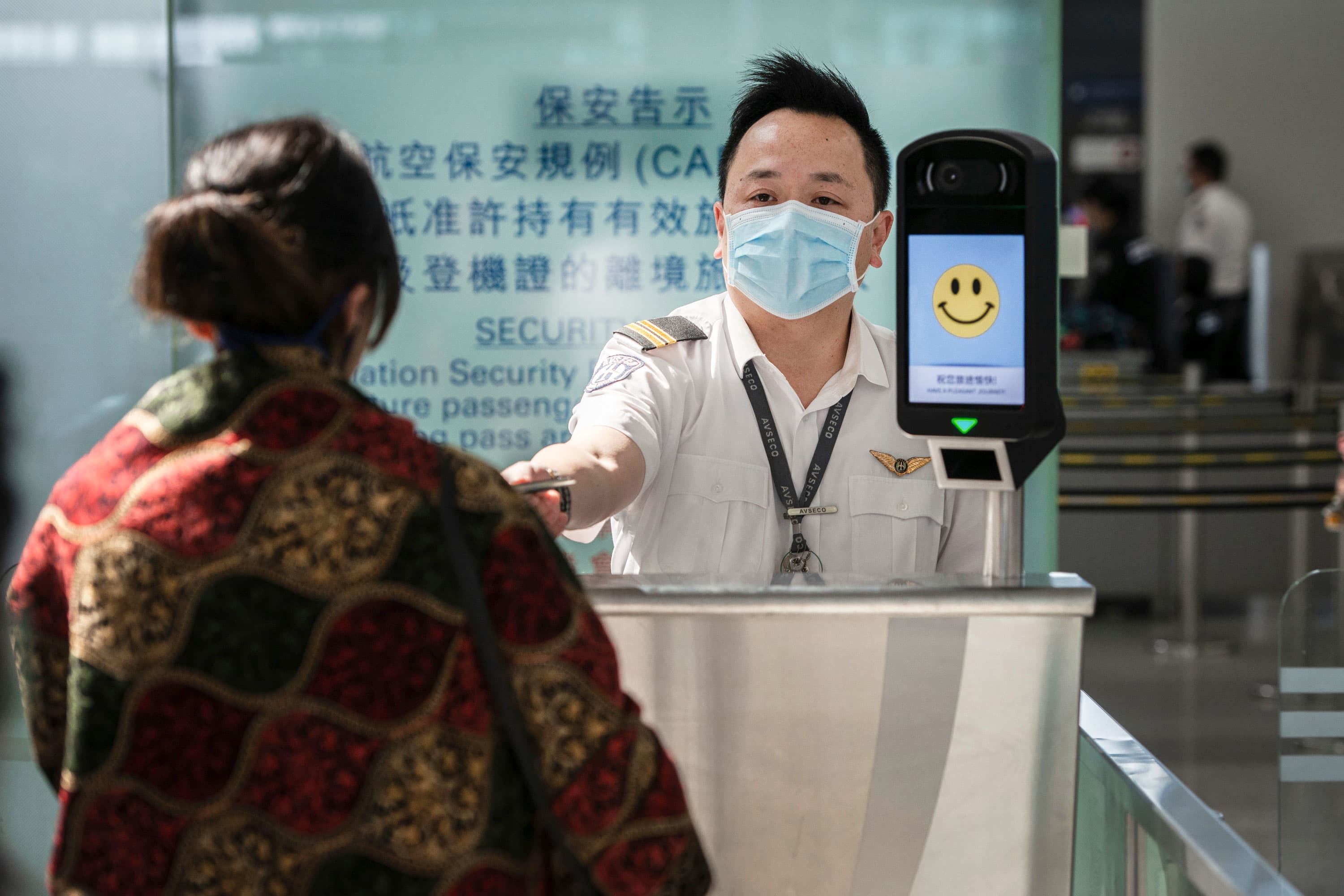
La epidemia de Coronavirus originada en la ciudad de Wuhan, República de China continuó este Martes sumando casos, después de anunciarse la segunda muerte en el exterior y un aumento de los fallecidos en China a 425. La cifra más reciente de infectados en China subió a 20.438 y a 180 en el extranjero, pero seguían apareciendo casos. China ha quedado prácticamente aislada del mundo exterior, con decenas de millones de personas en cuarentena en varias ciudades, mientras el mundo cierra sus puertas a los viajeros chinos y los países toman cada día nuevas medidas para impedir la llegada del virus a sus fronteras.

Coronavirus en el mundo

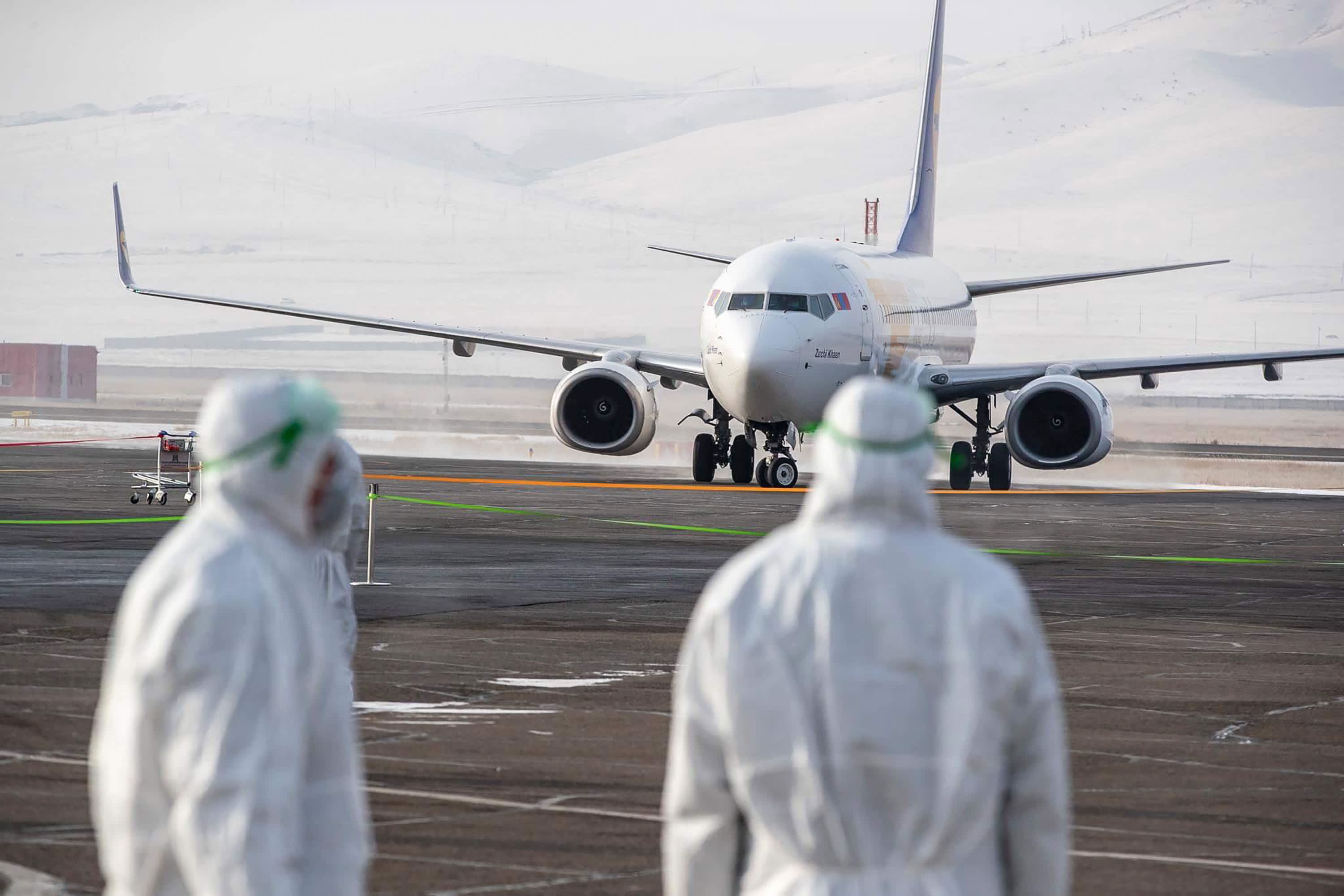
Más de 30 países están restringiendo los viajes desde China, entre ellos algunos de Latinoamérica, como Guatemala y El Salvador. Estados Unidos ha iniciado una cuarentena obligatoria de 14 días para los ciudadanos estadounidenses que regresan de China, en especial de la Provincia de Hubei donde se encuentra Wuhan. Los viajeros están siendo trasladados a 11 aeropuertos donde se someten a un examen adicional y, de tener síntomas, son transferidos para pruebas adicionales. Tailandia y Singapur reportaron seis nuevos casos cada uno este Martes 04/02. Rusia, que tiene una frontera con China de 4.300 kilómetros, está cerrando y cancelando actos públicos en algunas regiones, e incluso amenazó con deportar a quienes den positivo del virus en análisis médicos.

Las aerolíneas internacionales han reducido drásticamente o suspendido sus vuelos a China y muchas firmas globales, como Apple, cerraron sus negocios en China hasta nuevo aviso.

OMS

Aunque la Organización Mundial de la Salud (OMS) declaró el virus como una emergencia global y los expertos dicen que mucho se desconoce de esta nueva variedad, incluso su tasa de mortalidad y sus rutas de transmisión.

La OMS no sólo está poniendo todos sus esfuerzos para facilitar una respuesta mundial coordinada a la epidemia de coronavirus, sino que al mismo tiempo está luchando contra la «epidemia informativa» que generan situaciones que, como ésta, causan miedo y desconfianza. «La epidemia de rumores e informaciones falsas es un fenómeno real con el que hay que lidiar desde el principio, cuando hay cuestiones que todavía se desconocen y la gente intenta llenar esos vacíos con diferentes tipos de información», declaró hoy la Directora del área de Preparación para Urgencias Infecciosas de la OMS, Sylvie Briand. La experta, que forma parte del liderazgo de la organización que hace frente al coronavirus, compartió con la prensa información actualizada para entender lo que significa esta nuevo desafío sanitario global.

Los antecedentes más recientes se ubican en África. Un brote epidémico de fiebre amarilla en Angola en 2016, el peor en 45 años, fue objeto de informaciones falsas relacionadas con la vacuna para proteger a la población no infectada. El rumor decía que si se recibía la vacuna no se podía tomar cerveza durante una semana, lo que causó una caída en las inoculaciones. En el caso de la epidemia de ébola en la República Democrática del Congo se expandió el rumor de que era un invento y otros más graves intentaban disuadir a los enfermos de acudir a los centros de tratamientos porque allí serían asesinados y se les extraerían los órganos para exportarlos. La consecuencia fue que muchos infectados se quedaron en su casa y contagiaron a sus familias.

OMS y la economía

La OMS está intentando ofrecer mensajes adaptados a las audiencias de los distintos sectores de la economía, que rápidamente ha empezado a sentir los efectos negativos de la epidemia del coronavirus. En los próximos días, la OMS mantendrá comunicaciones similares con los sectores de la agroalimentación, de los viajes y el turismo, así como con entidades que representan a los trabajadores de la salud.

El sector del transporte aéreo ha reaccionado de forma severa ante el coronavirus y varias compañías internacionales han cancelado sus viajes a China, total o parcialmente. Briand explicó que ello se debe a que las tripulaciones de los aviones sienten que el riesgo de resultar infectadas es muy alto por el contacto cercano que tienen con los pasajeros durante los vuelos. Por ello la OMS definirá con las aerolíneas recomendaciones específicas para que su personal se sienta protegido y puedan reanudar los vuelos a China.

Información sobre Coronavirus

Cuando una epidemia se inicia no se sabe todo sobre el agente que la causa y conforme la situación evoluciona se empieza a completar el rompecabezas. Briand ha ubicado al actual coronavirus como una enfermedad entre el SARS y la gripe, sobre todo porque su forma de transmisión es a través de pequeñas gotas que el infectado expectora cuando tose o escupe y que pueden contaminar una superficie, donde se ignora cuánto tiempo el virus puede mantenerse activo.

La OMS ha aclarado una información inexacta que se ha extendido y que indicaba que el virus podía ser transmitido por personas sin síntomas, aumentando el sentimiento de pánico y creando la impresión de que el virus se encuentra en el aire. Los casos que se habían creído asintomáticos en realidad no lo eran. Los infectados tenían síntomas leves que no habían asumido como señales de que estaban enfermos, aclaró la experta.

La Provincia china de Hubei sigue siendo el epicentro de la epidemia: allí se concentran el 78% de todos los casos y se observa una intensa transmisión entre personas. En el resto de China y la mayoría de los 23 países que han notificado casos éstos provienen de Hubei y la estrategia consiste en detener el contagio para «no tener el escenario de un segundo Hubei», dijo Briand. Lo que está claro es que esta situación se encuentra en fase de epidemia y de ningún modo de pandemia, aclaró. En estas circunstancias, cada país hace lo que está a su alcance y que más se ajusta a su realidad para reducir los riesgos, al tiempo que se intenta minimizar el impacto en otros sectores.

Otros rumores que se están propagando tienen que ver con medicinas que supuestamente servirían para curar el coronavirus. Briand explicó que se está diciendo que los antirretrovirales para personas que padecen de VIH serían eficaces contra la nueva enfermedad, pero que esto surge de estudios «in vitro», es decir ni siquiera se han realizado ensayos clínicos al respecto. Lo mismo se está diciendo de fármacos que se administran a enfermos de ébola. «No hay evidencia de que ninguno de estos medicamentos realmente sea útil contra el coronavirus», aseguró la especialista. AW-Icon AW001

Image result for who coronavirus  airlinesCoronavirus continues to expand

Coronavirus continues to spread and there is a danger of pandemic

The coronavirus epidemic originated in the city of Wuhan, Republic of China continued on Tuesday adding cases, after announcing the second death abroad and an increase of those killed in China to 425. The most recent number of infected in China rose to 20,438 and 180 abroad, but cases still appeared. China has been virtually isolated from the outside world, with tens of millions of people quarantined in several cities, while the world closes its doors to Chinese travelers and countries take new measures every day to prevent the virus from reaching its borders.

Coronavirus in the world

More than 30 countries are restricting travel from China, including some in Latin America, such as Guatemala and El Salvador. The United States has initiated a mandatory 14-day quarantine for US citizens returning from China, especially Hubei Province where Wuhan is located. Travelers are being transferred to 11 airports where they undergo an additional examination and, if they have symptoms, are transferred for additional tests. Thailand and Singapore reported six new cases each this Tuesday 04/02. Russia, which has a 4,300-kilometer border with China, is closing and canceling public events in some regions, and even threatened to deport those who test positive for the virus in medical tests.

International airlines have drastically reduced or suspended their flights to China and many global firms, such as Apple, closed their business in China until further notice.

WHO

Although the World Health Organization (WHO) declared the virus as a global emergency and experts say that much is unknown about this new variety, including its mortality rate and transmission routes.

WHO is not only putting all its efforts to facilitate a coordinated global response to the coronavirus epidemic, but at the same time it is fighting the «informational epidemic» that generate situations that, like this one, cause fear and distrust. «The epidemic of rumors and false information is a real phenomenon that must be dealt with from the beginning when there are issues that are still unknown and people try to fill those gaps with different types of information», said the Director of the area of WHO Infectious Emergency Preparedness, Sylvie Briand. The expert, who is part of the leadership of the organization that faces the coronavirus, shared with the press updated information to understand what this new global health challenge means.

The most recent antecedents are located in Africa. An epidemic outbreak of yellow fever in Angola in 2016, the worst in 45 years, was the subject of false information related to the vaccine to protect the uninfected population. The rumor said that if you received the vaccine you could not drink beer for a week, which caused a drop in inoculations. In the case of the Ebola epidemic in the Democratic Republic of the Congo, the rumor spread that it was an invention and more serious ones were trying to dissuade the sick from going to treatment centers because they would be killed there and their organs would be removed for export them The consequence was that many infected remained at home and infected their families.

WHO and the economy

WHO is trying to deliver messages adapted to the audiences of different sectors of the economy, which has quickly begun to feel the negative effects of the coronavirus epidemic. In the coming days, WHO will maintain similar communications with the agri-food, travel and tourism sectors, as well as with entities that represent health workers.

The air transport sector has reacted severely to the coronavirus and several international companies have canceled their trips to China, totally or partially. Briand explained that this is because aircraft crews feel that the risk of being infected is very high because of the close contact they have with passengers during flights. That is why WHO will define specific recommendations with airlines so that its personnel feel protected and can resume flights to China.

Information about Coronavirus

When an epidemic begins, everything is not known about the agent that causes it and as the situation evolves, the puzzle begins to be completed. Briand has located the current coronavirus as a disease between SARS and the flu, especially since its transmission is through small drops that the infected expectorate when coughing or spitting and that can contaminate a surface, where it is unknown how long the virus can stay active.

WHO has clarified inaccurate information that has spread and indicated that the virus could be transmitted by people without symptoms, increasing the feeling of panic and creating the impression that the virus is in the air. Cases that had been believed asymptomatic were not really. Those infected had mild symptoms that they had not assumed as signs that they were sick, said the expert.

The Chinese Province of Hubei remains the epicenter of the epidemic: 78% of all cases are concentrated and there is an intense transmission among people. In the rest of China and most of the 23 countries that have reported cases they come from Hubei and the strategy is to stop the contagion to «not have the scenario of a second Hubei,» said Briand. What is clear is that this situation is in an epidemic phase and in no way pandemic, he said. In these circumstances, each country does what is within its reach and that best fits its reality to reduce risks while trying to minimize the impact on other sectors.

Other rumors that are spreading have to do with medicines that are supposed to cure the coronavirus. Briand explained that it is being said that antiretrovirals for people with HIV would be effective against the new disease, but that this arises from «in vitro» studies, that is, there have not even been clinical trials in this regard. The same is being said of drugs that are administered to patients with Ebola. «There is no evidence that any of these medications are really useful against coronaviruses», said the specialist. AW-Icon AW002


Ξ A I R G W A Y S Ξ
SOURCE: Airgways.com
DBk: Who.org / Cnbc.com / Airgways.com
AW-POST: 202002041318AR

A\W   A I R G W A Y S ®

EASA exige revisión cableado 737 MAX

AW-700656

AW | 2020 02 03 23:37 | AVIATION SAFETY / AVIATION ORGANISMS

Boeing-Company-LogoLa agencia EASA europea exige revisión de cableados en 737 MAXAW-Icon_Boeing 737 MAX

The Boeing Company deberá pasar otra prueba adicional con el cableado del sistema de la aeronave, siendo este un nuevo obstáculo en el retraso de la certificación del Boeing 737 MAX. La Administración Federal de Aviación (FAA) junto con sus pares reguladores de la aviación global está examinando en el largo proceso para volver a certificar el 737 MAX.

EASA exige más controles

Los reguladores europeos de la EASA parecen estar retrasando el plazo para la aprobación del Boeing 737 MAX. Esto se produce en medio de una disputa comercial más amplia con los Estados Unidos, pero de todos modos es justificado por parte del organismo de aviación de Europa. Si bien la atención se ha centrado en la guerra comercial entre Estados Unidos y China, la disputa comercial entre Estados Unidos y Europa se está calentando. Los legisladores y los reguladores pueden estar participando en una lucha por la medida que se acerca la fecha límite para el acuerdo comercial europeo-americano.

Boeing parece ser la última víctima en la disputa comercial. Los reguladores europeos están pidiendo al fabricante estadounidense de aviones que reubique ciertos cables eléctricos en el Boeing 737 MAX, un movimiento que la FAA cree que es innecesario. Si los reguladores obligan a Boeing a cambiar el cableado en el 737 MAX, podrían retrasar la puesta a tierra del avión por meses. Esto le da a los legisladores europeos influencia sobre Airbus USA, el rival europeo localizado en Mobile, Alabama que se beneficiaría de tal acción.AW-700000213

Vuelos canadienses en ferry 737 MAX

Canadá ha continuado volando en ferry las aeronaves Boeing 737 MAX con conexión a tierra, en todas las ocasiones los vuelos se efectúan sin pasajeros. Transporte de Canada ha autorizado 160 vuelos para estacionar las aeronaves hasta la puesta en servicio futuro.

Las aerolíneas pueden obtener permiso para volar si se cumplen con condiciones muy estrictas de vuelo. El Ministro de Transporte, Marc Garneau, prohibió los aviones del espacio aéreo de Canadá en Marzo 2019 después de dos accidentes en cinco meses en Indonesia y Etiopía que causaron la muerte de 346 personas, incluidos 18 canadienses. Los datos satelitales mostraron que ambos aviones experimentaron importantes problemas de control de vuelo. Garneau dijo que no levantará las restricciones en los aviones hasta que se hayan abordado todas las preocupaciones de seguridad de Canadá.

Los datos de rastreo de vuelos muestran que las aerolíneas canadienses han seguido volando los aviones durante los últimos once meses, a menudo varias veces a la semana. Los vuelos incluyen cuatro horas de navegación sobre Canadá desde Windsor a Vancouver y trayectos más cortos como Montreal a Trois-Rivières, Quebec y Abbotsford (BC) a Calgary. Transport Canada dijo que no había pasajeros a bordo de ninguno de los vuelos. El Departamento dijo que ha estado permitiendo que Air Canada, WestJet y Sunwing vuelen los aviones para mantenimiento, almacenamiento o capacitación de pilotos bajo ciertas condiciones. Solo ciertos pilotos con entrenamiento especializado y sesiones informativas del 737 MAX pueden operar la aeronave. Cuando Garneau prohibió los aviones el 13 Marzo 2019, el aviso a los aviadores declaró que era «necesario para la protección de la seguridad de la aviación y el público». Pero el aviso también hizo exenciones para los vuelos en ferry que despegan o aterrizan en Canadá.

Un análisis revela que Air Canada ha estado volando su flota Boeing 737 MAX con mayor frecuencia. Unas 29 veces para WestJet Airlines y 12 para Sunwing Airlines. Entre el 14 Marzo 2019 y el 16 Enero 2020, Air Canada voló 121 veces. En al menos 27 casos, Air Canada despegó o aterrizó en Marana, Arizona. En algunos casos, vuela más de cinco horas seguidas. «Esos movimientos de aeronaves fueron necesarios para fines de mantenimiento, incluso para reubicarlos en el desierto del sur, donde pueden almacenarse de manera más segura», dijo Air Canada. Air Canada también dijo que está utilizando los vuelos en ferry como una oportunidad para mantener las certificaciones de piloto actualizadas para aquellos que entrenan a pilotos de primera línea. AW-Icon AW001

Resultado de imagen para Boeing 737 MAX EASA"

EASA demands Boeing 737 MAX wiring revision

The European EASA agency requires wiring review on the 737 MAX

The Boeing Company must pass another additional test with the wiring of the aircraft system, this being a new obstacle in the delay of the certification of the Boeing 737 MAX. The Federal Aviation Administration (FAA) along with its global aviation regulatory peers is examining the long process to re-certify the 737 MAX.

EASA demands more controls

easaEASA European regulators appear to be delaying the deadline for approval of the Boeing 737 MAX. This occurs in the midst of a broader trade dispute with the United States, but it is still justified by the European aviation agency. While the focus has been on the trade war between the United States and China, the trade dispute between the United States and Europe is heating up. Legislators and regulators may be participating in a struggle for the measure that the deadline for the European-American trade agreement is approaching.

Boeing seems to be the last victim in the commercial dispute. European regulators are asking the US aircraft manufacturer to relocate certain electrical wires in the Boeing 737 MAX, a move that the FAA believes is unnecessary. If regulators force Boeing to change the wiring on the 737 MAX, they could delay grounding the plane for months. This gives European lawmakers influence over Airbus USA, the European rival located in Mobile, Alabama that would benefit from such action.

Canadian flights by ferry 737 MAX

Image result for transport of canada logoCanada has continued to fly the Boeing 737 MAX aircraft with a ground connection by ferry, on all occasions the flights are made without passengers. Transport of Canada has authorized 160 flights to park the aircraft until future commissioning.
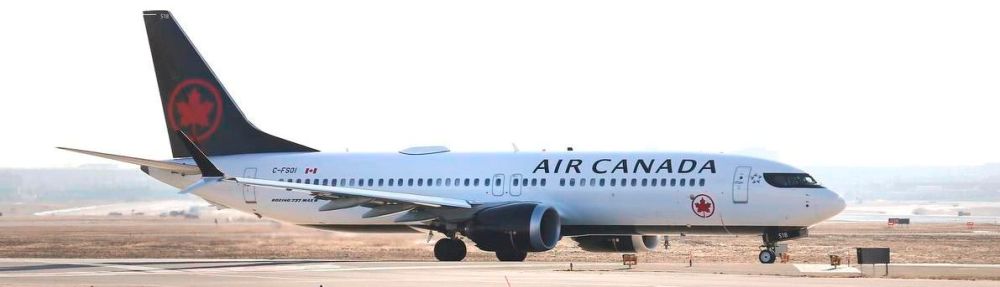
Airlines can obtain permission to fly if very strict flight conditions are met. Transportation Minister Marc Garneau banned Canada’s airspace planes in March 2019 after two accidents in five months in Indonesia and Ethiopia that killed 346 people, including 18 Canadians. Satellite data showed that both planes experienced significant flight control problems. Garneau said he will not lift restrictions on airplanes until all of Canada’s security concerns have been addressed.

Flight tracking data shows that Canadian airlines have continued to fly planes for the past eleven months, often several times a week. Flights include four hours of navigation over Canada from Windsor to Vancouver and shorter journeys such as Montreal to Trois-Rivières, Quebec, and Abbotsford (BC) to Calgary. Transport Canada said there were no passengers on board any of the flights. The Department said it has been allowing Air Canada, WestJet, and Sunwing to fly planes for maintenance, storage or pilot training under certain conditions. Only certain pilots with specialized training and information sessions of the 737 MAX can operate the aircraft. When Garneau banned the airplanes on March 13, 2019, the warning to the aviators declared that it was «necessary for the protection of aviation and public safety». But the notice also made exemptions for ferry flights that take off or land in Canada.

An analysis reveals that Air Canada has been flying its Boeing 737 MAX fleet more frequently. About 29 times for WestJet Airlines and 12 for Sunwing Airlines. Between March 14, 2019, and January 16, 2020, Air Canada flew 121 times. In at least 27 cases, Air Canada took off or landed in Marana, Arizona. In some cases, fly more than five hours straight. «Those aircraft movements were necessary for maintenance purposes, even to relocate them in the southern desert, where they can be stored more safely», Air Canada said. Air Canada also said it is using ferry flights as an opportunity to keep pilot certifications updated for those who train frontline pilots. AW-Icon AW002


AW-707337-The starL’EASA demande une révision du câblage du 737 MAX

EASA_LogoL’agence européenne EASA exige une révision du câblage du 737 MAX

The Boeing Company doit passer un autre test supplémentaire avec le câblage du système avion, ce qui constitue un nouvel obstacle au retard de la certification du Boeing 737 MAX. La Federal Aviation Administration (FAA) et ses homologues de la réglementation aéronautique mondiale examinent le long processus de recertification du 737 MAX.

L’EASA exige plus de contrôles

Les régulateurs européens EASA semblent retarder la date limite d’approbation du Boeing 737 MAX. Cela se produit au milieu d’un différend commercial plus large avec les États-Unis, mais il est toujours justifié par l’agence européenne de l’aviation. Alors que l’accent a été mis sur la guerre commerciale entre les États-Unis et la Chine, le différend commercial entre les États-Unis et l’Europe s’intensifie. Les législateurs et les régulateurs peuvent participer à une lutte pour la mesure que la date limite pour l’accord commercial euro-américain approche.

Boeing semble être la dernière victime du différend commercial. Les régulateurs européens demandent à l’avionneur américain de déplacer certains fils électriques dans le Boeing 737 MAX, une décision que la FAA juge inutile. Si les régulateurs forcent Boeing à changer le câblage du 737 MAX, ils pourraient retarder la mise à la terre de l’avion pendant des mois. Cela donne aux législateurs européens une influence sur Airbus USA, le rival européen situé à Mobile, en Alabama, qui bénéficierait d’une telle action.

Vols canadiens en ferry 737 MAX

Le Canada a continué de piloter des Boeing 737 MAX avec une liaison au sol par traversier, en toutes occasions les vols sont effectués sans passagers. Transports Canada a autorisé 160 vols pour stationner l’avion jusqu’à sa mise en service future.

Les compagnies aériennes peuvent obtenir l’autorisation de voler si des conditions de vol très strictes sont remplies. Le ministre des Transports, Marc Garneau, a interdit les avions de l’espace aérien canadien en mars 2019 après deux accidents en cinq mois en Indonésie et en Éthiopie qui ont tué 346 personnes, dont 18 Canadiens. Les données satellitaires ont montré que les deux avions rencontraient des problèmes de commande de vol importants. Garneau a déclaré qu’il ne lèvera pas les restrictions sur les avions tant que toutes les préoccupations du Canada en matière de sécurité n’auront pas été résolues.

Les données de suivi des vols montrent que les compagnies aériennes canadiennes ont continué à piloter des avions au cours des onze derniers mois, souvent plusieurs fois par semaine. Les vols comprennent quatre heures de navigation au-dessus du Canada de Windsor à Vancouver et des trajets plus courts comme Montréal à Trois-Rivières, au Québec, et Abbotsford (CB) à Calgary. Transports Canada a déclaré qu’il n’y avait aucun passager à bord des vols. Le ministère a déclaré qu’il autorisait Air Canada, WestJet et Sunwing à piloter des avions pour la maintenance, l’entreposage ou la formation des pilotes sous certaines conditions. Seuls certains pilotes ayant une formation spécialisée et des séances d’information sur le 737 MAX peuvent piloter l’avion. Lorsque Garneau a interdit les avions le 13 mars 2019, l’avertissement aux aviateurs a déclaré qu’il était «nécessaire à la protection de l’aviation et de la sécurité publique». Mais l’avis a également fait des exemptions pour les vols de ferry qui décollent ou atterrissent au Canada.

Une analyse révèle qu’Air Canada a piloté sa flotte de Boeing 737 MAX plus fréquemment. Environ 29 fois pour WestJet Airlines et 12 pour Sunwing Airlines. Entre le 14 mars 2019 et le 16 janvier 2020, Air Canada a effectué 121 vols. Dans au moins 27 cas, Air Canada a décollé ou atterri à Marana, en Arizona. Dans certains cas, volez plus de cinq heures d’affilée. «Ces mouvements d’aéronefs étaient nécessaires à des fins de maintenance, même pour les déplacer dans le sud du désert, où ils peuvent être entreposés de manière plus sûre», a déclaré Air Canada. Air Canada a également déclaré qu’elle utilisait les vols de traversier pour mettre à jour les certifications des pilotes pour ceux qui forment les pilotes de première ligne. AW-Icon AW002


Ξ A I R G W A Y S Ξ
SOURCE: Airgways.com
DBk: Easa.europa.eu / Faa.gov / Tc.gc.ca / Airgways.com
AW-POST: 202002032337AR

A\W   A I R G W A Y S ®

Preocupación Hawaiian por seguridad

Resultado de imagen para passenger cabin crew Hawaiian Airlines"AW | 2020 02 03 15:25 | AVIATION SAFETY

Hawaiian_Airlines_logo_2017.svgLa Tripulación de Vuelo de Hawaiian Airlines están preocupados por medidas anti-salubres por Coronavirus

La Tripulación de Cabina de Pasajeros (TCP) de Hawaiian Airlines han expresado su preocupación por no poder usar máscaras en los vuelos hacia Oriente. Los nuevos procedimientos de cuarentena que conciernen a los aeropuertos no solo tienen viajeros sino también trabajadores. «Nuestra aerolínea les está diciendo a nuestras azafatas que no usen máscaras. Pero dicen que hay una disparidad si todos estos países y empleados del aeropuerto llevan máscaras. No tenemos permitido hacerlo. Estamos preocupados por nuestra propia salud y bienestar, así como por los pasajeros», dijo el Presidente Jaci-Ann Chung de la Asociación de Azafatas de Hawaiian Airlines.

Por su parte, Hawaiian Airlines ha comunicado que están siguiendo las pautas de los CDC y están haciendo que los trabajadores usen las máscaras mientras tratan con pasajeros posiblemente enfermos. Dicen que tienen máscaras en los kits médicos y los usan según lo justificado.

Las medidas que las aerolíneas estén tomando deben ser preventivas, no para atender casos donde los pasajeros muestren signos o cuadros de supuestos contagios. En todo Estados Unidos, ahora hay nueve casos confirmados del virus de la corona de Wuhan. Pero ese recuento es pequeño en comparación con los ahora más de 17.000 casos en la República de China. AW-Icon AW001

Resultado de imagen para passenger cabin crew Hawaiian Airlines"Crew Hawaiian concern for security

The Hawaiian Airlines Flight Crew are concerned about anti-health measures for Coronavirus

Image result for Hawaiian Airlines Hostess Association logoThe Hawaiian Airlines Passenger Cabin Crew (PCC) have expressed concern about not being able to wear masks on flights to the East. The new quarantine procedures concerning airports not only have travelers but also workers. «Our airline is telling our hostesses not to wear masks. But they say there is a disparity if all these countries and airport employees wear masks. We are not allowed to do it. We are concerned about our own health and well-being, as well as the passengers», said President Jaci-Ann Chung of the Hawaiian Airlines Association of Flight Attendants.

For its part, Hawaiian Airlines has reported that they are following CDC guidelines and are making workers wear masks while dealing with possibly ill passengers. They say they have masks in medical kits and wear them as justified.

The measures that the airlines are taking should be preventive, not to deal with cases where passengers show signs or pictures of suspected infections. Across the United States, there are now nine confirmed cases of the Wuhan crown virus. But that count is small compared to the now more than 17,000 cases in the Republic of China. AW-Icon AW002


Ξ A I R G W A Y S Ξ
SOURCE: Airgways.com
DBk: Afacwa.org / Hawaiianairlines.com / Airgways.com
AW-POST: 202002031525AR

A\W   A I R G W A Y S ®

Flybondi emergencia FO-5270


AW-70008867AW | 2020 02 03 09:45 | AVIATION SAFETY

Isologotype FB (2)Vuelo FO-5270 declara emergencia y aterriza en Ezeiza
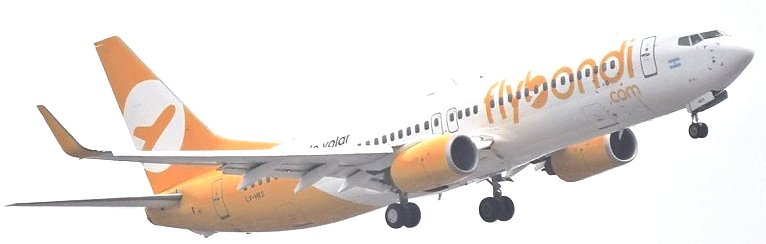
Un vuelo de la aerolínea low-cost Flybondi, que iba desde el aeropuerto de El Palomar hasta la ciudad de San Carlos de Bariloche, aterrizó esta tarde de emergencia luego de advertir una alerta de recalentamiento en uno de sus motores.

En un comunicado oficial, la aerolínea informó que el vuelo FO-5270 que realizaba la ruta El Palomar—Bariloche presentó un desperfecto técnico durante su trayecto, motivo por el cual regresó a Buenos Aires y aterrizó en el Aeropuerto de Ezeiza.

Lucía Ginzo, Directora de Comunicaciones de Flybondi, dio detalles del desperfecto. «Es un nombre poco amigable, pero es únicamente una alrma que avisa que se detectó una sobretemperatura. En estos casos la seguridad y la confiabilidad son la prioridad, por eso si se activa la alarma se vuelve rápidamente a destino», expresó la Directora.

A diferencia de las turbulencias o los incendios que se pueden ocasionar en un avión, la alarma por aumento de temperatura en el motor es «imperceptible» para los pasajeros. Por este motivo, se les debe notificar a través del micrófono sobre la situación y las medidas de seguridad que debe tomar la tripulación en esos casos: aterrizar de emergencia. En esta oportunidad, Ginzo contó que no hubo inconvenientes para aterrizar ni para desembarcar. En este momento los pasajeros están a la espera de otro avión que viaja desde Jujuy, para trasladarlos a Bariloche. Mientras tanto, la aeronave con código de vuelo FO-5270, que despegó a las 16.30 hs del Domingo 02/02 continuará en Ezeiza para ser revisada. «Los pasajeros fueron desembarcados normalmente y retomarán su vuelo a Bariloche en otra aeronave de la compañía que saldrá de Ezeiza a las 21.30 horas», indicó el comunicado oficial de la aerolínea. Consultada sobre si las declaraciones de alarmas de este tipo suceden a menudo, la directora concluyó: «Emergencias de este tipo suceden casi siempre: en todas las aerolíneas y en todos los aeropuertos».  AW-Icon AW001


0002895677Flybondy emergency FO-5270

Flight FO-5270 declares emergency and lands in Ezeiza

A flight of the low-cost airline Flybondi, which went from El Palomar airport to the city of San Carlos de Bariloche, landed this emergency afternoon after warning of an overheating alert in one of its engines.

In an official statement, the airline reported that the FO-5270 flight on the El Palomar—Bariloche route presented technical damage during its journey, which is why it returned to Buenos Aires and landed at Ezeiza Airport. Lucía Ginzo, Communications Director of Flybondi, gave details of the damage. “It is an unfriendly name, but it is only a weapon that warns that an overtemperature was detected. In these cases, security and reliability are the priority, so if the alarm is activated, it quickly returns to its destination”, said the Director. Unlike the turbulence or the fires that can be caused in an airplane, the alarm for temperature increase in the engine is “imperceptible” for the passengers. For this reason, they should be notified through the microphone about the situation and the safety measures that the crew must take in those cases: a land emergency. On this occasion, Ginzo said there were no inconveniences to land or to disembark. At this time the passengers are waiting for another plane that travels from Jujuy, to transfer them to Bariloche. Meanwhile, the aircraft with flight code FO-5270, which took off at 4.30 p.m. on Sunday 02/02 will continue in Ezeiza for review. «The passengers were disembarked normally and will resume their flight to Bariloche in another aircraft of the company that will leave Ezeiza at 9.30 p.m.», said the official statement of the airline. Asked if the alarm statements of this type happen often, the director concluded: “Emergencies of this type almost always happen: in all airlines and in all airports”.


Ξ A I R G W A Y S Ξ
SOURCE: Airgways.com
DBk: Flybondi.com / Airgways.com
AW-POST: 202002030945AR

A\W   A I R G W A Y S ®