Corporación América Airports previsibilidad como horizonte
Corporación América ha obtenido la concesión operativa para 35 aeropuertos argentinos por parte del Gobierno de Argentino que ha mantenido con Aeropuertos Argentinas 2000 (AA2000) desde 1998, por lo que se ha aprobado por diez años adicionales hasta 2038. Esto envía un mensaje positivo para el futuro donde es más necesario, en un continente donde la pandemia de coronavirus ha devastado la industria del transporte aéreo. Tras el impacto en el 2Q2020 que en ese período los ingresos aeronáuticos de los aeropuertos de Corporación América ascendieron solamente a sólo US$ 8 millones de Dólares. La débil posición de liquidez y los altos niveles de deuda están dificultando la justificación de una posición larga en los aeropuertos de Corporación América. La pandemia en curso ha disminuido drásticamente su capacidad para generar ganancias, ya que todo su negocio está expuesto a las industrias de viajes y aerolíneas, y por esa razón, es poco probable que la compañía sea capaz de alcanzar niveles de rentabilidad antes de la pandemia en cualquier momento pronto.
Corporación América Airports (CAAP) es un operador de concesión, que gestiona aeropuertos en siete países diferentes, la mayoría de los cuales se consideran mercados emergentes. La compañía opera bajo los contratos de concesión y es capaz de hacer la mayoría de los ingresos mediante el cobro de tarifas a los pasajeros que salen y también el cobro de estacionamiento y gastos de aterrizaje a las aerolíneas. Actualmente, CAAP opera 37 aeropuertos en Argentina, que generan el 56% de los ingresos totales, mientras que sus aeropuertos italianos y brasileños generan el 16% y el 9% de los ingresos totales, respectivamente. A principios de 2020, COVID-19 perdió la capacidad de la compañía para impulsar el crecimiento y es seguro suponer que el operador del aeropuerto no se recuperará a sus niveles de rentabilidad de 2019 en el futuro previsible debido a la larga y dolorosa recuperación del mercado de viajes aéreos. En Argentina, continúan los trabajos de remodelación en el Aeropuerto Jorge Newbery que estarían concluyendo hacia finales de Febrero 2021. Mientras tanto se debe terminar de resolver el conflicto de intereses sobre los tres aeropuertos que operan en el Área Metropolitana Buenos Aires (AMBA).
La buena noticia es que CAAP tenía US$ 180 millones de Dólares en reservas de efectivo a finales de septiembre, y desde el comienzo de la pandemia recaudó liquidez adicional mediante la emisión de notas convertibles y la obtención de préstamos a bajas tasas de interés de varios gobiernos. Recientemente, la compañía recibió un préstamo de US$ 40 millones de Dólares a dos años de Argentina al 0% y también recibió un préstamo de € 85 millones de Euros de Italia en un plazo de seis años con un período de gracia de dos años. Además, Corporación América Aeropuertos ha solicitado la refinanciación de sus tasas de concesión en Brasil, y actualmente está en conversaciones para posponer el pago de otras tasas de concesión en Uruguay y Ecuador. Todos esos esfuerzos sin duda ayudaron a la empresa a evitar una crisis de liquidez y sobrevivir a través de las etapas iniciales de la pandemia. CAAP implementó una serie de medidas de preservación de efectivo, como la revisión de los contratos de mantenimiento y la reducción de la fuerza de trabajo, lo que le ayudó a reducir sus gastos operativos en el tercer trimestre en un 48% interés. Respecto a la situación de la deuda, el punto positivo es que en sí se mantiene en niveles subsidiarios, por lo que si algunos aeropuertos se declaran en bancarrota en uno de los países en los que opera Corporación América Airports, no va a afectar sustancialmente a toda la compañía. Además, la mayor parte de la deuda de la compañía vence en 2024 y más allá, por lo que la compañía proyectaría un futuro más previsible.
Corporación América weathered the crisis
Corporación América Airports predictability as a horizon
Corporación América has obtained the operating concession for 35 Argentine airports by the Argentine Government, which it has held with Aeropuertos Argentinas 2000 (AA2000) since 1998, for which it has been approved for an additional ten years until 2038. This sends a positive message for the future where it is most needed, on a continent where the coronavirus pandemic has devastated the air transport industry. After the impact in 2Q2020 that in that period the aeronautical revenues of Corporación América airports only amounted to only US$ 8 million. The weak liquidity position and high levels of debt are making it difficult to justify a long position at Corporación América airports. The ongoing pandemic has dramatically diminished its ability to make a profit, as its entire business is exposed to the travel and airline industries, and for that reason, the company is unlikely to be able to reach profitability levels before the pandemic. anytime soon.
Corporación América Airports (CAAP) is a concession operator, managing airports in seven different countries, most of which are considered emerging markets. The company operates under concession contracts and is able to make the majority of revenue by collecting fares from departing passengers and also collecting parking and landing expenses from airlines. Currently, CAAP operates 37 airports in Argentina, which generate 56% of total revenues, while its Italian and Brazilian airports generate 16% and 9% of total revenues, respectively. In early 2020, COVID-19 lost the company’s ability to drive growth and it is safe to assume that the airport operator will not recover to its 2019 profitability levels in the foreseeable future due to the long and painful market recovery. of air travel. In Argentina, remodeling work continues at the Jorge Newbery Airport that would be concluding towards the end of February 2021. In the meantime, the conflict of interest over the three airports that operate in the Buenos Aires Metropolitan Area (AMBA) must be resolved.
The good news is that CAAP had US$ 180 million in cash reserves at the end of September, and since the beginning of the pandemic, it has raised additional liquidity by issuing convertible notes and obtaining low-interest loans of various governments. Recently, the company received a two-year loan of US$ 40 million from Argentina at 0% and also received a loan of € 85 million from Italy over a six-year term with a two-year grace period. In addition, Corporación América Airports has requested the refinancing of its concession fees in Brazil, and is currently in talks to postpone the payment of other concession fees in Uruguay and Ecuador. All of those efforts undoubtedly helped the company avoid a liquidity crisis and survive through the initial stages of the pandemic. CAAP implemented a series of cash preservation measures, such as the revision of maintenance contracts and the reduction of the workforce, which helped it reduce its operating expenses in the third quarter by 48% year-on-year. Regarding the debt situation, the positive point is that it itself remains at subsidiary levels, so that if some airports declare bankruptcy in one of the countries in which Corporación América Airports operates, it will not substantially affect All the company. Additionally, most of the company’s debt matures in 2024 and beyond, so the company would project a more predictable future.
BoA recupera dos aeronaves para reestablecer operaciones
Boliviana de Aviación (BoA) ha anunciado la reprogramación de sus operaciones aerocomerciales después de que el Gobierno de Bolivia autorizara, mediante el Decreto Supremo Nº 4429, un aporte de capital de más de Bs 37,4 millones bolivianos a Boliviana de Aviación. El Gerente General de la compañía estatal Ronald Casso, ha informado de que con esos recursos se procederá a restablecer la capacidad operativa de la aerolínea. La recuperación de dos aviones de la flota fueron sometidos a mantenimiento y habilitados para operar, para reforzar la capacidad de servicio de transporte de pasajeros y retomar gradualmente de 120 a 130 vuelos diarios que incluía el itinerario de la aerolínea antes de ser administrada por el Gobierno de transición. Según el máximo ejecutivo de la compañía, hasta 2019 la línea aérea estatal disponía de una flota de 22 aviones, cuya capacidad operativa se redujo en el régimen transitorio. Hizo notar, que con los dos aviones liberados de mantenimiento mayor ahora BoA dispone de 14 naves en vuelo. “Aún con la capacidad operativa reducida en los primeros días del presente mes conseguimos llegar a 80 vuelos y en estos últimos días superamos los 90”, puntualizó Ronald Casso.
La semana pasada, el Gobierno boliviano autorizó, mediante Decreto Supremo Nº 4429, un aporte de capital de Bs 37,4 millones a BoA Aviación. El parágrafo I de dicha disposición autoriza al Ministerio de Economía y Finanzas Públicas a realizar el aporte con recursos provenientes del Tesoro General de la Nación.
Reestructuración en BoA
Ronald Casso ha expresado que han establecido un completo análisis de la situación financiera y operativa para planificar una recuperación de la aerolínea, insertándola nuevamente en el escenario post-pandemia. “En la primera parte, inicialmente, nos abocamos a la capacidad operativa para asegurar los vuelos. Ahora estamos trabajando en la gestión de reprogramación de los pasivos para poder ingresar en un ritmo de pago que sea sostenible e internamente iniciamos un proceso de restructuración y reingeniería general de la compañía para hacerla más liviana y más eficiente”, expresó Ronald Casso. Actualmente el pasivo de la compañía está establecido en Bs 43 millones de bolivianos. BoA Aviación estará inmerso en recuperar la rentabilidad. La aerolínea hasta Octubre de 2019 ha abonado de forma puntual y efectiva más de Bs 750 millones de bolivianos en impuestos; sin embargo, actualmente, arrastra una deuda de Bs 50 millones. La aerolínea afronta escasos recursos con los que tendrá que continuar para reiniciar operaciones. Actualmente BoA tiene varios aviones alquilados, lo que implica costos operativos en tierra que han arrastrado deudas con un impacto muy fuerte. El Gobierno de Bolivia ha establecido un plan de reestatización de la economía de BoA Aviación en medio de la mayor crisis mundial de la aviación comercial.
BoA Aviation returns operations
BoA recovers two aircraft to re-establish operations
Boliviana de Aviación (BoA) has announced the rescheduling of its commercial air operations after the Government of Bolivia authorized, through Supreme Decree No. 4429, a capital contribution of more than Bs 37.4 million Bolivianos to Boliviana de Aviación. The General Manager of the state company Ronald Casso, has reported that with these resources the operational capacity of the airline will be restored. The recovery of two aircraft in the fleet were subjected to maintenance and enabled to operate, to reinforce the passenger transport service capacity and gradually resume 120 to 130 daily flights that included the airline’s itinerary before being administered by the Government of Transition. According to the company’s top executive, until 2019 the state airline had a fleet of 22 aircraft, whose operating capacity was reduced in the transitional regime. He noted that with the two planes released from major maintenance BoA now has 14 aircraft in flight. «Even with the reduced operating capacity in the first days of this month, we managed to reach 80 flights and in these last days we exceeded 90», said Ronald Casso.
Last week, the Bolivian Government authorized, through Supreme Decree No. 4429, a capital contribution of Bs 37.4 million to BoA Aviación. Paragraph I of said provision authorizes the Ministry of Economy and Public Finance to make the contribution with resources from the General Treasury of the Nation.
Restructuring in BoA
Ronald Casso has expressed that they have established a complete analysis of the financial and operational situation to plan a recovery of the airline, inserting it again in the post-pandemic scenario. “In the first part, initially, we focused on operational capacity to secure flights. Now we are working on the management of rescheduling of liabilities to be able to enter into a payment rhythm that is sustainable and internally we are initiating a process of restructuring and general reengineering of the company to make it lighter and more efficient”, said Ronald Casso. Currently the company’s liabilities are established at Bs 43 million bolivianos. BoA Aviation will be immersed in recovering profitability. Until October 2019, the airline has paid in a timely and effective manner more than Bs 750 million bolivianos in taxes; however, it currently has a debt of Bs 50 million. The airline faces scarce resources with which it will have to continue to restart operations. Currently BoA has several leased aircraft, which implies operating costs on the ground that have dragged debts with a very strong impact. The Bolivian Government has established a plan to re-nationalize BoA Aviación’s economy in the midst of the world’s greatest commercial aviation crisis.
AW | 2021 01 11 10:04 | AIRLINES / GOVERNMENT / AIR TRAFFIC
Aeropuerto Ezeiza restricciones vuelos internacionales por rebrotes
El Gobierno de Argentina ha anunciado las nuevas medidas respecto a las restricciones para los vuelos internacionales, tanto los que salen como los que arriban al país, como consecuencia del aumento de casos de Coronavirus. El objetivo de la disminución correspondiente al 30% en las frecuencias es lograr un mayor control respecto de la posible llegada de la nueva cepa al país, maximizando la prevención en el principal ingreso de pasajeros del Aeropuerto Internacional de Ezeiza. Continuarán interrumpidos los vuelos provenientes de Reino Unido, Dinamarca, Países Bajos y Australia al alertar de casos de rebrotes por la nueva cepa circulante.
Desde la sede del Gobierno nacional expresaron: “No se va a cerrar el aeropuerto, sino que se establecerá una reducción de 30% de las frecuencias semanales que llegan al aeropuerto de Ezeiza. Si hasta ahora tenías diez vuelos por semana, ahora habrá siete”, señalaron desde la Casa Rosada.
Las compañías aéreas se encuentran notificadas se les ha solicitado que presenten una nueva programación de reducción de 30% de las frecuencias. La medida afecta a todas las aerolíneas nacionales y extranjeras que operan en el país. Aerolíneas Argentinas tiene programadas 60 frecuencias internacionales para Enero 2021 que deberán ser modificadas.
Operational limitations in Ezeiza
Ezeiza Airport restrictions on international flights due to outbreaks
The Government of Argentina has announced the new measures regarding the restrictions for international flights, both those that leave and those that arrive in the country, as a result of the increase in cases of Coronavirus. The objective of the reduction corresponding to 30% in frequencies is to achieve greater control regarding the possible arrival of the new strain to the country, maximizing prevention in the main entry of passengers from the Ezeiza International Airport. Flights from the United Kingdom, Denmark, the Netherlands and Australia will continue to be interrupted by warning of cases of outbreaks due to the new circulating strain.
From the headquarters of the national government they expressed: “The airport will not be closed, but a reduction of 30% of the weekly frequencies that arrive at the Ezeiza airport will be established. If until now you had ten flights a week, now there will be seven”, they pointed out from the Casa Rosada.
The airlines have been notified and have been asked to present a new 30% frequency reduction schedule. The measure affects all national and foreign airlines that operate in the country. Aerolíneas Argentinas has 60 international frequencies scheduled for January 2021 that must be modified.
Circulación restringida vuelos internacionales por rebrotes pandemia
El Gobierno de la República Argentina ha establecido nuevas restricciones para frenar el aumento de los casos de Covid-19, con la disposición de la reducción en un 30 o 40% de los vuelos internacionales pero permitiendo no cerrar la conexión al exterior y para tener un mayor control del ingreso de pasajeros. La Administración Nacional de Aviación Civil (ANAC), monitoreará la programación de vuelos restringidos, mientras que desde el Gobierno anunciarán las nuevas medidas para establecer un marco a la nueva normativa transitoria. Actualmente, están suspendidos los vuelos hacia y desde Gran Bretaña, Italia, Dinamarca, Países Bajos y Australia.
Por parte de Aerolíneas Argentinas se encuentran trabajando en la reducción de las frecuencias de los vuelos al exterior, lo que significaría reprogramaciones para los pasajeros. Las nuevas medidas alcanzan a todas las compañías aéreas que vuelan hacia y desde Argentina. En cuanto a los vuelos domésticos la nueva orden no tendrá cambios en la programación vigente, pero las versiones sobre restricciones a la movilidad ocasionaron muchas consultas en los últimos días según la empresa low cost Flybondi. En declaraciones a la agencia Télam, el Ministro de Transporte, Mario Meoni, indicó que los vuelos de cabotaje continuarán operando como hasta ahora, pero advirtió que se va a realizar un seguimiento más profundo de los pasajeros que circulan por el país. «Hay provincias que están pidiendo PCR negativo para el ingreso a su jurisdicción y estamos viendo cómo implementamos ese mecanismo, pero los servicios de larga distancia van a continuar», expresó el Ministerio de Transporte.
Segunda misión
Aerolíneas Argentinas programará por segunda vez un vuelo a Moscú para traer más vacunas Sputnik V. El vuelo está establecido para la semana entrante, que servirá para buscar la segunda dosis de las 300.000 vacunas que llegaron el 24 de Diciembre de 2020.
La fecha del segundo viaje que se evalúa está a confirmarse para el 14 de Enero de 2021 a las 08:35 hs, para regresar a Buenos Aires el 15/01 cerca de la medianoche. “El plan que tenemos es que Rusia nos termine de dar en los primeros días de Enero las 300.000 segundas dosis y sobre el final de Enero tenemos 4 millones de la primera dosis y 1 millón de la segunda dosis”, expresó el Presidente de Argentina, Alberto Fernández. La primera etapa del plan termina a fines de Febrero 2021. Para entonces, deberían haber llegado casi 20 millones de dosis para vacunar a 10 millones de argentinos. Para eso se necesitan al menos 20 vuelos de Aerolíneas, aunque la cifra depende de la disponibilidad de vacunas. La vacuna rusa necesita una segunda dosis a partir del día 21 porque utiliza dos vectores diferentes, Ad5 (rAd5) y Ad26 (rAd26).
Argentina reduces international flights
Restricted circulation of international flights pandemic outbreaks
The Government of the Argentine Republic has established new restrictions to curb the increase in Covid-19 cases, with the provision of a 30 or 40% reduction in international flights but allowing not to close the connection abroad and to have a greater control of passenger entry. The National Civil Aviation Administration (ANAC) will monitor the programming of restricted flights, while the Government will announce the new measures to establish a framework for the new transitory regulations. Currently, flights to and from Great Britain, Italy, Denmark, the Netherlands and Australia are suspended.
Aerolíneas Argentinas is working on reducing the frequencies of flights abroad, which would mean rescheduling for passengers. The new measures reach all airlines that fly to and from Argentina. As for domestic flights, the new order will not have changes in the current schedule, but the versions on mobility restrictions caused many inquiries in recent days according to the low cost company Flybondi. In statements to the Télam agency, the Minister of Transport, Mario Meoni, indicated that the domestic flights will continue to operate as they have been up to now, but warned that a more in-depth monitoring of the passengers circulating through the country will be carried out. «There are provinces that are requesting negative PCR to enter their jurisdiction and we are seeing how we implement that mechanism, but long distance services will continue», said the Ministry of Transportation.
Second mission
Aerolíneas Argentinas will schedule a flight to Moscow for the second time to bring more Sputnik V vaccines. The flight is set for next week, which will serve to search for the second dose of the 300,000 vaccines that arrived on December 24, 2020.
The date of the second trip being evaluated is to be confirmed for January 14, 2021 at 08:35 am, to return to Buenos Aires on 01/15 around midnight. «The plan we have is for Russia to finish giving us the 300,000 second doses in the first days of January and by the end of January we have 4 million from the first dose and 1 million from the second dose», said the President of Argentina, Alberto Fernandez. The first stage of the plan ends at the end of February 2021. By then, almost 20 million doses should have arrived to vaccinate 10 million Argentines. For that, at least 20 airline flights are needed, although the figure depends on the availability of vaccines. The Russian vaccine needs a second dose from day 21 because it uses two different vectors, Ad5 (rAd5) and Ad26 (rAd26).
AW | 2021 01 07 23:43 | GOVERNMENT / AVIATION SAFETY / INDUSTRY
Departamento Justicia EEUU impone multa por US$ 2.5 mil millones
The Boeing Company ha celebrado un acuerdo con el Departamento de Justicia de Estados Unidos para resolver una acusación criminal relacionada con una conspiración para defraudar al Federal Aviation Administration’s Aircraft Evaluation Group (AEG) en relación con la evaluación de la FAA del avión Boeing 737 MAX. Boeing, una corporación multinacional con sede en Estados Unidos que diseña, fabrica y vende aviones comerciales a aerolíneas de todo el mundo, firmó un Acuerdo de Enjuiciamiento Diferido (DPA) en relación con una información criminal presentada hoy en el Distrito Norte de Texas. La información criminal acusa a la compañía de un cargo de conspiración para defraudar a los Estados Unidos. Bajo los términos del DPA, Boeing pagará una cantidad monetaria criminal total de más de US$ 2.500 millones, compuesta por una sanción monetaria penal de US$ 243.6 millones. Los pagos de compensación a los clientes de US$ 1.770 millones de Dólares, y el establecimiento de un fondo de US$ 500 millones de beneficiarios de víctimas de accidentes para compensar a los herederos, familiares y beneficiarios legales de los 346 pasajeros que murieron en los accidentes de Boeing 737 MAX del vuelo JT-610 de Lion Air y el vuelo ET-302 de Ethiopian Airlines.
«Los trágicos accidentes del vuelo 610 de Lion Air y el vuelo 302 de Ethiopian Airlines expusieron una conducta fraudulenta y engañosa por parte de empleados de uno de los principales fabricantes de aviones comerciales del mundo. Los empleados de Boeing eligieron el camino de las ganancias sobre la franqueza ocultando información material de la FAA sobre el funcionamiento de su avión 737 MAX y participando en un esfuerzo para encubrir su engaño. Esta resolución responsabiliza a Boeing de la mala conducta criminal de sus empleados, aborda el impacto financiero para los clientes de las aerolíneas de Boeing y, con suerte, proporciona alguna medida de compensación a las familias y beneficiarios de las víctimas de accidentes», dijo el Subprocurador General Interino David P. Burns, de la División Criminal del Departamento de Justicia.
«Las declaraciones engañosas, las medias verdades y las omisiones comunicadas por los empleados de Boeing a la FAA impidieron la capacidad del gobierno para garantizar la seguridad del público volador. Este caso envía un mensaje claro: el Departamento de Justicia hará que fabricantes como Boeing sean responsables de defraudar a los reguladores, especialmente en las industrias donde lo que está en juego es tan alto», dijo la abogada estadounidense Erin Nealy Cox para el Distrito Norte de Texas.
«El acuerdo de procesamiento diferido de hoy hace que Boeing y sus empleados sean responsables de su falta de franqueza con la FAA con respecto a MCAS. Las sanciones sustanciales y la compensación que Boeing pagará demuestran las consecuencias de no ser totalmente transparentes con los reguladores gubernamentales. El público debe estar seguro de que los reguladores gubernamentales están haciendo efectivamente su trabajo, y los que regulan están siendo veraces y transparentes», dijo el agente especial a cargo Emmerson Buie Jr. de la Oficina de Campo de Chicago del FBI.
«Seguimos llorando junto a las familias, seres queridos y amigos de las 346 personas que perecieron en el vuelo 610 de Lion Air y en el vuelo 302 de Ethiopian Airlines. El acuerdo de enjuiciamiento diferido alcanzado hoy con The Boeing Company es el resultado del trabajo dedicado de la Oficina del Inspector General con nuestros socios encargados de hacer cumplir la ley y la fiscalía. Este histórico acuerdo de enjuiciamiento diferido servirá para siempre como un claro recordatorio de la importancia primordial de la seguridad en la industria de la aviación comercial, y que la integridad y la transparencia nunca pueden ser sacrificadas por eficiencia o beneficio», dijo el Agente Especial a cargo Andrea M. Kropf, Departamento de Transporte de la Región del Oeste (DOT-OIG).
Como Boeing admitió en documentos judiciales, Boeing, a través de dos de sus pilotos técnicos de vuelo 737 MAX, engañó a la FAA AEG sobre una importante parte de la aeronave llamada Sistema de Aumento de Características de Maniobra (MCAS) que impactó el sistema de control de vuelo del Boeing 737 MAX. Debido a su engaño, un documento clave publicado por la FAA AEG carecía de información sobre MCAS, y a su vez, los manuales de aviones y materiales de entrenamiento de pilotos para aerolíneas con sede en Estados Unidos carecía de información sobre MCAS.
Boeing comenzó a desarrollar y comercializar el 737 MAX en Junio de 2011 o alrededor de 2011. Antes de que cualquier aerolínea con sede en Estados Unidos pudiera operar el nuevo 737 MAX, las regulaciones estadounidenses requerían que la FAA evaluara y aprobara el avión para uso comercial. En relación con este proceso, la FAA AEG fue principalmente responsable de determinar el nivel mínimo de formación de pilotos requerido para que un piloto volara el 737 MAX para una aerolínea estadounidense, basado en la naturaleza y el alcance de las diferencias entre el 737 MAX y la versión anterior del avión 737 de Boeing, el 737 Next Generation (NG). Al concluir esta evaluación, la FAA AEG publicó el 737 MAX Flight Standardization Board Report (FSB Report), que contenía información relevante sobre ciertas piezas y sistemas de aeronaves que Boeing debía incorporar en manuales de aviones y materiales de capacitación de pilotos para todas las aerolíneas con sede en los Estados Unidos. El Informe 737 MAX FSB también contenía la determinación de la formación de diferencias de la FAA AEG. Después de que se publicara el informe 737 MAX FSB, los clientes de las aerolíneas de Boeing pudieron volar el 737 MAX.
Dentro de Boeing, el Equipo Técnico de Vuelo 737 MAX (compuesto por 737 MAX Flight Technical Pilots) fue el principal responsable de identificar y proporcionar a la FAA AEG toda la información que era relevante para la FAA AEG en relación con la publicación por la FAA AEG del Informe 737 MAX FSB. Debido a que los controles de vuelo eran vitales para volar aviones comerciales modernos, las diferencias entre los controles de vuelo del 737 NG y el 737 MAX eran especialmente importantes para la FAA AEG a los efectos de su publicación del Informe 737 MAX FSB y la determinación de las diferencias de entrenamiento de la FAA AEG.
Desde Noviembre de 2016, dos de los 737 MAX Flight Technical Pilots de Boeing, uno que era entonces el 737 MAX Chief Technical Pilot y otro que más tarde se convertiría en el 737 MAX Chief Technical Pilot, descubrieron información sobre un cambio importante en MCAS. En lugar de compartir información sobre este cambio con la FAA AEG, Boeing, a través de estos dos pilotos técnicos de vuelo 737 MAX, ocultó esta información y engañó a la FAA AEG sobre MCAS. Debido a este engaño, la FAA AEG eliminó toda la información sobre MCAS de la versión final del Informe 737 MAX FSB publicado en julio de 2017. A su vez, los manuales de aviones y los materiales de capacitación de pilotos para aerolíneas con sede en Estados Unidos carecían de información sobre MCAS, y los pilotos que pilotaban el 737 MAX para los clientes de las aerolíneas de Boeing no recibieron ninguna información sobre MCAS en sus manuales y materiales de capacitación.
El 29 de Octubre de 2018, el vuelo JT-610 de Lion Air, un Boeing 737-8 MAX, se estrelló poco después del despegue en el Mar de Java, en jurisdicción de la República de Indonesia. Los 189 pasajeros y la tripulación a bordo murieron. Después del accidente de Lion Air, la FAA AEG se enteró de que MCAS se activaba durante el vuelo y que podría haber jugado un papel en el accidente. La FAA AEG también aprendió por primera vez sobre el cambio a MCAS, incluyendo la información sobre MCAS que Boeing ocultó de la FAA AEG. Mientras tanto, mientras las investigaciones sobre el accidente de Lion Air continuaron, los dos pilotos técnicos de vuelo 737 MAX continuaron engañando a otros, incluso en Boeing y la FAA, sobre su conocimiento previo del cambio a MCAS.
El 10 de Marzo de 2019, el vuelo ET-302 de Ethiopian Airlines en un Boeing 737-8 MAX, se estrelló poco después del despegue cerca de Ejere, República de Etiopía. Los 157 pasajeros y la tripulación a bordo murieron. Tras el accidente de Ethiopian Airlines, la FAA AEG se enteró de que MCAS se activó durante el vuelo y pudo haber jugado un papel en el accidente. El 13 de Marzo de 2019, el Boeing 737 MAX fue oficialmente puesto en tierra en los Estados Unidos, deteniendo indefinidamente nuevos vuelos de este avión por cualquier aerolínea con sede en Estados Unidos.
Como parte del DPA, Boeing ha acordado, entre otras cosas, seguir cooperando con la Sección de Fraude en cualquier investigación y enjuiciamiento en curso o en el futuro. Como parte de su cooperación, Boeing está obligado a reportar cualquier evidencia o acusación de una violación de las leyes de fraude de los Estados Unidos cometidas por los empleados o agentes de Boeing a cualquier agencia gubernamental nacional o extranjera (incluida la FAA), regulador o cualquiera de los clientes de la aerolínea de Boeing. Además, Boeing ha acordado fortalecer su programa de cumplimiento y mejorar los requisitos de presentación de informes del programa de cumplimiento, que requieren que Boeing cumpla con la Sección de Fraude al menos trimestralmente y que presente informes anuales a la Sección de Fraude sobre el estado de sus esfuerzos de remediación, los resultados de sus pruebas de su programa de cumplimiento y sus propuestas para garantizar que su programa de cumplimiento esté razonablemente diseñado , implementada y aplicada de manera que sea eficaz para disuadir y detectar violaciones de las leyes de fraude de los Estados Unidos en relación con interacciones con cualquier agencia gubernamental nacional o extranjera (incluida la FAA), regulador o cualquiera de sus clientes de aerolíneas.
El Departamento de Justicia ha llegado a esta resolución con The Boeing Company sobre la base de una serie de factores, entre ellos la naturaleza y la gravedad de la conducta de infracción; el hecho de que Boeing no se auto-divulgue oportuna y voluntariamente la conducta de ofensa al Departamento; y la historia anterior de Boeing, incluyendo un acuerdo civil de liquidación de la FAA de 2015 relacionado con cuestiones de seguridad y calidad relacionadas con la unidad de negocio de aviones comerciales (BCA) de Boeing. Además, si bien la cooperación de Boeing incluyó en última instancia la identificación voluntaria y proactiva de los documentos potencialmente significativos de la Sección de Fraude y los testigos de Boeing, y la organización voluntaria de pruebas voluminosas de que Boeing estaba obligado a producir, esa cooperación, sin embargo, se retrasó y sólo comenzó después de los primeros seis meses de la investigación de la Sección de Fraude, durante los cuales la respuesta de Boeing frustró la investigación de la Sección de Fraude.
El Departamento de Justicia también consideró que Boeing participaba en medidas correctivas después de la conducta de la infracción, incluyendo: 1) la creación de un comité permanente de seguridad aeroespacial de la Junta Directiva para supervisar las políticas y procedimientos de Boeing que rigen la seguridad y sus interacciones con la FAA y otros organismos gubernamentales y reguladores; 2) crear una organización de seguridad de productos y servicios para fortalecer y centralizar las funciones relacionadas con la seguridad que anteriormente se encontraban en Boeing; 3) reorganizar la función de ingeniería de Boeing para que todos los ingenieros de Boeing, así como el equipo técnico de vuelo de Boeing, informen a través del ingeniero jefe de Boeing en lugar de a las unidades de negocio; y 4) realizar cambios estructurales en el equipo técnico de vuelo de Boeing para aumentar la supervisión, eficacia y profesionalidad de los pilotos técnicos de vuelo de Boeing, incluido el traslado del equipo técnico de vuelo de Boeing bajo el mismo paraguas organizacional que el equipo de pruebas de vuelo de Boeing, y la adopción de nuevas políticas y procedimientos y la realización de capacitación para aclarar las expectativas y los requisitos que rigen las comunicaciones entre los pilotos técnicos de vuelo de Boeing y las autoridades reguladoras, incluyendo específicamente la FAA AEG. Boeing también hizo cambios significativos en su liderazgo superior desde que ocurrió la ofensiva.
En última instancia, el Departamento de Justicia determinó que un monitor de cumplimiento independiente era innecesario sobre la base de los siguientes factores, entre otros: 1) la mala conducta no era generalizada en toda la organización, ni fue realizada por un gran número de empleados, ni facilitada por la alta dirección; 2) aunque dos de los pilotos técnicos de vuelo 737 MAX de Boeing engañaron a la FAA AEG sobre MCAS mediante declaraciones engañosas, medias verdades y omisiones, otros de Boeing revelaron el alcance operativo ampliado de MCAS a diferentes miembros de la FAA que eran responsables de determinar si el 737 MAX cumplía con las normas federales de aeronavegabilidad de los Estados Unidos; 3) el estado de las mejoras correctivas de Boeing en su programa de cumplimiento y controles internos; y 4) el acuerdo de Boeing para mejorar los requisitos de presentación de informes del programa de cumplimiento, como se ha descrito anteriormente.
Las oficinas sobre el terreno de Chicago del FBI y el DOT-OIG investigaron el caso, con la asistencia de otras oficinas sobre el FBI y DOT-OIG. Los abogados de juicio Cory E. Jacobs y Scott Armstrong y el subjefe Michael T. O’Neill de la Sección de Fraude y el Fiscal Adjunto de los Estados Unidos Chad E. Meacham, del Distrito Norte de Texas, están procesando este caso. Las personas que crean que pueden ser herederos, familiares o beneficiarios legales de uno de los pasajeros del vuelo JT-610 de Lion Air o del vuelo ET-302 de Ethiopian Airlines en este caso deben comunicarse con la Unidad de Testigos Víctimas de la Sección de Fraude por correo electrónico al: Victimassistance.fraud@usdoj.gov o llame al (888) 549-3945.
En virtud del acuerdo, el Departamento de Justicia aplazaría cualquier enjuiciamiento penal de Boeing durante tres años y los cargos serán desestimados si no ve más fechorías por parte de la compañía. «Creo firmemente que entrar en esta resolución es lo correcto para nosotros, un paso que reconoce adecuadamente cómo nos quedamos cortos de nuestros valores y expectativas. Esta resolución es un serio recordatorio para todos nosotros de lo crítica que es nuestra obligación de transparencia con los reguladores, y las consecuencias que nuestra empresa puede enfrentar si alguno de nosotros no tiene esas expectativas», dijo Dave Calhoun, CEO de Boeing.
Reacción de familiares
Varios miembros de la familia de las víctimas de los accidentes atacaron las postura del acuerdo del Departamento de Justicia. «Este es un acuerdo de protección de Boeing. Las personas de Boeing que cometieron actos fraudulentos no serán consideradas responsables. El gobierno sigue protegiéndolos a pesar de reconocer sus actos delictivos. Los montos en dólares de liquidación son simplemente errores de redondeo en las finanzas corporativas de Boeing. Esto es una justicia falsa acordada por los expertos, excluyendo a las familias de las víctimas», dijo Michael Stumo, padre de Samya Rose Stumo, quien murió en el segundo accidente en Marzo de 2019. «Que esto sirva como un recordatorio de que los líderes actuales de Boeing y de la FAA no son aptos para ser confiados a la vida humana. Su prioridad es el interés corporativo sobre la vida humana. El asentamiento ni siquiera rasca la superficie de la justicia», dijo Zipporah Kuria, una residente del Reino Unido que perdió a su padre en el segundo accidente.
El costo de la inseguridad
Los pagos de los acuerdos son modestos en comparación con lo que el escándalo le ha costado a Boeing en los últimos dos años. Boeing ya ha detallado US$ 20.700 millones de Dólares en costes directos en compensación a las compañías aéreas, aumento de los costos de producción, tasas de almacenamiento y compensación a las víctimas, incluso antes de estos últimos cargos. La pérdida de ingresos por ventas canceladas, retrasadas o renegociadas podría costar decenas de miles de millones más, según los expertos. Eso podría hacer de la debacle Boeing 737 MAX uno de los errores corporativos más caros de todos los tiempos, tanto en términos de costo financiero como de vidas perdidas.
Boeing accused fraud/conspiracy
The US Department of Justice imposes a fine of US$ 2.5 billion
The Boeing Company has entered into an agreement with the Department of Justice of United States to resolve a criminal charge related to a conspiracy to defraud the Federal Aviation Administration’s Aircraft Evaluation Group (AEG) in connection with the FAA’s evaluation of the Boeing 737 MAX aircraft. Boeing, a United States-based multinational corporation that designs, manufactures, and sells commercial aircraft to airlines around the world, signed a Deferred Prosecution Agreement (DPA) in connection with criminal information filed today in the Northern District of Texas. The criminal information charges the company with one count of conspiracy to defraud the United States. Under the terms of the DPA, Boeing will pay a total criminal monetary amount of more than US$ 2.5 billion, comprised of a criminal monetary penalty of US$ 243.6 million. Compensation payments to customers of US$ 1,770 million, and the establishment of a fund of US$ 500 million from beneficiaries of accident victims to compensate the heirs, family members and legal beneficiaries of the 346 passengers who died in the Boeing 737 MAX crashes of Lion Air flight JT-610 and Ethiopian Airlines flight ET-302.
«The tragic accidents of Lion Air Flight 610 and Ethiopian Airlines Flight 302 exposed fraudulent and deceptive conduct by employees of one of the world’s leading commercial aircraft manufacturers. Boeing employees chose the path of profit over frankness by withholding material information from the FAA about the operation of its 737 MAX aircraft and participating in an effort to cover up its deception. This ruling holds Boeing accountable for criminal misconduct by its employees, addresses the financial impact on airline customers from Boeing and hopefully provide some measure of compensation to the families and beneficiaries of accident victims», said Acting Assistant Attorney General David P. Burns of the Justice Department’s Criminal Division.
«Misleading statements, half-truths, and omissions reported by Boeing employees to the FAA impeded the government’s ability to ensure the safety of the flying public. This case sends a clear message: The Department of Justice will make manufacturers like Boeing responsible for defrauding regulators, especially in industries where the stakes are so high», said US attorney Erin Nealy Cox for the Northern District of Texas.
«Today’s deferred prosecution agreement holds Boeing and its employees accountable for their lack of candor with the FAA regarding MCAS. The substantial penalties and compensation that Boeing will pay demonstrate the consequences of not being fully transparent with government regulators. The public must be confident that government regulators are effectively doing their job, and regulators are being truthful and transparent», said Special Agent in Charge Emmerson Buie Jr. of the FBI’s Chicago Field Office.
«We continue to mourn along with the families, loved ones and friends of the 346 people who perished on Lion Air Flight 610 and Ethiopian Airlines Flight 302. The deferred prosecution agreement reached today with The Boeing Company is the result of the work The dedication of the Office of the Inspector General to our law enforcement and prosecution partners. This historic deferred prosecution agreement will forever serve as a stark reminder of the paramount importance of safety in the commercial aviation industry, and that integrity and transparency can never be sacrificed for efficiency or profit», said Special Agent in Charge Andrea M. Kropf, Department of Transportation Western Region (DOT-OIG).
As Boeing admitted in court documents, Boeing, through two of its 737 MAX flight technical pilots, misled the FAA AEG about an important part of the aircraft called the Maneuvering Characteristics Augmentation System (MCAS) that impacted the control system. Boeing 737 MAX flight control. Due to their deception, a key document released by the FAA AEG lacked information on MCAS, and in turn, aircraft manuals and pilot training materials for US-based airlines lacked information on MCAS.
Boeing began developing and marketing the 737 MAX in June 2011 or around 2011. Before any US-based airline could operate the new 737 MAX, US regulations required the FAA to evaluate and approve the aircraft for commercial use. In relation to this process, the FAA AEG was primarily responsible for determining the minimum level of pilot training required for a pilot to fly the 737 MAX for a U.S. airline, based on the nature and extent of the differences between the 737 MAX and the previous version of Boeing’s 737 aircraft, the 737 Next Generation (NG). At the conclusion of this assessment, the FAA AEG published the 737 MAX Flight Standardization Board Report (FSB Report), which contained relevant information on certain aircraft parts and systems that Boeing was required to incorporate into aircraft manuals and pilot training materials for all airlines. based in the United States. The 737 MAX FSB Report also contained the FAA AEG’s dispute formation determination. After the 737 MAX FSB report was released, Boeing airline customers were able to fly the 737 MAX.
Within Boeing, the 737 MAX Flight Technical Team (comprised of 737 MAX Flight Technical Pilots) was primarily responsible for identifying and providing the FAA AEG with all information that was relevant to the FAA AEG in connection with the FAA release. AEG of the 737 MAX FSB Report. Because flight controls were vital to flying modern commercial aircraft, the differences between the 737 NG and 737 MAX flight controls were especially important to the FAA AEG for the purposes of publishing the 737 MAX FSB Report and determining of the FAA AEG training differences.
Since November 2016, two of Boeing’s 737 MAX Flight Technical Pilots, one that was then the 737 MAX Chief Technical Pilot and one that would later become the 737 MAX Chief Technical Pilot, discovered information about a major change in MCAS. Instead of sharing information about this change with the FAA AEG, Boeing, through these two 737 MAX technical flight pilots, withheld this information and misled the FAA AEG about MCAS. Due to this deception, the FAA AEG removed all information about MCAS from the final version of the 737 MAX FSB Report published in July 2017. In turn, the aircraft manuals and pilot training materials for airlines based in the United States. The United States lacked information on MCAS, and pilots flying the 737 MAX for Boeing airline customers did not receive any information on MCAS in their manuals and training materials.
On October 29, 2018, Lion Air flight JT-610, a Boeing 737-8 MAX, crashed shortly after takeoff in the Java Sea, in the jurisdiction of the Republic of Indonesia. All 189 passengers and crew on board were killed. After the Lion Air accident, the FAA AEG learned that MCAS was activated during the flight and that it could have played a role in the accident. The FAA AEG also learned about the change to MCAS for the first time, including information about MCAS that Boeing withheld from the FAA AEG. Meanwhile, while investigations into the Lion Air crash continued, the two 737 MAX technical flight pilots continued to mislead others, including at Boeing and the FAA, about their prior knowledge of the switch to MCAS.
On March 10, 2019, Ethiopian Airlines flight ET-302 on a Boeing 737-8 MAX crashed shortly after takeoff near Ejere, Republic of Ethiopia. All 157 passengers and crew on board were killed. Following the Ethiopian Airlines accident, the FAA AEG learned that MCAS was activated during the flight and may have played a role in the accident. On March 13, 2019, the Boeing 737 MAX was officially grounded in the United States, indefinitely halting new flights of this aircraft by any United States-based airline.
As part of the DPA, Boeing has agreed, among other things, to continue to cooperate with the Fraud Section in any ongoing or future investigation and prosecution. As part of its cooperation, Boeing is required to report any evidence or allegation of a violation of United States fraud laws committed by Boeing employees or agents to any domestic or foreign government agency (including the FAA), regulator, or any of Boeing’s airline customers. Additionally, Boeing has agreed to strengthen its compliance program and improve the compliance program reporting requirements, which require Boeing to comply with the Fraud Section at least quarterly and to submit annual reports to the Fraud Section on the status of your remediation efforts, the results of your testing of your compliance program, and your proposals to ensure that your compliance program is reasonably designed, implemented and enforced in a manner that is effective in deterring and detecting violations of States’ fraud laws States in connection with interactions with any domestic or foreign government agency (including the FAA), regulator or any of their airline customers.
The Department of Justice has reached this resolution with The Boeing Company based on a number of factors, including the nature and severity of the offending conduct; Boeing’s failure to voluntarily and timely self-disclose offensive conduct to the Department; and Boeing’s past history, including a 2015 FAA civil settlement settlement related to safety and quality issues related to Boeing’s commercial aircraft business unit (BCA). Furthermore, while Boeing’s cooperation ultimately included the voluntary and proactive identification of potentially significant documents from Boeing’s Fraud Section and witnesses, and the voluntary organization of bulky evidence that Boeing was required to produce, that cooperation However, it was delayed and only began after the first six months of the Fraud Section investigation, during which time Boeing’s response thwarted the Fraud Section investigation.
The Department of Justice also found that Boeing was involved in remedial action following the conduct of the violation, including: 1) the creation of a standing committee on aerospace safety of the Board of Directors to oversee Boeing’s policies and procedures governing safety and your interactions with the FAA and other government and regulatory bodies; 2) create a product and service safety organization to strengthen and centralize safety-related functions previously found at Boeing; 3) reorganize Boeing’s engineering function so that all Boeing engineers, as well as the Boeing flight technical team, report through the Boeing chief engineer rather than to the business units; and 4) make structural changes to the Boeing flight technical team to increase the supervision, effectiveness, and professionalism of Boeing flight technical pilots, including moving the Boeing flight technical team under the same organizational umbrella as the Boeing flight team. Boeing flight tests, and the adoption of new policies and procedures and the conduct of training to clarify expectations and requirements governing communications between Boeing’s technical flight pilots and regulatory authorities, specifically including the FAA AEG. Boeing has also made significant changes to its senior leadership since the offensive occurred.
Ultimately, the Department of Justice determined that an independent compliance monitor was unnecessary based on the following factors, among others: 1) the misconduct was not pervasive throughout the organization, nor was it carried out by large numbers of employees , nor provided by senior management; 2) Although two of Boeing’s 737 MAX flight technical pilots misled the FAA AEG about MCAS through misleading statements, half-truths, and omissions, others from Boeing disclosed the expanded operational scope of MCAS to different members of the FAA who were responsible for determine if the 737 MAX met federal airworthiness standards of the United States; 3) the status of Boeing’s corrective improvements to its internal controls and compliance program; and 4) Boeing’s agreement to enhance the compliance program reporting requirements, as described above.
The Chicago field offices of the FBI and the DOT-OIG investigated the case, with the assistance of other offices on the FBI and DOT-OIG. Trial attorneys Cory E. Jacobs and Scott Armstrong and Deputy Chief Michael T. O’Neill of the Fraud Section and Deputy United States Attorney Chad E. Meacham of the Northern District of Texas are prosecuting this case. Persons who believe that they may be heirs, family members or legal beneficiaries of one of the passengers of Lion Air flight JT-610 or Ethiopian Airlines flight ET-302 in this case should contact the Victims Witness Unit of the Section of Email fraud at: Victimassistance.fraud@usdoj.gov or call (888) 549-3945.
Under the settlement, the Justice Department would postpone any criminal prosecution of Boeing for three years and the charges will be dismissed if it does not see further wrongdoing from the company. «I strongly believe that entering into this resolution is the right thing to do for us, a step that adequately recognizes how we fall short of our values and expectations. This resolution is a serious reminder to all of us of how critical our obligation of transparency to regulators is. , and the consequences our company may face if any of us do not meet those expectations», said Dave Calhoun, CEO of Boeing.
Reaction of relatives
Several members of the families of the accident victims attacked the position of the Justice Department agreement. «This is a Boeing protection agreement. Boeing people who committed fraudulent acts will not be held liable. The government continues to protect them despite acknowledging their criminal acts. The settlement dollar amounts are simply rounding errors in corporate finance. This is a false justice agreed to by the experts, excluding the families of the victims», said Michael Stumo, father of Samya Rose Stumo, who died in the second accident in March 2019. «May this serve as a reminder that the current leaders of Boeing and the FAA are not fit to be entrusted to human life. Their priority is the corporate concern over human life. The settlement does not even scratch the surface of justice», said Zipporah Kuria, a UK resident who lost his father in the second accident.
The cost of insecurity
The settlement payments are modest compared to what the scandal has cost Boeing in the past two years. Boeing has already detailed US$ 20.7 billion in direct costs in compensation to airlines, increased production costs, warehousing fees and compensation to victims, even before these latest charges. Loss of revenue from canceled, delayed or renegotiated sales could cost tens of billions more, according to experts. That could make the Boeing 737 MAX debacle one of the most expensive corporate mistakes of all time, both in terms of financial cost and lives lost.
AW | 2021 01 07 12:45 | AIRLINES / GOVERNMENT / AVIATION SAFETY
Refuerzan seguridad tras disturbios en Capitolio e incidentes a bordo
Las aerolíneas estadounidenses obtuvieron una vista previa del estado de ánimo de los partidarios del Presidente Trump cuando surgieron las peleas a bordo en vuelos a Washington DC el Martes 05/01 y después del asalto del Capitolio en Washington DC el Miércoles 06/01. Las aerolíneas han anunciado que están tomando medidas contra posibles nuevas manifestaciones a bordo de las aeronaves y en los aeropuertos.
American Airlines ha aumentado la dotación de personal en los tres aeropuertos del área de Washington DC: Reagan National y Dulles International, como así también en Virginia, Baltimore y Maryland, como así también está deteniendo las ventas de bebidas alcohólicas en sus vuelos. «En American, la seguridad es nuestra máxima prioridad. Estamos trabajando en estrecha colaboración con las fuerzas del orden y las autoridades aeroportuarias locales para garantizar la seguridad de nuestros clientes y miembros del equipo en tierra y en el aire», dijo la aerolínea en un comunicado.
Delta Air Lines no ha dado a conocer las medidas específicas que está tomando, pero el portavoz Morgan Durrant dijo que «no hay nada más importante que proteger la integridad de las medidas de seguridad y protección que mantienen seguros a nuestros empleados y clientes. Delta trabaja continuamente con las agencias de aplicación de la ley y todas las partes interesadas de la aviación para implementar métodos, tanto visibles como invisibles, como parte de nuestros esfuerzos inquebrantables para mantener a todos a salvo en nuestros aeropuertos y vuelos».
La Asociación de Auxiliares de Vuelo, que representa a los auxiliares de vuelo en United, Frontier y más de otras 15 aerolíneas, sugirió que se debería prohibir volar a los manifestantes que irrumpieron en el Capitolio y estuvieron involucrados en los incidentes en los vuelos que se dirigían a Washington el Martes 05/01. «Los actos en contra de nuestra democracia, nuestro Gobierno y la libertad que reclamamos como estadounidenses deben descalificar a estas personas de la libertad de vuelo. Nuestra primera prioridad en la seguridad y protección de la aviación es mantener cualquier problema en tierra. Algunas de las personas que viajaron en nuestros aviones ayer participaron en la insurrección en el Capitolio de hoy. Sus acciones violentas y sediciosas en el Capitolio hoy crean una mayor preocupación por su salida del área de DC. Los actos contra nuestra democracia, nuestro gobierno y la libertad que reclamamos como estadounidenses deben descalificar a estas personas de la libertad de vuelo», dijo el Miércoles 06/01 Sara Nelson, Presidenta de la Asociación de Auxiliares de Vuelo, señalando que varios de los participantes de los disturbios habían volado a Washington. El sindicato dijo que las aerolíneas trabajarán con las fuerzas del orden para identificar a los participantes de los disturbios en su intento de mantener todos los problemas en el suelo.
La portavoz de United Airlines, Leslie Scott, se hizo eco de los sentimientos de la AFA sobre la seguridad de los pasajeros y la tripulación como su primera prioridad. United y otros operadores dijeron que continuarán aplicando las políticas de máscaras vigentes desde que comenzó la pandemia de coronavirus. Los partidarios de Trump y el presidente a menudo ignoran los requisitos de las máscaras.
US airlines reinforce security
Security strengthened after Capitol riots and flights
US airlines got a preview of the mood of President Trump’s supporters as fights broke out on board flights to Washington DC on Tuesday 01/05 and after the assault on the Capitol in Washington DC on Wednesday 06/01. The airlines have announced that they are taking action against possible new demonstrations on board the aircraft and at airports.
American Airlines has increased staffing at all three Washington DC area airports: Reagan National and Dulles International, as well as Virginia, Baltimore and Maryland, as well as halting sales of alcoholic beverages on its flights. «At American, safety is our highest priority. We are working closely with law enforcement and local airport authorities to ensure the safety of our customers and team members on the ground and in the air», the airline said in a statement. release.
Delta Air Lines has not disclosed the specific steps it is taking, but spokesperson Morgan Durrant said «there is nothing more important than protecting the integrity of the safety and security measures that keep our employees and customers safe. Delta works continually with law enforcement agencies and all aviation stakeholders to implement methods, both visible and invisible, as part of our unwavering efforts to keep everyone safe at our airports and flights«.
The Flight Attendants Association, which represents flight attendants at United, Frontier and more than 15 other airlines, suggested that protesters who stormed the Capitol and were involved in the incidents on the flights that took place should be banned from flying. headed to Washington on Tuesday 01/05. «The acts against our democracy, our Government and the freedom that we claim as Americans should disqualify these people from the freedom of flight. Our first priority in aviation safety and security is to keep any problems on the ground. Some of the people who flew in our planes yesterday participated in the insurrection on Capitol Hill today. Their violent and seditious actions on Capitol Hill today create further concern about their departure from the DC area. Acts against our democracy, our government, and freedom that We claim that Americans must disqualify these people from freedom of flight», Sara Nelson, President of the Association of Flight Attendants, said on Wednesday 06/01, noting that several of the participants in the riots had flown to Washington. The union said the airlines will work with law enforcement to identify participants in the riots as they try to keep all problems on the ground.
United Airlines spokeswoman Leslie Scott echoed the AFA’s sentiments about passenger and crew safety as her first priority. United and other operators said they will continue to apply the mask policies in place since the coronavirus pandemic began. Supporters of Trump and the president often ignore the mask requirements.
Aerolíneas Argentinas busca una reorganización de la mano del Estado argentino después de una de las crisis más graves para la industria del transporte aéreo en todo el mundo, estimando pérdidas del sector cercanas a los US$ 118.500 millones de Dólares en todo el mundo, con pérdidas de arrastre de US$ 66 Dólares por pasajero transportado. La estimación fue realizada a fines de noviembre por la Asamblea General de la Asociación Internacional de Transporte Aéreo (IATA), que reúne a unas 290 compañías de 120 países, y da cuenta del estado de cosas en uno de los sectores más golpeados por la pandemia.
La compañía argentina no ha estado exenta a los acontecimientos mundiales, acompañado con los propios desafíos económicos que continúa soportando. Tras el advenimiento de la pandemia y las restricciones del mercado aéreo han profundizado la crisis en el sector de la aviación comercial y el Estado ha desarrollado un protagonismo esencial para la supervivencia de la aerolínea, donde han ajustado los cinturones frente a la dura realidad. Las medidas adoptadas frente a la crisis han introducido cambios en la compañía y en el mercado aéreo de Argentina, entre estos cambios, en 1Q2020 se iniciaba las tratativas para la fusión con Austral Líneas Aéreas alcanzadas en 11/2020, establecer políticas para el transporte de carga y la recuperación del turismo entre las claves para la reactivación económica de la compañía aérea. “Estamos frente a la mayor crisis de la historia en la industria aérea. El impacto ha sido muy grande, con una caída superior al 90% en cuanto a pasajeros transportados”, explican voceros de Aerolíneas Argentinas. Desde Marzo y hasta el 22 de Octubre de 2020 la aerolínea de bandera sólo operó vuelos especiales hacia el exterior y, dentro de la Argentina, aquellos autorizados por los gobiernos provinciales.
La crisis en el sector, calificada como “devastadora e implacable” por el Director General de la IATA, Alexandre de Juniac, encontró a Aerolíneas Argentinas en un proceso de recuperación, después de que la compañía había sufrido una merma en la cantidad de aviones en funcionamiento, resignado rutas internacionales y aumento de su déficit durante el período 2015-2019. Sin embargo, el proceso de recuperación iniciado a fines del 2019 puede ser el punto de partida para sortear la crisis provocada por el Covid-19. El fortalecimiento de la flota, la recuperación de rutas internacionales, la fusión con Austral y la apuesta a una mayor participación en el transporte de carga son algunos de los puntales para la etapa post-pandemia. Desde la compañía señalan que “2021 será un año de transición, en el cual la industria deberá recuperar la confianza para salir adelante”. Aunque evalúan que esto “dependerá de factores exógenos, como puede ser la vacuna, pero también de las transformaciones que se realicen para convertir en sustentable una industria que de por sí tiene márgenes de rentabilidad muy bajos”, expresó el CEO Pablo Ceriani.
Las aerolíneas miran con zozobra un horizonte por lo menos incierto, donde el fantasma de la quiebra se cierne sobre muchas compañías del sector. Sin embargo, en Aerolíneas Argentinas confían en la capacidad de resiliencia que históricamente demostró la empresa. Es que la compañía pudo sobrevivir al proceso privatizador de los 90, donde fue controlada por la española Iberia, al desaguisado del Grupo Marsans entre 2001 y 2008, siendo nuevamente adquirida por el Estado en Diciembre de 2008 y a la política de achicamiento desarrollada por el Gobierno anterior entre 2015 y 2019.
Cumbres borrascosas
Tras los desmanejos que sufrió la compañía durante un largo proceso, en 2009 el Estado retomó el control de Aerolíneas Argentinas con 26 aeronaves en funcionamiento, pero hacia el 2015 contaba con una flota de 74 aviones operativos con una edad promedio de seis años. “En 2019 la actual gestión recibió la empresa con 80 aviones operativos. Hay que decir que durante el anterior período (2015-2019) entraron ocho aeronaves pero que formaban parte de las órdenes de compra generadas durante la gestión de Mariano Recalde. Únicamente se realizó una revisión de uno de estos contratos e ingresaron cinco aviones Boeing 737 MAX en lugar de 737 800 que eran los que consignaba la orden original”, expresaron desde Aerolíneas.
Durante la gestión anterior se dejaron de operar las rutas a Brasilia, Caracas, La Habana y Barcelona, esta última una de la más rentables de la compañía con una ocupación del 96% promedio, que fue otorgada a la low cost española Level Airlines. Entre 2016 y 2019, Aerolíneas Argentinas perdió 24 rutas entre cabotaje, regionales e internacionales. Para graficar la caída de la compañía durante el Macrismo subrayan que la participación del mercado de Aerolíneas Argentinas en cabotaje entre 2015 y 2018 bajó de un 73% a un 64% y en el mercado internacional cayó de un 26% a un 22% durante el mismo período. Con el arribo de las aerolíneas de bajo costo como política aerocomercial del Gobierno anterior, la cantidad de pasajeros creció de 12,5 a 15 millones entre 2017 y 2019, permitiendo estimular el transporte de más pasajeros y alentar las rutas federales, sin embargo, Aerolíneas Argentinas y Austral Líneas Aéreas solo crecieron de 9,37 a 9,85 millones pasajeros transportados.
Aviación post-pandemia
El transporte de carga es una gran apuesta y alternativa a las economías de las líneas aéreas. “Estamos trabajando en potenciar el negocio de carga aérea, algo históricamente relegado en la empresa y que nos va a permitir obtener ingresos extras y con mayores niveles de rentabilidad”, se han pronunciado desde Aerolíneas Argentinas. Durante 2020, ha efectuado 42 vuelos a China (Shanghai y Guangzhou) con el objetivo principal de traer insumos médicos al país para la lucha contra el Covid-19. “Aprovechamos la capacidad ociosa en esos vuelos para transportar en el viaje de ida productos como cerezas, arándanos y vinos, lo cual nos permitió hacer experiencia en este tipo de vuelos y crear vínculos comerciales con productores locales”, añaden. Además, se utilizaron los vuelos especiales de repatriación para llevar carga a Miami, Nueva York, Roma y San Pablo, entre otros destinos. Desde Marzo 2020, en que comenzaron las restricciones por el Coronavirus, Aerolíneas realizó 950 vuelos locales e internacionales, en los que transportaron 224.517 pasajeros, provenientes de 46 destinos de 18 países. Los pasajeros repatriados fueron 70.083, según datos de la compañía.
Perspectivas post-pandemia
Aerolíneas Argentinas debe afrontar la temporada alta en un contexto que mantiene las dificultades que continúan afectando al transporte aéreo. “Durante el verano operaremos al 30% de lo que se volaba previo a la pandemia”, estimaron desde la empresa, donde creen que recién para 2022 se alcanzarán los indicadores previos al Covid-19, con alrededor de 300 vuelos diarios y más de un millón de pasajeros transportados mensualmente. “Durante 2021 trabajaremos para adecuar el funcionamiento a las mejores prácticas del mercado, potenciando las nuevas unidades de negocios que se crearon a partir de la fusión con Austral”, indican desde Aerolíneas. Los directivos se muestran confiados con esperanzas de que el despegue realmente ocurra después de una debacle del sector de la aviación comercial.
Se espera que los primeros indicadores de recuperación lleguen para el último trimestre de 2021. Mientras tanto el desafío es reposicionarse en un mercado en constante transformación, donde la disminución en la circulación de personas y la caída del turismo ponen en jaque a la mayor parte de las compañías aéreas del mundo.
Aerolíneas Argentinas post-pandemic
Post-pandemic aviation development prospects
Aerolíneas Argentinas seeks a reorganization at the hands of the Argentine State after one of the most serious crises for the air transport industry worldwide, estimating losses in the sector close to US$ 118,500 million dollars worldwide, with losses drag of US$ 66 Dollars per passenger transported. The estimate was made at the end of November by the General Assembly of the International Air Transport Association (IATA), which brings together some 290 companies from 120 countries, and accounts for the state of affairs in one of the sectors hardest hit by the pandemic.
The Argentine company has not been exempt from world events, accompanied by its own economic challenges that it continues to endure. After the advent of the pandemic and air market restrictions, the crisis in the commercial aviation sector has deepened and the State has played an essential role in the airline’s survival, where they have tightened their belts in the face of harsh reality. The measures adopted in the face of the crisis have introduced changes in the company and in the Argentine air market, among these changes, in 1Q2020 negotiations began for the merger with Austral Líneas Aéreas reached in 11/2020, establishing policies for the transport of cargo and the recovery of tourism among the keys to the economic reactivation of the airline. “We are facing the greatest crisis in history in the airline industry. The impact has been very great, with a drop of over 90% in terms of passengers transported”, explain spokespersons for Aerolineas Argentinas. From March to October 22, 2020, the flag carrier only operated special flights abroad and, within Argentina, those authorized by the provincial governments.
The crisis in the sector, described as «devastating and implacable» by the Director General of IATA, Alexandre de Juniac, found Aerolíneas Argentinas in a process of recovery, after the company had suffered a reduction in the number of aircraft in operation, resigned international routes and an increase in its deficit during the period 2015-2019. However, the recovery process started at the end of 2019 may be the starting point to overcome the crisis caused by Covid-19. The strengthening of the fleet, the recovery of international routes, the merger with Austral and the commitment to a greater participation in cargo transport are some of the pillars for the post-pandemic stage. From the company they point out that «2021 will be a year of transition, in which the industry must regain confidence to move forward». Although they evaluate that this «will depend on exogenous factors, such as the vaccine, but also on the transformations that are carried out to make an industry that already has very low profitability margins sustainable», said CEO Pablo Ceriani.
The airlines look with suspicion at an uncertain horizon, where the specter of bankruptcy hangs over many companies in the sector. However, in Aerolíneas Argentinas they trust in the resilience capacity that the company has historically demonstrated. Is that the company was able to survive the privatization process of the 90s, where it was controlled by the Spanish Iberia, the mess of the Marsans Group between 2001 and 2008, being again acquired by the State in December 2008 and the downsizing policy developed by the Government above between 2015 and 2019.
Wuthering heights
After the mismanagement that the company suffered during a long process, in 2009 the State regained control of Aerolíneas Argentinas with 26 aircraft in operation, but by 2015 it had a fleet of 74 operational aircraft with an average age of six years. “In 2019 the current management received the company with 80 operational aircraft. It must be said that during the previous period (2015-2019) eight aircraft entered but that they were part of the purchase orders generated during the administration of Mariano Recalde. Only a review of one of these contracts was carried out and five Boeing 737 MAX aircraft entered instead of 737 800, which were the ones that were consigned in the original order”, they expressed from Airlines.
During the previous management, the routes to Brasilia, Caracas, Havana and Barcelona were stopped operating, the latter one of the most profitable of the company with an average occupancy of 96%, which was granted to the Spanish low cost Level Airlines. Between 2016 and 2019, Aerolíneas Argentinas lost 24 routes between cabotage, regional and international. To graph the company’s decline during the Macrismo, they emphasize that Aerolíneas Argentinas’ market share in cabotage between 2015 and 2018 fell from 73% to 64% and in the international market it fell from 26% to 22% during same period. With the arrival of low-cost airlines as a commercial airline policy of the previous Government, the number of passengers grew from 12.5 to 15 million between 2017 and 2019, allowing to stimulate the transport of more passengers and encourage federal routes, however, Aerolíneas Argentinas and Austral Líneas Aéreas only grew from 9.37 to 9.85 million passengers transported.
Post-pandemic aviation
Freight transport is a great bet and alternative to the economies of airlines. «We are working on strengthening the air cargo business, something historically relegated in the company and that will allow us to obtain extra income and with higher levels of profitability», they have pronounced from Aerolíneas Argentinas. During 2020, it has made 42 flights to China (Shanghai and Guangzhou) with the main objective of bringing medical supplies to the country for the fight against Covid-19. «We take advantage of the idle capacity on these flights to transport products such as cherries, blueberries and wines on the outward journey, which allowed us to experience this type of flight and create commercial links with local producers», they add. In addition, special repatriation flights were used to take cargo to Miami, New York, Rome and São Paulo, among other destinations. Since March 2020, when the restrictions due to the Coronavirus began, Aerolíneas made 950 local and international flights, in which they transported 224,517 passengers, from 46 destinations in 18 countries. The repatriated passengers were 70,083, according to company data.
Post-pandemic perspectives
Aerolíneas Argentinas must face the high season in a context that maintains the difficulties that continue to affect air transport. «During the summer we will operate at 30% of what was flown prior to the pandemic», they estimated from the company, where they believe that the pre-Covid-19 indicators will only be reached by 2022, with around 300 daily flights and more than one million passengers transported monthly. «During 2021 we will work to adapt the operation to the best practices of the market, promoting the new business units that were created from the merger with Austral», they indicate from Aerolíneas. Managers are confident with hopes that takeoff will actually happen after a debacle in the commercial aviation sector.
The first indicators of recovery are expected to arrive in the last quarter of 2021. Meanwhile, the challenge is to reposition itself in a market in constant transformation, where the decrease in the movement of people and the fall in tourism put most of the population in check. the world’s airlines.
Malaysia Airlines busca acuerdo para reestructuración deuda
Malaysia Aviation Group Bhd (MAG), la matriz de la aerolínea nacional de pérdidas Malaysia Airlines Bhd, está explorando el uso de un esquema de acuerdo en un Tribunal del Reino Unido para completar su actual ejercicio de reestructuración de la deuda para el primer trimestre de 2021 (1Q2021), pendiente de confirmación de los acreedores minoritarios restantes. «Un buen progreso se ha logrado con el pleno apoyo de una gran mayoría de sus acreedores para un acuerdo consensuado. MAG confía en que logrará una situación de ganar-ganar con todos los acreedores involucrados y espera ejecutar su plan de negocios revisado a largo plazo junto con sus socios», expresó la aerolínea malaya.
El mes pasado, el Viceministro de Finanzas I Datuk Abd Rahim Bakri dijo que al 31 de Agosto de 2020, la posición de liquidez del grupo de empresas MAG se situaba en RM 366 millones de Ringgit, aparte del RM 578 millones disponibles de fondos asignados por Khazanah Nasional Bhd. MAG está en medio de negociaciones con unos 40 acreedores, arrendadores y proveedores clave para aceptar un recorte de su deuda pendiente como parte de un plan de reestructuración de la deuda de RM 16 mil millones. Había advertido de que, a menos que obtenga la aprobación de los acreedores que posean al menos el 75 por ciento del valor total de la deuda, el umbral exigido por la ley, podría declararse en bancarrota.
MAG es el holding de Malaysia Airlines y otras filiales como FlyFirefly Sdn Bhd, MASwings Sdn Bhd, MAB Engineering Sdn Bhd y MAB Kargo Sdn Bhd. El Director Ejecutivo del grupo MAG (CEO) Capitán Izham Ismail, que también sirve como CEO del grupo de Malaysia Airlines, había dicho a The Edge en una entrevista del 12 de Octubre de 2020 que una vez que la aerolínea haya obtenido suficiente apoyo para su plan de reestructuración de deuda, presentará el plan ante el tribunal del Reino Unido para una sanción judicial. Después de eso, Khazanah inyectará nuevo capital en la aerolínea hasta la recuperación completa esperada en los mercados de viajes aéreos nacionales en 2022 en la Región económica del ASEAN. Sin embargo, si los arrendadores y acreedores deciden no apoyar el plan de reestructuración, no tendrá más remedio que «ejecutar el Plan B», que implica cerrar la aerolínea y operar bajo el Certificado del Operador Aéreo (AOC) de Firefly de la aerolínea hermana Firefly para garantizar la continuidad del negocio de la compañía aérea nacional.
Malaysia seeks to restructure debt
Malaysia Airlines seeks debt restructuring deal
Malaysia Aviation Group Bhd (MAG), the parent of national loss-making carrier Malaysia Airlines Bhd, is exploring the use of a settlement scheme in a UK court to complete its current debt restructuring exercise for the first quarter of 2021 (1Q2021), pending confirmation of the remaining minority creditors. «Good progress has been made with the full support of a large majority of its creditors for a consensual settlement. MAG is confident that it will achieve a win-win situation with all creditors involved and looks forward to executing its revised business plan in the long term. together with its partners», said the Malaysian airline.
Last month, Deputy Finance Minister I Datuk Abd Rahim Bakri said that as of August 31, 2020, the liquidity position of the MAG group of companies stood at RM 366 million Ringgit, apart from the available RM 578 million of funds allocated by Khazanah Nasional Bhd. MAG is in the middle of negotiations with some 40 key creditors, lessors and suppliers to agree to a cut on its outstanding debt as part of a RM16 billion debt restructuring plan. He had warned that unless you get approval from creditors who own at least 75 percent of the total value of your debt, the threshold required by law, you could file for bankruptcy.
MAG is the holding company for Malaysia Airlines and other subsidiaries such as FlyFirefly Sdn Bhd, MASwings Sdn Bhd, MAB Engineering Sdn Bhd and MAB Kargo Sdn Bhd. MAG Group Executive Director (CEO) Captain Izham Ismail, who also serves as Malaysia Airlines Group CEO, had told The Edge in an October 12, 2020 interview that once the airline has obtained sufficient support for its debt restructuring plan, will present the plan to the UK court for legal sanction. After that, Khazanah will inject new capital into the airline until the expected full recovery in the domestic air travel markets in 2022 in the ASEAN Economic Region. However, if lessors and creditors decide not to support the restructuring plan, you will have no choice but to «execute Plan B,» which involves shutting down the airline and operating under the sister airline’s Firefly Air Operator Certificate (AOC). Firefly to ensure the business continuity of the national airline.
Malaysia berusaha menyusun semula hutang
Malaysia Airlines mencari perjanjian penstrukturan semula hutang
Malaysia Aviation Group Bhd (MAG), ibu bapa syarikat penerbangan nasional Malaysia Malaysia Bhd, sedang mengkaji penggunaan skim penyelesaian di mahkamah Inggeris untuk menyelesaikan pelaksanaan penyusunan semula hutang semasa untuk suku pertama 2021 (1Q2021), sementara menunggu pengesahan baki pemiutang minoriti. «Kemajuan yang baik telah dicapai dengan sokongan penuh sebahagian besar pemiutangnya untuk penyelesaian persetujuan. MAG yakin bahawa ia akan mencapai situasi menang-menang dengan semua pemiutang yang terlibat dan berharap dapat melaksanakan rancangan perniagaannya yang disemak semula dalam jangka panjang. bersama dengan rakan kongsi», kata syarikat penerbangan Malaysia itu.
Bulan lalu, Timbalan Menteri Kewangan I, Datuk Abd Rahim Bakri mengatakan bahawa pada 31 Ogos 2020, kedudukan mudah tunai kumpulan syarikat MAG berjumlah RM 366 juta Ringgit, selain dana RM 578 juta yang tersedia diperuntukkan oleh Khazanah Nasional Bhd. MAG sedang dalam proses rundingan dengan kira-kira 40 pemiutang, peminjam dan pembekal utama untuk menyetujui pemotongan hutang tertunggaknya sebagai sebahagian daripada rancangan penyusunan semula hutang bernilai RM16 bilion. Dia telah memberi amaran bahawa melainkan jika anda mendapat persetujuan daripada pemiutang yang memegang sekurang-kurangnya 75 persen dari jumlah nilai hutang, ambang yang dikehendaki oleh undang-undang, anda boleh mengajukan kebankrapan.
MAG adalah syarikat induk untuk Malaysia Airlines dan anak syarikat lain seperti FlyFirefly Sdn Bhd, MASwings Sdn Bhd, MAB Engineering Sdn Bhd dan MAB Kargo Sdn Bhd. Pengarah Eksekutif (CEO) MAG Group Kapten Izham Ismail, yang juga berkhidmat sebagai Ketua Pegawai Eksekutif Kumpulan Malaysia Airlines, telah memberitahu The Edge dalam temu ramah pada 12 Oktober 2020 bahawa syarikat penerbangan itu telah mendapat sokongan yang mencukupi untuk rancangan penstrukturan hutang, akan mengemukakan rancangan tersebut ke mahkamah UK untuk mendapatkan sanksi undang-undang. Selepas itu, Khazanah akan memasukkan modal baru ke dalam syarikat penerbangan sehingga pemulihan sepenuhnya yang diharapkan di pasaran perjalanan udara domestik pada tahun 2022 di Wilayah Ekonomi ASEAN. Namun, jika pemajak dan pemiutang memutuskan untuk tidak menyokong rancangan penstrukturan semula, anda tidak akan mempunyai pilihan selain «melaksanakan Pelan B», yang melibatkan penutupan syarikat penerbangan dan beroperasi di bawah Sijil Pengendali Udara Firefly (AOC) syarikat penerbangan itu. Firefly untuk memastikan kesinambungan perniagaan syarikat penerbangan nasional.
Gobierno Países Bajos activa préstamo US$ 3 millones a Winair
Los Países Bajos anunciaron un rescate financiero para la aerolínea estatal Winair, clave para sus islas del Caribe. La compañía, que atraviesa dificultades por la pandemia de Coronavirus, es la única que mantiene conexiones entre las seis islas holandesas en la región caribeña. El 31 de Diciembre de 2020, el Gobierno holandés anunció un préstamo hipotecario de US$ 3 millones a Windward Islands Airways (Winair), la pequeña aerolínea regional con sede en la Isla Saint Maarten. El préstamo ayudará al transportista en dificultades a sobrevivir a la crisis actual y mantener conectadas a las Islas del Caribe.
La conectividad aérea es esencial para mantener las economías de la región en funcionamiento en la Región de las Antillas. El préstamo aprobado tiene una tasa de interés basada en el mercado, anunció Cora van Nieuwenhizen, Ministra holandesa de Infraestructura y Gestión del Agua. El Gobierno neerlandés tiene una participación minoritaria en la aerolínea, con un 7,95% de Winair, mientras que el Gobierno de St. Maarten posee el 92,05%. En una carta enviada a la Sala Segunda del Parlamento neerlandés, van Nieuwenhizen dijo: «La emisión de este préstamo se basa en la necesidad de mantener la conectividad aérea con las islas del Caribe de los Países Bajos. El apoyo se proporciona en forma de un préstamo hipotecario con un plazo de amortización de 18 meses, que puede ampliarse a un máximo de seis años con aprobación mutua». Winair pondrá su edificio en el Aeropuerto Internacional Princesa Juliana en St. Maarten como garantía. Durante este tiempo, Winair no podrá pagar bonus a sus directivos ni distribuir dividendos entre sus accionistas.
La aerolínea, fundada en 1961 es una compañía escencial para el progreso y conexión de la región. Actualmente, emplea a 130 personas. La compañía Winair es la única aerolínea que mantiene conexiones entre las seis islas holandesas del Caribe: Bonaire, Curazao y Aruba, que se sitúan a unos 80 kilómetros al norte de la costa venezolana, y San Eustaquio, Saba y San Martín.
Holland injects loan to Winair
Netherlands Government activates a US$ 3 million loan to Winair
The Netherlands announced a financial rescue for the state airline Winair, key to its Caribbean islands. The company, which is experiencing difficulties due to the Coronavirus pandemic, is the only one that maintains connections between the six Dutch islands in the Caribbean region. On December 31, 2020, the Dutch Government announced a US$ 3 million mortgage loan to Windward Islands Airways (Winair), the small regional airline based on Saint Maarten Island. The loan will help the distressed carrier survive the current crisis and keep the Caribbean Islands connected.
Air connectivity is essential to keep the economies of the region running in the Antilles Region. The approved loan has a market-based interest rate, announced Cora van Nieuwenhizen, Dutch Minister for Infrastructure and Water Management. The Dutch Government has a minority stake in the airline, with 7.95% of Winair, while the Government of St. Maarten owns 92.05%. In a letter sent to the Second Chamber of the Dutch Parliament, van Nieuwenhizen said: «The issuance of this loan is based on the need to maintain air connectivity with the Caribbean islands of the Netherlands. Support is provided in the form of a mortgage loan with a repayment period of 18 months, which can be extended to a maximum of six years with mutual approval». Winair will put its building in the Princess Juliana International Airport in St. Maarten as collateral. During this time, Winair will not be able to pay bonuses to its directors or distribute dividends among its shareholders.
The airline, founded in 1961, is an essential company for the progress and connection of the region. Currently, it employs 130 people. The Winair company is the only airline that maintains connections between the six Dutch islands of the Caribbean: Bonaire, Curaçao and Aruba, which are located about 80 kilometers north of the Venezuelan coast, and Saint Eustatius, Saba and Saint Martin.
Holland injecteert lening aan Winair
Nederlandse overheid verstrekt een lening van US$ 3 miljoen
Nederland Kondigde een financiële redding aan voor de staatsluchtvaartmaatschappij Winair, de sleutel tot haar Caribische eilanden. Het bedrijf, dat in moeilijkheden verkeert door de coronaviruspandemie, is het enige dat verbindingen onderhoudt tussen de zes Nederlandse eilanden in het Caribisch gebied. Op 31 december 2020 kondigde de Nederlandse regering een hypotheeklening van US$ 3 miljoen aan aan Windward Islands Airways (Winair), de kleine regionale luchtvaartmaatschappij op het eiland Saint Maarten. De lening zal de noodlijdende luchtvaartmaatschappij helpen de huidige crisis te overleven en de Caribische eilanden verbonden te houden.
Luchtverbindingen zijn essentieel om de economie van de regio in de Antillenregio draaiende te houden. De goedgekeurde lening heeft een marktconform rentetarief, meldt minister van Infrastructuur en Waterstaat Cora van Nieuwenhizen. De Nederlandse regering heeft een minderheidsbelang in de luchtvaartmaatschappij, met 7,95% van Winair, terwijl de regering van St. Maarten 92,05% bezit. In een brief aan de Tweede Kamer van de Tweede Kamer zei van Nieuwenhizen: ,,De uitgifte van deze lening is gebaseerd op de noodzaak om de luchtverbinding met de Caribische eilanden van Nederland te behouden. Ondersteuning wordt verleend in de vorm van een hypothecaire lening met een aflossingsperiode van 18 maanden, die met wederzijdse goedkeuring kan worden verlengd tot maximaal zes jaar». Winair zal haar gebouw als onderpand op de Princess Juliana International Airport in St. Maarten plaatsen. Gedurende deze tijd zal Winair geen bonussen kunnen uitkeren aan zijn bestuurders of dividenden onder zijn aandeelhouders uitkeren.
De luchtvaartmaatschappij, opgericht in 1961, is een essentieel bedrijf voor de vooruitgang en verbinding van de regio. Momenteel werken er 130 mensen. Het bedrijf Winair is de enige luchtvaartmaatschappij die verbindingen onderhoudt tussen de zes Nederlandse eilanden van het Caribisch gebied: Bonaire, Curaçao en Aruba, die ongeveer 80 kilometer ten noorden van de Venezolaanse kust liggen, en Sint Eustatius, Saba en Sint Maarten.
AW | 2021 01 05 12:04 | AIR TRAFFIC / AIRLINES / GOVERNMENT
Arabia Saudita abre espacio aéreo a Qatar
Arabia Saudita y Qatar han acordado abrir el espacio aéreo, las fronteras terrestres y marítimas, dentro de un acuerdo con efecto inmediato. Un funcionario estadounidense dijo que el acuerdo era el preludio de un acuerdo más amplio para poner fin a un boicot a Qatar por parte de sus vecinos del Golfo que ha durado más de tres años. Esto ha tenido un impacto económico en Qatar Airways, ya que la aerolínea ha sido restringida a utilizar el espacio aéreo de los países cercanos. Esto ha añadido costos logísticos y tiempos en la duración de los vuelos de Qatar Airways, debido a los desvíos necesarios. El acuerdo anunciado el Lunes 04/01 permitiría el comercio y los viajes entre Arabia Saudita y el Reino de Qatar por primera vez desde que los cuatro países, Arabia Saudita, Emiratos Arabes Unidos, Bahrein y Egipto bloquearan al Reino de Qatar en Junio de 2017, acusando a sus gobernantes de apoyar al terrorismo y a los islamistas en la región, y de acercarse demasiado a Irán, su enemigo.
En el marco del nuevo acuerdo, los beneficios en el plano de la aviación favorecen con la excelente noticia recibida en Qatar Airways que no será un impedimento volar las rutas sobre espacio aéreo saudita. Con esta actualización estamos viendo un nuevo acuerdo entre Arabia Saudita y Qatar, aunque todavía existen restricciones entre Qatar y los demás países. Si bien es de esperar que se resuelvan, el problema con Arabia Saudita ha sido el principal debido a que geográficamente tenía una posición dominante para las estrategias de transporte en el Reino de Qatar. Como parte de una política de nuevos acuerdos, Arabia Saudita también ha abierto su espacio aéreo a los vuelos de Israel, después de un nuevo acuerdo de paz entre los Emiratos Árabes Unidos e Israel.
El Príncipe heredero de Arabia Saudita, Mohammed bin Salman, dijo en una declaración el Lunes 04/01 que la reunión de la cumbre cerraría las filas y unificaría la postura de los países del Golfo, perfilando a los Estados de la región hacia una reconciliación. También señaló la esperanza de los sauditas de un frente unido para contrarrestar a postura de la República Islámica de Irán.
Saudi/Qatar airspace agreement
Saudi Arabia opens airspace to Qatar
Saudi Arabia and Qatar have agreed to open airspace, land and sea borders, within an agreement effective immediately. A US official said the deal was a prelude to a broader deal to end a boycott of Qatar by its Gulf neighbors that has lasted for more than three years. This has had an economic impact on Qatar Airways, as the airline has been restricted to using the airspace of nearby countries. This has added logistical costs and time to the duration of Qatar Airways flights, due to necessary detours. The agreement announced on Monday 04/01 would allow trade and travel between Saudi Arabia and the Kingdom of Qatar for the first time since the four countries, Saudi Arabia, the United Arab Emirates, Bahrain and Egypt blocked the Kingdom of Qatar in June 2017, accusing their rulers of supporting terrorism and Islamists in the region, and of getting too close to Iran, their enemy.
Under the new agreement, the benefits in the aviation plane favor the excellent news received by Qatar Airways that it will not be an impediment to fly the routes over Saudi airspace. With this update we are seeing a new agreement between Saudi Arabia and Qatar, although there are still restrictions between Qatar and the other countries. While they are expected to be resolved, the issue with Saudi Arabia has been the main one because geographically it had a dominant position for transport strategies in the Kingdom of Qatar. As part of a policy of new agreements, Saudi Arabia has also opened its airspace to Israeli flights, following a new peace agreement between the United Arab Emirates and Israel.
The Crown Prince of Saudi Arabia, Mohammed bin Salman, said in a statement on Monday 04/01 that the summit meeting would close the ranks and unify the position of the Gulf countries, shaping the states of the region towards a reconciliation. He also noted the hope of the Saudis for a united front to counter the position of the Islamic Republic of Iran.
اتفاقية المجال الجوي السعودي / القطري
السعودية تفتح المجال الجوي لقطر
اتفقت السعودية وقط دولة قطر على فتح الأجواء والحدود البرية والبحرية ، ضمن اتفاق نافذ المفعول على الفور. وقال مسؤول أمريكي إن الصفقة مقدمة لاتفاق أوسع لإنهاء مقاطعة جيرانها الخليجيين لقطر والتي استمرت لأكثر من ثلاث سنوات. كان لذلك تأثير اقتصادي على الخطوط الجوية القطرية ، حيث اقتصرت الشركة على استخدام المجال الجوي للدول المجاورة. وقد أدى ذلك إلى إضافة التكاليف اللوجستية والوقت إلى مدة رحلات الخطوط الجوية القطرية ، بسبب التحويلات الضرورية.الاتفاق الذي أعلن يوم الاثنين 04/01 سيسمح بالتجارة والسفر بين المملكة العربية السعودية ومملكة قطر لأول مرة منذ أن قامت الدول الأربع وهي السعودية والإمارات والبحرين ومصر بحظر مملكة قطر في يونيو 2017. واتهموا حكامهم بدعم الإرهاب والإسلاميين في المنطقة والتقرب من إيران عدوهم.
وبموجب الاتفاقية الجديدة ، فإن الفوائد في طائرة الطيران تفضل الأنباء الممتازة التي وردت من الخطوط الجوية القطرية بأنها لن تكون عائقاً في تحليق المسارات فوق المجال الجوي السعودي. مع هذا التحديث ، نشهد اتفاقية جديدة بين المملكة العربية السعودية وقطر ، على الرغم من استمرار وجود قيود بين قطر والدول الأخرى. في حين أنه من المتوقع أن يتم حلها ، كانت المشكلة مع المملكة العربية السعودية هي القضية الرئيسية لأنها جغرافيًا كان لها موقع مهيمن لاستراتيجيات النقل في مملكة قطر. وكجزء من سياسة الاتفاقيات الجديدة ، فتحت المملكة العربية السعودية مجالها الجوي أيضًا أمام الرحلات الجوية الإسرائيلية ، بعد اتفاق سلام جديد بين الإمارات العربية المتحدة وإسرائيل.
قال ولي عهد السعودية ، محمد بن سلمان ، في بيان يوم الاثنين 4/1 / ، إن اجتماع القمة سيوحد الصفوف ويوحد موقف دول الخليج ، ويشكل دول المنطقة نحو المصالحة. كما أشار إلى أمل السعوديين في جبهة موحدة لمواجهة موقف الجمهورية الإسلامية الإيرانية.




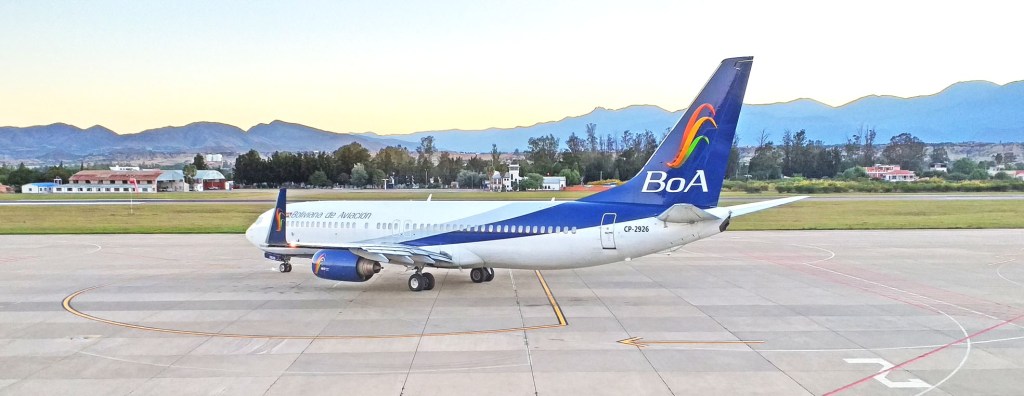


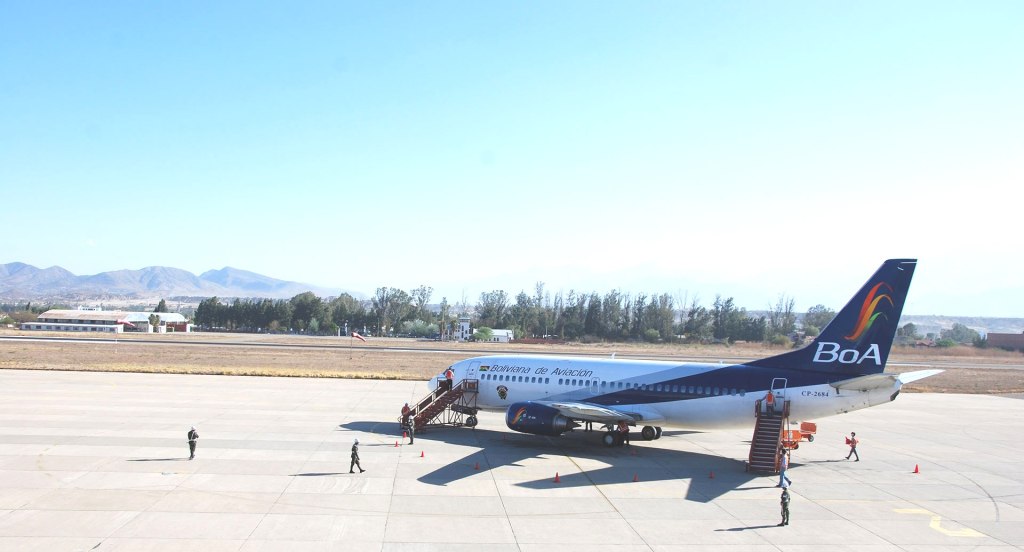


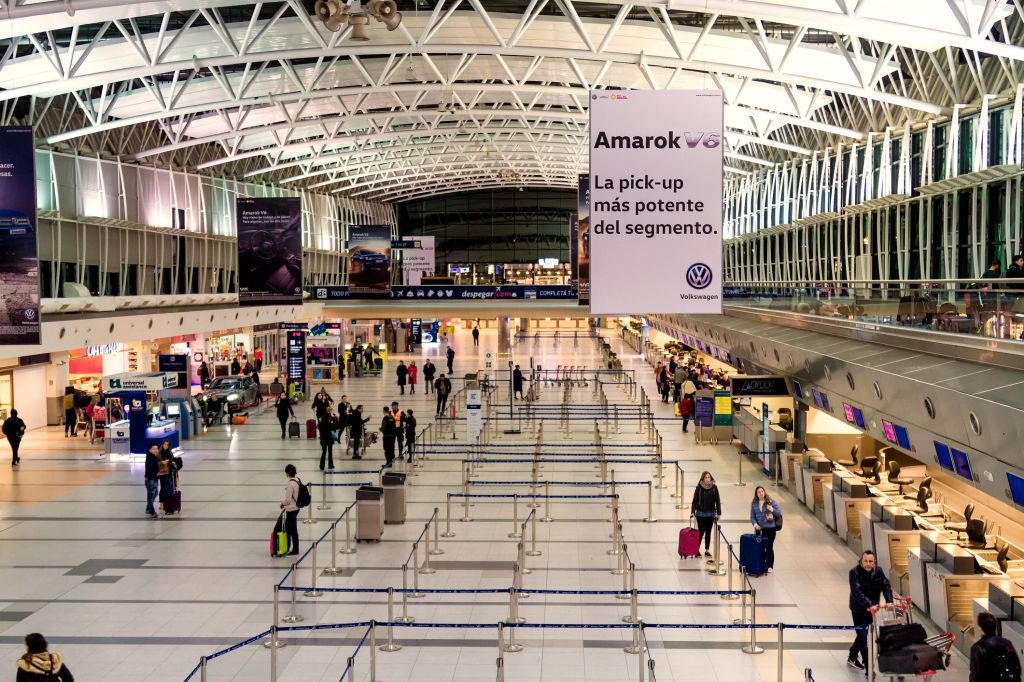

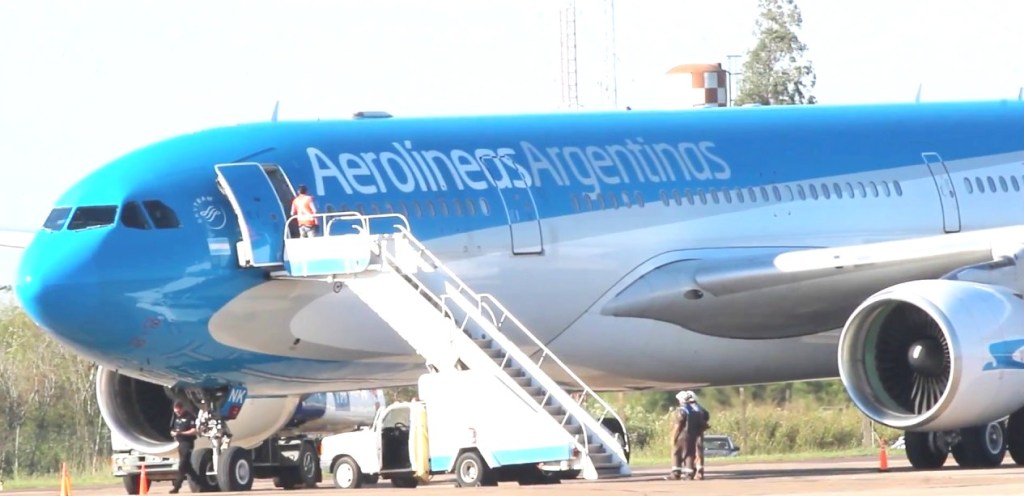

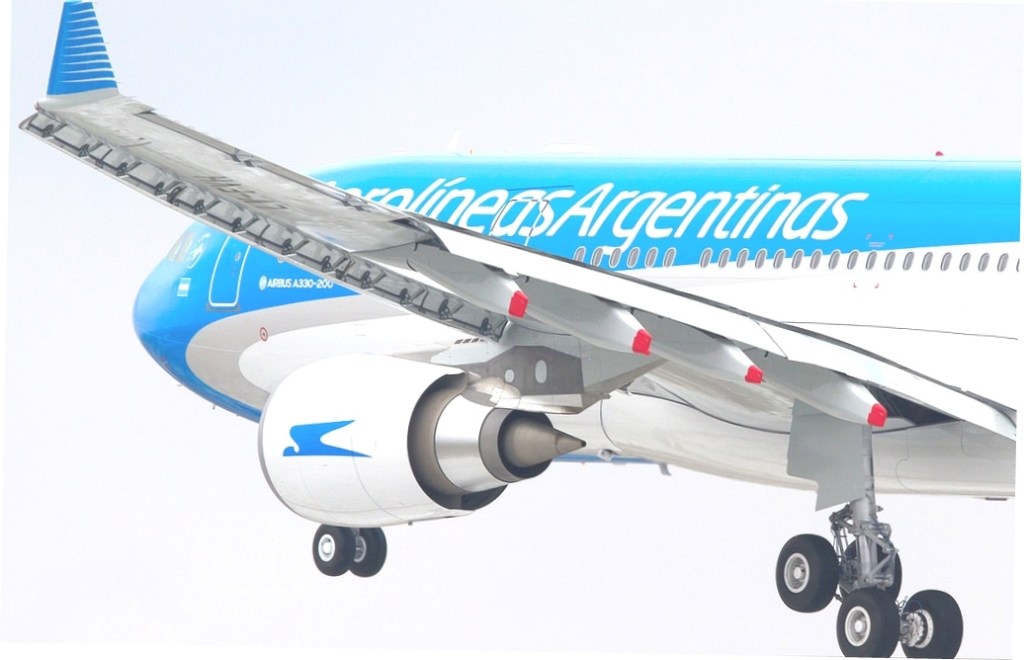







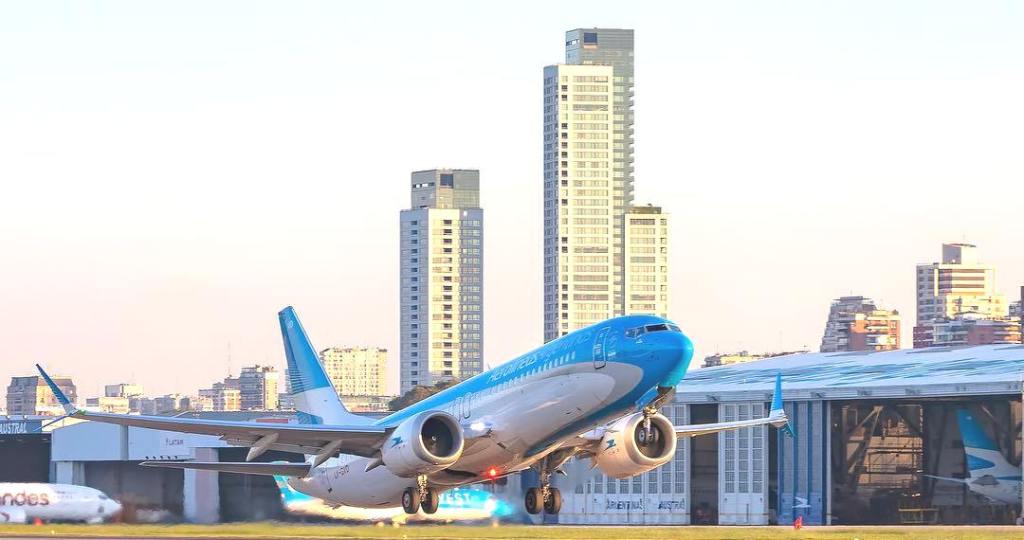


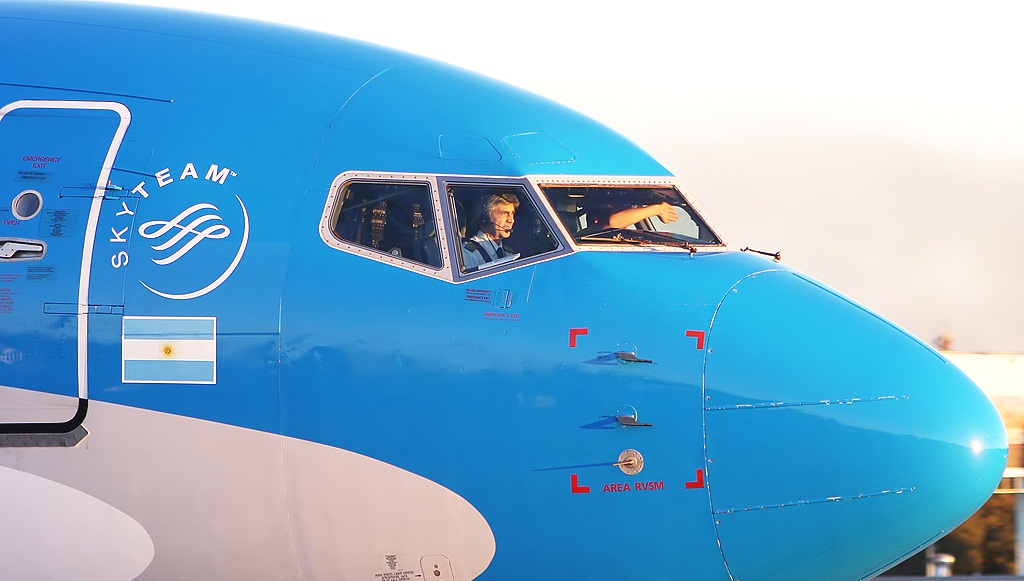
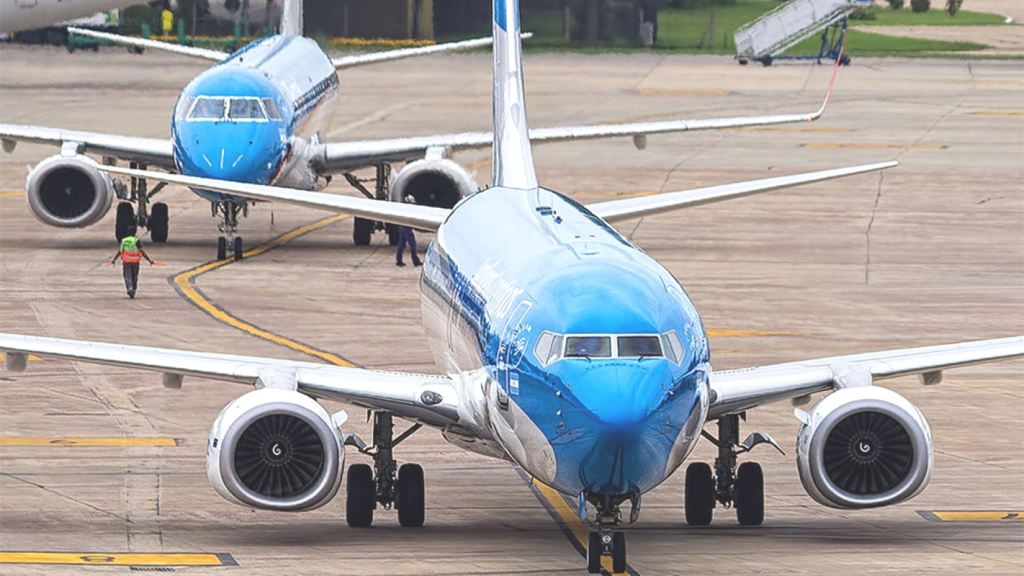
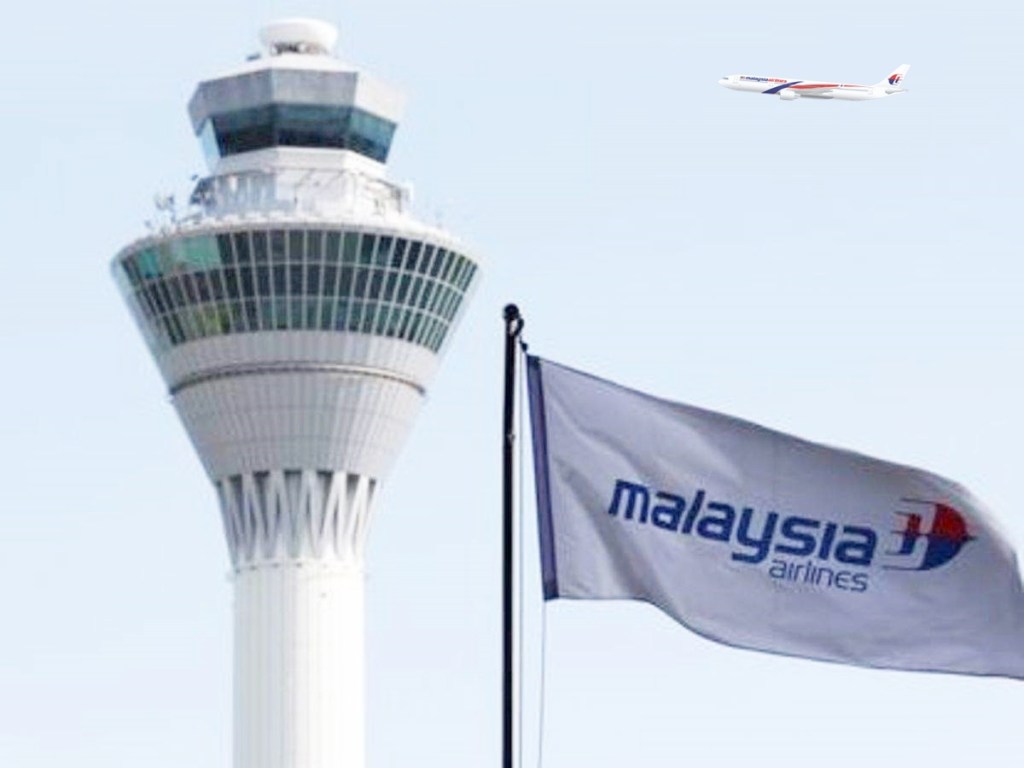



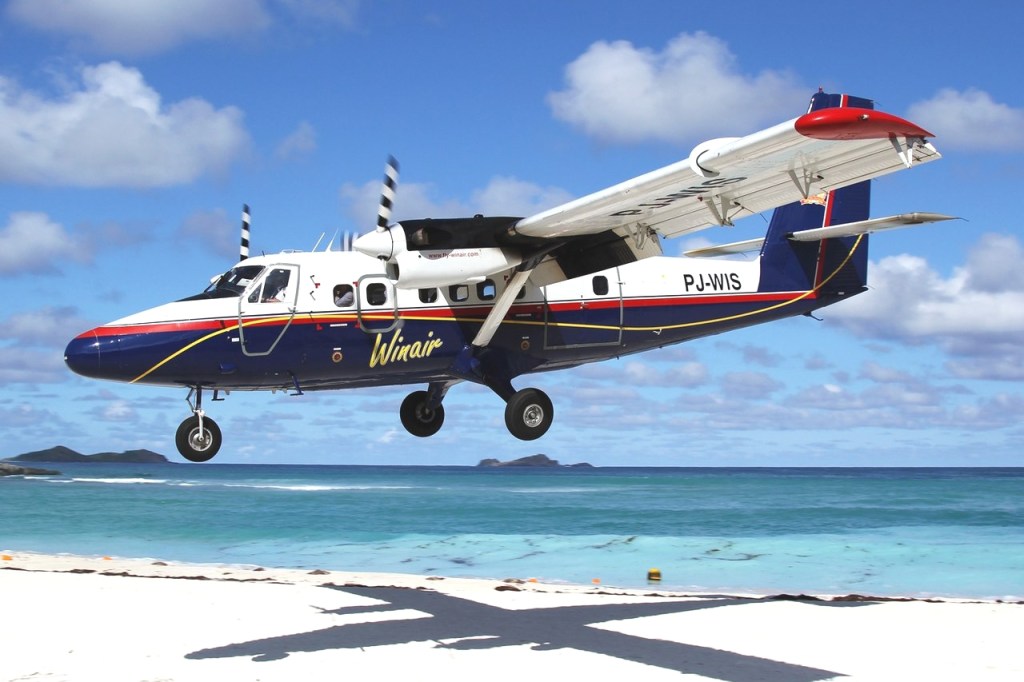

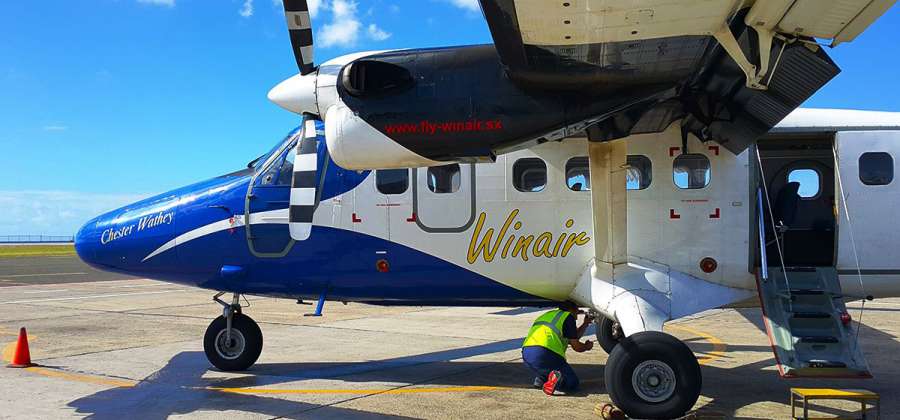



 airgways.com