Aerolíneas vuela hacia Moscú para traer más vacunas
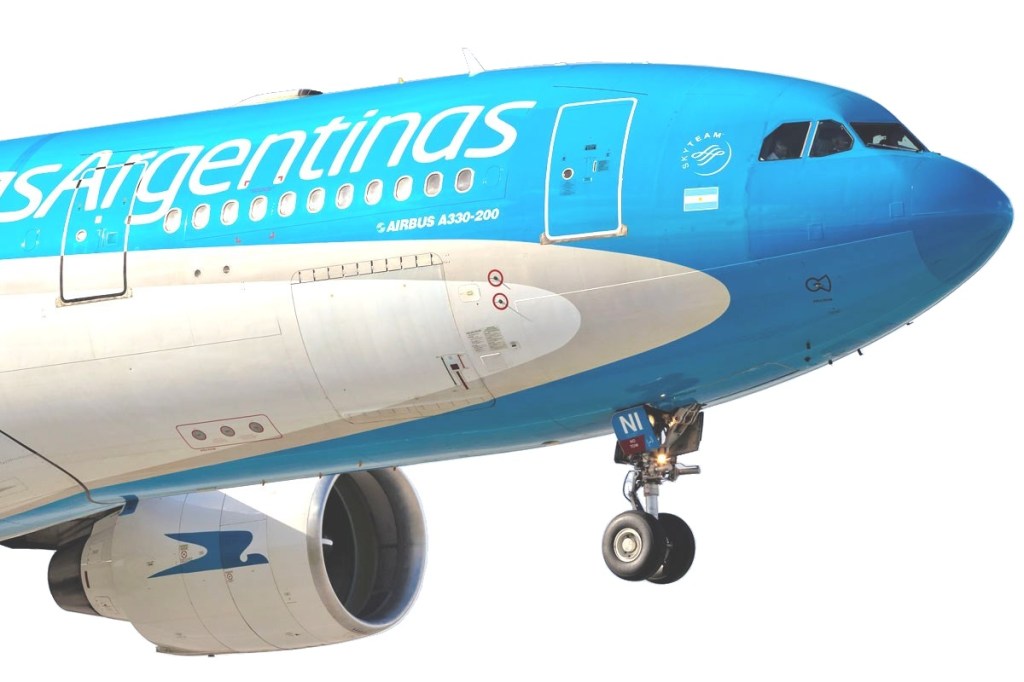
La compañía aérea de la República Argentina, Aerolíneas Argentinas, ha comunicado la programación del tercer vuelos especial para el transporte de vacunas anti-Covid para Argentina. El vuelo AR1602 despegará desde el Aeropuerto Internacional de Ezeiza EZE/SAEZ sin escalas hacia el Aeropuerto Sheremetyevo SVO/UUEE de Moscú, Federación Rusia.
El viaje para este Domingo 24/01 se realizará entre las 15:00 y 17:00 horas [Hora Local Argentina/-3UTC], regresando este Lunes 25/01. El tiempo de carga en el aeropuerto ruso será de aproximadamente cinco horas, aún no determinándose el horario de regreso de la aeronave Airbus A330-200. El vuelo estará a cargo de diez tripulantes con el fin de traer otra partida de vacunas para superar las cantidades de los viajes anteriores.
Third flight to Russia from Aerolíneas
Aerolíneas fly to Moscow to bring more vaccines
The airline company of the Argentine Republic, Aerolíneas Argentinas, has announced the programming of the third special flight for the transport of anti-Covid vaccines for Argentina. Flight AR1602 will take off from Ezeiza EZE / SAEZ International Airport non-stop to Sheremetyevo SVO/UUEE Airport in Moscow, Russian Federation.
The trip for this Sunday 01/24 will take place between 3:00 p.m. and 5:00 p.m. [Argentina Local Time/-3UTC], returning this Monday 01/25. The loading time at the Russian airport will be approximately five hours, the return time of the Airbus A330-200 aircraft has not yet been determined. The flight will be in charge of ten crew members in order to bring another batch of vaccines to exceed the amounts of the previous trips.
Ethiopian Airlines contra oferta acerca accidente ET-302
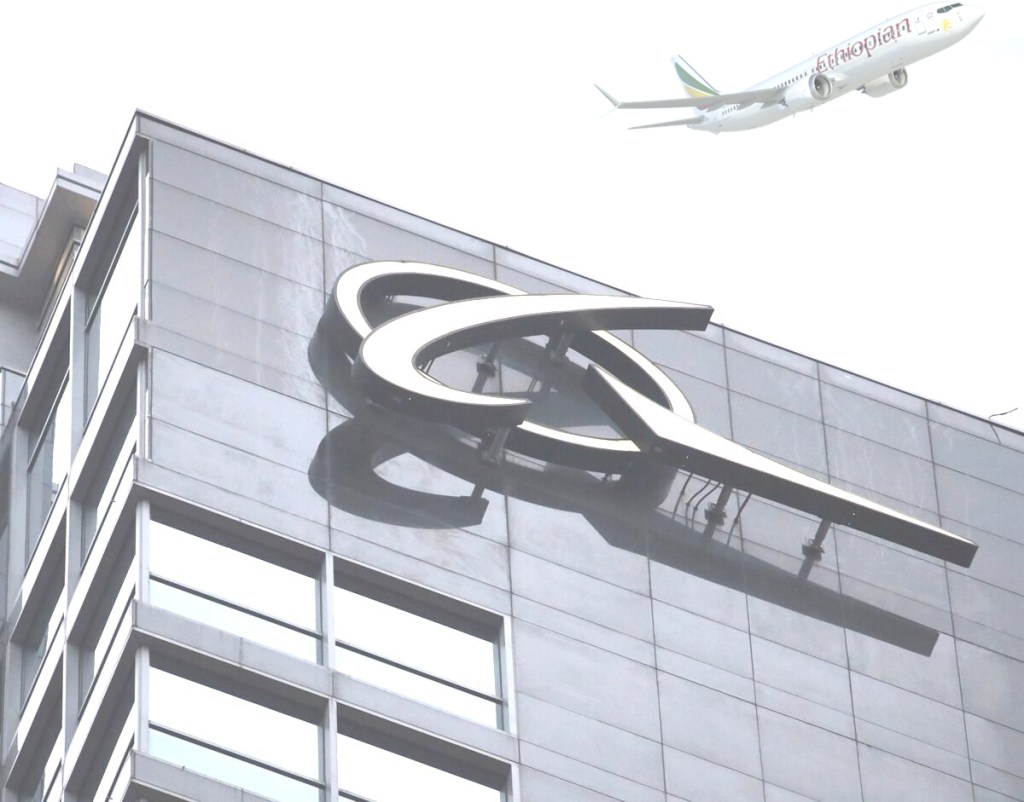
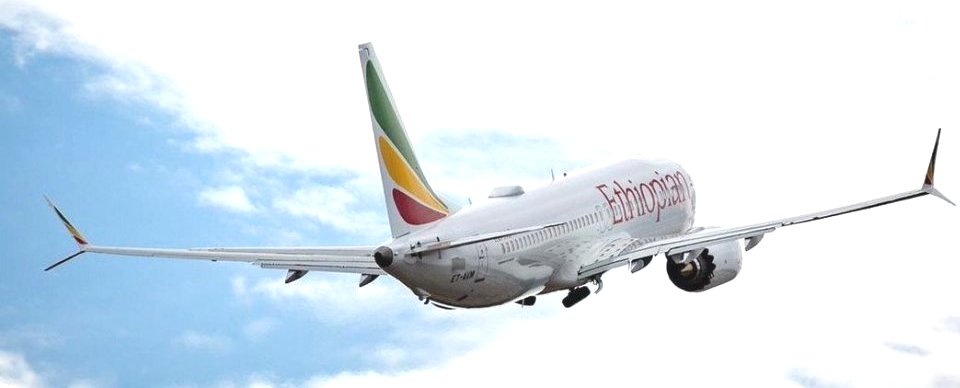
Los abogados estadounidenses que representan a Ethiopian Airlines, que perdieron 157 pasajeros y tripulación en el segundo accidente aéreo de un Boeing 737 MAX el 10 de Marzo de 2019, han aconsejado al transportista que no acepte el acuerdo de partes que The Boeing Company ha ofrecido, sino más bien, que demande al fabricante por daños punitivos en los Estados Unidos.
En una carta escrita con urgencia enviada el Domingo 17/01, los abogados con sede en Chicago advirtieron al CEO etíope Tewolde Gebre Mariam que la oferta es groseramente corta de lo que la aerolínea podría ganar ante un jurado estadounidense, particularmente porque Boeing recientemente aceptó la responsabilidad por fraude criminal durante la certificación del avión por parte de los reguladores. El acuerdo que Boeing ha ofrecido es una mera fracción del daño real, dijeron los abogados a Tewolde, y aceptarlo inevitablemente dejará dinero sustancial sobre la mesa y sería un tremendo error político y financiero para Ethiopian Airlines. Sin embargo, al igual que muchas aerolíneas, Ethiopian ahora está desesperado por dinero en efectivo. Antes del accidente de 2019 del vuelo ET-302, Ethiopian Airlines, de propiedad estatal, era la aerolínea más grande y exitosa de Africa. Perdió el negocio después de la tragedia y la posterior puesta a tierra de la flota 737 MAX. Luego, el año pasado, sus ingresos se desplomaron aún más cuando la pandemia COVID-19 paralizó los viajes aéreos.
La carta transmite la preocupación de los abogados de que las negociaciones de liquidación directa entre Boeing y la dirección de la aerolínea están cerca de hacer y que un acuerdo «financieramente desastroso» puede ser inminente. Ofrece una mirada rara dentro de lo que normalmente son negociaciones secretas. Y con el MAX de vuelta en el aire y el segundo aniversario del segundo accidente acercándose, destaca un impulso de Boeing para concluir las discusiones de compensación de los clientes y poner la crisis MAX detrás de ella.
La carta del bufett DiCello Levitt Gutzler que Ethiopian Airlines contrató para proporcionar asesoramiento sobre sus reclamaciones contra Boeing, está firmada por su socio cofundador Adam Levitt. Boeing declinó hacer comentarios por las discusiones con su cliente. Ethiopian Airlines no respondió a una solicitud de comentario por correo electrónico. La carta de Levitt argumenta que el Acuerdo de Enjuiciamiento Diferido de Boeing con el Departamento de Justicia (DOJ) a principios de este mes de enero 2021 proporciona una nueva influencia legal etíope debido a la admisión por parte de Boeing de su conducta criminal. El acuerdo del Departamento de Justicia evita una acusación de fraude criminal contra Boeing con una multa relativamente ligera de US$ 244 millones de Dólares. También exonera explícitamente a la alta dirección al mismo tiempo que se antepuso el fraude a dos pilotos técnicos de Boeing que tergiversaron a las compañías aéreas los detalles del nuevo software de control de vuelo en el MAX, el Sistema de Aumento de Características de Maniobra (MCAS) que fue un factor clave que contribuyó a ambos accidentes. Sin embargo, Boeing admitió en el acuerdo de enjuiciamiento diferido que las acusaciones de fraude que involucraban a los dos pilotos eran verdaderas y exactas y reconoció que la empresa es responsable de actos delictivos por parte de sus empleados.
Ethiopian vs. Boeing offer
Ethiopian Airlines against offer regarding accident ET-302
US attorneys representing Ethiopian Airlines, which lost 157 passengers and crew in the second Boeing 737 MAX plane crash on March 10, 2019, have advised the carrier not to accept the parties agreement that The Boeing Company has offered, but rather, suing the manufacturer for punitive damages in the United States.
In an urgently written letter sent on Sunday 01/17, Chicago-based attorneys warned Ethiopian CEO Tewolde Gebre Mariam that the offer is grossly short of what the airline could win before a US jury, particularly as Boeing recently accepted liability for criminal fraud during the plane’s certification by regulators. The settlement Boeing has offered is a mere fraction of the actual damage, lawyers told Tewolde, and accepting it will inevitably leave substantial money on the table and would be a tremendous political and financial mistake for Ethiopian Airlines. However, like many airlines, Ethiopian is now desperate for cash. Prior to the 2019 crash of Flight ET-302, state-owned Ethiopian Airlines was the largest and most successful airline in Africa. It lost business after the tragedy and subsequent grounding of the 737 MAX fleet. Then last year, its revenue plummeted even further when the COVID-19 pandemic brought air travel to a standstill.
The letter conveys the lawyers’ concern that direct settlement negotiations between Boeing and the airline’s management are close to being done and that a «financially disastrous» deal may be imminent. It offers a rare look into what are normally secret negotiations. And with the MAX back in the air and the second anniversary of the second accident approaching, it highlights a push from Boeing to wrap up customer compensation discussions and put the MAX crisis behind it.
The letter from the DiCello Levitt Gutzler law firm that Ethiopian Airlines retained to provide advice on its claims against Boeing is signed by its co-founding partner Adam Levitt. Boeing declined to comment for discussions with its client. Ethiopian Airlines did not respond to an email request for comment. Levitt’s letter argues that Boeing’s Deferred Prosecution Agreement with the Department of Justice (DOJ) earlier this January 2021 provides new Ethiopian legal influence due to Boeing’s admission of its criminal conduct. The Justice Department settlement avoids a criminal fraud charge against Boeing with a relatively light fine of US $ 244 million. It also explicitly exonerates senior management at the same time that fraud was brought before two Boeing technical pilots who misrepresented to airlines the details of the new flight control software on the MAX, the Maneuvering Characteristics Augmentation System (MCAS). ) which was a key contributor to both accidents. However, Boeing admitted in the deferred prosecution agreement that the allegations of fraud involving the two pilots were true and accurate and acknowledged that the company is responsible for criminal acts by its employees.
AW | 2021 01 22 16:41 | AVIATION / AIRLINES / GOVERNMENT
Aeroméxico negocia con Gobierno Brasil arrendamiento especial
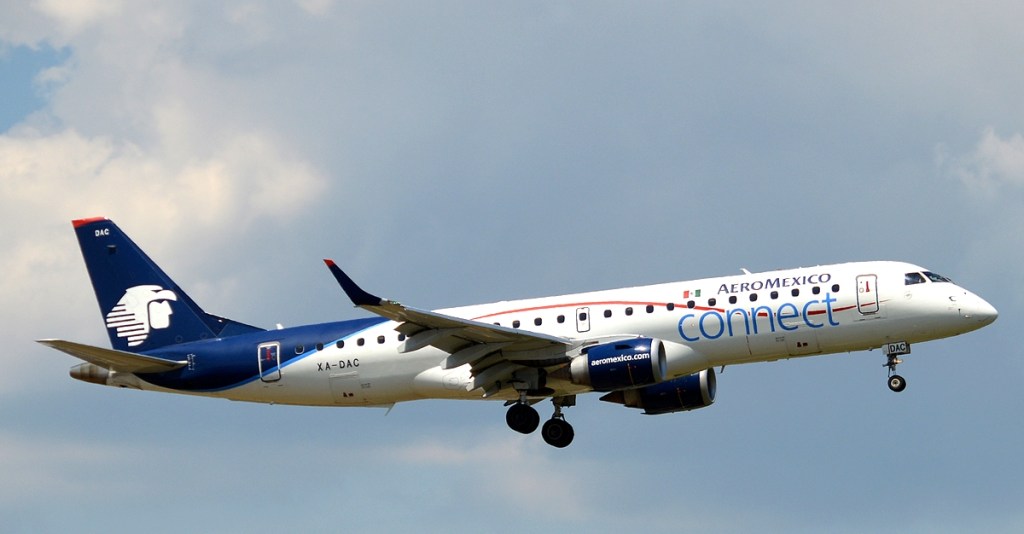
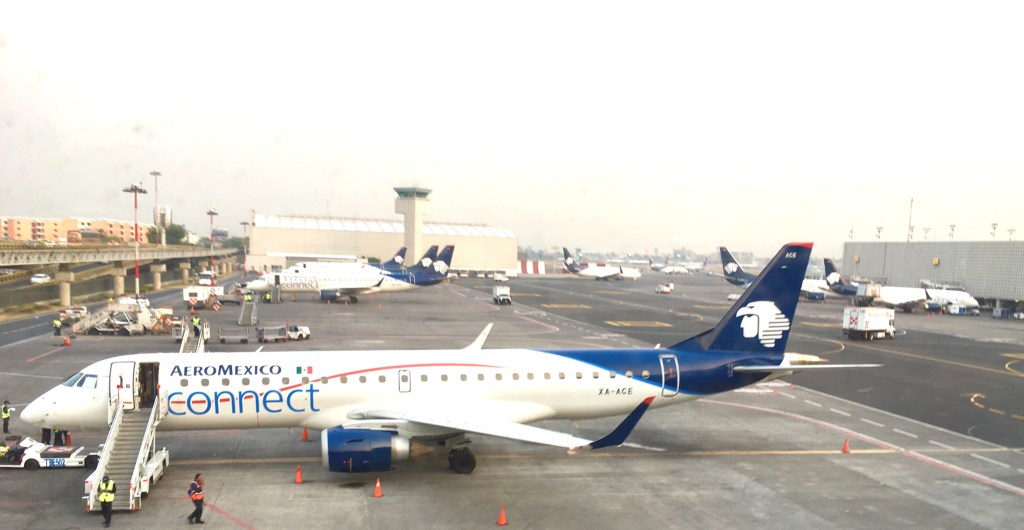
La aerolínea Aeroméxico y el Gobierno de Brasil, a través del Banco Nacional de Desarrollo Económico y Social (BNDES), Brasilmex Leasing y Wilmington Trust Company, se encuentran bajo negociaciones sobre un acuerdo de arrendamiento especial de aeronaves por el uso de horas block y mantenimiento de diez aeronaves Embraer E-190 operadas por la filial Aeroméxico Connect.
El Gobierno brasileño señaló el 30 de Junio de 2020, cuando el Grupo Aeroméxico inició su proceso de reorganización financiera bajo el Capítulo 11 de la Ley de Quiebras de Estados Unidos, la aerolínea tenía una deuda de MX$ 96.738.589 Pesos mexicanos por diversos préstamos firmados en los documentos operativos de arrendamiento. El acuerdo continúa bajo el análisis para el requerimiento de la aprobación de la Justicia, delinea las obligaciones de Aeroméxico para mantener en estado de aeronavegabilidad las diez aeronaves Embraer E190 arrendadas. Este movimiento forma parte de la estrategia de la aerolínea para reducir costos y riesgos mediante la modificación de los contratos de arrendamiento de 72 aeronaves de su flota, para pasar de una renta mensual a un pago por hora (PBH). Es el segundo acuerdo que busca concretar Aeroméxico en este sentido, luego de que, en noviembre, la aerolínea y DBV Bank presentaran una moción similar sobre el arrendamiento de un Boeing 737-700, matrícula N784XA.
Aeroméxico también se encuentra buscando la aprobación de la Corte de Justicia para minimizar costos con otras dos instituciones financieras, de acuerdo con un documento presentado al a corte en Octubre 2020. La firma estadounidense U.S. Export-Import Bank, que alquila ocho aeronaves, Boeing 787-8 (2) y Boeing 737-8 (5); mientras que MUFG Bank posee en alquiler tres aeronaves Boeing. Hasta la fecha, la aerolínea no ha presentado un documento a la corte en el que pida la aprobación final de estos acuerdos.
Aeroméxico continúa en Enero 2021 con las negociaciones con las empresas arrendadoras «en un esfuerzo para apoyar a los deudores en sus esfuerzos para racionalizar su flota mientras minimizan los costos administrativos y cargas asociadas con las aeronaves y protegiendo los derechos e intereses respectivos de las contrapartes”, sostiene la aerolínea.
Brazil and Aeromexico hourly lease
Aeroméxico negotiates special lease with the Brazilian Government
The airline Aeroméxico and the Government of Brazil, through the National Bank for Economic and Social Development (BNDES), Brasilmex Leasing and Wilmington Trust Company, are under negotiations on a special aircraft lease agreement for the use of block hours and maintenance of ten Embraer E-190 aircraft operated by the Aeroméxico Connect subsidiary.
The Brazilian Government pointed out on June 30, 2020, when the Aeroméxico Group began its financial reorganization process under Chapter 11 of the United States Bankruptcy Law, the airline had a debt of MX$ 96,738,589 Mexican pesos for various loans signed on the lease operating documents. The agreement continues under the analysis for the requirement of the approval of the Justice, outlines the obligations of Aeroméxico to maintain the ten leased Embraer E190 aircraft in a state of airworthiness. This movement is part of the airline’s strategy to reduce costs and risks by modifying the lease contracts of 72 aircraft in its fleet, from a monthly rent to a pay per hour (PBH). It is the second agreement that Aeroméxico seeks to conclude in this regard, after, in November, the airline and DBV Bank presented a similar motion on the lease of a Boeing 737-700, registration N784XA.
Aeroméxico is also seeking the approval of the Court of Justice to minimize costs with two other financial institutions, according to a document presented to the court in October 2020. The US firm U.S. Export-Import Bank, which leases eight aircraft, Boeing 787-8 (2) and Boeing 737-8 (5); while MUFG Bank has three Boeing aircraft for rent. To date, the airline has not presented a document to the court asking for final approval of these agreements.
Aeroméxico continues in January 2021 with the negotiations with the leasing companies «in an effort to support the debtors in their efforts to rationalize their fleet while minimizing the administrative costs and charges associated with the aircraft and protecting the respective rights and interests of the counterparties» , maintains the airline.
AW | 2021 01 22 15:55 | AIRLINES ROUTES/ GOVERNMENT
Aerolínea de fomento LADE suma ruta Ezeiza-Merlo
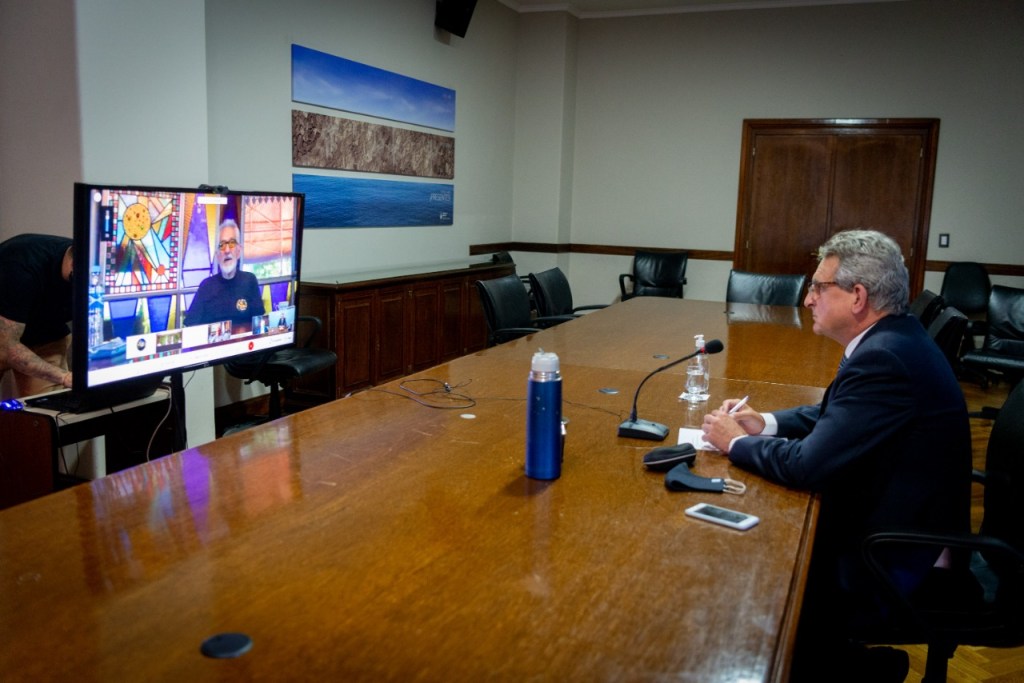
El Ministro de Defensa, Agustín Rossi, y el Gobernador de San Luis, Alberto Rodríguez Saá, anunciaron el acuerdo entre LADE (Líneas Aéreas Del Estado) y la Provincia de San Luis, República Argentina, para implementar vuelos de fomento turístico y comercial que operarán entre el Aeropuerto Internacional Ezeiza EZE/SAEZ y el Aeropuerto Merlo/Valle del Conlara RLO/SAOS, con aeronaves pertenecientes a la Fuerza Aérea Argentina. “Estamos muy comprometidos con la reactivación de LADE. Valoramos esta oportunidad que se da de conjugar esta demanda que tenía la provincia de San Luis con esta posibilidad que tiene nuestra línea del Estado de brindar ese servicio. LADE es la única línea aérea del Estado que es una línea de fomento”, expresó Agustín Rossi durante la videoconferencia que mantuvo este Jueves 20/01 con el Gobernador puntano, Alberto Rodríguez Saá para celebrar el convenio.
El titular de Defensa destacó la función social de LADE Líneas Aéreas para llegar a destinos a donde no llegan las firmas comerciales. “Fue concebida fundamentalmente para tratar de hacer lo que las líneas comerciales no hacen y estuvo destinada gran parte de su historia fundamentalmente a eso. LADE viene de una situación difícil. Hasta se evaluó la posibilidad de cerrarla durante la gestión del gobierno anterior. Nosotros desde que llegamos al Ministerio y, fundamentalmente, desde que el Xavier Julián Isaac asumió la Jefatura de la Fuerza Aérea, nos comprometimos claramente en volver a poner a LADE en el lugar que creemos que tiene que estar, y en esa dirección estamos trabajando. A fin del año pasado empezamos a recuperar el circuito tradicional de vuelos que tenía, sobre todo en la Patagonia. Seguiremos ampliando todos los circuitos que venía llevando LADE” y para ello resaltó que la aerolínea de fomento cuenta con un personal muy calificado.
Por su parte, el Gobernador de San Luis, Rodríguez Saá manifestó su satisfacción por el regreso de los vuelos al Aeropuerto Valle del Conlara, ya que “es muy importante para el desarrollo y crecimiento de todos los pueblos y ciudades en una amplia región. Estamos orgullosos de que LADE entre de nuevo en los cielos y es un gran logro para San Luis que LADE confíe en la provincia, por eso acompañaremos el crecimiento de esta línea de fomento”, afirmó el funcionario.
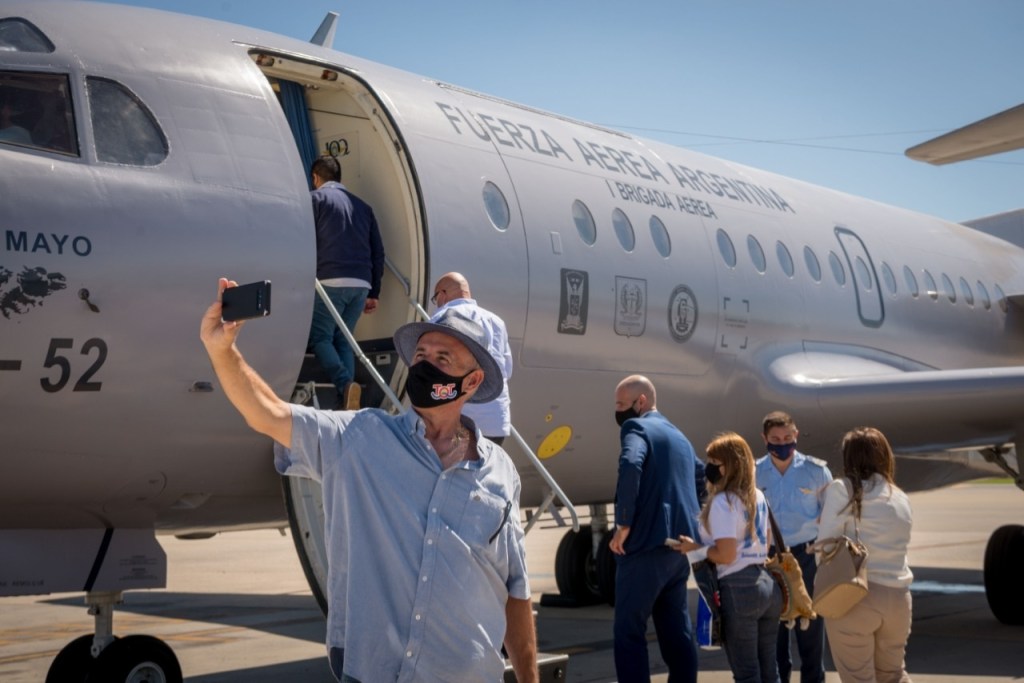
El primer avión un Fokker F28 Mk-1000 de LADE ha arribado este Viernes, 22 de Enero de 2020 a la provincia puntana proviene del Aeropuerto Internacional de Ezeiza, con una capacidad de 50 pasajeros. En este vuelo llegaron agentes turísticos que recorrerán la zona para conocer el gran abanico de propuestas que ofrece la provincia con el objetivo de generar un intercambio que sirva para el desarrollo de paquetes turísticos. Dicho acuerdo quedó rubricado entre LADE y EDA (Ente de Desarrollo Aeronáutico), que tiene por compromiso brindar un servicio no regular de traslado aéreo hacia y desde la Provincia de San Luis, en aeronaves pertenecientes a la Fuerza Aérea Argentina. El convenio tiene una duración de 6 meses, con opción a prórroga por 6 meses más a convenir, en el cual el traslado de pasajeros (hasta 50 pasajeros por vuelo y 15 kg de carga por pasajero).
La Provincia de San Luis contará con la operación de vuelos especiales de LADE para la reactivación de la actividad turística. Son vuelos no regulares entre el Aeropuerto Internacional Ministro Pistarini en Ezeiza y el Aeropuerto Internacional Valle del Conlara en San Luis. En esta primera etapa se prevén 8 vuelos hasta el mes de Junio 2021, considerando fines de semana largos y fechas especiales.
De la videoconferencia realizada entre el Ministro de Defensa Agustín Rossi y el Gobernador de San Luis Alberto Rodríguez Saá, participaron también el Jefe de la Fuerza Aérea, Brigadier Xavier Isaac; el Director de LADE, Comodoro Mayor Fabián Vidal Arbeletci; la Secretaria de Investigación, Política Industrial y Producción para la Defensa, Daniela Castro; la Secretaria Administrativa de la UNDEF (Universidad de la Defensa Nacional), Dolores Lucero Belgrano, y Mariano de Miguel, Subsecretario de Investigación Científica y Política Industrial para la Defensa. Por San Luis lo hicieron el Gobernador de la Provincia de San Luis, Alberto Rodríguez Saá, Natalia Zabala Chacur, Jefa de Gabinete de Ministros, Sebastián Anzulovich, Secretario de Transporte, y Luís Macagno, Coordinador de la Secretaría de Turismo.
LADE incorporates Merlo destination
Development airline LADE adds Ezeiza-Merlo route
The Minister of Defense, Agustín Rossi, and the Governor of San Luis, Alberto Rodriguez Saá, announced the agreement between LADE (Líneas Aéreas Del Estado) and the Province of San Luis, Argentina Republic, to implement flights for tourism and commercial promotion that will operate between the International Airport Ezeiza EZE/SAEZ and the Merlo/Valle del Conlara RLO/SAOS Airport, with aircraft belonging to the Argentine Air Force. “We are very committed to the reactivation of LADE. We value this opportunity to combine this demand that the province of San Luis had with this possibility that our state line has to provide this service. LADE is the only airline in the State that is a development line”, expressed Agustín Rossi during the videoconference that he held this Thursday, 01/20 with the San Luis Governor, Alberto Rodríguez Saá to celebrate the agreement.
The Minister of Defense highlighted the social function of LADE Líneas Aéreas to reach destinations where commercial firms do not. “It was conceived primarily to try to do what commercial lines don’t, and much of its history was devoted primarily to that. LADE comes from a difficult situation. The possibility of closing it was even evaluated during the administration of the previous government. Since we arrived at the Ministry and, fundamentally, since Xavier Julián Isaac assumed the Headquarters of the Air Force, we have clearly committed ourselves to putting LADE back in the place we think it should be, and we are working in that direction. At the end of last year we began to recover the traditional flight circuit that it had, especially in Patagonia. We will continue to expand all the circuits that LADE had been carrying” and for this he stressed that the development airline has highly qualified personnel.
For his part, the Governor of San Luis, Rodríguez Saá expressed his satisfaction with the return of the flights to the Valle del Conlara Airport, since «it is very important for the development and growth of all towns and cities in a wide region. . We are proud that LADE is once again in the skies and it is a great achievement for San Luis that LADE trusts in the province, that is why we will accompany the growth of this line of development», said the official.
The first aircraft, a LADE Fokker F28 Mk-1000, has arrived this Friday, January 22, 2020 in the province of San Luis from the Ezeiza International Airport, with a capacity of 50 passengers. On this flight, tourist agents arrived who will visit the area to learn about the wide range of proposals offered by the province with the aim of generating an exchange that serves for the development of tourist packages. Said agreement was signed between LADE and EDA (Ente de Desarrollo Aeronáutico), which is committed to providing a non-regular air transfer service to and from the Province of San Luis, in aircraft belonging to the Argentine Air Force. The agreement has a duration of 6 months, with the option of an extension for 6 more months to be agreed, in which the transfer of passengers (up to 50 passengers per flight and 15 kg of cargo per passenger).
The Province of San Luis will have the operation of special LADE flights for the reactivation of tourist activity. They are non-scheduled flights between the Ministro Pistarini International Airport in Ezeiza and the Valle del Conlara International Airport in San Luis. In this first stage, 8 flights are planned until June 2021, considering long weekends and special dates.
The videoconference held between the Minister of Defense Agustín Rossi and the Governor of San Luis Alberto Rodríguez Saá was also attended by the Chief of the Air Force, Brigadier Xavier Isaac; the Director of LADE, Comodoro Mayor Fabián Vidal Arbeletci; the Secretary for Research, Industrial Policy and Production for Defense, Daniela Castro; the Administrative Secretary of the UNDEF (National Defense University), Dolores Lucero Belgrano, and Mariano de Miguel, Undersecretary for Scientific Research and Industrial Policy for Defense. For San Luis, the Governor of the Province of San Luis, Alberto Rodríguez Saá, Natalia Zabala Chacur, Chief of Cabinet of Ministers, Sebastián Anzulovich, Secretary of Transportation, and Luís Macagno, Coordinator of the Ministry of Tourism did.
Aeropuerto Jorge Newbery reinicia operaciones el 15 Marzo 2021
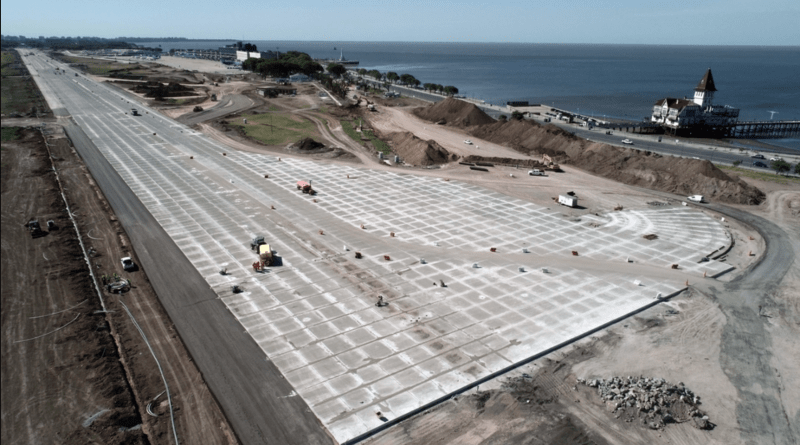
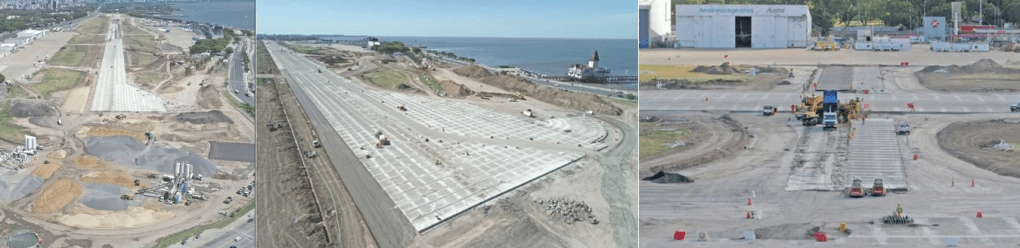
Los avances de las obras para la ampliación de la pista y dependencias del Aeropuerto Jorge Newbery AEP/SABE estarán inauguradas hacia el 15 de Marzo de 2021. Según el NOTAM, el Aeroparque abrirá a las operaciones para el 15/03 en lugar del 24/02. La obra de ampliación y modernización del Aeropuerto Jorge Newbery, continúa con los trabajos dentro de un cronograma establecido para la puesta en valor de la aeroestación de la Ciudad de Buenos Aires. Esta semana ha finalizado el aérea de carpeta de hormigón de la Cabecera de la Pista 31, que ha sido ampliada su longitud de 2.100 metros de longitud extendida a 2.715 metros. Anteriormente la misma poseía 2.100 metros de longitud, sumará 275 metros hacia el sur y 340 metros hacia el norte, sumando así (615 metros). Con ambas extensiones la pista alcanzara los 2.715 metros de largo. Se utilizaron 100.000 metros cúbicos de hormigón.
La concesionaria del sistema aeroportuario argentino AA2000 ha aprovechado la inactividad de los viajes aéreos afectados por la pandemia, para potenciar y modernizar la infraestructura para revalorizar el principal aeropuerto por tráfico de pasajeros de Argentina. La pista con una antigüedad de diez años de uso continuo debía ser realizada a nuevo para extender la vida útil de la misma, teniendo presente la magnitud de los vuelos que se realizan en Aeroparque. Paralelamente se ha estado remodelando la pista principal del Aeropuerto Sao Paulo/Congonhas producto del alto índice de tráfico que demanda también esta aeroestación brasileña.
Renovación Aeroparque
La instalación de un nuevo Sistema de Balizamiento en los despegues y aterrizajes de alta intensidad cumpliendo con la configuración de Categoría Operacional III (CAT III), permitiendo realizar operaciones en condiciones más favorables. Un nuevo sistema instrumental para el aterrizaje ILS CAT. III permitirá mejorar significativamente la seguridad de las operaciones que podrán ser realizadas en condiciones meteorológicas de baja visibilidad. El nuevo sistema de luces de iluminación de eje de la Pista 13/31, bordes, umbral y fin de pista, y nuevos sistemas lumínico de aproximación en ambas cabeceras, completan las obras de reacondicionamiento.
El nuevo Aeropuerto Jorge Newbery reacondicionado permitirá ampliar las prestaciones para más frecuencias aéreas, más aerolíneas, mejores condiciones de operatividad, mayores destinos aumentando los servicios a vuelos regionales. «La pista propiamente dicha está terminada. Ahora se está trabajando en los rodajes, que son las calles por las que los aviones acceden a ella, y en los márgenes. También en las franjas, que son esos paños de pasto a los costados, porque hay que nivelarlas», ha expresado el Arquitecto Jorge Leggieri, Gerente de Obras de Infraestructura Aeroportuaria del Organismo Regulador del Sistema Nacional de Aeropuertos (ORSNA).
La obra también incluye un nuevo hall de arribos y partidas para vuelos internacionales, con mayor infraestructura y confort para los pasajeros. La necesidad de ampliar la terminal internacional surge porque la idea es que todos los vuelos a países de la región vuelvan a operar desde este Aeropuerto Jorge Newbery, permitiendo aprovechar más espacio para las salas de embarque, los controles de seguridad y migratorios, las zonas de despacho y retiro de valijas y el área del check in.
Alcance de la obra
«La obra del edificio tiene un 45% de avance. Puede parecer poco, pero hay que tener en cuenta que el avance de una obra se mide en función del porcentaje de la inversión gastado hasta el momento. Y generalmente los equipamientos y todo lo que se coloca en las etapas finales de la arquitectura, que incluye desde los equipos de aire acondicionado hasta los artefactos de iluminación, tiene un peso grande en esa inversión», precisó Jorge Leggieri.
Aeroparque es el aeropuerto con mayor flujo de pasajeros del país, aún por encima del Aeropuerto Internacional Ezeiza EZE/SAEZ. Según los últimos números oficiales elaborados y publicados, en 2017 por el Jorge Newbery pasaron 13.261.437 pasajeros, contra los 9.679.689 del aeropuerto Ministro Pistarini. El movimiento de aeronaves también refleja esa demanda: desde el Aeropuerto Jorge Newbery operaron 123.077, mientras que en el Aeropuerto Internacional Ezeiza operaron 80.890.
Aeroparque restarts on March 15, 2021
Jorge Newbery Airport restarts operations on March 15, 2021
The progress of the works for the extension of the runway and dependencies of the Jorge Newbery AirportAEP/SABE will be inaugurated by March 15, 2021. According to the NOTAM, the Airport will open for operations on 03/15 instead of 02/24. The expansion and modernization work of the Jorge Newbery Airport continues with the works within a schedule established for the enhancement of the air station of the City of Buenos Aires. This week the concrete folder area of the Head of Runway 31 has been completed, which has been extended its length from 2,100 meters in length extended to 2,715 meters. Previously it had 2,100 meters in length, will add 275 meters to the south and 340 meters to the north, thus adding (615 meters). With both extensions the track will reach 2,715 meters long. 100,000 cubic meters of concrete were used.
The concessionaire of the Argentine airport system, AA2000 has taken advantage of the inactivity of air travel affected by the pandemic, to strengthen and modernize the infrastructure to revalue the main airport for passenger traffic in Argentina. The ten-year-old runway of continuous use had to be rebuilt to extend its useful life, bearing in mind the magnitude of the flights carried out at Aeroparque. At the same time, the main runway at the Sao Paulo/Congonhas Airport has been remodeled as a result of the high traffic rate also demanded by this Brazilian air station.
Aeroparque Renovation
The installation of a new Beacon System in high intensity takeoffs and landings complying with the Operational Category III (CAT III) configuration, allowing operations to be carried out in more favorable conditions. A new instrument system for the ILS CAT landing. III will significantly improve the safety of operations that may be carried out in low visibility meteorological conditions. The new lighting system for the center line of Runway 13/31, edges, threshold and end of the runway, and new approach lighting systems at both headlands, complete the refurbishment works.
The new refurbished Jorge Newbery Airport will allow to expand services for more air frequencies, more airlines, better operating conditions, greater destinations, increasing services to regional flights. «The runway itself is finished. Now work is being done on the filming, which are the streets through which the planes access it, and on the margins. Also on the strips, which are those grass patches on the sides, because they have to be leveled», said the Architect Jorge Leggieri, Manager of Airport Infrastructure Works of the Regulatory Body of the National Airport System (ORSNA).
The work also includes a new arrivals and departures hall for international flights, with greater infrastructure and comfort for passengers. The need to expand the international terminal arises because the idea is that all flights to countries in the region will operate again from this Jorge Newbery Airport, allowing more space to be used for the departure lounges, security and immigration controls, dispatch and removal of suitcases and the check-in area.
Scope of the work
«The building work is 45% complete. It may seem little, but it must be taken into account that the progress of a work is measured based on the percentage of the investment spent so far. And generally the equipment and everything that it is placed in the final stages of architecture, which includes everything from air conditioning equipment to lighting fixtures, it has a great weight in that investment», specified Jorge Leggieri.
Aeroparque is the airport with the highest passenger flow in the country, even above the Ezeiza EZE/SAEZ International Airport. According to the latest official numbers prepared and published, in 2017 13,261,437 passengers passed through Jorge Newbery, compared to 9,679,689 at the Ministro Pistarini airport. The movement of aircraft also reflects this demand: 123,077 operated from Jorge Newbery Airport, while 80,890 operated from Ezeiza International Airport.
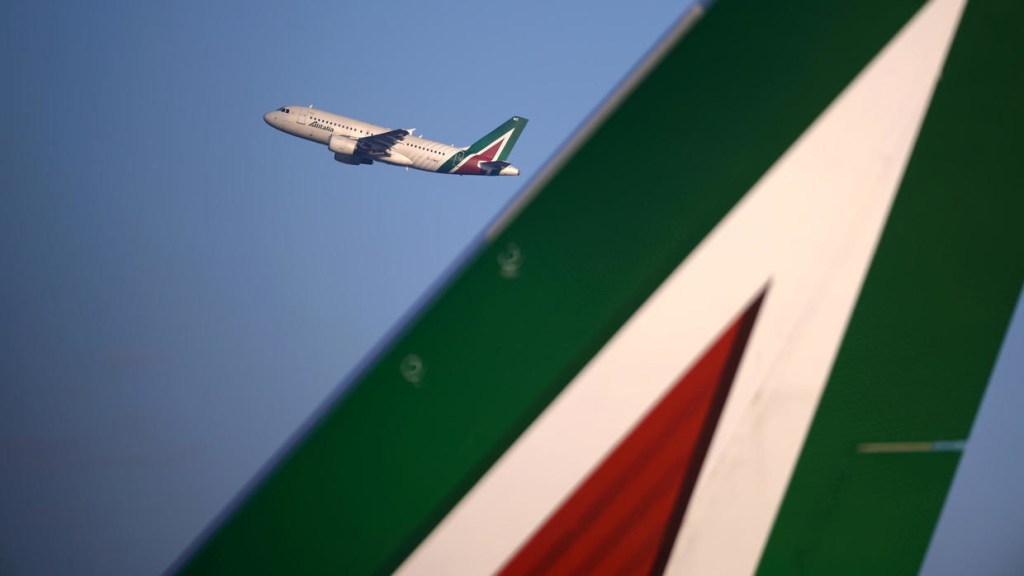
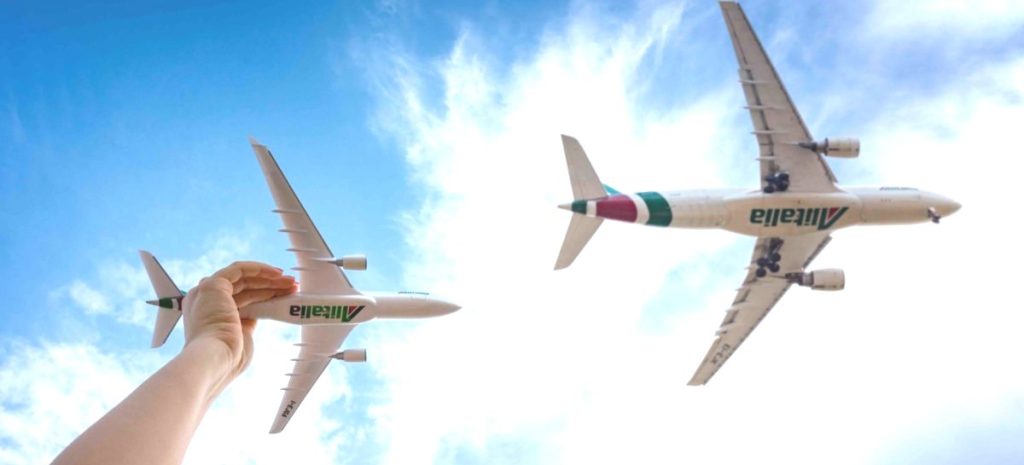
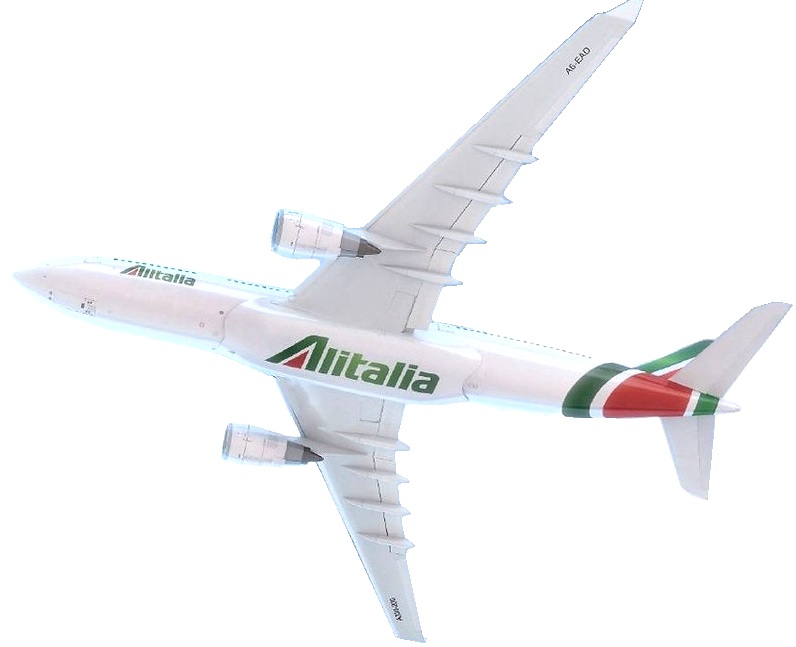
La Comisión de la Unión Europea (CE) ha solicitado al Gobierno de Italia que la marca Alitalia no debe poder continuar si la aerolínea va a relanzar y recibir financiación estatal. La Comisión está solicitando al gobierno italiano que desaparezca el nombre “Alitalia”, para que puedan aprobar el relanzamiento de la aerolínea, luego de tres reestructuras económicas fallidas y once años de problemas financieros. “La marca Alitalia no debe mantenerse en el NewCo (nueva compañía) estatal en Italia, dado que es un indicador emblemático de continuidad”, señaló en un comunicado la Unión Europea.
El Gobierno italiano busca inyectar tres mil millones de Euros a la nueva aerolínea Italia Transportes Aéreos (ITA), en un plan para relanzar la aerolínea bandera de este país; sin embargo, la Unión Europea puede bloquear la capitalización. Asimismo, la Comisión pidió que Roma sea más transparente con la desaparición de la vieja Alitalia y la formación de la nueva aerolínea, y que no se permita que los bienes de la antigua compañía sean adquiridos, en una negociación privada por la nueva compañía. “NewCo no debería retener los negocios combinados de aviación, servicios en tierra y mantenimiento”, señaló la Comisión, dejando entrever que estos deberían ser vendidos a una tercera parte, no involucrada en el lanzamiento de la nueva aerolínea.
Perspectivas ITA
La nueva aerolínea italiana plantea un problema desde el punto de vista de los pasajeros por el programa MilleMiglia de Alitalia que en su totalidad no puede ser transferido a la nueva entidad corporativa. Esto causa cierta preocupación para los viajeros frecuentes de Alitalia.
La nueva NewCo denominada provisionalmente ITA Transportes Aéreos planea iniciar operaciones en Abril 2021 con una flota reducida de 51 aeronaves y una plantilla de cinco mil empleados. La nueva aerolínea tendría una flota inicial de Embraer E190 (5), Airbus A319-A320 (40), Boeing 777-200ER (5) y Boeing 777-300ER (1). El plan es incrementar el tamaño de la compañía para 2026, con el doble de aeronaves.
Name «Alitalia» could disappear
New flag carrier to lose Alitalia name
The Commission of the European Union (EC) has requested the Government of Italy that the Alitalia brand should not be able to continue if the airline is to relaunch and receive state funding. The Commission is asking the Italian government to remove the name «Alitalia», so that they can approve the relaunch of the airline, after three failed economic restructures and eleven years of financial problems. «The Alitalia brand should not be kept in the NewCo (new company) state in Italy, since it is an emblematic indicator of continuity», the European Union said in a statement.
The Italian Government seeks to inject three billion Euros into the new airline Italia Transportes Aéreos (ITA), in a plan to relaunch the flag carrier of this country; however, the European Union can block capitalization. Likewise, the Commission requested that Rome be more transparent with the disappearance of the old Alitalia and the formation of the new airline, and that the assets of the old company be not allowed to be acquired, in a private negotiation by the new company. «NewCo should not retain the combined aviation, ground services and maintenance businesses», the Commission noted, hinting that these should be sold to a third party, not involved in the launch of the new airline.
ITA perspectives
The new Italian airline raises a problem from the passenger point of view because of Alitalia’s MilleMiglia program that in its entirety cannot be transferred to the new corporate entity. This causes some concern for frequent Alitalia travelers.
The new NewCo provisionally called ITA Transportes Aéreos plans to start operations in April 2021 with a reduced fleet of 51 aircraft and a staff of five thousand employees. The new airline would have an initial fleet of Embraer E190 (5), Airbus A319-A320 (40), Boeing 777-200ER (5) and Boeing 777-300ER (1). The plan is to increase the size of the company by 2026, with double the number of aircraft.
Il nome «Alitalia» potrebbe scomparire
Nuova compagnia di bandiera che perde il nome Alitalia
La Commissione dell’Unione Europea (CE) ha chiesto al governo italiano che il marchio Alitalia non possa continuare se la compagnia aerea vuole rilanciare e ricevere finanziamenti statali. La Commissione chiede al governo italiano di rimuovere la denominazione «Alitalia», in modo che possa approvare il rilancio della compagnia aerea, dopo tre ristrutturazioni economiche fallite e undici anni di problemi finanziari. «Il marchio Alitalia non dovrebbe essere mantenuto nello stato NewCo (nuova società) in Italia, poiché è un indicatore emblematico di continuità», ha detto l’Unione Europea in un comunicato.
Il governo italiano cerca di iniettare tre miliardi di euro nella nuova compagnia aerea Italia Transportes Aéreos (ITA), in un piano per rilanciare la compagnia di bandiera del Paese; tuttavia, l’Unione Europea può bloccare la capitalizzazione. Allo stesso modo, la Commissione ha chiesto che Roma sia più trasparente con la scomparsa della vecchia Alitalia e la formazione della nuova compagnia aerea, e che non sia consentito l’acquisizione dei beni della vecchia compagnia, in una trattativa privata da parte della nuova compagnia. «NewCo non dovrebbe mantenere le attività combinate di aviazione, servizi di terra e manutenzione», ha osservato la Commissione, suggerendo che queste dovrebbero essere vendute a una terza parte, non coinvolta nel lancio della nuova compagnia aerea.
ITA prospettive
La nuova compagnia aerea italiana solleva un problema dal punto di vista dei passeggeri a causa del programma MilleMiglia di Alitalia che nella sua interezza non può essere trasferito alla nuova entità aziendale. Ciò provoca una certa preoccupazione per i viaggiatori frequenti di Alitalia.
La nuova NewCo chiamata provvisoriamente ITA Transportes Aéreos prevede di iniziare le operazioni nell’aprile 2021 con una flotta ridotta di 51 aeromobili e uno staff di cinquemila dipendenti. La nuova compagnia aerea avrebbe una flotta iniziale di Embraer E190 (5), Airbus A319-A320 (40), Boeing 777-200ER (5) e Boeing 777-300ER (1). Il piano è di aumentare le dimensioni della compagnia entro il 2026, raddoppiando il numero di aeromobili.
Israel y Marruecos acuerdan iniciar vuelos directos
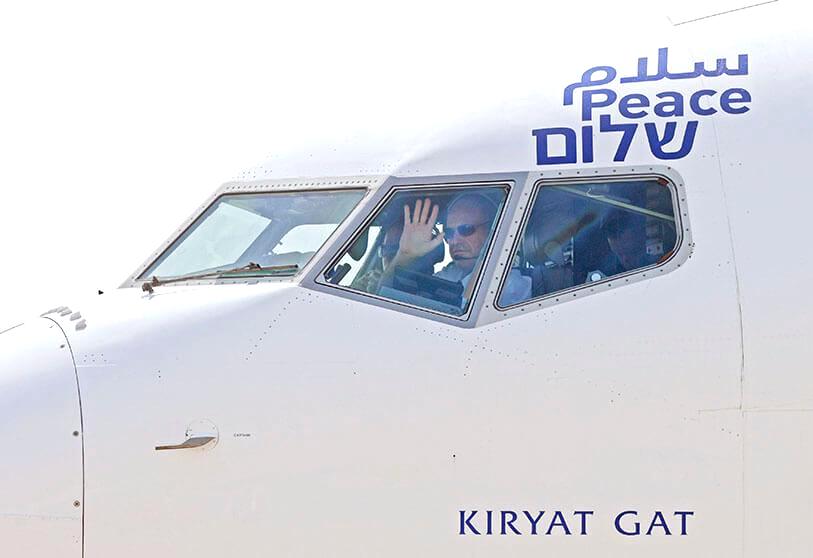
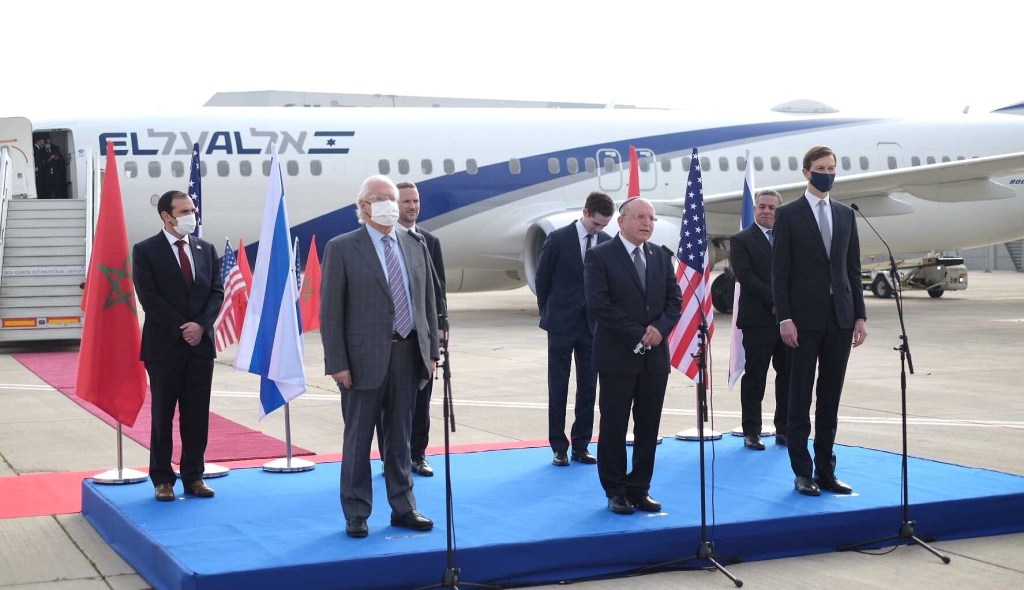
Israel y Marruecos acordaron este 21/01 el inicio de vuelos directos, tanto comerciales como de carga, un mes después del restablecimiento de relaciones diplomáticas entre ambos, anunció el Ministerio de Transporte israelí. «Israel y Marruecos firmaron hoy un acuerdo para operar vuelos directos entre ambos países», señala un comunicado del Ministerio. El comunicado no detalla cuándo se dará inicio al restablecimiento de los vuelos entre ambos países. Sólo explica que la aerolínea nacional marroquí, Royal Air Maroc, comenzará pronto a operar tres vuelos semanales entre Tel Aviv y Casablanca, mientras que aerolíneas israelíes conectarán también al Aeropuerto Internacional Tel Aviv/Ben Gurión con varias ciudades de Marruecos.
Los vuelos comerciales, que no tendrán límite de frecuencia ni de aerolíneas que los realicen, el acuerdo prevé también hasta diez vuelos de carga semanales en cada dirección. «Los vuelos directos entre Israel y Marruecos permitirán bajar los precios de los billetes y reducir significativamente la duración del viaje, en comparación con la situación actual en la que los pasajeros deben realizar escalas y cambiar de avión», señala el comunicado, que destaca además que estas nuevas rutas pueden contribuir a la recuperación de las aerolíneas israelíes El Al, Israir y Arkia, muy golpeadas por la pandemia. «La firma del acuerdo de aviación con Marruecos es un avance histórico en las relaciones entre los dos pueblos. Después de completar la campaña de vacunación, salir del confinamiento y volver a la vida, podremos viajar nuevamente al país donde crecieron nuestros padres y abuelos», expresó la Ministra de Transporte de Israel, Miri Reguev, en alusión al origen marroquí de una parte importante de la población israelí.
El restablecimiento de relaciones entre estos dos países fue formalizado en Rabat el pasado 22 de Diciembre de 2020, después de veinte años de ruptura oficial, y en el marco de una serie de acuerdos de normalización entre Israel y países árabes, que incluyó a Emiratos Árabes y Bahrain, con los que ya rigen acuerdos de aviación como este, y Sudán, con el que aún no se ha formalizado el vínculo.
Israel/Morocco restore flights
Israel and Morocco agree to start direct flights
Israel and Morocco agreed on 01/21 to start direct flights, both commercial and cargo, a month after the restoration of diplomatic relations between the two, announced the Israeli Ministry of Transport. «Israel and Morocco today signed an agreement to operate direct flights between the two countries», says a statement from the Ministry. The statement does not specify when the restoration of flights between the two countries will begin. It only explains that the Moroccan national airline, Royal Air Maroc, will soon start operating three weekly flights between Tel Aviv and Casablanca, while Israeli airlines will also connect Tel Aviv/Ben Gurion International Airport with several cities in Morocco.
Commercial flights, which will not have a frequency limit or the number of airlines that fly them, the agreement also provides for up to ten weekly cargo flights in each direction. «Direct flights between Israel and Morocco will lower ticket prices and significantly reduce the duration of the trip, compared to the current situation in which passengers must make stopovers and change planes», says the statement, which also highlights that these new routes can contribute to the recovery of the Israeli airlines El Al, Israir and Arkia, which were badly hit by the pandemic. «The signing of the aviation agreement with Morocco is a historical advance in the relations between the two peoples. After completing the vaccination campaign, leaving confinement and returning to life, we will be able to travel again to the country where our parents and grandparents grew up», said the Minister of Transport of Israel, Miri Reguev, referring to the Moroccan origin of a significant part of the Israeli population.
The reestablishment of relations between these two countries was formalized in Rabat on December 22, 2020, after twenty years of official rupture, and within the framework of a series of normalization agreements between Israel and Arab countries, which included the United Arab Emirates and Bahrain, with which aviation agreements like this already apply, and Sudan, with which the link has not yet been formalized.
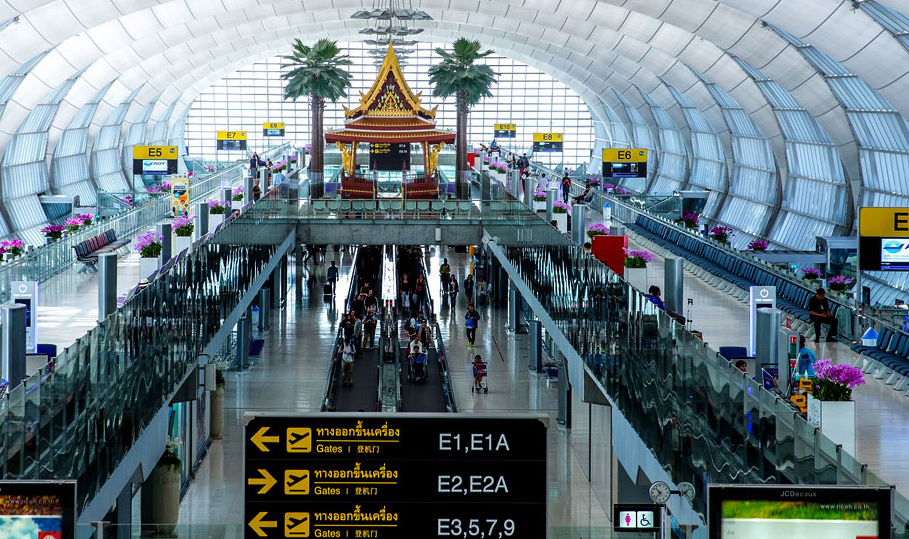
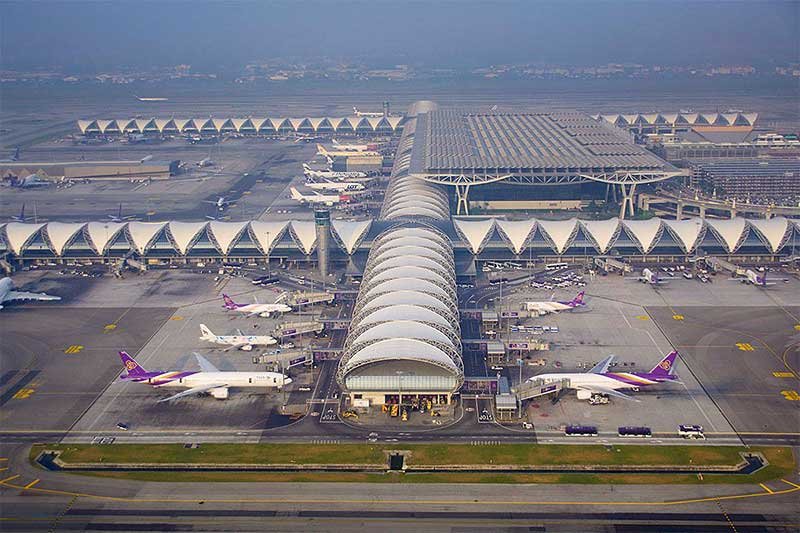
Tailandia aprueba plan de mejora del Aeropuerto de Bangkok
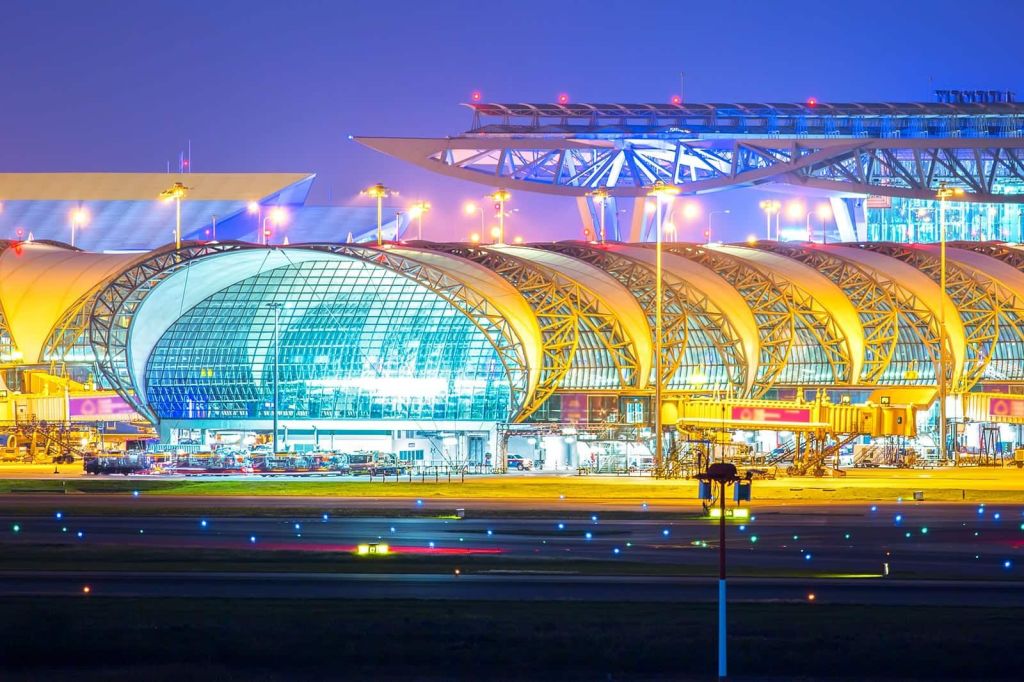
El Gobierno de Tailandia ha aprobado un plan de mejora Bt 60 mil millones (US$ 1.99 billones) para el Aeropuerto de Bangkok/Suvarnabhumi, la principal puerta de entrada internacional a Tailandia. Los aeropuertos consultarán con la Asociación Internacional de Transporte Aéreo (IATA) y la Organización de Aviación Civil Internacional (OACI) antes de presentar la propuesta al Gabinete del Gobierno para su examen en Marzo 2021. Según el Ministerio de Transporte, a cargo de Saksayam Chidchob, el proyecto incluye tres obras de expansión: expansiones este, oeste y norte. Saksayam Chidchob es vicepresidente del comité creado en diciembre para decidir si la expansión del norte requiere la construcción de una segunda terminal.
Las expansiones este y oeste, respectivamente, cubren un área de 6,6 hectáreas y cada una costará aproximadamente ₣ 7.83.000 millones de Francos Suizos (US$ 261 millones de Dólares). La expansión norte abarca 34,8 hectáreas con un costo de Bt41,26 miln (US$ 1,38bn). Una vez completadas, se espera que las tres expansiones aumenten su capacidad de 60 millones de pasajeros cada año.
John Yeap de Pinsent Masons, la firma detrás de Out-Law, dijo: «Con el sector de la aviación significativamente afectado por Covid-19, es alentador ver a Tailandia planeando el regreso de los viajes aéreos. Antes de la pandemia, el aeropuerto estaba operando sobre su capacidad prevista, y los planes para expandirse han estado en marcha desde mucho antes de la pandemia. Junto con la finalización de la terminal satelital que vence a finales de este año, y con la tercera ampliación de la pista que se propone, estos planes de expansión tienen como objetivo asegurar Bangkok como puerta de entrada internacional a Asia y más allá».
En Agosto 2021, TN Joint Venture, compuesta por Nawarat Patanakarn y Thanomwongse, firmó el contrato con Airports of Thailand Public Company Limited (AOT) para la construcción de la tercera pista y la extensión de la pista de rodaje D y la pista de rodaje perimetral en el aeropuerto de Suvarnabhumi. El valor total del contrato es Bt 9.71billones (US$ 324 millones), según un informe. Se espera que la construcción se complete en un plazo de tres años.
Bangkok Airport improvements
Thailand approves Bangkok Airport improvement plan
The Government of Thailand has approved a Bt 60 billion (US$ 1.99 trillion) upgrade plan for Bangkok/ Suvarnabhumi Airport, the main international gateway to Thailand. Airports will consult with the International Air Transport Association (IATA) and the International Civil Aviation Organization (ICAO) before presenting the proposal to the Government Cabinet for examination in March 2021. According to the Ministry of Transport, led by Saksayam Chidchob, the project includes three expansion works: east, west expansions and north. Saksayam Chidchob is vice chairman of the committee created in December to decide whether the northern expansion requires the construction of a second terminal.
The east and west expansions, respectively, cover an area of 6.6 hectares and each will cost approximately ₣ 7.83 billion Swiss francs (US$ 261 million). The northern expansion covers 34.8 hectares at a cost of Bt41.26 million ($ 1.38bn). Once completed, the three expansions are expected to increase their capacity of 60 million passengers each year.
John Yeap of Pinsent Masons, the firm behind Out-Law, said: «With the aviation sector significantly affected by Covid-19, it is encouraging to see Thailand planning a return to air travel. Before the pandemic, the airport was operating above its intended capacity, and plans to expand have been in place long before the pandemic. Along with the completion of the satellite terminal due later this year, and with the proposed third runway expansion, these expansion plans are aimed at securing Bangkok as an international gateway to Asia and beyond».
In August 2021, TN Joint Venture, made up of Nawarat Patanakarn and Thanomwongse, signed the contract with Airports of Thailand Public Company Limited (AOT) for the construction of the third runway and the extension of the D taxiway and the perimeter taxiway. at Suvarnabhumi Airport. The total value of the contract is Bt 9.71 billion (US$ 324 million), according to a report. Construction is expected to be completed within three years.
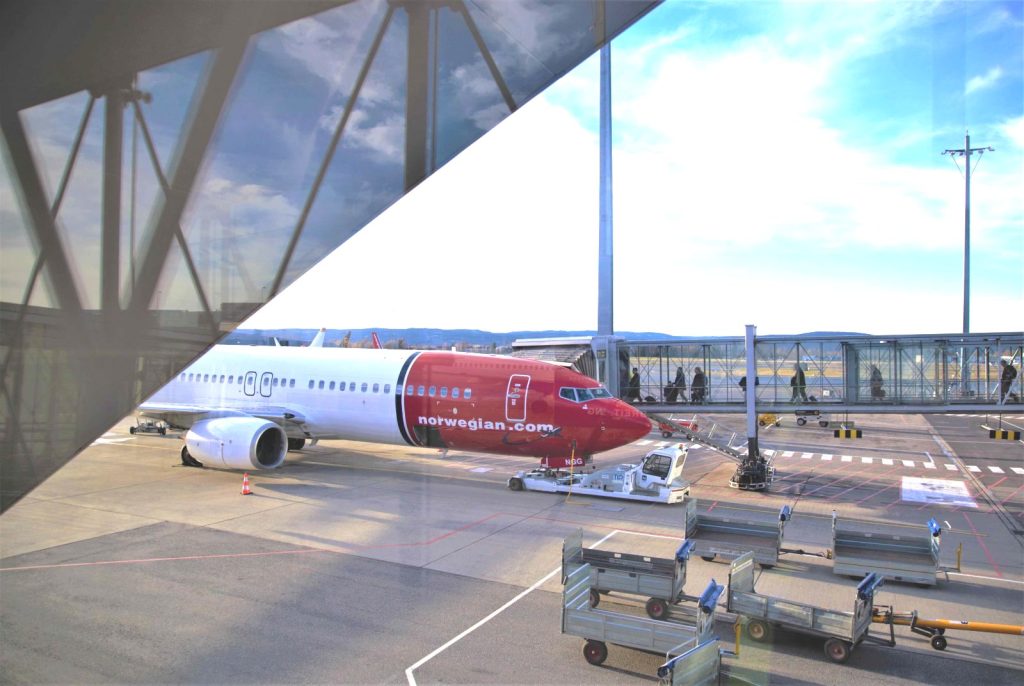
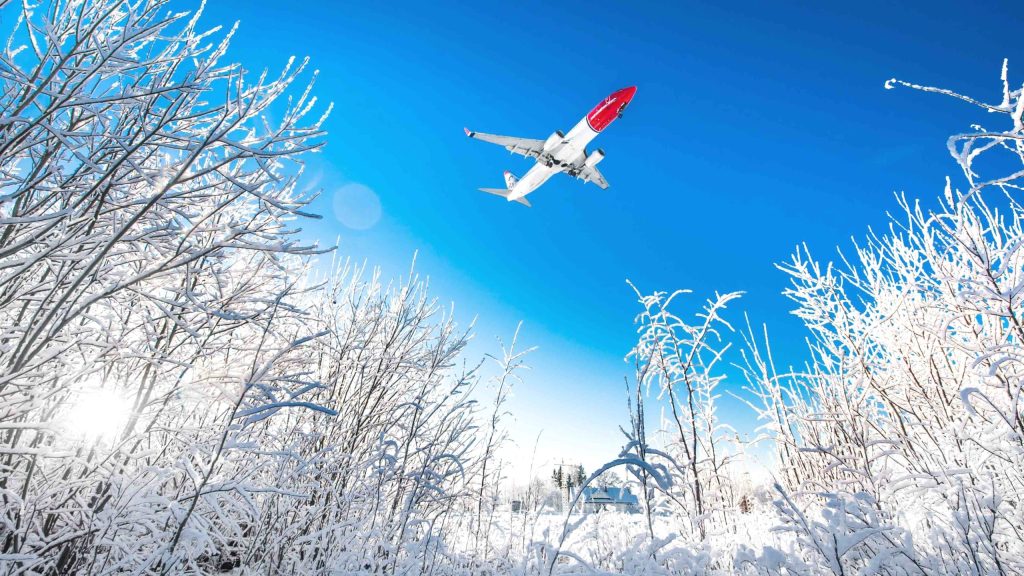
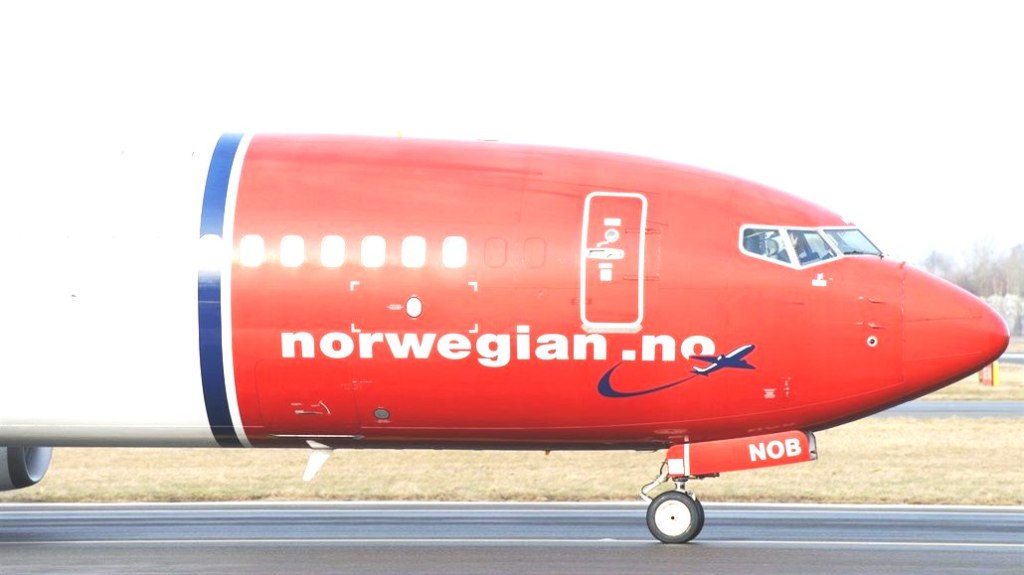
Gobierno Noruega acepta ahora apoyo financiero a Norwegian Air
El Gobierno de Noruega ha anunciado un cambio oo giro en la aceptación para apoyar financieramente a Norwegian Air, producto de haber modificado radicalmente su estructura como compañía. Un comunicado de Norwegian emitido este Miércoles 20/01 manifiesta su renovada esperanza de poder sortear la crisis gracias al apoyo por parte del Estado noruego, producto del cambio a un mercado doméstico europeo de Norwegian Air. “En nombre de todos en Norwegian, quien sinceramente agradecer al Gobierno por su apoyo. Norwegian ha tenido que enfrentar un escenario límite debido a la pandemia, pero el apoyo gubernamental nos permite tener más posibilidades de conseguir capital para la reconstrucción a la que aspiramos. Tenemos aún mucho trabajo por delante, pero la postura del Gobierno nos da alas y nos indica que vamos en la dirección correcta”, dijo Jacob Schram, el Director General.
Nuevo plan
La nueva estructura de la compañía presenta una estructura simplificada, pensada para las rutas europeas, sin ningún vuelo de largo recorrido, y con una fuerte reducción de su deuda. El plan presentado contempla operar con 50 aviones en este año y aumentar paulatinamente hasta llegar a los 70 en 2022. No se han ofrecido detalles particulares acerca de las condiciones del apoyo por parte del Gobierno, pero está de acuerdo con el nuevo plan que es más razonable y viable en el tiempo.
La deuda se reducirá sensiblemente, en el orden de los € 5.000 millones de Euros y se aspira a captar en el orden de los € 500 millones de Euros en capital fresco para recuperar la normalidad. “Tenemos un plan de negocio, contamos con la participación del Gobierno y confiamos que encontraremos inversores para poder pasar por el proceso de superar la inspección judicial a la que estamos sometidos (en Irlanda). Hemos tenido apoyo de los partidos políticos, de los clientes, de los colegas, de los accionistas y de los socios”, añadió Jacob Schram, mostrando su optimismo sobre la nueva coyuntura. El próximo paso importante es que la Justicia de Irlanda y Noruega acepten como viable la nueva compañía, permitiendo así una nueva oportunidad para poder atravesar una de las crisis más impactantes para la aviación comercial mundial.
Norway Government backs Norwegian
Norway Government now accepts financial support for Norwegian Air
The Government of Norway has announced a change or turn in acceptance to financially support Norwegian Air, as a result of radically changing its structure as a company. A Norwegian statement issued this Wednesday 20/01 expresses its renewed hope of being able to overcome the crisis thanks to the support from the Norwegian State, as a result of Norwegian Air’s switch to a European domestic market. “On behalf of everyone at Norwegian, who sincerely thank the Government for their support. Norwegian has had to face a borderline scenario due to the pandemic, but government support allows us to have a better chance of raising capital for the reconstruction we aspire to. We still have a lot of work ahead of us, but the government’s position gives us wings and tells us that we are going in the right direction”, said Jacob Schram, the Director General.
New plan
The new structure of the company presents a simplified structure, designed for European routes, without any long-haul flights, and with a strong reduction in its debt. The plan presented contemplates operating with 50 aircraft this year and gradually increasing until reaching 70 in 2022. No particular details have been offered about the conditions of support by the Government, but it agrees with the new plan, which is more reasonable and feasible in time.
The debt will be significantly reduced, in the order of € 5,000 million Euros and it is hoped to raise in the order of € 500 million Euros in fresh capital to restore normality. “We have a business plan, we have the participation of the Government and we trust that we will find investors to be able to go through the process of passing the judicial inspection to which we are subjected (in Ireland). We have had support from political parties, clients, colleagues, shareholders and partners , added Jacob Schram, showing his optimism about the new situation. The next important step is for the Justice of Ireland and Norway to accept the new company as viable, thus allowing a new opportunity to go through one of the most shocking crises for global commercial aviation.
Norske Regjeringen støtter Norwegian
Norske myndigheter godtar nå økonomisk støtte til Norwegian Air
Den Norske Regjering har kunngjort en endring eller omvendelse i aksept for å støtte Norwegian Air, som et resultat av en drastisk endring av strukturen som selskap. En norsk uttalelse utstedt onsdag 20. januar uttrykker sitt fornyede håp om å kunne overvinne krisen takket være støtten fra den norske staten, som et resultat av Norwegian Airs overgang til et europeisk hjemmemarked. “På vegne av alle i Norwegian, som oppriktig takker regjeringen for støtten. Norwegian har måttet møte et grensescenario på grunn av pandemien, men statsstøtte gir oss større sjanse for å skaffe kapital til den gjenoppbyggingen vi ønsker. Vi har fremdeles mye arbeid foran oss, men regjeringens posisjon gir oss vinger og forteller oss at vi går i riktig retning», sa Jacob Schram, generaldirektør.
Ny plan
Den nye strukturen i selskapet presenterer en forenklet struktur, designet for europeiske ruter, uten langdistansefly, og med en sterk reduksjon i gjeld. Planen som presenteres vurderer å operere med 50 fly i år og gradvis øke til 70 i 2022. Det er ikke gitt noen spesielle detaljer om vilkårene for støtte fra regjeringen, men den er enig i den nye planen, som er mer rimelig og gjennomførbar i tide.
Gjelden vil bli redusert betydelig, i størrelsesorden € 5.000 millioner Euro, og det håpes å øke i størrelsesorden 500 millioner Euro i ny kapital for å gjenopprette normaliteten. “Vi har en forretningsplan, vi deltar fra regjeringen og vi stoler på at vi vil finne investorer for å kunne gjennomgå prosessen med å overføre den rettslige inspeksjonen vi er utsatt for (i Irland). Vi har hatt støtte fra politiske partier, klienter, kolleger, aksjonærer og partnere”, la Jacob Schram til og viste sin optimisme om den nye situasjonen. Det neste viktige trinnet er at Irlands og Norges rettferdighet aksepterer det nye selskapet som levedyktig, og dermed gir en ny mulighet til å gjennomgå en av de mest sjokkerende krisene for verdens kommersiell luftfart.
AW | 2021 01 20 16:26 | AIRLINES MARKET / GOVERNMENT
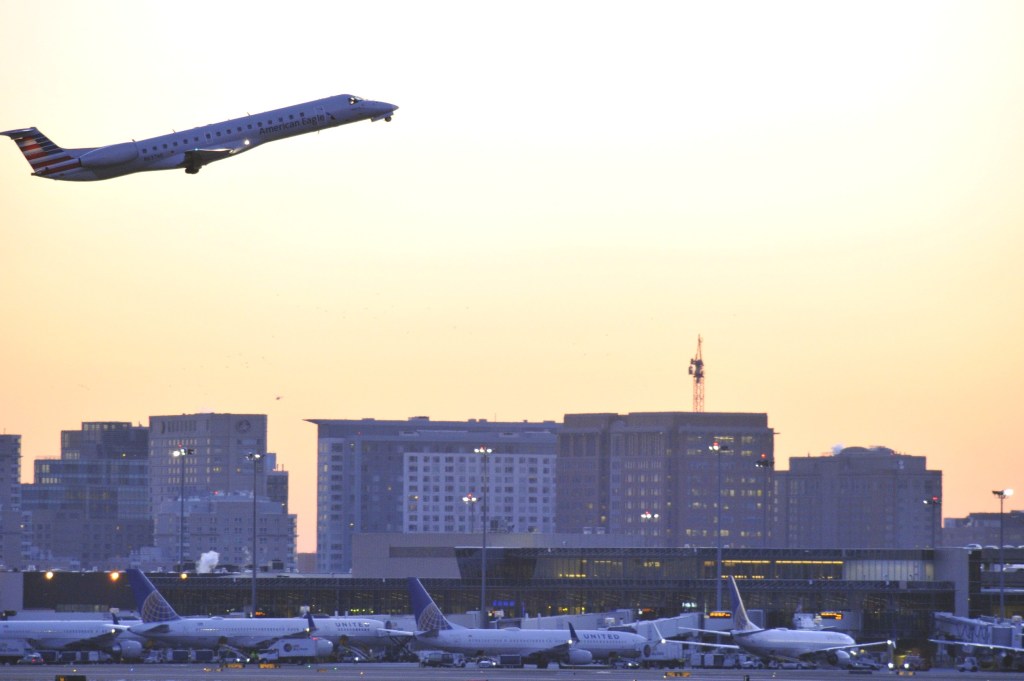
Nuevas perspectivas aviación tras cambio Gobierno Estados Unidos
Este Miércoles 20 de enero de 2021, Joseph Biden y Kamala Harris han presentado juramento juramentados en el Capitolio den Washington D.C., Estados Unidos durante la 59a ceremonia de inauguración Presidencial, iniciando una nueva era bajo la Administración Biden.
Inicialmente, el Gobierno Federal de Estados Unidos proporcionó US$ 25.000 millones de Dólares de fondos de apoyo a la nómina a las aerolíneas de pasajeros de Estados Unidos, evitando recortes de empleo en la industria más afectada. Sin embargo, esta ayuda sólo proporcionó un indulto temporal, que finalizó el 30 de Septiembre de 2020. Las aerolíneas posteriormente dejaron ir a decenas de miles de trabajadores, después de que el Congreso no llegara a un acuerdo sobre una extensión de apoyo a la nómina a pesar del apoyo bipartidista al concepto.
El Congreso finalmente aprobó una segunda ronda de apoyo a la nómina el mes pasado. En los últimos días, tres de las aerolíneas más grandes de Estados Unidos informaron que ya han recibido sus primeros desembolsos bajo el nuevo programa. Echemos un vistazo a lo que esto significa para American Airlines, Delta Air Lines y Southwest Airlines. Tras la finalización de la Administración Trump, las aerolíneas han aprovechado nuevos fondos de apoyo a la nómina. El Departamento del Tesoro ya ha desembolsado una parte considerable de la financiación de la nómina de las aerolíneas autorizadas en virtud de la Ley de Estímulo de Diciembre 2020.
El Congreso asignó US$ 15 mil millones para la segunda ronda de apoyo a la nómina de aerolíneas, significativamente menos que el monto disponible bajo el programa original en 2Q2020. Al igual que con el programa inicial de apoyo a la nómina, las subvenciones representarán alrededor del 70% de los fondos de apoyo a la nómina desembolsados a estas aerolíneas. Americano, Delta y Southwest tendrán que pagar el otro 30%. Sin embargo, esta parte del préstamo del apoyo a la nómina tendrá tasas de interés muy bajas: solo el 1% durante los primeros cinco años. La condición principal asociada a la nueva ronda de financiación era que las compañías aéreas tuvieran que retirar a todos sus trabajadores a pleno derecho de pago durante el período comprendido entre el 1 de Diciembre de 2020 y el 31 de Marzo de 2021, eso incluye el pago retroactivo para Diciembre 2020.
Las tres compañías informaron que recibieron la mitad de los pagos esperados bajo el nuevo programa de apoyo a la nómina el viernes pasado. La otra mitad se desembolsará a finales de este trimestre (1Q2021). El Departamento del Tesoro también podría tener fondos sobrantes después de procesar todas las solicitudes de apoyo a la nómina, en cuyo caso proporcionaría un pago adicional final para el final de este trimestre.
La extensión de soporte de nómina es una gran noticia para todas las aerolíneas elegibles de Estados Unidos. Están recibiendo una combinación de dinero gratis y préstamos de bajo costo. Sin embargo, algunas aerolíneas están preparadas para obtener un beneficio mayor de este programa que otras. Desde una perspectiva, American Airlines será el principal beneficiario. Tiene el balance más débil de cualquier aerolínea importante de Estados Unidos y está quemando la mayor cantidad de efectivo. En 12/2020, ha estimado la quema diaria promedio de efectivo para el cuarto trimestre en US$ 30 millones. Por lo tanto, tenía la mayor necesidad de apoyo adicional del Gobierno Federal. Por otro lado, American Airlines contó con unos 19.000 trabajadores en 2Q2020. Los costos de mano de obra de American aumentarán al recordar a esos trabajadores. Por el contrario, Delta Air Lines y Southwest Airlines no han arrasado con ningún trabajador, confiando en cambio en medidas voluntarias para minimizar los costos de nómina. Por lo tanto, Delta y Southwest verán más de un beneficio final del programa de apoyo a la nómina.
Entre Delta Air Lines y Southwest Airlines, Delta Air Lines parece el mayor ganador de la nueva ronda de alivio. Está configurado para recibir alrededor de un 70% más de fondos de apoyo a la nómina que Southwest Airlines, lo que refleja su mayor tamaño. Sin embargo, ambas aerolíneas quemaron un promedio de unos US$ 12 millones de Dólares al día en el último trimestre (4Q2020). Además, Southwest Airlines había planeado recortar hasta 7.000 trabajadores tan pronto como este mes de Enero 2021, entre otros recortes, si el programa de apoyo a la nómina no había sido aprobado.
La porción de subvención de US$ 2 mil millones del apoyo a la nómina de Delta Air Lines excede fácilmente su quema de efectivo proyectada en el primer trimestre (1Q2021). Con la dirección esperando que la aerolínea vuelva a un flujo de caja libre positivo el próximo trimestre, Delta Air Lines cree que su deuda neta ya ha alcanzado su punto máximo. Eso lo pone en gran forma para comenzar su recuperación en 2021.
Perspectivas aéreas
Tras las segundas ayudas a la nómina para las aerolíneas estadounidenses, la premura parece decir que las líneas aéreas podrán subsistir sin percances en el corto tiempo. La nueva Administración Biden ha prometido mayor compromiso a las acciones contra la batalla da la pandemia, pero la verdadera perspectivas hacia un horizonte limpio de dificultades estriba en poder administrar eficientemente la batalla que se ha librado en el cielo con un enemigo invisible denominado Coronavirus, por el que todo el mundo luchar por erradicarla.
Biden Administration & Aviation
New perspectives aviation after change of Government in USA
This Wednesday, January 20, 2021, Joseph Biden and Kamala Harris took the sworn oath at the Capitol in Washington D.C., United States during the 59th Presidential inauguration ceremony, ushering in a new era under the Biden Administration.
Initially, the US Federal Government provided US$ 25 billion in payroll support funds to US passenger airlines, avoiding job cuts in the worst hit industry. However, this aid only provided a temporary reprieve, which ended on September 30, 2020. Airlines subsequently let go of tens of thousands of workers after Congress failed to agree on an extension of payroll support. despite bipartisan support for the concept.
Congress finally approved a second round of payroll support last month. In recent days, three of the largest airlines in the United States reported that they have already received their first disbursements under the new program. Let’s take a look at what this means for American Airlines, Delta Air Lines, and Southwest Airlines. Following the end of the Trump Administration, airlines have tapped new funds to support payroll. The Treasury Department has already disbursed a significant portion of the payroll funding for airlines licensed under the December 2020 Stimulus Act.
Congress allocated US$ 15 billion for the second round of airline payroll support, significantly less than the amount available under the original program in 2Q2020. As with the initial payroll support program, the grants will represent about 70% of the payroll support funds disbursed to these airlines. Americano, Delta and Southwest will have to pay the other 30%. However, this part of the payroll support loan will have very low interest rates just 1% for the first five years. The main condition associated with the new round of financing was that the airlines had to withdraw all their workers with full right to pay during the period between December 1, 2020 and March 31, 2021, that includes payment retroactive to December 2020.
The three companies reported that they received half of the payments expected under the new payroll support program last Friday. The other half will be disbursed at the end of this quarter (1Q2021). The Treasury Department could also have funds left over after processing all requests for payroll support, in which case it would provide a final additional payment by the end of this quarter.
The payroll support extension is great news for all eligible US airlines. They are receiving a combination of free money and low-cost loans. However, some airlines are prepared to get more out of this program than others. From one perspective, American Airlines will be the main beneficiary. It has the weakest balance sheet of any major U.S. airline and is burning the most cash. As of 12/2020, you have estimated the average daily cash burn for the fourth quarter at US$ 30 million. Therefore, it had the greatest need for additional support from the Federal Government. On the other hand, American Airlines had about 19,000 workers in 2Q2020. American’s labor costs will go up as you remember those workers. By contrast, Delta Air Lines and Southwest Airlines have not wiped out any workers, relying instead on voluntary measures to minimize payroll costs. Therefore, Delta and Southwest will see more than one end benefit from the payroll support program.
Between Delta Air Lines and Southwest Airlines, Delta Air Lines looks like the biggest winner of the new round of relief. It is set to receive about 70% more payroll support funds than Southwest Airlines, reflecting its larger size. However, both airlines burned an average of about US$ 12 million a day in the last quarter (4Q2020). Additionally, Southwest Airlines had planned to cut up to 7,000 workers as soon as this January 2021, among other cuts, if the payroll support program had not been approved.
The US$ 2 billion grant portion of Delta Air Lines’ payroll support easily exceeds its projected cash burn in the first quarter (1Q2021). With management expecting the airline to return to positive free cash flow next quarter, Delta Air Lines believes its net debt has already peaked. That puts him in great shape to begin his recovery in 2021.
Aerial perspectives
After the second aid to payroll for US airlines, the urgency seems to say that airlines will be able to survive without mishaps in a short time. The new Biden Administration has promised greater commitment to actions against the battle of the pandemic, but the true prospects towards a horizon clear of difficulties lies in being able to efficiently manage the battle that has been fought in the sky with an invisible enemy called Coronavirus, for the one that everyone fought to eradicate.
PUBLISHER: Airgways.com DBk: Usa.gov / Smiley N. Pool / Newsweek.com / Airgways.com AW-POST: 202101201626AR













 airgways.com