Aerolíneas Argentinas post-pandemia

AW | 2021 01 07 11:31 | AIRLINES / GOVERNMENT

Perspectivas desarrollo aviación post-pandemia

Aerolíneas Argentinas_Isologotype 2010

Aerolíneas Argentinas busca una reorganización de la mano del Estado argentino después de una de las crisis más graves para la industria del transporte aéreo en todo el mundo, estimando pérdidas del sector cercanas a los US$ 118.500 millones de Dólares en todo el mundo, con pérdidas de arrastre de US$ 66 Dólares por pasajero transportado. La estimación fue realizada a fines de noviembre por la Asamblea General de la Asociación Internacional de Transporte Aéreo (IATA), que reúne a unas 290 compañías de 120 países, y da cuenta del estado de cosas en uno de los sectores más golpeados por la pandemia.

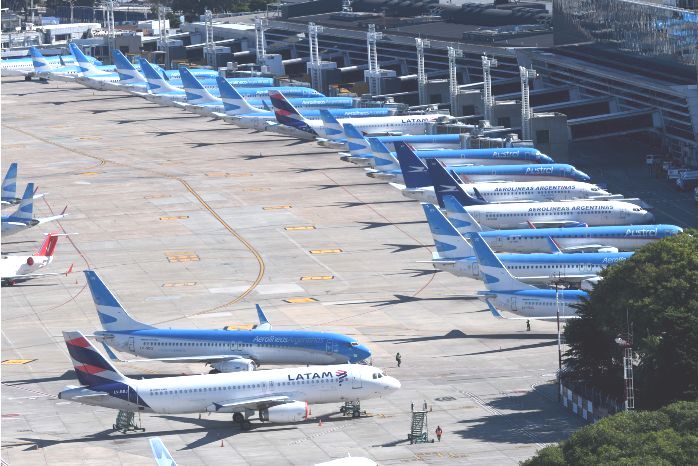
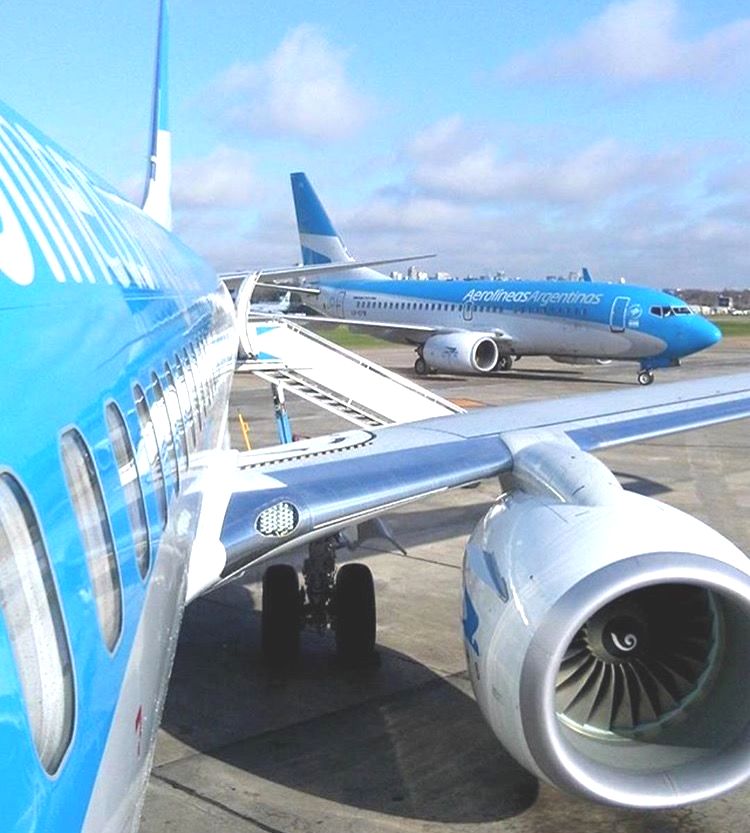
La compañía argentina no ha estado exenta a los acontecimientos mundiales, acompañado con los propios desafíos económicos que continúa soportando. Tras el advenimiento de la pandemia y las restricciones del mercado aéreo han profundizado la crisis en el sector de la aviación comercial y el Estado ha desarrollado un protagonismo esencial para la supervivencia de la aerolínea, donde han ajustado los cinturones frente a la dura realidad. Las medidas adoptadas frente a la crisis han introducido cambios en la compañía y en el mercado aéreo de Argentina, entre estos cambios, en 1Q2020 se iniciaba las tratativas para la fusión con Austral Líneas Aéreas alcanzadas en 11/2020, establecer políticas para el transporte de carga y la recuperación del turismo entre las claves para la reactivación económica de la compañía aérea. “Estamos frente a la mayor crisis de la historia en la industria aérea. El impacto ha sido muy grande, con una caída superior al 90% en cuanto a pasajeros transportados”, explican voceros de Aerolíneas Argentinas. Desde Marzo y hasta el 22 de Octubre de 2020 la aerolínea de bandera sólo operó vuelos especiales hacia el exterior y, dentro de la Argentina, aquellos autorizados por los gobiernos provinciales.

La crisis en el sector, calificada como “devastadora e implacable” por el Director General de la IATA, Alexandre de Juniac, encontró a Aerolíneas Argentinas en un proceso de recuperación, después de que la compañía había sufrido una merma en la cantidad de aviones en funcionamiento, resignado rutas internacionales y aumento de su déficit durante el período 2015-2019. Sin embargo, el proceso de recuperación iniciado a fines del 2019 puede ser el punto de partida para sortear la crisis provocada por el Covid-19. El fortalecimiento de la flota, la recuperación de rutas internacionales, la fusión con Austral y la apuesta a una mayor participación en el transporte de carga son algunos de los puntales para la etapa post-pandemia. Desde la compañía señalan que “2021 será un año de transición, en el cual la industria deberá recuperar la confianza para salir adelante”. Aunque evalúan que esto “dependerá de factores exógenos, como puede ser la vacuna, pero también de las transformaciones que se realicen para convertir en sustentable una industria que de por sí tiene márgenes de rentabilidad muy bajos”, expresó el CEO Pablo Ceriani.

Las aerolíneas miran con zozobra un horizonte por lo menos incierto, donde el fantasma de la quiebra se cierne sobre muchas compañías del sector. Sin embargo, en Aerolíneas Argentinas confían en la capacidad de resiliencia que históricamente demostró la empresa. Es que la compañía pudo sobrevivir al proceso privatizador de los 90, donde fue controlada por la española Iberia, al desaguisado del Grupo Marsans entre 2001 y 2008, siendo nuevamente adquirida por el Estado en Diciembre de 2008 y a la política de achicamiento desarrollada por el Gobierno anterior entre 2015 y 2019.

Cumbres borrascosas

Tras los desmanejos que sufrió la compañía durante un largo proceso, en 2009 el Estado retomó el control de Aerolíneas Argentinas con 26 aeronaves en funcionamiento, pero hacia el 2015 contaba con una flota de 74 aviones operativos con una edad promedio de seis años. “En 2019 la actual gestión recibió la empresa con 80 aviones operativos. Hay que decir que durante el anterior período (2015-2019) entraron ocho aeronaves pero que formaban parte de las órdenes de compra generadas durante la gestión de Mariano Recalde. Únicamente se realizó una revisión de uno de estos contratos e ingresaron cinco aviones Boeing 737 MAX en lugar de 737 800 que eran los que consignaba la orden original”, expresaron desde Aerolíneas.

Durante la gestión anterior se dejaron de operar las rutas a Brasilia, Caracas, La Habana y Barcelona, esta última una de la más rentables de la compañía con una ocupación del 96% promedio, que fue otorgada a la low cost española Level Airlines. Entre 2016 y 2019, Aerolíneas Argentinas perdió 24 rutas entre cabotaje, regionales e internacionales. Para graficar la caída de la compañía durante el Macrismo subrayan que la participación del mercado de Aerolíneas Argentinas en cabotaje entre 2015 y 2018 bajó de un 73% a un 64% y en el mercado internacional cayó de un 26% a un 22% durante el mismo período. Con el arribo de las aerolíneas de bajo costo como política aerocomercial del Gobierno anterior, la cantidad de pasajeros creció de 12,5 a 15 millones entre 2017 y 2019, permitiendo estimular el transporte de más pasajeros y alentar las rutas federales, sin embargo, Aerolíneas Argentinas y Austral Líneas Aéreas solo crecieron de 9,37 a 9,85 millones pasajeros transportados.

Aviación post-pandemia

El transporte de carga es una gran apuesta y alternativa a las economías de las líneas aéreas. “Estamos trabajando en potenciar el negocio de carga aérea, algo históricamente relegado en la empresa y que nos va a permitir obtener ingresos extras y con mayores niveles de rentabilidad”, se han pronunciado desde Aerolíneas Argentinas. Durante 2020, ha efectuado 42 vuelos a China (Shanghai y Guangzhou) con el objetivo principal de traer insumos médicos al país para la lucha contra el Covid-19. “Aprovechamos la capacidad ociosa en esos vuelos para transportar en el viaje de ida productos como cerezas, arándanos y vinos, lo cual nos permitió hacer experiencia en este tipo de vuelos y crear vínculos comerciales con productores locales”, añaden. Además, se utilizaron los vuelos especiales de repatriación para llevar carga a Miami, Nueva York, Roma y San Pablo, entre otros destinos. Desde Marzo 2020, en que comenzaron las restricciones por el Coronavirus, Aerolíneas realizó 950 vuelos locales e internacionales, en los que transportaron 224.517 pasajeros, provenientes de 46 destinos de 18 países. Los pasajeros repatriados fueron 70.083, según datos de la compañía.

Perspectivas post-pandemia

Aerolíneas Argentinas debe afrontar la temporada alta en un contexto que mantiene las dificultades que continúan afectando al transporte aéreo. “Durante el verano operaremos al 30% de lo que se volaba previo a la pandemia”, estimaron desde la empresa, donde creen que recién para 2022 se alcanzarán los indicadores previos al Covid-19, con alrededor de 300 vuelos diarios y más de un millón de pasajeros transportados mensualmente. “Durante 2021 trabajaremos para adecuar el funcionamiento a las mejores prácticas del mercado, potenciando las nuevas unidades de negocios que se crearon a partir de la fusión con Austral”, indican desde Aerolíneas. Los directivos se muestran confiados con esperanzas de que el despegue realmente ocurra después de una debacle del sector de la aviación comercial.

Se espera que los primeros indicadores de recuperación lleguen para el último trimestre de 2021. Mientras tanto el desafío es reposicionarse en un mercado en constante transformación, donde la disminución en la circulación de personas y la caída del turismo ponen en jaque a la mayor parte de las compañías aéreas del mundo.

Aerolíneas Argentinas post-pandemic

Post-pandemic aviation development prospects

Aerolíneas Argentinas seeks a reorganization at the hands of the Argentine State after one of the most serious crises for the air transport industry worldwide, estimating losses in the sector close to US$ 118,500 million dollars worldwide, with losses drag of US$ 66 Dollars per passenger transported. The estimate was made at the end of November by the General Assembly of the International Air Transport Association (IATA), which brings together some 290 companies from 120 countries, and accounts for the state of affairs in one of the sectors hardest hit by the pandemic.

AW-700338

The Argentine company has not been exempt from world events, accompanied by its own economic challenges that it continues to endure. After the advent of the pandemic and air market restrictions, the crisis in the commercial aviation sector has deepened and the State has played an essential role in the airline’s survival, where they have tightened their belts in the face of harsh reality. The measures adopted in the face of the crisis have introduced changes in the company and in the Argentine air market, among these changes, in 1Q2020 negotiations began for the merger with Austral Líneas Aéreas reached in 11/2020, establishing policies for the transport of cargo and the recovery of tourism among the keys to the economic reactivation of the airline. “We are facing the greatest crisis in history in the airline industry. The impact has been very great, with a drop of over 90% in terms of passengers transported”, explain spokespersons for Aerolineas Argentinas. From March to October 22, 2020, the flag carrier only operated special flights abroad and, within Argentina, those authorized by the provincial governments.

The crisis in the sector, described as «devastating and implacable» by the Director General of IATA, Alexandre de Juniac, found Aerolíneas Argentinas in a process of recovery, after the company had suffered a reduction in the number of aircraft in operation, resigned international routes and an increase in its deficit during the period 2015-2019. However, the recovery process started at the end of 2019 may be the starting point to overcome the crisis caused by Covid-19. The strengthening of the fleet, the recovery of international routes, the merger with Austral and the commitment to a greater participation in cargo transport are some of the pillars for the post-pandemic stage. From the company they point out that «2021 will be a year of transition, in which the industry must regain confidence to move forward». Although they evaluate that this «will depend on exogenous factors, such as the vaccine, but also on the transformations that are carried out to make an industry that already has very low profitability margins sustainable», said CEO Pablo Ceriani.

The airlines look with suspicion at an uncertain horizon, where the specter of bankruptcy hangs over many companies in the sector. However, in Aerolíneas Argentinas they trust in the resilience capacity that the company has historically demonstrated. Is that the company was able to survive the privatization process of the 90s, where it was controlled by the Spanish Iberia, the mess of the Marsans Group between 2001 and 2008, being again acquired by the State in December 2008 and the downsizing policy developed by the Government above between 2015 and 2019.

Wuthering heights

After the mismanagement that the company suffered during a long process, in 2009 the State regained control of Aerolíneas Argentinas with 26 aircraft in operation, but by 2015 it had a fleet of 74 operational aircraft with an average age of six years. “In 2019 the current management received the company with 80 operational aircraft. It must be said that during the previous period (2015-2019) eight aircraft entered but that they were part of the purchase orders generated during the administration of Mariano Recalde. Only a review of one of these contracts was carried out and five Boeing 737 MAX aircraft entered instead of 737 800, which were the ones that were consigned in the original order”, they expressed from Airlines.

During the previous management, the routes to Brasilia, Caracas, Havana and Barcelona were stopped operating, the latter one of the most profitable of the company with an average occupancy of 96%, which was granted to the Spanish low cost Level Airlines. Between 2016 and 2019, Aerolíneas Argentinas lost 24 routes between cabotage, regional and international. To graph the company’s decline during the Macrismo, they emphasize that Aerolíneas Argentinas’ market share in cabotage between 2015 and 2018 fell from 73% to 64% and in the international market it fell from 26% to 22% during same period. With the arrival of low-cost airlines as a commercial airline policy of the previous Government, the number of passengers grew from 12.5 to 15 million between 2017 and 2019, allowing to stimulate the transport of more passengers and encourage federal routes, however, Aerolíneas Argentinas and Austral Líneas Aéreas only grew from 9.37 to 9.85 million passengers transported.

Post-pandemic aviation

Freight transport is a great bet and alternative to the economies of airlines. «We are working on strengthening the air cargo business, something historically relegated in the company and that will allow us to obtain extra income and with higher levels of profitability», they have pronounced from Aerolíneas Argentinas. During 2020, it has made 42 flights to China (Shanghai and Guangzhou) with the main objective of bringing medical supplies to the country for the fight against Covid-19. «We take advantage of the idle capacity on these flights to transport products such as cherries, blueberries and wines on the outward journey, which allowed us to experience this type of flight and create commercial links with local producers», they add. In addition, special repatriation flights were used to take cargo to Miami, New York, Rome and São Paulo, among other destinations. Since March 2020, when the restrictions due to the Coronavirus began, Aerolíneas made 950 local and international flights, in which they transported 224,517 passengers, from 46 destinations in 18 countries. The repatriated passengers were 70,083, according to company data.

Post-pandemic perspectives

Aerolíneas Argentinas must face the high season in a context that maintains the difficulties that continue to affect air transport. «During the summer we will operate at 30% of what was flown prior to the pandemic», they estimated from the company, where they believe that the pre-Covid-19 indicators will only be reached by 2022, with around 300 daily flights and more than one million passengers transported monthly. «During 2021 we will work to adapt the operation to the best practices of the market, promoting the new business units that were created from the merger with Austral», they indicate from Aerolíneas. Managers are confident with hopes that takeoff will actually happen after a debacle in the commercial aviation sector.

The first indicators of recovery are expected to arrive in the last quarter of 2021. Meanwhile, the challenge is to reposition itself in a market in constant transformation, where the decrease in the movement of people and the fall in tourism put most of the population in check. the world’s airlines.


PUBLISHER: Airgways.com
DBk: Aerolineas.com / Telam.com.ar / Airgways.com
AW-POST: 202101071131AR

A\W   A I R G W A Y S ®

Malaysia busca restructurar deuda

AW | 2021 01 06 11:53 | AIRLINES / GOVERNMENT

Malaysia Airlines busca acuerdo para reestructuración deuda

403px-Malaysia_Airlines_Svg_Logo.svg

Malaysia Aviation Group Bhd (MAG), la matriz de la aerolínea nacional de pérdidas Malaysia Airlines Bhd, está explorando el uso de un esquema de acuerdo en un Tribunal del Reino Unido para completar su actual ejercicio de reestructuración de la deuda para el primer trimestre de 2021 (1Q2021), pendiente de confirmación de los acreedores minoritarios restantes. «Un buen progreso se ha logrado con el pleno apoyo de una gran mayoría de sus acreedores para un acuerdo consensuado. MAG confía en que logrará una situación de ganar-ganar con todos los acreedores involucrados y espera ejecutar su plan de negocios revisado a largo plazo junto con sus socios», expresó la aerolínea malaya.

El mes pasado, el Viceministro de Finanzas I Datuk Abd Rahim Bakri dijo que al 31 de Agosto de 2020, la posición de liquidez del grupo de empresas MAG se situaba en RM 366 millones de Ringgit, aparte del RM 578 millones disponibles de fondos asignados por Khazanah Nasional Bhd. MAG está en medio de negociaciones con unos 40 acreedores, arrendadores y proveedores clave para aceptar un recorte de su deuda pendiente como parte de un plan de reestructuración de la deuda de RM 16 mil millones. Había advertido de que, a menos que obtenga la aprobación de los acreedores que posean al menos el 75 por ciento del valor total de la deuda, el umbral exigido por la ley, podría declararse en bancarrota.

MAG es el holding de Malaysia Airlines y otras filiales como FlyFirefly Sdn Bhd, MASwings Sdn Bhd, MAB Engineering Sdn Bhd y MAB Kargo Sdn Bhd. El Director Ejecutivo del grupo MAG (CEO) Capitán Izham Ismail, que también sirve como CEO del grupo de Malaysia Airlines, había dicho a The Edge en una entrevista del 12 de Octubre de 2020 que una vez que la aerolínea haya obtenido suficiente apoyo para su plan de reestructuración de deuda, presentará el plan ante el tribunal del Reino Unido para una sanción judicial. Después de eso, Khazanah inyectará nuevo capital en la aerolínea hasta la recuperación completa esperada en los mercados de viajes aéreos nacionales en 2022 en la Región económica del ASEAN. Sin embargo, si los arrendadores y acreedores deciden no apoyar el plan de reestructuración, no tendrá más remedio que «ejecutar el Plan B», que implica cerrar la aerolínea y operar bajo el Certificado del Operador Aéreo (AOC) de Firefly de la aerolínea hermana Firefly para garantizar la continuidad del negocio de la compañía aérea nacional.

Malaysia seeks to restructure debt

Malaysia Airlines seeks debt restructuring deal

Malaysia Aviation Group Bhd (MAG), the parent of national loss-making carrier Malaysia Airlines Bhd, is exploring the use of a settlement scheme in a UK court to complete its current debt restructuring exercise for the first quarter of 2021 (1Q2021), pending confirmation of the remaining minority creditors. «Good progress has been made with the full support of a large majority of its creditors for a consensual settlement. MAG is confident that it will achieve a win-win situation with all creditors involved and looks forward to executing its revised business plan in the long term. together with its partners», said the Malaysian airline.

Last month, Deputy Finance Minister I Datuk Abd Rahim Bakri said that as of August 31, 2020, the liquidity position of the MAG group of companies stood at RM 366 million Ringgit, apart from the available RM 578 million of funds allocated by Khazanah Nasional Bhd. MAG is in the middle of negotiations with some 40 key creditors, lessors and suppliers to agree to a cut on its outstanding debt as part of a RM16 billion debt restructuring plan. He had warned that unless you get approval from creditors who own at least 75 percent of the total value of your debt, the threshold required by law, you could file for bankruptcy.

MAG is the holding company for Malaysia Airlines and other subsidiaries such as FlyFirefly Sdn Bhd, MASwings Sdn Bhd, MAB Engineering Sdn Bhd and MAB Kargo Sdn Bhd. MAG Group Executive Director (CEO) Captain Izham Ismail, who also serves as Malaysia Airlines Group CEO, had told The Edge in an October 12, 2020 interview that once the airline has obtained sufficient support for its debt restructuring plan, will present the plan to the UK court for legal sanction. After that, Khazanah will inject new capital into the airline until the expected full recovery in the domestic air travel markets in 2022 in the ASEAN Economic Region. However, if lessors and creditors decide not to support the restructuring plan, you will have no choice but to «execute Plan B,» which involves shutting down the airline and operating under the sister airline’s Firefly Air Operator Certificate (AOC). Firefly to ensure the business continuity of the national airline.

Malaysia berusaha menyusun semula hutang

Malaysia Airlines mencari perjanjian penstrukturan semula hutang

Malaysia Aviation Group Bhd (MAG), ibu bapa syarikat penerbangan nasional Malaysia Malaysia Bhd, sedang mengkaji penggunaan skim penyelesaian di mahkamah Inggeris untuk menyelesaikan pelaksanaan penyusunan semula hutang semasa untuk suku pertama 2021 (1Q2021), sementara menunggu pengesahan baki pemiutang minoriti. «Kemajuan yang baik telah dicapai dengan sokongan penuh sebahagian besar pemiutangnya untuk penyelesaian persetujuan. MAG yakin bahawa ia akan mencapai situasi menang-menang dengan semua pemiutang yang terlibat dan berharap dapat melaksanakan rancangan perniagaannya yang disemak semula dalam jangka panjang. bersama dengan rakan kongsi», kata syarikat penerbangan Malaysia itu.

Bulan lalu, Timbalan Menteri Kewangan I, Datuk Abd Rahim Bakri mengatakan bahawa pada 31 Ogos 2020, kedudukan mudah tunai kumpulan syarikat MAG berjumlah RM 366 juta Ringgit, selain dana RM 578 juta yang tersedia diperuntukkan oleh Khazanah Nasional Bhd. MAG sedang dalam proses rundingan dengan kira-kira 40 pemiutang, peminjam dan pembekal utama untuk menyetujui pemotongan hutang tertunggaknya sebagai sebahagian daripada rancangan penyusunan semula hutang bernilai RM16 bilion. Dia telah memberi amaran bahawa melainkan jika anda mendapat persetujuan daripada pemiutang yang memegang sekurang-kurangnya 75 persen dari jumlah nilai hutang, ambang yang dikehendaki oleh undang-undang, anda boleh mengajukan kebankrapan.

MAG adalah syarikat induk untuk Malaysia Airlines dan anak syarikat lain seperti FlyFirefly Sdn Bhd, MASwings Sdn Bhd, MAB Engineering Sdn Bhd dan MAB Kargo Sdn Bhd. Pengarah Eksekutif (CEO) MAG Group Kapten Izham Ismail, yang juga berkhidmat sebagai Ketua Pegawai Eksekutif Kumpulan Malaysia Airlines, telah memberitahu The Edge dalam temu ramah pada 12 Oktober 2020 bahawa syarikat penerbangan itu telah mendapat sokongan yang mencukupi untuk rancangan penstrukturan hutang, akan mengemukakan rancangan tersebut ke mahkamah UK untuk mendapatkan sanksi undang-undang. Selepas itu, Khazanah akan memasukkan modal baru ke dalam syarikat penerbangan sehingga pemulihan sepenuhnya yang diharapkan di pasaran perjalanan udara domestik pada tahun 2022 di Wilayah Ekonomi ASEAN. Namun, jika pemajak dan pemiutang memutuskan untuk tidak menyokong rancangan penstrukturan semula, anda tidak akan mempunyai pilihan selain «melaksanakan Pelan B», yang melibatkan penutupan syarikat penerbangan dan beroperasi di bawah Sijil Pengendali Udara Firefly (AOC) syarikat penerbangan itu. Firefly untuk memastikan kesinambungan perniagaan syarikat penerbangan nasional.


PUBLISHER: Airgways.com
DBk: Malaysiaairlines.com / Airgways.com
AW-POST: 202101061153AR

A\W   A I R G W A Y S ®

Holanda inyecta préstamo a Winair

AW | 2021 01 06 11:33 | AIRLINES / GOVERNMENT

Gobierno Países Bajos activa préstamo US$ 3 millones a Winair

Los Países Bajos anunciaron un rescate financiero para la aerolínea estatal Winair, clave para sus islas del Caribe. La compañía, que atraviesa dificultades por la pandemia de Coronavirus, es la única que mantiene conexiones entre las seis islas holandesas en la región caribeña. El 31 de Diciembre de 2020, el Gobierno holandés anunció un préstamo hipotecario de US$ 3 millones a Windward Islands Airways (Winair), la pequeña aerolínea regional con sede en la Isla Saint Maarten. El préstamo ayudará al transportista en dificultades a sobrevivir a la crisis actual y mantener conectadas a las Islas del Caribe.

La conectividad aérea es esencial para mantener las economías de la región en funcionamiento en la Región de las Antillas. El préstamo aprobado tiene una tasa de interés basada en el mercado, anunció Cora van Nieuwenhizen, Ministra holandesa de Infraestructura y Gestión del Agua. El Gobierno neerlandés tiene una participación minoritaria en la aerolínea, con un 7,95% de Winair, mientras que el Gobierno de St. Maarten posee el 92,05%. En una carta enviada a la Sala Segunda del Parlamento neerlandés, van Nieuwenhizen dijo: «La emisión de este préstamo se basa en la necesidad de mantener la conectividad aérea con las islas del Caribe de los Países Bajos. El apoyo se proporciona en forma de un préstamo hipotecario con un plazo de amortización de 18 meses, que puede ampliarse a un máximo de seis años con aprobación mutua». Winair pondrá su edificio en el Aeropuerto Internacional Princesa Juliana en St. Maarten como garantía. Durante este tiempo, Winair no podrá pagar bonus a sus directivos ni distribuir dividendos entre sus accionistas.

La aerolínea, fundada en 1961 es una compañía escencial para el progreso y conexión de la región. Actualmente, emplea a 130 personas. La compañía Winair es la única aerolínea que mantiene conexiones entre las seis islas holandesas del Caribe: Bonaire, Curazao y Aruba, que se sitúan a unos 80 kilómetros al norte de la costa venezolana, y San Eustaquio, Saba y San Martín.

Holland injects loan to Winair

Netherlands Government activates a US$ 3 million loan to Winair

The Netherlands announced a financial rescue for the state airline Winair, key to its Caribbean islands. The company, which is experiencing difficulties due to the Coronavirus pandemic, is the only one that maintains connections between the six Dutch islands in the Caribbean region. On December 31, 2020, the Dutch Government announced a US$ 3 million mortgage loan to Windward Islands Airways (Winair), the small regional airline based on Saint Maarten Island. The loan will help the distressed carrier survive the current crisis and keep the Caribbean Islands connected.

Air connectivity is essential to keep the economies of the region running in the Antilles Region. The approved loan has a market-based interest rate, announced Cora van Nieuwenhizen, Dutch Minister for Infrastructure and Water Management. The Dutch Government has a minority stake in the airline, with 7.95% of Winair, while the Government of St. Maarten owns 92.05%. In a letter sent to the Second Chamber of the Dutch Parliament, van Nieuwenhizen said: «The issuance of this loan is based on the need to maintain air connectivity with the Caribbean islands of the Netherlands. Support is provided in the form of a mortgage loan with a repayment period of 18 months, which can be extended to a maximum of six years with mutual approval». Winair will put its building in the Princess Juliana International Airport in St. Maarten as collateral. During this time, Winair will not be able to pay bonuses to its directors or distribute dividends among its shareholders.

The airline, founded in 1961, is an essential company for the progress and connection of the region. Currently, it employs 130 people. The Winair company is the only airline that maintains connections between the six Dutch islands of the Caribbean: Bonaire, Curaçao and Aruba, which are located about 80 kilometers north of the Venezuelan coast, and Saint Eustatius, Saba and Saint Martin.

Holland injecteert lening aan Winair

Nederlandse overheid verstrekt een lening van US$ 3 miljoen

Nederland Kondigde een financiële redding aan voor de staatsluchtvaartmaatschappij Winair, de sleutel tot haar Caribische eilanden. Het bedrijf, dat in moeilijkheden verkeert door de coronaviruspandemie, is het enige dat verbindingen onderhoudt tussen de zes Nederlandse eilanden in het Caribisch gebied. Op 31 december 2020 kondigde de Nederlandse regering een hypotheeklening van US$ 3 miljoen aan aan Windward Islands Airways (Winair), de kleine regionale luchtvaartmaatschappij op het eiland Saint Maarten. De lening zal de noodlijdende luchtvaartmaatschappij helpen de huidige crisis te overleven en de Caribische eilanden verbonden te houden.

Luchtverbindingen zijn essentieel om de economie van de regio in de Antillenregio draaiende te houden. De goedgekeurde lening heeft een marktconform rentetarief, meldt minister van Infrastructuur en Waterstaat Cora van Nieuwenhizen. De Nederlandse regering heeft een minderheidsbelang in de luchtvaartmaatschappij, met 7,95% van Winair, terwijl de regering van St. Maarten 92,05% bezit. In een brief aan de Tweede Kamer van de Tweede Kamer zei van Nieuwenhizen: ,,De uitgifte van deze lening is gebaseerd op de noodzaak om de luchtverbinding met de Caribische eilanden van Nederland te behouden. Ondersteuning wordt verleend in de vorm van een hypothecaire lening met een aflossingsperiode van 18 maanden, die met wederzijdse goedkeuring kan worden verlengd tot maximaal zes jaar». Winair zal haar gebouw als onderpand op de Princess Juliana International Airport in St. Maarten plaatsen. Gedurende deze tijd zal Winair geen bonussen kunnen uitkeren aan zijn bestuurders of dividenden onder zijn aandeelhouders uitkeren.

De luchtvaartmaatschappij, opgericht in 1961, is een essentieel bedrijf voor de vooruitgang en verbinding van de regio. Momenteel werken er 130 mensen. Het bedrijf Winair is de enige luchtvaartmaatschappij die verbindingen onderhoudt tussen de zes Nederlandse eilanden van het Caribisch gebied: Bonaire, Curaçao en Aruba, die ongeveer 80 kilometer ten noorden van de Venezolaanse kust liggen, en Sint Eustatius, Saba en Sint Maarten.


PUBLISHER: Airgways.com
DBk: Fly-winair.sx / Government.nl / Airgways.com
AW-POST: 202101061133AR

A\W   A I R G W A Y S ®

Acuerdo espacio aéreo Arabia/Qatar

AW | 2021 01 05 12:04 | AIR TRAFFIC / AIRLINES / GOVERNMENT

Arabia Saudita abre espacio aéreo a Qatar

Arabia Saudita y Qatar han acordado abrir el espacio aéreo, las fronteras terrestres y marítimas, dentro de un acuerdo con efecto inmediato. Un funcionario estadounidense dijo que el acuerdo era el preludio de un acuerdo más amplio para poner fin a un boicot a Qatar por parte de sus vecinos del Golfo que ha durado más de tres años. Esto ha tenido un impacto económico en Qatar Airways, ya que la aerolínea ha sido restringida a utilizar el espacio aéreo de los países cercanos. Esto ha añadido costos logísticos y tiempos en la duración de los vuelos de Qatar Airways, debido a los desvíos necesarios. El acuerdo anunciado el Lunes 04/01 permitiría el comercio y los viajes entre Arabia Saudita y el Reino de Qatar por primera vez desde que los cuatro países, Arabia Saudita, Emiratos Arabes Unidos, Bahrein y Egipto bloquearan al Reino de Qatar en Junio de 2017, acusando a sus gobernantes de apoyar al terrorismo y a los islamistas en la región, y de acercarse demasiado a Irán, su enemigo.

En el marco del nuevo acuerdo, los beneficios en el plano de la aviación favorecen con la excelente noticia recibida en Qatar Airways que no será un impedimento volar las rutas sobre espacio aéreo saudita. Con esta actualización estamos viendo un nuevo acuerdo entre Arabia Saudita y Qatar, aunque todavía existen restricciones entre Qatar y los demás países. Si bien es de esperar que se resuelvan, el problema con Arabia Saudita ha sido el principal debido a que geográficamente tenía una posición dominante para las estrategias de transporte en el Reino de Qatar. Como parte de una política de nuevos acuerdos, Arabia Saudita también ha abierto su espacio aéreo a los vuelos de Israel, después de un nuevo acuerdo de paz entre los Emiratos Árabes Unidos e Israel.

El Príncipe heredero de Arabia Saudita, Mohammed bin Salman, dijo en una declaración el Lunes 04/01 que la reunión de la cumbre cerraría las filas y unificaría la postura de los países del Golfo, perfilando a los Estados de la región hacia una reconciliación. También señaló la esperanza de los sauditas de un frente unido para contrarrestar a postura de la República Islámica de Irán.

Saudi/Qatar airspace agreement

Saudi Arabia opens airspace to Qatar

Saudi Arabia and Qatar have agreed to open airspace, land and sea borders, within an agreement effective immediately. A US official said the deal was a prelude to a broader deal to end a boycott of Qatar by its Gulf neighbors that has lasted for more than three years. This has had an economic impact on Qatar Airways, as the airline has been restricted to using the airspace of nearby countries. This has added logistical costs and time to the duration of Qatar Airways flights, due to necessary detours. The agreement announced on Monday 04/01 would allow trade and travel between Saudi Arabia and the Kingdom of Qatar for the first time since the four countries, Saudi Arabia, the United Arab Emirates, Bahrain and Egypt blocked the Kingdom of Qatar in June 2017, accusing their rulers of supporting terrorism and Islamists in the region, and of getting too close to Iran, their enemy.

Under the new agreement, the benefits in the aviation plane favor the excellent news received by Qatar Airways that it will not be an impediment to fly the routes over Saudi airspace. With this update we are seeing a new agreement between Saudi Arabia and Qatar, although there are still restrictions between Qatar and the other countries. While they are expected to be resolved, the issue with Saudi Arabia has been the main one because geographically it had a dominant position for transport strategies in the Kingdom of Qatar. As part of a policy of new agreements, Saudi Arabia has also opened its airspace to Israeli flights, following a new peace agreement between the United Arab Emirates and Israel.

The Crown Prince of Saudi Arabia, Mohammed bin Salman, said in a statement on Monday 04/01 that the summit meeting would close the ranks and unify the position of the Gulf countries, shaping the states of the region towards a reconciliation. He also noted the hope of the Saudis for a united front to counter the position of the Islamic Republic of Iran.

اتفاقية المجال الجوي السعودي / القطري

السعودية تفتح المجال الجوي لقطر

اتفقت السعودية وقط دولة قطر على فتح الأجواء والحدود البرية والبحرية ، ضمن اتفاق نافذ المفعول على الفور. وقال مسؤول أمريكي إن الصفقة مقدمة لاتفاق أوسع لإنهاء مقاطعة جيرانها الخليجيين لقطر والتي استمرت لأكثر من ثلاث سنوات. كان لذلك تأثير اقتصادي على الخطوط الجوية القطرية ، حيث اقتصرت الشركة على استخدام المجال الجوي للدول المجاورة. وقد أدى ذلك إلى إضافة التكاليف اللوجستية والوقت إلى مدة رحلات الخطوط الجوية القطرية ، بسبب التحويلات الضرورية.الاتفاق الذي أعلن يوم الاثنين 04/01 سيسمح بالتجارة والسفر بين المملكة العربية السعودية ومملكة قطر لأول مرة منذ أن قامت الدول الأربع وهي السعودية والإمارات والبحرين ومصر بحظر مملكة قطر في يونيو 2017. واتهموا حكامهم بدعم الإرهاب والإسلاميين في المنطقة والتقرب من إيران عدوهم.

وبموجب الاتفاقية الجديدة ، فإن الفوائد في طائرة الطيران تفضل الأنباء الممتازة التي وردت من الخطوط الجوية القطرية بأنها لن تكون عائقاً في تحليق المسارات فوق المجال الجوي السعودي. مع هذا التحديث ، نشهد اتفاقية جديدة بين المملكة العربية السعودية وقطر ، على الرغم من استمرار وجود قيود بين قطر والدول الأخرى. في حين أنه من المتوقع أن يتم حلها ، كانت المشكلة مع المملكة العربية السعودية هي القضية الرئيسية لأنها جغرافيًا كان لها موقع مهيمن لاستراتيجيات النقل في مملكة قطر. وكجزء من سياسة الاتفاقيات الجديدة ، فتحت المملكة العربية السعودية مجالها الجوي أيضًا أمام الرحلات الجوية الإسرائيلية ، بعد اتفاق سلام جديد بين الإمارات العربية المتحدة وإسرائيل.

قال ولي عهد السعودية ، محمد بن سلمان ، في بيان يوم الاثنين 4/1 / ، إن اجتماع القمة سيوحد الصفوف ويوحد موقف دول الخليج ، ويشكل دول المنطقة نحو المصالحة. كما أشار إلى أمل السعوديين في جبهة موحدة لمواجهة موقف الجمهورية الإسلامية الإيرانية.


PUBLISHER: Airgways.com
DBk: Gov.sa / Gov.qa / Airgways.com
AW-POST: 202101051204AR

A\W   A I R G W A Y S ®

CE apoyo financiero a Alitalia

AW | 2021 01 05 10:44 | AIRLINES / GOVERNMENT

Comisión Europea aprueba ayudas a Alitalia

Alitalia_Isotype

La Comisión Europea (CE) ha aprobado ayudas a la aerolínea italiana Alitalia por valor de € 73 millones de Euros (US$ 90 millones de Dólares) en el apoyo estatal italiano concedido a la aerolínea con el objetivo de buscar una compensación a las pérdidas sufridas durante la pandemia de Coronavirus entre Junio y Octubre de 2020. La financiación, en forma de subvención directa, estaba en consonancia con la Unión Europea (UE) para respaldar la aprobación necesaria para que Alitalia posea nuevas inyecciones de capital para continuar volando, después del proceso de reestructuración aprobado en la compañía. Tras la nacionalización de Alitalia bajo el firma Italia Trasporto Aereo (ITA), la aerolínea italiana emergerá de la nacionalización con un plan de reactivación apropiado para el desarrollo de sus operaciones.

Perspectivas Alitalia

El programa detalla cambios estructurales en la compañía aérea italiana, aunque no se ha detallado la conservación de la denominación del nombre Alitalia. Poseerá una flota de 52 aviones y servir a 61 rutas. Establecerá una plantilla de entre 5.300 y 5.500 empleados, la mitad de la que poseía la Alitalia pre-pandemia. Durante el próximo año, la compañía apuntará a rutas donde espera que se incremente el tráfico tras las restricciones relacionadas con la pandemia de coronavirus. Más adelante, ITA planea enfocarse en mercados donde Italia tiene estrechos lazos de negocios y turísticos. Además, apunta a diferenciarse de las aerolíneas de bajo costo, ofreciendo vuelos en horarios que se adapten tanto a los viajes de negocios como de placer.

La aerolínea podría iniciar sus operaciones en Abril 2021, declaró recientemente el ejecutivo Fabio Lazzerini. Está previsto que tenga sus bases en el Aeropuerto de Fiumicino en Roma y Milán Linate. ITA dio a conocer que invertirá € 2.900 millones de Euros (US$ 3.500 millones de Dólares), de los cuales la mayoría se destinará a la flota, y 300 millones de euros financiarán la digitalización. La aerolínea busca generar ingresos anuales por € 3.400 millones de Euros hasta 2025.

Alitalia, un emblema nacional de Italia, recibió varios préstamos estatales multimillonarios, más € 3.000 millones de euros en medio de la crisis generada por la pandemia. La línea aérea arrojó ganancias por última vez en 2002 y ha estado bajo administración controlada por el Estado italiano desde mayo de 2017. Los intentos por encontrarle un comprador privado, que incluyeron conversaciones con las compañías Delta y Lufthansa, llevaron al fracaso, encontrando el escenario menos alentador con el arribo de la pandemia.

CE support Alitalia

European Commission approves aid to Alitalia

The European Commission (EC) has approved aid to the Italian airline Alitalia worth € 73 million Euros (US$ 90 million) in the Italian state support granted to the airline with the objective of seeking compensation for the losses suffered during the Coronavirus pandemic between June and October 2020. The financing, in the form of a direct grant, was in line with the European Union (EU) to respect the necessary approval for Alitalia to have new injections of capital to continue flying, after the restructuring process approved in the company. After the nationalization of Alitalia under the signature Italia Trasporto Aereo (ITA), the Italian airline will emerge from the nationalization with an appropriate reactivation plan for the development of its operations.

Alitalia perspectives

The program details structural changes in the Italian airline, although the preservation of the Alitalia name has not been detailed. It will possess a fleet of 52 aircraft and serve 61 routes. It will establish a workforce of between 5,300 and 5,500 employees, half of that of the pre-pandemic Alitalia. Over the next year, the company will target routes where it expects traffic to increase following restrictions related to the coronavirus pandemic. Going forward, ITA plans to focus on markets where Italy has close business and tourism ties. In addition, it aims to differentiate itself from low-cost airlines, offering flights at times that suit both business and leisure travel.

The airline could start operations in April 2021, executive Fabio Lazzerini recently declared. It is planned to be based at Fiumicino Airport in Rome and Milan Linate. ITA announced that it will invest € 2.9 billion euros (US$ 3.5 billion), of which the majority will go to the fleet, and 300 million Euros will finance the digitization. The airline seeks to generate annual revenue of € 3.4 billion until 2025.

Alitalia, a national emblem of Italy, received several multi-million dollar state loans, plus € 3 billion Euros in the midst of the crisis generated by the pandemic. The airline last turned a profit in 2002 and has been under Italian state-controlled management since May 2017. Attempts to find a private buyer for it, including talks with Delta and Lufthansa companies, led to failure, finding the stage less encouraging with the arrival of the pandemic.

Supporto CE Alitalia

Commissione Europea approva gli aiuti ad Alitalia

La Commissione Europea (CE) ha approvato un aiuto alla compagnia aerea italiana Alitalia del valore di € 73 milioni di Euro (US$ 90 milioni di Dollari) nel sostegno dello Stato italiano concesso alla compagnia aerea con l’obiettivo di chiedere il risarcimento delle perdite subite durante la pandemia di Coronavirus tra giugno e ottobre 2020. Il finanziamento, sotto forma di contributo diretto, è stato in linea con l’Unione Europea (UE) per rispettare l’approvazione necessaria affinché Alitalia abbia nuove iniezioni di capitale per continuare a volare, dopo processo di ristrutturazione approvato in azienda. Dopo la nazionalizzazione di Alitalia con la firma Italia Trasporto Aereo (ITA), la compagnia aerea italiana uscirà dalla nazionalizzazione con un opportuno piano di riattivazione per lo sviluppo delle proprie operazioni.

Prospettive Alitalia

Il programma dettaglia i cambiamenti strutturali nella compagnia aerea italiana, sebbene la conservazione del nome Alitalia non sia stata dettagliata. Avrà una flotta di 52 aeromobili e servirà 61 rotte. Stabilirà una forza lavoro compresa tra 5.300 e 5.500 dipendenti, la metà di quella di Alitalia pre-pandemica. Nel corso del prossimo anno, la società si concentrerà sulle rotte in cui prevede un aumento del traffico a seguito delle restrizioni legate alla pandemia di coronavirus. In futuro, ITA prevede di concentrarsi sui mercati in cui l’Italia ha stretti legami commerciali e turistici. Inoltre, mira a differenziarsi dalle compagnie aeree low cost, offrendo voli a volte adatti sia ai viaggi d’affari che ai viaggi di piacere.

La compagnia aerea potrebbe iniziare le operazioni nell’aprile 2021, ha recentemente dichiarato il dirigente Fabio Lazzerini. Si prevede che avrà sede all’aeroporto di Fiumicino a Roma e Milano Linate. ITA ha annunciato che investirà € 2,9 miliardi di Euro (US$ 3,5 miliardi di Dollari), di cui la maggior parte andrà alla flotta, e € 300 milioni di Euro finanzieranno la digitalizzazione. La compagnia aerea cerca di generare entrate annuali di € 3,4 miliardi di Euro fino al 2025.

Alitalia, emblema nazionale dell’Italia, ha ricevuto diversi prestiti statali multimilionari, più 3 miliardi di euro nel bel mezzo della crisi generata dalla pandemia. La compagnia aerea ha realizzato un profitto per l’ultima volta nel 2002 ed è stata sotto la gestione controllata dallo stato italiano da maggio 2017. I tentativi di trovare un acquirente privato per essa, compresi i colloqui con le società Delta e Lufthansa, hanno portato al fallimento, trovando il palcoscenico meno incoraggiante con l’arrivo della pandemia.


PUBLISHER: Airgways.com
DBk: Ec.europa.eu / Governo.it / Airgways.com
AW-POST: 202101051044AR

A\W   A I R G W A Y S ®

RU exige Ryanair tripulación local

AW | 2021 01 05 09:49 | AIRLINES / GOVERNMENT

Londres exige a Ryanair tripulaciones locales en el país

Los efectos del Brexit comienzan a marcar las tendencias de un mercado más proteccionista frente al nuevo escenario post Comunidad Europea. La compañía low cost Ryanair ha tomado esta postura como un repentino cambio de política en Londres que ha llevado a que se apliquen restricciones injustificadas al uso de personal.

Durante meses, Michael O’Leary, el Director General de Ryanair pronosticó que el Brexit podría representar un desastre para todo el mundo menos para su compañía, pero la realidad ha sido lo opuesto. Con las nuevas exigencias por parte del Gobierno del Reino Unido, Ryanair ha cancelado desde el 03/01 doce rutas aéreas interiores en Gran Bretaña por no tener al personal en condiciones legales, pero acusó al Gobierno de Londres de cambiar las normas en el último momento, lo cual fue desmentido por la Autoridad de Aviación Civil del Reino Unido (CAA). “Ryanair UK había realizado acuerdos de contingencia del Brexit con la CAA hace dos años y no puede cumplir con sus nuevos y poco prácticos requisitos con un aviso de diez días”, dijo la compañía en un comunicado. Los hechos son que Ryanair vuela en exceso con aviones matriculados en Europa que incluyen destinos desde Irlanda, Austria o Malta y con tripulaciones europeas, en régimen de wet-lease, para Ryanair UK. Esos arrendamientos le permiten a la compañía operar con plantillas ajenas. Pero ahora, el Reino Unido exige lo que indica el tratado, que ese uso sea absolutamente excepcional.

“Es incorrecto que la aerolínea afirme que la Autoridad de Aviación Civil del Reino Unido ha cambiado su política de arrendamiento con tripulación con poca antelación. Nuestra posición desde hace mucho tiempo ha sido que una aerolínea del Reino Unido con una presencia significativa en el Reino Unido, como es el caso de Ryanair UK, no debe depender en gran medida del uso de aeronaves registradas en el extranjero y arrendadas con tripulación para llevar a cabo sus operaciones. Hacerlo socava la competitividad de la industria de la aviación del Reino Unido y la eficacia del régimen regulatorio”, dijo Paul Smith, director de consumidores y mercados. “Ryanair tiene una subsidiaria en el Reino Unido y solo tenía un avión en el registro [del Reino Unido], pero quiere usar aviones irlandeses alquilados con tripulación en el negocio del Reino Unido para usarlos en rutas del Reino Unido”, dijo el portavoz de la CAA, marcando el despropósito de la aerolínea irlandesa y la falta de criterios para competir en un mercado en igualdad de condiciones con las aerolíneas locales.

UK requires Ryanair local crew

London requires Ryanair local crews in the country

The effects of Brexit are beginning to set the trends for a more protectionist market in the new post-European Community scenario. The low cost company Ryanair has taken this position as a sudden change in policy in London that has led to unjustified restrictions on the use of personnel.

For months, Michael O’Leary, Ryanair’s CEO, predicted that Brexit could spell disaster for everyone but his company, but the reality has been the opposite. With the new demands by the United Kingdom Government, Ryanair has canceled twelve internal air routes in Great Britain since 03/01 for not having staff in legal conditions, but accused the London Government of changing the rules at the last minute , which was denied by the UK Civil Aviation Authority (CAA). «Ryanair UK had entered into Brexit contingency agreements with the CAA two years ago and cannot meet its new and impractical requirements with a ten-day notice», the company said in a statement. The facts are that Ryanair over-flies with European registered aircraft that include destinations from Ireland, Austria or Malta and with European crews, on a wet-lease basis, for Ryanair UK. These leases allow the company to operate with third parties. But now, the United Kingdom requires what the treaty indicates, that such use be absolutely exceptional.

“It is incorrect for the airline to claim that the UK Civil Aviation Authority has changed its crew leasing policy on short notice. Our longstanding position has been that a UK airline with a significant UK presence, such as Ryanair UK, should not rely heavily on the use of overseas registered and chartered aircraft for carry out their operations. Doing so undermines the competitiveness of the UK aviation industry and the effectiveness of the regulatory regime”, said Paul Smith, director of consumers and markets. «Ryanair has a UK subsidiary and only had one aircraft on the [UK] registry, but it wants to use Irish chartered aircraft in the UK business for use on UK routes», said the spokesperson for the CAA, marking the nonsense of the Irish airline and the lack of criteria to compete in a market on equal terms with local airlines.


PUBLISHER: Airgways.com
DBk: Gov.uk / Caa.co.uk / Ryanair.com / Airgways.com
AW-POST: 202101050949AR

A\W   A I R G W A Y S ®

Obras en aeropuertos de Argentina

AW | 2021 01 03 14:50 | AIRPORTS / GOVERNMENT

Continúan obras remodelación en aeropuertos en Argentina

Introduciendo el período de confinamiento y parálisis del transporte aéreo en 2020, la puesta en marcha para la remodelación y acondicionamiento de varias estaciones aéreas en la República Argentina. Tanto aeropuertos como aeródromos continuarán siendo puesto a punto para dar valoración a aeroestaciones que por mucho tiempo han quedado en el olvido. Los valores de las obras complementarias en 2020 alcanzan los US$ 12,5 millones de Dólares, mientras que los proyectos anunciados y en ejecución previstos por US$ 3.217 millones de Dólares, a los que se suman US$ 18.299 en obras proyectadas en todo el país.

Actualmente se encuentran en obras, el Aeropuerto Jorge Newbery que estaría terminada hacia Febrero 2021. Además se encuentran bajo estudio catorce proyectos de remodelaciones de pista y rodajes de diferentes aeropuertos/aeródromos: Ezeiza, Formosa, Junín, Malargüe, Paraná, Posadas, Resistencia, Rio Hondo, Rosario, Santa Rosa, Tandil, Tartagal, Tucumán, Villa Gesell. Además, se incorporarán nuevos sistemas de balizamientos en quince aeropuertos: Comodoro Rivadavia, Córdoba, Ezeiza, Formosa, Jorge Newbery, Iguazú, Junín, La Rioja, Paraná, Río Hondo, San Juan, Santiago del Estero, Tandil, Tucumán, Villa Gesell. En quince terminales de pasajeros se esperan remodelaciones y ampliaciones para ofrecer mejores servicios: Esquel, Ezeiza, Iguazú, Jorge Newbery, Junín, La Rioja, Resistencia, Río Hondo, San Juan, San Martín de los Andes, Santa Rosa, San Salvador de Jujuy, Santiago del Estero, Tandil, Villa Gesell.

Aeropuerto Jorge Newbery

El Aeroparque Jorge Newbery inaugurará el 24 de Febrero 2021 las obras en la pista de aterrizaje y en los sectores de arribos y partidas del área internacional y que, tras una inversión del orden de los AR$ 5.000 millones de Pesos, permitirá a la estación aérea regional convertirse en una de las más seguras del continente para las operaciones aéreas, informaron fuentes oficiales. La obra consistirá en la remodelación y ampliación de los sectores de Arribos y de Partidas del área Internacional de la Terminal de Pasajeros, en vistas al retorno de los vuelos regionales, previsto precisamente para fines de Febrero y principios de Marzo de 2021. En lo que hace a la pista, es la primera vez, desde 1974, que se la construye totalmente a nuevo en su calle central, y la obra en sí marca un hito en la historia del Aeroparque porque le permitirá elevar su posibilidad operacional a la Categoría 3 (CAT3), la más alta que determina la autoridad internacional de control aéreo y que implica que las aeronaves pueden despegar y aterrizar con instrumental, entre otros requisitos.

AMPLIACIÓN DE LA PISTA DEL AEROPUERTO REGIONAL JORGE NEWBERY AEP/SABE CON UNA LONGITUD TOTAL DE 2.700 M.

El proyecto en desarrollo se encuadra dentro de los objetivos planteados en el marco del Convenio N° 22/2004, entre el Estado Nacional y el Gobierno de la Ciudad Autónoma de Buenos Aires, donde se resalta como fundamental el incremento de la seguridad operativa de la pista, acorde a las recomendaciones de la Organización de Aviación Civil Internacional (OACI), como así también, el aumento de la capacidad operativa del aeropuerto. Para la rehabilitación de la pista, se llevó adelante la demolición y reconstrucción de los 21 metros de la faja central existente, a lo largo de toda su longitud (2.100 m), aumentando su estructura para darle mayor capacidad de soporte y llevando su longitud total a los 2.700 metros, o sea 600 metros más de lo que tenía. Esto se complementa con el ensanche de la pista a 45 metros y la ejecución de márgenes pavimentados de 7,5 metros a cada lado, conforme lo recomendado en la normativa internacional vigente, lo que llevará la pista a un ancho total de 60 metros. También, se concreta la prolongación de la pista en ambas cabeceras, lo que, además de incrementar la seguridad de las operaciones, permitirá realizar vuelos de mayor radio de acción. Complementariamente a la intervención de la pista, se han previsto dos nuevas salidas rápidas que conectarán la pista con el rodaje paralelo, y dos nuevas calles de rodaje en el extremo de Cabecera Sur, en tanto que los rodajes existentes serán reconstruidos en su totalidad, una novedad para los aeropuertos argentinos. Las obras contemplan, además, un nuevo sistema de balizamiento de alta intensidad en configuración de Categoría Operacional 3, a instalarse en la pista, con rodajes y salidas rápidas, que incluye luces de eje pista, bordes, umbral y fin de pista, y nuevos sistemas de luces de aproximación en ambas cabeceras, a lo que también, se incorporará un nuevo Sistema Instrumental para el Aterrizaje (ILS), lo que mejorará sustancialmente la seguridad de las operaciones y permitirán operar en condiciones de baja visibilidad. Para los trabajos en la pista se están utilizando tres terminadoras, que trabajan continuamente en el hormigonado, se movilizaron 102 mil metros cúbicos de hormigón, récord para una obra de esta naturaleza en tan poco tiempo (4 meses), a un promedio de 2.100 metros cúbicos diarios.

El proyecto comprenderá, por otra parte, la remodelación y ampliación del preembarque internacional, con una superficie aproximada de 3.350 m2, además, se readecuarán los espacios existentes para mejorar la funcionalidad y espacialidad. Asimismo, se concretará una nueva estructura para los sectores de control de seguridad y control migratorio, a fin de lograr una optimización de los espacios, y una mejor operación y procesamiento de los pasajeros, y se mejorará la oferta gastronómica y comercial existente, incorporando nuevos locales. En cuanto al área de Arribos Internacionales, el proyecto abarcará una superficie aproximada de 4.600 metros cuadrados y prevé la remodelación, readecuación y refuncionalización del área de control con sus oficinas anexas; la remodelación del patio de valijas internacional y la construcción de un nuevo hall de arribos internacional con sus sanitarios, local gastronómico y locales comerciales.

Esta obra incluye, además, la readecuación de los espacios exteriores, esto es, veredas, canteros y equipamiento. El nuevo sector de control de migraciones consistirá en un espacio amplio para filas, e incluye la instalación de 14 puestos de atención y 5 E-gates y perimetralmente a esta área se ubicarán las oficinas de los organismos de control. En la misma línea se remodelará y ampliará el sector correspondiente al control de aduanas, para una mejor organización en la formación de filas, configurándose para la instalación de cuatro máquinas de rayos y oficinas operativas de apoyo. «Pudimos concretar esta obra con un presupuesto que está un 30 por ciento por debajo de la cotización oficial y lo hicimos con una visión estratégica», señaló Lugones Aignasse, tiitular del Organismo Regulador del Sistema Nacional de Aeropuertos (ORSNA) dependiente del Ministerio de Transporte de la Nación.

En tanto, Julián Obaid, titular de la Junta de Seguridad de Accidentes, que recorrió las obras junto a las autoridades del ORSNA, ha indicado que «lo que muestran estas obras es que ni la pandemia detuvo la convicción del Gobierno de avanzar con los trabajos para convertir al Aeroparque Jorge Newbery en un centro fundamental para toda la región. No solo se planificaron durante la crisis del COVID-19 con una inversión de aproximadamente AR$ 5.000 millones, sino que también se llevaron adelante y se están terminando. Cuando las obras estén finalizadas, se proyecta que Aeroparque tendrá vuelos regionales con la seguridad y las características de un aeropuerto internacional. Los trabajos que se están haciendo mejorarán sustancialmente la seguridad de las operaciones y permitirán operar en condiciones de baja visibilidad».

Projections of airport works in Argentina

Renovation works continue at airports in Argentina

Introducing the period of confinement and paralysis of air transport in 2020, the start-up for the remodeling and conditioning of several air stations in the Argentine Republic. Both airports and aerodromes will continue to be fine-tuned to assess air stations that have long been forgotten. The values ​​of the complementary works in 2020 reach US$ 12.5 million dollars, while the projects announced and in execution planned for US$ 3,217 million dollars, to which are added US$ 18,299 in projected works throughout the country.

Currently under construction, the Jorge Newbery Airport, which would be completed by February 2021. In addition, fourteen projects for runway remodeling and taxiing of different airports/airfields are under study: Ezeiza, Formosa, Junín, Malargüe, Paraná, Posadas, Resistencia, Rio Hondo, Rosario, Santa Rosa, Tandil, Tartagal, Tucumán, Villa Gesell. In addition, new beacon systems will be incorporated at fifteen airports: Comodoro Rivadavia, Córdoba, Ezeiza, Formosa, Jorge Newbery, Iguazú, Junín, La Rioja, Paraná, Río Hondo, San Juan, Santiago del Estero, Tandil, Tucumán, Villa Gesell. In fifteen passenger terminals remodeling and extensions are expected to offer better services: Esquel, Ezeiza, Iguazú, Jorge Newbery, Junín, La Rioja, Resistencia, Río Hondo, San Juan, San Martín de los Andes, Santa Rosa, San Salvador de Jujuy, Santiago del Estero, Tandil, Villa Gesell.

Jorge Newbery Airport

Jorge Newbery Airport will inaugurate on February 24, 2021 the works on the landing strip and in the arrivals and departures sectors of the international area and that, after an investment of the order of AR$ 5,000 million pesos, will allow the air station region to become one of the safest in the continent for air operations, official sources reported. The work will consist of the remodeling and expansion of the Arrivals and Departures sectors of the International area of ​​the Passenger Terminal, in view of the return of regional flights, planned precisely for the end of February and the beginning of March 2021. In what makes the runway, it is the first time, since 1974, that it has been built completely new in its central street, and the work itself marks a milestone in the history of the Aeroparque because it will allow it to raise its operational possibility to Category 3 ( CAT3), the highest determined by the international air control authority and which implies that aircraft can take off and land with instruments, among other requirements.

La imagen tiene un atributo ALT vacío; su nombre de archivo es aeroparque-jorge-newbery_002.jpg

The project under development is framed within the objectives set out in the framework of Agreement No. 22/2004, between the National State and the Government of the Autonomous City of Buenos Aires, where the increase in the operational safety of the runway, in accordance with the recommendations of the International Civil Aviation Organization (ICAO), as well as the increase in the airport’s operational capacity. For the rehabilitation of the track, the demolition and reconstruction of the 21 meters of the existing central strip was carried out, along its entire length (2,100 m), increasing its structure to give it greater support capacity and bringing its total length at 2,700 meters, or 600 meters more than what he had. This is complemented by the widening of the track to 45 meters and the execution of paved margins of 7.5 meters on each side, as recommended in current international regulations, which will bring the track to a total width of 60 meters. Also, the extension of the runway in both headwaters is specified, which, in addition to increasing the safety of operations, will allow flights with a greater radius of action. In addition to the intervention of the runway, two new rapid exits have been planned that will connect the runway with the parallel taxiing, and two new taxiways at the end of South Headland, while the existing taxiways will be completely rebuilt, one novelty for Argentine airports. The works also include a new high-intensity beaconing system in Operational Category 3 configuration, to be installed on the runway, with taxiing and rapid exits, which includes runway center line, edges, threshold and runway end lights, and new Approach lighting systems in both headlands, to which a new Landing Instrument System (ILS) will also be incorporated, which will substantially improve the safety of operations and will allow operating in low visibility conditions. For the works on the track, three pavers are being used, which work continuously in the concreting, 102 thousand cubic meters of concrete were mobilized, a record for a work of this nature in such a short time (4 months), at an average of 2,100 meters cubic per day.

The project will include, on the other hand, the remodeling and expansion of the international pre-shipment, with an approximate surface of 3,350 m2, in addition, the existing spaces will be readjusted to improve functionality and spatiality. Likewise, a new structure will be specified for the security control and immigration control sectors, in order to achieve an optimization of spaces, and a better operation and processing of passengers, and the existing gastronomic and commercial offer will be improved, incorporating new local. Regarding the International Arrivals area, the project will cover an approximate area of ​​4,600 square meters and foresees the remodeling, readjustment and refunctionalization of the control area with its attached offices; the remodeling of the international luggage yard and the construction of a new international arrivals hall with its toilets, gastronomic premises and commercial premises.

This work also includes the readjustment of the exterior spaces, that is, sidewalks, flowerbeds and equipment. The new migration control sector will consist of a wide space for queues, and includes the installation of 14 service posts and 5 E-gates and the offices of the control bodies will be located around this area. Along the same lines, the sector corresponding to customs control will be remodeled and expanded, for a better organization in the formation of lines, being configured for the installation of four ray machines and operational support offices. «We were able to carry out this work with a budget that is 30 percent below the official price and we did it with a strategic vision», said Lugones Aignasse, head of the Regulatory Body of the National Airport System (ORSNA) under the Ministry of Transportation of the Nation.

Meanwhile, Julián Obaid, head of the Accident Safety Board, who toured the works together with the ORSNA authorities, has indicated that «what these works show is that not even the pandemic stopped the Government’s conviction to advance with the works to turn Jorge Newbery Airport into a fundamental center for the entire region. Not only were they planned during the COVID-19 crisis with an investment of approximately AR$ 5 billion, but they were also carried out and are being completed. are completed, it is projected that Aeroparque will have regional flights with the safety and characteristics of an international airport. The works being carried out will substantially improve the safety of operations and will allow operating in low visibility conditions».


PUBLISHER: Airgways.com
DBk: Argentina.gob.ar / Argentina.gob.ar/orsna / Argentina.gob.ar/jst / Airgways.com
AW-POST: 202101031450AR

A\W   A I R G W A Y S ®

Pasajeros demandan a Aerolíneas

AW | 2021 01 03 11:47 | AIRLINES / GOVERNMENT

Usuarios transporte aéreo demandan por «Falta de trato digno»

Aerolíneas Argentinas ha recibido una demanda de dos pasajeros oriundos de General Roca, Provincia de Río Negro, Argentina presentaron una demanda contra la aerolínea ante la Justicia de Río Negro, invocando el sistema de protección del consumidor y una presunta irregularidad en un viaje previsto. En Diciembre 2020, la Procuración General del Poder Judicial se ha expedido, a través del Dictamen 154/20, que el Superior Tribunal de Justicia deberá resolver el planteo de competencia en favor del Juzgado Civil, Comercial, Minería y Sucesiones Nº 3 de la Ciudad de General Roca para conocer y decidir respecto al reclamo formulado. Los clientes reclaman los daños y perjuicios derivados de “la falta de trato digno, debida información, incumplimiento contractual y su consecuente generación de perjuicios económicos y morales”, como así también responsabilizan a la demandada por “la negativa afectación a la salud de la actora” y solicitan por tal concepto la suma de AR$ 7.000.000,00 o su equivalente a 7.000 IUS, el que resulte mayor al momento de dictar sentencia, con más intereses y costas. En forma accesoria, piden que se ordene publicar la condena un día Domingo en el diario de mayor importancia y circulación en la región y en otro de iguales características del país, a exclusiva costa de la demandada, de conformidad con lo establecido por la Ley de Defensa del Consumidor. Por otra parte, pretenden que se condene a la demandada Aerolíneas Argentinas a informar sobre el procedimiento del sistema MEDIF y las resoluciones de la Junta Médica para el caso de la actora y, en su caso, se ordene modificar dicho protocolo médico por no adaptarse a la normativa de orden público que tutela a consumidores y usuarios. Desarrollan los hechos que motivan su presentación y manifiestan que en ocasión de regresar a la Argentina de un viaje internacional, junto a su hija menor, requirieron a Aerolíneas Argentinas el cambio de pasajes en forma urgente para el día anterior al que tenían ya comprado para el regreso, toda vez que a pasajera (su identidad no figura en el expediente judicial) le había sido detectada una enfermedad que precisaba un tratamiento urgentísimo e impostergable. Esgrimen que “pese a la información y dictamen favorable de cinco médicos de la Ciudad de Nueva York (Estados Unidos), quienes indicaban que la pasajera se encontraba apta para viajar en avión comercial y normal de regreso a Argentina, la empresa demandada “en forma arbitraria, sin exponer fundamentos y sin brindar información adecuada, veraz y oportuna, les negó el retorno por considerar a la actora no apta para el viaje”. Entienden que “de esta manera, no sólo ha sido vulnerado el derecho fundamental de tratamiento a la salud en el lugar del domicilio, sino que la demora de varios días causada en forma injustificada por parte de la empresa ha ocasionado un cuadro de estrés con efecto negativo para el estado de salud de la pasajera ante la imposibilidad de atender en forma temprana su enfermedad, obligándola a incurrir en considerables gastos no previstos de hoteles, transportes, alimentos, a la espera de la autorización para regresar al país, produciendo un agotamiento de sus recursos económicos. La injustificable conducta de la demandada ha quedado evidenciada en tanto con la ayuda de la gestión y aporte económico de la hermana de la pasajera, el grupo familiar pudo regresar sin ningún problema al país por la línea comercial de American Airlines”.

Solicitan el reintegro de los gastos en los que han incurrido en forma injustificada: costos de los pasajes de Aerolíneas Argentinas que no fueron usados, pasajes adquiridos y usados en American Airlines, hoteles, transporte, alimentos, el acompañamiento del dictamen de la junta médica que ha motivado la negación del retorno, así como los daños y perjuicios por incumplimiento contractual, del deber de trato digno, del adecuado deber de información y los correspondientes a la afectación de la salud de la actora. Expresan que “resulta evidente que la demandada realiza estas prácticas ilegales en forma habitual, cercenando derechos de los consumidores sin discriminación alguna, violando gravemente el Art. 42 de la Constitución Nacional y Arts. 1, 2, 4, 8 Bis, 40, 40 Bis, y 52 Bis de la Ley 24.240”.

En cuanto a la demandada Aerolíneas Argentinas y la citada en garantía Nación Seguros SA, han dado su versión de los hechos negando la aplicación en el supuesto de las disposiciones de la Ley 24.240 como la procedencia y cuantía de los rubros indemnizatorios. Han alegado que resulta de aplicación el Convenio de Varsovia (ratificado por Ley 14.111), Protocolo de La Haya (Ley 17.836), Protocolo de Montreal (Ley 26.451), Código Aeronáutico y la resolución 1532/98 del Ministerio de Economía y Obras y Servicios Públicos que aprueba las condiciones generales del contrato de transporte aéreo. A su vez, han argumentado sobre su responsabilidad limitada conforme el Protocolo de Montreal.

Sentencia Primera Instancia

Sustanciado el proceso, traslado de demanda, contestación, citación de terceros, producción de prueba y alegatos, el 27 de Noviembre de 2019 la titular del Juzgado Civil, Comercial, Minería y Sucesiones Nº 3 de la ciudad de General Roca dicta sentencia. En su resolutorio, luego de reseñar brevemente las posiciones de las partes, la magistrada tuvo presente que tanto las disposiciones que hacen a la defensa de los usuarios y consumidores como las del régimen aeronáutico son normas de orden público. Seguidamente, consideró que tal como quedó trabada la disputa para la resolución del caso debía abordarse, interpretarse y armonizarse normas de derecho público y privado en materia de responsabilidad en el transporte aéreo internacional. En otras consideraciones, se declara entonces incompetente en razón de la materia, ordenando la remisión de las actuaciones al Juzgado Federal de General Roca para su conocimiento. Contra el resolutorio se alza la parte actora (reclamantes) interponiendo recurso de apelación.

Sentencia Cámara Apelaciones

En la sentencia del 27 de Octubre de 2020, el Tribunal de Justicia se expide por la pertinencia de la asignación de la competencia local, teniendo presente que el reclamo se encuentra regulado en el marco del régimen tuitivo de consumo. Señala en lo fundamental que no comparte el análisis realizado por la sentenciante de grado, remarcando que se trata de una demanda por daños y perjuicios direccionada contra una empresa aeronáutica, lo que no indica que deba ser aplicado automáticamente el Código Aeronáutico para la solución del caso. Realiza diversas consideraciones acerca de los fundamentos y caracteres de la competencia judicial y manifiesta que de la lectura de los hechos y pretensiones de los actores no surge prima facie que estemos en presencia de un reclamo que deba canalizarse ante el fuero federal de excepción. Afirma que las compañías aéreas encuadran perfectamente en el rol de proveedores de una relación de consumo y que los pasajeros que contratan los servicios de una aerolínea no son otra cosa que “consumidores” en dichos términos legales. Destaca el fallo que hay situaciones fácticas que exceden lo regulado por el Código Aeronáutico, por lo cual entran dentro de la órbita de la Ley de Defensa del Consumidor, ya sea de manera directa ante el vacío regulatorio o siendo su aplicación supletoria dependiendo del reclamo a resolver.

Entre extensas consideraciones, el Procurador General Jorge Crespo ha citado que procede determinar si corresponde entender a la Justicia local, específicamente al Juzgado Civil, Comercial y de Minería Nº 3 de la Segunda Circunscripción Judicial como sostiene la actora y entendiera la Cámara de Apelaciones o, en su defecto, a la jurisdicción Federal como propone la demandada y resolviera la sentenciante de grado. “Atendiendo a estos parámetros, observo que en su escrito inicial la actora [demandantes] manifiesta como pretensión principal la reclamación de los daños y perjuicios derivados de la falta de trato digno, debida información, incumplimiento contractual y su consecuente generación de perjuicios económicos y morales por parte de la aerolínea demandada. Los actores alegan haber sufrido no solo incumplimiento contractual, al no permitirles adelantar el vuelo, ni ingresar al contratado, sino falta al deber de información y trato digno por parte de la accionada. En tal contexto, cabe señalar que la situación denunciada constituye una cuestión atinente a la defensa del consumidor, no reglada expresamente en el Código Aeronáutico ni en los Tratados Internacionales aplicables al transporte aéreo, resultando aplicables las normas de la Ley 24.240 relativas a la defensa del usuario. En consecuencia, a partir de las pautas de interpretación antes descriptas siguiendo los lineamientos de ese Tribunal, me inclino por considerar que es el Juzgado Civil, Comercial, Minería y Sucesiones Nº 3 de la ciudad de General Roca quien debe intervenir en el análisis de las presentes actuaciones. Finalmente, habré de señalar que he reparado en que la demandada Aerolíneas Argentinas es una Sociedad Anónima con participación del Estado nacional, es decir una persona jurídica pública dependiente del Estado nacional, que es quien en definitiva provee los recursos para el sostenimiento de dicha sociedad anónima demandada. En cambio, la citada en garantía Nación Seguros S.A. constituye una sociedad comercial con personería jurídica propia, distinta al Banco de la Nación Argentina. En tal sentido, con relación a la accionada Aerolíneas Argentinas, tengo presente que la competencia Federal por razón de la persona se encuentra prevista en el artículo 116 de la Constitución Nacional, siendo privativa de los órganos judiciales federales y en principio improrrogable. La competencia federal se establece como un privilegio en favor del Estado (y sus entes y/o empresas) involucrado en el conflicto, por cuanto su objeto gira en torno de un aspecto de su responsabilidad, solo prorrogable con su conformidad (expresa o tácita). Bajo dicha tesitura, advierto que la demandada no interpuso en el momento oportuno excepción de incompetencia, consintiendo entonces la jurisdicción civil, prorrogando la competencia “ratione personae». Cabe apuntar que la competencia Federal en razón de las personas es prorrogable hacia los tribunales locales por aquella parte del proceso a cuyo favor se ha establecido, siendo la improrrogabilidad la regla y la prórroga la excepción, lo que aquí habría acontecido ante el silencio de la accionada. Como corolario de lo antes desarrollado, opino que ese Cuerpo deberá resolver el planteo de competencia suscitado estableciendo la competencia en favor del Juzgado Civil, Comercial, Minería y Sucesiones Nº 3 de la ciudad de General Roca para conocer y decidir respecto al reclamo formulado en autos”.

Passengers demand Aerolíneas

Air transport users demand for «Lack of dignified treatment»

Aerolíneas Argentinas has received a lawsuit from two uriundos passengers from General Roca, Province of Río Negro, Argentina filed a lawsuit against the airline before the Rio Negro Justice, invoking the consumer protection system and an alleged irregularity in a planned trip. In December 2020, the General Prosecutor of the Judiciary has issued, through Opinion 154/20, that the Superior Court of Justice must resolve the claim of jurisdiction in favor of the Civil, Commercial, Mining and Probate Court No. 3 of the City General Roca to know and decide on the claim made. The clients claim the damages derived from «the lack of dignified treatment, due information, contractual breach and its consequent generation of economic and moral damages», as well as holding the defendant responsible for «the negative impact on the plaintiff’s health” and request for this concept the sum of AR$ 7,000,000.00 or its equivalent to 7,000 IUS, whichever is greater at the time of sentencing, with more interest and costs. As an accessory, they request that the sentence be published on a Sunday in the newspaper of greatest importance and circulation in the region and in another of the same characteristics of the country, at the sole expense of the defendant, in accordance with the provisions of the Law of Consumer Defense. On the other hand, they intend that the defendant Aerolineas Argentinas be ordered to report on the procedure of the MEDIF system and the resolutions of the Medical Board in the case of the plaintiff and, where appropriate, order to modify said medical protocol for not adapting to the public order regulations that protect consumers and users. They develop the facts that motivate their presentation and state that on the occasion of returning to Argentina from an international trip, together with their youngest daughter, they urgently required Aerolíneas Argentinas to change tickets for the day before the one they had already purchased for the return, since a passenger (her identity does not appear in the judicial file) had been detected a disease that required urgent and urgent treatment. They argue that «despite the information and favorable opinion of five doctors from New York City (United States), who indicated that the passenger was able to travel by commercial and normal aircraft back to Argentina, the defendant company arbitrary, without stating grounds and without providing adequate, truthful and timely information, he denied them the return because he considered the plaintiff unfit for the trip”. They understand that “in this way, not only has the fundamental right to treatment to health in the place of residence been violated, but the delay of several days caused in an unjustified manner by the company has caused a stress situation with effect negative for the state of health of the passenger due to the impossibility of treating her illness early, forcing her to incur considerable unanticipated expenses for hotels, transport, food, pending authorization to return to the country, causing a depletion of your financial resources. The defendant’s unjustifiable conduct has been evidenced in that with the help of the management and financial contribution of the passenger’s sister, the family group was able to return to the country without any problem through the American Airlines commercial line .

They request the reimbursement of the expenses in which they have incurred unjustifiably: costs of the Aerolineas Argentinas tickets that were not used, tickets purchased and used in American Airlines, hotels, transportation, food, the accompaniment of the opinion of the medical board that It has motivated the denial of the return, as well as the damages for breach of contract, the duty of dignified treatment, the adequate duty of information and those corresponding to the damage to the plaintiff’s health. They state that “it is evident that the defendant carries out these illegal practices on a regular basis, curtailing consumer rights without any discrimination, seriously violating Art. 42 of the National Constitution and Arts. 1, 2, 4, 8 Bis, 40, 40 Bis, and 52 Bis of Law 24,240”.

As for the defendant Aerolíneas Argentinas and the aforementioned Nación Seguros SA guarantee, they have given their version of the facts denying the application in the assumption of the provisions of Law 24,240 such as the origin and amount of the compensation items. They have alleged that the Warsaw Convention (ratified by Law 14,111), The Hague Protocol (Law 17,836), the Montreal Protocol (Law 26,451), the Aeronautical Code and resolution 1532/98 of the Ministry of Economy and Works and Services are applicable. Public that approve the general conditions of the air transport contract. In turn, they have argued about their limited liability under the Montreal Protocol.

First Instance Judgment

After the process, transfer of claim, answer, summons of third parties, production of evidence and arguments, on November 27, 2019 the head of the Civil, Commercial, Mining and Probate Court No. 3 of the city of General Roca issues a sentence. In her decision, after briefly reviewing the positions of the parties, the magistrate took into account that both the provisions for the defense of users and consumers and those of the aeronautical regime are rules of public order. Subsequently, she considered that, as the dispute was blocked, for the resolution of the case, rules of public and private law on liability in international air transport should be addressed, interpreted and harmonized. In other considerations, she then declares herself incompetent by reason of the matter, ordering the referral of the proceedings to the Federal Court of General Roca for her to be heard. The plaintiff (claimants) is raised against the resolution, filing an appeal.

Appeals Chamber Sentence

In the judgment of October 27, 2020, the Court of Justice is issued by the relevance of the assignment of local jurisdiction, bearing in mind that the claim is regulated within the framework of the consumer protection regime. It basically indicates that it does not share the analysis carried out by the sentencing judge, noting that it is a claim for damages and losses directed against an aeronautical company, which does not indicate that the Aeronautical Code should be applied automatically for the solution of the case. It makes various considerations about the foundations and characteristics of judicial jurisdiction and states that from the reading of the facts and claims of the actors it does not appear prima facie that we are in the presence of a claim that must be channeled before the federal jurisdiction of exception. She affirms that airlines perfectly fit into the role of providers of a consumer relationship and that passengers who contract the services of an airline are nothing other than «consumers» in these legal terms. The ruling stands out that there are factual situations that exceed what is regulated by the Aeronautical Code, for which they fall within the orbit of the Consumer Defense Law, either directly in the face of the regulatory vacuum or being its supplementary application depending on the claim to solve.

Among extensive considerations, the Attorney General Jorge Crespo has cited that it is appropriate to determine whether it corresponds to understand the local Justice, specifically the Civil, Commercial and Mining Court No. 3 of the Second Judicial District as the plaintiff maintains and understood by the Appeals Chamber or, failing that, to the Federal jurisdiction as proposed by the defendant and resolved by the decree of degree. «Taking into account these parameters, I observe that in her initial brief the plaintiff [plaintiffs] states as the main claim the claim for damages and losses derived from the lack of dignified treatment, due information, breach of contract and its consequent generation of economic and moral damages by the defendant airline. The actors claim to have suffered not only contractual breach, by not allowing them to advance the flight, or enter the contracted one, but also a lack of the duty of information and dignified treatment by the party. In this context, it should be noted that the denounced situation constitutes a matter related to consumer defense, not expressly regulated in the Aeronautical Code or in the International Treaties applicable to air transport, being applicable the rules of Law 24.240 relating to the defense of the user. Consequently, based on the interpretation guidelines described above, following the guidelines of that Court, I am inclined to consider that it is the Civil, Commercial, Mining and Succession Court No. 3 of the city of General Roca that must intervene in the analysis of the present proceedings. Finally, I must point out that I have noticed that the defendant Aerolíneas Argentinas is a Public Limited Company with the participation of the national State, that is, a public legal person dependent on the National State, which is the one who ultimately provides the resources for the maintenance of said public limited company defendant. On the other hand, the aforementioned Nación Seguros S.A. constitutes a commercial company with its own legal status, different from the Banco de la Nación Argentina. In this sense, in relation to the acted on Aerolíneas Argentinas, I am aware that federal jurisdiction by reason of the person is provided for in article 116 of the National Constitution, being exclusive to federal judicial bodies and in principle non-extendable. Federal jurisdiction is established as a privilege in favor of the State (and its entities and / or companies) involved in the conflict, since its object revolves around an aspect of its responsibility, only extendable with its agreement (express or tacit). Under this situation, I note that the defendant did not file an objection of incompetence at the appropriate time, thus consenting to civil jurisdiction, extending the jurisdiction “ratione personae.” It should be noted that Federal jurisdiction based on persons is extendable to the local courts for that part of the process in whose favor it has been established, being the non-extendable rule and the extension the exception, which would have happened here in the face of the silence of the action. As a corollary of what was previously developed, I believe that this Body should resolve the proposal of competition raised by establishing the jurisdiction in favor of the Civil, Commercial, Mining and Succession Court No. 3 of the city of General Roca to hear and decide on the claim made in the proceedings”.


PUBLISHER: Airgways.com
DBk: Servicios.jusrionegro.gov.ar / Mpf.gob.ar/procuracion-general / Airgways.com
AW-POST: 202101031147AR

A\W   A I R G W A Y S ®

Turkmenistán sin vuelos internacionales

AW | 2021 01 02 14:22 | GOVERNMENT / AIRLINES

Turkmenistán Airlines prorroga vuelos internacionales

Turkmenistan_Map

Turkmenistan Airlines_Isologotype

La aerolínea de la República de Turkmenistán, Turkmenistán Airlines, ha prorrogado la suspensión de vuelos hasta el 31 de Enero de 2021 debido a las medidas proteccionistas sanitarias implementadas por el Gobierno para evitar que la pandemia de Coronavirus ingrese nuevamente al país por los rebrotes que continúan en varios países del mundo. Anteriormente, la aerolínea turkmena había solicitado la suspensión de vuelos hasta el 31 de Diciembre de 2020.

El Gobierno de Turkmenistán en colaboración con el organismo internacional de la Oficina Regional para Europa de la Organización Mundial de la Salud (OMS/Europa) ha recibido un envío de medicamentos para prevenir la propagación de enfermedades infecciosas en el país como parte de un programa de asistencia contra la propagación de la pandemia actual. Turkmenistán introdujo la presentación obligatoria de un certificado de COVID-19 al registrarse para un vuelo, que debe ser proporcionado tanto por los ciudadanos de Turkmenistán como por los ciudadanos extranjeros. El Gobierno de Turkmenistán ha comunicado que no ha notificado ningún caso de Coronavirus, aunque la población y los organismos oficiales internacionales ponen en duda estas afirmaciones.

Turkmenistan without flights abroad

Turkmenistan Airlines extends suspension of international flights

The airline of the Republic of Turkmenistan, Turkmenistan Airlines, has extended the suspension of flights until January 31, 2021 due to the health protectionist measures implemented by the Government to prevent the Coronavirus pandemic from entering the country again due to the outbreaks that continue in various countries of the world. Previously, the Turkoman airline had requested the suspension of flights until December 31, 2020.

The Government of Turkmenistan in collaboration with the international body of the Regional Office for Europe of the World Health Organization (WHO/Europe) has received a shipment of medicines to prevent the spread of infectious diseases in the country as part of a program of assistance against the spread of the current pandemic. Turkmenistan introduced the mandatory presentation of a COVID-19 certificate when registering for a flight, which must be provided by both Turkmen nationals and foreign nationals. The Government of Turkmenistan has reported that it has not reported any case of Coronavirus, although the population and official international organizations question these statements.

Daşary ýurtlarda uçuşsyz Türkmenistan

Türkmenistan halkara gatnawlaryň togtadylmagyny uzaldýar

Türkmenistan Respublikasynyň awiakompaniýasy, Türkmenistan Howaýollary, hökümetiň Coronavirus pandemiýasynyň ýurda girmeginiň öňüni almak üçin hökümet tarapyndan durmuşa geçirilýän saglygy goraýyş çäreleri sebäpli 2021-nji ýylyň 31-nji ýanwaryna çenli uçuşlary togtatmagy uzaltdy dünýäniň dürli ýurtlarynda. Ondan öň türkoman awiakompaniýasy uçuşlaryň 2020-nji ýylyň 31-nji Dekabryna çenli togtadylmagyny isledi.

Türkmenistan hökümeti, Bütindünýä saglygy goraýyş guramasynyň Europeewropa sebitleýin edarasy (BSG/Europeewropa) halkara guramasy bilen hyzmatdaşlykda ýurtda ýokanç keselleriň ýaýramagynyň öňüni almak üçin derman iberildi. häzirki pandemiýanyň ýaýramagyna garşy kömek. Türkmenistan, uçuş üçin hasaba alnanda hökmany suratda COVID-19 şahadatnamasyny hödürledi, bu hem türkmen raýatlary, hem daşary ýurt raýatlary tarapyndan berilmelidir. Türkmenistan hökümeti ilat we resmi halkara guramalary bu sözleri sorag astyna alsa-da, Koronawirus barada hiç hili habar bermändigini habar berdi.


PUBLISHER: Airgways.com
DBk: Turkmenistan.gov.tm / Turkmenistanairlines.tm / Wikimedia.org / Airgways.com
AW-POST: 202101021422AR

A\W   A I R G W A Y S ®
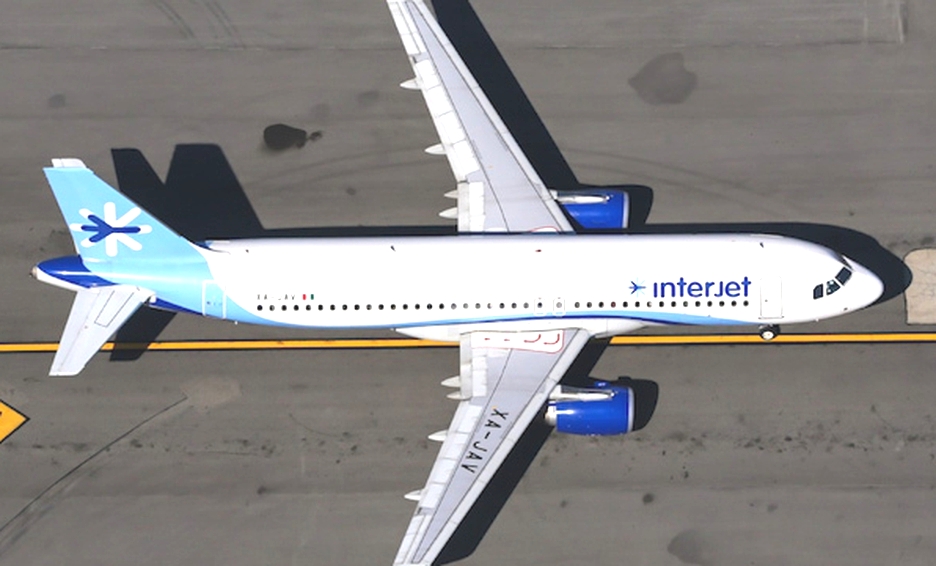
Holanda introduce tasa pax aerolíneas

AW | 2021 01 02 12:00 | GOVERNMENT / AVIATION

Países Bajos introduce impuesto ambiental

Nederland Governement_Isologotype

El Gobierno de los Países Bajos ha agregado entrando el 2021 un nuevo impuesto a los usuarios del transporte aéreo. El organismo fiscalizador de los aeropuerto introducen una tarifa de tasas de impuesto ambiental. Cada pasajero deberá pagar casi € 7,45 Euros. Cada año, según la tasa de inflación, el precio de este impuesto irá variando. Al mismo tiempo, se introduce una segunda tasa en las emisiones de dióxido de carbono, que amplían el impuesto sobre el mismo concepto que aplica la Unión Europea (UE). Este segundo impuesto, que no afecta a las aerolíneas sino a la contaminación industrial, irá aumentando progresivamente hasta 2030.

El impuesto estará aplicado a viajes directos desde y hacia el Aeropuerto Amsterdam/Schiphol. Los viajeros que parten de un aeropuerto, aterrizan en Schiphol y desde allí vuelven a volar a otro aeropuerto para completar su viaje no estarán afectados por este impuesto ambiental. Ryanair ha sido muy crítica con este impuesto porque sólo grava a los viajeros que van y vienen desde Holanda al resto del mundo. Ryanair tiene una base en Eindhoven, que opera vuelos punto a punto, todos ellos afectados por esta tasa.

Holland introduces airline passenger tax

Netherlands introduces environmental tax

The Government of the Netherlands has added a new tax on air transport users entering 2021. The airport inspection body introduces a rate of environmental tax rates. Each passenger will have to pay almost € 7.45 Euros. Each year, depending on the inflation rate, the price of this tax will vary. At the same time, a second tax is introduced on carbon dioxide emissions, which extend the tax on the same concept applied by the European Union (EU). This second tax, which does not affect airlines but industrial pollution, will increase progressively until 2030.

The tax will be applied to direct trips to and from Amsterdam/Schiphol Airport. Travelers who depart from an airport, land in Schiphol and from there fly again to another airport to complete their trip will not be affected by this environmental tax. Ryanair has been very critical of this tax because it only levies on travelers coming and going from the Netherlands to the rest of the world. Ryanair is based in Eindhoven, operating point-to-point flights, all of which are affected by this charge.

Holland introduceert vliegbelasting

Nederland voert milieubelasting in

De Nederlandse Regering heeft een nieuwe belasting toegevoegd voor luchtvervoergebruikers die in 2021 ingaan. De luchthaveninspectie-instelling voert een tarief van milieubelastingtarieven in. Elke passagier zal bijna € 7,45 euro moeten betalen. Elk jaar zal de prijs van deze belasting variëren, afhankelijk van de inflatie. Tegelijkertijd wordt een tweede belasting op de uitstoot van kooldioxide ingevoerd, waarmee de belasting op hetzelfde concept dat door de Europese Unie (EU) wordt toegepast, wordt uitgebreid. Deze tweede belasting, die geen gevolgen heeft voor luchtvaartmaatschappijen maar voor industriële vervuiling, zal tot 2030 geleidelijk toenemen.

De belasting wordt toegepast op rechtstreekse reizen van en naar Amsterdam/Schiphol Airport. Reizigers die vanaf een luchthaven vertrekken, op Schiphol landen en van daaruit weer naar een andere luchthaven vliegen om hun reis te voltooien, worden niet getroffen door deze milieubelasting. Ryanair is zeer kritisch over deze belasting omdat deze alleen heffingen op reizigers die vanuit Nederland naar de rest van de wereld komen en gaan. Ryanair is gevestigd in Eindhoven en voert point-to-point-vluchten uit, die allemaal onder deze heffing vallen.


PUBLISHER: Airgways.com
DBk: Government.nl / Schiphol.nl / Airgways.com
AW-POST: 202101021200AR

A\W   A I R G W A Y S ®