Designan nuevo Consejo de Administración en Air Europa
El nuevo Consejo de Administración de Air Europa Líneas Aéreas S.A, con Air Europa Holding S.L y Aeronova S.L ha quedado formalmente constituido respetando lo establecido en el Acuerdo de Apoyo Financiero Público Temporal. A propuesta de Globalia, forman parte del Consejo Juan José Hidalgo Acera, en calidad de Presidente, el Director general del Grupo y responsable Económico Financiero, Miguel Ángel Sánchez Jiménez, como vocal, y el director de Asesoría Jurídica, Ramiro Campos Gallego, como secretario. A propuesta de la Sociedad Estatal de Participaciones Industriales (SEPI), se sientan en el nuevo Consejo de Administración como Vocales José Ángel Partearroyo Martín, Abogado, actual Director de Participadas en el holding público con amplia experiencia profesional también en la empresa privada, y Juan Manuel Bujía Lorenzo, Ingeniero aeronáutico y con una prolongada trayectoria en el ambiente aeronáutico. Queda pendiente de nombrar de común acuerdo entre SEPI y Air Europa para una próxima reunión el futuro Consejero Delegado del grupo, como parte de los acuerdos contemplados en el marco del apoyo financiero decidido hace algunos 45 días atrás.
El apoyo económico establecido para auxiliar a Air Europa contempla un monto total de € 475 millones Euros, encauzado a través de un préstamo participativo por importe de € 240 millones y un préstamo ordinario de € 235 millones, instrumentos ambos previstos en la Orden Ministerial del pasado 23 de Julio de 2020 que publicó el acuerdo del Consejo de Ministros que establece el funcionamiento del Fondo de Apoyo a la Solvencia de Empresas Estratégicas, con un respaldo de € 10.000 millones de Euros. Ambos préstamos están avalados por la garantía corporativa de Globalia, así como por el compromiso de constitución de hipoteca sobre las sedes del Grupo en Pozuelo y Palma de Mallorca. Los tipos de interés fijados para el préstamo participativo son los contemplados en el anexo del acuerdo del Consejo de Ministros de 21 de Julio de 2020 y en el Marco Temporal de la Comisión Europea (CE). La Comisión de Seguimiento, se ha reunido para facilitar la orientación en el cumplimiento, vigilancia y control de la ejecución del plan de viabilidad presentado por Air Europa antes de acceder a esta la ayuda financiera.
New Board at Air Europa
New Board of Directors appointed at Air Europa
The new Board of Directors of Air Europa Líneas Aéreas S.A, with Air Europa Holding S.L and Aeronova S.L has been formally constituted respecting the provisions of the Temporary Public Financial Support Agreement. At the proposal of Globalia, the Council includes Juan José Hidalgo Acera, as Chairman, the General Director of the Group and Financial Economic Manager, Miguel Ángel Sánchez Jiménez, as a member, and the Director of Legal Counsel, Ramiro Campos Gallego, as Secretary. At the proposal of the Sociedad Estatal de Participaciones Industriales (SEPI), the new Board of Directors sits as Members José Ángel Partearroyo Martín, Lawyer, current Director of Participadas in the public holding company with extensive professional experience also in private companies, and Juan Manuel Bujía Lorenzo, Aeronautical Engineer with a long career in the aeronautical environment. The future CEO of the group remains to be appointed by common agreement between SEPI and Air Europa for a future meeting, as part of the agreements contemplated within the framework of the financial support decided some 45 days ago.
The financial support established to assist Air Europa contemplates a total amount of € 475 million Euros, channeled through a participative loan for the amount of € 240 million and an ordinary loan of € 235 million, both instruments provided for in the Ministerial Order of the past July 23, 2020 that published the agreement of the Council of Ministers that establishes the operation of the Fund to Support the Solvency of Strategic Companies, with a support of € 10,000 million Euros. Both loans are backed by Globalia’s corporate guarantee, as well as by the commitment to establish a mortgage on the Group’s headquarters in Pozuelo and Palma de Mallorca. The interest rates set for the participating loan are those contemplated in the annex to the agreement of the Council of Ministers of July 21, 2020 and in the Temporary Framework of the European Commission (EC). The Monitoring Commission has met to provide guidance on compliance, surveillance and control of the execution of the viability plan presented by Air Europa before accessing financial aid.
La línea aérea regional American Jet Líneas Aéreas continúa con las dificultades para resolver el acuerdo salarial con los pilotos de la compañía después de fracasar un acuerdo establecido el la semana pasada, con un para por 48 hs. desde el Lunes 21/12. Desde el gremio aeronáutico de la Asociación de Pilotos de Líneas Aéreas (APLA) han establecido el paro en reclamos de una recomposición salarial para el personal de la tripulación de vuelo de la compañía aérea de Argentina. El sindicato ha expresado: «Ante la falta total de avances en las negociaciones con la empresa, se iniciaran medidas de acción directa con paro total de actividades por 48 hs a partir de las 00:00 del día Lunes 21 de Diciembre”.
El reclamo continúa en la cartera del Ministerio de Trabajo que ha dictado la Conciliación Obligatoria por quince días hábiles, abriendo una nueva etapa por lo que obliga a las parte a sentarse para avanzar en las negociaciones.
American Jet Líneas Aéreas es una compañía de servicios aéreos regionales de cabotaje y vuelos especiales. Fue creada en 1984 para dedicarse a vuelos de taxi aéreo en el Aeroparque Jorge Newbery de la ciudad de Buenos Aires. En 1996 agregó un servicios con el fin del traslado de personal de varias empresas, fundamentalmente petroleras y mineras. Comenzando una nueva etapa en la que permitió que American Jet instalar bases en las ciudades de Tucumán y Neuquén. En el 2008, luego de ganar la licitación para rutas aéreas, el gobierno de la Provincia de Neuquén cede los permisos para la operación de rutas aéreas en dicha provincia a American Jet que hasta ese momento solo se dedicaba a vuelos de taxi aéreo. El 2 de Junio de 2009 American Jet comienza a volar como línea aérea regular, siendo su primer destino la ciudad de San Martín de los Andes (Chapelco). El 26 de Noviembre de 2009, la empresa minera La Alumbrera le rescinde el contrato que tenía con American Jet para el transporte de sus trabajadores desde la ciudad de San Miguel de Tucumán hacia Campo Arenal2 (Catamarca). Por lo tanto de esta manera American Jet luego de 13 años deja de operar en su base del Aeropuerto Internacional Teniente Benjamín Matienzo de Tucumán. En el año 2013, finaliza la construcción de su nuevo Hangar, en Aeropuerto Internacional de San Fernando, donde ofrece servicios de taxi aéreo, charter, hangaraje, FBO, entre otros. El 18 de Octubre de 2016, inaugura el puente aéreo Neuquén (Argentina)-Temuco (Chile), como servicio regular de pasajeros. Actualmente la aerolínea cuenta con bases en la Ciudad de Neuquén, Mendoza y Buenos Aires (Aeroparque y San Fernando).
American Jet Mandatory Conciliation
American Jet continues with labor dispute
The regional airline American Jet Líneas Aéreas continues with the difficulties to resolve the salary agreement with the pilots of the company after failing an agreement established last week, with a stop for 48 hours. from Monday 12/21. From the aeronautical union of the Airline Pilots Association (APLA) they have established the strike in claims of a salary recomposition for the personnel of the flight crew of the Argentine airline. The union has stated: «Given the total lack of progress in the negotiations with the company, direct action measures will be initiated with a total stoppage of activities for 48 hours starting at 00:00 on Monday, December 21».
The claim continues in the portfolio of the Ministry of Labor that has issued the Mandatory Conciliation for fifteen business days, opening a new stage for which it forces the parties to sit down to advance in the negotiations.
American Jet Lineas Aereas is a regional air services company for cabotage and special flights. It was created in 1984 to engage in air taxi flights at the Jorge Newbery Airport in the city of Buenos Aires. In 1996 it added a services in order to transfer personnel from various companies, mainly oil and mining companies. Starting a new stage in which it allowed American Jet to install bases in the cities of Tucumán and Neuquén. In 2008, after winning the tender for air routes, the government of the Province of Neuquén granted the permits for the operation of air routes in said province to American Jet, which until then was only dedicated to air taxi flights. On June 2, 2009, American Jet began to fly as a regular airline, its first destination being the city of San Martín de los Andes (Chapelco). On November 26, 2009, the La Alumbrera mining company terminated the contract it had with American Jet for the transportation of its workers from the city of San Miguel de Tucumán to Campo Arenal (Catamarca). Therefore, in this way, American Jet after 13 years stops operating at its base at the Teniente Benjamín Matienzo International Airport in Tucumán. In 2013, the construction of its new hangar was completed, at San Fernando International Airport, where it offers air taxi, charter, hangarage, FBO services, among others. On October 18, 2016, the Neuquén (Argentina) -Temuco (Chile) air bridge was inaugurated as a regular passenger service. Currently the airline has bases in the City of Neuquén, Mendoza and Buenos Aires (Aeroparque and San Fernando).
AW | 2020 12 23 12:10 | AIRLINES / AIR TRAFFIC / GOVERNMENT
DOT aprueba vuelos transatlánticos a Aer Lingus
El Departamento de Transporte de los Estados Unidos (DOT) ha concedido la aprobación final de Aer Lingus para unirse a la única empresa conjunta transatlántica mundial actual con American Airlines, British Airways, OpenSkies, Iberia y Finnair para realizar vuelos transatlánticos. La aprobación se produce cuando la aerolínea irlandesa busca lanzar una filial en el Reino Unido para vuelos transatlánticos. El corredor transatlántico entre Europa y América del Norte es lucrativo para las aerolíneas, que siempre están buscando las mejores maneras de servir a tantos pasajeros como sea posible en vuelos a través del Atlántico Norte. Esto incluye el lanzamiento de nuevas rutas, la adición de frecuencias y los acuerdos de código compartido.
Tras las aprobaciones del Departamento de Transporte de los Estados Unidos este Lunes 22/12, ha emitido su aprobación para que Aer Lingus se una a la empresa conjunta transatlántica. El DOT dijo que espera que la aprobación aumente la capacidad en algunas rutas, al tiempo que añade nuevas formas, permitiendo más opciones de viaje desde Irlanda y Europa hasta los Estados Unidos.
La alianza conjunta Oneworld fue aprobada inicialmente en 2010, incluyendo American Airlines, British Airways, Iberia y Finnair. En ese tiempo, el DOT estimulaba que su aprobación aumentara la competitividad de los vuelos transatlánticos, aportando beneficios sustanciales a los pasajeros y a los que transportan el transporte de mercancías. Tras el nuevo acuerdo con la aerolínea irlandesa, la compañía ha expresado: «Aer Lingus se congratula de la decisión del Departamento de Transporte de los Estados Unidos de conceder inmunidad antimonopolio que nos permita unirnos al negocio conjunto transatlántico entre American Airlines, British Airways, Iberia y Finnair. Los clientes de Aer Lingus también tendrán acceso a más de 200 nuevos destinos estadounidenses a través de la red AJB».
Según British Airways, la alianza le permite conectar más de 160 ciudades de Europa con más de 240 ciudades en los Estados Unidos. Aer Lingus no forma parte de la alianza mundial Oneworld, habiendo dejado el grupo en Marzo de 2007. Sin embargo, forma parte del International Airlines Group (IAG), incluidos los miembros de Joint Venture Iberia-British Airways. En Febrero de 2019, el entonces Jefe de IAG, Willie Walsh, comentó que Aer Lingus podría reincorporarse a la alianza en el futuro.
Aer Lingus, desembarco en Reino Unido
A principios de 12/2020, Aer Lingus presentó la aprobación para lanzar vuelos desde Manchester a Boston, Nueva York y Orlando. Los vuelos serían operados por una nueva aerolínea subsidiaria llamada Aer Lingus UK. Aer Lingus tiene previsto registrar dos Airbus A330-300 en el registro de aeronaves del Reino Unido. La nueva filial irlandesa competiría con Virgin Atlantic Airways que ha tenido las rutas para sí mismos desde el colapso de Thomas Cook Airlines.
Las compañías dijeron que la empresa conjunta ampliada resultaría en 72 nuevos destinos únicos de código compartido para Aer Lingus en América del Norte y 12 para American Airlines más allá de Dublín. Las aerolíneas también dijeron que la medida desbloquearía nuevas rutas para Aer Lingus en América del Norte y podría estimular la demanda de hasta 16.800 pasajeros adicionales al año y conducir a tarifas más bajas. La aprobación se produce cuando la nueva filial de la aerolínea en el Reino Unido solicitó recientemente al Departamento de Transporte de Estados Unidos el permiso de una aerolínea extranjera que le permite volar allí desde Gran Bretaña. Los documentos muestran que Aer Lingus (UK) Ltd. tiene la intención de volar de Manchester a Boston, Nueva York y Orlando, Florida, utilizando cuatro aviones Airbus A330-200, dos de los cuales normalmente tienen su sede en la República de Irlanda. La aerolínea también tiene la intención de utilizar dos nuevos aviones de largo alcance Airbus A321NEO en las rutas propuestas Manchester-EE.UU.
Los reguladores en el Reino Unido iniciaron una investigación sobre la empresa conjunta Oneworld a finales de 2018 sobre las preocupaciones de competencia en una serie de rutas. Sin embargo, a principios de Septiembre 2020, la Autoridad de Competencia y Mercados decidió permitirle seguir operando durante otros tres años antes de reevaluar su futuro. La empresa conjunta, que inicialmente fue acordada entre American Airlines, British Airways e Iberia, comenzó en Julio de 2010 como un acuerdo transatlántico de agrupación de ingresos destinado a fortalecer la Alianza Oneworld de las compañías, de la que Aer Lingus era anteriormente miembro.
Aer Lingus transatlantic flights
DOT approves transatlantic flights to Aer Lingus
The United States Department of Transportation (DOT) has granted final approval for Aer Lingus to join the only current global transatlantic joint venture with American Airlines, British Airways, OpenSkies, Iberia and Finnair for transatlantic flights. The approval comes as the Irish airline seeks to launch a UK subsidiary for transatlantic flights. The transatlantic corridor between Europe and North America is lucrative for airlines, who are always looking for the best ways to serve as many passengers as possible on flights across the North Atlantic. This includes the launch of new routes, the addition of frequencies, and codeshare agreements.
Following approvals by the United States Department of Transportation on Monday 12/22, it issued its approval for Aer Lingus to join the global transatlantic Joint Venture. The DOT said it expects the approval to increase capacity on some routes, while adding new ways, allowing more travel options from Ireland and Europe to the United States.
The Oneworld joint alliance was initially approved in 2010, including American Airlines, British Airways, Iberia and Finnair. At that time, the DOT encouraged its approval to increase the competitiveness of transatlantic flights, bringing substantial benefits to passengers and those who transport freight. Following the new agreement with the Irish airline, the company said: «Aer Lingus welcomes the decision of the United States Department of Transportation to grant antitrust immunity that allows us to join the joint transatlantic business between American Airlines, British Airways, Iberia and Finnair. Aer Lingus customers will also have access to more than 200 new US destinations through the AJB network».
According to British Airways, the alliance allows it to connect more than 160 cities in Europe with more than 240 cities in the United States. Aer Lingus is not part of the only global alliance, having left the group in March 2007. However, it is part of the International Airlines Group (IAG), including the members of the Iberia-British Airways Joint Venture. In February 2019, then-Head of IAG Willie Walsh commented that Aer Lingus could rejoin the alliance in the future.
Aer Lingus, landing in the United Kingdom
In early 12/2020, Aer Lingus submitted approval to launch flights from Manchester to Boston, New York and Orlando. The flights would be operated by a new subsidiary airline called Aer Lingus UK. Aer Lingus plans to register two Airbus A330-300s with the UK Aircraft Register. The new Irish subsidiary would compete with Virgin Atlantic Airways which has had the routes to itself since the collapse of Thomas Cook Airlines.
The companies said the expanded joint venture would result in 72 new unique codeshare destinations for Aer Lingus in North America and 12 for American Airlines beyond Dublin. The airlines also said the move would unlock new routes for Aer Lingus in North America and could stimulate demand for up to 16,800 additional passengers a year and lead to lower fares. The approval comes as the airline’s new subsidiary in the UK recently applied to the US Department of Transport for permission from a foreign airline allowing it to fly there from Britain. The documents show that Aer Lingus (UK) Ltd. intends to fly from Manchester to Boston, New York and Orlando, Florida, using four Airbus A330-200 aircraft, two of which are normally based in the Republic of Ireland. The airline also intends to use two new Airbus A321NEO long-range aircraft on the proposed Manchester-US routes.
Regulators in the UK launched an investigation into the Oneworld joint venture in late 2018 over competition concerns on a number of routes. However, in early September 2020, the Competition and Markets Authority decided to allow it to continue operating for another three years before reassessing its future. The joint venture, which was initially agreed between American Airlines, British Airways and Iberia, began in July 2010 as a transatlantic revenue pooling agreement aimed at strengthening the Oneworld Alliance of companies, of which Aer Lingus was previously a member.
Tá cead críochnaitheach tugtha ag Roinn Iompair na Stát Aontaithe (DOT) d’Aer Lingus dul isteach san aon chomhfhiontar domhanda trasatlantach domhanda le American Airlines, British Airways, OpenSkies, Iberia agus Finnair le haghaidh eitiltí trasatlantacha. Tagann an ceadú agus aerlíne na hÉireann ag iarraidh fochuideachta RA a sheoladh le haghaidh eitiltí trasatlantacha. Tá an dorchla trasatlantach idir an Eoraip agus Meiriceá Thuaidh brabúsaí d’aerlínte, atá i gcónaí ag lorg na bealaí is fearr chun freastal ar an oiread paisinéirí agus is féidir ar eitiltí trasna an Atlantaigh Thuaidh. Áirítear leis seo seoladh bealaí nua, minicíochtaí a chur leis, agus comhaontuithe roinnte cód.
Tar éis ceadú a fháil ó Roinn Iompair na Stát Aontaithe Dé Luain 12/22, d’eisigh sí a gceadú d’Aer Lingus a bheith páirteach sa chomhfhiontar domhanda trasatlantach. Dúirt an DOT go bhfuil sé ag súil go méadóidh an ceadú acmhainn ar roinnt bealaí, agus bealaí nua á gcur leis, ag ligean do níos mó roghanna taistil ó Éirinn agus ón Eoraip chuig na Stáit Aontaithe.
Faomhadh comhghuaillíocht Oneworld i dtosach in 2010, lena n-áirítear American Airlines, British Airways, Iberia agus Finnair. Ag an am sin, spreag an DOT a fhormheas chun iomaíochas na n-eitiltí trasatlantacha a mhéadú, ag tabhairt buntáistí suntasacha do phaisinéirí agus dóibh siúd a iompraíonn lasta. Tar éis an chomhaontaithe nua le haerlíne na hÉireann, dúirt an chuideachta: «Fáiltíonn Aer Lingus roimh chinneadh Roinn Iompair na Stát Aontaithe díolúine in aghaidh trustaí a dheonú a ligeann dúinn a bheith páirteach sa chomhghnó trasatlantach idir American Airlines, British Airways, Iberia agus Finnair. Beidh rochtain ag custaiméirí Aer Lingus ar níos mó ná 200 ceann scríbe nua de chuid na SA tríd an líonra AJB».
De réir British Airways, ceadaíonn an chomhghuaillíocht dó níos mó ná 160 cathair san Eoraip a nascadh le níos mó ná 240 cathair sna Stáit Aontaithe. Níl Aer Lingus mar chuid den aon chomhghuaillíocht dhomhanda, tar éis dó an grúpa a fhágáil i mí an Mhárta 2007. Mar sin féin, tá sé mar chuid den International Airlines Group (IAG), lena n-áirítear baill Chomhfhiontar Iberia-British Airways. I mí Feabhra 2019, dúirt Ceannasaí IAG ag an am, Willie Walsh, go bhféadfadh Aer Lingus dul ar ais sa chomhghuaillíocht sa todhchaí.
Aer Lingus, ag teacht i dtír sa Ríocht Aontaithe
Go luath i 12/2020, chuir Aer Lingus cead isteach chun eitiltí ó Mhanchain go Bostún, Nua Eabhrac agus Orlando a sheoladh. Bheadh aerlíne fhochuideachta nua darb ainm Aer Lingus UK ag oibriú na n-eitiltí. Tá sé beartaithe ag Aer Lingus dhá Airbus A330-300 a chlárú le Clár Aerárthaí na RA. Bheadh an fhochuideachta nua Éireannach san iomaíocht le Virgin Atlantic Airways a bhfuil na bealaí ann dó féin ó thit Thomas Cook Airlines.
Dúirt na cuideachtaí go mbeadh 72 ceann scríbe roinnte cód nua d’Aer Lingus i Meiriceá Thuaidh mar thoradh ar an gcomhfhiontar leathnaithe agus 12 do American Airlines lasmuigh de Bhaile Átha Cliath. Dúirt na haerlínte freisin go scaoilfeadh an t-aistriú bealaí nua d’Aer Lingus i Meiriceá Thuaidh agus go bhféadfadh sé éileamh ar suas le 16,800 paisinéir breise a spreagadh in aghaidh na bliana agus go mbeadh táillí níos ísle dá bharr. Tagann an ceadú de réir mar a rinne fochuideachta nua na haerlíne sa RA iarratas le déanaí chuig Roinn Iompair na SA ar chead ó aerlíne eachtrach a ligeann di eitilt ansin ón mBreatain. Taispeánann na cáipéisí go bhfuil sé i gceist ag Aer Lingus (UK) Ltd. eitilt ó Mhanchain go Bostún, Nua Eabhrac agus Orlando, Florida, ag úsáid ceithre aerárthach Airbus A330-200, a mbíonn dhá cheann acu lonnaithe i bPoblacht na hÉireann de ghnáth. Tá sé i gceist ag an aerlíne dhá aerárthach fadraoin nua Airbus A321NEO a úsáid ar na bealaí beartaithe Manchain-SAM.
Sheol rialtóirí sa RA imscrúdú ar chomhfhiontar Oneworld go déanach in 2018 maidir le hábhair imní iomaíochta ar roinnt bealaí. Go luath i mí Mheán Fómhair 2020, áfach, chinn an tÚdarás Iomaíochta agus Margaí ligean dó leanúint ar aghaidh ag feidhmiú ar feadh trí bliana eile sula ndéanfaí athmheasúnú ar a thodhchaí. Cuireadh tús leis an gcomhfhiontar, a comhaontaíodh i dtosach idir American Airlines, British Airways agus Iberia, i mí Iúil 2010 mar chomhaontú comhthiomsú ioncaim trasatlantach a raibh sé mar aidhm aige Comhghuaillíocht cuideachtaí Oneworld a neartú, a raibh Aer Lingus ina bhall de roimhe seo.
Argentina envía delegación para provisiones de vacunas Sputnik-V
Un avión Airbus A330-200 de Aerolíneas Argentinas ha despegado de territorio argentino para efectuar un viaje sanitario ida y vuelta a Moscú, Federación Rusia donde busca recoger 300.000 dosis de la vacuna Sputnik V. El vuelo AR1060 despegó de Argentina a las 19:56 hs [Hora Local Argentona/-3UTC] desde el Aeropuerto Internacional Ezeiza EZE/SAEZ con destino al Aeropuerto Internacional Sheremetyevo SVO/UUEE.
Funcionarios gubernamentales, incluido el Jefe del Gabinete, Santiago Cafiero, celebraron la salida del avión a las 19.56 hora local, saludando a la tripulación del transportista estatal y sus esfuerzos para entregar la vacuna a Argentina. Los involucrados en la misión «Operación Moscú Diciembre 2020» permitirán traer las dosis para la población del país. El vuelo de retorno está programado para el 24/12 conformó el CEO de Aerolíneas Argentinas, Pablo Ceriani, en una conferencia de prensa en el Aeropuerto Internacional de Ezeiza. La misión ha sido desarrollada con una aeronave Airbus 330, con una tripulación de 20, incluyendo 10 pilotos entre otros profesionales del área.
La misión a Moscú implica importantes desafíos logísticos. Las dosis de la vacuna se embalarán en cajas especiales que mantendrán su temperatura en menos 18 grados centígrados, dijo la Secretaria de Acceso a la Salud, Carla Vizzott, a principios del martes. El vuelo directo a Rusia tomará alrededor de 17 horas y se prevé una parada de seis horas en la capital rusa, momento en el que las vacunas deben cargarse a bordo y se deben completar todos los documentos pertinentes.
El gobierno tiene la intención de poner en marcha un programa de vacunación masiva para finales de mes. El gobierno de Alberto Fernández espera inmunizar a 10 millones de personas en enero y febrero, dijo el Ministro de Salud Ginés González García. El regulador argentino de medicamentos ANMAT (Administración Nacional de Medicamentos, Alimentos y Tecnología Médica) todavía debe aprobar el medicamento, aunque el martes la agencia ofreció la aprobación de emergencia a la vacuna desarrollada por la firma estadounidense Pfizer y el laboratorio alemán BioNTech.
La vacuna Sputnik V fue desarrollada por el Centro Nikolai Gamaleya de Epidemiología y Microbiología. El acuerdo de la Argentina con Moscú incluye disposiciones para 25 millones de dosis. Este primer lote servirá para vacunar a 150.000 personas, cada individuo requiriendo dos dosis. Las negociaciones ya están en marcha para envíos más grandes, con Marzo y Junio 2021 las fechas de entrega previstas. Rusia ya ha iniciado un programa de vacunación masiva a nivel nacional para las personas de 18 a 60 años. Las autoridades han puesto la efectividad del tiro en el 91,4 por ciento.
El Gobierno también ha firmado acuerdos para la vacuna desarrollados por la Universidad de Oxford y la compañía farmacéutica AstraZeneca y está suscrito al programa Covax de la Organización Mundial de la Salud (OMS). Está buscando otro acuerdo con el gigante farmacéutico estadounidense Pfizer, cuya vacuna ya está en uso en otras naciones.
En medio de informes de una variante más contagiosa del coronavirus que se extendió en el Reino Unido, Argentina suspendió todos los vuelos hacia y desde el país el Domingo. «Sobre la base de las recomendaciones del Ministerio de Salud, se decidió permitir sólo la llegada del vuelo programado para este Lunes 22/12 a las 09:00 AM (12H00GMT) en el Aeropuerto Internacional de Ezeiza», dijo el Gobierno. Los pasajeros y la tripulación de ese vuelo «deben cumplir con una cuarentena de siete días, una vez que demuestren los requisitos para entrar en el país: una prueba de PCR con un resultado negativo y un seguro COVID», dijo el comunicado.
El Gobierno de Argentina ha pedido a los ciudadanos de Argentina que sean responsables y sean cautelosos durante el período vacaciones. Las restricciones nacionales que ordenan el distanciamiento social obligatorio están en vigor desde el 9 de Noviembre y se prorrogaron hasta el 31 de Enero de la semana pasada.
Aerolíneas travels Moscow for vaccinations
Argentine Government sends delegation to supply Sputnik-V vaccines
An Aerolíneas Argentinas Airbus A330-200 plane has taken off from Argentine territory to make a round-trip medical trip to Moscow, Russian Federation, where it seeks to collect 300,000 doses of the Sputnik V vaccine. Flight AR1060 took off from Argentina at 07:56 p.m. [Argentona Local Time/-3UTC] from Ezeiza EZE/ SAEZ International Airport to Sheremetyevo SVO/UUEE International Airport.
Government officials, including the Chief of Cabinet, Santiago Cafiero, celebrated the departure of the plane at 7:56 p.m. local time, greeting the crew of the state carrier and their efforts to deliver the vaccine to Argentina. Those involved in the mission «Operation Moscow December 2020» will allow to bring the doses for the population of the country. The return flight is scheduled for 12/24, stated the CEO of Aerolineas Argentinas, Pablo Ceriani, at a press conference at the Ezeiza International Airport. The mission has been developed with an Airbus 330 aircraft, with a crew of 20, including 10 pilots among other professionals in the area.
The mission to Moscow involves significant logistical challenges. Doses of the vaccine will be packed in special boxes that will keep its temperature at minus 18 degrees Celsius, Health Access Secretary Carla Vizzott said earlier Tuesday. The direct flight to Russia will take around 17 hours and a six-hour layover is planned in the Russian capital, at which point vaccines must be loaded on board and all relevant documents must be completed.
The government intends to launch a mass vaccination program by the end of the month. The Alberto Fernández government hopes to immunize 10 million people in January and February, said Health Minister Ginés González García. Argentina’s drug regulator ANMAT (National Administration of Medicines, Foods and Medical Technology) has yet to approve the drug, although on Tuesday the agency offered emergency approval to the vaccine developed by US firm Pfizer and German laboratory BioNTech.
The Sputnik V vaccine was developed by the Nikolai Gamaleya Center for Epidemiology and Microbiology. Argentina’s agreement with Moscow includes provisions for 25 million doses. This first batch will serve to vaccinate 150,000 people, each individual requiring two doses. Negotiations are already underway for larger shipments, with March and June 2021 the expected delivery dates. Russia has already started a nationwide mass vaccination program for people aged 18 to 60. Authorities have put the shooting effectiveness at 91.4 percent.
The Government has also signed agreements for the vaccine developed by the University of Oxford and the pharmaceutical company AstraZeneca and is subscribed to the Covax program of the World Health Organization (WHO). It is seeking another deal with the US pharmaceutical giant Pfizer, whose vaccine is already in use in other nations.
Amid reports of a more contagious variant of the coronavirus spreading in the UK, Argentina suspended all flights to and from the country on Sunday. «Based on the recommendations of the Ministry of Health, it was decided to allow only the arrival of the flight scheduled for this Monday 12/22 at 09:00 AM (12H00GMT) at the Ezeiza International Airport», said the Government. The passengers and crew of that flight «must comply with a seven-day quarantine, once they demonstrate the requirements to enter the country: a PCR test with a negative result and COVID insurance», the statement said.
The Government of Argentina has asked the citizens of Argentina to be responsible and cautious during the holiday period. The national restrictions that mandate mandatory social distancing are in effect from November 9 and were extended until January 31 of last week.
AW | 2020 12 23 00:43 | AVIATION ORGANISM / GOVERNMENT
DOT implementa nuevo paradigma legal para regular aerolíneas
El Departamento de Transporte (DOT) de los Estados Unidos ha publicado recientemente nuevas regulaciones que codifican criterios específicos para interpretar su autoridad reguladora fundamental bajo la USC 49 Sección 41712 de los Estados Unidos para prohibir que las aerolíneas participen en «prácticas injustas o engañosas». El propósito del DOT al adoptar estos reglamentos es proporcionar «mayor claridad y certidumbre sobre la interpretación [del DOT] de las prácticas y el proceso injustos o engañosos para tomar esas determinaciones en el contexto de las medidas de elaboración y observancia de las normas de protección de los consumidores de aviación». Regla Final del DOT en 78707. Las nuevas regulaciones del DOT entrarán en vigor el 6 de Enero de 2021.
Aunque el DOT ha gozado de la autoridad legal en litigio en este procedimiento desde principios de la década de 1980, es la primera vez que el DOT ha articulado formalmente cómo interpreta los términos injusto y engañoso. Esto es importante porque el DOT ha confiado en esta autoridad legal como base jurídica para adoptar una amplia franja de reglamentos y llevar a cabo cientos de acciones de observancia contra las compañías aéreas, sin embargo, la ley no define los términos injusto y engañoso y, hasta ahora, tampoco tiene DOT. Durante décadas, DOT esencialmente ha decidido si las aerolíneas han participado en una práctica injusta o engañosa aplicando la notoria definición de pornografía del juez Potter Stewart: lo saben cuando la ven. Las compañías aéreas han castigado durante mucho tiempo ante un enfoque subjetivo de este tipo, argumentando que el DOT ha adoptado una multitud de normas y ha llevado a cabo acciones de observancia sin identificar pruebas objetivas de injusticia o engaño ni especificar cómo el DOT interpreta esos términos legales.
Las nuevas pruebas de tres partes de DOT para injusticia y engaño
Las nuevas regulaciones del DOT alinean el enfoque interpretativo del DOT con la práctica de la Comisión Federal de Comercio (FTC) de larga data. El DOT adoptó las pruebas de tres partes que la FTC ha utilizado durante mucho tiempo para interpretar su autoridad legal esencialmente idéntica para prohibir las prácticas desleales o engañosas de muchos tipos de empresas distintas de las aerolíneas. Según las nuevas regulaciones del DOT, una práctica es injusta para los consumidores si: 1· Causas o es probable que causen lesiones sustanciales, 2· Que no es razonablemente evitable 3· El daño no es compensado por los beneficios para los consumidores o la competencia. Una práctica es engañosa para los consumidores si: 1· Es probable que confunda a un consumidor, 2· Actuando razonablemente en las circunstancias, 3· Con respecto a un asunto material. Un asunto es importante si es probable que haya afectado a la conducta o decisión del consumidor con respecto a un producto o servicio.
Aunque en general se alinea con el enfoque de la FTC, el DOT observó una distinción potencialmente significativa que subyace a su opinión de cómo se definen injustos y engañosos. El DOT señaló que bajo la práctica de la FTC, la política pública se basa en la evaluación de la injusticia de la agencia, pero que el Congreso ha dirigido lo contrario para el DOT. En cambio, el DOT debe tener en cuenta una variedad de prioridades de política pública en la regulación económica de las compañías aéreas. Estos incluyen «seguridad, garantizar la competencia económica y prevenir prácticas desleales y engañosas». Regla final del DOT en 78710 y Nº 21-22. En particular, sin embargo, DOT no hizo referencia a la directiva de política específica del Congreso que pretende inhibir una regulación más amplia del DOT de la industria aérea estadounidense desregulada: a «confiar en la máxima dependencia de las fuerzas competitivas del mercado y en la competencia real y potencial». 49 U.S.C. 40101(a) (6). Las compañías aéreas han argumentado que la política del Congreso de exigir la máxima dependencia de las fuerzas del mercado implica que el DOT no debe regular la ausencia de pruebas de fracaso del mercado. Como mínimo, las directivas políticas del DOT del Congreso sirven como un filtro adicional a través del cual el DOT debe aprobar cualquier decisión de regular, incluso si el DOT cree de otra manera que una práctica es injusta o engañosa bajo sus nuevas pruebas.
Papel de la intención en la determinación de si una práctica de aerolínea es injusta/engañosa
Las compañías aéreas adujeron que, para que el DOT estableciera que una práctica es «injusta» o «engañosa», debe demostrar que una compañía aérea tenía la intención de engañar a los consumidores. El Departamento de Transporte rechazó esta propuesta, declinando específicamente incluir un elemento de intención en sus pruebas de injusticia y engaño. Por lo tanto, el DOT puede establecer una infracción legal basada únicamente en el objeto y el efecto en los consumidores de la conducta de una compañía aérea sin tener en cuenta el conocimiento o la intención de la compañía aérea. Con diferencia, las compañías aéreas adujeron que el DOT debería dar un peso significativo a la intención de una aerolínea. El DOT también rechazó esta solicitud, pero señaló que, al ejercer su amplia discrecionalidad de observancia, el DOT puede tener en cuenta una variedad de factores, incluidos el conocimiento y la intención de una aerolínea. Dicha facultad discrecional podría aplicarse tanto a una decisión del Departamento de Transporte de si se aplica una acción de ejecución como, si el DOT presenta un caso de ejecución, al importe de cualquier sanción civil propuesta. Por lo tanto, aunque las compañías aéreas no prevalecían al anular su responsabilidad por errores y consecuencias no deseadas, la Norma Definitiva ofrece a las compañías aéreas la oportunidad de persuadir al DOT de que la observancia no está justificada (o al menos que cualquier importe de penalización debe limitarse).
¿Qué constituye una «práctica» de aerolínea?
Durante la elaboración de normas, las compañías aéreas instaron al DOT a definir el término «práctica» y, al hacerlo, a que dejara claro que un solo acto sería insuficiente para establecer una infracción legal. El Departamento rechazó esta solicitud, pero indicó que no trataría de castigar los actos aislados o individuales a menos que «indicativo» de una «práctica» más amplia, como se refleja en «política de la empresa, capacitación o falta de capacitación». El Ministerio de Transporte declaró que se centra en si «la conducta en cuestión refleja una práctica o política que afecta a múltiples consumidores, en lugar de un incidente aislado». Regla Final del DOT al 78710-11.
El Estándar de Consumo Razonable
El concepto de razonabilidad es parte integral de las pruebas de «injusticia» y «engaño». En el marco de la prueba de «injusticia», sólo las lesiones sustanciales de los consumidores que «no sean razonablemente evitables» (y no superadas por los beneficios del consumidor o de la competencia) violarían la ley. Una «práctica engañosa», por su parte, es probable que induzca a error a un consumidor a «actuar razonablemente en las circunstancias» con respecto a un asunto que es importante para la decisión de compra del consumidor u otra conducta. 14 C.F.R. Nº 399.79 (b) (1), (2). Las compañías aéreas solicitaron que el DOT confirmara que la frase «no razonablemente evitable» en la prueba de injusticia excluye «circunstancias en las que la conducta intencional, intencional o imprudente de un consumidor conduce a un daño (por ejemplo, aprovechando intencionalmente una tarifa publicada por error)». En respuesta, el DOT señaló que «el término ‘no razonablemente evitado’ excluiría necesariamente los tipos de daños autoimpuestos», describió las compañías aéreas. Del mismo modo, DOT confirmó que la referencia de la prueba de engaño a los consumidores «actuando razonablemente en las circunstancias» implica la referencia a «consumidores razonables en su conjunto, y que la interpretación irrazonable de una declaración de [una aerolínea] de un solo consumidor no la hace engañosa. Estamos de acuerdo en que el engaño se juzga en referencia a un consumidor razonable». Regla final del DOT en 78710 Nº25. En el caso de las compañías aéreas, se trataba de una confirmación bienvenida de que el DOT no se basaría en una reclamación de un solo consumidor como base para una acción de observancia de la «práctica engañosa» sin que la práctica en cuestión fuera probable que engañara a los consumidores razonables de manera más general (además de cumplir con los demás elementos de la prueba de «engaño»).
Vacío legal DOT para aplicación reglamentos adoptados previamente en virtud Sección 41712
El DOT remarcó una excepción sustancial en su Regla Final para la aplicación de los reglamentos existentes del DOT adoptados de conformidad con su autoridad legal para prohibir las prácticas desleales o engañosas. 14 C.F.R. Nº 399.79 (d). En virtud de esta excepción, el DOT establece que «cuando un reglamento existente se aplica a la práctica de un transportista aéreo, un transportista aéreo extranjero o un agente de billetes, se aplican las condiciones de dicho Reglamento en lugar de las definiciones generales establecidas» en el nuevo reglamento injusto y engañoso. Esta excepción es preocupante porque puede permitir al DOT establecer una violación de un reglamento que tiene por objeto prohibir una práctica desleal o engañosa, incluso si el DOT no podía (y no tendría que) demostrar en sus nuevas pruebas que la práctica de la compañía aérea en cuestión era «injusta» o «engañosa». Esta excepción podría aplicarse ampliamente porque el DOT, a lo largo de décadas, ha utilizado el Artículo 41712 como base para adoptar un amplio conjunto de reglamentos de protección de los consumidores muy detallados. Esto se debe a que, cuando el DOT adoptó esos reglamentos, nunca explicó cómo las prácticas de las compañías aéreas en litigio eran «injustas» o «engañosas» en referencia a cualquier definición formal de esos términos legales.
Ambiguidades no resueltas en el nuevo Reglamento DOT
Si bien el nuevo reglamento del DOT logra el propósito del DOT de proporcionar «mayor claridad y certidumbre sobre la interpretación [del DOT] de las prácticas desleales o engañosas y el proceso de [DOT] para tomar esas determinaciones en el contexto de las medidas de elaboración y observancia de las normas de protección de los consumidores de aviación», el DOT dejó abiertos a futuras interpretaciones elementos clave de sus normas de «injusticia» y «engaño». Regla Final del DOT en 78707. Estos incluyen cómo definir «daño sustancial», «probablemente inducir a error» y el concepto de razonabilidad (por ejemplo, «razonablemente evitable» y «actuar razonablemente bajo las circunstancias»). Una mayor claridad en cuanto a la comprensión de estos términos por parte del DOT puede surgir de futuras normas del DOT y acciones de observancia. Las aerolíneas, por su parte, tendrán la oportunidad de abogar por su interpretación de estos términos, incluso por referencia a la política y jurisprudencia de la FTC.
New US Transportation regulations
DOT implements a new legal paradigm to regulate airlines
The United States Department of Transportation (DOT) has recently published new regulations codifying specific criteria to interpret its fundamental regulatory authority under USC 49 Section 41712 to prohibit airlines from engaging in «unfair or deceptive practices». The purpose of DOT in adopting these regulations is to provide «greater clarity and certainty about [DOT’s] interpretation of unfair or deceptive practices and processes for making those determinations in the context of protective standards development and enforcement measures. of aviation consumers». DOT Final Rule at 78707. The new DOT regulations will go into effect on January 6, 2021.
Although DOT has enjoyed the legal authority at issue in this proceeding since the early 1980s, it is the first time that DOT has formally articulated how it interprets the terms unfair and misleading. This is important because the DOT has relied on this legal authority as the legal basis for adopting a wide range of regulations and carrying out hundreds of enforcement actions against airlines, however, the law does not define the terms unfair and misleading and, so far, it also has no DOT. For decades, DOT has essentially decided whether airlines have engaged in an unfair or deceptive practice by applying Judge Potter Stewart’s notorious definition of pornography: they know it when they see it. Airlines have long chastised such a subjective approach, arguing that DOT has adopted a multitude of rules and carried out enforcement actions without identifying objective evidence of injustice or deception or specifying how DOT interprets those terms. legal.
DOT’s new three-part tests for injustice and deception
The new DOT regulations align DOT’s interpretive approach with long-standing Federal Trade Commission (FTC) practice. The DOT adopted the three-part tests that the FTC has long used to interpret its essentially identical legal authority to prohibit unfair or deceptive practices by many types of businesses other than airlines. Under the new DOT regulations, a practice is unfair to consumers if: 1· Causes or is likely to cause substantial injury, 2· That is not reasonably avoidable 3· The damage is not outweighed by benefits for consumers or competition. A practice is misleading to consumers if: 1· It is likely to confuse a consumer, 2· Acting reasonably in the circumstances, 3· With respect to a material matter. An issue is important if it is likely to have affected the consumer’s behavior or decision regarding a product or service.
Although generally aligned with the FTC’s approach, the DOT noted a potentially significant distinction underlying its view of how unfair and misleading are defined. The DOT noted that under FTC practice, public policy is based on the agency’s assessment of injustice, but that Congress has directed the opposite for DOT. Instead, DOT must consider a variety of public policy priorities in regulating the economy of airlines. These include «security, ensuring economic competition, and preventing unfair and deceptive practices». DOT final rule at 78710 and # 21-22. In particular, however, dot did not refer to the specific congressional policy directive that seeks to inhibit broader DOT regulation of the deregulated US airline industry: to «rely on the utmost reliance on competitive market forces and actual and potential competition». 49 U.S.C. 40101 (a) (6). Airlines have argued that Congressional policy of requiring maximum reliance on market forces means that DOT should not regulate the absence of evidence of market failure. At a minimum, DOT’s policy directives from Congress serve as an additional filter through which DOT must approve any decision to regulate, even if DOT otherwise believes a practice to be unfair or misleading under its new evidence.
Role of intention in determining whether an airline practice is unfair/deceptive
The airlines argued that for the DOT to establish that a practice is «unfair» or «deceptive», it must show that an airline intended to mislead consumers. The Department of Transportation rejected this proposal, specifically declining to include an element of intent in its evidence of injustice and deception. Therefore, DOT can establish a legal violation based solely on the object and effect on consumers of an airline’s conduct without regard to the knowledge or intent of the airline. By far, airlines argued that the DOT should give significant weight to an airline’s intent. DOT also rejected this request, but noted that, in exercising its broad enforcement discretion, DOT may take into account a variety of factors, including an airline’s knowledge and intent. Such discretion could apply both to a decision by the Department of Transportation as to whether an enforcement action applies and, if DOT files an enforcement case, to the amount of any proposed civil penalty. Therefore, while airlines did not prevail by waiving their liability for errors and unintended consequences, the Final Rule offers airlines the opportunity to persuade DOT that compliance is not justified (or at least that any amount of penalty should be limited).
What constitutes an airline «practice»?
During rulemaking, airlines urged DOT to define the term «practice» and, in doing so, make it clear that a single act would be insufficient to establish a legal violation. The Department rejected this request, but indicated that it would not seek to punish isolated or individual acts unless «indicative» of a broader «practice», as reflected in «company policy, training or lack of training». The Transport Ministry stated that it focuses on whether «the conduct in question reflects a practice or policy that affects multiple consumers, rather than an isolated incident». DOT Final Rule 78710-11.
The Reasonable Consumption Standard
The concept of reasonableness is an integral part of the «injustice» and «deception» tests. Under the «injustice» test, only substantial consumer injuries that «are not reasonably preventable» (and not outweighed by consumer or competitive benefits) would violate the law. A «deceptive practice», on the other hand, is likely to mislead a consumer to «act reasonably in the circumstances with respect to a matter that is important to the consumer’s purchasing decision or other conduct. 14 C.F.R. No. 399.79 (b) (1), (2). The airlines requested that DOT confirm that the phrase «not reasonably avoidable» in the injustice test excludes «circumstances in which the willful, willful, or reckless conduct of a consumer leads to harm (for example, intentionally taking advantage of a published fare by mistake)». In response, DOT noted that «the term ‘not reasonably avoided’ would necessarily exclude self-imposed types of damage», the airlines described. Similarly, DOT confirmed that the reference to the consumer deception test «acting reasonably in the circumstances» implies the reference to «reasonable consumers as a whole, and that the unreasonable interpretation of a statement by [an airline] of a Only consumer does not make it deceptive. We agree that deception is judged in reference to a reasonable consumer». DOT final rule at 78710 No. 25. In the case of airlines, this was a welcome confirmation that DOT would not rely on a single consumer complaint as the basis for a «deceptive practice» enforcement action without the practice in question being likely to mislead reasonable consumers more generally (in addition to meeting the other elements of the «deception» test).
DOT’s loophole for enforcement of regulations previously adopted under Section 41712
DOT anchored a substantial exception in its Final Rule for the application of existing DOT regulations adopted pursuant to its legal authority to prohibit unfair or deceptive practices. 14 C.F.R. No. 399.79 (d). By virtue of this exception, the DOT states that «when an existing regulation is applied to the practice of an air carrier, a foreign air carrier or a ticket agent, the conditions of said Regulation apply instead of the established general definitions» in the new unfair and misleading regulation. This exception is concerning because it may allow DOT to establish a violation of a regulation that is intended to prohibit an unfair or deceptive practice, even if DOT could not (and would not have to) demonstrate in its new evidence that the airline’s practice in question was «unfair» or «misleading». This exception could be broadly applicable because DOT, over the decades, has used section 41712 as the basis for adopting a broad set of very detailed consumer protection regulations. This is because, when DOT adopted those regulations, never explained how the practices of the airlines at issue were «unfair» or «misleading» by reference to any formal definition of those legal terms.
Ambiguities not resolved in the new DOT Regulation
While the new DOT regulation achieves DOT’s purpose of providing «greater clarity and certainty about [DOT’s] interpretation of unfair or deceptive practices and [DOT’s] process for making those determinations in the context of enforcement measures. Development and Enforcement of Aviation Consumer Protection Standards», DOT left key elements of its «injustice» and «deception» standards open for future interpretation. DOT Final Rule at 78707. These include how to define «substantial harm», «likely to be misleading», and the concept of reasonableness (eg, «reasonably avoidable» and «act reasonably under the circumstances»). Greater clarity regarding DOT’s understanding of these terms may emerge from future DOT regulations and enforcement actions. Airlines, for their part, will have the opportunity to advocate for their interpretation of these terms, including by reference to FTC policy and jurisprudence.
Gobierno Argentina encabeza acto por obras Aeropuerto Concordia
El Presidente Alberto Fernández de la República Argentina encabezará este 22/12 a las 11:30 hs el acto por el reacondicionamiento del Aeropuerto Concordia COC/SAAC, Provincia de Entre Ríos, el acto de apertura de ofertas en la licitación para la construcción y readecuación del aeropuerto de esa ciudad entrerriana. Según el Ministerio de Planeamiento, Infraestructura y Servicios de Entre Ríos, la obra de diseño, construcción y readecuación del Aeropuerto Concordia/Comodoro Pierrestegui es financiada a través de un crédito del Banco Interamericano de Desarrollo (BID).
La finalidad de los créditos y los trabajos es posibilitar la operación de vuelos comerciales regulares, y el mejoramiento y modernización de la aeroestación. Entre otros trabajos, se prevé la readecuación de la pista existente de 1.600 metros y su extensión a 2.000 metros, incluyendo zona antichorro y capa resistente de RESA (área de seguridad al final de pistas); y la construcción de una calle de rodaje y una plataforma de estacionamiento de aeronaves. También se contempla la adquisición y montaje de señalamiento diurno y nocturno; la mejora de la vía de acceso al aeropuerto, y la construcción del nuevo estacionamiento, y camino y cerco perimetral.
Concordia Airport works tender
Argentine Government leads act for works at Concordia Airport
President Alberto Fernández of the Argentine Republic will lead this 12/22 at 11:30 a.m. the act for the reconditioning of Concordia Airport COC/SAAC, Province of Entre Ríos, the act of opening bids in the tender for the construction and refurbishment of the airport in that entrerriana city. According to the Entre Ríos Ministry of Planning, Infrastructure and Services, the design, construction and readjustment of the Concordia/Comodoro Pierrestegui Airport it is financed through a loan from the Inter-American Development Bank (IDB).
The purpose of the loans and works is to enable the operation of regular commercial flights, and the improvement and modernization of the air station. Among other works, the re-adaptation of the existing 1,600-meter runway and its extension to 2,000 meters is expected, including an anti-jet zone and a RESA resistant layer (safety area at the end of the runway); and the construction of a taxiway and an aircraft parking apron. The acquisition and assembly of day and night signs is also contemplated; the improvement of the access road to the airport, and the construction of the new parking lot, and road and perimeter fence.
El Congreso de los Estados Unidos ha aprobado una nueva ayuda a la aviación comercial como estímulo por valores de US$ 900 mil millones de Dólares. Sin pasar ningún nuevo alivio durante los últimos ocho meses, el Congreso envió a la Administración Trump un proyecto combinado de gasto ómnibus y alivio para los efectos de la pandemia de Coronavirus, que incluye cheques de estímulos para paliar la situación compleja en la industria de las aerolíneas.
Tras meses de negociaciones estancadas y disputas partidistas, el Congreso aprobó US$ 900 mil millones en alivios económicos de emergencia, además de un proyecto de ley de gastos Ómnibus de US$ 1,4 billones para financiar al Gobierno hasta finales del próximo año 2021. La legislación histórica es el segundo estímulo más grande en la historia de Estados Unidos y se produce más de ocho meses después de que el Congreso aprobara abrumadoramente un paquete de estímulo de US$ 2 billones de Dólares a finales de Marzo 2020. El Gobierno Federal ha gastado un total de más de US$ 3 billones de Dólares para combatir la pandemia, pero desde la aprobación de la Ley CARES el 27 de Marzo de 2020 y la ausencia de más ayuda hasta ahora, Estados Unidos ha visto un resurgimiento del virus con un número récord de casos, muertes y hospitalizaciones y millones de estadounidenses más cayendo en la pobreza y perdiendo sus empleos.
Las aerolíneas estadounidenses han expresado su alivio después de que los legisladores en Washington (DC) llegaran a un acuerdo sobre un acuerdo para extender las protecciones de nómina a los trabajadores de la aviación por un monto de US$ 15 mil millones de Dólares. El apoyo, parte de un paquete de ayuda de US$ 900.000 millones de Dólares que se debatirá en el Congreso esta semana, traería a miles de empleados de aviación involuntariamente de vuelta a las nóminas de las aerolíneas, aunque sólo sea temporalmente.
La industria sigue sufriendo los efectos de la pandemia de Coronavirus, algo que es poco probable que cambie hasta que gran parte de la población tenga acceso a una vacuna. El Director Ejecutivo de United Airlines, Scott Kirby, dice que la aerolínea ofrecerá volver a contratar a muchos de los que fueron arrasados cuando se agotó la última factura de ayuda el 1 de Octubre de 2020. «No esperamos que la demanda de los clientes cambie mucho entre ahora y el final del primer trimestre de 2021. La verdad es que no vemos nada en los datos que muestre una gran diferencia en las reservas en los próximos meses. Es por eso que esperamos que el retiro sea temporal», escribe Kirby. Los recientes desarrollos de las vacunas han sido extraordinarios. Sin embargo, pasarán meses para que las poblaciones queden inmunes y se pueda retomar los vuelos seguros.
El proyecto de ley de 5.600 páginas fue presentado al Congreso a principios de la jornada, y se espera que la legislatura lo vote a finales de esta semana. Después de eso debe ser firmado por el Presidente Donald Trump. El acuerdo se produce después de meses de negociaciones entre representantes de los partidos democráticos y republicanos, durante las cuales ambas partes trataron de obtener beneficios políticos de la situación. Los sindicatos, las compañías aéreas y otros participantes de la industria habían instado repetida y enérgicamente a los legisladores opuestos a que se reunieran para seguir apoyando a la industria a medida que la crisis del coronavirus se prolonga.
El proyecto de ley de compromiso debe ser aprobado por la Cámara de Representantes controlada por los demócratas, así como por el Senado controlado por los republicanos antes de la aprobación presidencial. Después de que la demanda de pasajeros se desplomó en Marzo 2020 después de varios pedidos de estancia en casa en los Estados Unidos y en el extranjero, el gobierno de los Estados Unidos aprobó la llamada ley CARES, un paquete de ayuda de 2 billones de dólares diseñado para ayudar a la economía a ponerse de pie. De esa cantidad, se reservaron unos US$ 58.000 millones de Dólares para la industria de la aviación en subvenciones y préstamos. Sin embargo, la pandemia mundial siguió interrumpiendo los viajes y la demanda de los clientes se mantuvo deprimida seis meses después cuando la ayuda se agotó, el 1 de Octubre de 2020, enviando a más de 30.000 empleados de la industria de la aviación, en su gran mayoría en Estados Unidos, al desempleo. Las perspectivas siguen siendo sombrías, con viajes nacionales e internacionales en las Américas todavía significativamente más bajos de lo normal.
La Administración de Seguridad en el Transporte (TSA) de los Estados Unidos, que es responsable de los procesos de seguridad en 450 aeropuertos de todo el país, dice que examinó a unos 3 millones de clientes en los últimos tres días, aproximadamente el 35% del número de los mismos tres días hace un año. Con la ampliación del apoyo a la nómina del gobierno, las aerolíneas tendrían que recuperar a sus trabajadores y garantizar el empleo hasta finales de Marzo de 2021.
US Congress approves new aid
Bill for new aid to airlines
The Congress of the United States has approved a new aid to commercial aviation as a stimulus for amounts of US$ 900 billion Dollars. Without passing any new relief during the last eight months, Congress sent to the Trump Administration a combined project of omnibus spending and relief for the effects of the Coronavirus pandemic, which includes stimulus checks to alleviate the complex situation in the industry of the airlines.
After months of stalled negotiations and partisan disputes, Congress approved US$ 900 billion in emergency economic relief, in addition to a US$ 1.4 billion Omnibus spending bill to finance the Government until the end of next year 2021. The landmark legislation is the second-largest stimulus in US history and comes more than eight months after Congress overwhelmingly passed a US$ 2 trillion stimulus package in late March 2020. The Federal Government has spent a total of more than US$ 3 trillion to fight the pandemic, but since the passage of the CARES Act on March 27, 2020 and the absence of more aid so far, the United States has seen a resurgence of the virus with a record number of cases, deaths and hospitalizations and millions more Americans falling into poverty and losing their jobs.
US airlines have expressed their relief after lawmakers in Washington (DC) reached an agreement on an agreement to extend payroll protections to aviation workers in the amount of US$ 15 billion. The support, part of a US$ 900 billion aid package to be debated in Congress this week, would inadvertently bring thousands of aviation employees back on airline payrolls, if only temporarily.
The industry continues to suffer from the effects of the Coronavirus pandemic, something that is unlikely to change until a large part of the population has access to a vaccine. United Airlines CEO Scott Kirby says the airline will offer to rehire many of those who were swept away when the last aid bill ran out on October 1, 2020. «We do not expect customer demand to change. a lot between now and the end of the first quarter of 2021. The truth is, we don’t see anything in the data that shows a big difference in bookings in the coming months. That’s why we expect the withdrawal to be temporary», writes Kirby. Recent vaccine developments have been extraordinary. However, it will take months for populations to become immune and safe flights can resume.
The 5,600-page bill was introduced to Congress earlier in the day, and the legislature is expected to vote on it later this week. After that it must be signed by President Donald Trump. The agreement comes after months of negotiations between representatives of the Democratic and Republican parties, during which both parties tried to obtain political benefits from the situation. Unions, airlines and other industry players had repeatedly and vigorously urged opposing lawmakers to come together to continue supporting the industry as the coronavirus crisis drags on.
The compromise bill must pass the Democratic-controlled House of Representatives as well as the Republican-controlled Senate before presidential approval. After passenger demand plummeted in March 2020 after several requests to stay at home in the United States and abroad, the United States government passed the so-called CARES Act, a US$ 2 billion aid package. designed to help the economy get back on its feet. Of that amount, about US$ 58 billion was set aside for the aviation industry in grants and loans. However, the global pandemic continued to disrupt travel and customer demand remained depressed six months later when aid ran out on October 1, 2020, sending more than 30,000 aviation industry employees into their great majority in the United States, to unemployment. The outlook remains bleak, with domestic and international travel in the Americas still significantly lower than normal.
The U.S. Transportation Security Administration (TSA), which is responsible for security processes at 450 airports across the country, says it screened about 3 million customers in the past three days, roughly 35% the number of the same three days a year ago. With the expansion of government payroll support, airlines would have to win back their workers and guarantee employment until the end of March 2021.
AW | 2020 12 20 15:37 | AVIATION SAFETY / GOVERNMENT
Congreso EEUU tras importante reforma de supervisión aviación
Una importante reforma continúa avanzando en la arena política del Congreso de Estados Unidos acerca de las políticas de fiscalización de la Administración Federal de Aviación (FAA), el organismo regulador de aviación. La legislatura bicameral del Gobierno Federal de los Estados Unidos que está formado por la Cámara de Representantes y el Senado está al borde de su aprobación en el Congreso, impulsada por las reacciones negativas de los dos accidentes aéreos de la línea Boeing 737 MAX con gran impacto en el mundo. Demócratas y Republicanos en los comités de la Cámara de Representantes y el Senado de los Estados Unidos llegaron a un acuerdo en las negociaciones del Domingo 13/12 sobre un proyecto de ley adaptado para abordar los fracasos de supervisión de la FAA en su certificación original del 737 MAX. Se espera que la legislación se incorpore al enorme proyecto de Ley de Gastos Ómnibus de US$ 1,4 billones de Dólares que el Congreso debe aprobar para buscar credibilidad al futuro de la seguridad aérea. De acuerdo con los detalles del proyecto de ley, la legislación fortalece la supervisión directa de la FAA de los ingenieros de The Boeing Company que realizan evaluaciones de seguridad en nombre de la agencia. Si bien la FAA todavía delegaría en Boeing una gran parte del trabajo de certificación sobre futuras aeronaves, las nuevas disposiciones tienen por objeto garantizar que los expertos en seguridad de la FAA vigilen de cerca cómo se lleva a cabo ese trabajo y que los objetivos de costos y calendarios de Boeing no dominen la toma de decisiones.
El proyecto de ley también requiere una mayor divulgación y análisis de los sistemas críticos para la seguridad al comienzo del proceso de certificación. Crea nuevas sanciones para los supervisores que ejercen una presión indebida sobre los empleados que plantean preocupaciones de seguridad, establece nuevas protecciones de denunciantes y establece mecanismos de información de seguridad para el personal técnico de primera línea de la FAA. Además, el proyecto de ley autoriza nuevos fondos para desarrollar conocimientos técnicos en la FAA y llevar a cabo más investigaciones sobre factores humanos sobre cómo los pilotos interactúan con los sistemas automatizados de control de vuelo. Aumenta la supervisión del Congreso de la FAA, requiriendo que la agencia proporcione a Capitol Hill informes, informes y divulgaciones sobre cómo está cumpliendo con los objetivos establecidos en el proyecto de ley.
Trabajo de Certificación
Los procedimientos actuales de la FAA han sido criticados por delegar demasiado del trabajo de certificación a Boeing y por permitir que los gerentes de la compañía controlen demasiado a los ingenieros que hacen las evaluaciones técnicas en nombre de la FAA, socavando su independencia y dando a Boeing la ventaja en el proceso mientras restringen cuánto la FAA es consciente de los detalles. La legislación propuesta, llamada Ley de Certificación, Seguridad y Responsabilidad de Aeronaves, revierte algunos de los cambios realizados en los últimos años que desplazaron el equilibrio de supervisión de la FAA hacia Boeing. La medida requiere una revisión inicial de cualquier sistema de tecnología nueva crítica antes de que se tome cualquier decisión para delegar la certificación de esos sistemas, incluido el escrutinio de un panel independiente de expertos de otras agencias federales como la NASA y la Fuerza Aérea.
La agencia no puede delegar ningún trabajo de supervisión hasta que haya revisado y validado los supuestos subyacentes relacionados con las reacciones piloto a las fallas del sistema. Estas cláusulas invierten la tendencia de años de aumento de la delegación al fabricante que culminó en la Ley de Reautorización de la FAA de 2018. Esa ley, aprobada apenas un mes antes del primer accidente MAX de un avión de Lion Air en Indonesia en Octubre de 2018, ordenó la máxima delegación de trabajo de certificación al exigir a la FAA que presentara un caso si quería que no se delegara alguna parte específica del trabajo de supervisión. La Senadora Demócrata Maria Cantwell (WA) es una defensora agresiva de la nueva legislación en el Comité de Comercio del Senado, que ha transmitido que la tendencia implacable hacia la autocertificación de la industria ha terminado. «Estamos poniendo una gran señal de alto en el camino aquí», expresó Maria Cantwell.
Proyecto Ley Certificación
El proyecto de ley establece que los ingenieros de Boeing asignados para trabajar en nombre de la FAA deben ser aprobados o retirados no por la compañía, como es el caso ahora, sino por la agencia de aviación federal. Cada uno tendrá una línea directa de comunicación con un inspector de seguridad de la FAA que actúa como asesor y supervisor del trabajo. Una conclusión condenable de una investigación importante sobre la certificación del 737 MAX fue que Boeing presentó a la FAA sólo información fragmentada y parcial sobre el nuevo sistema de control de vuelo que causó los accidentes, el Sistema de Aumento de Características de Maniobra (MCAS). Con arreglo a la nueva legislación, cualquier nuevo diseño de sistema tan crítico debe someterse a un análisis exhaustivo de la seguridad de cómo podría afectar a los sistemas existentes y las suposiciones hechas sobre cómo reaccionarían los pilotos ante las fallas del sistema. El proyecto de ley también establece que un supervisor individual de Boeing u otro fabricante que ejerza una presión indebida sobre el personal que realiza el trabajo de certificación, o que no divulgue información crítica sobre la seguridad a la FAA, puede ser considerado personalmente responsable y sujeto a fuertes sanciones civiles. Para evitar que las decisiones de la FAA sobre seguridad se vean comprometidas por los objetivos comerciales de Boeing, el proyecto de ley deroga las leyes existentes que permiten a los empleados de la FAA recibir bonos u otros incentivos financieros basados en el cumplimiento de los calendarios de certificación impulsados por el fabricante. El proyecto de ley deroga la autoridad para que los paneles asesores favorables a la industria establezcan metas de desempeño de la FAA que no prioricen la seguridad.
En respuesta a encuestas internas de la FAA que mostraron a los empleados represalias por plantear problemas de seguridad, el proyecto de ley proporciona canales de denuncia anónimos y protecciones de denuncias para ingenieros de primera línea de la FAA que desean señalar problemas de seguridad. Muchas de las disposiciones detalladas del proyecto de ley siguen las recomendaciones de varias investigaciones sobre los accidentes MAX y apuntan a errores muy específicos en el desarrollo y certificación del avión Boeing. Por ejemplo, una cláusula prohíbe directamente cualquier acuerdo contractual similar al que Boeing hizo con Southwest Airlines, comprometiéndose a reembolsar a la compañía aérea US$ 1 millón de Dólares por avión si sus pilotos debían tener un nuevo entrenamiento de simulador de vuelo para volar el MAX. Otro detalle indica a la FAA que revoque la licencia de cualquier piloto que no divulgue información crítica sobre seguridad en nombre de un fabricante. El impulso de esto se pone de relieve en un resumen de la legislación compilada por el personal del Senado, que señala en referencia a esta cláusula que el ex piloto técnico jefe de Boeing 737 Mark Forkner «está bajo investigación federal por mentir intencionalmente a la FAA sobre la naturaleza de MCAS».
Otra disposición establece que la FAA no puede certificar una aeronave sin llevar a cabo una revisión de seguridad del sistema de alertas de la tripulación de vuelo y suposiciones sobre cómo los pilotos responderían a las advertencias de la cabina. Si esa directiva hubiera estado en vigor cuando se certificó el MAX, la FAA podría haber detectado los defectos de diseño de la MCAS. En su lugar, Boeing estaba exento de cumplir con las últimas normas de seguridad de alerta de la tripulación, y las suposiciones que hizo sobre las reacciones piloto resultaron catastróficamente equivocadas.
Un ingeniero de seguridad de la FAA, hablando con la condición de anonimato para proteger su trabajo, acogió con beneplácito las disposiciones del proyecto de ley como «un buen paso adelante. Las herramientas están aquí para abordar mucho de lo que ha salido mal», dijo. Sin embargo, advirtió que en la práctica mucho dependerá de que el administrador de la FAA cambie la cultura de la agencia de un enfoque en dar a la industria lo que quiere, e implementar sólidamente estos nuevos protocolos de seguridad. Maria Cantwell respondió a esa preocupación diciendo que ve la factura como un pago inicial. Vamos a presionar a la Administración Biden para que examine nuevas reformas en la FAA más allá de esta legislación. Tenemos que asegurarnos de que tenemos el mensaje correcto que sale de la FAA para garantizar que la ley que estamos poniendo en marcha va a ser promulgada y llevada a cabo. Maria Cantwell dijo que «garantizar la seguridad de la aviación es necesario no sólo para proteger al público volador, sino para proteger el futuro de la industria de fabricación de aviones y los trabajos que trae al noroeste del Pacífico. Dijo que el proyecto de ley tiene como objetivo hacer eso haciendo hincapié en que cuando se toman decisiones de seguridad, los ingenieros sobre el terreno están a cargo».
Perspectivas nueva ley
Se espera que la redacción de la legislación de reforma de la FAA se incluya en el Proyecto de Ley Omnibus hacia final del 2020, según múltiples fuentes. Este es un paquete de elaboración de leyes que está destinado a asegurar la aprobación de la legislación esencial antes de que el Congreso se aplace. Para acelerar el proceso antes del aplazamiento, no se permiten enmiendas en el Proyecto de Ley Omnibus.
El acuerdo de reforma de la FAA fue impulsado por el Presidente del Comité de Comercio del Senado, Roger Wicker (R-MISS.); Maria Cantwell, miembro minoritario del Comité; Peter DeFazio (Dem./ORE, Presidente del Comité de Transporte de la Cámara de Representantes, y el representante Rick Larsen, (D./Everett/WA), Presidente del Subcomité de Aviación.
Michael Stumo, padre de Samya Rose Stumo, de 26 años, que murió en el accidente del vuelo ET-302 de Ethiopian Airlines en un Boeing 737-8 MAX en Marzo de 2019, siguió de cerca el proceso legislativo y presionó incesantemente en persona para la aprobación de las reformas de la FAA. Dijo que las mejoras más importantes en el proceso de certificación que él y las otras familias de víctimas habían impulsado fueron retenidas en el acuerdo final. Michael Stumo, que estuvo presente en la sesión de marcado a finales de Septiembre 2020 que finalizó la versión de la Cámara de Representantes del proyecto de ley, señaló que Peter DeFazio obtuvo la compra completa republicana para las reformas propuestas de Sam Graves (Rep./MO.) y sus colegas. «Fue un acuerdo total. No hubo disidencia. Me levanté y aplaudió cuando todos lo pasaron», dijo Michael Stumo. Del mismo modo, en el Senado, Maria Cantwell, el conservador Senador Ted Cruz (Rep./TX), trabajado junto al Senador Liberal Richard Blumenthal (Dem./CONN.), para sugerir mejoras en el proyecto de ley.
El Viernes 18/12, como preludio de la nueva legislación, la mayoría Republicana en el Comité de Comercio publicó un informe de investigación mordaz que enumeraba lapsos significativos en la supervisión de la seguridad de la aviación y el liderazgo fallido en la FAA. La recomendación final de ese informe exige específicamente que la FAA debe apoyar la reforma legislativa aplicando completamente la ley mientras cumple con la intención del Congreso. La prisa por tratar de conseguir el proyecto de ley a través del Congreso este fin de semana es la culminación de muchos meses de maniobras políticas que siguieron a investigaciones agresivas sobre los accidentes MAX y las audiencias testy el año pasado cuando el administrador de la FAA Steve Dickson fue interrogado y criticado por los legisladores tanto en la Cámara de Condiciones como en el Senado.
A pesar de que los comités de la Cámara de Cámara y el Senado habían acordado para este mes cada uno sus versiones separadas de las reformas de certificación de aeronaves, poco después de las elecciones la perspectiva de obtener un proyecto de ley parecía poco probable a medida que se agotaba el tiempo para este Congreso. Si bien la Cámara de Estado había aprobado su versión del proyecto de ley, el Senado completo no lo había hecho. Las principales prioridades políticas eran un paquete de reautorización de defensa, ahora aprobado, y un posible proyecto de ley de socorro COVID. En las últimas semanas, las negociaciones sobre los detalles de un proyecto de ley de reforma de la FAA que podría acordarse entre la Cámara de Cámara y el Senado continuaron hasta altas horas de la noche, dijeron los funcionarios del Congreso.
Desde que se finalizó el acuerdo bipartidista entre los dos comités a finales del Domingo 13/12, los patrocinadores se han abstenido de anunciarlo públicamente, temiendo un bloqueo de última hora. Sin embargo, en el comercio de caballos políticos que ha sostenido el proyecto de ley ómnibus en los últimos días, el proyecto de ley de la FAA no era un problema. Como era de esperar, el texto de la nueva legislación de la FAA se publica el domingo como parte del proyecto de ley ómnibus entonces, salvo un veto del Presidente Donald Trump, lo que desencadenaría un cierre del Gobierno, este restablecimiento histórico de la forma en que la FAA lleva a cabo la certificación de aviones debería convertirse en ley en cuestión de días.
Deepening reforms in FAA
US Congress after major aviation oversight reform
A major reform continues to advance in the political arena of the United States Congress over the enforcement policies of the Federal Aviation Administration (FAA), the aviation regulatory body. The bicameral legislature of the Federal Government of the United States that is made up of the House of Representatives and the Senate is on the verge of its approval in Congress, driven by the negative reactions of the two air accidents of the Boeing 737 MAX line with great impact. in the world. Democrats and Republicans on the United States House and Senate committees reached an agreement in negotiations on Sunday 12/13 on an adapted bill to address the FAA’s oversight failures in its original certification of the 737 MAX. The legislation is expected to be incorporated into the massive US$ 1.4 billion Omnibus Spending Bill that Congress must pass to seek credibility for the future of air safety. According to the details of the bill, the legislation strengthens the FAA’s direct supervision of The Boeing Company engineers conducting safety assessments on behalf of the agency. While the FAA would still delegate much of the certification work on future aircraft to Boeing, the new provisions are intended to ensure that FAA safety experts keep a close eye on how that work is carried out and that cost targets and Boeing calendars don’t dominate decision making.
The bill also requires further disclosure and analysis of safety-critical systems early in the certification process. It creates new penalties for supervisors who put undue pressure on employees who raise safety concerns, establishes new whistleblower protections, and establishes safety reporting mechanisms for front-line FAA technical staff. Additionally, the bill authorizes new funding to develop technical expertise in the FAA and conduct more human factors research on how pilots interact with automated flight control systems. Increases congressional oversight of the FAA, requiring the agency to provide Capitol Hill with reports, reports, and disclosures on how it is meeting the goals set out in the bill.
Certification Work
The current FAA procedures have been criticized for delegating too much of the certification work to Boeing and for allowing company managers to control too much of the engineers who do technical evaluations on behalf of the FAA, undermining its independence and giving Boeing the advantage in the process while restricting how much the FAA is aware of the details. The proposed legislation, called the Aircraft Certification, Safety and Accountability Act, reverses some of the changes made in recent years that shifted the FAA’s oversight balance to Boeing. The measure requires an initial review of any critical new technology systems before any decision is made to delegate certification of those systems, including scrutiny by an independent panel of experts from other federal agencies such as NASA and the Air Force.
The agency cannot delegate any oversight work until it has reviewed and validated the underlying assumptions related to the pilot reactions to system failures. These clauses reverse the years-long trend of increased delegation to the manufacturer that culminated in the FAA Reauthorization Act of 2018. That law, passed just a month before the first MAX crash of a Lion Air plane in Indonesia in October 2018, mandated the maximum delegation of certification work by requiring the FAA to file a case if it wanted some specific part of oversight work not to be delegated. Democratic Senator Maria Cantwell (WA) is an aggressive advocate for the new legislation in the Senate Commerce Committee, who has conveyed that the relentless trend toward self-certification of the industry is over. «We are putting a big stop sign on the road here», said Maria Cantwell.
Certification Law Project
The bill states that Boeing engineers assigned to work on behalf of the FAA must be approved or removed not by the company, as is the case now, but by the federal aviation agency. Each will have a direct line of communication with an FAA safety inspector who acts as an advisor and supervisor of the job. One damning conclusion of a major 737 MAX certification investigation was that Boeing submitted only fragmented and partial information to the FAA about the new flight control system that caused the accidents, the Maneuvering Characteristics Augmentation System (MCAS). Under the new legislation, any such critical new system design must undergo a thorough safety analysis of how it might affect existing systems and the assumptions made about how pilots would react to system failures. The bill also states that an individual supervisor from Boeing or another manufacturer who puts undue pressure on personnel performing certification work, or who fails to disclose critical safety information to the FAA, can be held personally liable and subject. to heavy civil penalties. To prevent the FAA’s safety decisions from being compromised by Boeing’s business goals, the bill repeals existing laws that allow FAA employees to receive bonuses or other financial incentives based on meeting schedule schedules. manufacturer-driven certification. The bill repeals the authority for industry-friendly advisory panels to set FAA performance goals that do not prioritize safety.
In response to internal FAA surveys that showed employees retaliating for raising safety concerns, the bill provides anonymous reporting channels and reporting protections for FAA front-line engineers who wish to flag safety concerns. Many of the detailed provisions of the bill follow the recommendations of various investigations into MAX accidents and point to very specific errors in the development and certification of the boeing aircraft. For example, one clause directly prohibits any contractual arrangement similar to the one Boeing made with Southwest Airlines, promising to reimburse the airline US$ 1 million per plane if its pilots had to undergo new flight simulator training to fly the MAX. Another detail directs the FAA to revoke the license of any pilot who does not release critical safety information on behalf of a manufacturer. The momentum for this is highlighted in a summary of legislation compiled by Senate staff, which notes in reference to this clause that former Boeing 737 Chief Technical Pilot Mark Forkner «is under federal investigation for intentionally lying to the FAA. on the nature of MCAS».
Another provision states that the FAA cannot certify an aircraft without conducting a safety review of the flight crew alert system and assumptions about how pilots would respond to cockpit warnings. Had that directive been in effect when the MAX was certified, the FAA could have spotted the design flaws of the MCAS. Instead, Boeing was exempted from complying with the latest crew alert safety standards, and the assumptions it made about pilot reactions were catastrophically wrong.
An FAA safety engineer, speaking on the condition of anonymity to protect his work, welcomed the provisions of the bill as «a good step forward. The tools are here to address much of what has gone wrong», said. However, he cautioned that in practice much will depend on the FAA administrator changing the agency’s culture from a focus on giving the industry what it wants, and robustly implementing these new security protocols. Maria Cantwell responded to that concern by saying that she sees the bill as a down payment. We are going to pressure the Biden administration to examine further reforms in the FAA beyond this legislation. We have to make sure we have the right message coming out of the FAA to ensure that the law we are putting in place is going to be enacted and carried out. Maria Cantwell said «ensuring aviation safety is necessary not only to protect the flying public, but to protect the future of the flying industry aircraft manufacturing and the jobs it brings to the Pacific Northwest he said the bill aims to do that by emphasizing that when safety decisions are made», engineers on the ground are in charge.
New law prospects
The wording of the FAA reform legislation is expected to be included in the Omnibus Bill by the end of 2020, according to multiple sources. This is a law-making package that is intended to ensure the passage of essential legislation before Congress is postponed. To speed up the process before the postponement, no amendments are allowed to the Omnibus Bill.
The FAA reform agreement was promoted by the Chairman of the Senate Commerce Committee, Roger Wicker (R-MISS.); Maria Cantwell, minority member of the Committee; Peter DeFazio (Dem./ORE, Chairman of the House Transportation Committee, and Representative Rick Larsen, (D./Everett/WA), Chairman of the Subcommittee on Aviation.
Michael Stumo, father of 26-year-old Samya Rose Stumo, who died in the crash of Ethiopian Airlines Flight ET-302 on a Boeing 737-8 MAX in March 2019, closely followed the legislative process and lobbied incessantly in person to the approval of the FAA reforms. He said the most important improvements to the certification process that he and the other families of victims had pushed for were retained in the final agreement. Michael Stumo, who was present at the marking session in late September 2020 that finalized the House version of the bill, noted that Peter DeFazio obtained the full Republican buyout for the proposed reforms from Sam Graves (Rep./ MO.) And his colleagues. «It was a total agreement. There was no dissent. I stood up and clapped when everyone passed it», said Michael Stumo. Similarly, in the Senate, Maria Cantwell, Conservative Senator Ted Cruz (Rep./TX), worked alongside Liberal Senator Richard Blumenthal (Dem./CONN.), To suggest improvements to the bill.
On Friday 12/18, as a prelude to the new legislation, the Republican majority on the Commerce Committee released a scathing investigative report that listed significant lapses in aviation security oversight and failed leadership in the FAA. The final recommendation in that report specifically requires the FAA to support legislative reform by fully implementing the law while meeting the intent of Congress. The rush to try to get the bill through Congress this weekend is the culmination of many months of political maneuvering that followed aggressive investigations into MAX accidents and testy hearings last year when FAA Administrator Steve Dickson was questioned and criticized by lawmakers in both the Conditions Chamber and the Senate.
Even though House and Senate committees had each agreed to their separate versions of the aircraft certification reforms for this month, shortly after the election the prospect of getting a bill seemed unlikely as that time was running out for this Congress. While the State House had passed its version of the bill, the entire Senate had not. The top political priorities were a defense reauthorization package, now passed, and a possible COVID relief bill. In recent weeks, negotiations on the details of an FAA reform bill that could be agreed between the House of Representatives and the Senate continued late into the night, congressional officials said.
Since the bipartisan agreement between the two committees was finalized at the end of Sunday 12/13, the sponsors have refrained from announcing it publicly, fearing a last minute lockdown. However, in the political horse trade that has underpinned the omnibus bill in recent days, the FAA bill was not a problem. Unsurprisingly, the text of the new FAA legislation is published on Sunday as part of the omnibus bill then, barring a veto from President Donald Trump, which would trigger a government shutdown, this historic reestablishment of the way that the FAA conducts aircraft certification should become law in a matter of days.
Pedido de obras Aeropuerto San Rafael de Argentina
El arco político y los diferentes organismos institucionales de San Rafael, Provincia de Mendoza, continúan solicitando un nuevo pedido a la concesionaria aeroportuaria Aeropuertos Argentina 2000 (AA2000), al Ministerio de Transporte de la Nación y al Organismo Regulador del Sistema Nacional de Aeropuertos (ORSNA) por las obras pendientes en el Aeropuerto San Rafeal/Santiago Germanó, que reclaman la necesidad de mejoramiento de la aeroestación vital para la reactivación turística de la región. La terminal aeroportuaria se encuentra en la necesidad de contar con mejores infraestructuras para soportar el futuro aumento de la demanda de más tráfico vuelos y optimizar la limitada conectividad aérea del Sur mendocino. Con el objetivo de promover el reclamo, la Legislatura de la Provincia de Mendoza han elevado un nuevo pedido a la concesionaria y autoridades gubernamentales de Nación para solicitar el avance de las obras necesarias para la aeroestación, acordes al desarrollo turístico que la región demanda. “En consonancia con su misión, y atendiendo a las necesidades que se presentan en el Aeropuerto de San Rafael, creemos necesario solicitarles que lleven adelante todas las acciones necesarias para promover la integración de San Rafael con el resto del país. Actualmente solo tenemos conectividad con Buenos Aires. Las mejoras redundarán en conexiones ajenas a Buenos Aires, y la opción que más interesa al Sur provincial, es la zona centro (Santa Fe y Córdoba), especialmente la ciudad de Rosario. San Rafael es como una isla sin puerto, a la que es difícil llegar”, apunta el pedido elevado a Aeropuertos Argentina 2000, el Ministerio de Transporte de la Nación y el ORSNA.
Las mejoras en el Aeropuerto San Rafael tienen por objetivo optimizar la pista para recibir aviones de gran porte como los que utilizan la mayoría de las aerolíneas en la actualidad, por lo que encuentran necesario desde la concesionaria aeroportuaria que se de impulso al requerimiento de la solicitud que marcará un beneficio para el turismo y el desarrollo de la región. Con respecto a las frecuencias de vuelos en la Terminal aérea sanrafaelina, el transportador aéreo Aerolíneas Argentinas iba a ampliar sus vuelos durante Diciembre 2020 a dos frecuencias semanales entre Buenos Aires y San Rafael, y hacia Enero 2021 ha anunciado una tercer frecuencia semanal. El aeropuerto ha sufrido una fuerte disminución en la conectividad para una región que estaba acostumbrada a recibir un vuelo diario, teniendo presente la apertura turística 2020-2021, por lo que reconocen lo importante que es la conexión con los grandes centros como Buenos Aires, Rosario, Córdoba, entre otros. Desde los diferentes agentes que reclaman mayor asistencia, detallan que un aumento de los vuelos permitiría bajar los costos de las tarifas aéreas, teniendo en cuenta la monopolización del mercado concentrado en Aerolíneas Argentinas y los precios no bajan de los AR$ 8.000 Pesos en un pasaje sólo con tarifa de ida.
Pese al potencial del destino, la falta de obras junto con las limitaciones operativas en el Aeropuerto San Rafael, no permite que se desarrollen más vuelos. Por ello, desde la Cámara de Comercio, Industria y Agropecuaria (CCIA) ha reclamado en la necesidad de continuar las tareas iniciadas para la ampliación del aeropuerto local. Una pista de aterrizaje con capacidad de soportar aviones de mayor porte como los Boeing 737 son fundamentales para la aeroestación, pero van acompañados con obras complementarias en la mejora del edificio y entorno del aeropuerto. Desde la CCIA, impulsores de esta iniciativa, destacan que esto permitirá “la llegada de más vuelos comerciales y nuevas rutas desde y hacia nuestro departamento, mejorando y facilitando el acceso a la ciudad”. Asimismo, se destaca la posibilidad de nuevas rutas con Santa Fe y Córdoba para potenciar la existente a Buenos Aires e incluso la llegada de low cost que se han mostrado interesadas en el destino, pero que no pueden desembarcar por cuestiones de infraestructura.
El concesionario Aeropuertos Argentina 2000 ha realizado estudios complementarios entre fines de 2019 y principios de 2020 que marcan un paso importante para la concreción de obras. Ahora se ha solicitado una reunión de carácter urgente para el tratamiento de las obras de infraestructura al Ministerio de Planificación e Infraestructura Pública de la Provincia de Mendoza, para iniciar el reclamo con una presentación del impacto positivo que el Aeropuerto San Rafael puede tener una vez concluidas las obras reclamadas.
San Rafael Airport works claim
Work order at San Rafael Airport in Argentina
The political arch and the different institutional bodies of San Rafael, Mendoza Province, continue to request a new request from the airport concessionaire Aeropuertos Argentina 2000 (AA2000), the Ministry of Transportation of the Nation and the Regulatory Body of the National Airport System (ORSNA) for the pending works at the San Rafeal/Santiago Germanó Airport, which call for the need to improve the vital air station for the reactivation of tourism in the region. The airport terminal is in need of better infrastructures to support the future increase in demand for more flight traffic and to optimize the limited air connectivity in the south of Mendoza. In order to promote the claim, the Legislature of the Province of Mendoza has submitted a new request to the concessionaire and government authorities of the Nation to request the progress of the works necessary for the air station, according to the tourism development that the region demands. “In keeping with its mission, and in response to the needs that arise at the San Rafael Airport, we believe it is necessary to ask you to carry out all the necessary actions to promote the integration of San Rafael with the rest of the country. Currently we only have connectivity with Buenos Aires. The improvements will result in connections outside of Buenos Aires, and the option that most interests the southern province is the downtown area (Santa Fe and Córdoba), especially the city of Rosario. San Rafael is like an island without a port, which is difficult to reach”, points out the request submitted to Aeropuertos Argentina 2000, the Ministry of Transportation of the Nation and the ORSNA.
The improvements at the San Rafael Airport are aimed at optimizing the runway to receive large aircraft such as those used by most airlines today, which is why they find it necessary from the airport concessionaire to boost the request requirement. that will mark a benefit for tourism and the development of the region. Regarding the frequencies of flights in the San Rafael Air Terminal, the air carrier Aerolíneas Argentinas was going to expand its flights during December 2020 to two weekly frequencies between Buenos Aires and San Rafael, and by January 2021 it has announced a third weekly frequency. The airport has suffered a strong decrease in connectivity for a region that was used to receiving a daily flight, bearing in mind the 2020-2021 tourist opening, so they recognize how important it is to connect with large centers such as Buenos Aires, Rosario, Córdoba, among others. From the different agents that demand more assistance, they detail that an increase in flights would lower the costs of airfares, taking into account the monopolization of the market concentrated in Aerolíneas Argentinas and prices do not fall below AR$ 8,000 pesos in a ticket one way fare only.
Despite the potential of the destination, the lack of works together with the operational limitations at San Rafael Airport, does not allow more flights to be developed. For this reason, the Chamber of Commerce, Industry and Agriculture (CCIA) has claimed the need to continue the tasks started for the expansion of the local airport. A runway capable of supporting larger aircraft such as the Boeing 737 is essential for the air station, but they are accompanied by complementary works to improve the airport building and surroundings. From the CCIA, promoters of this initiative, they emphasize that this will allow «the arrival of more commercial flights and new routes to and from our department, improving and facilitating access to the city». Likewise, the possibility of new routes with Santa Fe and Córdoba to enhance the existing one to Buenos Aires and even the arrival of low cost routes that have shown interest in the destination, but who cannot disembark due to infrastructure issues, are also highlighted.
The concessionaire Aeropuertos Argentina 2000 has carried out complementary studies between the end of 2019 and the beginning of 2020 that mark an important step for the completion of works. Now an urgent meeting has been requested for the treatment of infrastructure works to the Ministry of Planning and Public Infrastructure of the Province of Mendoza, to initiate the claim with a presentation of the positive impact that the San Rafael Airport can have once concluded the works claimed.
AW | 2020 12 19 14:50 | AVIATION SAFETY / AVIATION ORGANISMS / GOVERNMENT
Investigadores Senado fallan por manipulación seguridad aviación
Un nuevo informe del Senado de Estados Unidos determina las acusaciones contra la Federal Aviation Administration (FAA) y The Boeing Company contra la manipularon de pruebas del Boeing 737 MAX durante la recertificación. Es una de las muchas acusaciones en un nuevo y condenante informe del Capitol Hill. La compañía Boeing y la Administración Federal de Aviación trabajaron de manera conjunta para manipular las pruebas de recertificación de la línea del modelo Boeing 737 MAX después de dos accidentes aéreos ocurridos en 10/2018 y 03/2019, según un nuevo informe de la Comisión de Transporte del Senado de Estados Unidos. Según el documento del Senado, Boeing ha entrenado inapropiadamente a algunos pilotos de pruebas de la FAA para alcanzar un resultado deseado durante las pruebas de recertificación, y algunos incluso se realizaron en simuladores que no estaban equipados para volver a crear las mismas condiciones que los accidentes. Al hacer esto, los autores del informe del Senado dicen que «la FAA y Boeing estaban tratando de encubrir información importante que pudo haber contribuido a las tragedias del 737 MAX». La FAA también está acusada de tomar represalias contra los denunciantes, posiblemente obstruyendo la investigación de la Oficina del Inspector General sobre los accidentes.
Informe Senado
El Informe sobre el Boeing 737 MAX de 102 páginas, publicado el Viernes 18/12, fue compilado por el Comité de Comercio, Ciencia y Transporte del Senado y se basa en información de 50 denunciantes, entrevistas con el personal de la FAA y más de 15.000 páginas de documentos. La nueva denuncia arriba un mes después de que la FAA ha aprobado al 737 MAX para regresar al vuelo, y actualmente, las aerolíneas de todo el mundo comienzan a reintroducir el avión en sus flotas y vuelos programados.
Los propios fracasos de Boeing que condujeron a los accidentes del 737 MAX han sido completamente sondeados y bien documentados, el nuevo informe del Senado es una de las miradas más íntimas a los problemas dentro del regulador de la FAA que se suponía que mantendría la compañía aeroespacial bajo control. «Nuestros hallazgos son preocupantes. El informe detalla una serie de ejemplos significativos de deficiencias en la supervisión de la seguridad de la aviación y liderazgo fallido en la FAA. Está claro que la agencia requiere una supervisión constante para garantizar que su trabajo para proteger al público volador se ejecute completa y correctamente», dijo el Senador Roger Wicker (R-MS), quien preside el Comité, en un comunicado.
Postura FAA
La posición de la FAA en una declaración reciente dijo que «revisará cuidadosamente el documento, que el Comité reconoce que contiene una serie de alegaciones sin fundamento. Trabajando en estrecha colaboración con otros reguladores internacionales, la FAA llevó a cabo una revisión exhaustiva y deliberada del 737 MAX. Estamos seguros de que los problemas de seguridad que desempeñaron un papel en los trágicos accidentes relacionados con el vuelo JT-610 de Lion Air y el vuelo ET-302 de Ethiopian Airlines se han abordado a través de los cambios de diseño requeridos y aprobados de forma independiente por la FAA y sus socios».
Comunicado Boeing
Por su parte, Boeing dijo en una declaración preparada que «tomara en serio las constataciones del Comité y seguirá examinando el informe en su totalidad. Boeing se compromete a mejorar la seguridad de la aviación, fortalecer nuestra cultura de seguridad y reconstruir la confianza con nuestros clientes, reguladores y el público volador», escribió la compañía.
Boeing se había precipitado a través del desarrollo para que la línea 737 MAX pudiera seguir el ritmo de su rival Airbus, con la línea A320NEO, que había anunciado un avión más eficiente en el consumo de combustible en 2011. En lugar de desarrollar un nuevo avión desde cero, Boeing modificó el 737 Next Generation con motores más grandes y eficientes en el consumo de combustible, pero en ese alocado vuelo por alcanzar la punta en el adelanto tecnológico y comercial, la compañía americana falló en el intento de presentar un producto totalmente seguro para los usuarios del transporte aéreo, un costosísimo resultado que a involucrado a muchos a un desastre sin precedentes en la industria de la aviación comercial.
A new report from the United States Senate terminates allegations against the Federal Aviation Administration (FAA) and The Boeing Company against tampering with tests of the Boeing 737 MAX during recertification. It’s one of many allegations in a damning new report from Capitol Hill. The Boeing company and the Federal Aviation Administration worked together to manipulate the recertification tests of the 737 MAX model line after two air crashes on 10/2018 and 03/2019, according to a new report from the Transportation Commission. of the United States Senate. According to the Senate document, Boeing has inappropriately trained some FAA test pilots to achieve a desired result during recertification tests, and some were even conducted in simulators that were not equipped to recreate the same conditions as accidents. . In doing so, the authors of the Senate report say that «the FAA and Boeing were trying to cover up important information that may have contributed to the 737 MAX tragedies». The FAA is also accused of retaliating against whistleblowers, possibly obstructing the Office of Inspector General’s investigation into the accidents.
Senate Report
The 102-page Boeing 737 MAX Report, released Friday 12/18, was compiled by the Senate Committee on Commerce, Science and Transportation and is based on information from 50 whistleblowers, interviews with FAA personnel, and more than 15,000 pages of documents. The new complaint comes a month after the FAA has approved the 737 MAX to return to flight, and now, airlines around the world are beginning to reintroduce the plane into their fleets and scheduled flights.
Boeing’s own failures that led to the 737 MAX crashes have been fully probed and well documented, the new Senate report is one of the most intimate looks at the problems within the FAA regulator that the aerospace company was supposed to maintain. under control. «Our findings are concerning. The report details a number of significant examples of deficiencies in aviation security oversight and failed leadership at the FAA. It is clear that the agency requires constant oversight to ensure that its work to protect the public Flying to run completely and properly», said Senator Roger Wicker (R-MS), who chairs the Committee, in a statement.
FAA position
The FAA’s position in a recent statement said it will «carefully review the document, which the Committee acknowledges contains a number of unsubstantiated allegations. Working closely with other international regulators, the FAA conducted a deliberate and comprehensive review of the document. 737 MAX. We are confident that the safety issues that played a role in the tragic accidents related to Lion Air flight JT-610 and Ethiopian Airlines flight ET-302 have been addressed through the required design changes and independently approved by the FAA and its partners».
Boeing statement
For its part, Boeing said in a prepared statement that it will «take the Committee’s findings seriously and will continue to review the report in its entirety. Boeing is committed to enhancing aviation safety, strengthening our safety culture and rebuilding trust with our partners. customers, regulators and the flying public», the company wrote.
Boeing had rushed through development so that the 737 MAX line could keep up with rival Airbus, with the A320NEO line announcing a more fuel-efficient aircraft in 2011. Rather than developing a new aircraft From scratch, Boeing modified the 737 Next Generation with larger and more fuel-efficient engines, but in that crazy flight to reach the top in technological and commercial advancement, the American company failed to present a totally safe product. for air travel users, a costly outcome that has involved many in an unprecedented disaster in the commercial aviation industry.


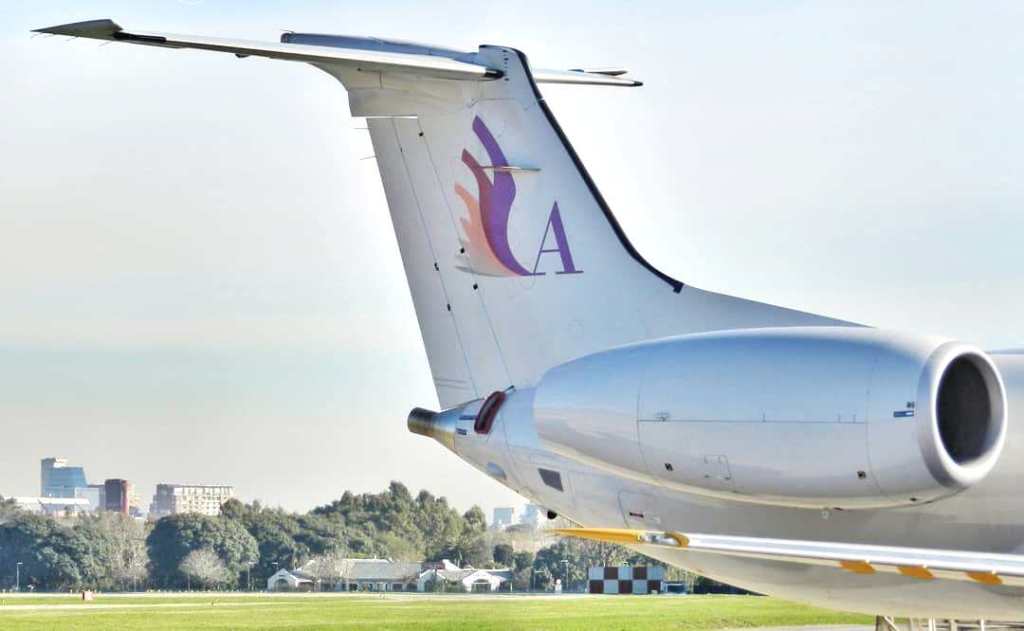

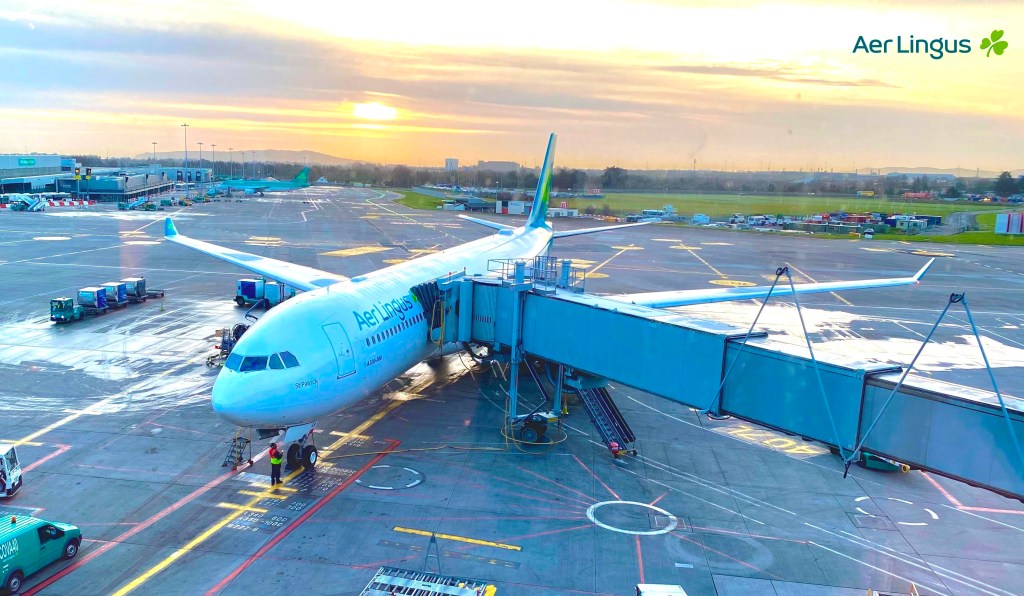

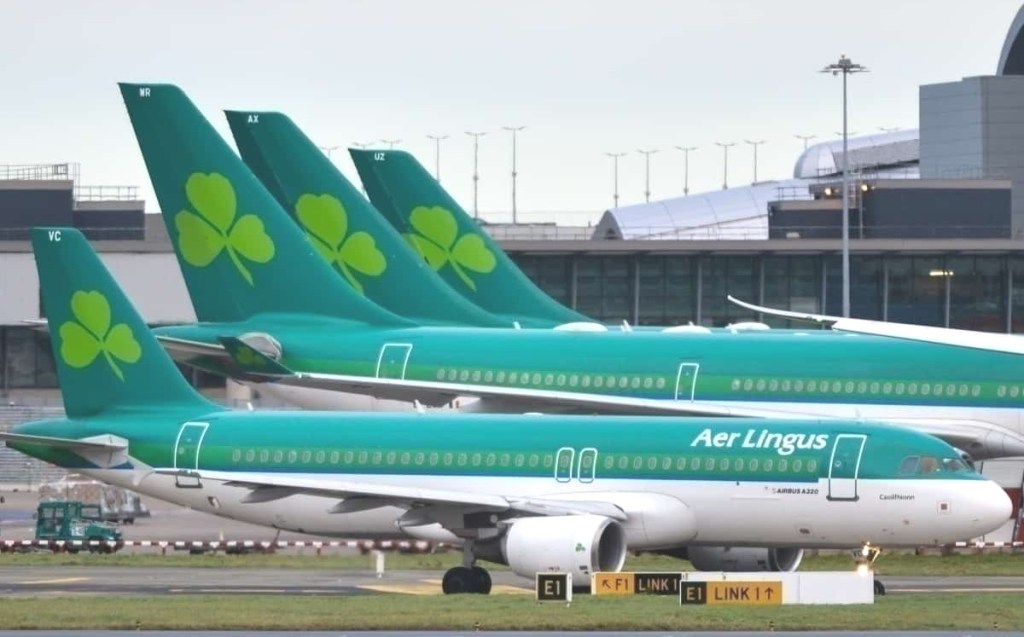


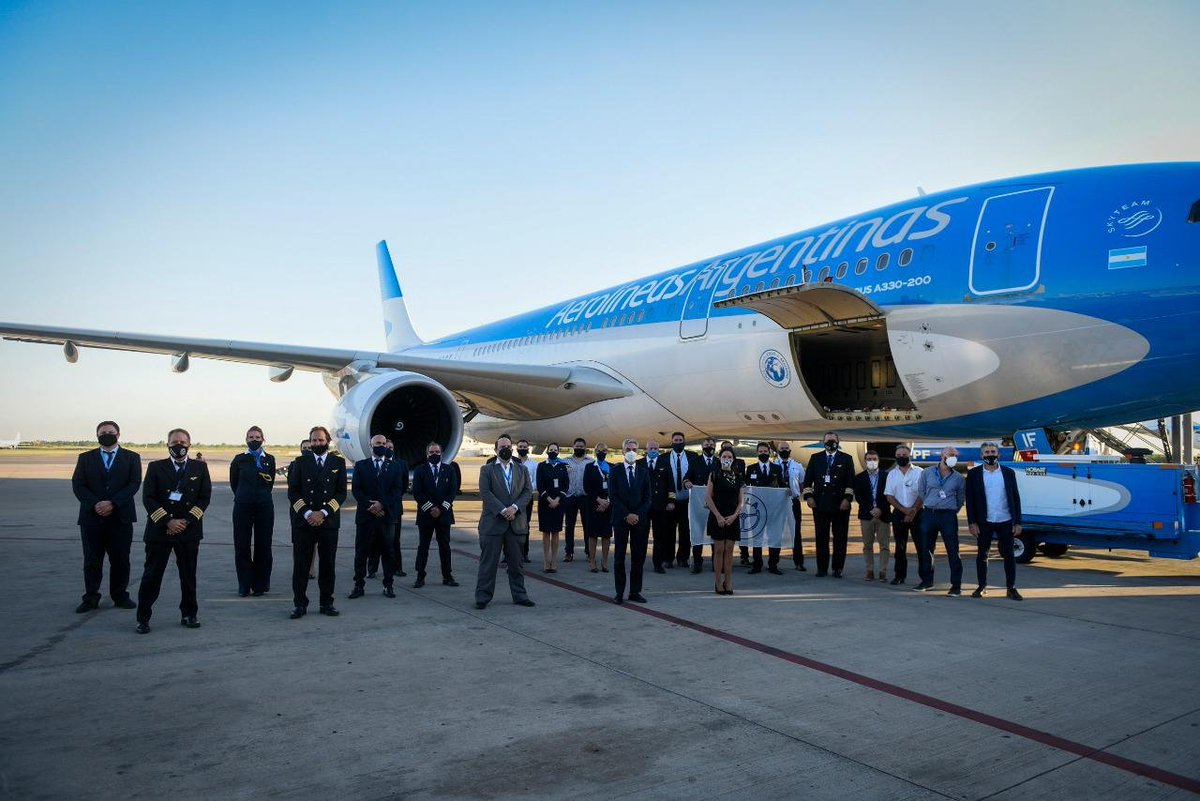





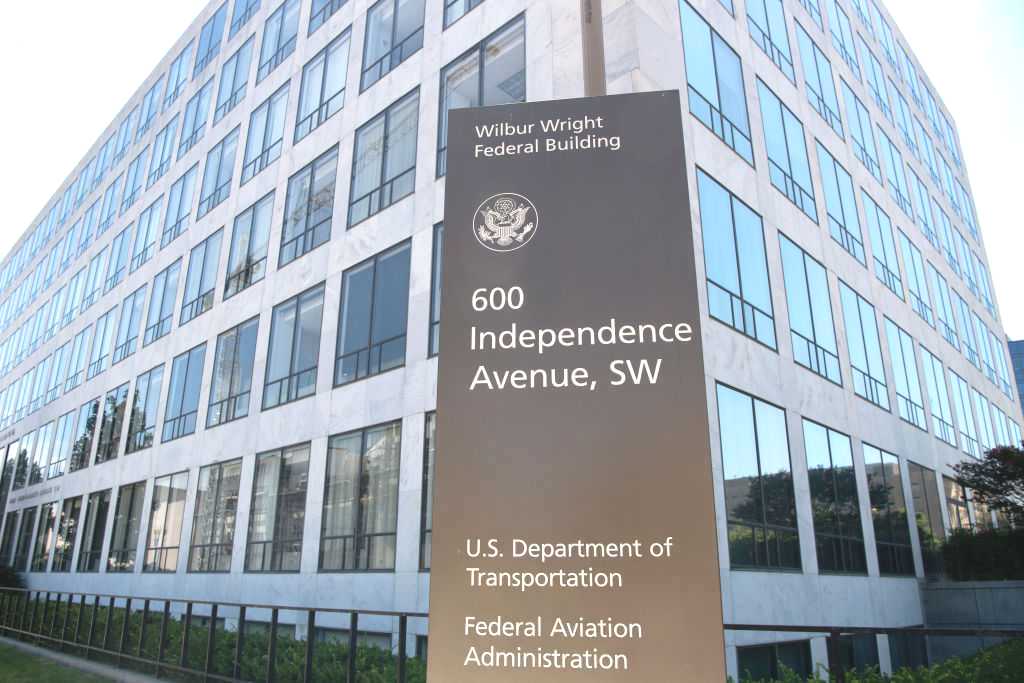
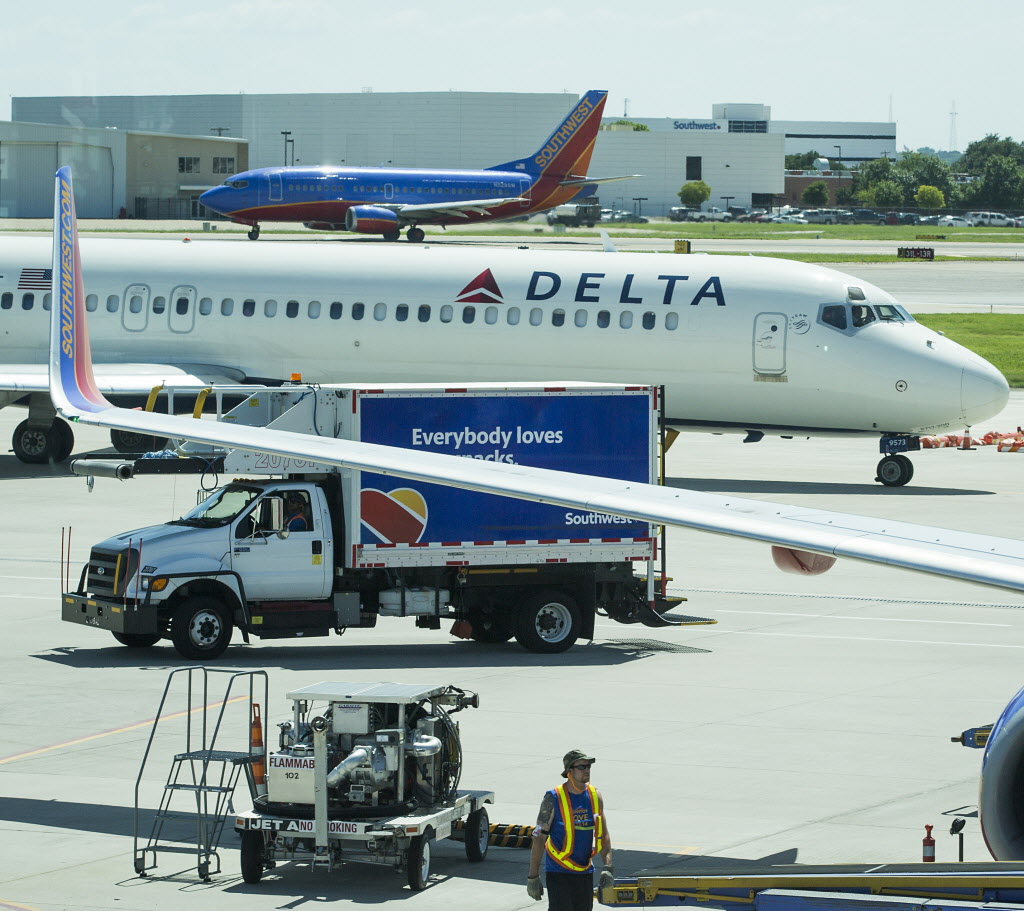




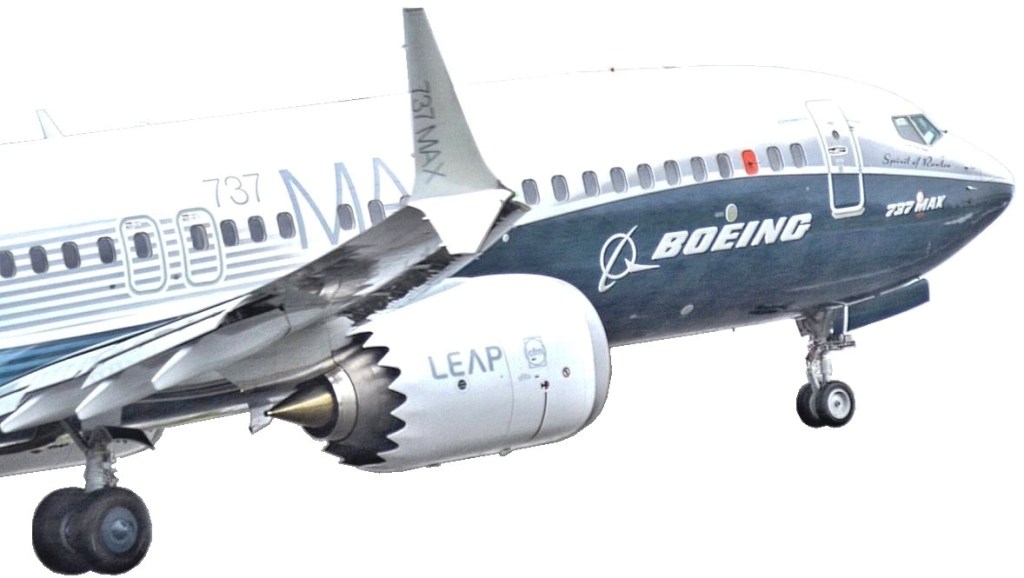



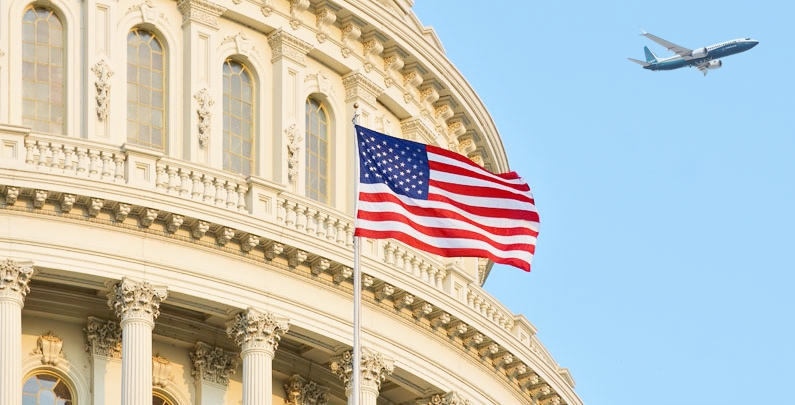


 airgways.com