AW | 2020 11 19 22:35 | AVIATION / GOVERNMENT / CONGRESS
Argentina recibió propuesta de Secretaría para la OACI
La República de Brasil ha formalizado la propuesta para que Argentina asuma la Secretaría General de Aviación Civil Internacional (OACI). El Jefe de Gabinete de la Cancillería Argentina, Guillermo Justo Chaves, ha recobido la propuesta de Brasil para la Secretaría de Aviación. El Brigadier Ary Rodrigues Bertolino ha sido designado candidato impulsado por Brasil para ocupar la Secretaría General de la OACI, que se ha expuesto en una reunión virtual donde ha participado además la Administración Nacional de Aviación Civil (ANAC) de Brasil y Argentina.
En la reunión virtual, Guillermo Chaves hizo mención a la relación estratégica que une a la Argentina con Brasil en el compromiso que son socios comerciales que representan el motor del Mercosur. El funcionario remarcó la necesidad de «seguir afianzando el vínculo bilateral, a pesar de que en el más alto nivel de gobierno existan algunos desacuerdos o inconvenientes. Somos pueblos hermanos con intereses comunes, por ello trabajamos todos los días para superarlos». Si bien destacó la importancia de que la Argentina y Brasil se acompañen mutuamente en los organismos internacionales, Guillermo Chaves ha señalado que el Gobierno aún no decidió su voto para la 222° Sesión del Consejo de la OACI, prevista para Febrero-Marzo de 2021. De todos modos, es un avance hacia la integración de la región para desarrollar políticas definidas de cara a revalorizar al mercado de la aviación comercial.
Argentina ICAO Secretariat proposal
Argentina received a proposal from the Secretariat for the ICAO
The Republic of Brazil has formalized the proposal for Argentina to assume the General Secretariat of International Civil Aviation (ICAO). The Chief of Cabinet of the Argentine Foreign Ministry, Guillermo Justo Chaves, has accepted Brazil’s proposal for the Secretariat of Aviation. Brigadier Ary Rodrigues Bertolino has been designated a candidate promoted by Brazil to occupy the General Secretariat of ICAO, which has been presented in a virtual meeting where the National Civil Aviation Administration (ANAC) of Brazil and Argentina has also participated.
In the virtual meeting, Guillermo Chaves made mention of the strategic relationship that unites Argentina with Brazil in the commitment that they are commercial partners that represent the engine of Mercosur. The official stressed the need to «continue to strengthen the bilateral link, despite the fact that at the highest level of government there are some disagreements or inconveniences. We are brother peoples with common interests, so we work every day to overcome them». Although he highlighted the importance of Argentina and Brazil accompanying each other in international organizations, Guillermo Chaves has indicated that the Government has not yet decided its vote for the 222nd Session of the ICAO Council, scheduled for February-March 2021. In any case, it is an advance towards the integration of the region to develop defined policies with a view to revaluing the commercial aviation market.
AW | 2020 11 19 17:04 | AVIATION SAFETY / AVIATION TECHNOLOGY / GOVERNMENT
Tecnológía 5G podría comprometer a la aviación comercial
Un choque sobre los usos del espectro radioeléctrico está enfrentando los intereses de la aviación contra las telecomunicaciones 5G, con una agencia reguladora Federal de estados unidos en el medio y Legisladores bajo presión para arbitrar el conflicto.
No se trata de la continua controversia sobre si el sistema de comunicaciones inalámbricas 5G Ligado Networks propuesto que opera en la Banda L bloqueará la recepción GPS que está galvanizando a la aviación a la acción. Según un informe técnico publicado recientemente, una medida de la Comisión Federal de Comunicaciones (FCC) de Estados Unidos para asignar cierto espectro de Banda C para 5G podría comprometer el funcionamiento de los altímetros de radar, los únicos sensores a bordo de aeronaves civiles que proporcionan una medición directa de la altura de la aeronave sobre el terreno u otros obstáculos en frecuencias adyacentes. En una carta del 17 de Noviembre de 2020 a los líderes bipartidistaes de los comités de la Cámara de Representantes y el Senado con jurisdicción sobre el transporte, AOPA y otras 13 organizaciones de aviación plantearon preocupaciones sobre la acción de la FCC para reasignar una parte del rango de frecuencias de 3.7 a 4.2-GHz para usos incluyendo aplicaciones 5G por la industria de las telecomunicaciones. «La industria de la aviación señaló en el proceso de elaboración de normas de la FCC que el despliegue de redes 5G en esta banda de frecuencias puede introducir interferencias dañinas de radiofrecuencia (RF) en los altímetros de radar que actualmente operan en la banda aeronáutica de 4,2 a 4,4 GHz asignada a nivel mundial. Los altímetros de radar se despliegan en decenas de miles de aeronaves civiles en los Estados Unidos y en todo el mundo para apoyar varias funciones críticas de aeronaves de seguridad de vida útil a lo largo de múltiples fases de vuelo. Los altímetros de radar son el único sensor a bordo de un avión civil que proporciona una medición directa de la altura de la aeronave sobre el terreno u otros obstáculos», dijo la carta.
La solicitud de los grupos de legisladores de aceptar la participación directa con las partes interesadas clave para proteger las bandas de frecuencia utilizadas por los altímetros de radar fue un informe del grupo de trabajo de la organización técnica RTCA que reveló un riesgo importante de interferencia perjudicial con los altímetros de radar de los sistemas de telecomunicaciones 5G en el ancho de banda de 3,7 a 3,98 GHz. Los impactos adversos incluyen «la posibilidad de fallas catastróficas que conducen a múltiples muertes, en ausencia de mitigaciones apropiadas», escribieron.
El 28 de Febrero de 2020, la FCC anunció una acción para liberar espectro de Banda C para servicios 5G, haciendo que una amplia franja de espectro de banda media esté disponible para 5G a través de una subasta pública. La acción haría que el espectro estuviera disponible rápidamente, al tiempo que generaría ingresos sustanciales para el Tesoro de los Estados Unidos. Al mismo tiempo, el artículo garantiza la entrega continua e ininterrumpida de servicios de programación de video y otros contenidos al pueblo estadounidense que actualmente es entregado por satélites utilizando la Banda C, había emitido el comunicado de prensa de la FCC.
RTCA, una asociación sin fines de lucro que desarrolla políticas de consenso para la modernización de la aviación, publicó un libro blanco sobre el tema de la interferencia en octubre, dirigiendo sus hallazgos a la FCC. «Una comprensión profunda de los riesgos asociados con esta interferencia y el impacto en la seguridad de la aviación será vital para reunir tanto a los reguladores de la aviación como al espectro para garantizar que los sistemas de aviación críticos para la seguridad continúen protegidos a los efectos de la seguridad pública», dijo Terry McVenes, Presidente y CEO de RTCA.
Perspectivas tecnológicas
El nuevo desafío a la asignación de espectro de la FCC para 5G se produce en un momento en que las organizaciones de aviación y muchas otras industrias que dependen del GPS han estado instando a la agencia reguladora a reconsiderar su aprobación en abril del plan de Ligado Networks para una red de comunicaciones inalámbricas que transmitiría en la Banda L. Los críticos de 5G Ligado Networks siguen preocupados de que la radiación de la red pueda bloquear o abrumar la recepción de señales GPS de baja potencia enviadas desde satélites en frecuencias adyacentes. Ligado ha respondido que ha abordado las preocupaciones como condición de su aprobación de la FCC y recientemente informó sobre los pasos que está tomando para poner en pie su red.
Aviation vs 5G technology
5G technology could compromise commercial aviation
A clash over the uses of the radio spectrum is pitting aviation interests against 5G telecommunications, with a US Federal regulatory agency in the middle and legislators under pressure to arbitrate the conflict.
It’s not about the ongoing controversy over whether the proposed Ligado Networks 5G wireless communications system operating in the L-Band will block GPS reception that is galvanizing aviation into action. According to a recently published technical report, a move by the United States Federal Communications Commission (FCC) to allocate certain C-Band spectrum for 5G could compromise the operation of radar altimeters, the only sensors on board civil aircraft that provide a direct measurement of the aircraft’s height above the ground or other obstacles on adjacent frequencies. In a November 17, 2020 letter to the bipartisan leaders of the House and Senate committees with jurisdiction over transportation, AOPA and 13 other aviation organizations raised concerns about the FCC’s action to reallocate a portion of the 3.7 to 4.2-GHz frequency range for uses including 5G applications by the telecommunications industry. «The aviation industry noted in the FCC rule-making process that the deployment of 5G networks in this frequency band can introduce harmful radio frequency (RF) interference to radar altimeters currently operating in the aeronautical band of 4.2 to 4.4 GHz mapped globally. Radar altimeters are deployed on tens of thousands of civil aircraft in the United States and around the world to support various critical life safety aircraft functions throughout multi-phase flight. Radar altimeters are the only sensor on board a civilian aircraft that provides a direct measurement of the aircraft’s height above the ground or other obstacles», the letter said.
The request by groups of legislators to accept direct engagement with key stakeholders to protect the frequency bands used by radar altimeters was a report from the technical organization RTCA working group that revealed a significant risk of harmful interference with radar altimeters in 5G telecommunications systems in the 3.7 to 3.98 GHz bandwidth. Adverse impacts include «the potential for catastrophic failures leading to multiple fatalities, in the absence of appropriate mitigations», they wrote.
On February 28, 2020, the FCC announced an action to release Band C spectrum for 5G services, making a wide swath of mid-band spectrum available for 5G through a public auction. The action would make spectrum available quickly, while also generating substantial revenue for the US Treasury. At the same time, the article guarantees the continuous and uninterrupted delivery of video programming services and other content to the American people that are currently delivered by satellites using Band C, the FCC press release had issued.
RTCA, a non-profit association that develops consensus policies for aviation modernization, published a white paper on the issue of interference in October, directing its findings to the FCC. «A thorough understanding of the risks associated with this interference and the impact on aviation security will be vital in bringing together both aviation and spectrum regulators to ensure that security-critical aviation systems continue to be protected for the purposes of of public safety», said Terry McVenes, President and CEO of RTCA.
Technological perspectives
The new challenge to the FCC’s spectrum allocation for 5G comes at a time when aviation organizations and many other industries that rely on GPS have been urging the regulatory agency to reconsider its April approval of Ligado Networks’ plan. for a wireless communications network that would transmit on the L-Band. Critics of 5G Ligado Networks remain concerned that radiation from the network could block or overwhelm the reception of low-power GPS signals sent from satellites on adjacent frequencies. Ligado has responded that it has addressed the concerns as a condition of its approval from the FCC and recently reported on the steps it is taking to get its network up and running.
Presentan la Ley de Combustible de Aviación Sostenible
La Ley de Combustible de Aviación Sostenible de Estados Unidos se ha presentado este 18 de Noviembre de 2020 ante la Cámara de Representantes para su aprobación como ley que puede ayudar a reducir las emisiones de las aerolíneas. La representante estadounidense Julia Brownley (D-CA) presentó este 18/11 la Ley de Combustible de Aviación Sostenible, un proyecto de ley innovador que da un primer paso hacia la reducción de la contaminación que daña el clima de los aviones. El proyecto de ley establece objetivos claros para que el sector de la aviación reduzca estas emisiones para poner al sector en una senda hacia las emisiones netas cero para 2050, un objetivo fijado por la ciencia con el objetivo de evitar las perturbaciones climáticas más dañinas. Y el proyecto de ley proporciona incentivos para la producción de combustibles de aviación sostenibles de alta calidad, con el requisito de que todos estos combustibles, como mínimo, cumplan con los estándares internacionales.
«A medida que las compañías aéreas intenten cortejar a los pasajeros de nuevo en los cielos, tendrán que poner el desafío climático en el centro de su recuperación. La política climática innovadora y eficaz, como la Ley de Combustible de Aviación Sostenible, puede ayudar a la industria de la aviación a adoptar el objetivo real, el vuelo neutral en el clima. Lo que hace que este proyecto de ley sea innovador es que el crédito fiscal está clave para la cantidad de beneficios climáticos que los combustibles realmente ofrecen. El proyecto de ley alienta a los desarrolladores de combustibles a producir combustibles que cumplan y superen los estándares internacionales y estadounidenses. Al tener en cuenta lo que sucede en todo el ciclo de vida de la fabricación de estos combustibles, desde las granjas y los bosques hasta lo que sale de la parte posterior del motor, y sólo dando incentivos para los combustibles que realmente ayudan al medio ambiente, la factura garantiza que la producción de estos combustibles no cause más daño que bien. Fundamentalmente, el proyecto de ley se basa en la fundación establecida por la Organización de Aviación Civil Internacional, que establece estándares mundiales para los vuelos internacionales. Para recibir los incentivos fiscales de la factura, los combustibles de aviación sostenibles deben lograr al menos una reducción del 50% en las emisiones en comparación con el combustible convencional para aviones. Aplaudimos a la congresista Brownley por introducir legislación para impulsar la innovación y la demanda de combustibles de aviación sostenibles de alta calidad que tengan el potencial de reducir drásticamente las emisiones de las aerolíneas», sostiene el nuevo proyecto que espera convertirse en ley.
De 2005 a 2018, el tráfico aéreo de pasajeros de Estados Unidos se duplicó con más que duplicado, al igual que el forzamiento radiativo efectivo de la aviación global, que es la cantidad que la aviación está calentando el planeta y cambiando el clima.
Las aerolíneas y el ejército estadounidense pueden reducir las emisiones de vuelos mediante el uso de combustibles de aviación sostenibles de alta calidad. El cambio de la demanda del queroseno a estos nuevos combustibles puede beneficiar a los agricultores estadounidenses que producen los combustibles utilizando métodos agrícolas sostenibles. Y los trabajadores estadounidenses serán necesarios para reacondicionar el avión para que pueda quemar los combustibles en mezclas más altas y más altas, siendo el límite de mezcla actual del orden del 50%. La factura escala sus incentivos a la cantidad de reducciones de emisiones del ciclo de vida que cada nuevo combustible logra realmente, teniendo en cuenta los efectos directos e indirectos de su producción. El proyecto de ley es neutro en materia prima, lo que permite que los combustibles procedentes de fuentes como la basura, los gases residuales de las fábricas de acero, los desechos de madera y los cultivos agrícolas que no compiten con los alimentos, siempre y cuando cumplan con rigurosos estándares de sostenibilidad.
US Aviation Fuel Law
They present the Sustainable Aviation Fuel Law
The United States Sustainable Aviation Fuel Act has been presented this November 18, 2020 before the House of Representatives for approval as a law that can help reduce airline emissions. US Representative Julia Brownley (D-CA) introduced the Sustainable Aviation Fuel Act on 11/18, an innovative bill that takes a first step toward reducing climate-damaging pollution from airplanes. The bill sets clear targets for the aviation sector to reduce these emissions to put the sector on a path towards net zero emissions by 2050, a target set by science with the aim of avoiding the most damaging climate shocks. And the bill provides incentives for the production of high-quality sustainable aviation fuels, with the requirement that all of these fuels, at a minimum, meet international standards.
«As airlines attempt to woo passengers back into the skies, they will have to put the climate challenge at the center of their recovery. Innovative and effective climate policy, such as the Sustainable Aviation Fuel Act, can help the aviation industry to embrace the real goal, climate neutral flight. What makes this bill groundbreaking is that the tax credit is key to the amount of climate benefits that fuels actually offer. The law encourages fuel developers to produce fuels that meet and exceed international and US standards. By taking into account what happens throughout the entire life cycle of these fuels manufacturing, from farms and forests to what comes out from the back of the engine, and only giving incentives for fuels that really help the environment, the invoice guarantees that the production of These fuels do not cause more harm than good. Fundamentally, the bill builds on the foundation established by the International Civil Aviation Organization, which sets global standards for international flights. To receive invoice tax incentives, sustainable aviation fuels must achieve at least a 50% reduction in emissions compared to conventional jet fuel. We applaud Congresswoman Brownley for introducing legislation to drive innovation and demand for high-quality sustainable aviation fuels that have the potential to dramatically reduce airline emissions», says the new bill that hopes to become law.
From 2005 to 2018, America’s passenger air traffic more than doubled, as did the effective radiative forcing of global aviation, which is the amount that aviation is warming the planet and changing the climate.
Airlines and the US military can reduce flight emissions by using high-quality, sustainable aviation fuels. Shifting demand from kerosene to these new fuels can benefit American farmers who produce the fuels using sustainable agricultural methods. And American workers will be needed to refit the plane so that it can burn fuels in higher and higher blends, the current blending limit being on the order of 50%. The bill scales its incentives to the amount of cycle emissions reductions life that each new fuel actually achieves, taking into account the direct and indirect effects of its production. The bill is raw material neutral, allowing fuels from sources such as garbage, waste gases from steel mills, wood waste, and agricultural crops to not compete with food, as long as meet rigorous sustainability standards.
Embratur ha festejado sus 54 años de vida este Martes 17/11, marcando la ceremonia conmemorativa con un sello personalizado emitido por la Oficina de Correos de Brasil para la agencia turística. Al acto asistieron el Presidente de Embratur, Gilson Machado Neto y el Presidente de la República, Jair Bolsonaro. Desde Mayo 2020, cuando se sancionó la Medida Provisional 907, Embratur se ha convertido, definitivamente, en un organismo con estatuto de servicio social autónomo, bajo el régimen jurídico de derecho privado, sin ánimo de lucro, de interés colectivo y de utilidad pública. En este formato, puede recibir recursos privados, como contribuciones del Sistema S y ha adquirido más autonomía administrativa para promover productos y servicios turísticos en Brasil y en el extranjero.
Según Gilson Machado, aunque el sector se vio muy afectado durante la pandemia, la recuperación del turismo en Brasil ya se está reflejando en las estadísticas. «Brasil es el país con mayor potencial en el período post-pandemia. Hoy en día, según datos del Ministerio de Turismo, ya tenemos recuperado el 88% de nuestro flujo turístico nacional. Pocos países en el mundo pueden decir eso. Tenemos nuestras aerolíneas volviendo a trabajar alrededor del 80% de las operaciones, y algunos centros ya son 100%, como el Aeropuerto de Recife, que ya ha superado los números de 2019». La semana pasada, el gobierno federal puso en marcha un paquete de medidas para estimular la reanudación del turismo en el país.
Oficina de OMT
Brasil debería albergar una de las oficinas de la Organización Mundial del Turismo (OMT), según Gilson Machado Neto. Durante su intervención, destacó la visita del Director General de la OMT, Zurab Pololikashvili. «Tenemos aquí a la Organización Mundial del Turismo, trayendo excelentes noticias, de que Brasil fue elegido para recibir una de las cuatro oficinas de OMT en el mundo», expresó el Presidente de Embratur.
El Lunes 16/11, Zurab Pololikashvili se ha reunido en Brasilia con el Presidente Jair Bolsonaro. El Director General de la OMT, que es uno de los organismos de las Naciones Unidas, también cumplió una agenda oficial en Río de Janeiro, junto con el Ministro de Turismo, Marcelo Alvaro Antonio. La oficina de OMT en Brasil será la primera de la entidad en América Latina y debería concentrar los esfuerzos para desarrollar el turismo en el continente. Gilson Machado incluso citó a Río de Janeiro, Brasilia y Manaos como posible sede de la oficina de OMT.
54th Anniversaries of EMBRATUR
Embratur Brazil celebrates 54 years of experience
Embratur celebrated its 54 years of life this Tuesday 11/17, marking the commemorative ceremony with a personalized stamp issued by the Brazilian Post Office for the tourist agency. The event was attended by the President of Embratur, Gilson Machado Neto and the President of the Republic, Jair Bolsonaro. Since May 2020, when Provisional Measure 907 was sanctioned, Embratur has definitely become a body with autonomous social service status, under the legal regime of private law, non-profit, collective interest and public utility. In this format, it can receive private resources, such as contributions from the S System and has acquired more administrative autonomy to promote tourism products and services in Brazil and abroad.
According to Gilson Machado, although the sector was severely affected during the pandemic, the recovery of tourism in Brazil is already being reflected in the statistics. «Brazil is the country with the greatest potential in the post-pandemic period. Today, according to data from the Ministry of Tourism, we have already recovered 88% of our national tourist flow. Few countries in the world can say that. We have our airlines returning to work around 80% of the operations, and some centers are already 100%, such as the Recife eAport, which has already exceeded the numbers of 2019». Last week, the federal government launched a package of measures to stimulate the resumption of tourism in the country.
OMT Office
Brazil should host one of the offices of the World Tourism Organization (UNWTO), according to Gilson Machado Neto. During his speech, he highlighted the visit of the Director General of UNWTO, Zurab Pololikashvili. «We have here the World Tourism Organization, bringing excellent news, that Brazil was chosen to host one of the four UNWTO offices in the world», expressed the President of Embratur.
On Monday 11/16, Zurab Pololikashvili met in Brasilia with President Jair Bolsonaro. The Director General of the UNWTO, which is one of the United Nations agencies, also fulfilled an official agenda in Rio de Janeiro, together with the Minister of Tourism, Marcelo Alvaro Antonio. UNWTO’s office in Brazil will be the entity’s first in Latin America and should concentrate efforts to develop tourism on the continent. Gilson Machado even cited Rio de Janeiro, Brasilia and Manaus as possible headquarters for the OMT office.
54º Aniversários da EMBRATUR
Embratur Brasil comemora 54 anos de experiência
A Embratur completou 54 anos de vida nesta terça-feira, 17/11, marcando a solenidade comemorativa com um selo personalizado emitido pelos Correios para a agência de turismo. O evento contou com a presença do presidente da Embratur, Gilson Machado Neto e do presidente da República, Jair Bolsonaro. Desde maio de 2020, quando foi sancionada a Medida Provisória 907, a Embratur tornou-se definitivamente um órgão com caráter autônomo de serviço social, sob o regime jurídico de direito privado, sem fins lucrativos, de interesse coletivo e de utilidade pública. Nesse formato, pode receber recursos privados, como contribuições do Sistema S e adquiriu mais autonomia administrativa para promover produtos e serviços turísticos no Brasil e no exterior.
Segundo Gilson Machado, embora o setor tenha sido bastante afetado durante a pandemia, a recuperação do turismo no Brasil já está refletindo nas estatísticas. “O Brasil é o país com maior potencial no período pós-pandêmico. Hoje, segundo dados do Ministério do Turismo, já recuperamos 88% do nosso fluxo turístico nacional. Poucos países no mundo podem dizer isso. Temos nossas companhias aéreas voltam a trabalhar cerca de 80% das operações, e alguns centros já estão 100%, como o eAport Recife, que já ultrapassou os números de 2019”. Na semana passada, o Governo Federal lançou um pacote de medidas para estimular a retomada do turismo no país.
OMT Office
O Brasil vai sediar um dos escritórios da Organização Mundial do Turismo (OMT), segundo Gilson Machado Neto. Durante seu discurso, ele destacou a visita do Diretor-Geral da OMT, Zurab Pololikashvili. “Temos aqui a Organização Mundial do Turismo, trazendo uma excelente notícia, de que o Brasil foi escolhido para sediar um dos quatro escritórios da OMT no mundo”, expressou o presidente da Embratur.
Na segunda-feira, 16/11, Zurab Pololikashvili se reuniu em Brasília com o presidente Jair Bolsonaro. O Diretor-Geral da OMT, que é uma das agências das Nações Unidas, também cumpriu uma agenda oficial no Rio de Janeiro, ao lado do Ministro do Turismo, Marcelo Alvaro Antonio. O escritório da OMT no Brasil será o primeiro da entidade na América Latina e deve concentrar esforços para desenvolver o turismo no continente. Gilson Machado chegou a citar Rio de Janeiro, Brasília e Manaus como possíveis sedes para o escritório da OMT.
Subsidiarias Norwegian Air piden protección contra bancarrota
Norwegian Air Shuttle ASA ha anunciado la protección por bancarrota este 18/11 para sus dos aerolíneas irlandesas Norwegian Air InternationalLimited y Arctic Aviation Assets. Tras los embates financieros y la supervivencia, el transbordador aéreo noruego de bajo costo se declaró a la protección por bancarrota en Irlanda el Miércoles 18 de Noviembre de 2020 para dos de sus principales filiales en un intento de protegerse de los acreedores el tiempo suficiente para encontrar una solución para una reestructuración financiera.
El grupo aéreo ha afrontado dificultades económicas antes de la pandemia, al igual que el resto de la industria aérea, se ha visto duramente golpeada por las restricciones destinadas a limitar la propagación del nuevo Coronavirus, lo que ha llevado a complicar aún más el panorama y las perspectivas hacia el futuro. La tercera aerolínea de bajo coste más grande de Europa sufrió un golpe devastador el 09/11, cuando el Gobierno noruego se había negado a inyectar más dinero en efectivo después de conceder a la compañía garantías de NOK 3.000 millones de Coronas (€ 277 millones de uEros) a principios de este año 2020. Como resultado, la aerolínea decidió solicitar protección por bancarrota para dos de sus filiales en Irlanda: Norwegian Air International, que opera un gran número de vuelos internacionales de la compañía en rutas transatlánticas, y Arctic Aviation Assets, que gestiona su flota de aviones. «Buscar protección para reorganizar bajo la ley irlandesa es una decisión que hemos tomado para asegurar el futuro de Norwegian. Nuestro objetivo es encontrar soluciones con nuestros grupos de trabajo que nos permitan emerger como una aerolínea financieramente más fuerte y segura», dijo el Jefe de la aerolínea, Jacob Schram, en un comunicado.
El efecto pandemia en la aviación ha tenido consecuencias nefastas con la reducción de fuerza laboral, acogimiento a protección de quiebras y quiebras declaradas a través del mundo. Las aerolíneas que todavía vuelan han sobrevivido hasta ahora al recortar decenas de miles de puestos de trabajo, pero su situación económica continúa con las defensas bajas a medida que la proyección de los vuelos no repuntan. Después de una caída del 66% en el tráfico aéreo mundial pronosticada este año, se espera que los ingresos de las aerolíneas todavía disminuyan un 46% en 2021 con respecto a 2019, dijo la Asociación Internacional de Transporte Aéreo (IATA) en Octubre 2020, cuando pidió más ayuda para la industria.
Norwegian Air Shuttle ASA ha expresado a principios de este mes de 11/2020 que necesitaba liquidez para pasar el invierno boreal, pero el Gobierno del Reino de Noruega, argumentando que era demasiado arriesgado y potencialmente anticompetitivo, artilló como una ruleta rusa, las consecuencias comienzan a barajar el peor escenario laboral. Norwegian Air ha expresado el 10/11 que ha reportado liquidez por valor de € 318 millones de Euros en sus arcas.
Tormenta perfecta
Norwegian Air Group, que empleaba a 10.000 personas y poseía 140 aviones en servicio a principios de 2020, ahora tiene sólo 600 empleados actualmente en la planilla y seis aviones activos. El Miércoles 18/11, dijo que continuaría sus operaciones mientras proseguía las negociaciones sobre su situación financiera. «Se espera que el proceso de reestructuración tome hasta 5 meses», dijo Jacob Schram en una conferencia de prensa.
La reciente noticia de que varias vacunas COVID-19 pueden estar listas para su distribución el próximo año ha aplaudido a la industria aérea, pero los inversores últimamente han cuestionado las posibilidades de Norwegian Air Shuttle ASA de sobrevivir. Sus acciones se han desplomado casi un 99% desde principios de año. La compañía ha estado luchando desde mucho antes de la pandemia. Un ambicioso programa de expansión lo cerca con una montaña de deudas, que ascendía a NOK 48.500 millones de Coronas a finales de 09/2020, más de 28 veces su valor actual en el mercado.
En un importante programa de reestructuración a principios de este año, los acreedores noruegos, incluidas las empresas de arrendamiento financiero, habían acordado convertir parte de los compromisos financieros de la compañía en capital, convirtiéndolos así en los mayores accionistas del transportista.
Un pionero de bajo costo en el segmento de larga distancia que utilizaba aviones más eficientes en combustible, Norwegian se topó por primera vez con una serie de problemas con los motores Rolls-Royce en sus Boeing 777 Dreamliners. Tampoco ha podido utilizar sus 18 aviones Boeing 737 MAX durante casi dos años después de que fueran puestos en tierra en todo el mundo después de dos accidentes mortales. Irónicamente, su declaración de bancarrota se produce el mismo día que los reguladores aéreos de la FAA de los Estados Unidos aprobaron la recertificación del Boeing 737 MAX para volar de nuevo. Norwegian Air ha entrado en un verdadero torbellino de dificultades presentando un escenario de tormenta perfecta donde la compañía vikinga continúa sobrevolando la situación con verdadera tenacidad y coraje.
Norwegian International welcomes bankruptcy
Subsidiaries Norwegian Air asks for bankruptcy protection
Norwegian Air Shuttle ASA has announced bankruptcy protection on 11/18 for its two Irish airlines Norwegian Air International Limited and Arctic Aviation Assets. Following financial battles and survival, the low-cost Norwegian air shuttle filed for bankruptcy protection in Ireland on Wednesday 18 November 2020 for two of its major subsidiaries in an attempt to protect itself from creditors long enough to find a solution for a financial restructuring.
The airline group has faced economic difficulties before the pandemic, like the rest of the airline industry, it has been hard hit by restrictions aimed at limiting the spread of the new Coronavirus, which has further complicated the outlook and prospects for the future. Europe’s third-largest low-cost airline suffered a devastating blow on 11/09, when the Norwegian government had refused to inject more cash after granting the company guarantees of NOK 3 billion crowns (€ 277 million uEros) earlier this year 2020. As a result, the airline decided to apply for bankruptcy protection for two of its subsidiaries in Ireland: Norwegian Air International, which operates a large number of the company’s international flights on transatlantic routes, and Arctic Aviation Assets , which manages its fleet of aircraft. «Seeking protection to reorganize under Irish law is a decision we have made to secure Norwegian’s future. Our goal is to find solutions with our working groups that will allow us to emerge as a financially stronger and more secure airline», said the Head of the airline, Jacob Schram, in a statement.
The pandemic effect on aviation has had dire consequences with the reduction of the workforce, acceptance of bankruptcy protection and bankruptcies declared throughout the world. The airlines that still fly have survived so far by cutting tens of thousands of jobs, but their economic situation continues with low defenses as flight projections do not pick up. After a 66% drop in global air traffic forecast this year, airline revenues are still expected to decline 46% in 2021 from 2019, the International Air Transport Association (IATA) said in October 2020, when he asked for more help for the industry.
Norwegian Air Shuttle ASA has expressed earlier this month of 11/2020 that it needed liquidity to get through the boreal winter, but the Government of the Kingdom of Norway, arguing that it was too risky and potentially anti-competitive, artillery like a Russian roulette, the consequences begin to wreck the worst work scenario. Norwegian Air has stated on 11/10 that it has reported liquidity worth € 318 million in its coffers.
Perfect storm
Norwegian Air Group, which employed 10,000 people and had 140 aircraft in service at the beginning of 2020, now has only 600 employees currently on the payroll and six active aircraft. On Wednesday 11/18, it said it would continue its operations while continuing negotiations on its financial situation. «The restructuring process is expected to take up to 5 months», Jacob Schram told a news conference.
Recent news that several COVID-19 vaccines may be ready for distribution next year has applauded the airline industry, but investors have lately questioned Norwegian Air Shuttle ASA’s chances of survival. Its shares have plunged nearly 99% since the beginning of the year. The company has been fighting since long before the pandemic. An ambitious expansion program surrounds her with a mountain of debt, which amounted to NOK 48.5 billion crowns at the end of 09/2020, more than 28 times its current market value.
In a major restructuring program earlier this year, Norwegian creditors, including finance leasing companies, had agreed to convert part of the company’s financial commitments into equity, thus making them the carrier’s largest shareholders.
A low-cost pioneer in the long-haul segment using more fuel-efficient aircraft, Norwegian first encountered a series of problems with the Rolls-Royce engines in its Boeing 777 Dreamliners. It has also been unable to use its 18 Boeing 737 MAX aircraft for nearly two years after they were grounded around the world after two fatal accidents. Ironically, his bankruptcy filing comes on the same day that the United States FAA aviation regulators approved the recertification of the Boeing 737 MAX to fly again. Norwegian air has entered a veritable whirlwind of difficulties presenting a perfect storm scenario where the Viking company continues to fly over the situation with true tenacity and courage.
AW | 2020 11 18 16:55 | AVIATION ORGANISMS / GOVERNMENT
UE dictamina Sáhara Occidental no forma parte acuerdo aviación
La Comisión de la Unión Europea (UE) ha aclarado este 17/11 que el Sahara Occidental no está cubierto por ningún acuerdo de aviación de la UE y que no busca incluirlo en el acuerdo de aviación entre la UE y Marruecos. Sin embargo, algunas aerolíneas de la UE todavía ofrecen vuelos al territorio, ahora efectivamente una zona de guerra.
Según la Comisión Europea, «no se prevé ninguna negociación para incluir al Sáhara Occidental en un acuerdo de aviación». Esto se aclara en una carta de la Comisión que ha obtenido recientemente Western Sahara Resource Watch (WSRW), el observatorio de recursos naturales del Sáhara Occidental. La carta fue enviada por la Dirección General de Movilidad y Transportes de la Comisión al Diputado europeo irlandés Ciarán Cuffe el 6 de Marzo de 2020. La aclaración se produce en la parte posterior del Tribunal de Justicia de la UE anulando la aplicación del acuerdo de aviación UE-Marruecos al Sáhara Occidental en su sentencia de 30 Noviembre de 2018. La sentencia precisó que el territorio de Marruecos debe entenderse como «la zona geográfica sobre la que el Reino de Marruecos ejerce toda la gama de poderes reconocidos a las entidades soberanas por el derecho internacional, con exclusión de cualquier otro territorio como el del Sáhara Occidental». La Corte agregó que la inclusión del Sáhara Occidental infringe las normas del derecho internacional, «en particular, el principio de libre determinación a que se refiere el Artículo 1 de la Carta de las Naciones Unidas y el principio del efecto relativo de los tratados (Art. 27). La Unión Europea no puede compartir válidamente la intención del Reino de Marruecos de incluir el territorio en cuestión en el ámbito de aplicación del Acuerdo (Art. 33)».
En su forma actual, el Sáhara Occidental no está cubierto por ningún acuerdo de aviación de la UE. No existe un marco legal para regular los servicios aeroportuarios comerciales entre la UE y la última colonia en África. Empresas como Transavia, Air France y Binter, que operan una ruta comercial en el Sáhara Occidental ocupado, lo están haciendo en un vacío legal. La Comisión de la UE es consciente de que esto es muy preocupante para los pasajeros y la tripulación en términos de seguridad, afirmando que la sentencia del TJUE dejó claro que «la definición de territorio contenida en el acuerdo euro-mediterráneo de aviación no cubre el Sáhara Occidental. Siendo así, cualquier aerolínea certificada por un Estado miembro de la UE tiene que cumplir con las normas de la UE relativas, en particular, a la seguridad de sus operaciones, la concesión de licencias a su tripulación y el mantenimiento de su aeronave, independientemente del territorio en el que opera la aerolínea. Los Estados miembros conocen bien la orden».
Sin embargo, a pesar de ello, WSRW señala que Air France, Transavia y Binter todavía ofrecen vuelos al territorio. Además de eso, la guerra estalló en el Sáhara Occidental hace cinco días. El Viernes 13 de Noviembre de 2020, la intervención militar de Marruecos puso fin al alto el fuego de tres décadas en el Sáhara Occidental. En la actualidad, se están produciendo enfrentamientos en diferentes partes del territorio. La posición de la Comisión sobre no renegociar el acuerdo es significativa, ya que en el caso tanto del acuerdo comercial UE-Marruecos como del acuerdo pesquero UE-Marruecos, sí entró en renegociaciones con Marruecos con el fin de incluir una referencia específica al Sáhara Occidental en el ámbito territorial de los acuerdos. La Comisión señaló en la carta al eurodiputado Cuffe que la decisión del Tribunal sobre el acuerdo de aviación no se renovará «como se hizo en el caso de los productos agrícolas y la pesca, que están pendientes ante el Tribunal General».
El Tribunal de Justicia de la Unión Europea había anulado la aplicación de los acuerdos comerciales y pesqueros en el Sáhara Occidental, argumentando que Marruecos no tenía soberanía sobre el territorio, que tiene un estatus separado y distinto de cualquier país del mundo, incluido Marruecos. El Tribunal declaró que el pueblo del Sáhara Occidental debe ser considerado un tercero en los tratos de la UE con Marruecos y debe dar su consentimiento para que dicho trato afecte legalmente a su tierra. Teniendo en cuenta los argumentos de la Corte, es dudoso que la mera inclusión de una referencia rápida al territorio en el ámbito territorial de los acuerdos con Marruecos, sin el consentimiento de los saharauis, se sostenga en la Corte donde los casos están ahora nuevamente pendientes de resolución.
No está claro por qué el enfoque de la UE sobre la sentencia del Tribunal sobre el acuerdo de aviación difiere tan manifiestamente de su respuesta a las sentencias del Tribunal sobre el Acuerdo de Comercio y Pesca. En los dos últimos casos, la UE optó por renegociar estos acuerdos con Marruecos para incluir expresamente al Sáhara Occidental en el ámbito territorial. Ahora, sobre el acuerdo de aviación, esencialmente acepta el fallo. Una razón puede estar en el hecho de que un acuerdo de aviación es un acuerdo mixto, lo que significa que afecta a competencias que son exclusivas de la UE y exclusivas de los Estados miembros. Una modificación de dicho acuerdo no solo tendría que pasar por un proceso de ratificación en las instituciones de la UE, lo que fue suficiente para el acuerdo comercial y pesquero, sino también en cada uno de los Estados miembros de la UE.
EU rules Western Sahara aviation
EU rules Western Sahara is not part of aviation agreement
The Commission of the European Union (EU) has clarified on 11/17 that Western Sahara is not covered by any EU aviation agreement and that it does not seek to include it in the aviation agreement between the EU and Morocco. However, some EU airlines still offer flights to the territory, now effectively a war zone.
According to the European Commission, «no negotiations are foreseen to include Western Sahara in an aviation agreement». This is clarified in a Commission letter recently obtained by Western Sahara Resource Watch (WSRW), the Western Sahara natural resource observatory. The letter was sent by the Commission’s Directorate-General for Mobility and Transport to Irish MEP Ciarán Cuffe on March 6, 2020. The clarification occurs at the back of the EU Court of Justice annulling the application of the aviation agreement EU-Morocco to Western Sahara in its judgment of November 30, 2018. The judgment specified that the territory of Morocco should be understood as «the geographical area over which the Kingdom of Morocco exercises the full range of powers recognized to sovereign entities by the international law, to the exclusion of any other territory such as Western Sahara». The Court added that the inclusion of Western Sahara violates the norms of international law, «in particular, the principle of self-determination referred to in Article 1 of the Charter of the United Nations and the principle of the relative effect of treaties (Art. 27). The European Union cannot validly share the intention of the Kingdom of Morocco to include the territory in question within the scope of the Agreement (Art. 33)».
In its current form, Western Sahara is not covered by any EU aviation agreement. There is no legal framework to regulate commercial airport services between the EU and the last colony in Africa. Companies like Transavia, Air France and Binter, which operate a trade route in occupied Western Sahara, are doing so in a legal vacuum. The EU Commission is aware that this is very worrying for passengers and crew in terms of safety, stating that the CJEU ruling made it clear that «the definition of territory contained in the Euro-Mediterranean aviation agreement does not cover Western Sahara This being the case, any airline certified by an EU Member State has to comply with EU regulations relating, in particular, to the safety of its operations, the licensing of its crew and the maintenance of its aircraft, regardless of the territory in which the airline operates. Member States are well aware of the order».
Despite this, however, WSRW notes that Air France, Transavia and Binter still offer flights to the territory. On top of that, war broke out in Western Sahara five days ago. On Friday, November 13, 2020, the Moroccan military intervention ended the three-decade ceasefire in Western Sahara. At present, clashes are taking place in different parts of the territory. The Commission’s position on not renegotiating the agreement is significant, since in the case of both the EU-Morocco trade agreement and the EU-Morocco fisheries agreement, it did enter into renegotiations with Morocco in order to include a specific reference to Western Sahara in the territorial scope of the agreements. The Commission noted in the letter to MEP Cuffe that the Court’s decision on the aviation agreement will not be renewed «as was done in the case of agricultural products and fisheries, which are pending before the General Cour».
The Court of Justice of the European Union had annulled the application of trade and fisheries agreements in Western Sahara, arguing that Morocco did not have sovereignty over the territory, that it has a status separate and distinct from any country in the world, including Morocco. The Court declared that the people of Western Sahara must be considered a third party in the EU’s dealings with Morocco and must give their consent for such dealings to legally affect their land. Taking into account the arguments of the Court, it is doubtful that the mere inclusion of a quick reference to the territory in the territorial scope of the agreements with Morocco, without the consent of the Sahrawis, is upheld in the Court where the cases are now pending again. resolution.
It is not clear why the EU’s approach to the Court’s judgment on the aviation agreement differs so starkly from its response to the Court’s judgments on the Trade and Fisheries Agreement. In the last two cases, the EU chose to renegotiate these agreements with Morocco to expressly include Western Sahara in the territorial scope. Now, about the aviation deal, you essentially accept the ruling. One reason may lie in the fact that an aviation agreement is a mixed agreement, which means that it affects competences that are exclusive to the EU and exclusive to Member States. A modification of such an agreement would not only have to go through a ratification process in the EU institutions, which was sufficient for the trade and fisheries agreement, but also in each of the EU Member States.
AW | 2020 11 18 11:53 | AVIATION ORGANISMS / GOVERNMENT / AIRLINES
ONU continúa programando red de distribución masiva
La Organización de las Naciones Unidas (ONU) está en la etapa de reclutamiento de aerolíneas para entregar vacunas a países no alineados donde la pobreza extrema hace dificultoso el transporte por parte de los propios gobiernos. Este Lunes 16/11 se reunieron 40 operadores de la industria de la aviación comercial para planificar una posible distribución más ágil.
El Fondo de las Naciones Unidas para la Infancia, UNICEF, está intentando reclutar a algunos de los mayores operadores de la industria aérea para que ayuden a distribuir una vacuna contra el coronavirus a las naciones más pobres del mundo. UNICEF, que normalmente proporciona ayuda a los niños, organizó este Lunes 16/11 una teleconferencia con cerca de 40 aerolíneas para hacer planes para el transporte aéreo mundial y para identificar que tareas puede realizar cada parte, según Glyn Hughes, Director Global del segmento de Carga de la Asociación de Transporte Aéreo Internacional (IATA), que ha ayudado a organizar la reunión. UNICEF, que ya es el mayor comprador mundial de vacunas, está liderando los esfuerzos para comprar y distribuir vacunas contra el COVID-19 a 92 países con fondos de la Alianza Mundial para Vacunas e Inmunización (GAVI), que reúne a gobiernos, la Organización Mundial de la Salud y el Banco Mundial. La convocatoria de las aerolíneas surgió tras los positivos resultados de ensayos de fase avanzada que reportaron Pfizer Inc. y Moderna Inc. para dos vacunas diferentes, dijo Hughes en una entrevista.
Vacunas Coronavirus
Normalmente Unicef suministra más de 2.000 millones de vacunas al año. Actualmente, ninguna de las dos empresas ha recibido la aprobación para su uso médico, pero la atención se está centrando en como se puede distribuir una vacuna exitosa, especialmente a países con menos recursos que no cuentan con los medios para realizar grandes compras.
Aerolíneas, papel protagónico
Alrededor de treinta aerolíneas de carga más grandes fueron invitadas a participar en la reunión en línea, ha señalado Glyn Hughes. Entre los asistentes estaban especialistas en despacho express como FedEx Corp. y United Parcel Service Inc. (UPS), y operadores de carga especializados como Cargolux Airlines International SA. Grupos de aerolíneas con grandes divisiones de carga como Deutsche Lufthansa AG también participaron, junto con aerolíneas de pasajeros con experiencia en el traslado de productos especializados como Virgin Atlantic Airways Ltd. Otros participantes incluyeron operadores regionales de África, Latinoamérica y el sudeste asiático, donde se centraran en gran medida las labores.
Los esfuerzos iniciales proporcionarán vacunas para cerca de 20% de las poblaciones locales, comenzando con el personal médico y otros grupos claves, y probablemente utilizando vacunas con requerimientos de temperatura menos exigentes, dijo Glyn Hughes. En tiempos normales, Unicef suministra más de 2.000 millones de vacunas al año, lo que en 2019 tuvo un valor de casi US$ 1.700 millones de dólares.
Un enorme déficit
IATA estima que se necesitará el equivalente a 8.000 aviones de carga Boeing 747 con capacidad para 110 toneladas en el transporte aéreo de vacunas en todo el mundo. La industria cuenta con cerca de 2.000 aviones de carga especializados que generalmente llevan alrededor de la mitad de todos los bienes transportados por aire, mientras que 2.500 aviones de pasajeros están actualmente operando solo en tareas de carga. Pese a todo eso, aún existe un enorme déficit que sólo se puede solucionar mediante la apertura de más rutas por parte de los gobiernos, indico Hughes. Si bien los operadores de carga se encuentran actualmente en su ajetreada temporada de fin de año para el transporte de productos para minoristas, Glyn Hughes dijo que es vital que los aviones estén listos para el próximo año en un periodo en que, de otra forma, algunos estarían sin operar. «Lo último que queremos es que los aviones vuelvan al desierto», concluye Glyn Hughes.
UN seeks to recruit cargo airlines
UN continues to program mass distribution network
The United Nations (UN) is in the stage of recruiting airlines to deliver vaccines to non-aligned countries where extreme poverty makes transportation difficult for governments themselves. This Monday, 11/16, 40 operators from the commercial aviation industry met to plan a possible more agile distribution.
The United Nations Children’s Fund, UNICEF, is trying to recruit some of the biggest operators in the airline industry to help distribute a coronavirus vaccine to the world’s poorest nations. UNICEF, which normally provides help to children, organized a teleconference Monday with about 40 airlines to make plans for global air travel and to identify what tasks each party can perform, according to Glyn Hughes, Global Director of the Cargo segment of the International Air Transport Association (IATA), which has helped organize the meeting. UNICEF, already the world’s largest buyer of vaccines, is leading efforts to purchase and distribute COVID-19 vaccines to 92 countries with funds from the Global Alliance for Vaccines and Immunization (GAVI), which brings together governments, the Organization World Health and the World Bank. The call for the airlines came after positive late-stage trial results reported by Pfizer Inc. and Moderna Inc. for two different vaccines, Hughes said in an interview.
Coronavirus vaccines
Normally UNICEF supplies more than 2 billion vaccines a year. Currently, neither company has received approval for medical use, but attention is turning to how a successful vaccine can be distributed, especially to countries with fewer resources that do not have the means to make large purchases.
Airlines, leading role
About 30 larger cargo airlines were invited to participate in the online meeting, Glyn Hughes said. Among the attendees were express dispatch specialists such as FedEx Corp. and United Parcel Service Inc. (UPS), and specialized cargo operators such as Cargolux Airlines International SA. Groups of airlines with large cargo divisions such as Deutsche Lufthansa AG also participated, along with passenger airlines with experience in moving specialty products such as Virgin Atlantic Airways Ltd. Other participants included regional carriers from Africa, Latin America and Southeast Asia, where They will focus the work to a great extent.
Initial efforts will provide vaccines for about 20% of local populations, beginning with medical personnel and other key groups, and likely using vaccines with less stringent temperature requirements, Glyn Hughes said. In normal times, UNICEF supplies more than 2 billion vaccines a year, which in 2019 was worth almost US$ 1.7 billion.
A huge deficit
IATA estimates that the equivalent of 8,000 Boeing 747 cargo aircraft with a capacity of 110 tonnes will be needed in the air transport of vaccines worldwide. The industry has about 2,000 specialized cargo aircraft that generally carry around half of all goods transported by air, while 2,500 airliners are currently operating cargo only. Despite all this, there is still a huge deficit that can only be solved by opening more routes by governments, Hughes said. While freight operators are currently in their busy end-of-the-year season to transport goods for retailers, Glyn Hughes said it is vital that planes are ready for next year in a time when they would otherwise some would be without operating. «The last thing we want is for the planes to go back to the desert», concludes Glyn Hughes.
AW | 2020 11 17 23:30 | AVIATION SAFETY / GOVERNMENT
A un año del surgimiento del virus que cambiaría a la humanidad
La posterior Gran Guerra de 1914 ha traído un peregrinaje de acontecimientos que han marcado a las sociedades a través del mundo. La Gripe de 1918 (1918-1920); la pandemia del SIDA/VIH en 1981, el Severe Acute Respiratory Syndrome (SARS) en 2002 en China; Gripe A H1N1 en 2009-2010; el Middle East Respiratory Syndrome (MERS) en 2012 en Arabia Saudita; Epidemia del Ébola 2013-2016 en Guinea, África; Epidemia del Zika 2015-2016, Brasil; y actualmente el Severe Acute Respiratory Syndrome Coronavirus 2 (SARS-CoV-2) más utilizado y conocido como Coronavirus (COVID-19) ha representado la pandemia más extensiva hasta el momento conocida que ha impactado el modo de vida del mundo entero.
Tras un año, un 17 de Noviembre de 2019 se conocía al mundo una nueva amenaza epidemiológica con epicentro en Wuhan, China, el mundo conocería el poderoso impacto del Coronavirus en las sociedades del planeta y los efectos en todo orbe institucional. La aviación ha conocido la cara más villana de las amenazas después de los atentados a objetivos de Estados Unidos (11-S), sus efectos perdurarán a través del tiempo.
Vacunas vs Logística
Las vacunas COVID-19 podrían estar listas hacia finales de 2020, pero la alta demanda y los grandes desafíos hacen suponer que para 8 mil millones de personas se necesitaría transportar el equivalente a 8.000 Boeing 747 cargueros: ¿Cómo puede la logística ayudar a cubrir el gran déficit sanitario? Paradójicamente, el virus se propagaba más rápidamente en avión, y será el medio aéreo el responsable de transportar lo más rápidamente las vacunas para la salvación de miles y para la prevención de la población mundial.
¿Qué tan grande es el desafío? Según la Asociación Internacional de Transporte Aéreo (IATA), expresó: «proporcionar una dosis única a 7.800 millones de personas llenaría 8.000 747 aviones de carga». Mientras tanto, múltiples laboratorios representarán una batalla contrarreloj para coordinar los procesos con las aerolíneas para llegar a cada rincón del planeta, pero varios laboratorios en otros países podrán acelerar los procesos de inmunización de la población al fabricar los antivirus para reducir los tiempos y procesos.
La industria de la carga aérea ya tiene una vasta experiencia en el transporte de productos farmacéuticos y de ciencias de la vida. Estos representan el 1,9 por ciento de todo el volumen de carga aérea y el 2,6 por ciento de los ingresos totales de carga de las aerolíneas, es decir, 2.500 millones de Dólares. Pero la próxima avalancha de vacunas COVID-19 no puede administrarse en todo el mundo sin un importante elevador de carga aérea. En World Air Cargo Forecast 2016-2017, Boeing estimó el total de aviones de carga en el mundo en 1.770, de los cuales 550 se definieron como cargueros pesados como el 747 capaz de transportar más de 80 toneladas de carga. En Agosto 2020, Air Cargo News dijo que 300 cargueros Boeing 747 estaban operando, y que se habían añadido 65 cargueros adicionales a la flota mundial. Alrededor de 4,5 millones de cancelación de vuelos de pasajeros en todo el mundo redujeron la carga del ventral (bodegas). La capacidad de carga del vientre disminuyó en un 70% en Abril-Julio 2020, ya que los aviones de cuerpo ancho utilizados para viajes internacionales estuvieron en tierra debido a la pandemia. Pero cuando Estados Unidos y Europa luchan por conseguir equipo de protección personal (PPE) como máscaras y guantes de fábricas chinas, una flota improvisada de cientos de aviones de pasajeros se convirtió en cargueros, llamados «preighters». Había mucho para elegir; a la altura de la pandemia se estacionaron 16.000 aviones.
¿Será esto suficiente para transportar las vacunas a medida que estén disponibles? Pfizer, por ejemplo, dice que espera producir hasta 1.300 millones de dosis en 2021. Pero no es sólo un simple juego de números. Complicando aún más la distribución de vacunas es la cadena de frío de la vacuna necesaria para prevenir el deterioro. Para el primer lote de 50 millones de vacunas que Pfizer espera producir en 2020, la compañía dijo que «no hay otros socios principales de la cadena de suministro logístico más allá que DHL, FedEx y UPS trabajando en planes de distribución en los Estados Unidos».
La profesora Anna Nagurney, Matemática y experta en Logística de la Universidad de Massachusetts, explica que transportar y almacenar las nuevas vacunas basadas en ARN como las de Pfizer y Moderna es como mover pescado fresco.
Para evitar que se rompa la cadena de frío, Anna Nagurney escribe que «UPS está agregando granjas congeladoras de 600 congeladores capaces de alcanzar menos 80 grados Celsius cerca de los centros aéreos de UPS en Louisville, Kentucky y los Países Bajos. Cada congelador podrá contener 48.000 viales de vacuna y podrá almacenar fácilmente la vacuna Pfizer o la vacuna Moderna a las bajas temperaturas necesarias».
Si bien las compañías de carga dedicadas pueden ser capaces de manejar el volumen limitado de vacunas que se pueden producir en 2020, el CEO de Pfizer, Albert Bourla, señaló: «A medida que avancemos en los primeros meses de 2021, entonces vamos a tener una distribución mucho más masiva de la vacuna en todo el mundo».
Las entregas formarán parte de una cadena compleja, dice Andrea Gruber, Jefe de Carga Especial de la IATA. Estos productos sensibles y de alto valor no sólo pueden requerir un entorno de gestión controlado por temperatura y la seguridad también deben seguir los requisitos normativos internacionales, como las Buenas Prácticas de Distribución de la UE, la Administración Federal de Medicamentos de los Estados Unidos y las normas de la OMS y la IATA para productos sensibles a la temperatura controlada. La industria de la aviación tiene una larga historia de cómo hacer frente a tales desafíos. Tim Clark, Presidente de Emirates Airlines, dijo: «Estamos trabajando en tratar de mover esta vacuna Pfizer en contenedores especialmente diseñados en nuestros aviones, en nuestras bodegas y en las cabinas, y manteniéndolos a ese nivel a través del punto de distribución». De hecho, la próxima crisis puede ser una doble bendición para la industria aérea. Obviamente, una vez que las vacunas se distribuyen y en uso, los viajes de los pasajeros volverán. Pero la crisis de distribución puede ofrecer primero una oportunidad a las aerolíneas de sacar aviones que fueron puestos en tierra por la pandemia, y poner a sus tripulaciones de nuevo a trabajar. En Emirates Airline, casi toda su flota de 115 aviones A380 siguen estacionadas. Y ninguno es un carguero dedicado. El A380F estaba tan plagado de retrasos que los clientes de lanzamiento UPS y FedEx abandonaron el proyecto y ordenaron a los cargueros Boeing 747 en su lugar. Aún así, un pasajero de Malaysia Airlines A380 recientemente transportó 26 toneladas de carga en un vuelo de carga total. HiFly retiró los asientos de su A380 y lo utilizó para misiones de carga COVID-19. Airbus ha ofrecido kits de conversión de carga para el A330 y el A350. Mientras tanto, otras aerolíneas se están preparando para la demanda que se avecina; Virgin Atlantic Airways anunció recientemente su propio servicio farmacéutico. Ciertamente, las compañías de carga dedicadas como FedEx, UPS y DHL serán los principales actores en el gran levantamiento de vacunas COVID-19 de 2021. Pero con la pandemia más el comercio electrónico normal, la capacidad de flete ya está bajo tensión. DHL, que dice que ha experimentado un aumento del 50% en el volumen de entrada, recientemente elevó los precios de las parcelas para los clientes en general.
A pesar de los desafíos, Tim Clark de Emirates Airline describe ser optimista: «Hay un imperativo global para lograrlo, no sólo en Occidente, sino en el mundo en desarrollo. Y las aerolíneas del mundo jugarán un papel importante». La misma arma con la que el virus se ha propagado, esa misma arma representará un papel preponderante y vital para la distribución masiva de la cura de la pandemia de Coronavirus en el mundo entero.
Anniversary of the Coronavirus pandemic
One year after the virus emerged that would change humanity
The subsequent Great War of 1914 has brought a pilgrimage of events that have marked societies throughout the world. The Flu of 1918 (1918-1920); the AIDS/HIV pandemic in 1981, the Severe Acute Respiratory Syndrome (SARS) in 2002 in China; Influenza A H1N1 in 2009-2010; the Middle East Respiratory Syndrome (MERS) in 2012 in Saudi Arabia; Ebola epidemic 2013-2016 in Guinea, Africa; Zika Epidemic 2015-2016, Brazil; and currently the most widely used Severe Acute Respiratory Syndrome Coronavirus 2 (SARS-CoV-2) and known as Coronavirus (COVID-19) has represented the most extensive pandemic known to date that has impacted the way of life around the world.
After a year, on November 17, 2019, a new epidemiological threat was known to the world with its epicenter in Wuhan, China, the world would know the powerful impact of the Coronavirus on the societies of the planet and the effects on the entire institutional sphere. Aviation has known the most villainous face of threats after the attacks on United States targets (9/11), its effects will last through time.
Vaccines vs Logistics
COVID-19 vaccines could be ready by the end of 2020, but high demand and great challenges suggest that 8 billion people would need to transport the equivalent of 8,000 Boeing 747 freighters: How can logistics help meet the great health deficit? Paradoxically, the virus spread faster by plane, and the air environment will be responsible for transporting the vaccines as quickly as possible for the salvation of thousands and for the prevention of the world’s population.
How big is the challenge? According to the International Air Transport Association (IATA), it said: «providing a single dose to 7.8 billion people would fill 8,000 747 cargo planes». Meanwhile, multiple laboratories will represent a battle against time to coordinate the processes with the airlines to reach every corner of the planet, but several laboratories in other countries will be able to accelerate the immunization processes of the population by manufacturing the antivirus to reduce the times and processes.
The air cargo industry already has vast experience in the transportation of pharmaceutical and life science products. These represent 1.9 percent of all air cargo volume and 2.6 percent of the airlines’ total cargo revenues, that is, 2.5 billion dollars. But the next flood of COVID-19 vaccines cannot be delivered around the world without a major air freight elevator. In World Air Cargo Forecast 2016-2017, Boeing estimated the total number of cargo aircraft in the world at 1,770, of which 550 were defined as heavy freighters such as the 747 capable of carrying more than 80 tons of cargo. In August 2020, Air Cargo News said that 300 Boeing 747 freighters were operating, and that 65 additional freighters had been added to the world fleet. Around 4.5 million passenger flight cancellations around the world reduced the load of the ventral (holds). Belly carrying capacity decreased by 70% in April-July 2020, as wide-body aircraft used for international travel were grounded due to the pandemic. But when the United States and Europe scrambled to source personal protective equipment (PPE) like masks and gloves from Chinese factories, a makeshift fleet of hundreds of airliners turned into freighters, called «preighters». There was a lot to choose from; at the height of the pandemic, 16,000 planes were parked.
Will this be enough to transport vaccines as they become available? Pfizer, for example, says it expects to produce up to 1.3 billion doses in 2021. But it’s not just a simple numbers game. Further complicating vaccine delivery is the cold chain of the vaccine needed to prevent spoilage. For the first batch of 50 million vaccines that Pfizer expects to produce in 2020, the company said «there are no other major logistics supply chain partners beyond DHL, FedEx and UPS working on distribution plans in the United States».
Professor Anna Nagurney, a Mathematician and Logistics expert from the University of Massachusetts, explains that transporting and storing new RNA-based vaccines like those from Pfizer and Moderna is like moving fresh fish.
To avoid breaking the cold chain, Anna Nagurney writes that «UPS is adding freezer farms of 600 freezers capable of reaching minus 80 degrees Celsius near UPS air hubs in Louisville, Kentucky and the Netherlands. Each freezer will contain 48,000 vaccine vials and you can easily store Pfizer vaccine or Moderna vaccine at the low temperatures you need».
While dedicated freight companies may be able to handle the limited volume of vaccines that can be produced in 2020, Pfizer CEO Albert Bourla noted: «As we move into the first few months of 2021, then we are going to have a much more massive distribution of the vaccine around the world».
Deliveries will be part of a complex chain, says Andrea Gruber, IATA’s Chief of Special Cargo. These sensitive and high-value products may not only require a temperature-controlled management environment and safety they must also follow international regulatory requirements, such as EU Good Distribution Practices, the US Federal Drug Administration and the WHO and IATA standards for temperature-controlled sensitive products. The aviation industry has a long history of dealing with such challenges. Tim Clark, President of Emirates Airlines, said: «We are working on trying to move this Pfizer vaccine in specially designed containers on our aircraft, in our warehouses and in the cabins, and keeping them at that level through the point of distribution». In fact, the next crisis may be a double blessing for the airline industry. Obviously, once the vaccines are distributed and in use, the passenger trips will return. But the distribution crisis may first offer an opportunity for airlines to take out planes that were grounded by the pandemic, and put their crews back to work. At Emirates Airline, nearly its entire fleet of 115 A380s remain parked. And neither is a dedicated freighter. The A380F was so plagued by delays that launch customers UPS and FedEx dropped the project and ordered Boeing 747 freighters instead. Still, a Malaysia Airlines A380 passenger recently carried 26 tons of cargo on a full-load flight. HiFly removed the seats from its A380 and used it for COVID-19 cargo missions. Airbus has offered cargo conversion kits for the A330 and A350. Meanwhile, other airlines are bracing for the demand to come; Virgin Atlantic Airways recently announced its own pharmacy service. Certainly, dedicated freight companies like FedEx, UPS and DHL will be the major players in the great COVID-19 vaccine lift of 2021. But with the pandemic plus normal e-commerce, freight capacity is already under strain. DHL, which says it has seen a 50% increase in incoming volume, recently raised prices for parcels for general customers.
Despite the challenges, Emirates Airline’s Tim Clark describes being optimistic: «There is a global imperative to achieve this, not just in the West, but in the developing world. And the world’s airlines will play an important role». The same weapon with which the virus has spread, that same weapon will play a preponderant and vital role for the massive distribution of the coronavirus pandemic cure throughout the world.
AW | 2020 11 17 11:17 | GOVERNMENT / AVIATION SAFETY
Cámara Representantes votará proyecto de ley reforma de la FAA
La Cámara de Representantes de los Estados Unidos votará el Martes 17 de Noviembre de 2020 sobre la legislación bipartidista para reformar el proceso de Certificación de Aeronaves de la Administración Federal de Aviación (FAA) después de las graves consecuencias incurridas por la industria estadounidense.
Tras los dos accidentes aéreos de aeronaves Boeing 737-8 MAX ha sido puesto en tierra desde Marzo 2019, que después de un largo proceso de veinte meses después de una larga revisión, nuevas salvaguardias de software y actualizaciones de entrenamiento, la FAA finalmente fijará este Miércoles 18/11 las aprobaciones de recertificación del modelo y el retorno del avión al servicio aerocomercial.
Cambio de cultura
El Proyecto de Ley H.R.8408 116th de la Cámara de Representantes del Senado de Estados Unidos requiere un panel de expertos para evaluar la cultura de seguridad de Boeing y recomendar mejoras, y exige que los fabricantes de aeronaves adopten sistemas de gestión de la seguridad y evaluaciones completas de la seguridad del sistema para cambios significativos en el diseño. También requiere que los cálculos de riesgo se basen en suposiciones realistas del tiempo de respuesta piloto y que las evaluaciones de riesgos se compartan con los reguladores. El Comité de Transporte e Infraestructura de la Cámara de Transporte aprobó la medida por unanimidad el 30 de Septiembre de 2020.
El Representante Peter DeFazio, un Demócrata, actual Presidente del Senado, dijo oportunamente que la FAA no pudo garantizar adecuadamente la seguridad del 737 MAX, y llamó a la certificación de aeronaves «un sistema roto que rompió la confianza del público». Un informe publicado por Peter DeFazio encontró que los accidentes del 737 MAX eran la horrible culminación de los fracasos de Boeing y la FAA y pidió reformas urgentes.
El Congresista Peter DeFazio expresó en un comunicado que la nueva medida es «un proyecto de ley sólido que cuenta con el apoyo de ambos lados del pasillo y aborda algo en lo que todos estamos de acuerdo: mantener a la gente a salvo. No hay razón para esperar hasta el próximo Congreso para hacer esto». El proyecto de ley de la Cámara de Representantes extendería las protecciones de los denunciantes de aerolíneas a los empleados manufactureros de los Estados Unidos, requeriría la aprobación de la FAA de nuevos trabajadores que están realizando tareas de certificación delegadas e impondría sanciones civiles a quienes interfieren con el desempeño de las tareas autorizadas por la FAA.
El principal Republicano del panel, el Representante Sam Graves, dijo que el proyecto de ley «ayudará a garantizar que Estados Unidos siga siendo el estándar de oro en seguridad aérea y a mantener nuestra competitividad en el sector aeroespacial porque pudimos dejar la política partidista en la puerta y adherirnos a las conclusiones de los expertos de que nuestro sistema debe mejorarse pero no desmantelarse».
Aproximación al 737 MAX
La Federal Aviation Administration (FAA) ha anunciado la próxima recertificación de la familia de aeronaves Boeing 737 MAX que contemplan las series MAX 7, MAX 8, MAX 8-200, MAX 9 y MAX 10 para este Miércoles 17/11, donde finalmente concluirá el cierre de la puesta en tierra del modelo más representativo de la compañía Boeing.
Avanzando en la obtención del nuevo certificado, las aerolíneas deberán comenzar a modificar los sistemas de software existentes en el Sistema de Control de Vuelo MCAS, entrenar a sus tripulaciones de vuelo para la adecuación a los nuevos requerimientos impuestos por las nuevas normativas vigentes sobre seguridad en aviación, establecer la confiabilidad en el nuevo producto teniendo presente el aspecto negativo que ha generado el rechazo a volar con estas aeronaves.
La compañía Boeing renovará sus esperanzas de devolver a los cielos del mundo a su buque insignia, aunque a un costo altísimo, donde la aeroespacial ha aprendido una lección acerca del cambio de cultura elemental que la ha marcado para siempre.
Senate FAA Certification Reform
House Representatives to vote on FAA reform proyect
The United States House of Representatives will vote on Tuesday, November 17, 2020 on bipartisan legislation to reform the Federal Aviation Administration (FAA) Aircraft Certification process after the serious consequences incurred by the American industry.
After the two air crashes the Boeing 737-8 MAX aircraft has been grounded since March 2019, which after a long process of twenty months after a long review, new software safeguards and training updates, the FAA will finally fix this Wednesday 11/18 approvals for the recertification of the model and the return of the aircraft to commercial air service.
Culture change
The US Senate House Proyect H.R.8408 116th requires a panel of experts to assess Boeing’s safety culture and recommend improvements, and requires aircraft manufacturers to adopt safety management systems and comprehensive safety assessments. system security for significant design changes. It also requires that risk calculations be based on realistic assumptions of pilot response time and that risk assessments be shared with regulators. The Transportation and Infrastructure Committee of the Chamber of Transportation approved the measure unanimously on September 30, 2020.
Representative Peter DeFazio, a Democrat, current President of the Senate, timely said that the FAA was unable to adequately ensure the safety of the 737 MAX, calling aircraft certification «a broken system that broke the public’s trust». A report published by Peter DeFazio found that the 737 MAX accidents were the horrible culmination of the failures of Boeing and the FAA and called for urgent reforms.
Congressman Peter DeFazio said in a statement that the new measure is «a robust bill that has support from both sides of the aisle and addresses something we all agree on: keeping people safe. There is no reason. to wait until the next Congress to do this». The House of Representatives bill would extend whistleblower protections to U.S. manufacturing employees, require FAA approval of new workers who are performing delegated certification duties, and impose civil penalties on those who interfere with performance of duties authorized by the FAA.
The main Republican on the panel, Representative Sam Graves, said the bill «will help ensure that the United States remains the gold standard in aviation safety and maintain our competitiveness in the aerospace sector because we were able to leave partisan politics at the door. and adhere to the experts’ conclusions that our system must be improved but not dismantled».
Approach to the 737 MAX
The Federal Aviation Administration (FAA) has announced the upcoming recertification of the Boeing 737 MAX family of aircraft that includes the MAX 7, MAX 8, MAX 8-200, MAX 9 and MAX 10 series for this Wednesday 11/17, where it will finally conclude the closing of the grounding of the most representative model of the Boeing company.
Moving forward in obtaining the new certificate, airlines must begin to modify the existing software systems in the MCAS Flight Control System, train their flight crews to adapt to the new requirements imposed by the new regulations in force on safety in aviation, establish the reliability of the new product bearing in mind the negative aspect generated by the rejection of flying with these aircraft.
The Boeing company will renew its hopes of returning its flagship to the skies of the world, albeit at a high cost, where aerospace has learned a lesson about the elemental culture change that has marked it forever.
Justicia rechaza denuncia contra Administración ANAC
La Justicia de Argentina ha rechazado la denuncia de la aerolínea Flybondi Líneas Aéreas que había presentado contra la Administración Nacional de Aviación Civil (ANAC) y el Organismo Regulador del Sistema Nacional de Aeropuertos (ORSNA) por supuesto incumplimiento de un fallo judicial. La compañía de presupuesto buscaba la reapertura del Aeropuerto de El Palomar por considerarlo ilógico que la aeroestación no contemple los requisitos biosanitarios como cualquier otro aeropuerto de Argentina. La medida cautelar por la que Flybondi denunció a las autoridades aeronáuticas era la dispuesta el 4 de Agosto de 2020 a través de la cual la Justicia dispuso que la aerolínea Flybondi pueda ver el expediente vinculado al Aeropuerto El Palomar de forma previa al dictado de una decisión por parte del ORSNA. Si bien la Justicia había dictado dicha medida cautelar a favor de Flybondi, la misma no prohibió ni desautorizó al ORSNA como autoridad competente para decidir sobre el futuro del Aeropuerto El Palomar. Por el contrario, en dicho fallo se ratificó plenamente la competencia del ORSNA para tomar las decisiones correspondientes en cuanto al futuro uso de la aeroestación localizada en el oeste del conurbano bonaerense.
Flybondi había recurrido a los Tribunales negándose a cumplir con el marco regulatorio dispuesto por el ORSNA y la ANAC para la reanudación de los vuelos regulares de pasajeros y buscaba que la Justicia obligue al Gobierno de Argentina a reabrir el Aeropuerto El Palomar. Luego de analizar el caso, la Justicia dio por cumplida la medida cautelar dispuesta el 04/08 ya que el ORSNA le dio vista del expediente a Flybondi, tal como ordenaba el fallo judicial y, en consecuencia, archivó la denuncia de la aerolínea y habilitó al Gobierno a tomar las decisiones del caso respecto de El Palomar.
Aeropuerto de Ezeiza
A fines de Octubre 2020, el Gobierno nacional ratificó a través del ORSNA y la ANAC que el Aeropuerto de Ezeiza es el único habilitado en el AMBA que garantiza las medidas sanitarias de prevención de la pandemia de Coronavirus Covid-19, ya que el Aeroparque Jorge Newbery permanece cerrado hasta Febrero de 2021 por las obras de remodelación, ampliación y modernización.
En este escenario, el Gobierno dispuso que las únicas dos aerolíneas que utilizaban el Aeropuerto El Palomar como aeropuerto comercial, Flybondi Líneas Aéreas y JetSmart Airlines Argentina, sigan volando desde el Aeropuerto de Ezeiza, con un esquema de costos reducidos como el que tenían en la aeroestación low cost.
Según los estudios efectuados por los organismos del ORSNA como de la ANAC, determinaron que es físicamente imposible poder cumplir en el Aeropuerto El Palomar con el distanciamiento social y con las estrictas disposiciones sanitarias establecidas en los protocolos para evitar el contagio y propagación de la pandemia de Covid-19.
Volar desde Ezeiza
El Aeropuerto Internacional Ezeiza fue especialmente acondicionado y adaptado, luego de una inversión millonaria de alta complejidad que tuvo una duración de varios meses, incorporando tecnología de última generación para poder operar en un contexto de bioseguridad, garantizando el estricto cumplimiento de las medidas preventivas en el contexto de la pandemia en el marco de lo que se denomina Corredor Sanitario Seguro.
El Gobierno de Argentina había comunicado a las aéreas Flybondi Líneas Aéreas y JetSmart Airlines Argentina la decisión de trasladar las operaciones al Aeropuerto Internacional Ezeiza, pero ambas aerolíneas adoptaron posturas distintas una vez conocida la decisión de trasladar los vuelos de ambas compañías al principal aeropuerto del país. JetSmart Argentina posee una flota de cuatro aeronaves Airbus A320CEO que operan en el país ha acatado lo resuelto por las autoridades, por lo que a partir de este Jueves 19/11 retomará sus operaciones regulares de cabotaje con vuelos desde Ezeiza hacia Córdoba, Mendoza, Salta, Tucumán, Bariloche y Neuquén, a lo que luego irá sumando nuevos destinos. Flybondi, en cambio, se negó a operar desde Ezeiza. El CEO de la aerolínea, Esteban Tossutti, ha advertido acerca de la posición firme de volar desde el Aeropuerto El Palomar, pues consideran que el negocio está allí y no en Ezeiza, ha hecho público la postura de discontinuar las operaciones en Argentina si no se contempla el reclamo de la low cost, aunque hace más de seis meses el Gobierno viene haciéndose cargo de pagar parte de los sueldos mediante el Programa de Asistencia del Trabajo y la Producción (ATP).
Flybondi, stand-by
Actualmente Flybondi se ha quedado sin aviones en el país. Poseía hasta Febrero 2020 cinco Boeing 737-800 Next Generation. El Sábado 14/11 ha retirado la última aeronave que tenía a disponibilidad en el país para realizar chequeos de mantenimiento en México. Se espera que el avión vuelva a fin de mes para poder reiniciar la programación de vuelos comerciales en Diciembre 2020, si finalmente se habilita el Aeropuerto de El Palomar, ya que la aerolínea advirtió que su modelo negocio no es viable con las operaciones desde el Aeropuerto Ezeiza.
El Boeing 737-800 LV-HFR de Flybondi ha realizado un vuelo en ferry a la Ciudad de México para realizar un Check-C, mantenimiento que se le hace a los aviones cada dos años, en el taller de la empresa MRO Mexicana. La aerolínea llegó a tener cinco aviones Boeing 737-800, pero por la pandemia y la suspensión de vuelos totales realizaron una reingeniería de costos fijos y devolvieron los tres que tenían el costo del leasing más alto. De los dos que quedaron, uno se encuentra estacionado en Estados Unidos y el LV-HFR ha sido enviado a mantenimiento en México.
Reapertura, pero no tanto
Los vuelos de cabotaje en Argentina se habilitaron a partir de Noviembre 2020, siendo Aerolíneas Argentinas la única línea aérea que ha retomado las operaciones. A partir de este Jueves 19/11 también volverán a despegar los aviones de JetSmart Airlines Argentina, que fue habilitada la semana pasada para reiniciar la actividad desde el Aeropuerto Ezeiza. Los primeros destinos a los que volará son Neuquén, Tucumán, Salta, Córdoba y Mendoza.
Aeropuerto El Palomar
Flybondi Líneas Aéreas, mientras tanto, continúa reclamando por la habilitación del Aeropuerto El Palomar para vuelos comerciales nacionales e internacionales. La semana pasada, el Ministro de Transporte, Mario Meoni, había indicado que «no tienen previsto ningún cierre de El Palomar y se podría volver a habilitar en el corto plazo. Lo que dispuso el organismo de control es, por cuestiones sanitarias, restringir las operaciones durante este lapso; tiene más que ver con el Covid que con la operación aeronáutica. Yo particularmente creo que [El Palomar] debería estar operando en el corto plazo. De hecho, está operando para algunos vuelos especiales, más vinculados con la carga, que de pasajeros. Creo que en los próximos días se pueda volver a rehabilitar como terminal de pasajeros», dijo al programa televisivo Aciertos & Errores. Sin embargo, la decisión final la tendrá el Organismo Regulador del Sistema Nacional de Aeropuertos (ORSNA), la entidad autárquica controlada por la agrupación política de La Cámpora. Mientras tanto, Flybondi parece ver una luz al final del túnel.
El Aeropuerto Jorge Newbery, en tanto, continuará cerrado por obras de mantenimiento y reformas en las pistas. Se espera que vuelva a estar operativo hacia Febrero 2021, pero esa es otra historia que tendrá mucho hilo en el carretel.
Justice rejects Flybondi’s complaint
Justice rejects complaint against ANAC Administration
The Justice of Argentina has rejected the complaint of the airline Flybondi Líneas Aéreas that it had filed against the National Civil Aviation Administration (ANAC) and the Regulatory Body of the National Airport System (ORSNA) for alleged breach of a court ruling. The budget company was seeking the reopening of the El Palomar Airport, considering it illogical that the airstation does not meet biosanitary requirements like any other airport in Argentina. The precautionary measure by which Flybondi denounced the aeronautical authorities was the one arranged on August 4, 2020 through which the Justice ordered that the Flybondi airline can see the file linked to El Palomar Airport prior to the issuance of a decision by the ORSNA. Although the Justice had issued said precautionary measure in favor of Flybondi, it did not prohibit or disavow the ORSNA as the competent authority to decide on the future of El Palomar Airport. On the contrary, said ruling fully ratified the competence of the ORSNA to make the corresponding decisions regarding the future use of the air station located in the west of the Buenos Aires suburbs.
Flybondi had appealed to the Courts, refusing to comply with the regulatory framework established by the ORSNA and the ANAC for the resumption of regular passenger flights and sought that the Justice force the Government of Argentina to reopen the El Palomar Airport. After analyzing the case, the Justice considered the precautionary measure ordered on 08/04 as fulfilled since the ORSNA gave Flybondi a view of the file, as ordered by the court ruling and, consequently, filed the airline’s complaint and authorized the Government to make the decisions in the case regarding El Palomar.
Ezeiza Airport
At the end of October 2020, the national government ratified through the ORSNA and the ANAC that the Ezeiza Airport is the only one authorized in the AMBA that guarantees the health measures to prevent the Coronavirus Covid-19 pandemic, since the Jorge Airport Newbery remains closed until February 2021 due to remodeling, expansion and modernization works.
In this scenario, the Government ordered that the only two airlines that used El Palomar Airport as a commercial airport, Flybondi Lineas Aereas and Jetsmart Airlines Argentina, continue to fly from Ezeiza Airport, with a reduced cost scheme like the one they had in the low cost airstation.
According to the studies carried out by the ORSNA and ANAC organizations, they determined that it is physically impossible to comply at the El Palomar Airport with social distancing and with the strict sanitary provisions established in the protocols to avoid the contagion and spread of the pandemic of Covid-19.
Fly from Ezeiza
The Ezeiza International Airport was specially conditioned and adapted, after a millionaire investment of high complexity that lasted several months, incorporating state-of-the-art technology to be able to operate in a biosafety context, guaranteeing strict compliance with the preventive measures in the context of the pandemic within the framework of what is known as the Safe Sanitary Corridor.
The Government of Argentina had communicated to the airlines Flybondi Líneas Aéreas and JetSmart Airlines Argentina the decision to transfer operations to the Ezeiza International Airport, but both airlines adopted different positions once the decision to transfer the flights of both companies to the country’s main airport was known. JetSmart Argentina has a fleet of four Airbus A320CEO aircraft operating in the country, it has complied with what was resolved by the authorities, so as of this Thursday 11/19 it will resume its regular cabotage operations with flights from Ezeiza to Córdoba, Mendoza, Salta, Tucumán, Bariloche and Neuquén, to which new destinations will later be added. Flybondi, on the other hand, refused to operate from Ezeiza. The CEO of the airline, Esteban Tossutti, has warned about the firm position of flying from El Palomar Airport, as they consider that the business is there and not in Ezeiza, has made public the position of discontinuing operations in Argentina if it is not contemplates the low cost claim, although for more than six months the Government has been taking charge of paying part of the salaries through the Work and Production Assistance Program (ATP).
Flybondi, stand-by
Currently Flybondi has run out of planes in the country. It owned until February 2020 five Boeing 737-800 Next Generation. On Saturday 11/14, the last aircraft that it had available in the country to carry out maintenance checks in Mexico. The plane is expected to return at the end of the month to be able to restart the commercial flight schedule in December 2020, if El Palomar Airport is finally enabled, since the airline warned that its business model is not viable with operations from the Airport Ezeiza.
The Flybondi Boeing 737-800 LV-HFR has made a ferry flight to Mexico City to perform a Check-C, maintenance that is performed on the aircraft every two years, in the workshop of the Mexican company MRO. The airline had five Boeing 737-800 aircraft, but due to the pandemic and the suspension of total flights, they re-engineered fixed costs and returned the three that had the highest lease cost. Of the two that remained, one is stationed in the United States and the LV-HFR has been sent for maintenance in Mexico.
Reopening, but not so much
Cabotage flights in Argentina were enabled as of November 2020, being Aerolineas Argentinas the only airline that has resumed operations. Starting this Thursday, 11/19, the planes of JetSmart Airlines Argentina will also take off again, which was enabled last week to restart activity from Ezeiza Airport. The first destinations you will fly to are Neuquén, Tucumán, Salta, Córdoba and Mendoza.
El Palomar Airport
Flybondi Líneas Aéreas, meanwhile, continues to demand the authorization of El Palomar Airport for national and international commercial flights. Last week, the Minister of Transport, Mario Meoni, had indicated that «they do not plan any closure of El Palomar and it could be re-enabled in the short term. What the control body ordered is, for health reasons, to restrict the operations during this period; it has more to do with the Covid than with the aeronautical operation. I particularly believe that [El Palomar] should be operating in the short term. In fact, it is operating for some special flights, more related to cargo, rather than passengers. I think that in the next few days it can be rehabilitated as a passenger terminal, «he told the television program Acificios & Errors. However, the final decision will be made by the Regulatory Body of the National Airport System (ORSNA), the autarkic entity controlled by the La Cámpora political group. Meanwhile, Flybondi seems to see a light at the end of the tunnel.
Jorge Newbery Airport, meanwhile, will continue to be closed due to maintenance and renovation works on the runways. It is expected to be operational again around February 2021, but that is another story that will have a lot of thread on the reel.
Suscríbase a Airgways®!
Airgways es una editorial de noticias de aviación comercial, turismo y afines de alcance mundial. Donde quiera que usted se encuentre, puede suscribirse a Airgways.com de manera gratuita, accediendo en su bandeja de entrada de su e-mail con las mejores noticias, obteniendo beneficios y premios para nuestros aero-entusiastas. Estamos seguros que se deleitará junto a nuestro equipo con la pasión por volar todos los días, un día más. ¡Amamos volar, siempre! Vuela tan alto como tus sueños.
Subscribe to Airgways®!
Airgways is a global publisher of commercial aviation, tourism and related news. Wherever you are, you can subscribe to Airgways.com for free, accessing your e-mail inbox with the best news, obtaining benefits and prizes for our aero-enthusiasts. We are sure that you will delight with our team with the passion for flying every day, one more day. We love to fly, always! Fly as high as your dreams.
Airgways/FAQ
Airgways & Airgways.com continúan comprometiéndose con los entusiastas y amantes de la aviación, el turismo y el espacio. El propósito de Airgways/FAQ es proporcionar información sobre preguntas o inquietudes frecuentes relacionadas a nuestro trabajo, la información procesada u otras inquietudes relacionadas al mundo de la aviación. ¡Su participación nos compromete a continuar volando tan alto como nuestros sueños de alcanzarlos y hacerlos realidad!
Airgways/FAQ
Airgways & Airgways.com continue to engage with enthusiasts and lovers of aviation, tourism and space. The purpose of Airgways/FAQ is to provide information on frequently asked questions or concerns related to our work, processed information or other concerns related to the world of aviation. Your participation commits us to continue to fly as high as our dreams of reaching and making them come true!


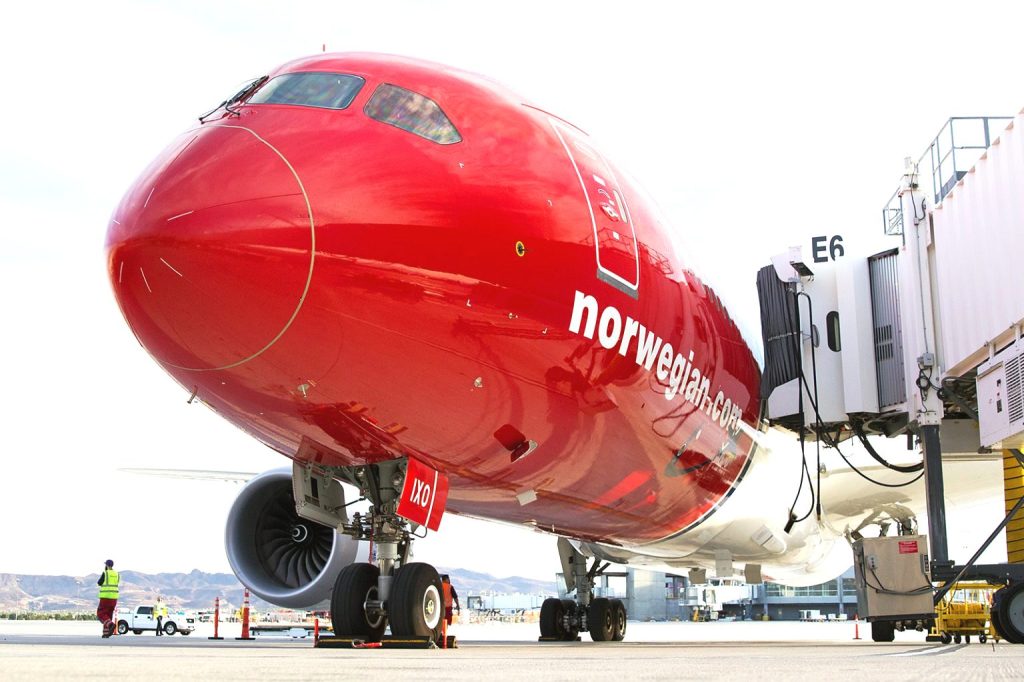


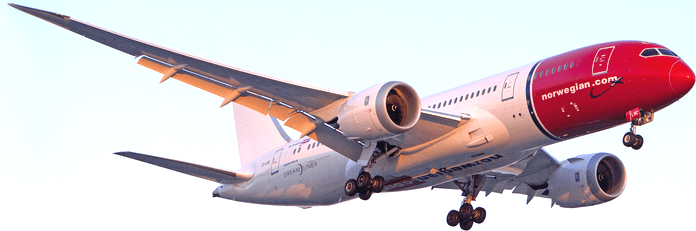
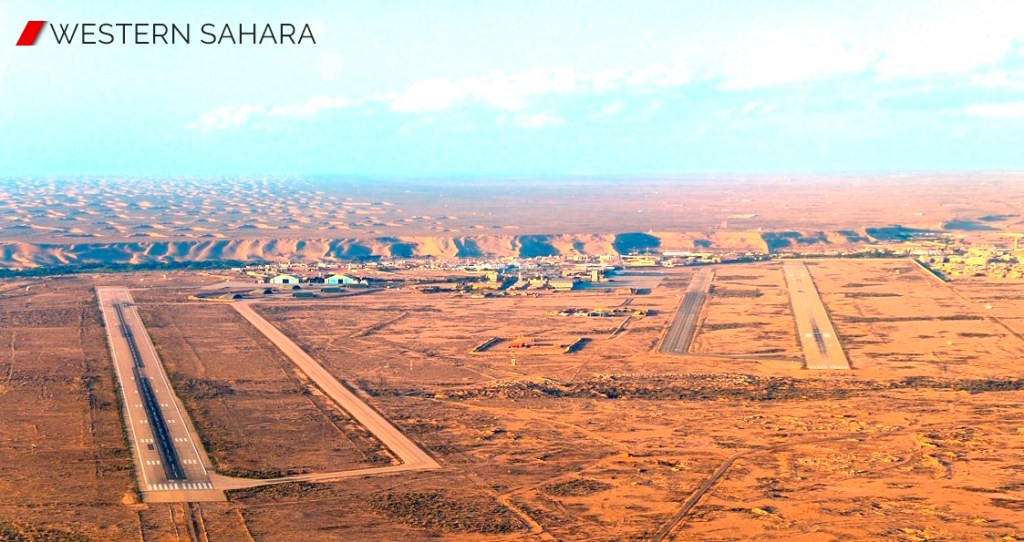

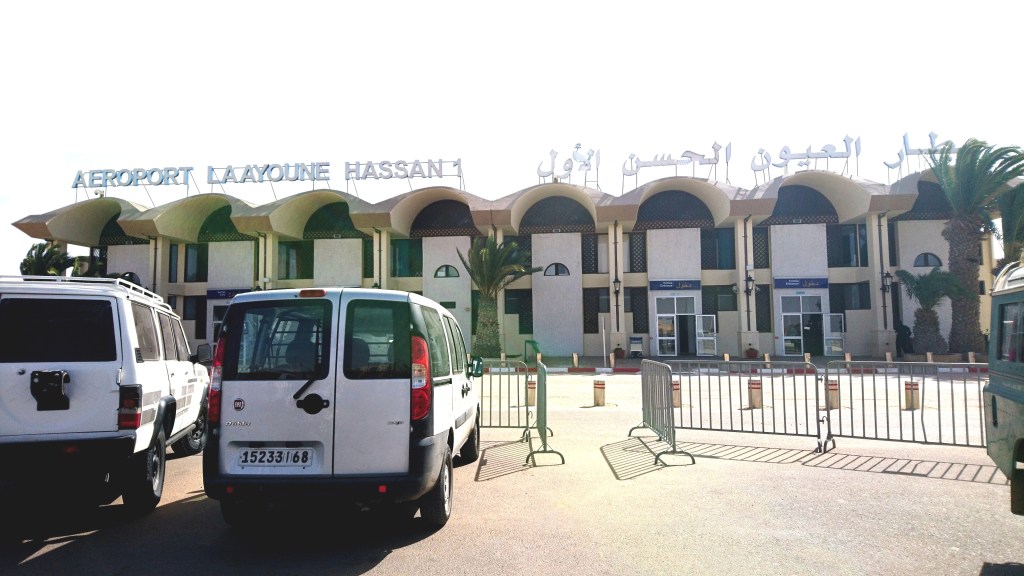




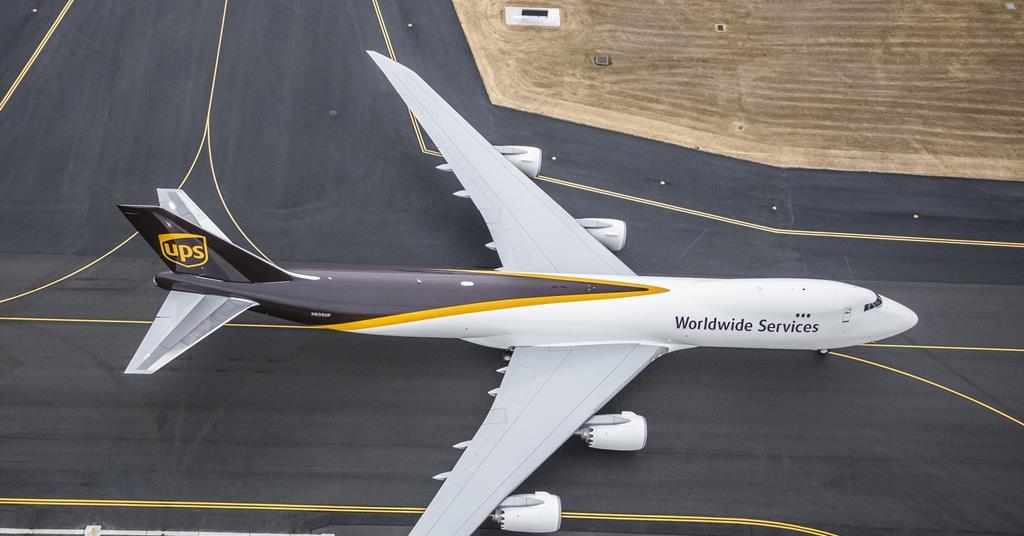
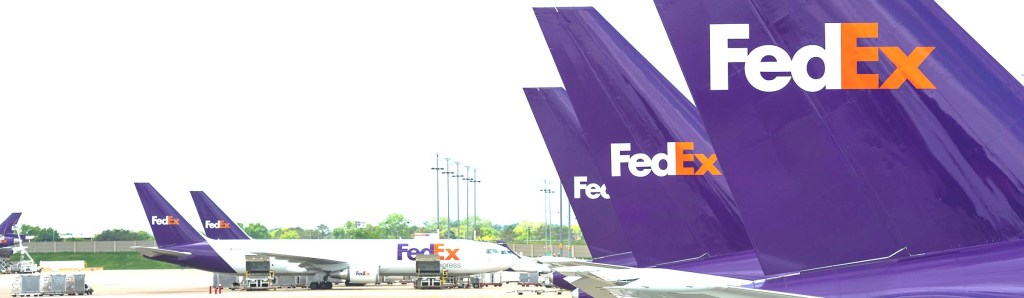



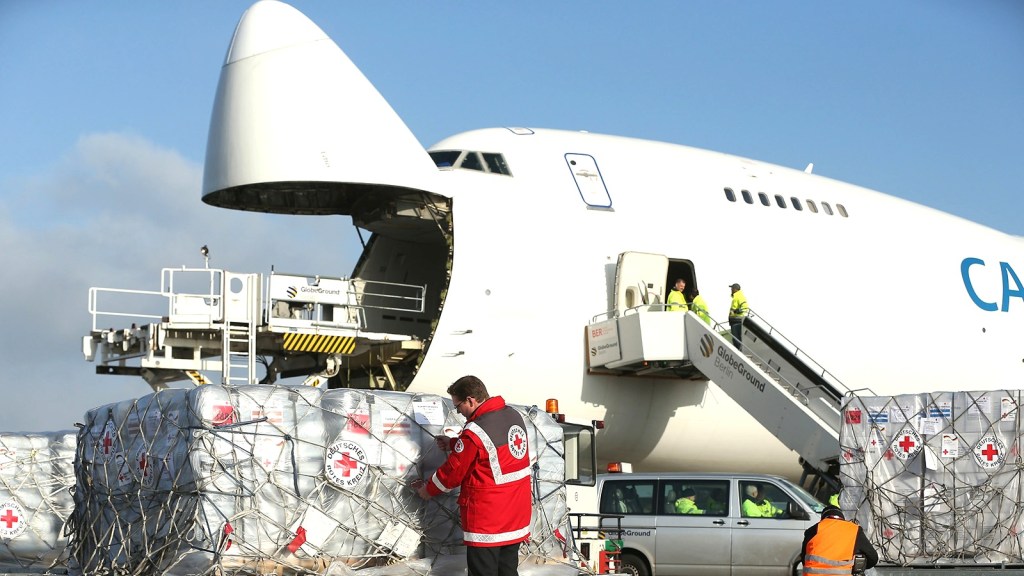







 airgways.com