Trabajadores de Latam Argentina cortan acceso Aeropuerto Ezeiza
Un grupo de trabajadores que fueron despedidos de la aerolínea Latam Airlines Argentina toma una línea de acceso de la carretera Ricchieri a 300 metros de la entrada al Aeropuerto Internacional de Ezeiza, por lo que la medida impide que los pasajeros entren y salgan de la terminal aérea en automóviles y transporte público. Por esta razón, aquellos que tienen billetes para despegar esta mañana deciden salir de los vehículos y caminar por la autopista con su equipaje. La medida se había anticipado a través de un comunicado de prensa de los trabajadores.
Martín, uno de los delegados que lideran la convocatoria, aseguró que hasta ahora no han sido recibidos por ejecutivos de empresas o por representantes del gobierno nacional. En el reclamo de este Lunes 14/12 a partir de las 08:00 hs, participan trabajadores de la aerolínea Latam airlines argentina, Securitas y GPS. «Estamos acompañando a los trabajadores porque su reclamo no está siendo respondido. Llevan meses quejándose de los despidos, estamos en Nochebuena y las familias están angustiadas por quedarse en la calle», dijo la legisladora de Buenos Aires, Alejandrina Barry, que participa en la protesta.
El sector aeronáutico fue uno de los más afectados por la crisis económica causada por la pandemia de Coronavirus. Los vuelos fueron suspendidos y Argentina fue uno de los últimos países en permitir el tráfico aéreo. Incluso hoy en día, muy pocas operaciones diarias se realizan en comparación con la antigua normal. Debido a los efectos de las cuarentenas en todo el mundo y debido a las condiciones económicas típicas de Argentina, Latam Airlines Argentina anunció el cierre de su filial local. «La empresa quiere reducir el tamaño del personal a pesar del hecho de que trabajamos durante la pandemia. La empresa SASA, que pertenece a Securitas, en este caso subcontratada a Latam, quiere reducir el personal. Así que aprovecha el escenario de la pandemia para barrernos a todos. Esa es la verdad», dijo Javier, un empleado de Securitas que participa en la manifestación.
La empresa Latam Airlines Argentina sigue operando y lucrando en los cielos argentinos mientras miles de trabajadores continúan luchando desde hace ocho meses y que aún no tienen respuesta por su continuidad laboral por parte de la empresa ni del Gobierno. «El gobierno y los ministerios son los responsables de dar respuesta a nuestros reclamos», sostienen en un comunicado.
Latam protest access to Ezeiza
Latam Argentina workers cut access to Ezeiza Airport
A group of workers who were fired from the Latam Airlines Argentina airline takes an access line from the Ricchieri highway 300 meters from the entrance to the Ezeiza International Airport, so the measure prevents passengers from entering and leaving the air terminal in cars and public transport. For this reason, those who have tickets to take off this morning decide to get out of the vehicles and walk down the highway with their luggage. The measure had been anticipated through a press release from the workers.
Martín, one of the delegates leading the call, assured that until now they have not been received by company executives or by representatives of the national government. Workers from the Argentine airline Latam airlines, Securitas and GPS participate in the claim of this Monday 12/14 from 08:00 am. «We are accompanying the workers because their claim is not being answered. They have been complaining about the layoffs for months, we are on Christmas Eve and the families are distressed to remain on the street», said the legislator of Buenos Aires, Alejandrina Barry, who participates in the protest.
The aeronautical sector was one of the most affected by the economic crisis caused by the Coronavirus pandemic. Flights were suspended and Argentina was one of the last countries to allow air traffic. Even today, very few daily operations are performed compared to the old normal. Due to the effects of quarantines around the world and due to typical economic conditions in Argentina, Latam Airlines Argentina announced the closure of its local subsidiary. «The company wants to reduce the size of the staff despite the fact that we work during the pandemic. The SASA company, which belongs to Securitas, in this case subcontracted to Latam, wants to reduce the staff. So it takes advantage of the pandemic scenario to sweep us all away. That’s the truth», said Javier, a Securitas employee participating in the rally.
The Latam Airlines Argentina company continues to operate and profit in the Argentine skies while thousands of workers have continued to fight for eight months and who still have no answer for their employment continuity from the company or the Government. «The government and the ministries are responsible for responding to our claims», they say in a statement.
AW | 2020 12 14 09:09 | AIRLINES ROUTES / GOVERNMENT
Aumenta aislamiento de Venezuela tras suspender vuelos a Panamá
El Gobierno de la República de Panamá ha suspendido los vuelos a/desde Venezuela, cortando uno de los pocos corredores aéreos habilitados del país Sudamericano. La Autoridad de Aeronáutica Civil de Panamá (AACP) dijo el Domingo 13 de diciembre de 2020 que ha tomado la medida después de que Venezuela restringió el acceso a una aerolínea panameña mientras exigía un aumento de las franjas horarias en Panamá para las aerolíneas venezolanas. La suspensión se aplicará desde el Domingo 13/12 hasta que Panamá reciba «trato igual y justo», dijo la autoridad aeronáutica en un comunicado. El Gobierno de Panamá canceló el acceso de aerolíneas venezolanas a su territorio hasta que Venezuela restablezca un trato igualitario y justo a las líneas panameñas, a las que ha limitado durante meses el número de vuelos, que suspendió finalmente el Sábado 12/12 de manera unilateral y sin justificación.
La AACP ha apelado en un comunicado al diálogo de buena fe para superar la situación, como ya ha ocurrido antes, en el mejor interés de la usuarios y con base en los compromisos comerciales de las partes. La Agencia aeronúatica dijo que “Panamá se ha visto obligado a cancelar los vuelos existentes a las aerolíneas de Venezuela, como respuesta a la misma medida adoptada por ese país y hasta que se alcance un trato igualitario y recíproco en la frecuencia de vuelos, según corresponde por el acuerdo aercomercial bilateral vigente”. La AACP ha citado de un acuerdo actualizado en 2015 que otorga a cada país acceso hasta a 63 frecuencias semanales en cualquiera de los dos trayectos (Panamá-Caracas/Caracas-Panamá), lo que se vio afectado fuertemente por la pandemia, que redujo al mínimo el número de vuelos entre los dos países.
La reapertura de los vuelos ha permitido que la situación se haya ido descomprimiendo en Panamá, pero no no ha sido el caso en Venezuela. Actualmente, Panamá ha concedido hasta nueve vuelos semanales a aerolíneas venezolanas, pero en respuesta Venezuela solo ha permitido tres vuelos a la semana a la aerolínea panameña (Copa Airlines) aduciendo restricciones por la pandemia en curso.
El Lunes 07/12 Venezuela solicitó a Panamá un nuevo aumento de frecuencias para sus aerolíneas, ante lo cual la parte panameña pidió un trato de reciprocidad y equidad como condición para la aprobación de estos, dijo la AACP. Pero en una respuesta unilateral el 13/12, el Gobierno de Venezuela “procedió a cancelar unilateralmente, sin aviso previo y sin justificación, los tres vuelos semanales de la aerolínea panameña”, agregó el comunicado de la AACP. A raíz de las medidas adoptadas unilateralmente por Venezuela, la aerolínea panameña Copa Airlines anunció el Sábado 12/12 que el Instituto Nacional de Aeronáutica Civil (INAC) de Venezuela canceló la conexión de la aerolínea con ese país a partir de este Domingo 13/12, por lo que la ruta Panamá-Caracas continuará suspendida por tiempo indefinido hasta tanto se reestablezcan los acuerdos entre ambas naciones. Copa Airlines ha expresado un comunicado donde lamenta los inconvenientes que escapan a su alcance una solución, solicitando a los pasajeros afectados a gestionar reembolsos a través de su sitio web. Copa Airlines “continuará en comunicación constante con la autoridad aeronáutica para obtener más información sobre esta situación, y conocer cuándo se podrá conectar nuevamente a Venezuela”, expresa el comunicado de la compañía aérea. Copa Airlines solo poseía operaciones a la República de Venezuela en la ruta Panamá-Caracas/Caracas-Panamá con tres frecuencias semanales los Martes, Jueves y Domingos.
La aerolínea de bandera panameña realizó algunos vuelos humanitarios para repatriar a venezolanos varados en Panamá durante el cierre de las fronteras aéreas de este país centroamericano a causa de la pandemia en curso. Copa Airlines se ha visto obligada a suspender antes sus vuelos a Venezuela debido a crisis diplomáticas entre Venezuela y Panamá. Por causa de la pandemia en curso, Venezuela extendió en Noviembre 2020 hasta el 11 de Febrero de 2021 el cierre del espacio aéreo de sus aeropuertos para vuelos comerciales, con la excepción de las rutas con México, Irán, República Dominicana, Turquía, Panamá, Bolivia y Rusia.
Panama bans flights from Venezuela
Venezuela’s isolation increases after suspending flights to Panama
The Government of the Republic of Panama has suspended flights to/from Venezuela, cutting off one of the few enabled air corridors in the South American country. The Civil Aviation Authority of Panama (AACP) said on Sunday December 13, 2020 that it has taken the measure after Venezuela restricted access to a Panamanian airline while demanding an increase in slots in Panama for Venezuelan airlines. The suspension will apply from Sunday 12/13 until Panama receives «equal and fair treatment», the aeronautical authority said in a statement. The Government of Panama canceled the access of Venezuelan airlines to its territory until Venezuela restores equal and fair treatment to Panamanian lines, to which it has limited the number of flights for months, which it finally suspended on Saturday 12/12 unilaterally and without justification.
The AACP has appealed in a statement to dialogue in good faith to overcome the situation, as has happened before, in the best interest of the users and based on the commercial commitments of the parties. The Aeronautical Agency said that “Panama has been forced to cancel the existing flights to Venezuelan airlines, in response to the same measure adopted by that country and until equal and reciprocal treatment is reached in the frequency of flights, as appropriate. by the current bilateral air trade agreement”. The AACP has cited an agreement updated in 2015 that grants each country access to up to 63 weekly frequencies on either of the two routes (Panama-Caracas/Caracas-Panama), which was strongly affected by the pandemic, which reduced minimum the number of flights between the two countries.
The reopening of flights has allowed the situation to decompress in Panama, but this has not been the case in Venezuela. Currently, Panama has granted up to nine weekly flights to Venezuelan airlines, but in response Venezuela has only allowed three flights a week to the Panamanian airline (Copa Airlines) citing restrictions due to the ongoing pandemic.
On Monday 12/07 Venezuela asked Panama for a new increase in frequencies for its airlines, before which the Panamanian side asked for reciprocity and equity treatment as a condition for their approval, said the AACP. But in a unilateral response on 12/13, the Government of Venezuela «proceeded to unilaterally cancel, without prior notice and without justification, the three weekly flights of the Panamanian airline», the AACP statement added. As a result of the measures taken unilaterally by Venezuela, the Panamanian airline Copa Airlines announced on Saturday 12/12 that the National Institute of Civil Aeronautics (INAC) of Venezuela canceled the airline’s connection with that country as of this Sunday 13/12 Therefore, the Panama-Caracas route will continue to be suspended indefinitely until the agreements between both nations are re-established. Copa Airlines has issued a statement in which it regrets the inconveniences that a solution is beyond its reach, asking affected passengers to manage refunds through its website. Copa Airlines «will continue in constant communication with the aeronautical authority to obtain more information on this situation, and to find out when it will be able to connect to Venezuela again», says the statement from the airline. Copa Airlines only had operations to the Republic of Venezuela on the Panama-Caracas/Caracas-Panama route with three weekly frequencies on Tuesdays, Thursdays and Sundays.
The Panamanian flag carrier made some humanitarian flights to repatriate Venezuelans stranded in Panama during the closure of the air borders of this Central American country due to the ongoing pandemic. Copa Airlines has been forced to suspend its flights to Venezuela earlier due to diplomatic crises between Venezuela and Panama. Due to the ongoing pandemic, Venezuela extended in November 2020 until February 11, 2021 the closure of the airspace of its airports for commercial flights, with the exception of routes with Mexico, Iran, the Dominican Republic, Turkey, Panama, Bolivia and Russia.
Ex-Presidente argentino reacciona por vaciamiento El Palomar
El ex-Presidente de la República Argentina, Mauricio Macri, ha reaccionado recientemente ante el vaciamiento del Aeropuerto El Palomar/EPA, que había sido inaugurado durante su presidencia para expandir la aviación por medio de la Revolución de los Aviones, iniciando la apertura de la modalidad de vuelos de presupuesto en el primer aeropuerto low cost de Latinoamérica y que ahora se ha truncado ante el traslado de las operaciones de las líneas aéreas hacia Ezeiza y posteriormente al Aeropuerto Jorge Newbery. El ex-primer mandatario expreso tristeza por la decisión mantenida d por el Gobierno actual, escribió en su cuenta de Twitter, donde replicó un mensaje de Guillermo Dietrich, ex-Ministro de Transporte de la Nación durante el mandato de Mauricio Macri.
«Qué tristeza que el Aeropuerto El Palomar, el cuarto con mayor cantidad de pasajeros, haya sido cerrado por el gobierno. Miles de familias perderán sus empleos y muchas otras no podrán disfrutar del crecimiento que iba a traer. No solo se pierden puestos de trabajo dentro del aeropuerto, sino que también se ven afectados los remiseros, los restaurantes del barrio y tantas otras actividades que crecían alrededor. La conectividad, el federalismo y el desarrollo del interior del país», escribió el ex-Ministro de Transporte Guillermo Dietrich.
Tras la migración de los vuelos al Aeropuerto Internacional Ezeiza/EZE por parte de JetSmart Airlines Argentina, la aerolínea Flybondi ha tenido que negociar la postura asumida, mientras que el Aeropuerto El Palomar, que emplea a más de mil personas preocupadas por el destino de sus fuentes laborales, estará inactivo a las operaciones regulares comerciales. Desde inicios de 2018, más de 2,5 millones de personas fueron transportadas por esa aeroestación, la tercera del Área Metropolitana de Buenos Aires, mientras que 764.000 personas volaron en 2018 y 1,7 millones en 2019.
Flybondi migrando EZE
Este Viernes 11/12 se confirmó que Flybondi Líneas Aéreas abandona la estación aérea del conurbano bonaerense, para trasladar sus operaciones al Aeropuerto Internacional de Ezeiza. La aerolínea había sido la compañía que había inaugurado el Aeropuerto El Palomar como centro de operaciones para vuelos regulares nacionales y regionales. Pero tras las negociaciones de este Viernes 11/12 los directivos de Flybondi con el Organismo Regulador del Sistema Nacional Aeroportuario (ORSNA), luego de que en Abril 2020 la concesionaria Aeropuertos Argentina 2000 (AA2000) había solicitado el cierre de la estación aérea low cost. Tras el acuerdo con los organismos, Flybondi anunciaba el reinicio de sus operaciones el día Sábado 12/12 desde el Aeropuerto Internacional Ezeiza como nueva base de operaciones transitoria.
Perspectivas Flybondi
El acuerdo Gobierno-Flybondi ha asegurado la continuidad de las operaciones aéreas en en el Aeropuerto Jorge Newbery una vez que se encuentre habilitado hacia Febrero 2021, pues actualmente se encuentra en obras. Hacia el futuro las líneas aéreas low cost reiniciarían sus operaciones desde Aeroparque, en la Ciudad de Buenos Aires, mientras que los internacionales se seguirían desarrollando desde el Aeropuerto Internacional Ezeiza. Previamente, la empresa había reclamado la vuelta a los vuelos en el Aeropuerto El Palomar y hasta había sido muy crítica con el Gobierno por la inhabilitación.
Este Jueves 10/12 había arribado un Boeing 737-800 de la compañía Flybondi para reiniciar sus operaciones el 12/12, proyectando reactivar doce destinos nacionales hacia fin de 2020, incorporando los primeros destinos a Córdoba, Corrientes, Jujuy, Mendoza y Neuquén, entre otros. La aerolínea de presupuesto establecerá hacia el 2021 una segunda aeronave para continuar restableciendo la malla aérea para alcanzar los niveles pre-pandemia que la línea aérea había desarrollado. Las perspectivas de los vuelos regionales estarían establecidas hacia mitad de 2021.
Emptying of El Palomar Airport
Argentine ex-President reacts to low cost air station emptying
The ex-President of the Argentine Republic, Mauricio Macri, has recently reacted to the emptying of the El Palomar/EPA Airport, which had been inaugurated during his presidency to expand aviation through the Aircraft Revolution, initiating the opening of the budget flight modality in the first low cost airport in Latin America, which has now been truncated due to the transfer of airline operations to Ezeiza and later to Jorge Newbery Airport. The ex-Prime Minister expressed sadness over the decision upheld by the current Government, wrote on his Twitter account, where he replied to a message from Guillermo Dietrich, ex-Minister of Transportation of the Nation during Mauricio Macri’s term.
«How sad that El Palomar Airport, the fourth with the highest number of passengers, has been closed by the government. Thousands of families will lose their jobs and many others will not be able to enjoy the growth that it was going to bring. Not only are jobs lost within the airport, but also the remiseros, the neighborhood restaurants and many other activities that grew around are affected. The connectivity, federalism and the development of the interior of the country», wrote the ex-Minister of Transportation Guillermo Dietrich.
After the migration of the flights to the Ezeiza/EZE International Airport by JetSmart Airlines Argentina, the Flybondi airline had to negotiate the position taken, while the El Palomar Airport, which employs more than a thousand people concerned about the fate of their sources of employment, will be inactive to regular business operations. Since the beginning of 2018, more than 2.5 million people were transported by this airstation, the third in the Metropolitan Area of Buenos Aires, while 764,000 people flew in 2018 and 1.7 million in 2019.
Flybondi migrating EZE
This Friday 12/11 it was confirmed that Flybondi Líneas Aéreas is leaving the Buenos Aires suburban air station, to transfer its operations to the Ezeiza International Airport. The airline had been the company that had inaugurated the El Palomar Airport as an operations center for scheduled national and regional flights. But after the negotiations of this Friday 12/11, the Flybondi managers with the Regulatory Body of the National Airport System (ORSNA), after in April 2020 the concessionaire Airports Argentina 2000 (AA2000) had requested the closure of the low cost air station. Following the agreement with the agencies, Flybondi announced the restart of its operations on Saturday 12/12 from the Ezeiza International Airport as a new temporary base of operations.
Flybondi perspectives
The Government-Flybondi agreement has ensured the continuity of air operations at Jorge Newbery Airport once it is enabled by February 2021, as it is currently under construction. In the future, low cost airlines would restart their operations from Aeroparque, in the City of Buenos Aires, while international airlines would continue to develop from Ezeiza International Airport. Previously, the company had demanded the return of flights at El Palomar Airport and had even been very critical of the Government for the disqualification.
This Thursday 12/10 a Boeing 737-800 from the Flybondi company had arrived to restart its operations on 12/12, planning to reactivate twelve national destinations by the end of 2020, incorporating the first destinations to Córdoba, Corrientes, Jujuy, Mendoza and Neuquén, among others. The budget airline will establish a second aircraft by 2021 to continue to reestablish the aerial mesh to reach the pre-pandemic levels that the airline had developed. Prospects for regional flights are expected to be established by the middle of 2021.
Reino Países Bajos expulsa diplomáticos rusos por espionaje
Los Servicios Secretos de los Países Bajos han desenmascarado a dos diplomáticos rusos acusados de espiar a empresas de alta tecnología y a una institución educativa. Ambos diplomáticos estaban adscritos a la Embajada de Rusia en La Haya y han sido declarados persona no gratas por el Ministerio de Asuntos Exteriores, lo que implica que tendrán que abandonar el país. Así lo confirmó este Jueves 10/12 un comunicado del Servicio de Espionaje holandés, sin que hubiera respuesta de Moscú, en una clara violación a los derechos gubernamentales entre estados. El Gobierno holandés prepara ya una ley para frenar estas prácticas corruptas.
La agencia holandesa de servicios de inteligencia Algemene Inlichtingen-en Veiligheidsdienst (AIVD) ha sido la encargada de la divulgación de la noticia. Uno de los confidentes rusos contaba con una red de contactos de una decena de personas que disponían de acceso a información sensible, y en algunos casos pagaba por obtenerla. El papel del otro era de apoyo. Los sectores económico, científico y tecnológico figuran entre los más desarrollados de la sociedad neerlandesa. Para Erik Akerboom, Director General de AIVD, ha advertido que el país se ha convertido “en un lugar atractivo, pero también vulnerable” a este tipo de asaltos.
El diplomático ruso con la red de contacto estaba interesado en obtener datos sobre inteligencia artificial, semiconductores y nanotecnología, que pueden aprovecharse en la vida civil y en aplicaciones militares. Sus propios informantes han sido utilizados por el espionaje neerlandés para destapar el episodio y cerrar esta operación. Uno de los enlaces, cuya nacionalidad no se ha desvelado, deberá dejar asimismo el país. Erik Akerboom aseguró que su labor consiste en proteger los intereses estratégicos de los Países Bajos, “y en alertar a la sociedad de estos riesgos explicando a su vez a las empresas, autoridades y organismos educativos cómo evitar el espionaje”.
En los últimos años, ha habido otros casos similares de espías rusos operando en territorio de los Países Bajos. En 2018, los servicios secretos desbarataron un ciberataque contra la Organización para la Prohibición de las Armas Químicas (OPAQ), que tiene su sede en La Haya. Según los informes del Ministerio de Defensa, los agentes rusos dejaron un vehículo cargado con equipos electrónicos en el aparcamiento de un hotel contiguo al mencionado organismo. El objetivo era atacar sus sistemas informáticos, y el Gobierno indicó que la operación fue coordinada por los Servicios de Inteligencia Militar de Rusia (GRU). En el maletero del coche registrado por la policía frente al edificio de la OPAQ se encontraron equipos destinados a interceptar su sistema de wifi, y también los códigos de acceso. Ank Bijleveld, titular del Ministerio de Defensa, añadió que en el ordenador de uno de los agentes rusos había enlaces con Brasil, Suiza y Malasia. El contenido de este último, en particular, se centraba en la investigación del vuelo MH-017, de la línea aérea de la República de Malasia, Malaysia Airlines, derribado en Julio de 2014 por un misil Buk, de fabricación rusa, sobre el este de Ucrania. Perecieron todos sus ocupantes: 298 personas, 196 de nacionalidad neerlandesa. Desde entonces, las relaciones entre Rusia y Países Bajos son tensas debido a la negativa de Moscú a cooperar en la investigación criminal contra sospechosos rusos.
Lejos de ser un hecho aislado, el incidente de la OPAQ coincidió con la denuncia de Occidente relativa a una trama de ciberespionaje ruso a escala mundial. Lo ocurrido en Países Bajos es el último de los escándalos relacionados con el espionaje descubierto en suelo europeo y que señala a Rusia. Este verano, otros dos diplomáticos fueron expulsados de la República Checa por la misma razón. En 2019, las autoridades suizas detuvieron de forma temporal a dos ciudadanos rusos bajo idéntica sospecha, y Alemania recela de la posible participación rusa en la muerte de un checheno en su territorio. En Francia, por su parte, los medios de comunicación señalaron, también el año pasado, la presencia activa de al menos 15 espías rusos. Más de 20 países se solidarizaron en 2018 con el Reino Unido y expulsaron a cerca de 120 diplomáticos rusos de sus respectivas embajadas. Fue la respuesta al envenenamiento del ex-espía ruso, Serguéi Skripal, y de su hija, Yulia, perpetrado en la localidad de Salisbury, en el sur de Inglaterra. Se trataba de enviar así, por un lado, un mensaje al Gobierno de Rusia, y de entorpecer, si no evitar, las actividades de los servicios rusos de inteligencia. Los Skripal estuvieron al borde de la muerte, y la OPAQ confirmó los resultados de los análisis efectuados por el Reino Unido sobre el origen del agente nervioso que los envenenó. La OPAQ, que fue objeto de un intento de espionaje ruso ese mismo año, no nombró el gas Novichok, de fabricación rusa, en su informe. Corroboró, sin embargo, “las conclusiones sobre su naturaleza” tras las pruebas efectuadas por científicos británicos.
Netherlands expels spy diplomats
Kingdom Netherlands expels Russian diplomats for espionage
The Secret Services of the Netherlands have unmasked two Russian diplomats accused of spying on high-tech companies and an educational institution. Both diplomats were attached to the Russian Embassy in The Hague and have been declared unwelcome by the Ministry of Foreign Affairs, which implies that they will have to leave the country. This was confirmed this Thursday 10/12 by a statement from the Dutch Espionage Service, without there being a response from Moscow, in a clear violation of government law between states. The Dutch Government is already preparing a law to stop these corrupt practices.
The Dutch intelligence services agency Algemene Inlichtingen-en Veiligheidsdienst (AIVD) has been in charge of spreading the news. One of the Russian informants had a network of a dozen people who had access to sensitive information, and in some cases paid to obtain it. The other’s role was supportive. The economic, scientific and technological sectors are among the most developed in Dutch society. For Erik Akerboom, Director General of AIVD, has warned that the country has become «an attractive place, but also vulnerable» to this type of assault.
The Russian diplomat with the contact network was interested in obtaining data on artificial intelligence, semiconductors and nanotechnology, which can be used in civil life and in military applications. His own informants have been used by Dutch espionage to uncover the episode and close this operation. One of the links, whose nationality has not been disclosed, must also leave the country. Erik Akerboom assured that his work consists of protecting the strategic interests of the Netherlands, «and of alerting society to these risks while explaining to companies, authorities and educational organizations how to avoid espionage».
In recent years, there have been other similar cases of Russian spies operating on the territory of the Netherlands. In 2018, the secret services thwarted a cyber attack against the Organization for the Prohibition of Chemical Weapons (OPCW), which is based in The Hague. According to reports from the Ministry of Defense, Russian agents left a vehicle loaded with electronic equipment in the parking lot of a hotel adjacent to the aforementioned agency. The objective was to attack their computer systems, and the government indicated that the operation was coordinated by the Russian Military Intelligence Services (GRU). In the trunk of the car searched by the police in front of the OPCW building, equipment intended to intercept their Wi-Fi system, as well as access codes, were found. Ank Bijleveld, head of the Defense Ministry, added that on the computer of one of the Russian agents there were links with Brazil, Switzerland and Malaysia. The content of the latter, in particular, focused on the investigation of flight MH-017, of the airline of the Republic of Malaysia, Malaysia Airlines, shot down in July 2014 by a Russian-made Buk missile, over the east. from Ukraine. All its occupants perished: 298 people, 196 of Dutch nationality. Since then, relations between Russia and the Netherlands have been strained due to Moscow’s refusal to cooperate in the criminal investigation against Russian suspects.
Far from being an isolated event, the OPCW incident coincided with the West’s denunciation of a Russian cyber espionage plot on a global scale. What happened in the Netherlands is the latest of the scandals related to espionage discovered on European soil and pointing to Russia. This summer, two other diplomats were expelled from the Czech Republic for the same reason. In 2019, Swiss authorities temporarily detained two Russian citizens on the same suspicion, and Germany is suspicious of possible Russian involvement in the death of a Chechen on its territory. In France, for its part, the media noted, also last year, the active presence of at least 15 Russian spies. More than 20 countries showed solidarity with the United Kingdom in 2018 and expelled about 120 Russian diplomats from their respective embassies. It was the response to the poisoning of the former Russian spy, Sergei Skripal, and his daughter, Yulia, perpetrated in the town of Salisbury, in the south of England. The aim was thus to send, on the one hand, a message to the Government of Russia, and to hinder, if not prevent, the activities of the Russian intelligence services. The Skripals were on the brink of death, and the OPCW confirmed the results of analyzes carried out by the United Kingdom on the origin of the nerve agent that poisoned them. The OPCW, which was the target of a Russian spying attempt that same year, did not name the Russian-made Novichok gas in its report. However, it corroborated «the conclusions about its nature» after tests carried out by British scientists.
Nederland verdrijft spionagediplomaten
Koninkrijk Nederland zet Russische diplomaten uit wegens spionage
De geheime diensten van Nederland hebben twee Russische diplomaten ontmaskerd die ervan beschuldigd werden hightechbedrijven en een onderwijsinstelling te bespioneren. Beide diplomaten waren verbonden aan de Russische ambassade in Den Haag en zijn door het ministerie van Buitenlandse Zaken onwelkom verklaard, wat impliceert dat ze het land zullen moeten verlaten. Dit werd donderdag 10/12 bevestigd door een verklaring van de Nederlandse Spionagedienst, zonder dat er een reactie uit Moskou kwam, in een duidelijke schending van de overheidswet tussen staten. De Nederlandse regering bereidt al een wet voor om deze corrupte praktijken een halt toe te roepen.
De Nederlandse inlichtingendienst Algemene Inlichtingen-en Veiligheidsdienst (AIVD) is verantwoordelijk voor de verspreiding van het nieuws. Een van de Russische informanten had een netwerk van een tiental mensen die toegang hadden tot gevoelige informatie en in sommige gevallen betaalden om deze te verkrijgen. De rol van de ander was ondersteunend. De economische, wetenschappelijke en technologische sectoren behoren tot de meest ontwikkelde in de Nederlandse samenleving. Voor Erik Akerboom, directeur-generaal van de AIVD, heeft gewaarschuwd dat het land ,,een aantrekkelijke plek, maar ook kwetsbaar» is geworden voor dit soort aanvallen.
De Russische diplomaat met het contactnetwerk was geïnteresseerd in het verkrijgen van gegevens over kunstmatige intelligentie, halfgeleiders en nanotechnologie, die kunnen worden gebruikt in het burgerleven en in militaire toepassingen. Zijn eigen informanten zijn door Nederlandse spionage gebruikt om de episode bloot te leggen en deze operatie af te sluiten. Een van de links, waarvan de nationaliteit niet is bekendgemaakt, moet ook het land verlaten. Erik Akerboom verzekerde dat zijn werk bestaat uit het beschermen van de strategische belangen van Nederland, ,,en het attenderen van de samenleving op deze risico’s en het uitleggen aan bedrijven, overheden en onderwijsorganisaties hoe spionage te voorkomen».
In de afgelopen jaren zijn er andere soortgelijke gevallen geweest van Russische spionnen die op het grondgebied van Nederland opereerden. In 2018 dwarsboomden de geheime diensten een cyberaanval tegen de Organisatie voor het Verbod op Chemische Wapens (OPCW), die gevestigd is in Den Haag. Volgens rapporten van het ministerie van Defensie hebben Russische agenten een voertuig geladen met elektronische apparatuur achtergelaten op de parkeerplaats van een hotel naast het bovengenoemde bureau. Het doel was om hun computersystemen aan te vallen en de regering gaf aan dat de operatie werd gecoördineerd door de Russische Militaire Inlichtingendienst (GRU). In de kofferbak van de auto die door de politie voor het OPCW-gebouw werd doorzocht, werden apparaten gevonden om hun wifi-systeem te onderscheppen, evenals toegangscodes. Ank Bijleveld, hoofd van het ministerie van Defensie, voegde toe dat er op de computer van een van de Russische agenten verbindingen waren met Brazilië, Zwitserland en Maleisië. De inhoud van de laatste was met name gericht op het onderzoek van vlucht MH-017 van de luchtvaartmaatschappij van de Republiek Maleisië, Malaysia Airlines, die in juli 2014 werd neergeschoten door een van Russische makelij gemaakte Buk-raket, boven het oosten. uit Oekraïne. Alle inzittenden kwamen om: 298 mensen, waarvan 196 met de Nederlandse nationaliteit. Sindsdien zijn de betrekkingen tussen Rusland en Nederland gespannen door de weigering van Moskou om mee te werken aan het strafrechtelijk onderzoek tegen Russische verdachten.
Het OPCW-incident was verre van een op zichzelf staand evenement, het viel samen met de aanklacht door het Westen van een Russisch cyberspionagecomplot op wereldschaal. Wat er in Nederland is gebeurd, is het laatste van de schandalen in verband met spionage die op Europese bodem zijn ontdekt en die wijzen op Rusland. Deze zomer werden om dezelfde reden twee andere diplomaten uit Tsjechië gezet. In 2019 hebben de Zwitserse autoriteiten tijdelijk twee Russische burgers vastgehouden op basis van dezelfde verdenking, en Duitsland is verdacht van mogelijke Russische betrokkenheid bij de dood van een Tsjetsjeen op zijn grondgebied. In Frankrijk merkten de media op hun beurt ook vorig jaar de actieve aanwezigheid van minstens 15 Russische spionnen op. Meer dan 20 landen toonden zich solidair met het Verenigd Koninkrijk in 2018 en hebben ongeveer 120 Russische diplomaten uit hun respectieve ambassades verdreven. Het was de reactie op de vergiftiging van de voormalige Russische spion, Sergei Skripal, en zijn dochter, Yulia, gepleegd in de stad Salisbury, in het zuiden van Engeland. Het idee was dus om enerzijds een bericht naar de Russische regering te sturen en de activiteiten van de Russische inlichtingendiensten te belemmeren, zo niet te voorkomen. De Skripals stonden op de rand van de dood en de OPCW bevestigde de resultaten van analyses van het Verenigd Koninkrijk naar de oorsprong van het zenuwgas dat hen vergiftigde. De OPCW, die datzelfde jaar het doelwit was van een Russische spionagepoging, noemde het door Rusland gemaakte Novichok-gas niet in haar rapport. Het bevestigde echter ,,de conclusies over de aard ervan» na tests uitgevoerd door Britse wetenschappers.
Autorizan a Norwegian Air Protección de Bancarrota en Noruega
La aerolínea de bajo costo Norwegian Air Shuttle ASA ha anunciado este 8 de Diciembre de 2020 que había asegurado la protección de la bancarrota en Noruega, después de haber recibido recientemente un escudo similar en Irlanda. Cargada de deuda masiva después de un ambicioso programa de expansión y de sufrimiento a la pandemia Covid-19 que ha paralizado el tráfico aéreo mundial, la tercera aerolínea de presupuesto más grande de Europa lucha ahora por su supervivencia.
Un tribunal irlandés permitió el Lunes 07/12 a Norwegian poner a sí mismo y a varias filiales irlandesas que gestionan su flota y algunas de sus rutas en Europa en examen, el equivalente al procedimiento estadounidense conocido como Capítulo 11. La maniobra protege a la compañía de los acreedores y la posible bancarrota mientras intenta reestructurar su deuda.
Un tribunal noruego especializado también le concedió protección ayer. «Un proceso de reconstrucción complementario bajo la ley noruega beneficiará a todas las partes y aumentará la probabilidad de un resultado exitoso. Nuestro objetivo es asegurar puestos de trabajo en la empresa y contribuir a asegurar la infraestructura crítica y la creación de valor en Noruega», dijo en un comunicado el Jefe Ejecutivo noruego Jacob Schram.
A la espera de la implantación mundial de las vacunas anti-Covid-19 que pudieran permitir que el tráfico aéreo volviera a la normalidad, Norwegian Air presentó la semana pasada un plan de rescate que incluía el recorte de su flota, la conversión de la deuda y una emisión de derechos de hasta NOK 4.000 millones de Coronas (US$ 453 millones de Dólares/€ 374,5 millones de Euros). Los accionistas deben votar sobre el plan en una junta general extraordinaria el 17 de Diciembre de 2020. La compañía, pionera en el sector de largo coste de larga distancia, ha estado en rojo desde 2017 y su deuda ascendió a NOK 48.500 millones de Coronas a finales de Septiembre 2020.
Actualmente, sólo seis de los 140 aviones que tenía en servicio a principios de año siguen volando, en las rutas nacionales noruegas, mientras que sólo 600 empleados entre una nómina de 10.000 antes en fuerte siguen trabajando. El precio de las acciones noruegas, que ha fluctuado salvajemente últimamente, ganó 9,13% en las operaciones del mediodía en la Bolsa de Oslo, habiendo perdido el 99% de su valor en el último año. Norwegian Air obtiene protección adicional de los acreedores para hacer frente a la deuda, buscando así sobrevivir a la actual tormenta perfecta de la pandemia de Coronavirus.
Norwegian Air obtains bankruptcy protection
Norwegian Air Authorized Bankruptcy Protection in Norway
The low-cost airline Norwegian Air Shuttle ASA announced on December 8, 2020 that it had secured bankruptcy protection in Norway, having recently received a similar shield in Ireland. Burdened with massive debt after an ambitious expansion program and suffering from the Covid-19 pandemic that has paralyzed global air traffic, Europe’s third-largest budget airline is now fighting for its survival.
An Irish court on Monday allowed Norwegian to put itself and several Irish subsidiaries that manage its fleet and some of its routes in Europe under review, the equivalent of the American procedure known as Chapter 11. The move protects the company from creditors and possible bankruptcy while trying to restructure your debt.
A specialized Norwegian court also granted him protection yesterday. «A complementary rebuilding process under Norwegian law will redound to all parties and will increase the likelihood of a successful outcome. Our goal is to secure jobs in the company and help secure critical infrastructure and value creation in Norway», Norwegian Chief Executive Jacob Schram said in a statement.
Waiting for the worldwide implementation of anti-Covid-19 vaccines that could allow air traffic to return to normal, Norwegian Air last week presented a rescue plan that included cutting its fleet, the conversion of debt and a rights issue of up to NOK 4,000 million Crowns (US$ 453 million Dollars/€ 374.5 million Euros). Shareholders must vote on the plan at an extraordinary general meeting on December 17, 2020. The company, a pioneer in the long-distance long-cost sector, has been in the red since 2017 and its debt amounted to NOK 48.5 billion Crowns to end of September 2020.
Currently, only six of the 140 aircraft it had in service at the beginning of the year are still flying, on Norwegian domestic routes, while only 600 employees out of a former 10,000 payroll are still working. The Norwegian share price, which has fluctuated wildly lately, gained 9.13% in midday trading on the Oslo Stock Exchange, having lost 99% of its value in the last year. Norwegian Air gains additional protection from creditors to address debt, seeking to survive the current perfect storm of the Coronavirus pandemic.
Norwegian Air får konkursbeskyttelse
Norsk luftautorisert konkursbeskyttelse i Norge
Lavprisflyselskapet Norwegian Air Shuttle ASA kunngjorde 8 Desember 2020 at det hadde sikret seg konkursbeskyttelse i Norge, etter å ha nylig mottatt et lignende skjold i Irland. Europas tredje største budsjettflyselskap kjemper nå for sin overlevelse, belastet med massiv gjeld etter et ambisiøst utvidelsesprogram og lider av Covid-19-pandemien som har lammet den globale flytrafikken.
En irsk domstol tillot mandag Norwegian å sette seg selv og flere irske datterselskaper som styrer flåten og noen av dens ruter i Europa til vurdering, tilsvarende den amerikanske prosedyren kjent som kapittel 11. Tiltaket beskytter selskapet mot kreditorer og mulig konkurs mens du prøver å restrukturere gjelden din.
En spesialisert norsk domstol ga ham også beskyttelse i går. «En komplementær gjenoppbyggingsprosess i henhold til norsk lov vil redusere til alle parter og øke sannsynligheten for et vellykket resultat. Målet vårt er å sikre arbeidsplasser i selskapet og bidra til å sikre kritisk infrastruktur og verdiskaping i Norge». Den norske konsernsjef Jacob Schram sa i en uttalelse.
I påvente av den verdensomspennende implementeringen av anti-Covid-19 vaksiner som kunne tillate flytrafikken å gå tilbake til det normale, presenterte Norwegian Air i forrige uke en redningsplan som inkluderte kutting av flåten, konvertering av gjeld og en fortrinnsemisjon på inntil 4.000 millioner Kroner (Kroner 453 millioner Dollar/€ 374,5 millioner Euro). Aksjonærer må stemme på planen på en ekstraordinær generalforsamling 17 Desember 2020. Selskapet, en pioner innen langdistansesektoren, har vært i rødt siden 2017 og gjelden utgjorde 48,5 milliarder kroner til slutten av september 2020.
Foreløpig er det bare seks av de 140 flyene de hadde i drift i begynnelsen av året som flyr på norske innenriksruter, mens bare 600 ansatte av en tidligere 10 000 lønn fortsatt jobber. Den norske aksjekursen, som har svingt voldsomt den siste tiden, økte 9,13% i middagshandel på Oslo Børs, etter å ha mistet 99% av verdien det siste året. Norwegian Air får ekstra beskyttelse fra kreditorer for å takle gjeld, og søker å overleve den nåværende perfekte stormen av Coronavirus-pandemien.
Gobierno Portugués examinará plan reestructuración de TAP
El Gobierno de Portugal estuvo reunido este Martes 08/12 en el Consejo Extraordinario de Ministros para examinar el Plan de Reestructuración de TAP Portugal Airlines, que tendrá que ser entregado a la Comisión Europea para el Jueves 10 de Diciembre de 2020.
El Gobierno portugués llevará a debate en el Parlamento el plan de reestructuración de TAP Portugal Airlines, que tendrá que presentarse para el próximo Jueves 10/12 ante la Comisión Económica Europea en Bruselas, Bélgica. «Hasta donde yo sé, el Gobierno ha informado incluso al PSD de ello como el principal partido de la oposición. Después de ser aprobado en Bruselas, el Gobierno querrá tomar este asunto, este plan para debatir y votar en la Asamblea de la República», dijo Luís Manuel Gonçalves Marques Mendes, abogado y ex líder del Partido Socialdemócrata de Portugal.
TAP restructuring plan
Portuguese Government will examine restructuring plan for TAP
The Government of Portugal met this Tuesday 08/12 in the Extraordinary Council of Ministers to examine the Restructuring Plan of TAP Portugal Airlines, which will have to be delivered to the European Commission by Thursday, December 10, 2020.
The Portuguese Government will debate in Parliament the restructuring plan of TAP Portugal Airlines, which will have to be presented by next Thursday 10/12 before the European Economic Commission in Brussels, Belgium. «As far as I know, the Government has even informed the PSD of it as the main opposition party. After being approved in Brussels, the Government will want to take up this matter, this plan to debate and vote in the Assembly of the Republic», said Luís Manuel Gonçalves Marques Mendes, lawyer and former leader of the Social Democratic Party of Portugal.
Plano de reestruturação da TAP
Governo português vai examinar plano de reestruturação de TAP
O Governo de Portugal reuniu esta terça-feira 08/12 em Conselho Extraordinário de Ministros para analisar o Plano de Reestruturação da TAP Portugal Airlines, que terá de ser entregue à Comissão Europeia até quinta-feira, dia 10 de Dezembro de 2020.
O Governo português vai debater na Assembleia da República o plano de reestruturação da TAP Portugal Airlines, que terá de ser apresentado até quinta-feira, dia 10/12, perante a Comissão Económica Europeia em Bruxelas, Bélgica. “Tanto quanto eu sei, o Governo chegou mesmo a informar o PSD como principal partido da oposição. Depois de aprovado em Bruxelas, o Governo vai querer retomar esta matéria, este plano de debate e votação na Assembleia da República”, disse Luís Manuel Gonçalves Marques Mendes, advogado e ex-dirigente do Partido Social Democrata de Portugal.
PT Dirgantara Indonesia (PTDI) entregará CN235 a Senegal
PT Dirgantara Indonesia (PTDI) de la República de Indonesia entregará una nueva unidad de Patrulla Marítima CN235-200 para el Gobierno de Senegal. «Unos cuantos vuelos de prueba más para ir antes de que este avión llegue a Senegal», dijo la compañía en un comunicado. La formalización del acuerdo de entrega se espera antes de fin de año 2020.
El último CN235 para Senegal fue lanzado por PTDI el 4 de Agosto de 2020 y está equipado con un sensor infrarrojo de visión semiesfera bajo la nariz y un radar montado en el vientre para el papel de patrulla marítima. En Agosto de 2017 se informó de que Senegal había ordenado una unidad CN235-200 para la patrulla marítima a través de AD Trade Belgium y a mediados de 2019 Indonesia Aerospace estaba ocupado construyendo un CN235-220 MPA para Senega, con número de construcción N069, empleando registro AX-2348 para pronto ser entregado a la unidad de Patrulla Marítima de Senegal.
Parece que Senegal ha ordenado adicionalmente otro CN235 a Indonesia. En Febrero 2020 se ha advertidso que el país africano estaba en negociaciones finales con Indonesia para una nueva unidad adicional del turbohélice CN235 el 16 de Mayo de 2020. La Embajada de Indonesia en Senegal anunció que el Gobierno senegalés había acordado comprar una CN235 configurada para la patrulla marítima. «La firma del acuerdo de compra de la aeronave CN235 fue llevada a cabo anteriormente en Dakar por un representante de PTDI y la empresa AD Trade de Bélgica representando al Gobierno del Senegal como financiadores de crédito. La firma de la compra del avión también fue presenciada por el Ministro de Defensa de Indonesia, Riyamizard Riyacudu», dijo la Embajada en Mayo 2020. Medios de comunicación indonesios informaron que este avión será entregado en algún momento en 2021.
La Fuerza Aérea Senegalesa adquirió anteriormente dos CN235 de segunda mano, también ambos construidos en Indonesia. Estos fueron originalmente modelos comerciales volados por la indonesia Merpati Nusantara Airlines, pero más tarde cambiaron a configuración militar CN-235-220M y entregados en noviembre de 2010 y agosto de 2012 bajo un contrato de US$ 13 millones. Uno de los CN235 fue vendido más tarde a Guinea, informa Air Forces Daily. En Enero de 2017, la Fuerza Aérea Senegalesa recibió un avión de transporte CN235-220M de Indonesia Aerospace, después de haber sido ordenado en Noviembre de 2014 a través de AD Trade Belgium, con el contrato firmado en la exposición Indodefence de ese año. Los aviones de Senegal se entregaron en una configuración de cambio rápido que permite su uso para paracaidista, evacuación médica, VIP y misiones de transporte de pasajeros.
La adquisición más reciente llevará el recuento de pedidos del Senegal a cinco CN235, dos de segunda mano y tres nuevos aviones, que serán empleados dos en patrulla marítima y una en configuración de transporte logístico.
PTDI prepares delivery of CN235 to Senegal
PT Dirgantara Indonesia (PTDI) will deliver CN235 to Senegal
PTDI of the Republic of Indonesia will deliver a new CN235-200 Maritime Patrol unit to the Government of Senegal. «A few more test flights to go before this plane reaches Senegal», the company said in a statement. The formalization of the delivery agreement is expected before the end of the year 2020.
The last CN235 for Senegal was launched by PTDI on August 4, 2020 and is equipped with an infrared semi-sphere vision sensor under the nose and a belly-mounted radar for the role of maritime patrol. In August 2017 it was reported that Senegal had ordered a CN235-200 unit for maritime patrol through AD Trade Belgium and in mid-2019 Indonesia Aerospace was busy building a CN235-220 MPA for Senega, with construction number N069, using registration AX-2348 to soon be delivered to the Senegal Maritime Patrol unit.
It appears that Senegal has additionally ordered another CN235 from Indonesia. In February 2020 it was noted that the African country was in final negotiations with Indonesia for a new additional CN235 turboprop unit on May 16, 2020. The Indonesian Embassy in Senegal announced that the Senegalese Government had agreed to purchase a CN235 configured for the maritime patrol. «The signing of the purchase agreement for the CN235 aircraft was previously carried out in Dakar by a representative of PTDI and the Belgian company AD Trade representing the Government of Senegal as credit funders. The signing of the purchase of the aircraft was also witnessed by Indonesian Defense Minister Riyamizard Riyacudu», the Embassy said in May 2020. Indonesian media reported that this aircraft will be delivered sometime in 2021.
The Senegalese Air Force previously acquired two second-hand CN235s, also both built in Indonesia. These were originally commercial models flown by Indonesian Merpati Nusantara Airlines, but later changed to CN-235-220M military configuration and delivered in November 2010 and August 2012 under a US$ 13 million contract. One of the CN235s was later sold to Guinea, Air Forces Daily reports. In January 2017, the Senegalese Air Force received a CN235-220M transport aircraft from Indonesia Aerospace, after being ordered in November 2014 through AD Trade Belgium, with the contract signed at the Indodefence exhibition that year. Senegal’s aircraft were delivered in a quick-change configuration that allows for use for paratrooper, medical evacuation, VIP, and passenger transport missions.
The latest acquisition will bring Senegal’s order count to five CN235s, two second-hand and three new aircraft, which will be used two in maritime patrol and one in logistics transport configuration.
PTDI mempersiapkan pengiriman CN235 ke Senegal
PT Dirgantara Indonesia (PTDI) akan mengirimkan CN235 ke Senegal
PT Dirgantara Indonesia (PTDI) Republik Indonesia akan mengirimkan unit Patroli Maritim CN235-200 baru kepada Pemerintah Senegal. «Beberapa penerbangan uji coba lagi sebelum pesawat ini mencapai Senegal», kata perusahaan itu dalam sebuah pernyataan. Formalisasi kesepakatan pengiriman diharapkan sebelum akhir tahun 2020.
CN235 terakhir untuk Senegal diluncurkan oleh PTDI pada 4 Agustus 2020 dan dilengkapi dengan sensor penglihatan semi-bola inframerah di bawah hidung dan radar yang dipasang di perut untuk peran patroli maritim. Pada Agustus 2017 diberitakan Senegal telah memesan unit CN235-200 untuk patroli maritim melalui AD Trade Belgium dan pada pertengahan 2019 Dirgantara Indonesia sedang sibuk membangun CN235-220 MPA untuk Senega, dengan nomor konstruksi N069, menggunakan pendaftaran AX-2348 akan segera dikirimkan ke unit Patroli Maritim Senegal.
Tampaknya Senegal juga memesan lagi CN235 dari Indonesia. Pada Februari 2020 tercatat bahwa negara Afrika sedang dalam negosiasi akhir dengan Indonesia untuk penambahan unit turboprop CN235 baru pada 16 Mei 2020. Kedutaan Besar Indonesia di Senegal mengumumkan bahwa Pemerintah Senegal telah menyetujui untuk membeli sebuah CN235 yang dikonfigurasi untuk patroli maritim. “Penandatanganan perjanjian pembelian pesawat CN235 sebelumnya dilakukan di Dakar oleh perwakilan PTDI dan perusahaan Belgia AD Trade mewakili Pemerintah Senegal sebagai pemberi kredit. Penandatanganan pembelian pesawat tersebut juga disaksikan. oleh Menteri Pertahanan RI Riyamizard Riyacudu», kata KBRI pada Mei 2020. Media Indonesia memberitakan bahwa pesawat ini akan dikirim sekitar tahun 2021.
Angkatan Udara Senegal sebelumnya memperoleh dua CN235 bekas, keduanya juga dibuat di Indonesia. Ini awalnya model komersial yang diterbangkan oleh Merpati Nusantara Airlines Indonesia, tetapi kemudian diubah menjadi konfigurasi militer CN-235-220M dan dikirim pada November 2010 dan Agustus 2012 dengan kontrak US$ 13 juta. Salah satu CN235 kemudian dijual ke Guinea, lapor Air Forces Daily. Pada Januari 2017, Angkatan Udara Senegal menerima pesawat angkut CN235-220M dari Dirgantara Indonesia, setelah dipesan pada November 2014 melalui AD Trade Belgium, dengan kontrak ditandatangani pada pameran Indodefence tahun itu. Pesawat Senegal dikirim dalam konfigurasi perubahan cepat yang memungkinkan penggunaannya untuk penerjun payung, evakuasi medis, VIP, dan misi transportasi penumpang.
Akuisisi terbaru ini akan menambah jumlah pesanan Senegal menjadi lima CN235, dua pesawat bekas dan tiga pesawat baru, yang akan digunakan dua dalam patroli maritim dan satu dalam konfigurasi transportasi logistik.
Norwegian Air ha presentado protección de bancarrota
Norwegian Air ha iniciado la solicitud del Concurso de Acreedores a la Justicia de Noruega tras una larga agonía de problemas financieros acumulados. En un comunicado remitido a la Bolsa de Valores de Oslo, la línea aérea ha explicado que ha dado este paso después de que el Tribunal encargado de supervisar el concurso solicitado en Italia otorgaba a la empresa las protecciones legales previstas en la normativa irlandesa.
La compañía ha indicado que llevará a cabo este proceso en Noruega para fortalecer el resultado obtenido en Irlanda y favorecer su balance económico. La doble vía de concursos en ambos países será coordinada por la compañía, que ha garantizado que seguirá operando sus rutas con normalidad y que sus bonos y acciones seguirá cotizando en la Bolsa de Oslo. Norwegian tiene por objetivo que la Justicia de Noruega conceda la protección especial que otorga la legislación y así poder hacer frente a la reestructuración necesaria para atajar sus problemas financieros derivados de los efectos de la pandemia entre otras dificultades que ha tenido que soportar.
“Un proceso complementario de reconstrucción bajo la ley noruega beneficiará a todas las partes y aumentará la probabilidad de un resultado exitoso. Nuestro objetivo es asegurar puestos de trabajo en la empresa y contribuir a asegurar, en Noruega, la infraestructura más crítica y la creación de valor. A partir de ahora nos concentraremos en trabajar en pos de nuestro objetivo de reducir la deuda de la empresa, así como el tamaño de nuestra flota de aviones y asegurarnos de que somos una compañía que los inversores consideren atractiva. Estaremos listos para competir por los clientes una vez la pandemia del covid-19 quede atrás”, ha detallado el Consejero Delegado de Norwegian, Jacob Schram.
Los documentos presentados ante las autoridades judiciales irlandesas en la suspensión de pagos de Norwegian Air Shuttle ASA, la matriz de la aerolínea low-cost noruega, demuestran que su agujero financiero es de € 6.000 millones de Euros. Un informe de un grupo de analistas independientes muestra que la liquidación de la compañía dejaría un descubierto de € 7.100 millones de Euros, la diferencia son los escasos bienes de su propiedad que podrían compensar parcialmente el colosal déficit financiero. La matriz, Norwegian Air Shuttle, que no ha quebrado pero sí ha pedido la suspensión de pagos para reorganizar su negocio, debe € 5.200 millones de Euros, de los cuales € 2.100 corresponden a las fábricas de Boeing y Airbus.
El Gobierno noruego había publicado un comunicado en el que explica con precisión por qué ha rechazado extender sus ayudas a la aerolínea Norwegian. Igualmente, indicaba que no va a apoyar financieramente a la nueva aerolínea promovida por Erik G. Braathen, un ex-Director General de la antigua Brathens Airlines.
Norwegian requests bankruptcy
Norwegian Air has filed bankruptcy protection
Norwegian Air has started the application for the Norwegian Court of Creditors after a long agony of accumulated financial problems. In a statement sent to the Oslo Stock Exchange, the airline explained that it has taken this step after the Court in charge of supervising the bankruptcy requested in Italy granted the company the legal protections provided for in Irish regulations.
The company has indicated that it will carry out this process in Norway to strengthen the results obtained in Ireland and favor its financial balance. The double track of tenders in both countries will be coordinated by the company, which has guaranteed that it will continue to operate its routes normally and that its bonds and shares will continue to be listed on the Oslo Stock Exchange. Norwegian’s objective is that the Norwegian Justice grant the special protection granted by the legislation and thus be able to face the restructuring necessary to tackle its financial problems derived from the effects of the pandemic among other difficulties it has had to endure.
“A complementary reconstruction process under Norwegian law will benefit all parties and increase the likelihood of a successful outcome. Our goal is to secure jobs in the company and to help ensure the most critical infrastructure and value creation in Norway. From now on we will focus on working towards our goal of reducing company debt as well as the size of our aircraft fleet and ensuring that we are a company that investors find attractive. We will be ready to compete for customers once the COVID-19 pandemic is behind us”, detailed Norwegian CEO Jacob Schram.
The documents presented to the Irish judicial authorities in the suspension of payments of Norwegian Air Shuttle ASA, the parent company of the Norwegian low-cost airline, show that its financial hole is € 6,000 million. A report by a group of independent analysts shows that the liquidation of the company would leave an overdraft of € 7.1 billion, the difference being the few assets it owns that could partially offset the colossal financial deficit. The parent, Norwegian Air Shuttle, which has not failed but has requested suspension of payments to reorganize its business, owes € 5.2 billion euros, of which € 2.100 correspond to the Boeing and Airbus factories.
The Norwegian Government had published a statement in which it explains precisely why it has refused to extend its aid to the Norwegian airline. Likewise, it indicated that it will not financially support the new airline promoted by Erik G. Braathen, a former CEO of the old Brathens Airlines.
Norwegian ber konkurs
Norwegian Air har inngitt konkursbeskyttelse
Norwegian Air har startet søknaden om kreditorretten etter en lang smerte med akkumulerte økonomiske problemer. I en uttalelse som ble sendt til Oslo Børs, forklarte flyselskapet at det har tatt dette skrittet etter at domstolen med ansvar for tilsyn med konkursen som ble bedt om i Italia, ga selskapet den juridiske beskyttelsen som er fastsatt i irske regler.
Selskapet har indikert at det vil gjennomføre denne prosessen i Norge for å styrke resultatene oppnådd i Irland og favorisere dets økonomiske balanse. Dobbelt anbudsspor i begge land vil bli koordinert av selskapet, som har garantert at det vil fortsette å operere sine ruter normalt, og at obligasjonene og aksjene vil fortsette å bli notert på Oslo Børs. Norwegians mål er at den norske rettsvesenet skal gi den spesielle beskyttelsen som er gitt i lovgivningen, og dermed være i stand til å møte den omstruktureringen som er nødvendig for å takle de økonomiske problemene fra pandemien, blant andre vanskeligheter den har måttet tåle.
“En komplementær gjenoppbyggingsprosess i henhold til norsk lov vil være til fordel for alle parter og øke sannsynligheten for et vellykket resultat. Målet vårt er å sikre arbeidsplasser i selskapet og å bidra til å sikre den mest kritiske infrastrukturen og verdiskapningen i Norge. Fra nå av vil vi fokusere på å jobbe mot vårt mål om å redusere selskapets gjeld, samt størrelsen på flyflåten vår og sikre at vi er et selskap som investorer finner attraktive. Vi vil være klare til å konkurrere om kundene når COVID-19-pandemien ligger bak oss”, forklarte den norske konsernsjefen Jacob Schram.
Dokumentene som ble presentert for de irske rettsmyndighetene ved suspensjon av betalinger til Norwegian Air Shuttle ASA, morselskapet til det norske lavprisselskapet, viser at det økonomiske hullet er € 6000 millioner. En rapport fra en gruppe uavhengige analytikere viser at avviklingen av selskapet vil etterlate et kassekreditt på € 7,1 milliarder, forskjellen er de få eiendelene det eier som delvis kan oppveie det kolossale økonomiske underskuddet. Forelderen, Norwegian Air Shuttle, som ikke har mislyktes, men har bedt om suspensjon av betalinger for å omorganisere virksomheten, skylder 5,2 milliarder euro, hvorav € 2.100 tilsvarer Boeing og Airbus-fabrikken.
Den norske regjeringen hadde publisert en uttalelse der den forklarer nøyaktig hvorfor den har nektet å utvide sin støtte til det norske flyselskapet. På samme måte indikerte det at det ikke vil støtte økonomisk det nye flyselskapet som er promotert av Erik G. Braathen, en tidligere administrerende direktør i det gamle Brathens Airlines.
Obstáculos para reiniciar vuelos ante la falta de autorizaciones
La aerolínea Flybondi Líneas Aéreas había solicitado la presentación de la programación de los vuelos para retornar a los cielos tras la reapertura de la aviación en Argentina. La solicitud de la programación de vuelos regulares estaba establecida para este próximo 9 de Diciembre de 2020 desde el Aeropuerto El Palomar, pero el Gobierno no ha autorizado la operatoria, por lo que la aerolínea low cost se encuentra con más incertidumbres que certezas sobre las definiciones a corto plazo. La compañía aérea había establecido un programa lanzado para principios de 2021, para estimular mediante promociones que permitirían combinar destinos a los clientes y ahorrar hasta un 60% en los costos de los pasajes aéreos. Sin embargo, ante la falta de respuesta de los organismos reguladores de aviación de la ANAC Argentina, los obstáculos en Flybondi parecen acentuarse ante la falta de definiciones.
La inhabilitación del Aeropuerto Internacional El Palomar, donde realizaban las principales operaciones las dos compañías aéreas low cost no ha sido habilitada paralas operaciones regulares por cuestiones de índole sanitarios, según ha establecido el Gobierno Argentino. Ante la falta de respuestas a los permisos de vuelos en la aeroestación, la aerolínea Flybondi ha anunciado en las últimas horas la suspensión de los vuelos programados para los próximos días, por falta de autorización de la ANAC.
Gobierno de Argentina no ha autorizado las actividades aéreas en ese lugar aduciendo que no se encuentra habilitado sanitariamente en el marco de la pandemia por Coronavirus. En un comunicado la Administración Nacional de Aviación Civil (ANAC), aseguró que el aeropuerto low cost no se encuentra habilitado sanitariamente para realizar vuelos comerciales producto de la pandemia y que «no está previsto desarrollar la infraestructura para el control sanitario de pasajeros y tripulantes», según expresó oportunamente el organismo regulador, permitiendo ofrecer a Flybondi la alternativa de trasladar sus operaciones al Aeropuerto Internacional de Ezeiza, el único que se encuentra funcionando en el ámbito del AMBA, mientras que el Aeropuerto Jorge Newbery se encuentra en reparaciones hasta Febrero 2021.
Ante la falta de respuesta por parte del Estado, Flybondi ha expresado en un comunicado oficial, Flybondi informando a sus clientes sobre la suspensión de los vuelos que estaban programados a partir del 9 de Diciembre de 2020: «Dado que seguimos sin autorización de ANAC sobre nuestro itinerario (con fecha de primer vuelo para el 09/12), y que hoy es el último día hábil previo, estamos cancelando los vuelos del 9, 10 y 11». En la previa había informado que el itinerario solicitado era para volar a partir del Miércoles 09/12 con la programación de vuelos desde el Aeropuerto El Palomar a doce destinos: Bariloche, Córdoba, Corrientes, Iguazú, Jujuy, Mendoza, Neuquén, Posadas, Salta, Santiago Del Estero, Trelew y Tucumán. Actualmente la programación vigente de la compañía es la siguiente: Bariloche: 18/12/2020, Córdoba: 21/12/2020, Corrientes: 25/12/2020, Iguazú: 12/12/2020, Jujuy: 05/01/2021, Mendoza: 02/01/2021, Neuquén: 25/12/2020, Posadas: 13/12/2020, Salta: 30/12/2020, Santiago del Estero: 31/12/2020, Trelew: 14/12/2020 y Tucumán: 30/12/2020.
En cuanto a la flota de Boeing 737-800 de Flybondi Líneas Aéreas, posee registrados dos aeronaves con matrícula en la República Argentina. Actualmente no de ellos se encuentra de el Estado de Texas, Estados Unidos, resguardado por la empresa de leasing ante la falta de previsibilidad del país. La compañía de presupuesto argentina estima el arribo de la aeronave para Enero 2021, mientras que la segunda aeronave se encuentra localizada en los Talleres de MRO Mexicana en la República de México realizando las ternimaciones de los C-Check programados, esperando el retorno para el 10 de Diciembre de 2020.
Tras las postergaciones reiteradas de la compañía Flybondi, los empleados continúan con sus preocupaciones por la falta de definiciones. igualmente, continúan cobrando sus sueldos en tiempo y bajo el formato de un acuerdo establecido entre el Sindicato ATAF y la compañía con reducciones salariales.
Flybondi operational uncertainties
Obstacles to restart flights due to lack of authorizations
The airline Flybondi Líneas Aéreas had requested the presentation of the flight schedule to return to the skies after the reopening of aviation in Argentina. The request for the schedule of regular flights was established for this next December 9, 2020 from El Palomar Airport, but the Government has not authorized the operation, so the low cost airline is faced with more uncertainties than certainties about the definitions short term. The airline had established a program launched in early 2021, to stimulate through promotions that would allow customers to combine destinations and save up to 60% on airfare costs. However, given the lack of response from the aviation regulatory bodies of ANAC Argentina, the obstacles in Flybondi seem to be accentuated by the lack of definitions.
The disqualification of the El Palomar International Airport, where the two low cost airlines carried out the main operations, has not been enabled for regular operations due to health issues, as established by the Argentine Government. In the absence of responses to flight permits at the air station, the airline Flybondi has announced in the last hours the suspension of flights scheduled for the next few days, due to lack of authorization from the ANAC.
The Argentine government has not authorized air activities in that place, arguing that it is not sanitary in the framework of the Coronavirus pandemic. In a statement, the National Civil Aviation Administration (ANAC), assured that the low cost airport is not sanitary enabled to carry out commercial flights as a result of the pandemic and that «it is not planned to develop the infrastructure for the health control of passengers and crew members», as the regulatory body opportunely expressed, allowing Flybondi to offer the alternative of transferring its operations to the Ezeiza International Airport, the only one that is operating within the scope of the AMBA, while the Jorge Newbery Airport is undergoing repairs until February 2021.
In the absence of a response from the State, Flybondi has expressed in an official statement, Flybondi informing its clients about the suspension of the flights that were scheduled as of December 9, 2020: «Since we continue without ANAC authorization on our itinerary (with date of first flight for 12/09), and that today is the last previous business day, we are canceling the flights of 9, 10 and 11». In the previous one he had informed that the requested itinerary was to fly from Wednesday 09/12 with the schedule of flights from El Palomar Airport to twelve destinations: Bariloche, Córdoba, Corrientes, Iguazú, Jujuy, Mendoza, Neuquén, Posadas, Salta , Santiago Del Estero, Trelew and Tucumán. Currently the current schedule of the company is as follows: Bariloche: 12/18/2020, Córdoba: 12/21/2020, Corrientes: 12/25/2020, Iguazú: 12/12/2020, Jujuy: 01/05/2021, Mendoza: 01/02/2021, Neuquén: 12/25/2020, Posadas: 12/13/2020, Salta: 12/30/2020, Santiago del Estero: 12/31/2020, Trelew: 12/14/2020 and Tucumán: 12/30/2020.
As for the Boeing 737-800 fleet of Flybondi Líneas Aéreas, it has two registered aircraft registered in the Argentine Republic. Currently not one of them is from the State of Texas, United States, protected by the leasing company due to the lack of predictability in the country. The Argentine budget company estimates the arrival of the aircraft for January 2021, while the second aircraft is located in the Mexican MRO Workshops in the Republic of Mexico, completing the completion of the scheduled C-Checks, waiting for the return on the 10th. December 2020.
Following repeated postponements from the Flybondi company, employees continue to have concerns about the lack of definitions. Likewise, they continue to collect their salaries on time and under the format of an agreement established between the ATAF Union and the company with salary reductions.
Pulseada tecnológica EEUU podría desbancar al C919
La guerra tecnológica de Estados Unidos podría poner en tierra el jet de desarrollo de China, el COMAC C919 al librar una futura batalla por la posible prohibición de estados Unidos de las ventas de motores y sistemas de energía occidentales que impediría el lanzamiento comercial del C919 casi cercano al proceso de finalización de pruebas y comercialización de la nueva aeronave del imperio del sol naciente.
El primer vuelo comercial del C919 cargado de significado político, puede retrasarse indefinidamente debido a la guerra tecnológica entre Estados Unidos y China. Pekín ha tratado de romper el duopolio Boeing-Airbus en aviones de pasajeros llenando sus cielos nacionales con aviones de fabricación nacional por la empresa estatal Commercial Aircraft Corporation of China (COMAC). El C919 de pasillo único es la respuesta aspiradora de la compañía a la serie 737 de Boeing que actualmente constituyen la mayor parte de las flotas en crecimiento de compañías estatales como Air China, China Eastern Airlines y China Southern Airlines. El constructor europeo Airbus Group continúa avanzando en el mercado chino.
La Administración del Presidente Donald Trump está considerando agregar al COMAC C919 a los 89 items de partes y compañías de aviación en una lista de entidades chinas restringidas a tratar con compañías estadounidenses para tecnologías de doble uso, soluciones o productos hechos con conocimientos estadounidenses debido a sus supuestos lazos con el ejército chino.
CoOMAC Corp. aún no ha formulado observaciones sobre su rumoreada próxima inclusión en la lista negra de ese tipo del Departamento de Comercio de los Estados Unidos, ni respondió a las consultas por correo electrónico sobre el posible impacto en su proyecto C919 de máxima prioridad, que lo limitaría de ingresar al mercado americano. Un ejecutivo de COMAC Corp. se ha pronunciado diciendo que la compañía estaba evaluando los resultados probables si la Administración Trump colocaba a su compañía en la llamada lista de entidades de Estados Unidos, pero afirmó que los acuerdos actuales de abastecimiento con General Electric (GE), Honeywell y otros continuarían con normalidad.
La compañía también podría intentar potencialmente diseñar componentes clave que no pudiera fabricar, como motores, sistemas de energía aviónica y auxiliares suministrados por socios estadounidenses como GE y Honeywell. CoOMAC Corp. no oculta el hecho de que su C919 se basa en los sistemas de motor LEAP-1C de alto rendimiento y plantas motrices suministradas por CFM International, una empresa conjunta entre el brazo de aviación de GE y la firma de ingeniería francesa Safran. No hay alternativas caseras lo suficientemente potentes y económicas como para impulsar el C919 y su carga máxima de 168 pasajeros y un alcance máximo de 5.555 kilómetros. Queda por ver si CFM International tendrá que cumplir con las sanciones estadounidenses si son contempladas por la Administración Trump. Eso aparentemente se determinará por cuánto ingenio y tecnologías de Estados Unidos están involucrados en el desarrollo de los motores LEAP, que consumen un 15% menos de combustible en comparación con los motores en 737, según General Electric.
La perspectivas de COMAC estaban signadas de dificultades anteriores a las avecinadas sanciones estadounidenses. La empresa estatal ya había empujado el calendario de rollout de 2017 hasta finales de 2021 debido a problemas encontrados durante los vuelos de prueba y las interrupciones causadas por Covid-19. Pero los compradores potenciales del C919, en su mayoría las compañías aéreas chinas, pueden no estar demasiado molestos ya que la mayoría no se han comprometido con los pedidos del avión de pasajeros, que todavía se encuentra en etapa de certificación.
COMAC Corp. ha dicho que ha asegurado 815 pedidos para aviones C919 de 28 clientes y su objetivo era entregar 150 aviones cada año desde su planta de Shanghai. Dijo que hasta el 60% de las partes y sistemas del avión se obtendrían en el país. Pero un borrador filtrado del Memorándum de Mantenimiento emitido a los pilotos del C919 mostró que su planta de energía, control de vuelo de aviónica, sistemas de suministro de energía y conjuntos de trenes de aterrizaje, entre otros componentes, tenían similitudes sorprendentes con los del Boeing 737. Los proveedores chinos, de hecho, fabricaban principalmente puntas de ala, alas traseras y otras partes periféricas, así como equipamiento de cabina de pasajeros como asientos y tapicería. Esto está en línea con las revelaciones anteriores de los informes de los medios chinos y extranjeros sobre los desafíos que COMAC ha enfrentado en su intento de autosuficiencia tecnológica con el C919, particularmente cuando China en la actualidad ni siquiera puede producir en masa las cuchillas para los motores de aviones de gama media.
Richard Aboulafia, Analista Aeroespacial y Vicepresidente de Teal Group, un equipo estadounidense de análisis aeroespacial, escribió en su blog que COMAC Corp. era difícil de fabricar sistemas y motores de aviónica por sí mismo y que pintar una bandera china en un tubo de aluminio no significaría que COMAC pudiera hacer un avión de tecnología totalmente china. También se han hecho comparaciones entre la falta de tecnologías básicas de COMAC para que el C919 tome vuelo y la situación de Huawei tras la prohibición de los chips de Estados Unidos, con publicaciones de tendencia en los foros de aviación chinos diciendo que COMAC Corp. podría estar en una crisis mucho peor de lo que se reconoce, ya que cualquier prohibición estadounidense de la venta de motores haría fracasar instantáneamente el proyecto.
Lu Feng, un Ingeniero Senior del China Aviation Industry Research Center, un instituto civil-militar dependiente del Ministerio de Industria y Tecnología de la Información, dijo a los periodistas que Estados Unidos podría cortar las alas del C919 esperando hasta el último minuto antes de su lanzamiento comercial para prohibir la venta de motores de producción estadounidense y otros sistemas. Sin embargo, la necesidad de llevar el C919 a las aerolíneas locales es cada vez más urgente a medida que los cielos chinos se llenan de nuevo.
Repunte tráfico
Mientras que las terminales internacionales siguen estando desiertas, las salas nacionales de los principales centros de aviación de toda China han visto que los flujos de pasajeros se remontan a los niveles de pre-Covid desde Octubre 2020. Los datos preliminares de la Asociación Internacional de Transporte Aéreo muestran Shanghai, Beijing, Guangzhou, Chengdu y Shenzhen han vencido a otros aeropuertos mundiales para ser los centros más concurridos después de los viajes aéreos retorcidos coronavirus en todo el mundo. La ciudad china occidental de Chengdu incluso vio los movimientos de aviones más altos a través de Asia desde mayo como la recuperación de los viajes nacionales se recojo ritmo mientras la aviación global todavía está en un giro de cola.
Las últimas cifras de pasajeros de la Administración de Aviación Civil de China (CAAC) también muestran que el desempeño de los viajes nacionales de Septiembre 2020 volvió casi al nivel del año pasado, con 47,75 millones de personas viajando por aire ese mes, sólo un 2% menos que la correspondiente cifra de septiembre de 2019. El epicentro original de Covid de Wuhan y los aeropuertos del centro de China vieron un salto anual del 20,8% en los pasajeros de Septiembre 2020.
Perspectivas en China
China está a punto de superar a Estados Unidos para convertirse en el mercado de aviación más grande del mundo en la próxima década. Boeing señaló en un informe de Noviembre 2020 que China necesitaría más de 8.000 nuevos aviones de pasajeros para 2040. De ellos, 6.450 serían tipos de cuerpos estrechos y de pasillo único para rutas regionales domésticas y de trayecto corto a medio, un mercado lucrativo que el C919 aspira a aprovechar y donde el rol del Boeing 737 MAX es significativo y crucial, donde se lucha una pulseada política entre bastidores.
Technological challenges for COMAC C919
Tech wrestling US could unseat C919
America’s technology war could ground China’s development jet, the COMAC C919, by waging a future battle over a possible U.S. ban on sales of Western engines and power systems that would nearly impede the commercial launch of the C919. close to the completion of testing and commercialization of the new aircraft of the empire of the rising sun.
The politically significant first commercial flight of the C919 may be delayed indefinitely due to the technology war between the United States and China. Beijing has tried to break the Boeing-Airbus duopoly in passenger jets by filling its national skies with planes made domestically by the state-owned Commercial Aircraft Corporation of China (COMAC). The single-aisle C919 is the company’s vacuum answer to Boeing’s 737 series that currently make up the bulk of the growing fleets of state-owned companies such as Air China, China Eastern Airlines and China Southern Airlines. The European developer Airbus Group continues to advance in the Chinese market.
The Administration of President Donald Trump is considering adding CoOMAC C919 to the 89 aviation parts and companies items on a list of Chinese entities restricted to dealing with US companies for dual-use technologies, solutions or products made with American know-how due to their alleged ties to the Chinese military.
CoOMAC Corp. has not yet commented on its rumored upcoming such blacklisting by the US Department of Commerce, nor did it respond to email inquiries about the potential impact on its top priority C919 project, which it would limit it from entering the American market. A COMAC Corp. executive has spoken out saying the company was evaluating the likely outcomes if the Trump Administration placed his company on the so-called U.S. entity list, but claimed that current sourcing agreements with General Electric (GE) , Honeywell and others would continue as normal.
The company could also potentially try to engineer key components it couldn’t make, such as engines, avionics and auxiliary power systems supplied by US partners like GE and Honeywell. COMAC Corp. makes no secret of the fact that its C919 is based on the high-performance LEAP-1C engine systems and powertrains supplied by CFM International, a joint venture between GE’s aviation arm and French engineering firm Safran. There are no homemade alternatives powerful and inexpensive enough to power the C919 and its maximum load of 168 passengers and a maximum range of 5,555 kilometers. It remains to be seen whether CFM International will have to comply with US sanctions if they are contemplated by the Trump Administration. That will apparently determine by how much US ingenuity and technologies are involved in developing the LEAP engines, which consume 15% less fuel compared to engines in 737s, according to General Electric.
COMAC’s prospects were marked by difficulties prior to the looming US sanctions. The state-owned company had already pushed the 2017 rolloout schedule until the end of 2021 due to problems encountered during test flights and disruptions caused by Covid-19. But potential buyers of the C919, mostly Chinese airlines, may not be too upset as most have not committed to orders for the airliner, which is still in the certification stage.
Comac Corp. has said it has secured 815 orders for C919 jets from 28 customers and its goal was to deliver 150 jets each year from its Shanghai plant. He said that up to 60% of the plane’s parts and systems would be sourced domestically. But a leaked draft of the Maintenance Memorandum issued to C919 pilots showed that its power plant, avionics flight control, power supply systems, and landing gear assemblies, among other components, had striking similarities to those of the Boeing. 737. Chinese suppliers, in fact, mainly manufactured wingtips, rear wings and other peripheral parts, as well as passenger cabin equipment such as seats and upholstery. This is in line with previous revelations from Chinese and foreign media reports on the challenges COMAC has faced in its attempt at technological self-sufficiency with the C919, particularly as China currently cannot even mass-produce the blades for the C919. mid-range aircraft engines.
Richard Aboulafia, Aerospace Analyst and Vice President of the Teal Group, an American aerospace analysis team, wrote on his blog that COMAC Corp. was difficult to manufacture avionics systems and engines on its own and that painting a Chinese flag on an aluminum tube would not it would mean that COMAC could make a plane out of entirely Chinese technology. Comparisons have also been made between COMAC’s lack of core technologies for the C919 to take flight and Huawei’s situation following the US chip ban, with trending posts on Chinese aviation forums saying COMAC Corp. could. be in a much worse crisis than is recognized, as any US ban on the sale of engines would instantly fail the project.
Lu Feng, a Senior Engineer at the China Aviation Industry Research Center, a civil-military institute under the Ministry of Industry and Information Technology, told reporters that the United States could clip the wings of the C919 by waiting until the last minute before its commercial launch to ban the sale of US-made engines and other systems. However, the need to bring the C919 to local airlines is growing more urgent as the Chinese skies fill up again.
Traffic pick up
While international terminals remain deserted, domestic lounges in major aviation hubs across China have seen passenger flows soar to pre-Covid levels since October 2020. Preliminary data from the International Transportation Association Air show Shanghai, Beijing, Guangzhou, Chengdu and Shenzhen have beaten other global airports to be the busiest hubs after the twisted coronavirus air travel around the world. The western Chinese city of Chengdu even saw the highest aircraft movements across Asia since May as the recovery in domestic travel picked up pace while global aviation is still in a tail swing.
The latest passenger figures from the Civil Aviation Administration of China (CAAC) also show that September 2020 domestic travel performance returned almost to last year’s level, with 47.75 million people traveling by air that month, alone. 2% less than the corresponding September 2019 figure. Wuhan’s original Covid epicenter and central China’s airports saw a 20.8% annual jump passengers in September 2020.
Perspective in China
China is poised to overtake the United States to become the world’s largest aviation market in the next decade. Boeing noted in a November 2020 report that China would need more than 8,000 new airliners by 2040. Of those, 6,450 would be narrow-body, single-aisle types for domestic regional and short- to medium-haul routes, a lucrative market that the C919 aspires to seize and where the role of the Boeing 737 MAX is significant and crucial, where a political arm wrestling is fought behind the scenes.


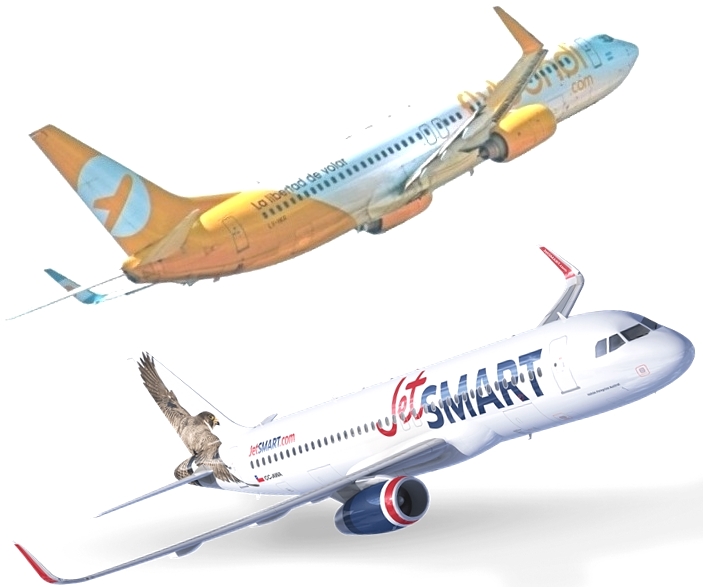






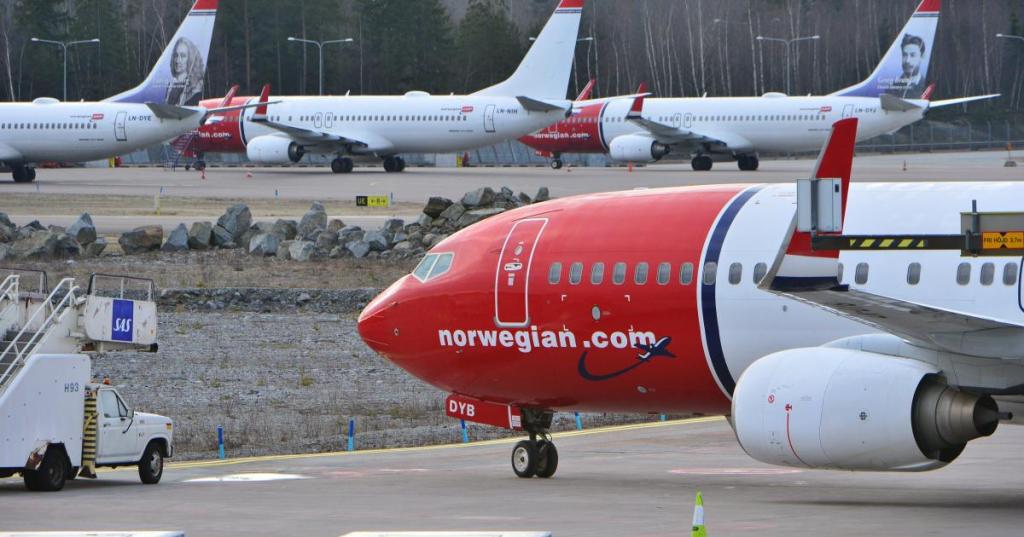
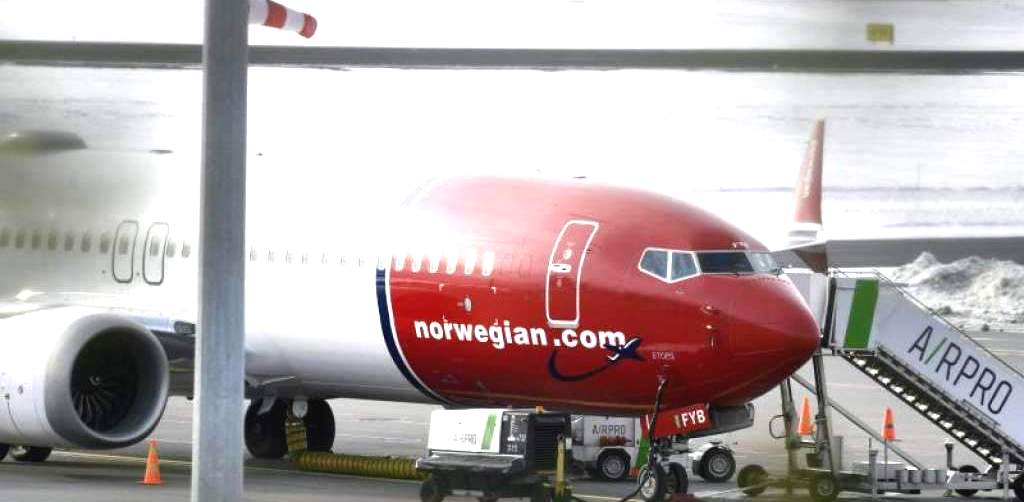



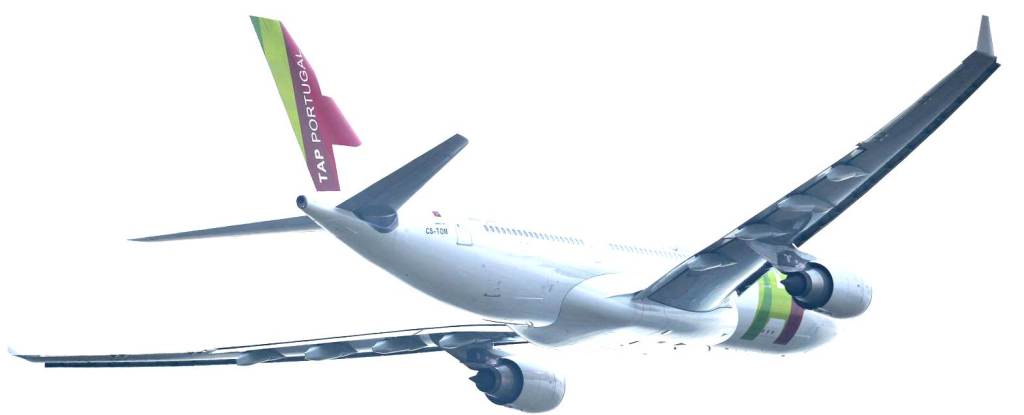
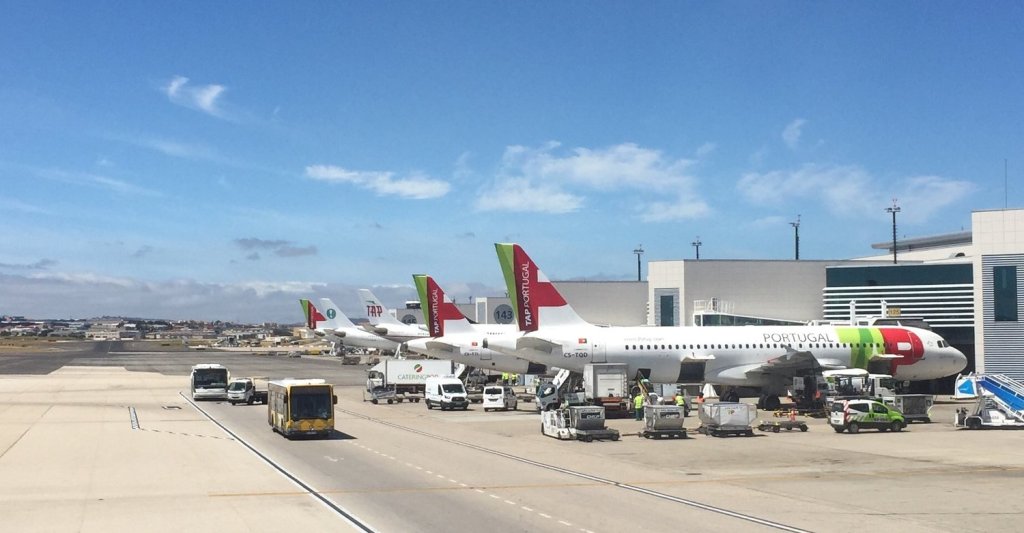

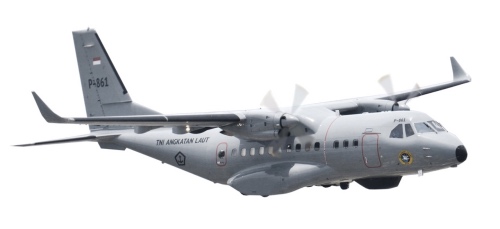




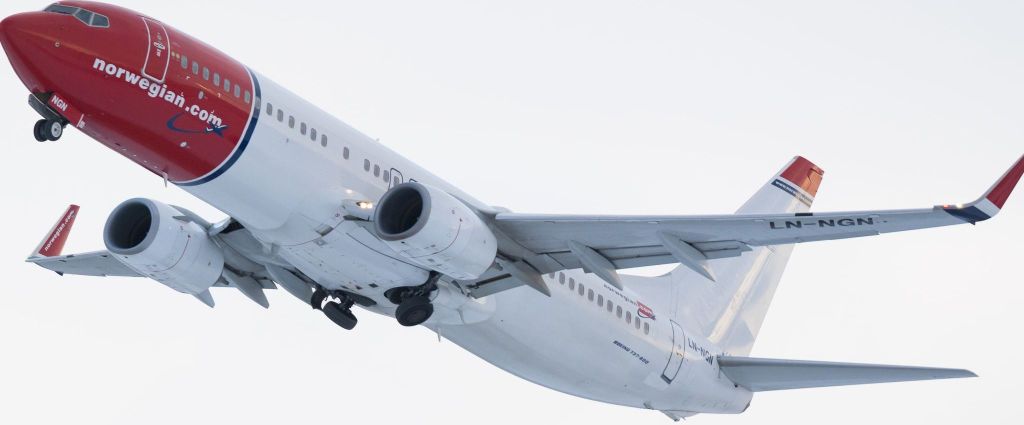

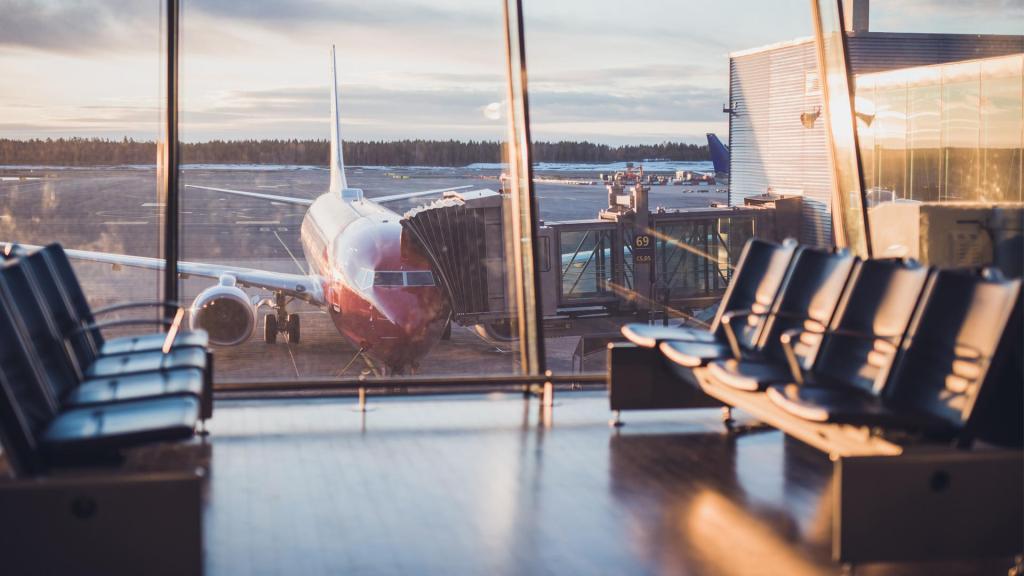

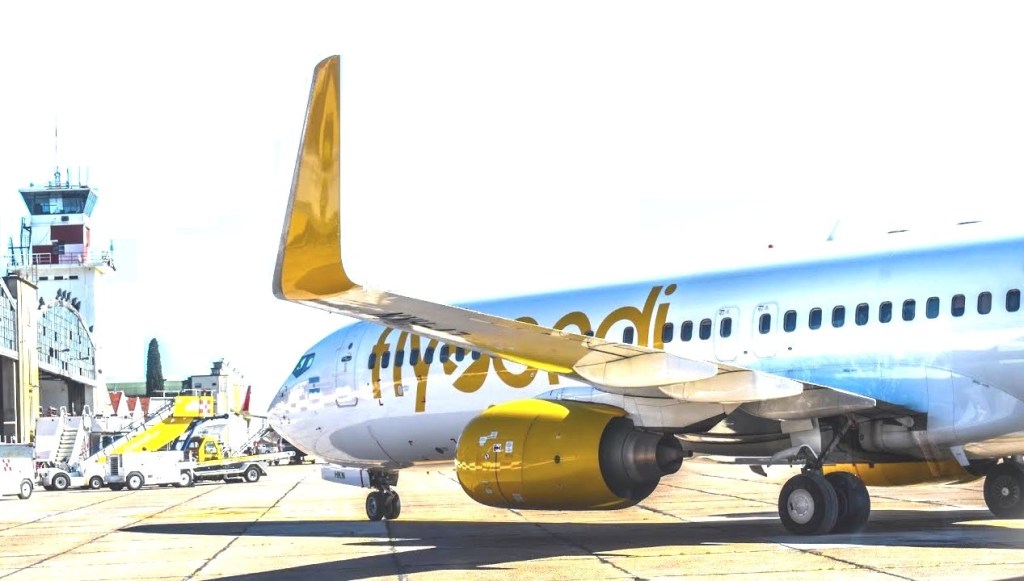

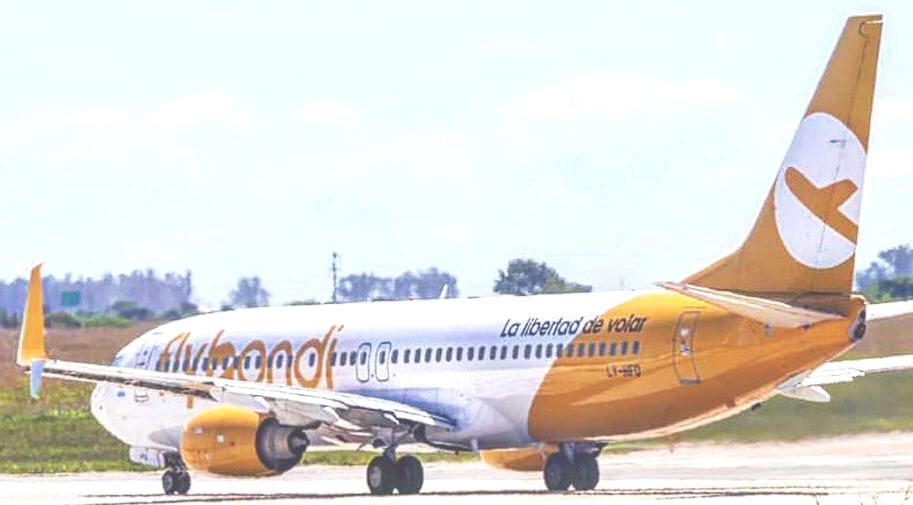

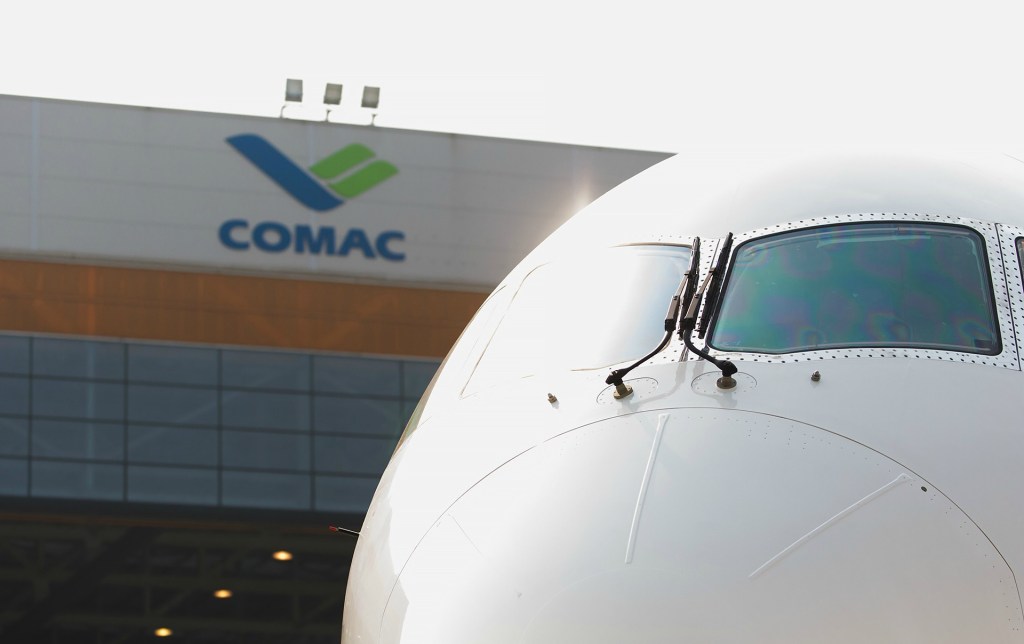

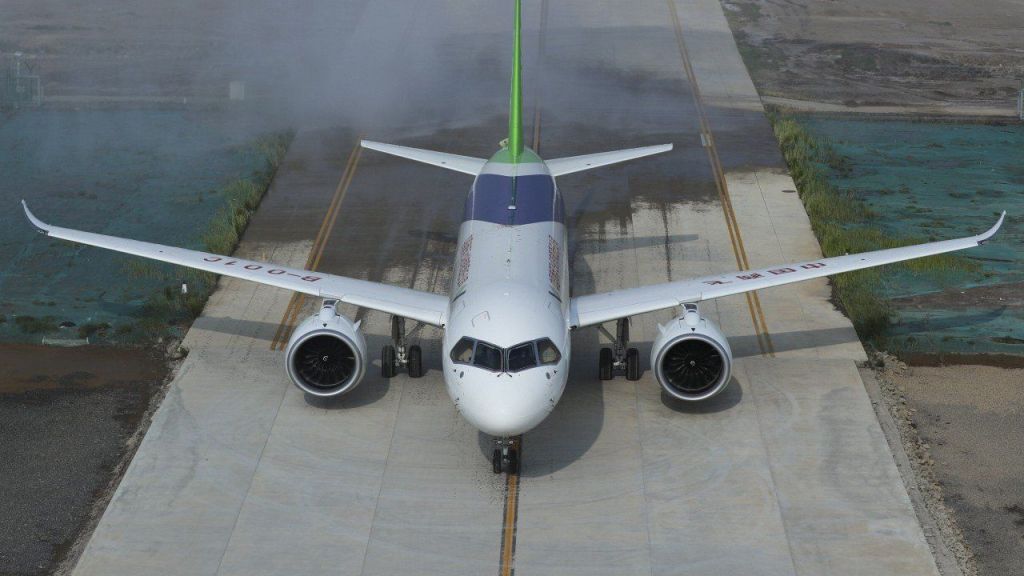
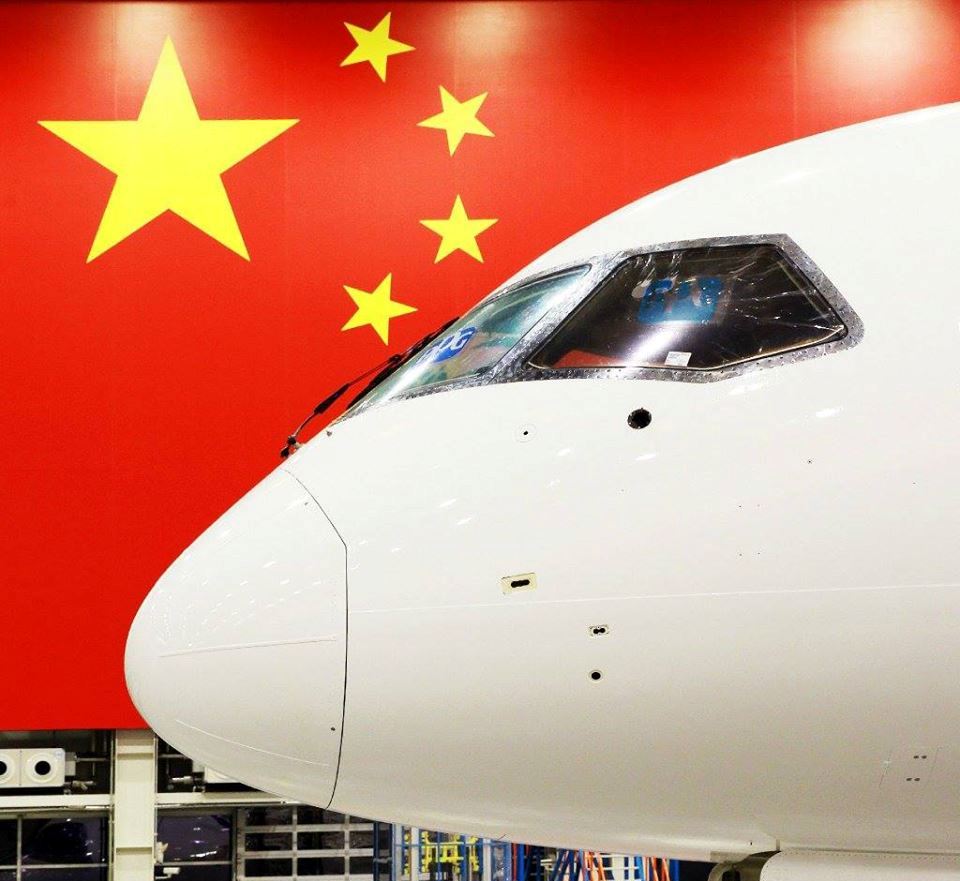
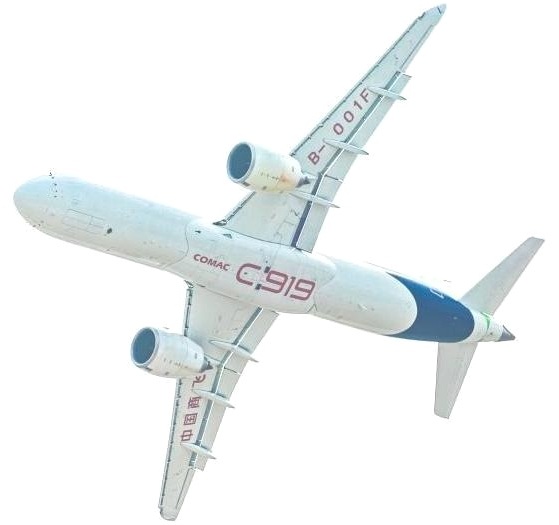
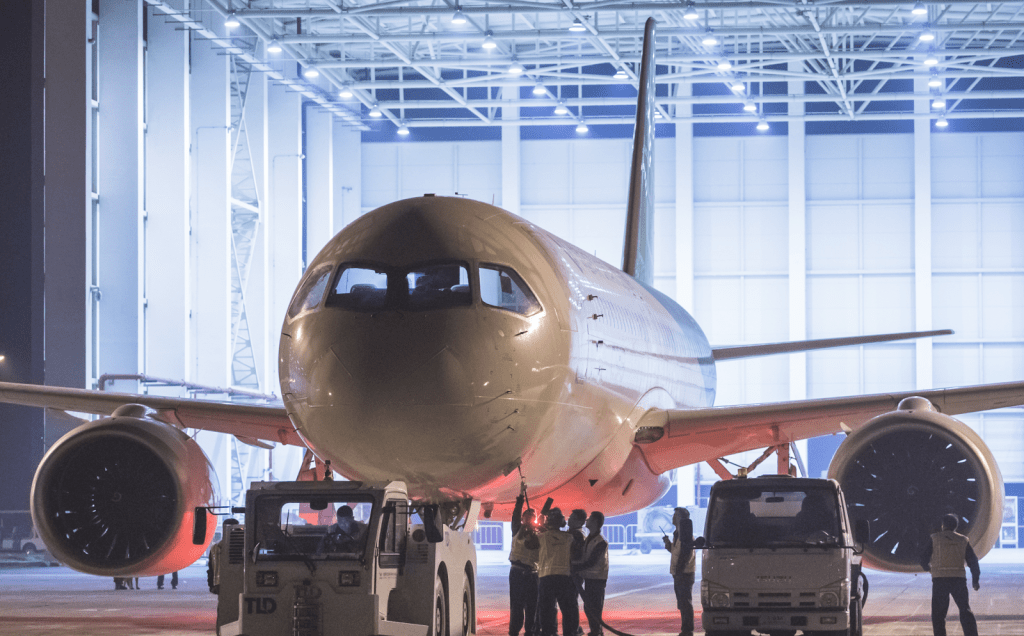
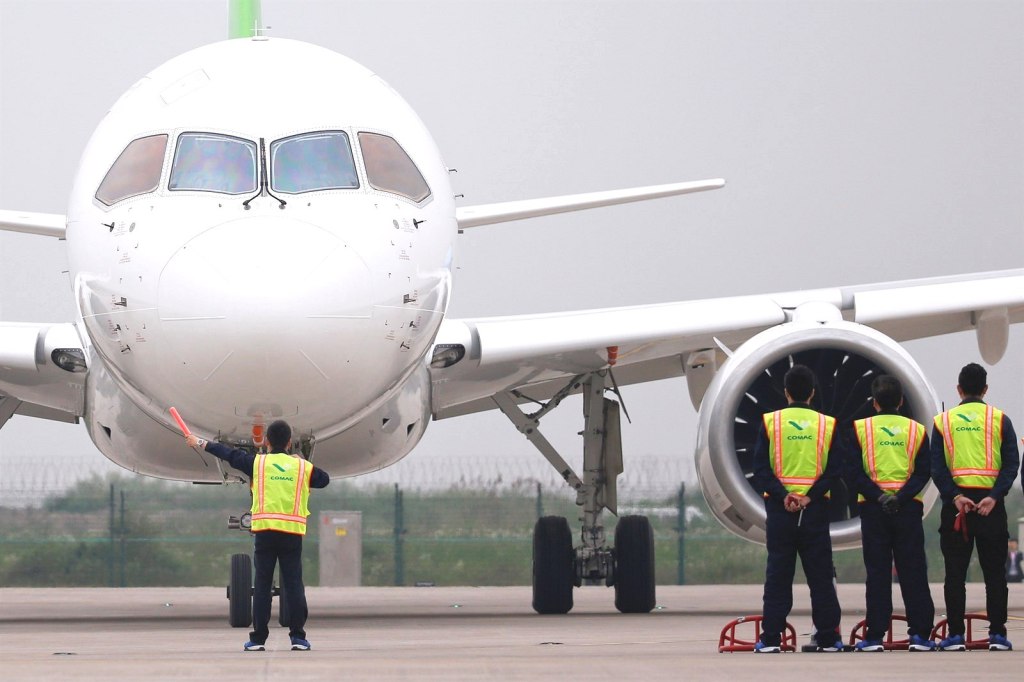

 airgways.com