El Gobierno de Argentina ha publicado en 10/2020 la Resolución Nº424/2020 que obliga a las empresas que venden bienes y servicios a distancia a incluir en sus páginas web un “Botón de Arrepentimientos”, que debe estar visible. Esta medida incluye a las agencias de viajes, quienes en los últimos meses realizaron sus ventas desde sus sitios de internet u otros canales. Esta nueva modalidad permite de manera sencilla activar el reembolso a aquel pasajero que quiera desistir de su compra “no presencial”, es decir, online, telefónica o por mail, durante los diez días posteriores a la concreción de la operación. El prestador debe devolver el 100% del importe al pasajero arrepentido, incluyendo los impuestos; sin penalidades ni comisiones. Esta medida incluye a las agencias de viajes, aerolíneas, sin embargo, desde la Federación Argentina de Asociaciones de Empresas de Viajes y Turismo (FAEVYT) le plantearon a la Administración Nacional de Aviación Civil (ANAC) la necesidad de establecer reglas claras a través de un marco regulatorio para la implementación del “Botón de Arrepentimiento” a todos los actores de la industria.
Durante el encuentro FAEVYT detallaron la desigualdad de condiciones existente entre las agencias de viajes, que están obligadas a contar con la herramienta; y las plataformas de venta de servicios turísticos extranjeras que, no solo no tributan en el país, sino que tampoco contarían con dicho botón. Este desequilibrio perjudica claramente al sector de las agencias de viajes, principal canal de comercialización del turismo en nuestro país.
Consumer & «Regret Button»
The consumer facing the right of refund
The Government of Argentina published Resolution No. 424/2020 on 10/2020, which obliges companies that sell goods and services remotely to include a “Regret Button” on their web pages, which must be visible. This measure includes travel agencies, who in recent months made their sales from their internet sites or other channels. This new modality allows in a simple way to activate the reimbursement to that passenger who wants to withdraw from his purchase «not in person», that is, online, by telephone or by mail, during the ten days after the completion of the operation. The provider must return 100% of the amount to the repentant passenger, including taxes; without penalties or commissions. This measure includes travel agencies, airlines, however, from the Argentine Federation of Travel and Tourism Business Associations (FAEVYT) they raised with the National Civil Aviation Administration (ANAC) the need to establish clear rules through a regulatory framework for the implementation of the «Repentance Button» to all industry players.
During the FAEVYT meeting they detailed the inequality of conditions existing between travel agencies, which are obliged to have the tool; and the platforms for the sale of foreign tourist services that not only do not pay taxes in the country, but also would not have such a button. This imbalance clearly harms the travel agency sector, the main channel for marketing tourism in our country.
Aeropuerto Internacional Felipa Ángeles inaugurará hacia 1Q2022
El Presidente de México, Andrés Manuel López Obrador, ha anunciado la fecha de inauguración del nuevo Aeropuerto Internacional Felipe Ángeles/AIFA estableciendo fecha de inauguración para el 21 de Marzo de 2022. En el acto, también reconoció el papel del ejército por su participación en la construcción de obras públicas como el aeropuerto, así como en programas sociales y apoyo a la sociedad civil. “Vamos a tener el nuevo aeropuerto el 21 de Marzo de 2022. Ya, en un poco más de un año vamos a estar inaugurando el nuevo aeropuerto por la responsabilidad, el profesionalismo y el manejo honesto de los recursos por parte de los ingenieros militares y los oficiales de la Secretaría de la Defensa”, declaró el Presidente mexicano.
La decisión de cancelar las obras comenzadas en 2019, y cuya planeación situaba al nuevo aeropuerto de la Ciudad de México a cinco kilómetros del actual, en el Lago de Texcoco, fue motivo de polémica. “Nos ayuda el ejército en la construcción del aeropuerto Felipe Ángeles. Fue una decisión compleja porque se consultó a la gente y la mayoría de los que participaron opinaron que debía de cancelarse el proyecto de construir el Aeropuerto en el Lago de Texcoco y hacerlo en la antigua Base Aérea de Santa Lucía. Tomamos esa decisión, con mucha crítica, muchos cuestionamientos”, señaló el Primer Mandatario. De acuerdo con López Obrador, la participación del ejército en la construcción del Aeropuerto Felipe Ángeles fue crucial. En ese sentido, indicó, la planeación y ejecución del proyecto por parte de los ingenieros militares implica el ahorro de MEX$ 270 mil millones de Pesos para el erario.
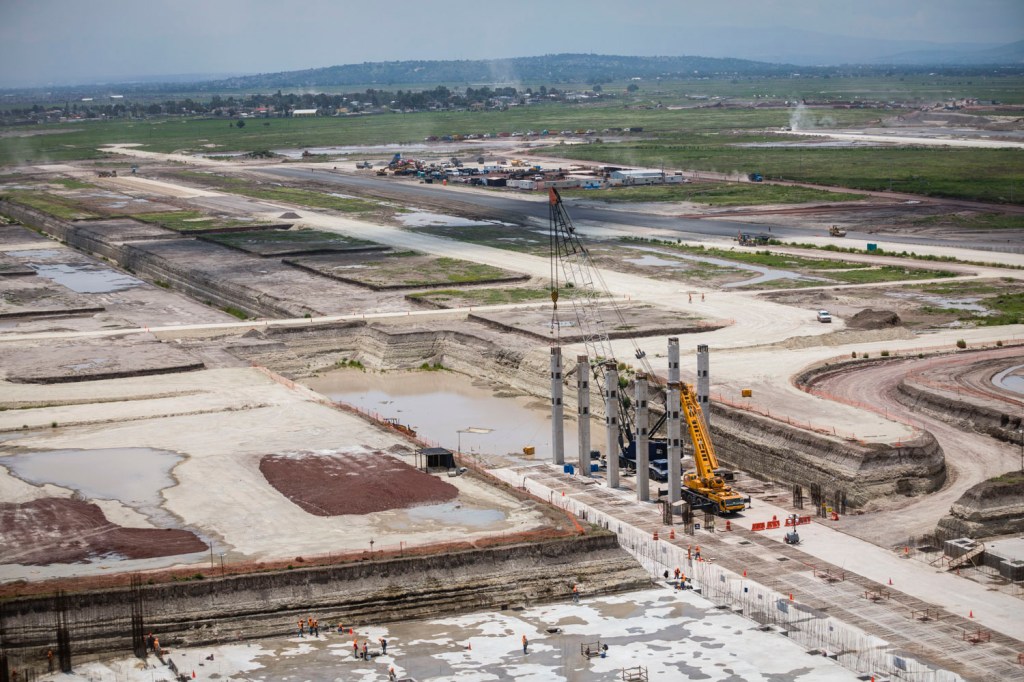
La construcción de la terminal aérea en la ex-Base Militar de Santa Lucía comenzó en Octubre de 2019. Inicialmente las obras fueron contempladas en 2.300 hectáreas, aunque posteriormente el gobierno federal adquirió 1.400 hectáreas más. De esa forma, el área total del nuevo aeropuerto superará la extensión del Aeropuerto Internacional de la Ciudad de México, el cual está construido sobre 750 hectáreas. Ambos operarán de forma simultánea con el Aeropuerto de Toluca. Actualmente, los mayores avances se concentran en las pistas militares y civiles, la torre de control, así como el edificio terminal de pasajeros. El proyecto estima el funcionamiento de la terminal para concentrar y atender hasta 18 millones de pasajeros en su primera etapa de funcionamiento. El aeropuerto será finalizado, en su totalidad, en el transcurso de las siguientes tres décadas. Ante la Cámara de Diputados, Jorge Arganis Díaz-Leal, Secretario de Comunicaciones y Transportes de México, ha comunicado sobre los avances de la obra, adelantando el corte de cinta para la inauguración oficial el 19 de Febrero de 2021 con la presencia del Presidente mexicano.
Mexico/AIFA inauguration 03/2022
Felipa Ángeles International Airport will open around 1Q2022
The President of Mexico, Andrés Manuel López Obrador, has announced the opening date of the new Felipe Ángeles International Airport/AIFA, setting the opening date for March 21, 2022. At the event, he also recognized the role of the army for its participation in the construction public works such as the airport, as well as social programs and support to civil society. “We will have the new airport on March 21, 2022. Already, in a little more than a year we will be inaugurating the new airport due to the responsibility, professionalism and honest management of resources by the military engineers and the officers of the Ministry of Defense”, declared the Mexican President.
The decision to cancel the works begun in 2019, and whose planning placed the new Mexico City airport five kilometers from the current one, on Lake Texcoco, was controversial. “The army helps us in the construction of the Felipe Ángeles airport. It was a complex decision because people were consulted and most of those who participated thought that the project to build the Airport on Lake Texcoco should be canceled and done at the old Santa Lucía Air Base. We made that decision, with a lot of criticism, a lot of questions”, said the President. According to López Obrador, the participation of the army in the construction of the Felipe Ángeles Airport was crucial. In this sense, he indicated, the planning and execution of the project by the military engineers implies saving MEX$ 270 billion Pesos for the treasury.
The construction of the air terminal at the former Santa Lucía Military Base began in October 2019. Initially the works were contemplated on 2,300 hectares, although later the federal government acquired 1,400 more hectares. In this way, the total area of the new airport will exceed the extension of the Mexico City International Airport, which is built on 750 hectares. Both will operate simultaneously with the Toluca Airport. Currently, the greatest advances are concentrated in the military and civil runways, the control tower, as well as the passenger terminal building. The project estimates the operation of the terminal to concentrate and serve up to 18 million passengers in its first stage of operation. The airport will be completed, in its entirety, over the next three decades. Before the Chamber of Deputies, Jorge Arganis Díaz-Leal, Secretary of Communications and Transportation of Mexico, has communicated about the progress of the work, advancing the ribbon cutting for the official inauguration on February 19, 2021 with the presence of the Mexican President.
AW | 2020 12 05 09:47 | AVIATION ORGANISMS / AVIATION SAFETY / GOVERNMENT
CEVETA advierte que aéreas no asumen veracidad pruebas PCR
La Cámara de Empresas Venezolanas de Transporte Aéreo (CEVETA) de la República de Venezuela ha informado que las compañías aéreas no pueden asumir la comprobación de la veracidad de las Pruebas de PCR elaboradas, a propósito de las declaraciones del Presidente del INAC quien afirmó que le corresponde también a las aerolíneas verificar la autenticidad de las pruebas PCR.
El Presidente de CEVETA, Jorge Álvarez Méndez, aclaró que las líneas aéreas no pueden asumir la comprobación de las pruebas biosanitarias porque no es competencia de las líneas aéreas sino de las autoridades de Salud perteneciente al Estado. «No tenemos gente capacitada ni autorizada para verificar si las pruebas PCR que presentan los pasajeros son válidas», afirmó el capitán Jorge Álvarez. La CEVETA a propuesto a las autoridades competentes la localización de un Módulo en el Aeropuerto Internacional Maiquetía/Caracas (CCS) para realizar pruebas antígenos del Covid-19 y no se les ha autorizado.
Venezuela Airways do not undertake PCR tests
CEVETA warns that airlines do not assume the accuracy of PCR tests
The Chamber of Venezuelan Air Transport Companies (CEVETA) of the Republic of Venezuela has reported that airlines cannot assume the verification of the veracity of the PCR Tests prepared, regarding the statements of the President of INAC who stated that he it is also up to the airlines to verify the authenticity of the PCR tests.
The President of CEVETA, Jorge Álvarez Méndez, clarified that the airlines cannot assume the verification of biosanitary tests because it is not the responsibility of the airlines but of the Health authorities belonging to the State. «We do not have people trained or authorized to verify if the PCR tests presented by passengers are valid», said Captain Jorge Álvarez. CEVETA has proposed to the competent authorities the location of a Module at the Maiquetía/Caracas International Airport (CCS) to perform Covid-19 antigen tests and they have not been authorized.
Más 1.600 venezolanos varados en Argentina plena crisis económica
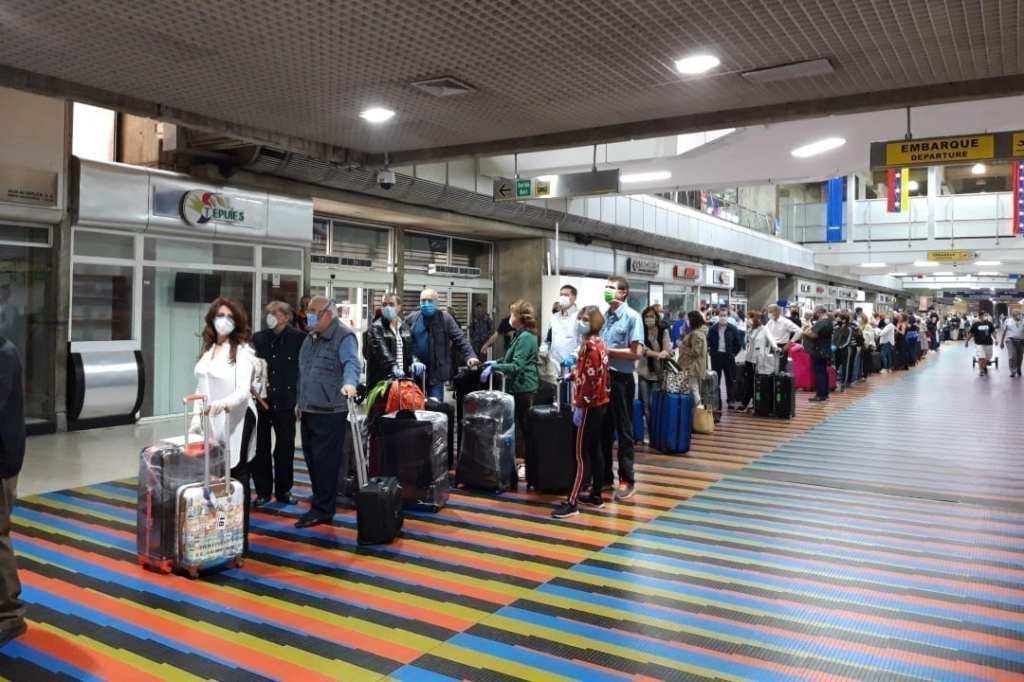
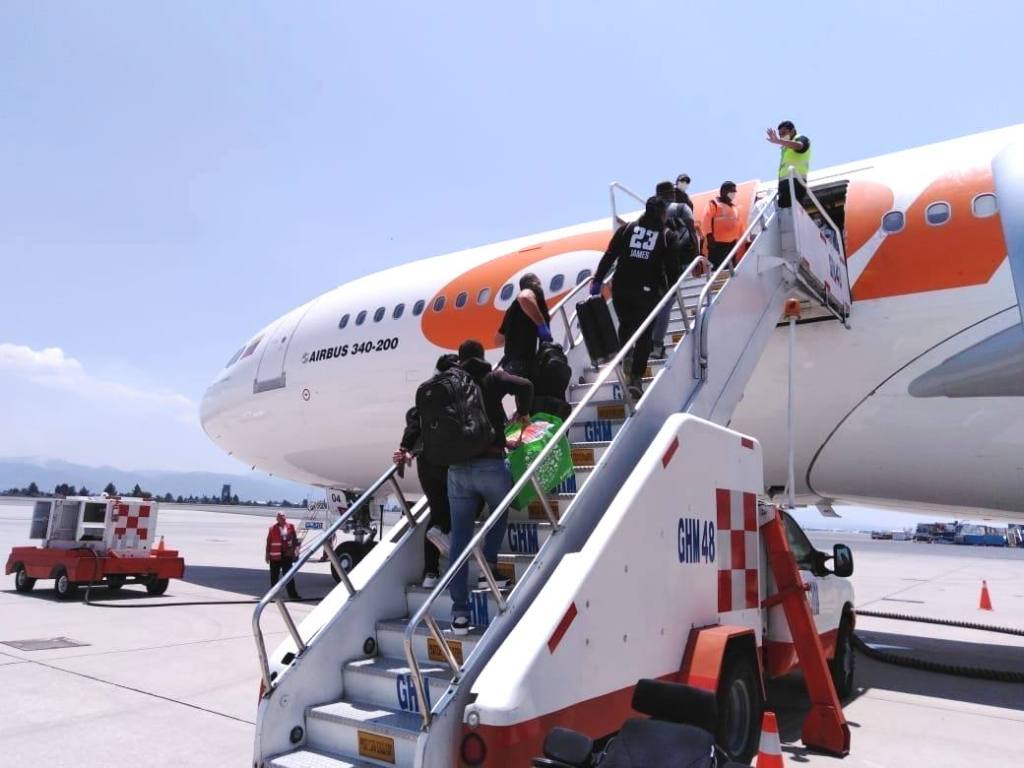
La República de Venezuela mantiene cerradas sus fronteras aéreas desde Marzo 2020 y solo hubo cuatro vuelos de repatriación con pasajes pagos, incluso para quienes tenían comprado su regreso desde Argentina. No fue suficiente para al menos 1.600 venezolanos que han tenido que arreglárselas en un país extranjero, sin ingresos, sin documentos, sin sustento. Llevan casi nueve meses, desde que el Coronavirus fue declarado pandemia, esperando poder hacer uso de sus boletos de vuelta a Venezuela desde Argentina. La gran mayoría vino por vacaciones, pero lo que debería haber sido un viaje de goce terminó en pesadilla.
Actualmente existen entre 1.600 a 2.000 venezolanos, según las listas de espera entregadas a las aerolíneas y las autoridades diplomáticas en Argentina. Los varados se encuentran comunicados entre sí a través de las plataformas digitales de mensajería y las redes sociales, donde hacen públicos sus descargos. Por lo menos dos adultos murieron lejos de su tierra mientras esperaban volver.
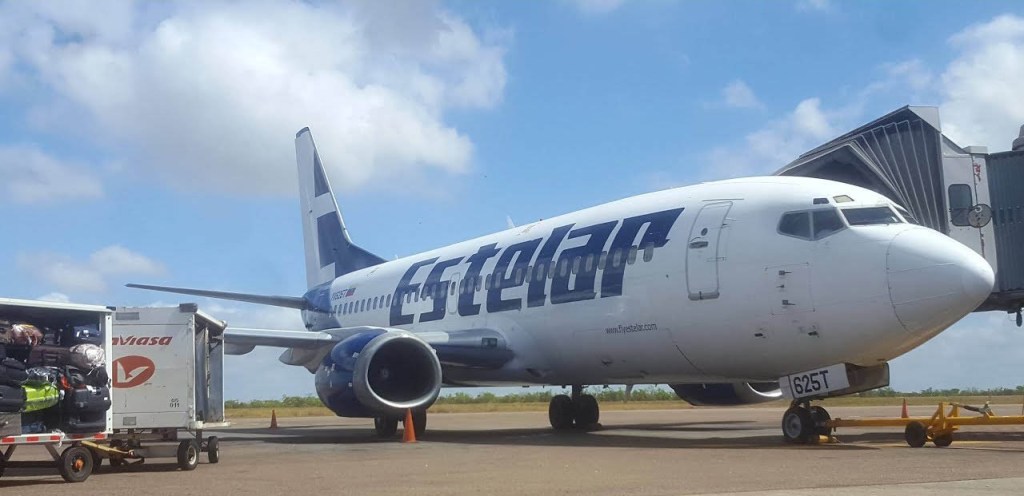
Los grupos de varados tienen su pasaje abonado, pero las aerolíneas solo les ofrecen la posibilidad de comprar nuevos pasajes si quieren volver en los vuelos de repatriación, con precios que oscilan entre los US$ 700 y los 800 Dólares. También deben abonar una tasa aeroportuaria de US$ 70 dólares, más el costo de dos tests para confirmar ser COVID-19 negativos, uno en Argentina y otro en Venezuela, y finalmente costearse el hotel privado donde deben permanecer quince días una vez en destino. Además de varados de la compañía Aerolíneas Estelar, los hay de otras aerolíneas como la panameña Copa Airlines, la colombiana Avianca, la venezolana Conviasa y la brasileña Gol Linhas Aéreas.
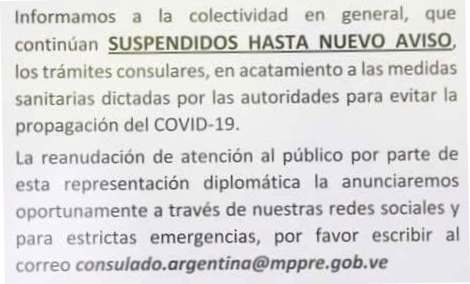
La embajada venezolana en la República Argentina no da respuestas hasta la fecha, mientras que los ciudadanos venezolanos intentan subsistir frente a la desidia diplomática. El total desamparo de los usuarios del transporte aéreo y la desidia de los gobiernos y las aerolíneas, representan una combinación de indignación e impotencia, que pisotean los derechos fundamentales de los ciudadanos, amparados por la Constitución Nacional en suelo argentino, continúan reclamando el retorno a su tierra de origen, soportando una verdadera pesadilla en tierra extranjera.
Venezuelans remain stranded
More than 1,600 Venezuelans stranded in Argentina
The Republic of Venezuela has closed its air borders since March 2020 and there were only four repatriation flights with paid tickets, even for those who had purchased their return from Argentina. It was not enough for at least 1,600 Venezuelans who have had to cope in a foreign country, without income, without documents, without sustenance. They have been almost nine months, since the Coronavirus was declared a pandemic, waiting to be able to use their tickets back to Venezuela from Argentina. The vast majority came for vacation, but what should have been a trip of enjoyment ended in a nightmare.
Currently there are between 1,600 to 2,000 Venezuelans, according to the waiting lists given to the airlines and diplomatic authorities in Argentina. The stranded are communicated with each other through digital messaging platforms and social networks, where they make their discharges public. At least two adults died away from their land while waiting to return.
The stranded groups have their ticket paid, but the airlines only offer them the possibility of buying new tickets if they want to return on repatriation flights, with prices ranging between US$ 700 and 800 dollars. They must also pay an airport tax of US$ 70, plus the cost of two tests to confirm being negative COVID-19, one in Argentina and the other in Venezuela, and finally pay for the private hotel where they must stay for fifteen days once at destination. In addition to stranded from the Aerolíneas Estelar company, there are other airlines such as the Panamanian Copa Airlines, the Colombian Avianca, the Venezuelan Conviasa and the Brazilian Gol Linhas Aéreas.
The Venezuelan embassy in the Argentine Republic does not give answers to date, while Venezuelan citizens try to survive in the face of diplomatic laziness. The total helplessness of air transport users and the laziness of governments and airlines, represent a combination of indignation and impotence, which trample on the fundamental rights of citizens, protected by the National Constitution on Argentine soil, continue to demand the return to his homeland, enduring a real nightmare in a foreign land.
Estados Unidos-UE concertan diálogo disputas sobre subvenciones
Los principales funcionarios comerciales de Estados Unidos y la Unión Europea han intensificado el trabajo para resolver una disputa de larga duración sobre los subsidios a la aviación antes de que el Presidente Donald Trump deje el cargo en Enero 2020. El representante comercial de los Estados Unidos, Robert Lighthizer, y su homólogo de la UE, Valdis Dombrovskis, están en contacto regular en el caso en el que intervienen las empresas The Boeing Company y Airbus Group SE. Un acuerdo antes de que la Administración entrante de Joseph Biden tome posesión el 20 de Enero de 2021 marcaría un giro sorpresa de los acontecimientos después de meses de tensiones y estancamiento, y los funcionarios en Europa son cautelosos con la probabilidad de un avance inminente. Ambas economías han impuesto aranceles a los productos de cada una que representan medidas punitivas autorizadas por la Organización Mundial del Comercio (OMC) que siguen vigentes a menos que se arribe a un acuerdo de partes.
Un portavoz de la oficina comercial de la United States Trade Representative (USTR) no ha respondido a las futuras posturas de ambos lados del Atlántico. La Comisión Europea confirmó que está en contacto con funcionarios estadounidenses, repitiendo que la UE está lista para retirar todos sus aranceles vinculados a la disputa si Estados Unidos también lo hace. Para los Estados Unidos, el alivio de las tarifas de la UE se produce en un buen momento: la irlandesa Ryanair Holdings Plc está cerca de un acuerdo para pedir más aviones Boeing 737 MAX, lo que da al fabricante de aviones estadounidense un aumento mientras el jet sale de una conexión a tierra sin precedentes de veinte meses de parálisis.
El último impulso para las conversaciones entre Washington y Bruselas tiene por objeto resolver finalmente una diferencia de dieciséis años en la OMC con sede en Ginebra, Suiza, que dictaminó que tanto Estados Unidos como la Unión Europea subvencionaron excesivamente a sus industrias aeroespaciales nacionales en violación de sus compromisos comerciales internacionales. Los gobiernos de Alemania, Francia, España y el Reino Unido otorgaron subvenciones a Airbus mediante préstamos de ayuda al lanzamiento para el desarrollo de aeronaves, infusiones de capital, condonación de deudas y varias otras contribuciones financieras. En los Estados Unidos, Boeing se benefició de subsidios a través de una exención de impuestos de ocupación y negocios del Estado de Washington, que se había retirado desde entonces.
Premios de la OMC
El caso jurídico llegó a su fin en Octubre 2020, cuando la OMC autorizó a la Unión Europea a tomar represalias con aranceles sobre importaciones estadounidenses por valor de US$ 4.000 millones de Dólares al año. Esa sentencia se produjo casi un año después de que la OMC autorizara a los Estados Unidos en una diferencia paralela a imponer aranceles a US$ 7.500 millones de Dólares en mercancías procedentes de naciones europeas como Francia, Alemania, España y el Reino Unido.
Ambas partes dicen que quieren resolver el asunto, pero se han dividido sobre cómo resolver el tratamiento de los subsidios pasados. Robert Lighthizer ha exigido tanto un compromiso europeo de poner fin a la ayuda a Airbus como la devolución de algún elemento de la subvención. Esa es una pregunta difícil de Airbus, que está luchando durante la pandemia Covid-19 con una fuerte reducción en los pedidos de aviones. Pero los Estados miembros europeos, en particular Alemania, están interesados en reparar los lazos transatlánticos y eliminar el lastre que los aranceles impuestos por la Administración Trump han causado a los exportadores europeos. Los Estados miembros de la UE entienden que si no pueden llegar a un acuerdo con la USTR este año, las conversaciones con la Administración Biden probablemente continuarían hasta 2021, ya que el nuevo mandatario se centraría en asuntos económicos internos.
Impetus to resolve US-EU disputes
US-EU dialogue dispute over subsidies Airbus-Boeing
Top trade officials from the United States and the European Union have stepped up work to resolve a long-running dispute over aviation subsidies before President Donald Trump leaves office in January 2020. The United States Trade Representative, Robert Lighthizer and his EU counterpart Valdis Dombrovskis are in regular contact in the case involving The Boeing Company and Airbus Group SE. A deal before the incoming Biden Administration takes office on January 20, 2021 would mark a surprise turn of events after months of tension and stalemate, and officials in Europe are wary of the likelihood of an imminent breakthrough. Both economies have imposed tariffs on each other’s products that represent punitive measures authorized by the World Trade Organization (WTO) that remain in force unless an agreement is reached by the parties.
A spokesperson for the United States Trade Representative (USTR) trade office has not responded to future positions on both sides of the Atlantic. The European Commission confirmed that it is in contact with US officials, repeating that the EU is ready to withdraw all of its tariffs linked to the dispute if the United States does too. For the United States, the EU tariff relief comes at a good time: Ireland’s Ryanair Holdings Plc is close to a deal to order more Boeing 737 MAX jets, giving the US aircraft manufacturer a raise while the jet emerges from an unprecedented twenty-month grounding of paralysis.
The latest push for the Washington-Brussels talks is aimed at finally resolving a sixteen-year dispute at the Geneva, Switzerland-based WTO, which ruled that both the United States and the European Union over-subsidized their domestic aerospace industries in violation of your international business commitments. The governments of Germany, France, Spain and the United Kingdom provided grants to Airbus through launch aid loans for aircraft development, capital infusions, debt forgiveness and various other financial contributions. In the United States, Boeing benefited from subsidies through a Washington State business and occupancy tax exemption, which has since been withdrawn.
WTO Awards
The legal case came to an end in October 2020, when the WTO authorized the European Union to retaliate with tariffs on US imports worth US$ 4 billion a year. That ruling came nearly a year after the WTO authorized the United States in a parallel dispute to impose tariffs on US$ 7.5 billion in goods from European nations such as France, Germany, Spain and the United Kingdom.
Both sides say they want to resolve the issue, but have been divided on how to resolve the treatment of past subsidies. Robert Lighthizer has demanded both a European commitment to end the aid to Airbus and the return of some element of the subsidy. That’s a tough question from Airbus, which is struggling during the Covid-19 pandemic with a sharp reduction in aircraft orders. But European member states, particularly Germany, are interested in mending transatlantic ties and removing the drag that the tariffs imposed by the Trump Administration have placed on European exporters. EU member states understand that if they cannot reach an agreement with the USTR this year, talks with the Biden Administration would likely continue until 2021, as the new president would focus on domestic economic issues.
Tesoro EEUU respalda US$ 20 mil millones para nómina de aerolíneas
El Secretario del Tesoro de los Estados Unidos, Steven Mnuchin, dijo el Miércoles 02/12 que respalda otro desembolso de US$ 20.000 millones de Dólares en apoyo adicional a la nómina del Gobierno para las aerolíneas estadounidenses. «Creo que eso sería muy significativo en términos de empleo y salvar a la industria», dijo Steven Mnuchin en una audiencia de la Cámara de Estados. Una propuesta bipartidista publicada el Martes 01/12 pidió US$ 17.000 millones de Dólares en apoyo a la nómina de las aerolíneas para extender el programa por cuatro meses.
En Octubre 2020, American Airlines y United Airlines eliminaron a más de 32.000 trabajadores después de que un programa anterior de asistencia para la nómina de US$ 25 mil millones expirara para finales de 09/2020. Hasta la fecha ha aprobado más de US$ 21 mil millones en préstamos, incluyendo $7.500 millones para Estados Unidos. El Tesoro ofreció por separado otros US$ 25.000 millones de Dólares en préstamos a las compañías aéreas.
US Treasury backs new payroll
US Treasury backs US$ 20 billion for airline payroll
The Secretary of the Treasury of the United States, Steven Mnuchin, said on Wednesday 02/12 that he supports another disbursement of US$ 20,000 million in additional support to the government payroll for US airlines. «I think that would be very significant in terms of jobs and saving the industry», Mnuchin said at a State House hearing. A bipartisan proposal published on Tuesday 01/12 asked for US$ 17,000 million in support of airline payroll to extend the program for four months.
In October 2020, American Airlines and United Airlines cut more than 32,000 workers after a previous US$ 25 billion payroll assistance program expired at the end of 09/2020. To date, it has approved more than US$ 21 billion in loans, including US$ 7.5 billion for the United States. The Treasury separately offered another US$ 25 billion in loans to airlines.
PUBLISHER: Airgways.com DBk: Treasury.gov / Reuters.com / Dallasnews.com/Smiley N. Pool / Airgways.com AW-POST: 202012021727AR
AW | 2020 12 02 14:58 | AIRLINES / AIRPORTS / GOVERNMENT
Revisión enlace Santiago/Punta Arenas/Falklands in 01/2021
El Gobierno de las Islas Malvinas sigue vigilando de cerca la situación relativa a la suspensión de los enlaces aéreos comerciales con la República de Chile a la luz de la actual pandemia. Los vuelos de conexión con el continente americano son vitales para el desarrollo social y económico del archipiélago, el Gobierno de las Islas Falklands (FIG) sigue comprometido a garantizar que se mantenga la salud y la seguridad de la comunidad, a medida que las circunstancias en toda América del Sur continental siguen evolucionando.
Tras el anuncio del 27 de Agosto de 2020, la ruta directa explotada Santiago de Chile-Mount Pleasant por la aerolínea Latam Airlines continuará suspendida, al igual que la ruta Santiago de Chile-Punta Arenas permanecerá suspendida al menos hasta el 2 de Enero de 2021, pero la situación se revisará hacia el final de ese período. Latam Airlines también ha confirmado ahora que la ruta de Sao Paulo-Santiago de Chile-Mount Pleasant permanecerá suspendida al menos hasta el 31 de Marzo de 2021.
La Directora de Desarrollo y Servicios Comerciales, Catherine Silva Donayre, dijo: «Desde que se tomó por primera vez la decisión de suspender estos vuelos, hemos trabajado muy de cerca con Latam, no sólo para monitorear la situación, sino para comenzar a desarrollar planes a más largo plazo para la reinstalación de estas rutas. Como se puede ver en todo el mundo, la pandemia sigue teniendo un impacto significativo en todos los aspectos de los viajes internacionales y es vital que alcancemos el equilibrio adecuado entre mantener a nuestra gente segura y la planificación de reanudar estos vuelos en el momento adecuado. Esto también significa apoyar a las empresas locales que se han visto afectadas por la suspensión de los vuelos para que estén en una buena posición para reanudar sus actividades una vez que estas rutas se reinicien. FIG y Latam están igualmente comprometidos con la viabilidad a largo plazo de estas rutas».
Controles sanitarios Malvinas
Las Islas Malvinas continúa bajo mayor vigilancia tras el primer caso civil positivo de Coronavirus. Un período de mayor vigilancia comenzará en las Islas Malvinas después de que se confirmara un caso positivo de Covid-19 a principios de Noviembre 2020. La Legisladora de las Malvinas, Leona Roberts, expresó oportunamente que «esto no significa que estemos encerrando o que tengamos la intención de instigar un período de bloqueo en un futuro próximo. Las escuelas, la biblioteca y la universidad permanecerán abiertas junto con guarderías y cuidadores de niños. Las empresas y los servicios deben permanecer abiertos y se les alentará a trabajar de manera que limiten la propagación de la infección».
Los pasajeros que lleguen al Aeropuerto Mount Pleasant tendrán tres opciones para viajar a Port Stanley. Las personas pueden utilizar el transporte obligatorio de la Falklands Islands Government (FIG) entre Port Stanley y el aeropuerto, dejar un vehículo vacío en el Aeropuerto Mount Pleasant (MPA) para conducir de regreso a Stanley para entrar en cuarentena, o ser recogidos por amigos o familiares que tendrán que entrar en cuarentena con el pasajero al regresar a Stanley. El programa no es obligatorio ya que es un procedimiento invasivo, pero se recomienda ya que proporciona a las personas la seguridad personal de que no están infectados con el virus. Hasta la fecha, la captación ha sido, y sigue siendo, muy alta. También se han aplicado protocolos de seguimiento y rastreo a otras personas que entraron en contacto con pasajeros del vuelo, incluidos los que trabajan en aduanas e inmigración, y el transporte.
Debido a las circunstancias recientes que rodean el puente aéreo, también ha sido necesario instigar protocolos de seguimiento y rastreo para los pasajeros que habrían entrado en contacto con la persona que dio positivo, pero que no llegaron en el mismo vuelo que ellos. Las pruebas periódicas están produciendo un resultado positivo y esto ha demostrado que la vigilancia durante la cuarentena está funcionando de la manera prevista. Esto es muy importante, ya que puede ser un portador de Covid-19 sin presentar ningún síntoma o enfermarse. También significa que ahora entraremos en un período de mayor vigilancia según nuestros procedimientos de planificación de emergencia. El aumento de la vigilancia significa que sabemos que hay un caso de Covid-19 en las Islas Malvinas y que, si la situación se vuelve más grave, el Gobierno puede cambiar su orientación.
Malvinas will review link to the archipelago
Review link Santiago/Punta Arenas/Falklands in 01/2021
The Government of the Falkland Islands continues to closely monitor the situation regarding the suspension of commercial air links with the Republic of Chile in light of the current pandemic. Connecting flights to the American continent are vital to the archipelago’s social and economic development, the Falkland Islands Government (FIG) remains committed to ensuring that the health and safety of the community is maintained, as circumstances in all of continental South America continue to evolve.
After the announcement on August 27, 2020, the direct route operated by Santiago de Chile-Mount Pleasant by the airline Latam Airlines will continue to be suspended, as well as the Santiago de Chile-Punta Arenas route will remain suspended at least until January 2, 2021 , but the situation will be reviewed towards the end of that period. Latam Airlines has also confirmed now that the Sao Paulo-Santiago de Chile-Mount Pleasant route will remain suspended until at least March 31, 2021.
Business Development and Services Director Catherine Silva Donayre said: «Since the decision to suspend these flights was first made, we have worked closely with Latam, not only to monitor the situation, but to begin developing plans. longer term for the reinstallation of these routes. As can be seen around the world, the pandemic continues to have a significant impact on all aspects of international travel and it is vital that we strike the right balance between keeping our people safe and planning to resume these flights at the right time.This also means supporting local businesses that have been affected by the suspension of flights so that they are in a good position to resume their activities once these routes are restarted. FIG and Latam are equally committed to the long-term viability of these routes».
Malvinas health controls
The Falkland Islands continues to be under increased surveillance after the first positive civil case of Coronavirus. A period of increased surveillance will begin in the Falkland Islands after a positive case of Covid-19 was confirmed in early November 2020. The Legislator of the Falklands, Leona Roberts, timely expressed that «this does not mean that we are locking up or that we intend to instigate a period of lockdown in the near future. The schools, the library and the university will remain open along with nurseries and caregivers of children. Businesses and services must remain open and will be encouraged to work in ways that limit the spread of infection».
Passengers arriving at Mount Pleasant Airport will have three options for travel to Port Stanley. People can use Falklands Islands Government (FIG) mandatory transportation between Port Stanley and the airport, leave an empty vehicle at Mount Pleasant Airport (MPA) to drive back to Stanley for quarantine, or be picked up by friends or family members who will have to quarantine with the passenger upon returning to Stanley. The program is not mandatory as it is an invasive procedure, but it is recommended as it provides people with personal assurance that they are not infected with the virus. To date, uptake has been, and continues to be, very high. Track and trace protocols have also been applied to other people who came into contact with passengers on the flight, including those working in customs and immigration, and transportation.
Due to the recent circumstances surrounding the airlift, it has also been necessary to instigate track and trace protocols for passengers who would have come into contact with the person who tested positive, but who did not arrive on the same flight as them. Regular testing is producing a positive result and this has shown that quarantine surveillance is working as intended. This is very important, as you can be a Covid-19 carrier without showing any symptoms or getting sick. It also means that we will now enter a period of increased vigilance based on our emergency planning procedures. Increased surveillance means that we know that there is a case of Covid-19 in the Falkland Islands and that if the situation becomes more serious, the Government may change its orientation.
Austral finaliza operaciones como línea aérea en Argentina
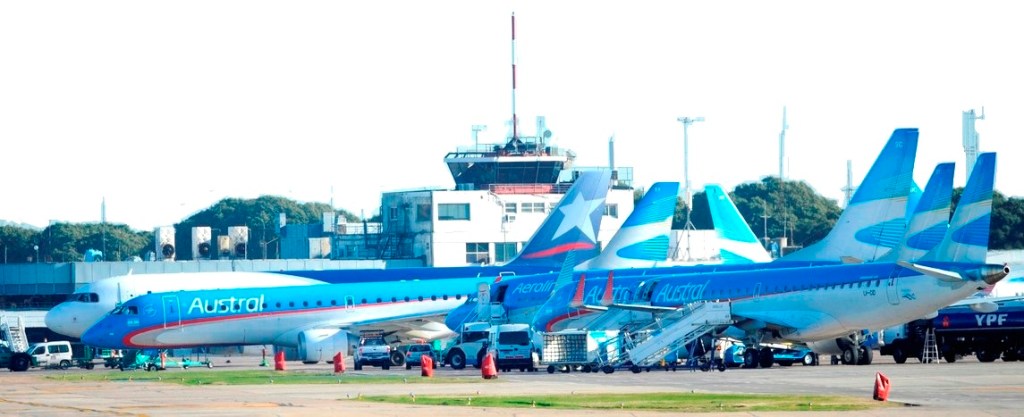
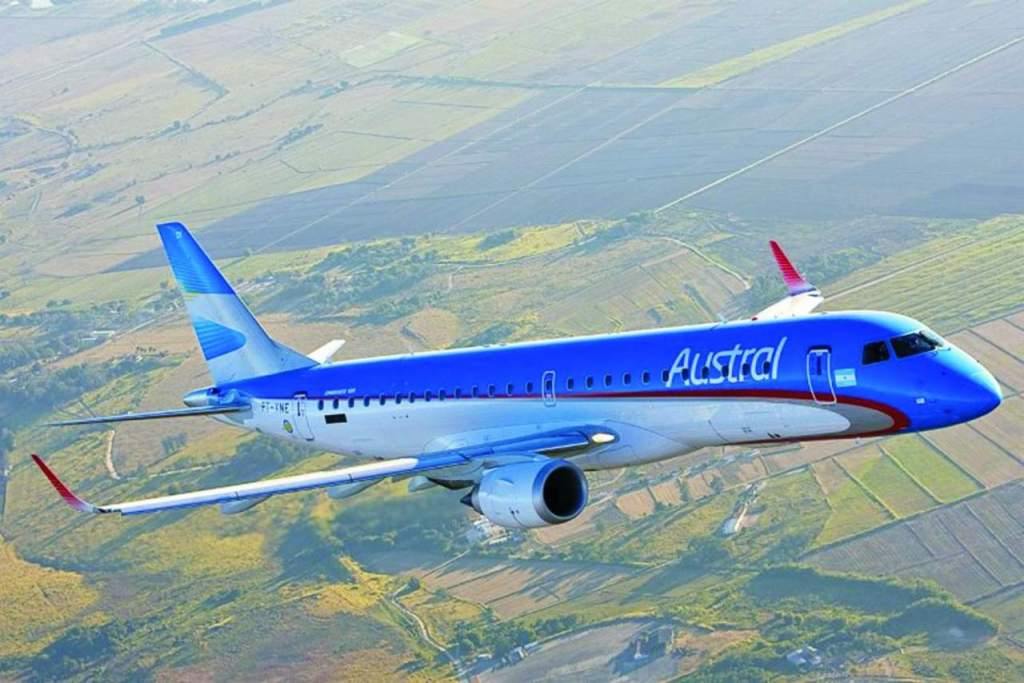
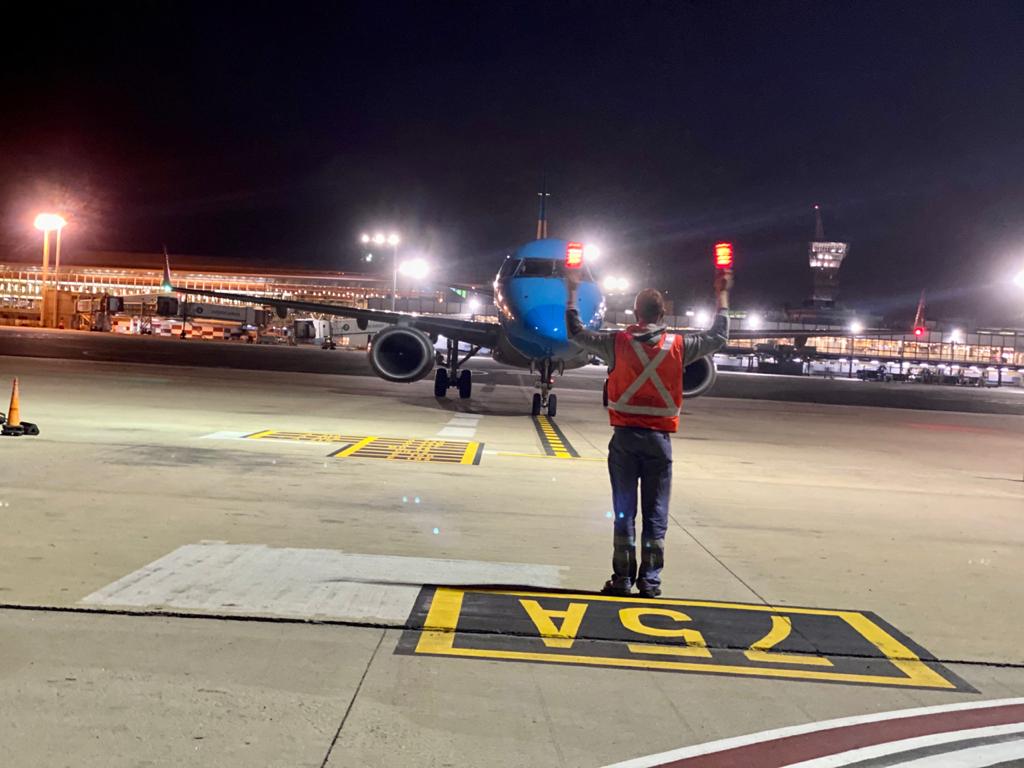
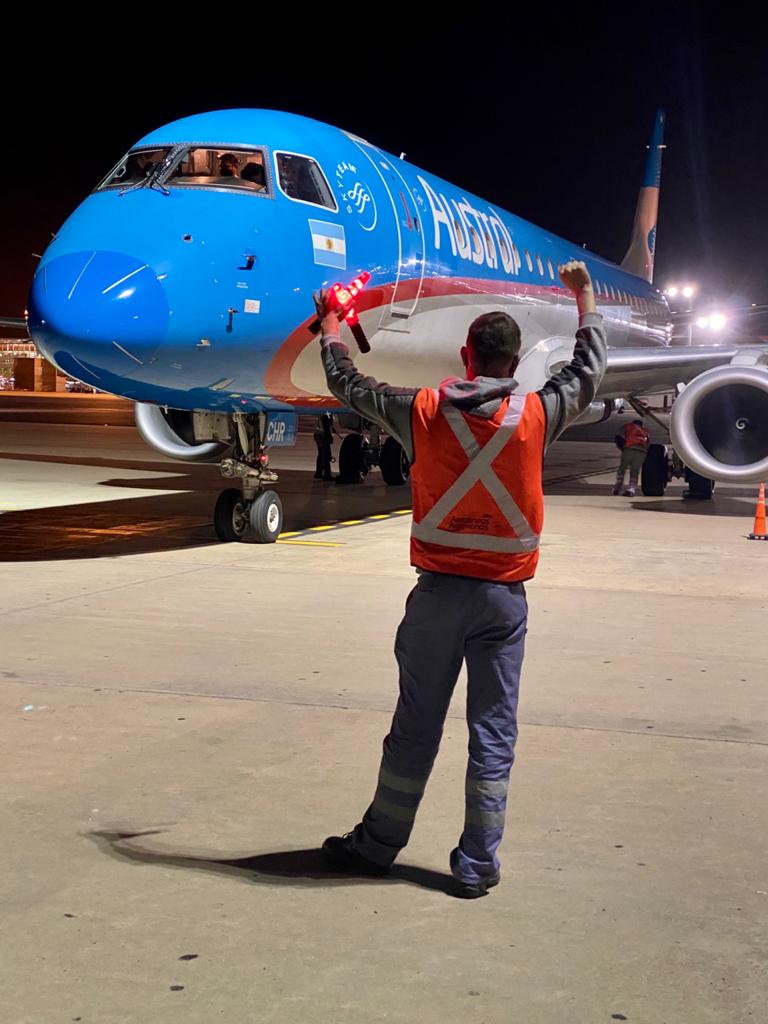
El Lunes 30 de Noviembre de 2020 el vuelo AU2763 procedente de Posadas arriba al Aeropuerto Internacional Ezeiza a las 00:08 hs, concretando oficialmente el final de las operaciones de Austral Líneas Aéreas como transportador aéreo.
El proceso de fusión y consolidación de ambas compañías da paso a la supresión de la librea de Austral que dejará de existir en los cielos de Argentina. El proceso de fusión, que conlleva tintes políticos-sindicales, en intentos de materialización tras varios esfuerzos fallidos. Tras el advenimiento de la crisis sanitaria mundial, en Mayo 2020 la Gerencia de Aerolíneas Argentinas dirigía al personal una carta de acercamiento para la fusión anhelada por la directiva.
Historia Austral
Los orígenes del transportista se remontan a 1957, cuando se fundó Compañía Austral de Transportes Aéreos SACI (CATASACI), comenzando los servicios regulares en Enero de 1958 en el Aeropuerto de Trelew, Provincia de Chubut. CATASACI centró sus servicios en el suroeste de Argentina, pero también operó vuelos internacionales a Montevideo, Puerto Montt y Punta Arenas. Aerotransportes Litoral Argentino (ALA) fue una compañía con sede en Rosario, Provincia de Santa Fe, que fue fundada en 1957 para operar vuelos entre esta ciudad y Buenos Aires utilizando equipos De Aero Commander y operados vuelos dentro del norte de Argentina. En 1965, Pan Am Airways adquirió una participación del 22% en ALA a cambio de suministrar a la compañía DC-3s. Un año más tarde, CATASACI adquirió una participación del 30% en ALA y se integraron los servicios de ambas compañías.
En Mayo de 1971, la flota de ALA estaba compuesta por dos C-46, cinco DC-3, dos DC-6B y cinco YS-11A-300 que servían a una red nacional incluyendo Buenos Aires, Corrientes, Formosa, Goya, Paraná, Paso de los Libres, Posadas, Resistencia, Rosario, Salta, Santa Fe y Tucumán, además de servicios regionales a Antofagasta y Asunción, mientras que CATASACI tenía una flota que incluía siete BAC One-Elevens, BAC-1-11-400 (4) y BAC 1-11-500 (3), Curtiss C-46 (1), un DC-6 (1) y NAMC YS-11 (3). Austral Líneas Aéreas se estableció formalmente en Junio 1971 a partir de la fusión de CATASACI y ALA. En la práctica, las operaciones de esta última aerolínea fueron absorbidas por CATASACI, que fue renombrada como Austral Líneas Aéreas S.A. después de la fusión. Austral heredó la flota de ambas compañías, compuesta por turbohélices NAMC YS-11 y BAC One-Eleven.
Austral Líneas Aéreas se convirtió en una empresa propiedad del Gobierno en 1980. Después de los malos resultados económicos, hubo dos intentos fallidos de reprivatizar Austral en 1981 y 1983. Durante todo ese tiempo Austral y Aerolíneas Argentinas fueron competidores en una serie de rutas nacionales. Al darse cuenta de que tal situación no podía persistir mucho más, el gobierno decidió de nuevo privatizar Austral. Esto fue muy resistido por el personal de Aerolíneas Argentinas, y más específicamente sus pilotos, que afirmaron que sus salarios eran más bajos que los de los homólogos de Austral. El sindicato de pilotos de Aerolíneas Argentinas entendió que el esfuerzo del gobierno no era resolver el conflicto salarial de sus afiliados, sino centrarse en privatizar un transportista con pérdidas como lo era Austral. La consecuencia de esta discrepancia fue el anuncio de que los vuelos de Aerolíneas Argentinas debían ser suspendidos indefinidamente mediante huelga, a partir del 1 de Julio de 1986. La huelga afectó tanto a las operaciones nacionales como internacionales de Aerolíneas Argentinas. Tanto los transportistas argentinos como los extranjeros se beneficiaron de esta huelga. Irónicamente, Austral fue incluido entre esos transportistas, ganando la cuota de mercado nacional que Aerolíneas Argentinas había perdido.
Austral se convirtió una vez más en una empresa privada cuando fue adquirida por el holding Cielos del Sur S.A. a finales de 1987. La adquisición generó cierta controversia sobre el sector de la aviación argentina en ese momento, ya que se planteó que el nuevo propietario tenía poca o ninguna experiencia en la gestión de una aerolínea. En abril de 1988, la aerolínea se convirtió en miembro de la IATA. Poco después, la compañía se enfrentó a un accidente aéreo durante su nueva era privada el 12 de Junio de 1988, cuando un McDonnell Douglas MD-81 impactó contra una arboleda de eucaliptos en la aproximación final en un enfoque de baja visibilidad en el Aeropuerto de Posadas provocando la muerte de todos los ocupantes. Aparte de las 22 víctimas mortales implicadas en el accidente, también difundió la preocupación sobre el sector de la aviación por la baja tasa de ocupación de la aerolínea en algunas rutas, de sólo el 10,32% para este vuelo en particular.
Cielos del Sur S.A. e Iberia formaron un consorcio para adquirir una participación del 85% en Aerolíneas Argentinas en 1990, en el marco de la privatización de ese transportista de bandera. Poco después, Cielos del Sur S.A. vendió Austral a Iberia. El destino de Aerolíneas Argentinas y Austral se alineó a partir de entonces. En Julio de 1998, la compañía era propiedad del 10% de su antiguo competidor Aerolíneas Argentinas.
El 21 de Julio de 2008, el Gobierno argentino llevó a la aerolínea de nuevo al control estatal después de adquirir el 99,4% del capital social por un precio no revelado. El 0,6% restante sigue siendo propiedad de los empleados de la empresa. En Septiembre de 2008, el Senado de Argentina aprobó la nacionalización de Aerolíneas Argentinas y su subsidiaria Austral Líneas Aéreas en un 46-21 votos a favor de la adquisición.
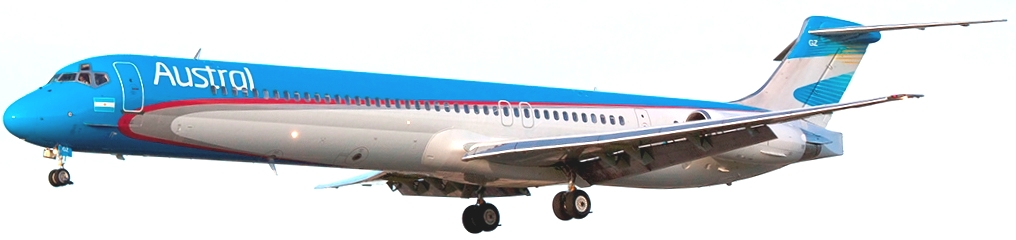
En Junio de 2010 Aerolíneas Argentinas lanzó un nuevo esquema de pintura para renovar la imagen de la aerolínea. La nueva librea se asemeja al color azul de la bandera argentina y al color amarillo del sol. Como su aerolínea subsidiaria, Austral también adoptó la nueva imagen corporativa. La compañía regional anunciaba la incorporación de 20 nuevos Embraer E190-100AR a su flota, recibiendo los dos primeros en Septiembre de 2010 de un total de 26 aviones.
En Octubre 2020 se inició un acuerdo entre la Asociación de Pilotos de Líneas Aéreas (APLA) y la Unión de Aviadores de Líneas Aéreas (UALA), los gremios que representan a los pilotos de Aerolíneas y Austral, respectivamente, para que todos los pilotos pasen a formar parte del staff de Aerolíneas Argentinas bajo un mismo escalafón. Además, se rubricó el acuerdo con los representantes de la Asociación Argentina de Aeronavegantes (AAA) para la unificación de los escalafones de los tripulantes de cabina.
Sinergia AR/AU
El proceso de fusión de Aerolíneas/Austral iniciaba un capítulo culminante frente a los cambios en la aviación comercial mundial producto de la pandemia. Tras las aprobaciones de la Junta Directiva realizadas en Octubre 2020 y la unificación de estructuras, Austral Líneas Aéreas deja de existir como operador aéreo nacional.
A partir del Martes 2 Diciembre de 2020, Aerolíneas Argentinas inicia una nueva etapa integrada, bajo el mismo código AR. El comunicado señala que la compañía Aerolíneas Argentinas ha recibido la certificación de Administración Nacional de Aviación Civil (ANAC) que habilita a las empresas a trabajar de manera unificada sus vuelos, recordando que Austral continuará activa en los papeles como parte accionaria de Aerolíneas Group.
La titular de la ANAC, Paola Tamburelli, ha entregado el Certificado de Explotación que formaliza la fusión entre ambas compañías. De esta manera, Aerolíneas Argentinas y Austral completan un proceso que fue iniciado en Mayo 2020.
La fusión de ambas empresas significa la unificación operativa de las áreas como Mantenimiento, Pilotos y Tripulaciones, eliminando las estructuras duplicadas existentes, argumentando que permitirá una mayor eficiencia y una considerable reducción de costos derivados.
«Hoy es un día histórico para la aviación de nuestro país y para Aerolíneas. Finalizamos el proceso de fusión con Austral y desde mañana nuestras operaciones estarán unificadas. Es una decisión promovida por el presidente, Alberto Fernández, que culmina en el plazo que habíamos previsto. Nuestra compañía nació de la unión de cuatro empresas en la década del 50 y hoy, a poco de cumplir 70 años, una nueva fusión marcará su historia. Nos propusimos superar esta crisis y salir fortalecidos para afrontar un futuro complejo, la fusión es un gran paso en ese sentido», dijo el Presidente de Aerolíneas Argentinas en Twitter.
Perspectivas Aerolíneas Argentinas
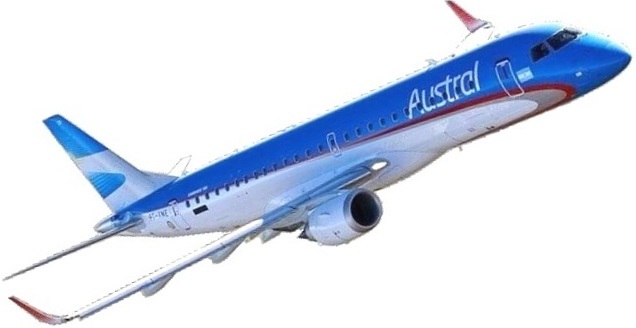
La flota de la línea Embraer E190-100AR comenzará con el proceso gradual bajo el esquema Aerolíneas Argentinas. La aeronave con matrícula LV-FPS, conservará el esquema de la alianza Skyteam, pero bajo el isologotipo de Aerolíneas Argentinas.
El proceso de integración de las áreas de Tripulación de Vuelo (pilotos) como el personal Técnico, así como la estructura MRO, se integrarán en Aerolíneas Argentinas. Actualmente, los simuladores y las instalaciones de formación CEFEPRA se encontraban integrados en el Grupo Aerolíneas. La Callsign, señal de llamada «Austral» será removida.
La compañía ha anunciado que continúan trabajando en la creación de dos nuevas unidades de negocios: división de Cargas y una unidad de Mantenimiento a terceros, que podría generar otras fuentes de ingreso.
El plan integral de fusión ha demandado la participación de unas 500 personas involucradas para avanzar en la sinergia, con dieciséis planes por áreas clave, involucrando doscientas reuniones de trabajo, y la participación de veinte instituciones y organismos externos. Entre otras acciones fundamentales para llevar a cabo tanto el proceso legal-societario, como el regulatorio-operativo se requirió de la modificación de 68 documentos operativos y 540 ítems IOSA (Auditoría de Seguridad Operacional de IATA).
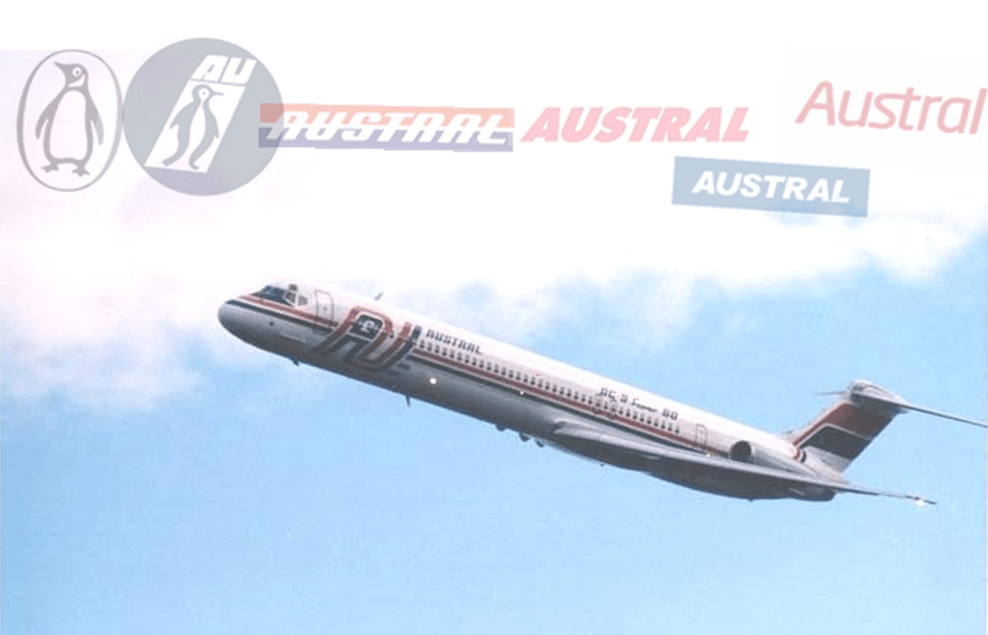
Tras la fusión concertada en Aerolíneas, desaparece de los cielos de Argentina Austral Líneas Aéreas una de las aerolíneas más emblemáticas, representativas y amadas por los argentinos que una vez ha venido a representar el progreso de un país muy extenso, nacida originalmente en el Patagonia, aquella línea aérea inmortalizada por el pingüino austral, aquella aerolínea representada por la grandeza de los pequeños detalles, continuará constituyendo un símbolo indeleble en la memoria de todos los argentinos y una leyenda para la posteridad.
Synergy Aerolíneas/Austral
Austral ends operations as airline in Argentina
On Monday, November 30, 2020, flight AU2763 from Posadas arrives at Ezeiza International Airport at 00:08, officially marking the end of Austral Líneas Aéreas operations as an air carrier. The merger and consolidation process of both companies gives way to the suppression of the Austral livery that will cease to exist in the skies of Argentina. The merger process, which carried political-union overtones, in attempts to materialize after several failed efforts. After the advent of the global health crisis, in May 2020 the Aerolíneas Argentinas Management sent the staff a letter of approach for the merger desired by the board.
Austral history
The origins of the carrier go back to 1957, when Compañía Austral de Transportes Aéreos SACI (CATASACI) was founded, starting regular services in January 1958 at the Trelew Airport, Province of Chubut. CATASACI focused its services in the southwest of Argentina, but also operated international flights to Montevideo, Puerto Montt and Punta Arenas. Aerotransportes Litoral Argentino (ALA) was a company based in Rosario, Santa Fe Province, which was founded in 1957 to operate flights between this city and Buenos Aires using De Aero Commander equipment and operated flights within the north of Argentina. In 1965, Pan Am Airways acquired a 22% stake in ALA in exchange for supplying the DC-3s company. A year later, CATASACI acquired a 30% stake in ALA and the services of both companies were integrated.
In May 1971, the ALA fleet consisted of two C-46, five DC-3, two DC-6B and five YS-11A-300 that served a national network including Buenos Aires, Corrientes, Formosa, Goya, Paraná , Paso de los Libres, Posadas, Resistencia, Rosario, Salta, Santa Fe and Tucumán, in addition to regional services to Antofagasta and Asunción, while CATASACI had a fleet that included seven BAC One-Elevens, BAC-1-11-400 (4) and BAC 1-11-500 (3), Curtiss C-46 (1), a DC-6 (1) and NAMC YS-11 (3). Austral Líneas Aéreas was formally established in June 1971 from the merger of CATASACI and ALA. In practice, the operations of the latter airline were absorbed by CATASACI, which was renamed Austral Líneas Aéreas S.A. after the merger. Austral inherited the fleet of both companies, consisting of NAMC YS-11 and BAC One-Eleven turboprops.
Austral Líneas Aéreas became a government-owned company in 1980. After poor economic results, there were two unsuccessful attempts to reprivatize Austral in 1981 and 1983. During that time Austral and Aerolíneas Argentinas were competitors on a number of national routes. Realizing that such a situation could not persist much longer, the government again decided to privatize Austral. This was strongly resisted by Aerolíneas Argentinas personnel, and more specifically its pilots, who claimed that their salaries were lower than those of Austral’s counterparts. The Aerolíneas Argentinas pilots union understood that the government’s effort was not to resolve the wage dispute of its affiliates, but to focus on privatizing a carrier with losses such as Austral. The consequence of this discrepancy was the announcement that Aerolíneas Argentinas flights should be suspended indefinitely by strike, starting on July 1, 1986. The strike affected both the national and international operations of Aerolíneas Argentinas. Both Argentine and foreign carriers benefited from this strike. Ironically, Austral was included among those carriers, gaining the national market share that Aerolíneas Argentinas had lost.
Austral once again became a private company when it was acquired by the holding company Cielos del Sur S.A. in late 1987. The acquisition generated some controversy over the Argentine aviation sector at the time, as it was argued that the new owner had little or no experience in managing an airline. In April 1988, the airline became a member of IATA. Shortly thereafter, the company faced a plane crash during its new private era on June 12, 1988, when a McDonnell Douglas MD-81 struck a grove of eucalyptus trees on final approach on a low-visibility approach at the Airport. Posadas causing the death of all the occupants. Apart from the 22 fatalities involved in the accident, it also spread concern about the aviation sector about the low occupancy rate of the airline on some routes, of only 10.32% for this particular flight.
Cielos del Sur S.A. and Iberia formed a consortium to acquire an 85% stake in Aerolíneas Argentinas in 1990, within the framework of the privatization of that flag carrier. Shortly after, Cielos del Sur S.A. Austral sold to Iberia. The fate of Aerolíneas Argentinas and Austral was aligned from then on. In July 1998, the company was owned 10% by its former competitor Aerolineas Argentinas.
On July 21, 2008, the Argentine government brought the airline back to state control after acquiring 99.4% of the capital stock for an undisclosed price. The remaining 0.6% is still owned by the company’s employees. In September 2008, the Argentine Senate approved the nationalization of Aerolíneas Argentinas and its subsidiary Austral Líneas Aéreas by 46-21 votes in favor of the acquisition.
In June 2010 Aerolíneas Argentinas launched a new paint scheme to renew the image of the airline. The new livery resembles the blue color of the Argentine flag and the yellow color of the sun. Like its subsidiary airline, Austral also adopted the new corporate image. The regional company announced the incorporation of 20 new Embraer E190-100ARs to its fleet, receiving the first two in September 2010 out of a total of 26 aircraft.
In October 2020, an agreement was initiated between the Airline Pilots Association (APLA) and the Airline Aviators Union (UALA), the unions that represent Aerolineas and Austral pilots, respectively, so that all pilots pass to be part of the Aerolíneas Argentinas staff under the same ranks. In addition, an agreement was signed with the representatives of the Argentine Air Navigation Association (AAA) for the unification of the cabin crew ranks.
AR/AU Synergy
The Aerolíneas/Austral merger process began a culminating chapter in the face of changes in world commercial aviation as a result of the pandemic. After the approvals of the Board of Directors carried out in October 2020 and the unification of structures, Austral Líneas Aéreas ceases to exist as a national air operator.
As of Tuesday, December 2, 2020, Aerolíneas Argentinas begins a new integrated stage, under the same AR code. The statement indicates that the company Aerolíneas Argentinas has received the certification of the National Civil Aviation Administration (ANAC) that enables companies to work in a unified way on their flights, recalling that Austral will continue to act as a shareholder of Aerolineas Group.
The head of the ANAC, Paola Tamburelli, has delivered the Certificate of Exploitation that formalizes the merger between both companies. In this way, Aerolíneas Argentinas and Austral complete a process that was started in May 2020.
The merger of both companies means the operational unification of the areas such as Maintenance, Pilots and Crews, eliminating the existing duplicate structures, arguing that it will allow greater efficiency and a considerable reduction in derived costs.
«Today is a historic day for the aviation of our country and for Airlines. We finalized the merger process with Austral and from tomorrow our operations will be unified. It is a decision promoted by the president, Alberto Fernández, which culminates in the term we had foreseen . Our company was born from the union of four companies in the 50’s and today, shortly after turning 70, a new merger will mark its history. We set out to overcome this crisis and emerge stronger to face a complex future, the merger is a great step in that sense», said the President of Aerolíneas Argentinas on Twitter.
ARRIVAL OF LAST COMMERCIAL FLIGHT AR 2763 FROM AUSTRAL AIRLINES TO EZEIZA NTERNATIONAL AIRPORT ON 11/30/2020
Perspectives Aerolíneas Argentinas
The fleet of the Embraer E190-100AR line will begin with the gradual process under the Aerolíneas Argentinas scheme. The aircraft with LV-FPS registration will retain the Skyteam alliance scheme, but under the Aerolíneas Argentinas logo.
The integration process of the Flight Crew areas (pilots) as the Technical personnel, as well as the MRO structure, will be integrated into Aerolíneas Argentinas. Currently, CEFEPRA simulators and training facilities were integrated into Grupo Aerolíneas. The Callsign, «Austral» call sign will be removed.
The company has announced that they are continuing to work on the creation of two new business units: the Cargo division and a Third Party Maintenance unit, which could generate other sources of income.
The comprehensive merger plan has required the participation of some 500 people involved to advance the synergy, with sixteen plans for key areas, involving two hundred work meetings, and the participation of twenty institutions and external organizations. Among other fundamental actions to carry out both the legal-corporate process, as well as the regulatory-operational process, it was required the modification of 68 operational documents and 540 IOSA items (IATA Operational Safety Audit).
After the concerted merger in Aerolíneas, one of the most emblematic, representative and beloved airlines by Argentines that once came to represent the progress of a very large country, originally born in Patagonia, disappears from the skies of Argentina Austral Líneas Aéreas. that airline immortalized by the southern penguin, that airline represented by the greatness of the small details, will continue to constitute an indelible symbol in the memory of all Argentines and a legend for posterity.
DOT incorpora nuevas reglas prácticas comerciales en aerolíneas
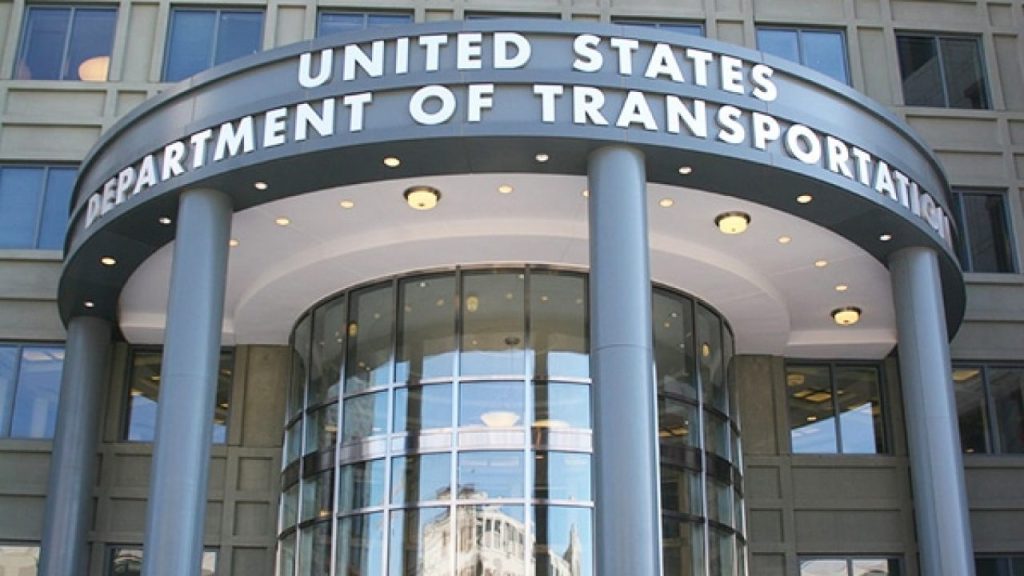
El Departamento de Transporte de los Estados Unidos (DOT) ha anunciado una nueva política la semana pasada que los críticos dicen que hará más difícil para la agencia penalizar a las aerolíneas por prácticas engañosas, según los informes. El DOT debe aplicar una nueva norma al considerar sanciones civiles o nuevas reglamentaciones sobre las compañías aéreas o las agencias de viajes en respuesta a las quejas de los consumidores.
El Viernes 27/11, el Departamento de Transporte ha comunicado que las nuevas normas proporcionan «mayor transparencia y previsibilidad sobre cómo el departamento lleva a cabo sus actividades de elaboración y observancia de la protección del consumidor de aviación». Anteriormente determinó caso por caso si una acción era injusta o engañosa. El Departamento anunció el cambio de política la semana pasada y reconociendo que podría traducirse que el DOT podría realizar menos acciones de cumplimiento y elaboración de reglas contra las aerolíneas y podría alargar el tiempo necesario para completar las acciones.
Reclamos
La Liga Nacional de Consumidores, un grupo de defensa sin fines de lucro, criticó el momento de los cambios pronunciados, calificándola de profundamente decepcionante. «La decisión del DOT, en el apogeo de una pandemia, de arrodillar su capacidad de proteger a millones de viajeros de los abusos de las aerolíneas es profundamente decepcionante. Que el departamento decidiera hacerlo el viernes después de Acción de Gracias pone de relieve que esperan que esta terrible decisión sea olvidada para el Lunes», dijo en un comunicado el Sábado 28/11 por la mañana la Liga Nacional de Consumidores. La representante Katie Porter, una Demócrata, dijo que la regla «debilitaría la aplicación de las protecciones de pasajeros de las aerolíneas». Mientras tanto, Airlines for America (A4A), un grupo comercial que representa a las principales aerolíneas de América del Norte, dijo que las reglas propuestas «beneficiarían al público al mejorar aún más la transparencia, la previsibilidad y la coherencia de los procedimientos de elaboración y aplicación de normas del DOT».
El Domingo 30/11 ha marcado el día de viaje más concurrido en los aeropuertos de Estados Unidos desde Marzo 2020, abriendo así una perspectiva de un paradigma de nuevas leyes y el futuro de nuevos reclamos, que tal vez, esperemos no caigan en saco roto.
DOT announces new aviation policies
DOT incorporates new commercial rules of practice in airlines
The US Department of Transportation (DOT) announced a new policy last week that critics say will make it harder for the agency to penalize airlines for deceptive practices, according to reports. DOT must apply a new rule when considering civil penalties or new regulations on airlines or travel agencies in response to consumer complaints.
On Friday 11/27, the Department of Transportation announced that the new rules provide «greater transparency and predictability of how the department conducts its aviation consumer protection enforcement and development activities». It previously determined on a case-by-case basis whether an action was unfair or misleading. The Department announced the policy change last week, recognizing that it could mean that DOT could take fewer enforcement and rule-making actions against airlines and could lengthen the time needed to complete the actions.
Claims
The National Consumers League, a nonprofit advocacy group, criticized the timing of the pronounced changes, calling it deeply disappointing. «The DOT’s decision, at the height of a pandemic, to kneel down its ability to protect millions of travelers from airline abuse is deeply disappointing. That the department decided to do so on the Friday after Thanksgiving underscores that they hope may this terrible decision be forgotten for Monday, «the National Consumers League said in a statement Saturday morning 11/28. Rep. Katie Porter, a Democrat, said the rule would «weaken the enforcement of airline passenger protections». Meanwhile, Airlines for America (A4A), a trade group representing North America’s major airlines, said the proposed rules «would benefit the public by further enhancing the transparency, predictability and consistency of drafting procedures. and enforcement of DOT standards».
Sunday 11/30 has marked the busiest travel day in United States airports since March 2020, thus opening a perspective of a paradigm of new laws and the future of new claims, which perhaps, we hope they do not fall on deaf ears.
Gobierno extiende concesión aeropuertos a Corporación América
El Estado de Argentina ha extendido la concesión de los treinta y cinco de los principales aeropuertos del país bajo la órbita concesionaria de Aeropuertos Argentina 2000 (AA2000) que concluiría hacia 2030, por un período extensivo hasta 2038.
El Gobierno de Argentina, luego de una recomendación del Organismo Regulador del Sistema Nacional de Aeropuertos (ORSNA), ha extendido la concesión de Aeropuertos Argentina 2000 por un período extendivo adicional de ocho años de 2030 hasta 2038. El acuerdo ha sido firmado en una reunión que se llevó a cabo este Lunes 30/11 en el Salón Científicos de la Casa Rosada con la presencia del Presidente Alberto Fernández, Eduardo Eurnekian, Presidente de Corporación América; Martín Eurnekian, Presidente de AA2000, Daniel Ketchibachian, CEO de la empresa, el Ministro de Transporte Mario Meoni, y las autoridades de ORSNA, el Presidente Carlos Lugones Aignasse, Vicepresidente Fernando Muriel y la Primera Vocal Pilar Becerra.
La compañía aeroportuaria AA2000 generará inversiones por un valor de US$ 2.500 millones de los cuales US$ 1.400 se desembolsarán en los primeros siete años. La empresa de Corporación América es la encargada de operar 35 terminales en todo el país. Además controla aeropuertos en Brasil, Armenia, Italia, Ecuador, Perú y Uruguay.
“En el marco del peor año para nuestra concesión, reafirmamos el compromiso con el país, con el desarrollo de la industria, el turismo y las comunidades donde operamos. Implementaremos un plan de obras federal que generará 15.000 puestos de trabajo”, señaló Eduardo Eurnekian, titular de Aeropuertos Argentina 2000.
REUNIÓN GOBIERNO-CORPORACIÓN AMÉRICA EN DESPACHO SEDE GOBIERNO PARA LA FIRMA EXTENSIÓN CONCESIONARIA
“El contrato prevé 30 años y 10 más, que son los que extendemos. Lo hacemos ahora, ocho años antes del vencimiento, por varios factores, pero sobre todo por el contexto de la pandemia que afectó mucho la sustentabilidad del negocio. Desde entonces estamos pensando cómo salir adelante y por eso esta medida anticíclica. En 2019 ya habíamos cumplido con el compromiso de obras hasta 2028, pero la pandemia hace que tengamos que tomar medidas firmes para poner de pie una industria muy golpeada. Este contrato nuevo nos da sustentabilidad para lo que viene, con un plan agresivo de inversiones en un momento en el que le mundo no invierte”, afirmó el Presidente de Corporación América, Eduardo Eurnekian. “El Presidente pide señales al empresariado de que el trabajo conjunto entre el sector público y el privado tiene que llevar a un círculo virtuoso que genere las inversiones que tanto necesita el país. Esta es una señal en ese sentido”, expresó Martín Eurnekian. Daniel Ketchibachian, CEO de la empresa, agregó: “Antes de la pandemia ya teníamos un plan que se iba actualizando, pero cambiaron las prioridades. Reiniciaremos la obras paradas, sobre todo en el interior del país, y el resto se irá organizando con el regulador”.
Resurgir como Ave Fénix
El mercado aerocomercial mundial ha caído a históricos nunca vistos alcanzando niveles de depresión de tráfico aéreo global. El concesionario AA2000 expresa que la mayor crisis de la historia para el sector aerocomercial ha golpeado fuertemente a las aerolíneas y los aeropuertos, citando a la Asociación Internacional de Transporte Aéreo (IATA) y el Concejo Internacional de Aeropuertos (ACI), de un colapso total con muchas líneas aéreas y aeropuertos del mundo en grandes dificultades. La IATA estima que las líneas aéreas del mundo perderán durante 2020 ingresos por US$ 418.000 millones y ACI que se perderán 5.600 millones de pasajeros y una caída en la facturación global del sistema aeroportuario de US$ 104.500 millones. En la Región Latinoamérica habrá un 61% menos de pasajeros que el año pasado y una reducción de ingresos por valores de US$ 6.500 millones.
Sondeos AA2000
Según AA2000, desde Marzo 2020 en Argentina “el tráfico cayó 98% versus el año anterior. De enero a septiembre la caída interanual es 70,4% en tráfico internacional y 72,9% en doméstico. Las proyecciones indican que el año 2020 cerrará con una caída de 77% versus el total de tráfico 2019. La compañía pasó por emociones impensadas en estos meses. Nadie contempló un año sin tráfico. Esto testeó nuestra capacidad de adaptación, como grupo humano, con la relación con los sindicatos, con todo. Respondimos”, dijo Eduardo Eurnekian.
Los ingresos locales, en tanto, cayeron más de un 57 por ciento. “Cerca de tres cuartos de los ingresos de la empresa están directamente vinculados al tráfico de pasajeros. El resto corresponde a la actividad de carga, que no sufrió interrupciones durante esta crisis, aunque sí una fuerte reducción de volumen”, detallaron desde AA2000. Se estima que a nivel mundial recién en 2024 el tráfico alcanzará niveles similares a 2019. En medio de la crisis, la empresa anunció reformas en el Aeroparque Jorge Newbery, que estará cerrado hasta Febrero 2020. La inversión para alargar la pista y remodelar otros sectores de la terminal es de más de US$ 5.000 millones de Dólares.
Tributo al Diez
Ese cronograma oficial de obras no incluye la estatua de Diego Maradona en el Aeropuerto de Ezeiza. Se trata de una promesa personal que Eduardo Eurnekian le hizo años atrás al mejor jugador del fútbol de la historia, quien murió la semana pasada. La estatua estará terminada hacia finales de año 2020 donde se podrá exhibir al Diez en sus días de gloria par a perpetuidad de la memoria colectiva del mundo entero.
La concesión
AA2000 firmó su contrato de concesión original en 1998, pero se renegoció en 2002 como ocurrió con todas las compañías concesionarias de servicios públicos luego de la crisis económica. La inversión total en obras de infraestructura desde 1998 a 2020 ascendió a más de US$ 2.500 millones de Dólares. En este período se aportaron al Estado Nacional US$ 1.800 millones en concepto de canon y se hicieron obras en 20 provincias, modernizando 30 aeropuertos.
Argentina extends concession to AA2000
Government extends airport concession to Corporación América
The State of Argentina has extended the concession of the thirty-five of the main airports in the country under the concessionary orbit of Airports Argentina 2000 (AA2000) that would conclude around 2030, for an extensive period until 2038.
The Government of Argentina, following a recommendation from the Regulatory Body of the National Airport System (ORSNA), has extended the concession of Airports Argentina 2000 for an additional eight-year period from 2030 to 2038. The agreement was signed at a meeting which was held this Monday 11/30 in the Casa Rosada Scientific Room with the presence of President Alberto Fernández, Eduardo Eurnekian, President of Corporación América; Martín Eurnekian, President of AA2000, Daniel Ketchibachian, CEO of the company, the Minister of Transport Mario Meoni, and the ORSNA authorities, the President Carlos Lugones Aignasse, Vice President Fernando Muriel and the First Vocal Pilar Becerra.
The airport company AA2000 will generate investments for a value of US$ 2,500 million, of which US$ 1,400 will be disbursed in the first seven years. The Corporación América company is in charge of operating 35 terminals throughout the country. It also controls airports in Brazil, Armenia, Italy, Ecuador, Peru and Uruguay.
“In the context of the worst year for our concession, we reaffirm our commitment to the country, to the development of industry, tourism and the communities where we operate. We will implement a federal works plan that will generate 15,000 jobs», said Eduardo Eurnekian, head of Airports Argentina 2000.
“The contract foresees 30 years and 10 more, which are the ones that we extend. We do it now, eight years before expiration, due to various factors, but above all due to the context of the pandemic that greatly affected the sustainability of the business. Since then we have been thinking about how to get ahead and that is why this countercyclical measure. In 2019 we had already fulfilled the commitment of works until 2028, but the pandemic means that we have to take firm measures to put a very battered industry on its feet. This new contract gives us sustainability for what is to come, with an aggressive investment plan at a time when the world is not investing”, stated the President of Corporación América, Eduardo Eurnekian. “The President asks for signals from the business community that joint work between the public and private sectors must lead to a virtuous circle that generates the investments that the country so badly needs. This is a sign in that sense”, expressed Martín Eurnekian. Daniel Ketchibachian, CEO of the company, added: “Before the pandemic we already had a plan that was being updated, but the priorities changed. We will restart the stopped works, especially in the interior of the country, and the rest will be organized with the regulator”.
Resurface as a Phoenix
The world commercial aviation market has fallen to unprecedented records reaching levels of global air traffic depression. The AA2000 concessionaire expresses that the biggest crisis in history for the commercial aviation sector has hit airlines and airports hard, citing the International Air Transport Association (IATA) and the International Airports Council (ACI), from a total collapse with many airlines and airports around the world in great difficulty. IATA estimates that the world’s airlines will lose revenues of US$ 418 billion during 2020 and ACI that 5.6 billion passengers will be lost and a drop in global airport system billing of US$ 104.5 billion. In the Latin America Region there will be 61% fewer passengers than last year and a reduction in revenue of US$ 6.5 billion.
AA2000 probes
According to AA2000, since March 2020 in Argentina “traffic fell 98% versus the previous year. From January to September, the interannual fall is 70.4% in international traffic and 72.9% in domestic traffic. Projections indicate that 2020 will close with a 77% drop versus 2019 total traffic. The company went through unthinkable emotions in these months. No one contemplated a year without traffic. This tested our ability to adapt, as a human group, with the relationship with the unions, with everything. We responded«, said Eduardo Eurnekian.
Local revenues, meanwhile, fell more than 57 percent. “About three-quarters of the company’s income is directly related to passenger traffic. The rest corresponds to cargo activity, which did not suffer interruptions during this crisis, although it did suffer a strong reduction in volume”, they detailed from AA2000. It is estimated that worldwide traffic will only reach levels similar to 2019 in 2024. In the midst of the crisis, the company announced reforms at Jorge Newbery Airport, which will be closed until February 2020. The investment to extend the runway and remodel other sectors of the terminal is more than US$ 5,000 million.
Tribute to Ten
This official schedule of works does not include the statue of Diego Maradona at the Ezeiza Airport. It is a personal promise that Eduardo Eurnekian made years ago to the greatest soccer player in history, who died last week. The statue will be finished towards the end of the year 2020 where the Ten can be exhibited in its glory days for the perpetuity of the collective memory of the whole world.
The concession
AA2000 signed its original concession contract in 1998, but it was renegotiated in 2002, as was the case with all public utility concession companies after the economic crisis. The total investment in infrastructure works from 1998 to 2020 amounted to more than US$ 2.5 billion. During this period, US$ 1,800 million was contributed to the National State as a canon and works were carried out in 20 provinces, modernizing 30 airports.
















 airgways.com