Viajar tiempos pandemia en Argentina

AW | 2020 11 16 20:53 | AIR TRAFFIC / GOVERNMENT

Protocolos, documentación necesaria para usuarios transporte aéreo

El Gobierno de Argentina ha autorizado el libre tránsito delos pasajeros no habiendo restricciones impuestas para volar dentro y fuera del Argentina. Todo usuario del transporte deberá cumplimentar requisitos y formularios de declaración jurada en caso de que se cierren las fronteras nuevamente, no vas a requerir ayuda del de las agencias Consulares para volver.

Respecto a los vuelos internacionales, algunos países piden PCR negativo; otros, seguro médico; otros, cuarentena. Cada país tiene sus normas. A Europa pueden ingresar solo los argentinos que tengan un pasaporte de la Comunidad Europea (CE) o que tengan residencia, visa de trabajo o de estudio o por reunión familiar. A Estados Unidos podemos viajar sin hacer cuarentena, excepto en Nueva York, donde exigen visa de turista, de trabajo o de estudio. En México solicitan cuarentena y al Reino Unido cuarentena de 14 días, República Dominicana o Brasil se puede ingresar con seguro médico. En el sitio Reopen.europa.eu podés los pasajeros pueden chequear las restricciones para los países europeos También hay una página oficial de IATA iatatravelcentre.com donde se puede realizar un simulacro ingresando pasaporte y te dice si estás habilitado para viajar. También está bueno seguir en Twitter las cuentas oficiales de las embajadas en Argentina porque ellas van actualizando acerca de las habilitaciones de la programación de los vuelos disponibles aprobados.

Viajar a Argentina

Por el momento, no pueden ingresar turistas al país. Los argentinos que ingresen tienen que hacer cuarentena obligatoria por 14 días en un domicilio declarado y para salir del país también hay que realizar cuarentena de catorce días antes del vuelo.

Vuelos interior

Todavía no se puede viajar por el interior del país como turista. Se habilitó solo para trabajadores esenciales con certificado único habilitante para circular, que se saca con la app Cuidar, personas que deban realizarse tratamientos médicos y otras que exhiban razones de fuerza mayor: varados internos, personas que necesiten asistir a familiares o a quienes deban trasladarse para tomar un vuelo internacional.

Protocolos Aeropuertos

Hay círculos pintados en el piso para mantener la distancia al momento de hacer las colas; expendedores de alcohol en gel por todos lados; cuando ingresás te toman la temperatura; solamente podés ingresar a la terminal si vas a viajar, no se permiten acompañantes; tenés que firmar la declaración jurada al salir y al volver, es obligatoria; en los counters pusieron los vidrios separadores, que antes no estaban, para evitar el contacto y es obligatorio usar barbijo en todo momento.

Protocolos aerolíneas

La tripulación y los pasajeros tienen que ir con barbijo todo el tiempo. Las líneas aéreas recomiendan que se lleven por lo menos cuatro o cinco barbijos para ir cambiando cada tres horas durante el vuelo. Hay algunas aerolíneas que obligan a que sean quirúrgicos y no tapabocas de tela. Con respecto a las comidas, te entregan una vianda, como una caja, con cosas frías antes de subir al avión para que durante el vuelo no haya manejo de servicios ni contacto innecesario. Es más seguro estar en vuelo dentro de un avión que haciendo la fila en la verdulería. El aire en el avión se renueva constantemente ya que usan los filtros HEPA (los mismos que se utilizan en los quirófanos), que atrapan el 97% de las bacterias. Encima, tienen un sistema con el que el aire circula de arriba hacia abajo reciclándose. De hecho, no hay pruebas de que en los últimos vuelos haya habido contagios dentro de un avión.

Oferta pasajes

Algunas aerolíneas del mundo bajaron sus precios de sus pasajes aéreos. En Argentina, de donde solo salen vuelos especiales, todavía hay más demanda que oferta, lo que hace que los precios no bajen. Hay ofertas de pasajes, pero los impuestos del 77% los encarecen. Los vuelos especiales a Europa están saliendo bastante completos, los vuelos a Estados Unidos también. Para viajar en el futuro cercano no es probable que bajen, sí seguramente haya ofertas para el año que viene, para comprar por adelantado. Igual, se debe observar bien la letra chica, las condiciones de la tarifa, si permite cambios. Además, hay que tener en cuenta que, después del último recargo del 35% sobre la compra en dólares, el 77% del pasaje es impuestos, lo que lo encarece muchísimo. Hay países que te permiten permanecer en zona de tránsito por 24 hs. Por ejemplo, viajar a Irlanda o Reino Unido se puede hacer tránsito en España, Países Bajos o Francia, recordando en aquellos que tengan nacionalidad europea o Pasaporte de la Comunidad Europea, se puede tener una estadía de hasta 24 horas sin salir del área de tránsito, priorizando que los dos tramos de vuelos sean con la misma aerolínea para que el equipaje viaja viaje más directo a destino.

Travel in times of pandemic in Argentina

Protocols, necessary documentation for air transport users

AW-700338

The Government of Argentina has authorized the free transit of passengers, with no restrictions imposed on flying in and out of Argentina. All transport users must complete requirements and affidavit forms in case the borders are closed again, you will not require help from the Consular agencies to return.

Regarding international flights, some countries ask for negative PCR; others, health insurance; others, quarantine. Each country has its own rules. Only Argentines who have a European Community (CE) passport or who have residence, work or study visa or by family reunion can enter Europe. We can travel to the United States without quarantine, except in New York, where they require a tourist, work or study visa. In Mexico they request quarantine and the United Kingdom quarantine for 14 days, the Dominican Republic or Brazil you can enter with medical insurance. On the Reopen.europa.eu site, passengers can check the restrictions for European countries. There is also an official IATA page iatatravelcentre.com where you can perform a simulation by entering your passport and it tells you if you are authorized to travel. It is also good to follow the official accounts of the embassies in Argentina on Twitter because they are updating about the authorizations of the approved available flight programming.

Travel to Argentina

At the moment, tourists cannot enter the country. Argentines who enter have to do mandatory quarantine for 14 days at a declared address and to leave the country they also have to quarantine fourteen days before the flight.

Indoor flights

You still cannot travel inside the country as a tourist. It was enabled only for essential workers with a unique certificate enabling them to circulate, which is obtained with the Caring app, people who must undergo medical treatment and others who show reasons of force majeure: internally stranded, people who need to assist relatives or those who must move to take an international flight.

Airports protocols

There are circles painted on the floor to maintain distance when queuing; gel alcohol dispensers everywhere; when you enter they take your temperature; You can only enter the terminal if you are going to travel, companions are not allowed; You have to sign the affidavit when leaving and when returning, it is mandatory; In the counters they put the separating glasses, which were not there before, to avoid contact and it is mandatory to wear a chinstrap at all times.

Airline protocols

The crew and passengers have to wear a chinstrap at all times. Airlines recommend wearing at least four or five chinstraps to change every three hours during the flight. There are some airlines that require them to be surgical and not cloth masks. With regard to meals, they give you a lunch box, like a box, with cold things before boarding the plane so that during the flight there is no handling of services or unnecessary contact. It is safer to be in flight in an airplane than to stand in line at the grocery store. The air in the plane is constantly renewed as they use HEPA filters (the same ones used in operating rooms), which trap 97% of bacteria. Above, they have a system with which the air circulates from top to bottom, recycling itself. In fact, there is no evidence that in recent flights there have been infections inside a plane.

Offer tickets

Some airlines in the world lowered their prices for their air tickets. In Argentina, where only special flights depart, there is still more demand than supply, which means that prices do not fall. There are ticket offers, but the 77% taxes make them more expensive. The special flights to Europe are going quite full, the flights to the United States as well. To travel in the near future they are not likely to go down, yes there will surely be offers for next year, to buy in advance. Likewise, take a good look at the fine print, the conditions of the rate, if it allows changes. In addition, it must be taken into account that, after the last 35% surcharge on the purchase in dollars, 77% of the ticket is taxes, which makes it very expensive. There are countries that allow you to stay in the transit zone for 24 hours. For example, traveling to Ireland or the United Kingdom can be made transit in Spain, the Netherlands or France, remembering in those who have European nationality or Passport of the European Community, you can stay up to 24 hours without leaving the transit area, prioritizing that the two sections of flights are with the same airline so that the luggage travels more direct trip to destination.


PUBLISHER: Airgways.com
DBk: Argentina.gob.ar / Iata.org / Airgways.com / Lanacion.com.ar / Clarin.com
AW-POST: 202011162053AR

A\W   A I R G W A Y S ®

Gobierno México respalda a Interjet

AW | 2020 11 16 09:37 | AIRLINES / GOVERNMENT

Gobierno evitaría la bancarrota de la low cost

Interjet_Isologotype.svg

La situación de la aerolínea de presupuesto de México Interjet se torna complicada tras el retiro del accionista Carlos Cabal Peniche, quien planificaba inyectar capitalización. Paralelamente, otro inversionista Alejandro del Valle, tampoco ha inyectado los US$ 150 millones de Dólares que había anunciado, que actualmente posee el 90% de las acciones de la aerolínea.

Desde la Secretaría de Comunicaciones y Transportes de México, el responsable de la cartera, Jorge Arganis Díaz, ha expresado que Interjet no será una próxima Mexicana de Aviación, por lo que detalló el compromiso del Gobierno Federal para respaldar a la aerolínea, aunque manifestó que la compañía debe componer varios de sus problemas internos, como así también resolver problemas fiscales importantes, como así también debe reestructurar una deuda de Mx$ 600 millones de Pesos a Aeropuertos y Servicios Auxiliares (ASA).

Expertos en la materia afirman que se encamina a la quiebra o al concurso mercantil, dependiendo de cual sea la vía que elijan los directivos para tratar de reestructurar a la aerolínea y eventualmente seguir operando. Ante esta situación, subrayan los analistas, se espera que el Gobierno actúe de inmediato y apoye a la aerolínea, pues de otra forma no llegaría a fin de año. No obstante, aseguran que si el Gobierno apoya a Interjet, tendría que estar apoyando a todas las aerolíneas del país, ya que la pandemia las ha dejado en una posición muy vulnerable. La Procuraduría Federal del Consumidor (Profeco), ya ha hecho la primera alerta a los viajeros para que no compren con la aerolínea, ya que ha dejado de ser una empresa confiable.

El Director General del Diario El Financiero, Enrique Quintana, refiere que no tiene salvación: “No se cuánto oxigeno para darle vida artificial piense darle el Gobierno, pero si lo desconectaran, Interjet ya no funcionaría después de un par de días, creo que es cuestión de tiempo para que sea la otra Mexicana”.

Government of Mexico supports Interjet

Government would avoid low cost bankruptcy

The situation of Mexico’s budget airline Interjet becomes complicated after the retirement of shareholder Carlos Cabal Peniche, who planned to inject capitalization. At the same time, another investor, Alejandro del Valle, has not injected the US$ 150 million that he had announced, which currently owns 90% of the airline’s shares.

From the Ministry of Communications and Transport of Mexico, the head of the portfolio, Jorge Arganis Díaz, has expressed that Interjet will not be the next Mexican Aviation, for which he detailed the commitment of the Federal Government to support the airline, although he stated that The company must fix several of its internal problems, as well as solve important fiscal problems, as well as restructure a debt of Mx$ 600 million pesos to Airports and Auxiliary Services (ASA).

Experts in the field affirm that it is heading for bankruptcy or commercial bankruptcy, depending on which path the managers choose to try to restructure the airline and eventually continue operating. Given this situation, analysts emphasize, the government is expected to act immediately and support the airline, otherwise it would not reach the end of the year. However, they assure that if the Government supports Interjet, it would have to be supporting all the country’s airlines, since the pandemic has left them in a very vulnerable position. The Federal Consumer Prosecutor’s Office (Profeco) has already issued the first alert to travelers not to buy with the airline, since it is no longer a reliable company.

The General Director of El Financiero newspaper, Enrique Quintana, says that he has no salvation: “I don’t know how much oxygen to give it artificial life the Government thinks to give it, but if they disconnected it, Interjet would no longer work after a couple of days, I think it’s a matter time for it to be the other Mexican”.


PUBLISHER: Airgways.com
DBk: Gov.mx / Interjet.com / Airgways.com / Reuters.com / Elfinanciero.com.mz
AW-POST: 202011160937AR

A\W   A I R G W A Y S ®

Argentina vs crisis aviación

AW | 2020 11 15 14:01 | AIRLINES MARKET / GOVERNMENT

La aviación incursiona en una crisis sin precedentes

El sector aeronáutico es uno de los más afectados a nivel mundial por la crisis de la actual pandemia. Sólo durante el primer semestre del año se cancelaron 7,5 millones de operaciones. La Asociación Internacional de Transporte Aéreo (IATA) ha estimado una pérdida de US$ 84,3 billones de Dólares para este año 2020 y una retracción de la demanda en torno al 54%, números que pregonan la mayor crisis del sector en la historia reciente de la aviación. Un gran número de países, al tiempo que aplicaron medidas de aislamiento social, cerraron las fronteras aéreas para limitar la propagación de los contagios. Según IATA, el indicador que muestra el tránsito de pasajeros marcó un piso histórico en Abril 2020, cuando registró una caída de 94,1% interanual.

Muchos de los gobiernos del mundo han permitido en sus aerolíneas ingresar como capitalizadores, en algunos ejemplos, como accionista mayoritario, una tendencia para salvaguardar el colapso de los grandes transportadores.

Europa

En Europa la actual crisis sanitaria pone en jaque a la industria del transporte que ha llevado a que distintos estados abran un paréntesis al respecto e implementen una batería de medidas que van desde el aplazamiento de pago de las tarifas aeroportuarias y de navegación aérea, hasta desembolsos millonarios.

Los primeros países en anunciar rescates financieros a las compañías aéreas fueron Alemania, Italia y Francia. Alemania aprobó un plan de ayuda de hasta € 9.000 millones para Lufthansa. El Estado alemán obtiene el 20% del paquete accionario de la firma. Italia definió en Abril 2020 llevar adelante la nacionalización de Alitalia que se encuentra en concurso desde 2017 por sus problemas financieros, formando parte de una aerolínea bajo la esfera estatal. La nueva aerolínea contará con una inyección de € 3.000 millones. En Francia, que posee un 14% del capital de Air France, anunció a fines de 04/2020 ha anunciado una inyección económica histórica de € 7.000 millones de Euros. España confirmó hace una semana la entrega de un préstamo de € 475 millones a devolver en seis años a Air Europa, la principal línea aérea de capital español. Se trata del primer desembolso de fondos públicos del estado español a una empresa afectada por la crisis del COVID-19. La mejora en los indicadores está traccionada por el mercado de vuelos de cabotaje, el cual comenzó a flexibilizarse en países de Europa a partir de Julio 2020.

América

En Julio 2020, Estados Unidos anunció el mayor programa de asistencia financiera de la historia al sector privado, que incluyó US$ 25.000 millones para compañías aéreas. Las ayudas gubernamentales no han alcanzado para soportar el retroceso económico de los mega-compañías, aún con el transporte aéreo abierto con algunas restricciones por parte de las líneas aéreas. Durante los últimos meses se observa una leve reactivación y recuperación del sector de la aviación, pero las nuevas olas de contagios no permiten avizorar un panorama alentador para los meses venideros, aunque la esperanza ahora está focalizada enn las vacunas para frenar al virus. Según el segmento del mercado que se analice, se observa una situación diferenciada respecto a América Latina, con una situación de mayor vulnerabilidad.

Asia

En el mercado asiático, con China en primer lugar, continúan superando las barreras y dificultades post-pandemia, alcanzado en particular el primer superhábit de la compañía China Southern Airlines en sus ejercicios económicos de este año 2020. En Septiembre 2020, la contracción fue de 43,3% interanual. China y Rusia tuvieron fuertes contribuciones a la mejora de este indicador, ya que ambos mercados están operando en niveles cercanos a la pre pandemia. Por otra parte, el mercado de vuelos internacionales continúa operando en mínimos históricos. Con una caída de 88,8% interanuales en 09/2020, tuvo un peor desempeño que en Agosto. Ello es resultado de que más de 70 países mantienen sus fronteras cerradas al turismo.

Aviación Argentina

La República Argentina, el espacio aéreo fue cerrado el 20 de Marzo de 2020, día en que se decretó el Aislamiento Social, Preventivo y Obligatorio (ASPO), operando únicamente vuelos humanitarios, de carga y de repatriación, alcanzando una contracción de mercado cercano al 995 según cifras presentadas por la Administración Nacional de Aviación Civil (ANAC). Después de siete meses y medio el Gobierno habilitaba a partir del 1 Noviembre 2020, con la publicación en el Boletín Oficial el 15/10 del Ministerio de Transporte la reanudación de los vuelos domésticos para usuarios esenciales, personas que deban realizar tratamientos médicos y por motivos de fuerza mayor, mostrando una tracción lenta hacia la normalización de los servicios aéreos. La baja de la curva de contagios podría mejorar las perspectivas de las siguientes fases sanitarias para comenzar a fomentar las conexiones interprovinciales, pero dependerá de la situación endémica.

El apoyo del Estado a Aerolíneas Argentinas ha representado una salvaguarda decisiva para evitar la quiebra de la aerolínea de bandera. Las medidas adoptadas en el marco de la pandemia, con la transferencia del Adelantos del Tesoro Nacional (ATN) por valores a AR$ 16.894 millones de Pesos ha permitido subsidiar a la compañía frente a un colapso inminente. El proceso de fusión de Austral Líneas Aéreas continúa frenado por las posturas sindicales y de accionistas.

AW-Argentina post-pandemia

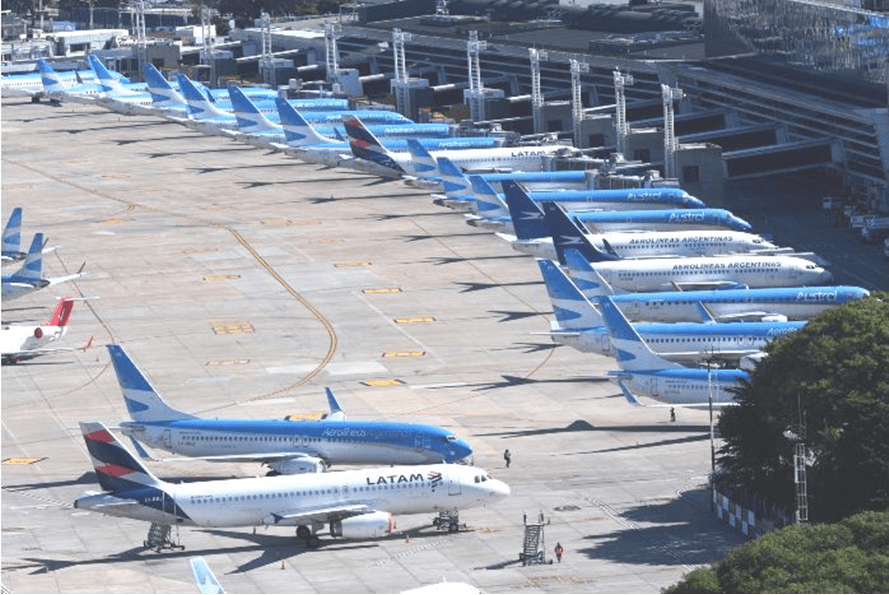
El mayor impacto se ha sentido en el sector de las aerolíneas privadas, donde las aéreas como Flybondi Líneas Aéreas, JetSmart Airlines Argentina, Andes Líneas Aéreas, American Jet Líneas Aéreas, continúan sobreviviendo después de siete meses y medio sin asistencias y en un entorno de reapertura muy limitada y con dificultades políticas y logísticas por el conflicto con el Aeropuerto El Palomar.

Otras aerolíneas no pudieron soportar la puesta en tierra de la aviación por el tiempo prolongado establecido, arrastrando a Latam Airlines Argentina, Flyest Líneas Aéreas, LAER Líneas Aéreas y Avianca Argentina que continúa desprendiéndose de sus empleados.

Ante la falta de ayudas por parte del Estado y la desidia que fomenta las inacciones por parte de la política de turno, generan una indignación por parte de los ciudadanos que no hacen otra cosa que observar como el país va hacia una concentración de un mercado monopólico, estimulado entre bastidores, por parte de un Estado-dependiente de Aerolíneas Argentinas.

Perspectivas aéreas

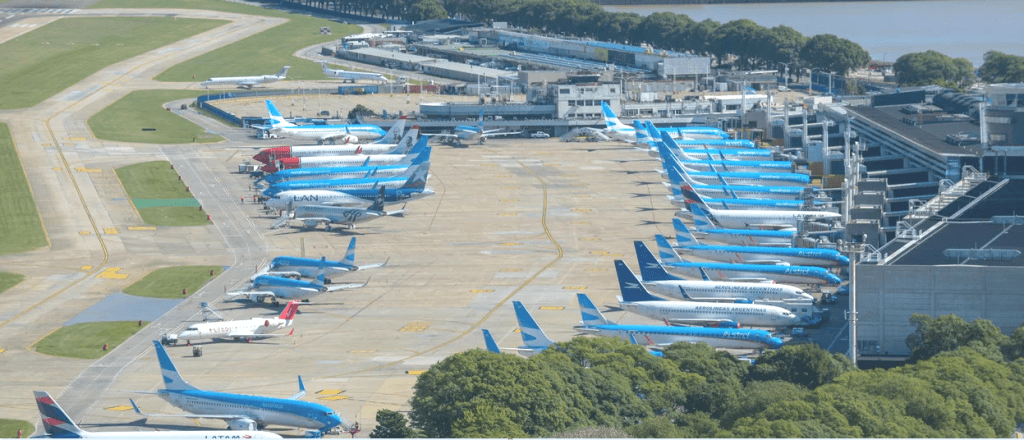
El próximo escenario aéreo estará focalizado a garantizar a las líneas aéreas en Argentina trabajar en las mismas condiciones y reglas que en Aerolíneas Argentinas. Es imperante que el Gobierno de Argentina establezca definiciones claras respecto al Aeropuerto El Palomar y permita la continuidad de la aeroestación que ha generado un impacto positivo en el flujo de tráfico aéreo. Por otro lado, el Aeropuerto Jorge Newbery, que se espera concluir las mejoras que se están efectuando hacia Abril 2020, permitan la pluralidad de compañías aéreas argentinas que operen desde esta aeroestación, estimulando la creación de más líneas aéreas para trabajar en un entorno de economía abierta y diversificada.

Argentina vs aviation crisis

Aviation enters an unprecedented crisis

The aeronautical sector is one of the most affected worldwide by the crisis of the current pandemic. Only during the first half of the year 7.5 million operations were canceled. The International Air Transport Association (IATA) has estimated a loss of US$ 84.3 billion dollars for this year 2020 and a retraction in demand of around 54%, numbers that herald the biggest crisis in the sector in recent history of aviation. A large number of countries, while applying social isolation measures, closed air borders to limit the spread of infections. According to IATA, the indicator that shows passenger traffic marked a historic low in April 2020, when it registered a fall of 94.1% year-on-year.

Many of the world’s governments have allowed their airlines to enter as capitalizers, in some examples, as a majority shareholder, a trend to safeguard the collapse of the large carriers.

Europe

In Europe, the current health crisis puts the transport industry in check, which has led different states to open a parenthesis in this regard and implement a battery of measures that range from postponing payment of airport and air navigation fees, to disbursements millionaires.

The first countries to announce financial bailouts to airlines were Germany, Italy and France. Germany approved an aid plan of up to € 9 billion for Lufthansa. The German state obtains 20% of the firm’s share package. Italy defined in April 2020 to carry out the nationalization of Alitalia that has been in competition since 2017 due to its financial problems, forming part of an airline under the state sphere. The new airline will have an injection of € 3,000 million. In France, which owns 14% of the capital of Air France, announced at the end of 04/2020 has announced a historic economic injection of € 7,000 million euros. Spain confirmed a week ago the delivery of a € 475 million loan to be repaid in six years to Air Europa, the main airline with Spanish capital. It is the first disbursement of public funds from the Spanish state to a company affected by the COVID-19 crisis. The improvement in the indicators is driven by the domestic flight market, which began to become more flexible in European countries as of July 2020.

America

In July 2020, the United States announced the largest financial assistance program in history to the private sector, which included US$ 25 billion for airlines. Government aid has not been enough to support the economic decline of the mega-companies, even with open air transport with some restrictions on the part of the airlines. In recent months, a slight reactivation and recovery of the aviation sector has been observed, but the new waves of infections do not allow for an encouraging outlook for the coming months, although hope is now focused on vaccines to stop the virus. According to the market segment analyzed, a different situation is observed compared to Latin America, with a situation of greater vulnerability.

Asia

In the Asian market, with China in the first place, they continue to overcome post-pandemic barriers and difficulties, in particular the first super-habitat of the China Southern Airlines company in its financial years this year 2020. In September 2020, the contraction was of 43.3% year-on-year. China and Russia had strong contributions to the improvement of this indicator, since both markets are operating at levels close to the pre-pandemic. On the other hand, the international flight market continues to operate at historic lows. With a fall of 88.8% year-on-year in 09/2020, it had a worse performance than in August. This is the result of more than 70 countries keeping their borders closed to tourism.

Argentine aviation

The Argentine Republic, the airspace was closed on March 20, 2020, the day on which the Social, Preventive and Mandatory Isolation (ASPO) was decreed, operating only humanitarian, cargo and repatriation flights, reaching a market contraction close to 995 according to figures presented by the National Civil Aviation Administration (ANAC). After seven and a half months, the Government enabled as of November 1, 2020, with the publication in the Official Gazette on 10/15 of the Ministry of Transport, the resumption of domestic flights for essential users, people who must perform medical treatments and for reasons of force majeure, showing a slow traction towards the normalization of air services. The lowering of the contagion curve could improve the prospects for the next health phases to start promoting interprovincial connections, but it will depend on the endemic situation.

The support of the State to Aerolíneas Argentinas has represented a decisive safeguard to avoid the bankruptcy of the flag carrier. The measures adopted in the framework of the pandemic, with the transfer of the Advances from the National Treasury (ATN) for amounts of AR$ 16,894 million pesos, has allowed the company to be subsidized in the face of an imminent collapse. The Austral Líneas Aéreas merger process continues to halt due to union and shareholder positions.

The greatest impact has been felt in the private airline sector, where airlines such as Flybondi Líneas Aéreas, JetSmart Airlines Argentina, Andes Líneas Aéreas, American Jet Líneas Aéreas, continue to survive after seven and a half months without assistance and in an environment of Very limited reopening and with political and logistical difficulties due to the conflict with El Palomar Airport.

Other airlines could not withstand the grounding of aviation for the long established time, dragging Latam Airlines Argentina, Flyest Líneas Aéreas, LAER Líneas Aéreas and Avianca Argentina, which continues to shed its employees.

Faced with the lack of aid from the State and the laziness that encourages inactions on the part of the politics of the moment, they generate an outrage on the part of citizens who do nothing other than observe how the country goes towards a concentration of a monopoly market, stimulated behind the scenes, by a state-dependent Aerolíneas Argentinas.

Aerial perspectives

The next air scenario will be focused on guaranteeing the airlines in Argentina to work under the same conditions and rules as in Aerolíneas Argentinas. It is imperative that the Government of Argentina establish clear definitions regarding the El Palomar Airport and allow the continuity of the air station that has generated a positive impact on the flow of air traffic. On the other hand, Jorge Newbery Airport, which is expected to complete the improvements that are being made by April 2020, will allow the plurality of Argentine airlines that operate from this airstation, stimulating the creation of more airlines to work in an economic environment open and diversified.


PUBLISHER: Airgways.com
DBk: Airgways.com
AW-POST: 202011151401AR

A\W   A I R G W A Y S ®

Dirigentes reclaman por El Palomar

Sebastián Salvador's tweet - "Los legisladores de JxC y vecinos acompañamos  a los trabajadores del Aeropuerto El Palomar en su reclamo para que reabra  y vuelva a dar empleo y progreso. El

AW | 2020 11 14 12:02 | AIRPORTS / GOVERNMENT

Juntos por el Cambio exigen reapertura Aeropuerto El Palomar

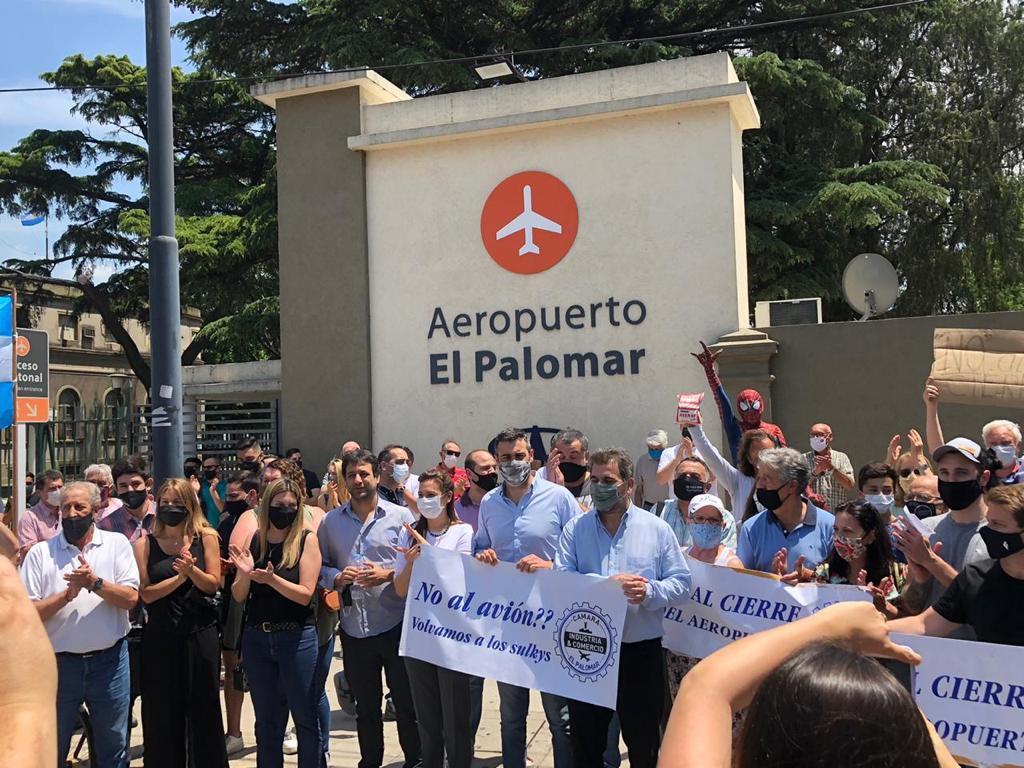
Después de los reclamos del 13N por la reapertura del Aeropuerto El Palomar, los dirigentes políticos de Juntos por el Cambio (JXC) reclamaron la reapertura de la aeroestación low cost de Argentina. El partido político que lidera la gestación del primer aeropuerto low cost del país y de Sudamérica ha exigido a las autoridades presentes el restablecimiento de las operaciones aerocomerciales: “Representa un daño inconmensurable a la economía y al comercio de la zona, [mientras que] condena a la pobreza y al atraso a los vecinos de Morón, Hurlingham y Tres de Febrero”, expusieron los Legisladores nacionales y provinciales consideraron que la decisión del Gobierno de mantener inactiva esta terminal va en detrimento del progreso y la libertad de volar en un país federal.

Mientras que una aerolínea ha migrado sus operaciones al Aeropuerto Ezeiza, la única base habilitada por el momento, en el caso de Flybondi Líneas Aéreas adelantaron que van a solicitar que se revise la medida tomada por la Administración Nacional de Aviación Civil (ANAC) y el Organismo Regulador del Sistema Nacional de Aeropuertos (ORSNA) porque entienden que los costos no le permitirían llevar adelante sus modelos de negocio de bajo costo/bajo precio.

Presencia política

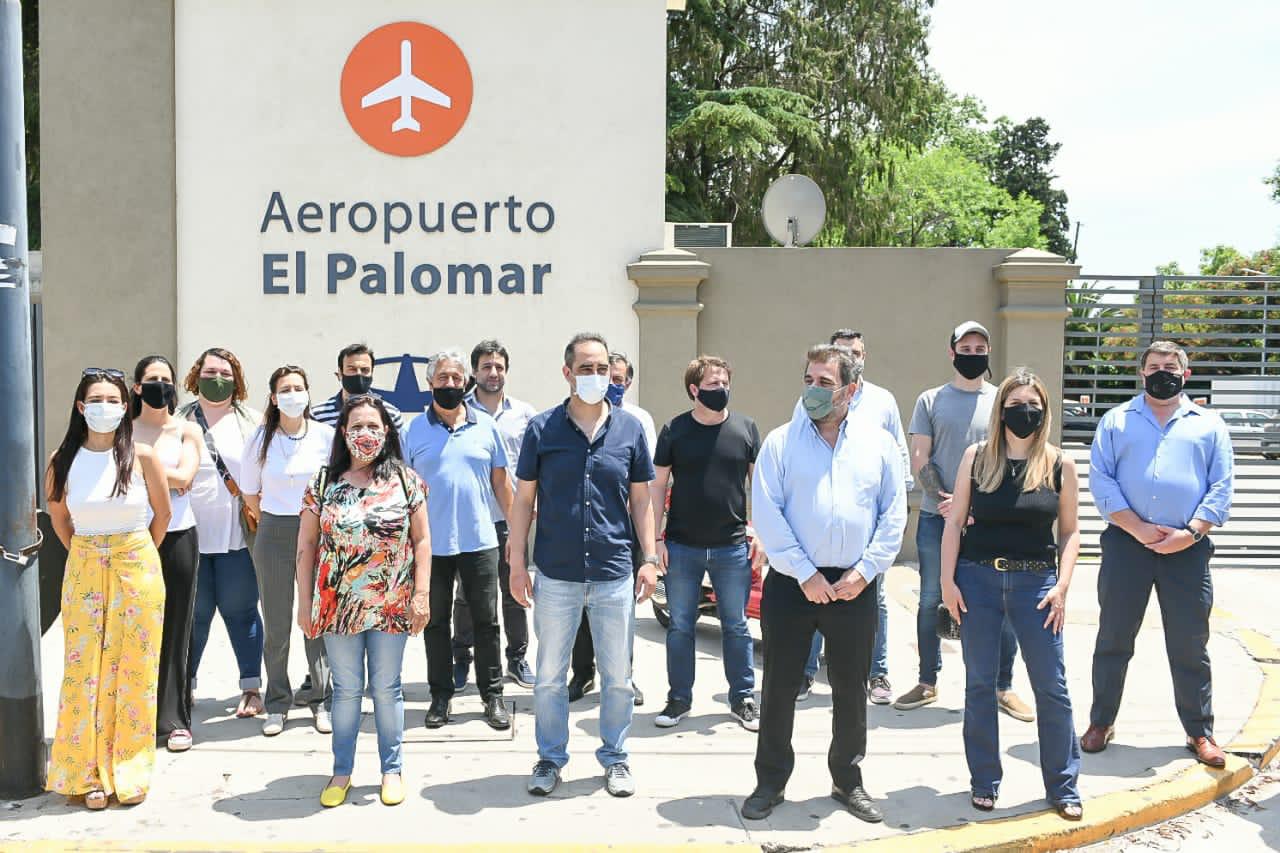
Tras un mes del retorno de los vuelos de cabotaje en la República Argentina y tras varios meses de cuarentena estricta en algunas regiones del país, diputados nacionales y provinciales de Juntos por el Cambio, así como también otros dirigentes de esta misma fuerza, se reunieron en el Aeropuerto de El Palomar y cuestionaron la decisión del Gobierno de mantener inhabilitada esta terminal. Referentes del espacio opositor liderados por el presidente del bloque PRO en la Cámara baja, Cristian Ritondo, se concentraron para reclamar la reapertura de las operaciones en ese lugar, que es utilizado especialmente por las compañías low cost. “Con el cierre definitivo de El Palomar quedarían miles de trabajadores desocupados por los efectos perniciosos en los empleos directos e indirectos que genera la terminal”, sostuvo Cristian Ritondo durante el acto.

En el acto estuvieron también los diputados María Luján Rey, Silvia Gabriela Lospennato, Dina Rezinovsk y Miguel Bazze, entre otros. El ex-Intendente de Morón, Ramiro Tagliaferro, opinó que, al no permitir la reapertura de este aeropuerto, las autoridades nacionales les dan la espalda a los vecinos del municipio que administró durante cuatro años. El ex jefe comunal expresó que esta medida “se trata de un gran error que profundiza la crisis económica del oeste de la Provincia y le quita trabajo, conectividad y desarrollo al territorio bonaerense. Además de los perjuicios económicos que provoca la clausura de la terminal, se desconoce el reclamo de la inmensa mayoría de los vecinos que está a favor del funcionamiento del aeropuerto”.

“Es increíble este ataque a una fuente de trabajo y de conectividad tan grande. El aeropuerto de El Palomar en pocos años se convirtió en una referencia de conectividad y federalismo, ya viajaron más de 2.800.000 pasajeros, de los cuales el 20% viajó en avión por primera vez en su vida. En lugar de trabajar para generar oportunidades de crecimiento y desarrollo el Gobierno las cierra. Parece estar más preocupado por destruir todo lo que sumamos en 4 años de gestión que en solucionar los enormes problemas generados por su falta de respuestas para manejar la crisis”, agregó el legislador provincial del PRO Alex Campbell.

Del acto también participaron, entre otros, diputados nacionales como María Luján Rey, Silvia Gabriela Lospennato, Dina Rezinovsk y Miguel Bazze; y los legisladores bonaerenses María Eugenia Brizzi y Daniela Reich, todos integrantes de Juntos por el Cambio.

Desde mediados de Octubre 2020, los vuelos de cabotaje ya funcionan bajo la modalidad de vuelos regulares, aunque en esta primera etapa es para trabajadores esenciales y personas que tengan que hacer un tratamiento de salud, junto a sus acompañantes. También para pasajeros que vienen del exterior y deban llegar a las provincias donde residen. Pero en ningún caso se autorizan viajes por motivos turísticos.

Leaders demand for El Palomar

Cristian Ritondo on Twitter: "El cierre del Aeropuerto El Palomar va a  dejar miles de desocupados más y un gran golpe para la economía. De la  crisis se sale cuidando las inversiones

Together for Change demand reopening of El Palomar Airport

After the 13N demands for the reopening of El Palomar Airport, the political leaders of Juntos por el Cambio (JXC) demanded the reopening of the low cost air station in Argentina. The political party that leads the gestation of the first low-cost airport in the country and South America has demanded that the authorities present the reestablishment of commercial air operations: “It represents immeasurable damage to the economy and commerce of the area, [while] condemning to poverty and backwardness to the residents of Morón, Hurlingham and Tres de Febrero”, stated the national and provincial legislators considered that the Government’s decision to keep this terminal inactive is detrimental to the progress and freedom of flying in a federal country .

While an airline has migrated its operations to Ezeiza Airport, the only base enabled for the moment, in the case of Flybondi Líneas Aéreas they announced that they are going to request that the measure taken by the National Civil Aviation Administration (ANAC) and the Regulatory Body of the National Airport System (ORSNA) because they understand that the costs would not allow them to carry out their low cost/low price business models.

Political presence

After a month of the return of the domestic flights in the Argentine Republic and after several months of strict quarantine in some regions of the country, national and provincial deputies of Juntos por el Cambio, as well as other leaders of this same force, met in El Palomar Airport and questioned the Government’s decision to keep this terminal disabled. Referents of the opposition space led by the president of the PRO bloc in the lower house, Cristian Ritondo, gathered to demand the reopening of operations in that place, which is used especially by low cost companies. «With the definitive closure of El Palomar, thousands of workers would be unemployed due to the harmful effects on direct and indirect jobs generated by the terminal», said Cristian Ritondo during the event.

The deputies María Luján Rey, Silvia Gabriela Lospennato, Dina Rezinovsk and Miguel Bazze, among others, were also present at the event. The former Mayor of Morón, Ramiro Tagliaferro, said that, by not allowing the reopening of this airport, the national authorities turn their backs on the residents of the municipality that he administered for four years. The former communal chief expressed that this measure “is a great mistake that deepens the economic crisis in the west of the Province and takes away work, connectivity and development from the Buenos Aires territory. In addition to the economic damages caused by the closure of the terminal, the claim of the vast majority of residents who is in favor of the operation of the airport is unknown».

“This attack on such a large source of work and connectivity is incredible. El Palomar airport in a few years became a benchmark for connectivity and federalism, more than 2,800,000 passengers have already traveled, of which 20% traveled by plane for the first time in their lives. Instead of working to generate growth and development opportunities, the Government closes them. He seems to be more concerned with destroying all that we have added in 4 years in office than in solving the enormous problems generated by his lack of answers to handle the crisis”, added PRO provincial legislator Alex Campbell.

The event was also attended by, among others, national deputies such as María Luján Rey, Silvia Gabriela Lospennato, Dina Rezinovsk and Miguel Bazze; and the Buenos Aires legislators María Eugenia Brizzi and Daniela Reich, all members of Together for Change.

Since mid-October 2020, domestic flights already operate under the modality of regular flights, although in this first stage it is for essential workers and people who have to undergo health treatment, together with their companions. Also for passengers who come from abroad and must reach the provinces where they reside. But in no case are trips authorized for tourist reasons.


PUBLISHER: Airgways.com
DBk: Jxc.com.ar / Infobae.com / Airgways.com
AW-POST: 202011141202AR

A\W   A I R G W A Y S ®

Reclaman contra cierre El Palomar

AW | 2020 11 13 14:37 | AIRLINES / AIRPORTS / GOVERNMENT

Movilización 13N por la continuidad del aeropuerto low cost

AW-Flybondi_701

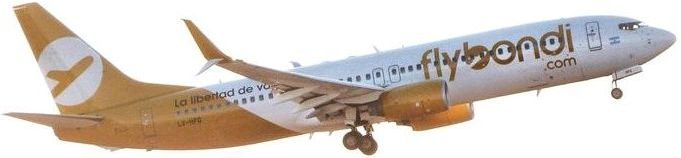
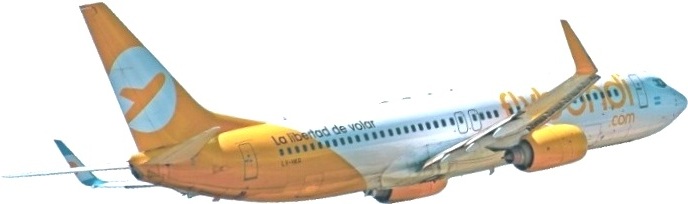
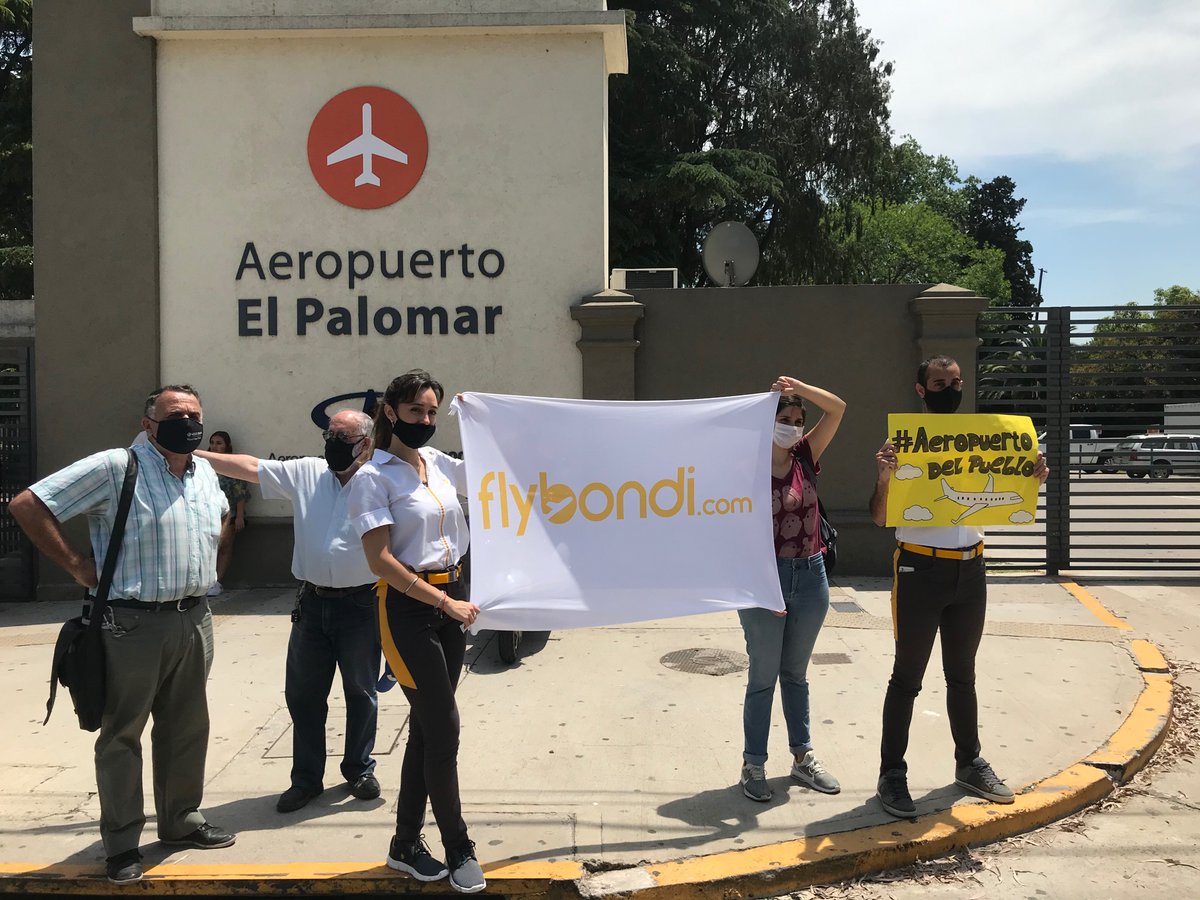
Las manifestaciones del día Viernes 13/11 ha reunido a empleaods de las líneas aéreas low cost, cámaras de comercio para impedir que el Aeropuerto Internacional El Palomar/EPA deje de funcionar como proponen desde el Gobierno. El firme reclamo continúa bajo la consigna y argumentos de peso por la conservación de puestos de trabajo como así también por la diversidad de oportunidades que genera un aeropuerto para la región y hasta federal en virtud de los mensajes que reciben desde otras localidades donde los vuelos low cost generan más oportunidades de progreso. Los organizadores de la nueva movilización expresaron: «Llegan notas y llamados de cámaras comerciales de distintos puntos del país. Nos sorprendió el apoyo brindado desde distintos puntos del país, por que se ven afectados por la no apertura del Aeropuerto El Palomar, que impacta directamente en el empleo». Otras voces del sector comercial expresaron: «Desde El Palomar se logró tener conectividad en todo el país, a un bajo costo, incrementando el intercambio comercial, aumentando el Turismo y generando un mayor estacionalidad turística, le dio la posibilidad a miles de personas de viajar por primera vez, muchos pudieron ver a sus familiares de mucho tiempo».

La lista de adhesiones en la movilización del 13N concurrieron la Asociación Comercial e Industrial de Morón, de Comerciantes, Industriales y Profesionales de Hurlingham, Cámara de Turismo, Comercio, Industria y Afines de Villa Pehuenia, Cámaras de Comercio de Tres de Febrero Caseros, Ciudalela, Martín Coronado, Pablo Podestá, Primero de Mayo, Sáenz Peña, Santos Lugares, Villa Bosch, V. Rafo. También la Federación Económica de la Provincia de Buenos Aires (FEBA), Unión de Cámaras Empresariales de Morón (UCEM).

Flyboondi Líneas Aéreas ha manifestado que el Aeropuerto El Palomar tiene implementados los mismos protocolos de prevención contra la pandemia que el resto de los aeropuertos del país, producto de la ejecución realizada meses atrás por el concesionario Aeropuertos Argentina 2000 (AA2000). Además recuerda que es la primera aeroestación low cost de Argentina y única en su modelo en América Latina que genera empleo a más de 1.000 personas de manera directa, de los cuáles el 80% son personas que viven en la zona. El Palomar ya es el cuarto aeropuerto de Argentina con mayor cantidad de pasajeros de cabotaje y el sexto con pasajeros totales. A su vez, fue el aeropuerto de Argentina que mayor crecimiento tuvo entre 2019-2020.

Claim against closure of El Palomar

SialAeropuertoElPalomar - Twitter Search

13N mobilization for the continuity of the low cost airport

The demonstrations on Friday 11/13 have brought together employees of the low cost airlines, chambers of commerce to prevent the El Palomar International Airport/EPA from ceasing to function as proposed by the Government. The firm claim continues under the slogan and weighty arguments for the conservation of jobs as well as for the diversity of opportunities generated by an airport for the region and even federal by virtue of the messages they receive from other locations where low-cost flights cost generate more opportunities for advancement. The organizers of the new mobilization expressed: «Notes and calls come from commercial chambers from different parts of the country. We were surprised by the support provided from different parts of the country, because they are affected by the non-opening of El Palomar Airport, which directly impacts in employment «. Other voices from the commercial sector expressed: «From El Palomar it was possible to have connectivity throughout the country, at a low cost, increasing commercial exchange, increasing tourism and generating greater tourist seasonality, it gave thousands of people the possibility to travel for the first time, many were able to see their longtime relatives».

The list of adhesions in the mobilization of the 13N was attended by the Commercial and Industrial Association of Morón, of Merchants, Industrialists and Professionals of Hurlingham, Chamber of Tourism, Commerce, Industry and Related of Villa Pehuenia, Chambers of Commerce of Tres de Febrero Caseros, Ciudalela, Martín Coronado, Pablo Podestá, May Day, Sáenz Peña, Santos Places, Villa Bosch, V. Rafo. Also the Economic Federation of the Province of Buenos Aires (FEBA), Union of Business Chambers of Morón (UCEM).

Flyboondi Líneas Aéreas has stated that the El Palomar Airport has implemented the same prevention protocols against the pandemic as the rest of the country’s airports, as a result of the execution carried out months ago by the concessionaire, Aeropuertos Argentina 2000 (AA2000). It also remembers that it is the first low cost airstation in Argentina and the only one in its model in Latin America that directly generates employment for more than 1,000 people, of which 80% are people who live in the area. El Palomar is already the fourth airport in Argentina with the largest number of cabotage passengers and the sixth with total passengers. In turn, it was the airport in Argentina with the highest growth between 2019-2020.


PUBLISHER: Airgways.com
DBk: Flybondi.com / Airgways.com / Tn.com.ar
AW-POST: 202011131437AR

A\W   A I R G W A Y S ®

Proyecto estímulo aviación EEUU

AW | 2020 11 13 13:20 | GOVERNMENT / AIRLINES

Presidente electo proyecta nuevos estímulos aviación comercial

US-Senate-Logo.svg

John Biden, el nuevo Presidente electo de los Estados Unidos ha anunciado un nuevo proyecto con líderes Demócratas del Congreso sobre nuevo paquete de estímulos para las aerolíneas del país. Los Legisladores Demócratas insistieron en la urgencia de aprobar un paquete de estímulo, ante conversaciones estancadas por diferencias con Republicanos. El proyectado Ejecutivo Nacional electo de Estados Unidos, Joe Biden, anunció el Jueves 12/11 por primera vez desde su victoria con los líderes Demócratas del Congreso sobre el estancado proyecto de ley de un paquete de estímulo por la pandemia del COVID-19, cuya aprobación consideran urgente. Según un comunicado difundido por el equipo de transición, John Biden habló con la Presidencia de la Cámara de Representantes, Nancy Pelosi, y con el líder de la minoría del Senado, Chuck Schumer, sobre el rápido aumento de casos de Coronavirus en el país y la angustia económica que está provocando a los estadounidenses.

Las negociaciones en torno a un cuarto paquete de estímulo económico se ralentizaron en agosto y a finales de octubre los congresistas se fueron de receso sin llegar a un acuerdo antes de las elecciones. El principal punto de contención entre demócratas y republicanos es la cantidad mínima de dinero que sus proyectos de ley, presentados tanto ante la Cámara Baja como ante el Senado, buscan inyectar en la economía. Mientras que, desde octubre, los demócratas buscan inyectar 2,2 billones de Dólares, los republicanos, liderados por la Casa Blanca, no parecen dispuestos a subir de los 1,8 billones. En su conversación telefónica, los Legisladores demócratas y el Presidente electo discutieron la necesidad urgente del Congreso de unirse durante este periodo en funciones de manera bipartidista para pasar una ley que otorgue recursos en la lucha contra la pandemia del COVID-19.

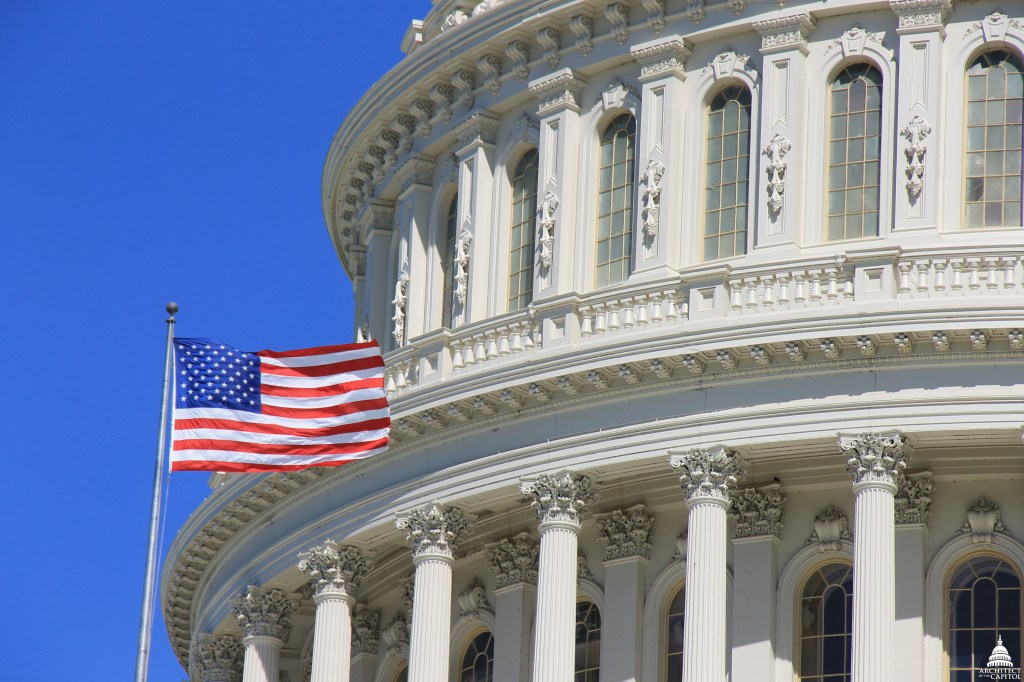
El mismo Jueves 12/11 en una rueda de prensa en el Capitolio, Chuck Schumer y Nancy Pelosi urgieron a los legisladores republicanos a apoyar sus proyectos de ley para atender la pandemia, pidiéndoles dejar sus jueguitos sobre las elecciones, en referencia al apoyo que algunas figuras del Congreso han mostrado a las denuncias infundadas de fraude promovidas por el saliente Presidente Donald Trump. “Los Republicanos deben dejar sus jueguitos sobre una elecciones que el presidente Trump ya perdió y dirigir su atención a lo inmediato: dar alivio a un país atravesando una crisis de salud por el Covid-19 y económica”, dijo Chuck Schumer.

Por su parte, el líder de la mayoría del Senado, Mitch McConnell, reconoció la necesidad de otro paquete de estímulo pero insistió en su propuesta de un presupuesto reducido, que rechazan los Demócratas. Las disputas dejan poca claridad sobre si se logrará llegar a un acuerdo y aprobar un paquete de estímulo antes del 20 de Enero de 2021, cuando está previsto que se celebre la toma de posesión de John Biden, quien ha señalado la pandemia y el alivio económico como dos de sus prioridades. El control del Senado bajo la nueva Administración, no obstante, está todavía por decidirse.

US aviation stimulus project

US President-elect plans new commercial aviation stimuli

John Biden, the new President-elect of the United States has announced a new project with Democratic leaders of Congress on a new stimulus package for the country’s airlines. Democratic Legislators insisted on the urgency of passing a stimulus package, in the face of talks stalled due to differences with Republicans. The projected National Executive-elect of the United States, Joe Biden, announced on Thursday 11/12 for the first time since his victory with the Democratic leaders of Congress on the stalled bill of a stimulus package for the COVID-19 pandemic, whose approval considered urgent. According to a statement released by the transition team, John Biden spoke with the Speaker of the House of Representatives, Nancy Pelosi, and with the Senate Minority Leader, Chuck Schumer, about the rapid increase in Coronavirus cases in the country and the economic distress it is causing Americans.

Negotiations around a fourth economic stimulus package slowed down in August and at the end of October congressmen went on recess without reaching an agreement before the elections. The main point of contention between Democrats and Republicans is the minimum amount of money that their bills, introduced in both the Lower House and the Senate, seek to inject into the economy. While, since October, the Democrats seek to inject 2.2 trillion dollars, the Republicans, led by the White House, do not seem willing to raise the 1.8 trillion. In their telephone conversation, the Democratic Legislators and the President-elect discussed the urgent need for Congress to unite during this term in office in a bipartisan manner to pass a law that provides resources in the fight against the COVID-19 pandemic.

That same Thursday, 11/12, at a press conference in the Capitol, Chuck Schumer and Nancy Pelosi urged Republican legislators to support their bills to address the pandemic, asking them to put down their little games on the elections, in reference to the support that some Congressional figures have shown unfounded allegations of fraud promoted by outgoing President Donald Trump. «Republicans should put down their little games on an election that President Trump has already lost and turn their attention to the immediate: to give relief to a country going through a health and economic crisis due to Covid-19», said Chuck Schumer.

For his part, Senate Majority Leader Mitch McConnell acknowledged the need for another stimulus package but insisted on his proposal for a reduced budget, which Democrats reject. The disputes leave little clarity on whether an agreement and approval of a stimulus package will be achieved before January 20, 2021, when the inauguration of John Biden is scheduled to take place, who has indicated the pandemic and economic relief as two of your priorities. Control of the Senate under the new Administration, however, is yet to be decided.


PUBLISHER: Airgways.com
DBk: Dems.gov / Airgways.com
AW-POST: 202011131320AR

A\W   A I R G W A Y S ®

Aerolíneas retornaría a Uruguay

AW | 2020 11 13 12:20 | AIRLINES ROUTES / GOVERNMENT

Aerolíneas Argentinas reiniciaría vuelos hacia Uruguay

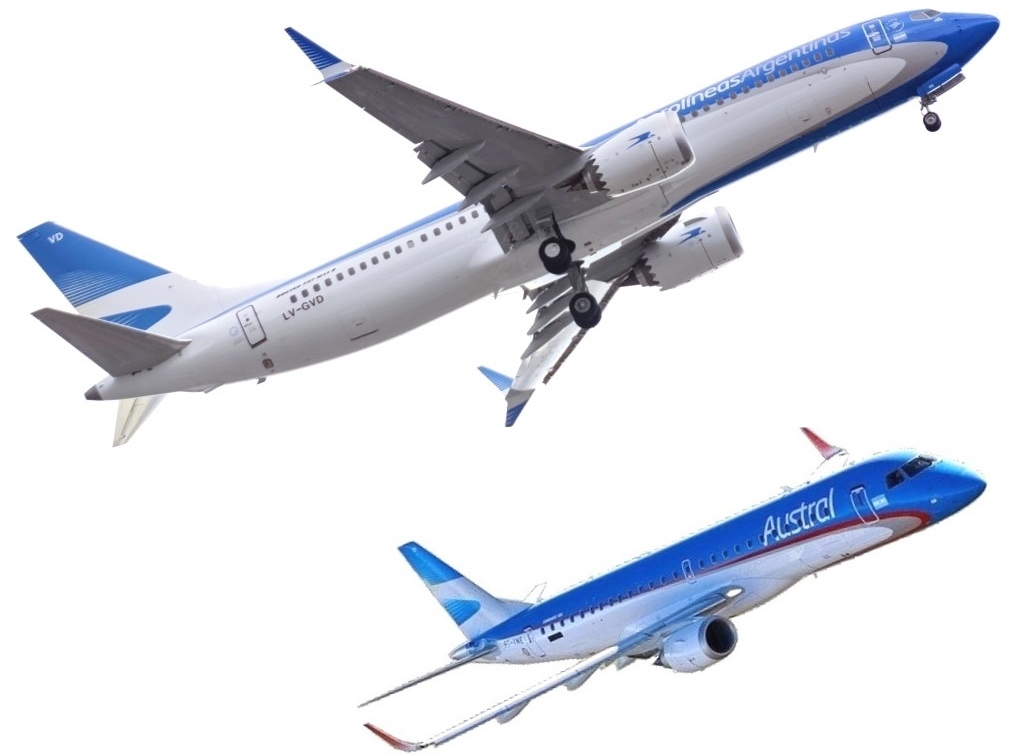
Aerolíneas Argentinas-Austral-Isologotype

Aerolíneas Argentinas ha anunciado que a partir de Diciembre 2020 comenzaría a volar desde el Aeropuerto internacional Ezeiza a los aeropuertos Montevideo/Carrasco y a partir de Enero 2021 hacia Punta del Este/Laguna del Sauce. A pesar de las limitaciones impuestas por el Gobierno de Uruguay, la compañía podría realizar dos frecuencias semanales a Montevideo (2Frq/S) y una frecuencia semanal a Punta del Este (1 Frq/S). La programación vigente está supeditada a la aprobación y/o alteración de los servicios dependiendo de la demanda de pasajeros y de las regulaciones del Gobierno uruguayo por los controles sanitarios actualmente vigentes de restricciones para los servicios de transportes.

La compañía aérea argentina ha efectivizado la programación de vuelos hacia la Banda Oriental, aunque el Gobierno de Uruguay todavía mantiene la vigencia de fronteras cerradas al turismo, con la salvedad de aquellos permisos que se otorgan para pasajeros con las nueve excepciones previstas para viajar, entre ellas: Extranjeros residentes en el país. Choferes de transporte internacional, diplomáticos. Ciudadano de condición fronteriza Brasileño-uruguayo, Extranjeros con beneficio del Corredor Humanitario/Sanitario establecidos para el embarque/desembarque en buques, aviones y cruceros. Tripulaciones de aeronaves. Casos de Protección diplomática. Situaciones de justificación familiar. Ingresos transitorios laborales, económicos, empresariales, judiciales gestionados ante la Dirección Nacional de Migraciones de Uruguay.

Actualmente, Aerolíneas Argentinas ha estipulado una programación de alrededor de 150 a 200 solicitudes de frecuencias entre Argentina-Uruguay, según comunicados de las respectivas agencias consulares. Mientras tanto, se aguarda las decisiones del Gobierno de Uruguay respecto a una apertura más amplia o a una conservación de las medidas restrictivas hacia toda la temporada vacacional 2020-2021.

Aerolíneas would return to Uruguay

Aerolíneas Argentinas would restart flights to Uruguay

AW-Austral-E190_002

Aerolíneas Argentinas has announced that from December 2020 it would start flying from Ezeiza International Airport to Montevideo/Carrasco airports and from January 2021 to Punta del Este/Laguna del Sauce. Despite the limitations imposed by the Government of Uruguay, the company could make two weekly frequencies to Montevideo (2Frq/S) and one weekly frequency to Punta del Este (1 Frq/S). The current schedule is subject to the approval and/or alteration of the services depending on the demand of passengers and the regulations of the Uruguayan Government due to the sanitary controls currently in force of restrictions for transport services.

The Argentine airline company has made the flight schedule to the Eastern Band effective, although the Government of Uruguay still maintains the validity of borders closed to tourism, with the exception of those permits that are granted for passengers with the nine exceptions provided for travel, including: Foreigners residing in the country. International transport drivers, diplomats. Citizen of Brazilian-Uruguayan border status, Foreigners with benefit of the Humanitarian/Sanitary Corridor established for embarkation/disembarkation in ships, airplanes and cruise ships. Aircraft crews. Diplomatic Protection Cases. Family justification situations. Transitory labor, economic, business and judicial income managed before the National Directorate of Migration of Uruguay.

Currently, Aerolíneas Argentinas has stipulated a schedule of around 150 to 200 frequency requests between Argentina-Uruguay, according to statements from the respective consular agencies. Meanwhile, the decisions of the Government of Uruguay are awaited regarding a broader opening or conservation of restrictive measures for the entire 2020-2021 holiday season.


PUBLISHER: Airgways.com
DBk: Aerolineas.com / Gub.uy / Airgways.com
AW-POST: 202011131220AR

A\W   A I R G W A Y S ®

Colombia avanza Ley Consumidores

AW | 2020 11 13 11:13 | AIRLINES / GOVERNMENT

Aprueban Ley Estatuto Consumidor Aéreo colombiano

AW-Cámara Representantes Colombia

La Cámara de Representantes de la República de Colombia ha aprobado en segundo debate el proyecto de Ley Estatuto del Consumidor Aéreo, referente a las políticas de reembolso y de compensaciones que las aerolíneas tendrán que ofrecer a los usuarios del servicio de transporte aéreo, entre otras cosas por retrasos y cancelaciones, para así proteger sus derechos.

Los puntos principales del proyecto de Ley están encaminados a las compensaciones que ya no solo será un refrigerio, se exigirán pagos que van a variar en porcentajes de acuerdo al tiempo de retraso y el valor del trayecto. Cuando exista sobreventa, el pasajero deberá ser acomodado en el siguiente vuelo a la menor brevedad posible, pero si el pasajero no acepta, la aerolínea deberá reintegrarle además del valor que pagó y un adicional al 30% del valor del ticket. En cuanto a cancelaciones la ley estipula que si no hay un previo aviso por parte de la aerolínea, por lo menos de dos semanas antes del vuelo, ésta deberá reembolsar el 100% del valor tiquete y los gastos en que incurra el usuario afectado. Si el equipaje es extraviado le tendrán que devolver el 20% del valor del trayecto. El derecho al retracto se permitirá hasta por 48 horas siguientes a la compra, sin mayores condiciones. Adicionalmente, para el equipaje de deportistas se debe facilitar el transporte de estos elementos y si no exceden el peso máximo establecido, de acuerdo con las condiciones del ticket, no se le cobre valor adicional, establece la Ley. Para las mascotas que sean apoyo emocional viajarán gratis, la corrección en los errores de nombres o apellidos no podrán cobrarse. Para la atención de usuarios, las aerolíneas deberán habilitar espacios en los aeropuertos para que personal capacitado en derechos de los usuarios atiendan a los pasajeros, por quejas ante aerolíneas u otros actores.

“Estoy muy feliz de que el proyecto continúe su trámite en Senado, porque beneficiará a miles de viajeros, quienes durante años han tenido que aguantar los abusos de las aerolíneas. Repito, no más juguitos de caja y bolsas de papas, tenemos derecho a un servicio digno en el transporte aéreo. Las aerolíneas deben reconocer los derechos de los usuarios, merecemos una atención que valga tanto como lo que pagamos por viajar en este medio de transporte”, afirmó el representante Fabio Fernando Arroyave, autor de esta iniciativa.

La Unidad Administrativa Especial (UAE) de Aeronáutica Civil deberá inspeccionar, vigilar y controlar a las aerolíneas. Por último el seguimiento a las tarifas, las aerolíneas deberán reportar el valor de las tarifas ofertadas detallando los criterios de la fijación del precio final.

Colombia advances consumer protection

Colombian Air Consumer Statute Law is approved

The House of Representatives of the Republic of Colombia has approved in a second debate the draft Law of the Air Consumer Statute, referring to the refund and compensation policies that airlines will have to offer to users of the air transport service, among other things. for delays and cancellations, in order to protect your rights.

The main points of the bill are aimed at compensations that will not only be a snack, payments will be required that will vary in percentages according to the time of delay and the value of the journey. When there is overbooking, the passenger must be accommodated on the next flight as soon as possible, but if the passenger does not accept, the airline must reimburse him in addition to the value he paid and an additional 30% of the value of the ticket. As for cancellations, the law stipulates that if there is no prior notice from the airline, at least two weeks before the flight, it must reimburse 100% of the ticket value and the expenses incurred by the affected user. If the luggage is lost, they will have to return 20% of the value of the journey. The right of withdrawal will be allowed up to 48 hours after the purchase, without further conditions. Additionally, for the luggage of athletes, the transport of these items must be facilitated and if they do not exceed the maximum weight established, according to the conditions of the ticket, no additional value is charged, established by Law. For pets that are emotional support They will travel for free, the correction in the errors of names or surnames cannot be charged. For the attention of users, airlines must provide spaces at airports for personnel trained in user rights to serve passengers, for complaints to airlines or other actors.

“I am very happy that the bill continues to be processed in the Senate, because it will benefit thousands of travelers, who for years have had to endure abuses by the airlines. I repeat, no more box juices and bags of potatoes, we are entitled to a decent service in air transport. The airlines must recognize the rights of users, we deserve attention that is worth as much as what we pay to travel in this means of transport”, said representative Fabio Fernando Arroyave, author of this initiative.

The Special Administrative Unit (UAE) of Civil Aeronautics must inspect, monitor and control the airlines. And finally, the monitoring of rates, airlines must report the value of the rates offered detailing the criteria for setting the final price.


PUBLISHER: Airgways.com
DBk: Camara.gov.co / Aerocivil.gov.co / Twitter.com/hashtag/doradoairport / Airgways.com
AW-POST: 202011131113AR

A\W   A I R G W A Y S ®
Venezuela aviación pospuesta

AW | 2020 11 12 12:35 | AIR TRAFFIC / GOVERNMENT

República Venezuela pospone reapertura vuelos internacionales

Venezuela_map

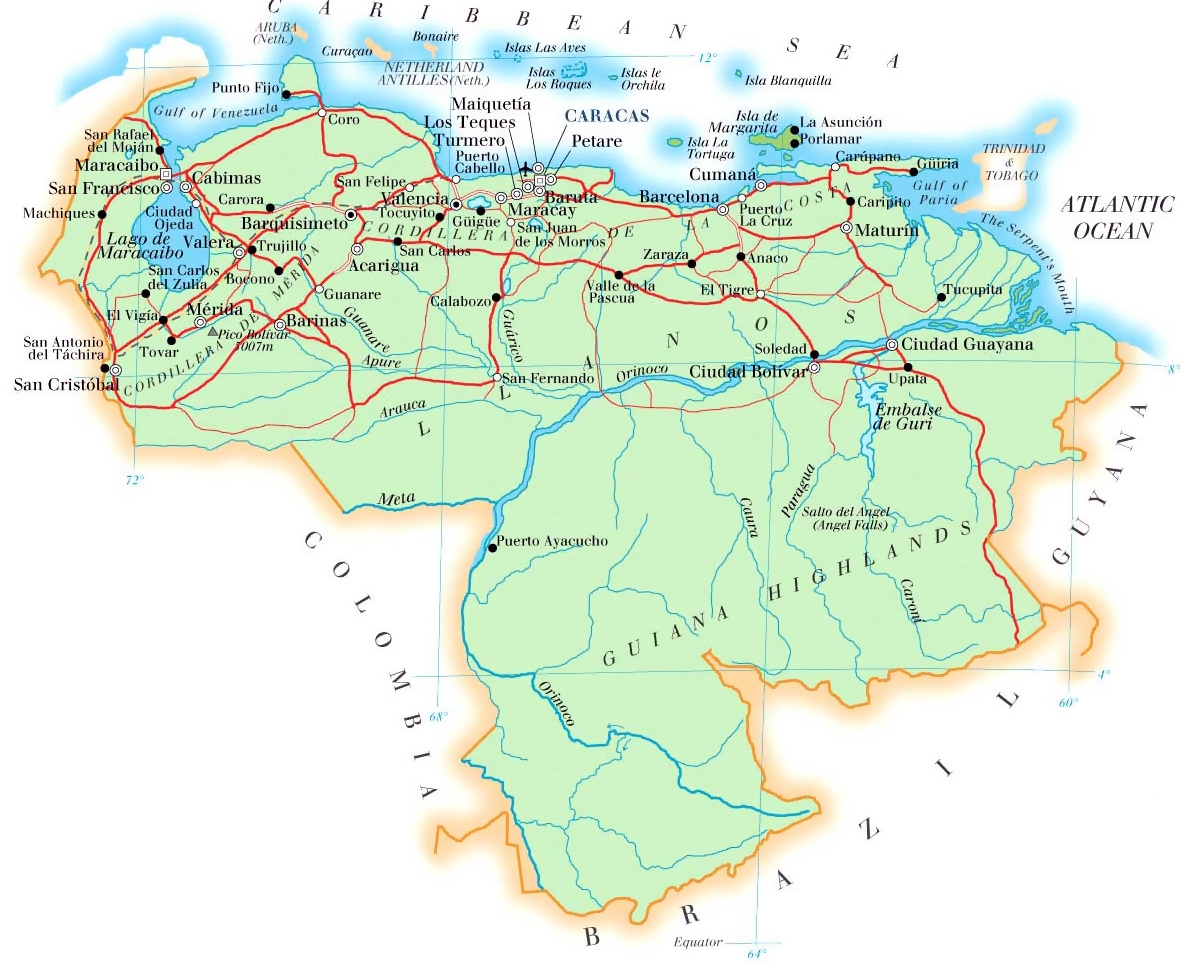
La República de Venezuela ha anunciado la extensión del cerco aéreo en el país por tres meses consecutivos adicionales. La Administración del Ejecutivo Nacional Nicolás Maduro extendió la continuación con el cierre de los aeropuertos internacionales hasta Febrero de 2021, poniendo un cepo a los vuelos internacionales.

La nueva disposición contiene tintes políticos-sanitarios, pues se desprende de la nueva normativa apunta a postergar el flujo de pasajeros internacionales por cuestiones sanitarias, pero al mismo tiempo, el Gobierno ha exceptuado de la medida a vuelos de las naciones hermanas Rusia, Irán, Turquía, República Dominicana y México. El comunicado del Instituto Nacional de Aeronáutica Civil (INAC) ha informado que los doce aeropuertos no recibirán vuelos, alegando que se trata de una medida de prevención ante el COVID-19. No obstante, el Gobierno hace una excepción en los vuelos aerocomerciales con Irán, Turquía, República Dominicana y México. A inicios de Noviembre 2020, el Presidente Nicolás Maduro ya había reabierto los vuelos para estos cuatro países tras ocho meses sin tráfico aéreo. En un comunicado del INAC se lee que los aeropuertos del país permitirán operaciones aerocomerciales con dichas naciones y las calificó como hermanas. La medida revela que sin importar los problemas y dificultades a que se enfrenta Venezuela en materia de seguridad sanitaria, continúa priorizando sus relaciones con sus socios.

Desconexión aérea

El Gobierno de Venezuela había tomado la decisión de cerrar las fronteras venezolanas en Marzo 2020 cuando comenzaron a detectarse casos del virus en el continente. Días antes, ya había suspendido los vuelos provenientes desde Europa y Colombia para sumar a los procesos preventivos a nivel internacional. Luego todo el país quedó confinado por la cuarentena estricta. Más allá de las restricciones por la actual pandemia, Venezuela continuaba arrastrando serias dificultades de programación de vuelos por la inseguridad económica imperante para las aerolíneas, por lo tanto muchas tomaron la decisión de despedirse, aislando cada vez más al país Sudamericano del resto del mundo.

Según cálculo de la Asociación de Líneas Aéreas de Venezuela (ALAV), a cargo de Humberto Figuera, el sector aéreo venezolano se contrajo 75% entre 2013 y 2019, marcando una depresión en el transporte aéreo nunca visto, recordando la floreciente aviación venezolana de décadas atrás. La cantidad de aerolíneas se redujo drásticamente. En 2013 operaban 32 empresas internacionales, de las cuales solo quedan 10, lo que representa una disminución de 69%, de las actuales, muchas sufren dificultades económicas para poder reiniciar sus operaciones aerocomerciales.

Venezuela aviation postponed

Venezuela postpones reopening of international flights

The Republic of Venezuela has announced the extension of the air siege in the country for three additional consecutive months. The Administration of the National Executive Nicolás Maduro extended the continuation with the closure of international airports until February 2021, putting a cap on international flights.

The new provision contains political-health overtones, as it follows from the new regulations that it aims to postpone the flow of international passengers for health reasons, but at the same time, the Government has exempted from the measure flights from sister nations Russia, Iran, Turkey, Dominican Republic and Mexico. The statement from the National Institute of Civil Aeronautics (INAC) has stated that the twelve airports will not receive flights, claiming that it is a preventive measure against COVID-19. However, the Government makes an exception for commercial air flights with Iran, Turkey, the Dominican Republic and Mexico. At the beginning of November 2020, President Nicolás Maduro had already reopened flights to these four countries after eight months without air traffic. In a statement from INAC, it is read that the country’s airports will allow commercial air operations with these nations and classified them as sisters. The measure reveals that regardless of the problems and difficulties Venezuela faces in terms of health security, it continues to prioritize its relationships with its partners.

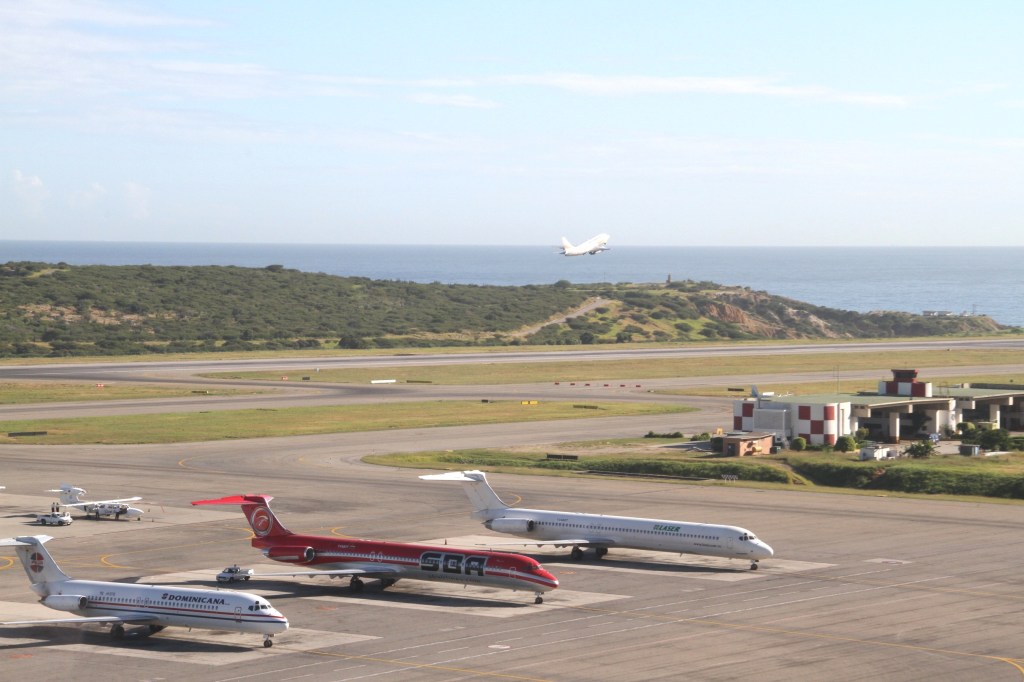
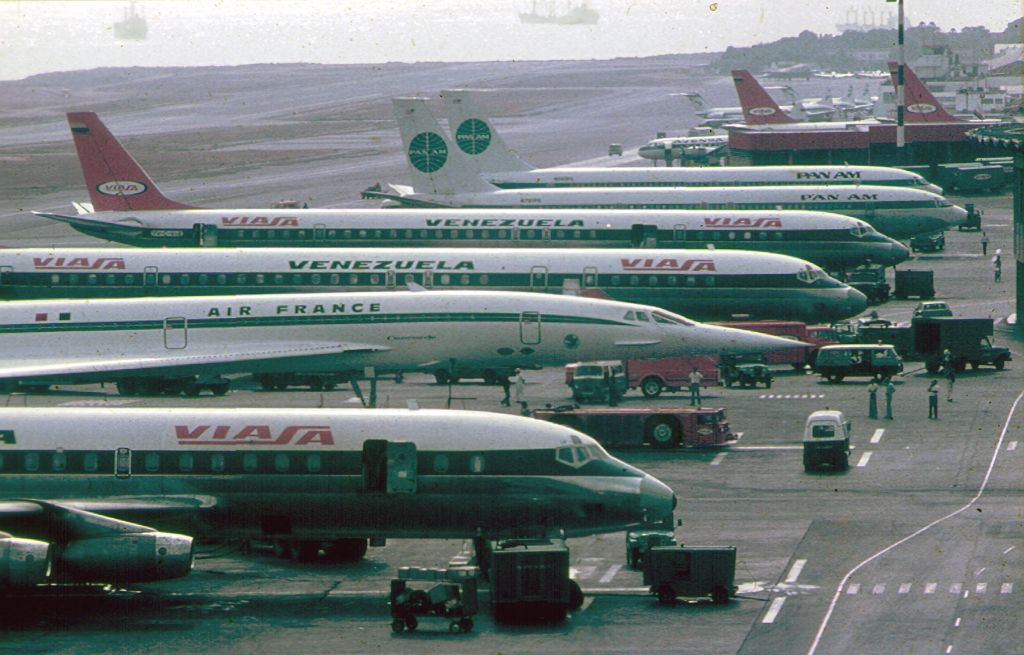
THE OTHER STRONG COMMERCIAL AVIATION OF THE REPUBLIC OF VENEZUELA A SYMBOL OF A GLORIOUS PAST

Air disconnect

The Government of Venezuela had made the decision to close the Venezuelan borders in March 2020 when cases of the virus began to be detected on the continent. Days before, it had already suspended flights from Europe and Colombia to add to the preventive processes at the international level. Then the whole country was confined by strict quarantine. Beyond the restrictions due to the current pandemic, Venezuela continued to suffer serious difficulties in scheduling flights due to the prevailing economic insecurity for the airlines, therefore many made the decision to say goodbye, increasingly isolating the South American country from the rest of the world.

According to the calculation of the Association of Air Lines of Venezuela (ALAV), in charge of Humberto Figuera, the Venezuelan air sector contracted 75% between 2013 and 2019, marking a depression in air transport never seen, recalling the flourishing Venezuelan aviation of decades behind. The number of airlines was drastically reduced. In 2013 there were 32 international companies operating, of which only 10 remain, which represents a decrease of 69%, from the current ones, many suffer financial difficulties to be able to restart their commercial aviation operations.


PUBLISHER: Airgways.com
DBk: Inac.gob.ve / Presidencia.gob.ve / Alav.org.ve / Airgways.com
AW-POST: 202011121235AR

A\W   A I R G W A Y S ®

Exigen aumento salarial Aerolíneas

AW | 2020 11 12 11:33 | AIRLINES / GOVERNMENT

Sindicatos aeronáuticos reclaman recomposición salarial

Aerolíneas Argentinas-Austral-Isologotype

Los cinco gremios aeronáuticos de Aerolíneas Argentinas y Austral Líneas Aéreas enviaron una carta conjunta al CEO de Aerolíneas Argentinas, Pablo Ceriani, en la que le exigen una recomposición salarial de los empleados. La carta fue firmada por los dos gremios de Pilotos (APLA y UALA), Técnicos (APTA), Jerárquicos (UPSA) y Personal de Tierra (APA). «Los sindicatos APA, APTA, APLA, UALA Y UPSA nos dirigimos a ud, por intermedio de la presente, a fin de solicitar formalmente una reunión a la brevedad para iniciar la discusión paritaria», dice la carta enviada al ejecutivo.

Los gremios aeronáuticos han planteado que no se moverán de su exigencia. «En tal sentido, si bien entendemos las dificultades que atraviesa la empresa y toda la industria aerocomercial (tanto a nivel nacional como internacional) como consecuencia de la pandemia COVID-19, resulta indispensable avanzar en una solución para recomponer los ingresos de nuestros representados prontamente», expresaron en su posición sindical.

Reactivación

Aerolíneas Argentinas ha iniciado el proceso de reapertura de vuelos de manera lenta pero organizada. La respuesta a los vuelos internacionales es más intrigante aún, cancelando los vuelos programados para esta semana a Montevideo durante Noviembre 2020, tras la decisión de Uruguay de restringir el turismo proveniente del exterior, sino además, que fueron cancelados los vuelos a Nueva York para Diciembre y reducidas a dos frecuencias semanales los vuelos entre Enero a Marzo 2021. También hubo una consolidación de algunas frecuencias en las rutas a Miami y Punta Cana, entre Enero a Marzo 2020.

Caravana gremial

El Miércoles 11/11 los mismos gremios aeronáuticos protagonizaron una demostración de fuerza con una caravana de vehículos, que partió desde el Aeropuerto de Ezeiza con destino final en el Aeropuerto El Palomar, para reclamar por la clausura definitiva de los vuelos de pasajeros de esta estación. La conducción política de Aerolíneas responde a Mariano Recalde, ex-Presidente de la línea aérea, actual Senador Nacional y dirigente de la Agrupación La Cámpora. Fue otro dirigente de esa agrupación política, Fernando Muriel, quien desde su cargo como Vicepresidente del Organismo Nacional Regulador del Sistema Aeroportuario (ORSNA) dictaminó que el único aeropuerto que puede funcionar como corredor sanitario seguro para que los aviones despeguen y aterricen en la zona del Área Metropolitana de Buenos Aires (AMBA) es el Aeropuerto Internacional Ezeiza. Con esa decisión, el ORSNA apartó al Aeropuerto El Palomar y la operación de las dos aerolíneas low cost de sus operaciones como base aérea, Flybondi Líneas Aéreas y JetSmart Airlines Argentina, aunque esta última moderó su posición para migrar sus operaciones desde Ezeiza, contando para mediados de 11/2020 con la autorización de la Agencia Nacional de Aviación Civil (ANAC) para comenzar a realizar vuelos regulares de cabotaje.

La caravana gremial hacia el Aeropuerto El Palomar no hubiera sido necesaria, pues la participación de los sindicatos aeronáuticos APA, APTA, APLA, UALA y UPSA no hacen otra cosa que confirmar la posición política del Gobierno para el cierre permanente de la aeroestación low cost y el proyecto nefasto entre bastidores de suprimir la libre competencia en el mercado aéreo en Argentina.

They demand salary recomposition Aerolíneas

Aeronautical unions demand salary increases

The five aeronautical unions of Aerolíneas Argentinas and Austral Líneas Aéreas sent a joint letter to the CEO of Aerolíneas Argentinas, Pablo Ceriani, in which they demand a salary recomposition of the employees. The letter was signed by the two guilds of Pilots (APLA and UALA), Technical (APTA), Hierarchical (UPSA) and Ground Personnel (APA). «The unions APA, APTA, APLA, UALA and UPSA are writing to you, through this letter, in order to formally request a meeting as soon as possible to start the joint discussion», says the letter sent to the executive.

The aeronautical unions have stated that they will not move from their demand. «In this sense, although we understand the difficulties that the company and the entire commercial aviation industry are going through (both nationally and internationally) as a result of the COVID-19 pandemic, it is essential to advance in a solution to quickly rebuild the income of our clients», they expressed in their union position.

Reactivation

Aerolíneas Argentinas has started the process of reopening flights in a slow but organized manner. The response to international flights is even more intriguing, canceling the flights scheduled for this week to Montevideo during November 2020, after Uruguay’s decision to restrict tourism from abroad, but also that flights to New York were canceled for December and the flights between January and March 2021 were reduced to two weekly frequencies. There was also a consolidation of some frequencies on the routes to Miami and Punta Cana, between January and March 2020.

Guild Caravan

On Wednesday 11/11 the same aeronautical unions staged a show of force with a caravan of vehicles, which departed from Ezeiza Airport with final destination at El Palomar Airport, to demand the definitive closure of passenger flights from this station. The political leadership of Aerolíneas responds to Mariano Recalde, former President of the airline, current National Senator and leader of the La Cámpora grouping. It was another leader of that political group, Fernando Muriel, who from his position as Vice President of the National Regulatory Body of the Airport System (ORSNA) ruled that the only airport that can function as a safe sanitary corridor for airplanes to take off and land in the area of ​​the Buenos Aires Metropolitan Area (AMBA) is the Ezeiza International Airport. With this decision, the ORSNA separated El Palomar Airport and the operation of the two low cost airlines from their operations as an air base, Flybondi Líneas Aéreas and JetSmart Airlines Argentina, although the latter moderated its position to migrate its operations from Ezeiza, counting for mid-11/2020 with the authorization of the National Civil Aviation Agency (ANAC) to begin regular domestic flights.

The union caravan to El Palomar Airport would not have been necessary, since the participation of the aeronautical unions APA, APTA, APLA, UALA and UPSA do nothing other than confirm the government’s political position for the permanent closure of the low cost air station and the nefarious behind-the-scenes project to suppress free competition in Argentina’s air market.


PUBLISHER: Airgways.com
DBk: Airgways.com / Apla.org.ar / Uala.org.ar / Aviones.com / Upsa-ospea.com.ar / Aeronauticosapa.org.ar / Tadespotter
AW-POST: 202011121133AR

A\W   A I R G W A Y S ®