Argentina, lowcosts y Aeroparque

AW | 2023 01 10 14:57 | AIRLINES / AIRPORTS / AIRLINES MARKET / GOVERNMENT

Reaviva polémica por low cost en Aeroparque

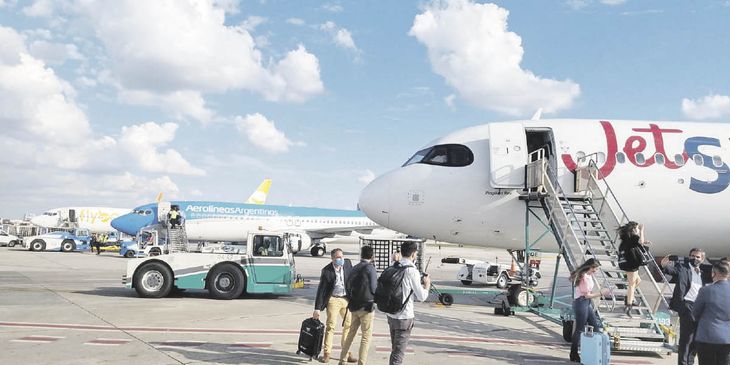
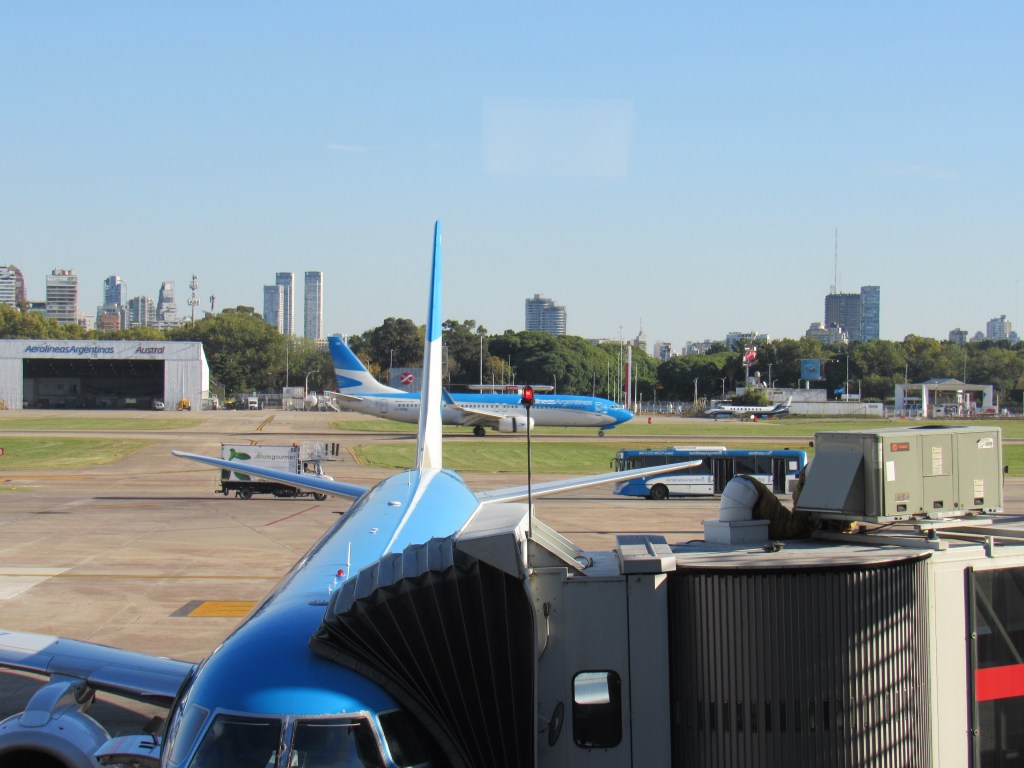
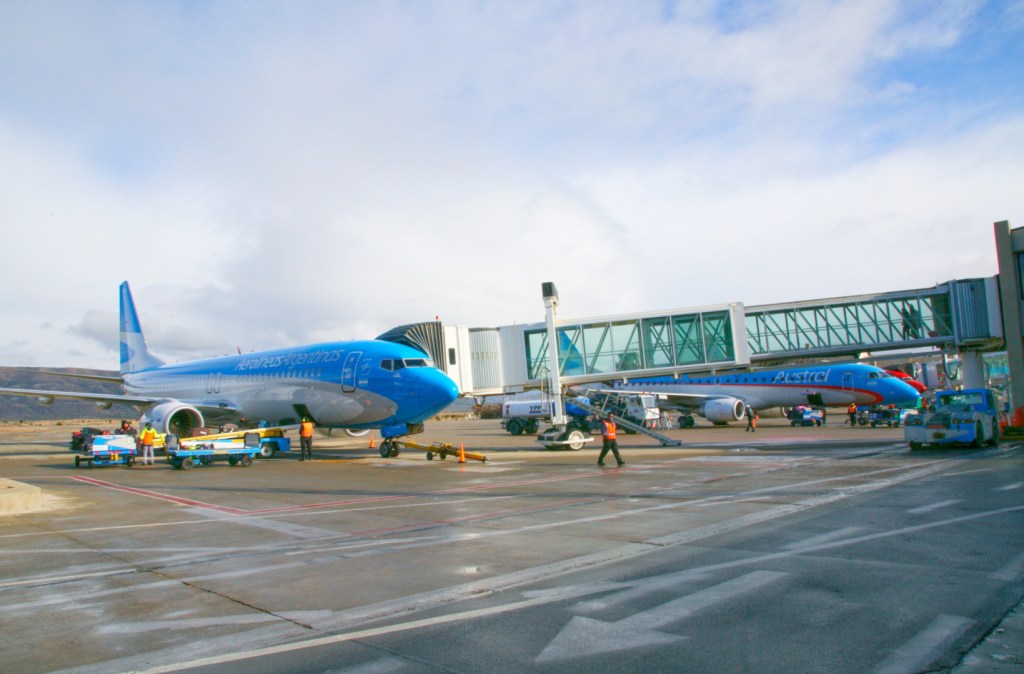
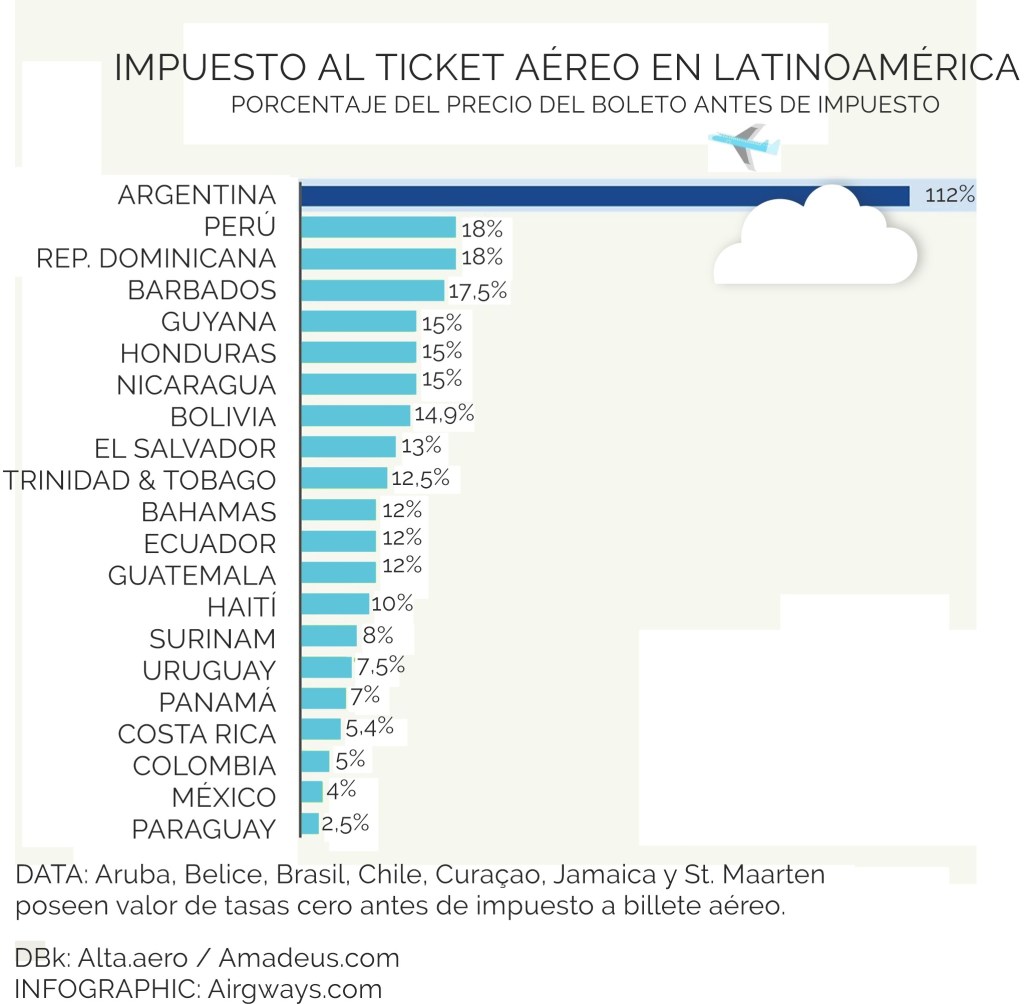
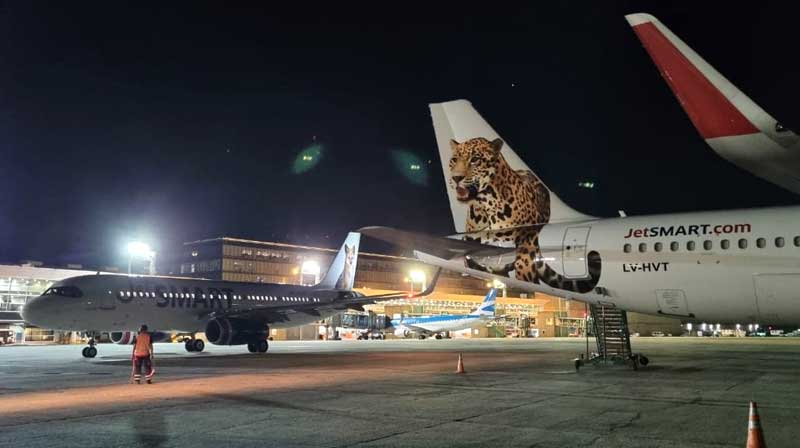
El Gobierno de Argentina dispuso una medida de regionalización para las líneas aéreas que ofrecen vuelos regionales en el Aeropuerto Buenos Aires/Jorge Newbery/AEP y resurgió un reclamo de las low-cost argentinas. El cambio que habilitó el Gobierno reaviva una vieja disputa de slots para las aerolíneas de presupuesto local.

La regionalización de Aeroparque ha reavivado la puja política entre el Gobierno con las low-cost debido al viejo reclamo de las low cost para aumentar los amarres (slots) en la aeroestación de la Ciudad de Buenos Aires. El reclamo se fundamenta legítimamente en que el cierre del Aeropuerto El Palomar/EPA por parte del Gobierno de turno permitiría a las líneas aéreas argentinas low cost migrar su base operativa hacia el Aeropuerto Buenos Aires/Jorge Newbery/AEP. Tras la finalización del reacondicionamiento de las obras de ampliación y mejoramiento de Aeroparque en Marzo 2021, el Gobierno se había comprometido a habilitar todos los vuelos regulares de las aerolíneas low cost Flybondi Líneas Aéreas y JetSMART Airlines Argentina, pero las solicitudes han sido reiteradamente postergadas en favor de Aerolíneas Argentinas.

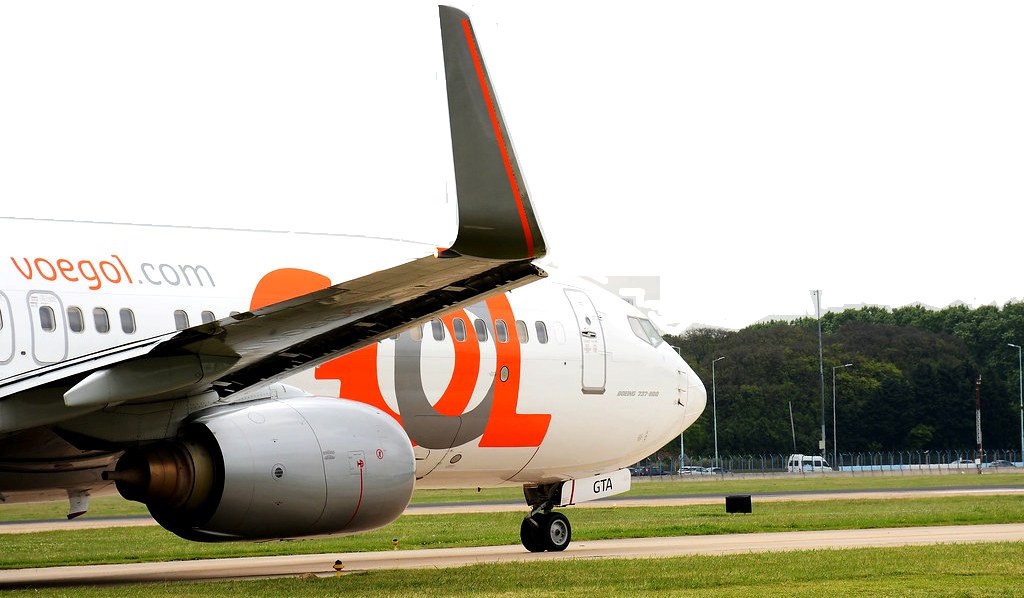
Actualmente, las low cost operan algunos vuelos desde Aeroparque y otras rutas regionales desde el Aeropuerto Ezeiza/EZE, mientras que el mayor número de amarres en Aeroparque representan para Aerolíneas Argentinas.

Regionalización & 6º libertad

A través de la Resolución Nº744/2022 publicada en el Boletín Oficial, la Administración Nacional de Aviación Civil (ANAC) les permite ahora a las aéreas que ofrecen vuelos en Aeroparque vender pasajes con conexión. De esa manera, se pone en práctica la sexta libertad aérea, posibilitando viajar desde Aeroparque haciendo escala en países de la región para seguir a otro destino final y viceversa. La noticia fue recibida con beneplácito por las líneas aéreas clásicas por los beneficios que traerá; pero las low-cost no han aplaudido este beneficio porque no ha sido inclusivo. Aunque aseguran que a ellas no les impacta de lleno en el tráfico diario, insisten con un viejo pedido: recibir la autorización para aumentar su capacidad operativa en el Aeropuerto Buenos Aires/Jorge Newbery. Tras el cierre de El Palomar, las low-cost tuvieron que trasladar casi toda su operación al Aeropuerto Ezeiza/EZE.

Desde ANAC afirmaron que «están dadas las condiciones para permitir la sexta libertad en Aeroparque y se hicieron los estudios correspondientes para evaluar que no se sature la capacidad». Pero las low-cost apuntan que, desde que cerró el Aeropuerto low cost El Palomar, quieren llevar más aviones a la terminal aérea porteña para aumentar las frecuencias aéreas que ofrecen y no pueden hacerlo ante la falta de decisión política del Gobierno de Argentina.

Argumentan que el hecho de que ahora los pasajeros podrán volar desde Aeroparque a países de la región para seguir viaje en conexión al Caribe o los Estados Unidos va en desmedro de los usuarios que eligen viajar a destinos de cabotaje con tarifas más bajas y tienen que movilizarse hasta Ezeiza, lo que implica un gasto de tiempo y dinero para quienes viven cerca de la base metropolitana.
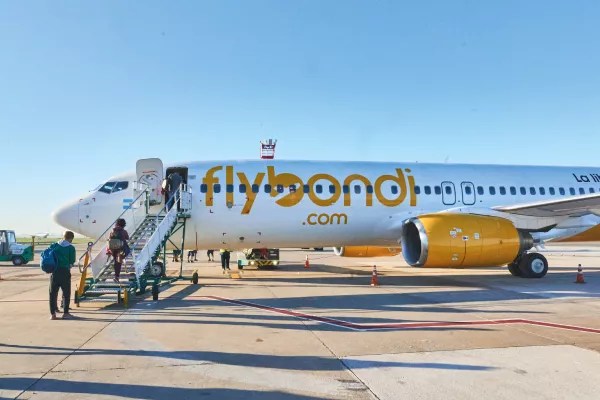
Desde Aeroparque las low cost operan discretamente algunas rutas domésticas. Flybondi vuela de forma directa solo a Florianópolis. El resto de sus vuelos a Brasil que comprende Río de Janeiro y São Paulo y a Asunción (Paraguay) se operan desde Ezeiza. En tanto, JetSMART Airlines Argnetina tiene vuelos solo en la ruta Buenos Aires—Santiago de Chile.

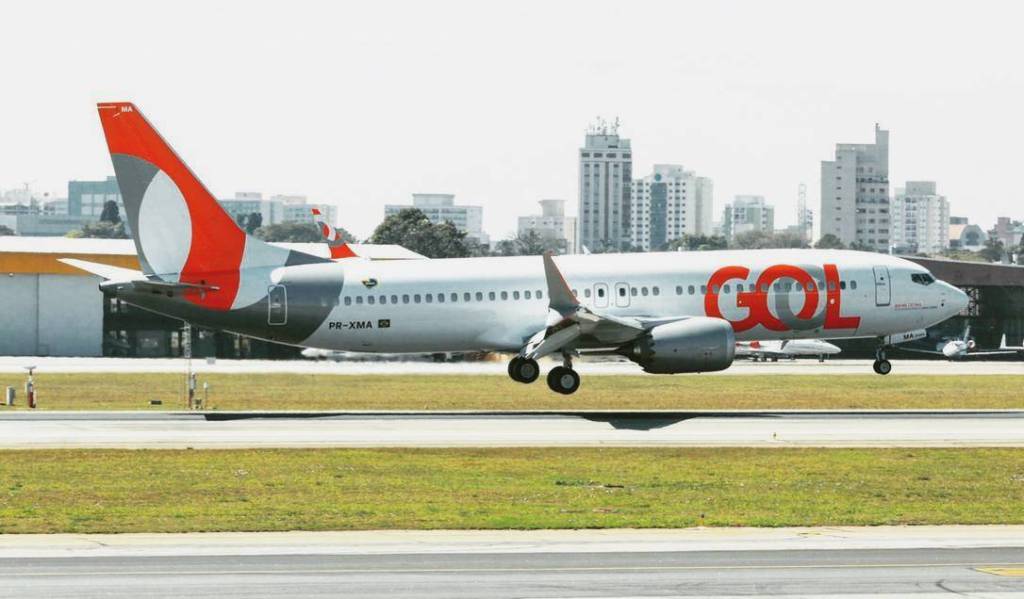
La regionalización y la aplicación de la sexta libertad para el Aeroparque permitirá beneficiar a Aerolíneas Argentinas, LATAM Airlines y GOL Linhas Aéreas, que operan en Aeroparque y poseen una importante red regional por lo que podrán realizar rutas Buenos Aires/AEP hacia destinos en Sudamérica, conexiones al Caribe y Estados Unidos. Los pasajeros podrán comprar los tramos por separado o un pasaje completo que incluya la conectividad desde el destino inicial al final, viajando con la misma aerolínea. La nueva medida significa una ventaja competitiva para atraer más usuarios desde el Aeroparque, con la conveniencia de salir desde la Ciudad de Buenos Aires y alcanzar rápidamente conexiones con otros destinos internacionales. Aunque el cambio de la nueva disposición de sexta libertad no les afecta e impacta a las low-cost argentinas, pues ofrecen solo vuelos directos punto a punto.

Amarres Aeroparque

Tras el cierre del Aeropuerto El Palomar, tanto a Flybondi como a JetSMART les prometieron más lugar en la estación metropolitana. JetSMART Argentina recibió un amarre y otros tres por el espacio que dejó vacante Norwegian Air Argentina, mientras que Flybondi Líneas Aéreas consiguió tres slots. Desde entonces, el espacio que tienen continúa siendo el mismo, por lo que las aeronaves que recibieron en el último tiempo pernoctan en Ezeiza.

Flybondi introdujo a Argentina su décimo primer avión, como parte del plan de inversión por US$ 42 millones que anunció a fines de 2021, al que denominó ‘Plan 2X’, con el objetivo de duplicar su flota y oferta. Ahora, tiene tres aeronaves en Aeroparque y ocho en Ezeiza. Por su parte, JetSMART, que también quiere aumentar su capacidad en la terminal porteña, terminó 2022 con cuatro aviones en Aeroparque y cuatro en Ezeiza.

Cambios Aeroparque

La gestión a cargo de Guillermo Dietrich, durante la Presidencia de Mauricio Macri, trasladó a Ezeiza las operaciones con países limítrofes. La decisión del anterior Gobierno se basó en la intención de descomprimir Aeroparque. Solo permanecieron allí los vuelos que tenían como destino u origen Montevideo y Punta del Este, por lo que la estación aérea quedó reservada casi completamente para el mercado de cabotaje. Así fue que el 3 de Mayo de 2018 dejaron de operar gran parte de los vuelos regionales y se movieron a Ezeiza. La otra mitad dejó de hacerlo progresivamente hasta el 1 de Abril de 2019, fecha límite que se estableció para la concreción de la segunda etapa del traslado.

Con las obras de ampliación que se llevaron adelante en Aeroparque y su reinauguración tras la cuarentena aérea en Marzo de 2021, volvieron las operaciones con Brasil, Chile, Uruguay, Paraguay y Bolivia, a las que se agregó Perú y en 2022 se sumó Colombia. Pero esa reanudación ha sido parcial, con ventas de vuelos punto a punto, y no con conexiones, como ocurrió hasta el macrismo, en la época en que había vuelos regionales desde y hacia Aeroparque. Es decir, en 2020, la venta quedó autorizada solo para vuelos directos entre Buenos Aires y destinos del Mercosur, Perú y Colombia. El 2 de Enero de 2020, antes del inicio de la pandemia, el Gobierno anunció que el Aeropuerto Buenos Aires/Jorge Newbery/AEP retomaría los vuelos internacionales bajo la regionalización que impulsa el Ministerio de Transporte. Ahora, la diferencia es que las aéreas que operan en Aeroparque podrán comercializar servicios con escalas.

Perspectivas low cost

El crecimiento de las líneas aéreas en Argentina se encuentra atada a los vaivenes de la política aeronáutica que establece el Gobierno de turno, priorizando los intereses de Aerolíneas Argentinas condicionando el mercado aéreo hacia un monopolio, sumándose la intencionalidad de manipular los intereses de Aeroparque para ser funcional a la aerolínea de bandera. Por su parte, las low cost continuarán solicitando a la agencia de la ANAC las aprobaciones de ampliación de amarres y más frecuencias tal como había prometido el Gobierno tras la finalización de obras en 03/2021.

El consorcio AA2000 continuará con futuras etapas de modificaciones de la aeroestación de Aeroparque que permitirán el ingreso de más franjas horarias, más aeronaves y mejores servicios, es imperativo que desde el Gobierno obre de acuerdo con las reglas claras de mercado donde todas las aerolíneas argentinas puedan acceder al Aeropuerto Jorge Newbery con los mismo derechos priorizando el beneficio para todos los usuarios del transporte aéreo de Argentina.

Ambas compañías desean incorporar más aeronaves para operar desde Aeroparque. Pero, teniendo en cuenta que aunque insisten para que haya cambios, todavía no lograron modificaciones en las disposiciones de los organismos de aviación. Las low cost diseñaron sus planes de crecimiento para 2023 operando principalmente en Ezeiza.

Argentina, low cost and Aeroparque
Rekindles controversy over low cost at Aeroparque

The Government of Argentina ordered a regionalization measure for the airlines that offer regional flights at the Buenos Aires/Jorge Newbery/AEP Airport and a claim from the Argentine low-cost resurfaced. The change that the Government enabled revives an old dispute over slots for local budget airlines.

The regionalization of Aeroparque has revived the political struggle between the Government and the low-cost companies due to the old claim of the low-cost companies to increase the moorings (slots) in the air station of the City of Buenos Aires. The claim is legitimately based on the fact that the closure of the El Palomar/EPA Airport by the current government would allow low-cost Argentine airlines to migrate their operational base to the Buenos Aires/Jorge Newbery/AEP Airport. After the completion of the reconditioning of the expansion and improvement works of Aeroparque in March 2021, the Government had promised to enable all regular flights of the low-cost airlines Flybondi Líneas Aéreas and JetSMART Airlines Argentina, but the requests have been repeatedly postponed in favor of Aerolíneas Argentinas.

Currently, low cost airlines operate some flights from Aeroparque and other regional routes from Ezeiza/EZE Airport, while the largest number of berths at Aeroparque are for Aerolíneas Argentinas.

Regionalization & 6th freedom

Through Resolution No. 744/2022 published in the Official Gazette, the National Civil Aviation Administration (ANAC) now allows airlines that offer flights at Aeroparque to sell connecting tickets. In this way, the sixth air freedom is put into practice, making it possible to travel from Aeroparque with a stopover in countries of the region to continue to another final destination and vice versa. The news was welcomed by the classic airlines for the benefits it will bring; but the low-cost have not applauded this benefit because it has not been inclusive. Although they assure that they are not fully affected by daily traffic, they insist on an old request: to receive authorization to increase their operational capacity at the Buenos Aires/Jorge Newbery Airport. After the closure of El Palomar, the low-cost companies had to transfer almost all their operations to the Ezeiza/EZE Airport.

From ANAC they affirmed that «the conditions are in place to allow the sixth freedom in Aeroparque and the corresponding studies were carried out to evaluate that the capacity is not saturated». But the low-cost companies point out that, since the El Palomar low-cost airport closed, they want to bring more planes to the Buenos Aires air terminal to increase the air frequencies they offer and they cannot do so due to the lack of political decision from the Government of Argentina.

They argue that the fact that now passengers will be able to fly from Aeroparque to countries in the region to continue traveling in connection to the Caribbean or the United States is detrimental to users who choose to travel to cabotage destinations with lower rates and have to move to Ezeiza, which implies a cost of time and money for those who live near the metropolitan base.

From Aeroparque the low cost operate discreetly some domestic routes. Flybondi flies directly only to Florianópolis. The rest of its flights to Brazil, which includes Rio de Janeiro and São Paulo, and to Asunción (Paraguay) are operated from Ezeiza. Meanwhile, JetSMART Airlines Argentina has flights only on the Buenos Aires-Santiago de Chile route.

The regionalization and application of the sixth freedom for the Aeroparque will benefit Aerolíneas Argentinas, LATAM Airlines and GOL Linhas Aéreas, which operate in Aeroparque and have an important regional network, so they will be able to carry out Buenos Aires/AEP routes to destinations in South America, connections to the Caribbean and the United States. Passengers will be able to buy the sections separately or a complete ticket that includes connectivity from the initial destination to the final destination, traveling with the same airline. The new measure means a competitive advantage to attract more users from the Aeroparque, with the convenience of leaving from the City of Buenos Aires and quickly reaching connections with other international destinations. Although the change of the new provision of sixth freedom does not affect them and impacts the Argentine low-cost, since they only offer direct point-to-point flights.
Moorings Aeroparque

After the closure of El Palomar Airport, both Flybondi and JetSMART were promised more space in the metropolitan station. JetSMART Argnetina received one berth and another three for the space left vacant by Norwegian Air Argentina, while Flybondi Líneas Aéreas got three slots. Since then, the space they have has remained the same, so the aircraft they recently received spend the night at Ezeiza.

Flybondi introduced its eleventh aircraft to Argentina, as part of the US$ 42 million investment plan that it announced at the end of 2021, which it called ‘Plan 2X’, with the aim of doubling its fleet and offer. Now, it has three aircraft at Aeroparque and eight at Ezeiza. For its part, JetSMART, which also wants to increase its capacity at the Buenos Aires terminal, ended 2022 with four planes at Aeroparque and four at Ezeiza.

Aeroparque changes

The management in charge of Guillermo Dietrich, during the Presidency of Mauricio Macri, transferred to Ezeiza the operations with bordering countries. The decision of the previous Government was based on the intention to decompress Aeroparque. Only the flights that had Montevideo and Punta del Este as their destination or origin remained there, so the air station was reserved almost entirely for the cabotage market. So it was that on May 3, 2018, a large part of the regional flights stopped operating and moved to Ezeiza. The other half stopped doing so progressively until April 1, 2019, the deadline that was established for the completion of the second stage of the transfer.

With the expansion works that were carried out at Aeroparque and its reopening after the air quarantine in March 2021, operations with Brazil, Chile, Uruguay, Paraguay and Bolivia returned, to which Peru was added and in 2022 Colombia was added. But this resumption has been partial, with sales of point-to-point flights, and not with connections, as happened until the macrismo, at the time when there were regional flights to and from Aeroparque. In other words, in 2020, the sale was authorized only for direct flights between Buenos Aires and Mercosur, Peru and Colombia destinations. On January 2, 2020, before the start of the pandemic, the Government announced that the Buenos Aires/Jorge Newbery/AEP Airport would resume international flights under the regionalization promoted by the Ministry of Transportation. Now, the difference is that the airlines that operate in Aeroparque will be able to market services with stopovers.

Low-cost perspectives

The growth of the airlines in Argentina is tied to the fluctuations of the aeronautical policy established by the Government of the day, prioritizing the interests of Aerolíneas Argentinas conditioning the air market towards a monopoly, adding the intention of manipulating the interests of Aeroparque to be functional to the flag carrier. For their part, the low cost will continue to request approvals from the ANAC agency for the expansion of moorings and more frequencies as promised by the Government after the completion of works on 03/2021.

The AA2000 consortium will continue with future stages of modifications to the Aeroparque airstation that will allow the entry of more time slots, more aircraft and better services. It is imperative that the Government works in accordance with clear market rules where all Argentine airlines can access Jorge Newbery Airport with the same rights prioritizing the benefit for all users of air transport in Argentina.

Both companies want to incorporate more aircraft to operate from Aeroparque. But, taking into account that although they insist that there be changes, they have not yet achieved modifications in the provisions of the aviation organizations. The low cost companies designed their growth plans for 2023, operating mainly in Ezeiza.

PUBLISHER: Airgways.com
DBk: Airgways.com / Anac.gov.ar /
AW-POST: 202301101457AR
OWNERSHIP: Airgways Inc.
A\W A I R G W A Y S ®


Disputa legal Embraer-Air Astana

AW | 2023 01 10 10:53 | AIRLINES / INDUSTRY / GOVERNMENT

Embraer y Air Astana acuerdan en principio resolver disputa

Embraer y la aerolínea kazaja Air Astana han llegado a una resolución en principio para poner fin al caso legal sobre problemas con el E190-E2. Las dos partes notificaron a la Corte Suprema del Condado de Nueva York de su resolución en una carta el 29 de Diciembre de 2022 sin revelar detalles del acuerdo. El caso se ha prolongado desde Julio de 2021. Embraer y Air Astana acuerdan en principio resolver la disputa.

La Corte Suprema del Condado de Nueva York había rechazado una moción de Embraer, en la que buscaba una compensación de Air Astana por daños relacionados con problemas con su flota de E190-E2. El tribunal exhortaba a que Embraer proporcione más respuestas a las reclamaciones de Air Astana primero y presentara esto durante una conferencia preliminar el 27 de Octubre de 2022. Embraer tiene que proporcionar más pruebas en el caso Air Astana, pero la audiencia se ha pospuesto para 1Q2023.

El Viernes 06 de Enero de 2023, la Corte Suprema programó una conferencia preliminar telefónica para discutir el estado del caso, pero el Tribunal fue notificado de la resolución una semana antes. La conferencia ha sido suspendida por sesenta días «para permitir que las partes finalicen la resolución». La Corte ha fijado el 22 de Marzo de 2023 para la Conferencia Preliminar, pero quiere ser informada a más tardar el 13 de Marzo de 2023 si no se puede acordar una resolución.

Embraer-Air Astana legal dispute

Embraer and Air Astana agree in principle to settle dispute

Embraer and Kazakh airline Air Astana have reached a resolution in principle to end the legal case over problems with the E190-E2. The two parties notified the New York County Supreme Court of their resolution in a letter on December 29, 2022 without disclosing details of the agreement. The case has been going on since July 2021. Embraer and Air Astana agree in principle to settle the dispute.

The New York County Supreme Court had rejected a motion by Embraer seeking compensation from Air Astana for damages related to problems with its fleet of E190-E2s. The court urged Embraer to provide more answers to Air Astana’s claims first and present this during a preliminary conference on October 27, 2022. Embraer has to provide more evidence in the Air Astana case, but the hearing has been postponed to 1Q2023 .

On Friday, January 6, 2023, the Supreme Court scheduled a preliminary conference call to discuss the status of the case, but the Court was notified of the resolution a week earlier. The conference has been suspended for 60 days «to allow the parties to finalize the resolution.» The Court has set March 22, 2023 for the Preliminary Conference, but wants to be informed no later than March 13, 2023 if a resolution cannot be agreed.

PUBLISHER: Airgways.com
DBk: Embraer.com / Airastana.com / Airgways.com
AW-POST: 202301101053AR
OWNERSHIP: Airgways Inc.
A\W A I R G W A Y S ®
Renacimiento de Mexicana Aviación

AW | 2023 01 09 14:57 | AIRLINES / AVIATION ORGANISMS / GOVERNMENT

Gobierno México compra activos de Mexicana de Aviación

AW-Mexicana__A320-2001

Mexicana_Isologotype

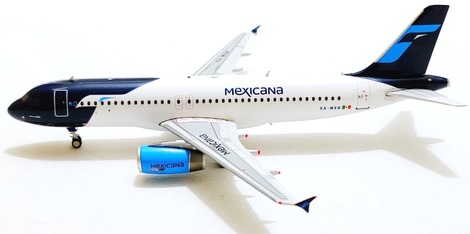
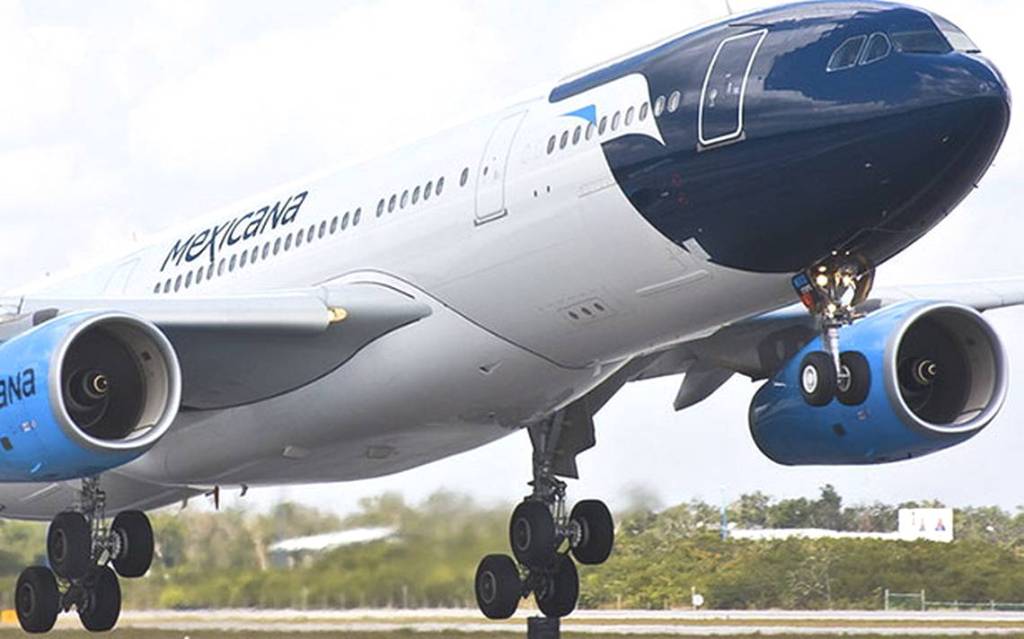
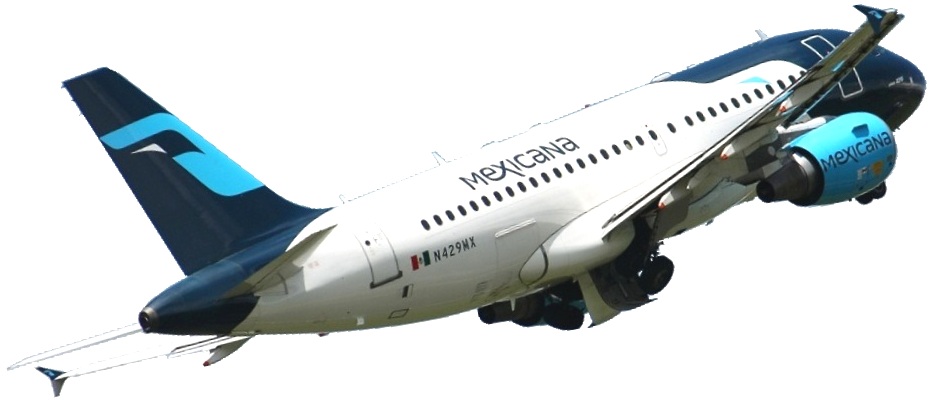
El Gobierno de México ha anunciado por medio de la Secretaría de la Defensa Nacional de México acordar la compra de los activos de la aerolínea Mexicana de Aviación, luego de llegar a un acuerdo con los sindicatos de ex empleados. Entre los activos adquiridos se encuentran la marca Mexicana de Aviación, un centro de entrenamiento, dos edificios, un taller y un simulador de vuelo. El monto total alcanzaría los MX$ 817 millones de Pesos Mexicanos/US$ 42.5 millones. El plan actual del Gobierno Federal mexicano es relanzar Mexicana de Aviación bajo control estatal y para eso se ha estado estudiando el arrendamiento de aviones de la compañía americana Boeing. El Presidente de México, Andrés López Obrador, no ha tenido un buen concepto de aerolíneas privadas de México, incluida la mayor aerolínea Aeroméxico debido a la falta de competitividad y servicios y lo relacionado con la migración de los vuelos al nuevo Aeropuerto Felipe Angeles/NLU. El Gobierno estima que la participación de mercado de la nueva Mexicana alcanzaría el 11% del mercado doméstico.

El acuerdo para la venta de activos de Mexicana ha tenido un incremento de 11,21% respecto al precio original previsto por el Gobierno a los ex-trabajadores de Mexicana de Aviación, el Viernes 06/01 al arribar al compromiso para vender la marca y algunos activos de la aerolínea, que permitirá activar a la aerolínea por la empresa Olmeca-Maya-Mexica de la Secretaría de la Defensa Nacional. Eduardo Barrera, Presidente de la Asociación Sindical de Pilotos Aviadores de México (ASPA) explicó que este aumento porcentual se dio por que se incluyeron los dos simuladores de la aerolínea. El Martes 10 de Enero de 2023 la Junta Federal de Conciliación y Arbitraje de la Secretaría del Trabajo y Previsión Social rectificarán el convenio por el cual los representantes de los sindicatos de Mexicana de Aviación aceptarán la propuesta del Gobierno Federal para vender los activos de la empresa que se hallaban en la Masa Concursal de la empresa en el Tribunal de Justicia y que actualmente forman parte de la Sindicatura de la Quiebra de las dos aerolíneas concursadas Compañía Mexicana de Aviación y Mexicana Click. El alcance del acuerdo establecerá que los sindicatos aeronáuticos y los ex-empleados de las líneas aéreas aceptarán los laudos emitidos por la Jueza Edith Alarcón que declaró la quiebra en Abril de 2014.

Bienes cotizados

La Secretaría de Infraestructura, Comunicaciones y Transportes (SICT) pagará, por la marca de Mexicana de Aviación MX$ 407.4 millones de Pesos, por el Centro de Adiestramiento MX$ 210.7 millones, por el edificio en Guadalajara, MX$ 86.1 millones. Las oficinas del edificio de Balderas ha sido tasado en un valor de MX$ 28.9 millones y por dos simuladores Thomson y Singer valorados en MX$ 83.3 millones de Pesos. En conjunto, el Gobierno federal desembolsará un total de MX$ 816 millones de Pesos Mexicanos. El Instituto de Administración y Avalúos de Bienes Nacionales (INDAABIN) ha logrado poner un precio a los dos simuladores de vuelo, el Thompson para Airbus 320 y el Singer para Boeing 727. Además, existen otros bienes a cotizar, según el Presidente de la delegación de la ASPA dijo que entre el patrimonio se encuentra unas refacciones edilicias, así como el fideicomiso del taller de mantenimiento, el Mexicana MRO, el cual se le ofreció al Gobierno pero no fue aceptado ante la falta de presupuesto. El área de Mantenimiento ha sido la única sobreviviente de la quiebra de Mexicana de Aviación. El taller aeronáutico de Mantenimiento Mexicana MRO está trabajando bien, y aunque los trabajadores son los beneficiarios del usufructo de la venta, aunque no de las ganancias.

Por su parte, Alfonso Ascencio Trujeque, síndico de la quiebra de Mexicana de Aviación, comentó que por la situación en la que se encuentra la empresa, difícilmente alguien más pudiera dar una oferta, ni siquiera cercana a lo que se está ofreciendo. Sostiene, que por parte del Gobierno ha realizado una oferta considerable para reflotar una de las aerolíneas más antiguas del mundo, sosteniendo que está por encima de las últimas valuaciones. Las organizaciones sindicales estaban muy escépticas al precio que pudiera dar el INDAABIN.

Antigua Mexicana

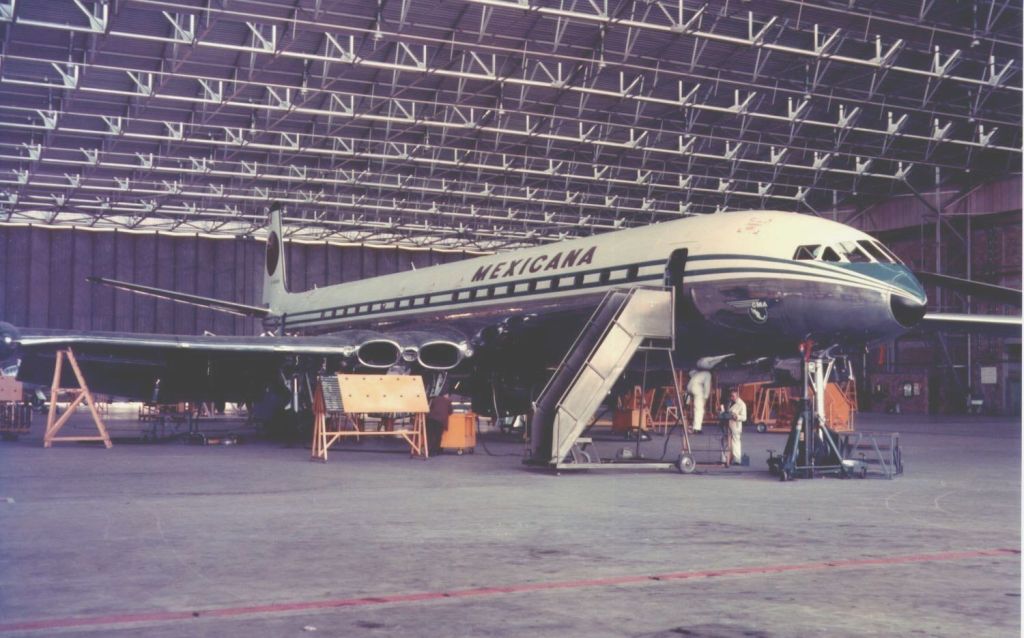
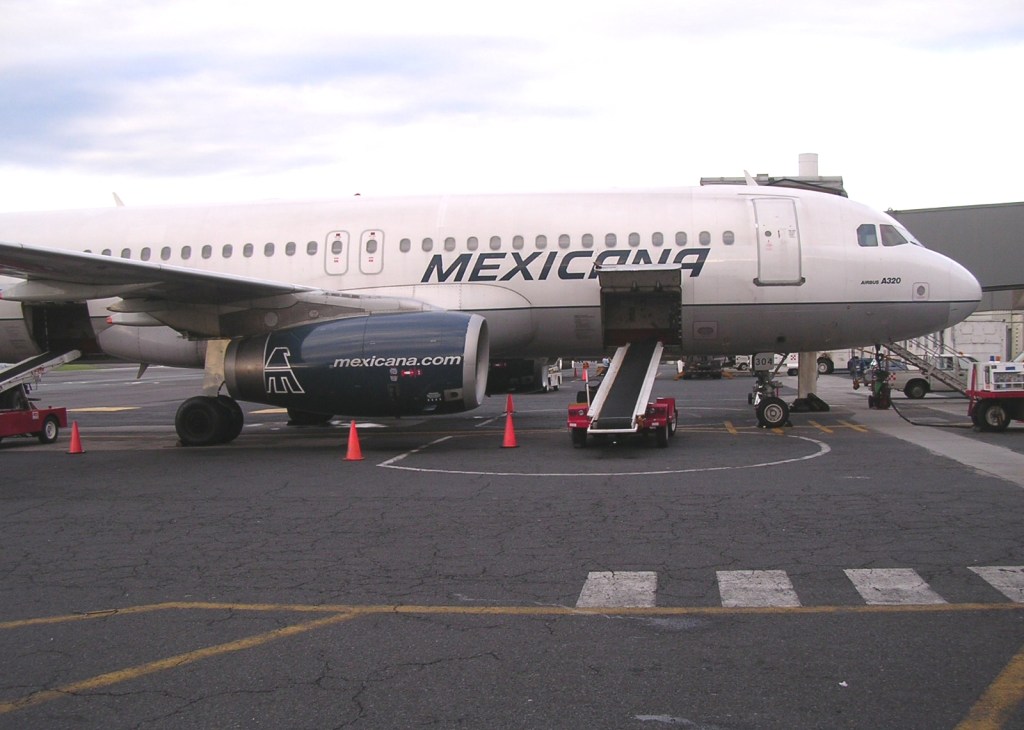
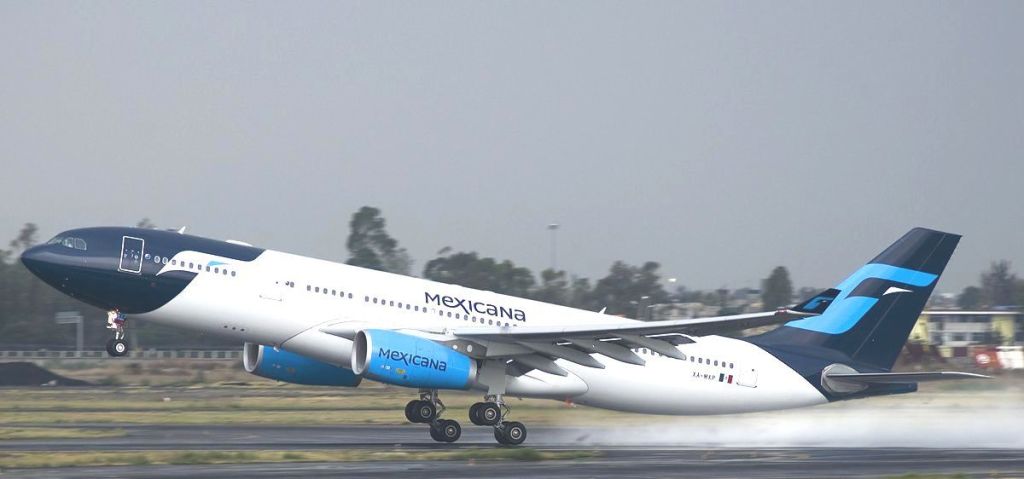
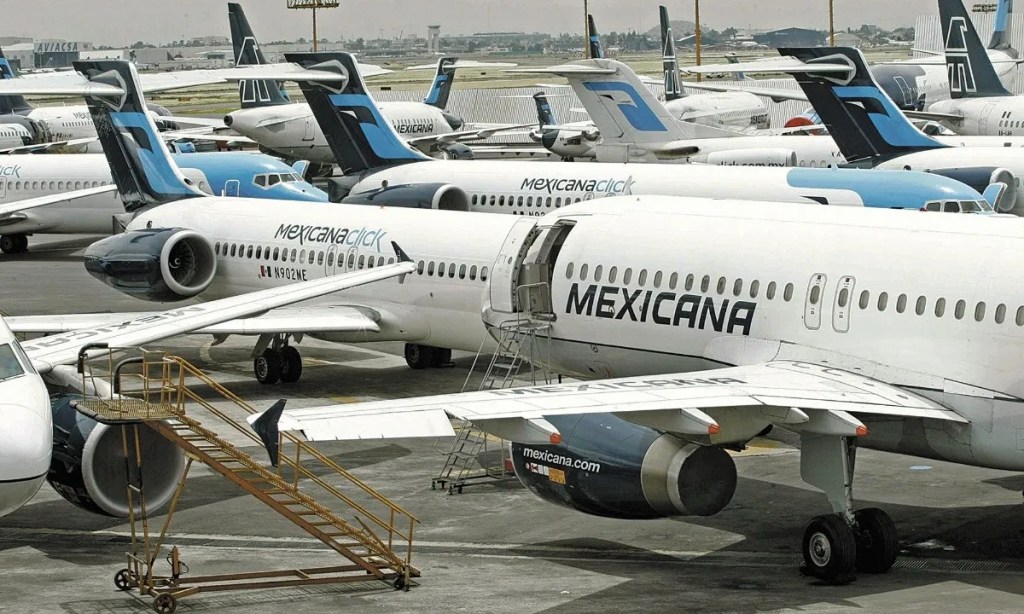
Un año antes de terminar sus operaciones, Mexicana contaba con una flota de 110 aviones y había transportado 11 millones de pasajeros, 40% de ellos en rutas internacionales. Entre los aviones operados se encontraban aviones de la familia Airbus A318/A319/A320 y A330-200, Boeing 757 y Boeing 767 y DC-10. La aerolínea fue miembro de Star Alliance hasta 2009, cuando cambió a Oneworld. Varios intentos de revivir Mexicana se hicieron en los años siguientes, pero sin éxito. Presentaba la quiebra en 2010, será relanzada bajo el control de la Secretaría de Defensa Nacional del país. Se espera que Mexicana de Aviación, una aerolínea fundada en 1921 y que suspendió sus operaciones el 28 de Agosto de 2010. Se espera que reanude sus vuelos a finales de 2023, según los planes de la Presidencia de Mexico.

Perspectivas Mexicana

Después de KLM Airlines, Avianca y Qantas Airways, Mexicana de Aviación fue una de las aerolíneas más antiguas del mundo inaugurada el 12 de Julio de 1921. Antes de su cese de operaciones el 28 de Agosto de 2010, era la aerolínea más grande de México. Ahora, la Secretaría de Infraestructura, Comunicaciones y Transportes de México (SICT) será la compradora de la marca y los activos de la antigua aerolínea, poniendo en toda la nación el anuncio del retorno de la emblemática aerolínea Mexicana de Aviación e los cielos de México y el mundo.

Rebirth of Mexicana Aviation

Government of Mexico buys assets of Mexicana de Aviación

Mexicana_Isologotype_banner

The Government of Mexico has announced through the Secretariat of National Defense of Mexico to agree to the purchase of the assets of the airline Mexicana de Aviación, after reaching an agreement with the unions of former employees. Among the assets acquired are the Mexicana de Aviación brand, a training center, two buildings, a workshop and a flight simulator. The total amount would reach MX$ 817 million Mexican Pesos/US$ 42.5 million. The current plan of the Mexican Federal Government is to relaunch Mexicana de Aviación under state control and for this purpose the leasing of aircraft from the American company Boeing has been studied. The President of Mexico, Andrés López Obrador, has not had a good opinion of private airlines in Mexico, including the largest airline Aeroméxico due to the lack of competitiveness and services and related to the migration of flights to the new Felipe Angeles Airport/NLU. The Government estimates that the market share of the new Mexicana would reach 11% of the domestic market.

The agreement for the sale of Mexicana assets has had an increase of 11.21% compared to the original price provided by the Government to the former employees of Mexicana de Aviación, on Friday 01/06 upon reaching the commitment to sell the brand and some assets of the airline, which will allow the airline to be activated by the company Olmeca-Maya-Mexica of the Ministry of National Defense. Eduardo Barrera, President of the Aviation Pilots Union Association of Mexico (ASPA) explained that this percentage increase occurred because the two airline simulators were included. On Tuesday, January 10, 2023, the Federal Conciliation and Arbitration Board of the Ministry of Labor and Social Welfare will rectify the agreement by which the representatives of the Mexicana de Aviación unions will accept the Federal Government’s proposal to sell the company’s assets who were in the Bankruptcy Estate of the company in the Court of Justice and who are currently part of the Bankruptcy Receivership of the two bankrupt airlines Compañía Mexicana de Aviación and Mexicana Click. The scope of the agreement will establish that the aeronautical unions and the former employees of the airlines will accept the awards issued by Judge Edith Alarcón who declared bankruptcy in April 2014.

Listed assets

The Secretariat of Infrastructure, Communications and Transportation (SICT) will pay MX$ 407.4 million Pesos for the Mexicana de Aviación brand, MX$ 210.7 million for the Training Center, and MX$ 86.1 million for the building in Guadalajara. The offices of the Balderas building have been appraised at a value of MX$ 28.9 million and for two Thomson and Singer simulators valued at MX$ 83.3 million Pesos. Together, the federal government will disburse a total of MX$ 816 million Mexican Pesos. The Institute of Administration and Appraisals of National Assets (INDAABIN) has managed to put a price on the two flight simulators, the Thompson for Airbus 320 and the Singer for Boeing 727. In addition, there are other assets to be quoted, according to the President of the delegation from ASPA said that among the assets are some building spare parts, as well as the trust for the maintenance workshop, the Mexicana MRO, which was offered to the Government but was not accepted due to the lack of budget. The Maintenance area has been the only survivor of the bankruptcy of Mexicana de Aviación. The aeronautical workshop of Maintenance Mexicana MRO is working well, and although the workers are the beneficiaries of the usufruct of the sale, although not of the profits.

For his part, Alfonso Ascencio Trujeque, trustee of the bankruptcy of Mexicana de Aviación, commented that due to the situation in which the company finds itself, it would be difficult for someone else to make an offer, not even close to what is being offered. He maintains that the government has made a considerable offer to revive one of the oldest airlines in the world, arguing that it is above the latest valuations. The union organizations were very skeptical of the price that INDAABIN could give.

Old Mexicana

A year before ending its operations, Mexicana had a fleet of 110 aircraft and had transported 11 million passengers, 40% of them on international routes. Among the aircraft operated were Airbus A318/A319/A320 and A330-200 family aircraft, Boeing 757 and Boeing 767 and DC-10. The airline was a member of Star Alliance until 2009, when it changed to Oneworld. Various attempts to revive Mexicana were made in the following years, but without success. Filed for bankruptcy in 2010, it will be relaunched under the control of the country’s Secretary of National Defense. Mexicana de Aviación, an airline founded in 1921 and which suspended its operations on August 28, 2010, is expected to resume its flights at the end of 2023, according to the plans of the Presidency of Mexico.

Mexicana perspectives

After KLM Airlines, Avianca and Qantas Airways, Mexicana de Aviación was one of the oldest airlines in the world, inaugurated on July 12, 1921. Before it ceased operations on August 28, 2010, it was the largest airline in Mexico. . Now, the Secretariat of Infrastructure, Communications and Transportation of Mexico (SICT) will be the buyer of the brand and assets of the former airline, announcing the return of the emblematic airline Mexicana de Aviación to the skies of Mexico throughout the nation. and the world. The Secretariat of Infrastructure, Communications and Transportation of Mexico (SICT) will be the buyer of the brand and the assets of the former airline, announcing the return of the emblematic airline Mexicana de Aviación throughout the nation.

AW-Mexicana__A330-2001

PUBLISHER: Airgways.com
DBk: Gob.mx/sct / Gob.mx/indaabin / Gob.mx/sedena / Aspa.org.mx / Airgways.com
AW-POST: 202301091457AR
OWNERSHIP: Airgways Inc.
A\W A I R G W A Y S ®

Aeroparque vuelos regionales

AW | 2023 01 06 11:26 | AIRPORTS / AIRLINES / GOVERNMENT

Aerolíneas celebran retorno vuelos regionales con conexión

Un cambio normativo aplicado por el Gobierno de Argentina permite ahora que las aerolíneas vendan vuelos desde y hacia el Aeroparque Jorge Newbery con conexión, una noticia que fue bienvenida por varias empresas del sector por los beneficios que traerá para ellas y los pasajeros. A través de la Resolución Nº744/2022 publicada esta semana en el Boletín Oficial, la Administración Nacional de Aviación Civil (ANAC) dejó sin efecto una medida que impedía la comercialización de vuelos que tuvieran como origen o destino Aeroparque e hicieran conexión en países de la región con terceros. El 2 de Enero de 2020, el Gobierno de Argentina anunció que el Aeropuerto Jorge Newbery/AEP retomaría los vuelos internacionales bajo la regionalización que impulsa el Ministerio de Transporte, luego de que la Presidencia anterior de Mauricio Macri trasladara las operaciones regionales al Aeropuerto Internacional de Ezeiza/EZE.

La decisión del anterior Gobierno se basó en la intención de descomprimir Aeroparque. Solo permanecieron allí los vuelos que tenían como destino u origen Montevideo y Punta del Este, por lo que la estación aérea quedó reservada para el mercado de cabotaje. Así fue que el 3 de Mayo de 2018 dejaron de operar gran parte de los vuelos regionales y se trasladaron a Ezeiza, completando la migración de los vuelos el 1 de Abril de 2019, fecha límite que se estableció para la concreción de la segunda etapa del traslado. La nueva normativa vigente modifica un cambio normativo que permite ahora a las líneas aéreas efectuar vuelos desde y hacia el Aeropuerto Jorge Newbery con conexión, mientras que hasta la fecha sólo podían operar punto a punto. En 2020, la venta de pasajes quedó autorizada solo para vuelos directos con destinos del Mercosur, Perú y Colombia.

Con las obras de ampliación que se llevaron adelante en Aeroparque y su reinauguración tras la cuarentena aérea en Marzo de 2021, volvieron las operaciones con Brasil, Chile, Uruguay, Paraguay y Bolivia, a las que se agregó Perú y en 2022 se sumó Colombia. Pero esa reanudación ha sido parcial, como aseguran en la industria aeronáutica: los vuelos se vendían punto a punto, y no con conexión, como ocurrió hasta el macrismo, en la época en que había vuelos regionales desde y hacia Aeroparque. Ahora, la diferencia es que las líneas aéreas que operan en la terminal metropolitana podrán comercializar servicios desde o hacia Aeroparque con escala.

La medida fue bienvenida por varias empresas del sector por los beneficios que traerá para ellas y los pasajeros. Desde ANAC reconocieron que era una deuda pendiente. «Están dadas las condiciones para permitir la sexta libertad. Se mantienen los mismos destinos, pero se levanta la prohibición que estaba vigente», aseguraron desde el organismo de aviación.

La agencia de la ANAC busca incentivar la conectividad regional, «con beneficios para los pasajeros y un incremento significativo en los niveles de recuperación del tráfico aéreo en el país y la región. No solo se apoyará los servicios para el turismo receptivo, sino que también se contribuirá a mejorar los utilizados por los usuarios en general, pudiendo incrementar los servicios internacionales en un mismo aeropuerto, lo que beneficiará al sistema de aviación nacional y regional», sostiene la resolución. La comercialización de estos pasajes queda sujeta a las autorizaciones previamente otorgadas por ANAC a las compañías y las condiciones acordadas bilateralmente con cada país comprendido por la norma.

Beneficios nueva resolución

En el sector, apuntan que los principales beneficiarios serán los pasajeros, que tendrán más alternativas a la hora de elegir: podrán optar por comprar los tramos por separado o solo un pasaje que incluya la conectividad desde el destino inicial al final, viajando con la misma aerolínea. A su vez, en la medida en que las aéreas que operan en Aeroparque pongan a la venta los boletos con conexión, no será necesario ir a Ezeiza para tomarse un vuelo al exterior, lo que implica un ahorro de tiempo y dinero para quienes viven cerca de la terminal metropolitana.

Compañías extranjeras como LATAM Airlines, SKY Airline y GOL Linhas Aéreas, que operan en Aeroparque y tienen una importante red regional podrán vender, por ejemplo, las rutas Buenos Aires/AEP—Lima/LIM—Miami/MIA o Buenos Aires/AEP—Brasilia/BSB—Miami/MIA y viceversas. La derogación de la medida representa una oportunidad para estas empresas que llevan regularmente pasajeros, especialmente, a los Estados Unidos, Brasil y el Caribe, a través de sus centros de conexión. Alrededor del 60% de los viajeros que se movilizan a países limítrofes tienen como punto final otro destino.

«Es una ventaja competitiva. Hace más eficiente la venta de tickets y evita que los usuarios tengan que comprar pasajes por separado, lo que generaba un riesgo: que eligieran llegar a los destinos limítrofes con aéreas como LATAM, que opera a nivel local, y luego optaran por compañías de esos países, que no están presentes en la Argentina, para llegar al destino final», indicó una fuente del sector.

Aunque Aerolíneas Argentinas no se ve directamente beneficiada, porque sus vuelos internacionales no tienen conexión con otros países, sí queda impactada de forma positiva por la medida. La aerolínea de bandera tiene un código compartido con GOL para brindar más oportunidades de vuelos, ofreciendo conexiones con destinos a los que Aerolíneas no llega. Así, la asociación con la aerolínea brasileña permite a pasajeros argentinos de Buenos Aires y ciudades del interior llegar con vuelos directos a Brasil, y allí conectar con otras operaciones de GOL Linhas Aéreas.

Perjuicios nueva resolución

Podemos notar que la nueva resolución implementado por el Gobierno actual traería aparejado un perjuicio para las líneas aéreas low cost. Desde el Gobierno han estado aplazando las reiteradas solicitudes por parte de las aerolíneas low cost argentinas como Flybondi y JetSMART Airlines para incrementar los amarres en el Aeropuerto Jorge Newbery/AEP, argumentando la falta de slots (permisos de despegues/aterrizajes) en la aeroestación remodelada y ampliada.

Por este motivo, son incongruentes los planteos del Gobierno de no aprobar las solicitudes de amarres adicionales para las low cost. Ahora, con el incremento de las operaciones regionales de Aeroparque, las oportunidades de progresar y ampliar sus operaciones en este aeropuerto de las aéreas low cost estaría truncados, pues el Aeropuerto Jorge Newbery estaría funcionando casi al 100% de su capacidad operativa.

Aeroparque regional flights

Airlines celebrate regional flights with connection

A regulatory change applied by the Government of Argentina now allows airlines to sell flights from and to the Jorge Newbery Aeroparque with connection, a news that was welcomed by several companies in the sector for the benefits it will bring for them and passengers. Through Resolution No. 744/2022 published this week in the Official Gazette, the National Civil Aviation Administration (ANAC) left without effect a measure that prevented the commercialization of flights that had as an origin or destination Aeroparque and made connection in countries of the countries of the region with third parties. On January 2, 2020, the Government of Argentina announced that the Jorge Newbery/AEP airport would resume international flights under the regionalization promoted by the Ministry of Transportation, after the previous presidency of Mauricio Macri moved regional operations to the International Airport of Ezeiza/EZE.

The decision of the previous government was based on the intention of decompressing Aeroparque. Only the flights had as destination or Montevideo origin and Punta del Este, so the air station was reserved for the cabotage market. Thus, on May 3, 2018, a large part of the regional flights stopped operating and moved to Ezeiza, completing the migration of the flights on April 1, 2019, a deadline that was established for the concretion of the second stage of the second stage of the transfer. The new regulations in force modifies a regulatory change that now allows airlines to make flights from and to Jorge Newbery airport with connection, while to date they could only operate point to point. In 2020, the sale of tickets was authorized only for direct flights with destinations from Mercosur, Peru and Colombia.

With the extension works that were carried out in Aeroparque and its reopening after the air quarantine in March 2021, operations with Brazil, Chile, Uruguay, Paraguay and Bolivia, to which Peru was added and in 2022 Colombia joined. But that resumption has been partial, as they assure in the aeronautical industry: the flights were sold to point, and not with connection, as happened until the macrismo, at the time when there were regional flights from and to Aeroparque. Now, the difference is that the airlines operating in the Metropolitan Terminal can market services from or to Aeroparque with scale.

The measure was welcomed by several companies in the sector for the benefits it will bring for them and passengers. From ANAC they recognized that it was a pending debt. «The conditions to allow sixth freedom are given. The same destinations are maintained, but the prohibition that was in force is raised», they said from the aviation body.

The ANAC agency seeks to encourage regional connectivity, «with benefits for passengers and a significant increase in air traffic recovery levels in the country and the region. Not only will services be supported for receptive tourism, but also It will contribute to improving those used by users in general, being able to increase international services in the same airport, which will benefit the national and regional aviation system», says the resolution. The commercialization of these passages is subject to the authorizations previously granted by ANAC to the companies and the conditions bilaterally agreed with each country comprised by the standard.

New resolution benefits

In the sector, they point out that the main beneficiaries will be the passengers, who will have more alternatives when choosing: they can choose to buy the sections separately or only a passage that includes connectivity from the initial destination at the end, traveling with the same airline. In turn, to the extent that the air that operate in Aeroparque put on sale the tickets with connection, it will not be necessary to go to Ezeiza to take a flight abroad, which implies a saving of time and money for those who live nearby of the Metropolitan Terminal.

Foreign companies such as LATAM Airlines, SKY Airline and GOL Linhas Aéreas, which operate at Aeroparque and have an important regional network, will be able to sell, for example, the Buenos Aires/AEP—Lima/LIM—Miami/MIA or Buenos Aires/AEP—Brasilia routes. /BSB—Miami/MIA and vice versa. The repeal of the measure represents an opportunity for these companies that regularly carry passengers, especially to the United States, Brazil and the Caribbean, through their connection centers. About 60% of travelers who move to neighboring countries have another destination as their end point.

«It is a competitive advantage. It makes ticket sales more efficient and prevents users from having to buy tickets separately, which generated a risk: choosing to reach bordering destinations with airlines such as LATAM, which operates locally, and then they will opt for companies from those countries, which are not present in Argentina, to reach the final destination», said a source from the sector.

Although Aerolíneas Argentinas does not directly benefit, because its international flights do not have connections with other countries, it is positively impacted by the measure. The flag carrier has a code share with GOL to provide more flight opportunities, offering connections to destinations that Aerolíneas does not reach. Thus, the association with the Brazilian airline allows Argentine passengers from Buenos Aires and cities in the interior to arrive with direct flights to Brazil, and there connect with other GOL Linhas Aéreas operations.

Damages new resolution

We can note that the new resolution implemented by the current government would bring harm to low cost airlines. The Government has been postponing the repeated requests by Argentine low-cost airlines such as Flybondi and JetSMART Airlines to increase moorings at the Jorge Newbery/AEP Airport, arguing the lack of slots (takeoff/landing permits) in the remodeled aerostation and enlarged.

For this reason, the proposals of the Government of not approving the requests for additional moorings for low cost are incongruous. Now, with the increase in regional operations of Aeroparque, the opportunities to progress and expand its operations at this airport for low cost airlines would be cut short, since the Jorge Newbery Airport would be operating at almost 100% of its operational capacity.

PUBLISHER: Airgways.com
DBk: Anac.gov.ar / Santiago Filipuzzi / Airgways.com
AW-POST: 202301061126AR
OWNERSHIP: Airgways Inc.
A\W A I R G W A Y S ®
Airbus proporciona satélite a Polonia

AW | 2023 01 05 10:44 | AEROSPACE / GOVERNMENT

Polonia recibe Satélite S950 alta resolución

Airbus_Isologotype_svg

Airbus Group proporcionará a Polonia un sistema de satélite óptico de muy alta resolución, siendo el primer contrato de exportación de los satélites ópticos S950 VHR de Airbus, actualmente utilizados por Pléiades Neo. El sistema polaco incluye dos satélites de muy alta resolución, segmento terreno y servicios asociados, incluida la formación completa.

Airbus Defence and Space ha informado el 4 de Enero de 2023 que ha firmado un contrato con Polonia para proporcionar un sistema de inteligencia geoespacial que incluye el desarrollo, la fabricación, el lanzamiento y la puesta en órbita de dos satélites ópticos de observación de la Tierra de alto rendimiento. El contrato también cubre el segmento terrestre asociado, incluida la estación de recepción directa en Polonia, los servicios de lanzamiento, la capacitación para el equipo polaco, el mantenimiento y el soporte técnico para los sistemas espaciales y terrestres. Además, el acuerdo incluye la entrega de imágenes de muy alta resolución (VHR) de la constelación de Airbus Pléiades Neo a partir de 2023.

Este contrato es el primer éxito de exportación, logrado con el apoyo del Gobierno francés, del satélite óptico Airbus S950 VHR que surge del desarrollo de la constelación Pléiades Neo, que ya opera en órbita con dos satélites desde 2021. Este sistema de última generación ofrece un rendimiento de vanguardia de las capacidades ópticas VHR acompañado de una altísima agilidad en órbita.

Jean-Marc Nasr, Jefe de Sistemas Espaciales de Airbus, dijo: “Este contrato proporcionará a Polonia uno de los sistemas de observación de la Tierra por satélite más sofisticados del mundo. Fortalece a Europa y le da a la nación polaca una capacidad espacial verdaderamente soberana. Esperamos seguir desarrollando nuestra cooperación con Polonia bajo el paraguas de la asociación estratégica entre Francia y Polonia”.

Tras el lanzamiento de los satélites desde el Centro Espacial Europeo en Kourou, Guayana Francesa, las imágenes provenientes de los satélites polacos serán recibidas directamente en Polonia por la infraestructura del sistema nacional de satélites, lo que garantiza la plena autonomía.

Este anuncio consolida la posición de Airbus como líder mundial en la exportación de sistemas de satélites de observación de la Tierra y es una gran muestra de confianza en la tecnología de la compañía. También es un respaldo a la estrategia de Airbus de invertir en la constelación Pléiades Neo, el punto de referencia para los sistemas de geoinformación VHR. El montaje, la integración y las pruebas de los satélites se llevarán a cabo en las salas limpias de Airbus en Toulouse y el lanzamiento está previsto para 2027. A partir de 2023, Polonia tendrá acceso a las imágenes de Pléiades Neo directamente desde Airbus.

Airbus provides satellite to Poland

Poland receives high resolution S950 Satellite

Airbus Group will provide Poland with a very high-resolution optical satellite system, marking the first export contract for Airbus’ S950 VHR optical satellites, currently used by Pléiades Neo. The Polish system includes two very high resolution satellites, ground segment and associated services, including full formation.

Airbus Defense and Space has reported on January 4, 2023 that it has signed a contract with Poland to provide a geospatial intelligence system that includes the development, manufacture, launch and placement into orbit of two optical Earth observation satellites. high perfomance. The contract also covers the associated ground segment, including the direct receiving station in Poland, launch services, training for the Polish team, maintenance and technical support for space and ground systems. In addition, the agreement includes the delivery of very high resolution (VHR) imagery of the Airbus Pléiades Neo constellation starting in 2023.

This contract is the first export success, achieved with the support of the French Government, of the Airbus S950 VHR optical satellite that arises from the development of the Pléiades Neo constellation, which has already been operating in orbit with two satellites since 2021. This state-of-the-art system offers state-of-the-art performance of VHR optical capabilities accompanied by extremely high agility in orbit.

Jean-Marc Nasr, Airbus Head of Space Systems, said: “This contract will provide Poland with one of the most sophisticated Earth observation satellite systems in the world. It strengthens Europe and gives the Polish nation a truly sovereign space capability. We look forward to further developing our cooperation with Poland under the umbrella of the French-Polish strategic partnership».

Following the launch of the satellites from the European Space Center in Kourou, French Guiana, the images from the Polish satellites will be received directly in Poland by the infrastructure of the national satellite system, ensuring full autonomy.

This announcement cements Airbus’ position as the world’s leading exporter of Earth observation satellite systems and is a great sign of confidence in the company’s technology. It is also an endorsement of Airbus’ strategy to invest in the Pléiades Neo constellation, the benchmark for VHR geoinformation systems. Assembly, integration and testing of the satellites will take place in Airbus clean rooms in Toulouse and launch is scheduled for 2027. Starting in 2023, Poland will have access to Pléiades Neo images directly from Airbus.

PUBLISHER: Airgways.com
DBk: Airbus.com / Airgways.com
AW-POST: 202301051044AR
OWNERSHIP: Airgways Inc.
A\W A I R G W A Y S ®

Liquidación de Merpati Airlines

AW | 2023 01 04 22:22 | AIRLINES / GOVERNMENT

Fondos de la liquidación para empleados aerolínea extinta

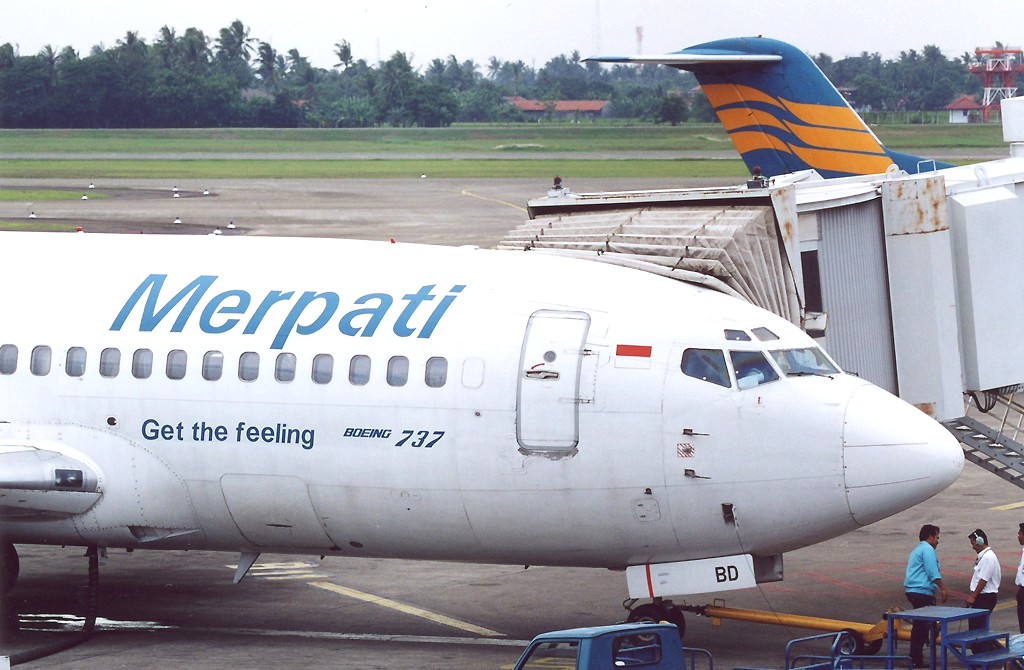
Los liquidadores de PT Perusahaan Pengelola Aset (PPA) de Indonesia han vendido el primer tramo de activos pertenecientes a la desaparecida Merpati Airlines y los jueces del Tribunal de Distrito de Surabaya han decidido sobre la asignación inicial de los ingresos de la venta de activos que ascienden a casi Rp 59 mil millones de Rupias/US$ 3.8 millones. La estatal PPA está manejando la liquidación de Merpati, que dejó de volar en 2014 en medio de problemas financieros, incluido el incumplimiento de la nómina, pero solo se declaró oficialmente en bancarrota en junio de 2022.

La división comercial del Tribunal de Distrito de Surabaya ahora está supervisando el proceso de liquidación y recientemente emitió la lista de distribución de la primera etapa de las ventas de activos después de ordenar una subasta de los activos de la aerolínea. Específicamente, Rp 54.8 mil millones se distribuirán entre 1,225 ex empleados de Merpati y otros IDR 3,8 mil millones (USD243,839) se distribuirán entre 50 ex empleados a los que aún se les deben salarios.

«Se espera que esta división brinde certeza para la liquidación de las obligaciones de Merpati Airlines con los acreedores al priorizar el principio de justicia para todas las partes, incluidos los ex empleados», dijo el Director de PPA, Yadi Jaya Ruchandi, en un comunicado de prensa.

Merpati voló durante más de cincuenta años antes de cesar sus operaciones hace ocho años. Desde entonces, ha habido varios esfuerzos para relanzar o vender la aerolínea. Pero durante la audiencia de bancarrota de junio de 2022, se le dijo al tribunal que los acreedores seguían sin pagar de su bolsillo por una suma de US$ 731 millones y que los acuerdos de liquidación anteriores aprobados por el tribunal no se habían cumplido en gran medida.

Merpati Airlines settlement

Liquidation funds for extinct airline employees

The Liquidators of PT Perusahaan Pengelola ASET (PPA) of Indonesia have sold the first section of assets belonging to the missing Merpati Airlines and the judges of the District Court of Surabaya have decided on the initial allocation of the income of the sale of assets that ascend A almost Rp 59 billion rupees/US$ 3.8 million. The state-owned PPA is handling the liquidation of Merpati, which stopped flying in 2014 amid financial problems, including payroll breach, but only officially declared in bankruptcy in June 2022.

The Commercial Division of the Surabaya District Court is now supervising the liquidation process and recently issued the distribution list of the first stage of assets sales after ordering an auction of the airline assets. Specifically, RP 54.8 billion will be distributed between 1,225 former Employees of Merpati and other Rp 3.8 billion/US$ 243,839 will be distributed among 50 former employees who are still due to wages.

«This division is expected to provide certainty for the liquidation of the obligations of Merpati Airlines with the creditors when prioritizing the principle of justice for all parties, including former employees», said the director of PPA, Yadi Jaya Ruchandi, in a statement of press.

Merpati flew for more than fifty years before ceasing his operations eight years ago. Since then, there have been several efforts to relaunch or sell the airline. But during the Banking Hearing of June 2022, the creditors were told that the creditors still did not pay their pocket for a sum of US$ 731 million and that the previous settlement agreements approved by the Court had not been fulfilled measure.

PUBLISHER: Airgways.com
DBk: Ptppa.com / Sipp.pn-surabayakota.go.id / Airgways.com
AW-POST: 202301042222AR
OWNERSHIP: Airgways Inc.
A\W A I R G W A Y S ®
Reapertura aérea china

AW | 2023 01 04 19:09 | AIRLINES MARKET / GOVERNMENT

Gobiernos nuevas alarmas ante controles preventivos

La apertura de China al mundo tras los cambios políticos sobre el COVID-19 en el país ha puesto en alarma a numerosos gobiernos, donde han reestablecido controles aeroportuarios sanitarios de Coronavirus para los pasajeros procedentes de China. El cambio de postura política del gobierno chino ante el COVID-19, que ha llevado a reabrir sus fronteras, ha levantado nuevas alarmas en numerosos gobiernos en todo el mundo implementando nuevos controles a los pasajeros procedentes de China a su llegada a los aeropuertos de cada país. Estas medidas van desde la toma de temperatura, y realización de una prueba COVID, a peticiones de certificados de pautas completas de vacunación o PCR negativas.

Estas medidas han sido criticadas por numerosos participantes en el tráfico aéreo internacional por considerarlas inútiles en más de un sentido. Otros, que no han expresado su opinión, dependen en gran medida de los gobiernos que han decidido imponer estos controles.

Como ejemplo de estas críticas a los nuevos controles, Wilie Walsh, Director General de IATA, ha manifestado: “Varios países están introduciendo pruebas de COVID-19 y otras medidas para los viajeros procedentes de China, a pesar de que el virus ya circula ampliamente dentro de sus fronteras. Resulta extremadamente decepcionante ver este restablecimiento precipitado de medidas que han demostrado su ineficacia en los últimos tres años. Las investigaciones realizadas en torno a la llegada de la variante Omicron concluyeron que poner barreras a los viajes no suponía ninguna diferencia en el pico de propagación de las infecciones. Como mucho, las restricciones retrasaron ese pico unos días. Si surge una nueva variante en cualquier parte del mundo, cabría esperar la misma situación. Por eso los gobiernos deberían escuchar los consejos de los expertos, incluida la OMS, que desaconsejan las restricciones de viaje. Tenemos las herramientas para gestionar el COVID-19 sin recurrir a medidas ineficaces que corten la conectividad internacional, dañen las economías y destruyan puestos de trabajo. Los gobiernos deben basar sus decisiones en hechos científicos y no en políticas científicas”.

Por su parte Olivier Jankovec, Director General de ACI Europe se ha manifestado en términos parecidos, señalando que: “Estas acciones unilaterales contradicen toda la experiencia y las pruebas obtenidas en los últimos tres años. Tanto el Centro Europeo para la Prevención y el Control de las Enfermedades como la Organización Mundial de la Salud (OMS) han reconocido de forma inequívoca la ineficacia de las restricciones a los viajes internacionales para prevenir la propagación de COVID-19 y sus múltiples variantes preocupantes. Volvemos a sumergirnos en un mosaico de restricciones de viaje injustificadas y descoordinadas, que carecen de base científica. Está claro que todavía tenemos que aprender las dolorosas lecciones de los últimos años. Estas restricciones de viaje no funcionan y los actuales acuerdos de coordinación de la UE han fracasado una vez más». Olivier Jankovec ha pedido que se apueste en su lugar por: “Aumentar la secuenciación genómica para poder identificar posibles nuevas variantes de COVID-19 y la vigilancia correspondiente. Este planteamiento, como instaba Kyriakides, comisaria de Sanidad de la UE, en una carta enviada a principios de esta semana a los Estados miembros, no requiere realizar pruebas a los viajeros, sino que puede lograrse por medios como el análisis de las aguas residuales de los aeropuertos”.

Chinese air reopening

New governments alarms in preventive controls

China’s opening to the world after political changes on COVID-19 in the country has put numerous governments in alarm, where they have re-established coronavirus sanitary controls for passengers from China. The change of political position of the Chinese government before the COVID-19, which has led to reopening its borders, has raised new alarms in numerous governments worldwide implementing new controls to passengers from China upon arrival at the airports of each country. These measures range from the temperature taking, and conducting a COVID test, to requests for complete vaccination or negative PCR certificates.

These measures have been criticized by numerous participants in international air traffic for considering them useless in more than one sense. Others, who have not expressed their opinion, depend largely on governments that have decided to impose these controls.

As an example of these criticisms of the new controls, Wilie Walsh, general director of IATA, has stated: “Several countries are introducing Covid-19 tests and other measures for travelers from China, despite the fact that the virus already circulates widely inside its borders. It is extremely disappointing to see this precipitated restoration of measures that have demonstrated its inefficiency in the last three years. The investigations carried out around the arrival of the OMICRON variant concluded that putting barriers to trips did not involve any difference in the peak of propagation of infections. At most, the restrictions delayed that beak for a few days. If a new variant arises anywhere in the world, the same situation would be expected. That is why governments should listen to the advice of experts, including WHO, which advocates travel restrictions. We have the tools to manage COVID-19 without resorting to ineffective measures that cut international connectivity, damage economies and destroy jobs. Governments must base their decisions on scientific events and not on scientific policies”.

For his part Olivier Jankovec, general director of ACI Europe has manifested in similar terms, noting that: “These unilateral actions contradict all the experience and the evidence obtained in the last three years. Both the European Center for the Prevention and Control of Diseases and the World Health Organization (WHO) have unequivocally recognized the ineffectiveness of international travel restrictions to prevent the propagation of COVID-19 and its multiple worrying variants. We return to immerse ourselves in a mosaic of unjustified and uncoordinated travel restrictions, which lack a scientific basis. It is clear that we still have to learn the painful lessons of recent years. These travel restrictions do not work and the current Coordination Agreements of the EU have failed once again». Olivier Jankovec has requested that it bets in its place by: “Increase the genomic sequencing to identify possible new variants of COVID-19 and The corresponding surveillance. This approach, as Kyriakides, EU healthcare, the wastewater of airports”.

PUBLISHER: Airgways.com
DBk: Iata.org / Airgways.com
AW-POST: 202301041909AR
OWNERSHIP: Airgways Inc.
A\W A I R G W A Y S ®

Argentina regionalización Aeroparque

AW | 2023 01 02 12:35 | AIRPORTS / GOVERNMENT

Gobierno argentino elimina restricción vuelos regionales

AW-AA2000__AEP

El Gobierno de la República Argentina ha anunciado por medio de la Administración de Nacional de Aviación Civil (ANAC) que a través de la Resolución Nº744/2022 publicada en el Boletín Oficial el Lunes 2 de Enero de 2023, ha eliminado las restricciones existentes a la operación de vuelos internacionales en el Aeropuerto Buenos Aires/Jorge Newbery/AEP de la Ciudad de Buenos Aires. La normativa de la internacionalización del Aeroparque Buenos Aires establecida en Febrero de 2020 otorgaba vuelos comercializados por las aerolíneas en origen o destino en esos países, eliminando la quinta libertad aérea.

La nueva regulación del organismo en la resolución del día Lunes 02/01, con base en informes de la Organización Nacional del Sistema Aeroportuario Nacional (ORSNA) expresa: «se ha concluido que es posible promover la modificación regulatoria con el fin de aumentar la conectividad a nivel regional, lo que redunda en grandes beneficios para los pasajeros, y un aumento significativo en los niveles de recuperación del tráfico aéreo comercial en el país y la región. […] No solo favorecería los servicios aéreos para el turismo receptivo, sino que también contribuiría a mejorar los utilizados por los usuarios en general, y podría aumentar las conexiones de servicios internacionales en el mismo aeropuerto, beneficiando a todo el sistema aéreo comercial nacional y regional». La nueva resolución permitirá a cada aerolínea contar con aprobaciones previas de la programación necesaria y bajo las condiciones pactadas bilateralmente con Argentina.

El Aeropuerto Jorge Newbery/AEP operan las siguientes aerolíneas cubriendo los siguientes destinos:
Asunción/ASU: Aerolíneas Argentinas / Paranair
Bogotá/BOG: Aerolíneas Argentinas
Brasilia/BSB: Aerolíneas Argentinas
Curitiba/CWB: Aerolíneas Argentinas
Florianópolis/FLN: Aerolíneas Argentinas / GOL Linhas Aéreas
Fortaleza/FOR: GOL Linhas Aéreas
Río de Janeiro/GIG: Aerolíneas Argentinas / GOL Linhas Aéreas / LATAM Airlines
São Paulo/Guarulhos/GRU: Aerolíneas Argentinas, GOL Linhas Aéreas y LATAM Airlines
Lima/LIM: Aerolíneas Argentinas / LATAM Airlines
Montevideo/MVD: Aerolíneas Argentinas
Punta del Este/PDP: Aerolíneas Argentinas
Porto Alegre/POA: Aerolíneas Argentinas
Recife/REC: GOL Linhas Aéreas
Santiago de Chile/SCL: Aerolíneas Argentinas / JetSMART Airlines Chile / LATAM Airlines Chile / SKY Airline
Salvador Bahía/SSA: GOL Linhas Aéreas / Aerolíneas Argentinas
Santa Cruz de la Sierra/VVI: Aerolíneas Argentinas

El tráfico aéreo entre Enero y Noviembre de 2022, el Aeroparque ha desarrollado un movimiento de 2,2 millones de pasajeros internacionales, un incremento triplicando los valores de 2019, cuando existían vuelos regionales hacia Uruguay. El sitio de monitoreo de aviación Cirium, establece que durante el mes de Enero 2023 se ofrecerán 348.948 plazas en vuelos internacionales desde y hacia el Aeropuerto Jorge Newbery, con Aerolíneas Argentinas representando un 56% de la oferta, seguida de GOL Linhas Aéreas con 18,3% y LATAM Airlines con el 17,7%.

Argentina restores AEP regionalization

Argentine government removes restriction on regional flights

The Government of the Argentine Republic has announced through the National Civil Aviation Administration (ANAC) that through Resolution No. 744/2022 published in the Official Gazette on Monday, January 2, 2023, it has eliminated the existing restrictions on the operation of international flights at the Buenos Aires/Jorge Newbery Airport/AEP in the City of Buenos Aires. The internationalization regulations of Aeroparque Buenos Aires established in February 2020 granted flights marketed by airlines at origin or destination in those countries, eliminating the fifth air freedom.

The new regulation of the organization in the resolution of Monday 02/01, based on reports from the National Organization of the National Airport System (ORSNA) expresses: «it has been concluded that it is possible to promote the regulatory modification in order to increase connectivity at the regional level, which results in great benefits for passengers, and a significant increase in the levels of recovery of commercial air traffic in the country and the region […] It would not only favor air services for receptive tourism, but it would also contribute to improving those used by users in general, and could increase international service connections at the same airport, benefiting the entire national and regional commercial air system». The new resolution will allow each airline to have prior approval of the necessary programming and under the conditions agreed bilaterally with Argentina.

Jorge Newbery Airport/AEP operates the following airlines covering the following destinations:
Asuncion/ASU: Aerolíneas Argentinas / Paranair
Bogota/BOG: Aerolíneas Argentinas
Brasilia/BSB: Aerolíneas Argentinas
Curitiba/CWB: Aerolíneas Argentinas
Florianópolis/FLN: Aerolíneas Argentinas / GOL Linhas Aéreas
Fortaleza/FOR: GOL Linhas Aéreas
Rio de Janeiro/GIG: Aerolíneas Argentinas / GOL Linhas Aéreas / LATAM Airlines
São Paulo/Guarulhos/GRU: Aerolíneas Argentinas, GOL Linhas Aéreas and LATAM Airlines
Lima/LIM: Aerolíneas Argentinas / LATAM Airlines
Montevideo/MVD: Aerolíneas Argentinas
Punta del Este/PDP: Aerolíneas Argentinas
Porto Alegre/POA: Aerolíneas Argentinas
Recife/REC: GOL Linhas Aéreas
Santiago de Chile/SCL: Aerolíneas Argentinas / JetSMART Airlines Chile / LATAM Airlines Chile / SKY Airline
Salvador Bahia/SSA: GOL Linhas Aéreas / Aerolíneas Argentinas
Santa Cruz de la Sierra/VVI: Aerolíneas Argentinas

Air traffic between January and November 2022, the Aeroparque has developed a movement of 2.2 million international passengers, an increase tripling the values of 2019, when there were regional flights to Uruguay. The Cirium aviation monitoring site establishes that during the month of January 2023, 348,948 seats will be offered on international flights to and from Jorge Newbery Airport, with Aerolíneas Argentinas representing 56% of the offer, followed by GOL Linhas Aéreas with 18, 3% and LATAM Airlines with 17.7%.

PUBLISHER: Airgways.com
DBk: Anac.gov.ar / Argentina.gob.ar/orsna / Cirium.com / Airgways.com
AW-POST: 202301021235AR
OWNERSHIP: Airgways Inc.
A\W A I R G W A Y S ®
Argentina 112% carga tributaria

AW | 2023 01 02 02:33 | GOVERNMENT / AIRLINES

Argentina país aplica más impuestos sobre pasajes aéreos

La Asociación Latinoamericana de Transporte Aéreo (ALTA) ha dado a conocer el ranking de competitividad del transporte aéreo en Latinoamérica mostrando que Argentina es el primer país con mayor índice de carga tributaria aplicada a los pasajes aéreos. La asociación aeronáutica la integran 47 compañías, incluida Aerolíneas Argentinas.

La carga tributaria argentina se encarece en un 112% el ticket aéreo. según el “Índice Amadeus 2022” de competitividad del ranking general, ocupa el puesto quince sobre 22 países. El mercado del transporte aéreo ha sido crítico en Argentina enfocado en la alta carga tributaria que pesa sobre los pasajes.

La Argentina es el país que más carta impositiva aplica sobre los pasajes aéreos en América Latina y el Caribe. Los números indican que en el país austral los pasajes se encarecen 112% por los impuestos que se le aplican. Ese valor incluye el impuesto fiscal (45%), el impuesto PAIS (30%), el impuesto al turismo (7%), el Dólar Qatar (ahora suprimido) y el impuesto de Retención al Ingreso (5%).

Los organismos de ALTA y Amadeus indicaron que a inicios de Noviembre 2022 se anunció la inclusión en el Presupuesto 2023 la recaudación de una nueva tasa que pagarían los pasajeros para financiar a la Policía de Seguridad Aeroportuaria (PSA), con un valor de aproximadamente AR$ 250 por boleto, que corresponde aproximadamente a US$ 1,6 (tasa de cambio mayorista de finales de Octubre de 2022). “Vale la pena resaltar que en la actualidad ya se cobra una tarifa de 8 Dólares por servicios de seguridad, monto que, aunque parece marginal, con la sumatoria de todos los otros impuestos aumenta aún más la brecha de competitividad de Argentina en este factor”, señalaron.

El segundo lugar del ranking lo ocupan Perú y República Dominicana, con un lejano 18 por ciento. Eso significa que la carga tributaria que deben afrontar los pasajeros argentinos es seis veces superior a la que pagan en cualquier otro país de la región. De hecho, dos países vecinos, Brasil y Chile, no encarecen los pasajes aéreos con la aplicación de impuestos. En términos de competitividad aérea, los tres países más competitivos de la región son México, Brasil y Panamá, según surge de las evaluaciones en base a diez factores, de los que para obtener un puntaje final un país debe producir datos suficientes en al menos seis.

Argentina 112% tax burden

Argentina, Latin American country applies more taxes on air tickets

The Latin American Air Transport Association (ALTA) has released the ranking of competitiveness of air transport in Latin America showing that Argentina is the first country with the highest rate of tax burden applied to air tickets. The aeronautical association is made up of 47 companies, including Aerolíneas Argentinas.

The Argentine tax burden makes the air ticket more expensive by 112%. according to the «Amadeus 2022 Index» of competitiveness of the general ranking, it ranks fifteenth out of 22 countries. The air transport market has been critical in Argentina, focused on the high tax burden that weighs on tickets.

Argentina is the country that applies the most tax letter on air tickets in Latin America and the Caribbean. The numbers indicate that in the southern country the tickets are 112% more expensive due to the taxes that are applied to them. This value includes the fiscal tax (45%), the PAIS tax (30%), the tourism tax (7%), the Qatar Dollar (now suppressed) and the Income Withholding tax (5%).

The ALTA and Amadeus organizations indicated that at the beginning of November 2022 the inclusion in the 2023 Budget was announced of the collection of a new fee that passengers would pay to finance the Airport Security Police (PSA), with a value of approximately AR$ 250 per ticket, which corresponds to approximately US$1.6 (wholesale exchange rate at the end of October 2022). «It is worth noting that currently a fee of 8 dollars is already charged for security services, an amount that, although it seems marginal, with the sum of all the other taxes increases Argentina’s competitiveness gap even more in this factor», they pointed out.

The second place in the ranking is occupied by Peru and the Dominican Republic, with a distant 18 percent. This means that the tax burden that Argentine passengers must face is six times higher than what they pay in any other country in the region. In fact, two neighboring countries, Brazil and Chile, do not make air tickets more expensive with the application of taxes. In terms of air competitiveness, the three most competitive countries in the region are Mexico, Brazil and Panama, according to evaluations based on ten factors, of which to obtain a final score, a country must produce sufficient data in at least six .

PUBLISHER: Airgways.com
DBk: Alta.aero / Amadeus.com / Airgways.com
AW-POST: 202301020233AR
OWNERSHIP: Airgways Inc.
A\W A I R G W A Y S ®

Rusia nacionaliza aviones occidentales

AW | 2023 01 02 01:38 | GOVERNMENT / AIRLINES

Rusia «compra» aviones occidentales enajenados

El Gobierno Federal de Rusia ha anunciado la decisión de cumplimentar sus compromisos legalizando la situación imperante respecto a las flotas de aviones occidentales. El objetivo ruso de reemplazar los aviones occidentales con los fabricados en su país se ha pospuesto, mientras que legaliza formalmente la compra de las aeronaves occidentales en las flotas de las líneas aéreas rusas.

Alrededor de quinientos aviones occidentales estaban alquilados al momento del conflicto bélico ruso-ucraniano. La mayor sustracción de aviones de la historia toma forma cuando el Gobierno ruso implementa la nacionalización de las aeronaves occidentales. Tras los bloqueos impuestos por los organismos internacionales a la Federación Rusia, el Gobierno ha tomado unilateralmente la decisión técnicamente de enajenar los aviones comerciales de los lessor occidentales. Pero esta medida paleatoria para las líneas aéreas tiene formas de volar muy limitadas, incluso cuando los aviones estén operativos. En el caso de Aeroflot Russian Airlines, la más grandes de las compañías, el problema es notable. Sin embargo, se ha producido un cambio radical en la postura rusa, cuando Aeroflot compró diez (10) aviones Boeing 777. Lo que ocurre es que los tenía en alquiler desde hace unos diez años, hasta que el Febrero 2022 ha anunciado la retención de los mismos como parte de su propiedad, un delito flagrante de la propiedad privada. Según un portavoz de Aeroflot citado por la agencia de noticias rusa Interfax, “el acuerdo –con la compañía de leasing, propietaria del avión– es parte del compromiso del Gobierno ruso de tomar las medidas necesarias para resolver la maraña legal creada y conseguir los permisos necesarios de los reguladores de la aviación en el extranjero”.

El Portavoz de la compañía estatal Aeroflot dijo que trabajan “para llevar a cabo más operaciones de compra para mantener esta flota en condiciones y ampliar su capacidad”. En otras palabras, lograr reemplazar los aviones occidentales con los fabricados en la propia Rusia va llevar más tiempo de lo establecido. Este es un inequívoco cambio de postura que incluso sugiere una posible modificación de postura en los altos niveles del Gobierno.

Russia nationalizes western planes

Russia «buys» alienated Western planes

The Federal Government of Russia has announced the decision to honor its commitments by legalizing the prevailing situation regarding Western aircraft fleets. Russia’s goal of replacing Western planes with home-made ones has been postponed, while it formally legalizes the purchase of Western aircraft in Russian airlines’ fleets.

About five hundred Western planes were leased at the time of the Russo-Ukrainian war. The largest aircraft theft in history takes shape when the Russian government implements the nationalization of Western aircraft. Following the blockades imposed by international organizations on the Russian Federation, the Government has unilaterally made the technical decision to alienate the commercial planes of lessor Westerners. But this palliative measure for airlines has very limited ways to fly, even when the planes are operational. In the case of Aeroflot Russian Airlines, the largest of the companies, the problem is notable. However, there has been a radical change in the Russian position, when Aeroflot bought ten (10) Boeing 777 aircraft. What happens is that it had rented them for about ten years, until February 2022 it announced the retention of the same as part of their property, a flagrant offense of private property. According to an Aeroflot spokesman quoted by the Russian news agency Interfax, «the agreement —with the leasing company, which owns the plane— is part of the Russian government’s commitment to take the necessary measures to resolve the legal tangle created and obtain the permits needed from overseas aviation regulators”.

The spokesman for the state company Aeroflot said that they are working «to carry out more purchase operations to keep this fleet in good condition and expand its capacity». In other words, managing to replace Western planes with Russian-made ones is going to take longer than expected. This is an unequivocal change of position that even suggests a possible change of position at the highest levels of the Government.

PUBLISHER: Airgways.com
DBk: Government.ru / Aeroflot.ru / Interfax.com / Airgways.com
AW-POST: 202301020138AR
OWNERSHIP: Airgways Inc.
A\W A I R G W A Y S ®