AW | 2022 06 15 14:40 | AIRLINES MARKET / GOVERNMENT
EE.UU. debe garantizar control tráfico aéreo para satisfacer demanda
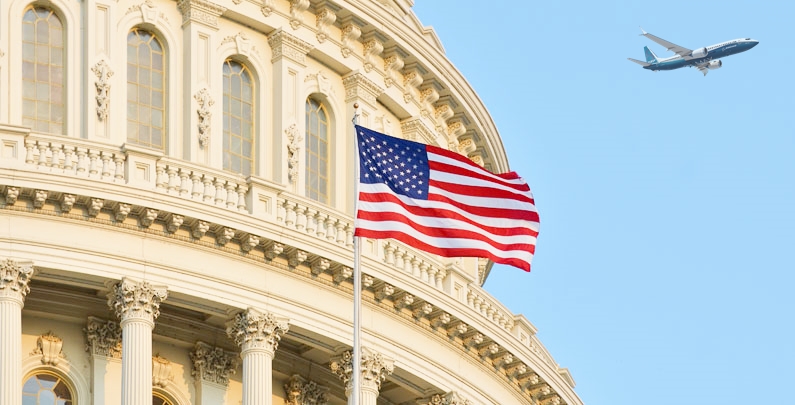
La industria aérea de Estados Unidos dijo al Congreso que la Administración Federal de Aviación (FAA) debe tomar medidas para garantizar que el espacio aéreo de la nación pueda manejar la creciente demanda de viajes aéreos, según una carta obtenida por Reuters el martes.
El grupo comercial Airlines for America (A4A) dijo en una carta no reportada previamente fechada el viernes que «las aerolíneas están buscando agresivamente varias opciones para alinear los horarios con la disponibilidad de la fuerza laboral. La FAA también debe trabajar para garantizar que el sistema de control de tráfico aéreo sea capaz de satisfacer la demanda».
En Mayo 2022, los Senadores Demócratas Richard Blumenthal y Edward Markey preguntaron (A4A), que representa a American Airlines, Delta Air Lines, United Airlines y otros para obtener respuestas después de que se cancelaron más de 2.700 vuelos de fin de semana del Día de los Caídos. Los Senadores dijeron que «si bien algunas cancelaciones de vuelos son inevitables, la gran cantidad de retrasos y cancelaciones del fin de semana pasado plantea preguntas sobre la toma de decisiones de las aerolíneas». Los viajeros se preparan para un verano difícil, ya que las aerolíneas esperan una demanda récord y todavía están reconstruyendo personal después de que miles de trabajadores abandonaron la industria durante la pandemia de COVID-19.
La FAA se negó a comentar sobre la carta, refiriéndose a una declaración de mayo, cuando dijo que aumentaría el personal autorizado de control de tráfico aéreo en su centro de Jacksonville, Florida, después de que el mal tiempo y los lanzamientos espaciales hayan entorpecido los vuelos. La carta del grupo de aerolíneas citó desafíos de personal de las instalaciones de la FAA y señaló que eso afectó las operaciones de la FAA en Florida, California y Nueva York. La FAA señaló que las operaciones de vuelo en muchos aeropuertos de Florida han excedido los niveles pre-pandémicos y se reunirán con los usuarios del espacio aéreo de Florida durante todo el verano. En total, el 45% de JetBlue Airways los vuelos llegan a Florida, mientras que el 40-50% de los de Southwest Airlines las líneas de aviones tocan Florida en un día determinado.
«Las aerolíneas están buscando agresivamente varias opciones para alinear los horarios con la disponibilidad de la fuerza laboral. Las compañías aéreas están teniendo mucho cuidado de reducir sus horarios de vuelos de verano, al tiempo que aceleran los esfuerzos para contratar y capacitar a nuevos empleados para enfrentar el fuerte resurgimiento de los viajes», escribió el CEO de A4A, Nick Calio.
Los Senadores pidieron por separado al secretario de Transporte, Pete Buttigieg, que detallara los pasos que su oficina estaba tomando para responsabilizar a las aerolíneas por interrupciones graves y garantizar que los consumidores sean compensados total y justamente. En respuesta a la carta A4A, Blumenthal y Markey emitieron una declaración conjunta: «Estamos profundamente decepcionados de que la industria de las aerolíneas busque ignorar su responsabilidad por las interrupciones de los vuelos del Día de los Caídos. Las aerolíneas deben poner a los consumidores en primer lugar, garantizar una compensación completa y justa cuando ocurran retrasos y cancelaciones, y planificar antes de una ajetreada temporada de viajes de verano».
Airlines claim for traffic demand
The US must guarantee air traffic control to meet demand
The US airline industry has told Congress that the Federal Aviation Administration (FAA) must take steps to ensure the nation’s airspace can handle the growing demand for air travel, according to a letter obtained by Reuters on Tuesday.
Trade group Airlines for America (A4A) said in a previously unreported letter dated Friday that «airlines are aggressively pursuing various options to align schedules with workforce availability. The FAA must also work to ensure the system air traffic control is able to meet the demand».
In May 2022, Democratic Senators Richard Blumenthal and Edward Markey asked (A4A), which represents American Airlines, Delta Air Lines, United Airlines and others for answers after more than 2,700 Holiday weekend flights were canceled. the fallen. The Senators said that «while some flight cancellations are unavoidable, the sheer number of delays and cancellations this past weekend raises questions about airline decision-making». Travelers are bracing for a tough summer as airlines expect record demand and are still rebuilding staff after thousands of workers left the industry during the COVID-19 pandemic.
The FAA declined to comment on the letter, referring to a statement in May, when it said it would increase authorized air traffic control staff at its Jacksonville, Fla., hub after bad weather and space launches hampered operations. flights. The airline group’s letter cited FAA facility staffing challenges, noting that this affected FAA operations in Florida, California and New York. The FAA noted that flight operations at many Florida airports have exceeded pre-pandemic levels and will meet Florida airspace users throughout the summer. In total, 45% of JetBlue Airways’ flights arrive in Florida, while 40-50% of Southwest Airlines’ aircraft lines touch Florida on any given day.
«Airlines are aggressively looking at various options to align schedules with workforce availability. Airlines are taking great care to reduce their summer flight schedules, while accelerating efforts to hire and train new employees to address the strong resurgence in travel», wrote A4A CEO Nick Calio.
Senators separately asked Transportation Secretary Pete Buttigieg to detail the steps his office was «taking to hold airlines accountable for serious disruptions and ensure consumers are fully and fairly compensated». In response to the A4A letter, Blumenthal and Markey issued a joint statement: «We are deeply disappointed that the airline industry seeks to ignore its responsibility for the Memorial Day flight disruptions. Airlines must put consumers first, ensure full and fair compensation when delays and cancellations occur, and plan ahead of a busy summer travel season».
PUBLISHER: Airgways.com DBk: Airlines.org / Senate.gov / Airgways.com AW-POST: 202206151440AR OWNERSHIP: Airgways Inc. A\W A I R G W A Y S ®
Cobro franquicia equipaje para vuelos domésticos/internacionales
El Gobierno de Brasil ha vetado el Martes 14/06 la propuesta del retorno del cobro del equipaje de bodega en los vuelos comerciales en Brasil. La Medida Provisional 1089/2021 aprobada por el Congreso permitirá el cobro de la franquicia de equipaje facturado de hasta 23 kg en vuelos nacionales y 30 kg en vuelos internacionales.
Anteriormente la franquicia de equipaje en bodega era de 32 kg. Con la Resolución Nº400 de la ANAC, esta norma fue derogada y desde 2017 las compañías han empezado a cobrar por el equipaje facturado. En aquel momento, la medida se adoptó con el fin de alinear el país con las prácticas internacionales y fomentar la competitividad en el mercado aéreo.
La Medida Provisional (MP) autorizó el despacho gratuito, sin ningún tipo de cargo, de hasta un volumen de equipaje de hasta 23 kg en vuelos nacionales y 30 kg en vuelos internacionales. Actualmente, las aerolíneas cobran una parte del valor en el precio del billete por equipaje de 23 kilos en vuelos nacionales y 32 kilos en vuelos internacionales. El Gobierno de Brasil dijo que vetó el retorno por contraludio al interés público. Sin embargo, a pesar de la buena intención de la Legislatura, la propuesta es contraria al interés público, considerando que, en la práctica, aumentaría los costos del servicio aéreo y el riesgo regulatorio, lo que reduciría el atractivo del mercado brasileño para los nuevos competidores potenciales y contribuiría al aumento de los precios de las tarifas aéreas.
Vuelo simple
El Vuelo Simple (Vôo Simples) de la Medida Provisional relajó los trámites relacionados con el sector aéreo y el desempeño de la Agencia Nacional de Aviación Civil (ANAC), anulando varias regulaciones. El texto define el servicio aéreo como una actividad de interés público que, incluso sujeta a regulación, puede ser explotada libremente por entidades privadas. Entre otros puntos, establece que cualquier persona física o jurídica puede explotar servicios aéreos, en cumplimiento de los estándares del Código Aeronáutico Brasileño (CBA) y la autoridad de aviación civil. Con la aprobación, ANAC ahora tiene más control regulatorio sobre la creación y extinción de las tarifas aeroportuarias adeudadas por aerolíneas y pasajeros por el uso de la infraestructura. Según el Gobierno, la medida era necesaria ante las circunstancias impuestas por la pandemia del nuevo Coronavirus (Covid-19).
Brazil bans free luggage
Baggage allowance charge for domestic/international flights
The Government of Brazil has vetoed on Tuesday 06/14 the proposal to return the charge checked baggage on commercial flights in Brazil. Provisional Measure 1089/2021 approved by Congress will allow the collection of the checked baggage allowance of up to 23 kg on domestic flights and 30 kg on international flights.
Previously, the hold baggage allowance was 32 kg. With ANAC Resolution No. 400, this rule was repealed and since 2017 companies have started charging for checked baggage. At that time, the measure was adopted in order to align the country with international practices and promote competitiveness in the air market.
The Provisional Measure (MP) authorized the free dispatch, without any charge, of up to a volume of luggage of up to 23 kg on domestic flights and 30 kg on international flights. Currently, airlines charge a part of the value of the ticket price for luggage of 23 kilos on domestic flights and 32 kilos on international flights. The Government of Brazil said that it vetoed the return as contralude to the public interest. However, despite the good intentions of the Legislature, the proposal is contrary to the public interest, considering that, in practice, it would increase air service costs and regulatory risk, which would reduce the attractiveness of the Brazilian market for new potential competitors and would contribute to the increase in airfare prices.
Single flight
The Simple Flight (Vôo Simples) of the Provisional Measure relaxed the procedures related to the air sector and the performance of the National Civil Aviation Agency (ANAC), annulling several regulations. The text defines air service as an activity of public interest that, even subject to regulation, can be freely exploited by private entities. Among other points, it establishes that any natural or legal person can operate air services, in compliance with the standards of the Brazilian Aeronautical Code (CBA) and the civil aviation authority. With the approval, ANAC now has more regulatory control over the creation and extinction of airport fees owed by airlines and passengers for the use of the infrastructure. According to the Government, the measure was necessary given the circumstances imposed by the new Coronavirus (Covid-19) pandemic.
Brasil proíbe bagagem gratuita
Taxa de franquia de bagagem para vôos domésticos/internacionais
O Governo do Brasil vetou nesta terça-feira 14/06 a proposta de devolução da cobrança de bagagem despachada em vôos comerciais no Brasil. A Medida Provisória 1089/2021 aprovada pelo Congresso permitirá a cobrança da franquia de bagagem despachada de até 23 kg em vôos domésticos e 30 kg em voos internacionais.
Anteriormente, a franquia de bagagem de porão era de 32 kg. Com a Resolução ANAC nº 400, essa regra foi revogada e desde 2017 as empresas passaram a cobrar por bagagem despachada. Na ocasião, a medida foi adotada com o objetivo de alinhar o país às práticas internacionais e promover a competitividade no mercado aéreo.
A Medida Provisória (MP) autorizou o despacho gratuito, sem ônus, de até um volume de bagagem de até 23 kg em vôos domésticos e 30 kg em voos internacionais. Atualmente, as companhias aéreas cobram uma parte do valor do preço da passagem para bagagem de 23 quilos em vôos domésticos e 32 quilos em vôos internacionais. O Governo do Brasil disse que vetou o retorno por contrariar o interesse público. No entanto, apesar das boas intenções do Legislativo, a proposta contraria o interesse público, tendo em vista que, na prática, aumentaria os custos do serviço aéreo e o risco regulatório, o que reduziria a atratividade do mercado brasileiro para novos potenciais concorrentes e contribuem para o aumento dos preços das passagens aéreas.
Vòo Simples
O Vôo Simples da Medida Provisória flexibilizou os procedimentos relacionados ao setor aéreo e à atuação da Agência Nacional de Aviação Civil (ANAC), anulando diversos regulamentos. O texto define o serviço aéreo como uma atividade de interesse público que, mesmo sujeita a regulamentação, pode ser livremente explorada por entidades privadas. Entre outros pontos, estabelece que qualquer pessoa física ou jurídica pode operar serviços aéreos, observadas as normas do Código Brasileiro de Aeronáutica (CBA) e da autoridade de aviação civil. Com a aprovação, a ANAC passa a ter mais controle regulatório sobre a criação e extinção de taxas aeroportuárias devidas por companhias aéreas e passageiros pelo uso da infraestrutura. Segundo o Governo, a medida era necessária face às circunstâncias impostas pela pandemia do novo Coronavírus (Covid-19).
PUBLISHER: Airgways.com DBk: Gov.br / Agenciabrasil.ebc.com.br / Airgways.com AW-POST: 202206151220AR OWNERSHIP: Airgways Inc. A\W A I R G W A Y S ®
Cambio denominación de aerolínea turca República de Turquía cambia a Türkiye
El Presidente turco anunció el Martes 14/06 que la aerolínea nacional turca Turkish Airlines pasará a llamarse “Türkiye Hava Yolları” en lugar de su denominación actual Turkish Airlines, como parte de la campaña para difundir internacionalmente el nuevo nombre del país, que es “Türkiye” en lugar de Turquía. Türkiye Hava Yolları quedará inscrito en los fuselajes de los aviones en lugar de Turkish Airlines. Las palabras «Hava Yolları” significa aerolíneas en turco.
Cambio denominación país
Semanas atrás, Ankara envió una carta a las Naciones Unidas en la que registró formalmente el nombre de “Türkiye”, tal como se escribe y pronuncia en turco. El país tomó el nombre de Türkiye en 1923 después de declarar su independencia. El Gobierno del Presidente Recep Tayyip Erdogan dice que “Türkiye” es más representativo de la cultura y los valores del país, aunque algunos observadores dicen que se trata de disociar el nombre del país, ya que en el idioma inglés “Turkey” significa tanto el país como el ave conocida en español como pavo o guajolote. “Turquía ya no existe. Es Türkiye”, dijo Recep Erdogan durante una ceremonia de lanzamiento de un nuevo satélite de comunicaciones.
La ONU y la OTAN han empezado a usar formalmente “Türkiye” en lugar del inglés “Turkey”. Algunos dignatarios que han visitado Ankara últimamente también han adoptado el cambio. El Secretario general de la OTAN, Jens Stoltenberg, se refirió al país como Türkiye en visitas a Helsinki y Estocolmo esta semana, como lo hicieron el Presidente de Finlandia, Sauli Niinisto, y la Primera Ministra de Suecia, Magdalena Andersson. Los dos países tratan de convencer a Ankara para que retire su objeción al ingreso de los dos países nórdicos a la alianza militar. Como miembro de la OTAN, Ankara tiene poder de vetar los pedidos de ingreso. El país acusa a las dos naciones nórdicas de respaldar a las milicias kurdas.
Turkish airline will name Türkiye
Name change of Turkish airline Republic of Turkey will change to Türkiye
The Turkish President announced on Tuesday 06/14 that the Turkish national airline, Turkish Airlines, will be renamed «Türkiye Hava Yolları» instead of its current name Turkish Airlines, as part of the campaign to spread internationally the new name of the country, which is «Türkiye». instead of Turkey. Türkiye Hava Yolları will be inscribed on the fuselages of planes instead of Turkish Airlines. The words «Hava Yolları” means airlines in Turkish.
Country denomination change
Weeks ago, Ankara sent a letter to the United Nations in which it formally registered the name «Türkiye» as it is written and pronounced in Turkish. The country took the name of Türkiye in 1923 after declaring its independence. President Recep Tayyip Erdogan’s Government says «Türkiye» is more representative of the country’s culture and values, though some observers say this is to disassociate the country’s name, since in the English language «Turkey» means both the country as the bird known in Spanish as turkey or guajolote. “Turkey no longer exists. It is Türkiye”, Recep Erdogan said during a launch ceremony for a new communications satellite.
The UN and NATO have formally started using “Türkiye” instead of the English “Turkey”. Some dignitaries who have visited Ankara lately have also embraced the change. NATO Secretary General Jens Stoltenberg referred to the country as Türkiye on visits to Helsinki and Stockholm this week, as did Finnish President Sauli Niinisto and Swedish Prime Minister Magdalena Andersson. The two countries are trying to convince Ankara to withdraw its objection to the entry of the two Nordic countries into the military alliance. As a member of NATO, Ankara has the power to veto requests for membership. The country accuses the two Nordic nations of backing Kurdish militias.
Türk havayolu şirketi Türkiye’nin adını koyacak
Türk havayolunun isim değişikliği Türkiye Cumhuriyeti Türkiye’ye dönüşecek
Türkiye Cumhurbaşkanı 06/14 Salı günü yaptığı açıklamada, ülkenin yeni adını uluslararası alanda yayma kampanyasının bir parçası olarak Türk ulusal havayolu şirketi Turkish Airlines‘nın şimdiki adı Türk Hava Yolları yerine «Türkiye Hava Yolları» olarak değiştirileceğini duyurdu. «Türkiye»dir. Türkiye yerine Uçakların gövdelerinde Türk Hava Yolları yerine Türkiye Hava Yolları yazılacak. «Hava Yolları» kelimesi Türkçe’de havayolları anlamına gelmektedir.
Ülke mezhep değişikliği
Haftalar önce Ankara, Birleşmiş Milletler’e «Türkiye» adını Türkçe yazıldığı ve okunduğu şekliyle resmen kaydettirdiği bir mektup gönderdi. Ülke, bağımsızlığını ilan ettikten sonra 1923 yılında Türkiye adını almıştır. Cumhurbaşkanı Recep Tayyip Erdoğan’ın hükümeti, «Türkiye»nin ülkenin kültür ve değerlerini daha fazla temsil ettiğini söylüyor, ancak bazı gözlemciler bunun ülkenin adını ayırmak olduğunu söylüyor, çünkü İngilizce’de «Türkiye» hem ülke hem de İspanyolca olarak bilinen kuş anlamına geliyor. hindi veya guajolote. “Türkiye artık yok. Burası Türkiye”, dedi.
BM ve NATO, İngilizce “Türkiye” yerine resmi olarak “Türkiye”yi kullanmaya başladı. Son zamanlarda Ankara’yı ziyaret eden bazı devlet adamları da değişimi benimsedi. NATO Genel Sekreteri Jens Stoltenberg, Finlandiya Cumhurbaşkanı Sauli Niinisto ve İsveç Başbakanı Magdalena Andersson’ın yaptığı gibi, bu hafta Helsinki ve Stockholm’e yaptığı ziyaretlerde ülkeden Türkiye olarak söz etti. İki ülke, Ankara’yı iki İskandinav ülkesinin askeri ittifaka girmesine itirazını geri çekmeye ikna etmeye çalışıyor. Bir NATO üyesi olarak Ankara, üyelik taleplerini veto etme yetkisine sahiptir. Ülke, iki Kuzey ülkesini Kürt milisleri desteklemekle suçluyor.
PUBLISHER: Airgways.com DBk: Turkishairlines.com / Turkiye.gov.tr / Airgways.com AW-POST: 202206141227AR OWNERSHIP: Airgways Inc. A\W A I R G W A Y S ®
AW | 2022 06 13 23:53 | AVIATION SAFETY / GOVERNMENT / INDUSTRY
Planes certificación 737-10 MAX aumentaría los costos
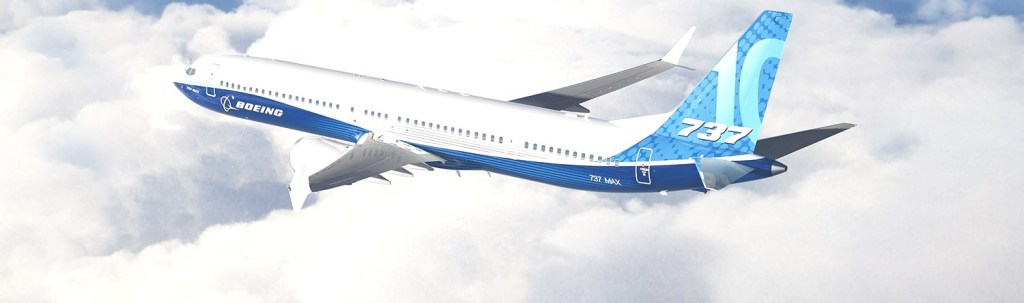
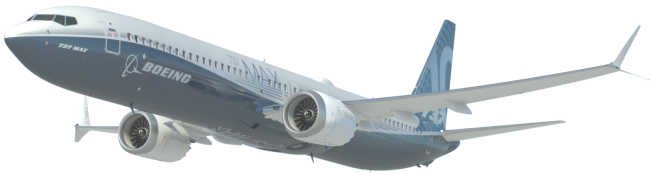
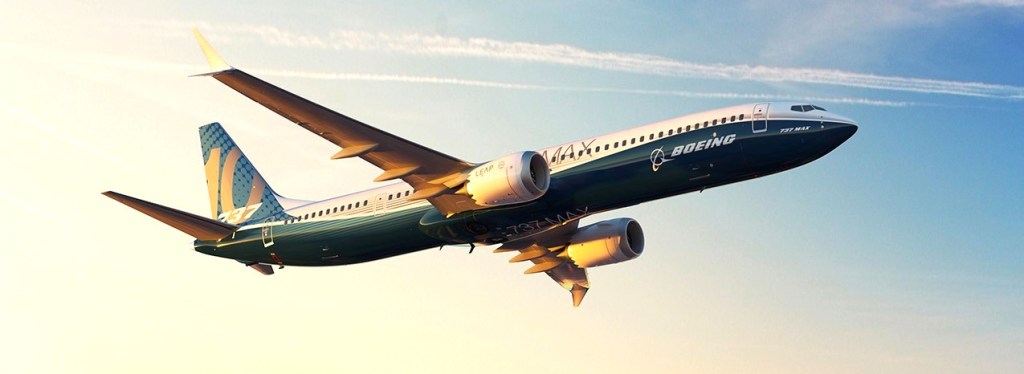
El Boeing 737-10 MAX de The Boeing Company se enfrenta a una fecha límite de fin de año para lograr o alcanzar la certificación de la última variante de la línea 737 MAX antes de que una ley de 2020 le exija rediseñar su sistema de alerta de cabina. El informe independiente de la MITRE Corp. arroja dudas considerables sobre las posibilidades y capacidades de Boeing de recibir una extensión crítica del Congreso para certificar su variante más nueva y más grande del modelo 737.
Un informe independiente encargado por la Administración Federal de Aviación (FAA) puede influir en una decisión crucial y inminente sobre el 737-10 MAX que aún no está certificado para volar. El informe de Marzo de 2022, previamente no revelado, es muy crítico con la forma en que, durante la certificación original del MAX, la agencia de seguridad eximió a los modelos MAX anteriores del último estándar para Sistemas de Advertencia de Pilotos. En un avión de pasajeros, el sistema de alerta de la tripulación proporciona a los pilotos una serie de advertencias visuales, de audio y/o táctiles de acerca de comportamientos de la aeronave.
El sistema de alerta de tripulación del MAX 10 se ha actualizado con respecto a los modelos MAX anteriores, pero aún no cumple con la regulación de seguridad actual. Es probable que Boeing necesite que se extienda esa exención para obtener la certificación MAX 10 para el servicio de pasajeros.
El informe independiente de MITRE Corp., una organización de investigación financiada con fondos federales, concluye que la exención del estándar de alerta de la tripulación contribuyó a los dos accidentes de las aeronave Boeing 737-8 MAX que mataron a 346 personas en conjunto, y también influyó en Boeing para suprimir la información sobre el nuevo software de Control de Vuelo denominado Sistema de Aumento de Características de Maniobra (MCAS) en la línea Boeing 737 MAX. «La excepción otorgada por la FAA para la alerta de pilotos en el 737 MAX fue un eslabón crítico no solo en la cadena de eventos que llevaron a los accidentes, sino también en la decisión de Boeing de limitar la divulgación de MCAS», señala el informe. La FAA le ha dicho a Boeing que es poco probable que la certificación del MAX 10 se complete este 2022. Por lo tanto, el Congreso se enfrenta a una decisión sobre si extender una fecha límite del 20 de Diciembre de 2022 en la legislación de reforma de la FAA de 2020 para que la misma exención cubra el MAX 10. Es una decisión crucial para la compañía americana.
Si el Congreso insiste en que se actualicen las alertas de la tripulación del MAX 10, entonces Boeing tendría dos opciones: abandonar el programa MAX 10, un paso drástico después de tanto trabajo de desarrollo y con varios cientos de aviones vendidos,; u la otra opción, modificar su sistema de cabina, haciéndolo diferente de los modelos MAX anteriores. Modificar la cabina requeriría la inversión de Boeing y ralentizaría la entrada en servicio del MAX 10. Significaría además, mayores costos de capacitación de pilotos para las aerolíneas, ya que los pilotos MAX 10 necesitarían capacitación por separado. Boeing podría perder algunas ventas que irían hacia el competidor europeo Airbus A321NEO/XLR.
La FAA dijo que está revisando el informe. Se negó a comentar sobre el sistema de alerta de la tripulación, que certificó como seguro en los modelos MAX anteriores. En cambio, la agencia indicó que la decisión sobre el sistema de alerta de tripulación MAX es responsabilidad del Congreso de Estados Unidos. La FAA señaló que solo el Congreso puede cambiar la fecha límite después de la cual el MAX 10 tendría que ser actualizado. «Nuestras manos están atadas por la redacción de la ley», dijo un portavoz de la FAA el viernes.
Voces desde el Senado
La Senadora Maria Cantwell, Demócrata por el Estado de Washington (WA), dijo el Viernes 10/06 que quiere que la FAA proporcione al Congreso alguna dirección sobre la decisión pendiente sobre la extensión de la exención para el MAX 10. «La FAA debe mostrar liderazgo y decirnos lo que creen que se necesita para los más altos estándares de seguridad a la luz de este informe. Espero su recomendación», dijo Maria Cantwell. El Representante Peter DeFazio, Demócrata por el Estado de Oregon (OR), presidente del Comité de Transporte e Infraestructura de la Cámara de Representantes, también pidió a la FAA que brinde su opinión sobre las implicaciones del informe. En un comunicado el Lunes 13/06, dijo que la seguridad del público exige «datos técnicos y análisis de la más alta calidad. Insto a la FAA a considerar cuidadosamente las recomendaciones del informe y emitir una respuesta detallada», dijo Peter DeFazio.
La Ley de Seguridad y Responsabilidad de Certificación de Aeronaves aprobada en 2020 requiere que la FAA encargue un estudio independiente para evaluar dos reformas propuestas en la forma en que certifica los aviones derivados, aviones como el MAX que son nuevas versiones de aviones más antiguos certificados por primera vez muchos años antes. Una propuesta aplicaría un límite de tiempo, de modo que después de un cierto número de años cualquier modelo nuevo tendría que someterse a un proceso de recertificación completamente nuevo. La segunda propuesta requeriría documentación formal y pública de cualquier excepción concedida a un sistema en un plano derivado que le permita ser certificado sin cumplir con el último estándar de seguridad. La FAA asignó la evaluación de estas propuestas a MITRE, una escisión del Instituto de Tecnología de Massachusetts que es una organización de ingeniería sin fines de lucro que realiza investigaciones para agencias gubernamentales. El informe técnico de MITRE es un documento interno que no se hizo público hasta este Lunes 13/06 publicado por el The Seattle Times en el formato online.
Aparte de lo que dice sobre la exención para el sistema de alerta de tripulación del 737 MAX, la recomendación general del informe al Congreso es por separado importante sobre cómo podría influir en el enfoque futuro de la certificación de aviones. MITRE encontró que ninguna de las reformas propuestas por el Congreso agrega lo suficiente a la seguridad para justificar el costo. No se ha encontrado evidencia de que los aviones certificados como derivados hayan demostrado ser menos seguros que aquellos con un certificado completamente nuevo. Calculó que exigir a Boeing que hiciera una certificación completamente nueva para un avión derivado agregaría alrededor de US$ 750 millones al costo. El informe de MITRE encontró que el trabajo adicional impuesto por la segunda propuesta requeriría la contratación de seis empleados adicionales de la FAA, pero «no pudo identificar ningún beneficio de seguridad». En cambio, al MITRE se le ocurrió una propuesta alternativa. Propone exigir a la FAA que identifique las características críticas de seguridad en el diseño de un avión y luego permita que Boeing negocie con la FAA cómo se trata cada una de esas características al certificar un nuevo avión. En lugar de una regla estricta, esto deja que el resultado se decida caso por caso.
Un ingeniero de seguridad de la FAA, que pidió el anonimato porque habló sin autorización, cuestionó la sabiduría de eso. Dijo que si bien las propuestas del Congreso «trazaron una línea en la arena», la confusión de la recomendación de MITRE podría dejar en última instancia las decisiones críticas de seguridad a la negociación entre los gerentes de la FAA y los gerentes de Boeing en lugar de los ingenieros de primera línea.
Boeing, sin embargo, puede dar la bienvenida a la propuesta de MITRE, ya que parece cambiar poco del enfoque actual de la certificación. Más problemático para Boeing es que el informe identifica el sistema de alerta de la tripulación como una de esas características críticas para la seguridad que deben negociarse con la FAA, y profundiza y mordazmente en la exención específica que la agencia otorgó a Boeing en el 737 MAX.
Los sistemas modernos en todos los aviones Boeing, además del 737, tienen una jerarquía codificada por colores de alertas por fallas, desde menores hasta potencialmente catastróficas, y los mensajes alfanuméricos en una pantalla central le dicen al piloto exactamente cuál es el problema. El diseño más antiguo del 737 tiene un sistema más complicado con advertencias iniciales que se iluminan en el escudo de deslumbramiento en la parte superior del panel de instrumentos y un diagnóstico adicional proporcionado por grupos de varios interruptores, diales y luces en un panel superior.
MITRE encontró que la decisión de la FAA de eximir al sistema de alerta de tripulación de vuelo MAX de la regulación de seguridad actual era inherentemente defectuosa. En un extraño argumento para la afirmación de que un nuevo sistema de alerta de la tripulación era innecesario, Boeing había identificado tres accidentes fatales del 737 en la década anterior donde los investigadores encontraron que el sistema de alerta de la tripulación era un factor, pero señaló que en cada caso había hecho un cambio específico para solucionar el problema. Los analistas del MITRE no quedaron impresionados. Concluyeron que las correcciones que Boeing proporcionó retroactivamente en cada uno de esos accidentes simplemente «parchearon las insuficiencias del sistema de advertencia de pilotos 737 en lugar de implementar proactivamente mejores diseños de factor humano y sistemas de alerta de pilotos que la compañía ya estaba instalando en otras aeronaves».
Posteriormente, los pilotos de los accidentes de los vuelos JT610 de Lion Air y ET302 de Ethiopian Airlines estaban confundidos y distraídos por una cacofonía de alertas de la tripulación que no les ayudaron a comprender qué estaba causando que los aviones cayeran en picado. El informe dijo que su análisis de los tres accidentes anteriores más los dos accidentes de los Boeing 737-8 MAX «fortalece nuestro enfoque en la necesidad de mantener la cubierta de vuelo, la alerta de la tripulación y otros sistemas críticos para la seguridad a un mayor nivel de escrutinio».
Además, Boeing había argumentado que el costo de cumplir con la regulación sería colosal, superior a los US$ 10.000 millones de Dólares. Los analistas de MITRE se mostraron escépticos, señalando que esta cantidad podría cubrir todo el desarrollo de un nuevo avión. Concluyeron que la estimación de costos de Boeing «no era algo que pudiera ser evaluado efectivamente por la FAA». Lo más revelador es que los analistas de MITRE concluyeron que si solo la FAA hubiera insistido en que el MAX cumpliera con el estándar de alerta de la tripulación, el papel fatal del software MCAS en los accidentes podría haberse evitado. Argumentaron que una actualización del sistema de alerta de la tripulación habría desencadenado un entrenamiento adicional de pilotos en simuladores y Boeing no habría tenido ninguna razón para minimizar y ocultar el MCAS como lo hizo para evitar el entrenamiento adicional de pilotos. Si MCAS hubiera estado sujeto a dicho escrutinio durante la certificación, el informe sugiere que los ingenieros de la FAA bien podrían haber señalado sus defectos de diseño. «La capacitación adicional probablemente habría eliminado el incentivo para que Boeing limitara la divulgación del sistema MCAS, haciendo así que su existencia sea parte del proceso de capacitación de pilotos y posiblemente identificando y eliminando la dependencia de MCAS de un solo indicador de ángulo de ataque», afirma el informe. El Congreso de Estados Unidos deberá decidir obligar a Boeing a actualizar el MAX 10 o extender la fecha límite para ganar tiempo pata la certificación del último modelo de la línea MAX.
Después de los dos accidentes del MAX, Boeing actualizó y fortaleció seriamente los sistemas del avión con un MCAS específicamente que ha sido corregido. Además, ante la insistencia de las autoridades aeronáuticas europeas y canadienses, en el modelo MAX 10, Boeing ha añadido más actualizaciones que mejoran específicamente el sistema de alerta de la tripulación.
Primero, Boeing agregó una tercera medida del Ángulo de Ataque (AOA) para el MAX 10, lo que hace que la entrada de datos aéreos a cada sistema en el avión sea más confiable. Eso hace menos probable una cascada de alertas erróneas, como las que tanto confundieron a los pilotos de Lion Air y Ethiopian Airlines. Además, Boeing está implementando en el MAX 10 una forma para que el piloto silencie la más distraída de las alertas erróneas: el Agitador de Palos, que hace que la columna del piloto vibre con fuerza y ruido si el avión se acerca a un punto muerto. Esos dos cambios hacen que el sistema de alerta de tripulación MAX 10 sea más seguro y mucho más cercano al último estándar regulatorio, aunque aún no cumple con el cumplimiento total. Boeing tiene la intención de eventualmente modernizarlos a los modelos MAX anteriores.
El CEO de Boeing, David Calhoun, hablando el Viernes 10/06 en una conferencia de inversores de Sanford Bernstein, dijo que el 737 MAX es «una de las familias de aviones más seguras de la historia», y con estos cambios el MAX 10 podría ser el más seguro». David Calhoun también reiteró el argumento de Boeing de que cuando se escribió la legislación de 2020, el Congreso pretendía que las reglas se aplicaran a los futuros aviones nuevos y no a la familia de aviones MAX. De hecho, el Congreso escribió un amortiguador de dos años en la ley con la expectativa de que todos los MAX estarían certificados para entonces, una proyección descarrilada por el prolongado escrutinio de la FAA del MAX 10.
En una conferencia de prensa el mes pasado, Al Madar, quien encabeza los esfuerzos de Boeing para cambiar su gestión de los problemas de seguridad, advirtió sobre las probables consecuencias no deseadas de cambiar el sistema MAX 10. Dijo que la falta de similitud con otros MAX introduciría riesgos a medida que los pilotos se movían entre aviones y encontraban diferentes sistemas de advertencia. En esa sesión informativa, el Director de Seguridad Aeroespacial de Boeing, Mike Delaney, declaró sin rodeos: «Personalmente, no creo que haya ningún valor en cambiar el 737». Algunos destacados expertos externos no están de acuerdo.
En Marzo 2022, el ex Ingeniero de Control de Vuelo de Boeing Curtis Ewbank y el ex Ingeniero de seguridad de la FAA, Joe Jacobsen, entregaron al Comité del Senado de los Estados Unidos a Maria Cantwell una propuesta técnica para actualizar la cabina del 737 MAX de Boeing a los estándares de diseño actuales. Anunciaron su propuesta como un compromiso que, si bien deja el sistema de alerta de la tripulación por debajo de lo que está instalado en las cabinas de los aviones más modernos de Boeing, hace lo suficiente para cumplir con la regulación actual. Aún así, Boeing tendría que desplegar una gran inversión y recursos para diseñar, probar y certificar la actualización. Un vuelo con muchas incertidumbres. Ese es el dilema que enfrenta el Congreso de Estados Unidos en el avión comercial más exitoso pero el más problemático de todos los tiempos.
Congress vs Boeing 737-10 MAX
Plans certification 737-10 MAX would increase costs
The Boeing Company‘s Boeing 737-10 MAX faces a year-end deadline to achieve or reach certification for the latest variant of the 737 MAX line before a 2020 law requires it to redesign its flight alert system. cabin. The independent report from the MITRE Corp. casts considerable doubt on Boeing’s chances and abilities to receive a critical extension from Congress to certify its newest and largest variant of the 737 model.
An independent report commissioned by the Federal Aviation Administration (FAA) may influence a crucial and imminent decision on the 737-10 MAX that is not yet certified to fly. The previously undisclosed March 2022 report is highly critical of how, during the original MAX certification, the safety agency exempted previous MAX models from the latest standard for Pilot Warning Systems. In a passenger aircraft, the crew alert system provides pilots with a series of visual, audio, and/or tactile warnings of aircraft behavior.
The MAX 10’s Crew Alert System has been upgraded from previous MAX models, but is still not compliant with current safety regulation. Boeing likely will need that waiver extended to obtain MAX 10 certification for passenger service.
The independent report by MITRE Corp., a federally funded research organization, concludes that the exemption from the crew alertness standard contributed to the two crashes involving Boeing 737-8 MAX aircraft that killed a combined 346 people, and also influenced Boeing to suppress information about new Flight Control software called the Maneuvering Characteristics Augmentation System (MCAS) on the Boeing 737 MAX line. «The exception granted by the FAA for pilot alerting on the 737 MAX was a critical link not only in the chain of events that led to the accidents, but also in Boeing’s decision to limit the disclosure of MCAS», the report said. report. The FAA has told Boeing that certification of the MAX 10 is unlikely to be completed by 2022. Therefore, Congress faces a decision on whether to extend a December 20, 2022 deadline in the reform legislation. of the FAA of 2020 so that the same exemption covers the MAX 10. It is a crucial decision for the American company.
If Congress insists that the MAX 10 crew alerts be updated, then Boeing would have two options: abandon the MAX 10 program, a drastic step after so much development work and with several hundred planes sold; or the other option, to modify its cabin system, making it different from previous MAX models. Modifying the cockpit would require investment from Boeing and would slow the MAX 10’s entry into service. It would also mean higher pilot training costs for airlines, since MAX 10 pilots would need separate training. Boeing could lose some sales that would go to the European competitor Airbus A321NEO/XLR.
The FAA said it is reviewing the report. He declined to comment on the crew alert system, which he certified as safe on previous MAX models. Instead, the agency said that the decision on the MAX crew alert system is the responsibility of the US Congress. The FAA noted that only Congress can change the deadline after which the MAX 10 would have to be updated. «Our hands are tied by the wording of the law», an FAA spokesman said Friday.
Voices from the Senate
Senator Maria Cantwell, a Democrat from Washington State (WA), said Friday 06/10 that she wants the FAA to provide Congress with some direction on the pending decision on the MAX 10 waiver extension. «You should show leadership and tell us what you think is needed for the highest safety standards in light of this report. I look forward to your advice», said Maria Cantwell. Representative Peter DeFazio, Democrat from the State of Oregon (OR), chairman of the House Transportation and Infrastructure Committee, also asked the FAA to provide his opinion on the implications of the report. In a statement Monday 06/13, he said public safety demands «technical data and analysis of the highest quality. I urge the FAA to carefully consider the report’s recommendations and issue a detailed response», said Peter DeFazio.
The Aircraft Certification Safety and Accountability Act passed in 2020 requires the FAA to commission an independent study to evaluate two proposed reforms in the way it certifies derivative aircraft, aircraft such as the MAX that are new versions of older aircraft certified by first time many years before. One proposal would apply a time limit, so that after a certain number of years any new model would have to undergo an entirely new certification process. The second proposal would require formal and public documentation of any exception granted to a system in a derivative plane that allows it to be certified without meeting the latest security standard. The FAA assigned evaluation of these proposals to MITRE, a spin-off of the Massachusetts Institute of Technology that is a nonprofit engineering organization that conducts research for government agencies. The MITRE technical report is an internal document that was not made public until this Monday 06/13 published by The Seattle Times in online format.
Aside from what it says about the exemption for the 737 MAX crew alert system, the report’s overall recommendation to Congress is separately important for how it might influence the future approach to aircraft certification. MITRE found that none of the reforms proposed by Congress add enough to security to justify the cost. No evidence has been found that aircraft certified as derivatives have proven to be less safe than those with a completely new certificate. He calculated that requiring Boeing to do an entirely new certification for a derived aircraft would add about US$ 750 million to the cost. The MITRE report found that the additional work imposed by the second proposal would require the hiring of six additional FAA employees, but «could not identify any safety benefits». Instead, MITER came up with an alternative proposal. He proposes to require the FAA to identify critical safety features in an aircraft’s design and then allow Boeing to negotiate with the FAA how each of those features is treated when certifying a new aircraft. Rather than a hard and fast rule, this leaves the outcome to be decided on a case-by-case basis.
An FAA security engineer, who requested anonymity because he spoke without authorization, questioned the wisdom of that. He said that while the congressional proposals «drew a line in the sand», the confusion of the MITRE recommendation could ultimately leave critical safety decisions to negotiation between FAA managers and Boeing managers instead. of front-line engineers.
Boeing, however, may welcome the MITRE proposal as it appears to change little from the current approach to certification. More troubling for Boeing, the report identifies the crew alert system as one of those safety-critical features that must be negotiated with the FAA, and digs into the specific exemption the agency gave Boeing on the 737 MAX.
Modern systems on all Boeing planes besides the 737 have a color-coded hierarchy of alerts for failures, from minor to potentially catastrophic, with alphanumeric messages on a central display telling the pilot exactly what the problem is. The older 737 design has a more complicated system with initial warnings illuminated on the glare shield at the top of the instrument panel and additional diagnostics provided by clusters of various switches, dials, and lights on an overhead panel.
MITRE found that the FAA’s decision to exempt the MAX flight crew alert system from current safety regulation was inherently flawed. In a bizarre argument for the claim that a new crew alert system was unnecessary, Boeing had identified three fatal 737 crashes in the previous decade where investigators found the crew alert system to be a factor, but noted that in each case he had made a specific change to fix the problem. MITRE analysts were not impressed. They concluded that the fixes Boeing retroactively provided in each of those accidents merely «patched the inadequacies of the 737 pilot warning system rather than proactively implementing better human factor designs and pilot warning systems that the company was already installing in other aircraft».
Subsequently, the pilots of the Lion Air JT610 and Ethiopian Airlines ET302 crashes were confused and distracted by a cacophony of crew alerts that failed to help them understand what was causing the planes to plummet. The report said its analysis of the three previous accidents plus the two Boeing 737-8 MAX accidents «strengthens our focus on the need to keep flight deck, crew alert, and other safety-critical systems at a higher level of scrutiny».
Furthermore, Boeing had argued that the cost of complying with the regulation would be colossal, in excess of US$ 10 billion. MITRE analysts were skeptical, noting that this amount could cover the entire development of a new aircraft. They concluded that Boeing’s cost estimate «was not something that could be effectively evaluated by the FAA». Most tellingly, MITRE analysts concluded that if only the FAA had insisted that the MAX meet the crew alert standard, the fatal role of MCAS software in accidents could have been avoided. They argued that an upgrade to the crew alert system would have triggered additional pilot training on simulators and Boeing would have had no reason to downplay and hide MCAS as it did to prevent additional pilot training. Had MCAS been subject to such scrutiny during certification, the report suggests FAA engineers may well have pointed out its design flaws. «Additional training would likely have removed the incentive for Boeing to limit disclosure of the MCAS system, thereby making its existence part of the pilot training process and possibly identifying and eliminating MCAS’s reliance on a single angle-of-attack indicator», states the report. The United States Congress must decide to force Boeing to update the MAX 10 or extend the deadline to buy time for the certification of the last model of the MAX line.
After the two MAX accidents, Boeing seriously upgraded and hardened the aircraft’s systems with a specifically MCAS that has been fixed. In addition, at the insistence of the European and Canadian aviation authorities, in the MAX 10 model, Boeing has added more updates that specifically improve the crew alert system.
First, Boeing added a third Angle of Attack (AOA) measurement for the MAX 10, making air data input to every system on the plane more reliable. That makes a cascade of erroneous alerts, like the ones that so baffled Lion Air and Ethiopian Airlines pilots, less likely. In addition, Boeing is implementing in the MAX 10 a way for the pilot to silence the most distracting of erroneous alerts: the Stick Shaker, which causes the pilot’s spine to vibrate loudly and loudly if the plane approaches a standstill. Those two changes make the MAX 10 crew alert system safer and much closer to the latest regulatory standard, although it does not yet meet full compliance. Boeing intends to eventually retrofit them to earlier MAX models.
Boeing CEO David Calhoun, speaking Friday 6/10 at a Sanford Bernstein investor conference, said the 737 MAX is «one of the safest families of aircraft in history, and with these changes the MAX 10 it might be the safest». David Calhoun also reiterated Boeing’s argument that when the 2020 legislation was written, Congress intended the rules to apply to future new aircraft and not to the MAX family of aircraft. In fact, Congress wrote a two-year buffer into law with the expectation that all MAXs would be certified by then, a projection derailed by the FAA’s lengthy scrutiny of the MAX 10.
At a news conference last month, Al Madar, who is leading Boeing’s efforts to change its handling of safety issues, warned of the likely unintended consequences of changing the MAX 10 system. He said the lack of similarity to other MAX would introduce risks as pilots moved between planes and encountered different warning systems. At that briefing, Boeing’s Director of Aerospace Safety Mike Delaney bluntly stated, «Personally, I don’t think there’s any value in changing the 737». Some leading outside experts disagree.
In March 2022, former Boeing Flight Control Engineer Curtis Ewbank and former FAA Safety Engineer Joe Jacobsen submitted to the United States Senate Committee Maria Cantwell a technical proposal to upgrade the 737 MAX cockpit. Boeing to current design standards. They advertised her proposal as a compromise that, while it leaves the crew alert system below what is installed in the cockpits of Boeing’s most modern planes, does enough to comply with current regulation. Still, Boeing would have to deploy a large investment and resources to design, test and certify the upgrade. A flight with many uncertainties. That’s the dilemma facing the US Congress on the most successful but most troubled commercial airliner of all time.
PUBLISHER: Airgways.com DBk: Congress.gov / Faa.gov / Mitre.org / Boeing.com / Seattletimes.com / Airgways.com AW-POST: 202206132353AR OWNERSHIP: Airgways Inc. A\W A I R G W A Y S ®
Hungría ordenó una investigación inmediata de protección al consumidor sobre Ryanair el 10 de Junio de 2022, un día después de que la aerolínea de bajo costo dijera que pasaría nuevos impuestos inesperados a los consumidores. Ryanair dijo que el impuesto extraordinario «compara inexplicablemente la industria aérea deficitaria con las compañías petroleras y energéticas altamente rentables». Las autoridades emprenderán una investigación exhaustiva con miras a los derechos de los consumidores y para prevenir las prácticas comerciales desleales de la aerolínea siempre que sea posible, según el comunicado.
El Gobierno de Hungría ha impuesto nuevos impuestos extraordinarios durante un período de dos años a los sectores bancario, de seguros, energético, minorista, de telecomunicaciones y farmacéutico, además de las aerolíneas, para llenar el enorme agujero en el presupuesto. El decreto exige que las aerolíneas paguen una contribución de Forinto Ft. 3.900 HUF (€ 9,8) por viajero en vuelos con destino a países de la Unión Europea, así como a destinos en Albania, Andorra, Bosnia y Herzegovina, Macedonia del Norte, Islandia, Kosovo, Liechtenstein, Moldavia, Mónaco, Montenegro, Reino Unido, Noruega, San Marino, Suiza, Serbia y Ucrania. La contribución para otros destinos es de Ft. 9.750 HUF por pasajero.
Ryanair había lanzado un ataque salvaje contra el nuevo impuesto un día antes, anunciando que cobraría el impuesto adicional a los pasajeros y les daría a los pasajeros la opción de obtener un reembolso de los boletos. La aerolínea con sede en Irlanda pidió al gobierno que derogue el nuevo impuesto a las aerolíneas, lo que en su opinión tendrá un efecto perjudicial en el transporte aéreo y también en el turismo y la economía de Hungría. «Este impuesto inoportuno y mal considerado, que inexplicablemente compara la industria aérea deficitaria con las compañías petroleras y energéticas altamente rentables, ha hecho que Hungría sea instantáneamente poco competitiva y menos atractiva para las aerolíneas y los turistas», dijo la compañía en un comunicado.
«El gobierno lo considera inaceptable y rechaza en los términos más enérgicos la aprobación por parte de Ryanair del impuesto especial sobre las ganancias adicionales que se cobra a las aerolíneas a los pasajeros», dijo el Ministro de Desarrollo Económico, Marton Nagy.
El Gobierno húngaro está siguiendo de cerca las tendencias del mercado y hará todo lo que esté a su alcance para evitar que el costo de los impuestos inesperados se transfiera a los consumidores, dijo, y agregó que el gobierno también ha iniciado una investigación para determinar si las prácticas de fijación de precios de boletos de Ryanair cumplen con todas las normas y requisitos europeos.
Los términos y condiciones de Ryanair estipulan que puede transferir cualquier impuesto inesperado que se aplique a la compañía e incluso a los boletos comprados anteriormente, informaron los medios húngaros.
Bélgica introdujo un recargo de € 10 para viajes de menos de 500 km a partir del 1 de abril en cada pasajero que sale, y un suplemento de € 2-4 para viajes fuera de Europa. Ryanair pasó inmediatamente el costo adicional a los pasajeros que compraron sus boletos antes de que se introdujera el impuesto.
Hungary launches investigation against Ryanair
Investigation for future tax collections
Hungary ordered an immediate consumer protection investigation into Ryanair on June 10, 2022, a day after the low-cost airline said it would pass unexpected new taxes on consumers. Ryanair said the extraordinary tax «inexplicably compares the loss-making airline industry to highly profitable oil and energy companies». Authorities will launch a thorough investigation with a view to consumer rights and to prevent unfair business practices by the airline whenever possible, according to the statement.
The Hungarian government has imposed new extraordinary taxes over a two-year period on the banking, insurance, energy, retail, telecommunications and pharmaceutical sectors, as well as airlines, to fill the gaping hole in the budget. The decree requires airlines to pay a contribution of Forint Ft. 3,900 HUF (€9.8) per traveler on flights to European Union countries, as well as to destinations in Albania, Andorra, Bosnia and Herzegovina, North Macedonia, Iceland, Kosovo, Liechtenstein, Moldova, Monaco, Montenegro, United Kingdom, Norway, San Marino, Switzerland, Serbia and Ukraine. The contribution for other destinations is Ft. 9,750 HUF per passenger.
Ryanair had launched a savage attack on the new tax a day earlier, announcing that it would collect the additional tax from passengers and give passengers the option of getting a refund on tickets. The Ireland-based airline has called on the government to repeal the new airline tax, which it says will have a detrimental effect on air travel and also on tourism and the Hungarian economy. «This ill-timed and ill-considered tax, which inexplicably compares the loss-making airline industry to highly profitable oil and energy companies, has made Hungary instantly uncompetitive and less attractive to airlines and tourists,» the company said in a statement.
«The government finds this unacceptable and rejects in the strongest terms Ryanair’s approval of the excise tax on additional profits charged to airlines from passengers», said Economic Development Minister Marton Nagy.
The Hungarian government is closely following market trends and will do everything in its power to prevent the cost of unexpected taxes from being passed on to consumers, he said, adding that the government has also launched an investigation to determine whether Ryanair’s ticket pricing practices comply with all European regulations and requirements.
Ryanair’s terms and conditions stipulate that it can transfer any unexpected taxes that apply to the company and even to previously purchased tickets, Hungarian media reported.
Belgium introduced a €10 surcharge for trips of less than 500 km from April 1 on each departing passenger, and a €2-4 supplement for trips outside Europe. Ryanair immediately passed the extra cost on to passengers who bought their tickets before the tax was introduced.
Magyarország vizsgálatot indít a Ryanair ellen
Vizsgálat a jövőbeni adóbeszedés érdekében
Magyarország 2022 Június 10-én azonnali fogyasztóvédelmi vizsgálatot rendelt el a Ryanairrel szemben, egy nappal azután, hogy a fapados légitársaság bejelentette, hogy váratlan új adókat hárít a fogyasztókra. A Ryanair szerint a rendkívüli adó «megmagyarázhatatlan módon összehasonlítja a veszteséges légitársaságot a rendkívül nyereséges olaj- és energiavállalatokkal». A közlemény szerint a hatóságok alapos vizsgálatot indítanak a fogyasztói jogok érvényesítése és a légitársaság tisztességtelen üzleti gyakorlatának lehetőség szerinti megelőzése érdekében.
A magyar kormány két éven keresztül újabb rendkívüli adókat vetett ki a bank-, biztosítás-, energia-, kiskereskedelem-, távközlés- és gyógyszerszektorra, valamint a légitársaságokra, hogy kitöltse a költségvetésben tátongó rést. A rendelet előírja a légitársaságoknak, hogy utasonként 3900 forint (9,8 euró) forint hozzájárulást fizessenek az Európai Unió országaiba, valamint Albániába, Andorrába, Bosznia-Hercegovinába, Észak-Macedóniába, Izlandra, Koszovóba, Liechtensteinbe, Moldova, Monaco, Montenegró, Egyesült Királyság, Norvégia, San Marino, Svájc, Szerbia és Ukrajna. Egyéb úti cél esetén a hozzájárulás utasonként 9750 Ft.
A Ryanair egy nappal korábban vad támadást indított az új adó ellen, és bejelentette, hogy beszedi az utasoktól a kiegészítő adót, és lehetőséget ad az utasoknak a jegyek visszatérítésére. Az ír légitársaság az új légitársasági adó visszavonására szólította fel a kormányt, amely szerinte káros hatással lesz a légi közlekedésre, valamint a turizmusra és a magyar gazdaságra. «Ez a rosszul időzített és átgondolatlan adó, amely megmagyarázhatatlan módon hasonlítja össze a veszteséges légitársaságot a rendkívül nyereséges olaj- és energiacégekkel, Magyarországot azonnal versenyképtelenné és kevésbé vonzóvá tette a légitársaságok és a turisták számára», áll a társaság közleményében.
„A kormány ezt elfogadhatatlannak tartja, és a leghatározottabban elutasítja, hogy a Ryanair jóváhagyja a légitársaságoknak az utasoktól származó többletnyereségre kivetett jövedéki adót” – mondta Nagy Márton gazdaságfejlesztési miniszter.
A magyar kormány szorosan követi a piaci folyamatokat, és mindent megtesz annak érdekében, hogy a váratlan adók költségei a fogyasztókra ne háruljanak – mondta, hozzátéve: a kormány vizsgálatot is indított annak megállapítására, hogy a Ryanair jegyár-képzési gyakorlata megfelel-e a minden európai előírásnak és követelménynek.
A Ryanair szerződési feltételei előírják, hogy a céget, sőt a korábban vásárolt jegyeket érintő váratlan adókat átutalhatja, közölte a magyar média.
Belgium április 1-től 10 eurós felárat vezetett be az 500 km-nél rövidebb utakra minden induló utas után, valamint 2-4 eurós felárat az Európán kívüli utakra. A Ryanair azonnal áthárította a többletköltséget azokra az utasokra, akik az adó bevezetése előtt vásárolták jegyüket.
PUBLISHER: Airgways.com DBk: Kormany.hu / Ryanair.com / Airgways.com AW-POST: 202206130955AR OWNERSHIP: Airgways Inc. A\W A I R G W A Y S ®
EE.UU. no exigirá pruebas negativas pasajeros internacionales
El Gobierno estadounidense eliminó el requisito de presentar una prueba negativa de Covid-19 para ingresar al país por vía aérea, informó la Casa Blanca. La decisión entró en vigencia el Domingo 12 de Junio de 2022 y fue incorporada al protocolo de manejo contra el coronavirus de los Centros para el Control y la Prevención de Enfermedades (CDC).
La medida revierte el plan aprobado a finales de Enero de 2020 por el Gobierno del expresidente Donald Trump, para prevenir el contagio de la Covid-19 durante la pandemia. El Gobierno de Joe Biden endureció el requisito en Noviembre de 2021, en medio del incremento de los contagios de la variante ómicron por todo el mundo, y exigía una prueba negativa realizada el día antes de viajar a Estados Unidos, sin importar si el viajero estuviese vacunado. No obstante, las aerolíneas comenzaron a presionar en febrero de este año para que se levantaran las restricciones por el coronavirus, argumentando que desincentivaban el turismo hacia Estados Unidos.
US cancels Covid-19 tests
The US will not require international passenger negative tests
The US government has eliminated the requirement to present a negative Covid-19 test to enter the country by air, the White House reported. The decision became effective on Sunday, June 12, 2022, and was incorporated into the Centers for Disease Control and Prevention (CDC) coronavirus management protocol.
The measure reverses the plan approved at the end of January 2020 by the government of former President Donald Trump, to prevent the spread of Covid-19 during the pandemic. The Joe Biden government tightened the requirement in November 2021, amid the increase in infections of the omicron variant around the world, and required a negative test carried out the day before traveling to the United States, regardless of whether the traveler was vaccinated. However, the airlines began to pressure in February of this year to lift the restrictions due to the coronavirus, arguing that they discouraged tourism to the United States.
PUBLISHER: Airgways.com DBk: Usa.gov / Cdc.gov / John Minchillo / Airgways.com AW-POST: 202206130907AR OWNERSHIP: Airgways Inc. A\W A I R G W A Y S ®
El príncipe de los Emiratos Árabes Unidos crea FlyStream Airlines de Zimbabue. La delegación árabe había arribado a Zimbabue en Mayo 2022 con el propósito de buscar oportunidades de inversiones, ha establecido una nueva aerolínea según informan medios locales el Viernes 11/06.
El Príncipe Sultán Khalil Ibrahim Albalishi, fundador y director ejecutivo de Rind Properties, con sede en Dubai, marcó su primer movimiento en Zimbabue con FlyStream Airlines. La startup que opera vuelos chárter, todavía tiene que pasar algunas aprobaciones regulatorias antes de su lanzamiento oficial. Un portavoz dijo que la aerolínea había sido publicada y que la Gerencia esperaría alrededor de un mes antes de dar los próximos pasos.
Zimbabue posee actualmente una flota de pequeñas aerolíneas privadas que ofrecen servicios chárter. En el cso de FlyStream, parece estar un paso por delante, permitiendo desarrollar vuelos con aeronaves ejecutivas con sus interiores exclusivos espacioso espacio para las piernas y otras instalaciones. El Príncipe árabe parecía haber localizado una brecha que existe en un país donde las élites han estado contratando aviones fletados en el extranjero para volar de vacaciones y atención médica en países avanzados. También ha habido un flujo constante de viajes ejecutivos entre países como Dubai y Harare, a medida que se fortalecen los lazos económicos.
Un portavoz de Flystream dijo: «Ahora estamos registrados bajo el nombre de FlyStream Airlines. Buenas noticias para todos nosotros y para el país en general. Todo está listo, estamos esperando que transcurran 28 días, luego poco después será la solicitud de permiso y estamos listos con los documentos».
Cuando el Príncipe Sultán llegó con su equipo el mes pasado, reveló que estaba apuntando a acuerdos en los sectores inmobiliario y de aviación de Zimbabue. Sultan, quien ya ha presentado propuestas de inversión ante la Autoridad de Desarrollo de Inversiones de Zimbabwe (Zida), dijo que también estaba interesado en explorar oportunidades en la industria minera.
FlyStream Airlines is born
New airline in Zimbabwe with UAE investments
The prince of the United Arab Emirates creates Zimbabwe’s FlyStream Airlines. The Arab delegation had arrived in Zimbabwe in May 2022 with the purpose of seeking investment opportunities, it has established a new airline according to local media reports on Friday 06/11.
Prince Sultan Khalil Ibrahim Albalishi, founder and CEO of Dubai-based Rind Properties, marked his first move to Zimbabwe with FlyStream Airlines. The startup, which operates charter flights, still has to pass some regulatory approvals before its official launch. A spokesman said that the airline had been published and that management would wait about a month before taking the next steps.
Zimbabwe currently has a fleet of small private airlines offering charter services. In the case of FlyStream, it appears to be one step ahead, allowing business jet flights to be developed with their unique interiors, spacious legroom and other facilities. The Arab Prince seemed to have pinpointed a gap that exists in a country where elites have been hiring foreign-chartered jets to fly on holidays and medical care in advanced countries. There has also been a steady stream of executive travel between countries such as Dubai and Harare, as economic ties strengthen.
A Flystream spokesman said: «We are now registered under the name of FlyStream Airlines. Good news for all of us and for the country in general. Everything is ready, we are waiting for 28 days to pass, then shortly after it will be the request for permission and we are ready with the documents».
When Prince Sultan arrived with his team last month, he revealed that he was targeting deals in Zimbabwe’s real estate and aviation sectors. Sultan, who has already submitted investment proposals to the Zimbabwe Investment Development Authority (Zida), said he too was interested in exploring opportunities in the mining industry.
PUBLISHER: Airgways.com DBk: Flystream.com / Standardbusiness.com / Thestandad.newsday.co.zw / Airgways.com AW-POST: 202206121233AR OWNERSHIP: Airgways Inc. A\W A I R G W A Y S ®
Aeronave venezolana supuesta propiedad Mahan Air Alerta supuesta actividad revolucionaria
La aerolínea de la República Islámica de Irán niega vínculos con avión incautado en la República Argentina. La aeronave de carga con bandera venezolana supuestamente pertenecería a Mahan Air de Irán. Un día después de que Argentina incautara un avión de carga con bandera venezolana en el Aeropuerto de Buenos Aires y detuviera a su tripulación, la principal aerolínea privada de Irán negó el Domingo 12/06 los informes de que el avión le pertenecía.
En un comunicado, Mahan Air dijo que el avión incautado en Argentina era propiedad de Venezuela y no tenía nada que ver con la aerolínea iraní. La aeronave, un Boeing 747 de bandera venezolana, presuntamente propiedad de Mahan Air de Irán, fue incautado por las autoridades de aviación civil argentina inmediatamente después de su llegada al Aeropuerto Internacional de Ezeiza el Sábado 11/06, al tiempo que saltaron las emergencias internacionales acerca de esta aeronave en vuelo hacia el país austral. En el incidente que tuvo lugar durante la visita del Presidente venezolano Nicolás Maduro a Teherán, el avión de carga incluido en la lista negra de Estados Unidos fue inmovilizado y la tripulación de cinco miembros fue detenida en el aeropuerto.
El Ministro de Seguridad de Argentina, Fernández Aníbal, recurrió a Twitter para confirmar el incidente, vinculando el avión incautado con Mahan Air de Irán y diciendo que los cinco hombres detenidos portaban pasaportes iraníes. Los informes en los medios argentinos dijeron que el avión había sido arrendado por la estatal venezolana Conviasa Airlines. Algunos informes también vincularon a la tripulación detenida con el Cuerpo de la Guardia Revolucionaria Islámica de Irán (IRGC).
Mahan Air, sin embargo, desestimó los informes y dijo que la propiedad del avión había sido transferida a una compañía venezolana durante un año y no fue arrendada. La tripulación de vuelo, dijo, pertenecía a Venezuela y no tenía nada que ver con Mahan Air. La declaración dijo además que la incautación del avión tenía motivos políticos.
El incidente se produjo horas después de que el Presidente de Venezuela Nicolás Maduro sostuviera conversaciones con altos funcionarios iraníes, incluido el Presidente de Irán, Ebrahim Raisi, en las que las dos partes reafirmaron su compromiso de expandir los lazos frente a las sanciones de Estados Unidos.
Mahan Air fue colocada en Octubre de 2011 en una lista de sanciones por el Departamento del Tesoro de los Estados Unidos, vinculándola a la Fuerza Quds del IRGC. En Noviembre 2021, la aerolínea fue golpeada por un gran ciberataque. Los hackers dijeron que buscaban obtener documentos que vincularan a las aerolíneas con el IRGC. Mahan Air, sin embargo, dijo que había frustrado el ataque.
Pasaportes confiscados
Los pasaportes de cinco pasajeros iraníes que viajaban en el avión fueron confiscados, algunos de los cuales supuestamente están vinculados al IRGC, según Iran International, una estación de televisión de noticias iraní patrocinada por Arabia Saudita y con sede en Londres. Los cinco pasajeros fueron identificados como Mohammad Khosravi Aragh, Gholamreza Ghasemi, Mahdi Mouseli, Saeid Valizadeh y Abdolbaset Mohammadi.
Iranian plane seized in Argentina
Venezuelan aircraft allegedly owned by Mahan Air Alert alleged revolutionary activity
The airline of the Islamic Republic of Iran denies links with the plane seized in the Argentine Republic. The Venezuelan-flagged cargo aircraft would allegedly belong to Iran’s Mahan Air. One day after Argentina seized a Venezuelan-flagged cargo plane at Buenos Aires Airport and detained its crew, Iran’s main private airline denied on Sunday 06/12 reports that the plane belonged to it.
In a statement, Mahan Air said the plane seized in Argentina was owned by Venezuela and had nothing to do with the Iranian airline. The aircraft, a Venezuelan-flagged Boeing 747, allegedly owned by Iran’s Mahan Air, was seized by the Argentine civil aviation authorities immediately after its arrival at the Ezeiza International Airport on Saturday 06/11, at the same time that international emergencies jumped about this aircraft in flight to the southern country. In the incident that took place during the visit of Venezuelan President Nicolás Maduro to Tehran, the cargo plane included in the US blacklist was immobilized and the five-member crew was detained at the airport.
Argentine Security Minister Fernández Aníbal took to Twitter to confirm the incident, linking the seized plane to Iran’s Mahan Air and saying the five men detained were carrying Iranian passports. Reports in the Argentine media said the plane had been leased by Venezuela’s state-owned Conviasa Airlines. Some reports also linked the detained crew to Iran’s Islamic Revolutionary Guard Corps (IRGC).
Mahan Air, however, dismissed the reports, saying ownership of the plane had been transferred to a Venezuelan company for a year and was not leased. The flight crew, he said, were from Venezuela and had nothing to do with Mahan Air. The statement further said that the seizure of the plane was politically motivated.
The incident came hours after Venezuelan President Nicolás Maduro held talks with senior Iranian officials, including Iranian President Ebrahim Raisi, in which the two sides reaffirmed their commitment to expanding ties in the face of US sanctions. .
Mahan Air was placed in October 2011 on a sanctions list by the US Department of the Treasury, linking it to the IRGC’s Quds Force. In November 2021, the airline was hit by a major cyber attack. The hackers said they were seeking to obtain documents linking the airlines to the IRGC. Mahan Air, however, said it had thwarted the attack.
Confiscated passports
The passports of five Iranian passengers traveling on the plane were seized, some of whom are allegedly linked to the IRGC, according to Iran International, a London-based, Saudi-sponsored Iranian news television station. The five passengers were identified as Mohammad Khosravi Aragh, Gholamreza Ghasemi, Mahdi Mouseli, Saeid Valizadeh and Abdolbaset Mohammadi.
PUBLISHER: Airgways.com DBk: Argentina.gob.ar / Twitter@FernandezAnibal / Tn.com.ar / Clarin.com / Airgways.com AW-POST: 202206121216AR OWNERSHIP: Airgways Inc. A\W A I R G W A Y S ®
Renovación subvenciones a aerolíneas Fomentan destino invernal hacia Eliat
El Ministerio de Turismo de Israel está reanudando su programa de subvenciones para fomentar los vuelos directos hacia Eliat, ciudad ubicada en la costa del Mar Rojo a la que quieren posicionar internacionalmente como destino de invierno. Al igual que venía realizando antes de la pandemia y volvió a aplicar en 2021, ofrece una subvención de hasta € 60 Euros por pasajero para las compañías aéreas que ofrecen vuelos directos desde Europa durante los meses invernales, es decir, desde el 1 de Septiembre de 2022 al 31 de Mayo de 2023, excluyendo los períodos del 9 al 16 de Octubre de 2022 y del 5 al 13 de Abril de 2023.
Según recoge Touristik Aktuell, la fecha límite para que las líneas aéreas puedan inscribirse en el programa es el 1 de Septiembre de 2022. Recalcan que cada compañía tiene derecho a subsidio por un máximo de setenta y cinco vuelos semanales directos desde el mismo aeropuerto.
Israel airline subsidies
Revonation subsidies to airlines They promote winter destination towards Eliat
The Israel Ministry of Tourism is resuming its subsidy program to encourage direct flights to Eliat, a city located on the Red Sea coast that they want to position internationally as a winter destination. As it had been doing before the pandemic and applied again in 2021, it offers a subsidy of up to €60 Euros per passenger for airlines that offer direct flights from Europe during the winter months, that is, from September 1, 2022 to May 31, 2023, excluding the periods from October 9 to 16, 2022 and from April 5 to 13, 2023.
According to Touristik Aktuell, the deadline for airlines to enroll in the program is September 1, 2022. They emphasize that each company is entitled to a subsidy for a maximum of seventy-five direct weekly flights from the same airport.
סובסידיות של חברת התעופה הישראלית
חידוש סובסידיות לחברות תעופה הם מקדמים יעד חורף לכיוון אליאת
משרד התיירות הישראלי מחדש את תוכנית הסובסידיה שלו לעידוד טיסות ישירות לאליאת, עיר השוכנת לחוף הים האדום אותה הם רוצים למקם בעולם כיעד חורף. כפי שהיא עשתה לפני המגיפה והחלה שוב ב-2021, היא מציעה סובסידיה של עד 60 אירו לנוסע לחברות תעופה המציעות טיסות ישירות מאירופה במהלך חודשי החורף, כלומר, מה-1 בספטמבר 2022 עד ה-31 במאי. , 2023, למעט התקופות מ-9 עד 16 באוקטובר 2022 ומ-5 עד 13 באפריל, 2023.
לפי Touristik Aktuell, המועד האחרון של חברות תעופה להירשם לתוכנית הוא 1 בספטמבר 2022. הם מדגישים כי כל חברה זכאית לסבסוד עבור מקסימום שבעים וחמש טיסות שבועיות ישירות מאותו שדה תעופה.
PUBLISHER: Airgways.com DBk: Gov.il / Touristik-aktuell.de / Airgways.com AW-POST: 202206121103AR OWNERSHIP: Airgways Inc. A\W A I R G W A Y S ®
Bloqueo a Rusia genera dificultades económicas Compañía aérea solicita rescate financiero
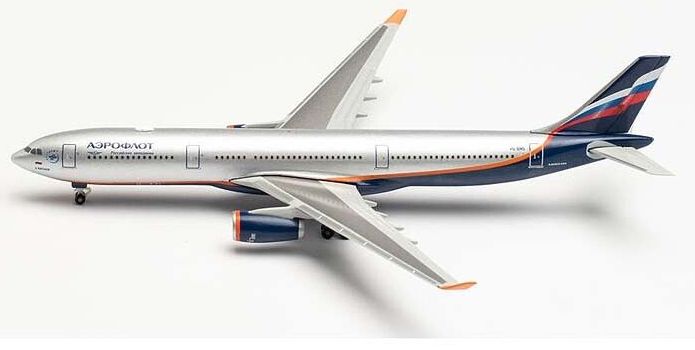
El boicot económico occidental hunde a la compañía aérea Aeroflot Russian Airlines, que continúa arrastrando graves problemas por la crisis sanitaria, sumado al bloqueo occidental generado por la guerra en Ucrania. El Gobierno ruso que ha propiciado la guerra en Ucrania, ahora se enfrenta a una dura crisis económica con la aerolínea estatal Aeroflot que ha acudido a pedir un rescate de € 3.000 millones de Euros/₽ 185 mil millones de Rublos, consecuencia del desastre financiero que ha provocado el conflicto bélico en su actividad.
La fórmula para conseguir inyección de efectico ha sido la emisión de 5.420 millones de nuevas acciones, que dejan la antigua participación del estado en la compañía casi sin valor. En realidad, actualmente Aeroflot casi no posee un valor real dado que apenas está operando en el mercado interior, mientras posee serias dificultades para volar al exterior. En estos momentos, la crisis ha empeorado el panorama también desolador de Aeroflot de principios de año, cuando sólo transportaba dos tercios de los pasajeros de antes de la pandemia. Pero el boicot económico occidental ha sido muy poderoso, cerrando la operación a la Unión Europea, Estados Unidos, Gran Bretaña o Canadá.
Aeroflot, entre otras rutas, había conseguido una presencia significativa en el tráfico entre Europa y Extremo Oriente, usando Moscú como hub. Para entender la potencia que estaba adquiriendo en los mercados, se menciona el contrato publicitario firmado con el Manchester United, que ha sido cancelado. Además, la compañía no puede volar al extranjero con sus aviones Airbus o Boeing, pues podrían ser enajenados por los lessor correspondientes, mientras que la flota constituyen 187 unidades de las que diez podrían volar al exterior sin sufrir penalidades.
Aeroflot asks for € 3 billion ransom
Blockade of Russia generates economic difficulties Airline company requests financial bailout
The western economic boycott sinks the airline Aeroflot Russian Airlines, which continues to drag serious problems due to the health crisis, added to the western blockade generated by the war in Ukraine. The Russian government that has promoted the war in Ukraine, is now facing a severe economic crisis with the state airline Aeroflot that has come to ask for a rescue of € 3,000 million Euros/₽ 185 billion Rubles, as a result of the financial disaster that has provoked the war in its activity.
The formula to obtain an injection of cash has been the issuance of 5,420 million new shares, which leave the old participation of the state in the company almost worthless. In reality, Aeroflot currently has almost no real value since it is barely operating on the domestic market, while it has serious difficulties flying abroad. At this time, the crisis has worsened the also bleak outlook for Aeroflot at the beginning of the year, when it only carried two-thirds of the passengers before the pandemic. But the western economic boycott has been very powerful, closing the operation to the European Union, the United States, Great Britain or Canada.
Aeroflot, among other routes, had gained a significant presence in traffic between Europe and the Far East, using Moscow as a hub. To understand the power that it was acquiring in the markets, mention is made of the advertising contract signed with Manchester United, which has been cancelled. In addition, the company cannot fly abroad with its Airbus or Boeing aircraft, as they could be disposed of by the corresponding lessor, while the fleet constitutes 187 units, of which ten could fly abroad without suffering penalties.
Аэрофлот просит выкуп в размере 3 млрд евро
Блокада России порождает экономические трудности Авиакомпания просит финансовую помощь
Экономический бойкот Запада топит авиакомпанию Аэрофлот российские авиалинии, которая продолжает создавать серьезные проблемы из-за кризиса в области здравоохранения, а также западной блокады, вызванной войной на Украине. Российское правительство, которое способствовало войне на Украине, в настоящее время сталкивается с серьезным экономическим кризисом с государственной авиакомпанией Аэрофлот, которая пришла просить о спасении в размере € 3000 миллионов евро/₽ 185 миллиардов рублей в результате финансовой катастрофы, которая своей деятельностью спровоцировал войну.
Формула получения денежных вливаний заключалась в выпуске 5 420 миллионов новых акций, что делает прежнее участие государства в компании почти бесполезным. На самом деле «Аэрофлот» в настоящее время практически не имеет реальной стоимости, так как практически не работает на внутреннем рынке, а с полетами за границу испытывает серьезные трудности. В то же время кризис ухудшил столь же безрадостные перспективы «Аэрофлота» в начале года, когда до пандемии он перевез только две трети пассажиров. Но западный экономический бойкот был очень мощным, закрывая операцию Европейскому союзу, Соединенным Штатам, Великобритании или Канаде.
Аэрофлот, помимо других маршрутов, занял значительное место в сообщении между Европой и Дальним Востоком, используя Москву в качестве хаба. Чтобы понять силу, которую он приобретал на рынках, упоминается рекламный контракт, подписанный с Манчестер Юнайтед, который был расторгнут. Кроме того, компания не может летать за границу на своих самолетах Airbus или Boeing, так как они могут быть утилизированы соответствующим арендодателем, а парк составляет 187 единиц, из которых десять могут улететь за границу без штрафных санкций.
PUBLISHER: Airgways.com DBk: Aeroflot.com / Airgways.com AW-POST: 202206111212AR OWNERSHIP: Airgways Inc. A\W A I R G W A Y S ®