AW | 2021 10 14 21:10 | GOVERNMENT / AVIATION SAFETY
Justicia Estados Unidos sentencia ex-piloto por fraude industrial
Ex piloto técnico Jefe de línea Boeing 737 MAX ha sido acusado de fraude. Un gran Jurado federal en el Distrito Norte de Texas devolvió este Jueves 14/10 una acusación acusando a un ex piloto técnico Jefe de The Boeing Company de engañar al Grupo de Evaluación de Aeronaves (AEG) de la Administración Federal de Aviación (FAA) en relación con la evaluación de la FAA/AEG del avión 737 MAX de Boeing, y de conspirar para defraudar a los clientes de aerolíneas con sede en Estados Unidos de Boeing para obtener decenas de millones de dólares para Boeing.
Según documentos judiciales, Mark A. Forkner, de 49 años, anteriormente del estado de Washington y actualmente de Keller, Texas, supuestamente engañó a la FAA AEG durante la evaluación y certificación de la agencia del avión 737 MAX de Boeing. Como se alega en la acusación, Forkner proporcionó a la agencia información materialmente falsa, inexacta e incompleta sobre una nueva parte de los controles de vuelo para el Boeing 737 MAX llamada Sistema de Aumento de Características de Maniobra (MCAS). Debido a su supuesto engaño, un documento clave publicado por la FAA AEG carecía de cualquier referencia a MCAS. A su vez, los manuales de aviones y los materiales de capacitación de pilotos para aerolíneas con sede en Estados Unidos carecían de cualquier referencia a MCAS, y los clientes de aerolíneas de Boeing con sede en Estados Unidos se vieron privados de información importante al tomar y finalizar sus decisiones de pagar a Boeing decenas de millones de dólares por aviones 737 MAX. «Forkner supuestamente abusó de su posición de confianza al retener intencionalmente información crítica sobre MCAS durante la evaluación y certificación de la FAA del 737 MAX y de los clientes de aerolíneas de Boeing con sede en Estados Unidos. Al hacerlo, privó a las aerolíneas y pilotos de conocer información crucial sobre una parte importante de los controles de vuelo del avión. Los reguladores como la FAA cumplen una función vital para garantizar la seguridad del público que vuela. Para cualquiera que contemple impedir penalmente la función de un regulador, esta acusación deja en claro que el Departamento de Justicia perseguirá los hechos y lo hará responsable», dijo el Fiscal General Adjunto Kenneth A. Polite Jr. de la División Criminal del Departamento de Justicia.
«En un intento por ahorrar dinero a Boeing, Forkner supuestamente retuvo información crítica de los reguladores. Su insensible elección de engañar a la FAA obstaculizó la capacidad de la agencia para proteger al público que vuela y dejó a los pilotos en la estacada, careciendo de información sobre ciertos controles de vuelo del 737 MAX. El Departamento de Justicia no tolerará el fraude, especialmente en industrias donde hay tanto en juego», dijo el fiscal federal interino Chad E. Meacham para el Distrito Norte de Texas.
«Forkner supuestamente retuvo información crucial sobre el Boeing 737 MAX y engañó a la FAA, mostrando un descarado desprecio por sus responsabilidades y la seguridad de los clientes y tripulaciones de las aerolíneas. El FBI continuará responsabilizando a individuos como Forker por sus actos fraudulentos que socavan la seguridad pública», dijo el Subdirector Calvin Shivers del FBI.
«No hay excusa para aquellos que engañan a los reguladores de seguridad en aras de la ganancia personal o la conveniencia comercial. Nuestra oficina trabaja continuamente para ayudar a mantener los cielos seguros para volar y proteger al público que viaja de peligros innecesarios. Los cargos de hoy demuestran nuestro compromiso inquebrantable de trabajar con nuestros socios encargados de hacer cumplir la ley y la fiscalía para responsabilizar a aquellos que ponen vidas en riesgo», dijo el inspector general Eric J. Soskin del Departamento de Transporte de los Estados Unidos.
Según documentos judiciales, Boeing comenzó a desarrollar y comercializar el 737 MAX en junio de 2011 y alrededor de esa noche. El AEG de la FAA fue responsable de determinar el nivel mínimo de entrenamiento de piloto requerido para que un piloto vuele el 737 MAX para una aerolínea con sede en los Estados Unidos, en función de la naturaleza y el alcance de las diferencias entre el 737 MAX y la versión anterior del avión 737 de Boeing, el 737 Next Generation (NG). Al concluir esta evaluación, el AEG de la FAA publicó el Informe de la Junta de Estandarización de Vuelo del 737 MAX (Informe FSB), que incluía, entre otras cosas, la determinación de las diferencias de entrenamiento del AEG de la FAA para el 737 MAX, así como información sobre las diferencias entre el 737 MAX y el 737 NG. Todas las aerolíneas con sede en Los Estados Unidos estaban obligadas a utilizar la información en el Informe 737 MAX FSB como base para entrenar a sus pilotos para volar el avión.
Como piloto técnico jefe del 737 MAX de Boeing, Mark Forkner dirigió el Equipo Técnico de Vuelo del 737 MAX y fue responsable de proporcionar al AEG de la FAA información verdadera, precisa y completa sobre las diferencias entre el 737 MAX y el 737 NG para la evaluación, preparación y publicación del Informe 737 MAX FSB de la FAA AEG.
En Noviembre de 2016 y alrededor de esa fecha, Forkner descubrió información sobre un cambio importante en el MCAS. En lugar de compartir información sobre este cambio con el AEG de la FAA, Forkner supuestamente retuvo intencionalmente esta información y engañó al AEG de la FAA sobre el MCAS. Debido a su presunto engaño, el AEG de la FAA eliminó toda referencia a MCAS de la versión final del Informe 737 MAX FSB publicado en Julio de 2017. Como resultado, a los pilotos que volaban el 737 MAX para los clientes de las aerolíneas estadounidenses de Boeing no se les proporcionó ninguna información sobre MCAS en sus manuales y materiales de capacitación. Forkner envió copias del Informe 737 MAX FSB a los clientes de la aerolínea 737 MAX de Boeing con sede en los Estados Unidos, pero retuvo a estos clientes información importante sobre MCAS y el proceso de evaluación del Informe 737 MAX FSB.
Alrededor del 29 de Octubre de 2018, después de que el AEG de la FAA se enteró de que el vuelo JT-610 de Lion Air, un 737 MAX, se había estrellado cerca de Yakarta, Indonesia, poco después del despegue y que MCAS estaba operando en los momentos previos al accidente, el AEG de la FAA descubrió la información sobre el importante cambio en MCAS que Forkner había retenido. Habiendo descubierto esta información, el AEG de la FAA comenzó a revisar y evaluar el MCAS. Alrededor del 10 de Marzo de 2019, mientras el AEG de la FAA todavía estaba revisando el MCAS, el AEG de la FAA se enteró de que el vuelo ET-302 de Ethiopian Airlines, un 737 MAX, se había estrellado cerca de Ejere, Etiopía, poco después del despegue y que el MCAS estaba operando en los momentos previos al accidente. Poco después de ese accidente, todos los aviones 737 MAX quedaron en tierra en los Estados Unidos.
Mark Forkner está acusado de dos cargos de fraude que involucran partes de aeronaves en el comercio interestatal y cuatro cargos de fraude electrónico. Se espera que haga su aparición inicial en la corte el viernes en Fort Worth, Texas, ante el juez federal Jeffrey L. Cureton del Tribunal de Distrito de los Estados Unidos para el Distrito Norte de Texas. Si es declarado culpable, enfrenta una pena máxima de veinte (20) años de prisión por cada cargo de fraude electrónico y diez (10) años de prisión por cada cargo de fraude que involucre partes de aviones en el comercio interestatal. Un juez de la corte federal de distrito determinará cualquier sentencia después de considerar las Pautas de Sentencia de los Estados Unidos y otros factores estatutarios.
Las oficinas de campo del FBI y DOT-OIG en Chicago están investigando el caso, con la asistencia de otras oficinas de campo del FBI y DOT-OIG. El abogado litigante Cory E. Jacobs, el subjefe Michael T. O’Neill y el abogado litigante Scott Armstrong de la Sección de Fraude de la División Criminal y el fiscal federal adjunto Alex Lewis de la Oficina del Fiscal Federal para el Distrito Norte de Texas están procesando el caso.
DOJ indicts former Boeing pilot for fraud
United States Justice Sentences Ex-Pilot for Industrial Fraud
Former Boeing 737 MAX Line Chief Technical Pilot has been charged with fraud. A federal grand jury in the Northern District of Texas returned this Thursday 10/14 an indictment accusing a former Chief Technical Pilot of The Boeing Company of misleading the Aircraft Evaluation Group (AEG) of the Federal Aviation Administration (FAA) in related to the FAA/AEG assessment of Boeing’s 737 MAX aircraft, and to conspiring to defraud Boeing’s US-based airline customers to obtain tens of millions of dollars for Boeing.
According to court documents, Mark A. Forkner, 49, formerly of Washington state and now of Keller, Texas, allegedly misled the FAA AEG during the agency’s evaluation and certification of Boeing’s 737 MAX aircraft. As alleged in the indictment, Forkner provided the agency with materially false, inaccurate and incomplete information about a new part of the flight controls for the Boeing 737 MAX called the Maneuvering Characteristics Augmentation System (MCAS). Due to his alleged deception, a key document published by the FAA AEG lacked any reference to MCAS. In turn, airplane manuals and pilot training materials for US-based airlines lacked any reference to MCAS, and customers of US-based Boeing airlines were deprived of important information by taking and finalize its decisions to pay Boeing tens of millions of dollars for 737 MAX jets. «Forkner allegedly abused its position of trust by intentionally withholding critical information about MCAS during the FAA’s evaluation and certification of the 737 MAX and US-based Boeing airline customers. In doing so, it deprived airlines and pilots of knowing crucial information about an important part of the airplane’s flight controls. Regulators like the FAA play a vital role in ensuring the safety of the flying public. For anyone contemplating criminally impeding the role of a regulator, this indictment leaves of course, the Justice Department will pursue the facts and hold him accountable, «said Assistant Attorney General Kenneth A. Polite Jr. of the Justice Department’s Criminal Division.
«In an attempt to save Boeing money, Forkner allegedly withheld critical information from regulators. His callous choice to mislead the FAA hampered the agency’s ability to protect the flying public and left pilots high and dry, lacking information on certain 737 MAX flight controls. The Department of Justice will not tolerate fraud, especially in industries where the stakes are high», said Acting US Attorney Chad E. Meacham for the Northern District of Texas.
«Forkner allegedly withheld crucial information about the Boeing 737 MAX and misled the FAA, displaying blatant disregard for its responsibilities and the safety of airline customers and crews. The FBI will continue to hold individuals like Forker accountable for their undermining fraudulent acts. public safety», said FBI Deputy Director Calvin Shivers.
«There is no excuse for those who mislead safety regulators for the sake of personal gain or business convenience. Our office continually works to help keep the skies safe to fly and protect the traveling public from unnecessary dangers. today they demonstrate our unwavering commitment to working with our law enforcement partners and prosecutors to hold accountable those who put lives at risk», said Inspector General Eric J. Soskin of the United States Department of Transportation.
According to court documents, Boeing began developing and marketing the 737 MAX in June 2011 and around that night. The FAA AEG was responsible for determining the minimum level of pilot training required for a pilot to fly the 737 MAX for a United States-based airline, based on the nature and extent of the differences between the 737 MAX. and the previous version of Boeing’s 737 aircraft, the 737 Next Generation (NG). Upon completion of this assessment, the FAA AEG released the 737 MAX Flight Standardization Board Report (FSB Report), which included, among other things, the determination of the FAA AEG training differences for the 737. MAX, as well as information on the differences between the 737 MAX and the 737 NG. All US-based airlines were required to use the information in the 737 MAX FSB Report as a basis for training their pilots to fly the aircraft.
As Chief Technical Pilot of the Boeing 737 MAX, Mark Forkner led the 737 MAX Technical Flight Team and was responsible for providing the FAA AEG with true, accurate and complete information on the differences between the 737 MAX and 737 NG for the evaluation, preparation and publication of the FAA AEG 737 MAX FSB Report.
In and around November 2016, Forkner discovered information about a major change in MCAS. Rather than share information about this change with the FAA AEG, Forkner allegedly withheld this information intentionally and misled the FAA AEG about MCAS. Due to their alleged deception, the FAA AEG removed any reference to MCAS from the final version of the 737 MAX FSB Report released in July 2017. As a result, pilots flying the 737 MAX for US airline customers from Boeing did not provide them with any information on MCAS in their manuals and training materials. Forkner sent copies of the 737 MAX FSB Report to customers of Boeing’s 737 MAX airline based in the United States, but withheld from these customers important information about MCAS and the 737 MAX FSB Report evaluation process.
Around October 29, 2018, after the FAA AEG learned that Lion Air Flight JT-610, a 737 MAX, had crashed near Jakarta, Indonesia shortly after takeoff and that MCAS was operating in the moments leading up to the accident, the FAA AEG discovered information about the major change in MCAS that Forkner had withheld. Having discovered this information, the FAA AEG began reviewing and evaluating MCAS. Around March 10, 2019, while the FAA AEG was still reviewing MCAS, the FAA AEG learned that Ethiopian Airlines flight ET-302, a 737 MAX, had crashed near Ejere, Ethiopia. , shortly after takeoff and that MCAS was operating in the moments leading up to the accident. Shortly after that accident, all 737 MAX aircraft were grounded in the United States.
Mark Forkner is charged with two counts of fraud involving aircraft parts in interstate commerce and four counts of wire fraud. He is expected to make his initial court appearance Friday in Fort Worth, Texas, before Federal Judge Jeffrey L. Cureton of the United States District Court for the Northern District of Texas. If convicted, he faces a maximum penalty of twenty (20) years in prison for each count of wire fraud and ten (10) years in prison for each count of fraud involving aircraft parts in interstate commerce. A federal district court judge will determine any sentence after considering the United States Sentencing Guidelines and other statutory factors.
The FBI and DOT-OIG field offices in Chicago are investigating the case, with the assistance of other FBI and DOT-OIG field offices. Trial Attorney Cory E. Jacobs, Deputy Chief Michael T. O’Neill, and Trial Attorney Scott Armstrong of the Criminal Division’s Fraud Section and Assistant United States Attorney Alex Lewis of the United States Attorney’s Office for the Northern District of Texas they are processing the case.
Alitalia realiza su último vuelo después de ser símbolo de un país durante 74 años. El viaje de esta noche de Cagliari a Roma/Fiumicino será el último de la compañía de bandera italiana, la elegida por el papado en 169 viajes internacionales. Con el vuelo Cagliari—Roma de esta noche Jueves 14/10 concluye la historia de una aerolínea emplemática de Alitalia y del mundo, un símbolo del país europeo. Después de setenta y cuatro años y varios rescates que no consiguieron mantenerla a flote, destrás de la atribulada compañía aérea existe una startup totalmente estatal con una flota proyectada de cincuenta y dos aviones y que sólo contratará a cerca 3.000 de los 11.000 antiguos empleados de la compañía Alitalia. El vuelo del Airbus A320-200 que despegará a las 22:05 horas locales (20:05 GMT) desde Cagliari (Cerdeña) con llegada a las 23:10 (21:10 GMT) a Roma Fiumicino, con 177 pasajeros y pilotado por el Comandante Andrea Gioia, será el último vuelo de la aerolínea de bandera italiana.
Alitalia soportaba muchos fracasos en su gestión, con pérdidas de € 1.800 millones de Euros/US$ 2.085 millones de Dólares para las arcas del Estado, que ahora vuelve a ser el responsable, bajo el ojo atento de la Unión Europea (UE), de otra aerolínea de bandera, Italia Transporte Aéreo (ITA), que pueda garantizar los primeros vuelos imprescindibles para las conexiones en el país.
Huelga 8.000 trabajadores
Los trabajadores de Alitalia se volvieron este Jueves 14/10 a concentrar como los días pasados en el Aeropuerto Internacional Roma/Fiumicino para protestar por el cierre de Alitalia y las 8.000 personas que desde mañana estarán desempleados. “Hoy es el último día de la compañía gracias a una política italiana que no nos ha ayudado y a unos dirigentes incompetentes. Hemos protestado pero no nos han escuchado”, explicó Simonetta, que trabajaba en la compañía desde 1990, mientras su compañero Daniele, que lleva 35 años en Alitalia, calificó el cambio como “un desastre social que afectará sobre todo a los trabajadores más jóvenes”. La inseguridad sobre el futuro es lo que más preocupa, como aseguró Barbara, con 25 años en la aerolínea: “Nos hemos encontrado sin trabajo de hoy para mañana, no tenemos edad para la jubilación y no sabemos que haremos. Somos padres y madres de familia y existe miedo al futuro”.
Éxitos y fracasos
Tras el primer vuelo Roma-Turín en 1947, Alitalia se convirtió en una de las aerolíneas preferidas internacionalmente por su atención al pasajero. En 1960 fue patrocinador oficial de los Juegos Olímpicos de Roma y en las siguientes décadas se abrieron rutas internacionales, sobre todo en América y Oriente. A mediados de los años 90 comenzaron los problemas económicos y el intento de una primera y fallida fusión con Air France, que finalmente la compañía galo concretó en 1997 con la holandesa KLM, formando Air France-KLM Group. El acuerdo preveía la reubicación del centro de distribución desde Roma-Fiumicino a Milán-Malpensa y el cierre de casi todos los vuelos desde el aeropuerto milanés de Linate, pero en abril de 2000 KLM decidió terminar la alianza y comenzaron los primeros intentos de privatización, que se prolongaron hasta 2007, cuando se aceptó la oferta de Air France-KLM. Pero al año siguiente, a un paso del acuerdo definitivo, Air France se retiró al no garantizar Silvio Berlusconi la oferta del grupo franco-holandés en caso de ganar las elecciones, como así sucedió. Surgía entonces la idea de un consorcio nacional de emprendedores encabezados por Roberto Colaninno y que incluía al grupo Benetton y nació en 2009 CAI, la unión de Alitalia y la aerolínea Airone, con Air France-KLM como socio estratégico con el 25 por ciento del capital. En cinco años, la compañía cambió tres consejeros delegados y en el último trimestre de 2013 se hizo necesaria una recapitalización, ya sin la participación de Air France, mientras entraba en un posterior aumento de capital la estatal Correos italiano (Poste Italiane), con € 75 millones de Euros.
Alitalia, su historia
Alitalia Linee Aeree Italiane S.p.A. se constituyó el 16 de Septiembre de 1946 como Aerolinee Italiane Internazionali (Aerolíneas Internacionales Italianas). Se formó como resultado de un acuerdo anglo-italiano y fue financiado por el Gobierno italiano y British European Airways (BEA) en un acuerdo de acciones 60/40 con un capital de £ 900 millones de Liras italianas. Su nombre popular, Alitalia, mezclaba las palabras italianas ali (alas) e Italia (Italia). Comenzó a operar el 5 de Mayo de 1947, año en el que transportó a más de 10.000 pasajeros. El vuelo inaugural fue con un Fiat G.12 Alcione,pilotado por Virginio Reinero desde Turín a Catania y Roma.
El primer vuelo intercontinental salió un año después, volando entre Milán y ciudades de América del Sur. El avión de pasajeros de cuatro motores Savoia-Marchetti SM.95 se utilizó en las rutas europeas hasta 1949. El 31 de Octubre de 1957, Alitalia se fusionó con Linee Aeree Italiane y tomó el nombre de Alitalia Linee Aeree Italiane. Alitalia era propiedad del Ministerio del Tesoro italiano (49%), otros accionistas, incluidos los empleados (49%) y Air France-KLM (2%), actualmente con un 25%.
En 1960, Alitalia operaba aviones a reacción en algunas rutas europeas (el Sud Caravelle)y el Douglas DC-8 en varias rutas de larga distancia. El avión de pasajeros de cuatro motores con turbina de hélice Vickers Viscount fue volado por Alitalia en su red europea a lo largo de la década de 1960.
En 1978 Alitalia tenía su sede en el Palazzo Alitalia en Roma.
En la década de 1990, Alitalia transportaba 25 millones de pasajeros al año. En 1997 creó una filial regional Alitalia Express y en 2001 se convirtió en miembro de SkyTeam. En noviembre de 2003, Alitalia anunció que recortaría 2.700 puestos de trabajo en los próximos tres años para preparar a la aerolínea para una fusión con Air France y KLM. En abril de 2004, Alitalia adquirió Gandalf Airlines,una aerolínea regionalen bancarrota, para obtener plazas adicionales en varios aeropuertos europeos, principalmente en Milán/Linate y París/Charles De Gaulle.
En 1995, Alitalia firmó una asociación con KLM Airlines que tenía como objetivo una fusión. El objetivo de la asociación era desarrollar Milan/Malpensa como un centro, junto con Amsterdam, que carecía de suficientes espacios de aterrizaje para expandirse aún más y Roma/Fiumicino.
Por lo general, el Papa vuela en un avión Alitalia fletado. El vuelo del Papa a menudo es apodado «Shepherd One» por la prensa, mientras que el indicativo real es «Volo Papale» (vuelo papal) seguido de un número de serie.
Década de 2000
En 2001, Alitalia renovó el contrato de asistencia en tierra con SEA. En el mismo año, Alitalia se unió a la alianza SkyTeam. En Septiembre de 2007, Alitalia anunció que casi reduciría a la mitad su centro de operaciones en Malpensa y en su lugar se centraría en Roma/Fiumicino y trasladaría todos los vuelos intercontinentales allí. Hasta este anuncio, Malpensa había sido el principal centro de operaciones de Alitalia para vuelos intercontinentales. La transición de Malpensa a Roma/Fiumicino se completó a finales de Marzo de 2008. Los destinos inter-contentinentales menores, que anteriormente recibían vuelos solo de Malpensa, en adelante solo recibían vuelos de Roma/Fiumicino, o de lo contrario se suspendieron. En 2008, un grupo de inversores formó el consorcio «Compagnia Aerea Italiana» (CAI) para comprar la quebrada Alitalia Linee Aeree Italiane, antigua» Alitalia, y fusionarlas con Air One, otra aerolínea italiana en bancarrota. El 30 de Octubre de 2008, CAI ofreció € 1.000 millones de Euros para adquirir partes de la aerolínea en quiebra, en medio de la oposición de los pilotos y los miembros de la tripulación de vuelo a los acuerdos laborales. El 19 de Noviembre de 2008, la oferta de CAI fue aceptada por el administrador concursal de Alitalia con el permiso del gobierno italiano, en ese momento accionista mayoritario de la aerolínea en quiebra. Los activos rentables de Alitalia se transfirieron a CAI el 12 de Diciembre de 2008 después de que CAI pagara € 1 050 millones de Euros, consistentes en € 427 millones de Euros en efectivo y la asunción de la responsabilidad de € 625 millones de Euros en deuda de Alitalia.
Un cable diplomático estadounidense divulgado en 2011 resumió la operación de la siguiente manera: «Bajo el disfraz de un deseo bastante pintoresco y claramente no Unión Europea de mantener la italianidad de la compañía, un grupo de ricos compinches de Berlusconi fue inmotivado a hacerse cargo de las partes saludables de Alitalia, dejando sus deudas a los contribuyentes italianos. Las reglas de la bancarrota se cambiaron en medio del juego para satisfacer las necesidades del gobierno. Berlusconi logró esto, pero su participación probablemente le costó mucho dinero a los contribuyentes italianos».
El 13 de Enero de 2009, la nueva Alitalia inició sus operaciones. Los propietarios de Compagnia Aerea Italiana vendieron el 25% de las acciones de la compañía a Air France-KLM por € 322 millones de Euros. Air France-KLM también obtuvo una opción, sujeta a ciertas condiciones, para comprar acciones adicionales después de 2013. La nueva Alitalia no ha reivindicado la historia de la antigua Alitalia como propia, como se puede ver en los documentos oficiales sobre el nuevo Grupo Alitalia. En cambio, subrayaron que eran una empresa totalmente diferente: optaron por no reconocer beneficios como los billetes con descuento a los antiguos trabajadores de Alitalia-LAI y se negaron a cumplir con las reclamaciones de los pasajeros contra la antigua Alitalia. La nueva Alitalia no posee muchos de sus aviones operativos. Alitalia-LAI había sido propietaria de todos sus aviones. Casi todos los aviones que CAI había adquirido de la antigua Alitalia fueron vendidos o dados de baja. Los aviones de Alitalia-CAI se alquilan principalmente a Aircraft Purchase Fleet (it), una empresa irlandesa propiedad de Carlo Toto, el antiguo propietario de la quebrada Air One, que se fusionó en 2008 con Alitalia-LAI cuando se fundó la nueva empresa.
Década de 2010
En Enero de 2010, Alitalia celebró su primer aniversario desde el relanzamiento. Transportó a 22 millones de pasajeros en su primer año de operaciones. En 2011, se transportaron 25 millones de pasajeros. El 1 de Febrero de 2010, se anunció que la tripulación de Alitalia se iría a una huelga de cuatro horas por los salarios. Esta fue la primera huelga de Alitalia desde el relanzamiento. El 11 de Febrero de 2010, Alitalia anunció que, a partir de Marzo de 2010, utilizaría Air One como aerolínea de bajo coste «Smart Carrier», con operaciones basadas en el aeropuerto de Milán Malpensa, centradasen rutas de ocio de corta distancia. Se predijo que la filial manejaría 2,4 millones de pasajeros para 2012. En 2011, la filial transportó 1,4 millones de pasajeros. Aunque las operaciones se concentraron inicialmente en Milán/Malpensa, Air One operó más tarde desde Milán/Malpensa, Venecia/Marco Polo, Pisa y Catania a partir de Enero de 2013.
El 12 de Febrero de 2011, se publicó información sobre una posible fusión entre Alitalia y Meridiana Fly, otra aerolínea italiana. La fusión no se produjo. El 23 de Febrero de 2011, Alitalia y ENAC anunciaron la introducción de una tarjeta de seguridad escrita en braille y caracteres en relieve 3D, que es la primera de su tipo. El 25 de Enero de 2012, Alitalia firmó memorandos de entendimiento con otras dos aerolíneas italianas, Blue Panorama y Wind Jet, y dijo haber iniciado procesos destinados a lograr la integración con ellas. A finales de Julio de 2012, la autoridad antimonopolio italiana permitió a Alitalia adquirir Wind Jet, pero a cambio Alitalia tendría que ceder franjas horarias en las rutas nacionales. Ante esto, Alitalia canceló los planes unos días más tarde, en Agosto de 2012.
El 3 de Mayo de 2013, en una operación en código llamada «Operación Clean Holds», la policía realizó 49 arrestos en el aeropuerto Roma/Fiumicino, con otros 37 en aeropuertos italianos como Bari, Bolonia, Milán Linate, Nápoles, Palermo y Verona. Todos eran empleados de Alitalia captados por la cámara y la mayoría fueron acusados de robo agravado y daños. A finales de 2013, enfrentada a la bancarrota, la pérdida de un importante proveedor de combustible y una posible puesta a tierra por parte de la autoridad de aviación civil de Italia, la aerolínea anunció un paquete de rescate de € 500 millones de Euros que incluía una inversión de € 75 millones de Euros por parte del operador postal estatal italiano.
Alitalia Società Aerea
En Junio de 2014, la aerolínea nacional de los Emiratos Árabes Unidos, Etihad Airways, con sede en Abu Dhabi,anunció que estaba tomando una participación del 49% en Alitalia. El 30 de Septiembre de 2014, la filial presupuestaria de Alitalia, Air One, cesó sus operaciones de vuelo.
El 1 de Enero de 2015, Alitalia-CAI transfirió formalmente sus operaciones a Alitalia-SAI, una nueva entidad propiedad en un 49% de Etihad Airways, con sede en Abu Dhabi, y en un 51% propiedad de las antiguas partes interesadas italianas de Alitalia-CAI. En Mayo de 2015, Alitalia anunció que pondría fin a su asociación con Air France-KLM en 2017, afirmando que la empresa conjunta ya no tenía suficientes ventajas para mantenerla.
En Febrero de 2016, Alitalia anunció que a finales de Marzo de 2016 cancelaría la mayoría de sus rutas desde Pisa, incluyendo Moscú, Praga, Berlín, Catania y Tirana. Alitalia decidió seguir volando a Olbia y Roma.
El 25 de Abril de 2017, después de que los empleados de Alitalia rechazaron la propuesta de recorte de empleos destinada a reducir los costes, la aerolínea anunció que comenzará a pasar por un proceso de quiebra, comenzando con el nombramiento de un administrador. El gobierno italiano permitió a Alitalia declararse en bancarrota el 2 de Mayo de 2017. El 17 de Mayo de 2017, después de que el Gobierno descartara la nacionalización de la aerolínea, se puso oficialmente a la venta para ser subastada. En Junio, EasyJet expresó su interés en comprar la aerolínea. Ryanair también expresó su interés, pero abandonó su oferta después del caos causado por las cancelaciones de vuelos de Ryanair.
En 2018, Delta Air Lines, EasyJet y la compañía ferroviaria italiana Ferrovie dello Stato Italiane presentaron expresiones formales de interés para adquirir Alitalia. Las conversaciones entre las partes se iniciaron en Febrero de 2019. En Marzo de 2019, EasyJet anunció que se había retirado de las discusiones. Después de la visita oficial del Presidente chino Xi Jinping a Roma, China Eastern Airlines expresó su interés en el plan de rescate de Alitalia y podría gastar hasta € 100 millones de Euros a cambio de una participación del 10%. Delta Air Lines declaró que estaba lista para invertir en Alitalia, pero que una participación del 10% era la forma correcta de hacerlo.
Década de 2020
El 17 de Marzo de 2020, el Gobierno de Italia toma el control total de la aerolínea después de que las conversaciones con varias compañías italianas e internacionales no llegaran a un acuerdo con los términos de que eran accionistas de la aerolínea. En Abril de 2020, el Gobierno italiano anunció que se haría cargo de Alitalia en Mayo, ya que no podría sobrevivir al impacto de la pandemia de COVID-19 por sí solo. Se planeó reducir la flota de 113 aviones a a menos de un centenar. La aerolínea también cuestionó si debería permanecer en SkyTeam de la que es miembro desde 2001. En Mayo de 2020, USAerospace Partners, encabezado por Michele Roosevelt Edwards, anunció que todavía estaban interesados en comprar la aerolínea. La compañía había ofrecido comprarlo a principios de año. Michele Roosevelt Edwards declaró que la aerolínea volaría 150 aviones en cinco años, con una mezcla de Airbus, Boeing y Embraer. El 21 de Mayo de 2020, Alitalia abandonó SkyTeam Transatlantic Joint Ventures. El 29 de Junio de 2020, el primer ministro italiano, Giuseppe Conte, anunció que Francesco Caio sería nombrado presidente y Fabio Lazzerini sería nombrado CEO de la nueva Alitalia.
El 8 de Enero de 2021, la Comisión Europea (CE) envió una carta al Representante Permanente de Italia ante la Unión Europea (EU) para lanzar una licitación abierta, transparente, no discriminatoria e incondicional para deshacerse de los activos de Alitalia. La carta constaba de 62 solicitudes de aclaración, rechazando la idea de que el antiguo transportista pudiera vender sus pertenencias a la nueva empresa en una negociación privada. En la carta, se afirma que la marca Alitalia no debe ser retenida por ITA, ya que es un indicador emblemático de continuidad. La Comisión Europea sugiere que los negocios combinados de aviación, asistencia en tierra y mantenimiento se vendan por separado a un tercero. También sugiere que los slots deben venderse, y el programa MilleMiglia en su totalidad no puede transferirse a la nueva entidad corporativa. El 24 de Agosto de 2021, Alitalia anunció que pondría fin a todas las ventas de billetes en su sitio web y anunció que los clientes que compraron billetes para vuelos después del 15 de Octubre de 2021 serán reembolsados. El 14 de Octubre de 2021, Alitalia realiza su último vuelo programado finalizando su vida operativa y pasando a formar parte de la historia entrañable de una aerolínea símbolo de Italia y del mundo.
Italia Trasporto Aereo (ITA)
El 10 de Octubre de 2020, el Gobierno italiano firmó un decreto para permitir la reorganización de la aerolínea como ITA Italia Trasporto Aereo S.p.A. El 28 de Octubre de 2020, se informó que ITA compraría varios activos de Alitalia Società Aerea Italiana S.p.A., incluida la marca y los códigos de vuelo de Alitalia y Alitalia CityLiner, el código de emisión de billetes IATA (055), el programa de viajero frecuente MilleMiglia y las franjas horarias del aeropuerto de Londres/Heathrow: 68 franjas horarias semanales en verano y 65 en invierno. La transacción del paquete podría alcanzar los € 220 millones de Euros. Se espera que la nueva aerolínea ITA Italia Trasporto Aereo comience a operar el 15 de Octubre de 2021, iniciando un nuevo capítulo en la aviación comercial italiana. Mientras tanto, millones de italianos despiden a un símbolo de la bota, la italiana querida por millones que le dicen «arrivederci Alitalia».
Ξ «Arrivederci Alitalia» Ξ
A symbol of Italian aviation culminates
Alitalia makes its last flight after being a symbol of a country for 74 years. Tonight’s trip from Cagliari to Rome/Fiumicino will be the last of the Italian flag company, the one chosen by the papacy on 169 international trips. With tonight’s Cagliari-Rome flight Thursday 10/14 concludes the story of an employer airline of Alitalia and of the world, a symbol of the European country. After seventy-four years and several rescues that failed to keep it afloat, behind the troubled airline there is a fully state-owned startup with a projected fleet of fifty-two planes that will only hire about 3,000 of the 11,000 former employees of the company. Alitalia company. The Airbus A320-200 flight that will take off at 22:05 local time (20:05 GMT) from Cagliari (Sardinia) arriving at 23:10 (21:10 GMT) to Rome Fiumicino, with 177 passengers and piloted by Commander Andrea Gioia, will be the last flight of the Italian flag carrier.
Alitalia endured many failures in its management, with losses of € 1,800 million Euros/US$ 2,085 million Dollars for the State coffers, which is now once again responsible, under the watchful eye of the European Union (EU), for another flag airline, Italia Transporte Aéreo (ITA), which can guarantee the first essential flights for connections in the country.
Strike 8,000 workers
The Alitalia workers returned this Thursday 10/14 to gather like the days before at the Rome/Fiumicino International Airport to protest the closure of Alitalia and the 8,000 people who will be unemployed from tomorrow. “Today is the last day of the company thanks to an Italian policy that has not helped us and to some incompetent leaders. We have protested but they have not listened to us ”, explained Simonetta, who had worked in the company since 1990, while her partner Daniele, who has been at Alitalia for 35 years, described the change as“ a social disaster that will affect especially younger workers”. Insecurity about the future is what worries the most, as Barbara, with 25 years with the airline, said: “We have found ourselves without work from today to tomorrow, we do not have retirement age and we do not know what we will do. We are fathers and mothers of families and there is fear of the future”.
Successes and failures
After the first Rome-Turin flight in 1947, Alitalia became one of the internationally preferred airlines for its passenger service. In 1960 it was an official sponsor of the Olympic Games in Rome and in the following decades international routes were opened, especially in America and the East. In the mid-90s, economic problems began and the attempt at a first and failed merger with Air France, which the French company finally concluded in 1997 with the Dutch KLM, forming Air France-KLM Group. The agreement provided for the relocation of the distribution center from Rome-Fiumicino to Milan-Malpensa and the closure of almost all flights from Milan’s Linate airport, but in April 2000 KLM decided to terminate the alliance and began the first privatization attempts, which lasted until 2007, when the Air France-KLM offer was accepted. But the following year, one step away from the final agreement, Air France withdrew when Silvio Berlusconi did not guarantee the offer of the Franco-Dutch group in case of winning the elections, as it happened. The idea then arose of a national consortium of entrepreneurs headed by Roberto Colaninno and that included the Benetton group and was born in 2009 CAI, the union of Alitalia and the airline Airone, with Air France-KLM as a strategic partner with 25 percent of the capital. . In five years, the company changed three CEOs and in the last quarter of 2013 a recapitalization was necessary, already without the participation of Air France, while the state-owned Italian Post Office (Poste Italiane) entered a subsequent capital increase, with € 75 million Euros.
McDONNELL DOUGLAS MD-80 AIRCRAFT A RECURRING IMAGE IN THE ALITALIA FLEET
Alitalia, its history
Alitalia Linee Aeree Italiane S.p.A. was established on September 16, 1946 as Aerolinee Italiane Internazionali (Italian International Airlines). It was formed as a result of an Anglo-Italian agreement and was funded by the Italian Government and British European Airways (BEA) in a 60/40 share agreement with a capital of £ 900 million Italian Liras. Its popular name, Alitalia, mixed the Italian words ali (wings) and Italia (Italy). It began operating on May 5, 1947, the year in which it transported more than 10,000 passengers. The maiden flight was with a Fiat G.12 Alcione, piloted by Virginio Reinero from Turin to Catania and Rome.
The first intercontinental flight left a year later, flying between Milan and cities in South America. The Savoia-Marchetti SM.95 four-engine airliner was used on European routes until 1949. On October 31, 1957, Alitalia merged with Linee Aeree Italiane and took the name Alitalia Linee Aeree Italiane. Alitalia was owned by the Italian Treasury Ministry (49%), other shareholders, including employees (49%) and Air France-KLM (2%), currently with 25%.
In 1960, Alitalia operated jet aircraft on some European routes (the Sud Caravelle) and the Douglas DC-8 on several long-haul routes. The Vickers Viscount four-engine propeller-turbine airliner was flown by Alitalia on its European network throughout the 1960s.
In 1978 Alitalia had its headquarters at the Palazzo Alitalia in Rome.
In the 1990s, Alitalia carried 25 million passengers a year. In 1997 it created a regional subsidiary Alitalia Express and in 2001 it became a member of SkyTeam. In November 2003, Alitalia announced that it would cut 2,700 jobs over the next three years to prepare the airline for a merger with Air France and KLM. In April 2004, Alitalia acquired Gandalf Airlines, a bankrupt regional airline, to obtain additional seats at various European airports, primarily Milan/Linate and Paris/Charles De Gaulle.
In 1995, Alitalia entered into a partnership with KLM Airlines aimed at a merger. The aim of the association was to develop Milan /Malpensa as a hub, along with Amsterdam, which lacked sufficient landing spaces to further expand and Rome/Fiumicino.
Usually the Pope flies on a chartered Alitalia plane. The Pope’s flight is often dubbed «Shepherd One» by the press, while the actual callsign is «Volo Papale» (papal flight) followed by a serial number.
2000s
In 2001, Alitalia renewed the ground handling contract with SEA. In the same year, Alitalia joined the SkyTeam alliance. In September 2007, Alitalia announced that it would almost halve its Malpensa hub and instead focus on Rome/Fiumicino and move all intercontinental flights there. Until this announcement, Malpensa had been Alitalia’s main hub for intercontinental flights. The transition from Malpensa to Rome / Fiumicino was completed at the end of March 2008. Minor intercontentional destinations, which previously received flights only from Malpensa, henceforth only received flights from Rome / Fiumicino, or were otherwise suspended. In 2008, a group of investors formed the consortium «Compagnia Aerea Italiana» (CAI) to buy the bankrupt Alitalia Linee Aeree Italiane, formerly «Alitalia, and merge them with Air One, another bankrupt Italian airline. On October 30, 2008, CAI offered € 1 billion to acquire parts of the bankrupt airline, amid opposition from pilots and flight crew members to the labor agreements. On November 19, 2008, CAI’s offer was accepted by Alitalia’s insolvency administrator with the permission of the Italian government, at that time majority shareholder of the bankrupt airline Alitalia’s profitable assets were transferred to CAI on December 12, 2008 after CAI paid € 1,050 million Euros, consisting of € 427 million euros in cash and the assumption of liability for € 625 million in Alitalia’s debt.
An American diplomatic cable released in 2011 summed up the operation as follows: «Under the guise of a rather picturesque and clearly non-EU desire to maintain the Italianity of the company, a group of wealthy Berlusconi cronies were motivated to take over. the healthy parts of Alitalia, leaving its debts to the Italian taxpayers. The bankruptcy rules were changed in the middle of the game to meet the needs of the government. Berlusconi accomplished this, but his involvement probably cost Italian taxpayers a lot of money».
On January 13, 2009, the new Alitalia began operations. The owners of Compagnia Aerea Italiana sold 25% of the company’s shares to Air France-KLM for € 322 million Euros. Air France-KLM also obtained an option, subject to certain conditions, to buy additional shares after 2013. The new Alitalia has not claimed the history of the old Alitalia as its own, as can be seen from the official documents on the new Alitalia Group . Instead, they stressed that they were a totally different company: they chose not to recognize benefits such as discounted tickets to former Alitalia-LAI workers and refused to comply with passenger claims against the former Alitalia. The new Alitalia does not have many of its operational aircraft. Alitalia-LAI had owned all of its aircraft. Almost all the aircraft that CAI had acquired from the former Alitalia were sold or decommissioned. Alitalia-CAI aircraft are mainly leased from Aircraft Purchase Fleet (it), an Irish company owned by Carlo Toto, the former owner of the Air One gorge, which merged with Alitalia-LAI in 2008 when the new company was founded.
2010s
In January 2010, Alitalia celebrated its first anniversary since the relaunch. It carried 22 million passengers in its first year of operations. In 2011, 25 million passengers were transported. On February 1, 2010, it was announced that the Alitalia crew would go on a four-hour strike over wages. This was Alitalia’s first strike since the relaunch. On February 11, 2010, Alitalia announced that, as of March 2010, it would use Air One as a low-cost airline «Smart Carrier», with operations based at Milan Malpensa airport, focused on short-haul leisure routes. The affiliate was predicted to handle 2.4 million passengers by 2012. In 2011, the affiliate carried 1.4 million passengers. Although operations were initially concentrated in Milan/Malpensa, Air One later operated from Milan/Malpensa, Venice/Marco Polo, Pisa and Catania as of January 2013.
On February 12, 2011, information was published about a possible merger between Alitalia and Meridiana Fly, another Italian airline. The merger did not occur. On February 23, 2011, Alitalia and ENAC announced the introduction of a security card written in braille and 3D raised characters, which is the first of its kind. On January 25, 2012, Alitalia signed memorandums of understanding with two other Italian airlines, Blue Panorama and Wind Jet, and said it had initiated processes aimed at achieving integration with them. At the end of July 2012, the Italian antitrust authority allowed Alitalia to acquire Wind Jet, but in exchange Alitalia would have to give up time slots on domestic routes. Given this, Alitalia canceled the plans a few days later, in August 2012.
On May 3, 2013, in a code operation called «Operation Clean Holds», the police made 49 arrests at the Roma/Fiumicino airport, with another 37 at Italian airports such as Bari, Bologna, Milan Linate, Naples, Palermo and Verona. All were Alitalia employees caught on camera and most were charged with aggravated robbery and damage. In late 2013, faced with bankruptcy, the loss of a major fuel supplier and a possible grounding by Italy’s civil aviation authority, the airline announced a € 500 million Euro rescue package that included an investment of € 75 million Euros by the Italian state postal operator.
Alitalia Società Aerea
In June 2014, the UAE’s national airline, Etihad Airways, based in Abu Dhabi, announced that it was taking a 49% stake in Alitalia. On September 30, 2014, Alitalia’s budget affiliate, Air One, ceased its flight operations.
On January 1, 2015, Alitalia-CAI formally transferred its operations to Alitalia-SAI, a new entity 49% owned by Abu Dhabi-based Etihad Airways and 51% owned by former Italian stakeholders from Alitalia-CAI. In May 2015, Alitalia announced that it would end its partnership with Air France-KLM in 2017, stating that the joint venture no longer had sufficient advantages to maintain it.
In February 2016, Alitalia announced that at the end of March 2016 it would cancel most of its routes from Pisa, including Moscow, Prague, Berlin, Catania and Tirana. Alitalia decided to continue flying to Olbia and Rome.
On April 25, 2017, after Alitalia employees rejected the job cut proposal aimed at reducing costs, the airline announced that it will begin to go through bankruptcy, beginning with the appointment of an administrator. The Italian government allowed Alitalia to file for bankruptcy on May 2, 2017. On May 17, 2017, after the government ruled out nationalization of the airline, it was officially put up for sale to be auctioned. In June, EasyJet expressed interest in buying the airline. Ryanair also expressed interest, but dropped its offer after the chaos caused by Ryanair flight cancellations.
In 2018, Delta Air Lines, EasyJet and the Italian railway company Ferrovie dello Stato Italiane submitted formal expressions of interest to acquire Alitalia. Talks between the parties began in February 2019. In March 2019, EasyJet announced that it had withdrawn from the discussions. After Chinese President Xi Jinping’s official visit to Rome, China Eastern Airlines expressed interest in Alitalia’s rescue plan and could spend up to € 100 million in exchange for a 10% stake. Delta Air Lines stated that it was ready to invest in Alitalia, but that a 10% stake was the right way to go.
2020s
On March 17, 2020, the Government of Italy takes full control of the airline after talks with several Italian and international companies failed to reach an agreement on the terms that they were shareholders of the airline. In April 2020, the Italian Government announced that it would take over Alitalia in May, as it could not survive the impact of the COVID-19 pandemic on its own. It was planned to reduce the fleet from 113 aircraft to less than a hundred. The airline also questioned whether it should remain in SkyTeam of which it has been a member since 2001. In May 2020, USAerospace Partners, led by Michele Roosevelt Edwards, announced that they were still interested in buying the airline. The company had offered to buy it earlier in the year. Michele Roosevelt Edwards stated that the airline would fly 150 planes in five years, with a mix of Airbus, Boeing and Embraer. On May 21, 2020, Alitalia left SkyTeam Transatlantic Joint Ventures. On June 29, 2020, Italian Prime Minister Giuseppe Conte announced that Francesco Caio would be named president and Fabio Lazzerini would be named CEO of the new Alitalia.
On January 8, 2021, the European Commission (EC) sent a letter to the Permanent Representative of Italy to the European Union (EU) to launch an open, transparent, non-discriminatory and unconditional tender to dispose of Alitalia’s assets. The letter consisted of 62 requests for clarification, rejecting the idea that the former carrier could sell his belongings to the new company in private negotiation. In the letter, it is stated that the Alitalia brand should not be retained by ITA, as it is an emblematic indicator of continuity. The European Commission suggests that the combined aviation, ground handling and maintenance businesses be sold separately to a third party. It also suggests that the slots must be sold, and the entire MilleMiglia program cannot be transferred to the new corporate entity. On August 24, 2021, Alitalia announced that it would end all ticket sales on its website and announced that customers who purchased tickets for flights after October 15, 2021 will be refunded. On October 14, 2021, Alitalia made its last scheduled flight ending its operational life and becoming part of the endearing history of an airline symbol of Italy and the world.
Italy Air Transport (ITA)
On October 10, 2020, the Italian Government signed a decree to allow the reorganization of the airline as ITA Italia Trasporto Aereo S.p.A. On October 28, 2020, it was reported that ITA would purchase various assets of Alitalia Società Aerea Italiana SpA, including the Alitalia and Alitalia CityLiner brand and flight codes, the IATA ticketing code (055), the traveler program frequent MilleMiglia and London/Heathrow Airport slots: 68 weekly slots in summer and 65 in winter. The package transaction could reach € 220 million Euros. The new airline ITA Italia Trasporto Aereo is expected to begin operating on October 15, 2021, starting a new chapter in Italian commercial aviation. Meanwhile, millions of Italians dismiss a symbol of the boot, the Italian beloved by millions who call her «arrivederci Alitalia».
Ξ «Arrivederci Alitalia» Ξ
Un simbolo dell’aviazione italiana culmina
Alitalia compie il suo ultimo volo dopo essere stata per 74 anni simbolo di un Paese. Quella di stasera da Cagliari a Roma/Fiumicino sarà l’ultima della compagnia di bandiera italiana, quella scelta dal papato in 169 trasferte internazionali. Con il volo Cagliari-Roma di questa sera giovedì 10/14 si conclude la storia di una compagnia aerea datore di lavoro di Alitalia e del mondo, simbolo del Paese europeo. Dopo settantaquattro anni e diversi salvataggi che non sono riusciti a tenerla a galla, dietro la travagliata compagnia aerea c’è una startup completamente statale con una flotta prevista di cinquantadue aerei che assumeranno solo circa 3.000 degli 11.000 ex dipendenti della compagnia .Compagnia Alitalia. Il volo Airbus A320-200 che decollerà alle 22:05 locali (20:05 GMT) da Cagliari (Sardegna) con arrivo alle 23:10 (21:10 GMT) a Roma Fiumicino, con 177 passeggeri e pilotato dal Comandante Andrea Gioia, sarà l’ultimo volo della compagnia di bandiera italiana.
Alitalia ha subito molti fallimenti nella sua gestione, con perdite di € 1.800 milioni di Euro/US$2.085 milioni di Dollari per le casse dello Stato, che ora è ancora una volta responsabile, sotto l’occhio vigile dell’Unione Europea (UE), per un’altra compagnia di bandiera, Italia Transporte Aéreo (ITA), che può garantire i primi voli indispensabili per i collegamenti nel Paese.
Sciopero 8.000 lavoratori
I lavoratori Alitalia sono tornati questo giovedì 14/10 per radunarsi come i giorni prima all’aeroporto internazionale di Roma/Fiumicino per protestare contro la chiusura di Alitalia e le 8.000 persone che da domani saranno disoccupate. “Oggi è l’ultimo giorno dell’azienda grazie a una politica italiana che non ci ha aiutato e ad alcuni dirigenti incompetenti. Abbiamo protestato ma non ci hanno ascoltato», ha spiegato Simonetta, che lavorava in azienda dal 1990, mentre il collega Daniele, in Alitalia da 35 anni, ha descritto il cambiamento come «un disastro sociale che colpirà soprattutto lavoratori più giovani”. L’insicurezza per il futuro è ciò che preoccupa di più, come ha detto Barbara, con 25 anni con la compagnia aerea: “Ci siamo trovati senza lavoro da oggi a domani, non abbiamo età pensionabile e non sappiamo cosa faremo. Siamo padri e madri di famiglia e c’è paura del futuro”.
Successi e fallimenti
Dopo il primo volo Roma-Torino nel 1947, Alitalia è diventata una delle compagnie aeree preferite a livello internazionale per il suo servizio passeggeri. Nel 1960 è stato sponsor ufficiale dei Giochi Olimpici di Roma e nei decenni successivi sono state aperte rotte internazionali, soprattutto in America e in Oriente. A metà degli anni ’90 iniziano i problemi economici e il tentativo di una prima e fallita fusione con Air France, che la compagnia francese conclude definitivamente nel 1997 con l’olandese KLM, formando il Gruppo Air France-KLM. L’accordo prevedeva il trasferimento del centro di distribuzione da Roma-Fiumicino a Milano-Malpensa e la chiusura di quasi tutti i voli dall’aeroporto di Milano Linate, ma nell’aprile 2000 KLM decise di porre fine all’alleanza e avviò i primi tentativi di privatizzazione, durati fino a quando 2007, quando l’offerta Air France-KLM è stata accettata. Ma l’anno successivo, a un passo dall’accordo definitivo, Air France si ritirò quando Silvio Berlusconi non garantì l’offerta del gruppo franco-olandese in caso di vittoria elettorale, come accadde. Nasce allora l’idea di un consorzio nazionale di imprenditori capitanato da Roberto Colaninno e che comprendesse il gruppo Benetton e nasce nel 2009 CAI, unione di Alitalia e compagnia aerea Airone, con Air France-KLM come partner strategico con il 25 per cento del capitale. In cinque anni la società ha cambiato tre amministratori delegati e nell’ultimo trimestre del 2013 si è resa necessaria una ricapitalizzazione, già senza la partecipazione di Air France, mentre le Poste Italiane di Stato (Poste Italiane) hanno avviato un successivo aumento di capitale, con € 75 milioni di Euro.
Alitalia, la sua storia
Alitalia Linee Aeree Italiane S.p.A. è stata costituita il 16 settembre 1946 come Aerolinee Italiane Internazionali. Si è costituita a seguito di un accordo anglo-italiano ed è stata finanziata dal governo italiano e da British European Airways (BEA) in un accordo di 60/40 azioni con un capitale di £ 900 milioni di lire italiane. Il suo nome popolare, Alitalia, mescolava le parole italiane ali (ali) e Italia (Italia). Ha iniziato ad operare il 5 Maggio 1947, anno in cui ha trasportato più di 10.000 passeggeri. Il volo inaugurale avvenne con un Fiat G.12 Alcione, pilotato da Virginio Reinero da Torino a Catania e Roma.
Il primo volo intercontinentale partì un anno dopo, volando tra Milano e le città del Sud America. Il quadrimotore Savoia-Marchetti SM.95 fu utilizzato sulle rotte europee fino al 1949. Il 31 ottobre 1957 Alitalia si fuse con Linee Aeree Italiane e prese il nome di Alitalia Linee Aeree Italiane. Alitalia era di proprietà del Ministero del Tesoro italiano (49%), altri azionisti, compresi i dipendenti (49%) e Air France-KLM (2%), attualmente con il 25%.
Nel 1960 Alitalia operò jet su alcune rotte europee (la Sud Caravelle) e il Douglas DC-8 su diverse rotte a lungo raggio. L’aereo di linea quadrimotore elica-turbina Vickers Viscount è stato pilotato da Alitalia sulla sua rete europea per tutti gli anni ’60.
Nel 1978 Alitalia ha sede a Palazzo Alitalia a Roma.
Negli anni ’90 Alitalia trasportava 25 milioni di passeggeri all’anno. Nel 1997 ha creato una filiale regionale Alitalia Express e nel 2001 è diventata membro di SkyTeam. Nel novembre 2003, Alitalia ha annunciato che avrebbe tagliato 2.700 posti di lavoro nei prossimi tre anni per preparare la compagnia aerea alla fusione con Air France e KLM. Nell’aprile 2004, Alitalia ha acquisito Gandalf Airlines, compagnia aerea regionale in bancarotta, per ottenere posti aggiuntivi in vari aeroporti europei, principalmente Milano/Linate e Parigi/Charles De Gaulle.
Nel 1995 Alitalia ha stretto una partnership con KLM Airlines finalizzata alla fusione. L’obiettivo dell’associazione era quello di sviluppare Milano/Malpensa come hub, insieme ad Amsterdam, che mancava di spazi di approdo sufficienti per espandersi ulteriormente e Roma/Fiumicino.
Di solito il Papa vola su un aereo charter Alitalia. Il volo del Papa è spesso soprannominato dalla stampa «Shepherd One», mentre il nominativo effettivo è «Volo Papale» seguito da un numero di serie.
Anni 2000
Nel 2001 Alitalia ha rinnovato il contratto di assistenza a terra con SEA. Nello stesso anno Alitalia entra a far parte dell’alleanza SkyTeam. Nel Settembre 2007, Alitalia ha annunciato che avrebbe quasi dimezzato il suo hub di Malpensa e si sarebbe invece concentrato su Roma/Fiumicino spostandovi tutti i voli intercontinentali. Fino a questo annuncio, Malpensa era stato il principale hub di Alitalia per i voli intercontinentali. Il passaggio da Malpensa a Roma/Fiumicino è stato completato a fine Marzo 2008. Destinazioni intercontese minori, che in precedenza ricevevano voli solo da Malpensa, d’ora in poi ricevevano solo voli da Roma/Fiumicino, o erano altrimenti sospese. Nel 2008, un gruppo di investitori ha costituito il consorzio «Compagnia Aerea Italiana» (CAI) per acquistare la fallita Alitalia Linee Aeree Italiane, ex «Alitalia, e fonderle con Air One, un’altra compagnia aerea italiana fallita. Il 30 Ottobre 2008, CAI offerto € 1 miliardo di Euro per acquisire parti della compagnia aerea fallita, tra l’opposizione di piloti e membri dell’equipaggio di condotta ai contratti di lavoro.Il 19 novembre 2008 l’offerta di CAI è stata accettata dal curatore fallimentare di Alitalia con il permesso del governo italiano, all’epoca azionista di maggioranza della compagnia aerea fallita Alitalia, le attività redditizie della compagnia aerea fallita sono state trasferite a CAI il 12 Dicembre 2008 dopo che CAI ha pagato € 1.050 milioni di Euro, di cui 427 milioni di Euro in contanti e l’assunzione di responsabilità per € 625 milioni di Euro nel debito di Alitalia.
Un cablogramma diplomatico americano pubblicato nel 2011 riassumeva l’operazione come segue: «Con il pretesto di un desiderio piuttosto pittoresco e chiaramente non europeo di mantenere l’italianità della società, un gruppo di facoltosi compari di Berlusconi erano motivati a rilevare. parti sane di Alitalia, lasciando i loro debiti ai contribuenti italiani. Le regole fallimentari sono state cambiate nel bel mezzo del gioco per soddisfare le esigenze del governo. Berlusconi ha realizzato questo, ma il suo coinvolgimento è probabilmente costato molto ai contribuenti italiani».
Il 13 Gennaio 2009 è entrata in funzione la nuova Alitalia. I proprietari di Compagnia Aerea Italiana hanno ceduto il 25% delle azioni della compagnia ad Air France-KLM per € 322 milioni di Euro. Air France-KLM ha anche ottenuto un’opzione, a determinate condizioni, per acquistare ulteriori azioni dopo il 2013. La nuova Alitalia non ha rivendicato come propria la storia della vecchia Alitalia, come si evince dai documenti ufficiali sul nuovo Gruppo Alitalia. Hanno invece sottolineato di essere un’azienda totalmente diversa: hanno scelto di non riconoscere vantaggi come biglietti scontati agli ex lavoratori Alitalia-LAI e si sono rifiutati di ottemperare alle pretese dei passeggeri nei confronti dell’ex Alitalia. La nuova Alitalia non ha molti dei suoi velivoli operativi. Alitalia-LAI aveva posseduto tutti i suoi aerei. Quasi tutti gli aerei che CAI aveva acquisito dalla ex Alitalia furono venduti o dismessi. Gli aeromobili Alitalia-CAI sono principalmente noleggiati da Aircraft Purchase Fleet (it), società irlandese di proprietà di Carlo Toto, ex proprietario della gola Air One, che si è fusa con Alitalia-LAI nel 2008 quando è stata fondata la nuova compagnia.
Anni 2010
Nel Gennaio 2010 Alitalia ha festeggiato il suo primo anniversario dal rilancio. Ha trasportato 22 milioni di passeggeri nel suo primo anno di attività. Nel 2011 sono stati trasportati 25 milioni di passeggeri. Il 1 Febbraio 2010 è stato annunciato che l’equipaggio dell’Alitalia avrebbe fatto uno sciopero di quattro ore sui salari. Questo è stato il primo sciopero di Alitalia dal rilancio. L’11 Febbraio 2010, Alitalia ha annunciato che, a partire da Marzo 2010, utilizzerà Air One come compagnia aerea low cost «Smart Carrier», con operazioni basate sull’aeroporto di Milano Malpensa, focalizzate su rotte leisure a corto raggio. Si prevedeva che l’affiliata avrebbe gestito 2,4 milioni di passeggeri entro il 2012. Nel 2011, l’affiliata ha trasportato 1,4 milioni di passeggeri. Sebbene le operazioni fossero inizialmente concentrate a Milano/Malpensa, Air One ha operato successivamente da Milano/Malpensa, Venezia/Marco Polo, Pisa e Catania a partire da Gennaio 2013.
Il 12 Febbraio 2011 sono state pubblicate le informazioni su una possibile fusione tra Alitalia e Meridiana Fly, un’altra compagnia aerea italiana. La fusione non è avvenuta. Il 23 Febbraio 2011, Alitalia ed ENAC hanno annunciato l’introduzione di una tessera di sicurezza scritta in braille e caratteri in rilievo 3D, la prima nel suo genere. Il 25 Gennaio 2012 Alitalia ha firmato protocolli d’intesa con altre due compagnie aeree italiane, Blue Panorama e Wind Jet, e ha dichiarato di aver avviato processi volti a raggiungere l’integrazione con le stesse. A fine Luglio 2012 l’Antitrust italiano ha concesso ad Alitalia di acquisire Wind Jet, ma in cambio Alitalia avrebbe dovuto rinunciare alle fasce orarie sulle rotte nazionali. Detto questo, Alitalia ha annullato i piani pochi giorni dopo, nell’Agosto 2012.
Il 3 Maggio 2013, in un’operazione in codice denominata «Operazione Clean Holds», la polizia ha effettuato 49 arresti all’aeroporto di Roma/Fiumicino, con altri 37 negli aeroporti italiani come Bari, Bologna, Milano Linate, Napoli, Palermo e Verona. Tutti erano dipendenti Alitalia ripresi dalle telecamere e la maggior parte è stata accusata di furto aggravato e danneggiamento. Alla fine del 2013, di fronte al fallimento, alla perdita di un importante fornitore di carburante e a un possibile fermo da parte dell’autorità per l’aviazione civile italiana, la compagnia aerea ha annunciato un pacchetto di salvataggio da € 500 milioni di Euro che includeva un investimento di € 75 milioni di Euro da parte delle poste statali italiane .
Alitalia Società Aerea
Nel Giugno 2014, la compagnia di bandiera degli Emirati Arabi Uniti, Etihad Airways, con sede ad Abu Dhabi, ha annunciato che avrebbe acquisito una quota del 49% in Alitalia. Il 30 Settembre 2014, l’affiliata di bilancio di Alitalia, Air One, ha cessato le sue operazioni di volo.
Il 1 Gennaio 2015, Alitalia-CAI ha trasferito formalmente le sue operazioni ad Alitalia-SAI, una nuova entità posseduta al 49% da Etihad Airways con sede ad Abu Dhabi e al 51% da ex azionisti italiani di Alitalia-CAI. Nel Maggio 2015, Alitalia ha annunciato che avrebbe terminato la sua partnership con Air France-KLM nel 2017, affermando che la joint venture non aveva più vantaggi sufficienti per mantenerla.
Nel Febbraio 2016, Alitalia ha annunciato che alla fine di Marzo 2016 avrebbe cancellato la maggior parte delle sue rotte da Pisa, tra cui Mosca, Praga, Berlino, Catania e Tirana. Alitalia ha deciso di continuare a volare su Olbia e Roma.
PRELUDIO DI UN ANNUNCIO ATTESO DAGLI ITALIANI
Il 25 Aprile 2017, dopo che i dipendenti Alitalia hanno respinto la proposta di taglio del posto di lavoro finalizzata alla riduzione dei costi, la compagnia aerea ha annunciato che passerà alla bancarotta, a cominciare dalla nomina di un amministratore. Il governo italiano ha permesso ad Alitalia di dichiarare bancarotta il 2 Maggio 2017. Il 17 Maggio 2017, dopo che il Governo ha escluso la nazionalizzazione della compagnia aerea, è stata ufficialmente messa in vendita per essere messa all’asta. A Giugno, EasyJet ha espresso interesse per l’acquisto della compagnia aerea. Anche Ryanair ha espresso interesse, ma ha abbandonato la sua offerta dopo il caos causato dalle cancellazioni dei voli Ryanair.
Nel 2018 Delta Air Lines, EasyJet e la società ferroviaria italiana Ferrovie dello Stato Italiane hanno presentato manifestazioni formali di interesse per l’acquisizione di Alitalia. I colloqui tra le parti sono iniziati a Febbraio 2019. A Marzo 2019, EasyJet ha annunciato di essersi ritirata dalle discussioni. Dopo la visita ufficiale del presidente cinese Xi Jinping a Roma, China Eastern Airlines ha espresso interesse per il piano di salvataggio di Alitalia e potrebbe spendere fino a € 100 milioni di Euro in cambio di una quota del 10%. Delta Air Lines si è detta pronta ad investire in Alitalia, ma che una quota del 10% era la strada giusta da percorrere.
Decennio 2020
Il 17 Marzo 2020, il Governo italiano assume il pieno controllo della compagnia aerea dopo che i colloqui con diverse compagnie italiane e internazionali non sono riusciti a raggiungere un accordo sui termini che erano azionisti della compagnia aerea. Nell’Aprile 2020, il governo italiano ha annunciato che avrebbe rilevato Alitalia a Maggio, poiché non avrebbe potuto sopravvivere da sola all’impatto della pandemia di COVID-19. Si prevedeva di ridurre la flotta da 113 velivoli a meno di cento. La compagnia aerea si è anche chiesta se dovesse rimanere in SkyTeam di cui è membro dal 2001. Nel Maggio 2020, USAerospace Partners, guidata da Michele Roosevelt Edwards, ha annunciato di essere ancora interessata all’acquisto della compagnia aerea. La società si era offerta di acquistarlo all’inizio dell’anno. Michele Roosevelt Edwards ha dichiarato che la compagnia aerea avrebbe pilotato 150 aerei in cinque anni, con un mix di Airbus, Boeing ed Embraer. Il 21 Maggio 2020, Alitalia ha lasciato le Joint Venture transatlantiche di SkyTeam. Il 29 Giugno 2020, il presidente del Consiglio Giuseppe Conte ha annunciato che Francesco Caio sarebbe stato nominato Presidente e Fabio Lazzerini sarebbe stato nominato amministratore delegato della nuova Alitalia.
L’8 Gennaio 2021, la Commissione Europea (CE) ha inviato una lettera al Rappresentante Permanente d’Italia presso l’Unione Europea (UE) per lanciare una gara aperta, trasparente, non discriminatoria e incondizionata per la cessione degli asset di Alitalia. La lettera consisteva in 62 richieste di chiarimento, rigettando l’idea che l’ex vettore potesse vendere i suoi beni alla nuova società in trattativa privata. Nella lettera si afferma che il marchio Alitalia non dovrebbe essere trattenuto da ITA, in quanto emblematico indicatore di continuità. La Commissione europea suggerisce che le attività combinate di aviazione, assistenza a terra e manutenzione siano vendute separatamente a terzi. Suggerisce inoltre che gli slot debbano essere venduti e l’intero programma MilleMiglia non possa essere trasferito alla nuova entità aziendale. Il 24 Agosto 2021, Alitalia ha annunciato che avrebbe interrotto tutte le vendite di biglietti sul proprio sito Web e ha annunciato che i clienti che hanno acquistato biglietti per voli successivi al 15 Ottobre 2021 saranno rimborsati. Il 14 Ottobre 2021 Alitalia ha effettuato il suo ultimo volo di linea ponendo fine alla sua vita operativa ed entrando a far parte dell’accattivante storia di una compagnia aerea simbolo dell’Italia e del mondo.
Trasporto Aereo Italia (ITA)
Il 10 Ottobre 2020, il governo italiano ha firmato un decreto per consentire la riorganizzazione della compagnia aerea come ITA Italia Trasporto Aereo S.p.A. Il 28 Ottobre 2020 è stato riferito che ITA avrebbe acquistato vari beni di Alitalia Società Aerea Italiana SpA, tra cui il marchio Alitalia e Alitalia CityLiner e i codici di volo, il codice di biglietteria IATA (055), il programma viaggiatori frequenti MilleMiglia e Londra/Heathrow Slot aeroportuali: 68 slot settimanali in estate e 65 in inverno. L’operazione del pacchetto potrebbe raggiungere i € 220 milioni di Euro. La nuova compagnia aerea ITA Italia Trasporto Aereo dovrebbe iniziare ad operare il 15 Ottobre 2021, aprendo un nuovo capitolo dell’aviazione commerciale italiana. Intanto milioni di italiani licenziano un simbolo dello stivale, l’italiano amato da milioni che la chiamano «arrivederci Alitalia».
AW | 2021 10 14 14:00 | AIRLINES ROUTES / GOVERNMENT
Aerolínea paquistaní suspende vuelos a Afganistán régimen talibán
Pakistan International Airlines (PIA) anunció el Jueves 14/10 que suspendía los vuelos a Afganistán debido a lo que describió como condiciones inviables impuestas por los talibanes. La aerolínea dijo que las condiciones habían empeorado desde que los talibanes formaron un nuevo Gobierno afgano el mes pasado y que «PIA y su posición de personal en Kabul fueron tratados con mucha mano dura por los nuevos comandantes [talibanes]. Los comandantes habían estado cambiando las regulaciones y los permisos de vuelo en los últimos momentos o decidiendo a su antojo en lugar de cumplir con las regulaciones internacionales». La declaración también afirmó que el representante de PIA en el país fue «retenido a punta de pistola durante horas cuando salió del complejo de la embajada de Pakistán por la sospecha de los talibanes de ayudar e instigar a las personas que buscaban huir de Afganistán». PIA Airlines también acusó al Ministerio de Aviación de Afganistán de reducir la mitad del número de pasajeros de un vuelo esta semana que ya estaba en proceso de facturación. «Esto resultó en que 176 personas, huyendo por sus vidas, fueran enviadas de regreso a casa por los funcionarios de la aerolínea, causando casi medio millón de dólares de pérdida a la aerolínea debido a los mayores costos del seguro», dijo la aerolínea. A pesar de las palabras tranquilizadoras, los talibanes son como eran.
PIA reanudó algunos vuelos chárter a Kabul el 13 de Septiembre de 2021, casi un mes después de que los talibanes entraran en la capital y tomarán el control de Afganistán. El portavoz de PIA, Abdullah Khan, dijo el Jueves 14/10 que la decisión de reanudar los vuelos a Kabul «se tomó por motivos puramente humanitarios y por la fuerte insistencia de organizaciones amigas». Abdullah Khan dijo que la prima de seguro en estos vuelos es tan alta que es simplemente imposible operar vuelos regulares a Kabul, ya que todavía se considera una zona de guerra por las compañías de seguros de aeronaves. Abdullah Khan también dijo que «es muy frustrante que las regulaciones sigan cambiando para cada vuelo y las autoridades siempre confundan los permisos de fletamento con los permisos de horario». PIA Airlines reevaluaría su decisión de suspender los vuelos «si la situación en tierra mejora y se vuelve más propicia para las operaciones internacionales».
PIA suspends flights Afghanistan
Pakistani airline suspends flights to Afghanistan due Taliban regime
Pakistan International Airlines (PIA) announced on Thursday 10/14 that it was suspending flights to Afghanistan due to what it described as unworkable conditions imposed by the Taliban. The airline said conditions had worsened since the Taliban formed a new Afghan Government last month and that «PIA and its personnel position in Kabul were treated with a heavy hand by the new [Taliban] commanders. The commanders had been changing. regulations and flight permits at the last minute or deciding at will instead of complying with international regulations». The statement also claimed that the PIA representative in the country was «held at gunpoint for hours as he left the Pakistani embassy compound on suspicion of the Taliban aiding and abetting people seeking to flee Afghanistan». PIA Airlines also accused the Afghan Aviation Ministry of cutting half the number of passengers on a flight this week that was already in the check-in process. «This resulted in 176 people, fleeing for their lives, being sent home by airline officials, causing nearly half a million dollars in loss to the airline due to higher insurance costs», the airline said. Despite the reassuring words, the Taliban are as they were.
PIA resumed some charter flights to Kabul on September 13, 2021, almost a month after the Taliban entered the capital and took control of Afghanistan. PIA spokesman Abdullah Khan said on Thursday 10/14 that the decision to resume flights to Kabul «was made on purely humanitarian grounds and at the strong insistence of friendly organizations». Abdullah Khan said that the insurance premium on these flights is so high that it is simply impossible to operate regular flights to Kabul as it is still considered a war zone by aircraft insurance companies. Abdullah Khan also said that «it is very frustrating that regulations keep changing for every flight and authorities always confuse charter permits with time permits». PIA Airlines would reevaluate its decision to suspend flights «if the ground situation improves and it becomes more conducive to international operations.
Partido político PRO moviliza para defender Aeropuerto El Palomar
El candidato a Diputado Nacional Diego Santilli, junto a intendentes, legisladores y postulantes a concejales, marcharán este Martes 12/10 junto a un colectivo de vecinos solicitando la reapertura del Aeropuerto Internacional El Palomar/EPA ubicado en la localidad de Morón, Provincia de Buenos Aires. Tras un fallo de la Justicia por no contar con estudios de impacto ambiental ha sido cerrado. Los convocantes consideran que el cierre es un capricho ideológico del nuevo Gobierno actual.
La transformación de la Base Militar de El Palomar en un aeropuerto comercial ha sido una de las grandes banderas durante la gestión del macrismo que lo mostró como un modelo de desarrollo y de inclusión permitieron a miles de argentinos poder viajar en avión en las aerolíneas low cost, convirtiendo la aeroestación en el primer aeropuerto low cost de Latinoamérica. Sin embargo, la Corte Suprema de Justicia ratificó, en un contundente fallo, que la queja de muchos vecinos por los niveles sonoros que ocasionaba el uso de la base eran justificados, haciendo hincapié en que la gestión de Mauricio Macri nunca impulsó la realización de un estudio de impacto ambiental, suspendiendo la actividad en ese lugar hasta tanto se completen dichos trámites. Desde el colectivo «Banquemos al Aeropuerto de El Palomar» no se resignan en su lucha por la reapertura, para lo cual organizaron una manifestación a la estación aerocomercial, que tendrá lugar este Martes 121/10 a partir de las 18:00 horas. La movilización contará con la presencia de varios de los principales referentes del PRO, como el candidato a diputado nacional Diego Santilli, además de intendentes del espacio y otros dirigentes que conforman las listas de Juntos por el Cambio (JXC) en el Conurbano bonaerense.
Por su parte, el titular de la bancada del PRO en la Cámara de Diputados de la Nación, Cristian Ritondo, convocó a manifestarse a través de sus redes sociales. «Esta tarde vamos a defender juntos los puestos de trabajo, la inclusión y la libertad en El Palomar. ¡Te esperamos!», lanzó desde su cuenta de Twitter. La plataforma que impulsa la reapertura de El Palomar, que inició sus actividades cuando gobernaba el intendente macrista Ramiro Tagliaferro, aseguró que «toda expansión comercial industrial tiene un impacto ambiental y este debe ser lo menos nocivo para la población, pero en ningún aspecto las sociedades deben frenar el verdadero progreso”.
«Banquemos al Aeropuerto de El Palomar» sostuvo que «ese progreso que fue tangible por años y con el cambio de gobierno el caprichito ideológico hizo que miles de argentinos se queden sin poder viajar, impactando en forma directa e indirecta a toda actividad industrial, comercial, cultural y, por sobre todas las cosas, la intercomunicación, algo extremadamente importante en un país tan extenso como Argentina. Bregamos por que se vuelva aplicar la política de cielos abiertos que se instrumentó en la gestión anterior del presidente Mauricio Macri”, aseguraron desde el colectivo de vecinos, recordando que desde allí operaban empresas como Flybondi Líneas Aéreas y JetSmart Airlines Argentina, entre otras proyectadas. En tanto, desde la estructura partidaria del PRO aseguraron que «nosotros no movilizamos, simplemente nos sumamos a una marcha que ya estaba convocada. Si la promoveríamos, trataríamos de convocar y aparatear. Nada de eso va a suceder», señalaron desde el Partido PRO.
PRO mobilizes defense El Palomar
Political party PRO mobilizes to defend El Palomar Airport
The candidate for National Deputy Diego Santilli, along with mayors, legislators and applicants for councilors, will march this Tuesday 10/12 together with a group of residents requesting the reopening of the El Palomar International Airport/EPA located in the town of Morón, Province of Buenos Aires. After a court ruling for not having environmental impact studies, it has been closed. The organizers consider that the closure is an ideological whim of the new current government.
The transformation of the El Palomar Military Base into a commercial airport has been one of the great flags during the macrismo management that showed it as a model of development and inclusion that allowed thousands of Argentines to travel by plane on low cost airlines, making the air station the first low cost airport in Latin America. However, the Supreme Court of Justice ratified, in a forceful ruling, that the complaint of many neighbors about the noise levels caused by the use of the base were justified, emphasizing that Mauricio Macri’s management never promoted the realization of a environmental impact study, suspending the activity in that place until such procedures are completed. From the collective «Banquemos al Aeropuerto de El Palomar» they are not resigned in their fight for the reopening, for which they organized a demonstration at the commercial air station, which will take place this Tuesday, October 121, starting at 06:00 p.m. The mobilization will include the presence of several of the main PRO leaders, such as the candidate for national deputy Diego Santilli, as well as mayors of space and other leaders that make up the lists of Together for Change (JXC) in the Greater Buenos Aires.
On his part, the head of the PRO bench in the National Chamber of Deputies, Cristian Ritondo, called for a demonstration through his social networks. «This afternoon we are going to defend jobs, inclusion and freedom together at El Palomar. We are waiting for you!», he launched from his Twitter account. The platform that promotes the reopening of El Palomar, which began its activities when the macrista mayor Ramiro Tagliaferro was in power, assured that «all industrial commercial expansion has an environmental impact and this should be the least harmful to the population, but in no way should societies stop true progress”.
«Banquemos al Aeropuerto de El Palomar» stated that «that progress that was tangible for years and with the change of government, the ideological whim made thousands of Argentines remain unable to travel, directly and indirectly impacting all industrial, commercial, cultural activity and, above all, intercommunication, something extremely important in a country as large as Argentina. We are struggling to re-apply the open skies policy that was implemented in the previous administration of President Mauricio Macri ”, they assured from the community of residents, recalling that companies such as Flybondi Líneas Aéreas and JetSmart Airlines Argentina operated from there, among others projected. Meanwhile, from the PRO party structure, they assured that «we did not mobilize, we simply joined a march that was already called. If we would promote it, we would try to convene and organize. None of that is going to happen», they said from the PRO Party.
Lufthansa devuelve parte ayudas estatales tras ampliación capital
Lufthansa AG ha anunciado el reintegro al Estado alemán de € 1.500 millones de Euros de ayudas que le proporcionó para superar la crisis por la pandemia de Coronavirus tras una ampliación de capital en la que ha obtenido € 2.162 millones de Euros brutos. Lufthansa German Airlines informó la pasada noche de que hasta finales de este año prevé devolver otros € 1.000 millones de Euros y rescindir las ayudas que no ha utilizado.
El Estado alemán rescató el año pasado a Lufthansa a través del Fondo de Estabilización Económica, Wirtschaftsstabilisierungsfond (WSF) para evitar su quiebra porque las restricciones de vuelos para frenar la pandemia desplomaron sus ingresos. El Fondo de Estabilización Económica, que ahora tiene una participación silenciosa, sin derecho a voto, en la compañía, del 14 %, se compromete a no vender acciones de la compañía durante los seis meses posteriores a la ampliación de capital. Pero la venta de la participación del Estado alemán en Lufthansa debe completarse a más tardar 24 meses después de la ampliación de capital, una vez que la compañía devuelva todas las ayudas.
Alemania, Austria, Bélgica y Suiza proporcionaron a Lufthansa € 9.000 millones de Euros. El grupo Lufthansa también tiene filiales en esos país, las aerolíneas Austrian Airlines, Brussels Airlines y Swiss International Air Lines.
Lufthansa returns state aid
Lufthansa returns part of state aid after capital increase
Lufthansa AG has announced the reimbursement to the German State of € 1,500 million Euros of aid that it provided to overcome the crisis due to the Coronavirus pandemic after a capital increase in which it has obtained € 2,162 million gross Euros. Lufthansa German Airlines reported last night that until the end of this year it plans to return another € 1 billion Euros and cancel the aid it has not used.
The German state bailed out Lufthansa last year through the Economic Stabilization Fund, Wirtschaftsstabilisierungsfond (WSF) to avoid bankruptcy because flight restrictions to curb the pandemic plummeted its revenues. The Economic Stabilization Fund, which now has a silent, non-voting stake in the company of 14%, undertakes not to sell shares of the company for six months after the capital increase. But the sale of the German state stake in Lufthansa must be completed no later than 24 months after the capital increase, once the company returns all aid.
Germany, Austria, Belgium and Switzerland provided Lufthansa with € 9 billion. The Lufthansa group also has subsidiaries in those countries, Austrian Airlines, Brussels Airlines and Swiss International Air Lines.
Lufthansa gibt staatliche beihilfen zurück
Lufthansa gibt nach Kapitalerhöhung einen teil der beihilfen zurück
Die Lufthansa AG hat die Rückzahlung von € 1.500 Mio. Lufthansa German Airlines teilte gestern Abend mit, dass sie bis Ende dieses Jahres eine weitere Milliarde Euro zurückgeben und die nicht in Anspruch genommenen Hilfen streichen will.
Der deutsche Staat hat Lufthansa im vergangenen Jahr über den Wirtschaftsstabilisierungsfonds (WSF) gerettet, um eine Insolvenz zu vermeiden, weil Flugbeschränkungen zur Eindämmung der Pandemie ihre Einnahmen einbrachen. Der Wirtschaftsstabilisierungsfonds, der nunmehr einen stillen, stimmrechtslosen Anteil von 14 % an der Gesellschaft hält, verpflichtet sich, für sechs Monate nach der Kapitalerhöhung keine Aktien der Gesellschaft zu veräußern. Der Verkauf der deutschen Staatsbeteiligung an Lufthansa muss jedoch spätestens 24 Monate nach der Kapitalerhöhung abgeschlossen sein, wenn das Unternehmen alle Beihilfen zurückgibt.
Deutschland, Österreich, Belgien und die Schweiz stellten Lufthansa 9 Milliarden Euro zur Verfügung. Darüber hinaus hat die Lufthansa-Gruppe in diesen Ländern Tochtergesellschaften, Austrian Airlines, Brussels Airlines und Swiss International Air Lines.
AW | 2021 10 11 18:40 | AVIATION HISTORY / GOVERNMENT
20ª aniversarios accidente aéreo del MD-87 de SAS Airlines
Italia celebra el veinte aniversarios del accidente aéreo del vuelo SK686 del McDonnell Douglas MD-87 de SAS Scandinavian Airlines y un avión privado Cessna Citation CJ2 en el Aeropuerto Milan/Linate en una colisión en pista. Ciudadanos italianos han mantenido un minuto de silencio para recordar a las víctimas veinte años después del accidente aéreo. Los memoriales se llevaron a cabo a las 08:10 en todos los aeropuertos del país para conmemorar el aniversario del peor desastre de aviación de Italia. Un total de 118 personas murieron cuando el vuelo de Scandinavian Airlines chocó con un pequeño avión privado Cessna en el Aeropuerto de Milán el Lunes 8 de Octubre de 2001.
El accidente ocurrió cuando el avión debía despegar hacia Copenhague, Dinamarca, en medio de una espesa niebla, con 110 pasajeros y tripulantes a bordo. Las cuatro personas en el avión de negocios Cessna rumbo a París también murieron, así como cuatro personas en tierra. Una investigación sobre el desastre encontró que fue causado por normas y procedimientos de seguridad negligentes en el aeropuerto. «Es imperativo que las instituciones salvaguarden y fortalezcan el capital de confianza en el que se basa nuestra sociedad. El dolor desgarrador en compromiso cívico con la seguridad aérea, para que tales accidentes aéreos nunca vuelvan a suceder», Letizia Moratti, Vicepresidenta y Consejera de Bienestar de la Región de Lombardía. «La sociedad civil puede lograr un cambio y esto ha sucedido, y mi invitación es seguir adelante y continuar. Es un dolor con el que solo puedes vivir, la comunidad milanesa está agradecida y siempre recordará esta tragedia», agregó el Alcalde de Milán, Giuseppe Sala, quien perdió a un amigo en el desastre. Adele Scarani Pesapane, Presidenta de la asociación de víctimas 8 de Octubre de 2021, también rindió homenaje a su esposo Maurizio, quien murió en el accidente. «Las cicatrices son la señal de que fue difícil y la sonrisa es la señal de que lo hiciste. Estamos aquí en este lugar tan significativo porque no queremos que los caprichos y los cuentos de hadas borren la memoria, no queremos que la tragedia alimente la ira y el resentimiento».
20th SAS SK686 accident in Milan
20th anniversary of the SAS Airlines MD-87 plane crash
Italy celebrates the twentieth anniversary of the plane crash of SAS Scandinavian AirlinesMcDonnell Douglas MD-87 flight SK686 and a Cessna Citation CJ2 private plane at Milan/Linate Airport in a runway collision. Italian citizens have maintained a minute of silence to remember the victims twenty years after the plane crash. The memorials were held at 08:10 at all airports in the country to commemorate the anniversary of Italy’s worst aviation disaster. A total of 118 people were killed when the Scandinavian Airlines flight collided with a small private Cessna plane at Milan Airport on Monday, October 8, 2001.
The accident occurred when the plane was supposed to take off for Copenhagen, Denmark, amid thick fog, with 110 passengers and crew on board. All four people on the Cessna business jet bound for Paris were also killed, as well as four people on the ground. An investigation into the disaster found that it was caused by negligent security rules and procedures at the airport. «It is imperative that institutions safeguard and strengthen the trust capital on which our society is based. The heartbreaking pain in civic commitment to air safety, so that such air accidents never happen again», Letizia Moratti, Vice President and Counselor of Well-being of the Lombardy Region. «Civil society can bring about change and this has happened, and my invitation is to go ahead and continue. It is a pain that you can only live with, the Milanese community is grateful and will always remember this tragedy», added the Mayor of Milan, Giuseppe Sala, who lost a friend in the disaster. Adele Scarani Pesapane, President of the victims’ association October 8, 2021, also paid tribute to her husband Maurizio, who died in the accident. «The scars are the sign that it was difficult and the smile is the sign that you did it. We are here in this very significant place because we do not want whims and fairy tales to erase the memory, we do not want tragedy to feed the memory. anger and resentment».
Pelita Air fortalecería aerolínea Garuda Indonesia
El Ministerio de Transporte de Indonesia no ha recibido una solicitud de permiso de vuelos regulares de Pelita Air, que se prevé que fortalezca los servicios junto con Garuda Indonesia. El plan de Pelita Air Service de abrir servicios de vuelos regulares en un esfuerzo por fortalecer el grupo de aerolíneas con PT Garuda Indonesia Tbk. (GIAA) en la participación de Empresas Estatales (SOE) Aviación y Turismo no se ha presentado al Ministerio de Transporte(Kemenhub). El Director General del Ministerio de Transporte Aéreo, Novie Riyanto, dijo que Pelita Air está compilando documentos de desarrollo de negocios en un esfuerzo por hacer mejoras. Sin embargo, hasta ahora Novie tampoco ha podido determinar los detalles de la presentación del servicio programado. «Actualmente el plan [servicios programados] aún no está claro porque los documentos no han sido presentados a la Dirección General de Transporte Aéreo», dijo, Lunes 11/10.
Anteriormente, Pelita Air Service transmitió su misión de llevar a cabo una serie de mejoras después del nombramiento del ex CEO de Citilink Indonesia, Albert Burhan, como Presidente Director de la compañía. El comisionado presidente de PT Pelita Air Service, Michael Umbas, dijo que llevaría a cabo una dirección de accionistas para ver oportunidades de negocios en el futuro. «Tal es el potencial para volar programado. Pero todos siguen siendo cuidadosamente estudiados y calculados por Pertamina como accionista de PT PAS», explicó.
Sobre la base de la presentación del Ministro de Empresas Estatales (SOE) Erick Thohir, el establecimiento de holdings de aviación y turismo ayudará al programa de trabajo del Ministerio de Turismo y Economía Creativa. Actualmente se ha formado un grupo de trabajo para posibles miembros titulares. El propio Ministerio de Empresas Estatales ha formado cuatro grupos principales para fomentar el desempeño de los negocios de holding de aviación y turismo. Donde, las ocho empresas se colocan en cuatro grupos por separado. Los cuatro son, el clúster de Aerolíneas, el clúster de Aeropuertos, el clúster de Gestión de Destinos y el clúster de Servicios de Aviación y Logística. El Clúster aeroportuario está ocupado por AP I Aeropuertos y AP II. Destination Management Cluster está lleno de ITDC, TWC, Hotel Inna, Aerowisata, Garuda Indonesia Holiday France. Mientras tanto, el grupo de aerolíneas allí es Garuda Indonesia y Pelita Air Service. Mientras que el clúster de Aviación y Logística en él está Gapura, Angkasa Pura Solusi, GMF Indonesia, Garuda Indonesia Kargo, Angkasa Pura Kargo, Aero Express, Angkasa Pura Supports, Aerofood ACS y Sarinah. La formación de este clúster se completará en los próximos dos años o 2021-2022.
Pelita would strengthen Garuda
Pelita Air would strengthen Garuda Indonesia airline
The Indonesian Ministry of Transport has not received a regular flight permit application from Pelita Air, which is expected to strengthen services together with Garuda Indonesia. Pelita Air Service’s plan to open scheduled flight services in an effort to strengthen the airline group with PT Garuda Indonesia Tbk. (GIAA) in the participation of State Companies (SOE) Aviation and Tourism has not been presented to the Ministry of Transport (Kemenhub). The Director General of the Air Transport Ministry, Novie Riyanto, said that Pelita Air is compiling business development documents in an effort to make improvements. However, so far Novie has also been unable to determine the details of the scheduled service presentation. «Currently the plan [scheduled services] is not yet clear because the documents have not been submitted to the General Directorate of Air Transport», he said, Monday 10/11.
Previously, Pelita Air Service conveyed its mission to carry out a number of improvements after the appointment of former Citilink Indonesia CEO Albert Burhan as the company’s Chief Executive Officer. PT Pelita Air Service President Commissioner Michael Umbas said he would conduct a shareholders’ address to see business opportunities in the future. «Such is the potential for scheduled flying. But all of them continue to be carefully studied and calculated by Pertamina as a shareholder of PT PAS», he explained.
Based on the presentation of the Minister of State Enterprises (SOE) Erick Thohir, the establishment of aviation and tourism holding companies will help the work program of the Ministry of Tourism and Creative Economy. Currently a working group has been formed for potential full members. The Ministry of State Enterprises itself has formed four main groups to promote the performance of the aviation and tourism holding businesses. Where, the eight companies are placed in four separate groups. The four are the Airlines cluster, the Airports cluster, the Destination Management cluster and the Aviation and Logistics Services cluster. The airport cluster is occupied by AP I Airports and AP II. Destination Management Cluster is full of ITDC, TWC, Hotel Inna, Aerowisata, Garuda Indonesia Holiday France. Meanwhile, the airline group there is Garuda Indonesia and Pelita Air Service. While the Aviation and Logistics cluster in it is Gapura, Angkasa Pura Solusi, GMF Indonesia, Garuda Indonesia Kargo, Angkasa Pura Kargo, Aero Express, Angkasa Pura Supports, Aerofood ACS and Sarinah. The formation of this cluster will be completed in the next two years or 2021-2022.
Pelita akan memperkuat Garuda
Pelita Air akan perkuat maskapai Garuda Indonesia
Kementerian Perhubungan Indonesia belum menerima permohonan izin terbang reguler dari Pelita Air, yang diharapkan dapat memperkuat layanan bersama Garuda Indonesia. Rencana Pelita Air Service membuka layanan penerbangan berjadwal dalam upaya memperkuat grup maskapai dengan PT Garuda Indonesia Tbk. (GIAA) dalam partisipasi Badan Usaha Milik Negara (BUMN) Penerbangan dan Pariwisata belum disampaikan kepada Kementerian Perhubungan (Kemenhub). Direktur Jenderal Kementerian Perhubungan Udara Novie Riyanto mengatakan Pelita Air sedang menyusun dokumen pengembangan bisnis sebagai upaya untuk melakukan perbaikan. Namun, hingga saat ini Novie juga belum bisa memastikan detail jadwal presentasi layanan tersebut. «Saat ini rencana [layanan terjadwal] belum jelas karena dokumen belum diserahkan ke Ditjen Perhubungan Udara», katanya, Senin 10/11.
Sebelumnya, Pelita Air Service menyampaikan misinya untuk melakukan sejumlah pembenahan pasca penunjukan mantan CEO Citilink Indonesia Albert Burhan sebagai Chief Executive Officer perusahaan. Presiden Komisaris PT Pelita Air Service Michael Umbas mengatakan akan melakukan pidato pemegang saham untuk melihat peluang bisnis di masa depan. «Begitulah potensi penerbangan berjadwal. Namun semuanya terus dikaji dan diperhitungkan secara matang oleh Pertamina selaku pemegang saham PT PAS», jelasnya.
Berdasarkan paparan Menteri Badan Usaha Milik Negara (BUMN) Erick Thohir, pembentukan holding company penerbangan dan pariwisata akan membantu program kerja Kementerian Pariwisata dan Ekonomi Kreatif. Saat ini kelompok kerja telah dibentuk untuk calon anggota penuh. Kementerian BUMN sendiri telah membentuk empat kelompok utama untuk mendorong kinerja holding bisnis penerbangan dan pariwisata. Dimana, kedelapan perusahaan tersebut ditempatkan dalam empat grup terpisah. Keempatnya adalah cluster Airlines, cluster Airports, cluster Destination Management dan cluster Aviation and Logistics Services. Klaster bandara ditempati oleh Bandara AP I dan AP II. Destination Management Cluster penuh dengan ITDC, TWC, Hotel Inna, Aerowisata, Garuda Indonesia Holiday France. Sedangkan grup maskapai penerbangan ada Garuda Indonesia dan Pelita Air Service. Sedangkan cluster Aviation and Logistics di dalamnya adalah Gapura, Angkasa Pura Solusi, GMF Indonesia, Garuda Indonesia Kargo, Angkasa Pura Kargo, Aero Express, Angkasa Pura Supports, Aerofood ACS dan Sarinah. Pembentukan klaster ini akan selesai dalam dua tahun ke depan atau 2021-2022.
AW | 2021 10 11 16:38 | AVIATION / AIRLINES MARKET / GOVERNMENT
Buscan crear Mercado Único Africano de Transporte Aéreo (SAATM) Impulsan área mercado libre AfCFTA
La Federación de la Organización Africana de Ingeniería (FAEO) ha resuelto apoyar la implementación del acuerdo del Área de Libre Comercio Continental Africana (AfCFTA) para ayudar a impulsar el libre comercio en todo el continente africano. Esto fue parte de la declaración al final del 7º Edición de la Semana de la Ingeniería de África y 5º Conferencia de Ingeniería de África en Accra, el Viernes 8 de Octubre de 2021. En una declaración al final de la conferencia de cinco días, FAEO señaló que el papel de la ingeniería es importante para la realización de los objetivos del AfCFTA. Los participantes de la conferencia, conscientes de los efectos actuales de Covid-19 en la Agenda 2063 de la Unión Africana (UA), también estaban preocupados por el lento progreso de los países africanos.
La declaración expresa además que la FAEO lideraría un programa de capacitación para los derechos de propiedad intelectual; Firmar el Mercado Único Africano de Transporte Aéreo (SAATM); Liderar en el desarrollo de Infraestructura; Establecer un Centro de Arbitraje Africano y capacitar a árbitros de clase mundial, así como liderar la promoción de una mejor colaboración entre la industria y la academia.
África, cielos abiertos
La FAEO persigue alcanzar los objetivos de unificar la aviación comercial en todo el continente africano. Un primer logro africano fue la cita en Noviembre de 1999 en la República de Côte d’Ivoire para llegar a un acuerdo sobre la integración de la aviación comercial en toda África. El resultado fue la Decisión Yamoussoukro, un documento que apoya la liberalización del transporte aéreo en el continente africano y que transcurre con veintidós años posteriores a afianzar el desarrollo de la aviación comercial necesaria para los países que la componen.
El Mercado Único Africano de Transporte Aéreo (SAATM), un marco regulatorio armonizado que proporciona un mercado unificado de transporte aéreo en África sigue siendo un trabajo en progreso desde su lanzamiento a principios de 2018. Según la Asociación Internacional de Transporte Aéreo (IATA), treinta y cuatro de los cincuenta y cuatro países de África se han adherído a SAATM. No obstante, el marco sigue siendo un proyecto emblemático de la Agenda 2063 de la Unión Africana, un conjunto de iniciativas de la Unión Africana para avanzar en el desarrollo de África.
Perspectivas SAATM
La SAATM tiene cuatro objetivos principales en pro de la aviación comercial africana. El primer objetivo es levantar las restricciones de acceso a los mercados para las compañías aéreas de los países signatarios. En segundo objetivo es eliminar las restricciones a la propiedad de las aerolíneas. En tercer objetivo es conceder derechos de tráfico aéreo ampliados, como los derechos de quinta libertad. El cuarto objetivo, abrir la frecuencia de vuelo y los límites de capacidad de pasajeros. La SAATM tiene como máximo perspectiva fomentar las reglas de seguridad aérea de acuerdo con las normas de la agencia de aviación de la OACI.
El SAATM tendría el potencial de una transformación notable que construirá prosperidad mientras conecta el continente africano a todo el mundo, impulsado el tráfico, levantado las economías y creando empleos. La IATA también pronosticó un crecimiento anual del 5,95% en la aviación africana en las próximas dos décadas. Se espera que el número de pasajeros aumente de 100 millones a más de 300 millones para 2026. Más de un tercio de África aún no se ha registrado en SAATM. En 2018, la Unión Africana quería tener a todos los 54 países de África a bordo para fines de este año 2021 embarcados en el proyecto, pero a falta de tres meses, ese objetivo parece ser inalcanzable. Aunque los efectos de la crisis de la pandemia ha golpeado directamente al sector de la aviación comercial, la destrucción que causó en la industria del transporte y turismo podría ser un fuerte aliciente o argumento de que la destrucción incentivaría a los países para que despeguen con un proyecto alentador, unir a toda África bajo los cielos abiertos.
Africa chases the open skies
They seek to create the Single African Air Transport Market (SAATM) AfCFTA free market area promoted
The Federation of the African Engineering Organization (FAEO) has resolved to support the implementation of the African Continental Free Trade Area (AfCFTA) agreement to help advance free trade throughout the African continent. This was part of the statement at the end of the 7th Edition of Africa Engineering Week and 5th Africa Engineering Conference in Accra, on Friday, October 8, 2021. In a statement at the end of the five-day conference, FAEO noted that the role of engineering is important to the realization of the AfCFTA’s goals. Conference participants, aware of the current effects of Covid-19 on the African Union (AU) Agenda 2063, were also concerned about the slow progress of African countries.
The statement further states that FAEO would lead a training program for intellectual property rights; Sign the Single African Air Transport Market (SAATM); Lead in the development of Infrastructure; Establish an African Referee Center and train world-class referees, as well as lead the promotion of better collaboration between industry and academia.
Africa, open skies
FAEO pursues the goals of unifying commercial aviation across the African continent. A first African achievement was the meeting in November 1999 in the Republic of Côte d’Ivoire to reach an agreement on the integration of commercial aviation throughout Africa. The result was the Yamoussoukro Decision, a document that supports the liberalization of air transport on the African continent and that takes place twenty-two years after consolidating the development of the commercial aviation necessary for the countries that comprise it.
The Single African Air Transport Market (SAATM), a harmonized regulatory framework that provides a unified air transport market in Africa remains a work in progress since its launch in early 2018. According to the International Air Transport Association (IATA), thirty-four of the fifty-four countries in Africa have joined SAATM. Nonetheless, the framework remains a flagship project of the African Union Agenda 2063, a set of African Union initiatives to advance Africa’s development.
SAATM perspectives
SAATM has four main objectives for the African commercial avation. The first objective is to lift the restrictions on market access for the airlines of the signatory countries. The second goal is to remove restrictions on airline ownership. The third objective is to grant expanded air traffic rights, such as fifth freedom rights. Fourth, open the flight frequency and passenger capacity limits. SAATM’s main objective is to promote aviation safety rules in accordance with the standards of the ICAO aviation agency.
SAATM would have the potential for a remarkable transformation that will build prosperity while connecting the African continent to the entire world, boosting traffic, boosting economies and creating jobs. IATA also forecast 5.95% annual growth in African aviation over the next two decades. The number of passengers is expected to increase from 100 million to more than 300 million by 2026. More than a third of Africa has yet to register with SAATM. In 2018, the African Union wanted to have all 54 countries in Africa on board by the end of this year 2021 embarked on the project, but with three months to go, that goal appears to be unattainable. Although the effects of the pandemic crisis have hit the commercial aviation sector directly, the destruction it caused in the transportation and tourism industry could be a strong incentive or argument that the destruction would incentivize countries to take off with a encouraging project, to unite all of Africa under the open skies.
Estados Unidos aceptará vacunas COVID-19 aprobadas por OMS
Estados Unidos ha aanunciado ha aceptación del uso por parte de visitantes internacionales de vacunas contra el COVID-19 autorizadas por los reguladores estadounidenses o la Organización Mundial de la Salud (OMS), dijeron el Viernes 08/10 por la noche, el Centro para el Control y la Prevención de Enfermedades (CDC).
El 20 de Septiembre de 2021, la Casa Blanca anunció que Estados Unidos levantaría en Noviembre 2021 las restricciones de viaje a los usuarios del transporte aéreo de treinta y tres países, incluidos China, India, Brasil y la mayor parte de Europa que están completamente vacunados contra COVID-19. No se había especificado para entonces qué vacunas serían aceptadas. Una portavoz de los CDC dijo el Viernes 08/10: «Seis vacunas que están autorizadas/aprobadas por la FDA o listadas para uso de emergencia por la OMScumplirán con los criterios para viajar a los Estados Unidos».
A última hora del Viernes 08/10, la CDC ha expresado que a principios de esta semana serían aceptadas las dosis , mientras que la CDC publicará orientación e información adicionales a medida que se finalicen los requisitos de viaje con el objetivo para ayudar a las aerolíneas a preparar sus sistemas.
Airlines for America (A4A), un grupo comercial que representa a American Airlines, Delta Air Lines, United Airlines entre otros, dijo que estaba «complacido por la decisión de los CDC de aprobar una lista de vacunas autorizadas para los viajeros que ingresan a los Estados Unidos. Esperamos trabajar con la administración para implementar este nuevo marco global de vacunas y pruebas para principios de noviembre de 2021».
Algunos países habían presionado a la Administración Biden para que aceptara las vacunas aprobadas por la OMS, ya que las vacunas autorizadas por la Administración de Alimentos y Medicamentos de los Estados Unidos no se usan ampliamente en todos los países. Estados Unidos admitirá a los viajeros aéreos completamente vacunados de los veintiséis llamados países Schengen en Europa, así como de Gran Bretaña, Irlanda, China, India, Sudáfrica, Irán y Brasil. Las restricciones sin precedentes de Estados Unidos han prohibido a la mayoría de los no estadounidenses, ciudadanos que estuvieron en esos países en los últimos catorce (14) días. Los nuevos requisitos de la vacuna COVID-19 ahora se aplicarán a casi todos los ciudadanos extranjeros que vuelan a los Estados Unidos, incluidos aquellos que no están sujetos a las restricciones anteriores.
La CDC aún deben finalizar y publicar nuevas reglas de rastreo de contratos para visitantes internacionales, que enviaron a la Casa Blanca para su revisión el 15 de Septiembre de 2021. También deben detallar las reglas para las excepciones, que incluyen a los niños que aún no son elegibles para las vacunas, así como para los visitantes de países donde las vacunas no están ampliamente disponibles. La administración también debe decidir si admite visitantes que formen parte de los ensayos clínicos de COVID-19 o si han contraído recientemente COVID-19 y aún no son elegibles para la vacunación.
US approves vaccines WHO
United States to Accept WHO-Approved COVID-19 Vaccines
The United States has announced it has accepted the use by international visitors of vaccines against COVID-19 authorized by US regulators or the World Health Organization (WHO), said on Friday night 08/10, the Center for the Disease Control and Prevention (CDC).
On September 20, 2021, the White House announced that in November 2021 the United States would lift travel restrictions on air transport users from thirty-three countries, including China, India, Brazil and most of Europe who are fully vaccinated. against COVID-19. It had not been specified by then which vaccines would be accepted. A CDC spokeswoman said Friday 10/08: «Six vaccines that are cleared/approved by the FDA or listed for emergency use by WHO will meet the criteria for travel to the United States».
Late on Friday 10/08, the CDC has stated that the doses would be accepted earlier this week, while the CDC will release additional guidance and information as travel requirements are finalized with the goal of helping airlines. to prepare your systems.
Airlines for America (A4A), a trade group representing American Airlines, Delta Air Lines, United Airlines among others, said it was «pleased by the CDC’s decision to approve a list of authorized vaccines for travelers entering the United States. United States. We look forward to working with the administration to implement this new global vaccine and testing framework by early November 2021».
Some countries had lobbied the Biden Administration to accept WHO-approved vaccines, as vaccines licensed by the US Food and Drug Administration are not widely used in all countries. The United States will admit fully vaccinated air travelers from the 26 so-called Schengen countries in Europe, as well as Great Britain, Ireland, China, India, South Africa, Iran and Brazil. The unprecedented restrictions of the United States have banned the majority of non-Americans, citizens who have been in those countries in the last fourteen (14) days. The new COVID-19 vaccine requirements will now apply to nearly all foreign nationals flying to the United States, including those who are not subject to the above restrictions.
The CDC has yet to finalize and publish new contract tracking rules for international visitors, which they sent to the White House for review on September 15, 2021. They must also spell out the rules for exceptions, which include children who have not yet are eligible for vaccines, as well as for visitors from countries where vaccines are not widely available. The administration must also decide whether to admit visitors who are part of COVID-19 clinical trials or have recently contracted COVID-19 and are not yet eligible for vaccination.
Latam Airlines selecciona orden por setenta A320NEO Delineando futuro recuperación a más largo plazo
Latam Airlines Group ha anunciado formalmente una reconfiguración de pedido total de setenta nuevos aviones de la familia Airbus A320NEO (70) del constructor europeo Airbus Group SE. El CEO de Latam Airlines, Roberto Alvo ha anunciado en la Asamblea Anual de la Asociación Internacional de Transporte Aéreo (IATA) en Boston, Estados Unidos, la solicitud de un nuevo pedido de aeronaves como parte de la planificación de la compañía aérea en vista hacia la reactivación de sector de la aviación comercial.
El nuevo pedido de veintiocho nuevas aeronaves de la familia Airbus A320NEO se incorporan a los cuarenta y dos A320NEO (42) solicitados anteriormente. La orden de compra es en incrementos de los cuarenta y dos aviones que se ordenaron anteriormente. Las aeronaves comenzarán a ser entregadas entre 2022 y 2027. Alcanzando el recibimiento de la totalidad de las unidades, Latam Airlines Group poseería alrededor de trescientas aeronaves tras las desprogramaciones de las anteriores series A320CEO (Curren Engine Option).
El grupo chileno-brasileño continúa trabajando para afianzar la aprobación del Acuerdo de Joint Venture con Delta Air Lines que permitirá fortalecer su posición en Sudamérica y acceder a una vasta red de servicios como representa Delta Air Lines en Estados Unidos y en el mundo. Latam Airlines prevé que la compañía vuelva a ser rentable en el mediano plazo hacia el 2023. Respecto a las subsidiarias del grupo en Sudamérica que representan a Brasil, Chile y Colombia, buscará el fortalecimiento de su presencia. Latam Airlines Group informó en un comunicado reciente sobre el fortalecimiento de su red en Sudamérica. La compañía ha anunciado la reanudación del vuelo directo Santiago—Río de Janeiro/Galeão con tres frecuencias semanales (3Frq/S). Los vuelos comenzarán el 1 de Noviembre de 2021. Adicionalmente, el grupo incrementó las frecuencias en la ruta Santiago—São Paulo/Guarulhos, planificando incorporar dieciocho vuelos semanales para Diciembre 2021.
Latam Airlines Colombia
En Colombia, el grupo ha manifestado que Latam Airlines tenía el 22% del mercado aéreo. Ahora, esa participación ha representado un 27% de la cuota doméstica, conservando la posición número dos en el país sudamericano por debajo de Avianca Airlines con un 37% y por arriba de Viva Air con un 21%.
Latam delinea futuro
La aerolínea más grande de América del Sur, ha publicado recientemente su plan de negocios a mediano y largo plazo en conjunto con el proceso en curso del Capítulo 11, junto con los avances en su proceso de financiamiento de salida. Latam Airlines Group continúa con su plan de reestructuración bajo la Ley de Quiebras de Estados Unidos que permitirá fortalecer las operaciones pre-pandemia que obligaron a reducir su plantilla de empleados de 43.000 a 27.000 agentes. El financiamiento de reorganización en Estados Unidos, contempla la aprobación del plan que podría representar una dilución considerable de los actuales accionistas. El plan de negocios presentó algunos detalles perspicaces sobre la visión de un plan de recuperación de la demanda y flota posterior a la pandemia, las proyecciones financieras y operativas a mediano y largo plazo hasta el año fiscal 2026 fueron decepcionantes.
Latam Group está solicitando intereses de prestamistas potenciales para proporcionar hasta US$ 750 millones de su Financiamiento DIP (Deudor en Posesión) además de los cerca de US$ 800 millones en financiamiento DIP no retirado. Esto se relaciona con el financiamiento DIP existente de Latam Group que prevé un posible Tercer Tramo adicional de financiamiento garantizado de hasta US$ 750 millones, además del Tramo A existente de US$ 1.3 mil millones y el Tramo C de US$ 1.15 mil millones que no se encuentra completamente dibujado a partir del anuncio del plan de negocios. Por ahora, la aerolínea tiene una sólida posición financiera, con alrededor de US$ 1.9 mil millones en liquidez en el balance general a fines de Julio 2021, de los cuales aproximadamente US$ 1.1 mil millones se mantienen en efectivo y cerca de US$ 800 millones en financiamiento DIP no dibujado.
Actualizaciones Capítulo 11
Latam Airlines Group está negociando con las partes interesadas un plan de reorganización y financiamiento de salida que surgirá del Capítulo 11. Si bien las negociaciones siguen en curso, la aerolínea reveló que había recibido propuestas de financiamiento de salida no vinculantes de sus titulares de reclamos más importantes y accionistas mayoritarios. Cada propuesta contempla recaudar más de US$ 5 mil millones a través de la emisión de nueva deuda y capital, y Latam Airlines Group ha recibido propuestas para capitalizar la compañía. Si bien los términos específicos no se han revelado, la escala del financiamiento propuesto probablemente implique una dilución masiva de capital para los accionistas actuales en el futuro.
Latam Airlines orders new A320NEOs
Latam Airlines selects order for seventy A320NEOs Outlining future longer-term recovery
Latam Airlines Group has formally announced a total order reconfiguration of seventy new aircraft of the Airbus A320NEO family (70) from the European manufacturer Airbus Group SE. The CEO of Latam Airlines, Roberto Alvo has announced at the Annual Assembly of the International Air Transport Association (IATA) in Boston, United States, the request for a new aircraft order as part of the airline’s planning in view of the reactivation of the commercial aviation sector.
The new order for twenty-eight new Airbus A320NEO family aircraft is added to the forty-two A320NEOs (42) previously ordered. The purchase order is in increments of the forty-two aircraft that were previously ordered. The aircraft will begin to be delivered between 2022 and 2027. Upon receipt of all the units, Latam Airlines Group would have around three hundred aircraft after the de-programming of the previous A320CEO series (Curren Engine Option).
The Chilean-Brazilian group continues to work to secure the approval of the Joint Venture Agreement with Delta Air Lines that will allow it to strengthen its position in South America and access a vast network of services as represented by Delta Air Lines in the United States and in the world. Latam Airlines expects the company to become profitable again in the medium term towards 2023. Regarding the group’s subsidiaries in South America that represent Brazil, Chile and Colombia, it will seek to strengthen its presence. Latam Airlines Group reported in a recent statement about strengthening its network in South America. The company has announced the resumption of the direct Santiago-Rio de Janeiro/Galeão flight with three weekly frequencies (3Frq/S). The flights will begin on November 1, 2021. Additionally, the group increased the frequencies on the Santiago-São Paulo/Guarulhos route, planning to incorporate eighteen weekly flights by December 2021.
Latam Airlines Colombia
In Colombia, the group has stated that Latam Airlines had 22% of the air market. Now, that participation has represented 27% of the domestic quota, keeping the number two position in the South American country below Avianca Airlines with 37% and above Viva Air with 21%.
Latam delineates the future
South America’s largest airline, has recently released its medium and long-term business plan in conjunction with the ongoing Chapter 11 process, along with progress in its departure financing process. Latam Airlines Group continues with its restructuring plan under the United States Bankruptcy Law that will strengthen the pre-pandemic operations that forced the reduction of its staff of employees from 43,000 to 27,000 agents. The reorganization financing in the United States contemplates the approval of the plan that could represent a considerable dilution of the current shareholders. The business plan presented some insightful details on the vision for a post-pandemic fleet and demand recovery plan, the medium and long-term financial and operational projections through fiscal 2026 were disappointing.
Latam Group is seeking interest from potential lenders to provide up to US$ 750 million of its DIP (Debtor in Possession) Financing in addition to the approximately US$ 800 million in undrawn DIP financing. This relates to Latam Group’s existing DIP financing that provides for a possible additional Third Tranche of guaranteed financing of up to US$ 750 million, in addition to the existing Tranche A of US$ 1.3 billion and Tranche C of US$ 1.15 billion that It is not fully drawn from the announcement of the business plan. For now, the airline is in a strong financial position, with around US$ 1.9 billion in liquidity on the balance sheet at the end of July 2021, of which approximately US$ 1.1 billion is held in cash and close to US$ 800. million in DIP financing not drawn.
Updates Chapter 11
Latam Airlines Group is negotiating with interested parties an exit financing and reorganization plan that will emerge from Chapter 11. While negotiations are still ongoing, the airline disclosed that it had received non-binding exit financing proposals from its claim holders. major and majority shareholders. Each proposal contemplates raising more than US$ 5 billion through the issuance of new debt and equity, and Latam Airlines Group has received proposals to capitalize the company. While the specific terms have not been disclosed, the scale of the proposed financing is likely to imply a massive dilution of equity for current shareholders going forward.





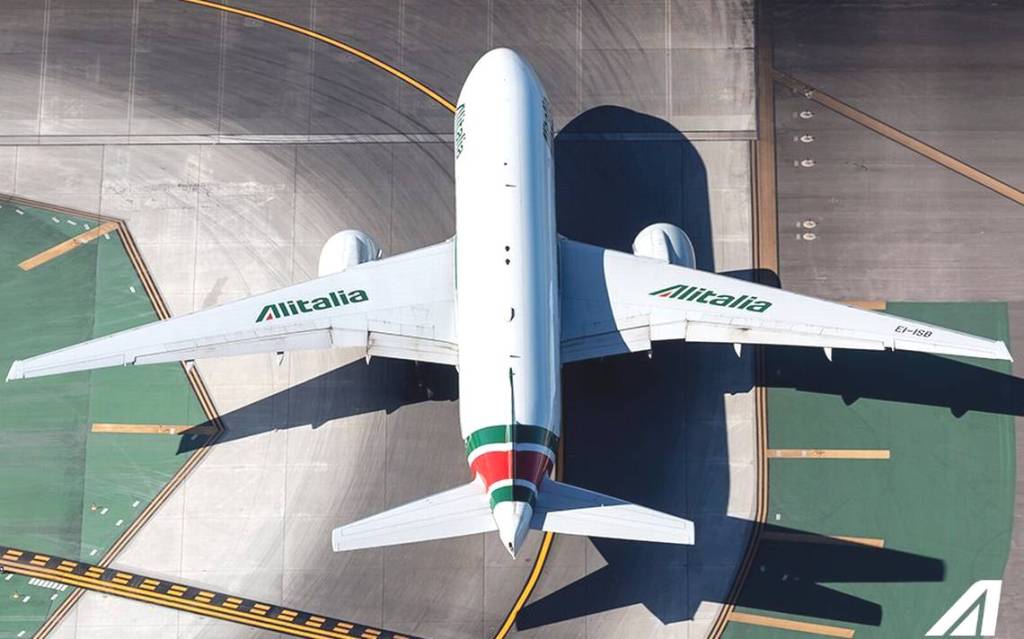

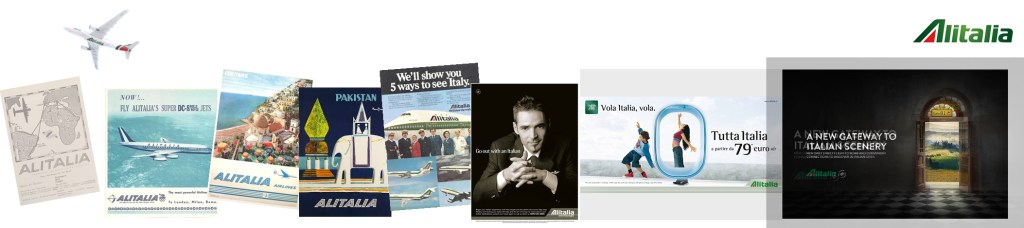
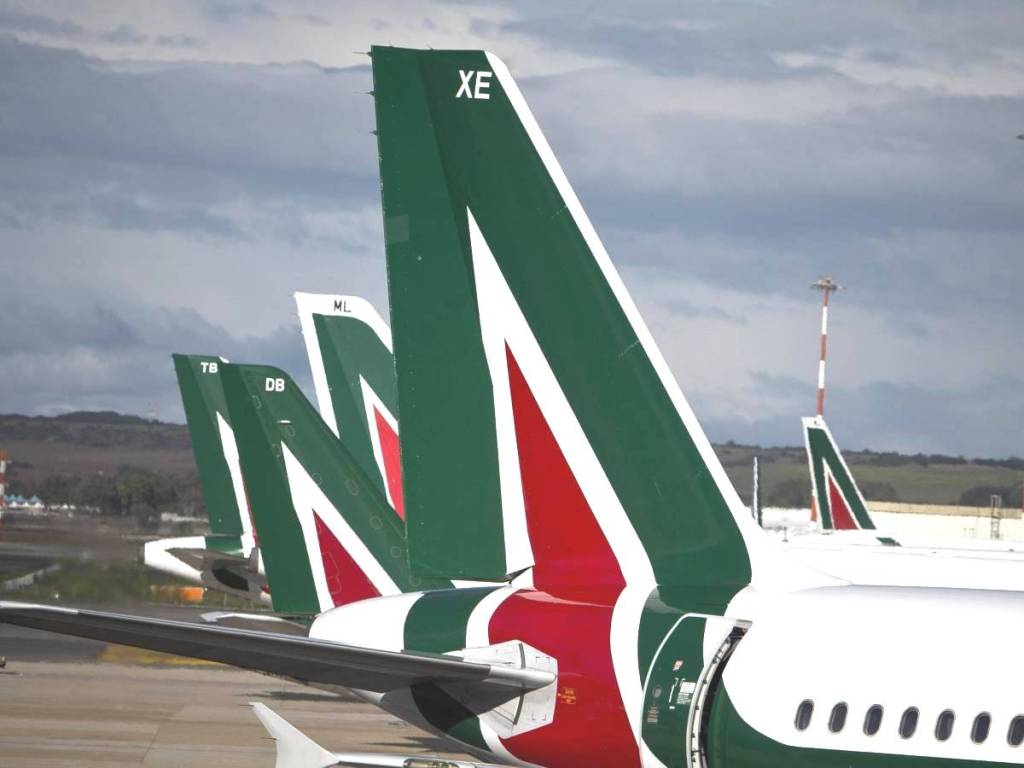

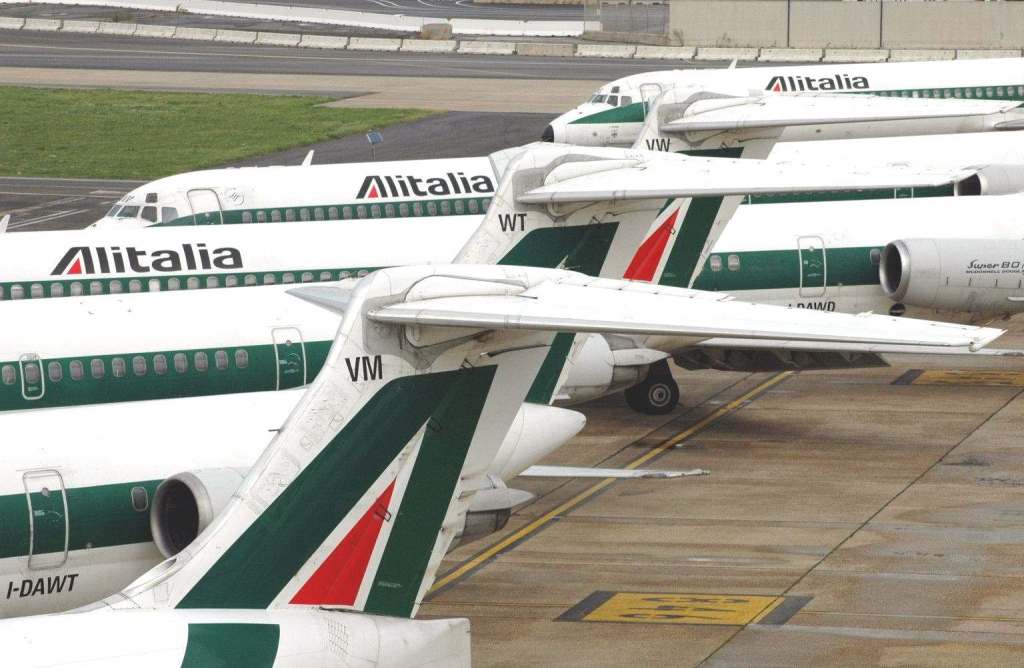

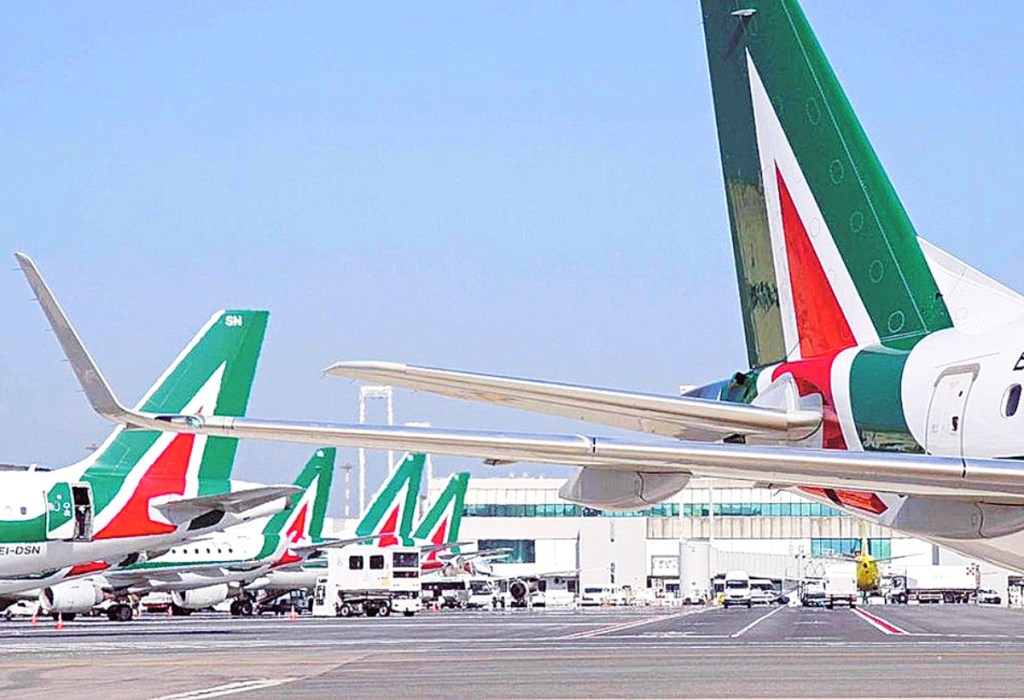

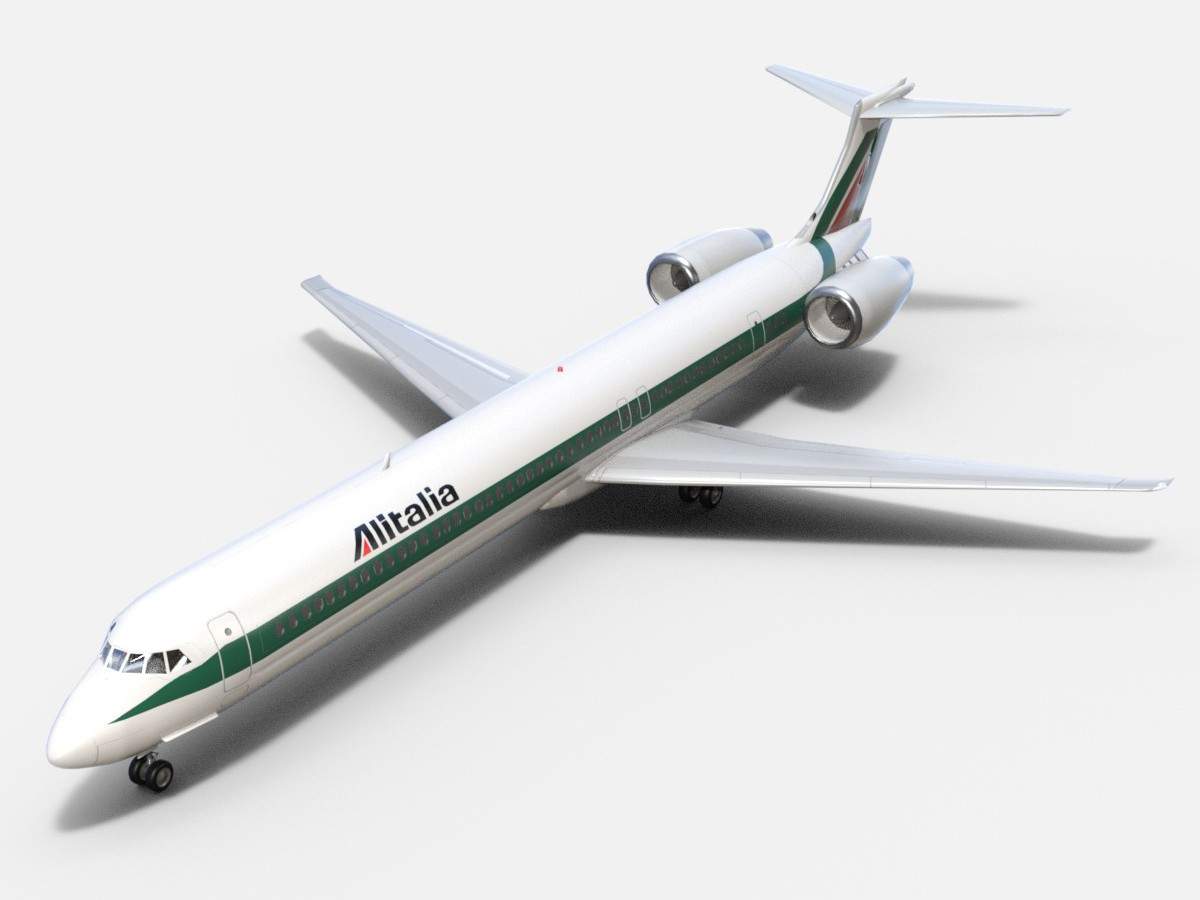
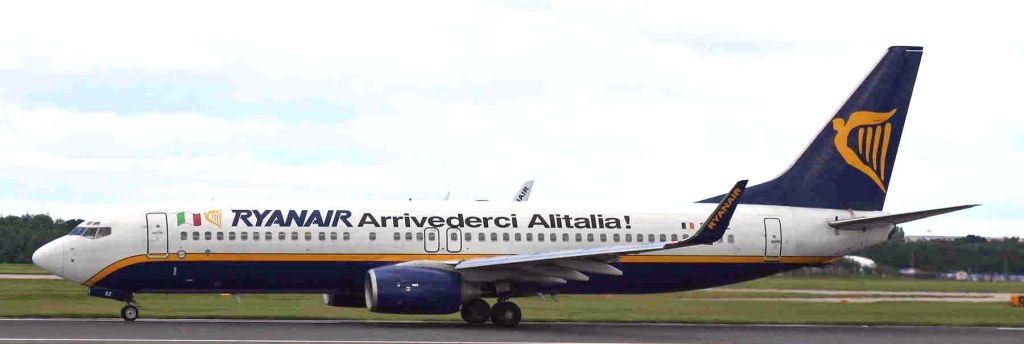
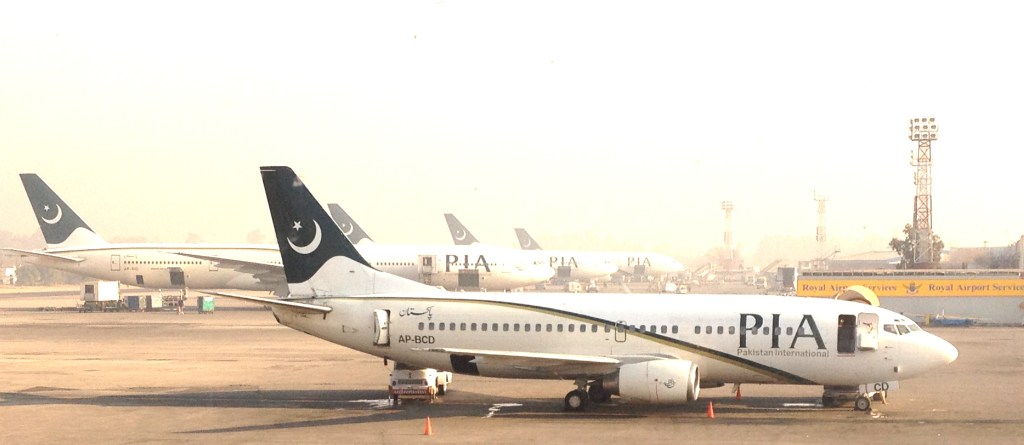

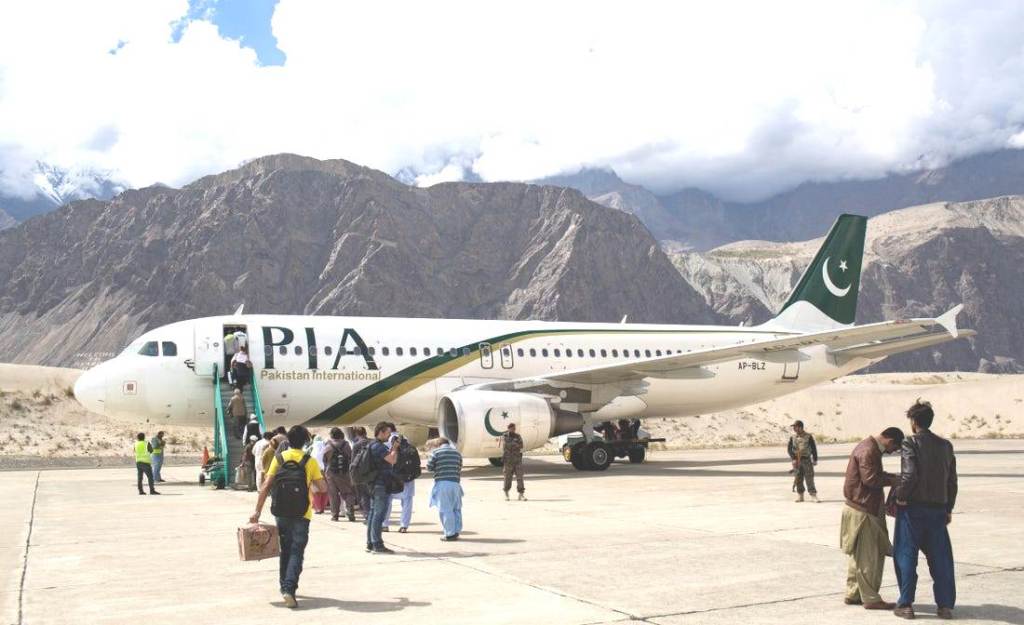

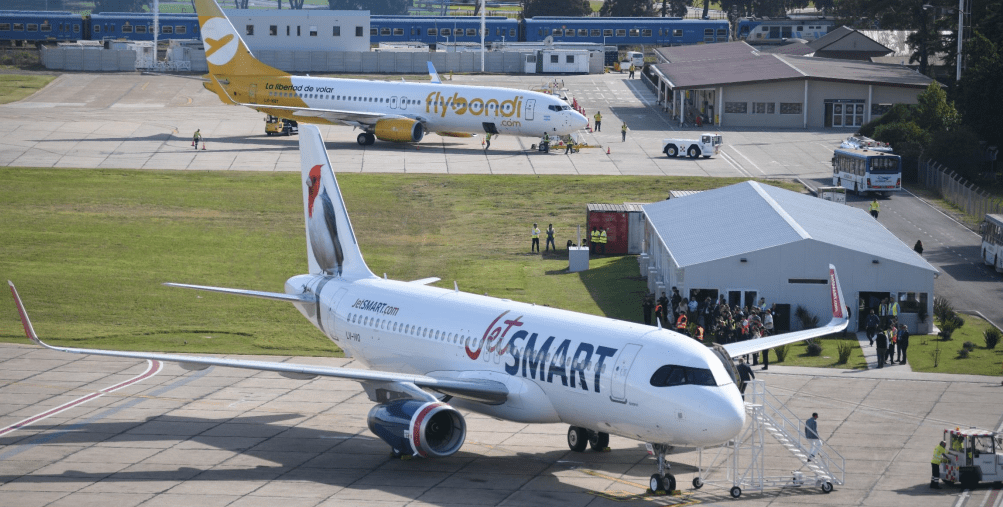



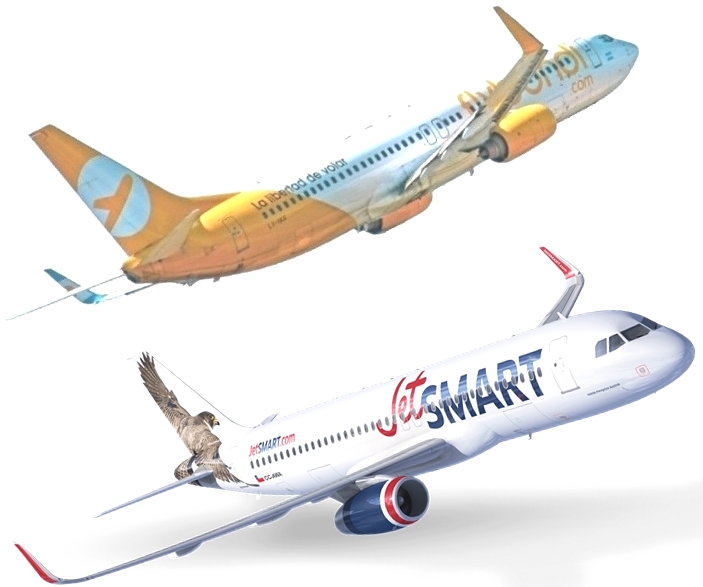




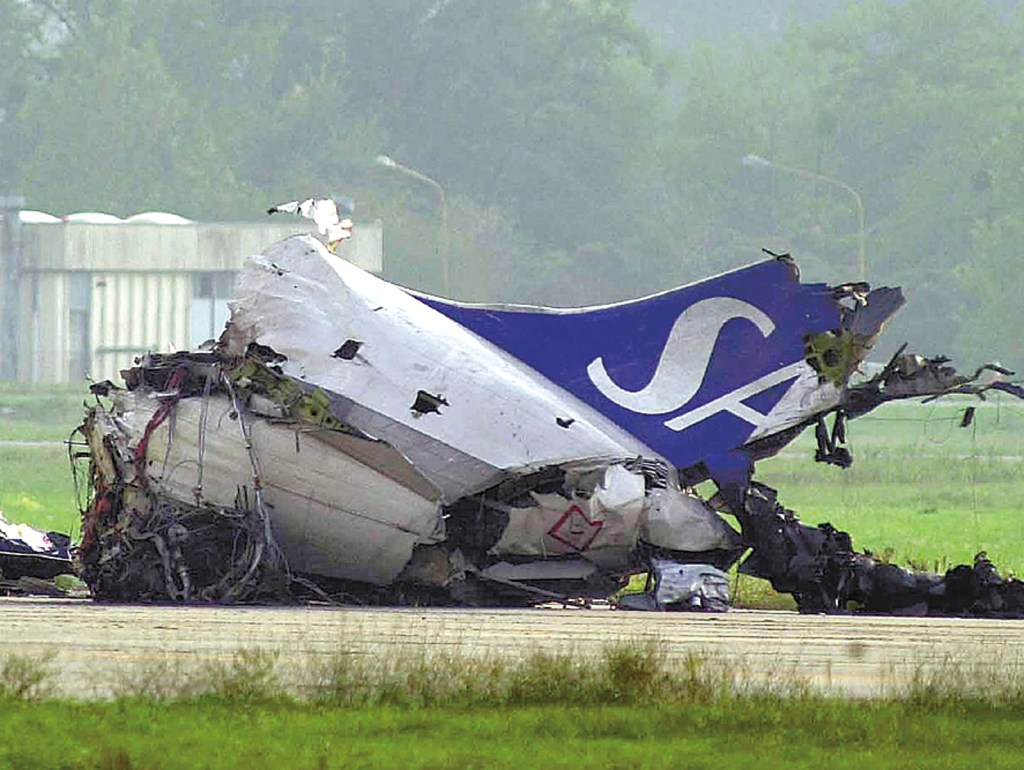
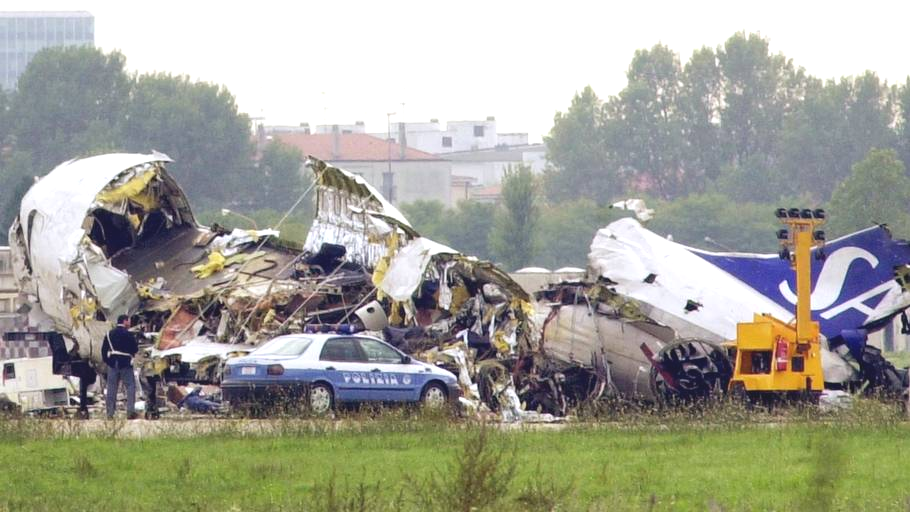

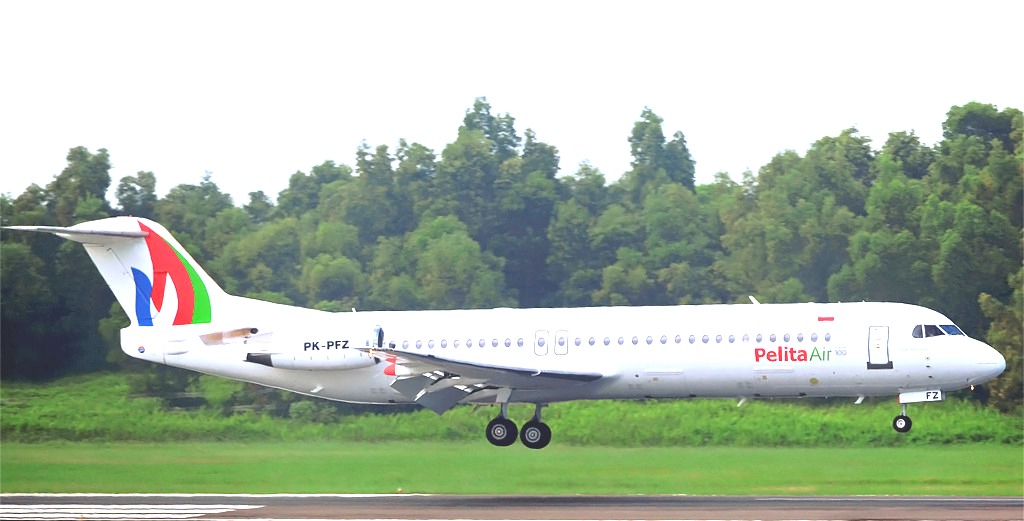
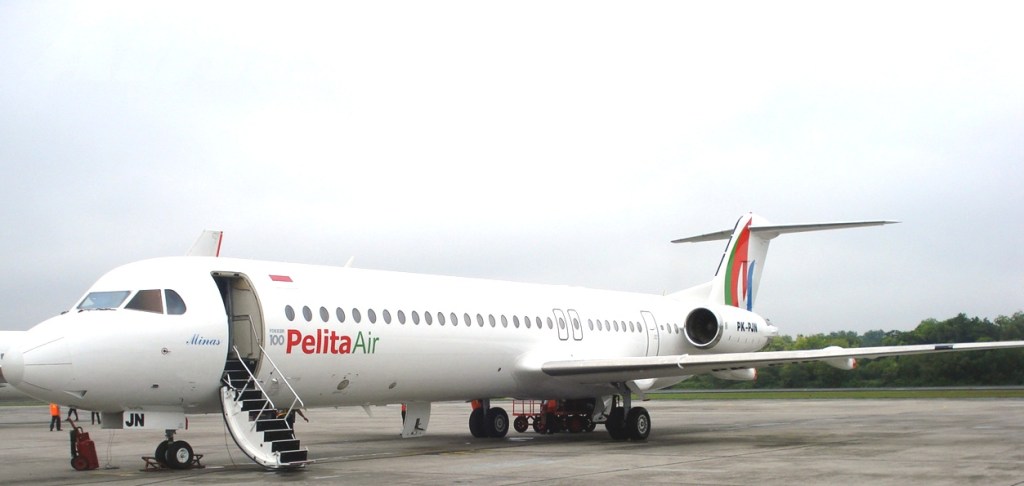
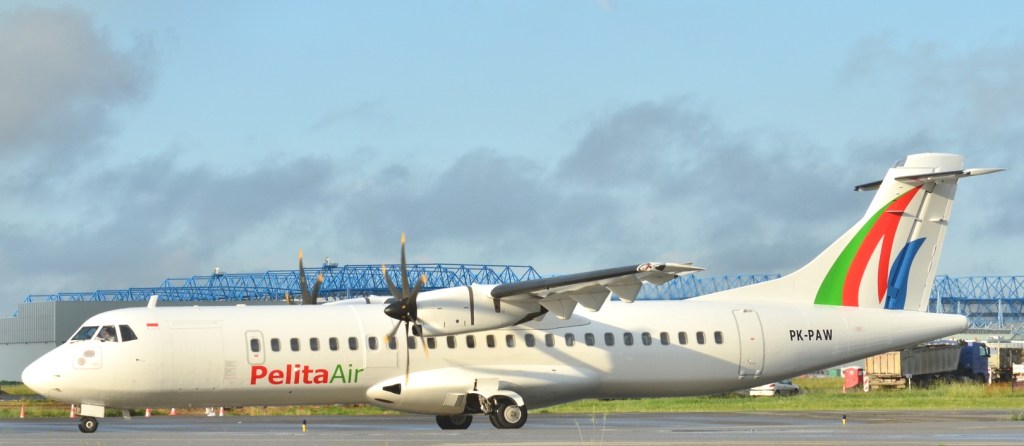
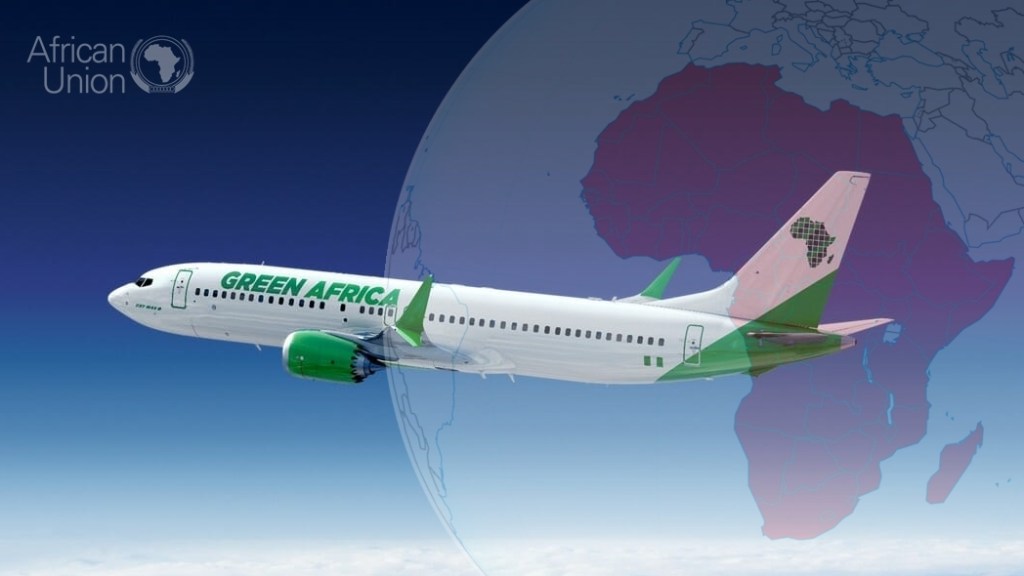

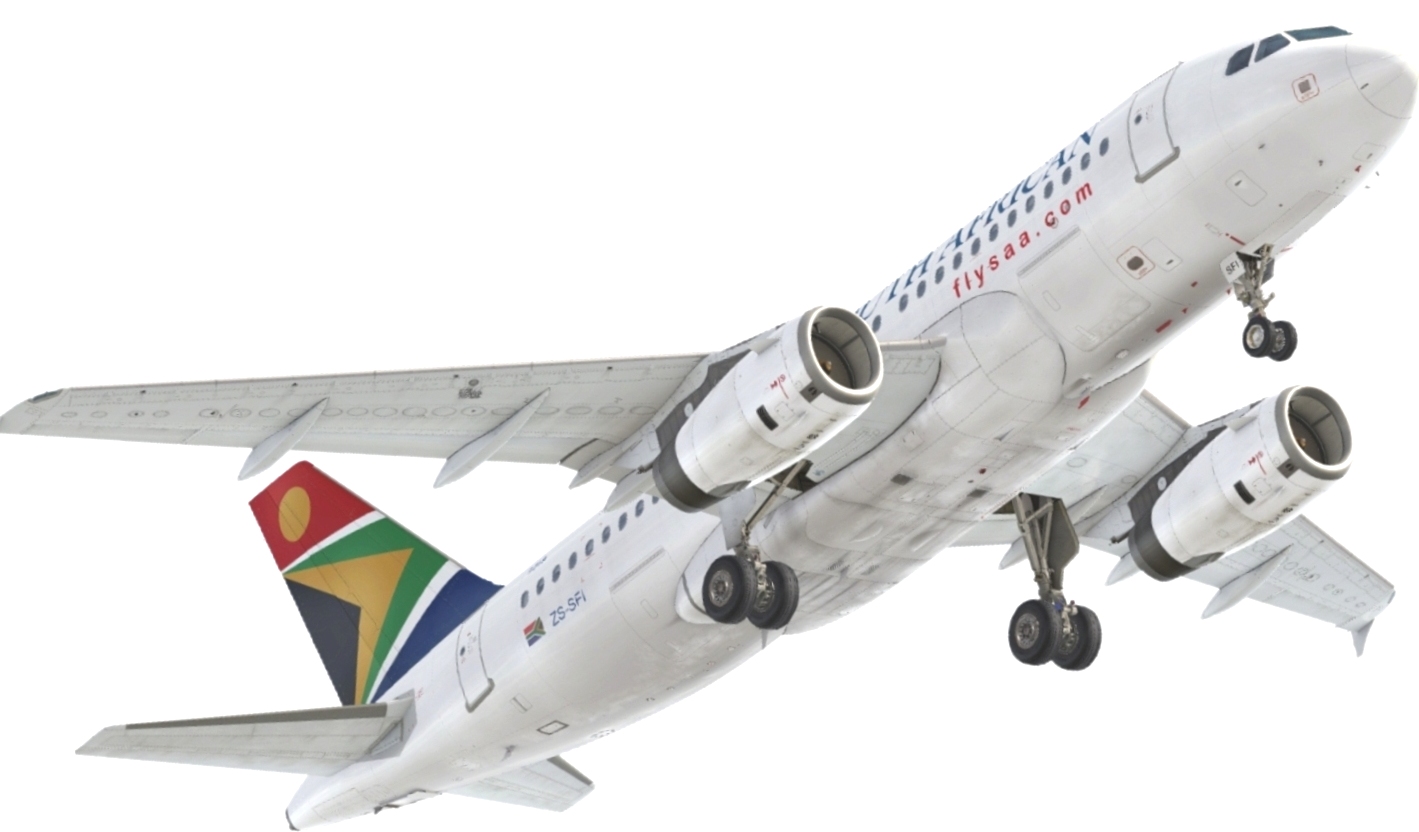
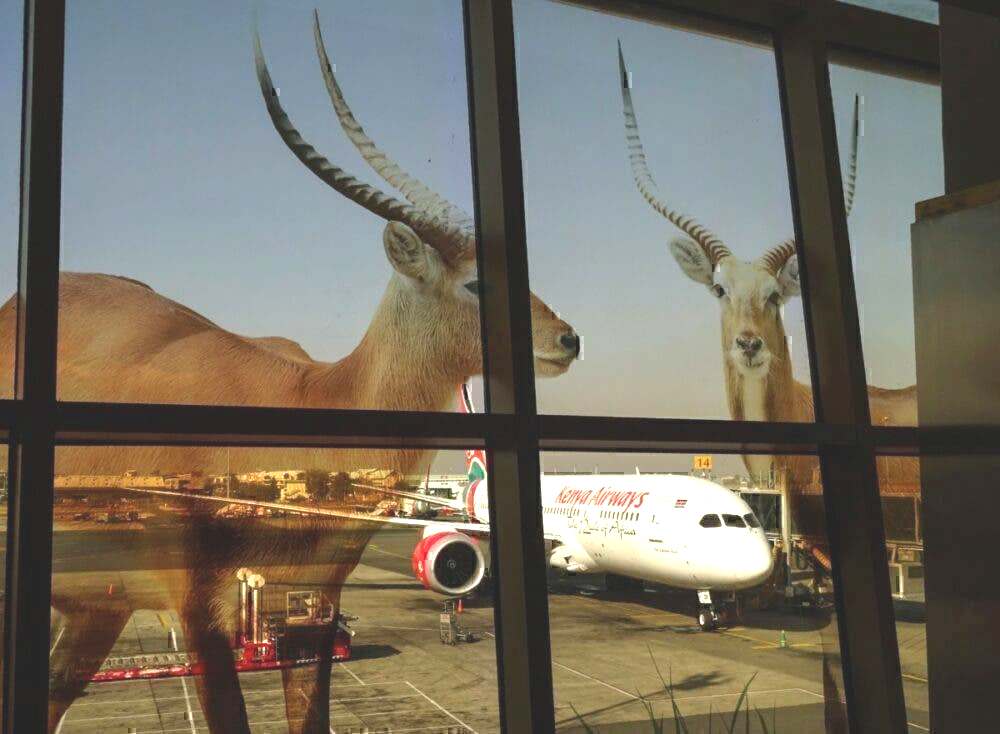
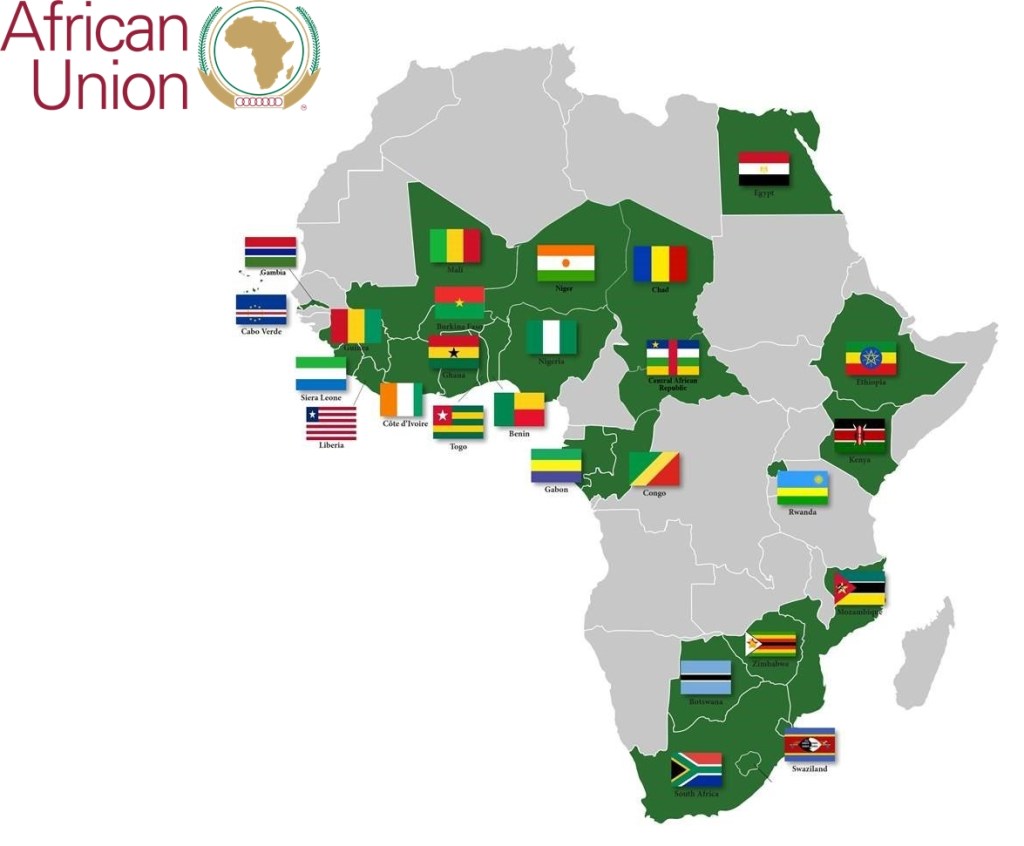


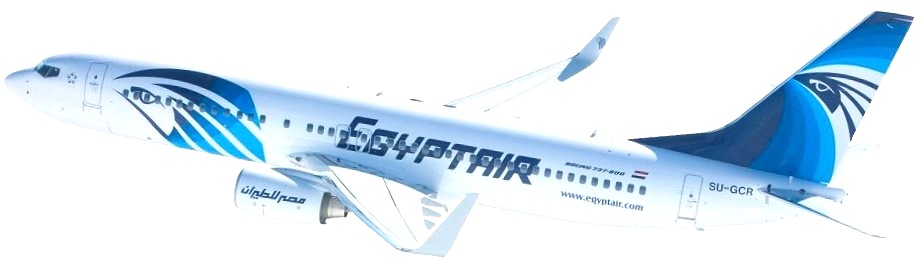
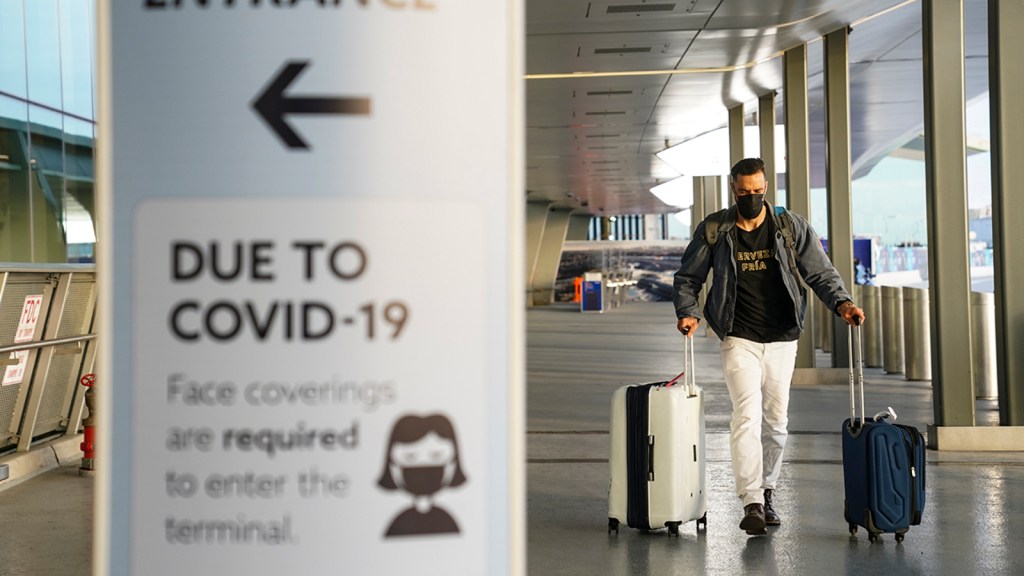

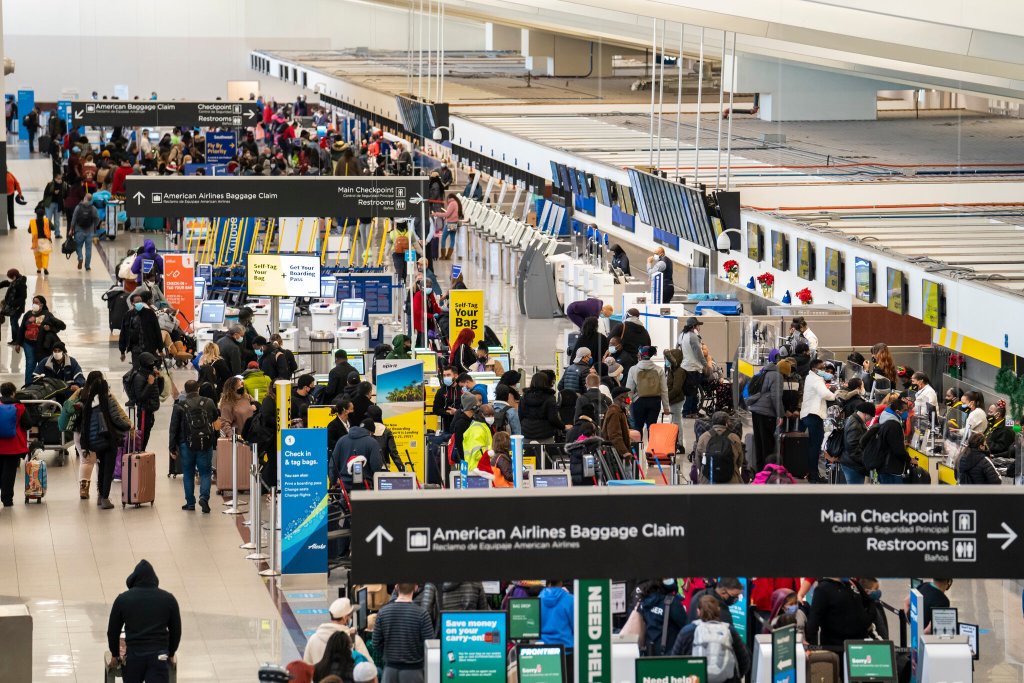


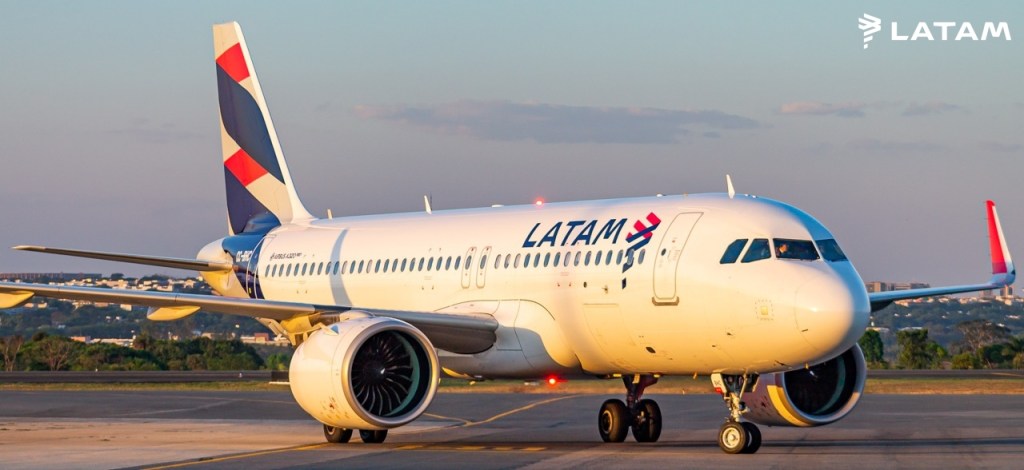

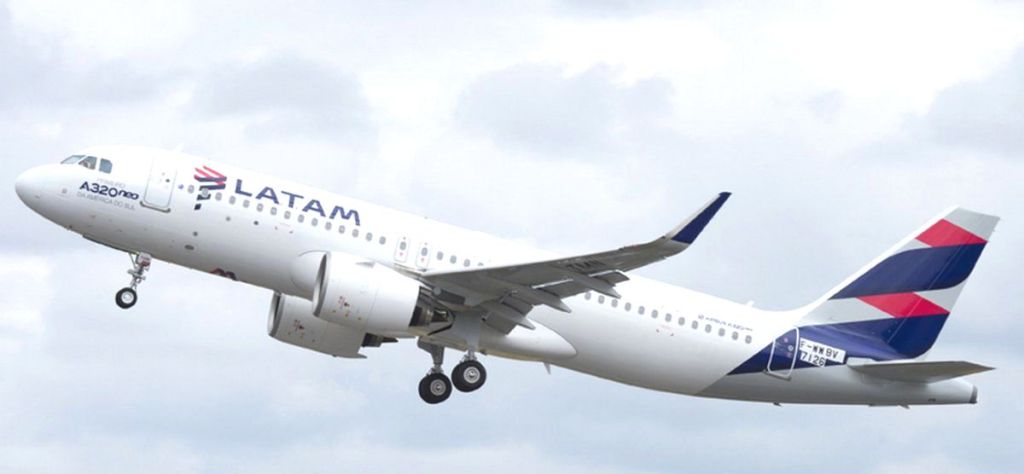

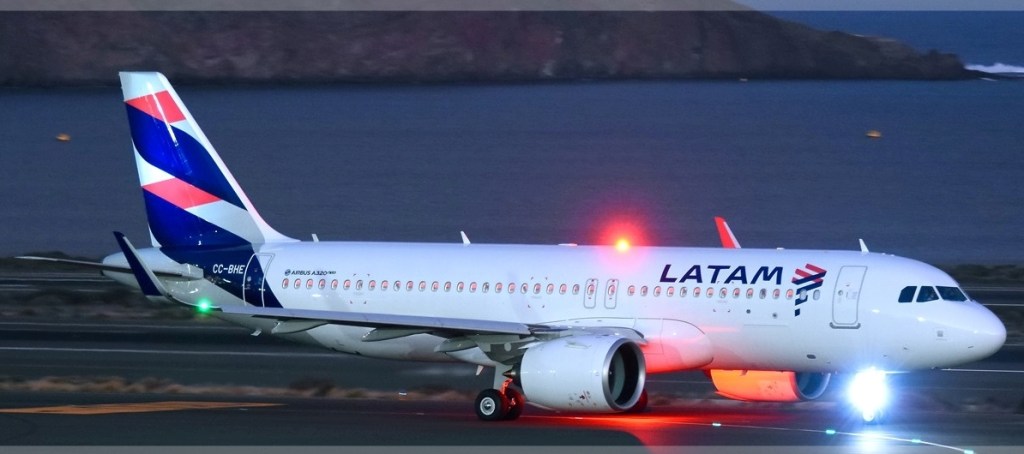
 airgways.com