Boeing/Etihad reducción emisiones 787

AW | 2020 07 20 14:01 | INDUSTRY / ENGINEERING / AIRLINES

Boeing / Etihad Airways alianza pruebas innovaciones ecoDemonstrator

The Boeing Company y Etihad Airways utilizarán un Boeing 787-10 Dreamliner para probar formas de reducir las emisiones y el ruido como parte del Programa ecoDemonstrator de la compañía aeroespacial antes de que la aerolínea acepte la entrega de la aeronave en 4Q2020. La colaboración, que incluye extensas pruebas de medición de sonido con socios de la industria, se basa en una alianza estratégica de sostenibilidad que Boeing y Etihad formaron en Noviembre 2019.

«Este es el último programa bajo la asociación estratégica líder de la industria de Etihad con Boeing, que se enfoca en innovar soluciones del mundo real para los desafíos clave de sostenibilidad que enfrenta la industria de la aviación. El programa ecoDemonstrator se basa en la innovación y la sostenibilidad, y estos son valores fundamentales para Etihad Airways, Abu Dhabi y los Emiratos Árabes Unidos. Etihad y Boeing ven una gran oportunidad para colaborar y compartir conocimientos para minimizar el impacto de la aviación en el medio ambiente», dijo el Director Ejecutivo de Etihad Aviation Group, Tony Douglas.

El Programa ecoDemonstrator utiliza aviones comerciales para probar tecnologías que pueden hacer que la aviación sea más segura y sostenible ahora y en el futuro. El programa 2020, que comenzará a probarse en Agosto, es el primero en utilizar un Boeing 787-10.

«La colaboración de la industria es un aspecto clave del programa ecoDemonstrator de Boeing que nos permite acelerar la innovación. Estamos orgullosos de ampliar nuestra asociación de sostenibilidad con Etihad Airways probando tecnologías prometedoras que pueden reducir las emisiones, ayudar a la aviación comercial a cumplir nuestros objetivos climáticos y permitir que la industria crezca de manera responsable y respete nuestro planeta y sus recursos naturales», dijo Stan Deal, Presidente y CEO de Boeing Commercial Airplanes.

Boeing y Etihad trabajarán con socios líderes de la industria, incluidos los sistemas de aterrizaje de la NASA y Safran, para realizar mediciones de ruido de aviones desde sensores en el avión y en tierra. Los datos se utilizarán para validar los procesos de predicción de ruido de las aeronaves y el potencial de reducción de sonido de los diseños de aeronaves, incluido el tren de aterrizaje, que se modifican para operaciones más silenciosas. Además, se realizará un vuelo durante el cual los pilotos, los controladores de tránsito aéreo y el centro de operaciones de una aerolínea compartirán simultáneamente información digital para optimizar la eficiencia del enrutamiento y mejorar la seguridad al reducir la carga de trabajo y la congestión de radiofrecuencia.

Los vuelos de prueba se realizarán con una mezcla de combustible sostenible, lo que reduce significativamente la huella ambiental de la aviación. Se espera que el programa de pruebas dure aproximadamente cuatro semanas antes de que Etihad Airways entre en servicio su Boeing 787-10.

Boeing e Etihad anunciam o "Projeto 787 Greenliner" - Passageiro ...

Boeing / Etihad cut emissions by 787

Boeing and Etihad Airways expand alliance testing innovations ecoDemonstrator

The Boeing Company and Etihad Airways will use a Boeing 787-10 Dreamliner to test ways to reduce emissions and noise as part of the aerospace company’s ecoDemonstrator Program before the airline accepts delivery of the aircraft in 4Q2020. The collaboration, which includes extensive sound measurement tests with industry partners, is based on a strategic sustainability alliance that Boeing and Etihad formed in November 2019.

«This is the latest program under Etihad’s industry-leading strategic partnership with Boeing, which focuses on innovating real-world solutions to the key sustainability challenges facing the aviation industry. The ecoDemonstrator program is based on innovation and sustainability, and these are core values ​​for Etihad Airways, Abu Dhabi and the United Arab Emirates. Etihad and Boeing see a great opportunity to collaborate and share knowledge to minimize the impact of aviation on the environment», said the CEO from Etihad Aviation Group, Tony Douglas.

The ecoDemonstrator Program uses commercial aircraft to test technologies that can make aviation safer and more sustainable now and in the future. The 2020 program, which will begin testing in August, is the first to use a Boeing 787-10.

«Industry collaboration is a key aspect of Boeing’s ecoDemonstrator program that enables us to accelerate innovation. We are proud to expand our sustainability partnership with Etihad Airways by testing promising technologies that can reduce emissions, help commercial aviation meet our climate goals and allow the industry to grow responsibly and respect our planet and its natural resources», said Stan Deal, President and CEO of Boeing Commercial Airplanes.

Boeing and Etihad will work with leading industry partners, including NASA and Safran landing systems, to make measurements of aircraft noise from sensors on the plane and on the ground. The data will be used to validate aircraft noise prediction processes and the sound reduction potential of aircraft designs, including the landing gear, which are modified for quieter operations. In addition, a flight will be conducted during which pilots, air traffic controllers and an airline’s operations center will simultaneously share digital information to optimize routing efficiency and improve safety by reducing workload and radio frequency congestion.

Test flights will be conducted on a sustainable fuel blend, significantly reducing aviation’s environmental footprint. The testing program is expected to last approximately four weeks before Etihad Airways brings its Boeing 787-10 into service.

Ξ A I R G W A Y S Ξ
PUBLISHER: Airgways.com
DBk: Boeing.com / Airgways.com
AW-POST: 202007201401AR

A\W   A I R G W A Y S ®
Airbus inicia entrega combustible SAF

AW | 2020 07 18 11:46 | INDUSTRY / AIRLINES

Airbus está expandiendo sus operaciones de combustible de aviación sostenible (SAF)

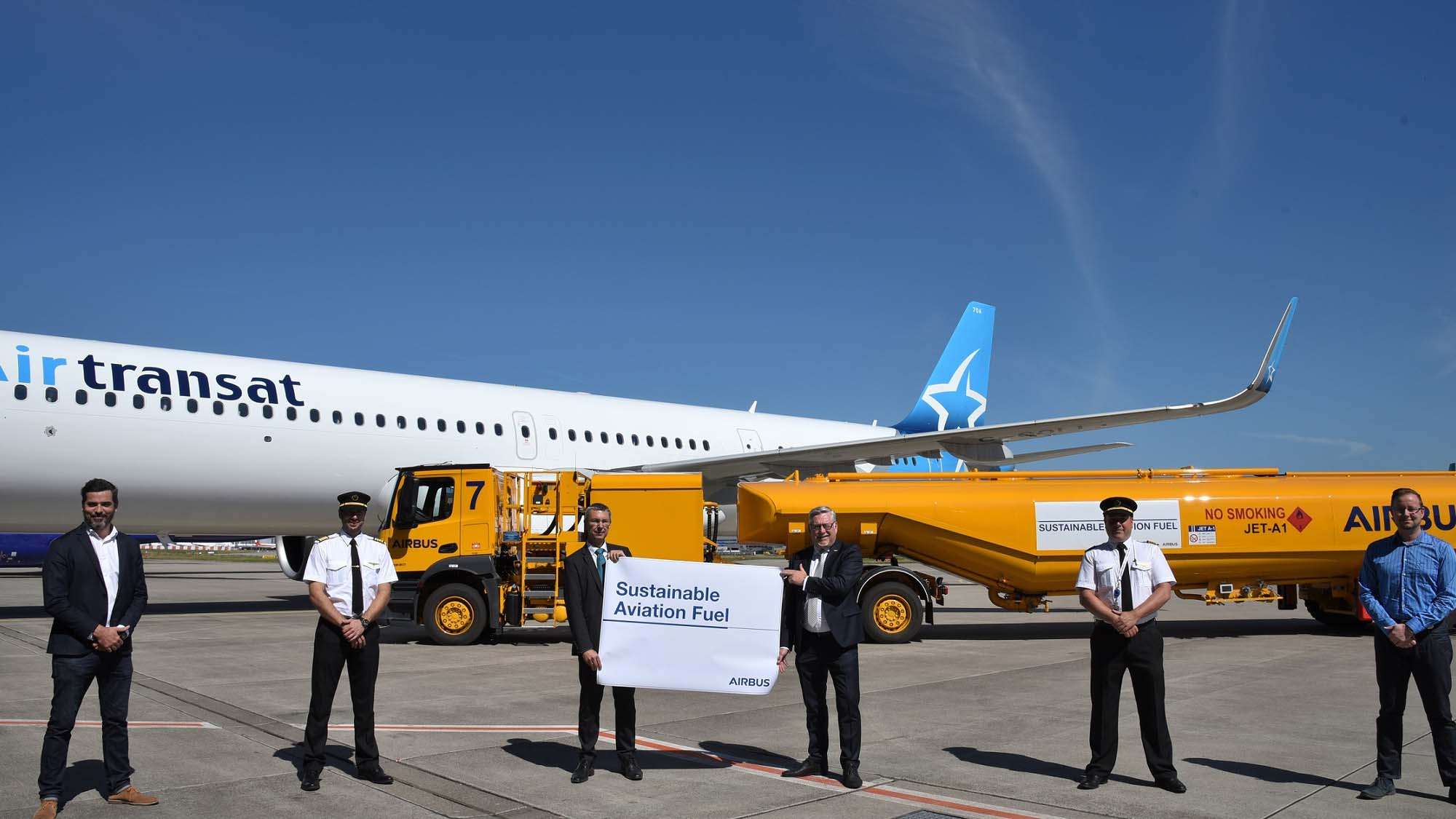
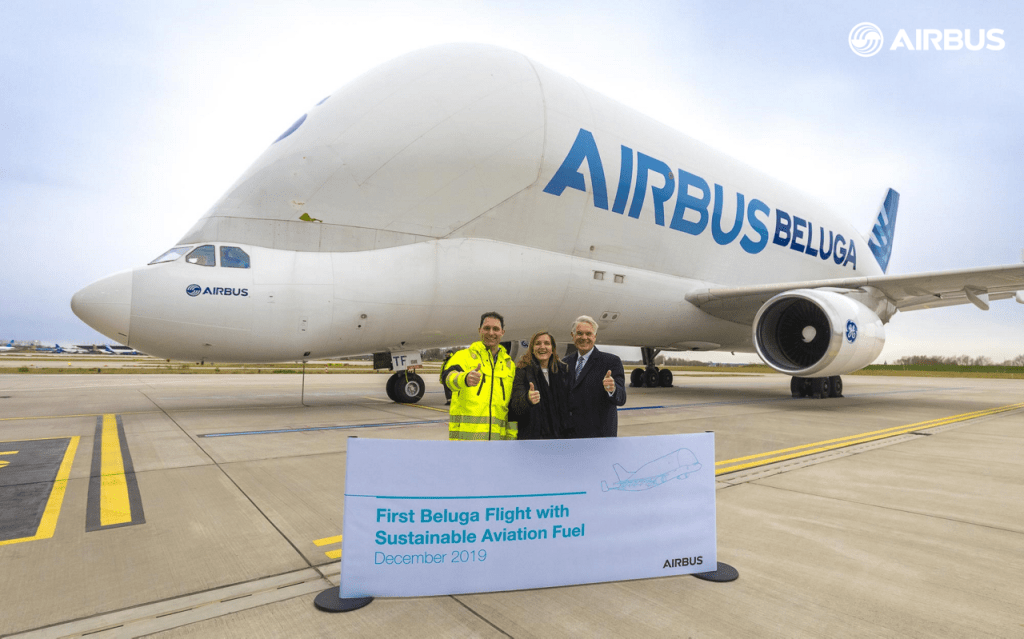
La compañía aeroespacial Airbus Group está expandiendo sus operaciones de Combustible de Aviación Sostenible (SAF). Airbus ya ha establecido con éxito vuelos SAF desde Hamburgo con su avión de transporte Beluga desde diciembre de 2019. La entrega comercial del 17/07 es otro hito que subraya el compromiso continuo de Airbus de minimizar el impacto ambiental del transporte aéreo, que incluye convertirse en el primer fabricante de aviones que ofrece a los clientes la opción de recibir nuevos aviones con combustible sostenible en sus tanques. Dichos vuelos de entrega han estado disponibles desde 2016, comenzando desde las instalaciones de producción de la sede de Airbus en Toulouse, Francia, seguido de Mobile, Alabama, Estados Unidos. Airbus ofrece esta opción como parte de su estrategia para promover el uso más regular de combustibles sostenibles dentro de la industria de la aviación.

Air Transat prueba SAF

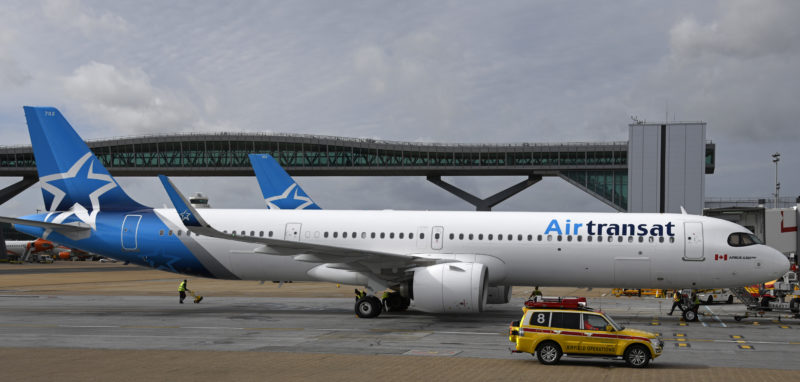
Air Transat recibió dos de las nuevas aeronaves Airbus A321NEO LR en arrendamiento de AerCap. Ambos utilizaron una mezcla de combustible de aviación sostenible al 10 por ciento para volar el avión desde Hamburgo a Montreal, Canadá, sin escalas. El combustible para el avión A321NEO LR de Air Transat entregado desde Hamburgo fue suministrado por Air Bp y producido por Neste.

Airbus y Air Transat tienen una larga historia de cooperación en asuntos ambientales. Airbus apoyó a la aerolínea para lanzar su programa ambiental hace 13 años y ambos han trabajado juntos en proyectos ambientales como la eficiencia del combustible. Air Transat ha estado operando aviones del constructor europeo de fuselaje estrecho y ancho desde 1999.

«La sostenibilidad y la eficiencia son esenciales para nuestros clientes y para Airbus. Los desarrollos sostenibles de combustible de aviación desempeñarán un papel clave en la reducción de la huella ambiental de la industria de la aviación. Al utilizar combustibles de aviación sostenibles en vuelos de entrega con socios como AerCap y Air Transat, que son volando el avión desde Hamburgo a su base de operaciones canadiense sin escalas, tomamos medidas concretas para contribuir a un futuro de la aviación más sostenible», dijo Christian Scherer, Director Comercial de Airbus.

«Estamos muy contentos de ser parte de este hito histórico, trabajando junto con nuestros socios en Airbus y con nuestro cliente de mucho tiempo, Air Transat, para ayudarlos a cumplir sus ambiciones de crecimiento sostenible. AerCap se compromete a facilitar el movimiento hacia un transporte aéreo más sostenible respaldado por su objetivo de hacer la transición de su flota a aproximadamente dos tercios de aviones de nueva tecnología para 2021″, dijo Philip Scruggs, Presidente y Jefe Comercial de AerCap.

«Es un honor para nosotros y una señal de confianza de Airbus ser su primer cliente en aprovechar esta nueva opción de entrega en su planta de Hamburgo. Esta iniciativa es parte de nuestro compromiso de reducir nuestra propia huella de carbono al tiempo que contribuye al logro de los ambiciosos objetivos de descarbonización de la industria aérea. Estamos orgullosos de ser la primera aerolínea canadiense en operar vuelos con emisiones neutras de carbono, y continuaremos cumpliendo nuestro compromiso de brindar a nuestros pasajeros una experiencia de viaje que tenga en cuenta nuestra huella ambiental», dijo Jean-François Lemay, Presidente y Gerente General de Air Transat.

Airbus begins delivery of SAF fuel

Airbus is expanding its sustainable aviation fuel (SAF) operations

Aerospace company Airbus Group is expanding its Sustainable Aviation Fuel (SAF) operations. Airbus has already successfully established SAF flights from Hamburg with its Beluga transport aircraft since December 2019. The commercial delivery on 07/17 is another milestone that underscores Airbus’ continued commitment to minimize the environmental impact of air transport, which includes becoming at the first aircraft manufacturer to offer customers the option of receiving new aircraft with sustainable fuel in their tanks. Such delivery flights have been available since 2016, starting from the production facilities of Airbus headquarters in Toulouse, France, followed by Mobile, Alabama, United States. Airbus offers this option as part of its strategy to promote the more regular use of sustainable fuels within the aviation industry.

Air Transat tests SAF

Air Transat received two of the new Airbus A321NEO LR aircraft on lease from AerCap. Both used a 10 percent sustainable aviation fuel mixture to fly the plane from Hamburg to Montreal, Canada, nonstop. Fuel for Air Transat’s A321NEO LR aircraft delivered from Hamburg was supplied by Air Bp and produced by Neste.

Airbus and Air Transat have a long history of cooperation on environmental matters. Airbus supported the airline to launch its environmental program 13 years ago, and the two have worked together on environmental projects such as fuel efficiency. Air Transat has been operating aircraft of the European narrow and widebody constructor since 1999.

«Sustainability and efficiency are essential for our customers and for Airbus. Sustainable aviation fuel developments will play a key role in reducing the environmental footprint of the aviation industry. By using sustainable aviation fuels on delivery flights With partners like AerCap and Air Transat, who are flying the plane from Hamburg to its Canadian base of operations nonstop, we take concrete steps to contribute to a more sustainable aviation future», said Christian Scherer, Commercial Director of Airbus.

«We are excited to be a part of this historic milestone, working together with our partners at Airbus and with our longtime client, Air Transat, to help them fulfill their ambitions for sustainable growth. AerCap is committed to facilitating the move toward transportation more sustainable aviation backed by its goal of transitioning its fleet to approximately two-thirds of new technology aircraft by 2021», said Philip Scruggs, AerCap President and Chief Commercial Officer.

«It is an honor for us and a sign of Airbus’s confidence to be its first customer to take advantage of this new delivery option at its Hamburg plant. This initiative is part of our commitment to reduce our own carbon footprint while contributing to achievement. of the airline industry’s ambitious decarbonisation goals. We are proud to be the first Canadian airline to operate carbon-neutral flights, and we will continue to deliver on our commitment to provide our passengers with a travel experience that takes into account our environmental footprint», said Jean-François Lemay, President and General Manager of Air Transat.

Air bp supplies sustainable aviation fuel for Airbus delivery ...

Airbus commence la livraison de carburant SAF

Airbus étend ses opérations de carburant d’aviation durable (SAF)

La société aérospatiale Airbus Group étend ses activités de carburant d’aviation durable (SAF). Airbus a déjà établi avec succès des vols SAF au départ de Hambourg avec ses avions de transport Beluga depuis décembre 2019. La livraison commerciale le 07/17 est une autre étape marquante qui souligne l’engagement continu d’Airbus à minimiser l’impact environnemental du transport aérien, qui inclut de devenir au premier constructeur d’avions à offrir aux clients la possibilité de recevoir de nouveaux avions avec du carburant durable dans leurs réservoirs. Ces vols de livraison sont disponibles depuis 2016, à partir des installations de production du siège d’Airbus à Toulouse, en France, puis de Mobile, en Alabama, aux États-Unis. Airbus propose cette option dans le cadre de sa stratégie visant à promouvoir une utilisation plus régulière des carburants durables au sein de l’industrie aéronautique.

Air Transat teste SAF

Air Transat a reçu deux des nouveaux appareils Airbus A321NEO LR en location d’AerCap. Les deux ont utilisé un mélange de carburant d’aviation durable à 10% pour faire voler l’avion de Hambourg à Montréal, Canada, sans escale. Le carburant des avions A321NEO LR d’Air Transat livrés depuis Hambourg a été fourni par Air Bp et produit par Neste.

Airbus et Air Transat ont une longue histoire de coopération en matière environnementale. Airbus a soutenu la compagnie aérienne pour lancer son programme environnemental il y a 13 ans, et les deux ont travaillé ensemble sur des projets environnementaux tels que l’efficacité énergétique. Air Transat exploite des avions du constructeur européen à fuselage étroit et à fuselage large depuis 1999.

«La durabilité et l’efficacité sont essentielles pour nos clients et pour Airbus. Les développements de carburants d’aviation durables joueront un rôle clé dans la réduction de l’empreinte environnementale de l’industrie aéronautique. En utilisant des carburants d’aviation durables sur les vols de livraison Avec des partenaires comme AerCap et Air Transat, qui pilotent l’avion de Hambourg à sa base d’opérations canadienne sans escale, nous prenons des mesures concrètes pour contribuer à un avenir de l’aviation plus durable», a déclaré Christian Scherer, directeur commercial d’Airbus.

«Nous sommes ravis de faire partie de cette étape historique, en travaillant avec nos partenaires d’Airbus et avec notre client de longue date, Air Transat, pour les aider à réaliser leurs ambitions de croissance durable. AerCap s’engage à faciliter la transition vers le transport des avions plus durables soutenus par son objectif de transition de sa flotte vers environ les deux tiers des avions de nouvelle technologie d’ici 2021″, a déclaré Philip Scruggs, président et chef de la direction commerciale d’AerCap.

«C’est un honneur pour nous et un signe de la confiance d’Airbus d’être son premier client à profiter de cette nouvelle option de livraison dans son usine de Hambourg. Cette initiative fait partie de notre engagement à réduire notre propre empreinte carbone tout en contribuant à la réalisation. des objectifs ambitieux de décarbonisation de l’industrie du transport aérien. Nous sommes fiers d’être la première compagnie aérienne canadienne à exploiter des vols neutres en carbone et nous continuerons de respecter notre engagement d’offrir à nos passagers une expérience de voyage qui tient compte de notre empreinte environnementale», a déclaré Jean-François Lemay, président et directeur général d’Air Transat.

Ξ A I R G W A Y S Ξ
PUBLISHER: Airgways.com
DBk: Airbus.com / Bp.com / Airgways.com
AW-POST: 202007181146AR

A\W   A I R G W A Y S ®

Boeing perspectivas nuevas estrategias

AW | 2020 07 17 16:52 | INDUSTRY

The Boeing Company necesita desarrollar estrategia hacia el futuro

En Marzo 2019, The Boeing Company se encontraba en la cima del mundo, con una cartera de pedidos de ocho años y una capitalización de mercado de US$ 240 mil millones. Actualmente, tras el impacto de la pandemia de Coronavirus, está en desventaja estructural frente a Airbus Group, con el precio de sus acciones disminuido a medida que lidia con la peor crisis de la era da la aviación comercial. Algunos observadores comienzan a dudar de que pueda retrasar su fin del duopolio de producción del avión.

El CEO de la compañía aeroespacial Dave Calhoun está a solo 21 meses de su edad de jubilación obligatoria, y su luna de miel como nuevo líder se está agotando. ¿Será un líder de transición o se arriesgará a reposicionar la empresa para tener éxito a largo plazo? Creo que puede ser un líder transformador siguiendo una estrategia audaz de cinco puntos que marcarán las nuevas estrategias de Boeing.

Reposicionamiento

Los problemas de posicionamiento de los productos de Boeing son bien conocidos y deben abordarse lo antes posible a pesar de la crisis del COVID-19. La principal prioridad de la compañía es, por supuesto, la recertificación del Boeing 737 MAX. Poco después, debe lanzar un programa de hoja blanca para abordar su problema de competitividad frente al Airbus A321NEO. Esto elevará la moral de las partes interesadas de Boeing que representan a los empleados, clientes y proveedores, e indicará que quiere superar el desastre del 737 MAX, recuperar el liderazgo de la industria e invertir en nuevas y prometedoras tecnologías de diseño y producción digital.

Estrategia integración vertical

Boeing fue demasiado lejos en el outsourcing en el Boeing 787, y ahora parece que está adquiriendo demasiados recursos. Algunas iniciativas de integración vertical tienen sentido, incluidos interiores, alas compuestas y aviónica, pero varias otras son marginales. ¿Puede Boeing, por ejemplo, realmente crear un valor duradero para el cliente en unidades de energía auxiliar a través de su empresa conjunta con Safran? El momento de este movimiento es irónico dado el hecho de que esta podría ser la última generación de aviones que utilizan APU (Unidad de Potencia Auxiliar). Está en camino de convertir los costos variables en costos fijos, lo que no es un buen augurio en una recesión prolongada de la industria.

Airbus reconoció esta realidad al abandonar recientemente su iniciativa de integración vertical en góndolas para el A320NEO y entregar el paquete a Collins Aerospace. Los fondos utilizados para movimientos de integración vertical equivocados se utilizarían mejor para el próximo desarrollo comercial o militar con un caza de sexta generación.

Programa Partnering for Success (PFS)

Uno de los mayores errores de la compañía en la última década ha sido el Programa Partnering for Success (PFS), que coloca a sus proveedores, responsables del 65-70% de su estructura de costos, en una posición insostenible de obtener márgenes de beneficio inadecuados, lo que reduce su capacidad de invertir en el futuro. Esto no significa que Boeing abandone su presión sobre los proveedores para mejorar la productividad, la entrega y la calidad; ni tampoco significa que no debería tratar de aumentar las regalías del mercado de accesorios. Al finalizar PFS, Boeing podría cambiar las condiciones de pago de sus proveedores de 90 a 60 días para inyectar el capital de trabajo necesario y mejorar la viabilidad del proveedor en la crisis de COVID-19. También podría revisar su terminación draconiana por cláusulas de conveniencia y demandas de propiedad intelectual. Nada haría más para restaurar la confianza del proveedor que Boeing enterrando PFS. El momento es perfecto.

Ingresos por servicios

El objetivo poco realista de US$ 50 mil millones en ingresos por servicios. Es un objetivo arbitrario, y no hay suficiente mantenimiento, reparación y revisión de espacio en blanco para que el objetivo sea sostenible, dados los ingresos por servicios actuales de Boeing de US$ 18.4 mil millones. Contribuye a la desconfianza de los proveedores y distrae de la misión central de desarrollar, producir y apoyar grandes aeronaves. Boeing aún debe buscar el crecimiento de los servicios, pero de manera medida y en áreas donde crea un valor genuino para el cliente, incluida la distribución de piezas, capacitación, servicios digitales, mantenimiento militar y modificaciones. De lo contrario, está destinado a cometer errores importantes, incluidas malas adquisiciones o el lanzamiento de servicios no rentables.

Reestructuración Junta Directiva

La mayoría de los miembros actuales de la junta aprobaron decisiones que llevaron al declive de Boeing y la búsqueda de ingeniería financiera en lugar de la competitividad a largo plazo. La crisis del 737 MAX demuestra que la junta tenía mucha influencia política y poca experiencia técnica. Boeing ha comenzado a abordar algunas de estas deficiencias con el nombramiento de tres nuevos directores desde 2019. Sería bueno continuar con la limpieza de la casa para crear un contrapeso creíble para el CEO y la sabiduría para guiarlo de regreso a la paridad de los aviones.

Esta estrategia de cinco puntos probablemente podría influir el las cotizaciones en el mercado financiero. Pero eso es precisamente el punto en cuestión, durante demasiado tiempo, Boeing apartó la vista del balón para perseguir la inflación de los precios de las acciones. El CEO Dave Calhoun tiene una oportunidad de oro para reiniciar y revitalizar a Boeing en sus 21 meses restantes y crear un legado como uno de sus líderes más importantes.

Boeing prospects new strategies

The Boeing Company needs to develop a strategy for the future

In March 2019, The Boeing Company was on top of the world, with an eight-year backlog and a market capitalization of US$ 240 billion. Currently, following the impact of the Coronavirus pandemic, it is structurally disadvantaged against Airbus Group, with its share price declining as it deals with the worst crisis of the commercial aviation era. Some observers begin to doubt that he could delay his end of the plane’s production duopoly.

Aerospace company CEO Dave Calhoun is just 21 months past his mandatory retirement age, and his honeymoon as a new leader is running out. Will you be a transition leader or risk repositioning the company for long-term success? I believe you can be a transformative leader by following a bold five-point strategy that will shape Boeing’s new strategies.

Repositioning

Boeing’s product positioning issues are well known and should be addressed as soon as possible despite the COVID-19 crisis. The company’s top priority is, of course, the recertification of the Boeing 737 MAX. Soon after, you must launch a white sheet program to address your competitiveness issue against the Airbus A321NEO. This will boost the morale of Boeing stakeholders representing employees, customers and suppliers, and will indicate that it wants to overcome the 737 MAX disaster, regain industry leadership and invest in promising new digital design and production technologies.

Vertical integration strategy

Boeing went too far in outsourcing on the Boeing 787, and now it appears that it is acquiring too many resources. Some vertical integration initiatives make sense, including interiors, composite wings, and avionics, but several others are marginal. Can Boeing, for example, really create lasting customer value in auxiliary power units through its joint venture with Safran? The timing of this move is ironic given the fact that this could be the latest generation of aircraft using APU (Auxiliary Power Unit). It is on its way to converting variable costs into fixed costs, which does not bode well for a prolonged recession in the industry.

Airbus recognized this reality by recently abandoning its A320NEO gondola vertical integration initiative and delivering the package to Collins Aerospace. The funds used for wrong vertical integration movements would be better used for the next commercial or military development with a sixth generation fighter.

Partnering for Success Program (PFS)

One of the company’s biggest mistakes in the last decade has been the Partnering for Success Program (PFS), which places its suppliers, responsible for 65-70% of its cost structure, in an unsustainable position of obtaining profit margins. inadequate, reducing your ability to invest in the future. This does not mean that Boeing abandons its pressure on suppliers to improve productivity, delivery and quality; Nor does it mean that you shouldn’t try to increase aftermarket royalties. Upon completion of PFS, Boeing could change the payment terms of its suppliers from 90 to 60 days to inject the necessary working capital and improve supplier viability in the COVID-19 crisis. You could also review your draconian termination for convenience clauses and intellectual property claims. Nothing would do more to restore supplier confidence than Boeing burying PFS. The timing is perfect.

Service revenues

The unrealistic goal of US$ 50 billion in service revenue. It’s an arbitrary target, and there isn’t enough white space maintenance, repair, and overhaul for the target to be sustainable, given Boeing’s current service revenue of US$ 18.4 billion. It contributes to mistrust of suppliers and distracts from the core mission of developing, producing and supporting large aircraft. Boeing has yet to pursue growth in services, but in a measured manner and in areas where it creates genuine customer value, including parts distribution, training, digital services, military maintenance and modifications. Otherwise, you are bound to make major mistakes, including bad acquisitions or the launch of unprofitable services.

Board of Directors Restructuring

Most current board members approved decisions that led to Boeing’s decline and the pursuit of financial engineering rather than long-term competitiveness. The 737 MAX crisis shows that the board had a lot of political influence and little technical experience. Boeing has begun addressing some of these shortcomings with the appointment of three new directors since 2019. It would be good to continue cleaning the house to create a credible counterweight for the CEO and the wisdom to guide him back to aircraft parity.

This five-point strategy could probably influence quotes in the financial market. But that’s precisely the point at hand for too long, Boeing looked away from the ball to chase inflation of stock prices. CEO Dave Calhoun has a golden opportunity to restart and revitalize Boeing in its remaining 21 months and create a legacy as one of its most important leaders.

Ξ A I R G W A Y S Ξ
PUBLISHER: Airgways.com
DBk: Aviationweek.com / Airgways.com / Boeing.com
AW-POST: 202007171652AR

A\W   A I R G W A Y S ®

Airbus US cambia estrategia

AW | 2020 07 16 15:08 | INDUSTRY / AEROSPACE

Airbus gira estrategia comercial en Estados Unidos

Airbus US está cambiando de rumbo después de décadas de intentar ingresar al mercado de aviones militares de Estados Unidos, lejos de vender grandes plataformas al Pentágono. Con una nueva estrategia que prioriza la venta de sensores, datos, espacio y capacidades de inteligencia disponibles para los compradores del Gobierno de Estados Unidos.

Durante una discusión el Miércoles 15/07 con los periodistas sobre la nueva dirección para el negocio, Chris Emerson, el nuevo Director Ejecutivo de la División Airbus US Space and Defense y ex Presidente de Airbus Helicopters, dijo que quería alejar el enfoque de la compañía en los Estados Unidos. de las principales plataformas de ala fija que son pan y mantequilla de la compañía en Europa. El constructor Airbus US espera expandir la presencia de la compañía en los crecientes mercados espaciales y de inteligencia, particularmente con satélites de bajo costo como los creados por su empresa conjunta One Web, inteligencia e imagen geoespaciales y sensores basados ​​en el espacio. “Sabemos que la Fuerza Aérea necesita un A400M, pero puedo pasar 10 años tratando de convencer a la Fuerza Aérea y a todos los políticos de que deberían comprar un A400M. Y finalmente comprarán C-130. Entonces, permítanme concentrar esta energía, este gran equipo de liderazgo, en lograr algo tangible hoy que el cliente realmente necesita. Sí, no es tradicional para Airbus, pero aportará el valor y tendremos una mejor base si algún día mi sucesor. Sabes, quiero ser un gran competidor de plataforma. Al menos habríamos acumulado confianza y demostrado que realmente podríamos cumplir con los requisitos que se le exigen”, dijo Chris Emerson.

Actualmente, Lockheed lidera las interacciones con el ejército de los Estados Unidos en el reabastecimiento de combustible aéreo. Aunque Airbus es un gigante en el mercado aeroespacial militar y comercial internacional, siempre ha tenido problemas para encontrar su lugar entre los principales contratistas de defensa de los Estados Unidos. Como principales fabricantes de aviones. Perdió el famoso contrato de KC-X con Boeing en 2011 después de una batalla sangrienta y prolongada. Desde entonces, la mayor victoria de adquisición de la compañía ha sido la venta continua de su helicóptero Lakota UH-72A al Ejército. “Recuerdo que pasé ocho años pensando que podríamos aportar un valor real en el reabastecimiento de combustible aire-aire para la Fuerza Aérea. Pero pasé ocho años y estoy frustrado porque lo miro y no tuvimos éxito. Le pregunté al equipo: ‘Busquemos una hoja de ruta en la que podamos dejar una marca con los clientes’. Y eso significa que no voy a ver competir con Boeing y los Lockheeds y Northrop, sino que voy a mirar otras áreas». El cliente estadounidense está haciendo cada vez más inversiones en tecnologías que pueden aumentar o acelerar la toma de decisiones. “Ahí es donde comenzamos a mirar todo más allá de una plataforma de respiración de aire. Comenzamos a mirar los datos, la inteligencia, que necesitan. Podría ser inteligencia relacionada con la geoespacial, ya sea observación de la Tierra, o radar de apertura electroóptico o sintético, o una combinación que estamos obteniendo en información de múltiples fuentes», expresó el nuevo directivo de Airbus US Space and Defense.

Airbus ya desarrolla ese tipo de capacidades en sus negocios comerciales aéreos y espaciales, y podría adaptarlos rápidamente a las demandas de Estados Unidos. Cuando haya oportunidades para ofrecer aviones Airbus al ejército estadounidense, la estrategia será asociarse con los primos estadounidenses. Por ejemplo, el año pasado Airbus y Lockheed firmaron un memorando de entendimiento (MoU) para comercializar servicios de reabastecimiento de combustible aéreo a la Fuerza Aérea de los Estados Unidos utilizando el Airbus A330 Multi Role Tanker Transport. Los UH-72 se seguirán fabricando junto con el helicóptero comercial H125 de Airbus en Columbus, Miss., pero Airbus US Space and Defense realizará modificaciones, apoyo y contratación.

Además de nombrar a Chris Emerson como Jefe del negocio espacial y de defensa de la compañía en los EE.UU., Airbus también ha nombrado una junta directiva de cinco personas, que incluye a Letitia Long, ex Directora de la Agencia Nacional de Inteligencia Geoespacial y William Shelton, un cuatro estrellas retirado de la Fuerza Aérea y ex Jefe del Comando Espacial de la Fuerza Aérea, destinado a profundizar los lazos con las fuerzas militares, espaciales y de inteligencia de los Estados unidos. También nombró un equipo de asesores de siete personas compuesto por ex funcionarios de seguridad nacional.

Incidente en la factoría de Airbus en Mobile: Dos aviones dañados ...

Airbus US changes strategy

Airbus turns commercial strategy in the United States

Airbus US is changing course after decades of trying to enter the United States military aircraft market, far from selling large platforms to the Pentagon. With a new strategy that prioritizes the sale of sensors, data, space and intelligence capabilities available to buyers from the United States Government.

During a discussion on Wednesday 15/07 with reporters about the new direction for the business, Chris Emerson, the new Executive Director of the Airbus US Space and Defense Division and former President of Airbus Helicopters, said he wanted to shift the company’s focus away. in the U.S. of the company’s main fixed-wing platforms that are bread and butter in Europe. Builder Airbus US hopes to expand the company’s presence in the growing intelligence and space markets, particularly with low-cost satellites such as those created by its joint venture One Web, geospatial imaging and intelligence, and space-based sensors. «We know that the Air Force needs an A400M, but I can spend 10 years trying to convince the Air Force and all politicians that they should buy an A400M. And finally they will buy C-130. So let me focus this energy, this great leadership team, on achieving something tangible today that the customer really needs. Yes, it is not traditional for Airbus, but it will add value and we will have a better base if one day my successor. You know, I want to be a great platform competitor. At least we would have built up trust and shown that we could really meet the requirements that are placed on it”, said Chris Emerson.

Lockheed is currently leading interactions with the United States Army in air refueling. Although Airbus is a giant in the international military and commercial aerospace market, it has always struggled to find its place among America’s top defense contractors. As major aircraft manufacturers. He lost the famous KC-X contract with Boeing in 2011 after a long and bloody battle. Since then, the company’s biggest acquisition victory has been the continued sale of its Lakota UH-72A helicopter to the Army. “I remember spending eight years thinking that we could bring real value in air-to-air refueling for the Air Force. But eight years passed and I’m frustrated because I look at it and we didn’t succeed. I asked the team, ‘Let’s find a roadmap where we can make a mark with customers.’ And that means that I’m not going to see Boeing and Lockheeds and Northrop compete, but I’m going to look at other areas». The American client is making more and more investments in technologies that can increase or speed up decision-making. «There it is where we start looking at everything beyond an air breathing platform. We start looking at the data, the intelligence, that they need. It could be geospatial related intelligence, be it Earth observation, or electro-optical or synthetic aperture radar, or a combination that we are obtaining in information from multiple sources», said the new director of Airbus US Space and Defense.

Airbus already develops such capabilities in its commercial air and space businesses, and could quickly adapt them to the demands of the United States. When there are opportunities to offer Airbus aircraft to the US military, the strategy will be to partner with American cousins. For example, last year Airbus and Lockheed signed a Memorandum of Understanding (MoU) to market air refueling services to the United States Air Force using the Airbus A330 Multi Role Tanker Transport. The UH-72s will continue to be manufactured alongside the Airbus H125 commercial helicopter in Columbus, Miss., But Airbus US Space and Defense will make modifications, support and contracting.

In addition to appointing Chris Emerson as Head of the company’s space and defense business in the US, Airbus has also appointed a five-person board of directors, which includes Letitia Long, former Director of the National Geospatial Intelligence Agency and William Shelton, a retired Air Force four-star and former Chief of the Air Force Space Command, destined to deepen ties with the United States military, space and intelligence forces. He also named a seven-person advisory team made up of former national security officials.

Ξ A I R G W A Y S Ξ
PUBLISHER: Airgways.com
DBk: Airbus.com / Defensenews.com / Airgways.com
AW-POST: 202007161508AR

A\W   A I R G W A Y S ®

Boeing anuncia entregas en 2Q2020

AW | 2020 07 15 16:23 | INDUSTRY

La compañía Boeing informa operaciones comerciales 2Q2020

The Boeing Company ha comunicado el 14 Julio 2020 las principales entregas de programas en sus operaciones comerciales y de defensa para el segundo trimestre de 2020. «Nuestras entregas de aviones comerciales en el segundo trimestre reflejan los impactos significativos de la pandemia de COVID-19 en nuestros clientes y nuestras operaciones, que incluyeron el cierre de nuestra producción de aviones comerciales durante varias semanas. Hemos y seguiremos trabajando con nuestros clientes en casos específicos calendario y ajuste a las entregas. Continuamos monitoreando de cerca el mercado comercial manteniéndonos muy comprometidos con nuestros clientes en todo el mundo para comprender completamente los requisitos a corto y largo plazo. Todo esto es informar las tasas de producción actuales y futuras y cualquier otro ajuste que sea necesario para equilibrar la oferta y la demanda. en adelante. La diversidad de nuestra cartera, incluidos nuestros servicios gubernamentales, defensa y programas espaciales, continuará brindando cierta estabilidad a medida que navegamos a través de la pandemia y reconstruimos más fuerte en el otro lado», dijo Greg Smith, Vicepresidente Ejecutivo de Operaciones Empresariales de Boeing, Director Financiero y líder interino de Comunicaciones.

Las principales entregas del programa durante el segundo trimestre fueron las siguientes:

Boeing announces deliveries in 2Q2020

Boeing Company Reports 2Q2020 Business Operations

The Boeing Company has communicated on July 14, 2020 the main program deliveries in its commercial and defense operations for the second quarter of 2020. «Our commercial aircraft deliveries in the second quarter reflect the significant impacts of the COVID-19 pandemic on our clients and our operations, which included the closure of our commercial aircraft production for several weeks. We have and will continue to work with our clients on specific timing and adjustment of deliveries cases. We continue to closely monitor the commercial market while remaining very committed to our clients worldwide to fully understand short and long term requirements. All of this is to inform current and future production rates and any other adjustments that may be necessary to balance supply and demand. Going forward. The diversity of our portfolio, including our government services, advocacy and programs. It will continue to provide some stability as we navigate through the pandemic and rebuild stronger on the other side», said Greg Smith, Boeing Executive Vice President of Business Operations, Chief Financial Officer and Acting Communications Leader.

The main deliveries of the program during the second quarter were as follows:

La imagen tiene un atributo ALT vacío; su nombre de archivo es aw-boeing-deliveries-2q2020.png

Ξ A I R G W A Y S Ξ
PUBLISHER: Airgways.com
DBk: Boeing.com / Airgways.com
AW-POST: 202007151623AR

A\W   A I R G W A Y S ®

Boeing pérdida +800 órdenes 737 MAX

AW | 2020 07 14 22:02 | INDUSTRY

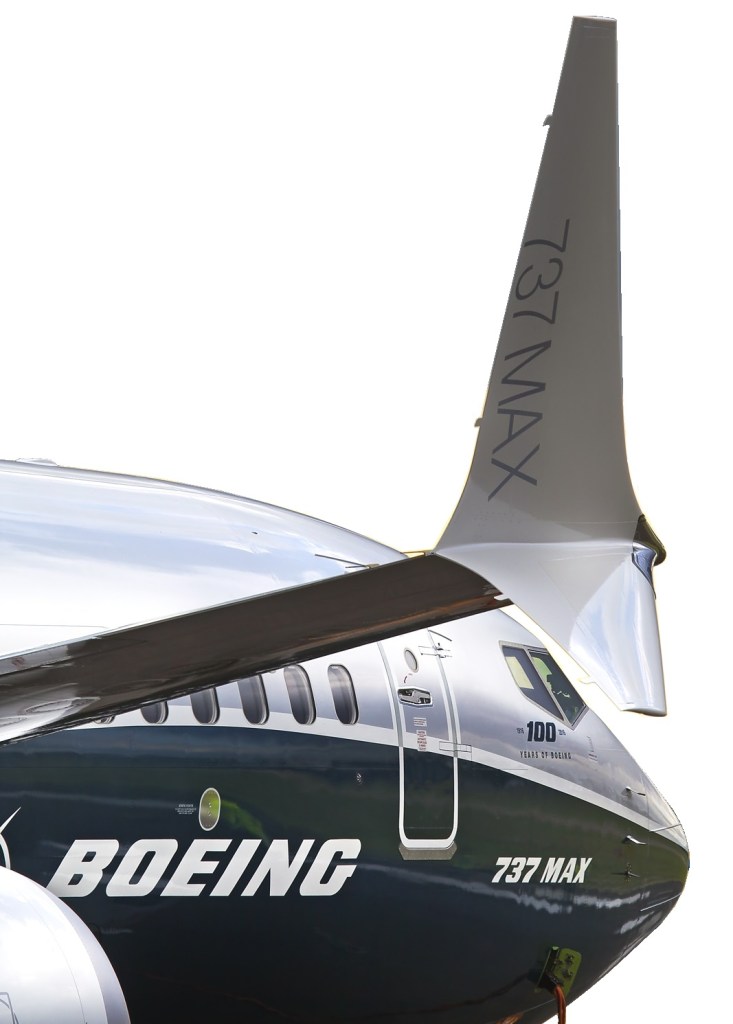
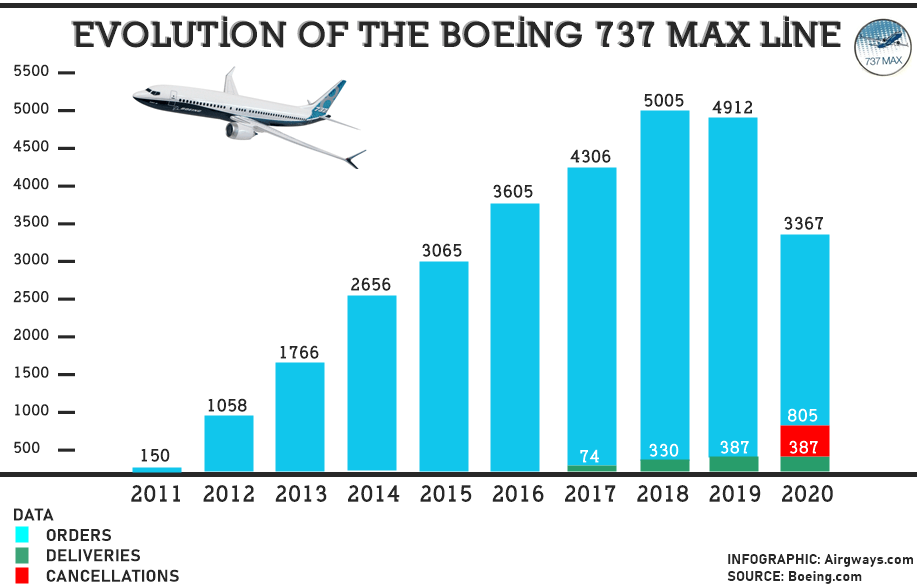
Boeing ha perdido en 2020 más de 800 pedidos para el 737 MAX

The Boeing Company ha comunicado los datos publicados el Martes 14/07 muestran que en la primera mitad del 2020 el fabricante ha perdido más de 800 pedidos del modelo Boeing 737 MAX. Aunque Boeing ahora anticipa la aprobación federal por parte de la Federal Aviation Administration (FAA) de los Estados Unidos para realinear su 737 MAX en Septiembre 2020, las órdenes y entregas continúan en récords históricos de sequías.

La actualización de Boeing en su sitio web de pedidos y entregas también muestra que entregó solo 10 aeronaves en Junio, de los cuales solo tres eran aviones de pasajeros. Con una producción muy baja, Boeing entregó un total de 70 aviones comerciales/ militares en el primer semestre de este año, frente a los 239 entregados en el primer semestre de 2019. Mientras tanto, su rival Airbus Group ha entregado 36 aviones en Junio 2020 y 196 en la primera mitad del año 2020.

Si bien las cifras de entrega de Boeing son sombrías, sus números de pedido son peores. En Junio 2020, Boeing agregó un nuevo pedido solitario de FedEx para un avión de carga 767 y, mientras tanto, eliminó 183 pedidos de su cartera de pedidos debido a cancelaciones o posibles cancelaciones. Los nuevos pedidos brutos de Boeing para el año hasta Junio 2020 ahora se ubican en 59, pero neto de cancelaciones y conversiones de modelos, su cuenta de pedidos se ubica en 323 aviones negativos. Agregar el avión en stand-by de la cartera de pedidos oficial ya no es lo suficientemente sólido como para contar como órdenes, y esa cifra aumenta a 784 aviones negativos. En comparación, Airbus perdió un pedido en junio, llevando su cuenta neta de pedidos para el año a 298 aviones.

En un comunicado, Greg Smith, Vicepresidente Ejecutivo de Operaciones Empresariales de Boeing, atribuyó la caída en las entregas a los impactos significativos de la pandemia de Coronavirus en nuestros clientes y nuestras operaciones. «Continuamos monitoreando de cerca el mercado comercial manteniéndonos muy comprometidos con nuestros clientes en todo el mundo para comprender completamente los requisitos a corto y largo plazo. Todo esto informa las tasas de producción actuales y futuras y cualquier ajuste adicional que sea necesario para equilibrar la oferta y la demanda», expresó el Vicepresidente Operaciones.

La disminución sustancial en la cartera de pedidos que se debe casi en su totalidad a que algunos clientes que abandonaron el 737 MAX, la cuenta negativa para la primera mitad del año es de 805 aviones. Todos las órdenes, menos cinco de los aviones eliminados de la cartera de pedidos en Junio 2020 eran MAX. Los clientes cancelaron por completo 60 pedidos de 737 MAX y Boeing eliminó otros 119 MAX de su cartera de pedidos oficial que ya no se consideran lo suficientemente sólidos como para cumplir con los estándares de contabilidad de los Estados Unidos. La mayoría de esas 119 órdenes, aunque aún no se han cancelado oficialmente, también podrían estar muertas. Por ejemplo, ese total incluye 92 Boeing 737 MAX que Norwegian Air anunció públicamente que está cancelando. Boeing no los ha etiquetado oficialmente como cancelados solo porque todavía está negociando con la low cost noruega y presumiblemente está buscando opciones legales. Las 60 cancelaciones 737 MAX en Junio 2020 incluyeron 30 para el arrendador BOC Aviation, 17 para el arrendador Avolon Aerospace Leasing Limited, seis para Blue Air of Rumania, cinco para el arrendador ACG y dos más para clientes no identificados.

Boeing loss plus 800 737 MAX orders

Boeing has lost in 2020 more than 800 orders for the 737 MAX

The Boeing Company has reported the data published on Tuesday 07/14 shows that in the first half of 2020 the manufacturer has lost more than 800 orders for the Boeing 737 MAX model. Although Boeing now anticipates federal approval by the United States Federal Aviation Administration (FAA) to realign its 737 MAX in September 2020, orders and deliveries continue on record drought records.

Boeing’s update on its ordering and delivery website also shows it delivered just 10 aircraft in June, of which only three were passenger planes. With very low production, Boeing delivered a total of 70 commercial/military aircraft in the first half of this year, compared to 239 delivered in the first half of 2019. Meanwhile, its rival Airbus Group has delivered 36 aircraft in June 2020 and 196 in the first half of the year 2020.

While Boeing’s delivery numbers are grim, its order numbers are worse. In June 2020, Boeing added a new solo FedEx order for a 767 cargo aircraft, and meanwhile removed 183 orders from its order book due to cancellations or possible cancellations. Boeing’s new gross orders for the year through June 2020 now stand at 59, but net of cancellations and model conversions, its order count stands at 323 negative aircraft. Adding the stand-by aircraft to the official order book is no longer robust enough to count as orders, and that number rises to 784 negative aircraft. In comparison, Airbus lost an order in June, bringing its net order count for the year to 298 aircraft.

In a statement, Greg Smith, Boeing’s Executive Vice President of Business Operations, attributed the drop in deliveries to the significant impacts of the Coronavirus pandemic on our customers and our operations. «We continue to closely monitor the commercial market while remaining highly engaged with our customers around the world to fully understand the short and long term requirements. All of this informs current and future production rates and any further adjustments that are necessary to balance supply. and the lawsuit», said the Operations Vice President.

The substantial decrease in the order book that is almost entirely due to the fact that some customers who abandoned the 737 MAX, the negative account for the first half of the year is 805 aircraft. All orders except five of the planes removed from the order book in June 2020 were MAX. Customers completely canceled 60 orders for 737 MAXs, and Boeing removed another 119 MAXs from its official order book that is no longer considered strong enough to meet U.S. accounting standards. Most of those 119 orders, while not yet officially canceled, could also be dead. For example, that total includes 92 Boeing 737 MAXs that Norwegian Air has publicly announced it is canceling. Boeing has not officially tagged them as canceled just because it is still negotiating with Norwegian low cost and is presumably looking for legal options. The 60 737 MAX cancellations in June 2020 included 30 for lessor BOC Aviation, 17 for lessor Avolon Aerospace Leasing Limited, six for Blue Air of Romania, five for lessor ACG and two more for unidentified clients.

Ξ A I R G W A Y S Ξ
PUBLISHER: Airgways.com
DBk: Airgways.com / Boeing.com
AW-POST: 202007142202AR

A\W   A I R G W A Y S ®

Garuda retrasa órdenes de Airbus Group

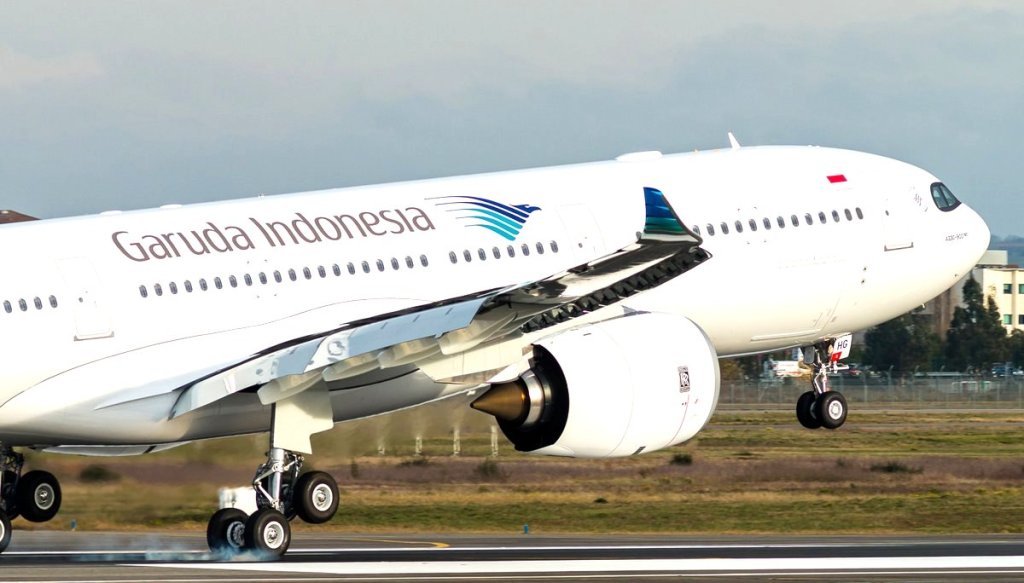
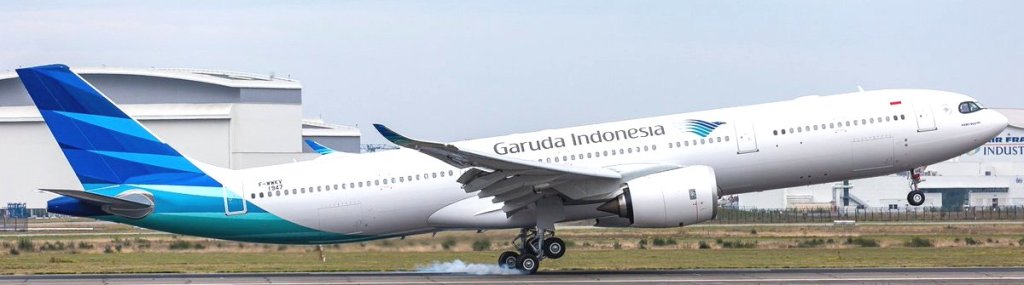
Garuda Indonesia habla con Airbus para retrasar las entregas de 2020

AW | 2020 07 14 19:55 | AIRLINES / INDUSTRY

Garuda Indonesia habla con Airbus para retrasar las entregas 2020

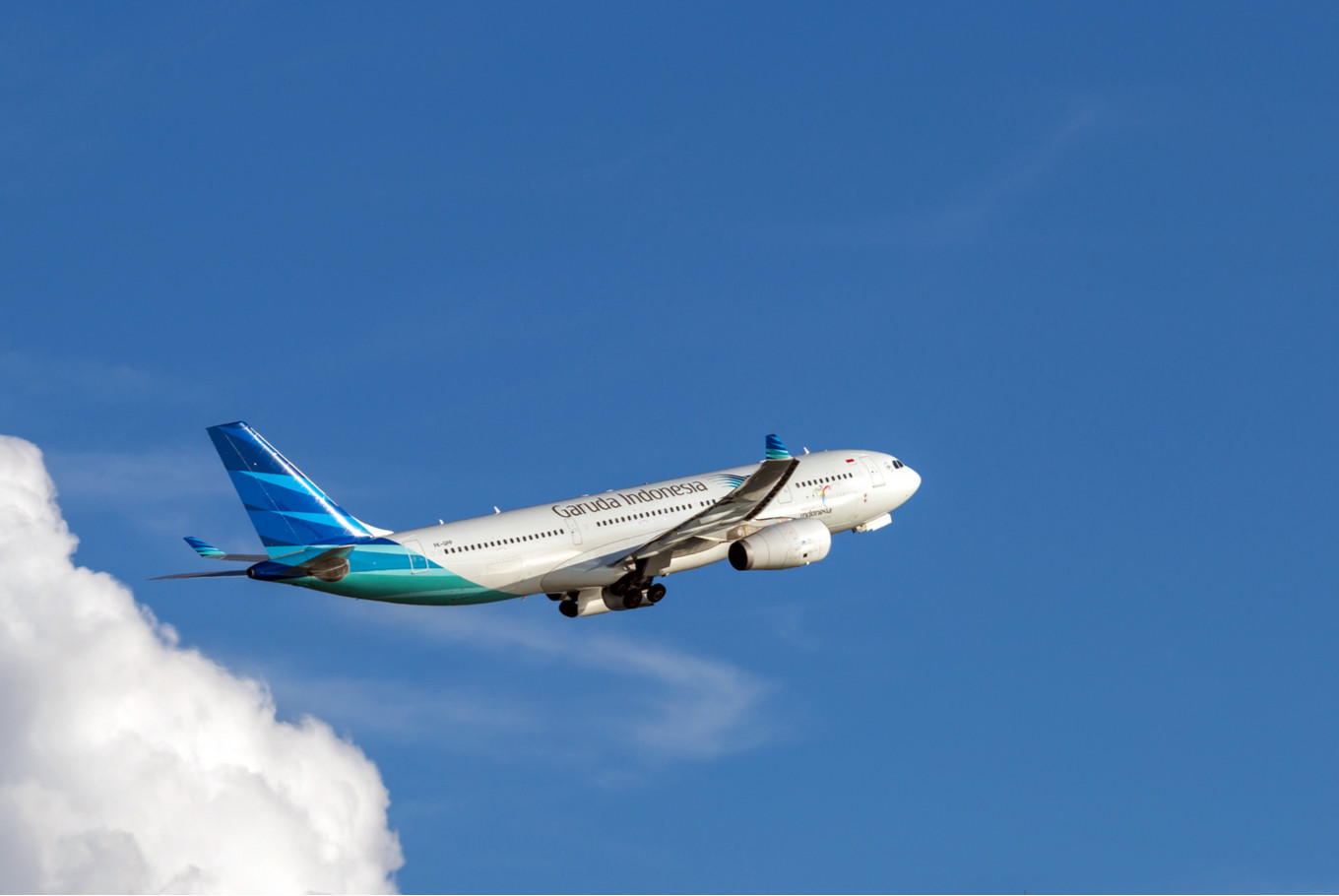
La aerolínea indonesia Garuda Indonesia Airlines está en conversaciones con Airbus Group para retrasar las entregas de cuatro aviones para este año 2020, dijo el Martes 14/07 su Presidente Ejecutivo Irfan Setiaputra, ya que el brote de Coronavirus restringe los viajes y reduce la demanda. «Este año deberíamos recibir cuatro aviones Airbus, pero estamos negociando para retrasar eso», dijo el CEO Irfan Setiaputra en una audiencia parlamentaria.

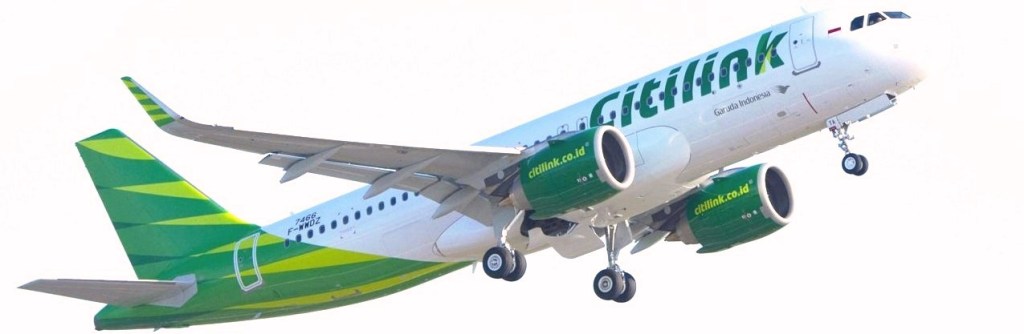
Garuda tiene nueve A330NEO en orden con Airbus que aún no se han entregado, según el libro de pedidos del constructor europeo, mientras que su brazo de bajo costo Citilink tiene 25 A320NEO en orden.

Garuda enfrenta dificultades financieras después del impacto de la pandemia causando una interrupción importante en los viajes mundiales, lo que resultó en una caída del 90% en el volumen de pasajeros en la aerolínea. La compañía se vio obligada a buscar la extensión del vencimiento de sus bonos islámicos de US$ 500 millones que vencen en Junio 2020 y buscar nuevos préstamos del Gobierno. Mientras tanto, Garuda también está reestructurando su arrendamiento de aeronaves buscando un precio de arrendamiento más bajo o extendiendo el período, dijo Irfan Setiaputra.

La aerolínea está buscando rescindir los contratos inadecuados para este nuevo escenario de cambios en la manera de viajar. Doce de sus arrendadores han acordado una reestructuración, según el material de presentación de Garuda en el Parlamento, mientras que seis se han negado a dar el aplazamiento del alquiler. Todavía está en negociaciones con otros trece arrendadores. «Hoy en día hay una serie de arrendadores que castigaron nuestros aviones por nuestra incapacidad para realizar pagos», dijo Irfan Setiaputra.

Garuda delays orders from Airbus Group

Garuda Indonesia talks to Airbus to delay 2020 deliveries

Indonesian airline Garuda Indonesia Airlines is in talks with Airbus Group to delay deliveries of four planes to this year 2020, its Chief Executive Irfan Setiaputra said on Tuesday 14/07, as the Coronavirus outbreak restricts travel and reduces demand. «This year we should receive four Airbus planes, but we are negotiating to delay that», CEO Irfan Setiaputra said at a parliamentary hearing.

Garuda has nine A330NEOs on order with Airbus that have yet to be delivered, according to the European builder’s order book, while its low-cost Citilink arm has 25 A320NEOs on order.

Garuda faces financial difficulties after the impact of the pandemic causing a major disruption to world travel, resulting in a 90% drop in passenger volume on the airline. The company was forced to seek the extension of the maturity of its US$ 500 million Islamic bonds maturing in June 2020 and to seek new government loans. Garuda, meanwhile, is also restructuring its aircraft lease by seeking a lower lease price or extending the period, Irfan Setiaputra said.

The airline is seeking to terminate inappropriate contracts for this new scenario of changes in the way of traveling. Twelve of his landlords have agreed to a restructuring, according to Garuda’s filing in Parliament, while six have refused to postpone the rent. It is still in negotiations with thirteen other landlords. «Today there are a number of lessors who punished our planes for our inability to make payments», said Irfan Setiaputra.

Garuda menunda pesanan dari Airbus Group

Garuda Indonesia berbicara dengan Airbus untuk menunda pengiriman 2020

Maskapai penerbangan Indonesia, Garuda Indonesia Airlines, sedang dalam pembicaraan dengan Airbus Group untuk menunda pengiriman empat pesawat hingga tahun 2020 ini, kata Ketua Eksekutifnya, Irfan Setiaputra, Selasa 14/07, ketika wabah Coronavirus membatasi perjalanan dan mengurangi permintaan. «Tahun ini kami harus menerima empat pesawat Airbus, tetapi kami sedang bernegosiasi untuk menunda itu», kata CEO Irfan Setiaputra pada sidang parlemen.

Garuda memiliki sembilan A330NEO yang dipesan dengan Airbus yang belum dikirim, menurut buku pesanan pembangun Eropa, sementara lengan Citilink yang berbiaya rendah memiliki 25 A320NEO yang dipesan.

La imagen tiene un atributo ALT vacío; su nombre de archivo es aw-a320neo_citilink_take-off.jpg

Garuda menghadapi kesulitan keuangan setelah dampak pandemi yang menyebabkan gangguan besar pada perjalanan dunia, yang mengakibatkan penurunan 90% volume penumpang pada maskapai. Perusahaan ini terpaksa mencari perpanjangan jatuh tempo dari obligasi Islam US$ 500 juta yang jatuh tempo pada Juni 2020 dan untuk mencari pinjaman pemerintah baru. Sementara itu, Garuda juga merestrukturisasi sewa pesawatnya dengan mencari harga sewa yang lebih rendah atau memperpanjang periode, kata Irfan Setiaputra.

Maskapai ini berusaha untuk mengakhiri kontrak yang tidak pantas untuk skenario baru perubahan dalam perjalanan ini. Dua belas tuan tanahnya telah menyetujui restrukturisasi, menurut pengajuan Garuda di Parlemen, sementara enam menolak untuk menunda sewa. Masih dalam negosiasi dengan tiga belas tuan tanah lainnya. «Hari ini ada sejumlah lessor yang menghukum pesawat kami karena ketidakmampuan kami untuk melakukan pembayaran», kata Irfan Setiaputra.

Ξ A I R G W A Y S Ξ
PUBLISHER: Airgways.com
DBk: Garuda.com / Thejakartapost.com / Airgways.com / Shutterstock.com
AW-POST: 202007141955AR

A\W   A I R G W A Y S ®

Entrenamientos para Boeing 737 MAX

AW | 2020 07 11 21:27 | AVIATION SAFETY / INDUSTRY

Pilotos revisan último borrador de entrenamiento para 737 MAX

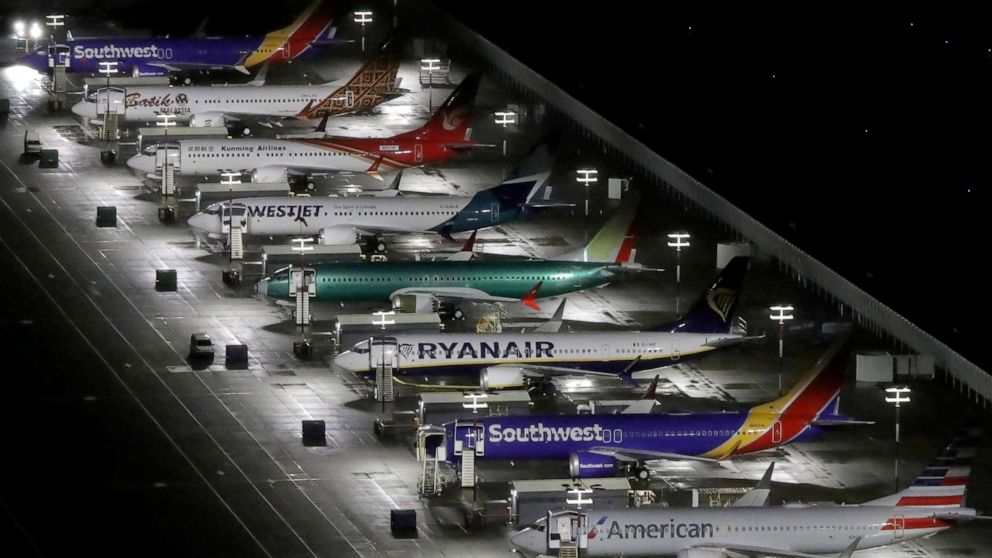
El Boeing 737 MAX está siendo preparado para un retorno a los cielos del mundo. La semana pasada, Boeing completó vuelos de prueba de su modelo 737 de cuarta generación para demostrar que puede volar de manera segura con el nuevo software de Control de Vuelo MCAS. Cuando la compañía comenzó a probar los aviones para la recertificación, el informe de un inspector general federal dijo que Boeing había guardado información de los reguladores federales sobre el sistema informático defectuoso que derribó los dos aviones durante el proceso de aprobación inicial del avión.

El Boeing 737 MAX es el modelo más reciente de la larga y afamada saga del 737, un tipo de avión con muchas variantes a lo largo de las décadas. Las unidades construidas superan ampliamente las 10.000 aeronaves a través de todos los tiempos. La variante de cuarta generación MAX se lanzó oficialmente en 2017 con cuatro modelos para acomodar entre 130 a 230 asientos. El 737 MAX tiene motores más grandes y más eficientes en combustible que los modelos más antiguos.

FAA

Si la Administración Federal de Aviación (FAA) está convencida de que Boeing ha corregido los problemas que provocaron los accidentes, los aviones volverán a estar en servicio, pero no se ha anunciado un cronograma. La agencia dijo en un comunicado que «levantará el orden de puesta a tierra solo después de que estemos satisfechos de que el avión cumple con los estándares de certificación». El Presidente Ejecutivo de The Boeing Company, David Calhoun, voló en el avión en Febrero 2020. El Jefe de la FAA y piloto de Delta desde hace mucho tiempo, Stephen M. Dickson, le dijo al Comité del Senado que volaría el 737 MAX él mismo y debe estar satisfecho de que subiría a su familia a bordo antes de levantar la orden de puesta a tierra.

Los expertos de la industria dijeron que aún podrían pasar varios meses antes de que la FAA y las agencias EASA (Europa), Transport Canada (Canadá) y otros organismos de seguridad a la navegación aérea internacionales puedan fiscalizar las nuevas modificaciones implementadas al modelo 737 MAX. Muchas modificaciones no escenciales en los aviones de cuarta generación continuarán aplicándose durante este 2020 y 2021.

Operadores 737 MAX

Actualmente, Boeing ha entregado 370 aviones Boeing 737 Max a 47 clientes en todo el mundo. Southwest Airlines es el mayor operador estadounidense del 737 MAX, con 34 unidades en su flota, American Airlines posee 24 y United Airlines con 14 aeronaves. Delta Air Lines es la única gran aerolínea en Estados Unidos que no ha ordenado el avión hasta la fecha. En Norteamérica, Air Canada, WestJet y Aeroméxico vuelan el avión y tienen pedidos para más. En Sudamérica, Aerolíneas Argentinas y GOL Linhas Aéreas poseen la unidad más avanzada del 737. A través del mundo las aerolíneas de Asia, África y Europa poseen modestas unidades listas para reiniciar operaciones.

Ryanair, la aerolínea europea de bajo costo, todavía no ha recibido ningún Boeing 737 MAX. La compañía de presupuesto líder de Europa volará el Boeing 737-8 MAX versión 200, una variante del MAX 8 para acomodar doscientos pasajeros. La línea aérea ha solicitado una orden para 100 Boeing 737 MAX.

Sequía de órdenes/Cancelaciones

Mientras que el Boeing 737 MAX representa un pequeño porcentaje de las flotas de estos transportistas mundiales, cientos más estaban en orden antes de los accidentes. Posteriormente a la puesta en tierra por más de un año, el 737 MAX ha sufrido la pérdida de pedidos, donde las compañía han cancelado muchas importantes órdenes.

Perspectivas Boeing 737 MAX

Cuando la FAA recertifique el modelo, las aerolíneas necesitarán preparar los aviones y sus pilotos, y la FAA necesita aprobar un nuevo régimen de entrenamiento para la tripulación. Boeing ha recomendado a la FAA que los pilotos reciban entrenamiento en simuladores de vuelo combinados con entrenamiento por computadora «antes de devolver el MAX de manera segura al servicio». Esta capacitación podría ser similar a las intensas comprobaciones anuales que cada piloto de una aerolínea se somete, independientemente de qué avión vuelen. Podría tomar varios días por piloto en una tableta, junto con la simulación del nuevo sistema de control de vuelo en un simulador de vuelo de movimiento completo. Los detalles de la capacitación no han sido anunciados. Muchos pilotos que vuelan el 737 MAX se han entrenado en simuladores de vuelo cada tres meses desde que el avión estuvo en tierra para mantener su conocimiento de cómo vuela.

Los aldededor de 400 aviones aterrizados en todo el mundo se someterán a mantenimiento periódico incluso mientras están conectados a tierra. Cuando la FAA otorgue su aprobación, los equipos de mantenimiento y los pilotos de una aerolínea volarán el avión sin pasajeros a bordo (ferry) a las instalaciones de mantenimiento de la aerolínea de aquellas aeronaves que no se encuentren en sus respectivas bases, sometiéndose a extensas evaluaciones y mantenimiento de sistemas, incluidos sistemas hidráulicos y de aviónica, plano alar y tren de aterrizaje. Después de chequear estos ítems, dos semanas aproximadamente, las líneas aéreas pasarían a la última fase de programación de vuelos del Boeing 737 MAX.

Trainings for Boeing 737 MAX

US pilots review latest training draft for 737 MAX

The Boeing 737 MAX is being prepared for a return to the skies of the world. Last week, Boeing completed test flights of its fourth-generation 737 model to demonstrate that it can fly safely with new MCAS Flight Control software. When the company began testing the planes for recertification, a federal inspector general’s report said Boeing had kept information from federal regulators about the faulty computer system that downed the two planes during the plane’s initial approval process.

The Boeing 737 MAX is the latest model in the long and famous 737 saga, a type of aircraft with many variants over the decades. Units built far exceed 10,000 aircraft through all time. The fourth-generation MAX variant was officially launched in 2017 with four models to accommodate between 130 to 230 seats. The 737 MAX has larger and more fuel efficient engines than older models.

FAA

If the Federal Aviation Administration (FAA) is convinced that Boeing has corrected the problems that caused the accidents, the planes will return to service, but a schedule has not been announced. The agency said in a statement that «it will lift the grounding order only after we are satisfied that the plane meets the certification standards». The Boeing Company Chief Executive David Calhoun flew the plane in February 2020. The FAA Chief and longtime Delta pilot Stephen M. Dickson told the Senate Committee that he would fly the 737 MAX he You must be satisfied that you would bring your family on board before the grounding order is lifted.

Industry experts said it could still be several months before the FAA and EASA agencies (Europe), Transport Canada (Canada) and other international air navigation security agencies can inspect the new modifications implemented to the 737 MAX model. Many non-essential modifications to the fourth generation aircraft will continue to be applied during this 2020 and 2021.

Boeing to suspend production of its 737 Max jets - ABC News

737 MAX operators

Boeing has currently delivered 370 Boeing 737 Max aircraft to 47 customers worldwide. Southwest Airlines is the largest US operator of the 737 MAX, with 34 units in its fleet, American Airlines owns 24, and United Airlines with 14 aircraft. Delta Air Lines is the only major airline in the United States that has not ordered the plane to date. In North America, Air Canada, WestJet and Aeroméxico fly the plane and have orders for more. In South America, Aerolíneas Argentinas and GOL Linhas Aéreas have the most advanced unit of the 737. Throughout the world, airlines from Asia, Africa and Europe have modest units ready to restart operations.

Ryanair, the European low-cost airline, has yet to receive a Boeing 737 MAX. Europe’s leading budget company will fly the Boeing 737-8 MAX version 200, a variant of the MAX 8 to accommodate two hundred passengers. The airline has requested an order for 100 Boeing 737 MAX.

Order Drought/Cancellations

While the Boeing 737 MAX represents a small percentage of these global carriers’ fleets, hundreds more were in order before the accidents. Subsequent to grounding for more than a year, the 737 MAX has suffered loss of orders, where the company has canceled many major orders.

Boeing 737 MAX perspective

When the FAA recertifies the model, airlines will need to prepare the planes and their pilots, and the FAA needs to approve a new crew training regimen. Boeing has recommended to the FAA that pilots undergo flight simulator training combined with computer training «before safely returning MAX to service». This training could be similar to the intense annual checks that every airline pilot undergoes, regardless of which plane they fly. It could take several days per pilot on a tablet, along with simulating the new flight control system in a full-motion flight simulator. The details of the training have not been announced. Many pilots who fly the 737 MAX have been trained in flight simulators every three months since the plane was grounded to maintain their knowledge of how it flies.

Around 400 planes landed worldwide will undergo periodic maintenance even while grounded. When the FAA gives its approval, an airline’s maintenance crews and pilots will fly the aircraft without passengers on board (ferry) to the airline’s maintenance facilities for those aircraft that are not on their respective bases, undergoing extensive systems assessments and maintenance, including avionics and hydraulic systems, wing planes and landing gear. After checking these items, approximately two weeks, the airlines would move to the last phase of Boeing 737 MAX flight scheduling.

Ξ A I R G W A Y S Ξ
PUBLISHER: Airgways.com
DBk: Faa.gov / Boeing.com / Businessinsider.com / Airgways.com
AW-POST: 202007112127AR

A\W   A I R G W A Y S ®

Airbus estudia futuro A220-500

AW | 2020 07 11 14:51 | INDUSTRY

Airbus analiza futuro lanzamiento variante mayor del A220

Airbus Group SE ha estado analizando la ampliación del modelo regional A220. Anterior al inicio de la pandemia mundial, el constructor europeo ha estado estudiando una versión alargada y de mayores prestaciones cuando el impulso de las economías comenzaba a consolidarse. Asomaba el proyecto A220-500, una variante de mayor prestaciones.

Bajo el ala de Bombardier Aviation, la compañía canadiense poseía las versiones CSeries de aeronaves regionales que comprendían los modelos CS100, CS300 y CS500. Tras la venta de la división aerocomercial a Airbus, los nuevos aviones cambian su nombre a A220.

Transición Bombardier-Airbus

Bombardier Aerospace ha vendido el Programa CSeries a Airbus Group y ahora es propiedad de Airbus Canada Limited Partnership, una empresa conjunta entre Airbus Group SE y el brazo de inversión del Gobierno de Québec Investissement. Airbus adquirió una participación mayoritaria del 50.01% en el Programa CSeries en Octubre 2017, y el acuerdo se cerró en Julio 2018. Como parte del acuerdo, Bombardier retuvo una participación del 31% en el avión y Investissement Québec el 19%. En Agosto 2019, Airbus abrió una segunda línea de montaje para el avión en su fábrica de Mobile, Alabama. En Febrero 2020, Bombardier salió del programa; Airbus aumentó su participación al 75%, mientras que Investissement Québec mantuvo el saldo del 25% accionario.

Desarrollo A220-500

El Programa A220 iniciaba hacia finales de 2019 una nueva etapa de desarrollos para más aerolíneas después de habilitar la Planta en Mobile, Alabama, Estados Unidos. Con el auge de pedidos de aeronaves comerciales, el constructor europeo estudiaba el lanzamiento del A220-500, la versión más alargada de la aeronave regional. Las tasas de producción en aumento alcanzarían su rentabilidad hacia el 2025. La variante 500 podría estar disponible entre 2023-25, pero las condiciones actuales de la pandemia han replanteado las prioridades económicas del grupo aeronáutico. El A321XLR es uno de los pocos desarrollos que continúan viento en popa por el impulso de la demanda de aviones de rango medio.

Perspectivas A220

Airbus está midiendo la demanda futura para elmercado regional, que seguramente recuperará sus niveles originales, pero mientras tanto retrasará cualquier lanzamiento de la variante 500, pero no se han establecidos tiempos. Pero la demora de una nueva versión, obligaría a Airbus ha introducir nuevas tecnologías al A220 que lo situaría en el cénit de la aviación regional. La introducción de una nueva variante ofrecería a Airbus una gama de aeronaves más competitivas en el extremo inferior del mercado de narrowbodies, permitiendo comenzar un sucesor del Programa A320 aprovechando la creciente demanda de cuerpos estrechos más grandes.

Por el contrario, en el caso de The Boeing Company tendría que cubrir todo el segmento de cuerpo angosto con una sola familia, el 737 MAX, después de conocer el fracaso de las negociaciones del acuerdo la brasileña Embraer S.A. bajo la compañía The Boeing Brasil Commercial. Los intentos del constructor americano han quedado muy en desventaja con respecto a Airbus Group que continuará avanzando para integrar toda la familia de aeronaves desde el A220 haasta el A350, con la perspectiva de completar el hueco de mercado restante que lo ocupará el A220-500.

Airbus studies future A220-500

European constructor examines launch of major variant of the A220

Airbus Group SE has been analyzing the expansion of the A220 regional model. Prior to the start of the global pandemic, the European constructor has been studying a longer and more efficient version when the momentum of the economies was beginning to consolidate. The A220-500 project loomed, a higher-performance variant.

Under the Bombardier Aviation wing, the Canadian company owned the CSeries versions of regional aircraft comprising the CS100, CS300 and CS500 models. After the sale of the aerocomercial division to Airbus, the new airplanes change their name to A220.

Bombardier-Airbus transition

Bombardier Aerospace has sold the CSeries Program to Airbus Group and is now owned by Airbus Canada Limited Partnership, a joint venture between Airbus Group SE and the investment arm of the Government of Québec Investissement. Airbus acquired a majority interest of 50.01% in the CSeries Program in October 2017, and the deal closed in July 2018. As part of the deal, Bombardier retained a 31% stake in the aircraft and Investissement Québec 19%. In August 2019, Airbus opened a second assembly line for the plane at its Mobile, Alabama, factory. In February 2020, Bombardier left the program; Airbus increased its stake to 75%, while Investissement Québec held the balance of 25% equity.

A220-500 Development

The A220 Program began towards the end of 2019 a new stage of development for more airlines after enabling the Plant in Mobile, Alabama, United States. With the boom in commercial aircraft orders, the European manufacturer studied the launch of the A220-500, the longest version of the regional aircraft. Increasing production rates would reach profitability by 2025. Variant 500 may be available between 2023-25, but current pandemic conditions have rethought the aeronautical group’s economic priorities. The A321XLR is one of the few developments that is continuing smoothly by boosting demand for mid-range aircraft.

A220 perspective

Airbus is measuring future demand for the regional market, which will surely regain its original levels, but in the meantime will delay any launch of the 500 variant, but now times have been set. But the delay of a new version would force Airbus to introduce new technologies to the A220, which would place it at the zenith of regional aviation. The introduction of a new variant would offer Airbus a more competitive range of aircraft at the lower end of the narrowbodies market, allowing a successor to the A320 Program to begin by taking advantage of the growing demand for larger narrowbodies.

On the contrary, in the case of The Boeing Company, it would have to cover the entire narrow-body segment with a single family, the 737 MAX, after learning of the failure of the negotiations of the agreement, the Brazilian Embraer S.A. under the company The Boeing Brasil Commercial. The attempts of the American manufacturer have been very disadvantaged with respect to the Airbus Group that will continue to advance to integrate the entire family of aircraft from the A220 to the A350, with the prospect of filling the remaining market gap that the A220-500 will occupy.

Ξ A I R G W A Y S Ξ
PUBLISHER: Airgways.com
DBk: Airbus.com / Bombardier.com / Airgways.com
AW-POST: 202007111451AR

A\W   A I R G W A Y S ®

MEA adquiere primer A321NEO

AW | 2020 07 11 12:44 | AIRLINES / INDUSTRY

Middle East Airlines recibe su primer Airbus A321NEO

La aerolínea de bandera nacional libanesa Middle East Airlines (MEA) ha tomado entrega de su primer Airbus A321NEO. En un comunicado publicado el 10 Julio 2020 por el fabricante de aviones europeo Airbus Group SE ha informado que la aerolínea con sede en Beirut había recibido el avión de su fábrica procedente en Hamburgo, Alemania.

Middle East Airlines ha recibido el primer A321NEO de nueve órdenes seleccionadas para el programa de modernización de la compañía de Medio Oriente. Las nuevas aeronaves están impulsadas por los motores Prat & Whitney PurePower PW1100G-JM. La configuración del A321NEO tiene un diseño en dos clases con 28 asientos en Clase Ejecutiva y 123 asientos en Económica. Panasonic Avionics ha sido seleccionada por MEA para proporcionar soluciones de entretenimiento y conectividad durante el vuelo (IFEC). Esta asociación hará que el gigante japonés de la electrónica brinde soluciones IFE para los nueve nuevos Airbus A321NEO. En total, cada avión estará equipado con la solución eX1 seatbackIFE de Panasonic. Esto ha sido especialmente diseñado para aviones de cuerpo estrecho. De acuerdo con un comunicado de prensa de MEA visto por Simple Flying, el eX1 ofrece monitores HD de respaldo completamente elegantes con pantallas táctiles. Además, los teléfonos tienen una interfaz innovadora. Cada asiento en el nuevo A321NEO viene con un punto de carga USB y portátil. Además, tendrán WiFi a bordo suministrado por la última tecnología de próxima generación de Panasonic. Utiliza conectividad satelital que es hasta 20 veces más rápida de lo que estaba disponible anteriormente.

Al hablar sobre el nuevo entretenimiento a bordo, el presidente y director general de Middle East Airlines, Mohamad El Hout, dijo: “Estamos felices de asociarnos nuevamente con Panasonic Avionics. El nuevo avión de MEA está equipado con los sistemas de entretenimiento a bordo de última generación, incluida la conectividad WiFi por primera vez, lo que refleja la ambición de la compañía de ofrecer a los clientes los mejores productos que la industria tiene para ofrecer».

Acerca de Middle East Airlines

Middle East Airlines (MEA) fue fundada el 31 Mayo 1945 e inició sus operaciones el 1 Enero 1946. Es la aerolínea nacional del Líbano, con sede en Beirut, sirviendo desde el Aeropuerto Internacional Rafic Hariri. Opera vuelos internacionales regulares a Asia, Europa, Medio Oriente y África desde su base en el Aeropuerto Internacional Rafic Hariri.

Middle East Airlines es miembro de la alianza de aerolíneas SkyTeam, la Organización Árabe de Transportistas Aéreos (AACO) y la Asociación Internacional de Transporte Aéreo (IATA). La aerolínea expresó su interés en convertirse en miembro asociado de SkyTeam a principios de 2006 en una conferencia de prensa en Nueva York. El 28 Febrero 2011, MEA firmó oficialmente el acuerdo de asociación con SkyTeam en una ceremonia oficial en Beirut. El 28 Junio 2012, MEA se unió oficialmente a SkyTeam para convertirse en su 17º miembro, así como en su segunda aerolínea miembro en el Medio Oriente.

MEA acquires first A321NEO

Middle East Airlines receives its first Airbus A321NEO

MEA MIDDLE EAST AIRLINES" Baby One-Piece by gardnerpho | Redbubble

Lebanese national flag carrier Middle East Airlines (MEA) has taken delivery of its first Airbus A321NEO. In a statement released on July 10, 2020 by European aircraft maker Airbus Group SE, it was reported that the Beirut-based airline had received the plane from its factory originating in Hamburg, Germany.

Middle East Airlines has received the first A321NEO out of nine orders selected for the company’s Middle East modernization program. The new aircraft are powered by Prat & Whitney PurePower PW1100G-JM engines. The A321NEO configuration has a two-class layout with 28 seats in Business Class and 123 seats in Economy. Panasonic Avionics has been selected by MEA to provide inflight connectivity and entertainment (IFEC) solutions. This partnership will cause the Japanese electronics giant to provide IFE solutions for the nine new Airbus A321NEO. In total, each aircraft will be equipped with Panasonic’s eX1 seatbackIFE solution. This has been specially designed for narrow body aircraft. According to an MEA press release seen by Simple Flying, the eX1 offers completely stylish backup HD monitors with touchscreens. Also, the phones have an innovative interface. Every seat in the new A321NEO comes with a portable and USB charging point. In addition, they will have on-board WiFi supplied by the latest next-generation technology from Panasonic. It uses satellite connectivity that is up to 20 times faster than what was previously available.

Speaking about the new in-flight entertainment, Middle East Airlines President and CEO Mohamad El Hout said: “We are happy to partner again with Panasonic Avionics. The new MEA aircraft is equipped with state-of-the-art inflight entertainment systems, including WiFi connectivity for the first time, reflecting the company’s ambition to provide customers with the best products the industry has to offer».

About Middle East Airlines

Middle East Airlines (MEA) was founded on May 31, 1945 and began operations on January 1, 1946. It is the Lebanese national airline, based in Beirut, serving from Rafic Hariri International Airport. It operates regular international flights to Asia, Europe, the Middle East and Africa from its base at Rafic Hariri International Airport.

Middle East Airlines is a member of the SkyTeam airline alliance, the Arab Air Transport Organization (AACO) and the International Air Transport Association (IATA). The airline expressed interest in becoming an associate member of SkyTeam in early 2006 at a press conference in New York. On February 28, 2011, MEA officially signed the partnership agreement with SkyTeam at an official ceremony in Beirut. On June 28, 2012, MEA officially joined SkyTeam to become its 17th member as well as its second member airline in the Middle East.

La MEA fête son premier Airbus A321neo - L'Orient-Le Jour

شركة طيران الشرق الأوسط تستحوذ على أول طائرة A321NEO

طيران الشرق الأوسط تستقبل أول طائرة إيرباص A321NEO

MEA MIDDLE EAST AIRLINES" Baby One-Piece by gardnerpho | Redbubble

تسلمت شركة طيران الشرق الأوسط اللبنانية (MEA) أول طائرة إيرباص A321NEO. في بيان صدر في 10 يوليو 2020 من قبل شركة الطيران الأوروبية Airbus Group SE ، أفيد أن شركة الطيران التي تتخذ من بيروت مقراً لها قد استلمت الطائرة من مصنعها في هامبورغ ، ألمانيا.

تلقت شركة طيران الشرق الأوسط أول طائرة من طراز A321NEO من بين تسعة طلبات تم اختيارها لبرنامج تحديث الشرق الأوسط الخاص بالشركة. يتم تشغيل الطائرة الجديدة بمحركات Prat & Whitney PurePower PW1100G-JM. يحتوي تكوين A321NEO على تصميم من فئتين مع 28 مقعدًا في درجة رجال الأعمال و 123 مقعدًا في الدرجة السياحية. تم اختيار Panasonic Avionics من قبل شركة طيران الشرق الأوسط لتوفير حلول الاتصال والترفيه على متن الطائرة (IFEC). ستشهد هذه الشراكة قيام عملاق الإلكترونيات الياباني بتوفير حلول IFE لتسع طائرات إيرباص A321NEO جديدة. في المجموع ، سيتم تجهيز كل طائرة بحل بانكسونيك eX1 seatbackIFE. تم تصميم هذا خصيصًا للطائرات ذات الجسم الضيق. وفقًا لبيان صحفي صادر عن MEA شاهدته Simple Flying ، توفر eX1 شاشات HD احتياطية أنيقة تمامًا مع شاشات تعمل باللمس. أيضا ، تحتوي الهواتف على واجهة مبتكرة. يأتي كل مقعد في A321NEO الجديد مزودًا بنقطة شحن محمولة و USB. بالإضافة إلى ذلك ، سيكون لديهم واي فاي مدمج مزود بأحدث تقنيات الجيل التالي من باناسونيك. يستخدم اتصال الأقمار الصناعية التي تصل إلى 20 مرة أسرع مما كان متاحًا سابقًا.

قال الرئيس والرئيس التنفيذي لشركة طيران الشرق الأوسط محمد الحوت عن الترفيه الجديد على متن الطائرة: “يسعدنا أن نتشارك مرة أخرى مع Panasonic Avionics. تم تجهيز طائرة MEA الجديدة بأنظمة ترفيه على أحدث طراز ، بما في ذلك اتصال WiFi لأول مرة ، مما يعكس طموح الشركة لتزويد العملاء بأفضل المنتجات التي تقدمها الصناعة «.

عن طيران الشرق الأوسط

تأسست شركة طيران الشرق الأوسط (MEA) في 31 مايو 1945 وبدأت عملياتها في 1 يناير 1946. وهي شركة الطيران الوطنية اللبنانية ، ومقرها في بيروت ، وتخدم مطار رفيق الحريري الدولي. وتقوم برحلات دولية منتظمة إلى آسيا وأوروبا والشرق الأوسط وأفريقيا من قاعدتها في مطار رفيق الحريري الدولي.

طيران الشرق الأوسط عضو في تحالف سكاي تيم الجوي ، المنظمة العربية للنقل الجوي (AACO) والاتحاد الدولي للنقل الجوي (IATA). أعربت شركة الطيران عن اهتمامها بأن تصبح عضوًا مشاركًا في سكاي تيم في أوائل عام 2006 في مؤتمر صحفي في نيويورك. في 28 فبراير 2011 ، وقعت شركة طيران الشرق الأوسط رسمياً اتفاقية الشراكة مع سكاي تيم في حفل رسمي في بيروت. في 28 يونيو 2012 ، انضمت شركة طيران الشرق الأوسط رسميًا إلى سكاي تيم لتصبح العضو السابع عشر وكذلك ثاني شركة طيران عضو في الشرق الأوسط.

Ξ A I R G W A Y S Ξ
PUBLISHER: Airgways.com
DBk: Airbus.com / Mea.com.lb / Airgways.com
AW-POST: 202007111244AR

A\W   A I R G W A Y S ®