Austrian despide al Fokker

AW | 2018 01 01 14:06 | AIRLINES ROUTES

Austrian Airlines desprograma la flota de Fokker

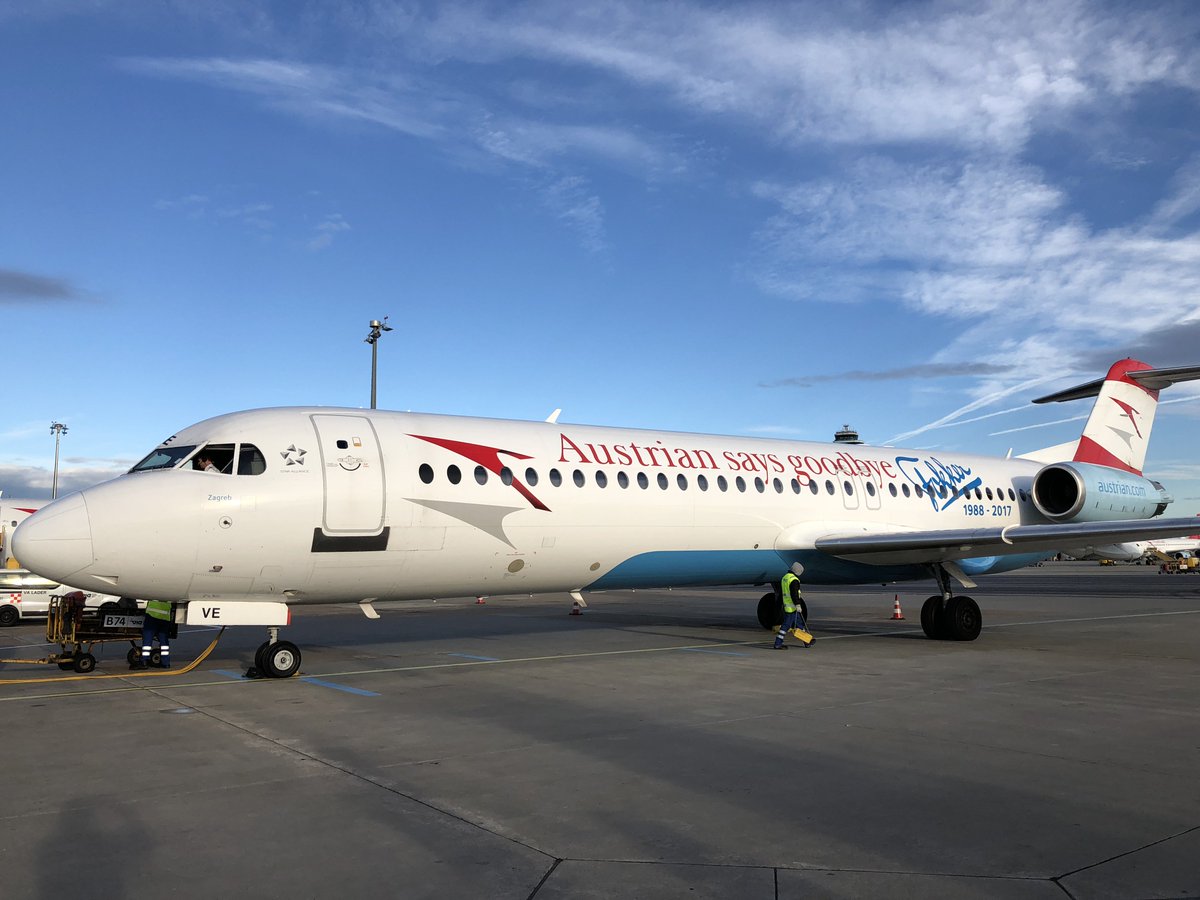
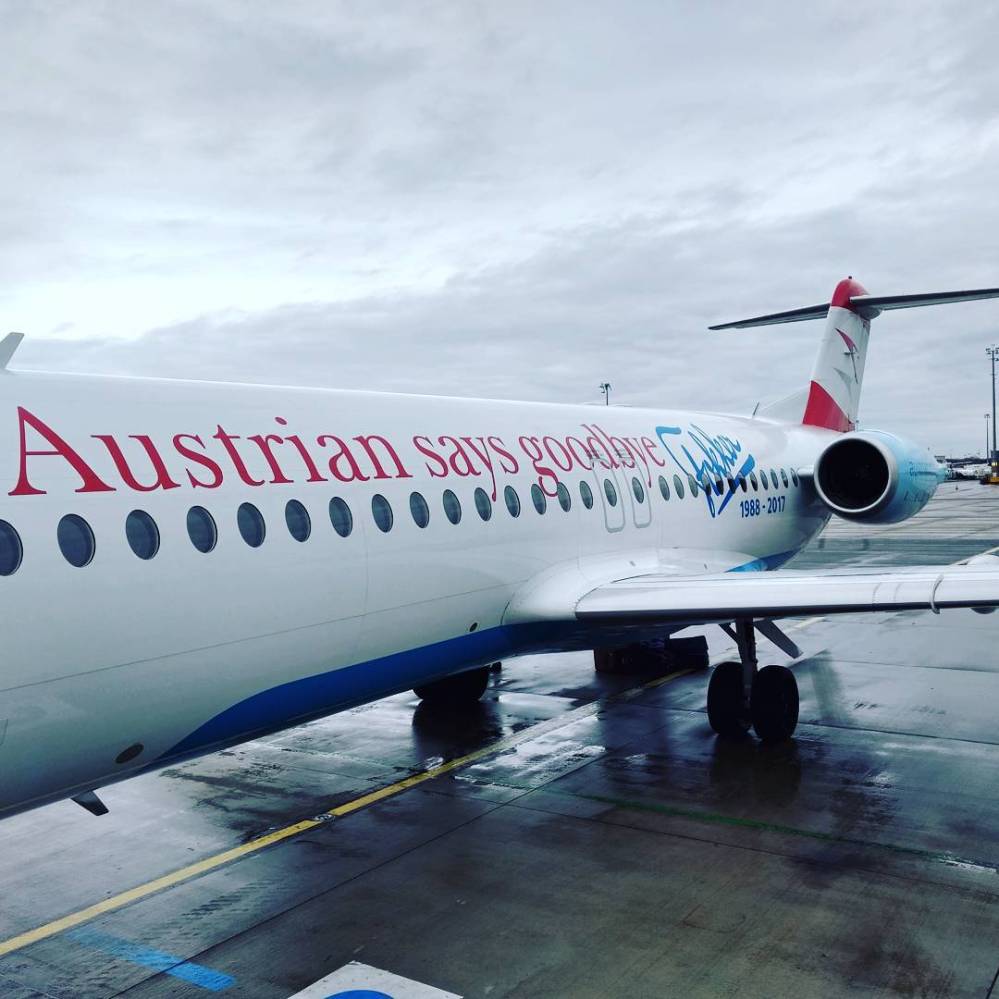
Resultado de imagen para tyrolean airlines logoFokker.svg.pngAustrian Airlines pone fin a la era Fokker. Su última unidad, un Fokker 100, entró en servicio una última vez al término del 2017 efectuando la ruta Viena—Pristina, Kosovo.

El primer Fokker 50 fue autorizado para operar el 15 de marzo de 1988 bajo el Certificado de Operador Aéreo (AOC) de Austrian Airlines. En 1995 se agregaron dos jets adicionales Fokker 70. En ese momento, se consideró que este tipo de avión pertenecía a la próxima generación de aviones. Entre las ventajas se encuentran los bajos niveles de generación de ruido y las emisiones de gases de efecto invernadero, combinados con la mayor velocidad y rango en comparación con otros modelos de aviones. En el contexto de su estrategia Focus East, Austrian Airlines adquirió aviones Fokker adicionales en 2004, incluidos aviones Fokker 100. En 2015, la compañía de bandera austríaca decidió reemplazar toda su flota Fokker envejecida, que consta de 21 jets, con 17 aviones Embraer modernos. En agosto de 2017, Austrian Airlines concluyó con éxito la integración de este nuevo tipo de aeronaves en su flota.

Los aviones Embraer consumen aproximadamente un 18% menos de combustible por asiento de avión que el Fokker, y por lo tanto son mucho más compatibles con el medio ambiente. Los pasajeros disfrutan de una mayor comodidad de viaje como resultado del reemplazo del avión Fokker: la cabina equipada con dos filas de asientos es particularmente espaciosa debido a su diseño ergonómico, ofreciendo así a los 120 pasajeros la sensación de tener más espacio.

El primer Fokker 70 de Austrian Airlines (Austrian Arrows) ingresó a su servicio en la competencia. En mayo de 1995, Tyrolean Airways se hizo su primer Fokker 70. Con el cambio a Embraer 190, la época de los Fokkers llegaron a su fin. Mientras tanto, la flota de Embraer se ha completado y toda la flota de Fokker se ha vendido a la Australian Alliance Airlines. Sin embargo, Austria permanece en el negocio de enfoque a través de su Ingeniería Austriaca Bratislava (ATB); así los ‘australianos’ continuarán siendo atendidos allí.

Oficialmente Austrian Airlines se despidió de sus «Fokkers» en Noviembre 2017, con un vuelo especial. En sus más de dos décadas de servicio con el Fokker brindó los fieles servicios. AIRWAYS® AW-Icon TXT

Austrian dismisses the Fokker

Austrian Airlines deprograms the Fokker fleet

Austrian airlines ends the Fokker era. His last unit, a Fokker 100, entered service one last time at the end of 2017 carrying out the route Vienna-Pristina, Kosovo.

The first Fokker 50 was authorized to operate on March 15, 1988 under the Austrian Airlines Air Operator Certificate (AOC). In 1995 two additional Fokker 70 jets were added. At that time, it was considered that this type of aircraft belonged to the next generation of aircraft. Among the advantages are the low levels of noise generation and greenhouse gas emissions, combined with the higher speed and range compared to other aircraft models. In the context of its Focus East strategy, Austrian Airlines acquired additional Fokker aircraft in 2004, including Fokker 100 aircraft. In 2015, the Austrian flag company decided to replace its entire aging Fokker fleet, consisting of 21 jets, with 17 modern Embraer aircraft . In August 2017, Austrian Airlines successfully completed the integration of this new type of aircraft into its fleet.

Embraer aircraft consume approximately 18% less fuel per aircraft seat than the Fokker, and therefore are much more compatible with the environment. Passengers enjoy greater travel comfort as a result of replacing the Fokker aircraft: the cab equipped with two rows of seats is particularly spacious due to its ergonomic design, thus offering 120 passengers the feeling of having more space.

The first Fokker 70 of Austrian Airlines (Austrian Arrows) entered its service in the competition. In May of 1995, Tyrolean Airways became its first Fokker 70. With the change to Embraer 190, the era of the Fokkers came to an end. Meanwhile, the Embraer fleet has been completed and the entire Fokker fleet has been sold to the Australian Alliance Airlines. However, Austria remains in the focus business through its Austrian Engineering Bratislava (ATB); thus the ‘Australians’ will continue to be served there.

Officially Austrian Airlines said goodbye to its «Fokkers» in November 2017, with a special flight. In his more than two decades of service with the Fokker he provided the faithful services. A \ W


Ξ A I R G W A Y S Ξ
SOURCE:  Airgways.com
DBk: Austrianairlines.ag
AW-POST: 201801011406AR

A\W   A I R G W A Y S ®

Bombardier anunció orden por 12 CRJ900

AW | 2018 01 01 13:27 | INDUSTRY

Bombardier_old.svgBombardier Aerospace anunció la venta de doce CRJ-900 a cliente no especificado

El fabricante canadiense Bombardier, ha anunciado el 29 de Diciembre de 2017 que un cliente no declarado ha realizado un pedido en firme de seis jets regionales CRJ900 con opciones por otros seis adicionales. El valor de la orden en firme ascendería alrededor de U$D 290 millones de dólares estadounidenses. El monto total por las órdenes en firme más las opciones sería de aproximadamente U$D 580 millones.

«En los últimos cinco años, más de 25 nuevas aerolíneas se han unido a las filas de los operadores de aeronaves CRJ. Esto es un testimonio del valor excepcional que este avión puede ofrecer gracias a su rendimiento y rentabilidad inigualables», dijo Fred Cromer, Presidente de Bombardier Commercial Aircraft. «La demanda de vuelos regionales está creciendo, y nos complace que las aerolíneas sigan eligiendo el avión regional CRJ900 para aumentar el número de sus pasajeros y sus ingresos», agrega en un comunicado.

Los aviones regionales CRJ de Bombardier son la columna vertebral de los mercados regionales de aviación en todo el mundo, incluyendo esta última orden, hasta ahora han recibido pedidos en firme para aviones 1918 aviones, que son operados por más de 120 propietarios y operadores en más de 90 países. La flota mundial de CRJ ha acumulado más de 50 millones de horas de vuelo.

Cada 10 segundos despega un jet regional de la serie CRJ en algún lugar del mundo. La familia de aviones de la serie CRJ ha transportado a más de 2 mil millones de pasajeros y es el programa de jet regional más exitoso del mundo, vinculando a personas y comunidades como ningún otro. Los jets regionales de la serie CRJ han revolucionado la aviación con su probada eficiencia, confiabilidad y rentabilidad. AIRWAYS® AW-Icon TXT

Bombardier announced order for twelve CRJ900

Bombardier-logo-7447580EF7-seeklogo.comBombardier Aerospace announced the sale of twelve CRJ-900 to unspecified customercrj-900.png

The Canadian manufacturer Bombardier, announced on December 29, 2017 that an undeclared customer has placed a firm order for six CRJ900 regional jets with options for an additional six. The value of the firm order would amount to about US $ 290 million. The total amount for firm orders plus options would be approximately US $ 580 million.

«Over the last five years, more than 25 new airlines have joined the ranks of CRJ aircraft operators, which is a testament to the exceptional value that this aircraft can offer thanks to its unparalleled performance and profitability», said Fred Cromer, President of Bombardier Commercial Aircraft. «The demand for regional flights is growing, and we are pleased that the airlines continue to choose the CRJ900 regional aircraft to increase the number of passengers and their revenues», he added in an unofficial statement.

Bombardier’s regional CRJ aircraft are the backbone of regional aviation markets around the world, including the latter order, so far they have received firm orders for 1918 aircraft, which are operated by more than 120 owners and operators in more from 90 countries. CRJ’s global fleet has accumulated more than 50 million flight hours.

Every 10 seconds a regional CRJ jet takes off somewhere in the world. The CRJ family of aircraft has transported more than 2 billion passengers and is the most successful regional jet program in the world, linking people and communities like no other. The regional jets of the CRJ series have revolutionized aviation with its proven efficiency, reliability and profitability. A \ W


Ξ A I R G W A Y S Ξ
SOURCE:  Airgways.com
DBk: Bombardier.com
AW-POST: 2018010115327AR

A\W   A I R G W A Y S ®

Vuelo HA446 Hawaiian Airlines despega en 2018 y aterriza en 2017

Hawaiian-New-Liver-Airbus-A330-1024x799

AW | 2018 01 01 12:20 | AIRLINES ROUTES

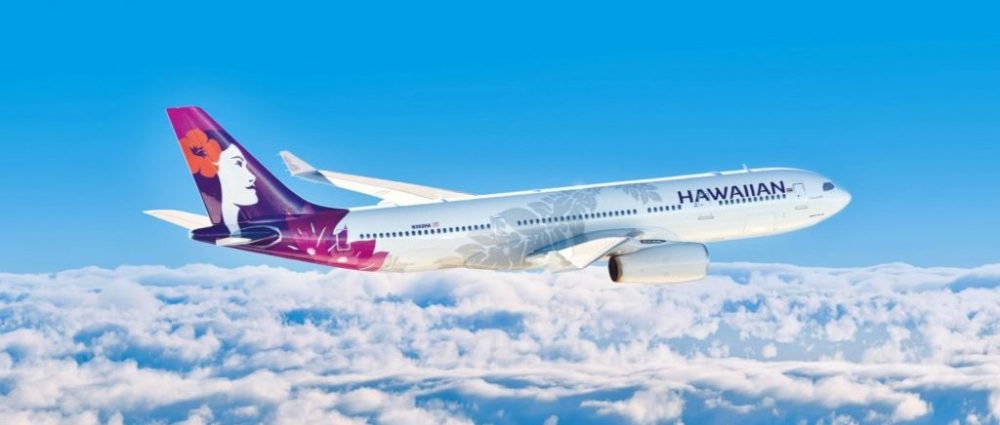
Resultado de imagen para A330-200 Hawaiian pngViaje regresivo en el tiempo del vuelo NA446 de Hawaiian Airlines despega en el año 2018 aterriza en el 2017

Resultado de imagen para A330-200 Hawaiian pngEl vuelo HA446 de Hawaiian Airlines, partió desde Auckland, en Nueva Zelanda el 1 de Enero 2018, y llegó hasta Honolulu, en Hawái el 31 de Diciembre 2017.

Los pasajeros del vuelo HA446 de Hawaiian Airlines fueron los protagonistas de un insólito acontecimiento, despegaron en el año 2018 y llegaron a las Islas de Hawaii en el año 2017. Despegaron el 1 de enero desde Auckland, en Australia, y arribaron el 31 de Diciembre 2017 a Honolulu, Hawaii, tras ocho horas de vuelo. Así, la aeronave logró «atravesar» la línea temporal y convertirse en protagonista de este peculiar caso debido a la diferencia horaria que existe entre ambos países.

El vuelo HA446 Hawaiian Airlines que partió de Nueva Zelanda en el primer día de 2018 aterrizó en las Islas Hawaii, el 31 de Diciembre de 2017 gracias a un ligero retraso de salida, según la información del portal Flight Radar.

El Airbus A330-243 que efectuaba el vuelo HA446 de Auckland a Honolulu debió haber despegado a las 23:55 del 31 de diciembre, pero salió diez minutos más tarde, a las 0:05 del lunes, 1 de enero 2018. Cuando llegó a su destino, eran las 10:13 del domingo 31 de Diciembre 2017 debido a una diferencia de 23 horas entre los dos aeropuertos. Auckland está 13 horas por delante del tiempo universal coordinado (UTC) mientras que Honolulu está 10 horas detrás.

Otros casos
Cabe destacar que otros seis vuelos vivieron situaciones similares. El caso de las aeronaves que despegaron desde Taipei (Taiwán) y regresaron en el tiempo al pisar suelo de Estados Unidos, en los Aeropuertos de Los Ángeles, Seattle y San Francisco.  AIRWAYS® AW-Icon TXT

No hay texto alternativo automático disponible.

Hawaiian flight takes off in 2018 and lands in 2017

Resultado de imagen para A330-200 Hawaiian pngTravel regressive in the time of the flight NA446 of Hawaiian Airlines takes off in the year 2018 lands in 2017

Hawaiian Airlines HA446 flight departed from Auckland, New Zealand on January 1, 2018, and arrived in Honolulu, Hawaii on December 31, 2017.

Hawaiian Airlines passengers HA446 were the protagonists of an unusual event, took off in 2018 and arrived in the Islands of Hawaii in 2017. They took off on January 1 from Auckland, Australia, and arrived on December 31 2017 to Honolulu, Hawaii, after eight hours of flight. Thus, the aircraft managed to «cross» the timeline and become the protagonist of this peculiar case due to the time difference between the two countries.

The HA446 Hawaiian Airlines flight departing from New Zealand on the first day of 2018 landed in the Hawaii Islands on December 31, 2017 thanks to a slight delay of departure, according to the information from the Flight Radar portal.

The Airbus A330-243 that made flight HA446 from Auckland to Honolulu should have taken off at 23:55 on December 31, but it left ten minutes later, at 0:05 on Monday, January 1, 2018. When it arrived at his destination, was 10:13 on Sunday 31 December 2017 due to a difference of 23 hours between the two airports. Auckland is 13 hours ahead of coordinated universal time (UTC) while Honolulu is 10 hours behind.

Other cases
It should be noted that six other flights experienced similar situations. The case of aircraft that took off from Taipei (Taiwan) and returned in time to step on US soil at the airports of Los Angeles, Seattle and San Francisco. A \ W


Ξ A I R G W A Y S Ξ
SOURCE:  Airgways.com
DBk: Flightradar.com / Airwaysmag.com
AW-POST: 201801011220AR

A\W   A I R G W A Y S ®

La seguridad aviación comercial en 2017

AW | 2018 01 01 11:55 | AVIATION SAFETY

Resultado de imagen para To70El 2017 ha sido un año en el que más personas volaron a más lugares que nunca, fue el año más seguro registrado para los pasajeros de aerolíneas en varios años

La consultora de aviación con sede en los Países Bajos, To70, lanzó su Revisión de Seguridad de la Aviación Civil para 2017. Reporta solo dos accidentes mortales, ambos con pequeños aviones turbohélice, con un total de 13 vidas perdidas. Ningún avión se estrelló en el servicio de pasajeros en ninguna parte del mundo.

Los dos accidentes que ocurrieron en la víspera de Año Nuevo  un hidroavión en Sydney que mató a seis, y una Cessna Caravan que se estrelló en Costa Rica , matando a los 12 a bordo no están incluidos en el recuento, ya que ambos aviones pesaban menos del umbral de 5.700 kg para el informe.

El primer accidente mortal incluido en el informe fue en Octubre: un Embraer Brasilia que operaba como ambulancia aérea en Angola. Los pilotos perdieron el control después de sufrir una falla en el motor, siete personas murieron, incluido el paciente. En Noviembre, un Let 410 de construcción checa perteneciente a Khabarovsk Avia se estrelló al aterrizar en Nelkan en el Lejano Oriente ruso con la pérdida de seis vidas. Una niña de cuatro años fue la única superviviente. Un número de muertos mucho mayor ocurrió en Bishkek, la capital de Kirguistán, cuando un carguero Boeing 747 turco perteneciente a ACT AIrlines traspasó la pista y terminó en una aldea cercana al aeropuerto, matando a 35 personas en el suelo y cuatro tripulantes. Además, la explosión de un jet mató a un turista parado cerca de la pista de aterrizaje en la isla caribeña de St Maarten.

Las posibilidades de que un avión se vea involucrado en un accidente fatal ahora son de una en 16 millones, según el investigador principal, Adrian Young. Pero el Sr. Young, consultor de aviación senior para To70, comentó: «Es poco probable que se mantenga este mínimo histórico; en parte, estas figuras muy positivas descansan en la buena fortuna. Sin embargo, el nivel de seguridad que ha logrado la aviación civil es notable. Los riesgos para la aviación civil siguen siendo altos, como lo demuestra la gravedad de algunos de los accidentes no mortales. La espectacular pérdida del ventilador de entrada y el capó de un motor en un Air France A380 sobre el espacio aéreo deGroenlandia en Septiembre habla a las claras de la confiabilidad en la aviación».

Desafíos por delante
El informe advierte que los dispositivos electrónicos en los bolsos facturados representan un creciente peligro potencial: «El creciente uso de baterías de iones de litio en la electrónica crea un riesgo de incendio en los aviones, ya que estas baterías son difíciles de extinguir si se incendian. Las aerolíneas de todo el mundo están entrenando a sus equipos para combatir cualquier incendio en la cabina; el desafío es mantener esas baterías fuera del equipaje de los pasajeros.

En 2016, 271 personas perdieron la vida en siete eventos fatales. Incluyeron el trágico accidente del vuelo MS804 de Egyptair en la ruta París—El Cairo que mató a 66 pax, y un avión British Aerospace BAe 146-200 de LaMia Airlines que transportaba al equipo de fútbol brasileño Chapecoense, que se quedó sin combustible en Colombia y se estrelló con la pérdida de 71 vidas.

El número de muertos en los dos años anteriores (2014—2015) fue significativamente mayor. En 2014, 864 personas murieron en cinco accidentes, incluidas las pérdidas de dos Malaysia Airlines 777: MH370, cuyo destino aún se desconoce y el vuelo MH17, derribado por un misil en el este de Ucrania. En 2015, 471 personas murieron en cuatro accidentes; incluyeron un vuelo de Metrojet de Sharm el Sheikh a San Petersburgo, Rusia, que mató a 224, y un Germanwings Airbus A320 de Barcelona a Dusseldorf cuyo primer oficial, Andreas Lubitz, mató a 150 a bordo al estrellarse deliberadamente contra los Alpes franceses,

El Reino Unido tiene el mejor registro de seguridad aérea de cualquier país importante. No han ocurrido accidentes fatales con una aerolínea británica desde la década de 1980. El último fue el 10 de enero de 1989; 47 personas murieron cuando un British Midland Boeing 737 se estrelló en Kegworth en Leicestershire.

Por el contrario, África subsahariana tiene una tasa de accidentes 44% peor que el promedio mundial, según la Asociación Internacional de Transporte Aéreo (IATA). En Noviembre, Alexandre de Juniac, director general de IATA, dijo: «La seguridad en África ha mejorado, pero hay una brecha por cerrar».  AIRWAYS® AW-Icon TXT

Security in commercial aviation in 2017

Resultado de imagen para To702017 has been a year in which more people flew to more places than ever, it was the safest year registered for airline passengers in several years

The aviation consultancy based in the Netherlands, To70, launched its Civil Aviation Safety Review for 2017. It reports only two fatal accidents, both with small turboprop aircraft, with a total of 13 lives lost. No plane crashed in passenger service anywhere in the world.

Aviation ConsultantsThe two accidents that occurred on New Year’s Eve – a seaplane in Sydney that killed six, and a Cessna Caravan that crashed in Costa Rica, killing all 12 on board are not included in the count, as both aircraft weighed less than the 5,700 kg threshold for the report.

The first fatal accident included in the report was in October: an Embraer Brasilia that operated as an air ambulance in Angola. The pilots lost control after suffering a failure in the engine, seven people died, including the patient. In November, a Let 410 of Czech construction belonging to Khabarovsk Avia crashed when landing in Nelkan in the Russian Far East with the loss of six lives. A four-year-old girl was the only survivor. A much larger death toll occurred in Bishkek, the capital of Kyrgyzstan, when a Turkish Boeing 747 freighter belonging to ACT AIrlines crossed the runway and ended up in a village near the airport, killing 35 people on the ground and four crew. In addition, the explosion of a jet killed a tourist standing near the airstrip on the Caribbean island of St Maarten.

The chances of an aircraft being involved in a fatal accident are now one in 16 million, according to the principal investigator, Adrian Young. But Mr. Young, a senior aviation consultant for To70, commented: «It is unlikely that this historic minimum will be maintained – in part, these very positive figures rest on good fortune, however, the level of safety that the Civil aviation is notable The risks to civil aviation remain high, as evidenced by the severity of some of the non-fatal accidents The spectacular loss of the inlet fan and the hood of an engine in an Air France A380 over airspace deGroenlandia in September speaks clearly about reliability in aviation».

Challenges ahead
The report warns that electronic devices in billed bags represent a growing potential danger: «The increasing use of lithium-ion batteries in electronics creates a fire risk in aircraft, since these batteries are difficult to extinguish if they catch fire. Airlines around the world are training their equipment to fight any fire in the cabin, the challenge is to keep those batteries out of passengers’ luggage.

In 2016, 271 people lost their lives in seven fatal events. They included the tragic accident of Egyptair’s MS804 flight on the Paris-Cairo route that killed 66 people, and a British Aerospace BAe 146-200 plane from LaMia Airlines carrying the Brazilian soccer team Chapecoense, which ran out of fuel in Colombia and it crashed with the loss of 71 lives.

The number of deaths in the two previous years (2014-2015) was significantly higher. In 2014, 864 people died in five accidents, including the losses of two Malaysia Airlines 777: MH370, whose fate is still unknown and flight MH17, shot down by a missile in eastern Ukraine. In 2015, 471 people died in four accidents; they included a Metrojet flight from Sharm el Sheikh to Saint Petersburg, Russia, which killed 224, and a Germanwings Airbus A320 from Barcelona to Dusseldorf whose first officer, Andreas Lubitz, killed 150 on board when deliberately crashed into the French Alps,

The United Kingdom has the best air safety record of any major country. There have been no fatal accidents with a British airline since the 1980s. The last was on January 10, 1989; 47 people died when a British Midland Boeing 737 crashed at Kegworth in Leicestershire.

In contrast, sub-Saharan Africa has an accident rate 44% worse than the global average, according to the International Air Transport Association (IATA). In November, Alexandre de Juniac, general director of IATA, said: «Security in Africa has improved, but there is a gap to close». A \ W


Ξ A I R G W A Y S Ξ
SOURCE:  Airgways.com
DBk: To70.com / Airgways.com
AW-POST: 201801011155AR

A\W   A I R G W A Y S ®

Estandarización Grupo Aerolíneas

AW-70089771.png

AW | 2017 12 31 21:10 | AIRLINES

AA-AU Isologotype.pngAerolíneas Argentinas está en medio de un proceso de modernización y estandarización de su flota

Las aerolíneas de Argentina, Aerolíneas Argentinas/Austral Líneas aéreas, están realizando procesos de homogeneización, estandarización y modernización de las flotas actuales.

AW7700007378

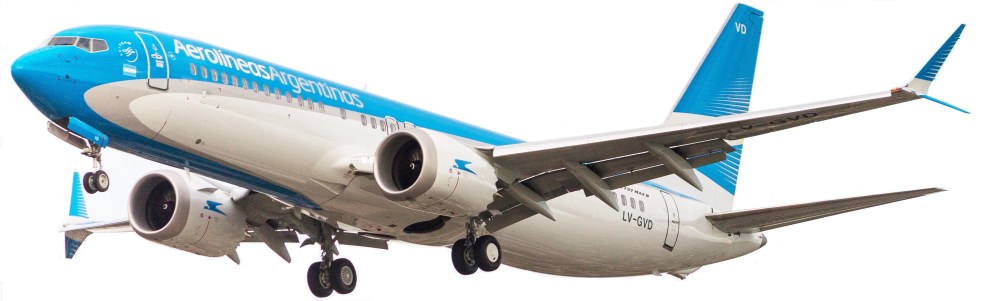
Aerolíneas Argentinas por su parte ha incorporado recientemente el primer Boeing 737-8 MAX convirtiéndose en el primer operador de Latinoamérica y de Argentina.

Aerolíneas comenzó a desprogramar la flota de Airbus A340. s-l300Actualmente ha dado de baja A340-200 (4) A340-300 (5) en reemplazo de Airbus A330-200 (10) que se utilizará como aeronave principal para vuelos internacionales. Próximamente Aerolíneas Argentinas deberá definir en 2018 cuál será su nuevo jet intercontinental. Las opciones estudiadas son el Boeing 787 y Boeing 777 y el Airbus A350.

En cuanto a la actual flota de aeronaves de mediano porte, los Boeing 737 Next Generation incluyen Boeing 737-700 (8), Boeing 737-800 (31) y Boeing 737-8 MAX (1). Para mejorar la flota de corto y mediano alcance se cambiaron Boeing 737-700 por Boeing 737-800 nuevos de fábrica. La tendencia es seguir incorporando más Boeing 737-8 MAX. En el corriente años se incorporarán otros cinco MAX 8 a la flota de Aerolíneas Argentinas.

En cuanto a la flota de Austral Líneas Aéreas está en un proceso de reemplazo total de los 26 Embraer E190-100AR por aeeronaves de mayor prestaciones en cuanto a capacidades operativas como de pasajeros. La decisión para el cambio de flota está considerada para el 2018.  AIRWAYS® AW-Icon TXT


avion-aerolineas-argentinas

Process standardization Group Airlines

22475a194fc915b9f48b03f910246ce886560490_70e1436dd4a30331efb2080a79c1ad868905b5a8Aerolíneas Argentinas is in the middle of a process of modernization and standardization of its fleet

The airlines of Argentina, Aerolíneas Argentinas / Austral Líneas Aéreas, are carrying out processes of homogenization, standardization and modernization of the current fleets.AW-70007378MAX.png

Aerolíneas Argentinas has recently incorporated the first Boeing 737-8 MAX, becoming the first operator in Latin America and Argentina.

Aerolíneas began to deprogram the Airbus A340 fleet. It has currently written off A340-200 (4) A340-300 (5) to replace Airbus A330-200 (10), which will be used as the main aircraft for international flights. Aerolíneas Argentinas will soon have to define in 2018 what will be its new intercontinental jet. The options studied are the Boeing 787 and Boeing 777 and the Airbus A350.

00015092.jpg

As for the current fleet of medium-sized aircraft, the Boeing 737 Next Generation include Boeing 737-700 (8), Boeing 737-800 (31) and Boeing 737-8 MAX (1). To improve the fleet of short and medium range Boeing 737-700 were changed by Boeing 737-800 new factory. The trend is to continue incorporating more Boeing 737-8 MAX. In the current years, E190 Australanother five MAX 8 will be added to the Aerolíneas Argentinas fleet.

As for the fleet of Austral Líneas Aéreas, it is in a process of total replacement of the 26 Embraer E190-100AR by aircraft with higher performance in terms of operational and passenger capacities. The decision to change the fleet is considered for 2018. A \ W


Ξ A I R G W A Y S Ξ
SOURCE:  Airgways.com
DBk: Aerolineas.com / Airgways.com / Matías Rivero
AW-POST: 201712312110AR

A\W   A I R G W A Y S ®

Austral desactivará Embraer E190

104482 (3).jpg

AW | 2017 12 31 20:33 | AIRLINES

2000px-Austral_Líneas_Aéreas.svg (3).pngE190 Austral.pngLa aerolínea argentina Austral Líneas Aéreas comenzará a desactivar la flota de Embraer E-190

El Presidente de Aerolíneas Argentinas, Mario Dell`Acqua, anunció en rueda de prensa el jueves, 28 de Diciembre 2017, en Buenos Aires, que a partir de Enero 2018 iniciará el proceso de sustitución de las aeronaves 26 Embraer 190-100AR, con capacidad para 90 pax, que integran la flota de Austral Líneas Aéreas.

La flota de 26 Embraer E190-100AR de Austral Líneas Aéreas se desactivarán en Enero 2018 por lo que el fabricante brasileño Embraer perderá un cliente importante en América del Sur. La filial de Aerolíneas Argentinas, Austral comenzará a reemplazar sus 26 Embraer E190-100AR por aeronaves de mayor porte, Boeing 737-700 y Boeing 737-800.

Arribo del Embraer E190 a Austral

El 20 de septiembre de 2010 llegan al país las primeras dos aeronaves Embraer 190 para Austral Líneas Aéreas de un total de viente aeronaves encargadas al fabricante brasileño Embraer en mayo de 2009 y que llegaran a razón de dos aeronaves nuevas por mes para completar la compra de las 20 aeronaves a mediados del año que viene, las características de esta orden la convierte en la compra de aeronaves más grande de toda la historia aerocomercial civil de la República Argentina.

Recambio de flota regional

Boeing-Logo.svgLa actual flota de Austral Líneas Aéreas está compuesta totalmente por aviones Embraer E190. Después de siete años de operaciones en Argentina y la región el Grupo Aerolíneas comenzará a desactivar todos los aviones Embraer E190 por otros aviones de porte regional, aunque información trascendida podría ser por la misma flota de Aerolíneas Argentinas, a línea Boeing.

Boeing 737NG-AR004

Una de las razones de la baja de los 26 Embraer E190-100AR en reemplazo por los supuestos Boeing 737-800 es que tienen un incremento de un 60% más de capacidad de pasajeros. Debido al auge y la expansión del mercado aéreo en Argentina, la flota de Austral se ha visto limitada en sus capacidades por lo que la demanda de más asientos ha aumentado considerablemente. Otra razón es que con este nuevo escenario, es más económico utilizar aeronaves Boeing 737 que Embraer E190 en las rutas existentes. Aunque los Boeing 737 son aeronaves más grandes y por lo tanto tienen un costo de operación un 25% mayor que las aeronaves Embraer; la capacidad operativa se compensa con el 60% de incremento de pasajeros transportados.

Por otro lado la opción más fuerte es la incorporación de aviones regionales de la misma categoría que los Embraer E-190. Teniendo presente las argumentaciones anteriores de la expanción de mercado, es de esperar que estos nuevos aviones sean tecnológicamente superiores, sino además posean un notable incremento de las capacidades operativas de mercado, justificando el cambio de flota.

El actual mercado de aeronaves regionales está servida por Bombardier, Embraer que son las opciones más claras para la adquisición por tipo de contrato y por las garantías operativas. Otras opciones son el constructor de China, COMAC, Sukhoi Aerospace deFederación Rusia y el Mitsubishi MRJ-90 de Japón.

1280px-Embraer_logo.svgLa primera opción es el fabricante brasileño Embraer. Austral Líneas Aéreas tendría como única opción de incorporar las aeronaves de mayor prestaciones y capacidades de Embraer, el Embraer E-190-E2 (114 pax) o el E-195-E2 (144 pax), siendo la opción más natural y de costos de adquicisión y operativos hacia el paso de una variante mejorada.

embraer logo (1)La Familia Embraer E-Jet E2 es una familia de tres reactores bimotor de fuselaje estrecho: E175-E2, E190-E2 y E195-E2, de medio alcance desarrollado por la compañía aeroespacial brasileña Embraer, reemplazando a sus antecesores de la familia Embraer E-jet. Las tres variantes comparten las secciones de fuselaje con diferentes longitudes y tres nuevos tipos de alas, motores de turbina Pratt & Whitney PW1000G en dos tamaños distintos, controles fly-by-wire con nueva aviónica, y una actualización de cabina con bandejas portaequipajes un 40% más grandes. Las mejoras anunciadas por asiento son una reducción de entre 16–24% en consumo de combustible y un 15–25% en costes de mantenimiento.

104536947-Imagem1.1910x1000

La cartera de pedidos son: E170-E2 (100), E190-E2 (68) y E195-E2 (65). Esta opción aunque la más viables no estarán disponibles para la flota de las aerolíneas, sino a partir del 3-4Q2018 en adelante. El E190-E2 tiene prevista su entrada en servicio en la primera mitad de 2018. El E195-E2, estando prevista su entrada en servicio en la primera mitad de 2019. El integrante más pequeño el E175-E2 su primera entrega estaba programada para 2020 pero su entrada en servicio se ha visto retrasada hasta 2021 ya que supera el límite de peso de muchas de las clausulas de protección de las aerolíneas al contrario de lo que ocurría con el actual E175 en Estados unidos.

web1_L-Bombardier-CSeries-EDH-170610.jpg
Bombardier_logo[1]

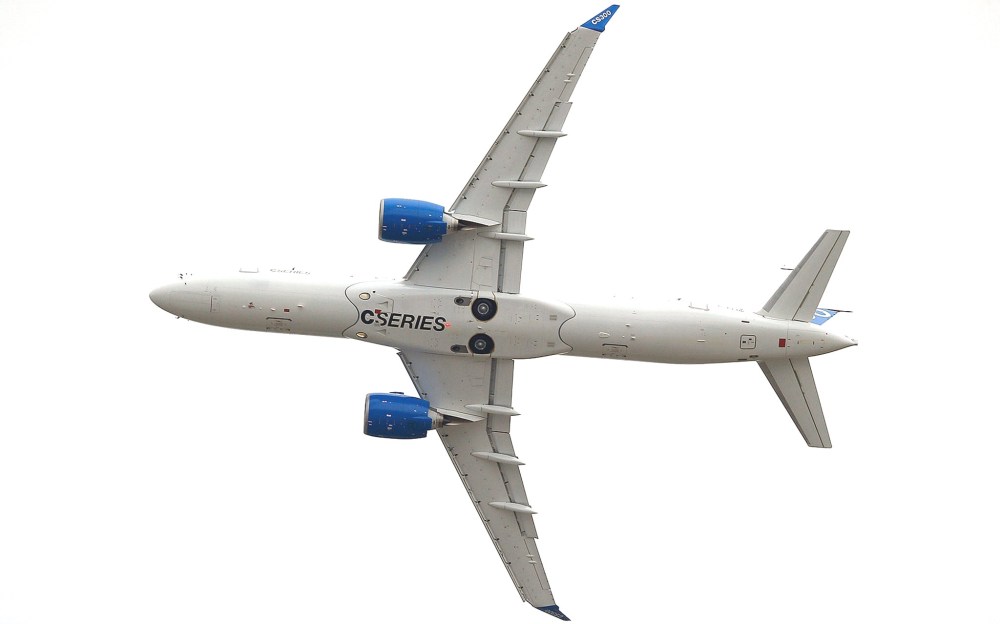
Bombardier_Aerospace-200x (2)La segunda opción es el nuevo Bombardier CSeries del fabricante canadiense Bombardier Inc. Los nuevos CSeries CS-100 y CS-300 son aviones con un tamaño un poco más grande que el Embraer E190 / 195-E2. Los Cseries son una familia de aviones bimotores de fuselaje estrecho pertenecientes a los reactores de rango medio del fabricante canadiense Bombardier Aerospace. El CS100 (108-133 pax) realizó su primer vuelo el 16 de septiembre de 2013, recibió el certificado de tipo inicial por parte del Departamento de Transporte de Canadá el 18 de diciembre de 2015 y entró en servicio el 15 de julio de 2016 con Swiss Global Air Lines. El SC300 (130-160 pax) que realizó su primer vuelo el 27 de febrero de 2015 recibió el certificado de tipo inicial el 11 de julio de 2016 y el primer servicio ingresado con el cliente de lanzamiento, airBaltic, el 14 de diciembre de 2016.

El libro de pedidos y las entregas son muy alentadores para Bombardier. El CS-100 tiene pedidos para 125 pedidos y entregas de 5 unidades. El CS-300 ha recibido pedidos de 237 aviones y 2 entregas. Después de la asociación de Bombardier y Airbus Group, el grupo canadiense marcaría una mejor posición de mercado frente a sus competidores directos.

arj21_vector_by_boeingboeing2-d6xmpzt.png

COMAC_logoLa tercera opción, menos alcanzable, es la incorporación del nuevo ARJ21.SVGavión regional COMAC ARJ-21-700, un avión «derivado» del legendario fabricante estadounidense McDonnel Douglas rocío línea DC-9/MD-80. El ARJ-21-700 es un avión con tecnología avanzada del Este-Oeste. Puede acomodar a 90 pasajeros en una sola clase, el mismo que el Embraer E190-100AR actual de Austral. La opción del ARJ-21 del constructor COMAC de la República de China no representaría una opción viable, ya que aún deben contar con las aprobaciones de la FAA (EEUU) y la JAA (Europa) respectivas para su homologación.

15338404_133953493760533_561845734509379584_n.jpg

suhoy_logoLa cuarta opción es la Sukhoi SSJ-100-95/95LR del fabricante ruso Sukhoi Aerospace. Estas aeronaves tienen una capacidad entre 98-108 pasajeros dependiendo de la configuración estándar o de alta densidad. El constructor ha logrado penetrar en el mercado occidental llegando a Europa y América.

mitac_logotypeEn cuanto a la quinta opción, el Mitsubishi MRJ-90, el constructor Mitsubishi Corporation se encuentra aún en una fase de construcción, pruebas y homologación con los organismos regutorios mundiales, siendo descartado definitivamente como una opción a corto plazo para el reemplazo de la flota Austral en 2018.

Las ofertas de mercado para aviones regionales están lideradas por Bombardier y Embraer como las opciones más occidentales. La desactivación de la flota Embraer E190-100AR comenzará en Enero de 2018 con doce unidades inicialmente de baja. El estado de la flota que posee Austral son 24 aeronaves bajo propiedad y 2 bajo régimen de alquiler. Tendremos que esperar cuál será el curso de las negociaciones que se tomen sobre la mesa tanto por Embraer como de Bombardier o quizás de la Boeing. AIRWAYS® AW-Icon TXT

AW-7008567.png

Austral will deactivate Embraer E190

2000px-Austral_Líneas_Aéreas.svg (2).pngThe Argentine airline Austral Líneas Aéreas will begin to deactivate Embraer’s fleet E-190

The President of Aerolíneas Argentinas, Mario Dell`Acqua, announced at a press conference on Thursday, December 28, 2017, in Buenos Aires, that as of January 2018, the process of replacing the aircraft 26 Embraer 190-100AR, with capacity, will begin for 90 pax, which make up the Austral Líneas Aéreas fleet.

The fleet of 26 Embraer E190-100AR of Austral Líneas Aéreas will be deactivated in January 2018, so the Brazilian manufacturer Embraer will lose an important client in South America. The subsidiary of Aerolineas Argentinas, Austral will begin to replace its 26 Embraer E190-100AR with larger aircraft, Boeing 737-700 and Boeing 737-800.

Arrival of the Embraer E190 to Austral

On September 20, 2010, the first two Embraer 190 aircraft for Austral Líneas Aéreas arrived in the country from a total of twenty aircraft ordered from the Brazilian manufacturer Embraer in May 2009, arriving at a rate of two new aircraft per month to complete the purchase of the 20 aircraft in the middle of next year, the characteristics of this order makes it the largest purchase of aircrafts in the history of civil aviation in the Argentine Republic.

Replacement of regional fleet

Boeing 737NG-AR002The current fleet of Austral Líneas Aéreas is composed entirely of Embraer E190 aircraft. After seven years of operations in Argentina and the region, the Aerolíneas Group will begin to deactivate all Embraer E190 aircraft by other regional aircraft, although transcended information could be for the same fleet of Aerolíneas Argentinas, on the Boeing line.

One of the reasons for the decline of the 26 Embraer E190-100AR in replacement for the alleged Boeing 737-800 is that they have an increase of 60% more passenger capacity. Due to the boom and expansion of the air market in Argentina, the Austral fleet has been limited in its capabilities so the demand for more seats has increased considerably. Another reason is that with this new scenario, it is cheaper to use Boeing 737 aircraft than Embraer E190 on existing routes. Although the Boeing 737 are larger aircraft and therefore have an operating cost 25% higher than Embraer aircraft; Operational capacity is compensated with 60% increase in passengers transported.

On the other hand, the strongest option is the incorporation of regional aircraft of the same category as the Embraer E-190. Bearing in mind the previous arguments of market expansion, it is expected that these new aircraft are technologically superior, but also have a significant increase in market operational capabilities, justifying the change of fleet.

The current regional aircraft market is served by Bombardier, Embraer, which are the clearest options for acquisition by type of contract and for operational guarantees. Another option is the Chinese manufacturer, COMAC.

The first option is the Brazilian manufacturer Embraer. Austral Líneas Aéreas would have as its only option to incorporate the aircraft with the highest performance and capacities of Embraer, the Embraer E-190-E2 (114 pax) or the E-195-E2 (144 pax), being the most natural and cost-effective option of acquisitions and operatives towards the passage of an improved variant.

high_190e2-001.png

The Embraer E-Jet E2 family is a family of three twin-engine narrow-body reactors: E175-E2, E190-E2 and E195-E2, medium-range developed by the Brazilian aerospace company Embraer, replacing its predecessors of the Embraer E family. -jet. The three variants share the fuselage sections with different lengths and three new wing types, Pratt & Whitney PW1000G turbine engines in two different sizes, fly-by-wire controls with new avionics, and a cabin upgrade with luggage rack 40 % bigger. The improvements announced by seat are a reduction of between 16-24% in fuel consumption and 15-25% in maintenance costs.

e-jets-e2_001

The order book is: E170-E2 (100), E190-E2 (68) and E195-E2 (65). This option although the most viable will not be available for the airline fleet, but from 3-4Q2018 onwards. The E190-E2 is scheduled to enter service in the first half of 2018. The E195-E2, scheduled for entry into service in the first half of 2019. The smallest member the E175-E2 its first delivery was scheduled for 2020 but its entry into service has been delayed until 2021 as it exceeds the weight limit of many of the airline protection clauses, contrary to what happened with the current E175 in the United States.

AW-7000300The second option is the new Bombardier CSeries from the Canadian manufacturer Bombardier Inc. The new CSeries CS-100 and CS-300 aircraft are aircraft with a size somewhat larger than the Embraer E190 / 195-E2. The Cseries are a family of twin-engine narrow-body jet aircraft belonging to the medium-range reactors of the Canadian manufacturer Bombardier Aerospace. The CS100 (108-133 pax) made its first flight on September 16, 2013, received the initial type certificate by the Department of Transportation of Canada on December 18, 2015 and entered into service on July 15, 2016 with Swiss Global Air Lines. The SC300 (130-160 pax) that made its first flight on February 27, 2015, received the initial type certificate on July 11, 2016 and the first entered service with the launch customer, airBaltic, on December 14, 2016. 2016

The order book and deliveries are very encouraging for Bombardier. The CS-100 has orders for 125 orders and deliveries of 5 units. The CS-300 has taken orders for 237 aircraft and 2 deliveries. After the association of Bombardier and Airbus Group the Canadian group would mark a better market position in front of its direct competitors.

s-l300 (1)The third option, less achievable, is the incorporation of the new regional aircraft COMAC ARJ-21-700, an aircraft «derived» from the legendary American manufacturer McDonnel Douglas dew line DC-9/MD-80. The ARJ-21-700 is an aircraft with advanced Eastern-Western technology. It can accommodate 90 passengers in a single class, the same as the current Embraer E190-100AR from Austral. The option of the ARJ-21 of the COMAC constructor of the Republic of China would not represent a viable option, since they still need to have the approvals of the FAA (USA) and JAA (Europe) respective for their homologation.

The fourth option is the Sukhoi SSJ-100-95/95LR from the Russian manufacturer Sukhoi Aerospace. These aircraft have a capacity between 98-108 passengers depending on the standard configuration or high density. The builder has managed to penetrate the western market reaching Europe and America.

mrj (3).jpg

Regarding the fifth option, the Mitsubishi MRJ-90, the constructor Mitsubishi Corporation is still in a phase of construction, testing and homologation with the world regultory bodies, being definitively dismissed as a short-term option for the replacement of the Austral fleet in 2018

Market offers for regional aircraft are led by Bombardier and Embraer as the most western options. The deactivation of the Embraer E190-100AR fleet will begin in January 2018 with twelve units initially low. The status of the fleet that Austral owns are 24 aircraft under ownership and 2 under rental regime. We will have to wait for the course to take the negotiations on the table both from Embraer and from Bombardier or maybe from the Boeing. A \ W


Ξ A I R G W A Y S Ξ
SOURCE:  Airgways.com
DBk: Wikimedia.org / Aerolineas.com / Boeing.com / Embraer.com / Bombardier.com / Flymrj-90.com / Sukhoi.org / Comac.cc
AW-POST: 2017120312033AR

A\W   A I R G W A Y S ®


Certificación EU Aeropuerto Perugia

AW | 2017 12 31 17:28 | AIRPORTS

El Aeropuerto de Perugia ha obtenido la certificación europea de la ENAC

El proceso para la emisión del reconocimiento de la UE por parte de ENAC, de conformidad con el Reglamento Europeo 139/2014, ha concluido con éxito.

El documento, dado a conocer en la sociedad gestora del Aeropuerto Sase Spa., da fe de la conversión de la certificación de aeropuertos para los estándares nacionales de la UE, certifica los altos estándares operacionales del Aeropuerto de Perugia y la infraestructura de cumplimiento y organización aeropuerto y el funcionamiento de la gerente a los requisitos requeridos por las regulaciones europeas.

Con la entrada en vigor del Reglamento de la UE, en 2014, ENAC ha iniciado el proceso de conversión de los certificados de los principales aeropuertos italianos, asegurando el pleno cumplimiento de la infraestructura y la organización frente a los requisitos establecidos en la nueva normativa.  AIRWAYS® AW-Icon TXT

European certification for the Perugia Airport

The Perugia Airport has obtained the European certification of the ENAC

The process for the issuance of EU recognition by ENAC, in accordance with European Regulation 139/2014, has been successfully concluded.

The document, made public in the management company of Sase Spa Airport, attests to the conversion of airport certification to EU national standards, certifies the high operational standards of Perugia Airport and the compliance and organization infrastructure. airport and the operation of the manager to the requirements required by European regulations.

With the entry into force of the EU Regulation, in 2014, ENAC has begun the process of converting the certificates of the main Italian airports, ensuring full compliance of the infrastructure and the organization against the requirements established in the new regulations. A \ W


Certificazione europea per l’aeroporto di Perugia

Imagen relacionadaL’aeroporto di Perugia ha ottenuto la certificazione europea dell’ENAC

La procedura per il rilascio del riconoscimento UE da parte dell’ENAC, in conformità con il Regolamento Europeo 139/2014, è stata conclusa con successo.

Il documento, reso pubblico nella società di gestione di Sase Spa Airport, attesta la conversione della certificazione aeroportuale in standard nazionali UE, certifica gli elevati standard operativi dell’Aeroporto di Perugia e la conformità e l’infrastruttura organizzativa. aeroporto e il funzionamento del gestore ai requisiti richiesti dalle normative europee.

Con l’entrata in vigore del Regolamento UE, ENAC ha avviato nel 2014 il processo di conversione dei certificati dei principali aeroporti italiani, garantendo la piena conformità dell’infrastruttura e dell’organizzazione rispetto ai requisiti stabiliti nei nuovi regolamenti. A \ W


Ξ A I R G W A Y S Ξ
SOURCE:  Airgways.com
DBk: Enac.fr / Airport.umbria.it / Wikimedia.org / Tuttoggi.info
AW-POST: 201712311728AR

A\W   A I R G W A Y S ®

Flybondi tours presentación oficial

AW | 2017 12 31 17:01 | AIRLINES

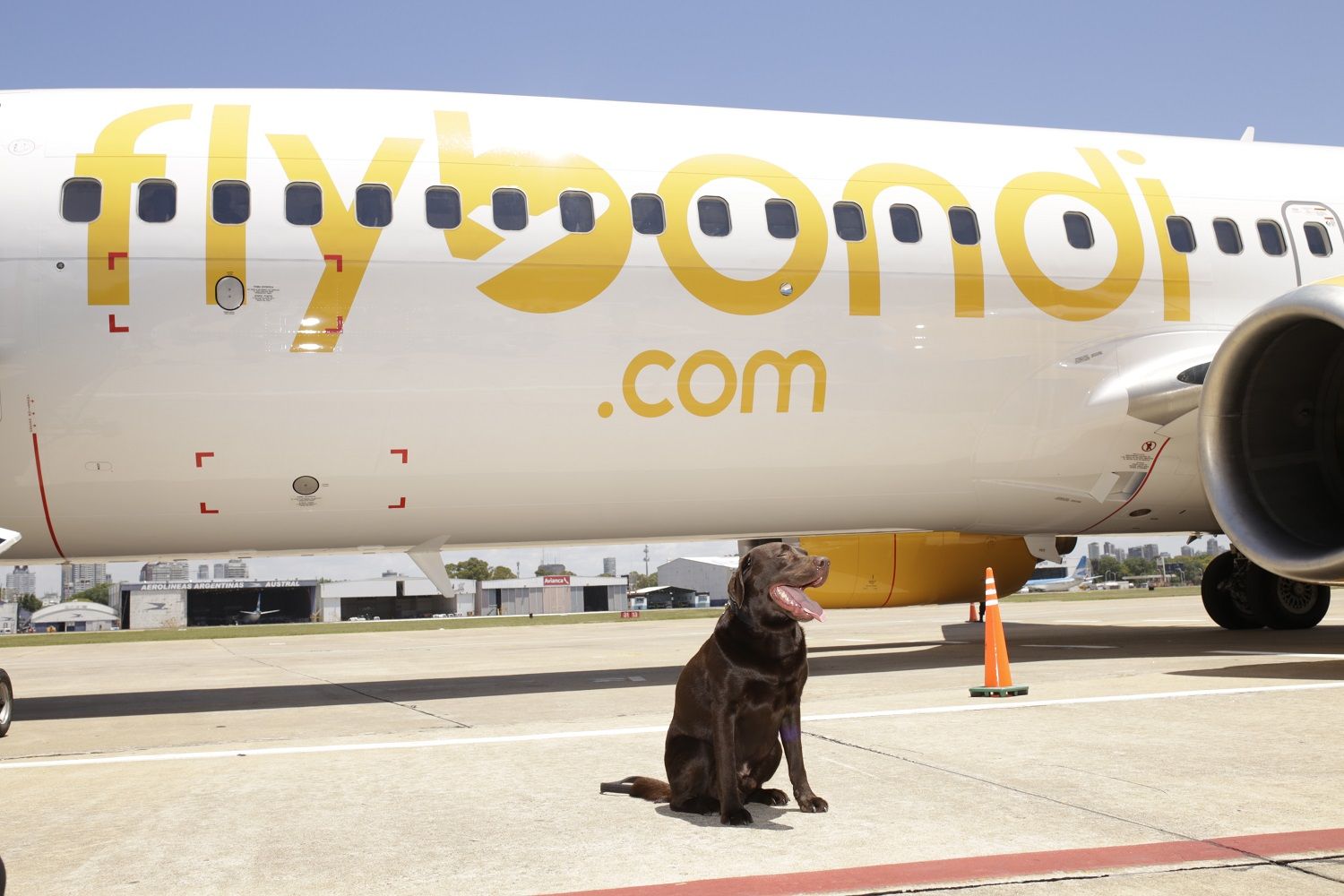
Flybondi-logoLa aerolínea de bajo costo Flybondi realizó su presentación oficial a bordo del primer avión Boeing 737-800

El vuelo de presentación inaugural de la aerolínea low-cost Flybondi se realizó hace unos días a bordo del primer avión Boeing 737-800 que incorporó la aerolínea.

Con la presencia del Ministro de Cultura, Turismo y Deportes de Salta, Juan Manuel Lavallén, y el Gerente de Relaciones Laborales y de Gobierno de la línea aérea Flybondi, Esteban Tosutti, dieron paso a la presentación oficial y pública de Flybondi en Argentina.

La nueva aerolínea Flybondi ha estado realizando un tours en Argentina para su presentación en los diferentes destinos. A su paso por la Provincia de Salta destacaron que el 2017 fue un año récord para el Aeropuerto Martín Miguel de Güemes en lo que respecta a movimiento de pasajeros. Flybondi anunció que iniciará operaciones en Salta en el primer trimestre (1Q2018) conectando a la provincia del norte del país con Buenos Aires con tres frecuencias semanales. Además, se incrementarán las frecuencias y los destinos en el segundo semestre de 2018 con el objetivo de conectar Salta con Bariloche, Santiago de Chile y Sao Pablo, Brasil.

Flybondi estimaba incorporar más aeronaves Boeing 737-800 a su flota comercial. Las proyecciones para 2021 son captar 8 millones de pax, sumar 28 Boeing 737-800, 85 destinos nacionales y regionales y 1.500 colaboradores en la plantilla de la aerolínea.

Flybondi ha nacido como una aerolínea low-cost que está decidida a cambiar la forma de volar en Argentina. AIRWAYS® AW-Icon TXT

Flybondi tours official presentation

AW-Flybondi_Aircraft-001The low-cost airline Flybondi made its official presentation aboard the first Boeing 737-800 aircraft

The inaugural flight of the low-cost airline Flybondi was made a few days ago on board the first Boeing 737-800 aircraft that the airline incorporated.

With the presence of the Minister of Culture, Tourism and Sports of Salta, Juan Manuel Lavallén, and the Manager of Labor Relations and Government of the airline Flybondi, Esteban Tosutti, gave way to the official and public presentation of Flybondi in Argentina.

The new Flybondi airline has been doing tours in Argentina for its presentation in different destinations. On their way through the Province of Salta, they highlighted that 2017 was a record year for the Martín Miguel de Güemes Airport in terms of passenger movement. Flybondi announced that it will start operations in Salta in the first quarter (1Q2018) connecting the province of the north of the country with Buenos Aires with three weekly frequencies. In addition, frequencies and destinations will be increased in the second half of 2018 with the objective of connecting Salta with Bariloche, Santiago de Chile and Sao Paulo, Brazil.

Flybondi estimated to incorporate more Boeing 737-800 aircraft into its commercial fleet. The projections for 2021 are to attract 8 million pax, add 28 Boeing 737-800, 85 national and regional destinations and 1,500 employees in the airline’s workforce.

Flybondi was born as a low-cost airline that is determined to change the way of flying in Argentina. A \ W


Ξ A I R G W A Y S Ξ
SOURCE:  Airgways.com
DBk: Flybondi.com / Airgways.com / Minutouno.com
AW-POST: 201712311701AR

A\W   A I R G W A Y S ®

Annual Airline Food Investigation 2017

AW | 2017 12 31 16:26 | AIRLINES

La Annual Airline Food Investigation califica comida a bordo de las aerolíneas de EEUU

A lo largo de la historia las aerolíneas han tendido a ofrecer diferentes menúes dependiendo del trayecto como de la clase de línea aérea donde se vuele. Según la Annual Airline Food Investigation que realiza las encuestas desde el 2000, pero que desde 2009 esta consultora publica anualmente estudios sobre calidad de las comidas en los aviones comerciales, ha permitido realizar un estudio anual en este 2017 y conocer la calidad del servicio a bordo.

El director del Centro de Política Alimentaria de la Ciudad de Nueva York, Charles Platkinen, de Hunter College, buscó descubrir cuán saludable o insalubre es la comida de los aviones, y los resultados se publican en Annual Airline Food Investigation.

La comida del avión puede variar o modificar sus propiedades a unos 35.000 pies de altura, sin embargo la bandeja puede decir mucho de la calidad y variedad nutritiva del servicio de la aerolínea. Charles Platkin contactó a representantes de doce aerolíneas principales de EEUU para consultar sobre sus opciones de comida y refrigerio. La clasificación se basa en calorías, nutrición, innovación en el menú y transparencia en la política alimentaria. Cada aerolínea recibe un «puntaje de salud» en una escala de 1 a 5, siendo 5 el más alto.

Charles Platkin es fundador del sitio DietDetective.com. El comenta que los pasajeros tienen opciones sobre qué línea aérea vuelan, pero no tienen opciones sobre lo que comen en ese vuelo, alega.

Calificaciones 2017

Este año, Delta Air Lines y Virgin America Airlines empataron por el liderazgo, con cada uno otorgándole 4 puntos. En cuanto a Air Canada empató en segundo lugar con JetBlue. Hawaiian Airlines fue la última.

Es revelador que ninguna aerolínea obtuvo la calificación más alta de 5. Las aerolíneas todavía tienen un gran margen de mejora. Ninguna aerolínea ha sorprendido o cautivado. Durante la consulta se mostró más inclinado a determinar que las bandejas no revelavan mucha calidad e innovación. Si bien algunos de los encuestados sirven comidas de cortesía en vuelos seleccionados, los pasajeros preocupados por la salud se sienten más inclinados a una comida completa antes de volar y llevar sus propios snacks. AIRWAYS® AW-Icon TXT

A continuación se describen las doce aerolíneas que obtuvieron la calificación de la Annual Airline Food Investigation 2017:

Annual Airline Food Investigation 2017

Delta Air Lines
Cooperación para proporcionar información nutricional: excelente
Puntuación de salud: 4 estrellas
Promedio de calorías totales (comidas, refrigerios y refrigerios individuales): 480
Delta se destacó por su disposición a compartir información nutricional, su variedad de ofertas y el hecho de que las calorías promedio en las cajas de bocadillos, comidas y refrigerios individuales disminuyeron de 527 a 480 en 2016, y las calorías en las comidas disminuyeron de 628 calorías a 559. Delta tiene también comenzó a ofrecer comidas de cortesía en clase económica en vuelos selectos.
Las mejores opciones: para un refrigerio, opta por las almendras (124 calorías); el Snake Box Delta Flight Fuel Tapas vegetariano, libre de OGM (se debe comer como una comida, no como un refrigerio, debido a las calorías más altas, dice Platkin), que tiene galletas Super Seed, patatas fritas Snapea, almendras, hummus, quinoa con salsa de pimienta y otros artículos (665 calorías); el desayuno continental con fruta y yogur (345 calorías si guarda la barra de Kind para más adelante); la ensalada de fideos de sésamo (345 calorías); o la placa mezze griega (330 calorías).

Virgin America Airlines
Cooperación para proporcionar información nutricional: excelente
Puntuación de salud: 4 estrellas
Promedio de calorías totales: 340
Platkin dice que las opciones más saludables y la apertura sobre las calorías y los nutrientes han sido parte del enfoque de Virgin desde que se lanzó la línea aérea (aunque desde entonces ha sido adquirida por Alaska Airlines).
Las mejores opciones: vaya con las nueces como aperitivo (mezcla de tuerca inteligente Brain Snack creativo, 510 calorías, y la mezcla de frutos secos Merry Hail Merry, 220 calorías) y compártalos o guarde la parte para más adelante; opte por una de las comidas, como la envoltura de quinoa empacada en proteína vegetariana de 420 calorías; la placa de proteína de 440 calorías con un huevo duro sin jaula, queso, pechuga de pollo a la parrilla, vegetales frescos, rondas de pita de trigo y hummus edamame; o la ensalada farro de 390 calorías.

Air Canada
Cooperación para proporcionar información nutricional: Muy útil
Puntuación de salud: 3.75
Promedio de calorías totales: 320
Las mejores opciones : yogur griego de vainilla sin grasa Skotidakis (90 calorías); Aguacate Smash Box con guacamole fresco, queso cheddar añejado, huevo duro, rebanadas de manzana verde, pan muesli multigrano, hojuelas de chile (590 calorías).

JetBlue Airways
Cooperación para proporcionar información nutricional: algo útil
Puntuación de salud: 3.75
Promedio de calorías totales: 337
Las mejores opciones : Platkin destaca la Amp Up Box, con hummus, una barra de fruta, aceitunas, galletas saladas, almendras y otros artículos (425 calorías) por su valor nutricional, pero reconoce que las calorías son altas. Otras buenas opciones en vuelos selectos: yogurt y granola (210 calorías), ensalada de col rizada y quinua (320 calorías).

Alaska Airlines
Cooperación para proporcionar información nutricional: extremadamente útil
Puntuación de salud: 3.5
Promedio de calorías totales: 479.6
La mejor opción : Platkin sugiere compartir el paquete Mediterráneo de Tapas Picnic (vegano, kosher y sin gluten) o tenerlo como comida, ya que tiene 510 calorías. Viene con papas fritas multivereales, aceitunas, hummus, almendras y más.

United Airlines
Cooperación para proporcionar información nutricional: algo útil
Puntuación de salud: 2.75
Promedio de calorías totales: 416
La mejor opción: para un refrigerio, vaya por el hummus (160 calorías) o la Tapas Snack Box, que viene con una variedad de artículos que incluyen pan plano, galletas saladas, bruschetta, hummus, almendras, mentas y más (evite la extensión de queso, dice Platkin) El Mezze Sampler (501 calorías), es otra buena opción.

American Airlines
Cooperación para proporcionar información nutricional: Por debajo del promedio
Puntuación de salud: 2.5
Promedio de calorías totales: 446
Las mejores opciones: elija la caja de hummus como refrigerio (220 calorías) o la envoltura de rúcula de pollo (cuando esté disponible) para el almuerzo y adecúela con facilidad (401 calorías).

Frontier Airlines
Cooperación para proporcionar información nutricional: Muy útil
Evaluación de salud: 2.25
Promedio de calorías totales: 372
La mejor opción : las opciones de refrigerio son bastante limitadas. Elija la mezcla Trail Trail de Colorado Nut Co. (393 calorías).

Southwest Airlines
Cooperación para proporcionar información nutricional: Muy útil
Puntuación de salud: 2
Promedio de calorías: 125
La mejor opción: Southwest ofrece una selección bastante limitada, pero las que ofrece son gratuitas. Los maníes (70 calorías) son la mejor opción, dice Platkin, aunque los pretzels tienen menos calorías.

Allegiant Air
Cooperación para proporcionar información nutricional: Muy útil
Puntuación de salud: 1.75
Promedio de calorías totales: 402
Las mejores apuestas: The Nut Medley (680 calorías) si se comparte con otra persona o se reparte; hummus y pita chips (150 calorías). Platkin advierte a las personas que no consuman el Wingz Kids Snack Pack (Oreos, bocadillos de fruta al horno Goldfish y Welch, 240 calorías) y el Deli Snack Pack (Wheat Thins, queso para untar, almendras, galletas Biscoff, Slim Jim, 530 calorías).

Spirit Airlines
Cooperación para proporcionar información nutricional: útil
Puntuación de salud: 1 .75
Promedio de calorías totales: 316
La mejor apuesta: Hummus con chips de pita (220 calorías).

Hawaiian Airlines
Cooperación en el suministro de información nutricional: terrible / insensible
Puntuación de salud: 1
Promedio de calorías totales: 568
Platkin dice que los representantes de la aerolínea no compartieron información nutricional, por lo que él y su equipo tuvieron que estimar en sus hallazgos. Hawaiian Airlines ofrece comidas gratis, y los altos conteos de calorías asociados a ellos, que encontró un promedio de 971 calorías, trabajaron en contra de ellos en las calificaciones de Platkin.
Las mejores opciones: Hummus y chips de pita (197 calorías). Aunque Platkin escribe en su informe: «Al final, sería mejor comer antes de abordar el avión; de lo contrario, puede terminar sintiéndose letárgico y de mal humor después de una de estas comidas altas en calorías. Solo di que no, y trae tu propia comida».

DATA: Para consulta de la encuesta completa e información nutricional vea dietdetective.com/annual-airline-food-investigation-2017-18.

Annual Airline Food Investigation 2017

The Annual Airline Food Investigation rates food on board US airlines

Throughout history, airlines have tended to offer different menus depending on the route and the kind of airline where they fly. According to the Annual Airline Food Investigation that conducted the surveys since 2000, but since 2009 this consultant publishes annual studies on the quality of meals on commercial aircraft, has allowed an annual study in 2017 and know the quality of service on board .

Resultado de imagen para dietdetective.com on boardThe director of the Center for Food Policy of the City of New York, Charles Platkinen, Hunter College, sought to discover how healthy or unhealthy is the food of the aircraft, and the results are published in Annual Airline Food Investigation.

Resultado de imagen para dietdetective.com on boardThe food of the plane can vary or modify its properties to about 35,000 feet of height, however the tray can say much of the quality and nutritional variety of the service of the airline. Charles Platkin contacted representatives of twelve major US airlines to inquire about their food and refreshment options. The classification is based on calories, nutrition, innovation in the menu and transparency in food policy. Each airline receives a «health score» on a scale of 1 to 5, with 5 being the highest.

Charles Platkin is founder of the site DietDetective.com. He says that passengers have options on which airline they fly, but they have no options about what they eat on that flight, he alleges.

Ratings 2017

Resultado de imagen para dietdetective.comThis year, Delta Air Lines and Virgin America Airlines tied for the lead, with each awarding him 4 points. As for Air Canada, it tied in second with JetBlue. Hawaiian Airlines was the last.

It is telling that no airline had the highest rating of 5. The airlines still have a lot of room for improvement, and no airline has surprised or captivated, and during the consultation it was more inclined to determine that the trays did not reveal much quality and innivation. While some of the respondents serve complimentary meals on selected flights, health-conscious passengers are more inclined to a full meal before flying and bringing their own snacks. A \ W

The following describes the twelve airlines that obtained the qualification of the Annual Airline Food Investigation 2017:

Annual Airline Food Investigation 2017

Delta Air Lines
Cooperation to provide nutritional information: excellent
Health score: 4 stars
Average total calories (meals, snacks and individual snacks): 480
Delta was noted for its willingness to share nutritional information, its variety of offerings and the fact that the average calories in boxes of snacks, meals and individual snacks decreased from 527 to 480 in 2016, and calories at meals decreased from 628 calories to 559. Delta has also started offering complimentary meals in economy class on select flights.
The best options: for a snack, opt for almonds (124 calories); the Delta Flight Fuel Snake Box Vegetarian, GMO-free tapas (you should eat it as a meal, not as a snack, because of the higher calories, says Platkin), which has Super Seed cookies, Snapea chips, almonds, hummus, quinoa with pepper sauce and other items (665 calories); continental breakfast with fruit and yogurt (345 calories if you save the Kind bar for later); the salad of sesame noodles (345 calories); or the Greek mezze plate (330 calories).

Virgin America Airlines
Cooperation to provide nutritional information: excellent
Health score: 4 stars
Average total calories: 340
Platkin says that healthier options and openness to calories and nutrients have been part of Virgin’s approach since the airline was launched (although it has since been acquired by Alaska Airlines).
The best options: go with the nuts as an appetizer (creative Brain Snack nut mix, 510 calories, and the Merry Hail Merry nuts mix, 220 calories) and share them or save the part for later; opt for one of the meals, such as the quinoa wrap wrapped in vegetarian 420-calorie protein; the 440-calorie protein plate with a hard-boiled egg without a cage, cheese, grilled chicken breast, fresh vegetables, rounds of wheat pita and hummus edamame; or the 390-calorie farro salad.

Air Canada
Cooperation to provide nutritional information: Very useful
Health score: 3.75
Average total calories: 320
The best options: Greek yogurt vanilla without fat Skotidakis (90 calories); Avocado Smash Box with fresh guacamole, aged cheddar cheese, hard-boiled egg, green apple slices, multigrain muesli bread, chili flakes (590 calories).

JetBlue Airways
Cooperation to provide nutritional information: something useful
Health score: 3.75
Average total calories: 337
The best options: Platkin highlights the Amp Up Box, with hummus, a fruit bar, olives, crackers, almonds and other items (425 calories) for its nutritional value, but recognizes that calories are high. Other good options on select flights: yogurt and granola (210 calories), kale salad and quinoa (320 calories).

Alaska Airlines
Cooperation to provide nutritional information: extremely useful
Health score: 3.5
Average total calories: 479.6
The best option: Platkin suggests sharing the Mediterranean Package of Picnic Tapas (vegan, kosher and gluten-free) or having it as a meal, since it has 510 calories. It comes with multiverea chips, olives, hummus, almonds and more.

United Airlines
Cooperation to provide nutritional information: something useful
Health score: 2.75
Average total calories: 416
The best option: for a snack, go for the hummus (160 calories) or the Snack Box Tapas, which comes with a variety of items that include flatbread, crackers, bruschetta, hummus, almonds, mints and more (avoid spreading of cheese, says Platkin) The Mezze Sampler (501 calories) is another good option.

American Airlines
Cooperation to provide nutritional information: Below average
Health score: 2.5
Average total calories: 446
The best options: choose the hummus box as a snack (220 calories) or the chicken arugula wrap (when available) for lunch and adjust it easily (401 calories).

Frontier Airlines
Cooperation to provide nutritional information: Very useful
Health assessment: 2.25
Average total calories: 372
The best option: snack options are quite limited. Choose the trail mix from Colorado Nut Co. (393 calories).

Southwest Airlines
Cooperation to provide nutritional information: Very useful
Health score: 2
Average calories: 125
The best option: Southwest offers a fairly limited selection, but the ones offered are free. Peanuts (70 calories) are the best choice, says Platkin, although pretzels have fewer calories.

Allegiant Air
Cooperation to provide nutritional information: Very useful
Health score: 1.75
Average total calories: 402
The best bets: The Nut Medley (680 calories) if shared with another person or shared; hummus and pita chips (150 calories). Platkin warns people not to consume the Wingz Kids Snack Pack (Oreos, Goldfish and Welch baked fruit snacks, 240 calories) and the Deli Snack Pack (Wheat Thins, cheese spread, almonds, biscuits, Slim Jim, 530 calories).

Spirit Airlines
Cooperation to provide nutritional information: useful
Health score: 1 .75
Average total calories: 316
The best bet: Hummus with pita chips (220 calories).

Hawaiian Airlines
Cooperation in the supply of nutritional information: terrible / insensitive
Health score: 1
Average total calories: 568
Platkin says that airline representatives did not share nutritional information, so he and his team had to estimate their findings. Hawaiian Airlines offers free meals, and the high calorie counts associated with them, which found an average of 971 calories, worked against them in Platkin’s ratings.
The best options: Hummus and pita chips (197 calories). Although Platkin writes in his report: «In the end, it would be better to eat before boarding the plane, otherwise you may end up feeling lethargic and in a bad mood after one of these high-calorie meals. Just say no, and bring your Own food».

DATA: To consult the complete survey and nutritional information see dietdetective.com/annual-airline-food-investigation-2017-18.


Ξ A I R G W A Y S Ξ
SOURCE:  Airgways.com
DBk: Dietdetective.com / Bravotv.com / Washingtonpost.com
AW-POST: 201712311626AR

A\W   A I R G W A Y S ®

Azores ostentará sello destino sostenible

AW | 2017 12 30 19:03 | TOURISM

Resultado de imagen para Azores islands Global Sustainable Tourism Council GSTCArchipiélago será el primero del mundo certificado por el Consejo Global de Turismo Sostenible en 2019

Las Islas Azores formalizaron este mes la candidatura a la certificación de destino de turismo sostenible, siendo el primer archipiélago del mundo en perfilarse para tener este sello del Consejo Global de Turismo Sostenible en la designación original, Global Sustainable Tourism Council (GSTC), organismo que integra varias entidades de las Naciones Unidas. Esta certificación deberá ser obtenida en 2019, teniendo las Azores de cumplir hasta los objetivos de los más de 40 criterios establecidos por el GSTC, y que serán objeto de evaluación periódica.

Resultado de imagen para Azores islands  png

«Esta ambición de ser el destino más sostenible en el mundo, que las Azores son nuestro emblema y una parte clave del tipo de turismo que Portugal quiere tener, un impacto positivo en todo el territorio», subrayó Ana Mendes Godinho, Secretario de Estado de Turismo, en la conferencia «Azores en el Camino del Turismo Sostenible» que tuvo lugar a principios de diciembre en Lagoa, en la isla de San Miguel.

Son todavía pocos los destinos certificados en turismo sostenible, y las Azores también aquí harán historia y constituir un caso de estudio. Los propios criterios del GSTC son recientes y resultan de la nueva reflexión que está a nivel internacional ante el rápido crecimiento del turismo en todas las regiones del mundo, sus impactos positivos y negativos, y el rumbo que se quiere seguir en el futuro.

«Es más fácil certificar un alojamiento aislado que un destino entero y en un sector tan complejo como el turismo», reconoció Luigi Cabrini, presidente del Consejo Global de Turismo Sostenible, en la conferencia que tuvo lugar en las Azores. «Hay definitivamente un progreso del turismo en el crecimiento económico a nivel mundial, pero no podemos decir hoy que va todo bien.» Alando hacia el reverso del crecimiento y los riesgos de «pérdida de identidad» con la presión turística sobre el ambiente natural y el turismo y la cultura pueden ser los mejores amigos o los peores enemigos, dependiendo de si esto es bien gestionado o mal gestionado, y en este último caso el destino, perder el valor y hasta el interés de los turistas en visitarlo. «Las comunidades pueden desarrollar una actitud negativa hacia los turistas que no las respetan, lo que ya se ha demostrado en casos recientes en Amsterdam o Barcelona», subrayó el presidente del GSTC.

Los criterios que las Azores tienen que cumplir para obtener el sello de turismo sostenible en 2019 implican impactos económicos, en el ambiente o en el patrimonio, pero el lugar destacado es dado a la población residente. «El gran foco tiene que estar en la comunidad local, ésta debe ser parte activa y uno de los principales pilares en esta construcción de turismo sostenible», subraya Luigi Cabrini, advirtiendo que el objetivo «no es sólo construir un destino turístico, es certificar que tiene la busca segura. Es necesario mostrar cifras, pero es más importante ver si la comunidad local efectivamente gana con el turismo».

El rumbo a tomar, según los expertos, obliga a rehacer todos los conceptos de turismo, en que el foco deja de ser el volumen y pasa a ser el valor. «Después de todo, ¿quién es el buen turista? Para unos, será el que viene de helicóptero, juega al golf y bebe vinos franceses. Pero por ejemplo los mochileros van a las tierras más pequeñas, pasan más tiempo en el destino y se involucra más con las comunidades», señala David Simmons, profesor de Turismo en Nueva Zelanda, considerado un ejemplo en turismo sostenible. «Cuando vengan mochileros, no digan que no es buen turismo, es sólo diferente.»

Aquí, las Azores están en el buen camino, asegura Marta Guerreiro, secretaria regional de Energía, Ambiente y Turismo. «El tipo de turista que nos visita trae cada vez más valor a la región, puede hacer surf, buceo, observación de cetáceos y acabar el día bañándose, todo esto liga tan bien en las Azores», nota Marta Guerrero. «Tenemos conciencia que la suerte y el crecimiento que hemos tenido se debe a todo este legado natural y patrimonial, que tenemos la gran responsabilidad de preservar», subraya. «Tenemos una certeza: no somos, ni queremos ser, un destino de turismo de masas.»  AIRWAYS® AW-Icon TXT

Azores will hold sustainable destination stamp

Resultado de imagen para Azores islands  pngResultado de imagen para Azores islands  pngArchipelago will be the first in the world certified by the Global Sustainable Tourism Council in 2019

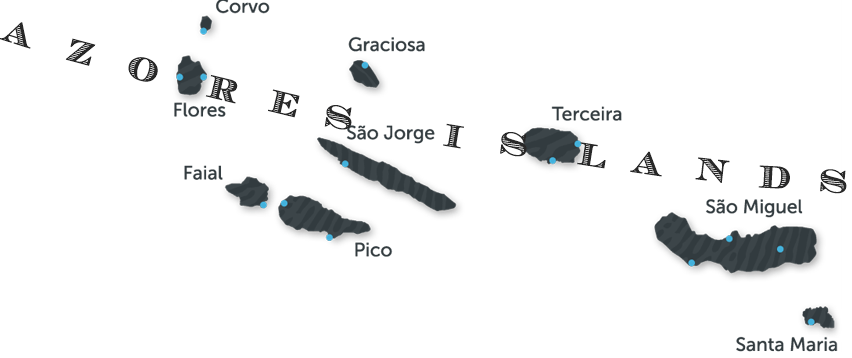
The Azores Islands formalized this month the candidacy for the destination certification of sustainable tourism, being the first archipelago in the world to be profiled to have this seal of the Global Sustainable Tourism Council (GSTC), organism that integrates several entities of the United Nations. This certification must be obtained in 2019, the Azores having to meet up to the objectives of the more than 40 criteria established by the GSTC, which will be subject to periodic evaluation.

«This ambition to be the most sustainable destination in the world, that the Azores are our emblem and a key part of the type of tourism that Portugal wants to have, a positive impact in the whole territory», said Ana Mendes Godinho, Secretary of State for Tourism, at the conference «Azores on the Road to Sustainable Tourism» that took place at the beginning of December in Lagoa, on the island of San Miguel.
azores_map.png

There are still few certified destinations in sustainable tourism, and the Azores will also make history here and constitute a case study. The GSTC’s own criteria are recent and result from the new reflection that is at the international level in the face of the rapid growth of tourism in all regions of the world, its positive and negative impacts, and the course to be followed in the future.

«It is easier to certify an isolated accommodation than a whole destination and in a sector as complex as tourism», acknowledged Luigi Cabrini, president of the Global Council of Sustainable Tourism, at the conference that took place in the Azores. ««There is definitely a progress of tourism in economic growth worldwide, but we can not say today that everything is going well». Alando towards the reverse of growth and the risks of «loss of identity» with tourist pressure on the natural environment and tourism and culture can be the best friends or the worst enemies, depending on whether this is well managed or poorly managed, and in this last case the destination, lose the value and even the interest of the tourists in visiting it. «Communities can develop a negative attitude towards tourists who do not respect them, which has already been demonstrated in recent cases in Amsterdam or Barcelona», said the president of the GSTC.

Resultado de imagen para Azores islands

CAPTIVATING AZORES ISLANDS

The criteria that the Azores have to meet to obtain the seal of sustainable tourism in 2019 imply economic impacts on the environment or heritage, but the prominent place is given to the resident population. «The great focus has to be on the local community, this must be an active part and one of the main pillars in this construction of sustainable tourism», underlines Luigi Cabrini, noting that the objective «is not only to build a tourist destination, it is to certify that has the «safe look. It is necessary to show figures, but it is more important to see if the local community effectively wins with tourism».

The course to take, according to the experts, forces to remake all the concepts of tourism, in which the focus stops being the volume and becomes the value. «After all, who is the good tourist? For some, it will be the one that comes by helicopter, plays golf and drinks French wines, but for example the backpackers go to the smaller lands, spend more time in the destination and it involves more with the communities», says David Simmons, a tourism professor in New Zealand, considered an example in sustainable tourism. «When backpackers come, do not say it’s not good tourism, it’s just different.»

Here, the Azores are on the right track, says Marta Guerreiro, regional secretary of Energy, Environment and Tourism. «The type of tourist that visits us brings more and more value to the region, can surf, dive, observe cetaceans and end the day bathing, all this links so well in the Azores», notes Marta Guerrero. «We are aware that the luck and growth we have had is due to all this natural and heritage legacy, which we have a great responsibility to preserve», he stresses. «We have a certainty: we are not, nor want to be, a destination for mass tourism». A \ W

Os Açores manterão um selo de destino sustentável

Imagen relacionadaO arquipélago será o primeiro no mundo certificado pelo Conselho Global de Turismo Sustentável em 2019

As Ilhas dos Açores formalizaram este mês a candidatura para a certificação de destino do turismo sustentável, sendo o primeiro arquipélago do mundo a ser perfilado para ter este selo do Conselho Global de Turismo Sustentável (GSTC), organismo que integra várias entidades das Nações Unidas. Esta certificação deve ser obtida em 2019, devendo os Açores cumprir os objetivos dos mais de 40 critérios estabelecidos pelo GSTC, que serão sujeitos a avaliação periódica.

«Esta ambição de ser o destino mais sustentável do mundo, que os Açores são o nosso emblema e uma parte fundamental do tipo de turismo que Portugal quer ter, um impacto positivo em todo o território», disse Ana Mendes Godinho, Secretária de Estado para o Turismo, na conferência «Açores na Estrada do Turismo Sustentável» que teve lugar no início de dezembro em Lagoa, na ilha de San Miguel.

FURNAS, SÃO MIGUEL, ILHAS AÇORES

Ainda há alguns destinos certificados no turismo sustentável, e os Açores também farão história aqui e constituirão um estudo de caso. Os próprios critérios do GSTC são recentes e resultam da nova reflexão que é no plano internacional diante do rápido crescimento do turismo em todas as regiões do mundo, seus impactos positivos e negativos e o curso a seguir no futuro.

«É mais fácil certificar uma acomodação isolada do que um destino inteiro e em um setor tão complexo quanto o turismo», reconheceu Luigi Cabrini, presidente do Conselho Global de Turismo Sustentável, na conferência que teve lugar nos Açores. «Há definitivamente um progresso do turismo no crescimento econômico em todo o mundo, mas não podemos dizer hoje que tudo está indo bem». Alando no sentido inverso do crescimento e os riscos de «perda de identidade» com a pressão do turista sobre o meio natural e O turismo e a cultura podem ser os melhores amigos ou os piores inimigos, dependendo se esta é bem gerida ou mal gerenciada e, neste último caso, o destino, perder o valor e até mesmo o interesse dos turistas em visitá-lo. «As comunidades podem desenvolver uma atitude negativa em relação aos turistas que não os respeitam, o que já foi demonstrado em casos recentes em Amsterdã ou Barcelona», afirmou o presidente do GSTC.

Os critérios que os Açores devem encontrar para obter o selo do turismo sustentável em 2019 implicam impactos econômicos sobre o meio ambiente ou patrimônio, mas o lugar proeminente é dado à população residente. «O grande foco deve ser na comunidade local, isso deve ser uma parte ativa e um dos principais pilares nesta construção do turismo sustentável», ressalta Luigi Cabrini, observando que o objetivo «não é apenas construir um destino turístico, é para certificar que tem o «aspecto seguro». É necessário mostrar figuras, mas é mais importante ver se a comunidade local ganha efetivamente com o turismo».


O curso a seguir, de acordo com os especialistas, obriga a refazer todos os conceitos de turismo, em que o foco deixa de ser o volume e se torna o valor. «Afinal, quem é o bom turista? Para alguns, será o que vem de helicóptero, joga golfe e bebe vinhos franceses, mas, por exemplo, os mochileiros vão às terras mais pequenas, passam mais tempo no destino e envolvem mais com as comunidades», diz David Simmons, um professor de turismo na Nova Zelândia, considerado um exemplo no turismo sustentável. «Quando os mochileiros chegam, não diga que não é um bom turismo, é simplesmente diferente».

Aqui, os Açores estão no caminho certo, diz Marta Guerreiro, secretária regional de Energia, Meio Ambiente e Turismo. «O tipo de turista que nos visita traz mais e mais valor para a região, pode navegar, mergulhar, observar os cetáceos e terminar o banho do dia, tudo isso se liga tão bem nos Açores», observa Marta Guerrero. «Estamos conscientes de que a sorte e o crescimento que tivemos é devido a todo esse legado natural e patrimonial, que temos uma grande responsabilidade de preservar», ressalta. «Temos certeza: não somos, nem queremos ser, um destino para o turismo em massa». A\W


Ξ A I R G W A Y S Ξ
SOURCE:  Airgways.com
DBk: Sapo.pt / Filovent-admin.com / Jimcdn.com / Airgways.com
AW-POST: 201712301903AR

A\W   A I R G W A Y S ®