Comunicado Boeing acerca 737 MAX

AW | 2020 11 19 11:15 | INDUSTRY / AVIATION SAFETY

Boeing responde aprobación FAA para reanudar operaciones 737 MAX

Boeing 737 MAX_Isologotype

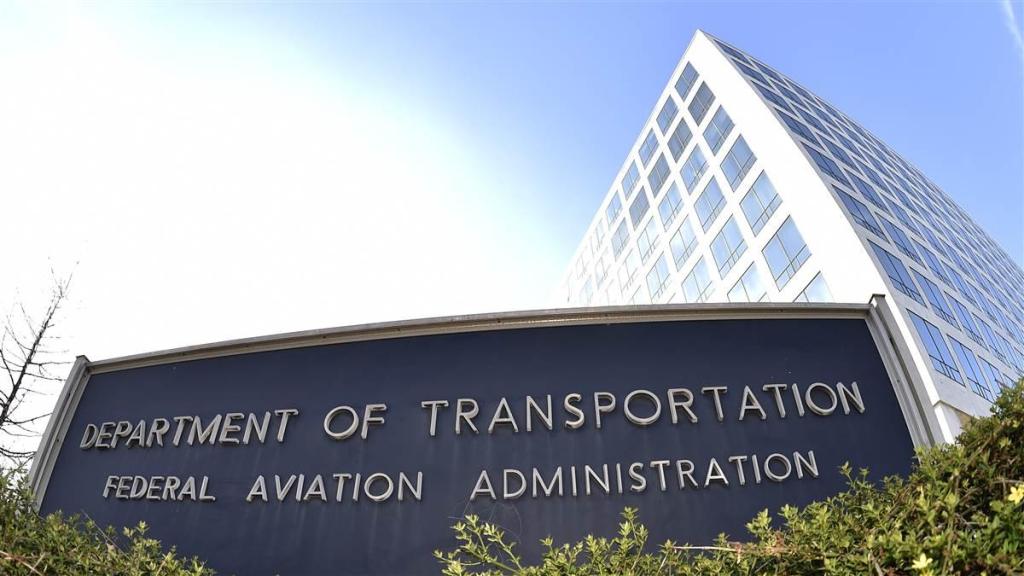
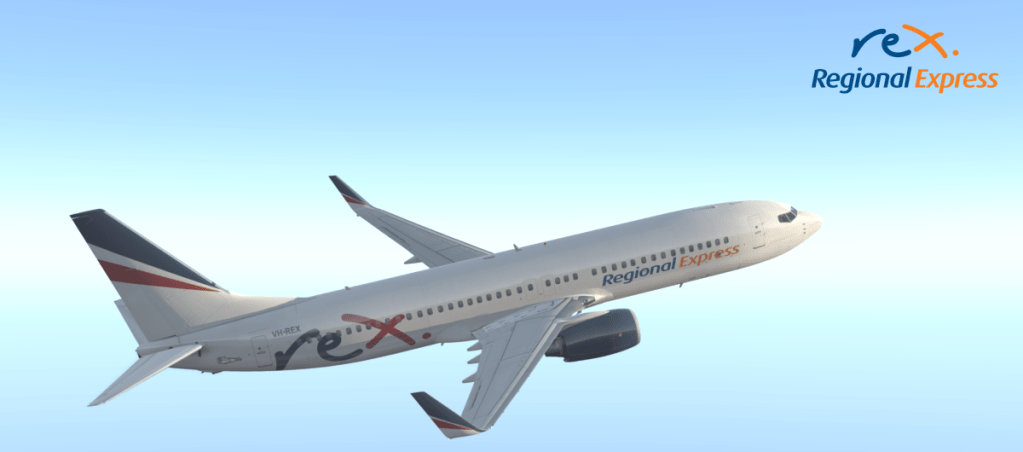
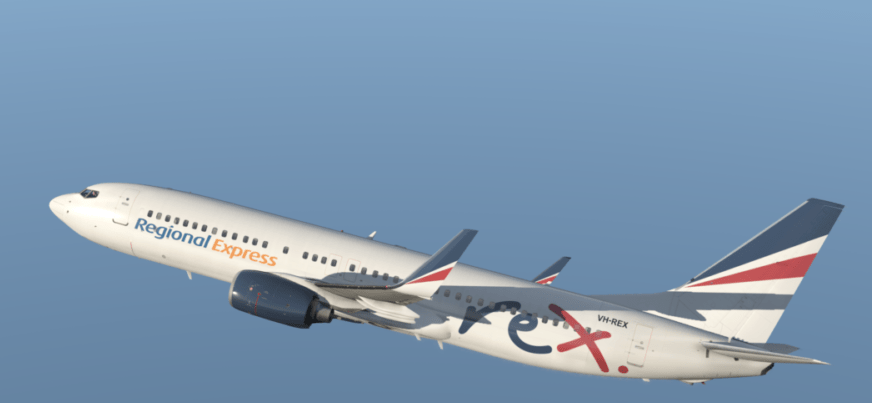
La Administración Federal de Aviación (FAA) de los Estados Unidos ha rescindido este 18/11 la orden que detuvo las operaciones comerciales de Boeing 737-8 y 737-9. La medida permitirá a las aerolíneas que están bajo la jurisdicción de la FAA, incluidas las de los Estados Unidos, tomar las medidas necesarias para reanudar el servicio y Boeing comience a realizar entregas. «Nunca olvidaremos las vidas perdidas en los dos trágicos accidentes que llevaron a la decisión de suspender las operaciones. Estos eventos y las lecciones que hemos aprendido como resultado han remodelado nuestra empresa y centrado aún más nuestra atención en nuestros valores fundamentales de seguridad, calidad e integridad», dijo David Calhoun, Director Ejecutivo de The Boeing Company.

A lo largo de los últimos veinte meses, Boeing ha trabajado estrechamente con las aerolíneas, proporcionándoles recomendaciones detalladas sobre el almacenamiento a largo plazo y asegurando que su aporte fue parte del esfuerzo por devolver los aviones al servicio de forma segura.

Una Directiva de Aeronavegabilidad (AD) emitida por la FAA detalla los requisitos que deben cumplirse antes de que los transportistas estadounidenses puedan reanudar el servicio, incluyendo la instalación de mejoras de software, completar modificaciones de separación de cables, realizar entrenamiento de pilotos y llevar a cabo actividades exhaustivas de despreservación que garanticen que los aviones estén listos para el servicio. «La directiva de la FAA es un hito importante. Continuaremos trabajando con los reguladores de todo el mundo y nuestros clientes para devolver el avión al servicio en todo el mundo», dijo Stan Deal, Presidente y Director Ejecutivo de Boeing Commercial Airplanes.

Además de los cambios realizados en el entrenamiento de aviones y pilotos, Boeing ha tomado tres pasos importantes para reforzar su enfoque en la seguridad y la calidad:

1 · Alineación organizacional: Más de 50.000 ingenieros se han reunido en una sola organización que incluye una nueva unidad de seguridad de productos y servicios, unificando las responsabilidades de seguridad en toda la empresa.
2 · Enfoque cultural: Los ingenieros han sido más capacitados para mejorar la seguridad y la calidad. La empresa está identificando, diagnosticando y resolviendo problemas con un mayor nivel de transparencia e inmediatez.
3 · Mejoras en el proceso: Mediante la adopción de procesos de diseño de próxima generación, la empresa está permitiendo mayores niveles de calidad por primera vez.

La FAA ha levantado la orden que suspendió las operaciones de la línea 737 MAX para aerolíneas bajo su jurisdicción, incluidas las de los Estados Unidos. Seguimos trabajando con otros reguladores y aerolíneas globales mientras toman medidas para devolver el avión al servicio en sus jurisdicciones. Tras la aprobación de la FAA, otros reguladores mundiales están revisando a fondo la capacitación propuesta. Los reguladores establecerán los requisitos finales de capacitación. Colaboramos con pilotos, ingenieros y expertos en seguridad para crear una propuesta integral que pedía que los pilotos actuales 737-8 y 737-9 completaran formación adicional, revisaran exhaustivamente la documentación técnica y demostraran sus conocimientos en un simulador de vuelo de movimiento completo calificado por el regulador. Pilotos de más de 80 de las aerolíneas del mundo probaron las mejoras de primera mano en un simulador de vuelo en movimiento completo. También revisaron el material del curso y la documentación técnica. Cada aerolínea trabajará directamente con su regulador para determinar su enfoque de capacitación y recibir la aprobación para su curso de formación.

Regreso al servicio

Si un avión fue fabricado después de que el pedido fue emitido o ya está en la flota de un cliente, tiene que pasar por un riguroso proceso definido por la FAA antes de volver al servicio. Los aviones que han estado en almacenamiento deben someterse a un proceso de activación integral antes de que puedan considerarse listos para su devolución al servicio. Después de preparar cada avión, se inspeccionará minuciosamente con un sólido conjunto de criterios definidos por la FAA. Hemos estado trabajando codo con codo con nuestros clientes para garantizar un almacenamiento seguro y ahora estamos listos para apoyarlos a medida que devuelven sus aviones de forma segura al servicio comercial.

Aerolíneas & 737 MAX

American Airlines se encuentra preparada para ser el relanzamiento de la vuelta a la programación de vuelo del 737 MAX, confirmando este 18/11 que planea comenzar a operar el avión el próximo 29/12 en el servicio entre Miami y Nueva York. La compañía ha expresado la flexibilidad diciendo que los pasajeros no tendrán que viajar en el 737 MAX si no lo desean. «Si un cliente prefiere no volar en este avión, proporcionaremos flexibilidad para garantizar que puedan volver a acomodarse fácilmente», dijo American en un mensaje a los empleados. El CEO Gary Kelly de Southwest Airlines ha dicho a los empleados que confía en las correcciones realizadas en el Boeing 737 MAX, destacando también la necesidad de «miles de horas de trabajo, inspecciones y actualizaciones de software antes de que cualquiera de nuestros clientes aborde un Southwest 737 MAX». Southwest ha comunicado que no transportará pasajeros en el avión hasta el segundo trimestre del año entrante (2Q2021). Alaska Airlines dice que planea tomar la entrega de su primer 737 MAX en Enero 2021, cuando los pilotos comenzarán los entrenamiento de simulador y vuelo real antes de entrar en servicio en Marzo 2021.

Boeing 737 MAX approval statement

Boeing responds to FAA approval to resume 737 MAX operations

Boeing_Icon

The Federal Aviation Administration (FAA) of the United States has rescinded this 18/11 the order that stopped the commercial operations of Boeing 737-8 and 737-9. The move will allow airlines under FAA jurisdiction, including those in the United States, to take the necessary steps to resume service and Boeing to begin making deliveries. «We will never forget the lives lost in the two tragic accidents that led to the decision to suspend operations. These events and the lessons we have learned as a result have reshaped our company and further focused our attention on our core values ​​of safety, quality and safety. integrity», said David Calhoun, CEO of The Boeing Company.

AW-70033007

Over the past twenty months, Boeing has worked closely with airlines, providing detailed recommendations on long-term storage and ensuring that their input was part of the effort to safely return aircraft to service.

An Airworthiness Directive (AD) issued by the FAA details the requirements that must be met before U.S. carriers can resume service, including installing software upgrades, completing cable spacing modifications, conducting pilot training, and carrying out carry out comprehensive preservation activities to ensure aircraft are ready for service. «The FAA leadership is an important milestone. We will continue to work with regulators around the world and our customers to return the aircraft to service around the world», said Stan Deal, President and CEO of Boeing Commercial Airplanes.

In addition to changes made to airplane and pilot training, Boeing has taken three important steps to reinforce its focus on safety and quality:

1 · Organizational alignment: More than 50,000 engineers have come together in a single organization that includes a new product and service security unit, unifying security responsibilities across the company.
2 · Cultural approach: Engineers have been more trained to improve safety and quality. The company is identifying, diagnosing and solving problems with a higher level of transparency and immediacy.
3 · Process improvements: By adopting next-generation design processes, the company is enabling higher levels of quality for the first time.

The FAA has lifted the order that suspended operations of the 737 MAX line for airlines under its jurisdiction, including those of the United States. We continue to work with other global airlines and regulators as they take steps to return the aircraft to service in their jurisdictions. Following FAA approval, other global regulators are thoroughly reviewing the proposed training. Regulators will establish final training requirements. We collaborated with pilots, engineers, and safety experts to create a comprehensive proposal that required current 737-8 and 737-9 pilots to complete additional training, comprehensively review technical documentation, and demonstrate their knowledge on a full-motion flight simulator rated by the regulator. Pilots from more than 80 of the world’s airlines tested the improvements first-hand in a full-motion flight simulator. They also reviewed the course material and technical documentation. Each airline will work directly with its regulator to determine its training approach and receive approval for its training course.

Return to service

If an aircraft was manufactured after the order was issued or is already in a customer’s fleet, it has to go through a rigorous process defined by the FAA before returning to service. Aircraft that have been in storage must undergo a comprehensive activation process before they can be considered ready for return to service. After each aircraft is prepared, it will be thoroughly inspected against a robust set of criteria defined by the FAA. We have been working closely with our customers to ensure safe storage and are now ready to support them as they safely return their aircraft to commercial service.

Airlines & 737 MAX

aa-timeline-FUTURE-3[1] - copia (2)

American Airlines is prepared to be the relaunch of the return to the flight schedule of the 737 MAX, confirming this 11/18 that it plans to start operating the aircraft on 12/29 in the service between Miami and New York. The company has expressed flexibility by saying that passengers won’t have to ride the 737 MAX if they don’t want to. «If a customer prefers not to fly on this aircraft, we will provide flexibility to ensure they can easily re-accommodate», American said in a message to employees. Southwest Airlines CEO Gary Kelly has told employees that he is confident in the fixes made on the Boeing 737 MAX, also highlighting the need for «thousands of man hours, inspections and software updates before any of our customers board a Southwest 737 MAX». Southwest has announced that it will not transport passengers on the plane until the second quarter of the following year (2Q2021). Alaska Airlines says it plans to take delivery of its first 737 MAX in January 2021, when pilots will begin simulator training and actual flight before entering service in March 2021.


PUBLISHER: Airgways.com
DBk: Boeing.com / Airgways.com / Gettyimages.com
AW-POST: 202011191115AR

A\W   A I R G W A Y S ®
Avanzan obras Aeroparque

AW | 2020 11 18 22:17 | AIRPORTS

Continúan obras remodelación en Aeropuerto Jorge Newbery

Aerop_arg_2000_logo.svg

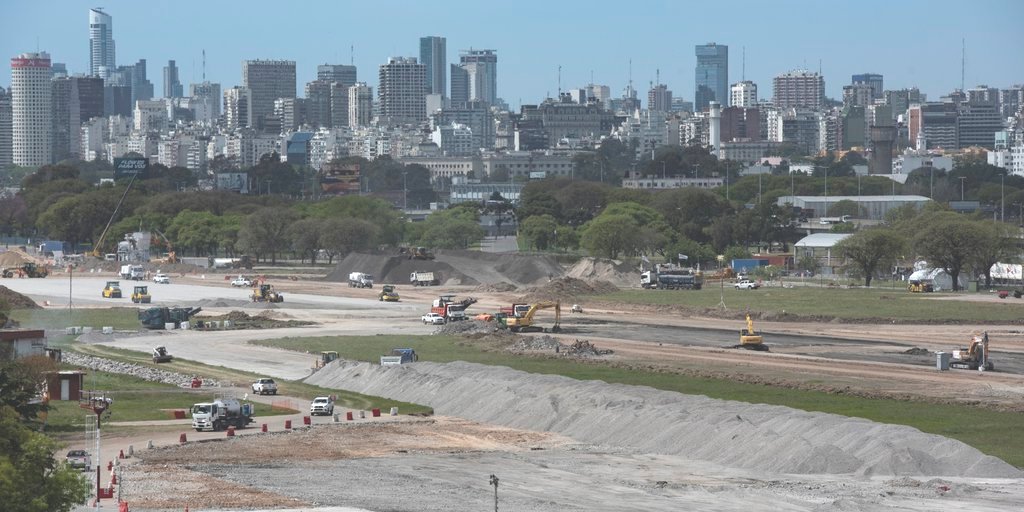
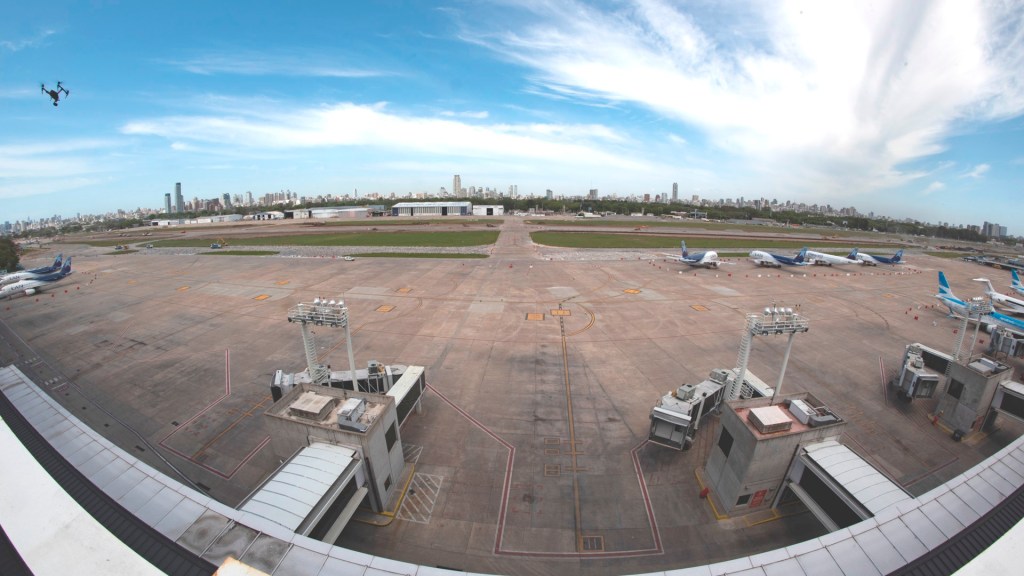
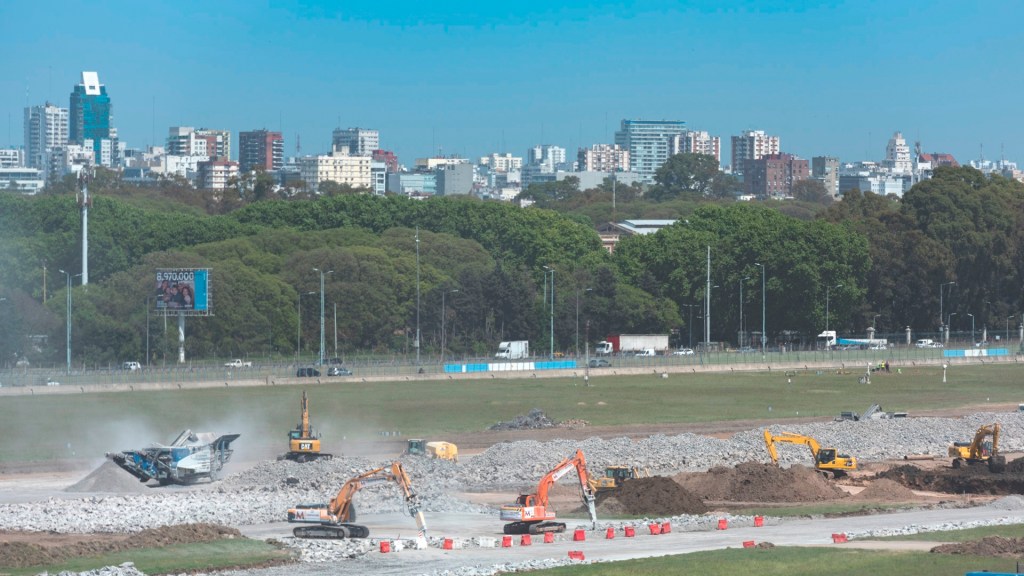
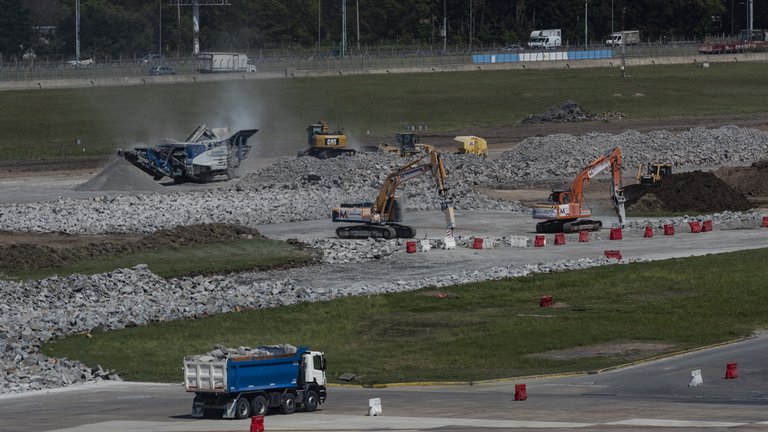
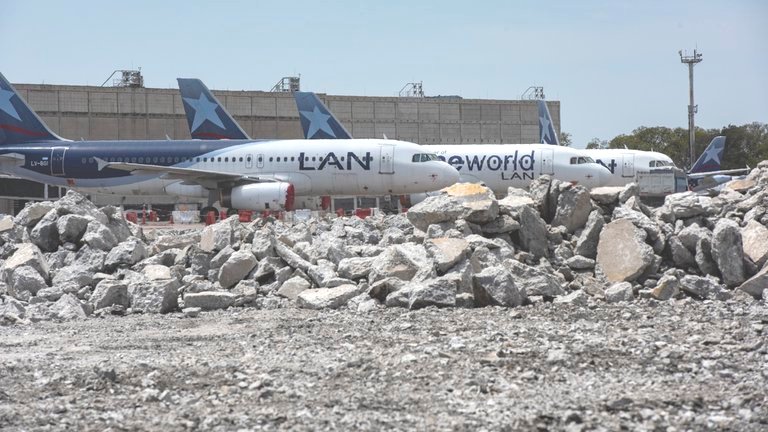
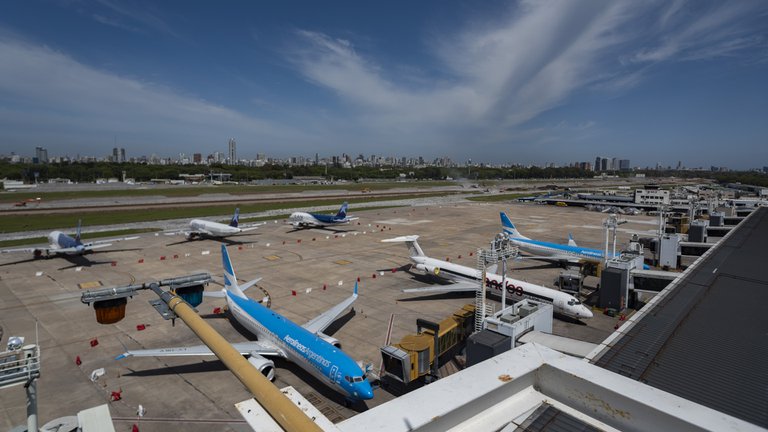
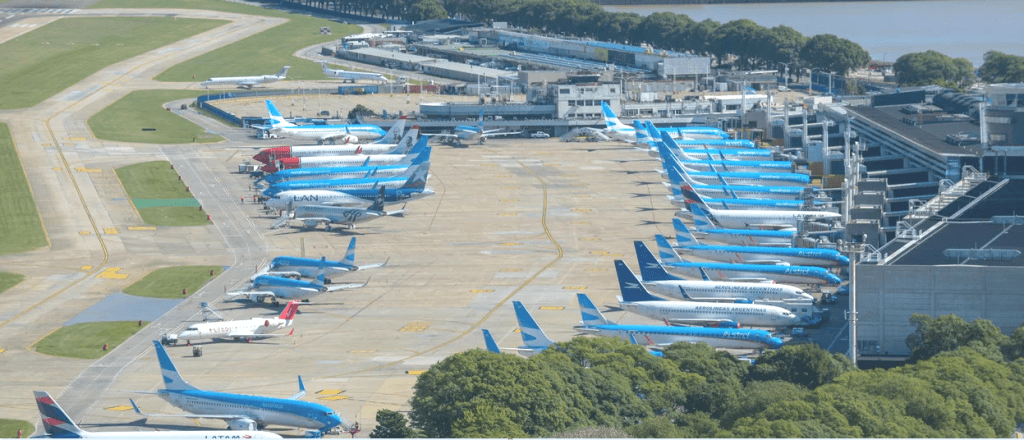
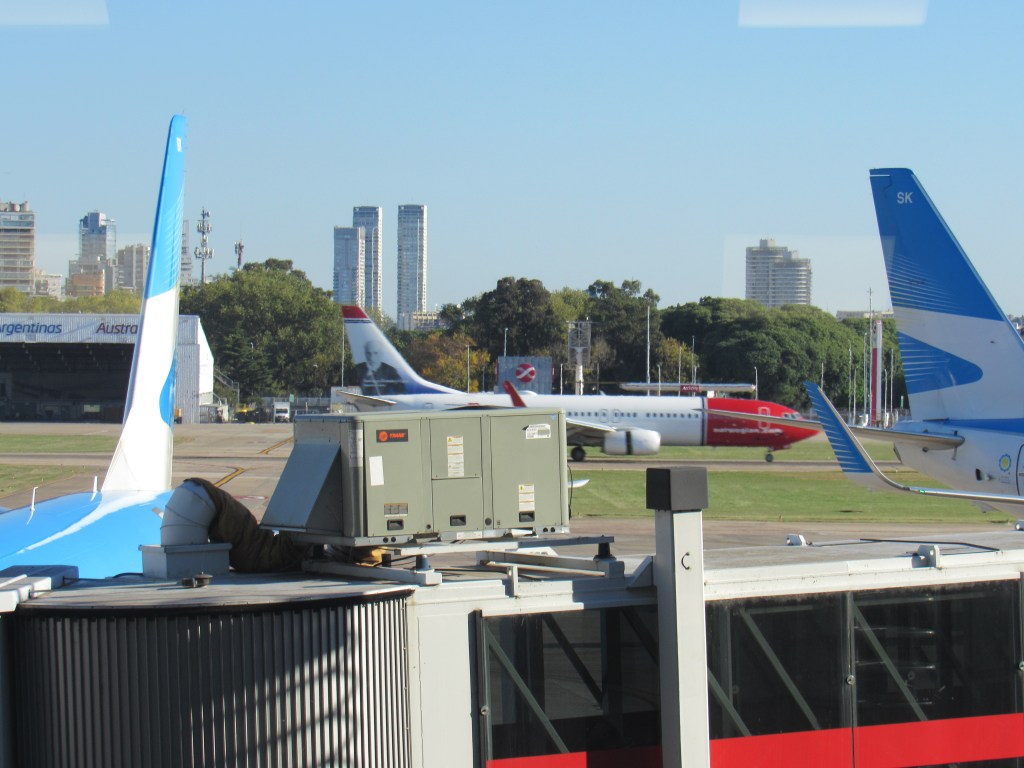
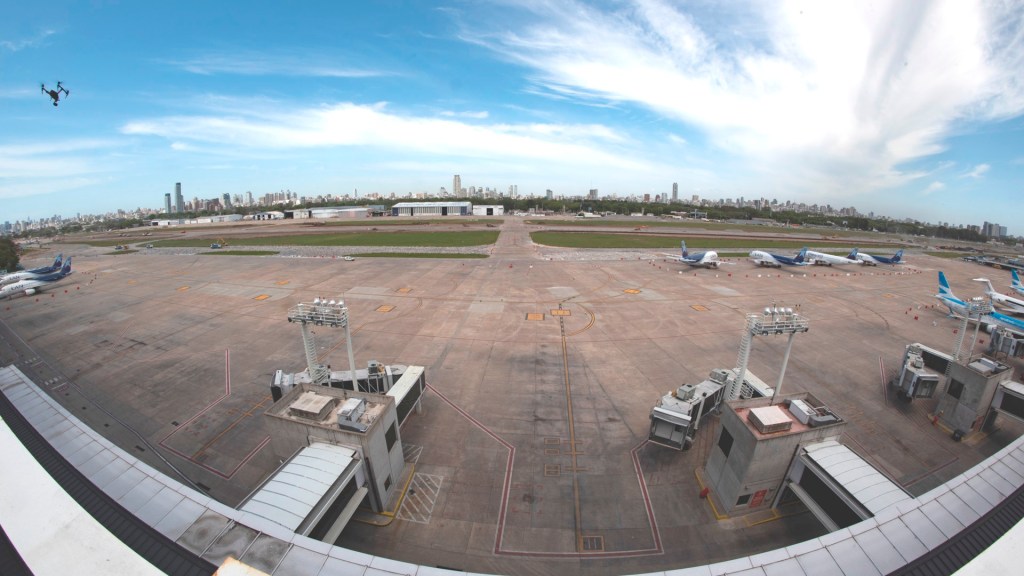
El Aeropuerto Jorge Newbery (AEP/SABE) continúa con las obras proyectadas para aprovechar mejor los espacios de la aeroestación más importante de Argentina por número de tráfico aéreo. Aeropuertos Argentina 2000 (AA2000) continúa con la diagramación de las obras de modernización en la pista y en el sector de la terminal aérea en el que operarán un número mayor de frecuencias a partir de Febrero 2021, cuando reabra la estación aérea para convertirse nuevamente en el aeropuerto regional. Los trabajos en la terminal porteña demandarán una inversión total de unos AR$ 5.000 millones de Pesos.

Las obras en pista y en la terminal comenzaron hace unas semanas, tendrán una duración de entre 4 y 5 meses y se espera que en febrero la terminal funcione nuevamente con normalidad y trazado renovado. Se trata de trabajos financiados por el Fideicomiso de Fortalecimiento del Sistema Nacional de Aeropuertos que administra el Ministerio de Transporte y ejecuta el ORSNA. Aeropuertos Argentina 2000 las lleva adelante.

Líneas aéreas

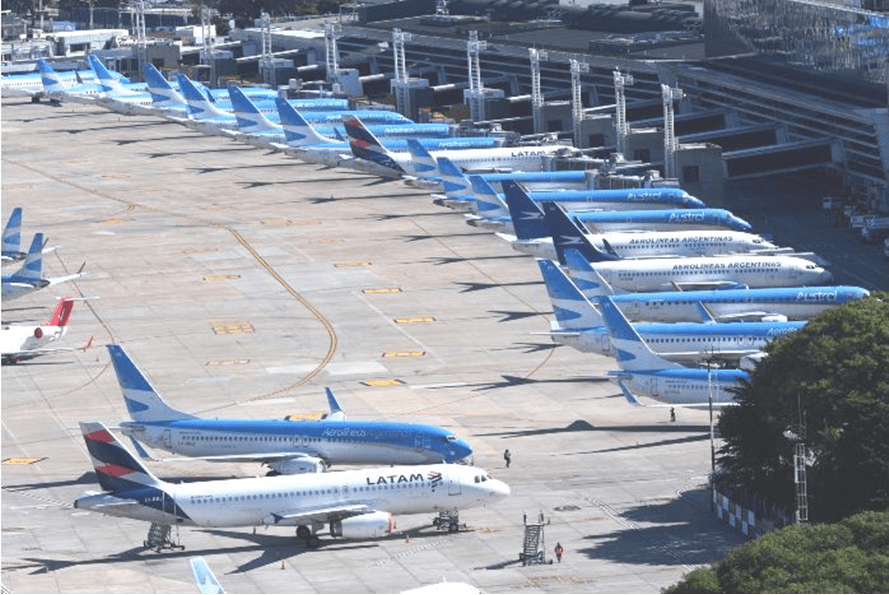
En el contexto, las líneas aéreas que funcionan desde Aeroparque trasladaron sus operaciones al Aeropuerto Internacional Ezeiza, una terminal que cuenta con capacidad e infraestructura para albergar a todas las empresas que operan en el país, más aún en esta situación particular que implicará la salida gradual de la pandemia. Los vuelos de cabotaje parten de la Terminal C y los internacionales desde la Terminal A.

Pandemia; obras mayores

La planificación de las obras en Aeroparque tenía previsto trabajos de menor mantenimiento que implicaban el cierre temporario de casi dos meses, un plan de menor escala. tras el advenimiento y prolongación de la crisis sanitaria y la afección de las operaciones aéreas en el contexto mundial, se ha aprovechando este momento particular que atraviesa la industria aerocomercial en medio de la pandemia, para solicitar por medio del ORSNA al concesionario aeroportuario AA2000 el estudio de la factibilidad para realizar una obra de mayor envergadura, con vistas a plazos más largos y así mejorar la categoría de la pista actual. “Se aprovechó la parálisis de la industria y la vuelta gradual de operaciones para una obra a largo plazo”, aseguraron desde el concesionario aéreo. Los trabajos en la terminal aérea también son fiscalizados de cerca por la Administración Nacional de Aviación Civil Argentina (ANAC), que participó y aprobó el diseño y será quien realice la habilitación cuando finalice la obra. “Aeroparque se recupera como una cabecera internacional; esto es importante apuntando al crecimiento del turismo receptivo, fundamentalmente de países limítrofes. Es algo que va a posibilitar que miles de turistas internacionales que estaban volcados a Ezeiza pasen a Aeroparque. La gente tenía que hacer combinaciones costosas y muchos vienen desde el exterior para visitar destinos nacionales. Se beneficia la conexión de esos turistas”, explicaron desde el organismo de la ANAC. En el contexto de la pandemia, el ORSNA le solicitó a AA2000 un estudio de la factibilidad para realizar una obra de mayor envergadura que la prevista.

Pista 13/31 Aeroparque

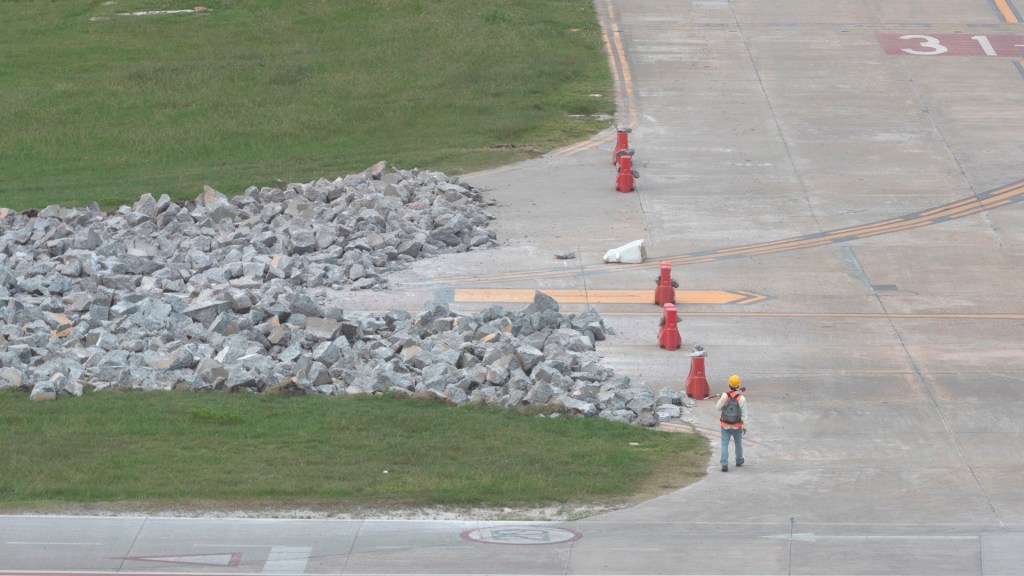
La pista del Aeropuerto Jorge Newbery tiene 2.100 metros y sumará 275 metros hacia el sur y 340 metros hacia el norte, unos 615 metros adicionales, que corresponderán a una nueva longitud de 2.715 metros de largo. Según detallaron en la empresa que pertenece a Corporación América, “la obra viene a complementar la transformación que está viviendo Aeroparque en el contexto de su regionalización, nuevos estacionamientos Sur y subsuelos en tierra ganada al río debajo del nuevo parque costero, check-in, capacidad de la terminal, paseo costero, entre otros”. Los trabajos en la pista permitirán «optimizar las operaciones regionales y mejorar la seguridad y la conectividad con el exterior”, asegura AA2000. Además de la prolongación de la pista en 2.715 metros, se ensanchará 20 metros adicionales, que permitirá optimizar las operaciones regionales y mejorar la seguridad y la conectividad con el exterior.

Plataforma aérea

Las obras también contempla la ampliación de la plataforma aerocomercial para alojar más aeronaves. El Sector Internacionales se encuentra en proyección de sumar 800 m2 de superficie, y se refuncionalizará el sector de partidas internacionales en la terminal de pasajeros, que abarcará una superficie aproximada de 4.630 m2. De esta forma se prioriza un diseño fluido y agradable con foco en la seguridad de los usuarios.

Las obras que se están llevando adelante permitirán mejoras adicionales como albergar operaciones de seis vuelos/hora, cuando anteriormente se operaba un promedio de entre 3,5 a 4 vuelos/hora. Habrá mayor capacidad de procesamiento de pasajeros con la incorporación de un scanner PSA en el sector de Partidas y doce puestos de migraciones. Reordenamiento y mejoramiento de flujos de circulación de pasajeros. Mejoras en distribución de áreas no operativas. Incorporación Gate Flex compartido entre cabotaje e internacional, según requiera la operación, las Puertas 12 y 13 de vuelos nacionales se podrá utilizar para embarcar vuelos internacionales. Ampliación del sector de conexiones. Modernización de las mangas telescópicas. Habrá modificaciones además en el sector de Pre-embarque Internacional, que se diagramó para poder dirigir operaciones de seis vuelos en una unidad horaria. Las cintas de equipajes anteriormente eran tres y se separarán para brindar mayor comodidad. Se quintuplicará la superficie de oficinas para Aduana y Migraciones. En la zona pública de arribos internacionales habrá nuevos locales comerciales.

Entre las mejoras técnicas se detalló que se instalará un nuevo sistema de balizamiento para sumar seguridad operacional en los despegues y aterrizajes. “Se trata de un nuevo sistema de alta intensidad en configuración de Categoría Operacional III, rodajes y salidas rápidas, que incluye luces de eje pista, bordes, umbral y fin de pista, y nuevos sistemas de luces de aproximación en ambas cabeceras. También, se incorporará un nuevo sistema instrumental para el aterrizaje (ILS CAT. III). Dichas instalaciones mejorarán sustancialmente la seguridad de las operaciones y permitirán operar en condiciones de baja visibilidad”, detalló el operador aeroportuario AA2000.

Además, de las obras, Aeroparque es parte, desde comienzos del 2018, del programa global de encuestas ASQ (Airport Service Quality) de ACI (Consejo Internacional de Aeropuertos), en el que el pasajero evalúa entre otras cosas la infraestructura y los servicios de la terminal. “Esta herramienta permite conocer cuáles son las expectativas de los pasajeros que visitan el aeropuerto, y llevar adelante medidas tendientes a mejorar su experiencia”, dijeron en AA2000. Desde esa medición y hasta el primer trimestre de este año, el aeropuerto mejoró su puntuación de satisfacción general, obteniendo un puntaje por parte de los pasajeros de 4,08 sobre 5 en la última medición de satisfacción general. Además, el año pasado, la terminal estrenó un nuevo Centro de Control de Operaciones (CCO). Su objetivo es alcanzar mayor eficiencia en la gestión operativa y centralizar todas las novedades, incidentes y reclamos en un solo sector. El Smart CCO opera las 24 horas los 365 días del año. El CCO tiene acceso a las cámaras de CCTV, los sistemas que controlan las cintas de equipaje (BHS) y aquellos que controlan el aire acondicionado en cada sector, las mangas y los ascensores (BMS). Por otra parte, también está a cargo del sistema de información de vuelos llamado TAMS y todos los datos registrados por los distintos sectores son cargados en un nuevo sistema llamado eRod, desde donde se gestionan los reclamos y se dejan asentados los procedimientos llevados a cabo para solucionarlos. Contará con un equipo de 16 personas para atender todas las consultas que trabaja en turnos de 12 horas y está compuesto por el Gerente del área, 5 jefes y 10 encargados que relevan constantemente las operaciones de la terminal.

Contexto parálisis

El Aeropuerto Jorge Newbery ha aprovechado la puesta a tierra de la aviación comercial para mejorar su posición como aeropuerto regional, perfilando sus operaciones como lo es el Aeropuerto Sao Paulo/Congonhas (CGH). A la par de la misma situación general, otros aeropuertos del mundo aprovecharon la parálisis producida por la crisis del Covid-19 para adelantar trabajos de infraestructura que serían muy difíciles o imposibles de realizar en condiciones de operaciones normales. Es el caso, por ejemplo, del Louisville Muhammad Ali International (SDF), en EEUU, donde se puso en marcha el proyecto SDF Next con una inversión de US$ 400 millones para remodelar y renovar áreas dentro de la terminal y fuera de ella. Otro ejemplo se da en Holanda, en el Aeropuerto Amsterdam/Schiphol (AMS), cuya remodelación se dio en un período de dos meses. Brasil ha abierto un proceso de licitación para recuperar el pavimento de la pista principal del Aeropuerto Sao Paulo/Congonhas (CGH), en la zona sur de la ciudad de San Pablo. La pista principal del ese aeropuerto tiene casi 2 kilómetros de largo y 45 metros de ancho. Durante la renovación, la pista principal permanecerá cerrada y la operación tendrá lugar en la pista auxiliar para aeronaves de menor porte.

Perspectivas Aeroparque

El nuevo aeropuerto remodelado permitirá un mejoramiento exponencial de los recursos de Aeroparque que proyectará nueva pista con mayores longitudes, más plataforma de estacionamiento de aeronaves, mejoramiento de las Terminales aéreas, entre otros muchos detalles importantes para elevar la categoría como aeroestación en un nuevo escenarios aerocomercial en la región de Sudamérica. El Aeropuerto Jorge Newbery estaría en condiciones operativas hacia Febrero 2021 y con él se proyecta un nuevo despegue en la aeroestación más importante de Argentina.

Aeroparque works progress

Remodeling works continue at Jorge Newbery Airport

Jorge Newbery Airport (AEP/SABE) continues with the works planned to make better use of the spaces of the most important air station in Argentina by number of air traffic. Aeropuertos Argentina 2000 (AA2000) continues with the layout of the modernization works on the runway and in the air terminal sector in which a greater number of frequencies will operate as of February 2021, when the air station reopens to become a the regional airport. The works in the Buenos Aires terminal will require a total investment of some AR$ 5,000 million Pesos.

The works on the runway and in the terminal began a few weeks ago, will last between 4 and 5 months and it is expected that in February the terminal will function normally again and with a renewed layout. These are works financed by the Trust for the Strengthening of the National Airport System administered by the Ministry of Transportation and executed by Orsna. Airports Argentina 2000 takes them forward.

Airlines

In the context, the airlines that operate from Aeroparque transferred their operations to the Ezeiza International Airport, a terminal that has the capacity and infrastructure to house all the companies that operate in the country, even more so in this particular situation that will involve gradual departure of the pandemic. Domestic flights depart from Terminal C and international flights from Terminal A.

Pandemic; major works

The planning of the works at Aeroparque had planned minor maintenance works that implied the temporary closure of almost two months, a smaller-scale plan. After the advent and prolongation of the health crisis and the impact of air operations in the world context, this particular moment that the commercial aviation industry is going through in the midst of the pandemic has been used to request through the ORSNA the AA2000 airport concessionaire study of the feasibility to carry out a larger work, with a view to longer terms and thus improve the category of the current track. «They took advantage of the paralysis of the industry and the gradual return to operations for a long-term work», they assured from the air concessionaire. The work at the air terminal is also closely supervised by the Argentine National Civil Aviation Administration (ANAC), which participated and approved the design and will be the one to carry out the authorization when the work is finished. “Aeroparque recovers as an international head; this is important pointing to the growth of receptive tourism, mainly from neighboring countries. It is something that will allow thousands of international tourists who were focused on Ezeiza to go to Aeroparque. People had to make expensive combinations and many come from abroad to visit national destinations. The connection of these tourists benefits”, they explained from the ANAC agency. In the context of the pandemic, the ORSNA asked AA2000 for a feasibility study to carry out a larger project than planned.

Runway 13/31 Aeroparque

The Aeropoerto Jorge Newbery runway is 2,100 meters long and will add 275 meters to the south and 340 meters to the north, an additional 615 meters, which will correspond to a new length of 2,715 meters. As detailed in the company that belongs to Corporación América, “the work complements the transformation that Aeroparque is experiencing in the context of its regionalization, new South parking lots and subsoils on land reclaimed from the river below the new coastal park, check-in, capacity of the terminal, coastal walk, among others”. The works on the runway will allow «optimizing regional operations and improving safety and connectivity with the outside world», says AA2000. In addition to the extension of the runway by 2,715 meters, an additional 20 meters will be widened, which will optimize regional operations and improve safety and connectivity with the outside world.

Aerial platform

The works also include the expansion of the commercial aviation platform to accommodate more aircraft. The International Sector is in the projection of adding 800 m2 of surface, and the international departures sector will be re-functionalized in the passenger terminal, which will cover an approximate surface of 4,630 m2. In this way, a fluid and pleasant design is prioritized with a focus on user safety.

The works that are being carried out will allow additional improvements such as hosting operations of six flights/hour, when previously an average of between 3.5 to 4 flights/hour was operated. There will be greater passenger processing capacity with the incorporation of a PSA scanner in the Departures sector and twelve migration posts. Reordering and improvement of passenger traffic flows. Improvements in the distribution of non-operating areas. Incorporation of Gate Flex shared between domestic and international, as required by the operation, Gates 12 and 13 of domestic flights can be used to board international flights. Expansion of the connections sector. Modernization of the telescopic sleeves. There will also be modifications in the International Pre-shipment sector, which was designed to be able to direct operations of six flights in one hourly unit. The luggage belts were previously three and will be separated for greater comfort. The area of ​​offices for Customs and Immigration will be quintupled. In the public area of ​​international arrivals there will be new commercial premises.

Among the technical improvements, it was detailed that a new beaconing system will be installed to add operational safety during takeoffs and landings. “It is a new high-intensity system in Operational Category III configuration, taxiing and rapid departures, which includes runway center line, edge, threshold and runway end lights, and new approach light systems at both headwaters. Also, a new instrument system for landing (ILS CAT. III) will be incorporated. These facilities will substantially improve the safety of operations and will allow to operate in low visibility conditions”, detailed the airport operator AA2000.

In addition, to the works, Aeroparque is part, since the beginning of 2018, of the global survey program ASQ (Airport Service Quality) of ACI (International Council of Airports), in which the passenger evaluates, among other things, the infrastructure and the services of the terminal. «This tool allows us to know what the expectations of the passengers who visit the airport are, and carry out measures to improve their experience», they said in AA2000. Since that measurement and until the first quarter of this year, the airport improved its overall satisfaction score, obtaining a score by passengers of 4.08 out of 5 in the last general satisfaction measurement. In addition, last year, the terminal opened a new Operations Control Center (CCO). Its objective is to achieve greater efficiency in operational management and centralize all news, incidents and complaints in a single sector. The Smart CCO operates 24 hours a day, 365 days a year. The CCO has access to the CCTV cameras, the systems that control the baggage tapes (BHS) and those that control the air conditioning in each sector, the hoses and the elevators (BMS). On the other hand, it is also in charge of the flight information system called TAMS and all the data registered by the different sectors are loaded into a new system called eRod, from where claims are managed and the procedures carried out for fix them. It will have a team of 16 people to attend to all inquiries that works in 12-hour shifts and is made up of the Area Manager, 5 bosses and 10 managers who constantly review the operations of the terminal.

Paralysis context

Jorge Newbery Airport has taken advantage of the commercial aviation grounding to improve its position as a regional airport, shaping its operations such as the Sao Paulo/Congonhas Airport (CGH). Along with the same general situation, other airports in the world took advantage of the paralysis produced by the Covid-19 crisis to carry out infrastructure works that would be very difficult or impossible to carry out under normal operating conditions. This is the case, for example, of Louisville Muhammad Ali International (SDF), in the US, where the SDF Next project was launched with an investment of US$ 400 million to remodel and renovate areas inside the terminal and outside it. Another example is in the Netherlands, at Amsterdam/Schiphol Airport (AMS), which was refurbished in a period of two months. Brazil has opened a bidding process to restore the pavement of the main runway of the Sao Paulo/Congonhas Airport (CGH), in the southern area of ​​the city of São Paulo. The main runway of that airport is almost 2 kilometers long and 45 meters wide. During the renovation, the main runway will remain closed and the operation will take place on the auxiliary runway for smaller aircraft.

Prospects Aeroparque

The new remodeled airport will allow an exponential improvement of Aeroparque resources that will project a new runway with greater lengths, more aircraft parking apron, improvement of air terminals, among many other important details to raise the category as an aerospace in a new commercial aviation scenarios. in the South America region. Jorge Newbery Airport would be in operational conditions by February 2021 and with it a new takeoff is projected at the most important air station in Argentina.


PUBLISHER: Airgways.com
DBk: Aa2000.com.ar / Orsna.gob.ar / Anac.gov.ar / Infobae.com / Adrián Escandar / Thomas Khazki / Airgways.com
AW-POST: 202011182217AR

A\W   A I R G W A Y S ®

Justicia rechaza denuncia de Flybondi

AW | 2020 11 16 22:17 | AIRLINES / GOVERNMENT

Justicia rechaza denuncia contra Administración ANAC

La Justicia de Argentina ha rechazado la denuncia de la aerolínea Flybondi Líneas Aéreas que había presentado contra la Administración Nacional de Aviación Civil (ANAC) y el Organismo Regulador del Sistema Nacional de Aeropuertos (ORSNA) por supuesto incumplimiento de un fallo judicial. La compañía de presupuesto buscaba la reapertura del Aeropuerto de El Palomar por considerarlo ilógico que la aeroestación no contemple los requisitos biosanitarios como cualquier otro aeropuerto de Argentina. La medida cautelar por la que Flybondi denunció a las autoridades aeronáuticas era la dispuesta el 4 de Agosto de 2020 a través de la cual la Justicia dispuso que la aerolínea Flybondi pueda ver el expediente vinculado al Aeropuerto El Palomar de forma previa al dictado de una decisión por parte del ORSNA. Si bien la Justicia había dictado dicha medida cautelar a favor de Flybondi, la misma no prohibió ni desautorizó al ORSNA como autoridad competente para decidir sobre el futuro del Aeropuerto El Palomar. Por el contrario, en dicho fallo se ratificó plenamente la competencia del ORSNA para tomar las decisiones correspondientes en cuanto al futuro uso de la aeroestación localizada en el oeste del conurbano bonaerense.

Flybondi había recurrido a los Tribunales negándose a cumplir con el marco regulatorio dispuesto por el ORSNA y la ANAC para la reanudación de los vuelos regulares de pasajeros y buscaba que la Justicia obligue al Gobierno de Argentina a reabrir el Aeropuerto El Palomar. Luego de analizar el caso, la Justicia dio por cumplida la medida cautelar dispuesta el 04/08 ya que el ORSNA le dio vista del expediente a Flybondi, tal como ordenaba el fallo judicial y, en consecuencia, archivó la denuncia de la aerolínea y habilitó al Gobierno a tomar las decisiones del caso respecto de El Palomar.

Aeropuerto de Ezeiza

A fines de Octubre 2020, el Gobierno nacional ratificó a través del ORSNA y la ANAC que el Aeropuerto de Ezeiza es el único habilitado en el AMBA que garantiza las medidas sanitarias de prevención de la pandemia de Coronavirus Covid-19, ya que el Aeroparque Jorge Newbery permanece cerrado hasta Febrero de 2021 por las obras de remodelación, ampliación y modernización.

En este escenario, el Gobierno dispuso que las únicas dos aerolíneas que utilizaban el Aeropuerto El Palomar como aeropuerto comercial, Flybondi Líneas Aéreas y JetSmart Airlines Argentina, sigan volando desde el Aeropuerto de Ezeiza, con un esquema de costos reducidos como el que tenían en la aeroestación low cost.

Según los estudios efectuados por los organismos del ORSNA como de la ANAC, determinaron que es físicamente imposible poder cumplir en el Aeropuerto El Palomar con el distanciamiento social y con las estrictas disposiciones sanitarias establecidas en los protocolos para evitar el contagio y propagación de la pandemia de Covid-19.

Volar desde Ezeiza

El Aeropuerto Internacional Ezeiza fue especialmente acondicionado y adaptado, luego de una inversión millonaria de alta complejidad que tuvo una duración de varios meses, incorporando tecnología de última generación para poder operar en un contexto de bioseguridad, garantizando el estricto cumplimiento de las medidas preventivas en el contexto de la pandemia en el marco de lo que se denomina Corredor Sanitario Seguro.

El Gobierno de Argentina había comunicado a las aéreas Flybondi Líneas Aéreas y JetSmart Airlines Argentina la decisión de trasladar las operaciones al Aeropuerto Internacional Ezeiza, pero ambas aerolíneas adoptaron posturas distintas una vez conocida la decisión de trasladar los vuelos de ambas compañías al principal aeropuerto del país. JetSmart Argentina posee una flota de cuatro aeronaves Airbus A320CEO que operan en el país ha acatado lo resuelto por las autoridades, por lo que a partir de este Jueves 19/11 retomará sus operaciones regulares de cabotaje con vuelos desde Ezeiza hacia Córdoba, Mendoza, Salta, Tucumán, Bariloche y Neuquén, a lo que luego irá sumando nuevos destinos. Flybondi, en cambio, se negó a operar desde Ezeiza. El CEO de la aerolínea, Esteban Tossutti, ha advertido acerca de la posición firme de volar desde el Aeropuerto El Palomar, pues consideran que el negocio está allí y no en Ezeiza, ha hecho público la postura de discontinuar las operaciones en Argentina si no se contempla el reclamo de la low cost, aunque hace más de seis meses el Gobierno viene haciéndose cargo de pagar parte de los sueldos mediante el Programa de Asistencia del Trabajo y la Producción (ATP).

Flybondi, stand-by

Actualmente Flybondi se ha quedado sin aviones en el país. Poseía hasta Febrero 2020 cinco Boeing 737-800 Next Generation. El Sábado 14/11 ha retirado la última aeronave que tenía a disponibilidad en el país para realizar chequeos de mantenimiento en México. Se espera que el avión vuelva a fin de mes para poder reiniciar la programación de vuelos comerciales en Diciembre 2020, si finalmente se habilita el Aeropuerto de El Palomar, ya que la aerolínea advirtió que su modelo negocio no es viable con las operaciones desde el Aeropuerto Ezeiza.

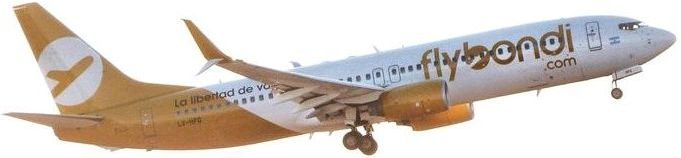
El Boeing 737-800 LV-HFR de Flybondi ha realizado un vuelo en ferry a la Ciudad de México para realizar un Check-C, mantenimiento que se le hace a los aviones cada dos años, en el taller de la empresa MRO Mexicana. La aerolínea llegó a tener cinco aviones Boeing 737-800, pero por la pandemia y la suspensión de vuelos totales realizaron una reingeniería de costos fijos y devolvieron los tres que tenían el costo del leasing más alto. De los dos que quedaron, uno se encuentra estacionado en Estados Unidos y el LV-HFR ha sido enviado a mantenimiento en México.

Reapertura, pero no tanto

Los vuelos de cabotaje en Argentina se habilitaron a partir de Noviembre 2020, siendo Aerolíneas Argentinas la única línea aérea que ha retomado las operaciones. A partir de este Jueves 19/11 también volverán a despegar los aviones de JetSmart Airlines Argentina, que fue habilitada la semana pasada para reiniciar la actividad desde el Aeropuerto Ezeiza. Los primeros destinos a los que volará son Neuquén, Tucumán, Salta, Córdoba y Mendoza.

Aeropuerto El Palomar

Flybondi Líneas Aéreas, mientras tanto, continúa reclamando por la habilitación del Aeropuerto El Palomar para vuelos comerciales nacionales e internacionales. La semana pasada, el Ministro de Transporte, Mario Meoni, había indicado que «no tienen previsto ningún cierre de El Palomar y se podría volver a habilitar en el corto plazo. Lo que dispuso el organismo de control es, por cuestiones sanitarias, restringir las operaciones durante este lapso; tiene más que ver con el Covid que con la operación aeronáutica. Yo particularmente creo que [El Palomar] debería estar operando en el corto plazo. De hecho, está operando para algunos vuelos especiales, más vinculados con la carga, que de pasajeros. Creo que en los próximos días se pueda volver a rehabilitar como terminal de pasajeros», dijo al programa televisivo Aciertos & Errores. Sin embargo, la decisión final la tendrá el Organismo Regulador del Sistema Nacional de Aeropuertos (ORSNA), la entidad autárquica controlada por la agrupación política de La Cámpora. Mientras tanto, Flybondi parece ver una luz al final del túnel.

El Aeropuerto Jorge Newbery, en tanto, continuará cerrado por obras de mantenimiento y reformas en las pistas. Se espera que vuelva a estar operativo hacia Febrero 2021, pero esa es otra historia que tendrá mucho hilo en el carretel.

Justice rejects Flybondi’s complaint

Justice rejects complaint against ANAC Administration

The Justice of Argentina has rejected the complaint of the airline Flybondi Líneas Aéreas that it had filed against the National Civil Aviation Administration (ANAC) and the Regulatory Body of the National Airport System (ORSNA) for alleged breach of a court ruling. The budget company was seeking the reopening of the El Palomar Airport, considering it illogical that the airstation does not meet biosanitary requirements like any other airport in Argentina. The precautionary measure by which Flybondi denounced the aeronautical authorities was the one arranged on August 4, 2020 through which the Justice ordered that the Flybondi airline can see the file linked to El Palomar Airport prior to the issuance of a decision by the ORSNA. Although the Justice had issued said precautionary measure in favor of Flybondi, it did not prohibit or disavow the ORSNA as the competent authority to decide on the future of El Palomar Airport. On the contrary, said ruling fully ratified the competence of the ORSNA to make the corresponding decisions regarding the future use of the air station located in the west of the Buenos Aires suburbs.

Flybondi had appealed to the Courts, refusing to comply with the regulatory framework established by the ORSNA and the ANAC for the resumption of regular passenger flights and sought that the Justice force the Government of Argentina to reopen the El Palomar Airport. After analyzing the case, the Justice considered the precautionary measure ordered on 08/04 as fulfilled since the ORSNA gave Flybondi a view of the file, as ordered by the court ruling and, consequently, filed the airline’s complaint and authorized the Government to make the decisions in the case regarding El Palomar.

Ezeiza Airport

At the end of October 2020, the national government ratified through the ORSNA and the ANAC that the Ezeiza Airport is the only one authorized in the AMBA that guarantees the health measures to prevent the Coronavirus Covid-19 pandemic, since the Jorge Airport Newbery remains closed until February 2021 due to remodeling, expansion and modernization works.

In this scenario, the Government ordered that the only two airlines that used El Palomar Airport as a commercial airport, Flybondi Lineas Aereas and Jetsmart Airlines Argentina, continue to fly from Ezeiza Airport, with a reduced cost scheme like the one they had in the low cost airstation.

According to the studies carried out by the ORSNA and ANAC organizations, they determined that it is physically impossible to comply at the El Palomar Airport with social distancing and with the strict sanitary provisions established in the protocols to avoid the contagion and spread of the pandemic of Covid-19.

Fly from Ezeiza

The Ezeiza International Airport was specially conditioned and adapted, after a millionaire investment of high complexity that lasted several months, incorporating state-of-the-art technology to be able to operate in a biosafety context, guaranteeing strict compliance with the preventive measures in the context of the pandemic within the framework of what is known as the Safe Sanitary Corridor.

The Government of Argentina had communicated to the airlines Flybondi Líneas Aéreas and JetSmart Airlines Argentina the decision to transfer operations to the Ezeiza International Airport, but both airlines adopted different positions once the decision to transfer the flights of both companies to the country’s main airport was known. JetSmart Argentina has a fleet of four Airbus A320CEO aircraft operating in the country, it has complied with what was resolved by the authorities, so as of this Thursday 11/19 it will resume its regular cabotage operations with flights from Ezeiza to Córdoba, Mendoza, Salta, Tucumán, Bariloche and Neuquén, to which new destinations will later be added. Flybondi, on the other hand, refused to operate from Ezeiza. The CEO of the airline, Esteban Tossutti, has warned about the firm position of flying from El Palomar Airport, as they consider that the business is there and not in Ezeiza, has made public the position of discontinuing operations in Argentina if it is not contemplates the low cost claim, although for more than six months the Government has been taking charge of paying part of the salaries through the Work and Production Assistance Program (ATP).

Flybondi, stand-by

AW-Flybondi_717

Currently Flybondi has run out of planes in the country. It owned until February 2020 five Boeing 737-800 Next Generation. On Saturday 11/14, the last aircraft that it had available in the country to carry out maintenance checks in Mexico. The plane is expected to return at the end of the month to be able to restart the commercial flight schedule in December 2020, if El Palomar Airport is finally enabled, since the airline warned that its business model is not viable with operations from the Airport Ezeiza.

The Flybondi Boeing 737-800 LV-HFR has made a ferry flight to Mexico City to perform a Check-C, maintenance that is performed on the aircraft every two years, in the workshop of the Mexican company MRO. The airline had five Boeing 737-800 aircraft, but due to the pandemic and the suspension of total flights, they re-engineered fixed costs and returned the three that had the highest lease cost. Of the two that remained, one is stationed in the United States and the LV-HFR has been sent for maintenance in Mexico.

Reopening, but not so much

Cabotage flights in Argentina were enabled as of November 2020, being Aerolineas Argentinas the only airline that has resumed operations. Starting this Thursday, 11/19, the planes of JetSmart Airlines Argentina will also take off again, which was enabled last week to restart activity from Ezeiza Airport. The first destinations you will fly to are Neuquén, Tucumán, Salta, Córdoba and Mendoza.

El Palomar Airport

Flybondi Líneas Aéreas, meanwhile, continues to demand the authorization of El Palomar Airport for national and international commercial flights. Last week, the Minister of Transport, Mario Meoni, had indicated that «they do not plan any closure of El Palomar and it could be re-enabled in the short term. What the control body ordered is, for health reasons, to restrict the operations during this period; it has more to do with the Covid than with the aeronautical operation. I particularly believe that [El Palomar] should be operating in the short term. In fact, it is operating for some special flights, more related to cargo, rather than passengers. I think that in the next few days it can be rehabilitated as a passenger terminal, «he told the television program Acificios & Errors. However, the final decision will be made by the Regulatory Body of the National Airport System (ORSNA), the autarkic entity controlled by the La Cámpora political group. Meanwhile, Flybondi seems to see a light at the end of the tunnel.

Jorge Newbery Airport, meanwhile, will continue to be closed due to maintenance and renovation works on the runways. It is expected to be operational again around February 2021, but that is another story that will have a lot of thread on the reel.

Suscríbase a Airgways®!

Airgways es una editorial de noticias de aviación comercial, turismo y afines de alcance mundial. Donde quiera que usted se encuentre, puede suscribirse a Airgways.com de manera gratuita, accediendo en su bandeja de entrada de su e-mail con las mejores noticias, obteniendo beneficios y premios para nuestros aero-entusiastas. Estamos seguros que se deleitará junto a nuestro equipo con la pasión por volar todos los días, un día más. ¡Amamos volar, siempre! Vuela tan alto como tus sueños.

Subscribe to Airgways®!

Airgways is a global publisher of commercial aviation, tourism and related news. Wherever you are, you can subscribe to Airgways.com for free, accessing your e-mail inbox with the best news, obtaining benefits and prizes for our aero-enthusiasts. We are sure that you will delight with our team with the passion for flying every day, one more day. We love to fly, always! Fly as high as your dreams.

Airgways/FAQ

Airgways & Airgways.com continúan comprometiéndose con los entusiastas y amantes de la aviación, el turismo y el espacio. El propósito de Airgways/FAQ es proporcionar información sobre preguntas o inquietudes frecuentes relacionadas a nuestro trabajo, la información procesada u otras inquietudes relacionadas al mundo de la aviación. ¡Su participación nos compromete a continuar volando tan alto como nuestros sueños de alcanzarlos y hacerlos realidad!

Airgways/FAQ

Airgways & Airgways.com continue to engage with enthusiasts and lovers of aviation, tourism and space. The purpose of Airgways/FAQ is to provide information on frequently asked questions or concerns related to our work, processed information or other concerns related to the world of aviation. Your participation commits us to continue to fly as high as our dreams of reaching and making them come true!


PUBLISHER: Airgways.com
DBk: Pjn.gov.ar / Airgways.com / Flybondi.com / Argentina.gob.ar/transporte / Lanacion.com.ar / Pagina12.com.ar
AW-POST: 202011162217AR

A\W   A I R G W A Y S ®

Viajar tiempos pandemia en Argentina

AW | 2020 11 16 20:53 | AIR TRAFFIC / GOVERNMENT

Protocolos, documentación necesaria para usuarios transporte aéreo

El Gobierno de Argentina ha autorizado el libre tránsito delos pasajeros no habiendo restricciones impuestas para volar dentro y fuera del Argentina. Todo usuario del transporte deberá cumplimentar requisitos y formularios de declaración jurada en caso de que se cierren las fronteras nuevamente, no vas a requerir ayuda del de las agencias Consulares para volver.

Respecto a los vuelos internacionales, algunos países piden PCR negativo; otros, seguro médico; otros, cuarentena. Cada país tiene sus normas. A Europa pueden ingresar solo los argentinos que tengan un pasaporte de la Comunidad Europea (CE) o que tengan residencia, visa de trabajo o de estudio o por reunión familiar. A Estados Unidos podemos viajar sin hacer cuarentena, excepto en Nueva York, donde exigen visa de turista, de trabajo o de estudio. En México solicitan cuarentena y al Reino Unido cuarentena de 14 días, República Dominicana o Brasil se puede ingresar con seguro médico. En el sitio Reopen.europa.eu podés los pasajeros pueden chequear las restricciones para los países europeos También hay una página oficial de IATA iatatravelcentre.com donde se puede realizar un simulacro ingresando pasaporte y te dice si estás habilitado para viajar. También está bueno seguir en Twitter las cuentas oficiales de las embajadas en Argentina porque ellas van actualizando acerca de las habilitaciones de la programación de los vuelos disponibles aprobados.

Viajar a Argentina

Por el momento, no pueden ingresar turistas al país. Los argentinos que ingresen tienen que hacer cuarentena obligatoria por 14 días en un domicilio declarado y para salir del país también hay que realizar cuarentena de catorce días antes del vuelo.

Vuelos interior

Todavía no se puede viajar por el interior del país como turista. Se habilitó solo para trabajadores esenciales con certificado único habilitante para circular, que se saca con la app Cuidar, personas que deban realizarse tratamientos médicos y otras que exhiban razones de fuerza mayor: varados internos, personas que necesiten asistir a familiares o a quienes deban trasladarse para tomar un vuelo internacional.

Protocolos Aeropuertos

Hay círculos pintados en el piso para mantener la distancia al momento de hacer las colas; expendedores de alcohol en gel por todos lados; cuando ingresás te toman la temperatura; solamente podés ingresar a la terminal si vas a viajar, no se permiten acompañantes; tenés que firmar la declaración jurada al salir y al volver, es obligatoria; en los counters pusieron los vidrios separadores, que antes no estaban, para evitar el contacto y es obligatorio usar barbijo en todo momento.

Protocolos aerolíneas

La tripulación y los pasajeros tienen que ir con barbijo todo el tiempo. Las líneas aéreas recomiendan que se lleven por lo menos cuatro o cinco barbijos para ir cambiando cada tres horas durante el vuelo. Hay algunas aerolíneas que obligan a que sean quirúrgicos y no tapabocas de tela. Con respecto a las comidas, te entregan una vianda, como una caja, con cosas frías antes de subir al avión para que durante el vuelo no haya manejo de servicios ni contacto innecesario. Es más seguro estar en vuelo dentro de un avión que haciendo la fila en la verdulería. El aire en el avión se renueva constantemente ya que usan los filtros HEPA (los mismos que se utilizan en los quirófanos), que atrapan el 97% de las bacterias. Encima, tienen un sistema con el que el aire circula de arriba hacia abajo reciclándose. De hecho, no hay pruebas de que en los últimos vuelos haya habido contagios dentro de un avión.

Oferta pasajes

Algunas aerolíneas del mundo bajaron sus precios de sus pasajes aéreos. En Argentina, de donde solo salen vuelos especiales, todavía hay más demanda que oferta, lo que hace que los precios no bajen. Hay ofertas de pasajes, pero los impuestos del 77% los encarecen. Los vuelos especiales a Europa están saliendo bastante completos, los vuelos a Estados Unidos también. Para viajar en el futuro cercano no es probable que bajen, sí seguramente haya ofertas para el año que viene, para comprar por adelantado. Igual, se debe observar bien la letra chica, las condiciones de la tarifa, si permite cambios. Además, hay que tener en cuenta que, después del último recargo del 35% sobre la compra en dólares, el 77% del pasaje es impuestos, lo que lo encarece muchísimo. Hay países que te permiten permanecer en zona de tránsito por 24 hs. Por ejemplo, viajar a Irlanda o Reino Unido se puede hacer tránsito en España, Países Bajos o Francia, recordando en aquellos que tengan nacionalidad europea o Pasaporte de la Comunidad Europea, se puede tener una estadía de hasta 24 horas sin salir del área de tránsito, priorizando que los dos tramos de vuelos sean con la misma aerolínea para que el equipaje viaja viaje más directo a destino.

Travel in times of pandemic in Argentina

Protocols, necessary documentation for air transport users

AW-700338

The Government of Argentina has authorized the free transit of passengers, with no restrictions imposed on flying in and out of Argentina. All transport users must complete requirements and affidavit forms in case the borders are closed again, you will not require help from the Consular agencies to return.

Regarding international flights, some countries ask for negative PCR; others, health insurance; others, quarantine. Each country has its own rules. Only Argentines who have a European Community (CE) passport or who have residence, work or study visa or by family reunion can enter Europe. We can travel to the United States without quarantine, except in New York, where they require a tourist, work or study visa. In Mexico they request quarantine and the United Kingdom quarantine for 14 days, the Dominican Republic or Brazil you can enter with medical insurance. On the Reopen.europa.eu site, passengers can check the restrictions for European countries. There is also an official IATA page iatatravelcentre.com where you can perform a simulation by entering your passport and it tells you if you are authorized to travel. It is also good to follow the official accounts of the embassies in Argentina on Twitter because they are updating about the authorizations of the approved available flight programming.

Travel to Argentina

At the moment, tourists cannot enter the country. Argentines who enter have to do mandatory quarantine for 14 days at a declared address and to leave the country they also have to quarantine fourteen days before the flight.

Indoor flights

You still cannot travel inside the country as a tourist. It was enabled only for essential workers with a unique certificate enabling them to circulate, which is obtained with the Caring app, people who must undergo medical treatment and others who show reasons of force majeure: internally stranded, people who need to assist relatives or those who must move to take an international flight.

Airports protocols

There are circles painted on the floor to maintain distance when queuing; gel alcohol dispensers everywhere; when you enter they take your temperature; You can only enter the terminal if you are going to travel, companions are not allowed; You have to sign the affidavit when leaving and when returning, it is mandatory; In the counters they put the separating glasses, which were not there before, to avoid contact and it is mandatory to wear a chinstrap at all times.

Airline protocols

The crew and passengers have to wear a chinstrap at all times. Airlines recommend wearing at least four or five chinstraps to change every three hours during the flight. There are some airlines that require them to be surgical and not cloth masks. With regard to meals, they give you a lunch box, like a box, with cold things before boarding the plane so that during the flight there is no handling of services or unnecessary contact. It is safer to be in flight in an airplane than to stand in line at the grocery store. The air in the plane is constantly renewed as they use HEPA filters (the same ones used in operating rooms), which trap 97% of bacteria. Above, they have a system with which the air circulates from top to bottom, recycling itself. In fact, there is no evidence that in recent flights there have been infections inside a plane.

Offer tickets

Some airlines in the world lowered their prices for their air tickets. In Argentina, where only special flights depart, there is still more demand than supply, which means that prices do not fall. There are ticket offers, but the 77% taxes make them more expensive. The special flights to Europe are going quite full, the flights to the United States as well. To travel in the near future they are not likely to go down, yes there will surely be offers for next year, to buy in advance. Likewise, take a good look at the fine print, the conditions of the rate, if it allows changes. In addition, it must be taken into account that, after the last 35% surcharge on the purchase in dollars, 77% of the ticket is taxes, which makes it very expensive. There are countries that allow you to stay in the transit zone for 24 hours. For example, traveling to Ireland or the United Kingdom can be made transit in Spain, the Netherlands or France, remembering in those who have European nationality or Passport of the European Community, you can stay up to 24 hours without leaving the transit area, prioritizing that the two sections of flights are with the same airline so that the luggage travels more direct trip to destination.


PUBLISHER: Airgways.com
DBk: Argentina.gob.ar / Iata.org / Airgways.com / Lanacion.com.ar / Clarin.com
AW-POST: 202011162053AR

A\W   A I R G W A Y S ®

Korean Air negocia compra de Asiana

AW | 2020 11 16 10:23 | AIRLINES

Korean Air adquirirá Asiana Airlines

Korean_Air_Logo

Korean Air Lines la aerolínea principal de la República de Corea del Sur, se encuentra en negociaciones par la adquisición de la compañía Asiana Airlines, en un acuerdo valorado en ₩ 2,5 billones de Wones (US$ 2.300 millones de Dólares), lo que la convertirá en la 10ª aerolínea más grande del mundo en términos de flotas, según dijeron, este lunes, fuentes de la industria. Asiana Airlines Inc. es una importante aerolínea y la única aerolínea de cinco estrellas en Corea del Sur. La sede global de la aerolínea se encuentra en la capital, Seúl. En 2019, representó una participación del 25% en el mercado internacional y una participación del 20% en el mercado interno. Korean Air, que actualmente es la 18ª aerolínea más grande del mundo, venderá acciones nuevas, valuadas en ₩ 2,5 billones de Wones para financiar el acuerdo, y su compañía matriz, Hanjin KAL Corp., inyectará ₩ 800.000 millones de Wones (US$ 722 millones de Dólares).

Korean Air comprará una participación del 30,77 por ciento en Asiana Airlines a los acreedores de la aerolínea más pequeña, los cuales están liderados por el Banco de Desarrollo de Corea del Sur (KDB), que está gestionado por el Estado. El KDB planea invertir ₩ 500.000 millones de Wones (US$ 451 millones de Dólares) en acciones que emitirá Hanjin KAL y ₩ 300.000 millones de Wones (US$ 271 millones de Dólares) en las obligaciones convertibles de la empresa. Se espera que Hanjin KAL presente una carta de intenciones al KDB, a principios de esta semana, para proseguir con el acuerdo.

La participación mayoritaria de Asiana está en manos de Kumho Industrial Co., una filial del Grupo Kumho Asiana, un conglomerado que incluye desde aerolíneas hasta empresas del sector petroquímico. Los acreedores de Asiana, el KDB y el Banco de Exportación e Importación de Corea del Sur (Eximbank), decidieron terminar, en Septiembre 2020, un acuerdo prolongado para vender Asiana a un consorcio liderado por HDC Hyundai Development Co., por diferencias sobre los términos del mismo, en medio de la prolongación de la pandemia del COVID-19. El consorcio había firmado, inicialmente, un acuerdo para comprar, por ₩ 2,5 billones de Wones, la participación de Asiana que correspondía a Kumho Industrial, así como nuevas acciones de Asiana que serían emitidas, y seis filiales de la aerolínea. Sin embargo, posteriormente, HDC demandó una renegociación de los términos a Kumho y a los acreedores, así como otra ronda de diligencia debida sobre Asiana, para reflejar el impacto de la pandemia sobre la industria aeronáutica. No obstante, la demanda fue rechazada por los acreedores.

Korean Air negotiates purchase of Asiana

Korean Air to buy Asiana Airlines

Korean Air Lines, the main airline of the Republic of South Korea, is in negotiations for the acquisition of the company Asiana Airlines, in an agreement valued at ₩ 2.5 billion Wons (US$ 2.3 billion), which It will make it the 10th largest airline in the world in terms of fleets, industry sources said Monday. Asiana Airlines Inc. is a major airline and the only five-star airline in South Korea. The airline’s global headquarters are in the capital, Seoul. In 2019, it represented a 25% share in the international market and a 20% share in the domestic market. Korean Air, which is currently the 18th largest airline in the world, will sell new shares, valued at ₩ 2.5 trillion Wons to fund the deal, and its parent company, Hanjin KAL Corp., will inject ₩ 800 billion Wons (US$ 722 million Dollars).

Korean Air will buy a 30.77 percent stake in Asiana Airlines from the smaller airline’s creditors, which are led by the South Korean Development Bank (KDB), which is run by the state. The KDB plans to invest ₩ 500 billion won (US$ 451 million) in shares to be issued by Hanjin KAL and ₩ 300 billion won (US$ 271 million) in the company’s convertible bonds. Hanjin KAL is expected to submit a letter of intent to the KDB earlier this week to pursue the deal.

Asiana’s majority stake is held by Kumho Industrial Co., a subsidiary of the Kumho Asiana Group, a conglomerate that includes everything from airlines to companies in the petrochemical sector. Asiana’s creditors, the KDB and the Export-Import Bank of South Korea (Eximbank), decided to terminate, in September 2020, a lengthy agreement to sell Asiana to a consortium led by HDC Hyundai Development Co., due to differences over the terms of the same, amid the prolongation of the COVID-19 pandemic. The consortium had initially signed an agreement to purchase, for ₩ 2.5 trillion Wones, the Asiana stake that belonged to Kumho Industrial, as well as new Asiana shares to be issued, and six subsidiaries of the airline. However, HDC subsequently demanded a renegotiation of the terms from Kumho and the creditors, as well as another round of due diligence on Asiana, to reflect the impact of the pandemic on the aviation industry. However, the claim was rejected by the creditors.

대한 항공, 아시아나 매입 협상

대한 항공, 아시아나 항공 인수

AW-7000KAL-AS

대한항공민국의 주요 사 인 대한 항공이 아시아나 항공 인수 협의를 진행 중이며 25 억 원 (미화 23 억 달러) 규모의 계약으로 10 번째로 큰 규모가 될 것입니다. 업계 소식통은 월요일에 전 세계 항공기를 운항합니다. 아시아나 항공은 국내 유일의 주요 항공사이자 5 포함 항공사입니다. 항공사의 글로벌 본사는 수도 인 서울에 있습니다. 2019 년에는 국제 시장에서 25 %, 국내 시장에서 20 %를 차지했습니다. 현재 세계 18 위 항공사 인 대한 항공이 2 조 5000 억원 규모의 신주를 매각하고 모회사 인 한진 칼 (주)가 8000 억원 (미화 722 달러)을 투입한다. 백만 달러).

대한 항공은 국가가 운영하는 한국 산업 은행 (KDB)이 이끄는 소규모 항공사 채권단으로부터 아시아나 항공 지분 30.77 %를 인수 할 예정이다. 산은은 한진 칼이 발행 할 주식에 5000 억원, 전환 사채에 3000 억원을 투자 할 계획이다. 한진 칼은 이번 주 초 KDB에 의향 출시 될 거래를 추진할 예정이다.

아시아나의 과반수 지분은 항공사로부터 석유 화학 기업까지 모든 것을 아우르는 대기업 인 금호 아시아나 그룹의 자회사 인 금호 산업이 보유하고있다. 아시아나 채권단 인 KDB와 한국 수출입 은행 (엑심 뱅크)은 조건의 차이로 인해 2020 년 9 월 HDC 현대 산업 개발이 이끄는 컨소시엄에 아시아나를 매각하는 장기 계약을 해지하기로 결정했습니다. COVID-19 대유행의 연장에서도 마찬가지입니다. 컨소시엄은 당초 금호 산업이 보유한 아시아나 지분 2 조 5000 억원과 아시아나 신주 발행 예정인 주식과 항공사 6 개 자회사를 매입하기로 하나했다. 그러나 HDC는 이후 금호와 채권단의 조건에 대한 재협상과 아시아나에 대한 또 다른 실사를 요구하여 전염병이 항공 산업에 대한 영향을 반영했습니다. 그러나 채권자들은 주장을 거부했습니다.


PUBLISHER: Airgways.com
DBk: Koreanair.com / Flyasiana.com / Afp.com/Jung Yeon-je / Airgways.com / Wikipedia.org
AW-POST: 202011161023AR

A\W   A I R G W A Y S ®

Argentina vs crisis aviación

AW | 2020 11 15 14:01 | AIRLINES MARKET / GOVERNMENT

La aviación incursiona en una crisis sin precedentes

El sector aeronáutico es uno de los más afectados a nivel mundial por la crisis de la actual pandemia. Sólo durante el primer semestre del año se cancelaron 7,5 millones de operaciones. La Asociación Internacional de Transporte Aéreo (IATA) ha estimado una pérdida de US$ 84,3 billones de Dólares para este año 2020 y una retracción de la demanda en torno al 54%, números que pregonan la mayor crisis del sector en la historia reciente de la aviación. Un gran número de países, al tiempo que aplicaron medidas de aislamiento social, cerraron las fronteras aéreas para limitar la propagación de los contagios. Según IATA, el indicador que muestra el tránsito de pasajeros marcó un piso histórico en Abril 2020, cuando registró una caída de 94,1% interanual.

Muchos de los gobiernos del mundo han permitido en sus aerolíneas ingresar como capitalizadores, en algunos ejemplos, como accionista mayoritario, una tendencia para salvaguardar el colapso de los grandes transportadores.

Europa

En Europa la actual crisis sanitaria pone en jaque a la industria del transporte que ha llevado a que distintos estados abran un paréntesis al respecto e implementen una batería de medidas que van desde el aplazamiento de pago de las tarifas aeroportuarias y de navegación aérea, hasta desembolsos millonarios.

Los primeros países en anunciar rescates financieros a las compañías aéreas fueron Alemania, Italia y Francia. Alemania aprobó un plan de ayuda de hasta € 9.000 millones para Lufthansa. El Estado alemán obtiene el 20% del paquete accionario de la firma. Italia definió en Abril 2020 llevar adelante la nacionalización de Alitalia que se encuentra en concurso desde 2017 por sus problemas financieros, formando parte de una aerolínea bajo la esfera estatal. La nueva aerolínea contará con una inyección de € 3.000 millones. En Francia, que posee un 14% del capital de Air France, anunció a fines de 04/2020 ha anunciado una inyección económica histórica de € 7.000 millones de Euros. España confirmó hace una semana la entrega de un préstamo de € 475 millones a devolver en seis años a Air Europa, la principal línea aérea de capital español. Se trata del primer desembolso de fondos públicos del estado español a una empresa afectada por la crisis del COVID-19. La mejora en los indicadores está traccionada por el mercado de vuelos de cabotaje, el cual comenzó a flexibilizarse en países de Europa a partir de Julio 2020.

América

En Julio 2020, Estados Unidos anunció el mayor programa de asistencia financiera de la historia al sector privado, que incluyó US$ 25.000 millones para compañías aéreas. Las ayudas gubernamentales no han alcanzado para soportar el retroceso económico de los mega-compañías, aún con el transporte aéreo abierto con algunas restricciones por parte de las líneas aéreas. Durante los últimos meses se observa una leve reactivación y recuperación del sector de la aviación, pero las nuevas olas de contagios no permiten avizorar un panorama alentador para los meses venideros, aunque la esperanza ahora está focalizada enn las vacunas para frenar al virus. Según el segmento del mercado que se analice, se observa una situación diferenciada respecto a América Latina, con una situación de mayor vulnerabilidad.

Asia

En el mercado asiático, con China en primer lugar, continúan superando las barreras y dificultades post-pandemia, alcanzado en particular el primer superhábit de la compañía China Southern Airlines en sus ejercicios económicos de este año 2020. En Septiembre 2020, la contracción fue de 43,3% interanual. China y Rusia tuvieron fuertes contribuciones a la mejora de este indicador, ya que ambos mercados están operando en niveles cercanos a la pre pandemia. Por otra parte, el mercado de vuelos internacionales continúa operando en mínimos históricos. Con una caída de 88,8% interanuales en 09/2020, tuvo un peor desempeño que en Agosto. Ello es resultado de que más de 70 países mantienen sus fronteras cerradas al turismo.

Aviación Argentina

La República Argentina, el espacio aéreo fue cerrado el 20 de Marzo de 2020, día en que se decretó el Aislamiento Social, Preventivo y Obligatorio (ASPO), operando únicamente vuelos humanitarios, de carga y de repatriación, alcanzando una contracción de mercado cercano al 995 según cifras presentadas por la Administración Nacional de Aviación Civil (ANAC). Después de siete meses y medio el Gobierno habilitaba a partir del 1 Noviembre 2020, con la publicación en el Boletín Oficial el 15/10 del Ministerio de Transporte la reanudación de los vuelos domésticos para usuarios esenciales, personas que deban realizar tratamientos médicos y por motivos de fuerza mayor, mostrando una tracción lenta hacia la normalización de los servicios aéreos. La baja de la curva de contagios podría mejorar las perspectivas de las siguientes fases sanitarias para comenzar a fomentar las conexiones interprovinciales, pero dependerá de la situación endémica.

El apoyo del Estado a Aerolíneas Argentinas ha representado una salvaguarda decisiva para evitar la quiebra de la aerolínea de bandera. Las medidas adoptadas en el marco de la pandemia, con la transferencia del Adelantos del Tesoro Nacional (ATN) por valores a AR$ 16.894 millones de Pesos ha permitido subsidiar a la compañía frente a un colapso inminente. El proceso de fusión de Austral Líneas Aéreas continúa frenado por las posturas sindicales y de accionistas.

AW-Argentina post-pandemia

El mayor impacto se ha sentido en el sector de las aerolíneas privadas, donde las aéreas como Flybondi Líneas Aéreas, JetSmart Airlines Argentina, Andes Líneas Aéreas, American Jet Líneas Aéreas, continúan sobreviviendo después de siete meses y medio sin asistencias y en un entorno de reapertura muy limitada y con dificultades políticas y logísticas por el conflicto con el Aeropuerto El Palomar.

Otras aerolíneas no pudieron soportar la puesta en tierra de la aviación por el tiempo prolongado establecido, arrastrando a Latam Airlines Argentina, Flyest Líneas Aéreas, LAER Líneas Aéreas y Avianca Argentina que continúa desprendiéndose de sus empleados.

Ante la falta de ayudas por parte del Estado y la desidia que fomenta las inacciones por parte de la política de turno, generan una indignación por parte de los ciudadanos que no hacen otra cosa que observar como el país va hacia una concentración de un mercado monopólico, estimulado entre bastidores, por parte de un Estado-dependiente de Aerolíneas Argentinas.

Perspectivas aéreas

El próximo escenario aéreo estará focalizado a garantizar a las líneas aéreas en Argentina trabajar en las mismas condiciones y reglas que en Aerolíneas Argentinas. Es imperante que el Gobierno de Argentina establezca definiciones claras respecto al Aeropuerto El Palomar y permita la continuidad de la aeroestación que ha generado un impacto positivo en el flujo de tráfico aéreo. Por otro lado, el Aeropuerto Jorge Newbery, que se espera concluir las mejoras que se están efectuando hacia Abril 2020, permitan la pluralidad de compañías aéreas argentinas que operen desde esta aeroestación, estimulando la creación de más líneas aéreas para trabajar en un entorno de economía abierta y diversificada.

Argentina vs aviation crisis

Aviation enters an unprecedented crisis

The aeronautical sector is one of the most affected worldwide by the crisis of the current pandemic. Only during the first half of the year 7.5 million operations were canceled. The International Air Transport Association (IATA) has estimated a loss of US$ 84.3 billion dollars for this year 2020 and a retraction in demand of around 54%, numbers that herald the biggest crisis in the sector in recent history of aviation. A large number of countries, while applying social isolation measures, closed air borders to limit the spread of infections. According to IATA, the indicator that shows passenger traffic marked a historic low in April 2020, when it registered a fall of 94.1% year-on-year.

Many of the world’s governments have allowed their airlines to enter as capitalizers, in some examples, as a majority shareholder, a trend to safeguard the collapse of the large carriers.

Europe

In Europe, the current health crisis puts the transport industry in check, which has led different states to open a parenthesis in this regard and implement a battery of measures that range from postponing payment of airport and air navigation fees, to disbursements millionaires.

The first countries to announce financial bailouts to airlines were Germany, Italy and France. Germany approved an aid plan of up to € 9 billion for Lufthansa. The German state obtains 20% of the firm’s share package. Italy defined in April 2020 to carry out the nationalization of Alitalia that has been in competition since 2017 due to its financial problems, forming part of an airline under the state sphere. The new airline will have an injection of € 3,000 million. In France, which owns 14% of the capital of Air France, announced at the end of 04/2020 has announced a historic economic injection of € 7,000 million euros. Spain confirmed a week ago the delivery of a € 475 million loan to be repaid in six years to Air Europa, the main airline with Spanish capital. It is the first disbursement of public funds from the Spanish state to a company affected by the COVID-19 crisis. The improvement in the indicators is driven by the domestic flight market, which began to become more flexible in European countries as of July 2020.

America

In July 2020, the United States announced the largest financial assistance program in history to the private sector, which included US$ 25 billion for airlines. Government aid has not been enough to support the economic decline of the mega-companies, even with open air transport with some restrictions on the part of the airlines. In recent months, a slight reactivation and recovery of the aviation sector has been observed, but the new waves of infections do not allow for an encouraging outlook for the coming months, although hope is now focused on vaccines to stop the virus. According to the market segment analyzed, a different situation is observed compared to Latin America, with a situation of greater vulnerability.

Asia

In the Asian market, with China in the first place, they continue to overcome post-pandemic barriers and difficulties, in particular the first super-habitat of the China Southern Airlines company in its financial years this year 2020. In September 2020, the contraction was of 43.3% year-on-year. China and Russia had strong contributions to the improvement of this indicator, since both markets are operating at levels close to the pre-pandemic. On the other hand, the international flight market continues to operate at historic lows. With a fall of 88.8% year-on-year in 09/2020, it had a worse performance than in August. This is the result of more than 70 countries keeping their borders closed to tourism.

Argentine aviation

The Argentine Republic, the airspace was closed on March 20, 2020, the day on which the Social, Preventive and Mandatory Isolation (ASPO) was decreed, operating only humanitarian, cargo and repatriation flights, reaching a market contraction close to 995 according to figures presented by the National Civil Aviation Administration (ANAC). After seven and a half months, the Government enabled as of November 1, 2020, with the publication in the Official Gazette on 10/15 of the Ministry of Transport, the resumption of domestic flights for essential users, people who must perform medical treatments and for reasons of force majeure, showing a slow traction towards the normalization of air services. The lowering of the contagion curve could improve the prospects for the next health phases to start promoting interprovincial connections, but it will depend on the endemic situation.

The support of the State to Aerolíneas Argentinas has represented a decisive safeguard to avoid the bankruptcy of the flag carrier. The measures adopted in the framework of the pandemic, with the transfer of the Advances from the National Treasury (ATN) for amounts of AR$ 16,894 million pesos, has allowed the company to be subsidized in the face of an imminent collapse. The Austral Líneas Aéreas merger process continues to halt due to union and shareholder positions.

The greatest impact has been felt in the private airline sector, where airlines such as Flybondi Líneas Aéreas, JetSmart Airlines Argentina, Andes Líneas Aéreas, American Jet Líneas Aéreas, continue to survive after seven and a half months without assistance and in an environment of Very limited reopening and with political and logistical difficulties due to the conflict with El Palomar Airport.

Other airlines could not withstand the grounding of aviation for the long established time, dragging Latam Airlines Argentina, Flyest Líneas Aéreas, LAER Líneas Aéreas and Avianca Argentina, which continues to shed its employees.

Faced with the lack of aid from the State and the laziness that encourages inactions on the part of the politics of the moment, they generate an outrage on the part of citizens who do nothing other than observe how the country goes towards a concentration of a monopoly market, stimulated behind the scenes, by a state-dependent Aerolíneas Argentinas.

Aerial perspectives

The next air scenario will be focused on guaranteeing the airlines in Argentina to work under the same conditions and rules as in Aerolíneas Argentinas. It is imperative that the Government of Argentina establish clear definitions regarding the El Palomar Airport and allow the continuity of the air station that has generated a positive impact on the flow of air traffic. On the other hand, Jorge Newbery Airport, which is expected to complete the improvements that are being made by April 2020, will allow the plurality of Argentine airlines that operate from this airstation, stimulating the creation of more airlines to work in an economic environment open and diversified.


PUBLISHER: Airgways.com
DBk: Airgways.com
AW-POST: 202011151401AR

A\W   A I R G W A Y S ®

FAA advertencia incorrecta desinfección

AW | 2020 11 15 09:51 | AVIATION SAFETY

FAA da advertencia acerca de modalidad sanitaria

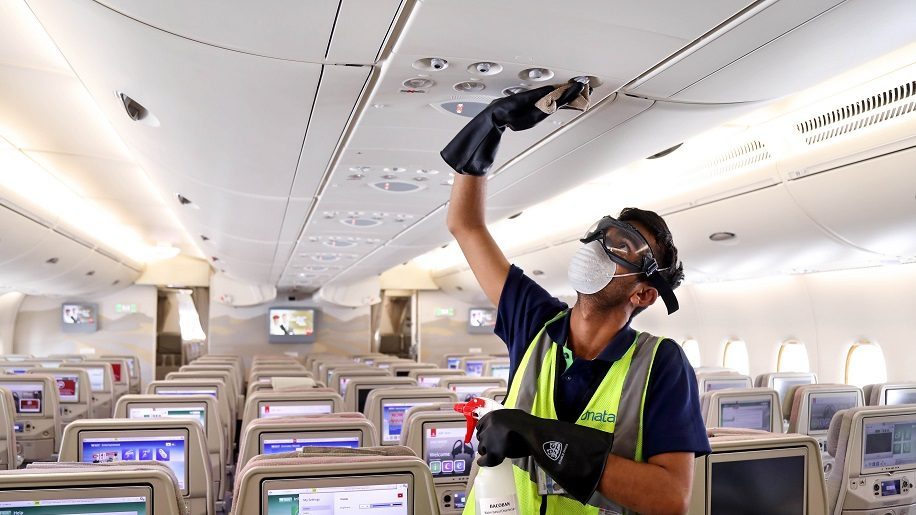
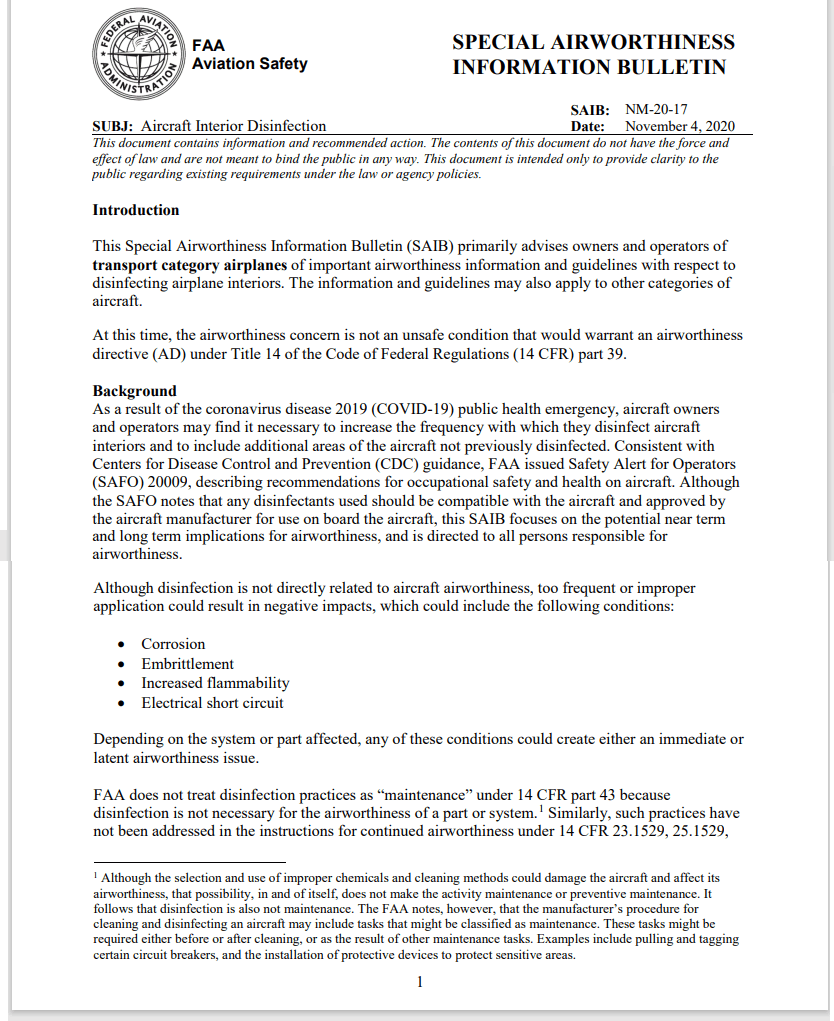
La Administración Federal de Aviación (FAA) de los Estados Unidos ha emitido una advertencia acerca de las acciones que podrían representar un riesgo para la seguridad el mal procedimiento de desinfecciones en las aeronaves comerciales. El Boletín Especial de Información sobre aeronavegabilidad publicado el 4 de Noviembre de 2020 ha dado advertencia que el uso demasiado frecuente o incorrecto de desinfectantes podría causar problemas como corrosión, fragilidad, mayor inflamabilidad y cortocircuitos eléctricos, lo que podría vulnerar la seguridad en la aviación. «Dependiendo del sistema o parte afectada, cualquiera de estas condiciones podría crear un problema de aeronavegabilidad inmediato o latente», expresa la advertencia del organismo de seguridad estadounidense.

La FAA insta a las compañías aéreas a utilizar desinfectantes compatibles con aeronaves y aprobados por el fabricante. También deben asegurarse de que el desinfectante y el método de aplicación son compatibles. «Por ejemplo, ciertos desinfectantes son adecuados para limpiar, pero no son adecuados para la pulverización. Los desinfectantes inflamables, como los que son a base de alcohol, no deben empañarse, ya que esto crea una atmósfera peligrosa propensa a la combustión repentina. Tenga en cuenta que las toallitas que contienen alcohol que se eliminan a granel tienen la posibilidad de que cualquier alcohol restante se evapore y se recoja en el contenedor de eliminación, creando un riesgo de combustión repentina similar, localmente».

La FAA advierte que ciertas áreas los desinfectantes no deben utilizarse, como cajas electrónicas refrigeradas por ventilador, detectores de humo y estructura subyacente. La ventilación de los aviones en funcionamiento normalmente exacerbará esta condición, advierte. El organismo continúa asesorando a las compañías aéreas para proteger las estructuras y los sistemas eléctricos de los agentes desinfectantes de elementos potencialmente corrosivos y considerar el aumento de las inspecciones de estas áreas. También deben tener especial cuidado cuando se utilizan desinfectantes líquidos en la cubierta de vuelo, particularmente aquellos con largos tiempos de permanencia. «Los líquidos pueden invadir los interruptores y sellos de la cubierta de vuelo. La intrusión excesiva de líquidos puede conducir a cortocircuitos eléctricos a corto plazo y corrosión inesperada a largo plazo. Tenga cuidado de evitar que los líquidos se acomodan o gotee en la cubierta de vuelo. La FAA hace hincapié en que los propietarios y operadores deben seguir, y no exceder, las instrucciones del fabricante del desinfectante para la aplicación de desinfectantes identificados como apropiados para la aeronave por el fabricante de la aeronave», explica la FAA.

Los desinfectantes que contienen alcohol etílico pueden causar agrietamiento en las ventanas y dañar los termoplásticos. «Como resultado, es posible que las ventanas de ciertos tipos de aeronaves no puedan seguir sirviendo a su propósito después de varias limpiezas’‘, añade el organismo de aviación. La FAA recomienda el uso de pulverización electrostática sobre el empañamiento, ya que los foggers pueden transportar más fácilmente partículas cargadas a áreas no deseadas que pueden ser incompatibles. Los recubrimientos antimicrobianos más duraderos son otra área en la que es necesario tener precaución con una advertencia de que estos pueden tener más impacto cuando se trata de alterar la superficie en la que se aplica el recubrimiento.

Las investigaciones preliminares de los fabricantes de aeronaves indican que la mayoría de los materiales interiores de las aeronaves pueden tratarse con recubrimientos antimicrobianos sin efectos negativos a la inflamabilidad, específicamente su tasa de liberación de calor; pero, tales recubrimientos deben ser evaluados por el usuario con respecto a cualquier otro impacto negativo potencial antes de su uso. El boletín señala que otros métodos de desinfección, incluida la radiación ultravioleta y la ionización, están siendo investigados tanto en términos de eficacia como de efecto potencial en una aeronave. Pero aconseja a los operadores que examinen cualquier método de desinfección para posibles consecuencias a corto y largo plazo «no sólo en el equipo y el mobiliario tratados deliberadamente, sino también en cualquier equipo y mobiliario que pueda estar expuesto durante el proceso de desinfección. Tenga en cuenta que estos procesos pueden crear subproductos que también deben evaluarse para los efectos en la aeronave y el personal», expresa la FAA.

FAA warning incorrect disinfection

FAA gives warning about sanitary modality

The Federal Aviation Administration (FAA) of the United States has issued a warning about actions that could pose a safety risk from poor disinfection procedures on commercial aircraft. The Special Airworthiness Information Bulletin published on November 4, 2020 has given a warning that the too frequent or incorrect use of disinfectants could cause problems such as corrosion, brittleness, increased flammability and electrical short circuits, which could compromise aviation safety. «Depending on the system or part affected, any of these conditions could create an immediate or latent airworthiness problem», says the warning from the US security agency.

The FAA encourages airlines to use manufacturer-approved, aircraft-compatible disinfectants. They must also ensure that the disinfectant and the application method are compatible. «For example, certain disinfectants are suitable for cleaning but are not suitable for spraying. Flammable disinfectants, such as those that are alcohol-based, should not fog up, as this creates a dangerous atmosphere prone to flash fire. Note that alcohol-containing wipes that are disposed of in bulk have the potential for any remaining alcohol to evaporate and collect in the disposal container, creating a similar flash fire hazard, locally».

The FAA advises that disinfectants should not be used in certain areas, such as fan-cooled electronic boxes, smoke detectors and underlying structure. Ventilation of working aircraft will typically exacerbate this condition, it warns. The agency continues to advise airlines to protect structures and electrical systems from disinfecting agents of potentially corrosive elements and to consider increasing inspections of these areas. They must also take special care when using liquid disinfectants on the flight deck, particularly those with long residence times. «Liquids can invade the switches and seals of the flight deck. Excessive liquid intrusion can lead to short-term electrical shorts and unexpected long-term corrosion. Take care to prevent liquids from settling or dripping on the flight deck. The FAA emphasizes that owners and operators must follow, and not exceed, the disinfectant manufacturer’s instructions for applying disinfectants identified as appropriate for the aircraft by the aircraft manufacturer», explains the FAA.

Disinfectants containing ethyl alcohol can cause window cracking and damage thermoplastics. «As a result, the windows of certain types of aircraft may no longer be able to serve their purpose after multiple cleanings», the aviation agency adds. The FAA recommends the use of electrostatic spray on fogging, as foggers can more easily transport charged particles to unwanted areas that may be incompatible. Longer lasting antimicrobial coatings are another area where caution is required with a caveat that these can have more of an impact when it comes to altering the surface on which coating is applied.

Preliminary research by aircraft manufacturers indicates that most aircraft interior materials can be treated with antimicrobial coatings without negative effects on flammability, specifically their rate of heat release; but, such coatings must be evaluated by the user for any other potential negative impacts prior to use. The bulletin notes that other disinfection methods, including ultraviolet radiation and ionization, are being investigated both in terms of efficacy and potential effect on an aircraft. But he advises operators to examine any disinfection method for possible short-term and long-term consequences «not only on deliberately treated equipment and furniture, but also on any equipment and furniture that may be exposed during the disinfection process. Please note Note that these processes can create by-products that must also be evaluated for effects on aircraft and personnel», says the FAA.


PUBLISHER: Airgways.com
DBk: Faa.gov / Airgways.com
AW-POST: 202011150951AR

A\W   A I R G W A Y S ®

Aviación entre esperanzas y desafíos

AW | 2020 11 13 22:51 | AIRLINES / AVIATION

La vacuna presentará desafíos logísticos para la aviación

La aproximación de las vacunas para el control y cura de la enfermedad del Coronavirus es una excelente noticia que las aerolíneas y el mundo entero han estado esperando. Después de meses bajos los protocolos de praxis elementales para detener el avance de esta pandemia, el arribo de las primeras dosis a los países del mundo pudiera significar la recuperación progresiva de la aviación comercial, el turismo, y tantos otros sectores para retornar a la normalidad. Pero un nuevo desafío de logística se asomaría para reunir los recursos necesarios para entregar miles de millones de dosis que salvan vidas al mundo.

Aviación & vacunas

AW-Jet_Pull-up

La propagación de las nuevas dosis para detener el virus y la crisis sanitaria imperante podría lograr restaurar la confianza del público a viajar en avión. Las paradojas de la aviación nos han traído a la reflexión acerca del medio de transporte que ha propagado el virus a través del mundo vorazmente, aunque sin las medidas sanitarias vigentes, pero ahora son las mismas aerolíneas que desempeñarán un papel crucial en lo que la organización UNICEF ha llamado «el esfuerzo de distribución de vacunas más grande y rápido del mundo en la historia». Las compañías podrán lograr el efecto inverso, distribuir de manera masiva a la velocidad del trueno cada carga vital para la la franja etaria más afectada por el virus pandémico.

Desafíos logísticos

Nicholas Calio, Presidente y CEO de Airlines for America, expresó: «Siempre hemos dicho que las aerolíneas son una infraestructura crítica. Bueno, nos volvimos más críticos. No puedes tener una vacuna exitosa a menos que puedas llevarla a las personas que la necesitan». Esto es parte de los nuevos desafíos a que se enfrentan todos los organismos y gobiernos involucrados para mecanizar de manera responsable el alcance masivo de las dosis de las vacunas. Pero el mayor desafío al aprobarse varias vacunas es que tomará meses para fabricar en serie y distribuir las dosis a través del mundo. El desafío es enorme, es gigante, sólo proporcionar una dosis única a los 7.800 millones de personas del mundo llenaría 8.000 Boeing 747 aviones de carga, dice la Asociación Internacional de Transporte Aéreo (IATA). Si la mitad de las vacunas necesarias se transportan por tierra, seguiría siendo el mayor desafío que la industria de carga aérea haya enfrentado, dice la IATA. Pero más allá de las cifras citadas, es muy importante complementar las acciones industria-Estado-transporte para agilizar esta verdadera carrera maratónica que el mundo está por ingresar en esta etapa de la pandemia global.

La imagen tiene un atributo ALT vacío; su nombre de archivo es aw.airplane_in_storm-1.jpg

Pero los desafíos no terminan allí. Es necesario transportar las vacunas a temperaturas por debajo de los -25ºC, pues será necesario garantizar en todas las etapas del transporte y almacenamiento que las dosis no corten la cadena de frío. Las aerolíneas clásicas y cargueras necesitarán readecuar sus bodegas para garantizar el arribo del cargamento en óptimas condiciones.

Aerolíneas, papel preponderante

Las líneas aéreas del mundo entran en escena con un papel importante para agilizar la distribución masiva de las dosis. Lufthansa de Alemania es una excepción, con capacidad de cadena de frío en 35 mercados. Otros, como Korean Air y United Airlines, están luchando para prepararse ahora. «Las cosas sólo pueden comenzar a volver a la normalidad cuando una vacuna está ampliamente disponible en todo el mundo. Estaremos listos para hacer nuestra parte», publicó Scott Kirby, CEO de United Airlines, esta semana.

Efectos pandémicos

La pandemia aplastó los viajes aéreos mundiales, con un 65% menos de tráfico de pasajeros con respecto a hace un año. Por ejemplo, las aerolíneas en Estados Unidos han acumulado US$ 36 mil millones de Dólares en pérdidas antes de impuestos hasta Septiembre 2020, y siguen perdiendo liquidez a razón de US$ 180 millones de Dólares diarios, según Airlines for America (A4A). Hasta el momento se han perdido aproximadamente 55.000 puestos de trabajo, con una pérdida de 90.000 puestos de trabajo previstas para finales de año.

Las aerolíneas necesitarán más ayudas de los gobiernos. La industria y los organismos de aviación y turismo está instando a programas de apoyos para los empleados de aerolíneas a través del mundo.

Perspectivas aéreas

La industria no está en la mejor forma para lograr una campaña tan masiva en la distribución eficaz de las dosis: Generará una alta demanda a contrarreloj. «Si las fronteras siguen cerradas, los viajes reducidos, las flotas en tierra y los empleados en tierra, la capacidad de suministrar vacunas que salvan vidas se verá muy comprometida», dijo Alexandre de Juniac, CEO de la IATA.

Requerirá mucho empeño y compromiso, pero contribuirá al avance muy importante de reducir enfáticamente los contagios masivos, focalizando la aplicación de las vacunas primeramente a los sectores más vulnerables. Confiamos que las aerolíneas estarán en mejores condiciones de continuar presentando batalla al virus maximizando los controles que representarán desafíos nuevos pero una esperanza para el retorno de la aviación comercial y el retorno de la confianza de la población mundial.

Aviation enters the hopes and challenges

Vaccine will present logistical challenges for aviation

The approach of vaccines for the control and cure of the Coronavirus disease is excellent news that airlines and the entire world have been waiting for. After months under the elementary praxis protocols to stop the advance of this pandemic, the arrival of the first doses to the countries of the world could mean the progressive recovery of commercial aviation, tourism, and many other sectors to return to normality. . But a new logistics challenge would loom to gather the resources needed to deliver billions of life-saving doses to the world.

Aviation & vaccines

The spread of new doses to stop the virus and the prevailing health crisis could restore the public’s confidence in air travel. The paradoxes of aviation have led us to reflect on the means of transport that has spread the virus throughout the world voraciously, although without the current sanitary measures, but now it is the same airlines that will play a crucial role in what the organization UNICEF has called «the world’s largest and fastest vaccine distribution effort in history». The companies will be able to achieve the opposite effect, massively distribute each vital load at the speed of thunder to the age group most affected by the pandemic virus.

Logistical challenges

Nicholas Calio, President and CEO of Airlines for America, said: «We have always said that airlines are critical infrastructure. Well, we became more critical. You cannot have a successful vaccine unless you can get it to the people who need it». This is part of the new challenges faced by all the agencies and governments involved to responsibly mechanize the massive scope of vaccine doses. But the biggest challenge with multiple vaccines being approved is that it will take months to mass-produce and distribute doses around the world. The challenge is enormous, it is gigantic, just providing a single dose to the 7.8 billion people of the world would fill 8,000 Boeing 747 cargo planes, says the International Air Transport Association (IATA). If half of the necessary vaccines are transported by land, it would still be the biggest challenge the air cargo industry has ever faced, says IATA. But beyond the figures cited, it is very important to complement industry-State-transport actions to speed up this true marathon race that the world is about to enter in this stage of the global pandemic.

But the challenges don’t end there. Vaccines must be transported at temperatures below -25ºC, since it will be necessary to ensure at all stages of transport and storage that the doses do not cut the cold chain. Classic and cargo airlines will need to readjust their warehouses to guarantee the arrival of cargo in optimal conditions.

Airlines, dominant role

The world’s airlines enter the scene with an important role in expediting the mass distribution of doses. Germany’s Lufthansa is an exception, with cold chain capacity in 35 markets. Others, like Korean Air and United Airlines, are struggling to prepare now. «Things can only begin to return to normal when a vaccine is widely available around the world. We will be ready to do our part», Scott Kirby, CEO of United Airlines, posted this week.

Pandemic effects

The pandemic crushed global air travel, with 65% less passenger traffic compared to a year ago. For example, airlines in the United States have accumulated US$ 36 billion in pre-tax losses through September 2020, and continue to lose liquidity at the rate of US$ 180 million a day, according to Airlines for America (A4A). Approximately 55,000 jobs have been lost so far, with a loss of 90,000 jobs expected by the end of the year.

Airlines will need more help from governments. The aviation and tourism industry and organizations are urging support programs for airline employees throughout the world.

Aerial perspectives

The industry is not in the best shape to achieve such a massive campaign in the effective distribution of the doses: It will generate a high demand against the clock. «If borders remain closed, travel reduced, fleets on land and employees on land, the ability to deliver life-saving vaccines will be greatly compromised», said Alexandre de Juniac, CEO of IATA.

It will require a lot of effort and commitment, but it will contribute to a very important advance by emphatically reducing mass infections by targeting the application of vaccines primarily to the most vulnerable sectors. We are confident that airlines will be in a better position to continue to fight the virus by maximizing controls that will represent new challenges but hope for the return of commercial aviation and the return of the confidence of the world population.

“Flying is too beautiful to limit our selves simply to accept it”

“El volar es demasiado bello para que nos limitemos simplemente a aceptarlo”

— Paul Karlson, Aviatior/Aviador


PUBLISHER: Airgways.com
DBk: Airgways.com / Axios.com / Iata.org / Airlines.org / Lufthansa.com / United.com
AW-POST: 202011132251AR

A\W   A I R G W A Y S ®

Proyecto estímulo aviación EEUU

AW | 2020 11 13 13:20 | GOVERNMENT / AIRLINES

Presidente electo proyecta nuevos estímulos aviación comercial

US-Senate-Logo.svg

John Biden, el nuevo Presidente electo de los Estados Unidos ha anunciado un nuevo proyecto con líderes Demócratas del Congreso sobre nuevo paquete de estímulos para las aerolíneas del país. Los Legisladores Demócratas insistieron en la urgencia de aprobar un paquete de estímulo, ante conversaciones estancadas por diferencias con Republicanos. El proyectado Ejecutivo Nacional electo de Estados Unidos, Joe Biden, anunció el Jueves 12/11 por primera vez desde su victoria con los líderes Demócratas del Congreso sobre el estancado proyecto de ley de un paquete de estímulo por la pandemia del COVID-19, cuya aprobación consideran urgente. Según un comunicado difundido por el equipo de transición, John Biden habló con la Presidencia de la Cámara de Representantes, Nancy Pelosi, y con el líder de la minoría del Senado, Chuck Schumer, sobre el rápido aumento de casos de Coronavirus en el país y la angustia económica que está provocando a los estadounidenses.

Las negociaciones en torno a un cuarto paquete de estímulo económico se ralentizaron en agosto y a finales de octubre los congresistas se fueron de receso sin llegar a un acuerdo antes de las elecciones. El principal punto de contención entre demócratas y republicanos es la cantidad mínima de dinero que sus proyectos de ley, presentados tanto ante la Cámara Baja como ante el Senado, buscan inyectar en la economía. Mientras que, desde octubre, los demócratas buscan inyectar 2,2 billones de Dólares, los republicanos, liderados por la Casa Blanca, no parecen dispuestos a subir de los 1,8 billones. En su conversación telefónica, los Legisladores demócratas y el Presidente electo discutieron la necesidad urgente del Congreso de unirse durante este periodo en funciones de manera bipartidista para pasar una ley que otorgue recursos en la lucha contra la pandemia del COVID-19.

El mismo Jueves 12/11 en una rueda de prensa en el Capitolio, Chuck Schumer y Nancy Pelosi urgieron a los legisladores republicanos a apoyar sus proyectos de ley para atender la pandemia, pidiéndoles dejar sus jueguitos sobre las elecciones, en referencia al apoyo que algunas figuras del Congreso han mostrado a las denuncias infundadas de fraude promovidas por el saliente Presidente Donald Trump. “Los Republicanos deben dejar sus jueguitos sobre una elecciones que el presidente Trump ya perdió y dirigir su atención a lo inmediato: dar alivio a un país atravesando una crisis de salud por el Covid-19 y económica”, dijo Chuck Schumer.

Por su parte, el líder de la mayoría del Senado, Mitch McConnell, reconoció la necesidad de otro paquete de estímulo pero insistió en su propuesta de un presupuesto reducido, que rechazan los Demócratas. Las disputas dejan poca claridad sobre si se logrará llegar a un acuerdo y aprobar un paquete de estímulo antes del 20 de Enero de 2021, cuando está previsto que se celebre la toma de posesión de John Biden, quien ha señalado la pandemia y el alivio económico como dos de sus prioridades. El control del Senado bajo la nueva Administración, no obstante, está todavía por decidirse.

US aviation stimulus project

US President-elect plans new commercial aviation stimuli

John Biden, the new President-elect of the United States has announced a new project with Democratic leaders of Congress on a new stimulus package for the country’s airlines. Democratic Legislators insisted on the urgency of passing a stimulus package, in the face of talks stalled due to differences with Republicans. The projected National Executive-elect of the United States, Joe Biden, announced on Thursday 11/12 for the first time since his victory with the Democratic leaders of Congress on the stalled bill of a stimulus package for the COVID-19 pandemic, whose approval considered urgent. According to a statement released by the transition team, John Biden spoke with the Speaker of the House of Representatives, Nancy Pelosi, and with the Senate Minority Leader, Chuck Schumer, about the rapid increase in Coronavirus cases in the country and the economic distress it is causing Americans.

Negotiations around a fourth economic stimulus package slowed down in August and at the end of October congressmen went on recess without reaching an agreement before the elections. The main point of contention between Democrats and Republicans is the minimum amount of money that their bills, introduced in both the Lower House and the Senate, seek to inject into the economy. While, since October, the Democrats seek to inject 2.2 trillion dollars, the Republicans, led by the White House, do not seem willing to raise the 1.8 trillion. In their telephone conversation, the Democratic Legislators and the President-elect discussed the urgent need for Congress to unite during this term in office in a bipartisan manner to pass a law that provides resources in the fight against the COVID-19 pandemic.

That same Thursday, 11/12, at a press conference in the Capitol, Chuck Schumer and Nancy Pelosi urged Republican legislators to support their bills to address the pandemic, asking them to put down their little games on the elections, in reference to the support that some Congressional figures have shown unfounded allegations of fraud promoted by outgoing President Donald Trump. «Republicans should put down their little games on an election that President Trump has already lost and turn their attention to the immediate: to give relief to a country going through a health and economic crisis due to Covid-19», said Chuck Schumer.

For his part, Senate Majority Leader Mitch McConnell acknowledged the need for another stimulus package but insisted on his proposal for a reduced budget, which Democrats reject. The disputes leave little clarity on whether an agreement and approval of a stimulus package will be achieved before January 20, 2021, when the inauguration of John Biden is scheduled to take place, who has indicated the pandemic and economic relief as two of your priorities. Control of the Senate under the new Administration, however, is yet to be decided.


PUBLISHER: Airgways.com
DBk: Dems.gov / Airgways.com
AW-POST: 202011131320AR

A\W   A I R G W A Y S ®

REX enfoque mercado medio

AW | 2020 11 11 13:20 | AIRLINES

Rex Airlines adoptará mercado medio en Australia

1200px-Regional_Express_Airlines_logo.svg

Regional Express Airlines compartirán el enfoque de mercado medio adoptado por la aerolínea Virgin Australia Airlines. La línea aérea regional de Australia adoptará un modelo de mercado medio para sus vuelos directos entre Sydney, Melbourne y Brisbane, aunque la aerolínea tiene la intención de conservar las asientos de clase ejecutiva de sus ex-Boeing 737NG de Virgin Australia. El nuevo posicionamiento de la aerolínea Rex Airlines incursionará en el mismo mercado que Virgin Australia había trabajado, dirigidos bajo los nuevos propietarios de Bain Capital. Sin embargo, varios espacios en blanco aún no se han rellenado, y no pueden tomar forma hasta que Virgin Australia revele su propuesta revisada en las próximas semanas.

Regional Express comenzará los servicios Sydney-Melbourne el 1 de Marzo de 2021, con Brisbane uniéndose a la naciente red inter-capital a principios de Abril 2021. Seis Boeing 737, todos previamente arrendados a Virgin Australia, formarán la flota de lanzamiento de Rex Airlines. El ambicioso asalto al lucrativo «triángulo dorado» de Australia entre las capitales de la costa este podría extenderse más tarde a Canberra, Adelaida y Perth, según los inversores de la aerolínea por lo que denominaron Project Mother. «Si nuestros servicios (triángulos) resultan exitosos, inyectaremos hasta 10 aviones en el mercado nacional a finales de 2021. A partir de ahí, tenemos la intención de desarrollar una red de aerolíneas nacionales completa, que vincule todas las capitales a lo largo del tiempo», dice el Vicepresidente Adjunto de Rex Airlines, John Sharp.

Mientras que los documentos del Proyecto Maestro de Rex Airlines dieron al servicio de la ciudad capital la etiqueta engorrosa de ser una aerolínea híbrida LCC++, John Sharp simplifica esto diciendo «Creo que estaremos en algún lugar en el medio».

Posición de mercado medio

«Técnicamente, lo que hemos estado ofreciendo como aerolínea regional es una aerolínea de servicio completo. El precio de nuestro billete incluye una cierta cantidad de equipaje facturado, y también catering a bordo, si es té o café o una bebida de algún tipo y un aperitivo no cobramos extra por eso. Probablemente llevaremos ese mismo nivel de servicio a través de la aerolínea nacional, lo que nos posicionará entre una aerolínea de bajo costo y una aerolínea heredada de servicio completo, pero las decisiones finales aún no se han tomado», dice John Sharp.

La propuesta de servicio de Boeing 737 de Rex será consistente con sus raíces regionales. John Sharp confirma que Regional Express conservará los ocho asientos de clase ejecutiva de sus ex Boeing 737 de Virgin, con la marca Virgin eliminada, por supuesto. «Tendrá que haber algunas modificaciones en la tapicería de cuero que tiene un logotipo de Virgin en relieve, pero eso no es algo muy difícil de hacer», expresó el Vicepresidente Adjunto. Rex Airlines podría promocionar asientos como una oferta de clase empresarial convencional, para enfrentarse a Qantas Airways y Virgin Australia Airlines, o más bien como una cabina premium donde el único diferenciador contra la economía sería la comodidad y el espacio para las piernas.

Acceso Sala VIP

El acceso a las salas VIP del Aeropuerto de Rex Airlines en Sydney, Melbourne y potencialmente Brisbane podría incluirse con los billetes de clase ejecutiva e incluso en algunas tarifas económicas. Las salas VIP del aeropuerto son asuntos prácticamente inútiles. «Estamos viendo si hay acceso gratuito a las salas VIP para ciertos tipos de boletos en economía y negocios, como parte gratuita del paquete», dice John Sharp. El programa anual de membresía a la sala VIP, por el cual los viajeros pagan US$ 329 por año, también continuará. John Sharp también confirmó que Rex estaba considerando un esquema de viajero frecuente, pero esto vendría mucho después del lanzamiento de los vuelos de la ciudad capital. «Los programas de viajero frecuente son buenos, por lo general son la parte más rentable de una operación de aerolínea, por lo que ciertamente no descartamos tener una. Pero queremos tomar las cosas paso a paso, no queremos extendernos demasiado delgadamente. Así que nuestro enfoque será poner la aerolínea en funcionamiento, y conseguir que funcione correctamente antes de asumir más tareas. Y cuando tengamos eso en cama, entonces buscaremos hacer cosas como el programa de viajero frecuente y otras iniciativas», dice John Sharp.

REX mid-market approach

Rex Airlines to adopt mid-market in Australia

Regional Express Airlines will share the mid-market approach taken by Virgin Australia Airlines. Australia’s regional airline will adopt a mid-market model for its direct flights between Sydney, Melbourne and Brisbane, although the airline intends to retain business class seats on its former Virgin Australia Boeing 737NGs. The new positioning of the airline Rex Airlines will enter the same market that Virgin Australia had worked for, run under the new owners of Bain Capital. However, several blanks have yet to be filled in, and cannot take shape until Virgin Australia reveals its revised proposal in the coming weeks.

Regional Express will begin Sydney-Melbourne services on March 1, 2021, with Brisbane joining the nascent inter-capital network in early April 2021. Six Boeing 737s, all previously leased to Virgin Australia, will form the Rex Airlines launch fleet. The ambitious assault on Australia’s lucrative «golden triangle» between the east coast capitals could later be extended to Canberra, Adelaide and Perth, according to the airline’s investors for what they dubbed Project Mother. «If our services (triangles) are successful, we will inject up to 10 aircraft in the national market by the end of 2021. From there, we intend to develop a complete national airline network, linking all capital cities over time», says Rex Airlines Deputy Vice President John Sharp.

While the Rex Airlines Master Project documents gave the capital city service the cumbersome label of being an LCC ++ hybrid airline, John Sharp simplifies this by saying «I think we’ll be somewhere in the middle».

Middle market position

«Technically, what we have been offering as a regional airline is a full service airline. Our ticket price includes a certain amount of checked baggage, and also onboard catering, whether it’s tea or coffee or a beverage of some kind and a appetizer we don’t charge extra for that. We’ll probably carry that same level of service through the national airline, which will position us between a low-cost airline and a full-service legacy airline, but final decisions have yet to be made», says John Sharp.

Rex’s Boeing 737 service proposal will be consistent with its regional roots. John Sharp confirms that Regional Express will retain all eight business class seats of its former Virgin Boeing 737s, with the Virgin branding removed, of course. «There will have to be some modifications to the leather upholstery that has an embossed Virgin logo, but that is not a very difficult thing to do», said the Deputy Vice President. Rex Airlines could promote seats as a conventional business class offering, to take on Qantas and Virgin Australia, or rather as a premium cabin where the only differentiator against economy would be comfort and legroom.

VIP lounge access

Access to the Rex Airlines Airport lounges in Sydney, Melbourne and potentially Brisbane could be included with business class tickets and even some budget fares. Airport VIP lounges are practically useless affairs. «We are seeing if there is free access to the lounges for certain types of tickets in economy and business, as a free part of the package», says John Sharp. The annual lounge membership program, for which travelers pay US$ 329 per year, will also continue. John Sharp also confirmed that Rex was considering a frequent flyer scheme, but this would come long after the capital city flights launched. «Frequent flyer programs are good, they are usually the most profitable part of an airline operation, so we certainly don’t rule out having one. But we want to take things step by step, we don’t want to spread ourselves too thinly. So our The focus will be to get the airline up and running, and get it running smoothly before we take on more tasks. And when we have that in bed, then we will look to do things like the frequent flyer program and other initiatives», says John Sharp.


PUBLISHER: Airgways.com
DBk: Rex.com.au / Executivetraveller.com / Airgways.com
AW-POST: 202011111320AR

A\W   A I R G W A Y S ®