United pronuncia mensaje liderazgo
AW | 2020 10 17 18:30 | AIRLINES

United Airlines emite mensaje liderazgo en tiempos de crisis

El CEO Scott Kirby de United Airlines acaba de compartir un mensaje de liderazgo perfecto para 2020, resumidos en solamente una frase que se remontan a 78 años atrás para citar a Winston Churchill, antiguo Presidente del Reino Unido.

El próximo liderazgo en la aviación remarca la necesidad trans-pandemia en momentos de grandes desafíos e incertidumbre que requiere inspiración y retórica de un tipo que la mayoría de los líderes nunca han tenido que convocar antes. Esta semana, United Airlines ha realizado una llamada de ganancias, donde un grupo de analistas y reporteros han sido capaces de interrogar a los ejecutivos de United Airlines sobre el futuro de la aerolínea. El CEO Scott Kirby había comenzado sus comentarios acerca de la situación de la aerolínea frente a los embates de la crisis en el sector del transporte aéreo, tuvo que comenzar agradeciendo a los empleados de United Airlines por hacer cosas como dejar voluntariamente la aerolínea, o tomar menos horas, para reducir los costos de mano de obra. El directivo ha expresado que la industria atraviesa un momento donde no se recuperará por completo hasta 2024, pero de manera magistral ha retrocedido 78 años para encontrar las palabras que marcan el tono correcto para los líderes en este año trascendental en la navegación aérea. «Lo que estamos expresando no es un cambio del pesimismo al optimismo, tanto como es una expresión de confianza en el futuro».

Hay una gran cita que me encanta de Winston Churchill que dijo en 1942, más de dos años antes del final de la Segunda Guerra Mundial después de la campaña africana y los británicos ganaron en Africa que: «Este no es el final. Ni siquiera es el principio del fin. Es, tal vez, el final del principio». Y creo que ese es el momento en el que estamos ahora en United Airlines. Hemos hecho lo que se necesita en las fases iniciales para tener confianza. Vamos a mirar hacia atrás en esto como el punto de inflexión. La luz al final del túnel está muy lejos. Pero este es el punto de inflexión. Las circunstancias son muy diferentes ahora, por supuesto, lo que el pueblo británico enfrentó durante la Segunda Guerra Mundial, pero compartimos con esos tiempos una sensación de pérdida de control, y de verdadero dolor, y un anhelo de un futuro diferente. Este es un momento en el que los líderes desesperadamente quieren poder compartir buenas noticias para poder decirle a sus partes interesadas que las cosas están bajo control, y que usted tiene un plan para volver a la normalidad».

Neurociencia en acción

Un neurocientífico que se especializa en el desarrollo de liderazgo, el Dr. David Rock, quien enfatizó que durante la pandemia, casi todo el mundo está reaccionando neurológicamente a niveles más altos de percepción de amenazas de lo normal. Por lo tanto, los líderes deben enfatizar la retroalimentación positiva y el estímulo, esforzarse por crear certidumbre y ofrecer flexibilidad, empatía y metas cooperativas.

«Como Winston Churchill entendió durante la gran crisis de la Segunda Guerra Mundial, los líderes entienden ahora que existe una manera de asegurar a la gente que han progresado, mientras que todavía los acechan tiempos difíciles por delante. Se trata de dar esperanza, sin ofrecer falsas esperanzas, acerca de ofrecer elogios sin halagos vacíos. No se trata de si United Airlines realmente ha seguido el mejor camino bajo el liderazgo de Scott Kirby durante la pandemia. No puedo decírtelo de una forma u otra. La gente está sufriendo, y pasará mucho tiempo antes de que podamos mirar hacia atrás y hacer un estudio de caso al respecto. ¿Pero en términos de tono? Este es exactamente el correcto. Y ya sea que cite a Winston Churchill, o cite a Scott Kirby, o lo diga de otra manera que parezca más natural para su estilo personal de hablar, es el mensaje que los grandes líderes tratarán de compartir ahora mismo», concluye David Rock.

La imagen tiene un atributo ALT vacío; su nombre de archivo es aw-united-airlines_ceo-scott-kirby_jet.jpg

United delivers leadership message

United Airlines issues leadership message in times of crisis

United Airlines CEO Scott Kirby just shared a perfect leadership message for 2020, summed up in just one phrase dating back 78 years to quote Winston Churchill, former President of the United Kingdom.

The upcoming leadership in aviation highlights the trans-pandemic need in times of great challenge and uncertainty that requires inspiration and rhetoric of a kind that most leaders have never had to convene before. This week, United Airlines made an earnings call, where a group of analysts and reporters were able to question United Airlines executives about the future of the airline. CEO Scott Kirby had begun his comments about the situation of the airline in the face of the onslaught of the crisis in the air transport sector, he had to start by thanking United Airlines employees for doing things like voluntarily leaving the airline, or taking fewer hours, to reduce labor costs. The manager has expressed that the industry is going through a time where it will not fully recover until 2024, but he has masterfully gone back 78 years to find the words that set the right tone for leaders in this momentous year in air navigation. «What we are expressing is not a shift from pessimism to optimism, so much as it is an expression of confidence in the future».

There is a great quote that I love from Winston Churchill who said in 1942, more than two years before the end of World War II after the African campaign and the British won in Africa that: «This is not the end. It is not even the beginning of the end. It is, perhaps, the end of the beginning». And I think that’s where we are now at United Airlines. We have done what it takes in the early stages to be confident. Let’s look back at this as the turning point. The light at the end of the tunnel is far away. But this is the turning point. Circumstances are very different now, of course, from what the British people faced during WWII, but we share with those times a sense of loss of control, and of real pain, and a longing for a different future. This is a time when leaders desperately want to be able to share good news so they can tell their stakeholders that things are under control, and that you have a plan to get back on track».

Neuroscience in action

A neuroscientist who specializes in leadership development, Dr. David Rock, who emphasized that during the pandemic, almost everyone is neurologically reacting to higher levels of threat perception than normal. Therefore, leaders must emphasize positive feedback and encouragement, strive to create certainty, and offer flexibility, empathy, and cooperative goals.

«As Winston Churchill understood during the great crisis of World War II, leaders now understand that there is a way to assure people that they have progressed, while difficult times still lie ahead. It is about giving hope, not offering false hopes, about offering praise without empty praise. It’s not about whether United Airlines has really followed the best path under Scott Kirby’s leadership during the pandemic. I can’t tell you one way or another. People are suffering, and it will pass. long before we can look back and do a case study on it. But in terms of tone? This is exactly the right one. And whether I quote Winston Churchill, or quote Scott Kirby, or say it from Another way that seems more natural to your personal speaking style is the message that great leaders will try to share right now», concludes David Rock.


PUBLISHER: Airgways.com
DBk: United.com / Inc.com / Airgways.com / Gettyimages.com
AW-POST: 202010171830AR

A\W   A I R G W A Y S ®

Comité aprueba rescate Jet Airways

AW | 2020 10 17 17:10 | AIRLINES

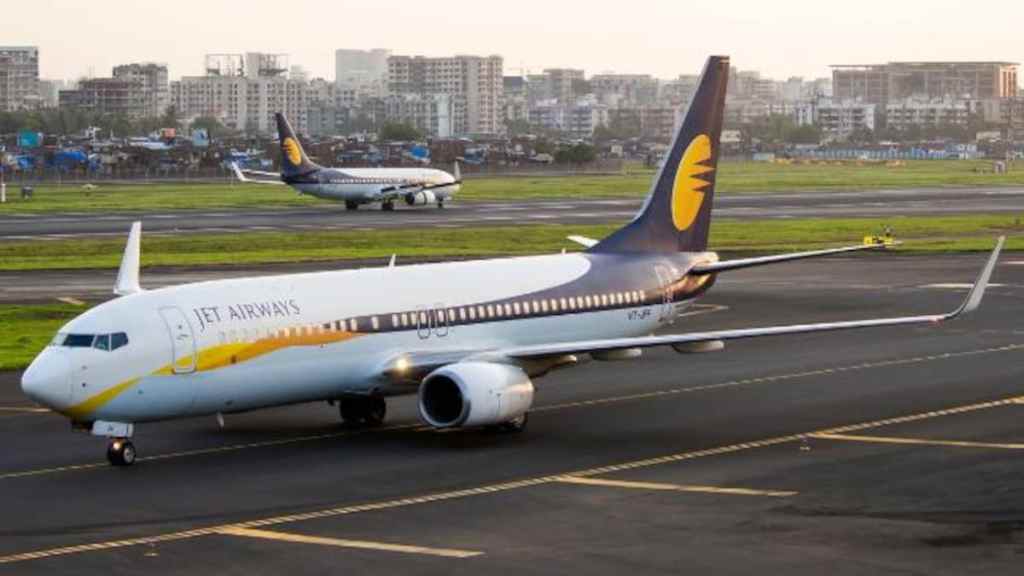
Comité Acreedores aprueba plan de rescate de Jet Airways

La aerolínea low cost Jet Airways ha recibido las aprobaciones correspondientes del Comité de Acreedores de la India luego de intensas y prolongadas negociaciones, han finalizado con éxito este Sábado 17/10. La aerolínea de presupuesto que permaneció en tierra por más de un año, en este último tiempo había recibido ofertas de dos consorcios, uno de los cuales estaba compuesto por Kalrock Capital, con sede en el Reino Unido, fundado por Florian Fritsch y el empresario de los Emiratos Árabes Unidos, Murari Lal Jalan.

El Comité de Acreedores (CoC) de Jet Airways aprobó el Sábado 17 Octubre de 2020 el plan de resolución presentado por el consorcio británico Kalrock Capital y el empresario Murari Lal Jalan bajo el Proceso de Resolución de Insolvencia (IRP). El plan fue aprobado después de la conclusión de la votación electrónica sobre la propuesta, ha informado el Profesional de Resolución (RP) de Jet Airways, Ashish Chhawchharia. «La resolución presentada por Murali Lal Jalan y Florian Fritsch ha sido debidamente aprobada por el CoC en virtud del Artículo 30 (4) del Código como el Plan de Resolución exitoso», dijo el RP. El RP está en proceso de presentar una solicitud de conformidad con el Artículo 30 (6) del Código para la aprobación de dicho plan de resolución por el Tribunal Nacional de Derecho de Sociedades (NCLT) y la intimización de la misma se dará a los miembros según sea necesario.

Los diferentes oferentes habían ampliado el Viernes 16/10 el plazo para votar sobre los planes de resolución, ya que sólo la mitad de los prestamistas habían presentado sus votos y los restantes habían solicitado tiempo hasta el Sábado 17/10 por la noche para presentar sus votos. El transportista fue admitido en el NCLT en Junio de 2019, y el CoC se ha reunido 16 veces desde entonces. La aerolínea, que cesó todas las operaciones en Abril de 2019, debe más de ₹ 8.000 millones de Crores a los bancos, y los prestamistas del sector público tienen una exposición significativa. El NCLT había admitido el 20 de Junio de 2019 la petición de insolvencia presentada por el consorcio de prestamistas liderado por el Banco Estatal de la India contra Jet Airways.

Se suponía que el proceso de insolvencia de Jet Airways debía completarse para Junio 2020y la fecha límite se amplió primero al 21/08, debido a las restricciones de bloqueo, y luego se extendió por un tiempo no especificado por el RP, hasta arribar al 17/10 con la aprobación definitiva del Comité de Acreedores para restablecer a una de las principales aerolíneas de la República de la India.

Committee approves Jet Airways Plan

Creditors Committee approves Jet Airways rescue plan

The low cost airline Jet Airways has received the corresponding approvals from the Committee of Creditors of India after intense and prolonged negotiations, they have ended successfully this Saturday 10/17. The budget airline that stayed grounded for more than a year had recently received offers from two consortia, one of which was made up of UK-based Kalrock Capital, founded by Florian Fritsch and the businessman from the United Arab Emirates, Murari Lal Jalan.

The Jet Airways Committee of Creditors (CoC) approved on Saturday 17 October 2020 the resolution plan presented by the British consortium Kalrock Capital and businessman Murari Lal Jalan under the Insolvency Resolution Process (IRP). The plan was approved after the conclusion of electronic voting on the proposal, Jet Airways Resolution Professional (PR) Ashish Chhawchharia reported. «The resolution presented by Murali Lal Jalan and Florian Fritsch has been duly approved by the CoC under Article 30 (4) of the Code as the successful Resolution Plan», said the PR. The PR is in the process of submitting a request in accordance with Article 30 (6) of the Code for the approval of said resolution plan by the National Court of Company Law (NCLT) and the intimation of the same will be given to the members as necessary.

The different bidders had extended the deadline to vote on the resolution plans on Friday 10/16, since only half of the lenders had presented their votes and the rest had requested time until Saturday 10/17 at night to present their votes. The carrier was admitted to the NCLT in June 2019, and the CoC has met 16 times since then. The airline, which ceased all operations in April 2019, owes more than ₹ 8 billion Crores to banks, and public sector lenders have significant exposure. The NCLT had admitted on June 20, 2019 the insolvency petition filed by the consortium of lenders led by the State Bank of India against Jet Airways.

Jet Airways’ insolvency process was supposed to be completed by June 2020 and the deadline was first extended to 08/21, due to lockdown restrictions, and then extended for a time not specified by the PR, until 17/10 with the final approval of the Committee of Creditors to reestablish one of the main airlines of the Republic of India.

समिति ने जेट एयरवेज योजना को मंजूरी दी

लेनदारों की समिति ने जेट एयरवेज की बचाव योजना को मंजूरी दी

कम लागत वाली एयरलाइन जेट एयरवेज को गहन और लंबे समय तक चली वार्ता के बाद भारत के लेनदारों की समिति से संबंधित अनुमोदन प्राप्त हुआ है, वे इस शनिवार 10/17 को सफलतापूर्वक समाप्त हो गए हैं। बजट एयरलाइन जो एक साल से अधिक समय तक रुकी रही थी, को हाल ही में दो कंसोर्टिया से प्रस्ताव मिले थे, जिनमें से एक यूके-आधारित कलारॉक कैपिटल से बना था, जिसकी स्थापना फ्लोरियन फ्रिट्च और व्यापारी ने की थी। संयुक्त अरब अमीरात, मुरारी लाल जालान।

जेट एयरवेज कमेटी ऑफ क्रेडिटर्स (सीओसी) ने शनिवार 17 अक्टूबर 2020 को ब्रिटिश कंसोर्शियम कलॉक कैपिटल और बिजनेसमैन मुरारी लाल जालान द्वारा इनसॉल्वेंसी रिजॉल्यूशन प्रोसेस (IRP) के तहत पेश किए गए रिजॉल्यूशन प्लान को मंजूरी दे दी। जेट एयरवेज रिज़ॉल्यूशन प्रोफेशनल (पीआर) आशीष छावछरिया ने प्रस्ताव पर इलेक्ट्रॉनिक वोटिंग के समापन के बाद योजना को मंजूरी दी थी।, «मुरली लाल जालान और फ्लोरियन फ्रिट्च द्वारा प्रस्तुत प्रस्ताव को कोड के अनुच्छेद 30 (4) के तहत विधिवत रूप से सफल संकल्प योजना के रूप में अनुमोदित किया गया है», पीआर ने कहा। पीआर, नेशनल कोर्ट ऑफ कंपनी लॉ (एनसीएलटी) द्वारा उक्त संकल्प योजना के अनुमोदन के लिए संहिता के अनुच्छेद 30 (6) के अनुसार एक अनुरोध प्रस्तुत करने की प्रक्रिया में है और इसकी सूचना सदस्यों को दी जाएगी। यथावश्यक।

विभिन्न बोलीकर्ताओं ने शुक्रवार को 10/16 को संकल्प योजनाओं पर मतदान करने की समय सीमा बढ़ा दी थी, क्योंकि केवल आधे ऋणदाताओं ने अपने वोट प्रस्तुत किए थे और बाकी ने अपना वोट पेश करने के लिए शनिवार रात 10/17 तक का समय मांगा था। वाहक को जून 2019 में एनसीएलटी में भर्ती कराया गया था, और सीओसी तब से 16 बार मिल चुका है। एयरलाइन, जो अप्रैल 2019 में सभी कार्यों को बंद कर दिया था, बैंकों पर ores 8 बिलियन करोड़ से अधिक का बकाया है, और सार्वजनिक क्षेत्र के उधारदाताओं का महत्वपूर्ण जोखिम है। एनसीएलटी ने 20 जून, 2019 को जेट एयरवेज के खिलाफ स्टेट बैंक ऑफ इंडिया की अगुवाई में ऋणदाताओं के कंसोर्टियम द्वारा दायर दिवाला याचिका को स्वीकार किया था।

जेट एयरवेज की दिवाला प्रक्रिया जून 2020 तक पूरी होने वाली थी और लॉकडाउन प्रतिबंध के कारण समय सीमा पहले 08/21 तक बढ़ा दी गई थी, और फिर पीआर द्वारा निर्दिष्ट समय के लिए 17 तक बढ़ा दी गई थी। 17/10 भारतीय गणराज्य की मुख्य एयरलाइनों में से एक को फिर से स्थापित करने के लिए लेनदारों की समिति की अंतिम मंजूरी के साथ।


PUBLISHER: Airgways.com
DBk: Nclt.gov.in / Jetairways.com / Indiatoday.in / Airgways.com
AW-POST: 202010171710AR

A\W   A I R G W A Y S ®

IATA alerta reactivación aviación

AW | 2020 10 14 10:21 | AVIATION ORGANISMS

IATA alerta aviación no se está reactivando como se esperaba

La Asociación Internacional de Transporte Aéreo (IATA) ha expresado a los gobiernos del mundo la necesidad de liderazgo para salvar al sector de la aviación, pues entre más tiempo se prolongue la recuperación, mayor será el riesgo. Para reactivar las economías, el organismo de la IATA solicita a los gobiernos que establezcan un sistema de pruebas de bioseguridad anti-Covid-19, para reabrir fronteras, restablecer la conectividad y evitar que la industria de la aviación colapse.

Acciones tempranas

Gracias a las acciones tempranas que llevó a cabo la industria desde Junio 2020 en medidas de bioseguridad, el sector aéreo no es un vector de la pandemia, teniendo en cuenta las medidas de seguridad, señala Peter Cerdá, Vicepresidente de IATA para las Américas, pues menciona que los protocolos fueron avalados por los gobiernos e implementados por las aerolíneas, sin embargo han encontrado que la industria no se ha reactivado de la manera que se esperaba.

Implementar confianza

Las restricciones no están ayudando para abrir y sobre todo traer confianza al sector, lo cual está causando un estrés muy extremo a la industria. “Hay muchos países a nivel mundial que siguen con sus fronteras cerradas, y aunque ya han abierto muchos también, mantienen estrictas restricciones como cuarentenas”, dijo, y citó que en Chile, por ejemplo, mantienen abiertas sus fronteras solo a chilenos residentes, ya que hasta el momento los extranjeros no pueden entrar. Durante los primeros meses del año, al inicio de la pandemia, hubo muy pocas operaciones, lo cual obligó a las aerolíneas a pedir apoyo a sus gobiernos, sin embargo a nivel global se han aportado alrededor de US$ 160 mil millones de Dólares, la mayoría provenientes de Norte América y Europa, muy poco ha sido el apoyo en la región de América Latina, lo que ha puesto en riesgo a la industria y se teme que cuando la recuperación llegue, las aerolíneas no estén preparadas.

El pronóstico de IATA señala que la recuperación internacional se dará hasta el 2024, mientras que en vuelos domésticos la recuperación se podrá estar dando para finales de 2022, principios de 2023, lo cual dependerá mucho del liderazgo que tomen los gobiernos, “este es el momento de la responsabilidad privada y del apoyo del gobierno”, puntualizó Peter Cerdá.

IATA aviation reactivation alert

IATA aviation alert is not being reactivated as expected

The International Air Transport Association (IATA) has expressed to world governments the need for leadership to save the aviation sector, because the longer the recovery continues, the greater the risk. To reactivate economies, the IATA body asks governments to establish an anti-Covid-19 biosafety testing system, to reopen borders, restore connectivity and prevent the aviation industry from collapsing.

Early actions

Thanks to the early actions that the industry carried out since June 2020 in biosafety measures, the aviation sector is not a vector of the pandemic, taking into account security measures, says Peter Cerdá, IATA Vice President for the Americas, as mentions that the protocols were endorsed by governments and implemented by airlines, however they have found that the industry has not reactivated in the way expected.

Implement trust

The restrictions are not helping to open up and especially bring confidence to the sector, which is causing very extreme stress to the industry. «There are many countries worldwide that continue to have their borders closed, and although many have already opened, they maintain strict restrictions such as quarantines», he said, citing that in Chile, for example, they keep their borders open only to Chilean residents, since that so far foreigners cannot enter. During the first months of the year, at the beginning of the pandemic, there were very few operations, which forced the airlines to ask their governments for support, however globally around US$ 160 billion dollars have been contributed, the Most from North America and Europe, there has been very little support in the Latin American region, which has put the industry at risk and it is feared that when the recovery arrives, the airlines will not be prepared.

The IATA forecast indicates that the international recovery will take place until 2024, while on domestic flights the recovery may be taking place by the end of 2022, the beginning of 2023, which will depend a lot on the leadership that governments take, “this is the moment of private responsibility and government support”, pointed out Peter Cerdá.


PUBLISHER: Airgways.com
DBk: Iata.org / Airgways.com
AW-POST: 202010141021AR

A\W   A I R G W A Y S ®

Transporte Argentina planifica Ops

AW | 2020 10 13 16:00 | AIRLINES MARKET / GOVERNMENT

Transporte comienza a trabajar reapertura vuelos regulares

El Ministerio de Transporte ha comenzado este 13/10 con los diferentes gobiernos provinciales con el objetivo del retorno de la aviación comercial para vuelos domésticos. En el área dialogarán con los gobernadores para que las operaciones retomen la regularidad en las provincias.

El Ministro de Transporte, Mario Meoni, había anunciado semanas atrás que los vuelos regulares iban a retornar entre este Martes 13/10 y Jueves próximo, con lo cual los pasos se darán muy cerca de los plazos anunciados. Luego de que el Lunes 12/10 se publicara el Decreto de Necesidad y Urgencia (DNU) que determina las nuevas características del aislamiento social, preventivo y obligatorio por la pandemia de Coronavirus; las precisiones en torno a la reactivación de la actividad tras la interrupción por siete meses, ha estado tomando impulso para la reactivación del sector del transporte aéreo nacional. En cuanto a los vuelos internacionales, desde el Gobierno no han solicitado más postergaciones, por lo que el decreto no trata más la suspensión, con lo cual queda en el ámbito del Ministerio de Transporte diagramar la apertura de las rutas al exterior.

El Ministerio de Transporte continuará trabajando con las provincias para consensuar el diálogo para reactivar el mayor número de vuelos en el interior del país, bajo la modalidad en primera instancia con los pasajeros establecidos por el decreto que permite movilizarse al personal esencial establecido en el Artículo 11 y a quienes deban hacer tratamiento médico con acompañante, aunque advirtieron que estas categorías pueden ser ampliadas por la Jefatura de Gabinete.

Las compañías aéreas habían recibido en oportunidad del decreto anterior, que extendía el aislamiento obligatorio hasta el Lunes 13/10, una notificación de parte de la Administración Nacional de Aviación Civil (ANAC), donde se especificaba que los vuelos regulares seguían suspendidos hasta el 12 de Octubre de 2020, en consonancia con esa decisión presidencial. Ahora, fuentes aeronáuticas señalaron que se espera que este martes se emita una nueva notificación en la que se especificaría la fecha a partir de la cual podrían volver a operar.

Programaciones tentativas

En Aerolíneas Argentinas se enfocaron en diagramar programaciones tentativas para el reinicio de sus operaciones. Un posible cronograma que en principio marcaría una operación con 39 frecuencias, lo que representa un 5 por ciento respecto a los niveles que tenía antes de la pandemia con una proyección de incremento al 13 por ciento para la primera quincena de Noviembre 2020. Córdoba, la ruta doméstica con más tráfico del país, con más de 20 vuelos diarios en la pre-pandemia, iniciaría con cuatro frecuencias por semana hasta el 25/10, para luego pasar a un vuelo diario desde el 26 al 1 de Noviembre 2020, y pasar a dos diarios a partir del 15/11. La ruta entre Buenos Aires-Mendoza iniciará con 3 frecuencias semanales (3Frq/S), mientras que para entre Buenos Aires y Bariloche, Iguazú, Neuquén, Salta, Tucumán y Comodoro Rivadavia, habrá dos servicios semanales (2Frq/S). En tanto que entre Buenos Aires-Bahía Blanca, Mar del Plata, Trelew, Posadas, Resistencia, Rosario, Santiago del Estero, Corrientes, Formosa, El Calafate, Jujuy, Rio Grande, Rio Gallegos, San Juan, Ushuaia, Chapelco, Catamarca, La Rioja, San Luis, Santa Fe, en esta primera etapa tendrá una programación de un vuelo semanal (1Frq/S). Los servicios a las capitales provinciales Paraná, Santa Rosa y Viedma recién volverían a partir de Noviembre 2020 al igual que los vuelos interprovinciales.

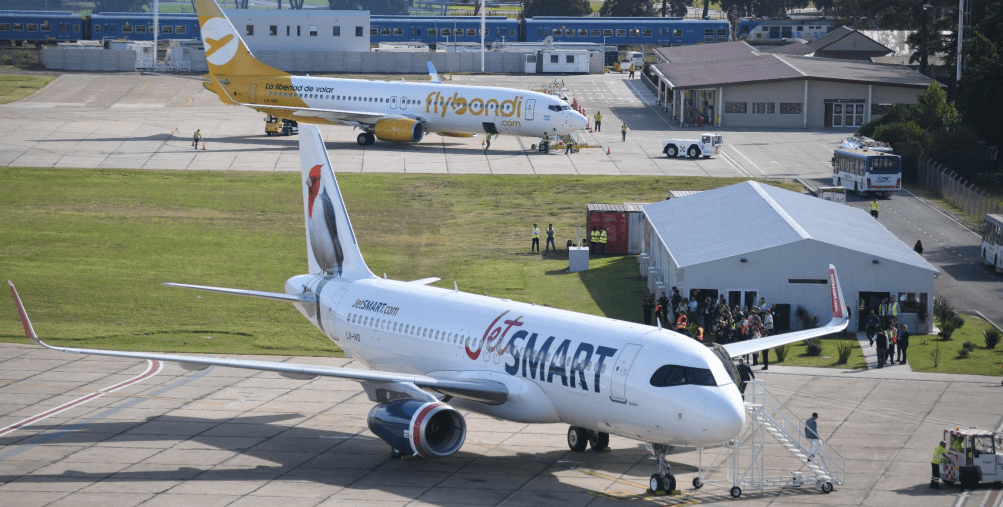
En tanto las aerolíneas low cost JetSmart Airlines Argentina y Flybondi Líneas Aéreas reiniciarán sus operaciones desde el Aeropuerto Internacional El Palomar, con lo cual es un fuerte aliciente para continuar despegando desde una plataforma de bajo costo con las ventajas de estar cerca de la Ciudad de Buenos Aires.

American Jet Líneas Aéreas, Andes Líneas Aéreas con estructuras más pequeñas proyectarán su programación de acuerdo con el nuevo organigrama vigente de los vuelos de ambas líneas aéreas. En el caso de la aerolínea salteña, el Gobierno de la Provincia de Chubut ha solicitado a Andes ante la ausencia de programación, acercar diálogo para reanudar las operaciones a Puerto Madryn.

Despegue post-pandemia

La introducción de la pandemia a nivel mundial ha traído profundo cambios que continuarán proyectándose en el tiempo. Las restricciones para los vuelos regulares en Argentina tras siete meses de parálisis ha modificado el mercado aéreo local. Anterior a las restricciones de los vuelos, operaban en el mercado doméstico siete compañías, Aerolíneas Argentinas, Austral Líneas Aéreas, Latam Airlines Argentina, Andes Líneas Aéreas, Flybondi Líneas Aéreas, American Jet Líneas Aéreas y JetSmart Airlines Argentina, esta última adquiriendo tras el proceso de compra a Norwegian Air Argentina y sus derechos de rutas.

Tras el retorno de los vuelos después de siete meses de inactividad, el panorama es un tanto diferente, con mayor concentración de compañías en un mercado más difícil de volar. Latam Airlines Argentina continúa inerte, donde está estudiando adecuarse bajo la nueva modalidad de transporte low cost, después de un proceso de insolvencia acogido en el Proceso Preventivo de Crisis (PPC), pero se desconocen las intenciones y cuándo reiniciarán operaciones. Austral Líneas Aéreas será absorbida por Aerolíneas Argentinas en el proceso de sinergia total, por lo que desaparecerá la marca de la compañía regional de los cielos de Argentina. Andes Líneas Aéreas, American Jet Líneas Aéreas, Flybondi Líneas Aéreas y JetSmart Airlines Argentina continuarán desafiando el nuevo panorama frente al nuevo escenario de monopolio de Aerolíneas Argentinas detentando más del 70% del tráfico aéreo argentino.

Reinicio Ops

En cuanto a las operaciones, estarán en los primeros meses centralizadas en el Aeropuerto Ezeiza para Aerolíneas Argentinas, Austral, Andes y American Jet y en el Aeropuerto de El Palomar, para Flybondi y JetSmart; teniendo presente las obras que se están realizando en el Aeropuerto Jorge Newbery, con proyecciones para reiniciar su habilitación como un nuevo aeropuerto regional con mayores capacidades hacia Febrero 2021.

En lo que hace a los vuelos internacionales, gran parte de las empresas que operaban hacia y desde el país han anunciado que retomarán las operaciones, aunque con menos frecuencias que las que tenían: Gol Linhas Aéreas, Azul Linhas Aéreas, Sky Airline, JetSmart Airlines Chile, Latam Airlines Chile, Latam Airlines Brasil y Latam Airlines Perú, Avianca Airlines, Aeroméxico, Copa Airlines, United Airlines, American Airlines, Delta Airlines, Iberia Líneas Aéreas, Air Europa, British Airways, Level Airlines, Lufthansa German Airlines y Edelweiss Air, entre otras, anticiparon que mantendrán sus operaciones con Argentina. Otras anticiparon que por el momento suspenderán sus frecuencias a Argentina, entre las que se encuentran Air New Zealand, Turquish Airlines, Emirates Airline y Qatar Airways.

Ver las imágenes de origen

Argentine transport plans restart

The Ministry of Transport has started this 10/13 with the different provincial governments with the objective of the return of commercial aviation for domestic flights. In the area, they will dialogue with the governors so that operations can resume regularity in the provinces.

The Minister of Transport, Mario Meoni, had announced weeks ago that the regular flights would return between this Tuesday 10/13 and next Thursday, with which the steps will be taken very close to the announced deadlines. After the Decree of Necessity and Urgency (DNU) was published on Monday, October 12, which determines the new characteristics of social, preventive and mandatory isolation due to the Coronavirus pandemic; The details regarding the reactivation of activity after the seven-month interruption, has been gaining momentum for the reactivation of the national air transport sector. As for international flights, the Government has not requested further postponements, so the decree no longer addresses the suspension, which leaves the Ministry of Transportation to diagram the opening of routes abroad.

The Ministry of Transportation will continue working with the provinces to agree on a dialogue to reactivate the largest number of flights within the country, under the modality in the first instance with passengers established by the decree that allows the mobilization of essential personnel established in Article 11 and those who must undergo medical treatment with a companion, although they warned that these categories can be expanded by the Chief of Staff.

The airlines had received on the occasion of the previous decree, which extended the mandatory isolation until Monday 10/13, a notification from the National Civil Aviation Administration (ANAC), which specified that regular flights were still suspended until 12 October 2020, in line with that presidential decision. Now, aeronautical sources indicated that a new notification is expected to be issued this Tuesday, specifying the date from which they could operate again.

Ver las imágenes de origen

Tentative schedules

In Aerolíneas Argentinas they focused on diagramming tentative schedules for the restart of their operations. A possible schedule that in principle would mark an operation with 39 frequencies, which represents 5 percent compared to the levels it had before the pandemic with a projection of an increase to 13 percent for the first half of November 2020. Córdoba, the domestic route with the most traffic in the country, with more than 20 daily flights in the pre-ndemic, would start with four frequencies per week until 10/25, and then move on to a daily flight from November 26 to 1, 2020, and move to two daily from 11/15. The route between Buenos Aires-Mendoza will start with 3 weekly frequencies (3Frq/S), while for between Buenos Aires and Bariloche, Iguazú, Neuquén, Salta, Tucumán and Comodoro Rivadavia, there will be two weekly services (2Frq/S). While between Buenos Aires-Bahía Blanca, Mar del Plata, Trelew, Posadas, Resistencia, Rosario, Santiago del Estero, Corrientes, Formosa, El Calafate, Jujuy, Rio Grande, Rio Gallegos, San Juan, Ushuaia, Chapelco, Catamarca, La Rioja, San Luis, Santa Fe, in this first stage will have a weekly flight schedule (1Frq/S). Services to the provincial capitals Paraná, Santa Rosa and Viedma would only return from November 2020 as well as interprovincial flights.

Meanwhile, the low cost airlines JetSmart Airlines Argentina and Flybondi Líneas Aéreas will restart their operations from the El Palomar International Airport, which is a strong incentive to continue taking off from a low-cost platform with the advantages of being close to the City of Buenos Aires. Aires.

American Jet Líneas Aéreas, Andes Líneas Aéreas with smaller structures will project their schedule in accordance with the new current flow chart of both airlines. In the case of the Salta airline, the Government of the Province of Chubut has requested Andes, in the absence of programming, to bring closer dialogue to resume operations in Puerto Madryn.

Post-pandemic takeoff

The introduction of the pandemic worldwide has brought profound changes that will continue to be projected over time. Restrictions for regular flights in Argentina after seven months of paralysis have changed the local air market. Prior to the flight restrictions, seven companies operated in the domestic market: Aerolíneas Argentinas, Austral Líneas Aereas, Latam Airlines Argentina, Andes Lineas Aereas, Flybondi Líneas Aéreas, American Jet Líneas Aéreas and JetSmart Airlines Argentina, the latter acquiring after the process purchase from Norwegian Air Argentina and its route rights.

After the return of the flights after seven months of inactivity, the picture is somewhat different, with a greater concentration of companies in a market that is more difficult to fly. Latam Airlines Argentina continues to be undeterred, where it is studying to adapt under the new low-cost transport modality, after an insolvency process under the Preventive Crisis Process (PPC), but the intentions and when they will restart operations are unknown. Austral Lineas Aereas will be absorbed by Aerolineas Argentinas in the process of total synergy, for which the brand of the regional company of the skies of Argentina will disappear. Andes Lineas Aereas, American Jet Líneas Aéreas, Flybondi Líneas Aéreas and JetSmart Airlines Argentina will continue to challenge the new scenario in the face of the new monopoly scenario of Aerolíneas Argentinas, holding more than 70% of Argentine air traffic.

Restart Ops

Regarding operations, in the first months they will be centralized at the Ezeiza Airport for Aerolíneas Argentinas, Austral, Andes and American Jet and at the El Palomar Airport, for Flybondi and JetSmart; Bearing in mind the works that are being carried out at the Jorge Newbery Airport, with projections to restart its authorization as a new regional airport with greater capacities by February 2021.

Regarding international flights, a large part of the companies that operated to and from the country have announced that they will resume operations, although with fewer frequencies than they had: Gol Linhas Aéreas, Azul Linhas Aéreas, Sky Airline, JetSmart Airlines Chile, Latam Airlines Chile, Latam Airlines Brasil and Latam Airlines Peru, Avianca Airlines, Aeroméxico, Copa Airlines, United Airlines, American Airlines, Delta Air Lines, Iberia Líneas Aéreas, Air Europa, British Airways, Level Airlines, Lufthansa and Edelweiss, among others, anticipated that they will maintain their operations with Argentina. Others anticipated that for the moment they will suspend their frequencies to Argentina, among which are Air New Zealand, Turquish Airlines, Emirates Airline and Qatar Airways.


PUBLISHER: Airgways.com
DBk: Argentina.gob.ar/transporte / Airgways.com / Cronista.com
AW-POST: 202010131600AR

A\W   A I R G W A Y S ®

Argentina aprueba reapertura aérea

AW | 2020 10 12 15:22 | AVIATION MARKET / GOVERNMENT

Gobierno Argentina ultima detalles para reapertura aérea el 19/10

El Gobierno de Argentina se encuentra diagramando el retorno de la actividad aerocomercial en el país a partir del Lunes 19 de Octubre de 2020. La reanudación de los vuelos de cabotaje estarán sujetos a evaluaciones por parte de las quince provincias respectivas que por el momento podrían autorizar la reapertura de los vuelos de las líneas aéreas. El Gobierno nacional está autorizando la reapertura de la aviación comercial después de siete meses de suspensión para los vuelos domésticos, por lo cual a partir del próximo Lunes 19/10 quedarán habilitados los primeros servicios aéreos de transporte comercial de pasajeros para unir destinos entre unas quince provincias en todo el país.

Desde las compañías aéreas están preparando y reacondicionado la programación de sus vuelos a partir del próximo Lunes 19/10 como fecha de reapertura, pero se espera que las líneas aéreas no completen los asientos de los aviones debido a las reiteradas postergaciones y las nuevas limitaciones impuesta por el Gobierno. Aún así, se mantienen confiadas que transcurridas las semanas, el factor de ocupación tendría que ir aumentando, aunque lentamente. Sin embargo, estos primeros servicios no serán destinados a turistas sino que sólo estarán habilitados para trabajadores esenciales y personas que estén obligadas a trasladarse por tratamientos médicos, así como también alguna otra excepción que quedará a criterio de la Jefatura de Gabinete de Argentina. Además, el Gobierno atenderá todas las objeciones que pongan aquellos gobernadores que todavía mantienen la postura de continuar con el cuarentena estricta en el plano de los vuelos comerciales.

Los servicios aéreos rehabilitados serán siempre con los pasajeros establecidos por el DNU que entró este Lunes 12/10 en vigencia, que permite movilizarse al personal esencial establecido en el Artículo 11 y a quienes deban hacer tratamiento médico con acompañante, aunque advirtieron que estas categorías pueden ser ampliadas por el Gobierno.

La medida publicada este Lunes 12/10 en el Boletín Oficial equivale al regreso de la aviación comercial dentro del territorio nacional. A partir del Martes 13/10 el Ministerio de Transporte encabezado por Mario Meoni comenzará con las consultas a los gobernadores para tratar de lograr un consenso sobre en cuáles provincias podrán transitar los vuelos rehabilitados. Desde el Gobierno nacional aseguraron que estimularán el retorno a la aviación, pero la facultad de las provincias que no quieran adherirse primará por encima de la decisión de la reapertura hacia el 19/10 que entrará en vigencia en todo el país.

Argentina approves air reopening

Argentine government finalizes details for air reopening on 10/19

The Government of Argentina is charting the return of commercial aviation activity in the country as of Monday, October 19, 2020. The resumption of domestic flights will be subject to evaluations by the fifteen respective provinces that for the moment could authorize the reopening of airline flights. The national government is authorizing the reopening of commercial aviation after seven months of suspension for domestic flights, for which as of next Monday, 10/19, the first commercial passenger air services will be enabled to link destinations between some fifteen provinces across the country.

The airlines are preparing and reconditioning their flight schedules starting next Monday 10/19 as the reopening date, but it is expected that the airlines will not complete the aircraft seats due to the repeated postponements and the new limitations imposed. by the Government. Even so, they remain confident that after the weeks, the load factor would have to increase, although slowly. However, these first services will not be intended for tourists but will only be enabled for essential workers and people who are obliged to travel for medical treatment, as well as any other exception that will be left to the discretion of the Cabinet Office of Argentina. In addition, the Government will address all the objections raised by those governors who still maintain the position of continuing with the strict quarantine in the plane of commercial flights.

The rehabilitated air services will always be with the passengers established by the DNU that entered this Monday 10/12 into force, which allows the mobilization of essential personnel established in Article 11 and those who must undergo medical treatment with a companion, although they warned that these categories expanded by the Government.

The measure published this Monday 10/12 in the Official Gazette is equivalent to the return of commercial aviation within the national territory. As of Tuesday 10/13, the Ministry of Transport headed by Mario Meoni will begin with consultations with the governors to try to reach a consensus on which provinces the rehabilitated flights will be able to transit. From the national government they assured that they will stimulate the return to aviation, but the faculty of the provinces that do not want to join will take precedence over the decision to reopen by 10/19, which will take effect throughout the country.


PUBLISHER: Airgways.com
DBk: Boletinoficial.gob.ar / Argentina.gob.ar/transporte / Airgways.com / Tn.com.ar
AW-POST: 202010121522AR

A\W   A I R G W A Y S ®

Impacto Tifón Chan-hom en Japón

Typhoon off southern Japan, heavy rain expected nationwide | World News |  beloitdailynews.com

AW | 2020 10 12 14:30 | AVIATION SAFET / AIR TRAFFIC

Tráfico aéreo interrumpido por ingreso del Tifón Chan-hom

A las 05:00 a.m. EDT (09:00 UTC), el centro del Tifón Chan-hom se encontraba cerca de 26,2 grados de latitud Norte y 134,4 grados de longitud Este. Estaba centrado a 378 millas náuticas al este de la Base Aérea de Kadena, Isla de Okinawa, Japón, moviéndose hacia el noroeste. Los vientos máximos sostenidos están cerca de 65 nudos (75 mph/120 kph) con ráfagas más fuertes.

Recuperaciones integradas de múltiples satélites de la NASA para GPM o IMERG, que es un producto de lluvia satelital de la NASA, estimado el 7 de Octubre 2020 a las 02:00 a.m. EDT (0600 UTC), Chan-hom estaba generando hasta 30 mm (1,18 pulgadas) de lluvia por hora que cae en la pared irregular del ojo que rodea el ojo. Se estimó que las precipitaciones durante la mayor parte de la tormenta cayeron a una velocidad de entre 5 y 15 mm (0,2 a 0,6 pulgadas) por hora. En el Laboratorio Naval de EE.UU. en Washington DC, los datos de lluvia de IMERG se superpusieron a imágenes infrarrojas del satélite GOES-16 de la NOAA para proporcionar una extensión completa de la tormenta. Además del cálculo de la precipitación dentro del tifón, las imágenes satelitales infrarrojas mejoradas animadas revelaron un sistema en consolidación con un ojo irregular. Las imágenes de microondas indican bandas mejoradas de tormentas eléctricas que se envuelven firmemente en una función de ojo de microondas. Las advertencias de fuertes lluvias están vigentes para Kyushu, la isla grande más al sur de Japón. Se publicaron alertas para gran parte de las costas centro-este y sureste de Japón.

IMERG

Esta estimación de lluvia casi en tiempo real proviene del IMERG de la NASA, que combina observaciones de una flota de satélites, en tiempo casi real, para proporcionar estimaciones casi globales de precipitación cada 30 minutos. Al combinar las estimaciones de precipitación de la NASA con otras fuentes de datos, podemos obtener una mayor comprensión de las grandes tormentas que afectan a nuestro planeta. En cambio, lo que hace el IMERG es transformar las observaciones satelitales de alta calidad a lo largo de la dirección de los vientos de dirección para entregar información sobre la lluvia en momentos y lugares donde no ocurrieron dichos sobrevuelos satelitales. La transformación de la información es particularmente importante en la mayor parte de la superficie del mundo que carece de cobertura de radar terrestre. Básicamente, IMERG llena los espacios en blanco entre las estaciones de observación meteorológica.

Pronóstico de Chan-hom

Los meteorólogos del Centro Conjunto de Alerta de Tifones (JTWC) esperan que el Tifón Chan-hom siga de noroeste a norte durante los próximos dos días y más cerca de Japón. Se pronostica que Chan-hom hará una trayectoria lenta paralela a la costa de Japón del 8 al 11 de octubre, cuando se espera que afecte a Tokio antes de dirigirse a aguas abiertas. JTWC espera que Chan-hom continúe debilitándose durante los próximos días y comience la transición a una tormenta extratropical.

NASA investiga ciclones tropicales

Los huracanes/ciclones tropicales son los eventos meteorológicos más poderosos de la Tierra. La experiencia de la NASA en exploración espacial y científica contribuye a los servicios esenciales que otras agencias federales brindan al pueblo estadounidense, como el pronóstico del tiempo de huracanes. Durante más de cinco décadas, la NASA ha utilizado el punto de vista del espacio para comprender y explorar nuestro planeta natal, mejorar vidas y salvaguardar nuestro futuro. La NASA reúne tecnología, ciencia y observaciones globales únicas de la Tierra para brindar beneficios sociales y fortalecer nuestra nación. El conocimiento avanzado de nuestro planeta natal contribuye directamente al liderazgo de Estados Unidos en la exploración espacial y científica.

Typhoon Chan-hom impact in Japan

Air traffic disrupted by entry of Typhoon Chan-hom

At 05:00 a.m. EDT (09:00 UTC), the center of Typhoon Chan-hom was near 26.2 degrees North latitude and 134.4 degrees East longitude. It was centered 378 nautical miles east of Kadena Air Base, Okinawa Island, Japan, moving northwest. Maximum sustained winds are near 65 knots (75 mph/120 kph) with stronger gusts.

Integrated NASA Multiple Satellite Retrievals for GPM or IMERG, which is a NASA satellite rain product, estimated on October 7, 2020 at 02:00 a.m. EDT (0600 UTC), Chan-hom was generating up to 30 mm (1.18 inches) of rain per hour falling on the irregular wall of the eye that surrounds the eye. Rainfall for most of the storm was estimated to have fallen at a rate of between 5 and 15 mm (0.2 to 0.6 inches) per hour. At the US Naval Laboratory in Washington DC, IMERG rainfall data was overlaid on infrared images from NOAA’s GOES-16 satellite to provide a full extent of the storm. In addition to calculating precipitation within the typhoon, the animated enhanced infrared satellite images revealed a consolidating system with an irregular eye. The microwave images indicate enhanced thunderstorm bands that are tightly wrapped in a microwave eye feature. Heavy rain warnings are in effect for Kyushu, Japan’s southernmost large island. Alerts were posted for much of the east-central and southeastern coasts of Japan.

IMERG

This near-real-time rainfall estimate comes from NASA’s IMERG, which combines observations from a fleet of satellites, in near-real time, to provide near-global estimates of precipitation every 30 minutes. By combining NASA’s precipitation estimates with other data sources, we can gain a greater understanding of the major storms that affect our planet. Instead, what IMERG does is transform high-quality satellite observations along the direction of the steering winds to deliver information about rainfall at times and places where such satellite flybys did not occur. Information transformation is particularly important in most of the world’s surface that lacks ground-based radar coverage. Basically, IMERG fills in the blanks between the weather observation stations.

Chan-hom forecast

Meteorologists from the Joint Typhoon Warning Center (JTWC) expect Typhoon Chan-hom to continue from northwest to north for the next two days and closer to Japan. Chan-hom is forecast to make a slow trajectory parallel to the coast of Japan from October 8-11, when it is expected to hit Tokyo before heading to open water. JTWC expects Chan-hom to continue to weaken over the next few days and begin the transition to an extratropical storm.

NASA investigates tropical cyclones

Hurricanes/tropical cyclones are the most powerful weather events on Earth. NASA’s expertise in space exploration and science contributes to essential services that other federal agencies provide to the American people, such as forecasting hurricane weather. For more than five decades, NASA has used the point of view of space to understand and explore our home planet, improve lives, and safeguard our future. NASA brings together technology, science, and unique global observations of Earth to deliver social benefits and strengthen our nation. Advanced knowledge of our home planet contributes directly to America’s leadership in scientific and space exploration.

日本における台風チャムホムの影響

台風チョムホムの侵入により航空交通が途絶えた

午前5時Typhoon Chan-homの中心であるEDT(09:00 UTC)は、北緯26.2度、東経134.4度近くでした。それは、日本の沖縄島の嘉手納空軍基地の東378航海マイルを中心とし、北西に移動した。最大持続風は65ノット(75 mph/120 kph)近くで、突風が強くなります。

NASA衛星雨製品であるGPMまたはIMERGの統合NASA複数衛星検索は、2020年10月7日午前2時と推定されます。 EDT(0600 UTC)、Chan-homは、目を囲む不規則な目の壁に、1時間あたり最大30 mm(1.18インチ)の雨を降らせていました。嵐の大部分の降雨量は、1時間あたり5〜15 mm(0.2〜0.6インチ)の速度で降ったと推定されました。ワシントンDCの米国海軍研究所では、嵐の全範囲を提供するために、IMERG降雨データがNOAAのGOES-16衛星からの赤外線画像にオーバーレイされました。台風内の降水量を計算することに加えて、アニメーション化された強化された赤外線衛星画像は、不規則な目を持つ統合システムを明らかにしました。マイクロ波画像は、マイクロ波アイ機能にしっかりと包まれている強化された雷雨バンドを示しています。日本最南端の大島、九州では大雨警報が発令されている。日本の東中部および南東部の海岸の多くにアラートが投稿されました。

IMERG

このほぼリアルタイムの降雨量の推定値は、NASAのIMERGに基づいています。これは、衛星群からの観測値をほぼリアルタイムで組み合わせて、30分ごとのほぼグローバルな降水量の推定値を提供します。 NASAの降水量の推定値を他のデータソースと組み合わせることで、地球に影響を与える主要な嵐についてより深く理解することができます。代わりに、IMERGが行うことは、ステアリング風の方向に沿って高品質の衛星観測を変換し、そのような衛星フライバイが発生しなかった時間と場所での降雨に関する情報を提供することです。情報変換は、地上ベースのレーダーカバレッジが不足している世界のほとんどの表面で特に重要です。基本的に、IMERGは気象観測所間の空白を埋めます。

チャンホム予報

合同台風警報センター(JTWC)の気象学者は、台風チャンホムが今後2日間、北西から北へと続き、日本に近づくと予想しています。チャンホムは、10月8日から11日まで、日本沿岸に平行にゆっくりとした軌道を描くと予想されています。 JTWCは、チャンホムが今後数日間弱体化し続け、熱帯外の嵐への移行を開始すると予想しています。

NASAは熱帯サイクロンを調査します

ハリケーン/熱帯サイクロンは、地球上で最も強力な気象イベントです。 NASAの宇宙探査と科学の専門知識は、ハリケーンの天気予報など、他の連邦機関がアメリカ人に提供する重要なサービスに貢献しています。 NASAは、50年以上にわたって、宇宙の視点を使用して、故郷の惑星を理解および探索し、生活を改善し、未来を守ってきました。 NASAは、技術、科学、および地球の独自の世界的観測を統合して、社会的利益をもたらし、国を強化します。私たちの故郷の惑星に関する高度な知識は、科学および宇宙探査におけるアメリカのリーダーシップに直接貢献しています。

JOINT TYPHOON WARNING CENTER (JTWC)
合同台風警報センター(JTWC)

WTPN31 PGTW 120900
MSGID / GENADMIN / JOINT TYPHOON WRNCEN PEARL HARBOR HI //
SUBJ / DEPRESIÓN TROPICAL 16W (CHAN-HOM) ADVERTENCIA NR 031 //
RMKS /
1. DEPRESIÓN TROPICAL 16W (CHAN-HOM) ADVERTENCIA NR 031    
   02 CICLONES TROPICALES ACTIVOS EN EL NOROESTETPAC
   VIENTOS MÁXIMOS SOSTENIDOS SEGÚN EL PROMEDIO DE UN MINUTO
   RADIO DE VIENTO VÁLIDO SOLO SOBRE AGUA ABIERTA
    ---
   POSICIÓN DE ADVERTENCIA:
   120600Z --- CERCA DE 29.4N 142.4E
     MOVIMIENTO PASADAS SEIS HORAS - 180 GRADOS A 08 KTS
     POSICIÓN PRECISA DENTRO DE 020 NM
     POSICIÓN BASADA EN CENTRO UBICADO POR SATÉLITE
   DISTRIBUCIÓN DEL VIENTO ACTUAL:
   VIENTOS MAX SOSTENIDOS - 025 KT, RAFAGAS 035 KT
   RADIO DE VIENTO VÁLIDO SOLO SOBRE AGUA ABIERTA
   DISIPANDO COMO UN CICLÓN TROPICAL SIGNIFICATIVO SOBRE EL AGUA
   REPETIR POSICIÓN: 29.4N 142.4E
    ---
   PREVISIONES:
   12 HRS, VÁLIDO EN:
   121800Z --- 28,7N 142,9E
   VIENTOS MAX SOSTENIDOS - 020 KT, RAFAGAS 030 KT
   RADIO DE VIENTO VÁLIDO SOLO SOBRE AGUA ABIERTA
   DISIPADO COMO UN CICLÓN TROPICAL SIGNIFICATIVO SOBRE EL AGUA
   VECTOR A POSICIÓN DE 24 HR: 135 GRADOS / 04 KTS
    ---
   24 HRS, VÁLIDO EN:
   130600Z --- 28,2N 143,5E
   VIENTOS MAX SOSTENIDOS - 020 KT, RAFAGAS 030 KT
   RADIO DE VIENTO VÁLIDO SOLO SOBRE AGUA ABIERTA
   DISIPADO COMO UN CICLÓN TROPICAL SIGNIFICATIVO SOBRE EL AGUA
    ---
OBSERVACIONES:
POSICIÓN 120900Z CERCA DE 29.2N 142.5E.
12OCT20. DEPRESIÓN TROPICAL (TD) 16W (CHAN-HOM), UBICADO
APROXIMADAMENTE 138 NM AL NORTE DE CHICHI JIMA, SE HA SEGUIMIENTO HACIA EL SUR
A LOS 08 NUDOS DURANTE LAS ÚLTIMAS SEIS HORAS. MULTISPECTRAL ANIMADO
LA IMAGEN POR SATELITE MUESTRA UN SISTEMA TOTALMENTE EXPUESTO CON BAJO NIVEL 
LÍNEAS DE NUBE ENVUELTAS EN UN CENTRO DEFINIDO, QUE SOPORTA 
POSICIÓN INICIAL CON BUENA CONFIANZA. UNA IMAGEN 120648Z SSMIS 91GHZ
REVELA ENVOLTURA DE BANDAS PROFUNDAS EN UN NIVEL BAJO DEFINIDO 
CENTRO DE CIRCULACIÓN SIN CONVECCIÓN PROFUNDA. LA INTENSIDAD INICIAL ES
EVALUADO A 25 NUDOS EN BASE A DATOS RECIENTES DE ASCAT. AMBIENTAL
EL ANÁLISIS INDICA CONDICIONES DESFAVORABLES CON MODERADO (20-25 
NUDOS) CORTE DE VIENTO VERTICAL, CONVERGENCIA ALTA Y SECO IMPORTANTE 
ENTRENAMIENTO DE AIRE. SE PRONOSTICA QUE TD 16W SE HAYA SURESTE A LO LARGO DEL
PERIFERIA NORESTE DE LA DORADA SUBTROPICAL DE BAJO NIVEL Y ES 
PREVISIÓN DE DISIPACIÓN POR TAU 12. ESTA ES LA ADVERTENCIA FINAL DE ESTA 
SISTEMA POR EL CONJUNTO TYPHOON WRNCEN PEARL HARBOR HI. EL SISTEMA
ESTÉ MUY SEGUIMIENTO DE SEÑALES DE REGENERACIÓN. MÁXIMO SIGNIFICATIVO
LA ALTURA DE ONDA EN 120600Z ES DE 10 PIES. CONSULTAR TORMENTA TROPICAL 18W
(NANGKA) ADVERTENCIAS (WTPN33 PGTW) PARA ACTUALIZACIONES DE SEIS HORAS .//
 
NNNN


PUBLISHER: Airgways.com
DBk: Metoc.navy.mil / Nasa.gov / Kyodonews.net / Airgways.com / Japannews24.com
AW-POST: 202010121430AR

A\W   A I R G W A Y S ®
Test vuelos anti-transmisión

AW | 2020 10 10 15:17 | AVIATION SAFETY / AVIATION TECHNOLOGY

Simulación pruebas de vuelos evalúan bajo riesgo de transmisión

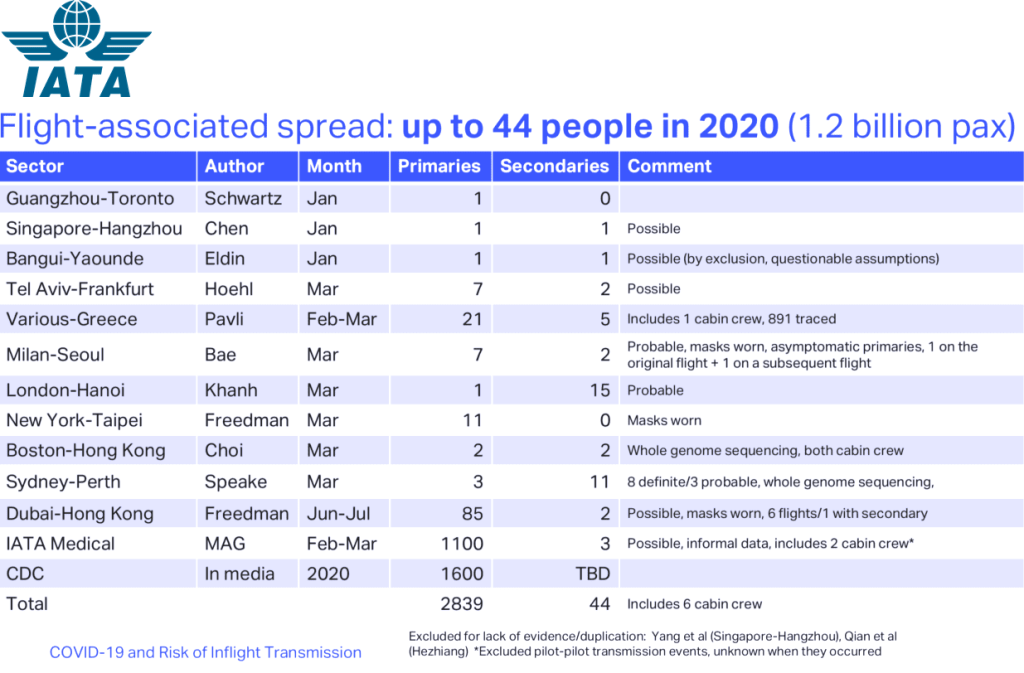
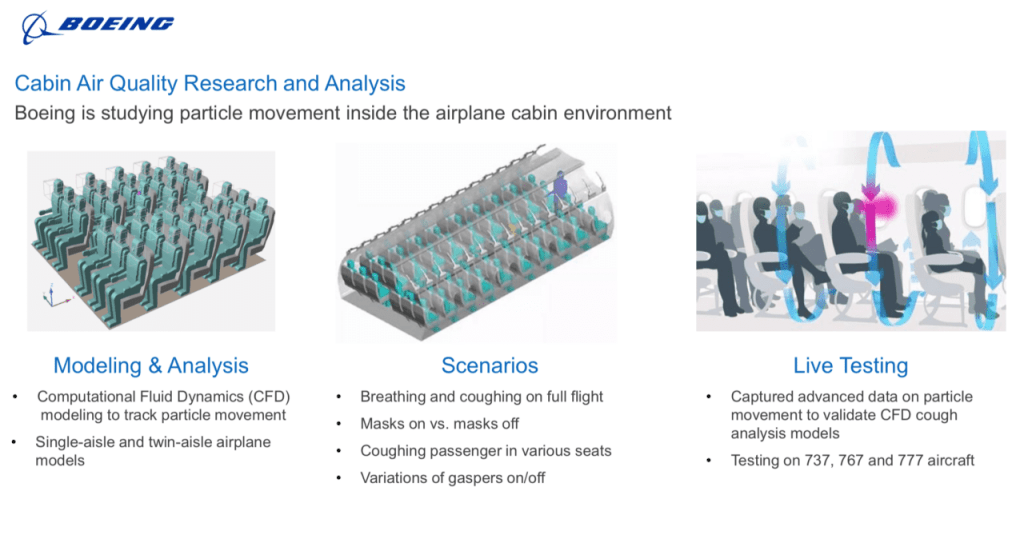
La Asociación Internacional de Transporte Aéreo (IATA) ha detallado que entre los 1.200 millones de pasajeros que han viajado con aerolíneas comerciales desde principios de 2020, se han reportado 44 casos de COVID-19 en los que se produjo transmisión en vuelo, según encontraron nuevos datos publicados por las agencias de aviación. Los datos recopilados por IATA se dieron a conocer durante una conferencia de prensa el Jueves 8 de Octubre de 2020 junto con presentaciones realizadas por los líderes de ingeniería en Airbus, Boeing y Embraer. Mediante el uso de simulaciones de Dinámica de Fluidos Computacional (CFD) y pruebas en vivo de pasajeros que tosen en cabinas e incluso virus transmitidos por el aire, las tres compañías de aviación publicaron los datos de las investigaciones más profundas sobre el riesgo de transmitir el coronavirus COVID-19 en vuelo hasta la fecha.

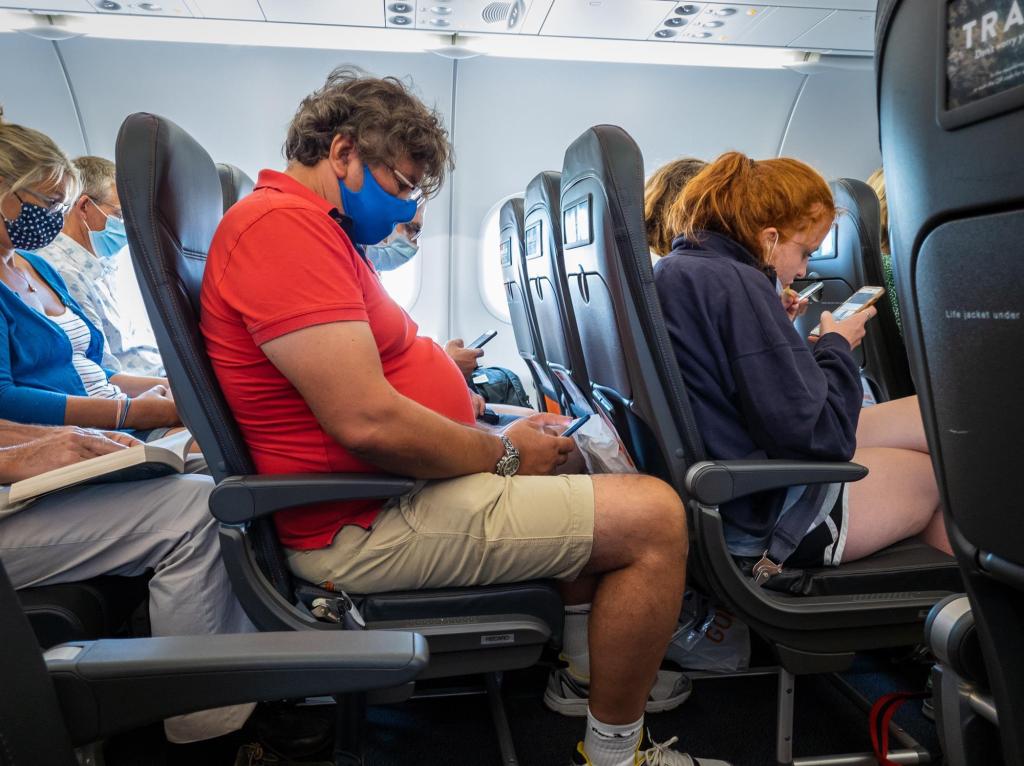
“El riesgo de que un pasajero contraiga Coronavirus mientras está a bordo parece muy bajo. Con solo 44 casos potenciales identificados de transmisión relacionada con el vuelo entre 1.200 millones de viajeros, ese es un caso por cada 27 millones de viajeros. Reconocemos que esto puede ser una subestimación, pero incluso si el 90 por ciento de los casos no se denunciaran, sería un caso por cada 2,7 millones de viajeros. Creemos que estas cifras son sumamente tranquilizadoras. Además, la gran mayoría de los casos publicados ocurrieron antes de que se generalizara el uso de cubiertas faciales durante el vuelo», dijo el Dr. David Powell, Asesor Médico de IATA durante la sesión informativa.

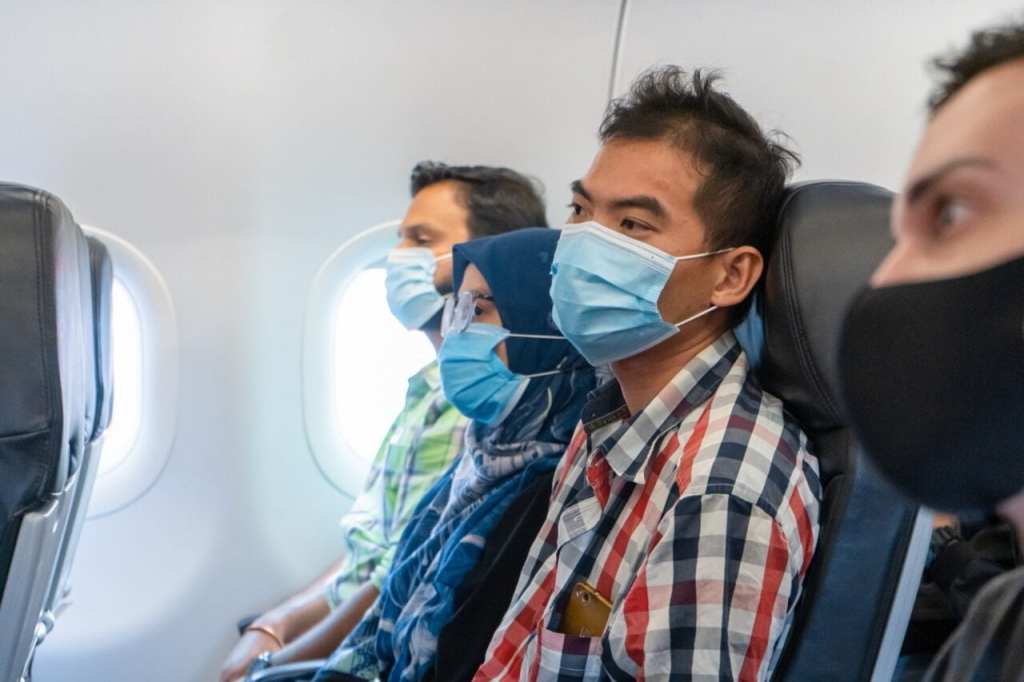
La IATA recopiló la cantidad de veces que se pensó que un pasajero había transmitido COVID-19 durante el vuelo, según los datos reportados desde principios de 2020. Los tres fabricantes de aviones comerciales más grandes de la industria utilizaron CFD para modelar cómo los pasajeros con máscaras o sin ellas, respirar, toser y hablar pueden propagar moléculas a través de la cabina de un avión durante el vuelo. Si bien los tres utilizaron supuestos, metodologías y criterios separados, todos llegaron a una conclusión similar estableciendo evidencia creíble del bajo riesgo que enfrenta un pasajero de una aerolínea en un vuelo promedio. Si bien las aerolíneas y los fabricantes continúan promoviendo la efectividad de los filtros de aire de partículas de alta eficiencia (HEPA), el flujo de aire descendente y las altas tasas de intercambio de aire que ocurren en las cabinas, los pasajeros aún expresan su preocupación sobre la capacidad de las aerolíneas para mantener seguros los entornos de las cabinas. del riesgo de transiciones COVID-19. Una encuesta de pasajeros que viajaron durante el mes de junio mostró que el 50 por ciento de los pasajeros cree que el aire de la cabina es tan limpio como un hospital, mientras que otro 50 por ciento dice que percibe el aire de la cabina como peligroso. Todos los segmentos de la industria del transporte aéreo comercial han intentado demostrar que los entornos de la cabina de los aviones son más seguros de alguna manera que los edificios de oficinas, bares y restaurantes que los viajeros frecuentan en su vida diaria.

Análisis en Airbus

Bruno Fargeon, ex-Jefe de Modelado, Simulación e Ingeniería que asumió el cargo de líder del proyecto de la iniciativa «Keep Trust in Air Travel» de Airbus Group, dijo que el fabricante con sede en Toulouse usó CFD para recopilar 50 millones de puntos de datos sobre el tamaño de los virus en micrones. y las partículas pueden fluir a través de la cabina de un avión, incluida la velocidad del aire, la dirección y la temperatura para cada uno de los puntos de datos recopilados a 1000 veces por segundo.

Cuando se le preguntó cómo se puede lograr el distanciamiento social en la cabina del avión y si las aerolíneas deberían eliminar el asiento del medio, Bruno Fargeon dijo que el flujo de aire y los filtros HEPA combinados con el uso de máscaras pueden eliminar la mayor parte del riesgo asociado con la transmisión en vuelo de COVID-19. «La distancia social a bordo de la aeronave no se puede medir tomando una medida de seis pies. La distancia social a bordo de la aeronave está asegurada por el flujo de aire que elimina las partículas y las gotas, y claramente, esa es la mejor protección que puede obtener hoy a bordo de un aviones. Las recomendaciones que se dan hoy en bares y restaurantes son lugares donde la ventilación no se puede comparar con el grado que se puede encontrar en un avión. Eso es lo que marca la gran diferencia entre el entorno de un avión y un entorno terrestre clásico», dijo Bruno Fargeon.

El modelado CFD también permitió al equipo de ingeniería de Bruno Fargeon estudiar escenarios en los que un A320 lleno de pasajeros llevaban máscaras, algunos llevaban máscaras y otros las llevaban incorrectamente. Su equipo también consideró cómo las fugas en las máscaras de tela podrían permitir que las moléculas escapen, sin dejar de llegar a la conclusión de que el flujo de aire de arriba hacia abajo y el sistema de recirculación de aire es suficiente para contrarrestar la fuga.

Airbus también ha estudiado algunas de las propuestas de terceros proveedores considerando el uso de cortinas o barreras físicas de plexiglás entre asientos, encontrando que podrían presentar más peligros que beneficios. «No recomendamos usarlos. O son muy pequeños y no van a proteger o son grandes y si son grandes distraerán el flujo e interrumpirán el flujo. También plantean retos extra, necesitan ser limpiados y limpiados adecuadamente, y además en aviones, todavía hay algunas recomendaciones y procedimientos de emergencia que tenemos que respetar. Con este tipo de dispositivos, también plantean algunos otros problemas de seguridad en En términos de evacuación, también podrían plantear algunos otros problemas de seguridad en términos de propagación del fuego al interior de la aeronave, por lo que, en general, el beneficio que traería es cero», dijo Bruno Fargeon.

Pruebas en Boeing

The Boeing Company proporcionó una descripción general de cómo está estudiando el movimiento de moléculas a través de la cabina de un avión. «De hecho, hemos realizado pruebas con MS-2, que es un virus vivo que es seguro para los humanos. Hemos hecho una gran variedad de cosas, hemos hecho pruebas con partículas del tamaño de un virus, hemos realizado pruebas con virus seguros para humanos, para asegurarnos de que comprendemos completamente el medio ambiente«, dijo Dan Freeman, Jefe Ingeniero de la Iniciativa de Viaje de Boeing. Dan Freeman dijo que el análisis de Boeing también mostró que cuando ocurre una tos en un avión de pasillo único como el Boeing 737, sus simulaciones computacionales y pruebas en vivo mostraron que todas las partículas de tos medibles se eliminan unos 90 segundos después de que ocurre la tos. Boeing también descubrió que las gotas más grandes emitidas por la tos de una persona caerán del aire más rápido porque son más pesadas, mientras que las moléculas del tamaño de un aerosol son las más difíciles de rastrear y eliminar solo a través del flujo de aire.

Estudios en Embraer

El Vicepresidente Senior de Ingeniería, Tecnología y Estrategia de Embraer S.A., Luis Carlos Affonso, dijo que el fabricante brasileño vio resultados similares a los estudios realizados por Airbus y Boeing. Su CFD y las pruebas en vivo también mostraron que la diferencia entre el riesgo de que las moléculas generadas por la tos alcancen la zona de respiración de otros pasajeros es de aproximadamente 0.13 por ciento sin una máscara y 0.02 por ciento mientras usa una. «La necesidad humana de viajar, conectar y ver a nuestros seres queridos no ha desaparecido. De hecho, en momentos como este, necesitamos a nuestras familias y amigos aún más. Nuestro mensaje hoy es que debido a la tecnología y los procedimientos implementados, puede volar de manera segura; todas las investigaciones lo demuestran. De hecho, la cabina de un avión comercial es uno de los espacios más seguros disponibles en cualquier lugar durante esta pandemia», dijo Luis Affonso.

Perspectivas aéreas

La recopilación de datos de IATA y los resultados de las simulaciones de cabina se alinean con el bajo número de informes en vuelo informados en un estudio revisado por pares realizado por Freedman y Wilder-Smith en el Journal of Travel Medicine. Ese estudio también apunta a la capa adicional de protección proporcionada por los pasajeros que usan máscaras. Las tres empresas admitieron que todavía existe cierto riesgo relacionado con la posibilidad de transmitir el virus durante el vuelo. Los filtros HEPA, el flujo de aire y el uso de mascarillas aún dejan la posibilidad de que una pequeña cantidad de partículas emitidas por un pasajero que podría tener COVID-19 y no saberlo lleguen a otro pasajero que también está sentado en la cabina. Pero creen que la educación que están brindando a los pasajeros y ser lo más transparentes posible sobre cómo los micrones del tamaño de un virus fluyen a través de una cabina durante el vuelo muestra cuán bajo es realmente el riesgo.

Ninguna de las pruebas en vivo realizadas por Airbus, Boeing y Embraer involucró la simulación real de una persona que tiene COVID-19 tosiendo o respirando abiertamente durante el vuelo. En su lugar, utilizaron humo y otros métodos para estudiar cómo las micras y las moléculas son eliminadas por el flujo de aire y la recirculación que ya ocurre en las cabañas hoy en día.

Anti-transmission flight test

Simulation flight tests assess low risk of transmission

The International Air Transport Association (IATA) has detailed that among the 1.2 billion passengers who have traveled with commercial airlines since the beginning of 2020, 44 cases of COVID-19 have been reported in which transmission occurred in flight, according to new findings. data published by aviation agencies. The data collected by IATA was released during a press conference on Thursday, October 8, 2020 along with presentations made by engineering leaders at Airbus, Boeing and Embraer. Using Computational Fluid Dynamics (CFD) simulations and live testing of passengers coughing in cabins and even airborne viruses, the three aviation companies released the data from the most in-depth investigations into the risk of transmitting the COVID-19 coronavirus in flight to date.

“The risk of a passenger contracting Coronavirus while on board appears very low. With only 44 potential cases of flight-related transmission identified among 1.2 billion travelers, that’s one case for every 27 million travelers. We recognize that this may be an understatement, but even if 90 percent of cases went unreported, it would be one case for every 2.7 million travelers. We believe that these figures are extremely reassuring. Furthermore, the vast majority of reported cases occurred before the use of face shields became widespread during the flight», said Dr. David Powell, IATA Medical Advisor during the briefing.

IATA compiled the number of times a passenger was thought to have transmitted COVID-19 during the flight, based on data reported since early 2020. The three largest commercial aircraft manufacturers in the industry used CFDs to model how passengers with Masks or without masks, breathing, coughing and talking can spread molecules through the cabin of an airplane during flight. While all three used separate assumptions, methodologies, and criteria, they all came to a similar conclusion establishing credible evidence of the low risk an airline passenger faces on an average flight. While airlines and manufacturers continue to promote the effectiveness of High Efficiency Particulate Air Filters (HEPA), the downward airflow and high air exchange rates that occur in cabins, passengers still express concern. on airlines’ ability to keep cabin environments safe. of the risk of COVID-19 transitions. A survey of passengers who traveled in June showed that 50 percent of passengers believe cabin air is as clean as a hospital, while another 50 percent say they perceive cabin air as dangerous. Every segment of the commercial air transport industry has tried to show that airplane cabin environments are somehow safer than the office buildings, bars, and restaurants that travelers frequent in their daily lives.

Analysis at Airbus

Bruno Fargeon, former Head of Modeling, Simulation and Engineering who took over as project leader for Airbus Group’s «Keep Trust in Air Travel» initiative, said the Toulouse-based manufacturer used CFDs to collect 50 million points of data on the size of viruses in microns. and particles can flow through the cabin of an airplane, including airspeed, direction, and temperature for each of the data points collected at 1000 times per second.

AIRBUS SHOWS HOW FLOW OF AIR HELPS TO ELIMINATE THE SPREAD OF MOLECULES TRANSMITTED IN THE CABIN AIRPLANE

When asked how social distancing can be achieved in the airplane cabin and if airlines should eliminate the middle seat, Bruno Fargeon said that airflow and HEPA filters combined with the use of masks can eliminate most of it. of the risk associated with in-flight transmission of COVID-19. «The social distance on board the aircraft cannot be measured by taking a measurement of six feet. The social distance on board the aircraft is ensured by the airflow that removes particles and droplets, and clearly, that is the best. protection you can get today on board an aircraft. The recommendations given today in bars and restaurants are places where ventilation cannot be compared to the degree that can be found in an airplane. That is what makes the big difference between the environment of an airplane and a classic ground environment», said Bruno Fargeon.

CFD modeling also allowed Bruno Fargeon’s engineering team to study scenarios where an A320 full of passengers wore masks, some wore masks, and some wore them incorrectly. His team also considered how leaks in cloth masks could allow molecules to escape, while still concluding that the top-down airflow and air recirculation system is sufficient to counter the leak.

Airbus has also studied some of the third-party vendor proposals considering the use of physical plexiglass curtains or barriers between seats, finding that they could present more dangers than benefits. «We do not recommend using them. Either they are very small and will not protect or they are large and if they are large they will distract the flow and interrupt the flow. They also pose extra challenges, they need to be cleaned and cleaned properly, and also on airplanes, there are still some recommendations. and emergency procedures that we have to respect. With these kinds of devices, they also pose some other safety issues in terms of evacuation, they could also pose some other safety issues in terms of spreading the fire inside the aircraft, so that, in general, the benefit it would bring is zero», said Bruno Fargeon.

Testing at Boeing

The Boeing Company provided an overview of how it is studying the motion of molecules through the cabin of an airplane. «In fact, we have tested MS-2, which is a live virus that is safe for humans. We have done a variety of things, we have tested virus-sized particles, we have tested viruses that are safe for humans, to make sure we fully understand the environment», said Dan Freeman, Chief Engineer for Boeing’s Travel Initiative. Dan Freeman said Boeing’s analysis also showed that when a cough occurs in a single-aisle aircraft like the Boeing 737, his computer simulations and live tests showed that all measurable cough particles are removed about 90 seconds after it occurs. cough. Boeing also found that the largest droplets emitted from a person’s cough will fall out of the air faster because they are heavier, while aerosol-sized molecules are the most difficult to track and remove through air flow alone.

Studies at Embraer

Embraer S.A. Senior Vice President of Engineering, Technology and Strategy, Luis Carlos Affonso, said that the Brazilian manufacturer saw results similar to studies carried out by Airbus and Boeing. His CFD and live tests also showed that the difference between the risk of molecules generated by coughing reaching the breathing zone of other passengers is about 0.13 percent without a mask and 0.02 percent while wearing one. «The human need to travel, connect and see our loved ones has not disappeared. In fact, in times like this, we need our families and friends even more. Our message today is that due to the technology and procedures in place, it can fly safely, all the research proves it. In fact, the cabin of a commercial airplane is one of the safest spaces available anywhere during this pandemic», said Luis Affonso.

Air perspectives

The IATA data collection and the results of the cockpit simulations align with the low number of in-flight reports reported in a peer-reviewed study conducted by Freedman and Wilder-Smith in the Journal of Travel Medicine. That study also points to the extra layer of protection provided by passengers wearing masks. All three companies admitted that there is still some risk related to the possibility of transmitting the virus during the flight. HEPA filters, air flow and the use of masks still leave the possibility that a small amount of particles emitted by a passenger who could have COVID-19 and not know it reach another passenger who is also sitting in the cabin. But they believe that the education they are providing passengers and being as transparent as possible about how virus-sized microns flow through a cabin during flight shows how low the risk really is.

None of the live tests conducted by Airbus, Boeing and Embraer involved the actual simulation of a person with COVID-19 coughing or openly breathing during the flight. Instead, they used smoke and other methods to study how microns and molecules are removed by the air flow and recirculation that already occurs in cabins today.


PUBLISHER: Airgways.com
DBk: Iata.org / Aviationtoday.com / Airbus.com / Boeing.com / Embraer.com / Airgways.com
AW-POST: 202010101517AR

A\W   A I R G W A Y S ®

Azul presencia en Nordeste Brasil

AW | 2020 10 09 12:37 | AIRLINES ROUTES

Caruaru y Serra Talhada tendrán vuelos a Recife

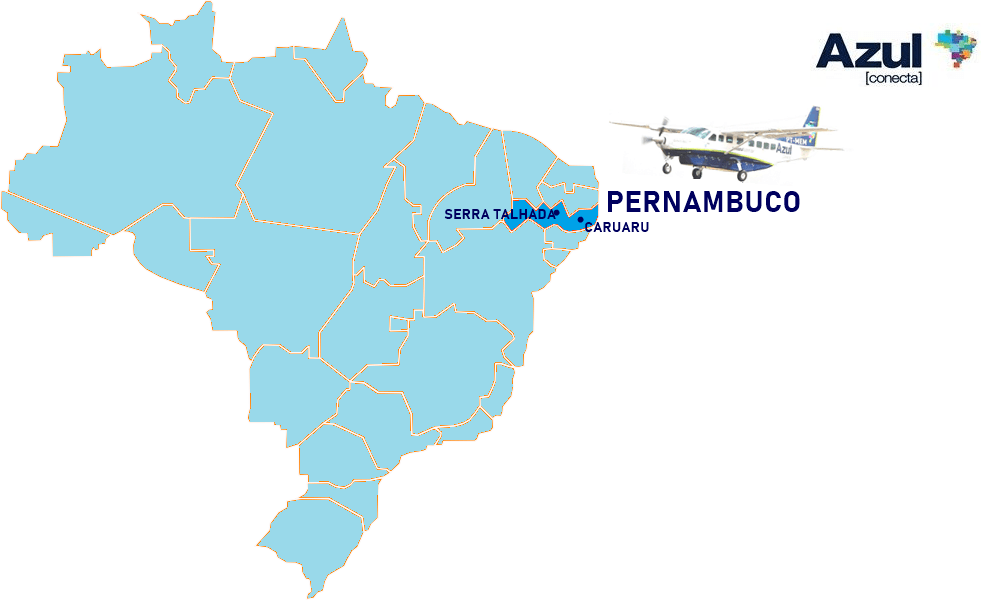
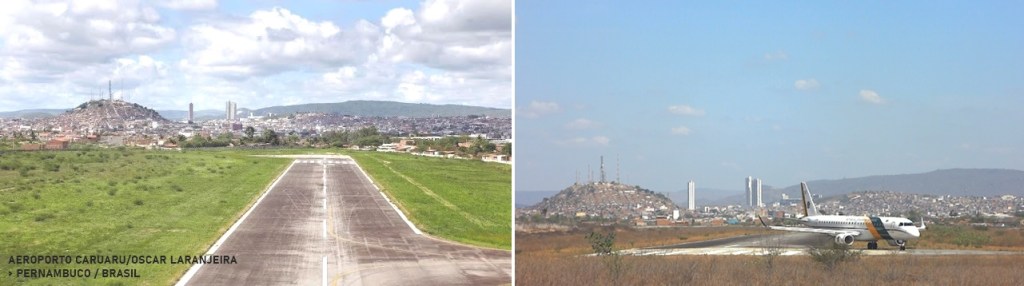
El Gobierno de Pernambuco ha anunciado el Jueves 8 Octubre de 2020 que la Región Sertão y Agreste estarán conectados por servicio de transporte aéreo de línea. La aerolínea Azul Linhas Aéreas por medio de su subsidiaria Azul Conecta ofrecerá vuelos directos y regulares a Recife con una frecuencia de dos veces al día (2Frq/D) hacia los aeropuertos de Santa Magalhães en Serra Talhada, y Oscar Laranjeiras en Caruaru. El inicio de operaciones está previsto para el 11 de Noviembre de 2020. El anuncio tuvo lugar durante una reunión, a primeras horas de la tarde, en el Palacio de Campo das Princesas de la Ciudad de Recife, a la que asistieron la secretaria de Infraestructura y Recursos Hídricos, Fernandha Batista, y directores de Azul. Azul Linhas Aéreas se ha convertido en un gran socio en Pernambuco con la conectividad implementada en el hub de Recife.

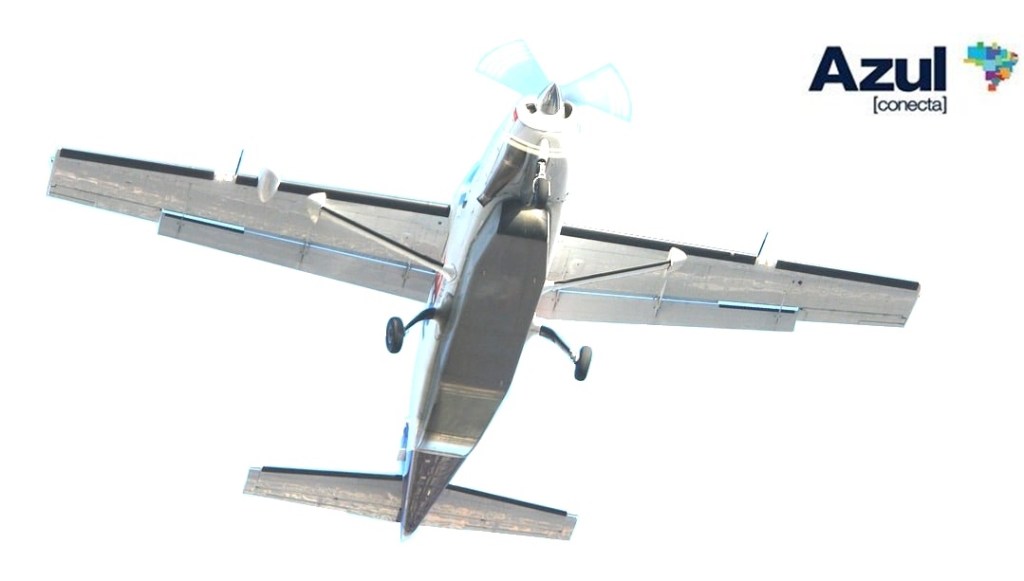
Los aviones Cessna Gran Caravan de Azul Conecta, la empresa subregional de Azul, con capacidad para nueve clientes, serán los encargados de cumplir con las conexiones entre las ciudades de Sertão y Agreste con la capital de Pernambuco. Las nuevas operaciones también seguirán los estrictos protocolos sanitarios adoptados por la empresa desde el inicio de la pandemia.

“Brasil es inmenso, con dimensiones continentales. Azul cree en el potencial económico del país y, por ello, el desarrollo de la aviación regional se basa en su modelo de negocio. Realizar esta operación regular en Serra Talhada y Caruaru será un hito para los destinos, conectando estas ciudades y región a toda la red nacional e internacional de Azul a través de una conexión en Recife”, dice John Rodgerson, Presidente de Azul.

Fortaleza, Salvador, Maceió, Aracaju, Natal, Juazeiro do Norte, Belém, Manaus, Teresina, São Luís, Belo Horizonte, Rio, Campinas, Congonhas y Guarulhos serán las principales ciudades brasileñas con conexiones convenientes para los nuevos vuelos Recife-Serra Talhada y Recife-Caruaru. Con la inclusión de destinos y un aumento en el número de vuelos, el aeropuerto de la capital de Pernambuco contará con 46 vuelos diarios a 22 destinos a partir de Noviembre 2020.

Aeropuerto Caruaru/Oscar Laranjeira

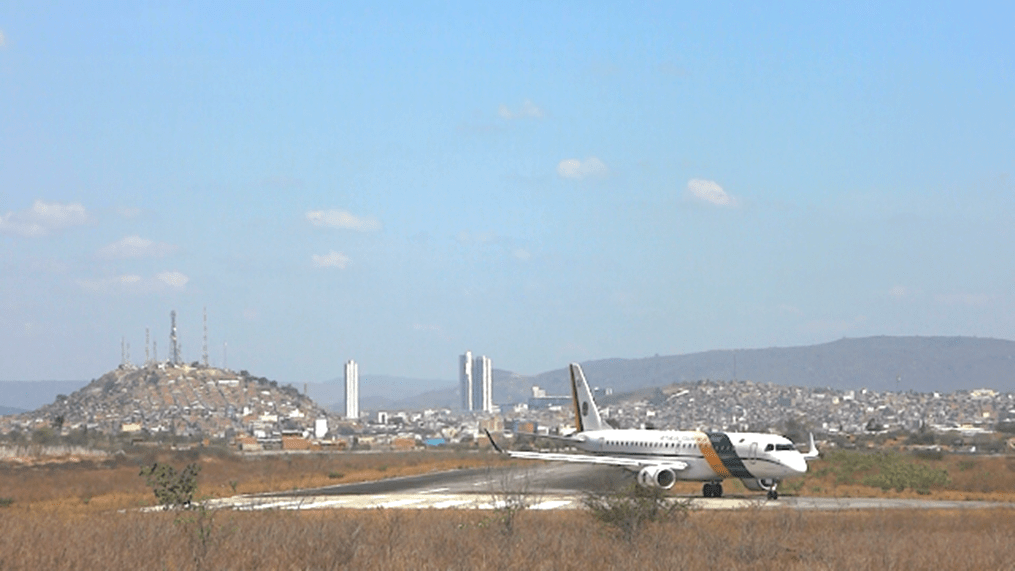
El Gobierno de Pernambuco publicó el pasado fin de semana el anuncio de licitación con el objetivo de contratar una empresa para llevar a cabo la remodelación de la terminal de pasajeros del Aeropuerto Oscar Laranjeira, en Caruaru, en Agreste.

El Miércoles 07/10 se ha firmado la orden de servicio para el inicio de obras en el Aeropuerto Caruaru/Oscar Laranjeira, que tiene una inversión de R$ 449.688,06. La cantidad económica empleada está destinada a garantizar la renovación del edificio de la terminal de pasajeros. La expectativa es que los servicios se completen en 60 días.

Azul presence in Northeast Brazil

Caruaru and Serra Talhada will have flights to Recife

The Government of Pernambuco has announced on Thursday October 8, 2020 that the Sertão and Agreste Region will be connected by line air transport service. The Azul Linhas Aéreas airline through its subsidiary Azul Conecta will offer direct and regular flights to Recife with a frequency of twice a day (2Frq/D) to the airports of Santa Magalhães in Serra Talhada, and Oscar Laranjeiras in Caruaru. The start of operations is scheduled for November 11, 2020. The announcement took place during a meeting, early in the afternoon, at the Palacio de Campo das Princesas in the City of Recife, which was attended by the Secretary of Infrastructure and Hydrological Resources, Fernandha Batista, and directors of Azul. Azul Linhas Aéreas has become a great partner in Pernambuco with the connectivity implemented in the Recife hub.

The Cessna Gran Caravan aircraft of Azul Conecta, Azul’s subregional company, with capacity for nine clients, will be in charge of fulfilling the connections between the cities of Sertão and Agreste with the capital of Pernambuco. The new operations will also follow the strict health protocols adopted by the company since the start of the pandemic.

“Brazil is huge, with continental dimensions. Azul believes in the economic potential of the country and, therefore, the development of regional aviation is based on its business model. Carrying out this regular operation in Serra Talhada and Caruaru will be a milestone for destinations, connecting these cities and region to the entire national and international network of Azul through a connection in Recife”, says John Rodgerson, President of Azul.

Fortaleza, Salvador, Maceió, Aracaju, Natal, Juazeiro do Norte, Belém, Manaus, Teresina, São Luís, Belo Horizonte, Rio, Campinas, Congonhas and Guarulhos will be the main Brazilian cities with convenient connections for the new Recife-Serra Talhada flights and Recife-Caruaru. With the inclusion of destinations and an increase in the number of flights, the airport in the capital of Pernambuco will have 46 daily flights to 22 destinations as of November 2020.

Caruaru/Oscar Laranjeira Airport

The Government of Pernambuco published last weekend the tender announcement with the aim of hiring a company to carry out the remodeling of the passenger terminal at the Oscar Laranjeira Airport, in Caruaru, in Agreste.

On Wednesday 10/07 the service order was signed for the start of works at the Caruaru/Oscar Laranjeira Airport, which has an investment of R $ 449,688.06. The economic amount used is intended to guarantee the renovation of the passenger terminal building. The expectation is that services will be completed in 60 days.

Presença da Azul no Nordeste do Brasil

Caruaru e Serra Talhada terão voos para Recife

La imagen tiene un atributo ALT vacío; su nombre de archivo es azul-conecta.jpg

O Governo de Pernambuco anunciou na quinta-feira, 8 de outubro de 2020, que o Sertão e o Agreste serão interligados por transporte aéreo de linha. A companhia aérea Azul Linhas Aéreas, por meio de sua subsidiária Azul Conecta, oferecerá voos diretos e regulares para Recife com frequência de duas vezes ao dia (2Frq/D) para os aeroportos de Santa Magalhães na Serra Talhada e Oscar Laranjeiras em Caruaru. O início das operações está previsto para 11 de novembro de 2020. O anúncio ocorreu durante encontro, no início da tarde, no Palácio de Campo das Princesas, na Cidade do Recife, que contou com a presença do Secretário de Infraestrutura e Recursos Hidrológicos, Fernandha Batista, e diretores da Azul. A Azul Linhas Aéreas se tornou uma grande parceira em Pernambuco com a conectividade implantada no hub de Recife.

A aeronave Cessna Gran Caravan da Azul Conecta, empresa sub-regional da Azul, com capacidade para nove clientes, ficará encarregada de cumprir as ligações das cidades de Sertão e Agreste com a capital pernambucana. As novas operações também seguirão os rígidos protocolos de saúde adotados pela empresa desde o início da pandemia.

“O Brasil é enorme, com dimensões continentais. A Azul acredita no potencial econômico do país e, para isso, o desenvolvimento da aviação regional está baseado em seu modelo de negócios. A realização dessa operação regular em Serra Talhada e Caruaru será um marco para os destinos, conectando essas cidades e região a toda a malha nacional e internacional da Azul por meio de uma conexão em Recife”, afirma John Rodgerson, presidente da Azul.

Fortaleza, Salvador, Maceió, Aracaju, Natal, Juazeiro do Norte, Belém, Manaus, Teresina, São Luís, Belo Horizonte, Rio, Campinas, Congonhas e Guarulhos serão as principais cidades brasileiras com conexões convenientes para os novos voos Recife-Serra Talhada e Recife-Caruaru. Com a inclusão dos destinos e o aumento do número de voos, o aeroporto da capital pernambucana contará com 46 voos diários para 22 destinos a partir de novembro de 2020.

Aeroporto Caruaru/Oscar Laranjeira

O Governo de Pernambuco publicou no passado fim-de-semana o anúncio do concurso com o objectivo de contratar uma empresa para efectuar a remodelação do terminal de passageiros do Aeroporto Oscar Laranjeira, em Caruaru, no Agreste.

Na quarta-feira, 10/07, foi assinada a ordem de serviço para o início das obras do Aeroporto Caruaru/Oscar Laranjeira, que tem investimento de R$ 449.688,06. O valor econômico utilizado destina-se a garantir a reforma do edifício do terminal de passageiros. A expectativa é que os serviços sejam concluídos em 60 dias.


PUBLISHER: Airgways.com
DBk: Voeazul.com.br / Pe.gov.br / Anac.gov.br / William Eduardo / Airgways.com
AW-POST: 202010091237AR

A\W   A I R G W A Y S ®

Réplica Southern Cross en Australia

AW | 2020 10 07 19:44 | AVIATION HISTORY

HARS Aviation Museum exhibirá al legendario Southern Cross

Los residentes de Illawarra en el Estado de Nueva Gales del Sur, Australia, podrán conocer de cerca y personalmente la réplica del Southern Cross de Kingsford Smith este fin de semana en el Museo de Aviación HARS. Luego de la llegada la semana pasada del tercer motor de pistón Jacobs restaurado, se ha podido completar la estructura de la aeronave Fokker F.VIIb/3m matrícula VH-USU. El proyecto de 10 años para que la aeronave vuelva a volar ha sido una labor de pasión para un pequeño equipo en el Museo de Aviación HARS dirigido por Jim Thurstan.

Historia del Fokker Trimotor

Los Fokker Trimotors sirvieron como aviones de pasajeros populares en Europa durante la década de 1920 y la restauración de la réplica voladora de la Southern Cross construida para el Bicentenario de Australia mostrará como era en esos primeros días de vuelo.

El Southern Cross es un monoplano trimotor Fokker F.VIIb/3m que fue volado por el aviador australiano Charles Kingsford Smith, Charles Ulm, Harry Lyon y James Warner en el primer vuelo transpacífico a Australia desde los Estados Unidos continentales, una distancia de unos 11.670 kilómetros (7.250 millas), en 1928.

El Southern Cross nació como el Detroiter, un avión de exploración polar de la expedición Detroit News- Wilkins Arctic. El avión se estrelló en Alaska en 1926 y fue recuperado y reparado por el líder de la expedición australiano, Hubert Wilkins. Wilkins, que había decidido que el Fokker era demasiado grande para sus exploraciones árticas, se reunió con Kingsford Smith y Charles Ulm en San Francisco y dispuso venderles el avión, sin motores ni instrumentos. Después de haber equipado la aeronave con motores y otras piezas necesarias, Kingsford Smith hizo dos intentos por lograr el récord mundial de resistencia en un intento de recaudar fondos e interés para su vuelo transpacífico. Sin embargo, después de que el gobierno de Nueva Gales del Sur retiró su patrocinio del vuelo, parecía que el dinero se acabaría y Kingsford Smith tendría que vender la Cruz del Sur . El avión fue comprado por el aviador y filántropo estadounidense Allan Hancock , quien luego se lo prestó a Kingsford Smith y Ulm. Los tres motores Wright Whirlwind fueron financiados por el empresario de Melbourne, Sidney Myer.

Vuelo Fokker F.VIIb/3m

El 31 de Mayo de 1928, la tripulación —Charles Kingsford Smith, Charles Ulm y los estadounidenses Harry Lyon (navegante) y James Warner (operador de radio)— despegó de Oakland, California, Estados Unidos. El Southern Cross se detuvo para descansar y repostar en Hawai antes de partir hacia Fiji. Este tramo del viaje tomó 34 1⁄2 horas de vuelo a través del mar abierto antes de pasar por el Grand Pacific Hotel en Suva , donde una multitud grande y entusiasta vio el primer avión que aterrizó en Fiji aterrizar en Albert Park. El Southern Cross aterrizó en el aeropuerto Eagle Farm en Brisbane, Queensland, Australia, el 9 de Junio, donde una multitud de 25.000 personas estaban esperando para recibir al Southern Cross a su llegada al aeropuerto. El Southern Cross voló a Sydney al día siguiente 10 de Junio.

La aeronave estuvo en constante comunicación por radio con los barcos y la costa durante el vuelo utilizando cuatro transmisores y tres receptores alimentados por una turbina de aire de pistón unida al fuselaje debajo de la cabina. Los transmisores incluían un equipo de onda corta de 50 vatios que funcionaba a 33,5 metros de longitud de onda y dos equipos de 60 vatios que funcionaban a 600 metros, con un equipo de emergencia impermeable de 600 metros capaz de funcionar ocho horas sumergido. Los receptores, que comparten un amplificador de audio común, incluían una baliza y una de onda corta, onda larga. Los primeros mensajes comerciales pagados se enviaron y recibieron durante el vuelo y se estableció un nuevo récord mundial de distancia para la radio con una recepción de onda corta en Bloemfontein., Sudáfrica, el camino más largo alrededor del mundo a 12.800 millas (20.600 km). Se mantuvieron comunicaciones directas entre el avión y la costa de onda corta con la costa del Pacífico hasta que el vuelo estuvo a cuatro horas de Honolulu, que había estado monitoreando el vuelo desde dos horas después de la salida con una superposición de recepción similar en el tramo de Honolulu a Suva. El éxito de este vuelo influyó en el almirante Byrd para equipar sus tres aviones de la Expedición Antártica con equipos similares.

Vuelos Trans-Tasman

Kingsford Smith, Ulm y Gordon Taylor también hicieron el primer vuelo sin escalas Trans-Tasman en Southern Cross sobre el Mar de Tasmania desde Australia a Nueva Zelanda comenzando con la primera travesía del 10 al 11 de Septiembre de 1928, una distancia de 2670 kilómetros (1,660 millas). Luego volaron de regreso a Australia. Guy Menzies completó el primer vuelo trans-Tasman en solitario en el Southern Cross Junior en 1931.

Preservación

Poco antes de la muerte de Kingsford Smith en 1935, vendió el Southern Cross a la Commonwealth de Australia, para exhibirla en un museo. La aeronave se retiró brevemente en 1945 para el rodaje de la película Smithy. La máquina fue renovada en 1985 bajo la supervisión de Jim Schofield, un alto funcionario de aviación e investigador de accidentes aéreos. El Southern Cross ahora se conserva en un hangar de cristal especial en Airport Drive, cerca de la terminal internacional del aeropuerto de Brisbane.

Una reproducción voladora a tamaño real del Southern Cross se construyó en Australia del Sur entre 1980 y 1987, y es el avión de reproducción más grande conocido en el mundo. El Sargento Anthony Lohrey de la Real Fuerza Aérea Australiana, Unidad de Investigación y Desarrollo de Aeronaves (ARDU) supervisó su construcción. El 25 de Mayo de 2002 en Parafield South Australia perdió una rueda principal en el despegue. La réplica aterrizó en la única rueda buena y el patín de cola con el piloto manteniendo el tren de aterrizaje dañado fuera del suelo manteniendo el ala en el aire. Cuando el avión se detuvo, el ala bajó y se partió ~3 m de la punta del ala. Después de una negociación considerable, la Sociedad de Restauración de Aeronaves Históricas (HARS) adquirió la aeronave del Gobierno de Sudáfrica en 2010, y la aeronave fue transportada a las instalaciones de HARS en el Aeropuerto Regional Illawarra, Albion Park, Nueva Gales del Sur. Los voluntarios de HARS están restaurando la réplica de la aeronave a su estado de aeronavegabilidad completa. Esto incluirá la restauración del ala de madera contrachapada y pícea hecha a mano. La aeronave lleva el registro original de VH-USU.

Un tributo personal

El entusiasta de la aviación australiano Austin Byrne fue parte de la gran multitud en el Aeródromo Mascot de Sydney en junio de 1928 para dar la bienvenida al Southern Cross y su tripulación luego de su exitoso vuelo transpacífico. Ser testigo de este evento inspiró a Byrne a hacer un modelo a escala 1:24 del Southern Cross, hecho principalmente de latón con acabado en oro y plata. Kingsford Smith desapareció antes de que Byrne completara el modelo. Después de la desaparición de Kingsford Smith, Byrne continuó expandiendo y mejorando su tributo con pinturas, fotografías, documentos y obras de arte que creó, diseñó o encargó. Entre 1930 y su muerte en 1993, Byrne dedicó su vida a crear y recorrer su Southern Cross Memorial.

El registro original del Southern Cross era «1985»; este número se puede ver en las alas y la cola del avión en las fotos tomadas en el momento de su primer vuelo récord. Kingsford Smith volvió a registrarlo en Australia como «G-AUSU», 4 de Julio de 1928 al 3 de Julio de 1929, y luego «VH-USU» el 5 de Abril de 1931. Las marcas de «1985» y el esquema de color original se restauraron cuando el avión se exhibió al público.

El Southern Cross recibió su nombre de la constelación de la Cruz del Sur, un símbolo popular del hemisferio sur en general y de Australia en particular. Kingsford Smith continuó el tema con su último avión Southern Cross Minor y Southern Cross Junior (ambos Avro Avians ), Miss Southern Cross (Percival Gull) y Lady Southern Cross (Lockheed Altair). También produjo un automóvil con el nombre, y le dio al avión operado por su aerolínea, Australian National Airways, nombres similares que comienzan con la palabra Sur.

Exhibición HARS Aviation

Los aviones que se presentarán en los Tarmac Days del HARS Aviation Museum este fin de semana incluyen el Fokker VIIb/3m, un helicóptero Bell 47 MASH que vuela el sábado y el domingo junto con un Lockheed AP-3C Orion recientemente retirado y un ex C-47 Dakota. Habrá casi 50 aviones en exhibición de Viernes 09/10 al Domingo 11/10.

Replica Southern Cross in Australia

HARS Aviation Museum to exhibit legendary Southern Cross

Residents of Illawarra in the State of New South Wales, Australia, will get up close and personal with the replica of Kingsford Smith’s Southern Cross this weekend at the HARS Aviation Museum. Following the arrival last week of the third restored Jacobs piston engine, the structure of the Fokker F.VIIb/3m aircraft registration VH-USU has been completed. The 10-year project to get the aircraft to fly again has been a passionate endeavor for a small team at the HARS Museum of Aviation led by Jim Thurstan.

History of the Fokker Trimotor

The Fokker Trimotors served as popular airliners in Europe during the 1920s and the restoration of the Southern Cross flying replica built for Australia’s Bicentennial will show what it looked like in those early days of flight.

The Southern Cross is a Fokker F.VIIb/3m trimotor monoplane that was flown by Australian aviator Charles Kingsford Smith, Charles Ulm, Harry Lyon and James Warner on the first trans-Pacific flight to Australia from the continental United States, a distance of about 11,670 kilometers (7,250 miles), in 1928.

The Southern Cross was born as the Detroiter, a polar exploration aircraft of the Detroit News-Wilkins Arctic expedition. The plane crashed in Alaska in 1926 and was recovered and repaired by Australian expedition leader Hubert Wilkins. Wilkins, who had decided that the Fokker was too large for his Arctic explorations, met with Kingsford Smith and Charles Ulm in San Francisco and arranged to sell the plane to them, without engines or instruments. After having equipped the aircraft with engines and other necessary parts, Kingsford Smith made two attempts to achieve the world endurance record in an attempt to raise funds and interest for his trans-Pacific flight. However, after the New South Wales government withdrew its sponsorship of the flight, it seemed the money would run out and Kingsford Smith would have to sell the Southern Cross. The plane was purchased by American aviator and philanthropist Allan Hancock, who later loaned it to Kingsford Smith and Ulm. The three Wright Whirlwind engines were financed by Melbourne businessman Sidney Myer.

Flight Fokker F.VIIb/3m

On May 31, 1928, the crew Charles Kingsford Smith, Charles Ulm and Americans Harry Lyon (navigator) and James Warner (radio operator) took off from Oakland, California, United States. The Southern Cross stopped to rest and refuel in Hawaii before departing for Fiji. This leg of the trip took 34 1⁄2 hours of flying across the open sea before passing the Grand Pacific Hotel in Suva, where a large and enthusiastic crowd saw the first plane to land in Fiji land at Albert Park. The Southern Cross landed at Eagle Farm Airport in Brisbane, Queensland, Australia, on June 9, where a crowd of 25,000 people were waiting to greet the Southern Cross upon arrival at the airport. The Southern Cross flew to Sydney the following day June 10.

The aircraft was in constant radio communication with the ships and the shoreline during the flight using four transmitters and three receivers powered by a piston air turbine attached to the fuselage below the cockpit. The transmitters included a 50-watt shortwave set operating at 33.5 meters wavelength and two 60-watt sets operating at 600 meters, with a 600-meter waterproof emergency kit capable of operating eight hours submerged. The receivers, which share a common audio amplifier, included a beacon and a shortwave, longwave. The first commercial paid messages were sent and received during the flight and a new world distance record was set for radio with shortwave reception in Bloemfontein, South Africa, the longest way around the world at 12,800 miles (20,600 km). Direct communications were maintained between the aircraft and the shortwave coastline with the Pacific coast until the flight was four hours from Honolulu, which had been monitoring the flight for two hours after departure with a similar reception overlay on the Honolulu to Suva stretch. The success of this flight influenced Admiral Byrd to equip his three Antarctic Expedition aircraft with similar equipment.

Trans-Tasman flights

Kingsford Smith, Ulm and Gordon Taylor also made the first non-stop Trans-Tasman flight at Southern Cross over the Tasman Sea from Australia to New Zealand beginning with the first crossing from 10-11 September 1928, a distance of 2,670 kilometers ( 1,660 miles). They then flew back to Australia. Guy Menzies completed the first solo trans-Tasman flight on the Southern Cross Junior in 1931.

La imagen tiene un atributo ALT vacío; su nombre de archivo es image1-e1497139791169-2001x500-1.png

Preservation

Shortly before Kingsford Smith’s death in 1935, he sold the Southern Cross to the Commonwealth of Australia, for display in a museum. The aircraft was briefly retired in 1945 for the filming of the Smithy movie. The machine was renovated in 1985 under the supervision of Jim Schofield, a senior aviation official and air accident investigator. The Southern Cross is now kept in a special glass hangar on Airport Drive near the international terminal at Brisbane Airport.

A life-size flying replica of the Southern Cross was built in South Australia between 1980 and 1987, and is the largest known replica aircraft in the world. Sergeant Anthony Lohrey of the Royal Australian Air Force, Aircraft Research and Development Unit (ARDU) oversaw its construction. On May 25, 2002 at Parafield South Australia he lost a main wheel on take off. The replica landed on the only good wheel and the tail skid with the pilot keeping the damaged landing gear off the ground keeping the wing in the air. When the aircraft stopped, the wing lowered and split ~3 m from the wingtip. After considerable negotiation, the Historic Aircraft Restoration Society (HARS) acquired the aircraft from the Government of South Africa in 2010, and the aircraft was transported to the HARS facility at Illawarra Regional Airport, Albion Park, New South Wales. HARS volunteers are restoring the aircraft replica to full airworthiness. This will include restoration of the hand-made plywood and spruce wing. The aircraft carries the original VH-USU registration.

A personal tribute

Australian aviation enthusiast Austin Byrne was part of the large crowd at Sydney Mascot Airfield in June 1928 to welcome the Southern Cross and its crew following their successful trans-Pacific flight. Witnessing this event inspired Byrne to make a 1:24 scale model of the Southern Cross, made primarily of brass with a gold and silver finish. Kingsford Smith disappeared before Byrne completed the model. After Kingsford Smith’s demise, Byrne continued to expand and enhance his tribute with paintings, photographs, documents, and works of art that he created, designed, or commissioned. Between 1930 and his death in 1993, Byrne dedicated his life to creating and touring his Southern Cross Memorial.

The original Southern Cross registration was «1985»; This number can be seen on the wings and tail of the plane in photos taken at the time of its first record flight. Kingsford Smith re-registered it in Australia as «G-AUSU», July 4, 1928 to July 3, 1929, and then «VH-USU» on April 5, 1931. The «1985» marks and the original color were restored when the plane was displayed to the public.

The Southern Cross got its name from the constellation of the Southern Cross, a popular symbol of the southern hemisphere in general and Australia in particular. Kingsford Smith continued the theme with his latest aircraft Southern Cross Minor and Southern Cross Junior (both Avro Avians), Miss Southern Cross (Percival Gull) and Lady Southern Cross (Lockheed Altair). He also produced a car with the name, and gave the aircraft operated by his airline, Australian National Airways, similar names beginning with the word South.

In September 2010, the Old Gateway Highway, which runs through the site of the original Eagle Farm Airport, was renamed the Southern Cross Way.

HARS Aviation Exhibition

Planes to be featured at the HARS Aviation Museum Tarmac Days this weekend include the Fokker VIIb/3m, a Bell 47 MASH helicopter flying Saturday and Sunday alongside a recently retired Lockheed AP-3C Orion and a former C -47 Dakota. There will be almost 50 aircraft on display from Friday 10/09 to Sunday 10/11.


PUBLISHER: Airgways.com
DBk: Hars.org.au / Illawarramercury.com.au / Airgways.com
AW-POST: 202010071944AR

A\W   A I R G W A Y S ®

Nueva aerolínea Super Air Jet

AW | 2020 10 07 14:30 | AIRLINES

Lion Air planea lanzar una nueva aerolínea en Indonesia

Los fundadores de PT Lion Mentari Airlines firma de la aerolínea Lion Air de Indonesia planean comenzar una nueva aerolínea, según personas familiarizadas con el plan, un desarrollo que podría ayudar a los esfuerzos de la aerolínea Lion Air para ir más allá de uno de los mayores desastres de la aviación tras el accidente aéreo del Boeing 737-8 MAX el 29 Octubre 2018. El Lion Air Group ha denominado a la nueva startup como Super Air Jet. La nueva aerolínea es un proyecto iniciado por los fundadores de Lion Air, incluido Rusdi Kirana, dijeron las personas, que pidieron no ser identificadas porque no están autorizadas a hablar públicamente sobre el plan.

Lion Air Group ha estado tratando de salir de la crisis provocada por el accidente aéreo de 10/2018, que se atribuyó a fallas de diseño en el avión Boeing 737 MAX, así como a una serie de errores en la aerolínea por parte de pilotos y mecánicos. Boeing ha expresado que resolvió el 90% de las demandas por muerte por negligencia hasta Julio 2020.

Proceso AOC

Budi Prayitno, portavoz del Ministerio de Transporte de Indonesia, confirmó que está procesando una solicitud para un certificado de operador aéreo, pero se negó a revelar más detalles. El portavoz de Lion Air, Danang Prihantoro, se negó a comentar sobre el asunto.

La nueva aerolínea podría darles a los fundadores un nuevo comienzo, dijo Shukor Yusof, fundador de la consultora de aviación Endau Analytics en Malasia. Lion Air de propiedad cerrada, tiene actualmente los mejores índices de apalancamiento que sus rivales del sudeste asiático y muchos pedidos de Boeing 737 MAX que pueden resultar valiosos una vez que la pandemia concluya. No está definido si la nueva entidad será parte del mismo grupo de Lion Air.

Mercado indonesio

Las aerolíneas en Indonesia, al igual que sus pares en todo el mundo, están sufriendo una caída en el número de pasajeros debido a las restricciones de viaje. Si bien los viajes aéreos en el vasto archipiélago del país se recuperaron a 1,46 millones de personas en Julio 2020, de solo 87.000 en Mayo 2020, todavía está muy por debajo de los 7,14 millones registrados en el mismo mes del año pasado, según la oficina de estadísticas.

La aerolínea de bandera PT Garuda Indonesia Airlines depende de préstamos puente del Gobierno para evitar caer en la bancarrota, mientras que la aerolínea regional AirAsia Group Bhd busca inyecciones de efectivo para fin de año mientras busca sobrevivir.

Si el nuevo plan de la aerolínea sigue adelante, podría permitir a los fundadores de Lion Air hacerse con una mayor participación de uno de los mercados de viajes aéreos de más rápido crecimiento en el mundo en perspectivas a futuro. «Esta podría ser una buena estrategia para la empresa, ya que sus rivales están sufriendo», dijo el Analista de Aviación, Gerry Soejatman.

New airline Super Air Jet

Lion Air founders plan to launch new airline in Indonesia

The founders of PT Lion Mentari Airlines, the signature of Indonesia’s Lion Air carrier, plan to start a new airline, according to people familiar with the plan, a development that could help Lion Air carrier’s efforts to move beyond one of the largest aviation disasters following the Boeing 737-8 MAX plane crash on October 29, 2018. The Lion Air Group has dubbed the new startup Super Air Jet. The new airline is a project started by the founders of Lion Air, including Rusdi Kirana, said the people, who asked not to be identified because they are not authorized to speak publicly about the plan.

Lion Air Group has been trying to emerge from the crisis triggered by the 10/2018 plane crash, which was attributed to design flaws in the Boeing 737 MAX aircraft, as well as a number of airline errors by pilots and mechanical. Boeing has stated that it resolved 90% of wrongful death claims through July 2020.

AOC process

Budi Prayitno, a spokesman for the Indonesian Ministry of Transport, confirmed that it is processing an application for an air operator certificate, but declined to reveal any further details. Lion Air spokesman Danang Prihantoro declined to comment on the matter.

The new airline could give the founders a fresh start, said Shukor Yusof, founder of aviation consultancy Endau Analytics in Malaysia. Closely owned Lion Air currently has the best leverage ratios of its Southeast Asian rivals and many Boeing 737 MAX orders that can prove valuable once the pandemic is over. It is not defined whether the new entity will be part of the same Lion Air group.

Indonesian market

Airlines in Indonesia, like their peers around the world, are experiencing a drop in passenger numbers due to travel restrictions. While air travel in the country’s vast archipelago recovered to 1.46 million people in July 2020, from just 87,000 in May 2020, it is still well below the 7.14 million recorded in the same month last year. , according to the Bureau of Statistics.

Flag carrier PT Garuda Indonesia Airlines relies on government bridge loans to avoid bankruptcy, while regional carrier AirAsia Group Bhd seeks year-end cash injections as it seeks to survive.

If the airline’s new plan goes ahead, it could allow the founders of Lion Air to gain a greater share of one of the world’s fastest-growing air travel markets in the future. «This could be a good strategy for the company, as its rivals are suffering», said Aviation Analyst Gerry Soejatman.

Maskapai baru Super Air Jet

Pendiri Lion Air berencana meluncurkan maskapai baru di Indonesia

Pendiri PT Lion Mentari Airlines, tanda tangan maskapai Lion Air Indonesia, berencana untuk memulai maskapai baru, menurut orang-orang yang mengetahui rencana tersebut, sebuah pengembangan yang dapat membantu upaya maskapai Lion Air untuk melampaui salah satu yang terbesar Bencana penerbangan menyusul kecelakaan pesawat Boeing 737-8 MAX pada 29 Oktober 2018. Lion Air Group telah menjuluki startup baru Super Air Jet. Maskapai baru ini merupakan proyek yang dimulai oleh pendiri Lion Air, termasuk Rusdi Kirana, kata warga yang meminta untuk tidak disebutkan namanya karena tidak berwenang. untuk berbicara secara terbuka tentang rencana tersebut.

Lion Air Group telah berusaha untuk keluar dari krisis yang dipicu oleh kecelakaan pesawat 10/2018, yang dikaitkan dengan cacat desain pada pesawat Boeing 737 MAX, serta sejumlah kesalahan maskapai oleh pilot dan mekanis. Boeing telah menyatakan bahwa pihaknya menyelesaikan 90% klaim kematian yang salah hingga Juli 2020.

Proses AOC

Budi Prayitno, juru bicara Kementerian Perhubungan Indonesia, membenarkan bahwa pihaknya sedang memproses permohonan sertifikat operator penerbangan, tetapi menolak untuk mengungkapkan rincian lebih lanjut. Juru bicara Lion Air Danang Prihantoro menolak mengomentari masalah tersebut.

Maskapai baru ini dapat memberi pendirinya awal yang baru, kata Shukor Yusof, pendiri konsultan penerbangan Endau Analytics di Malaysia. Lion Air yang dimiliki secara dekat saat ini memiliki rasio leverage terbaik dari para pesaingnya di Asia Tenggara dan banyak pesanan Boeing 737 MAX yang dapat terbukti berharga setelah pandemi selesai. Tidak ditentukan apakah entitas baru tersebut akan menjadi bagian dari grup Lion Air yang sama.

Pasar indonesia

Maskapai di Indonesia, seperti maskapai lain di seluruh dunia, mengalami penurunan jumlah penumpang karena pembatasan perjalanan. Sementara perjalanan udara di negara kepulauan yang luas itu pulih menjadi 1,46 juta orang pada Juli 2020, dari hanya 87.000 pada Mei 2020, masih jauh di bawah 7,14 juta yang tercatat pada bulan yang sama tahun lalu, menurut Biro Statistik.

Maskapai penerbangan utama PT Garuda Indonesia Airlines bergantung pada pinjaman jembatan pemerintah untuk menghindari kebangkrutan, sementara maskapai regional Grup AirAsia Bhd mencari suntikan dana akhir tahun untuk bertahan hidup.

Jika rencana baru maskapai ini terus berjalan, para pendiri Lion Air dapat memperoleh bagian yang lebih besar dari salah satu pasar perjalanan udara dengan pertumbuhan tercepat di dunia di masa depan. «Ini bisa menjadi strategi yang baik bagi perusahaan, karena para pesaingnya menderita», kata Analis Penerbangan Gerry Soejatman.


PUBLISHER: Airgways.com
DBk: Lionair.co.id / Airgways.com
AW-POST: 202010071430AR

A\W   A I R G W A Y S ®