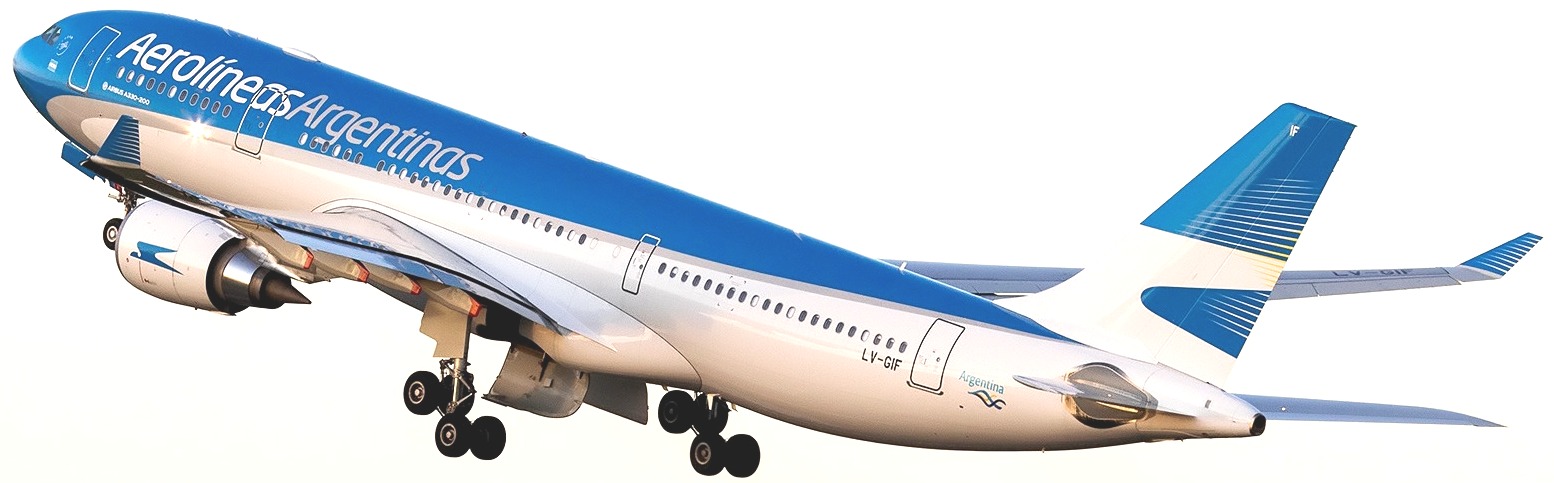
Norwegian Air vuelos transatlánticos

AW | 2020 10 22 22:10 | AIRLINES ROUTES

Norwegian reanudará vuelos transatlánticos Europa-EEUU

Norwegian Air Shuttle ha anunciado la reactivación de los vuelos transatlánticos luego de un período prolongado luego que la compañía se había contraído por problemas financieros y posteriormente por la pandemia con laas restricciones de viajes a nivel mundial. La compañía inicialmente esperaba reanudar sus vuelos transatlánticos con aeronaves Boeing 787 Dreamliner entre Europa y los Estados Unidos en Diciembre de 2020, pero las rutas han sido reprogramadas para reanudarse hacia Marzo de 2021.

El 28 de Marzo de 2021 se reanudarán los vuelos de Londres/Gatwick de manera tentativa mientras no existan restricciones de Coronavirus para vuelos punto a punto internacionales entre el Reino Unido y los Estados Unidos en ese momento. Los vuelos transatlánticos se pueden reservar entre el 28 de Marzo y finales de Julio de 2021.

El progreso del complejo plan de supervivencia de Norwegian Air Shuttle continúa hacia su restructuración y restableccimiento de las rutas europeas e internacionales. El liderazgo de Norwegian Air continúa siendo monitoreada para reactivar su economía post-pandemia, estableciendo aquellas rutas que permitan generar una pronta recuperación para el segundo trimestre de 2021, Norwegian Air podría ser capaz de llevar a cabo la reanudación de los vuelos transatlánticos para entonces. Por supuesto, las reservas de pasajeros deben justificar los vuelos, paralo cual, primero tiene que sobrevivir al invierno boreal.

Norwegian Air transatlantic flights

Norwegian Air to resume Europe-US transatlantic flights

Norwegian Air Shuttle has announced the reactivation of transatlantic flights after an extended period after the company had contracted due to financial problems and later due to the pandemic with global travel restrictions. The company initially expected to resume its transatlantic flights with Boeing 787 Dreamliner aircraft between Europe and the United States in December 2020, but the routes have been rescheduled to resume around March 2021.

On March 28, 2021, London/Gatwick flights will be tentatively resumed as long as there are no Coronavirus restrictions for international point-to-point flights between the UK and the US at that time. Transatlantic flights can be booked between March 28 and the end of July 2021.

Norwegian Air Shuttle’s complex survival plan progress continues towards its restructuring and reestablishment of European and international routes. Norwegian Air’s leadership continues to be monitored to reactivate its post-pandemic economy, establishing those routes that allow generating a speedy recovery by the second quarter of 2021, Norwegian Air could be able to carry out the resumption of transatlantic flights by then. Of course, passenger bookings must justify flights, for which, it first has to survive the boreal winter.

Norwegian Air transatlantiske flyreiser

Luft for å gjenoppta transatlantiske flyreiser mellom Europa og USA

Norwegian Air Shuttle har kunngjort reaktivering av transatlantiske flyreiser etter en lengre periode etter at selskapet hadde inngått kontrakt på grunn av økonomiske problemer og senere på grunn av pandemien med globale reisebegrensninger. Selskapet forventet opprinnelig å gjenoppta sine transatlantiske flyreiser med Boeing 787 Dreamliner-fly mellom Europa og USA i desember 2020, men rutene er omlagt til å gjenopptas rundt mars 2021.

28 Mars 2021 London/Gatwick-flyreiser vil foreløpig gjenopptas så lenge det ikke er noen Coronavirus-restriksjoner for internasjonale punkt-til-punkt-flyreiser mellom Storbritannia og USA på den tiden. Transatlantiske flyreiser kan bestilles mellom 28 Mars og slutten av Juli 2021.

Norwegian Air Shuttle komplekse overlevelsesplan fremgang fortsetter mot omstrukturering og reetablering av europeiske og internasjonale ruter. Norwegian Airs ledelse fortsetter å bli overvåket for å aktivere sin post-pandemiske økonomi, og etablere de rutene som tillater å generere en rask gjenoppretting innen andre kvartal 2021, og Norwegian Air kunne være i stand til å utføre gjenopptakelsen av transatlantiske flyreiser da. Selvfølgelig må passasjerbestillinger rettferdiggjøre flyreiser, som det først må overleve den boreale vinteren.


PUBLISHER: Airgways.com
DBk: Norwegian.com / Airgways.com / Wsj.com
AW-POST: 202010222210AR

A\W   A I R G W A Y S ®

United bonos para cancelación deudas

AW | 2020 10 21 15:28 | AIRLINES

United negocia bonos EETC para cancelación deuda contraída

United Airlines Holdings está vendiendo un bono valorado en US$ 3.000 millones de Dólares a siete años para refinanciar los préstamos emitidos durante el período pandémico. La compañía aérea está comercializando bonos con una estructura que ha sido tradicionalmente utilizado para financiar aviones más nuevos, denominado Certificado de Confianza de Equipos Mejorado (EETC). El objetivo es querer utilizar los ingresos de esta oferta para devolver aproximadamente US$ 2.800 millones en préstamos que asoman y maduran a principios de 2021.

CreditSights argumenta que la compañía se ha vuelto demasiado creativa en sus intentos de atraer compradores. El giro es que estos enlaces van a ser respaldados por piezas de repuesto y motores, junto con 352 aviones más antiguos. El analista de CreditSights Roger King argumenta que es un estiramiento. «Creemos que se trata de un uso inapropiado del formato EETC. La garantía para un EETC es típicamente un grupo selecto de aviones nuevos o jóvenes», escribió en una nota del 19/10.

Los inversores que siguen las finanzas de las aerolíneas pueden recordar que United contrajo un acuerdo de bonos de US$ 2.500 millones asegurado por aviones más antiguos hace poco más de cinco meses. Muchos de los aviones más antiguos del acuerdo cancelado de Mayo 2020 ahora se están utilizando para respaldar esta venta de deuda, dice Roger King. En ese momento, los analistas dijeron que el acuerdo no era atractivo para los inversores debido a la edad de los aviones en el grupo de garantías. Los aviones más nuevos de United ya habían sido utilizados para asegurar otra deuda. El balance de United ha cambiado desde entonces. Ha tomado prestados US$ 5 mil millones poniendo en garantía su programa de kilometraje/millaje, y recientemente ha obtenido un préstamo de hasta US$ 5.200 millones del Departamento del Tesoro. Pero esos desarrollos pueden ser tangenciales, porque estos bonos son más una reclamación sobre los activos de garantía de United que una reclamación sobre United Airlines.

Lo que más podría importar es la cantidad más amplia de demanda de deuda. Los bonos corporativos han subido de precio desde Mayo 2020, empujando a la baja los rendimientos, incluso volúmenes récord de deuda de grado de inversión que llegan al mercado. El mercado de bonos corporativos ahora produce sólo el 2%, con un vencimiento a doce años. Si los inversores tienen suficiente hambre para obtener ingresos, pueden comprar los bonos incluso con garantías no adicionales. Moody’s califica los nuevos bonos A3, cuatro niveles por encima de los denominados bono basura, citando su opinión de que «la inclusión de las piezas de repuesto y los motores ayuda a mitigar el riesgo financiero asociado con la edad avanzada de la garantía de la aeronave», expresó la agencia de calificaciones crediticias y gestión de riesgos Moody’s Analytics. CreditSights es más escéptico sobre la venta, a pesar de que tiene una calificación Buy sobre la deuda no garantizada del United Airlines. «No recomendamos comprar este bono con el estilo EETC», determinó.

United bonds for debt cancellation

United negotiates EETC bonds for cancellation of debt incurred

United Airlines Holdings is selling a US$ 3 billion seven-year bond to refinance loans issued during the pandemic period. The airline is trading bonds with a structure that has traditionally been used to finance newer aircraft, called the Enhanced Equipment Trust Certificate (EETC). The goal is to want to use the proceeds from this offering to repay approximately US$ 2.8 billion in loans that are looming and maturing in early 2021.

CreditSights argues that the company has gotten too creative in its attempts to attract buyers. The twist is that these links are going to be backed by spare parts and engines, along with 352 older aircraft. CreditSights analyst Roger King argues it’s a stretch. «We believe this is an inappropriate use of the EETC format. The warranty for an EETC is typically a select group of new or young aircraft», he wrote in a 10/19 note.

Investors who follow airline finances may recall that United pulled out a US$ 2.5 billion bond deal secured by older jets just over five months ago. Many of the older planes from the canceled May 2020 deal are now being used to support this debt sale, says Roger King. At the time, analysts said the deal was not attractive to investors due to the age of the planes in the collateral pool. United’s newer planes had already been used to secure another debt. United’s balance sheet has since changed. It has borrowed US$ 5 billion as collateral for its mileage / mileage program, and recently obtained a loan of up to US$ 5.2 billion from the Treasury Department. But those developments may be tangential, because these bonds are more of a claim on United’s collateral than a claim on United Airlines.

What could matter most is the broader amount of debt demand. Corporate bonds have risen in price since May 2020, pushing down yields, including record volumes of investment grade debt hitting the market. The corporate bond market now produces only 2%, maturing in twelve years. If investors are hungry enough for income, they can buy the bonds even with no additional collateral. Moody’s rates the new bonds A3, four notches above so-called junk bonds, citing its view that «the inclusion of spare parts and engines helps mitigate the financial risk associated with the aging of the aircraft warranty». Credit rating and risk management agency Moody’s Analytics said. CreditSights is more skeptical about the sale, even though it has a Buy rating on United Airlines’ unsecured debt. «We do not recommend buying this bond with the EETC style», he determined.


PUBLISHER: Airgways.com
DBk: United.com / Barrons.com / Airgways.com
AW-POST: 202010211528AR

A\W   A I R G W A Y S ®

Nella Linhas Aéreas anuncia su staff

AW | 2020 10 19 13:07 | AIRLINES

Nella Linhas Aéreas ultima detalles para inicio operaciones 2021

El equipo directivo de Nella Linhas Aéreas, una nueva startup de Brasil, ha anunciado mediante una entrevista en vivo por el canal Teaching for Free (TFF), a miembros adicionales del staff de alta directiva, como así también detalles de la sede administrativa en el Aeropuerto Campo de Marte en Sao Paulo. Durante la conversación, Maurício Souza (CEO), Dyin Mabe (COO) y Fernando Mairink (CMO) presentaron a los nuevos miembros del equipo de la nueva aerolínea regional. Todas las nuevas contrataciones fueron seleccionadas de los currículum que la empresa recibió a mediados de año: Robson Leal a cargo del área contable de la aerolínea, contando con catorce años de experiencia en esta área. Fabiola Gonçalves pertenecerá al área Legal de la aerolínea, será responsable de asesorar en todas las cuestiones legales. Ha desempeñado funciones durante seis años en ANAC, Trip Linhas Aéreas y TAM Linhas Aéreas y durante siete años en el Aeropuerto Campinas/Viracopos. Adassa Campos será responsable del Departamento de RRHH. Ha desempeñado funciones como Tripulante Cabina Pasajeros en Azul Linhas Aéras durante siete años, luego pasó por Robert Half y Leroy Merlin antes de unirse a nueva startup brasileña. Emerson Nakamatu estará como CCO, Gerente General y será responsable de la creación de los manuales y el proceso de certificación en ANAC. Posee unos diez años de experiencia en aviación, siete años de experiencia en Gol Linhas Aéreas y Avianca Brasil.

Procesos startup

La sede administrativa de la aerolínea Nella Linhas Aéreas se encuentra en el Aeropuerto Campo de Marte en Sao Paulo. Según Dyin Mabe, la compañía ya ha firmado un acuerdo con Infraero para adquirir un edificio en Marte con capacidad para 150 personas. Esta es la capacidad ideal para el próximo plan de 12 a 18 meses de la compañía. Maurício Souza ha detallado acerca del progreso de certificación AOC en ANAC, contando a punto de una firma de un contrato con una empresa externa que le ayudaría a registrarse en el regulador aéreo brasileño, alcanzando una definición sobre el asunto la próxima semana y se planea una reunión inicial con funcionarios del gobierno para entrar en las actas que formalizan del inicio del proceso de certificación de la compañía. Además, Dyin Mabe, COO, dijo que la compañía ha acordado los términos de contrato con Val Services y Orbitall, quienes serán responsables del proceso de manejo en tierra de la aerolínea.

Aeropuerto Campo de Marte

Aeropuerto Campo de Marte (OACI: SBMT) es el primer aeropuerto construido en Sao Paulo, en la República de Brasil, inaugurado en 1919. Lleva el nombre del Campo de Marte, en París, que a su vez recibió su nombre de Campus Martius, en Roma. El 12 de Noviembre de 1933 tuvo lugar en el aeropuerto una ceremonia que marcó la puesta en marcha de vuelos regulares de VASP Brazilian Airlines. Las dos primeras rutas unieron el Campo de Marte con San Carlos y San José del Río Preto, y con Ribeirao Preto y Uberaba.

El aeropuerto se encuentra a 6 km (4 millas) del centro de Sao Paulo en el Distrito de Santana, permitiendo un acceso rápido para ingresar y salir de la ciudad. Se encuentra siendo acondicionado para el inicio de las operaciones de la nueva aerolínea regional Nella Linhas Aéreas. El Aeropuerto Campo de Marte es de asfalto con una longitud de 1.600 metros con características ideales para las operaciones de las aeronaves turbohélice ATR 42 de la compañía, ofreciendo una alternativa a los aeropuertos muy congestionados de Congonhas y Guarulhos,ambos localizados también el la mega-ciudad de Sao Paulo.

Nella Linhas Aéreas announces her staff

Nella Linhas Aéreas final details to start operations in 2021

The management team of Nella Linhas Aéreas, a new startup in Brazil, has announced through a live interview on the Teaching for Free (TFF) channel, additional members of the senior management staff, as well as details of the administrative headquarters in the Campo de Marte Airport in Sao Paulo. During the conversation, Maurício Souza (CEO), Dyin Mabe (COO) and Fernando Mairink (CMO) introduced the new team members of the new regional airline. All the new hires were selected from the resumes that the company received in the middle of the year: Robson Leal in charge of the airline’s accounting area, with fourteen years of experience in this area. Fabiola Gonçalves will belong to the Legal area of ​​the airline, she will be responsible for advising on all legal issues. She has served for six years at ANAC, Trip Linhas Aéreas and TAM Linhas Aéreas and for seven years at Campinas/Viracopos Airport. Adassa Campos will be responsible for the HR Department. She has served as a Passenger Cabin Crew member at Azul Linhas Aéras for seven years, then went through Robert Half and Leroy Merlin before joining a new Brazilian startup. Emerson Nakamatu will be the CCO, General Manager and will be responsible for the creation of the manuals and the certification process at ANAC. He has about ten years of experience in aviation, seven years of experience in Gol Linhas Aéreas and Avianca Brasil.

Startup processes

The administrative headquarters of the airline Nella Linhas Aéreas is located at Campo de Marte Airport in Sao Paulo. According to Dyin Mabe, the company has already signed an agreement with Infraero to acquire a building on Mars with capacity for 150 people. This is the ideal capacity for the company’s next 12-18 month plan. Maurício Souza has detailed about the progress of AOC certification in ANAC, counting on the point of signing a contract with an external company that would help him register with the Brazilian air regulator, reaching a definition on the matter next week and planning a initial meeting with government officials to enter into the minutes that formalize the start of the company’s certification process. Additionally, Dyin Mabe, COO, said the company has agreed to contract terms with Val Services and Orbitall, who will be responsible for the airline’s ground handling process.

Field of Mars airport

Campo de Marte Airport (ICAO: SBMT) is the first airport built in Sao Paulo, in the Republic of Brazil, inaugurated in 1919. It is named after the Field of Mars, in Paris, which in turn received its name from Campus Martius in Rome. On November 12, 1933, a ceremony took place at the airport that marked the launch of regular flights of VASP Brazilian Airlines. The first two routes linked the Campo de Marte with San Carlos and San José del Río Preto, and with Ribeirao Preto and Uberaba.

The airport is located 6 km (4 miles) from downtown Sao Paulo in the Santana District, allowing quick access to and from the city. It is being conditioned for the start of operations of the new regional airline Nella Linhas Aéreas. The Campo de Marte Airport is made of asphalt with a length of 1,600 meters with ideal characteristics for the operations of the company’s ATR 42 turboprop aircraft, offering an alternative to the highly congested airports of Congonhas and Guarulhos, both also located on the mega- city of Sao Paulo.

Nella Linhas Aéreas anuncia sua equipe

Detalhes finais Nella Linhas Aéreas para iniciar operações em 2021

A equipe de gestão da Nella Linhas Aéreas, uma nova startup no Brasil, anunciou em entrevista ao vivo no canal Teaching for Free (TFF), membros adicionais da alta administração, bem como detalhes da sede administrativa no Aeroporto Campo de Marte em São Paulo. Durante a conversa, Maurício Souza (CEO), Dyin Mabe (COO) e Fernando Mairink (CMO) apresentaram os novos integrantes da equipe da nova companhia aérea regional. Todos os novos contratados foram selecionados a partir dos currículos que a empresa recebeu no meio do ano: Robson Leal responsável pela área de contabilidade da companhia aérea, com quatorze anos de experiência na área. Fabiola Gonçalves pertencerá à área Jurídica da companhia aérea, ela será responsável por assessorar em todas as questões jurídicas. Atuou por seis anos na ANAC, Trip Linhas Aéreas e TAM Linhas Aéreas e por sete anos no Aeroporto de Campinas/Viracopos. Adassa Campos será a responsável pela área de RH. Ele serviu como Tripulante de Cabine de Passageiros na Azul Linhas Aéras por sete anos, depois passou pela Robert Half e Leroy Merlin antes de ingressar em uma nova startup brasileira. Emerson Nakamatu será o CCO, Gerente Geral e será o responsável pela elaboração dos manuais e do processo de certificação na ANAC. Ele tem cerca de dez anos de experiência na aviação, sete anos de experiência na Gol Linhas Aéreas e Avianca Brasil.

Processos de inicialização

A sede administrativa da companhia aérea Nella Linhas Aéreas está localizada no Aeroporto Campo de Marte, em São Paulo. Segundo Dyin Mabe, a empresa já fechou acordo com a Infraero para adquirir um prédio na Mars com capacidade para 150 pessoas. Essa é a capacidade ideal para o plano dos próximos 12-18 meses da empresa. Maurício Souza detalhou o andamento da certificação do AOC na ANAC, contando com a assinatura de contrato com empresa externa que o ajudaria a se cadastrar no regulador aéreo brasileiro, chegando a uma definição do assunto na próxima semana reunião inicial com autoridades governamentais para lavratura da ata que formaliza o início do processo de certificação da empresa. Além disso, Dyin Mabe, COO, disse que a empresa concordou com os termos do contrato com Val Services e Orbitall, que será responsável pelo processo de assistência em escala da companhia aérea.

Aeroporto Field of Mars

O Aeroporto do Campo de Marte (ICAO: SBMT) é o primeiro aeroporto construído em São Paulo, na República do Brasil, inaugurado em 1919. Recebe o nome do Campo de Marte, em Paris, que por sua vez recebeu o nome de Campus Martius, em Roma. Em 12 de novembro de 1933, ocorreu no aeroporto uma cerimônia que marcou o lançamento dos voos regulares da VASP Brazilian Airlines. As duas primeiras rotas ligavam o Campo de Marte com San Carlos e San José del Río Preto, e com Ribeirão Preto e Uberaba.

O aeroporto está localizado a 6 km (4 milhas) do centro de São Paulo, no bairro de Santana, permitindo rápido acesso de e para a cidade. Está sendo condicionado ao início das operações da nova companhia aérea regional Nella Linhas Aéreas. O Aeroporto Campo de Marte é de asfalto com 1.600 metros de extensão e características ideais para a operação dos turboélice ATR 42 da empresa, oferecendo uma alternativa aos congestionados aeroportos de Congonhas e Guarulhos, ambos também localizados no mega- cidade de São Paulo.


PUBLISHER: Airgways.com
DBk: Voenella.com.br / Anac.gov.br / Airgways.com
AW-POST: 202010191307AR

A\W   A I R G W A Y S ®
United pronuncia mensaje liderazgo

AW | 2020 10 17 18:30 | AIRLINES

United Airlines emite mensaje liderazgo en tiempos de crisis

El CEO Scott Kirby de United Airlines acaba de compartir un mensaje de liderazgo perfecto para 2020, resumidos en solamente una frase que se remontan a 78 años atrás para citar a Winston Churchill, antiguo Presidente del Reino Unido.

El próximo liderazgo en la aviación remarca la necesidad trans-pandemia en momentos de grandes desafíos e incertidumbre que requiere inspiración y retórica de un tipo que la mayoría de los líderes nunca han tenido que convocar antes. Esta semana, United Airlines ha realizado una llamada de ganancias, donde un grupo de analistas y reporteros han sido capaces de interrogar a los ejecutivos de United Airlines sobre el futuro de la aerolínea. El CEO Scott Kirby había comenzado sus comentarios acerca de la situación de la aerolínea frente a los embates de la crisis en el sector del transporte aéreo, tuvo que comenzar agradeciendo a los empleados de United Airlines por hacer cosas como dejar voluntariamente la aerolínea, o tomar menos horas, para reducir los costos de mano de obra. El directivo ha expresado que la industria atraviesa un momento donde no se recuperará por completo hasta 2024, pero de manera magistral ha retrocedido 78 años para encontrar las palabras que marcan el tono correcto para los líderes en este año trascendental en la navegación aérea. «Lo que estamos expresando no es un cambio del pesimismo al optimismo, tanto como es una expresión de confianza en el futuro».

Hay una gran cita que me encanta de Winston Churchill que dijo en 1942, más de dos años antes del final de la Segunda Guerra Mundial después de la campaña africana y los británicos ganaron en Africa que: «Este no es el final. Ni siquiera es el principio del fin. Es, tal vez, el final del principio». Y creo que ese es el momento en el que estamos ahora en United Airlines. Hemos hecho lo que se necesita en las fases iniciales para tener confianza. Vamos a mirar hacia atrás en esto como el punto de inflexión. La luz al final del túnel está muy lejos. Pero este es el punto de inflexión. Las circunstancias son muy diferentes ahora, por supuesto, lo que el pueblo británico enfrentó durante la Segunda Guerra Mundial, pero compartimos con esos tiempos una sensación de pérdida de control, y de verdadero dolor, y un anhelo de un futuro diferente. Este es un momento en el que los líderes desesperadamente quieren poder compartir buenas noticias para poder decirle a sus partes interesadas que las cosas están bajo control, y que usted tiene un plan para volver a la normalidad».

Neurociencia en acción

Un neurocientífico que se especializa en el desarrollo de liderazgo, el Dr. David Rock, quien enfatizó que durante la pandemia, casi todo el mundo está reaccionando neurológicamente a niveles más altos de percepción de amenazas de lo normal. Por lo tanto, los líderes deben enfatizar la retroalimentación positiva y el estímulo, esforzarse por crear certidumbre y ofrecer flexibilidad, empatía y metas cooperativas.

«Como Winston Churchill entendió durante la gran crisis de la Segunda Guerra Mundial, los líderes entienden ahora que existe una manera de asegurar a la gente que han progresado, mientras que todavía los acechan tiempos difíciles por delante. Se trata de dar esperanza, sin ofrecer falsas esperanzas, acerca de ofrecer elogios sin halagos vacíos. No se trata de si United Airlines realmente ha seguido el mejor camino bajo el liderazgo de Scott Kirby durante la pandemia. No puedo decírtelo de una forma u otra. La gente está sufriendo, y pasará mucho tiempo antes de que podamos mirar hacia atrás y hacer un estudio de caso al respecto. ¿Pero en términos de tono? Este es exactamente el correcto. Y ya sea que cite a Winston Churchill, o cite a Scott Kirby, o lo diga de otra manera que parezca más natural para su estilo personal de hablar, es el mensaje que los grandes líderes tratarán de compartir ahora mismo», concluye David Rock.

La imagen tiene un atributo ALT vacío; su nombre de archivo es aw-united-airlines_ceo-scott-kirby_jet.jpg

United delivers leadership message

United Airlines issues leadership message in times of crisis

United Airlines CEO Scott Kirby just shared a perfect leadership message for 2020, summed up in just one phrase dating back 78 years to quote Winston Churchill, former President of the United Kingdom.

The upcoming leadership in aviation highlights the trans-pandemic need in times of great challenge and uncertainty that requires inspiration and rhetoric of a kind that most leaders have never had to convene before. This week, United Airlines made an earnings call, where a group of analysts and reporters were able to question United Airlines executives about the future of the airline. CEO Scott Kirby had begun his comments about the situation of the airline in the face of the onslaught of the crisis in the air transport sector, he had to start by thanking United Airlines employees for doing things like voluntarily leaving the airline, or taking fewer hours, to reduce labor costs. The manager has expressed that the industry is going through a time where it will not fully recover until 2024, but he has masterfully gone back 78 years to find the words that set the right tone for leaders in this momentous year in air navigation. «What we are expressing is not a shift from pessimism to optimism, so much as it is an expression of confidence in the future».

There is a great quote that I love from Winston Churchill who said in 1942, more than two years before the end of World War II after the African campaign and the British won in Africa that: «This is not the end. It is not even the beginning of the end. It is, perhaps, the end of the beginning». And I think that’s where we are now at United Airlines. We have done what it takes in the early stages to be confident. Let’s look back at this as the turning point. The light at the end of the tunnel is far away. But this is the turning point. Circumstances are very different now, of course, from what the British people faced during WWII, but we share with those times a sense of loss of control, and of real pain, and a longing for a different future. This is a time when leaders desperately want to be able to share good news so they can tell their stakeholders that things are under control, and that you have a plan to get back on track».

Neuroscience in action

A neuroscientist who specializes in leadership development, Dr. David Rock, who emphasized that during the pandemic, almost everyone is neurologically reacting to higher levels of threat perception than normal. Therefore, leaders must emphasize positive feedback and encouragement, strive to create certainty, and offer flexibility, empathy, and cooperative goals.

«As Winston Churchill understood during the great crisis of World War II, leaders now understand that there is a way to assure people that they have progressed, while difficult times still lie ahead. It is about giving hope, not offering false hopes, about offering praise without empty praise. It’s not about whether United Airlines has really followed the best path under Scott Kirby’s leadership during the pandemic. I can’t tell you one way or another. People are suffering, and it will pass. long before we can look back and do a case study on it. But in terms of tone? This is exactly the right one. And whether I quote Winston Churchill, or quote Scott Kirby, or say it from Another way that seems more natural to your personal speaking style is the message that great leaders will try to share right now», concludes David Rock.


PUBLISHER: Airgways.com
DBk: United.com / Inc.com / Airgways.com / Gettyimages.com
AW-POST: 202010171830AR

A\W   A I R G W A Y S ®
Comité aprueba rescate Jet Airways

AW | 2020 10 17 17:10 | AIRLINES

Comité Acreedores aprueba plan de rescate de Jet Airways

La aerolínea low cost Jet Airways ha recibido las aprobaciones correspondientes del Comité de Acreedores de la India luego de intensas y prolongadas negociaciones, han finalizado con éxito este Sábado 17/10. La aerolínea de presupuesto que permaneció en tierra por más de un año, en este último tiempo había recibido ofertas de dos consorcios, uno de los cuales estaba compuesto por Kalrock Capital, con sede en el Reino Unido, fundado por Florian Fritsch y el empresario de los Emiratos Árabes Unidos, Murari Lal Jalan.

El Comité de Acreedores (CoC) de Jet Airways aprobó el Sábado 17 Octubre de 2020 el plan de resolución presentado por el consorcio británico Kalrock Capital y el empresario Murari Lal Jalan bajo el Proceso de Resolución de Insolvencia (IRP). El plan fue aprobado después de la conclusión de la votación electrónica sobre la propuesta, ha informado el Profesional de Resolución (RP) de Jet Airways, Ashish Chhawchharia. «La resolución presentada por Murali Lal Jalan y Florian Fritsch ha sido debidamente aprobada por el CoC en virtud del Artículo 30 (4) del Código como el Plan de Resolución exitoso», dijo el RP. El RP está en proceso de presentar una solicitud de conformidad con el Artículo 30 (6) del Código para la aprobación de dicho plan de resolución por el Tribunal Nacional de Derecho de Sociedades (NCLT) y la intimización de la misma se dará a los miembros según sea necesario.

Los diferentes oferentes habían ampliado el Viernes 16/10 el plazo para votar sobre los planes de resolución, ya que sólo la mitad de los prestamistas habían presentado sus votos y los restantes habían solicitado tiempo hasta el Sábado 17/10 por la noche para presentar sus votos. El transportista fue admitido en el NCLT en Junio de 2019, y el CoC se ha reunido 16 veces desde entonces. La aerolínea, que cesó todas las operaciones en Abril de 2019, debe más de ₹ 8.000 millones de Crores a los bancos, y los prestamistas del sector público tienen una exposición significativa. El NCLT había admitido el 20 de Junio de 2019 la petición de insolvencia presentada por el consorcio de prestamistas liderado por el Banco Estatal de la India contra Jet Airways.

Se suponía que el proceso de insolvencia de Jet Airways debía completarse para Junio 2020y la fecha límite se amplió primero al 21/08, debido a las restricciones de bloqueo, y luego se extendió por un tiempo no especificado por el RP, hasta arribar al 17/10 con la aprobación definitiva del Comité de Acreedores para restablecer a una de las principales aerolíneas de la República de la India.

Committee approves Jet Airways Plan

Creditors Committee approves Jet Airways rescue plan

The low cost airline Jet Airways has received the corresponding approvals from the Committee of Creditors of India after intense and prolonged negotiations, they have ended successfully this Saturday 10/17. The budget airline that stayed grounded for more than a year had recently received offers from two consortia, one of which was made up of UK-based Kalrock Capital, founded by Florian Fritsch and the businessman from the United Arab Emirates, Murari Lal Jalan.

The Jet Airways Committee of Creditors (CoC) approved on Saturday 17 October 2020 the resolution plan presented by the British consortium Kalrock Capital and businessman Murari Lal Jalan under the Insolvency Resolution Process (IRP). The plan was approved after the conclusion of electronic voting on the proposal, Jet Airways Resolution Professional (PR) Ashish Chhawchharia reported. «The resolution presented by Murali Lal Jalan and Florian Fritsch has been duly approved by the CoC under Article 30 (4) of the Code as the successful Resolution Plan», said the PR. The PR is in the process of submitting a request in accordance with Article 30 (6) of the Code for the approval of said resolution plan by the National Court of Company Law (NCLT) and the intimation of the same will be given to the members as necessary.

The different bidders had extended the deadline to vote on the resolution plans on Friday 10/16, since only half of the lenders had presented their votes and the rest had requested time until Saturday 10/17 at night to present their votes. The carrier was admitted to the NCLT in June 2019, and the CoC has met 16 times since then. The airline, which ceased all operations in April 2019, owes more than ₹ 8 billion Crores to banks, and public sector lenders have significant exposure. The NCLT had admitted on June 20, 2019 the insolvency petition filed by the consortium of lenders led by the State Bank of India against Jet Airways.

Jet Airways’ insolvency process was supposed to be completed by June 2020 and the deadline was first extended to 08/21, due to lockdown restrictions, and then extended for a time not specified by the PR, until 17/10 with the final approval of the Committee of Creditors to reestablish one of the main airlines of the Republic of India.

समिति ने जेट एयरवेज योजना को मंजूरी दी

लेनदारों की समिति ने जेट एयरवेज की बचाव योजना को मंजूरी दी

कम लागत वाली एयरलाइन जेट एयरवेज को गहन और लंबे समय तक चली वार्ता के बाद भारत के लेनदारों की समिति से संबंधित अनुमोदन प्राप्त हुआ है, वे इस शनिवार 10/17 को सफलतापूर्वक समाप्त हो गए हैं। बजट एयरलाइन जो एक साल से अधिक समय तक रुकी रही थी, को हाल ही में दो कंसोर्टिया से प्रस्ताव मिले थे, जिनमें से एक यूके-आधारित कलारॉक कैपिटल से बना था, जिसकी स्थापना फ्लोरियन फ्रिट्च और व्यापारी ने की थी। संयुक्त अरब अमीरात, मुरारी लाल जालान।

जेट एयरवेज कमेटी ऑफ क्रेडिटर्स (सीओसी) ने शनिवार 17 अक्टूबर 2020 को ब्रिटिश कंसोर्शियम कलॉक कैपिटल और बिजनेसमैन मुरारी लाल जालान द्वारा इनसॉल्वेंसी रिजॉल्यूशन प्रोसेस (IRP) के तहत पेश किए गए रिजॉल्यूशन प्लान को मंजूरी दे दी। जेट एयरवेज रिज़ॉल्यूशन प्रोफेशनल (पीआर) आशीष छावछरिया ने प्रस्ताव पर इलेक्ट्रॉनिक वोटिंग के समापन के बाद योजना को मंजूरी दी थी।, «मुरली लाल जालान और फ्लोरियन फ्रिट्च द्वारा प्रस्तुत प्रस्ताव को कोड के अनुच्छेद 30 (4) के तहत विधिवत रूप से सफल संकल्प योजना के रूप में अनुमोदित किया गया है», पीआर ने कहा। पीआर, नेशनल कोर्ट ऑफ कंपनी लॉ (एनसीएलटी) द्वारा उक्त संकल्प योजना के अनुमोदन के लिए संहिता के अनुच्छेद 30 (6) के अनुसार एक अनुरोध प्रस्तुत करने की प्रक्रिया में है और इसकी सूचना सदस्यों को दी जाएगी। यथावश्यक।

विभिन्न बोलीकर्ताओं ने शुक्रवार को 10/16 को संकल्प योजनाओं पर मतदान करने की समय सीमा बढ़ा दी थी, क्योंकि केवल आधे ऋणदाताओं ने अपने वोट प्रस्तुत किए थे और बाकी ने अपना वोट पेश करने के लिए शनिवार रात 10/17 तक का समय मांगा था। वाहक को जून 2019 में एनसीएलटी में भर्ती कराया गया था, और सीओसी तब से 16 बार मिल चुका है। एयरलाइन, जो अप्रैल 2019 में सभी कार्यों को बंद कर दिया था, बैंकों पर ores 8 बिलियन करोड़ से अधिक का बकाया है, और सार्वजनिक क्षेत्र के उधारदाताओं का महत्वपूर्ण जोखिम है। एनसीएलटी ने 20 जून, 2019 को जेट एयरवेज के खिलाफ स्टेट बैंक ऑफ इंडिया की अगुवाई में ऋणदाताओं के कंसोर्टियम द्वारा दायर दिवाला याचिका को स्वीकार किया था।

जेट एयरवेज की दिवाला प्रक्रिया जून 2020 तक पूरी होने वाली थी और लॉकडाउन प्रतिबंध के कारण समय सीमा पहले 08/21 तक बढ़ा दी गई थी, और फिर पीआर द्वारा निर्दिष्ट समय के लिए 17 तक बढ़ा दी गई थी। 17/10 भारतीय गणराज्य की मुख्य एयरलाइनों में से एक को फिर से स्थापित करने के लिए लेनदारों की समिति की अंतिम मंजूरी के साथ।


PUBLISHER: Airgways.com
DBk: Nclt.gov.in / Jetairways.com / Indiatoday.in / Airgways.com
AW-POST: 202010171710AR

A\W   A I R G W A Y S ®
IATA alerta reactivación aviación

AW | 2020 10 14 10:21 | AVIATION ORGANISMS

IATA alerta aviación no se está reactivando como se esperaba

La Asociación Internacional de Transporte Aéreo (IATA) ha expresado a los gobiernos del mundo la necesidad de liderazgo para salvar al sector de la aviación, pues entre más tiempo se prolongue la recuperación, mayor será el riesgo. Para reactivar las economías, el organismo de la IATA solicita a los gobiernos que establezcan un sistema de pruebas de bioseguridad anti-Covid-19, para reabrir fronteras, restablecer la conectividad y evitar que la industria de la aviación colapse.

Acciones tempranas

Gracias a las acciones tempranas que llevó a cabo la industria desde Junio 2020 en medidas de bioseguridad, el sector aéreo no es un vector de la pandemia, teniendo en cuenta las medidas de seguridad, señala Peter Cerdá, Vicepresidente de IATA para las Américas, pues menciona que los protocolos fueron avalados por los gobiernos e implementados por las aerolíneas, sin embargo han encontrado que la industria no se ha reactivado de la manera que se esperaba.

Implementar confianza

Las restricciones no están ayudando para abrir y sobre todo traer confianza al sector, lo cual está causando un estrés muy extremo a la industria. “Hay muchos países a nivel mundial que siguen con sus fronteras cerradas, y aunque ya han abierto muchos también, mantienen estrictas restricciones como cuarentenas”, dijo, y citó que en Chile, por ejemplo, mantienen abiertas sus fronteras solo a chilenos residentes, ya que hasta el momento los extranjeros no pueden entrar. Durante los primeros meses del año, al inicio de la pandemia, hubo muy pocas operaciones, lo cual obligó a las aerolíneas a pedir apoyo a sus gobiernos, sin embargo a nivel global se han aportado alrededor de US$ 160 mil millones de Dólares, la mayoría provenientes de Norte América y Europa, muy poco ha sido el apoyo en la región de América Latina, lo que ha puesto en riesgo a la industria y se teme que cuando la recuperación llegue, las aerolíneas no estén preparadas.

El pronóstico de IATA señala que la recuperación internacional se dará hasta el 2024, mientras que en vuelos domésticos la recuperación se podrá estar dando para finales de 2022, principios de 2023, lo cual dependerá mucho del liderazgo que tomen los gobiernos, “este es el momento de la responsabilidad privada y del apoyo del gobierno”, puntualizó Peter Cerdá.

IATA aviation reactivation alert

IATA aviation alert is not being reactivated as expected

The International Air Transport Association (IATA) has expressed to world governments the need for leadership to save the aviation sector, because the longer the recovery continues, the greater the risk. To reactivate economies, the IATA body asks governments to establish an anti-Covid-19 biosafety testing system, to reopen borders, restore connectivity and prevent the aviation industry from collapsing.

Early actions

Thanks to the early actions that the industry carried out since June 2020 in biosafety measures, the aviation sector is not a vector of the pandemic, taking into account security measures, says Peter Cerdá, IATA Vice President for the Americas, as mentions that the protocols were endorsed by governments and implemented by airlines, however they have found that the industry has not reactivated in the way expected.

Implement trust

The restrictions are not helping to open up and especially bring confidence to the sector, which is causing very extreme stress to the industry. «There are many countries worldwide that continue to have their borders closed, and although many have already opened, they maintain strict restrictions such as quarantines», he said, citing that in Chile, for example, they keep their borders open only to Chilean residents, since that so far foreigners cannot enter. During the first months of the year, at the beginning of the pandemic, there were very few operations, which forced the airlines to ask their governments for support, however globally around US$ 160 billion dollars have been contributed, the Most from North America and Europe, there has been very little support in the Latin American region, which has put the industry at risk and it is feared that when the recovery arrives, the airlines will not be prepared.

The IATA forecast indicates that the international recovery will take place until 2024, while on domestic flights the recovery may be taking place by the end of 2022, the beginning of 2023, which will depend a lot on the leadership that governments take, “this is the moment of private responsibility and government support”, pointed out Peter Cerdá.


PUBLISHER: Airgways.com
DBk: Iata.org / Airgways.com
AW-POST: 202010141021AR

A\W   A I R G W A Y S ®
Transporte Argentina planifica Ops

AW | 2020 10 13 16:00 | AIRLINES MARKET / GOVERNMENT

Transporte comienza a trabajar reapertura vuelos regulares

El Ministerio de Transporte ha comenzado este 13/10 con los diferentes gobiernos provinciales con el objetivo del retorno de la aviación comercial para vuelos domésticos. En el área dialogarán con los gobernadores para que las operaciones retomen la regularidad en las provincias.

El Ministro de Transporte, Mario Meoni, había anunciado semanas atrás que los vuelos regulares iban a retornar entre este Martes 13/10 y Jueves próximo, con lo cual los pasos se darán muy cerca de los plazos anunciados. Luego de que el Lunes 12/10 se publicara el Decreto de Necesidad y Urgencia (DNU) que determina las nuevas características del aislamiento social, preventivo y obligatorio por la pandemia de Coronavirus; las precisiones en torno a la reactivación de la actividad tras la interrupción por siete meses, ha estado tomando impulso para la reactivación del sector del transporte aéreo nacional. En cuanto a los vuelos internacionales, desde el Gobierno no han solicitado más postergaciones, por lo que el decreto no trata más la suspensión, con lo cual queda en el ámbito del Ministerio de Transporte diagramar la apertura de las rutas al exterior.

El Ministerio de Transporte continuará trabajando con las provincias para consensuar el diálogo para reactivar el mayor número de vuelos en el interior del país, bajo la modalidad en primera instancia con los pasajeros establecidos por el decreto que permite movilizarse al personal esencial establecido en el Artículo 11 y a quienes deban hacer tratamiento médico con acompañante, aunque advirtieron que estas categorías pueden ser ampliadas por la Jefatura de Gabinete.

Las compañías aéreas habían recibido en oportunidad del decreto anterior, que extendía el aislamiento obligatorio hasta el Lunes 13/10, una notificación de parte de la Administración Nacional de Aviación Civil (ANAC), donde se especificaba que los vuelos regulares seguían suspendidos hasta el 12 de Octubre de 2020, en consonancia con esa decisión presidencial. Ahora, fuentes aeronáuticas señalaron que se espera que este martes se emita una nueva notificación en la que se especificaría la fecha a partir de la cual podrían volver a operar.

Programaciones tentativas

En Aerolíneas Argentinas se enfocaron en diagramar programaciones tentativas para el reinicio de sus operaciones. Un posible cronograma que en principio marcaría una operación con 39 frecuencias, lo que representa un 5 por ciento respecto a los niveles que tenía antes de la pandemia con una proyección de incremento al 13 por ciento para la primera quincena de Noviembre 2020. Córdoba, la ruta doméstica con más tráfico del país, con más de 20 vuelos diarios en la pre-pandemia, iniciaría con cuatro frecuencias por semana hasta el 25/10, para luego pasar a un vuelo diario desde el 26 al 1 de Noviembre 2020, y pasar a dos diarios a partir del 15/11. La ruta entre Buenos Aires-Mendoza iniciará con 3 frecuencias semanales (3Frq/S), mientras que para entre Buenos Aires y Bariloche, Iguazú, Neuquén, Salta, Tucumán y Comodoro Rivadavia, habrá dos servicios semanales (2Frq/S). En tanto que entre Buenos Aires-Bahía Blanca, Mar del Plata, Trelew, Posadas, Resistencia, Rosario, Santiago del Estero, Corrientes, Formosa, El Calafate, Jujuy, Rio Grande, Rio Gallegos, San Juan, Ushuaia, Chapelco, Catamarca, La Rioja, San Luis, Santa Fe, en esta primera etapa tendrá una programación de un vuelo semanal (1Frq/S). Los servicios a las capitales provinciales Paraná, Santa Rosa y Viedma recién volverían a partir de Noviembre 2020 al igual que los vuelos interprovinciales.

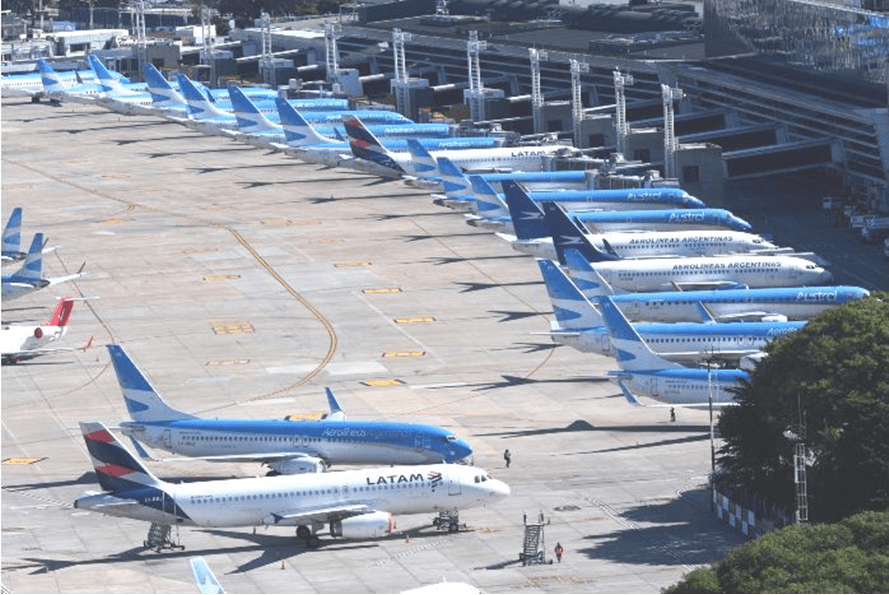
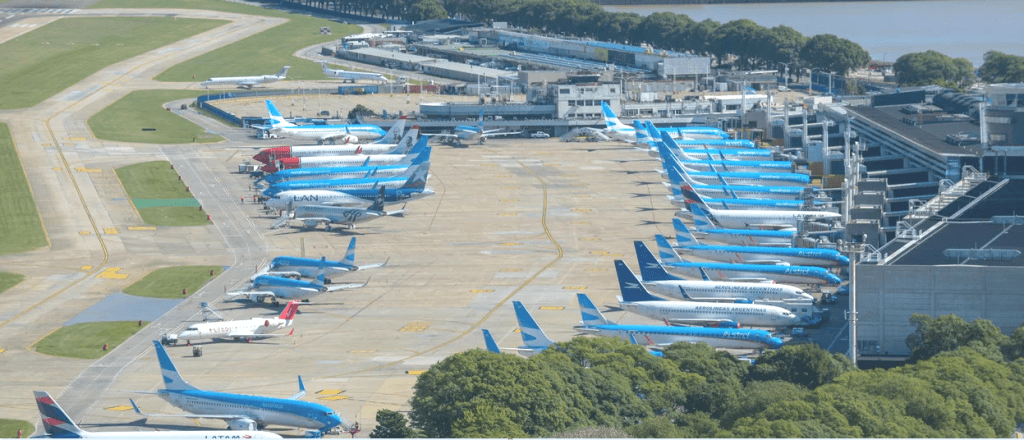
En tanto las aerolíneas low cost JetSmart Airlines Argentina y Flybondi Líneas Aéreas reiniciarán sus operaciones desde el Aeropuerto Internacional El Palomar, con lo cual es un fuerte aliciente para continuar despegando desde una plataforma de bajo costo con las ventajas de estar cerca de la Ciudad de Buenos Aires.

American Jet Líneas Aéreas, Andes Líneas Aéreas con estructuras más pequeñas proyectarán su programación de acuerdo con el nuevo organigrama vigente de los vuelos de ambas líneas aéreas. En el caso de la aerolínea salteña, el Gobierno de la Provincia de Chubut ha solicitado a Andes ante la ausencia de programación, acercar diálogo para reanudar las operaciones a Puerto Madryn.

Despegue post-pandemia

La introducción de la pandemia a nivel mundial ha traído profundo cambios que continuarán proyectándose en el tiempo. Las restricciones para los vuelos regulares en Argentina tras siete meses de parálisis ha modificado el mercado aéreo local. Anterior a las restricciones de los vuelos, operaban en el mercado doméstico siete compañías, Aerolíneas Argentinas, Austral Líneas Aéreas, Latam Airlines Argentina, Andes Líneas Aéreas, Flybondi Líneas Aéreas, American Jet Líneas Aéreas y JetSmart Airlines Argentina, esta última adquiriendo tras el proceso de compra a Norwegian Air Argentina y sus derechos de rutas.

Tras el retorno de los vuelos después de siete meses de inactividad, el panorama es un tanto diferente, con mayor concentración de compañías en un mercado más difícil de volar. Latam Airlines Argentina continúa inerte, donde está estudiando adecuarse bajo la nueva modalidad de transporte low cost, después de un proceso de insolvencia acogido en el Proceso Preventivo de Crisis (PPC), pero se desconocen las intenciones y cuándo reiniciarán operaciones. Austral Líneas Aéreas será absorbida por Aerolíneas Argentinas en el proceso de sinergia total, por lo que desaparecerá la marca de la compañía regional de los cielos de Argentina. Andes Líneas Aéreas, American Jet Líneas Aéreas, Flybondi Líneas Aéreas y JetSmart Airlines Argentina continuarán desafiando el nuevo panorama frente al nuevo escenario de monopolio de Aerolíneas Argentinas detentando más del 70% del tráfico aéreo argentino.

Reinicio Ops

En cuanto a las operaciones, estarán en los primeros meses centralizadas en el Aeropuerto Ezeiza para Aerolíneas Argentinas, Austral, Andes y American Jet y en el Aeropuerto de El Palomar, para Flybondi y JetSmart; teniendo presente las obras que se están realizando en el Aeropuerto Jorge Newbery, con proyecciones para reiniciar su habilitación como un nuevo aeropuerto regional con mayores capacidades hacia Febrero 2021.

En lo que hace a los vuelos internacionales, gran parte de las empresas que operaban hacia y desde el país han anunciado que retomarán las operaciones, aunque con menos frecuencias que las que tenían: Gol Linhas Aéreas, Azul Linhas Aéreas, Sky Airline, JetSmart Airlines Chile, Latam Airlines Chile, Latam Airlines Brasil y Latam Airlines Perú, Avianca Airlines, Aeroméxico, Copa Airlines, United Airlines, American Airlines, Delta Airlines, Iberia Líneas Aéreas, Air Europa, British Airways, Level Airlines, Lufthansa German Airlines y Edelweiss Air, entre otras, anticiparon que mantendrán sus operaciones con Argentina. Otras anticiparon que por el momento suspenderán sus frecuencias a Argentina, entre las que se encuentran Air New Zealand, Turquish Airlines, Emirates Airline y Qatar Airways.

Ver las imágenes de origen

Argentine transport plans restart

The Ministry of Transport has started this 10/13 with the different provincial governments with the objective of the return of commercial aviation for domestic flights. In the area, they will dialogue with the governors so that operations can resume regularity in the provinces.

The Minister of Transport, Mario Meoni, had announced weeks ago that the regular flights would return between this Tuesday 10/13 and next Thursday, with which the steps will be taken very close to the announced deadlines. After the Decree of Necessity and Urgency (DNU) was published on Monday, October 12, which determines the new characteristics of social, preventive and mandatory isolation due to the Coronavirus pandemic; The details regarding the reactivation of activity after the seven-month interruption, has been gaining momentum for the reactivation of the national air transport sector. As for international flights, the Government has not requested further postponements, so the decree no longer addresses the suspension, which leaves the Ministry of Transportation to diagram the opening of routes abroad.

The Ministry of Transportation will continue working with the provinces to agree on a dialogue to reactivate the largest number of flights within the country, under the modality in the first instance with passengers established by the decree that allows the mobilization of essential personnel established in Article 11 and those who must undergo medical treatment with a companion, although they warned that these categories can be expanded by the Chief of Staff.

The airlines had received on the occasion of the previous decree, which extended the mandatory isolation until Monday 10/13, a notification from the National Civil Aviation Administration (ANAC), which specified that regular flights were still suspended until 12 October 2020, in line with that presidential decision. Now, aeronautical sources indicated that a new notification is expected to be issued this Tuesday, specifying the date from which they could operate again.

Ver las imágenes de origen

Tentative schedules

In Aerolíneas Argentinas they focused on diagramming tentative schedules for the restart of their operations. A possible schedule that in principle would mark an operation with 39 frequencies, which represents 5 percent compared to the levels it had before the pandemic with a projection of an increase to 13 percent for the first half of November 2020. Córdoba, the domestic route with the most traffic in the country, with more than 20 daily flights in the pre-ndemic, would start with four frequencies per week until 10/25, and then move on to a daily flight from November 26 to 1, 2020, and move to two daily from 11/15. The route between Buenos Aires-Mendoza will start with 3 weekly frequencies (3Frq/S), while for between Buenos Aires and Bariloche, Iguazú, Neuquén, Salta, Tucumán and Comodoro Rivadavia, there will be two weekly services (2Frq/S). While between Buenos Aires-Bahía Blanca, Mar del Plata, Trelew, Posadas, Resistencia, Rosario, Santiago del Estero, Corrientes, Formosa, El Calafate, Jujuy, Rio Grande, Rio Gallegos, San Juan, Ushuaia, Chapelco, Catamarca, La Rioja, San Luis, Santa Fe, in this first stage will have a weekly flight schedule (1Frq/S). Services to the provincial capitals Paraná, Santa Rosa and Viedma would only return from November 2020 as well as interprovincial flights.

Meanwhile, the low cost airlines JetSmart Airlines Argentina and Flybondi Líneas Aéreas will restart their operations from the El Palomar International Airport, which is a strong incentive to continue taking off from a low-cost platform with the advantages of being close to the City of Buenos Aires. Aires.

American Jet Líneas Aéreas, Andes Líneas Aéreas with smaller structures will project their schedule in accordance with the new current flow chart of both airlines. In the case of the Salta airline, the Government of the Province of Chubut has requested Andes, in the absence of programming, to bring closer dialogue to resume operations in Puerto Madryn.

Post-pandemic takeoff

The introduction of the pandemic worldwide has brought profound changes that will continue to be projected over time. Restrictions for regular flights in Argentina after seven months of paralysis have changed the local air market. Prior to the flight restrictions, seven companies operated in the domestic market: Aerolíneas Argentinas, Austral Líneas Aereas, Latam Airlines Argentina, Andes Lineas Aereas, Flybondi Líneas Aéreas, American Jet Líneas Aéreas and JetSmart Airlines Argentina, the latter acquiring after the process purchase from Norwegian Air Argentina and its route rights.

After the return of the flights after seven months of inactivity, the picture is somewhat different, with a greater concentration of companies in a market that is more difficult to fly. Latam Airlines Argentina continues to be undeterred, where it is studying to adapt under the new low-cost transport modality, after an insolvency process under the Preventive Crisis Process (PPC), but the intentions and when they will restart operations are unknown. Austral Lineas Aereas will be absorbed by Aerolineas Argentinas in the process of total synergy, for which the brand of the regional company of the skies of Argentina will disappear. Andes Lineas Aereas, American Jet Líneas Aéreas, Flybondi Líneas Aéreas and JetSmart Airlines Argentina will continue to challenge the new scenario in the face of the new monopoly scenario of Aerolíneas Argentinas, holding more than 70% of Argentine air traffic.

Restart Ops

Regarding operations, in the first months they will be centralized at the Ezeiza Airport for Aerolíneas Argentinas, Austral, Andes and American Jet and at the El Palomar Airport, for Flybondi and JetSmart; Bearing in mind the works that are being carried out at the Jorge Newbery Airport, with projections to restart its authorization as a new regional airport with greater capacities by February 2021.

Regarding international flights, a large part of the companies that operated to and from the country have announced that they will resume operations, although with fewer frequencies than they had: Gol Linhas Aéreas, Azul Linhas Aéreas, Sky Airline, JetSmart Airlines Chile, Latam Airlines Chile, Latam Airlines Brasil and Latam Airlines Peru, Avianca Airlines, Aeroméxico, Copa Airlines, United Airlines, American Airlines, Delta Air Lines, Iberia Líneas Aéreas, Air Europa, British Airways, Level Airlines, Lufthansa and Edelweiss, among others, anticipated that they will maintain their operations with Argentina. Others anticipated that for the moment they will suspend their frequencies to Argentina, among which are Air New Zealand, Turquish Airlines, Emirates Airline and Qatar Airways.


PUBLISHER: Airgways.com
DBk: Argentina.gob.ar/transporte / Airgways.com / Cronista.com
AW-POST: 202010131600AR

A\W   A I R G W A Y S ®
Argentina aprueba reapertura aérea

AW | 2020 10 12 15:22 | AVIATION MARKET / GOVERNMENT

Gobierno Argentina ultima detalles para reapertura aérea el 19/10

El Gobierno de Argentina se encuentra diagramando el retorno de la actividad aerocomercial en el país a partir del Lunes 19 de Octubre de 2020. La reanudación de los vuelos de cabotaje estarán sujetos a evaluaciones por parte de las quince provincias respectivas que por el momento podrían autorizar la reapertura de los vuelos de las líneas aéreas. El Gobierno nacional está autorizando la reapertura de la aviación comercial después de siete meses de suspensión para los vuelos domésticos, por lo cual a partir del próximo Lunes 19/10 quedarán habilitados los primeros servicios aéreos de transporte comercial de pasajeros para unir destinos entre unas quince provincias en todo el país.

Desde las compañías aéreas están preparando y reacondicionado la programación de sus vuelos a partir del próximo Lunes 19/10 como fecha de reapertura, pero se espera que las líneas aéreas no completen los asientos de los aviones debido a las reiteradas postergaciones y las nuevas limitaciones impuesta por el Gobierno. Aún así, se mantienen confiadas que transcurridas las semanas, el factor de ocupación tendría que ir aumentando, aunque lentamente. Sin embargo, estos primeros servicios no serán destinados a turistas sino que sólo estarán habilitados para trabajadores esenciales y personas que estén obligadas a trasladarse por tratamientos médicos, así como también alguna otra excepción que quedará a criterio de la Jefatura de Gabinete de Argentina. Además, el Gobierno atenderá todas las objeciones que pongan aquellos gobernadores que todavía mantienen la postura de continuar con el cuarentena estricta en el plano de los vuelos comerciales.

Los servicios aéreos rehabilitados serán siempre con los pasajeros establecidos por el DNU que entró este Lunes 12/10 en vigencia, que permite movilizarse al personal esencial establecido en el Artículo 11 y a quienes deban hacer tratamiento médico con acompañante, aunque advirtieron que estas categorías pueden ser ampliadas por el Gobierno.

La medida publicada este Lunes 12/10 en el Boletín Oficial equivale al regreso de la aviación comercial dentro del territorio nacional. A partir del Martes 13/10 el Ministerio de Transporte encabezado por Mario Meoni comenzará con las consultas a los gobernadores para tratar de lograr un consenso sobre en cuáles provincias podrán transitar los vuelos rehabilitados. Desde el Gobierno nacional aseguraron que estimularán el retorno a la aviación, pero la facultad de las provincias que no quieran adherirse primará por encima de la decisión de la reapertura hacia el 19/10 que entrará en vigencia en todo el país.

Argentina approves air reopening

Argentine government finalizes details for air reopening on 10/19

The Government of Argentina is charting the return of commercial aviation activity in the country as of Monday, October 19, 2020. The resumption of domestic flights will be subject to evaluations by the fifteen respective provinces that for the moment could authorize the reopening of airline flights. The national government is authorizing the reopening of commercial aviation after seven months of suspension for domestic flights, for which as of next Monday, 10/19, the first commercial passenger air services will be enabled to link destinations between some fifteen provinces across the country.

The airlines are preparing and reconditioning their flight schedules starting next Monday 10/19 as the reopening date, but it is expected that the airlines will not complete the aircraft seats due to the repeated postponements and the new limitations imposed. by the Government. Even so, they remain confident that after the weeks, the load factor would have to increase, although slowly. However, these first services will not be intended for tourists but will only be enabled for essential workers and people who are obliged to travel for medical treatment, as well as any other exception that will be left to the discretion of the Cabinet Office of Argentina. In addition, the Government will address all the objections raised by those governors who still maintain the position of continuing with the strict quarantine in the plane of commercial flights.

The rehabilitated air services will always be with the passengers established by the DNU that entered this Monday 10/12 into force, which allows the mobilization of essential personnel established in Article 11 and those who must undergo medical treatment with a companion, although they warned that these categories expanded by the Government.

The measure published this Monday 10/12 in the Official Gazette is equivalent to the return of commercial aviation within the national territory. As of Tuesday 10/13, the Ministry of Transport headed by Mario Meoni will begin with consultations with the governors to try to reach a consensus on which provinces the rehabilitated flights will be able to transit. From the national government they assured that they will stimulate the return to aviation, but the faculty of the provinces that do not want to join will take precedence over the decision to reopen by 10/19, which will take effect throughout the country.


PUBLISHER: Airgways.com
DBk: Boletinoficial.gob.ar / Argentina.gob.ar/transporte / Airgways.com / Tn.com.ar
AW-POST: 202010121522AR

A\W   A I R G W A Y S ®
Impacto Tifón Chan-hom en Japón

Typhoon off southern Japan, heavy rain expected nationwide | World News |  beloitdailynews.com

AW | 2020 10 12 14:30 | AVIATION SAFET / AIR TRAFFIC

Tráfico aéreo interrumpido por ingreso del Tifón Chan-hom

A las 05:00 a.m. EDT (09:00 UTC), el centro del Tifón Chan-hom se encontraba cerca de 26,2 grados de latitud Norte y 134,4 grados de longitud Este. Estaba centrado a 378 millas náuticas al este de la Base Aérea de Kadena, Isla de Okinawa, Japón, moviéndose hacia el noroeste. Los vientos máximos sostenidos están cerca de 65 nudos (75 mph/120 kph) con ráfagas más fuertes.

Recuperaciones integradas de múltiples satélites de la NASA para GPM o IMERG, que es un producto de lluvia satelital de la NASA, estimado el 7 de Octubre 2020 a las 02:00 a.m. EDT (0600 UTC), Chan-hom estaba generando hasta 30 mm (1,18 pulgadas) de lluvia por hora que cae en la pared irregular del ojo que rodea el ojo. Se estimó que las precipitaciones durante la mayor parte de la tormenta cayeron a una velocidad de entre 5 y 15 mm (0,2 a 0,6 pulgadas) por hora. En el Laboratorio Naval de EE.UU. en Washington DC, los datos de lluvia de IMERG se superpusieron a imágenes infrarrojas del satélite GOES-16 de la NOAA para proporcionar una extensión completa de la tormenta. Además del cálculo de la precipitación dentro del tifón, las imágenes satelitales infrarrojas mejoradas animadas revelaron un sistema en consolidación con un ojo irregular. Las imágenes de microondas indican bandas mejoradas de tormentas eléctricas que se envuelven firmemente en una función de ojo de microondas. Las advertencias de fuertes lluvias están vigentes para Kyushu, la isla grande más al sur de Japón. Se publicaron alertas para gran parte de las costas centro-este y sureste de Japón.

IMERG

Esta estimación de lluvia casi en tiempo real proviene del IMERG de la NASA, que combina observaciones de una flota de satélites, en tiempo casi real, para proporcionar estimaciones casi globales de precipitación cada 30 minutos. Al combinar las estimaciones de precipitación de la NASA con otras fuentes de datos, podemos obtener una mayor comprensión de las grandes tormentas que afectan a nuestro planeta. En cambio, lo que hace el IMERG es transformar las observaciones satelitales de alta calidad a lo largo de la dirección de los vientos de dirección para entregar información sobre la lluvia en momentos y lugares donde no ocurrieron dichos sobrevuelos satelitales. La transformación de la información es particularmente importante en la mayor parte de la superficie del mundo que carece de cobertura de radar terrestre. Básicamente, IMERG llena los espacios en blanco entre las estaciones de observación meteorológica.

Pronóstico de Chan-hom

Los meteorólogos del Centro Conjunto de Alerta de Tifones (JTWC) esperan que el Tifón Chan-hom siga de noroeste a norte durante los próximos dos días y más cerca de Japón. Se pronostica que Chan-hom hará una trayectoria lenta paralela a la costa de Japón del 8 al 11 de octubre, cuando se espera que afecte a Tokio antes de dirigirse a aguas abiertas. JTWC espera que Chan-hom continúe debilitándose durante los próximos días y comience la transición a una tormenta extratropical.

NASA investiga ciclones tropicales

Los huracanes/ciclones tropicales son los eventos meteorológicos más poderosos de la Tierra. La experiencia de la NASA en exploración espacial y científica contribuye a los servicios esenciales que otras agencias federales brindan al pueblo estadounidense, como el pronóstico del tiempo de huracanes. Durante más de cinco décadas, la NASA ha utilizado el punto de vista del espacio para comprender y explorar nuestro planeta natal, mejorar vidas y salvaguardar nuestro futuro. La NASA reúne tecnología, ciencia y observaciones globales únicas de la Tierra para brindar beneficios sociales y fortalecer nuestra nación. El conocimiento avanzado de nuestro planeta natal contribuye directamente al liderazgo de Estados Unidos en la exploración espacial y científica.

Typhoon Chan-hom impact in Japan

Air traffic disrupted by entry of Typhoon Chan-hom

At 05:00 a.m. EDT (09:00 UTC), the center of Typhoon Chan-hom was near 26.2 degrees North latitude and 134.4 degrees East longitude. It was centered 378 nautical miles east of Kadena Air Base, Okinawa Island, Japan, moving northwest. Maximum sustained winds are near 65 knots (75 mph/120 kph) with stronger gusts.

Integrated NASA Multiple Satellite Retrievals for GPM or IMERG, which is a NASA satellite rain product, estimated on October 7, 2020 at 02:00 a.m. EDT (0600 UTC), Chan-hom was generating up to 30 mm (1.18 inches) of rain per hour falling on the irregular wall of the eye that surrounds the eye. Rainfall for most of the storm was estimated to have fallen at a rate of between 5 and 15 mm (0.2 to 0.6 inches) per hour. At the US Naval Laboratory in Washington DC, IMERG rainfall data was overlaid on infrared images from NOAA’s GOES-16 satellite to provide a full extent of the storm. In addition to calculating precipitation within the typhoon, the animated enhanced infrared satellite images revealed a consolidating system with an irregular eye. The microwave images indicate enhanced thunderstorm bands that are tightly wrapped in a microwave eye feature. Heavy rain warnings are in effect for Kyushu, Japan’s southernmost large island. Alerts were posted for much of the east-central and southeastern coasts of Japan.

IMERG

This near-real-time rainfall estimate comes from NASA’s IMERG, which combines observations from a fleet of satellites, in near-real time, to provide near-global estimates of precipitation every 30 minutes. By combining NASA’s precipitation estimates with other data sources, we can gain a greater understanding of the major storms that affect our planet. Instead, what IMERG does is transform high-quality satellite observations along the direction of the steering winds to deliver information about rainfall at times and places where such satellite flybys did not occur. Information transformation is particularly important in most of the world’s surface that lacks ground-based radar coverage. Basically, IMERG fills in the blanks between the weather observation stations.

Chan-hom forecast

Meteorologists from the Joint Typhoon Warning Center (JTWC) expect Typhoon Chan-hom to continue from northwest to north for the next two days and closer to Japan. Chan-hom is forecast to make a slow trajectory parallel to the coast of Japan from October 8-11, when it is expected to hit Tokyo before heading to open water. JTWC expects Chan-hom to continue to weaken over the next few days and begin the transition to an extratropical storm.

NASA investigates tropical cyclones

Hurricanes/tropical cyclones are the most powerful weather events on Earth. NASA’s expertise in space exploration and science contributes to essential services that other federal agencies provide to the American people, such as forecasting hurricane weather. For more than five decades, NASA has used the point of view of space to understand and explore our home planet, improve lives, and safeguard our future. NASA brings together technology, science, and unique global observations of Earth to deliver social benefits and strengthen our nation. Advanced knowledge of our home planet contributes directly to America’s leadership in scientific and space exploration.

日本における台風チャムホムの影響

台風チョムホムの侵入により航空交通が途絶えた

午前5時Typhoon Chan-homの中心であるEDT(09:00 UTC)は、北緯26.2度、東経134.4度近くでした。それは、日本の沖縄島の嘉手納空軍基地の東378航海マイルを中心とし、北西に移動した。最大持続風は65ノット(75 mph/120 kph)近くで、突風が強くなります。

NASA衛星雨製品であるGPMまたはIMERGの統合NASA複数衛星検索は、2020年10月7日午前2時と推定されます。 EDT(0600 UTC)、Chan-homは、目を囲む不規則な目の壁に、1時間あたり最大30 mm(1.18インチ)の雨を降らせていました。嵐の大部分の降雨量は、1時間あたり5〜15 mm(0.2〜0.6インチ)の速度で降ったと推定されました。ワシントンDCの米国海軍研究所では、嵐の全範囲を提供するために、IMERG降雨データがNOAAのGOES-16衛星からの赤外線画像にオーバーレイされました。台風内の降水量を計算することに加えて、アニメーション化された強化された赤外線衛星画像は、不規則な目を持つ統合システムを明らかにしました。マイクロ波画像は、マイクロ波アイ機能にしっかりと包まれている強化された雷雨バンドを示しています。日本最南端の大島、九州では大雨警報が発令されている。日本の東中部および南東部の海岸の多くにアラートが投稿されました。

IMERG

このほぼリアルタイムの降雨量の推定値は、NASAのIMERGに基づいています。これは、衛星群からの観測値をほぼリアルタイムで組み合わせて、30分ごとのほぼグローバルな降水量の推定値を提供します。 NASAの降水量の推定値を他のデータソースと組み合わせることで、地球に影響を与える主要な嵐についてより深く理解することができます。代わりに、IMERGが行うことは、ステアリング風の方向に沿って高品質の衛星観測を変換し、そのような衛星フライバイが発生しなかった時間と場所での降雨に関する情報を提供することです。情報変換は、地上ベースのレーダーカバレッジが不足している世界のほとんどの表面で特に重要です。基本的に、IMERGは気象観測所間の空白を埋めます。

チャンホム予報

合同台風警報センター(JTWC)の気象学者は、台風チャンホムが今後2日間、北西から北へと続き、日本に近づくと予想しています。チャンホムは、10月8日から11日まで、日本沿岸に平行にゆっくりとした軌道を描くと予想されています。 JTWCは、チャンホムが今後数日間弱体化し続け、熱帯外の嵐への移行を開始すると予想しています。

NASAは熱帯サイクロンを調査します

ハリケーン/熱帯サイクロンは、地球上で最も強力な気象イベントです。 NASAの宇宙探査と科学の専門知識は、ハリケーンの天気予報など、他の連邦機関がアメリカ人に提供する重要なサービスに貢献しています。 NASAは、50年以上にわたって、宇宙の視点を使用して、故郷の惑星を理解および探索し、生活を改善し、未来を守ってきました。 NASAは、技術、科学、および地球の独自の世界的観測を統合して、社会的利益をもたらし、国を強化します。私たちの故郷の惑星に関する高度な知識は、科学および宇宙探査におけるアメリカのリーダーシップに直接貢献しています。

JOINT TYPHOON WARNING CENTER (JTWC)
合同台風警報センター(JTWC)

WTPN31 PGTW 120900
MSGID / GENADMIN / JOINT TYPHOON WRNCEN PEARL HARBOR HI //
SUBJ / DEPRESIÓN TROPICAL 16W (CHAN-HOM) ADVERTENCIA NR 031 //
RMKS /
1. DEPRESIÓN TROPICAL 16W (CHAN-HOM) ADVERTENCIA NR 031    
   02 CICLONES TROPICALES ACTIVOS EN EL NOROESTETPAC
   VIENTOS MÁXIMOS SOSTENIDOS SEGÚN EL PROMEDIO DE UN MINUTO
   RADIO DE VIENTO VÁLIDO SOLO SOBRE AGUA ABIERTA
    ---
   POSICIÓN DE ADVERTENCIA:
   120600Z --- CERCA DE 29.4N 142.4E
     MOVIMIENTO PASADAS SEIS HORAS - 180 GRADOS A 08 KTS
     POSICIÓN PRECISA DENTRO DE 020 NM
     POSICIÓN BASADA EN CENTRO UBICADO POR SATÉLITE
   DISTRIBUCIÓN DEL VIENTO ACTUAL:
   VIENTOS MAX SOSTENIDOS - 025 KT, RAFAGAS 035 KT
   RADIO DE VIENTO VÁLIDO SOLO SOBRE AGUA ABIERTA
   DISIPANDO COMO UN CICLÓN TROPICAL SIGNIFICATIVO SOBRE EL AGUA
   REPETIR POSICIÓN: 29.4N 142.4E
    ---
   PREVISIONES:
   12 HRS, VÁLIDO EN:
   121800Z --- 28,7N 142,9E
   VIENTOS MAX SOSTENIDOS - 020 KT, RAFAGAS 030 KT
   RADIO DE VIENTO VÁLIDO SOLO SOBRE AGUA ABIERTA
   DISIPADO COMO UN CICLÓN TROPICAL SIGNIFICATIVO SOBRE EL AGUA
   VECTOR A POSICIÓN DE 24 HR: 135 GRADOS / 04 KTS
    ---
   24 HRS, VÁLIDO EN:
   130600Z --- 28,2N 143,5E
   VIENTOS MAX SOSTENIDOS - 020 KT, RAFAGAS 030 KT
   RADIO DE VIENTO VÁLIDO SOLO SOBRE AGUA ABIERTA
   DISIPADO COMO UN CICLÓN TROPICAL SIGNIFICATIVO SOBRE EL AGUA
    ---
OBSERVACIONES:
POSICIÓN 120900Z CERCA DE 29.2N 142.5E.
12OCT20. DEPRESIÓN TROPICAL (TD) 16W (CHAN-HOM), UBICADO
APROXIMADAMENTE 138 NM AL NORTE DE CHICHI JIMA, SE HA SEGUIMIENTO HACIA EL SUR
A LOS 08 NUDOS DURANTE LAS ÚLTIMAS SEIS HORAS. MULTISPECTRAL ANIMADO
LA IMAGEN POR SATELITE MUESTRA UN SISTEMA TOTALMENTE EXPUESTO CON BAJO NIVEL 
LÍNEAS DE NUBE ENVUELTAS EN UN CENTRO DEFINIDO, QUE SOPORTA 
POSICIÓN INICIAL CON BUENA CONFIANZA. UNA IMAGEN 120648Z SSMIS 91GHZ
REVELA ENVOLTURA DE BANDAS PROFUNDAS EN UN NIVEL BAJO DEFINIDO 
CENTRO DE CIRCULACIÓN SIN CONVECCIÓN PROFUNDA. LA INTENSIDAD INICIAL ES
EVALUADO A 25 NUDOS EN BASE A DATOS RECIENTES DE ASCAT. AMBIENTAL
EL ANÁLISIS INDICA CONDICIONES DESFAVORABLES CON MODERADO (20-25 
NUDOS) CORTE DE VIENTO VERTICAL, CONVERGENCIA ALTA Y SECO IMPORTANTE 
ENTRENAMIENTO DE AIRE. SE PRONOSTICA QUE TD 16W SE HAYA SURESTE A LO LARGO DEL
PERIFERIA NORESTE DE LA DORADA SUBTROPICAL DE BAJO NIVEL Y ES 
PREVISIÓN DE DISIPACIÓN POR TAU 12. ESTA ES LA ADVERTENCIA FINAL DE ESTA 
SISTEMA POR EL CONJUNTO TYPHOON WRNCEN PEARL HARBOR HI. EL SISTEMA
ESTÉ MUY SEGUIMIENTO DE SEÑALES DE REGENERACIÓN. MÁXIMO SIGNIFICATIVO
LA ALTURA DE ONDA EN 120600Z ES DE 10 PIES. CONSULTAR TORMENTA TROPICAL 18W
(NANGKA) ADVERTENCIAS (WTPN33 PGTW) PARA ACTUALIZACIONES DE SEIS HORAS .//
 
NNNN


PUBLISHER: Airgways.com
DBk: Metoc.navy.mil / Nasa.gov / Kyodonews.net / Airgways.com / Japannews24.com
AW-POST: 202010121430AR

A\W   A I R G W A Y S ®
Test vuelos anti-transmisión

AW | 2020 10 10 15:17 | AVIATION SAFETY / AVIATION TECHNOLOGY

Simulación pruebas de vuelos evalúan bajo riesgo de transmisión

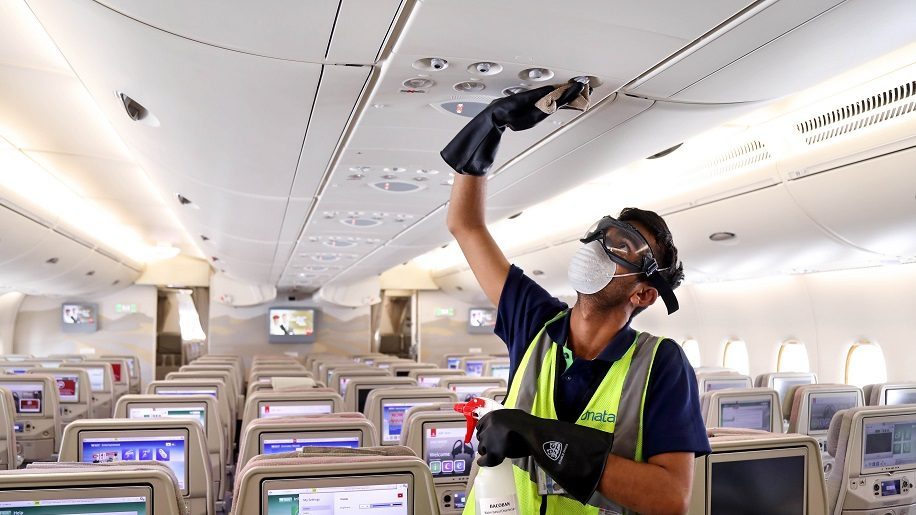
La Asociación Internacional de Transporte Aéreo (IATA) ha detallado que entre los 1.200 millones de pasajeros que han viajado con aerolíneas comerciales desde principios de 2020, se han reportado 44 casos de COVID-19 en los que se produjo transmisión en vuelo, según encontraron nuevos datos publicados por las agencias de aviación. Los datos recopilados por IATA se dieron a conocer durante una conferencia de prensa el Jueves 8 de Octubre de 2020 junto con presentaciones realizadas por los líderes de ingeniería en Airbus, Boeing y Embraer. Mediante el uso de simulaciones de Dinámica de Fluidos Computacional (CFD) y pruebas en vivo de pasajeros que tosen en cabinas e incluso virus transmitidos por el aire, las tres compañías de aviación publicaron los datos de las investigaciones más profundas sobre el riesgo de transmitir el coronavirus COVID-19 en vuelo hasta la fecha.

“El riesgo de que un pasajero contraiga Coronavirus mientras está a bordo parece muy bajo. Con solo 44 casos potenciales identificados de transmisión relacionada con el vuelo entre 1.200 millones de viajeros, ese es un caso por cada 27 millones de viajeros. Reconocemos que esto puede ser una subestimación, pero incluso si el 90 por ciento de los casos no se denunciaran, sería un caso por cada 2,7 millones de viajeros. Creemos que estas cifras son sumamente tranquilizadoras. Además, la gran mayoría de los casos publicados ocurrieron antes de que se generalizara el uso de cubiertas faciales durante el vuelo», dijo el Dr. David Powell, Asesor Médico de IATA durante la sesión informativa.

La IATA recopiló la cantidad de veces que se pensó que un pasajero había transmitido COVID-19 durante el vuelo, según los datos reportados desde principios de 2020. Los tres fabricantes de aviones comerciales más grandes de la industria utilizaron CFD para modelar cómo los pasajeros con máscaras o sin ellas, respirar, toser y hablar pueden propagar moléculas a través de la cabina de un avión durante el vuelo. Si bien los tres utilizaron supuestos, metodologías y criterios separados, todos llegaron a una conclusión similar estableciendo evidencia creíble del bajo riesgo que enfrenta un pasajero de una aerolínea en un vuelo promedio. Si bien las aerolíneas y los fabricantes continúan promoviendo la efectividad de los filtros de aire de partículas de alta eficiencia (HEPA), el flujo de aire descendente y las altas tasas de intercambio de aire que ocurren en las cabinas, los pasajeros aún expresan su preocupación sobre la capacidad de las aerolíneas para mantener seguros los entornos de las cabinas. del riesgo de transiciones COVID-19. Una encuesta de pasajeros que viajaron durante el mes de junio mostró que el 50 por ciento de los pasajeros cree que el aire de la cabina es tan limpio como un hospital, mientras que otro 50 por ciento dice que percibe el aire de la cabina como peligroso. Todos los segmentos de la industria del transporte aéreo comercial han intentado demostrar que los entornos de la cabina de los aviones son más seguros de alguna manera que los edificios de oficinas, bares y restaurantes que los viajeros frecuentan en su vida diaria.

Análisis en Airbus

Bruno Fargeon, ex-Jefe de Modelado, Simulación e Ingeniería que asumió el cargo de líder del proyecto de la iniciativa «Keep Trust in Air Travel» de Airbus Group, dijo que el fabricante con sede en Toulouse usó CFD para recopilar 50 millones de puntos de datos sobre el tamaño de los virus en micrones. y las partículas pueden fluir a través de la cabina de un avión, incluida la velocidad del aire, la dirección y la temperatura para cada uno de los puntos de datos recopilados a 1000 veces por segundo.

Cuando se le preguntó cómo se puede lograr el distanciamiento social en la cabina del avión y si las aerolíneas deberían eliminar el asiento del medio, Bruno Fargeon dijo que el flujo de aire y los filtros HEPA combinados con el uso de máscaras pueden eliminar la mayor parte del riesgo asociado con la transmisión en vuelo de COVID-19. «La distancia social a bordo de la aeronave no se puede medir tomando una medida de seis pies. La distancia social a bordo de la aeronave está asegurada por el flujo de aire que elimina las partículas y las gotas, y claramente, esa es la mejor protección que puede obtener hoy a bordo de un aviones. Las recomendaciones que se dan hoy en bares y restaurantes son lugares donde la ventilación no se puede comparar con el grado que se puede encontrar en un avión. Eso es lo que marca la gran diferencia entre el entorno de un avión y un entorno terrestre clásico», dijo Bruno Fargeon.

El modelado CFD también permitió al equipo de ingeniería de Bruno Fargeon estudiar escenarios en los que un A320 lleno de pasajeros llevaban máscaras, algunos llevaban máscaras y otros las llevaban incorrectamente. Su equipo también consideró cómo las fugas en las máscaras de tela podrían permitir que las moléculas escapen, sin dejar de llegar a la conclusión de que el flujo de aire de arriba hacia abajo y el sistema de recirculación de aire es suficiente para contrarrestar la fuga.

Airbus también ha estudiado algunas de las propuestas de terceros proveedores considerando el uso de cortinas o barreras físicas de plexiglás entre asientos, encontrando que podrían presentar más peligros que beneficios. «No recomendamos usarlos. O son muy pequeños y no van a proteger o son grandes y si son grandes distraerán el flujo e interrumpirán el flujo. También plantean retos extra, necesitan ser limpiados y limpiados adecuadamente, y además en aviones, todavía hay algunas recomendaciones y procedimientos de emergencia que tenemos que respetar. Con este tipo de dispositivos, también plantean algunos otros problemas de seguridad en En términos de evacuación, también podrían plantear algunos otros problemas de seguridad en términos de propagación del fuego al interior de la aeronave, por lo que, en general, el beneficio que traería es cero», dijo Bruno Fargeon.

Pruebas en Boeing

The Boeing Company proporcionó una descripción general de cómo está estudiando el movimiento de moléculas a través de la cabina de un avión. «De hecho, hemos realizado pruebas con MS-2, que es un virus vivo que es seguro para los humanos. Hemos hecho una gran variedad de cosas, hemos hecho pruebas con partículas del tamaño de un virus, hemos realizado pruebas con virus seguros para humanos, para asegurarnos de que comprendemos completamente el medio ambiente«, dijo Dan Freeman, Jefe Ingeniero de la Iniciativa de Viaje de Boeing. Dan Freeman dijo que el análisis de Boeing también mostró que cuando ocurre una tos en un avión de pasillo único como el Boeing 737, sus simulaciones computacionales y pruebas en vivo mostraron que todas las partículas de tos medibles se eliminan unos 90 segundos después de que ocurre la tos. Boeing también descubrió que las gotas más grandes emitidas por la tos de una persona caerán del aire más rápido porque son más pesadas, mientras que las moléculas del tamaño de un aerosol son las más difíciles de rastrear y eliminar solo a través del flujo de aire.

Estudios en Embraer

El Vicepresidente Senior de Ingeniería, Tecnología y Estrategia de Embraer S.A., Luis Carlos Affonso, dijo que el fabricante brasileño vio resultados similares a los estudios realizados por Airbus y Boeing. Su CFD y las pruebas en vivo también mostraron que la diferencia entre el riesgo de que las moléculas generadas por la tos alcancen la zona de respiración de otros pasajeros es de aproximadamente 0.13 por ciento sin una máscara y 0.02 por ciento mientras usa una. «La necesidad humana de viajar, conectar y ver a nuestros seres queridos no ha desaparecido. De hecho, en momentos como este, necesitamos a nuestras familias y amigos aún más. Nuestro mensaje hoy es que debido a la tecnología y los procedimientos implementados, puede volar de manera segura; todas las investigaciones lo demuestran. De hecho, la cabina de un avión comercial es uno de los espacios más seguros disponibles en cualquier lugar durante esta pandemia», dijo Luis Affonso.

Perspectivas aéreas

La recopilación de datos de IATA y los resultados de las simulaciones de cabina se alinean con el bajo número de informes en vuelo informados en un estudio revisado por pares realizado por Freedman y Wilder-Smith en el Journal of Travel Medicine. Ese estudio también apunta a la capa adicional de protección proporcionada por los pasajeros que usan máscaras. Las tres empresas admitieron que todavía existe cierto riesgo relacionado con la posibilidad de transmitir el virus durante el vuelo. Los filtros HEPA, el flujo de aire y el uso de mascarillas aún dejan la posibilidad de que una pequeña cantidad de partículas emitidas por un pasajero que podría tener COVID-19 y no saberlo lleguen a otro pasajero que también está sentado en la cabina. Pero creen que la educación que están brindando a los pasajeros y ser lo más transparentes posible sobre cómo los micrones del tamaño de un virus fluyen a través de una cabina durante el vuelo muestra cuán bajo es realmente el riesgo.

Ninguna de las pruebas en vivo realizadas por Airbus, Boeing y Embraer involucró la simulación real de una persona que tiene COVID-19 tosiendo o respirando abiertamente durante el vuelo. En su lugar, utilizaron humo y otros métodos para estudiar cómo las micras y las moléculas son eliminadas por el flujo de aire y la recirculación que ya ocurre en las cabañas hoy en día.

Anti-transmission flight test

Simulation flight tests assess low risk of transmission

The International Air Transport Association (IATA) has detailed that among the 1.2 billion passengers who have traveled with commercial airlines since the beginning of 2020, 44 cases of COVID-19 have been reported in which transmission occurred in flight, according to new findings. data published by aviation agencies. The data collected by IATA was released during a press conference on Thursday, October 8, 2020 along with presentations made by engineering leaders at Airbus, Boeing and Embraer. Using Computational Fluid Dynamics (CFD) simulations and live testing of passengers coughing in cabins and even airborne viruses, the three aviation companies released the data from the most in-depth investigations into the risk of transmitting the COVID-19 coronavirus in flight to date.

“The risk of a passenger contracting Coronavirus while on board appears very low. With only 44 potential cases of flight-related transmission identified among 1.2 billion travelers, that’s one case for every 27 million travelers. We recognize that this may be an understatement, but even if 90 percent of cases went unreported, it would be one case for every 2.7 million travelers. We believe that these figures are extremely reassuring. Furthermore, the vast majority of reported cases occurred before the use of face shields became widespread during the flight», said Dr. David Powell, IATA Medical Advisor during the briefing.

IATA compiled the number of times a passenger was thought to have transmitted COVID-19 during the flight, based on data reported since early 2020. The three largest commercial aircraft manufacturers in the industry used CFDs to model how passengers with Masks or without masks, breathing, coughing and talking can spread molecules through the cabin of an airplane during flight. While all three used separate assumptions, methodologies, and criteria, they all came to a similar conclusion establishing credible evidence of the low risk an airline passenger faces on an average flight. While airlines and manufacturers continue to promote the effectiveness of High Efficiency Particulate Air Filters (HEPA), the downward airflow and high air exchange rates that occur in cabins, passengers still express concern. on airlines’ ability to keep cabin environments safe. of the risk of COVID-19 transitions. A survey of passengers who traveled in June showed that 50 percent of passengers believe cabin air is as clean as a hospital, while another 50 percent say they perceive cabin air as dangerous. Every segment of the commercial air transport industry has tried to show that airplane cabin environments are somehow safer than the office buildings, bars, and restaurants that travelers frequent in their daily lives.

Analysis at Airbus

Bruno Fargeon, former Head of Modeling, Simulation and Engineering who took over as project leader for Airbus Group’s «Keep Trust in Air Travel» initiative, said the Toulouse-based manufacturer used CFDs to collect 50 million points of data on the size of viruses in microns. and particles can flow through the cabin of an airplane, including airspeed, direction, and temperature for each of the data points collected at 1000 times per second.

AIRBUS SHOWS HOW FLOW OF AIR HELPS TO ELIMINATE THE SPREAD OF MOLECULES TRANSMITTED IN THE CABIN AIRPLANE

When asked how social distancing can be achieved in the airplane cabin and if airlines should eliminate the middle seat, Bruno Fargeon said that airflow and HEPA filters combined with the use of masks can eliminate most of it. of the risk associated with in-flight transmission of COVID-19. «The social distance on board the aircraft cannot be measured by taking a measurement of six feet. The social distance on board the aircraft is ensured by the airflow that removes particles and droplets, and clearly, that is the best. protection you can get today on board an aircraft. The recommendations given today in bars and restaurants are places where ventilation cannot be compared to the degree that can be found in an airplane. That is what makes the big difference between the environment of an airplane and a classic ground environment», said Bruno Fargeon.

CFD modeling also allowed Bruno Fargeon’s engineering team to study scenarios where an A320 full of passengers wore masks, some wore masks, and some wore them incorrectly. His team also considered how leaks in cloth masks could allow molecules to escape, while still concluding that the top-down airflow and air recirculation system is sufficient to counter the leak.

Airbus has also studied some of the third-party vendor proposals considering the use of physical plexiglass curtains or barriers between seats, finding that they could present more dangers than benefits. «We do not recommend using them. Either they are very small and will not protect or they are large and if they are large they will distract the flow and interrupt the flow. They also pose extra challenges, they need to be cleaned and cleaned properly, and also on airplanes, there are still some recommendations. and emergency procedures that we have to respect. With these kinds of devices, they also pose some other safety issues in terms of evacuation, they could also pose some other safety issues in terms of spreading the fire inside the aircraft, so that, in general, the benefit it would bring is zero», said Bruno Fargeon.

Testing at Boeing

The Boeing Company provided an overview of how it is studying the motion of molecules through the cabin of an airplane. «In fact, we have tested MS-2, which is a live virus that is safe for humans. We have done a variety of things, we have tested virus-sized particles, we have tested viruses that are safe for humans, to make sure we fully understand the environment», said Dan Freeman, Chief Engineer for Boeing’s Travel Initiative. Dan Freeman said Boeing’s analysis also showed that when a cough occurs in a single-aisle aircraft like the Boeing 737, his computer simulations and live tests showed that all measurable cough particles are removed about 90 seconds after it occurs. cough. Boeing also found that the largest droplets emitted from a person’s cough will fall out of the air faster because they are heavier, while aerosol-sized molecules are the most difficult to track and remove through air flow alone.

Studies at Embraer

Embraer S.A. Senior Vice President of Engineering, Technology and Strategy, Luis Carlos Affonso, said that the Brazilian manufacturer saw results similar to studies carried out by Airbus and Boeing. His CFD and live tests also showed that the difference between the risk of molecules generated by coughing reaching the breathing zone of other passengers is about 0.13 percent without a mask and 0.02 percent while wearing one. «The human need to travel, connect and see our loved ones has not disappeared. In fact, in times like this, we need our families and friends even more. Our message today is that due to the technology and procedures in place, it can fly safely, all the research proves it. In fact, the cabin of a commercial airplane is one of the safest spaces available anywhere during this pandemic», said Luis Affonso.

Air perspectives

The IATA data collection and the results of the cockpit simulations align with the low number of in-flight reports reported in a peer-reviewed study conducted by Freedman and Wilder-Smith in the Journal of Travel Medicine. That study also points to the extra layer of protection provided by passengers wearing masks. All three companies admitted that there is still some risk related to the possibility of transmitting the virus during the flight. HEPA filters, air flow and the use of masks still leave the possibility that a small amount of particles emitted by a passenger who could have COVID-19 and not know it reach another passenger who is also sitting in the cabin. But they believe that the education they are providing passengers and being as transparent as possible about how virus-sized microns flow through a cabin during flight shows how low the risk really is.

None of the live tests conducted by Airbus, Boeing and Embraer involved the actual simulation of a person with COVID-19 coughing or openly breathing during the flight. Instead, they used smoke and other methods to study how microns and molecules are removed by the air flow and recirculation that already occurs in cabins today.


PUBLISHER: Airgways.com
DBk: Iata.org / Aviationtoday.com / Airbus.com / Boeing.com / Embraer.com / Airgways.com
AW-POST: 202010101517AR

A\W   A I R G W A Y S ®