Actualización programa A321XLR
AW | 2021 07 07 09:45 | INDUSTRY

Airbus A321XLR perspectivas entrada servicio 2023

Airbus_Group_Logo_2014.svg - copia

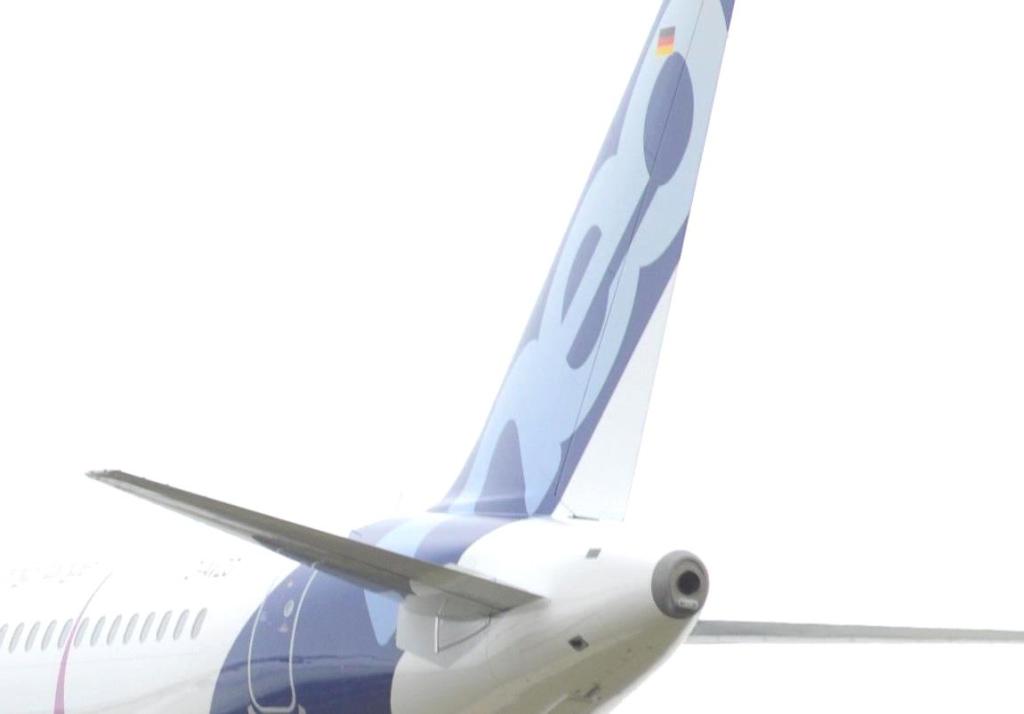
El constructor europeo Airbus Group planea que el A321XLR tendrá un alcance un 15% más largo que el A321LR, entre en servicio durante 2023. Desde el lanzamiento oficial del Programa A321XLR (eXtra Long Range) en el Paris Air Show de 2019, ha habido más de 420 pedidos y compromisos de más de veinte clientes, incluidas compañías aéreas heredadas y de bajo costo, así como arrendadores líderes para la versión de largo alcance adicional del avión de fuselaje más largo de la familia A320NEO. Tal demanda subraya claramente su atractivo como puente entre las ofertas de aviones de pasillo único y doble de Airbus. Su alcance adicional y un 30% menos de consumo de combustible por asiento que los aviones de la generación anterior permitirán a las aerolíneas operar un avión de pasillo único de menor costo de hasta 4.700 nm en rutas más largas y menos transitadas, muchas de las cuales ahora solo pueden ser servidas por aviones de cuerpo ancho más grandes y menos eficientes.

A pesar de estar diseñado para maximizar la similitud general con el A321LR y el resto de la familia A320NEO, incorporando los mismos motores P&W o CFM que ahorran combustible y dispositivos de punta de ala sharklet, el A321XLR cuenta con varias características únicas y distintivas. «Las principales diferencias son el tanque central trasero integrado en el fuselaje de popa, el tanque de aguas residuales más grande, un tren de aterrizaje de nariz reforzado y el tren de aterrizaje principal, incluidos los frenos, lo que permite un aumento de MTOW de 97t a 101t», dice Gary O’Donnell, Jefe del Programa A321XLR. En particular, el tanque central trasero optimizado (RCT) contiene más combustible que varios tanques centrales adicionales opcionales anteriormente, mientras que ocupa menos espacio en la bodega de carga, liberando así bajo el volumen del piso para carga y equipaje adicionales en rutas de largo alcance. Por su parte, las mejoras aerodinámicas incluyen un nuevo flap de una sola ranura y mejoras en la limpieza aerodinámica de las superficies de la aeronave, así como nuevas configuraciones de flap/slat adaptadas a las características del A321XLR. Para proporcionar comodidad adicional en vuelos más largos, el A321XLR utilizará la última cabina de Espacio Aéreo de Airbus, que cuenta con iluminación ambiental mejorada, conectividad a bordo y contenedores más grandes que ofrecen un 40% más de capacidad instalada como equipo equipado con el proveedor. «La cabina ofrece a los pasajeros la mejor experiencia de viaje, incluidos asientos similares a los utilizados en un avión de cuerpo ancho. El espacio aéreo ya está en servicio en los aviones A350 y A330NEO y estará totalmente disponible para el A321XLR», dice Gary O’Donnell.

Línea Programa A321XLR

La industrialización y la producción de piezas para el primer A321XLR está en marcha en las plantas de Airbus y su cadena de suministro, con el ensamblaje de componentes importantes de las primeras secciones delanteras del fuselaje, el fuselaje central y trasero y las alas que se espera que ocurran antes de finales de este año. Airbus tiene como objetivo una entrada en servicio para el A321XLR de 2023, aunque esto puede retrasarse dependiendo de cómo se procedan las pruebas y la certificación del tanque de combustible. «La producción de componentes y sistemas para el primer avión de prueba de vuelo A321XLR está progresando en sitios de todo el mundo. En paralelo, muchas piezas ya se están probando y demostrando, tanto en la estructura de la aeronave como en el lado de los sistemas, para validar la funcionalidad de todos esos primeros componentes de la aeronave», dice Gary O’Donnell.

Airbus tiene demostradores para la estructura, el sistema, el equipo y la cabina repartidos en sus instalaciones en Hamburgo en Alemania, St. Nazaire en Francia y Broughton, Reino Unido, así como en los principales sitios de proveedores. «Estos van desde cupones de material detallados hasta demostradores de sección completa. El sistema de producción en particular está cobrando vida, con nuestros equipos recibiendo los dibujos de diseño tanto internamente como de socios clave y llevándolos a la realidad física. Esto está permitiendo a nuestras fábricas en Europa y el Reino Unido preparar sus operaciones piloto para la fase de ensamblaje de componentes principales que comenzará a finales de este año y, a su vez, para la posterior inducción del primer ensamblaje de componentes principales completado en la línea de montaje final en Hamburgo en la segunda parte del año», expresa Gary O’Donnell.

Si bien todas las secciones principales del A321XLR contienen cambios de diseño significativos en comparación con los aviones actuales A321NEO/A321LR, el fuselaje central y de popa del XLR se desvía más debido al RCT integral y los sistemas de gestión de combustible asociados. En un intento por evitar cualquier interrupción en las tasas de producción existentes de pasillo único, se ha construido una línea piloto de estructura separada dedicada a ensamblar las secciones centrales y traseras del fuselaje central y trasero del A321XLR en la planta de producción de Hamburg Finkenwerder en Alemania.

La línea piloto ha sido completamente diseñada en 3D, con datos de diseño A321XLR utilizados para validar digitalmente la ergonomía, las operaciones y la logística de antemano. «La línea piloto en Hamburgo significa que podemos tener una fábrica estable. Nos permitirá comenzar a aumentar la producción del conjunto de componentes principales del fuselaje de popa del A321XLR utilizando tiempos de ciclo más largos para empezar y con un mayor nivel de ingeniería y soporte, para garantizar la integración sin problemas del nuevo tanque central trasero y sus nuevos sistemas de combustible. Es importante destacar que también evitará que pongamos en riesgo el resto de la producción de un solo pasillo. Y luego, una vez que estamos contentos de que todo esté lo suficientemente maduro, podemos transferirlo con confianza al sistema de producción principal», detalla Gary O’Donnell.

Mientras tanto, el ciclo de producción del fuselaje central y de popa del A321XLR continúa progresando, con el trabajo dividido en varios sitios clave. La fabricación del subensamblaje de la caja del ala central comenzó a mediados de Noviembre de 2020 en Nantes y pronto se entregará e integrará en la sección de ensamblaje de componentes principales del fuselaje de popa en Hamburgo.

Al mismo tiempo, Premium Aerotec Group en Augsburgo, Alemania, está completando las piezas finales para el RCT y está preparando las herramientas y el piso de producción para el ensamblaje del tanque de combustible. En otros emplazamientos de Premium Aerotec Group en Nordenham y Varel en Alemania, también se están empezando a producir varios componentes grandes del fuselaje central y de popa.

La producción de piezas para la sección de nariz y fuselaje delantero de la aeronave está en marcha en Stelia Aerospace. Una vez completados, serán transportados a Saint-Nazaire, Francia, para la etapa de montaje de componentes principales de la nariz y el fuselaje delantero.

Otra estructura clave de ensamblaje de componentes importantes es el conjunto de alas de la aeronave, para el cual el enfoque particular del equipo de Broughton, Reino Unido, es la configuración de flap del A321XLR. Con este fin, se están realizando las pruebas de herramientas asociadas para los nuevos flaps internos y fuera de borda, que se están realizando en conjunto con Spirit AeroSystems en Malasia y FACC en Austria, respectivamente.

Los componentes fijos más convencionales del ala, como las palas y los largueros, están tomando forma en Broughton y en la cadena de suministro asociada. Del mismo modo, la producción está en marcha para los componentes del tren de aterrizaje en Safran, Collins y Triumph, los sistemas de combustible e inerción en Collins y Parker Aerospace y los pilones de motor en la planta de producción dedicada de Airbus en St. Eloi, Toulouse. Los sistemas de cabina y carga se encuentran actualmente en fase de prueba para validar los elementos de confort para pasajeros de alcance extralargaje del A321XLR.

Airbus está utilizando demostradores dedicados para validar los procesos de diseño y montaje antes de la fabricación final. Los mismos demostradores de tamaño completo también se utilizan para pre-entrenar al personal de la línea de producción en la instalación de ensamblaje final en Hamburgo, donde se construirá el primer A321XLR.

«Hemos estado utilizando una mezcla de realidad virtual y aumentada [VR y AR] para demostrar el modelo digital 3D desde hace algún tiempo. También hemos estado utilizando los primeros demostradores físicos, maquetas de madera y piezas impresas en 3D. Más recientemente, hemos desarrollado los demostradores de producción a gran escala que vemos cada vez más hoy en día, principalmente en Saint Nazaire y Hamburgo. Los primeros demostradores físicos y los demostradores virtuales nos permiten validar nuestras decisiones de diseño. La mayor parte de eso se completó en 2020. Los demostradores de producción apoyan principalmente la capacitación, la madurez del proceso industrial y ayudan a asegurar nuestro aumento, porque los ejecutamos a la tasa de producción. Esto está sucediendo en todas las áreas de ensamblaje. Luego estamos ejecutando demostradores para equipos de mantenimiento, reparación y atención al cliente, para que puedan crear los documentos de la aerolínea, otros documentos técnicos y manuales de reparación. Utilizamos demostradores físicos con VR y AR para que los equipos puedan probar cómo cambian y arreglan las piezas, ya sea en un hangar o en el delantal, para que cuando estén escribiendo documentos técnicos, ya hayan podido verificar estas referencias virtuales», dice Gary O’Donnell.

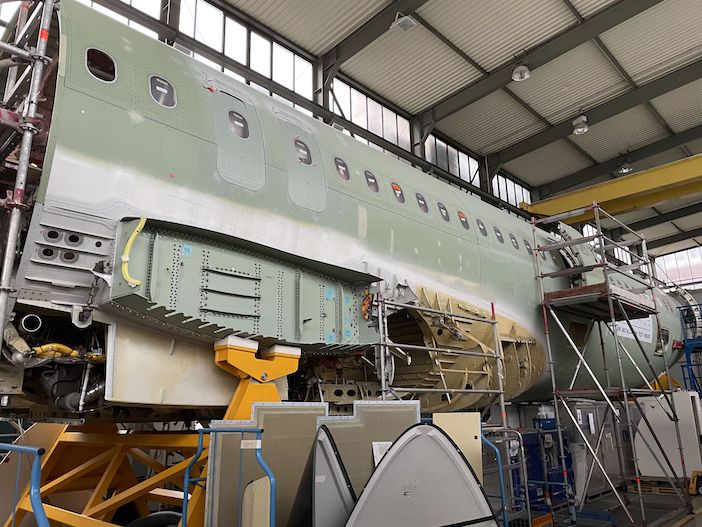
Esta atención al detalle está diseñada para garantizar que Airbus pueda mantener sus objetivos de entrega agresivos para un avión que continúa ganando pedidos. «Actualmente, estamos en una tasa de 40 para la familia A320 en general con un plan para aumentar a 45 a finales de este año», revela Gary O’Donnell. Las dos grandes estructuras de fuselaje y demostradores de sistemas ubicados en Hamburgo, Alemania y en Saint Nazaire, Francia, son el foco actual. Respectivamente, estas maquetas físicas (PMUs) son el Acelerador de Sistemas Preindustriales (PISA) para la sección central y de popa del fuselaje (CAF), y la sección de nariz y fuselaje delantero (NFF). «En el demostrador PMU para la sección delantera nos centramos en el refuerzo de la estructura del XLR debido a las diferentes cargas, y también en la mejora de los nuevos sistemas para la comodidad de la cabina», dice Martin Schnoor, líder del fuselaje del A321XLR en Airbus. «El PMU nos da la oportunidad de reunir todas las modificaciones del fuselaje, los sistemas y la cabina para confirmar las interfaces industriales. Mientras tanto, el PMU en Hamburgo se está centrando en los principales componentes del XLR, incluida la integración del tanque central trasero, la integración del tanque de agua, el sistema de combustible extendido y el sistema hidráulico modificado. Aquí, aprovechamos al máximo la proximidad del PMU del fuselaje trasero a la línea de montaje final para proporcionar capacitación a los operadores de producción antes de que entren en el primer avión producido en serie», continúa detallando el Jefe del Programa A321XLR.

Airbus planea mantener y actualizar los demostradores de PMU durante la vida útil del programa XLR, para perfeccionar las modificaciones futuras también para fines de capacitación en el taller. «Todos estos demostradores nos ayudan a observar los sistemas, las actividades y los flujos de trabajo en condiciones reales holísticas en una etapa temprana antes del inicio de la producción. Los demostradores, junto con la capacitación en el aula y la capacitación en VR / AR, serán una parte integral de la capacitación y la incorporación de nuestros empleados en el futuro. Proporcionan un espacio protegido para el aprendizaje y el desarrollo posterior y permiten aprender de los errores, sin poner en peligro la producción o la seguridad», dice Hauke Delmas, Jefe de Equipamiento XLR de pasillo único en las instalaciones de Airbus en Hamburgo Finkenwerder.

Montaje estructural

A finales de Junio 2021, la producción del A321XLR había comenzado en la línea piloto de estructura dedicada dentro del Hangar 260 en la planta de Airbus en Hamburgo, responsable del montaje estructural de los fuselajes centrales y traseros. Paralelamente, el montaje estructural de la sección 15 había comenzado a mediados de abril con la integración de los proyectiles de RUAG, así como la caja del ala central de Airbus Nantes, y el módulo de viga de quilla y brida trasera suministrado por Premium Aerotec.

En las próximas semanas, los equipos finalizarán la integración del módulo RCT en la Sección 17, con el montaje estructural del segundo avión de prueba de vuelo. La fase de montaje del equipo de la primera aeronave está prevista en el otoño, seguida de un período dedicado a la instalación de equipos de prueba de vuelo.

Premium Aerotec en Augsburgo, Alemania, es responsable de la producción del tanque central trasero (RCT) del A321XLR, un tanque de combustible de alta capacidad instalado permanentemente que hace el máximo uso volumétrico del fuselaje inferior de la aeronave. La estructura RCT, que está integrada en las secciones 15 y 17 del fuselaje, se encuentra detrás de la bahía principal del tren de aterrizaje y contiene hasta 13.100 litros de combustible.

Sin embargo, Boeing recientemente planteó preocupaciones a la EASA de que la integración del nuevo tanque de combustible en el fuselaje «presenta muchos peligros potenciales», lo que sugiere que tal diseño proporciona menos redundancia que los tanques de combustible estructuralmente separados y ofrece menos protección contra la interrupción estructural debido a un evento de falla fuera de la pista o del tren de aterrizaje que de otra manera podría sobrevivir.

Para garantizar la seguridad, la AESA ha impuesto condiciones especiales para proteger la mitad inferior del fuselaje alrededor del tanque central de combustible de la penetración de incendios. En Mayo 2021, Premium Aerotec entregó el primer RCT totalmente equipado a las instalaciones de Airbus en Hamburgo, anunciando el inicio del ensamblaje del fuselaje trasero de la aeronave y el fuselaje central en la línea de pilotos dedicada del fabricante de aviones. «Es un hito importante para el programa A321XLR. Los equipos pueden estar orgullosos de este logro y de la velocidad general de la industrialización. Estamos en el buen camino con nuestra planificación y la línea piloto dedicada al A321XLR está lista y a la espera de operar las fases de montaje para el primer avión de prueba de vuelo, hasta la entrada en servicio», dice Martin Schnoor, Jefe del Programa de Desarrollo de Fuselajes del Programa A321XLR en Airbus.

A321XLR test program update
Airbus A321XLR service entry prospects 2023

AW-A321LR

European manufacturer Airbus Group plans that the A321XLR will have a 15% longer range than the A321LR, entering service during 2023. Since the official launch of the A321XLR (eXtra Long Range) Program at the 2019 Paris Air Show, there have been more 420 orders and commitments from more than twenty customers, including low-cost and legacy airlines, as well as leading lessors for the additional long-range version of the longest-body aircraft in the A320NEO family. Such demand clearly underscores its appeal as a bridge between Airbus’ single and dual aisle aircraft offerings. Its additional range and 30% less fuel consumption per seat than previous generation aircraft will allow airlines to operate a lower-cost single-aisle aircraft of up to 4,700 nm on longer, less-traveled routes, many of which they can now only be served by larger and less efficient widebody aircraft.

Despite being designed to maximize overall similarity to the A321LR and the rest of the A320NEO family, incorporating the same fuel-saving P&W or CFM engines and sharklet wingtip devices, the A321XLR boasts several unique and distinctive features. «The main differences are the rear center tank integrated into the aft fuselage, the larger sewage tank, a reinforced nose landing gear and the main landing gear, including brakes, allowing an MTOW increase of 97t to 101t», says Gary O’Donnell, A321XLR Program Manager. In particular, the optimized rear center tank (RCT) holds more fuel than several optional additional center tanks previously, while taking up less space in the cargo hold, thus freeing up under floor volume for additional cargo and luggage on long-haul routes. Aerodynamic improvements include a new single-slot flap and improvements in the aerodynamic cleaning of the aircraft surfaces, as well as new flap / slat configurations adapted to the characteristics of the A321XLR. To provide additional comfort on longer flights, the A321XLR will utilize Airbus’ latest Aerospace cabin, featuring improved ambient lighting, inflight connectivity and larger containers offering 40% more installed capacity as vendor-equipped equipment. «The cabin offers passengers the best travel experience, including seats similar to those used in a wide-body aircraft. The airspace is already in service on the A350 and A330NEO aircraft and will be fully available for the A321XLR», says Gary O’Donnell.

Progama A321XLR Line

Industrialization and production of parts for the first A321XLR is underway at Airbus plants and its supply chain, with the assembly of important components of the first forward fuselage sections, the central and rear fuselage and the wings expected. that occur before the end of this year. Airbus is targeting entry into service for the 2023 A321XLR, although this may be delayed depending on how fuel tank testing and certification proceeds. «Production of components and systems for the first A321XLR flight test aircraft is progressing at sites around the world. In parallel, many parts are already being tested and demonstrated, both on the aircraft frame and on the aircraft side systems, to validate the functionality of all those early aircraft components», says Gary O’Donnell.

Airbus has demonstrators for the structure, system, equipment and cabin spread across its facilities in Hamburg in Germany, St. Nazaire in France and Broughton, UK, as well as at major supplier sites. «These range from detailed material coupons to full-section demonstrators. The production system in particular is coming to life, with our teams receiving the design drawings both internally and from key partners and bringing them to physical reality. This is enabling our factories in Europe and the UK prepare their pilot operations for the main component assembly phase which will start later this year and, in turn, for the subsequent induction of the first completed main component assembly on the final assembly line in Hamburg in the second part of the year», says Gary O’Donnell.

While all major sections of the A321XLR contain significant design changes compared to the current A321NEO/ A321LR aircraft, the XLR’s center and aft fuselage deviates further due to the comprehensive RCT and associated fuel management systems. In an attempt to avoid any disruption to existing single aisle production rates, a separate structure pilot line dedicated to assembling the A321XLR center and rear fuselage center and rear sections has been built at the Hamburg Finkenwerder production facility in Germany.

The pilot line has been completely designed in 3D, with A321XLR design data used to digitally validate ergonomics, operations and logistics in advance. «The pilot line in Hamburg means we can have a stable factory. It will allow us to start increasing production of the A321XLR aft fuselage core component set using longer cycle times to start with and with a higher level of engineering and support, to ensure the seamless integration of the new rear center tank and its new fuel systems. Importantly, it will also prevent us from putting the rest of the single-aisle production at risk. And then once we’re happy that everything is mature enough, we can confidently transfer it to the main production system», details Gary O’Donnell.

Meanwhile, the A321XLR’s aft and center fuselage production cycle continues to progress, with work divided into several key sites. Manufacturing of the mid-wing box sub-assembly started in mid-November 2020 in Nantes and will soon be delivered and integrated into the main component assembly section of the aft fuselage in Hamburg.

At the same time, Premium Aerotec Group in Augsburg, Germany, is completing the final parts for the RCT and preparing the tooling and shop floor for the fuel tank assembly. At other Premium Aerotec Group locations in Nordenham and Varel in Germany, several large aft and central fuselage components are also starting to be produced.

Production of parts for the nose and forward fuselage section of the aircraft is underway at Stelia Aerospace. Once completed, they will be transported to Saint-Nazaire, France, for the assembly stage of the main components of the nose and forward fuselage.

Another key important component assembly structure is the aircraft’s wing assembly, for which the particular focus of the team from Broughton, UK, is the flap configuration of the A321XLR. To this end, associated tool tests are underway for the new inboard and outboard flaps, which are being conducted in conjunction with Spirit AeroSystems in Malaysia and FACC in Austria, respectively.

More conventional fixed wing components, such as blades and spars, are taking shape at Broughton and the associated supply chain. Similarly, production is underway for landing gear components at Safran, Collins and Triumph, fuel and inert systems at Collins and Parker Aerospace, and engine pylons at Airbus’ dedicated production facility in St. Eloi, Toulouse. The cabin and cargo systems are currently undergoing testing to validate the extra long reach passenger comfort features of the A321XLR.

Airbus is using dedicated demonstrators to validate the design and assembly processes prior to final fabrication. The same full-size demonstrators are also used to pre-train production line personnel at the final assembly facility in Hamburg, where the first A321XLR will be built.

«We have been using a mixture of virtual and augmented reality [VR and AR] to demonstrate the 3D digital model for some time. We have also been using the first physical demonstrators, wooden models and 3D printed parts. More recently, we have developed the large-scale production demonstrators that we see more and more today, mainly in Saint Nazaire and Hamburg. The first physical demonstrators and virtual demonstrators allow us to validate our design decisions. Most of that was completed in 2020. The Production demonstrators mainly support training, industrial process maturity and help ensure our increase, because we run them at production rate. This is happening in all areas of assembly. Then we are running demonstrators for maintenance, repair and equipment equipment. customer support, so they can create airline documents, other technical documents s and repair manuals. We use physical demonstrators with VR and AR so that teams can test how they change and arrange parts, either in a hangar or on the apron, so that when they are writing technical documents, they have already been able to verify these virtual references», says Gary O ‘Donnell.

This attention to detail is designed to ensure that Airbus can maintain its aggressive delivery targets for an aircraft that continues to win orders. «We are currently at a rate of 40 for the overall A320 Family with a plan to increase to 45 by the end of this year», reveals Gary O’Donnell. The two large fuselage structures and system demonstrators located in Hamburg, Germany and Saint Nazaire, France, are the current focus. Respectively, these physical mock-ups (PMUs) are the Pre-Industrial Systems Accelerator (PISA) for the central and aft section of the fuselage (CAF), and the nose and forward fuselage section (NFF). «In the PMU demonstrator for the forward section we focused on strengthening the XLR structure due to different loads, and also on improving the new systems for cabin comfort», says Martin Schnoor, Airframe Leader for the A321XLR at Airbus. «The PMU gives us the opportunity to bring together all the modifications to the airframe, systems and the cockpit to confirm the industrial interfaces. Meanwhile, the PMU in Hamburg is focusing on the main components of the XLR, including the integration of the rear center tank, the integration of the water tank, the extended fuel system and the modified hydraulic system. Here, we take full advantage of the proximity of the rear fuselage PMU to the final assembly line to provide training to production operators before they go into operation. the first series-produced aircraft», continues the A321XLR Program Manager.

Airbus plans to maintain and upgrade the PMU demonstrators for the life of the XLR program, to refine future modifications also for in-shop training purposes. «All of these demonstrators help us to observe systems, activities, and workflows in holistic real-world conditions at an early stage before production starts. The demonstrators, along with classroom training and VR/AR training , will be an integral part of the training and onboarding of our employees in the future. They provide a protected space for learning and further development and allow learning from mistakes, without compromising production or safety», says Hauke ​​Delmas , Head of Single Aisle XLR Equipment at the Airbus facility in Hamburg Finkenwerder.

Structural assembly

By the end of June, production of the A321XLR had started on the dedicated structure pilot line inside Hangar 260 at the Airbus plant in Hamburg, responsible for the structural assembly of the central and rear fuselages. In parallel, the structural assembly of section 15 had started in mid-April with the integration of the RUAG projectiles, as well as the Airbus Nantes central wing box, and the keel girder and rear flange module supplied by Premium Aerotec.

In the coming weeks, the teams will finalize the integration of the RCT module in Section 17, with the structural assembly of the second flight test aircraft. The equipment assembly phase for the first aircraft is scheduled for the fall, followed by a period dedicated to the installation of flight test equipment.

Premium Aerotec in Augsburg, Germany, is responsible for the production of the A321XLR’s Rear Center Tank (RCT), a permanently installed high-capacity fuel tank that makes maximum volumetric use of the aircraft’s lower fuselage. The rct structure, which is integrated into sections 15 and 17 of the fuselage, is located behind the main landing gear bay and contains up to 13,100 liters of fuel.

However, Boeing recently raised concerns with EASA that the integration of the new fuel tank into the fuselage «presents many potential hazards», suggesting that such a design provides less redundancy than structurally separate fuel tanks and offers less protection against structural disruption due to an otherwise surviving off-runway or landing gear failure event.

To ensure safety, EASA has imposed special conditions to protect the lower half of the fuselage around the central fuel tank from fire penetration. In May 2021, Premium Aerotec delivered the first fully equipped RCT to the Airbus facility in Hamburg, announcing the start of assembly of the aircraft’s rear fuselage and central fuselage in the aircraft manufacturer’s dedicated pilot line. «It is an important milestone for the A321XLR program. Teams can be proud of this achievement and the overall speed of industrialization. We are on the right track with our planning and the dedicated A321XLR pilot line is ready and waiting to operate. assembly phases for the first flight test aircraft, until entry into service», says Martin Schnoor, head of the airframe development program for the A321XLR program at Airbus.

PUBLISHER: Airgways.com
DBk: Airbus.com / Airgways.com
AW-POST: 202107070945AR

A\W   A I R G W A Y S ®
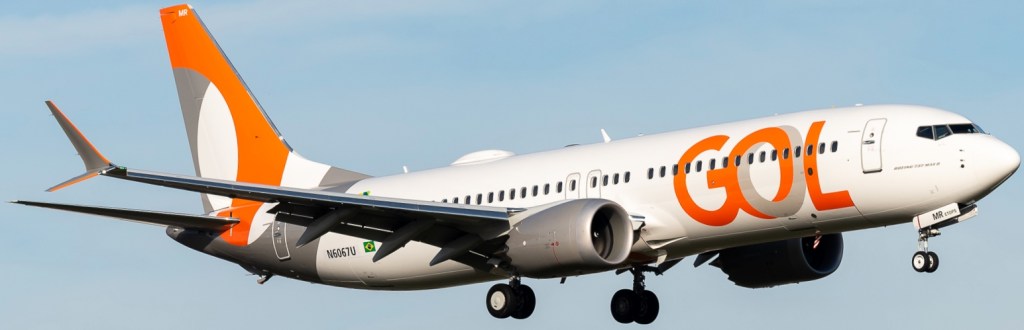
GOL estrena 737 MAX en Congonhas

AW | 2021 07 07 08:27 | AIRLINES / AIRPORTS

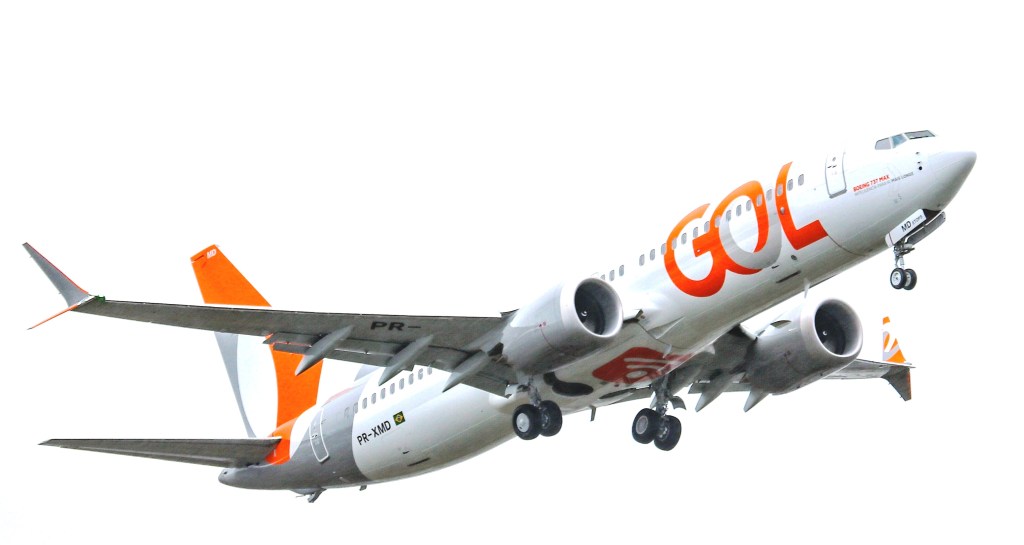
GOL estrena aeronave Boeing 737-8 MAX en Congonhas

GOL Linhas Aéreas_Isologotype.svg

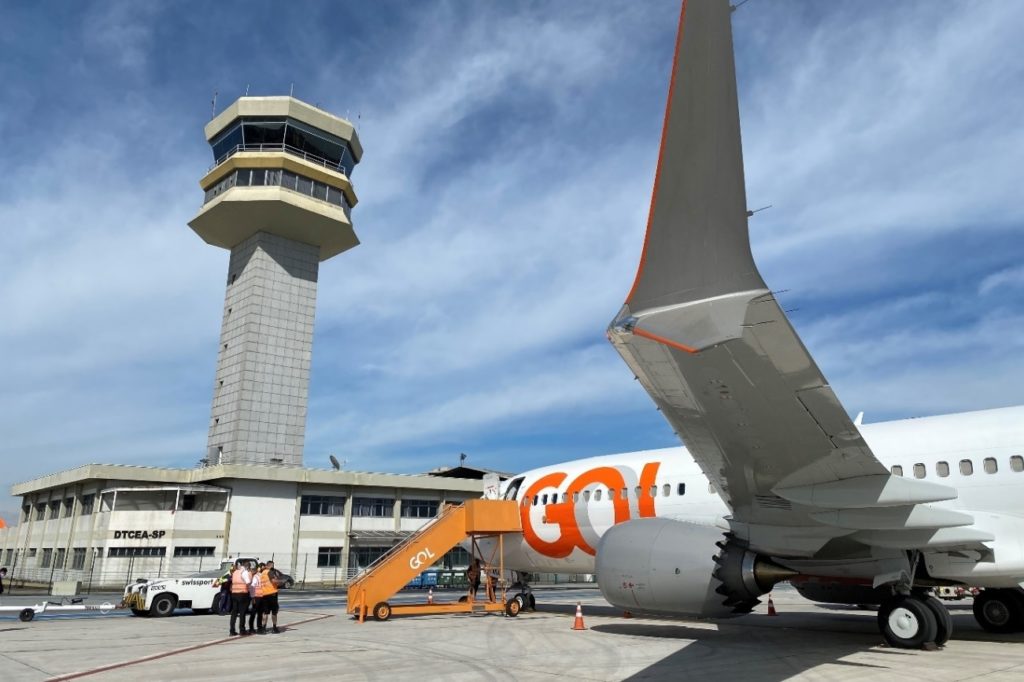
GOL Linhas Aéreas ha iniciado operaciones con la nueva aeronave a estrenar Boeing 737-8 MAX en el Aeropuerto São Paulo/Congonhas el Sábado 3 de Julio de 2021. La introducción de la moderna aeronave permitirá posicionar mejor tecnología, mejor servicio y respaldo al medio ambiente en uno de los aeropuertos más concurridos de Brasil.

La serie MAX posee operaciones más amigables con el entorno ambiental, permitiendo reducir la huella de ruido, un 15% menos de consumo de combustible, menor índice de emisiones contaminantes del orden del 15%, permitiendo sostener políticas de buenas prácticas de sostenibilidad de cero emisiones netas de carbono para el 2050. El Boeing 737 MAX permite un mejor rendimiento para vuelos largos en la pista del Aeropuerto Congonhas, asegurando el transporte sin restricciones de pasajeros y carga.

Las operaciones en el Aeropuerto São Paulo/Congonhas han permitido a GOL desde Marzo 2021 ser certificada como la primer aerolínea brasileña por la ANAC (Agencia Nacional de Aviación Civil) bajo operaciones de rendimiento de fricción en la nueva pista de Congonhas para operaciones con aeronaves Boeing 737-700 y 737-800 y 737-8 MAX, bajo condiciones climáticas adversas. Actualmente, GOL Linhas Aéreas posee en su flota diez aviones Boeing 737-8, mientras tiene pendiente de entregas de ocho aviones adicionales hacia finales de 2021, permitiendo asumir el compromiso de renovación de su flota más moderna, eficiente y menos contaminantes.

GOL launches 737 MAX in Congonhas

GOL launches Boeing 737-8 MAX aircraft in Congonhas

GOL Linhas Aéreas has started operations with the brand new Boeing 737-8 MAX aircraft at São Paulo/Congonhas Airport on Saturday, July 3, 2021. The introduction of the modern aircraft will allow better technology, better service and respect for the environment. at one of the busiest airports in Brazil.

The MAX series has operations that are more environmentally friendly, allowing a noise footprint to be reduced, 15% less fuel consumption, a lower rate of pollutant emissions of the order of 15%, allowing to sustain policies of good sustainability practices of zero emissions. carbon net by 2050. The Boeing 737 MAX enables better performance for long flights on the Congonhas Airport runway, ensuring unrestricted transportation of passengers and cargo.

Operations at São Paulo/Congonhas Airport have allowed GOL since March 2021 to be certified as the first Brazilian airline by ANAC (National Civil Aviation Agency) under friction performance operations on the new Congonhas runway for operations with Boeing aircraft. 737-700 and 737-800 and 737-8 MAX, under adverse weather conditions. Currently, GOL Linhas Aéreas has ten Boeing 737-8 aircraft in its fleet, while it has pending deliveries of eight additional aircraft by the end of 2021, allowing it to assume the commitment to renew its more modern, efficient and less polluting fleet.

GOL lança 737 MAX em Congonhas

GOL lança aeronave Boeing 737-8 MAX em Congonhas

A GOL Linhas Aéreas iniciou as operações com as novíssimas aeronaves Boeing 737-8 MAX no Aeroporto de São Paulo/Congonhas no Sábado, 3 de Julho de 2021. A introdução das modernas aeronaves permitirá melhor tecnologia, melhor atendimento e respeito ao meio ambiente um dos aeroportos mais movimentados do Brasil.

A série MAX tem operações mais ecológicas, permitindo reduzir a pegada sonora, 15% menos consumo de combustível, menor índice de emissão de poluentes da ordem de 15%, permitindo sustentar políticas de boas práticas de sustentabilidade de emissão zero. rede de carbono até 2050. O Boeing 737 MAX possibilita melhor desempenho em voos longos na pista do Aeroporto de Congonhas, garantindo transporte irrestrito de passageiros e cargas.

As operações no Aeroporto de São Paulo/Congonhas permitem que a GOL, desde março de 2021, seja certificada como a primeira companhia aérea brasileira pela ANAC (Agência Nacional de Aviação Civil) em operações de desempenho de atrito na nova pista de Congonhas para operações com aeronaves Boeing. 800 e 737-8 MAX, sob condições climáticas adversas. Atualmente, a GOL Linhas Aéreas conta com dez aeronaves Boeing 737-8 em sua frota, enquanto a entrega de oito aeronaves adicionais está pendente até o final de 2021, o que lhe permite assumir o compromisso de renovar sua frota mais moderna, eficiente e menos poluente.

PUBLISHER: Airgways.com
DBk: Voegol.com.br / Airgways.com
AW-POST: 202107070827AR

A\W   A I R G W A Y S ®

Volcán Etna vuele entrer erupción

AW | 2021 07 07 07:55 | AVIATION SAFETY

Nueva erupción del Etna obliga cerrar Aeropuerto de Catania

Un nueva erupción del volcán Etna obligó a suspender momentáneamente toda la actividad en el cercano Aeropuerto de Catania (Sicilia), debido a los problemas de visibilidad causados por la copiosa lluvia de cenizas desprendida por el volcán, informaron las autoridades del aeródromo. La copiosa lluvia de cenizas desprendida por una nueva erupción del volcán Etna causa problemas de visibilidad y, nuevamente, la suspensión de toda actividad en el cercano aeropuerto de Catania, en Sicilia. «La pista del aeropuerto está contaminada por ahora por cenizas volcánicas. Ningún vuelo podrá aterrizar o despegar de CTAairport», indicó la sociedad que gestiona el aeropuerto en redes sociales, ala destacar que se han llevado operaciones de limpieza durante toda la noche. La actual actividad del Etna se desató desde Febrero 2021.

La nueva actividad eruptiva del volcán activo más alto de Europa, que comenzó sobre la 01:00 horas locales (23.00 GMT del miércoles) y duró cerca de dos horas, provocó una fuente de lava en el cráter sudeste, así como otra lengua hacia el suroeste, según el Instituto Nacional de Geofísica y Vulcanología (INGV). La erupción estuvo acompañada por una nube, de al menos 5 kilómetros de altura, que provocó una copioso lluvia de ceniza de lava que llegó a varias localidades italianas, incluida Catania.

Desde 1977 hasta la actualidad se han producido cientos de episodios similares al actual, incluida la secuencia excepcional de 66 entre enero y agosto de 2000 y unos 50 entre 2011 y 2013. Desde que se desató la actividad del Etna a mediados del pasado mes de Febrero se han producido numerosos episodios como el de la última madrugada, que son un fenómeno típico del volcán, según el INGV.

Etna volcano fly between eruption

New eruption of Etna forces the closure of Catania Airport

A new eruption of the Etna volcano forced a momentary suspension of all activity at the nearby Catania Airport (Sicily), due to visibility problems caused by the copious ashfall released by the volcano, the aerodrome authorities reported. The copious ashfall released by a new eruption of the Etna volcano causes visibility problems and, again, the suspension of all activity at the nearby Catania airport, in Sicily. «The airport runway is contaminated for now by volcanic ash. No flight will be able to land or take off from CTAairport», said the company that manages the airport on social media, highlighting that cleaning operations have been carried out throughout the night. The current activity of Etna was unleashed since February 2021.

The new eruptive activity of the highest active volcano in Europe, which began at around 01:00 local time (23:00 GMT on Wednesday) and lasted about two hours, caused a source of lava in the southeastern crater, as well as another tongue towards the southwest, according to the National Institute of Geophysics and Volcanology (INGV). The eruption was accompanied by a cloud, at least 5 kilometers high, which caused a copious shower of lava ash that reached several Italian towns, including Catania.

From 1977 to the present there have been hundreds of episodes similar to the current one, including the exceptional sequence of 66 between January and August 2000 and about 50 between 2011 and 2013. Since the Etna activity was unleashed in the middle of last February There have been numerous episodes such as that of the last morning, which are a typical phenomenon of the volcano, according to the INGV.

PUBLISHER: Airgways.com
DBk: Pa.ingv.it / Airgways.com
AW-POST: 202107070755AR

A\W   A I R G W A Y S ®

Cathay lanza nueva clase Premium

AW | 2021 07 07 06:57 | AIRLINES

Cathay Pacific renueva clase Premmium

Cathay Pacific_Isologotype

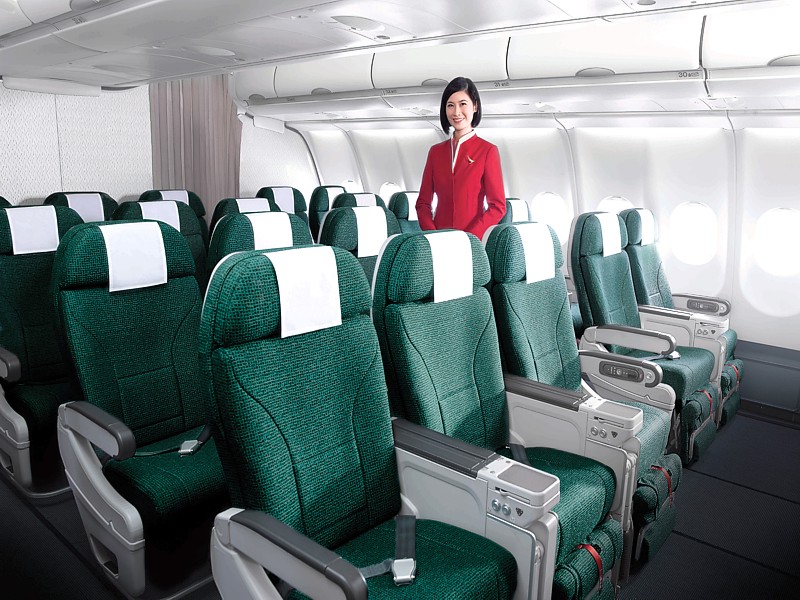
Cathay Pacific Airlines lanza una nueva marca de estilo de vida de viajes Premium denominada «Cathay», que tiene como objetivo reunir bajo con enfoque lifestyle todo lo cotidiano que caracteriza a los viajes. En los próximos meses, la clase Cathay lanzará una gama de nuevas ofertas gastronómicas, de alojamientos, en bienestar, etcétera, lo que permitirá interactuar con los clientes de la aerolínea, no solo cuando vuelan, sino todos los días.

Cathay reúne Cathay Pacific, Marco Polo Club y Asia Miles en un solo espacio, simplificando la forma en que los clientes interactúan con la marca, incluida la forma en la que obtienen estatus y usan sus millas. Al mismo tiempo, Cathay también hace que la propuesta de la aerolínea resulte más atractiva. Al integrar las ofertas y, a través de mejores asociaciones, ofrecer una gama más amplia de productos y servicios en beneficio de los clientes. La primera de estas ofertas, una nueva tarjeta de crédito co-branded que se lanzará en Hong Kong en breve. Todo ello culminará con un renovado programa de relación con los clientes en el primer semestre de 2022.

Es importante destacar que Cathay Pacific continúa como la marca de la aerolínea a nivel mundial. Inicialmente, «Cathay» solo estará disponible en Hong Kong, mientras que Cathay Pacific seguirá siendo la marca en todo el resto del mundo. Con el tiempo, la compañía apuntará a expandir la marca lifestyle «Cathay» a otros mercados.

Augustus Tang, Director Ejecutivo de Cathay Pacific, ha declarado: «Nuestra capacidad para entrar en un espacio enfocado al lifestyle de viajes y el éxito de esta estrategia se basa en una la duración, la confianza y el respeto que Cathay Pacific ha conseguido a lo largo de 75 años. Y de los logros, del trabajo duro y la dedicación de nuestros empleados en todo el mundo. En el corazón de la marca Cathay hay una celebración de todas las cosas que amamos sobre los viajes. Estamos muy orgullosos de haber conectado a nuestros pasajeros con personas, lugares y experiencias de todo el mundo a través de la alegría de viajar. Cathay refuerza nuestro compromiso de involucrarnos con nuestros clientes y en sus vidas cotidianas con un servicio de clase mundial. Al agregar más valor y simplicidad, estamos ayudando a avanzar en la vida según nuestro propósito de Move Beyond».

Cathay launches new Premium class

Cathay Pacific renews Premmium class

Cathay Pacific Airlines launches a new premium travel lifestyle brand called «Cathay», which aims to bring together everything everyday that characterizes travel under a lifestyle approach. In the coming months, the Cathay class will launch a range of new gastronomic, accommodation, wellness, and more offers, which will allow you to interact with the airline’s customers, not only when they fly, but every day.

Cathay brings together Cathay Pacific, Marco Polo Club and Asia Miles in one space, simplifying the way customers interact with the brand, including how they earn status and use their miles. At the same time, Cathay also makes the airline’s proposition more attractive. By integrating offerings and, through better partnerships, offering a broader range of products and services for the benefit of customers. The first of these offers, a new co-branded credit card launching in Hong Kong shortly. All of this will culminate in a renewed customer relationship program in the first half of 2022.

Importantly, Cathay Pacific continues as the airline’s brand worldwide. Initially, «Cathay» will only be available in Hong Kong, while Cathay Pacific will remain the brand throughout the rest of the world. Over time, the company will aim to expand the «Cathay» lifestyle brand to other markets.

Augustus Tang, CEO of Cathay Pacific, said: «Our ability to enter a space focused on travel lifestyle and the success of this strategy is based on the durability, trust and respect that Cathay Pacific has achieved through Over 75 years. And the accomplishments, hard work and dedication of our employees around the world. At the heart of the Cathay brand is a celebration of all the things we love about travel. We are so proud to have connected to our passengers with people, places and experiences from around the world through the joy of travel. Cathay reinforces our commitment to engaging with our customers and in their daily lives with world-class service. By adding more value and simplicity, we are helping to move forward in life according to our Move Beyond purpose».

PUBLISHER: Airgways.com
DBk: Cathay.com/elevateyourlife / Airgways.com
AW-POST: 202107070657AR

A\W   A I R G W A Y S ®

Fiji Airways recibe quinto 737 MAX

AW | 2021 07 06 20:02 | AIRLINES

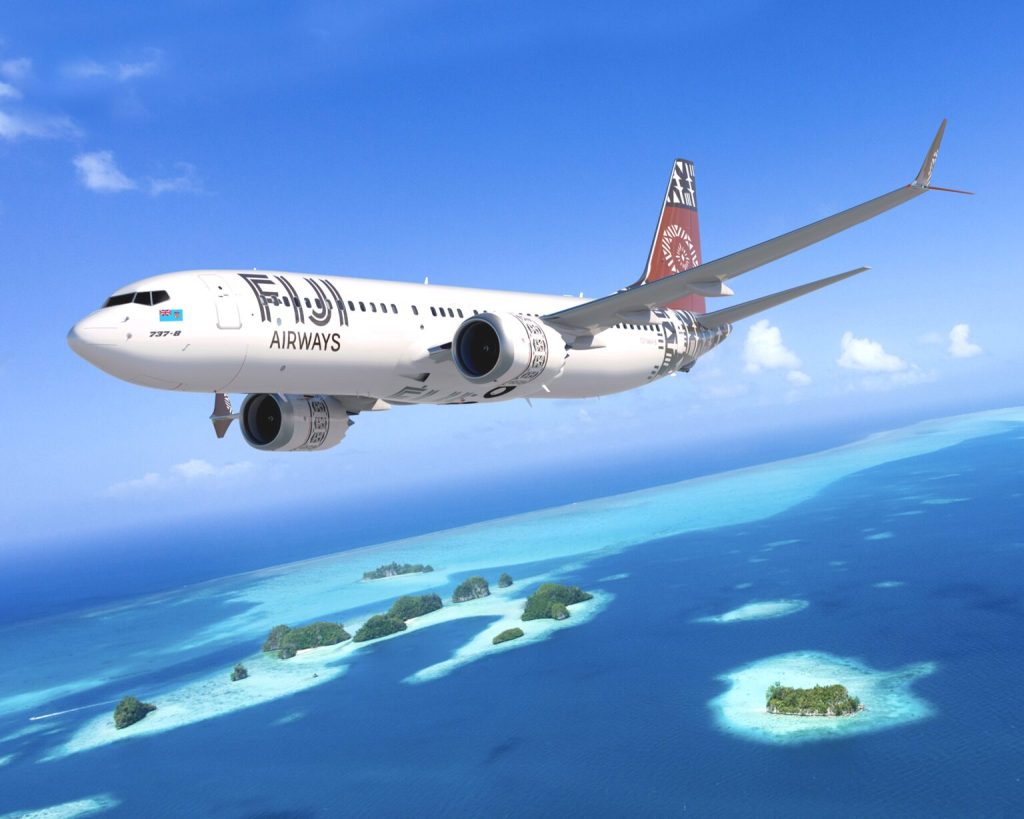
Fiji Airways recibe quinto y último Boeing 737-8 MAX

Fiji Airways logo 2012

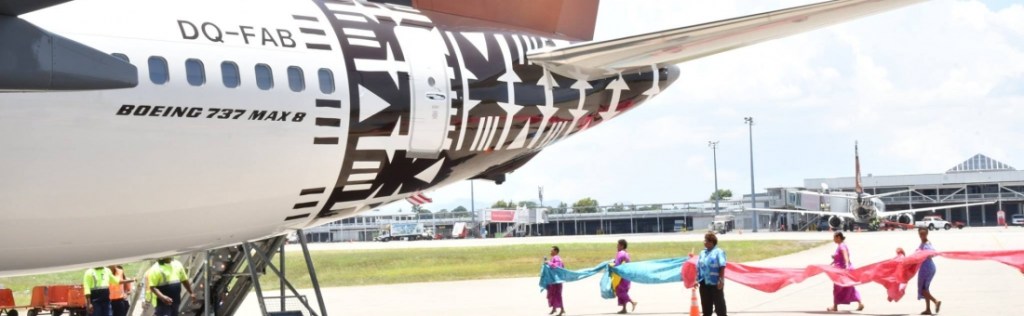
Fiji Airways ha recibido el último de los cinco aviones Boeing 737-8 MAX que ha solicitado a la compañía Boeing. La última entrega aterrizó en Nadi a última hora del Domingo 04/07 después de un largo viaje a través del Océano Pacífico desde las instalaciones de Boeing en Seattle. El avión salió de Boeing Field en Seattle (WA) el Viernes 02/07 a las 21:20 hs. volando una travesía de cinco horas y cuarto con rumbo a Honolulu, Hawaii, aterrizando a las 23:36 hs. haciendo una escala técnica para repostar combustible, despegando a las 16:08 hs, aterrizando en Nadi seis horas y media más tarde a las 20:43 del Domingo 04/07.

Fiji Airways había puesto en tierra la flota de Boeing 737-8 MAX (2) cuando la compañía aeroespacial había incurrido en la incursión a tierra de la flota del MAX en todo el mundo. Las dos aeronaves fueron enviadas a Alice Springs, Australia para su almacenamiento, donde permanecen allí en la actualidad. La última llegada a la flota de Fiji Airways es DQ-FAF. Después de haber sido ordenado firmemente por Fiji Airways en Marzo de 2017, el avión realizó su primer vuelo el 22 de Septiembre de 2019. La aeronave tiene más de un año de antigüedad pero sin uso por parte del operador aéreo.

El avión tiene una configuración de 170 asientos a bordo, con ocho asientos de clase Executive en una configuración 2-2 con 51 pulgadas, y la clase Economy con 162 asientos en la configuración estándar de cuerpo estrecho 3-3 con 32 pulgadas de distanciamiento entre asientos.

La flota total de Boeing 737-8 MAX poseen los registros DQ-FAB, DQ-FAD, DQ-FAE, DQ-FAH y DQ-FAF. Las cinco aeronaves están en arrendamiento de GECAS. La aerolínea estaba utilizando principalmente el tipo de aeronaves para conectar la Isla de Fiji con Australia y Nueva Zelanda y se había programado vuelos a otras islas cercanas como así también a Honolulu en Hawáii. Mientras tanto la compañía todavía no ha reanudado las operaciones con este tipo de aeronaves.

Fiji Airways receives fifth 737 MAX

Fiji Airways receives fifth and final Boeing 737-8 MAX

Fiji Airways has received the last of the five Boeing 737-8 MAX aircraft it has ordered from the Boeing company. The latest installment landed in Nadi late on Sunday 07/04 after a long journey across the Pacific Ocean from the Boeing facility in Seattle. The plane left Boeing Field in Seattle (WA) on Friday 02/07 at 09:20 pm. flying a five-and-a-quarter hour crossing to Honolulu, Hawaii, landing at 11:36 pm. making a technical stopover to refuel, taking off at 04:08 p.m., landing in Nadi six and a half hours later at 08:43 p.m. on Sunday 07/04.

Fiji Airways had grounded the Boeing 737-8 MAX fleet (2) when the aerospace company had incurred the ground incursion of the MAX fleet worldwide. The two aircraft were shipped to Alice Springs, Australia for storage, where they remain there today. The latest arrival in the Fiji Airways fleet is DQ-FAF. After being firmly ordered by Fiji Airways in March 2017, the aircraft made its maiden flight on September 22, 2019. The aircraft is over a year old but not in use by the air operator.

The aircraft has a 170-seat configuration on board, with eight Executive class seats in a 2-2 configuration with 51 inches, and Economy class with 162 seats in the standard 3-3 narrow-body configuration with 32-inch spacing between. seating.

The entire Boeing 737-8 MAX fleet is registered DQ-FAB, DQ-FAD, DQ-FAE, DQ-FAH and DQ-FAF. The five aircraft are under lease from GECAS. The airline was primarily using the type of aircraft to connect the Island of Fiji with Australia and New Zealand and flights to other nearby islands as well as to Honolulu in Hawaii had been scheduled. Meanwhile the company has not yet resumed operations with this type of aircraft.

PUBLISHER: Airgways.com
DBk: Fijiairways.com / Airgways.com
AW-POST: 202107062002AR

A\W   A I R G W A Y S ®

Tormenta Elsa avanza sobre Florida

AW | 2021 07 06 19:13 | AVIATION SAFETY / AIR TRAFFIC

Aeropuertos cancelan vuelos por precaución

La Tormenta Tropical Elsa golpeará el oeste de Florida con lluvias y vientos cada vez más intensos a medida que su centro se acerque el martes por la tarde, y se espera que se fortalezca en un huracán antes de tocar tierra el Miércoles 07/07, dijeron los pronosticadores. Elsa azotó los Cayos el Martes 06/07 por la mañana con lluvia y vientos sostenidos de 30-40 mph. La tormenta tropical estaba azotando partes de la costa occidental, y los tornados y las marejadas ciclónicas que amenazan la vida se encuentran entre las amenazas hasta la madrugada del Miércoles.

El centro de Elsa, contiene vientos sostenidos de 70 mph, estaba sobre el agua a unas 180 millas al sur de Tampa a partir de las 2 p.m. ET, dijo el Centro Nacional de Huracanes. De acuerdo con la pista de pronóstico actual, Elsa podría arrastrarse fuera del área de Fort Myers el Martes 06/07 por la noche y acercarse a Tampa-St. Área de Petersburg durante la noche antes de tocar tierra el miércoles por la mañana a lo largo de la costa norte del Golfo de Florida, pudiendo fortalecerse en una categoría a huracán para el Martes 06/07 por la noche, dijeron los pronosticadores. Una advertencia de huracán está en vigor desde Egmont Key cerca de San Petersburgo en el centro-oeste del Estado de Florida hasta el río Steinhatchee en la región de Big Bend del norte de Florida.

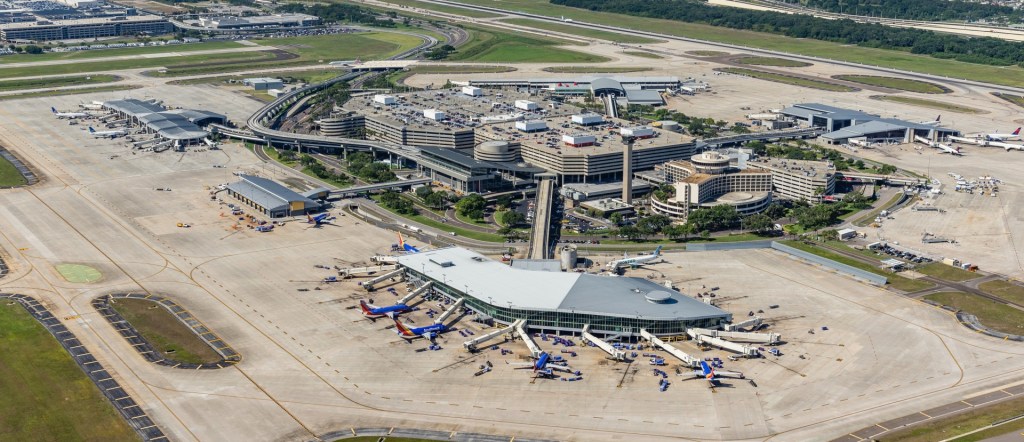
El Aeropuerto Internacional de Tampa suspenderá los vuelos a las 5 p.m. El martes por la noche mientras el área se prepara para la tormenta tropical Elsa. «Debido al último pronóstico de la tormenta tropical Elsa, que incluye velocidades de viento de hasta 65 a 70 millas por hora, el Aeropuerto Internacional de Tampa suspenderá las operaciones comerciales a las 5 p.m. esta noche y suspenderá las operaciones de carga aérea a las 10 p.m», indica un comunicado de prensa para el aeropuerto. El aeropuerto reabrirá a las 10 a.m. Miércoles por la mañana después de que se evalúen los daños de la tormenta.

Las poblaciones del sur y el oeste del Estado de Florida se ha estado preparando llenando bolsas de arena, abriendo refugios, cerrando negocios y escuelas, y activando centros locales de operaciones de emergencia. Al menos cuatro condados en el área de Tampa: Hillsborough, Pinellas, Hernando y Manatee abrieron refugios para los residentes, mientras que otros han activado centros de operaciones de emergencia para prepararse para la tormenta.

Storm Elsa advances over Florida

Airports cancel flights as a precaution

Tropical Storm Elsa will hit western Florida with increasingly intense rains and winds as its center approaches Tuesday afternoon, and is expected to strengthen into a hurricane before making landfall on Wednesday 07/07, they said. the tipsters. Elsa hit the Keys on Tuesday 06/07 morning with rain and sustained winds of 30-40 mph. The tropical storm was hitting parts of the west coast, and life-threatening tornadoes and storm surges were among the threats as of early Wednesday morning.

Downtown Elsa, containing 70 mph sustained winds, was over the water about 180 miles south of Tampa as of 2 p.m. ET, said the National Hurricane Center. According to the current forecast track, Elsa could crawl out of the Fort Myers area on Tuesday night 07/06 and get closer to Tampa-St. Petersburg area overnight before making landfall Wednesday morning along Florida’s northern Gulf Coast, potentially strengthening into a hurricane category by Tuesday night 07/06, forecasters said. A hurricane warning is in effect from Egmont Key near St. Petersburg in west-central Florida to the Steinhatchee River in the Big Bend region of northern Florida.

Tampa International Airport will suspend flights at 5 p.m. Tuesday night as the area prepares for Tropical Storm Elsa. «Due to the latest forecast for Tropical Storm Elsa, which includes wind speeds of up to 65 to 70 miles per hour, Tampa International Airport will suspend commercial operations at 5 p.m. tonight and suspend air cargo operations at 10 p.m. pm», reads a press release for the airport. The airport will reopen at 10 a.m. Wednesday morning after storm damage is assessed.

Populations in the south and west of the State of Florida have been preparing by filling sandbags, opening shelters, closing businesses and schools, and activating local emergency operations centers. At least four counties in the Tampa area: Hillsborough, Pinellas, Hernando and Manatee opened shelters for residents, while others have activated emergency operations centers to prepare for the storm.

PUBLISHER: Airgways.com
DBk: Nhc.noaa.gov / Cnn.com / Airgways.com
AW-POST: 202107061913AR

A\W   A I R G W A Y S ®

Fracaso reunión aéreas argentinas

AW | 2021 07 06 18:47 | AIRLINES / GOVERNMENT

Gobierno-aerolíneas sin acuerdos por cupos aéreos

El Gobierno de Argentina, las líneas aéreas junto con la Asociación Internacional de Transporte Aéreo (IATA) se han reunido este Martes 06/07 por la mañana de manera virtual para intentar arribar a un acuerdo respecto al cupo de tráfico aéreo impuesto por la autoridades el 25 de Junio de 2021 que limita a 600 pasajeros por día con máximo para el ingreso al país lo que generó un fuerte reclamo de los argentinos varados en el exterior. La reunión ha tenido una duración de unos minutos para establecer los planteamientos de ambas partes. No ha existido ningún anuncio o definición sobre determinaciones con el cupo de vuelos desde el exterior que puede aterrizar en la Argentina y los pasajeros que se encuentran varados.

Por parte del Gobierno nacional participó la titular de la Administración Nacional de Aviación Civil (ANAC), Paola Tamburelli; y el secretario de Planificación, Gastón Jaques. En tanto que en representación de Iata participó María José Taveira, representante regional de la entidad en Argentina, Paraguay y Uruguay; Alejandro Muñoz Torres, Miembro de Relaciones Exteriores para América Latina y el Caribe; Lars Pottgiesser, Jefe de Desarrollo Comercial para la región de las Américas. No estuvieron presentes el Ministro de Transporte, Alexis Guerrera, tampoco Peter Cerdá, Vicepresidente para las Américas de la IATA, ni el Jefe de Gabinete de Ministros, Santiago Cafiero, cuya presencia habían reclamado tanto IATA como JURCA (Cámara de Líneas Aéreas en Argentina).

La asociación de la IATA ha insistido con el levantamiento de los cupos impuestos de pasajeros para los vuelos internacionales, como así también saber qué va a pasar la próxima semana con la finalización o no de las restricciones a los cupos aéreos hacia el 12/07.

El 30 de Junio de 2021, la asociación de empresas aéreas había rechazado participar de un encuentro cuando advirtieron que no estaría presente el Jefe de Gabinete, Santiago Cafiero, quien fue el responsable de la firma de la Decisión Administrativa Nº 643, que redujo de 2.000 a 600 la cantidad de pasajeros del exterior que pueden ingresar por día a la Argentina.

“Por supuesto que IATA representa los intereses de las líneas aéreas. Ellos plantearon reducir las restricciones de los vuelos en la República Argentina. Explicamos que esto tiene que ver con el cuidado de la vida y la salud de los argentinos y argentinas. Haciendo un análisis de la evaluación epidemiológica, que por supuesto deriva en la imposición de las medidas que sean necesarias para garantizarlas”, explicó Paola Tamburelli, de la ANAC.

La restricción para el regreso de los turistas que están en el exterior dejó a miles de argentinos fuera del país sin fecha cierta de regreso al país. El Gobierno argentino no autorizó todavía ninguna operación aérea internacional con fecha posterior al 12 de Julio de 2021. Desde la ANAC, el organismo gubernamental que administra la aviación civil, señalaron que el reacomodamiento de los pasajeros es una decisión que corresponde a cada aerolínea, pero desde las líneas aéreas sostienen que las limitaciones de los cupos, limita también el retorno de los pasajeros varados en el exterior.

Argentine air meeting failed

Government-airlines without agreements for air quotas

The Government of Argentina, the airlines together with the International Air Transport Association (IATA) have met this Tuesday 06/07 in the morning in a virtual way to try to reach an agreement regarding the air traffic quota imposed by the authorities on June 25, 2021, which limits 600 passengers per day with a maximum for entering the country, which generated a strong claim from Argentines stranded abroad. The meeting lasted a few minutes to establish the approaches of both parties. There has been no announcement or definition on determinations with the number of flights from abroad that can land in Argentina and the passengers who are stranded.

On behalf of the national government, the head of the National Civil Aviation Administration (ANAC), Paola Tamburelli; and the Secretary of Planning, Gastón Jaques. While in representation of Iata participated María José Taveira, regional representative of the entity in Argentina, Paraguay and Uruguay; Alejandro Muñoz Torres, Member of Foreign Relations for Latin America and the Caribbean; Lars Pottgiesser, Head of Business Development for the Americas region. The Minister of Transportation, Alexis Guerrera, neither Peter Cerdá, IATA Vice President for the Americas, nor the Chief of Cabinet of Ministers, Santiago Cafiero, whose presence had been demanded by both IATA and JURCA (Chamber of Air Lines in Argentina) were not present.

The IATA association has insisted on lifting the imposed passenger quotas for international flights, as well as knowing what will happen next week with the end or not of the restrictions on air quotas by 07/12.

On June 30, 2021, the airline companies association had refused to participate in a meeting when they warned that the Chief of Staff, Santiago Cafiero, would not be present, who was responsible for signing Administrative Decision No. 643, which reduced from 2,000 600 the number of foreign passengers that can enter Argentina per day.

“Of course IATA represents the interests of the airlines. They proposed to reduce the restrictions on flights in the Argentine Republic. We explain that this has to do with caring for the life and health of Argentines. Doing an analysis of the epidemiological evaluation, which of course results in the imposition of the necessary measures to guarantee them”, explained Paola Tamburelli, from the ANAC.

The restriction on the return of tourists who are abroad left thousands of Argentines outside the country without a certain date of return to the country. The Argentine Government has not yet authorized any international air operation after July 12, 2021. From the ANAC, the governmental body that administers civil aviation, they indicated that the rearrangement of passengers is a decision that corresponds to each airline, but from the airlines they maintain that the limitations of the quotas, also limit the return of the passengers stranded abroad.

PUBLISHER: Airgways.com
DBk: Argentina.gob.ar / Jurca.org.ar / Iata.org / Airgways.com
AW-POST: 202107061847AR

A\W   A I R G W A Y S ®

IATA reclama Gobierno Argentina

AW | 2021 07 06 07:30 | AVIATION ORGANISMS / GOVERNMENT

Líneas aéreas acusan Gobierno dejar tirados a pasajeros

La Asociación de Transporte Aéreo Internacional (IATA) acusó este Lunes 05/07 al Gobierno de la República Argentina de dejar tirados por el mundo a 1.400 personas por día, a partir de las últimas restricciones al ingreso de pasajeros en medio de la pandemia. La asociación de aerolíneas reclama que las compañías podrían suspender en forma temporal o definitiva su actividad en Argentina.

En una fuerte crítica a las restricciones al ingreso de pasajeros aéreos dispuestas en el marco de la emergencia sanitaria, la IATA ha encendido las alarmas acerca de la desidia de la situación de los pasajeros varados por el mundo. Ante el avance de las nuevas cepas de Coronavirus, el Gobierno ha emitido una reducción de la cuota de ingreso al país de 2.000 a 600 la cantidad de pasajeros diarios, generando multitudes de reclamos frente a los derechos vulnerados.

La entidad consideró en un comunicado que con una agenda coordinada con el Gobierno se podrá traer de vuelta a los miles de pasajeros afectados por las restricciones impuestas el 25 de Junio de 2021. «La programación de vuelos se hace con meses de anticipación y en Argentina hay aprobaciones que han llegado incluso un día antes. Así se hace muy difícil operar, por lo que es de esperar que más aerolíneas suspendan temporal o definitivamente sus operaciones en este mercado», criticó la asociación aeronáutica de reconocimiento mundial.

En un comunicado firmado por el Vicepresidente regional de IATA para las Américas, Peter Cerdá, la entidad señaló que «la industria quiere ser parte de la solución» de esta crisis. Ha hecho todo lo posible para seguir ofreciendo una conectividad aérea esencial hacia y desde Argentina. La incertidumbre es máxima ya que, a diez días de haberse decretado esta medida, el gobierno argentino no ha autorizado todavía ninguna operación aérea posterior al 12 de julio e incluso desconocemos si extenderá las limitaciones actuales de los vuelos a partir del 9 de Julio de 2021. Lo único que tenemos claro hasta ahora es que los vuelos autorizados no alcanzan para poder traer de vuelta a los miles de pasajeros varados», señala el comunicado.

La entidad pidió con urgencia una reunión con el Jefe de Gabinete, Santiago Cafiero, a quien proponen coordinar de manera previsible los vuelos hacia y desde la Argentina, de forma tal que permitan a la industria operar de forma estable, mientras que siga la pandemia. La IATA había solicitado anteriormente una reunión con el Jefe de Gabinete, que en principio había sido programada para el Jueves 01/07, pero finalmente no se pudo concretar.

IATA demands the Argentine Government

Airlines accuse government of dumping passengers

The International Air Transport Association (IATA) accused the Government of the Argentine Republic on Monday 05/07 of leaving 1,400 people per day stranded around the world, based on the latest restrictions on the entry of passengers in the midst of the pandemic. The airline association claims that the companies could temporarily or permanently suspend their activity in Argentina.

In a strong criticism of the restrictions on the entry of air passengers arranged in the framework of the health emergency, the IATA has raised the alarms about the neglect of the situation of passengers stranded around the world. Given the advance of the new strains of Coronavirus, the Government has issued a reduction in the amount of daily passengers entering the country from 2,000 to 600, generating multitudes of claims against violated rights.

The entity considered in a statement that with an agenda coordinated with the Government, it will be possible to bring back the thousands of passengers affected by the restrictions imposed on June 25, 2021. «The flight scheduling is done months in advance and in Argentina there are approvals that have even arrived a day before. This makes it very difficult to operate, so it is to be expected that more airlines will temporarily or permanently suspend their operations in this market», criticized the world-renowned aeronautical association.

In a statement signed by IATA’s Regional Vice President for the Americas, Peter Cerdá, the entity stated that «the industry wants to be part of the solution to this crisis. It has done everything possible to continue offering essential air connectivity to and from Argentina. The uncertainty is maximum since, ten days after this measure was decreed, the Argentine government has not yet authorized any air operation after July 12 and we do not even know if it will extend the current limitations of flights as of July 9 2021. The only thing that is clear to us so far is that the authorized flights are not enough to bring back the thousands of stranded passengers», the statement said.

The entity urgently requested a meeting with the Chief of Cabinet, Santiago Cafiero, to whom they propose to foreseeably coordinate flights to and from Argentina, in such a way as to allow the industry to operate in a stable manner, while the pandemic continues. The IATA had previously requested a meeting with the Chief of Staff, which had originally been scheduled for Thursday 01/07, but it was not finally possible.

PUBLISHER: Airgways.com
DBk: Iata.org / Airgways.com
AW-POST: 202107060730AR

A\W   A I R G W A Y S ®

Aerolíneas retornará a Puerto Madryn

AW | 2021 07 06 07:13 | AIRLINES ROUTES

Aerolíneas Argentinas reanudará vuelos Buenos Aires-Puerto Madryn

Aerolíneas Argentinas_Isologotype 2010

Aerolíneas Argentinas ha anunciado la reanudación de la ruta aérea entre Buenos Aires/AEP y Puerto Madryn con una frecuencia de dos veces por semana (2Frq/S) a partir del 8 de Julio de 2021, permitiendo reforzar la presencia de la aerolínea en la Patagonia como parte de los reclamos establecidos por los gobiernos de esta región austral del país. El retorno se las frecuencias se establece al aumento de los servicios después de la parálisis por la pandemia. «Es una buena noticia abrir la nueva ruta a Madryn porque agrega conectividad y genera nuevas oportunidades de empleo y negocios para todo el sector turístico y la comunidad en general», dijo el CEO de Aerolíneas Argentinas, Pablo Ceriani. Los vuelos representan el retorno de la conectividad con Puerto Madryn desde 2019, y será la primera vez que Aerolíneas opere regularmente a ese destino.

Presencia en Patagonia

Trelew tendrá siete vuelos semanales (7Frq/S), manteniendo la oferta durante la temporada invernal de Julio 2021. Comodoro Rivadavia diez frecuencias a la semana (10Frq/S) y Esquel cuatro vuelos por semana (4Frq/S) durante la temporada invernal. Las frecuencias hacia Neuquén dos frecuencias semanales (2Frq/S), que forman parte del Corredor Petrolero que conecta Córdoba Mendoza-Neuquén-Comodoro Rivadavia.

Con el anuncio de la nueva ruta Buenos Aires-Puerto Madryn-Buenos Aires, Chubut se convierte en la única provincia del país con vuelos a cuatro ciudades diferentes desde la capital de Argentina.

Aerolíneas will return to Puerto Madryn

Aerolíneas Argentinas will resume flights Buenos Aires-Puerto Madryn

Aerolíneas Argentinas_Isotype_Skyblue_001

Aerolíneas Argentinas has announced the resumption of the air route between Buenos Aires/AEP and Puerto Madryn with a frequency of twice a week (2Frq/S) from July 8, 2021, allowing to reinforce the presence of the airline in Patagonia as part of the claims established by the governments of this southern region of the country. The return of the frequencies is established to the increase in services after paralysis by the pandemic. «It is good news to open the new route to Madryn because it adds connectivity and generates new employment and business opportunities for the entire tourism sector and the community in general», said the CEO of Aerolíneas Argentinas, Pablo Ceriani. The flights represent the return of connectivity with Puerto Madryn since 2019, and it will be the first time that Aerolineas regularly operates to that destination.

Presence in Patagonia

Trelew will have seven weekly flights (7Frq/S), maintaining the offer during the winter season of July 2021. Comodoro Rivadavia ten frequencies a week (10Frq/S) and Esquel four flights per week (4Frq/S) during the winter season. The frequencies to Neuquén two weekly frequencies (2Frq/S), which are part of the Oil Corridor that connects Córdoba Mendoza-Neuquén-Comodoro Rivadavia.

With the announcement of the new Buenos Aires-Puerto Madryn-Buenos Aires route, Chubut becomes the only province in the country with flights to four different cities from the capital of Argentina.

PUBLISHER: Airgways.com
DBk: Aerolineas.com / Wikimedia.org / Airgways.com
AW-POST: 202107060713AR

A\W   A I R G W A Y S ®

Tormenta tropical Elsa

AW | 2021 07 05 21:0 | AVIATION SAFETY / AIR TRAFFIC

Aerolíneas renuncian a tarifas de cambio

El fenómeno meteorológico Elsa, denominada tormenta tropical azotó la Isla de Cuba y se espera que continúe su paso hacia el noroeste, cerca de la costa del Golfo de Florida. Varias ciudades del Estado de Florida se verán afectados a medida que se acerca, mientras que las líneas aéreas han anunciado renunciar a las tarifas de cambio permitiendo que los pasajeros no paguen adicionalmente el costo de las demoras y/o cancelaciones de sus vuelos. Se esperaban condiciones de tormenta tropical en los Cayos de Florida y el suroeste de Florida el Lunes 05/07 por la noche y el Martes 06/07. La tormenta actualmente tiene vientos máximos sostenidos de 65 millas por hora.

La agencia estadounidense Administración Nacional Oceánica y Atmosférica (NOAA) ha informado que la tormenta tuvo vientos máximos sostenidos de 65 millas por hora el Lunes 05/07. Las compañías como American Airlines, Delta Air Lines y United Airlines relajaron las políticas de cambio de tickets aéreos para los clientes con vuelos dentro y fuera de varias ciudades de Florida esta semana.

American Airlines dijo que renunciaría a las tarifas de cambio para los boletos más restrictivos, economía básica, así como cualquier diferencia de tarifa para todos los viajeros reservados hacia o desde Fort Meyers, Key West, Sarasota y Tampa hasta el 07/07, si los clientes pueden viajar a más tardar hasta el 12/07. Después de eso, se aplicaría una diferencia de tarifa. Delta Air Lines puso una exención similar para las mismas ciudades si los viajeros pueden cambiar sus boletos para volar a más tardar el 10/07. La exención de United Airlines cubre esas ciudades, así como Fort Lauderdale, Miami, West Palm Beach y Orlando. Esas aerolíneas eliminaron el año pasado las tarifas de cambio de boletos para las reservas económicas estándar y más, un esfuerzo por estimular las ventas durante la pandemia. La competencia Southwest Airlines no cobraba tarifas de cambio antes de la pandemia. Pero la nueva política de las aerolíneas no cubre los boletos económicos básicos no reembolsables ni modificables.

Las tormentas tropicales, los huracanes y las ventiscas suelen ser más fáciles de preparar para las aerolíneas porque, por lo general, tienen advertencias anticipadas y pueden cancelar vuelos con suficiente anticipación para evitar que los clientes se queden varados en el aeropuerto o que las tripulaciones estén fuera de lugar. Las tormentas eléctricas de verano más impredecibles pueden causar mayores interrupciones, como los operadores experimentaron a fines de la semana pasada cuando se cancelaron o retrasaron cientos de vuelos durante un período de viaje de vacaciones ajetreado.

Tropical Storm Elsa

Airlines waive exchange fees

The meteorological phenomenon Elsa, called a tropical storm, hit the island of Cuba and is expected to continue its passage towards the northwest, near the Florida Gulf coast. Several cities in the State of Florida will be affected as it approaches, while airlines have announced to waive change fees allowing passengers not to additionally pay the cost of delays and/or cancellations of their flights. Tropical storm conditions were expected in the Florida Keys and southwest Florida on Monday night 07/05 and Tuesday 06/07. The storm currently has maximum sustained winds of 65 miles per hour.

The US agency National Oceanic and Atmospheric Administration (NOAA) has reported that the storm had maximum sustained winds of 65 miles per hour on Monday 05/07. Companies such as American Airlines, Delta Air Lines and United Airlines relaxed air ticket change policies for customers flying in and out of various Florida cities this week.

American Airlines said it would waive change fees for the more restrictive tickets, basic economy, as well as any fare differences for all travelers booked to or from Fort Meyers, Key West, Sarasota and Tampa through 07/07, if the customers can travel no later than 07/12. After that, a fare difference would apply. Delta Air Lines put a similar exemption for the same cities if travelers can change their tickets to fly no later than 07/10. The United Airlines exemption covers those cities, as well as Fort Lauderdale, Miami, West Palm Beach and Orlando. Those airlines last year eliminated ticket change fees for standard economy reservations and more, an effort to stimulate sales during the pandemic. Competitors Southwest Airlines did not charge exchange fees before the pandemic. But the new airline policy does not cover basic non-refundable and modifiable economy tickets.

Tropical storms, hurricanes and blizzards are often easier for airlines to prepare because they generally have advance warnings and can cancel flights well in advance to avoid customers being stranded at the airport or crews being stranded. out of place. More unpredictable summer thunderstorms can cause major disruptions, as operators experienced late last week when hundreds of flights were canceled or delayed during a busy vacation travel period.

PUBLISHER: Airgways.com
DBk: Noaa.gov / Airgways.com
AW-POST: 202107052100AR

A\W   A I R G W A Y S ®