Avianca podría incluir a Tres Arroyos en sus vuelos

https://i0.wp.com/www.hangarx.com.ar/wp-content/uploads/2017/01/avianca-argentina-atr-72-600-lv-gug-hangarx.jpg

AW | 2017 04 04 16:11 | AIRLINES ROUTES

La empresa Avianca contempla la posibilidad de incluir a Tres Arroyos en las rutas aéreas donde va a operar, lo que -de concretarse- implicaría recuperar los vuelos a la ciudad de Buenos Aires.

El jefe de Gabinete, Hugo Fernández, manifestó ayer en declaraciones a LU24 que «estuve en una reunión en Buenos Aires con la gente de la compañía Avianca. Están muy interesados en intervenir en esta nueva política aerocomercial que tiene el gobierno nacional de más conectividad, de conectar a ciudades de menor escala en cuanto habitantes. Tuve la grata noticia de que Tres Arroyos, en un principio, es un lugar contemplado para las rutas que quiere tener».

El funcionario puntualizó que se trata de una primer charla y destacó que el aeródromo de nuestra ciudad «está totalmente adecuado para los vuelos. Después ya hay que empezar a ir a desmenuzar los días, la cantidad de pasajeros. Normalmente las compañías piden que el municipio garantice un cierto número de pasajes para manejar el costo que ellos tienen».

Si bien no contaba con una confirmación de los valores que tendrían que abonar los pasajeros, los datos preliminares son positivos porque se preve «un número muy acomodado».

Entre las posibles gestiones para dar continuidad al diálogo, indicó que existe la posibilidad de que esta semana se concrete una presentación en la sede de Avianca, en cuyo caso asistiría el intendente Carlos Sánchez.

Plan aerocomercial

Avianca, de origen colombiano, le compró a comienzos de 2016 la firma áerea MacAir a Franco Macri, padre del presidente Mauricio Macri.

En un dictamen de febrero de la Administración Nacional de Aviación Civil, se especifican las 16 rutas que solicitó en primer término la firma -que en el país operaría con el nombre Avian Líneas Aéreas S.A.- e incluye unir a Buenos Aires con Santa Fe, Rosario, Puerto Madryn, Viedma, Mar del Plata, Comodoro Rivadavia, Montevideo (Uruguay), Río Cuarto, Santa Rosa, Bahía Blanca, Concordia, Paso de los Libres, Sunchales, Reconquista, Tandil, Villa María.

También el mencionado dictamen señala que «propone hacer estas operaciones con aeronaves tipo ATR-72-600, con una capacidad de 72 asientos, cuya configuración comercial resultaría única para el mercado en Argentina, además de otras aeronaves del tipo Jetstream Aerospace 32 de 19 asientos».

El 6 de marzo, Macri presentó el Plan Aerocomercial Nacional, oportunidad en la cual se informó que quedó en suspenso la solicitud de Avianca hasta que se descarten eventuales conflictos de intereses. Un funcionario dijo al diario Clarín que «las rutas están autorizadas, dimos un paso más para no dejar ninguna duda».

A partir de la información que brindó el municipio, queda en evidencia el interés por parte de la empresa de sumar otros lugares y ampliar su área de acción, una vez que reciba la autorización por parte de los organismos que intervienen en el proceso legal.AIRGWAYS ® Icon-AW

Avianca could include Tres Arroyos in its flights

The Avianca company contemplates the possibility of including Tres Arroyos in the air routes where it is going to operate, which – to materialize – would imply to recover the flights to the city of Buenos Aires.

The head of the Cabinet, Hugo Fernández, told LU24 yesterday that «I was in a meeting in Buenos Aires with the people of the Avianca company. They are very interested in taking part in this new aerial commercial policy that has the national government of more connectivity, Of connecting smaller cities as inhabitants.I had the good news that Tres Arroyos, in the beginning, is a place contemplated for the routes that wants to have».

The official pointed out that this is a first talk and stressed that the airfield in our city «is totally suitable for flights.» Then we have to start going to crumble the days, the amount of passengers. Guarantee a certain number of passages to handle the cost they have. «

Although it did not have a confirmation of the values that would have to pay the passengers, the preliminary data are positive because it is anticipated «a very comfortable number».

Among the possible steps to continue the dialogue, indicated that there is the possibility that this week a presentation will be made at the Avianca headquarters, in which case the mayor Carlos Sánchez would attend.

Aerial commercial plan

Avianca, of Colombian origin, bought at the beginning of 2016 the airline MacAir to Franco Macri, father of President Mauricio Macri.

In a February ruling from the National Civil Aviation Administration, the 16 routes requested by the firm – which in the country would operate under the name Avian Líneas Aéreas SA – and include uniting Buenos Aires with Santa Fe, Rosario , Puerto Madryn, Viedma, Mar del Plata, Comodoro Rivadavia, Montevideo (Uruguay), Río Cuarto, Santa Rosa, Bahia Blanca, Concordia, Paso de los Libres, Sunchales, Reconquista, Tandil, Villa María.

The aforementioned opinion also states that «it proposes to carry out these operations with aircraft type ATR-72-600, with a capacity of 72 seats, whose commercial configuration would be unique for the market in Argentina, in addition to other Jetstream Aerospace 32 aircraft with 19 seats «.

On March 6, Macri presented the National Aerial Commercial Plan, at which time it was informed that Avianca’s request was suspended until any potential conflicts of interest were ruled out. An official told the newspaper Clarín that «the routes are authorized, we went one step further to leave no doubt».

Based on the information provided by the municipality, it is evident the interest of the company to add other places and expand its area of action, once it receives the authorization from the agencies involved in the legal process. A\W

Ξ A I R G W A Y S Ξ
SOURCE: Lavozdelpueblo.com.ar
DBk: Hangarx.com.ar
AW-POST: 2017040416110AR

A\W   A I R G W A Y S ®

Andes Líneas Aéreas con nuevo destino, Santiago del Estero

https://i0.wp.com/www.andesonline.com/wp-content/themes/andes/images/servicios_slider.jpg

AW | 2017 04 04 16:01 | AIRLINES ROUTES

 La Provincia de Santiago del Estero firmó un convenio con la aerolínea Andes Líneas Aéreas para realizar vuelos entre Capital Federal y Termas de Río Hondo.

La compañía aérea Andes formalizó la nueva ruta aérea, entre Buenos Aires y Termas de Rio Hondo, con la rúbrica del convenio realizado con la Provincia de Santiago del Estero esta mañana en el Salón Auditorio de la Casa de Gobierno.

La nueva ruta asignada a la empresa salteña cubrirá la ruta Buenos Aires – Termas de Rio Hondo iniciando sus operaciones el 20 de mayo de 2017 por el término de 180 días.

La firma del convenio con la aerolínea participaron el Jefe de Gabinete, Elias Suárez, el Sub-Secretario de Turismo, Ricardo Sosa y ejecutivos de Andes Líneas Aéreas. AIRGWAYS ® Icon-AW

https://i0.wp.com/cuyonoticias.com/wp-content/subir/2017/03/avion-andes-lineas-aereas.jpg

Andes Líneas Aéreas with new destination, Santiago del Estero


The Province of Santiago del Estero signed an agreement with the airline Andes Líneas Aéreas to make flights between Capital Federal and Termas de Rio Hondo.

The airline Andes formalized the new air route, between Buenos Aires and Termas de Rio Hondo, with the rubric of the agreement made with the Province of Santiago del Estero this morning in the Auditorium Hall of the Government House.

The new route assigned to the Salta company will cover the route Buenos Aires – Termas de Rio Hondo commencing operations on May 20, 2017 for the term of 180 days.

The signing of the agreement with the airline participated the Chief of Cabinet, Elias Suárez, the Sub-Secretary of Tourism, Ricardo Sosa and executives of Andes Líneas Aéreas. A\W

Ξ A I R G W A Y S Ξ
SOURCE: Airgways
DBk: Andesonline.com / Cuyonoticias.com
AW-POST: 201704041601AR

A\W   A I R G W A Y S ®

Aerolíneas Argentinas inauguró el «corredor atlántico»

2406887h765

AW | 2017 04 03 15:40 | AIRLINES ROUTES

 Une desde hoy Buenos Aires con Mar del Plata, Bahía Blanca, Trelew, Comodoro Rivadavia y Ushuaia

Aerolíneas Argentinas puso en funcionamiento hoy desde el Aeropuerto Internacional de Ezeiza el denominado «Corredor Atlántico», que unirá Buenos Aires con Mar del Plata, Bahía Blanca, Trelew, Comodoro Rivadavia y Ushuaia.

Del vuelo inaugural del nuevo servicio, que se realizará con un avión Embraer 190 con capacidad para 92 plazas, participan funcionarios de Aerolíneas y el secretario de Turismo bonaerense, Ignacio Crotto, y partió del aeropuerto Ministro Pistarini a las 9 hacia su primera escala, Mar del Plata.

En la ciudad balnearia recibido con el tradicional bautismo por parte del cuerpo de Bomberos, ceremonia que se reiterará en cada una de las escalas, y está previsto que en Bahía Blanca lo reciba el ministro de Transporte de la Nación, Guillermo Dietrich.
Aerolíneas Argentinas inauguró el corredor atlántico.  AIRGWAYS ® Icon-AW

Aerolíneas Argentinas inaugurated the «atlantic corridor»


Join today from Buenos Aires with Mar del Plata, Bahía Blanca, Trelew, Comodoro Rivadavia and Ushuaia


Aerolíneas Argentinas launched today the «Atlantic Corridor» from the Ezeiza International Airport, which will link Buenos Aires with Mar del Plata, Bahía Blanca, Trelew, Comodoro Rivadavia and Ushuaia.

From the inaugural flight of the new service, which will be made with an Embraer 190 aircraft with a capacity for 92 seats, officials from Aerolíneas and the Secretary of Tourism from Buenos Aires, Ignacio Crotto, departed from the Ministro Pistarini Airport at 9 to its first stop, Mar del Plata.

In the seaside resort town with the traditional baptism by the fire brigade, a ceremony that will be repeated on each of the stopovers, and it is planned that the Minister of Transport of the Nation, Guillermo Dietrich, will be received in Bahia Blanca. A\W

Ξ A I R G W A Y S Ξ
SOURCE: Lanacion.com.ar
DBk: Lanacion.com.ar
AW-POST: 201704031540AR

A\W   A I R G W A Y S ®

El Aeropuerto de Corrientes está listo para recibir nuevos vuelos

https://i0.wp.com/static.panoramio.com/photos/original/34636968.jpg

AW | 2017 04 03 10:53 | AIRPORTS

En el marco de las nuevas líneas aéreas que operarán en Corrientes, la Provincia culmina las obras en el aeropuerto Piragine Niveyro y sólo falta la finalización de un tramo del alambrado perimetral que se coloca para evitar hechos vandálicos.

En contacto con El Litoral, el ministro de Obras Públicas de la Provincia, Aníbal Godoy, contó que “los trabajos están terminados completamente y sólo estamos esperando la inauguración formal”.

De esta manera, si bien no hay confirmaciones a nivel nacional sobre las empresas “low cost” que ofrecen viajes a precios bajos, a nivel local aseguran que el aeropuerto de Corrientes está en condiciones de operar. Vale recordar que serán dos nuevos vuelos los que llegarán al Piragine Niveyro como parte del recorrido, que incluye otras provincias como Córdoba, Buenos Aires, Chaco y Formosa.

Acerca de los trabajos que se ejecutan actualmente, Godoy expresó que “queda sólo una parte del cerco pero en un mes va a estar todo completamente terminado”, estimó el ministro y agregó: “Está en la lista de espera de obras que tiene que inaugurar el Gobernador”. Además aseguró que se cumplió con algunos pedidos hechos por Aerolíneas Argentinas y que la manga funciona con normalidad.

Comodidad

Más allá de las obras que desarrolló la Provincia y la puesta a punto del aeropuerto Piragine Niveyro, genera algunas molestias a los pasajeros la falta de sillas para esperar en el interior del edificio y aseguran que son necesarias algunas mejoras en materia de confort al momento del embarque.

Por otra parte, ante la posibilidad de sumar nuevos vuelos, quedan por definir algunas cuestiones como la disponibilidad de personal y los turnos que tendrán los trabajadores del aeropuerto, teniendo en cuenta que los viajes pasarán de ser dos a cuatro por día.  AIRGWAYS ® Icon-AW

https://i0.wp.com/cdn.ellitoral.com.ar/es/Imagen/Miniatura/ElLitoral-320054-1400x840.jpg

Corrientes Airport is ready to receive new flights


In the framework of the new airlines that will operate in Corrientes, the Province finishes the works in the airport Piragine Niveyro and only the completion of a section of the perimeter wire that is placed to avoid vandalic facts is lacking.

In contact with El Litoral, the Public Works Minister of the Province, Aníbal Godoy, said that «the works are completely finished and we are just waiting for the formal inauguration.»

Thus, although there are no confirmations at the national level about low cost companies that offer trips at low prices, locally they assure that the airport of Corrientes is able to operate. It is worth remembering that two new flights will arrive at Piragine Niveyro as part of the tour, which includes other provinces such as Cordoba, Buenos Aires, Chaco and Formosa.

Regarding the works that are currently being executed, Godoy said that «there is only part of the fence but in a month it will be completely finished,» said the minister, adding: «He is on the waiting list for works that he has to inaugurate the governor». In addition he assured that some orders made by Aerolineas Argentinas were fulfilled and that the sleeve works normally.

Comfort

Beyond the works developed by the Province and the setting up of the airport Piragine Niveyro, it generates some inconvenience to the passengers the lack of chairs to wait inside the building and assure that some improvements in the matter of comfort are necessary at the time of the shipment.

On the other hand, with the possibility of adding new flights, some issues remain to be defined as the availability of staff and the shifts that will have the workers of the airport, taking into account that the trips will change from being two to four per day. A\W


Ξ A I R G W A Y S Ξ
SOURCE: Fmimpacto107.com.ar
DBk: Ellitoral.com.ar / Panoramio.com
AW-POST: 2017040031053AR

A\W   A I R G W A Y S ®

Complicaciones en Aeropuerto Güemes en la madrugada por arribo de un vuelo internacional

https://i0.wp.com/www.aeropuertos.net/imagenes/2014/08/Aeropuerto-Internacional-de-Salta-Martin-Miguel-de-Guemes.jpg

AW | 2017 04 03 09:53 | AIRPORTS

Los pasajeros que llegaron procedentes de Lima, Perú, por la empresa LAN se quejaron por la demora de hasta casi 2 horas, por la falta de personal de migraciones, a eso se le suma la aduana y la demora para del servicio de valijas

El caos se apoderó por más de dos horas del Aeropuerto Martín Miguel de Güemes. Eran las 4.30 de la mañana, horario del arribo de un vuelo de la empresa LAN procedente de Lima, Perú, cuando comenzó el calvario de cerca de 250 pasajeros, que sufrieron innumerables inconvenientes para poder dejar el lugar.

El primer inconveniente de la interminable espera tuvo que ver con la empresa encargada de bajar la valijas de los pasajeros. Cerca de 30 minutos demoraron en poner a funcionar la cinta transportadora. Una vez que comenzó el circuito, y el equipaje fue puesto a disposición de la gente, surgió el otro problema. La cinta solo puede albergar 30 valijas. “Esto hace que la espera para recibir el equipaje se haga interminable”, se quejó uno de los pasajeros.

Una vez sorteado este primer “obstáculo”, se debe pasar por migraciones para sellar el ingreso al país. Cuando los pasajeros llegaron a la sala no había nadie. Debieron esperar en forma paciente que el personal encargado del Aeropuerto Martín Miguel de Güemes ocupe sus puestos. Primero llegó uno, después se sumó otro, y más tarde otros dos más. Hasta eso ya había pasado cerca de una hora del arribo de la empresa LAN.

En el lugar, muy chico por cierto para recibir un vuelo internacional, se hizo una cola interminable de pasajeros esperando realizar el correspondiente trámite. “Estábamos todos apretados. La sala es de pequeñas dimensiones como para albergar a más de 250 pasajeros. A eso se sumó que cuando llegamos y pasamos a Migraciones no había nadie en el lugar. Es algo inconcebible si tenemos en cuenta que el arribo del vuelo está programado para las 4.30. Ya el personal de Migraciones debería estar trabajando para agilizar la salida de la gente, pero no, fueron llegando de a uno”, resaltó otro de los pasajeros a El Tribuno por vía WhatsApp. Fue el segundo obstáculo que debieron sortear los 250 pasajeros.

«La espera se hizo interminable, casi dos horas estuvimos para salir del Aeropuerto por falta de personal en Migraciones, es una vergüenza, y generaron un verdadero caos en el lugar», dijo un pasajero que llegó a través de la empresa LAN desde Lima, Perú, al Martín Miguel de Güemes

El tercer trámite es la aduana. En el lugar ya estaba el personal que realiza los controles, pero también el paso es lento. “En total tardé 1 hora y 45 minutos en salir del Aeropuerto, otras personas todavía salieron mucho más tarde. Esto debe ser revisado por aquellos organismos que tienen a su cargo los controles. Un pasajero no puede esperar tanto para salir. Además todas las salas son muy chicas para recibir a tanta gente”, señaló la persona que realizó la denuncia a través de este medio.

Hace unos meses atrás, Ministro de Transporte de la Nación, Guillermo Dietrich, junto al Gobierno de la Provincial anunciaron que el Aeropuerto Martín Miguel de Güemes será remodelado para poder recibir más vuelos internacionales. Hoy, lamentablemente, por la estructura con la que cuenta la estación aérea salteña es muy complicado. Si un solo vuelo internacional genera un caos, dos arribos al mismo tiempo sería caótico para los pasajeros.

“En un momento la gente harta de tanta espera, comenzó a hacer palmas, a ponerse cada vez más nerviosa y, a la vez, pedir más personal para agilizar los trámites. Fue un martirio”, detalló para terminar el pasajero.

En agosto comenzarían las obras

Dentro de cuatro meses está previsto el inicio de la repavimentación de las dos pistas del aeropuerto Martín Miguel de Güemes. A fines del año pasado, según se había comunicado, gestiones entre la Provincia y la Nación apuntaban a que en este mes de abril los trabajos iban a comenzar, pero los procesos de contratación de la obra no se iniciaron para cumplir con ese plazo, que ahora se modificó para agosto.

“Por las últimas charlas que mantuvimos con funcionarios de la ANAC (Administración Nacional de Aviación Civil) y de los ministerios de Transporte y Turismo de la Nación, posiblemente en octubre se terminarían las obras”, dijo en aquella ocasión a El Tribuno el ministro de Cultura y Turismo de Salta, Mariano Ovejero.

El funcionario salteño deberá tomar nota de esto, de hacer llegar estas quejas a Ministro de Transporte Guillermo Dietrich y pedir la ampliación del sector de Migraciones, Aduana y del igual donde los pasajeros reciben las valijas, sobre todo de la cinta que las transporta, ya que la espera se hace interminable.  AIRGWAYS ® Icon-AW

Complications at Güemes Airport in the early morning due to the arrival of an international flight


The passengers that arrived from Lima, Peru, by the LAN company complained about the delay of up to almost 2 hours, due to the lack of migration personnel, to that is added the customs and the delay for the service of suitcases


Chaos took over for more than two hours from Martín Miguel de Güemes Airport. It was 4:30 in the morning, when the arrival of a flight of the company LAN from Lima, Peru, when the ordeal began of about 250 passengers, who suffered innumerable inconveniences to leave the place.

The first inconvenience of the interminable wait had to do with the company in charge of lowering the suitcases of the passengers. About 30 minutes delayed the conveyor belt. Once the circuit started, and the luggage was put at the disposal of the people, the other problem arose. The tape can only hold 30 bags. «This makes the waiting to receive the luggage become endless,» one of the passengers complained.

Once this first «obstacle» has been raffled, one must go through migrations to seal the entrance to the country. When the passengers arrived in the room there was no one. They had to wait patiently for the staff in charge of the Martín Miguel de Güemes Airport to occupy their positions. First came one, then another, and then two more. Until that time had already passed about an hour of the arrival of the company LAN.

In the place, very small indeed to receive an international flight, an endless queue of passengers was made waiting to carry out the corresponding procedure. «We were all tight. The room is small in size to accommodate more than 250 passengers. To that added that when we arrived and we passed to Migrations there was nobody in the place. It is inconceivable if we consider that the arrival of the flight is scheduled for 4.30. Already the Migration staff should be working to expedite the departure of people, but no, they were coming from one,» said another passenger to El Tribuno via WhatsApp. It was the second obstacle that had to overcome the 250 passengers.

 «The waiting became endless, almost two hours we were to leave the airport for lack of staff in Migrations, it is a shame, and generated a real chaos in the place,» said a passenger who arrived through LAN company from Lima, Perú, to Martin Miguel de Güemes.

The third process is customs. In the place was already the personnel that makes the controls, but also the step is slow. «In total I took 1 hour and 45 minutes to get out of the airport, other people still came out much later. This should be reviewed by those agencies that are in charge of the controls. A passenger can not wait so long to leave. In addition all the rooms are very small to receive so many people,» said the person who made the complaint through this medium.

A few months ago, Minister of Transport of the Nation, Guillermo Dietrich, with the Government of the Provincial announced that Martin Miguel de Güemes Airport will be remodeled to receive more international flights. Today, unfortunately, because of the structure that has the air station salteña is very complicated. If a single international flight generates chaos, two arrivals at the same time would be chaotic for the passengers.

«At one point the people were tired of waiting, began to clap, become more and more nervous and, at the same time, ask for more staff to expedite the procedures. It was a martyrdom,» he said to finish the passenger.

In August work would begin

Within four months, the start of the resurfacing of the two runways of the Martín Miguel de Güemes airport is scheduled to begin. At the end of last year, it was reported that negotiations between the Province and the Nation indicated that in April work would begin, but the contracting processes of the work were not started to comply with this deadline, which Now modified for August.

«For the last talks we had with officials of the National Civil Aviation Administration (ANAC) and the Ministries of Transport and Tourism of the Nation, it would be possible in October that the works would be finished,» said El Tribuno, minister of Culture and Tourism of Salta, Mariano Ovejero.

The Salta official should take note of this, to send these complaints to Minister of Transport Guillermo Dietrich and ask for the expansion of the Migrations, Customs and the sector where passengers receive the bags, especially the tape that transports them, and That the waiting becomes endless. A\W


Ξ A I R G W A Y S Ξ
SOURCE: Eltribuno.info
DBk: Eltribuno.info / Aeropuertos.net
AW-POST: 2017040300953AR

A\W   A I R G W A Y S ®

Amaszonas Py volará a Buenos Aires

https://aeronauticapydotcom.files.wordpress.com/2016/06/img_5964.jpg

AW | 2017 04 03 09:35 | AIRLINES

La conocida aerolínea con certificación 100% nacional, Amaszonas Paraguay, cerró febrero con un importante factor de ocupación de 60% en todos sus vuelos, según la Dirección Nacional de Aeronáutica Civil (Dinac).

La compañía desde el próximo 20 de abril comenzará a realizar vuelos regulares en la ruta Asunción-Buenos Aires, compitiendo con Latam Airlines y Aerolíneas Argentinas que hoy operan en este destino. La frecuencia de la misma en principio sería de un vuelo semanal.

Solo en enero y febrero, la compañía aérea transportó más de 11.500 pasajeros en sus distintas rutas, posicionándose a nivel regional.

Esto sin mencionar que Amaszonas Paraguay se ubicó en la séptima posición con mayor participación entre las 12 grandes empresas aéreas internacionales que hoy operan en el aeropuerto Silvio Pettirossi.

La empresa además continúa con su plan de expansión en la región y prevé abrir nuevas rutas tanto Brasil así como en ciudades de Argentina como Salta.

US$ 10 MILLONES

Adquirió una nueva aeronave de los cuatro totales que prevé incorporar en su flota para finales de este año. Para la misma, la firma realizó una millonaria inversión de US$ 10 millones.

Amaszonas Paraguay actualmente realiza vuelos regulares desde Asunción a Ciudad del Este, Iquique y Montevideo.

Esto sin mencionar que el mismo grupo cuenta con las aerolíneas Amaszonas Bolivia y Amaszonas Uruguay, que también operan en Paraguay convirtiéndose de esta manera en una de las compañías con más «terreno» en la modalidad de operaciones regionales.

Las aeronaves utilizadas por la compañía es la Jet Bombardier CRJ200 con capacidad para 50 pasajeros. AIRGWAYS ® Icon-AW

Resultado de imagen para Amaszonas PAraguay

Amaszonas Py will fly to Buenos Aires

The well-known airline, 100% national, Amaszonas Paraguay, closed February with a significant factor of occupancy of 60% in all its flights, according to the National Civil Aeronautics Directorate (Dinac).

The company will start regular flights on the Asuncion-Buenos Aires route, competing with Latam Airlines and Aerolineas Argentinas, which operate today in this destination. The frequency of the same in principle would be a weekly flight.

Only in January and February, the airline transported more than 11,500 passengers in its different routes, positioning itself at a regional level.

Not to mention that Amaszonas Paraguay was in the seventh position with greater participation among the 12 large international airlines that now operate at Silvio Pettirossi airport.

The company also continues with its expansion plan in the region and plans to open new routes to Brazil as well as to cities in Argentina such as Salta.

US $ 10 MILLION

It acquired a new aircraft of the four totals that it plans to incorporate in its fleet by the end of this year. For the same, the firm made a million dollar investment of US $ 10 million.

Amaszonas Paraguay currently operates regular flights from Asunción to Ciudad del Este, Iquique and Montevideo.

Not to mention that the same group has the airlines Amaszonas Bolivia and Amaszonas Uruguay, which also operate in Paraguay, becoming in this way one of the companies with more «terrain» in the modality of regional operations.

The aircraft used by the company is the Jet Bombardier CRJ200 with capacity for 50 passengers. A\W

Ξ A I R G W A Y S Ξ
SOURCE: Lanacion.com.py
DBk: Aeronauticapy.com / Enelaire.mx
AW-POST: 201704030935AR

A\W   A I R G W A Y S ®

Primer vuelo del Airbus A319NEO

AW | 2017 04 02 21:00 | INDUSTRY

El primer Airbus A319NEO ha completado su primer vuelo tras varios meses almacenado

Airbus ha puesto finalmente en vuelo el primer A319NEO el 31 de marzo, el cual tuvo una duración de cinco horas.

Michael Gagneux y Eckard Hausser fueron los pilotos, acompañados por los ingenieros de vuelo Jean Michel Pin, Sylvie Loisel-Labaste y David O´nions.

El despegue del avión, matriculado D-AVWA, fue de la factoría de Airbus en Hamburgo y el aterrizaje en la de Toulouse, desde donde el avión realizara el programa de ensayos en vuelo. AIRGWAYS ® Icon-AW

First flight of the Airbus A319NEO

The first Airbus A319NEO has completed its first flight after several months stored

Airbus has finally launched the first A319NEO on March 31, which lasted five hours.

Michael Gagneux and Eckard Hausser were the pilots, accompanied by flight engineers Jean Michel Pin, Sylvie Loisel-Labaste and David O’nions.

The D-AVWA registered aircraft took off from the Airbus plant in Hamburg and the landing at Toulouse, from where the aircraft carried out the in-flight test program. A\W


Ξ A I R G W A Y S Ξ
SOURCE:
DBk: Airbus.com / Airwaysmag.com / Flugzeugbilder.org
AW-POST: 201704022100AR

A\W A I R G W A Y S ®

FlyBondi comenzará a volar en Argentina a partir de septiembre

https://airgways.com/wp-content/uploads/2017/04/623c7-flibondi.jpg

AW | 2017 04 02 13:00 | AIRLINES MARKET

 ‘Eficiente es mejor palabra que low cost’, dice Cook, el CEO de la empresa

La compañía FlyBondi comenzará avolar en Argentina a partir de septiembre, desde Aeroparque hacia, en principio, cinco destinos: Córdoba, Iguazú, Bariloche, Mendoza y Salta. De todas formas, la empresa aclara que, para poder ofrecer vuelos mucho más económicos, necesitan que el Gobierno elimine el piso de tarifas mínimas ya establecido.

«Preferimos vender un pasaje a $10 a volar con un asiento vacío». Cuando Julian Cook, el empresario suizo y CEO de la low cost FlyBondi, repite con su acento extranjero «sí, 10 pesos argentinos» no pone énfasis en la cifra ni trata de sorprender. Sólo describe lo que pretende sea la aerolínea que ya tiene mes de despegue en la Argentina: septiembre. Una vez que presente la flota de aviones, la compañía que ganó 78 de las 99 rutas que pidió en una audiencia pública tiene como objetivo comenzar a valor en el segundo semestre desde Buenos Aires a Córdoba, Iguazú, Bariloche, Mendoza y Salta.

Este año lo hará desde Aeroparque y en 2018 desde El Palomar, tras la puesta a punto de la pista del aeropuerto, la construcción de una terminal y una calle de acceso. La obra forma parte de la inversión de USD 75 millones que promete la aerolínea con fondos de inversión europeos y norteamericanos, aunque no especificaron cuáles.

Pero para siquiera vender pasajes promocionales tan económicos, FlyBondi hoy le pide al Gobierno que elimine la banda mínima, un piso de tarifas aéreas que está establecido por tramo. De esta forma, Cook asegura que se podrá hacer el tramo Aeroparque-Córdoba (sólo ida) por unos $500 y por $800 a Bariloche ($200 en baja temporada). «Es un pedido que se le hizo al Gobierno, aún no sabemos qué pasará», dice Cook.

Con todo, FlyBondi buscará transportar 8 millones de pasajeros en cinco años y llegar a los 1.500 empleados. «Eficiente es mejor palabra que low cost», dice Cook, quien adelanta que se le pedirá 75 horas de vuelo por mes a cada piloto. «Estamos en conversaciones con los gremios del sector. Nuestros pilotos cobrarán más que en otras aerolíneas, pero deberán ser más productivos». Como parte del directorio de la compañía, el empresario Michael Cawley llega a la mesa con 17 años en Ryanir, la low cost que transportó 117 millones de pasajeros en 2016. «Cuando se reduce la tarifa, la demanda aumenta. Y para tener precios bajos, hay que tener costos bajos», dice Cawley, y enfatiza: «La oportunidad en el mercado argentino es mejor que hace 20 años en Europa».  AIRGWAYS ® Icon-AW

FlyBondi to begin flying in Argentina from September


«Efficient is better word than low cost,» says Cook, the CEO of the company


The FlyBondi company will start flying in Argentina from September, from Aeroparque to, in principle, five destinations: Córdoba, Iguazú, Bariloche, Mendoza and Salta. In any case, the company clarifies that, in order to offer much cheaper flights, they need the Government to eliminate the floor of minimum tariffs already established.

«We prefer to sell a $ 10 ticket to fly with an empty seat.» When Julian Cook, the Swiss businessman and CEO of the low cost FlyBondi, repeats with his foreign accent «yes, 10 argentine pesos» does not emphasize the figure or try to surprise. It only describes what it intends to be the airline that already has takeoff month in Argentina: September. Once the aircraft fleet is presented, the company that won 78 of the 99 routes it requested at a public hearing aims to begin value in the second semester from Buenos Aires to Córdoba, Iguazú, Bariloche, Mendoza and Salta.

This year it will do it from Aeroparque and in 2018 from El Palomar, after the tuning of the airport runway, the construction of a terminal and an access road. The work is part of the investment of USD 75 million that promises the airline with European and North American investment funds, but did not specify which.

But to even sell promotional tickets that are so cheap, FlyBondi today asks the government to eliminate the minimum band, an air fare floor that is set by stretch. In this way, Cook assures that it will be possible to make the section Aeroparque-Córdoba (one way) for about $ 500 and for $ 800 to Bariloche ($ 200 in low season). «It is a request that was made to the Government, we still do not know what will happen,» says Cook.

However, FlyBondi will seek to transport 8 million passengers in five years and reach 1,500 employees. «Efficient is better word than low cost,» says Cook, who anticipates that he will be asked 75 flight hours per month for each pilot. «We are in talks with the guilds of the sector. Our pilots will charge more than other airlines, but they must be more productive.» As part of the company’s board of directors, entrepreneur Michael Cawley comes to the table at Ryanir, the low-cost carrier that carried 117 million passengers in 2016. «When the rate is reduced, demand increases. , You have to have low costs,» says Cawley, and emphasizes: «The opportunity in the Argentine market is better than 20 years ago in Europe.» A\W


Ξ A I R G W A Y S Ξ
SOURCE: Elintransigente.com
DBk: Flybondi
AW-POST: 201704021300AR

A\W   A I R G W A Y S ®

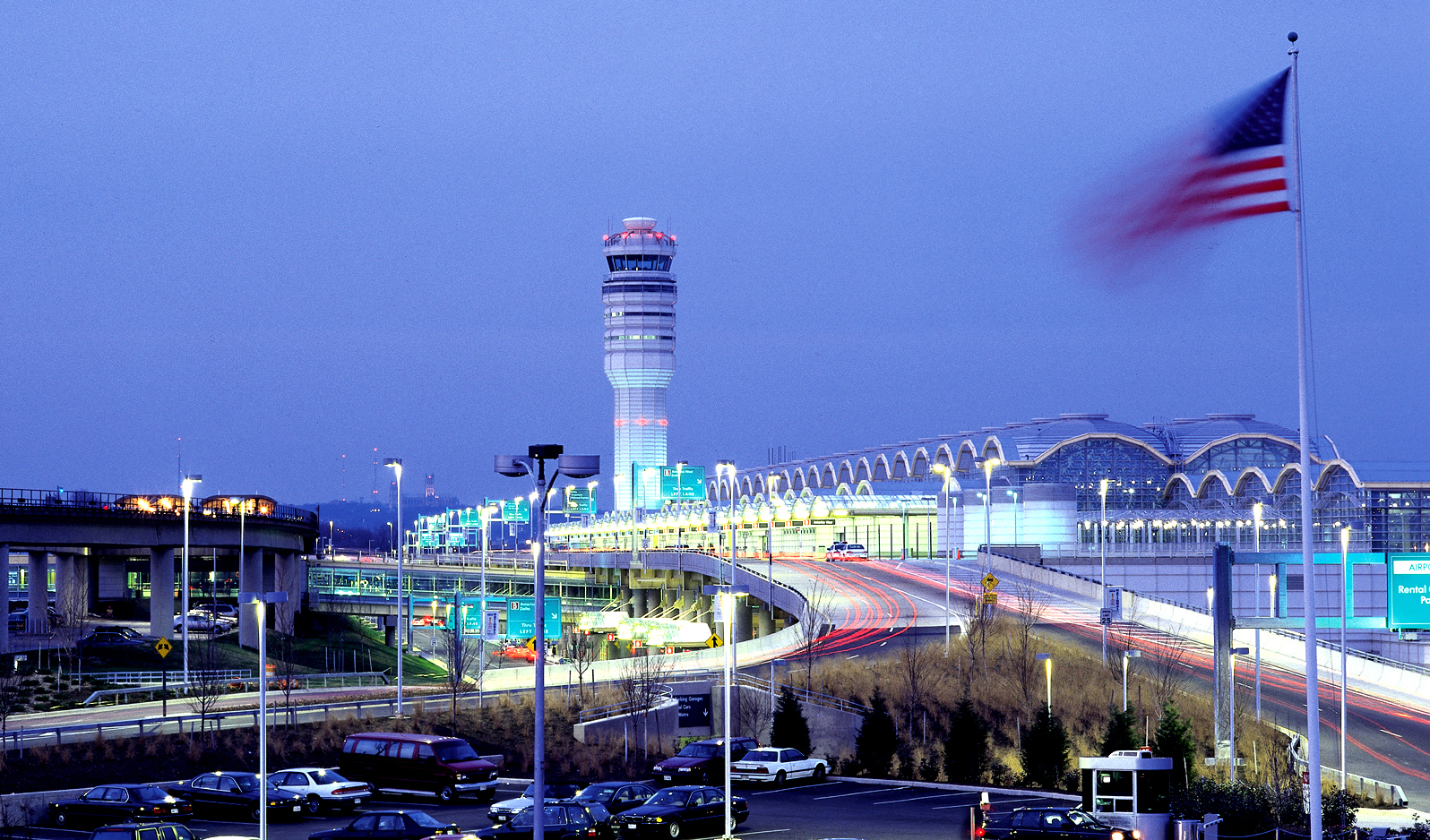
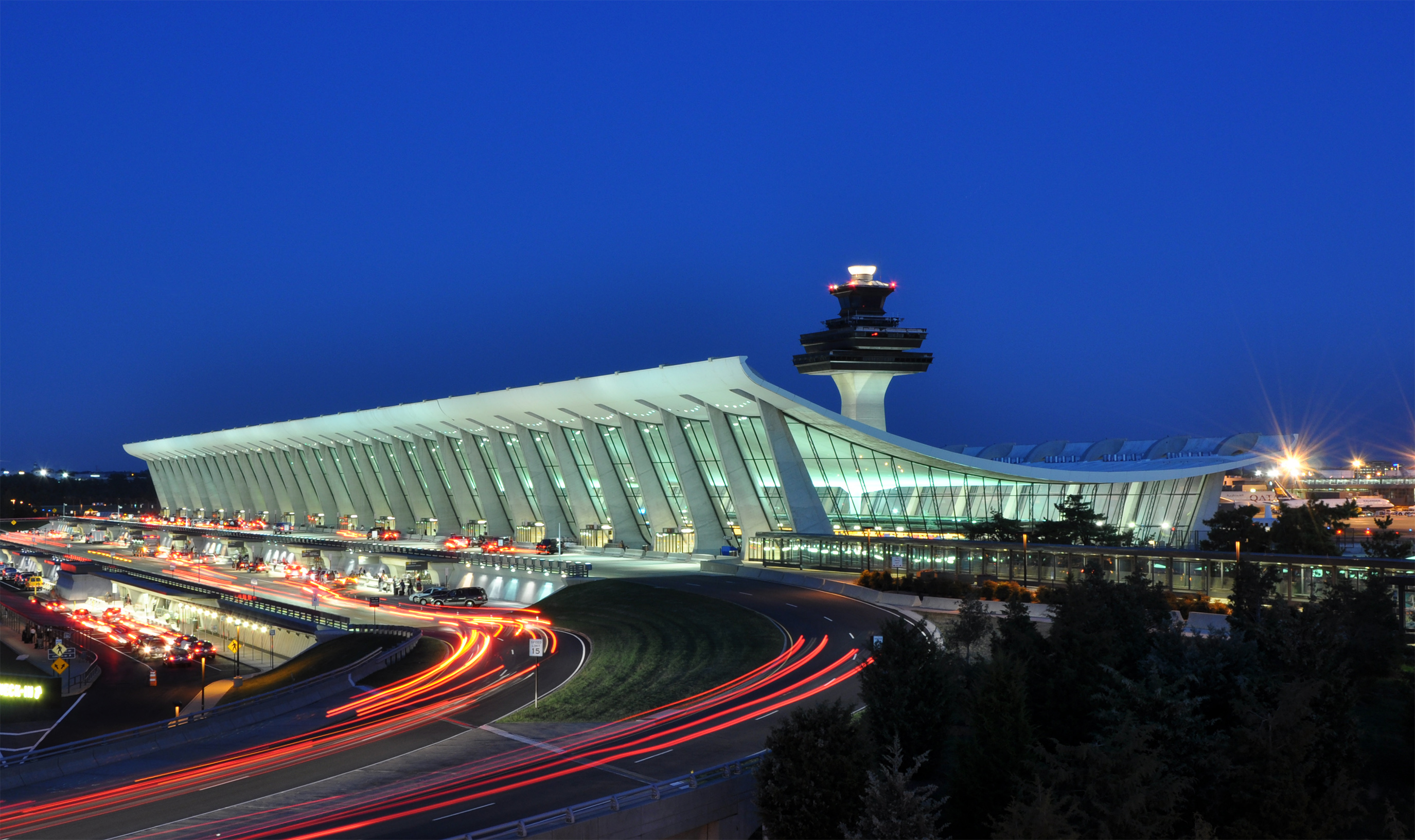
Los Aeropuertos BWI-Reagan establecen récords de tráfico de pasajeros

https://upload.wikimedia.org/wikipedia/commons/9/92/Washington_Dulles_International_Airport_at_Dusk.jpg

AW | 2017 04 02 12:47 | AIRPORTS

Más de 70 millones de pasajeros volaron a través de tres aeropuertos de la región de Washington en 2016, una señal de que los esfuerzos agresivos líderes aeropuerto acercarse a nuevas aerolíneas, que ofrecen comodidades mejoradas y tiendas y restaurantes están dando sus frutos, según las autoridades.

El año pasado, los dos aeropuertos nacionales Baltimore-Washington International Marshall y Reagan (BWI) establecen registros para el número de pasajeros pasaron por que sus puertas. Incluso el aeropuerto internacional de Dulles, el número de seguidores ha tenido problemas para atraer a aquellos que viajan en los últimos años, registró una ganancia pequeña, pero significativa, en gran parte impulsado por los viajeros internacionales. Este fue el sexto año consecutivo de crecimiento récord para Nacional y el segundo año consecutivo que la BWI ha establecido un récord para el transporte de pasajeros.

En total, 25,1 millones de pasajeros volaron a través de la BWI en 2016, por lo que es el aeropuerto más concurrido de la región. Más de 23,6 millones de pasajeros viajaron a través de Nacional. Aproximadamente 21,8 millones voló a través de Dulles.

las ganancias de los aeropuertos se producen en un momento en que el número de personas que viajan en avión comercial está a su nivel más alto. En marzo, la Oficina de Estadísticas de Transporte informó que 929 millones de pasajeros volaron en 2016, un incremento del 3,5 por ciento durante 2015, el récord del ejercicio anterior.

«Nuestros aeropuertos han hecho bastante bien,» dijo Kevin Burke, presidente del Consejo Internacional de Aeropuertos-Norte América, un grupo comercial que representa a los propietarios de aeropuertos y operadores. «La gente tiene más dinero en efectivo. Están gastando dinero y están viajando más «. De hecho, en todo el país, los aeropuertos de todos los tamaños reportaron un auge en el tráfico de pasajeros.

Los funcionarios de San Francisco Internacional dijo que 53,1 millones de personas volaron a través del aeropuerto en 2016, su sexto año consecutivo de ganancias. Omaha Eppley Airfield tenía alrededor de 4,3 millones de pasajeros en 2016 frente a 4,2 millones el año anterior. Una Nashville International reportó un crecimiento con 13 millones de pasajeros en 2016 – un 1,3 por ciento respecto al año anterior.

expertos de la industria dicen que las ganancias son alimentados en parte por una economía fuerte y bajos precios del combustible. La región de Washington ha ido mejor que a muchos debido a sus vínculos con el gobierno federal.

«La gente no vuelan hasta que se sientan cómodos con el gasto de su dinero», dijo Ricky Smith, director general de la BWI. Él dijo que la fortaleza de la economía de la región, junto con la capacidad de la BWI para atraer aerolíneas de bajo costo, todos han contribuido al crecimiento de la BWI.

BWI ha beneficiado ya que sirve como un centro de Southwest Airlines, todo lo que es el jugador dominante en el aeropuerto. Aproximadamente el 70 por ciento de los vuelos a BWI están en suroeste. De acuerdo con cifras del Departamento de Transporte, en 2016 la aerolínea transportó más pasajeros totales del sistema que cualquier otra aerolínea de Estados Unidos, superando el anterior líder, American Airlines. Suroeste ook eligió Baltimore como uno de sus aeropuertos de entrada cuando se lanzó el servicio internacional en 2014.

El aeropuerto ha sido capaz de atraer a los transportistas, incluyendo bajo costo de WOW Air, que lanzó el servicio a Reykjavik, Islandia en 2015 y amplió la oferta en 2016. En diciembre pasado, otra compañía de bajo coste de Noruega, comenzó a ofrecer servicio entre BWI y dos islas del Caribe – Martinica y Guadalupe.

En un momento en que la infraestructura está siendo noticia, el aeropuerto recientemente ha puesto en marcha una expansión de $ 60 millones de su terminal internacional que se espera que esté terminado el próximo año.

Margaret McKeough, director de operaciones de los Aeropuertos Metropolitanos de Washington Autoridad, el número de seguidores centros ecuestres Nacional y Dulles, otras tendencias han dicho tráfico ayudó a impulsar. Algunas compañías aéreas han sustituido a los aviones de pasajeros más pequeño con aviones más grandes. En la demanda, las compañías aéreas que habría hecho ajustes de servicio dos veces al año ahora están haciendo ellos trimestral en respuesta a la demanda del viajero, dijo McKeough.

McKeough dijo que están prediciendo el crecimiento de los dos aeropuertos en este año, también. «El crecimiento está, sin duda en el horizonte», dijo.

Las autoridades han lanzado un programa de construcción de $ 1 mil millones al Nacional (BWI) que incluye la construcción de una nueva explanada para los vuelos de rutas cortas «short-hop», así como un área de control de seguridad ampliados y nuevos aparcamientos.

Aun así, gran parte de su atención se ha centrado en mejorar las fortunas en Dulles, una vez que el aeropuerto domine la región. El tráfico de pasajeros en el aeropuerto alcanzó un máximo de 27 millones en 2005. En 2015, su número de pasajeros fue superado por su menor aeropuerto hermano, Nacional. Dulles ahora abastece a aproximadamente 22 millones de pasajeros al año.

El gobernador de Virginia Terry McAuliffe (D) es uno de los que han hecho de Dulles un enfoque especial. Él defendió la legislación que invertirá $ 50 millones en el aeropuerto durante los dos años próximos. El dinero se utilizará en parte para reducir los costos de las aerolíneas que operan fuera de Dulles con la esperanza de hacerlo más competitivo con otros aeropuertos. McAuliffe también formó parte de una delegación que hizo el lanzamiento exitoso a Air India, que se espera que el lanzamiento de nuevo servicio sin escalas a Nueva Delhi este verano.

Incluso con un sólido número de pasajeros, los funcionarios aeroportuarios son muy conscientes de que la fuerza de la economía de la región podría ser probada en los próximos años con el enfoque de la administración Trump en reducir la fuerza laboral federal y recortar el presupuesto de agencias no relacionadas con la defensa. Otra preocupación es si los recortes presupuestarios propuestos por Trump tendrán un impacto en la Administración de Seguridad en el Transporte, que es responsable de la inspección interna de pasajeros.

Burke, presidente del grupo de comercio, recordó las largas filas que recibieron a pasajeros el año pasado en aeropuertos de todo el país. TSA, dijo que sigue siendo «… lamentablemente bajo presupuesto.» Pero es difícil saber cuál será el impacto hasta que se disponga de más detalles, dijo Burke.

También dicen que es demasiado pronto para predecir si la prohibición de dispositivos electrónicos en vuelos directos de los «on eight non-U», o sea los ocho países con prohibiciones de laptop para el ingreso a los Estados Unidos. Las aerolíneas de ocho países de mayoría musulmana tendrán un impacto en sus operaciones. En parte, dependerá de si los pasajeros optan por volar con otros transportistas.

La pregunta es particularmente importante para Dulles, donde los vuelos internacionales han sido uno de los pocos puntos brillantes. Seis de las nueve líneas aéreas cubiertas por la prohibición ofrecen servicio directo a Dulles desde países sujetos a la prohibición de la electrónica, que entró en vigor a finales del mes pasado.

También desconocida: el destino de la prohibición del Presidente Trump a los viajeros de ciertos países de mayoría musulmana. Un juez de la corte federal en Hawai extendió la semana pasada la suspensión temporal de la medida que suspendería las nuevas visas para viajeros de seis países: Irán, Somalia, Sudán, Libia, Yemen y Siria.

Los funcionarios de la Global Business Travel Association temen que si la prohibición se pone en marcha, podría impulsar a las empresas a reducir los viajes de los empleados. Sin embargo, los funcionarios del aeropuerto siguen siendo optimistas.

«No sé cuando nuestra racha de 19 meses llegará a su fin», dijo Smith, de BWI. «Pero nuestro reto es gestionar nuestro crecimiento y asegurarnos de que nuestras instalaciones sean capaces de entregar pasajeros. Somos un aeropuerto easy-go easy-go – que es una de nuestras atracciones. « AIRGWAYS ® Icon-AW

https://www.airportlimo.com/Customer-Content/www/AirportDirectory/Photos/DCA_rx-08_roadways_1997.jpg

BWI, Reagan National Airports set records for passenger traffic

More than 70 million passengers flew through the Washington region’s three airports in 2016, a sign that airport leaders’ aggressive efforts to court new airlines, offer amenities and upgrade shopping and dining options are paying off, officials said.

Last year, both Baltimore-Washington International Marshall and Reagan National Airports set records for the number of passengers that passed through their gates. Even Dulles International Airport, which has struggled to attract travelers in recent years, posted a small, but significant gain, fueled largely by international travelers. This was the sixth straight year of record-breaking growth for National and the second consecutive year that BWI has set a record for passenger travel.

In all, 25.1 million passengers flew through BWI in 2016, making it the region’s busiest airport. More than 23.6 million passengers traveled through National. Roughly 21.8 million flew through Dulles.

The airports’ gains come at a time when the number of people traveling by commercial air is at an all-time high. In March, the Bureau of Transportation Statistics reported that 929 million passengers flew in 2016, an increase of 3.5 percent over 2015, the previous record year.

“Our airports have done fairly well,” said Kevin Burke, president of the Airports Council International-North America, a trade group that represents airport owners and operators. “People have more cash. They’re spending money and they’re traveling more.” Indeed, across the country, airports of all sizes reported a boom in passenger traffic.

Officials at San Francisco International said that 53.1 million people flew through the airport in 2016, its sixth straight year of gains. Omaha’s Eppley Airfield had about 4.3 million passengers in 2016 up from 4.2 million the previous year. Even Nashville International reported growth with 13 million passengers in 2016 — up 1.3 percent from the previous year.

Industry experts say the gains are fueled in part by a strong economy and low fuel prices. The Washington region has fared better than many because of its ties to the federal government.

“People don’t fly until they feel comfortable about spending their money,” said Ricky Smith, chief executive officer of BWI. He said the strength of the region’s economy, coupled with BWI’s ability to attract low-cost carriers, all have helped fuel BWI’s growth.

BWI also has benefited because it serves as a hub for Southwest Airlines, which is the dominant player at the airport. Roughly 70 percent of the flights at BWI are on Southwest. According to Department of Transportation figures, in 2016 the airline carried more total system passengers than any other U.S. carrier, surpassing the previous leader, American Airlines. Southwest also chose BWI as one of its gateway airports when it launched international service in 2014.

The airport also has been able to attract low-cost carriers including WOW air, which launched service to Reykjavik, Iceland in 2015 and expanded it offerings in 2016. Last December, Norwegian, another low-cost carrier, began offering service between BWI and two Caribbean islands — Martinique and Guadeloupe.

At a time when infrastructure is making headlines, the airport also recently launched a $60 million expansion of its international terminal that is expected to be completed next year.

Margaret McKeough, chief operating officer at the Metropolitan Washington Airports Authority, which manages National and Dulles, said other trends have helped boost traffic. Some airlines have replaced smaller commuter aircraft with larger planes. In the past, airlines that would have made service adjustments twice a year are now making them quarterly in response to traveler demand, McKeough said.

McKeough said officials are predicting growth for the two airports this year, as well. “Growth is definitely on the horizon,” she said.

Officials have launched a $1 billion building program at National that includes construction of a new concourse for short-hop flights, as well as an expanded security screening area and new parking garages.

Even so, much of their attention has been focused on improving the fortunes at Dulles, once the region’s dominant airport. Passenger traffic at the airport peaked at 27 million in 2005. In 2015, its passenger counts were surpassed by its smaller sister airport, National. Dulles now serves roughly 22 million passengers a year.

Virginia Gov. Terry McAuliffe (D) is among those who have made Dulles a special focus. He championed legislation that will invest $50 million in the airport over the next two years. The money will be used in part to lower the costs for airlines operating out of Dulles in hopes of making it more competitive with other airports. McAuliffe also was part of a delegation that made the successful pitch to Air India, which is expected to launch new nonstop service to New Delhi this summer.

Even with robust passenger counts, airport officials are well aware the strength of the region’s economy could be tested in coming years with the Trump administration’s focus on reducing the federal workforce and slashing the budget of nondefense-related agencies. Another concern is whether Trump’s proposed budget cuts will impact the Transportation Security Administration, which is responsible for domestic passenger screening.

Burke, the trade group president, recalled the long lines that greeted passengers last year in airports across the country. TSA, he said still remains “ … woefully under budget.” But it is hard to know what the impact will be until more details are available, Burke said.

They also say it is too early to predict whether the ban on electronic devices on direct flights on eight non-U. S. airlines from eight Muslim-majority countries will have an impact on their operations. In part, it will depend on whether passengers opt to fly other carriers.

The question is particularly significant for Dulles, where international flights have been one of the few bright spots. Six of the nine airlines covered by the ban offer direct service to Dulles from countries subject to the electronics ban, which went into effect late last month.

Also still unknown: the fate of President Trump’s ban on travelers from certain Muslim-majority countries. A federal court judge in Hawaii last week extended a temporary hold on the measure that would suspend new visas for travelers from six countries: Iran, Somalia, Sudan, Libya, Yemen and Syria.

Officials with the Global Business Travel Association fear that if the ban is put into place, it could prompt companies to curtail employee travel. Nevertheless airport officials remain optimistic.

“I don’t know when our 19-month streak will come to an end,” BWI’s Smith said. “But our challenge is to manage our growth and make sure our facilities are capable of handing passengers. We are an easy-come easy-go airport — that is one of our attractions.” A\W


Ξ A I R G W A Y S Ξ
SOURCE: Washingtonpost.com
DBk: Airportlimo.com / Wikipedia.org
AW-POST: 201704021247AR

A\W   A I R G W A Y S ®

Inversiones en mercado aéreo de EE.UU.

103912086-GettyImages-589723198

AW | 2017 04 01 13:38 | AIRLINES MARKET

 La industria se ha consolidado considerablemente desde que se desreguló. A pesar de la consolidación de la industria sigue siendo competitivo hasta cierto punto. Warren Buffett recientemente compró acciones en las cuatro principales aerolíneas después de evitar la industria durante años

Warren Buffett ha advertido a los inversionistas acerca de poner dinero en acciones de la aerolínea varias veces. Incluso tuvo su propia malograda inversión en US Air en 1989 (aunque finalmente obtuvo ganancias). Sin embargo, después de décadas de desacreditar los méritos de inversión de la industria aérea, este pasado febrero, ha sacado un 180 y ha comprado importantes sumas de acciones de las cuatro aerolíneas Delta Air Lines, United Airlines, Southwest Airlines y American Airlines. Entonces, ¿deberían los inversionistas seguir el ejemplo de Buffett y comprar algunas acciones de la aerolínea? Para responder a la pregunta, tenemos que ver cómo ha evolucionado la industria aérea en las últimas décadas y cómo se ve el entorno empresarial actual.

La industria de la línea aérea entonces y ahora

La industria aérea se desreguló en 1978. En ese momento había más de 400 transportistas aéreos certificados con cerca de 10 líneas aéreas principales que proporcionaban el 90% de todos los vuelos domésticos. Después de la desregulación la industria aérea perdió un colectivo $ 60B y más de 160 líneas aéreas se declararon en bancarrota. De los originales 400 transportistas sólo quedan unos 68. La gran recesión en 2008 forzó la consolidación en la industria. Bajo la administración de Obama, la industria pasó de 7 grandes aerolíneas a sólo cuatro.

AW-7M&A7

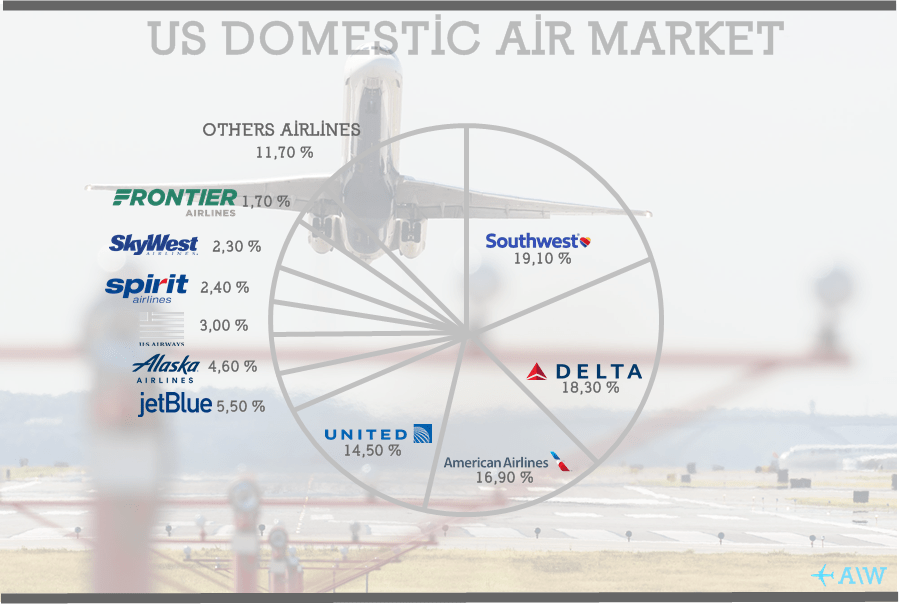
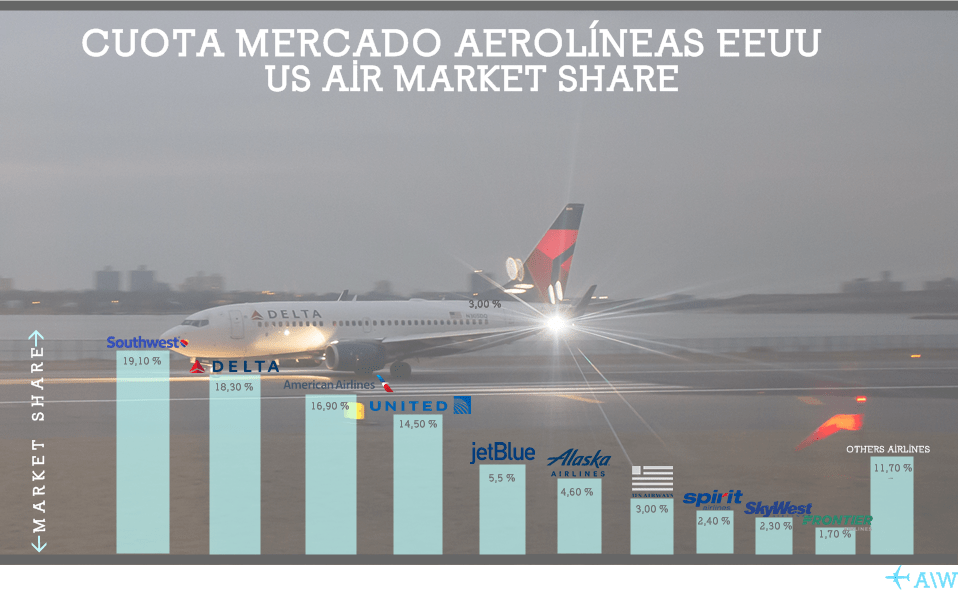
Hoy en día, la cuota de mercado de las aerolíneas nacionales se ve así

La consolidación de la industria, junto con los bajos precios del combustible, ha permitido a las aerolíneas pasar de pérdidas a un beneficio de $ 25.6B en 2015. Sabemos que las aerolíneas son rentables ahora, pero ¿continuarán? ¿La actual estructura del mercado se presta a beneficios estables o la brutal competencia del retorno de antaño?

¿Oligopolio o mercado competitivo?

Según algunas definiciones, la industria aérea actual es un oligopolio. Las cinco principales empresas poseen una cuota de mercado superior al 50% (las cinco principales tienen el 74,3% del mercado). También es difícil para los nuevos grandes competidores entrar en el mercado interno. Se necesitarían miles de millones para arrendar una flota de aviones y construir la infraestructura necesaria para competir en las principales rutas rentables. En cambio, la competencia se limita principalmente a las rutas regionales más pequeñas, donde los beneficios son bajos y los nuevos jugadores pueden entrar más fácilmente en el mercado.

Por otro lado, los mercados más grandes deben seguir siendo competitivos. La industria de las líneas aéreas no cumple con los cuatro criterios de concentración de la empresa de una cuota de mercado del 80% o superior (las cuatro primeras empresas controlan sólo el 68,5% del mercado). La industria de las líneas aéreas tampoco se clasifica muy alta utilizando el índice Herfindahl-Hirschman (HHI) que mide la concentración del mercado. Calculamos un número HHI de .127 para la industria aérea, que está muy por debajo del número de .25 utilizado por Estados Unidos al bloquear las fusiones debido a la falta de competencia. Nuestro cálculo del número de HHI para la industria está abajo.

AW-788770

Utilizamos los números de cuota de mercado de antes en el artículo y luego asumimos que el 11,7% restante del mercado interno estaba dividido en partes iguales entre las 79 compañías aéreas certificadas restantes que proporcionan vuelos nacionales de pasajeros. Como puede ver, la cuota de mercado exacta de los 79 restantes es en su mayoría irrelevante para el cálculo, ya que sólo cambia el dígito de diez milésimas del número HHI. Así que la cuota de mercado real del resto de los transportistas es en su mayoría irrelevante y sólo asumiendo un peso igual no afectará el cálculo.

Por lo tanto, por la mayoría de las medidas de la industria aérea en este momento está en una especie de limbo. No es un oligopolio atractivo, como decir el mercado de tarjetas de crédito (Visa, MasterCard y un distante American Express y Discover) y no es el brutalmente competitivo, perder dinero, pozo sin fondo para el capital inversor que fue en los años 1980 y 1990.

Hay una razón adicional para que los inversores en el sector de las aerolíneas sean optimistas. Hay estudios que han demostrado que cuando las empresas de una determinada industria comparten la propiedad común tiende a mejorar los márgenes de beneficio de la industria.

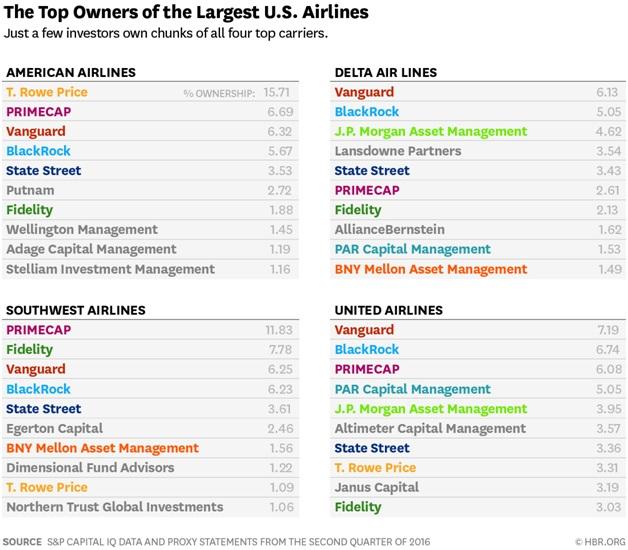
Las compañías aéreas más grandes comparten un buen número de inversores comunes como muestra este gráfico de HBR.

607954-14909847164667752

La propiedad común significa que hay una intensa presión externa para que las compañías se concentren en aumentar los beneficios haciéndose más eficientes en comparación con el aumento de las ventas y la cuota de mercado a través de la competencia con los rivales. Después de todo, ¿por qué querría Warren Buffett animar a Delta Air Lines a entrar en una guerra de precios para aumentar su cuota de mercado cuando es probable que ese aumento en la cuota de mercado provenga de United, Southwest y American Airlines? Sólo estaría moviendo dinero de un bolsillo a otro en el mejor escenario (con toda probabilidad la cantidad de ganancias caería a medida que la competencia disminuiría los márgenes).
Resumen

En resumen, es fácil ver por qué Buffett ha cambiado de opinión con la industria aérea. La industria ha sufrido un cambio drástico. No sólo el número de aerolíneas principales se ha consolidado de 10 a cuatro, sino que la propiedad de esas aerolíneas se ha vuelto más concentrada también. Sin embargo, todavía no creo que ciegamente después de Buffett y la compra de aerolíneas es una gran idea. Todavía es un negocio altamente competitivo donde muchos clientes compran por precio solo (o al menos ponen énfasis en el precio). El negocio sigue siendo cíclico con altos costos fijos y sigue siendo muy intensivo en capital. Si desea invertir en un negocio con esas características, muchos fabricantes de automóviles están negociando con menor P / Es y rendimientos de dividendos más altos que las principales aerolíneas. Si desea seguir a un inversor bien conocido en un negocio cíclico, intensivo en capital, escogeríamos a David Einhorn en GM antes de buscar en la industria de aerolíneas ideas.  AIRGWAYS ® Icon-AW

103912086-GettyImages-589723198

Investments in the US air market

The industry has consolidated significantly since being deregulated. Despite consolidation the industry still appears competitive to a certain degree. Warren Buffett recently bought stock in the four major airlines after avoiding the industry for years.

Warren Buffett has warned investors about putting money in airline stocks several times. He even had his own ill-fated investment in US Air in 1989 (although he eventually turned a profit on it). However, after decades of disparaging the investment merits of the airline industry, this past February he has pulled a 180 and bought significant sums of stock of the four major airlines Delta Air Lines, United Airlines, Southwest Airlines, and American Airlines. So should investors follow Buffett’s lead and buy some airline stocks? To answer the question, we need to look at how the airline industry has evolved over the past few decades and what the current business environment looks like.

The Airline Industry Then and Now

The airline industry was deregulated in 1978. At the time there were over 400 certified air carriers with about 10 major airlines providing 90% of all domestic flights. Following deregulation the airline industry lost a collective $60B and over 160 airlines filed for bankruptcy. Out of the original 400 carriers only about 68 are left. The great recession in 2008 forced more consolidation in the industry. Under the Obama administration the industry went from 7 major airlines to just four.

AW-7M&A7

Today the domestic airline market share looks like this

Industry consolidation coupled with low fuel prices has allowed airlines to go from losses to turning a profit of $25.6B in 2015. We know airlines are profitable now but will that continue? Does the current market structure lend itself to steady profits or will the brutal competition of yesteryear return?

Oligopoly or Competitive Market?

By some definitions, the current airline industry is an oligopoly. The top five firms have greater than a 50% market share (the top five have 74.3% of the market). It’s also hard for new major competitors to enter the domestic market. It would take billions to lease a fleet of aircraft and build out the infrastructure necessary to compete on the major profitable routes. Instead, competition is mainly limited to smaller regional routes where profits are low and new players can more easily enter the market.

On the other hand, the larger markets should still be competitive. The airline industry doesn’t meet the four firm concentration ratio test of 80% or greater market share (the top four firms control only 68.5% of the market). The airline industry also doesn’t rank very high using the Herfindahl-Hirschman Index (HHI) which measures market concentration. We calculated a HHI number of .127 for the airline industry, which is well below the .25 number the US uses when blocking mergers due to lack of competition. Our calculation of the HHI number for the industry is below.

AW-788770

We used the market share numbers from earlier in the article and then assumed that the remaining 11.7% of the domestic market was evenly split between the remaining 79 certified air carriers that provide domestic passenger flights. As you can see the exact market share of the remaining 79 is mostly irrelevant to the calculation as it only changes the ten-thousandths digit of the HHI number. So the actual market share of the rest of the carriers is mostly irrelevant and just assuming an equal weight will not affect the calculation.

Therefore, by most measures the airline industry right now is in sort of a limbo. It’s not an attractive oligopoly like say the credit card market (Visa, MasterCard and a distant American Express and Discover) and it’s not the brutally competitive, money losing, bottomless pit for investor capital that it was in the 1980s and 1990s.

There is an additional reason for investors in the airline industry to be optimistic. There are studies that have shown that when companies in a particular industry share common ownership it tends to improve industry profit margins.

The largest airline companies share quite a few common investors as this chart from HBR shows.

607954-14909847164667752

Common ownership means that there is intense outside pressure for companies to focus on increasing profits by becoming more efficient versus increasing sales and market share through competition with rivals. After all, why would Warren Buffett want to encourage Delta Air Lines to get in a price war to increase market share when that increase in market share is likely to come from United, Southwest, and American Airlines, which he already owns? He would just be moving money from one pocket to another in the best scenario (in all likelihood the amount of profit would drop as more competition would drop margins).
Summary

In summary, it’s easy to see why Buffett has changed his mind with the airline industry. The industry has undergone a drastic change. Not only has the number of major airlines consolidated from 10 to four but ownership of those airlines has become more concentrated as well. However, we still do not think blindly following Buffett and buying airlines is a great idea. It is still a highly competitive business where many customers shop on price alone (or at least put an emphasis on price). The business is still cyclical with high fixed costs and is still very capital intensive. If you want to invest in a business with those characteristics, many automakers are trading with lower P/Es and higher dividend yields than the major airlines. If you want to follow a well-known investor into a cyclical, capital intensive business, we’d pick following David Einhorn in GM before we looked at the airline industry for ideas. A\W

Ξ A I R G W A Y S Ξ
SOURCE: Seekingalpha.com
DBk: Airgways
AW-POST: 2017041338AR

A\W   A I R G W A Y S ®