Cuestionamientos al Aeropuerto Rosario
A I R G W A Y S 686

AW | 2017 01 17 16:47 | AIRPORTS

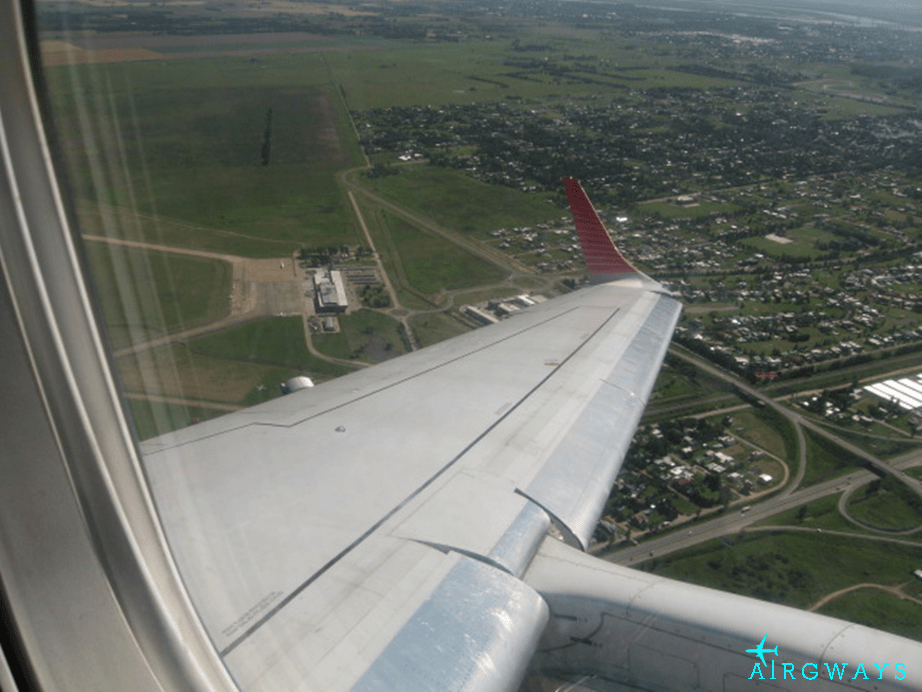
«Tenemos un aeropuerto de cuarta, no nos podemos conformar con eso», expresó Lisandro Cristiá, representante de la Asociación Rosarina de Agencias de Viajes (ARAV), al explicar los motivos por los cuales esa entidad abandonó el consejo consultivo de la aeroestación de Fisherton.

Lisandro Cristiá, integrante del directorio de la Asociación Rosarina de Agencias de Viajes (Arav), se refirió a los motivos por los cuales la entidad se retiró del Consejo Consultivo del Aeropuerto Islas Malvinas. En declaraciones al programa «Todos en La Ocho», el representante de las empresas de turismo cuestionó el sistema de gestión con el que hace casi 20 años se maneja a la terminal aeroportuaria de Fisherton, y remarcó que el sector al que representa expuso sus críticas en todo momento, pero que nunca fueron atendidas por parte de las autoridades políticas.

Cristiá fue contundente: «Hace muchos años que venimos expresando internamente los problemas que tiene el aeropuerto. Lo que pasó a fin de año con la pista de rodaje, con el episodio de los tractores, es la mejor prueba de la falta de planificación. Se pidió un cantidad de vuelos internacionales y el aeropuerto colapsó. No estaba preparado para eso. Tenemos un aeródromo de campo».

«El problema es que Rosario y la provincia tienen el mismo signo político desde hace muchos años. Por esa razón, la ciudad de Rosario no ha pegado el grito a la provincia respecto del aeropuerto de cuarta que tenemos. No nos podemos conformar con esto. Si Rosario pretende proyectarse internacionalmente, tiene que haber una proyección distinta», afirmó.

Cristiá sostuvo que el anuncio de la reducción de los vuelos por parte de Aerolíneas Argentinas «es una casualidad. Salimos del Consejo Consultivo por las diferencias que tenemos con el modelo de gestión que tienen la actual dirección del aeropuerto. El aeropuerto de Rosario desde hace 19 años es autogestionado. Tiene una especie de autarquía. Depende la provincia de Santa Fe y decidió no entrar en la concesión de 33 aeropuertos que hizo el Estado nacional dentro de los cuales están Aeroparque, Ezeiza, Córdoba, Mendoza entre otras. En estos 19 años al Aeropuerto de Rosario le costó mucho levantar vuelo, si se me permite la metáfora, por esta dificultad de competir contra un holding como es Aeropuertos Argentina 2000».

«La operación de la terminal aeroportuaria sigue dejando muchísimo que desear. Llegó el momento de un cambio profundo».

Cristiá remarcó que Rosario «intentó conseguir más vuelos. De a pocos se fueron logrando, pero la operación de la terminal aeroportuaria sigue dejando muchísimo que desear. Llegó el momento de un cambio profundo. Ya se lo comunicamos al secretario de transporte de la provincia. y ahora lo hacemos públicamente.»

«No es culpa del Directorio ni de un presidente de Directorio en particular. Es un sistema, que sirve para un aeropuerto como el de Sauce Viejo, dicho esto con todo respeto, pero no para el de una ciudad como Rosario, de un millón doscientos mil habitantes y una fuerza comercial tan importante. Rosario necesita otro tipo de terminal aeroportuaria y evidentemente tiene que ver con el nivel de gestión. A otros aeropuertos de ciudades similares le va mucho mejor.»

Cristiá remarcó que hay dos caminos para revitalizar a Fisherton. «Una es concesionarlo, hacer lo que hicieron los grandes aeropuertos en Argentina. La otra es es profesionalizarlo totalmente. No se puede manejar un aeropuerto con un triunvirato político designado a dedo que para cada decisión llama a a una consultora. Tiene que incorporar una estructura gerencial profesional idónea en el rubro aeronaútico. Con todo respeto, pero el doctor (Raúl) Garo viene de la Odontología. Los respetamos. No tiene la culpa de un sistema que no está pensado de la envergadura de de Rosario».

«Con el aeropuerto veníamos mal, pero acostumbrados. Estábamos acostumbrados a tomar la combi para ir a Ezeiza. La nueva cantidad de vuelos internacionales no es mérito del aeropuerto ni de la provincia. Tiene que ver con el cambio de gobierno nacional. El gobi9erno nacional anterior no permitía que las compañías internacional extras operen en Rosario para favorecer a Aerolíneas Argentinas. Ahora se decidió algo distinto», agregó .

Antes estábamos en la C y ahora estamos en la B. No nos podemos conformar con eso. Nuestro aeropuerto tiene que mover el doble de pasajeros que está moviendo.

«Rosario creció en cantidad de vuelos y en cantidad de pasajeros. Pero antes estábamos en la C y ahora estamos en la B. No nos podemos conformar con eso. Nuestro aeropuerto tiene que mover el doble de pasajeros que está moviendo. Es verdad que movemos el doble que hace dos años, pero vayan a un aeropuerto de una ciudad mediana y verán la cantidad de vuelos y pasajeros que tiene». airgways-icon-aw

https://i0.wp.com/www.impulsonegocios.com/resources/original/IN_2015/-norberto2017/aeropuerto-rosario-05122016.jpg

Claims to Rosario Airport


«We have a fourth airport, we can not settle for that,» said Lisandro Cristiá, representative of the Rosarina Association of Travel Agencies, explaining the reasons why that entity left the advisory board of the Fisherton aero station.

Lisandro Cristiá, member of the board of the Rosarina Association of Travel Agencies (Arav), spoke about the reasons why the entity retired from the Consultative Council of Islas Malvinas Airport. Speaking to the program «Todos en La Ocho», the representative of tourism companies questioned the management system with which he operated the airport terminal of Fisherton almost 20 years ago, and remarked that the sector he represents exposed his criticisms At all times, but never attended by the political authorities.


Cristiá was blunt: «For many years we have been expressing internally the problems that the airport has. What happened at the end of the year with the taxiway, with the episode of the tractors, is the best proof of the lack of planning. He asked for a number of international flights and the airport collapsed.I was not prepared for that.We have a field airfield. «

«The problem is that Rosario and the province have the same political sign for many years, which is why the city of Rosario has not shouted to the province about the fourth airport we have, we can not be satisfied with this. If Rosario intends to project internationally, there must be a different projection, «he said.

Cristiá said that the announcement of the reduction of flights by Aerolíneas Argentinas «is a coincidence.» We left the Advisory Council for the differences that we have with the management model that have the current direction of the airport. It depends on the province of Santa Fe and decided not to enter the concession of 33 airports that made the national state within which are Aeroparque, Ezeiza, Córdoba, Mendoza among others.In these 19 years To the Airport of Rosario had a lot of time to take flight, if I may be allowed the metaphor, for this difficulty of competing against a holding company like Aeropuertos Argentina 2000 «.

«The operation of the airport terminal continues to leave a lot to be desired. It is time for a profound change.»

Cristiá remarked that Rosario «tried to get more flights, a few were achieved, but the operation of the airport terminal continues to leave a lot to be desired.Time has come for a profound change.We have already communicated it to the secretary of transportation of the province. And now we do it publicly.

«It is not the fault of the Board of Directors or of a particular Board President. It is a system that serves an airport like Sauce Viejo, said this with all due respect, but not for a city like Rosario, one million two hundred A thousand inhabitants and a commercial force so important Rosario needs another type of airport terminal and evidently has to do with the level of management.To other airports in similar cities is doing much better.

Cristiá remarked that there are two ways to revitalize Fisherton. «One is to grant it, to do what the big airports did in Argentina, the other is to professionalize it totally.» You can not handle an airport with a politically appointed triumvirate that for each decision calls a consultant. (Raúl) Garo comes from Dentistry, we respect them.It is not the fault of a system that is not thought of the size of Rosario.


«We were used to taking the bus to Ezeiza, the new number of international flights is not a credit to the airport or to the province, it has to do with the change of national government.
Did not allow the extra international companies to operate in Rosario to favor Aerolíneas Argentinas.Now something different was decided.»

Before we were in the C and now we are in the B. We can not settle for that. Our airport has to move twice as many passengers as it is moving.

«Rosario grew in number of flights and in quantity of passengers.But before we were in the C and now we are in the B. We can not be satisfied with that.Our airport has to move the double of passengers that is moving.It is true that we move Double that two years ago, but go to an airport in a medium city and see how many flights and passengers you have. » A\W


Ξ A I R G W A Y S Ξ
SOURCE: Lacapital.com.ar
DBk: A I R G W A Y S / Impulsonegocios.con
AW-POST: 201701171647AR

A\W   A I R G W A Y S ®

Gremio de Pilotos contra Gobierno argentino por Aerolíneas Argentinas

https://i0.wp.com/www.aviacionline.com/wp-content/uploads/2016/09/Aeroparque-Jorge-Newbery-Plataforma-de-noche.jpg

AW | 2017 01 17 16:30 | AIRLINES

La Asociación de Pilotos de Líneas Aéreas denuncian que el Gobierno de Argentina quiere «vaciar Aerolíneas Argentinas» por «intereses de funcionarios»

El secretario general de la Asociación de Pilotos de Líneas Aéreas, Pablo Biró, denunció este martes que el Gobierno está buscando «vaciar de recursos» a Aerolíneas Argentinas para beneficiar «intereses particulares de funcionarios».

Biró le apuntó directamente a Gustavo Lopetegui, uno de los vicejefes de Gabinete y ex CEO de LAN Argentina, quien tiene bajo su ala de acción a los ministerios del Interior, Energía y Minería, Hacienda y Transporte.

«Lo vengo expresando hace mucho tiempo: tenemos la sospecha de que hay intenciones de vaciar de recursos a Aerolíneas Argentinas en favor de trasnacionales y capitales privados por intereses particulares o de algunos funcionarios públicos», dijo Biró. Además señaló que desde que asumió el nuevo Gobierno con la injerencia de Lopetegui en un puesto relevante, la política aerocomercial «ha perjudicado a Aerolíneas Argentinas, Austral y LAN Argentina, una subsidiaria del grupo LATAM«.

El dirigente sindical expresa su visión de que LATAM Airlines Group, para el que trabajó Lopetegui hasta el día antes de asumir como funcionario, ha sido beneficiada por muchísimas medidas, pero no así a la subsidiaria LAN Argentina que emplea mano de obra local.

Resultado de imagen para Aeroparque Aerolineas Argentinas LAN Argentina

Guild of Pilots against Argentine Government by Aerolíneas Argentinas


The Association of Airline Pilots denounce that the Argentine Government wants to «empty Aerolíneas Argentinas» for «interests of officials»


The general secretary of the Airline Pilots Association, Pablo Biró, denounced Tuesday that the government is seeking to «drain resources» from Aerolíneas Argentinas to benefit «private interests of officials.»

Biró pointed directly at Gustavo Lopetegui, one of the vice-chiefs of Cabinet and former CEO of LAN Argentina, who has under his wing of action the Ministries of Interior, Energy and Mining, Finance and Transportation.

«I have been expressing it for a long time: we have the suspicion that there are intentions of emptying resources to Aerolíneas Argentinas in favor of transnationals and private capitals for private interests or some public officials,» said Biró. He also said that since the new government took over with Lopetegui’s interference in a relevant position, the aerocomercial policy «has harmed Aerolíneas Argentinas, Austral and LAN Argentina, a subsidiary of the LATAM group.»

The union leader expresses his view that LATAM Airlines Group, for which Lopetegui worked until the day before assuming its official position, has been benefited by many measures, but not to the subsidiary LAN Argentina that employs local labor. A\W


Ξ A I R G W A Y S Ξ
SOURCE: A I R G W A Y S
DBk: Edgardo Giménez Mazó / Cordobatimes.com
AW-POST: 201701171630AR

A\W   A I R G W A Y S ®

TAP Portugal incrementó tráfico en 2016

https://i.ytimg.com/vi/7f9vivjmtXI/maxresdefault.jpg

AW | 2017 01 17 16:13 | AIRLINES

La aerolínea portuguesa TAP transportó en 2016 a 11,7 millones de pasajeros, lo que representa un incremento del 6% con respecto a 2015; según ha informado la compañía, destacando la importancia de este resultado y, muy especialmente, el desempeño al final del año, en el que logró registrar «el mejor diciembre» de su historia reportando en el mes un ascenso del 26% en el tráfico aéreo. La tasa de ocupación de sus vuelos alcanzó un 78,6%.

Durante el año pasado, TAP registró su mayor crecimiento en las rutas a Estados Unidos, en las cuales la aerolínea transportó 472.000 pasajeros, un 65 % más que en 2015. La compalía ha explicado que el avance es «el resultado de la apuesta estratégica en este mercado», ya que durante 2016 lanzó dos nuevas rutas desde Lisboa, una al Aeropuerto de New York-JFK y otra al Aeropuerto de Boston, y fue aumentada la frecuencia de los vuelos que ya ofrecían a los aeropuertos de Newark de Nueva Jersey y de Miami.

Para 2017, TAP prevé «fuertes crecimientos» en esas rutas estadounidenses, ya que en diciembre obtuvo un incremento del 168 % frente al mismo mes del año anterior.

Con respecto a las rutas dentro del continente europeo, incluidos los vuelos nacionales, la aerolínea portuguesa tuvo en 2016 un total de 8,99 millones de pasajeros, un 4 % más.

A este ascenso contribuyó «fuertemente» el puente aéreo Lisboa-Oporto lanzado el pasado marzo, que desde su creación ha transportado a casi 300.000 pasajeros, un 80 % más de los que llevó el año anterior con rutas ordinarias.

Mientras, la tasa de ocupación de los vuelos del puente aéreo -en total 16 diarios-, se situó en 73,1 %. En lo referido a Europa, TAP llevó a 7,1 millones de pasajeros y «recuperó tráfico en el segundo trimestre». La compañía también destacó el crecimiento en sus rutas a África, a través de las cuales transportó en 2016 a 800.000 pasajeros, un 10 % más que en 2015. Gracias al incremento en América del Norte y África, las rutas intercontinentales de la aerolínea registraron un aumento del 3 % el año pasado, con 2,74 millones de pasajeros transportados en estos vuelos.

En la actualidad, el Estado portugués tiene el 50 % de TAP, después de que el Gobierno socialista revirtiera la privatización llevada a cabo por el anterior Ejecutivo que había puesto en manos privadas la mayoría del capital de la aerolínea.

El consorcio Gateway, integrado por el empresario portugués Humberto Pedrosa (una de las mayores fortunas del país) y el brasileño-estadounidense David Neeleman (dueño de la aerolínea Azul), tiene una participación del 45 %, mientras que el 5 % restante está reservado para los trabajadores del grupo.  airgways-icon-aw

https://offthelava.files.wordpress.com/2013/10/img_4698.jpg

TAP increased traffic in 2016

The Portuguese airline TAP transported 11.7 million passengers in 2016, an increase of 6% compared to 2015; As reported by the company, highlighting the importance of this result and, especially, the performance at the end of the year, which recorded «the best December» in its history reporting a 26% rise in air traffic . The occupancy rate of their flights reached 78.6%.

During the past year, TAP recorded its greatest growth in routes to the United States, in which the airline transported 472,000 passengers, 65% more than in 2015. The company has explained that the advance is «the result of the strategic commitment in This market, «as it launched two new routes from Lisbon, one to New York-JFK Airport and another to Boston Airport, in 2016, and increased the frequency of flights already offered to Newark’s Newark and New Jersey airports of Miami.

By 2017, TAP forecasts «strong growth» in these US routes, as in December saw a 168% increase compared to the same month of the previous year.

With regard to routes within the European continent, including domestic flights, in 2016 the Portuguese airline had a total of 8.99 million passengers, 4% more.

This climb contributed «strongly» to the Lisbon-Oporto air bridge launched last March, which since its inception has transported nearly 300,000 passengers, 80% more than the one it carried the previous year with ordinary routes.

Meanwhile, the occupation rate of the flights of the aerial bridge – in total 16 newspapers -, stood at 73.1%. Regarding Europe, TAP took 7.1 million passengers and «recovered traffic in the second quarter». The company also highlighted the growth in its routes to Africa, through which it transported 800,000 passengers in 2016, 10% more than in 2015. Thanks to the increase in North America and Africa, the airline’s intercontinental routes registered a Increase of 3% last year, with 2.74 million passengers transported on these flights.

At present, the Portuguese state has 50% of TAP, after the Socialist government reversed the privatization carried out by the previous Executive who had put in private hands the majority of the capital of the airline.

The Gateway consortium, made up of Portuguese entrepreneur Humberto Pedrosa (one of the country’s largest fortunes) and Brazilian-American David Neeleman (owner of Azul), holds a 45% stake, while the remaining 5% is reserved For the workers of the group. A\W


Ξ A I R G W A Y S Ξ
SOURCE: Hosteltur.com
DBk: Offthelava.wordpress.com / i.ytimg.com
AW-POST: 201701171613AR

A\W   A I R G W A Y S ®

Flynas ordena 60 A320NEO

https://i0.wp.com/aviationtribune.com/wp-content/uploads//2016/05/flynas-a320-flynas-2-1-900x600.jpg[*]

AW | 2017 01 17 16:03 | AIRLINES

Airbus vende 60 aviones A320neo a la aerolínea saudí de bajo coste Flynas

El fabricante aeronáutico europeo Airbus anunció la venta de 60 aviones de pasillo único A320neo a la aerolínea saudí de bajo coste Flynas, dentro de un contrato que incluye también la transformación de un pedido previo de otros 20 aparatos.

Un portavoz de Airbus explicó hoy que Flynas ha decidido transformar ese pedido anterior de 20 unidades del A320 en A320neo, es decir la versión modernizada de su avión estrella que ofrece un ahorro de carburante gracias a motores más eficientes y dispositivos en las alas que mejoran su aerodinamismo.

El portavoz no quiso revelar el monto global de este contrato. El precio de catálogo del aparato elegido por la aerolínea saudí es de 108,4 millones de euros cada uno, lo que significa que el valor global de los 80 aviones A320neo que recibirá sería de unos 8.670 millones de dólares.

El acuerdo entre el fabricante europeo y la compañía saudí se cerró el pasado año, y por eso los aviones se habían incluido en los encargos por Airbus en 2016, y hasta ahora aparecían atribuidos a un cliente desconocido.  airgways-icon-aw

Flynas orders 60 A320NEO

Airbus sells 60 A320neo aircraft to low cost Saudi airline Flynas


European aircraft manufacturer Airbus has announced the sale of 60 A320neo single-aisle aircraft to low-cost Saudi airline Flynas under a contract that also includes the conversion of a previous order of another 20 aircraft .

An Airbus spokesman explained today that Flynas has decided to transform that previous order of 20 units of the A320 into A320neo, that is to say the modernized version of its star airplane that offers a saving of fuel thanks to more efficient motors and devices in the wings that Improve their aerodynamics.

The spokesman declined to disclose the overall amount of this contract. The catalog price of the aircraft chosen by the Saudi airline is 108.4 million euros each, which means that the overall value of the 80 A320neo aircraft that it will receive would be about 8.67 billion dollars.

The agreement between the European manufacturer and the Saudi company was closed last year, which is why the aircraft were included in the orders for Airbus in 2016, and until now were attributed to an unknown customer.

According to Flynas (owned by Prince Walid Ben Talal), these aircraft will serve to meet a particularly high demand in their home market of Saudi Arabia.

Deliveries will be staged between 2018 and 2026. The airline’s current fleet, which has exceeded 6 million current passengers, is composed of about thirty aircraft, essentially Airbus A320 single-aisle family. A\W


[*] DATA: Impresión artística de un A320-200CEO de Flynas


Ξ A I R G W A Y S Ξ
SOURCE: Lavanguardia.com
DBk: Aviationtribune.com
AW-POST: 201701171603AR

A\W   A I R G W A Y S ®

Finaliza búsqueda del MH-370

https://i0.wp.com/www.denverpost.com/wp-content/uploads/2017/01/malaysiaflight.jpg

AW | 2017 01 17 15:50 | AIR  INVESTIGATION / SAFETY / SECURITY

La operación conjunta de los países del área Australia, Malaysia y China acaban sin éxito la búsqueda del vuelo MH370 de Malaysia Airlines desaparecido en 2014

Este martes los gobiernos de Australia, Malasia y China anunciaron el fin de las operaciones, las más costosas y complejas de la historia de la aviación. “La decisión no se ha tomado a la ligera ni sin tristeza”, indicaron las autoridades. El Boeing 777 se volatilizó el 8 de marzo de 2014 con 239 personas a bordo

Tras casi tres años, la búsqueda del vuelo 370 de Malaysia Airlines terminó el martes con sentimientos de frustración y futilidad, cuando los equipos de rastreo completaron su trabajo en una remota zona del Océano Índico sin encontrar rastro del avión.

La operación quedó suspendida el martes de forma oficial tras la infructuosa búsqueda en 120.000 kilómetros cuadrados (46.000 millas cuadradas) al oeste de Australia, indicó el Joint Agency Coordination Center, que ha ayudado a liderar el proyecto de 160 millones de dólares para dar con el Boeing 777 en aguas al oeste de Australia.

«Pese a todos los esfuerzos con el empleo de la mejor ciencia disponible, tecnología de punta y simulaciones y consejos de experimentados profesionales que son los mejores en su campo, por desgracia, la búsqueda no ha logrado localizar la aeronave», indicó el organismo en un comunicado conjunto de los ministros de Transportes de Malasia, Australia y China.

«En consecuencia, la búsqueda submarina del MH370 se ha suspendido. La decisión de suspender la búsqueda submarina no se ha tomado a la ligera ni sin tristeza», indicó la agencia.

Las autoridades que investigan la desaparición del avión han recomendado que los equipos de búsqueda vayan más al norte, a una nueva zona identificada en un análisis reciente como posible lugar del siniestro. Pero el Gobierno australiano ya ha rechazado la idea.

Australia, Malasia y China, que contribuyeron a financiar la operación, acordaron el año pasado que la búsqueda se suspendería una vez completada la zona de búsqueda, a menos que aparecieran nuevas pruebas sobre la ubicación exacta de la aeronave. Dado que en este momento no existe una tecnología que permita localizar exactamente el fuselaje, eso significa en la práctica que la búsqueda más costosa y compleja de la historia de la aviación ha terminado.

Existe la posibilidad de que un donante privado pueda ofrecerse a financiar una nueva pesquisa o que Malasia desembolse más fondos. Pero nadie ha dado un paso al frente por ahora, planteando la sombría posibilidad de que el mayor misterio de la historia de la aviación quede sin resolver. Para los familiares de las 239 personas que iban a bordo, la suspensión de las tareas es especialmente amarga después de que las autoridades reconocieran hace poco que habían buscado la aeronave en el lugar equivocado desde el principio.

La oficina de transportes anunció en diciembre que una revisión de los datos empleados para estimar dónde se había estrellado el avión, junto con nueva información sobre las corrientes oceánicas, sugerían que el avión había impactado contra el agua en una zona justo al norte del área de búsqueda. Pero el Gobierno australiano rechazó la recomendación de que se permitiera a los equipos de búsqueda trabajar en esa nueva zona, alegando que los análisis de los expertos no eran lo bastante precisos como para justificarlo.

Los ministros de transportes de los tres países reiteraron esa postura en su comunicado del martes, señalando que «aunque estudios científicos combinados han seguido refinando zonas de probabilidad, hasta la fecha no se ha descubierto nueva información que determine la ubicación específica de la aeronave».  airgways-icon-aw

https://i0.wp.com/cdn.tn.com.ar/sites/default/files/styles/1366x765/public/2014/04/14/barco.jpg

Finish search for MH-370

The joint operation of the countries of the area Australia, Malaysia and China end unsuccessfully search for the flight MH370 of Malaysia Airlines disappeared in 2014


On Tuesday, the governments of Australia, Malaysia and China announced the end of operations, the most expensive and complex in the history of aviation. «The decision has not been taken lightly or without sadness,» authorities said. The Boeing 777 volatilized on March 8, 2014 with 239 people on board

After nearly three years, search for Malaysia Airlines Flight MH370 ended Tuesday with feelings of frustration and futility as tracking crews completed their work in a remote area of the Indian Ocean without finding a trace of the plane.

The operation was officially suspended on Tuesday after the unsuccessful quest in a 200,000-square-mile (46,000-square-mile) area west of Australia, according to the Joint Agency Coordination Center, which has helped lead the $ 160 million Boeing 777 in waters west of Australia.

«Despite all the efforts with the best science available, state-of-the-art technology and simulations and advice from experienced professionals who are the best in their field, unfortunately the search has failed to locate the aircraft,» said the agency in A joint statement by the Ministers of Transport of Malaysia, Australia and China.

«Consequently, the submarine search of the MH370 has been suspended. The decision to suspend the submarine search has not been taken lightly or without sadness,» the agency said.

Authorities investigating the disappearance of the plane have recommended that the search teams go further north to a new area identified in a recent analysis as a possible scene of the incident. But the Australian government has already rejected the idea.

Australia, Malaysia and China, who helped finance the operation, agreed last year that the search be suspended once the search area is completed, unless new evidence on the exact location of the aircraft appears. Since there is no technology at this time to accurately locate the fuselage, that means in practice that the most expensive and complex search for aviation history is over.

There is a possibility that a private donor may offer to fund a new research or that Malaysia will disburse more funds. But no one has taken a step forward for now, raising the grim possibility that the greatest mystery in the history of aviation remains unresolved. For the families of the 239 people on board, the suspension of duties is especially bitter after authorities recently acknowledged that they had searched for the aircraft in the wrong place from the beginning.

The transport office announced in December that a review of the data used to estimate where the plane crashed, along with new information on ocean currents, suggested that the plane had hit the water in an area just north of the area. search. But the Australian government rejected the recommendation that search teams be allowed to work in that new area, claiming that the experts’ analyzes were not accurate enough to justify it.

Transport ministers from all three countries reiterated that position in their statement Tuesday, noting that «although combined scientific studies have continued to refine probability zones, no new information has yet been discovered to determine the specific location of the aircraft.» A\W


Ξ A I R G W A Y S Ξ
SOURCE: Agencia Press
DBk: Tn.com.ar / Denverpost.com
AW-POST: 201701171550AR

A\W   A I R G W A Y S ®

Accidente B747C de Turkish Airlines

https://i0.wp.com/www.transponder1200.com/wp-content/uploads/2017/01/TURKISH-AIRLINES-CARGO-CRASH.jpg

AW | 2017 01 16 21:09 | AIR INVESTIGATION

Fue durante la aproximación cuando un Boeing 747C de MyCargo Airlines, operado por Turkish Airlines Cargo impactó contra el terreno cuando realizaba el vuelo 6491 entre Hong Kong a Estambul vía Biskek, la capital de Kirguistán; al menos 30 víctimas mortales ha dejado este accidente.

Resultado de imagen para B747 TURKISH AIR CRASH

El impacto que se registró a las 7:30 horas locales (1.30 GMT), se presentó en una zona habitada en localidad de Dacha-Suu, en las inmediaciones del aeropuerto local de Bishkek; el cuerpo de un piloto ha sido recuperado de los cuatro tripulantes a bordo.

Los primeros reportes indican que también existen víctimas que han sido trasladadas a hospitales, incluidos seis niños, que sufren de múltiples heridas, según el portavoz del Ministerio de Sanidad del país quien ha dado declaraciones a la agencia RIA Novosti.

Los conteos a pocas horas del accidente, suman 23 viviendas afectadas y 15 destruidas. Aunque aún se desconocen las causas del accidente se reportan condiciones meteorológicas adversas. El aeropuerto mantiene cerradas las operaciones.

Por su parte el fabricante de la aeronave, Boeing, extiende su pésame a los familiares de la víctimas del vuelo TK6491 cerca de aeropuerto de Manas Kirguistán, y aseguró que un equipo técnicos de Boeing está dispuesto a proporcionar asistencia a petición y bajo la dirección de la investigación de las autoridades gubernamentales. Éste es el primer accidente comercial fatal que se registra en el 2017.

El Boeing 747-412F (MSN 32897) matrícula TC-MCL, pertenece actualmente a MyCargo Airlines. cuenta con 14 años de operación. Su primer vuelo se realizó el 13 de enero del 2003 y fue adquirido inicialmente por Singapore Airlines con registro 9V-SFL.  airgways-icon-aw

NOTA: Todos los datos se van actualizando y corrigiendo con el correr del tiempo

https://i0.wp.com/img.jakpost.net/c/2017/01/16/2017_01_16_19536_1484559163._large.jpg


Resultado de imagen para B747 TURKISH AIR CRASH

Boeing 747C from Turkish Airlines crash


It was during the approach when a Boeing 747 from MyCargo Airlines, operated by Turkish Airlines Cargo hit the ground when it was flying 6491 between Hong Kong and Istanbul via Biskek, the capital of Kyrgyzstan; At least 30 fatalities have left this accident.

The impact at 7:30 local time (1.30 GMT) occurred in an area inhabited in Dacha-Suu locality, near the local airport of Bishkek; The body of a pilot has been recovered from the four crew members on board.

The first reports indicate that there are also victims who have been transferred to hospitals, including six children, who suffer multiple injuries, according to the spokesman of the country’s Ministry of Health, who has given statements to the RIA Novosti agency.

The counts within hours of the accident, total 23 homes affected and 15 destroyed. Although the causes of the accident are still unknown, adverse weather conditions are reported. The airport has closed operations.

For its part, the aircraft manufacturer, Boeing, extends its condolences to the families of the victims of the flight TK6491 near Manas Kyrgyzstan airport, and assured that a technical team of Boeing is willing to provide assistance upon request and under the direction of The investigation of the governmental authorities. This is the first fatal commercial accident that occurs in 2017.

The Boeing 747-412F (MSN 32897) TC-MCL enrollment, is currently owned by MyCargo Airlines. Has 14 years of operation. Its first flight was made on January 13, 2003 and was initially acquired by Singapore Airlines with 9V-SFL registration. A\W


NOTE: All data is being updated and corrected over time


Ξ A I R G W A Y S Ξ
SOURCE: Transponder1200.com
DBk: Transponder1200.com / Airvoice.com / Abc7.com / Thejakartapost.com
AW-POST: 201701162109AR

A\W   A I R G W A Y S ®

Habrá ranking de puntualidad de vuelos en Argentina

FlightLevel360.jpg

AW | 2017 01 15 19:13 | AIRLINES MARKET

El objetivo es brindar mayor información a usuarios y pasajeros a la hora de elegir la compañía para viajar

El Ministerio de Transporte de la Nación, informó que a partir del 2 de mayo, la Administración Nacional Civil, publicará en su sitio Web, http://www.anac.gob.ar, un ranking de puntualidad de los vuelos de las líneas aéreas que operan en el país.

El objetivo, se dijo, es brindar mayor información a usuarios y pasajeros a la hora de elegir su compañía aérea. Dicho ranking será publicado cada tres meses.

En la resolución que establece la medida, se señala que son considerados puntuales todos aquellos vuelos que presenten una demora de hasta quince minutos con relación al horario de partida estipulado.

Para la confección del índice de puntualidad, las empresas deberán informar fecha del vuelo, número identificatorio, itinerario, horario aprobado, horario efectivamente cumplido, tiempo de demora en caso que lo hubiere y la razón de la misma.

Esta información está basada según los códigos elaborados por la Asociación de Transporte Aéreo internacional (IATA).

Resultado de imagen para despegue aeroparque

Las empresas incluidas en el primer registro serán: Aerolíneas Argentinas, Austral, LAN Argentina VRG Linhas Aéreas (Gol), TAM, American Airlines, LAN Perú, COPA Airlines, Transportes Aéreos del Mercosur, Sky Airline y TACA Perú..

Esta medida también busca darle transparencia a la información que brindan las empresas aéreas y prevé sanciones a aquellas a las que se les compruebe inexactitudes, falta de fidelidad en la información aportada u omisión de dicha información.

“Tomamos como ejemplo a los países más desarrollados en la defensa de los derechos de los usuarios. Queremos que los pasajeros tengan elementos suficientes que les permitan elegir una línea aérea por los niveles de calidad de los servicios que brindan y a la vez que los operadores tomen consciencia de las implicancias negativas que tiene no cumplir con lo comprometido con el pasajero, ya sea una demora o una cancelación” expresó el titular de la ANAC , Juan Pedro Irigoin. airgways-icon-aw

https://i0.wp.com/cdn01.ib.infobae.com/adjuntos/162/imagenes/003/524/0003524559.jpg

There will be a flight punctuality ranking in Argentina


The objective is to provide more information to users and passengers when choosing the company to travel


The Ministry of Transport of the Nation, reported that as of May 2, the National Civil Administration, will publish on its website, http://www.anac.gob.ar, a ranking of punctuality of flights of airlines operating in the country.

The goal, it was said, is to provide more information to users and passengers when choosing their airline. This ranking will be published every three months.

In the resolution that establishes the measure, it is indicated that are considered punctual all those flights that present a delay of up to fifteen minutes in relation to the stipulated departure schedule.

For the preparation of the punctuality index, the companies must inform the date of the flight, identification number, itinerary, approved schedule, schedule actually fulfilled, time of delay in case there is and the reason for the same.

This information is based on codes developed by the International Air Transport Association (IATA).

The companies included in the first registration will be: Aerolíneas Argentinas, Austral, LAN Argentina, Gol Linhas Aéreas, TAM, American Airlines, LAN Peru, COPA Airlines, Transportes Aéreos del Mercosur, Sky Airline and TACA Peru.

This measure also seeks to provide transparency to the information provided by airlines and provides sanctions to those that are checked for inaccuracies, lack of fidelity in the information provided or omission of such information.

«We take as an example the most developed countries in the defense of the rights of users. We want the passengers to have enough elements that allow them to choose an airline for the quality levels of the services they provide and, at the same time, the operators become aware of the negative implications that they have not complying with the commitment with the passenger, Delay or a cancellation,» said the head of the ANAC, Juan Pedro Irigoin. A\W


Ξ A I R G W A Y S Ξ
SOURCE: Noticiasnet.com.ar
DBk: Aviacionargentina.net / Flightlevel360.com.ar
AW-POST: 201701151913AR

A\W   A I R G W A Y S ®

Avianca Argentina inicia operaciones en Marzo

https://i0.wp.com/repo.diariojornada.com.ar/imagenes/2017/1/14/514151555744486D666E757531774147722B763471413D3D.jpgAW | 2017 01 15 13:07 | AIRLINES

A mediados de marzo Avianca comenzaría a operar una ruta aérea hacia Puerto Madryn

Después de algunas semanas de demora, el primer ATR72 que la empresa Avianca adquirió está volando desde Touluse hasta la Argentina, en una ruta que tendrá varias escalas por las características de la aeronave.

La misma tendrá bandera argentina y que será el primero de los doce aviones que la empresa incorporará para realizar las diferentes rutas que ha solicitado, entre las que se encuentra Puerto Madryn.

Con la llegada de la aeronave se da un paso clave para ratificar que a mediados de marzo la empresa comenzará a operar con los dos vuelos diarios a la ciudad del Golfo y que permitirá ampliar el movimiento turístico, empresarial y particular desde Buenos Aires con la localidad.

Esto significará que a los vuelos diarios de Andes Líneas Aéreas se anexará el desembarco de la empresa AVIANCA Argentina que comenzará a operar en forma diaria, con dos vuelos por día, desde el 15 de marzo.

La aerolínea es una compañía subsidiaria de la colombiana AVIANCA que realizará los vuelos desde Aeroparque a El Tehuelche con aviones nuevos de 70 plazas. La idea de la empresa es avanzar en una expansión de rutas que, en una segunda etapa, incluiría la conexión hasta Comodoro Rivadavia uniendo la ruta con Bahía Blanca.

El representante de la empresa en la ciudad del Golfo, Mario Peralta, explicó que “el primer avión está llegando y en forma secuencial llegará uno por mes. Son aeronaves 0 kilómetros que están viniendo desde la fábrica de Airbus [ATR, Avions Transport Règional] en Francia”.

Las aeronaves adquiridas son ATR72 que refiere a la línea más pequeña para vuelos regionales que construye la fábrica en Touluse y que es propulsado por dos motores turbohélice, con una capacidad para 70 pasajeros. “Al ser de última generación están insonorizados, con un rango de vuelo muy alto porque la demora, respecto al jet, sería de 25 minutos más que cubriría la ruta de Madryn con Buenos Aires”, dijo Peralta.

Con esto se siguen superando etapas para la concreción del proyecto del desembarco de Avianca en la Argentina y, en particular, con la ruta hacia Puerto Madryn que operaría en la segunda quincena de marzo.

La operatoria de la empresa será un vuelo a primera hora que salga de Aeroparque a El Tehuelche y su regreso, así como un segundo pero a última hora del día. El servicio a Puerto Madryn sería de lunes a lunes partiendo a las 6 desde Aeroparque, y regresando después de las 8 desde Puerto Madryn. El segundo vuelo diario partiría alrededor de las 19.30 desde Aeroparque hacia Madryn, embarque de 40 minutos y regreso a Buenos Aires.

“Los vuelos serán los siete días de la semana”, dijo el prestador turístico, quien realzó el arribo de la aerolíneas colombiana.

“Madryn estará muy conectada”, además de adelantar que la “ciudad se colocará en un segmento con mucha más posibilidades tanto para el turismo, el empresarial y familiar”.

Avianca Internacional, además de desarrollar un plan de expansión por el continente con el desembarco en Brasil, ahora en Argentina y seguramente con Perú y Chile. airgways-icon-aw

https://i0.wp.com/repo.diariojornada.com.ar/imagenes/2017/1/14/514151555744486D666E757531774147722B763471413D3D.jpg

Avianca Argentina starts operations in March

In the middle of March Avianca would begin to operate an air route towards Puerto Madryn


After a few weeks of delay, the first ATR72 that Avianca acquired is flying from Touluse to Argentina, in a route that will have several stopovers due to the characteristics of the aircraft.

The same will have the Argentine flag and will be the first of the twelve aircraft that the company will incorporate to carry out the different routes it has requested, among which is Puerto Madryn.

With the arrival of the aircraft, a key step is taken to confirm that in mid-March the company will start operating with two daily flights to the city of the Gulf and that will allow to extend the tourist, business and private movement from Buenos Aires with the locality .

This will mean that the daily flights of Andes Líneas Aéreas will be annexed the landing of the company AVIANCA Argentina that will begin to operate in daily form, with two flights per day, from the 15 of March.

The airline is a subsidiary company of the Colombian AVIANCA that will carry out the flights from Aeroparque to El Tehuelche with new airplanes of 70 seats. The idea of the company is to advance in an expansion of routes that, in a second stage, would include the connection to Comodoro Rivadavia joining the route with Bahía Blanca.

The representative of the company in the city of the Gulf, Mario Peralta, explained that «the first plane is arriving and sequentially one will arrive per month. They are 0km aircraft that are coming from the Airbus [ATR, Avions Transport Règional] factory in France. «

The aircraft acquired are ATR72 which refers to the smallest regional flight line built by the Touluse plant and powered by two turboprop engines with a capacity of 70 passengers. «Being of last generation they are soundproofed, with a very high flight range because the delay, with respect to the jet, would be of 25 minutes more that would cover the route of Madryn with Buenos Aires,» Peralta said.

This continues to overcome stages for the completion of the Avianca landing project in Argentina and, in particular, the route to Puerto Madryn that would operate in the second half of March.

The operation of the company will be an early flight leaving from Aeroparque to El Tehuelche and its return, as well as a second but late in the day. The service to Puerto Madryn would be from Monday to Monday departing at 6 pm from Aeroparque, and returning after 8 pm from Puerto Madryn. The second daily flight would depart around 19.30 from Aeroparque to Madryn, embark for 40 minutes and return to Buenos Aires.

«The flights will be seven days a week,» said the tourism provider, who highlighted the arrival of the Colombian airline.

«Madryn will be very connected», in addition to saying that «the city will be placed in a segment with much more possibilities for tourism, business and family.»

Avianca Internacional, in addition to developing an expansion plan for the continent with the landing in Brazil, now in Argentina and surely with Peru and Chile. A\W

Ξ A I R G W A Y S Ξ
SOURCE: Diariojornada.com.ar
DBk: Diariojornada.com.ar
AW-POST: 201701151307AR

A\W   A I R G W A Y S ®

Salvan bebé a bordo de un vuelo de Aerolíneas

AW | 2017 01 15 12:51 | AIRLINES

El avión iba de Salta a Buenos Aires, pero hizo un aterrizaje de emergencia en Córdoba. El testimonio de la tripulación y de un pasajero

Un avión de Aerolíneas Argentinas que iba de Salta a Buenos Aires se desvió de su ruta y aterrizó de emergencia en Córdoba para salvar a un bebé que se descompuso en pleno vuelo. La rápida respuesta de la tripulación y la colaboración del resto de los pasajeros permitieron que el niño recibiera atención médica y se salvara, como reveló el informe Los ángeles del aire, que se emitió en Telenoche.

«Recibí dos llamadas de pasajeros y casi inmediatamente escuché gritos», relató Florencia, tripulante del vuelo. Cuando llegó al asiento vio al bebé muy quieto, con los ojos abiertos y respirando con dificultad. Aparentemente se había atragando mientras su madre lo amamantaba. La azafata avisó a la cabina de comando que había un problema con un bebé y pidió un médico. Una mujer que viajaba en la fila 8 acudió en ayuda. Luego de revisarlo, sugirió que el avión descendiera para que pudiera recibir una mejor atención.

«Los pasajeros reaccionaron increíblemente bien, con un grado de solidaridad maravilloso», agregó Florencia. Mateo estaba entre ellos y experimentó la tensión del momento. «Ayuda, ayuda gritaban todos. Mi hermano, que viajaba conmigo, pensó que algo se había prendido fuego y yo que se trataba de un ataque terrorista», comentó.

El vuelo terminó aterrizando en Buenos Aires con 70 minutos de demora. Y el bebé se encuentra hoy en perfecto estado. airgways-icon-aw

Save baby on board flight from Aerolíneas

The plane went from Salta to Buenos Aires, but made an emergency landing in Cordoba. The testimony of the crew and a passenger

An airplane of Aerolíneas Argentinas that went of Salta to Buenos Aires deviated from its route and landed of emergency in Cordova to save to a baby that decomposed in the middle of flight. The rapid response of the crew and the collaboration of the rest of the passengers allowed the child to receive medical attention and be saved, as revealed in the report Los angeles del aire, which was broadcast in Telenoche.

«I received two calls from passengers and almost immediately I heard screams,» said Florence, a flight crew member. When he reached the seat he saw the baby very still, with his eyes open and breathing hard. Apparently he had been choking while his mother breastfeed him. The flight attendant advised the cockpit that there was a problem with a baby and asked for a doctor. A woman traveling in line 8 came to the rescue. After reviewing it, he suggested that the plane be lowered so that it could receive better attention.

«The passengers reacted incredibly well, with a wonderful degree of solidarity,» added Florence. Matthew was among them and experienced the tension of the moment. My brother, who was traveling with me, thought that something had been set on fire and that it was a terrorist attack,» he said.

The flight ended up landing in Buenos Aires with 70 minutes of delay. And the baby is in perfect condition today. A\W


Ξ A I R G W A Y S Ξ
SOURCE: Tn.com.ar
DBk: Tn.com.ar
AW-POST: 201701151251AR

A\W   A I R G W A Y S ®

La actividad volcánica y la aviación


https://hvo.wr.usgs.gov/volcanowatch/uploads/image1-472.jpg

AW | 2017 01 15 12:40 | SAFETY / SECURITY

INFORME ESPECIAL

Como parte del Mes de la Concientización del Volcán, nuestros artículos de Vigilancia del Volcán de Enero están explorando los observatorios de los volcanes de la US Geological Survey y sus conexiones con Hawai. Continuamos esta semana con una visita a Alaska.

Hawai podría ser el estado más volcánicamente activo, pero en términos de gran número de volcanes, Alaska es el ganador en manos de los EE.UU. De los 169 volcanes activos de la nación, 90 se encuentran en Alaska. Las erupciones son comunes, y algunos volcanes están en un estado semi-constante de actividad de bajo nivel.

La erupción del volcán Augustine de 1986 en Cook Inlet (cerca de Anchorage) enfatizó la necesidad de monitoreo e investigación de volcanes en Alaska. También impulsó el establecimiento del observatorio del volcán de Alaska, que fue fundado en 1988.

AVO es una asociación entre tres organizaciones: el Servicio Geológico de los Estados Unidos, el Instituto Geofísico de la Universidad de Alaska Fairbanks y la División de Encuestas Geológicas y Geofísicas de Alaska. Estos tres grupos contribuyen a las operaciones de observación, aunque las notificaciones de peligros son emitidas por el USGS, que tiene la responsabilidad federal de tales declaraciones.

AVO no tuvo que esperar mucho tiempo después de su establecimiento para su primera «prueba».

El 14 de diciembre de 1989, volcán Redoubt, también en Cook Inlet, entró en erupción. Al día siguiente, el vuelo 867 de KLM, que transportaba 231 pasajeros desde Ámsterdam a Tokio con una parada en Anchorage, voló a través de un penacho de ceniza Redujo, causando el fallo de los cuatro motores. El avión cayó más de 3 km (2 mi) de altitud dentro de cinco minutos antes de que la tripulación de vuelo lograra reiniciar los motores y aterrizar el avión con seguridad en Anchorage. Los cuatro motores de la aeronave tuvieron que ser reemplazados, con daños por un total de unos 80 millones de dólares. La erupción del reducto continuó a principios de junio de 1990.

El incidente del Vuelo 867 de KLM enfatizó que los peligros de volcanes remotos incluso pueden afectar a un creciente número de aviones a reacción vulnerables, una lección que previamente fue demostrada por encuentros de aeronaves similares en todo el mundo.

Estos encuentros representan una diferencia significativa en el énfasis entre AVO y el Observatorio del Volcán Hawaiano.

En Hawai, nos concentramos principalmente en los peligros volcánicos terrestres, como los flujos de lava, mientras que Alaska tiene preocupaciones terrestres y aéreas. El área de responsabilidad de AVO también es mucho más amplia que la del HVO, extendiéndose desde el sureste de Alaska hasta Anchorage, a lo largo de la Península de Alaska y luego hacia afuera de la cadena de islas Aleutianas hacia la península de Kamchatka de Rusia, a una distancia de más de 3.000 km.

Sin embargo, AVO utiliza métodos de monitoreo de volcanes similares a los empleados por el HVO, incluyendo webcams, estaciones sísmicas y GPS, y mapas geológicos. El monitoreo basado en tierra y el trabajo de campo de investigación son desafíos considerables debido al ambiente duro de Alaska ya la lejanía de tantos volcanes, por lo que los datos de satélite se usan ampliamente.

Los informes de pilotos de aeronaves también son fuentes importantes de información sobre los volcanes de Alaska. De hecho, fueron los informes de los pilotos, confirmados por datos de satélite, que documentaron la no anunciada erupción de Bogoslof -una minúscula isla sin monitoreo de volcán terrestre- que envió una pluma de cenizas a una altitud de más de 10 Km (6 millas).

Desde su fundación, AVO ha hecho enormes progresos en el mapeo de los volcanes en gran medida desconocidos de Alaska para comprender mejor sus historias eruptivas y potencial eruptivo futuro. Incluso algunos de los remotos volcanes de las islas Aleutianas occidentales han sido instrumentados para detectar disturbios y detectar erupciones que podrían ser peligrosas para las aeronaves.

AVO también desarrolló herramientas de vanguardia para ver la abundancia de observaciones satelitales disponibles que pueden detectar penachos de ceniza y anomalías térmicas. Algunas de estas herramientas fueron exportadas a Hawai, donde los científicos del HVO las usan para mejorar su monitoreo de los volcanes Kilauea y Mauna Loa.

Los científicos de AVO están investigando los volcanes de Alaska para contribuir a una mejor comprensión de cómo funcionan los volcanes en general. De particular importancia son las investigaciones de AVO sobre la dinámica de las erupciones explosivas y sus depósitos, las relaciones entre la energía sísmica y los penachos de cenizas y los peligros hidrológicos debidos a las erupciones en los volcanes cubiertos de nieve y hielo.

La próxima semana, visitaremos el estado más poblado de los Estados Unidos, que también alberga 19 volcanes activos – California.

Mientras tanto, esperamos verlos en nuestros próximos programas de Volcano Awareness Month en la Isla Grande. El calendario completo, incluyendo descripciones de las conversaciones, se encuentra en el sitio web de HVO en hvo.wr.usgs.gov.

Actualizaciones de la actividad Volcano

Kilauea continúa estallando en su cumbre y la zona de la grieta del este.

La semana pasada, el nivel del lago de lava de la cumbre varió entre unos 16,5 y 33,5 m (54 y 110 pies) por debajo del borde del respiradero. El flujo de 61g seguía activo, con lava entrando en el océano cerca de Kamokuna y desprendimientos de la superficie cerca de Pu’u’Oo.

El flujo de 61 g no representa una amenaza inmediata para las comunidades cercanas.

Mauna Loa no está en erupción. Durante la semana pasada, terremotos de pequeña magnitud continúa principalmente en la parte superior de la zona de la grieta del suroeste y caldera de la cumbre a profundidades de menos de 5 km.

Las mediciones GPS continúan mostrando deformación relacionada con la inflación de un depósito de magma debajo de la cumbre y la zona superior del Rift del Sudoeste. Se han desacelerado durante el mes pasado. Dos terremotos recientemente se reportaron en Hawaii. A las 2:20 pm del 9 de enero, un terremoto de magnitud 3,1 ocurrió 62 km al suroeste de Lanai City, Lanai, a una profundidad de 10 km (6,2 mi).

A las 10:24 am del 7 de enero, un terremoto de magnitud-3,5 ocurrió 16 km (9,9 millas) al norte de Pahala a una profundidad de 9,4 km (5,8 mi) .Visite el sitio web del HVO (http: //hvo.wr.usgs. Gov) para los artículos pasados del reloj del volcán, actualizaciones diarias de la erupción de Kilauea, actualizaciones semanales de Mauna Loa, fotos del volcán, información reciente de los terremotos, y más;

Llame para actualizaciones de resumen al 808-967-8862 (Kilauea) o 808-967-8866 (Mauna Loa); Correo electrónico preguntas a askHVO@usgs.gov.Volcano Watch (http://hvo.wr.usgs.gov/volcanowatch/) es un artículo semanal y una actualización de la actividad escrita por los científicos y colegas del Observatorio del Volcán Hawaiano de los Estados Unidos. airgways-icon-aw

Volcanic activity and aviation


SPECIAL REPORT

As part of Volcano Awareness Month, our January Volcano Watch articles are exploring the U.S. Geological Survey’s volcano observatories and their connections to Hawaii. We continue this week with a visit to Alaska.

Hawaii might be the most volcanically active state, but in terms of sheer numbers of volcanoes, Alaska is the hands-down winner in the U.S. Of the nation’s 169 active volcanoes, 90 are located in Alaska. Eruptions there are common, and some volcanoes are in a semi-constant state of low-level activity.

The 1986 eruption of Augustine Volcano in Cook Inlet (near Anchorage) emphasized the need for volcano monitoring and research in Alaska. It also prompted the establishment of the Alaska Volcano Observatory, which was founded in 1988.

AVO is a partnership between three organizations: the U.S. Geological Survey, the Geophysical Institute of the University of Alaska Fairbanks, and the Alaska Division of Geological and Geophysical Surveys. These three groups contribute observatory operations, although hazards notifications are issued by the USGS, which has federal responsibility for such declarations.

AVO did not have to wait long after its establishment for its first “test.”

On Dec. 14, 1989, Redoubt Volcano, also in Cook Inlet, erupted. The next day, KLM Flight 867, carrying 231 passengers from Amsterdam to Tokyo with a stop in Anchorage, flew through a Redoubt ash plume, causing all four engines to fail. The aircraft dropped more than 3 km (2 mi) in altitude within five minutes before the flight crew managed to restart the engines and land the plane safely in Anchorage. All four engines on the aircraft had to be replaced, with damages totaling about $80 million. The Redoubt eruption continued through early June 1990.

The KLM Flight 867 incident reemphasized that hazards from even remote volcanoes can impact an increasing number of vulnerable jet aircraft ­— a lesson that previously was demonstrated by similar ash-aircraft encounters around the world.

These encounters represent a significant difference in emphasis between AVO and the Hawaiian Volcano Observatory.

In Hawaii, we focus primarily on ground-based volcanic hazards such as lava flows, whereas Alaska has ground and airborne concerns. AVO’s area of responsibility also is much broader than that of HVO, extending from southeast Alaska to Anchorage, along the Alaska Peninsula and then out the chain of Aleutian Islands toward Russia’s Kamchatka Peninsula — a distance of more than 3,000 km (2,000 mi).

Resultado de imagen para volcano eruption Hawaii

Hawaiian Volcano Observatory – U.S. Geological Survey (USGS)

Nevertheless, AVO uses volcano monitoring methods similar to those employed by HVO, including webcams, seismic and GPS stations, and geological mapping. Ground-based monitoring and research field work are considerable challenges owing to Alaska’s harsh environment and the remoteness of so many volcanoes, so satellite data are used extensively.

Aircraft pilot reports also are important sources of information about Alaskan volcanoes. In fact, it was pilot reports, confirmed by satellite data, that documented the unheralded Dec. 20, 2016, eruption of Bogoslof — a tiny island with no ground-based volcano monitoring — which sent an ash plume to an altitude of more than 10 km (6 mi).

Since its founding, AVO has made tremendous strides in mapping the largely unknown volcanoes of Alaska to better understand their eruptive histories and future eruptive potential. Even some of the remote volcanoes of the western Aleutian Islands have been instrumented to track unrest and detect eruptions that might be hazardous to aircraft.

AVO also developed state-of-the-art tools for viewing the abundance of available satellite observations that can detect ash plumes and thermal anomalies. Some of these tools were exported to Hawaii, where HVO scientists use them to enhance their monitoring of Kilauea and Mauna Loa volcanoes.

Scientists at AVO are researching Alaskan volcanoes to contribute to a better understanding of how volcanoes work in general. Of particular importance are AVO’s investigations into the dynamics of explosive eruptions and their deposits, relations between seismic energy and ash plumes and hydrologic hazards due to eruptions at snow- and ice-covered volcanoes.

Next week, we’ll visit the most populous state in the U.S., which is also home to 19 active volcanoes — California.

In the meantime, we hope to see you at our upcoming Volcano Awareness Month programs on the Big Island. The complete schedule, including descriptions of the talks, is posted on HVO’s website at hvo.wr.usgs.gov.

Volcano activity updates

Kilauea continues to erupt at its summit and East Rift Zone.

This past week, the summit lava lake level varied between about 16.5 and 33.5 m (54 and 110 ft) below the vent rim. The 61g flow was still active, with lava entering the ocean near Kamokuna and surface breakouts near Pu‘u ‘O‘o.

The 61g flow does not pose an immediate threat to nearby communities.

Mauna Loa is not erupting. During the past week, small-magnitude earthquakes continued, primarily beneath the upper Southwest Rift Zone and summit caldera at depths of less than 5 km (3 miles).

GPS measurements continue to show deformation related to inflation of a magma reservoir beneath the summit and upper Southwest Rift Zone, although rates appear to have slowed during the past month.

Two earthquakes recently were reported felt in Hawaii.

At 2:20 p.m. Jan. 9, a magnitude-3.1 earthquake occurred 62 km (38.5 mi) southwest of Lanai City, Lanai, at a depth of 10 km (6.2 mi). At 10:24 a.m. Jan. 7, a magnitude-3.5 earthquake occurred 16 km (9.9 mi) north of Pahala at a depth of 9.4 km (5.8 mi).

Visit the HVO website (http://hvo.wr.usgs.gov) for past Volcano Watch articles, Kilauea daily eruption updates, Mauna Loa weekly updates, volcano photos, recent earthquakes info, and more; call for summary updates at 808-967-8862 (Kilauea) or 808-967-8866 (Mauna Loa); email questions to askHVO@usgs.gov.

Volcano Watch (http://hvo.wr.usgs.gov/volcanowatch/) is a weekly article and activity update written by U.S. Geological Survey Hawaiian Volcano Observatory scientists and colleagues. A\W


Ξ A I R G W A Y S Ξ
SOURCE: Hawaiitribune-herald.com
DBk: Hvo.wr.usgs.gov
AW-POST: 201701151240AR

A\W   A I R G W A Y S ®