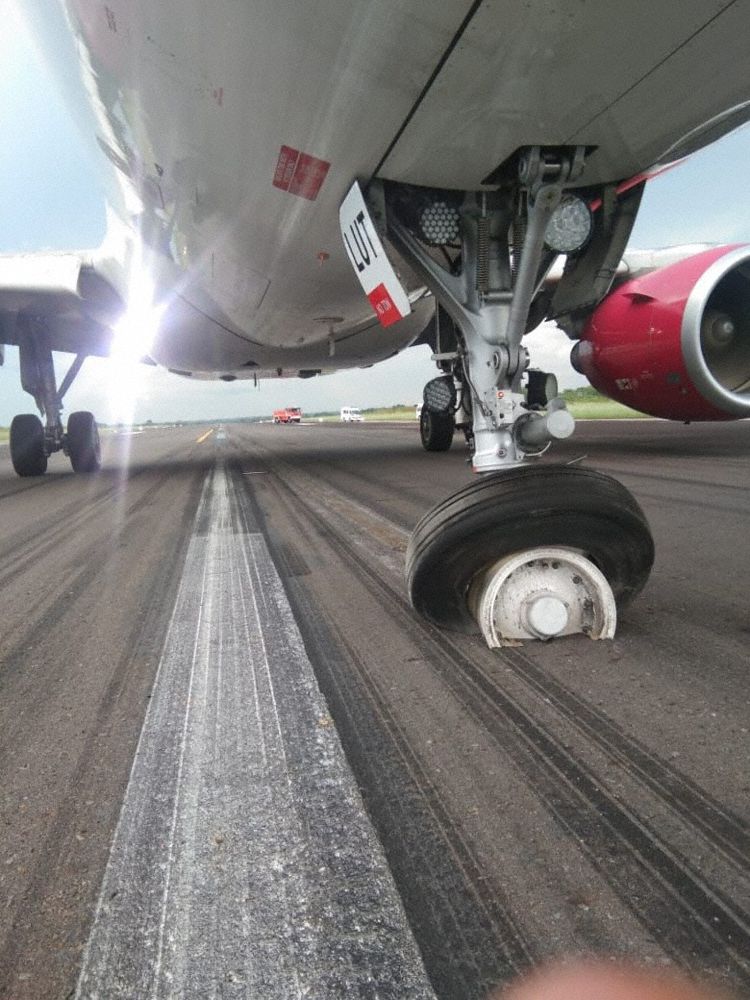
Un Airbus A320-200 de la aerolínea indonesia Batik Air, matrícula PK-LUT realizando el vuelo ID-6803 de Jambi a Jakarta, República de Indonesia, con 117 pasajeros y 6 tripulantes, había salido de la Pista 31 de Jambi cuando la tripulación detuvo la subida a 3.000 pies debido a problemas con el engranaje de la nariz. El avión regresó a Jambi para un aterrizaje en la Pista 31 unos 25 minutos después de la salida y se detuvo en la pista con el engranaje de la nariz girado en 90 grados hacia los lados.
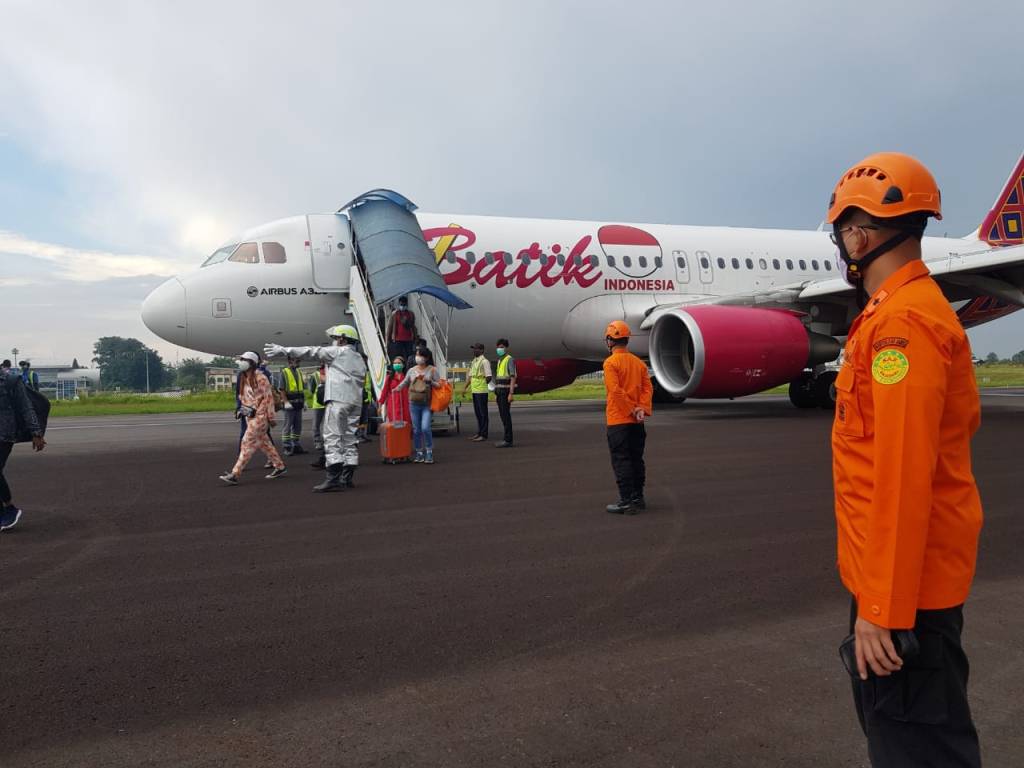
No se han reportado heridos ni víctimas fatales. Los pasajeros desembarcaron en la pista por las escaleras. La aerolínea informó que la tripulación recibió una indicación de un posible problema técnico. Durante el despliegue, los observadores terrestres notaron fuego, chispas y humo del equipo del tren de nariz producto de la fuerte fricción y desgaste provocado por la posición incorrecta del Nose Landing Gear (NLG).
Antecedentes
No es la primera vez que la familia Airbus A320-200CEO sufre este tipo de incidentes. El 21 de Septiembre de 2005 un vuelo JetBlue Airways, JBU292 desde el Aeropuerto Burbank/Bob Hope, Estado de California, ejecutó un aterrizaje de emergencia en el Aeropuerto Internacional de Los Ángeles, después de que el tren nasal se atascó en una posición de 90 grados, sin resultar heridos en el incidente.
Batik Air ID-6803 A320 force landing
A320 suffers nose gear turn upon landing
An Airbus A320-200 of the Indonesian airline Batik Air, registration PK-LUT carrying out flight ID-6803 from Jambi to Jakarta, Republic of Indonesia, with 117 passengers and 6 crew members, had left Jambi Runway 31 when the crew stopped the climb to 3,000 feet due to nose gear problems. The plane returned to Jambi for a landing on Runway 31 about 25 minutes after departure and stopped on the runway with the nose gear turned 90 degrees sideways.
No injuries or fatalities have been reported. Passengers disembarked on the runway by stairs. The airline reported that the crew received an indication of a possible problem technical. During the deployment, ground observers noted fire, sparks and smoke from the nose gear equipment as a result of heavy friction and wear caused by the incorrect position of the Nose Landing Gear (NLG).
Antedecent
It is not the first time that the Airbus A320-200CEO family has suffered such incidents. On September 21, 2005, a JetBlue Airways flight, JBU292 from Burbank / Bob Hope Airport, California, made an emergency landing at Los Angeles International Airport, after the nose gear got stuck in a 90 position. degrees, without being injured in the incident.
Aerolínea low cost húngara establece base en Sicilia
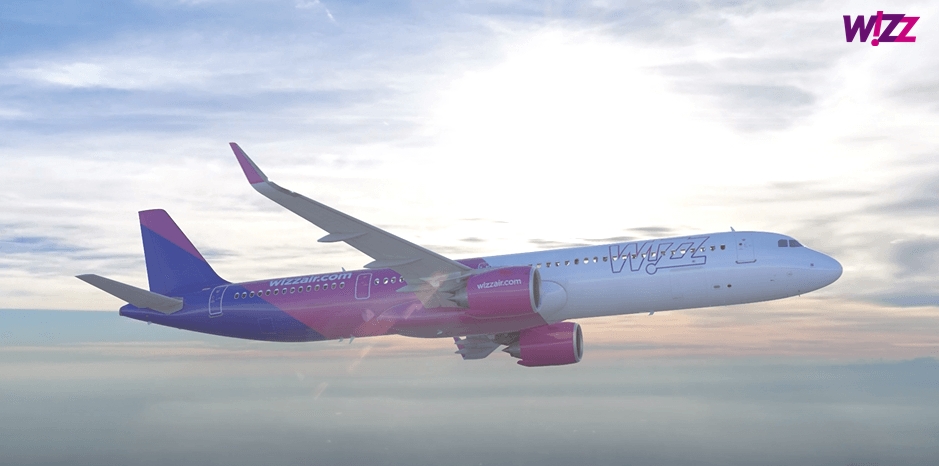
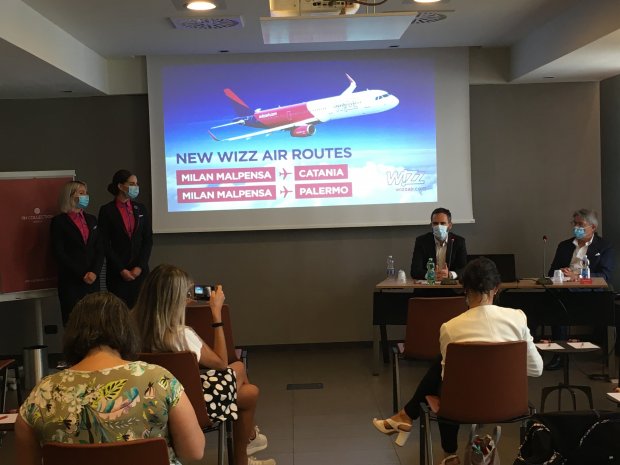
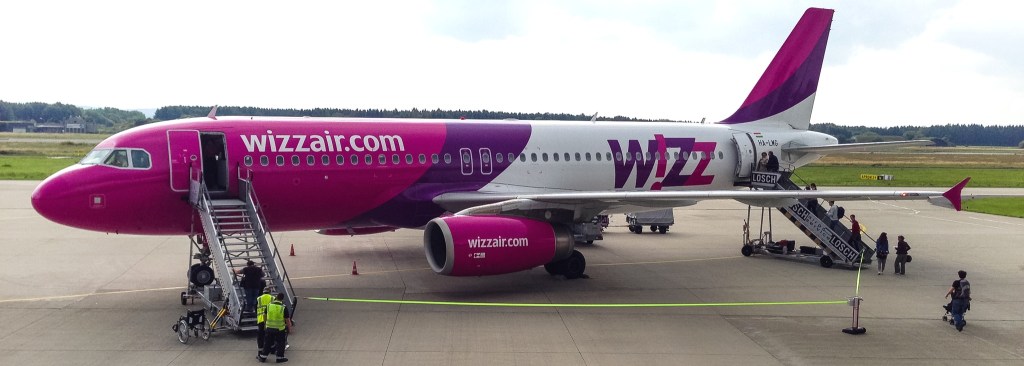
Elmercado de las low cost en Italia continúa avanzando con fuerte impulso con las aerolíneas Ryanair, Easyjet, Volotea, Vueling, entre aéreas locales. La línea aérea húngara WizzAir con un desarrollo importante en la bota italiana, se lanza inaugurando una segunda base Sicilia, en este caso en Palermo que se convertirá en la cuadragésimo segunda base de la aerolínea húngara. A partir de Junio 2021, el aeropuerto con poco tráfico de vuelos, tendrá siete rutas nuevas con WizzAir.
El anuncio tiene lugar apenas cinco meses después de que comenzara su primer servicio en Italia, en plena pandemia, con vuelos a Milán. El Director Comercial de WizzAir, George Michalopoulos, explicó que WizzAir tendrá cuatro bases en Italia, dos en Sicilia. “La expansión de Wizz Air no solo ofrecerá oportunidades de viaje más asequibles, sino que también contribuirá a la recuperación de las economías locales y, en particular, a la recuperación de la industria del turismo”, expresó George Michalopoulos.
A partir del 1 de Junio de 2021, volará a cuatro destinos nacionales: Bolonia, Pisa, Turín y Verona, todos aeropuertos de segunda, por detrás de Milán, Florencia y Roma, los grandes. Los vuelos serán diarios a los dos primeros destinos, cuatro veces por semana a Turín y tres a Verona. Una quinta nueva ruta nacional comienza el 2 de Junio de 2021 uniendo Palermo con Venecia/Treviso cinco veces por semana. Además, esos aviones ofrecerán dos rutas internacionales: a Basilea y a Londres/Luton.
Wizz Air deberá competir con Ryanair, que también se expandirá en Palermo con frecuencias a todos los aeropuertos que operará WizzAir. Pero además, atenderá Milán con veinticuatro vuelos semanales, dieciseis a Bolonia y Pisa o catorce a Turín y Verona. Además de Ryanair, WizzAir competirá directamente con la aerolínea búlgara Tayaran Jet en la ruta a Bolonia; Blue Air y Volotea en Turín; y Neos Air y Volotea en Verona. Las aerolíneas EasyJet y Neos también sirven en Milán.
WizzAir based in Italy
Hungarian low cost airline establishes base in Sicily
The low cost market in Italy continues to advance strongly with the airlines Ryanair, Easyjet, Volotea, Vueling, among local airlines. The Hungarian airline WizzAir, with an important development in the Italian boot, is launched by inaugurating a second Sicilia base, in this case in Palermo, which will become the forty-second base of the Hungarian airline. As of June 2021, the low-traffic airport will have seven new routes with WizzAir.
The announcement comes just five months after it began its first pandemic service in Italy, with flights to Milan. WizzAir’s Commercial Director, George Michalopoulos, explained that WizzAir will have four bases in Italy, two in Sicily. «The expansion of Wizz Air will not only offer more affordable travel opportunities, but will also contribute to the recovery of local economies and, in particular, to the recovery of the tourism industry», said George Michalopoulos.
Starting June 1, 2021, it will fly to four national destinations: Bologna, Pisa, Turin and Verona, all second-rate airports, behind Milan, Florence and Rome, the big ones. The flights will be daily to the first two destinations, four times a week to Turin and three to Verona. A fifth new national route begins on June 2, 2021, linking Palermo with Venice/Treviso five times a week. In addition, these aircraft will offer two international routes: to Basel and to London/Luton.
Wizz Air will have to compete with Ryanair, which will also expand in Palermo with frequencies to all the airports that WizzAir will operate. But in addition, it will serve Milan with twenty-four weekly flights, sixteen to Bologna and Pisa or fourteen to Turin and Verona. In addition to Ryanair, WizzAir will compete directly with the Bulgarian airline Tayaran Jet on the route to Bologna; Blue Air and Volotea in Turin; and Neos Air and Volotea in Verona. EasyJet and Neos airlines also serve Milan.
WizzAir con sede in Italia
La compagnia aerea low cost ungherese stabilisce base in Sicilia
Il mercato low cost in Italia continua ad avanzare fortemente con le compagnie aeree Ryanair, Easyjet, Volotea, Vueling, tra le compagnie aeree locali. La compagnia ungherese WizzAir, con un importante sviluppo nello stivale italiano, viene lanciata inaugurando una seconda base siciliana, in questo caso a Palermo, che diventerà la quarantaduesima base della compagnia ungherese. A partire da giugno 2021, l’aeroporto a basso traffico avrà sette nuove rotte con WizzAir.
L’annuncio arriva appena cinque mesi dopo l’inizio del suo primo servizio pandemico in Italia, con voli per Milano. Il direttore commerciale di WizzAir, George Michalopoulos, ha spiegato che WizzAir avrà quattro basi in Italia, due in Sicilia. «L’espansione di Wizz Air non solo offrirà opportunità di viaggio più convenienti, ma contribuirà anche alla ripresa delle economie locali e, in particolare, alla ripresa dell’industria del turismo», ha affermato George Michalopoulos.
A partire dal 1 giugno 2021 volerà verso quattro destinazioni nazionali: Bologna, Pisa, Torino e Verona, tutti aeroporti di seconda categoria, dietro Milano, Firenze e Roma, i grandi. I voli saranno giornalieri per le prime due destinazioni, quattro volte a settimana per Torino e tre per Verona. Una quinta nuova rotta nazionale inizia il 2 giugno 2021, collegando Palermo con Venezia/Treviso cinque volte a settimana. Inoltre, questi aerei offriranno due rotte internazionali: per Basilea e per Londra/Luton.
Wizz Air dovrà competere con Ryanair, che si espanderà anche a Palermo con frequenze verso tutti gli aeroporti che WizzAir opererà. Ma in più servirà Milano con ventiquattro voli settimanali, sedici su Bologna e Pisa o quattordici su Torino e Verona. Oltre a Ryanair, WizzAir competerà direttamente con la compagnia aerea bulgara Tayaran Jet sulla rotta per Bologna; Blue Air e Volotea a Torino; e Neos Air e Volotea a Verona. Le compagnie aeree EasyJet e Neos servono anche Milano.
El Senado de EE.UU. aprueba plan rescate por la pandemia
El Senado de Estados Unidos aprobó este sábado el plan de rescate propuesto por la nueva administración estadounidense de Joe Biden, una inyección de US$ 1,9 billones de Dólares en la economía para paliar los efectos de la pandemia que se convirtió en la primera victoria legislativa del nuevo mandatario. Por 50 votos a favor y 49 en contra, una Cámara Alta dividida en trincheras partidistas dio luz verde a un ambicioso paquete de estímulo que la Cámara de Representantes ya había aprobado, lo que allana el camino para que Joe Biden pueda firmarlo la semana que viene. «Este plan va a cambiar muchísimas vidas en este país. Resultará en la creación de unos 6 millones de empleos, aumentará nuestro PIB en un billón de dólares y pondrá a nuestro país rumbo a ganar la competición con el resto del mundo, porque el resto del mundo se está moviendo, China en particular», dijo Biden en un discurso en la Casa Blanca después de la votación.
Plan ayudas
El paquete de rescate es el tercero aprobado en Estados Unidos desde que comenzó la pandemia hace un año, tras la primera ayuda de un valor por US$ 2,2 billones establecido en Marzo de 2020, que fue el mayor de la historia del país, con la segunda ayuda de US$ 900.000 millones que el Congreso impulsó en 12/2020. Además, el paquete contiene un rescate de US$ 350.000 millones de Dólares para Gobiernos locales y estatales, 170.000 millones para la reapertura de las escuelas, 14.000 millones de Dólares para fortalecer el plan de vacunación y otros 46.000 para el sistema de tests de Covid-19. También amplía hasta el 6 de septiembre las ayudas al desempleo por la pandemia, que iban a caducar el 14 de Marzo de 2021; y contiene subsidios para el alquiler y fondos para programas de comida, las aerolíneas, sistemas locales de transporte y la red ferroviaria. El proyecto de ley es el mayor proyecto de lucha contra la pobreza en muchos años en Estados Unidos, e incluye una expansión de los créditos fiscales para los estadounidenses de menores ingresos y con hijos.
La votación en el Senado se produjo este Sábado 06/03 sesión que duró más de 25 horas, desde la mañana del Viernes y a lo largo de toda la noche del Sábado, para concluir al mediodía, debido a los intentos de los republicanos y algunos demócratas de añadir enmiendas al proyecto. El proyecto volverá ahora a la Cámara de Representantes, que lo recibirá el próximo martes para evaluar los cambios que se han registrado en el Senado y votar sobre la nueva versión. Solo entonces, probablemente a mediados o finales de la próxima semana, se enviará a la Casa Blanca para que Biden lo firme y lo convierta en ley, en el primer logro legislativo de una Presidencia marcada por la pandemia y las tensiones políticas que dejó el mandato del ex-Presidente Donald Trump. «Hoy puedo decir que hemos dado un paso gigante para cumplir la promesa que hice a los estadounidenses cuando llegué al poder hace 45 días, de que la ayuda estaba en camino», celebró Joe Biden este Sábado 06/03.
US Senate approves third aid
US Senate approves pandemic rescue plan
The United States Senate approved this Saturday the rescue plan proposed by the new US administration of Joe Biden, an injection of US$ 1.9 trillion into the economy to alleviate the effects of the pandemic that became the first victory legislative of the new president. By 50 votes in favor and 49 against, an Upper House divided into partisan trenches gave the green light to an ambitious stimulus package that the House of Representatives had already approved, paving the way for Joe Biden to sign it next week. «This plan is going to change many, many lives in this country. It will result in the creation of some 6 million jobs, increase our GDP by a trillion dollars and set our country on a path to win the competition with the rest of the world, because the rest of the world is on the move, China in particular», Biden said in a speech at the White House after the vote.
Aid plan
The rescue package is the third approved in the United States since the pandemic began a year ago, after the first aid of a value of US$ 2.2 billion established in March 2020, which was the largest in the history of the country, with the second aid of US$ 900,000 million that Congress pushed in 12/2020. In addition, the package contains a bailout of US$ 350,000 million for local and state governments, 170,000 million for the reopening of schools, 14,000 million dollars to strengthen the vaccination plan and another 46,000 for the Covid test system 19. It also extends until September 6 the unemployment benefits due to the pandemic, which were to expire on March 14, 2021; and contains rental subsidies and funding for food programs, airlines, local transportation systems, and the rail network. The bill is the largest anti-poverty bill in many years in the United States, and includes an expansion of tax credits for lower-income Americans with children.
The vote in the Senate took place this Saturday 03/06 session that lasted more than 25 hours, from Friday morning and throughout the entire Saturday night, to conclude at noon, due to the attempts of the Republicans and some Democrats to add amendments to the project. The bill will now go back to the House of Representatives, which will receive it next Tuesday to evaluate the changes that have been registered in the Senate and vote on the new version. Only then, probably in the middle to the end of next week, will it be sent to the White House for Biden to sign and make into law, in the first legislative achievement of a Presidency marked by the pandemic and the political tensions left by the mandate. of former President Donald Trump. «Today I can say that we have taken a giant step to fulfill the promise I made to Americans when I came to power 45 days ago, that aid was on the way», celebrated Joe Biden this Saturday 03/06.
Latam Group iniciará ampliación de aeronaves cargueras
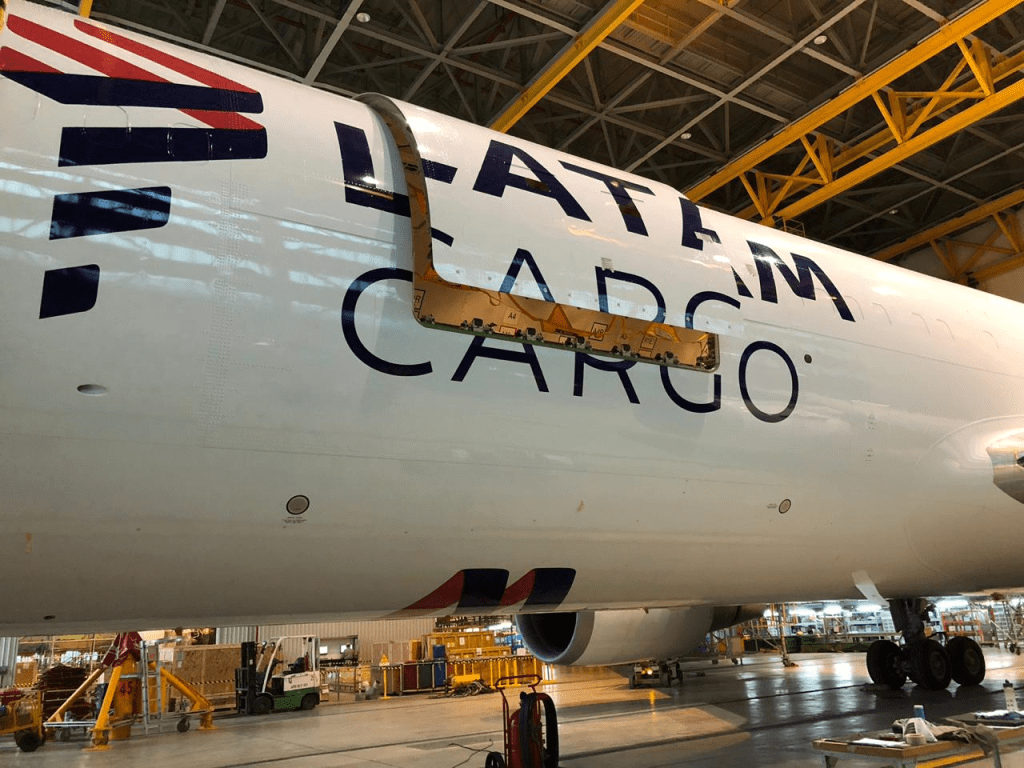
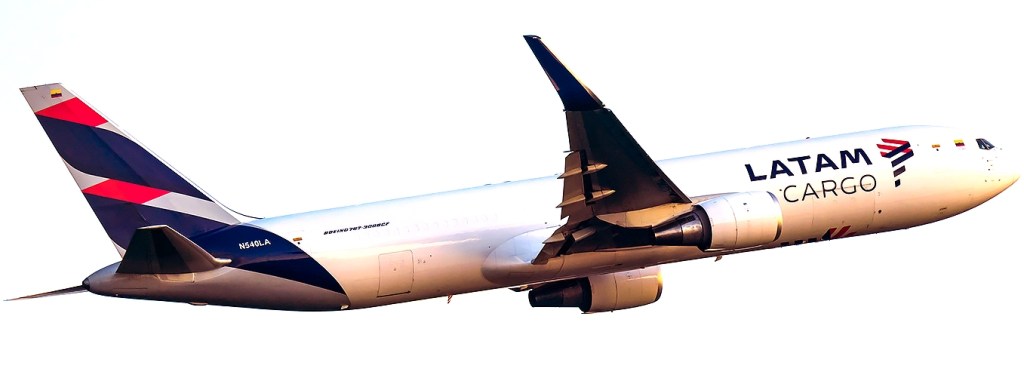
Latam Airlines Group se encuentra impulsando la conversión de ocho aeronaves comerciales en unidades de carga para impulsar su negocio de transporte de mercancías. El auge o nuevo impulso del transporte aéreo de carga ha enfrentado mejor la crisis de la aviación por la pandemia. En ese contexto, el grupo chileno-brasileño dio a conocer un importante plan de crecimiento de flota de carga con la implementación de las conversiones de aviones a cargueros en un período en dos fases hasta 2030 con el objetivo de impulsar la demanda carguera en América Latina.
Las perspectivas en los próximos tres años será convertir hasta ocho Boeing 767-300ER en aviones cargueros con el objetivo de aumentar en casi un 80% la capacidad combinada de la firma. La línea aérea ha anunciado que el crecimiento se realizará en dos etapas y de manera gradual. La primera fase se basará en cuatro órdenes confirmadas con Boeing para conversiones entre 2021 y 2022, mientras que la segunda etapa corresponderá a cuatro opciones de conversión con Boeing entre 2022 y 2023, con los cuales los operadores totalizarían una flota de 19 cargueros Boeing 767-300ER. “El grupo mantiene su compromiso de apoyar a los exportadores e importadores de la región. Se ha acelerado el plan de crecimiento con la conversión de hasta ocho Boeing 767-300ER en los próximos 30 meses. Esta inversión, sumada a las significativas eficiencias logradas dentro del Capítulo 11, apoyan nuestra aspiración de ser la mejor alternativa para los clientes de carga”, indicó el CEO de Latam Airlines Group, Roberto Alvo. Por su parte, el CEO de Latam Cargo, Andrés Bianchi, sostuvo que este plan fortalece la propuesta de valor del grupo para los clientes de carga de la aerolínea. “Las conversiones adicionales les permitirán a las filiales del grupo expandir su red en mercados clave como las exportaciones de flor de Colombia o las importaciones a Brasil, así como en mercados domésticos donde el crecimiento del e-commerce genera mayores volúmenes de carga aérea”, explicó Andrés Bianchi.
En América Latina, las empresas del sector reportaron pérdidas de US$ 1.772 millones, en 2020, y hay casos de compañías que desde el año pasado entraron en el Capítulo 11 de la Ley de Quiebras en Estados Unidos, tales como Aeroméxico, Avianca Airlines y Latam Airlines, recurriendo a un proceso de reestructuración financiera, para permitir que sus ingresos, que no alcanzaban para cubrir los compromisos de deuda, pudieran ordenar las aerolíneas. El 20 de Setiembre del 2020, Latam Airlines obtuvo el visto bueno por parte del Tribunal del Distrito Sur de Nueva York a la propuesta modificada de financiamiento DIP (Debtor in Possession), que involucra recursos por US$ 2.450 millones.
Latam freighter aircraft conversion
Latam Group will begin expansion of cargo aircraft
Latam Airlines Group is promoting the conversion of eight commercial aircraft into cargo units to boost its freight transport business. The boom or new impulse of air cargo transport has better faced the aviation crisis due to the pandemic. In this context, the Chilean-Brazilian group unveiled an important cargo fleet growth plan with the implementation of aircraft-to-freighter conversions in a two-phase period until 2030 with the aim of boosting cargo demand in Latin America.
The prospects in the next three years will be to convert up to eight Boeing 767-300ERs into freighters with the goal of increasing the combined capacity of the firm by almost 80%. The airline has announced that the growth will take place in two stages and gradually. The first phase will be based on four confirmed orders with Boeing for conversions between 2021 and 2022, while the second phase will correspond to four conversion options with Boeing between 2022 and 2023, with which the operators would total a fleet of 19 Boeing 767 freighters- 300ER. “The group remains committed to supporting exporters and importers in the region. The growth plan has been accelerated with the conversion of up to eight Boeing 767-300ERs in the next 30 months. This investment, added to the significant efficiencies achieved within Chapter 11, support our aspiration to be the best alternative for cargo customers”, stated the CEO of Latam Airlines Group, Roberto Alvo. For his part, the CEO of Latam Cargo, Andrés Bianchi, said that this plan strengthens the group’s value proposition for the airline’s cargo customers. “The additional conversions will allow the group’s subsidiaries to expand their network in key markets such as flower exports from Colombia or imports to Brazil, as well as in domestic markets where the growth of e-commerce generates higher volumes of air cargo”, Andrés Bianchi explained.
In Latin America, companies in the sector reported losses of US$ 1,772 million, in 2020, and there are cases of companies that since last year entered Chapter 11 of the Bankruptcy Law in the United States, such as Aeroméxico, Avianca Airlines and Latam Airlines, resorting to a financial restructuring process, to allow its income, which was not enough to cover the debt commitments, could order the airlines. On September 20, 2020, Latam Airlines obtained approval from the Southern District Court of New York to the modified DIP (Debtor in Possession) financing proposal, which involves resources for US$ 2.45 billion.
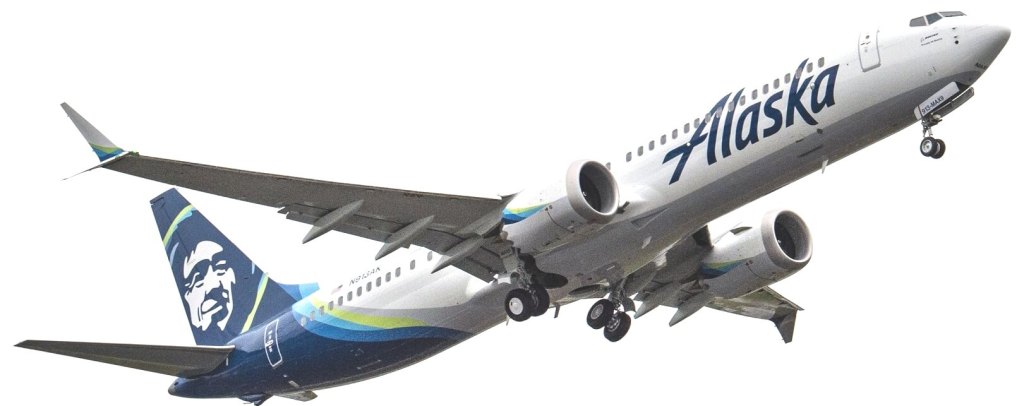
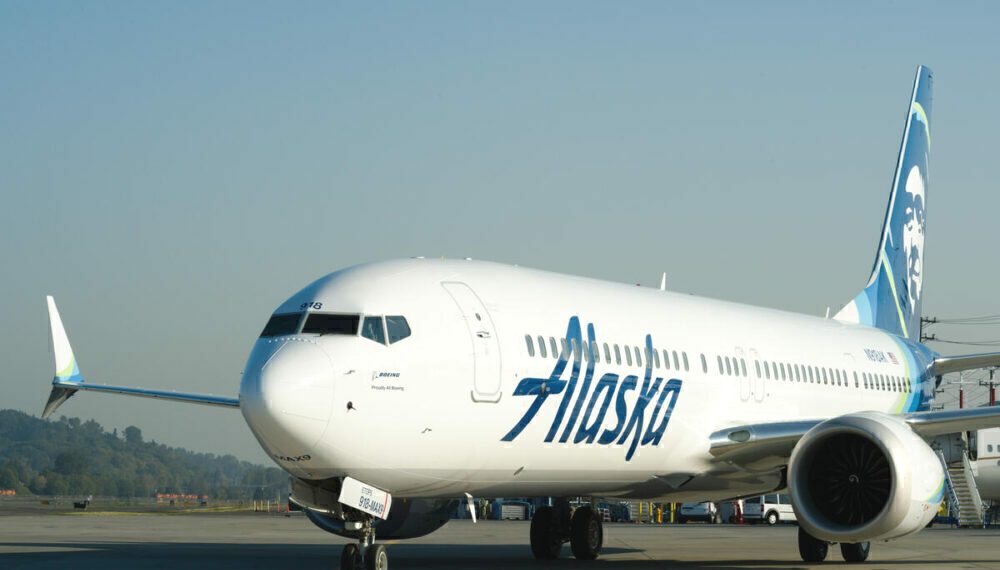
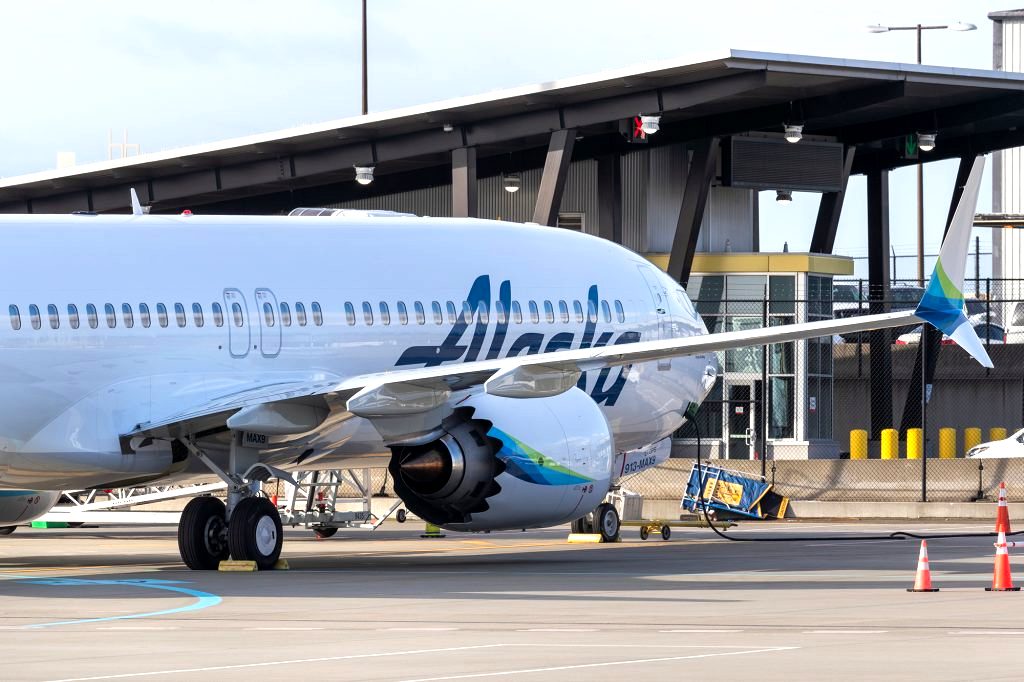
Alaska inaugura servicio con el nuevo Boeing 737-9 MAX
El primer vuelo comercial de Alaska Airlines de un Boeing 737-9 MAX ha tomado protagonismo el Lunes 01/03 cuando comenzó los vuelos de pasajeros para la aerolínea desde el Aeropuerto Internacional Sea-Tac. La configuración de la nueva aeronave Boeing 737-9 MAX representa en First Class (16) con 35 pulgadas de distanciamiento, Economy (162) con una separación de 31, 32 pulgadas. El avión fue recertificado para volar por la Administración Federal de Aviación (FAA) en Noviembre 2018 después de ser aterrizado en Marzo de 2019 por problemas en el diseño de las aeronaves de la línea 737 MAX.
Alaska Airlines había recibido el avión en Enero 2021 y pasó las últimas cinco semanas entrenando a pilotos y otros empleados en sus sistemas, además de sacar el avión durante varias horas de vuelos de prueba. «Todo es parte de una campaña de relaciones públicas para infundir confianza en el público viajero», dijo Scott Hamilton, Consultor de Aviación. El objetivo es hacer que la gente se sienta segura volando en el 737 MAX y tratar de borrar la mancha negativa que la puesta a tierra puso en la reputación de Boeing.
Después de que el avión fue puesto en tierra, los investigadores federales de la FAA determinaron que la causa de los accidentes fatales fue el sistema informático defectuoso MCAS que empujó la nariz del avión hacia abajo en vuelo y no pudo ser anulado por los pilotos. «Creo que pasarán un par de años antes de que veas estadísticamente que la gente ya no tiene miedo de volar MAX. Creo que siempre habrá algunos, pero creo que mientras no tengas otro accidente que esté ligado a un problema de diseño del avión, no creo que vayas a tener ninguna preocupación real después de un par de años», expresó Scott Hamilton.
El primer vuelo del Boeing 737-9 MAX de Seattle a San Diego fue el AS482 despegando a las 06:41LT desde el Aeropuerto Internacional de Seattle/Tacoma (SEA) para aterrizar 2 horas y 28 minutos después en el Aeropuerto Internacional de San Diego (SAN), a las 09:09 hs. El nuevo avión tiene la matrícula N913AK, número de línea S/N7598. La aeronave posee una antigüedad de 1.7 años, pero se ha entregado a Alaska Airlines en 01/2021, luego de estar en tierra debido a las inspecciones requeridas por el organismo de la Federal Aviation Administration (FAA) de Estados Unidos.
Alaska Airlines ha realizado vuelos diarios de ida y vuelta con el nuevo 737-9 MAX entre Seattle y San Diego, y Seattle y Los Ángeles, según información de la aerolínea. Se espera que el segundo 737-9 MAX de Alaska comience a prestar servicio a finales de Marzo 2021. Las nuevas aeronaves emplearán biocombustible de aviación sostenible para ayudar a reducir las emisiones de CO2. «Eso es especialmente importante en este momento debido a la pandemia, si las aerolíneas pueden reducir sus costos operativos en un 15-16%, eso es enorme. Eso es algo que ayudará a Boeing a recuperarse, que ayudará a apoyar la demanda del MAX», detalla el consultor de aviación. No son sólo las aerolíneas y Boeing las que tienen mucho que ver con el éxito del MAX, también podría tener un impacto en toda la economía de Puget Sound. «El éxito del 737 MAX significa empleos para Boeing y el Puget Sound aquí en Renton», explicó Scott Hamilton. El avión podría estar en producción durante los próximos diez años, y con Alaska Airlines planeando comprar un total de 68 de estos aviones en los próximos cuatro años, el primer vuelo parece un paso hacia el despeje de los turbulentos para el atribulado 737 MAX.
Alaska maiden flight Boeing 737-9 MAX
Alaska opens service with new Boeing 737-9 MAX
Alaska Airlines‘ first commercial flight of a Boeing 737-9 MAX took center stage on Monday 03/01 when passenger flights began for the airline from Sea-Tac International Airport. The configuration of the new Boeing 737-9 MAX aircraft represents First Class (16) with 35 inches of spacing, Economy (162) with a spacing of 31.32 inches. The aircraft was recertified for flight by the Federal Aviation Administration (FAA) in November 2018 after being landed in March 2019 due to problems in the design of the 737 MAX aircraft.
Alaska Airlines had received the plane in January 2021 and spent the past five weeks training pilots and other employees on its systems, as well as taking the plane out during several hours of test flights. «It’s all part of a public relations campaign to instill confidence in the traveling public», said Scott Hamilton, Aviation Consultant. The goal is to make people feel safe flying the 737 MAX and try to erase the negative stain that grounding put on Boeing’s reputation.
After the plane was grounded, federal FAA investigators determined that the cause of the fatal accidents was the faulty MCAS computer system that pushed the plane’s nose down in flight and could not be overridden by the pilots. «I think it will be a couple of years before you see statistically that people are no longer afraid to fly MAX. I think there will always be some, but I think that as long as you don’t have another accident that is linked to an aircraft design problem, no I think you’re going to have no real concerns after a couple of years», said Scott Hamilton.
The first flight of the Boeing 737-9 MAX from Seattle to San Diego was AS482 taking off at 06:41 LT from Seattle/Tacoma International Airport (SEA) to land 2 hours and 28 minutes later at San Diego International Airport ( SAN), at 09:09 am. The new aircraft has the registration N913AK, line number S/N7598. The aircraft is 1.7 years old, but it was delivered to Alaska Airlines on 01/2021, after being on the ground due to inspections required by the United States Federal Aviation Administration (FAA).
Alaska Airlines has operated daily roundtrip flights with the new 737-9 MAX between Seattle and San Diego, and Seattle and Los Angeles, according to airline information. Alaska’s second 737-9 MAX is expected to begin service in late March 2021. The new aircraft will use sustainable aviation biofuel to help reduce CO2 emissions. «That’s especially important right now because of the pandemic, if airlines can cut their operating costs by 15-16%, that’s huge. That’s something that will help Boeing recover, that will help support demand for the MAX», details the aviation consultant. It’s not just airlines and Boeing that have a lot to do with the success of the MAX, it could also impact the entire economy of Puget Sound. «The success of the 737 MAX means jobs for Boeing and the Puget Sound here in Renton», explained Scott Hamilton. The plane could be in production for the next ten years, and with Alaska Airlines planning to buy a total of 68 of these jets in the next four years, the first flight seems like a step toward clearing the turbulent for the troubled 737 MAX.
Una vez más, Airgways & Airgways.com agradece sus elogios sinceros y su continuidad en este fascinante vuelo compartido. Día tras días renovamos nuestro compromiso para despegar con nuevas ilusiones y objetivos para disfrutar el placer de volar junto a ustedes. Muchas gracias por formar parte del viaje.
Once again, Airgways & Airgways.com appreciates your heartfelt praise and your continuity on this exciting shared flight. Day after day we renew our commitment to take off with new dreams and goals to enjoy the pleasure of flying with you. Thank you very much for being part of the trip.
Misión Orbital Flight Test-2 de Starliner retrazada
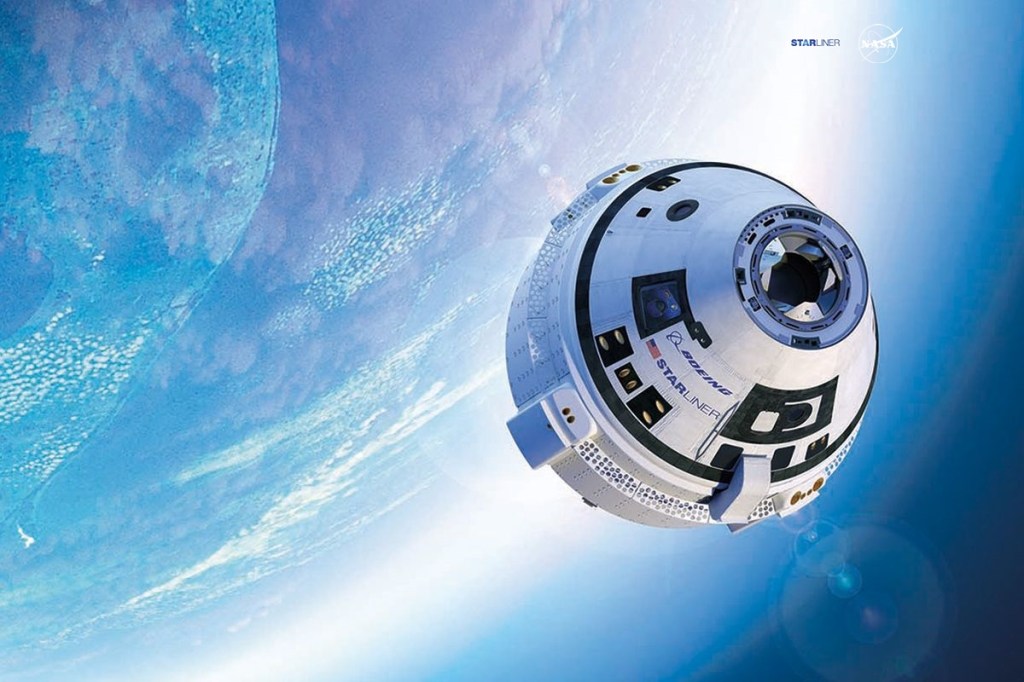
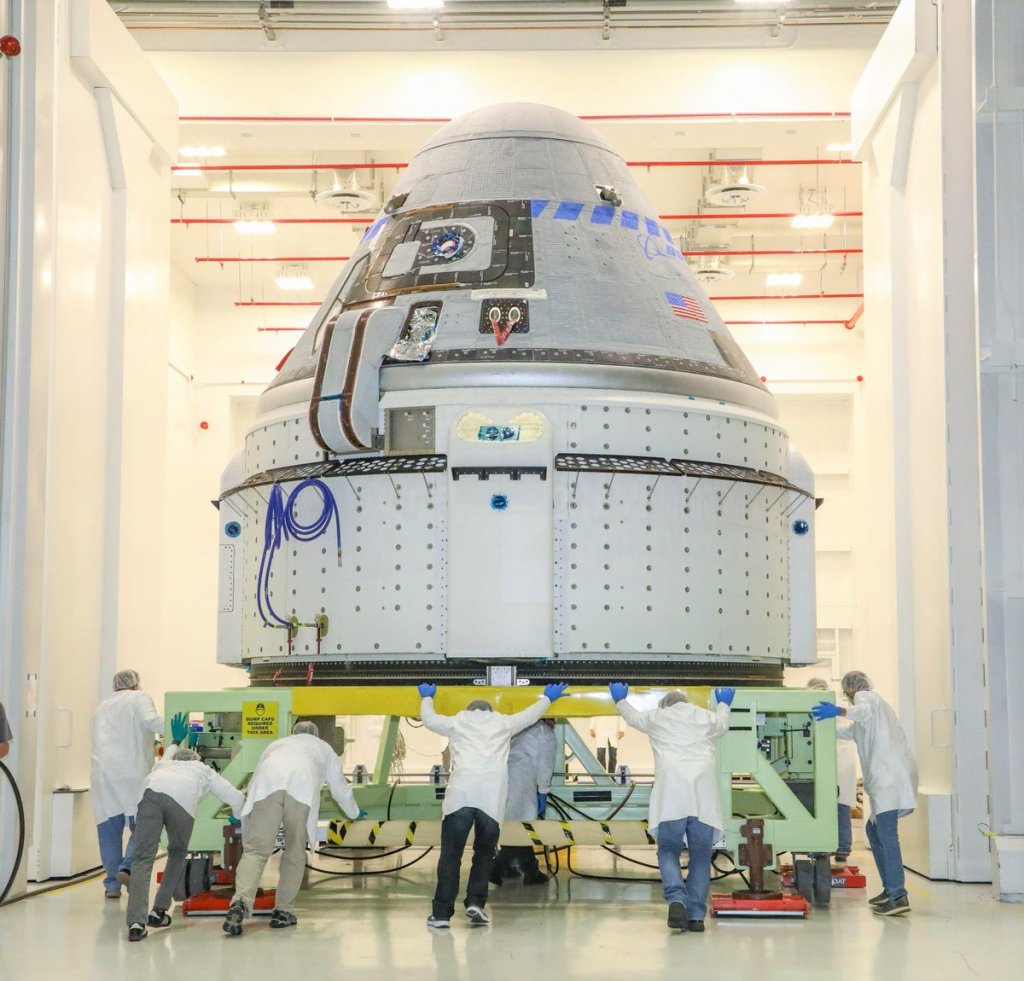
El segundo vuelo de prueba espacial Boeing Starliner para la NASA se ha reprogramado nuevamente por cuestiones meteorológicas, no se lanzará el 2 de Abril de 2021. El Jueves 4 de Marzo de 2021, la NASA y Boeing anunciaron conjuntamente planes para retrasar el lanzamiento de la Misión Orbital Flight Test-2 (OFT-2) de Starliner desde un despegue a principios de Abril 2021. El vuelo se había retrasado dos semanas desde un objetivo del 25 de Marzo de 2021 debido a las tormentas invernales en Houston y la necesidad de reemplazar algunas cajas de aviónica. Ahora parece que Starliner no podrá llegar al espacio hasta finales de Abril 2021.
«La NASA también está sopesando el volumen de verificación y análisis de validación requerido antes del vuelo de prueba y el horario del vehículo visitante en la Estación Espacial Internacional», expresa el comunicado conjunto. Abril 2021 ya es un momento ocupado en el complejo en órbita, con un lanzamiento de la tripulación rusa Soyuz y la misión de astronautas SpaceX Crew-2 de la NASA. Tal como están las cosas, no hay espacio para que Boeing reprograme desde el 2 de Abril 2021 hasta más tarde en en el mes, agregó el comunicado, pero aún no se ha fijado una nueva fecha de lanzamiento.
La Misión OFT-2 será un hito crucial en el Programa Starliner, ya que Boeing busca recuperarse de una misión defectuosa en Diciembre de 2019, que vio un lanzamiento truncado al no alcanzar su destino de la estación espacial. La NASA identificó 80 elementos para su corrección antes de que pudiera tener lugar un nuevo lanzamiento, y Boeing pasó varios meses abordando todo. «La compañía ha estado llevando a cabo carreras en seco antes de un ensayo de misión de extremo a extremo que permitirá al equipo de operaciones practicar», según el comunicado de la NASA. El equipo de la agencia espacial también observará el ocmportamiento durante toda una misión simulada. «Además, las pruebas de encendido y las cajas del vehículo OFT-2, con nuevas cajas de aviónica instaladas, se han completado con éxito», continuó la actualización, agregando que las naves espaciales que alimentan y apilan o ensamblan con el cohete están listas para comenzar pronto.
La NASA planea utilizar el SpaceX Crew Dragon y el Boeing Starliner para llevar a la mayoría de los astronautas estadounidenses a la estación espacial, reemplazando en gran medida su dependencia de la cápsula rusa Soyuz que ha llevado a todos al espacio entre 2011 y 2020, después de la retirada del programa de transbordadores espaciales. La nueva nave espacial de la tripulación comercial tiene capacidad para cuatro personas cada una, en lugar de tres asientos en una Soyuz, lo que permite a la estación buscar más oportunidades científicas y comerciales con futuras tripulaciones más grandes.
Starliner launch delayed
Starliner’s Orbital Flight Test-2 mission delayed
The second Boeing Starliner space test flight for NASA has been rescheduled again due to weather issues, it will not launch on April 2, 2021. On Thursday, March 4, 2021, NASA and Boeing jointly announced plans to delay the launch of the Starliner’s Orbital Flight Test-2 (OFT-2) mission from a takeoff in early April 2021. The flight had been delayed for two weeks from a target on March 25, 2021 due to winter storms in Houston and the need to replace some avionics boxes. Now it seems that Starliner will not be able to reach space until the end of April 2021.
«NASA is also weighing the volume of verification and validation analysis required before the test flight and the visiting vehicle schedule on the International Space Station». the joint statement said. April 2021 is already a busy time in the orbiting complex, with a Russian Soyuz crew launch and NASA’s SpaceX Crew-2 astronaut mission. As it stands, there is no room for Boeing to reschedule from April 2, 2021 until later in the month, the statement added, but a new launch date has not yet been set.
The OFT-2 Mission will be a crucial milestone in the Starliner Program, as Boeing seeks to recover from a failed mission in December 2019, which saw a truncated launch failing to reach its space station destination. NASA identified 80 items for correction before a new launch could take place, and Boeing spent several months tackling everything. «The company has been conducting dry runs ahead of an end-to-end mission rehearsal that will allow the operations team to practice», according to the NASA statement. The space agency team will also observe behavior during an entire simulated mission. «In addition, the ignition tests and the boxes of the OFT-2 vehicle, with new avionics boxes installed, have been completed successfully», the update continued, adding that the spacecraft that power and stack or assemble with the rocket are ready. to start soon.
NASA plans to use the SpaceX Crew Dragon and Boeing Starliner to get the majority of American astronauts to the space station, largely replacing its reliance on the Russian Soyuz capsule that has taken everyone into space between 2011 and 2020, after of the withdrawal of the space shuttle program. The new commercial crew spacecraft accommodates four people each, rather than three seats in a Soyuz, allowing the station to pursue more scientific and commercial opportunities with future larger crews.
Aterriza en Aeropuerto Newark tras posible problema mecánico
Un Boeing 737-8 MAX de American Airlines, matrícula N327SK que realizaba el vuelo AA-2555 de Miami (FL) a Newark, NJ (EE.UU.) con 103 personas a bordo, estaba en camino en FL350 a unos 210 nm al suroeste de Newark cuando la tripulación necesitaba apagar el motor derecho CFM LEAP-1B debido a una indicación de aceite del motor. El avión bajó a la deriva a FL270 y continuó para un aterrizaje seguro en la pista de Newark 29 unos 50 minutos después de salir de FL350. Después de aterrizar la Torre Newark informó que el aeropuerto de Teterboro informó que probablemente tenían un incendio en el motor, la tripulación reconoció la transmisión. Los servicios de emergencia inspeccionaron la aeronave antes de que se dirigió en taxi a la plataforma. La aerolínea informó que el motor fue apagado debido a una indicación relacionada con el aceite del motor (presión o cantidad).
American Airlines han comunicado y aclarado que los problemas no estaban relacionados con el Sistema de Control de Vuelo conocido como MCAS vinculado a accidentes con este tipo de aviones. Los pilotos se han visto obligado a apagar temporalmente uno de los motores del avión antes de aterrizar en Aeropuerto Internacional Newark Liberty. El posible mal funcionamiento estaba relacionado con un indicador de presión/volumen de aceite del motor, según la aerolínea.
La aerolínea dijo que el vuelo 2555 operaba entre Miami y Newark y aterrizó sano y salvo a las 03:28 p.m. con 95 pasajeros y seis miembros de la tripulación a bordo, sin registrarse incidentes con las personas a bordo. American dijo que el capitán del avión declaró una emergencia como medida de precaución y cerró un motor durante los últimos 20 minutos del vuelo. Jessica Kowal, una Portavoz de Boeing, dijo que la compañía estaba al tanto del incidente y remitió preguntas a American.
American Boeing 737 MAX incident
Lands at Newark Airport after possible mechanical problem
An American Airlines Boeing 737-8 MAX, registration N327SK flying AA-2555 from Miami (FL) to Newark, NJ (USA) with 103 people on board, was en route at FL350 at about 210 nm at southwest of Newark when the crew needed to shut down the CFM LEAP-1B right engine due to an engine oil indication. The aircraft drifted down to FL270 and continued for a safe landing on Newark 29 runway about 50 minutes after exiting FL350. After landing the newark tower reported that the Teterboro airport reported that they probably had an engine fire, the crew recognized the transmission. The emergency services inspected the aircraft before he went by taxi to the apron. The airline reported that the engine was shut down due to an indication related to the engine oil (pressure or amount).
American Airlines have communicated and clarified that the problems were not related to the Flight Control System known as MCAS linked to accidents with this type of aircraft. The pilots have been forced to temporarily shut down one of the plane’s engines before landing at Newark Liberty International Airport. The possible malfunction was related to an engine oil pressure/ volume gauge, according to the airline.
The airline said Flight 2555 was operating between Miami and Newark and landed safely at 3:28 p.m. with 95 passengers and six crew members on board, without registering incidents with people on board. American said the plane’s captain declared an emergency as a precaution and shut down an engine for the last 20 minutes of the flight. Jessica Kowal, a Boeing spokeswoman, said the company was aware of the incident and referred questions to American.
Ciclón Niran se desarrolla con Categoría 5 en Oceanía
La segunda tormenta tropical de Categoría 5 (CAT5) de la Tierra de 2021 es el Ciclón Tropical Niran en el Océano Pacífico Sur. Se espera que Niran afecte a Nueva Caledónia como una tormenta destructiva de Categoría 4 este Sábado 06/03. A principios de esta semana, el Ciclón Niran trajo fuertes lluvias y fuertes vientos al estado australiano de Queensland, causando daños a la cosecha de banano estimados en US$ 138 millones.
El Ciclón Niran aprovechó la cizalladura de viento bajo de 5-10 nudos y temperaturas cálidas del océano de 29 grados Celsius (84°F) a una intensidad rápida de 35 mph en sólo seis horas el Viernes 05/03, alcanzando su punto máximo como tormenta de categoría 5 con vientos de 160 mph y una presión central de 917 mb a las 8 am EST 5 de marzo, según el Joint Typhoon Warning Center (JTWC). La intensidad de Niran se estimó a través de la técnica estándar Dvorak, que utiliza imágenes de satélite infrarrojos. Se espera que la cizalladura del viento alto debilite gradualmente a Niran, pero se espera que el ciclón esté en fuerza de categoría 4 a medida que se mueve a lo largo de la costa sur de la isla más grande de Nueva Caledonia, Grande Terre, entre 0 UTC y 12 UTC el sábado. Es probable que haya daños graves en la isla, y el muro ocular de Niran pasará peligrosamente cerca de la capital de Noumea (población 95.000).
Historia ciclones tropicales en Océano Pacífico Sur
La base de datos de historia de huracanes de la NOAA enumera otros 14 ciclones tropicales en el Océano Pacífico Sur que han alcanzado fuerza de Categoría 5 desde 1988; datos satelitales precisos en la región datan de aproximadamente 1990. El más reciente CAT5, el ciclón tropical Harold en Abril de 2020, causó una destrucción generalizada en las Islas Salomón, Vanuatu, Fiji y Tonga, matando a 30 personas y causando más de 120 millones de dólares en daños. Tres ciclones tropicales están vinculados a ser las tormentas más poderosas registradas en el Pacífico Sur (todas con vientos de 180 mph): ciclón tropical Winton (2016), ciclón tropical Zoe (2002) y ciclón tropical Monica (2006). Monica (Australia) y Winston (Fiji) tocaron tierra mientras estaban en la Categoría 5.
Niran es la segunda tormenta de Categoría 5 de la Tierra de 2021, la otra fue el Ciclón Tropical Faraji, que alcanzó la Categoría 5 el 8 de Febrero 2021 en el Océano Índico Sur. Es poco común tener dos CAT5 del Hemisferio Sur tan temprano en el año; la última vez que esto ocurrió fue en 2015, cuando el ciclón tropical Eunice se convirtió en el segundo con CAT5 del Hemisferio Sur el 30 de Enero 2021. Sólo hay dos años en el registro cuando el hemisferio sur ha registrado hasta tres tormentas de Categoría 5: 2015 y 2003.
La Tierra promedió 5.3 tormentas de Categoría 5 por año entre 1990 y 2020, según las calificaciones hechas por el Centro Nacional de Huracanes de la NOAA y el Centro Conjunto de Advertencia de Tifones de la Armada de los Estados Unidos. La calidad de la base de datos CAT5 es demasiado pobre y la serie temporal de datos decentes sobre estas tormentas es demasiado corta para sacar conclusiones definitivas sobre cómo el cambio climático puede estar afectando a estas tormentas más temibles. Sin embargo, se espera que el cambio climático haga que las tormentas de Categoría 5 sean más fuertes y numerosas en las próximas décadas.
Air Caledónie
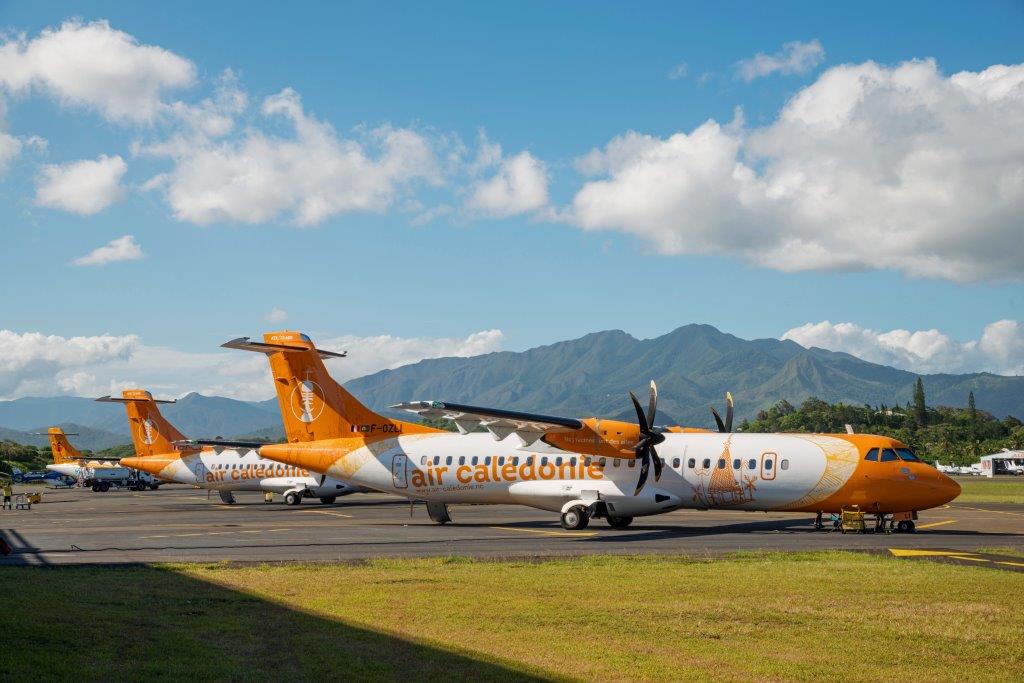
En las últimas horas, Air Calédonie ha enviado toda su flota a Brisbane, Australia. Según fuentes locales, la aerolínea protege su flota del ciclón Niran entrante, que tiene un viento máximo estable de 204 km h. Air Calédonie trasladó sus cuatro aviones ATR 72 a Brisbane para mantenerlos alejados del ciclón Niran. Foto de Air Calédonie. La aerolínea de la Isla de Nueva Caledónia ha trasladado sus cuatro aviones ATR 72 a Brisbane, Australia, el 5 de Marzo de 2021. Los cuatro aviones aterrizaron a las 6 pm hora de Australia, en el Aeropuerto Internacional de Brisbane.
Trayectoria Niran
El Ciclón Tropical Niran se está moviendo actualmente hacia el sureste a través del Mar de Coral hacia Nueva Caledonia. Horas antes, el epicentro se informó a 980 kilómetros al noreste de la Isla Belep, Nueva Caledonia. Tenía un viento máximo estable de 204 km/h. Según fuentes locales, el 6 de Marzo de 2021 Niran cruzará la costa oeste de Nueva Caledonia. El viento máximo estable puede alcanzar una velocidad de 210 km/h. Se ha emitido una señal de ciclón de segundo nivel, espera lluvia fuerte, viento fuerte, olas altas.
Cyclone Niran Alert in the Pacific
Cyclone Niran develops with Category 5 in Oceania
Earth’s second Category 5 (CAT5) tropical storm of 2021 is Tropical Cyclone Niran in the South Pacific Ocean. Niran is expected to hit New Caledonia as a Category 4 destructive storm this Saturday 03/06. Earlier this week, Cyclone Niran brought heavy rain and strong winds to the Australian state of Queensland, causing damage to the banana crop estimated at US$ 138 million.
Cyclone Niran took advantage of low wind shear of 5-10 knots and warm ocean temperatures of 29 degrees Celsius (84 °F) at a rapid intensity of 35 mph in just six hours on Friday 03/05, peaking as Category 5 storm with winds of 160 mph and a central pressure of 917 mb at 8 a.m. EST March 5, according to the Joint Typhoon Warning Center (JTWC). Niran intensity was estimated using the standard Dvorak technique, which uses infrared satellite images. High wind shear is expected to gradually weaken Niran, but the cyclone is expected to be at Category 4 strength as it moves along the southern coast of New Caledonia’s largest island, Grande Terre, between 0 UTC and 12 UTC on Saturday. There is likely to be serious damage to the island, and Niran’s eye wall will pass dangerously close to the capital of Noumea (population 95,000).
History tropical cyclones in the South Pacific Ocean
NOAA’s Hurricane History Database lists 14 other tropical cyclones in the South Pacific Ocean that have reached Category 5 strength since 1988; Accurate satellite data in the region dates to approximately 1990. The most recent Cat 5, Tropical Cyclone Harold in April 2020, caused widespread destruction in the Solomon Islands, Vanuatu, Fiji and Tonga, killing 30 people and causing more than 120 million dollars in damages. Three tropical cyclones are linked to being the strongest storms on record in the South Pacific (all with winds of 180 mph): Tropical Cyclone Winton (2016), Tropical Cyclone Zoe (2002), and Tropical Cyclone Monica (2006). Monica (Australia) and Winston (Fiji) made landfall while in Category 5.
Niran is Earth’s second Category 5 storm of 2021, the other being Tropical Cyclone Faraji, which reached Category 5 on February 8, 2021 in the South Indian Ocean. It is rare to have two Southern Hemisphere CAT5 this early in the year; The last time this occurred was in 2015, when Tropical Cyclone Eunice became the second CAT5 in the Southern Hemisphere on January 30, 2021. There are only two years on record when the Southern Hemisphere has recorded up to three Category 5 storms: 2015 and 2003.
Earth averaged 5.3 Category 5 storms per year between 1990 and 2020, according to ratings by NOAA’s National Hurricane Center and the United States Navy’s Joint Typhoon Warning Center. The quality of the CAT5 database is too poor and the time series of decent data on these storms is too short to draw definitive conclusions about how climate change may be affecting these most fearsome storms. However, climate change is expected to make Category 5 storms stronger and more numerous in the coming decades.
Air Caledónie
In the last few hours, Air Calédonie has sent its entire fleet to Brisbane, Australia. According to local sources, the airline protects its fleet from the incoming cyclone Niran, which has a stable maximum wind of 204 km/h. Air Calédonie moved its four ATR 72 aircraft to Brisbane to keep them out of Cyclone Niran. Photo by Air Calédonie. The New Caledonia Island airline has flown its four ATR 72 aircraft to Brisbane, Australia, on March 5, 2021. All four aircraft landed at 6 pm Australia time, at Brisbane International Airport.
Niran trayectory
Tropical Cyclone Niran is currently moving southeast across the Coral Sea towards New Caledonia. Hours earlier, the epicenter was reported 980 kilometers northeast of Belep Island, New Caledonia. It had a maximum stable wind of 204 km/h. According to local sources, on March 6, 2021 Niran will cross the west coast of New Caledonia. The maximum stable wind can reach a speed of 210 km/h. A second level cyclone signal has been issued, expect heavy rain, strong wind, high waves.
Nace Uep Airwyas proyecta vuelos interislas en Baleares
Uep Airways, la aerolínea que cubrirá los trayectos interislas en Baleares a partir del 2Q2021 ha anunciado el diseño de imagen visual de los aviones que cubrirán estas rutas con ATR Aircraft ATR 72. La nueva línea aérea regional cubrirá trayectos entre Mallorca, Menorca e Ibiza con vuelos regulares interislas en las Islas Baleares, España. La aerolínea ha sido creada por Salvador Moreno.
La nueva startup empleará tres ATR 72 (3) operados por su matriz, Swiftair, para unir los aeropuertos de Palma, Ibiza y Menorca, con el objetivo es expandirse en el futuro con vuelos con destino a la Península Ibérica. La aerolínea Swiftair operaba con Air Europa en las rutas interislas en las que aportaba aviones, tripulaciones y mantenimiento, pero la alianza finalizó con la crisis sanitaria y ante los graves problemas que arrastra el Grupo Globalia, ha establecido una nueva aerolínea para continuar desarrollando los vuelos interislas.
Spanish regional startup Uep Airways
Uep Airwyas is born plans inter-island flights in the Balearic Islands
Uep Airways, the airline that will cover inter-island routes in the Balearic Islands from 2Q2021, has announced the visual image design of the aircraft that will cover these routes with ATR Aircraft ATR 72. The new regional airline will cover routes between Mallorca, Menorca and Ibiza with regular interisland flights in the Balearic Islands, Spain. The airline has been created by Salvador Moreno.
The new startup will use three ATR 72 (3) operated by its parent company, Swiftair, to link the airports of Palma, Ibiza and Menorca, with the aim of expanding in the future with flights to the Iberian Peninsula. Swiftair airline operated with Air Europa on inter-island routes where it provided aircraft, crews and maintenance, but the alliance ended with the health crisis and, given the serious problems dragged by the Globalia Group, it has established a new airline to continue developing the flights. interislas.
















 airgways.com