El «carrusel» del Aeropuerto El Palomar

AW | 2020 11 25 17:15 | AIRLINES MARKET / GOVERNMENT

La larga saga mediática del Aeropuerto El Palomar

AA2000_EPA

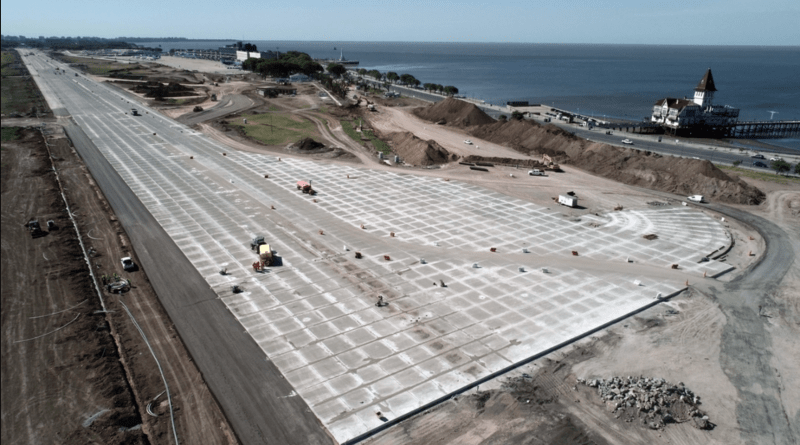
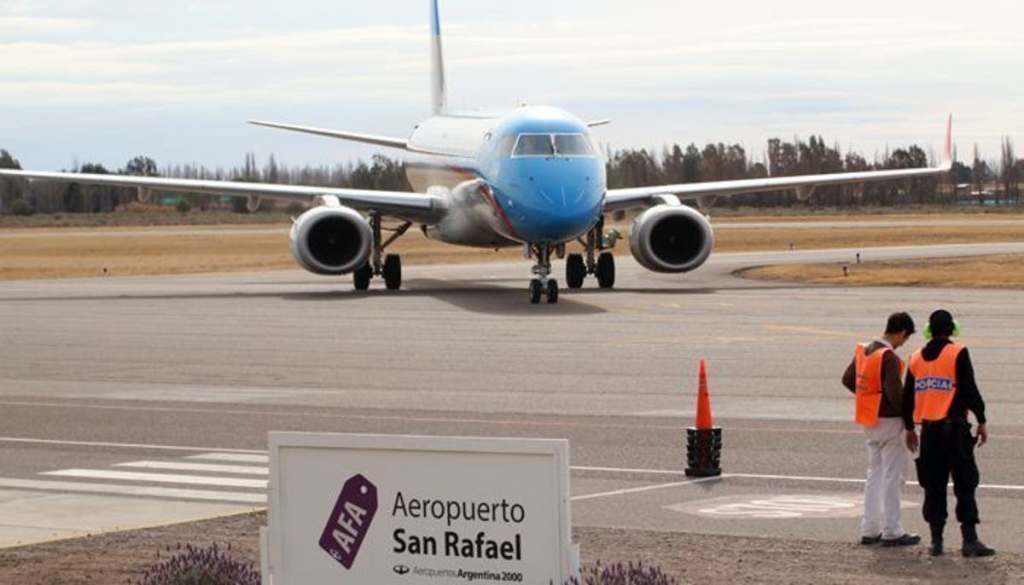
Desde el Ministerio de Transporte de Argentina han expresado ciertas simpatías por la continuidad del Aeropuerto Internacional El Palomar, localizado al oeste a unos siete kilómetros del límite de la Ciudad de Buenos Aires.

En un reportaje realizado el Viernes 20/11 por el Diario Perfil de Argentina, el Ministro de Transporte Mario Meoni ha expresado su parecer respecto a la futura continuidad de la aeroestación low cost, que aproxima con sus dichos vacilantes respecto a una doble política dentro del Gobierno, con el ala más dura encarnada por la asociación La Cámpora. «La política aerocomercial tiene que dar mucha más conectividad. Las low cost incorporaron un método bueno en algún aspecto. Hay mucha gente que pudo viajar gracias a eso. No estamos en contra de que se sostenga», expresó Mario Meoni, aunque remarcó que fueron subsidiadas por algunas provincias o municipios. En sintonía con la continuidad de la red de aeropuertos, el Ministro de Transporte expresó: «Debemos replantearnos la idea de sostener aeropuertos. Eso sí es un costo adicional que no paga la gente, el viajero directo. Lo pagamos entre todos los argentinos». Pero, siendos objetivos, de manera más equitativa, se puede razonar que Aerolíneas Argentinas ha recibido y continúa recibiendo fortunas de Adelantos del Tesoro Nacional (ATN) entre otros subsidios, que lo abonan todos los argentinos año tras año, décadas tras décadas.

Otro aspecto que involucraban los dichos del Ministerio de Transporte era a la cantidad de aeropuertos necesarios para el Área Metropolitana de Buenos Aires (AMBA), que tres aeroestaciones son demasiado para las actuales estructuras del país producto de la desaceleración económica por la crisis sanitaria mundial que ha afectado los viajes aéreos. La realidad, es que si se miden las actuales condiciones, incluso dos aeropuertos Jorge Newbery y Ezeiza representarían una sobreabundancia de ofertas para poca demanda. Siendo objetivos, hay que medir las economías a mediano/largo plazo, por algo se está ampliando el propio Aeroparque.

Inicio restricciones El Palomar |

Al entender las intenciones de no querer confrontar con un sector muy poderoso del Gobierno, las aerolíneas no pueden continuar con las incertidumbres que genera un doble discurso empobrecido producto de una política de coalición que continuamente contribuye al choque, más bien que a la de acuerdos entre todos los sectores de la economía y la política. «No quiero ser tajante con El Palomar. Hay que hacer un análisis profundo de cuánto es el costo de sostenimiento, cuál es la inversión necesaria y cuántas las posibilidades de repago. Alguno podrá preguntar por qué achicarse. La respuesta es que hay que achicarse porque, cuando somos un país pobre, no tenemos que tener por tener aeropuertos. En el mundo nadie los tiene. Tienen aeropuertos en función de la cantidad de pasajeros que tienen. Es algo que debería replicarse en Argentina». Nuevamente, con el concepto de la abundancia se corre el riesgo de poder usar esa postura para reclamar otras áreas que tampoco deberían los ciudadanos argentinos tener siendo un país pobre.

La postura respecto a las operaciones en el Aeropuerto Internacional Ezeiza están relacionadas a la migración de los vuelos por las cuestiones de seguridad sanitarias según el Gobierno ha expresado. Pero, aún continúan las dudas acerca de trasladar las operaciones nuevamente al Aeropuerto El Palomar o al Aeropuerto Jorge Newbery. «Hay que analizarlo. Estamos dándoles posibilidades de desarrollo a las empresas en Aeroparque. En Ezeiza también. Es algo para analizar cuando llegue el momento. Hoy soy partidario de que siga operando El Palomar», expresó el Ministro de Transporte, arrojando una fuerte impresión de su particular postura frente a futuras definiciones.

El Ministro de Transporte ha agregado el deseo de que «le gustaría particularmente que las low-cost tuvieran base en algunas otras provincias, en Córdoba por ejemplo. Desde allí poder operar a distintos puntos y ser una low cost que vincule el interior del país de forma diferente. Salir de la lógica de que se haga desde Buenos Aires». En buena parte, es un sentir federal para vincular el interior del país hacia las diferentes provincias argentinas. Particularmente, JetSmart Airlines Argentina había hecho pie como sede administrativa en la Ciudad de Córdoba, tras la adquisición de los derechos de la aerolínea Alas del Sur Líneas Aéreas, pero su base operativa se encuentra en el Aeropuerto El Palomar, en la Provincia de Buenos Aires.

Perspectivas aéreas

Sin lugar a dudas, la propia política de turno es una generadora de incertidumbres que, sumado al panorama post-pandemia, incrementan los desafíos cargados de vacilaciones, indecisiones, perplejidades. Las actuales políticas no hacen otra cosa que girar como un carrusel, dar vueltas y vueltas, mientras que las líneas aéreas y todos los argentinos continúan aspirando a las más nobles pretensiones de poder soñar con una aviación más inclusiva y federal.

The «carousel» of El Palomar Airport

El Palomar cierra por refacciones |

The long media saga of El Palomar Airport

From the Ministry of Transport of Argentina they have expressed certain sympathies for the continuity of the El Palomar International Airport, located to the west about seven kilometers from the limit of the City of Buenos Aires.

In a report carried out on Friday 11/20 by the Diario Perfil de Argentina, the Minister of Transport Mario Meoni has expressed his opinion regarding the future continuity of the low cost air station, which with his vacillating sayings approximates a double policy within the Government, with the toughest wing embodied by the La Cámpora association. «The commercial air policy has to provide much more connectivity. The low cost incorporated a good method in some respect. There are many people who were able to travel thanks to that. We are not against it being sustained», said Mario Meoni, although he remarked that they were subsidized by some provinces or municipalities. In line with the continuity of the airport network, the Minister of Transportation said: «We must rethink the idea of ​​sustaining airports. That is an additional cost that people, the direct traveler, do not pay. We pay it among all Argentines». But, being objective, in a more equitable way, it can be reasoned that Aerolíneas Argentinas has received and continues to receive fortunes from Advances from the National Treasury (ATN) among other subsidies, which are paid by all Argentines year after year, decades after decades.

AW-Flybondi_JetSmart

Another aspect that the sayings of the Ministry of Transportation involved was the number of airports necessary for the Metropolitan Area of Buenos Aires (AMBA), that three air stations are too much for the current structures of the country as a result of the economic slowdown due to the global health crisis that it has affected air travel. The reality is that if current conditions are measured, even two Jorge Newbery and Ezeiza airports would represent an overabundance of offers for little demand. Being objectives, which must be measured in the medium/long-term economies, the Aeroparque itself is expanding for a reason.

By understanding the intentions of not wanting to confront a very powerful sector of the Government, the airlines cannot continue with the uncertainties generated by an impoverished double discourse product of a coalition policy that continuously contributes to the clash, rather than to that of agreements between all sectors of the economy and politics. «I do not want to be blunt with El Palomar. You have to do a deep analysis of how much is the cost of support, what is the investment necessary and how many possibilities of repayment. Some may ask why downsize. The answer is that you have to downsize because when we are a poor country, we don’t have to have airports. Nobody in the world has them. They have airports depending on the number of passengers they have. It is something that should be replicated in Argentina». Once again, with the concept of abundance, there is a risk of being able to use this position to claim other areas that Argentine citizens should not have as a poor country.

The position regarding the operations at the Ezeiza International Airport is related to the migration of flights due to health security issues, according to the Government. But there are still doubts about moving operations back to El Palomar Airport or Jorge Newbery Airport. «We have to analyze it. We are giving development opportunities to the companies in Aeroparque. In Ezeiza as well. It is something to analyze when the time comes. Today I am in favor of continuing to operate El Palomar», said the Minister of Transportation, throwing a strong impression of its particular position in relation to future definitions.

The Minister of Transport has added the wish that «he would particularly like the low-cost to be based in some other provinces, in Córdoba for example. From there to be able to operate at different points and be a low cost that links the interior of the country to different way. Get out of the logic that it is done from Buenos Aires». To a large extent, it is a federal feeling to link the interior of the country to the different Argentine provinces. In particular, JetSmart Airlines Argentina had established itself as an administrative headquarters in the City of Córdoba, after acquiring the rights of the airline Alas del Sur Líneas Aéreas, but its operating base is located at El Palomar Airport, in the Province of Buenos Aires.

Aerial perspectives

Undoubtedly, the politics of the day itself is a generator of uncertainties that, added to the post-pandemic panorama, increase the challenges fraught with vacillations, indecisions, and perplexities. The current policies do nothing but spin like a carousel, going round and round, while the airlines and all Argentines continue to aspire to the noblest claims of being able to dream of a more inclusive and federal aviation.


PUBLISHER: Airgways.com
DBk: Argentina.gob.ar/transporte / Perfil.com / Airgways.com
AW-POST: 202011251715AR

A\W   A I R G W A Y S ®

Boeing vs Norwegian Air por 737 MAX

AW | 2020 11 25 15:37 | AIRLINES / INDUSTRY / GOVERNMENT

Boeing intenta paralizar demanda por US$ 1.000 millones

Norwwegian_isologotype

The Boeing Company está intentando paralizar la demanda presentada por Norwegian Air Shuttle ASA hacia Marzo 2019. La aerolínea de descuento noruega está solicitando una compensación a la industria de aviación estadounidense por su flota en tierra de aviones Boeing 737-8 MAX. Norwegian Air ha sido la primer aerolínea que había presentado públicamente que exigirá que Boeing pague por el tiempo perdido de vuelo; muchas aerolíneas habían seguido su ejemplo.

Norwegian Air ha presentado contra el fabricante de aviones estadounidense Boeing por un valor de US$ 1.000 millones de Dólares en resarcimientos por el tiempo de la puesta en tierra de sus unidades adquiridas. La actuación está teniendo lugar en el Juzgado de Michael Quinn, en la República de Irlanda, ante el que se presentó la suspensión de pagos de Norwegian Air Shuttle, con sede en Oslo, y la quiebra de cinco subsidiarias todas ellas con sede en Irlanda. El Juzgado se ha convertido en el centro del drama de la compañía noruega, en el que cada día aparecen historias sobre la agonía de los últimos meses de esta aerolínea. El proceso judicial ha desvelado que Norwegian tenía presentada una demanda de mil millones de Dólares por daños y perjuicios contra Boeing en los tribunales estadounidenses para recuperar el costo de 18 de los Boeing 737-8 MAX almacenados. Ahora esta petición de Boeing contra la demanda debe ser vista el 15 de Diciembre de 2020, ocho días después de que el caso irlandés de la aerolínea se presente ante el Tribunal Superior de Dublín.

Norwegian Air había comprado 18 aviones Boeing 737 MAX por un valor de US$ 1.000 millones de Dólares, pero no pudo utilizarlos tras la decisión de los reguladores de aviación internacionales de ponerlos en tierra por cuestiones de seguridad operativa. Posteriormente, el grupo escandinavo canceló un pedido de 92 aeronaves adicionales. En cualquier aerolínea esta situación habría sido problemática pero para Norwegian fue la gota que colmó su vaso de las desgracias. La demanda presentada incluye reclamos por daños al no poder usar los aviones y también repercute en los costes de mantenimiento. Norwegian calcula que el no poder utilizar el 737 MAX supuso pérdidas por valores a US$ 185 millones sólo en 2019, agravando su crisis financiera. El importe llega a los mil millones de Dólares al solicitar la devolución de los aviones. Al parecer, continúa con poca claridad que la acción judicial en Irlanda impida acciones judiciales de los acreedores en otras jurisdicciones, donde la compañía acarrea un déficit que alcanza los US$ 6.000 millones de Dólares.

Boeing vs Norwegian Air for 737 MAX

Boeing tries to stall US$ 1 billion lawsuit

Boeing 737 MAX_Isologotype

The Boeing Company is attempting to paralyze the lawsuit filed by Norwegian Air Shuttle ASA by March 2019. The Norwegian discount carrier is seeking compensation from the US aviation industry for its ground fleet of Boeing 737-8 MAX aircraft. Norwegian Air was the first airline to publicly present that it would require Boeing to pay for lost flight time; many airlines had followed suit.

Norwegian Air has filed against the US aircraft manufacturer Boeing for a value of US$ 1,000 million in compensation for the time of the grounding of its acquired units. The action is taking place in the Court of Michael Quinn, in the Republic of Ireland, before which the suspension of payments of Norwegian Air Shuttle, based in Oslo, and the bankruptcy of five subsidiaries all based in Ireland was presented. The Court has become the center of the drama of the Norwegian company, in which stories appear every day about the agony of the last months of this airline. The court process has revealed that Norwegian had filed a lawsuit of one billion dollars for damages against Boeing in the US courts to recover the cost of 18 of the Boeing 737-8 MAX in storage. Now this Boeing petition against the lawsuit is due to be heard on December 15, 2020, eight days after the airline’s Irish case is filed in Dublin High Court.

Norwegian Air had purchased 18 Boeing 737 MAX aircraft for a value of US$ 1 billion, but was unable to use them following the decision of international aviation regulators to ground them for operational safety reasons. Subsequently, the Scandinavian group canceled an order for 92 additional aircraft. In any airline this situation would have been problematic but for Norwegian it was the last straw. The lawsuit filed includes claims for damages due to not being able to use the airplanes and also affects maintenance costs. Norwegian estimates that failing to use the 737 MAX led to losses of US$ 185 million in 2019 alone, compounding its financial crisis. The amount reaches one billion dollars when requesting the return of the aircraft. Apparently, it remains unclear that the legal action in Ireland prevents legal actions from creditors in other jurisdictions, where the company has a deficit of US$ 6 billion.

Boeing vs Norwegian Air for 737 MAX

Boeing prøver å stoppe søksmål på 1 milliard dollar

Boeing_Icon

The Boeing Company prøver å lamme søksmålet fra Norwegian Air Shuttle ASA innen mars 2019. Det norske lavprisselskapet søker erstatning fra den amerikanske luftfartsindustrien for sin bakkeflåte på Boeing 737-8 MAX-fly. Norwegian Air var det første flyselskapet som offentlig presenterte at det ville kreve at Boeing betalte for tapt flytid; mange flyselskaper hadde fulgt etter.

Norwegian Air har søkt mot den amerikanske flyprodusenten Boeing om en verdi på US$ 1 000 millioner i erstatning for tidspunktet for grunnstøting av sine ervervede enheter. Handlingen finner sted i Retten til Michael Quinn, i Irland, før suspensjonen av betalingen av Norwegian Air Shuttle, basert i Oslo, og konkursen til fem datterselskaper som alle er basert i Irland, ble presentert. Domstolen er blitt sentrum for dramaet til det norske selskapet, der historier dukker opp hver dag om kvalen de siste månedene til dette flyselskapet. Rettsprosessen har avdekket at Norwegian hadde anlagt en søksmål på en milliard dollar for erstatning mot Boeing for de amerikanske domstolene for å få tilbake kostnadene på 18 av Boeing 737-8 MAX i lagring. Nå skal denne Boeing-begjæringen mot søksmålet behandles 15. desember 2020, åtte dager etter at flyselskapets irske sak er anlagt i Dublin High Court.

Norwegian Air hadde kjøpt 18 Boeing 737 MAX-fly til en verdi av 1 milliard Dollar, men klarte ikke å bruke dem etter avgjørelsen fra internasjonale luftfartsmyndigheter om å begrunne dem av operasjonelle sikkerhetsmessige årsaker. Deretter kansellerte den skandinaviske gruppen en bestilling på 92 ekstra fly. I ethvert flyselskap ville denne situasjonen ha vært problematisk, men for Norwegian var det det siste strået. Søksmålet som inngis inkluderer krav om erstatning på grunn av ikke å kunne bruke flyene og påvirker også vedlikeholdskostnadene. Norwegian anslår at manglende bruk av 737 MAX førte til tap på 185 millioner Dollar bare i 2019, noe som forverret finanskrisen. Beløpet når en milliard Dollar når vi ber om retur av flyet. Det ser ut til at det fortsatt er uklart at rettssaken i Irland forhindrer rettslige handlinger fra kreditorer i andre jurisdiksjoner, der selskapet har et underskudd som når 6000 millioner.


PUBLISHER: Airgways.com
DBk: Norwegian.com / Courts.ie / Boeing.com / Airgways.com / Wikipedia.org/Edward Russell / Gettyimages.com/AFP
AW-POST: 202011251537AR

A\W   A I R G W A Y S ®

Congreso Perú analiza aérea low cost

AW | 2020 11 25 14:37 | GOVERNMENT / AIRLINES

Congreso peruano discutirá proyecto creación aerolínea nacional

El Congreso de la República del Perú discutirá un proyecto que establece la creación de una aerolínea de bandera low cost. El proyecto de ley que propone la creación de una aerolínea de bandera de presupuesto carece de sustento técnico y legal, señaló la Sociedad de Comercio Exterior del Perú (ComexPerú), exhortando al Congreso a no aprobarlo, sino someterlo a un exhaustivo análisis técnico dejando de lado intereses particulares. “Manifestamos nuestra más profunda preocupación sobre los efectos negativos que acarrearía una eventual aprobación de dicho proyecto sobre el desempeño de la industria aerocomercial en el país y la libre competencia”, expresó el gremio en una carta dirigida a la comisión de Transportes y Comunicaciones del Parlamento.

AW-Jet_Pull-up

ComexPerú es un gremio empresarial que busca contribuir con propuestas de política pública, en base a la defensa de principios y no intereses particulares, con el fin de impulsar la generación de empleo, creación de oportunidades y mejor calidad de vida del ciudadano. Agrupa a las principales empresas exportadoras, importadoras y proveedoras de servicios de diversos sectores económicos como agroexportación, minería, energía, manufactura, retail, digital, logística, turismo, infraestructura, salud, entre otras.

AW-Cactus_Icon

ComexPerú afirma que el proyecto califica erróneamente el caso de subsidiariedad del Estado, sin haber realizado un análisis que sustente que existe una demanda insatisfecha o una oferta privada inexistente, insuficiente o inactiva. Una aerolínea de bandera nacional low cost generaría efectos contraproducentes, como caídas en la inversión privada, la salida de operadoras de aerolíneas y un eventual desincentivo de nuevas empresas para operar en el mercado nacional, lo que se traduciría en una menor oferta de aerolíneas y alza en los precios, añadió el gremio. “Las líneas aéreas con participación estatal son un gran ejemplo de intervención fallida, como lo demuestran los casos de TANS y AeroPerú. Por un lado, AeroPerú, línea aérea nacional, con pérdidas anuales de US$ 24 millones entre 1991 y 1992 y un saneamiento de deudas que costó alrededor de US$ 35 millones, en tanto TANS después de dos accidentes fatales, acumuló pérdidas por por valores de US$ 49 millones”, expresó la ComexPerú. Además expuso que el sustento propuesto para la aprobación de la iniciativa, que asegura que en los últimos veinte años las empresas de aviación peruanas no han invertido en el país, no está respaldado en evidencia cierta. “Según la Asociación Internacional de Transporte Aéreo, la industria del transporte aéreo aportó US$ 1,700 millones en términos de valor agregado bruto al PBI del Perú en 2019”.

Peru Congress analyzes low cost airline

Peruvian Congress will discuss project creation of national airline

The Congress of the Republic of Peru will discuss a project that establishes the creation of a low cost flag airline. The bill that proposes the creation of a budget flag airline lacks technical and legal support, said the Peruvian Foreign Trade Society (ComexPerú), urging Congress not to approve it, but to submit it to an exhaustive technical analysis, leaving side particular interests. «We express our deepest concern about the negative effects that an eventual approval of said project would have on the performance of the commercial aviation industry in the country and free competition», said the union in a letter addressed to the Parliament’s Transport and Communications committee.

AW-700656

ComexPerú is a business association that seeks to contribute with public policy proposals, based on the defense of principles and not particular interests, in order to promote the generation of employment, the creation of opportunities and a better quality of life for citizens. It brings together the main exporting, importing and service provider companies from various economic sectors such as agro-export, mining, energy, manufacturing, retail, digital, logistics, tourism, infrastructure, health, among others.

ComexPerú affirms that the project erroneously qualifies the case of subsidiarity of the State, without having carried out an analysis that sustains that there is an unsatisfied demand or a non-existent, insufficient or inactive private supply. An airline with a low cost national flag would generate counterproductive effects, such as falls in private investment, the departure of airline operators and a possible disincentive for new companies to operate in the national market, which would translate into a lower supply of airlines and a rise in prices, added the union. “The airlines with state participation are a great example of failed intervention, as the cases of TANS and AeroPerú demonstrate. On the one hand, AeroPerú, a national airline, with annual losses of US$ 24 million between 1991 and 1992 and a debt settlement that cost around US$ 35 million, while TANS, after two fatal accidents, accumulated losses for securities of US$ 49 million”, expressed ComexPerú. He also stated that the support proposed for the approval of the initiative, which ensures that in the last twenty years Peruvian aviation companies have not invested in the country, is not supported by true evidence. «According to the International Air Transport Association, the air transport industry contributed US$ 1.7 billion in terms of gross value added to Peru’s GDP in 2019».


PUBLISHER: Airgways.com
DBk: Comexperu.org.pe / Congreso.gob.pe / Gettyimages.com/AFP / Airgways.com
AW-POST: 202011251437AR

A\W   A I R G W A Y S ®

Avances acuerdo EU-Brexit

AW | 2020 11 25 13:03 | GOVERNMENT / AIRLINES

Unión Europea acuerdos post-Brexit pero persisten riesgos

European Commision_Isologotype

La Ejecutiva de la Unión Europea (UE), Úrsula Von der Leyen, ha reportado el Miércoles 25/11 un progreso genuino en las negociaciones UE-Brexit, pero ha expresado que persiste el riesgo de que el Reino Unido abandone el bloque sin un nuevo acuerdo comercial el 31 de Diciembre de 2020, un resultado para el que la Unión Europea está preparada. Reino Unido y la UE están inmerso en un último esfuerzo para acordar los términos que mantengan el flujo comercial sin aranceles ni cuotas desde principios de 2021, cuando acabe la transición de Londres para abandonar del bloque de 27 naciones.

“Los próximos días serán decisivos. La Unión Europea está bien preparada para un escenario sin acuerdo, pero, por supuesto, preferimos tener uno. Con muy poco tiempo por delante, haremos todo lo que esté a nuestro alcance para llegar a un acuerdo. Estamos dispuestos a ser creativos. Pero no estamos dispuestos a poner en tela de juicio la integridad de nuestro mercado único”, dijo la presidenta de la Comisión Europea, Úrsula Von der Leyen.

Aerolíneas & Brexit

Las aerolíneas esperan no sufrir inconveniencias por el Brexit con el fin de la transición. Las aerolíneas esperan poder evitar inconveniencias relacionadas con el Brexit, mientras Reino Unido y la Unión Europea continúan las negociaciones sobre su futura relación tras el final del período de transición el próximo 31 de Diciembre de 2020, dijo el principal organismo mundial del sector de aviación la International Air Transport Association (IATA). “Vemos tendencias positivas hacia un acuerdo. En principio no vemos una situación (en la que) se perderá la conectividad”, dijo Rafael Schvartzman, Vicepresidente para Europa de la IATA.

Acuerdo EU-Brexit

Los negociadores acordaron el esquema de un nuevo tratado de asociación sobre bienes y servicios, así como sobre transporte, indicó, agregando que se logró un progreso genuino en asuntos que van desde la cooperación judicial hasta la coordinación de beneficios sociales. Un funcionario comunitario involucrado en las negociaciones dijo que aún es posible llegar a un acuerdo, aunque es probable que no antes del fin de semana como muy pronto. Los tres principales obstáculos para un pacto son las cuotas de pesca y acordar el acceso a las aguas; encontrar formas de resolver disputas futuras; y garantizar un juego limpio económico para las empresas, incluidas las ayudas estatales. “Necesitamos establecer mecanismos sólidos, asegurando que la competencia sea, y siga siendo, libre y justa a lo largo del tiempo. En las discusiones sobre ayudas estatales, todavía tenemos serios problemas, por ejemplo, en lo que respecta a su aplicación”, dijo Úrsula Von der Leyen.

Progress of the EU-Brexit agreement

European Union post-Brexit agreements but risks persist

The Executive of the European Union (EU), Úrsula Von der Leyen, has reported on Wednesday 25/11 a genuine progress in the EU-Brexit negotiations, but has expressed that the risk remains that the United Kingdom will leave the bloc without a new trade agreement on December 31, 2020, a result for which the European Union is prepared. Britain and the EU are in the throes of a last-ditch effort to agree on terms to keep trade flow free of tariffs or quotas from early 2021, when London’s transition to leave the 27-nation bloc ends.

“The next few days will be decisive. The European Union is well prepared for a no-deal scenario, but of course we prefer to have one. With very little time left, we will do everything in our power to reach an agreement. We are willing to be creative. But we are not willing to question the integrity of our single market», said the President of the European Commission, Úrsula Von der Leyen.

Airlines & Brexit

Airlines hope not to be inconvenienced by Brexit with the end of the transition. The airlines hope to avoid inconveniences related to Brexit, while the United Kingdom and the European Union continue negotiations on their future relationship after the end of the transition period on December 31, said the main world body for the aviation sector International Air Transport Association (IATA). “We see positive trends towards an agreement. In principle we do not see a situation (in which) connectivity will be lost”, said Rafael Schvartzman, Vice President for Europe of IATA.

EU-Brexit Agreement

Negotiators agreed on the outline of a new association treaty on goods and services as well as transportation, he said, adding that genuine progress was made on issues ranging from judicial cooperation to coordination of social benefits. A community official involved in the negotiations said that an agreement is still possible, although it is likely not before the weekend at the earliest. The three main obstacles to a pact are fishing quotas and agreeing on access to waters; find ways to resolve future disputes; and ensure economic fair play for businesses, including state aid. “We need to establish solid mechanisms, ensuring that competition is, and remains, free and fair over time. In the discussions about state aid, we still have serious problems, for example, with regard to its application”, said Úrsula Von der Leyen.


PUBLISHER: Airgways.com
DBk: Ec.europa.eu / Iata.org / Reuters.com / Airgways.com
AW-POST: 202011251303AR

A\W   A I R G W A Y S ®

AF-KLM lanzan ofertas en Black Friday

AW | 2020 11 25 12:30 | AIRLINES

Air France y KLM lanzan ofertas especiales semana Black Friday

Air_France-KLM.svg

En la semana de Black Friday, Air France y KLM Royal Dutch Airlines lanzaron ofertas especiales para viajar a destinos seleccionados en Europa. Los precios, con impuestos aeroportuarios incluidos, comienzan en US$ 559 en clase Economy para Madrid*. Otros destinos de la promoción son París, Ámsterdam, Barcelona, Milán, Londres, Frankfurt y Lisboa, entre muchos otros. La tarifa indicada es válida para compras del 23 al 30 de Noviembre de 2020, para viajes iniciados entre el 1 de diciembre de 2020 al 30 de Junio de 2021, con regresos hasta tres meses después, siendo la estadía mínima en destino son siete días. La promoción incluye también tarifas especiales en clases Business y Premium Economy.

[*] Equivalente de 47.795$ al cambio IATA del martes 24 de noviembre de 2020. Cuando corresponda, a la tarifa indicada se deben agregar el impuesto PAIS y el 35% RG AFIP 4815/20. Pueden aplicarse gastos de servicio adicionales según el canal de venta.

Además, los miembros del programa de fidelidad de Air France y KLM, Flying Blue, con residencia en Argentina, verán duplicados sus puntos de experiencia (XP) y Millas y en todos los vuelos entre Buenos Aires y París o Ámsterdam que realicen hasta el 30 de Junio de 2021.

Flexibilidad en cambios

Conscientes de las dificultades que pueden enfrentar los clientes a la hora de planear un viaje en el contexto actual, Air France y KLM ofrecen una política de total flexibilidad, con cambios de fecha sin costo. Para más información, visitar www.airfrance.com.ar y www.klm.com.ar.

Seguridad sanitaria

La salud y el bienestar de sus clientes y empleados están en el centro de las preocupaciones de Air France y KLM, comprometidas con brindar a sus pasajeros las condiciones ideales de salud e higiene, antes y durante su viaje. El uso de barbijo quirúrgico es obligatorio en todos los vuelos de Air France y KLM, tanto a bordo como en tierra. El aire a bordo se renueva completamente cada 3 minutos y los filtros HEPA eliminan el 99,99% de los virus y bacterias, incluido el coronavirus. Se reforzaron los procedimientos de limpieza de las aeronaves, con la desinfección de todas las superficies de contacto antes de cada vuelo, como apoyabrazos, mesas y mamparas, y también se ha introducido un procedimiento específico para desinfectar aeronaves mediante la pulverización de un producto virucida aprobado.

AF-KLM launch Black Friday deals

Air France and KLM launch special offers Black Friday week

On the week of Black Friday, Air France and KLM Royal Dutch Airlines launched special offers to travel to selected destinations in Europe. Prices, including airport taxes, start at US$ 559 in Economy class for Madrid*. Other destinations in the promotion are Paris, Amsterdam, Barcelona,​​Milan, London, Frankfurt and Lisbon, among many others. The indicated rate is valid for purchases from November 23 to 30, 2020, for trips started between December 1, 2020 to June 30, 2021, with returns up to three months later, with the minimum stay at the destination being seven days. The promotion also includes special rates in Business and Premium Economy classes.

[*]Equivalent of US$ 47,795 to the IATA change of Tuesday, November 24, 2020. When applicable, the PAIS tax and 35% RG AFIP 4815/20 must be added to the indicated rate. Additional service charges may apply depending on the sales channel.

In addition, members of the Air France and KLM loyalty program, Flying Blue, with residence in Argentina, will see their experience points (XP) and Miles doubled on all flights between Buenos Aires and Paris or Amsterdam that they fly until the 30th. June 2021.

Flexibility in changes

Aware of the difficulties that customers may face when planning a trip in the current context, Air France and KLM offer a policy of total flexibility, with date changes at no cost. For more information, visit www.airfrance.com.ar and www.klm.com.ar.

Health security

The health and well-being of its customers and employees are at the center of Air France and KLM’s concerns, committed to providing its passengers with the ideal health and hygiene conditions, before and during their trip. The use of a surgical mask is mandatory on all Air France and KLM flights, both on board and on the ground. The air on board is completely renewed every 3 minutes and the HEPA filters eliminate 99.99% of viruses and bacteria, including coronavirus. Aircraft cleaning procedures were strengthened, with the disinfection of all contact surfaces before each flight, such as armrests, tables and screens, and a specific procedure has also been introduced to disinfect aircraft by spraying an approved virucidal product.


PUBLISHER: Airgways.com
DBk: Airfrance.com.ar / Klm.com.ar / Airgways.com
AW-POST: 202011251230AR

A\W   A I R G W A Y S ®

Aéreas EEUU enfocan el Caribe

AW | 2020 11 25 11:55 | AIRLINES ROUTES

Aerolíneas reactivan economía en viajes al Caribe

Las aerolíneas de Estados Unidos están sumando vuelos promocionales a destinos del Caribe y países latinoamericanos como México, una región clave para las estrategias de las compañías de aprovechar un posible reflote de la demanda hacia fines del año.

Los destinos de playa en áreas como Cancún son los únicos lugares que ahora cuentan con más vuelos desde ciudades estadounidenses previstos para fines Noviembre/Diciembre 2020, de acuerdo a cifras de la firma de aviación civil Cirium. En general, las aerolíneas estadounidenses están trabajando con un 50% menos del volumen de itinerarios frente al 2019, y los vuelos a destinos tradicionales de vacaciones de Europa, como París, se han desplomado en hasta 82% debido a las prohibiciones de viajes y restricciones por la pandemia. Si bien los nuevos ingresos a partir de destinos en el Caribe ayudan, no serán suficientes para una recuperación completa de las aerolíneas este año, dicen analistas.

El periodo de vacaciones de fin de año tradicionalmente impulsa a las aerolíneas para ayudarles a soportar la menor demanda de viajes de Enero y Febrero en el hemisferio norte. Pero este año las empresas de transporte aéreo dijeron que continuarán perdiendo millones de Dólares a diario en el cuarto trimestre (4Q2020) debido a las reducidas compras de pasajes. Antes del Día de Acción de Gracias, los aeropuertos estadounidenses marcaron su fin de semana más ajetreado desde Marzo 2020, incluso a pesar de que los Centros para la Prevención y el Control de Enfermedades (CDC) pidieron a los estadounidenses no viajar tras el aumento desenfrenado de contagios en el país. De todas formas, la demanda de viajes ha caído alrededor del 60% y las aerolíneas dicen que es demasiado pronto para saber si los viajes durante la Navidad colaborarán en algún repunte.

Acuerdos sanitarios

Las aerolíneas están intentando reactivar los viajes al exterior a través de pequeños acuerdos bilaterales, compromisos con países sobre las pruebas y protocolos del COVID-19, que podrían reemplazar a confinamientos mediante programas que se han ido incorporando lentamente. La semana pasada, United Airlines lanzó un programa acelerado de pruebas de COVID-19 entre el aeropuerto de Newark en Nueva York y las terminales de Heathrow en Londres, y el lunes dijo que estaba implementando una iniciativa para vuelos desde Houston, en Texas, a diez destinos de Latinoamérica y el Caribe. Desde el 07/12, los pasajeros podrán someterse a pruebas del coronavirus con muestras enviadas por correo 72 horas antes de sus viajes por un monto adicional de 119 dólares, a fin de cumplir con los requerimientos de entrada de algunos países.

US airlines focus on the Caribbean

Airlines reactivate economy in trips to the Caribbean

United States airlines are adding promotional flights to Caribbean destinations and Latin American countries such as Mexico, a key region for companies’ strategies to take advantage of a possible rebound in demand towards the end of the year.

Beach destinations in areas like Cancun are the only places that now have more flights from US cities scheduled for late November/December 2020, according to figures from the civil aviation firm Cirium. Overall, US airlines are working with 50% less itinerary volume compared to 2019, and flights to traditional European vacation destinations such as Paris have plummeted by as much as 82% due to travel bans and restrictions. for the pandemic. While new revenue from Caribbean destinations helps, it won’t be enough for a full airline recovery this year, analysts say.

The year-end holiday period traditionally propels airlines to help them cope with the lower demand for travel in January and February in the Northern Hemisphere. But this year the air transport companies said they will continue to lose millions of dollars daily in the fourth quarter (4Q2020) due to reduced ticket purchases. Before Thanksgiving, American airports marked their busiest weekend since March 2020, even as the Centers for Disease Control and Prevention (CDC) asked Americans not to travel after the rampant surge. of infections in the country. Still, demand for travel has fallen by around 60% and airlines say it is too early to know whether travel during Christmas will contribute to any rebound.

Sanitary agreements

Airlines are trying to revive travel abroad through small bilateral agreements, commitments with countries on COVID-19 testing and protocols, which could replace lockdowns through programs that have been slowly being incorporated. Last week, United Airlines launched an accelerated COVID-19 testing program between Newark Airport in New York and Heathrow terminals in London, and on Monday said it was implementing an initiative for flights from Houston, Texas, to ten destinations in Latin America and the Caribbean. From 12/07, passengers will be able to undergo coronavirus tests with samples sent by mail 72 hours before their trips for an additional amount of 119 dollars, in order to comply with the entry requirements of some countries.


PUBLISHER: Airgways.com
DBk: Airgways.com / Reuters.com
AW-POST: 202011251155AR

A\W   A I R G W A Y S ®

Unificación sindicatos APLA-UALA

AW | 2020 11 25 11:40 | AIRLINES / AVIATION ORGANISMS

Gremio pilotos APLA absorbe a sindicato UALA de Austral

AW-APLA_UALA

El acuerdo de integración establecido por el Gobierno de Argentina bajo el paraguas de las fuertes reestructuraciones de las aerolíneas por los efectos de la pandemia, ha llevado a varias negociaciones dentro del Grupo Aerolíneas para conformar una sola sindicatura gremial de los pilotos de Aerolíneas Argentinas y Austral Líneas Aéreas. El acuerdo establecido a principios de 11/2020 establecía el compromiso para alcanzar la unificación de los afiliados aeronáuticos. La Asociación de Pilotos de Líneas Aéreas (APLA), liderado por Pablo Biró, absorbe a sus colegas de la Unión de Aviadores de Líneas Aéreas (UALA), por lo que esta entidad gremial queda sin efectos.

La afiliación de los pilotos de Austral a partir de 12/2020 forma parte del proceso de integración que continúa llevándose a cabo en Aerolíneas/Austral. Este proceso de acuerdo de integración laboral rubricado se establece en el marco de la fusión de Aerolíneas Argentinas y Austral Líneas Aéreas.

Cronología Aerolíneas/Austral

La larga historia de la integración por parte del Estado de Aerolíneas Argentinas y Austral Líneas Aéreas en la década de 1990, cuando los pilotos abandonaron el gremio de APLA y conformaron una nueva agrupación llamada UALA. A partir de entonces siempre han existido recelos e intentos fallidos de absorciones. Pero ante la parálisis mundial por la crisis sanitaria, Aerolíneas Argentinas ha visto la tormenta perfecta para cumplir su viejo anhelo, de absorber a su filial Austral. «Ante la inminente integración de los trabajadores de Austral y Aerolíneas Argentinas, estamos avanzando en el proceso para que los pilotos hoy representados por UALA puedan afiliarse a APLA de una forma ordenada a partir de Diciembre», dijo el sindicato APLA en un comunicado.

Bajo la consigna la compañía esbozaba un plan de reducción de los costos en un proceso de fusión que ahorraría al grupo en cifras cercanas a US$ 100 millones de Dólares anuales.

AW-Austral-E190_002

Las negociaciones por parte de los sindicatos de APLA y UALA continuaban trabadas en el ápice de la cuestión de las escalafones de los pilotos de Austral referentes al proceso de integración con Aerolíneas. Las acciones más trabadas era cómo integrar a los pilotos de Austral que vuelan aeronaves Embraer E190 con los pilotos de Aerolíneas Argentinas que comandan Boeing 737 y Airbus A330.

«En estos últimos días mantuvimos reuniones con la Comisión Directiva de UALA y delegados de Aerolíneas Argentinas y Austral. En este marco, tratamos distintos aspectos para seguir trabajando en la unidad de los pilotos argentinos, entendiendo que teníamos por delante un desafío sin precedentes […] así alcanzamos el acuerdo de fusión laboral firmado el 2 de Octubre de 2020», expresa el comunicado de APLA.

Perspectivas Aerolíneas/Austral

El proceso alcanzado de sinergia entre Aerolíneas Argentinas y Austral Líneas Aéreas ha sido logrado en parte. El titular del gremio de APLA, Pablo Biró, ha expresado que han «alcanzado el acuerdo de fusión laboral», entendiendo que la fusión APLA-UALA se ha logrado entre las partes involucradas satisfactoriamente. En datos concretos, no se ha alcanzado una fusión integral de empresas, sino más bien, de una integración de sus afiliados. En un intento de morigerar el mensaje de sinergia total, Austral Líneas Aéreas continuará viva, pero en los papeles, mientras que en su imagen corporativa volará bajo las alas de Aerolíneas Argentinas.

APLA-UALA of unions unification

The APLA pilots union absorbs the Austral union UALA

The integration agreement established by the Government of Argentina under the umbrella of the strong restructuring of the airlines due to the effects of the pandemic, has led to several negotiations within the Aerolíneas Group to form a single union union of the pilots of Aerolíneas Argentinas and Austral Líneas Aéreas. The agreement established at the beginning of 11/2020 established the commitment to achieve the unification of the aeronautical affiliates. The Airline Pilots Association (APLA), led by Pablo Biró, absorbs his colleagues from the Union of Airline Aviators (UALA), so this union entity is without effect.

The affiliation of Austral pilots as of 12/2020 is part of the integration process that continues to be carried out at Aerolíneas/Austral. This initialed labor integration agreement process is established within the framework of the merger of Aerolíneas Argentinas and Austral Líneas Aéreas.

Aerolíneas/Austral chronology

AW-AR-AU_700

The long history of the integration by the State of Aerolíneas Argentinas and Austral Líneas Aéreas in the 1990s, when the pilots left the APLA union and formed a new group called UALA. Since then there have always been misgivings and unsuccessful attempts to absorb. But in the face of global paralysis due to the health crisis, Aerolíneas Argentinas has seen the perfect storm to fulfill its old desire, to absorb its Austral subsidiary. «Given the imminent integration of Austral and Aerolíneas Argentinas workers, we are advancing in the process so that the pilots today represented by UALA can join APLA in an orderly manner as of December», the APLA union said in a statement.

Under this slogan, the company outlined a plan to reduce costs in a merger process that would save the group in figures close to US$ 100 million annually.

Negotiations on the part of the APLA and UALA unions continued to be stuck at the apex of the issue of the ranks of Austral pilots regarding the integration process with Aerolíneas. The most difficult actions were how to integrate the Austral pilots who fly Embraer E190 aircraft with the Aerolíneas Argentinas pilots who command Boeing 737 and Airbus A330.

«In recent days we held meetings with the UALA Board of Directors and delegates from Aerolíneas Argentinas and Austral. In this framework, we dealt with different aspects to continue working in the unit of Argentine pilots, understanding that we had an unprecedented challenge ahead [.. .] thus we reached the labor merger agreement signed on October 2, 2020», says the APLA statement.

Perspectives Aerolíneas/Austral

The synergy process achieved between Aerolíneas Argentinas and Austral Líneas Aéreas has been partially achieved. The head of the APLA union, Pablo Biró, has stated that they have «reached the labor merger agreement», understanding that the APLA-UALA merger has been successfully achieved between the parties involved. In concrete data, a comprehensive merger of companies has not been achieved, but rather, an integration of their affiliates. In an attempt to temper the message of total synergy, Austral Líneas Aéreas will continue to live, but on paper, while in its corporate image it will fly under the wings of Aerolíneas Argentinas.

PUBLISHER: Airgways.com
DBk: Apla.org.ar / Uala.org.ar / Aerolineas.com / Beiting.com / Airgways.com
AW-POST: 202011251140AR

A\W   A I R G W A Y S ®


Ampliación Aeródromo Balmaceda

AW | 2020 11 24 22:16 | AIRPORTS / GOVERMENT

Reacondicionamiento Aeródromo Balmaceda, Chile

AW-Aeeródromo Balmaceda_Chile

El Aeródromo Balmaceda de la Región Aysén, en la República de Chile iniciará la primera obra concesionada par ala ampliación de la superficie del Terminal aérea, pasará de los actuales 2.400 m2 a 12.391 m2, lo que representa un incremento de 416%. El aumento de capacidad también contempla 272 estacionamientos, entre otros. Esta obra ocupará 160 personas como mano de obra mensual y ocasionará importante movimiento en la economía local y regional, acción que ha impulsado el Gobierno de Chile en el marco del Plan Paso a Paso Chile se Recupera.

El Ministerio de Obras Públicas en la Región Metropolitana, el Secretario Regional Ministerial de Obras Públicas Néstor Mera Muñoz junto al Director Regional de Aeropuertos del MOP, Alejandro Cifuentes Celedón participaron en la apertura de las ofertas técnicas para construir y concesionar un nuevo Aeródromo en la localidad de Balmaceda, Región Aysén. Con este acto administrativo se pone en marcha el proceso que continuará el próximo 22 de Diciembre de 2020 con la apertura de las ofertas económicas y cronograma programado, la adjudicación de esta obra podría realizarse el primer semestre del año 2021. Al respecto, la Directora Nacional de Aeropuertos indicó “este es un hito muy importante en el desarrollo del Plan de Aeropuertos que anunció el presidente Sebastián Piñera en junio del año 2019. Hoy con esta apertura de las ofertas técnicas estamos dando un avance importante en este proceso que involucra tanto a la región de Aysén como a Magallanes, quienes van a poder contar con una infraestructura ampliada duplicando capacidad y con equipamiento de última tecnología, todo gracias a la licitación que se abrió hoy en la que hemos recibido esta oferta, lo que nos tiene muy contentos”.

La imagen tiene un atributo ALT vacío; su nombre de archivo es aw-dgac.gob_.cl_aerodromo-balmaceda_002.jpg

Por su parte, el SEREMI del MOP, Néstor Mera Muñoz luego de terminar el proceso de recepción de ofertas de la futura concesión de la Red Aeroportuaria Austral, destacó: “Nosotros estamos muy interesados como región de Aysén en lo que va a ocurrir en Balmaceda, en donde esperamos tener un cambio realmente profundo y completo respecto de lo que va a ser nuestro sistema de transporte aéreo. Ha llegado una oferta del Consorcio Austral de Aeropuertos conformado por la empresa Cointer Chile S.A. que tiene experiencia en esta área en la zona norte del país y que presenta un grupo de inversionistas muy potente, por lo tanto esta única oferta que se ha recibido esperamos que cumpla con todos los requisitos y de aquí a un mes más, 22/12, abramos la oferta económica para dar paso al anhelado sueño que tenemos como región de Aysén, de hacer este profundo cambio para la principal puerta de entrada a esta zona del país. Esta obra considera un presupuesto estimado de 166 millones de dólares (UF 3.965) permitirá atender a un mayor número de vuelos de pasajeros y de carga, y en su etapa de construcción generará 160 empleos promedio mensuales, lo que contribuirá a la reactivación económica de nuestra región”.

Hasta Septiembre 2020, se han atendido 229.457 pasajeros en el Aeródromo de Balmaceda y en el año 2019 se embarcaron 684.470 pasajeros. En este contexto, el Director de Aeropuertos del MOP en la región de Aysén, Alejandro Cifuentes Celedón, señaló que con esta apertura de ofertas se concluye un largo proceso, y agregó “esta obra ha sido muy esperada por la comunidad y ha significado llegar al final de una larga etapa de trabajo conjunto por varios años con nuestra Dirección Nacional de Aeropuertos. Hoy llegamos al término de un proceso, el que da paso a un nuevo comienzo para tener en Balmaceda, que es nuestra Red Primaria Aeroportuaria, un Aeródromo de la envergadura que se merece la región”.

Balmaceda Aerodrome expansion

Balmaceda Aerodrome reconditioning, Chile

The Balmaceda Aerodrome in the Aysén Region, in the Republic of Chile, will begin the first work under concession for the expansion of the air terminal area, going from the current 2,400 m2 to 12,391 m2, which represents an increase of 416%. The capacity increase also includes 272 parking spaces, among others. This work will employ 160 people as a monthly workforce and will cause significant movement in the local and regional economy, an action promoted by the Government of Chile within the framework of the Chile Se Recupera Step by Step Plan.

The Ministry of Public Works in the Metropolitan Region, the Ministerial Regional Secretary of Public Works Néstor Mera Muñoz together with the Regional Director of Airports of the MOP, Alejandro Cifuentes Celedón participated in the opening of the technical offers to build and concession a new Aerodrome in the town from Balmaceda, Aysén Region. With this administrative act, the process that will continue on December 22, 2020 with the opening of the economic offers and scheduled schedule, the award of this work could be carried out in the first half of 2021. In this regard, the National Director of Airports indicated “this is a very important milestone in the development of the Airports Plan announced by President Sebastián Piñera in June 2019. Today with this opening of the technical offers we are making an important advance in this process that involves both the Aysén region as well as Magallanes, who will be able to count on an expanded infrastructure, doubling capacity and with the latest technology equipment, all thanks to the tender that was opened today in which we have received this offer, which makes us very happy”.

For his part, the SEREMI of the MOP, Néstor Mera Muñoz, after finishing the process of receiving offers for the future concession of the Austral Airport Network, highlighted: “As the Aysén region, we are very interested in what is going to happen in Balmaceda , where we hope to have a really deep and complete change regarding what our air transport system is going to be. An offer has arrived from the Austral Airports Consortium made up of the company Cointer Chile S.A. that has experience in this area in the northern part of the country and that presents a very powerful group of investors, therefore this single offer that has been received we hope that it will meet all the requirements and within another month, 12/22 Let’s open the economic offer to give way to the longed-for dream that we have as the Aysén region, of making this profound change for the main gateway to this area of ​​the country. This work considers an estimated budget of 166 million dollars (UF 3,965) will allow serving a greater number of passenger and cargo flights, and in its construction stage it will generate 160 average monthly jobs, which will contribute to the economic reactivation of our region».

At the Balmaceda Aerodrome, the works consider expanding, repairing, conserving and replacing the existing infrastructure, equipment and facilities, carrying out the necessary civil works and providing the facilities so that airlines, passengers and users have the conditions of service, comfort and security in accordance with the requirements of regional airports with an international character. The new Passenger Terminal Building will be located in front of the current enclosure, which will become a cargo terminal, and will have five boarding bridges, currently there are two, three security posts (AVSEC), currently there are two and seventeen counters for airlines, there are currently ten. In addition, there will be two luggage retrieval belts. Additionally, support facilities are included for the Directorate General of Civil Aeronautics (DGAC) and the airlines. In general, the project proposes an increase in the surface of the Terminal, going from the current 2,400 m2 to 12,391 m2, which represents an increase of 416%. The capacity increase also includes 99 new vehicle parking spaces, which add to the current 173, allowing the completion of 272 parking spaces, which represents a 57% increase. Regarding the number of parking lots for commercial aircraft, it doubles from three to six; Additionally, thirteen new parking lots are created for general aviation (corresponding to small planes that are in charge of serving isolated areas), and with this, it will be possible to serve 1.2 million passengers per year.

Until September 2020, 229,457 passengers have been served at the Balmaceda Aerodrome and in 2019 684,470 passengers were boarded. In this context, the Director of Airports of the MOP in the Aysén region, Alejandro Cifuentes Celedón, pointed out that with this opening of offers a long process is concluded, and added “this work has been highly anticipated by the community and has meant reaching the end of a long stage of joint work for several years with our National Directorate of Airports. Today we come to the end of a process, which gives way to a new beginning to have in Balmaceda, which is our Primary Airport Network – an Aerodrome of the size that the region deserves”.


PUBLISHER: Airgways.com
DBk: Mop.cl / Dgac.gob.cl / Concesiones.cl / Azvi.es / Airgways.com
AW-POST: 202011242216AR

A\W   A I R G W A Y S ®

Noruega amplía garantías aerolíneas

AW | 2020 11 24 20:27 | AIRLINES / GOVERMENT

Gobierno Noruega amplía plazos garantías de préstamo a aerolíneas

El Gobierno del Reino de Noruega extenderá la duración de las garantías de préstamo relacionadas con la pandemia ofrecidas a las aerolíneas ha comunicado este Martes 24/11, que no obstante no anunció fondos adicionales para ayudar a Norwegian Air Shuttle ASA a solventar su crítica situación.

El plan revisado dará a las aerolíneas hasta tres años para devolver los préstamos avalados por el Estado, lo cual supone un aumento de dos años, según dijeron desde el Ministerio de Industria y el Ministerio de Transporte en una declaración conjunta. “La crisis entre las aerolíneas es más duradera y grave de lo esperado y es necesario dar más ayudas a la industria”, dijeron ambos ministerios.

Norwegian Air, que la semana pasada buscó protección ante la amenaza de bancarrota mientras la aerolínea busca evitar el colapso, ha recibido una asignación máxima de NOK 3.000 millones de Coronas Noruegas (US$ 333,7 millones de Dólares/€ 281 millones de Euros) bajo el plan. El Gobierno rechazó el 9 de Noviembre de 2020 la petición de Norwegian Air de una inyección adicional de dinero. La aerolínea nórdica SAS Airlines, que aún no ha buscado garantías de préstamo bajo el plan de Noruega, puede solicitarlas en cualquier momento antes del 30 de Junio de 2021, ha comunicado el Gobierno. La fecha límite original estaba fijada a finales de 2020.

Norway extends airline guarantees

Norwegian Government extends loan guarantee terms to airlines

The Government of the Kingdom of Norway will extend the duration of the loan guarantees related to the pandemic offered to the airlines, announced this Tuesday 11/24, which however did not announce additional funds to help Norwegian Air Shuttle ASA solve its critical situation.

The revised plan will give airlines up to three years to repay state-guaranteed loans, which is an increase of two years, the Ministry of Industry and the Ministry of Transport said in a joint statement. «The crisis between the airlines is more lasting and serious than expected and it is necessary to give more aid to the industry», said both ministries.

Norwegian Air, which last week sought protection from the threat of bankruptcy as the airline seeks to avoid collapse, has received a maximum allocation of NOK 3 billion Norwegian Crowns (US$ 333.7 million/€ 281 million Euros) under the plan. On November 9, 2020, the government rejected Norwegian Air’s request for an additional injection of money. The Nordic airline SAS Airlines, which has not yet sought loan guarantees under the Norwegian plan, can request them at any time before June 30, 2021, the Government has reported. The original deadline was set at the end of 2020.

Norge utvider flyinntektene

Norske utvider lånegarantibetingelsene flyselskapene

Kongeriket Norges Regjering vil forlenge varigheten av lånegarantiene knyttet til pandemien som tilbys flyselskapene, kunngjorde tirsdag 11/24, som imidlertid ikke kunngjorde ekstra midler for å hjelpe Norwegian Air Shuttle ASA med å løse sin kritiske situasjon.

Den reviderte planen vil gi flyselskapene opptil tre år til å tilbakebetale statsgaranterte lån, som er en økning på to år, sa Næringsdepartementet og Samferdselsdepartementet i en felles uttalelse. «Krisen mellom flyselskapene er mer varig og alvorlig enn forventet, og det er nødvendig å gi mer hjelp til industrien», sa begge departementene.

Norwegian Air, som i forrige uke søkte beskyttelse mot trusselen om konkurs ettersom flyselskapet søker å unngå kollaps, har mottatt en maksimal bevilgning på 3 milliarder norske kroner (US$ 333,7 millioner Dollar /€ 281 millioner Euro) under planen. 9. november 2020 avviste regjeringen Norwegian Airs anmodning om ytterligere injeksjon av penger. Det nordiske flyselskapet SAS Airlines, som ennå ikke har søkt lånegarantier i henhold til den norske planen, kan når som helst be om dem før 30. juni 2021, har regjeringen kommunisert. Den opprinnelige fristen ble satt i slutten av 2020.


PUBLISHER: Airgways.com
DBk: Regjeringen.no / Norwegian-Gorm-Kallestad-NTB / Airgways.com / Economictimes.com
AW-POST: 202011242027AR

A\W   A I R G W A Y S ®
Reunión Sindicatos-Gobierno Argentina

AW | 2020 11 24 17:37 | AIRLINES / AVIATION ORGANISMS / GOVERNMENT

Exigen reunión Ministerio Trabajo/Transporte

Los sindicatos aeronáuticos de la República Argentina han solicitado al Gobierno con carácter de urgencia una reunión para tratamientos respecto a trabajadores afectados por la industria de la aviación en el país. Los gremios APA, UALA, APLA, APTA, UPSA, UALA, ATCPEA, ATEPSA han solicitado un encuentro con los Ministerios Trabajo y Transporte para tratar las situaciones actuales de miles de empleados afectados actualmente de Latam Airlines Argentina, Flyest Líneas Aéreas, Avian Líneas Aéreas (Avianca Argentina), Andes Líneas Aéreas, EANA y ANAC. Mediante un comunicado oficial los gremios nucleados han elevado la línea de los reclamos a las carteras de Trabajo y Transporte, solicitando con carácter urgente ante la grave situación de desamparo potenciada por la pandemia de Coronavirus.

Los trabajadores de varias compañías han sido despedidos, mientras que otros no cobran sus salarios ni ayudas gubernamentales. La situación de Latam Airlines Argentina que ha suspendió sus operaciones y presentado su desvinculación en el país ha ocasionado mucho malestar, Flyest Líneas Aéreas ha presentado semanas atrás la quiebra ante la imposibilidad de poder llegar a un acuerdo para vender la línea aérea regional, mientras que Andes Líneas Aéreas y Avian Líneas Aéreas continúan sin abonar sus salarios que el riesgo de pérdidas de fuentes laborales.

Actualmente, ningún tema ha sido abordado ni solucionado por parte del Gobierno. La gravedad de la situación de miles de empleados ante la desidia del Estado por no atender las situaciones, ha encendido las alertas de los gremios para marcar una fuerte posición para respaldar a los trabajadores ante la inacción del Gobierno. Los sindicatos reclaman a la cartera de Trabajo que ponga a disposición los recursos necesarios para que las aerolíneas den cumplimiento con la normalización de la situación laboral de muchos trabajadores. Al Ministro de Transporte han reclamado en el comunicado por la ausencia de una política aerocomercial definida que tenga como eje central los intereses nacionales y el desarrollo del trabajo argentino, exigiendo al Gobierno ayudas al sector por la expansión de las dificultades que se ha enfrentado la aviación comercial.

Caso Latam Argentina

Los trabajadores de la aerolínea Latam Airlines Argentina han solicitado una toma de posición mucho más activa por parte del Gobierno para resolver el conflicto. Este Jueves 19/11 se habían movilizado a la sede del Ministerio de Trabajo, donde entregaron un escrito y fueron recibidos por funcionarios de la cartera, en el marco del plan de lucha que llevan adelante para garantizar la continuidad laboral. Aseguran que desde abril cobran el 50 por ciento de sus salarios, y pese a dos intimaciones, la empresa aérea no cambia su postura.

Luego de más de siete meses de lucha, los trabajadores de la empresa aérea Latam Airlines Argentina continúan reclamando una solución de fondo al conflicto que se desató en el inicio de la pandemia, cuando la empresa de capitales chileno-brasileño anunció que dejaría de operar las rutas argentinas. La decisión, apoyada en un Procedimiento Preventivo de Crisis (PPC), no evitó que desde hace un tiempo la firma esté operando sus rutas internacionales desde el país, con personal extranjero, lo que genera malestar entre los empleados que piden su continuidad laboral. En este contexto, un grupo de autoconvocados se movilizaron este jueves al Ministerio de Trabajo, donde fueron recibidos por primera vez por funcionarios de la cartera laboral, buscando darle respuesta a los más de 500 trabajadores en lucha, que no aceptaron los retiros voluntarios y piden la continuidad. En este contexto, se pidió una toma de posición mucho más activa tanto del Ministerio de Trabajo como el de Transporte, que intervienen en la crisis. Los gremios aeronáuticos vienen cuestionando la política oficial para el sector, y le apuntaron directamente a la figura de Mario Meoni, actual Ministro de Transporte.

El objetivo principal de los reclamos fue presentar un escrito donde se denuncia “el incumplimiento por parte la compañía de efectuar el pago íntegro de salarios al personal, tal cual fuere ordenado por esta entidad ministerial en dos ocasiones. Por primera vez los trabajadores autoconvocados de Latam estuvimos en el Ministerio de Trabajo, presentando este escrito dándole centralidad al impacto económico de las medidas que viene tomando la compañía del inicio de la pandemia a la fecha. De Abril a Noviembre hemos cobrado el 50 por ciento de nuestro salario, gracias a que Latam viene aplicando una reducción salarial arbitraria, que no fue acordada con ninguna de las entidades sindicales”, sostuvo Martín Tomé, referente de este espacio por los tripulantes de cabina de la Asociación de Aeronavegantes de Argentina (AAA). Desde que la aerolínea anunció la cancelación de su programación de vuelos en el país, inició un proceso de reducción de personal y “gestionó dos de los ocho ATP (Programa de Asistencia de Emergencia al Trabajo y la Producción)”, expresó Martín Tomé.

En este tiempo, la lucha de los trabajadores y los gremios generó que el conflicto se mantenga visible, pero con el correr del tiempo muchos empleados fueron aceptando algunas de las condiciones ofrecidas para salir de la empresa. En cuanto a la reducción de salarios, fue intimada dos oportunidades pero las mismas fueron desoídas, articulando una feroz campaña de retiros voluntarios como única opción que ofrecía la aerolínea. En este contexto, comenzó a perderse miles de fuentes de trabajo. Según los datos que manejan los autoconvocados, al principio de la pandemia Latam tenía 1.715 empleados, que ascendían a 3.000 si se les sumaban los trabajadores de empresas tercerizadas a su servicio. “Ahora quedamos 527 con un contrato vigente, contemplando la totalidad de los sectores. Latam parece que no se enteró de nada, hace poco reanudó sus vuelos comerciales desde el Aeropuerto Internacional de Ezeiza, reemplazando el trabajo de tripulación locales con personal extranjero, de Chile, de Brasil y de Perú, o por mandos medios o jerárquicos”, expresó Martín Tomé. Ante esta situación de atropello e inacción por parte del Estado, se ha solicitado una toma de posición mucho más activa para involucrar más ativamente al ministerio de Trabajo y de Transporte para que concerten una solución al conflicto.

En junio de este año, Latam Argentina presentó un Procedimiento Preventivo de Crisis (PPC) y confirmó su salida del país, y resolvió unilateralmente abonar el 50 por ciento de los salarios a los empleados, algo que comenzó con la pandemia. Hasta el momento, los trabajadores y los gremios realizaron actos, movilizaciones y caravanas, para pedir al gobierno que intervenga y garantice la continuidad laboral. “Latam sigue operando, el negocio sigue funcionando, lo que queda de su personal que cree que los retiros no son una solución necesitamos respuestas, la consigna compartida por todas las áreas es la continuidad laboral en el rubro aeronáutico y en esa línea vamos a seguir peleando y dándole forma a nuestro plan de lucha”, concluyó Martín Tomé.

Perspectivas aéreas

La aviación comercial ha sufrido en los últimos meses un desamparo casi exclusivo donde se han sentido malestar generalizado en toda la actividad aeronáutica por la pasividad e insensibilidad ante el conjunto de problemas que afectan a la situación laboral de miles de empleados. Desde los gremios destacaron que la protesta también apunta a criticar la falta de una verdadera política aérea que permita superar la crisis actual del mundo de los aviones.

Trade Unions-Argentine Government meeting

They demand a meeting of the Ministry of Labor/Transport

The aeronautical unions of the Argentine Republic have urgently requested the Government to hold a meeting for treatment of workers affected by the aviation industry in the country. The unions APA, UALA, APLA, APTA, UPSA, UALA, ATCPEA, ATEPSA have requested a meeting with the Ministries of Labor and Transport to discuss the current situations of thousands of employees currently affected by Latam Airlines Argentina, Flyest Líneas Aéreas, Avian Líneas Aéreas (Avianca Argentina), Andes Líneas Aéreas, EANA and ANAC. Through an official statement, the nucleated unions have raised the line of claims to the Labor and Transport portfolios, requesting urgently in the face of the serious situation of helplessness enhanced by the Coronavirus pandemic.

AW-700444

Workers at various companies have been laid off, while others do not receive their salaries or government aid. The situation of Latam Airlines Argentina that has suspended its operations and presented its separation in the country has caused a lot of discomfort, Flyest Líneas Aéreas has filed bankruptcy weeks ago due to the impossibility of reaching an agreement to sell the regional airline, while Andes Líneas Aéreas and Avian Líneas Aéreas continue without paying their salaries other than the risk of job losses.

La imagen tiene un atributo ALT vacío; su nombre de archivo es aw-vuelosyspotters.jpg

Currently, no issue has been addressed or resolved by the Government. The seriousness of the situation of thousands of employees in the face of the neglect of the State for not attending to the situations, has ignited the alerts of the unions to mark a strong position to support the workers in the face of the government’s innaction. The unions demand that the Labor portfolio make available the necessary resources for the airlines to comply with the normalization of the employment situation of many workers. The Minister of Transport has complained in the statement for the absence of a defined commercial air policy that has as its central axis the national interests and the development of Argentine work, demanding from the Government aid to the sector for the expansion of the difficulties that aviation has faced commercial.

Latam Argentina case

The workers of the Latam Airlines Argentina airline have requested a much more active position by the Government to resolve the conflict. This Thursday, 11/19, they had mobilized to the headquarters of the Ministry of Labor, where they delivered a letter and were received by officials from the portfolio, within the framework of the plan of struggle that they are carrying out to guarantee job continuity. They assure that since April they have received 50 percent of their salaries, and despite two injunctions, the airline does not change its position.

After more than seven months of struggle, the workers of the airline company Latam Airlines Argentina continue to demand a substantive solution to the conflict that was unleashed at the beginning of the pandemic, when the Chilean-Brazilian capital company announced that it would stop operating the Argentine routes. The decision, supported by a Crisis Preventive Procedure (PPC), did not prevent the firm from operating its international routes from the country for some time, with foreign personnel, which generates discomfort among employees who request their work continuity. In this context, a group of self-convened mobilized this Thursday to the Ministry of Labor, where they were received for the first time by officials of the labor portfolio, seeking to respond to the more than 500 workers in struggle, who did not accept the voluntary withdrawals and request continuity. In this context, a much more active position was requested from both the Ministry of Labor and the Ministry of Transport, which are involved in the crisis. The aeronautical unions have been questioning the official policy for the sector, and they pointed directly to the figure of Mario Meoni, current Minister of Transport.

La imagen tiene un atributo ALT vacío; su nombre de archivo es aw-batimes.com_afp.com_700.png

The main objective of the claims was to present a document denouncing “the failure by the company to make the full payment of salaries to the personnel, as ordered by this ministerial entity on two occasions. For the first time, the self-summoned workers of Latam were in the Ministry of Labor, presenting this letter giving centrality to the economic impact of the measures that the company has been taking since the start of the pandemic to date. From April to November we have received 50 percent of our salary, thanks to the fact that Latam has been applying an arbitrary salary reduction, which was not agreed with any of the union entities”, said Martín Tomé, a reference for this space by the cabin crew of the Argentine Air Navigation Association (AAA). Since the airline announced the cancellation of its flight schedule in the country, it began a process of staff reduction and «managed two of the eight ATPs (Emergency Assistance Program for Work and Production)», said Martín Tomé.

At this time, the struggle of the workers and the unions caused the conflict to remain visible, but with the passing of time many employees accepted some of the conditions offered to leave the company. Regarding the reduction of salaries, she was intimidated two opportunities but they were ignored, articulating a fierce campaign of voluntary withdrawals as the only option offered by the airline. In this context, thousands of jobs began to be lost. According to the data managed by the self-convened, at the beginning of the pandemic Latam had 1,715 employees, which rose to 3,000 if workers from outsourced companies were added to their service. “Now we are 527 with a current contract, contemplating all the sectors. It seems that Latam did not find out about anything, recently it resumed its commercial flights from the Ezeiza International Airport, replacing the work of local crew with foreign personnel, from Chile, Brazil and Peru, or by middle or hierarchical managers”, he said Martín Tomé. Faced with this situation of outrage and inaction by the State, a much more active position has been requested to more actively involve the Ministry of Labor and Transport so that they can agree to a resolution to the conflict.

In June of this year, Latam Argentina presented a Crisis Preventive Procedure (PPC) and confirmed its departure from the country, and unilaterally resolved to pay 50 percent of salaries to employees, something that began with the pandemic. So far, workers and unions have held events, mobilizations and caravans to ask the government to intervene and guarantee continuity of work. «Latam continues to operate, the business continues to operate, what remains of its staff who believes that retirements are not a solution, we need answers, the slogan shared by all areas is the continuity of employment in the aeronautical sector and in that line we will continue fighting and giving shape to our fight plan”, concluded Martín Tomé.

Aerial perspectives

In recent months, commercial aviation has suffered an almost exclusive helplessness where they have felt general malaise throughout the aeronautical activity due to passivity and insensitivity to the set of problems that affect the employment situation of thousands of employees. The unions stressed that the protest also aims to criticize the lack of a true air policy that allows us to overcome the current crisis in the world of airplanes.

PUBLISHER: Airgways.com
DBk: Apla.org.ar / Uala.org.ar / aeronauticosapa.org.ar / Aviones.com / Upsa-ospea.com.ar / Atcpea.com.ar / Atepsa.org.ar / Gestionsindical.com / Airgways.com / Adrián Escandar / Batimes.com.ar / PV Aviation Photography
AW-POST: 202011241737AR

A\W   A I R G W A Y S ®