Ex-Presidente argentino reacciona por vaciamiento El Palomar
El ex-Presidente de la República Argentina, Mauricio Macri, ha reaccionado recientemente ante el vaciamiento del Aeropuerto El Palomar/EPA, que había sido inaugurado durante su presidencia para expandir la aviación por medio de la Revolución de los Aviones, iniciando la apertura de la modalidad de vuelos de presupuesto en el primer aeropuerto low cost de Latinoamérica y que ahora se ha truncado ante el traslado de las operaciones de las líneas aéreas hacia Ezeiza y posteriormente al Aeropuerto Jorge Newbery. El ex-primer mandatario expreso tristeza por la decisión mantenida d por el Gobierno actual, escribió en su cuenta de Twitter, donde replicó un mensaje de Guillermo Dietrich, ex-Ministro de Transporte de la Nación durante el mandato de Mauricio Macri.
«Qué tristeza que el Aeropuerto El Palomar, el cuarto con mayor cantidad de pasajeros, haya sido cerrado por el gobierno. Miles de familias perderán sus empleos y muchas otras no podrán disfrutar del crecimiento que iba a traer. No solo se pierden puestos de trabajo dentro del aeropuerto, sino que también se ven afectados los remiseros, los restaurantes del barrio y tantas otras actividades que crecían alrededor. La conectividad, el federalismo y el desarrollo del interior del país», escribió el ex-Ministro de Transporte Guillermo Dietrich.
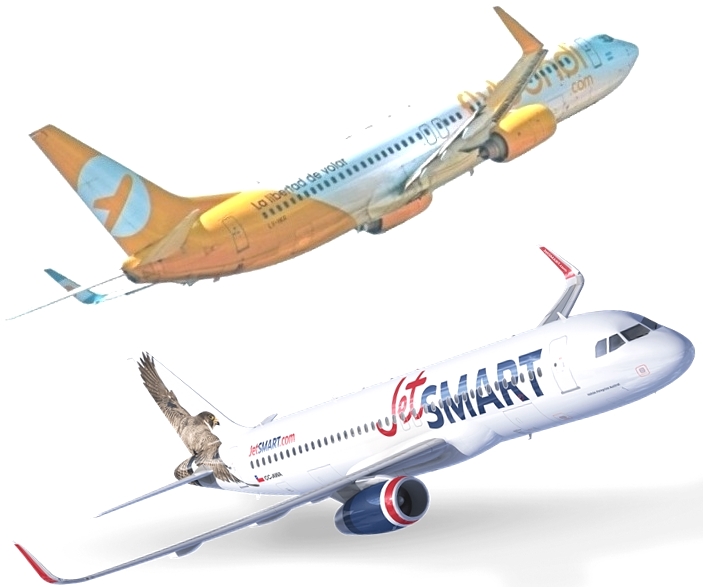
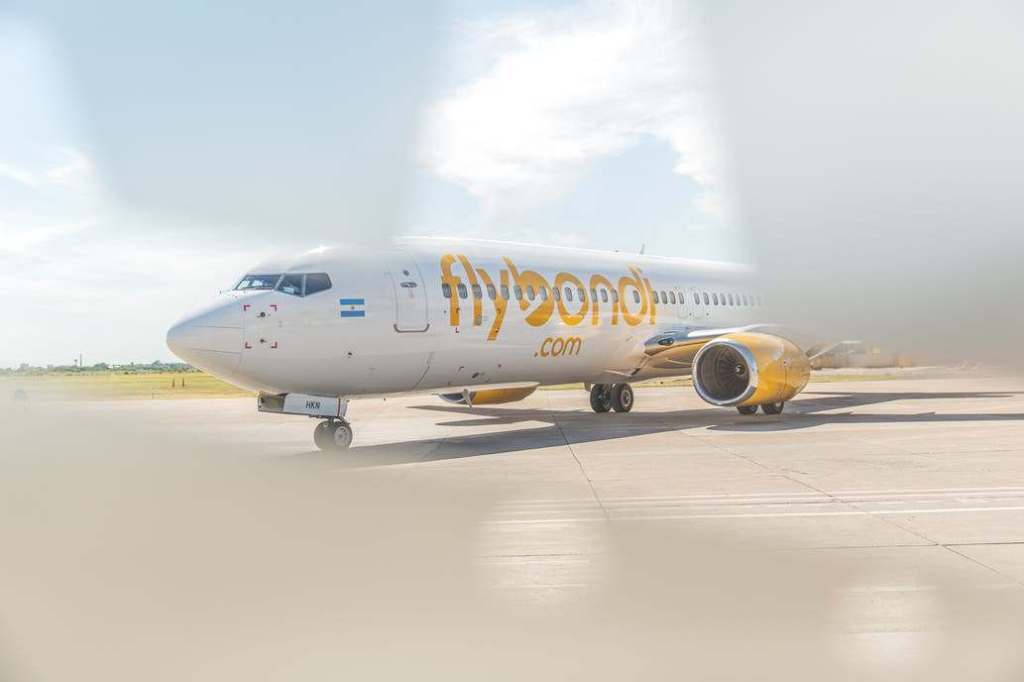
Tras la migración de los vuelos al Aeropuerto Internacional Ezeiza/EZE por parte de JetSmart Airlines Argentina, la aerolínea Flybondi ha tenido que negociar la postura asumida, mientras que el Aeropuerto El Palomar, que emplea a más de mil personas preocupadas por el destino de sus fuentes laborales, estará inactivo a las operaciones regulares comerciales. Desde inicios de 2018, más de 2,5 millones de personas fueron transportadas por esa aeroestación, la tercera del Área Metropolitana de Buenos Aires, mientras que 764.000 personas volaron en 2018 y 1,7 millones en 2019.
Flybondi migrando EZE
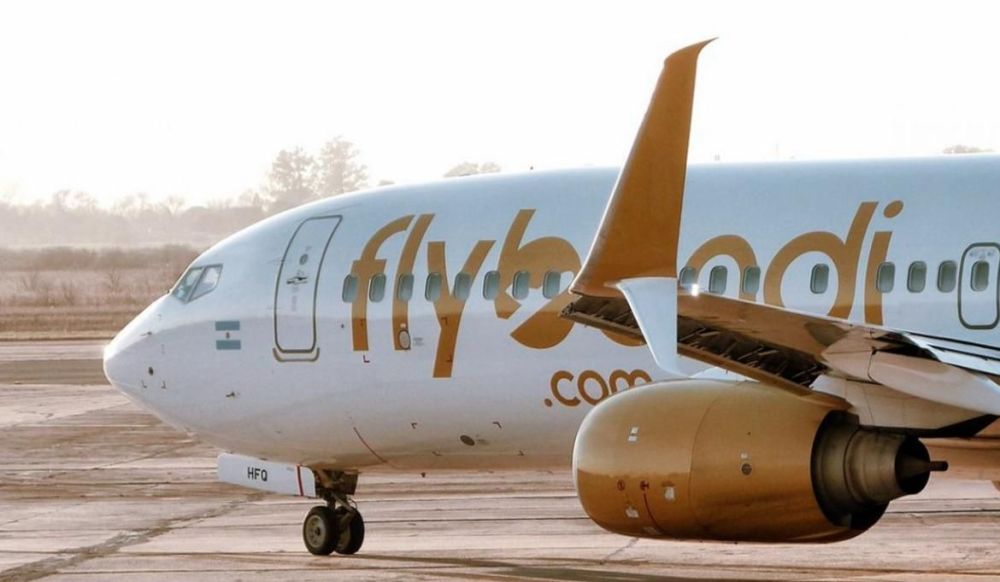
Este Viernes 11/12 se confirmó que Flybondi Líneas Aéreas abandona la estación aérea del conurbano bonaerense, para trasladar sus operaciones al Aeropuerto Internacional de Ezeiza. La aerolínea había sido la compañía que había inaugurado el Aeropuerto El Palomar como centro de operaciones para vuelos regulares nacionales y regionales. Pero tras las negociaciones de este Viernes 11/12 los directivos de Flybondi con el Organismo Regulador del Sistema Nacional Aeroportuario (ORSNA), luego de que en Abril 2020 la concesionaria Aeropuertos Argentina 2000 (AA2000) había solicitado el cierre de la estación aérea low cost. Tras el acuerdo con los organismos, Flybondi anunciaba el reinicio de sus operaciones el día Sábado 12/12 desde el Aeropuerto Internacional Ezeiza como nueva base de operaciones transitoria.
Perspectivas Flybondi
El acuerdo Gobierno-Flybondi ha asegurado la continuidad de las operaciones aéreas en en el Aeropuerto Jorge Newbery una vez que se encuentre habilitado hacia Febrero 2021, pues actualmente se encuentra en obras. Hacia el futuro las líneas aéreas low cost reiniciarían sus operaciones desde Aeroparque, en la Ciudad de Buenos Aires, mientras que los internacionales se seguirían desarrollando desde el Aeropuerto Internacional Ezeiza. Previamente, la empresa había reclamado la vuelta a los vuelos en el Aeropuerto El Palomar y hasta había sido muy crítica con el Gobierno por la inhabilitación.
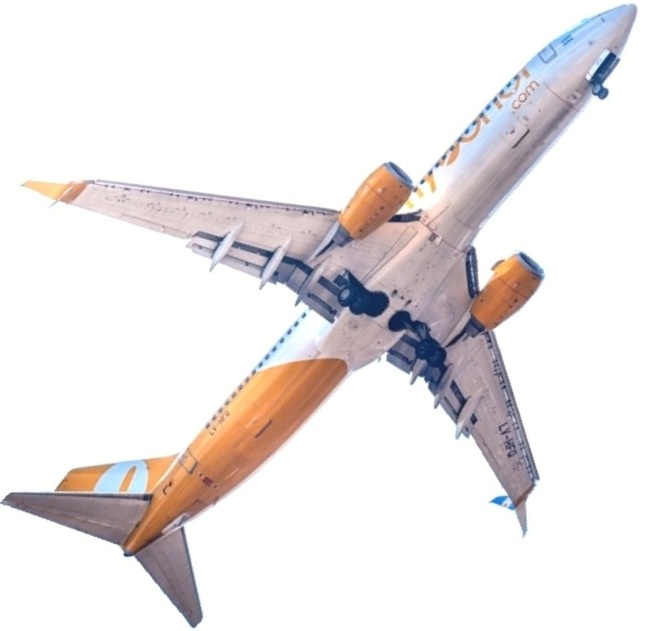
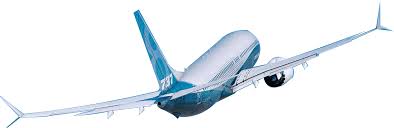
Este Jueves 10/12 había arribado un Boeing 737-800 de la compañía Flybondi para reiniciar sus operaciones el 12/12, proyectando reactivar doce destinos nacionales hacia fin de 2020, incorporando los primeros destinos a Córdoba, Corrientes, Jujuy, Mendoza y Neuquén, entre otros. La aerolínea de presupuesto establecerá hacia el 2021 una segunda aeronave para continuar restableciendo la malla aérea para alcanzar los niveles pre-pandemia que la línea aérea había desarrollado. Las perspectivas de los vuelos regionales estarían establecidas hacia mitad de 2021.
Emptying of El Palomar Airport
Argentine ex-President reacts to low cost air station emptying
The ex-President of the Argentine Republic, Mauricio Macri, has recently reacted to the emptying of the El Palomar/EPA Airport, which had been inaugurated during his presidency to expand aviation through the Aircraft Revolution, initiating the opening of the budget flight modality in the first low cost airport in Latin America, which has now been truncated due to the transfer of airline operations to Ezeiza and later to Jorge Newbery Airport. The ex-Prime Minister expressed sadness over the decision upheld by the current Government, wrote on his Twitter account, where he replied to a message from Guillermo Dietrich, ex-Minister of Transportation of the Nation during Mauricio Macri’s term.
«How sad that El Palomar Airport, the fourth with the highest number of passengers, has been closed by the government. Thousands of families will lose their jobs and many others will not be able to enjoy the growth that it was going to bring. Not only are jobs lost within the airport, but also the remiseros, the neighborhood restaurants and many other activities that grew around are affected. The connectivity, federalism and the development of the interior of the country», wrote the ex-Minister of Transportation Guillermo Dietrich.
After the migration of the flights to the Ezeiza/EZE International Airport by JetSmart Airlines Argentina, the Flybondi airline had to negotiate the position taken, while the El Palomar Airport, which employs more than a thousand people concerned about the fate of their sources of employment, will be inactive to regular business operations. Since the beginning of 2018, more than 2.5 million people were transported by this airstation, the third in the Metropolitan Area of Buenos Aires, while 764,000 people flew in 2018 and 1.7 million in 2019.
Flybondi migrating EZE
This Friday 12/11 it was confirmed that Flybondi Líneas Aéreas is leaving the Buenos Aires suburban air station, to transfer its operations to the Ezeiza International Airport. The airline had been the company that had inaugurated the El Palomar Airport as an operations center for scheduled national and regional flights. But after the negotiations of this Friday 12/11, the Flybondi managers with the Regulatory Body of the National Airport System (ORSNA), after in April 2020 the concessionaire Airports Argentina 2000 (AA2000) had requested the closure of the low cost air station. Following the agreement with the agencies, Flybondi announced the restart of its operations on Saturday 12/12 from the Ezeiza International Airport as a new temporary base of operations.
Flybondi perspectives
The Government-Flybondi agreement has ensured the continuity of air operations at Jorge Newbery Airport once it is enabled by February 2021, as it is currently under construction. In the future, low cost airlines would restart their operations from Aeroparque, in the City of Buenos Aires, while international airlines would continue to develop from Ezeiza International Airport. Previously, the company had demanded the return of flights at El Palomar Airport and had even been very critical of the Government for the disqualification.
This Thursday 12/10 a Boeing 737-800 from the Flybondi company had arrived to restart its operations on 12/12, planning to reactivate twelve national destinations by the end of 2020, incorporating the first destinations to Córdoba, Corrientes, Jujuy, Mendoza and Neuquén, among others. The budget airline will establish a second aircraft by 2021 to continue to reestablish the aerial mesh to reach the pre-pandemic levels that the airline had developed. Prospects for regional flights are expected to be established by the middle of 2021.
AW | 2020 12 12 12:40 | AIRLINES / AIRLINES HISTORY
British Airways finaliza era del Boeing 747 Jumbo Jet
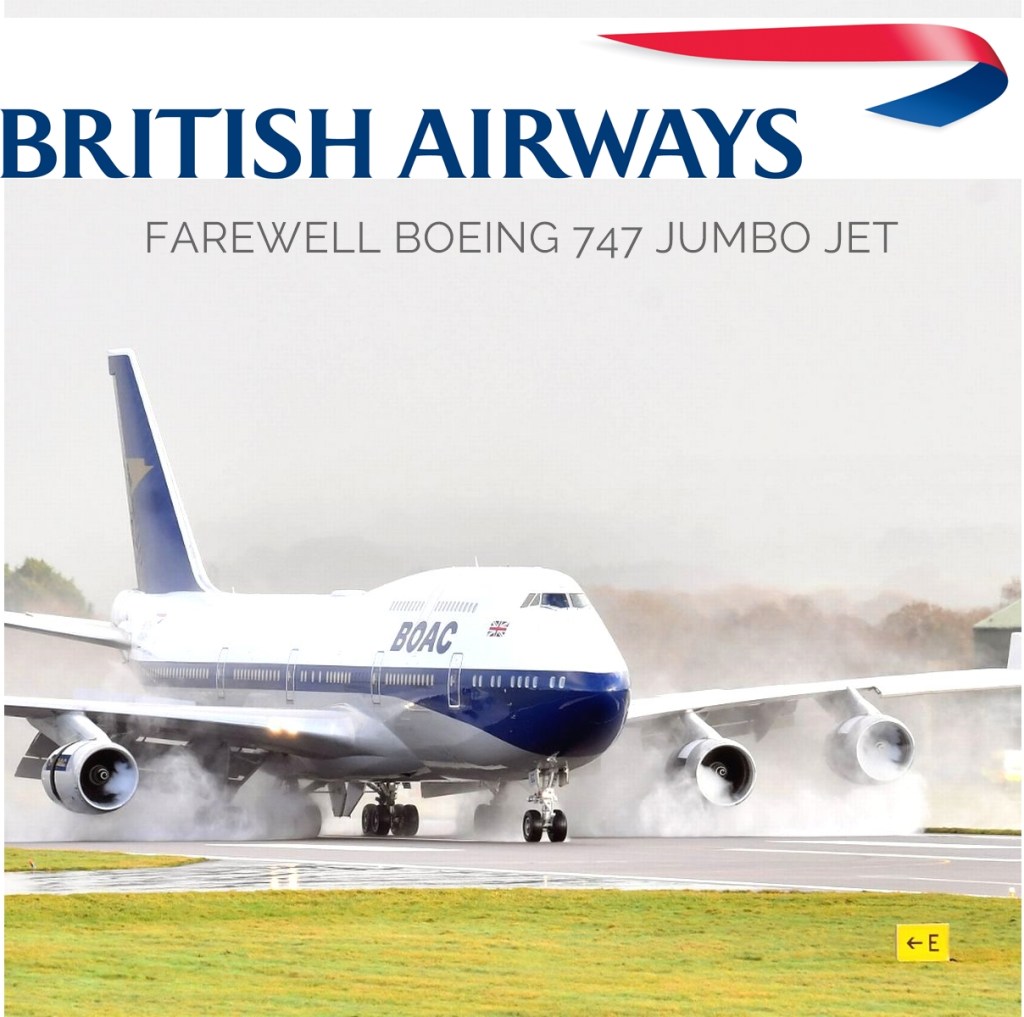
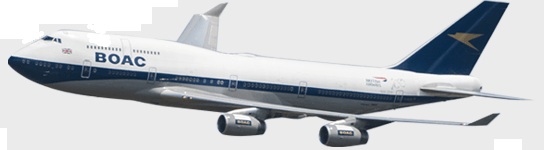
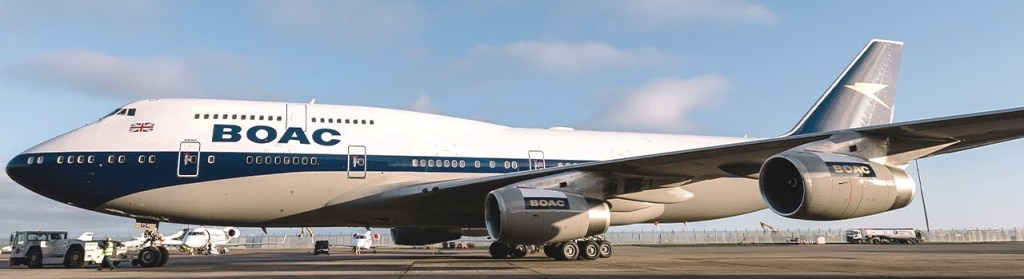
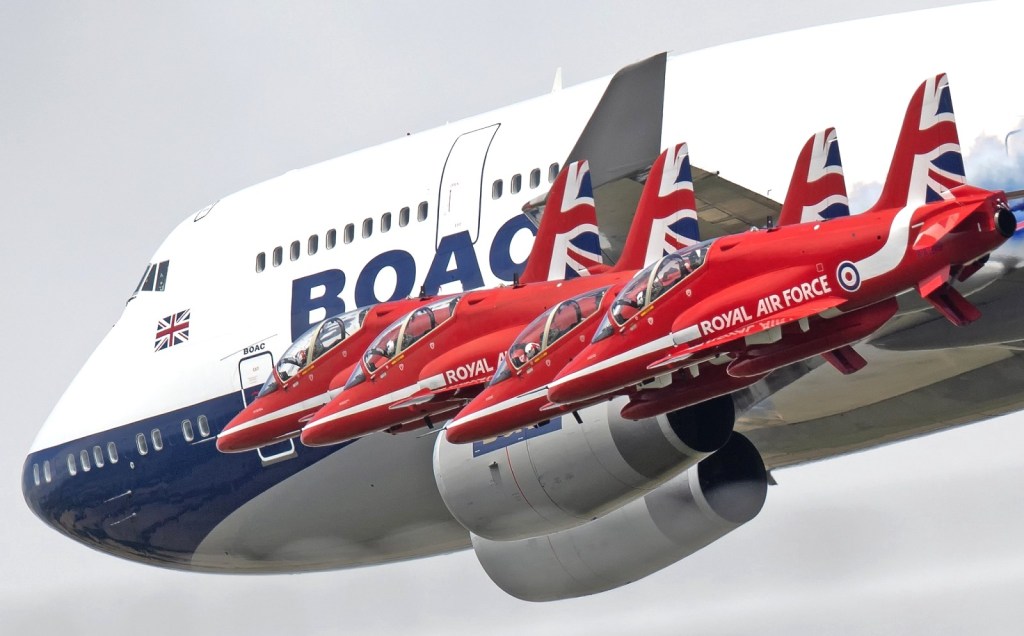
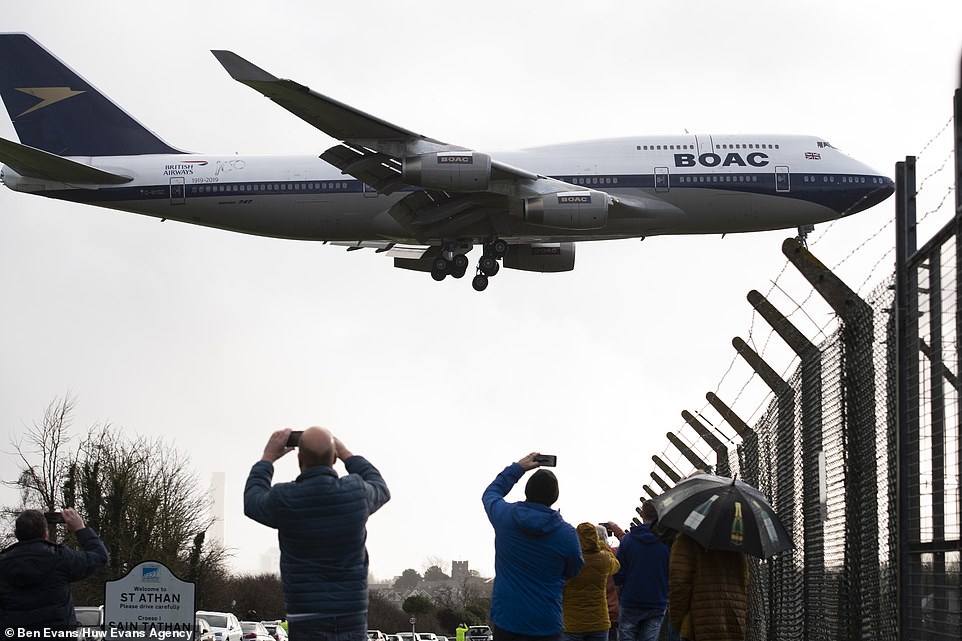
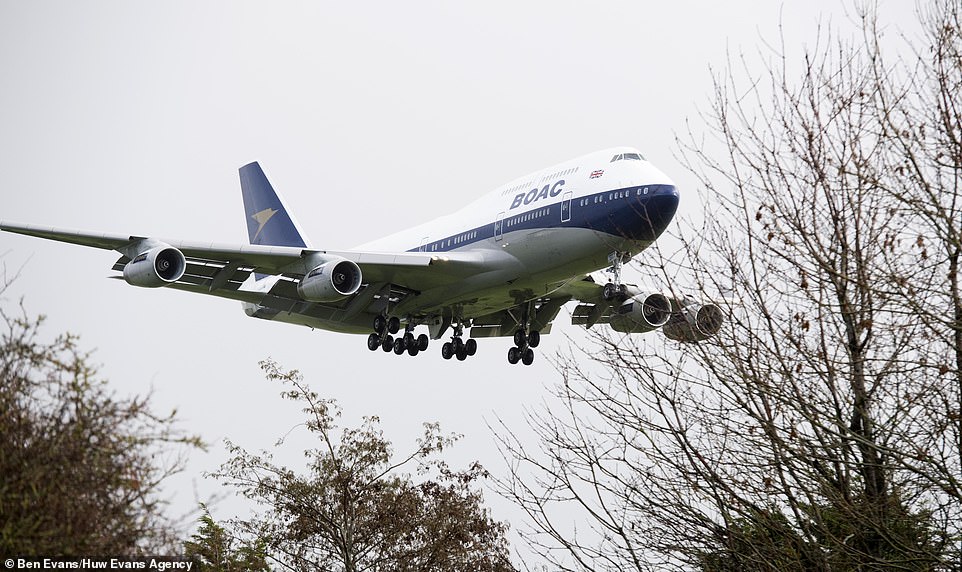
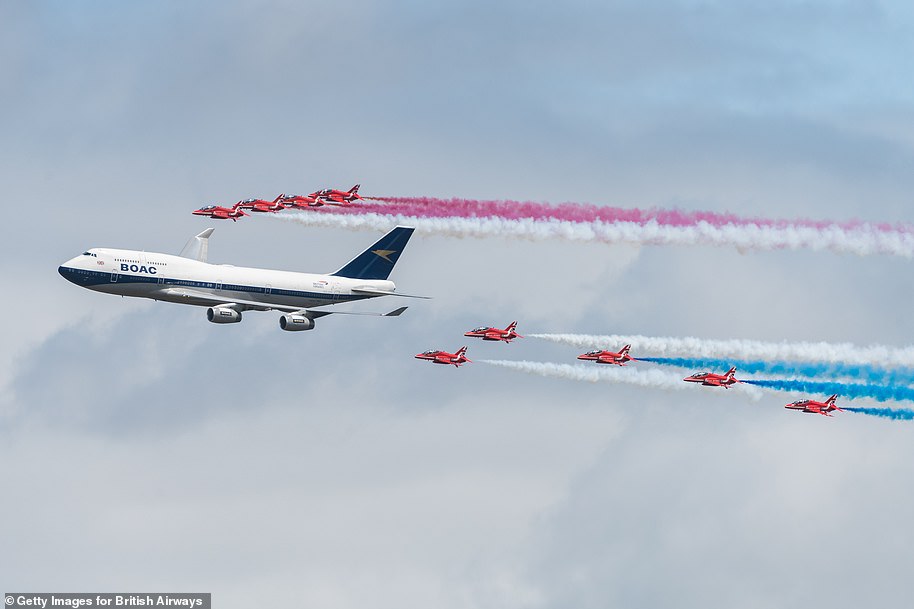
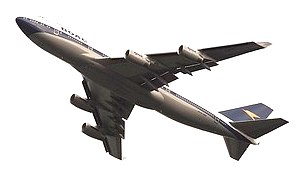
El último Boeing 747 Jumbo Jet de British Airways (BA) despegó por última vez este Viernes 11 de Diciembre de 2020 antes de ser retirado debido al impacto de la pandemia de Coronavirus. El avión apodado mundialmente como Jumbo Jet es el último en la flota de 31 aeronaves de la compañía británica y envuelto en la librea retro ‘Gold Speedbird’ para marcar el centenario de la aerolínea remontó a los cielos para un vuelo corto de cuatro millas para dar culminación a la era Boeing 747 en la British Airways. Fue a la espera de ingenieros que han mantenido con orgullo la flota durante años en su base de ingeniería en el Aeropuerto Cardiff. El último vuelo termina con el almacenaje en St Athan, Vale de Glamorgan, donde el avión Boeing 747-400 se convertirá en una pieza de exposición. El avión voló alrededor de esta pintoresca zona de la costa galesa antes de aterrizar en el aeródromo comercial en Bro Tathan, el parque empresarial de 1.200 acres del Gobierno galés, donde fue recibido por una audiencia de invitados, incluyendo tripulantes de cabina de BA. Desde su primer vuelo en 1999, el avión registro G-BYGC ha pasado más de 10 años en el aire, registrando 45 millones de millas el equivalente a 190 viajes a la luna. Su último vuelo de pasajeros fue de San Francisco-London/Heathrow en Abril 2020, con su retiro aportó varios años como consecuencia de la pandemia.
Pero la «reina de los cielos» ya no se pondrá el rojo, blanco y azul de la Union Jack después de que British Airways retirara su flota de Boeing 747 como resultado de la pandemia de coronavirus. La aerolínea, que era el mayor operador del mundo del modelo 747-400, ya había planeado poner a tierra su flota de 31 de los icónicos aviones de cuerpo ancho en 2024. Pero los efectos de la pandemia, que ha visto la mayoría de los aviones del mundo en tierra durante la mayor parte del tiempo, ha apresurado su viaje a la jubilación, especialmente cuando los pronosticadores predicen que el número de pasajeros seguirá siendo más bajo de lo normal, potencialmente durante años. Los 747-400 de British Airways tenían una capacidad de 345 pasajeros y pueden alcanzar una velocidad máxima de 614 mph.
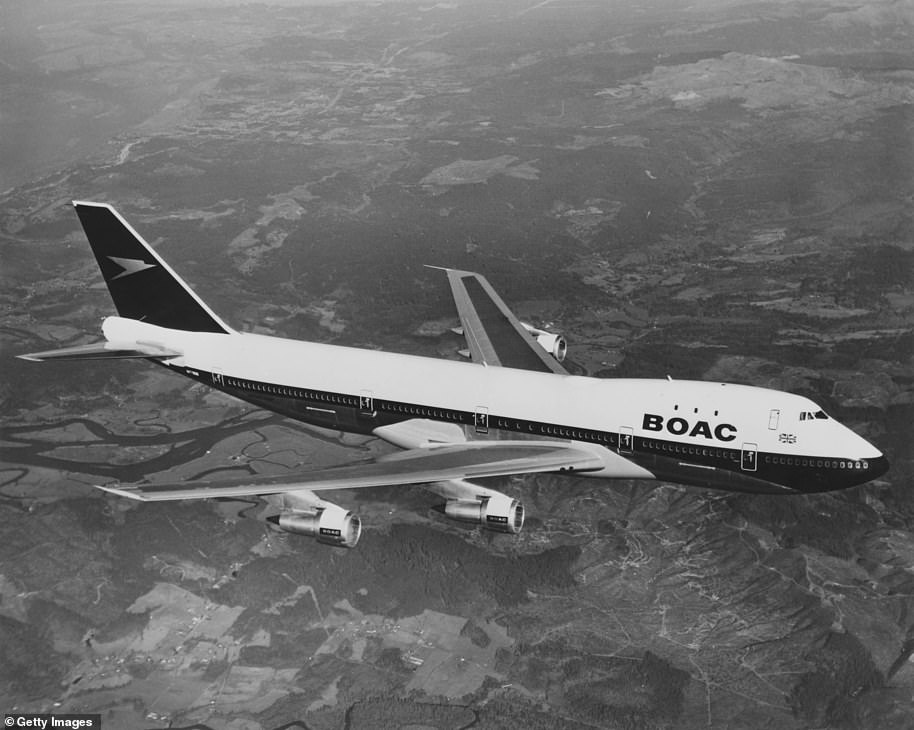
El predecesor de British Airways, la BOAC había utilizado por primera vez el Boeing 747 en 1971 y, al igual que con muchas aerolíneas, el avión, cariñosamente conocido como el «Jumbo Jet» o la «reina de los cielos», se convirtió en un símbolo de la nueva era de los viajes masivos a todos los rincones del planeta. Sus días han sido contados, sin embargo, a la luz de aviones nuevos, modernos y de bajo consumo de combustible como el A350 de Airbus y el 787 de Boeing.
Más de 1.500 jumbos fueron producidos por Boeing, y históricamente ha sido un éxito comercial para el fabricante y las aerolíneas. Pero su apogeo es largo en el pasado y cualquier vista del jet, con su joroba distintiva en la parte superior, es ahora una rareza. Sólo treinta de los aviones estaban en servicio a partir del Martes 08/12, con otros 132 almacenados, según la firma de datos de aviación Cirium. Tras un largo período en la flota de British Airways, el glamoroso Boeing 747 se despide para siembre de la compañía británica culminando el fin de una era de grandes reactores icónicos en los cielos del mundo.
British Airways fires Boeing 747
British Airways ends era of Boeing 747 Jumbo Jet
The last British Airways (BA) Boeing 747 Jumbo Jet took off for the last time this Friday, December 11, 2020 before being retired due to the impact of the Coronavirus pandemic. The plane dubbed the world-wide Jumbo Jet is the latest in the British company’s fleet of 31 aircraft and wrapped in retro ‘Gold Speedbird’ livery to mark the airline’s centennial it soared into the skies for a short four-mile flight to give culmination of the Boeing 747 era on British Airways. It was awaiting engineers who have proudly maintained the fleet for years at their engineering base at Cardiff Airport. The last flight ends with storage in St Athan, Vale of Glamorgan, where the Boeing 747-400 aircraft will become a showpiece. The plane flew around this picturesque area of the Welsh coast before landing at the commercial airfield in Bro Tathan, the 1,200-acre business park of the Welsh Government, where it was greeted by an audience of guests, including BA cabin crew. Since its maiden flight in 1999, the G-BYGC registration plane has spent more than 10 years in the air, logging 45 million miles – the equivalent of 190 trips to the moon. Her last passenger flight was from San Francisco-London / Heathrow in April 2020, with her retirement she contributed several years as a result of the pandemic.
But the «queen of the skies» will no longer wear the Union Jack red, white and blue after British Airways retired its fleet of Boeing 747s as a result of the coronavirus pandemic. The airline, which was the world’s largest operator of the 747-400, had already planned to ground its fleet of 31 of the iconic wide-body jets in 2024. But the effects of the pandemic, which has seen most of the The world’s planes on the ground for most of the time, has hastened its journey into retirement, especially as forecasters predict passenger numbers will remain lower than normal, potentially for years. British Airways’ 747-400s had a capacity of 345 passengers and can reach a top speed of 614 mph.
The predecessor to British Airways, BOAC had first used the Boeing 747 in 1971 and, as with many airlines, the plane, affectionately known as the «Jumbo Jet» or «Queen of the Skies», became a symbol of the new era of mass travel to all corners of the planet. Its days have been numbered, however, in light of new, modern, fuel-efficient aircraft like Airbus’s A350 and Boeing’s 787.
More than 1,500 jumbos were produced by Boeing, and it has historically been a commercial success for the manufacturer and airlines. But its heyday is long in the past and any view of the jet, with its distinctive hump at the top, is now a rarity. Only thirty of the planes were in service as of Tuesday 08/12, with another 132 in storage, according to aviation data firm Cirium. After a long stint in the British Airways fleet, the glamorous Boeing 747 bids farewell to the British company forever, ending an era of iconic big jets in the skies of the world.
AW | 2020 12 12 12:02 | AVIATION SAFETY / CONGRESS
Foro Safer Skies pronuncia seguridad operativa en aviación comercial
El Foro Safer Skies se ha pronunciado en su ronda de disertaciones con la premisa de conseguir cielos más seguros al aborda el riesgo de aviación civil en zonas de conflicto. Desde que el vuelo PS752 de Ukraine International Airlines fue derribado cerca de Teherán, República de Irán el 8 de Enero de 2020, Canadá y sus socios internacionales han estado trabajando para mejorar la seguridad de los viajes aéreos en todo el mundo al abordar las brechas en la forma en que el sector de la aviación civil se ocupa de las zonas de conflicto.
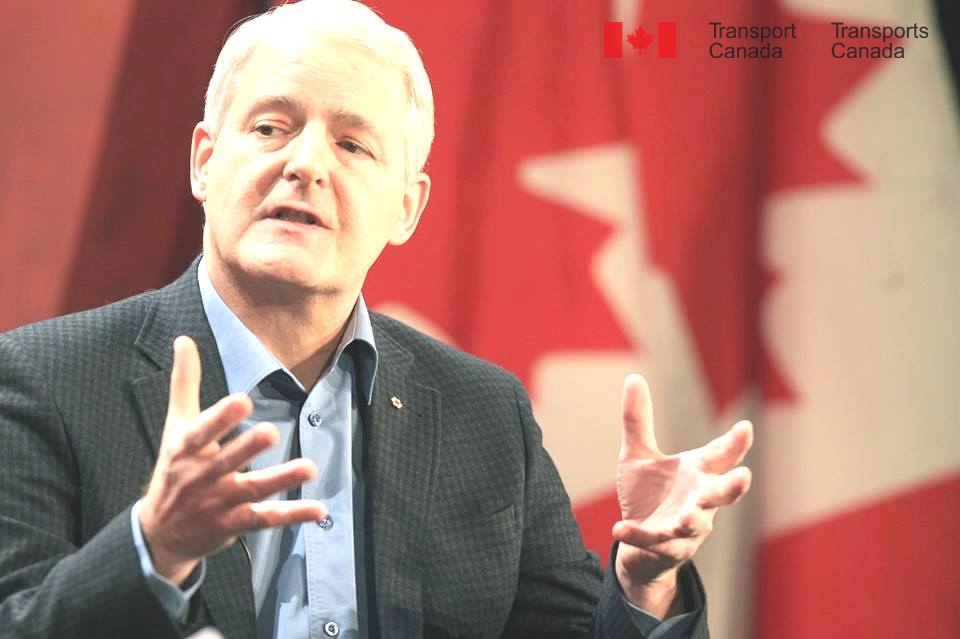
El Ministro de Transporte de Canadá, Marc Garneau, pronunció su discurso de apertura en el Foro inaugural de Safer Skies, organizado por Transport Canada. El Foro de Safer Skies es el primer foro internacional centrado en la seguridad de la aviación civil sobre las zonas de conflicto. El evento reunió a expertos de 81 países y regiones, organizaciones internacionales y la industria de la aviación civil para compartir las mejores prácticas para abordar el riesgo en las zonas de conflicto. Los participantes también abogaron por la aplicación de las Normas y Prácticas Recomendadas (SARP) de la Organización de Aviación Civil Internacional (OACI), que ayudan a los socios internacionales a gestionar los riesgos para la seguridad de la aviación.
Durante su discurso, el Ministro canadiense Marc Garneau instó a los países que aún no lo habían hecho a que respaldaran la Declaración de Compromiso sobre los cielos más seguros, un compromiso mundial para promover la seguridad y la seguridad de la aviación. La Declaración refuerza la importancia de las operaciones seguras de aviación civil en todo el mundo y pide a los países que renueven su compromiso con un enfoque global para hacer frente al riesgo de las zonas de conflicto. El Ministro ha observado el respaldo de los Estados Unidos, Alemania, Ucrania, Francia, el Reino Unido, la República de Corea, Islandia, Georgia, los Países Bajos, el Japón, Grecia, la Organización de Servicios de Navegación Aérea Civil y la Asociación Internacional de Transporte Aéreo, y espera con interés nuevos apoyos en las próximas semanas.
La Organización de Aviación Civil Internacional (OACI) ha destacado que los países están siendo encuestados y que sus respuestas ayudarían a definir los próximos pasos a nivel multilateral y a mejorar los resultados sobre la mitigación del riesgo de las zonas de conflicto en el futuro.
Safer Skies Forum
Safer Skies Forum delivers operational safety in commercial aviation
The Safer Skies Forum has spoken in its round of lectures with the premise of achieving safer skies by addressing the risk of civil aviation in conflict zones. Since Ukraine International Airlines flight PS752 was shot down near Tehran, Republic of Iran on January 8, 2020, Canada and its international partners have been working to improve air travel safety around the world by addressing gaps in the way the civil aviation industry deals with conflict zones.
Canadian Transportation Minister Marc Garneau delivered his keynote address at the inaugural Safer Skies Forum, hosted by Transport Canada. The Safer Skies Forum is the first international forum focused on civil aviation security over conflict zones. The event brought together experts from 81 countries and regions, international organizations and the civil aviation industry to share best practices for addressing risk in conflict zones. Participants also advocated for the application of the International Civil Aviation Organization (ICAO) Standards and Recommended Practices (SARPs), which help international partners manage risks to aviation security.
During his speech, Canadian Minister Marc Garneau urged countries that had not yet done so to endorse the Declaration of Commitment on Safer Skies, a global commitment to advance aviation safety and security. The Declaration reinforces the importance of safe civil aviation operations around the world and calls on countries to renew their commitment to a global approach to dealing with the risk of conflict zones. The Minister has noted the support of the United States, Germany, Ukraine, France, the United Kingdom, the Republic of Korea, Iceland, Georgia, the Netherlands, Japan, Greece, the Civil Air Navigation Services Organization and the Association International Air Transport, and looks forward to further support in the coming weeks.
The International Civil Aviation Organization (ICAO) has highlighted that countries are being surveyed and that their responses would help define the next steps at the multilateral level and improve results on risk mitigation of conflict zones in the future.
Flybondi Líneas Aéreas, la compañía low cost argentina restablecerá sus operaciones aerocomerciales este Sábado 12 de Diciembre de 2020, tras un largo período de nueve meses de inactividad, iniciando sus primeros vuelos desde el Aeropuerto Internacional Buenos Aires/Ezeiza. El traslado al Aeropuerto Ezeiza por parte de Flybondi fue luego de negociaciones reservadas entre los directivos de las compañía y funcionarios del Organismo Regulador del Sistema Nacional Aeroportuario (ORSNA).
La reapertura de sus vuelos de cabotaje a partir de este 12/12 con el arribo de una de sus aeronaves Boeing 737-800 permitirá descomprimir la situación de restricciones a la que se encontraban sometidas las líneas aéreas producto de la situación de crisis sanitaria en el país. La apertura de vuelos comerciales establecida por el Gobierno de Argentina a mediados de Noviembre 2020 ha permitido reestablecer la malla aérea muy lentamente debido a la falta de confianza en el mercado de garantías de la efectividad de los vuelos y por los motivos de seguridad sanitaria, pero poco a poco, los usuarios del transporte aéreo van estableciendo sus reservas/compras para aprovechar el período vacacional para que las compañías aéreas tengan un nuevo impulso para restablecer su red pre-pandemia.
Flybondi en su primer día de operaciones aéreas realizará su primerca conexión que unirá Buenos Aires/EZE—Puerto Iguazú, Buenos Aires/EZE—San Carlos de Bariloche—Tucumán como parte del restablecimiento de sus vuelos en Argentina. «Estamos felices de reiniciar nuestros vuelos en la Argentina, luego de nueve meses sin operación. Fueron tiempos muy duros, y no hubiéramos logrado atravesarlos sin el enorme apoyo que tuvimos por parte de los empleados, de los accionistas y los proveedores. A pesar de estas dificultades, a partir de ahora en Flybondi iniciamos una etapa de recuperación de la oferta y de la flota. Estamos convencidos de que tenemos que seguir conectando a los argentinos a través de las tarifas más bajas del mercado. En una primera etapa daremos prioridad a toda nuestra red de vuelos nacionales, por eso volvemos a volar a doce destinos y con muy buena respuesta por parte de nuestros clientes», expresó Mauricio Sana, Director Comercial y CEO de la aerolínea.
En respuesta de lo dispuesto por la Administración Nacional de Aviación Civil (ANAC) por parte de la solicitud de Flybondi, los itinerarios presentados para volver a operar en el Aeropuerto Internacional El Palomar no recibieron aprobación, por lo que la compañía solicitó la autorización para volar en forma temporal desde el Aeropuerto Internacional Ministro Pistarini/Ezeiza lo que fue confirmado por la ANAC. Tras las negociaciones Flybondi-Gobierno, la aerolínea de presupuesto establecerá transitoriamente sus operaciones en la aeroestación de Ezeiza, al igual que su homóloga JetSmart Airlines Argentina, hasta restablecer la situación de emergencia sanitaria en el país. Si bien Flybondi planteó que su traslado a Ezeiza es de manera transitoria, lo concreto es que la aerolínea habría obtenido por parte del ORSNA el compromiso de acceder a un buen número de slots para sus operaciones en el Aeropuerto Regional Jorge Newbery, una vez que finalicen las obras de remodelaciones y ampliaciones. Estas frecuencias horarias estarían fijadas únicamente para vuelos de cabotaje, ya que para hacer vuelos a países limítrofes deberían seguir operando desde el Aeropuerto Internacional Ezeiza.
Negociando espacio aéreo
Flybondi comenzó a volar en Enero de 2018 desde el Aeropuerto Internacional El Palomar/EPA, pero tras la negativa del Gobierno a reabrir ese aeropuerto en Octubre 2020, la empresa había desplegado presentaciones judiciales para revertir la medida. Ante la negativa del Gobierno, se establecieron negociaciones que finalizaron con el traslado a Ezeiza de los vuelos de la compañía donde se ha negociado la bonificación de tasas aeroportuarias bonificadas, como así también las perspectivas de otorgamientos de slots en Aeroparque. El CEO de Flybondi, Esteban Tossutti, dio a entender que la negociación fue para poder seguir operando. “Para nosotros el 12 de Diciembre del 2020 marcará un hito en la compañía. Pese a todos los cambios que sufrimos lo importante es que hoy las 542 personas que integran el equipo de Flybondi estamos listos para volver”, dijo en el comunicado de prensa emitido por la compañía low cost.
Perspectivas Flybondi
Flybondi, controlada por el fondo de inversión estadounidense Cartesian Capital Group, permitirá reacondicionar su red de servicios aéreos después de arribar el Boeing 737-800 matrícula LV-HFR que estaba siendo sometido a revisiones técnicas en los talleres de MRO Mexicana en la República de México.
Respecto al futuro del Aeropuerto El Palomar continuará flotando hasta que se defina el pronunciamiento del Gobierno respecto a su posición de habilitarlo o cerrarlo definitivamente para las operaciones aerocomerciales. Desde la Agencia del ORSNA expresaron que el problema nunca fue con Flybondi, la discusión estaba enfocada sobre El Palomar. Precisamente, a partir de ahora el destino de los empleados de ese aeropuerto pasará a ser aún más incierto.
Durante lo que resta de Diciembre 2020, la aerolínea comunicó que volará a 12 destinos nacionales que incluyen Córdoba, Corrientes, Jujuy, Mendoza y Neuquén, entre otros destinos. Hacia Enero 2021 la aerolínea low cost podría incorporar un segundo avión Boeing 737-800 para incrementar las operaciones de cabotaje.
Flybondi Líneas Aéreas, the Argentine low cost company, will re-establish its commercial aviation operations this Saturday, December 12, 2020, after a long period of nine months of inactivity, starting its first flights from the Buenos Aires/Ezeiza International Airport. The transfer to Ezeiza Airport by Flybondi was after reserved negotiations between company directors and officials of the Regulatory Body of the National Airport System (ORSNA).
The reopening of its domestic flights as of this 12/12 with the arrival of one of its Boeing 737-800 aircraft will allow decompressing the situation of restrictions to which the airlines were subjected as a result of the health crisis situation in the country. The opening of commercial flights established by the Government of Argentina in mid-November 2020 has allowed the reestablishment of the air mesh very slowly due to the lack of confidence in the market for guarantees of the effectiveness of flights and for health security reasons, but Little by little, air transport users are establishing their reservations/purchases to take advantage of the holiday period so that airlines have a new impulse to reestablish their pre-pandemic network.
Flybondi, on its first day of air operations, will make its first connection that will link Buenos Aires/EZE— Puerto Iguazú, Bienos Aires/EZE—San Carlos de Bariloche—Tucumán as part of the restoration of its flights in Argentina. «We are happy to restart our flights in Argentina, after nine months without operation. These were very tough times, and we would not have been able to get through them without the enormous support we had from employees, shareholders and suppliers. Despite these difficulties, from now on in Flybondi we will begin a stage of recovery of the supply and of the fleet. We are convinced that we have to continue connecting Argentines through the lowest rates in the market. In a first stage we will give priority to our entire network of domestic flights, that is why we fly to twelve destinations again and with a very good response from our customers», said Mauricio Sana, Commercial Director and CEO of the airline.
In response to the provisions of the National Civil Aviation Administration (ANAC) on the part of Flybondi’s request, the itineraries presented to operate again at the El Palomar International Airport did not receive approval, so the company requested authorization to fly. temporarily from the Ministro Pistarini/Ezeiza International Airport, which was confirmed by ANAC. After the Flybondi-Government negotiations, the budget airline will temporarily establish its operations at the Ezeiza airstation, like its counterpart JetSmart Airlines Argentina, until the health emergency situation in the country is reestablished. Although Flybondi stated that its transfer to Ezeiza is temporary, the specific thing is that the airline would have obtained from the ORSNA the commitment to access a good number of slots for its operations at the Jorge Newbery Regional Airport, once they end remodeling and extension works. These time frequencies would be set only for domestic flights, since to make flights to neighboring countries they would have to continue operating from the Ezeiza International Airport.
Negotiating airspace
Flybondi began flying in January 2018 from the El Palomar/EPA International Airport, but after the Government’s refusal to reopen that airport in October 2020, the company had filed court filings to reverse the measure. Given the refusal of the Government, negotiations were established that ended with the transfer to Ezeiza of the flights of the company where the discount of discounted airport fees has been negotiated, as well as the prospects of granting slots in Aeroparque. Flybondi CEO Esteban Tossutti hinted that the negotiation was to continue operating. “For us, December 12, 2020 will mark a milestone in the company. Despite all the changes we have undergone, the important thing is that today the 542 people who make up the Flybondi team are ready to return”, he said in the press release issued by the low cost company.
Flybondi perspectives
Flybondi, controlled by the US investment fund Cartesian Capital Group, will allow the reconditioning of its air services network after the arrival of the Boeing 737-800 registration LV-HFR that was undergoing technical revisions in the Mexican MRO workshops in the Republic of Mexico.
Regarding the future of El Palomar Airport, it will continue to float until the Government’s pronouncement regarding its position to enable or close it definitively for commercial air operations is defined. The ORSNA Agency stated that the problem was never with Flybondi, the discussion was focused on El Palomar. Precisely, from now on the fate of the employees of that airport will become even more uncertain.
During the remainder of December 2020, the airline announced that it will fly to 12 national destinations that include Córdoba, Corrientes, Jujuy, Mendoza and Neuquén, among other destinations. By January 2021, the low cost airline could incorporate a second Boeing 737-800 plane to increase cabotage operations.
World2Fly volará a destinos turísticos en el mundo
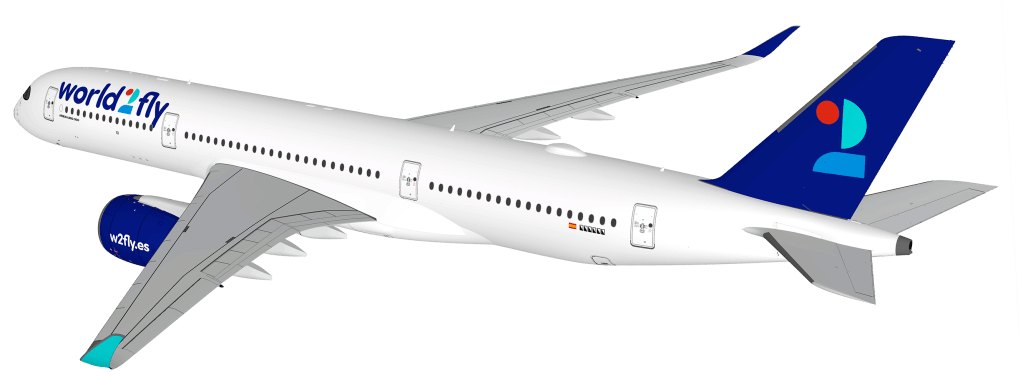
Nueva aerolínea se está gestando por parte del grupo turístico español Iberostar que ha presentado esta semana las primeras imágenes de su nueva aerolínea World2Fly, con el objetivo de realizar destinos turísticos estratégicos como Cancún, República Dominicana y Cuba. El CEO de la nueva aerolínea Bruno Claeys ha comunicado que World2Fly comenzaría a operar hacia 2021, donde expresa que la startup “nace con sólidos valores de sostenibilidad, innovación y excelencia en el servicio a bordo”.
Tras la apertura de su página web y redes sociales, permitiendo obtener las primeras impresiones de la aerolínea vacacional, los directivos han comunicado que World2Fly operaría con un avión de última generación de la familia Airbus A350. “Totalmente nuevo, el Airbus A350 es un avión de nueva generación equipado con la última tecnología y más respetuoso con el medio ambiente. No sólo ha sido diseñado para reducir la contaminación, consumiendo un 25% menos de combustible y reduciendo las emisiones de CO2, sino que es de los aviones más silenciosos del mundo y permite reducir la sensación de jet-lag”, indicó el Ejecutivo Bruno Claeys.
World2Fly, the new Spanish airline
World2Fly will fly to tourist destinations in the world
New airline is being developed by the Spanish tourism group Iberostar, which this week presented the first images of its new airline World2Fly, with the objective of making strategic tourist destinations such as Cancun, the Dominican Republic and Cuba. The CEO of the new airline Bruno Claeys has announced that World2Fly would begin operating around 2021, where he states that the startup “was born with solid values of sustainability, innovation and excellence in on-board service”.
After the opening of its website and social networks, allowing first impressions of the vacation airline to be obtained, the executives have announced that World2Fly would operate with a next-generation aircraft of the Airbus A350 family. “Totally new, the Airbus A350 is a new generation aircraft equipped with the latest technology and more respectful of the environment. Not only has it been designed to reduce pollution, consuming 25% less fuel and reducing CO2 emissions, but it is also one of the quietest aircraft in the world and reduces the feeling of jet-lag”, said Executive Bruno Claeys.
Boeing Digital Services optimizará planificación/ops de Frontier
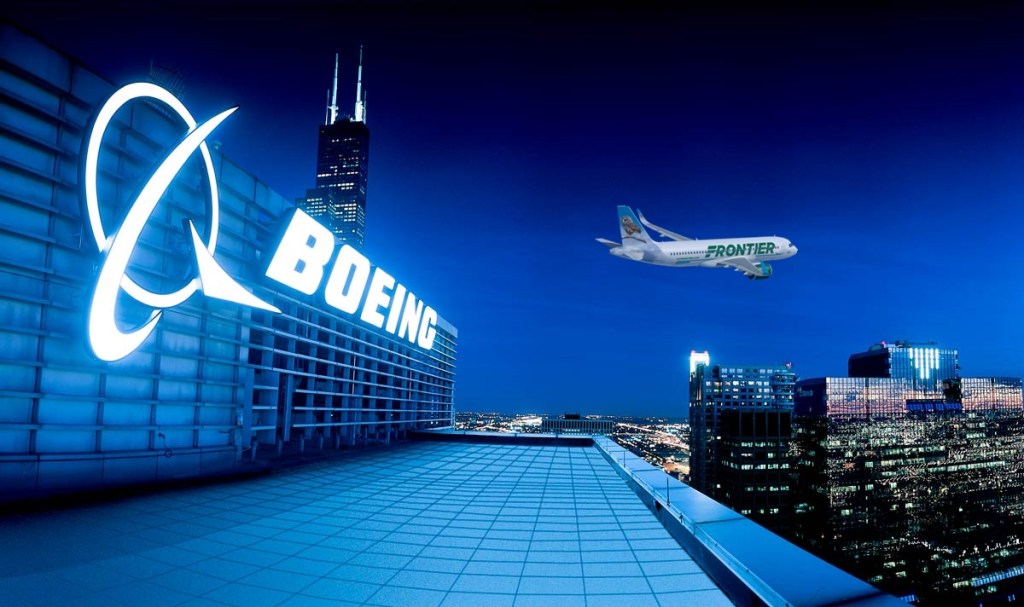
The Boeing Company está posicionado para apoyar la estrategia de crecimiento de vuelos y operaciones de las aerolíneas en un horizonte a largo plazo. Frontier Airlines implementará diversas soluciones basadas en análisis para mejorar la eficiencia operativa en un anuncio de un nuevo acuerdo a diez años con la aerolínea norteamericana Frontier Airlines para implementar una gama de herramientas de tripulación, planificación de vuelos y operaciones para mejorar la eficiencia de la aerolínea. Estas soluciones digitales de la gama de productos Jeppesen de Boeing proporcionan ahorros de costes en toda la flota en rutas regionales e internacionales, mejoran los procesos de planificación de la tripulación de las aerolíneas y aumentan la fiabilidad operativa. «Estamos totalmente seguros de que estas sólidas herramientas operativas y de planificación de vuelos de Jeppesen traerán enormes beneficios a las operaciones de Frontier desde el primer día después de la implementación. Desde el mantenimiento y la planificación operativa hasta las operaciones cotidianas e irregulares, las herramientas de automatización y gestión de la tripulación de Jeppesen complementarán nuestro modelo de negocio de bajo costo y, al mismo tiempo, contribuyen a la fiabilidad y eficiencia de nuestro sistema», dijo Brad Lambert, Vicepresidente de Operaciones de Vuelo de Frontier Airlines.
Además de sus servicios de navegación digital y gráficos de Boeing, Frontier Airlines utilizará una nueva suite de soluciones digitales Jeppesen que proporciona herramientas de apoyo a la toma de decisiones del día de operaciones, que incluyen: Servicios de planificación y programación de vuelos para mejorar las operaciones de vuelo y permitir salidas puntuales y enrutamiento eficiente herramientas de gestión de la tripulación, asignación de colas y control de operaciones que optimizan los horarios y la utilización de las aeronaves en el horizonte de planificación a corto y largo plazo, incluida la detección de problemas del día de operación y la recuperación de programación para minimizar los problemas debidos a eventos inesperados. «A medida que la aviación comercial emerge de la pandemia COVID-19, Frontier Airlines está a punto de continuar su crecimiento excepcional, utilizando las herramientas de Boeing basadas en análisis para maximizar el rendimiento y reducir los costos durante este momento crítico para nuestra industria. Este es un gran ejemplo de nuestra asociación con clientes como Frontier para convertir la experiencia digital sin igual de Boeing en ventajas operativas de resultados», dijo Ted Colbert, Presidente y CEO de Boeing Global Services.
Frontier Airlines está comprometida con «Low Fares Done Right». Con sede en Denver, la compañía opera más de 100 aviones con una red de rutas que abarca los Estados Unidos, el Caribe y México. Con 160 nuevos aviones en orden, Frontier seguirá creciendo para cumplir con la misión de proporcionar viajes asequibles a través de Estados Unidos.
Boeing es la compañía aeroespacial más grande del mundo y proveedor líder de aviones comerciales, sistemas de defensa, espacio y seguridad, y servicios globales. Como principal exportador estadounidense, la compañía apoya a clientes comerciales y gubernamentales en más de 150 países, aprovechando los talentos de una base de proveedores global. Basándose en un legado de liderazgo aeroespacial, Boeing continúa liderando la tecnología y la innovación, entregando para sus clientes e invirtiendo en su gente y crecimiento futuro.
Frontier implements Jeppesen management
Boeing Digital Services to streamline Frontier planning/ operations
The Boeing Company is positioned to support airline operations and flight growth strategy over a long-term horizon. Frontier Airlines will implement various analytics-based solutions to improve operational efficiency in an announcement of a new ten-year agreement with North American carrier Frontier Airlines to implement a range of crew, flight planning and operations tools to improve airline efficiency. These digital solutions from Boeing’s Jeppesen range of products provide fleet-wide cost savings on regional and international routes, improve airline crew planning processes and increase operational reliability. «We are absolutely confident that these robust flight planning and operational tools from Jeppesen will bring tremendous benefits to Frontier operations from day one after deployment. From maintenance and operational planning to day-to-day and irregular operations, the tools Jeppesen’s automation and crew management systems will complement our low-cost business model while contributing to the reliability and efficiency of our system», said Brad Lambert, Vice President of Flight Operations for Frontier Airlines.
In addition to its Boeing graphics and digital navigation services, Frontier Airlines will utilize a new suite of Jeppesen digital solutions that provide trading day decision support tools, including: Flight planning and scheduling services to improve operations flight operations and enable punctual departures and efficient routing crew management, queuing, and operations control tools that optimize aircraft schedules and utilization across the short- and long-term planning horizon, including detecting day-of-operation issues and recall of schedules for minimize problems due to unexpected events. «As commercial aviation emerges from the COVID-19 pandemic, Frontier Airlines is poised to continue its exceptional growth, using Boeing’s analytics-driven tools to maximize performance and reduce costs during this critical time for our industry. This is a great example of our partnership with customers like Frontier to turn Boeing’s unmatched digital experience into bottom line operational benefits», said Ted Colbert, President and CEO of Boeing Global Services.
Frontier Airlines is committed to «Low Fares Done Right». Headquartered in Denver, the company operates more than 100 aircraft with a route network spanning the United States, the Caribbean and Mexico. With 160 new aircraft on order, Frontier will continue to grow to fulfill the mission of providing affordable travel across the United States.
Boeing is the world’s largest aerospace company and a leading provider of commercial aircraft, defense, space and security systems, and global services. As a leading US exporter, the company supports commercial and government clients in more than 150 countries, leveraging the talents of a global supplier base. Building on a legacy of aerospace leadership, Boeing continues to lead in technology and innovation, delivering for its customers and investing in its people and future growth.
Azul programa trece nuevos vuelos la próxima semana
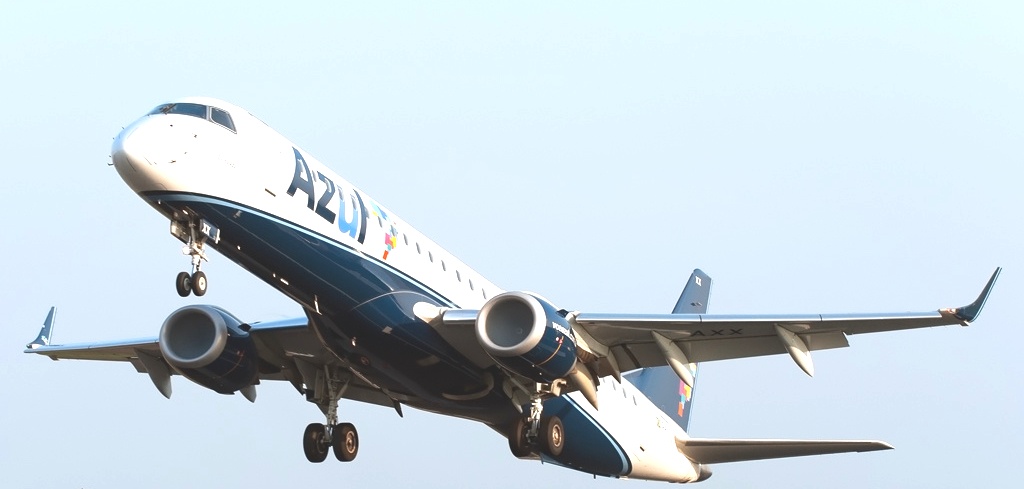
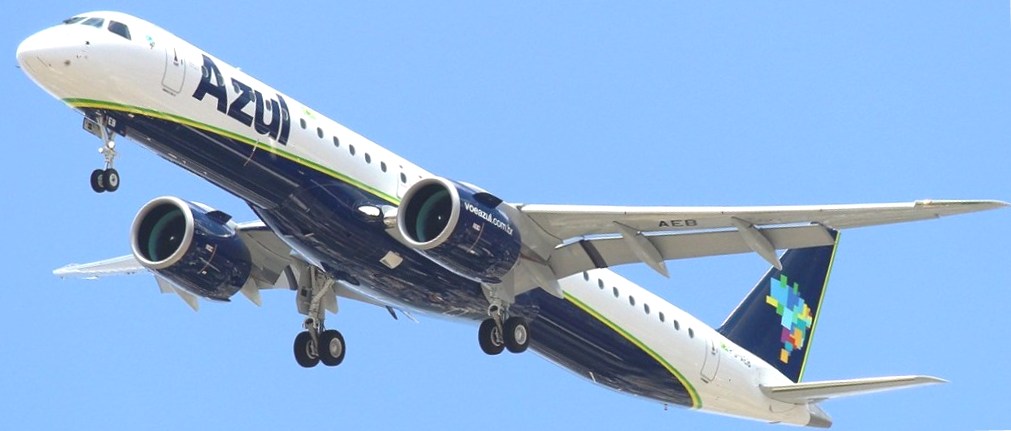
Azul Linhas Aéreas ha anunciado el reinicio de trece destinos entre ellos inauguraciones de nuevos destinos hacia la próxima semana en la programación de conexión de vuelos domésticos. Superada ampliamente la apertura post-pandemia en Brasil, la aerolínea establece una media de dos nuevos destinos diarios hacia la próxima semana, en un esfuerzo por reanudar el turismo en el país y consolidar su posición de liderazgo como la mayor compañía por número de vuelos diarios y ciudades servidas en Brasil, alcanzando el número de 113 destinos atendidos por Azul y su filial regional Azul Conecta en Diciembre 2020, además de la reanudación del 85% de la oferta de frecuencia diaria en comparación con el período pre-pandémico.
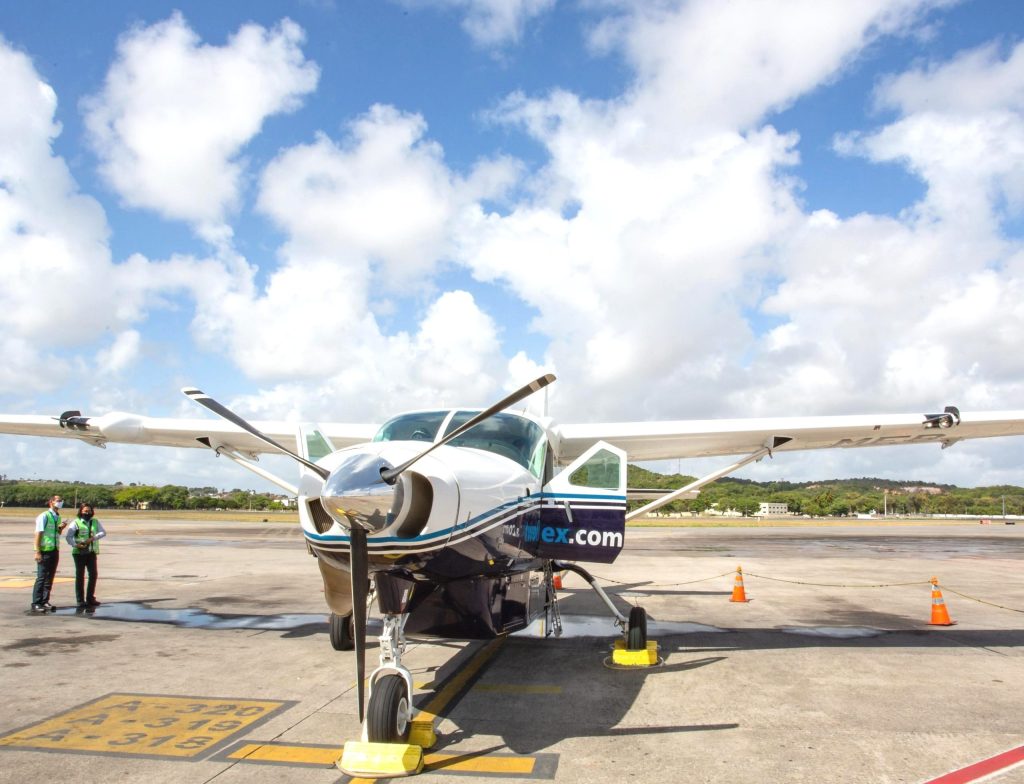
Azul Linhas Aéreas conectará el 13/12 Bonito y Corumbá, en el Estado de Mato Grosso do Sul (MS). El 14/12 inaugurará Canela y Torres, en el Estado de Rio Grande do Sul (RS). Por primera vez la aeronave Cessna Gran Caravan C208 de Azul Conecta Rio de Janeiro y Cabo Frío, en la Región de los Lagos, para ser conectado de nuevo con Belo Horizonte, como así tambiçén estrenando rutas entre Sao Paulo/Congonhas (SP) y Rio/Santos Dumont (RJ) durante la temporada alta de verano. El 17/12 concentra el mayor número de aperturas o reaperturas de bases, con el regreso de Caldas Novas (GO) y Aracati (CE), siendo conectado con Campinas, y el inicio de los vuelos de la Conex Azul de Verano a Itanhaém (SP), Ubatuba (SP), Angra (RJ), Búzios (RJ), Paraty (RJ) y Guarapari (ES). En Parnaíba (PB), una famosa región muy solicitada por los kitesurfistas, los vuelos de Azul Linhas Aéreas serán operados de nuevo el 20 de Diciembre de 2020. «Es un momento histórico para la historia de Azul, con 12 aperturas de bases en solo seis días. Hemos hecho un fuerte movimiento para reanudar nuestras operaciones en todas las partes del país y priorizar, en este mes de temporada alta, el retorno de ciudades con una genuina vocación de turismo de ocio. Sabemos que este es un período en el que estos destinos son más buscados y queremos ofrecer aún más comodidad y comodidad para que nuestros clientes viajen con tranquilidad», destaca Vitor Silva, Gerente de Planificación de Red en Azul Linhas Aéreas.
Azul announces expansion of new routes
Azul schedules thirteen new flights next week
Azul Linhas Aéreas has announced the restart of thirteen destinations, including the opening of new destinations by next week in the domestic flight connection schedule. With the post-pandemic opening in Brazil largely overcome, the airline establishes an average of two new daily destinations by next week, in an effort to resume tourism in the country and consolidate its leadership position as the largest company by number of daily flights. and cities served in Brazil, reaching the number of 113 destinations served by Azul and its regional subsidiary Azul Conecta in December 2020, in addition to the resumption of 85% of the daily frequency offer compared to the pre-pandemic period.
Azul Linhas Aéreas will connect Bonito and Corumbá on 12/13, in the State of Mato Grosso do Sul (MS). On 12/14, Canela y Torres will open in the State of Rio Grande do Sul (RS). For the first time, Azul’s Cessna Gran Caravan C208 connects Rio de Janeiro and Cabo Frío, in the Lakes Region, to be connected again with Belo Horizonte, as well as new routes between Sao Paulo/Congonhas (SP) and Rio/Santos Dumont (RJ) during the high summer season. On 12/17 concentrates the largest number of base openings or reopens, with the return of Caldas Novas (GO) and Aracati (CE), being connected with Campinas, and the start of the flights of the summer Azul Conecta to Itanhaém ( SP), Ubatuba (SP), Angra (RJ), Búzios (RJ), Paraty (RJ) and Guarapari (ES). In Parnaíba (PB), a famous region highly sought after by kitesurfers, Azul Linhas Aéreas flights will be operated again on December 20, 2020. «It is a historic moment for Azul’s history, with 12 base openings in just six days. We have made a strong move to resume our operations in all parts of the country and prioritize, in this high season month, the return of cities with a genuine vocation for leisure tourism. We know that this is a period in which these destinations are more sought after and we want to offer even more comfort and convenience so that our clients can travel with peace of mind , highlights Vitor Silva, Network Planning Manager at Azul Linhas Aéreas.
Azul anuncia expansão de novas rotas
Azul agenda treze novos vôos na próxima semana
A Azul Linhas Aéreas anunciou o reinício de treze destinos, incluindo a abertura de novos destinos na próxima semana no calendário de ligação dos vôos domésticos. Com a abertura pós-pandêmica no Brasil em grande parte superada, a companhia aérea estabelece uma média de dois novos destinos diários até a próxima semana, em um esforço para retomar o turismo no país e consolidar sua posição de liderança como a maior empresa em número de voos diários. e cidades atendidas no Brasil, atingindo o número de 113 destinos atendidos pela Azul e sua subsidiária regional Azul Conecta em dezembro de 2020, além da retomada de 85% da oferta diária de frequências em relação ao período pré-pandêmico.
A Azul Linhas Aéreas ligará Bonito e Corumbá no dia 13/12, no Estado de Mato Grosso do Sul (MS). No dia 14/12, Canela y Torres é inaugurada no Estado do Rio Grande do Sul (RS). Pela primeira vez, o Cessna Gran Caravan C208 da Azul conecta Rio de Janeiro e Cabo Frío, na Região dos Lagos, para se conectar novamente a Belo Horizonte, além de novas rotas entre São Paulo/Congonhas (SP) e Rio/Santos Dumont (RJ) durante o alto verão. No dia 17/12 concentra-se o maior número de aberturas ou reaberturas de bases, com a volta de Caldas Novas (GO) e de Aracati (CE), passando a se ligar a Campinas, e o início dos vôos do summer Azul Conecta para Itanhaém (SP), Ubatuba (SP), Angra (RJ), Búzios (RJ), Paraty (RJ) e Guarapari (ES). Em Parnaíba (PB), região famosa e muito procurada por kitesurfistas, os vôos da Azul Linhas Aéreas serão operados novamente no dia 20 de Dezembro de 2020. “É um momento histórico para a história da Azul, com 12 inaugurações de bases em apenas seis dias. Fizemos um forte movimento para retomar nossas operações em todos os pontos do país e priorizar, neste mês de alta temporada, o retorno de cidades com vocação genuína para o turismo de lazer. Sabemos que este é um período em que esses destinos são mais procurados e queremos oferecer ainda mais conforto e comodidade para que nossos clientes viajem com tranquilidade”, destaca Vitor Silva, Gerente de Planejamento de Malla da Azul Linhas Aéreas.
Perspectivas Boeing para recuperación del 737 MAX a largo plazo
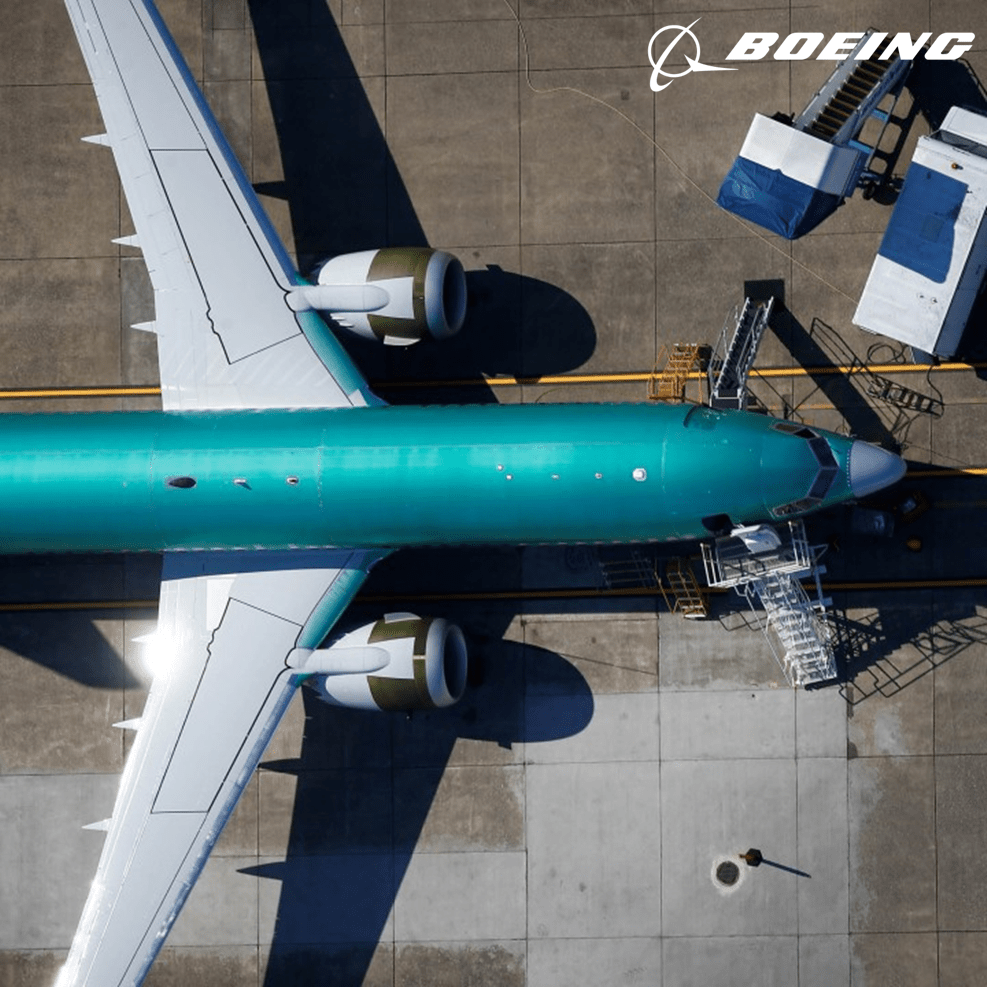
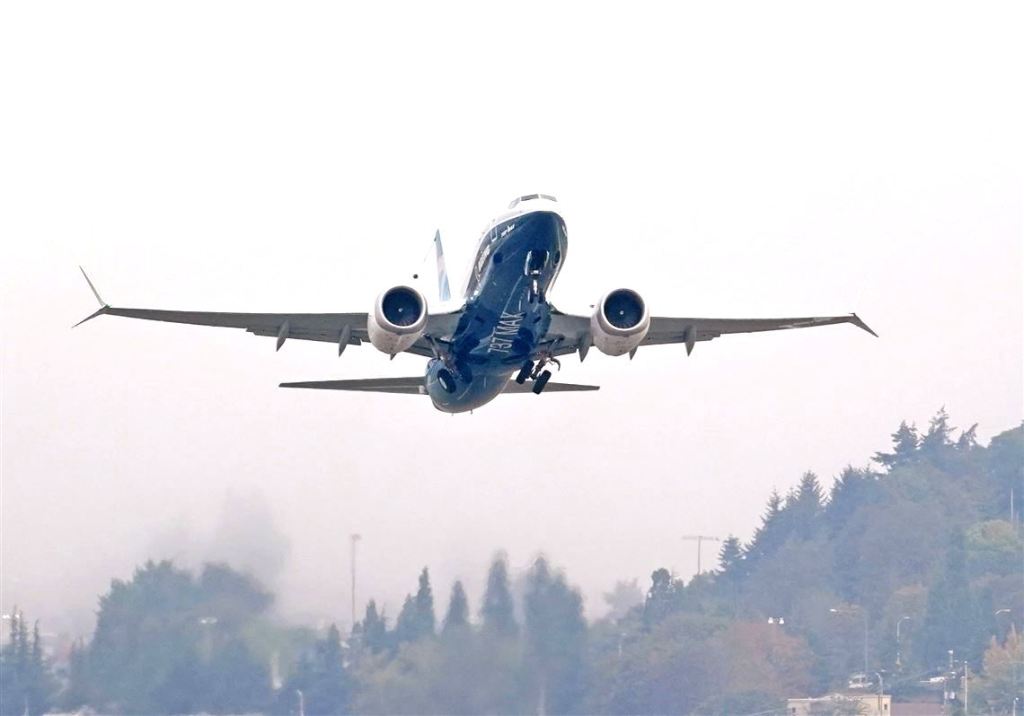
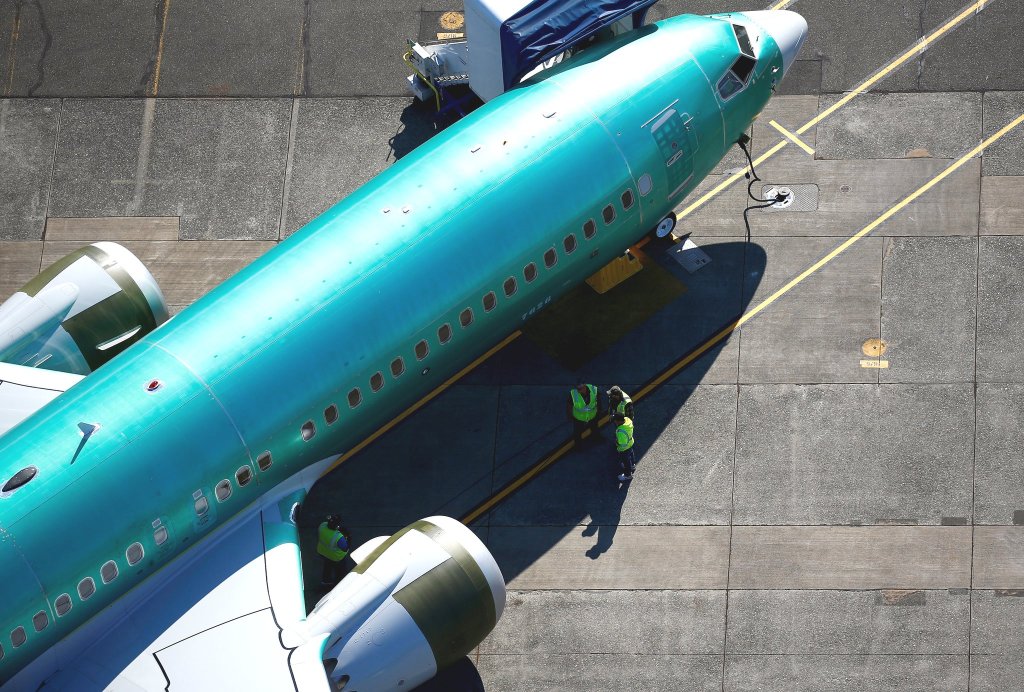
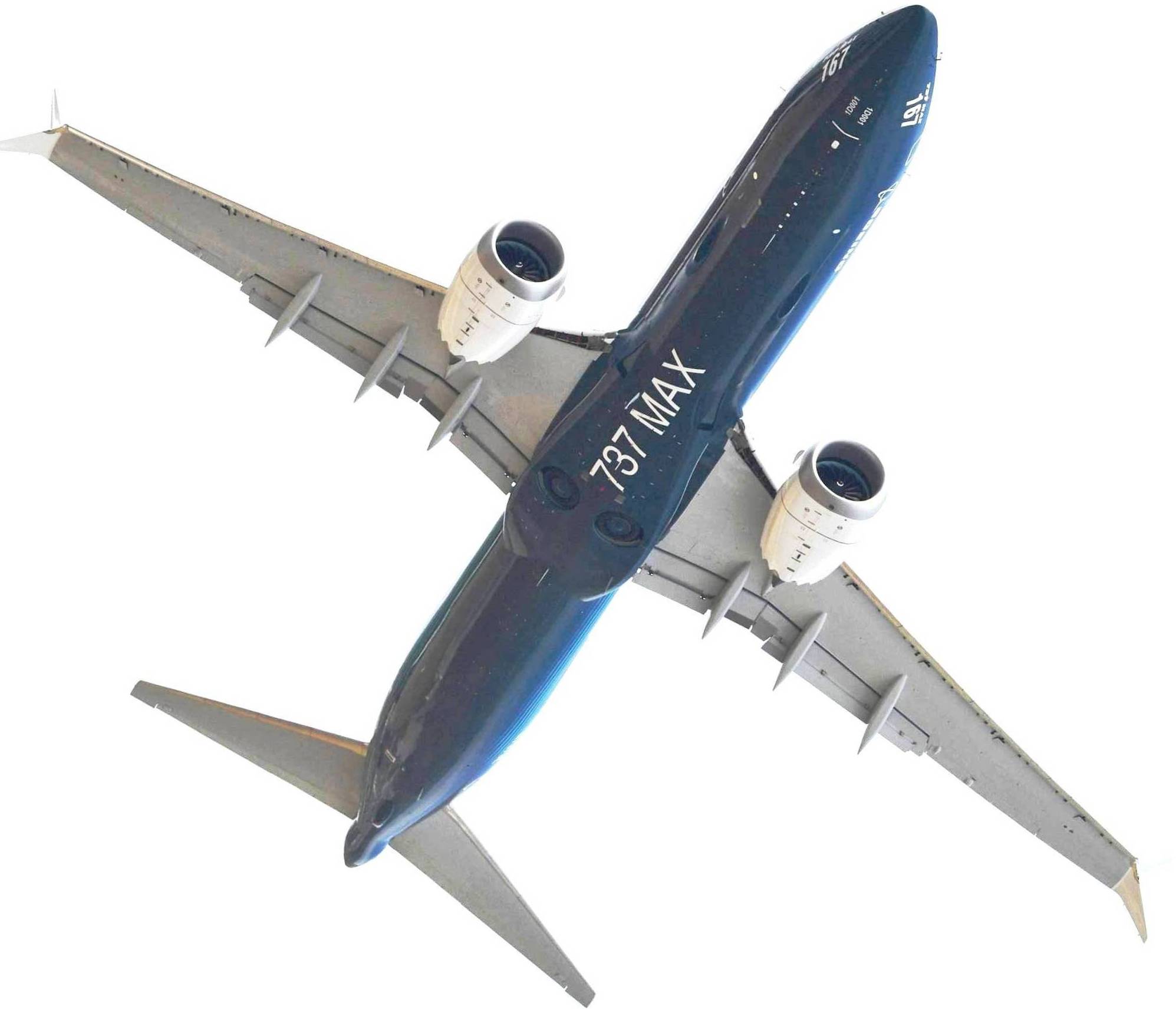
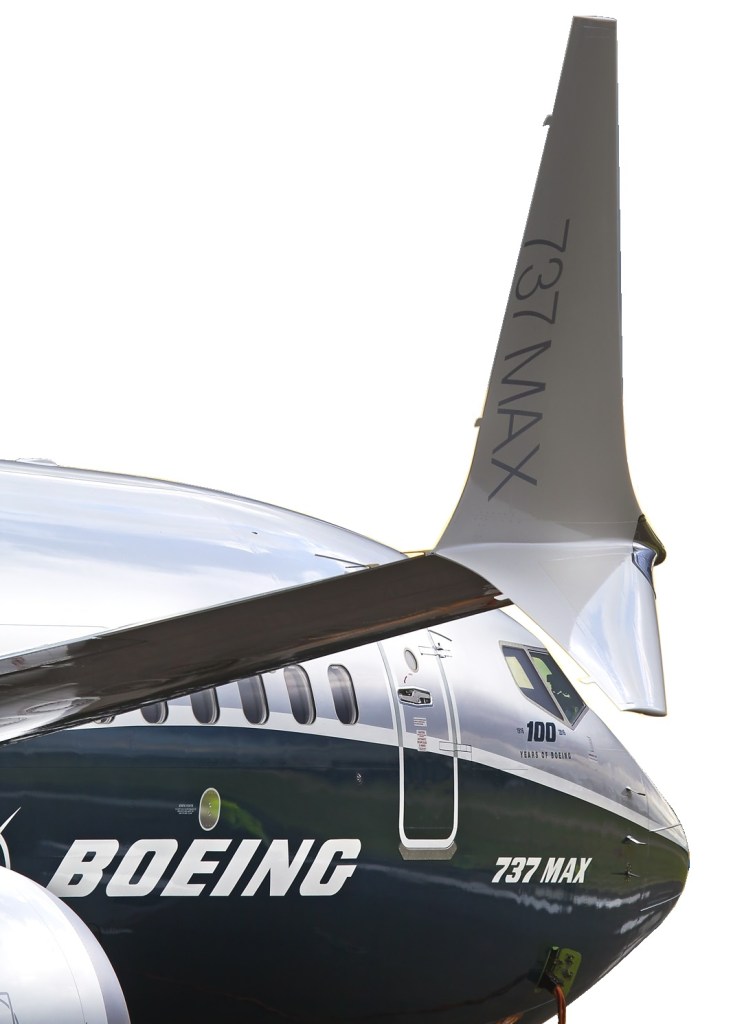
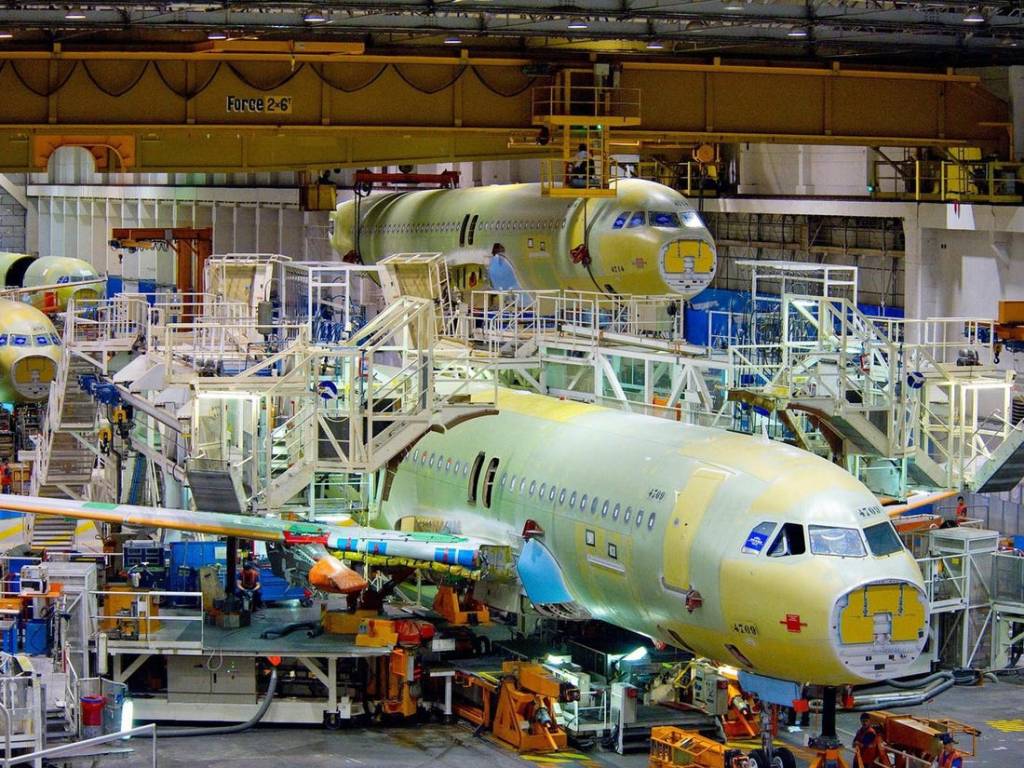
El retorno del Boeing 737 MAX a los cielos del mundo comienza a cerrar heridas profundas y reavivar la confianza en el mercado altamente más competitivo del segmento de las aeronaves narrowbodies. Bajo luces y sombras, la aeronave insignia de la compañía aeroespacial americana continuará su lucha por recuperar un mercado dañado por el impacto en la seguridad industrial, pero que sin lugar a dudas ha marcado un profundo cambio en la manera de fiscalizar las líneas de ensamblajes. Un nuevo horizonte se abre ante la perspectiva de recuperar la credibilidad y confianza en el producto más valorado por la compañía The Boeing Company, pero tal vez, su cosecha de pedidos nunca más se asemeje a los primeros anuncios del Programa 737 MAX. El desarrollo del producto alcanzaría una madurez justo cuando Boeing necesite renovar la línea narrowbodies.
Actualmente, con un panorama con algunos matices positivos tras las aprobaciones de algunos reguladores de aviación para el retorno del Boeing 737 MAX a los cielos, reflejan un paso hacia la confiabilidad el producto en las aerolíneas y pasajeros en algunos lugares del planeta. Los reguladores de seguridad en los Estados Unidos han comenzado a emitir los primeros Certificados de Aeronavegabilidad a aeronaves individuales, lanzando lo que se espera que sea un retorno constante al servicio de más de 800 aviones de pasajeros que habían sido estacionados desde que las autoridades prohibieron el 737 MAX de los cielos en Marzo de 2019.
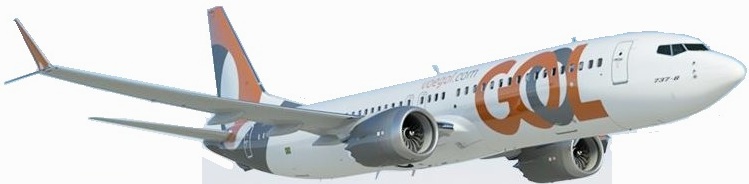
Algunas primeras señales comienzan a aparecer con el reinicio de las operaciones comerciales por parte de dos aerolíneas como GOL Linhas Aéreas y American Airlines marcando el reinicio de los vuelos con las aeronaves de cuarta generación de la línea 737. GOL había superado un hito muy importante, convirtiéndose en la primera aerolínea en el mundo en reanudar los vuelos comerciales 737 MAX el Miércoles 09/12.
La semana pasada, el Director Ejecutivo de Ryanair, Michael O’Leary, es aficionado a los superlativos, por lo que no hubo escasez de ellos cuando hizo un pedido de US$ 7.000 millones para 75 de los aviones Boeing 737 MAX. «Esto no es sólo un avión seguro, es el avión más seguro, más auditado y regulado que se ha entregado en la historia de la aviación civil», declaró, firmando el mayor pedido en firme para el avión de pasajeros desde que fue puesto en tierra después de dos accidentes aéreos.
El regreso del 737 MAX no sólo comienza a cerrar un capítulo terrible en la historia de Boeing, sino que reaviva la competencia en el segmento más caliente del mercado de la aviación. El rival europeo del 737 MAX, el Airbus A320NEO ha sido prácticamente indiscutible en el mercado de los aviones de pasillo único desde que el avión americano fue puesto en tierra. «Eso es importante para la industria. Tenemos que tener competencia. No podemos tener una situación en la que un fabricante tenga tanta cuota de mercado que el otro sea irrelevante», dijo Aengus Kelly, Director Ejecutivo de uno de los mayores compradores de aeronaves del mundo, la compañía de arrendamiento, AerCap. La cadena de suministro aeroespacial, entre ellas la importante fábrica de fuselajes 737, Spirit AeroSystems ubicada en Kansas, también están esperando un impulso de la rehabilitación del 737 MAX, un importante generador de efectivo para muchas empresas.
Nubes en el horizonte
Pero el regreso al servicio de la orden de 737 MAX y Ryanair es sólo el comienzo de un largo recorrido para la compañía Boeing y para la industria en general, que está luchando para superar una de las peores crisis compuestas de aviación de los tiempos modernos. Mientras que también se espera que las grandes compañías aéreas como American Airlines comiencen a volar pasajeros en el Max este mes, pasará algún tiempo antes de que esto se traduzca en una avalancha de nuevos pedidos de una industria aérea global sujetada a pérdidas netas de US$ 118 mil millones este año y casi US$ 40 mil millones hacia el 2021. Desde que el MAX fue puesto en tierra, los pedidos de aproximadamente 1.000 de los aviones de pasajeros han sido cancelados o considerados demasiado arriesgados para incluir en el atraso de Boeing de aproximadamente 3.300 aviones. Incluso si el tráfico de pasajeros comienza a recuperarse el próximo año después de los avances en las vacunas, las compañías aéreas tendrán que lidiar con la deuda contraída durante la crisis antes de que comiencen a comprar aeronaves en serie o pedidos conjuntos.
Además, hay pocos incentivos para que las empresas de arrendamiento, que representaron aproximadamente el 40 por ciento de todas las compras de aeronaves antes de la crisis, compren el 737 MAX de forma directa a The Boeing Company cuando las aerolíneas están desesperadas por recaudar dinero en efectivo vendiendo y luego alquilando aviones nuevamente. «Estamos pagando menos a las aerolíneas de lo que habríamos hecho por el avión que cancelamos. Es la aerolínea la que está tomando el corte de pelo», dijo un alto ejecutivo de un arrendador entre los diez más importantes del mundo.
Reingreso impecable
Mientras tanto, la prioridad de Boeing es reconstruir la confianza de los pasajeros a través de un reingreso impecable al servicio del Boeing 737 MAX. Se medirá el ritmo de retorno y los empleados de Boeing estarán disponibles para preparar incluso los aviones propiedad de las compañías aéreas para el servicio comercial. «Boeing querrá ser parte de ese proceso porque no pueden permitirse tener ningún problema. Incluso algo que no es trágico llegará a las redes sociales», dijo Phil Seymour, Presidente de la IBA, el asesor de aviación.
Boeing espera tomarse aproximadamente dos años para limpiar el parque de 450 aeronaves acumuladas que no pudo entregar en los últimos veinte meses. Otros 387 se sientan en hangares de aerolíneas y ellos también tendrán que pasar por un extenso trabajo. Cada uno de esos jets tendrán que ser retirado del almacenamiento, actualizado con nuevo software para hacer frente a la avería que causó los accidentes, y comprobar si hay algún deterioro causado por meses de permanecer quieto. Los componentes de las aeronaves que se almacenaban en zonas costeras pueden haber sufrido corrosión como resultado del aire marino, por ejemplo, mientras que los aviones alojados en climas secos, como los desiertos, pueden tener problemas con la arena u otros agentes externos ambientales. Por ejemplo, United Airlines, que tiene quince aviones 737 MAX en su flota, estima que se necesitan más de 1.000 horas de trabajo para preparar un solo jet para el retorno de cada unidad a la flota de la compañía. Por último, todos los aviones tendrán que ser inspeccionados por los reguladores de seguridad, ya que Boeing ha perdido el derecho a la autocertificación después de las revelaciones de ocultamiento de detalles a la Agencia Federal de aviación (FAA) de Estados Unidos.
Reintroduciendo competitividad
El retorno del Boeing 737 MAX al mercado mundial introduce una cuota de competitividad junto con el constructor europeo Airbus Group, que ha visto ganar su participación en el segmento de pasillo único empujado a un 60 por ciento del segmento de mercado. Incluso antes de que el 737 MAX fuera castigado, Airbus estaba recogiendo pedidos para su familia A320NEO/A321NEO a un ritmo más rápido que la línea 737 MAX. Ahora la sombra de una guerra de precios se cierne sobre la industria mientras Boeing busca encontrar nuevos clientes para los aviones huérfanos depositados en sus hangares y cementerios de aeronaves y ponerle un tapón a la sangría de más cancelaciones. Los ejecutivos de la industria americana hablan de escuchar acerca de un acuerdo a sólo US$ 35 millones para el valor unitario de un Boeing 737 MAX, contra un precio de lista de US$ 121.6 millones y un precio de venta promedio más normal de alrededor de US$ 60 millones de Dólares.
Alcanzar objetivos
La directiva reflexiona que la compañía Boeing debe tratar de cerrar el abismo que ha surgido con el constructor europeo Airbus. No se trata sólo del éxito del Programa MAX, sino de que la reputación y el futuro de la compañía como fabricante de aviones comerciales están realmente consideran que está en juego. «Como mínimo, tienen que mantenerse propios y tienen que hacer lo que sea necesario para mantenerse como si Airbus no ha tenido competencia en los últimos dos años. Las aerolíneas toman una decisión sobre un avión de cuerpo estrecho cada 20 años. Eso hace que sea muy difícil recuperar la cuota de mercado. Si pierdes a un cliente, la próxima oportunidad de darle la vuelta a ese cliente es de 15 a 20 años de distancia», dijo el Sr. Aengus Kelly.
Algunos analistas son pesimistas de que The Boeing Company sea capaz de cerrar la brecha. Los clientes no sólo buscan más capacidad en sus aviones de pasillo único, sino que también quieren aviones de cuerpo estrecho con la gama de cuerpos anchos más costosos para ayudar a reducir los costos de operación. El Airbus A321NEO se ajusta mejor a la factura que el Boeing 737 MAX, dicen los analistas.
«¿Boeing alguna vez se pondrá al día? No. Mientras arreglaban el MAX, su competidor estaba dando toques finales al A321XLR, un avión de cuerpo estrecho de largo alcance muy capaz. Es más capaz que cualquier cosa que Boeing tenga», dijo Ron Epstein, analista aeroespacial de Bank of America. La tenue respuesta de Boeing al A321NEO XLR es la variante más grande de la línea 737 MAX, el MAX 10 que entrará en servicio en 2022. Pero con un alcance más corto que las últimas variantes A321NEO, es considerado por muchos como menos capaz. Pero el primer paso en falso de la compañía americana ha sido la sobreconfianza depositada en la línea 737, más bien que buscar un reemplazante natural para el Boeing 757, el bestseller narrowbody intercontinental costa a costa Estados Unidos-Europa. Algunos ensayos de vuelos transatlánticos con las aeronaves Boeing 737-8 MAX han demostrado las limitaciones en sus capacidades operativas en términos económicos. Desde la pérdida del espacio de mercado abandonado por el 757, Boeing comenzaba en realidad a perder mercado en el 737. En cuanto al núcleo de la oferta de corta distancia de Boeing, el jet MAX 8 de 170-190 plazas es «un avión maravilloso por lo que hace, pero es solo un avión», dijo el Sr. Ron Epstein.
Boeing vs China
Otro desafío que afronta la compañía Boeing es el futuro del avión en China, donde todavía está en tierra, no está definido y su destino podría estar ligado a fricciones más amplias entre Estados Unidos y China, dicen los analistas. Mientras el problemático Boeing 737 MAX ha despegado para su primer vuelo comercial después de veinte meses de estar desconectado, la compañía aún enfrenta desafíos para hacer que el avión de pasajeros despegue en el crítico pero jugoso mercado de la aviación de China, donde su negocio se ha enredado en la tensión entre Beijing y Washington.
Pero el futuro del avión en China, que fue el primer país en aterrizar el modelo en Marzo de 2019, aún no está claro, en lo que podría tener un impacto significativo en su negocio. La Administración de Aviación Civil de China (CAAC) dijo en Noviembre 2020 que no había establecido un cronograma para el regreso del avión y que el modelo debe cumplir con los requisitos de seguridad para despegar nuevamente. «Mientras se cumplan estas condiciones, estamos felices de ver el regreso al servicio del MAX en China. Pero si no se pueden cumplir estas condiciones, todavía tenemos que llevar a cabo una estricta certificación de aeronavegabilidad para garantizar la seguridad», dijo Feng Zhenglin, Director de la agencia reguladora de aviación. De la declaración se desprende que parece indicar que Pekín no tiene prisa por permitir el regreso del Boeing 737 MAX, a pesar de que actualmente hay 96 de los aviones en tierra en China.
Richard Aboulafia señala que sería un golpe grave para Boeing si no se permitiera al MAX regresar al servicio en el mercado de China. «China representa alrededor del 30 por ciento de la demanda de aeronaves en esta clase, avanzando. Pero no está nada claro que Airbus pueda satisfacer todas las necesidades de China, y los programas chinos nacionales están a muchos años de ser capaces», sostiene del Vicepresidente de Teal Group.
El propio avión de pasajeros de cuerpo estrecho de China, el COMAC C919, se está desarrollando para competir con los Boeing 737 y Airbus A320. En el pasado, los reguladores mundiales de la aviación generalmente seguían las directrices de la FAA, acreditadas durante décadas por la seguridad de la aviación pionera. Pero después de que la agencia estadounidense fue culpada por la supervisión laxa del modelo MAX, hay preguntas sobre si los reguladores internacionales deben seguir su ejemplo. «China no es diferente a la mayoría de los reguladores de seguridad en todo el mundo al decidir, contra las costumbres recientes, llegar a sus propias opiniones sobre la seguridad del MAX», dijo Andrew Charlton, Director Gerente de Aviation Advocacy. «No podemos negar que el MAX está envuelto en el cisma político entre los dos países. Eso es una lástima, porque el sistema que teníamos hasta que se construyó en gran medida en confianza, que aceptamos la certificación FAA para aviones estadounidenses, la certificación europea para Airbus y así sucesivamente. Es de esperar, por razones de eficiencia y de convivencia internacional, que podamos volver a ese punto», dijo Shukor Yusof de la compañía Endau Analytic. Richard Wynne, Director General de Marketing de China con Boeing Commercial Airplanes, dijo el mes pasado que la compañía «ha estado cooperando activamente con los reguladores chinos en términos de apoyo técnico, pero el tiempo para el regreso del avión al vuelo en el espacio aéreo de China será determinado por los reguladores chinos».
La pregunta para el CAAC es si puede permanecer independiente de la influencia política y tomar decisiones sobre la seguridad de la aviación por sí sola, especialmente dada la inversión de China en el desarrollo del C919 y los objetivos de distribuir el avión con su propia certificación. «No podemos negar que el MAX está envuelto en el cisma político entre los dos países. Pekín utilizará cualquier apalancamiento que tenga para asegurarse de que se mantenga en el juego, y ser victorioso al final», dijo Shukor Yusof, fundador de la consultor de aviación.
El Gobierno chino sancionó a Boeing Defence en Octubre 2020 por su participación en la venta de armas a Taiwán, mostrando la infelicidad de Beijing con la compañía en medio de una creciente fricción con Washington. El CAAC tiene una reputación de ser «exigente y muy minucioso» como regulador de aviación, según Kevin Michaels, Director General de AeroDynamic Advisory, una consultoría aeroespacial y de aviación. «Aunque era poco probable que la base inicial del 737 MAX en China estuviera vinculada a la política, puede haber una nueva demanda de recertificación que esté vinculada a la guerra comercial más amplia. Estados Unidos y China van a ser rivales, ese es el mundo en el que vivimos», dijo Kevin Michaels, quien ha asesorado sobre los proyectos de aviación de China en el pasado. China sigue siendo un mercado importante para Boeing. El gigante aeroespacial con sede en Chicago el mes pasado elevó su pronóstico de demanda en el país a 8.600 nuevos aviones hasta 2039, en comparación con su estimación anterior de 8.090.
Perspectivas 737 MAX
Boeing no se hace ilusiones sobre los desafíos, pero sigue siendo firmemente leal a su familia 737 MAX. «Tenemos la máxima fe en este producto», dijo el Presidente y Director Ejecutivo de The Boeing Company, David Calhoun la semana pasada en la firma de la nueva orden por parte de la compañía irlandesa Ryanair. La compañía estadounidense está apostando a que incluso antes de cualquier recuperación significativa en el tráfico de pasajeros, las aerolíneas que ya operan 737 más antiguos querrán reemplazarlas con el MAX 8 más verde. «Puedes tomar cualquier aerolínea del mundo y han retirado sus 737 mayores antes de lo planeado. Estas aerolíneas necesitarán aviones para reemplazar los aviones retirados y para un crecimiento eventual. Quieren el MAX porque es más barato operar y ayuda a las aerolíneas a cumplir sus objetivos de sostenibilidad», dijo el Portavoz de Boeing, Gordon Johndroe. Pero hay quienes creen que no habrá ningún cambio en el panorama competitivo sin un nuevo avión de pasillo único para asumir el A321. «Estamos abordando un cambio tectónico en la cuota de mercado si Boeing no hace nada. El A321 no es la versión óptima. Su principal virtud es que está solo», dijo Richard Aboulafia, Vicepresidente de Teal Group, la consultoría aeroespacial.
Sin embargo, con más de US$ 60.000 millones de deuda y cualquier aumento de efectivo sostenible del MAX que probablemente esté a dos años de distancia, en Boeing son cautelosos de tomar otra apuesta que podría costar caro a la compañía. La tecnología del motor no está en una etapa para permitir que un nuevo avión reclame un cambio escalonado en el ahorro de combustible. Y hay preocupaciones de que cualquier charla de un nuevo avión podría arrebatar el éxito del MAX, ahora intrincadamente ligado al de Boeing. «Si Boeing anunciara un nuevo avión de pasillo único en los próximos dos o tres años, nadie compraría el MAX», dijo un cliente de Boeing.
Se espera que Boeing intente retrasar un nuevo avión durante el mayor tiempo posible, para permitir que la tecnología y el tiempo borren los recuerdos de la crisis de MAX. Mientras tanto, será un sonido de los clientes de cuáles podrían ser sus necesidades cuando el mercado finalmente se recupere de la pandemia. «Si alguien piensa que sabe cómo será el mercado y qué querrán los clientes de aerolíneas dentro de un par de años, no saben de qué están hablando. La investigación continúa, pero realmente tenemos que superar la pandemia antes de hacer declaraciones definitivas», dijo un ejecutivo de Boeing.
Projecting Boeing 737 MAX recovery
Boeing perspective for long-term recovery of the 737 MAX
The return of the Boeing 737 MAX to the skies of the world begins to heal deep wounds and rekindle confidence in the highly competitive market of the narrowbodies aircraft segment. Under light and shadow, the flagship aircraft of the American aerospace company will continue its fight to recover a market damaged by the impact on industrial safety, but which has undoubtedly marked a profound change in the way assembly lines are controlled. A new horizon opens up at the prospect of regaining credibility and confidence in the The Boeing Company most valued product, but perhaps its crop of orders will never again resemble the first 737 MAX Program announcements. Product development would reach maturity just when Boeing needs to revamp the narrowbodies line.
Currently, with a panorama with some positive nuances after the approval of some aviation regulators for the return of the Boeing 737 MAX to the skies, they reflect a step towards the reliability of the product in airlines and passengers in some places on the planet. Safety regulators in the United States have begun issuing the first Certificates of Airworthiness to individual aircraft, launching what is expected to be a steady return to service for more than 800 passenger aircraft that had been parked since authorities banned the 737 MAX from the skies in March 2019.
Some first signs begin to appear with the restart of commercial operations by two airlines such as GOL Linhas Aéreas and American Airlines, marking the restart of flights with the fourth generation aircraft of the 737 line. GOL had passed a very important milestone, becoming the first airline in the world to resume commercial 737 MAX flights on Wednesday 09/12.
Last week, Ryanair CEO Michael O’Leary is fond of superlatives, so there was no shortage of them when he placed a $ 7 billion order for 75 of the Boeing 737 MAX jets. «This is not just a safe aircraft, it is the safest, most audited and regulated aircraft ever delivered in the history of civil aviation», he stated, signing the largest firm order for the passenger aircraft since it was put into operation. land after two plane crashes.
The return of the 737 MAX not only begins to close a terrible chapter in Boeing’s history, it rekindles competition in the hottest segment of the aviation market. The European rival to the 737 MAX, the Airbus A320NEO has been virtually unchallenged in the single-aisle aircraft market since the American aircraft was grounded. «That’s important to the industry. We have to have competition. We can’t have a situation where one manufacturer has so much market share that the other is irrelevant», said Aengus Kelly, CEO of one of the largest aircraft buyers in the world. world, the leasing company, AerCap. The aerospace supply chain, including the major 737 airframe factory Spirit AeroSystems located in Kansas, is also expecting a boost from the 737 MAX rehab, a major cash generator for many companies.
Clouds on the horizon
But the return to service of the 737 MAX and Ryanair order is just the beginning of a long journey for the Boeing company and the industry at large, which is struggling to overcome one of the worst composite aviation crises of modern times. While large carriers like American Airlines are also expected to start flying passengers on the MAX this month, it will be some time before this translates into a flood of new orders from a global airline industry subject to net losses of US$ 118 billion this year and nearly US$ 40 billion by 2021. Since the MAX was grounded, orders for approximately 1,000 of the airliners have been canceled or deemed too risky to include in Boeing’s backlog of approximately 3,300 aircraft. Even if passenger traffic starts to pick up next year after advances in vaccines, airlines will have to deal with debt incurred during the crisis before they start buying aircraft in series or joint orders.
Additionally, there is little incentive for leasing companies, which accounted for about 40 percent of all aircraft purchases before the crisis, to buy the 737 MAX directly from The Boeing Company when airlines are desperate to raise money in cash selling and then renting planes again. «We are paying less to the airlines than we would have done for the plane that we canceled. It is the airline that is taking the haircut», said a senior executive of a lessor among the ten largest in the world.
Flawless reentry
Meanwhile, Boeing’s priority is rebuilding passenger confidence through a flawless re-entry into service of the Boeing 737 MAX. The rate of return will be measured and Boeing employees will be available to prepare even airline-owned aircraft for commercial service. «Boeing will want to be part of that process because they cannot afford to have any problems. Even something that is not tragic will make its way onto social media», said Phil Seymour, IBA President, the aviation adviser.
Boeing expects to take approximately two years to clear the pool of 450 accumulated aircraft that it failed to deliver in the last twenty months. Another 387 sit in airline hangars and they too will have to go through extensive work. Each of those jets will have to be removed from storage, updated with new software to deal with the breakdown that caused the accidents, and checked for any deterioration caused by months of standing still. Aircraft components that were stored in coastal areas may have been corroded as a result of sea air, for example, while aircraft housed in dry climates, such as deserts, may have problems with sand or other external environmental agents. For example, United Airlines, which has 15 737 MAX aircraft in its fleet, estimates that it takes more than 1,000 man-hours to prepare a single jet for the return of each unit to the company’s fleet. Lastly, all aircraft will need to be inspected by safety regulators, as Boeing has lost the right to self-certification following the concealment disclosures of details to the US Federal Aviation Agency (FAA).
Reintroducing competitiveness
The return of the Boeing 737 MAX to the world market introduces a competitive share together with European manufacturer Airbus Group, which has seen its share of the single-aisle segment gain pushed to 60 percent of the market segment. Even before the 737 MAX was punished, Airbus was picking up orders for its A320NEO/ A321NEO family at a faster rate than the 737 MAX line. Now the shadow of a price war looms over the industry as Boeing seeks to find new customers for the orphaned planes deposited in its hangars and aircraft graveyards and plug the drain on more cancellations. American industry executives speak of hearing about a deal at just US$ 35 million for the unit value of a Boeing 737 MAX, against a list price of US$ 121.6 million and a more normal average sales price of around US$ 60 million dollars.
Achieve objectives
The directive reflects that the Boeing company should try to close the gulf that has arisen with the European manufacturer Airbus. It is not just about the success of the MAX Program, but that the reputation and future of the company as a manufacturer of commercial aircraft are truly at stake. «At the very least, they have to hold their own and they have to do whatever it takes to support themselves as if Airbus has had no competition in the last two years. Airlines make a decision on a narrow-body aircraft every 20 years. That makes it very difficult to regain market share. If you lose a customer, the next opportunity to turn that customer around is 15 to 20 years away», said Mr. Aengus Kelly.
Some analysts are pessimistic that The Boeing Company will be able to close the gap. Not only are customers looking for more capacity in their single aisle aircraft, they also want narrow-body aircraft with the most expensive wide-body range to help reduce operating costs. The Airbus A321NEO fits the bill better than the Boeing 737 MAX, analysts say.
«Will Boeing ever catch up? No. While they were fixing the MAX, their competitor was putting the finishing touches on the A321XLR, a very capable long-range narrow-body aircraft. It’s more capable than anything Boeing has», said Ron. Epstein, an aerospace analyst at Bank of America. Boeing’s tenuous response to the A321NEO XLR is the largest variant of the 737 MAX line, the MAX 10 due to enter service in 2022. But with a shorter range than the latest A321NEO variants, it is considered by many to be less capable. But the first misstep of the American company has been the overconfidence placed in the 737 line, rather than looking for a natural replacement for the Boeing 757, the United States-Europe coast-to-coast intercontinental narrowbody bestseller. Some transatlantic flight trials with Boeing 737-8 MAX aircraft have shown the limitations in their operational capabilities in economic terms. Since the loss of market space abandoned by the 757, Boeing was actually beginning to lose market in the 737. At the core of Boeing’s short-haul offering, the 170-190-seater MAX 8 jet is «a wonderful aircraft so it does, but it’s just a plane», said Mr. Ron Epstein.
Boeing vs China
Another challenge facing the Boeing company is the future of the plane in China, where it is still on the ground, is undefined and its fate could be tied to wider frictions between the United States and China, analysts say. While the troubled Boeing 737 MAX has taken off for its first commercial flight after twenty months of being offline, the company still faces challenges in getting the jetliner off the ground in China’s critical but juicy aviation market, where its business thrives. it has become entangled in the tension between Beijing and Washington.
But the future of the aircraft in China, which was the first country to land the model in March 2019, is still unclear, as it could have a significant impact on its business. The Civil Aviation Administration of China (CAAC) said in November 2020 that it had not set a timetable for the return of the plane and that the model must meet safety requirements to take off again. «As long as these conditions are met, we are happy to see the MAX return to service in China. But if these conditions cannot be met, we still have to carry out a strict airworthiness certification to ensure safety», said Feng Zhenglin, Director of the aviation regulatory agency. It appears from the statement that it appears to indicate that Beijing is in no rush to allow the return of the Boeing 737 MAX, even though there are currently 96 of the planes on the ground in China.
Richard Aboulafia notes that it would be a serious blow to Boeing if the MAX were not allowed to return to service in the China market. «China accounts for about 30 percent of the demand for aircraft in this class, moving forward. But it is far from clear that Airbus can meet all of China’s needs, and national Chinese programs are many years away from being capable», he says. Vice President of Teal Group.
China’s own narrow-body airliner, the COMAC C919, is being developed to compete with the Boeing 737 and Airbus A320. In the past, global aviation regulators generally followed FAA guidelines, accredited for decades by pioneering aviation safety. But after the US agency was blamed for lax oversight of the MAX model, there are questions about whether international regulators should follow suit. «China is no different than most safety regulators around the world in deciding, against recent mores, to come up with their own views on the safety of the MAX», said Andrew Charlton, Managing Director of Aviation Advocacy. «We cannot deny that the MAX is embroiled in the political schism between the two countries. That’s a shame, because the system we had until it was built largely in confidence, that we accept the FAA certification for American aircraft, the European certification for Airbus and so on. It is hoped, for reasons of efficiency and international coexistence, that we can return to that point», he said. Shukor Yusof from Endau Analytic company. Richard Wynne, China Chief Marketing Officer with Boeing Commercial Airplanes, said last month that the company «has been actively cooperating with Chinese regulators in terms of technical support, but the timing for the return of the aircraft to flight in the airspace China’s will be determined by Chinese regulators».
The question for the CAAC is whether it can remain independent of political influence and make aviation security decisions on its own, especially given China’s investment in the development of the C919 and the goals of distributing the aircraft with its own certification. «We cannot deny that the MAX is embroiled in the political schism between the two countries. Beijing will use whatever leverage it has to make sure it stays in the game, and be victorious in the end», said Shukor Yusof, founder of the consultant of aviation.
The Chinese government sanctioned Boeing Defense in October 2020 for its involvement in arms sales to Taiwan, showing Beijing’s unhappiness with the company amid growing friction with Washington. The CAAC has a reputation for being «demanding and very thorough» as an aviation regulator, according to Kevin Michaels, CEO of AeroDynamic Advisory, an aerospace and aviation consultancy. «Although it was unlikely that the initial 737 MAX base in China was linked to politics, there may be a new recertification demand that is linked to the broader trade war. The United States and China are going to be rivals, that’s the world. we live in», said Kevin Michaels, who has advised on China’s aviation projects in the past. China remains an important market for Boeing. The Chicago-based aerospace giant last month raised its forecast for demand in the country to 8,600 new jets through 2039, compared with its previous estimate of 8,090.
Perspective 737 MAX
Boeing has no illusions about the challenges, but it remains steadfastly loyal to its 737 MAX family. «We have the utmost faith in this product», said The Boeing Company President and CEO David Calhoun last week at the signing of the new order by the Irish company Ryanair. The American company is betting that even before any significant recovery in passenger traffic, airlines already operating older 737s will want to replace them with the greener MAX 8. «You can take any airline in the world and they have retired their biggest 737s earlier than planned. These airlines will need planes to replace the retired planes and for eventual growth. They want the MAX because it’s cheaper to operate and it helps airlines meet their goals. sustainability», said Boeing Spokesman Gordon Johndroe. But there are those who believe that there will be no change in the competitive landscape without a new single-aisle aircraft to take on the A321. «We are addressing a tectonic shift in market share if Boeing does nothing. The A321 is not the optimal version. Its main virtue is that it is alone», said Richard Aboulafia, Vice-president of Teal Group, the aerospace consultancy.
However, with more than US$ 60 billion in debt and any sustainable cash increases from the MAX likely two years away, Boeing is wary of taking another gamble that could cost the company dearly. Engine technology is not at a stage to allow a new aircraft to claim a step change in fuel economy. And there are concerns that any talk of a new plane could snatch the success of the MAX, now intricately tied to that of Boeing. «If Boeing announced a new single-aisle aircraft in the next two to three years, no one would buy the MAX», said a Boeing customer.
Boeing is expected to try to delay a new plane for as long as possible, to allow technology and time to erase memories of the MAX crisis. In the meantime, it will be a sound from customers of what their needs might be when the market finally recovers from the pandemic. «If someone thinks they know what the market will be like and what airline customers will want in a couple of years, they don’t know what they are talking about. The investigation is continuing, but we really have to overcome the pandemic before making any definitive statements», he said a Boeing executive.
Airbus normatiza localizador ELTs inspirados en MH370 hacia 2023
Airbus Group ha informado que la compañía incorporará la tecnología se ha comprometido a equipar todos sus tipos de aeronaves en producción con tecnología de localización de emergencia de ajuste de línea denominado Line Setting Emergency Location (ELT) inspirada en un mandato reglamentario de la Agencia de Seguridad Aérea de la Unión Europea (EASA) relacionado con la desaparición del vuelo MH370 de Malaysia Airlines. En virtud de un nuevo acuerdo con París, el fabricante de aviones ELT Orolia, con sede en Francia, Ultima-DT se instalará en serie en todos los programas de aviones comerciales que incluyen las flotas de los programas A220, A320, A330 y A350 según un comunicado de prensa emitido el 9 de Diciembre de 2020. La tecnología se instalará en los aviones Airbus como parte de un contrato de programa multianual de origen único adjudicado a Orolia. De acuerdo con el mandato de Seguimiento Autónomo de Desastres de la OACI se dio a conocer como parte de su iniciativa del Sistema Mundial de Socorro y Seguridad Aeronáutica (GADSS) y del mandato de la Unión Europea, todas las aeronaves nuevas entregadas a partir de Enero de 2023 podrán informar de forma autónoma de su ubicación en cualquier parte del mundo y determinar el fin de la ubicación del vuelo para ayudar a los equipos de rescate a localizar rápidamente la aeronave y recuperar los grabadores de vuelo. «Estamos muy orgullosos de ser seleccionados por Airbus para proporcionar al primer fabricante de aeronaves del mundo el cumplimiento de las últimas regulaciones de seguridad. Una selección de programas de una sola fuente y de varios años para la entrega de equipos obligatorios es un testimonio de nuestras capacidades de innovación, la confiabilidad de Orolia como fabricante de equipos críticos y nuestro know-how en términos de gestión de programas grandes y complejos», dijo Jean-Yves Courtois, CEO de Orolia.
Desarrollado después de la desaparición del vuelo MH370 de Malaysia Airlines, debía ocurrir a partir del 21 de Enero de 2021. Para cumplir con el mandato, las aeronaves con un peso máximo de despegue de más de 27.000 kg (60.000 libras) con un certificado de aeronavegabilidad emitido tendrían que transmitir de forma autónoma la información de posición una vez cada minuto o menos cuando una aeronave está en peligro.
Los Airbus A220-100 y A220-300 se encuentran entre los tipos de aeronaves en servicio que recibirán las mejoras de ajuste de línea ELT. La OACI adoptó por primera vez la enmienda 39 del Anexo 6 de sus normas normales de seguimiento de aeronaves y prácticas recomendadas (SARP) en Noviembre de 2015. Los SARP requieren que los operadores rastreen las aeronaves que operan en condiciones normales de vuelo cada 15 minutos con una capacidad opcional de seguimiento de eventos anormales. Un requisito de ADT separado, que la tecnología de Orolia cumplirá en los aviones Airbus, se incluyó en la modificación de las normas de la OACI y ha sido implementado a nivel nacional por organismos reguladores de aviación civil.
Después de un aplazamiento de dos años, el estándar para el elemento de seguimiento de socorro de GADSS ahora será aplicable a partir de enero de 2023 para los aviones de nueva construcción. Tras una encuesta de la OACI sobre preparación, la Comisión de Navegación Aérea de la agencia recomendó este aplazamiento a 2023, que fue aprobado por el Consejo de la OACI este año. Eso da a Airbus tiempo suficiente para integrar la adopción del Ultima-DT de Orolia en sus horarios de producción. La antena también tiene recepción integrada del sistema de navegación por satélite global y Orolia también proporciona un módulo ADT separado que se instala dentro del panel de control de la cabina de la aeronave. Cuando el módulo de seguimiento de Ultima-DT captura una señal o condición de socorro y la transmite al ELT, se puede remitir un mensaje de socorro a los controladores de tráfico aéreo, a las agencias de búsqueda y rescate y al personal de tierra del operador de aeronaves. La señalización del módulo de una condición de socorro también activa el seguimiento minuto a minuto.
En caso de que un avión experimente un corte de energía, el nuevo ELT sigue transmitiendo señales de socorro al sistema de satélites COSPAS SARSAT, que ha proporcionado servicio gratuito de localización de emergencia por satélite de búsqueda y rescate a la industria de la aviación durante más de 20 años.
Mientras que la tecnología de seguimiento de socorro ELT de la generación anterior fue activada por las fuerzas G, Ultima-DT se activa por condiciones de socorro que pueden conducir a un accidente o accidente. «Las primeras unidades se entregarán a Airbus para la instalación final de la línea de montaje en 2022, lo que garantiza que las aeronaves entregadas a partir de Enero de 2023 cumplan con los requisitos autónomos de seguimiento de socorro», dijo Orolia.
Airbus incorporates ELT in aircraft
Airbus standardizes locator ELTs inspired by MH370 by 2023
Airbus Group has reported that the company will incorporate the technology has committed to equipping all its types of aircraft in production with line setting emergency location technology called Line Setting Emergency Location (ELT) inspired by a regulatory mandate from the Security Agency European Union Air Force (EASA) related to the disappearance of Malaysia Airlines flight MH370. Under a new agreement with Paris, France-based aircraft manufacturer ELT Orolia Ultima-DT will be installed serially on all commercial aircraft programs including the A220, A320, A330 and A350 program fleets as per a press release issued on December 9, 2020. The technology will be installed on Airbus aircraft as part of a multi-year single-origin program contract awarded to Orolia. In accordance with the Autonomous Disaster Monitoring mandate of ICAO was announced as part of its Global Aeronautical Distress and Safety System (GADSS) initiative and the mandate of the European Union, all new aircraft delivered as of January 2023 will be able to autonomously report their location anywhere in the world and determine the end of the flight location to help rescue teams quickly locate the aircraft and retrieve the flight recorders. «We are very proud to be selected by Airbus to provide the world’s first aircraft manufacturer with compliance with the latest safety regulations. A selection of multi-year, single source programs for the delivery of mandatory equipment is a testament to our innovation capabilities, Orolia’s reliability as a critical equipment manufacturer and our know-how in terms of managing large and complex programs», said Jean-Yves Courtois, CEO of Orolia.
Developed after the disappearance of Malaysia Airlines flight MH370, it was to occur as of January 21, 2021. To comply with the mandate, aircraft with a maximum take-off weight of more than 27,000 kg (60,000 pounds) have a certificate of Issued airworthiness would have to autonomously transmit position information once every minute or less when an aircraft is in distress.
The Airbus A220-100 and A220-300 are among the types of aircraft in service that will receive the ELT line tuning enhancements. ICAO first adopted Amendment 39 to Annex 6 of its normal aircraft tracking standards and recommended practices (SARPs) in November 2015. SARPs require operators to track aircraft operating under normal flight conditions every 15 minutes. with an optional abnormal event tracking capability. A separate ADT requirement, which Orolia’s technology will meet on airbus aircraft, was included in the ICAO standards amendment and has been implemented nationally by civil aviation regulatory bodies.
After a two-year postponement, the standard for the GADSS Distress Tracking Element will now be applicable from January 2023 for newly built aircraft. Following an ICAO survey on preparedness, the agency’s Air Navigation Commission recommended this postponement to 2023, which was approved by the ICAO Council this year. That gives Airbus enough time to integrate the adoption of Orolia’s Ultima-DT into its production schedules. The antenna also has integrated reception from the global satellite navigation system and Orolia also provides a separate ADT module that is installed inside the aircraft cabin control panel. When the Ultima-DT tracking module captures a distress signal or condition and transmits it to the ELT, a distress message can be forwarded to air traffic controllers, search and rescue agencies, and operator ground personnel. of aircraft. The module signaling a distress condition also activates minute-by-minute tracking.
In the event that an aircraft experiences a power outage, the new ELT continues to transmit distress signals to the COSPAS SARSAT satellite system, which has provided free search and rescue satellite emergency locator service to the aviation industry for more 20 years.
Whereas the previous generation ELT distress tracking technology was activated by G-forces, Ultima-DT is activated by distress conditions that can lead to an accident or accident. «The first units will be delivered to Airbus for final assembly line installation in 2022, ensuring that aircraft delivered after January 2023 meet autonomous relief tracking requirements», Orolia said.
Lift Airlines incursiona en los cielos de Sudáfrica
Lift Airlines se lanzó el Miércoles09/12 bajo la creación del ex-Ejecutivo de Uber Africa, Jonathan Ayache y el ex-directivo de Kulula.com, Gidon Novick. En una declaración en el sitio web de la aerolínea los directivos han expresado que mientras que mucha gente piensa que sería una locura lanzar una aerolínea durante una pandemia global, contrariamente piensan que es el mejor momento de la historia, dado los bajos índices de precios para adquisición de aeronaves entre otros aspectos. «El modelo obsoleto de aerolíneas de alta deuda impulsada por la oferta debe cambiar. Entre muchas otras cosas, COVID-19 ha demostrado que simplemente no es un enfoque sostenible. En lugar de eso, es hora de un modelo de negocio basado en la demanda. Uno que es supereficiente’ aprovecha los bajos costos de entrada y es ágil y flexible., dijo Gidon Novick.
La nueva aerolínea iniciará con operaciones de aviones de la familia Airbus A320NEO que ofrece una experiencia de viaje nacional más amplia. Lift volarácon aeronaves arrendadas a Global Aviation Operations, una firma con sede en Sudáfrica. Todos los asientos de Lift serán de clase Economy y operarán entre el centro comercial Johannesburgo y el favorito turístico de Ciudad del Cabo. Competirá directamente con la filial estatal de South African Airways (SAA), la aerolínea de presupuesto Mango, líder del mercado, entre otros operadores como kulala.com y FlySafair. Lift se encuentra apostando por el regreso de turistas y viajeros de negocios.
Lift is born, a new South African airline
Lift Airlines takes to the skies of South Africa
Lift was launched on Wednesday 09/12 under the creation of former Uber Africa Executive Jonathan Ayache and former Kulula.com CEO Gidon Novick. In a statement on the airline’s website, executives have expressed that while many people think it would be crazy to launch an airline during a global pandemic, on the contrary they think it is the best time in history, given the low price indexes for acquisition of aircraft among other aspects. «The outdated supply-driven, high-debt airline model must change. Among many other things, COVID-19 has shown that it is simply not a sustainable approach. Instead, it is time for a demand-driven business model. One that is super efficient ‘takes advantage of low cost of entry and is agile and flexible», said Gidon Novick.
The new airline will start operations of Airbus A320CEO family aircraft offering a broader domestic travel experience. Lift will fly aircraft leased from Global Aviation Operations, a South African-based firm. All Lift seats will be Economy class and will operate between the Johannesburg Mall and Cape Town’s tourist favorite. It will compete directly with the state affiliate of South African Airways (SAA), the market leading budget airline Mango, among other operators such as kulala.com and FlySafair. Lift is betting on the return of tourists and business travelers.
Lift is gebore, ‘n nuwe Suid-Afrikaanse lugdiens
Lift Airlines neem die lug in Suid-Afrika
Lift Airlines is op Woensdag 09/12 bekendgestel onder die skepping van die voormalige uitvoerende hoof van Uber Africa, Jonathan Ayache, en die voormalige uitvoerende hoof van Kulula.com, Gidon Novick. In ‘n verklaring op die lugredery se webwerf het bestuurders uitgespreek dat hoewel baie mense dink dat dit mal sou wees om ‘n lugdiens tydens ‘n wêreldwye pandemie te loods, inteendeel hulle dink dit is die beste tyd in die geskiedenis, gegewe die lae prysindeks verkryging van vliegtuie onder andere. ,,Die verouderde aanbodgedrewe lugrederymodel met hoë skuld moet verander. COVID-19 het onder meer getoon dat dit eenvoudig nie ‘n volhoubare benadering is nie. In plaas daarvan is dit tyd vir ‘n vraaggedrewe sakemodel. Een wat superdoeltreffend is, ‘benut die lae toegangskoste en is rats en buigsaam«, het Gidon Novick gesê.
Die nuwe lugdiens sal begin met Airbus A320CEO-familievliegtuie wat ‘n breër reiservaring vir binnelandse sake bied. Lift sal vliegtuie vlieg wat gehuur word van Global Aviation Operations, ‘n Suid-Afrikaanse onderneming. Alle Lift-sitplekke sal in Economy-klas wees en sal tussen die Johannesburg Mall en Kaapstad se toeriste-gunsteling werk. Dit sal direk meeding met die staatsonderneming van die Suid-Afrikaanse Lugdiens (SAL), die markleidende goedkoop lugredery Mango, onder ander ondernemings soos kulala.com en FlySafair. Lift wed op die terugkeer van toeriste en sakereisigers.