Avianca reconoce pagos antes proceso de reorganización financiera
La aerolínea colombiana Avianca Airlines ha reconocido el pago de cerca de US$ 7 millones de Dólares a algunos ejecutivos de la compañía antes del inicio del proceso de reorganización financiera bajo el Capítulo 11 de la Ley de Quiebras de Estados Unidos. En un comunicado remitido al regulador colombiano, la aerolínea ha explicado que dichos pagos se efectuaron en cumplimiento con ciertas obligaciones laborales correspondientes al año 2019, así como a pagos bajo ciertos planes de retención aprobados por la junta directiva antes de la reestructuración. Los pagos también se realizaron como parte de un incentivo para que los ejecutivos de Avianca mantuvieran la continuidad de sus servicios a la empresa en el proceso del Capítulo 11.
Recientemente, la aerolínea presentó una solicitud ante el Tribunal de Bancarrota de los Estados Unidos para obtener financiación de aproximadamente US$ 2.000 millones de Dólares. La justicia colombiana aceptó la semana pasada una demanda contra el préstamo que el Gobierno de Colombia iba a destinar a la compañía y ordenó medidas cautelares para impedir el desembolso.
Avianca recognizes payments to executives
Avianca recognizes payments financial reorganization process
The Colombian airline Avianca Airlines has recognized the payment of about US$ 7 million dollars to some executives of the company before the beginning of the financial reorganization process under Chapter 11 of the United States Bankruptcy Law. In a statement sent to the Colombian regulator, the airline explained that these payments were made in compliance with certain labor obligations corresponding to the year 2019, as well as payments under certain retention plans approved by the board of directors before the restructuring. The payments were also made as part of an incentive for Avianca executives to maintain continuity of their services to the company in the Chapter 11 process.
Recently, the airline filed an application in the United States Bankruptcy Court for financing of approximately US$ 2 billion. Last week, the Colombian justice accepted a lawsuit against the loan that the Colombian government was going to allocate to the company and ordered precautionary measures to prevent the disbursement.
PAG Group ingresa en la aerolínea regional australiana
El administrador de inversiones alternativas con sede en Hong Kong, PAG, ha firmando un acuerdo para invertir hasta A$ 150 millones de Dólares australianos (US$ 107 millones) en la matriz Regional Express Holding Ltd. de aerolínea australiana REX Airlines para respaldar el lanzamiento de sus servicios den la introducción de la era jet de la compañía para unir las principales ciudades del país.
El Lunes 21/09 REX Airlines ha firmado con PAG Group un acuerdo para la utilización de un Tramo Inicial de Notas Convertibles de A$ millones de Dólares australianos para fines de 2020, con el saldo dispuesto durante los próximos tres años. Las notas serían convertibles a A$ 1,50 Dólares australianos por acción, que se compara con el precio de cierre de Rex de 1,12 Dólares australianos el Martes 22/09. PAG tendría una participación accionaria del 23% en la aerolínea australiana tras el ejercicio del Tramo Inicial y una participación total del 48% si la cantidad total se negociara y convirtiera. Una vez completado el Trato, PAG tendría derecho a nominar dos directores para la Junta en la aerolínea REX Airlines.
La nueva financiación ayudaría a REX Airlines a comenzar las operaciones con aeronaves narrowbodies en Marzo de 2021 en lo que describió como el próximo gran capítulo en la historia de la compañía, entrando a competir directamente con las principales aerolíneas Qantas Airways y Virgin Airlines Australia.
Acerca de REX
REX Airlines fue formada en 2002, a partir de la fusión de las compañías aéreas australianas Hazelton y Kendell. REX es una aerolínea regional que opera una flota de 60 turbopropulsores SAAB 340 con 30-36 asientos. La aerolínea ofrece alrededor de 1.500 vuelos semanales a 59 destinos en todos los estados de Australia. Además de la aerolínea regional, la compañía comprende subsidiarias de propiedad total como Pel-Air Aviation, un servicio de carga aérea, operador aeromédico y chárter, y dos academias de pilotos Australian Airline Pilot Academy en Wagga Wagga y Ballarat.
REX Airlines ofrecerá a los consumidores «un servicio doméstico alternativo de las principales ciudades que sea seguro, confiable y asequible. Las tarifas asequibles de Rex respaldarán los esfuerzos de recuperación y reconstrucción económica de Australia», dijo su Presidente Ejecutivo, Lim Kim Hai, en un comunicado.
PAG Group, fundada en 2002, se conoció inicialmente como Pacific Alliance Group hasta que fue rebautizada como PAG en 2010. La empresa es una empresa de gestión de inversiones alternativas centrada en Asia que gestiona US$ 40.000 millones de Dólares en nombre de más de 150 inversores institucionales de Europa, Norteamérica y Asia, Australia y Medio Oriente. Cuenta con un equipo de más de 200 profesionales de inversiones en nueve oficinas clave en Australia, Asia y el resto del mundo. PAG posee un enfoque en capital privado, bienes raíces y estrategias de retorno absoluto.
Capitalization of REX Airlines
PAG Group joins Australian regional airline
Hong Kong-based alternative investment manager PAG has signed an agreement to invest up to A$ 150 million Australian Dollars (US$ 107 million) in the parent Regional Express Holding Ltd. of Australian airline REX Airlines to support the launch. of its services give the introduction of the jet age of the company to unite the main cities of the country.
On Monday 09/21 REX Airlines signed an agreement with PAG Group for the use of an Initial Tranche of Convertible Notes of A$ million Australian Dollars by the end of 2020, with the balance drawn down for the next three years. The notes would be convertible at A$ 1.50 Australian Dollars per share, which compares to Rex’s closing price of 1.12 Australian Dollars on Tuesday 09/22. PAG would have a 23% stake in the Australian airline after the exercise of the Initial Tranche and a total stake of 48% if the full amount were negotiated and converted. Upon completion of the Deal, PAG would have the right to nominate two directors to the board at REX Airlines.
The new funding would help REX Airlines begin operations with narrowbodies aircraft in March 2021 in what it described as the next big chapter in the company’s history, entering into direct competition with major airlines Qantas Airways and Virgin Airlines Australia.
About REX
REX Airlines was formed in 2002, from the merger of Australian airlines Hazelton and Kendell. REX is a regional airline operating a fleet of 60 SAAB 340 turboprops with 30-36 seats. The airline offers around 1,500 weekly flights to 59 destinations in all Australian states. In addition to the regional airline, the company comprises wholly owned subsidiaries such as Pel-Air Aviation, an air cargo service, charter and air carrier, and two Australian Airline Pilot Academy in Wagga Wagga and Ballarat.
REX Airlines will offer consumers «a safe, reliable and affordable alternative domestic service from major cities. Rex’s affordable fares will support Australia’s economic recovery and reconstruction efforts», said its Chief Executive, Lim Kim Hai, in a statement.
PAG Group, founded in 2002, was initially known as the Pacific Alliance Group until it was renamed PAG in 2010. The company is an Asia-focused alternative investment management company managing US$ 40 billion on behalf of more than 150 institutional investors from Europe, North America and Asia, Australia and the Middle East. It has a team of more than 200 investment professionals in nine key offices in Australia, Asia and the rest of the world. PAG has a focus on private equity, real estate, and absolute return strategies.
Aeronáutica analizan habilitar vuelos burbuja al exterior
La Dirección Nacional de Aeronáutica Civil (DINAC) de la República de Uruguay se encuentra confeccionando un protocolo unificado para la habilitación de vuelos burbujas a puntos del exterior. La Directora General de Migraciones, María de los Ángeles Arriola, ha anunciado que están trabajando, en coordinación con la DINAC para ampliar los vuelos burbujas a destinos internacionales.
La experiencia del sistema de vuelos burbujas implementado con el Uruguay es exitosa. “En Uruguay está funcionando, están conformes las líneas aéreas, nosotros también estamos conformes porque no hubo mucha incidencia en este tiempo, en cuanto a los que vinieron, porque cumplieron todos los requisitos”, explicó la DINAC. De acuerdo a lo mencionado por la titular de Migraciones, esta ampliación permitirá vuelos a Norteamérica, el Caribe e incluso Europa.
El Plan Piloto “Vuelo Burbuja” que une vía aérea a las capitales de Paraguay y Uruguay, inició el pasado 14 de Septiembre 2020, con fines corporativos atendiendo al importante flujo de empresarios e inversores de ambos países.
The National Directorate of Civil Aeronautics (DINAC) of the Republic of Uruguay is drawing up a unified protocol for enabling bubble flights to points abroad. The Director General of Migration, María de los Ángeles Arriola, has announced that they are working, in coordination with DINAC to expand bubble flights to international destinations.
The experience of the bubble flight system implemented with Uruguay is successful. «In Uruguay it is working, the airlines are compliant, we are also satisfied because there was not much impact at this time, in terms of those who came, because they met all the requirements», explained DINAC. According to what was mentioned by the head of Migration, this expansion will allow flights to North America, the Caribbean and even Europe.
The Pilot Plan «Bubble Flight» that links air to the capitals of Paraguay and Uruguay, began on September 14, 2020, for corporate purposes serving the significant flow of businessmen and investors from both countries.
Estimados entusiastas: El equipo Airgways les extiende a ustedes una vez más un sincero agradecimiento por el continuo seguimiento a nuestro web Airgways.com, sus atentas y agraciadas respuestas nos llega de contentamiento por continuar yendo en la dirección correcta con el compromiso de entregarles siempre información veraz en un estilo esmerado y complaciente. El equipo de redacción continúa trabajando para satisfacer plenamente a nuestra audiencia a través del mundo, superándonos cada día más para arribar a cada rincón del planeta, para mantenernos comunicado como una herramienta muy importante en los procesos de conocimientos y decisiones de cada ser humano.
Continuamos satisfaciendo y complaciendo a nuestros lectores entusiastas de la aviación y continuamos insistiendo poder conocer cada una de sus sugerencias, inquietudes, para seguir creciendo junto con ustedes, al volar tan alto como nuestros sueños. Nuestro pleno agradecimiento por continuar volando junto a nosotros, un día más, cada día. ¡Bienvenidos a bordo, siempre!
«Pleasure to fly with you»
Dear enthusiasts: The Airgways team extends to you once again a sincere gratitude for the continuous monitoring of our Airgways.com website, your attentive and gracious responses come to us with satisfaction to continue going in the right direction with the commitment to always deliver truthful information in a careful and accommodating style. The writing team continues working to fully satisfy our audience throughout the world, surpassing each other every day to reach every corner of the planet to keep communicated as a very important tool in the knowledge and decision processes of each human being.
We continue to satisfy and please our enthusiastic aviation readers and we continue to insist that we know each of your suggestions, concerns, to continue growing together with you, flying as high as our dreams. Our full thanks for continuing to fly with us, one more day, every day. Welcome aboard, always!
Suscríbase a Airgways®!
Airgways es una editorial de noticias de aviación comercial, turismo y afines de alcance mundial. Donde quiera que usted se encuentre, puede suscribirse a Airgways.com de manera gratuita, accediendo en su bandeja de entrada de su e-mail con las mejores noticias, accediendo a beneficios y premios para nuestros aero-entusiastas. Estamos seguros que se deleitará junto a nuestro equipo con la pasión por volar todos los días, un día más. ¡Amamos volar, siempre!
Subscribe to Airgways®!
Airgways is a global publisher of commercial aviation, tourism and related news. Wherever you are, you can subscribe to Airgways.com for free, accessing your e-mail inbox with the best news, accessing benefits and prizes for our aero-enthusiasts. We are sure that you will delight with our team with the passion for flying every day, one more day. We love to fly, always!
Ranking in flight
Entusiasta de Airgways, ayuda a valorar el artículo! El equipo de redacción está deseoso que nuestros lectores compartan su opinión al valorar cada información en Airgways.com. Agradecemos mucho su participación para continuar superándonos día a día, cada vez más.
Airgways enthusiast, help to rate the article! The writing team looks forward to hearing from our readers as they rate each piece of information on Airgways.com. We greatly appreciate your participation to continue to improve every day, more and more.
Ita Linhas Aéreas define hub en Aeropuerto Vitória
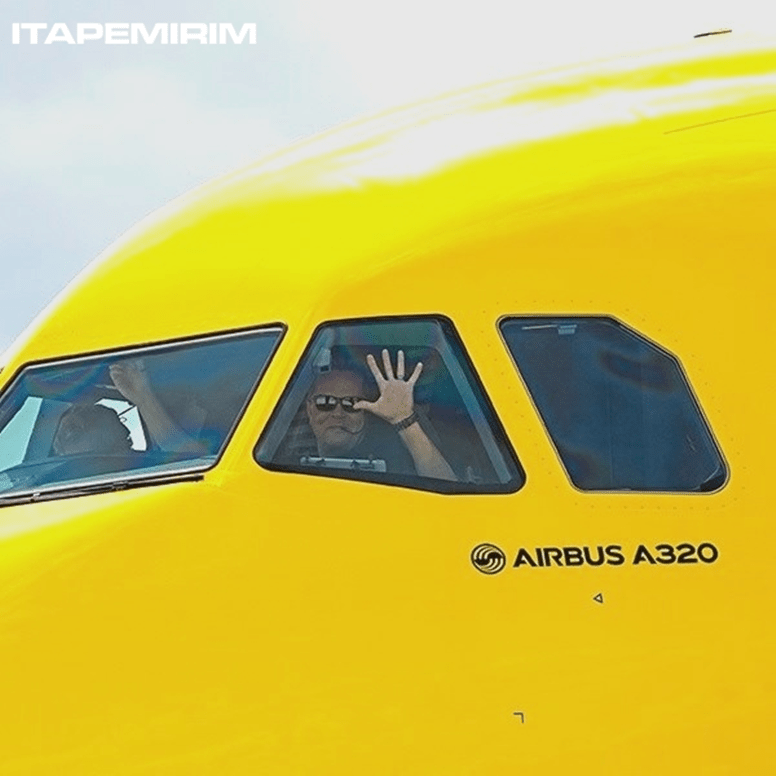
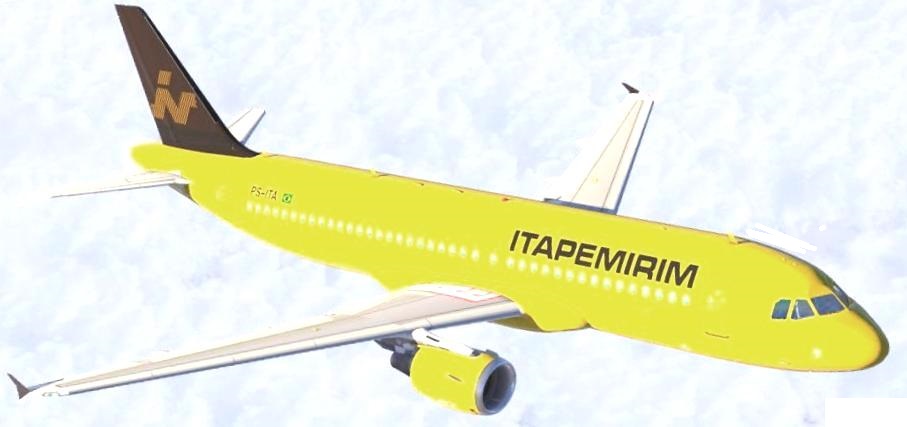
La aerolínea del Itapemirim Group, denominada Ita Linhas Aéreas, ha anunciado la definición de su centro de distribución aérea en Brasil. La flamante aerolínea que comenzará sus operaciones en Marzo 2021 ha emplazado su Hub en el Aeropuerto de Vitória/Eurico de Aguiar Salles (IATA: VIX / OACI: SBVT) como su principal centro de distribución en el Estado de Espirito Santo. «Las negociaciones están muy avanzadas para que Vitória sea un polo importante de la empresa. Itapemirim es de origen en Espírito Santo. La fecha del 21 de Marzo es un pronóstico», informa la nueva aerolínea. El Presidente del grupo, Sidney Piva de Jesús, ha entrado en negociaciones formales esta semana con el Gobernador de Espírito Santo, Renato Casagrande, y representantes de la concesionaria aeroportuaria Flughafen Zürich AG.
El anuncio establece el compromiso de la startup brasileña para incursionar en el mercado doméstico desde su Hub en Vitória, permitiendo mostrar en Brasil una verdadera malla aérea federal. Ita Linhas Aéreas ha solicitado la encomienda de diez aeronaves Airbus A320CEO para iniciar sus operaciones a mercados de destinos de entre 100-150 pasajeros.
Selección laboral
El Grupo Itapemirim anunció un plan para contratar aproximadamente a 750 empleados de diferentes áreas, que debiera comenzar en Octubre 2020. Habrá alrededor de 600 vacantes para profesionales en el segmento de la línea aérea, proyectando planes para comenzar a operar en vuelos domésticos en los próximos meses.
El CEO de Ita Linhas Aéreas ha expresado que luego de la caída de la demanda provocada por las restricciones de viaje, ahora con la reanudación paulatina de las actividades económicas, el transporte aéreo en Brasil está desenvolviéndose con signos positivos de recuperación. “Somos optimistas de que en diciembre la demanda ya esté cerca de la normalidad. Muchos de nuestros autobuses ya parten con ocupación completa, pero siguiendo todas las reglas de salud y seguridad”, expresó Sidney Piva de Jesús.
Itapemirin defines Hub Vitória
Ita Linhas Aéreas defines hub at Vitória Airport
The Itapemirim Group airline, called Ita Linhas Aéreas, has announced the definition of its air distribution center in Brazil. The brand new airline that will begin operations in March 2021 has located its Hub at the Vitória/Eurico de Aguiar Salles Airport (IATA: VIX / OACI: SBVT) as its main distribution center in the State of Espirito Santo. «Negotiations are well advanced for Vitória to become an important pole of the company. Itapemirim is of origin in Espírito Santo. The date of March 21 is a forecast», reports the new airline. The Group’s President, Sidney Piva de Jesús, entered into formal negotiations this week with the Governor of Espírito Santo, Renato Casagrande, and representatives of the airport concessionaire Flughafen Zürich AG.
The announcement establishes the commitment of the Brazilian startup to enter the domestic market from its Hub in Vitória, allowing it to show a true federal aerial mesh in Brazil. Ita Linhas Aéreas has requested the ordering of ten Airbus A320CEO aircraft to begin operations in destination markets with between 100-150 passengers.
Job selection
The Itapemirim Group announced a plan to hire approximately 750 employees from different areas, which should begin in October 2020. There will be around 600 vacancies for professionals in the airline segment, projecting plans to begin operating on domestic flights in the next few months.
The CEO of Ita Linhas Aéreas has expressed that after the drop in demand caused by travel restrictions, now with the gradual resumption of economic activities, air transport in Brazil is developing with positive signs of recovery. “We are optimistic that demand in December is already close to normal. Many of our buses already leave with full occupancy, but following all health and safety rules”, said Sidney Piva de Jesús.
Itapemirin define Hub Vitória
Ita Linhas Aéreas define hub no Aeroporto de Vitória
A companhia aérea do Grupo Itapemirim, denominada Ita Linhas Aéreas, anunciou a definição de seu centro de distribuição de ar no Brasil. A nova companhia aérea que começará a operar em março de 2021 tem seu Hub no Aeroporto Vitória/Eurico de Aguiar Salles (IATA: VIX / OACI: SBVT) como seu principal centro de distribuição no Estado do Espírito Santo. “As negociações estão bastante avançadas para que Vitória se torne um importante pólo da empresa. Itapemirim é de origem no Espírito Santo. A data de 21 de março é uma previsão”, relata a nova companhia aérea. O Presidente do Grupo, Sidney Piva de Jesús, entrou em negociações formais esta semana com o Governador do Espírito Santo, Renato Casagrande, e representantes da concessionária aeroportuária Flughafen Zürich AG.
O anúncio estabelece o compromisso da startup brasileira de entrar no mercado nacional a partir de seu Hub em Vitória, permitindo-lhe exibir uma verdadeira malha aérea federal no Brasil. A Ita Linhas Aéreas solicitou a encomenda de dez aeronaves Airbus A320CEO para iniciar as operações nos mercados de destino com entre 100-150 passageiros.
Seleção de trabalho
O Grupo Itapemirim anunciou um plano de contratação de cerca de 750 funcionários de diversas áreas, que deve começar em outubro de 2020. Serão cerca de 600 vagas para profissionais do segmento aéreo, com previsão de entrada em voos domésticos nos próximos meses meses.
O presidente da Ita Linhas Aéreas expressou que, após a queda da demanda por restrição de viagens, agora com a retomada gradativa das atividades econômicas, o transporte aéreo no Brasil se desenvolve com sinais positivos de recuperação. “Estamos otimistas de que a demanda em dezembro já está próxima do normal. Muitos de nossos ônibus já saem ocupados, mas obedecendo a todas as normas de saúde e segurança”, disse Sidney Piva de Jesús.
Pilotos de APA solicitan a FAA modificaciones Boeing 737 MAX
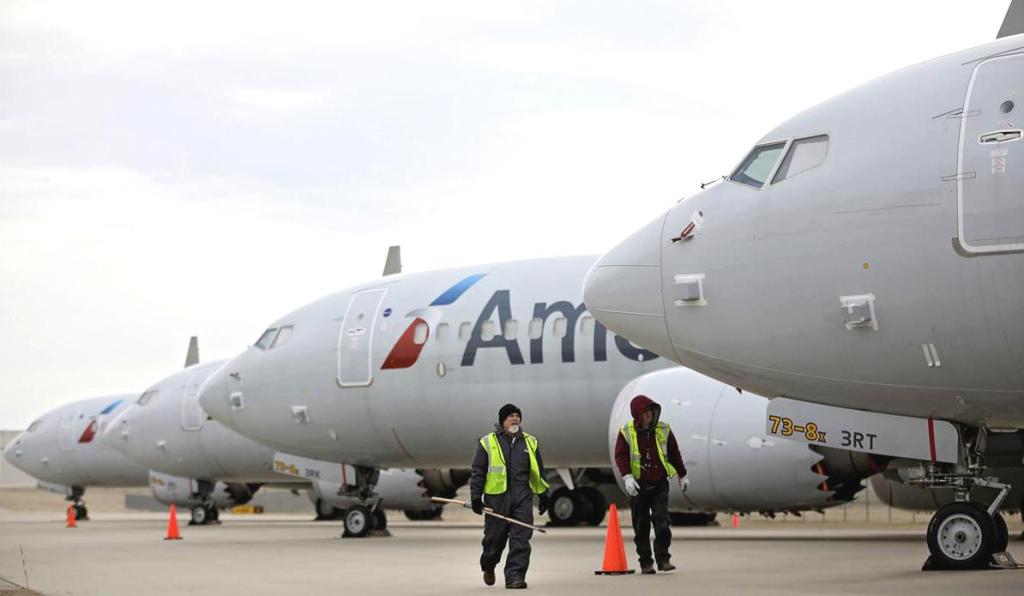
La asociación de Pilotos de líneas Aéreas de Estados Unidos, Allied Pilots Association (APA), ha presentado comentarios respecto al proceso de recertificación del modelo Boeing 737 MAX. Mientras las aerolíneas se preparan para devolver el Boeing 737 MAX en operaciones, los pilotos de American Airlines han objetado que las regulaciones federales con respecto a la aeronave deben tener mejor en cuenta la probable respuesta humana a las emergencias.
El Lunes 21/09 por la noche, la Asociación de Pilotos Aliados, que representa a 15.000 pilotos estadounidenses, presentó comentarios a la Administración Federal de Aviación (FAA), que ha solicitado comentarios públicos sobre los cambios de seguridad de la aeronave. APA dijo que las posibles respuestas a dos eventos críticos deben guardarse en la memoria, no publicarse en la Tarjeta de Referencia Rápida (QRC), una gran tarjeta de plástico que se encuentra en la cabina, que la FAA permite actualmente. «Los procedimientos memorizados son los más apropiados para las emergencias relacionadas con el estabilizador fuera de control, cuando el estabilizador no se estabiliza en los ajustes seleccionados por los pilotos, y también para las condiciones de velocidad aérea poco confiable”, dijo el Sindicato APA.
«Hacer referencia a la tarjeta requiere tiempo. Para los incidentes descontrolados de estabilizador y velocidad aérea no confiable, los elementos que salvarán su vida deben memorizarse, no colocarse en una tarjeta», dijo el portavoz de la APA, Dennis Tajer.
«Tanto el Estabilizador de Fugitivo como la velocidad del aire no confiable son condiciones anormales que pueden conducir rápidamente a la pérdida del control de la aeronave si no se reconocen inmediatamente con las acciones correctivas apropiadas tomadas por las tripulaciones de vuelo. Depender únicamente del QRC para abordar estas fallas podría resultar en un retraso inaceptable en la respuesta de la tripulación a estos eventos», escribió APA en su presentación. Además de buscar un mejor entrenamiento de la memoria, la APA recomendó un elemento de referencia de la lista de verificación para deshabilitar las advertencias erróneas de sobrevelocidad de activación del vibrador. Las ruidosas advertencias de exceso de velocidad pueden distraer. «Boeing no tiene un escalón en el que se pueda tirar de la perilla del disyuntor para detener una alerta errónea», dijo Dennis Tajer. En su presentación, APA dijo: «La activación errónea continua del sistema de advertencia de pérdida (vibrador) resultó en una distracción considerable e innecesaria, comprometiendo significativamente el proceso de manejo de la condición anormal y recuperación de la aeronave».
En otras recomendaciones, APA dijo que la lista de verificación de estabilizadores fuera de control debería condensarse. “Los pilotos del sindicato que participaron recientemente en una evaluación del 737 MAX indican que habrían manejado de manera más segura una condición de estabilizador fuera de control a baja altitud si la lista de verificación les hubiera indicado que apagaran los interruptores de corte del ajuste del estabilizador más rápidamente”, dijo el Sindicato.
Además, el sindicato dijo que la FAA debe incluir un elemento de la lista de verificación que indique que el uso de la moldura eléctrica principal puede no ser posible en todos los eventos de estabilizador fuera de control, porque no funciona en todas las situaciones, y la lista de verificación de emergencia debe ampliarse para incluir un método de Relajar la presión de la columna de control para ayudar al ajuste manual.
El Lunes 21/09, American Airlines dijo que comenzaría el entrenamiento de pilotos para el 737 MAX en Noviembre 2020. Pero Dennis Tajer dijo que es demasiado pronto. “Es prematuro programar la capacitación para algo que aún está en etapas de desarrollo”, dijo.
Los aviones Boeing 737 MAX han sido puestos en tierra en todo el mundo en Marzo de 2019 después de que dos accidentes aéreos involucraran a 346 personas a bordo. Los accidentes del vuelo JT-610 de Lion Air el 29 de Octubre de 2018 y del vuelo ET-302 de Ethiopian Airlines el 10 de Marzo de 2019 estuvieron relacionados con la instalación del Sistema de Control de Vuelos MCAS, un sistema de aumento de características de maniobra en la aeronave. Pero las recomendaciones de la APA no abordan específicamente el MCAS. Al igual que otras agencias de seguridad internacionales, la FAA se está moviendo responsablemente para permitir que la aeronave vuelva a volar.
Pilots request 737 MAX changes
APA pilots request to FAA modifications Boeing 737 MAX
The United States Airline Pilots Association, Allied Pilots Association (APA), has submitted comments regarding the recertification process for the Boeing 737 MAX. As airlines prepare to return the Boeing 737 MAX into operation, American Airlines pilots have objected that federal regulations regarding the aircraft should better take into account the likely human response to emergencies.
On Monday evening 09/21, the Allied Pilots Association, representing 15,000 American pilots, submitted comments to the Federal Aviation Administration (FAA), which has requested public comment on the aircraft’s safety changes. APA said possible responses to two critical events should be kept in memory, not posted on the Quick Reference Card (QRC), a large plastic card found in the cockpit, which the FAA currently allows. «The memorized procedures are most appropriate for emergencies related to the out of control stabilizer, when the stabilizer does not stabilize in the settings selected by the pilots, and also for unreliable airspeed conditions,» said the APA Union.
«Referencing the card takes time. For uncontrolled stabilizer and unreliable airspeed incidents, the items that will save your life should be memorized, not placed on a card», said APA spokesman Dennis Tajer.
«Both Fugitive Stabilizer and unreliable airspeed are abnormal conditions that can quickly lead to loss of control of the aircraft if not immediately recognized with the appropriate corrective actions taken by flight crews. Relying solely on the QRC to addressing these failures could result in unacceptable delay in crew response to these events«, APA wrote in its presentation. In addition to seeking better memory training, the APA recommended a checklist checklist to disable erroneous vibrator overspeed warnings. Loud speeding warnings can be distracting. «Boeing doesn’t have a step where you can pull the circuit breaker knob to stop a misleading alert», said Dennis Tajer. In its presentation, APA said: «The continued erroneous activation of the stall warning system (vibrator) resulted in considerable and unnecessary distraction, significantly compromising the process of handling the abnormal condition and recovery of the aircraft».
In other recommendations, APA said the runaway stabilizer checklist should be condensed. “Union pilots who recently participated in an evaluation of the 737 MAX indicate that they would have more safely handled an out-of-control stabilizer condition at low altitude if the checklist had instructed them to turn off the stabilizer trim cut-off switches. more quickly”, the Union said.
In addition, the union said the FAA must include a checklist item stating that the use of the main electrical trim may not be possible in all out of control stabilizer events, because it does not work in all situations, and the emergency checklist should be expanded to include a method of Relaxing Control Column Pressure to aid manual adjustment.
On Monday 09/21, American Airlines said it would begin pilot training for the 737 MAX in November 2020. But Dennis Tajer said it is too early. «It is premature to schedule training for something that is still in the development stages,» he said.
Boeing 737 MAX aircraft have been grounded around the world in March 2019 after two plane crashes involved 346 people on board. The accidents of Lion Air flight JT-610 on October 29, 2018 and Ethiopian Airlines flight ET-302 on March 10, 2019 were related to the installation of the MCAS Flight Control System, a feature enhancement system. maneuvering in the aircraft. But the APA recommendations do not specifically address MCAS. Like other international security agencies, the FAA is moving responsibly to allow the aircraft to fly again.
CEO de Airbus advierte sobre futuro de la aviación europea
La compañía aeroespacial Airbus Group SE se encuentra en riesgo de colapso, empeorando la situación cada vez más. “La situación es tan grave y nos enfrentamos a tanta incertidumbre, que creo que nadie puede garantizar que no habrá despidos obligatorios si queremos adaptarnos a la situación, especialmente si sigue evolucionando”, dijo Guillaume Faury, el CEO de Airbus.
El 22 de Septiembre de 2020, en declaraciones a la estación de radio francesa RTL, Guillaume Faury, Director Ejecutivo de Airbus, dijo que «el negocio está potencialmente en riesgo» si la empresa no toma las medidas adecuadas para superar el cierre económico. Después de que las aerolíneas de todo el mundo hayan ralentizado o incluso cancelado las entregas de aviones pedidos, Faury dijo que Airbus necesita eliminar un total de 15.000 puestos de trabajo. Esto significa que la empresa se vería obligada a despedir a más del 11% de su plantilla. Guillaume Faury dijo que la empresa hará todo lo posible para reducir costos sin despidos obligatorios. Sin embargo, el CEO no puede garantizar que no suceda. “Lo que digo claramente es que tenemos mucho trabajo por hacer, haremos todo lo posible para evitar llegar a ese punto”, dijo Faury.
A principios de Julio de 2020, Airbus consideró que los despidos obligatorios en el Reino Unido afectarían a 1.700 empleados. En las fábricas de Airbus en Alemania y Francia se despediría a una fuerza laboral significativamente mayor, alrededor de 10.000 empleados. El 14 de Septiembre de 2020, en una carta de actualización comercial general, Faury supuestamente advirtió a sus 130.000 empleados que perseguir los despidos voluntarios no podría ser suficiente para reducir los costos de la compañía porque el tráfico de pasajeros podría recuperarse de la crisis más lento de lo esperado.
Airbus potentially at risk
Airbus CEO warns of future of European aviation
The aerospace company Airbus Group SE is at risk of collapse, making the situation worse and worse. «The situation is so dire and we are faced with so much uncertainty that I believe that no one can guarantee that there will be no mandatory layoffs if we are to adapt to the situation, especially if it continues to evolve», said Guillaume Faury, Airbus CEO.
On September 22, 2020, speaking to French radio station RTL, Guillaume Faury, Airbus Chief Executive Officer, said that «the business is potentially at risk» if the company does not take adequate measures to overcome the economic shutdown. After airlines around the world have slowed or even canceled deliveries of ordered planes, Faury said Airbus needs to cut a total of 15,000 jobs. This means that the company would be forced to lay off more than 11% of its workforce. Guillaume Faury said the company will do everything it can to cut costs without mandatory layoffs. However, the CEO cannot guarantee that it will not happen. «What I am saying clearly is that we have a lot of work to do, we will do everything we can to avoid reaching that point», Faury said.
In early July 2020, Airbus estimated that mandatory redundancies in the UK would affect 1,700 employees. At Airbus factories in Germany and France, a significantly larger workforce, around 10,000 employees, would be laid off. On September 14, 2020, in a general business update letter, Faury reportedly warned his 130,000 employees that pursuing voluntary layoffs might not be enough to lower the company’s costs because passenger traffic could recover from the crisis more slowly. than expected.
AW | 2020 09 23 14:33 | AIRLINES MARKET / GOVERNMENT
La industria aeroespacial canadiense reclama levantar vuelo
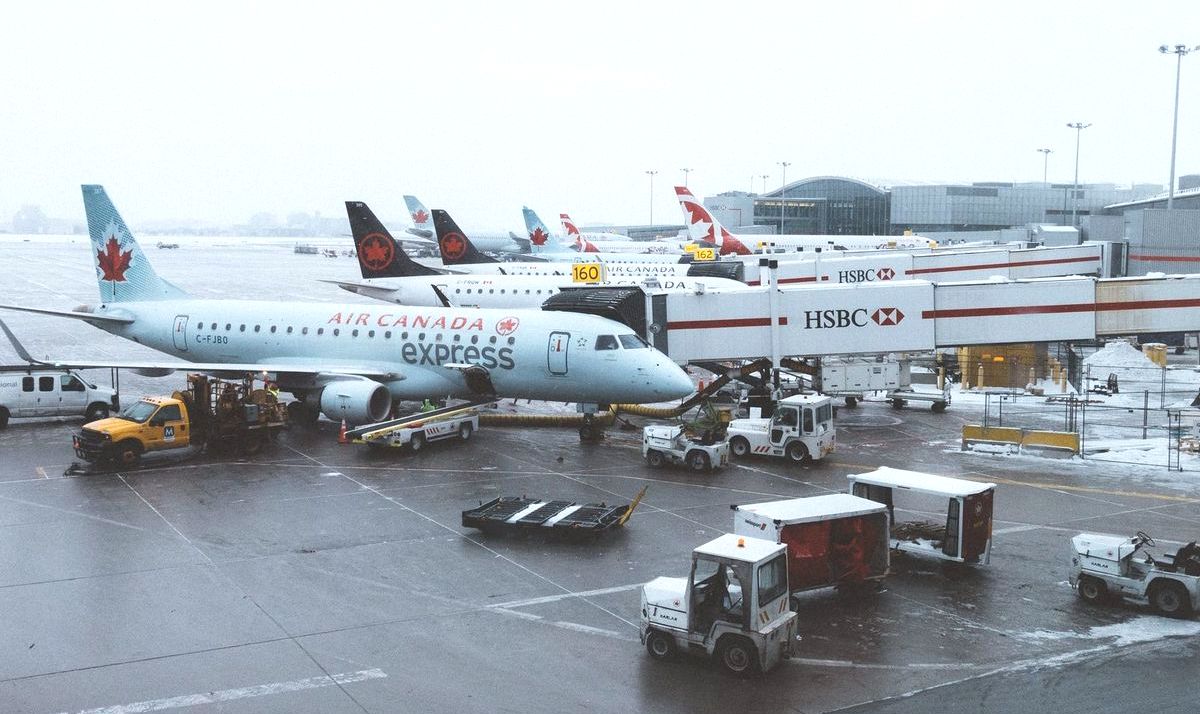
La ayuda para las aerolíneas canadienses y la industria aeroespacial debería ser un elemento vital del objetivo del Gobierno de Canadá de reconstruir los efectos post-pandemia. Las medidas de emergencia del gobierno disponibles para todas las industrias son apreciadas y bienvenidas, pero no son suficientes para que las aerolíneas hagan frente a la falta de tráfico. El Gobierno canadiense aún no ha respondido a las llamadas urgentes de asistencia gubernamental específica para las aerolíneas canadienses y su industria aeroespacial.
La industria de la aviación de Canadá y la economía que depende de ella están en riesgo. El tráfico aéreo mundial durante el verano no estuvo al nivel que la industria esperaba y el impacto de la pandemia de COVID-19 ciertamente será aún más profundo y prolongado de lo que nadie pensaba. Las aerolíneas son la punta más visible y vital de un iceberg económico muy grande: la industria aeroespacial. No solo transportan pasajeros y carga, también realizan trabajos aeroespaciales, especialmente en Canadá.
Industria canadiense
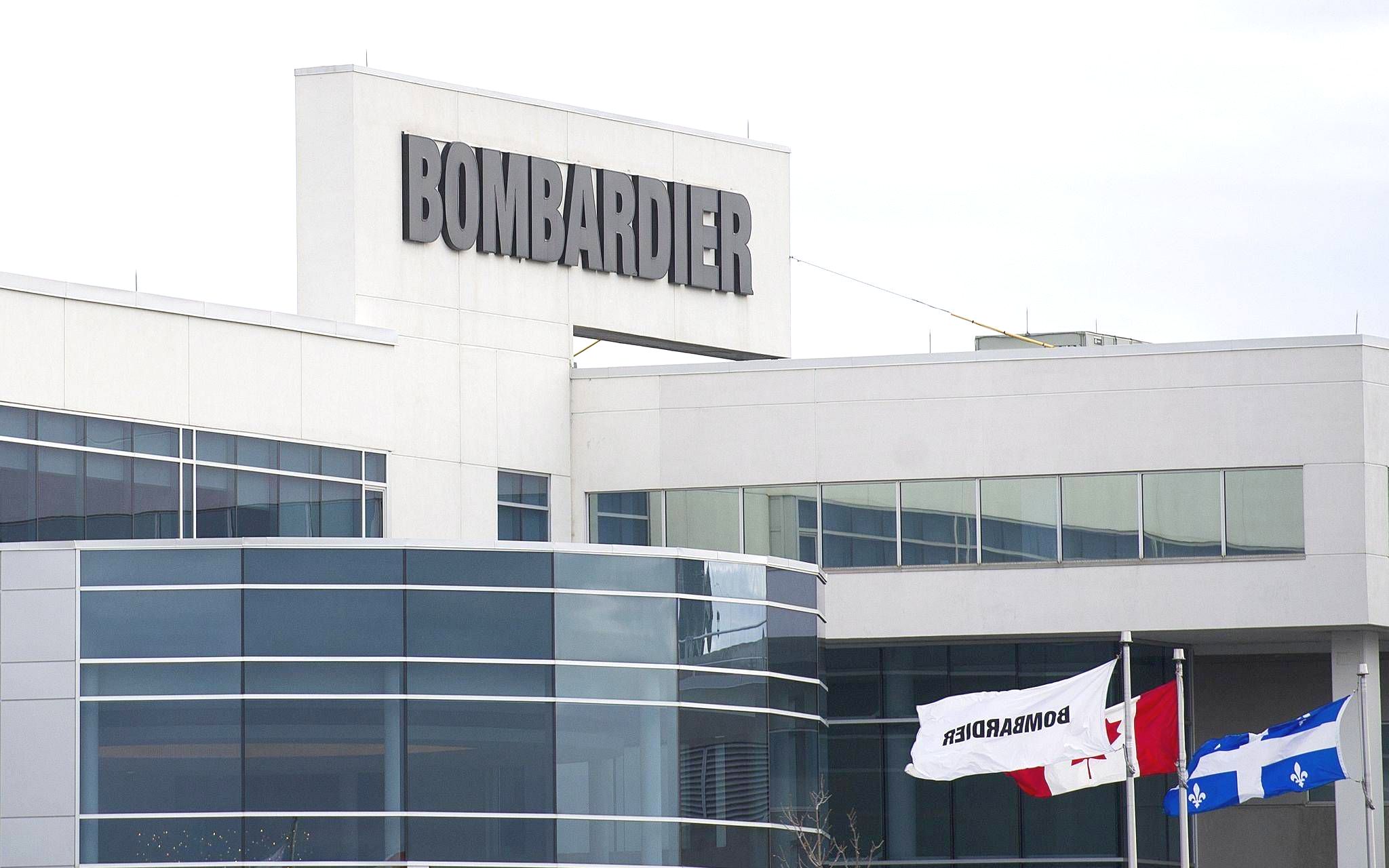
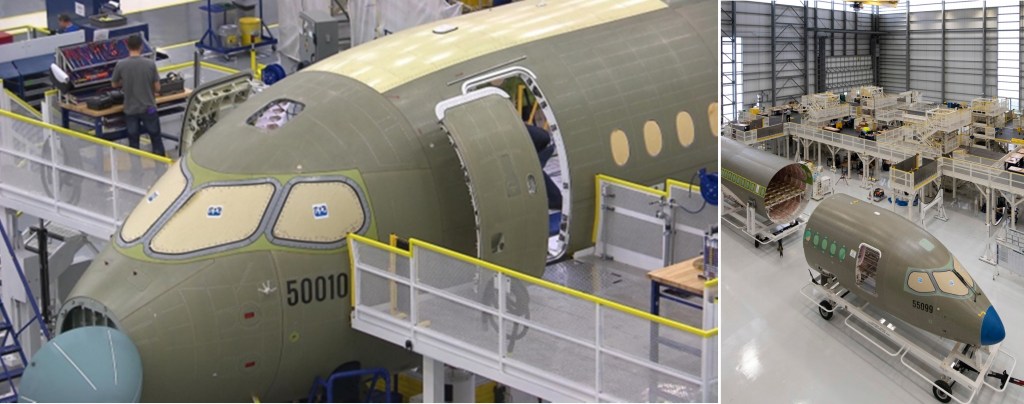
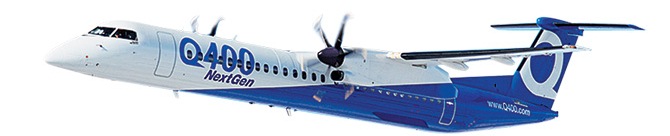
Los canadienses pueden enorgullecerse de la larga y exitosa historia de su industria aeroespacial, que siempre ha permitido a los canadienses volar en aviones diseñados y fabricados aquí mismo en Canadá, incluidos los tres caballos de batalla de la aviación moderna: el De Havilland Canada Dash 8 (Q400), el Canadair Regional Jet (CRJ) y el Airbus A220, que fue desarrollado por Bombardier Aerospace como la CSeries. Las empresas aeroespaciales canadienses son importantes líderes mundiales en sus respectivos campos. Entre ellos se incluyen diseñadores y fabricantes innovadores como Bombardier Inc., proveedores de renombre mundial como Heroux Devtek, líderes de servicios como CAE, así como algunas de las aerolíneas de mayor rendimiento del mundo como Air Canada y las low cost WestJet, JetLines, entre otras. Canadá también ha logrado atraer a los principales actores del mundo como Airbus Group, Pratt and Whitney, Safran, entre otros. Hoy, sin embargo, la industria aeroespacial es una de las más afectadas por la crisis del COVID-19. La industria ha aprovechado la innovación durante décadas para diseñar un entorno de cabina que sea seguro para que los pasajeros y la tripulación respiren aire limpio durante sus viajes. El aire de la cabina se renueva cada dos o tres minutos y pasa a través de filtros extremadamente eficientes que eliminan más del 99,9 por ciento de las partículas.
Aerolíneas
Las aerolíneas han experimentado pérdidas devastadoras en el tráfico de pasajeros, lo que ha requerido suspensiones masivas de rutas y flotas y despidos sin precedentes que ponen en grave riesgo la infraestructura cuidadosamente construida. Sin embargo, las aerolíneas se enfrentan a una demanda de pasajeros drásticamente reducida debido a restricciones de viaje y problemas de salud. Las aerolíneas que no puedan llenar sus aviones no comprarán nuevos o nuevos equipos y servicios. El impacto se siente en toda la industria, desde los grandes actores hasta las muchas empresas más pequeñas que suministran los miles de componentes y servicios necesarios para construir una aeronave y permitirle volar de forma segura.
Muchos países líderes tomaron la decisión de ofrecer ayudas al principio de la pandemia, incluidos Francia (US$ 23 mil millones en apoyo general), los Estados Unidos (US$ 80 mil millones para aerolíneas) y muchos otros países de todo el mundo, incluidos Alemania y los Países Bajos. Han percibido que el sector aeroespacial es vital para el crecimiento económico futuro, a medida que el mundo se recupera de la pandemia.
Industria aeroespacial
La industria aeroespacial en Canadá no es una industria pequeña. Es el tercer generador de exportaciones del país. Emplea a 213.000 personas directa e indirectamente y contribuye con unos US$ 25.000 millones de Dólares al PIB de Canadá anualmente. El centro aeroespacial de la región de Montreal es el tercero más grande del mundo después de Seattle y Toulouse, las sedes de Boeing y Airbus, respectivamente. Pero la industria aeroespacial no puede prosperar si sus principales clientes, las aerolíneas, no pueden comprar sus productos y servicios. Por lo tanto, la ayuda para las aerolíneas canadienses y la industria aeroespacial debería ser un elemento vital del objetivo declarado del gobierno canadiense de reconstruir mejor la economía posterior a la pandemia. Debido a la larga historia y el éxito del sector, Canadá ya cuenta con la infraestructura, como colegios especializados y programas universitarios, para proporcionar la experiencia necesaria para continuar siendo un líder mundial en el campo en los años venideros y ser un líder en transformar la industria en una que sea más respetuosa con el medio ambiente.
La nueva tecnología del sector aeroespacial de Canadá ya está haciendo que la aviación sea más ecológica, como la eficiencia de combustible un 25% mejor del A220, que es una de las claves de su éxito, junto con la producción de un 25% menos de dióxido de carbono y un 50% menos de nitrógeno óxidos. Se ha citado la innovación como la base del futuro económico que los gobiernos canadienses quieren construir. La industria aeroespacial implica innovación al más alto nivel en muchos campos, que implican nuevas tecnologías, como la robótica y la inteligencia artificial.
Los gobiernos de todo el mundo están apoyando a las aerolíneas y la industria aeroespacial en este momento de necesidad sin precedentes. Los canadienses también merecen seguir volando con orgullo en aviones de cosecha propia, gracias a una industria que permite que su economía despegue.
Aviation Canada demands aid
The Canadian aerospace industry demands to take flight
Aid to Canadian airlines and the aerospace industry should be a vital element of the Government of Canada‘s goal of rebuilding the post-pandemic effects. The government emergency measures available to all industries are appreciated and welcomed, but they are not enough for airlines to cope with the lack of traffic. The Canadian government has yet to respond to urgent calls for specific government assistance for Canadian airlines and their aerospace industry.
Canada’s aviation industry and the economy that depends on it are at risk. Global air traffic during the summer was not at the level that the industry expected and the impact of the COVID-19 pandemic will certainly be even more profound and prolonged than anyone thought. Airlines are the most visible and vital tip of a very large economic iceberg: the aerospace industry. They don’t just carry passengers and cargo, they also do aerospace work, especially in Canada.
Canadian industry
Canadians can take pride in the long and successful history of their aerospace industry, which has always allowed Canadians to fly in aircraft designed and manufactured right here in Canada, including the three workhorses of modern aviation the De Havilland Canada Dash 8 (Q400), the Canadair Regional Jet (CRJ) and the Airbus A220, which was developed by Bombardier Aerospace as the CSeries. Canadian aerospace companies are major world leaders in their respective fields. These include innovative designers and manufacturers such as Bombardier Inc., world-renowned providers such as Heroux Devtek, service leaders such as CAE, as well as some of the world’s highest performing airlines such as Air Canada and low-cost WestJet, JetLines, among others. others. Canada has also managed to attract the main players in the world such as Airbus Group, Pratt and Whitney, Safran, among others. Today, however, the aerospace industry is one of the most affected by the COVID-19 crisis. The industry has leveraged innovation for decades to design a cabin environment that is safe for passengers and crew to breathe clean air during their travels. The cabin air is renewed every two to three minutes and passes through extremely efficient filters that remove more than 99.9 percent of the particles.
Airlines
Airlines have experienced devastating losses in passenger traffic, requiring massive route and fleet suspensions and unprecedented layoffs that put carefully constructed infrastructure at serious risk. However, airlines are facing drastically reduced passenger demand due to travel restrictions and health concerns. Airlines that cannot fill their planes will not buy new or new equipment and services. The impact is felt across the industry, from the big players to the many smaller companies that supply the thousands of components and services needed to build an aircraft and allow it to fly safely.
Many leading countries made the decision to offer aid early in the pandemic, including France (US$ 23 billion in general support), the United States (US$ 80 billion for airlines), and many other countries around the world, including Germany and the Netherlands. They have perceived that the aerospace sector is vital to future economic growth, as the world recovers from the pandemic.
Aerospace industry
The aerospace industry in Canada is not a small industry. It is the third generator of exports in the country. It employs 213,000 people directly and indirectly and contributes some US$ 25 billion to Canada’s GDP annually. The Montreal region’s aerospace hub is the third largest in the world after Seattle and Toulouse, the headquarters of Boeing and Airbus, respectively. But the aerospace industry cannot prosper if its main customers, the airlines, cannot buy its products and services. Therefore, aid to Canadian airlines and the aerospace industry should be a vital element of the Canadian government’s stated goal of better rebuilding the post-pandemic economy. Due to the long history and success of the sector, Canada already has the infrastructure, such as specialized colleges and university programs, to provide the experience necessary to continue to be a world leader in the field for years to come and to be a leader in transforming the industry in one that is more environmentally friendly.
New technology from Canada’s aerospace sector is already making aviation greener, such as the A220’s 25% better fuel efficiency, which is one of the keys to its success, along with producing 25% less fuel. carbon dioxide and 50% less nitrogen oxides. Innovation has been cited as the foundation for the economic future that Canadian governments want to build. The aerospace industry involves innovation at the highest level in many fields, involving new technologies, such as robotics and artificial intelligence.
Governments around the world are supporting airlines and the aerospace industry in this time of unprecedented need. Canadians also deserve to continue to fly with pride in homegrown aircraft, thanks to an industry that allows their economy to take off.
Aviation Canada demande de l’aide
L’industrie aérospatiale canadienne demande à prendre son envol
L’aide aux compagnies aériennes canadiennes et à l’industrie aérospatiale devrait être un élément essentiel de l’objectif du Gouvernement du Canada de rétablir les effets postpandémiques. Les mesures d’urgence du gouvernement à la disposition de toutes les industries sont appréciées et bienvenues, mais elles ne suffisent pas aux compagnies aériennes pour faire face au manque de trafic. Le gouvernement canadien n’a pas encore répondu aux appels urgents pour une aide gouvernementale spécifique aux compagnies aériennes canadiennes et à leur industrie aérospatiale.
L’industrie aéronautique canadienne et l’économie qui en dépend sont menacées. Le trafic aérien mondial au cours de l’été n’était pas au niveau attendu par l’industrie et l’impact de la pandémie de COVID-19 sera certainement encore plus profond et prolongé qu’on ne le pensait. Les compagnies aériennes sont la pointe la plus visible et la plus vitale d’un très grand iceberg économique: l’industrie aérospatiale. Ils ne transportent pas seulement des passagers et des marchandises, ils effectuent également des travaux aérospatiaux, surtout au Canada.
Industrie canadienne
Les Canadiens peuvent être fiers de la longue et fructueuse histoire de leur industrie aérospatiale, qui a toujours permis aux Canadiens de voler dans des avions conçus et fabriqués ici même au Canada, y compris les trois bêtes de somme de l’aviation moderne le De Havilland Canada Dash 8 (Q400), le Canadair Regional Jet (CRJ) et l’Airbus A220, qui a été développé par Bombardier Aéronautique sous le nom de CSeries. Les entreprises aérospatiales canadiennes sont des chefs de file mondiaux dans leurs domaines respectifs. Il s’agit notamment de concepteurs et de fabricants novateurs tels que Bombardier Inc., de fournisseurs de renommée mondiale tels que Heroux Devtek, de chefs de file de services tels que CAE, ainsi que de certaines des compagnies aériennes les plus performantes au monde telles qu’Air Canada et WestJet à bas prix, JetLines, entre autres. autres. Le Canada a également réussi à attirer les principaux acteurs mondiaux tels qu’Airbus Group, Pratt et Whitney, Safran, entre autres. Aujourd’hui, cependant, l’industrie aérospatiale est l’une des plus touchées par la crise du COVID-19. L’industrie a mis à profit l’innovation pendant des décennies pour concevoir un environnement de cabine qui permet aux passagers et à l’équipage de respirer de l’air pur pendant leurs voyages. L’air de l’habitacle est renouvelé toutes les deux à trois minutes et passe à travers des filtres extrêmement efficaces qui éliminent plus de 99,9% des particules.
Compagnies aériennes
Les compagnies aériennes ont subi des pertes dévastatrices de trafic de passagers, nécessitant des suspensions massives de routes et de flottes et des licenciements sans précédent qui mettent en danger des infrastructures soigneusement construites. Cependant, les compagnies aériennes font face à une demande de passagers considérablement réduite en raison des restrictions de voyage et des problèmes de santé. Les compagnies aériennes qui ne peuvent pas remplir leurs avions n’achèteront ni équipements ni services nouveaux ou nouveaux. L’impact se fait sentir dans toute l’industrie, des grands acteurs aux nombreuses petites entreprises qui fournissent les milliers de composants et de services nécessaires pour construire un avion et lui permettre de voler en toute sécurité.
De nombreux pays de premier plan ont pris la décision d’offrir une telle assistance au début de la pandémie, notamment la France (US$ 23 milliards de Dollars de soutien général), les États-Unis (US$ 80 milliards de Dollars pour les compagnies aériennes) et de nombreux autres pays dans le monde. y compris l’Allemagne et les Pays-Bas. Ils ont perçu que le secteur aérospatial est vital pour la croissance économique future, alors que le monde se remet de la pandémie.
Industrie aérospaciale
L’industrie aérospatiale au Canada n’est pas une petite industrie. C’est le troisième producteur d’exportations du pays. Il emploie 213 000 personnes directement et indirectement et contribue annuellement quelque US$ 25 milliards de Dollars au PIB du Canada. Le hub aérospatial de la région de Montréal est le troisième plus grand au monde après Seattle et Toulouse, respectivement siège social de Boeing et Airbus. Mais l’industrie aérospatiale ne peut prospérer si ses principaux clients, les compagnies aériennes, ne peuvent pas acheter ses produits et services. Par conséquent, l’aide aux compagnies aériennes canadiennes et à l’industrie aérospatiale devrait être un élément essentiel de l’objectif déclaré du gouvernement canadien de mieux reconstruire l’économie post-pandémique. En raison de la longue histoire et du succès du secteur, le Canada possède déjà l’infrastructure, comme des collèges spécialisés et des programmes universitaires, pour fournir l’expérience nécessaire pour continuer à être un chef de file mondial dans le domaine pour les années à venir et pour être un chef de file dans la transformation du l’industrie dans une industrie plus respectueuse de l’environnement.
Les nouvelles technologies du secteur aérospatial canadien rendent déjà l’aviation plus verte, comme le rendement énergétique supérieur de 25% de l’A220, qui est l’une des clés de son succès, tout en produisant 25% de carburant en moins. dioxyde de carbone et 50% d’oxydes d’azote en moins. L’innovation a été citée comme le fondement de l’avenir économique que les gouvernements canadiens veulent bâtir. L’industrie aérospatiale implique l’innovation au plus haut niveau dans de nombreux domaines, impliquant de nouvelles technologies, telles que la robotique et l’intelligence artificielle.
Les gouvernements du monde entier soutiennent les compagnies aériennes et l’industrie aérospatiale en cette période de besoins sans précédent. Les Canadiens méritent aussi de continuer à voler avec fierté dans des avions locaux, grâce à une industrie qui permet à leur économie de décoller.
Boeing otorga licencia a Healthe, Inc. para contrarrestar COVID-19
The Boeing Company ha firmado este 22/09 una licencia de patente y tecnología con Healthe® Inc., con sede en Florida, según la cual Healthe fabricará una varilla ultravioleta (UV) diseñada para desinfectar el interior de los aviones. Boeing diseñó y desarrolló la varita ultravioleta como parte de la Iniciativa de Viaje Confidente (CTI) de la compañía para apoyar a los clientes y mejorar la seguridad y el bienestar de los pasajeros y tripulaciones durante la pandemia de COVID-19. La varita portátil desarrollada por Boeing inactivará virus y bacterias en los aviones
«La varilla ultravioleta está diseñada para ser más efectiva que dispositivos similares. Desinfecta rápidamente las superficies de un avión y fortalece aún más otras capas de protección para los pasajeros y la tripulación. Boeing pasó seis meses transformando una idea para la varita en un modelo funcional, y Healthe ahora tomará ese prototipo y lo pondrá a disposición del mundo en general», dijo Mike Delaney, quien dirige los esfuerzos de CTI de la compañía aeroespacial americana.
Healthe Inc. producirá y distribuirá la varita comercial, ayudando a las aerolíneas y potencialmente a otros a combatir la pandemia del coronavirus. La tecnología podría estar disponible para las aerolíneas a fines del otoño. El dispositivo se suma a las medidas de desinfección y protección ya implementadas, que incluyen el uso de filtros de aire de partículas de alta eficiencia que atrapan más del 99,9% de las partículas y evitan que vuelvan a circular hacia la cabina. «Estamos orgullosos de ayudar a Boeing mientras trabajan con sus aerolíneas asociadas para mejorar los esfuerzos de desinfección de aviones en la cabina. Esto también podría beneficiar a escuelas, hospitales, oficinas, dondequiera que vayan los patógenos. A medida que aumentamos el despliegue de nuestras soluciones de luz UVC y Far-UVC 222 de vanguardia en muchos sectores, esta nueva varita de grado comercial será otra herramienta poderosa en el arsenal de desinfección para proteger a los pasajeros contra la propagación de virus dañinos», dijo Abe Morris, Presidente Ejecutivo de Healthe Inc.
La varilla UV utiliza luz UVC de 222 nanómetros. Las investigaciones indican que la UVC de 222 nanómetros inactiva los patógenos de manera efectiva. Usando el aparato autónomo que se asemeja a una maleta de mano, los equipos pueden pasar luz ultravioleta sobre superficies de alto contacto, desinfectando todos los lugares donde llega la luz. La varilla UV es particularmente efectiva en espacios compactos y desinfecta una cabina de vuelo en menos de 15 minutos.
Como parte de CTI, Boeing solicitó comentarios de múltiples fuentes de la industria, lo que ayudó a validar rápidamente esta tecnología. Etihad Airways fue el primero en evaluar el dispositivo, y el 21 de Agosto 2020 se hizo una demostración de la varilla ultravioleta en el avión Etihad 787-10 ecoDemonstrator. La misión de Confident Travel Initiative de Boeing es ser un líder en el esfuerzo global para brindar a los pasajeros y la tripulación una experiencia de viaje segura, saludable y eficiente.
Boeing fights COVID on aviation
Boeing licenses to Healthe, Inc. to counter COVID-19
The Boeing Company has signed this 09/22 a patent and technology license with Healthe® Inc., based in Florida, according to which Healthe will manufacture an ultraviolet (UV) wand designed to disinfect the interior of aircraft. Boeing designed and developed the UV wand as part of the company’s Confident Travel Initiative (CTI) to support customers and enhance the safety and well-being of passengers and crews during the COVID-19 pandemic. Boeing-developed wearable wand will inactivate viruses and bacteria on airplanes.
«The UV wand is designed to be more effective than similar devices. It quickly disinfects aircraft surfaces and further strengthens other layers of protection for passengers and crew. Boeing spent six months transforming an idea for the wand into a working model, and Healthe will now take that prototype and make it available to the world at large», said Mike Delaney, who leads the American aerospace company’s CTI efforts.
Healthe Inc. will produce and distribute the trade wand, helping airlines and potentially others combat the coronavirus pandemic. The technology could be available to airlines in late fall. The device adds to the disinfection and protection measures already implemented, which include the use of high-efficiency particulate air filters that trap more than 99.9% of the particles and prevent them from circulating back into the cabin. «We are proud to assist Boeing as they work with their partner airlines to improve aircraft disinfection efforts in the cabin. This could also benefit schools, hospitals, offices, wherever pathogens go. As we increase the deployment of our Cutting edge UVC and Far-UVC 222 light solutions in many industries, this new commercial-grade wand will be another powerful tool in the disinfection arsenal to protect passengers against the spread of harmful viruses», said Abe Morris, CEO of Healthe Inc.
The UV rod uses 222 nanometer UVC light. Research indicates that the 222 nanometer UVC effectively inactivates pathogens. Using the self-contained device that resembles a carry-on, teams can pass ultraviolet light onto high-contact surfaces, disinfecting all places where light reaches. The UV wand is particularly effective in compact spaces and disinfects a flight deck in less than 15 minutes.
As part of CTI, Boeing solicited feedback from multiple industry sources, which helped quickly validate this technology. Etihad Airways was the first to evaluate the device, and on August 21, 2020, a demonstration of the ultraviolet rod was demonstrated on the Etihad 787-10 ecoDemonstrator aircraft. Boeing’s Confident Travel Initiative mission is to be a leader in the global effort to provide passengers and crew with a safe, healthy and efficient travel experience.
Corte Suprema de la India aplaza tratamiento reembolsos
La Corte Suprema de la India ha aplazado la audiencia del caso para el tratamiento de los reembolsos de boletos aéreos reservados durante el período de bloqueo de la crisis de pandemia hasta el 25 de Septiembre 2020. Un día después de que el regulador de aviación, Dirección General de Aviación Civil (DGCA), informara a la Corte Suprema que los pasajeros que reservaron boletos durante el bloqueo eran elegibles para reembolsos, el Gobierno de la India ha recomendado que las aerolíneas pagaran un interés del 0.5% por reembolsos retrasados. El Gobierno también dijo que está abierto a considerar el interés de cualquier segmento particular de pasajeros si se ve afectado negativamente.
Aerolíneas
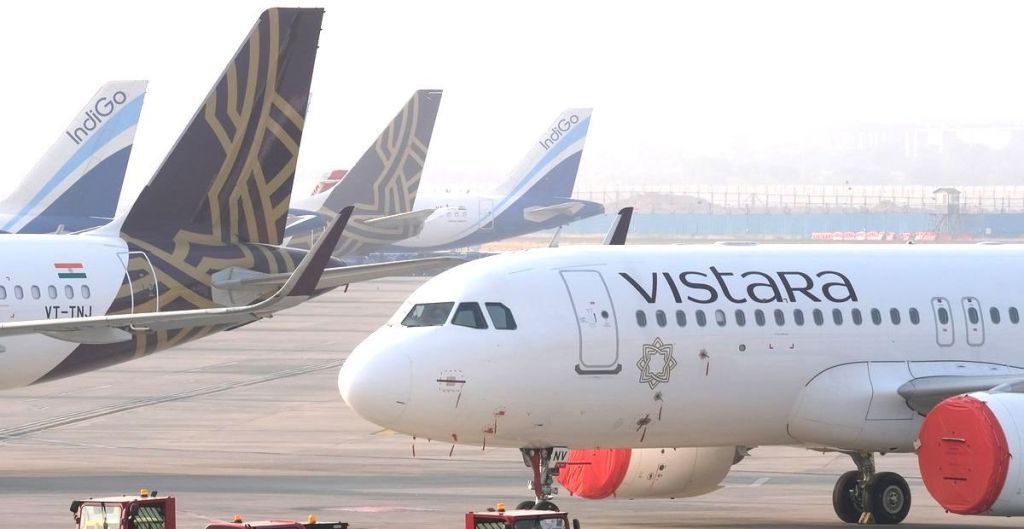
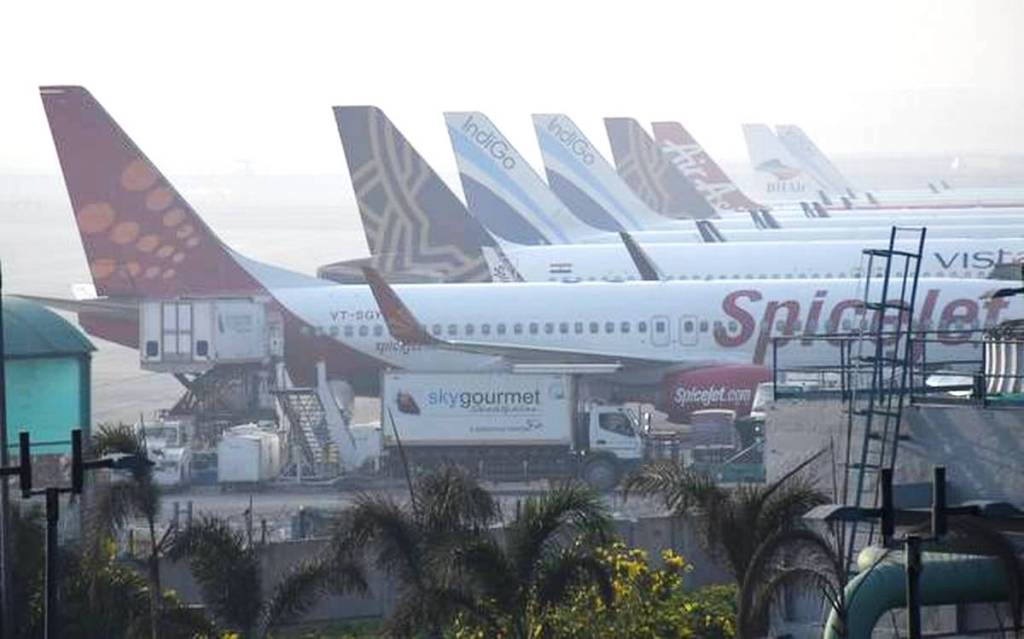
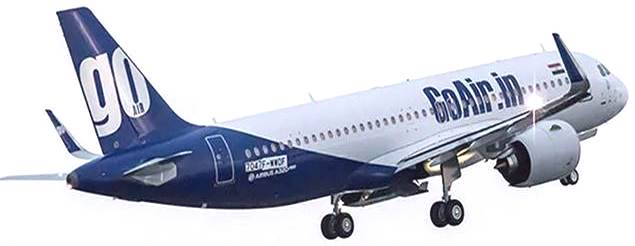
En tanto, las aerolíneas Vistara Airlines y AirAsia se han opuesto al gravamen de intereses afirmando que muchos de sus clientes prefieren la credit shell como mecanismo para solucionar el reembolso. La aerolínea más grande del país IndiGo dijo que reembolsó los boletos por el período de bloqueo en su totalidad. Mientras tanto, GoAir ha exhortado al Tribunal Supremo que muchas aerolíneas estaban al borde del colapso y podrían cerrar si la situación no mejora.
La Corte Suprema de Justicia de la India ha aplazado la audiencia sobre el caso de reembolso de tarifas de las aerolíneas para el próximo 25 de Septiembre de 2020 para determinar la situación de las aerolíneas y los derechos de los usuarios del transporte aéreo.
Refunds on airlines in India
Supreme Court of India postpones treatment of refunds
The Supreme Court of India has postponed the hearing of the case for the treatment of refunds of air tickets booked during the blocking period of the pandemic crisis until September 25, 2020. One day after the aviation regulator, Directorate General of Civil Aviation (DGCA), informing the Supreme Court that passengers who booked tickets during the lockdown were eligible for refunds, the Government of India has recommended that airlines pay 0.5% interest for delayed refunds. The government also said it is open to considering the interest of any particular passenger segment if it is adversely affected.
Airlines
Meanwhile, the airlines Vistara Airlines and AirAsia have opposed the interest levy, saying that many of their clients prefer the credit shell as a mechanism to solve the repayment. The country’s largest airline IndiGo said it refunded the tickets for the blackout period in full. Meanwhile, GoAir has exhorted the Supreme Court that many airlines were on the verge of collapse and could close if the situation does not improve.
The Supreme Court of Justice of India has postponed the hearing on the case of refund of airline fees to September 25, 2020 to determine the situation of airlines and the rights of air transport users.
भारत में एयरलाइंस पर रिफंड
भारत के सर्वोच्च न्यायालय ने रिफंड के उपचार को स्थगित कर दिया
भारत के सर्वोच्च न्यायालय ने 25 सितंबर, 2020 तक महामारी संकट की अवरुद्ध अवधि के दौरान बुक किए गए हवाई टिकटों के रिफंड के उपचार के लिए मामले की सुनवाई स्थगित कर दी है। विमानन नियामक, निदेशालय के एक दिन बाद सिविल एविएशन (DGCA) के जनरल ने सुप्रीम कोर्ट को सूचित किया कि नाकाबंदी के दौरान टिकट बुक करने वाले यात्री रिफंड के लिए पात्र थे, भारत सरकार ने सिफारिश की है कि विलंबित रिफंड के लिए एयरलाइंस 0.5% ब्याज का भुगतान करती है। सरकार ने यह भी कहा कि यह किसी भी विशेष यात्री खंड के हित पर विचार करने के लिए खुला है यदि यह प्रतिकूल रूप से प्रभावित होता है।
एयरलाइंस
इस बीच, एयरलाइन विस्तारा एयरलाइंस और एयरएशिया ने ब्याज लेवी का विरोध करते हुए कहा है कि उनके कई ग्राहक पुनर्भुगतान को हल करने के लिए क्रेडिट शेल को एक तंत्र के रूप में पसंद करते हैं। देश की सबसे बड़ी एयरलाइन इंडिगो ने कहा कि इसने ब्लैकआउट अवधि के लिए टिकटों को पूरा वापस कर दिया। इस बीच, गोएयर ने सुप्रीम कोर्ट को सूचित किया है कि कई एयरलाइंस गिरने की कगार पर थीं और अगर स्थिति में सुधार नहीं होता है तो वे बंद हो सकते हैं।
भारत के सर्वोच्च न्यायालय ने एयरलाइनों की स्थिति और हवाई परिवहन उपयोगकर्ताओं के अधिकारों का निर्धारण करने के लिए एयरलाइन शुल्क की वापसी के मामले पर सुनवाई को 25 सितंबर, 2020 तक के लिए टाल दिया है।
CREDIT SHELL: Es una Nota de Crédito creada contra un PNR cancelado que se utilizará para una reserva futura, para los mismos pasajeros. Se permite la reserva con un depósito de crédito solo si el número de pasajeros y el nombre son los mismos que en la reserva original.
CREDIT SHELL: It is a Credit Note created against a canceled PNR that will be used for a future reservation, for the same passengers. Booking with a credit deposit is allowed only if the number of passengers and the name are the same as in the original booking.
क्रेडिट शेल: यह एक रद्द किए गए पीएनआर के खिलाफ बनाया गया एक क्रेडिट नोट है जिसका उपयोग भविष्य के आरक्षण के लिए किया जाएगा, वही यात्रियों के लिए। क्रेडिट जमा के साथ बुकिंग की अनुमति केवल तभी दी जाती है जब यात्रियों की संख्या और नाम मूल बुकिंग के समान हों।
PNR: El PNR , el número PNR o el código PNR es un detalle electrónico que consta de números y letras que se dan después de reservar un vuelo. PNR es la abreviatura de “Passenger Name Record” y también se utiliza como número de reserva por sectores.
PNR: The PNR, PNR number or PNR code is an electronic detail consisting of numbers and letters that are given after booking a flight. PNR is short for “Passenger Name Record” and is also used as a sector reservation number.
पीएनआर: पीएनआर, पीएनआर नंबर या पीएनआर कोड एक इलेक्ट्रॉनिक डिटेल होता है जिसमें फ्लाइट बुक करने के बाद दिए जाने वाले नंबर और अक्षर होते हैं। पीएनआर «पैसेंजर नेम रिकॉर्ड» के लिए छोटा है और इसका उपयोग सेक्टर आरक्षण संख्या के रूप में भी किया जाता है।