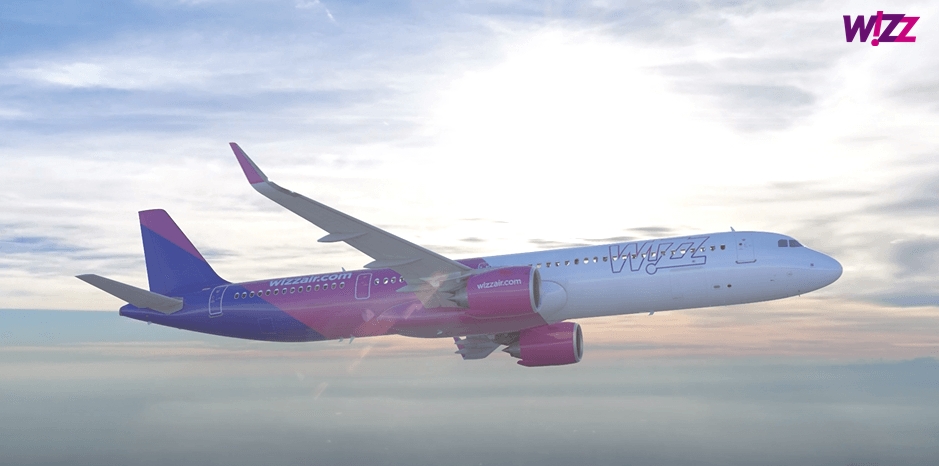
Aerolínea low cost húngara establece base en Sicilia
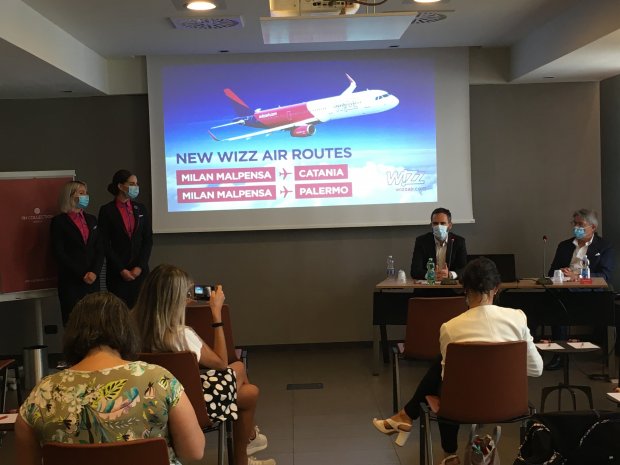
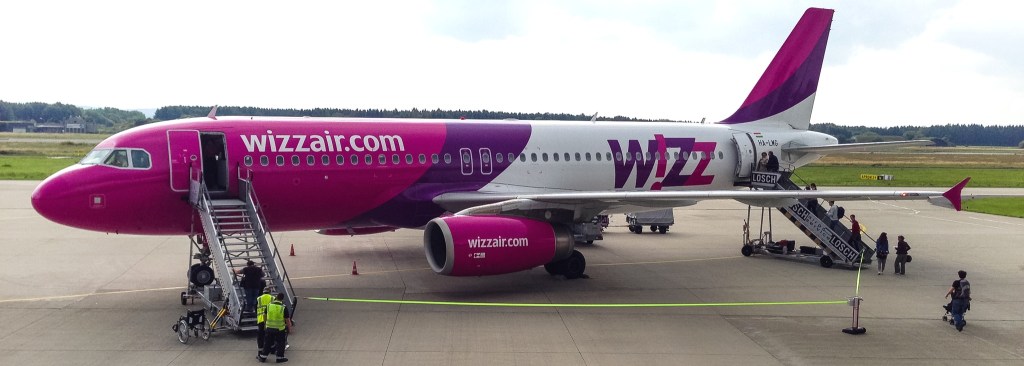
Elmercado de las low cost en Italia continúa avanzando con fuerte impulso con las aerolíneas Ryanair, Easyjet, Volotea, Vueling, entre aéreas locales. La línea aérea húngara WizzAir con un desarrollo importante en la bota italiana, se lanza inaugurando una segunda base Sicilia, en este caso en Palermo que se convertirá en la cuadragésimo segunda base de la aerolínea húngara. A partir de Junio 2021, el aeropuerto con poco tráfico de vuelos, tendrá siete rutas nuevas con WizzAir.
El anuncio tiene lugar apenas cinco meses después de que comenzara su primer servicio en Italia, en plena pandemia, con vuelos a Milán. El Director Comercial de WizzAir, George Michalopoulos, explicó que WizzAir tendrá cuatro bases en Italia, dos en Sicilia. “La expansión de Wizz Air no solo ofrecerá oportunidades de viaje más asequibles, sino que también contribuirá a la recuperación de las economías locales y, en particular, a la recuperación de la industria del turismo”, expresó George Michalopoulos.
A partir del 1 de Junio de 2021, volará a cuatro destinos nacionales: Bolonia, Pisa, Turín y Verona, todos aeropuertos de segunda, por detrás de Milán, Florencia y Roma, los grandes. Los vuelos serán diarios a los dos primeros destinos, cuatro veces por semana a Turín y tres a Verona. Una quinta nueva ruta nacional comienza el 2 de Junio de 2021 uniendo Palermo con Venecia/Treviso cinco veces por semana. Además, esos aviones ofrecerán dos rutas internacionales: a Basilea y a Londres/Luton.
Wizz Air deberá competir con Ryanair, que también se expandirá en Palermo con frecuencias a todos los aeropuertos que operará WizzAir. Pero además, atenderá Milán con veinticuatro vuelos semanales, dieciseis a Bolonia y Pisa o catorce a Turín y Verona. Además de Ryanair, WizzAir competirá directamente con la aerolínea búlgara Tayaran Jet en la ruta a Bolonia; Blue Air y Volotea en Turín; y Neos Air y Volotea en Verona. Las aerolíneas EasyJet y Neos también sirven en Milán.
WizzAir based in Italy
Hungarian low cost airline establishes base in Sicily
The low cost market in Italy continues to advance strongly with the airlines Ryanair, Easyjet, Volotea, Vueling, among local airlines. The Hungarian airline WizzAir, with an important development in the Italian boot, is launched by inaugurating a second Sicilia base, in this case in Palermo, which will become the forty-second base of the Hungarian airline. As of June 2021, the low-traffic airport will have seven new routes with WizzAir.
The announcement comes just five months after it began its first pandemic service in Italy, with flights to Milan. WizzAir’s Commercial Director, George Michalopoulos, explained that WizzAir will have four bases in Italy, two in Sicily. «The expansion of Wizz Air will not only offer more affordable travel opportunities, but will also contribute to the recovery of local economies and, in particular, to the recovery of the tourism industry», said George Michalopoulos.
Starting June 1, 2021, it will fly to four national destinations: Bologna, Pisa, Turin and Verona, all second-rate airports, behind Milan, Florence and Rome, the big ones. The flights will be daily to the first two destinations, four times a week to Turin and three to Verona. A fifth new national route begins on June 2, 2021, linking Palermo with Venice/Treviso five times a week. In addition, these aircraft will offer two international routes: to Basel and to London/Luton.
Wizz Air will have to compete with Ryanair, which will also expand in Palermo with frequencies to all the airports that WizzAir will operate. But in addition, it will serve Milan with twenty-four weekly flights, sixteen to Bologna and Pisa or fourteen to Turin and Verona. In addition to Ryanair, WizzAir will compete directly with the Bulgarian airline Tayaran Jet on the route to Bologna; Blue Air and Volotea in Turin; and Neos Air and Volotea in Verona. EasyJet and Neos airlines also serve Milan.
WizzAir con sede in Italia
La compagnia aerea low cost ungherese stabilisce base in Sicilia
Il mercato low cost in Italia continua ad avanzare fortemente con le compagnie aeree Ryanair, Easyjet, Volotea, Vueling, tra le compagnie aeree locali. La compagnia ungherese WizzAir, con un importante sviluppo nello stivale italiano, viene lanciata inaugurando una seconda base siciliana, in questo caso a Palermo, che diventerà la quarantaduesima base della compagnia ungherese. A partire da giugno 2021, l’aeroporto a basso traffico avrà sette nuove rotte con WizzAir.
L’annuncio arriva appena cinque mesi dopo l’inizio del suo primo servizio pandemico in Italia, con voli per Milano. Il direttore commerciale di WizzAir, George Michalopoulos, ha spiegato che WizzAir avrà quattro basi in Italia, due in Sicilia. «L’espansione di Wizz Air non solo offrirà opportunità di viaggio più convenienti, ma contribuirà anche alla ripresa delle economie locali e, in particolare, alla ripresa dell’industria del turismo», ha affermato George Michalopoulos.
A partire dal 1 giugno 2021 volerà verso quattro destinazioni nazionali: Bologna, Pisa, Torino e Verona, tutti aeroporti di seconda categoria, dietro Milano, Firenze e Roma, i grandi. I voli saranno giornalieri per le prime due destinazioni, quattro volte a settimana per Torino e tre per Verona. Una quinta nuova rotta nazionale inizia il 2 giugno 2021, collegando Palermo con Venezia/Treviso cinque volte a settimana. Inoltre, questi aerei offriranno due rotte internazionali: per Basilea e per Londra/Luton.
Wizz Air dovrà competere con Ryanair, che si espanderà anche a Palermo con frequenze verso tutti gli aeroporti che WizzAir opererà. Ma in più servirà Milano con ventiquattro voli settimanali, sedici su Bologna e Pisa o quattordici su Torino e Verona. Oltre a Ryanair, WizzAir competerà direttamente con la compagnia aerea bulgara Tayaran Jet sulla rotta per Bologna; Blue Air e Volotea a Torino; e Neos Air e Volotea a Verona. Le compagnie aeree EasyJet e Neos servono anche Milano.
Argentina ha alcanzado 2020 con recuperación tráfico aéreo de 19.2%
La recuperación del tráfico aéreo de Argentina ha quedado muy rezagado respecto a los índices en América Latina que tuvieron una mayor reactivación, como México (73.8%) y Brasil (69%), pero solamente por arriba de Venezuela, que ha desarrollado un 13% de recuperación tras una fuerte posición de cierre de fronteras por la crisis sanitaria mundial. Según datos proporcionados por la Asociación Internacional de Transporte Aéreo (IATA) encabezan la reactivación México, con una recuperación del 73.8% de su tráfico, seguido por Brasil, con un 69%. Argentina ha reactivado su tráfico aéreo durante 2020 en América Latina con un 19.2% de reactivación. El año pasado, el tráfico regional retrocedió un 59.2%, con un total de 177.3 millones de pasajeros transportados en 2020.
IATA ha reportado que la crisis del sector se profundizó en Enero 2021, retrocediendo el tráfico internacional un 86% en comparación interanual con los niveles de la pre-pandemia. Las nuevas variantes del Coronavirus descubiertas recientemente obligaron a los gobiernos a endurecer las restricciones a los viajes en todo el mundo, perjudicando las perspectivas de reactivación de las aerolíneas. «Aunque muchos países comenzaron a administrar vacunas para hacer frente a la mutación del virus, la aparición de variantes más infecciosas en países como el Reino Unido, Brasil y Sudáfrica obligaron a los gobiernos a prohibir viajes», precisó IATA. En este contexto, la organización alertó que las perspectivas se debilitaron en las últimas semanas, comparado a sus previsiones de diciembre. Ahora, se estima que el sector seguirá operando a pérdida, por lo menos, hasta el cuarto trimestre de este año. «Quemar millones este año no es algo que la industria pueda soportar sin un alivio adicional de los gobiernos», expresa Brian Pearce, Jefe de la IATA.
IATA elevó su previsión de los gastos de las aerolíneas para 2021 a entre US$ 75000-95.000 millones de Dólares, frente a los US$ 48.000 millones de Dólares que había calculado en Diciembre 2020. «Las restricciones impulsan la debilidad en Enero. Las aerolíneas se enfrentan a un comienzo de año realmente difícil. Si la actividad no se reactiva, muchas compañías necesitarán fondos adicionales tras agotar sus reservas de caja», sostuvo Brian Pearce. Para el sector, será clave el avance que se logre en los planes de vacunación, con diferencias sustanciales en los distintos Estados de la región, según IATA. «Marcarán el desempeño de la industria», concluyó Brian Pearce.
IATA/ALTA/ACI-LAC
La Asociación Internacional de Transporte Aéreo (IATA), la Asociación latinoamericana y caribeña de transporte aéreo(ALTA),el Consejo Internacional de Aeropuertos de América Latina y el Caribe(ACI-LAC)y la Organización de Servicios de Navegación Aérea Civil (CANSO),expresan conjuntamente su profunda preocupación por las nuevas medidas y restricciones impuestas a los viajes aéreos a través de América Latina y el Caribe. En un llamamiento a los gobiernos piden la implementación y adhesión a las medidas acordadas internacionalmente que permitan viajar en avión seguro durante la pandemia COVID-19. Revertir los progresos realizados en el restablecimiento de la conectividad aérea en 2020 tendrá un efecto adverso en la recuperación socioeconómica en la región, poniendo en riesgo millones de puestos de trabajo.
El 2021 ha comenzado como un año prometedor y esperanzador con campañas de vacunación que se iniciaron. La salud y la seguridad son y serán siempre la prioridad número uno; por lo tanto, la industria aérea ha estado apoyando y asesorando a los Estados en sus esfuerzos por prevenir la propagación del COVID-19 mediante la implementación de protocolos multicapa de bioseguridad en todas las etapas de viaje. Sin embargo, se están reimponiendo medidas que se habían levantado, como las cuarentenas, además de los requisitos de prueba, además de nuevas prohibiciones de vuelos a determinados destinos. Todo esto representa un retroceso en los esfuerzos de recuperación en muchos sectores económicos, como los viajes y el turismo, entre otros.
«Nuevamente pedimos a los gobiernos que implementen y sigan los protocolos de bioseguridad acordados internacionalmente para la aviación. No podemos volver al comienzo de la pandemia, cerrar fronteras o aplicar cuarentenas cuando ni siquiera la Organización Mundial de la Salud ha señalado que el virus no puede controlarse de esta manera. Siempre habrá un elemento de riesgo, pero hay estrategias para mitigar esto y como industria tenemos protocolos necesarios. Es por eso que debemos aprender a vivir con el virus sin poner millones de puestos de trabajo en riesgo y paralizar las economías que dependen de la aviación, porque no hay alternativas para un transporte rápido, seguro y confiable. El transporte aéreo es clave para la conectividad de un país, especialmente cuando la logística de vacunas requiere conexiones de transporte eficientes para garantizar las entregas», dice Peter Cerdá, Vicepresidente Regional de las Américas de la IATA.
«Los aeropuertos de la región han experimentado una recuperación gradual pero sostenida desde junio pasado, alcanzando el 45% del número total de pasajeros transportados en Noviembre de 2019. Ha sido un esfuerzo conjunto para recuperar la confianza de los pasajeros y proporcionar una experiencia de viaje segura. Los aeropuertos han sido muy estrictos en la implementación de protocolos sanitarios. Además, la aplicación de pruebas en lugar de cuarentenas ha demostrado ser una alternativa altamente eficaz, generando confianza en los viajeros y contribuyendo a la reactivación de los viajes y el turismo. Con la llegada de los meses de verano al hemisferio sur esperábamos una recuperación más acelerada; sin embargo, la imposición de nuevas medidas y restricciones reducirá los incentivos a los viajes», comenta Rafael Echevarne, Director General de ACI-LAC.
«Entre Enero y Noviembre de 2020, las aerolíneas que operan en la región transportaron alrededor del 40% del total de pasajeros transportados en ese período de 2019. Noviembre marcó un hito con cerca de 16 millones de pasajeros en la región (45% del total para noviembre de 2019) gracias a la reactivación de prácticamente todos los países de la región. Esto demuestra que hay interés y necesidad de viajar, por lo tanto, no podemos volver a los cierres fronterizos ni volver a imponer obstáculos a los pasajeros. Reiteramos nuestra disposición a trabajar con los gobiernos en la implementación de mecanismos eficaces y sostenibles que garanticen la salud de los pasajeros y los ciudadanos, mientras recuperamos la conectividad y este importante sector económico», comenta José Ricardo Botelho, Director Ejecutivo y CEO de ALTA.
La industria también está recordando a los gobiernos la importancia de proporcionar un marco regulatorio claro y fiable en virtud del cual las aerolíneas puedan proporcionar operaciones estables a los pasajeros, lo que es una parte integral de la reconstrucción de la confianza de los clientes. Las aerolíneas, aeropuertos y proveedores requieren suficiente aviso previo para permitir una planificación adecuada de las operaciones eficientes y seguras. Los pasajeros también planifican sus viajes con anticipación y los requisitos cambiantes generan incertidumbre y desincentivos para viajar.
La pandemia COVID-19 ha creado un desafío significativo para la aviación y un enfoque importante en este momento es coordinar el reinicio de la industria. La recuperación mundial ha sido desigual, ya que algunas regiones han experimentado descensos en los volúmenes en los últimos meses, mientras que otras están experimentando una recuperación lenta continua de las cifras de vuelos. Por ejemplo, el crecimiento más significativo se observó en el Caribe, donde se agregaron 900 vuelos diarios adicionales entre finales de octubre y finales de Noviembre de 2020. Además de prepararse para el reinicio, las organizaciones de toda la industria están enfrentando un desafío financiero sin precedentes y, aunque entiendo las importantes medidas que se están poniendo en marcha para proteger al público, y a medida que avanzamos hacia la nueva normalidad, hacemos un llamamiento a los gobiernos para que coordinen y apoyen al sector de la aviación durante la duración de esta crisis, expresó Simon Hocquard, Director General CANSO.
Según la Organización Mundial del Turismo (OMT), en 2020 la industria turística mundial retrocedió 30 años, con 1.000 millones de viajeros menos y aproximadamente US$ 1.100 millones de Dólares EE.UU. en ingresos perdidos por el turismo internacional. Por su parte, el Consejo Mundial de Viajes y Turismo (WTTC) ha informado de que unos seis millones de puestos de trabajo en la industria de viajes y turismo y más de US$ 110.000 millones en contribución al PIB están en riesgo solo en América Latina y el Caribe.
La disponibilidad de una vacuna es una gran noticia para la población, pero esperar a que la vacunación masiva levante las restricciones terminaría haciendo más daño. Los protocolos estandarizados y las pruebas previas a los pasajeros garantizarán que mantener las fronteras abiertas no represente un riesgo de contagio, mientras la industria continúa en el camino hacia la recuperación.
La aviación y el turismo son los principales motores del desarrollo socioeconómico en la región y al trabajar juntos se puede recuperar la conectividad que genera millones de puestos de trabajo y restaurar el bienestar de la población.
Argentina 2020 slight recovery 19.2%
Argentina has reached 2020 with air traffic recovery of 19.2%
The recovery of air traffic in Argentina has lagged far behind the indices in Latin America that had a greater reactivation, such as Mexico (73.8%) and Brazil (69%), but only above Venezuela, which has developed 13% of recovery after a strong position of border closure due to the global health crisis. According to data provided by the International Air Transport Association (IATA), Mexico is leading the reactivation, with a recovery of 73.8% of its traffic, followed by Brazil, with 69%. Argentina has reactivated its air traffic during 2020 in Latin America with a 19.2% reactivation. Last year, regional traffic fell 59.2%, with a total of 177.3 million passengers carried in 2020.
IATA has reported that the crisis in the sector deepened in January 2021, with international traffic falling by 86% in year-on-year comparison with pre-pandemic levels. New variants of the Coronavirus recently discovered forced governments to tighten travel restrictions around the world, hurting the prospects for reactivation of airlines. «Although many countries began to administer vaccines to cope with the mutation of the virus, the appearance of more infectious variants in countries such as the United Kingdom, Brazil and South Africa forced governments to ban travel», said IATA. In this context, the organization warned that the outlook weakened in recent weeks, compared to its December forecasts. Now, it is estimated that the sector will continue to operate at a loss, at least until the fourth quarter of this year. «Burning millions this year is not something the industry can bear without additional relief from government», says Brian Pearce, Head of IATA.
IATA raised its forecast for airline spending for 2021 to between US$ 75-95 billion, compared to the US$ 48 billion it had calculated in December 2020. «Restrictions are fueling weakness in January. Airlines are facing a really tough start to the year. If activity doesn’t pick up, many companies will need additional funding after depleting their cash reserves», Brian Pearce said. For the sector, the progress made in vaccination plans will be key, with substantial differences in the different States of the region, according to IATA. «They will set the industry performance», concluded Brian Pearce.
IATA/ALTA/ACI-LAC
The International Air Transport Association (IATA), the Latin American and Caribbean Air Transport Association (ALTA), the International Council of Airports of Latin America and the Caribbean (ACI-LAC) and the Civil Air Navigation Services Organization (CANSO) , jointly express their deep concern over the new measures and restrictions imposed on air travel throughout Latin America and the Caribbean. In an appeal to governments, they ask for the implementation and adherence to internationally agreed measures that allow safe travel by plane during the COVID-19 pandemic. Reversing the progress made in restoring air connectivity in 2020 will have an adverse effect on the socio-economic recovery in the region, putting millions of jobs at risk.
The 2021 has started as a promising and hopeful year with vaccination campaigns that started. Health and safety are and will always be the number one priority; therefore, the airline industry has been supporting and advising States in their efforts to prevent the spread of COVID-19 by implementing multilayer biosafety protocols at all stages of travel. However, measures that had been lifted are being reimposed, such as quarantines, in addition to testing requirements, in addition to new bans on flights to certain destinations. All of this represents a setback in recovery efforts in many economic sectors, such as travel and tourism, among others.
«We again ask governments to implement and follow internationally agreed biosafety protocols for aviation. We cannot go back to the beginning of the pandemic, close borders or apply quarantines when not even the World Health Organization has indicated that the virus cannot. be controlled in this way. There will always be an element of risk, but there are strategies to mitigate this and as an industry we have necessary protocols. That is why we must learn to live with the virus without putting millions of jobs at risk and paralyzing the economies that depend on aviation, because there are no alternatives for fast, safe and reliable transport. Air transport is key to the connectivity of a country, especially when vaccine logistics requires efficient transport connections to guarantee deliveries», says Peter Cerdá , IATA Regional Vice President for the Americas.
«The airports in the region have experienced a gradual but sustained recovery since last June, reaching 45% of the total number of passengers transported in November 2019. It has been a joint effort to regain the confidence of passengers and provide a travel experience Airports have been very strict in the implementation of sanitary protocols, and the application of tests instead of quarantines has proven to be a highly effective alternative, generating confidence in travelers and contributing to the reactivation of travel and tourism. With the arrival of the summer months in the southern hemisphere, we expected a more accelerated recovery, however, the imposition of new measures and restrictions will reduce incentives for travel», says Rafael Echevarne, General Director of ACI-LAC.
«Between January and November 2020, the airlines operating in the region transported around 40% of the total passengers transported in that period of 2019. November marked a milestone with about 16 million passengers in the region (45% of the total by November 2019) thanks to the reactivation of practically all the countries of the region. This shows that there is interest and need to travel, therefore, we cannot return to border closures or re-impose obstacles on passengers. We reiterate our willingness to work with governments in the implementation of effective and sustainable mechanisms that guarantee the health of passengers and citizens, while we recover connectivity and this important economic sector», comments José Ricardo Botelho, Executive Director and CEO of ALTA.
The industry is also reminding governments of the importance of providing a clear and reliable regulatory framework under which airlines can provide stable operations to passengers, which is an integral part of rebuilding customer confidence. Airlines, airports and suppliers require sufficient advance notice to allow proper planning of efficient and safe operations. Passengers also plan their trips in advance and changing requirements create uncertainty and disincentives to travel.
The COVID-19 pandemic has created a significant challenge for aviation and a major focus at this time is coordinating the reboot of the industry. The global recovery has been uneven, with some regions experiencing declines in volumes in recent months, while others are experiencing a continued slow recovery in flight figures. For example, the most significant growth was seen in the Caribbean, where an additional 900 daily flights were added between the end of October and the end of November 2020. In addition to preparing for the restart, organizations across the industry are facing a financial challenge without precedents and while I understand the important measures that are being put in place to protect the public, and as we move towards the new normal, we call on governments to coordinate and support the aviation sector throughout the duration of this crisis , said Simon Hocquard, CANSO CEO.
According to the World Tourism Organization (UNWTO), in 2020 the global tourism industry regressed 30 years, with 1 billion fewer travelers and approximately US$ 1.1 billion in lost revenue from international tourism. For its part, the World Travel and Tourism Council (WTTC) has reported that some six million jobs in the travel and tourism industry and more than US$ 110 billion in contribution to GDP are at risk in Latin America alone and the Caribbean.
The availability of a vaccine is great news for the population, but waiting for mass vaccination to lift restrictions would end up doing more damage. Standardized protocols and pre-passenger testing will ensure that keeping borders open does not pose a risk of contagion, while the industry continues on the road to recovery.
Aviation and tourism are the main drivers of socio-economic development in the region, and by working together the connectivity that generates millions of jobs can be restored and the well-being of the population restored.
AW | 2021 03 02 13:03 | AIRLINES MARKET / GOVERNMENT
Aerolíneas estadounidenses solicitan tercer ayuda gubernamental
La International Air Transport Association (IATA), organismo de aerolíneas nucleadas ha informado que la crisis de los viajes aéreos se había profundizado en Enero 2021, ya que el tráfico internacional se desplomó 86% en el mes en comparación con los niveles previos a la crisis sanitaria, y el tráfico aéreo nacional bajó 47%.
Las nuevas variantes del coronavirus obligaron a los gobiernos a endurecer las restricciones de viaje en todo el mundo, perjudicando las perspectivas de las aerolíneas, advirtió el grupo. «Eso es lo que impulsó la debilidad y los puntos bajos en Enero. Las aerolíneas se enfrentan a un comienzo de año muy difícil», dijo el economista Jefe de la IATA, Brian Pearce.
Reactivando vuelos
La pandemia COVID-19 ha remodelado el panorama global de los viajes, a medida que las aerolíneas heredadas se reducen para contener los costos, las aerolíneas de bajo presupuesto Spirit Airlines, Allegiant Air y Frontier Airlines se encuentran reanudando la contratación de pilotos y expandiendo redes para apoderarse del territorio dominado por rivales más grandes. «La cuota de mercado combinada de las tres aerolíneas en Estados Unidos, que apenas alcanzó el 10% antes de la pandemia, podría crecer sólo en 10 puntos porcentuales solo este año. Los transportistas ultrabajos quieren atacar cara a cara; creen que están en una mejor posición para reconstruir la demanda de viajes», dijo René Armas Maes, de la Consultora británica MIDAS Aviation.
Allegiant Air, con sede en Las Vegas, ha dicho a los posibles pilotos cuya contratación se detuvo a medida que se desarrollaba la pandemia: «Hemos recordado a todos nuestros pilotos furloughed y ahora estamos planeando oportunidades de crecimiento emocionantes», expresó la compañía. Spirit y Frontier han publicado anuncios de trabajo de pilotos y están recibiendo aviones Airbus A320NEO que podrían abrir rutas más largas, incluyendo vuelos de costa a costa tradicionalmente controlados por transportistas clásicos o de servicio completo.
Por el contrario, American Airlines ha pasado de contratar a 100 pilotos un mes antes de la pandemia a amenazar a 1.850 furloughs sin ayuda fresca del Gobierno sobre los costos laborales. Allegiant Air también se beneficiará si el Congreso aprueba una tercera ronda de alivio de nómina covid-19 para las aerolíneas estadounidenses, pero estaría bien sin ella, dijo el Director Financiero Greg Anderson. «Los principales indicadores sugieren que hay una buena trayectoria de crecimiento para Allegiant», dijo Greg Anderson. Las encuestas a los clientes también muestran una mayor preferencia por los aeropuertos más pequeños y los vuelos sin escalas, pilares de los modelos de negocio de las aerolíneas de bajo presupuesto.
Tercer asistencia gubernamental
El jefe de un grupo que representa a las principales aerolíneas de pasajeros de Estados Unidos y un alto funcionario sindical presentará el la solicitada de una tercer asistencia económica a las aerolíneas el Martes 02/03 a los legisladores para una tercera ronda de asistencia gubernamental. Desde marzo de 2020, el Congreso de Estados Unidos ha otorgado a las aerolíneas, aeropuertos y contratistas de pasajeros y carga casi US$ 90.000 millones de Dólares en asistencia gubernamental y préstamos de bajo costo, incluidas dos rondas previas de asistencia de nómina para aerolíneas de pasajeros estadounidenses por un total de US$ 40.000 millones de Dólares.
El paquete de ayuda contra los efectos de la crisis sanitaria de US$ 1,9 billones de Dólares aprobado por la Cámara de Representantes de Estados Unidos la semana pasada incluye otros US$ 14.000 millones de Dólares para que las aerolíneas de pasajeros mantengan a los trabajadores en nóminas durante seis meses adicionales, se espera la acción del Senado de Estados Unidos. La factura actual de COVID-19 también incluye US$ 8.000 millones de Dólares para aeropuertos y concesionarios y US$ 1.000 millones de Dólares para contratistas de aerolíneas.
Nick Calio, quien dirige Airlines for America (A4A), un grupo comercial que representa a American Airlines, Delta Air Lines, United Airlines y otros, le dirá al subcomité de aviación de House Transportation and Infrastructure que decenas de miles de trabajadores de la aviación «perderán sus empleos o experimentarán reducciones de salarios y beneficios a partir del 1 de Abril [de 2021]. La financiación es un reconocimiento explícito de que la industria sigue en graves dificultades, incluso antes de tener en cuenta la certeza de que estará inundada de deuda en los próximos años». En 2020, las aerolíneas estadounidenses vieron caer el tráfico de pasajeros en un 60% a 368 millones de pasajeros, la cifra más baja desde 1984 y reportaron pérdidas antes de la fecha anterior de US$ 46.000 millones de Dólares, con una quema diaria de unos US$ 150 millones de efectivo.
Joseph DePete, Presidente de la Asociación de Pilotos de Líneas Aéreas, le dirá a los legisladores que «los compromisos de reserva a largo plazo y la casi ausencia de demanda de viajes de negocios están dejando a algunos transportistas con muy poca certeza para reactivar y reentrenar a pilotos furloughed o inactivos». Los jefes de la Asociación General de Fabricantes de Aviación, el Congreso y la Asociación Nacional de Aviación Empresarial se harán eco de las peticiones de la industria de medidas para estimular la producción de combustibles de aviación sostenibles con incentivos fiscales.
US airlines seek third aid
US airlines request third government aid
The International Air Transport Association (IATA), a body of nucleated airlines, has reported that the air travel crisis had deepened in January 2021, as international traffic plummeted 86% in the month compared to pre-crisis levels. sanitary, and national air traffic fell 47%.
New variants of the coronavirus forced governments to tighten travel restrictions around the world, hurting airlines’ prospects, the group warned. «That’s what drove the weakness and lows in January. Airlines are facing a very difficult start to the year», said IATA Chief Economist Brian Pearce.
Reactivating flights
The COVID-19 pandemic has reshaped the global travel landscape, as legacy airlines shrink to contain costs, budget carriers Spirit Airlines, Allegiant Air, and Frontier Airlines are resuming pilot hiring and expanding networks. to seize territory dominated by bigger rivals. «The combined market share of the three airlines in the United States, which barely reached 10% before the pandemic, could grow by only 10 percentage points this year alone. Ultra-low carriers want to attack head-to-head; they believe they are in a better position to rebuild travel demand», said René Armas Maes of British consultancy MIDAS Aviation.
Las Vegas-based Allegiant Air has told prospective pilots whose recruitment was halted as the pandemic unfolded: «We have reminded all of our furloughed pilots and are now planning exciting growth opportunities», the company said. Spirit and Frontier have posted pilot job postings and are receiving Airbus A320NEO aircraft that could open longer routes, including coast-to-coast flights traditionally controlled by full-service or classic carriers.
By contrast, American Airlines has gone from hiring 100 pilots a month before the pandemic to threatening 1,850 furloughs with no fresh help from the government on labor costs. Allegiant Air will also benefit if Congress passes a third round of covid-19 payroll relief for US airlines, but it would be fine without it, said Chief Financial Officer Greg Anderson. «The leading indicators suggest that there is a good growth trajectory for Allegiant», said Greg Anderson. Customer surveys also show a greater preference for smaller airports and nonstop flights, mainstays of budget airline business models.
Third government assistance
The head of a group representing the main passenger airlines in the United States and a senior union official will present the request for a third financial assistance to the airlines on Tuesday 02/03 to legislators for a third round of government assistance. Since March 2020, the United States Congress has provided airlines, airports, and passenger and cargo contractors with nearly US$ 90 billion in government assistance and low-cost loans, including two previous rounds of payroll assistance for airlines from US passengers for a total of US$ 40 billion.
The US$ 1.9 trillion aid package against the effects of the health crisis approved by the US House of Representatives last week includes another US$ 14 billion for passenger airlines to keep workers on payroll for an additional six months, action from the United States Senate is expected. The current COVID-19 bill also includes US$ 8 billion for airports and concessionaires and US$ 1 billion for airline contractors.
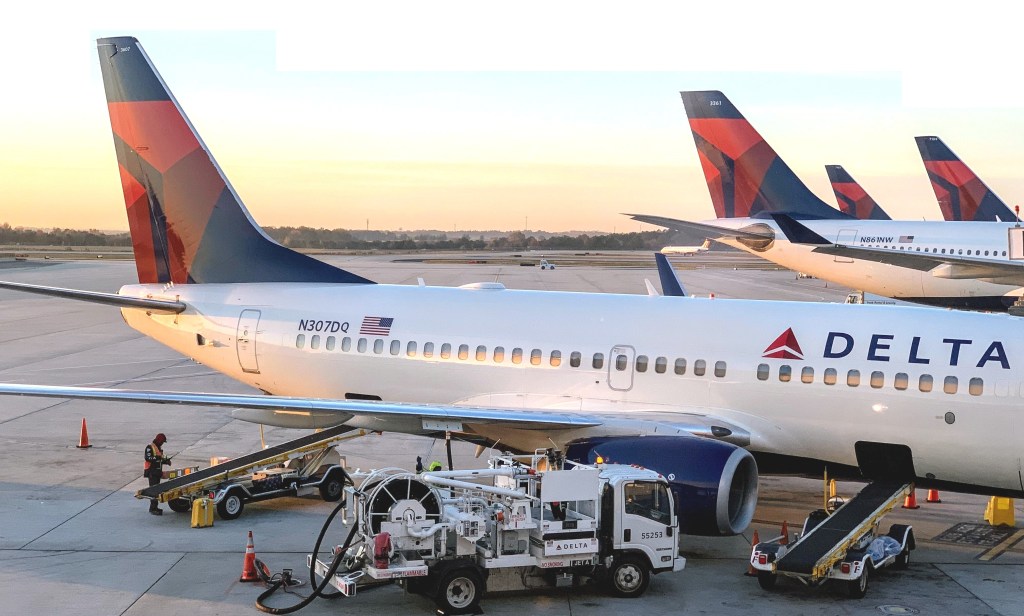
Nick Calio, who heads Airlines for America (A4A), a trade group representing American Airlines, Delta Air Lines, United Airlines and others, will tell the House Transportation and Infrastructure aviation subcommittee that tens of thousands of aviation workers «They will lose their jobs or experience reductions in wages and benefits as of April 1 [2021]. The funding is an explicit recognition that the industry remains in dire straits, even before taking into account the certainty that it will be inundated with debt in the next few years». In 2020, US airlines saw passenger traffic fall by 60% to 368 million passengers, the lowest figure since 1984 and reported losses before the previous date of US$ 46,000 million, with a daily burn of about US$ 150 million in cash.
Joseph DePete, President of the Airline Pilots Association, will tell lawmakers that «long-term booking commitments and near-absence of demand for business travel are leaving some carriers with very little certainty to reactivate and retrain. to furloughed or inactive pilots». The heads of the General Association of Aviation Manufacturers, Congress and the National Association of Business Aviation will echo industry calls for measures to stimulate the production of sustainable aviation fuels with tax incentives.
AW | 2021 02 28 15:17 | AIRLINES MARKET / GOVERNMENT
India extiende prohibición internacional de vuelos a 04/2021
El Gobierno de la India ha vuelto a extender su prohibición de vuelos internacionales se extenderán hasta finales de Marzo 2021, mientras que los vuelos de carga continúan programados sin cancelaciones. El Gobierno indio ha ordenado que los vuelos internacionales regulares permanezcan suspendidos por un mes más, marcando el primer aniversario de una extensa agonía de supresiones de rutas al exterior. El Gobierno no posee actualmente planes de reabrir vuelos regulares hasta que las restricciones de viaje permanezcan en vigor, hasta tanto no se comience con el programa de vacunación masiva en el país, por lo que las perspectivas establecen un lento retorno de los vuelos internacionales.
«Burbujas de viaje»
En lugar de reabrir todos los vuelos, la India ha estado firmando acuerdos de viaje para establecer algunos vuelos internacionales regulados con veintisiete países que han acordado las burbujas de viaje, permitiendo reanudar los vuelos desde y hacia estos destinos. Esto incluye países como Estados Unidos, Reino Unido, Alemania, Emiratos Árabes Unidos, Omán, Maldivas, Seychelles, Rusia, Ruanda, Qatar y varios más. Los viajes de burbujas son vuelos que se establecen de manera directa no permitiendo conexiones ni trasbordos. Para los países de viaje que no han firmado un acuerdo de viaje con la India, los vuelos de repatriación de la Vande Bharat Mission (VBM) continúan realizándose, permitiendo viajar a destinos como Australia, Nueva Zelanda, Singapur, Hong Kong, Arabia Saudita y otros. Las restricciones fronterizas y la prohibición de vuelos de la India significan que la misión de repatriación está en pie desde Mayo 2020.
India delays international reopening
India extends international flight ban
The Government of India has again extended its ban on international flights to be extended until the end of March 2021, while cargo flights remain scheduled without cancellations. The Indian Government has ordered scheduled international flights to be suspended for another month, marking the first anniversary of a long agony of overseas route suppression. The government does not currently have plans to reopen regular flights until travel restrictions remain in force, until the mass vaccination program in the country begins, so the outlook is for a slow return of international flights.
«Travel bubbles»
Rather than reopen all flights, India has been signing travel agreements to establish some regulated international flights with twenty-seven countries that have agreed to travel bubbles, allowing flights to and from these destinations to resume. This includes countries like the United States, United Kingdom, Germany, United Arab Emirates, Oman, Maldives, Seychelles, Russia, Rwanda, Qatar, and several more. Bubble trips are flights that are established directly, not allowing connections or transfers. For travel countries that have not signed a travel agreement with India, the Vande Bharat Mission (VBM) repatriation flights continue to operate, allowing travel to destinations such as Australia, New Zealand, Singapore, Hong Kong, Saudi Arabia and others. India’s border restrictions and flight ban mean that the repatriation mission has been in place since May 2020.
भारत अंतरराष्ट्रीय पुन: खोलने में देरी करता है
भारत अंतर्राष्ट्रीय उड़ान प्रतिबंध को 04/2021 तक बढ़ाता है
भारत सरकार ने अंतरराष्ट्रीय उड़ानों पर प्रतिबंध को फिर से बढ़ाकर मार्च 2021 के अंत तक बढ़ा दिया है, जबकि कार्गो उड़ानें बिना रद्द किए निर्धारित हैं। भारत सरकार ने आदेश दिया है कि विदेशी मार्ग के दमन की लंबी पीड़ा की पहली सालगिरह को चिह्नित करते हुए, नियमित अंतर्राष्ट्रीय उड़ानें एक और महीने के लिए निलंबित रहेंगी। सरकार के पास वर्तमान में नियमित उड़ानों को फिर से खोलने की योजना नहीं है, जब तक कि यात्रा प्रतिबंध लागू नहीं होते हैं, जब तक कि देश में बड़े पैमाने पर टीकाकरण कार्यक्रम शुरू नहीं होता है, इसलिए दृष्टिकोण अंतरराष्ट्रीय उड़ानों की धीमी वापसी के लिए है।
«यात्रा बुलबुले»
सभी उड़ानों को फिर से खोलने के बजाय, भारत उन सत्ताईस देशों के साथ कुछ विनियमित अंतरराष्ट्रीय उड़ानों की स्थापना के लिए यात्रा समझौतों पर हस्ताक्षर कर रहा है जो बुलबुले यात्रा करने के लिए सहमत हुए हैं, जिससे इन गंतव्यों और फिर से शुरू करने की अनुमति मिल सके। इसमें संयुक्त राज्य अमेरिका, यूनाइटेड किंगडम, जर्मनी, संयुक्त अरब अमीरात, ओमान, मालदीव, सेशेल्स, रूस, रवांडा, कतर, और कई जैसे देश शामिल हैं। बुलबुला यात्राएं ऐसी उड़ानें हैं जो सीधे स्थापित होती हैं, कनेक्शन या स्थानांतरण की अनुमति नहीं देती हैं। भारत के साथ एक यात्रा समझौते पर हस्ताक्षर नहीं करने वाले ट्रैवल देशों के लिए, वंदे भारत मिशन (VBM) प्रत्यावर्तन उड़ानों का संचालन जारी है, जिससे ऑस्ट्रेलिया, न्यूजीलैंड, सिंगापुर, हांगकांग, सऊदी अरब और अन्य जैसे गंतव्यों के लिए यात्रा की अनुमति मिलती है। भारत के सीमा प्रतिबंध और उड़ान प्रतिबंध का मतलब है कि प्रत्यावर्तन मिशन मई 2020 से जगह में है।
AW | 2021 02 28 15:01 | AIRLINES / AIRLINES MARKET / GOVERNMENT
Hawaiian registra mayor puntualidad desde 17 años consecutivos
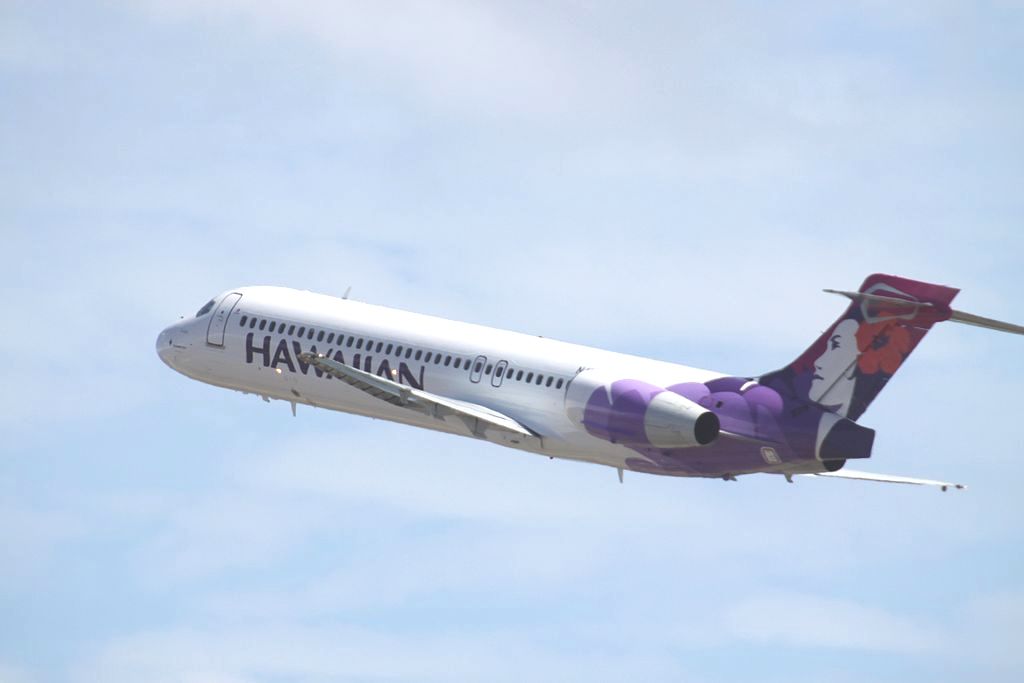
Hawaiian Airlines tuvo el mejor desempeño a tiempo del país el año pasado con el 87.5% de sus vuelos llegando a sus destinos a tiempo, informó el Departamento de Transporte (DOT) de Estados Unidos. La aerolínea ha liderado el país durante 17 años consecutivos desde 2004. La media nacional estadounidense es del orden del 79%. «No podría estar más orgulloso de los miembros de nuestro equipo por superar el año más difícil en la historia de nuestra industria para asegurar que nuestros huéspedes siguieran disfrutando de nuestra fiabilidad líder a tiempo», dijo el Presidente de la compañía, Peter Ingram. Tras posicionarse primera en puntualidad para el año 2020, la ha secundado Delta Air Lines con 87.2%, seguido por Spirit Airlines con 86.6%, dijeron funcionarios del DOT.
Hawaiian Airlines redujo los vuelos que ofreció y suspendió la mayoría de sus rutas de vuelos internacionales el año pasado como resultado de la disminución de la demanda y las restricciones de viaje implementadas durante la pandemia de Coronavirus que comenzó en Marzo 2020. La aerolínea reanudó gradualmente el servicio sin escalas que conecta las islas con 16 ciudades en todo el país. Reanudó los vuelos internacionales entre Honolulu y Japón y Corea del Sur. Se espera que Hawaiian Airlines lance nuevas rutas entre Honolulu y cuatro ciudades de América del Norte en Marzo y Abril 2021, incluyendo el servicio sin escalas hacia y desde Austin (Texas) Ontario (California) y Orlando (Florida), así como el servicio diario sin escalas a Long Beach (California) y Maui (Hawaii).
Hawaiian leads 2020 punctuality
Hawaiian records highest punctuality for 17 consecutive years
Hawaiian Airlines had the best on-time performance in the country last year with 87.5% of its flights arriving at their destinations on time, the US Department of Transportation (DOT) reported. The airline has led the country for 17 consecutive years since 2004. The US national average is of the order of 79%. «I couldn’t be more proud of our team members for getting through the toughest year in our industry history to ensure our guests continue to enjoy our leading reliability on time», said Company President Peter Ingram. After ranking first in punctuality for 2020, it has been followed by Delta Air Lines with 87.2%, followed by Spirit Airlines with 86.6%, DOT officials said.
Hawaiian Airlines reduced the flights it offered and suspended most of its international flight routes last year as a result of declining demand and travel restrictions implemented during the Coronavirus pandemic that began in March 2020. The airline gradually resumed the nonstop service connecting the islands to 16 cities across the country. It resumed international flights between Honolulu and Japan and South Korea. Hawaiian Airlines is expected to launch new routes between Honolulu and four North American cities in March and April 2021, including nonstop service to and from Austin, Texas, Ontario, California, and Orlando, Florida, as well as daily service. non-stop to Long Beach (California) and Maui (Hawaii).
Alakaʻi ka ʻōlelo Hawaiʻi 2020 i ka manawa pono
Ua hoʻopaʻa ʻo Hawaiʻi i ka pīpī kiʻekiʻe ma luna o 17 mau makahiki aʻe
Ua hana ʻo Hawaiian Airlines ka hana ʻoi loa o ka manawa ma ka ʻāina i ka makahiki i hala me 87.5% o kāna mau huakaʻi e hōʻea ana i kā lākou mau wahi i lawe ʻia i ka manawa, i hōʻike ʻia e ka US Department of Transportation (DOT). Ua alakaʻi ka mokulele i ka ʻāina ma hope o 17 mau makahiki ma hope mai 2004. ʻO ka awelika lāhui US o ke kauoha o 79%. «ʻAʻole hiki iaʻu ke haʻaheo i nā lālā o kā mākou hui no ka hele ʻana i loko o ka makahiki paʻakikī loa i kā mākou mōʻaukala ʻoihana e hōʻoia i ka hoʻomau ʻana o kā mākou poʻe malihini kipa i kā mākou hilinaʻi kūpono i ka manawa», wahi a ka Pelekikena Pelekikena ʻo Peter Ingram. Ma hope o ke kūlana kiʻekiʻe ma ka manawa kūpono no 2020, ua kākoʻo ʻia e Delta Air Lines me 87.2%, a ukali ʻia e Spirit Airlines me 86.6%, i ʻōlelo nā luna o DOT.
Ua hōʻemi ʻo Hawaiian Airlines i nā mokulele i hāʻawi ʻia a kāpae ʻia ka hapa nui o kāna mau ala mokulele mokulele i ka makahiki i hala ma muli o ke emi ʻana o ka noi a me nā kapu huakaʻi i hoʻokō ʻia i ka wā o ka maʻi maʻi Coronavirus i hoʻomaka ʻia ma Malaki 2020. Hoʻomau hou ka mokulele i ka lawelawe nonstop e hoʻohui ana i nā mokupuni i nā kūlanakauhale 16 ma ʻō a ʻō o ka ʻāina. Hoʻomau hou ia i nā mokulele mokulele ma waena o Honolulu a me Iapana a me Kōlea Hema. Manaʻo ʻo Hawaiian Airlines e hoʻolauna i nā ala hou ma waena o Honolulu a me ʻehā mau kūlanakauhale o ʻAmelika Hui Pū ʻIa ma Malaki a ʻApelila 2021, e komo pū ana me ka lawelawe kū ʻole i Austin, Texas, Ontario, Kaleponi, a me Orlando, Florida, a me ka lawelawe o kēlā me kēia lā. Long Beach (Kaleponi) a me Maui (Hawaii).
AW | 2021 02 25 11:22 | AIRLINES MARKET / GOVERNMENT
CADE aprueba acuerdo Joint Venture Latam/Delta Air Lines
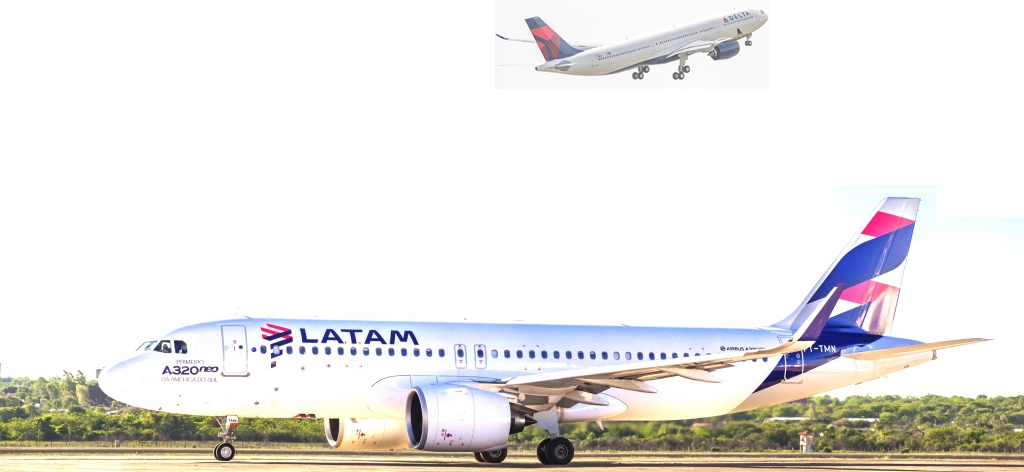
El Consejo Administrativo de Defensa Económica (CADE) de Brasil ha aprobado en una reunión celebrada el Miércoles 24/02 el acuerdo de Joint Venture entre Delta Air Lines y Latam Airlines Brasil, para la formación de una alianza estratégica de servicios y reparto de vuelos que combinará la red de las dos compañías en América.
El acercamiento de las negociaciones arribaron hacia el 2019 después de que Delta Air Lines cancelara las relaciones comerciales con GOL Linhas Aéreas. En Mayo de 2020, Delta Air Lines y Latam Airlines Brasil formalizaron el acuerdo de empresa conjunta. En Septiembre 2020, la Superintendencia General de CADE había aprobado el acuerdo, pero el Tribunal de la Academia, sin embargo, decidió profundizar el análisis y llevó el caso al juicio de la Junta. El Consejero Luis Braido, a cargo del los reclamos ha analizado que el acuerdo genera superposición en rutas importantes desde São Paulo a Orlando, Nueva York y Miami, pero no identificó estos ejemplos como de gran impacto para la competencia. «A pesar de las altas concentraciones, la Superintendencia no identificó preocupaciones competitivas debido a la falta de barreras significativas a la ingesta de infraestructura aeroportuaria por parte de los competidores, y la alta rivalidad entre otras compañías en el mercado, como American Airlines», dijo Luis Braido.
Con la aprobación del acuerdo, la alianza entre las empresas dará como resultado la mayor red combinada de las Américas, cubriendo los dos mercados más grandes de la región, Brasil y Estados Unidos, y mercados estratégicos como Canadá, Chile, Colombia, Paraguay, Perú y Uruguay.
CADE approves JV Latam/Delta
CADE approves Latam/Delta Air Lines Joint Venture agreement
The Administrative Council for Economic Defense (CADE) of Brazil has approved in a meeting held on Wednesday 02/24 the Joint Venture agreement between Delta Air Lines and Latam Airlines Brasil, for the formation of a strategic alliance of services and flight distribution that will combine the network of the two companies in America.
The approach of the negotiations arrived around 2019 after Delta Air Lines canceled the commercial relations with GOL Linhas Aéreas. In May 2020, Delta Air Lines and Latam Airlines Brasil formalized the joint venture agreement. In September 2020, the General Superintendency of CADE had approved the agreement, but the Court of the Academy, however, decided to deepen the analysis and took the case to the judgment of the Board. Counselor Luis Braido, in charge of the claims, has analyzed that the agreement generates overlap in important routes from São Paulo to Orlando, New York and Miami, but did not identify these examples as having a great impact on the competition. «Despite the high concentrations, the Superintendency did not identify competitive concerns due to the lack of significant barriers to the intake of airport infrastructure by competitors, and the high rivalry between other companies in the market, such as American Airlines», he said Luis Braido.
With the approval of the agreement, the alliance between the companies will result in the largest combined network in the Americas, covering the two largest markets in the region, Brazil and the United States, and strategic markets such as Canada, Chile, Colombia, Paraguay, Peru. and Uruguay.
CADE aprova JV Latam/Delta
CADE aprova acordo de Joint Venture Latam/Delta Air Lines
O Conselho Administrativo de Defesa Econômica (CADE) do Brasil aprovou em reunião realizada nesta quarta-feira 24/02 o acordo de Joint Venture entre Delta Air Lines e Latam Airlines Brasil, para a formação de uma aliança estratégica de serviços e distribuição de voos que se combinará a rede das duas empresas na América.
A aproximação das negociações surgiu por volta de 2019, após a Delta Air Lines cancelar as relações comerciais com a GOL Linhas Aéreas. Em maio de 2020, a Delta Air Lines e a Latam Airlines Brasil formalizaram o acordo de joint venture. Em setembro de 2020, a Superintendência-Geral do CADE havia aprovado o acordo, mas o Tribunal da Academia, no entanto, decidiu aprofundar a análise e levou o caso para julgamento do Conselho. O conselheiro Luis Braido, responsável pelas reclamações, analisou que o acordo gera sobreposição em rotas importantes de São Paulo a Orlando, Nova York e Miami, mas não identificou esses exemplos como tendo grande impacto na concorrência. “Apesar das altas concentrações, a Superintendência não identificou preocupações competitivas devido à falta de barreiras significativas à entrada de infraestrutura aeroportuária por concorrentes, e à alta rivalidade entre outras empresas do mercado, como a American Airlines”, disse Luis Braido .
Com a aprovação do acordo, a aliança entre as empresas resultará na maior rede combinada das Américas, cobrindo os dois maiores mercados da região, Brasil e Estados Unidos, e mercados estratégicos como Canadá, Chile, Colômbia, Paraguai, Peru e Uruguai.
Aviación brasileña registra mejor resultado desde inicio de pandemia
La demanda de vuelos nacionales, medido por Passenger Paid Kilometers (RPK), expresados en kilómetros por pasajeros pagos ha tenido una disminución de un 27,5% en Enero 2021 en comparación con Enero 2020. La oferta de asientos también siguió el mismo camino con un descenso de un 24,2%. La ocupación de los aviones alcanzó el 81,7%, un 4,4% menos interanual. En total, poco más de 6 millones de pasajeros fueron transportados por todo Brasil, con un decrecimiento del orden del 34,2% en comparación con Enero 2020.
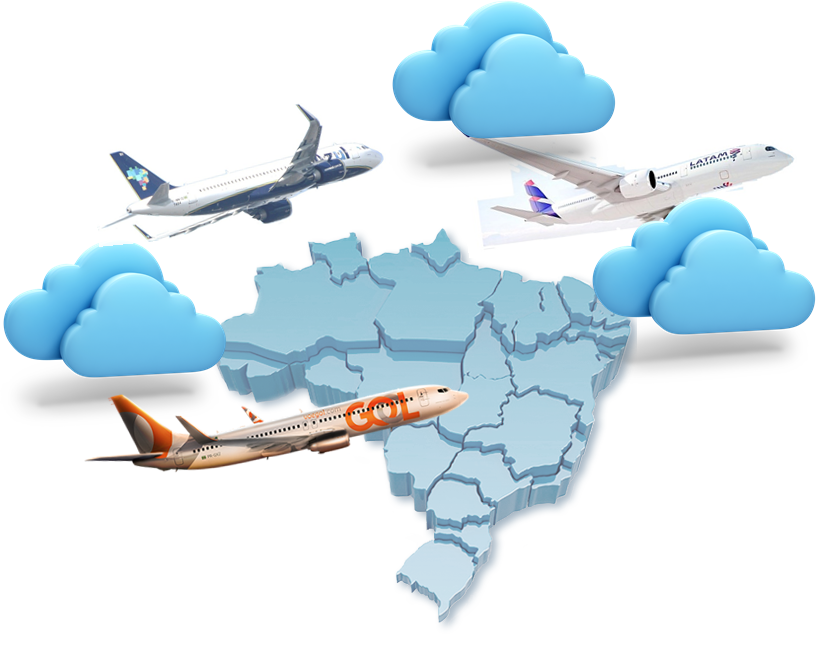
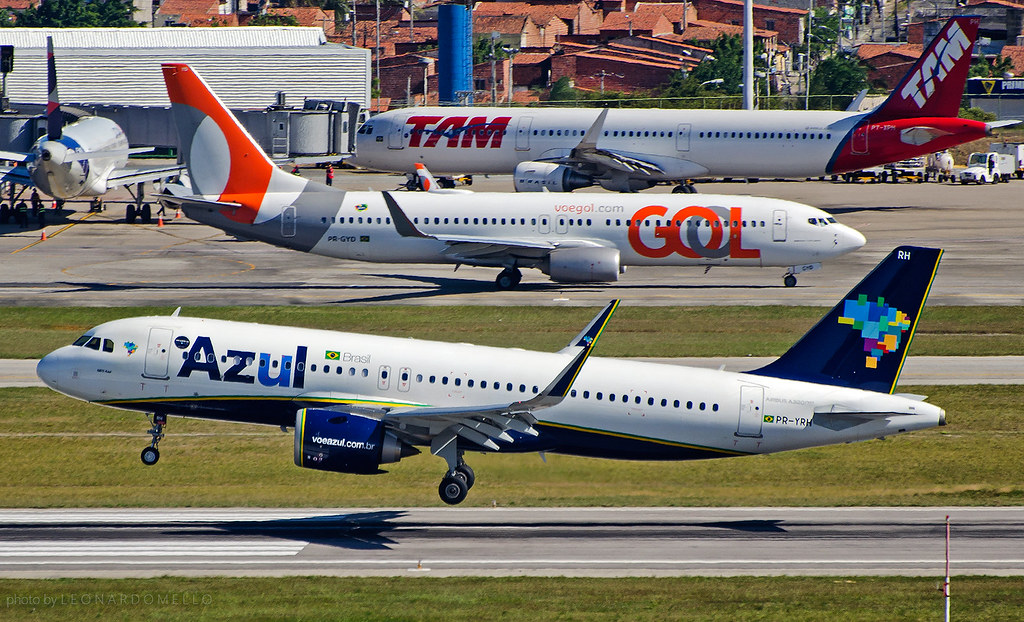
Gol Linhas Aéreas ha liderado la cuota de mercado doméstico con una participación del 38,7% en vuelos de cabotaje, seguido de Azul Linhas Aéreas con un índice del 30,6% y Latam Airlines Brasil del 30,2%. La agencia de aviación brasileña ANAC, ha señalado que a pesar de la retractación del mercado aéreo, este es el mejor resultado desde Marzo 2020, cuando se anunciaron las primeras medidas de aislamiento social y cierre de fronteras debido a la pandemia de Coronavirus. En el mercado internacional, sin embargo, la caída de la demanda de vuelos alcanzó el 81,9% y la oferta de asientos ha disminuido un 70%, en comparación con el mismo periodo interanual.
Aviation rebound in Brazil
Brazilian aviation registers best result since pandemic start
The demand for domestic flights, measured by Passenger Paid Kilometers (RPK), expressed in kilometers per paid passenger has had a decrease of 27.5% in January 2021 compared to January 2020. The supply of seats also followed the same path with a decrease of 24.2%. Aircraft occupancy reached 81.7%, 4.4% less year-on-year. In total, just over 6 million passengers were transported throughout Brazil, with a decrease of the order of 34.2% compared to January 2020.
Gol Linhas Aéreas has led the domestic market share with a 38.7% share in domestic flights, followed by Azul Linhas Aéreas with an index of 30.6% and Latam Airlines Brasil with 30.2%. The Brazilian aviation agency ANAC has pointed out that despite the retraction of the air market, this is the best result since March 2020, when the first measures of social isolation and border closure were announced due to the Coronavirus pandemic. In the international market, however, the fall in flight demand reached 81.9% and the supply of seats has decreased by 70%, compared to the same year-on-year period.
Consolidación de aerolíneas malasias es poco probable
Las aerolíneas de la República de Malaysia no optarán por la consolidación, ya que han comenzado individualmente los ejercicios de reestructuración para garantizar la supervivencia, dicen los expertos en aviación. El Analista independiente Brendan Sobie y Consultor de Sobie Aviation dijo que la reestructuración permite a las aerolíneas mejorar su estructura de costos, eficiencia y tamaño de sus flotas. «Esto, a su vez, ayudará a las aerolíneas a estar en una mejor posición para el futuro», dijo en una reciente conferencia virtual sobre el impacto de la pandemia mundial en la industria aeroespacial de Malasia. El rebote en los viajes aéreos podría acelerarse con la reapertura de las fronteras internacionales. Sin embargo, dijo que los viajes de corta distancia reemplazarían a larga distancia, dependiendo de los países que abran su frontera primero. La mayoría de las aerolíneas habían ampliado su contrato de arrendamiento de aeronaves debido a la suspensión de pagos durante todo el período Covid-19. «El reemplazo de aeronaves no sería necesario por el momento, ya que las aerolíneas esperan a que el mercado se recupere», dijo Brendan Sobie. Las aerolíneas tendrían que gestionar cuidadosamente la entrega de sus aviones para evitar tensión adicional.
El socio de Price Waterhouse Coopers (PWC) de Malasia, Edward Clayton, dijo que había espacio para compañías de primera calidad y de bajo costo en Malasia. Citó a un alto ejecutivo de una aerolínea malaya diciendo que «la pandemia COVID-19 nos permite hacer cualquier cosa». Edward Clayton continuó explicando que a pesar de los principales desafíos, la pandemia también estaba impulsando la innovación y dando oportunidades a las aerolíneas para probar nuevos modelos de negocio. El escenario actual presentó el mejor momento para que las aerolíneas se reinventen y se recreen.
El Director General de la Asociación de Asia-Pacific Airlines (APPA), Subhas Menon, dijo que la reestructuración era vital para garantizar la supervivencia de las aerolíneas malasias en medio de ingresos recurrentes nulos debido a los aviones en tierra y el cierre de las fronteras internacionales. «Creemos que la perspectiva será sombría para el sector de las aerolíneas debido a las circunstancias enfrentadas en términos de resurgimiento de la tasa de infección. Pero tenemos la esperanza del descubrimiento, ya que estará respaldado por la administración de vacunas y el programa de inmunización», dijo, al responder a las consultas en la reciente conferencia virtual de la AAPA.
Aerial prospects in Malaysia
Malaysian airline consolidation unlikely
Airlines in the Republic of Malaysia will not opt for consolidation, as they have individually started restructuring exercises to ensure survival, aviation experts say. Independent Analyst Brendan Sobie and Sobie Aviation Consultant said that the restructuring allows airlines to improve their cost structure, efficiency and size of their fleets. «This, in turn, will help airlines to be in a better position for the future,» he said at a recent virtual conference on the impact of the global pandemic on the Malaysian aerospace industry. The rebound in air travel could accelerate with the reopening of international borders. However, he said short-distance travel would replace long-distance travel, depending on which countries open their border first. Most airlines had extended their aircraft lease due to suspension of payments throughout the Covid-19 period. Aircraft replacement would not be necessary at the moment as airlines wait for the market to recover», said Brendan Sobie. Airlines would have to carefully manage the delivery of their planes to avoid additional stress.
Malaysia’s Price Waterhouse Coopers (PWC) partner Edward Clayton said there was room for premium, low-cost companies in Malaysia. He quoted a senior Malaysian airline executive as saying that «the COVID-19 pandemic allows us to do anything». Edward Clayton went on to explain that despite the major challenges, the pandemic was also driving innovation and providing opportunities for airlines to test new business models. The current scenario presented the best time for airlines to reinvent and recreate themselves.
Asia-Pacific Airlines Association (APPA) Director General Subhas Menon said the restructuring was vital to ensure the survival of Malaysian airlines amid zero recurring revenue due to aircraft on the ground and border closures. international «We believe the outlook will be bleak for the airline industry due to the circumstances faced in terms of the resurgence of the infection rate. But we are hopeful of the discovery as it will be supported by the administration of vaccines and the immunization progra», he said, responding to inquiries at the recent AAPA virtual conference.
Prospek udara di Malaysia
Penyatuan syarikat penerbangan Malaysia tidak mungkin
Syarikat penerbangan Republik Malaysia tidak akan memilih penggabungan kerana mereka secara individu telah memulakan latihan penyusunan semula untuk memastikan kelangsungan hidup, kata pakar penerbangan. Penganalisis Bebas Brendan Sobie dan Sobie Aviation Consultant mengatakan bahawa penyusunan semula itu membolehkan syarikat penerbangan meningkatkan struktur kos, kecekapan dan saiz armada mereka. «Ini, seterusnya, akan membantu syarikat penerbangan berada dalam kedudukan yang lebih baik untuk masa depan», katanya pada persidangan maya baru-baru ini mengenai kesan pandemi global terhadap industri aeroangkasa Malaysia. Peningkatan perjalanan udara dapat dipercepat dengan pembukaan semula sempadan antarabangsa. Namun, katanya perjalanan jarak jauh akan menggantikan jarak jauh, bergantung pada negara mana yang membuka sempadan mereka terlebih dahulu. Sebilangan besar syarikat penerbangan telah memperpanjang sewa pesawat mereka kerana penangguhan pembayaran sepanjang tempoh Covid-19. «Penggantian pesawat tidak diperlukan pada masa ini kerana syarikat penerbangan menunggu pasaran pulih», kata Brendan Sobie. Syarikat penerbangan harus menguruskan penghantaran pesawat dengan berhati-hati untuk mengelakkan tekanan tambahan.
Rakan kongsi Price Waterhouse Coopers Malaysia (PWC) Edward Clayton mengatakan bahawa terdapat ruang untuk syarikat-syarikat premium dan kos rendah di Malaysia. Dia memetik eksekutif kanan syarikat penerbangan Malaysia yang mengatakan bahawa «pandemik COVID-19 membolehkan kita melakukan apa sahaja». Edward Clayton terus menjelaskan bahawa di sebalik cabaran utama, wabak ini juga mendorong inovasi dan memberi peluang kepada syarikat penerbangan untuk menguji model perniagaan baru. Senario semasa menunjukkan masa terbaik bagi syarikat penerbangan untuk mencipta semula dan mencipta semula.
Ketua Pengarah Asia-Pacific Airlines Association (APPA) Subhas Menon berkata penyusunan semula itu penting untuk memastikan kelangsungan hidup syarikat penerbangan Malaysia di tengah-tengah sifar pendapatan berulang kerana pesawat di darat dan penutupan sempadan. «Kami yakin prospeknya akan suram bagi industri penerbangan kerana keadaan yang dihadapi dalam hal kebangkitan kembali kadar jangkitan. Tetapi kami berharap penemuan itu akan didukung oleh pentadbiran vaksin dan program imunisasi katanya», menjawab pertanyaan pada persidangan maya AAPA baru-baru ini.
Aerolíneas latinoamericanas perdieron 256 millones de pasajeros
Las aerolíneas que operan en América Latina registraron una pérdida de 256 millones de pasajeros durante el 2020, una caída del 59.2% en comparación interanual como resultado de la crisis sanitaria mundial. La Asociación Latinoamericana y del Caribe de Transporte Aéreo (ALTA) ha reportado que los mercados domésticos de la región fueron los menos afectados por la pandemia, con una caída del 55% en el número de pasajeros transportados, mientras que las rutas internacionales dentro de América Latina fueron las más afectadas, con un descenso del 71.6% en el número de viajeros, mientras que las rutas internacionales a países fuera de la región registraron una caída del 61.8%.
Durante Diciembre 2020, las aerolíneas de la región transportaron casi 20 millones de pasajeros, cerca del 50% de los que volaron en el mismo mes del 2019, indicó ALTA. Brasil, Chile y México, países que no detuvieron su actividad aeronáutica durante el 2020 se llevaron la gran mayoría del tráfico anual de pasajeros; tan sólo México y Brasil acumularon casi el 60% del total de viajeros del año pasado. México registró un total de 48 millones de pasajeros, lo que representa un 27% del total en la región; asimismo fue el país con la menor reducción de tráfico (-53%) en comparación con el 2019. Brasil tuvo una reducción del 57% en el número de pasajeros, transportando 49.5 millones durante el año. “El primer trimestre de 2021 será complejo para la industria y la recuperación que se venía observando puede que se desacelere debido a las segunda y tercera olas de contagios, nuevas variantes del virus, reimposición de restricciones de viaje y retrasos en las campañas de vacunación en algunos de nuestros países”, declaró José Botelho, Director de ALTA.
ALTA losses 256 million passengers
Latin American airlines lost 256 million passengers
Airlines operating in Latin America recorded a loss of 256 million passengers in 2020, a 59.2% drop from year to year as a result of the global health crisis. The Latin American and Caribbean Air Transport Association (ALTA) has reported that the region’s domestic markets were the least affected by the pandemic, with a 55% drop in the number of passengers transported, while international routes within America Latin America was the most affected, with a decrease of 71.6% in the number of travelers, while international routes to countries outside the region registered a fall of 61.8%.
During December 2020, the region’s airlines transported almost 20 million passengers, about 50% of those who flew in the same month of 2019, ALTA indicated. Brazil, Chile and Mexico, countries that did not stop their aeronautical activity during 2020, took the vast majority of the annual passenger traffic; Only Mexico and Brazil accumulated almost 60% of the total number of travelers last year. Mexico registered a total of 48 million passengers, which represents 27% of the total in the region; It was also the country with the lowest traffic reduction (-53%) compared to 2019. Brazil had a 57% reduction in the number of passengers, transporting 49.5 million during the year. «The first quarter of 2021 will be complex for the industry and the recovery that has been observed may slow down due to the second and third waves of infections, new variants of the virus, reimposition of travel restrictions and delays in vaccination campaigns in some of our countries”, declared José Botelho, Director of ALTA.
AW | 2021 02 06 11:42 | AIRLINES MARKET / GOVERNMENT
Desafíos del mercado aéreo argentino
La aviación argentina ha estado inmersa en la debacle mundial de los acontecimientos de la crisis sanitaria que han mantenido a la industria de las aerolíneas en tierra por nueve meses. Tras una reapertura medida las aerolíneas clásicas y low cost continúan restableciendo su red de servicios con la expectativa de que las restricciones totales hayan quedado atrás.
Los vuelos de cabotaje se habilitaron desde mediados de Octubre 2020, aunque las low cost recién comenzaron a volar a fines de Noviembre 2020, ya que hasta último momento se estimaba que el Aeropuerto El Palomar estaría abierto para vuelos comerciales. Esto no ocurrió y se atrasó la actividad de las empresas que operaban desde allí.
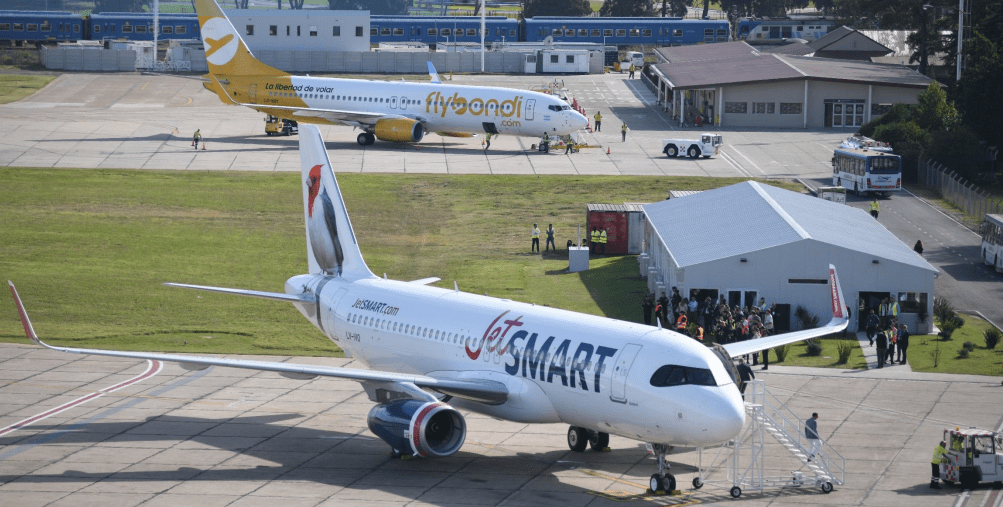
Flybondi Líneas Aéreas
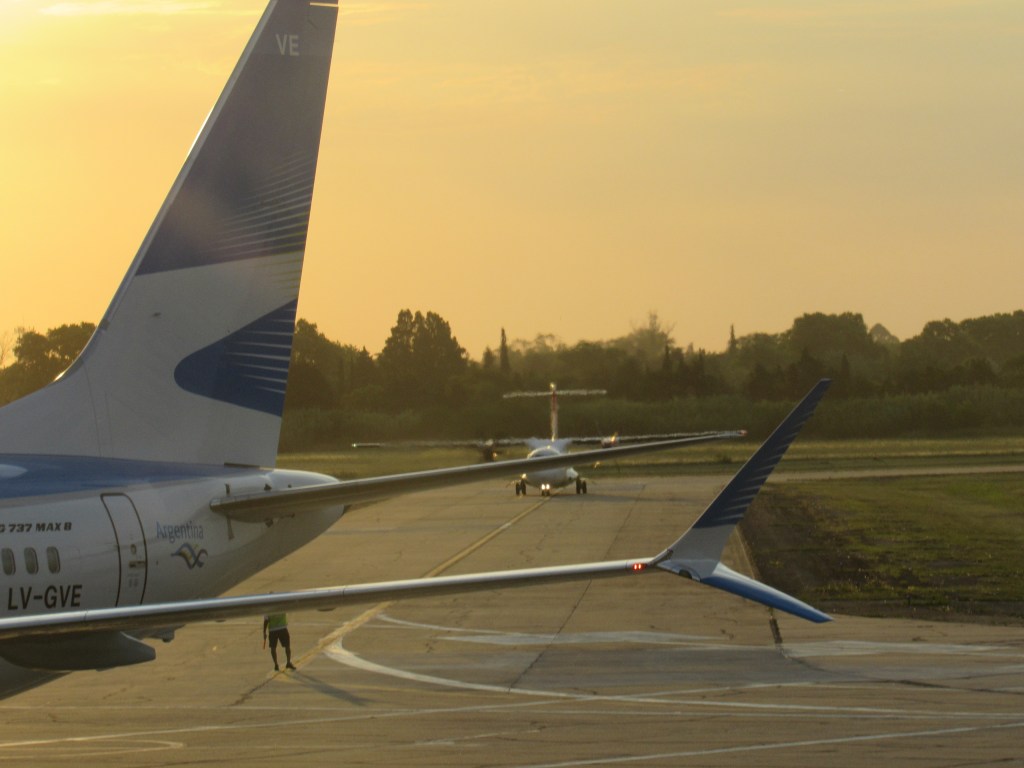
Flybondi ha anunciado este 05/02 el retorno a la Argentina de la segunda aeronave para reforzar la malla aérea. «Flybondi anuncia que su avión con matrícula LV-HKN que se encontraba en Estados Unidos desde agosto de 2020, volverá a la Argentina entre el 15 y el 20 de Febrero de 2021 para sumarse a la operación de los 12 destinos nacionales que hoy conecta la aerolínea», indicaron en la compañía, y adelantaron que esperan contar con una tercera nave en el segundo trimestre, aunque la decisión estará sujeta a cómo evolucione la demanda de viajes en los próximos meses. La aerolínea llegó a tener cinco aviones Boeing 737-800 en el país, pero por la pandemia y la suspensión de vuelos totales realizaron una reingeniería de costos fijos y devolvieron los tres que tenían el costo del leasing más alto. De los dos que quedaron, uno se encuentra estacionado en Texas, Estados Unidos, la aeronave que reingresará al mercado aéreo.
JetSmart Airlines Argentina
La aerolínea JetSmart Airlines Argentina se encuentra operando once destinos de cabotaje, entre los que se encuentran Bariloche, Buenos Aires, Córdoba, Iguazú, Mendoza, Neuquén, Rosario, Salta, Tucumán, Ushuaia y ha inaugurado recientemente el destino El Calafate. «Son muchas las personas que necesitan viajar, ya sea por trabajo, turismo o cuestiones de salud, y es importante que puedan hacerlo de la manera más segura y sin perder su tiempo. Estamos muy contentos de haber podido realizar todos los vuelos respetando los protocolos de seguridad e higiene, sin cancelaciones y alcanzando el 100% de puntualidad en destinos como Córdoba, Bariloche o Neuquén en una o más de sus rutas», dijo Darío Ratinoff, Gerente Comercial de JetSmart Argentina.
Aerolíneas Argentinas
Aerolíneas Argentinas ha iniciado sus operaciones comerciales en Octubre 2020 con algunos vuelos domésticos donde los destinos estaban aprobados sanitariamente. Posteriormente fue incorporando a su malla más servicios domésticos e internacionales, muchos de ellos sujetos a reprogramaciones.
La compañía aérea ha sido beneficiada de este marco de reapertura permitiendo aumentar su mercado aéreo doméstico después de la salida de Latam Airlines Argentina y la fusión con Austral Líneas Aéreas, ostentando más de un 80% del mercado de cabotaje.
Mientras tanto, se han conocido los números de arrastre deficitario de la aerolínea. La oposición reclama al Gobierno que transparente los números de Aerolíneas Argentinas, volviendo a encender el debate político. Juntos por el Cambio reclama desde el Congreso que el Poder Ejecutivo rinda cuentas sobre la situación patrimonial, fiscal y financiera de la empresa estatal, después de que se conociera que en 2020 recibió US$ 650 millones de Dólares en subsidios a pesar de la merma de vuelos que provocó la pandemia de Coronavirus. Las transferencias del Tesoro, Adelantos del Tesoro Nacional (ATN), a Aerolíneas alcanzaron los AR$ 45.076 millones, lo que al tipo de cambio contable para 2020 informado por el Banco Central de la Nación Argentina se traduce en US$ 638 millones de Dólares. A este costo habría que sumarle las cargas sociales que no pagó por los acuerdos no remunerativos con los gremios aeronáuticos, además del dinero que recibió por los viajes a China para traer material sanitario para enfrentar la pandemia de coronavirus. «Llama la atención el monto, porque el año pasado se caracterizó por una eterna cuarentena que mantuvo sin actividad a gran parte de la economía argentina», señaló el Doputado Federico Angelini.
Las cifras aparecen maquilladas como inversión financiera. Los números de 2020 están en línea con el promedio de subsidios de la anterior gestión kirchnerista que había sido de US$ 678 millones de dólares por año. En 2019 habían sido US$ 490 millones. El registro más bajo de la era Mauricio Macri fue en 2017, con transferencias por US$ 181 millones. Lo llamativo, según los expertos, es que en la pandemia hayan aumentado los giros, ya que Aerolíneas suele perder más cuanto más vuela. Desde que fue estatizada en 2008 y hasta 2019 inclusive, Aerolíneas Argentinas costó a los contribuyentes cerca de US$ 6.000 millones de Dólares, un promedio de US$ 1.5 diarios.
El proyecto de resolución opositor señala también el acuerdo gremial por el cual los ejecutivos de la compañía comunicaron en 2020 que la empresa se ahorraría AR$ 220 millones por mes en cargas patronales, además de AR$ 130 millones de ahorro mensual que ya se habían generado por la suspensión del pago de viáticos a los empleados que teletrabajan. «A Diciembre [2020] ya no quedan suspensiones aunque aún hay muchos de los 12.000 empleados que no retomaron su lugar de trabajo y poco se conoce del consolidado de ese ahorro. Sin embargo, si se retoma el pago de las cargas sociales del personal, los desembolsos serán mayores», sostienen desde la oposición del partido de Juntos por el Cambio (JXC).
Cuestión monopólica
El aviación argentina se ha caracterizado por ser un mercado de difícil acceso a las alternativas. El caso de Aerolíneas Argentinas que ha traído una sinergia de concentración de fuerzas, se toma políticamente como un rasgo de soberanía o incluso como un instrumento necesario para el desarrollo de una política aerocomercial, regular tarifas, entre otros detalles. La realidad es que no existen fundamentos verídicos en estas creencias. Un gobierno debe promover y estimular la pluralidad del mercado aéreo, como es el caso más cercano de la República Federativa de Brasil, donde se alientan las inversiones, inclusive con la creación de más líneas aéreas en el período post-pandemia.
Enfrentarse a un monopolio en la aviación comercial es repetir una historia hasta el hartazgo, no estimula la aviación ni el mercado. La política aerocomercial del anterior Gobierno de Mauricio Macri fue la de promover competitividad. En esos cuatro años de apertura, Aerolíneas Argentinas redujo su participación a menos del 65% en cabotaje y por debajo del 20% en internacional, mostrando una clara evidencia que es una empresa que no se ajusta y no acepta compromisos con el mercado competitivo. Las líneas aéreas de bajo costo incorporaron una saludable disminución de las tarifas que beneficia a más pasajeros, con mayor conectividad, frecuencias y mejores precios.
La política del Gobierno actual, cargada de ideología es claramente la monopolización del mercado de cabotaje. El retiro de Latam Airlines Argentina fue consecuencia de hechos escandalosos por parte de la empresa y el Estado. El cese de sus operaciones en Argentina en parte el desenlace de una persecución sistemática e irracional sometimiento a presiones políticas y sindicales como la discriminación en el uso de las mangas, los hangares y los apoyos en tierra; regulaciones caprichosas; conflictos laborales sin motivo y una larga lista de otras situaciones. Similar situación atravesaron las low cost, a las que incluso se las terminó privando del uso del Aeropuerto El Palomar, hecho que ha golpeado con fuerza la economía del transporte aéreo del país.
El argumento defensivo de quienes apoyan el monopolio estatal es que todas las empresas aéreas dan pérdida, siendo una falacia. No deben buscarse razones geopolíticas ni funciones de fomento. En ese mismo período, el conjunto de las 290 compañías aéreas miembros de la Asociación Internacional de Transporte Aéreo (IATA) expuso una utilidad que osciló entre el 1,1% de sus ingresos en 2012 y el 3,3% en 2010. Solo una reducida minoría de estas empresas dio pérdidas, entre ellas, Aerolíneas Argentinas. Por cierto, la llegada de la pandemia disparó el desplome de esos valores. El tráfico cayó un 66% y el conjunto de IATA registró una pérdida de US$ 118.000 millones de Dólares. Nuevamente Aerolíneas Argentinas se ubicó entre las de mayores pérdidas en relación con el tamaño. En 2020, recibió aportes del Tesoro por AR$ 45.076 millones de pesos, que equivalieron a 610 millones de dólares al cambio oficial.
Perspectivas aéreas
La ausencia de competencia acentuará cada vez más estas deficiencias, así como su costo para el Estado. La paradoja es que el transporte aéreo es utilizado precisamente por la población de ingresos más altos, mientras que el grueso de los usuarios ha aprovechado la etapa de las low cost, permitiendo el acceso a una dinámica de vuelos más amplia estimulando el mercado aéreo en el país y permitiendo promover competitividad.
El rol del Estado es controlar el cumplimiento y regulación de la aviación, promoviendo y estimulando al sector del transporte aéreo. Será importante que la política se encuentre a la altura del mercado de aviación comercial en un período de acontecimientos que ha convulsionado a todo el sector de la industria aerocomercial.
Rebuilding Argentine aviation
Challenges of the Argentine air market
Argentine aviation has been immersed in the global debacle of the events of the health crisis that have kept the airline industry grounded for nine months. After a measured reopening, classic and low cost airlines continue to reestablish their service network with the expectation that total restrictions have been left behind.
Cabotage flights were enabled from mid-October 2020, although low cost flights only began to fly at the end of November 2020, since until the last moment it was estimated that El Palomar Airport would be open for commercial flights. This did not happen and the activity of the companies that operated from there was delayed.
Flybondi Líneas Aéreas
Flybondi announced on 02/05 the return to Argentina of the second aircraft to reinforce the aerial mesh. «Flybondi announces that its aircraft with LV-HKN registration, which was in the United States since August 2020, will return to Argentina between February 15 and 20, 2021 to join the operation of the 12 national destinations that today connects the airline», they indicated in the company, and advanced that they expect to have a third ship in the second quarter, although the decision will be subject to how the travel demand evolves in the coming months. The airline had five Boeing 737-800 aircraft in the country, but due to the pandemic and the suspension of total flights, they reengineered fixed costs and returned the three that had the highest leasing cost. Of the two that remained, one is stationed in Texas, United States, the aircraft that will re-enter the air market.
JetSmart Airlines Argentina
The airline JetSmart Airlines Argentina is operating eleven cabotage destinations, among which are Bariloche, Buenos Aires, Córdoba, Iguazú, Mendoza, Neuquén, Rosario, Salta, Tucumán, Ushuaia and has recently inaugurated the El Calafate destination. «There are many people who need to travel, whether for work, tourism or health issues, and it is important that they can do so in the safest way and without wasting their time. We are very happy to have been able to make all the flights respecting the protocols of safety and hygiene, without cancellations and reaching 100% punctuality in destinations such as Córdoba, Bariloche or Neuquén on one or more of its routes», said Darío Ratinoff, Commercial Manager of JetSmart Argentina.
Aerolíneas Argentinas
Aerolíneas Argentinas started its commercial operations in October 2020 with some domestic flights where the destinations were sanitary approved. Later, more domestic and international services were incorporated into its network, many of them subject to reprogramming.
The airline has benefited from this reopening framework, allowing it to increase its domestic air market after the departure of Latam Airlines Argentina and the merger with Austral Líneas Aéreas, holding more than 80% of the cabotage market.
Meanwhile, the airline’s deficit drag numbers have become known. The opposition demands that the Government make the Aerolíneas Argentinas numbers transparent, reigniting the political debate. Together for Change demands from Congress that the Executive Power be accountable for the equity, fiscal and financial situation of the state company, after it was known that in 2020 it received US$ 650 million in subsidies despite the decrease in flights that caused the Coronavirus pandemic. Transfers from the Treasury, Advances of the National Treasury (ATN), to Aerolíneas reached AR$ 45,076 million, which at the accounting exchange rate for 2020 reported by the Central Bank of the Argentine Nation translates to US$ 638 million dollars. To this cost, it would be necessary to add the social charges that he did not pay for the non-remunerative agreements with the aeronautical unions, in addition to the money he received for the trips to China to bring medical supplies to face the coronavirus pandemic. «The amount is striking, because last year was characterized by an eternal quarantine that kept a large part of the Argentine economy without activity», said Doputado Federico Angelini.
The figures are made up as a financial investment. The 2020 numbers are in line with the average subsidies of the previous Kirchner administration, which had been US$ 678 million per year. In 2019 it had been US$ 490 million. The lowest record of the Mauricio Macri era was in 2017, with transfers of US$ 181 million. What is striking, according to experts, is that in the pandemic the turns have increased, since Airlines tends to lose more the more it flies. Since it was nationalized in 2008 and until 2019 inclusive, Aerolineas Argentinas cost taxpayers close to US$ 6,000 million, an average of US$ 1.5 per day.
The opposition draft resolution also indicates the union agreement by which the company executives announced in 2020 that the company would save AR$ 220 million per month in employer charges, in addition to AR$ 130 million in monthly savings that had already been generated for the suspension of the payment of per diem to employees who telework. «As of December [2020] there are no suspensions left, although there are still many of the 12,000 employees who did not return to their workplace and little is known about the consolidation of that savings. However, if the payment of the personnel social security contributions is resumed, the disbursements will be higher», they have from the opposition of the Juntos por el Cambio (JXC) party.
Monopoly issue
Argentine aviation has been characterized as a market with difficult access to alternatives. The case of Aerolíneas Argentinas, which has brought about a synergy of concentration of forces, is taken politically as a feature of sovereignty or even as a necessary instrument for the development of a commercial air policy, regulating rates, among other details. The reality is that there are no real foundations for these beliefs. A government must promote and stimulate the plurality of the air market, as is the closest case of the Federative Republic of Brazil, where investments are encouraged, even with the creation of more airlines in the post-pandemic period.
Facing a monopoly in commercial aviation is repeating a story ad nauseam, it does not stimulate aviation or the market. The commercial aviation policy of the previous government of Mauricio Macri was to promote competitiveness. In those four years of opening, Aerolíneas Argentinas reduced its participation to less than 65% in cabotage and below 20% in international, showing clear evidence that it is a company that does not adjust and does not accept commitments with the competitive market. Low-cost airlines have incorporated a healthy reduction in fares that benefits more passengers, with greater connectivity, frequencies and better prices.
The policy of the current government, loaded with ideology, is clearly the monopolization of the cabotage market. The withdrawal of Latam Airlines Argentina was the consequence of scandalous events on the part of the company and the State. The cessation of its operations in Argentina is partly the result of a systematic and irrational persecution and submission to political and union pressures such as discrimination in the use of sleeves, hangars and ground supports; whimsical regulations; Labor disputes for no reason and a long list of other situations. The low cost companies went through a similar situation, which even ended up being deprived of the use of El Palomar Airport, a fact that has hit the country’s air transport economy hard.
The defensive argument of those who support the state monopoly is that all airlines give a loss, being a fallacy. No geopolitical reasons or advocacy functions should be sought. In the same period, the set of 290 airlines members of the International Air Transport Association (IATA) exhibited a profit that ranged between 1.1% of their revenues in 2012 and 3.3% in 2010. Only one A small minority of these companies gave losses, among them, Aerolíneas Argentinas. By the way, the arrival of the pandemic triggered the collapse of those values. Traffic fell by 66% and IATA as a whole recorded a loss of US$ 118 billion. Once again, Aerolíneas Argentinas was among those with the greatest losses in relation to size. In 2020, it received contributions from the Treasury for AR$ 45,076 million Pesos, which were equivalent to US$ 610 million Dollars at the official exchange rate.
Aerial perspectives
The absence of competition will increasingly accentuate these deficiencies, as well as their cost to the State. The paradox is that air transport is used precisely by the highest-income population, while the bulk of users have taken advantage of the low-cost stage, allowing access to a broader flight dynamics, stimulating the air market in the country and allowing to promote competitiveness.
The role of the State is to control compliance and regulation of aviation, promoting and stimulating the air transport sector. It will be important for policy to catch up to the commercial aviation market in a period of events that has convulsed the entire commercial aviation industry.