Aerolíneas británicas enfrentan retorno a los cielos
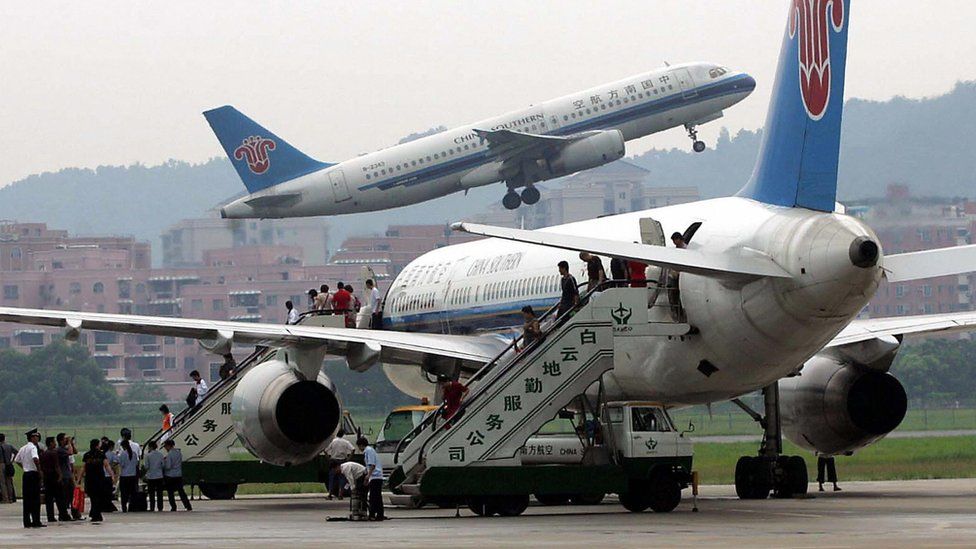
Las aerolíneas europeas y del mundo se enfrentan a la próxima gran prueba con el regreso a los cielos después de un año de hibernación por la parálisis de la pandemia. Tras nuevos rebrotes en Europa, los transportistas buscan reacondicionar sus aeronaves para reactivar los vuelos. Después de un año en un estado de suspensiones, la industria aérea se enfrenta a otro gran desafío mientras se prepara para la operación logística sin precedentes para reiniciar los viajes masivos una vez que se reabran las fronteras.
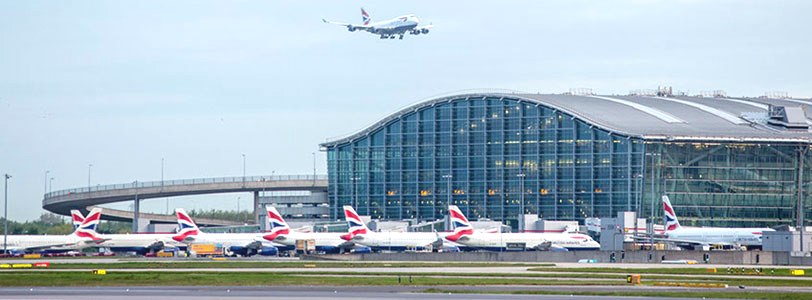
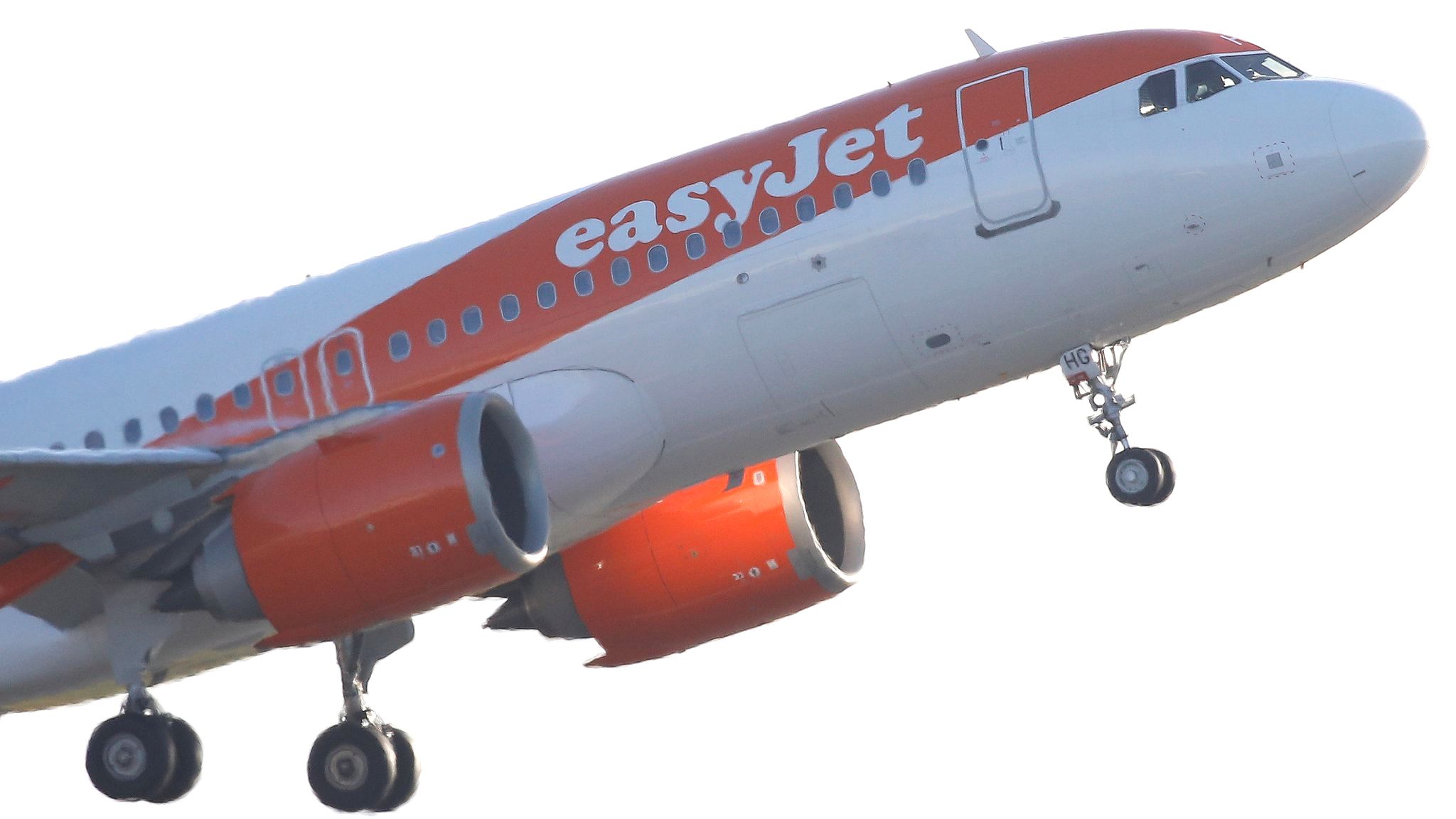
A pocos kilómetros de las salas de salidas desiertas de London/Gatwick, el centro de entrenamiento de la aerolínea low cost británica easyJet se encuentra preparándose para el regreso a los cielos, planificando la programación y entrenando a sus pilotos en sus simuladores de vuelo. British Airways tiene quince simuladores en su base de London/Heathrow, que han estado funcionando para garantizar que los pilotos hayan trabajado el número mínimo de horas para mantener las licencias. Todos los pilotos de BA y easyJet han conservado sus licencias a través de una combinación de simuladores, personal rotativo y volando los pocos vuelos comerciales y de mantenimiento que aún están en funcionamiento.
Del mismo modo, el servicio de Control de Tráfico Aéreo del Reino Unido (NATS) ha estado utilizando simuladores para recordar a su personal lo que es dirigir el tráfico pesado, después de meses de espacio aéreo silencioso. «Es fácil lidiar con poco tráfico, no necesitamos planear eso. Lo que sí tenemos que planear es si América del Norte se abriera repentinamente, cómo responderíamos a eso», dijo Juliet Kennedy, directora de operaciones de NATS.
Ryanair, conocida por su conservadurismo, estableció esta semana planes para volar el 80% de los niveles prepandémicos a partir de mediados de junio, pero también advirtió que podría reducirlo si las fronteras no se abren a tiempo. «Estas son llamadas de juicio, no soy un pronosticador. Hemos tratado de gestionar el negocio con la mejor información que tenemos», dijo el Director Ejecutivo de la aerolínea, Michael O’Leary.
El reinicio puede surgir problemas y dificultades pero es un desafío para los ejecutivos restablecer los vuelos después de un año de hibernación incluso en un escenario con rebrotes de pandemia y el Brexit en la plenitud de un vigencia.
UK Aviation Challenges
British airlines face return to the skies
European and world airlines face the next big test with the return to the skies after a year of hibernation due to the paralysis of the pandemic. After new outbreaks in Europe, the carriers seek to recondition their aircraft to to reactivate the flights. After a year in a state of suspension, the airline industry faces another major challenge as it prepares for the unprecedented logistics operation to restart mass travel once the borders are reopened.
A few kilometers from the deserted departure halls of London/Gatwick, the training center of the British low cost airline easyJet is preparing for the return to the skies, planning the programming and training its pilots in its flight simulators. British Airways has fifteen simulators at its London/Heathrow base, which have been running to ensure that pilots have worked the minimum number of hours to maintain licenses. All BA and easyJet pilots have retained their licenses through a combination of simulators, rotating staff, and flying the few commercial and maintenance flights that are still in operation.
Similarly, the UK Air Traffic Control service (NATS) has been using simulators to remind its staff what it’s like to direct heavy traffic, after months of quiet airspace. «It’s easy to deal with low traffic, we don’t need to plan for that. What we do have to plan for is if North America were to suddenly open up, how would we respond to that», said Juliet Kennedy, NATS’s chief operating officer.
Ryanair, known for its conservatism, this week set plans to blow 80% of pre-pandemic levels starting in mid-June, but also warned it could cut it if borders are not opened in time. «These are judgment calls, I am not a forecaster. We have tried to run the business with the best information we have», said the airline’s Chief Executive Officer, Michael O’Leary.
The restart can raise problems and difficulties, but it is a challenge for executives to restore flights after a year of hibernation even in a scenario with outbreaks of pandemic and Brexit in the fullness of a validity.
Fusiones, adquisiciones, startups como nuevo escenario aviación
La crisis sanitaria del Coronavirus ingresando el año 2020 ha marcado un giro trascendental en la aviación comercial mundial con profundas consecuencias en todos los orbes de las sociedades, pero hay esperanzas después de alcanzar los más bajos índices de estancamiento después de la Segunda Guerra Mundial. Los profesionales de la aviación pueden tener consuelo en el rendimiento pasado de la industria de la aviación y el cambio esperado que inevitablemente ocurrirá en el mercado. Después de una fuerte disminución de los cierres relacionados con la pandemia de Marzo de 2020, la industria de la aviación comenzó la lenta escalada a la normalidad en Mayo 2020. Si bien sigue habiendo un potencial significativo de crecimiento para alcanzar la demanda de tráfico aéreo pasado, los viajes aéreos han repuntado desde los mínimos de Abril 2020 y han mostrado una mejora constante, como se ilustra en el gráfico siguiente. El camino por delante no será fácil a corto plazo. La intervención gubernamental y la creciente lista de vacunas aprobadas han ofrecido un rayo de sol a lo largo del viaje y han ceñido a la industria de la aviación para el crecimiento futuro.
El rendimiento de los viajeros en los Estados Unidos medido por la Administración de Seguridad en el Transporte (TSA) desde Marzo de 2020. Aunque hubo un repunte significativo de los mínimos inmediatamente después de los estrictos bloqueos, el rendimiento de los viajes se mantiene fuera del 60-70 por ciento con respecto a los niveles de 2019. El camino hacia la recuperación ha comenzado, pero se ha estancado en niveles significativamente por debajo del rendimiento pasado. En los próximos meses, el sector aeronáutico tiene que atraer miles de millones de pasajeros para volver a los niveles previos al Covid-19.
Impulso aéreo
A finales del cuarto trimestre de 2020, llegamos a un punto de inflexión por el cual el apalancamiento ha cambiado y la industria de la aviación recibió un gran impulso del anuncio de que Moderna y Pfizer recibieron la aprobación de la FDA. En los Estados Unidos, según los Centros para el Control y la Prevención de Enfermedades (CDC), se han administrado más de 66,5 millones de dosis y 19,4 millones de estadounidenses han recibido dos dosis hasta el 25 de Febrero de 2021. La producción y el despliegue de vacunas están impulsando un mayor optimismo.
En noviembre, cuando circuló la noticia de que las vacunas Pfizer y Moderna estaban cerca de recibir la aprobación de la FDA, el mercado público se dio cuenta del potencial cambiante de estas vacunas. El rendimiento de los precios de las acciones de las compañías aeroespaciales aumentó significativamente en el cuarto trimestre. Según el gráfico anterior, el compuesto aeroespacial aumentó 38 por ciento en el cuarto trimestre. Los inversores compraron acciones antes de las aprobaciones reales de la FDA de las vacunas que se otorgaron el 11 de Diciembre de 2020.
El crecimiento del tráfico aéreo se acelera durante una recuperación económica. El tráfico de pasajeros aéreos repunta rápidamente después de los impactos económicos con las mayores ganancias porcentuales de crecimiento experimentadas tras las grandes caídas. Sin embargo, dada la magnitud y la naturaleza del último evento de crisis sanitaria, no hay predictores fáciles basados en ocurrencias pasadas. Los datos de los últimos veinte años indican que existe una correlación moderada a fuerte entre el PIB y el crecimiento de los pasajeros aéreos. Durante el 2000, la economía y los viajes aéreos tuvieron que hacer frente a los desafíos causados por cinco factores principales: La recesión estadounidense de 2001, el ataque terrorista del 11-S, el conflicto de Afganistán, la invasión iraquí, la epidemia del SARS.
El crecimiento de los pasajeros aéreos disminuyó en 2001 y 2002, al tiempo que experimentó un crecimiento modesto en 2003. Estos cinco factores pesaron mucho en el mercado de la aviación comercial, afectando los problemas de salud y seguridad de los pasajeros y obstaculizando el crecimiento de los pasajeros.
La demanda latente coincidiendo con la relativa paz y prosperidad comenzó a producir un crecimiento sin precedentes en 2004, e impulsaría la industria durante los próximos años. Con la desaparición del SARS y la estabilidad medida en Afganistán e Irak, los viajeros saltaron a la relativa calma con un crecimiento global de pasajeros aéreos del 13,5 por ciento junto con un crecimiento del PIB mundial del 4,4 por ciento. La demanda de pasajeros de tráfico aéreo aumentó en promedio 5.4 por ciento durante los próximos tres años.
Luego, la crisis financiera mundial golpeó y reverberó en todo el mundo, con el PIB estadounidense disminuyendo -0.1 por ciento en 2008 y -2.5 por ciento en 2009 y el PIB global cayendo -1.7 por ciento en 2009. La recuperación comenzó en 2010 con el PIB estadounidense aumentando 2.6 por ciento y el PIB global aumentando 4.3 por ciento. En 2010, el crecimiento de los pasajeros aéreos fue del 16,8 por ciento y marcó el inicio de casi una década de crecimiento de pasajeros aéreos por encima de la media antes de que la pandemia covid-19 causara un cierre global en Marzo de 2020. Como ilustra el pico de 2010, la demanda acumulada dio lugar a un crecimiento significativo inmediatamente después de la crisis.
La demanda latente existe ahora como casi siempre lo hace durante períodos económicos sombríos. Como anécdota, he tenido conversaciones con amigos que están planeando con nostalgia sus próximas vacaciones a una isla caribeña para perderse y regocijarse en la contención de COVID-19. También he participado en muchas discusiones con viajeros de negocios que normalmente acumulan millas de vuelo reuniéndose con clientes, prospectos y colegas para perseguir sus objetivos comerciales. Sin duda, el sector experimentará otro aumento del tráfico aéreo debido al impacto temprano de la demanda latente que realmente se está materializando. En el pasado, este crecimiento ha sido importante y ha contribuido significativamente a las ganancias obtenidas después de la recesión. La mitad de las transacciones para 2020 se produjeron en el primer trimestre. Después del cierre de COVID-19 y las restricciones de viaje, el mercado comercial aeroespacial de fusiones y adquisiciones se retiró con sólo la aventura más decidida en el teatro.
Sobre la base de los puntos de datos actuales, el rango de valoraciones reflejará la salud, estabilidad y crecimiento de los vendedores. Aunque el sector industrial ha experimentado pocas quiebras o disoluciones, las empresas están bien posicionadas con fuertes flujos de efectivo y la capacidad de cosechar los beneficios de un repunte en las valoraciones de primas de comando de demanda durante la mayoría de los eventos económicos. Por otro lado, las condiciones actuales han dificultado a las empresas compartir sus historias y presentar los mensajes de crecimiento y prosperidad que se han disfrutado durante mucho tiempo.
Aviación, resiliencia
El aumento de la actividad de fusiones, adquisiciones y nuevas aerolíneas permite observar un preludio de una recuperación más fuerte. A medida que se hizo evidente que se avecinaban mejores días para la industria de la aviación comercial, los compradores decididos actuaron en el cuarto trimestre. El número de transacciones aumentó un 70% trimestre a trimestre. El sector de la aviación ha mostrado resiliencia en los últimos 25 años después de cada crisis financiera, económica y sanitaria. Aunque el futuro aún no ha sido escrito, hay que creer que se avecinan resultados comparables de resiliencia y crecimiento.
Post-pandemic aviation resilience
Mergers, acquisitions, startups as a new aviation scenario
The Coronavirus health crisis entering the year 2020 has marked a momentous turn in global commercial aviation with profound consequences on all orbs of societies, but there is hope after reaching the lowest rates of stagnation after World War II. Aviation professionals can take comfort in the past performance of the aviation industry and the expected change that will inevitably occur in the marketplace. After a sharp decline in pandemic-related closures in March 2020, the aviation industry began the slow climb to normal in May 2020. While significant growth potential remains to meet past air traffic demand , air travel has rebounded from the April 2020 lows and has shown steady improvement, as illustrated in the graph below. The road ahead will not be easy in the short term. Government intervention and the growing list of approved vaccines have offered a ray of sunshine along the journey and have belted the aviation industry for future growth.
The performance of travelers in the United States as measured by the Transportation Security Administration (TSA) since March 2020. Although there was a significant rebound from lows immediately after the strict lockdowns, travel performance remains outside the 60-70 percent from 2019 levels. The road to recovery has begun, but has stalled at levels significantly below past performance. In the coming months, the aeronautical sector has to attract billions of passengers to return to pre-Covid-19 levels.
Air boost
At the end of the fourth quarter of 2020, we reached a tipping point whereby leverage has shifted and the aviation industry received a big boost from the announcement that Moderna and Pfizer received FDA approval. In the United States, according to the Centers for Disease Control and Prevention (CDC), more than 66.5 million doses have been administered and 19.4 million Americans have received two doses as of February 25, 2021. Vaccine production and deployment are driving further optimism.
In November, when news circulated that the Pfizer and Moderna vaccines were close to receiving FDA approval, the public market became aware of the changing potential of these vaccines. The performance of aerospace companies’ stock prices increased significantly in the fourth quarter. Based on the graph above, aerospace composite increased 38 percent in the fourth quarter. Investors bought shares before the actual FDA approvals of the vaccines that were granted on December 11, 2020.
Air traffic growth accelerates during an economic recovery. Air passenger traffic rebounds rapidly after economic shocks with the largest growth percentage gains experienced after large drops. However, given the magnitude and nature of the latest health crisis event, there are no easy predictors based on past occurrences. Data from the last twenty years indicate that there is a moderate to strong correlation between GDP and air passenger growth. During 2000, the economy and air travel faced challenges caused by five main factors: The 2001 US recession, the 9/11 terrorist attack, the Afghanistan conflict, the Iraqi invasion, the SARS epidemic.
Air passenger growth slowed in 2001 and 2002, while experiencing modest growth in 2003. These five factors weighed heavily on the commercial aviation market, affecting passenger health and safety concerns and hampering the growth of the passengers.
Latent demand coinciding with relative peace and prosperity began to produce unprecedented growth in 2004, and would drive the industry for years to come. With the disappearance of SARS and the stability measured in Afghanistan and Iraq, travelers jumped into relative calm with global air passenger growth of 13.5 percent alongside global GDP growth of 4.4 percent. Air traffic passenger demand increased an average of 5.4 percent over the next three years.
Then the global financial crisis hit and reverberated around the world, with US GDP declining -0.1 percent in 2008 and -2.5 percent in 2009 and global GDP falling -1.7 percent in 2009. The recovery began in 2010 with US GDP increasing 2.6 percent and global GDP increasing 4.3 percent. In 2010, air passenger growth was 16.8 percent, marking the start of nearly a decade of above-average air passenger growth before the COVID-19 pandemic caused a global shutdown in March 2020. As the 2010 peak illustrates, pent-up demand led to significant growth in the immediate aftermath of the crisis.
Latent demand exists now as it almost always does during gloomy economic periods. As an anecdote, I have had conversations with friends who are nostalgically planning their next vacation to a Caribbean island to get lost and rejoice in containing COVID-19. I have also participated in many discussions with business travelers who typically accumulate flight miles by meeting with clients, prospects, and colleagues to pursue their business goals. The sector will undoubtedly experience another increase in air traffic due to the early impact of latent demand that is actually materializing. In the past, this growth has been significant and has contributed significantly to post-recession gains. Half of the transactions for 2020 occurred in the first quarter. After the COVID-19 shutdown and travel restrictions, the commercial aerospace M&A market retreated with only the most determined adventure in the theater.
Based on current data points, the rating range will reflect the health, stability, and growth of sellers. Although the industrial sector has experienced few bankruptcies or dissolutions, companies are well positioned with strong cash flows and the ability to reap the benefits of a spike in demand command premium valuations during most economic events. On the other hand, current conditions have made it difficult for companies to share their stories and present the messages of growth and prosperity that have long been enjoyed.
Aviation, resilience
Increased activity from mergers, acquisitions and new airlines shows a prelude to a stronger recovery. As it became clear that better days were ahead for the commercial aviation industry, determined buyers acted in the fourth quarter. The number of transactions increased 70% quarter over quarter. The aviation sector has shown resilience in the last 25 years after every financial, economic and health crisis. Although the future has yet to be written, you have to believe that comparable results of resilience and growth are ahead.
Impacto vuelos domésticos frente a desafíos post-pandemia
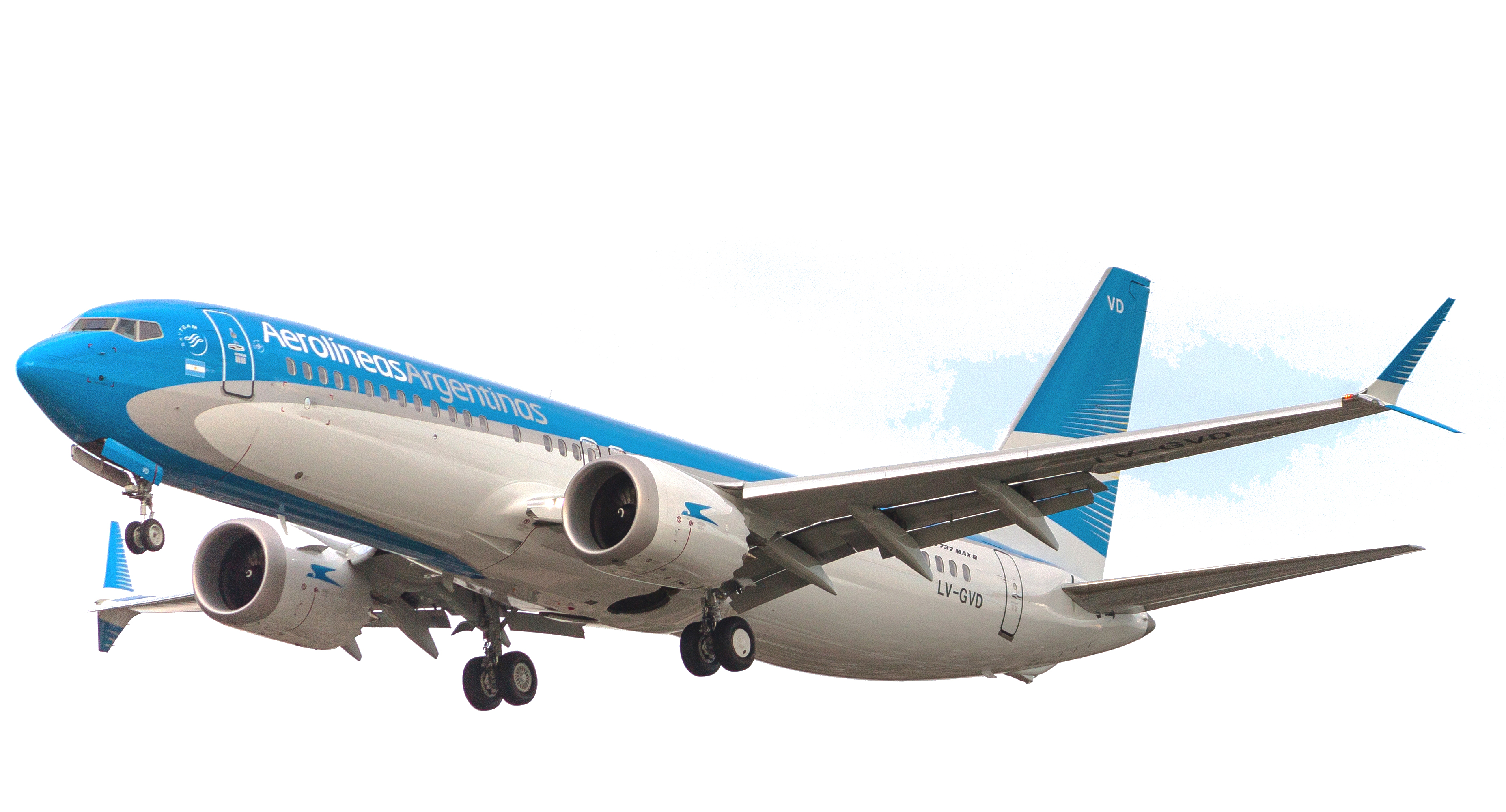
La actual crisis sanitaria continúa afectando la industria del turismo y el transporte aéreo en Argentina, luego de la apertura en Noviembre 2020 de los viajes hasta la liberación de servicios a destinos turísticos en el país. Inicialmente Aerolíneas Argentinas comenzaba a realizar vuelos esporádicos iniciando la programación con la flota Embraer E190-100AR debido a la baja demanda de tráfico de pasajeros. Para activar la industria han establecido programas estímulos para activar los viajes dentro del país.
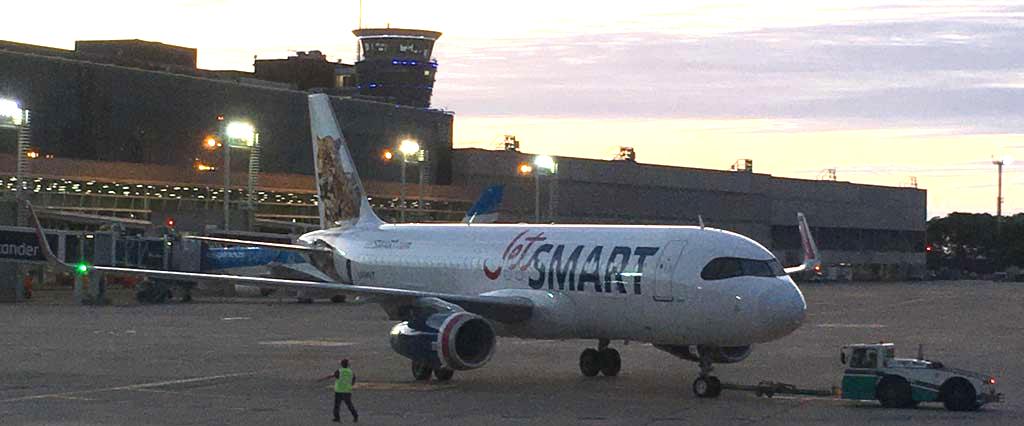
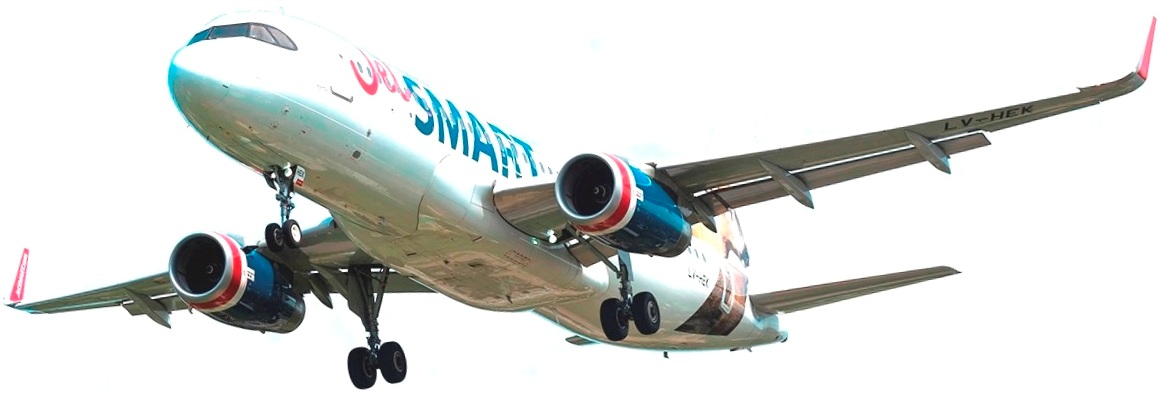
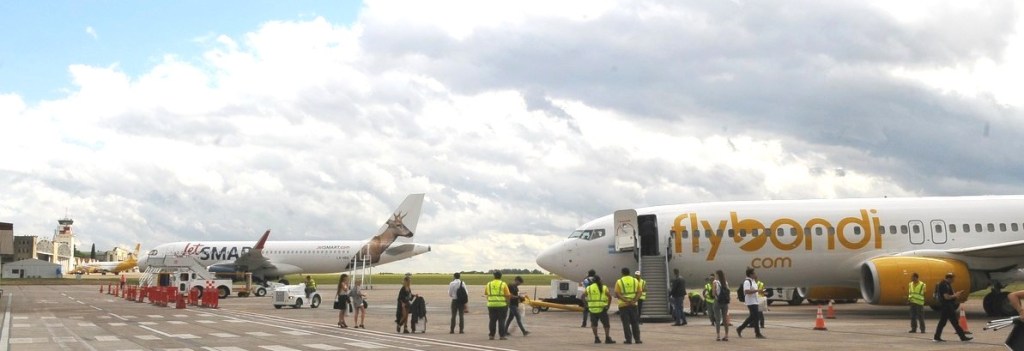
Con la reapertura del Aeropuerto Jorge Newbery, Aerolíneas Argentinas, JetSmart Airlines Argentina han inicia sus sus servicios como parte del restablecimiento de la malla aérea. El Lunes 22 de Marzo de 2021 la línea aérea low cost ofrece flexibilidad de pagos para ventas de tickets. Respecto a las medidas de seguridad operativa desde la compañía han expresado: “En JetSmart queremos que más personas viajen por el país, de un modo simple y seguro, y sabemos que la financiación es fundamental para incentivar a que más personas saquen su pasaje”, asegura Darío Ratinoff, Gerente Comercial.
La compañía Andes Líneas Aéreas han indicado que la reactivación de la demanda continúa siendo muy baja. La aerolínea poseía un millón de pasajeros por mes antes de la pandemia, mientras que ahora solo hay 400.000 pasajeros en tráfico doméstico. La poca demanda de vuelos comienza a repercutir en las compañías aéreas, quienes avizoran con preocupación el impacto de las bajas. El Gerente General de Andes Líneas Aéreas, Horaio Preneste señaló que «antes las compañías tenían problemas con la oferta y hoy el problema es la demanda, hay pocos pasajeros», resaltó. En esa línea, Horacio Preneste detalló que antes de la pandemia en un mes volaban alrededor de un millón trescientos mil pasajeros por mes, sin embargo ahora en una semana solo vuelan 100 mil personas. “Estamos volando a un 30% en toda la Argentina”, detalló. Ante la falta de respuesta del mercado aéreo, el Gerente General de la aerolínea ha solicitado una reunión con la Cámara de Líneas Aéreas, para atender algunas cuestiones. «Entendemos que hay temas que se tienen que solucionar con políticas públicas», señaló Horacio Penestre. En la agenda se planteará las rutas aéreas en el país pues considera que existe cierta concentración de destinos donde las cuatro líneas aéreas vuelan a unmismo destino siendo necesario una mejor redistribución.
Flybondi Líneas Aéreas se encuentra planificando la programación de los vuelos domésticos desde su nueva base operativa en el Aeropuerto Jorge Newbery de la Ciudad de Buenos Aires a partir de Abril 2021, abriendo la inauguración en la aerostación de Aeroparque como nuevo centro de distribución aérea.
Perspectivas Argentina
Tras la reapertura de los vuelos regulares en el país en Noviembre 2020, las compañías aéreas continúan estimulando los destinos para incrementar el tráfico de pasajeros, pero el débil mercado continúa mostrando la baja oferta ante las dificultades que continúa presentando la pandemia junto con los mecanismos sanitarios y el nuevo entorno turístico. De todos modos, los esfuerzos por parte de las agencias del ocio, las líneas aéreas, el Gobierno argentino reviste la necesidad de implementar fuertes políticas de estímulos para reactivar la aviación en medio de los rebrotes de la pandemia en Argentina.
Argentina lacks demand for transportation
Impact of domestic flights in the face of post-pandemic challenges
The current health crisis continues to affect the tourism industry and air transport in Argentina, after the opening in November 2020 of trips until the release of services to tourist destinations in the country. Initially, Aerolíneas Argentinas began to carry out sporadic flights, starting the programming with the Embraer E190-100AR fleet due to the low demand for passenger traffic. To activate the industry they have established incentive programs to activate travel within the country.
With the reopening of the Jorge Newbery Airport, Aerolíneas Argentinas, JetSmart Airlines Argentina have started their services as part of the re-establishment of the air network. On Monday March 22, 2021 the low cost airline offers flexibility of payments for ticket sales. Regarding the operational security measures, the company has expressed: «At JetSmart we want more people to travel through the country, in a simple and safe way, and we know that financing is essential to encourage more people to get their ticket», assures Darío Ratinoff, Commercial Manager.
The company Andes Líneas Aéreas have indicated that the reactivation of demand continues to be very low. The airline passed one million passengers per month before the pandemic, while now there are only 400,000 passengers in domestic traffic. The low demand for flights is beginning to affect the airlines, who are concerned about the impact of the casualties. The General Manager of Andes Líneas Aéreas, Horaio Preneste pointed out that «before the companies had problems with supply and today the problem is demand, there are few passengers», has expressed. Along these lines, Preneste explained that before the pandemic in a month around one million three hundred thousand passengers per month flew, however now in a week only 100 thousand people fly. «We are flying at 30% throughout Argentina», he detailed. Given the lack of response from the air market, the General Manager of the airline has requested a meeting with the Chamber of Air Lines, to address some questions. «We understand that there are issues that have to be solved with public policies», said Horacio Penestre. The agenda will include air routes in the country as he considers that there is a certain concentration of destinations where the four airlines fly to the same destination, requiring a better redistribution.
Flybondi Líneas Aéreas is planning the programming of domestic flights from its new operating base at the Jorge Newbery Airport in the City of Buenos Aires as of April 2021, opening the opening of the Aeroparque ballooning as a new air distribution center.
Perspectives Argentina
After the reopening of regular flights in the country in November 2020, airlines continue to stimulate destinations to increase passenger traffic, but the weak market continues to show low supply given the difficulties that the pandemic continues to present along with health mechanisms and the new tourist environment. In any case, the efforts by the leisure agencies, the airlines, the Argentine government, show the need to implement strong stimulus policies to reactivate aviation amid the outbreaks of the pandemic in Argentina.
Rebrotes COVID obligan aéreas a reestructurar vuelos
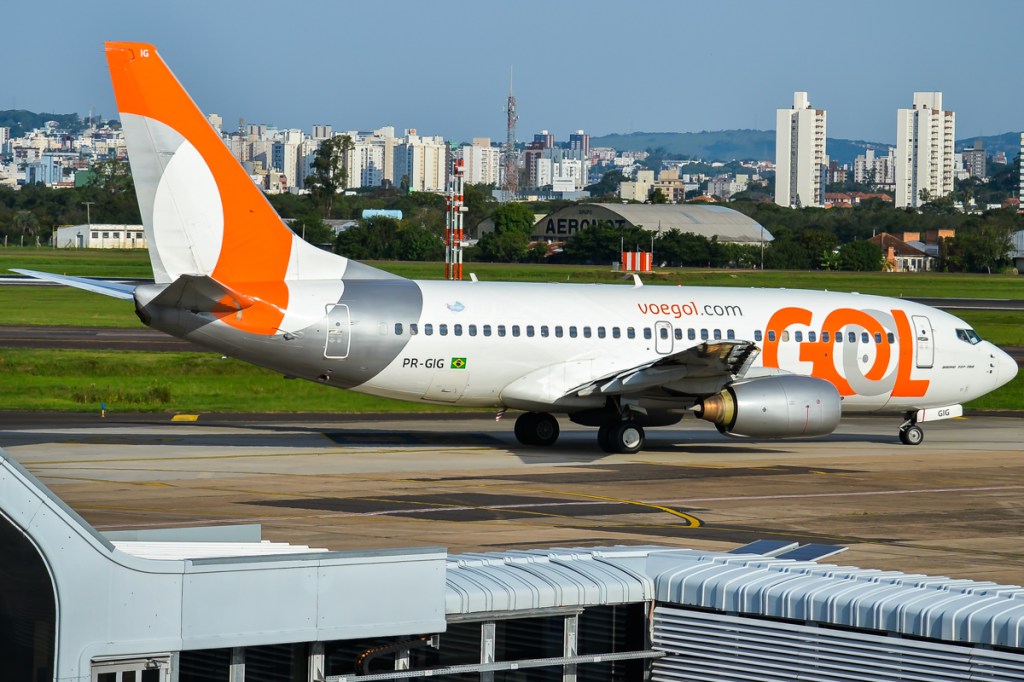
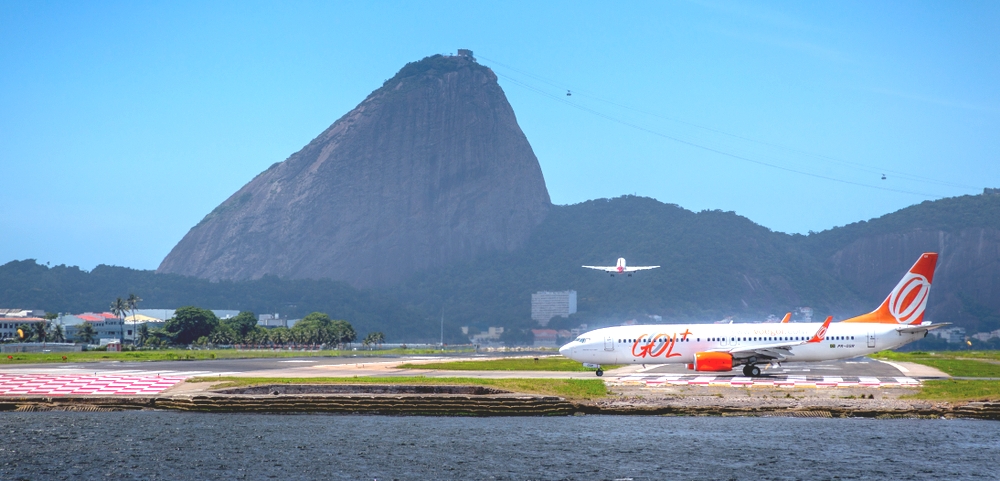
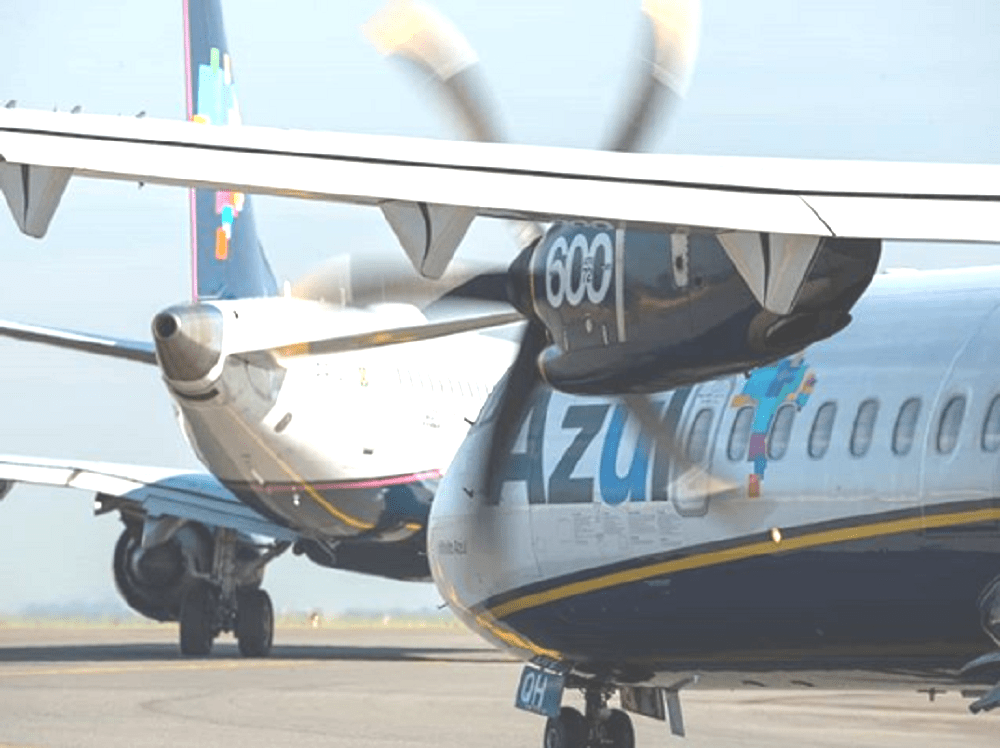
Con los rebrotes de la pandemia Covid-19 y las consecuencias de la restricción de la circulación por parte de prácticamente todos los Estados de Brasil, las principales aerolíneas nacionales se ven obligadas a reestructurar sus redes en el futuro a corto plazo. Gol Linhas Aéreas ha comunicado que todos sus clientes con reservas en Abril 2021 tendrán que ponerse en contacto para volver a reservar sus vuelos. Azul Linhas Aéreas y Latam Airlines Brasil se pronuncian sobre la disminución de vuelos en Abril 2021 de cara a una reprogramación. El mismo paso está considerando VoePass Linhas Aéreas.
En un comunicado, Azul Linhas Aéreas ha expresado: «Debido a las medidas de restricción que se están implementando en todo el país, Azul está ajustando el funcionamiento de los vuelos para los próximos meses. La compañía aclara que está en contacto con los clientes para proporcionar su reacomodación y también refuerza que, con el fin de garantizar la salud y el bienestar de los clientes y la tripulación, sigue estrictos protocolos sanitarios que se han implementado desde el inicio de la pandemia».
Latam Airlines Brasil ha anunciado el Viernes 12/03 que terminará Marzo 2021 con el 35% de la capacidad prepandémica interanual. En comparación con Marzo de 2020, al inicio de la crisis del sector aéreo, la operación de Marzo de 2021 corresponde al 48% de la capacidad de la compañía. «A medida que nos comunicamos en el último balance, Latam continúa revisando las proyecciones diariamente y continuaremos comunicando nuestras estimaciones operativas mensualmente», expresa el comunicado de la aerolínea hacia las previsiones hacia Abril 2021.
VoePass Linhas Aéreas informa que está atento al grave momento que presenta el país debido al avance de la pandemia y al monitoreo de la imposición de medidas sanitarias más restrictivas en algunas ciudades en las que tiene operación. Estas medidas conducen a una reducción de la demanda de billetes de avión y a la consiguiente reducción de las operaciones puntuales llevadas a cabo por la compañía. La compañía, que sigue los protocolos y las mejores prácticas de higiene y desinfección requeridas por las autoridades sanitarias desde la reanudación de las operaciones en Julio de 2020, realiza todos los ajustes necesarios para garantizar la salud y el bienestar de los pasajeros, la tripulación y los empleados, incluido el uso de sistemas de intercambio aéreo de aeronaves, que garantizan la renovación del 100% del aire de cabina cada 5 minutos durante todos los vuelos. Para los clientes que tienen sus vuelos cambiados, todos serán notificados por correo electrónico, y el centro de llamadas está disponible en caso de duda: 0800 770 3757.
Brazil air traffic contraction
COVID outbreaks force airlines to restructure flights
With the outbreaks of the Covid-19 pandemic and the consequences of the restriction of circulation by practically all the states of Brazil, the main national airlines are forced to restructure their networks in the short-term future. Gol Linhas Aéreas has communicated that all its customers with reservations in April 2021 will have to get in touch to rebook their flights. Azul Linhas Aéreas and Latam Airlines Brasil comment on the reduction of flights in April 2021 in the face of a rescheduling. The same step is considering VoePass Linhas Aéreas.
In a statement, Azul Linhas Aéreas has expressed: «Due to the restriction measures that are being implemented throughout the country, Azul is adjusting the operation of the flights for the next few months. The company clarifies that it is in contact with clients to provide their readjustment and also reinforces that, in order to guarantee the health and well-being of clients and crew, it follows strict sanitary protocols that have been implemented since the beginning of the pandemic».
Latam Airlines Brasil has announced on Friday 03/12 that it will end March 2021 with 35% of the interannual pre-pandemic capacity. Compared to March 2020, at the beginning of the crisis in the airline sector, the March 2021 operation corresponds to 48% of the company’s capacity. «As we communicate in the last balance, Latam continues to review the projections daily and we will continue to communicate our operational estimates on a monthly basis», says the airline’s statement towards the forecasts towards April 2021.
VoePass Linhas Aéreas informs that it is attentive to the serious situation in the country due to the advance of the pandemic and the monitoring of the imposition of more restrictive sanitary measures in some cities in which it operates. These measures lead to a reduction in the demand for airline tickets and a consequent reduction in the one-off operations carried out by the company. The company, which follows the protocols and the best hygiene and disinfection practices required by the health authorities since the resumption of operations in July 2020, makes all the necessary adjustments to guarantee the health and well-being of passengers, crew and employees, including the use of aircraft airlift systems, which guarantee the renewal of 100% of cabin air every 5 minutes during all flights. For customers who have their flights changed, everyone will be notified by email, and the call center is available in case of doubt: 0800 770 3757.
Contração do tráfego aéreo no Brasil
Surtos de COVID forçam companhias aéreas a reestruturar vôos
Com os surtos da pandemia Covid-19 e as consequências da restrição da circulação por praticamente todos os estados do Brasil, as principais companhias aéreas nacionais são obrigadas a reestruturar suas redes no curto prazo. A Gol Linhas Aéreas comunicou que todos os seus clientes com reservas para Abril de 2021 deverão entrar em contato para refazer a reserva de seus vôos. Azul Linhas Aéreas e Latam Airlines Brasil comentam sobre redução de vôos em Abril de 2021 diante de um reescalonamento. A mesma etapa está considerando a VoePass Linhas Aéreas.
Em comunicado, a Azul Linhas Aéreas expressou: «Devido às medidas de restrição que estão sendo implementadas em todo o país, a Azul está ajustando a operação dos vôos para os próximos meses. A empresa esclarece que está em contacto com os clientes para providenciarem o seu reassentamento e reforça ainda que, para garantir a saúde e o bem-estar dos clientes e tripulantes, segue rígidos protocolos sanitários que vêm sendo implementados desde o início da pandemia».
A Latam Airlines Brasil anunciou na sexta-feira 03/12 que encerrará Março de 2021 com 35% da capacidade pré-pandêmica interanual. Na comparação com Março de 2020, início da crise no setor aéreo, a operação de março de 2021 corresponde a 48% da capacidade da empresa. «Conforme comunicamos no último balanço, a Latam continua revisando as projeções diariamente e continuaremos a comunicar nossas estimativas operacionais mensalmente», diz o comunicado da companhia aérea sobre as previsões para Abril de 2021.
A VoePass Linhas Aéreas informa que está atenta à grave situação no país devido ao avanço da pandemia e ao acompanhamento da imposição de medidas sanitárias mais restritivas em algumas cidades em que atua. Essas medidas levam à redução da demanda por passagens aéreas e, consequentemente, à redução das operações pontuais realizadas pela empresa. A empresa, que segue os protocolos e as melhores práticas de higiene e desinfecção exigidas pelas autoridades sanitárias desde a retomada das operações em Julho de 2020, faz todas as adequações necessárias para garantir a saúde e o bem-estar dos passageiros, tripulantes e colaboradores, incluindo os utilização de sistemas de transporte aéreo de aeronaves, que garantem a renovação de 100% do ar da cabine a cada 5 minutos durante todos os vôos. Para os clientes que tiverem seus vôos trocados, todos serão avisados por e-mail, e a central de atendimento está disponível para caso de dúvidas: 0800 770 3757.
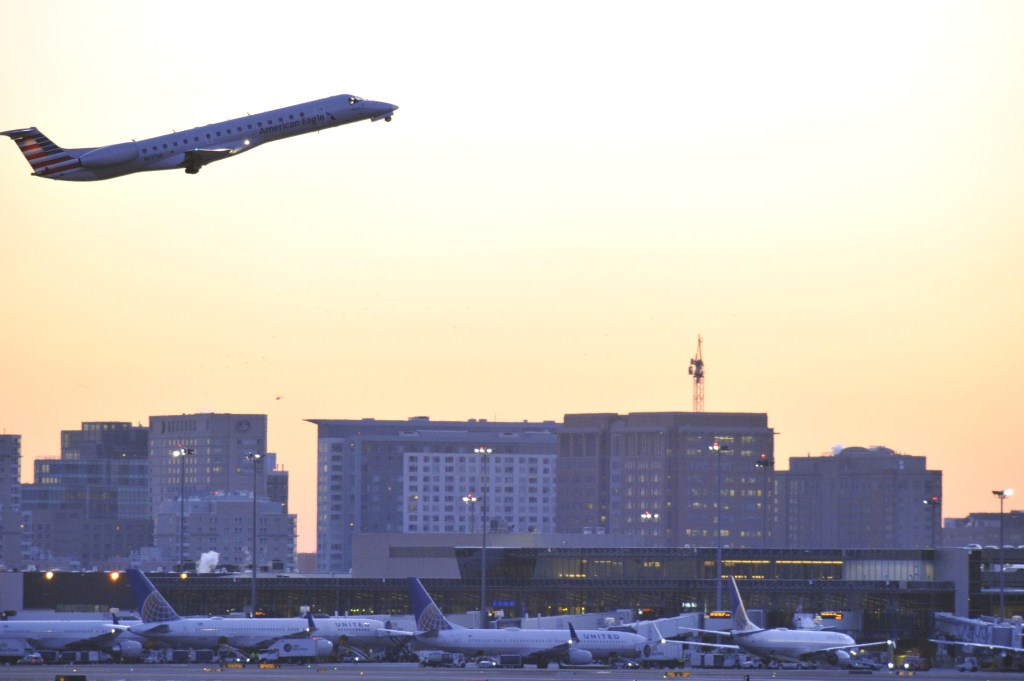
Aerolíneas estadounidenses observan mejoras en reservas
La actual pandemia de Coronavirus continúa generando muchas dificultades a las aerolíneas y los gobiernos en el mundo para buscar alguna solución para restablecer los vuelos y reactivar las economías globales. En Estados unidos, un inmenso mercado de la aviación comercial ha tenido impactos enormes en las aerolíneas después de continuar implementando métodos para reactivar los vuelos de manera homogénea. El país ha sido uno de los pocos que han continuado activos con su red de servicios aéreos, pero confía en la necesidad de aumentar el tráfico de vuelos a medida que las reservas van incrementándose.
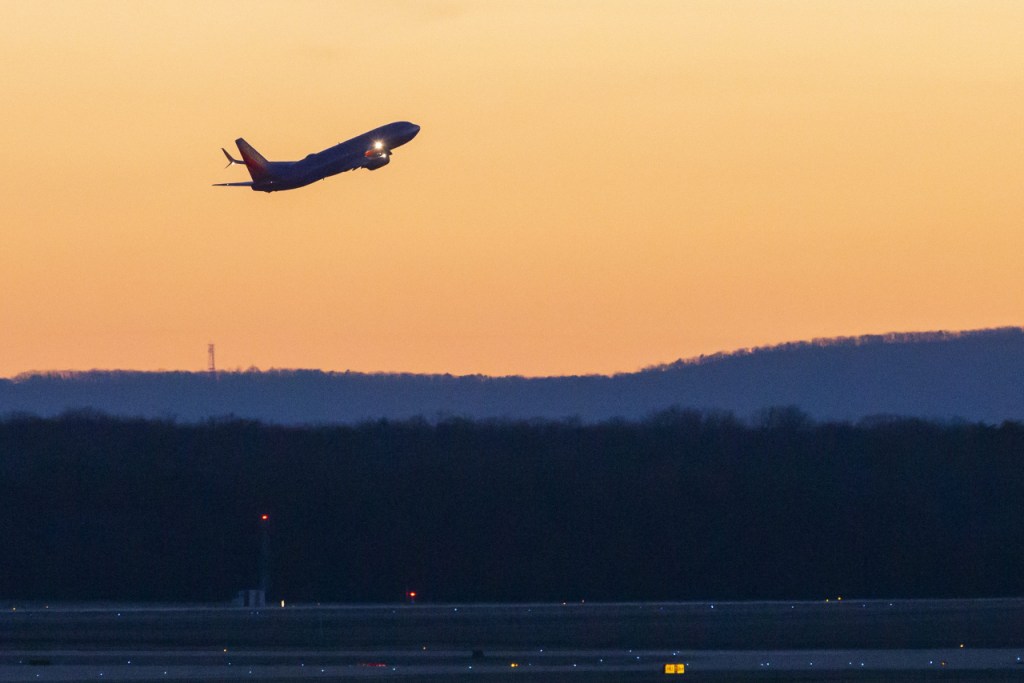
Delta Air Lines dijo el Lunes 15/03 que espera una caída de los ingresos en el primer trimestre en el extremo bajo de su pronóstico del orden entre 60% a 65% con respecto al mismo trimestre de 2019, antes de que la pandemia aplastara la demanda de viajes aéreos, a medida que las reservas nacionales mejoran. El CEO de Delta, Ed Bastian, dijo que ve «verdaderos destellos de esperanza». Southwest Airlines y JetBlue Airways también señalaron un aumento constante en las reservas de viajeros de ocio, ya que los signos de una pandemia de desaceleración debido a la implementación de vacunas impulsan a más personas a irse de vacaciones o visitar a sus amigos y familiares. Gary Kelly, Director Ejecutivo de Southwest Airlines ha expresado que la crisis sanitaria tuvo un gran impacto en Southwest Airlines perdiendo el 70 por ciento de su negocio total y sigue viendo una disminución de la demanda en 2021. La compañía planea que la industria repunte pronto e incluso agregó 17 nuevas ciudades a su cartera durante la crisis. La salud de los clientes y empleados era la principal preocupación de Southwest Airlines al inicio de la pandemia. Los primeros pasos de la compañía fueron establecer protocolos de seguridad, reunir PPE y asegurarse de que los aeropuertos y aviones fueran seguros para viajar. La compañía también trabajó con miembros del Congreso y la Administración anterior para acceder a los fondos para mantenerse a flote. Afortunadamente, Southwest nunca tuvo un despido o furlough en sus 50 años de historia y esa filosofía continuó durante la pandemia. La empresa ofreció programas voluntarios de jubilación y tiempo libre, pero nunca realizó despidos a sus trabajadores durante la crisis.
Gary Kelly dijo que cree que los peores impactos de la crisis de Coronavirus han terminado para Southwest Airlines. Cree que la gente comenzará a regresar para viajar en junio, cuando más personas estén vacunadas. La gente se siente más cómoda con la idea de volar y, después de estar confinada durante tanto tiempo, quiere empezar a viajar de nuevo. Southwest Airlines dependerá en gran medida de los viajes de ocio, ya que la demanda de viajes de negocios podría no recuperarse de inmediato. El CEO señaló que en una recesión normal, los viajes de negocios tardan unos cinco años en recuperarse por completo. «[La demanda general] comenzó a recuperarse en Mayo de 2020 y realmente se niveló en el período de Junio/Julio y no se han movido mucho en el transcurso de los últimos diez meses, lo que significa que hemos estado abajo aproximadamente 65-70 por ciento muy consistentemente en el tiempo. Creo que a medida que entramos en la primavera con la población vacunada, definitivamente estamos viendo que la gente quiere viajar. Definitivamente estamos viendo signos de vida en términos de las reservas. Se puede ver en términos de las estadísticas de la TSA. Para el mes de marzo, todavía esperamos que bajemos un 60 por ciento más o menos con respecto a los niveles de 2019. Y aunque eso es un poco mejor, espero que el tren siga mejorando en abril/mayo y realmente junio es lo que estamos deseando», sostuvo Gary Kelly.
US aviation flashes of hope
US airlines see improvements in bookings
The current Coronavirus pandemic continues to create many difficulties for airlines and governments in the world to find some solution to restore flights and reactivate global economies. In the United States, a huge commercial aviation market has had huge impacts on airlines after continuing to implement methods to reactivate flights in a homogeneous way. The country has been one of the few that has continued to be active with its air services network, but is confident of the need to increase flight traffic as reservations increase.
Delta Air Lines said on Monday 03/15 that it expects a revenue drop in the first quarter at the low end of its forecast of the order of 60% to 65% compared to the same quarter of 2019, before the pandemic crushed the demand for air travel, as national reserves improve. Delta CEO Ed Bastian said he sees «real glimpses of hope». Southwest Airlines and JetBlue Airways also reported a steady rise in leisure traveler bookings, as signs of a slowing pandemic due to vaccine rollout propel more people to go on vacation or visit friends and family. Gary Kelly, CEO of Southwest Airlines has said that the health crisis had a great impact on Southwest Airlines losing 70 percent of its total business and continues to see a decrease in demand in 2021. The company plans that the industry rebound soon and it even added 17 new cities to its portfolio during the crisis. The health of customers and employees was the main concern of Southwest Airlines at the beginning of the pandemic. The company’s first steps were to establish safety protocols, gather PPE, and make sure airports and airplanes were safe to travel. The company also worked with members of Congress and the previous Administration to access funds to stay afloat. Fortunately, Southwest never had a layoff or furlough in its 50-year history and that philosophy continued throughout the pandemic. The company offered voluntary retirement and time off programs, but never laid off its workers during the crisis.
Gary Kelly said that he believes the worst impacts of the Coronavirus crisis are over for Southwest Airlines. He believes people will start coming back for travel in June, when more people are vaccinated. People are more comfortable with the idea of flying, and after being confined for so long, they want to start traveling again. Southwest Airlines will rely heavily on leisure travel as demand for business travel may not pick up immediately. The CEO noted that in a normal recession, business travel takes about five years to fully recover. «[Overall demand] started to pick up in May 2020 and it really leveled off in the June/July period and they haven’t moved much over the course of the last ten months, which means we’ve been down about 65-70. percent very consistently over time. I think as we go into spring with the vaccinated population, we are definitely seeing that people want to travel. We are definitely seeing signs of life in terms of stocks. You can see in terms of stocks. TSA stats. For the month of March, we still expect us to be down 60 percent or so from 2019 levels. And while that’s a bit better, I expect the train to keep improving in April/May and really June is what we’re looking forward to», said Gary Kelly.
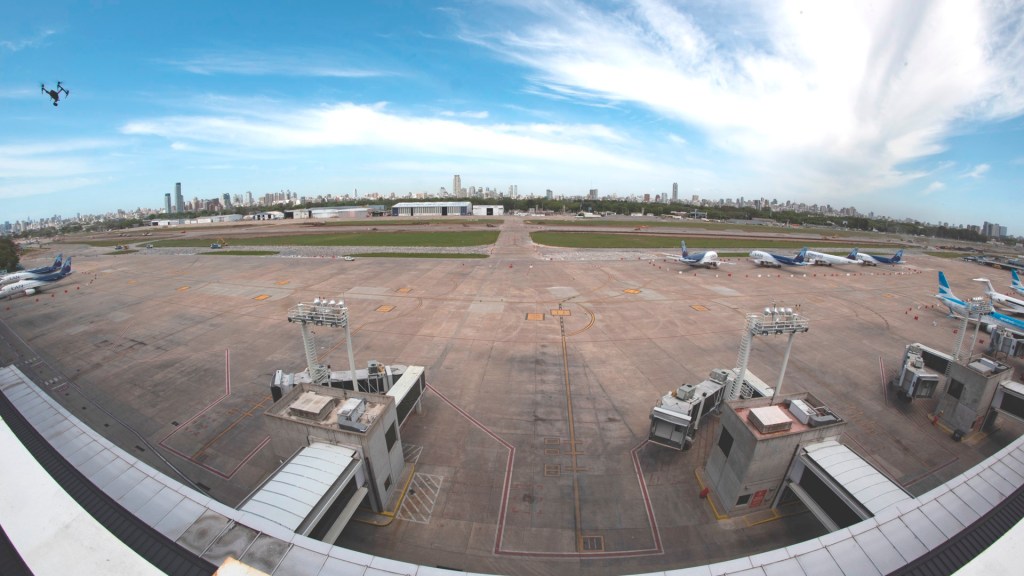
Tras la próxima reapertura del refaccionado Aeropuerto Jorge Newbery que quedará habilitado para este Lunes 15 de Marzo de 2021, en la Argentina habrá un nuevo capítulo de un nuevo escenario del mercado aéreo. En sintonía con la lenta recuperación de la malla aérea, Aeroparque presentará un nuevo impulso para la aviación comercial, pero al mismo tiempo abrirá un nuevo capítulo acerca de las nuevas discusiones de las políticas de Estado hacia un mercado igualitario y federal.
La reinuaguración de los vuelos en el Aeropuerto Jorge Newbery está previsto que la reapertura formal se concrete este próximo Lunes 15 de Marzo de 2021 a las 19:10 hs. con el arribo de un avión Embraer E190-100AR con la nueva librea de Aerolíneas Argentinas, procedente de Córdoba. Con esa reapertura, Aeroparque retomará vuelos domésticos y luego algunos regionales. Junto con ello, las low cost JetSmart Airlines Argentina y Flybondi Líneas Aéreas, que tenían base en el Aeropuerto Internacional El Palomar, ahora han migrado sus operaciones a Aeroparque.
Hub Córdoba
El ex-Ministro de Turismo Gustavo Santos en diálogo con la Editorial Perfil, ha expresado su preocupación respecto a la posición del actual Gobierno frente a las políticas aerocomerciales. Gustavo Santos no duda en afirmar que el desmantelamiento del hub que operaba en Córdoba responde a decisiones políticas para beneficiar a Aerolíneas Argentinas. Con todo, la novedad no es una buena señal para Córdoba. Sucede que por la crisis aerocomercial que generó la actual pandemia, la actividad del Aeropuerto Internacional Córdoba/Ambrosio Taravella se redujo a su mínima expresión. Pero también jugaron otros factores que implicaron un rediseño en la oferta que tenía Córdoba y en el sistema federal de vuelos que se había concebido. Repasando los datos de tráfico en 2019, Córdoba contaba con más de 260 frecuencias semanales a 16 destinos nacionales y a 11 aeropuertos internacionales. Actualmente, su oferta se limita a unos 10 vuelos por día, todos de cabotaje.
El ex-Ministro de Turismo de la Nación y ex-titular de la Agencia Córdoba Turismo, Gustavo Santos afirma que el Estado de aislamiento que hoy tiene el Aeropuerto Córdoba obedece a una política diseñada para beneficiar a la compañía de bandera y al gremio APLA que la controla, más que a los efectos de la crisis sanitaria por el Covid-19. “Lo más relevante de la situación actual no es que hay cuatro veces menos vuelos que antes, sino que se ha desactivado la malla de distribución, el hub de Córdoba que era el que permitía una articulación norte sur del país, con base en Córdoba y las conexiones internacionales. Sin el hub, para ir a Jujuy vamos a tener que ir a Buenos Aires”, dice. A su vez, remarca que perdimos el 20% de la oferta que representaban Latam y Norwegian y que la salida de Latam fue aún más grave porque nos conectaba con hubs en Santiago, Lima y San Pablo, llegando a 126 destinos de todos los continentes. “A eso se suman Copa Airlines y Air Europa que quieren volar desde Córdoba y no las autorizan. No se han ido aún, hasta que se cansen. Están intentado volver desde septiembre del año pasado”, expresa Gustavo Santos.
GUSTAVO SANTOS EX-MINISTRO DE TURISMO DE ARGENTINA EXPONE CRÍTICA CONTRA LAS POLÍTICAS AEROCOMERCIALES
Política vs Pandemia
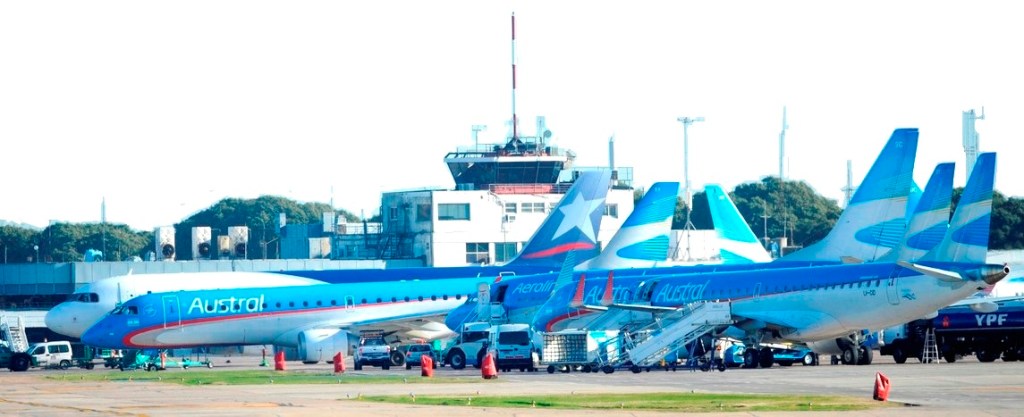
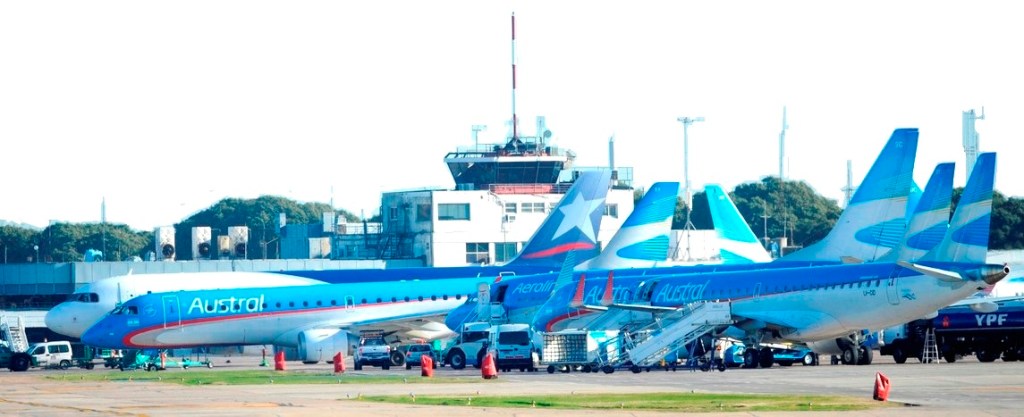
La actual crisis sanitaria redujo la oferta de vuelos a su mínima expresión en el mundo entero. «En el caso del Hub Córdoba, la falta de conexiones no tiene que ver con una reducción de rutas o de oferta. El hub interno del país se ha desarmado, todas las conexiones que tenía Córdoba hacia el norte, hacia el sur se hacían con la base que en Córdoba tenía Austral Líneas Aéreas. Por ese hub, los aviones y tripulantes dormían en Córdoba. Austral era paralela a Aerolíneas, con su propio sindicato. Pero la decisión que se tomó, impulsada por Pablo Biró, Secretario General de APLA, fue que Aerolíneas absorba a Austral, por lo tanto, dejó de existir ese gremio, dejaron de estar esos aviones, dejó de tener Austral hub en Córdoba. Esto es muy grave. No se recompone con los vuelos que van a llegar ahora desde Buenos Aires. Y pasa con las otras provincias. Antes teníamos 10 provincias que tenían conexión directa con el exterior. Hoy un mendocino, para ir a Chile, se tiene que ir a Ezeiza», expresa Gustavo Santos.
Unitarismo aéreo
La red desarrollada por las compañías low cost permitían incorporar valor agregado a los vuelos federales en el interior del país. La conexión que hacían desde Córdoba con otras provincias permitían a los usuarios tener alternativas en un mercado altamente concentrado. «Han vuelto a concentrar todo en Buenos Aires. Covid te baja la oferta, pero no te cambia el sistema. Los tres agentes estructurales del movimiento aerocomercial argentino, ANAC que es el que determina las rutas y autoriza quien vuela y quien no, ORSNA que determina el funcionamiento de los aeropuertos y Aerolíneas Argentinas, esas tres estructuras están manejadas por La Cámpora». Para pensar en el daño del sistema aerocomercial Gustavo Santos estima que actualmente hay una baja promedio del 40%, pero que se agrava en el caso de Córdoba por la cantidad de rutas que no se están operando, la salida de compañías y el desmantelamiento del hub local. “Si Córdoba quiere recuperar lo que tenía en 2019 tiene que crecer un 400%. Teníamos 40 vuelos diarios, hoy estamos con 10 vuelos. Lo grave es que cuando se levante el telón no vamos a ser los mismos”.
Desde el Gobierno de la Provincia de Córdoba es probable que no tengan márgenes para incentivar las economías con nuevos vuelos y nuevos oferentes. «En el caso de Latam Airlines Argentina podrían haber hecho algo. El Gobierno nacional no sólo no hizo nada para que se quedarán, sino que hizo todo lo posible para que se fueran. Tiene que ver con la visión gremial nefasta del monopolio de Aerolíneas Argentinas. La Provincia podría haber intentado alguna presión, no sé si se intentó, eso no lo sé, lo que sí me consta es que la Nación no hizo nada, ni siquiera les homologaba el acuerdo con los empleados. Y ese mismo año Aerolíneas nos costó, sin volar, US$ 650 millones. Iberia compró a Air Europa por la misma plata, € 550 millones de Euros», concluye Gustavo Santos.
Perspectivas aéreas
El escenario entre bastidores ha demostrado una crisis que supera a la de la pandemia, mostrando un próximo escenario aerocomercial donde los reales beneficiados han resultado ser el Estado y Aerolíneas Argentinas que han salido favorecidas, pero en franco detrimento de los usuarios del transporte aéreo, por las políticas nefastas implementadas por el duopolio Estado-Aerolíneas que no permite una expresión federal y pluritaria en la aviación comercial del país. El mercado post-pandemia estará marcado por una alta concentración con alrededor del 85% bajo Aerolíneas Argentinas, lo que en otras palabras traducido significará altas tarifas, reducción de frecuencias y manejo de las políticas aéreas monopólicas, una historia que la Argentina ha experimentado y continuará repitiendo en su círculo vicioso.
Argentine air transport perspectives
Post-pandemic Argentine air transport outlook
After the next reopening of the refurbished Jorge Newbery Airport that will be enabled for this Monday, March 15, 2021, Argentina will open a new chapter of a new scenario in the air market. In tune with the slow recovery of the aerial mesh, Aeroparque will present a new impulse for commercial aviation, but at the same time it will open a new chapter about the new discussions of State policies towards an egalitarian and federal market.
The reopening of flights at Jorge Newbery Airport is scheduled to formally reopen this coming Monday, March 15, 2021 at 7:10 p.m. with the arrival of an Embraer E190-100AR airplane with the new Aerolíneas Argentinas livery, coming from Córdoba. With this reopening, Aeroparque will resume domestic flights and then some regional ones. Along with this, the low cost JetSmart Airlines Argentina and Flybondi Líneas Aéreas, which were based at El Palomar International Airport, have now migrated their operations to Aeroparque.
Hub Córdoba
The former Minister of Tourism Gustavo Santos, in dialogue with the Editorial Perfil, has expressed his concern regarding the position of the current Government regarding commercial air policies. Gustavo Santos does not hesitate to affirm that the dismantling of the hub that operated in Córdoba responds to political decisions to benefit Aerolineas Argentinas. However, the news is not a good sign for Córdoba. It happens that due to the commercial aviation crisis that generated the current pandemic, the activity of the Cordoba/Ambrosio Taravella International Airport was reduced to its minimum expression. But other factors also played a role that implied a redesign in the offer that Córdoba had and in the federal flight system that had been conceived. Reviewing the traffic data in 2019, Córdoba had more than 260 weekly frequencies to 16 national destinations and 11 international airports. Currently, its offer is limited to about 10 flights per day, all domestic.
The former Minister of Tourism of the Nation and former head of the Córdoba Tourism Agency, Gustavo Santos affirms that the State of isolation that Córdoba Airport has today is due to a policy designed to benefit the flag company and the APLA union that controls it, more than for the effects of the health crisis caused by Covid-19. “The most relevant thing about the current situation is not that there are four times fewer flights than before, but that the distribution grid has been deactivated, the Córdoba hub, which was the one that allowed a north-south articulation of the country, based in Córdoba and international connections. Without the hub, to go to Jujuy we will have to go to Buenos Aires”, he says. In turn, he remarks that we lost 20% of the offer that Latam and Norwegian represented and that the departure from Latam was even more serious because it connected us with hubs in Santiago, Lima and San Pablo, reaching 126 destinations on all continents. “Added to that are Copa Airlines and Air Europa who want to fly from Córdoba and do not authorize them. They haven’t left yet, until they get tired. They have been trying to come back since September of last year”, says Gustavo Santos.
Politics vs Pandemic
The current health crisis reduced the supply of flights to its minimum expression in the entire world. «In the case of the Córdoba Hub, the lack of connections has nothing to do with a reduction in routes or supply. The country’s internal hub has been disarmed, all the connections that Córdoba had to the north, to the south were made with the base that Austral Líneas Aéreas had in Córdoba. Through that hub, the planes and crew slept in Córdoba. Austral was parallel to Aerolíneas, with its own union. But the decision that was taken, promoted by Pablo Biró, Secretary General of APLA, It was that Aerolíneas absorbed Austral, therefore, that union ceased to exist, those planes ceased to be present, they stopped having Austral hub in Córdoba. This is very serious. It is not restored with the flights that are going to arrive now from Buenos Aires and it happens with the other provinces. Before we had 10 provinces that had a direct connection abroad. Today a man from Mendoza, to go to Chile, has to go to Ezeiza», says Gustavo Santos.
Air Unitarianism
The network developed by low cost companies allowed adding value to federal flights within the country. The connection they made from Córdoba with other provinces allowed users to have alternatives in a highly concentrated market. «They have returned to concentrate everything in Buenos Aires. Covid lowers the offer, but does not change the system. The three structural agents of the Argentine aviation movement, ANAC, which is the one that determines the routes and authorizes who flies and who does not, ORSNA who determines the operation of the airports and Aerolíneas Argentinas, these three structures are managed by La Cámpora». To think about the damage to the commercial aviation system, Gustavo Santos estimates that there is currently an average drop of 40%, but that is worsened in the case of Córdoba by the number of routes that are not being operated, the departure of companies and the dismantling of the hub. local. “If Córdoba wants to recover what it had in 2019, it has to grow 400%. We had 40 daily flights, today we have 10 flights. The serious thing is that when the curtain rises we will not be the same”.
From the Government of the Province of Córdoba it is probable that they do not have margins to stimulate economies with new flights and new suppliers. «In the case of Latam Airlines Argentina they could have done something. The national government not only did nothing to make them stay, but did everything possible to make them leave. It has to do with the nefarious union vision of the Aerolíneas Argentinas monopoly The Province could have tried some pressure, I do not know if it was tried, I do not know, what I do know is that the Nation did not do anything, it did not even approve the agreement with the employees. And that same year, Aerolíneas cost us, without flying, US$ 650 million Iberia bought Air Europa for the same money, € 550 million», Gustavo Santos concludes.
Aerial perspectives
The behind-the-scenes scenario has shown a crisis that exceeds that of the pandemic, showing an upcoming commercial aviation scenario where the real beneficiaries have turned out to be the State and Aerolíneas Argentinas, which have been favored, but to the frank detriment of air transport users, for the disastrous policies implemented by the State-Aerolíneas duopoly that does not allow a federal and pluritary expression in the country’s commercial aviation. The post-pandemic market will be marked by a high concentration with around 85% under Aerolíneas Argentinas, which in other words translated will mean high rates, reduction of frequencies and management of monopoly air policies, a story that Argentina has experienced. and it will continue repeating in its vicious circle.
Los aportes de Estados Unidos en la tercer ayuda del Gobierno a las aerolíneas están permitiendo a los inversores despegar impulsados por enormes cantidades de ayuda federal, pero aún la industria todavía se enfrenta a una larga y accidentada cuesta arriba. En 2020 las aerolíneas perdieron hasta la mitad de sus valores a medida que el Standard & Poors S&P 500 propulsó a través de la pandemia a una sólida ganancia. Es probable que las aerolíneas no vuelvan a sus niveles previos a la pandemia de ingresos y pasajeros durante años, según los analistas. Incluso después de que gran parte del mundo esté vacunado, los viajes de ocio podrían ser lentos para recuperarse. Los viajes de negocios podrían tomar aún más tiempo a medida que las empresas continúan conservando efectivo y utilizando tecnología de videoconferencia en lugar de gastar dinero en vuelos y hoteles para los empleados. «Muchas de esas acciones todavía están incorporando suposiciones bastante optimistas. La idea de que vamos a volver a la normalidad en cualquier momento de este año me parece muy optimista», dijo Mark Hackett, Jefe de investigación de inversiones en Nationwide.
Las aerolíneas en los Estados unidos están listas para recibir otro salvavidas con una tercera ronda de soporte de nómina y otros fondos. El apoyo gubernamental, incluidos los préstamos, ayudó a la industria a retener a los empleados y compensó parte de sus gastos en operaciones. Las aerolíneas fueron prohibidas de despedir trabajadores durante seis meses el año pasado como condición de hasta US$ 25 mil millones de Dólares en asistencia Federal de nómina. El Congreso aprobó retroactivamente otros US$ 25.000 millones en ayuda en Diciembre 2020. Pero la demanda de viajeros de negocios, los pasajeros más lucrativos para las aerolíneas, probablemente tomará más tiempo recuperarse. Mientras tanto, muchas aerolíneas tendrán que seguir quemando más efectivo mientras vigilan de cerca los costos y la deuda. El gasto en viajes de negocios alcanzó los US$ 1,43 billones de Dólares en 2019 y cayó rápidamente a US$ 694.000 millones en 2020, según la Asociación Global de Viajes de Negocios. Prevé una lenta recuperación y el gasto no alcanzará niveles previos a la pandemia hasta 2024.
Los viajeros de negocios pueden representar más de la mitad de los ingresos de los pasajeros, dependiendo de la aerolínea. «Dada la escasez de demanda, especialmente los viajes de negocios, la reducción de costos es primordial», dijo un informe de Airlines for America (A4A), una asociación comercial y grupo de presión para la industria. El grupo no espera que los volúmenes globales de pasajeros vuelvan a los niveles previos a la pandemia hasta al menos 2023. Un pronóstico más pesimista sitúa esa recuperación más allá de 2024. Las aerolíneas han tenido que quemar dinero en efectivo para superar el desplome. Airlines for America estima que las aerolíneas gastarán US$ 151 millones de sus reservas cada día durante el primer trimestre de 2021, ya que la demanda sigue siendo baja y gastarán US$ 90 millones por día durante el segundo trimestre. La industria también aumentó su deuda a US$ 164.000 millones en 2020 desde US$ 105.000 millones en 2019 para hacer frente a la creciente carga de deuda.
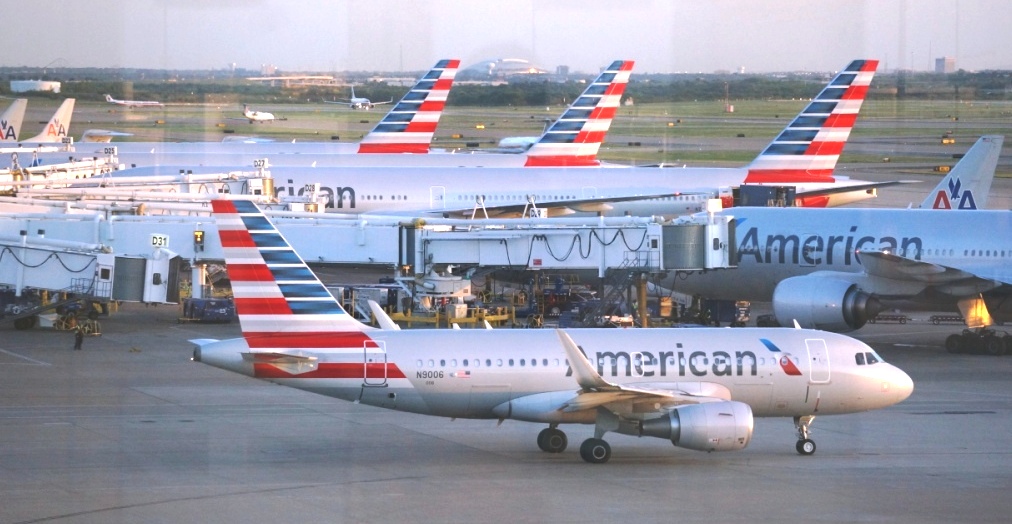
Las aerolíneas están encontrando maneras de recaudar dinero durante la recuperación. American Airlines anunció recientemente planes para recaudar US$ 7.500 millones endeudándose contra su programa de viajero frecuente y utilizando los fondos para pagar un préstamo federal que recibió hace casi un año. Sigue movimientos similares de Delta Air Lines y United Airlines.
Optimism US airlines
Optimism airlines boosted by US Federal aid
US contributions in the government’s third aid to airlines are allowing investors to take off fueled by huge amounts of federal aid, but still the industry still faces a long and bumpy uphill. In 2020 airlines lost up to half of their values as the Standard & Poors S&P 500 propelled through the pandemic to a solid profit. Airlines are likely not to return to their pre-pandemic revenue and passenger levels for years, according to analysts. Even after much of the world is vaccinated, leisure travel can be slow to recover. Business travel could take even longer as companies continue to conserve cash and use video conferencing technology instead of spending money on flights and hotels for employees. «A lot of those stocks are still incorporating pretty optimistic assumptions. The idea that we’re going to be back to normal at any time this year strikes me as very optimistic», said Mark Hackett, head of investment research at Nationwide.
Airlines in the United States are poised for another lifeline with a third round of payroll support and other funding. Government support, including loans, helped the industry retain employees and offset part of its operating expenses. Airlines were barred from laying off workers for six months last year as a condition of up to US$ 25 billion in Federal payroll assistance. Congress retroactively approved another US$ 25 billion in aid in December 2020. But demand from business travelers, the most lucrative passengers for airlines, will likely take longer to recover. Meanwhile, many airlines will have to keep burning more cash while keeping a close eye on costs and debt. Business travel spending reached US$ 1.43 trillion in 2019 and fell rapidly to US$ 694 billion in 2020, according to the Global Business Travel Association. He expects a slow recovery and spending won’t reach pre-pandemic levels until 2024.
Business travelers can account for more than half of passenger revenue, depending on the airline. «Given low demand, especially business travel, cost reduction is paramount», said a report by Airlines for America (A4A), a trade association and lobby group for the industry. The group does not expect global passenger volumes to return to pre-pandemic levels until at least 2023. A more pessimistic forecast places that recovery beyond 2024. Airlines have had to burn cash to weather the slump. Airlines for America estimates that airlines will spend US$ 151 million of their bookings each day during the first quarter of 2021, as demand remains low and they will spend US$ 90 million a day during the second quarter. The industry also increased its debt to US$ 164 billion in 2020 from US$ 105 billion in 2019 to cope with the growing debt burden.
Airlines are finding ways to raise money during recovery. American Airlines recently announced plans to raise US$ 7.5 billion by borrowing against its frequent flyer program and using the funds to pay off a federal loan it received nearly a year ago. It follows similar movements from Delta Air Lines and United Airlines.
AW | 2021 03 11 14:30 | AIRLINES / AIRLINES MARKET / GOVERNMENT
Gobierno Japón impone capacidad transporte por vuelos
El Gobierno de Japón ha anunciado que limita a las aerolíneas extranjeras con un cupo de cien pasajeros por vuelo internacional. La represión fronteriza restringe a los transportistas nacionales a 3.400 llegadas por semana. El Gobierno nipón ha pedido a las aerolíneas extranjeras que reduzcan el número de pasajeros que traen al país desde el extranjero, en medio de la preocupación por la propagación de nuevas variantes de Coronavirus.
El Ministerio de Transporte ha dicho a las aerolíneas nacionales que limiten las llegadas a 3.400 por semana, mientras que las aerolíneas extranjeras están restringidas a cien pasajeros por vuelo. Esto marca un regreso al tipo de límites estrictos vistos en Abril 2020, en los primeros días de la pandemia, después de un aflojamiento gradual que recientemente había permitido a las aerolíneas nacionales traer un total de 3.000 vuelos diarios en los aeropuertos de Narita y Haneda. A las compañías no japonesas se les habían permitido 300 pasajeros por vuelo.
Los límites más estrictos son en respuesta a la aparición de variantes más contagiosas del virus en todo el mundo. El Gobierno está exigiendo a todos los viajeros de países donde se han confirmado nuevas variantes que se autoaislen en las instalaciones designadas durante tres días. Con estas instalaciones cada vez más apretadas en su capacidad, el Ministerio de Transporte notificó a las aerolíneas de los nuevos topes el lunes a petición del Ministerio de Salud. El cambio tiene como objetivo «asegurar que las medidas de cuarentena se lleven a cabo correctamente», dijo el Secretario Jefe del Gabinete Katsunobu Kato en una conferencia de prensa el Miércoles 10/03.
Japan Airlines ha suspendido todas las llegadas a Japón desde Francia, Reino Unido y Alemania hasta finales de Marzo 2021, además de los traslados que pasan por el país. All Nippon Airways ha dejado de tomar nuevas reservas para vuelos internacionales que llegaron a Japón del 8 al 21 de Marzo de 2021, y ha dicho que puede seguir haciéndolo después de ese período. La aerolínea de bajo costo Peach Aviation que, al igual que ANA, es una subsidiaria de ANA Holdings, ha dejado de aceptar reservas para un vuelo cada uno entre Taiwán al Aeropuerto Internacional de Kansai y Narita. JAL Airlines reportó 26.041 pasajeros en vuelos internacionales en 02/2021, mientras que ANA tuvo 45.572 en 01/2021. Un corte prolongado al tráfico podría pesar mucho en los transportistas que ya se enfrentan a un entorno difícil.
Juegos Olímpicos
Los Juegos Olímpicos de Tokio 2020 que se celebrará este 2021 prohibirá a los espectadores extranjeros por precaución de pandemia. El plan del Gobierno para dar la bienvenida a un millón de aficionados abandona la idea mientras el virus se enfurece en medio de un lento despliegue mundial de vacunas.
Japón no ha decidido si permite a los espectadores extranjeros en los Juegos Olímpicos de Tokio 2020, dijo el Jueves 11/03 el Presidente del Comité Organizador, Seiko Hashimoto, negando los informes de los medios de comunicación de que se había tomado una decisión. «Seguimos manteniendo conversaciones y aún no hemos llegado a una conclusión», dijo Seiko Hashimoto. Se espera tomar la decisión antes del inicio del relevo de la Antorcha Olímpica que comenzará el 25 de Marzo de 2021. «Continuamos con los preparativos necesarios lo mejor que podemos para hacer el anuncio antes de eso», dijo Seiko Hashimoto.
Los Juegos Olímpicos de Tokio 2020 fueron pospuestos el año pasado debido a preocupaciones sobre la propagación del nuevo coronavirus. Los Juegos fueron reprogramados del 23 de Julio al 8 de Agosto de 2021. Los organizadores han hablado repetidamente de su determinación de celebrar los Juegos Olímpicos este año a toda costa, a pesar del bajo apoyo público y la incertidumbre que rodea al virus en todo el mundo.
Japan limits foreign travel quotas
Government of Japan imposes transport capacity for flights
The Government of Japan has announced that it limits foreign airlines to 100 passengers per international flight. The border crackdown restricts domestic carriers to 3,400 arrivals per week. The Japanese government has asked foreign airlines to reduce the number of passengers they bring into the country from abroad, amid concerns about the spread of new variants of Coronavirus.
The Transport Ministry has told domestic airlines to limit arrivals to 3,400 per week, while foreign airlines are restricted to 100 passengers per flight. This marks a return to the kind of strict limits seen in April 2020, in the early days of the pandemic, after a gradual loosening that had recently allowed domestic airlines to bring in a total of 3,000 daily flights at Narita and Haneda airports. Non-Japanese companies had been allowed 300 passengers per flight.
The stricter limits are in response to the emergence of more contagious variants of the virus around the world. The government is requiring all travelers from countries where new variants have been confirmed to self-isolate at designated facilities for three days. With these facilities increasingly cramped in capacity, the Transport Ministry notified airlines of the new caps on Monday at the request of the Health Ministry. The change is aimed at «ensuring that quarantine measures are carried out correctly», Chief Cabinet Secretary Katsunobu Kato said at a press conference on Wednesday 03/10.
Japan Airlines has suspended all arrivals to Japan from France, the United Kingdom and Germany until the end of March 2021, in addition to transfers that pass through the country. All Nippon Airways has stopped taking new bookings for international flights that arrived in Japan from March 8-21, 2021, and has said it can continue to do so after that period. Low-cost carrier Peach Aviation, which, like ANA, is a subsidiary of ANA Holdings, has stopped accepting bookings for one flight each between Taiwan to Kansai International Airport and Narita. JAL Airlines reported 26,041 passengers on international flights on 02/2021, while ANA had 45,572 on 01/2021. A prolonged shutdown to traffic could weigh heavily on carriers already facing a difficult environment.
Olympic Games
The Tokyo 2020 Olympic Games to be held in 2021 will ban foreign spectators as a pandemic precaution. The government’s plan to welcome a million fans abandons the idea as the virus rages amid a slow global rollout of vaccines.
Japan has not decided whether to allow foreign spectators at the Tokyo 2020 Olympics, Organizing Committee Chairman Seiko Hashimoto said Thursday, 03/11, denying media reports that a decision had been made. «We continue to have discussions and have not reached a conclusion yet», said Seiko Hashimoto. The decision is expected to be made before the start of the Olympic Torch Relay which will begin on March 25, 2021. «We are continuing the necessary preparations to the best of our ability to make the announcement before that», said Seiko Hashimoto.
The Tokyo 2020 Olympics were postponed last year due to concerns about the spread of the new coronavirus. The Games were rescheduled from July 23 to August 8, 2021. Organizers have repeatedly spoken of their determination to host the Olympics this year at all costs, despite low public support and uncertainty surrounding the virus across the world. world.
Aunque los datos de transporte del Festival de Primavera no son optimistas, el repunte después de las vacaciones del Festival de Primavera también es evidente en China. Los viajes de aviación civil se están calentando rápidamente después de las vacaciones, ya que el número de viajes de aviación está repuntando. Más señales mostraron que las próximas vacaciones que caen en el Festival de Qingming o incluso las vacaciones del Primero de Mayo se espera que marquen el comienzo de una ola de pequeños picos de regreso a casa. La plataforma de viajes qunar.com muestran que datos de las reservas de billetes aéreos nacionales actuales durante el Festival de Qingming, están cerca del nivel del mismo período en 2019.
La ruta de ida y vuelta Chengdu-Nyingchi, Región Autónoma del Tíbet, en el suroeste de China, es la ruta más popular. Después del Festival de Qingming, la temperatura en el noreste de China aumentará, y las personas que van a Sanya, provincia de Hainan, en el sur de China, para escapar del frío volverán a casa una tras otra, haciendo de la ruta Sanya-Harbin otra opción popular. No sólo está repuntando los viajes, sino que las reservas de hoteles también reflejan la misma tendencia en la industria del turismo. Los datos de Qunar muestran que hasta el 9 de marzo, las reservas hoteleras para el Festival de Qingming han aumentado 4,5 veces interanual. Wuhan, situada en la provincia central china de Hubei, entró en el Top 10 de las ciudades más populares.
Muchos se quedaron en la ciudad durante el Festival de Primavera adhiriéndose a la política de estancia del gobierno, haciendo que el número de pasajeros que viajan durante las vacaciones sea menor que en años anteriores. Después de las vacaciones, el número de viajes de aviación civil está repuntando.
En lo que va de 2021, el número de pasajeros que reservan rutas nacionales ha vuelto al nivel de 2019, lo que depende de la primera recuperación de los viajes de negocios, dijo el Miércoles 10/03 Lan Xiang, Presidente del instituto de investigación de big data bajo qunar.com.
Los datos publicados por la marca de evaluación de servicios de aviación civil CAPSE mostraron que más de la mitad de los turistas que no han regresado a casa durante las vacaciones del Festival de Primavera tienen planes de regresar a casa después de las vacaciones. La disposición de los turistas a viajar en marzo aumentó significativamente en comparación con Febrero 2021. Entre ellos, la voluntad de viaje de negocios se recuperó rápidamente. Pekín y Shanghái fueron los destinos preferidos por primera vez para los viajes de negocios de los turistas en Marzo 2021; la disposición a viajar también se recuperó rápidamente, y Sanya fue la primera opción para los turistas. Según las estadísticas del FlyMaster, el factor general de carga de pasajeros del vuelo el 1 de Marzo de 2021 ha alcanzado el 70,64 por ciento, lo que supone un gran aumento con respecto al 52,02 por ciento del factor de carga de pasajeros hace un mes.
Chinese aviation reactivation
Holiday increase in post-pandemic China
Although the Spring Festival transport data is not optimistic, the rebound after the Spring Festival holidays is also evident in China. Civil aviation travel is heating up rapidly after the holidays as the number of aviation travel is rebounding. More signs showed that the next holiday falling on the Qingming Festival or even the May Day holiday is expected to usher in a wave of small spikes back to home. The travel platform qunar.com shows that current domestic air ticket reservation data during the Qingming Festival is close to the level of the same period in 2019.
The Chengdu-Nyingchi round-trip route, Southwest China’s Tibet Autonomous Region, is the most popular route. After the Qingming Festival, the temperature in Northeast China will rise, and people who go to Sanya, Hainan Province, South China, to escape the cold will return home one after another, making the Sanya route- Harbin another popular option. Not only is travel picking up, but hotel bookings also reflect the same trend in the tourism industry. Qunar data shows that as of March 9, hotel reservations for the Qingming Festival have increased 4.5 times year-on-year. Wuhan, located in the central Chinese province of Hubei, entered the Top 10 of the most popular cities.
Many stayed in the city during the Spring Festival adhering to the government’s stay policy, making the number of passengers traveling during the holidays lower than in previous years. After the holidays, the number of civil aviation trips is picking up.
So far in 2021, the number of passengers booking domestic routes has returned to the 2019 level, which depends on the first recovery in business travel, said on Wednesday 03/10 Lan Xiang, President of the research institute of big data under qunar.com.
Data released by the civil aviation services assessment brand CAPSE showed that more than half of the tourists who have not returned home during the Spring Festival holidays have plans to return home after holidays. The willingness of tourists to travel in March increased significantly compared to February 2021. Among them, the willingness to travel on business quickly recovered. Beijing and Shanghai were the first preferred destinations for tourists’ business trips in March 2021; Willingness to travel also quickly recovered, and Sanya was the first choice for tourists. According to FlyMaster statistics, the overall passenger load factor of the flight on March 1, 2021 has reached 70.64 percent, which is a large increase over the 52.02 percent passenger load factor. makes a month.
Aéreas comienzan a reactivar con más frecuencias domésticas
Las líneas aéreas han estado anunciando más frecuencias después de una larga y agotadora contracción del mercado aéreo en Argentina, arrastrando una profunda crisis económica en las compañías y una mayor concentración del mercado doméstico. A pesar de este nuevo escenario post-pandemia, la Argentina continúa mostrando leves signos de recuperación de vuelos y frecuencias en los tres operadores aéreos que perfilan posicionarse fuerte en el mercado local: Aerolíneas Argentinas que ha sido la más favorecida tras la absorción de Austral Líneas Aéreas lidera el mercado con más del 80% del segmento de vuelos en el país. Tras la salida de Latam Airlines Argentina, el mercado se ha concentrado con las dos competidoras low cost JetSmart Airlines Argentina y Flybondi Líneas Aéreas.
Aerolíneas Argentinas
La aerolínea ha anunciado que a partir del 1 de Julio de 2021 planea retomar el conocido Corredor Atlántico. LA ruta Buenos Aires-Mar del Plata-Bahía Blanca tendrá una frecuencia diaria (1Frq/D) con los siguientes vuelos: AR1602 Mar del Plata (MDQ) 10:30—Bahía Blanca (BHI) 11:35. AR1601 Bahía Blanca (BHI) 18:10—Mar del Plata (MDQ) 19:10. También se incorporan vuelos a la Patagonia: Mar del Plata— Bahía Blanca—Ushuaia: AR1602 Mar del Plata (MDQ) 10:30—Bahía Blanca (BHI) 11:35. AR1602 Bahía Blanca (BHI) 12:15—Ushuaia (USH) 15:15. AR1894 Ushuaia (USH) 14:40—Bahía Blanca (BHI) 17:30. AR1601 Bahía Blanca (BHI) 18:10—Mar del Plata (MDQ) 19:10. Mar del Plata—Bahía Blanca—Trelew—Comodoro Rivadavia. AR 1602 Mar del Plata (MDQ) 10:30—Bahía Blanca (BHI) 11:35. AR1604 Bahía Blanca (BHI) 12:15—Trelew (REL) 13:30. AR1604 Trelew (REL) 14:15—Comodoro Rivadavia (CRD) 15:15. AR1601 Comodoro Rivadavia (CRD)14:20—Trelew (REL) 15:20. AR1601 Trelew (REL) 16:00—Bahía Blanca (BHI) 17:15. AR 1601 Bahía Blanca (BHI) 18:10—Mar del Plata (MDQ) 19:10.
Aerolíneas Argentinas ha restablecido el 02/03 el Corredor Petrolero, que incluye a Mendoza, Neuquén y Comodoro Rivadavia, con el primer vuelo tras un período de parálisis de once meses de desconexión en el transporte hacia la Patagonia.
Flybondi
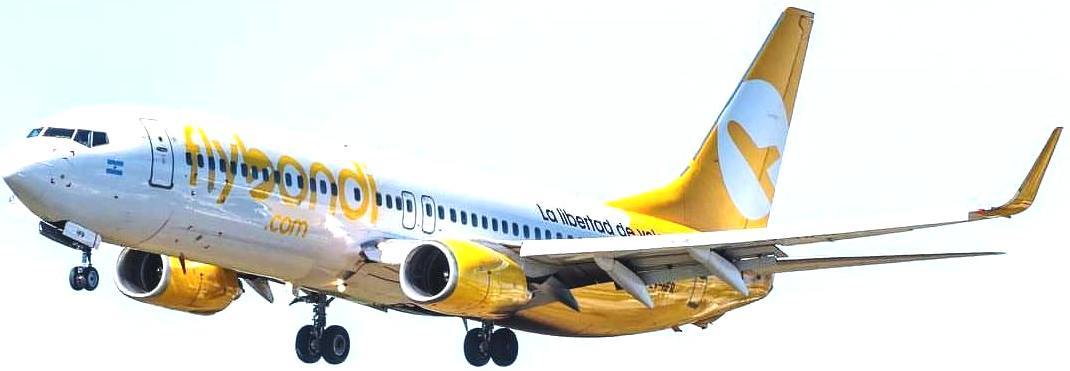
La aerolínea de presupuesto Flybondi Líneas Aéreas ha informado este Jueves 04/03 el restablecimiento simultáneo de los Boeing 737-800. Ambas aeronaves LV-HFR y LV-HKN han normalizado en conjunto sus operaciones permitiendo incrementar paulatinamente sus destinos y frecuencias domésticas en Argentina. Tras el restablecimiento de las operaciones en el país EN 11/2020, el Boeing 737-800 LV-HFR iniciaba las operaciones de la compañía el 12/12/2020. Posteriormente, el retorno del LV-HKN a principios de Febrero 2021 había permitido a la aerolínea low cost aumentar y respaldar frecuencias a partir del 15/02 para operar alternativamente las aeronaves. A partir del 04/03, Flybondi comenzaba a operar de manera simultánea ambas aeronaves permitiendo incorporar mayor presencia en las operaciones regulares en Argentina y mayor respaldo en caso de contingencias operativas.
El factor de ocupación de los vuelos de la low cosy han logrado una capacidad en 01/2021 (90%) y 02/2021 (91%), por delante de Aerolíneas Argentinas 02/2021 (88%) y JetSmart 02/2021 (66%). El tráfico en 02/2021 ha sido de 26.672 pasajeros. Las perspectivas de la aerolínea en el próximo desembarque en el Aeropuerto Jorge Newbery permitirá incrementar el número de frecuencias incorporando una mayor dinámica y mejor competitibidad. La actual red de servicios de cabotaje representan los siguientes destinos: Buenos Aires, Bariloche, Córdoba, Corrientes, Iguazú, Mendoza, Neuquén, Posadas, Salta, Santiago del Estero, San Miguel de Tucumán, San Salvador de Jujuy y Trelew. Las perspectivas de los vuelos internacionales están planificadas hacia Julio 2021, coincidiendo con el arrivo de una tercer aeronave Boeing 737-800.
JetSmart Argentina
JetSmart Airlines Argentina ha incursionado de manera agresiva su programación de vuelos enfocado en el estímulo hacia los viajes. El mercado low-cost comienza a establecer una fuerte competitividad y ofrece vuelos promocionales como una forma de estimular el restablecimiento de los vuelos al acercarse la finalización de las vacaciones estivales. La aerolínea low-cost JetSmart ha lanzado por ejemplo una oferta de tickets baratos Ezeiza-Iguazú a AR$ 2.599 Pesos precio final por tramo y la posibilidad de pagarlo en seis cuotas sin interés. Esto significa un costo total de AR$ 5.198 ida y vuelta a las Cataratas, entre un tercio y una cuarta parte de lo que sale actualmente un vuelo a ese destino cuyos valores rondarían los AR$ 5.680 y AR$ 7.680; mientras que un bus en la ruta Posadas-Buenos Aires oscila una tarifa de AR$ 5.500 Pesos por tramo.
Perspectivas mercado
Argentina viene arrastrando una recesión desde años atrás junto a una modena débil sumada a la recesión de los vuelos durante la pandemia, han alterado el mercado doméstico. Este nuevo panorama ha desarrollado una mayor concentración de transportadores, por lo que hacia el futuro nos espera observar qué cambios en los consumidores permitirán conocer la próxima aviación comercial en Argentina.
Argentina increases frequencies
Airlines begin to reactivate with more domestic frequencies
The airlines have been announcing more frequencies after a long and exhausting contraction of the air market in Argentina, dragging down a deep economic crisis in the companies and a greater concentration of the domestic market. Despite this new post-pandemic scenario, Argentina continues to show slight signs of recovery of flights and frequencies in the three air operators that are outlining a strong position in the local market: Aerolíneas Argentinas, which has been the most favored after the absorption of Austral Líneas Aéreas leads the market with more than 80% of the flight segment in the country. After the departure of Latam Airlines Argentina, the market has been concentrated with the two low cost competitors JetSmart Airlines Argentina and Flybondi Líneas Aéreas.
Aerolíneas Argentinas
The airline has announced that as of July 1, 2021 it plans to retake the well-known Atlantic Corridor. The Buenos Aires-Mar del Plata-Bahía Blanca route will have a daily frequency (1Frq/D) with the following flights: AR1602 Mar del Plata (MDQ) 10:30—Bahía Blanca (BHI) 11:35. AR1601 Bahía Blanca (BHI) 18: 10—Mar del Plata (MDQ) 19:10. Flights to Patagonia are also incorporated: Mar del Plata—Bahía Blanca—Ushuaia: AR1602 Mar del Plata (MDQ) 10:30—Bahía Blanca (BHI) 11:35. AR1602 Bahía Blanca (BHI) 12:15—Ushuaia (USH) 15:15. AR1894 Ushuaia (USH) 14:40—Bahía Blanca (BHI) 17:30. AR1601 Bahía Blanca (BHI) 18:10—Mar del Plata (MDQ) 19:10. Mar del Plata—Bahía Blanca—Trelew—Comodoro Rivadavia. AR 1602 Mar del Plata (MDQ) 10:30—Bahía Blanca (BHI) 11:35. AR1604 Bahía Blanca (BHI) 12:15—Trelew (REL) 13:30. AR1604 Trelew (REL) 14:15—Comodoro Rivadavia (CRD) 15:15. AR1601 Comodoro Rivadavia (CRD) 14:20—Trelew (REL) 15:20. AR1601 Trelew (REL) 16:00—Bahía Blanca (BHI) 17:15. AR 1601 Bahía Blanca (BHI) 18:10—Mar del Plata (MDQ) 19:10.
Aerolíneas Argentinas has reestablished on 03/02 the Oil Corridor, which includes Mendoza, Neuquén and Comodoro Rivadavia, with the first flight after a period of paralysis of eleven months of disconnection in the transport to Patagonia.
Flybondi
The budget airline Flybondi Líneas Aéreas has reported this Thursday 04/03 the simultaneous restoration of the Boeing 737-800. Both LV-HFR and LV-HKN aircraft have jointly normalized their operations, allowing them to gradually increase their destinations and domestic frequencies in Argentina. After the reestablishment of operations in the country EN 11/2020, the Boeing 737-800 LV-HFR began operations of the company on 12/12/2020. Subsequently, the return of the LV-HKN at the beginning of February 2021 had allowed the low cost airline to increase and support frequencies as of 02/15 to alternately operate the aircraft. As of 03/04, Flybondi began operating both aircraft simultaneously, allowing it to incorporate a greater presence in regular operations in Argentina and greater support in the event of operational contingencies.
The load factor of the low cozy flights has achieved capacity in 01/2021 (90%) and 02/2021 (91%), ahead of Aerolíneas Argentinas 02/2021 (88%) and JetSmart 02/2021 ( 66%). Traffic in 02/2021 was 26,672 passengers. The airline’s prospects for the next landing at Jorge Newbery Airport will allow an increase in the number of frequencies, incorporating greater dynamics and better competitiveness. The current network of cabotage services represents the following destinations: Buenos Aires, Bariloche, Córdoba, Corrientes, Iguazú, Mendoza, Neuquén, Posadas, Salta, Santiago del Estero, San Miguel de Tucumán, San Salvador de Jujuy and Trelew. The prospects for international flights are planned for July 2021, coinciding with the arrival of a third Boeing 737-800 aircraft.
JetSmart Argentina
JetSmart Airlines Argentina has aggressively entered its flight programming focused on the stimulus towards travel. The low-cost market begins to establish a strong competitiveness and offers promotional flights as a way to stimulate the reestablishment of flights as the end of the summer holidays approaches. For example, the low-cost airline JetSmart has launched an offer of cheap tickets Ezeiza-Iguazú at AR$ 2,599 pesos, final price per segment and the possibility of paying it in six installments without interest. This means a total cost of AR$ 5,198 round trip to the Falls, between a third and a quarter of what a flight to that destination currently leaves, whose values would be around AR$ 5,680 and AR$ 7,680; while a bus on the Posadas-Buenos Aires route oscillates a fare of AR$ 5,500 pesos per section.
Market prospects
Argentina has been dragging a recession for years together with a weak modena added to the recession of flights during the pandemic, have altered the domestic market. This new panorama has developed a greater concentration of carriers, so in the future we expect to see what changes in consumers will allow us to know the next commercial aviation in Argentina.