Exigen bajar costos aviación en Argentina

IMG_1328.JPGAW | 2019 07 27 16:10 | AIRLINES MARKET / GOVERNMENT

El sector aeronáutico reclamó al Ministerio Transporte Argentina bajar costos

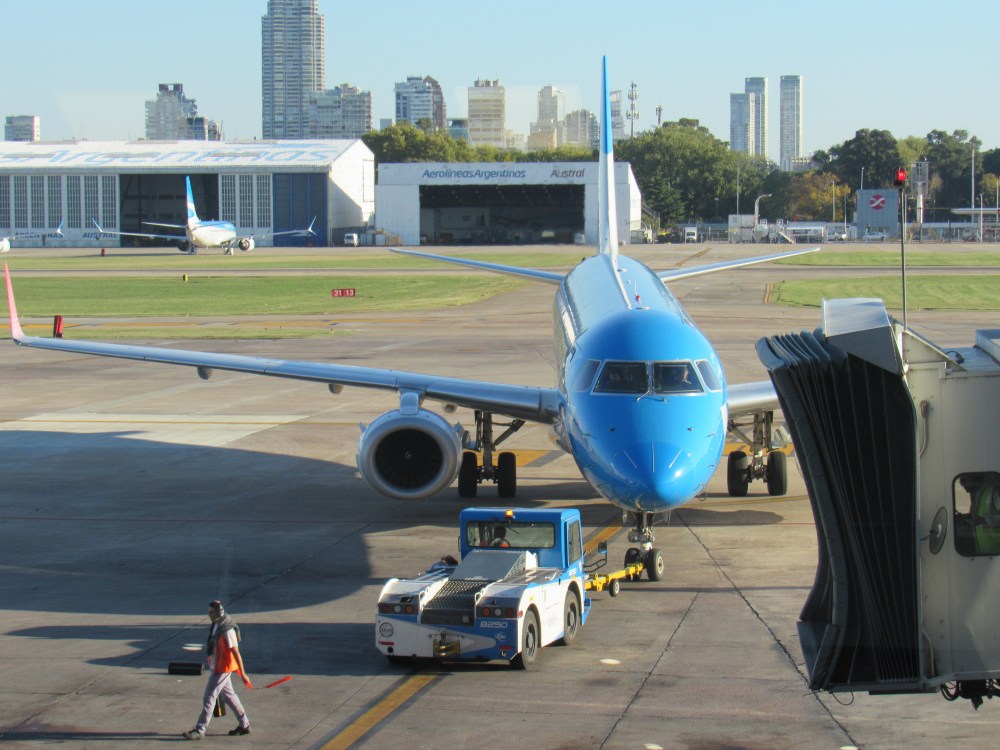
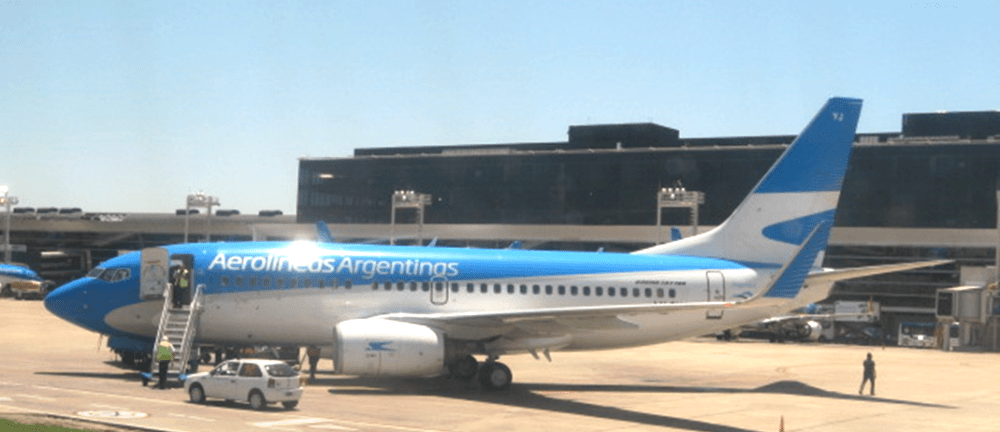
El Ministro de Transporte de Argentina a cargo de Guillermo Dietrich, con representantes de líneas aéreas y del sector aeronáutico, se han reunido para reclamar una reducción de los costos operativos para las líneas aéreas en contraposición a la estrategia de Aerolíneas Argentinas de bajar los precios de sus pasajes complicando el mercado de aviación para el resto de las compañías. Además persiguen en la necesidad de encarar una discusión global entre Gobierno, compañías y sindicatos para instrumentar cambios pendientes y reducir costos en el sector.

Las compañías aéreas atraviesan dificultades económicas como Latam Airlines que desde hace tres años pierden dinero; en Andes Líneas Aéreas aseguran que aun siendo muy cautos en los gastos, los ingresos no alcanzan a cubrirlos, mientras que Norwegian Air Argentina y Flybondi Líneas Aéreas dijeron que este año llegarían al punto de equilibrio. Avian Líneas Aéreas entró en concurso de acreedores con la Administración Federal de Ingresos Públicos (AFIP) y dejó de volar en Junio 2019. Ahora espera reestructurarse para volar nuevamente en Septiembre 2019 con nuevo nombre.

Núcleo reclamo

Uno de los reclamos trascendentales están en las tasas de embarque. La chilena Sky Airline insiste en el tema desde hace tiempo, que pide que haya diferencia entre las internacionales y las regionales. Gonzalo Pérez Corral, Gerente General de JetSmart Airlines, coincide en que hay una «oportunidad» para una política de promoción regional como las instrumentadas por Chile y Brasil. «Hay buen diálogo con Dietrich. En la tarifa base pedimos que se contemple la venta por tramos. Estamos arrancando, invirtiendo fuerte en mantener una operación segura y confiable; el mercado crece pero falta un poco para llegar a precios más acordes». Norwegian Air Argentina ha señalado que, aunque el plan va proyectándose lentamente, este año se alcanzaría el punto de equilibrio. Los factores de ocupación están en crecimiento permanente. Norwegian Air Argentina no promueve la guerra de precios a nivel global ni en Argentina, más bien remarcan una diferenciación de producto. El CEO de Andes Líneas Aéreas, Horacio Preneste, indicó que la situación general es muy complicada y apuntó: «Miramos a ver qué pasa; los proveedores son todos superavitarios y, en general, monopólicos. Además, las condiciones no son iguales para todos. El gran competidor es Aerolíneas Argentinas, que vende barato con la excusa de no perder mercado, aun cuando es líder absoluto con el 65%; es la que debería establecer las pautas». Desde Flybondi expresaron: «Los costos en dólares deberían estabilizarse en los próximos meses. Mejoramos los niveles de ocupación; las tarifas sufrieron una baja importante, esperamos que empiecen a normalizarse con una suba de pasajeros en el sector».AW-Icon-TXT-01

IMG_1343.JPGThey demand lower aviation costs in Argentina

The aeronautical sector claimed the Argentine Ministry of Transportation to lower costs

The Minister of Transportation of Argentina in charge of Guillermo Dietrich, with representatives of airlines and the aeronautical sector, have met to demand a reduction of the operating costs for the airlines as opposed to the strategy of Aerolineas Argentinas to lower the prices of their tickets complicating the aviation market for the rest of the companies. They also persist in the need to face a global discussion between government, companies and unions to implement pending changes and reduce costs in the sector.

The airlines are going through economic difficulties like Latam Airlines that have lost money for three years; In Andes Airlines they assure that even though they are very cautious in expenses, revenues do not cover them, while Norwegian Air Argentina and Flybondi Airlines said that this year they would reach the breakeven point. Avian Airlines entered into a contest of creditors with the Federal Administration of Public Income (AFIP) and stopped flying in June 2019. Now it hopes to restructure to fly again in September 2019 with a new name.

Core claim

One of the momentous claims are in the boarding fees. Chile’s Sky Airline has long insisted on the issue, which calls for a difference between international and regional ones. Gonzalo Pérez Corral, General Manager of JetSmart Airlines, agrees that there is an «opportunity» for a regional promotion policy such as those implemented by Chile and Brazil. «There is a good dialogue with Dietrich. In the base rate we ask that the sale by installments be contemplated. We are starting up, investing heavily in maintaining a safe and reliable operation; the market is growing but there is a little left to reach more consistent prices». Norwegian Air Argentina has indicated that, although the plan is slowly projected, this year the breakeven point would be reached. The occupation factors are in permanent growth. Norwegian Air Argentina does not promote price warfare globally or in Argentina, rather they highlight a product differentiation. The CEO of Andes Líneas Aéreas, Horacio Preneste, indicated that the general situation is very complicated and said: «We look to see what happens; the suppliers are all surpluses and, in general, monopolistic. In addition, the conditions are not the same for everyone. The big competitor is Aerolineas Argentinas, which sells cheap with the excuse of not losing market, even when it is an absolute leader with 65%; it is the one that should set the standards». From Flybondi they expressed: «The costs in dollars should stabilize in the next months. We improve the levels of occupation; the tariffs suffered a significant decrease, we hope that they begin to normalize with an increase of passengers in the sector». A \ W


Ξ A I R G W A Y S Ξ
SOURCE: Airgways.com
DBk: Lanacion.com.ar / Airgways.com
AW-POST: 201907271610R

A\W   A I R G W A Y S ®

ANAC Brasil otorgará slots a Azul

Resultado de imagen para slots Aeroporto CongonhasAW | 2019 07 26 19:23 | AIRLINES MARKET / AIRPORTS

La reguladora aeronáutica ANAC Brasil otorgará permisos de slots a Azul Linhas Aéreas

La Agencia Nacional de Aviación Civil (ANAC) de Brasil decidió este Jueves 25 Julio 2019 cambiar las reglas para la transferencia de 41 autorizaciones de despegues y aterrizajes (slots) de Avianca Brasil en el Aeropuerto Congonhas, el de más tráfico doméstico de Brasil. La decisión del regulador beneficiaría directamente a Latam Airlines y Gol Linhas Aéreas que heredarán gran parte de las licencias de Avianca operadas en la terminal aérea.

División de licencias

Por la regla anterior de división de las licencias de desembarque y despegue en Congonhas, en caso de inactividad de un grupo de slots la mitad de estas licencias debería transferirse a compañías con una gran presencia en esa terminal. El otro 50% debe referirse a las llamadas ‘nuevas llegadas’, aerolíneas con hasta cinco licencias. Las reglas siguieron en gran medida el patrón de la asociación global de aerolíneas, para la división de slots en aeropuertos superpoblados, como Congonhas.

Ahora, de acuerdo con la decisión de la Junta Directiva de ANAC, el 100% de los espacios libres en Congonhas deben enviarse a los «nuevos participantes», nuevas aerolíneas que compitan en el aeropuerto doméstico de Sao Paulo. La agencia reguladora también ha cambiado la definición de «entrante». Antes, solo las empresas con hasta cinco licencias estaban en la categoría. Ahora el límite es 54. Para la ANAC, la medida debería «promover una mayor competencia en ese mercado y brindar a los pasajeros nuevas opciones de servicio» en el Aeropuerto Congonhas.

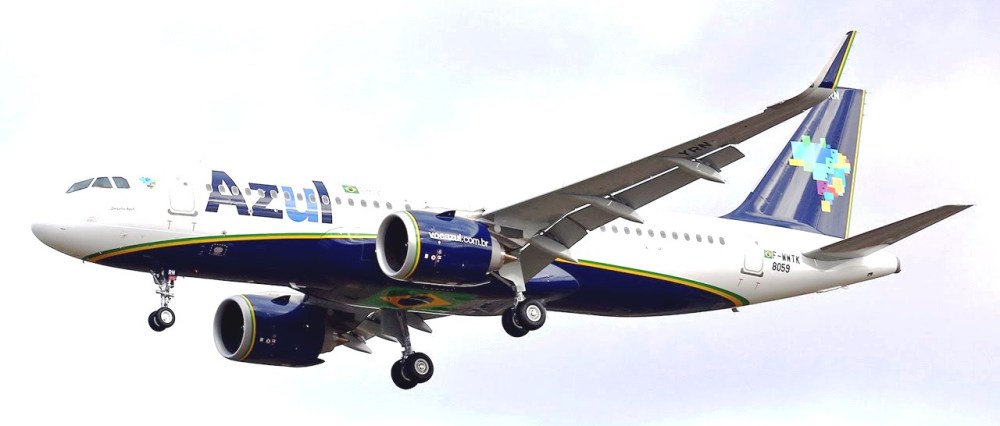
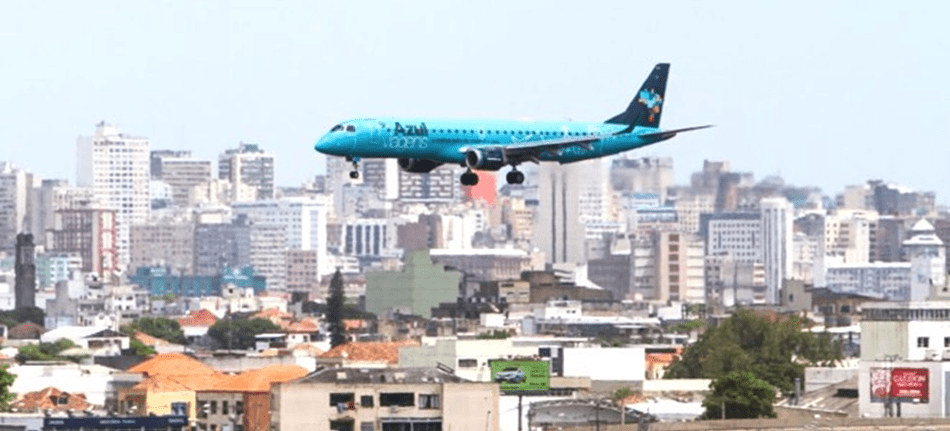
AW-70082122La medida beneficiaría a Azul Linhas Aéreas, la tercera aerolínea más grande del país, que ahora puede solicitar nuevas licencias para operar en Congonhas. La empresa cuenta actualmente con 26 slots en la terminal. Latam Airlines tiene 236 permisos de despegues y aterrizajes, mientras que Gol Linhas Aéreas posee 234.

MAP participa slots en Congonhas

MAP Linhas aéreas revela interés en participar en la pulseada por los slots de Avianca Brasil en el Aeropuerto de Congonhas. MAP Linhas Aéreas acaba de anunciar su interés en participar en la disputa por las tragamonedas en el aeropuerto de Congonhas en São Paulo, que pertenecía a Avianca Brasil. El anuncio se produce después de una reunión extraordinaria que tuvo lugar el jueves pasado (25). Durante la reunión, ANAC Brasil informó los criterios para la distribución de las franjas horarias.

El CEO de la compañía, Héctor Hamada, comentó que considera que los criterios establecidos son un beneficio para el consumidor, que tendrá más opciones para las compañías que operan. Además, mencionó la importancia de asegurar la sana competitividad del mercado de la aviación, y señaló que MAP está a la espera del progreso del proceso de distribución de slots, pero está totalmente interesado en expandir sus operaciones a otras regiones del Brasil.

Distribución de Slots

La distribución de licencias comenzará el próximo Lunes 29 Julio 2019, según comunicado de la ANAC Brasil. En una declaración, la agencia dice que “la asignación de espacios es válida para la próxima temporada entre 27/10/2019 al 28/03/2020, pero considerando el nivel crítico de concentración y alta saturación de la infraestructura de Congonhas, las empresas son autorizadas para iniciar la oferta de frecuencias de manera inmediata. Con la medida, dice la agencia, hasta el 100% de las 41 franjas horarias que operaba Avianca Brasil se distribuirán inicialmente a las compañías consideradas que ingresan al aeropuerto».

El Directorio de ANAC también decidió revisar la Resolución 338 de 2014, una especie de marco regulatorio sobre la división de licencias de despegue y aterrizaje entre las aerolíneas en los principales aeropuertos brasileños. Los cambios deben hacerse en julio del próximo año, anunció la agencia.AW-Icon-TXT-01

Resultado de imagen para slots Aeroporto CongonhasANAC Brazil will grant slots to Azul

The aeronautical regulator ANAC Brazil will grant slots permits to Azul Linhas Aéreas

The National Civil Aviation Agency (ANAC) of Brazil decided this Thursday, July 25, 2019 to change the rules for the transfer of 41 takeoffs and landings (slots) of Avianca Brazil at Congonhas Airport, the one with the most domestic traffic in Brazil. The regulator’s decision would directly benefit Latam Airlines and Gol Linhas Aéreas, which will inherit much of the Avianca licenses operated at the air terminal.

Licensing Division

By the previous rule of division of the landing and take-off licenses in Congonhas, in case of inactivity of a group of slots, half of these licenses should be transferred to companies with a large presence in that terminal. The other 50% must refer to the so-called ‘new arrivals’, airlines with up to five licenses. The rules largely followed the pattern of the global airline association, for the division of slots in overcrowded airports, such as Congonhas.

Now, according to the decision of the Board of Directors of ANAC, 100% of the free spaces in Congonhas must be sent to the «new participants», new airlines that compete in the domestic airport of Sao Paulo. The regulatory agency has also changed the definition of «incoming». Before, only companies with up to five licenses were in the category. Now the limit is 54. For ANAC, the measure should «promote greater competition in that market and provide passengers with new service options» at Congonhas Airport.

The measure would benefit Azul Linhas Aéreas, the third largest airline in the country, which can now apply for new licenses to operate in Congonhas. The company currently has 26 slots in the terminal. Latam Airlines has 236 take-off and landing permits, while Gol Linhas Aéreas has 234.

MAP participates in Congonhas slots

map.pngMAP Linhas Aéreas reveals interest in participating in the pulse for the Avianca Brasil slots at Congonhas Airport. MAP Linhas Aéreas has just announced its interest in participating in the slots dispute at the Congonhas airport in São Paulo, which belonged to Avianca Brasil. The announcement comes after an extraordinary meeting that took place last Thursday (25). During the meeting, ANAC Brazil reported the criteria for the distribution of time slots.

The CEO of the company, Héctor Hamada, commented that he considers that the established criteria are a benefit for the consumer, who will have more options for the companies that operate. In addition, he mentioned the importance of ensuring the healthy competitiveness of the aviation market, and noted that MAP is waiting for the progress of the slot distribution process, but is fully interested in expanding its operations to other regions of Brazil.

Slot Distribution

The distribution of licenses will begin next Monday, July 29, 2019, according to ANAC Brasil. In a statement, the agency says that “the allocation of spaces is valid for the next season between 10/27/2019 and 03/28/2020, but considering the critical level of concentration and high saturation of Congonhas infrastructure, companies They are authorized to start the frequency offer immediately. With the measure, the agency says, «up to 100% of the 41 time slots operated by Avianca Brasil will initially be distributed to companies considered to enter the airport».

The Board of Directors of ANAC also decided to review Resolution 338 of 2014, a kind of regulatory framework on the division of take-off and landing licenses among airlines in the main Brazilian airports. The changes must be made in July next year, the agency announced. A \ W

Resultado de imagen para slots Aeroporto CongonhasANAC Brasil concederá slots para a Azul

Regulador aeronáutico ANAC Brasil concederá permissões de slots para a Azul Linhas Aéreas

A Agência Nacional de Aviação Civil (ANAC) do Brasil decidiu nesta quinta-feira, 25 de julho de 2019, alterar as regras para a transferência de 41 decolagens e aterrissagens (slots) da Avianca Brasil no Aeroporto de Congonhas, o de maior tráfego doméstico no Brasil. A decisão do regulador beneficiaria diretamente a Latam Airlines e a Gol Linhas Aéreas, que herdarão grande parte das licenças da Avianca operadas no terminal aéreo.

Divisão de Licenciamento

Pela regra anterior de divisão das licenças de pouso e decolagem em Congonhas, em caso de inatividade de um grupo de slots, metade dessas licenças deveria ser transferida para empresas com grande presença naquele terminal. Os outros 50% devem se referir aos chamados ‘recém-chegados’, companhias aéreas com até cinco licenças. As regras seguiram largamente o padrão da associação global de companhias aéreas, para a divisão de slots em aeroportos superlotados, como Congonhas.

Agora, segundo a decisão do Conselho de Administração da ANAC, 100% dos espaços livres em Congonhas devem ser enviados para os «novos participantes», novas companhias aéreas que concorrem no aeroporto doméstico de São Paulo. A agência reguladora também mudou a definição de «entrada». Antes, apenas as empresas com até cinco licenças estavam na categoria. Agora o limite é 54. Para a ANAC, a medida deve «promover maior concorrência nesse mercado e oferecer aos passageiros novas opções de serviços» no Aeroporto de Congonhas.

AW-702-Gazeta_do_povo.pngAZUL LINHAS AÉREAS SE BENEFICIARÁ DA EXTENSÃO DE SLOTS NO AEROPORTO DE CONGONHAS

A medida beneficiaria a Azul Linhas Aéreas, a terceira maior companhia aérea do país, que pode agora solicitar novas licenças para operar em Congonhas. Atualmente, a empresa possui 26 slots no terminal. A Latam Airlines possui 236 decolagens e autorizações de pouso, enquanto a Gol Linhas Aéreas tem 234.

MAP participa em slots de Congonhas

A MAP Linhas Aéreas revela interesse em participar do pulso para as vagas da Avianca Brasil no Aeroporto de Congonhas. A MAP Linhas Aéreas acaba de anunciar seu interesse em participar da disputa de slots no aeroporto de Congonhas, em São Paulo, que pertenceu à Avianca Brasil. O anúncio vem depois de uma reunião extraordinária realizada na última quinta-feira (25). Durante a reunião, a ANAC Brasil divulgou os critérios para distribuição de horários.

O presidente da empresa, Héctor Hamada, comentou que considera que os critérios estabelecidos são um benefício para o consumidor, que terá mais opções para as empresas que operam. Além disso, ele mencionou a importância de garantir a competitividade saudável do mercado de aviação, e observou que a MAP está aguardando o progresso do processo de distribuição de slots, mas está totalmente interessada em expandir suas operações para outras regiões do Brasil.

Distribuição de Slots

A distribuição das licenças começará na próxima segunda-feira, 29 de julho de 2019, de acordo com a ANAC Brasil. Em nota, a agência afirma que “a alocação de vagas é válida para a próxima temporada entre 27/10/2019 e 28/03/2020, mas considerando o nível crítico de concentração e alta saturação da infraestrutura de Congonhas, as empresas Eles estão autorizados a iniciar a oferta de frequência imediatamente. Com a medida, segundo a agência, até 100% dos 41 horários operados pela Avianca Brasil serão inicialmente distribuídos para empresas consideradas para entrar no aeroporto».

O Conselho de Administração da ANAC também decidiu rever a Resolução 338 de 2014, uma espécie de marco regulatório sobre a divisão de licenças de pouso e decolagem entre companhias aéreas nos principais aeroportos brasileiros. As mudanças devem ser feitas em julho do próximo ano, anunciou a agência. A \ W


Ξ A I R G W A Y S Ξ
SOURCE: Airgways.com
DBk: Reuters.com / Airgways.com
AW-POST: 201907261923AR

A\W   A I R G W A Y S ®

Low cost ganan cielo en España

Resultado de imagen para aeropuerto Madrid lineas aereas low costAW | 2019 07 23 11:50 | AIRLINES MARKET

Las aerolíneas españolas low cost ganan tráfico, las tradicionales crecimiento

España recibió entre Enero-Junio 2019 unos 43,9 millones de pasajeros internacionales (+4,9%). Las aerolíneas low cost trajeron al país 23,16 millones de pasajeros, cifra que supone un crecimiento de un 2,1%, aunque el 52,8% del total. Las compañías tradicionales reportaron sin embargo un crecimiento mayor de un 8,3%; sin embargo, transportaron a 20,69 millones de los pasajeros internacionales, que representan el 47,2% del total.

Según el informe de conyuntura del Ministerio de Industria, Comercio y Turismo sobre las aerolíneas low cost, el 78,6% del total del flujo aéreo provino de la Unión Europea (+4,3%). En junio, llegaron a España 9,7 millones de pasajeros procedentes de aeropuertos internacionales (+4%). Un 52% eligió una compañía de bajo coste (+0,3%) y un 48% en compañías tradicionales (+8,4%) que por cuarto mes consecutivo crecen más que las de bajo coste.

Las principales aerolíneas de bajo coste Ryanair, Vueling y EasyJet concetraron el 32,6% del total del trafico de pasajeros internacionales que arribó a España en el mes de junio y el 62,7% del total del segmento. La irlandesa y la española mostraron una evolución positiva, mientras que la británica acumulan tres meses consecutivos de descensos.

Mercados emisores

Los principales países emisores de pasajeros internacionales aumentaron el volumen de viajeros hasta junio, a excepción de Suecia (-5,9%). La llegada de pasajeros internacionales desde el Reino Unido supone el 23,6% del total con 10,35 millones de pasajeros (+3,3%) hasta junio. Este mercado registró un aumento de tráfico de un 2,3% en compañías tradicionales y un 3,6% en low cost.

Los pasajeros procedentes de Alemania, 6,85 millones (+3,1%), suponen una cuota del 15,6% del total. En aerolíneas tradicionales registraron un repunte del 7,4%, que compensó la caída del 1,5% en las de bajo coste. Reino Unido lideró la llegada de pasajeros en aerolíneas de bajo coste hasta junio, seguido de Alemania, puestos que se invierten en el caso de las aerolíneas tradicionales, en las que Alemania se sitúa a la cabeza, con Reino Unido a continuación. Italia fue el tercer mercado emisor, con 3,7 millones de pasajeros (+8,1%), una cuota del 8,5 del total. Este mercado fue el tercero en compañías de bajo coste y cuarto en aerolíneas tradicionales.AW-Icon-TXT-01

Resultado de imagen para low cost airlines EspañaLow cost win sky in Spain

Spanish low cost airlines gain traffic, the traditional growth

Spain received between January-June 2019 about 43.9 million international passengers (+ 4.9%). Low cost airlines brought 23.16 million passengers to the country, a figure that represents a growth of 2.1%, although 52.8% of the total. Traditional companies, however, reported growth of more than 8.3%; however, they transported 20.69 million of the international passengers, which represent 47.2% of the total.

According to the joint report of the Ministry of Industry, Commerce and Tourism on low cost airlines, 78.6% of the total air flow came from the European Union (+ 4.3%). In June, 9.7 million passengers arrived from Spain from international airports (+ 4%). 52% chose a low cost company (+ 0.3%) and 48% in traditional companies (+ 8.4%) that for the fourth consecutive month grow more than low cost ones.

The main low-cost airlines Ryanair, Vueling and EasyJet accounted for 32.6% of the total international passenger traffic that arrived in Spain in June and 62.7% of the total segment. The Irish and the Spanish showed a positive evolution, while the British accumulate three consecutive months of declines.

Issuing Markets

The main international passenger issuing countries increased the volume of travelers until June, with the exception of Sweden (-5.9%). The arrival of international passengers from the United Kingdom accounts for 23.6% of the total with 10.35 million passengers (+ 3.3%) until June. This market registered a traffic increase of 2.3% in traditional companies and 3.6% in low cost.

Passengers from Germany, 6.85 million (+ 3.1%), represent a share of 15.6% of the total. Traditional airlines registered a 7.4% rebound, which offset the 1.5% drop in low-cost ones. The United Kingdom led the arrival of passengers in low-cost airlines until June, followed by Germany, positions that are invested in the case of traditional airlines, in which Germany takes the lead, with the United Kingdom below. Italy was the third largest market, with 3.7 million passengers (+ 8.1%), a share of 8.5 of the total. This market was the third in low cost companies and fourth in traditional airlines. A \ W


Ξ A I R G W A Y S Ξ
SOURCE: Airgways.com
DBk: Hosteltur.com / Airgways.com / Madriddiario.es
AW-POST: 201907231150AR

A\W   A I R G W A Y S ®

Emergencia aerocomercial en Argentina

AW-7001341.JPGAW | 2019 07 21 23:51 | AIRLINES MARKET /  AVIATION ORGANISMS

Pidieron declarar emergencia aerocomercial en el Senado de Argentina

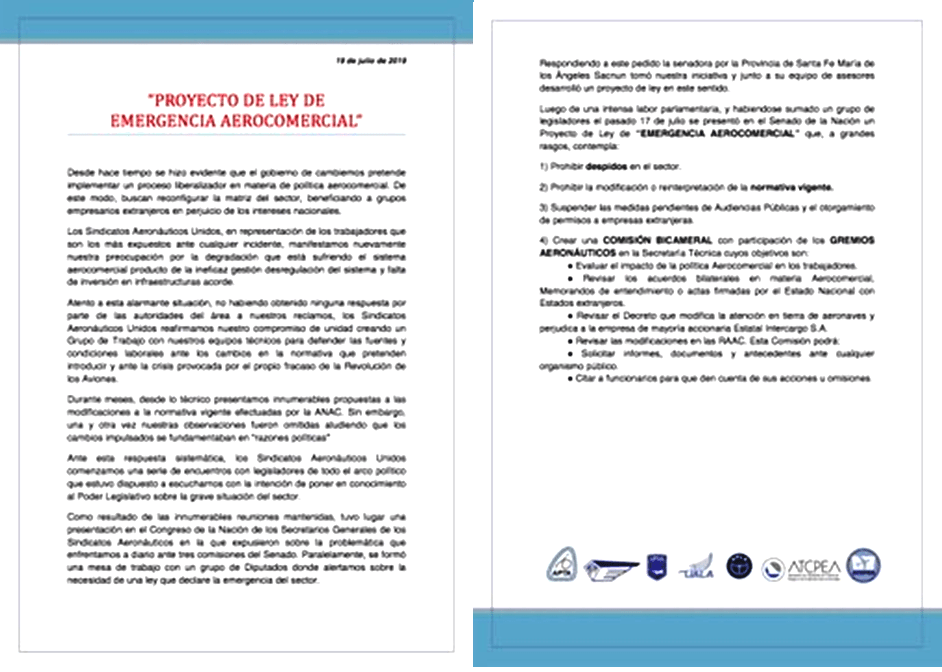
La iniciativa impulsada por los Sindicatos Aeronáuticos Unidos, la Senadora Nacional por el Partido Justicialista, María de los Ángeles Sacnun sumándose un grupo de legisladores, el 17 Julio 2019 se presentó en el Senado de la Nación Argentina un Proyecto de Ley de “Emergencia aerocomercial», un proyecto para declarar la emergencia aerocomercial.

Crisis sector aerocomercial

La profundización de la crisis en el sector aeronáutico parece continuar retrasando el despegue de la «Revolución de los Aviones». A principios de Julio 2019, los Sindicatos Aeronáuticos Unidos se declararon en “estado de alerta y manifestación”. A raíz de esto, en el transcurso de los días siguientes, se llevaron a cabo una serie de medidas de fuerza en las que resaltaron las huelgas de los pilotos. Los gremios del sector se manifestaron ante la Secretaría de Trabajo por la convocatoria a acreedores de la compañía Avianca Argentina. Tras el reciente llamado de acreedores de la empresa Avianca Argentina, que provocó una movilización de la Asociación Argentina de Aeronavegantes (AAA) ante la Secretaría de Trabajo; los gremios aeronáuticos hicieron efectivo su reclamo a través de un proyecto de ley en el Senado que propone declarar la emergencia aeroespacial. El mismo fue presentado por la senadora Sacnun.

Los Sindicatos Aeronáuticos Unidos están conformados por la Asociación de Personal Técnicos Aeronáuticos (APTA), la Asociación de Personal Aeronáutico (APA), la Unión del Personal Superior y Profesional de Empresas Aerocomerciales (UPSA), APLA, la Unión de Aviadores de Líneas Aéreas (UALA) y la Unión de Tripulantes de Cabina de Pasajeros (ATCPEA).

AW-70220005.png

La nueva normativa buscaría proteger el empleo argentino al prohibir los despidos del sector, que afectan fuertemente al sistema aerocomercial, defendiendo las fuentes laborales de los trabajadores, la industria, el desarrollo y la soberanía nacional. La propuesta intentará prohibir despidos en el sector, prohibir la modificación o reinterpretación de la normativa vigente, suspender el otorgamiento de permisos a empresas extranjeras y las medidas pendientes de Audiencias Públicas, y crear una Comisión Bicameral con la participación de los gremios aeronáuticos.

Por otra parte, el Ministro de Transporte, Guillermo Dietrich se reunió con pilotos de líneas aéreas; mientras que la Secretaría de Trabajo convocó a sindicalistas y empresarios para tratar el tema Avianca Argentina.AW-Icon-TXT-01

AW-700433877.pngAero-commercial emergency in Argentina

They asked to declare an aero-commercial emergency in the Argentine Senate

The initiative promoted by the United Aeronautic Unions, the National Senator for the Justicialist Party, Maria de los Angeles Sacnun adding a group of legislators, on July 17, 2019 was presented in the Senate of the Argentine Nation a Bill of «Aero commercial emergency «, a project to declare the commercial air emergency.

Aviation sector crisis

The deepening of the crisis in the aeronautical sector seems to continue delaying the takeoff of the «Aircraft Revolution». At the beginning of July 2019, the United Aeronautical Unions declared themselves in «state of alert and demonstration». As a result of this, in the course of the following days, a series of force measures were carried out in which the strikes of the pilots stood out. The unions of the sector manifested themselves before the Secretary of Labor for the call to creditors of the company Avianca Argentina. After the recent call of creditors of the company Avianca Argentina, that caused a mobilization of the Argentine Association of Aeronavegantes (AAA) before the Secretariat of Work; the aeronautical guilds made their claim effective through a bill in the Senate that proposes to declare the aerospace emergency. It was presented by Senator Sacnun.

The United Aeronautical Unions are made up of the Association of Aeronautical Technical Personnel (APTA), the Association of Aeronautical Personnel (APA), the Union of Superior and Professional Airline Companies (UPSA), APLA, the Union of Airline Aviators ( UALA) and the Passenger Cabin Crew Union (ATCPEA).

The new regulations would seek to protect Argentine employment by prohibiting dismissals from the sector, which strongly affect the commercial airline system, defending the labor sources of workers, industry, development and national sovereignty. The proposal will try to prohibit dismissals in the sector, prohibit the modification or reinterpretation of the current regulations, suspend the granting of permits to foreign companies and the pending measures of Public Hearings, and create a Bicameral Commission with the participation of the aeronautical guilds.

On the other hand, the Minister of Transport, Guillermo Dietrich, met with airline pilots; while the Ministry of Labor called trade unionists and businessmen to discuss the issue Avianca Argentina. A \ W


Ξ A I R G W A Y S Ξ
SOURCE: Airgways.com
DBk: Airgways.com / Senado.gov.ar
AW-POST: 201907212351AR

A\W   A I R G W A Y S ®

Prohíben líneas bandera de conveniencia

Image result for the house Committee Transportation and Infrastructure logoAW | 2019 07 18 09:53 | AIRLINES MARKET / GOVERNMENT

Proyecto de Ley presentado en el Congreso de los Estados Unidos busca prohibir aerolíneas de bandera de conveniencia

sharelogo.jpgLos legisladores de Estados Unidos quieren prohibir las llamadas aerolíneas de «bandera de conveniencia» en una medida que, según se dice, fue impulsada por los vuelos transatlánticos baratos de Norwegian Air International registrados en Irlanda. El grupo escandinavo Norwegian Air Shuttle, que lucha contra el aumento de los costos y la competencia, utiliza la filial registrada en Irlanda Norwegian Air International para operar algunos vuelos de bajo costo entre los Estados Unidos y Europa.

Los sindicatos de aviación de Estados Unidos acusan al grupo de aviación de utilizar a su filial irlandesa como una «bandera de conveniencia» para contratar pilotos y tripulaciones a precios económicos de las agencias, lo que le permite eludir las protecciones ofrecidas por las leyes laborales de la Unión Europea y competir injustamente con sus transportistas.

Los miembros del Congreso de los EE.UU., encabezado por el demócrata Peter DeFazio, con sede en Oregón, han presentado una legislación que evitaría que los Estados Unidos emitan permisos a las aerolíneas extranjeras que participan en esta práctica, citando a Noruega como un ejemplo destacado. El Sr. DeFazio, copatrocinador de la legislación y presidente del poderoso Comité de Transporte e Infraestructura de la Cámara de Representantes, repitió recientemente su afirmación de que Norwegian Air International tiene su sede en la República porque el Estado tiene leyes laborales laxas. El congresista, cuyos partidarios incluyen poderosos sindicatos de aviación de Estados Unidos, describió el problema como una plaga y prometió que la legislación propuesta, la Ley de cielos abiertos y justos, la pondría fin. Tanto los demócratas como los republicanos apoyan el proyecto de ley, que los observadores creen que tiene una buena posibilidad de pasar por la Cámara de Representantes inferior. Entonces tendría que pasar por el Senado antes de que se convierta en ley.

Permiso de transportista

Norwegian Air Shuttle dijo que la legislación propuesta se aplicaría a las nuevas solicitudes de permisos de compañías aéreas extranjeras al departamento de transporte de Estados Unidos y no afectaría las licencias existentes otorgadas a las subsidiarias del grupo, incluida Norwegian Air International. “A la filial irlandesa de Norwegian se le otorgó un permiso de aerolínea extranjera luego de un proceso completo llevado a cabo por el Departamento de Transporte de los Estados Unidos (DOT), que involucró tanto al Estado como a los Departamentos de Justicia, y ha dado lugar a tarifas más bajas, creación de empleos y una mejor conectividad en ambos lados del Atlántico. Los opositores no tienen motivos para asociar a Norwegian a un intento anticompetitivo de negarles a los consumidores más opciones, un mejor servicio y una buena relación calidad-precio, ya que cumplimos plenamente con las leyes y regulaciones de empleo relevantes en todos los mercados que operamos”, dijo un portavoz.

Los reclamos de los sindicatos de aviación de Estados Unidos y otros de que Norwegian Air International era una bandera de conveniencia llevaron al departamento federal de transporte a retrasar la emisión de un permiso a la aerolínea irlandesa durante tres años, hasta Diciembre 2016.

Norwegian pospuso los servicios de este verano de Cork a Providence, Rhode Island, en el noreste de los Estados Unidos y redujo los vuelos de Shannon debido a los retrasos en la entrega del Boeing 737 MAX. La aerolínea está ofreciendo a los pasajeros que reservaron los servicios alternativos de vuelos de Cork y Shannon desde Dublín.AW-Icon-TXT-01

Image result for Norwegian Air internationalProhibition airlines flag of convenience

Bill presented in the United States Congress seeks to ban convenience flag airlines

US lawmakers want to ban so-called «flag of convenience» airlines to a degree that is said to have been boosted by cheap Norwegian Air International transatlantic flights registered in Ireland. The Scandinavian group Norwegian Air Shuttle, which is fighting against rising costs and competition, uses the Irish-registered subsidiary Norwegian Air International to operate some low-cost flights between the United States and Europe.

US aviation unions accuse the aviation group of using its Irish subsidiary as a «flag of convenience» to hire pilots and crews at cheap agency rates, which allows it to circumvent the protections offered by the labor laws of the United States. the European Union and compete unfairly with its carriers.

Image result for Transportation and Infrastructure Committee of the House of RepresentativesMembers of the US Congress, headed by Democrat Peter DeFazio, based in Oregon, have introduced legislation that would prevent the United States from issuing permits to foreign airlines involved in this practice, citing Norway as a highlighted example. Mr. DeFazio, co-sponsor of the legislation and chairman of the powerful Transportation and Infrastructure Committee of the House of Representatives, recently repeated his assertion that Norwegian Air International is based in the Republic because the State has lax labor laws. The congressman, whose supporters include powerful aviation unions in the United States, described the problem as a plague and promised that the proposed legislation, the Open and Just Skies Act, would put an end to it. Both Democrats and Republicans support the bill, which observers believe has a good chance of going through the lower House of Representatives. Then I would have to go through the Senate before it becomes law.

Carrier’s permit

Norwegian Air Shuttle said the proposed legislation would apply to new requests for permits from foreign airlines to the US Department of Transportation and would not affect existing licenses granted to the group’s subsidiaries, including Norwegian Air International. «The Irish subsidiary of Norwegian was granted a foreign airline permit after a complete process carried out by the United States Department of Transportation (DOT), which involved both the State and the Departments of Justice, and resulting in lower rates, job creation and better connectivity on both sides of the Atlantic. Opponents have no reason to associate Norwegian with an anti-competitive attempt to deny consumers more choices, better service and good value for money, as we fully comply with relevant employment laws and regulations in all markets we operate». Said a spokesperson.

The claims of US aviation unions and others that Norwegian Air International was a flag of convenience led the federal department of transportation to delay the issuance of a permit to the Irish airline for three years, until December 2016.

Norwegian postponed this summer services from Cork to Providence, Rhode Island, in the northeastern United States and reduced Shannon flights due to delays in the delivery of the Boeing 737 MAX. The airline is offering passengers who booked alternate Cork and Shannon flight services from Dublin. A \ W


Ξ A I R G W A Y S Ξ
SOURCE: Airgways.com
DBk: Tranportation.house.gov / Ainonline.com
AW-POST: 201907180953AR

A\W   A I R G W A Y S ®

Armenia introducirá low cost

Zvartnots

AW | 2019 07 17 11:18 | AIRLINES MARKET / GOVERNMENT

La República de Armenia fomenta introducción de low cost

El Gobierno de la República de Armenia ha priorizado la mejora del transporte aéreo del país, introduciendo líneas aéreas low cost para estimular el tráfico. Las aerolíneas europeas de bajo costo han prometido comenzar a operar rutas aerocomerciales hacia Ereván, la capital de Armenia. El Gobierno podría estimular la atracción de más aerolíneas con la reducción de los impuestos.

Conferencia sobre Aviación

La conferencia de prensa establecida por el Gobierno de Armenia estableció una reunión el 3 Julio 2019 dedicada a temas de aviación, en la que el primer ministro Nikol Pashinyan anunció que el gobierno estaba dando prioridad a mejorar la situación de los viajes aéreos en el país.

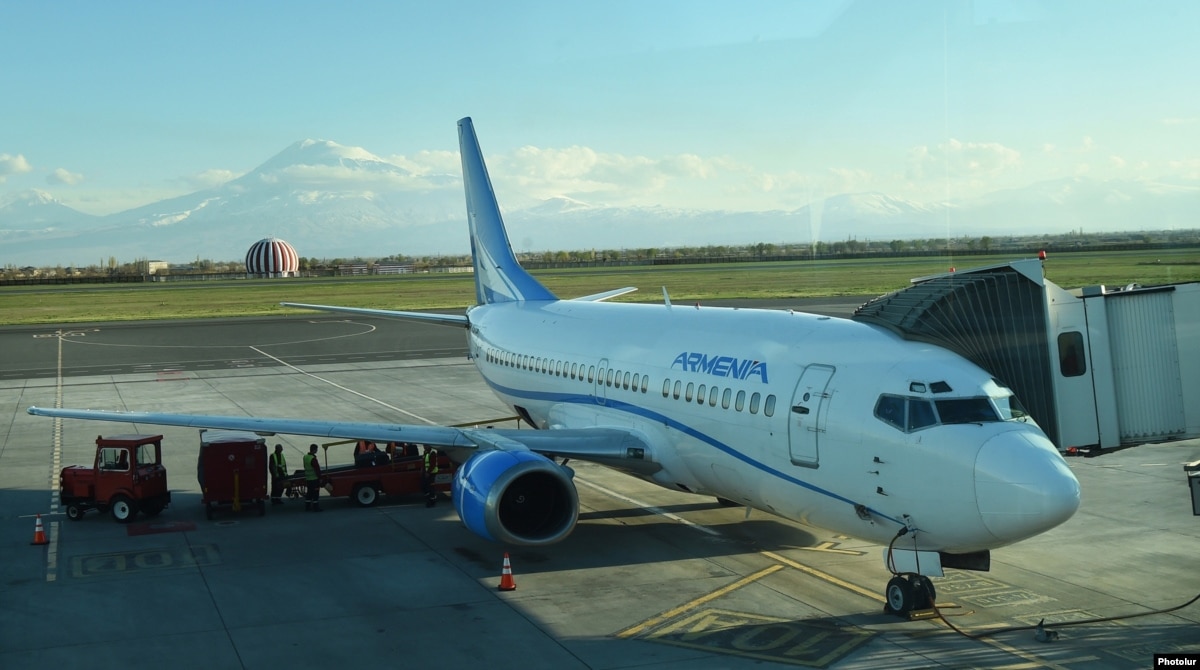
La República de Armenia ha sufrido durante mucho tiempo deficiencias en las conexiones aéreas en la región y Europa, lo que hace que sea mucho más caro viajar dentro y fuera de Armenia en comparación con los países vecinos. Una razón es que las altas tarifas aeroportuarias en el Aeropuerto internacional Yerevan Zvartnots, el más importante del país, has retraido a las líneas aéreas de volar hacia allí, dijo a la prensa el Jefe del Comité de Aviación Civil de Armenia, Tatevik Revazyan. Pero el comité ha preparado una legislación para eliminar esos impuestos para las aerolíneas que inician nuevas rutas a Ereván. «Tenemos ofertas de Ryanair y Wizz Air. Si cumplimos con sus criterios, prometen venir a Armenia», dijo Revazyan en la conferencia de prensa, mostrando las ofertas escritas a las cámaras. «El mayor obstáculo es que los costos son altos en Armenia», dijo. Cada pasajero en un vuelo dentro o fuera del aeropuerto tiene un impuesto de 10.000 drams (alrededor de US$ 21). «Eso no es dinero pequeño», dijo, señalando que el precio promedio de un boleto de Ryanair en Europa es aproximadamente el doble de esa cifra. Si el parlamento aprueba las nuevas regulaciones, las aerolíneas estarían listas para comenzar a operar en Armenia el próximo verano, dijo. Ninguna de las dos aerolíneas respondió a las solicitudes de comentarios en el momento en que se publicó este artículo.

Un problema importante de la aviación que aún no está sobre la mesa: establecer una aerolínea nacional. Pashinyan dijo en abril que el gobierno se está moviendo lentamente en ese frente porque «hemos tenido una experiencia tan mala antes». En 2013, la aerolínea nacional anterior, Armavia, que era propiedad del oligarca Mikhail Baghdasarov y tenía un derecho exclusivo de 10 años a las rutas nacionales e internacionales, se declaró en quiebra. El hecho de que Armavia operara con tales ventajas y aún quedara empañada por la reputación de Armenia en los círculos mundiales de aviación y por lo tanto el país debe proceder con cautela, dijo Revazyan en la conferencia de prensa. «Ahora tenemos dos aerolíneas armenias, pero antes de darles el estado de una aerolínea nacional, necesitamos darles tiempo para demostrar su valía», dijo.

Esas dos aerolíneas son muy pequeñas: Armenian Airways tiene dos aviones y vuela una ruta, Ereván-Teherán; Aircompany Armenia también tiene dos aviones y tiene un horario limitado a destinos en Rusia e Israel. Recientemente inició vuelos al aeropuerto Vnukovo de Moscú luego de la prohibición de Rusia de volar a Georgia.

En 2008, el gobierno armenio lanzó un plan para restaurar varios aeropuertos regionales alrededor de Armenia, pero el programa se estancó y se hicieron pocos progresos. El Aeropuerto de Kapan, en la Provincia de Syunik, sur de Armenia, está programado para abrir este verano, dijo Revazyan.

El liderazgo de Revazyan ha sido atacado recientemente. Edmon Marukyan, el jefe del partido opositor Bright Armenia, criticó al gobierno por no haberse movido lo suficientemente rápido para aprovechar la reciente prohibición de Rusia de volar a Georgia al ofrecer a los turistas rusos rutas alternativas a través de Armenia.

«Insto al jefe del Comité de Aviación Civil, una niña muy hermosa, y a nuestro brillante gobierno, a tomar medidas rápidas hoy para resolver este problema», dijo Manukyan en un video de Facebook en Junio 2019. «Si el número de pasajeros que vuelan a Gyumri, la segunda ciudad de Armenia, más cerca de Georgia que Ereván, no aumenta, entonces le diré lo que debe hacerse».

En la conferencia de prensa, Revazyan criticó a Manukyan por no solo ser sexista sino también ignorante de las iniciativas de su comité, señalando, en respuesta a la prohibición de vuelos rusa, que Georgian Airways también comenzó vuelos desde Ereván a Batumi. Revazyan también dijo que ha estado hablando con inversionistas rusos interesados ​​en instalar una planta para el ensamblaje de aviones en Armenia que podría generar 1.000 empleos. Y dijo que el gobierno también está tratando de aflojar otras regulaciones de la aviación, como las que dificultan que aviones muy pequeños como Cessnas puedan volar en el país.AW-Icon-TXT-01

AW-Zvartnots_Yerevan_airport_EVN.jpgArmenia will introduce low cost

The Republic of Armenia encourages the introduction of low cost

The Government of the Republic of Armenia has prioritized the improvement of air transport in the country, introducing low cost airlines to stimulate traffic. European low-cost airlines have pledged to start operating commercial air routes to Yerevan, the capital of Armenia. The Government could stimulate the attraction of more airlines with the reduction of taxes.

Conference on Aviation

The press conference established by the Government of Armenia established a meeting on 3 July 2019 dedicated to aviation issues, in which Prime Minister Nikol Pashinyan announced that the government was giving priority to improving the situation of air travel in the country.

The Republic of Armenia has long suffered from deficiencies in air connections in the region and Europe, which makes it much more expensive to travel in and out of Armenia compared to neighboring countries. One reason is that the high airport fees at the Yerevan Zvartnots International Airport, the country’s most important, have pulled airlines back from flying there, Armenian Civil Aviation Committee Chief Tatevik Revazyan told reporters. But the committee has prepared legislation to eliminate those taxes for airlines that start new routes to Yerevan. «We have offers from Ryanair and Wizz Air, if we meet their criteria, they promise to come to Armenia», Revazyan said at the press conference, showing the written offers to the cameras. «The biggest obstacle is that the costs are high in Armenia,» he said. Each passenger on a flight in or out of the airport has a tax of 10,000 drams (around US$ 21). «That’s not small money», he said, noting that the average price of a Ryanair ticket in Europe is approximately double that amount. If the parliament approves the new regulations, the airlines would be ready to start operating in Armenia next summer, he said. Neither airline responded to requests for comments at the time this article was published.

A major problem of aviation that is not yet on the table: establish a national airline. Pashinyan said in April that the government is moving slowly on that front because «we have had such a bad experience before». In 2013, the previous national airline, Armavia, which was owned by the oligarch Mikhail Baghdasarov and had an exclusive right of 10 years to domestic and international routes, declared bankruptcy. The fact that Armavia operated with such advantages and was still tarnished by Armenia’s reputation in world aviation circles and therefore the country should proceed with caution, Revazyan said at the press conference. «We now have two Armenian airlines, but before giving them the status of a national airline, we need to give them time to prove their worth», he said.

Those two airlines are very small: Armenian Airways has two planes and flies a route, Yerevan-Tehran; Aircompany Armenia also has two planes and has limited hours to destinations in Russia and Israel. He recently started flights to Moscow’s Vnukovo airport after Russia’s ban on flying to Georgia.

In 2008, the Armenian government launched a plan to restore several regional airports around Armenia, but the program stalled and little progress was made. The Kapan Airport in Syunik Province, southern Armenia, is scheduled to open this summer, Revazyan said.

The leadership of Revazyan has been attacked recently. Edmon Marukyan, the head of the Bright Armenia opposition party, criticized the government for not moving quickly enough to take advantage of Russia’s recent ban on flying to Georgia by offering Russian tourists alternative routes through Armenia.

«I urge the head of the Civil Aviation Committee, a very beautiful girl, and our brilliant government, to take quick action today to solve this problem», Manukyan said in a Facebook video in June. «If the number of passengers flying to Gyumri, the second city of Armenia, closer to Georgia than Yerevan, does not increase, then I will tell you what needs to be done».

At the press conference, Revazyan criticized Manukyan for not only being sexist but also ignorant of the initiatives of his committee, noting, in response to the Russian flight ban, that Georgian Airways also started flights from Yerevan to Batumi. Revazyan also said he has been talking to Russian investors interested in setting up an aircraft assembly plant in Armenia that could generate 1,000 jobs. And he said the government is also trying to loosen other aviation regulations, such as those that make it difficult for very small aircraft such as Cessnas to fly in the country. A \ W
Resultado de imagen para Zvartnots International Airport airplanesՀայաստանը կներկայացնի ցածր գին

Հայաստանի Հանրապետությունը խրախուսում է ցածր գնի ներդրումը

Հայաստանի Հանրապետության կառավարությունը գերակա ուղղություն է տվել երկրում օդային տրանսպորտի բարելավմանը, ներդրումների խթանման համար ցածր գներով ավիափոխադրումների ներդրմանը: Եվրոպական ցածր գնով ավիաընկերությունները խոստացել են գործարկել առեւտրային ավիաուղիները Երեւան, Հայաստանի մայրաքաղաք Երեւան: Կառավարությունը կարող է խթանել հարկերի կրճատմամբ ավելի շատ ավիաընկերությունների ներգրավումը:

Կոնֆերանս ավիացիայի վերաբերյալ

Մամուլի ասուլիսը ստեղծվել է ՀՀ կառավարության կողմից Հայաստանի ստեղծվել հանդիպում է հուլիսի 3-ին 2019 թ. Խնդիրներին նվիրված ավիացիայի, որի վարչապետը Նիկոլ Փաշինյանը հայտարարել է, որ կառավարությունը նախապատվությունը տալով իրավիճակի բարելավման օդային ճանապարհորդության է երկրում:

Հայաստանի Հանրապետությունը երկար ժամանակ տուժել է տարածաշրջանում եւ Եվրոպայում օդային կապի բացակայություններից, ինչը հարեւան երկրների համեմատությամբ թանկ է Հայաստանից դուրս գալու եւ Հայաստանից դուրս գալու համար: Պատճառներից մեկն այն է, որ բարձր օդանավակայանի վճարները միջազգային օդանավակայանում Երեւանի Զվարթնոց, առավել կարեւոր է երկրի համար, դուք պետք է չեղյալ ավիաընկերությունները թռիչքի մեջ կա, ղեկավար կոմիտեի քաղաքացիական ավիացիայի Հայաստանի Տաթեւիկ Ռեւազյանը լրագրողներին ասել է. Սակայն հանձնաժողովը պատրաստել է Երեւանին նոր երթուղիներ սկսող ավիաընկերությունների համար այդ հարկերը վերացնելու օրենսդրությունը: «Մենք ունենք առաջարկներ Ryanair- ից եւ Wizz Air- ից, եթե մենք համապատասխանում ենք դրանց չափանիշներին, նրանք խոստանում են գալ Հայաստան»,  ասաց Ռեւազյանը մամլո ասուլիսում `ցույց տալով տեսախցիկներին գրավոր առաջարկներ: «Մեծագույն խոչընդոտը այն է, որ ծախսերը Հայաստանում բարձր են», ասաց նա: Օդանավակայանում կամ դուրս թռիչք կատարող յուրաքանչյուր ուղեւորին ունի 10 հազար դրամ հարկ (մոտ 21 դոլար): «Դա փոքր գումար չէ», ասել է նա, նշելով, որ Եվրոպայում Ryanair տոմսի միջին գինը մոտավորապես կրկնապատկվում է: Եթե ​​խորհրդարանը հաստատի նոր կանոնակարգերը, ապա ավիաընկերությունները պատրաստ կլինեն հաջորդ ամռանը գործարկել Հայաստանում: Ոչ մի ավիաընկերություն չի արձագանքել այս հոդվածի հրապարակման պահին մեկնաբանությունների հարցմանը:

Ավիաընկերության հիմնական խնդիրը, որը դեռեւս սեղանի վրա չէ. Ստեղծել ազգային ավիաընկերություն: Փաշինյանը ապրիլին ասաց, որ իշխանությունը դանդաղ շարժվում է այդ ճակատում, քանի որ «մենք նախկինում նման վատ փորձ ունենք»: 2013 թ., Նախկին ազգային ավիաընկերությունը, Արմավիա, որին պատկանում է օլիգարխ Միխայիլ Բաղդասարովին եւ ունեցել է 10-ամյա բացառիկ իրավունքը ազգային եւ միջազգային երթուղիներով, ներկայացվել սնանկացման. Այն փաստը, որ Արմավիան կգործի այնպիսի առավելությունների եւ մնում ստվերվի Հայաստանի հեղինակությունը գլոբալ ավիացիոն շրջանակների եւ, հետեւաբար, երկիրը պետք է շարունակել զգուշությամբ, ասել է Ռեւազյանը տեղի ունեցած մամուլի ասուլիսի ժամանակ: «Մենք այժմ ունենք երկու հայկական ավիաընկերություն, բայց նախքան նրանց ազգային ավիաընկերության կարգավիճակ տալը, մենք պետք է նրանց ժամանակ տրամադրենք ապացուցելու իրենց արժեքները», ասաց նա:

Այդ երկու ավիաընկերությունները շատ փոքր են. «Հայկական ավիաուղիներ» -ը երկու ինքնաթիռ ունի եւ ուղիղ ուղով ուղեւորվում է Երեւան-Թեհրան: Հայաստանյան ավիաընկերությունը նույնպես ունի երկու ինքնաթիռ եւ ունի սահմանափակ ժամ Ռուսաստանի եւ Իսրայելի ուղղություններով: Վերջերս Մոսկվայի Վնուկովո օդանավակայանում սկսեց թռիչքներ դեպի Վրաստան թռիչքի Ռուսաստանի արգելքը:

2008 թ. Հայաստանի կառավարությունը սկսել է պլանավորել վերականգնել մի քանի մարզային օդանավակայաններ Հայաստանի շուրջ, սակայն ծրագիրը դադարեց եւ քիչ առաջընթաց է գրանցվել: Այս տարվա ամռանը նախատեսվում է բացել Սյունիքի մարզի Կապան օդանավակայանը, հարավային Հայաստանի տարածքում, հայտարարել է Ռեւազյանը:

Վերջերս Ռեւազյանի ղեկավարությունը հարձակման է ենթարկվել: Էդմոն Մարուքյանը, ղեկավար ընդդիմադիր կուսակցության Պայծառ Հայաստան, քննադատել է կառավարությանը չեն ունենալու տեղափոխվել բավականաչափ արագ օգտվել վերջին արգելքը Ռուսաստան թռչող Վրաստանին առաջարկում է այլընտրանքային երթուղի դեպի ռուս զբոսաշրջիկների Հայաստանի միջոցով:

«Ես կոչ եմ անում քաղաքացիական ավիացիայի կոմիտեի ղեկավարին, շատ գեղեցիկ աղջկա եւ մեր փայլուն կառավարությանը` արագ լուծելու այսօրվա խնդիրը», ասել է Մանուկյանը հունիսին ֆեյսբուքյան տեսանյութում: «Եթե Գյումրին, Հայաստանի երկրորդ քաղաքը, ավելի մոտ Վրաստան, քան Երեւանը, ուղեւորների թիվը չի աճում, ապա ես կասեմ, թե ինչ պետք է անի»:

Տեղի ունեցած մամուլի ասուլիսի ժամանակ, Մանուկյանը Ռեւազյանն քննադատեց ոչ միայն սեռական, այլեւ տգետ իր ղեկավարած հանձնաժողովի նախաձեռնությունների, նշելով, ի պատասխան Ռուսաստանի արգելքի չվերթների որը նույնպես սկսեց վրացական Airways- ը չվերթներ Երեւանից Բաթում: Ռեւազյանը նաեւ ասաց, որ խոսում է ռուսաստանյան ներդրողների հետ, որոնք շահագրգռված են Հայաստանում ինքնաթիռների հավաքման գործարանի ստեղծման հարցում, որը կարող է առաջացնել 1000 աշխատատեղ: Նա նաեւ ասել է, որ կառավարությունը եւս փորձում է թուլացնել այլ ավիացիոն կանոնակարգեր, ինչպիսիք են, որոնք դժվարացնում են շատ փոքր ինքնաթիռներ, ինչպիսիք են Cessnas- ը թռչել երկրում: A \ W


Ξ A I R G W A Y S Ξ
SOURCE: Airgways.com
DBk: Eurasianet.org / Zvartnots.aero / Azatutyun.am
AW-POST: 201907171118AR

A\W   A I R G W A Y S ®

Indonesia aprueba incentivos aerolíneas

Resultado de imagen para Indonesia AirportsAW | 2019 07 13 16:38 | AIRLINES MARKET / GOVERNMENT
El Gobierno de la República de Indonesia aprueba incentivos a aerolíneas

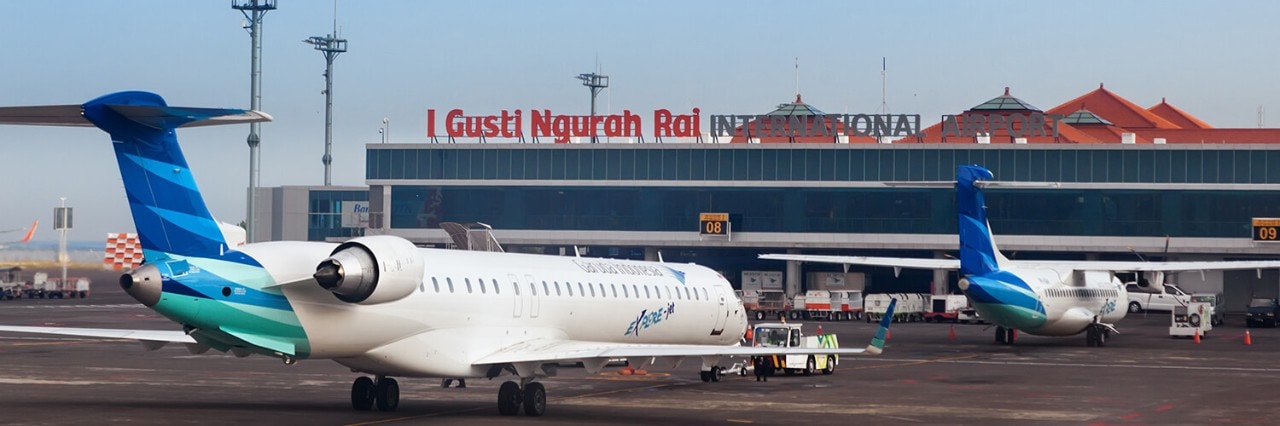
El Presidente de Indonesia, Joko Widodo, firmó un reglamento gubernamental que otorgará incentivos económicos a las compañías aéreas después de que todas las partes interesadas relevantes en la industria de la aviación acordaron compartir los costos para reducir las tarifas.

El Secretario del Ministro de Coordinación Económica, Susiwijono Moegiarso, dijo que la nueva regulación era una enmienda a un Reglamento del Gobierno sobre la exención del impuesto al valor añadido, IVA, relacionado con la importación y entrega de ciertas herramientas de transporte y la prestación de servicios. Susiwijono informó de que han completado el esquema de incentivos fiscales relacionado con las operaciones de la aerolínea. Este nuevo esquema ha sido acordado por el Presidente y se lanzará en los próximos uno o dos días. Es solo un asunto administrativo.

Los incentivos fiscales incluyen la exención del IVA para una serie de artículos relacionados con el transporte aéreo, como el mantenimiento de aeronaves, el arrendamiento de aeronaves desde el extranjero, las importaciones y la entrega de aviones y componentes de aeronaves. Desde el Ministerio de Finanzas, el Jefe de Política fiscal Suahasil Nazara dijo que se esperaba que los incentivos Fiscales para las aerolíneas reduzcan los costos de las operaciones de vuelo para ayudar a que las tarifas aéreas bajen. La revisión del Reglamento del Gobierno tiene como objetivo reducir aún más los costos de las operaciones de vuelo, reducir las tarifas aéreas y también cumplir con las normas tributarias internacionales. Otros países no cobran el IVA del alquiler de aeronaves. También ayudará a mejorar la competitividad de las aerolíneas en Indonesia.AW-Icon-TXT-01

Imagen relacionadaIndonesia approves incentives for airlines
The Government of the Republic of Indonesia approves incentives to airlines

The President of Indonesia, Joko Widodo, signed a government regulation that will provide economic incentives to airlines after all relevant stakeholders in the aviation industry agreed to share the costs to reduce tariffs.

The Secretary of the Minister of Economic Coordination, Susiwijono Moegiarso, said that the new regulation was an amendment to a Government Regulation on the exemption of value added tax, VAT, related to the importation and delivery of certain transport tools and the provision of services. Susiwijono reported that they have completed the tax incentive scheme related to the airline’s operations. This new scheme has been agreed by the President and will be launched in the next one or two days. It’s just an administrative matter.

Tax incentives include VAT exemption for a series of items related to air transport, such as aircraft maintenance, leasing of aircraft from abroad, imports and the delivery of aircraft and aircraft components. From the Ministry of Finance, Chief of Fiscal Policy Suahasil Nazara said that Tax incentives for airlines are expected to reduce the costs of flight operations to help lower air fares. The revision of the Government Regulation aims to further reduce the costs of flight operations, reduce air fares and also comply with international tax regulations. Other countries do not charge VAT for the rental of aircraft. It will also help improve the competitiveness of airlines in Indonesia. A \ W

Resultado de imagen para Indonesia AirportsIndonesia menyetujui insentif untuk maskapai

Pemerintah Republik Indonesia menyetujui insentif untuk maskapai penerbangan

Presiden Indonesia, Joko Widodo, menandatangani peraturan pemerintah yang akan memberikan insentif ekonomi kepada maskapai setelah semua pemangku kepentingan terkait dalam industri penerbangan sepakat untuk berbagi biaya untuk mengurangi tarif.

Sekretaris Menteri Koordinasi Ekonomi, Susiwijono Moegiarso, mengatakan bahwa peraturan baru tersebut merupakan amandemen dari Peraturan Pemerintah tentang pembebasan pajak pertambahan nilai, PPN, terkait dengan impor dan pengiriman alat transportasi tertentu dan penyediaan layanan. Susiwijono melaporkan bahwa mereka telah menyelesaikan skema insentif pajak terkait operasi maskapai. Skema baru ini telah disetujui oleh Presiden dan akan diluncurkan dalam satu atau dua hari ke depan. Ini hanya masalah administrasi.

Insentif pajak termasuk pembebasan PPN untuk serangkaian barang yang berkaitan dengan transportasi udara, seperti perawatan pesawat, penyewaan pesawat dari luar negeri, impor dan pengiriman komponen pesawat terbang dan pesawat. Dari Kementerian Keuangan, Kepala Kebijakan Fiskal Suahasil Nazara mengatakan bahwa insentif pajak untuk maskapai penerbangan diharapkan dapat mengurangi biaya operasi penerbangan untuk membantu menurunkan tarif udara. Revisi Peraturan Pemerintah bertujuan untuk lebih mengurangi biaya operasi penerbangan, mengurangi tarif udara dan juga mematuhi peraturan pajak internasional. Negara-negara lain tidak mengenakan biaya PPN untuk sewa pesawat. Ini juga akan membantu meningkatkan daya saing maskapai di Indonesia. A \ W


Ξ A I R G W A Y S Ξ
SOURCE: Airgways.com
DBk: Indonesia.travel / Nationsonline.org / Wikimedia.org
AW-POST: 201907131638AR

A\W   A I R G W A Y S ®

Mejora conexión lowcost en Argentina

AW-7001329.JPGAW | 2019 07 01 09:31 | AIRLINES MARKET
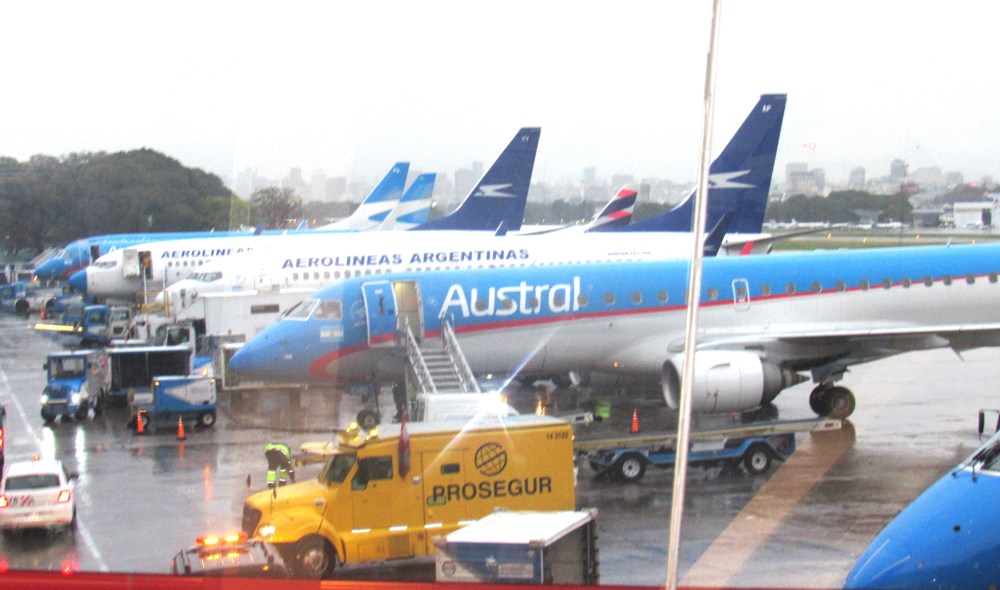
El mercado aéreo argentina incrementará un 6% más de tráfico

El arribo de las líneas aéreas low cost provocaron una mejora en la conectividad en la República Argentina y según la Administración Nacional de Aviación Civil (ANAC) el mercado crecerá un 6% en comparación a las 14,2 millones de personas que viajaron en vuelos domésticos durante 2018.

Las low cost ya detentan un 20% de participación en el mercado, según un informe de la consultora Invenómica, quien agrega que desde 2014 la cantidad de pasajeros transportados localmente se engrosó en un 78%. Por ahora, las tres compañías más importantes del segmento son Flybondi Líneas Aéreas, Norwegian Air Argentina y JetSmart Argentina Airlines. Según el informe de la ANAC, se consolidó el cambio estructural en el mercado. Las dos empresas grandes, Aerolíneas Argentinas y Latam Airlines crecieron a tasas muy inferiores que el resto de las compañías y perdieron 20 puntos porcentuales en la participación de mercado desde el 2016 a la fecha. Mientras que las dos líderes explicaban el 98,4% del mercado en los primeros cuatro meses de 2016, durante el primer cuatrimestre de 2019 pasaron a representar el 78,6%. Durante los primeros cuatro meses de 2019, Aerolíneas transportó un 63,2% de los pasajeros locales, un valor marcadamente inferior que el 71,6% de igual período del año previo.

Según indicó el Ministerio de Transporte, la cantidad de pasajeros que viajaron en mayo en vuelos de cabotaje creció un 22%. En el mismo mes del 2018, se registraron 1.222.000 usuarios.AW-Icon-TXT-01

AW-700001126.JPGImproved lowcost connection in Argentina

The Argentine air market will increase 6% more traffic

The arrival of low cost airlines caused an improvement in connectivity in the Argentine Republic and according to the National Civil Aviation Administration (ANAC) the market will grow by 6% compared to the 14.2 million people who traveled on domestic flights during 2018.

The low cost already hold a 20% market share, according to a report by the consultancy Invenómica, who adds that since 2014 the number of passengers transported locally was swelled by 78%. For now, the three most important companies in the segment are Flybondi Líneas Aéreas, Norwegian Air Argentina and JetSmart Argentina Airlines. According to the ANAC report, the structural change in the market was consolidated. The two large companies, Aerolíneas Argentinas and Latam Airlines, grew at much lower rates than the rest of the companies and lost 20 percentage points in market share from 2016 to date. While the two leaders explained 98.4% of the market in the first four months of 2016, during the first four months of 2019 they accounted for 78.6%. During the first four months of 2019, Aerolíneas transported 63.2% of local passengers, a value markedly lower than the 71.6% of the same period of the previous year.

As indicated by the Ministry of Transportation, the number of passengers who traveled in May in cabotage flights grew by 22%. In the same month of 2018, 1,222,000 users registered. A \ W


Ξ A I R G W A Y S Ξ
SOURCE: Airgways.com
DBk: Argentina.gob.ar/transporte / Anac.gob.ar / Airgways.com
AW-POST: 201907010931AR

A\W   A I R G W A Y S ®

Aumento precio petróleo por crisis Golfo

Resultado de imagen para takeoff airlinerAW | 2019 06 13 18:02 | AIRLINES MARKET

Las aerolíneas débiles sufrirían por el aumento precio del petróleo

Las aerolíneas podrían enfrentar turbulencias en sus economías para este año 2019 al afrontar financieramente el repunte del precio del petróleo hasta un 4,5% ante la escalada bélica en la zona del Golfo Pérsico.

El barril de Brent, que el miércoles cayó de los 60 dólares, ha marcado un máximo de 62,69, antes de moderar sus alzas al entorno del 3,5%. El incidente tuvo lugar en el mar de Omán, situado entre Irán y Omán y al otro lado del estrecho de Ormuz, única salida a mar abierto desde el Golf Pérsico. Se trata de una ruta vital para el mercado energético mundial: por ella circulan diariamente 17,2 millones de barriles cuando la demanda mundial es de 100 millones de barriles diarios.

La inestabilidad política en la región del Golfo Pérsico amenazan con el incremento del precio del barril del crudo. Debido a este hecho, Alejandra Ruiz, Senior Communications Manager de la aerolínea low cost Ryanair de Irlanda, ha asegurado que «las aerolíneas pequeñas europeas terminarán por quebrar, debido a la presión por el precio del petróleo y la sobrecapacidad que existe en el mercado, algo que les terminará por causar problemas financieros. El fin de las pequeñas aerolíneas europeas está muy cerca. El precio del petróleo y la bajada generalizada de las tarifas están asfixiando a estas compañías de menor poder financiero”. En este aspecto, la directiva pronostica que solo quedarán seis grupos de aerolíneas que abarcarán todo el mercado europeo en 2025 como son Ryanair, IAG, Air France-KLM, Lufthansa, Easyjet y Wizz Air.

Aerolíneas pilotean crisis

Las bajadas en las tarifas y al exceso de plazas han conducirán a la quiebra a las compañías más frágiles y pequeñas. Desde Octubre 2018 siete aerolíneas han quebrado: Primera Air, Cobalt Air, Small Planet, Joon, Flybmi, Germania y Wow Air. Sin embargo, no son las únicas afectadas. Los grandes grupos también han visto mermadas sus cuentas de resultados. La aerolínea noruega Norwegian Air Shuttle ASA ha perdido en el 1Q2019 de este año 155 millones de euros. La compañía remarcó en un comunicado que su prioridad es volver a la rentabilidad gracias a un plan de contención de costes y a la renegociación de los aviones pendientes de Boeing y Airbus, lo que supondrá una reducción de 2.680 millones de euros. También Lufthansa Group ha perdido 342 millones de euros en el último trimestre, nueve veces más que en el mismo trimestre del año anterior, por el precio del petróleo y la sobrecapacidad del mercado. Air France-KLM que ha revelado que ha perdido 320 millones de euros en 1Q2019, un 19% más que en el mismo periodo del año anterior.AW-Icon-TXT-01

Resultado de imagen para takeoff airlinerOil price increase due to Gulf crisis

Weak airlines would suffer from the oil price increase

The airlines could face turbulence in their economies for this year 2019 by financially facing the rebound in the price of oil to 4.5% before the military escalation in the Persian Gulf.

The barrel of Brent, that on Wednesday fell of 60 dollars, has marked a maximum of 62.69, before moderating its increases to the environment of 3.5%. The incident took place in the Oman Sea, located between Iran and Oman and across the Strait of Hormuz, the only exit to the open sea from the Persian Gulf. It is a vital route for the world energy market: 17.2 million barrels circulate daily when the world demand is 100 million barrels per day.

Political instability in the Persian Gulf region threatens to increase the price of a barrel of crude oil. Due to this fact, Alejandra Ruiz, Senior Communications Manager of the low cost airline Ryanair of Ireland, has assured that «the European small airlines will end up bankrupt, due to the pressure due to the price of oil and the overcapacity that exists in the market, Something that will end up causing financial problems The end of the small European airlines is very close, the price of oil and the general lowering of tariffs are stifling these companies with less financial power». In this aspect, the directive predicts that there will only be six groups of airlines that will cover the entire European market in 2025, such as Ryanair, IAG, Air France-KLM, Lufthansa, Easyjet and Wizz Air.

Airlines piloting crisis

The reductions in the rates and the excess of seats will lead to bankruptcy to the most fragile and small companies. Since October 2018 seven airlines have gone bankrupt: First Air, Cobalt Air, Small Planet, Joon, Flybmi, Germania and Wow Air. However, they are not the only ones affected. The large groups have also seen their results accounts depleted. The Norwegian airline Norwegian Air Shuttle ASA has lost 155 million euros in 1Q2019 this year. The company said in a statement that its priority is to return to profitability thanks to a cost containment plan and the renegotiation of the pending Boeing and Airbus aircraft, which will mean a reduction of 2,680 million euros. Lufthansa Group has also lost 342 million euros in the last quarter, nine times more than in the same quarter of the previous year, due to the price of oil and the overcapacity of the market. Air France-KLM that has revealed that it has lost 320 million euros in 1Q2019, 19% more than in the same period of the previous year. A \ W


Ξ A I R G W A Y S Ξ
SOURCE: Airgways.com
DBk: Fortune.com / Telegraph.co.uk
AW-POST: 201906131802AR

A\W   A I R G W A Y S ®

Brasil autorizará ops tres aerolíneas

AW-70087502.pngAW | 2019 06 11 17:55 | AIRLINES MARKET

El Gobierno de Brasil autorizará operaciones nacionales a tres aerolíneas extranjeras

El Gobierno de Brasil ha informado de que otras tres aerolíneas extranjeras podrán operar vuelos domésticos en el país sudamericano. “Estas empresas cotizan en bolsa, hay cuestiones de competencia de por medio, todavía no podemos anunciar cuáles son”, ha afirmado el Ministro de Infraestructura de Brasil, Tarcisio Gomes de Freitas. El Ministerio de Transporte ha autorizado otros tres competidores que se suman a las aerolíneas locales existentes.

Apertura aerocomercial

El Senado de Brasil aprobó el pasado 22 Mayo 2019 que las aerolíneas controladas por extranjeros operen vuelos domésticos en la economía más grande de América Latina, abriendo la puerta a más competencia en un mercado cada vez más concentrado.

Air Europa ha obtenido en Mayo 2019 la autorización de la Agencia Nacional de Aviación Civil (ANAC) de Brasil para la primera concesión de explotación de servicio regular de pasajeros bajo la denominación Globalia Linhas Aéreas Ltda, que administra Air Europa. El CEO de Air Europa, José Hidalgo creará una low cost para volar en Brasil, pero Air Europa no usará su marca en los vuelos internos que haga en Brasil, sino más bien la denominará Globalia Linhas Aéreas Ltda.

Globalia Linhas Aéreas y las otras tres competidores ingresarán en el jugoso mercado brasileño con más de 200 millones de habitantes y el quinto país por superficie más grande del mundo, incrementa la competencia de forma notable puesto que actualmente estas rutas se las reparten entre Latam Airlines, Gol Linhas Aéreas y Azul Linhas Aéreas.

La medida aún debe ser ratificada por el presidente del país, Jair Bolsonaro. Los vuelos internos en Brasil se habían concentrado, ya que tres aerolíneas controlan el 92% de los vuelos, según el regulador de aviación civil ANAC. La cuarta aerolínea de Brasil, Avianca Brasil, ha perdido participación de mercado en las últimas semanas. La crisis de Avianca Brasil ha desatado una intensa lucha sobre quién heredará las rutas de la aerolínea, los permisos de slots, un mercado que detentan todas las líneas aéreas en Brasil.AW-Icon-TXT-01

AW-70087501.pngBrazil will authorize ops three airlines

The Government of Brazil will authorize national operations to three foreign airlines

The Government of Brazil has informed that three other foreign airlines will be able to operate domestic flights in the South American country. «These companies are listed on the stock exchange, there are competition issues in between, we still can not announce what they are», said the Minister of Infrastructure of Brazil, Tarcisio Gomes de Freitas. The Ministry of Transport has authorized three other competitors that join the existing local airlines.

Opening of commercial aviation

The Brazilian Senate approved last May 22, 2019 that airlines controlled by foreigners operate domestic flights in the largest economy in Latin America, opening the door to more competition in an increasingly concentrated market.

Air Europa has obtained in May 2019 the authorization of the National Agency of Civil Aviation (ANAC) of Brazil for the first concession of exploitation of regular passenger service under the name Globalia Linhas Aéreas Ltda, which is managed by Air Europa. The CEO of Air Europa, José Hidalgo will create a low cost to fly in Brazil, but Air Europa will not use its brand in the internal flights it does in Brazil, but rather it will be called Globalia Linhas Aéreas Ltda.

Globalia Linhas Aéreas and the other three competitors will enter the juicy Brazilian market with more than 200 million inhabitants and the fifth largest country in the world, increases competition significantly since these routes are currently shared between Latam Airlines, Gol Linhas Aéreas and Azul Linhas Aéreas.

The measure has yet to be ratified by the country’s president, Jair Bolsonaro. Domestic flights in Brazil had been concentrated, with three airlines controlling 92% of flights, according to civil aviation regulator ANAC. The fourth airline in Brazil, Avianca Brasil, has lost market share in recent weeks. The crisis in Avianca Brasil has sparked an intense struggle over who will inherit the airline’s routes, the permits for slots, a market held by all airlines in Brazil. A \ W

Resultado de imagen para Aeroporto congonhasBrasil autorizará ops três companhias aéreas

O Governo do Brasil autorizará operações nacionais para três companhias aéreas estrangeiras

O Governo do Brasil informou que três outras companhias aéreas estrangeiras poderão operar voos domésticos no país sul-americano. «Essas empresas estão listadas na bolsa de valores, há questões de concorrência no meio, ainda não podemos anunciar quais são», afirmou o ministro da Infraestrutura do Brasil, Tarcísio Gomes de Freitas. O Ministério dos Transportes autorizou três outros concorrentes que se juntam às companhias aéreas locais existentes.

Abertura da aviação comercial

O Senado brasileiro aprovou em 22 de maio de 2019 que as companhias aéreas controladas por estrangeiros operam voos domésticos na maior economia da América Latina, abrindo as portas para mais concorrência em um mercado cada vez mais concentrado.

A Air Europa obteve em maio de 2019 a autorização da Agência Nacional de Aviação Civil (ANAC) do Brasil para a primeira concessão de exploração de serviço regular de passageiros sob o nome Globalia Linhas Aéreas Ltda, que é administrada pela Air Europa. O CEO da Air Europa, José Hidalgo criar um baixo custo a voar no Brasil, mas a Air Europa não vai usar a sua marca em voos domésticos no Brasil para fazer, mas sim chamado Globalia Linhas Aéreas Ltda.

A Globalia Linhas Aéreas e os outros três concorrentes entrarão no suculento mercado brasileiro com mais de 200 milhões de habitantes e o quinto maior país do mundo, aumenta significativamente a concorrência, uma vez que essas rotas são atualmente compartilhadas entre a Latam Airlines, Gol Linhas Aéreas e Azul Linhas Aéreas.

A medida ainda precisa ser ratificada pelo presidente do país, Jair Bolsonaro. Os vôos domésticos no Brasil estavam concentrados, com três companhias aéreas controlando 92% dos voos, segundo a agência reguladora de aviação civil ANAC. A quarta companhia aérea do Brasil, a Avianca Brasil, perdeu participação de mercado nas últimas semanas. A crise na Avianca Brasil provocou uma intensa disputa sobre quem herdará as rotas das companhias aéreas, as permissões para slots, um mercado mantido por todas as companhias aéreas no Brasil. A \ W


Ξ A I R G W A Y S Ξ
SOURCE: Airgways.com
DBk: Infraestrutura.gov.br / Estoe.com.br / Airgways.com
AW-POST: 201906111755AR

A\W   A I R G W A Y S ®