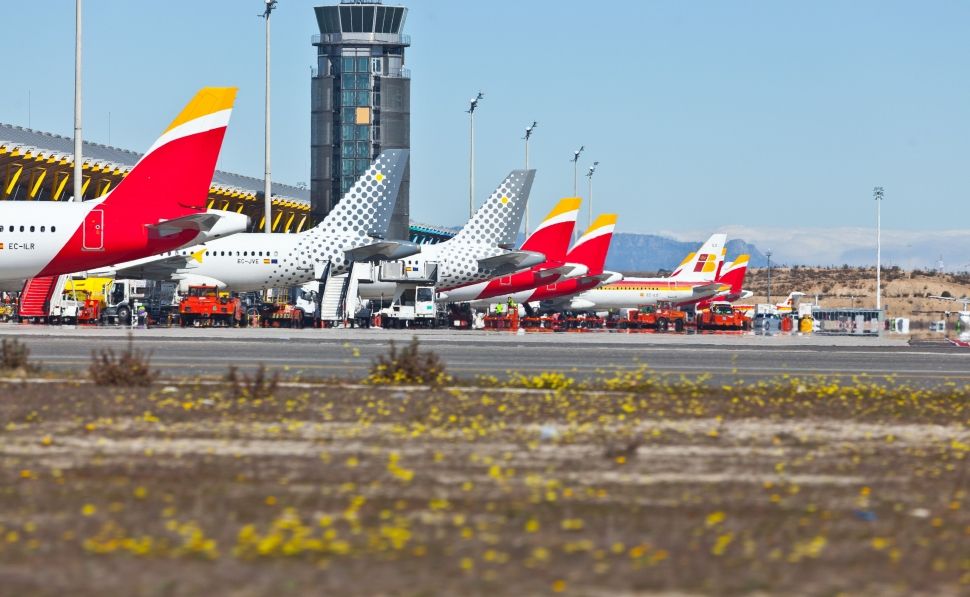
Tormenta perfecta europea


AW-7876388.png

AW | 2018 10 21 12:34 | AIRLINES MARKET

Las disputas de la Unión Europea, los precios del combustible y las tarifas aéreas van por el camino equivocado para las aerolíneas europeas

Las aerolíneas europeas se están preparando para un invierno tormentoso. Pero las acciones son lo suficientemente baratas como para que los inversores dispuestos a mirar más allá no tengan que prepararse también.

Mientras que los costos están aumentando, las tarifas aéreas están bajo presión. El optimismo a finales de 2017 y principios de 2018 impulsó a las aerolíneas europeas, especialmente a las compañías de presupuesto low cost, a acelerar sus planes de expansión. Ahora, el impulso económico en todo el continente está en su punto más débil en dos años. El suministro de asientos de la aerolínea probablemente se ha adelantado a la demanda, lo que dificulta que las aerolíneas pasen combustible más alto y afecten los costos a los pasajeros.

Las negociaciones con Brexit también parecen ser más ruidosas a medida que se acerca la fecha límite de marzo para un acuerdo. Sin embargo, ninguno de estos temas es nuevo. Las existencias han estado cayendo durante todo el verano, y el sector ahora está en su nivel más barato desde 2008, comparando el valor de la empresa con las posibles ganancias operativas.

AW-7077870.png

Aerolíneas en la licuadora

Los efectos de las economías cambiantes, el aumento del costo del barril de crudo y las variables estratégicas de cada aerolínea están experimentando dificultades para sobrevivir principalmente en el espacio aéreo europeo.

Los costes moderadamente crecientes de las aerolíneas, la caída de la demanda en otoño-invierno, con la obligación de bajar los precios para seguir lo que imponen las grandes aerolíneas de mercado, asfixian a las líneas aéreas más débiles o vulnerables en Europa. Otras aerolíneas afrontas cuestiones más singulares, como arrastre de deudas, mal desempeño de red de servicios o estructuras de costes más elevados, entre otros factores.

Los ajustes de las compañías low cost son verdaderamente muy fuertes, pero los salarios y el combustible son áreas muy sensibles a retoques impidiendo más flexibilidad. Las aerolíneas europeas con costes más bajos son Ryanair, Wizzair y Norwegian Air Shuttle ASA.

Ryanair se ha visto particularmente afectada por las huelgas porque apenas ha comenzado a reconocer a los sindicatos, pero los problemas también han afectado a otras compañías como Air France-KLM. El problema subyacente es la escasez de personal, particularmente de pilotos, después de años de expansión por parte de las aerolíneas. EasyJet, otro operador low cost, dijo el viernes que sus costos de combustible serían más altos para el año hasta Septiembre 2019.

Las quiebras de las compañías aéreas más débiles que sufrieron los embates de las crisis alcanzaron a Small Planet, Air Azur, Primera Air y más recientemente a la chipriota Cobalt Air. Detrás de la persecución se encuentran Flybe y Air Belgium.

Todavía no hay señales de que Europa esté en recesión. Si las inquietudes políticas se relajan, todo podría verse repentinamente más optimista en la primavera. También parece probable que los transportistas ajusten la oferta y aumenten los precios. Los inversores podrán disfrutar de un paseo menos turbulento el próximo año. AIRWAYS® AW-Icon TXT

Resultado de imagen para storm perfect european airlines

European perfect storm

European Union disputes, fuel prices and air fares are on the wrong track for European airlines

European airlines are preparing for a stormy winter. But stocks are cheap enough so that investors willing to look beyond do not have to prepare as well.

While costs are rising, air fares are under pressure. The optimism at the end of 2017 and the beginning of 2018 prompted European airlines, especially low-cost budget companies, to accelerate their expansion plans. Now, the economic momentum across the continent is at its weakest point in two years. The airline’s seat supply has probably been ahead of demand, making it difficult for airlines to spend more fuel and affect costs to passengers.

Negotiations with Brexit also appear to be louder as the March deadline for an agreement approaches. However, none of these issues is new. Stocks have been falling throughout the summer, and the sector is now at its cheapest level since 2008, comparing the value of the company with possible operating profits.

Airlines in the blender

The effects of changing economies, the increase in the cost of a barrel of crude and the strategic variables of each airline are experiencing difficulties to survive mainly in European airspace.

The moderately increasing costs of the airlines, the fall in demand in autumn-winter, with the obligation to lower prices to follow what the big airlines impose, suffocate the weakest or most vulnerable airlines in Europe. Other airlines face more singular issues, such as debt carryover, poor service network performance or higher cost structures, among other factors.

The adjustments of the low cost companies are really very strong, but the salaries and fuel are areas very sensitive to touch-ups, preventing more flexibility. The European airlines with the lowest costs are Ryanair, Wizzair and Norwegian Air Shuttle ASA.

Ryanair has been particularly affected by the strikes because it has barely begun to recognize the unions, but the problems have also affected other companies such as Air France-KLM. The underlying problem is the shortage of personnel, particularly pilots, after years of expansion by airlines. EasyJet, another low-cost operator, said Friday that its fuel costs would be higher for the year until September 2019.

The bankruptcies of the weakest airlines that suffered the onslaught of the crises reached Small Planet, Air Azur, First Air and more recently the Cypriot Cobalt Air. Behind the pursuit are Flybe and Air Belgium.

There are still no signs that Europe is in recession. If political concerns are relaxed, everything could suddenly look more optimistic in the spring. It also seems likely that carriers adjust supply and increase prices. Investors can enjoy a less turbulent ride next year. A \ W


Ξ A I R G W A Y S Ξ
SOURCE: Airgways.com
DBk: Airgways.com / Travelandleisure.com / Wsj.com
AW-POST: 201810211234AR

A\W   A I R G W A Y S ®

E-Commerce alto vuelo en Asia

Resultado de imagen para e-commerce airlines asia

AW | 2018 10 20 11:56 | AIRLINES MARKET

Las aerolíneas del continente tienen un papel desmedido en el transporte aéreo

La fuerte demanda de comercio electrónico está alimentando el mercado de carga aérea de Asia, y la guerra comercial entre Estados Unidos y China tiene un impacto negativo mínimo hasta el momento y, en algunos casos, incluso aumenta los envíos, dijeron el viernes ejecutivos de la industria.

El comercio electrónico está creciendo a un ritmo en la populosa Asia, impulsado por el gigante chino Alibaba Group Holding y su rival JD.com, así como otros como el japonés Rakuten, patrocinador de los gigantes del fútbol español FC Barcelona. Sin embargo, este año, el flujo de bienes se vio amenazado por los Estados Unidos que impusieron aranceles de importación a miles de millones de dólares en bienes chinos para reparar lo que consideran relaciones comerciales injustas, con el gobierno de China respondiendo en especie.

«Creo que en este momento probablemente veremos un cuarto trimestre bastante fuerte. La economía de hoy ha sido muy, muy fuerte. Francamente, en previsión de esta situación geopolítica, creo que la gente simplemente está saliendo y moviendo [carga] rápidamente», dijo Randy Tinseth, Vicepresidente de Marketing de aviones comerciales de Boeing, al margen de una conferencia de la industria.

El volumen de carga aérea de Asia y el Pacífico aumentó un 4,8% en Enero-Agosto, 2018 según datos de la Asociación de Aerolíneas de Asia y el Pacífico (AAPA). Eso fue más bajo que el 9,8% del año pasado, pero salió de una base de comparación más alta en un momento de envíos récord. «Dado el efecto a corto plazo de la lucha por cumplir los plazos para la imposición de aranceles, seguimos viendo los bolsillos (carriles y canales) donde la demanda es más fuerte de lo esperado. Durante los próximos meses, el panorama de la carga sigue siendo relativamente sólido. serán las perspectivas para el próximo año», dijo el Director General de la AAPA, Andrew Herdman.

Compras por internet

Las aerolíneas asiáticas tienen un papel desmedido en el transporte aéreo, ya que representan casi el 40 por ciento del mercado mundial, ya que la región es un importante centro de fabricación y el comercio electrónico está creciendo. «El comercio electrónico está cambiando la forma en que la gente está comprando cosas, especialmente en países como Indonesia y Filipinas. Viene de China, de Corea, viene de otras partes de la región. Necesitas una gran cantidad de espacio de carga», dijo Jean-Francois Laval, Vicepresidente Ejecutivo de Airbus para ventas en Asia.

El lunes, Boeing pronosticó que el tráfico de carga aérea se duplicaría en los próximos 20 años, con un crecimiento promedio del 4,2% anual. Para satisfacer esa demanda, el fabricante de aviones espera que la flota mundial de cargueros se expanda más del 70 por ciento a 3.260 aviones. Alrededor de la mitad de la carga aérea se transporta en vientres de aviones de pasajeros, mientras que el resto se desplaza en cargueros dedicados.

Preparación de guerra

Algunos grandes transportistas de carga asiáticos, como Cathay Pacific Airways y Korean Air Lines, confían en el transporte de mercancías para aproximadamente un cuarto de los ingresos. «El año pasado, el mercado de carga estuvo extremadamente caliente. En 2018 todavía creció. Las tensiones comerciales en el mundo tendrán algunos efectos, pero aún no lo hemos visto. Veo que las restricciones vienen en muy poco tiempo. Todo lo que sea de EEUU a China y viceversa se verá afectado. También estamos buscando mercados alternativos a China y EEUU», expresó el Presidente de Korean Air, Walter Cho.

El Presidente de Japan Airlines, Yuji Akasaka, dijo que la guerra comercial no había hecho ningún cambio en el mercado de carga hasta la fecha y que solo esperaba un impacto si ocurrían extremos. «Si esto sucede, puede afectarnos en el futuro, pero hasta ahora no lo hemos visto y esperamos que se enfríe y vuelva a la normalidad».

En el corto plazo, el impacto de la guerra comercial no ha sido demasiado visible debido a que las tarifas iniciales se aplicaban a artículos que no suelen transportarse por aire, como los metales, dijo Herdman de la AAPA. Sin embargo, esto está empezando a cambiar a medida que los derechos se aplican a más bienes. AIRWAYS® AW-Icon TXT

E-Commmerce high flight in Asia

The airlines of the continent have an excessive role in air transport

The strong demand for electronic commerce is fueling Asia’s air cargo market, and the US-China trade war has had a minimal negative impact so far, and in some cases it even increases shipments, executives of the company said on Friday. industry.

E-commerce is growing at a pace in populous Asia, driven by the Chinese giant Alibaba Group Holding and its rival JD.com, as well as others like the Japanese Rakuten, sponsor of Spanish soccer giants FC Barcelona. However, this year, the flow of goods was threatened by the United States, which imposed import duties on billions of dollars of Chinese goods to repair what they consider unfair trade relations, with the Chinese government responding in kind.

«I think that at this moment we will probably see a strong fourth quarter, today’s economy has been very, very strong, frankly, in anticipation of this geopolitical situation, I think that people are just going out and moving [cargo] quickly», he said. Randy Tinseth, Vice President of Commercial Aircraft Marketing at Boeing, on the sidelines of an industry conference.

The volume of air cargo in Asia and the Pacific increased by 4.8% in January-August, 2018 according to data from the Asia-Pacific Airlines Association (AAPA). That was lower than 9.8% last year, but it came out of a higher comparison base at a time of record shipments. «Given the short-term effect of the struggle to meet the deadlines for the imposition of tariffs, we continue to see pockets (lanes and channels) where demand is stronger than expected. Over the next few months, the outlook for cargo continues being relatively solid, the prospects for next year will be», said AAPA Director General Andrew Herdman.

Online shopping

Asian airlines have an inordinate role in air transport, accounting for almost 40 percent of the global market, since the region is an important manufacturing center and electronic commerce is growing. «E-commerce is changing the way people are buying things, especially in countries like Indonesia and the Philippines, it comes from China, from Korea, it comes from other parts of the region, you need a lot of cargo space», he said. Jean-Francois Laval, Executive Vice President of Airbus for sales in Asia.

On Monday, Boeing predicted that air cargo traffic would double in the next 20 years, with an average annual growth of 4.2%. To meet that demand, the aircraft manufacturer expects the global freighter fleet to expand more than 70 percent to 3,260 aircraft. About half of the air cargo is transported in the belly of passenger planes, while the rest travels in dedicated freighters.

Preparation of war

Some large Asian freight carriers, such as Cathay Pacific Airways and Korean Air Lines, rely on freight for about a quarter of revenues. «Last year, the cargo market was extremely hot, it still grew in 2018. The commercial tensions in the world will have some effects, but we have not seen it yet, I see that the restrictions come in a very short time. US to China and vice versa will be affected, we are also looking for alternative markets to China and the US», said Korean Air President Walter Cho.

The President of Japan Airlines, Yuji Akasaka, said that the trade war had not made any change in the cargo market to date and that he only expected an impact if extremes occurred. «If this happens, it can affect us in the future, but until now we have not seen it and we hope it will cool down and return to normal».

In the short term, the impact of the trade war has not been too visible because the initial tariffs were applied to items that are not usually transported by air, such as metals, said Herdman of the AAPA. However, this is beginning to change as rights are applied to more goods. A \ W


Ξ A I R G W A Y S Ξ
SOURCE: Airgways.com
DBk: Khaleejtimes.com / Reuters.com / Kfgo.com
AW-POST: 201810201156AR

A\W   A I R G W A Y S ®

WOW Air y Norwegian Air cancelan varias rutas transatlánticas

Resultado de imagen para Norwegian Air

AW | 2018 10 20 11:12 | AIRLINES MARKET

Norwegian y WOW Air anunciaron cancelaciones de varias rutas transatlánticas

Image result for wow airLa contracción del mercado de las aerolíneas se hace sentir por los efectos del precio del combustible, impactando en las aerolíneas low cost. Norwegian Air Shuttle ASA anunció que interrumpirá el servicio estacional a Edimburgo y Belfast desde Providence, (RI) y Newburgh, (NY). La medida se produce aproximadamente 18 meses después de que esas rutas se anunciaran junto con otras a las que la aerolínea aún presta servicios. Norwegian anunció rutas similares desde Hartford, (CT), al mismo tiempo, pero canceló esas rutas después de solo nueve meses. Norwegian no se está retirando completamente de Providence y Newburgh. La aerolínea mantiene el servicio durante todo el año de Providence a Dublín, Irlanda, así como el servicio de temporada de Providence-Irlanda a imagesCork y Shannon. La aerolínea también volará desde Newburgh a Dublín y Shannon, y a Bergen, Noruega.

Norwegian culpa de la cancelación de su Edimburgo a los impuestos aeroportuarios escoceses tanto como a cualquier otra cosa. Se esperaba que el gobierno escocés redujera los impuestos en el aeropuerto de Edimburgo, pero finalmente optó por no hacerlo, y esa decisión hizo que las rutas fueran insostenibles para el transportista.

WOW Air también está cancelando nuevas rutas que interrumpirá el servicio desde St. Louis a partir del 7 Enero 2019 y no ofrecerá su servicio de temporada desde Cleveland y Cincinnati en 2Q2019. Esas cancelaciones de ruta se producen sólo cinco meses después del inicio del servicio; aunque WOW Air también lanzó vuelos desde Detroit al mismo tiempo, que son estables por el momento.

Mercado oscilante

Las rutas transatlánticas de ambas aerolíneas parecen que las aerolíneas tomaron un período de prueba de cinco a seis meses del desempeño de las rutas para decidir que no había suficiente demanda. En cada caso, este fue un intento por parte de cualquiera de las aerolíneas para ingresar a mercados desatendidos e intentar aumentar la demanda sin explotar. Por ejemplo, St. Louis no ha tenido ningún servicio sin escalas a Europa desde 2003, a pesar de ser un área metropolitana bastante grande sin ninguna otra gran ciudad cerca. Cincinnati, Cleveland, Providence y, ciertamente, Newburgh no se consideran destinos principales, por lo que tampoco tienen muchas opciones sin escalas en Europa.

Básicamente, las aerolíneas vieron potencial en estas rutas transatlánticas, decidieron darles una oportunidad y no obtuvieron el tipo de respuesta que querían. Cuando WOW anunció las nuevas rutas, creían que había oportunidad ante la necesidad de ampliación de servicios ante la escasez de una demanda. Los bajos precios de su aerolínea estimularían significativamente el mercado, expresó el fundador de WOW Air, Skuli Mogensen.

Aún así, todo esto apunta a la dificultad de operar un servicio constante sin escalas desde ciudades secundarias de los EEUU a destinos en Europa. Estas cancelaciones surgieron casi al mismo tiempo que Primera Air cerró abruptamente y se declaró en bancarrota. No importa cuán atractiva sea la oportunidad para las aerolíneas, parece que hay una delgada línea entre el éxito y el estancamiento. Y, por supuesto, los viajeros son atrapados, no del todo, pero ciertamente en el medio.  AIRWAYS® AW-Icon TXT

Resultado de imagen para Norwegian Air Wow Air

WOW Air and Norwegian Air cancel several transatlantic routes

Norwegian and WOW Air announced cancellations of several transatlantic routes

The contraction of the airline market is felt by the effects of the price of fuel, impacting low cost airlines. Norwegian Air Shuttle ASA announced that it will discontinue seasonal service to Edinburgh and Belfast from Providence, (RI) and Newburgh, (NY). The measure comes approximately 18 months after those routes were announced along with others to which the airline still serves. Norwegian announced similar routes from Hartford, (CT), at the same time, but canceled those routes after only nine months. Norwegian is not retiring completely from Providence and Newburgh. The airline maintains service throughout the year from Providence to Dublin, Ireland, as well as the Providence-Ireland seasonal service to Cork and Shannon. The airline will also fly from Newburgh to Dublin and Shannon, and to Bergen, Norway.

Norwegian blames the cancellation of his Edinburgh for Scottish airport taxes as much as anything else. The Scottish government was expected to reduce taxes at the Edinburgh airport, but ultimately chose not to do so, and that decision made the routes unsustainable for the carrier.

WOW Air is also canceling new routes that will stop the service from St. Louis from 7 January 2019 and will offer its seasonal service from Cleveland and Cincinnati in 2Q2019. These route cancellations occur only five months after the start of the service; although WOW Air also launched flights from Detroit at the same time, which are stable at the moment.

Oscillating market

The transatlantic routes of both airlines seem that the airlines took a trial period of five to six months of the performance of the routes to decide that there was not enough demand. In each case, this was an attempt by any of the airlines to enter underserved markets and try to increase untapped demand. For example, St. Louis has not had any nonstop service to Europe since 2003, despite being a fairly large metropolitan area with no other major cities nearby. Cincinnati, Cleveland, Providence and, certainly, Newburgh are not considered major destinations, so they do not have many non-stop options in Europe either.

Basically, the airlines saw potential on these transatlantic routes, decided to give them an opportunity and did not get the kind of response they wanted. When WOW announced the new routes, they believed there was an opportunity to face the need to expand services due to the lack of demand. The low prices of its airline would significantly stimulate the market, said WOW founder Skuli Mogensen.

Even so, all this points to the difficulty of operating a constant non-stop service from secondary cities in the US to destinations in Europe. These cancellations arose almost at the same time that Primera Air closed abruptly and declared bankruptcy. No matter how attractive the opportunity is for airlines, there seems to be a thin line between success and stagnation. And, of course, travelers are caught, not quite, but certainly in the middle. A \ W


Ξ A I R G W A Y S Ξ
SOURCE: Airgways.com
DBk: Norwegian.com / Wowair.com
AW-POST: 201810201112AR

A\W   A I R G W A Y S ®

Control extranjero aerolíneas de Brasil

Resultado de imagen para Brazil airlines

AW | 2018 10 10 10:41 | AIRLINES MARKET

La Cámara de Diputados vota control accionario extranjero en aerolíneas nacionales

La Cámara de Diputados ha votado este Martes, 9 Octubre 2018, sobre la participación de capital extranjero en empresas aéreas de Brasil. El PL 2724/15 sería derogar la ley que impide que los grupos extranjeros pueden tener más de una participación del 20% en las compañías aéreas.

Uno de los principales argumentos para el cambio está en los ejemplos existentes en otros países. Australia, Nueva Zelanda y los países de la Unión Europea permiten hasta un 100% de ingreso de capital extranjero en compañías que actúen sólo en su territorio. El proyecto defiende que el capital social de compañía aérea con sede en Brasil podrá ser totalmente extranjero, independientemente del área de servicio de la empresa. Situación similar a la de países como India, Bolivia y Colombia. Además del cambio en la ley para las compañías aéreas , el proyecto de ley también traerá cambios en la Política Nacional de Turismo. Entre las modificaciones, destacan las relacionadas con las agencias de turismo, que tendrán sus clasificaciones redefinidas.  AIRWAYS® AW-Icon TXT

Resultado de imagen para Brazil airlines

Foreign control in the Brazilian airlines

Chamber of Deputies votes foreign shareholding control in national airlines

The Chamber of Deputies has voted this Tuesday, October 9, 2018, on the participation of foreign capital in Brazilian airlines. PL 2724/15 would repeal the law that prevents foreign groups can have more than a 20% stake in airlines.

One of the main arguments for change is in the existing examples in other countries. Australia, New Zealand and the countries of the European Union allow up to 100% foreign capital income in companies that act only in their territory. The project defends that the social capital of an airline based in Brazil may be entirely foreign, regardless of the service area of ​​the company. Situation similar to that of countries like India, Bolivia and Colombia. In addition to the change in the law for airlines, the bill will also bring changes in the National Tourism Policy. Among the modifications, those related to tourism agencies stand out, which will have their classifications redefined. A\W


Controle estrangeiro nas companhias aéreas brasileiras

Câmara dos Deputados vota controle acionário estrangeiro em companhias aéreas nacionais

A Câmara dos Deputados votou nesta terça-feira, 9 de outubro de 2018, sobre a participação do capital estrangeiro nas companhias aéreas brasileiras. O PL 2724/15 revogaria a lei que impede que grupos estrangeiros tenham mais de 20% de participação nas companhias aéreas.

Um dos principais argumentos para a mudança está nos exemplos existentes em outros países. A Austrália, a Nova Zelândia e os países da União Européia permitem até 100% de renda de capital estrangeiro em empresas que atuam apenas em seu território. O projeto defende que o capital social de uma companhia aérea sediada no Brasil pode ser totalmente estrangeiro, independentemente da área de atuação da empresa. Situação semelhante à de países como Índia, Bolívia e Colômbia. Além da mudança na lei para as companhias aéreas, o projeto também trará mudanças na Política Nacional de Turismo. Entre as modificações, destacam-se aquelas relacionadas às agências de turismo, que terão suas classificações redefinidas. A \ W


Ξ A I R G W A Y S Ξ
SOURCE: Airgways.com
DBk: Camara.leg.br / Wikimedia.org
AW-POST: 201810101041AR

A\W   A I R G W A Y S ®

Norwegian lidera rutas transatlánticas

Resultado de imagen para Norwegian Air transatlantic flight

AW | 2018 10 10 09:46 | AIRLINES MARKET

Resultado de imagen para Norwegian Air logoNorwegian Air es la aerolínea no estadounidense que lidera en el mercado de vuelos transatlánticos

Norwegian Air Shuttle ASA ha superado a British Airways (BA) como la mayor aerolínea no estadounidense en las rutas transatlánticas desde y hacia el área de Nueva York. Los esfuerzos por conquistar las rutas más transitadas del planeta para expandir su red de larga distancia a un costo altísimo, ha servido para debilitar su balance financiero con un nivel de deuda insostenible. Norwegian Air transportó a 1.67 millones de pasajeros hacia o desde los aeropuertos en el área de Nueva York en los 12 meses hasta fines de julio, superando a British Airways con 1.63 millones, según datos publicados por la Autoridad Portuaria de Nueva York y Nueva Jersey (PANYNJ). Los datos incluyeron el tráfico en los aeropuertos de John F. Kennedy, Newark Liberty, La Guardia, Stewart y Teterboro, aunque este último aeropuerto no tiene servicio de aerolíneas comerciales. Además de superar a BA, Norwegian también derrotó a Emirates y sus rivales europeos Lufthansa, Air France y Virgin Atlantic para alcanzar el primer puesto.

Red servicios

Norwegian Air actualmente opera 16 rutas desde tres aeropuertos en el área de la ciudad de Nueva York: John F. Kennedy International, Newark Liberty International y Stewart International, hacia Amsterdam, Barcelona, ​​Belfast, Bergen, Copenhague, Dublín, Edimburgo, Guadalupe, Londres Gatwick, Madrid, Martinica, Oslo, París, Roma, Shannon y Estocolmo.

Norwegian Air lanzó su primera ruta a Nueva York el 30 Mayo 2013 desde Oslo y Estocolmo el 31 Mayo 2013, y tuvo que esperar años antes de recibir un permiso de aerolínea extranjera del Departamento de Transporte de los Estados Unidos (DOT) para sus ssucursales en Irlanda, Norwegian Air International (NAI) y Reino Unido, Norwegian Air UK (NUK), ambas subsidiarias de Norwegian Air Shuttle ASA.

Conquista transatlántica

Su solicitud para un permiso de aerolínea extranjera en virtud del acuerdo de cielos abiertos entre la UE y los Estados Unidos encontró con una feroz oposición de varias aerolíneas estadounidenses y de la UE, así como de grupos laborales, que acusaron a Noruega de operar un modelo de bandera de conveniencia. La demora procesal en la aprobación del permiso de la aerolínea extranjera de NAI llevó a la Comisión Europea a realizar una solicitud de arbitraje sobre el asunto. La salida pendiente del Reino Unido de la UE podría ser difícil para NUK, que posee una licencia de operación en el Reino Unido pero es propiedad mayoritaria y está controlada por los intereses noruegos. Sin embargo, Kjos le dijo a AIN en una entrevista reciente que no siente preocupación por que NUK haya perdido sus derechos de tráfico del Reino Unido a los Estados Unidos.

La rápida expansión de Norwegian Air en el mercado transatlántico ha llevado a la empresa matriz de BA, International Airlines Group, a adquirir una participación cercana al 5%. Los dos enfoques de IAG para comprar la junta del grupo con sede en Oslo se encontraron con un rechazo, aunque Kjos ha dicho que vendería su participación si la mayoría de los accionistas optarían por vender sus acciones. Para fortalecer su posición financiera, Norwegian Air ahora está tratando de vender su división de arrendamiento irlandesa y hasta 140 aviones.

La entrada de Norwegian Air en el mercado transatlántico ha llevado a las compañías aéreas llegadas de Europa a aventurarse también en el mercado de bajo costo y larga distancia; IAG lanzó Level Airlines, Air France creó Joon y Lufthansa ha comenzado a expandir Eurowings.

Las principales aerolíneas low cost de Estados Unidos no se atrevieron a lanzarse a la conquista de las rutas transatlánticas. Los datos de PANYNJ informaron que United airlines, Delta Air Lines, JetBlue Airways y American Airlines se clasifican como las mayores aerolíneas de pasajeros internacionales fuera de los principales aeropuertos del área de Nueva York, transportando 26,1 millones de pasajeros en los 12 meses, un mercado muy importante para la aviación comercial. AIRWAYS® AW-Icon TXT

Resultado de imagen para Norwegian Air transatlantic flight

Norwegian Air leads transatlantic flights

Norwegian Air is the non-US airline that leads the transatlantic flights market

Resultado de imagen para Norwegian Air logoNorwegian Air Shuttle ASA has overtaken British Airways (BA) as the largest non-US airline on transatlantic routes to and from the New York area. The efforts to conquer the busiest routes on the planet to expand its long distance network at a very high cost has served to weaken its financial balance with an unsustainable level of debt. Norwegian Air transported 1.67 million passengers to or from airports in the New York area in the 12 months to the end of July, surpassing British Airways with 1.63 million, according to data published by the Port Authority of New York and New Jersey ( PANYNJ). The data included traffic at the airports of John F. Kennedy, Newark Liberty, LaGuardia, Stewart and Teterboro, although the latter airport does not have commercial airline service. In addition to overtaking BA, Norwegian also defeated Emirates and its European rivals Lufthansa, Air France and Virgin Atlantic to reach the top spot.

Network services

Norwegian Air currently operates 16 routes from three airports in the New York City area: John F. Kennedy International, Newark Liberty International and Stewart International, to Amsterdam, Barcelona, ​​Belfast, Bergen, Copenhagen, Dublin, Edinburgh, Guadeloupe , London Gatwick, Madrid, Martinique, Oslo, Paris, Rome, Shannon and Stockholm.

Norwegian Air launched its first route to New York on May 30, 2013 from Oslo and Stockholm on May 31, 2013, and had to wait years before receiving a foreign airline permit from the United States Department of Transportation (DOT) for its services at Ireland, Norwegian Air International (NAI) and the United Kingdom, Norwegian Air UK (NUK), both subsidiaries of Norwegian Air Shuttle ASA.

Transatlantic conquest

His request for a foreign airline permit under the open skies agreement between the EU and the United States met with fierce opposition from several US and EU airlines, as well as labor groups, which accused Norway of operating a model of convenience flag. The procedural delay in the approval of the permit of the foreign airline of NAI led the European Commission to make a request for arbitration on the matter. The pending United Kingdom departure from the EU could be difficult for NUK, which holds an operating license in the United Kingdom but is majority owned and controlled by Norwegian interests. However, Kjos told AIN in a recent interview that he is not concerned that NUK has lost its UK traffic rights to the United States.

The rapid expansion of Norwegian Air in the transatlantic market has led BA’s parent company, International Airlines Group, to acquire a share of close to 5%. IAG’s two approaches to buying the Oslo-based group’s board met with rejection, although Kjos has said it would sell its stake if the majority of shareholders would choose to sell their shares. To strengthen its financial position, Norwegian Air is now trying to sell its Irish leasing division and up to 140 aircraft.

The entry of Norwegian Air into the transatlantic market has led the legacy airlines of Europe to also venture into the low-cost and long-distance market; IAG launched Level Airlines, Air France created Joon and Lufthansa has started to expand Eurowings.

The main low cost airlines of the United States did not dare to embark on the conquest of the transatlantic routes. The PANYNJ data reported that United airlines, Delta Air Lines, JetBlue Airways and American Airlines are ranked as the largest international passenger airlines outside the main airports in the New York area, transporting 26.1 million passengers in the 12 months, a very important market for commercial aviation. A \ W


Ξ A I R G W A Y S Ξ
SOURCE: Airgways.com
DBk: Norwegian.com / Thejournal.ie / Cnn.com
AW-POST: 201810100946AR

A\W   A I R G W A Y S ®

Argentina: recesión vs low cost

AW | 2018 10 03 20:47 | AIRLINES MARKET

El desembarco de los vuelos low cost arriban a Argentina incluso mientras la economía continúa luchando

La difícil situación económica de Argentina se ha caracterizado por la devaluación de la moneda y el aumento de los precios al consumidor. Pero al mismo tiempo, otros factores han llevado a la introducción de tarifas aéreas más baratas y más jugadores en el mercado de las aerolíneas. Eso es bueno para los viajeros.

La moneda argentina, el Peso ha caído más del 50% frente al dólar estadounidense en lo que va del 2018. Mientras tanto, la agencia de estadísticas del gobierno Indec informó que el producto interno bruto de Argentina disminuyó un 4% en el segundo trimestre año con año, y los precios al consumidor subieron un 3,9% en Agosto 2018 en comparación con el mes anterior.

Sin embargo, mientras Argentina está luchando contra la inflación, las aerolíneas están ofreciendo boletos de avión más baratos debido a una combinación única de otros factores. Claramente, 2018 no es un año excepcional para la economía argentina, pero podría ser importante para su creciente sector de aviación. Una de las razones por las que Argentina está viendo precios más baratos es porque ahora hay más aerolíneas que compiten por los pasajeros.

La afluencia se debe a las políticas recientemente promulgadas por el Presidente Mauricio Macri para expandir el mercado de aviación del país y estimular la competencia. El plan de aviación de la administración, presentado a principios del año pasado, solicitó la apertura de 135 nuevas rutas aéreas en el país y otras inversiones en aeropuertos e infraestructura.

Isologotype FBTanto las aerolíneas nuevas como las existentes han introducido estas nuevas rutas, y varias están en una misión para ofrecer tarifas bajas. Una empresa destacada es Flybondi Líneas Aéreas, que se anuncia como la primera aerolínea de ultra bajo costo de Argentina. Ha transportado a casi 550.000 pasajeros desde su vuelo inaugural el 26 Enero 2018, dijo un portavoz de la aerolínea, y agregó que unos 80.000 nunca habían volado antes.

Flybondi Líneas Aéreas opera cinco Boeing 737-800, pero planea aumentar su flota a 28 para 2021. Vuela a 13 ciudades en Argentina hoy: Bariloche, Bahía Blanca, Buenos Aires, Córdoba, Santiago del Estero, Corrientes, Neuquén, Tucumán, Salta, Jujuy, Iguazú, Posadas y Mendoza. También planea comenzar vuelos regionales en diciembre, dijo el vocero. Flybondi es único porque opera desde el Aeropuerto El Palomar, que recientemente se equipó con un sistema de aterrizaje por instrumentos para el control del tráfico aéreo después de una serie de cancelaciones relacionadas con el clima. Eso ayuda a la aerolínea a operar de manera más eficiente. Sin embargo, Flybondi pronto tendrá que competir contra un bateador pesado: el gigante Norwegian Air de bajo costo. La filial de la aerolínea en el Reino Unido comenzó los vuelos entre el Aeropuerto Internacional de Ezeiza de Buenos Aires y Londres Gatwick el 14 Febrero 2018, pero su operación en Argentina comenzará a volar dentro de América del Sur. Va a ir de cabeza a cabeza con Flybondi en algunas rutas.

Awesome-Norwegian-Air-Logo-22-On-Free-Logo-Design-Templates-with-Norwegian-Air-LogoNorwegian Air Argentina, que planea operar desde el cercano aeropuerto Aeroparque de Buenos Aires, comenzó a vender boletos para los vuelos de Córdoba y Mendoza bajo la filial local el 4 Septiembre 2018. Estos incluyen las Cataratas del Iguazú, Neuquén, Salta y Bariloche. Las frecuencias de Londres también aumentarán de cuatro veces por semana a diario el 1 Diciembre 2018. Más destinos de la capital aparecerán este año, comentó el Director de Comunicaciones de Norwegian Air Argentina, Matías Maciel. Norwegian planea finalizar el año con cuatro Boeing 737 con base en Argentina, pero aspira a convertirse rápidamente en un operador importante en la región. Maciel dijo que el plan de la flota requiere 10-15 aviones para fines de 2019, y entre 50-70 en los próximos 5 a 8 años. El negocio argentino podría incluso comenzar a ofrecer vuelos Boeing 787 a Europa desde 2019 o 2020, dijo. «Los planes de Norwegian para Argentina son compromisos a largo plazo. No estamos pensando en una operación para este año o el próximo año. Nuestros planes son tener una operación muy, muy grande a largo plazo. Estamos trabajando [bajo] los mismos planes que presentamos originalmente a la gente aquí, a las autoridades, a los medios. No estamos cambiando los planes en absoluto», expresó Matías Maciel, que si bien la situación económica es complicada, la aerolínea no ha cambiado su plan general debido a la volatilidad económica actual.

AW-700085554.pngTarifas mínimas

Mientras que la competencia generalmente se traduce en tarifas más atractivas, los precios en el mercado argentino también están siendo influenciados más directamente por un cambio regulatorio reciente. El gobierno argentino recientemente revirtió una regulación que establecía los precios mínimos para las rutas aéreas. Para celebrar el fin de la regla, algunos operadores ofrecieron precios promocionales bajos a principios de agosto. «Creemos que son excelentes noticias. Gracias a esa decisión, muchos más argentinos comenzarán a volar, y el turismo interno será revitalizado significativamente», dijo Matías Maciel de Norwegian.

Cumbres borrascosas

La inflación no parece haber afectado significativamente las nuevas ofertas de tarifas en el mercado argentino, al menos hasta ahora. Norwegian dijo que no ha tenido que ajustar los precios por la inflación, pero solo comenzó a vender boletos hace unas semanas. Flybondi dijo que los precios finales de las entradas solo han aumentado mínimamente. Sin embargo, el precio es solo una pieza del rompecabezas. Las acciones laborales, como una huelga general convocada el 25 de septiembre en todo el país para protestar por el manejo de la economía por parte de Macri, pueden, inesperadamente, destruir las operaciones de las aerolíneas.

Además, IATA, el grupo global de la industria aérea, dijo que la demanda de viajes aéreos también se ha desacelerado en los vuelos que llegan a Argentina este año. Señaló que la economía más débil plantea desafíos tanto para los LCC como para los operadores tradicionales, y dijo que espera que los viajes de negocios y de placer se vean afectados. «Un deterioro en las condiciones económicas también hace que sea un mercado menos atractivo para nuevos participantes potenciales», dijo IATA en un comunicado, y agregó: «Para las aerolíneas cuyos modelos de negocios se basan en estimular la demanda a través de tarifas aéreas bajas, el aumento de los costos presentará desafíos claros”.

La devaluación de la moneda también significa mayores costos denominados en dólares para el combustible del avión y del avión, y sugerir que los viajes internacionales deberían ser más costosos para los argentinos. «La industria de las aerolíneas es resistente a los choques de demanda, pero el impacto de la industria dependerá fundamentalmente de la profundidad y la duración de la desaceleración económica. Es demasiado pronto para saber exactamente cómo se desarrollará esta situación», dijo IATA.  AIRWAYS® AW-Icon TXT

Resultado de imagen para Flybondi twitter

Argentina: recession vs low cost

The disembarkation of low cost flights arrives in Argentina even as the economy continues to struggle

The difficult economic situation in Argentina has been characterized by the devaluation of the currency and the increase in consumer prices. But at the same time, other factors have led to the introduction of cheaper air fares and more players in the airline market. That is good for travelers.

The Argentine currency, the Peso has fallen more than 50% against the US dollar so far in 2018. Meanwhile, the government statistics agency INDEC reported that Argentina’s gross domestic product decreased by 4% in the second quarter of the year with year, and consumer prices rose by 3.9% in August 2018 compared to the previous month.

However, while Argentina is struggling with inflation, airlines are offering cheaper airline tickets due to a unique combination of other factors. Clearly, 2018 is not an exceptional year for the Argentine economy, but it could be important for its growing aviation sector. One of the reasons why Argentina is seeing cheaper prices is because there are now more airlines competing for passengers.

The influx is due to the policies recently promulgated by President Mauricio Macri to expand the country’s aviation market and stimulate competition. The administration’s aviation plan, presented at the beginning of last year, requested the opening of 135 new air routes in the country and other investments in airports and infrastructure.

Both new and existing airlines have introduced these new routes, and several are on a mission to offer low fares. A prominent company is Flybondi Líneas Aéreas, which is announced as the first ultra low cost airline in Argentina. It has transported almost 550,000 passengers since its inaugural flight on January 26, 2018, said a spokesman for the airline, adding that some 80,000 had never flown before.

Flybondi Líneas Aéreas operates five Boeing 737-800, but plans to increase its fleet to 28 by 2021. Fly to 13 cities in Argentina today: Bariloche, Bahía Blanca, Buenos Aires, Córdoba, Santiago del Estero, Corrientes, Neuquén, Tucumán, Salta, Jujuy, Iguazú, Posadas and Mendoza. It also plans to begin regional flights in December, the spokesperson said. Flybondi is unique because it operates from El Palomar Airport, which was recently equipped with an instrument landing system for air traffic control after a series of climate-related cancellations. That helps the airline operate more efficiently. However, Flybondi will soon have to compete against a heavy hitter: the low cost Norwegian Air giant. The subsidiary of the airline in the United Kingdom began flights between Ezeiza International Airport in Buenos Aires and London Gatwick on February 14, 2018, but its operation in Argentina will start flying within South America. You will go head to head with Flybondi on some routes.

Norwegian Air Argentina, which plans to operate from the nearby Aeroparque airport in Buenos Aires, began selling tickets for the Cordoba and Mendoza flights under the local branch on September 4, 2018. These include the Iguazú Falls, Neuquén, Salta and Bariloche. London’s frequencies will also increase four times a week daily on December 1, 2018. More destinations in the capital will appear this year, said Norwegian Air Argentina Communications Director Matías Maciel. Norwegian plans to end the year with four Boeing 737s based in Argentina, but aims to quickly become a major operator in the region. Maciel said the fleet plan requires 10-15 aircraft by the end of 2019, and between 50-70 in the next 5 to 8 years. The Argentine business may even start offering Boeing 787 flights to Europe from 2019 or 2020, he said. «Norwegian’s plans for Argentina are long-term commitments, we are not thinking about an operation for this year or next year, our plans are to have a very, very long-term operation, we are working [under] the same plans as we originally presented the people here, the authorities, the media, we are not changing the plans at all», said Matías Maciel, although the economic situation is complicated, the airline has not changed its general plan due to economic volatility current.

Minimum rates

While competition generally translates into more attractive rates, prices in the Argentine market are also being more directly influenced by a recent regulatory change. The Argentine government recently reversed a regulation that established minimum prices for air routes. To celebrate the end of the rule, some operators offered low promotional prices at the beginning of August. «We think it’s excellent news, thanks to that decision, many more Argentines will start flying, and domestic tourism will be significantly revitalized», said Matías Maciel of Norwegian.

Wuthering Heights

Inflation does not seem to have significantly affected the new tariff offers in the Argentine market, at least until now. Norwegian said it has not had to adjust prices for inflation, but it only started selling tickets a few weeks ago. Flybondi said that the final ticket prices have only increased minimally. However, the price is only one piece of the puzzle. Labor actions, such as a general strike called on September 25 across the country to protest the management of the economy by Macri, can, unexpectedly, destroy airline operations.

In addition, IATA, the global airline industry group, said demand for air travel has also slowed on flights arriving in Argentina this year. He noted that the weaker economy poses challenges for both LCCs and traditional operators, and said he expects business and leisure travel to be affected. «A deterioration in economic conditions also makes it a less attractive market for potential new entrants», IATA said in a statement, adding: «For airlines whose business models are based on stimulating demand through low air fares, the increase in costs will present clear challenges».

The devaluation of the currency also means higher dollar-denominated costs for airplane and plane fuel, and suggest that international travel should be more expensive for Argentines. «The airline industry is resistant to demand shocks, but the impact of the industry will depend fundamentally on the depth and duration of the economic slowdown, it is too early to know exactly how this situation will develop», IATA said. A\W


Ξ A I R G W A Y S Ξ
SOURCE: Airgways.com
DBk: Skift.com / Airgways.com / Argentina.gob.ar/Transporte / Marcelo Rodríguez
AW-POST: 201810032047AR

A\W   A I R G W A Y S ®
Vientos cruzados aerolíneas indias

Resultado de imagen para indian airlines

AW | 2018 09 24 11:24 | AIRLINES MARKET

Las aerolíneas indias tradicionales se enfrentan a vientos cruzados con las low cost

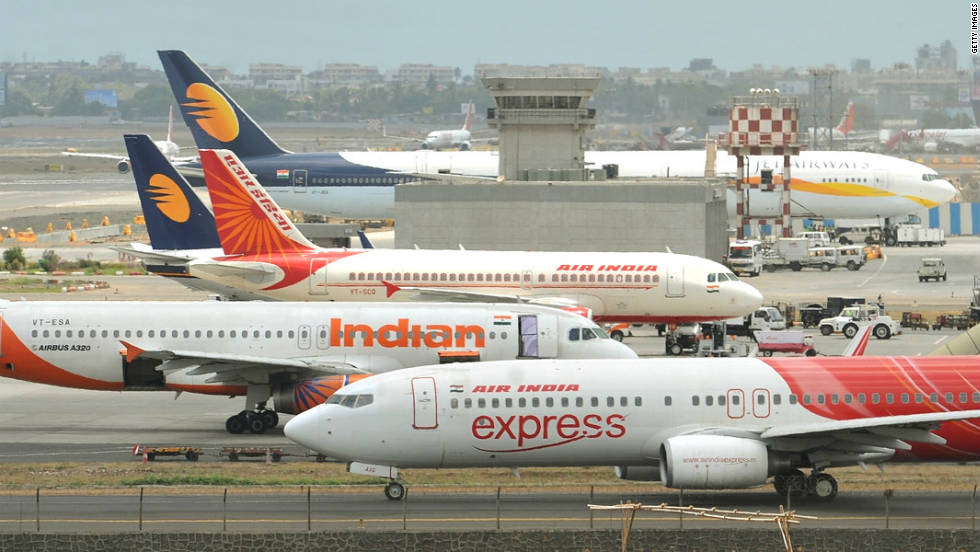
Las líneas aéreas de servicios completos buscan destacarse con la promesa de un mayor nivel de servicios y conectividad global pero son cada vez más las presiones para reducir los costos y ofrecer tarifas a la par con las aerolíneas de bajo costo para viajar dentro del país y continuar siendo competitivos.

Las tarifas aéreas competitivas ofrecidas por aerolíneas de bajo costo (LCC), que tienen aviones nuevos y modernos, un plan de expansión de la flota agresivo, una red doméstica más amplia con frecuencias más altas y a menudo una mejor puntualidad han asegurado una disminución en la participación del mercado nacional 30%. Los expertos de la industria aeronáutica de la India dicen que a diferencia de los transportistas de bajo costo en otros países, las aerolíneas de bajo costo en la India significan que hay muy poca diferencia entre ellos y los operadores de servicio completo.

Jet Airways, recientemente decidió prescindir de la comida de cortesía a bordo, la característica más distintiva para una compañía de servicios completos en el país, para ciertas categorías de tarifas en rutas nacionales. En Agosto 2018, Vistara Airlines, hizo lo mismo al introducir una canasta de opciones de tarifas donde se puede pagar más por servicios adicionales como comida a bordo, equipaje adicional permitido, selección de asiento y como reprogramación y cancelación gratuitas. En 2017, Air India también decidió ofrecer únicamente comidas vegetarianas a bordo para vuelos nacionales. Los expertos de la industria dicen que también puede responder con tarifas light.

Beneficios marginales

Un analista dijo, bajo condición de anonimato, que con la introducción de tarifas «lite» esta diferenciación se erosiona aún más para Vistara y Jet Airways. Si bien estas aerolíneas pueden tratar de cortejar a los pasajeros con tarifas más bajas y reducir sus propios costos operacionales para estas categorías, existe la preocupación de que los beneficios acumulados pueden ser marginales, en su caso.

Los costos operacionales incurridos por las aerolíneas convencionales son casi 40% más altos que los de las low cost y la introducción de tarifas light no tendría mucho impacto en esta diferencia de costo, agregó el analista.

Tamaño de flotas

Como ejemplo, los tres operadores de servicios completos, Air India, Jet Airways y Vistara Airlines, entre ellos tienen una flota total de 265 aviones y 121 rutas nacionales. Las aerolíneas de bajo costo IndiGo, SpiceJet, Go Air y Air Asia tienen un tamaño de flota colectiva de 280 aviones y 136 destinos nacionales que se expandirán varias veces, agregando colectivamente tres veces los aviones que las aerolíneas de servicio completo planean agregar a su flota en los próximos años.

Air India y Jet Airways tienen más cerca del 50% de los ingresos de las operaciones de vuelos nacionales, pero siguen siendo poco competitivos ya que sus costos son significativamente más altos, mientras que sus ganancias por pasajero son bajas. Con precios del petróleo que rondan los US$ 80 dólares por barril y una rupia que ronda 72 frente al dólar, junto con la inducción masiva de la capacidad de los transportistas indios, la industria de la aviación enfrenta desafíos de rentabilidad. Los tres principales low cost: IndiGo, SpiceJet y GoAir, están mejor posicionados que las aerolíneas tradicionales y podrían alcanzar una rentabilidad modesta e incluso una pérdida anual completa, mientras que loas líneas aéreas clásicas podrían perder hasta US$ 1.75 a US$ 2 mil millones en el año fiscal 2019.  AIRWAYS® AW-Icon TXT

AW-730022771.png

Cross winds Indian airlines

Traditional Indian airlines face cross-winds with low cost

The full service airlines seek to stand out with the promise of a higher level of services and global connectivity but there are increasingly pressures to reduce costs and offer rates on a par with low cost airlines to travel within the country and continue being competitive.

The competitive air fares offered by low-cost airlines (LCCs), which have new and modern aircraft, an aggressive fleet expansion plan, a wider home network with higher frequencies and often better timeliness have ensured a decrease in the 30% domestic market share. Experts from the Indian aviation industry say that unlike low-cost carriers in other countries, low-cost airlines in India mean there is very little difference between them and full-service operators.

Jet Airways, recently decided to dispense with the complimentary meal on board, the most distinctive feature for a full service company in the country, for certain categories of fares on domestic routes. In August 2018, Vistara Airlines, did the same by introducing a basket of rate options where you can pay more for additional services such as on board food, additional baggage allowance, seat selection and as free reprogramming and cancellation. On 2017, Air India also decided to offer only vegetarian meals on board for domestic flights. Industry experts say that you can also respond with light rates.

Marginal benefits

One analyst said, on condition of anonymity, that with the introduction of «lite» tariffs this differentiation is eroded even further for Vistara and Jet Airways. While these airlines may try to woo passengers with lower fares and reduce their own operating costs for these categories, there is a concern that the accumulated benefits may be marginal, if any.

Operational costs incurred by conventional airlines are almost 40% higher than those of low cost airlines and the introduction of light tariffs would not have much impact on this cost difference, the analyst added.

Fleet size

As an example, the three full service operators, Air India, Jet Airways and Vistara Airlines, among them have a total fleet of 265 aircraft and 121 domestic routes. The low-cost airlines IndiGo, SpiceJet, Go Air and Air Asia have a collective fleet size of 280 aircraft and 136 domestic destinations that will expand several times, collectively adding three times the aircraft that full-service airlines plan to add to their fleet in the next years.

Air India and Jet Airways have closer to 50% of revenues from domestic flight operations, but remain uncompetitive because their costs are significantly higher, while their per-passenger earnings are low. With oil prices of around US$ 80 per barrel and a rupee of around 72 against the dollar, along with the massive induction of the capacity of Indian carriers, the aviation industry faces profitability challenges. The three main low cost: IndiGo, SpiceJet and GoAir, are better positioned than traditional airlines and could achieve modest profitability and even a complete annual loss, while classic airlines could lose up to US$ 1.75 to US$ 2 billion in the fiscal year 2019. A \ W

spicejet-airlines-png.png

क्रॉस हवा भारतीय एयरलाइंस

पारंपरिक भारतीय एयरलाइनों को कम लागत वाले क्रॉस-विंड का सामना करना पड़ता है

एयरलाइंस पूर्ण सेवा सेवाओं और वैश्विक संपर्क के एक उच्च स्तर के वादे के साथ बाहर खड़े करने की मांग लेकिन लागत को कम करने और देश के भीतर यात्रा करने के लिए कम लागत वाली विमान सेवाओं के समान दरों की पेशकश करते हैं और जारी रखने के लिए दबाव बढ़ रही हैं प्रतिस्पर्धी होने के नाते।

प्रतियोगी हवा कम लागत वाहक (एल सी सी) है, जो नए और आधुनिक विमान द्वारा की पेशकश की किराया, आक्रामक बेड़े का एक विस्तार योजना, उच्च आवृत्तियों के साथ एक व्यापक घर नेटवर्क अक्सर बेहतर समय की पाबंदी में कमी सुरक्षित 30% घरेलू बाजार हिस्सेदारी। भारतीय विमानन उद्योग के विशेषज्ञों का कहना है कि अन्य देशों में कम लागत वाले वाहक के विपरीत, भारत में कम लागत वाली एयरलाइनों का मतलब है कि उनके और पूर्ण सेवा ऑपरेटरों के बीच बहुत अंतर है।

जेट एयरवेज ने हाल ही में घरेलू मार्गों पर किराए की कुछ श्रेणियों के लिए, देश में पूर्ण सेवा कंपनी के लिए सबसे विशिष्ट सुविधा बोर्ड पर मानार्थ भोजन के साथ बांटने का फैसला किया है। अगस्त 2018 में, विस्तार एयरलाइंस, किराया विकल्पों में से एक टोकरी जहां इस तरह के बोर्ड पर भोजन, अतिरिक्त सामान भत्ता, सीट चयन के रूप में और शेड्यूलिंग और रद्द करने के लिए स्वतंत्र के रूप में अतिरिक्त सेवाओं के लिए अधिक भुगतान कर सकते हैं शुरू करने से भी ऐसा ही किया। एन 2017 को, एयर इंडिया ने घरेलू उड़ानों के लिए बोर्ड पर केवल शाकाहारी भोजन की पेशकश करने का भी फैसला किया। उद्योग विशेषज्ञों का कहना है कि आप प्रकाश दरों के साथ भी प्रतिक्रिया दे सकते हैं।

मामूली लाभ

एक विश्लेषक ने कहा, गुमनाम होने की शर्त पर, «लाइट» टैरिफ की शुरूआत के साथ विस्टारा और जेट एयरवेज के लिए यह अंतर भी आगे बढ़ गया है। हालांकि ये एयरलाइंस कम किराए वाले यात्रियों को लुभाने और इन श्रेणियों के लिए अपनी परिचालन लागत को कम करने का प्रयास कर सकती हैं, लेकिन चिंता है कि संचित लाभ मामूली हो सकते हैं, यदि कोई हो।

विश्लेषकों ने कहा कि पारंपरिक एयरलाइंस द्वारा संचालित परिचालन लागत कम लागत वाली एयरलाइनों की तुलना में लगभग 40% अधिक है और हल्की टैरिफ की शुरूआत से इस लागत के अंतर पर ज्यादा असर नहीं पड़ेगा।

बेड़े का आकार

उदाहरण के तौर पर, तीन पूर्ण सेवा ऑपरेटर, एयर इंडिया, जेट एयरवेज और विस्तर एयरलाइंस, उनमें से 265 विमान और 121 घरेलू मार्गों का कुल बेड़ा है। कम लागत वाली वाहक इंडिगो, स्पाइसजेट, गो एयर और एयर एशिया, 280 विमान और 136 घरेलू स्थलों में से सामूहिक बेड़े के आकार में कई बार विस्तार किया जा करने के लिए है सामूहिक रूप से तीन बार विमानों कि पूर्ण सेवा योजना एयरलाइनों अपने बेड़े में जोड़ने के लिए जोड़ने अगले वर्षों में।

एयर इंडिया और जेट एयरवेज के पास घरेलू उड़ान परिचालन से 50% राजस्व है, लेकिन असंगत रहेगा क्योंकि उनकी लागत काफी अधिक है, जबकि उनकी प्रति यात्री कमाई कम है। भारतीय वाहकों की क्षमता में भारी वृद्धि के साथ-साथ डॉलर के मुकाबले करीब 80 डॉलर प्रति बैरल और 72 रुपये के तेल की कीमतों के साथ, विमानन उद्योग को लाभप्रद चुनौतियों का सामना करना पड़ता है। तीन मुख्य कम लागत: इंडिगो, स्पाइसजेट और गोएयर, पारंपरिक एयरलाइनों की तुलना में बेहतर स्थिति में हैं और एक मामूली लाभ और यहां तक ​​कि एक पूर्ण वार्षिक हानि को प्राप्त कर सकता है, जबकि Loas क्लासिक एयरलाइनों $ 1.75 अमेरिका के लिए $ 2 बिलियन अमरीकी खो सकता है वित्त वर्ष 2019 में। A \ W


Ξ A I R G W A Y S Ξ
SOURCE:  Airgways.com
DBk: Thehindu.com / Dgca.nic.in / Airgways.com /  Gettyimages.com
AW-POST: 201809241124AR

A\W   A I R G W A Y S ®

España busca tripulación

Resultado de imagen para Air Europa Aeropuerto Madrid

AW | 2018 09 23 11:16 | AIRLINES MARKET

Las aerolíneas con operaciones en España ofertan búsqueda de pilotos y tripulantes

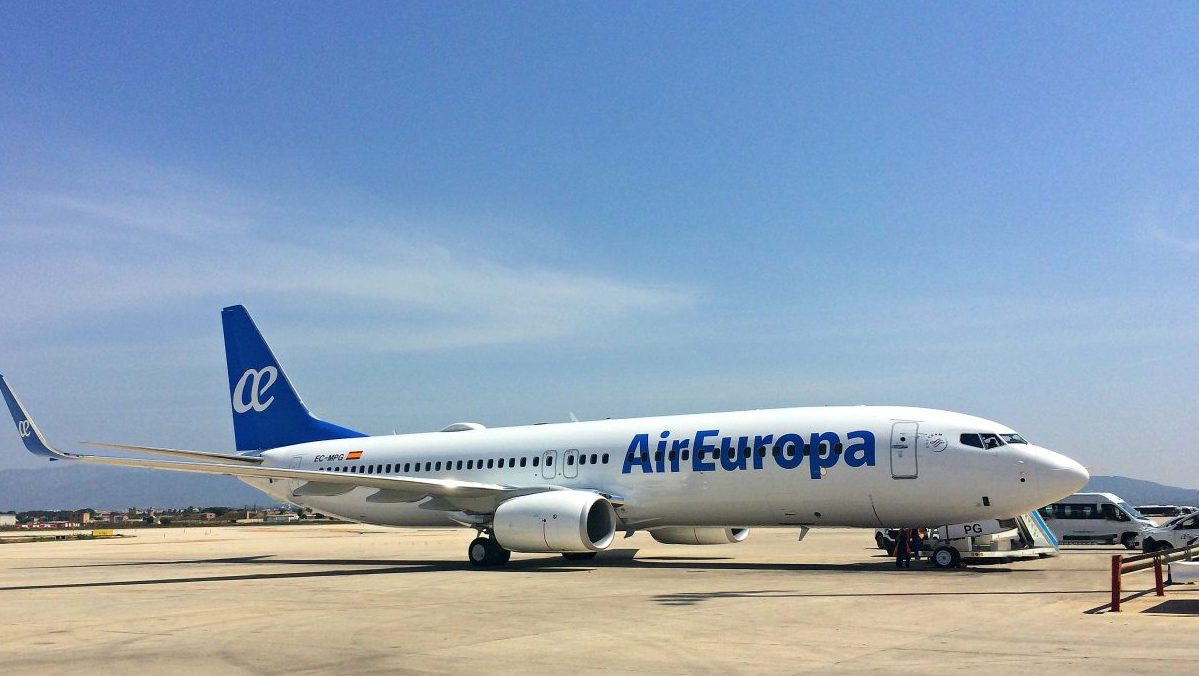
La expansión de la conectividad aérea, impulsada en los últimos tiempos por las aerolíneas de bajo coste, está generando una demanda importante de pilotos y tripulantes de cabina. Los planes de expansión de las aerolíneas en España ha abierto procesos de selección de comandantes y tripulantes de cabina. El sindicato Sepla vigilará que las aerolíneas mantengan los estándares de formación de los nuevos profesionales contratados. Las aerolíneas que han aplicado a la búsqueda son: Iberia, Vueling y Air Europa.

El aumento de la conectividad aérea que está experimentando el mercado español y Las Canarias, está llevando a las aerolíneas a la búsqueda de pilotos y tripulantes de cabina con los que cubrir los crecimientos previstos a corto plazo.

Los anuncios efectuados por parte de Vueling y Air Europa en la apertura de procesos de selección para incorporar pilotos a sus respectivas compañías, que se suman a otro reciente de Iberia, que incluía además la oferta para captar tripulantes de cabina de pasajeros.

El Director del Departamento Técnico del Sindicato Español de Pilotos de Líneas Aéreas (SEPLA), Javier Martín-Chico, considera que estas convocatorias de empleo, reflejan el buen momento que vive la aviación en España. «El sector aéreo internacional se está viendo muy influenciado por el crecimiento brutal de Asia, y sobre todo de China, lo que está provocando un movimiento importante de profesionales», explica Martín-Chico en declaraciones a este periódico.

En el caso de Vueling, busca hasta 200 pilotos para afrontar el crecimiento previsto para 2019 para sus bases nacionales e internacionales. Los aspirantes deberán cumplir con los siguientes requisitos: ser un copiloto con licencia EASA Española, tener competencia lingüística en Español e Inglés, y la cualificación ATPL.

Air Europa también ha abierto una convocatoria para la contratación, en concreto, de 60 copilotos de Boeing 737NG, la flota con la que la aerolínea opera sus rutas de corto y medio radio. Las bases de esta convocatoria, que oferta contratación indefinida y base en Madrid, responden a «la expansión de la división aérea de Globalia, con la inauguración de nuevas rutas, como Eilat; y la llegada progresiva de nuevos y aviones.

La expansión de flotas en Europa ha llevado a algunas aerolíneas a tentar a pilotos con experiencia que trabajan en la competencia. Uno de los ejemplos más sonados ha sido el reciente fichaje de Norwegian de decenas de profesionales procedentes de Ryanair. AIRWAYS® AW-Icon TXT


Imagen relacionada

Spain seeks crew

Airlines with operations in Spain offer search for pilots and crew

The expansion of air connectivity, driven in recent times by low-cost airlines, is generating a significant demand for pilots and cabin crew. The expansion plans of airlines in Spain have opened selection processes for commanders and cabin crew. The Sepla union will monitor that the airlines maintain the training standards of the new professionals hired. The airlines that have applied to the search are: Iberia, Vueling and Air Europa.

The increase in air connectivity that the Spanish market and the Canary Islands are experiencing is leading airlines to search for pilots and cabin crew to cover short-term expected growth.

The announcements made by Vueling and Air Europa in the opening of selection processes to incorporate pilots to their respective companies, which are added to another recent one of Iberia, which also included the offer to attract cabin crewmembers.

The Director of the Technical Department of the Spanish Union of Air Line Pilots (SEPLA), Javier Martín-Chico, considers that these calls for employment reflect the good moment that aviation is experiencing in Spain. «The international aviation sector is being very influenced by the brutal growth of Asia, and especially of China, which is causing a significant movement of professionals», explains Martin-Chico in statements to this newspaper.

In the case of Vueling, it seeks up to 200 pilots to face the growth foreseen for 2019 for its national and international bases. Applicants must meet the following requirements: be a co-pilot with Spanish EASA license, have linguistic competence in Spanish and English, and ATPL qualification.

Air Europa has also opened a call for hiring, specifically, 60 co-pilots of Boeing 737NG, the fleet with which the airline operates its short and medium-haul routes. The bases of this call, which offers an indefinite contract and base in Madrid, respond to the expansion of the Globalia air division, with the opening of new routes, such as Eilat; and the progressive arrival of new and airplanes.

The expansion of fleets in Europe has led some airlines to tempt experienced pilots who work in the competition. One of the most talked about examples has been the recent signing of Norwegian of dozens of professionals from Ryanair. A \ W


Ξ A I R G W A Y S Ξ
SOURCE:  Airgways.com
DBk: Sepla.es / Buyandhold.es / Okdiario.com
AW-POST: 201809231116AR

A\W   A I R G W A Y S ®

Audiencia Pública Nº221 en Argentina

AW-70008867

AW | 2018 09 12 15:51 | AIRLINES MARKET / GOVERNMENT

La ANAC de Argentina inicia autorizar el 5 Octubre 2018 otras 792 rutas aéreas

Dentro del proceso de la «Revolución de los Aviones» la Argentina asignará el próximo 5 Octubre 2018 la concesión de 792 rutas aéreas un su mayoría nuevos pedidos de compañías de bajo costo (low cost).

La Administración Nacional de Aviación Civil (ANAC) confirmó hoy la fecha de la #AeroAudiencia2018, que oficialmente es la Audiencia Pública N°221, en la cual se presentarán pedidos de nueve aerolíneas para operar un total de 792 rutas aéreas, una cifra récord frente a las aeroaudiencias de 2016 y 2017. La ANAC convocó a la audiencia pública, paso previo para otorgar todas o algunas de esas rutas, que tendrá lugar el Viernes 5 Octubre 2018 a partir de las 08:00 hs en el Centro Metropolitano de Diseño de la Ciudad de Buenos Aires. Así se desprende de un edicto publicado este miércoles en el Boletín Oficial.

Flybondi Líneas Aéreas
La low cost Flybondi fue la compañía que más destinos nuevos solicitó: 284 rutas aéreas Pretende sumarlas a las 85 rutas que ya tiene autorizadas y que comenzó a volar de manera progresiva. Además de los destinos de cabotaje (Buenos Aires-General Pico o Córdoba-Salta, por ejemplo), Flybondi pidió sumar vuelos que conecten Bariloche con Concepción de Chile, Asunción del Paraguay, Montevideo y Río de Janeiro, entre otros. También busca llegar a Santa Cruz de la Sierra, Bolivia, desde distintos puntos del país.

JetSmart Argentina Airlines
La low cost de origen chileno Jetsmart, en tanto, pidió operar 276 rutas aéreas. Muchas de ellas son de cabotaje y otras pretenden conectar distintas ciudades del país con puntos de estados limítrofes, como Mendoza-Montt (Chile) o San Miguel de Tucumán-Florianópolis (Brasil).

Andes Líneas Aéreas
Andes Líneas Aéreas solicitó operar 199 nuevos destinos con frecuencias semanales para conexiones internacionales, como Buenos Aires-Punta Cana o Córdoba-Samaná, ambos destinos en República Dominicana.

Avianca Argentina
Avian Líneas Aéreas solicitó 6 rutas domésticas e internacionales nuevas.

LASA Líneas Aéreas
LASA Líneas Aéreas es una nueva aerolínea regional de la Patagonia que amplió la solicitud por 19 destinos adicionales.

Latam Argentina Airlines
Latam Airlines ha solicitado el otorgamiento por 3 nuevos vuelos.

Baires Fly
Baires Fly dedicada a vuelos charter ha solicitado la aprobación de uns cinco rutas aéreas en Argentina.

Los procesos de adjudicación de nuevas rutas son largos. La ANAC suele otorgar la mayoría de los permisos y luego da un plazo para que las líneas aéreas comiencen a operar los vuelos solicitados. En el Boletín Oficial de la República Argentina están detalladas las 792 nuevas rutas solicitadas.  AIRWAYS® AW-Icon TXT

SONY DSC

Public Hearing Nº221 in Argentina

The ANAC of Argentina begins authorizing the 5 October 2018 other 792 air routes

Within the process of the «Aircraft Revolution», Argentina will assign the concession of 792 air routes on the next 5 October 2018, most of them new orders from low cost companies.

The National Civil Aviation Administration (ANAC) today confirmed the date of # AeroAudiencia2018, which is officially the Public Hearing N° 221, in which orders from nine airlines will be presented to operate a total of 792 air routes, a figure record in front of the aeroaudiencias of 2016 and 2017. The ANAC convened the public hearing, previous step to grant all or some of those routes, which will take place on Friday 5 October 2018 from 08:00 hs in the Metropolitan Center of Design of the City of Buenos Aires. This follows from an edict published this Wednesday in the Official Gazette.

Flybondi Airlines
The low cost Flybondi was the company that requested the most new destinations: 284 air routes. It intends to add them to the 85 routes that it already has authorized and that began to fly progressively. In addition to the cabotage destinations (Buenos Aires-General Pico or Córdoba-Salta, for example), Flybondi asked to add flights that connect Bariloche with Concepción de Chile, Asunción del Paraguay, Montevideo and Rio de Janeiro, among others. It also seeks to reach Santa Cruz de la Sierra, Bolivia, from different parts of the country.

JetSmart Argentina Airlines
The low cost of Chilean origin Jetsmart, meanwhile, asked to operate 276 air routes. Many of them are cabotage and others are trying to connect different cities in the country with points in bordering states, such as Mendoza-Montt (Chile) or San Miguel de Tucumán-Florianópolis (Brazil).

Andes Líneas Aéreas
Andes Líneas Aéreas requested to operate 199 new destinations with weekly frequencies for international connections, such as Buenos Aires-Punta Cana or Córdoba-Samaná, both destinations in the Dominican Republic.

Avianca Argentina
Avian Líneas Aéreas requested 6 new domestic and international routes.

LASA Airlines
LASA Líneas Aéreas is a new regional airline in Patagonia that extended the request for 19 additional destinations.

Latam Argentina Airlines
Latam Airlines has requested the granting of 3 new flights.

Baires Fly
Baires Fly dedicated to charter flights has requested the approval of five air routes in Argentina.

The processes of awarding new routes are long. The ANAC usually grants the majority of the permits and then gives a term for the airlines to start operating the flights requested. The 792 new routes requested are detailed in the Official Gazette of the Argentine Republic. A \ W

pdf_subido_0912102317

file-document-directory-folio-folder-down-512INFO > El link ha sido inspeccionado por AVAST PRO Antivirus y no posee amenazas a la red / The link has been inspected by AVAST PRO Antivirus and does not have threats to the network.



Ξ A I R G W A Y S Ξ
SOURCE:  Airgways.com
DBk: Anac.gov.ar / Argentina.gob.ar/transporte / Airgways.com
AW-POST: 201809121551AR

A\W   A I R G W A Y S ®

Crisis del modelo low cost en Europa

Resultado de imagen para low cost airport europe

AW | 2018 08 24 21:21 | AIRLINES MARKET

Las aerolíneas low cost europeas están experimentando en retroceso para continuar volando

Las aerolíneas low cost/low fare de Europa están ajustando su modelo adoptando prácticas de aerolíneas tradicionales para continuar volando. A esto se suman las presiones salariales, de costo del combustibles y los cambios de hábitos de los consumidores.

Principios del Modelo Low cost

ARD2044__laker-707.jpg-450x300-1501135161.pngEl modelo low cost no estuvo exento de problemas y ajustes desde que se instituyó en el año 1966. Un visionario emprendedor británico llamado Freddie Laker se enfrentó al monopolio de las grandes aerolíneas obteniendo grandes pérdidas. Al comprender que podría competir de otras maneras, dejó vía libre para la revolución low cost. En el año 1966 lanzó Laker Airways, su negocio más ambicioso hasta la fecha. Eran vuelos charter con viajes incluidos a precios muy baratos. Para la clase media británica fue una verdadera revolución.
El verdadero concepto low cost surgió en los Estados Unidos antes de extenderse por Europa a principios de la década de 1990 y de ahí al resto del mundo ante el aumento en la demanda de transporte aéreo. En principio el término era empleado dentro de la industria de la aviación para referirse a compañías con costes de operación bajos o menores que los de la competencia. A través de los medios de comunicación, su significado varió, y ahora define a cualquier aerolínea de precios bajos y servicios limitados, frente a los de las aerolíneas tradicionales.

La primera compañía de precios bajos fue la estadounidense Pacific Southwest Airlines (PSA), que inició sus vuelos el 6 Mayo 1949. A menudo y de forma errónea se concede este mérito a Southwest Airlines, aerolínea también estadounidense que no empezaría a operar hasta 1971 y a generar beneficios dos años después. Con el proceso de desregulación vivido por la aviación a principios de la década de 1990, el modelo se extendió a Europa.

Actualidad del modelo low cost/low fare

Las presiones a una mayor competitividad entre las aerolíneas low cost, sumadas a los apuros económicos, errores en la diagramación de estrategias, cambios en las economías, costos laborales, incrementos del costo del combustible, cambios en los hábitos de los usuarios entre otros muchos factores, ahora se incorporan los problemas de altos niveles de problemas sindicales.

Los factores que han hecho que muchas aerolíneas low cost están atravezando dificultades son las huelgas, los reclamos de sindicalizaciones, cancelaciones de vuelos, supresión de rutas, cierres y quiebras han tomado noticia frecuente entre las low cost más famosas de Europa.

Algunos analistas aseguran que el modelo basado en pasajes baratos está terminando su ciclo biológico, debido a las crisis reiteradas no pueden afrontar sus costos laborales y operativos. Algunos signos de repuntes se observan en algunas rutas transatlánticas, pero las ofertas en general ya no son tan atractivas para los usuarios, y en el medio, los clientes potenciales dispuestos a resignar todo con tal de volar a precios ridículos se fueron agotando.

Distintas razones llevaron en los últimos años a las compañías de bajo costo más emblemáticas de los países centrales a una situación crítica, demostrando que frente a la adversidad de costos en alza e ingresos en baja, pueden ser tanto o más frágiles que las aerolíneas tradicionales.

Low cost en el mundo

Las líneas aéreas low cost/low fare se han expandido a través del planeta surgiendo un sin número de oportunidades en el horizonte de cada región permitiendo generar nuevas oportunidades que en otros tiempos estaban dinamitadas por precios de alto vuelo.

Estados Unidos fue precursor del desarrollo de las aerolíneas de bajo costo/bajo precio generando más oportunidades y más destinos a lugares y aeropuertos impensados incursionando en un mercado cautivo de precios mas competitivos.

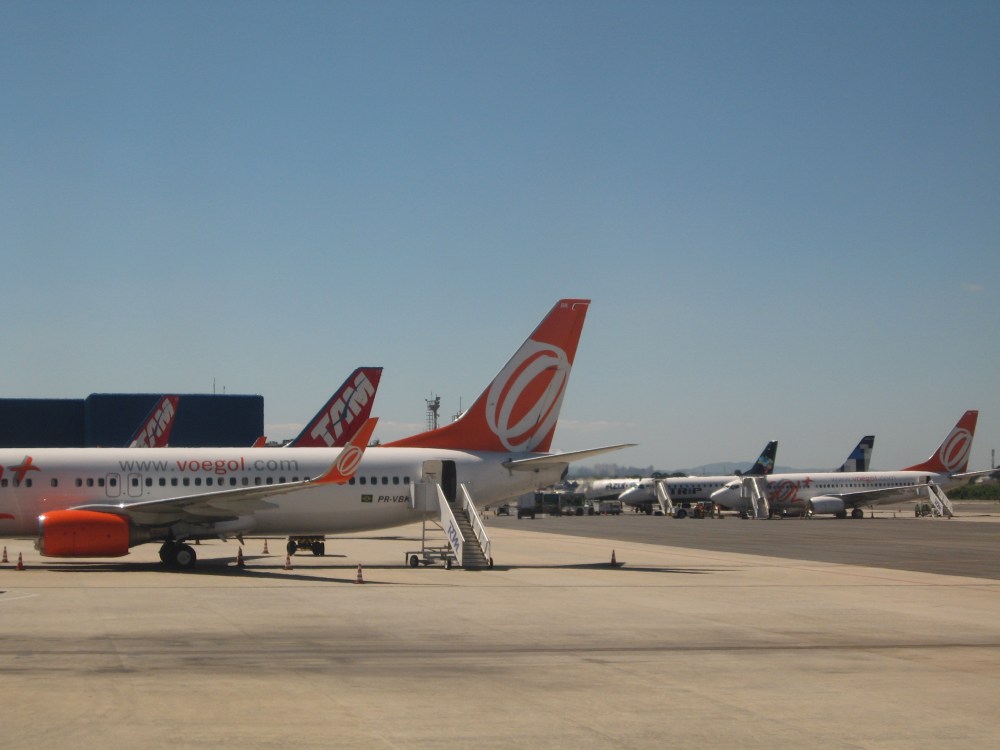
En Brasil, la apertura de las low cost se inició en 2005 cuando Gol Linhas Aéreas ingresó al mercado doméstico estimulando más oportunidades para todas las personas.

En Argentina el ingreso de LAPA Líneas Aéreas creada en 1976 para complementar rutas regionales y destinos poco servidos a ciudades del interior del país. En Mayo 1993, con el mercado aéreo argentino desregulado, LAPA incorpora su primer Boeing 737-200 e ingresa en una etapa de expansión y cambia a un modelo low cost permitiendo reducir significativamente los precios de los tickets aéreos. Aunque el mercado estuvo cerrado por mucho tiempo, en 2017 con la apertura de la «Revolución de los Aviones» comienza nuevas oportunidades para que el mercado continúe estimulándose. Con la eliminación del precio mínimo de las tarifas aéreas en vuelos domésticos está permitiendo introducir cambios significativos en todo el transporte en Argentina. Flybondi Líneas Aéreas ha iniciado sus operaciones en el 2018 modificando el mercado doméstico y generando nuevas oportunidades para los usuarios. En apenas seis meses ha capturado una cuota de mercado del 7%. Estas estimulaciones de cambios de consumo ha permitido incentivar las tarifas en Aerolíneas Argentinas/Austral Líneas Aéreas e incorporar cambios en la manera de volar, eliminando la clase ejecutiva en vuelos internos para sumar asientos en turista. Batió récord vendiendo pasajes con 50% de descuento y cobrando aparte el despacho de equipaje en bodega. Además, ahora se encuentra en pleno proceso de renegociación de condiciones laborales con los sindicatos para eliminar algunas prácticas que según estimaciones de la propia compañía representan sobrecostos por US$100 millones al año.

Otra compañía tradicional como Latam Airlines Argentina se ha ajustado a las exigencias de las low cost y anunció cambios en su modelo de negocios en Argentina por otro que ya venía aplicando en otros países de la región, con una segmentación de tarifas para que los pasajeros sólo paguen por los servicios que quieren utilizar.

La oportunidad para continuar estimular la competencia doméstica low cost, el ingreso al mercado de Norwegian Air Argentina, JetSmart Argentina, Avianca (Avian Líneas Aéreas) continúan con un modelo de desarrollo de bajo costo y bajo precio.

Las compañías clásicas están adoptan prácticas habituales de las low cost en mucho países. El resultado es un modelo híbrido, una mezcla de modelo clásico y low cost. El resurgimiento del modelo low cost/low fare ha permitido experimentar un proceso más refinado hacia las ultra-low cost.

La tendencia europea actualmente parece ir también hacia la irrupción de aerolíneas de bajo costo bajo la órbita a compañías tradicionales. Es una respuesta a la transformación de líneas aéreas que nacieron como low cost y que ahora están readaptando su modelo hacia una oferta más intermedia frente a la demanda de pasajeros que ya no quieren resignar servicios a bordo, volar desde aeropuertos alejados o a destinos poco convencionales, un modelo que está experimentando aciertos y desaciertos, un modelo que ha traído muchos cambios en el mercado aéreo mundial. AIRWAYS® AW-Icon TXT

AW-7008898.JPG

Crisis of the low cost model in Europe

European low cost airlines are experimenting in retreat to continue flying

Low cost / low fare airlines in Europe are adjusting their model by adopting traditional airline practices to continue flying. Added to this are wage pressures, fuel costs and changes in consumer habits.

Principles of the Low cost Model

The low cost model was not exempt from problems and adjustments since it was instituted in the year 1966. A visionary British entrepreneur named Freddie Laker faced the monopoly of the big airlines obtaining great losses. By understanding that he could compete in other ways, he left a freeway for the low cost revolution. In 1966 he launched Laker Airways, his most ambitious business to date. They were charter flights with included trips at very cheap prices. For the British middle class it was a true revolution.

The true low cost concept emerged in the United States before expanding into Europe in the early 1990s and from there to the rest of the world in response to the increase in demand for air transport. In principle the term was used within the aviation industry to refer to companies with operating costs lower or lower than those of the competition. Through the media, its meaning varied, and now defines any airline with low prices and limited services, compared to those of traditional airlines.

The first company with low prices was the American Pacific Southwest Airlines (PSA), which started its flights on May 6, 1949. This merit is often and erroneously granted to Southwest Airlines, also an American airline that would not start operating until 1971. generate profits two years later. With the process of deregulation experienced by aviation in the early 1990s, the model spread to Europe.

Actuality of the low cost / low fare model

The pressures to a greater competitiveness between the low cost airlines, added to the economic apudors, errors in the diagramming of strategies, changes in the economies, labor costs, increases of the cost of the fuel, changes in the habits of the users among other many factors, now the problems of high levels of union problems are incorporated.

The factors that have made many low cost airlines are experiencing difficulties are the strikes, the demands of unionization, cancellations of flights, suppression of routes, closures and bankruptcies have taken frequent news among the most famous low cost in Europe.

Some analysts say that the model based on cheap passages is ending its biological cycle, due to repeated crises can not face their labor and operational costs. Some signs of upturns are observed in some transatlantic routes, but the offers in general are no longer so attractive for users, and in the middle, potential customers willing to resign everything to fly at ridiculous prices were running out.

Different reasons have led in recent years to the most emblematic low cost companies in central countries to a critical situation, showing that in the face of adversity of rising costs and falling revenues, they can be as or more fragile than traditional airlines.

Low cost in the world

Low cost / low fare airlines have expanded throughout the planet, creating a number of opportunities on the horizon of each region, allowing the generation of new opportunities that were dynamited by high-flight prices.

The United States was a precursor to the development of low-cost / low-fare airlines, generating more opportunities and more destinations to unexpected places and airports, entering a captive market with more competitive prices.

In Brazil, the opening of low cost began in 2005 when Gol Linhas Aéreas entered the domestic market stimulating more opportunities for all people.

Archivo: Lapa logo.pngIn Argentina, the entry of LAPA Líneas Aéreas created in 1976 to complement regional routes and poorly served destinations to cities in the interior of the country. In May 1993, with the deregulated Argentine air market, LAPA incorporated its first Boeing 737-200 and entered a stage of expansion and changed to a low cost model allowing significantly reducing the prices of air tickets. Although the market was closed for a long time, in 2017 with the opening of the «Aircraft Revolution» new opportunities began for the market to continue to be stimulated. With the elimination of the minimum price of air fares on domestic flights is allowing to introduce significant changes in all transport in Argentina. Flybondi Líneas Aéreas has started operations in 2018 modifying the domestic market and generating new opportunities for users. In just six months it has captured a market share of 7%. These stimulations of changes of consumption have allowed to incentivize the tariffs in Aerolíneas Argentinas / Austral Líneas Aéreas and to incorporate changes in the way of flying, eliminating the executive class in internal flights to add tourist seats. He beat record selling tickets with 50% discount and charging separately the baggage hold in the warehouse. In addition, it is now in the process of renegotiating labor conditions with the unions to eliminate some practices that according to estimates of the company itself represent cost overruns of US $ 100 million per year.

Another traditional company such as Latam Airlines Argentina has adjusted to the demands of low cost and announced changes in its business model in Argentina for another that had already been applied in other countries in the region, with a tariff segmentation for passengers only pay for the services you want to use.

The opportunity to continue stimulating low-cost domestic competition, the entry into the market of Norwegian Air Argentina, JetSmart Argentina, Avianca (Avian Líneas Aéreas) continue with a low-cost, low-cost development model.

Classic companies are adopting low cost common practices in many countries. The result is a hybrid model, a mixture of classic and low cost models. The resurgence of the low cost / low fare model has allowed us to experience a more refined process towards the ultra-low cost.

The European trend now seems also to be towards the emergence of low-cost airlines under the orbit of traditional companies. It is a response to the transformation of airlines that were born as low cost and that are now adapting their model to a more intermediate offer in front of the demand of passengers who no longer want to resign services on board, fly from remote airports or unconventional destinations, a model that is experiencing successes and failures, a model that has brought many changes in the global air market. A\W


Ξ A I R G W A Y S Ξ
SOURCE:  Airgways.com
DBk: Airgways.com / Fodors.com / Wikimedia.org
AW-POST: 201808242121AR

A\W   A I R G W A Y S ®