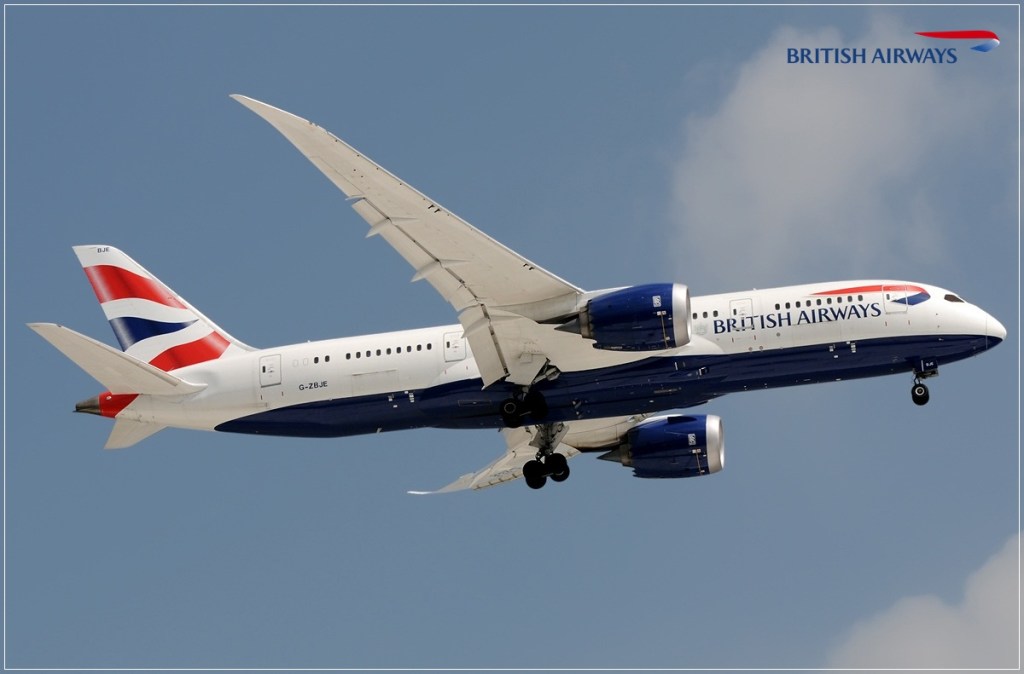
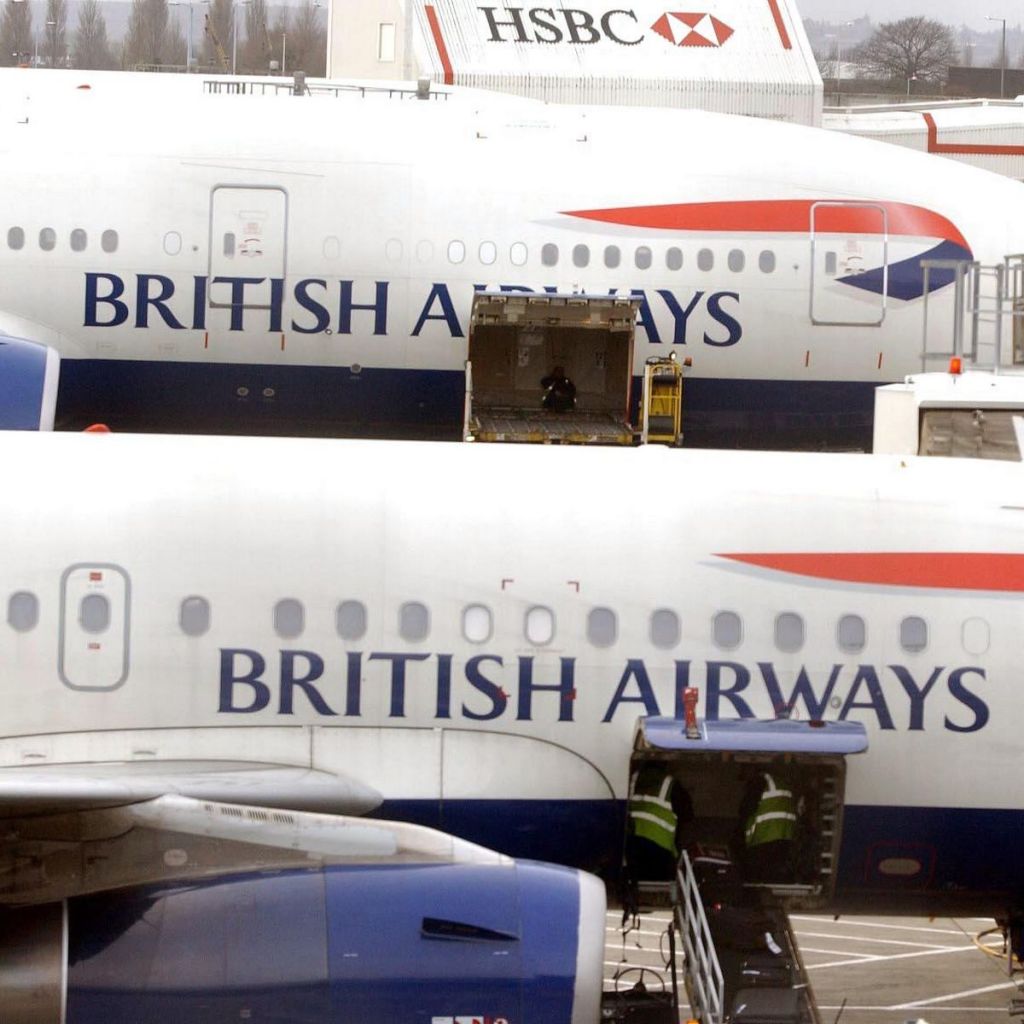
British Airways envía miles de trabajadores licenciados
Las aerolíneas esperaban que el pasado 17 de Mayo de 2021 fuera el día de la normalización de las operaciones aéreas, pero el caso de la situación de British Airways (BA), hay que decir que los británicos sólo pueden viajar a once países.
La crisis del Coronavirus ha demostrado continuar con las presiones que recrudecen para aumentar la normalización tras un incremento de los contagios. Este Jueves 10/06, el grupo presidido por el español Luis Gallego, acordó que miles de empleados de British Airways vuelvan a los ERTE mediante los cuales el Gobierno se hace cargo de los salarios, debido que el verano está quedando congelado. Las aerolíneas esperaban que el pasado 17 de Mayo de 2021 fuera el día de la normalización de las operaciones. Después se aceptó que fuera a ser a inicios de Junio 2021 pero como esto se pospone, la compañía ha decidido desprenderse provisionalmente de la plantilla y presionar al Gobierno. Un portavoz de BA dijo: “Como muchas empresas, estamos utilizando el plan de licencias para proteger los puestos de trabajo durante esta crisis sin precedentes. Sin embargo, es vital que el gobierno reabra los viajes internacionales lo antes posible, colocando a más países en la lista de bajo riesgo, como Estados Unidos”.
Los jefes de las aerolíneas suplican antes de la Cumbre del G7 que tendrá lugar este fin de semana que se reabra el corredor de viajes entre el Reino Unido y los Estados Unidos.
British employees return to leave
British Airways sends thousands of licensed workers
The airlines expected that May 17, 2021 would be the day of the normalization of air operations, but in the case of the British Airways (BA) situation, it must be said that the British can only travel to eleven countries.
The Coronavirus crisis has shown to continue with the intensifying pressures to increase normalization after an increase in infections. This Thursday 06/10, the group chaired by the Spanish Luis Gallego, agreed that thousands of British Airways employees return to the ERTEs through which the Government takes charge of salaries, because the summer is being frozen. The airlines expected that May 17, 2021, would be the day of normalization of operations. Then it was accepted that it would be at the beginning of June 2021 but as this is postponed, the company has decided to temporarily dispose of the workforce and put pressure on the Government. A BA spokesperson said: “Like many companies, we are using the licensing scheme to protect jobs during this unprecedented crisis. However, it is vital that the government reopen international travel as soon as possible, placing more countries on the low risk list, such as the United States».
Airline bosses plead ahead of the G7 Summit this weekend that the travel corridor between the United Kingdom and the United States be reopened.
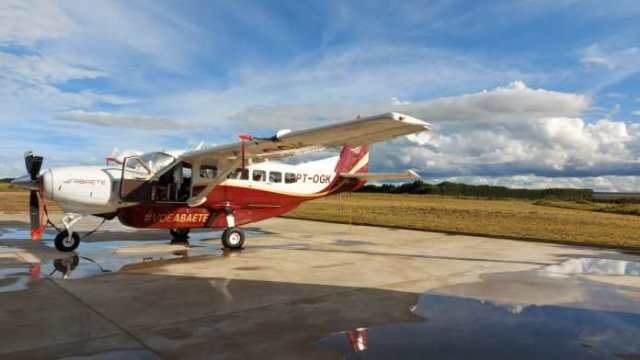
Abaeté recibe certificación internacional de calidad y seguridad
Abaeté Linhas Aéreas ha recibido la certificación Iata Standard Safety Assessment (ISSA) de la IATA, reconocida internacionalmente y aceptada como un estándar de calidad y seguridad operacional en la industria de la aviación civil. La calificación se lleva a cabo a través del Programa de la AESA para que tengan mejores condiciones para celebrar acuerdos de código compartido e interlínea con empresas más grandes. «La certificación de la AESA representa un hito histórico para Abaeté Linhas Aéreas. Con la implementación de estándares internacionales de calidad en la seguridad de los vuelos, Abaeté se convierte en un actor importante en la aviación regional en Brasil en los próximos años, además de la marca y los servicios que nuestro nombre representa», dijo Tiago Tosto, socio Gerente de Abaeté Linhas Aéreas.
La iniciativa, que tiene como objetivo fortalecer el transporte aéreo regional y promover la expansión de la red aérea, es una alianza entre la Asociación Latinoamericana y del Caribe de Transporte Aéreo (ALTA) y la Asociación Internacional de Transporte Aéreo (IATA). Varias aerolíneas regionales ya se han unido al Programa de la AESA: Abaeté Linhas Aéreas, Azul Conecta, Asta Linhas Aéreas y Rima Taxi Aéreo, que ya han sido certificadas.
«ALTA, como asociación de la industria y espacio para el diálogo y el intercambio de buenas prácticas, trabaja para contribuir a mejorar las condiciones operativas de las aerolíneas y, lo que es más importante, la seguridad de los pasajeros y los profesionales de la aviación. Brasil es un país continental e iniciativas como la AESS desarrollan empresas regionales, mejoran la conectividad en el transporte aéreo y tienen un impacto en el desarrollo de la industria latinoamericana y caribeña en su conjunto, ya que Brasil es el mayor mercado interno de la región», dijo José Ricardo Botelho, CEO de ALTA.
Abaeté receives security certification
Abaeté receives international quality and safety certification
Abaeté Linhas Aéreas has received the Iata Standard Safety Assessment (ISSA) certification from the IATA, internationally recognized and accepted as a quality and operational safety standard in the civil aviation industry. The qualification is carried out through the EASA Program so that they have better conditions to enter into codeshare and interline agreements with larger companies. «The AESA certification represents a historic milestone for Abaeté Linhas Aéreas. With the implementation of international quality standards in flight safety, Abaeté will become an important player in regional aviation in Brazil in the coming years, in addition to the brand and the services that our name represents», said Tiago Tosto, Managing Partner of Abaeté Linhas Aéreas.
The initiative, which aims to strengthen regional air transport and promote the expansion of the air network, is an alliance between the Latin American and Caribbean Air Transport Association (ALTA) and the International Air Transport Association (IATA). Several regional airlines have already joined the AESA Program: Abaeté Linhas Aéreas, Azul Conecta, Asta Linhas Aéreas and Rima Taxi Aéreo, which have already been certified.
«ALTA, as an industry association and space for dialogue and the exchange of good practices, works to help improve the operating conditions of airlines and, most importantly, the safety of passengers and aviation professionals. Brazil is a continental country and initiatives such as AESS develop regional companies, improve connectivity in air transport and have an impact on the development of the Latin American and Caribbean industry as a whole, since Brazil is the largest domestic market in the region», said José Ricardo Botelho, CEO of ALTA.
Abaeté recebe certificação de segurança
Abaeté recebe certificação internacional de qualidade e segurança
A Abaeté Linhas Aéreas recebeu a certificação Iata Standard Safety Assessment (ISSA) da IATA, reconhecida internacionalmente como padrão de qualidade e segurança operacional na indústria da aviação civil. A qualificação é realizada através do Programa EASA para que tenham melhores condições de celebrar acordos de codeshare e interline com empresas de maior dimensão. “A certificação AESA representa um marco histórico para a Abaeté Linhas Aéreas. Com a implantação dos padrões internacionais de qualidade em segurança de vôo, a Abaeté se tornará um importante player da aviação regional no Brasil nos próximos anos, além da marca e dos serviços que nome representa», afirmou Tiago Tosto, Sócio-Diretor da Abaeté Linhas Aéreas.
A iniciativa, que visa fortalecer o transporte aéreo regional e promover a expansão da rede aérea, é uma aliança entre a Associação Latino-Americana e Caribenha de Transporte Aéreo (ALTA) e a Associação Internacional de Transporte Aéreo (IATA). Diversas companhias aéreas regionais já aderiram ao Programa AESA: Abaeté Linhas Aéreas, Azul Conecta, Asta Linhas Aéreas e Rima Taxi Aéreo, que já foram certificadas.
“A ALTA, como associação do setor e espaço de diálogo e troca de boas práticas, trabalha para ajudar a melhorar as condições de operação das companhias aéreas e, principalmente, a segurança dos passageiros e profissionais da aviação. O Brasil é um país continental e iniciativas como a AESS desenvolver empresas regionais, melhorar a conectividade no transporte aéreo e ter impacto no desenvolvimento da indústria latino-americana e caribenha como um todo, já que o Brasil é o maior mercado doméstico da região”, afirmou José Ricardo Botelho, CEO da ALTA.
La última adición a la flota de Flair Airlines se dio a conocer el Jueves 10/06, con la aerolínea con sede en Alberta volando su primer vuelo de pasajeros con un Boeing 737 MAX. El vuelo despegó de Edmonton después de un sobrevuelo a baja altitud y un saludo de cañón de agua para conmemorar la ocasión. El avión Boeing 737-8 MAX es el primero de los trece órdenes MAX en pedido para Flair, con un segundo ya entregado y el resto esperado para finales de 2021. «Es un hito muy emocionante para la compañía hoy en día. Esta es la plataforma con la que vamos a construir un verdadero operador independiente de ultra bajo costo», dijo el CEO de Flair Airlines, Stephen Jones.
La expansión de la flota se produce pocos meses después de que la aerolínea casi duplicara su red de rutas al agregar ocho nuevos destinos, incluidos Ottawa, Halifax y Victoria. Stephen Jones dijo que es hora de que Flair comience a tomar una mayor participación en el mercado de viajes de Canadá. «Creemos que las tarifas en Canadá han sido demasiado altas durante demasiado tiempo. Así que queremos liberar a los canadienses para que viajen más y realmente estimulen la demanda», expresó el CEO de Flair.
El analista de la industria aérea Rick Erickson dijo que el rápido crecimiento tiene sentido con los viajes comenzando a acumularse de nuevo a los niveles previos a la pandemia: «Hay puertas abiertas y hay instalaciones terminales disponibles para que sus aviones entren. Si no tenemos algún reinicio con la pandemia, creo que hay una oportunidad aquí que no hemos visto antes», dijo el analista de aviación. Rick Erickson, quien ha volado en el MAX con una aerolínea diferente, dice que la nueva oferta de cuerpo estrecho de Boeing es un paso adelante de los modelos 737 anteriores. «Es tranquilo y muy potente con ventanas más grandes. Hay más plástico en términos del avión por lo que los niveles de humedad en el interior son más altos. Pensé que todo era bastante cómodo».
Flair first flight Boeing 737 MAX
Flair Airlines presents its first Boeing 737 MAX
The latest addition to the Flair Airlines fleet was unveiled on Thursday 06/10, with the Alberta-based airline flying its first passenger flight with a Boeing 737 MAX. The flight took off from Edmonton after a low altitude flyby and a water cannon salute to commemorate the occasion. The Boeing 737-8 MAX aircraft is the first of thirteen MAX orders on order for Flair, with a second already delivered and the remainder expected by the end of 2021. «It is a very exciting milestone for the company today. This is the platform with which we are going to build a truly independent ultra-low cost carrier», said Flair Airlines CEO Stephen Jones.
The fleet expansion comes just months after the airline nearly doubled its route network by adding eight new destinations, including Ottawa, Halifax and Victoria. Stephen Jones said it’s time for Flair to start taking a bigger share of the Canadian travel market. «We believe that rates in Canada have been too high for too long. So we want to free up Canadians to travel more and really stimulate demand», said the CEO of Flair.
Air industry analyst Rick Erickson said the rapid growth makes sense with travel starting to pile back up to pre-pandemic levels: «There are open doors and there are terminal facilities available for your planes to come in. If we don’t have any restart with the pandemic, I think there is an opportunity here that we have not seen before», said the aviation analyst. Rick Erickson, who has flown the MAX with a different airline, says Boeing’s new narrow-body offering is a step up from previous 737s. «It’s quiet and very powerful with bigger windows. There is more plastic in terms of the plane so the humidity levels inside are higher. I thought everything was quite comfortable».
United dividirá pedido entre compañías Airbus y Boeing
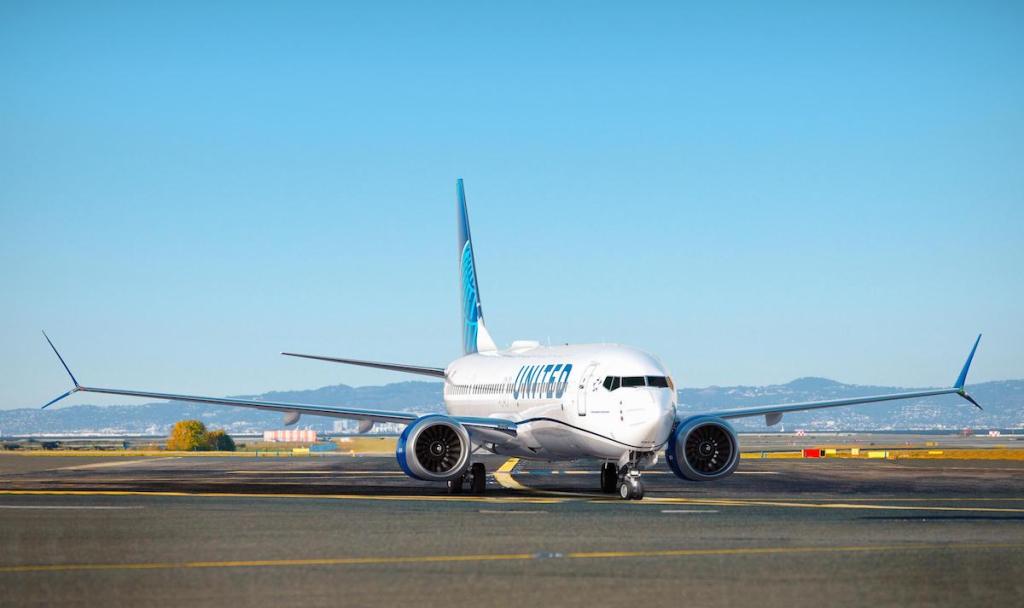
United Airlines se encuentra en conversaciones para acceder a la compra de alrededor de 200 aviones de un solo pasillo en una renovación multimillonaria que beneficiará tanto a The Boeing Company y Airbus Group. La aproximación del estudio de la mega-orden como parte de los acuerdos podría incluir más de 100 de Boeing 737-8 MAX y varias docenas de Airbus A321NEO. La aerolínea está buscando actualizar su flota en un momento en que los viajes están aumentando en Estados Unidos. Desde la aerolínea han expresado: «Actualmente no tenemos un acuerdo con Boeing o Airbus para comprar nuevos aviones y no comentamos sobre pedidos especulativos de aviones», dijo el portavoz de United, Luke Punzenberger, en respuesta a las noticias que circulan.
En Marzo 2021, United ordenó 25 nuevos aviones Boeing 737 MAX, mientras se prepara para reemplazar los aviones envejecidos y satisfacer el crecimiento de la demanda después de la pandemia. leer más Se espera que las reservas para las aerolíneas estadounidenses repunte este año debido a las vacunas contra el COVID-19 y la relajación de las restricciones después de que la pandemia causara la peor recesión de la industria. Una división entre el Boeing 737 MAX 8 de 168 asientos y el A321NEO de aproximadamente 200 asientos daría un amplio impulso al sector a medida que sale de la crisis sanitaria mundial.
Por parte de la compañía americana Boeing, ayudaría a levantar las ventas después de una puesta a tierra de seguridad de la línea 737 MAX, al tiempo que reforzaría una tendencia hacia Airbus en el extremo superior del concurrido segmento de pasillo único que amenaza con alterar la línea de productos en su duopolio transatlántico. El A321NEO de Airbus se ha hecho con una parte dominante de los pedidos en el recientemente floreciente segmento de un solo pasillo, lo que llevó a Boeing a sopesar un reemplazo para su Boeing 757 fuera de producción, que se superpone con el A321NEO en tamaño y alcance.
United approaches 200 aircraft order
United to split order between Airbus and Boeing companies
United Airlines is in talks to agree to purchase around 200 single-aisle aircraft in a multi-million dollar renovation that will benefit both The Boeing Company and Airbus Group. The mega-order study approach as part of the deals could include more than 100 Boeing 737-8 MAXs and several dozen Airbus A321NEOs. The airline is looking to upgrade its fleet at a time when travel is increasing in the United States. From the airline they have expressed: «We currently do not have an agreement with Boeing or Airbus to buy new planes and we do not comment on speculative orders for planes», United spokesman Luke Punzenberger said in response to the news circulating.
In March 2021, United ordered 25 new Boeing 737 MAX aircraft, as it prepares to replace aging aircraft and meet growth in demand after the pandemic. read more Bookings for US airlines are expected to rebound this year due to COVID-19 vaccines and easing of restrictions after the pandemic caused the industry’s worst recession. A split between the 168-seat Boeing 737 MAX 8 and the roughly 200-seat A321NEO would give the sector a broad boost as it exits the global crisis.
By the American company Boeing, it would help lift sales after a safety grounding of the 737 MAX line, while reinforcing a trend towards Airbus at the upper end of the busy single-aisle segment that threatens to disrupt product line in its transatlantic duopoly. Airbus’s A321NEO has taken over a dominant share of orders in the recently burgeoning single-aisle segment, prompting Boeing to consider a replacement for its out-of-production Boeing 757, which overlaps the A321NEO in size and scope.
Aerolínea brasileña GOL compra MAP por US$ 5,5 millones de Dólares
GOL Linhas Aéreas Inteligentes, la aerolínea doméstica más grande de Brasil, anunció la adquisición de MAP Transportes Aéreos Ltda., una aerolínea regional brasileña con rutas de vuelo a destinos de corta y media demanda. La adquisición refleja el compromiso continuo de la compañía de expandir la demanda de transporte aéreo de pasajeros en Brasil y lo que su Administración percibe como una oportunidad de mercado sin precedentes para la consolidación racional en el mercado de la aviación brasileña, a medida que la economía del país se recupera del Covid-19.
«Durante el año pasado, hemos enfatizado consistentemente que GOL está bien posicionado para el crecimiento en el ciclo post-pandemia, debido a una gestión financiera prudente y un modelo operativo eficiente probado, que nos diferencia en el mercado. Esta adquisición de complementos es un paso significativo en nuestra estrategia de expansión de la red y la capacidad, ya que buscamos revitalizar la demanda de viajes aéreos entre los pasajeros de placer y de negocios. Por lo tanto, la compañía está invirtiendo aún más en el mercado regional de transporte aéreo con énfasis en la región amazónica de Brasil, apoyando el crecimiento económico local y fortaleciendo nuestras operaciones en el aeropuerto de Congonhas», dijo Paulo Kakinoff, CEO de GOL Linhas Aéreas
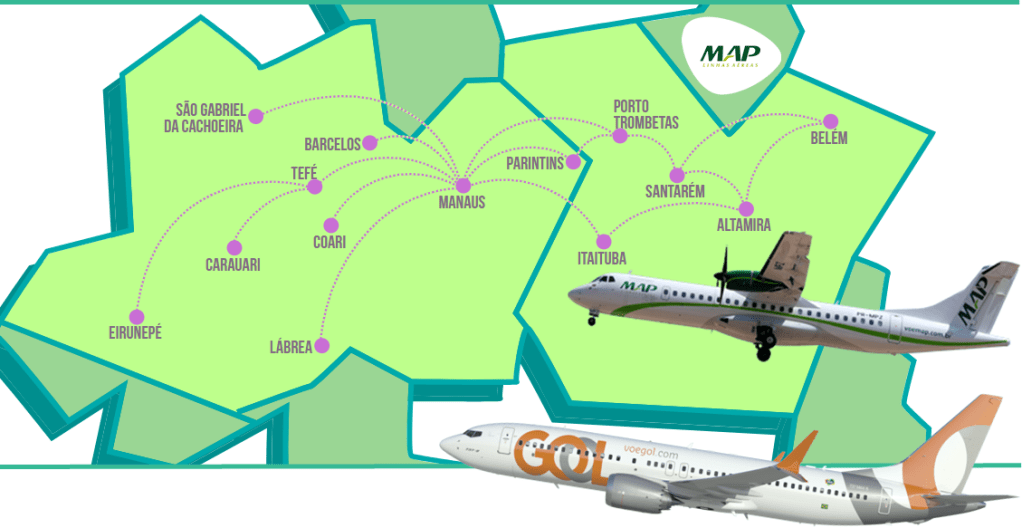
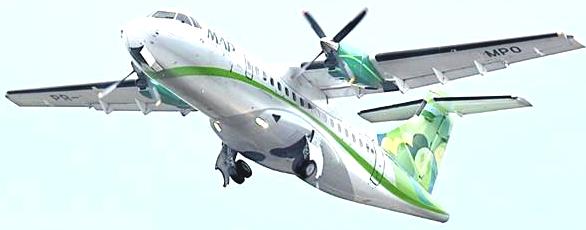
La aerolínea regional MAP Linhas Aéreas fue fundada en 2011, siendo actualmente la quinta aerolínea nacional brasileña más grande, con una flota de siete ATR 72 de 70 asientos que operan en rutas en la región amazónica desde el Aeropuerto de Manaus y las regiones sur y sudeste de Brasil desde Congonhas/CGH, el aeropuerto nacional más grande del país. La realización de esta operación reforzará el posicionamiento líder de GOL en dos de sus principales bases, con un crecimiento de aproximadamente el 10% en CGH a través de la incorporación de 26 vuelos diarios. De esta manera, la línea aérea podrá servir a nuevos destinos que conectan la ciudad más grande de América del Sur con mercados domésticos históricamente desatendidos, a medida que se reduzcan o eliminen las restricciones resultantes de la pandemia.
GOL mantiene su estrategia de flota única para dar servicio a estas nuevas rutas de una manera rentable y sostenible. La compañía también tiene la flexibilidad adicional para evaluar nuevos tipos de aeronaves o asociaciones que puedan dar servicio a estos mercados regionales de manera más rentable, sin ninguna obligación futura en lo que se refiere a la flota actual de MAP. Paulo Kakinoff agregó: «Creemos que la adquisición de MAP es la única oportunidad viable para la consolidación racional en el mercado de la aviación brasileña en la actualidad. En el futuro, continuaremos enfocándonos en nuestra estrategia de crecimiento orgánico, estimulando la demanda para expandir nuestra red».
GOL observa varios beneficios principales de la transacción. La ampliación de nuevas rutas con la intención de ofrecer nuevos destinos complementarios a su red actual en el Aeropuerto de Congonhas, que proporcionarán una gama más amplia de opciones de vuelo para los pasajeros y una mayor comodidad para los clientes. «Creemos que la red GOL es la opción más atractiva en Brasil para clientes de negocios y de ocio en términos de costo, servicio y disponibilidad de vuelos«, dijo Edu Bernardes, Vicepresidente de Ventas y Marketing. Ofreciendo una mayor densidad de asientos a mercados históricamente desatendidos. Además de expandirse a nuevas rutas, la compañía proporcionará un número sustancialmente mayor de asientos por vuelo que el que actualmente ofrece MAP para estos mercados. Los ATR 72 serán sustituidos por aviones más grandes y eficientes, dando continuidad a la estrategia regional de GOL, que hoy opera en 23 Boeing 737-700, un modelo que puede ser sustituido por aviones aún más eficientes en el futuro. «Al dar servicio a estas rutas con aeronaves más modernas y más grandes, la aerolínea aumentará el número de vuelos y asientos desde uno de los principales mercados del país», dijo Celso Ferrer, Vicepresidente de Operaciones.
Mejorar las operaciones rentables. Con los costes unitarios entre los más bajos del mundo, GOL ofrecerá una mayor eficiencia en Congonhas con estas nuevas operaciones. Estos costos más bajos permiten a la Compañía ofrecer precios de boletos más competitivos que cualquier competidor en Brasil a mercados típicamente atendidos por competidores con aeronaves más pequeñas y menos eficientes, proporcionando beneficios de escala de las operaciones de GOL. «La Transacción es otro ejemplo de que la Compañía está lista para reanudar su crecimiento sostenible e inversión en el transporte aéreo brasileño, apoyado por costos operativos sustancialmente más bajos que la competencia», agregó Richard Lark, CFO.
Términos y condiciones de la transacción. MAP será adquirida por R$ 28 millones en efectivo y acciones, a pagar una vez satisfechas todas las condiciones de cierre, compuestas por 100.000 acciones de GOLL4 a R$ 28 por acción y R$ 25 millones en efectivo a pagar en veinticuatro cuotas mensuales. Al cierre, la Compañía asumirá hasta R$ 100 millones de las obligaciones financieras de MAP. El cierre de la transacción está sujeto a ciertas condiciones precedentes, incluidas las aprobaciones y confirmaciones de la Agencia Nacional de Aviación Civil de Brasil (ANAC) y del Consejo Administrativo de Defensa Económica de Brasil (CADE).
GOL acquires MAP Linhas Aéreas
Brazilian airline GOL buys MAP for US$ 5.5 million
GOL Linhas Aéreas Inteligentes, the largest domestic airline in Brazil, announced the acquisition of MAP Transportes Aéreos Ltda., A Brazilian regional airline with flight routes to short and medium demand destinations. The acquisition reflects the company’s ongoing commitment to expanding the demand for passenger air transport in Brazil and what its Administration perceives as an unprecedented market opportunity for rational consolidation in the Brazilian aviation market, as the economy of the country recovers from Covid-19.
«Over the past year, we have consistently emphasized that GOL is well positioned for growth in the post-pandemic cycle, due to prudent financial management and a proven efficient operating model, which sets us apart in the market. This add-on acquisition is a significant step in our network and capacity expansion strategy as we seek to revitalize demand for air travel among business and leisure passengers. Therefore, the company is investing even more in the regional air transport market with emphasis on the Amazon region of Brazil, supporting local economic growth and strengthening our operations at the Congonhas airport», said Paulo Kakinoff, CEO of GOL Linhas Aéreas
The regional airline MAP Linhas Aéreas was founded in 2011 and is currently the fifth largest Brazilian national airline, with a fleet of seven 70-seat ATR 72s that operate on routes in the Amazon region from Manaus Airport and the southern and southeastern regions. from Brazil from Congonhas / CGH, the largest national airport in the country. Carrying out this operation will reinforce GOL’s leading position in two of its main bases, with a growth of approximately 10% in CGH through the incorporation of 26 daily flights. In this way, the airline will be able to serve new destinations connecting the largest city in South America with historically underserved domestic markets, as restrictions resulting from the pandemic are reduced or removed.
GOL maintains its unique fleet strategy to service these new routes in a profitable and sustainable manner. The company also has the additional flexibility to evaluate new types of aircraft or partnerships that can serve these regional markets more profitably, without any future obligation as it relates to MAP’s current fleet. Paulo Kakinoff added: «We believe that the MAP acquisition is the only viable opportunity for rational consolidation in the Brazilian aviation market today. In the future, we will continue to focus on our organic growth strategy, stimulating demand to expand our net».
GOL sees several main benefits from the transaction. The expansion of new routes with the intention of offering new destinations complementary to its current network at Congonhas Airport, which will provide a wider range of flight options for passengers and greater comfort for customers. «We believe that the GOL network is the most attractive option in Brazil for business and leisure clients in terms of cost, service and availability of flights», said Edu Bernardes, Vice President of Sales and Marketing. Offering higher seating density to historically underserved markets. In addition to expanding to new routes, the company will provide substantially more seats per flight than MAP currently offers for these markets. The ATR 72s will be replaced by larger and more efficient aircraft, continuing GOL’s regional strategy, which today operates 23 Boeing 737-700s, a model that may be replaced by even more efficient aircraft in the future. «By servicing these routes with more modern and larger aircraft, the airline will increase the number of flights and seats from one of the main markets in the country», said Celso Ferrer, Vice President of Operations.
Improve profitable operations. With unit costs among the lowest in the world, GOL will deliver greater efficiency in Congonhas with these new operations. These lower costs allow the Company to offer more competitive ticket prices than any competitor in Brazil to markets typically served by competitors with smaller and less efficient aircraft, providing scale benefits from GOL’s operations. «The Transaction is another example that the company is ready to resume its sustainable growth and investment in Brazilian air transport, supported by operating costs substantially lower than the competition», added Richard Lark, CFO.
Terms and conditions of the transaction. MAP will be acquired for R$ 28 million in cash and shares, to be paid once all closing conditions have been satisfied, made up of 100,000 GOLL4 shares at R$ 28 per share and R$ 25 million in cash to be paid in twenty-four monthly installments. At closing, the Company will assume up to R$ 100 million of MAP’s financial obligations. The closing of the transaction is subject to certain conditions precedent, including approvals and confirmations from the National Civil Aviation Agency of Brazil (ANAC) and the Administrative Council for Economic Defense of Brazil (CADE).
GOL adquire MAP Linhas Aéreas
Companhia aérea brasileira GOL compra MAP por US$ 5,5 milhões
A GOL Linhas Aéreas Inteligentes, maior companhia aérea doméstica do Brasil, anunciou a aquisição da MAP Transportes Aéreos Ltda., Uma companhia aérea regional brasileira com rotas aéreas para destinos de curta e média demanda. A aquisição reflete o compromisso contínuo da empresa em expandir a demanda por transporte aéreo de passageiros no Brasil e o que sua Administração vê como uma oportunidade de mercado sem precedentes para uma consolidação racional no mercado de aviação brasileiro, conforme a economia do país se recupera da Covid-19.
“Ao longo do ano passado, enfatizamos de forma consistente que a GOL está bem posicionada para o crescimento no ciclo pós-pandêmico, devido a uma gestão financeira prudente e um modelo operacional comprovadamente eficiente, que nos diferencia no mercado. um passo significativo em nossa estratégia de expansão de rede e capacidade na medida em que buscamos revitalizar a demanda por viagens aéreas entre passageiros de negócios e lazer, por isso a empresa está investindo ainda mais no mercado de transporte aéreo regional com ênfase na região amazônica do Brasil, apoiando localmente crescimento econômico e fortalecimento de nossas operações no aeroporto de Congonhas», disse Paulo Kakinoff, CEO da GOL Linhas Aéreas
A companhia aérea regional MAP Linhas Aéreas foi fundada em 2011 e é atualmente a quinta maior companhia aérea nacional, com uma frota de sete ATR 72s de 70 assentos que operam em rotas na região amazônica a partir do Aeroporto de Manaus e nas regiões sul e sudeste. de Congonhas/CGH, o maior aeroporto nacional do país. A realização dessa operação reforçará a posição de liderança da GOL em duas de suas principais bases, com um crescimento de aproximadamente 10% na CGH por meio da incorporação de 26 vôos diários. Dessa forma, a companhia aérea poderá atender a novos destinos que conectam a maior cidade da América do Sul a mercados domésticos historicamente mal atendidos, à medida que as restrições decorrentes da pandemia forem reduzidas ou removidas.
A GOL mantém sua estratégia única de frota para atender essas novas rotas de forma lucrativa e sustentável. A empresa também tem flexibilidade adicional para avaliar novos tipos de aeronaves ou parcerias que possam atender a esses mercados regionais de forma mais lucrativa, sem qualquer obrigação futura no que se refere à frota atual da MAP. Paulo Kakinoff acrescentou: «Acreditamos que a aquisição do MAP é a única oportunidade viável de consolidação racional no mercado brasileiro de aviação hoje. No futuro, continuaremos focados em nossa estratégia de crescimento orgânico, estimulando a demanda para expandir nossa rede».
A GOL vê vários benefícios principais com a transação. A expansão de novas rotas com o intuito de oferecer novos destinos complementares à malha atual do Aeroporto de Congonhas, o que proporcionará um leque maior de opções de voos aos passageiros e maior conforto aos clientes. “Acreditamos que a rede GOL é a opção mais atrativa do Brasil para clientes de negócios e lazer em termos de custo, serviço e disponibilidade de vôos”, afirma Edu Bernardes, vice-presidente de Vendas e Marketing. Oferecendo maior densidade de assentos para mercados historicamente mal atendidos. Além de expandir para novas rotas, a empresa fornecerá substancialmente mais assentos por voo do que o MAP oferece atualmente para esses mercados. Os ATR 72s serão substituídos por aeronaves maiores e mais eficientes, dando continuidade à estratégia regional da GOL, que hoje opera 23 Boeing 737-700s, modelo que poderá ser substituído por aeronaves ainda mais eficientes no futuro. “Ao atender essas rotas com aeronaves mais modernas e maiores, a companhia aérea aumentará a quantidade de vôos e assentos em um dos principais mercados do país”, afirma Celso Ferrer, Vice-Presidente de Operações.
Melhore as operações lucrativas. Com custos unitários entre os mais baixos do mundo, a GOL entregará maior eficiência em Congonhas com essas novas operações. Esses custos mais baixos permitem que a Companhia ofereça passagens mais competitivas do que qualquer concorrente no Brasil para mercados tipicamente atendidos por concorrentes com aeronaves menores e menos eficientes, proporcionando benefícios de escala com as operações da GOL. “A Transação é mais um exemplo de que a Companhia está pronta para retomar seu crescimento sustentável e investimento no transporte aéreo brasileiro, sustentado por custos operacionais substancialmente menores que os da concorrência”, acrescentou Richard Lark, CFO.
Termos e condições da transação. O MAP será adquirido por R$ 28 milhões em dinheiro e ações, a serem pagos uma vez satisfeitas todas as condições de fechamento, sendo 100.000 ações GOLL4 a R$ 28 por ação e R$ 25 milhões em dinheiro a serem pagos em vinte quatro parcelas mensais. No fechamento, a Companhia assumirá até R$ 100 milhões em obrigações financeiras do MAP. O fechamento da transação está sujeito a certas condições precedentes, incluindo aprovações e confirmações da Agência Nacional de Aviação Civil do Brasil (ANAC) e do Conselho Administrativo de Defesa Econômica do Brasil (CADE).
El Ministerio de Transporte de España, a cargo de José Luis Ábalos, se encuentra presionando a la Comisión Europea (CE) para que apruebe con urgencia la operación con Iberia; pues la aerolínea Air Europa necesitaría una segunda inyección de capital en la aerolínea de la familia Hidalgo, según publicaciones de este Jueves 10/06. La amenaza de un segundo rescate es cada vez más real para la compañía aérea.
Iberia remitió a mediados de Mayo 2021 el expediente a la Comisión Europea con el objetivo de que las autoridades de Bruselas autorizasen la adquisición de Air Europa en la Fase 1. Para ello la matriz de Iberia ya ha anunciado que cederá algunas rutas a Volotea Airlines y World2fly y evitar así una posición dominante en algunas rutas. En caso de que el proceso fuese rápido la operación podría cerrarse a finales de Julio 2021, lo que supondría un alivio para todas las partes, sobre todo para el Estado tras el rescate de € 475 millones para evitar la quiebra. Sin embargo, existe el riesgo de que la Unión Europea solicite más documentación y el visto bueno a la operación se retrase a 3Q2021. Si se retrasase el visto bueno de la Unión Europea sería previsible que el dinero prestado por la SEPI no sea suficiente y la aerolínea requiera un segundo rescate para poder sobrevivir. El actual nivel del tráfico aéreo está por debajo de las previsiones y, por lo tanto, la caja de Air Europa puede que no resista la demora de un pronunciamiento por parte de Bruselas para cerrar la venta a Iberia.
Air Europa between Brussels and rescue
Airline would need more financial assistance
The Ministry of Transport of Spain, headed by José Luis Ábalos, is pressuring the European Commission (EC) to urgently approve the operation with Iberia; since the airline Air Europa would need a second injection of capital in the airline of the Hidalgo family, according to publications of this Thursday 10/06. The threat of a second rescue is increasingly real for the airline.
Iberia sent the file to the European Commission in mid-May 2021 in order for the Brussels authorities to authorize the acquisition of Air Europa in Phase 1. To this end, Iberia’s parent company has already announced that it will cede some routes to Volotea Airlines and World2fly and thus avoid a dominant position on some routes. In case the process is quick, the operation could be closed at the end of July 2021, which would be a relief for all parties, especially for the State after the rescue of € 475 million to avoid bankruptcy. However, there is a risk that the European Union will request more documentation and the approval of the operation will be delayed to 3Q2021. If the approval of the European Union were delayed, it would be foreseeable that the money lent by SEPI will not be enough and the airline will require a second rescue in order to survive. The current level of air traffic is below forecasts and, therefore, Air Europa’s box may not withstand the delay of a decision by Brussels to close the sale to Iberia.
Bradesco BBI clasifica alta probabilidad Azul-Latam
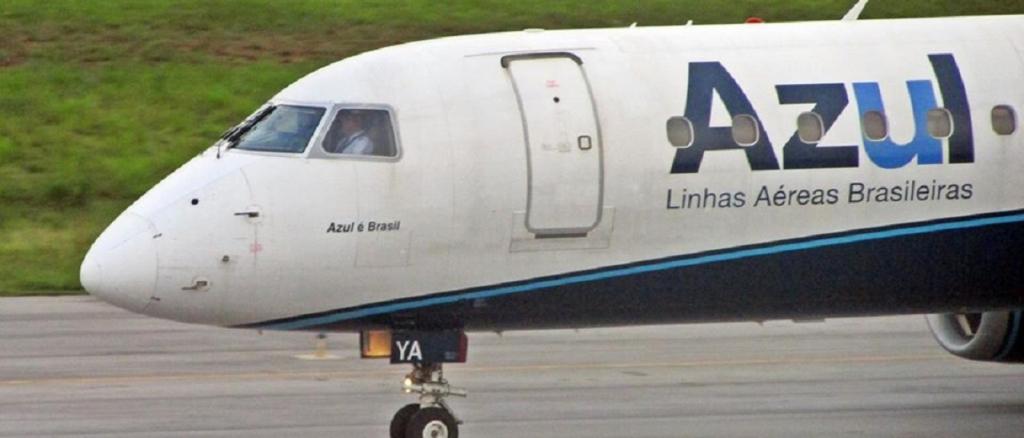
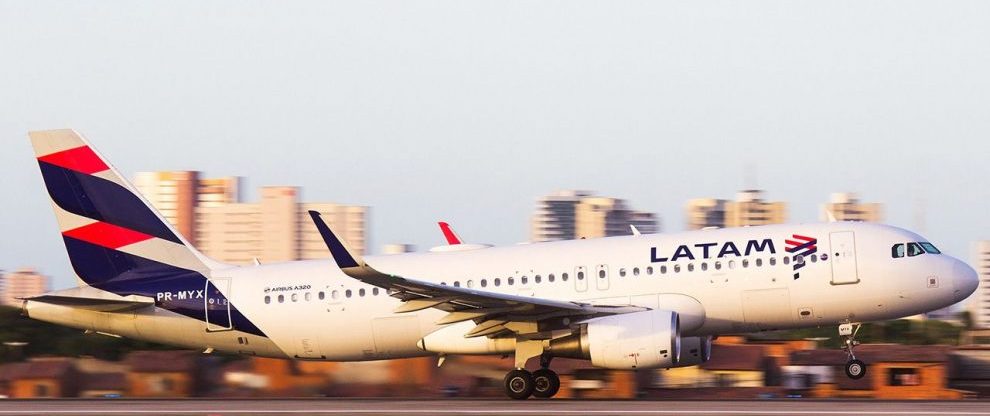
Un informe emitido por la entidad bancaria Bradesco BBI, elaborado por los analistas Víctor Mizusaki y Pedro Fontanta, diseñaron que Azul Linhas Aéreas debería comprar la operación brasileña de Latam Airlines en un plazo de 90 días. En el informe, los analistas concluyen que la fusión entre las dos compañías es muy probable. Azul ha invertido en negociaciones para comprar al competidor desde el inicio de la pandemia. Al apostar por la fusión de las empresas, Bradesco BBI elevó la recomendación de las acciones de Azul y Latam.
Analistas recordaron que el 24 de Mayo de 2021, Latam Airlines Group y Azul Linhas Aéreas Brasileiras anunciaron la terminación de su contrato de código compartido para vuelos domésticos en Brasil. Después de este evento, Azul confirmó su interés por consolidar el mercado interno y Latam Airlines Brasil es el objetivo potencial de adquisición, que ha estado moviendo las acciones desde entonces.
«En nuestra opinión, en hasta noventa días, Azul puede hacer una oferta para adquirir las operaciones domésticas de Latam Airlines Brasil. Los acreedores de Latam podrán solicitar que esta alternativa se incorpore al plan de reestructuración que se presentará en un proceso judicial de recuperación antes del 30 de Junio y se votará antes del 23 de Agosto», dijeron analistas, que ven la fusión entre las empresas con una alta probabilidad.
Azul-Latam Brazil purchase elaborated
Bradesco BBI classifies Azul-Latam high probability
A report issued by the banking entity Bradesco BBI, prepared by analysts Víctor Mizusaki and Pedro Fontanta, designed that Azul Linhas Aéreas should buy the Brazilian operation of Latam Airlines within 90 days. In the report, analysts conclude that a merger between the two companies is highly probable. Azul has invested in negotiations to buy the competitor since the start of the pandemic. By betting on the merger of the companies, Bradesco BBI raised the recommendation of Azul and Latam shares.
Analysts recalled that on May 24, 2021, Latam Airlines Group and Azul Linhas Aéreas Brasileiras announced the termination of their codeshare contract for domestic flights in Brazil. After this event, Azul confirmed its interest in consolidating the domestic market and Latam Airlines Brasil is the potential acquisition target, which has been moving the shares ever since.
«In our opinion, in up to ninety days, Azul can make an offer to acquire the domestic operations of Latam Airlines Brasil. Latam’s creditors may request that this alternative be incorporated into the restructuring plan that will be presented in a judicial recovery process before of June 30 and will vote before August 23», said analysts, who see the merger between the companies with a high probability.
Elaboração da compra da Azul-Latam Brasil
Bradesco BBI classifica Azul-Latam de alta probabilidade
Relatório do banco Bradesco BBI, elaborado pelos analistas Víctor Mizusaki e Pedro Fontanta, previa que a Azul Linhas Aéreas comprasse a operação brasileira da Latam Airlines em até 90 dias. No relatório, analistas concluem que uma fusão entre as duas empresas é altamente provável. A Azul investe em negociações para comprar o concorrente desde o início da pandemia. Ao apostar na fusão das empresas, o Bradesco BBI elevou a recomendação das ações da Azul e da Latam.
Analistas lembraram que, em 24 de Maio de 2021, Latam Airlines Group e Azul Linhas Aéreas Brasileiras anunciaram a rescisão do contrato de codeshare para voos domésticos no Brasil. Após este evento, a Azul confirmou seu interesse em se consolidar no mercado nacional e a Latam Airlines Brasil é o potencial alvo de aquisição, que desde então vem movimentando as ações.
“Em nossa opinião, em até noventa dias, a Azul pode fazer uma oferta para adquirir as operações domésticas da Latam Airlines Brasil. Os credores da Latam podem solicitar que essa alternativa seja incorporada ao plano de reestruturação que será apresentado em processo de recuperação judicial antes de 30 de junho e votará antes de 23 de Agosto», disseram analistas, que veem com alta probabilidade a fusão entre as empresas.
Arriba 24º vuelo Argentina lote con principio activo Sputnik V
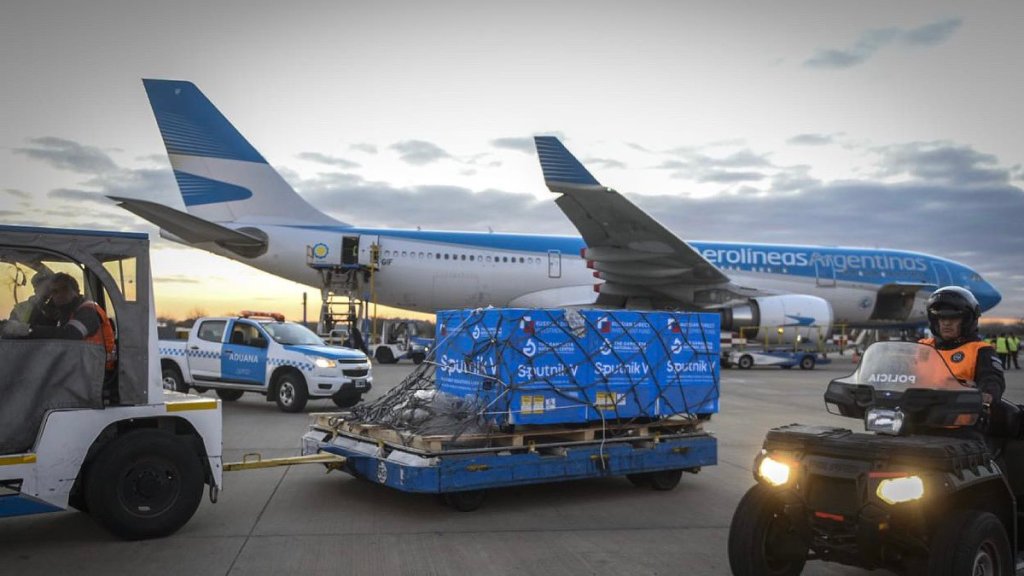
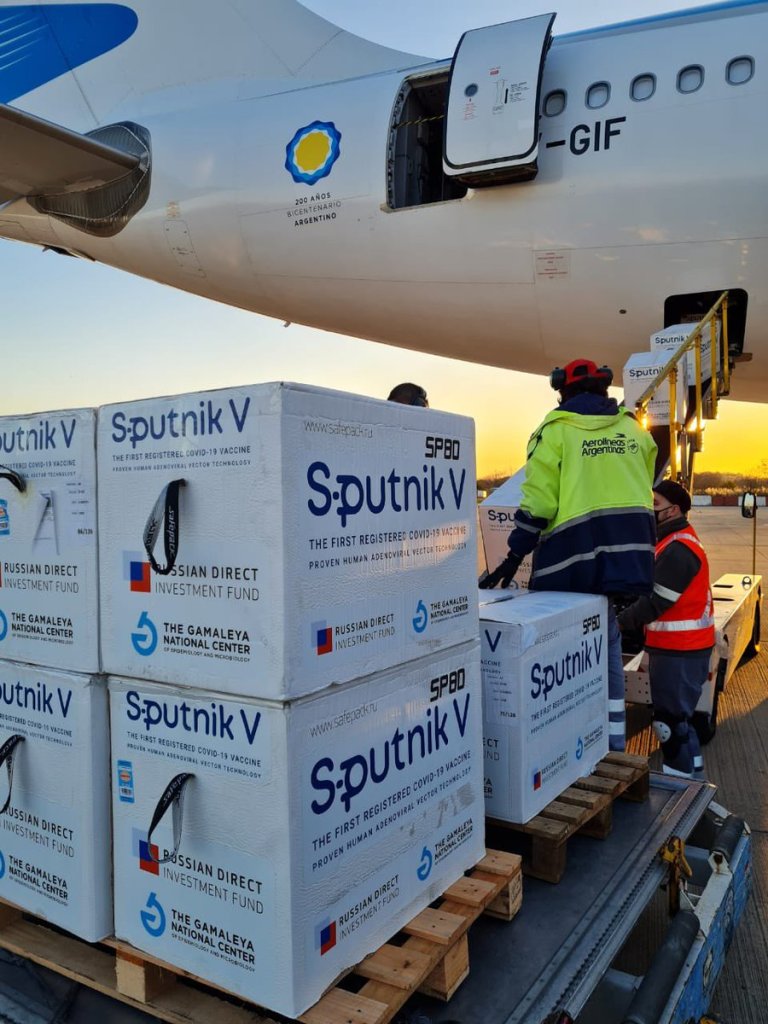
El vuelo AR1063 de Aerolíneas Argentinas ha arribado en la tarde de este Martes 08/06 con el cargamento de vacunas Sputnik V, componente 1 y 2, y el primer lote de su principio activo para comenzar la producción local de la Sputnik VIDA. La aeronave Airbus 330-200, matrícula LV-GIF con el número de vuelo AR1063, tocó territorio argentino a las 16:46 horas en el Aeropuerto Internacional de Ezeiza, proveniente de Moscú, con 81.850 del componente 1, 400.000 dosis del componente 2 de Sputnik V, y 300 litros del principio activo para empezar la producción de la vacuna en el país. Se trata del vuelo número 24 que realiza la aerolínea de bandera en búsqueda de vacunas contra la Covid-19, y el primer vuelo en traer la fórmula para iniciar la producción de la Sputnik V desarrollada por el Instituto Gamaleya en el Laboratorio Richmond de la Argentina.
La empresa farmacéutica, ubicada en el Partido de Pilar, Provincia de Buenos Aires, llevará adelante la formulación, filtrado y envasado de la Sputnik VIDA con el fin de fortalecer el Plan Estratégico de Vacunación que despliega el Gobierno en todo el país y ampliar su acceso en América Latina. El Presidente del laboratorio Richmond, Marcelo Figueiras, expuso en la audiencia pública que se realizó este martes en el Congreso de la Nación con distintos laboratorios y adelantó que se van a producir 500.000 dosis por semana y que pueden llegar a fabricar 5 millones de dosis por mes.
Hasta el momento, la Argentina ya recibió 18.450.150 dosis de vacunas: 8.933.895 Sputnik V (7.793.735 del componente 1 y 1.140.160 del componente 2), 4.000.000 de Sinopharm, 580.000 AstraZeneca–Covishield, 1.944.000 AstraZeneca a través del mecanismo COVAX y 2.992.200 AstraZeneca-Universidad de Oxford cuyo principio activo se produjo en la Argentina.
Argentina first batch active principle
Up 24th Argentina flight batch with active principle Sputnik V
Aerolíneas Argentinas flight AR1063 arrived on the afternoon of this Tuesday 06/08 with the shipment of Sputnik V vaccines, components 1 and 2, and the first batch of its active principle to start the local production of Sputnik VIDA. The Airbus 330-200 aircraft, registration LV-GIF with flight number AR1063, touched Argentine territory at 4:46 p.m. at Ezeiza International Airport, from Moscow, with 81,850 of component 1, 400,000 doses of component 2 of Sputnik V, and 300 liters of the active principle to start the production of the vaccine in the country. This is the 24th flight carried out by the flag airline in search of vaccines against Covid-19, and the first flight to bring the formula to start the production of Sputnik V developed by the Gamaleya Institute at the Richmond Laboratory in Argentina.
The pharmaceutical company, located in the Partido de Pilar, Province of Buenos Aires, will carry out the formulation, filtering and packaging of Sputnik VIDA in order to strengthen the Strategic Vaccination Plan that the Government deploys throughout the country and expand its access in Latin America. The President of the Richmond laboratory, Marcelo Figueiras, spoke at the public hearing that was held this Tuesday in the National Congress with different laboratories and announced that 500,000 doses will be produced per week and that they can manufacture 5 million doses per month.
So far, Argentina has already received 18,450,150 doses of vaccines: 8,933,895 Sputnik V (7,793,735 from component 1 and 1,140,160 from component 2, 4,000,000 from Sinopharm, 580,000 AstraZeneca–Covishield, 1,944,000 AstraZeneca through the COVAX mechanism and 2,992,200 AstraZeneca-University of Oxford whose active principle was produced in Argentina.
Southwest Airlines aumenta pedido de Boeing 737-7 MAX
Southwest Airlines ha anunciado este Martes 08/06 que está aumentando su pedido del modelo Boeing 737-7 MAX superando la treintena de unidades. La aerolínea con sede en Dallas (TX) dijo en una presentación que ejercerá opciones para aumentar sus pedidos en firme del MAX 7 en 34 aviones, llevando su libro de pedidos total para ese avión a 234. La aerolínea también tiene pedidos de aviones MAX 8 por 149 unidades que se entregarán hasta 2031, ya que la compañía retira los 737 más antiguos. Southwest espera que sus gastos de capital para 2022 totalizaron US$ 1.5 mil millones, en comparación con una estimación anterior de US$ 700 millones.
Southwest dijo que espera que la demanda y los ingresos continúen mejorando en Julio 2021 a medida que los vacacionistas regresen a los viajes aéreos, lo que elevará las tarifas de ocio a los niveles de 2019. Pronosticó que los ingresos de junio se reducirán un 20% en comparación con 2019 y que las ventas de julio serán entre un 15% y un 20% más bajas que hace dos años. La demanda de viajes de negocios, el rezagado en la recuperación, también está mejorando, pero se mantiene muy por debajo de los niveles de 2019, una tendencia que pesará en las tarifas, dijo Southwest.
Southwest to increase 737-7 MAX fleet
Southwest Airlines increases order for Boeing 737-7 MAX
Southwest Airlines announced this Tuesday 08/06 that it is increasing its order for the Boeing 737-7 MAX model, exceeding thirty units. The Dallas (TX)-based airline said in a presentation that it will exercise options to increase its firm orders for the MAX 7 by 34 aircraft, bringing its total order book for that aircraft to 234. The airline also has orders for MAX 8 aircraft. for 149 units to be delivered through 2031, as the company retires the older 737s. Southwest expects its capital expenditures for 2022 to totaled US$ 1.5 billion, compared to a previous estimate of US$ 700 million.
Southwest said it expects demand and revenue to continue to improve in July 2021 as vacationers return to air travel, bringing leisure rates up to 2019 levels. It forecast June revenue to decline 20% compared to 2019 and that July sales will be 15-20% lower than two years ago. Demand for business travel, the laggard in recovery, is also improving, but remains well below 2019 levels, a trend that will weigh on rates, Southwest said.
American interrumpe servicios condiciones meteorológicas adversas
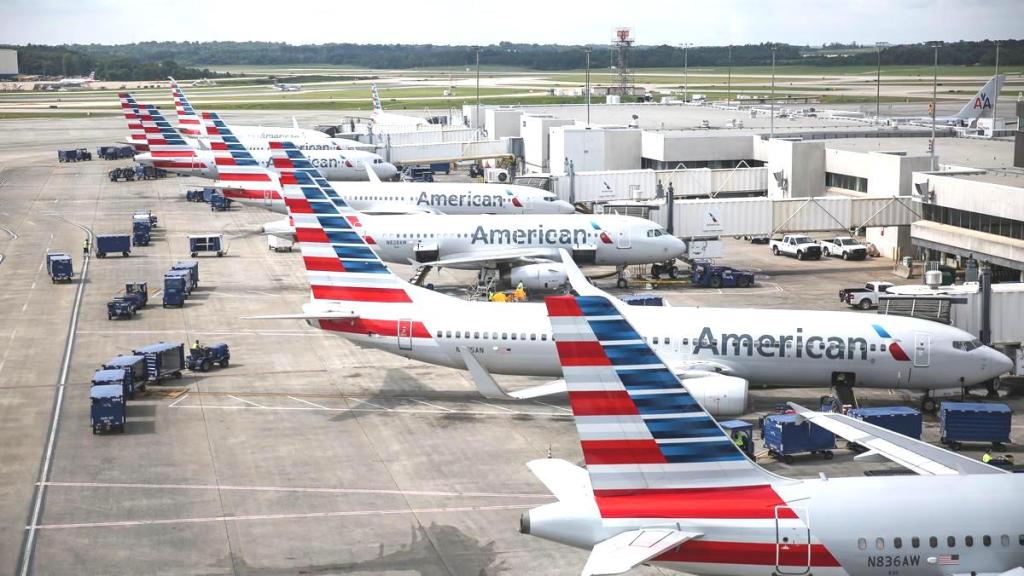
Decenas de vuelos de American Airlines han sido cancelados, dejando varados pasajeros en el Aeropuerto de Charlotte Douglas, en el Estado de Carolina del Norte, Estados Unidos. Los pasajeros quedaron varados entre el Lunes 07/06 por la noche al Martes 08/06 por la mañana, ya que fuertes tormentas eléctricas cancelaron docenas de vuelos de American Airlines, dejando a muchas personas sin a dónde ir.
Largas filas se formaron en los mostradores de boletos mientras la gente trataba de volver a reservar vuelos para llegar a sus destinos. Charlotte es uno de los seis principales centros de operaciones de American Airlines, lo que ha derivado en un efecto dominó en todo el país en muchos aeropuertos importantes. Mientras tanto, las líneas para los puestos de control de la TSA se extendían por toda la explanada principal del aeropuerto y el área de emisión de boletos. Algunos pasajeros dijeron que sus vuelos llevaban horas de retraso y tuvieron que esperar hasta el mediodía del martes hasta que pudieron salir de Charlotte. Las cancelaciones del Lunes 07/06 fueron causadas por el clima, por lo que las aerolíneas no son responsables de poner a la gente en los hoteles por la noche. Con muchos hoteles cerca del aeropuerto reservados, muchas personas se vieron obligadas a pasar la noche en la terminal durante la escala inesperada, por lo que la aerolínea no podía proveer de mantas, almohadas o cunas debido al tema de la pandemia. Muchos pasajeros han estado en espera más de diez horas
American Airlines emitió la siguiente declaración a sus pasajeros: «El clima severo en el área de Charlotte ayer resultó en múltiples paradas en tierra de la FAA y un programa extendido de retraso de ATC, causando impactos significativos en la operación programada de American. Nuestro equipo ha estado trabajando día y noche para cuidar y volver a reservar a los clientes afectados por la interrupción. Nos disculpamos por los desafíos y estamos trabajando para que los clientes se en camino lo más rápido posible».
Flights suspended bad weather in Charlotte
American interrupts services due to adverse weather conditions
Dozens of American Airlines flights have been canceled, leaving passengers stranded at Charlotte Douglas Airport, in the State of North Carolina, United States. Passengers were stranded between Monday 06/07 at night and Tuesday 08/06 morning, as strong thunderstorms canceled dozens of American Airlines flights, leaving many people with nowhere to go.
Long lines formed at ticket counters as people tried to rebook flights to reach their destinations. Charlotte is one of six major hubs for American Airlines, which has resulted in a domino effect nationwide at many major airports. Meanwhile, the lines for the TSA checkpoints stretched across the main airport concourse and ticketing area. Some passengers said their flights were hours late and had to wait until noon Tuesday until they were able to leave Charlotte. The cancellations on Monday 07/06 were caused by the weather, so airlines are not responsible for putting people in hotels at night. With many hotels near the airport booked, many people were forced to stay overnight in the terminal during the unexpected layover, so the airline was unable to provide blankets, pillows or cribs due to the pandemic issue. Many passengers have been on hold for more than ten hours
American Airlines issued the following statement to its passengers: «Severe weather in the Charlotte area yesterday resulted in multiple FAA ground stops and an extended ATC delay program, causing significant impacts on American’s scheduled operation. Our team has been working around the clock to care for and rebook customers affected by the outage. We apologize for the challenges and are working to get customers on track as quickly as possible».




















 airgways.com