Exhorta a reducir deuda en lugar de adquirir Air Europa
El aviso del Credit Suisse hacia el IAG Group de reducción de deuda contraída ha sido anunciado como recomendaciones antes que gastar € 500 millones de Euros en la futura adquisición de la española Air Europa. “El acuerdo con Air Europa sigue vigente, pero cada vez es más difícil de justificar” explican el equipo de analistas de la entidad bancaria suiza liderado por Neil Glynn.
La compra de Air Europa por parte de IAG Group, continúa meses enquistada por la crisis de los vuelos producto de la actual pandemia. El Presidente del grupo hispano-británico ha llegado a un acuerdo por la compra que puede ascender a los € 500 millones de Euros en acciones. En un momento crítico para las aerolíneas por el desplome de la demanda aérea hay quien piensa que toca olvidarse de salir a comprar y centrarse en salir reforzado en el mundo post-pandemia. Así lo entiende el Credit Suisse, que en su último informe defiende que IAG debería centrarse en reducir la deuda y olvidarse por el momento de la aerolínea del Grupo Globalia.
El informe de la entidad bancaria suiza por el que el interés que podía suscitar esta operación cada vez es menor refiere en que primero es que creen que deberían hacer un mayor esfuerzo en reducir su deuda. A pesar de que IAG Group está muy saneada en este aspecto en comparación con rivales como Lufthansa o Air France, que han tenido que ser rescatadas por € 9.000 y € 10.000 millones de Euros por sus gobiernos respectivos, entrar en una recuperación con las mejores cifras posibles será clave para capitalizar la recuperación. El segundo asunto es que la compra de Air Europa supondría un gran refuerzo para su tercer mercado, Latinoamérica, que creen que no toca priorizar. El enfoque de IAG debe estar en el mercado transatlántico con Estados Unidos, su principal negocio, especialmente en un momento de debilidad para la competencia. Además, cree que las ayudas del Gobierno español para impedir la caída de esta empresa hacen menos apetecible su compra. El Ejecutivo procedió el pasado 03/11 a aprobar el rescate por más de € 475 millones de Euros para la aerolínea. El problema que esto plantea es que, posiblemente, esto dé derecho a Estado para tener voz en el futuro de la compañía y, por tanto, tener derecho de autorizar recortes de empleo, transacciones estratégicas o puestos en la junta lo que puede complicar la gobernanza. En definitiva, creen que el acuerdo dotaría al grupo de un refuerzo de entre € 200 a 300 millones de Euros en su Ebitda en un mercado saludable. Estas cifras sólo representan entre el 6% y el 7% del mercado del grupo. A pesar de todo, un acuerdo por alrededor de € 500 millones supondría reducir un 50% la oferta inicial presentada a finales de 2019. En aquel entonces, antes de que la pandemia lo cambiará todo, el precio que se pactó entre ambas partes superaba los € 1.000 millones de Euros.
El Credit Suisse no recomiendan llevar a cabo esta operación, pero han valorado muy positivamente a IAG Group, a la que han subido el precio objetivo. El motivo es que “vemos en el grupo un potencial para la recuperación y una mejor competitividad a largo plazo cuando el aeropuerto Heathrow se vuelva a llenar. Debido a ello, tiene un gran potencial y es nuestra principal elección en el sector […] Esperamos que IAG lidere la industria a través de la reestructuración de sus costes”.
Credit Suisse recommendation to IAG Group
Calls to reduce debt instead of acquiring Air Europa
Credit Suisse‘s notice to the IAG Group to reduce the debt incurred has been announced as recommendations before spending € 500 million euros on the future acquisition of Spain’s Air Europa. «The agreement with Air Europa is still in force, but it is becoming increasingly difficult to justify», explain the team of analysts at the Swiss bank led by Neil Glynn.
The purchase of Air Europa by IAG Group, continues for months entrenched by the crisis of flights product of the current pandemic. The President of the Spanish-British group has reached an agreement for the purchase that can amount to € 500 million in shares. At a critical moment for airlines due to the collapse in air demand, there are those who think it is time to forget about shopping and focus on emerging stronger in the post-pandemic world. This is how Credit Suisse understands it, which in its latest report argues that IAG should focus on reducing debt and forget about the Globalia Group airline for the moment.
The report of the Swiss banking entity that the interest that this operation could arouse is less and less refers to the fact that first is that they believe that they should make a greater effort to reduce their debt. Despite the fact that IAG Group is very healthy in this regard compared to rivals such as Lufthansa or Air France, which have had to be rescued for € 9,000 and € 10,000 million by their respective governments, enter a recovery with the best figures possible will be key to capitalizing on the recovery. The second issue is that the purchase of Air Europa would be a great reinforcement for its third market, Latin America, which they believe is not necessary to prioritize. IAG’s focus should be on the transatlantic market with the United States, its main business, especially at a time of weakness for competition. In addition, he believes that the aid from the Spanish Government to prevent the fall of this company makes his purchase less attractive. The Executive proceeded last 11/03 to approve the rescue for more than € 475 million Euros for the airline. The problem that this raises is that, possibly, this gives the State the right to have a voice in the future of the company and, therefore, have the right to authorize job cuts, strategic transactions or positions on the board, which can complicate governance . In short, they believe that the agreement would provide the group with a reinforcement of between € 200 to 300 million euros in its Ebitda in a healthy market. These figures only represent between 6% and 7% of the group’s market. Despite everything, an agreement for around € 500 million would reduce the initial offer presented at the end of 2019 by 50%. At that time, before the pandemic changed everything, the price agreed between both parties exceeded the € 1,000 million Euros.
The Credit Suisse does not recommend carrying out this operation, but they have valued IAG Group very positively, to which they have raised the target price. The reason is that «we see in the group a potential for recovery and better competitiveness in the long term when Heathrow airport is refilled. «Because of this, it has great potential and is our top choice in the industry […] We expect IAG to lead the industry by restructuring its costs”.
Colombia asoma como mercado emergente de aviación comercial
El empresario de aviación mexicano William Shaw se encuentra en negociaciones para restablecer una nueva aerolínea en la República de Colombia en medio de aerolíneas que piden rescate y pronósticos que el mercado aéreo tardará varios años en volver a ser rentable. El empresario ha anunciado recientemente la solicitud ante la Aeronáutica Civil de Colombia para la formación de Ultra Air, una nueva aerolínea low cost que llegaría a revolucionar a la industria de los viajes.
El empresario es conocido en Colombia por haber fundado hace diez años atrás la línea aérea VivaAir Colombia y VivaAir Perú, antes de renunciar a su participación debido a la compra del 100 % de las acciones por parte del grupo Irelandia Aviation.
Startup Ultra Air
William Shaw ahora se centra posicionarse con la creación de Ultra Air donde adelanta los trámites para su arribo para establecer su AOC como compañía aérea. La Aeronáutica Civil de Colombia ha establecido una Audiencia Pública para formalizar los trámites correspondientes. “El 26 se hará audiencia pública. No podemos hablar nada hasta después de la audiencia. No quiero presionar a la Aeronáutica Civil, específicamente con lo polarizado que está el país”, señaló el empresario mexicano, quien hace cuatro años gestionó la venta de Viva Colombia, ahora VivaAir, al grupo de inversiones Irelandia Aviation, el mayor desarrollador de aerolíneas de bajo costo del mundo.
La nueva compañía Ultra Air estaría conformada por aeronaves de un solo pasillo (narrowbodies) del tipo Airbus A320 y Boeing 737, incursionando en el sector doméstico y regional. El mercado competitivo que se avisora en Colombia es muy fuerte, pues tanto Avianca Airlines, VivaAir, Latam Airlines Colombia y JetSmart Airlines Colombia buscarán aumentar su participación post-pandemia.
Ultra Air incursion in Colombia
Colombia looms as an emerging commercial aviation market
The Mexican aviation entrepreneur William Shaw is in negotiations to reestablish a new airline in the Republic of Colombia amid airlines that ask for rescue and forecasts that the air market will take several years to become profitable again. The businessman has recently announced the request before the Civil Aeronautics of Colombia for the formation of Ultra Air, a new low cost airline that would revolutionize the travel industry.
The businessman is known in Colombia for having founded the airline VivaAir Colombia and VivaAir Peru ten years ago, before renouncing his participation due to the purchase of 100% of the shares by the Irelandia Aviation group.
Startup Ultra Air
William Shaw now focuses on positioning himself with the creation of Ultra Air where he advances the procedures for his arrival to establish his AOC as an airline. The Civil Aeronautics of Colombia has established a Public Hearing to formalize the corresponding procedures. “On the 26th there will be a public hearing. We can’t talk until after the hearing. I don’t want to put pressure on Civil Aeronautics, specifically with how polarized the country is”, said the Mexican businessman, who four years ago managed the sale of Viva Colombia, now VivaAir, to the investment group Irelandia Aviation, the largest airline developer in low cost in the world.
The new Ultra Air company would be made up of single-aisle aircraft (narrowbodies) of the type Airbus A320 and Boeing 737, venturing into the domestic and regional sectors. The competitive market that is being announced in Colombia is very strong, since both Avianca Airlines, VivaAir, Latam Airlines Colombia and JetSmart Airlines Colombia will seek to increase their post-pandemic participation.
La compañía chartera Buzz vuelos chárter europea ha sido reformulada el 15 de Marzo de 2019 por Ryanair para operaciones en el Reino Unido. La aerolínea fue fundada en 1999 y comenzó a operar el 4 de Enero de 2000. Fue lanzado por KLM Airlines como una submarca de KLM uk para competir con otras aerolíneas de bajo costo como EasyJet, Go Fly y Ryanair al hacerse cargo de muchas de las rutas punto a punto de la antigua red AirUK/KLM UK.
El 31 de Enero de 2003, KLM anunció su intención de vender Buzz a Ryanair. Con el fin de capitalizar la adquisición y ahorrar costos, Ryanair reinició a Buzz como una filial de propiedad absoluta llamada Buzz Stansted, que retuvo los 10 aviones en el registro del Reino Unido. En Septiembre de 2004, Ryanair decidió cerrar Buzz Stansted y las operaciones de vuelo cesaron el 31 de Octubre de 2004.
La aerolínea chartera pronto reiniciará operaciones tras estar innerte desde 2004. El 15 de Marzo de 2019, Ryanair anunció que reviviría la marca Buzz como el nuevo nombre para Ryanair Sun con sede en Polonia, pero tras la incorporación de aeronaves Boeing 737 MAX rebautiza su denominación a Buzz. Actualmente vuela como operador polaco bajo el nombre de Ryanair.
Tras las aprobaciones recientes de los reguladores de aviación de Estados Unidos (FAA), la nueva compañía ha reacondicionado el Boeing 737-8 200 MAX para 197 pasajeros para dar inicio como compañía Buzz en la República de Polonia. El nuevo avión posee una puerta adicional de salida según las reglamentaciones de aviación. La filial polaca está destinada a operaciones chárter, aunque Ryanair tiene una política comercial muy agresiva que se adapta rápidamente a diferentes modelo de operaciones.
La Ryanair Holdings plc, finalmente tendrá una estructurada formada por cinco compañías: Ryanair (Irlanda); Malta Air, que operará con la marca Ryanair en destinos continentales europeos; Laudamotion, que operará como Lauda, también con matrículas y licencias de Malta, igual que la anterior, pero centrada en Alemania y Austria; Buzz, (Polonia) y Ryanair UK, aunque se esperan definiciones respecto a esta última aerolínea a la espera del acuerdo del Brexit con Europa.
Buzz to use Boeing 737 MAX
Buzz restored airline selects 737 MAX
The European charter company Buzz has been reformulated on March 15, 2019 by Ryanair for operations in the United Kingdom. The airline was founded in 1999 and began operating on January 4, 2000. It was launched by KLM Airlines as a sub-brand of KLM uk to compete with other low-cost airlines such as EasyJet, Go Fly and Ryanair by taking over many of the point-to-point routes on the old AirUK/KLM UK network.
On January 31, 2003, KLM announced its intention to sell Buzz to Ryanair. In order to capitalize on the acquisition and save costs, Ryanair rebooted Buzz as a wholly owned subsidiary called Buzz Stansted, which retained all 10 aircraft on the UK registry. In September 2004, Ryanair decided to close Buzz Stansted and flight operations ceased on October 31, 2004.
The charter airline will soon restart operations after being inert since 2004. On March 15, 2019, Ryanair announced that it would revive the Buzz brand as the new name for the Polish-based Ryanair Sun, but after the incorporation of Boeing 737 MAX aircraft it renamed its name to Buzz. It currently flies as a Polish operator under the name Ryanair.
Following recent approvals by the United States aviation regulators (FAA), the new company has retrofitted the 197-passenger Boeing 737-8 200 MAX to start as a Buzz company in the Republic of Poland. The new aircraft has an additional exit door according to aviation regulations. The Polish subsidiary is dedicated to charter operations, although Ryanair has a very aggressive commercial policy that adapts quickly to different operating models.
Ryanair Holdings plc will finally have a structured one made up of five companies: Ryanair (Ireland); Malta Air, which will operate under the Ryanair brand in continental European destinations; Laudamotion, which will operate as Lauda, also with Maltese plates and licenses, just like the previous one, but focused on Germany and Austria; Buzz, (Poland) and Ryanair UK, although definitions are expected regarding the latter airline pending the Brexit agreement with Europe.
Subsidiarias Norwegian Air piden protección contra bancarrota
Norwegian Air Shuttle ASA ha anunciado la protección por bancarrota este 18/11 para sus dos aerolíneas irlandesas Norwegian Air InternationalLimited y Arctic Aviation Assets. Tras los embates financieros y la supervivencia, el transbordador aéreo noruego de bajo costo se declaró a la protección por bancarrota en Irlanda el Miércoles 18 de Noviembre de 2020 para dos de sus principales filiales en un intento de protegerse de los acreedores el tiempo suficiente para encontrar una solución para una reestructuración financiera.
El grupo aéreo ha afrontado dificultades económicas antes de la pandemia, al igual que el resto de la industria aérea, se ha visto duramente golpeada por las restricciones destinadas a limitar la propagación del nuevo Coronavirus, lo que ha llevado a complicar aún más el panorama y las perspectivas hacia el futuro. La tercera aerolínea de bajo coste más grande de Europa sufrió un golpe devastador el 09/11, cuando el Gobierno noruego se había negado a inyectar más dinero en efectivo después de conceder a la compañía garantías de NOK 3.000 millones de Coronas (€ 277 millones de uEros) a principios de este año 2020. Como resultado, la aerolínea decidió solicitar protección por bancarrota para dos de sus filiales en Irlanda: Norwegian Air International, que opera un gran número de vuelos internacionales de la compañía en rutas transatlánticas, y Arctic Aviation Assets, que gestiona su flota de aviones. «Buscar protección para reorganizar bajo la ley irlandesa es una decisión que hemos tomado para asegurar el futuro de Norwegian. Nuestro objetivo es encontrar soluciones con nuestros grupos de trabajo que nos permitan emerger como una aerolínea financieramente más fuerte y segura», dijo el Jefe de la aerolínea, Jacob Schram, en un comunicado.
El efecto pandemia en la aviación ha tenido consecuencias nefastas con la reducción de fuerza laboral, acogimiento a protección de quiebras y quiebras declaradas a través del mundo. Las aerolíneas que todavía vuelan han sobrevivido hasta ahora al recortar decenas de miles de puestos de trabajo, pero su situación económica continúa con las defensas bajas a medida que la proyección de los vuelos no repuntan. Después de una caída del 66% en el tráfico aéreo mundial pronosticada este año, se espera que los ingresos de las aerolíneas todavía disminuyan un 46% en 2021 con respecto a 2019, dijo la Asociación Internacional de Transporte Aéreo (IATA) en Octubre 2020, cuando pidió más ayuda para la industria.
Norwegian Air Shuttle ASA ha expresado a principios de este mes de 11/2020 que necesitaba liquidez para pasar el invierno boreal, pero el Gobierno del Reino de Noruega, argumentando que era demasiado arriesgado y potencialmente anticompetitivo, artilló como una ruleta rusa, las consecuencias comienzan a barajar el peor escenario laboral. Norwegian Air ha expresado el 10/11 que ha reportado liquidez por valor de € 318 millones de Euros en sus arcas.
Tormenta perfecta
Norwegian Air Group, que empleaba a 10.000 personas y poseía 140 aviones en servicio a principios de 2020, ahora tiene sólo 600 empleados actualmente en la planilla y seis aviones activos. El Miércoles 18/11, dijo que continuaría sus operaciones mientras proseguía las negociaciones sobre su situación financiera. «Se espera que el proceso de reestructuración tome hasta 5 meses», dijo Jacob Schram en una conferencia de prensa.
La reciente noticia de que varias vacunas COVID-19 pueden estar listas para su distribución el próximo año ha aplaudido a la industria aérea, pero los inversores últimamente han cuestionado las posibilidades de Norwegian Air Shuttle ASA de sobrevivir. Sus acciones se han desplomado casi un 99% desde principios de año. La compañía ha estado luchando desde mucho antes de la pandemia. Un ambicioso programa de expansión lo cerca con una montaña de deudas, que ascendía a NOK 48.500 millones de Coronas a finales de 09/2020, más de 28 veces su valor actual en el mercado.
En un importante programa de reestructuración a principios de este año, los acreedores noruegos, incluidas las empresas de arrendamiento financiero, habían acordado convertir parte de los compromisos financieros de la compañía en capital, convirtiéndolos así en los mayores accionistas del transportista.
Un pionero de bajo costo en el segmento de larga distancia que utilizaba aviones más eficientes en combustible, Norwegian se topó por primera vez con una serie de problemas con los motores Rolls-Royce en sus Boeing 777 Dreamliners. Tampoco ha podido utilizar sus 18 aviones Boeing 737 MAX durante casi dos años después de que fueran puestos en tierra en todo el mundo después de dos accidentes mortales. Irónicamente, su declaración de bancarrota se produce el mismo día que los reguladores aéreos de la FAA de los Estados Unidos aprobaron la recertificación del Boeing 737 MAX para volar de nuevo. Norwegian Air ha entrado en un verdadero torbellino de dificultades presentando un escenario de tormenta perfecta donde la compañía vikinga continúa sobrevolando la situación con verdadera tenacidad y coraje.
Norwegian International welcomes bankruptcy
Subsidiaries Norwegian Air asks for bankruptcy protection
Norwegian Air Shuttle ASA has announced bankruptcy protection on 11/18 for its two Irish airlines Norwegian Air International Limited and Arctic Aviation Assets. Following financial battles and survival, the low-cost Norwegian air shuttle filed for bankruptcy protection in Ireland on Wednesday 18 November 2020 for two of its major subsidiaries in an attempt to protect itself from creditors long enough to find a solution for a financial restructuring.
The airline group has faced economic difficulties before the pandemic, like the rest of the airline industry, it has been hard hit by restrictions aimed at limiting the spread of the new Coronavirus, which has further complicated the outlook and prospects for the future. Europe’s third-largest low-cost airline suffered a devastating blow on 11/09, when the Norwegian government had refused to inject more cash after granting the company guarantees of NOK 3 billion crowns (€ 277 million uEros) earlier this year 2020. As a result, the airline decided to apply for bankruptcy protection for two of its subsidiaries in Ireland: Norwegian Air International, which operates a large number of the company’s international flights on transatlantic routes, and Arctic Aviation Assets , which manages its fleet of aircraft. «Seeking protection to reorganize under Irish law is a decision we have made to secure Norwegian’s future. Our goal is to find solutions with our working groups that will allow us to emerge as a financially stronger and more secure airline», said the Head of the airline, Jacob Schram, in a statement.
The pandemic effect on aviation has had dire consequences with the reduction of the workforce, acceptance of bankruptcy protection and bankruptcies declared throughout the world. The airlines that still fly have survived so far by cutting tens of thousands of jobs, but their economic situation continues with low defenses as flight projections do not pick up. After a 66% drop in global air traffic forecast this year, airline revenues are still expected to decline 46% in 2021 from 2019, the International Air Transport Association (IATA) said in October 2020, when he asked for more help for the industry.
Norwegian Air Shuttle ASA has expressed earlier this month of 11/2020 that it needed liquidity to get through the boreal winter, but the Government of the Kingdom of Norway, arguing that it was too risky and potentially anti-competitive, artillery like a Russian roulette, the consequences begin to wreck the worst work scenario. Norwegian Air has stated on 11/10 that it has reported liquidity worth € 318 million in its coffers.
Perfect storm
Norwegian Air Group, which employed 10,000 people and had 140 aircraft in service at the beginning of 2020, now has only 600 employees currently on the payroll and six active aircraft. On Wednesday 11/18, it said it would continue its operations while continuing negotiations on its financial situation. «The restructuring process is expected to take up to 5 months», Jacob Schram told a news conference.
Recent news that several COVID-19 vaccines may be ready for distribution next year has applauded the airline industry, but investors have lately questioned Norwegian Air Shuttle ASA’s chances of survival. Its shares have plunged nearly 99% since the beginning of the year. The company has been fighting since long before the pandemic. An ambitious expansion program surrounds her with a mountain of debt, which amounted to NOK 48.5 billion crowns at the end of 09/2020, more than 28 times its current market value.
In a major restructuring program earlier this year, Norwegian creditors, including finance leasing companies, had agreed to convert part of the company’s financial commitments into equity, thus making them the carrier’s largest shareholders.
A low-cost pioneer in the long-haul segment using more fuel-efficient aircraft, Norwegian first encountered a series of problems with the Rolls-Royce engines in its Boeing 777 Dreamliners. It has also been unable to use its 18 Boeing 737 MAX aircraft for nearly two years after they were grounded around the world after two fatal accidents. Ironically, his bankruptcy filing comes on the same day that the United States FAA aviation regulators approved the recertification of the Boeing 737 MAX to fly again. Norwegian air has entered a veritable whirlwind of difficulties presenting a perfect storm scenario where the Viking company continues to fly over the situation with true tenacity and courage.
Los cambios de dirección en el management de la estructurada compañía aérea Virgin Australia Airlines enfocarán una aerolínea con acento doméstico. Después de la adquisición por parte del Bain Capital Group, la compañía aérea ha iniciado cambios estructurales de cara a la nueva dimensión del mercado post-pandemia.
La nueva CEO Jayne Hrdlicka que ha asumido sus funciones este Miércoles 18/11, ha lanzado un plan para la renovada línea aérea que contempla cambios en el Programa Velocity Frequent Flyer de la aerolínea para sus 10 millones de miembros, una revisión estratégica de la oferta de clase ejecutiva de la aerolínea, así como su WiFi y entretenimiento a bordo. Reestructurará el inmoviliario, con la supresión de las salas VIP en Darwin, Cairns y Mackay, con las instalaciones de Canberra aún en revisión. La aerolínea también está revisando el número de servicios nacionales y regionales que se ofrecen, con nuevos cambios posibles una vez que las prohibiciones de viaje y los cierres fronterizos estatales se facilitan.
El Martes 17/11, Virgin Australia aprovechó la oportunidad para ser una empresa cotizada en el sector privado cuando se completó la venta de US$ 3.500 millones de Dólares del Grupo Virgin Australia, con las acciones y todo el negocio de la aerolínea transferido a Bain Capital. La nueva CEO ha comunicado que si bien la aerolínea renovada serviría a todos los segmentos del mercado, construiría su propuesta en torno a sus huéspedes más fieles y de larga data, estos incluyen viajeros corporativos conscientes de los precios, pequeñas y medianas empresas, viajeros de ocio premium y turistas. «Australia ya tiene una aerolínea de bajo costo y una aerolínea tradicional de servicio completo, y nosotros tampoco lo seremos. Virgin Australia será una aerolínea de mercado medio para los clientes que buscan una tarifa aérea de gran valor y un mejor servicio», expresó Jayne Hrdlicka.
Reestructuraciones
La compañía Virgin Australia había revelado previamente planes para hacer que alrededor de un tercio de su fuerza de trabajo fuera redundante, con alrededor de 3.000 puestos de trabajo previstos para dar de baja. Estiman unos 6.000 empleados como fuerza laboral. El plan de Bain Capital para la aerolínea también ha visto el final de la marca Tiger Australia, pero la compañía conservará el certificado del operador aéreo para que pueda revivir una aerolínea de bajo costo cuando el mercado nacional de viajes de vacaciones se recupere completamente de la pandemia. Una parte clave del plan de Bain Capital es operar una flota de línea principal con aeronaves Boeing 737, con otros tipos de aeronaves restringidas a rutas regionales y charters.
La aerolínea ha pasado por muchos cambios desde que debutó en 2000 como Virgin Blue, bajo un modelo de aerolínea de bajo costo. Le siguieron más ofertas premium, incluyendo salas VIP y un programa de viajero frecuente. Bajo el ex CEO John Borghetti, una renombrada Virgin Australia, compitiendo con Qantas Airways en 2011 como una aerolínea de servicio completo.
La CEO Jayne Hrdlicka dijo que el entorno de viaje estaba cambiando y también lo estaban las preferencias de los clientes. «Sabemos que los viajeros de ocio, las pequeñas y medianas empresas y muchas empresas están emergiendo de COVID-19 queriendo un mejor valor. Están hambrientos de flexibilidad y elección, una marca de confianza que resuena con sus valores y excelentes precios, junto con las características premium que más valoran. Hemos anunciado un plan que, en última instancia, dará a nuestros clientes lo que valoran sin la etiqueta de gran precio: salas VIP premium, una nueva y fresca oferta de venta al por menor a bordo, una selección de cabinas, una mejor tecnología digital y una experiencia de check-in más optimizada».
Virgin Australia change course
Australian airline to focus on mid-market
The changes of direction in the management of the structured airline Virgin Australia Airlines will focus an airline with a domestic accent. After the acquisition by the Bain Capital Group, the airline has initiated structural changes in the face of the new dimension of the post-pandemic market.
New CEO Jayne Hrdlicka, who took office this Wednesday, 11/18, has launched a plan for the renewed airline that includes changes to the airline’s Velocity Frequent Flyer Program for its 10 million members, a strategic review of the offer. business class of the airline, as well as its WiFi and inflight entertainment. It will restructure real estate, with the elimination of VIP lounges in Darwin, Cairns and Mackay, with the Canberra facility still under review. The airline is also reviewing the number of national and regional services on offer, with further changes possible once travel bans and state border closures are eased.
On Tuesday 11/17, Virgin Australia seized the opportunity to be a privately-listed company when the US$ 3.5 billion sale of the Virgin Australia Group was completed, with the airline’s shares and all business transferred to Bain. Capital. The new CEO has communicated that while the revamped airline would serve all market segments, it would build its proposition around its long-time and loyal guests, these include price-conscious corporate travelers, small and medium-sized businesses, travelers from premium leisure and tourists. «Australia already has a low-cost carrier and a traditional full-service carrier, and neither will we. Virgin Australia will be a mid-market carrier for customers looking for great value airfare and better service», said Jayne Hrdlicka.
Restructuring
The Virgin Australia company had previously unveiled plans to make around a third of its workforce redundant, with around 3,000 jobs slated to drop. They estimate about 6,000 employees as a workforce. Bain Capital’s plan for the airline has also seen the end of the Tiger Australia brand, but the company will retain the air carrier’s certificate so that it can revive a low-cost carrier when the domestic holiday travel market fully recovers from the pandemic. A key part of Bain Capital’s plan is to operate a mainline fleet of Boeing 737 aircraft, with other types of aircraft restricted to regional routes and charters.
The airline has gone through many changes since it debuted in 2000 as Virgin Blue, under a low-cost airline model. More premium offers followed, including lounges and a frequent flyer program. Under former CEO John Borghetti, a renowned Virgin Australia, competing with Qantas Airways in 2011 as a full service airline.
CEO Jayne Hrdlicka said the travel environment was changing and so were customer preferences. «We know that leisure travelers, small and medium-sized businesses, and many businesses are emerging from COVID-19 wanting better value. They are hungry for flexibility and choice, a trusted brand that resonates with their values and great prices, along with the premium features they value the most. We’ve announced a plan that will ultimately give our customers what they value without the big price tag: premium lounges, a fresh new onboard retail offering, a selection of cabins, better digital technology and a more streamlined check-in experience».
Primer transportista japonés víctima de la pandemia
AirAsia Japan ha anunciado la declaración de bancarrota, dejando 23.000 folletos sin reembolsos. El transportista de presupuesto se convierte en la primera víctima de la pandemia de los cielos japoneses. AirAsia Japan se declaró a un proceso de quiebra en el Tribunal de Distrito de Tokio el Martes 17/11 con unos ¥ 21.700 millones de Yenes (US$ 208 millones de Dólares) en pasivos, convirtiéndose en la primera aerolínea en fracasar en el país durante la era COVID-19. La medida se produce después de que la matriz malasia de la compañía de presupuesto, AirAsia, cortara la ayuda a la empresa conjunta japonesa en medio de una recesión mundial de los viajes aéreos. Más de 23.000 clientes no han recibido reembolsos por vuelos cancelados, según Tamotsu Ueno, el Abogado que sirve como administrador de AirAsia Japan. Tamotsu Ueno dijo a los periodistas en conferencia de prensa en el aeropuerto que los reembolsos de clientes no pagados ascienden a algo más de ¥ 500 millones de Yenes. El Director de Operaciones de AirAsia Japan, Jun Aida, dijo que la compañía cooperará con los procedimientos necesarios.
AirAsia dice que proporcionará créditos que se pueden utilizar para vuelos internacionales en aerolíneas de grupo. La compañía planea buscar ayuda de los accionistas, dijo Tamotsu Ueno a una conferencia de prensa. Los inversores incluyen al grupo japonés de comercio electrónico Rakuten, el fabricante de productos de salud y belleza Noevir Holdings, y el operador de la tienda de artículos deportivos Alpen.
AirAsia Japan es la única aerolínea en el país con su centro de operaciones en el Aeropuerto Internacional Chubu Centrair de la zona de Nagoya. Antes de detener los vuelos, la aerolínea operaba rutas nacionales a Sapporo, Sendai y Fukuoka, así como una ruta internacional a la ciudad taiwanesa de Taipei.
La pandemia de coronavirus golpeó antes de que AirAsia Japón tuviera la oportunidad de aumentar la rentabilidad mediante la ampliación de su servicio. La aerolínea sólo tiene tres aviones en arrendamiento. Después de cancelar vuelos a partir de Abril, anunció en Octubre 2020 la interrupción de todas las rutas. La mayoría de sus casi 300 empleados fueron dejados ir el 4 de noviembre, dejando sólo unos 50 para manejar el proceso de liquidación. Ueno dijo que algunos salarios siguen sin pagarse. AirAsia Japan reportó una pérdida neta de unos ¥ 4.700 millones de Yenes por ingresos de aproximadamente ¥ 4.000 millones de Yenes en 2019.
AirAsia Japan declares bankruptcy
First Japanese carrier victim of the pandemic
AirAsia Japan has announced the bankruptcy filing, leaving 23,000 brochures with no refunds. The budget carrier becomes the first victim of the pandemic from the Japanese skies. AirAsia Japan filed for bankruptcy in Tokyo District Court on Tuesday 11/17 with some ¥ 21.7 billion yen (US$ 208 million) in liabilities, becoming the first airline to fail in the country during the COVID-19 era. The move comes after budget company Malaysian parent AirAsia cut aid to the Japanese joint venture amid a global air travel recession. More than 23,000 customers have not received refunds for canceled flights, according to Tamotsu Ueno, the attorney who serves as AirAsia Japan’s administrator. Tamotsu Ueno told reporters at a press conference at the airport that unpaid customer refunds amount to just over ¥ 500 million yen. AirAsia Japan COO Jun Aida said the company will cooperate with the necessary procedures.
AirAsia says it will provide credits that can be used for international flights on group airlines. The company plans to seek help from shareholders, Tamotsu Ueno told a press conference. Investors include Japanese e-commerce group Rakuten, health and beauty products maker Noevir Holdings, and sporting goods store operator Alpen.
AirAsia Japan is the only airline in the country with its hub at Chubu Centrair International Airport in the Nagoya area. Before stopping the flights, the airline operated domestic routes to Sapporo, Sendai and Fukuoka, as well as an international route to the Taiwanese city of Taipei.
The coronavirus pandemic struck before AirAsia Japan had a chance to increase profitability by expanding its service. The airline only has three planes on lease. After canceling flights from April, it announced in October 2020 the interruption of all routes. Most of its nearly 300 employees were let go on November 4, leaving only about 50 to handle the liquidation process. Ueno said that some salaries remain unpaid. AirAsia Japan reported a net loss of about ¥ 4.7 billion yen on revenue of approximately ¥ 4 billion yen in 2019.
AW | 2020 11 18 11:53 | AVIATION ORGANISMS / GOVERNMENT / AIRLINES
ONU continúa programando red de distribución masiva
La Organización de las Naciones Unidas (ONU) está en la etapa de reclutamiento de aerolíneas para entregar vacunas a países no alineados donde la pobreza extrema hace dificultoso el transporte por parte de los propios gobiernos. Este Lunes 16/11 se reunieron 40 operadores de la industria de la aviación comercial para planificar una posible distribución más ágil.
El Fondo de las Naciones Unidas para la Infancia, UNICEF, está intentando reclutar a algunos de los mayores operadores de la industria aérea para que ayuden a distribuir una vacuna contra el coronavirus a las naciones más pobres del mundo. UNICEF, que normalmente proporciona ayuda a los niños, organizó este Lunes 16/11 una teleconferencia con cerca de 40 aerolíneas para hacer planes para el transporte aéreo mundial y para identificar que tareas puede realizar cada parte, según Glyn Hughes, Director Global del segmento de Carga de la Asociación de Transporte Aéreo Internacional (IATA), que ha ayudado a organizar la reunión. UNICEF, que ya es el mayor comprador mundial de vacunas, está liderando los esfuerzos para comprar y distribuir vacunas contra el COVID-19 a 92 países con fondos de la Alianza Mundial para Vacunas e Inmunización (GAVI), que reúne a gobiernos, la Organización Mundial de la Salud y el Banco Mundial. La convocatoria de las aerolíneas surgió tras los positivos resultados de ensayos de fase avanzada que reportaron Pfizer Inc. y Moderna Inc. para dos vacunas diferentes, dijo Hughes en una entrevista.
Vacunas Coronavirus
Normalmente Unicef suministra más de 2.000 millones de vacunas al año. Actualmente, ninguna de las dos empresas ha recibido la aprobación para su uso médico, pero la atención se está centrando en como se puede distribuir una vacuna exitosa, especialmente a países con menos recursos que no cuentan con los medios para realizar grandes compras.
Aerolíneas, papel protagónico
Alrededor de treinta aerolíneas de carga más grandes fueron invitadas a participar en la reunión en línea, ha señalado Glyn Hughes. Entre los asistentes estaban especialistas en despacho express como FedEx Corp. y United Parcel Service Inc. (UPS), y operadores de carga especializados como Cargolux Airlines International SA. Grupos de aerolíneas con grandes divisiones de carga como Deutsche Lufthansa AG también participaron, junto con aerolíneas de pasajeros con experiencia en el traslado de productos especializados como Virgin Atlantic Airways Ltd. Otros participantes incluyeron operadores regionales de África, Latinoamérica y el sudeste asiático, donde se centraran en gran medida las labores.
Los esfuerzos iniciales proporcionarán vacunas para cerca de 20% de las poblaciones locales, comenzando con el personal médico y otros grupos claves, y probablemente utilizando vacunas con requerimientos de temperatura menos exigentes, dijo Glyn Hughes. En tiempos normales, Unicef suministra más de 2.000 millones de vacunas al año, lo que en 2019 tuvo un valor de casi US$ 1.700 millones de dólares.
Un enorme déficit
IATA estima que se necesitará el equivalente a 8.000 aviones de carga Boeing 747 con capacidad para 110 toneladas en el transporte aéreo de vacunas en todo el mundo. La industria cuenta con cerca de 2.000 aviones de carga especializados que generalmente llevan alrededor de la mitad de todos los bienes transportados por aire, mientras que 2.500 aviones de pasajeros están actualmente operando solo en tareas de carga. Pese a todo eso, aún existe un enorme déficit que sólo se puede solucionar mediante la apertura de más rutas por parte de los gobiernos, indico Hughes. Si bien los operadores de carga se encuentran actualmente en su ajetreada temporada de fin de año para el transporte de productos para minoristas, Glyn Hughes dijo que es vital que los aviones estén listos para el próximo año en un periodo en que, de otra forma, algunos estarían sin operar. «Lo último que queremos es que los aviones vuelvan al desierto», concluye Glyn Hughes.
UN seeks to recruit cargo airlines
UN continues to program mass distribution network
The United Nations (UN) is in the stage of recruiting airlines to deliver vaccines to non-aligned countries where extreme poverty makes transportation difficult for governments themselves. This Monday, 11/16, 40 operators from the commercial aviation industry met to plan a possible more agile distribution.
The United Nations Children’s Fund, UNICEF, is trying to recruit some of the biggest operators in the airline industry to help distribute a coronavirus vaccine to the world’s poorest nations. UNICEF, which normally provides help to children, organized a teleconference Monday with about 40 airlines to make plans for global air travel and to identify what tasks each party can perform, according to Glyn Hughes, Global Director of the Cargo segment of the International Air Transport Association (IATA), which has helped organize the meeting. UNICEF, already the world’s largest buyer of vaccines, is leading efforts to purchase and distribute COVID-19 vaccines to 92 countries with funds from the Global Alliance for Vaccines and Immunization (GAVI), which brings together governments, the Organization World Health and the World Bank. The call for the airlines came after positive late-stage trial results reported by Pfizer Inc. and Moderna Inc. for two different vaccines, Hughes said in an interview.
Coronavirus vaccines
Normally UNICEF supplies more than 2 billion vaccines a year. Currently, neither company has received approval for medical use, but attention is turning to how a successful vaccine can be distributed, especially to countries with fewer resources that do not have the means to make large purchases.
Airlines, leading role
About 30 larger cargo airlines were invited to participate in the online meeting, Glyn Hughes said. Among the attendees were express dispatch specialists such as FedEx Corp. and United Parcel Service Inc. (UPS), and specialized cargo operators such as Cargolux Airlines International SA. Groups of airlines with large cargo divisions such as Deutsche Lufthansa AG also participated, along with passenger airlines with experience in moving specialty products such as Virgin Atlantic Airways Ltd. Other participants included regional carriers from Africa, Latin America and Southeast Asia, where They will focus the work to a great extent.
Initial efforts will provide vaccines for about 20% of local populations, beginning with medical personnel and other key groups, and likely using vaccines with less stringent temperature requirements, Glyn Hughes said. In normal times, UNICEF supplies more than 2 billion vaccines a year, which in 2019 was worth almost US$ 1.7 billion.
A huge deficit
IATA estimates that the equivalent of 8,000 Boeing 747 cargo aircraft with a capacity of 110 tonnes will be needed in the air transport of vaccines worldwide. The industry has about 2,000 specialized cargo aircraft that generally carry around half of all goods transported by air, while 2,500 airliners are currently operating cargo only. Despite all this, there is still a huge deficit that can only be solved by opening more routes by governments, Hughes said. While freight operators are currently in their busy end-of-the-year season to transport goods for retailers, Glyn Hughes said it is vital that planes are ready for next year in a time when they would otherwise some would be without operating. «The last thing we want is for the planes to go back to the desert», concludes Glyn Hughes.
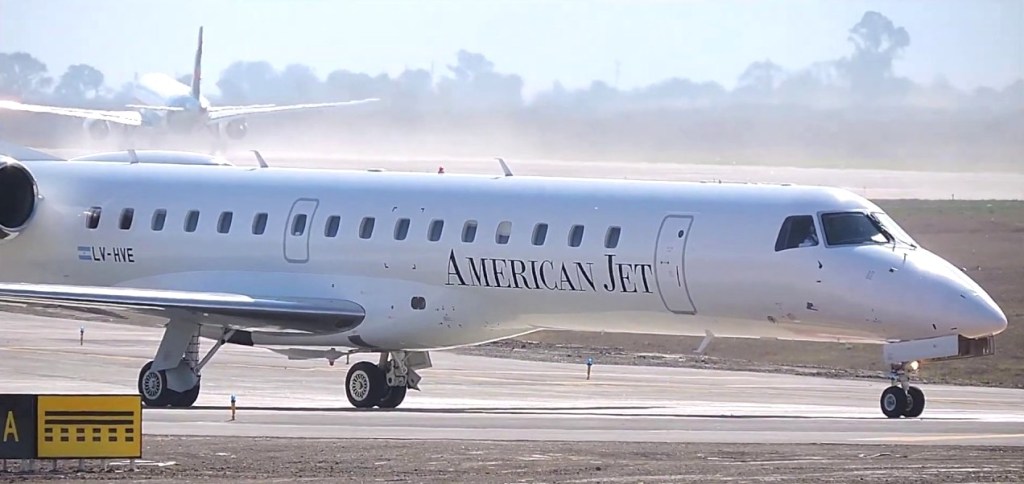
La aerolínea uruguaya Amas Uruguay ha comunicado la próxima suspensión de sus operaciones comerciales a partir del 7 de Diciembre de 2020 por el entorno sanitario y bloqueo aéreo. La información de la suspensión y el envío al seguro de paro fue comunicada entre la tarde y la noche del 17/11 a los empleados de la compañía. Amas Uruguay, también conocida originalmente como Amaszonas Uruguay, inicia un proceso de coordinación con las autoridades gubernamentales y organismos para una coordinación debido a las dificultades tras nueve meses de confinamiento social.
La aerolínea había establecido un programa de ampliación de flota en un plan comprometido para la incorporación del segundo avión Embraer 190-100, pero en vista de la actual coyuntura del mercado aeronáutico y turístico al que debe sumarse el cierre de fronteras en Uruguay, la compañía ha suspendido todos sus previsiones.
Amas Uruguay ha comunicado a funcionarios, pasajeros, proveedores y autoridades del Gobierno de Uruguay, que desde el día uno del cierre de fronteras se intentó por todos los medios sostener la aerolínea y colaborar con los uruguayos y el país en lo que estuvo a su alcance. «Es una noticia que no queremos dar. Intentamos por todos los medios buscar fórmulas para seguir volando, pero ya estamos con números rojos hace 9 meses y con un flujo acotado de pasajeros para transportar. Se nos cerró el circulo cada vez más. Vamos a suspender las operaciones hasta que Uruguay se abra. La situación del mercado es alarmante y tenemos que estar fuertes para cuando la nueva normalidad nos permita trabajar y nuestra apuesta al país sea viable, y nos permita cubrir mínimamente los costos fijos y los sueldos de nuestros 62 funcionarios en Uruguay, así como más de 40 en Argentina y Paraguay», ha expresado Sergio León, Gerente General de Amaszonas Uruguay.
Amas Uruguay quedó oficialmente habilitada para volar el 10 de Agosto 2015, cuando recibió el Certificado de Explotador Aéreo (AOC) N°003/121 bajo las nuevas Reglamentaciones Latinoamericanas LAR121. El procedimiento llevó a la compañía de capitales bolivianos unos 16 meses, siendo el único proceso de escisión que se realizó con éxito en esta materia en el Uruguay. El proceso se había iniciado en Abril de 2015, cuando la firma Amaszonas Bolivia acordó hacerse cargo de las operaciones y el personal de BQB Líneas Aéreas, evitando así su cierre. Amas Uruguay asumió durante la pandemia un rol fundamental en los vuelos de repatriación, los cuales permitieron el reencuentro de 4689 familias. Ante el cierre de fronteras con Argentina y Brasil la empresa uruguaya debió ajustar su presupuesto y plan de expansión al igual que todas las aerolíneas del mundo. No obstante, la experiencia de poder trabajar mancomunadamente con el Gobierno en las misiones humanitarias fue un reto que se asumió con mucha responsabilidad, pese a la pandemia. «Es una experiencia que nos llenó de orgullo y satisfacción. El profesionalismo con el que Uruguay manejó el tema para repatriar a todos los compatriotas y que Amaszonas Uruguay como única aerolínea uruguaya fuera parte de la solución, es algo que nos llenó de satisfacción y orgullo. Saber que pudimos aportar nuestro granito de arena para que más de 2348 familias uruguayas y 2340 familias extranjeras se encuentren, nos hizo sentir que caminamos en la senda correcta, más si consideramos que desde hace cinco años, luchamos para sostener la operación en Uruguay», expresó el Gerente General de Amas Uruguay.
Amas Uruguay suspends operations
It will temporarily suspend ops from 07/12
The Uruguayan airline Amas Uruguay has announced the upcoming suspension of its commercial operations as of December 7, 2020 due to the health environment and air blockade. The information on the suspension and the sending of unemployment insurance was communicated between the afternoon and evening of 11/17 to the company’s employees. Amas Uruguay, also originally known as Amaszonas Uruguay, begins a process of coordination with government authorities and agencies for coordination due to the difficulties after nine months of social confinement.
The airline had established a fleet expansion program in a committed plan for the incorporation of the second Embraer 190-100 aircraft, but in view of the current situation in the aeronautical and tourism market, which must be added to the closure of borders in Uruguay, the company has suspended all its forecasts.
Amas Uruguay has communicated to officials, passengers, suppliers and authorities of the Government of Uruguay, that from day one of the closure of borders they tried by all means to support the airline and collaborate with the Uruguayans and the country in what was within their reach. «It is news that we do not want to give. We try by all means to find formulas to continue flying, but we have already had red numbers for 9 months and with a limited flow of passengers to transport. The circle was closed more and more. We are going to suspend operations until Uruguay opens The market situation is alarming and we have to be strong for when the new normal allows us to work and our commitment to the country is viable, and allows us to minimally cover the fixed costs and salaries of our 62 officials in Uruguay, as well as more than 40 in Argentina and Paraguay», said Sergio León, General Manager of Amaszonas Uruguay.
Amas Uruguay was officially authorized to fly on August 10, 2015, when it received the Air Operator Certificate (AOC) No. 003/121 under the new Latin American Regulations LAR121. The procedure took the Bolivian capital company about 16 months, being the only spin-off process that was successfully carried out in this matter in Uruguay. The process had started in April 2015, when the firm Amaszonas Bolivia agreed to take over the operations and personnel of BQB Lineas Aereas, thus avoiding its closure. During the pandemic, Amas Uruguay assumed a fundamental role in the repatriation flights, which allowed the reunion of 4,689 families. Faced with the closure of borders with Argentina and Brazil, the Uruguayan company had to adjust its budget and expansion plan like all airlines in the world. However, the experience of being able to work together with the Government in humanitarian missions was a challenge that was assumed with great responsibility, despite the pandemic. «It is an experience that filled us with pride and satisfaction. The professionalism with which Uruguay handled the issue to repatriate all compatriots and that Amaszonas Uruguay as the only Uruguayan airline was part of the solution, is something that filled us with satisfaction and pride. Knowing that we were able to do our bit so that more than 2348 Uruguayan families and 2340 foreign families meet, made us feel that we were walking on the right path, especially if we consider that for five years, we have been fighting to sustain the operation in Uruguay», expressed the General Manager of Amas Uruguay.
Justicia rechaza denuncia contra Administración ANAC
La Justicia de Argentina ha rechazado la denuncia de la aerolínea Flybondi Líneas Aéreas que había presentado contra la Administración Nacional de Aviación Civil (ANAC) y el Organismo Regulador del Sistema Nacional de Aeropuertos (ORSNA) por supuesto incumplimiento de un fallo judicial. La compañía de presupuesto buscaba la reapertura del Aeropuerto de El Palomar por considerarlo ilógico que la aeroestación no contemple los requisitos biosanitarios como cualquier otro aeropuerto de Argentina. La medida cautelar por la que Flybondi denunció a las autoridades aeronáuticas era la dispuesta el 4 de Agosto de 2020 a través de la cual la Justicia dispuso que la aerolínea Flybondi pueda ver el expediente vinculado al Aeropuerto El Palomar de forma previa al dictado de una decisión por parte del ORSNA. Si bien la Justicia había dictado dicha medida cautelar a favor de Flybondi, la misma no prohibió ni desautorizó al ORSNA como autoridad competente para decidir sobre el futuro del Aeropuerto El Palomar. Por el contrario, en dicho fallo se ratificó plenamente la competencia del ORSNA para tomar las decisiones correspondientes en cuanto al futuro uso de la aeroestación localizada en el oeste del conurbano bonaerense.
Flybondi había recurrido a los Tribunales negándose a cumplir con el marco regulatorio dispuesto por el ORSNA y la ANAC para la reanudación de los vuelos regulares de pasajeros y buscaba que la Justicia obligue al Gobierno de Argentina a reabrir el Aeropuerto El Palomar. Luego de analizar el caso, la Justicia dio por cumplida la medida cautelar dispuesta el 04/08 ya que el ORSNA le dio vista del expediente a Flybondi, tal como ordenaba el fallo judicial y, en consecuencia, archivó la denuncia de la aerolínea y habilitó al Gobierno a tomar las decisiones del caso respecto de El Palomar.
Aeropuerto de Ezeiza
A fines de Octubre 2020, el Gobierno nacional ratificó a través del ORSNA y la ANAC que el Aeropuerto de Ezeiza es el único habilitado en el AMBA que garantiza las medidas sanitarias de prevención de la pandemia de Coronavirus Covid-19, ya que el Aeroparque Jorge Newbery permanece cerrado hasta Febrero de 2021 por las obras de remodelación, ampliación y modernización.
En este escenario, el Gobierno dispuso que las únicas dos aerolíneas que utilizaban el Aeropuerto El Palomar como aeropuerto comercial, Flybondi Líneas Aéreas y JetSmart Airlines Argentina, sigan volando desde el Aeropuerto de Ezeiza, con un esquema de costos reducidos como el que tenían en la aeroestación low cost.
Según los estudios efectuados por los organismos del ORSNA como de la ANAC, determinaron que es físicamente imposible poder cumplir en el Aeropuerto El Palomar con el distanciamiento social y con las estrictas disposiciones sanitarias establecidas en los protocolos para evitar el contagio y propagación de la pandemia de Covid-19.
Volar desde Ezeiza
El Aeropuerto Internacional Ezeiza fue especialmente acondicionado y adaptado, luego de una inversión millonaria de alta complejidad que tuvo una duración de varios meses, incorporando tecnología de última generación para poder operar en un contexto de bioseguridad, garantizando el estricto cumplimiento de las medidas preventivas en el contexto de la pandemia en el marco de lo que se denomina Corredor Sanitario Seguro.
El Gobierno de Argentina había comunicado a las aéreas Flybondi Líneas Aéreas y JetSmart Airlines Argentina la decisión de trasladar las operaciones al Aeropuerto Internacional Ezeiza, pero ambas aerolíneas adoptaron posturas distintas una vez conocida la decisión de trasladar los vuelos de ambas compañías al principal aeropuerto del país. JetSmart Argentina posee una flota de cuatro aeronaves Airbus A320CEO que operan en el país ha acatado lo resuelto por las autoridades, por lo que a partir de este Jueves 19/11 retomará sus operaciones regulares de cabotaje con vuelos desde Ezeiza hacia Córdoba, Mendoza, Salta, Tucumán, Bariloche y Neuquén, a lo que luego irá sumando nuevos destinos. Flybondi, en cambio, se negó a operar desde Ezeiza. El CEO de la aerolínea, Esteban Tossutti, ha advertido acerca de la posición firme de volar desde el Aeropuerto El Palomar, pues consideran que el negocio está allí y no en Ezeiza, ha hecho público la postura de discontinuar las operaciones en Argentina si no se contempla el reclamo de la low cost, aunque hace más de seis meses el Gobierno viene haciéndose cargo de pagar parte de los sueldos mediante el Programa de Asistencia del Trabajo y la Producción (ATP).
Flybondi, stand-by
Actualmente Flybondi se ha quedado sin aviones en el país. Poseía hasta Febrero 2020 cinco Boeing 737-800 Next Generation. El Sábado 14/11 ha retirado la última aeronave que tenía a disponibilidad en el país para realizar chequeos de mantenimiento en México. Se espera que el avión vuelva a fin de mes para poder reiniciar la programación de vuelos comerciales en Diciembre 2020, si finalmente se habilita el Aeropuerto de El Palomar, ya que la aerolínea advirtió que su modelo negocio no es viable con las operaciones desde el Aeropuerto Ezeiza.
El Boeing 737-800 LV-HFR de Flybondi ha realizado un vuelo en ferry a la Ciudad de México para realizar un Check-C, mantenimiento que se le hace a los aviones cada dos años, en el taller de la empresa MRO Mexicana. La aerolínea llegó a tener cinco aviones Boeing 737-800, pero por la pandemia y la suspensión de vuelos totales realizaron una reingeniería de costos fijos y devolvieron los tres que tenían el costo del leasing más alto. De los dos que quedaron, uno se encuentra estacionado en Estados Unidos y el LV-HFR ha sido enviado a mantenimiento en México.
Reapertura, pero no tanto
Los vuelos de cabotaje en Argentina se habilitaron a partir de Noviembre 2020, siendo Aerolíneas Argentinas la única línea aérea que ha retomado las operaciones. A partir de este Jueves 19/11 también volverán a despegar los aviones de JetSmart Airlines Argentina, que fue habilitada la semana pasada para reiniciar la actividad desde el Aeropuerto Ezeiza. Los primeros destinos a los que volará son Neuquén, Tucumán, Salta, Córdoba y Mendoza.
Aeropuerto El Palomar
Flybondi Líneas Aéreas, mientras tanto, continúa reclamando por la habilitación del Aeropuerto El Palomar para vuelos comerciales nacionales e internacionales. La semana pasada, el Ministro de Transporte, Mario Meoni, había indicado que «no tienen previsto ningún cierre de El Palomar y se podría volver a habilitar en el corto plazo. Lo que dispuso el organismo de control es, por cuestiones sanitarias, restringir las operaciones durante este lapso; tiene más que ver con el Covid que con la operación aeronáutica. Yo particularmente creo que [El Palomar] debería estar operando en el corto plazo. De hecho, está operando para algunos vuelos especiales, más vinculados con la carga, que de pasajeros. Creo que en los próximos días se pueda volver a rehabilitar como terminal de pasajeros», dijo al programa televisivo Aciertos & Errores. Sin embargo, la decisión final la tendrá el Organismo Regulador del Sistema Nacional de Aeropuertos (ORSNA), la entidad autárquica controlada por la agrupación política de La Cámpora. Mientras tanto, Flybondi parece ver una luz al final del túnel.
El Aeropuerto Jorge Newbery, en tanto, continuará cerrado por obras de mantenimiento y reformas en las pistas. Se espera que vuelva a estar operativo hacia Febrero 2021, pero esa es otra historia que tendrá mucho hilo en el carretel.
Justice rejects Flybondi’s complaint
Justice rejects complaint against ANAC Administration
The Justice of Argentina has rejected the complaint of the airline Flybondi Líneas Aéreas that it had filed against the National Civil Aviation Administration (ANAC) and the Regulatory Body of the National Airport System (ORSNA) for alleged breach of a court ruling. The budget company was seeking the reopening of the El Palomar Airport, considering it illogical that the airstation does not meet biosanitary requirements like any other airport in Argentina. The precautionary measure by which Flybondi denounced the aeronautical authorities was the one arranged on August 4, 2020 through which the Justice ordered that the Flybondi airline can see the file linked to El Palomar Airport prior to the issuance of a decision by the ORSNA. Although the Justice had issued said precautionary measure in favor of Flybondi, it did not prohibit or disavow the ORSNA as the competent authority to decide on the future of El Palomar Airport. On the contrary, said ruling fully ratified the competence of the ORSNA to make the corresponding decisions regarding the future use of the air station located in the west of the Buenos Aires suburbs.
Flybondi had appealed to the Courts, refusing to comply with the regulatory framework established by the ORSNA and the ANAC for the resumption of regular passenger flights and sought that the Justice force the Government of Argentina to reopen the El Palomar Airport. After analyzing the case, the Justice considered the precautionary measure ordered on 08/04 as fulfilled since the ORSNA gave Flybondi a view of the file, as ordered by the court ruling and, consequently, filed the airline’s complaint and authorized the Government to make the decisions in the case regarding El Palomar.
Ezeiza Airport
At the end of October 2020, the national government ratified through the ORSNA and the ANAC that the Ezeiza Airport is the only one authorized in the AMBA that guarantees the health measures to prevent the Coronavirus Covid-19 pandemic, since the Jorge Airport Newbery remains closed until February 2021 due to remodeling, expansion and modernization works.
In this scenario, the Government ordered that the only two airlines that used El Palomar Airport as a commercial airport, Flybondi Lineas Aereas and Jetsmart Airlines Argentina, continue to fly from Ezeiza Airport, with a reduced cost scheme like the one they had in the low cost airstation.
According to the studies carried out by the ORSNA and ANAC organizations, they determined that it is physically impossible to comply at the El Palomar Airport with social distancing and with the strict sanitary provisions established in the protocols to avoid the contagion and spread of the pandemic of Covid-19.
Fly from Ezeiza
The Ezeiza International Airport was specially conditioned and adapted, after a millionaire investment of high complexity that lasted several months, incorporating state-of-the-art technology to be able to operate in a biosafety context, guaranteeing strict compliance with the preventive measures in the context of the pandemic within the framework of what is known as the Safe Sanitary Corridor.
The Government of Argentina had communicated to the airlines Flybondi Líneas Aéreas and JetSmart Airlines Argentina the decision to transfer operations to the Ezeiza International Airport, but both airlines adopted different positions once the decision to transfer the flights of both companies to the country’s main airport was known. JetSmart Argentina has a fleet of four Airbus A320CEO aircraft operating in the country, it has complied with what was resolved by the authorities, so as of this Thursday 11/19 it will resume its regular cabotage operations with flights from Ezeiza to Córdoba, Mendoza, Salta, Tucumán, Bariloche and Neuquén, to which new destinations will later be added. Flybondi, on the other hand, refused to operate from Ezeiza. The CEO of the airline, Esteban Tossutti, has warned about the firm position of flying from El Palomar Airport, as they consider that the business is there and not in Ezeiza, has made public the position of discontinuing operations in Argentina if it is not contemplates the low cost claim, although for more than six months the Government has been taking charge of paying part of the salaries through the Work and Production Assistance Program (ATP).
Flybondi, stand-by
Currently Flybondi has run out of planes in the country. It owned until February 2020 five Boeing 737-800 Next Generation. On Saturday 11/14, the last aircraft that it had available in the country to carry out maintenance checks in Mexico. The plane is expected to return at the end of the month to be able to restart the commercial flight schedule in December 2020, if El Palomar Airport is finally enabled, since the airline warned that its business model is not viable with operations from the Airport Ezeiza.
The Flybondi Boeing 737-800 LV-HFR has made a ferry flight to Mexico City to perform a Check-C, maintenance that is performed on the aircraft every two years, in the workshop of the Mexican company MRO. The airline had five Boeing 737-800 aircraft, but due to the pandemic and the suspension of total flights, they re-engineered fixed costs and returned the three that had the highest lease cost. Of the two that remained, one is stationed in the United States and the LV-HFR has been sent for maintenance in Mexico.
Reopening, but not so much
Cabotage flights in Argentina were enabled as of November 2020, being Aerolineas Argentinas the only airline that has resumed operations. Starting this Thursday, 11/19, the planes of JetSmart Airlines Argentina will also take off again, which was enabled last week to restart activity from Ezeiza Airport. The first destinations you will fly to are Neuquén, Tucumán, Salta, Córdoba and Mendoza.
El Palomar Airport
Flybondi Líneas Aéreas, meanwhile, continues to demand the authorization of El Palomar Airport for national and international commercial flights. Last week, the Minister of Transport, Mario Meoni, had indicated that «they do not plan any closure of El Palomar and it could be re-enabled in the short term. What the control body ordered is, for health reasons, to restrict the operations during this period; it has more to do with the Covid than with the aeronautical operation. I particularly believe that [El Palomar] should be operating in the short term. In fact, it is operating for some special flights, more related to cargo, rather than passengers. I think that in the next few days it can be rehabilitated as a passenger terminal, «he told the television program Acificios & Errors. However, the final decision will be made by the Regulatory Body of the National Airport System (ORSNA), the autarkic entity controlled by the La Cámpora political group. Meanwhile, Flybondi seems to see a light at the end of the tunnel.
Jorge Newbery Airport, meanwhile, will continue to be closed due to maintenance and renovation works on the runways. It is expected to be operational again around February 2021, but that is another story that will have a lot of thread on the reel.
Suscríbase a Airgways®!
Airgways es una editorial de noticias de aviación comercial, turismo y afines de alcance mundial. Donde quiera que usted se encuentre, puede suscribirse a Airgways.com de manera gratuita, accediendo en su bandeja de entrada de su e-mail con las mejores noticias, obteniendo beneficios y premios para nuestros aero-entusiastas. Estamos seguros que se deleitará junto a nuestro equipo con la pasión por volar todos los días, un día más. ¡Amamos volar, siempre! Vuela tan alto como tus sueños.
Subscribe to Airgways®!
Airgways is a global publisher of commercial aviation, tourism and related news. Wherever you are, you can subscribe to Airgways.com for free, accessing your e-mail inbox with the best news, obtaining benefits and prizes for our aero-enthusiasts. We are sure that you will delight with our team with the passion for flying every day, one more day. We love to fly, always! Fly as high as your dreams.
Airgways/FAQ
Airgways & Airgways.com continúan comprometiéndose con los entusiastas y amantes de la aviación, el turismo y el espacio. El propósito de Airgways/FAQ es proporcionar información sobre preguntas o inquietudes frecuentes relacionadas a nuestro trabajo, la información procesada u otras inquietudes relacionadas al mundo de la aviación. ¡Su participación nos compromete a continuar volando tan alto como nuestros sueños de alcanzarlos y hacerlos realidad!
Airgways/FAQ
Airgways & Airgways.com continue to engage with enthusiasts and lovers of aviation, tourism and space. The purpose of Airgways/FAQ is to provide information on frequently asked questions or concerns related to our work, processed information or other concerns related to the world of aviation. Your participation commits us to continue to fly as high as our dreams of reaching and making them come true!
Korean Air Lines la aerolínea principal de la República de Corea del Sur, se encuentra en negociaciones par la adquisición de la compañía Asiana Airlines, en un acuerdo valorado en ₩ 2,5 billones de Wones (US$ 2.300 millones de Dólares), lo que la convertirá en la 10ª aerolínea más grande del mundo en términos de flotas, según dijeron, este lunes, fuentes de la industria. Asiana Airlines Inc. es una importante aerolínea y la única aerolínea de cinco estrellas en Corea del Sur. La sede global de la aerolínea se encuentra en la capital, Seúl. En 2019, representó una participación del 25% en el mercado internacional y una participación del 20% en el mercado interno. Korean Air, que actualmente es la 18ª aerolínea más grande del mundo, venderá acciones nuevas, valuadas en ₩ 2,5 billones de Wones para financiar el acuerdo, y su compañía matriz, Hanjin KAL Corp., inyectará ₩ 800.000 millones de Wones (US$ 722 millones de Dólares).
Korean Air comprará una participación del 30,77 por ciento en Asiana Airlines a los acreedores de la aerolínea más pequeña, los cuales están liderados por el Banco de Desarrollo de Corea del Sur (KDB), que está gestionado por el Estado. El KDB planea invertir ₩ 500.000 millones de Wones (US$ 451 millones de Dólares) en acciones que emitirá Hanjin KAL y ₩ 300.000 millones de Wones (US$ 271 millones de Dólares) en las obligaciones convertibles de la empresa. Se espera que Hanjin KAL presente una carta de intenciones al KDB, a principios de esta semana, para proseguir con el acuerdo.
La participación mayoritaria de Asiana está en manos de Kumho Industrial Co., una filial del Grupo Kumho Asiana, un conglomerado que incluye desde aerolíneas hasta empresas del sector petroquímico. Los acreedores de Asiana, el KDB y el Banco de Exportación e Importación de Corea del Sur (Eximbank), decidieron terminar, en Septiembre 2020, un acuerdo prolongado para vender Asiana a un consorcio liderado por HDC Hyundai Development Co., por diferencias sobre los términos del mismo, en medio de la prolongación de la pandemia del COVID-19. El consorcio había firmado, inicialmente, un acuerdo para comprar, por ₩ 2,5 billones de Wones, la participación de Asiana que correspondía a Kumho Industrial, así como nuevas acciones de Asiana que serían emitidas, y seis filiales de la aerolínea. Sin embargo, posteriormente, HDC demandó una renegociación de los términos a Kumho y a los acreedores, así como otra ronda de diligencia debida sobre Asiana, para reflejar el impacto de la pandemia sobre la industria aeronáutica. No obstante, la demanda fue rechazada por los acreedores.
Korean Air negotiates purchase of Asiana
Korean Air to buy Asiana Airlines
Korean Air Lines, the main airline of the Republic of South Korea, is in negotiations for the acquisition of the company Asiana Airlines, in an agreement valued at ₩ 2.5 billion Wons (US$ 2.3 billion), which It will make it the 10th largest airline in the world in terms of fleets, industry sources said Monday. Asiana Airlines Inc. is a major airline and the only five-star airline in South Korea. The airline’s global headquarters are in the capital, Seoul. In 2019, it represented a 25% share in the international market and a 20% share in the domestic market. Korean Air, which is currently the 18th largest airline in the world, will sell new shares, valued at ₩ 2.5 trillion Wons to fund the deal, and its parent company, Hanjin KAL Corp., will inject ₩ 800 billion Wons (US$ 722 million Dollars).
Korean Air will buy a 30.77 percent stake in Asiana Airlines from the smaller airline’s creditors, which are led by the South Korean Development Bank (KDB), which is run by the state. The KDB plans to invest ₩ 500 billion won (US$ 451 million) in shares to be issued by Hanjin KAL and ₩ 300 billion won (US$ 271 million) in the company’s convertible bonds. Hanjin KAL is expected to submit a letter of intent to the KDB earlier this week to pursue the deal.
Asiana’s majority stake is held by Kumho Industrial Co., a subsidiary of the Kumho Asiana Group, a conglomerate that includes everything from airlines to companies in the petrochemical sector. Asiana’s creditors, the KDB and the Export-Import Bank of South Korea (Eximbank), decided to terminate, in September 2020, a lengthy agreement to sell Asiana to a consortium led by HDC Hyundai Development Co., due to differences over the terms of the same, amid the prolongation of the COVID-19 pandemic. The consortium had initially signed an agreement to purchase, for ₩ 2.5 trillion Wones, the Asiana stake that belonged to Kumho Industrial, as well as new Asiana shares to be issued, and six subsidiaries of the airline. However, HDC subsequently demanded a renegotiation of the terms from Kumho and the creditors, as well as another round of due diligence on Asiana, to reflect the impact of the pandemic on the aviation industry. However, the claim was rejected by the creditors.
대한 항공, 아시아나 매입 협상
대한 항공, 아시아나 항공 인수
대한항공민국의 주요 사 인 대한 항공이 아시아나 항공 인수 협의를 진행 중이며 25 억 원 (미화 23 억 달러) 규모의 계약으로 10 번째로 큰 규모가 될 것입니다. 업계 소식통은 월요일에 전 세계 항공기를 운항합니다. 아시아나 항공은 국내 유일의 주요 항공사이자 5 포함 항공사입니다. 항공사의 글로벌 본사는 수도 인 서울에 있습니다. 2019 년에는 국제 시장에서 25 %, 국내 시장에서 20 %를 차지했습니다. 현재 세계 18 위 항공사 인 대한 항공이 2 조 5000 억원 규모의 신주를 매각하고 모회사 인 한진 칼 (주)가 8000 억원 (미화 722 달러)을 투입한다. 백만 달러).
대한 항공은 국가가 운영하는 한국 산업 은행 (KDB)이 이끄는 소규모 항공사 채권단으로부터 아시아나 항공 지분 30.77 %를 인수 할 예정이다. 산은은 한진 칼이 발행 할 주식에 5000 억원, 전환 사채에 3000 억원을 투자 할 계획이다. 한진 칼은 이번 주 초 KDB에 의향 출시 될 거래를 추진할 예정이다.
아시아나의 과반수 지분은 항공사로부터 석유 화학 기업까지 모든 것을 아우르는 대기업 인 금호 아시아나 그룹의 자회사 인 금호 산업이 보유하고있다. 아시아나 채권단 인 KDB와 한국 수출입 은행 (엑심 뱅크)은 조건의 차이로 인해 2020 년 9 월 HDC 현대 산업 개발이 이끄는 컨소시엄에 아시아나를 매각하는 장기 계약을 해지하기로 결정했습니다. COVID-19 대유행의 연장에서도 마찬가지입니다. 컨소시엄은 당초 금호 산업이 보유한 아시아나 지분 2 조 5000 억원과 아시아나 신주 발행 예정인 주식과 항공사 6 개 자회사를 매입하기로 하나했다. 그러나 HDC는 이후 금호와 채권단의 조건에 대한 재협상과 아시아나에 대한 또 다른 실사를 요구하여 전염병이 항공 산업에 대한 영향을 반영했습니다. 그러나 채권자들은 주장을 거부했습니다.