Primer transportista japonés víctima de la pandemia
AirAsia Japan ha anunciado la declaración de bancarrota, dejando 23.000 folletos sin reembolsos. El transportista de presupuesto se convierte en la primera víctima de la pandemia de los cielos japoneses. AirAsia Japan se declaró a un proceso de quiebra en el Tribunal de Distrito de Tokio el Martes 17/11 con unos ¥ 21.700 millones de Yenes (US$ 208 millones de Dólares) en pasivos, convirtiéndose en la primera aerolínea en fracasar en el país durante la era COVID-19. La medida se produce después de que la matriz malasia de la compañía de presupuesto, AirAsia, cortara la ayuda a la empresa conjunta japonesa en medio de una recesión mundial de los viajes aéreos. Más de 23.000 clientes no han recibido reembolsos por vuelos cancelados, según Tamotsu Ueno, el Abogado que sirve como administrador de AirAsia Japan. Tamotsu Ueno dijo a los periodistas en conferencia de prensa en el aeropuerto que los reembolsos de clientes no pagados ascienden a algo más de ¥ 500 millones de Yenes. El Director de Operaciones de AirAsia Japan, Jun Aida, dijo que la compañía cooperará con los procedimientos necesarios.
AirAsia dice que proporcionará créditos que se pueden utilizar para vuelos internacionales en aerolíneas de grupo. La compañía planea buscar ayuda de los accionistas, dijo Tamotsu Ueno a una conferencia de prensa. Los inversores incluyen al grupo japonés de comercio electrónico Rakuten, el fabricante de productos de salud y belleza Noevir Holdings, y el operador de la tienda de artículos deportivos Alpen.
AirAsia Japan es la única aerolínea en el país con su centro de operaciones en el Aeropuerto Internacional Chubu Centrair de la zona de Nagoya. Antes de detener los vuelos, la aerolínea operaba rutas nacionales a Sapporo, Sendai y Fukuoka, así como una ruta internacional a la ciudad taiwanesa de Taipei.
La pandemia de coronavirus golpeó antes de que AirAsia Japón tuviera la oportunidad de aumentar la rentabilidad mediante la ampliación de su servicio. La aerolínea sólo tiene tres aviones en arrendamiento. Después de cancelar vuelos a partir de Abril, anunció en Octubre 2020 la interrupción de todas las rutas. La mayoría de sus casi 300 empleados fueron dejados ir el 4 de noviembre, dejando sólo unos 50 para manejar el proceso de liquidación. Ueno dijo que algunos salarios siguen sin pagarse. AirAsia Japan reportó una pérdida neta de unos ¥ 4.700 millones de Yenes por ingresos de aproximadamente ¥ 4.000 millones de Yenes en 2019.
AirAsia Japan declares bankruptcy
First Japanese carrier victim of the pandemic
AirAsia Japan has announced the bankruptcy filing, leaving 23,000 brochures with no refunds. The budget carrier becomes the first victim of the pandemic from the Japanese skies. AirAsia Japan filed for bankruptcy in Tokyo District Court on Tuesday 11/17 with some ¥ 21.7 billion yen (US$ 208 million) in liabilities, becoming the first airline to fail in the country during the COVID-19 era. The move comes after budget company Malaysian parent AirAsia cut aid to the Japanese joint venture amid a global air travel recession. More than 23,000 customers have not received refunds for canceled flights, according to Tamotsu Ueno, the attorney who serves as AirAsia Japan’s administrator. Tamotsu Ueno told reporters at a press conference at the airport that unpaid customer refunds amount to just over ¥ 500 million yen. AirAsia Japan COO Jun Aida said the company will cooperate with the necessary procedures.
AirAsia says it will provide credits that can be used for international flights on group airlines. The company plans to seek help from shareholders, Tamotsu Ueno told a press conference. Investors include Japanese e-commerce group Rakuten, health and beauty products maker Noevir Holdings, and sporting goods store operator Alpen.
AirAsia Japan is the only airline in the country with its hub at Chubu Centrair International Airport in the Nagoya area. Before stopping the flights, the airline operated domestic routes to Sapporo, Sendai and Fukuoka, as well as an international route to the Taiwanese city of Taipei.
The coronavirus pandemic struck before AirAsia Japan had a chance to increase profitability by expanding its service. The airline only has three planes on lease. After canceling flights from April, it announced in October 2020 the interruption of all routes. Most of its nearly 300 employees were let go on November 4, leaving only about 50 to handle the liquidation process. Ueno said that some salaries remain unpaid. AirAsia Japan reported a net loss of about ¥ 4.7 billion yen on revenue of approximately ¥ 4 billion yen in 2019.
AW | 2020 11 18 11:53 | AVIATION ORGANISMS / GOVERNMENT / AIRLINES
ONU continúa programando red de distribución masiva
La Organización de las Naciones Unidas (ONU) está en la etapa de reclutamiento de aerolíneas para entregar vacunas a países no alineados donde la pobreza extrema hace dificultoso el transporte por parte de los propios gobiernos. Este Lunes 16/11 se reunieron 40 operadores de la industria de la aviación comercial para planificar una posible distribución más ágil.
El Fondo de las Naciones Unidas para la Infancia, UNICEF, está intentando reclutar a algunos de los mayores operadores de la industria aérea para que ayuden a distribuir una vacuna contra el coronavirus a las naciones más pobres del mundo. UNICEF, que normalmente proporciona ayuda a los niños, organizó este Lunes 16/11 una teleconferencia con cerca de 40 aerolíneas para hacer planes para el transporte aéreo mundial y para identificar que tareas puede realizar cada parte, según Glyn Hughes, Director Global del segmento de Carga de la Asociación de Transporte Aéreo Internacional (IATA), que ha ayudado a organizar la reunión. UNICEF, que ya es el mayor comprador mundial de vacunas, está liderando los esfuerzos para comprar y distribuir vacunas contra el COVID-19 a 92 países con fondos de la Alianza Mundial para Vacunas e Inmunización (GAVI), que reúne a gobiernos, la Organización Mundial de la Salud y el Banco Mundial. La convocatoria de las aerolíneas surgió tras los positivos resultados de ensayos de fase avanzada que reportaron Pfizer Inc. y Moderna Inc. para dos vacunas diferentes, dijo Hughes en una entrevista.
Vacunas Coronavirus
Normalmente Unicef suministra más de 2.000 millones de vacunas al año. Actualmente, ninguna de las dos empresas ha recibido la aprobación para su uso médico, pero la atención se está centrando en como se puede distribuir una vacuna exitosa, especialmente a países con menos recursos que no cuentan con los medios para realizar grandes compras.
Aerolíneas, papel protagónico
Alrededor de treinta aerolíneas de carga más grandes fueron invitadas a participar en la reunión en línea, ha señalado Glyn Hughes. Entre los asistentes estaban especialistas en despacho express como FedEx Corp. y United Parcel Service Inc. (UPS), y operadores de carga especializados como Cargolux Airlines International SA. Grupos de aerolíneas con grandes divisiones de carga como Deutsche Lufthansa AG también participaron, junto con aerolíneas de pasajeros con experiencia en el traslado de productos especializados como Virgin Atlantic Airways Ltd. Otros participantes incluyeron operadores regionales de África, Latinoamérica y el sudeste asiático, donde se centraran en gran medida las labores.
Los esfuerzos iniciales proporcionarán vacunas para cerca de 20% de las poblaciones locales, comenzando con el personal médico y otros grupos claves, y probablemente utilizando vacunas con requerimientos de temperatura menos exigentes, dijo Glyn Hughes. En tiempos normales, Unicef suministra más de 2.000 millones de vacunas al año, lo que en 2019 tuvo un valor de casi US$ 1.700 millones de dólares.
Un enorme déficit
IATA estima que se necesitará el equivalente a 8.000 aviones de carga Boeing 747 con capacidad para 110 toneladas en el transporte aéreo de vacunas en todo el mundo. La industria cuenta con cerca de 2.000 aviones de carga especializados que generalmente llevan alrededor de la mitad de todos los bienes transportados por aire, mientras que 2.500 aviones de pasajeros están actualmente operando solo en tareas de carga. Pese a todo eso, aún existe un enorme déficit que sólo se puede solucionar mediante la apertura de más rutas por parte de los gobiernos, indico Hughes. Si bien los operadores de carga se encuentran actualmente en su ajetreada temporada de fin de año para el transporte de productos para minoristas, Glyn Hughes dijo que es vital que los aviones estén listos para el próximo año en un periodo en que, de otra forma, algunos estarían sin operar. «Lo último que queremos es que los aviones vuelvan al desierto», concluye Glyn Hughes.
UN seeks to recruit cargo airlines
UN continues to program mass distribution network
The United Nations (UN) is in the stage of recruiting airlines to deliver vaccines to non-aligned countries where extreme poverty makes transportation difficult for governments themselves. This Monday, 11/16, 40 operators from the commercial aviation industry met to plan a possible more agile distribution.
The United Nations Children’s Fund, UNICEF, is trying to recruit some of the biggest operators in the airline industry to help distribute a coronavirus vaccine to the world’s poorest nations. UNICEF, which normally provides help to children, organized a teleconference Monday with about 40 airlines to make plans for global air travel and to identify what tasks each party can perform, according to Glyn Hughes, Global Director of the Cargo segment of the International Air Transport Association (IATA), which has helped organize the meeting. UNICEF, already the world’s largest buyer of vaccines, is leading efforts to purchase and distribute COVID-19 vaccines to 92 countries with funds from the Global Alliance for Vaccines and Immunization (GAVI), which brings together governments, the Organization World Health and the World Bank. The call for the airlines came after positive late-stage trial results reported by Pfizer Inc. and Moderna Inc. for two different vaccines, Hughes said in an interview.
Coronavirus vaccines
Normally UNICEF supplies more than 2 billion vaccines a year. Currently, neither company has received approval for medical use, but attention is turning to how a successful vaccine can be distributed, especially to countries with fewer resources that do not have the means to make large purchases.
Airlines, leading role
About 30 larger cargo airlines were invited to participate in the online meeting, Glyn Hughes said. Among the attendees were express dispatch specialists such as FedEx Corp. and United Parcel Service Inc. (UPS), and specialized cargo operators such as Cargolux Airlines International SA. Groups of airlines with large cargo divisions such as Deutsche Lufthansa AG also participated, along with passenger airlines with experience in moving specialty products such as Virgin Atlantic Airways Ltd. Other participants included regional carriers from Africa, Latin America and Southeast Asia, where They will focus the work to a great extent.
Initial efforts will provide vaccines for about 20% of local populations, beginning with medical personnel and other key groups, and likely using vaccines with less stringent temperature requirements, Glyn Hughes said. In normal times, UNICEF supplies more than 2 billion vaccines a year, which in 2019 was worth almost US$ 1.7 billion.
A huge deficit
IATA estimates that the equivalent of 8,000 Boeing 747 cargo aircraft with a capacity of 110 tonnes will be needed in the air transport of vaccines worldwide. The industry has about 2,000 specialized cargo aircraft that generally carry around half of all goods transported by air, while 2,500 airliners are currently operating cargo only. Despite all this, there is still a huge deficit that can only be solved by opening more routes by governments, Hughes said. While freight operators are currently in their busy end-of-the-year season to transport goods for retailers, Glyn Hughes said it is vital that planes are ready for next year in a time when they would otherwise some would be without operating. «The last thing we want is for the planes to go back to the desert», concludes Glyn Hughes.
La aerolínea uruguaya Amas Uruguay ha comunicado la próxima suspensión de sus operaciones comerciales a partir del 7 de Diciembre de 2020 por el entorno sanitario y bloqueo aéreo. La información de la suspensión y el envío al seguro de paro fue comunicada entre la tarde y la noche del 17/11 a los empleados de la compañía. Amas Uruguay, también conocida originalmente como Amaszonas Uruguay, inicia un proceso de coordinación con las autoridades gubernamentales y organismos para una coordinación debido a las dificultades tras nueve meses de confinamiento social.
La aerolínea había establecido un programa de ampliación de flota en un plan comprometido para la incorporación del segundo avión Embraer 190-100, pero en vista de la actual coyuntura del mercado aeronáutico y turístico al que debe sumarse el cierre de fronteras en Uruguay, la compañía ha suspendido todos sus previsiones.
Amas Uruguay ha comunicado a funcionarios, pasajeros, proveedores y autoridades del Gobierno de Uruguay, que desde el día uno del cierre de fronteras se intentó por todos los medios sostener la aerolínea y colaborar con los uruguayos y el país en lo que estuvo a su alcance. «Es una noticia que no queremos dar. Intentamos por todos los medios buscar fórmulas para seguir volando, pero ya estamos con números rojos hace 9 meses y con un flujo acotado de pasajeros para transportar. Se nos cerró el circulo cada vez más. Vamos a suspender las operaciones hasta que Uruguay se abra. La situación del mercado es alarmante y tenemos que estar fuertes para cuando la nueva normalidad nos permita trabajar y nuestra apuesta al país sea viable, y nos permita cubrir mínimamente los costos fijos y los sueldos de nuestros 62 funcionarios en Uruguay, así como más de 40 en Argentina y Paraguay», ha expresado Sergio León, Gerente General de Amaszonas Uruguay.
Amas Uruguay quedó oficialmente habilitada para volar el 10 de Agosto 2015, cuando recibió el Certificado de Explotador Aéreo (AOC) N°003/121 bajo las nuevas Reglamentaciones Latinoamericanas LAR121. El procedimiento llevó a la compañía de capitales bolivianos unos 16 meses, siendo el único proceso de escisión que se realizó con éxito en esta materia en el Uruguay. El proceso se había iniciado en Abril de 2015, cuando la firma Amaszonas Bolivia acordó hacerse cargo de las operaciones y el personal de BQB Líneas Aéreas, evitando así su cierre. Amas Uruguay asumió durante la pandemia un rol fundamental en los vuelos de repatriación, los cuales permitieron el reencuentro de 4689 familias. Ante el cierre de fronteras con Argentina y Brasil la empresa uruguaya debió ajustar su presupuesto y plan de expansión al igual que todas las aerolíneas del mundo. No obstante, la experiencia de poder trabajar mancomunadamente con el Gobierno en las misiones humanitarias fue un reto que se asumió con mucha responsabilidad, pese a la pandemia. «Es una experiencia que nos llenó de orgullo y satisfacción. El profesionalismo con el que Uruguay manejó el tema para repatriar a todos los compatriotas y que Amaszonas Uruguay como única aerolínea uruguaya fuera parte de la solución, es algo que nos llenó de satisfacción y orgullo. Saber que pudimos aportar nuestro granito de arena para que más de 2348 familias uruguayas y 2340 familias extranjeras se encuentren, nos hizo sentir que caminamos en la senda correcta, más si consideramos que desde hace cinco años, luchamos para sostener la operación en Uruguay», expresó el Gerente General de Amas Uruguay.
Amas Uruguay suspends operations
It will temporarily suspend ops from 07/12
The Uruguayan airline Amas Uruguay has announced the upcoming suspension of its commercial operations as of December 7, 2020 due to the health environment and air blockade. The information on the suspension and the sending of unemployment insurance was communicated between the afternoon and evening of 11/17 to the company’s employees. Amas Uruguay, also originally known as Amaszonas Uruguay, begins a process of coordination with government authorities and agencies for coordination due to the difficulties after nine months of social confinement.
The airline had established a fleet expansion program in a committed plan for the incorporation of the second Embraer 190-100 aircraft, but in view of the current situation in the aeronautical and tourism market, which must be added to the closure of borders in Uruguay, the company has suspended all its forecasts.
Amas Uruguay has communicated to officials, passengers, suppliers and authorities of the Government of Uruguay, that from day one of the closure of borders they tried by all means to support the airline and collaborate with the Uruguayans and the country in what was within their reach. «It is news that we do not want to give. We try by all means to find formulas to continue flying, but we have already had red numbers for 9 months and with a limited flow of passengers to transport. The circle was closed more and more. We are going to suspend operations until Uruguay opens The market situation is alarming and we have to be strong for when the new normal allows us to work and our commitment to the country is viable, and allows us to minimally cover the fixed costs and salaries of our 62 officials in Uruguay, as well as more than 40 in Argentina and Paraguay», said Sergio León, General Manager of Amaszonas Uruguay.
Amas Uruguay was officially authorized to fly on August 10, 2015, when it received the Air Operator Certificate (AOC) No. 003/121 under the new Latin American Regulations LAR121. The procedure took the Bolivian capital company about 16 months, being the only spin-off process that was successfully carried out in this matter in Uruguay. The process had started in April 2015, when the firm Amaszonas Bolivia agreed to take over the operations and personnel of BQB Lineas Aereas, thus avoiding its closure. During the pandemic, Amas Uruguay assumed a fundamental role in the repatriation flights, which allowed the reunion of 4,689 families. Faced with the closure of borders with Argentina and Brazil, the Uruguayan company had to adjust its budget and expansion plan like all airlines in the world. However, the experience of being able to work together with the Government in humanitarian missions was a challenge that was assumed with great responsibility, despite the pandemic. «It is an experience that filled us with pride and satisfaction. The professionalism with which Uruguay handled the issue to repatriate all compatriots and that Amaszonas Uruguay as the only Uruguayan airline was part of the solution, is something that filled us with satisfaction and pride. Knowing that we were able to do our bit so that more than 2348 Uruguayan families and 2340 foreign families meet, made us feel that we were walking on the right path, especially if we consider that for five years, we have been fighting to sustain the operation in Uruguay», expressed the General Manager of Amas Uruguay.
Justicia rechaza denuncia contra Administración ANAC
La Justicia de Argentina ha rechazado la denuncia de la aerolínea Flybondi Líneas Aéreas que había presentado contra la Administración Nacional de Aviación Civil (ANAC) y el Organismo Regulador del Sistema Nacional de Aeropuertos (ORSNA) por supuesto incumplimiento de un fallo judicial. La compañía de presupuesto buscaba la reapertura del Aeropuerto de El Palomar por considerarlo ilógico que la aeroestación no contemple los requisitos biosanitarios como cualquier otro aeropuerto de Argentina. La medida cautelar por la que Flybondi denunció a las autoridades aeronáuticas era la dispuesta el 4 de Agosto de 2020 a través de la cual la Justicia dispuso que la aerolínea Flybondi pueda ver el expediente vinculado al Aeropuerto El Palomar de forma previa al dictado de una decisión por parte del ORSNA. Si bien la Justicia había dictado dicha medida cautelar a favor de Flybondi, la misma no prohibió ni desautorizó al ORSNA como autoridad competente para decidir sobre el futuro del Aeropuerto El Palomar. Por el contrario, en dicho fallo se ratificó plenamente la competencia del ORSNA para tomar las decisiones correspondientes en cuanto al futuro uso de la aeroestación localizada en el oeste del conurbano bonaerense.
Flybondi había recurrido a los Tribunales negándose a cumplir con el marco regulatorio dispuesto por el ORSNA y la ANAC para la reanudación de los vuelos regulares de pasajeros y buscaba que la Justicia obligue al Gobierno de Argentina a reabrir el Aeropuerto El Palomar. Luego de analizar el caso, la Justicia dio por cumplida la medida cautelar dispuesta el 04/08 ya que el ORSNA le dio vista del expediente a Flybondi, tal como ordenaba el fallo judicial y, en consecuencia, archivó la denuncia de la aerolínea y habilitó al Gobierno a tomar las decisiones del caso respecto de El Palomar.
Aeropuerto de Ezeiza
A fines de Octubre 2020, el Gobierno nacional ratificó a través del ORSNA y la ANAC que el Aeropuerto de Ezeiza es el único habilitado en el AMBA que garantiza las medidas sanitarias de prevención de la pandemia de Coronavirus Covid-19, ya que el Aeroparque Jorge Newbery permanece cerrado hasta Febrero de 2021 por las obras de remodelación, ampliación y modernización.
En este escenario, el Gobierno dispuso que las únicas dos aerolíneas que utilizaban el Aeropuerto El Palomar como aeropuerto comercial, Flybondi Líneas Aéreas y JetSmart Airlines Argentina, sigan volando desde el Aeropuerto de Ezeiza, con un esquema de costos reducidos como el que tenían en la aeroestación low cost.
Según los estudios efectuados por los organismos del ORSNA como de la ANAC, determinaron que es físicamente imposible poder cumplir en el Aeropuerto El Palomar con el distanciamiento social y con las estrictas disposiciones sanitarias establecidas en los protocolos para evitar el contagio y propagación de la pandemia de Covid-19.
Volar desde Ezeiza
El Aeropuerto Internacional Ezeiza fue especialmente acondicionado y adaptado, luego de una inversión millonaria de alta complejidad que tuvo una duración de varios meses, incorporando tecnología de última generación para poder operar en un contexto de bioseguridad, garantizando el estricto cumplimiento de las medidas preventivas en el contexto de la pandemia en el marco de lo que se denomina Corredor Sanitario Seguro.
El Gobierno de Argentina había comunicado a las aéreas Flybondi Líneas Aéreas y JetSmart Airlines Argentina la decisión de trasladar las operaciones al Aeropuerto Internacional Ezeiza, pero ambas aerolíneas adoptaron posturas distintas una vez conocida la decisión de trasladar los vuelos de ambas compañías al principal aeropuerto del país. JetSmart Argentina posee una flota de cuatro aeronaves Airbus A320CEO que operan en el país ha acatado lo resuelto por las autoridades, por lo que a partir de este Jueves 19/11 retomará sus operaciones regulares de cabotaje con vuelos desde Ezeiza hacia Córdoba, Mendoza, Salta, Tucumán, Bariloche y Neuquén, a lo que luego irá sumando nuevos destinos. Flybondi, en cambio, se negó a operar desde Ezeiza. El CEO de la aerolínea, Esteban Tossutti, ha advertido acerca de la posición firme de volar desde el Aeropuerto El Palomar, pues consideran que el negocio está allí y no en Ezeiza, ha hecho público la postura de discontinuar las operaciones en Argentina si no se contempla el reclamo de la low cost, aunque hace más de seis meses el Gobierno viene haciéndose cargo de pagar parte de los sueldos mediante el Programa de Asistencia del Trabajo y la Producción (ATP).
Flybondi, stand-by
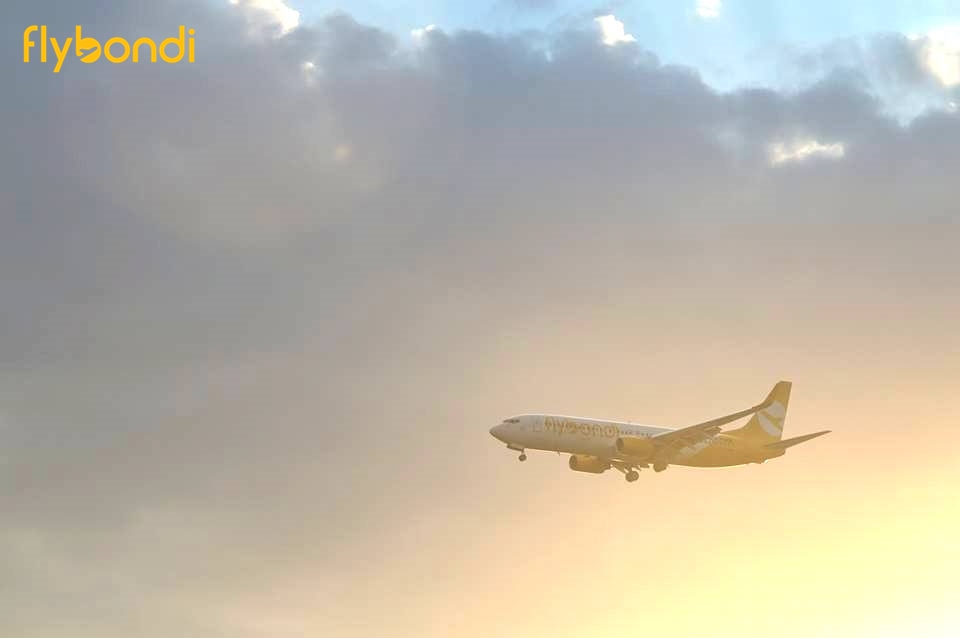
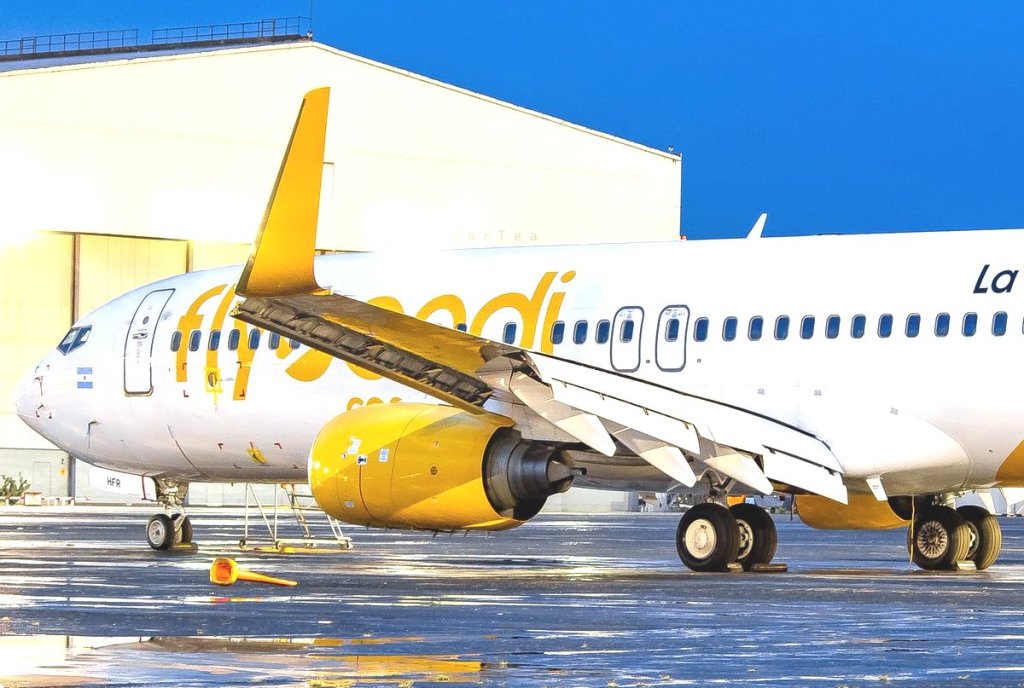
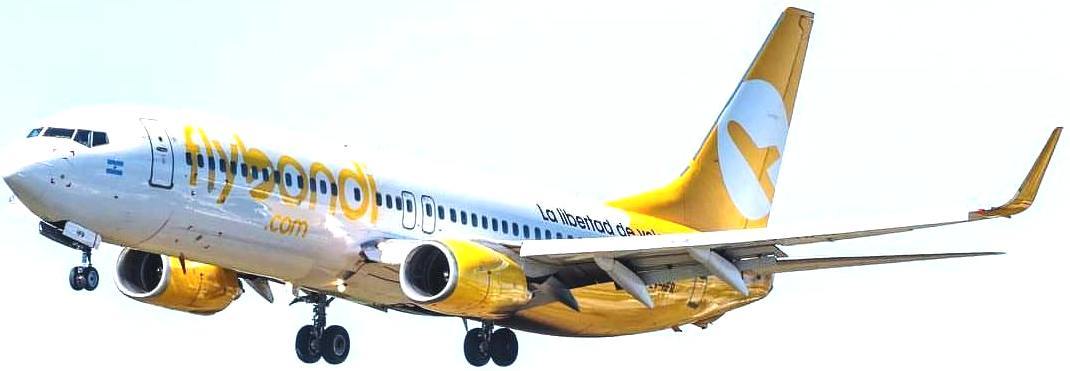
Actualmente Flybondi se ha quedado sin aviones en el país. Poseía hasta Febrero 2020 cinco Boeing 737-800 Next Generation. El Sábado 14/11 ha retirado la última aeronave que tenía a disponibilidad en el país para realizar chequeos de mantenimiento en México. Se espera que el avión vuelva a fin de mes para poder reiniciar la programación de vuelos comerciales en Diciembre 2020, si finalmente se habilita el Aeropuerto de El Palomar, ya que la aerolínea advirtió que su modelo negocio no es viable con las operaciones desde el Aeropuerto Ezeiza.
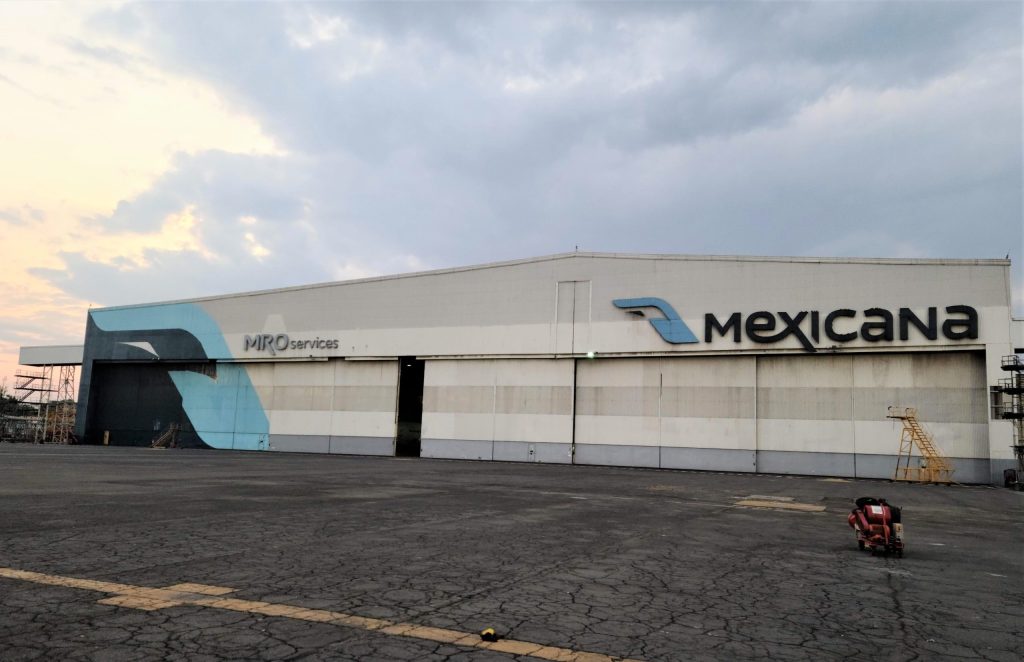
El Boeing 737-800 LV-HFR de Flybondi ha realizado un vuelo en ferry a la Ciudad de México para realizar un Check-C, mantenimiento que se le hace a los aviones cada dos años, en el taller de la empresa MRO Mexicana. La aerolínea llegó a tener cinco aviones Boeing 737-800, pero por la pandemia y la suspensión de vuelos totales realizaron una reingeniería de costos fijos y devolvieron los tres que tenían el costo del leasing más alto. De los dos que quedaron, uno se encuentra estacionado en Estados Unidos y el LV-HFR ha sido enviado a mantenimiento en México.
Reapertura, pero no tanto
Los vuelos de cabotaje en Argentina se habilitaron a partir de Noviembre 2020, siendo Aerolíneas Argentinas la única línea aérea que ha retomado las operaciones. A partir de este Jueves 19/11 también volverán a despegar los aviones de JetSmart Airlines Argentina, que fue habilitada la semana pasada para reiniciar la actividad desde el Aeropuerto Ezeiza. Los primeros destinos a los que volará son Neuquén, Tucumán, Salta, Córdoba y Mendoza.
Aeropuerto El Palomar
Flybondi Líneas Aéreas, mientras tanto, continúa reclamando por la habilitación del Aeropuerto El Palomar para vuelos comerciales nacionales e internacionales. La semana pasada, el Ministro de Transporte, Mario Meoni, había indicado que «no tienen previsto ningún cierre de El Palomar y se podría volver a habilitar en el corto plazo. Lo que dispuso el organismo de control es, por cuestiones sanitarias, restringir las operaciones durante este lapso; tiene más que ver con el Covid que con la operación aeronáutica. Yo particularmente creo que [El Palomar] debería estar operando en el corto plazo. De hecho, está operando para algunos vuelos especiales, más vinculados con la carga, que de pasajeros. Creo que en los próximos días se pueda volver a rehabilitar como terminal de pasajeros», dijo al programa televisivo Aciertos & Errores. Sin embargo, la decisión final la tendrá el Organismo Regulador del Sistema Nacional de Aeropuertos (ORSNA), la entidad autárquica controlada por la agrupación política de La Cámpora. Mientras tanto, Flybondi parece ver una luz al final del túnel.
El Aeropuerto Jorge Newbery, en tanto, continuará cerrado por obras de mantenimiento y reformas en las pistas. Se espera que vuelva a estar operativo hacia Febrero 2021, pero esa es otra historia que tendrá mucho hilo en el carretel.
Justice rejects Flybondi’s complaint
Justice rejects complaint against ANAC Administration
The Justice of Argentina has rejected the complaint of the airline Flybondi Líneas Aéreas that it had filed against the National Civil Aviation Administration (ANAC) and the Regulatory Body of the National Airport System (ORSNA) for alleged breach of a court ruling. The budget company was seeking the reopening of the El Palomar Airport, considering it illogical that the airstation does not meet biosanitary requirements like any other airport in Argentina. The precautionary measure by which Flybondi denounced the aeronautical authorities was the one arranged on August 4, 2020 through which the Justice ordered that the Flybondi airline can see the file linked to El Palomar Airport prior to the issuance of a decision by the ORSNA. Although the Justice had issued said precautionary measure in favor of Flybondi, it did not prohibit or disavow the ORSNA as the competent authority to decide on the future of El Palomar Airport. On the contrary, said ruling fully ratified the competence of the ORSNA to make the corresponding decisions regarding the future use of the air station located in the west of the Buenos Aires suburbs.
Flybondi had appealed to the Courts, refusing to comply with the regulatory framework established by the ORSNA and the ANAC for the resumption of regular passenger flights and sought that the Justice force the Government of Argentina to reopen the El Palomar Airport. After analyzing the case, the Justice considered the precautionary measure ordered on 08/04 as fulfilled since the ORSNA gave Flybondi a view of the file, as ordered by the court ruling and, consequently, filed the airline’s complaint and authorized the Government to make the decisions in the case regarding El Palomar.
Ezeiza Airport
At the end of October 2020, the national government ratified through the ORSNA and the ANAC that the Ezeiza Airport is the only one authorized in the AMBA that guarantees the health measures to prevent the Coronavirus Covid-19 pandemic, since the Jorge Airport Newbery remains closed until February 2021 due to remodeling, expansion and modernization works.
In this scenario, the Government ordered that the only two airlines that used El Palomar Airport as a commercial airport, Flybondi Lineas Aereas and Jetsmart Airlines Argentina, continue to fly from Ezeiza Airport, with a reduced cost scheme like the one they had in the low cost airstation.
According to the studies carried out by the ORSNA and ANAC organizations, they determined that it is physically impossible to comply at the El Palomar Airport with social distancing and with the strict sanitary provisions established in the protocols to avoid the contagion and spread of the pandemic of Covid-19.
Fly from Ezeiza
The Ezeiza International Airport was specially conditioned and adapted, after a millionaire investment of high complexity that lasted several months, incorporating state-of-the-art technology to be able to operate in a biosafety context, guaranteeing strict compliance with the preventive measures in the context of the pandemic within the framework of what is known as the Safe Sanitary Corridor.
The Government of Argentina had communicated to the airlines Flybondi Líneas Aéreas and JetSmart Airlines Argentina the decision to transfer operations to the Ezeiza International Airport, but both airlines adopted different positions once the decision to transfer the flights of both companies to the country’s main airport was known. JetSmart Argentina has a fleet of four Airbus A320CEO aircraft operating in the country, it has complied with what was resolved by the authorities, so as of this Thursday 11/19 it will resume its regular cabotage operations with flights from Ezeiza to Córdoba, Mendoza, Salta, Tucumán, Bariloche and Neuquén, to which new destinations will later be added. Flybondi, on the other hand, refused to operate from Ezeiza. The CEO of the airline, Esteban Tossutti, has warned about the firm position of flying from El Palomar Airport, as they consider that the business is there and not in Ezeiza, has made public the position of discontinuing operations in Argentina if it is not contemplates the low cost claim, although for more than six months the Government has been taking charge of paying part of the salaries through the Work and Production Assistance Program (ATP).
Flybondi, stand-by
Currently Flybondi has run out of planes in the country. It owned until February 2020 five Boeing 737-800 Next Generation. On Saturday 11/14, the last aircraft that it had available in the country to carry out maintenance checks in Mexico. The plane is expected to return at the end of the month to be able to restart the commercial flight schedule in December 2020, if El Palomar Airport is finally enabled, since the airline warned that its business model is not viable with operations from the Airport Ezeiza.
The Flybondi Boeing 737-800 LV-HFR has made a ferry flight to Mexico City to perform a Check-C, maintenance that is performed on the aircraft every two years, in the workshop of the Mexican company MRO. The airline had five Boeing 737-800 aircraft, but due to the pandemic and the suspension of total flights, they re-engineered fixed costs and returned the three that had the highest lease cost. Of the two that remained, one is stationed in the United States and the LV-HFR has been sent for maintenance in Mexico.
Reopening, but not so much
Cabotage flights in Argentina were enabled as of November 2020, being Aerolineas Argentinas the only airline that has resumed operations. Starting this Thursday, 11/19, the planes of JetSmart Airlines Argentina will also take off again, which was enabled last week to restart activity from Ezeiza Airport. The first destinations you will fly to are Neuquén, Tucumán, Salta, Córdoba and Mendoza.
El Palomar Airport
Flybondi Líneas Aéreas, meanwhile, continues to demand the authorization of El Palomar Airport for national and international commercial flights. Last week, the Minister of Transport, Mario Meoni, had indicated that «they do not plan any closure of El Palomar and it could be re-enabled in the short term. What the control body ordered is, for health reasons, to restrict the operations during this period; it has more to do with the Covid than with the aeronautical operation. I particularly believe that [El Palomar] should be operating in the short term. In fact, it is operating for some special flights, more related to cargo, rather than passengers. I think that in the next few days it can be rehabilitated as a passenger terminal, «he told the television program Acificios & Errors. However, the final decision will be made by the Regulatory Body of the National Airport System (ORSNA), the autarkic entity controlled by the La Cámpora political group. Meanwhile, Flybondi seems to see a light at the end of the tunnel.
Jorge Newbery Airport, meanwhile, will continue to be closed due to maintenance and renovation works on the runways. It is expected to be operational again around February 2021, but that is another story that will have a lot of thread on the reel.
Suscríbase a Airgways®!
Airgways es una editorial de noticias de aviación comercial, turismo y afines de alcance mundial. Donde quiera que usted se encuentre, puede suscribirse a Airgways.com de manera gratuita, accediendo en su bandeja de entrada de su e-mail con las mejores noticias, obteniendo beneficios y premios para nuestros aero-entusiastas. Estamos seguros que se deleitará junto a nuestro equipo con la pasión por volar todos los días, un día más. ¡Amamos volar, siempre! Vuela tan alto como tus sueños.
Subscribe to Airgways®!
Airgways is a global publisher of commercial aviation, tourism and related news. Wherever you are, you can subscribe to Airgways.com for free, accessing your e-mail inbox with the best news, obtaining benefits and prizes for our aero-enthusiasts. We are sure that you will delight with our team with the passion for flying every day, one more day. We love to fly, always! Fly as high as your dreams.
Airgways/FAQ
Airgways & Airgways.com continúan comprometiéndose con los entusiastas y amantes de la aviación, el turismo y el espacio. El propósito de Airgways/FAQ es proporcionar información sobre preguntas o inquietudes frecuentes relacionadas a nuestro trabajo, la información procesada u otras inquietudes relacionadas al mundo de la aviación. ¡Su participación nos compromete a continuar volando tan alto como nuestros sueños de alcanzarlos y hacerlos realidad!
Airgways/FAQ
Airgways & Airgways.com continue to engage with enthusiasts and lovers of aviation, tourism and space. The purpose of Airgways/FAQ is to provide information on frequently asked questions or concerns related to our work, processed information or other concerns related to the world of aviation. Your participation commits us to continue to fly as high as our dreams of reaching and making them come true!
Korean Air Lines la aerolínea principal de la República de Corea del Sur, se encuentra en negociaciones par la adquisición de la compañía Asiana Airlines, en un acuerdo valorado en ₩ 2,5 billones de Wones (US$ 2.300 millones de Dólares), lo que la convertirá en la 10ª aerolínea más grande del mundo en términos de flotas, según dijeron, este lunes, fuentes de la industria. Asiana Airlines Inc. es una importante aerolínea y la única aerolínea de cinco estrellas en Corea del Sur. La sede global de la aerolínea se encuentra en la capital, Seúl. En 2019, representó una participación del 25% en el mercado internacional y una participación del 20% en el mercado interno. Korean Air, que actualmente es la 18ª aerolínea más grande del mundo, venderá acciones nuevas, valuadas en ₩ 2,5 billones de Wones para financiar el acuerdo, y su compañía matriz, Hanjin KAL Corp., inyectará ₩ 800.000 millones de Wones (US$ 722 millones de Dólares).
Korean Air comprará una participación del 30,77 por ciento en Asiana Airlines a los acreedores de la aerolínea más pequeña, los cuales están liderados por el Banco de Desarrollo de Corea del Sur (KDB), que está gestionado por el Estado. El KDB planea invertir ₩ 500.000 millones de Wones (US$ 451 millones de Dólares) en acciones que emitirá Hanjin KAL y ₩ 300.000 millones de Wones (US$ 271 millones de Dólares) en las obligaciones convertibles de la empresa. Se espera que Hanjin KAL presente una carta de intenciones al KDB, a principios de esta semana, para proseguir con el acuerdo.
La participación mayoritaria de Asiana está en manos de Kumho Industrial Co., una filial del Grupo Kumho Asiana, un conglomerado que incluye desde aerolíneas hasta empresas del sector petroquímico. Los acreedores de Asiana, el KDB y el Banco de Exportación e Importación de Corea del Sur (Eximbank), decidieron terminar, en Septiembre 2020, un acuerdo prolongado para vender Asiana a un consorcio liderado por HDC Hyundai Development Co., por diferencias sobre los términos del mismo, en medio de la prolongación de la pandemia del COVID-19. El consorcio había firmado, inicialmente, un acuerdo para comprar, por ₩ 2,5 billones de Wones, la participación de Asiana que correspondía a Kumho Industrial, así como nuevas acciones de Asiana que serían emitidas, y seis filiales de la aerolínea. Sin embargo, posteriormente, HDC demandó una renegociación de los términos a Kumho y a los acreedores, así como otra ronda de diligencia debida sobre Asiana, para reflejar el impacto de la pandemia sobre la industria aeronáutica. No obstante, la demanda fue rechazada por los acreedores.
Korean Air negotiates purchase of Asiana
Korean Air to buy Asiana Airlines
Korean Air Lines, the main airline of the Republic of South Korea, is in negotiations for the acquisition of the company Asiana Airlines, in an agreement valued at ₩ 2.5 billion Wons (US$ 2.3 billion), which It will make it the 10th largest airline in the world in terms of fleets, industry sources said Monday. Asiana Airlines Inc. is a major airline and the only five-star airline in South Korea. The airline’s global headquarters are in the capital, Seoul. In 2019, it represented a 25% share in the international market and a 20% share in the domestic market. Korean Air, which is currently the 18th largest airline in the world, will sell new shares, valued at ₩ 2.5 trillion Wons to fund the deal, and its parent company, Hanjin KAL Corp., will inject ₩ 800 billion Wons (US$ 722 million Dollars).
Korean Air will buy a 30.77 percent stake in Asiana Airlines from the smaller airline’s creditors, which are led by the South Korean Development Bank (KDB), which is run by the state. The KDB plans to invest ₩ 500 billion won (US$ 451 million) in shares to be issued by Hanjin KAL and ₩ 300 billion won (US$ 271 million) in the company’s convertible bonds. Hanjin KAL is expected to submit a letter of intent to the KDB earlier this week to pursue the deal.
Asiana’s majority stake is held by Kumho Industrial Co., a subsidiary of the Kumho Asiana Group, a conglomerate that includes everything from airlines to companies in the petrochemical sector. Asiana’s creditors, the KDB and the Export-Import Bank of South Korea (Eximbank), decided to terminate, in September 2020, a lengthy agreement to sell Asiana to a consortium led by HDC Hyundai Development Co., due to differences over the terms of the same, amid the prolongation of the COVID-19 pandemic. The consortium had initially signed an agreement to purchase, for ₩ 2.5 trillion Wones, the Asiana stake that belonged to Kumho Industrial, as well as new Asiana shares to be issued, and six subsidiaries of the airline. However, HDC subsequently demanded a renegotiation of the terms from Kumho and the creditors, as well as another round of due diligence on Asiana, to reflect the impact of the pandemic on the aviation industry. However, the claim was rejected by the creditors.
대한 항공, 아시아나 매입 협상
대한 항공, 아시아나 항공 인수
대한항공민국의 주요 사 인 대한 항공이 아시아나 항공 인수 협의를 진행 중이며 25 억 원 (미화 23 억 달러) 규모의 계약으로 10 번째로 큰 규모가 될 것입니다. 업계 소식통은 월요일에 전 세계 항공기를 운항합니다. 아시아나 항공은 국내 유일의 주요 항공사이자 5 포함 항공사입니다. 항공사의 글로벌 본사는 수도 인 서울에 있습니다. 2019 년에는 국제 시장에서 25 %, 국내 시장에서 20 %를 차지했습니다. 현재 세계 18 위 항공사 인 대한 항공이 2 조 5000 억원 규모의 신주를 매각하고 모회사 인 한진 칼 (주)가 8000 억원 (미화 722 달러)을 투입한다. 백만 달러).
대한 항공은 국가가 운영하는 한국 산업 은행 (KDB)이 이끄는 소규모 항공사 채권단으로부터 아시아나 항공 지분 30.77 %를 인수 할 예정이다. 산은은 한진 칼이 발행 할 주식에 5000 억원, 전환 사채에 3000 억원을 투자 할 계획이다. 한진 칼은 이번 주 초 KDB에 의향 출시 될 거래를 추진할 예정이다.
아시아나의 과반수 지분은 항공사로부터 석유 화학 기업까지 모든 것을 아우르는 대기업 인 금호 아시아나 그룹의 자회사 인 금호 산업이 보유하고있다. 아시아나 채권단 인 KDB와 한국 수출입 은행 (엑심 뱅크)은 조건의 차이로 인해 2020 년 9 월 HDC 현대 산업 개발이 이끄는 컨소시엄에 아시아나를 매각하는 장기 계약을 해지하기로 결정했습니다. COVID-19 대유행의 연장에서도 마찬가지입니다. 컨소시엄은 당초 금호 산업이 보유한 아시아나 지분 2 조 5000 억원과 아시아나 신주 발행 예정인 주식과 항공사 6 개 자회사를 매입하기로 하나했다. 그러나 HDC는 이후 금호와 채권단의 조건에 대한 재협상과 아시아나에 대한 또 다른 실사를 요구하여 전염병이 항공 산업에 대한 영향을 반영했습니다. 그러나 채권자들은 주장을 거부했습니다.
La situación de la aerolínea de presupuesto de México Interjet se torna complicada tras el retiro del accionista Carlos Cabal Peniche, quien planificaba inyectar capitalización. Paralelamente, otro inversionista Alejandro del Valle, tampoco ha inyectado los US$ 150 millones de Dólares que había anunciado, que actualmente posee el 90% de las acciones de la aerolínea.
Desde la Secretaría de Comunicaciones y Transportes de México, el responsable de la cartera, Jorge Arganis Díaz, ha expresado que Interjet no será una próxima Mexicana de Aviación, por lo que detalló el compromiso del Gobierno Federal para respaldar a la aerolínea, aunque manifestó que la compañía debe componer varios de sus problemas internos, como así también resolver problemas fiscales importantes, como así también debe reestructurar una deuda de Mx$ 600 millones de Pesos a Aeropuertos y Servicios Auxiliares (ASA).
Expertos en la materia afirman que se encamina a la quiebra o al concurso mercantil, dependiendo de cual sea la vía que elijan los directivos para tratar de reestructurar a la aerolínea y eventualmente seguir operando. Ante esta situación, subrayan los analistas, se espera que el Gobierno actúe de inmediato y apoye a la aerolínea, pues de otra forma no llegaría a fin de año. No obstante, aseguran que si el Gobierno apoya a Interjet, tendría que estar apoyando a todas las aerolíneas del país, ya que la pandemia las ha dejado en una posición muy vulnerable. La Procuraduría Federal del Consumidor (Profeco), ya ha hecho la primera alerta a los viajeros para que no compren con la aerolínea, ya que ha dejado de ser una empresa confiable.
El Director General del Diario El Financiero, Enrique Quintana, refiere que no tiene salvación: “No se cuánto oxigeno para darle vida artificial piense darle el Gobierno, pero si lo desconectaran, Interjet ya no funcionaría después de un par de días, creo que es cuestión de tiempo para que sea la otra Mexicana”.
Government of Mexico supports Interjet
Government would avoid low cost bankruptcy
The situation of Mexico’s budget airline Interjet becomes complicated after the retirement of shareholder Carlos Cabal Peniche, who planned to inject capitalization. At the same time, another investor, Alejandro del Valle, has not injected the US$ 150 million that he had announced, which currently owns 90% of the airline’s shares.
From the Ministry of Communications and Transport of Mexico, the head of the portfolio, Jorge Arganis Díaz, has expressed that Interjet will not be the next Mexican Aviation, for which he detailed the commitment of the Federal Government to support the airline, although he stated that The company must fix several of its internal problems, as well as solve important fiscal problems, as well as restructure a debt of Mx$ 600 million pesos to Airports and Auxiliary Services (ASA).
Experts in the field affirm that it is heading for bankruptcy or commercial bankruptcy, depending on which path the managers choose to try to restructure the airline and eventually continue operating. Given this situation, analysts emphasize, the government is expected to act immediately and support the airline, otherwise it would not reach the end of the year. However, they assure that if the Government supports Interjet, it would have to be supporting all the country’s airlines, since the pandemic has left them in a very vulnerable position. The Federal Consumer Prosecutor’s Office (Profeco) has already issued the first alert to travelers not to buy with the airline, since it is no longer a reliable company.
The General Director of El Financiero newspaper, Enrique Quintana, says that he has no salvation: “I don’t know how much oxygen to give it artificial life the Government thinks to give it, but if they disconnected it, Interjet would no longer work after a couple of days, I think it’s a matter time for it to be the other Mexican”.
Aerolíneas Argentinas y Assist Card presentan una cobertura médica ante diagnóstico positivo de COVID-19. Assist Card es compañía líder mundial en asistencia al viajero, refuerzan su alianza y compromiso por garantizarles a sus clientes una experiencia de viaje confiable y segura en el actual escenario de pandemia. Los pasajeros podrán acceder a tickets aéreos de Aerolíneas Argentinas para viajes internacionales, contará con un producto de asistencia al viajero con cobertura médica ante diagnóstico positivo de COVID-19 provisto por Assist Card.
“Desde Aerolíneas Argentinas estamos contentos de ampliar los beneficios a nuestros viajeros, brindándoles ahora la posibilidad de sentirse seguros y protegidos con una tarjeta de Assist Card. El Coronavirus impone una nueva normalidad en viajes que es cambiante, por lo que es clave el trabajo articulado entre empresas que demuestren liderazgo y agilidad organizacional”, expresó Pablo Ceriani, CEO de Aerolíneas Argentinas.
Federico Tarling, Chief Service Officer de Assist Card International expresó “es un orgullo para Assist Card ser la empresa de asistencia al viajero que cuidará de aquellos que viajen con nuestra línea de bandera al extranjero. Ambas compañías tenemos el mismo propósito y es el de cuidar a nuestros viajeros cuando están lejos de casa”.
El nuevo beneficio se enmarca dentro de la alianza que ambas compañías mantienen desde 2017 con el espíritu de ofrecer importantes provechos a sus clientes; los cuales fueron variando desde descuentos en la contratación de productos, programas de acumulación de millas y ahora también, la garantía de contar con un próximo viaje protegido en el extranjero ante las contingencias médicas y no médicas ocasionadas por el Coronavirus.
Alliance Aerolíneas-Assist Card
Air transport users will be able to select medical coverage
Aerolíneas Argentinas and Assist Card present medical coverage for a positive diagnosis of COVID-19. Assist Card is a world leading company in travel assistance, they reinforce their alliance and commitment to guarantee their clients a reliable and safe travel experience in the current pandemic scenario. Passengers will be able to access Aerolineas Argentinas air tickets for international travel, it will have a traveler assistance product with medical coverage for a positive diagnosis of COVID-19 provided by Assist Card.
“From Aerolíneas Argentinas we are happy to extend the benefits to our travelers, now offering them the possibility of feeling safe and protected with an Assist Card. The Coronavirus imposes a new normal in travel that is changing, so articulated work between companies that demonstrate leadership and organizational agility is key”, said Pablo Ceriani, CEO of Aerolineas Argentinas.
Federico Tarling, Chief Service Officer of Assist Card International expressed “Assist Card is proud to be the traveler assistance company that will take care of those who travel with our flag line abroad. Both companies have the same purpose and it is to take care of our travelers when they are away from home”.
The new benefit is part of the alliance that both companies have maintained since 2017 with the spirit of offering important benefits to their clients; which ranged from discounts on product hiring, mileage accumulation programs and now also the guarantee of having a next protected trip abroad against medical and non-medical contingencies caused by the Coronavirus.
Mecánicos de American forzarían desvinculación Sindicato TWU-IAM
Los Mecánicos aeronáuticos de American Airlines podrían llegar a reemplazar a su Sindicato que los nuclea la Transport Workers Union of America-International Association of Machinists and Aerospace Workers (TWU-IAM) meses después de firmar un contrato de cinco años. El Gremio Aircraft Mechanics Fraternal Association (AMFA), que representa al área mecánica de Southwest Airlines, dice que ha reunido suficientes firmas para forzar una elección de representación. Un sindicato externo dice que ha recogido suficientes firmas de mecánicos en American Airlines para forzar una elección de representación pocos meses después de que la aerolínea y los mecánicos resolvieran un tenso enfrentamiento de cinco años por un nuevo contrato.
La Asociación de Mecánica Fraternal de Aeronaves (AMFA) dijo que reunió firmas del 60% de los empleados elegibles y que podrá forzar una elección para tratar de expulsar a la Asociación TWU-IAM que representa a unos 12,500 mecánicos y trabajadores relacionados en American Airlines. Los Mecánicos de American Airlines y los trabajadores afines aprobaron un acuerdo de cinco años y US$ 4.200 millones de Dólares con la aerolínea con sede en Fort Worth hace ocho meses que dio aumentos, bonificaciones y protecciones laborales a los empleados, estableciendo cinco años de negociación que enfrentaron a los mecánicos contra la gerencia y desembarcaron a las dos partes en los Tribunales por las acusaciones de una desaceleración ilegal del trabajo. Ese contrato fue ratificado por más de un 90% de votos y fue sombreado por la emergente pandemia COVID-19 que ha devastado el tráfico aéreo de las aerolíneas de todo el mundo.
Ahora AMFA, que también representa a los mecánicos de Southwest Airlines, con sede en Dallas, ha comunicado este Viernes que presentó firmas suficientes a la Junta Nacional de Mediación. Si se verifican esas firmas, se desencadenará una elección entre la AMFA y el sindicato actual. AMFA ha intentado ganarse a la mecánica de American Airlines antes cuando American se fusionó con US·Airways en 2013. Ese intento se quedó corto después de que AMFA no presentara el número necesario de firmas necesarias. Después de la fusión, el Transport Workers Union (TWU) representando a los mecánicos de American Airlines y la Asociación Internacional de Maquinistas (IAM) que representan a los trabajadores de US·Airways formaron un grupo de representación conjunta para trabajar en un nuevo contrato.
AMFA, sin embargo, dice que no planea interrumpir ese contrato firmado en Marzo 2020. «Entender, su actual acuerdo de negociación colectiva es un acuerdo entre el grupo de trabajo y el transportista y, por lo tanto, permanecerá en vigor hasta que alcance la fecha modificable; los cambios en la representación sindical no afectan a su CBA actual», dijo AMFA en una carta a los mecánicos de American Airlines el Viernes 13/11. AMFA es considerado un sindicato artesanal y a veces llamado un grupo renegado porque no es miembro de la AFL-CIO, la federación dominante en los sindicatos estadounidenses.
El Director Nacional de AMFA, Bret Oestreich, dijo que a los Mecánicos de American Airlines les preocupa que su unión no esté unificada, incluyendo diferentes beneficios, salarios y reglas para los antiguos Mecánicos de American and US·Airways. «Creemos que el 60% de los miembros han firmado tarjetas. Ese es un mensaje de que los miembros no están contentos», dijo Bret Oestreich.
El Presidente de TWU International, John Samuelson, dijo que los intentos de AMFA son un movimiento absoluto de poca vida que viene en medio de la pandemia COVID-19 y después de que la Asociación TWU-IAM luchó amargamente por un nuevo contrato. «El contrato con American fue aprobado abrumadoramente. No es como si hubiera muchos mecánicos que lucharan contra él», dijo John Samuelson.
AMFA ha estado recogiendo firmas y tratando de reemplazar la representación mucho antes de 2013, pero aumentó los esfuerzos hace un año a medida que las tensiones subieron durante las negociaciones para ese nuevo contrato. AMFA le dijo a los Mecánicos estadounidenses que no planea denigrar su sindicato existente, pero subrayó que un sindicato artesanal puede centrarse más en un grupo específico de trabajadores.
American mechanics would replace trustee
American Mechanics would force TWU-IAM union disbandment
American Airlines‘ aeronautical mechanics could eventually replace their union that is made up of the Transport Workers Union of America-International Association of Machinists and Aerospace Workers (TWU-IAM) months after signing a five-year contract. The Aircraft Mechanics Fraternal Association (AMFA), which represents Southwest Airlines’ mechanical division, says it has gathered enough signatures to force a proxy election. An outside union says it has collected enough signatures from mechanics at American Airlines to force a proxy election just months after the airline and the mechanics resolved a tense five-year spat over a new contract.
The Aircraft Fraternal Mechanics Association (AMFA) said it gathered signatures from 60% of eligible employees and will be able to force an election to try to oust the TWU-IAM Association that represents some 12,500 mechanics and related workers at American Airlines. American Airlines Mechanics and related workers approved a five-year, US$ 4.2 billion agreement with the Fort Worth-based airline eight months ago that gave raises, bonuses and job protections to employees, establishing five years of negotiation. that pitted the mechanics against the management and landed the two parties in court over the accusations of an illegal slowdown in work. That contract was ratified by more than 90% of the vote and was overshadowed by the emerging COVID-19 pandemic that has devastated air traffic for airlines around the world.
Now AMFA, which also represents the mechanics of Southwest Airlines, based in Dallas, has announced this Friday that it submitted sufficient signatures to the National Mediation Board. If those signatures are verified, it will trigger an election between the AMFA and the current union. AMFA has tried to win over American Airlines mechanics before when American merged with the U.S. Airways in 2013. That attempt fell short after AMFA failed to submit the required number of signatures required. After the merger, the Transport Workers Union (TWU) representing American Airlines mechanics and the International Association of Machinists (IAM) representing US Airways workers formed a joint representation group to work on a new contract.
AMFA, however, says it does not plan to discontinue that contract signed in March 2020. «Understand, your current collective bargaining agreement is an agreement between the working group and the carrier and therefore will remain in effect until it reaches the date can be changed; changes in union representation do not affect their current CBA», AMFA said in a letter to American Airlines mechanics on Friday 11/13. AMFA is considered a craft union and is sometimes called a rogue group because it is not a member of the AFL-CIO, the dominant federation in American unions.
AMFA National Director Bret Oestreich said that American Airlines Mechanics are concerned that their union is not unified, including different benefits, salaries and rules for former American and US·Airways Mechanics. «We believe that 60% of the members have signed cards. That is a message that the members are not happy», said Bret Oestreich.
TWU International President John Samuelson said the AMFA attempts are an absolute short-lived move coming amid the COVID-19 pandemic and after the TWU-IAM Association bitterly fought for a new contract. «The contract with American was overwhelmingly approved. It’s not like there are a lot of mechanics fighting him», John Samuelson said.
AMFA has been collecting signatures and trying to replace representation long before 2013, but increased efforts a year ago as tensions rose during negotiations for that new contract. AMFA told the American Mechanics that it does not plan to denigrate its existing union, but stressed that a craft union can focus more on a specific group of workers.
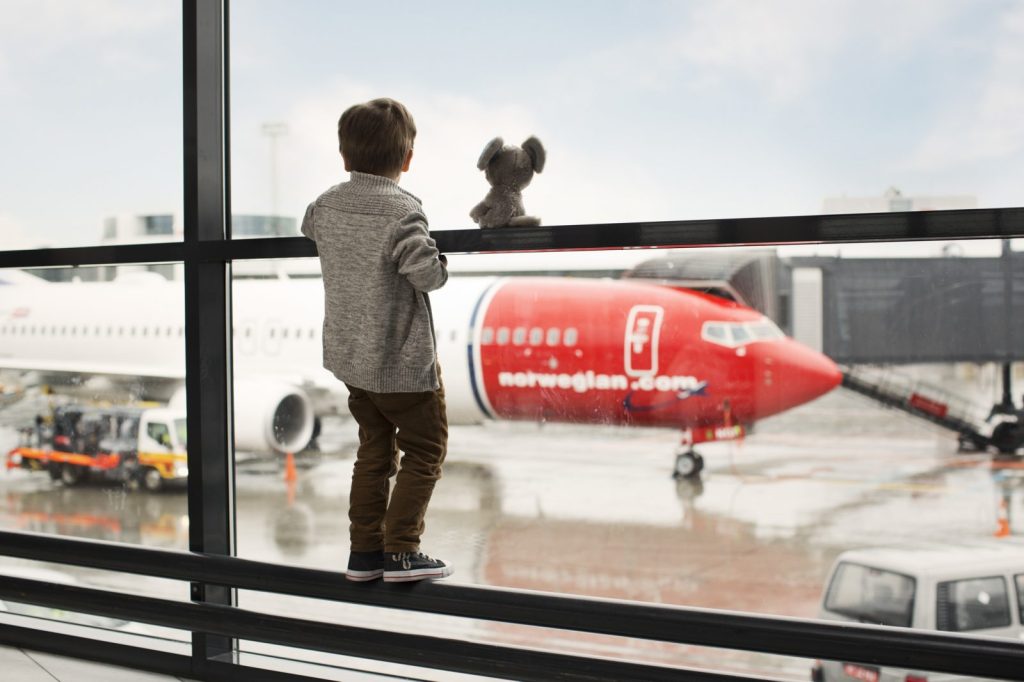
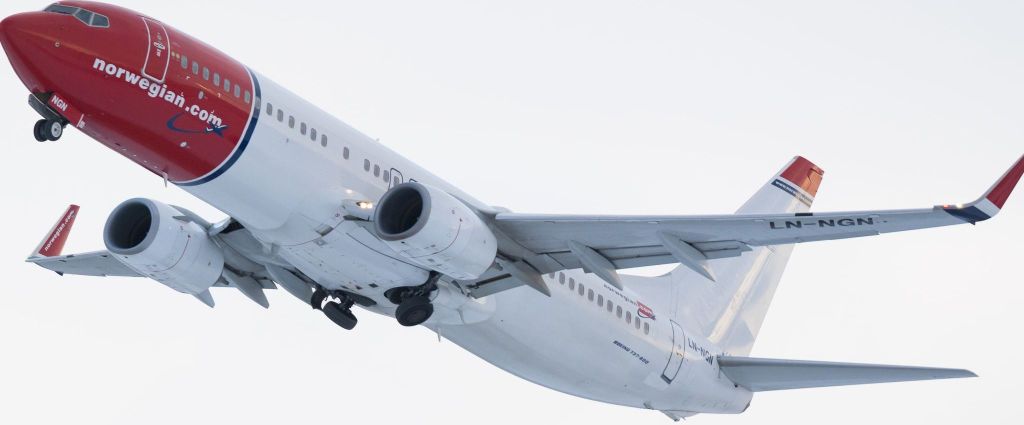
Norwegian Air elimina reembolsos para frenar fuga de efectivo
Norwegian Air Shuttle ASA ha revisado sus políticas de ventas de tickets modificando su estrategia de reembolsos a raíz la negativa del Gobierno de Noruega de seguir inyectando capitalización. En un comunicado remitido a las agencias de viajes, la low cost informa del cierre de los reembolsos directos a través de GDS. Se mantiene únicamente operativa la opción de solicitar la devolución del dinero a través del BSP Link, lo que para los expertos consultados en materia técnica, es prácticamente lo mismo que bloquear todos los reembolsos.
A mediados de Octubre 2020 la compañía aérea noruega dio un inesperado golpe de timón a su estrategia comercial, abriendo los reembolsos directos vía GDS tras meses de bloqueo. Sin embargo, la apertura ha durado únicamente cuatro semanas. Norwegian Air emite un comunicado por la desición establecida y la modificación de algunos itinerarios: “Nuestras disculpas por cualquier inconveniente que esto pueda ocasionar y pide comprensión ante esta difícil situación. Algunos destinos han sido cancelados y otros han tenido algunas reducciones en las frecuencias”.
Norwegian Air ha reaccionado con medidas drásticas tras saber que el Gobierno noruego ha denegado un segundo paquete de ayudas. El Gobierno ha entregado inicialmente € 290 millones de Euros, pero una segunda ayuda no ha sido establecida. Frente a este panorama, la compañía ha anunciado más medidas para ajustar su delicada situación económica, enviando a 1.600 empleados a stand-by y desprogramará quince aeronaves de las veintiuna activas actualmente de casi un centenar de aviones en su flota.
Norwegian closes refunds
Norwegina Air eliminates refunds to curb cash leakage
Norwegian Air Shuttle ASA has revised its ticket sales policies, modifying its reimbursement strategy as a result of the Norwegian Government’s refusal to continue injecting capitalization. In a statement sent to travel agencies, the low cost informs the closure of direct reimbursements through GDS. Only the option to request a refund through BSP Link remains operational, which for the experts consulted in technical matters is practically the same as blocking all refunds.
In mid-October 2020, the Norwegian airline gave an unexpected turn to its commercial strategy, opening direct reimbursements via GDS after months of blockage. However, the opening lasted only four weeks. Norwegian Air issues a statement for the established decision and the modification of some itineraries: “Our apologies for any inconvenience this may cause and asks for your understanding in this difficult situation. Some destinations have been canceled and others have had some reductions in frequencies”.
Norwegian Air has reacted with drastic measures after learning that the Norwegian government has denied a second package of aid. The Government has initially provided € 290 million Euros, but a second aid has not been established. Faced with this scenario, the company has announced more measures to adjust its delicate economic situation, sending 1,600 employees to stand-by and will deprogram fifteen aircraft of the twenty-one currently active of almost a hundred aircraft in its fleet.
Norwegian stenger refusjoner
Norwegian Air eliminerer refusjon for å dempe kontantlekkasje
Norwegian Air Shuttle ASA har revidert retningslinjene for billettsalg og endret refusjonsstrategien som et resultat av den norske regjeringens avslag på å fortsette å kapitalisere. I en uttalelse sendt til reisebyråer informerer de lave kostnadene om nedleggelse av direkte refusjoner gjennom GDS. Bare muligheten for å be om tilbakebetaling via BSP Link forblir i drift, noe som for ekspertene som blir konsultert i tekniske spørsmål er praktisk talt det samme som å blokkere alle refusjoner.
I midten av oktober 2020 ga det norske flyselskapet en uventet vending til sin kommersielle strategi, og åpnet direkte refusjoner via GDS etter måneder med blokkering. Åpningen varte imidlertid bare i fire uker. Norwegian Air avgir en uttalelse for den etablerte avgjørelsen og endringen av noen reiseruter: «Vi beklager eventuelle ulemper dette kan medføre, og ber om forståelse i denne vanskelige situasjonen. Noen destinasjoner er avlyst og andre har redusert frekvensen».
Norwegian Air har reagert med drastiske tiltak etter å ha fått vite at den norske regjeringen har nektet en annen hjelpepakke. Regjeringen har opprinnelig gitt € 290 millioner euro, men en ny hjelp er ikke etablert. I møte med dette scenariet, har selskapet kunngjort flere tiltak for å justere sin delikate økonomiske situasjon, og sender 1600 ansatte i beredskap og vil avprogrammere femten fly av de tjuen som for tiden er aktive med nesten hundre fly i flåten.
La vacuna presentará desafíos logísticos para la aviación
La aproximación de las vacunas para el control y cura de la enfermedad del Coronavirus es una excelente noticia que las aerolíneas y el mundo entero han estado esperando. Después de meses bajos los protocolos de praxis elementales para detener el avance de esta pandemia, el arribo de las primeras dosis a los países del mundo pudiera significar la recuperación progresiva de la aviación comercial, el turismo, y tantos otros sectores para retornar a la normalidad. Pero un nuevo desafío de logística se asomaría para reunir los recursos necesarios para entregar miles de millones de dosis que salvan vidas al mundo.
Aviación & vacunas
La propagación de las nuevas dosis para detener el virus y la crisis sanitaria imperante podría lograr restaurar la confianza del público a viajar en avión. Las paradojas de la aviación nos han traído a la reflexión acerca del medio de transporte que ha propagado el virus a través del mundo vorazmente, aunque sin las medidas sanitarias vigentes, pero ahora son las mismas aerolíneas que desempeñarán un papel crucial en lo que la organización UNICEF ha llamado «el esfuerzo de distribución de vacunas más grande y rápido del mundo en la historia». Las compañías podrán lograr el efecto inverso, distribuir de manera masiva a la velocidad del trueno cada carga vital para la la franja etaria más afectada por el virus pandémico.
Desafíos logísticos
Nicholas Calio, Presidente y CEO de Airlines for America, expresó: «Siempre hemos dicho que las aerolíneas son una infraestructura crítica. Bueno, nos volvimos más críticos. No puedes tener una vacuna exitosa a menos que puedas llevarla a las personas que la necesitan». Esto es parte de los nuevos desafíos a que se enfrentan todos los organismos y gobiernos involucrados para mecanizar de manera responsable el alcance masivo de las dosis de las vacunas. Pero el mayor desafío al aprobarse varias vacunas es que tomará meses para fabricar en serie y distribuir las dosis a través del mundo. El desafío es enorme, es gigante, sólo proporcionar una dosis única a los 7.800 millones de personas del mundo llenaría 8.000 Boeing 747 aviones de carga, dice la Asociación Internacional de Transporte Aéreo (IATA). Si la mitad de las vacunas necesarias se transportan por tierra, seguiría siendo el mayor desafío que la industria de carga aérea haya enfrentado, dice la IATA. Pero más allá de las cifras citadas, es muy importante complementar las acciones industria-Estado-transporte para agilizar esta verdadera carrera maratónica que el mundo está por ingresar en esta etapa de la pandemia global.
Pero los desafíos no terminan allí. Es necesario transportar las vacunas a temperaturas por debajo de los -25ºC, pues será necesario garantizar en todas las etapas del transporte y almacenamiento que las dosis no corten la cadena de frío. Las aerolíneas clásicas y cargueras necesitarán readecuar sus bodegas para garantizar el arribo del cargamento en óptimas condiciones.
Aerolíneas, papel preponderante
Las líneas aéreas del mundo entran en escena con un papel importante para agilizar la distribución masiva de las dosis. Lufthansa de Alemania es una excepción, con capacidad de cadena de frío en 35 mercados. Otros, como Korean Air y United Airlines, están luchando para prepararse ahora. «Las cosas sólo pueden comenzar a volver a la normalidad cuando una vacuna está ampliamente disponible en todo el mundo. Estaremos listos para hacer nuestra parte», publicó Scott Kirby, CEO de United Airlines, esta semana.
Efectos pandémicos
La pandemia aplastó los viajes aéreos mundiales, con un 65% menos de tráfico de pasajeros con respecto a hace un año. Por ejemplo, las aerolíneas en Estados Unidos han acumulado US$ 36 mil millones de Dólares en pérdidas antes de impuestos hasta Septiembre 2020, y siguen perdiendo liquidez a razón de US$ 180 millones de Dólares diarios, según Airlines for America (A4A). Hasta el momento se han perdido aproximadamente 55.000 puestos de trabajo, con una pérdida de 90.000 puestos de trabajo previstas para finales de año.
Las aerolíneas necesitarán más ayudas de los gobiernos. La industria y los organismos de aviación y turismo está instando a programas de apoyos para los empleados de aerolíneas a través del mundo.
Perspectivas aéreas
La industria no está en la mejor forma para lograr una campaña tan masiva en la distribución eficaz de las dosis: Generará una alta demanda a contrarreloj. «Si las fronteras siguen cerradas, los viajes reducidos, las flotas en tierra y los empleados en tierra, la capacidad de suministrar vacunas que salvan vidas se verá muy comprometida», dijo Alexandre de Juniac, CEO de la IATA.
Requerirá mucho empeño y compromiso, pero contribuirá al avance muy importante de reducir enfáticamente los contagios masivos, focalizando la aplicación de las vacunas primeramente a los sectores más vulnerables. Confiamos que las aerolíneas estarán en mejores condiciones de continuar presentando batalla al virus maximizando los controles que representarán desafíos nuevos pero una esperanza para el retorno de la aviación comercial y el retorno de la confianza de la población mundial.
Aviation enters the hopes and challenges
Vaccine will present logistical challenges for aviation
The approach of vaccines for the control and cure of the Coronavirus disease is excellent news that airlines and the entire world have been waiting for. After months under the elementary praxis protocols to stop the advance of this pandemic, the arrival of the first doses to the countries of the world could mean the progressive recovery of commercial aviation, tourism, and many other sectors to return to normality. . But a new logistics challenge would loom to gather the resources needed to deliver billions of life-saving doses to the world.
Aviation & vaccines
The spread of new doses to stop the virus and the prevailing health crisis could restore the public’s confidence in air travel. The paradoxes of aviation have led us to reflect on the means of transport that has spread the virus throughout the world voraciously, although without the current sanitary measures, but now it is the same airlines that will play a crucial role in what the organization UNICEF has called «the world’s largest and fastest vaccine distribution effort in history». The companies will be able to achieve the opposite effect, massively distribute each vital load at the speed of thunder to the age group most affected by the pandemic virus.
Logistical challenges
Nicholas Calio, President and CEO of Airlines for America, said: «We have always said that airlines are critical infrastructure. Well, we became more critical. You cannot have a successful vaccine unless you can get it to the people who need it». This is part of the new challenges faced by all the agencies and governments involved to responsibly mechanize the massive scope of vaccine doses. But the biggest challenge with multiple vaccines being approved is that it will take months to mass-produce and distribute doses around the world. The challenge is enormous, it is gigantic, just providing a single dose to the 7.8 billion people of the world would fill 8,000 Boeing 747 cargo planes, says the International Air Transport Association (IATA). If half of the necessary vaccines are transported by land, it would still be the biggest challenge the air cargo industry has ever faced, says IATA. But beyond the figures cited, it is very important to complement industry-State-transport actions to speed up this true marathon race that the world is about to enter in this stage of the global pandemic.
But the challenges don’t end there. Vaccines must be transported at temperatures below -25ºC, since it will be necessary to ensure at all stages of transport and storage that the doses do not cut the cold chain. Classic and cargo airlines will need to readjust their warehouses to guarantee the arrival of cargo in optimal conditions.
Airlines, dominant role
The world’s airlines enter the scene with an important role in expediting the mass distribution of doses. Germany’s Lufthansa is an exception, with cold chain capacity in 35 markets. Others, like Korean Air and United Airlines, are struggling to prepare now. «Things can only begin to return to normal when a vaccine is widely available around the world. We will be ready to do our part», Scott Kirby, CEO of United Airlines, posted this week.
Pandemic effects
The pandemic crushed global air travel, with 65% less passenger traffic compared to a year ago. For example, airlines in the United States have accumulated US$ 36 billion in pre-tax losses through September 2020, and continue to lose liquidity at the rate of US$ 180 million a day, according to Airlines for America (A4A). Approximately 55,000 jobs have been lost so far, with a loss of 90,000 jobs expected by the end of the year.
Airlines will need more help from governments. The aviation and tourism industry and organizations are urging support programs for airline employees throughout the world.
Aerial perspectives
The industry is not in the best shape to achieve such a massive campaign in the effective distribution of the doses: It will generate a high demand against the clock. «If borders remain closed, travel reduced, fleets on land and employees on land, the ability to deliver life-saving vaccines will be greatly compromised», said Alexandre de Juniac, CEO of IATA.
It will require a lot of effort and commitment, but it will contribute to a very important advance by emphatically reducing mass infections by targeting the application of vaccines primarily to the most vulnerable sectors. We are confident that airlines will be in a better position to continue to fight the virus by maximizing controls that will represent new challenges but hope for the return of commercial aviation and the return of the confidence of the world population.
“Flying is too beautiful to limit our selves simply to accept it”
“El volar es demasiado bello para que nos limitemos simplemente a aceptarlo”