World2Fly volará a destinos turísticos en el mundo
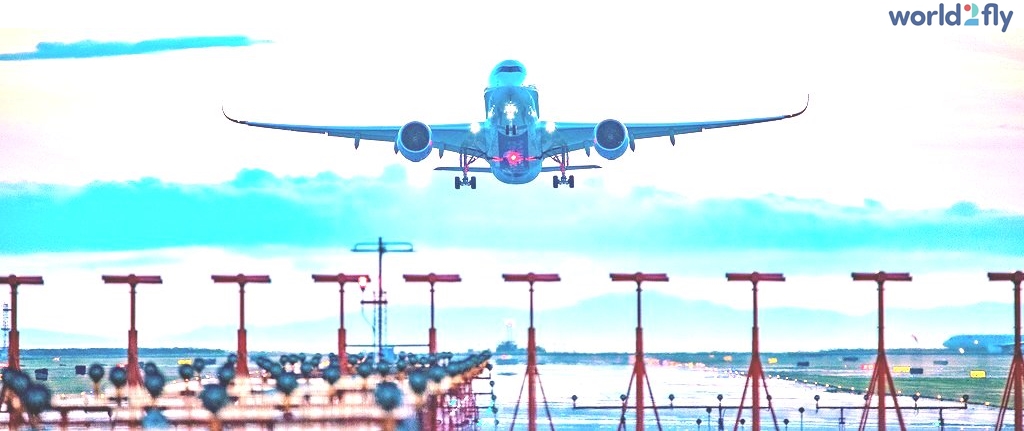
Nueva aerolínea se está gestando por parte del grupo turístico español Iberostar que ha presentado esta semana las primeras imágenes de su nueva aerolínea World2Fly, con el objetivo de realizar destinos turísticos estratégicos como Cancún, República Dominicana y Cuba. El CEO de la nueva aerolínea Bruno Claeys ha comunicado que World2Fly comenzaría a operar hacia 2021, donde expresa que la startup “nace con sólidos valores de sostenibilidad, innovación y excelencia en el servicio a bordo”.
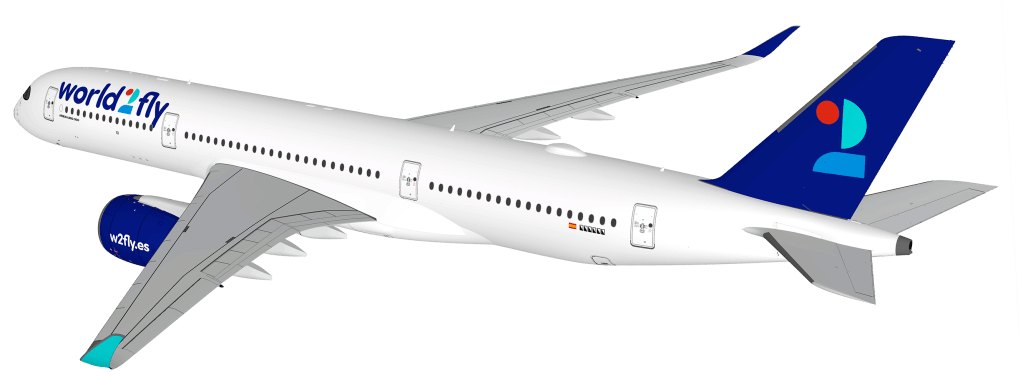
Tras la apertura de su página web y redes sociales, permitiendo obtener las primeras impresiones de la aerolínea vacacional, los directivos han comunicado que World2Fly operaría con un avión de última generación de la familia Airbus A350. “Totalmente nuevo, el Airbus A350 es un avión de nueva generación equipado con la última tecnología y más respetuoso con el medio ambiente. No sólo ha sido diseñado para reducir la contaminación, consumiendo un 25% menos de combustible y reduciendo las emisiones de CO2, sino que es de los aviones más silenciosos del mundo y permite reducir la sensación de jet-lag”, indicó el Ejecutivo Bruno Claeys.
World2Fly, the new Spanish airline
World2Fly will fly to tourist destinations in the world
New airline is being developed by the Spanish tourism group Iberostar, which this week presented the first images of its new airline World2Fly, with the objective of making strategic tourist destinations such as Cancun, the Dominican Republic and Cuba. The CEO of the new airline Bruno Claeys has announced that World2Fly would begin operating around 2021, where he states that the startup “was born with solid values of sustainability, innovation and excellence in on-board service”.
After the opening of its website and social networks, allowing first impressions of the vacation airline to be obtained, the executives have announced that World2Fly would operate with a next-generation aircraft of the Airbus A350 family. “Totally new, the Airbus A350 is a new generation aircraft equipped with the latest technology and more respectful of the environment. Not only has it been designed to reduce pollution, consuming 25% less fuel and reducing CO2 emissions, but it is also one of the quietest aircraft in the world and reduces the feeling of jet-lag”, said Executive Bruno Claeys.
Boeing Digital Services optimizará planificación/ops de Frontier
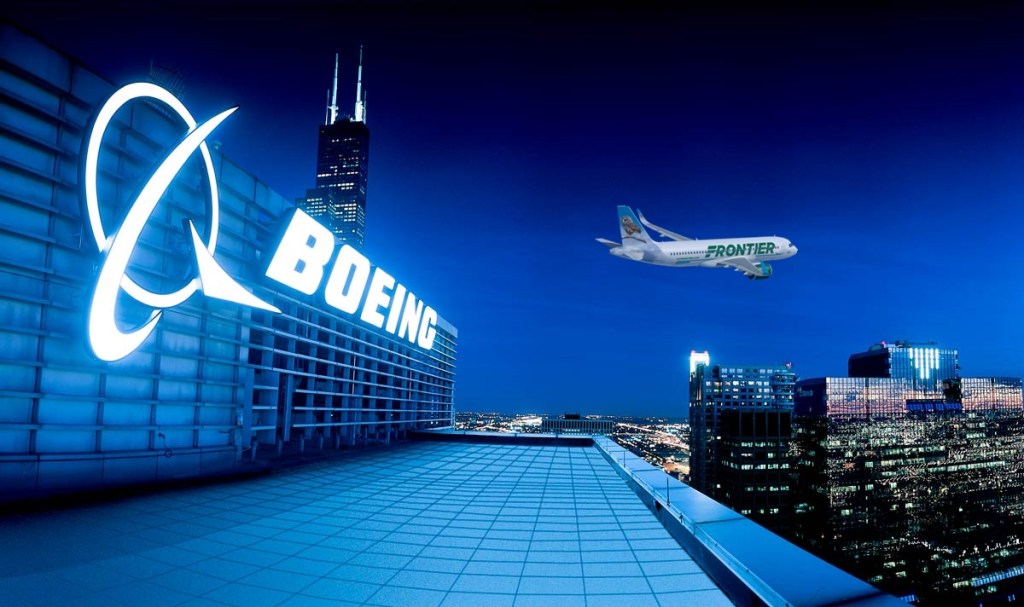
The Boeing Company está posicionado para apoyar la estrategia de crecimiento de vuelos y operaciones de las aerolíneas en un horizonte a largo plazo. Frontier Airlines implementará diversas soluciones basadas en análisis para mejorar la eficiencia operativa en un anuncio de un nuevo acuerdo a diez años con la aerolínea norteamericana Frontier Airlines para implementar una gama de herramientas de tripulación, planificación de vuelos y operaciones para mejorar la eficiencia de la aerolínea. Estas soluciones digitales de la gama de productos Jeppesen de Boeing proporcionan ahorros de costes en toda la flota en rutas regionales e internacionales, mejoran los procesos de planificación de la tripulación de las aerolíneas y aumentan la fiabilidad operativa. «Estamos totalmente seguros de que estas sólidas herramientas operativas y de planificación de vuelos de Jeppesen traerán enormes beneficios a las operaciones de Frontier desde el primer día después de la implementación. Desde el mantenimiento y la planificación operativa hasta las operaciones cotidianas e irregulares, las herramientas de automatización y gestión de la tripulación de Jeppesen complementarán nuestro modelo de negocio de bajo costo y, al mismo tiempo, contribuyen a la fiabilidad y eficiencia de nuestro sistema», dijo Brad Lambert, Vicepresidente de Operaciones de Vuelo de Frontier Airlines.
Además de sus servicios de navegación digital y gráficos de Boeing, Frontier Airlines utilizará una nueva suite de soluciones digitales Jeppesen que proporciona herramientas de apoyo a la toma de decisiones del día de operaciones, que incluyen: Servicios de planificación y programación de vuelos para mejorar las operaciones de vuelo y permitir salidas puntuales y enrutamiento eficiente herramientas de gestión de la tripulación, asignación de colas y control de operaciones que optimizan los horarios y la utilización de las aeronaves en el horizonte de planificación a corto y largo plazo, incluida la detección de problemas del día de operación y la recuperación de programación para minimizar los problemas debidos a eventos inesperados. «A medida que la aviación comercial emerge de la pandemia COVID-19, Frontier Airlines está a punto de continuar su crecimiento excepcional, utilizando las herramientas de Boeing basadas en análisis para maximizar el rendimiento y reducir los costos durante este momento crítico para nuestra industria. Este es un gran ejemplo de nuestra asociación con clientes como Frontier para convertir la experiencia digital sin igual de Boeing en ventajas operativas de resultados», dijo Ted Colbert, Presidente y CEO de Boeing Global Services.
Frontier Airlines está comprometida con «Low Fares Done Right». Con sede en Denver, la compañía opera más de 100 aviones con una red de rutas que abarca los Estados Unidos, el Caribe y México. Con 160 nuevos aviones en orden, Frontier seguirá creciendo para cumplir con la misión de proporcionar viajes asequibles a través de Estados Unidos.
Boeing es la compañía aeroespacial más grande del mundo y proveedor líder de aviones comerciales, sistemas de defensa, espacio y seguridad, y servicios globales. Como principal exportador estadounidense, la compañía apoya a clientes comerciales y gubernamentales en más de 150 países, aprovechando los talentos de una base de proveedores global. Basándose en un legado de liderazgo aeroespacial, Boeing continúa liderando la tecnología y la innovación, entregando para sus clientes e invirtiendo en su gente y crecimiento futuro.
Frontier implements Jeppesen management
Boeing Digital Services to streamline Frontier planning/ operations
The Boeing Company is positioned to support airline operations and flight growth strategy over a long-term horizon. Frontier Airlines will implement various analytics-based solutions to improve operational efficiency in an announcement of a new ten-year agreement with North American carrier Frontier Airlines to implement a range of crew, flight planning and operations tools to improve airline efficiency. These digital solutions from Boeing’s Jeppesen range of products provide fleet-wide cost savings on regional and international routes, improve airline crew planning processes and increase operational reliability. «We are absolutely confident that these robust flight planning and operational tools from Jeppesen will bring tremendous benefits to Frontier operations from day one after deployment. From maintenance and operational planning to day-to-day and irregular operations, the tools Jeppesen’s automation and crew management systems will complement our low-cost business model while contributing to the reliability and efficiency of our system», said Brad Lambert, Vice President of Flight Operations for Frontier Airlines.
In addition to its Boeing graphics and digital navigation services, Frontier Airlines will utilize a new suite of Jeppesen digital solutions that provide trading day decision support tools, including: Flight planning and scheduling services to improve operations flight operations and enable punctual departures and efficient routing crew management, queuing, and operations control tools that optimize aircraft schedules and utilization across the short- and long-term planning horizon, including detecting day-of-operation issues and recall of schedules for minimize problems due to unexpected events. «As commercial aviation emerges from the COVID-19 pandemic, Frontier Airlines is poised to continue its exceptional growth, using Boeing’s analytics-driven tools to maximize performance and reduce costs during this critical time for our industry. This is a great example of our partnership with customers like Frontier to turn Boeing’s unmatched digital experience into bottom line operational benefits», said Ted Colbert, President and CEO of Boeing Global Services.
Frontier Airlines is committed to «Low Fares Done Right». Headquartered in Denver, the company operates more than 100 aircraft with a route network spanning the United States, the Caribbean and Mexico. With 160 new aircraft on order, Frontier will continue to grow to fulfill the mission of providing affordable travel across the United States.
Boeing is the world’s largest aerospace company and a leading provider of commercial aircraft, defense, space and security systems, and global services. As a leading US exporter, the company supports commercial and government clients in more than 150 countries, leveraging the talents of a global supplier base. Building on a legacy of aerospace leadership, Boeing continues to lead in technology and innovation, delivering for its customers and investing in its people and future growth.
Lift Airlines incursiona en los cielos de Sudáfrica
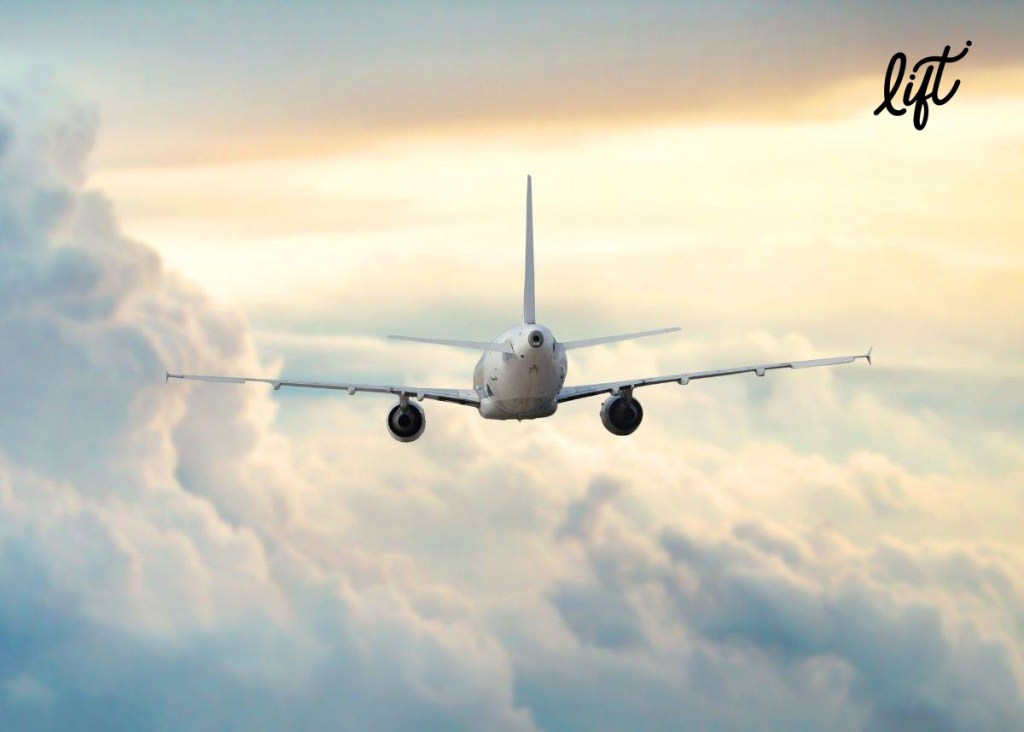
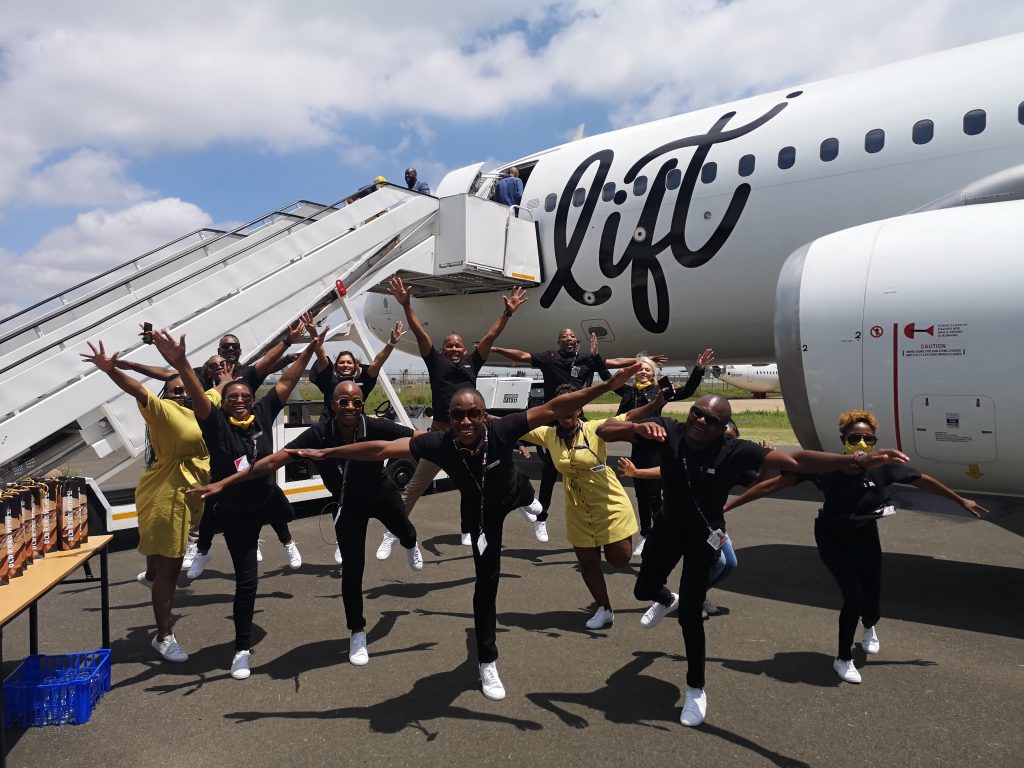
Lift Airlines se lanzó el Miércoles09/12 bajo la creación del ex-Ejecutivo de Uber Africa, Jonathan Ayache y el ex-directivo de Kulula.com, Gidon Novick. En una declaración en el sitio web de la aerolínea los directivos han expresado que mientras que mucha gente piensa que sería una locura lanzar una aerolínea durante una pandemia global, contrariamente piensan que es el mejor momento de la historia, dado los bajos índices de precios para adquisición de aeronaves entre otros aspectos. «El modelo obsoleto de aerolíneas de alta deuda impulsada por la oferta debe cambiar. Entre muchas otras cosas, COVID-19 ha demostrado que simplemente no es un enfoque sostenible. En lugar de eso, es hora de un modelo de negocio basado en la demanda. Uno que es supereficiente’ aprovecha los bajos costos de entrada y es ágil y flexible., dijo Gidon Novick.
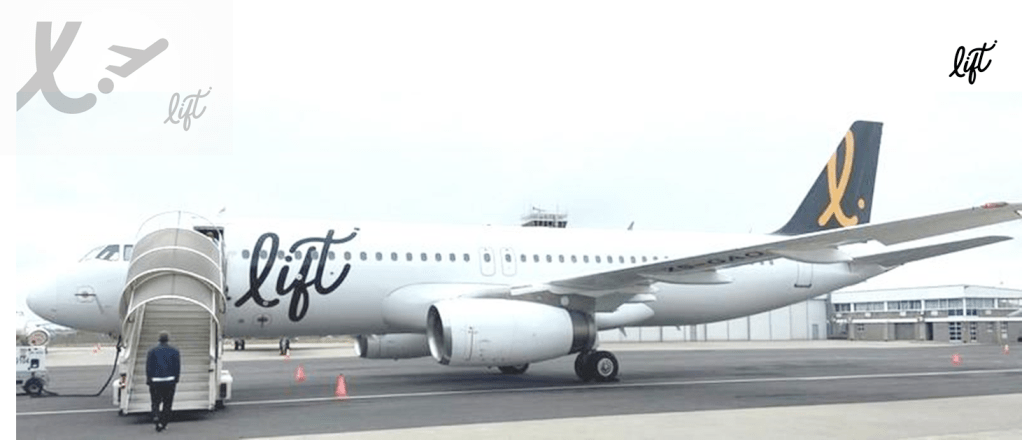
La nueva aerolínea iniciará con operaciones de aviones de la familia Airbus A320NEO que ofrece una experiencia de viaje nacional más amplia. Lift volarácon aeronaves arrendadas a Global Aviation Operations, una firma con sede en Sudáfrica. Todos los asientos de Lift serán de clase Economy y operarán entre el centro comercial Johannesburgo y el favorito turístico de Ciudad del Cabo. Competirá directamente con la filial estatal de South African Airways (SAA), la aerolínea de presupuesto Mango, líder del mercado, entre otros operadores como kulala.com y FlySafair. Lift se encuentra apostando por el regreso de turistas y viajeros de negocios.
Lift is born, a new South African airline
Lift Airlines takes to the skies of South Africa
Lift was launched on Wednesday 09/12 under the creation of former Uber Africa Executive Jonathan Ayache and former Kulula.com CEO Gidon Novick. In a statement on the airline’s website, executives have expressed that while many people think it would be crazy to launch an airline during a global pandemic, on the contrary they think it is the best time in history, given the low price indexes for acquisition of aircraft among other aspects. «The outdated supply-driven, high-debt airline model must change. Among many other things, COVID-19 has shown that it is simply not a sustainable approach. Instead, it is time for a demand-driven business model. One that is super efficient ‘takes advantage of low cost of entry and is agile and flexible», said Gidon Novick.
The new airline will start operations of Airbus A320CEO family aircraft offering a broader domestic travel experience. Lift will fly aircraft leased from Global Aviation Operations, a South African-based firm. All Lift seats will be Economy class and will operate between the Johannesburg Mall and Cape Town’s tourist favorite. It will compete directly with the state affiliate of South African Airways (SAA), the market leading budget airline Mango, among other operators such as kulala.com and FlySafair. Lift is betting on the return of tourists and business travelers.
Lift is gebore, ‘n nuwe Suid-Afrikaanse lugdiens
Lift Airlines neem die lug in Suid-Afrika
Lift Airlines is op Woensdag 09/12 bekendgestel onder die skepping van die voormalige uitvoerende hoof van Uber Africa, Jonathan Ayache, en die voormalige uitvoerende hoof van Kulula.com, Gidon Novick. In ‘n verklaring op die lugredery se webwerf het bestuurders uitgespreek dat hoewel baie mense dink dat dit mal sou wees om ‘n lugdiens tydens ‘n wêreldwye pandemie te loods, inteendeel hulle dink dit is die beste tyd in die geskiedenis, gegewe die lae prysindeks verkryging van vliegtuie onder andere. ,,Die verouderde aanbodgedrewe lugrederymodel met hoë skuld moet verander. COVID-19 het onder meer getoon dat dit eenvoudig nie ‘n volhoubare benadering is nie. In plaas daarvan is dit tyd vir ‘n vraaggedrewe sakemodel. Een wat superdoeltreffend is, ‘benut die lae toegangskoste en is rats en buigsaam«, het Gidon Novick gesê.
Die nuwe lugdiens sal begin met Airbus A320CEO-familievliegtuie wat ‘n breër reiservaring vir binnelandse sake bied. Lift sal vliegtuie vlieg wat gehuur word van Global Aviation Operations, ‘n Suid-Afrikaanse onderneming. Alle Lift-sitplekke sal in Economy-klas wees en sal tussen die Johannesburg Mall en Kaapstad se toeriste-gunsteling werk. Dit sal direk meeding met die staatsonderneming van die Suid-Afrikaanse Lugdiens (SAL), die markleidende goedkoop lugredery Mango, onder ander ondernemings soos kulala.com en FlySafair. Lift wed op die terugkeer van toeriste en sakereisigers.
United Airlines políticas de cambio y nómina trabajadores
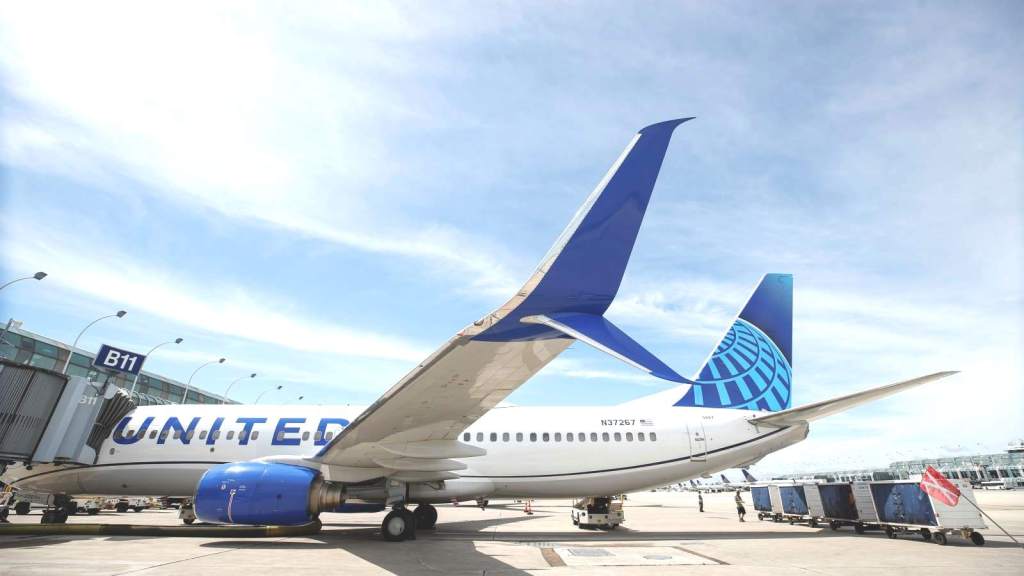
De todos los cambios permanentes que Covid-19 dejará en la industria aérea, la eliminación de las tasas de cambio nacional es una de las más profundas en términos de configuración de políticas de viajes corporativos. Mientras que las aerolíneas ya habían suspendido las tarifas de cambio durante la pandemia, United Airlines, liderada por el CEO Scott Kirby, quien se hizo cargo del trabajo de jefe ejecutivo en la primavera, fue la primera en anunciar que el cambio era permanente. El 30 de Agosto de 2020, la aerolínea anunció una nueva póliza en la que los viajeros pagan solo el diferencial de tarifas al cambiar los boletos nacionales, incluyendo viajes a Alaska, Hawáii, Puerto Rico y las Islas Vírgenes Estadounidenses, con la excepción de los boletos de Economy Basic. United también anunció que estaba haciendo que el mismo día estuviera libre de espera. En un mensaje de video que iba junto con el anuncio, Scott Kirby dijo que deshacerse de esas tarifas era uno de los principales artículos solicitados a los pasajeros.
Delta Air Lines, American Airlines y Alaska Airlines anunciaron políticas similares con unos días del anuncio de United. Eso puso a las cinco aerolíneas más grandes de Estados Unidos al unísono en el asunto, ya que Southwest Airlines nunca cobró cargos por cambio en primer lugar. American, y más recientemente tanto United como Delta, también han ampliado desde entonces el fin permanente de las tasas de cambio para cubrir vuelos internacionales de larga distancia con origen en los Estados Unidos.
Muchos compradores tendrán que volver a examinar estas políticas, como los requisitos de compra anticipada cuando los viajes corporativos comienzan a repuntar, especialmente porque ahora todos varían un poco según la aerolínea. American Airlines, por ejemplo, dio el paso adicional de aceptar ofrecer crédito por diferenciales de tarifas cuando el nuevo billete es más barato. «A medida que salimos de tiempos difíciles anteriores, tomamos decisiones difíciles para sobrevivir financieramente, pero a veces a expensas del servicio al cliente, ya sea agregando nuevas tarifas o recortando las cosas que hicieron que la experiencia de volar fuera mejor simplemente porque eran demasiado caras. United Airlines no seguirá el mismo libro de jugadas que salimos de esta crisis», dijo Scott Kirby.
Respecto a la nómina de trabajadores de la compañía aérea United Airlines, el CEO Scott Kirby ha señalado recientemente que la actual plantilla de empleados podría mantenerse a través de la post-pandemia a medida que los índices de tráfico continúen mejorando.
US airlines announce new policies
United Airlines workers exchange and payroll policies
Of all the permanent changes that Covid-19 will leave in the airline industry, the elimination of national exchange rates is one of the most profound in terms of corporate travel policy shaping. While airlines had already suspended exchange rates during the pandemic, United Airlines, led by CEO Scott Kirby, who took over as chief executive officer in the spring, was the first to announce that the change was permanent. On August 30, the airline announced a new policy in which travelers pay only the fare differential when changing domestic tickets, including trips to Alaska, Hawaii, Puerto Rico and the US Virgin Islands, with the exception of tickets from Basic Economy. United also announced that it was making the same day wait-free. In a video message accompanying the ad, Scott Kirby said getting rid of those fees was one of the top items requested from passengers.
Delta Air Lines, American Airlines and Alaska Airlines announced similar policies within days of United’s announcement. That put America’s five largest airlines in unison on the matter, as Southwest Airlines never charged change fees in the first place. American, and more recently both United and Delta, have also since extended the permanent end of exchange rates to cover long-haul international flights originating in the United States.
Many buyers will have to re-examine these policies, such as advance purchase requirements when corporate travel starts to pick up, especially as they now all vary somewhat by airline. American Airlines, for example, took the additional step of agreeing to offer credit for fare differentials when the new ticket is cheaper. «As we get out of previous tough times, we make tough decisions to survive financially, but sometimes at the expense of customer service, either by adding new fees or cutting back on the things that made the flying experience better simply because they were too expensive. United Airlines will not follow the same playbook that we came out of this crisis», said Scott Kirby.
Regarding the payroll of the United Airlines airline, CEO Scott Kirby recently noted that the current workforce could be maintained through the post-pandemic as traffic rates continue to improve.
Latam transportará gratis las vacunas anti-Covid-19 en la región
La aerolínea Latam Airlines a través de su Programa «Avión Solidario» ha puesto a disposición de los gobiernos las aeronaves en reposo para rutas nacionales regulares en Brasil, Chile, Colombia, Ecuador y Perú para distribuir las vacunas en dichos países. Latam Airlines Group, el mayor grupo de transporte aéreo de América Latina, anunció este Jueves 10/12 que transportará de forma gratuita las vacunas contra el virus de Covid-19 al interior de los países donde tiene operaciones domésticas, una vez que estén disponibles. A través de su programa «Avión Solidario», la empresa pondrá a disposición de las autoridades las naves apostadas para rutas nacionales regulares en Brasil, Chile, Colombia, Ecuador y Perú para distribuir las vacunas en dichos países.
El CEO de la compañía aérea, Roberto Alvo, aseguró que durante la pandemia de Coronavirus, Latam Airlines «no ha escatimado esfuerzos para colaborar con las comunidades de los países» en los que sirve a través del programa «Avión Solidario». Desde Marzo 2020 a la fecha, el programa ha transportado a más de 900 profesionales de la salud, 400 personas con necesidad urgente de atención médica y más de 700 órganos y tejidos para trasplantes de forma gratuita. Un equipo de más de 20 personas del área de Latam dedicado al transporte de mercancías ha estado planificando y adelantando desde agosto los posibles escenarios de transporte, considerando destino, infraestructura de los aeropuertos y toda la logística asociada para el traslado de las vacunas de la Covid-19. Actualmente, la aerolínea cuenta con 30 puntos de recepción de insumos médicos en todo el mundo, que incluyen Europa, Estados Unidos y Chile, a la espera de cuatro puntos por habilitar en la República de China.
El programa Avión Solidario ha transportado más de 1.000 toneladas de carga, principalmente insumos médicos como mascarillas, exámenes rápidos para la detección de Covid-19 y medicamentos desde distintas latitudes beneficiando a Argentina, Brasil, Chile, Colombia, Ecuador y Perú. Pacientes con cáncer de sangre también se han visto beneficiados con el programa de Latam. A la fecha actual, la compañía ha realizado ocho transportes de células madre: seis para pacientes de Chile a través de la ruta Frankfurt-Santiago; uno desde Brasil con destino Argentina, así como otro desde Santiago hacia Europa. Al mes de Noviembre 2020, Latam Airlines ha operado más de 17.000 vuelos domésticos en dichos mercados ofreciendo conectividad de pasajeros y carga a través de 91 destinos en Suramérica.
Latam transporter vaccines region
Latam will transport free anti-Covid-19 vaccines in the region
The airline Latam Airlines, through its «Solidarity Plane» Program, has made idle aircraft available to governments for regular national routes in Brazil, Chile, Colombia, Ecuador and Peru to distribute the vaccines in those countries. Latam Airlines Group, the largest air transport group in Latin America, announced this Thursday 10/12 that it will transport the vaccines against the Covid-19 virus free of charge within the countries where it has domestic operations, once they are available. Through its «Avión Solidario» program, the company will make available to the authorities the ships posted for regular national routes in Brazil, Chile, Colombia, Ecuador and Peru to distribute the vaccines in those countries.
The CEO of the airline, Roberto Alvo, assured that during the Coronavirus pandemic, Latam Airlines «has spared no effort to collaborate with the communities of the countries» where it serves through the «Solidarity Plane» program. From March 2020 to date, the program has transported more than 900 health professionals, 400 people in urgent need of medical care, and more than 700 organs and tissues for transplants free of charge. A team of more than 20 people from the Latam area dedicated to the transport of goods has been planning and anticipating possible transport scenarios since August, considering destination, airport infrastructure and all associated logistics for the transfer of Covid-19 vaccines. Currently, the airline has 30 reception points for medical supplies around the world, which include Europe, the United States and Chile, waiting for four points to be enabled in the Republic of China.
The Avión Solidario program has transported more than 1,000 tons of cargo, mainly medical supplies such as masks, rapid tests for the detection of Covid-19 and medicines from different latitudes, benefiting Argentina, Brazil, Chile, Colombia, Ecuador and Peru. Blood cancer patients have also benefited from the Latam program. To date, the company has carried out eight shipments of stem cells: six for patients from Chile through the Frankfurt-Santiago route; one from Brazil to Argentina, as well as another from Santiago to Europe. As of November 2020, Latam Airlines has operated more than 17,000 domestic flights in these markets, offering passenger and cargo connectivity through 91 destinations in South America.
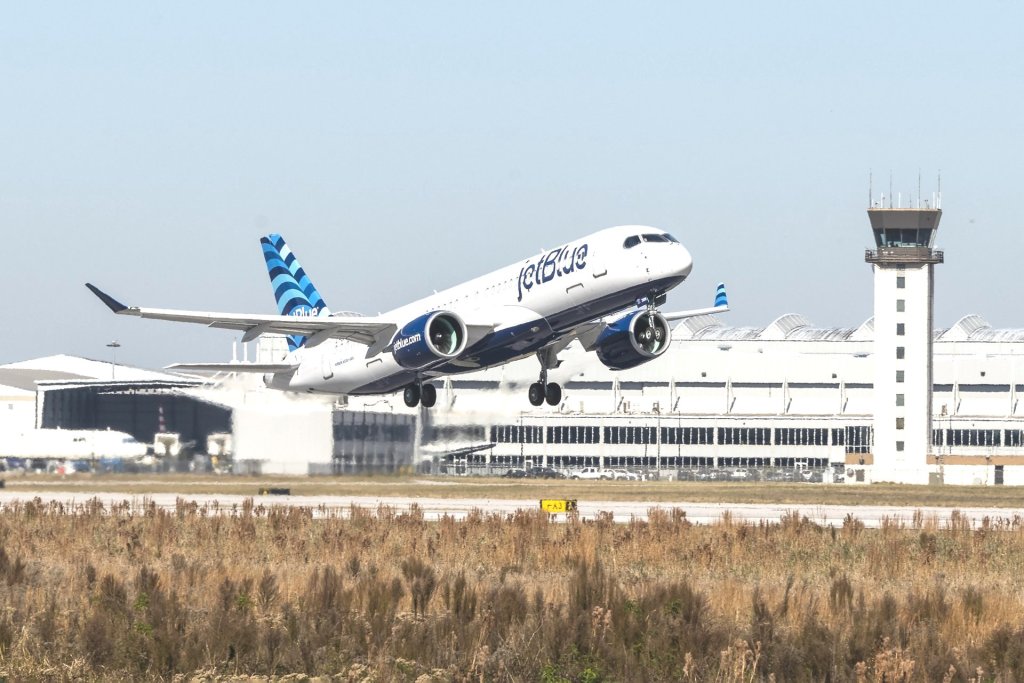
La compañía americana JetBlue Airways ha inuagurado el primer vuelo de prueba del Airbus A220-300 el 9 de Diciembre de 2020. El primer Airbus A220-300 para JetBlue Airways ha completado su vuelo de prueba inaugural desde la Mobile Aeroplex de Brookley en Mobile, Alabama. El avión realizó sus secuencias de prueba y aterrizó a las 05:22 pm del Miércoles 09/12 por la noche. Airbus espera entregar el primero de 70 A220 a JetBlue Airways con sede en Nueva York a finales de 2020. JetBlue Airways ha aumentado el tamaño de su pedido A220 a 70 aviones en el Salón Aéreo de París 2019, sólo seis meses después de anunciar un pedido inicial para 60 aviones en Enero de 2019.
Airbus completó la construcción de una planta de producción dedicada a A220 en su planta estadounidense en Mayo 2020, ya que dio la bienvenida a los primeros conjuntos de componentes destinados a convertirse en un A220 para JetBlue. La instalación de 270.000 pies cuadrados, que puede producir las versiones A220-100 y -300, alberga cinco estaciones de montaje primarias donde los principales conjuntos de componentes de fuselaje se unen para un avión terminado. La compañía comenzó a producir A220 en la planta de Mobile en agosto de 2019 utilizando espacio en un hangar de línea de montaje final existente para A320 construidos en Estados Unidos y en hangares de soporte de nueva construcción.
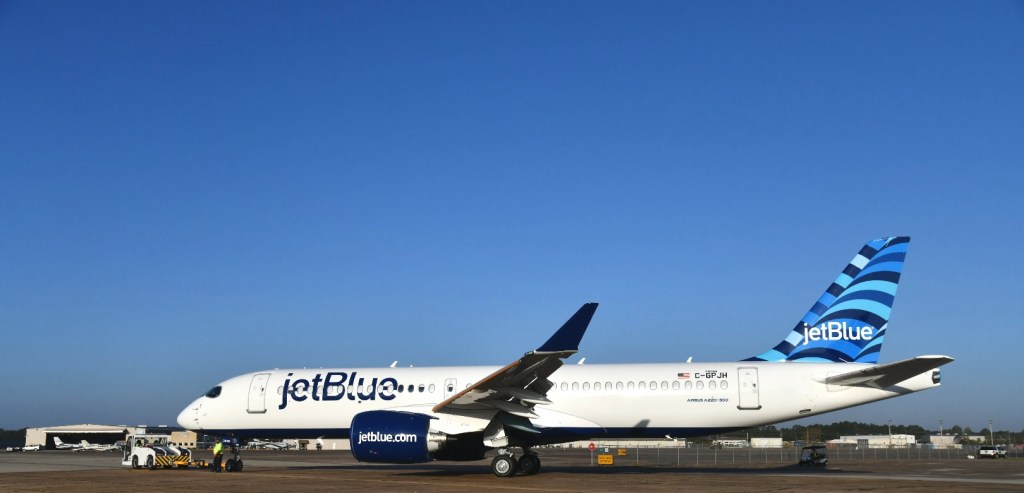
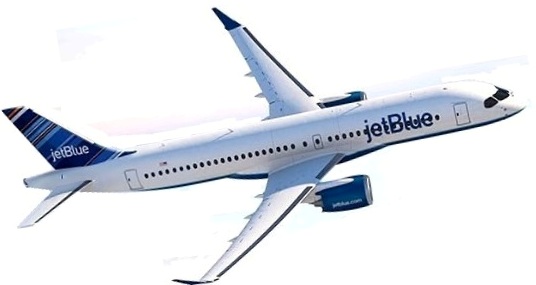
El nuevo A220-300 de JetBlue Airways lleva una librea especial denominada «hops» en su deriva trasera. La aerolínea ha elegido una configuración de cabina de una sola clase para conexiones de corto alcance y alta frecuencia a viajes más largos con sus narrowbodies Airbus A320.
JetBlue’s first A220 takes flight
Airbus A220-300 test flight for JetBlue Airways
The American company JetBlue Airways opened the first test flight of the Airbus A220-300 on December 9, 2020. The first Airbus A220-300 for JetBlue Airways has completed its maiden test flight from the Brookley Mobile Aeroplex in Mobile, Alabama . The plane performed its test sequences and landed at 05:22 pm on Wednesday 12/09 at night. Airbus expects to deliver the first of 70 A220s to New York-based JetBlue Airways by the end of 2020. JetBlue Airways has increased the size of its A220 order to 70 aircraft at the 2019 Paris Airshow, just six months after announcing an order. initial for 60 aircraft in January 2019.
Airbus completed construction of a dedicated A220 production facility at its US facility in May 2020 as it welcomed the first sets of components destined to become an A220 for JetBlue. The 270,000-square-foot facility, which can produce the A220-100 and -300 versions, houses five primary assembly stations where the main assemblies of fuselage components are put together for a finished aircraft. The company began producing A220s at the Mobile plant in August 2019 using space in an existing final assembly line hangar for US-built A320s and in newly built support hangars.
The new JetBlue Airways A220-300 wears a special livery called «hops» on its rear drift. The airline has chosen a single-class cabin configuration for short-haul, high-frequency connections to longer trips with its Airbus A320 narrowbodies.
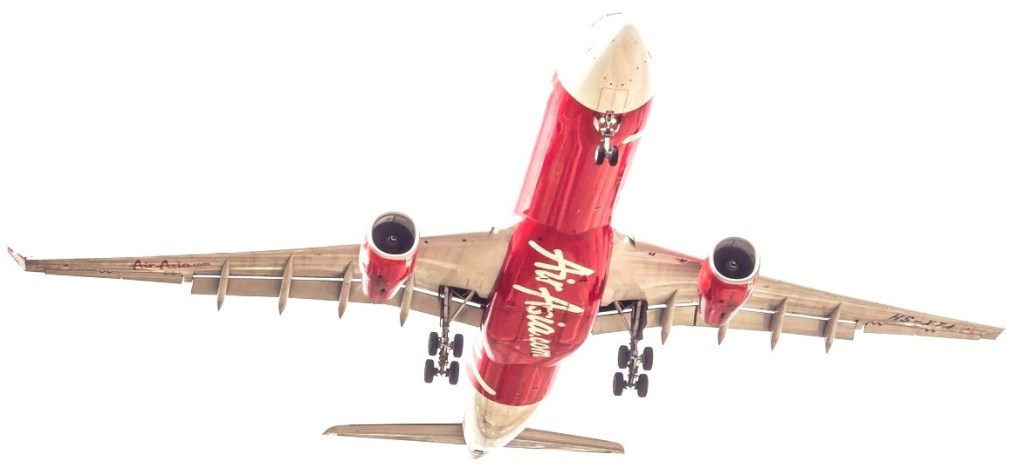
Gerencia predice AirAsia X fortalecerá mercado internacional
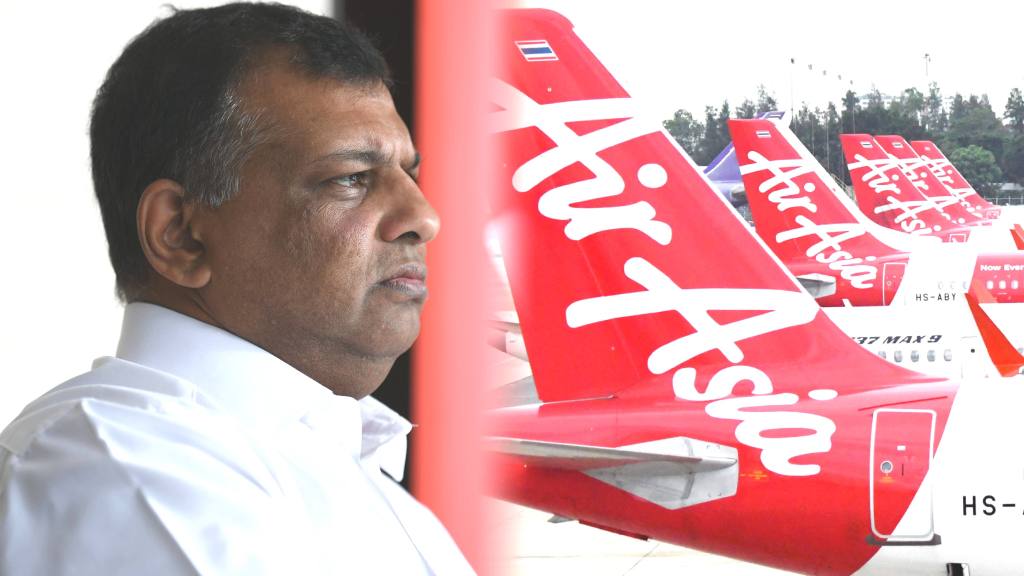
El CEO Tony Fernandes de Air Asia Group ha predicho que AirAsia X retornará a los cielos a pesar de los consistentes problemas financieros que ha atravesado por la crisis sanitaria mundial. La directiva de la compañía se ha mostrado confiada que Air Asia X saldrá fortalecida como un fuerte operador de media distancia en el sudeste asiático.
La aerolínea de bajo coste de más largo recorrido fue duramente golpeada por la pandemia alcanzando pérdidas por valores a US$ 73,3 millones de Dólares en el 3Q2020. En Octubre 2020 ha advertido que se enfrentaba a una crisis de liquidez y propuso una importante reestructuración de la deuda que implicaba US$ 15.300 millones en deuda no garantizada. El reasentamiento y la exención de deuda propuestos estaban diseñados para permitir que la compañía aérea abordara sus obligaciones de deuda de manera ordenada y llegara a una estructura que pudiera ser atendida a partir de flujos de efectivo operativos. También está siendo demandado por BOC Aviation por US$ 23.4 millones por incumplir los arrendamientos de aeronaves. Pero Tony Fernandes dijo el Miércoles 09/12 que «AirAsia X era necesario como un transportista de media distancia en Asia, por lo que las próximas estrategias estarán enfocadas en el rango operativo de medio recorrido, y no el de largas distancias, aunque un par de rutas, como Londres, habrían sido geniales para volar desde el punto de vista del marketing. Pero en realidad la mayor parte del modelo es de cinco a ocho horas. Ese es el punto dulce», sostiene Tony Fernandes.
AirAsia X se había visto limitada por una competencia irracional y subvencionada por el Estado que permitía a las aerolíneas que no tenían la estructura de costos de la aerolínea de bajo costo ofrecer tarifas más baratas. Pero ahora cree que el modelo era el correcto. Con el arribo del Coronavirus, significaba que todas las aerolíneas, ya fueran propiedad o privadas, tenían que comportarse con sensatez y eso le dio a AirAsia X la capacidad de reestructurar algunos de sus costos. «Los costos eran altos porque siempre estábamos recaudando dinero en efectivo y teníamos muy altos sale-and-leasebacks. Así que creo que dada la aprobación de una reestructuración, esta aerolínea volverá muy fuerte y contribuirá», cita entusiasta el CEO de Air Asia Group.
Los vuelos domésticos representaban aproximadamente la mitad del negocio de AirAsia X, estaba bien mientras esperaba que el internacional comenzara a abrirse en los próximos seis meses, entre Marzo y Junio 2020. El fundador de AirAsia dijo que los nuevos aviones procedentes de Boeing y Airbus, como el Airbus A321LR, cambiaron aún más la economía de AirAsia X. «Y por lo que estoy aún más convencido de que estamos en el camino correcto», enfatiza Tony Fernandes. En términos más generales, estaba seguro de una fuerte demanda acumulada de vuelos en la región.
Vacunación & confianza mercado
Las vacunas tardarían un tiempo en fluir a los populosos países del sudeste asiático, como Indonesia, pero que eran un refuerzo basado en la confianza que los viajeros comenzarían a percibir. Singapur se apresuraría a vacunarse, estimando que tomaría la mejor parte de un año vacunar a todos en la región. También estuvo de acuerdo con el Director Ejecutivo de Qantas Airways, Alan Joyce, en que los certificados de vacunación se convertirían en una necesidad para volar, aunque señaló que eran los gobiernos en lugar de las aerolíneas las que tomarían esta decisión. «Preveo que los gobiernos digan que hay que vacunarse porque creo que eso ha sucedido en otras épocas y en otras partes del mundo a lo largo de este siglo. Las pruebas también serían un factor importante y AirAsia estaba trabajando con investigadores en pruebas que permitirían a las personas respirar en un aparato y revelar si alguien tenía COVID en 30 segundos. Eso va a ser un cambio de juego para el turismo y la industria de las aerolíneas. Los países están desesperados por abrir y la gente va a encontrar formas de abrirse’. Así que creo que marzo puede ser un buen momento cuando empiezas a ver algunas fronteras que se abren. Obviamente, Singapur estará a la cabeza en mi opinión», expresó Alan Joyce.
AirAsia X will return to the skies
CEO predicts AirAsia X will strengthen international market
Air Asia Group CEO Tony Fernandes has predicted that AirAsia X will return to the skies despite the consistent financial woes it has traversed by the global health crisis. The company’s board of directors has been confident that Air Asia X will emerge strengthened as a strong medium-haul operator in Southeast Asia.
The longest-haul low-cost airline was hit hard by the pandemic, reaching losses of US$ 73.3 million in 3Q2020. In October 2020 it warned that it was facing a liquidity crisis and proposed a major debt restructuring that involved US$ 15.3 billion in unsecured debt. The proposed resettlement and debt relief were designed to allow the airline to address its debt obligations in an orderly manner and arrive at a structure that could be serviced from operating cash flows. He is also being sued by BOC Aviation for US$ 23.4 million for breaching aircraft leases. But Tony Fernandes said on Wednesday 09/12 that «AirAsia X was necessary as a medium-haul carrier in Asia, so the next strategies will be focused on the mid-haul operating range, and not the long haul, although a couple of Routes, like London, would have been great to fly from a marketing point of view. «But actually most of the model is five to eight hours. That’s the sweet spot», says Tony Fernandes.
AirAsia X had been constrained by irrational and state-subsidized competition that allowed airlines that did not have the cost structure of the low-cost carrier to offer cheaper fares. But now he thinks the model was correct. With the arrival of the Coronavirus, it meant that all airlines, whether owned or private, had to behave sensibly and that gave AirAsia X the ability to restructure some of their costs. «The costs were high because we were always raising cash and had very high sale-and-leasebacks. So I think that given the approval of a restructuring, this airline will come back very strong and will contribute», the CEO of Air Asia Group enthusiastically quotes.
Domestic flights accounted for about half of AirAsia X’s business, it was fine as it waited for the international one to start opening in the next six months, between March and June 2020. The AsiaAsia founder said that new aircraft coming from Boeing and Airbus, such as the Airbus A321LR, changed the economy of AirAsia X even more. «And so I am even more convinced that we are on the right track», emphasizes Tony Fernandes. More generally, he was sure of a strong pent-up demand for flights in the region.
Vaccination & market comfidence
Vaccines would take a while to flow to populous Southeast Asian countries like Indonesia, but they were a confidence-based booster that travelers would begin to perceive. Singapore would rush to get vaccinated, estimating that it would take the best part of a year to vaccinate everyone in the region. He also agreed with Qantas Airways Chief Executive Officer Alan Joyce that vaccination certificates would become a necessity for flying, although he noted that it was governments rather than airlines that would make this decision. «I anticipate governments saying you have to get vaccinated because I think that has happened at other times and in other parts of the world throughout this century.» Testing would also be an important factor and AirAsia was working with researchers on tests that would allow people breathe into a device and reveal if someone had COVID within 30 seconds. That is going to be a game changer for tourism and the airline industry. Countries are desperate to open up and people are going to find ways to open up so I think March can be a good time when you start to see some borders opening. Obviously, Singapore will be leading the way in my opinion», said Alan Joyce.
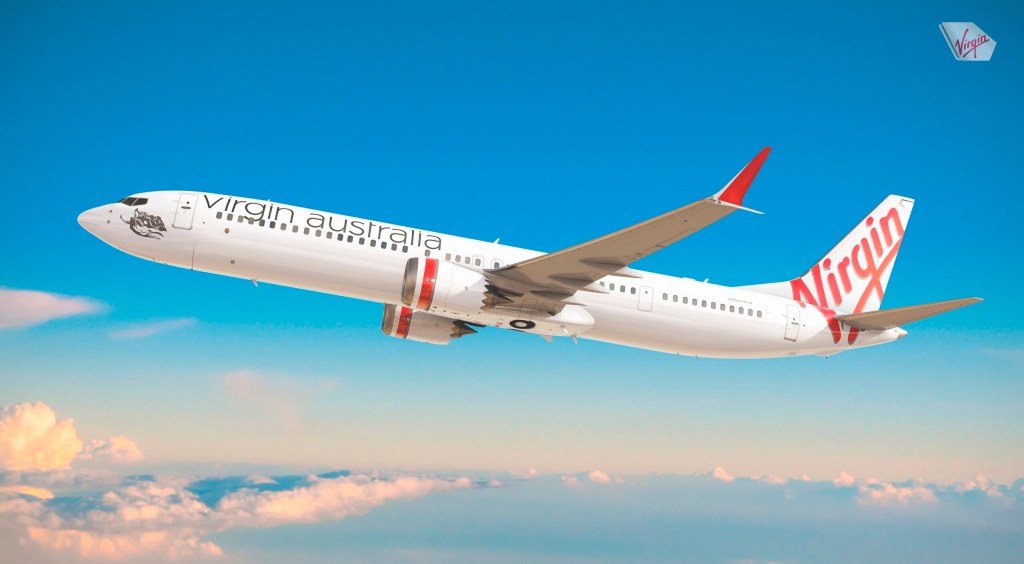
Virgin Airlines Australia reestructura pedido Boeing 737 MAX
Virgin Airlines Australia ha anunciado la reestructuración del pedido inicial de Boeing 737-8 MAX anunciado inicialmente para reconvertir la orden a aeronaves de mayor capacidad. Virgin Australia Group anunció el Miércoles 9 de Diciembre de 2020 que ha llegado a un acuerdo con Boeing para reestructurar su orden de Boeing 737 MAX y el calendario de entrega. El libro de pedidos reestructurado ahora consta de veinticinco aviones Boeing 737-10 MAX que serán programados para su entrega a partir de mediados de 2023.
La Directora Ejecutiva y Directora General de Virgin Australia Group, Jayne Hrdlicka, dijo que el acuerdo representa un compromiso con el futuro de los nuevos propietarios de la aerolínea, Bain Capital, y permitirá a Virgin Australia gestionar adecuadamente los requisitos futuros de la flota en medio de lo que ha sido el peor año en la historia de la aviación. «Ya nos hemos movido para simplificar nuestra flota principal y comprometidos con los aviones Boeing 737 como la columna vertebral de nuestras futuras operaciones internacionales nacionales y de corta distancia. El acuerdo reestructurado y los cambios en el calendario de entrega del Boeing 737-10 MAX nos da la flexibilidad de revisar continuamente nuestros requisitos futuros de la flota, especialmente mientras esperamos a que regrese la demanda de viajes internacionales. El MAX 10 nos permitirá aprovechar la flexibilidad operativa que hemos podido lograr con nuestra flota existente durante toda la administración para garantizar que sigamos siendo competitivos en el otro lado de COVID-19», dijo Jayne Hrdlicka.
Reconociendo la recertificación del Boeing 737 MAX por la Administración Federal de Aviación (FAA) de los Estados Unidos y otros reguladores, Virgin Airlines Australia dijo que sigue confiando en que los planes mundiales de retorno al servicio apoyarán su llegada a mediados de 2023. Virgin Australia Group sigue en conversaciones con los fabricantes de aeronaves sobre una estrategia de flota para apoyar la reintroducción de servicios de cuerpo ancho cuando la demanda de viajes internacionales de larga distancia regresa.
Virgin/AU restructures order 737 MAX
Virgin Airlines Australia restructures Boeing 737 MAX order
Virgin Airlines Australia has announced the restructuring of the initial Boeing 737-8 MAX order originally announced to convert the order to larger capacity aircraft. Virgin Australia Group announced on Wednesday December 9, 2020 that it has reached an agreement with Boeing to restructure its Boeing 737 MAX order and delivery schedule. The restructured order book now consists of twenty-five Boeing 737-10 MAX aircraft that will be scheduled for delivery beginning in mid-2023.
Virgin Australia Group Chief Executive Officer and Managing Director Jayne Hrdlicka said the deal represents a commitment to the future of the airline’s new owners, Bain Capital, and will allow Virgin Australia to properly manage future fleet requirements amid what has been the worst year in the history of aviation. «We have already moved to streamline our core fleet and are committed to Boeing 737 aircraft as the backbone of our future domestic and short-haul international operations. The restructured agreement and changes to the delivery schedule of the Boeing 737-10 MAX give us the flexibility to continually review our future fleet requirements, especially while we wait for international travel demand to return. The MAX 10 will allow us to take advantage of the operational flexibility we have been able to achieve with our existing fleet throughout the administration to ensure that we remain competitive on the other side of COVID-19», said Jayne Hrdlicka.
Acknowledging the recertification of the Boeing 737 MAX by the US Federal Aviation Administration (FAA) and other regulators, Virgin Airlines Australia said it remains confident that global return-to-service plans will support its arrival in mid-2023. Virgin Australia Group remains in talks with aircraft manufacturers on a fleet strategy to support the reintroduction of wide-body services when demand for long-haul international travel returns.
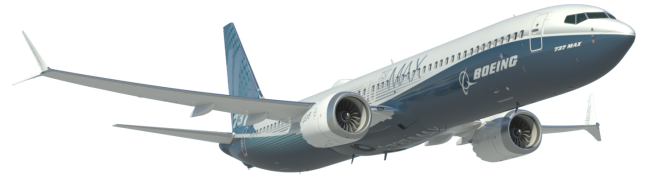
Aerolíneas Argentinas habilitará retorno 737 MAX mediados 2021
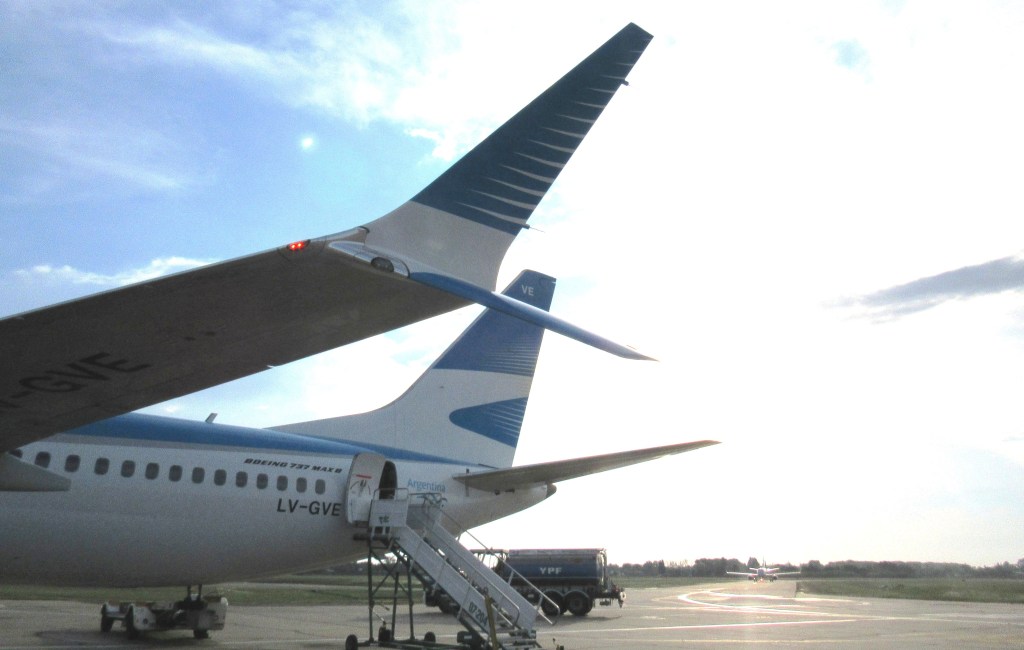
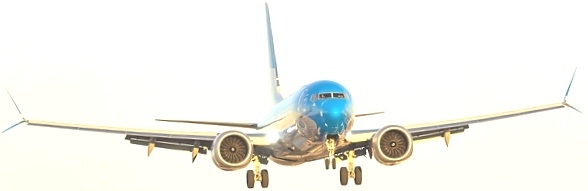
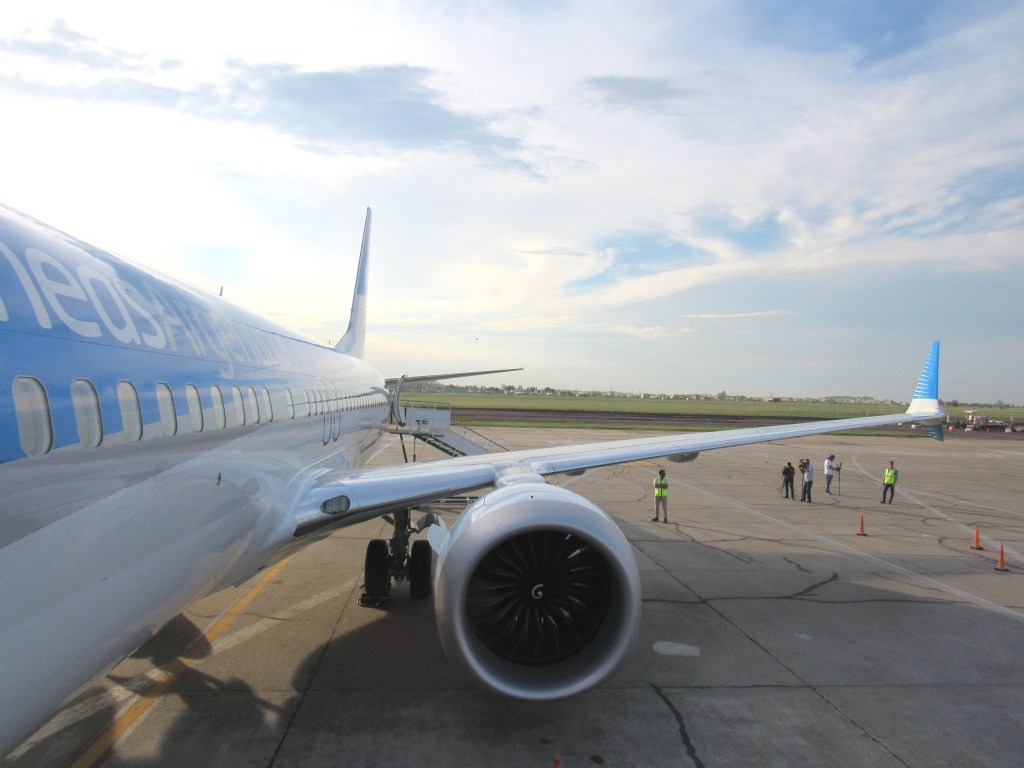
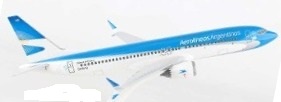
Aerolíneas Argentinas ha anunciado que el retorno del Boeing 737 MAX se realizaría a mediados de 2021. El reacondicionamiento de la línea requiere de priorizar la seguridad han destacado en la compañía. Actualmente la aerolínea posee cinco aviones Boeing 737-8 MAX. La compañía había anunciado en 2016 la adquisición de once aeronaves 737 MAX, incorporando la primer unidad en Diciembre de 2017 representando la primer aerolínea en Latinoamérica en adquirir este tipo de aeronaves. Posteriormente, un total de cinco 737-8 MAX ingresaron a la flota antes de la pandemia.
La incursión del Boeing 737 MAX en Marzo 2019 puso en tierra la línea de cuarta generación en todo el mundo, para realizar el escrutinio de recertificación del modelo para las habilitaciones correspondientes. Los reguladores de aviación como la Federal Aviation Administration (FAA) de Estados unidos, como así también la Agencia Nacional de Aviación Civil (ANAC) de Brasil, han aprobado la certificación de la aeronave. Otras agencias se encuentran en curso para habilitar el avión que ha estado en tierra por veinte meses para alcanzar las reparaciones necesarias para retornar a los cielos. Pero con el advenimiento de la pandemia, la irrupción del transporte aéreo mundial ha modificado el panorama del calendario de retorno de la aeronave 737 MAX.
El proceso de acondicionamiento de las aeronaves 737 MAX en las líneas aéreas continúa tomando forma. la aerolínea GOL Linhas Aéreas había anunciado sorpresivamente su primer vuelo el 9 de Diciembre de 2020 convirtiéndose en el primer transportador aéreo en retornar el Boeing 737 MAX a los cielos en el mundo. American Airlines, de Estados Unidos, ha anunciado el regreso de la línea MAX con su primer vuelo el 29 de Diciembre de 2020.
Aerolíneas Argentinas ha puesto sus procedimientos requeridos para validar los aviones 737-8 MAX, como así también el entrenamiento respectivo de las tripulaciones de vuelo. “Para Aerolíneas Argentinas lo más importante es la seguridad, por eso vamos a cumplir el procedimiento estricto, que llevará algún tiempo. Tal como vienen las cosas, los MAX van a estar volando recién bien entrado el año 2021. Aerolíneas Argentinas, se encuentra trabajando en conjunto con nuestra autoridad local (ANAC), para definir los próximos pasos a seguir para permitir el retorno al servicio, en línea con los requisitos publicados por la FAA. En paralelo, nuestros equipos de operaciones y mantenimiento, se encuentran planificando los trabajos necesarios tanto de entrenamiento como de modificaciones y puesta en servicio de nuestras cinco aeronaves luego de 20 meses sin volar”, expresaron desde la compañía.
Aerolíneas y la ANAC Argentina continúan trabajando para dar retorno a las aeronaves Boeing 737 MAX en un marco de seguridad operativa correspondiente. “La seguridad es nuestra prioridad en Aerolíneas. Los aviones regresarán a volar cuando los equipos técnicos de la empresa y la autoridad aeronáutica certifiquen que las condiciones sean las óptimas de acuerdo a los requisitos establecidos por la FAA y por el fabricante”, sostienen desde Aerolíneas Argentinas.
Perspectivas 737 MAX
Un giro de las estrategias de negocios han permitido establecer un plazo más prolongado para aprobar el retorno de la línea 737-8 MAX en la programación de los vuelos comerciales en la compañía. “No tenemos necesidad de reincorporar ya los 737 MAX, dado que la caída de la demanda que provocó la pandemia hace que estemos operando bien con los aviones que tenemos en actividad”, detallan en Aerolíneas. Los plazos también estarán supeditados a otros factores externos, como por ejemplo, la capacitación de los pilotos, que en una primera etapa se hará en los simuladores de Boeing en Seattle (WA). Habrá que hacer fila con todas las compañías que operan el 737 MAX por el mundo. También hay que adaptar el software y cambiar el cableado de los aviones. “El plazo final va a estar determinado por las garantías de que todo funcione correctamente”, destacaron en Aerolíneas Argentinas.
Independientemente de los procesos y tiempos que ha establecido Aerolíneas Argentinas, la diligencia de la aerolínea GOL Linhas Aéreas ha permitido desarrollar mecanismos austeros para poner en el aire la aeronave en tiempo récord, inaugurando así el regreso de la línea Boeing 737 MAX a los cielos del mundo.
Aerolíneas return 737 MAX mid-2021
Aerolíneas Argentinas will enable 737 MAX return by mid-2021
Aerolíneas Argentinas has announced that the return of the Boeing 737 MAX would take place in mid-2021. The reconditioning of the line requires prioritizing safety, they have highlighted in the company. Currently the airline owns five Boeing 737-8 MAX aircraft. The company had announced in 2016 the acquisition of eleven 737 MAX aircraft, incorporating the first unit in December 2017, representing the first airline in Latin America to acquire this type of aircraft. Subsequently, a total of five 737-8 MAXs entered the fleet prior to the pandemic.
The incursion of the Boeing 737 MAX in March 2019 put the fourth generation line on the ground worldwide, to carry out the re-certification scrutiny of the model for the corresponding ratings. Aviation regulators such as the Federal Aviation Administration (FAA) of the United States, as well as the National Civil Aviation Agency (ANAC) of Brazil, have approved the certification of the aircraft. Other agencies are in the process to enable the plane that has been on the ground for twenty months to achieve the necessary repairs to return to the skies. But with the advent of the pandemic, the emergence of global air transport has changed the landscape of the return schedule of the 737 MAX aircraft.
The refurbishment process for 737 MAX aircraft at airlines continues to take shape. The airline GOL Linhas Aéreas had surprisingly announced its first flight on December 9, 2020, becoming the first air carrier to return the Boeing 737 MAX to the skies in the world. American Airlines, from the United States, has announced the return of the MAX line with its first flight on December 29, 2020.
Aerolíneas Argentinas has established its required procedures to validate the 737-8 MAX airplanes, as well as the respective training of the flight crews. “For Aerolíneas Argentinas the most important thing is safety, so we are going to comply with the strict procedure, which will take some time. As things are going, the MAXs will be flying well into 2021. Aerolíneas Argentinas is working together with our local authority (ANAC), to define the next steps to follow to allow the return to service, in line with the requirements published by the FAA. At the same time, our operations and maintenance teams are planning the necessary work for both training and modifications and commissioning of our five aircraft after 20 months without flying ”, they expressed from the company.
Aerolíneas and ANAC Argentina continue working to return Boeing 737 MAX aircraft in a corresponding operational security framework. “Safety is our priority at Airlines. The airplanes will return to fly when the technical teams of the company and the aeronautical authority certify that the conditions are optimal according to the requirements established by the FAA and by the manufacturer”, say n from Aerolíneas Argentinas.
Perspectives 737 MAX
A shift in business strategies has allowed establishing a longer term to approve the return of line 737-8 MAX in the scheduling of commercial flights in the company. «We do not need to reinstate the 737 MAX, given that the fall in demand caused by the pandemic means that we are operating well with the aircraft that we have in operation», they detail in Aerolíneas. The deadlines will also be subject to other external factors, such as the training of the pilots, which in the first stage will be done in the Boeing simulators in Seattle (WA). You will have to line up with all the companies that operate the 737 MAX around the world. You also have to adapt the software and change the wiring of the aircraft. «The final term will be determined by the guarantees that everything works correctly», they highlighted in Aerolíneas Argentinas.
Regardless of the processes and times that Aerolíneas Argentinas has established, the diligence of the airline GOL Linhas Aéreas has allowed the development of austere mechanisms to put the aircraft into the air in record time, thus inaugurating the return of the Boeing 737 MAX line to the skies of the world.
Autorizan a Norwegian Air Protección de Bancarrota en Noruega
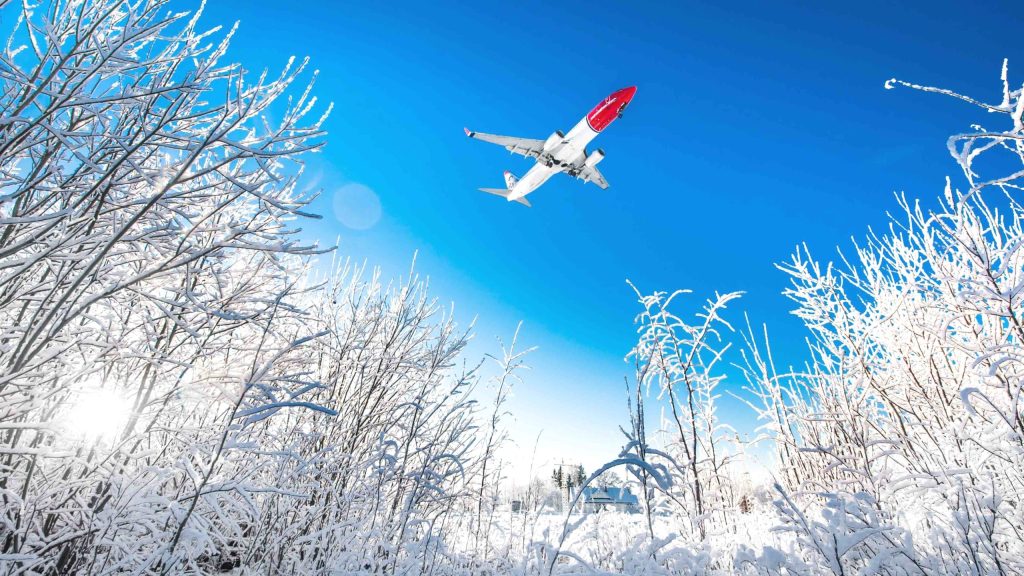
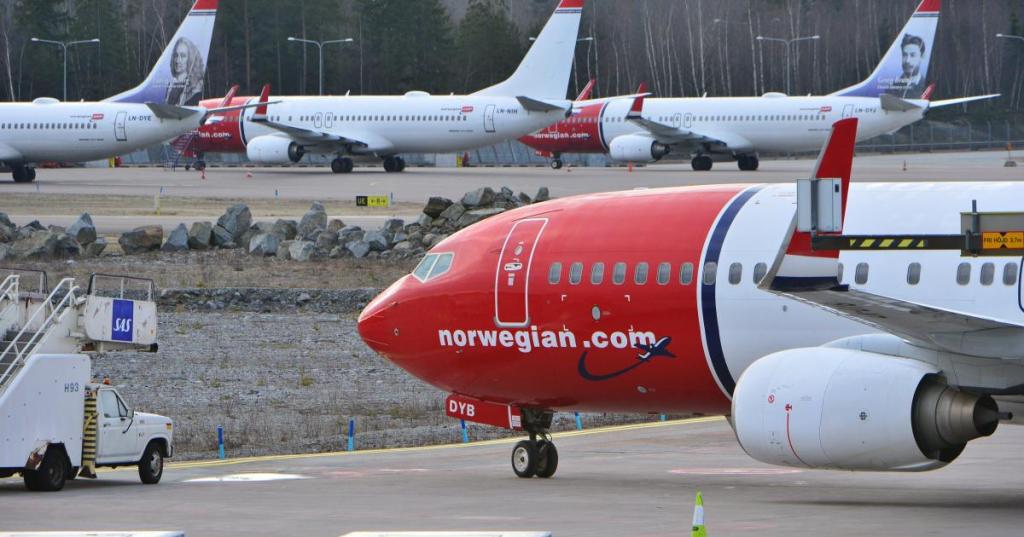
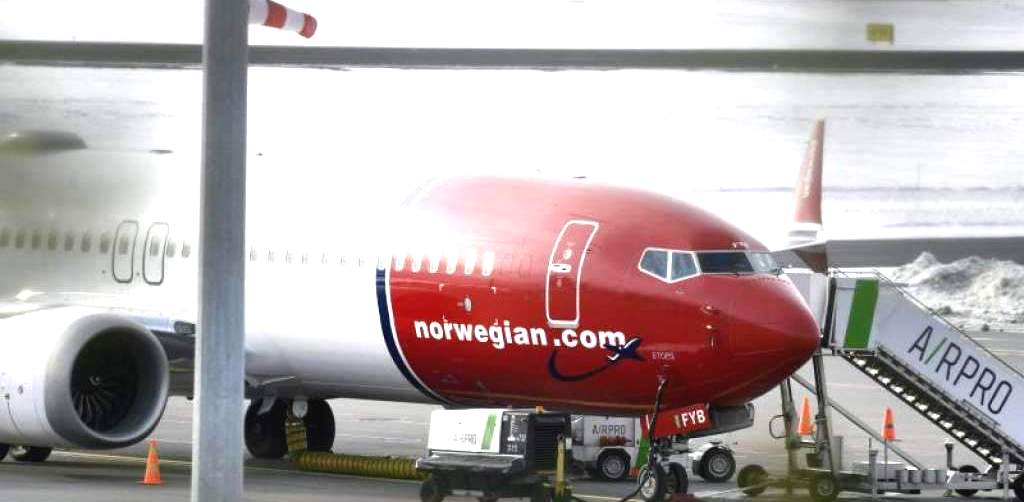
La aerolínea de bajo costo Norwegian Air Shuttle ASA ha anunciado este 8 de Diciembre de 2020 que había asegurado la protección de la bancarrota en Noruega, después de haber recibido recientemente un escudo similar en Irlanda. Cargada de deuda masiva después de un ambicioso programa de expansión y de sufrimiento a la pandemia Covid-19 que ha paralizado el tráfico aéreo mundial, la tercera aerolínea de presupuesto más grande de Europa lucha ahora por su supervivencia.
Un tribunal irlandés permitió el Lunes 07/12 a Norwegian poner a sí mismo y a varias filiales irlandesas que gestionan su flota y algunas de sus rutas en Europa en examen, el equivalente al procedimiento estadounidense conocido como Capítulo 11. La maniobra protege a la compañía de los acreedores y la posible bancarrota mientras intenta reestructurar su deuda.
Un tribunal noruego especializado también le concedió protección ayer. «Un proceso de reconstrucción complementario bajo la ley noruega beneficiará a todas las partes y aumentará la probabilidad de un resultado exitoso. Nuestro objetivo es asegurar puestos de trabajo en la empresa y contribuir a asegurar la infraestructura crítica y la creación de valor en Noruega», dijo en un comunicado el Jefe Ejecutivo noruego Jacob Schram.
A la espera de la implantación mundial de las vacunas anti-Covid-19 que pudieran permitir que el tráfico aéreo volviera a la normalidad, Norwegian Air presentó la semana pasada un plan de rescate que incluía el recorte de su flota, la conversión de la deuda y una emisión de derechos de hasta NOK 4.000 millones de Coronas (US$ 453 millones de Dólares/€ 374,5 millones de Euros). Los accionistas deben votar sobre el plan en una junta general extraordinaria el 17 de Diciembre de 2020. La compañía, pionera en el sector de largo coste de larga distancia, ha estado en rojo desde 2017 y su deuda ascendió a NOK 48.500 millones de Coronas a finales de Septiembre 2020.
Actualmente, sólo seis de los 140 aviones que tenía en servicio a principios de año siguen volando, en las rutas nacionales noruegas, mientras que sólo 600 empleados entre una nómina de 10.000 antes en fuerte siguen trabajando. El precio de las acciones noruegas, que ha fluctuado salvajemente últimamente, ganó 9,13% en las operaciones del mediodía en la Bolsa de Oslo, habiendo perdido el 99% de su valor en el último año. Norwegian Air obtiene protección adicional de los acreedores para hacer frente a la deuda, buscando así sobrevivir a la actual tormenta perfecta de la pandemia de Coronavirus.
Norwegian Air obtains bankruptcy protection
Norwegian Air Authorized Bankruptcy Protection in Norway
The low-cost airline Norwegian Air Shuttle ASA announced on December 8, 2020 that it had secured bankruptcy protection in Norway, having recently received a similar shield in Ireland. Burdened with massive debt after an ambitious expansion program and suffering from the Covid-19 pandemic that has paralyzed global air traffic, Europe’s third-largest budget airline is now fighting for its survival.
An Irish court on Monday allowed Norwegian to put itself and several Irish subsidiaries that manage its fleet and some of its routes in Europe under review, the equivalent of the American procedure known as Chapter 11. The move protects the company from creditors and possible bankruptcy while trying to restructure your debt.
A specialized Norwegian court also granted him protection yesterday. «A complementary rebuilding process under Norwegian law will redound to all parties and will increase the likelihood of a successful outcome. Our goal is to secure jobs in the company and help secure critical infrastructure and value creation in Norway», Norwegian Chief Executive Jacob Schram said in a statement.
Waiting for the worldwide implementation of anti-Covid-19 vaccines that could allow air traffic to return to normal, Norwegian Air last week presented a rescue plan that included cutting its fleet, the conversion of debt and a rights issue of up to NOK 4,000 million Crowns (US$ 453 million Dollars/€ 374.5 million Euros). Shareholders must vote on the plan at an extraordinary general meeting on December 17, 2020. The company, a pioneer in the long-distance long-cost sector, has been in the red since 2017 and its debt amounted to NOK 48.5 billion Crowns to end of September 2020.
Currently, only six of the 140 aircraft it had in service at the beginning of the year are still flying, on Norwegian domestic routes, while only 600 employees out of a former 10,000 payroll are still working. The Norwegian share price, which has fluctuated wildly lately, gained 9.13% in midday trading on the Oslo Stock Exchange, having lost 99% of its value in the last year. Norwegian Air gains additional protection from creditors to address debt, seeking to survive the current perfect storm of the Coronavirus pandemic.
Norwegian Air får konkursbeskyttelse
Norsk luftautorisert konkursbeskyttelse i Norge
Lavprisflyselskapet Norwegian Air Shuttle ASA kunngjorde 8 Desember 2020 at det hadde sikret seg konkursbeskyttelse i Norge, etter å ha nylig mottatt et lignende skjold i Irland. Europas tredje største budsjettflyselskap kjemper nå for sin overlevelse, belastet med massiv gjeld etter et ambisiøst utvidelsesprogram og lider av Covid-19-pandemien som har lammet den globale flytrafikken.
En irsk domstol tillot mandag Norwegian å sette seg selv og flere irske datterselskaper som styrer flåten og noen av dens ruter i Europa til vurdering, tilsvarende den amerikanske prosedyren kjent som kapittel 11. Tiltaket beskytter selskapet mot kreditorer og mulig konkurs mens du prøver å restrukturere gjelden din.
En spesialisert norsk domstol ga ham også beskyttelse i går. «En komplementær gjenoppbyggingsprosess i henhold til norsk lov vil redusere til alle parter og øke sannsynligheten for et vellykket resultat. Målet vårt er å sikre arbeidsplasser i selskapet og bidra til å sikre kritisk infrastruktur og verdiskaping i Norge». Den norske konsernsjef Jacob Schram sa i en uttalelse.
I påvente av den verdensomspennende implementeringen av anti-Covid-19 vaksiner som kunne tillate flytrafikken å gå tilbake til det normale, presenterte Norwegian Air i forrige uke en redningsplan som inkluderte kutting av flåten, konvertering av gjeld og en fortrinnsemisjon på inntil 4.000 millioner Kroner (Kroner 453 millioner Dollar/€ 374,5 millioner Euro). Aksjonærer må stemme på planen på en ekstraordinær generalforsamling 17 Desember 2020. Selskapet, en pioner innen langdistansesektoren, har vært i rødt siden 2017 og gjelden utgjorde 48,5 milliarder kroner til slutten av september 2020.
Foreløpig er det bare seks av de 140 flyene de hadde i drift i begynnelsen av året som flyr på norske innenriksruter, mens bare 600 ansatte av en tidligere 10 000 lønn fortsatt jobber. Den norske aksjekursen, som har svingt voldsomt den siste tiden, økte 9,13% i middagshandel på Oslo Børs, etter å ha mistet 99% av verdien det siste året. Norwegian Air får ekstra beskyttelse fra kreditorer for å takle gjeld, og søker å overleve den nåværende perfekte stormen av Coronavirus-pandemien.